Master odor removal with a little help from science
Bad odors are a common household nuisance, and understanding the science behind smell can significantly improve efforts to eliminate them. Our sense of smell, though often overshadowed by that of animals, is highly sensitive, detecting volatile molecules that easily transition from liquid to gas. These molecules enter our airways and bind to olfactory epithelia, a tissue rich in sensory neurons. The brain then interprets these bindings as specific scents. Humans are particularly attuned to biological odors, such as those from organic matter, as they can signal potential health risks, an evolutionary adaptation.
Interestingly, the human olfactory system shares signaling pathways with our sense of pain, leading to intense negative reactions to foul smells. However, our perception of odors is largely learned rather than instinctive. Repeated exposure can even lead to 'nose-blindness,' where a persistent smell goes unnoticed. The longevity of an odor depends on the concentration of these volatile compounds and their ability to permeate surfaces. For instance, cat urine, highly concentrated with urea due to a feline's efficient kidneys, can linger because its liquid carriers easily seep into porous materials like wood and carpet fibers, continuously releasing gaseous odor molecules.
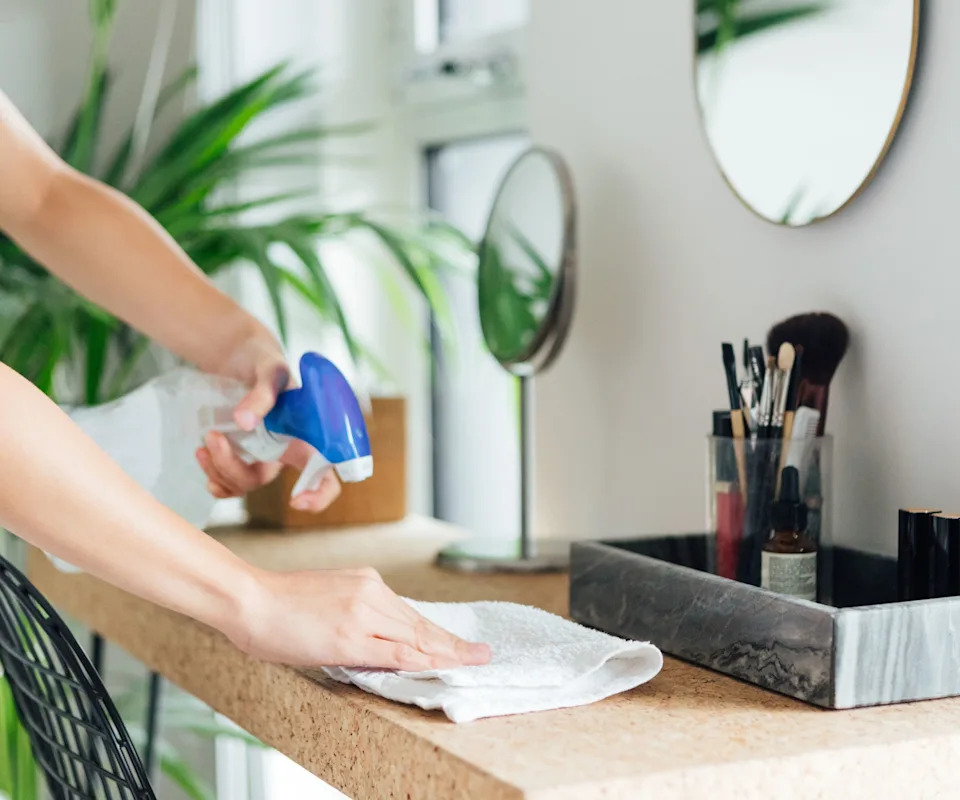
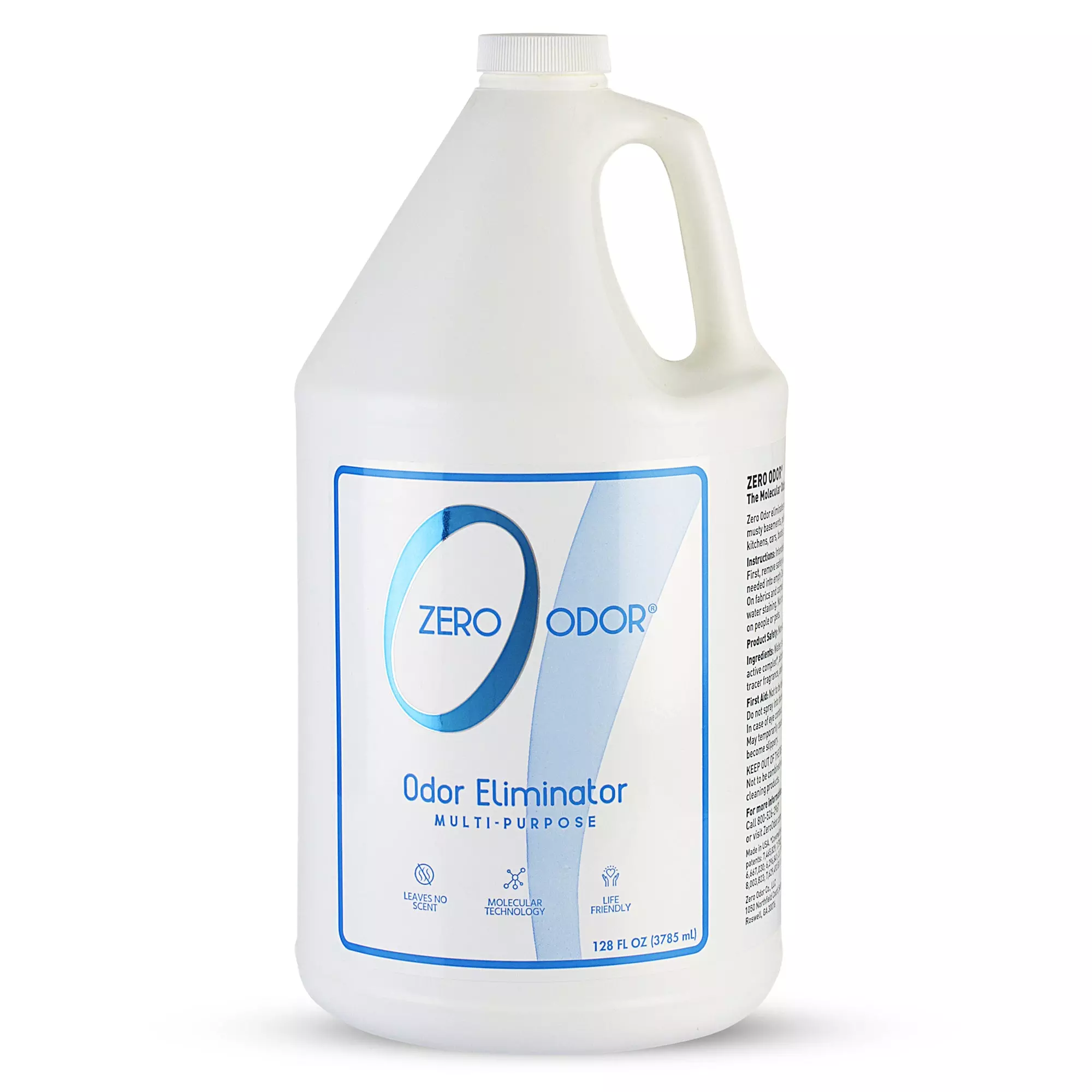
Effective odor removal begins with identifying and eliminating the source. Cleaning agents fall into several categories: surfactants, weak corrosive agents like vinegar, oxidizers, enzymatic cleaners, and solvents. Surfactants work by attaching to and lifting both stains and odor molecules. Enzymatic cleaners are designed to break down specific types of organic matter causing stains and associated smells. Oxidizers, such as bleach, primarily remove stains by altering chromophores and are generally ineffective against odors themselves. If bacterial growth is contributing to the smell, particularly from food spills or pet accidents, a disinfectant cleaner or an enzymatic cleaner targeting those specific biological compounds, like Nature's Miracle for pet waste, is recommended.
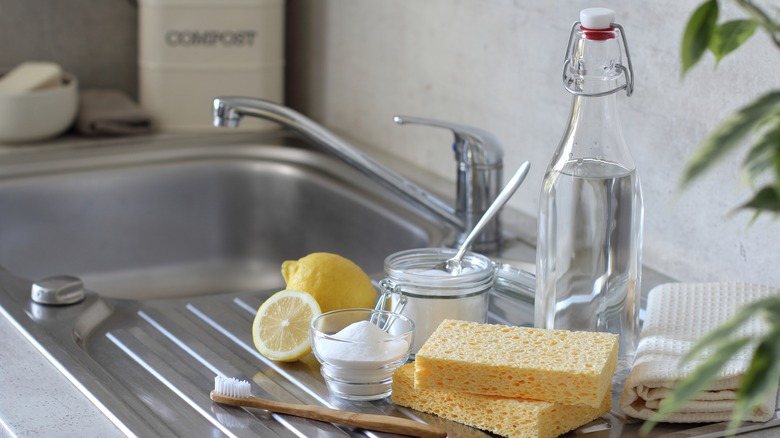
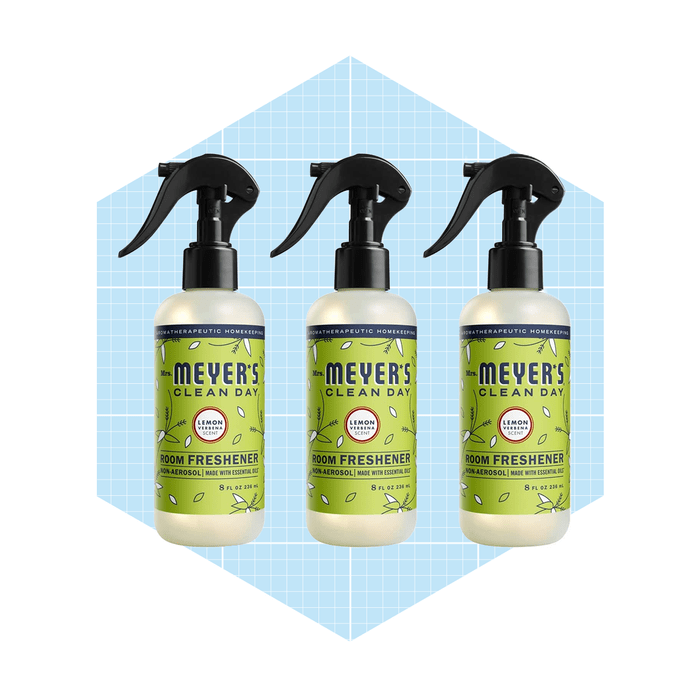
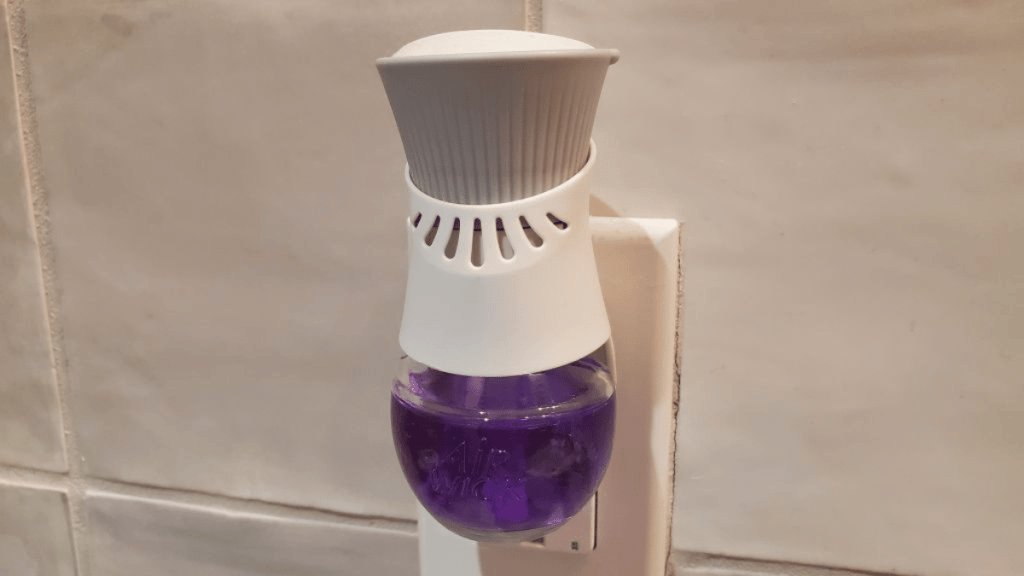
When complete removal of the source is not possible, neutralizing the odor becomes the next strategy. Odor compounds readily bond with other molecules, and certain substances can effectively capture them from the air. Febreze, for example, utilizes doughnut-shaped cyclodextrin molecules to trap scents. Baking soda (sodium bicarbonate) is another effective neutralizer for enclosed spaces, as it bonds with various reek-causing chemicals, converting them into less reactive salts. White vinegar, when simmered, releases acetic acid, which also binds with volatile odor molecules, making it an excellent air deodorizer that dissipates quickly after it has done its job. Combining white vinegar and baking soda creates a foaming, deodorizing cleaner that can reach into narrow spaces.
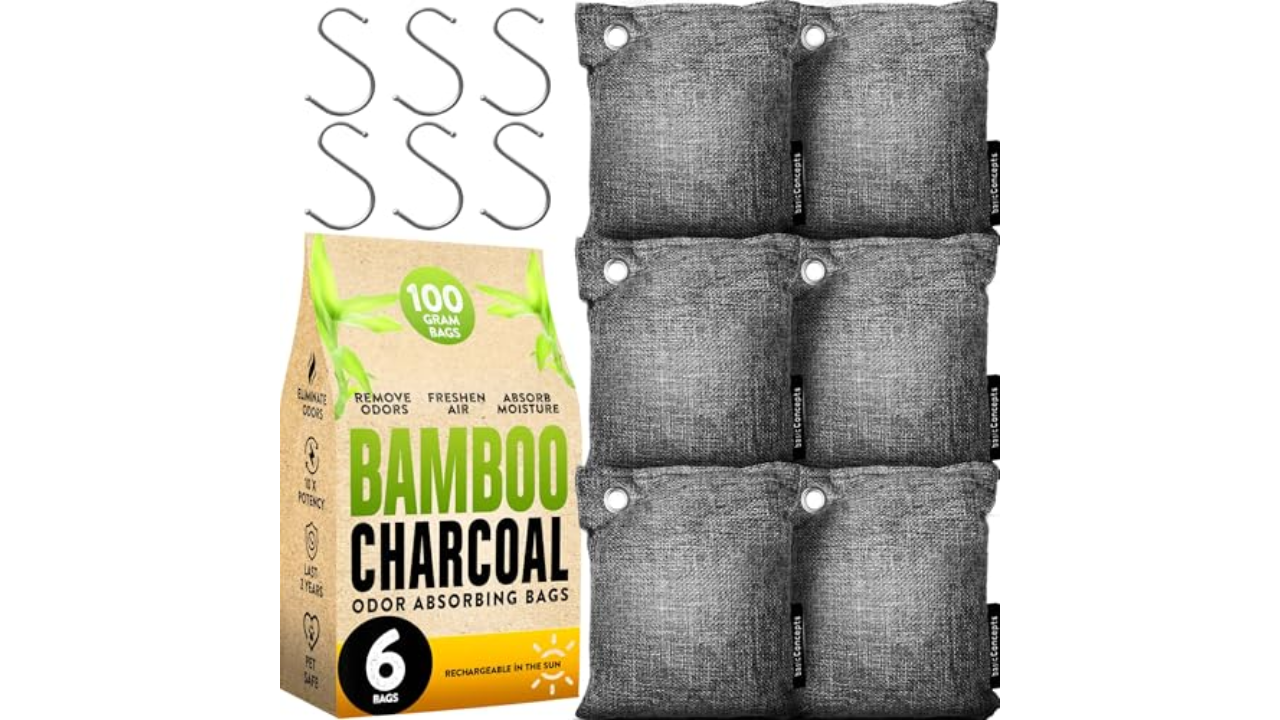
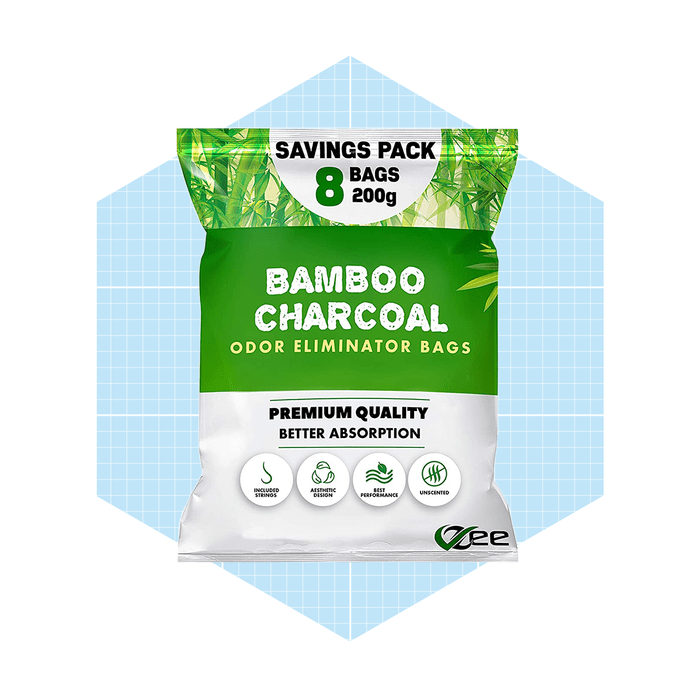
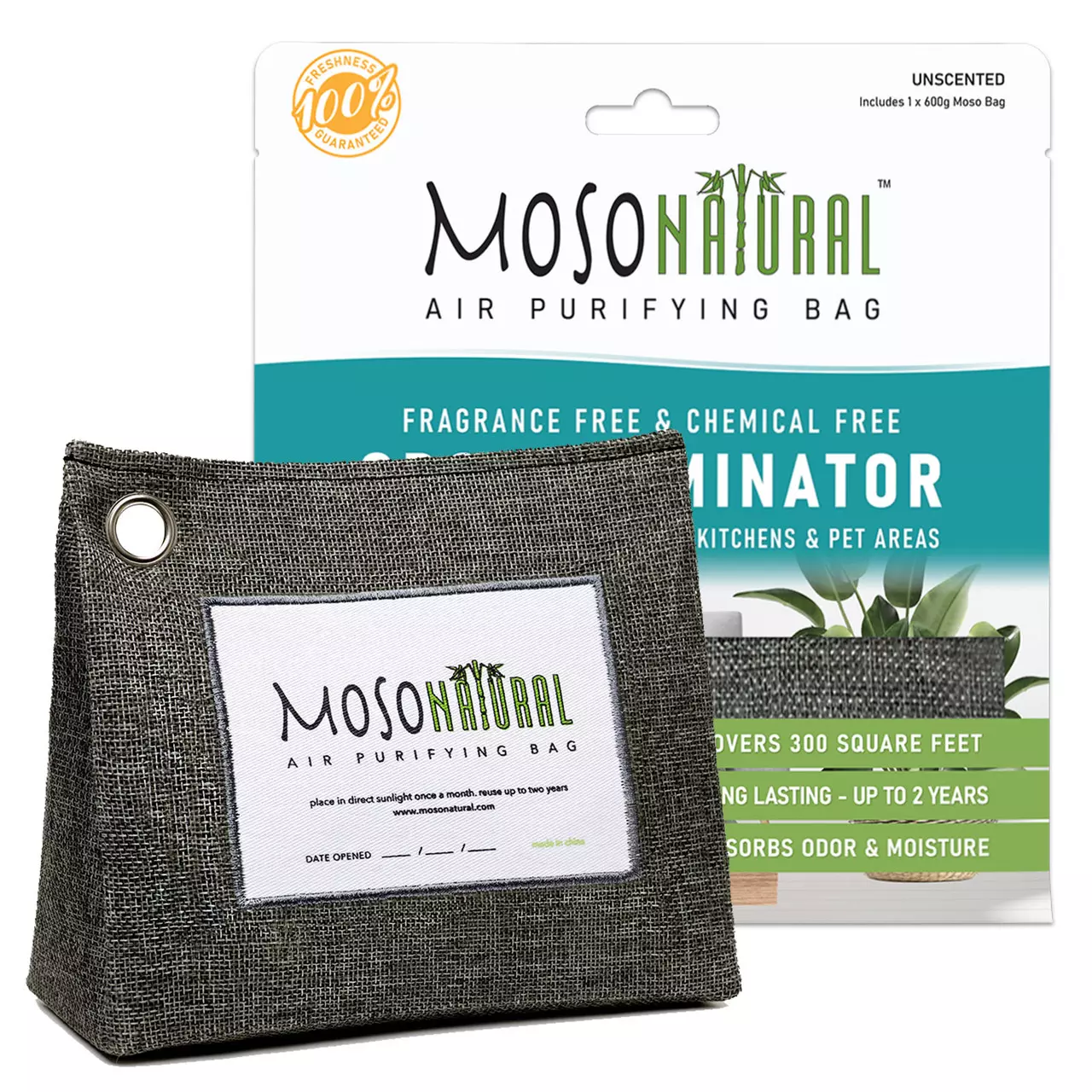
For stubborn odors embedded in materials, adsorption agents like activated carbon act as sponges, pulling in and trapping chemical compounds due to their large surface area. Kitty litter can serve a similar purpose. If all else fails, and the smell persists despite cleaning and neutralization efforts, more drastic measures may be necessary. This involves either sealing the odor into the contaminated surface or removing the affected material entirely. Sealants and paint primers designed to prevent off-gassing can create an impenetrable barrier, locking smells within surfaces like floors or counters. For items like books or clothing that cannot be sealed, if neutralization attempts fail, the only remaining options are to tolerate the smell or discard the item. By understanding these scientific principles and applying appropriate methods, persistent odors can be effectively managed and eliminated from living spaces.
#OdorRemoval #ScienceOfSmell #CleaningTips #HouseholdMaintenance #ChemicalReactions #DIYCleaning #AirQuality #HomeCare #OdorRemoval #ScienceOfSmell #CleaningTips #HouseholdMaintenance #ChemicalReactions #DIYCleaning #AirQuality #HomeCare
0 تعليق إجمالاً
 لا توجد تعليقات بعد
قد تعجبك أيضًا
Your home stinks. Here's how to fix it, according to experts

What to Do When a Dirty, Smelly Dude Sleeps on Your Couch
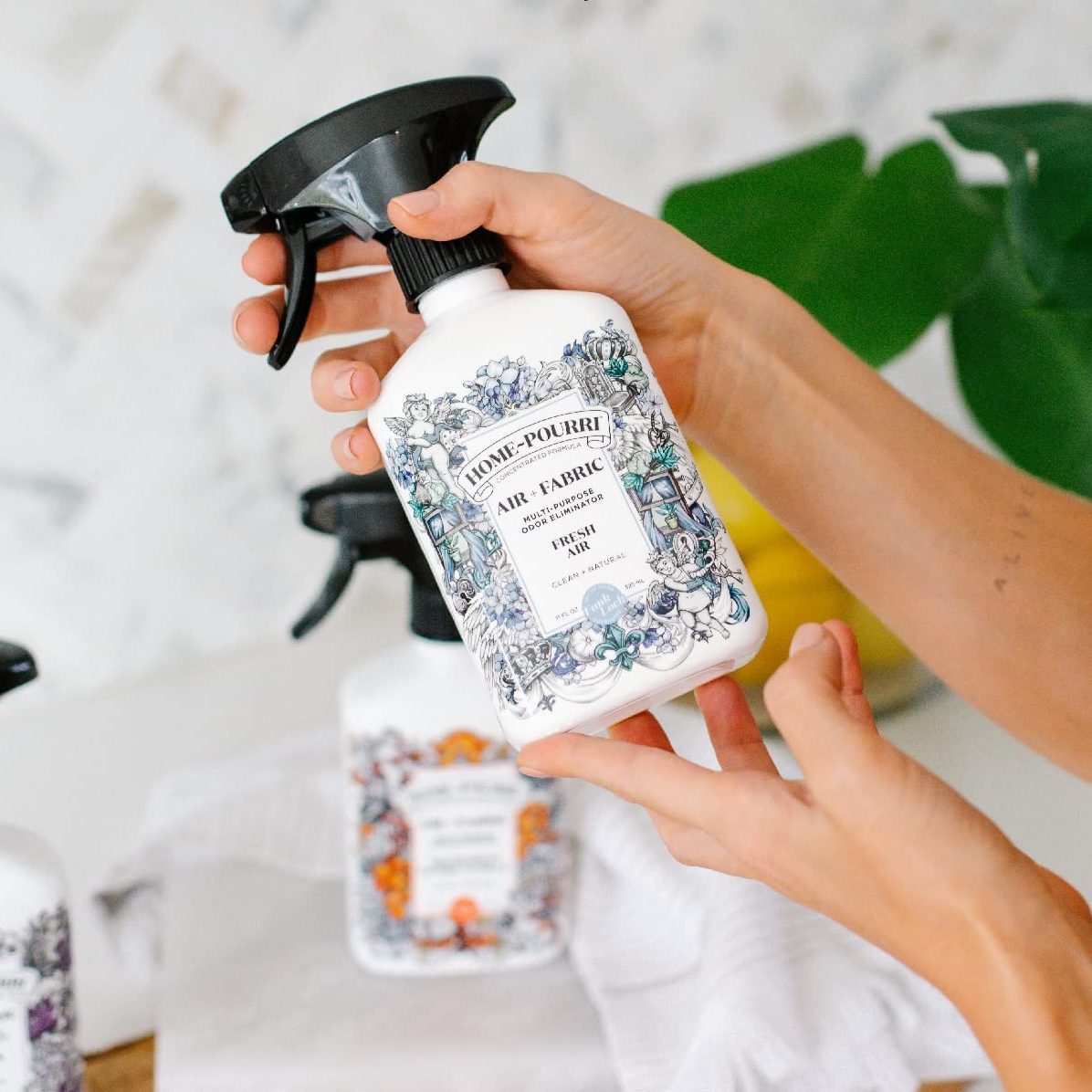
The 5 Best Basement Odor Eliminator Picks for Musty Cellars 2025

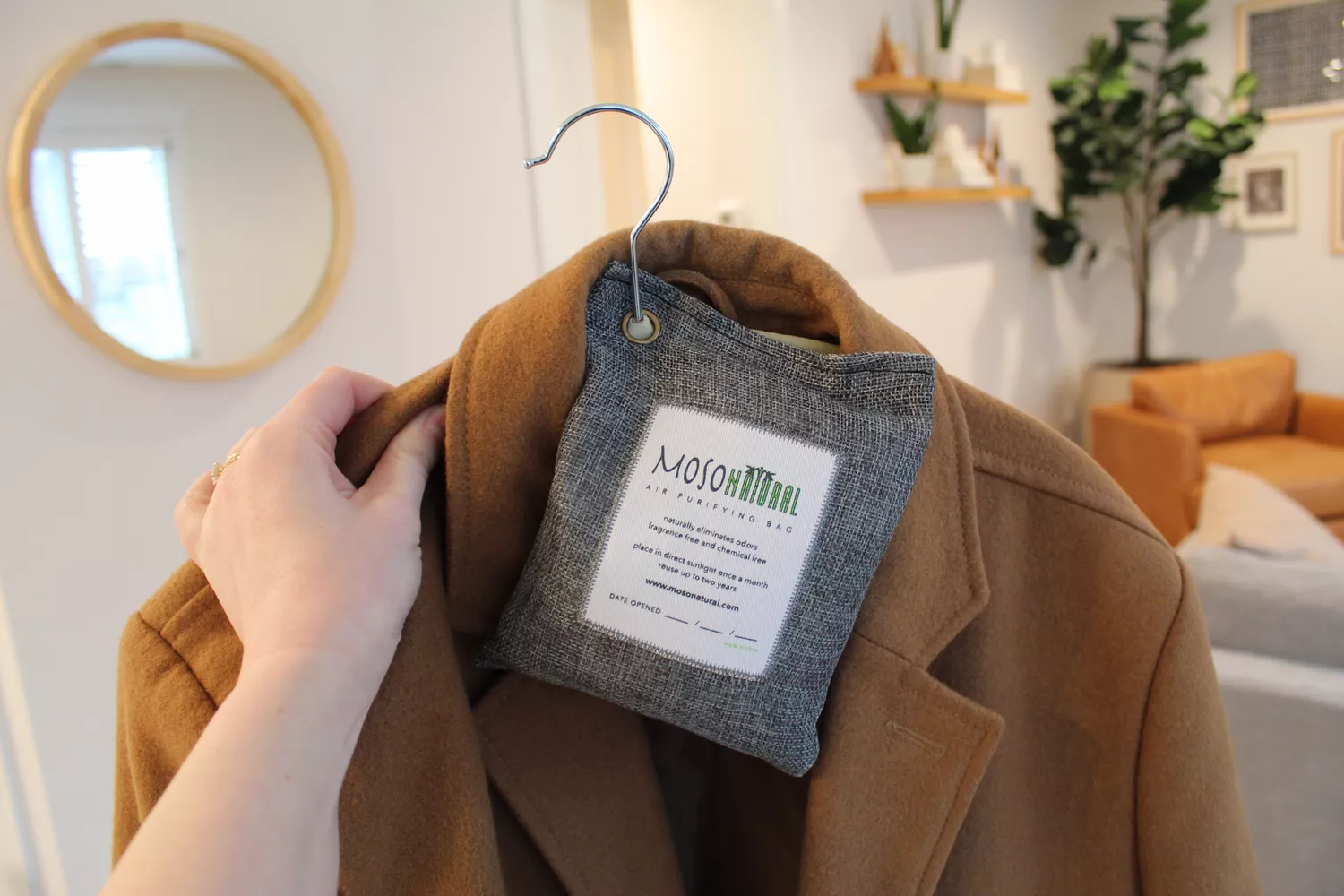
The 11 Odor Eliminators We Tested and Actually Love for Every Bad Smell


The 10 Best Hacks To Control Gross Smells In Your Home

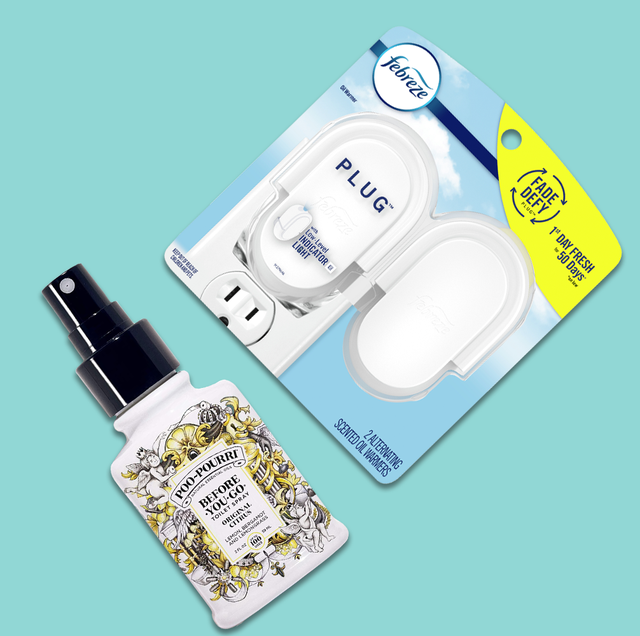
We Tested Dozens of Air Fresheners to Find the Best Ones for Your Home


7 tips to keep your house smelling good without air fresheners

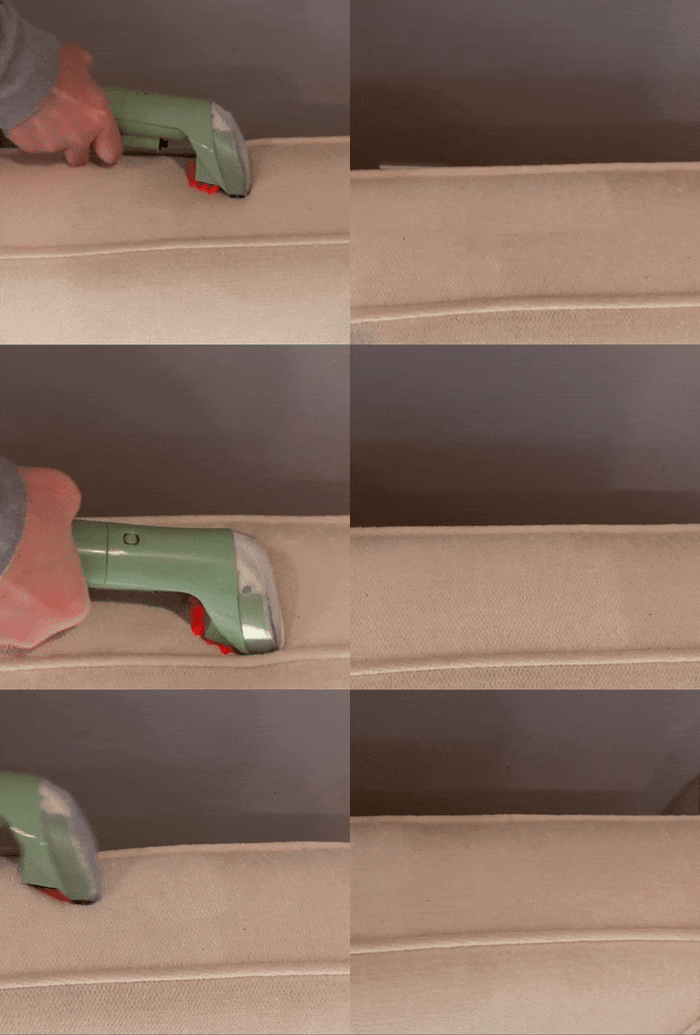
20 Cleaning Products That’ll Help Prevent That Dreaded Pet Smell
11 Best Odor Eliminators to Deodorize Any Space
The 6 best odor eliminators to rid your home of bad smells for good
Best Odor Eliminator For Rooms: 12 Effective Options For 2025
Here Are 24 Products To Buy If Your Multi-Pet Household Needs A *Seriously* Deep Cleaning
9 Odor Eliminators For Your Home That Reddit Users Swear By

How to get rid of musty basement smells – 6 ways to combat odors and their causes

7 Best Pet Odor Eliminators to Try in 2025


Do You Have a Musty-Smelling House? 6 Worrying Causes — And What You Should Do to Get Rid of Them

10 Best Odor Eliminators For Tackling Tough Smells In Every Room

How to get rid of mould on walls – 7 home treatments tried and tested by the experts

Experts say these 6 products will get rid of dog odor in your house

How to Get Rid of That Musty Basement Smell, According to Experts