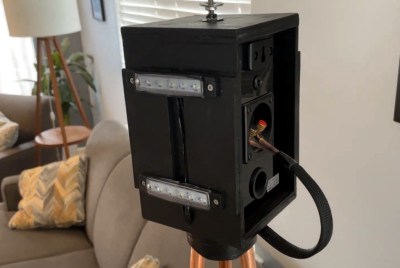

1/5
How To Integrate Speakers Seamlessly In Your Home Decor, According To An Expert
Integrating speakers into home decor seamlessly requires careful consideration of various factors, according to Janna Robinson, Techorator and founder of JannaRobinson.com. Before purchasing any sound system, it is crucial to think about the purpose, placement, and wiring to make informed decisions for each room. The market offers a wide array of speaker options in different shapes, sizes, types, and colors, necessitating a thoughtful approach to selection.
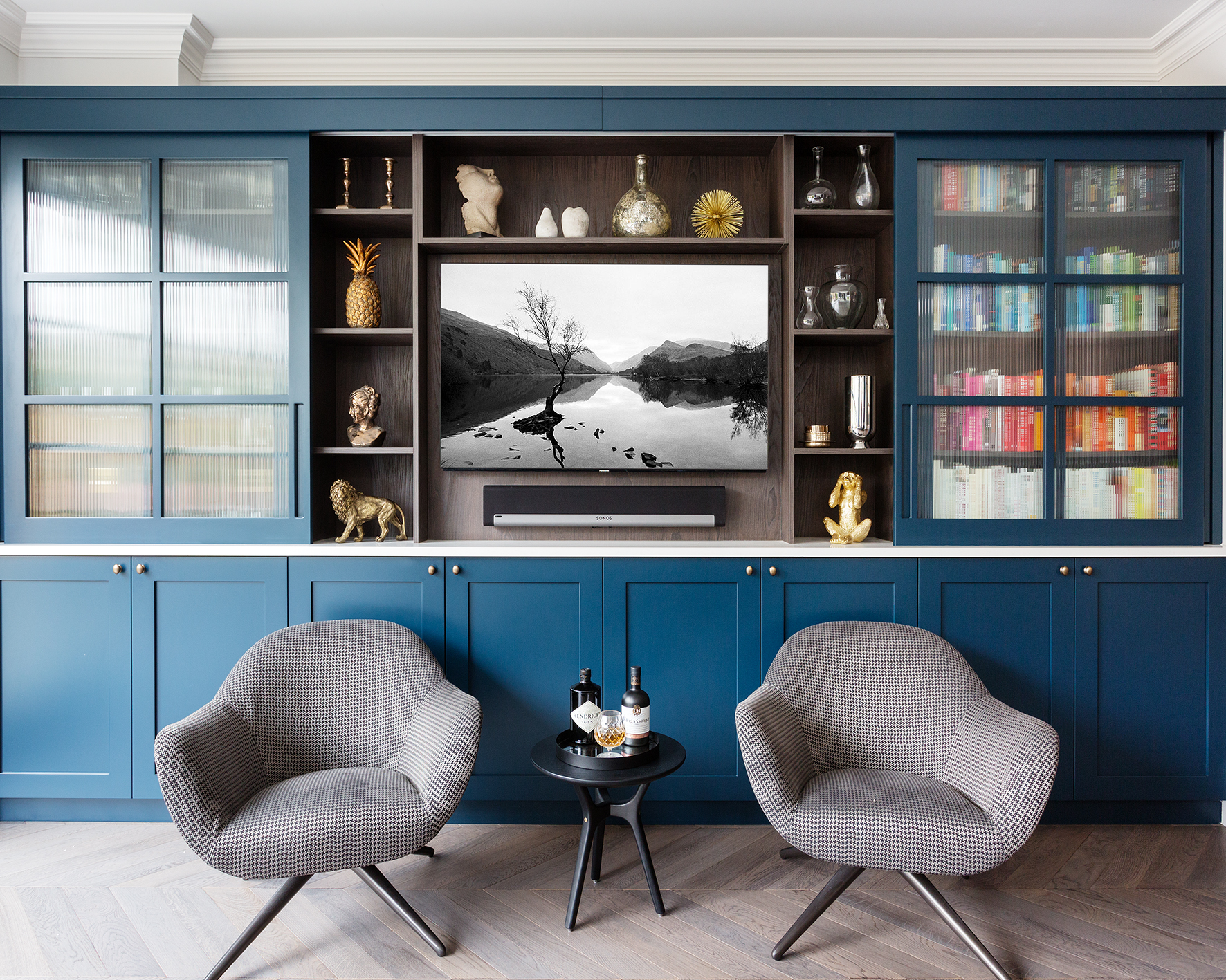
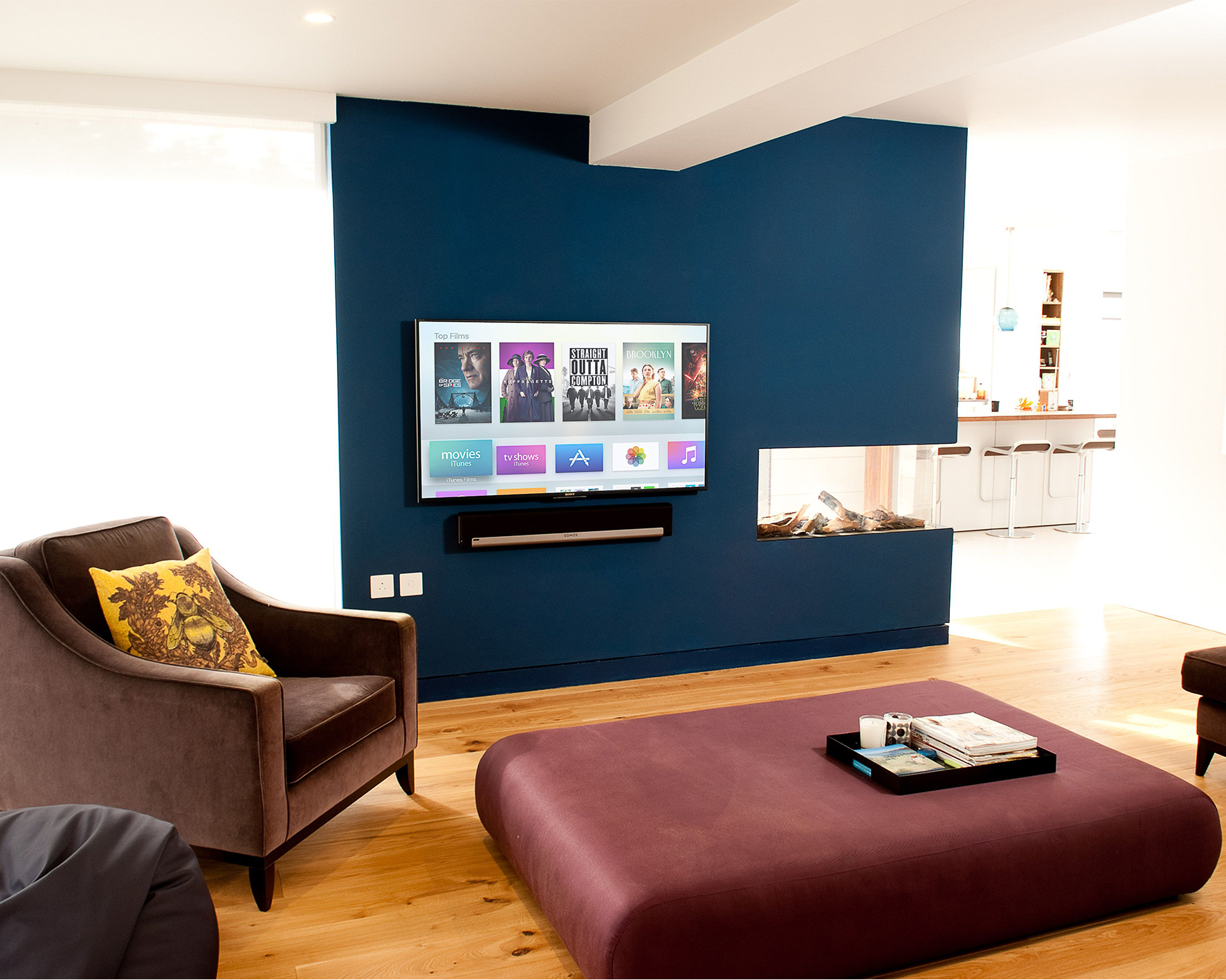
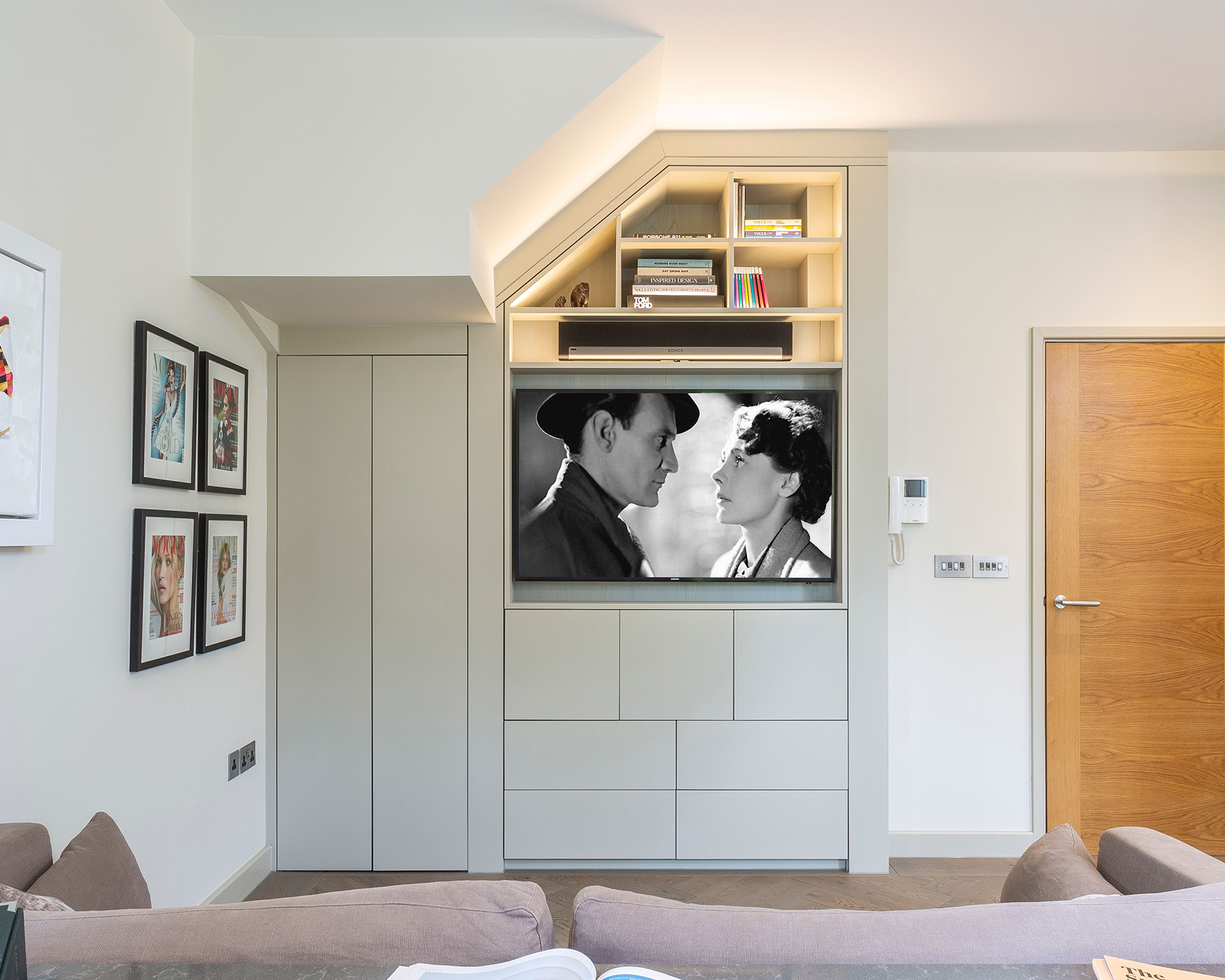
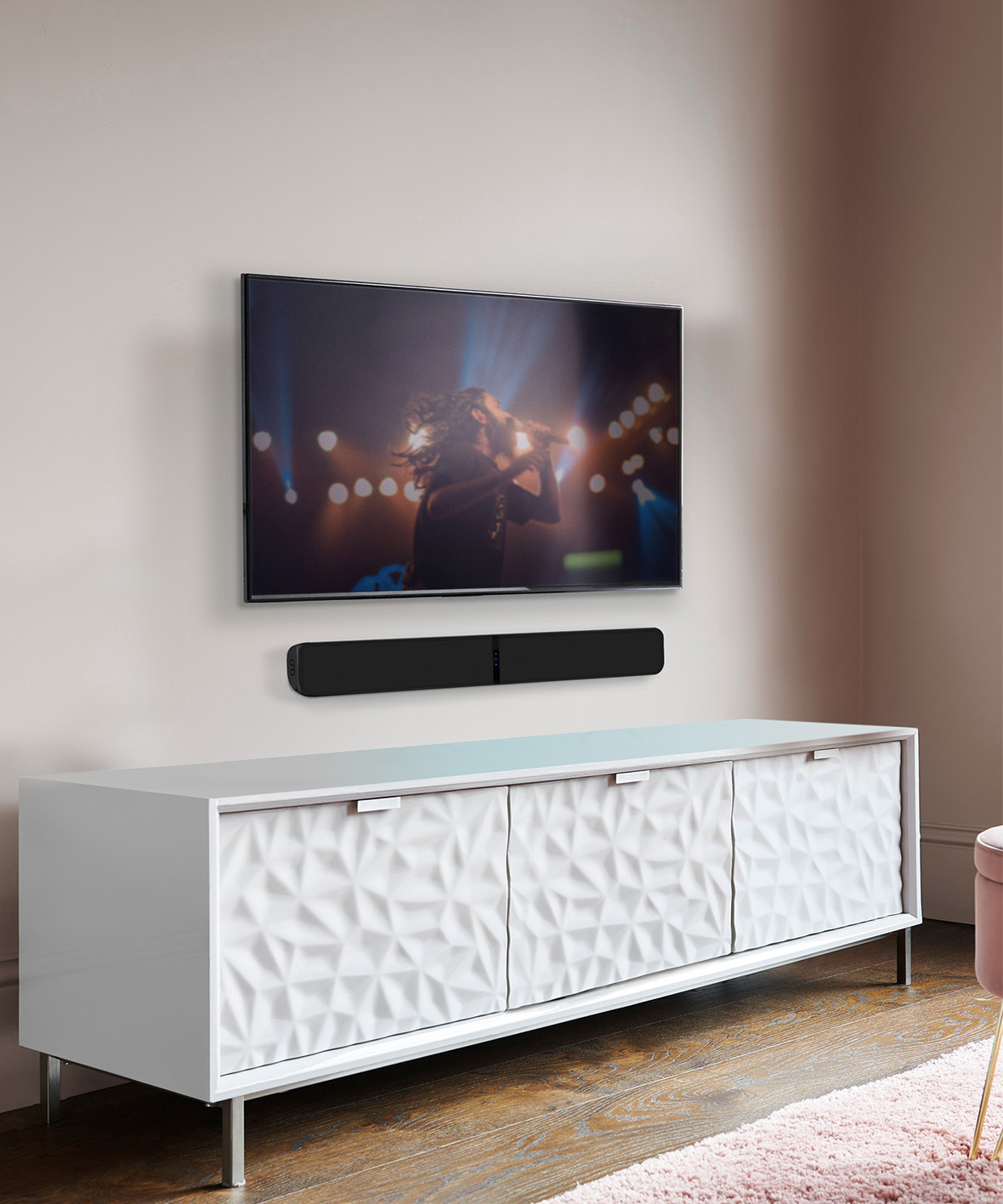
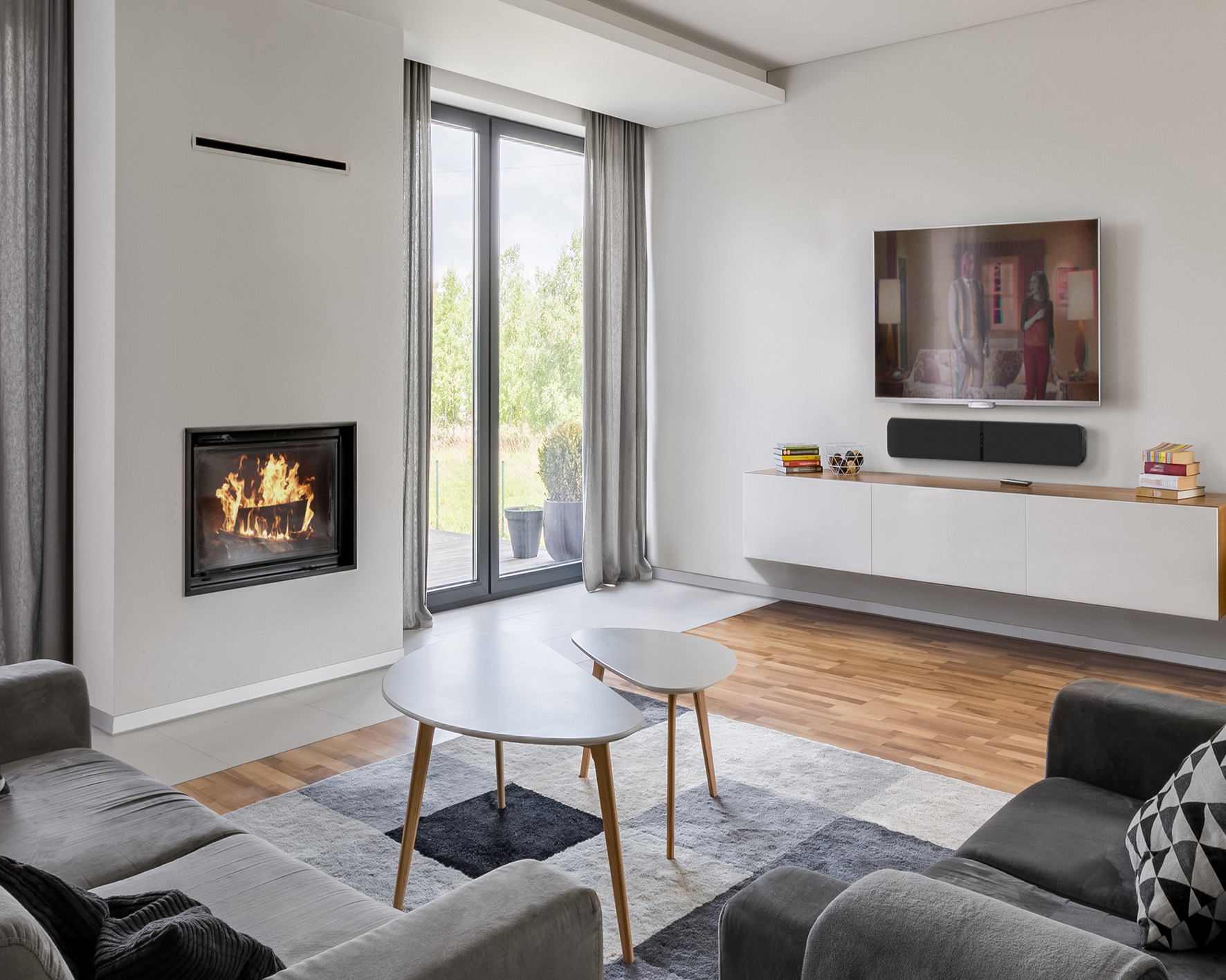
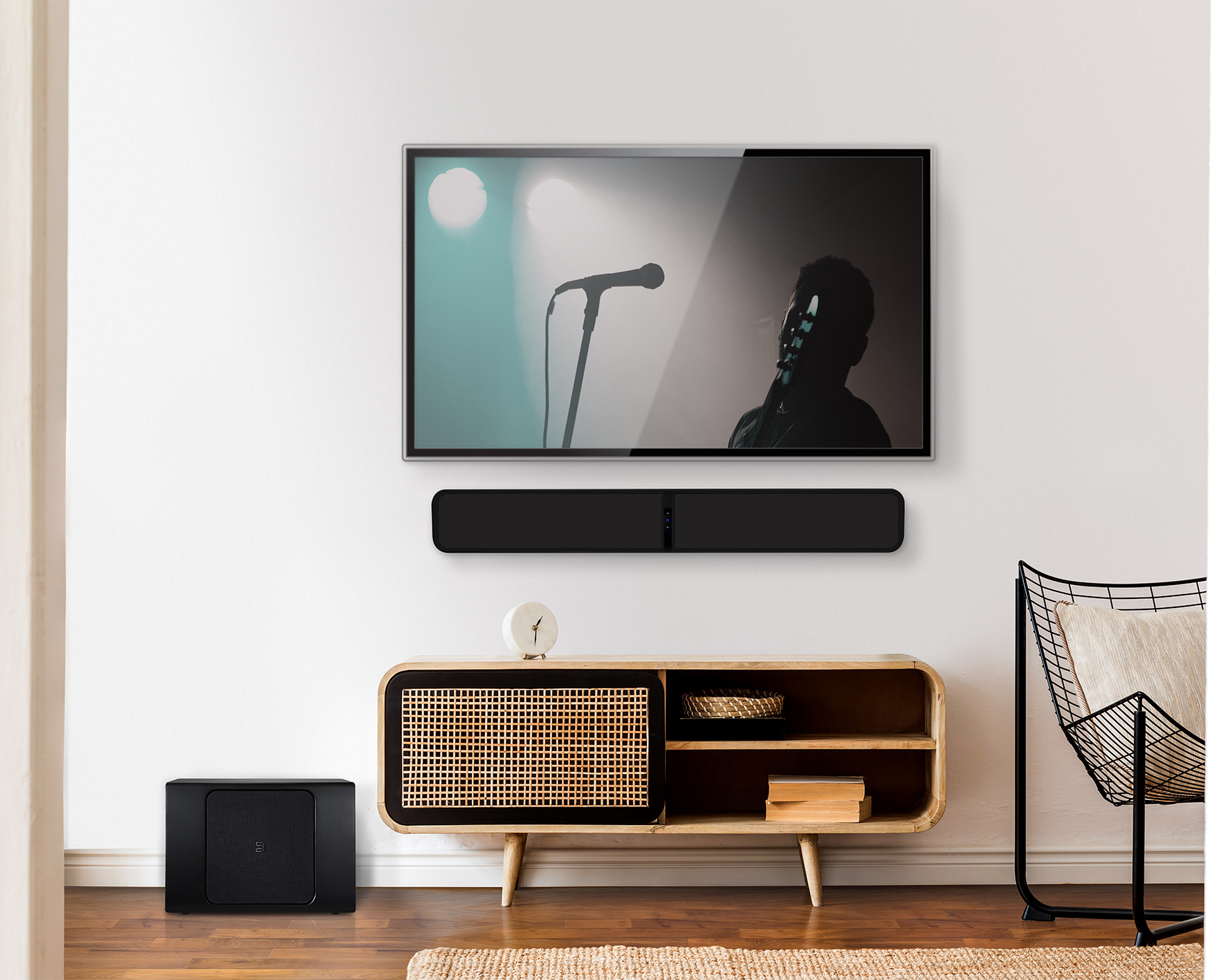
Robinson emphasizes that the type of sound system should align with the specific function of each area in the house. For immersive home theater experiences or relaxing music in a den, she recommends seeking a dedicated and sleek soundbar with wireless multi-room audio. These compact options provide significant sound without occupying excessive space. For tasks like cooking, where listening to music or streaming recipes is desired, a single, accommodating speaker is suggested.
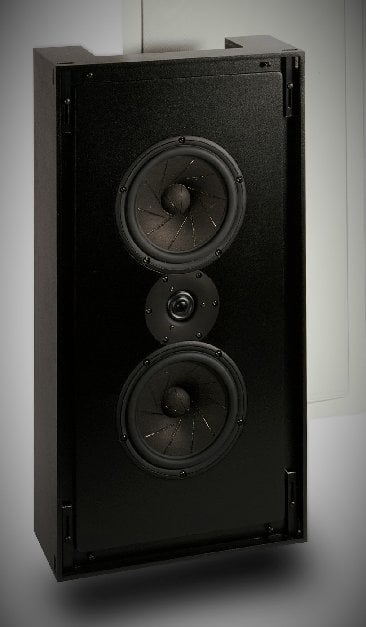
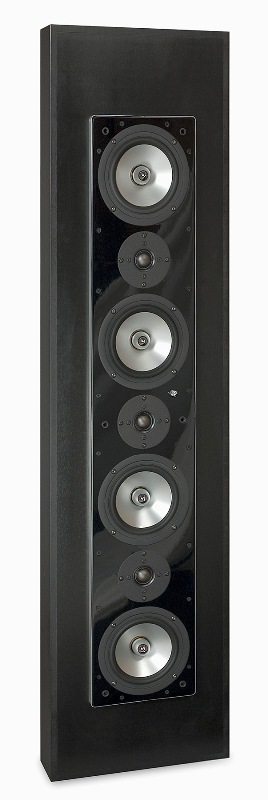
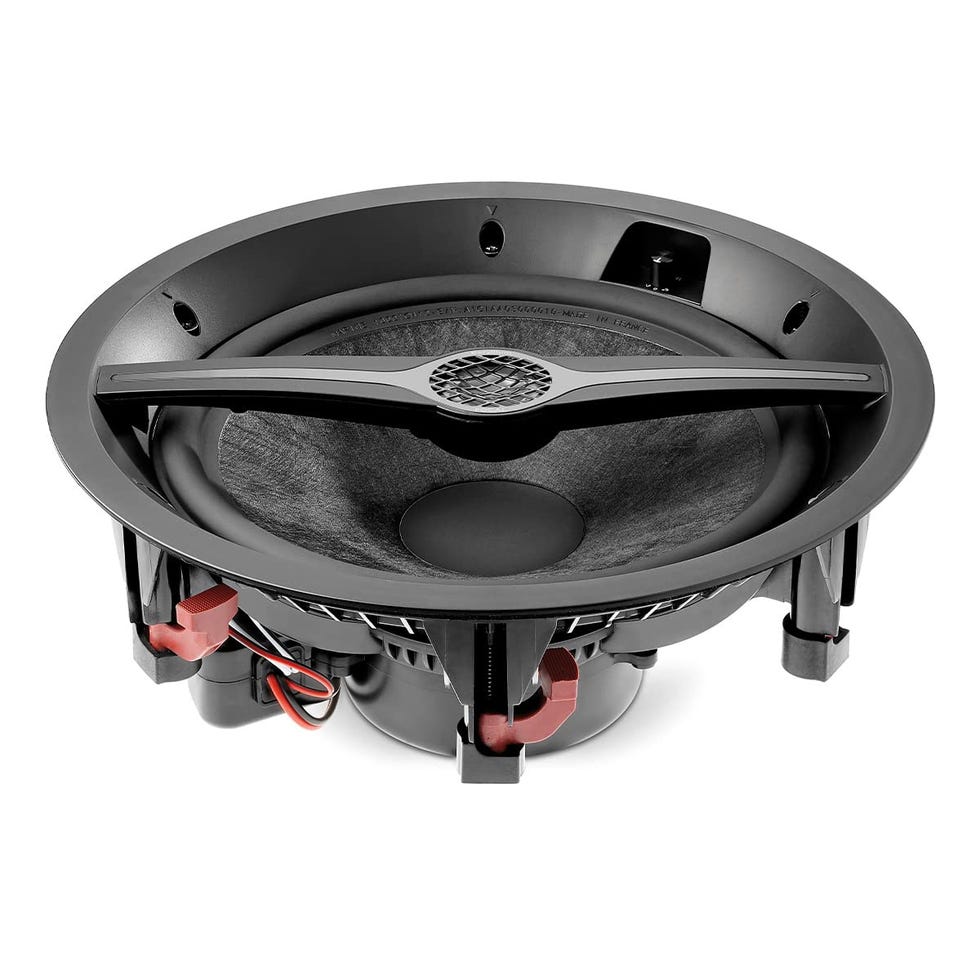
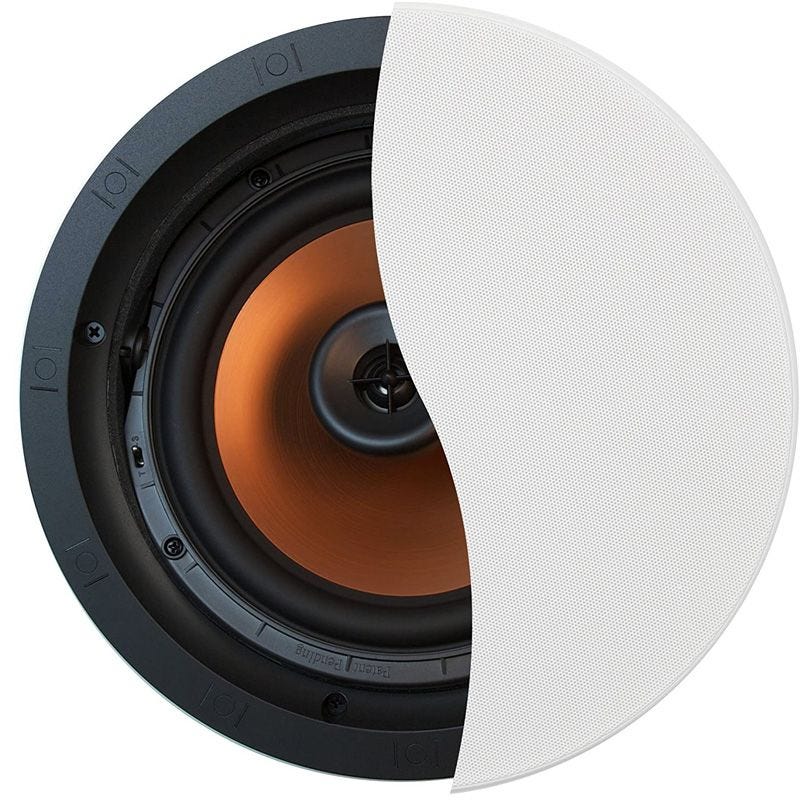
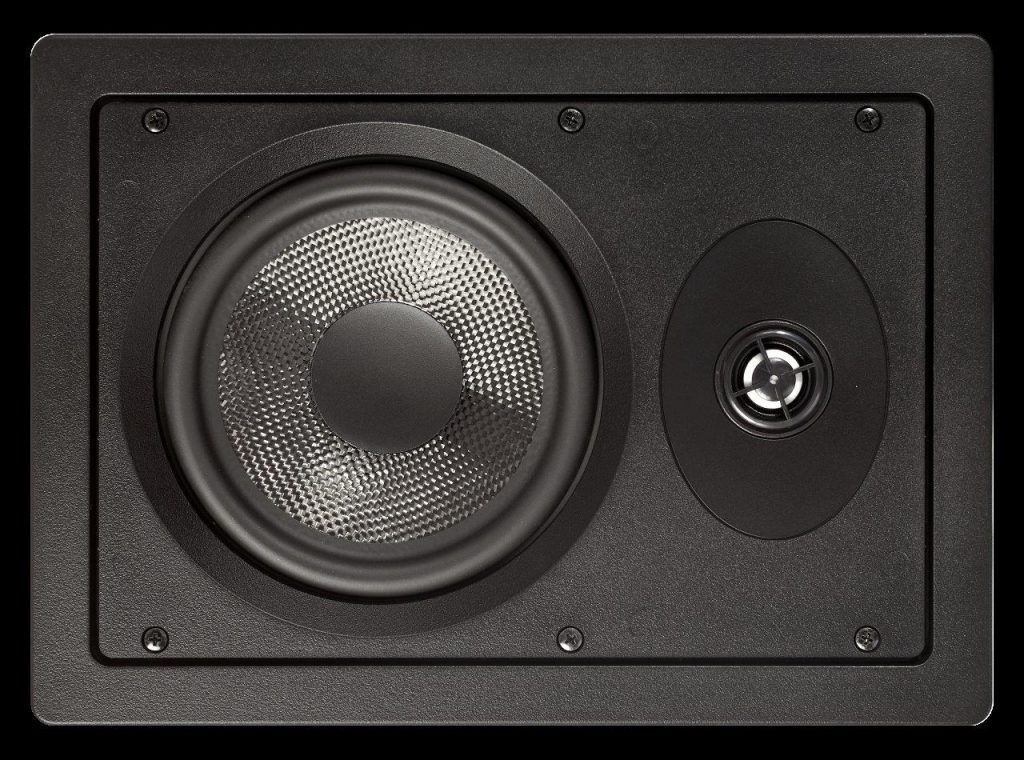
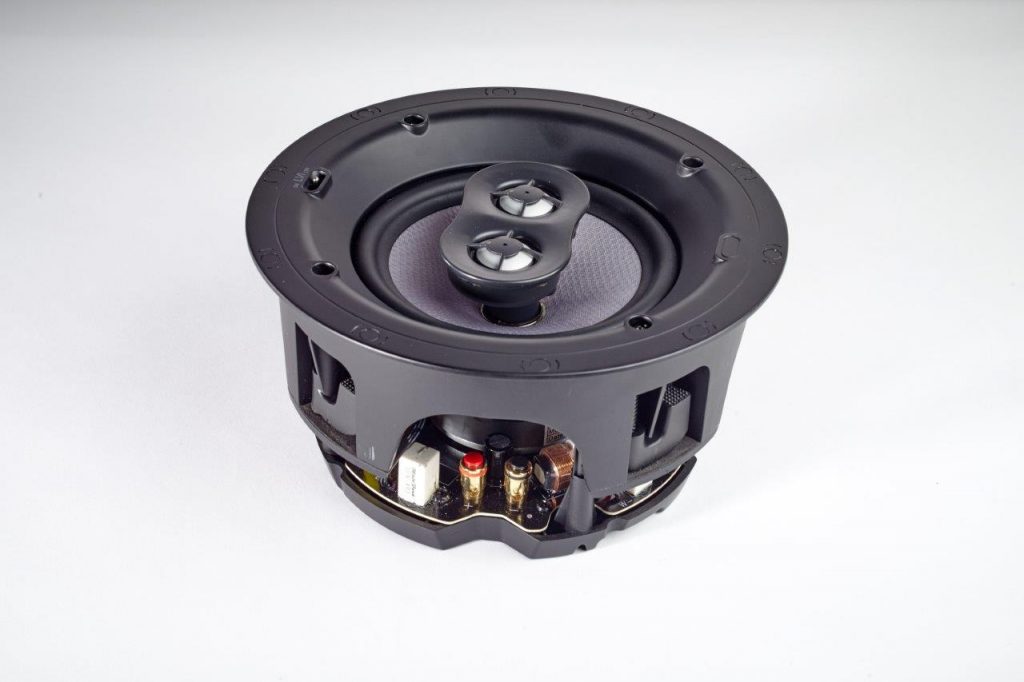
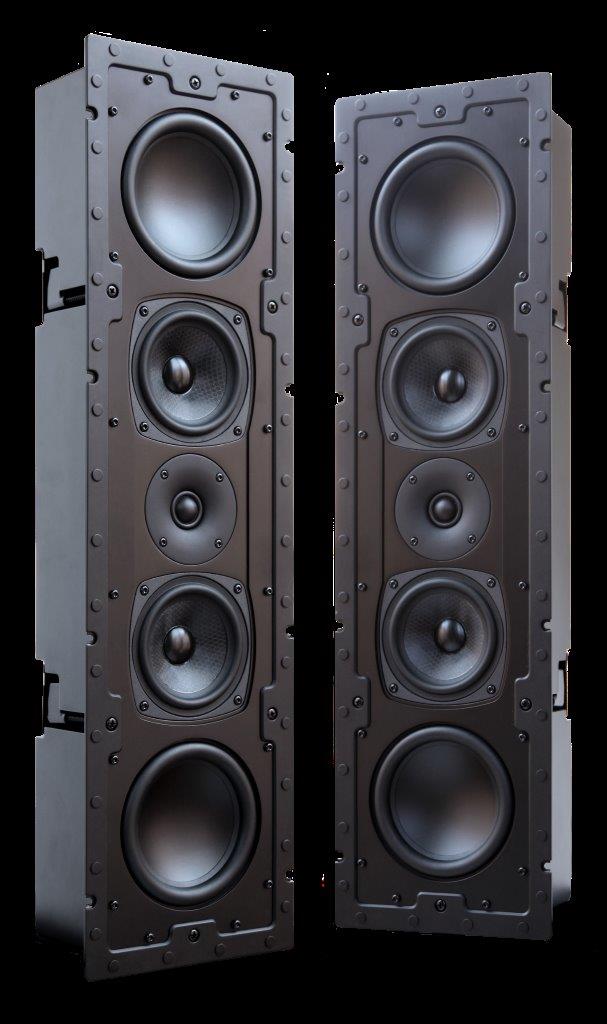
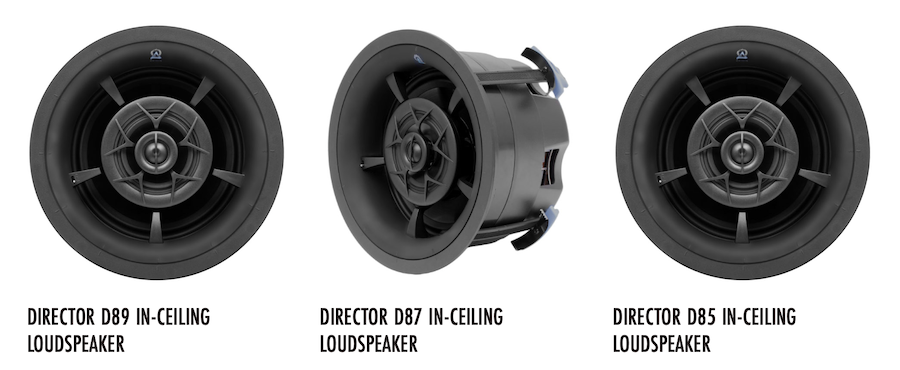
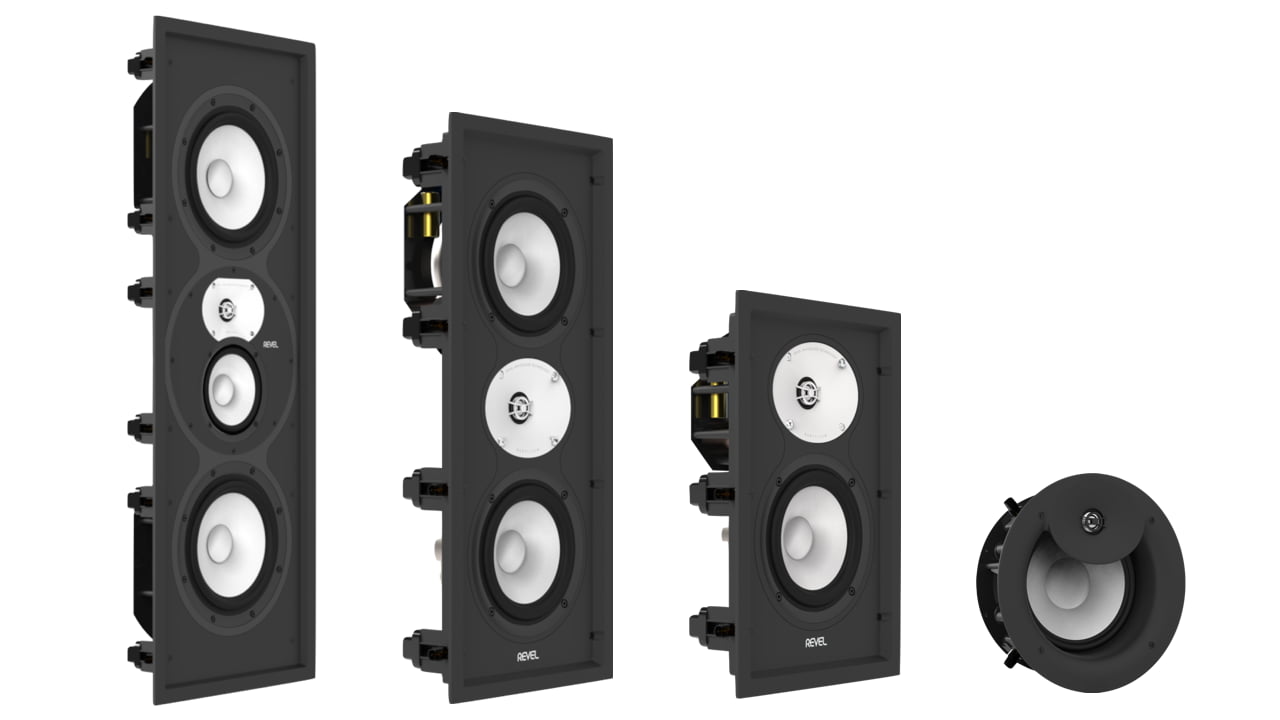
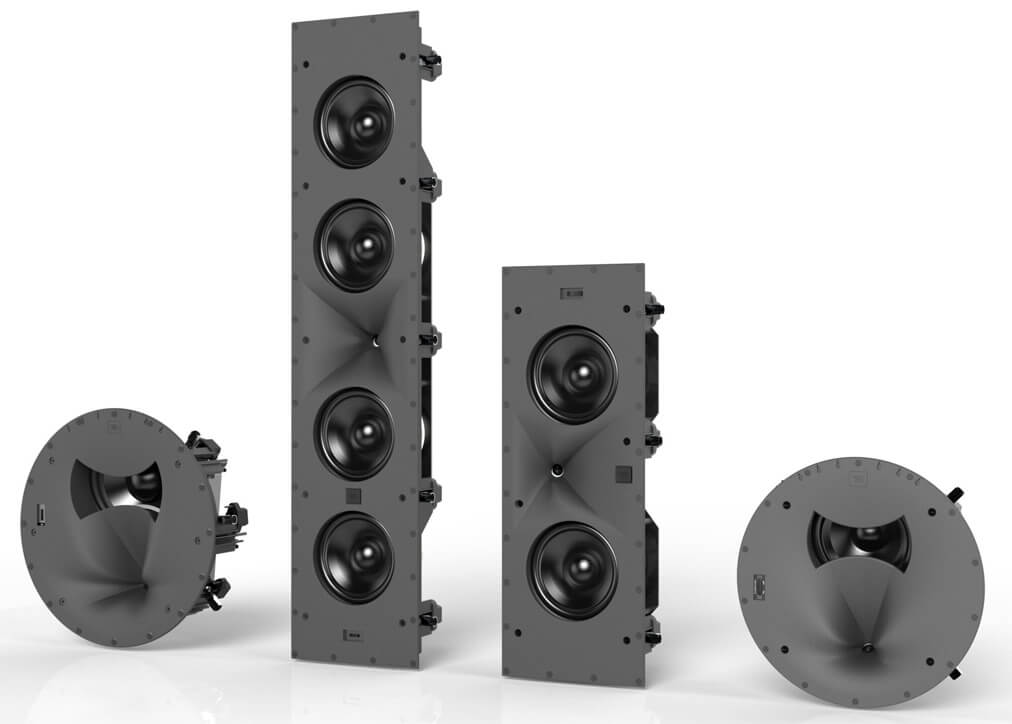
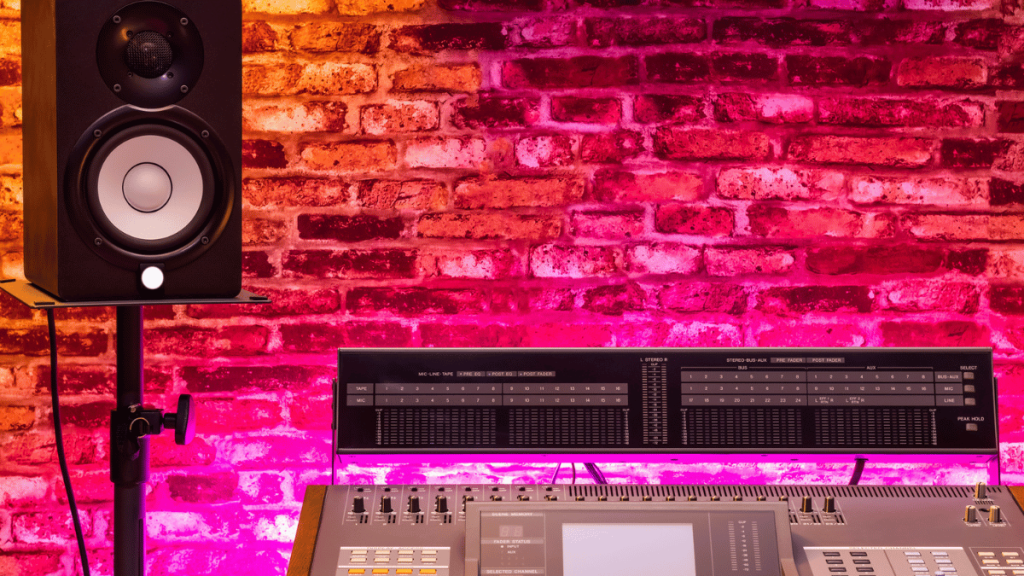
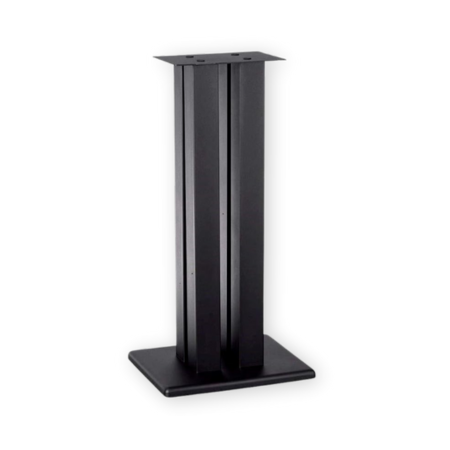
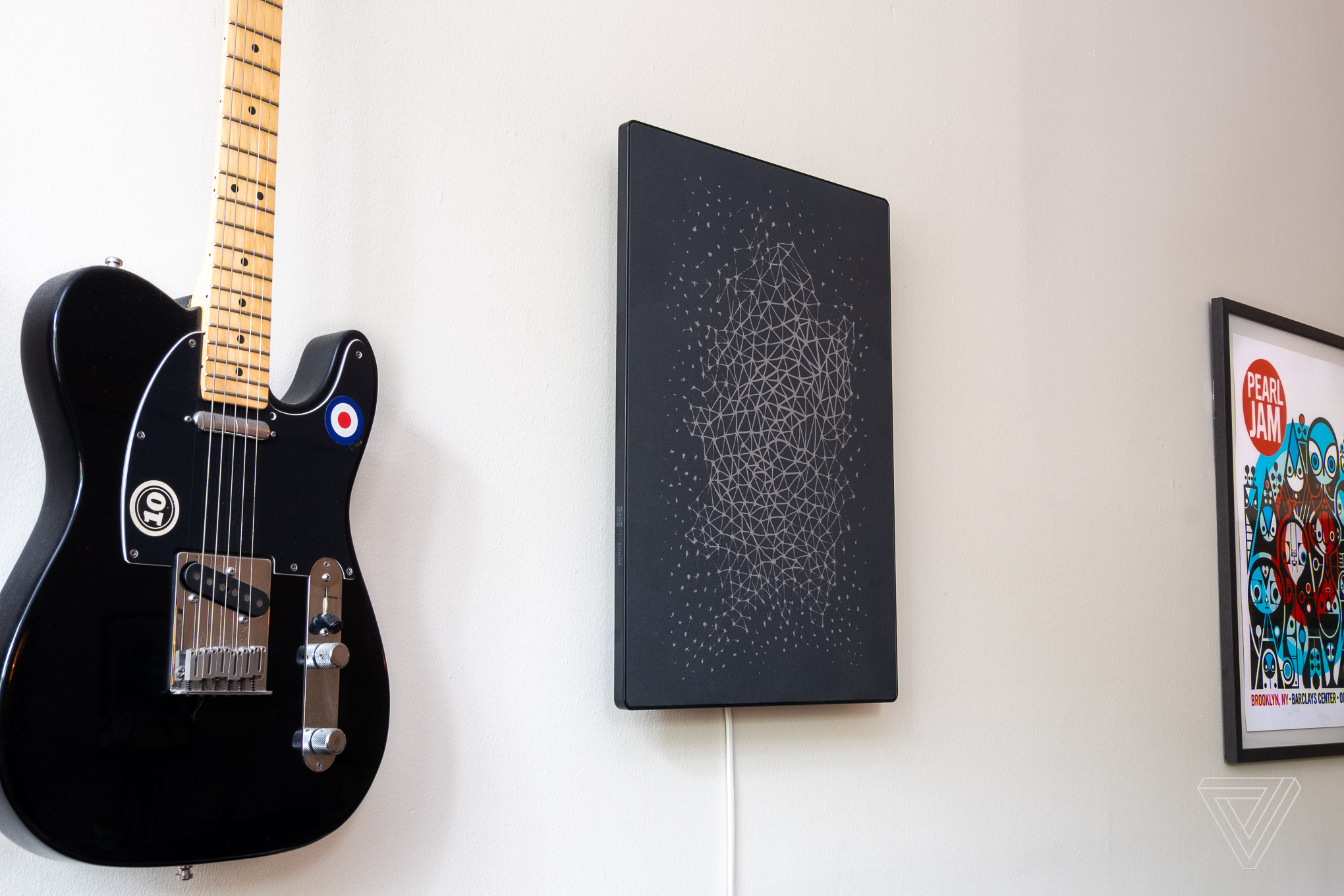
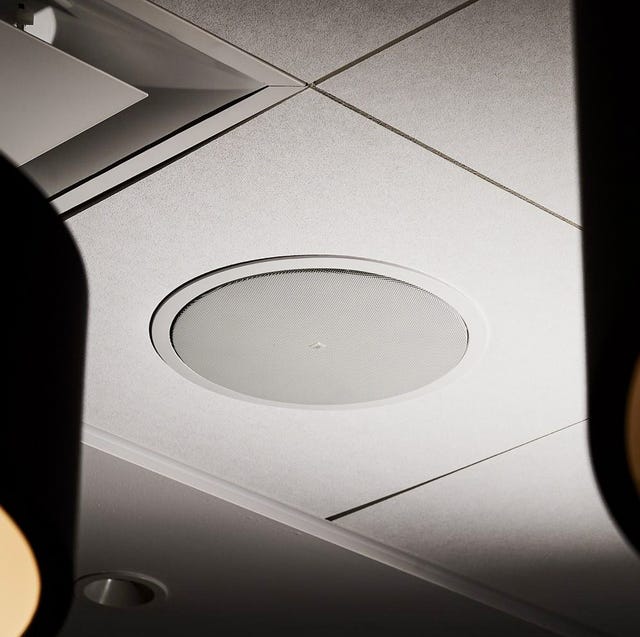
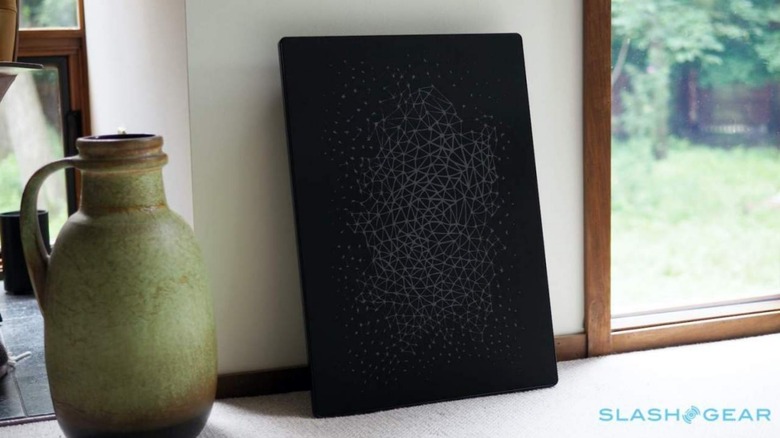
The decision between installed or free-standing speakers often depends on property ownership. Installed speakers, such as in-wall, in-ceiling, architectural, or invisible speakers, are best suited for homeowners undertaking new builds or renovations, as they are designed to disappear into the structure. This permanent integration allows for customized aesthetics and creative placement, with smart technology enabling control via personal devices. Audiophiles, however, often prefer free-standing speakers, some of which resemble works of art, with compact bookshelf speakers being a popular choice due to their quality sound and portability. These can be moved between rooms, adapting to various spaces.
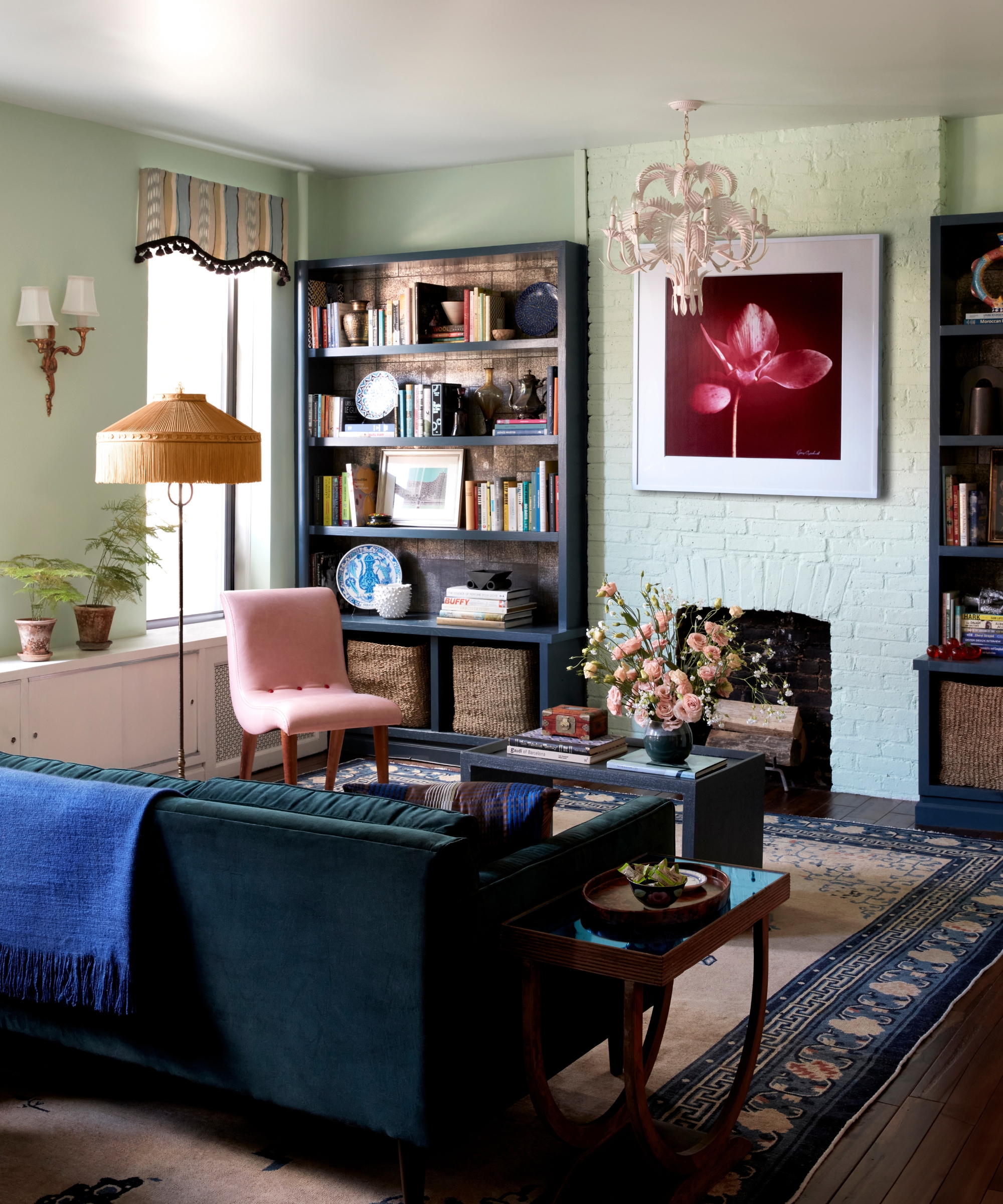
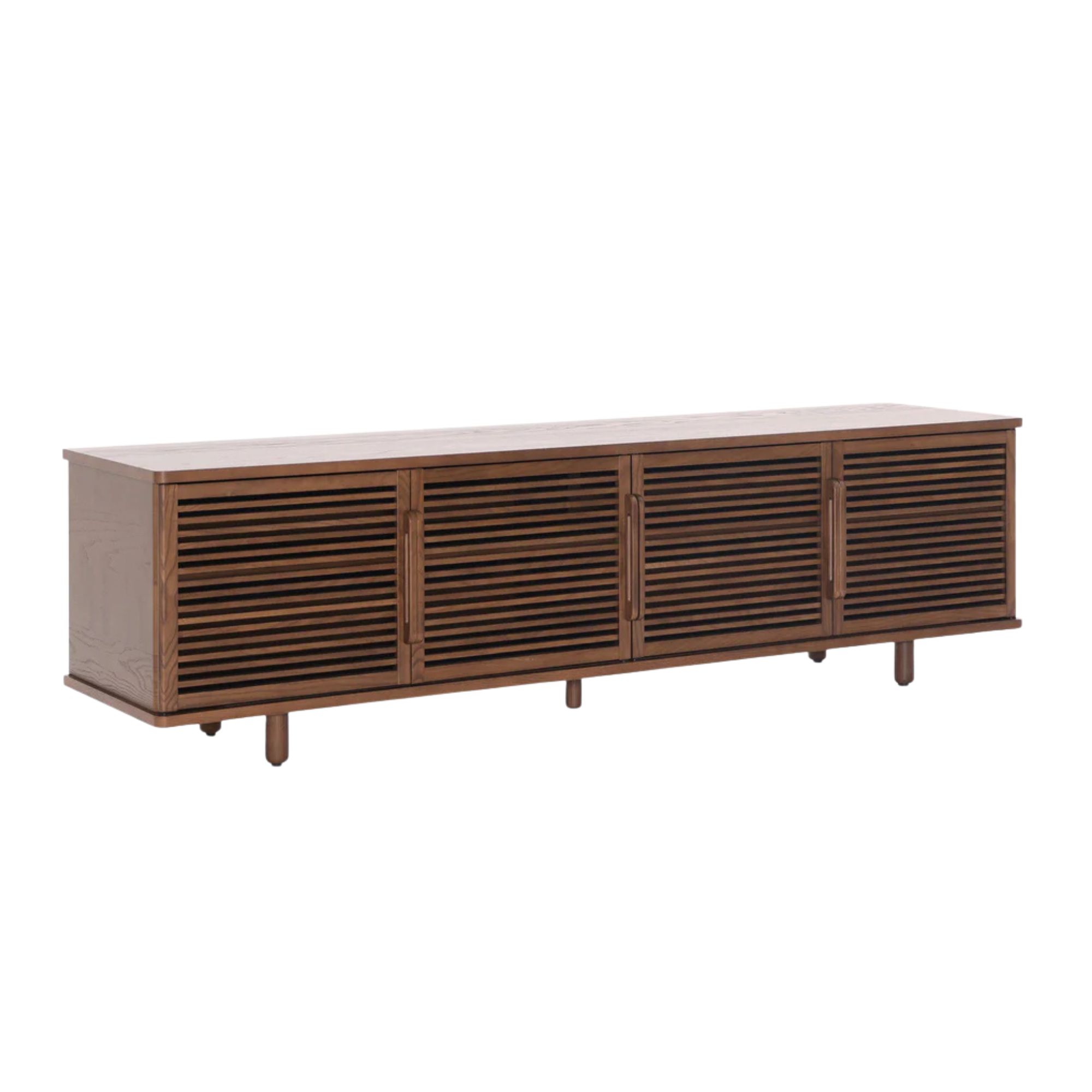
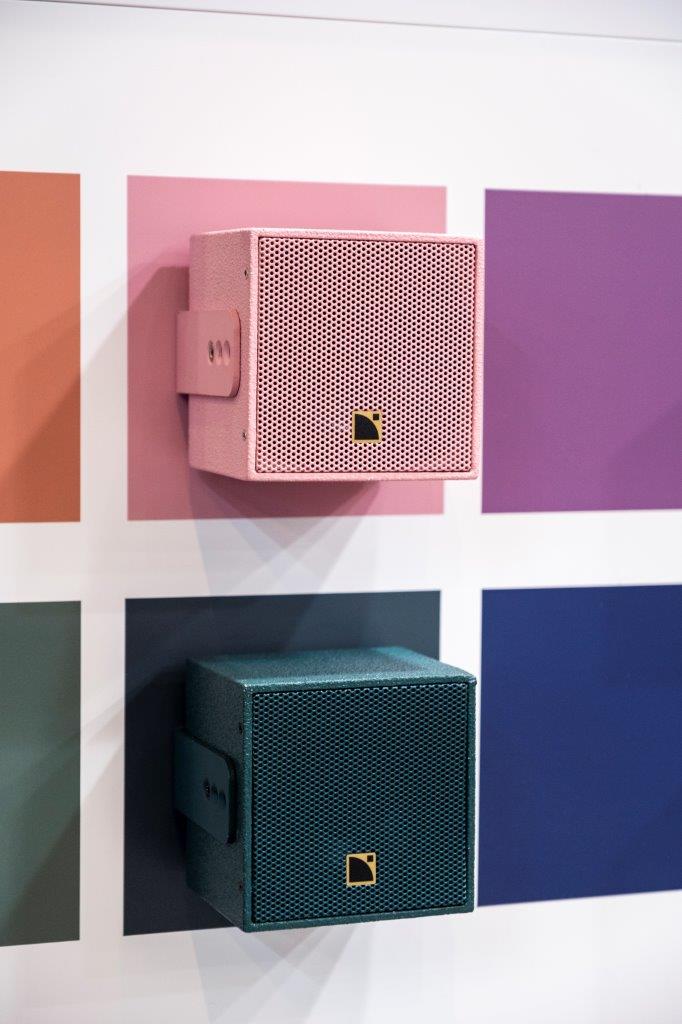
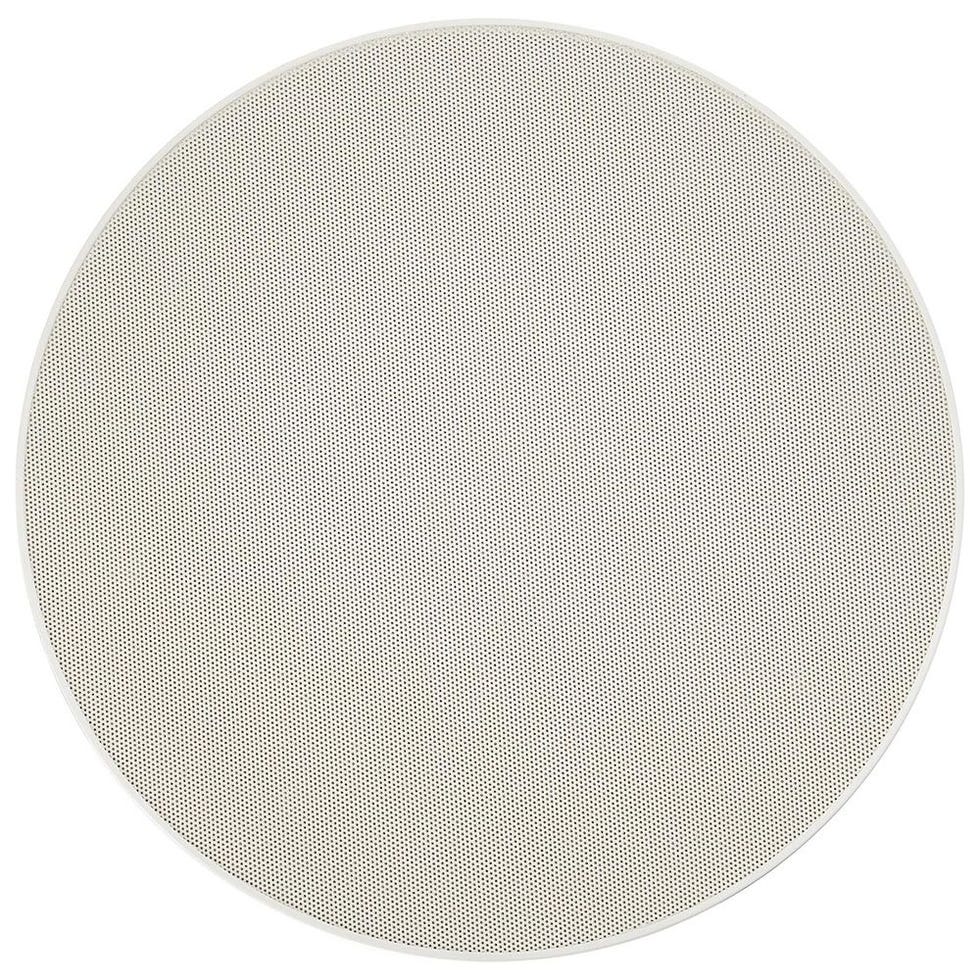
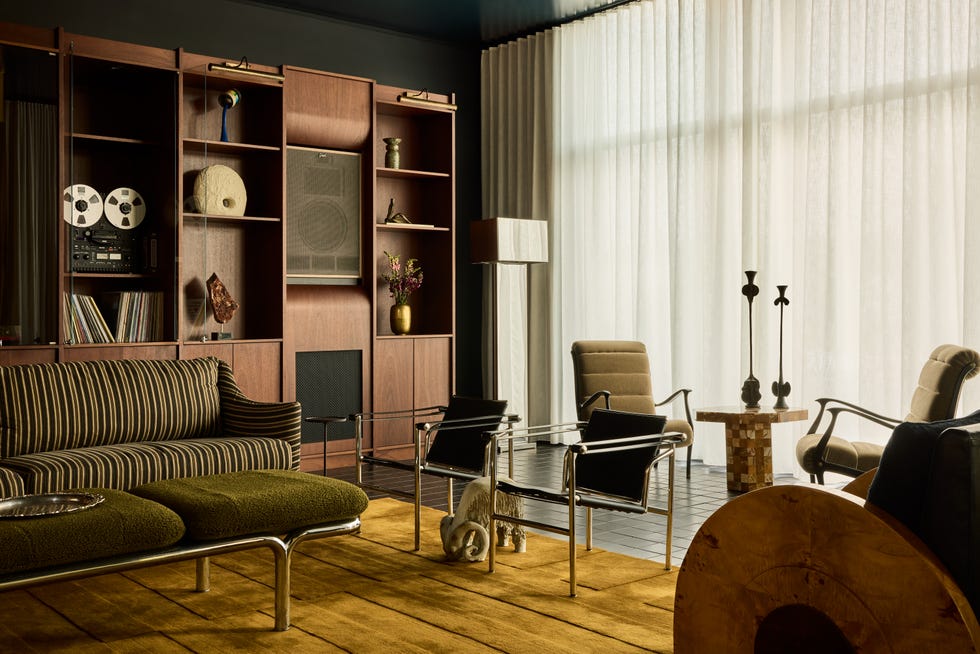
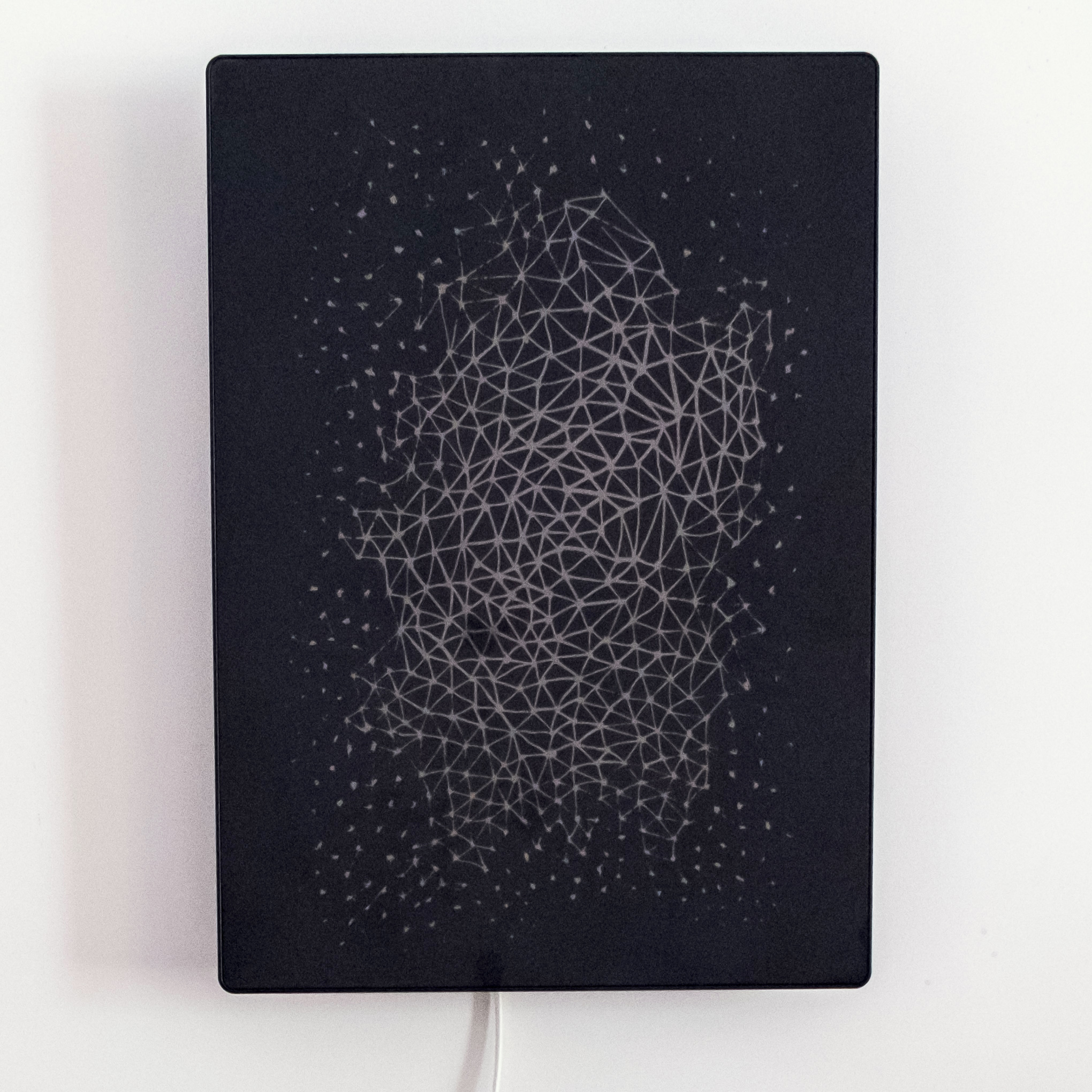
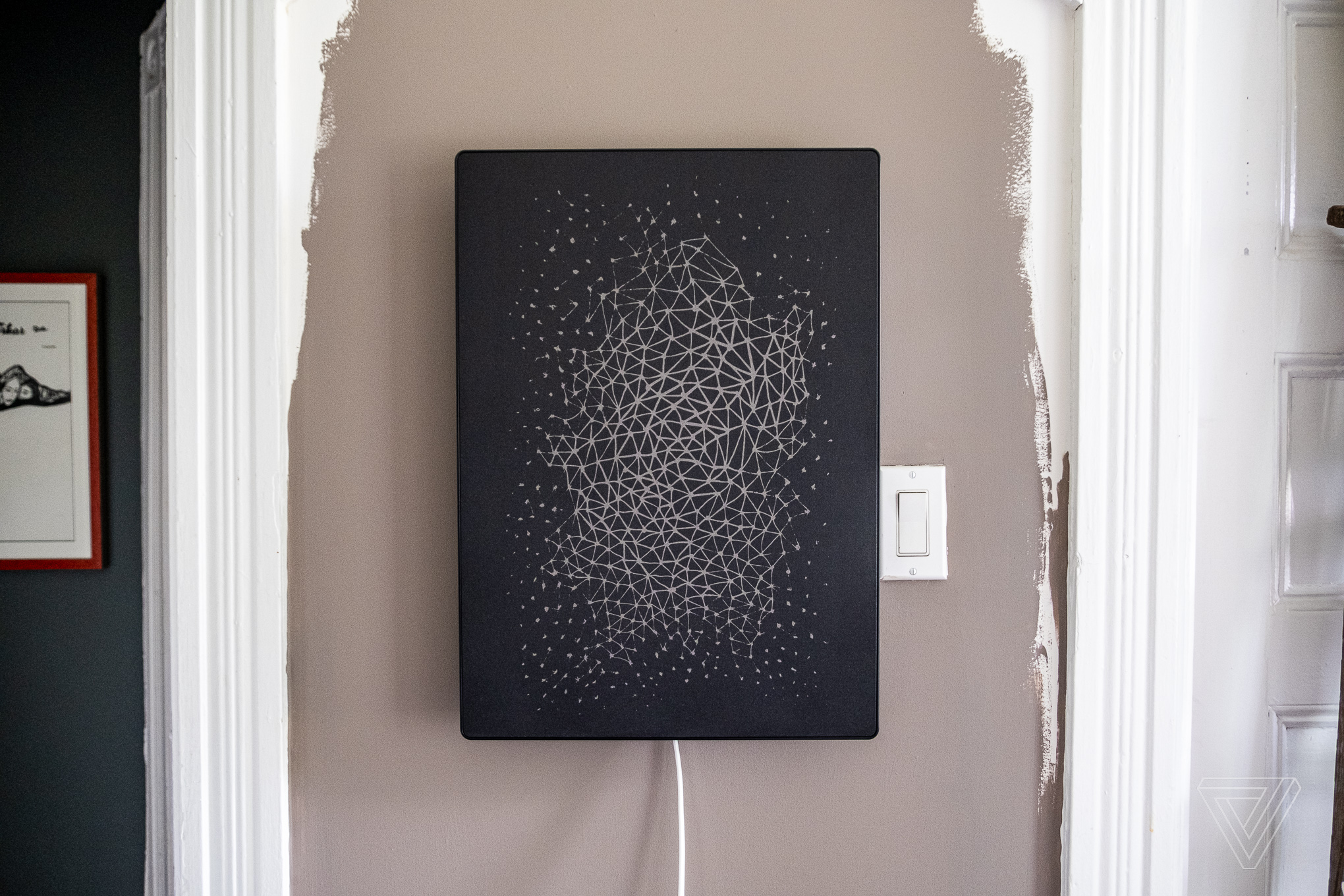
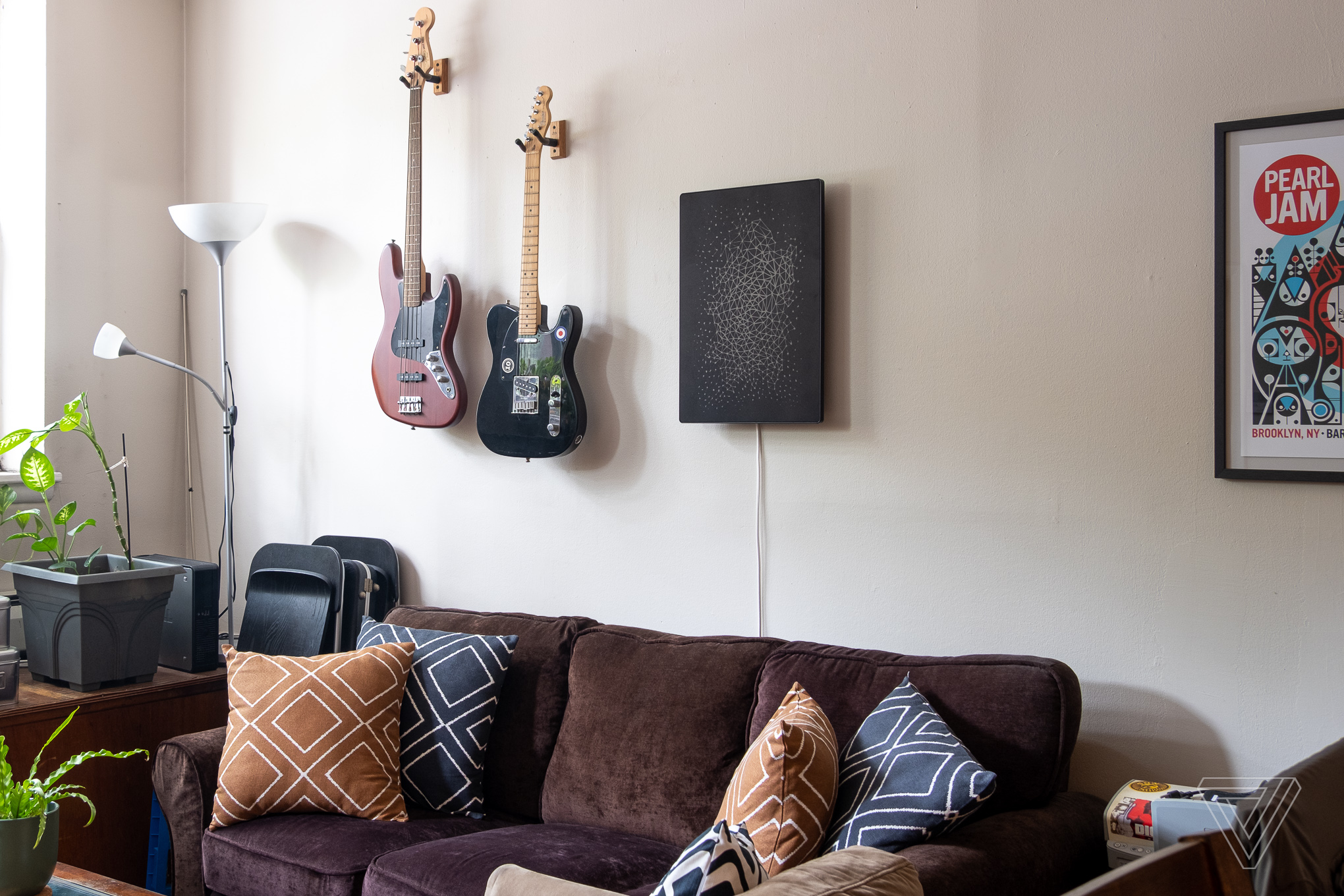
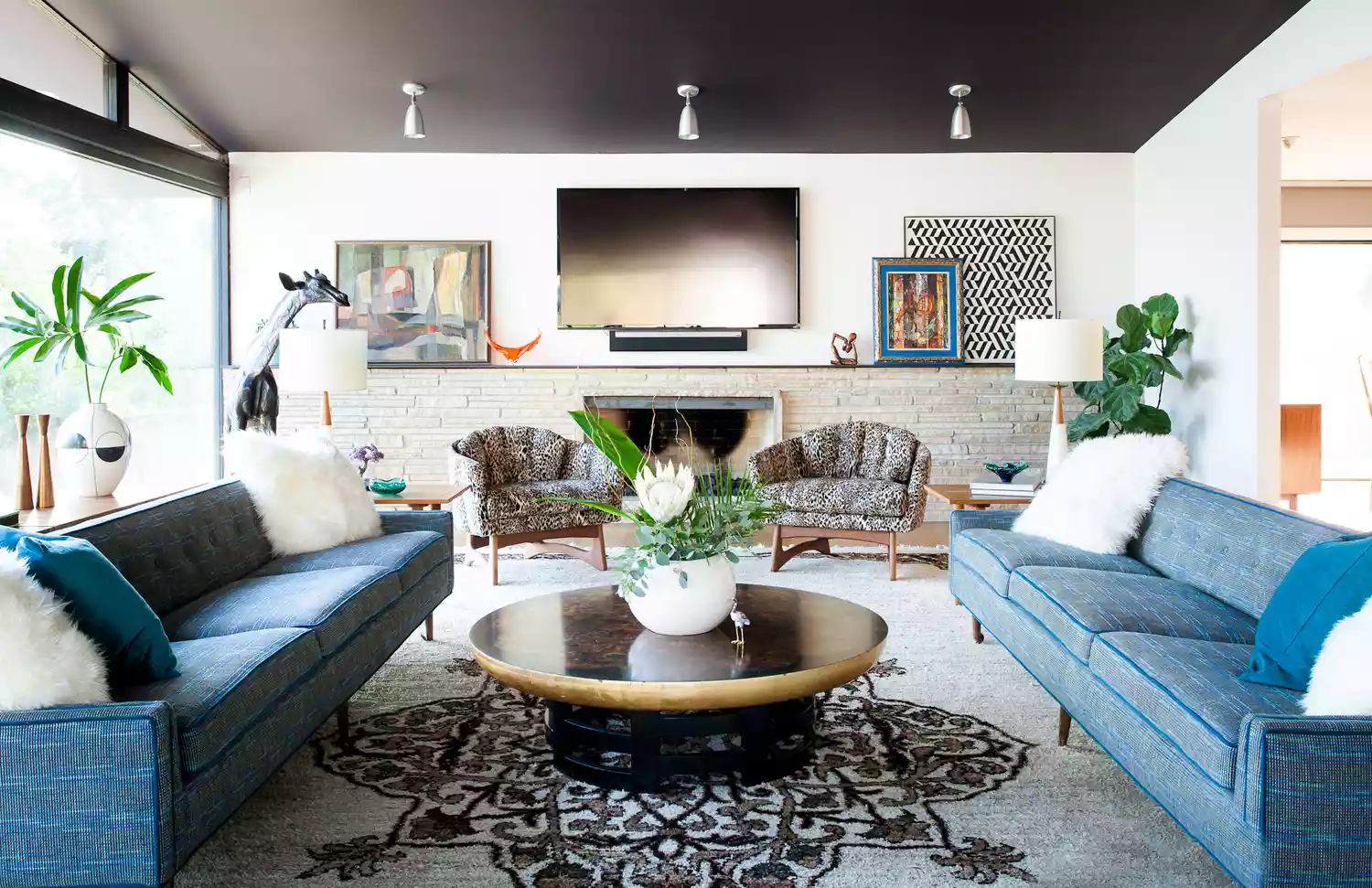
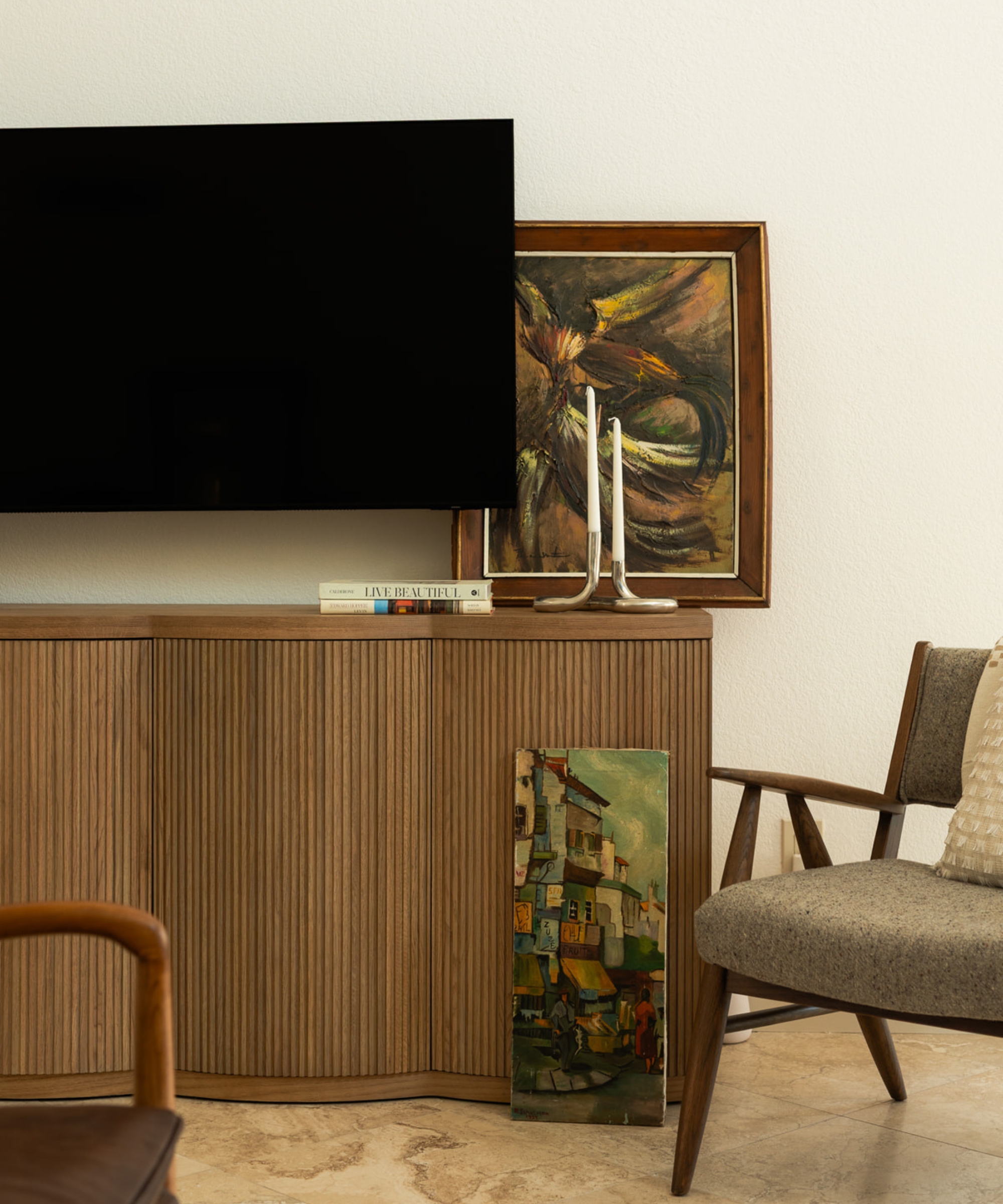
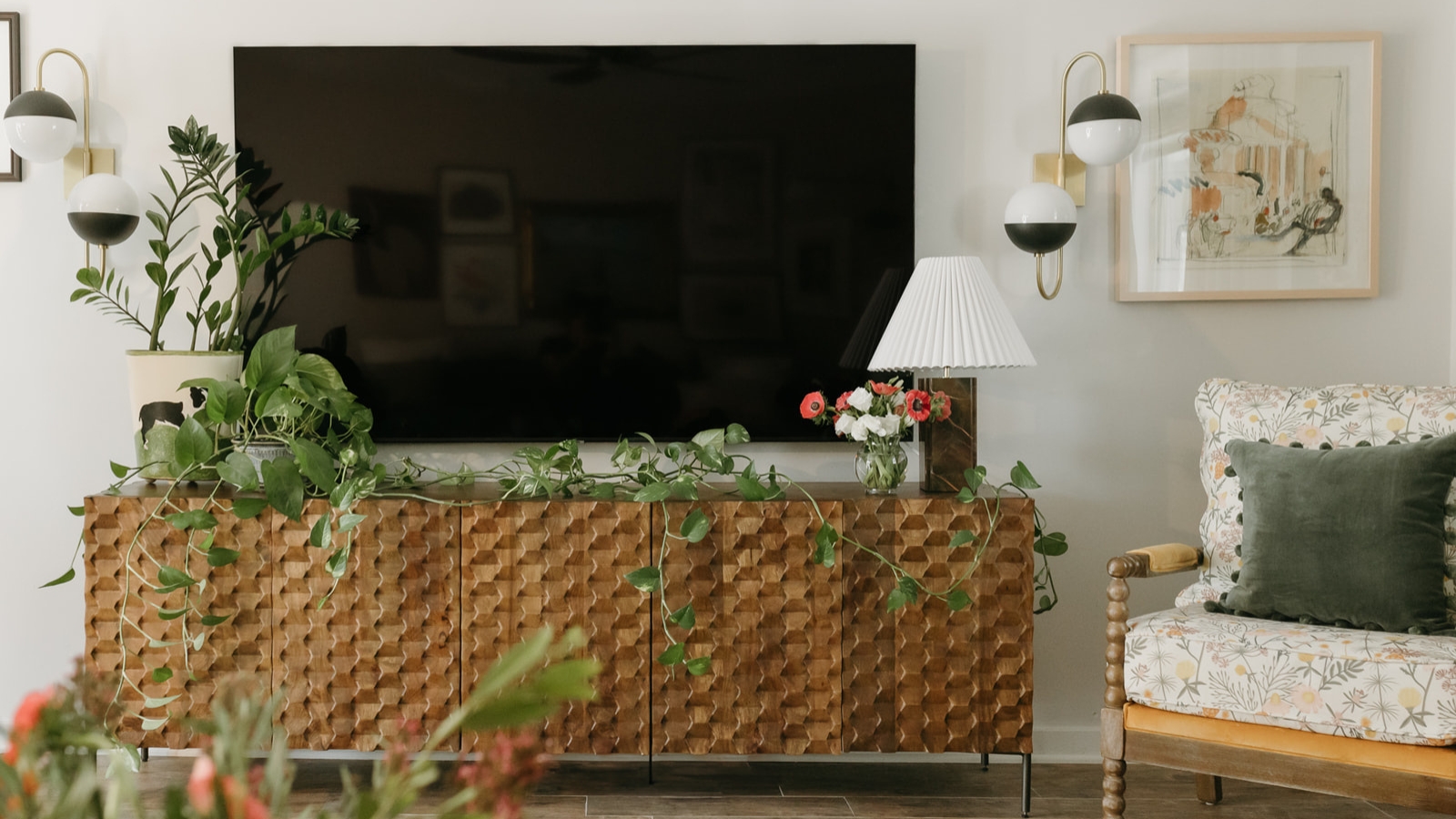
To integrate speakers into diverse home decor styles, whether bohemian or ultra-modern, Robinson provides several creative solutions. These include using decorative speaker grille fabrics, preferably acoustically-treated material, or paint-matching grille covers to blend with wall colors. Speakers can also be strategically placed behind large accessories, vases, or stacks of books, or grouped with other objects to make them less conspicuous. Specialized custom speaker boxes offer additional concealment options. Utilizing unused cabinet space, ensuring any covering material is perforated for sound passage, and incorporating plants larger than the speakers are other effective methods. Subwoofers can be hidden behind furniture, such as occasional chairs.
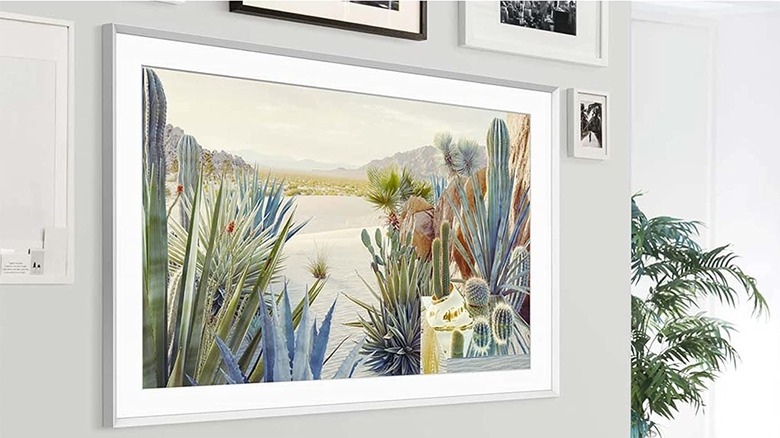
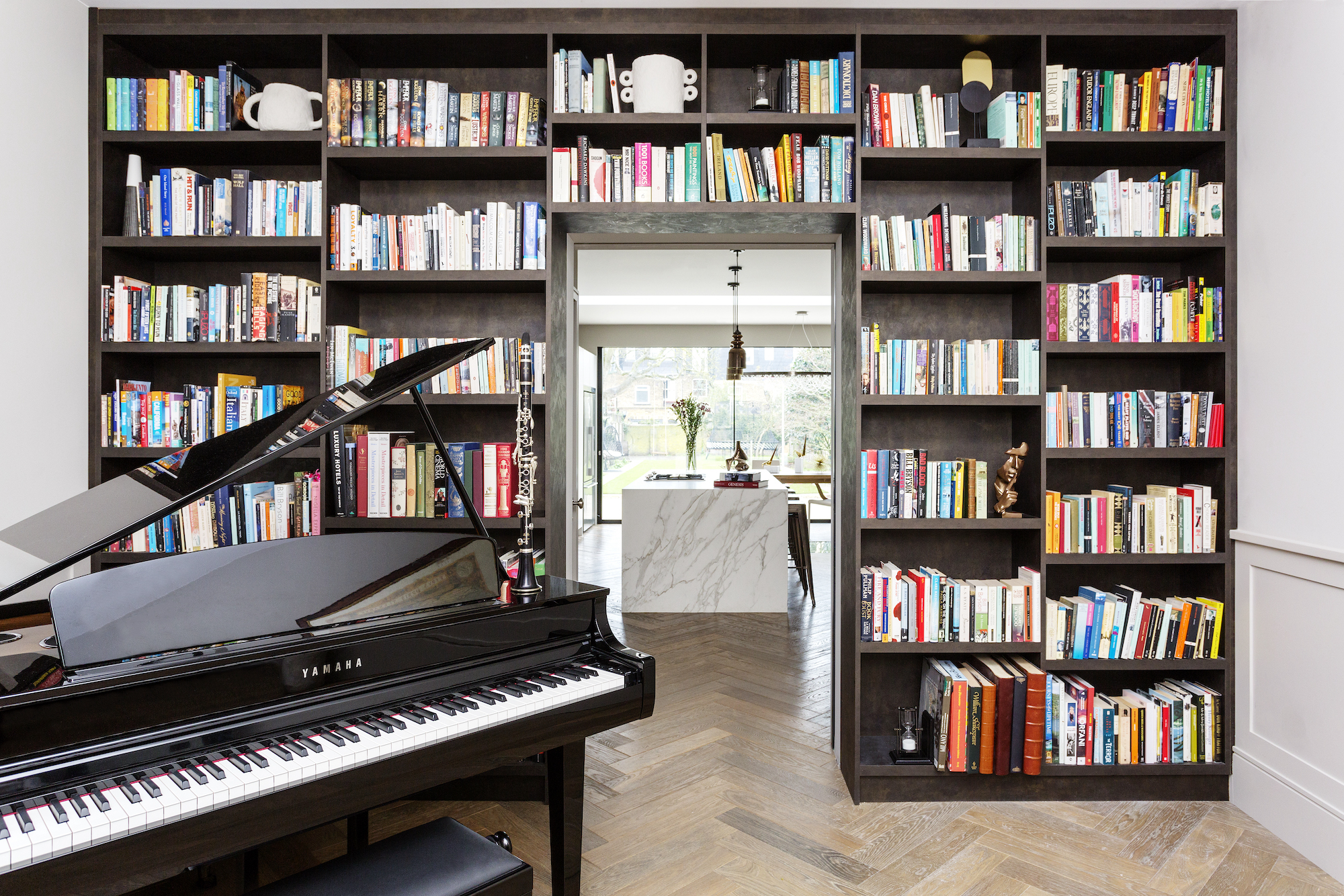
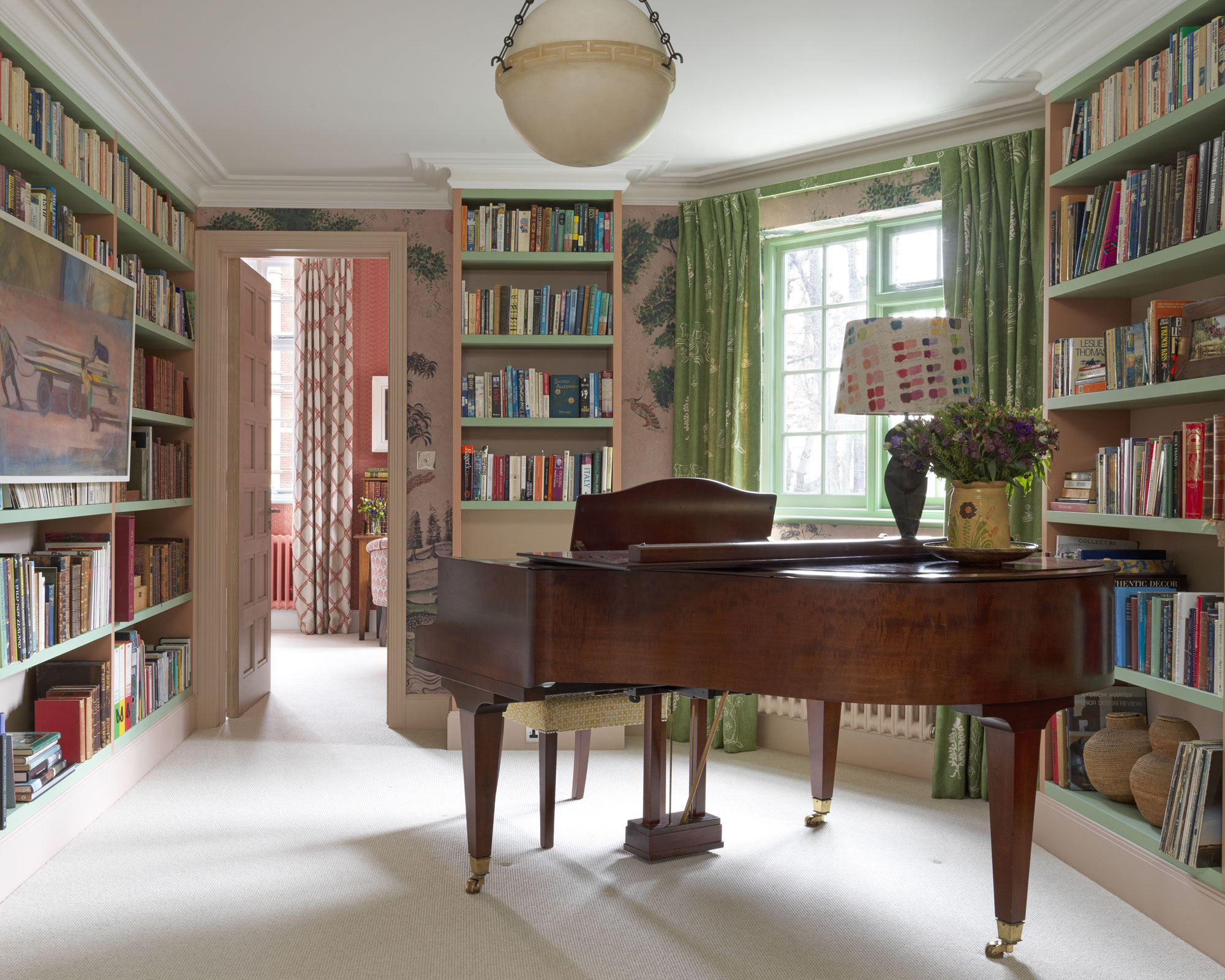
The acoustic balance within a room significantly impacts sound quality. Rooms with abundant furniture, heavy curtains, rugs, and other plush surfaces can result in dark and dampened sound. To counteract this, Robinson suggests adding reflective surfaces like framed artwork, books, or picture frames to brighten the sound, ideal for intimate listening areas like studies or libraries. Conversely, modern homes with many reflective surfaces—windows, exposed floors, open floor plans, framed artwork, or glass/wood coffee tables—benefit from incorporating sound-absorbing elements. Upholstered pieces, soft window coverings, acoustic panels, area rugs, throw pillows, and throws can help absorb sound, ensuring that the chosen speaker setup delivers the best possible audio experience.
#SpeakerIntegration #HomeDecor #InteriorDesign #AudioSystem #SmartHome #AcousticDesign #EntertainmentSystem #HomeImprovement #TechInDecor #SpeakerIntegration #HomeDecor #InteriorDesign #AudioSystem #SmartHome #AcousticDesign #EntertainmentSystem #HomeImprovement #TechInDecor
0 تعليق إجمالاً
 لا توجد تعليقات بعد
قد تعجبك أيضًا
The Truth About In-Wall Speakers

In Praise of Totem

How To Flawlessly Integrate A TV In Your Living Room, According To A Design Expert
Is Your TV an Eyesore? Designers Use These 41 Tricks to Help It Blend In

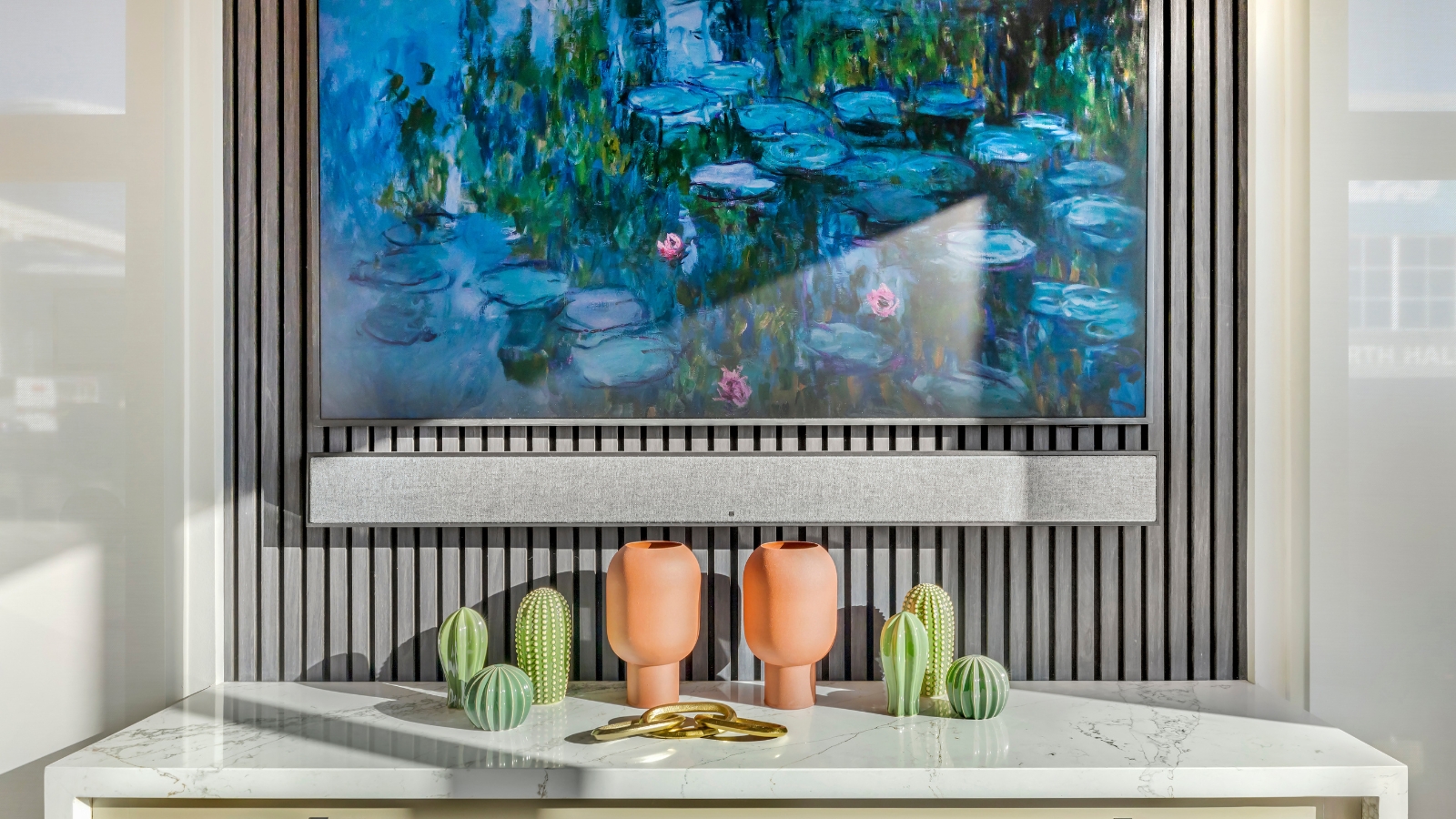
Is Your Soundbar Ruining Your Living Room’s Aesthetic? Here’s How to Conceal It Like a Designer


Best Architectural Speakers & Subwoofers: Editors’ Choice 2025
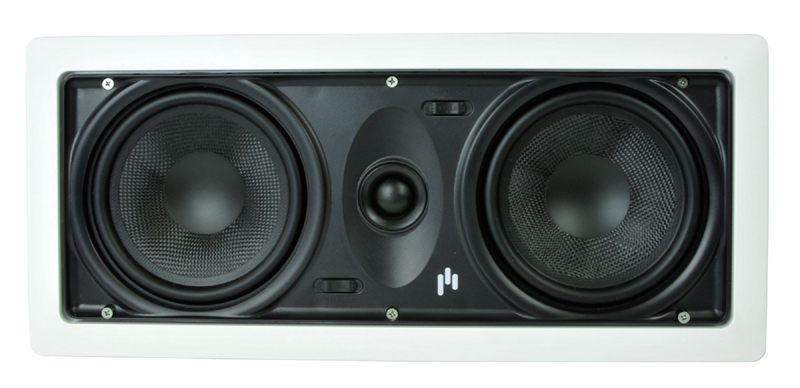
Aperion Audio Intimus 6-LCR In-Wall Speakers
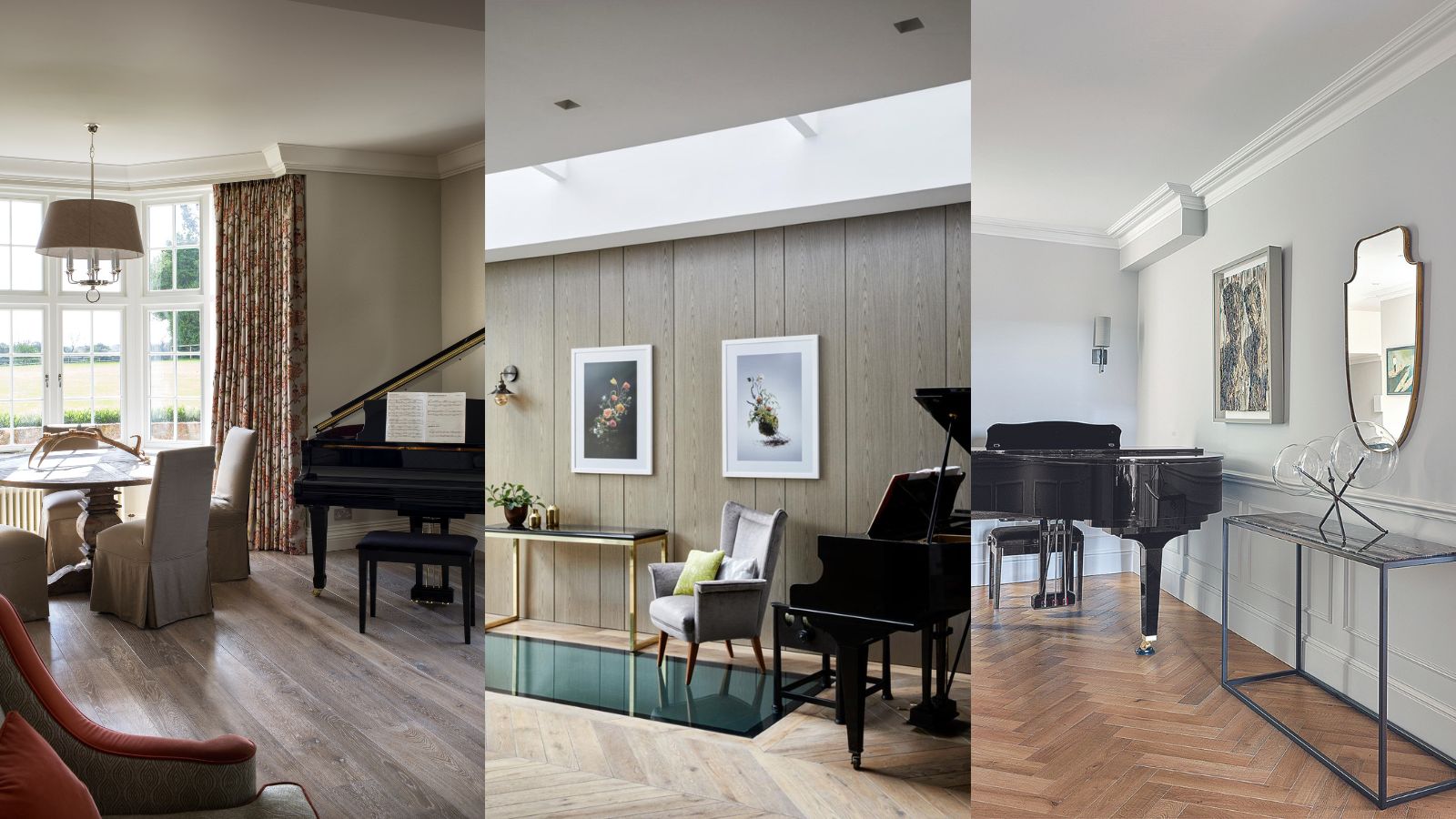
Music room ideas – 10 ways to enhance musical creativity at home

L-Acoustics In-Wall Speaker School
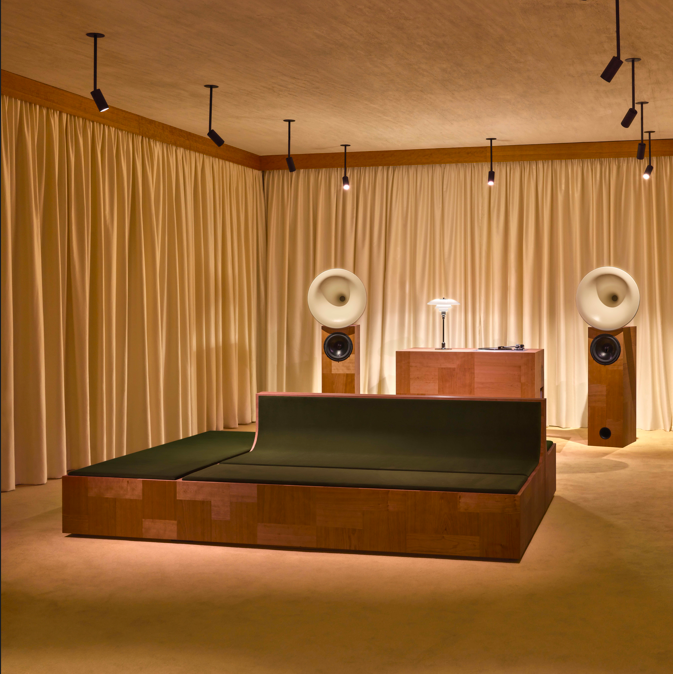
Valentino’s L’Atelier Sonore and the Art of the Listening Room
A Tale of 5 Installs Part 1 - Frank's Pad
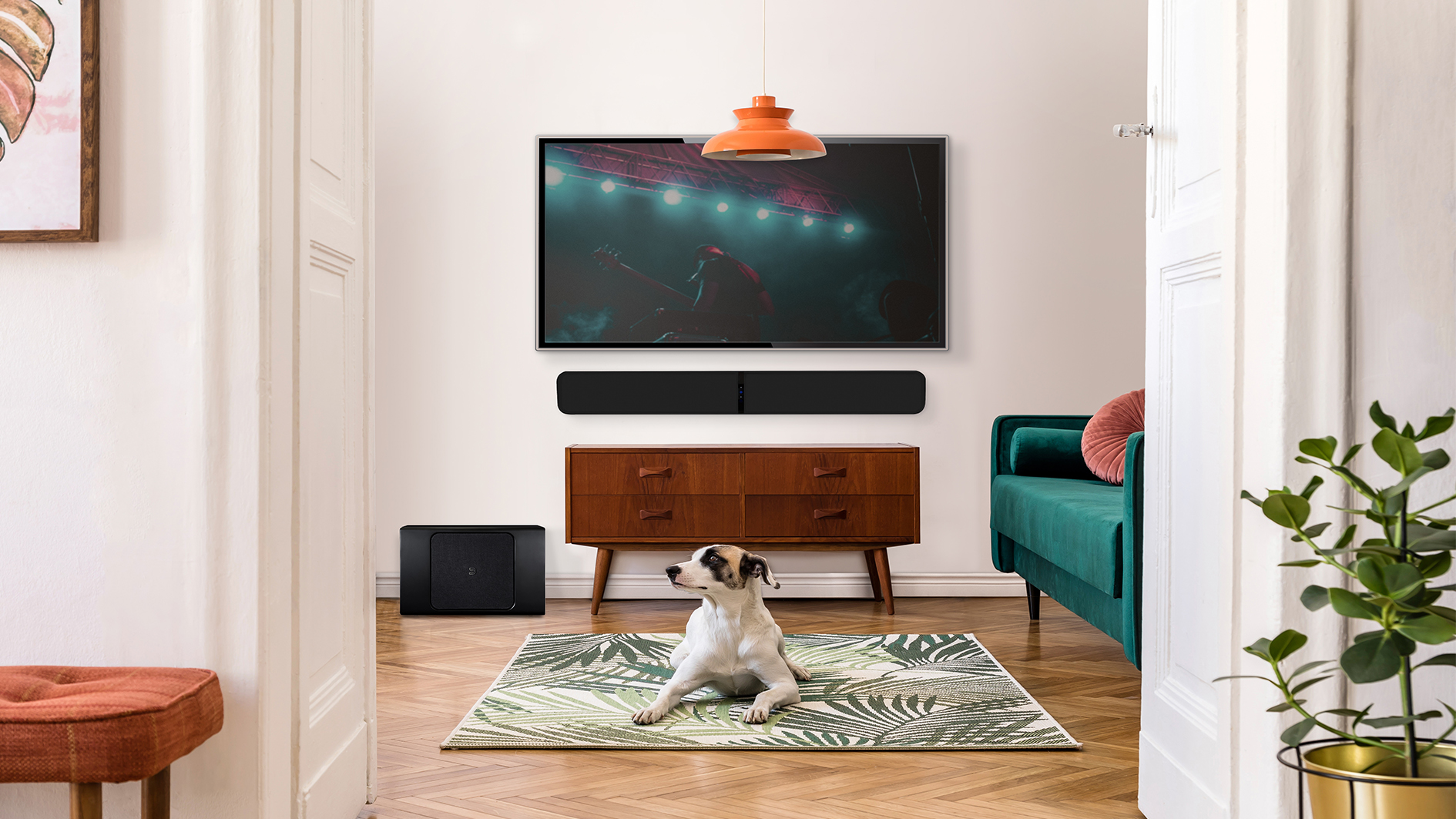
How to mount a soundbar on a wall for a fabulous music and TV experience

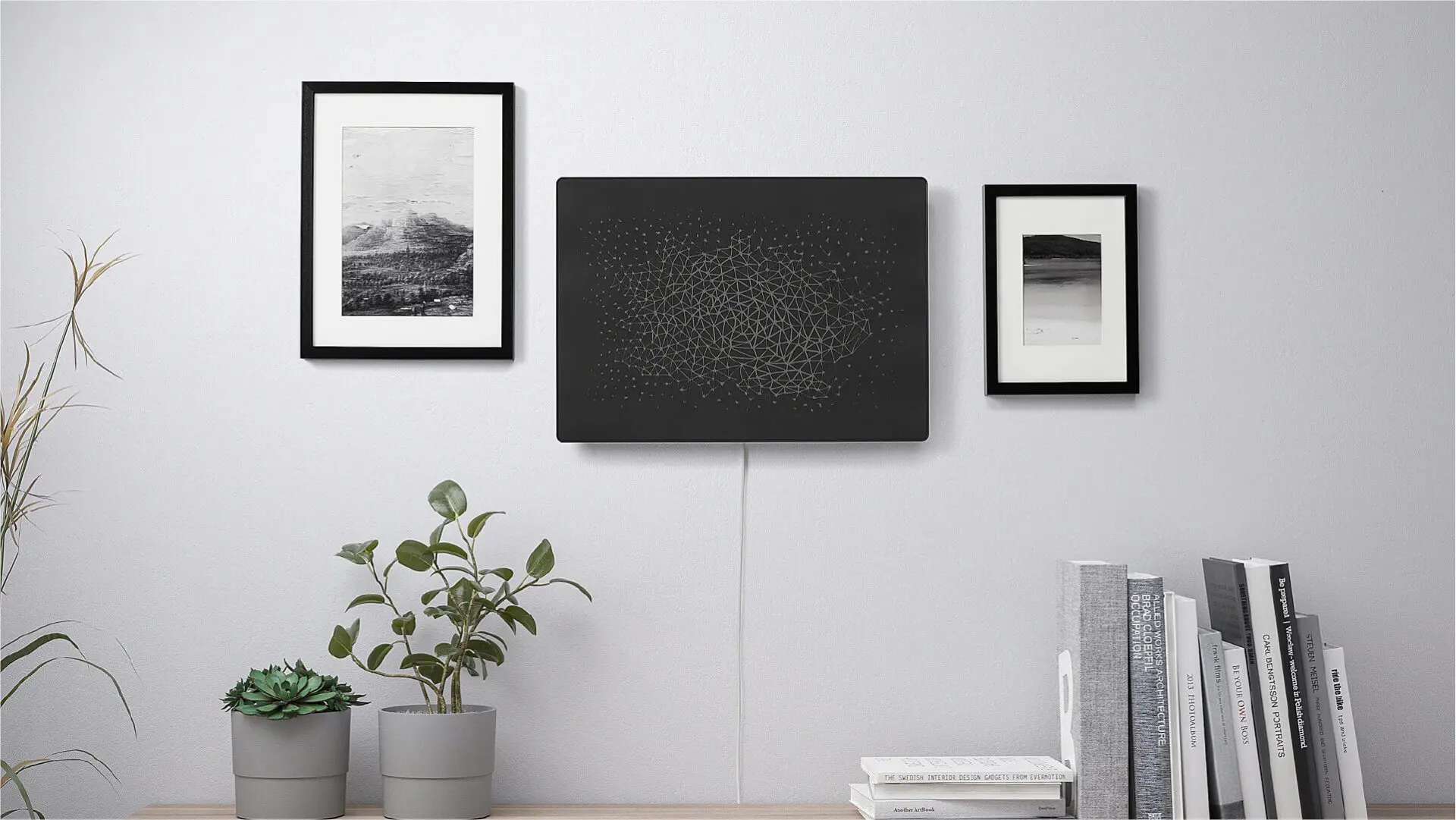
IKEA hides a Sonos speaker inside the SYMFONISK picture frame

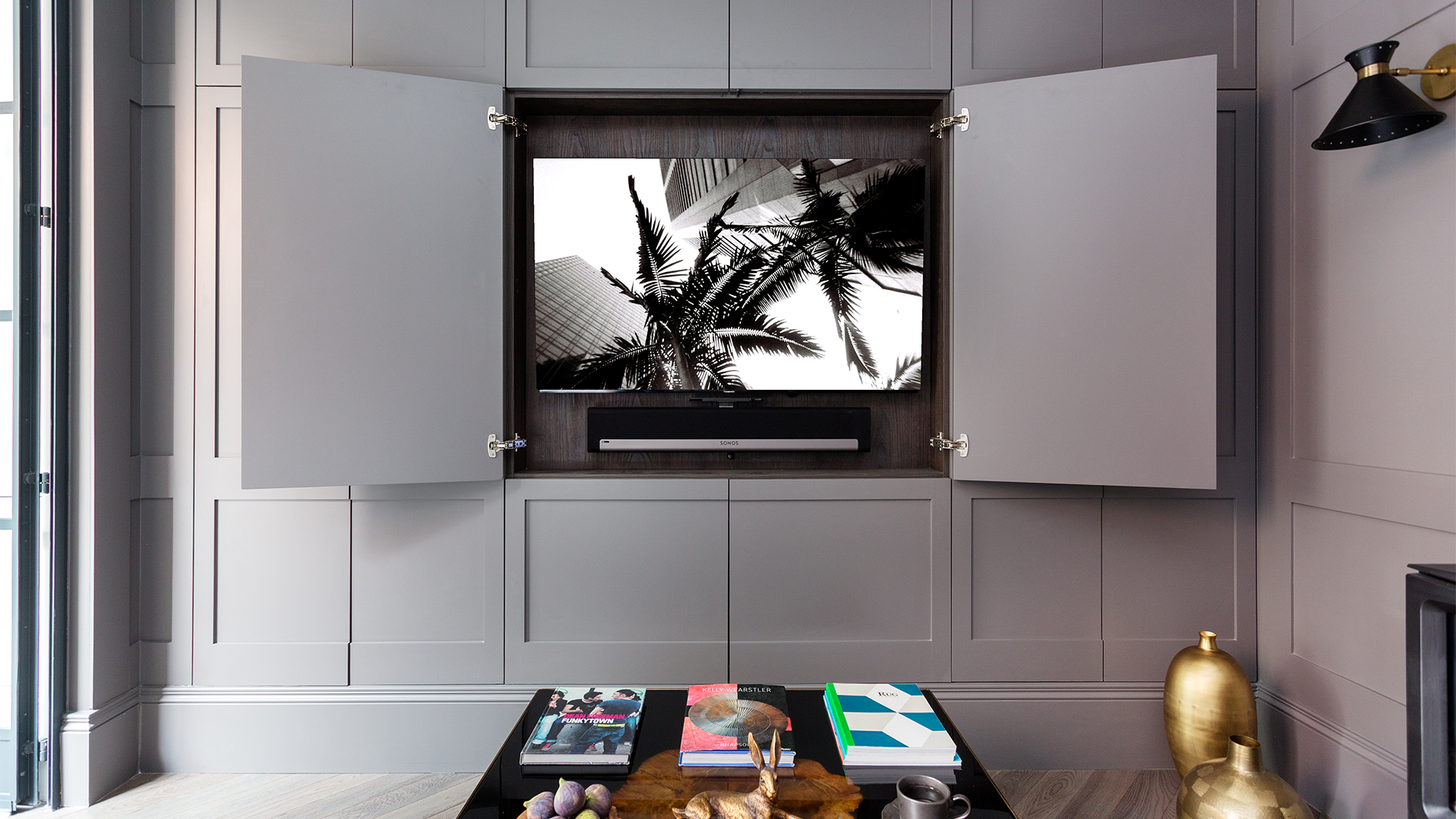
Soundbar mounting ideas to enhance your TV's audio
Ikea and Sonos picture frame speaker review: wall of sound

3 Simple Ways to Highlight Your Soundbar in a Small Space
Enhance Your Listening Experience With These Expert Rated Ceiling Speakers

7 Best Speaker Stands To Reduce Unwanted Floor Vibrations in 2025

IKEA Symfonisk Picture Frame Review: Art Is In The Ear Of The Beholder

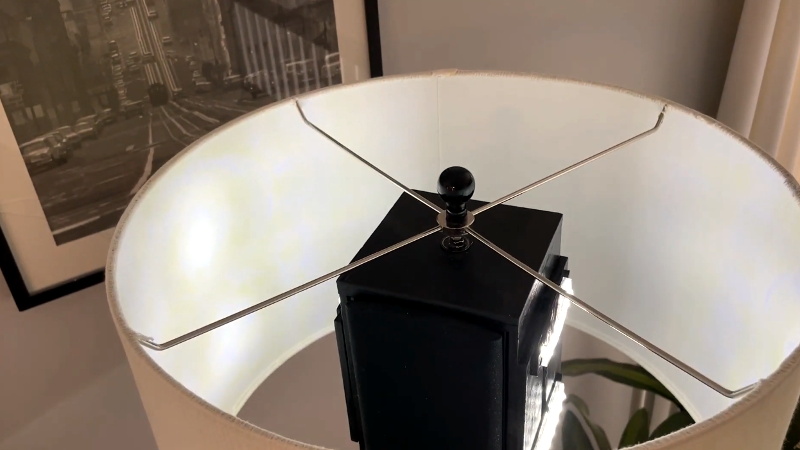
Lamps Double As Secret Surround Sound Speakers