1/6
The Truth About In-Wall Speakers
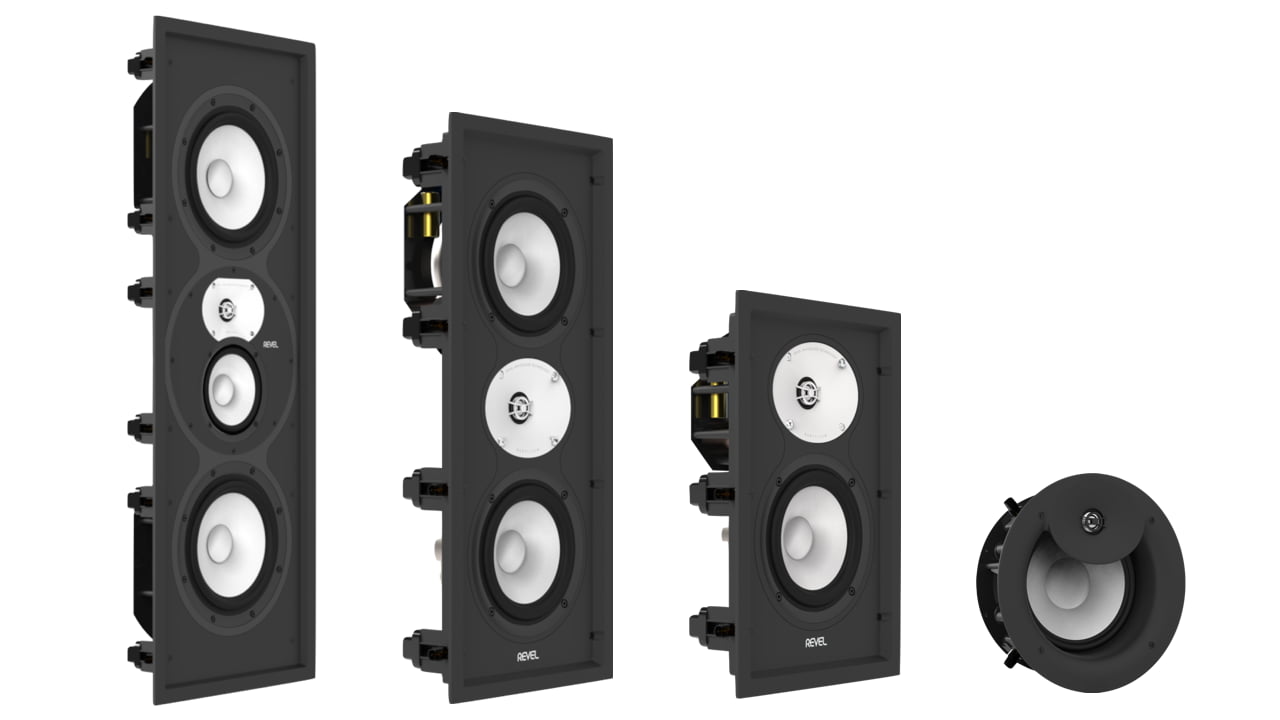
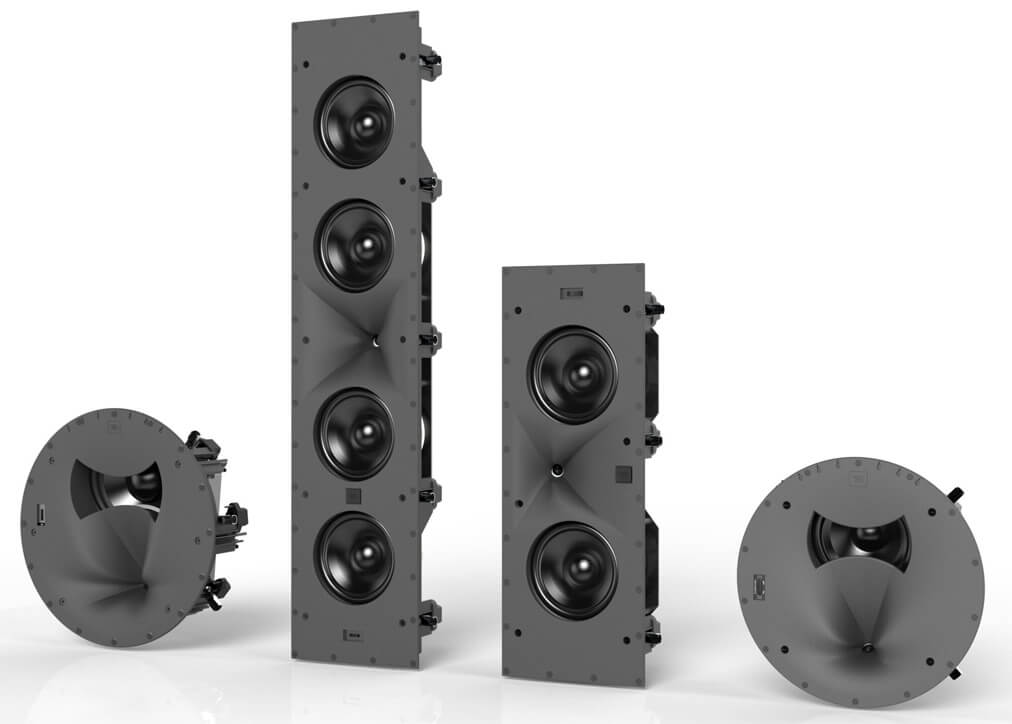
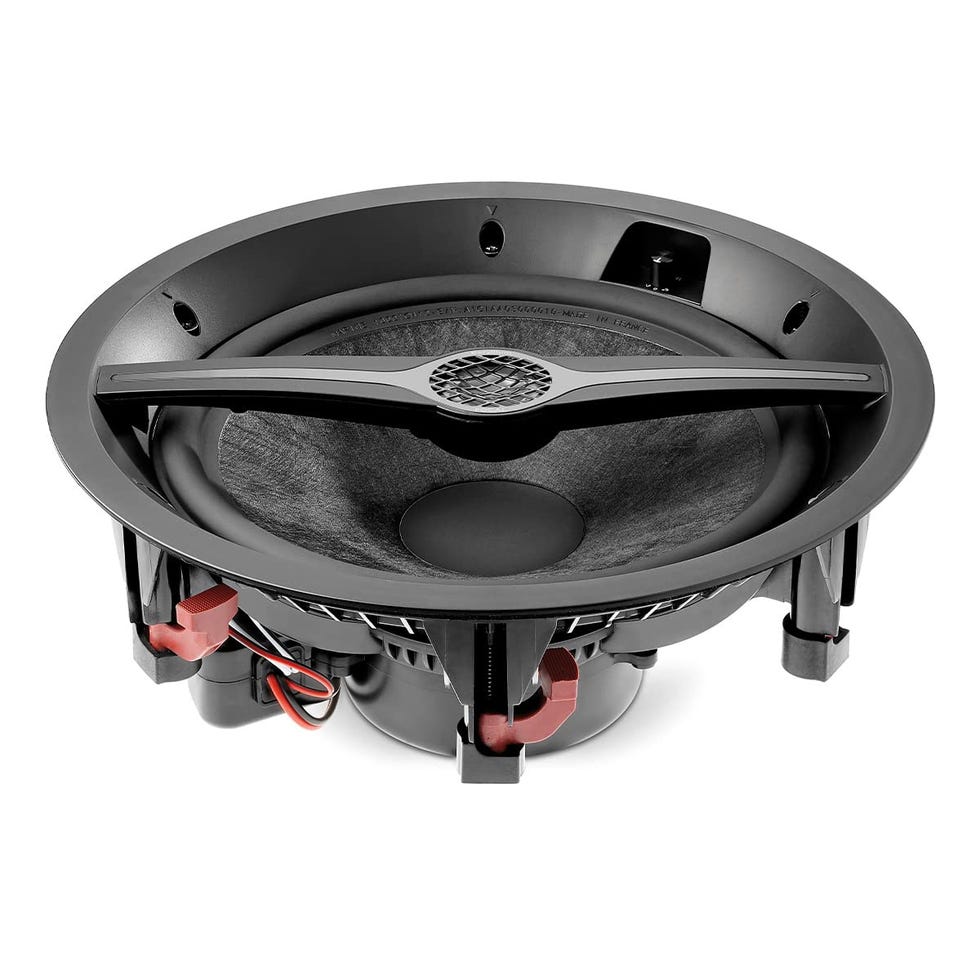
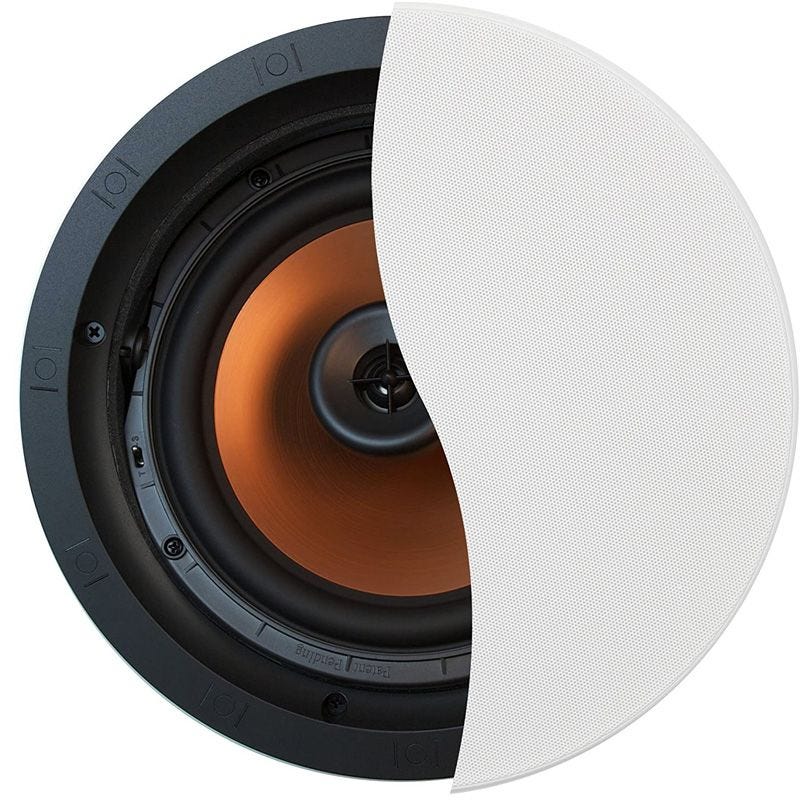
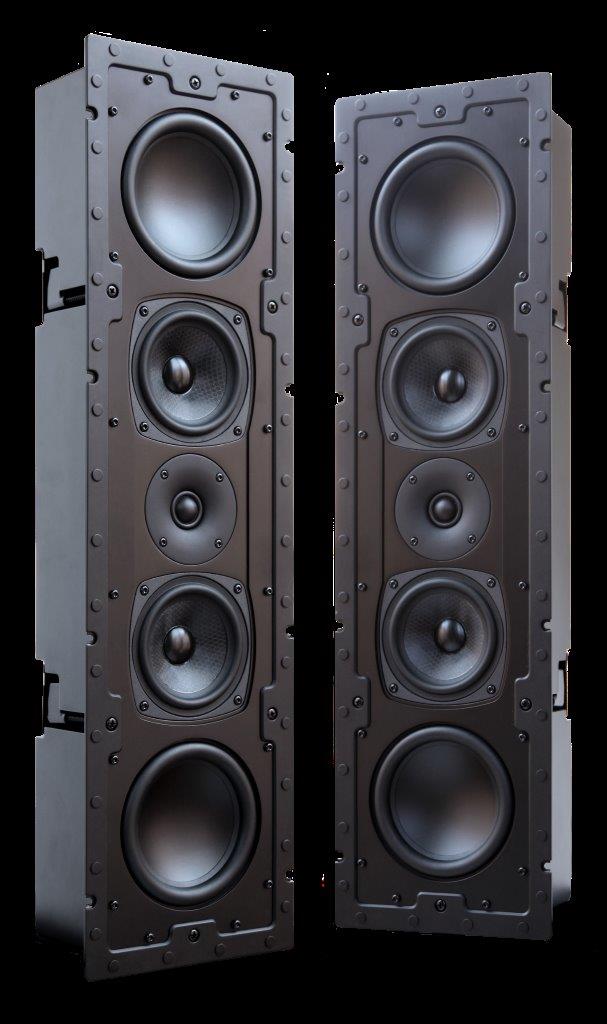
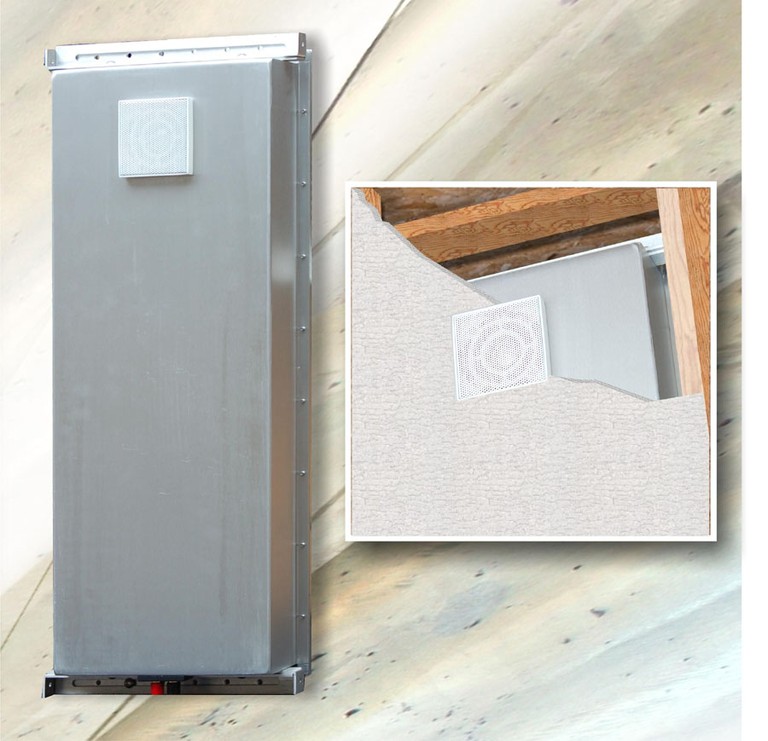
This article provides a comprehensive exploration of in-wall speakers, contrasting them with traditional in-room speakers, assuming comparable quality and pricing. The discussion begins by challenging the common negative perception that all in-wall speakers are of poor quality. It acknowledges that while many inexpensive, open-back in-wall speakers on the market historically have contributed to this perception due to their lightweight construction and lack of proper enclosure, there is a significant category of high-quality in-wall speakers that offer distinct advantages when designed and installed correctly.
The article delves into the historical context, citing an anecdote from thirty-five years ago where automotive speakers were repurposed for in-wall residential installations due to the lack of suitable custom options. This historical perspective highlights the long-standing demand for aesthetically discreet audio solutions in affluent and stylish homes. It notes that while initial in-wall speakers often compromised on sound quality for aesthetics, the market has evolved to offer much better options today.
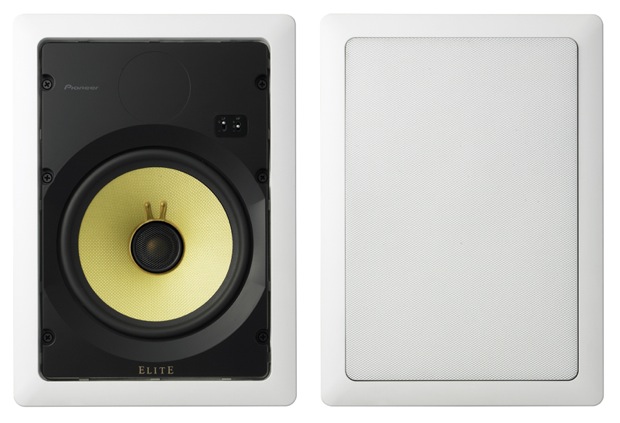
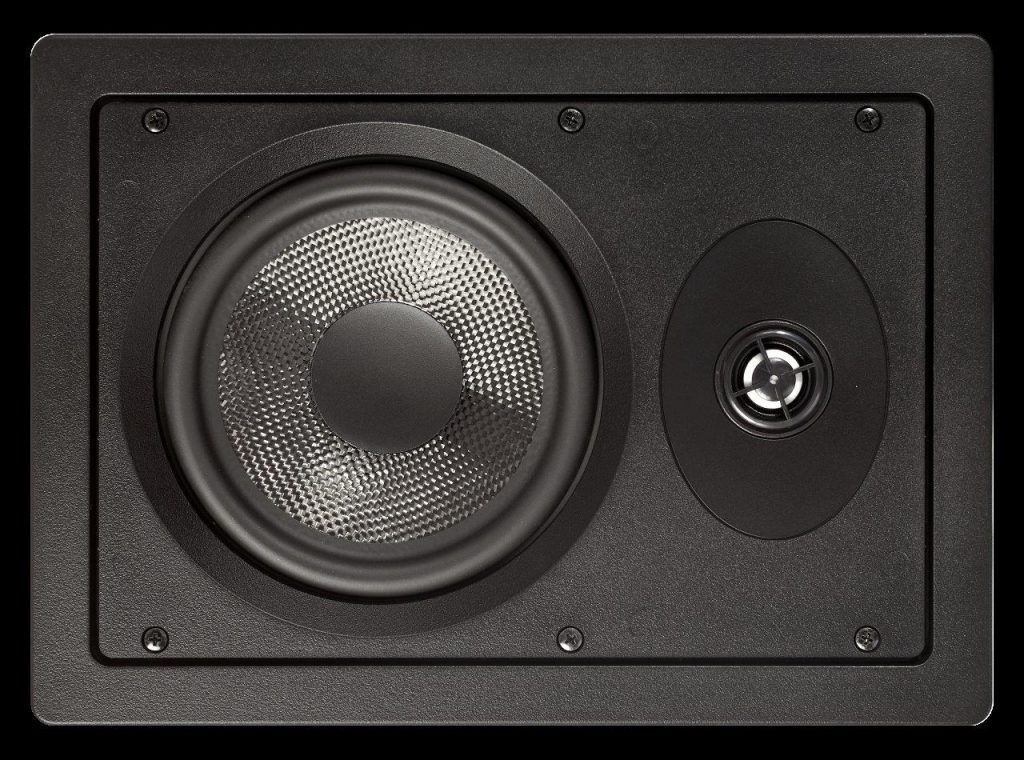
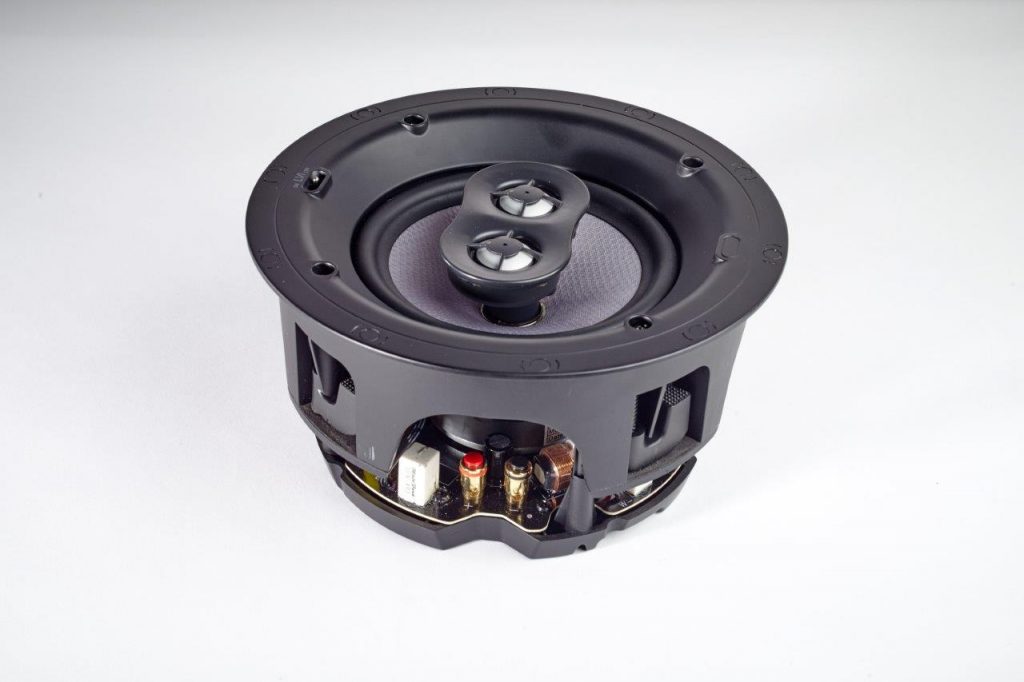
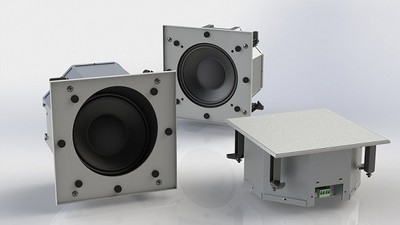
A critical distinction is made between cheap, open-back in-wall speakers and properly engineered enclosed designs. The former, often lacking an enclosure and ignoring crucial electro-mechanical parameters like Thiele-Small, suffer from issues such as sound bleeding into adjacent rooms and unpredictable, often poor, bass performance. The article also addresses the inadequacy of most 'back boxes' offered by some manufacturers, explaining that these are often flimsy, not acoustically designed for optimal bass, and primarily serve for isolation rather than sound improvement. A properly designed in-wall speaker, by contrast, incorporates quality drivers, a suitable crossover network, and a braced enclosure, much like a freestanding speaker.
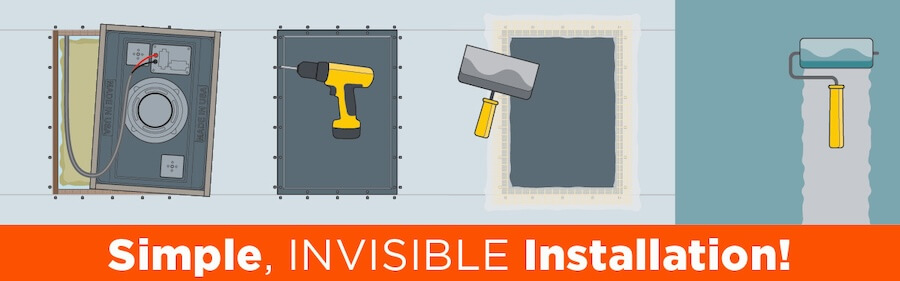
The disadvantages of in-wall speakers are meticulously outlined. These include greater difficulty in upgrading or relocating them due to the need for sheetrock and paint work, emphasizing the importance of careful initial placement. Another drawback is their fixed position, which prevents toe-in adjustments that can optimize sound. Additionally, being installed in a wall means they are further from the listener, leading to a perception of lower loudness and a higher percentage of reflected sound, though these issues can be mitigated with acoustic treatments and volume adjustments.
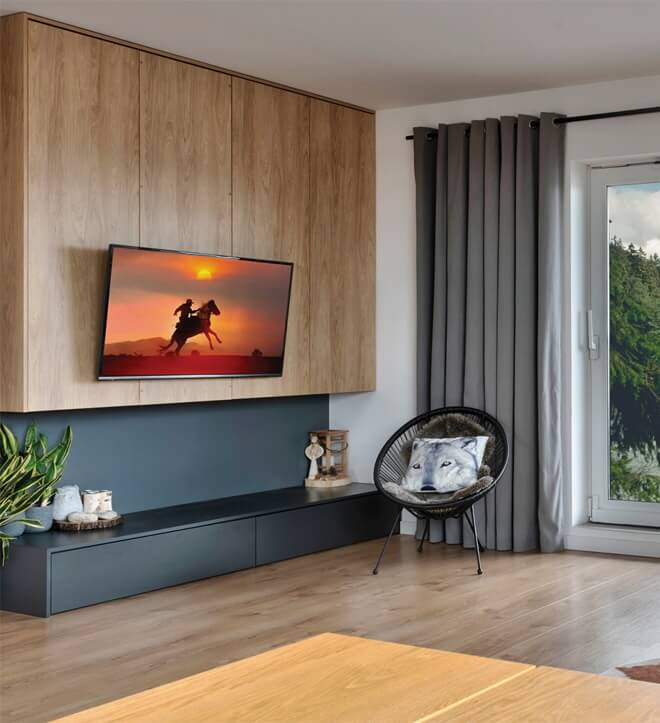
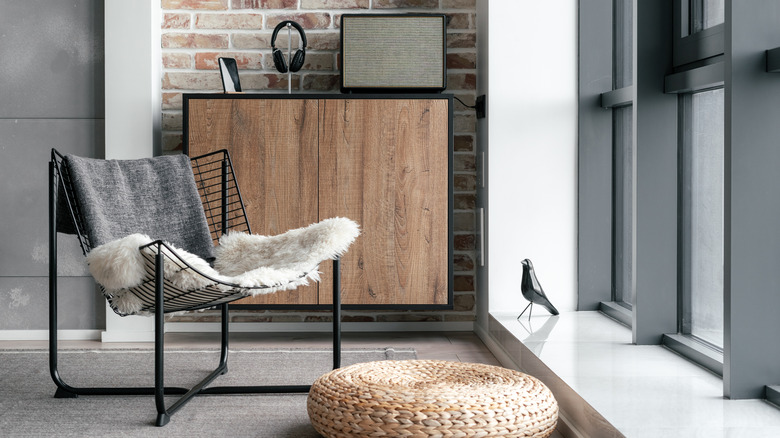
Conversely, the advantages of in-wall speakers are highlighted. They offer a cleaner aesthetic, being far less intrusive than traditional box speakers, which can be a significant factor in home décor and family acceptance. When mounted in a wall, they can eliminate certain wall reflections that cause uneven bass and lower midrange response in freestanding speakers, thanks to the wall acting as a baffle. This bafflement effect also results in a 6 dB increase in bass, which, when combined with modern auto-EQ systems in receivers, can lead to greater headroom and reduced distortion. In-wall speakers are also particularly beneficial for home theaters using acoustically transparent screens, allowing for proper center channel placement without pushing the screen far into the room. They are also ideal for surround sound applications, minimizing trip hazards and offering various radiating patterns like direct-radiating, dipole, and bipole options suitable for modern immersive audio formats. The article concludes by asserting that while cheap in-walls exist, many excellent enclosed in-wall speakers can rival freestanding speakers at similar price points, making them a viable and often superior choice for specific applications where aesthetics, space, or other practical considerations are paramount.
#InWallSpeakers #LoudspeakerDesign #HomeTheater #AudioTechnology #Acoustics #HomeAudio #SpeakerInstallation #RoomAcoustics #CustomInstallation #InWallSpeakers #LoudspeakerDesign #HomeTheater #AudioTechnology #Acoustics #HomeAudio #SpeakerInstallation #RoomAcoustics #CustomInstallation
0 comment in total
 No comments yet
You may also like
James by Sonance SA68 In-Wall Speaker Delivers Big Sound From Tiny Opening
Best Architectural Speakers & Subwoofers: Editors’ Choice 2025

How To Integrate Speakers Seamlessly In Your Home Decor, According To An Expert

Pro Audio SCRS-6c-iw In-Wall or In-Ceiling Speaker Preview
Best Wall Mount Speakers
Preview: Stealth Acoustics Announce 8th Generation LineaRadiance Invisible Speaker Lineup
Pioneer Elite S-IC871A and S-IW871-LR In-Wall Speakers
Ikea and Sonos picture frame speaker review: wall of sound


L-Acoustics In-Wall Speaker School

Stealth Acoustics LR6 Invisible In-Wall Speaker

In Praise of Totem
KEF Ci200QSb-THX and Ci200TRb In Wall Subwoofer Preview
Aperion Audio Intimus 6-LCR In-Wall Speakers
Axiom Audio M0, M2, M3, M22, VP100 and VP150 On-Wall Speakers
Q Acoustics Concept 20 loudspeaker review: These gorgeous bookshelf speakers sound positively divine


The Best Bookshelf Speakers of 2025, Tried & Tested

Focal On Wall 301 loudspeaker review: Thin is definitely in
Enhance Your Listening Experience With These Expert Rated Ceiling Speakers
Do acoustic wall panels soundproof a room? Experts…

Multiple wall panels from Decor Systems support hands-on learning, collaboration, and student wellbeing