1/5
How to Design a 'Conversation Room' — The Space Everyone in Design Is Talking About
The 'conversation room' is emerging as a significant trend in interior design, representing a shift away from technology-dominated living spaces towards fostering human connection and intimate gatherings. This concept encourages individuals to set aside their phones and televisions, focusing instead on face-to-face interactions. Interior designers note a growing demand for spaces that cultivate intimacy and comfort, contrasting with the long-standing prevalence of open-plan living.
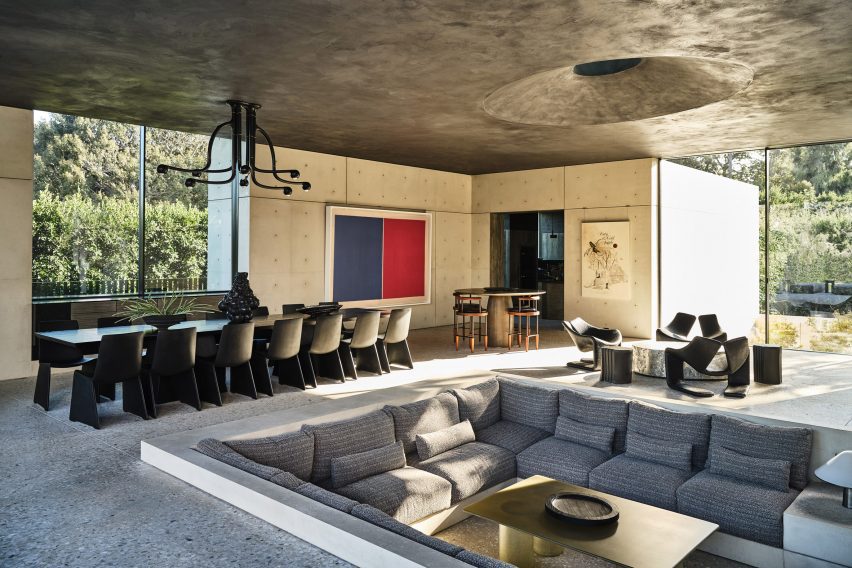
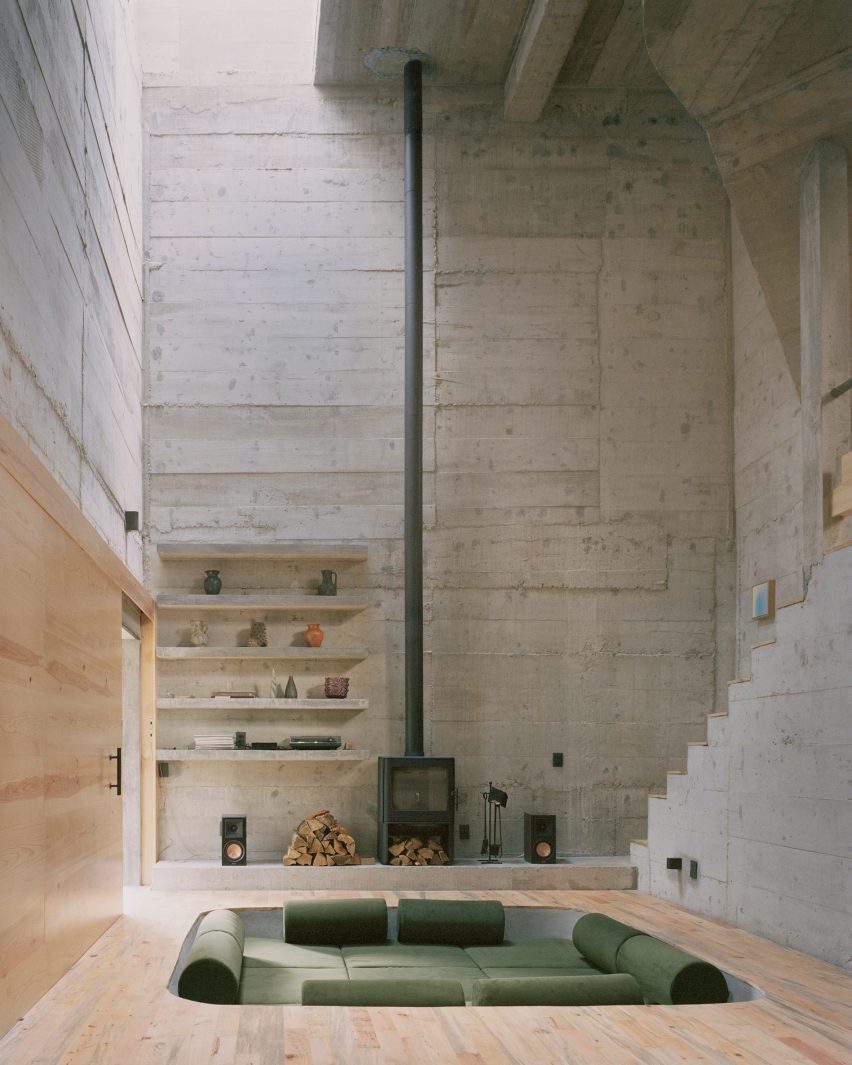
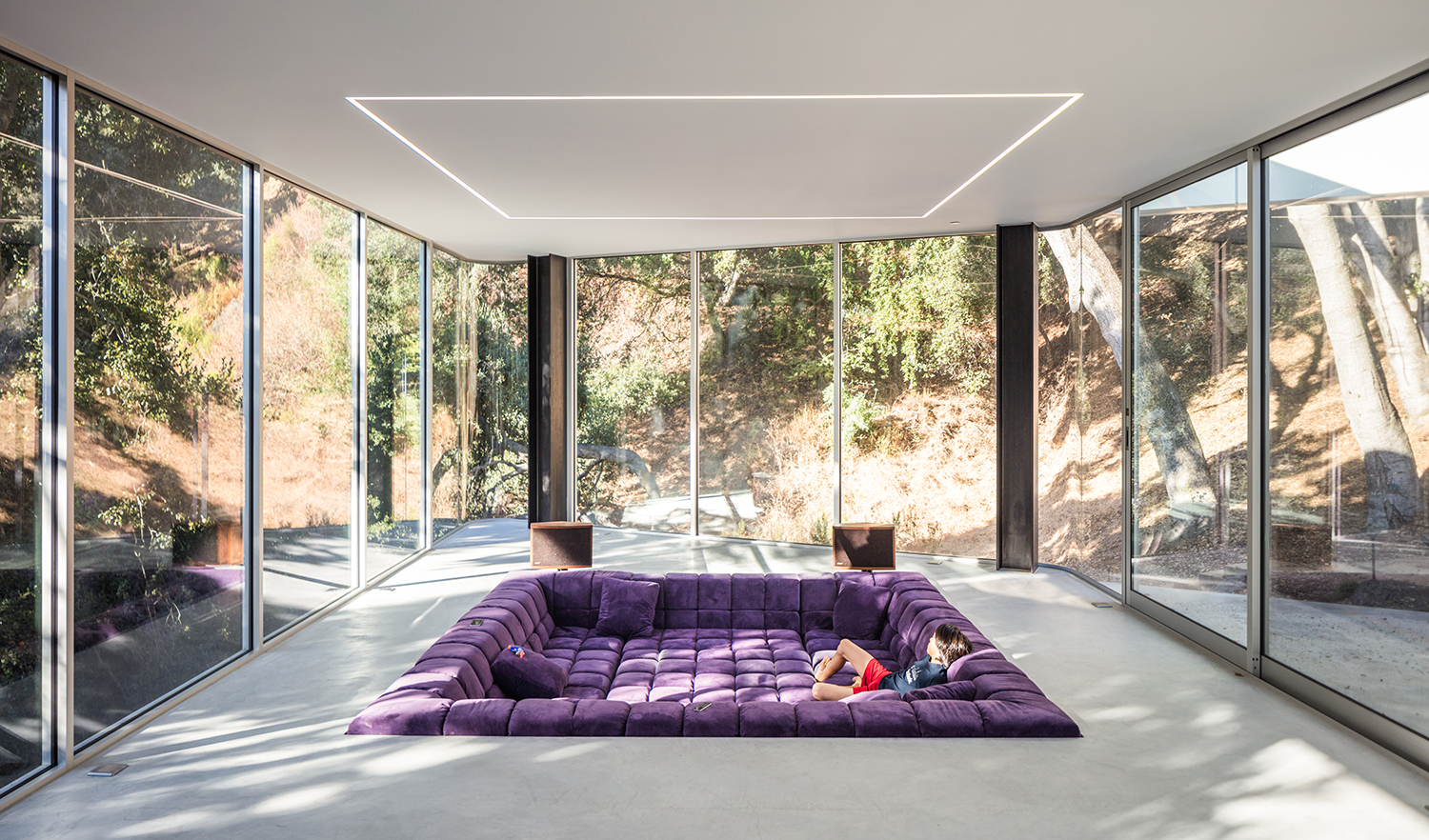
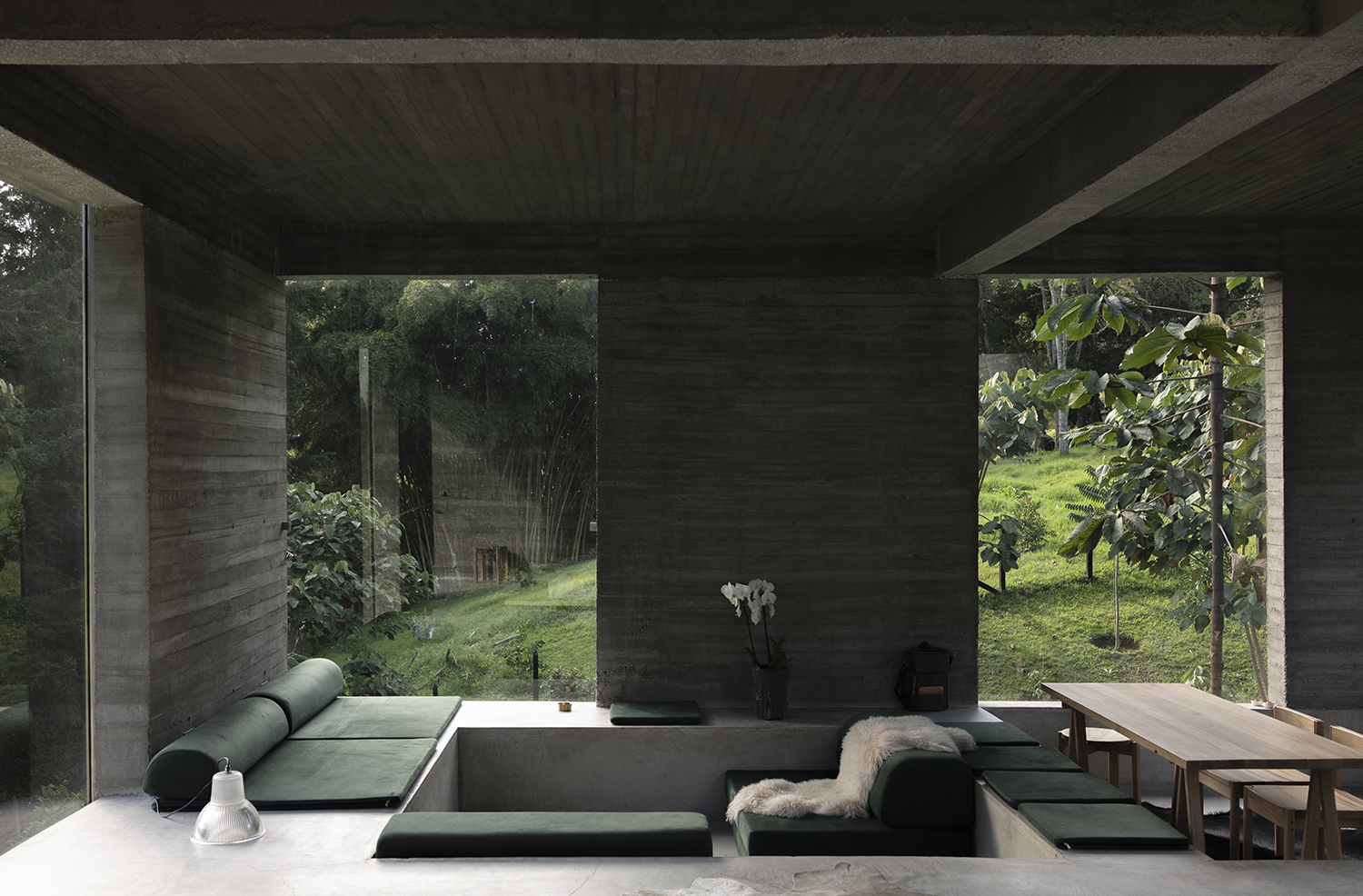
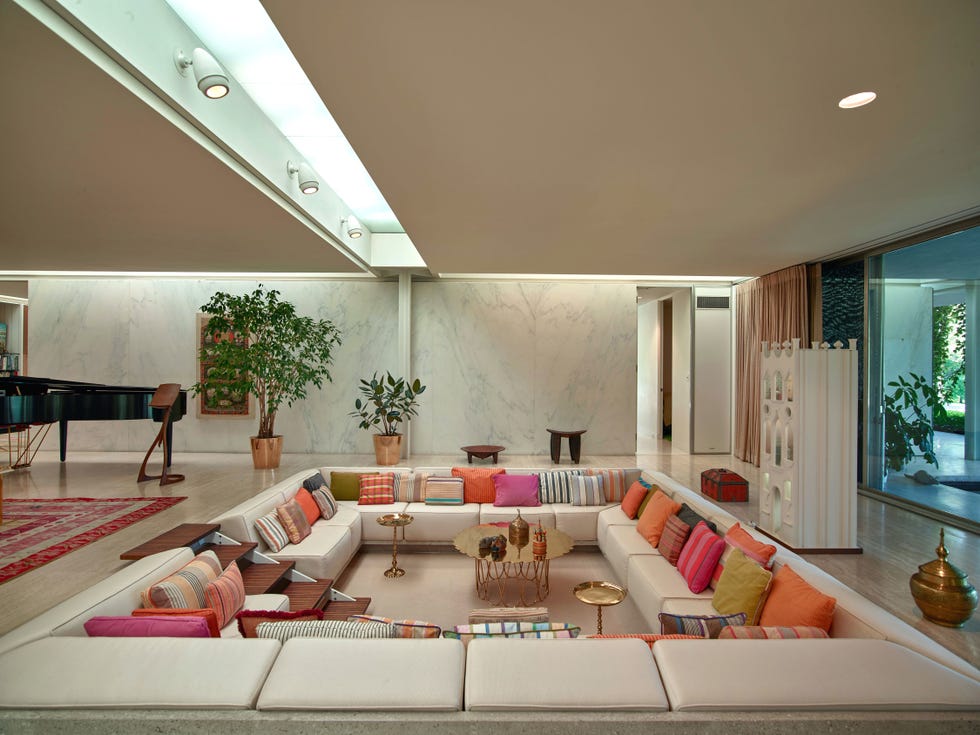
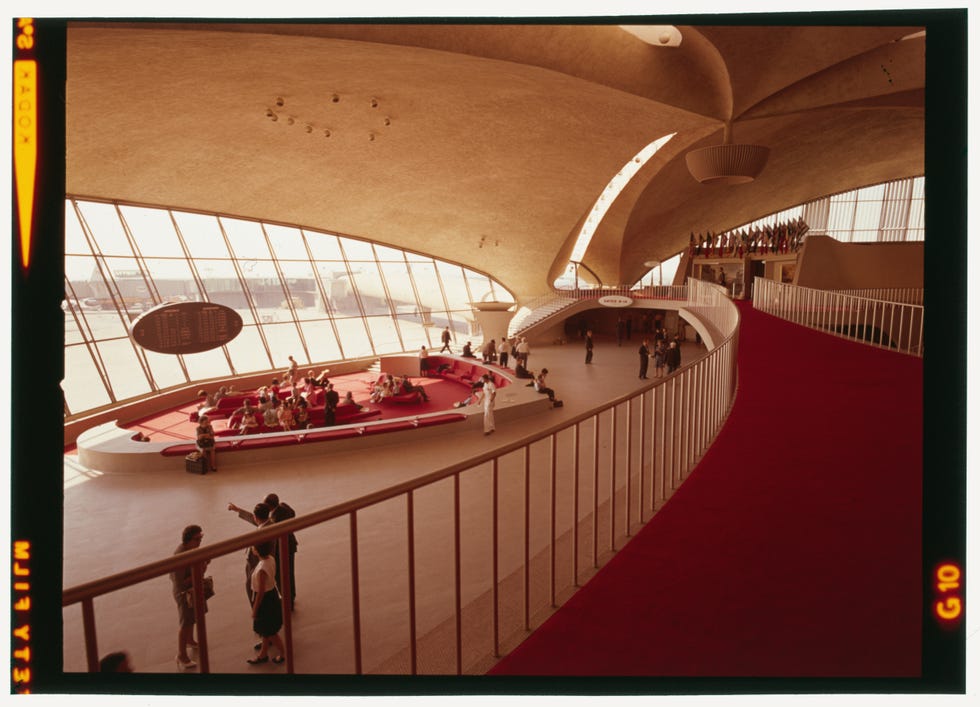
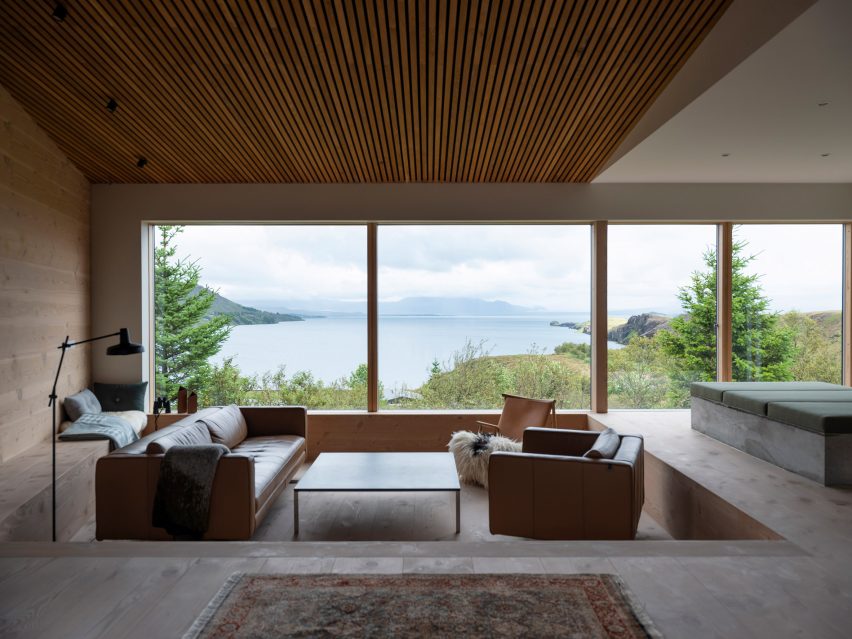
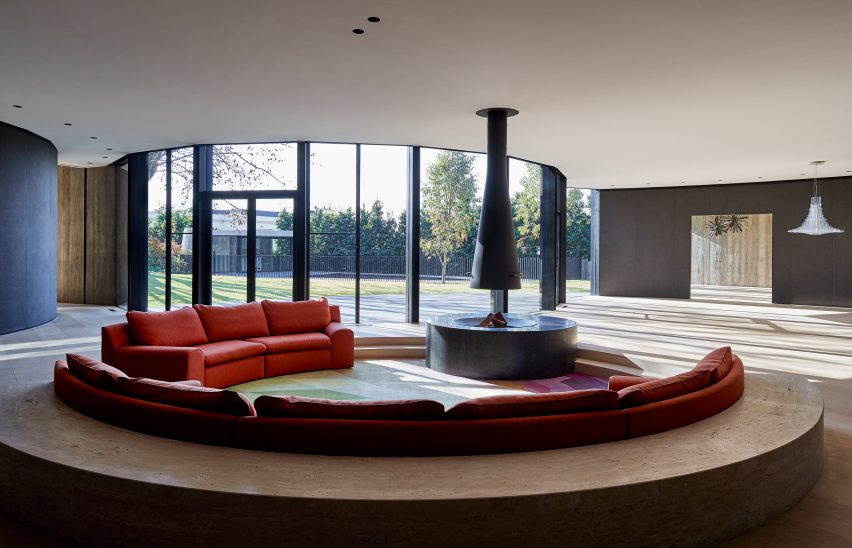
The historical roots of the conversation room can be traced back to 18th-century Parisian 'salons' where intellectual discourse thrived, and Victorian English 'parlors' designed for polite social exchanges. More recently, the 'conversation pit' of the mid-century modern era, exemplified by Eero Saarinen’s Miller House, gained popularity in the 1970s and is now experiencing a resurgence. Designers like Charles De Lisle suggest drawing inspiration from these historical concepts to adapt the idea to contemporary homes, even if a literal conversation pit isn't feasible.
The current trend toward conversation rooms is influenced by the increasing dominance of screens and technology in daily life, leading to a desire for more meaningful, in-person social engagement. Designers are observing a movement away from single, large open-plan living areas towards homes with multiple, distinct spaces, each designated for specific functions. This preference for defined zones, particularly those promoting a sense of togetherness and coziness, highlights a broader cultural craving for connection and intimate environments. Róisín Lafferty, an interior designer, emphasizes the appeal of a 'cocooned' environment dedicated to social interaction.
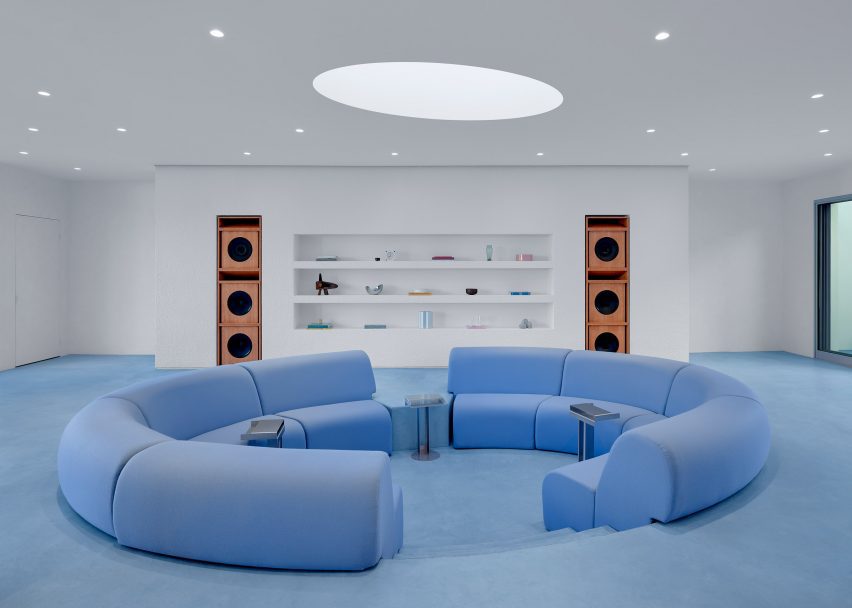
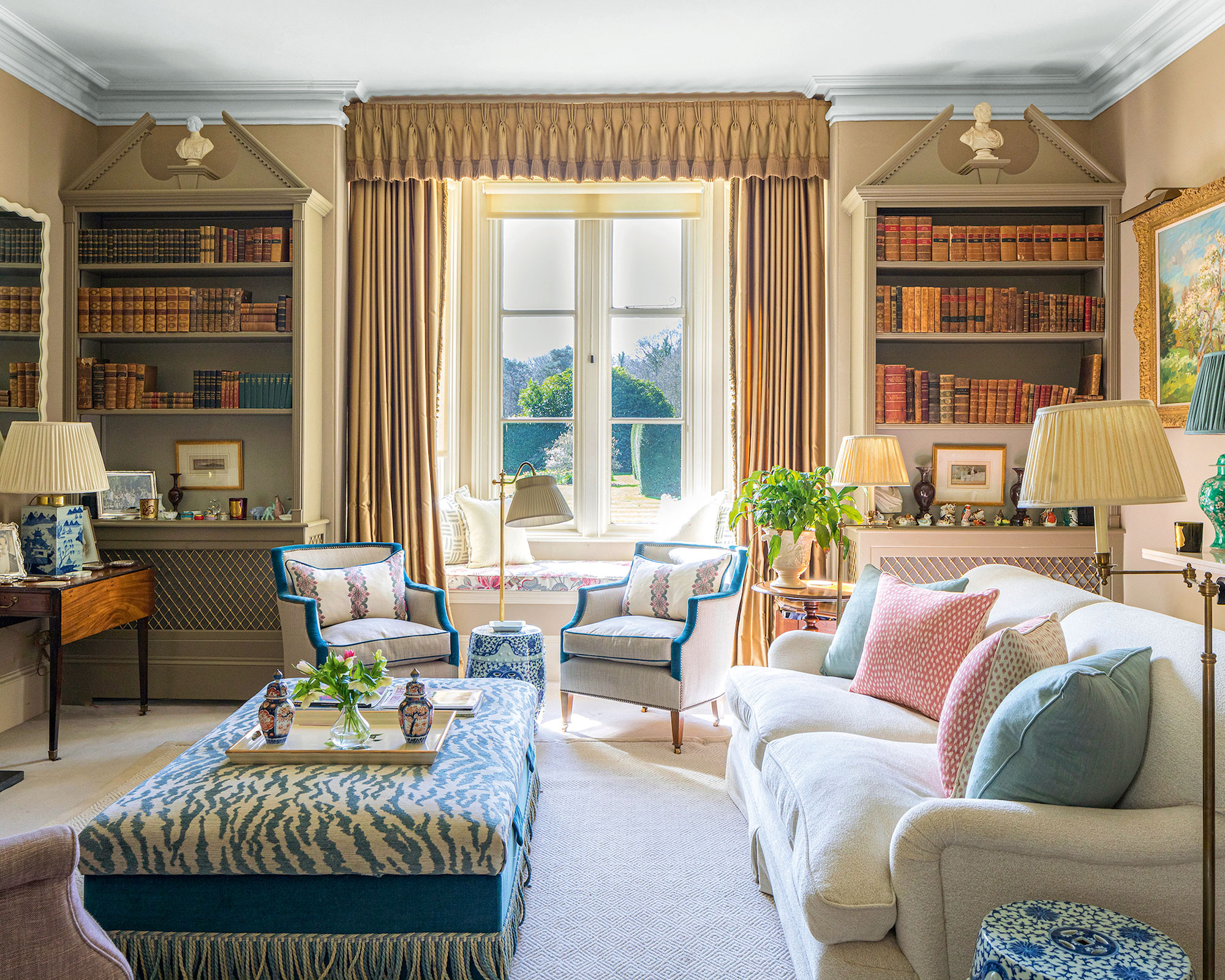
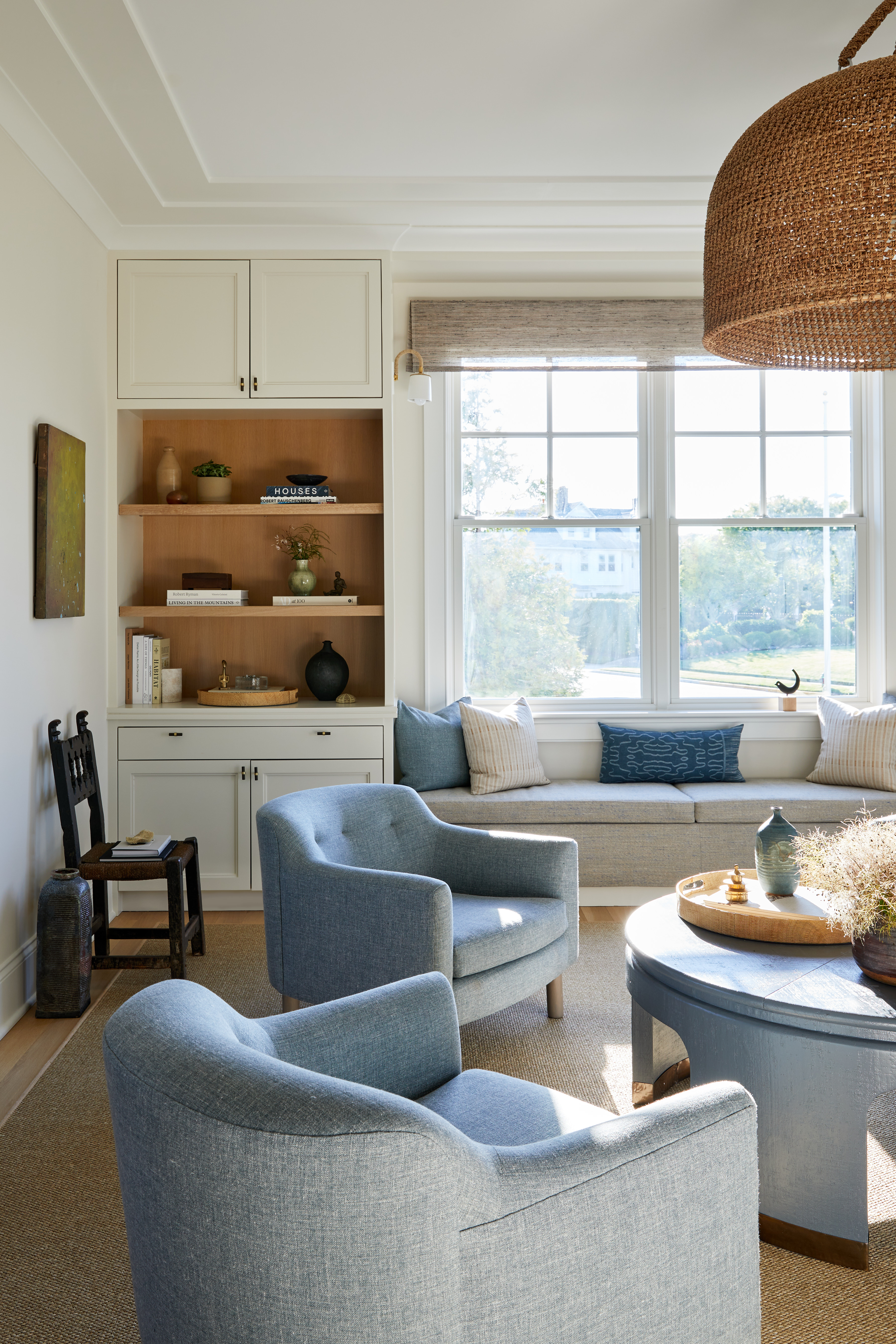
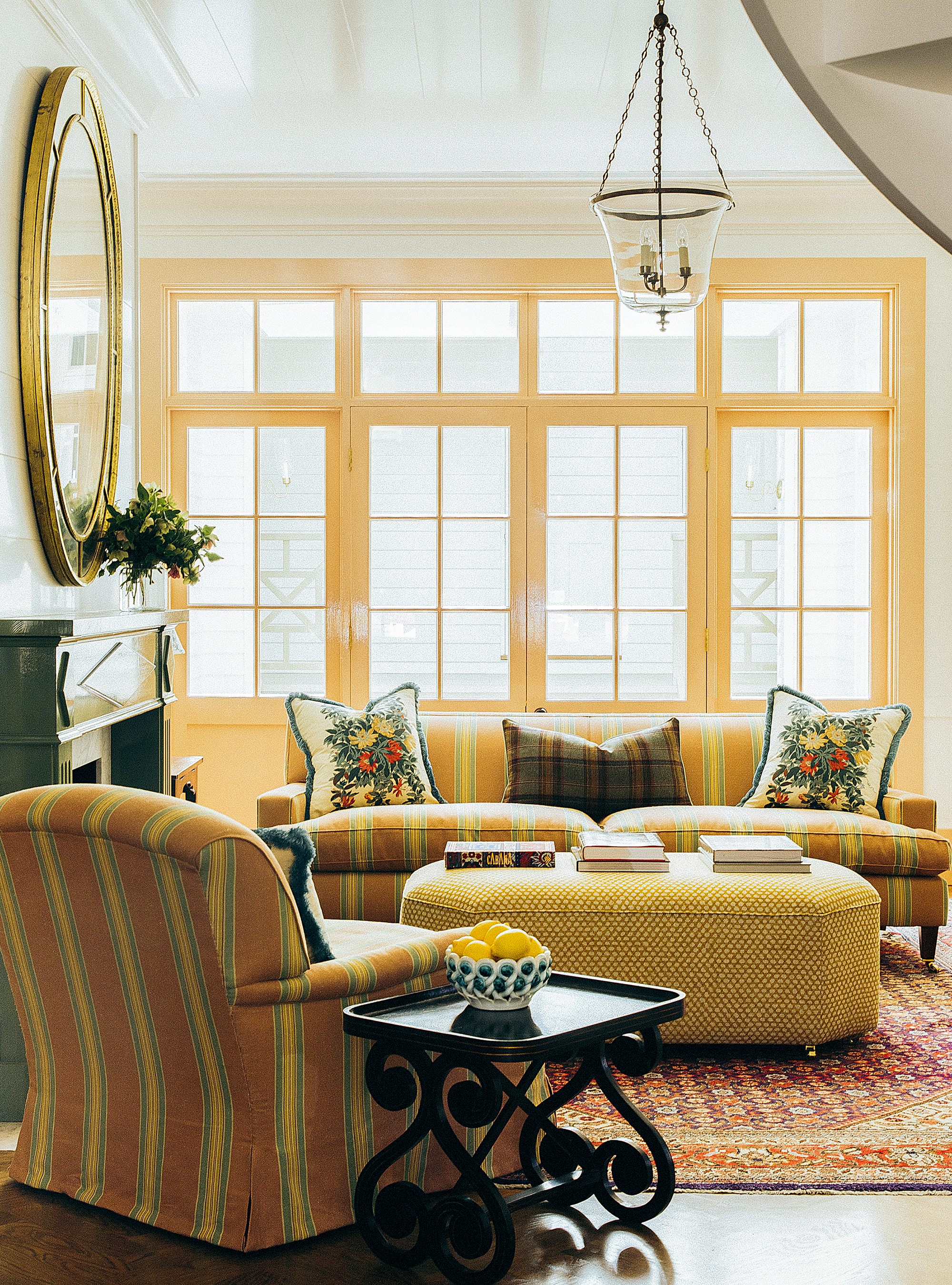
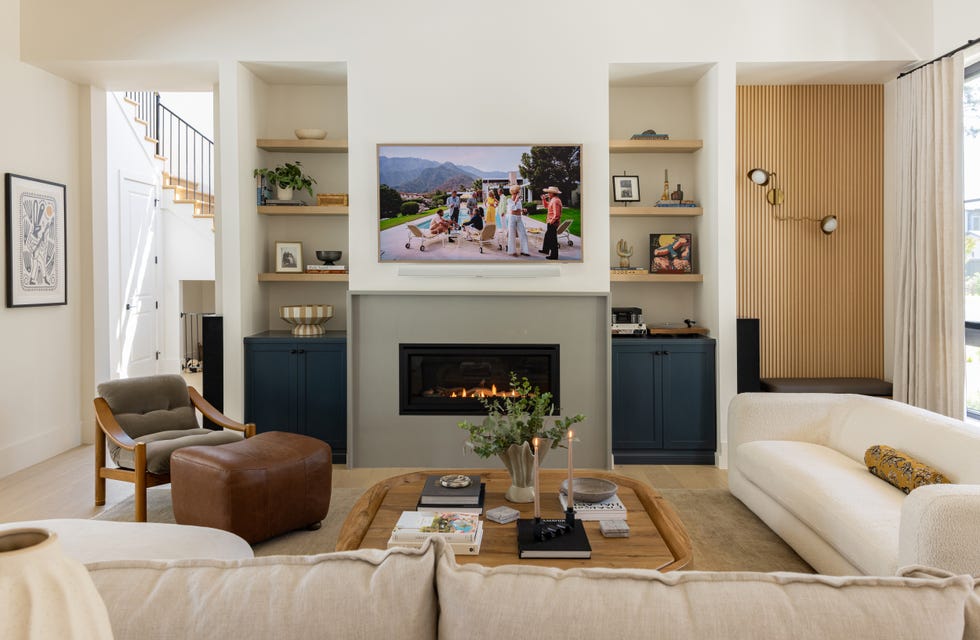
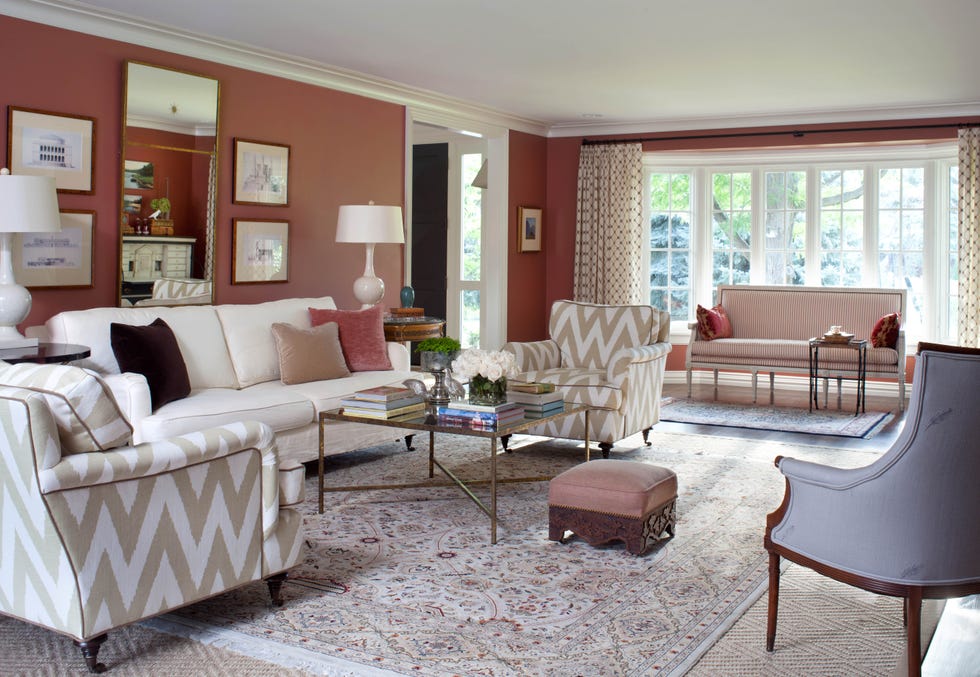
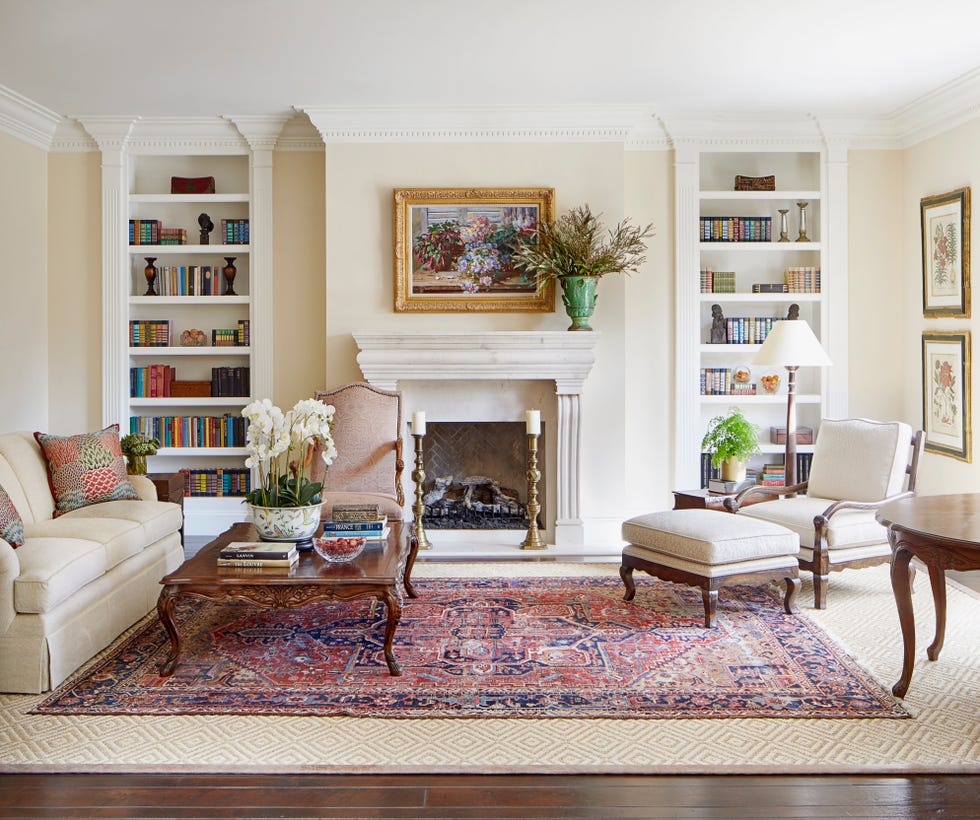
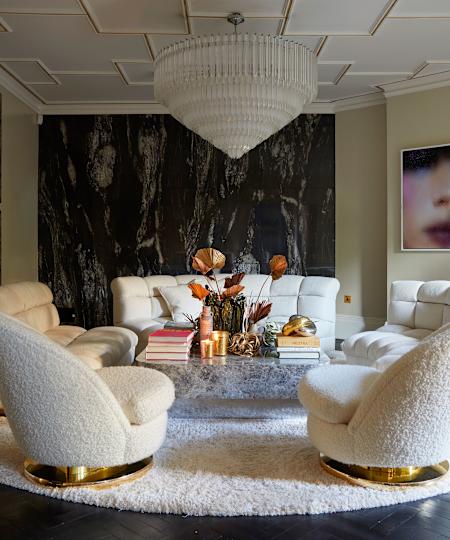
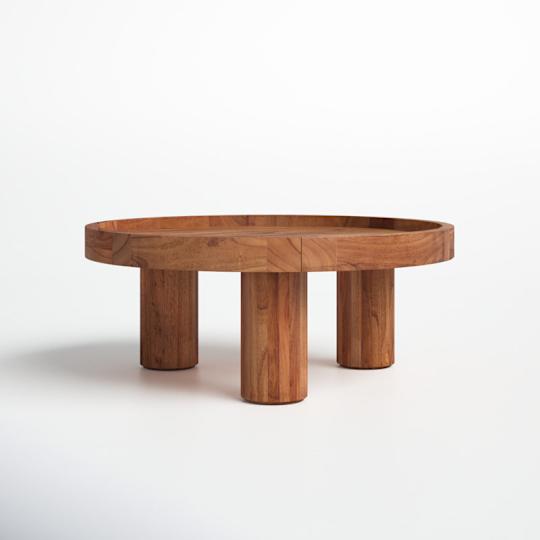
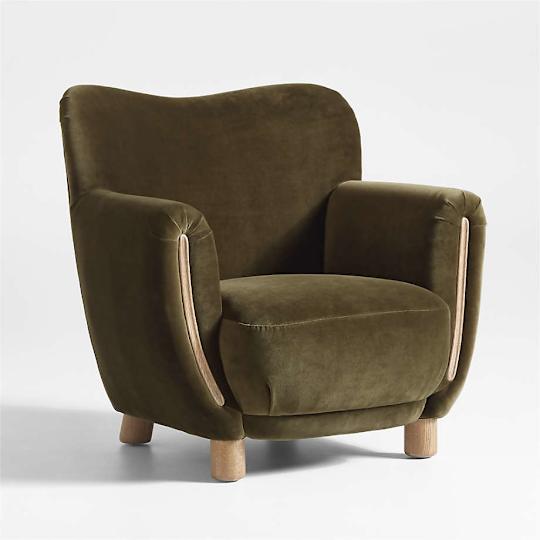
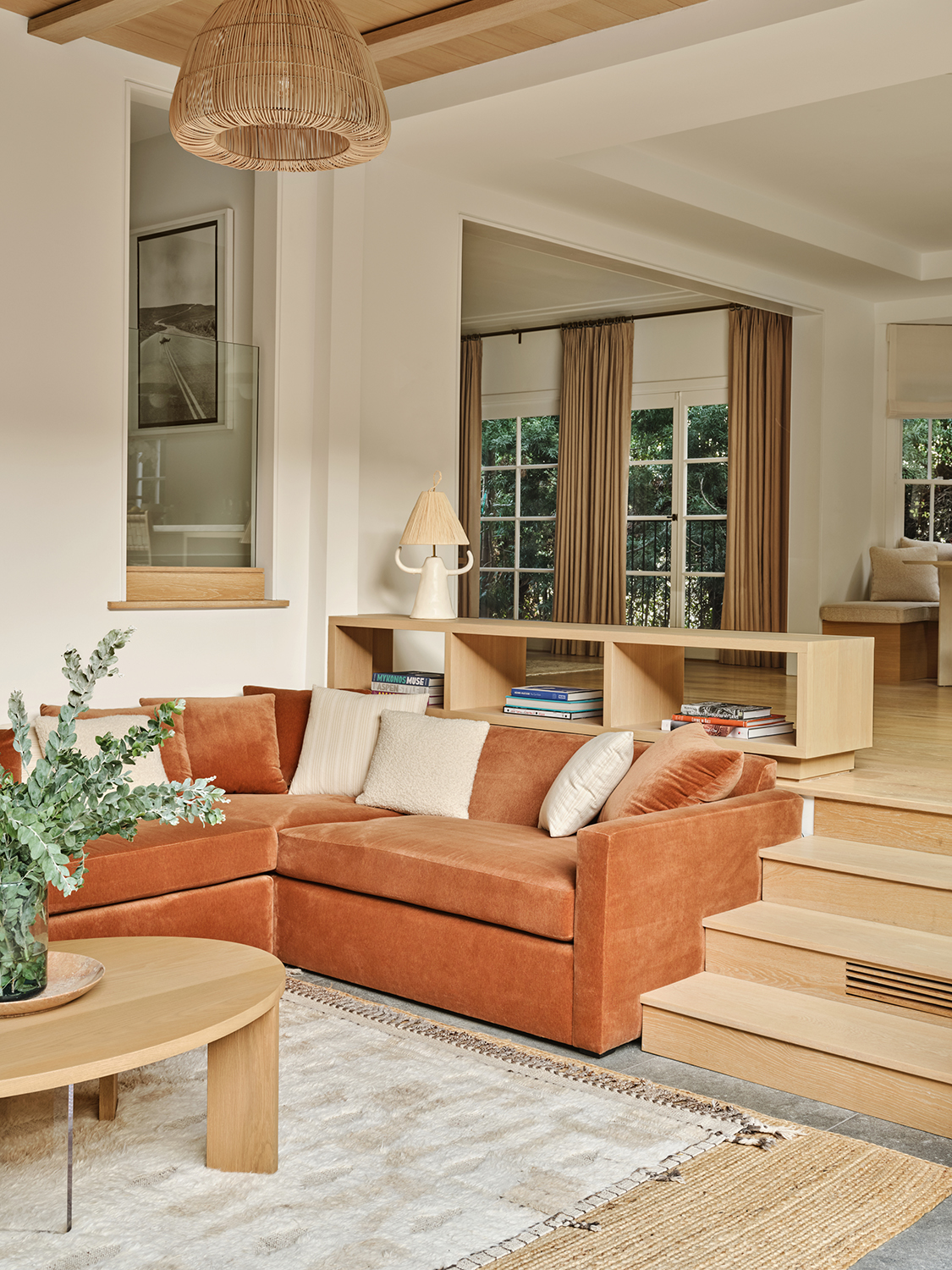
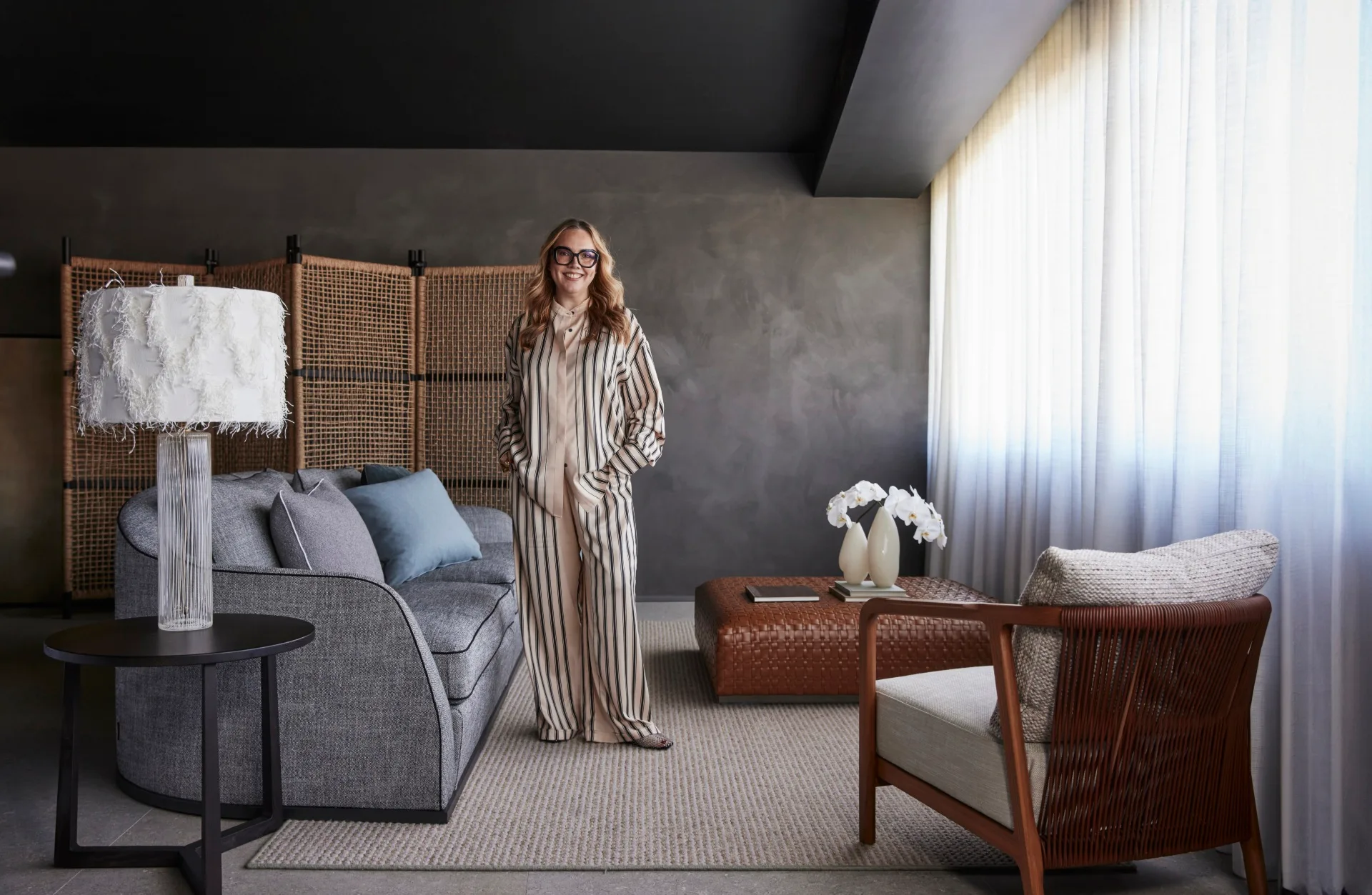
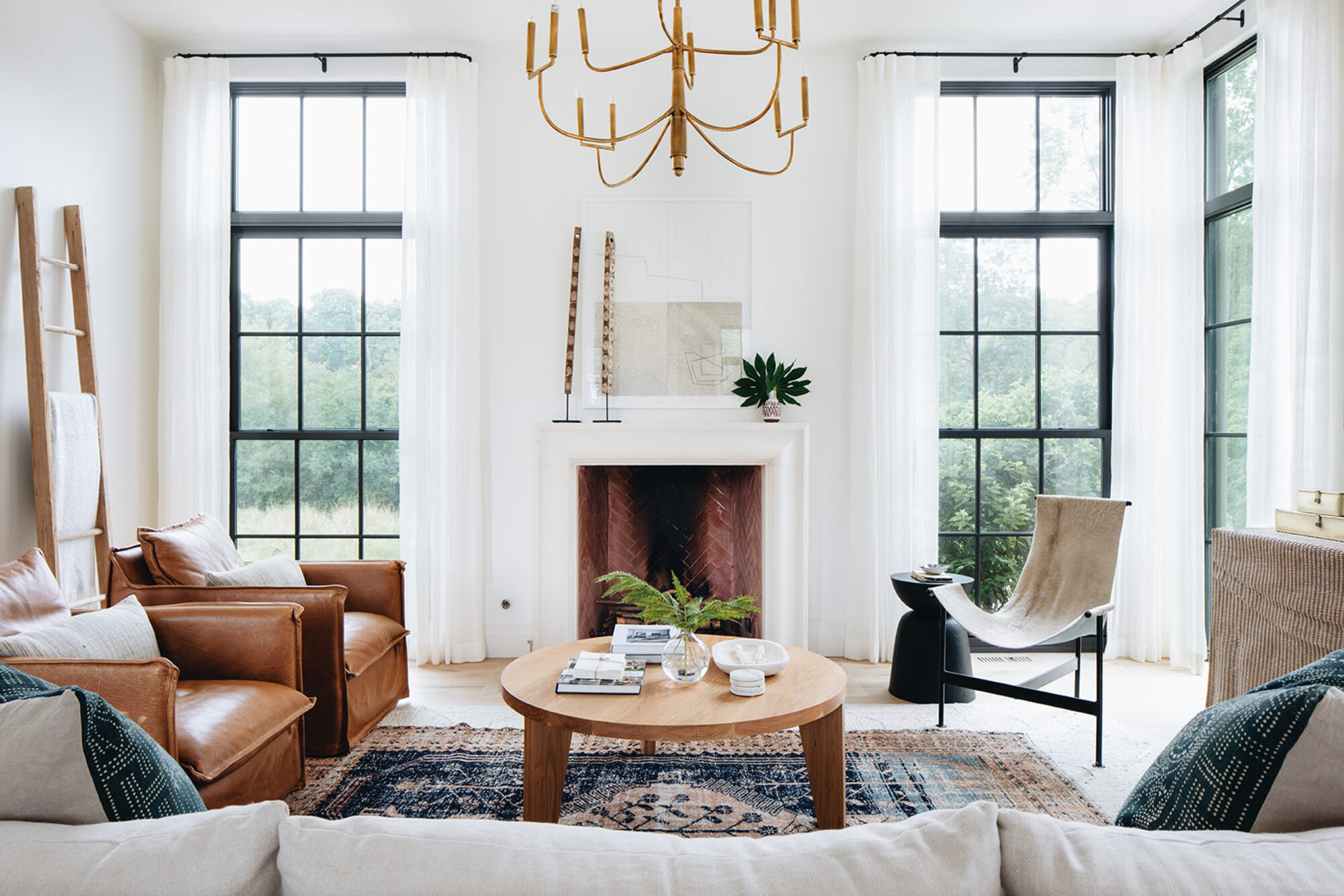
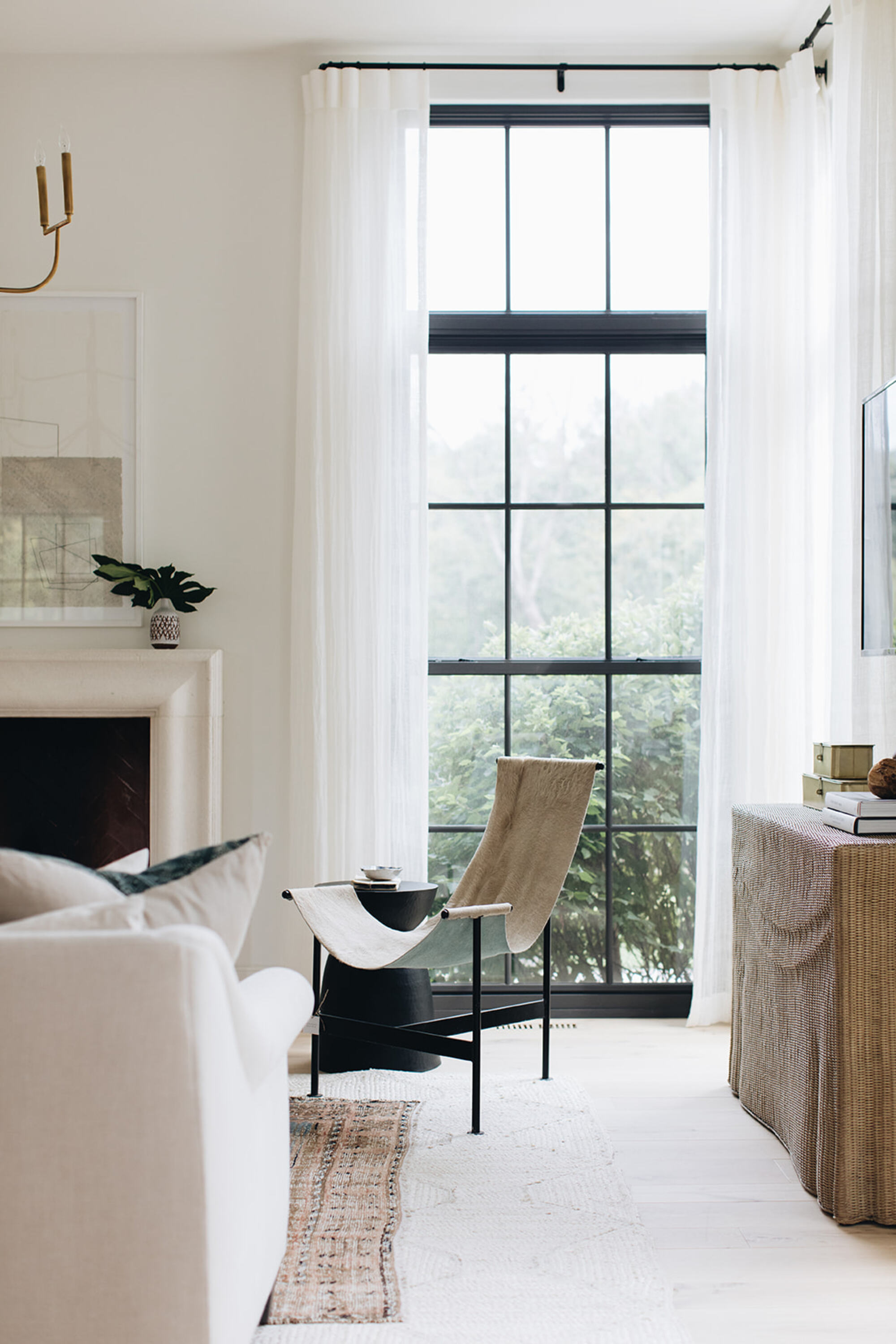
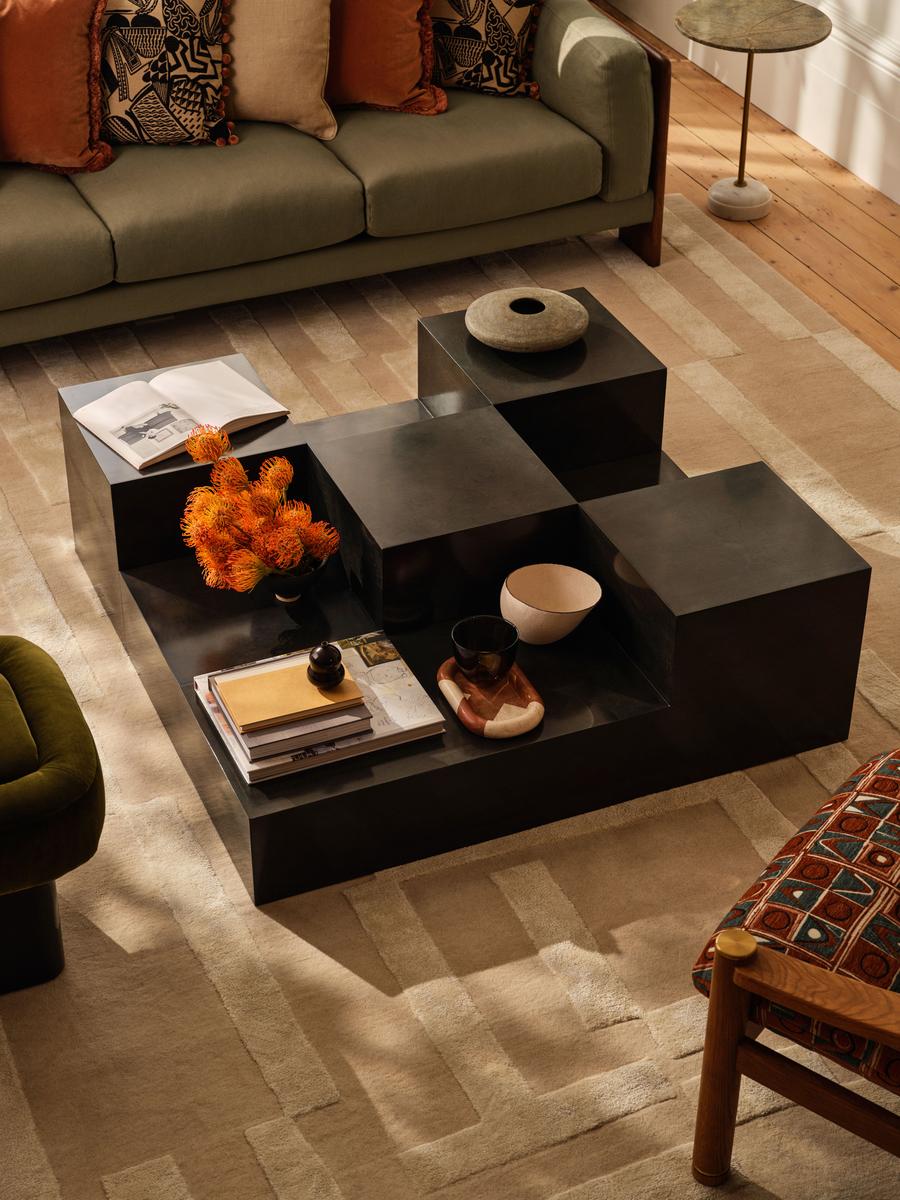
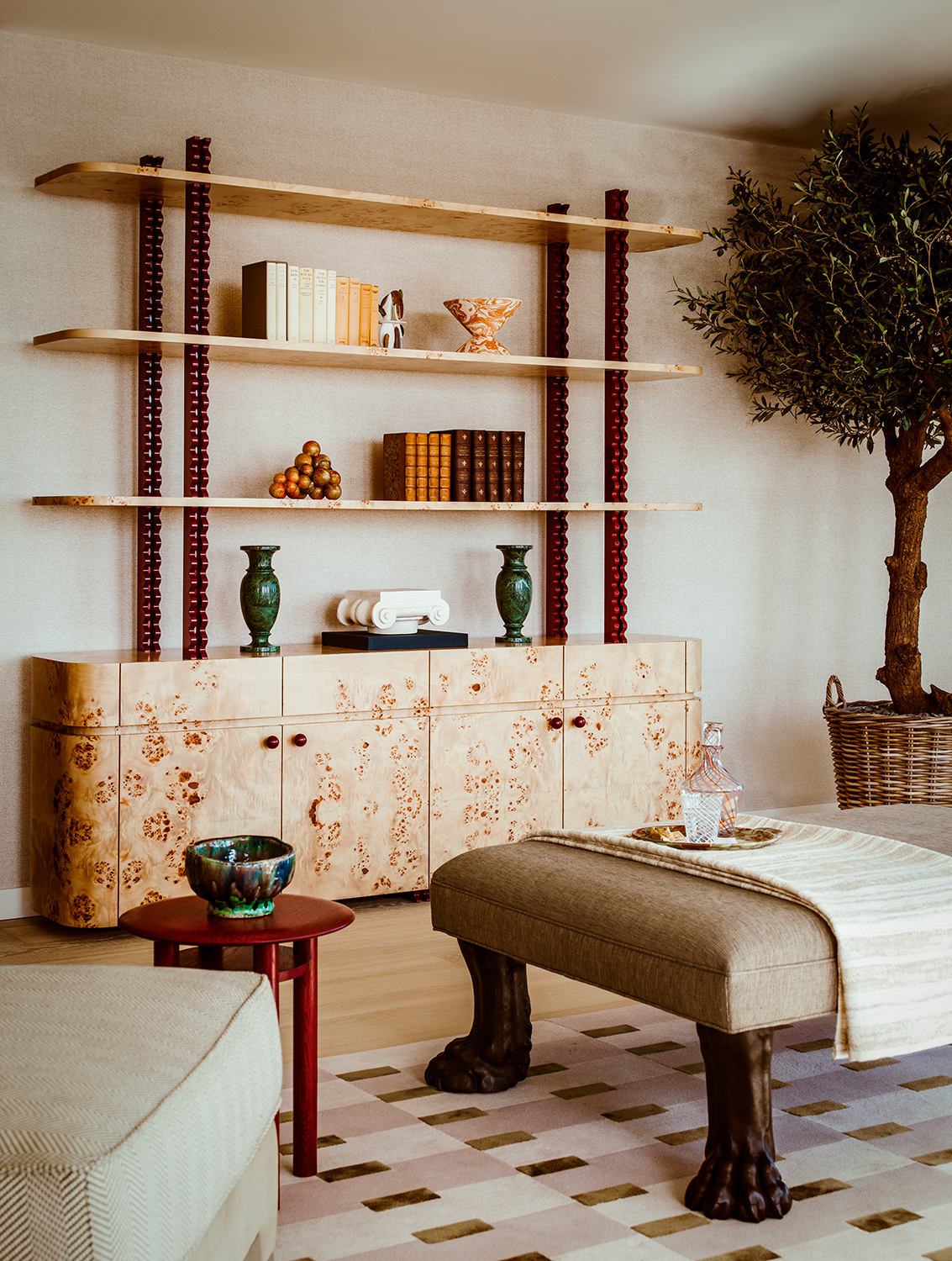
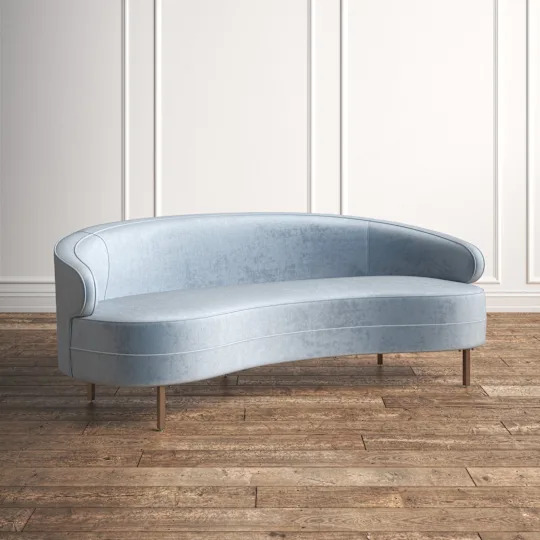
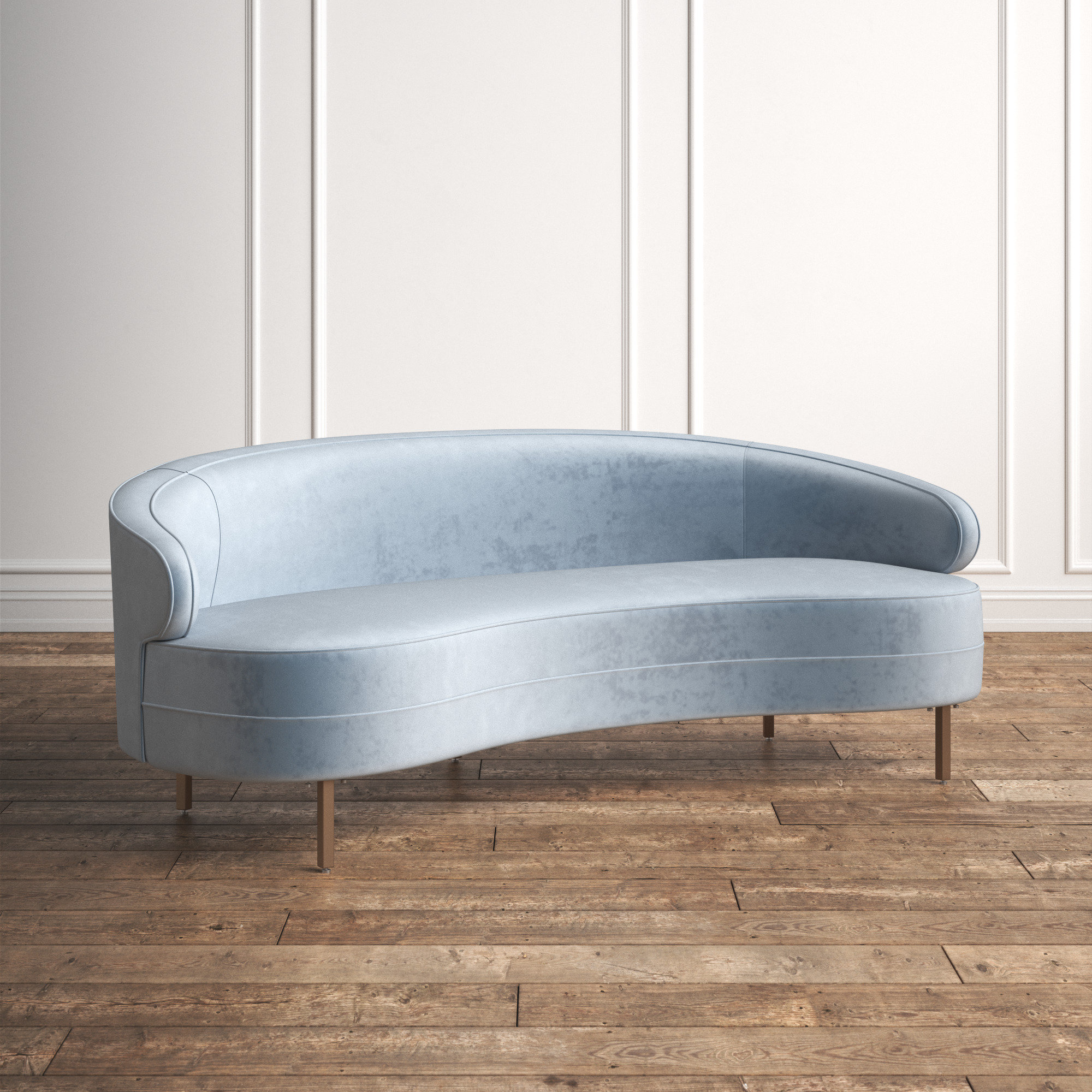
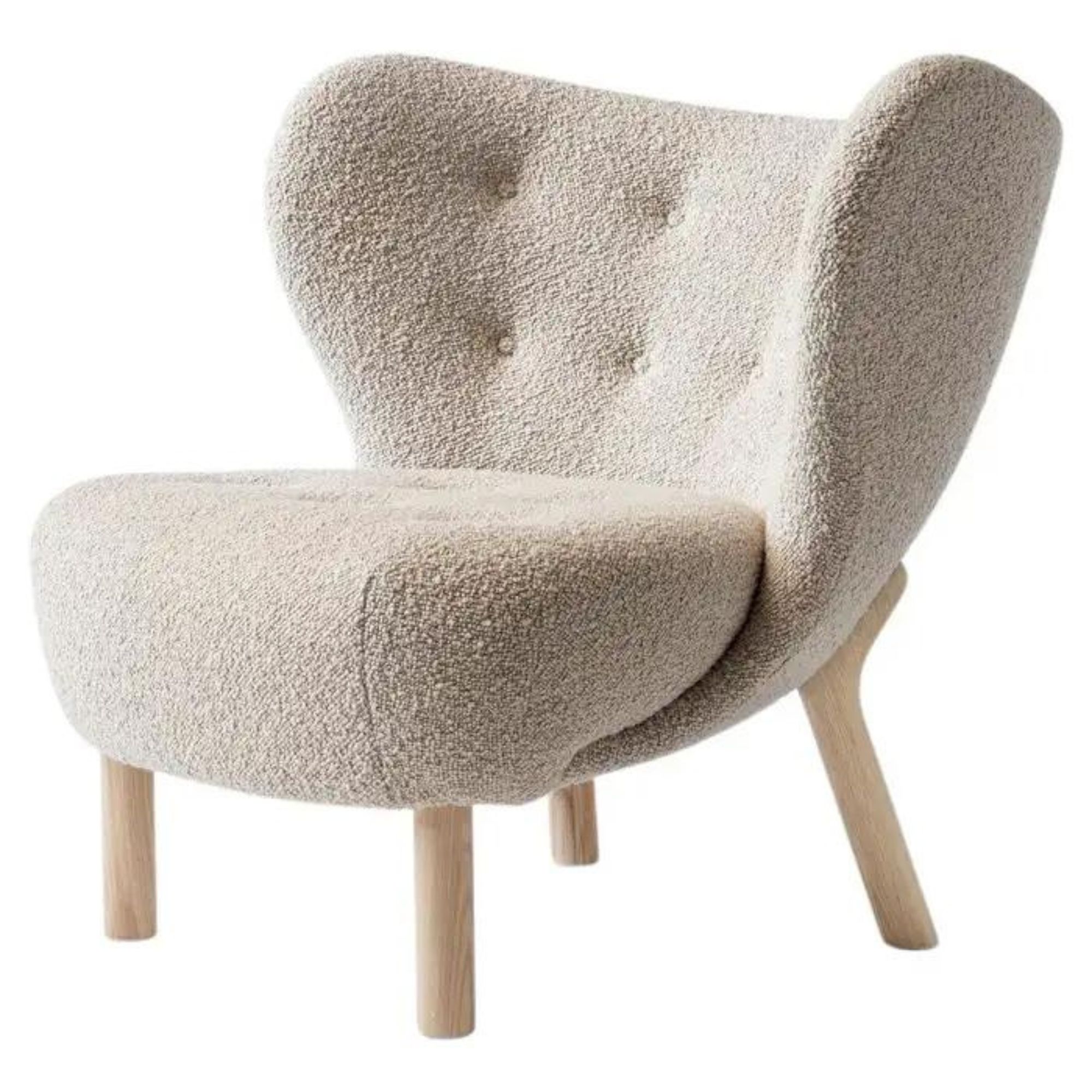
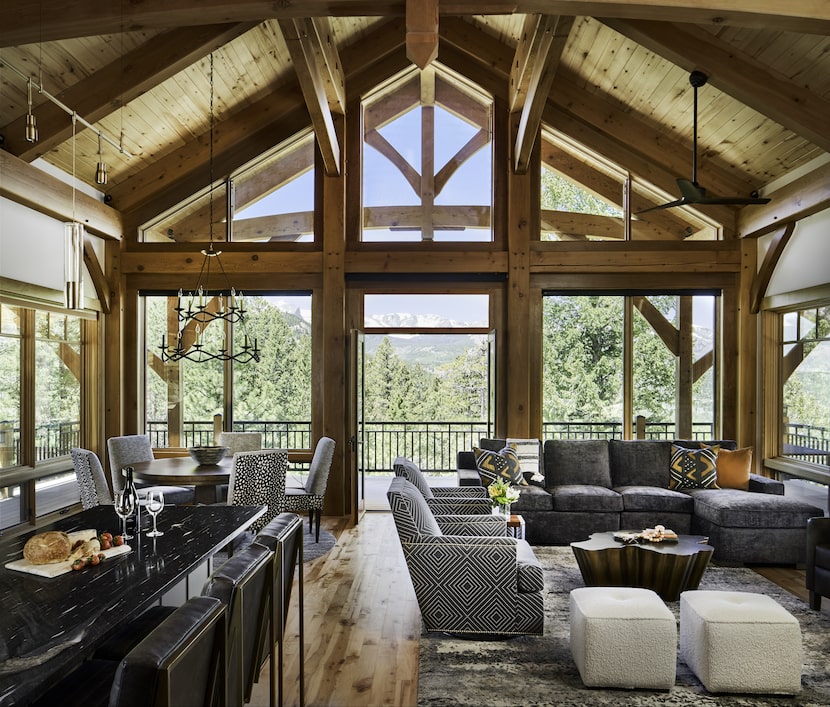
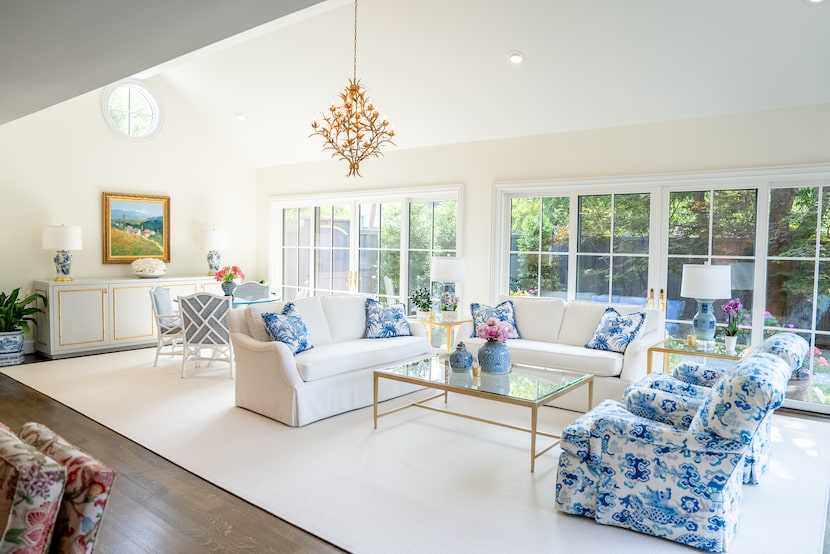
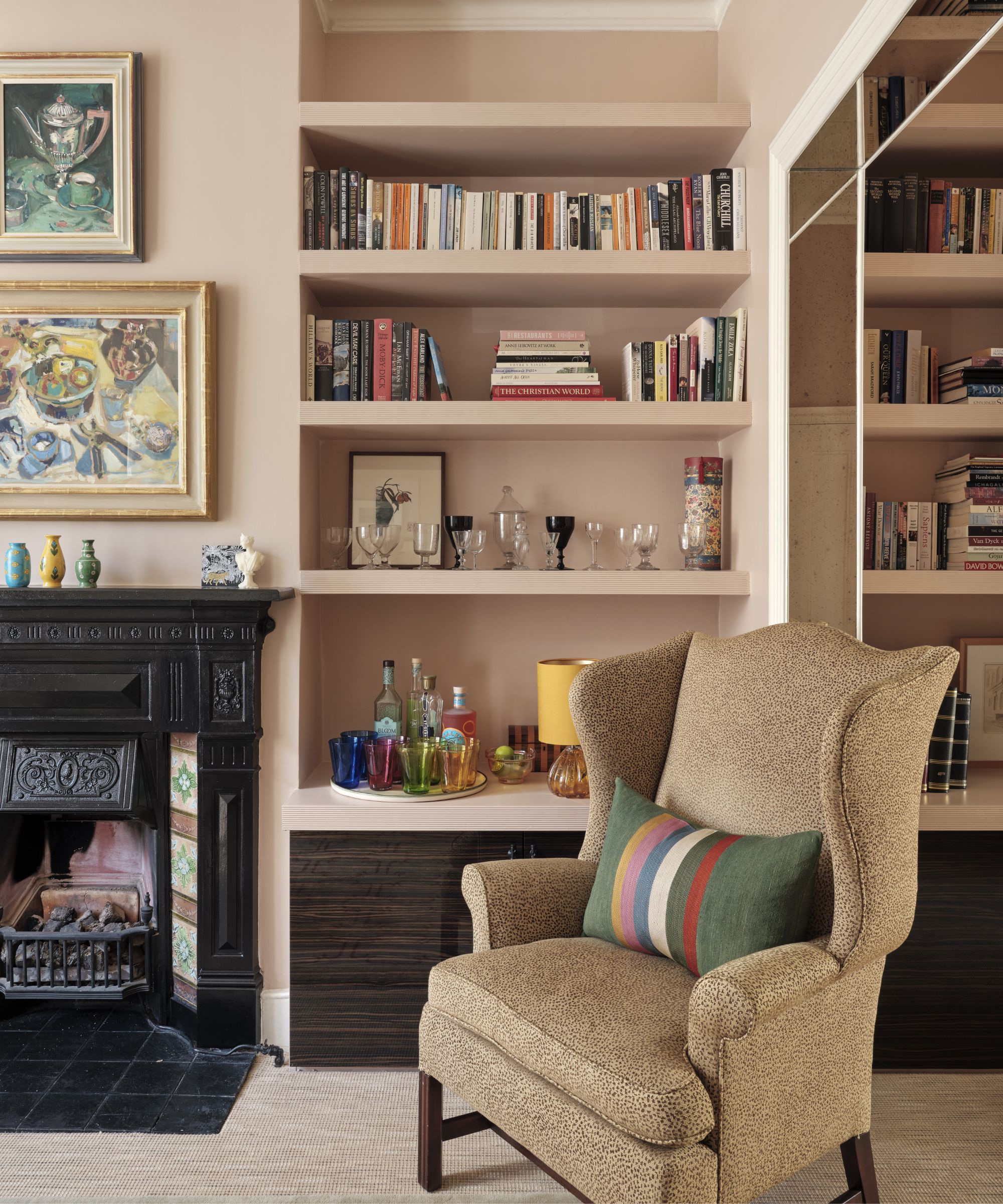
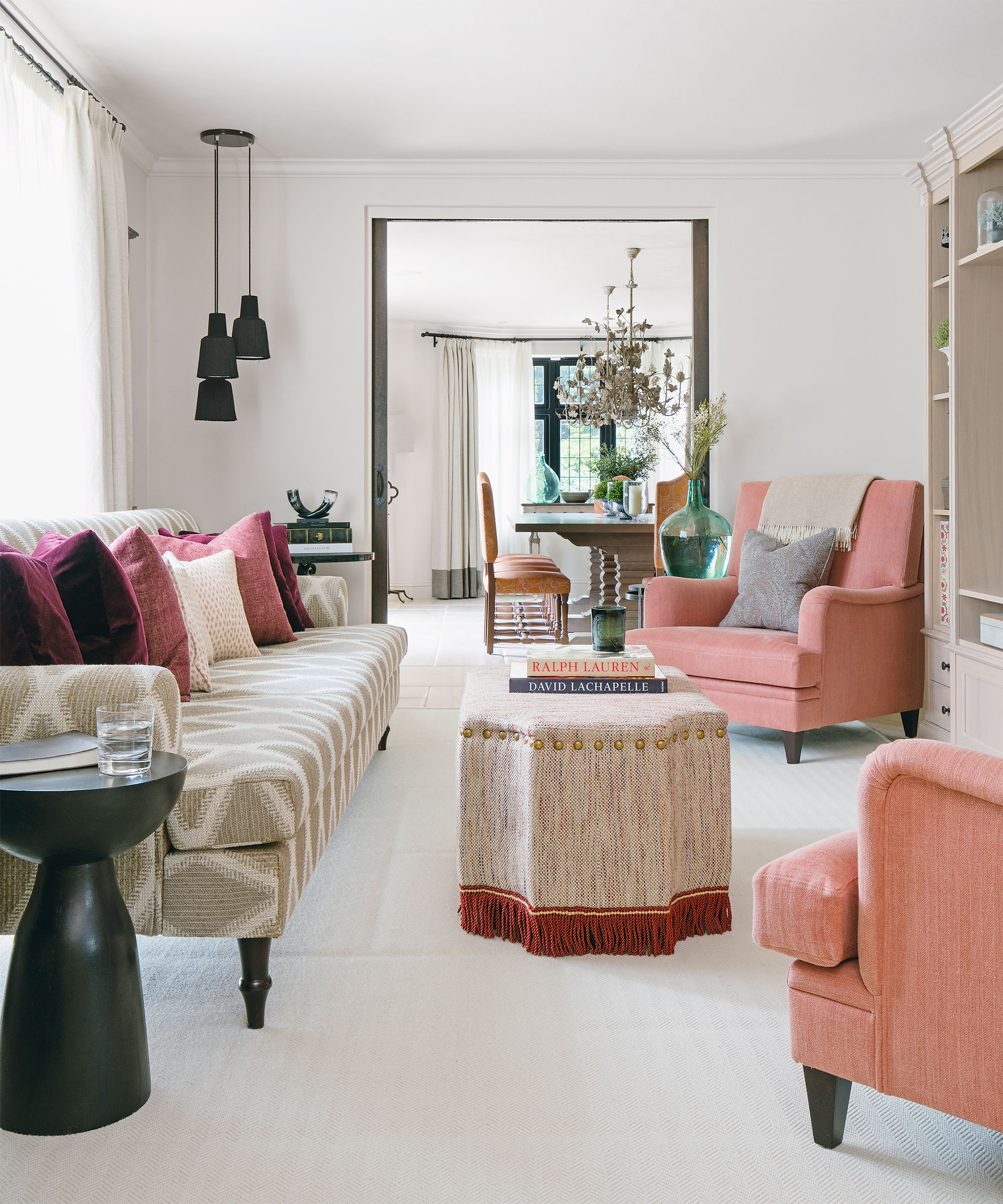
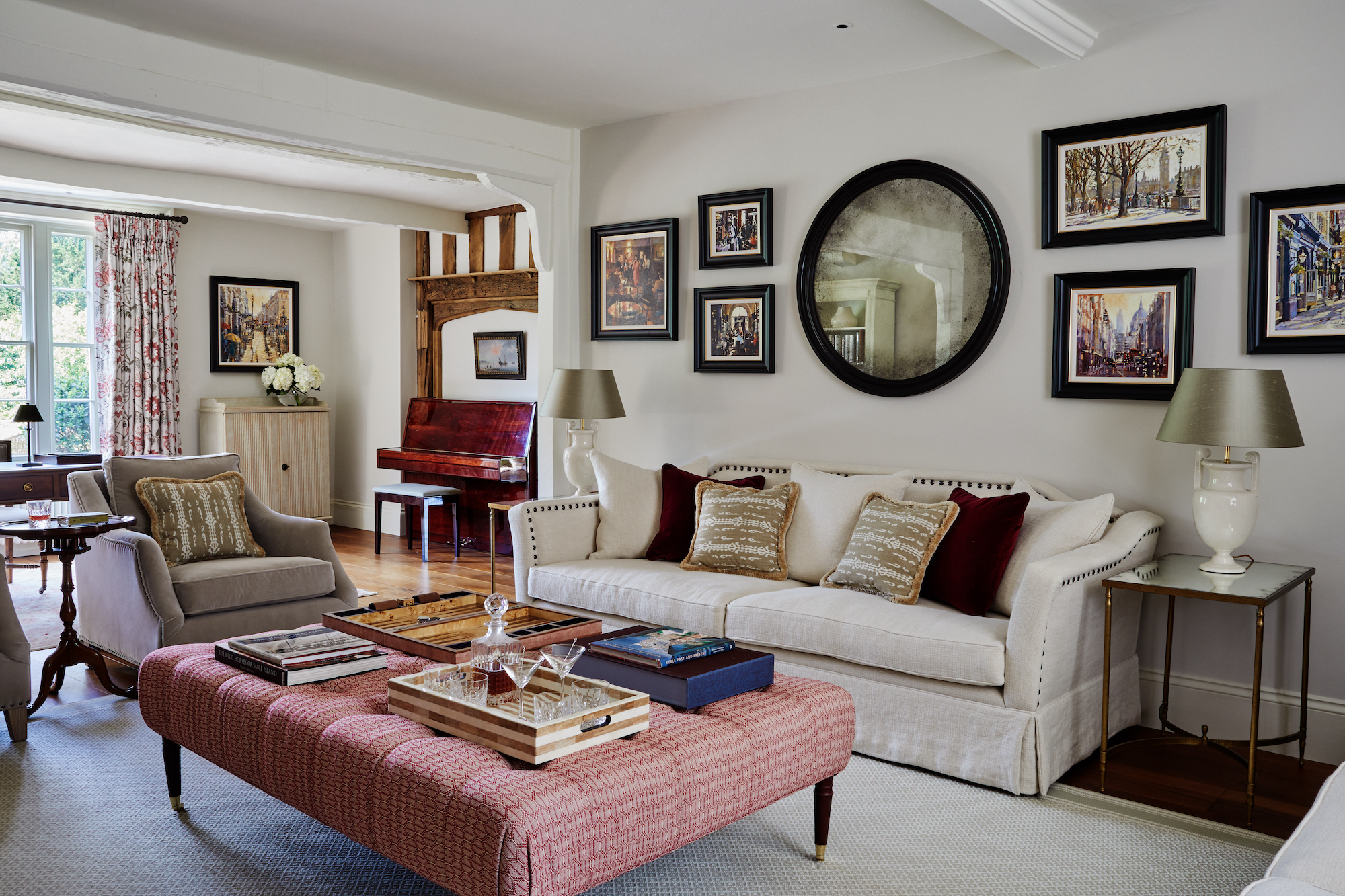
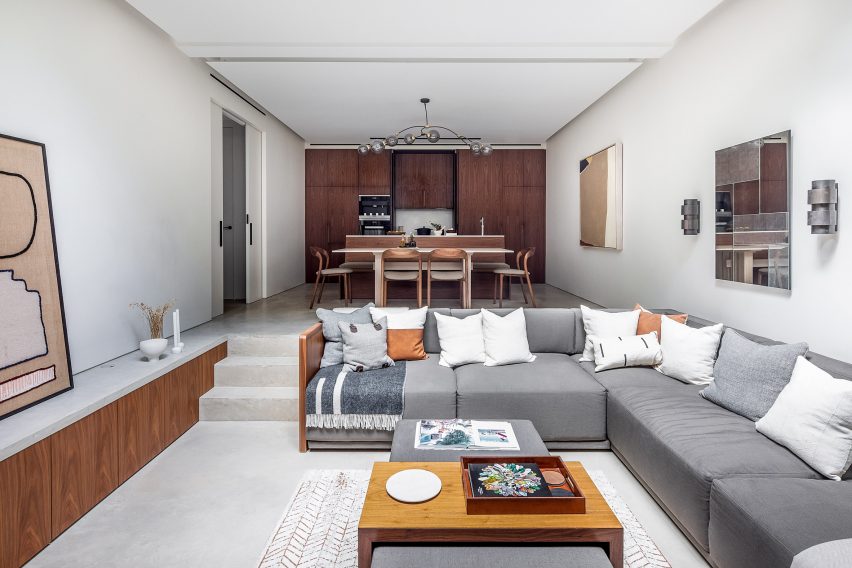
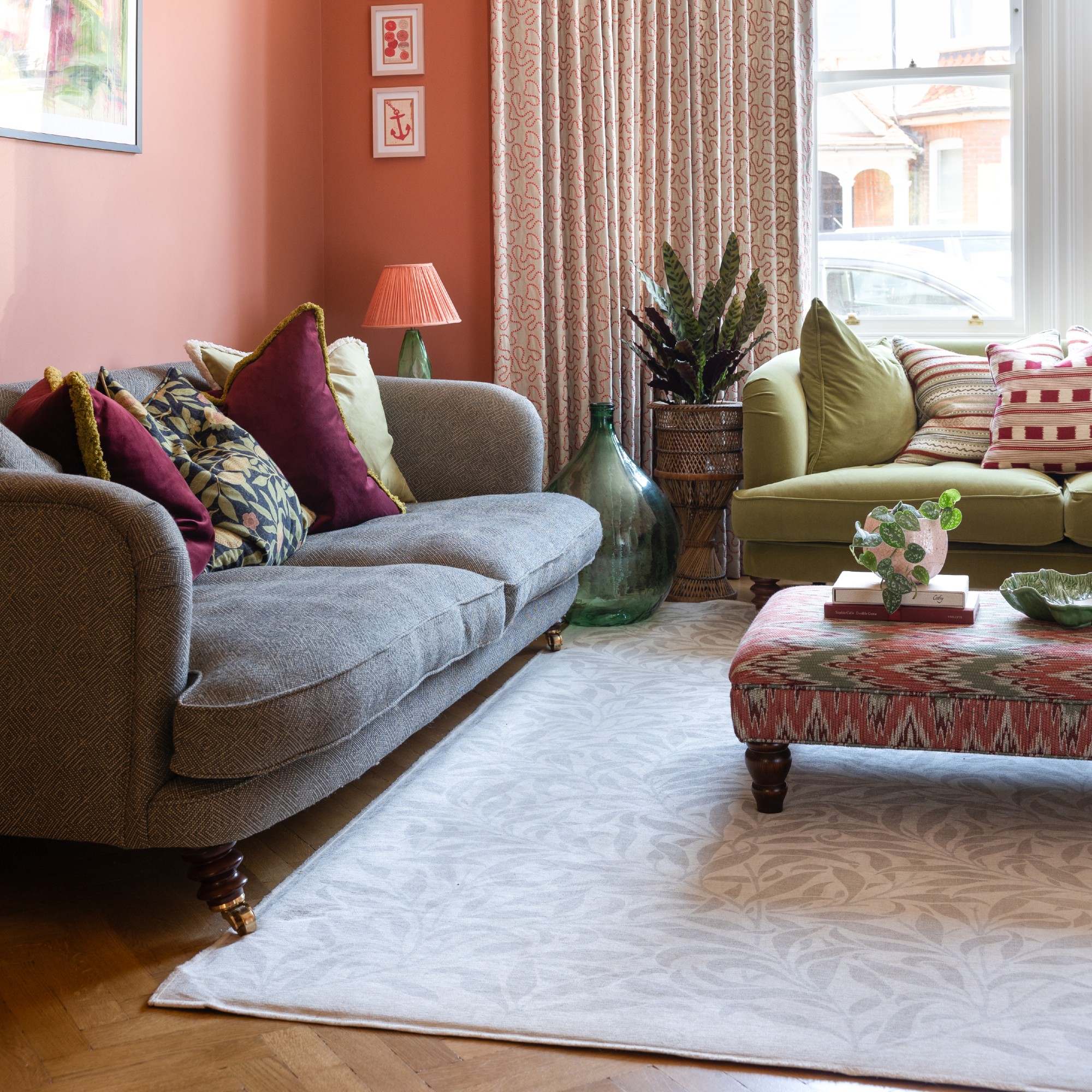
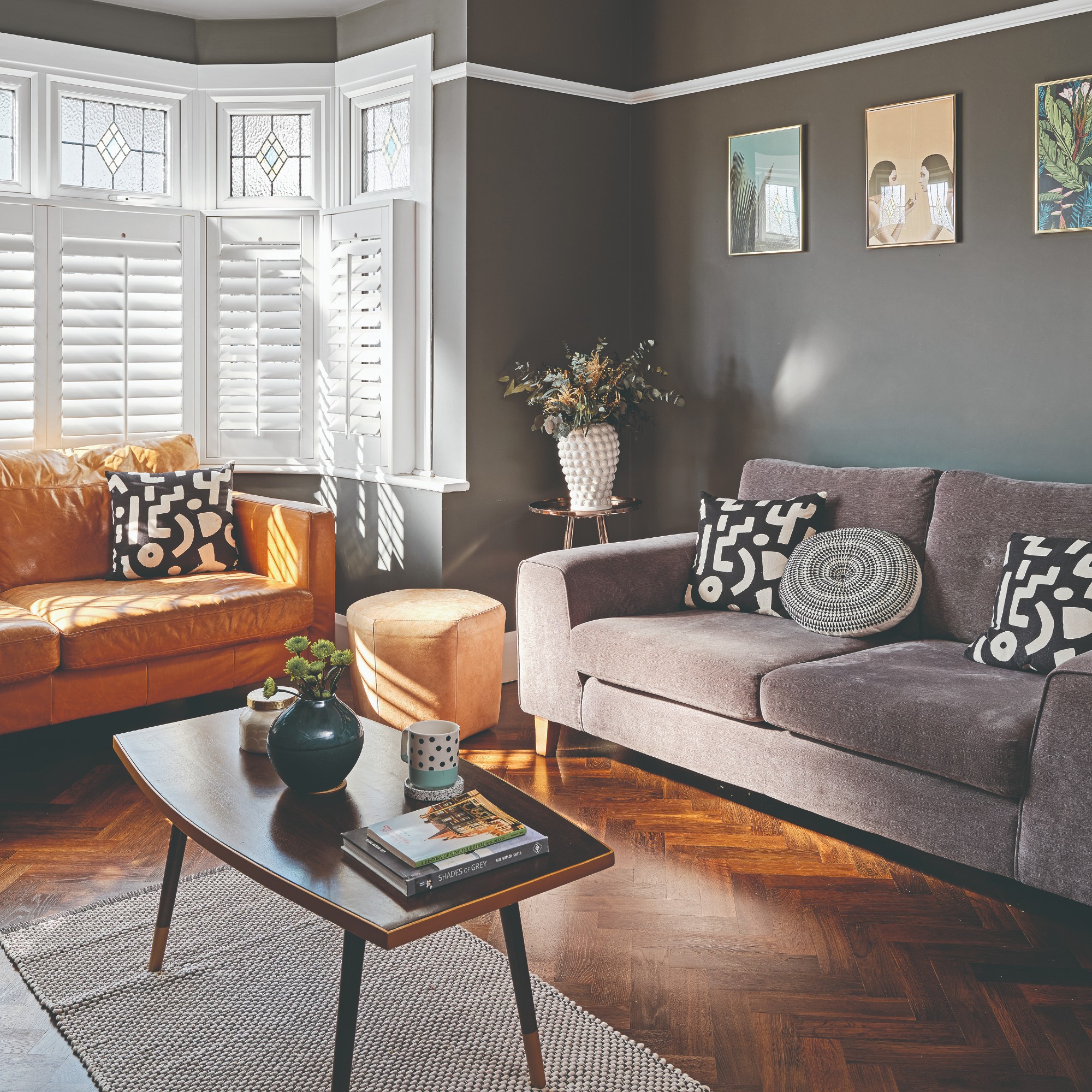
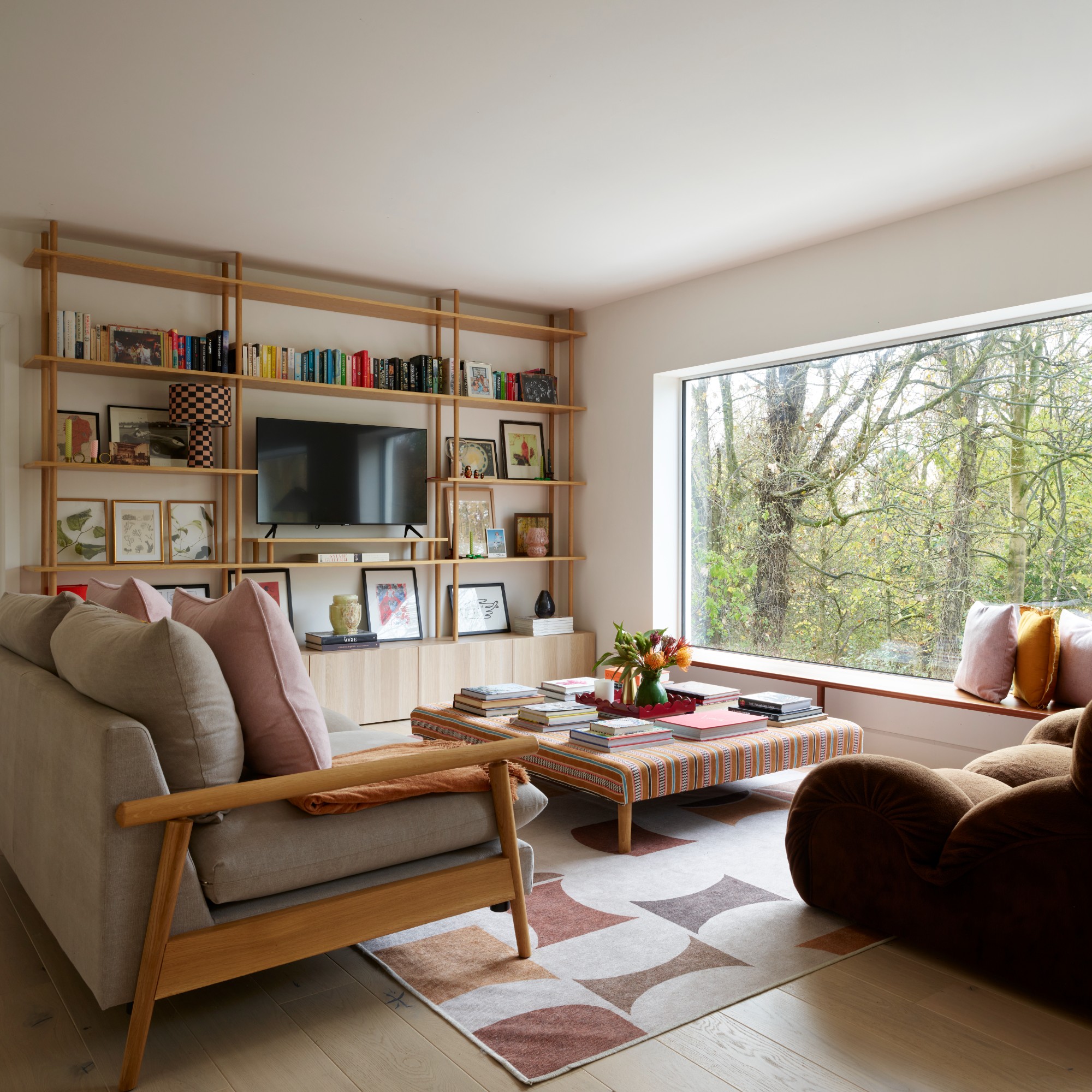
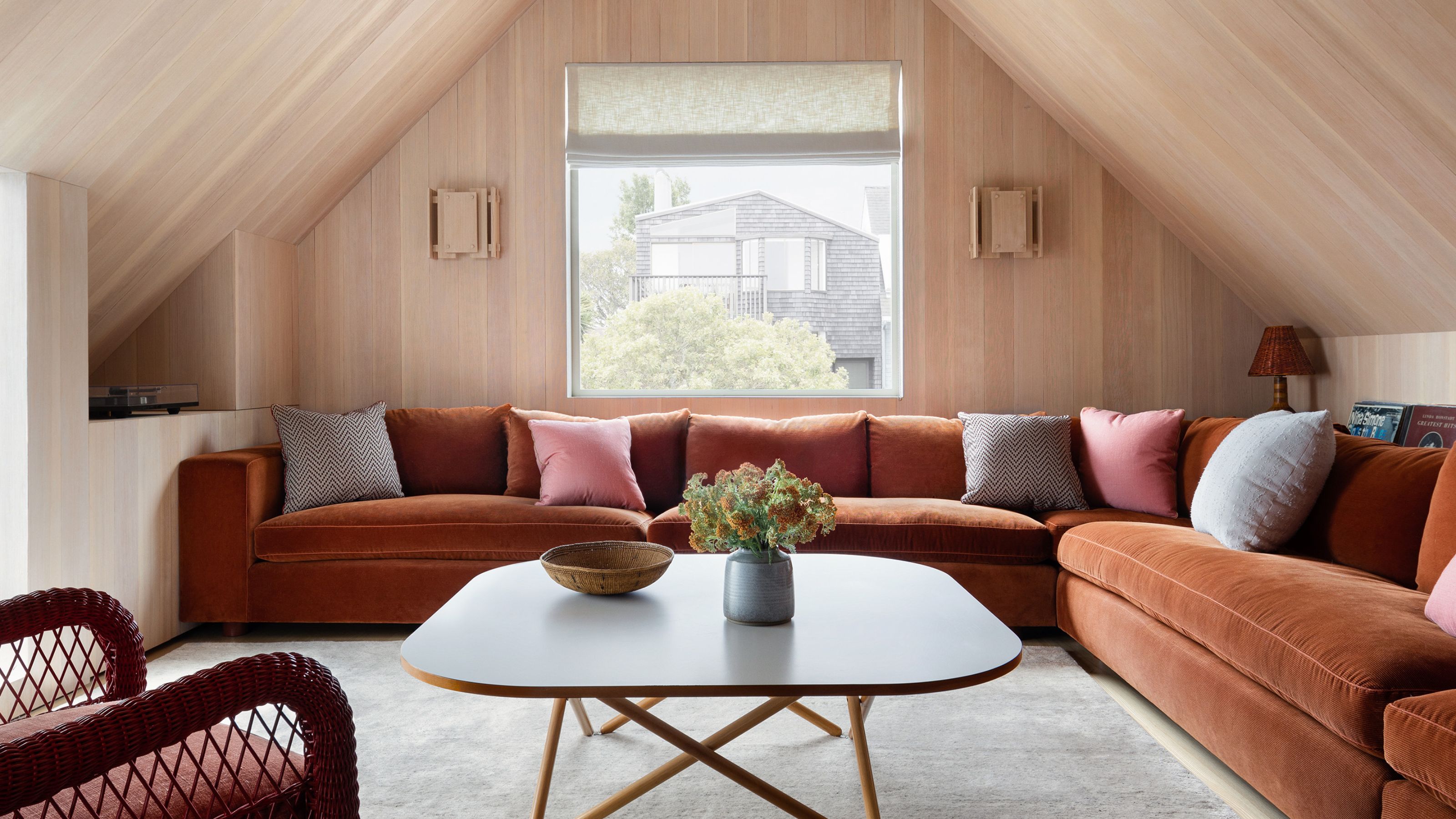
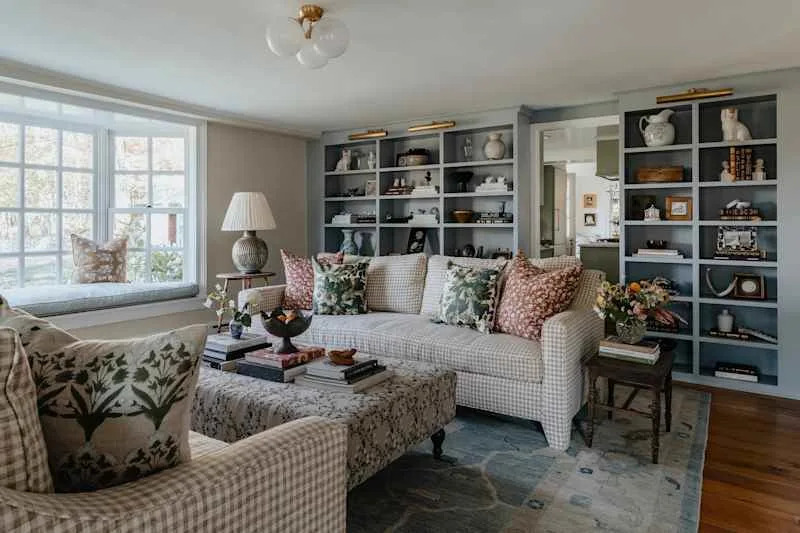
Designing an effective conversation room hinges on a well-thought-out layout that prioritizes comfortable seating arrangements conducive to dialogue. Essential elements include ample seating options such as sofas and armchairs, complemented by versatile pieces like footstools and benches that can double as extra seating or occasional tables. A crucial design principle is the deliberate absence of distractions like televisions or cluttered surfaces, ensuring the focus remains squarely on conversation. The arrangement of furniture should facilitate eye contact among individuals, moving away from configurations centered around a media screen. Designers also stress the importance of scale and proportion in these spaces to create an inviting atmosphere. While comfort is key, seating choices should also offer adequate support, with curved sofas being a recommended option as they naturally encourage participants to face each other. Ultimately, beyond the physical furnishings, the most vital component is the creation of a calm, curated, and chaos-free atmosphere that promotes social interaction and connection.
#InteriorDesign #ConversationRoom #HomeDecor #DesignTrends #LivingRoomIdeas #MidCenturyModern #SocialSpaces #FurnitureArrangement #InteriorDesign #ConversationRoom #HomeDecor #DesignTrends #LivingRoomIdeas #MidCenturyModern #SocialSpaces #FurnitureArrangement
0 تعليق إجمالاً
 لا توجد تعليقات بعد
قد تعجبك أيضًا
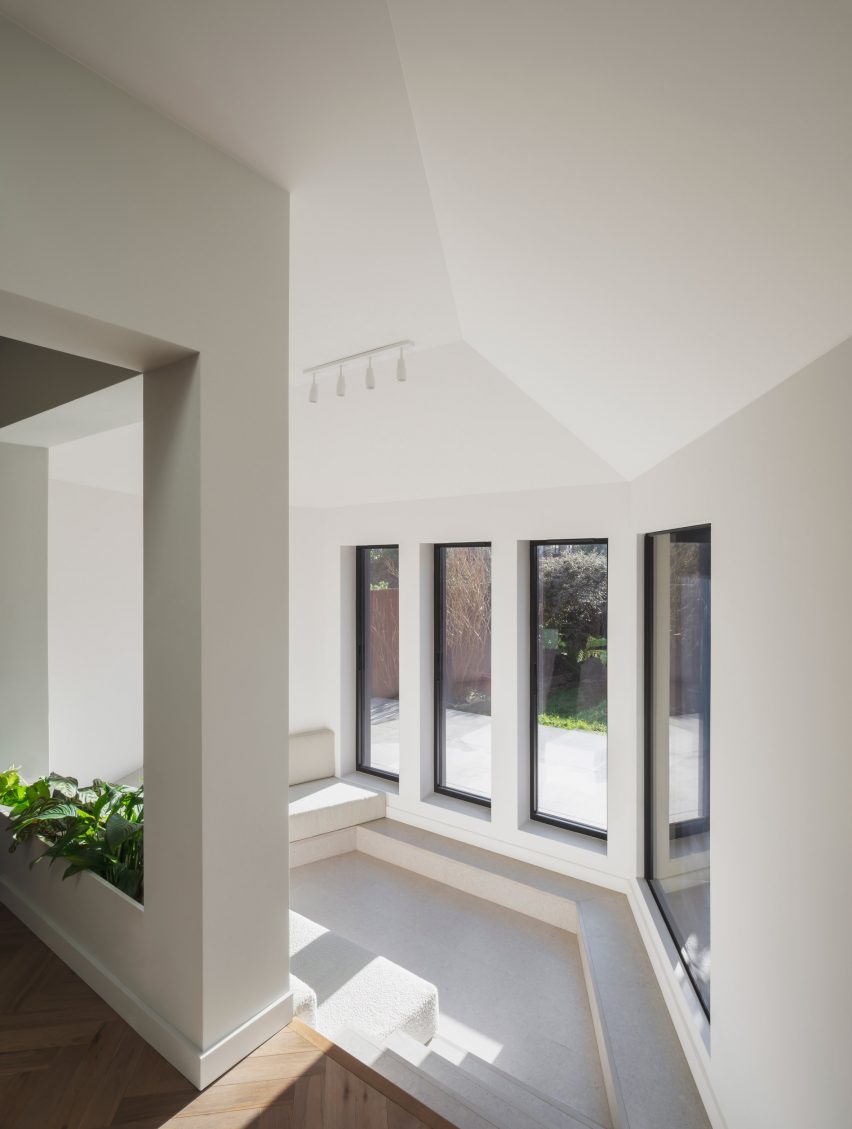
Seven conversation pits that bring people and rooms together
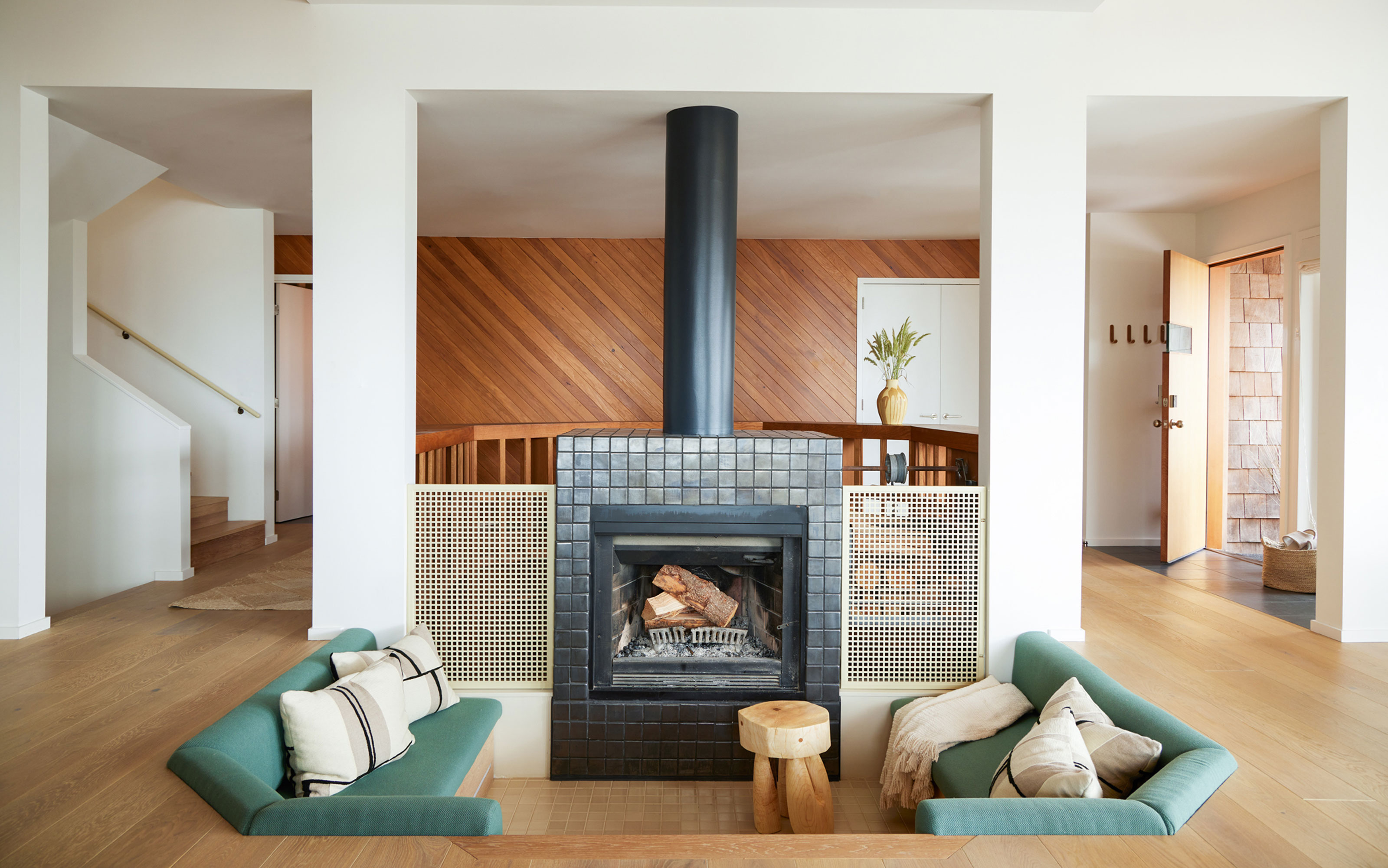
The "Conversation Pit" Is the Mid-Century Seating Revival You'll Spot in the Coolest Architect-Designed Homes
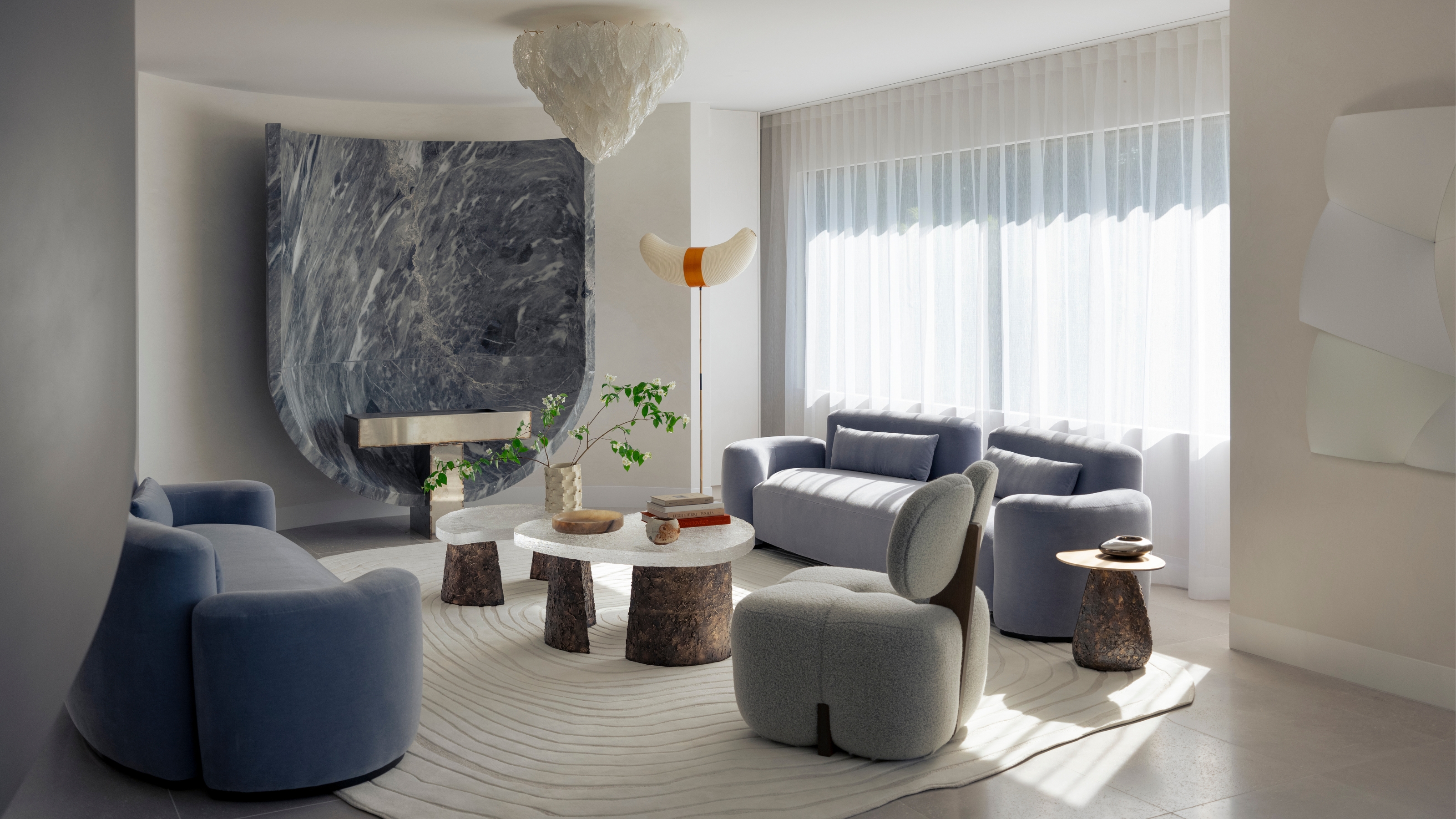
If You Don't Know the '18-Inch Seating Rule', It's What Could Be Making Your Living Room Feel Cramped, Unwelcoming, and Uncomfortable
Two designers turn a Webster dance studio into a shared workspace

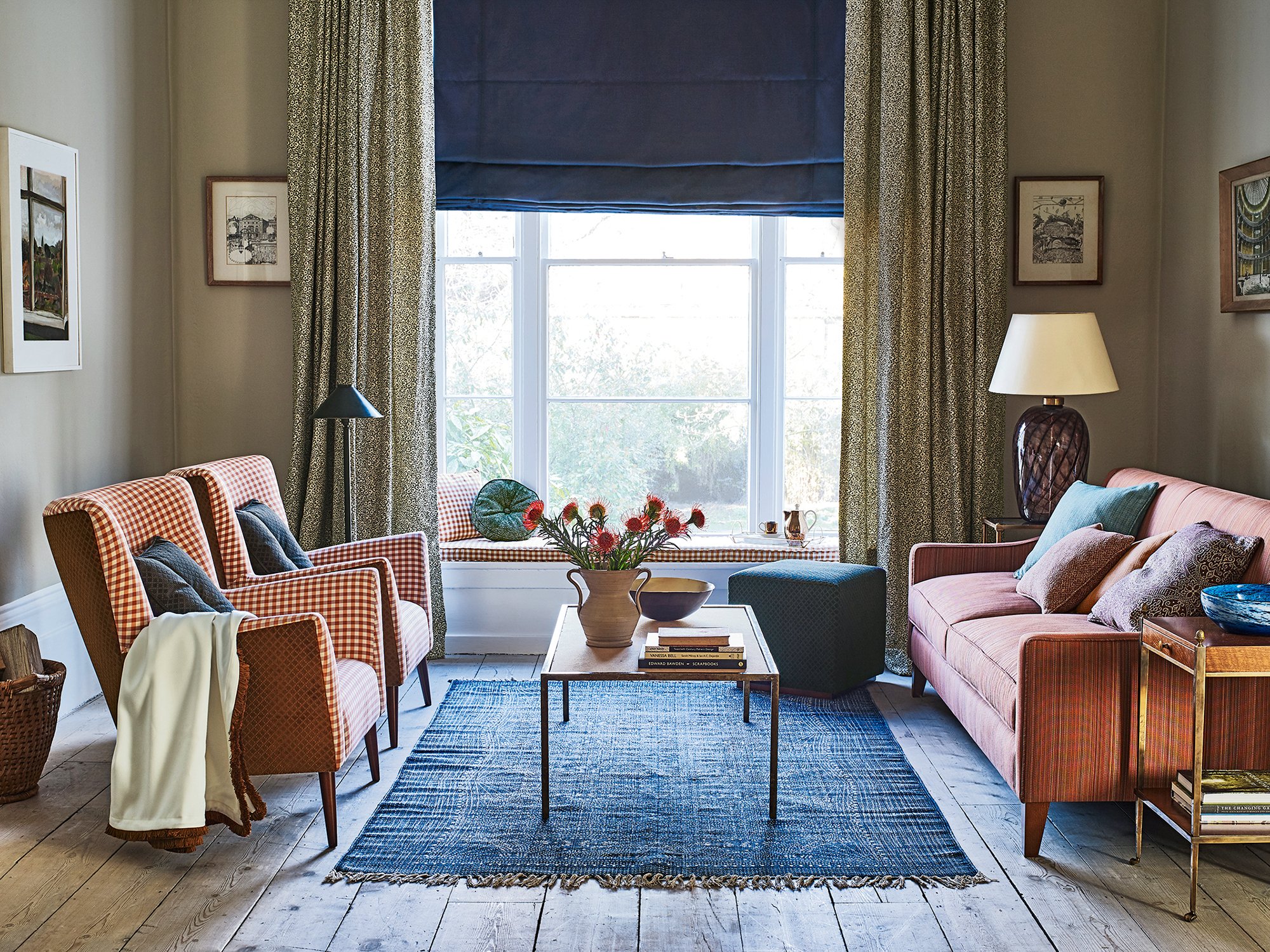
This 200-year-old 'gossip' seating layout is having a revival – and it's perfect for hosting


A night to talk about design


The conversational seating layout in Amal and George Clooney's former living room is the best I've ever seen – it's the perfect marriage of inviting and elevated

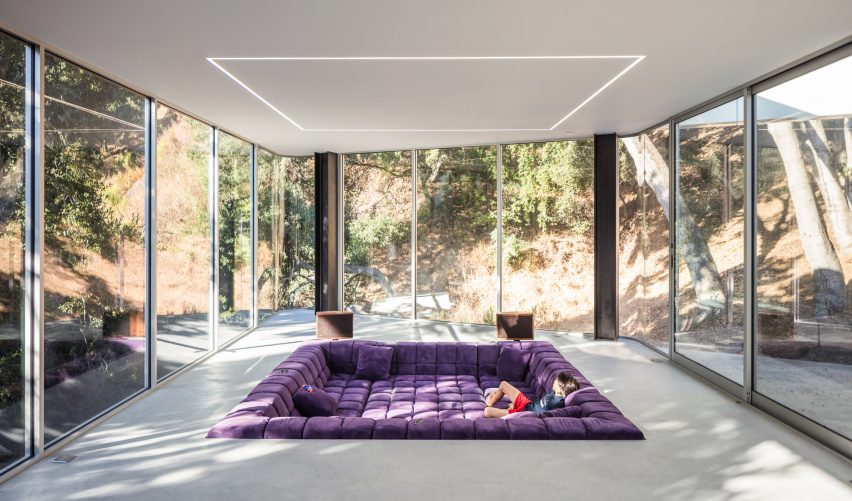
Ten residential interiors with cosy conversation pits
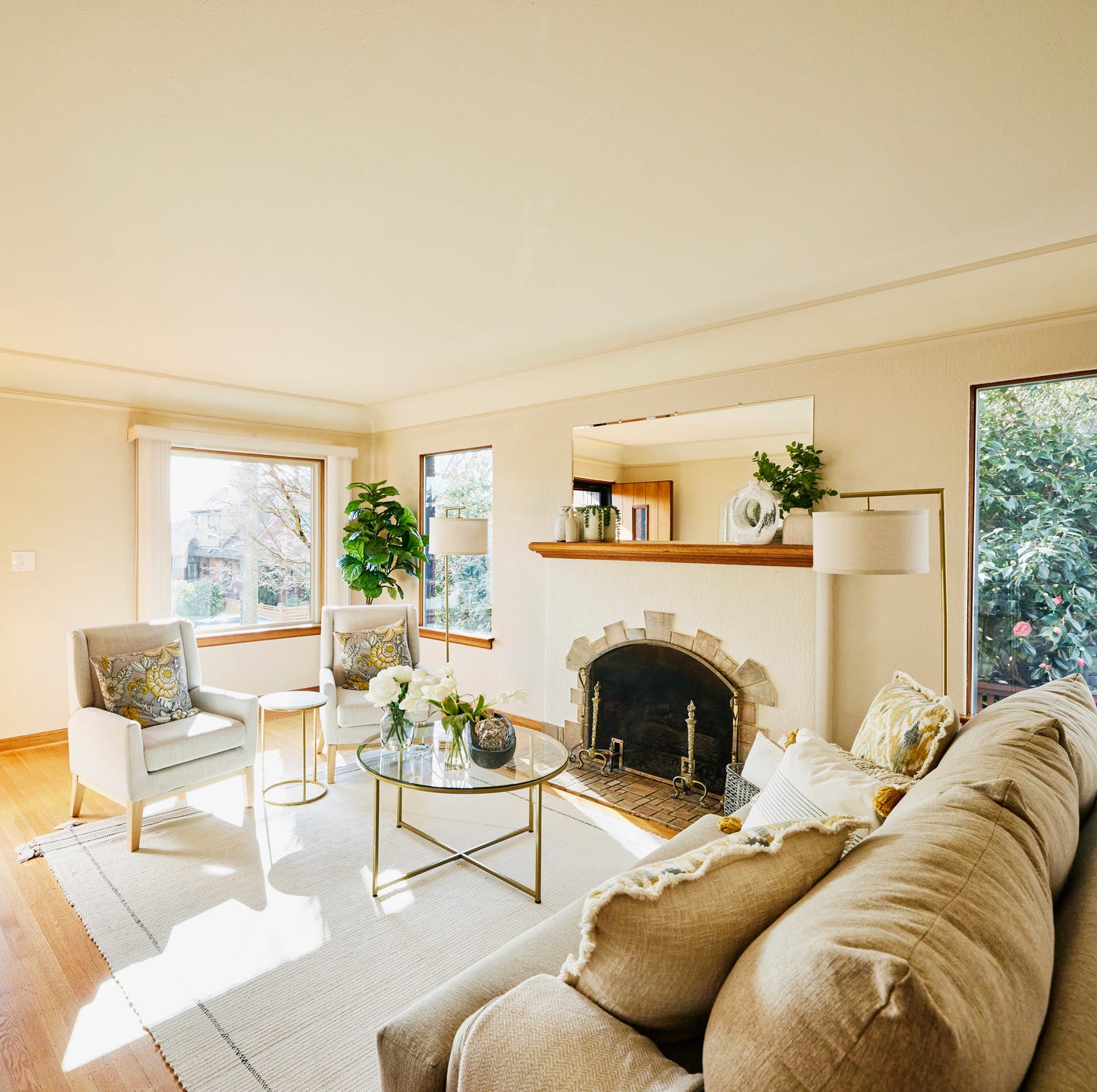
The Best Way to Arrange Living Room Seating

An interior designer talks us through her idea of a perfect living area


The conversational seating layout in Amal and George Clooney's former living room is the best I've ever seen – it's the perfect marriage of inviting and elevated
A Cool Furniture Designer Talks Style, Inspiration & More

How Conversation Pits Became the Hottest Trend in Interior Design
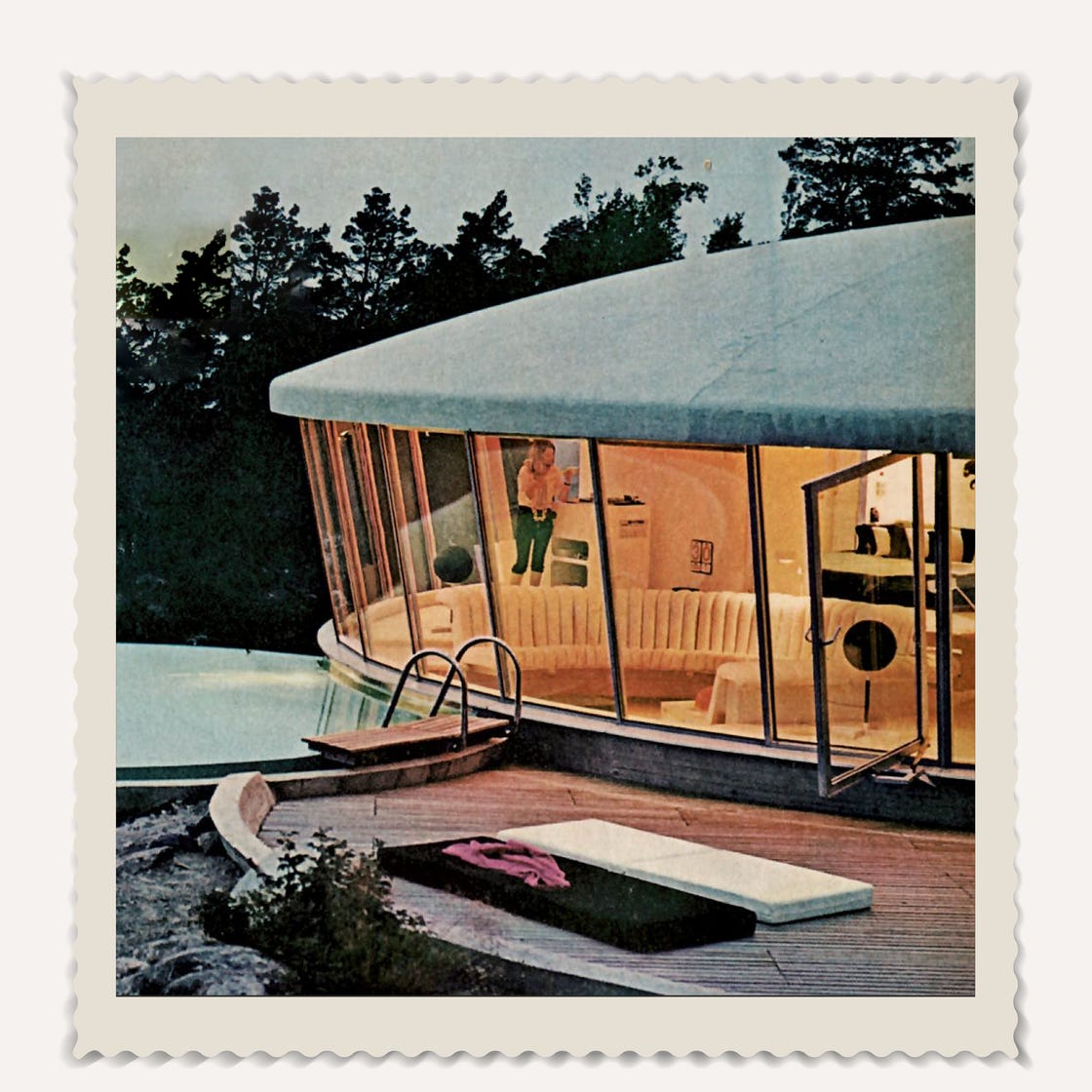
The Enduring Sex Appeal of the '70s Conversation Pit
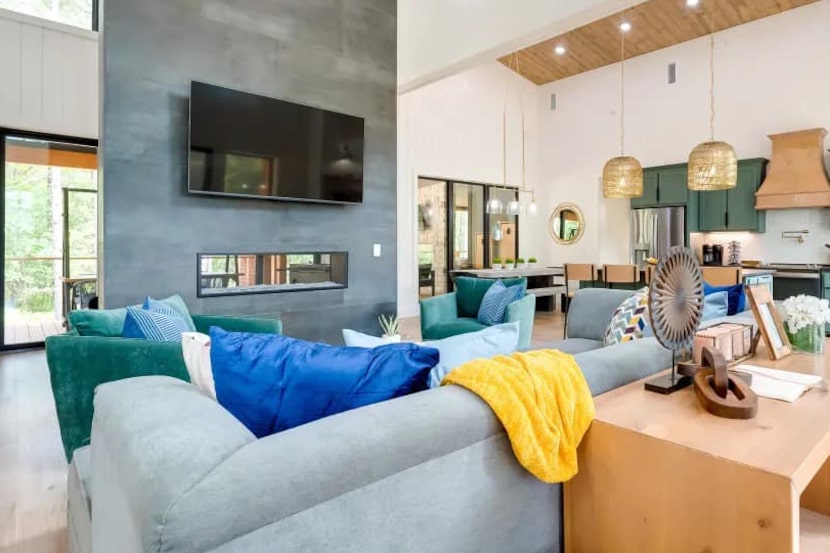
How to divide open-concept spaces without adding walls
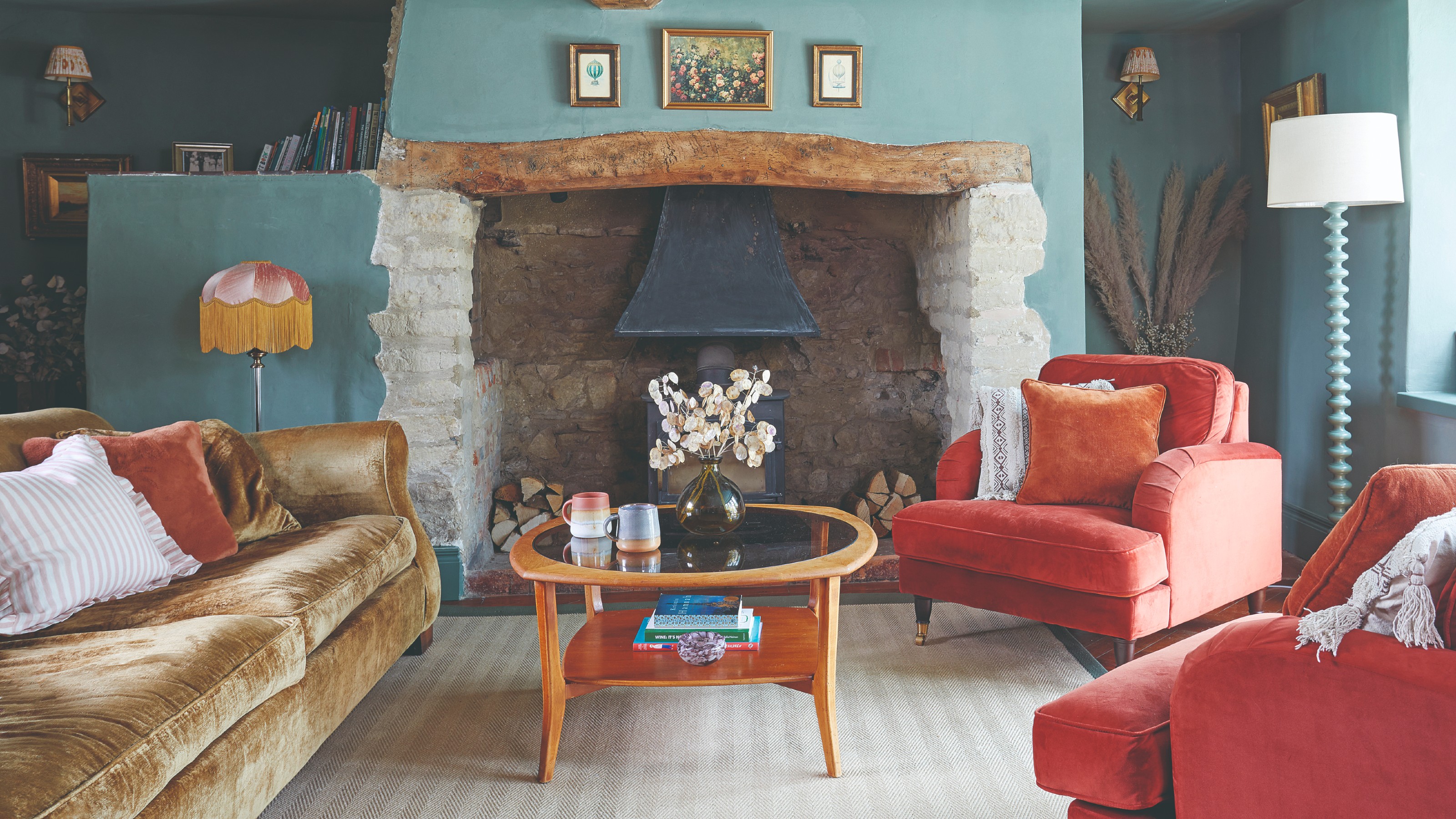
‘It makes your living room feel more connected and comfortable’ – the 4-inch seating rule is the trick interior designers have been using for years

Anne Hathaway’s living room showcases the ultimate furniture arrangement – experts are praising her perfect ‘conversational seating'
An Interior Designer on the Art of the ''Conversation Piece'' — And Her Golden Sofa Rule That Everyone Should Know

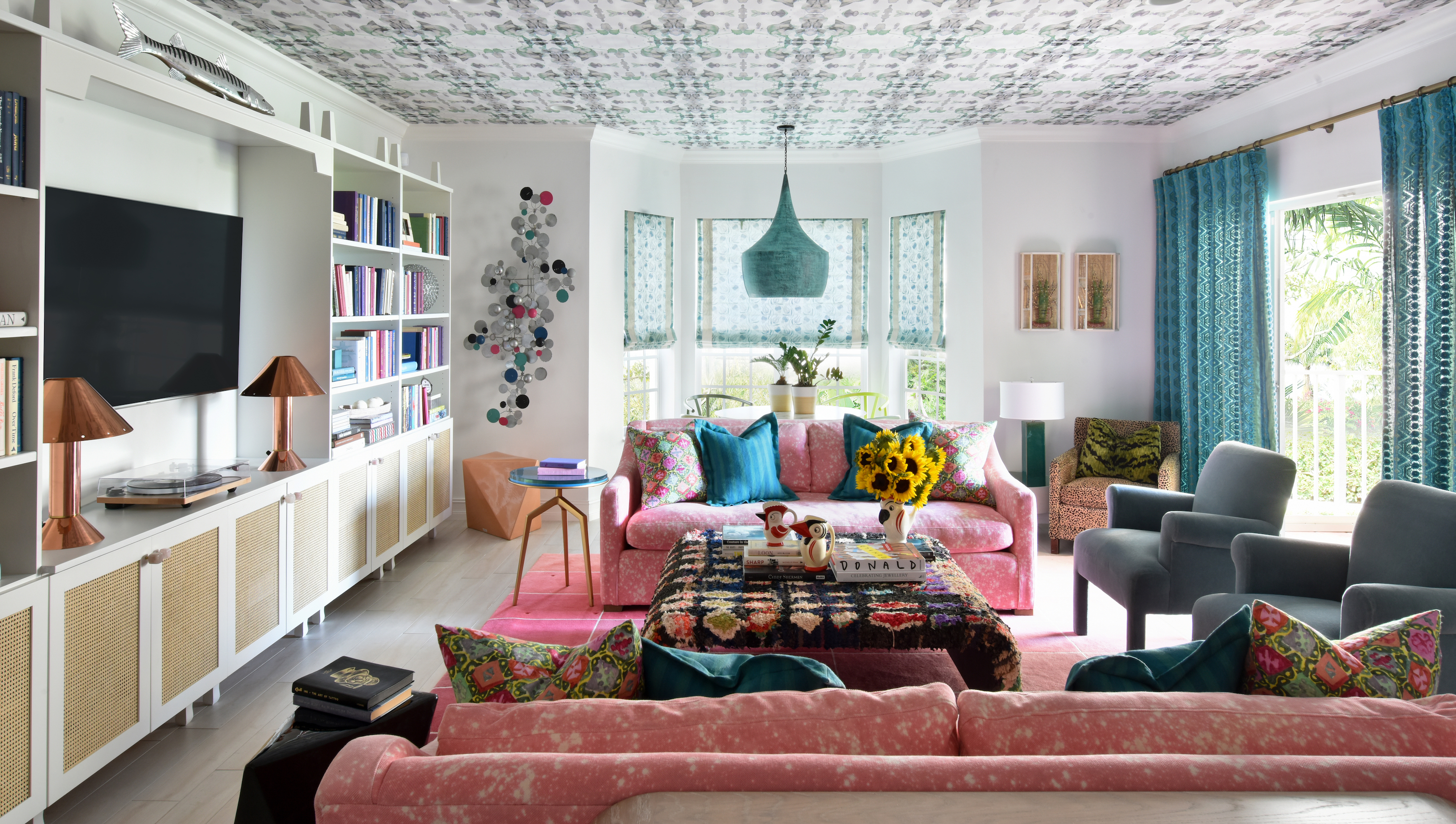
Should living room furniture be the same height? Experts give their verdict
This Is the (Unexpected!) Living Room Layout Designers Love for 2025