1/2
How to Choose the Best Curtains for Your Bedroom
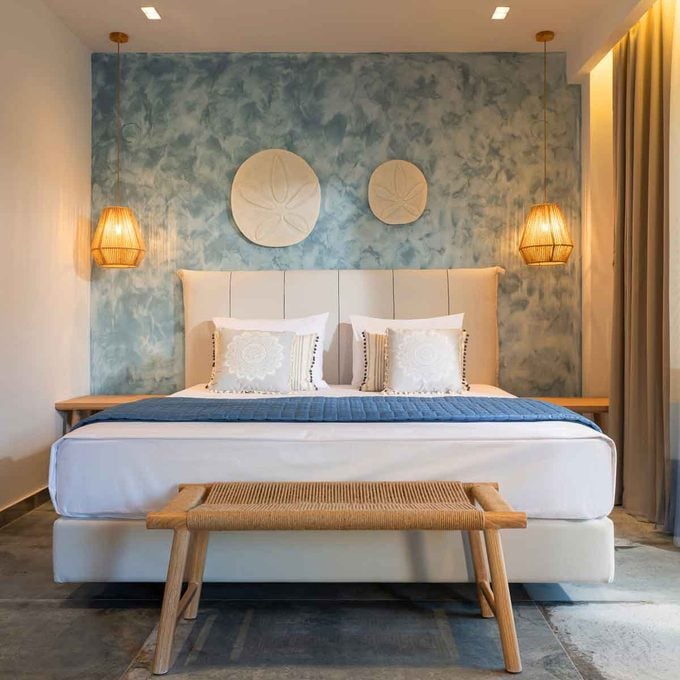
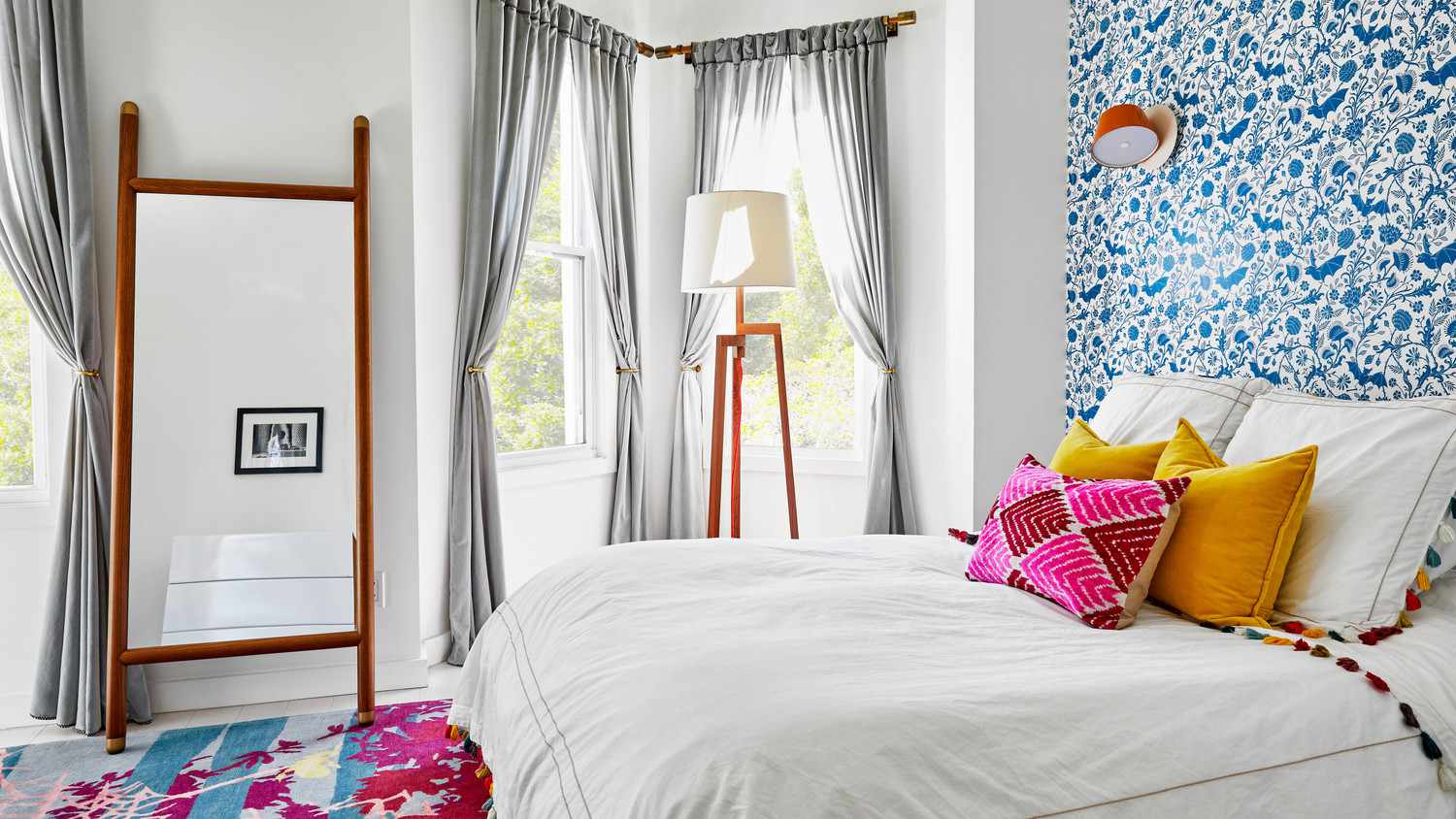
Choosing the right curtains for a bedroom involves balancing aesthetic appeal with functional considerations to create a comfortable and restful environment. Curtains contribute significantly to a room's warmth, personality, and overall welcoming feel, while also impacting sleep quality by controlling light and noise. This guide, informed by interior design experts, provides comprehensive advice on selecting bedroom curtains.
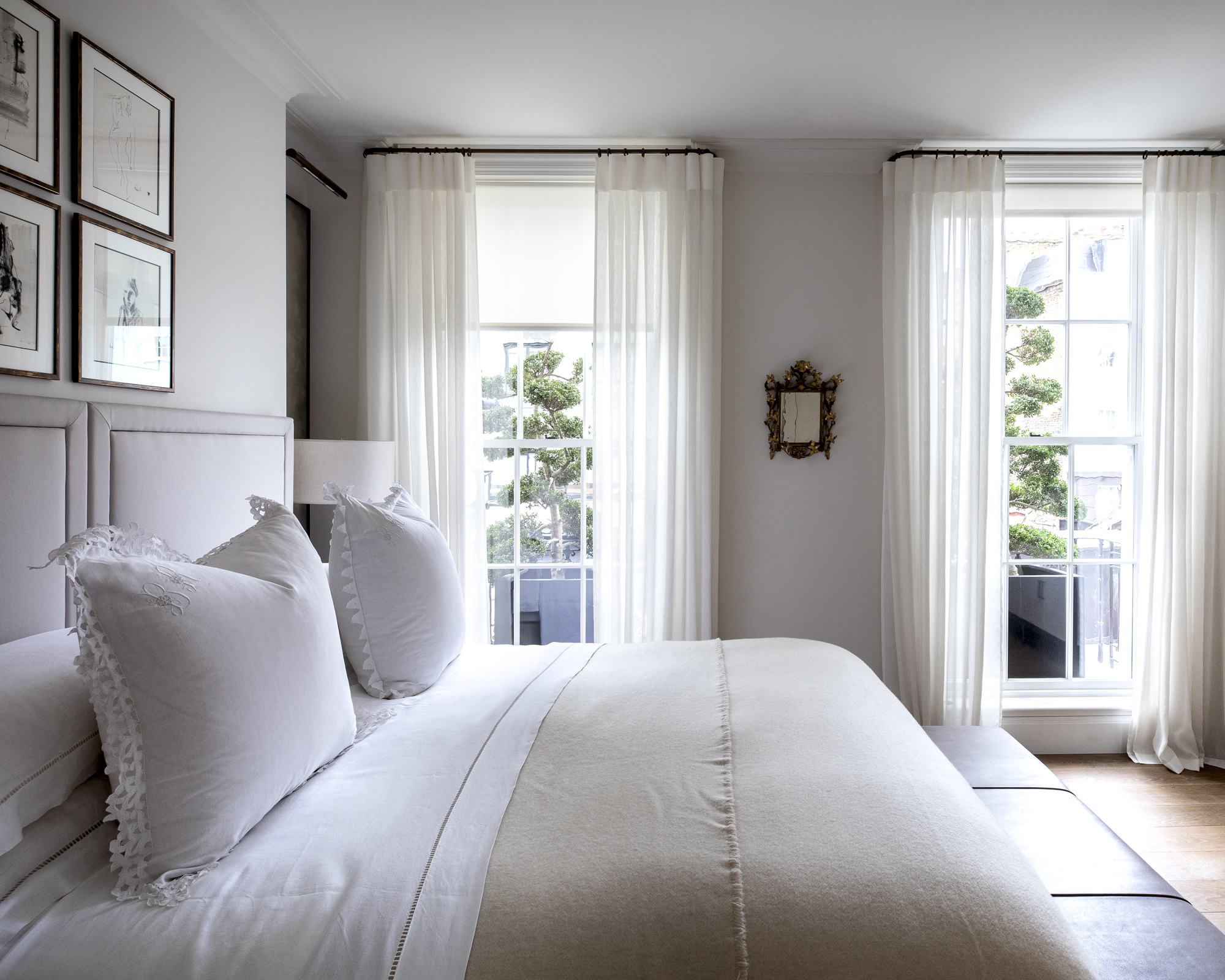
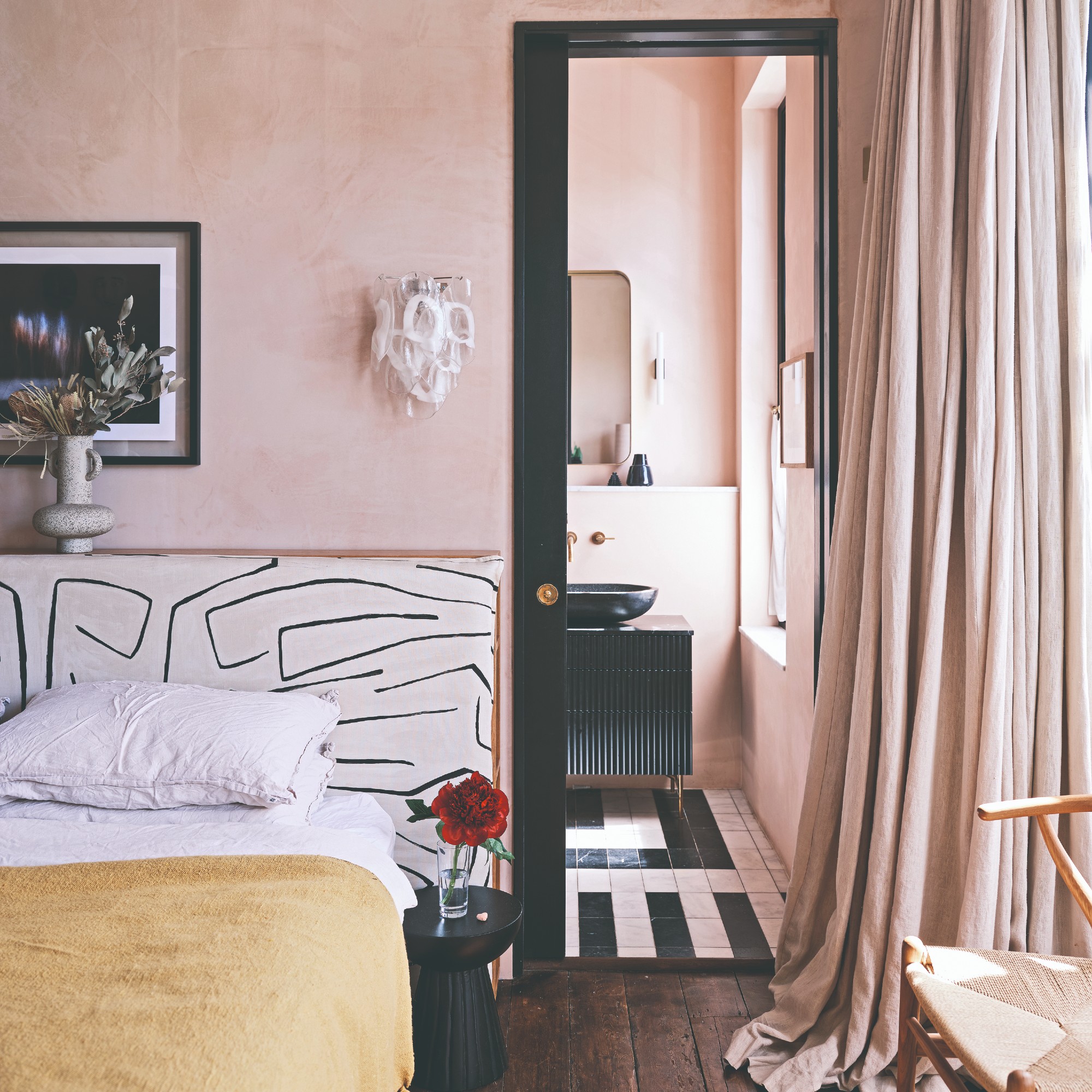
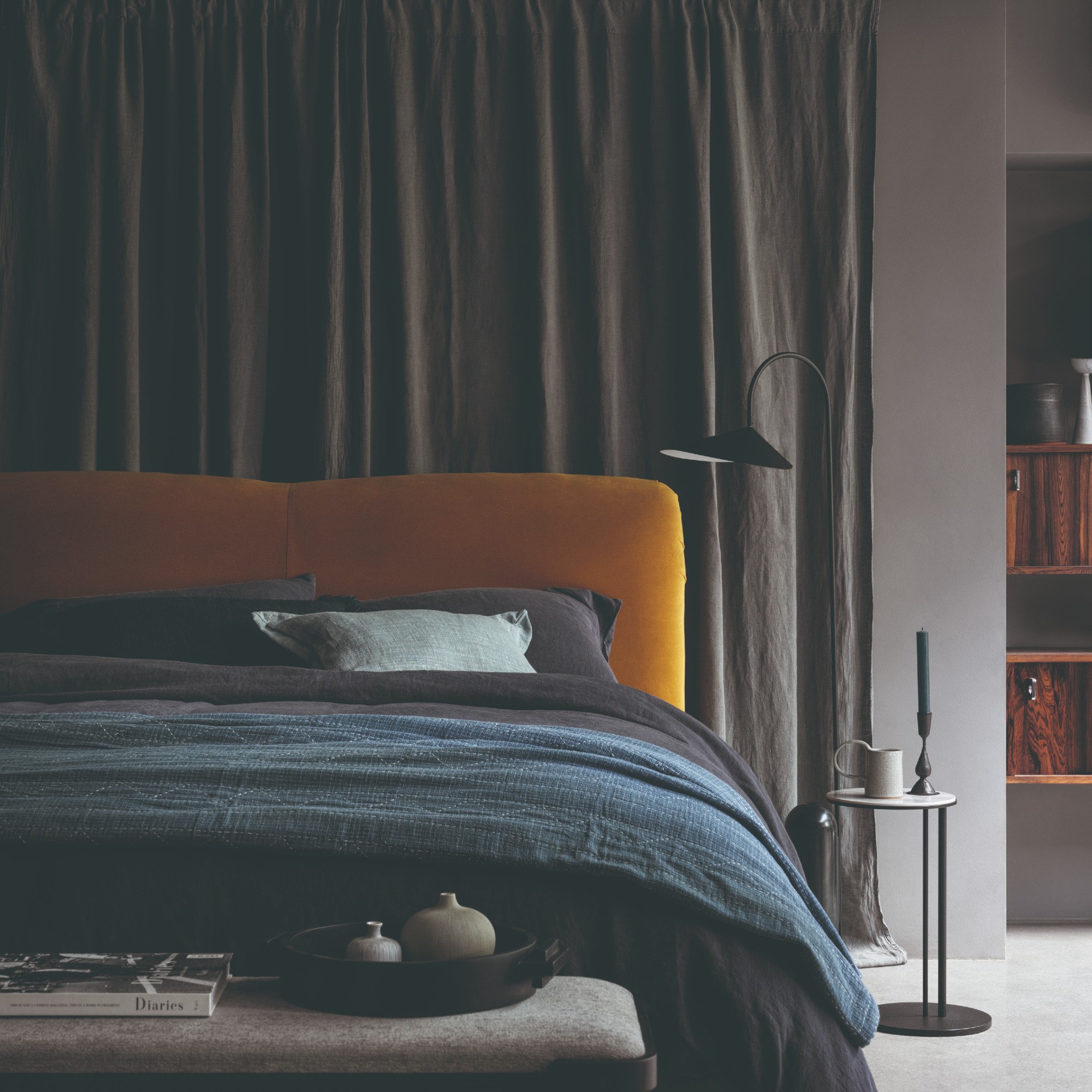
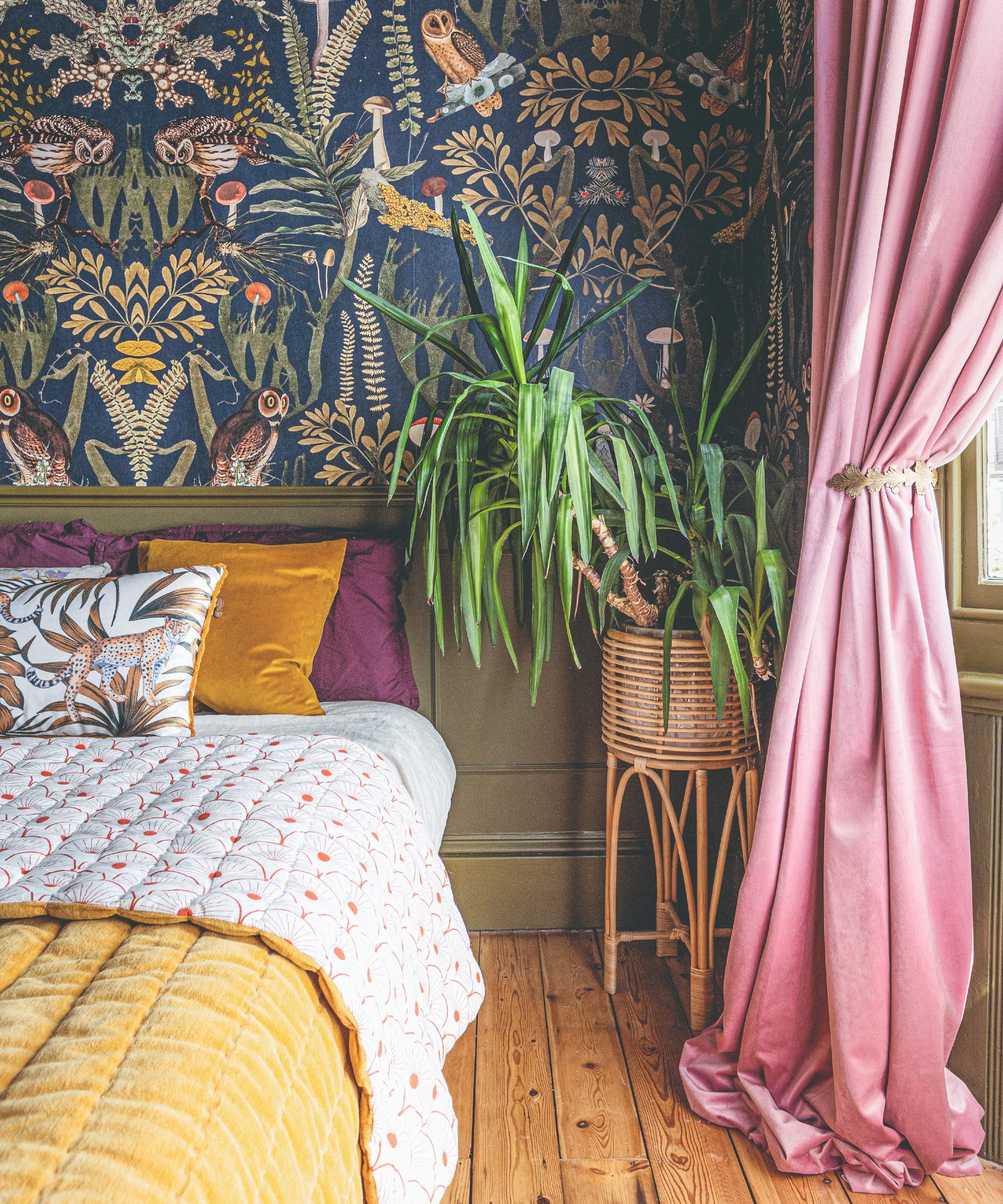
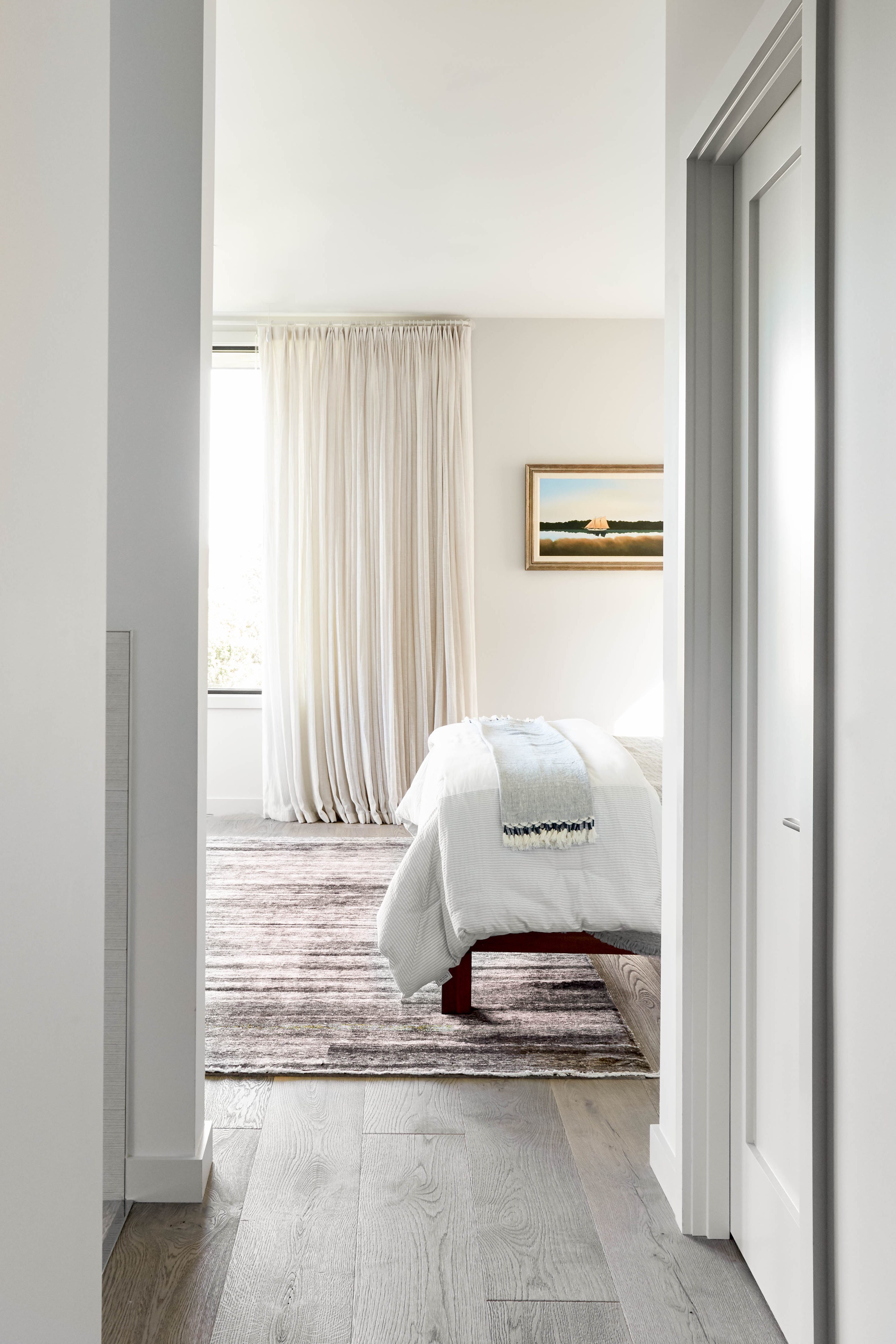
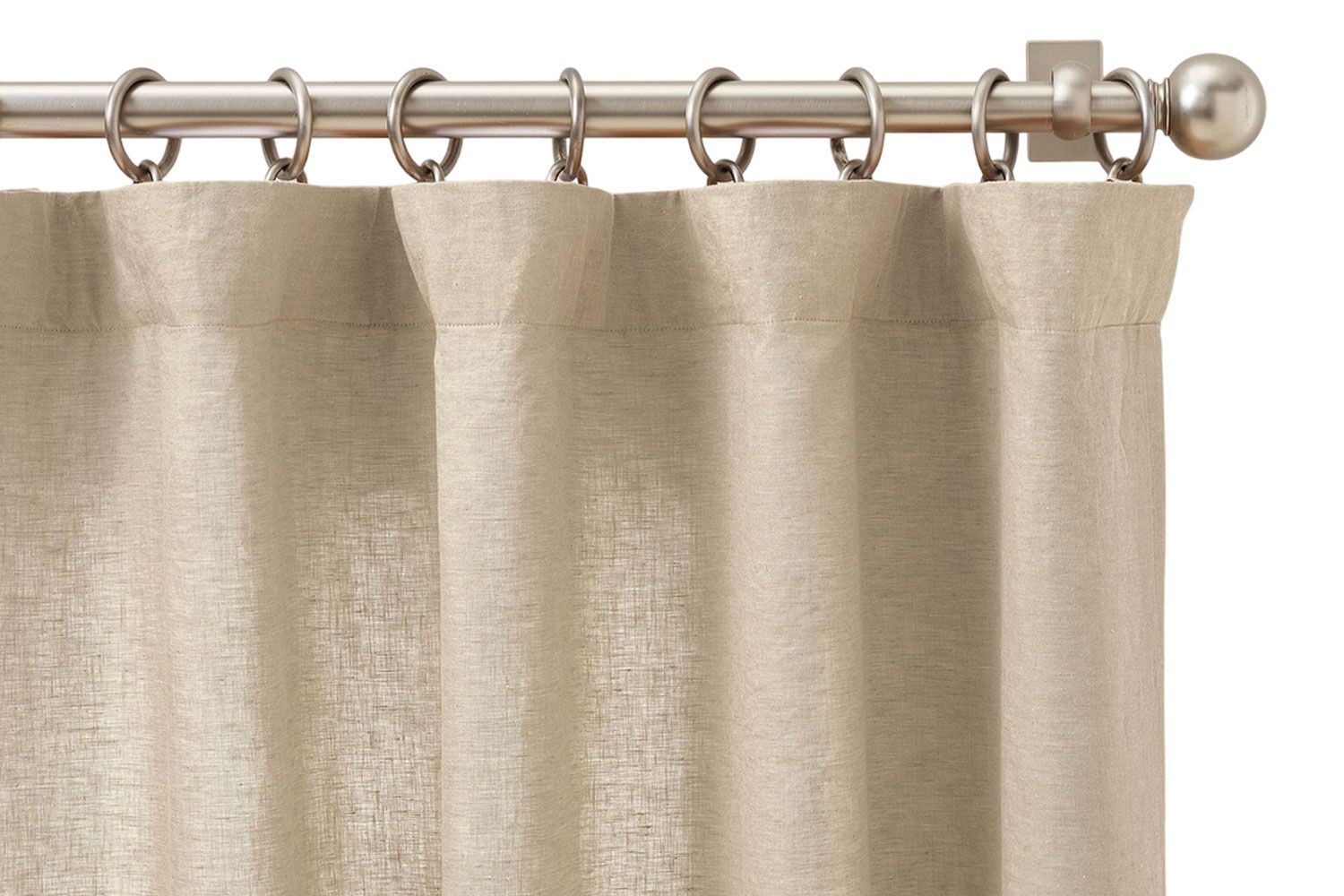
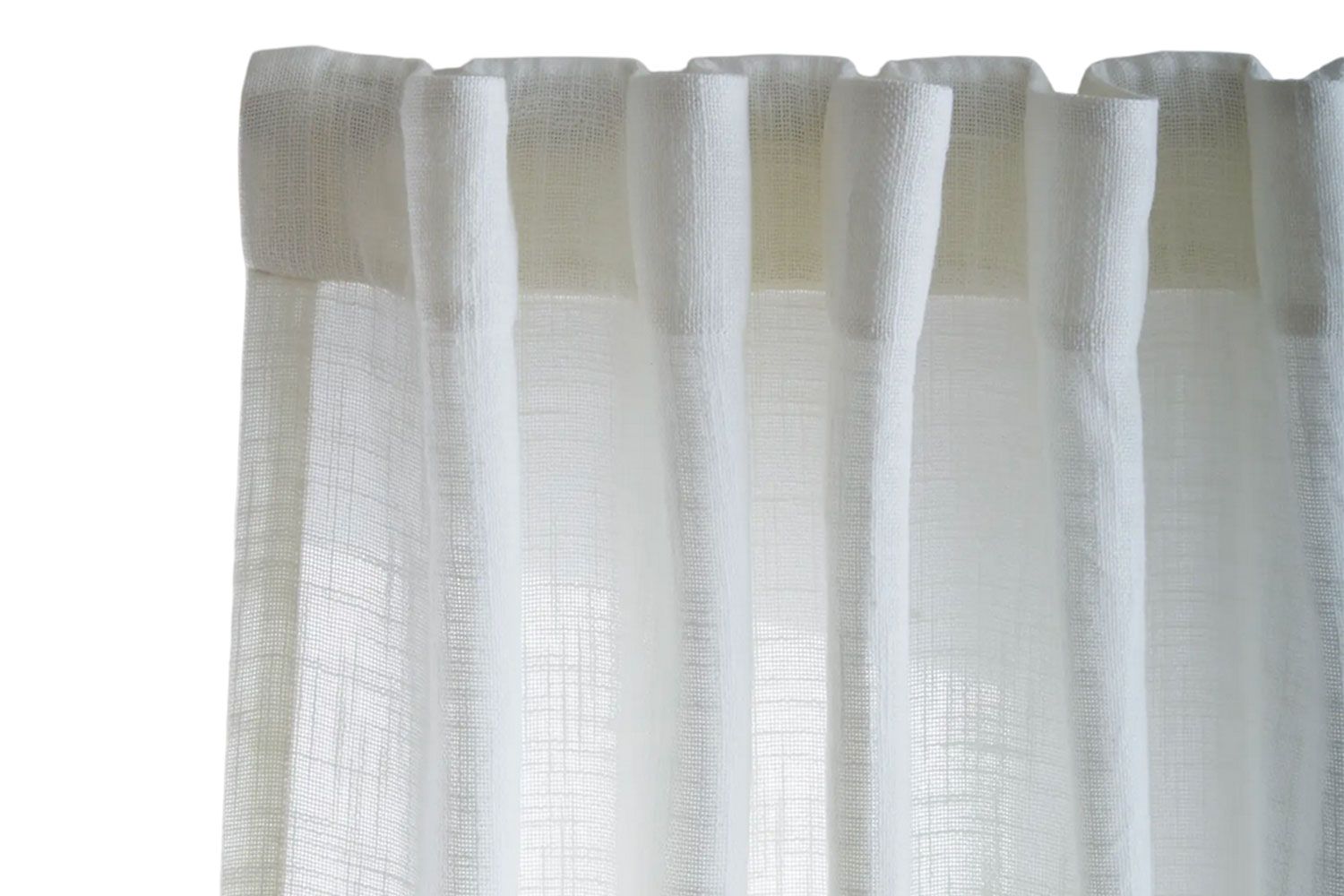
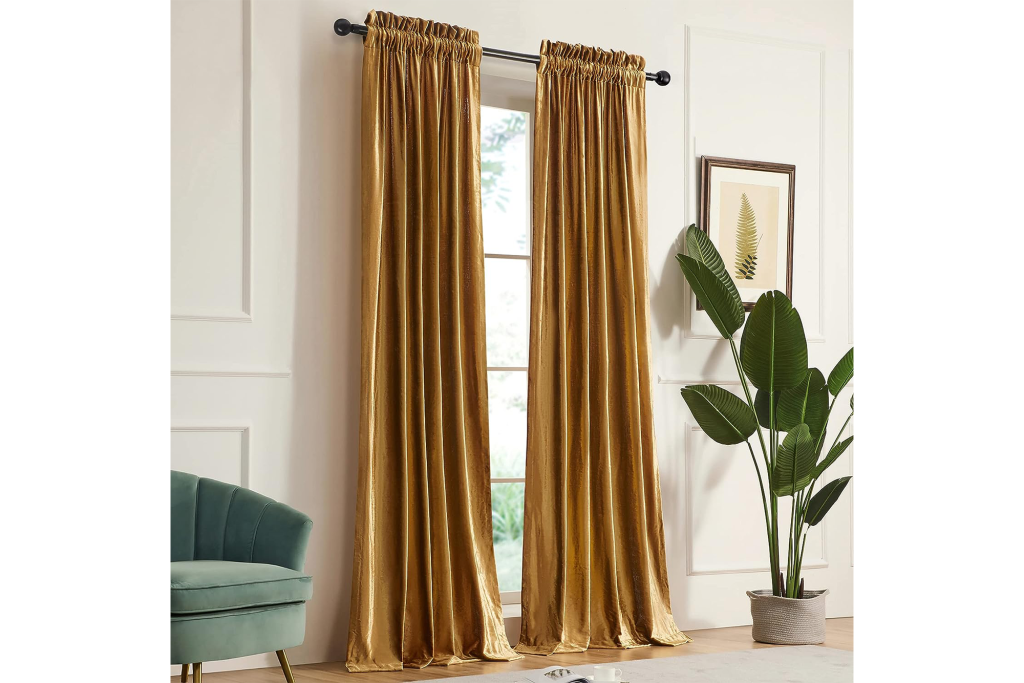
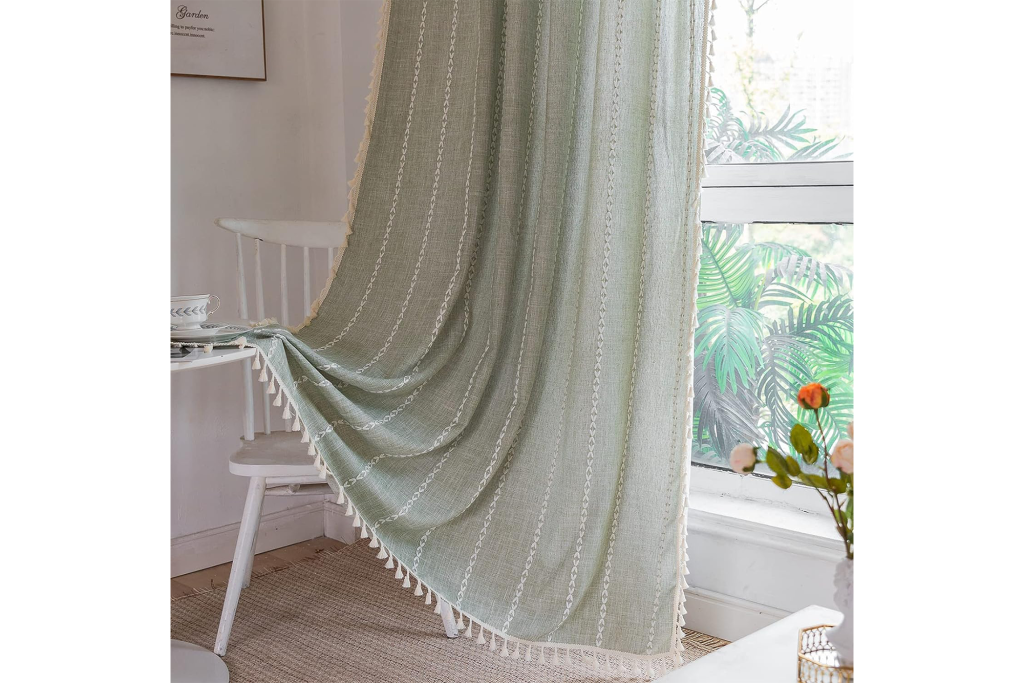
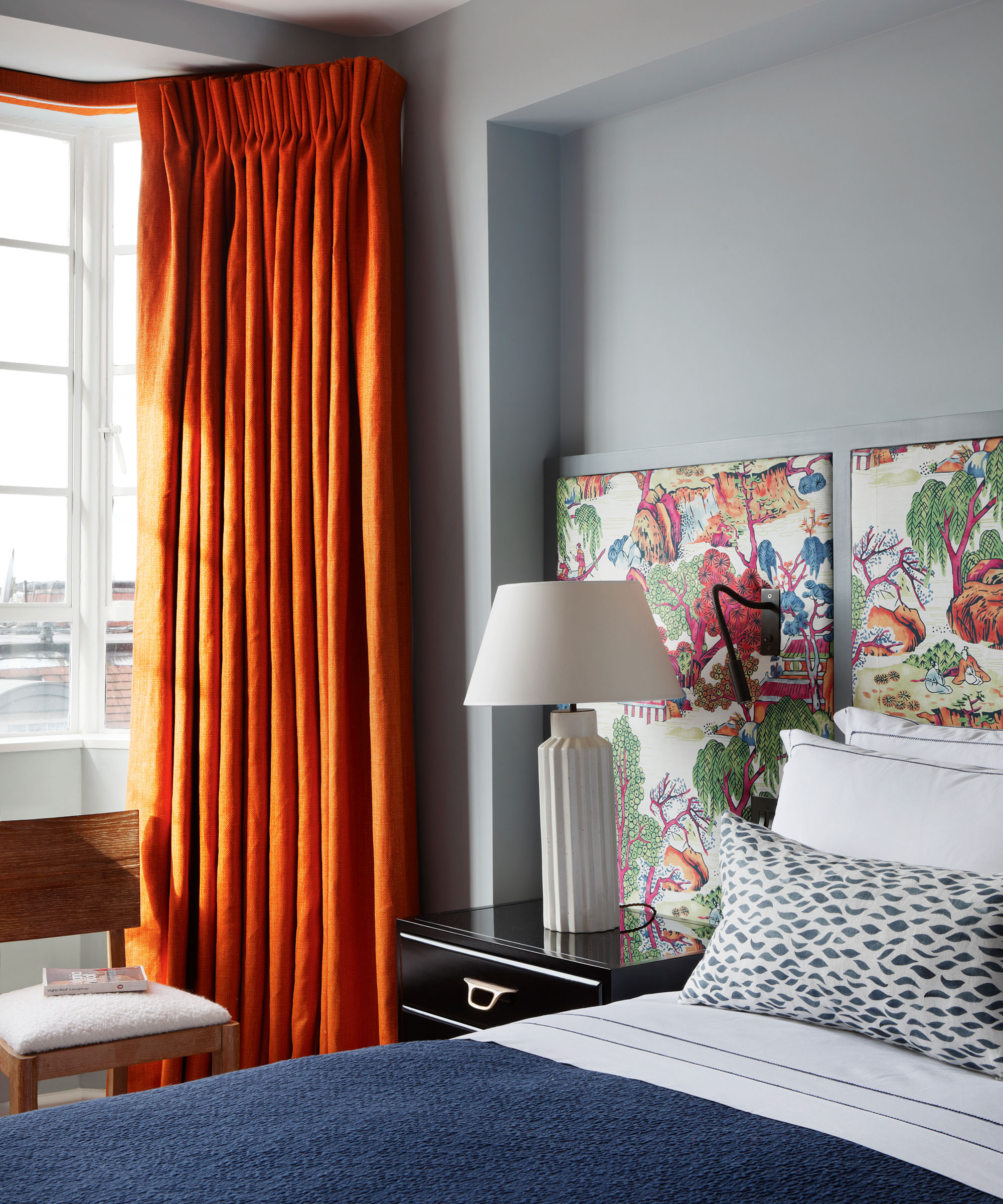
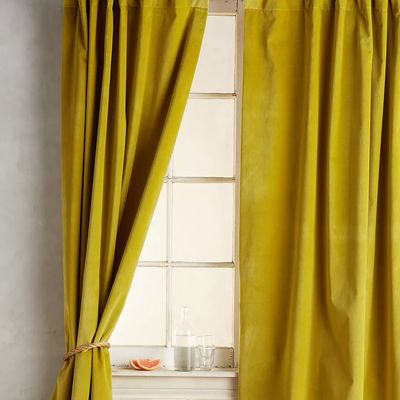
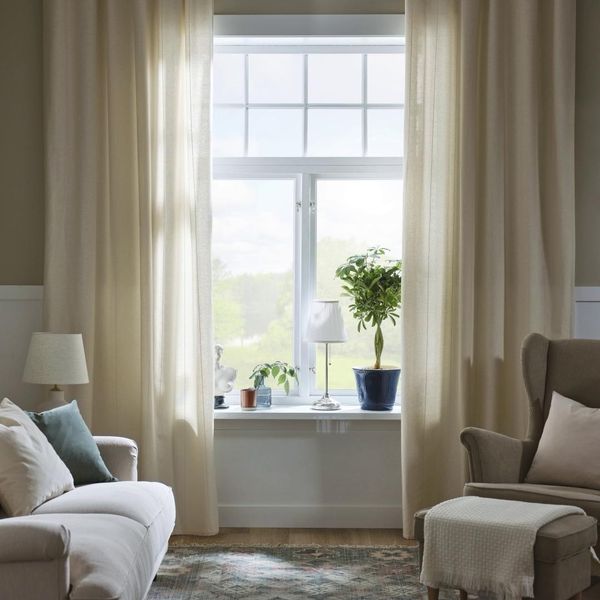
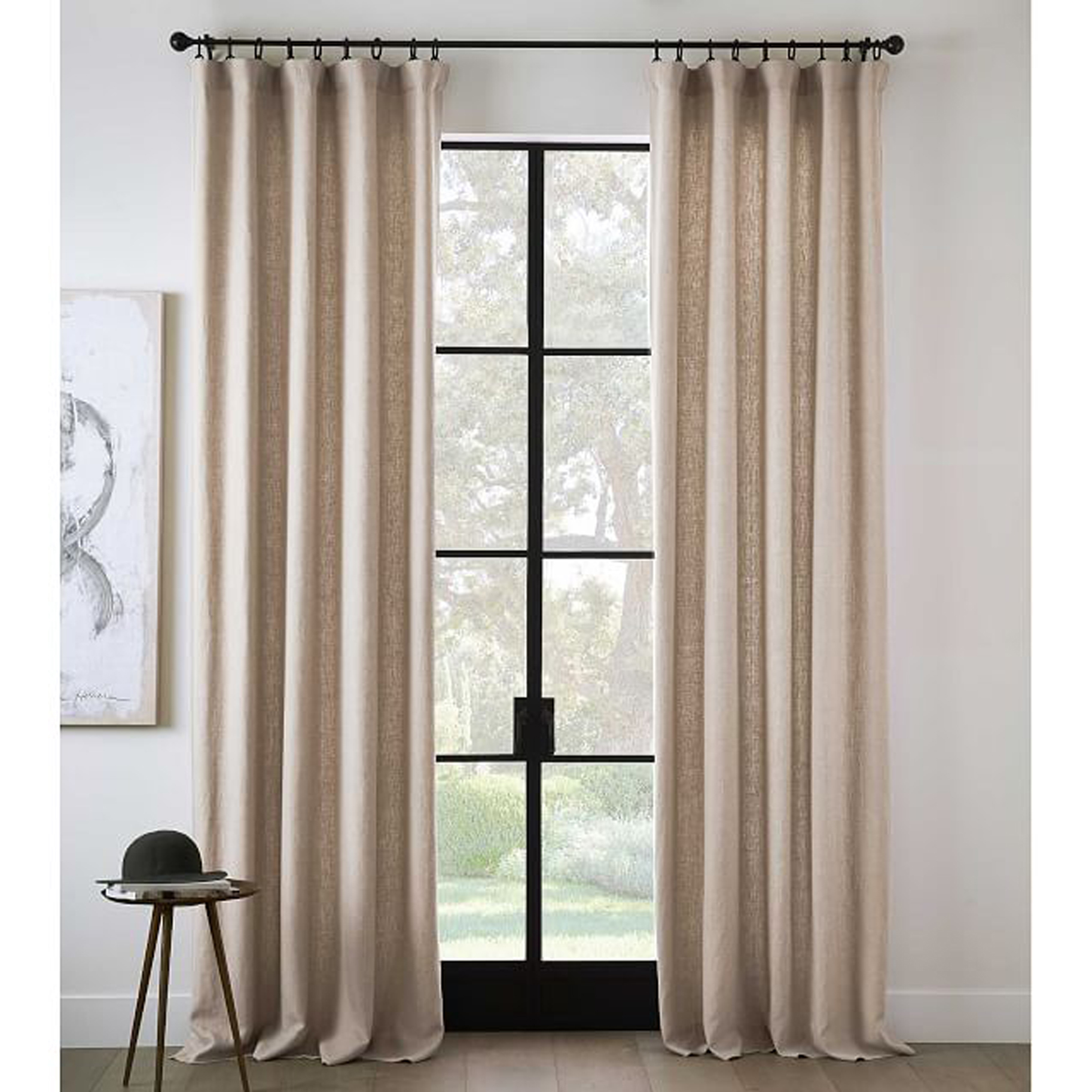
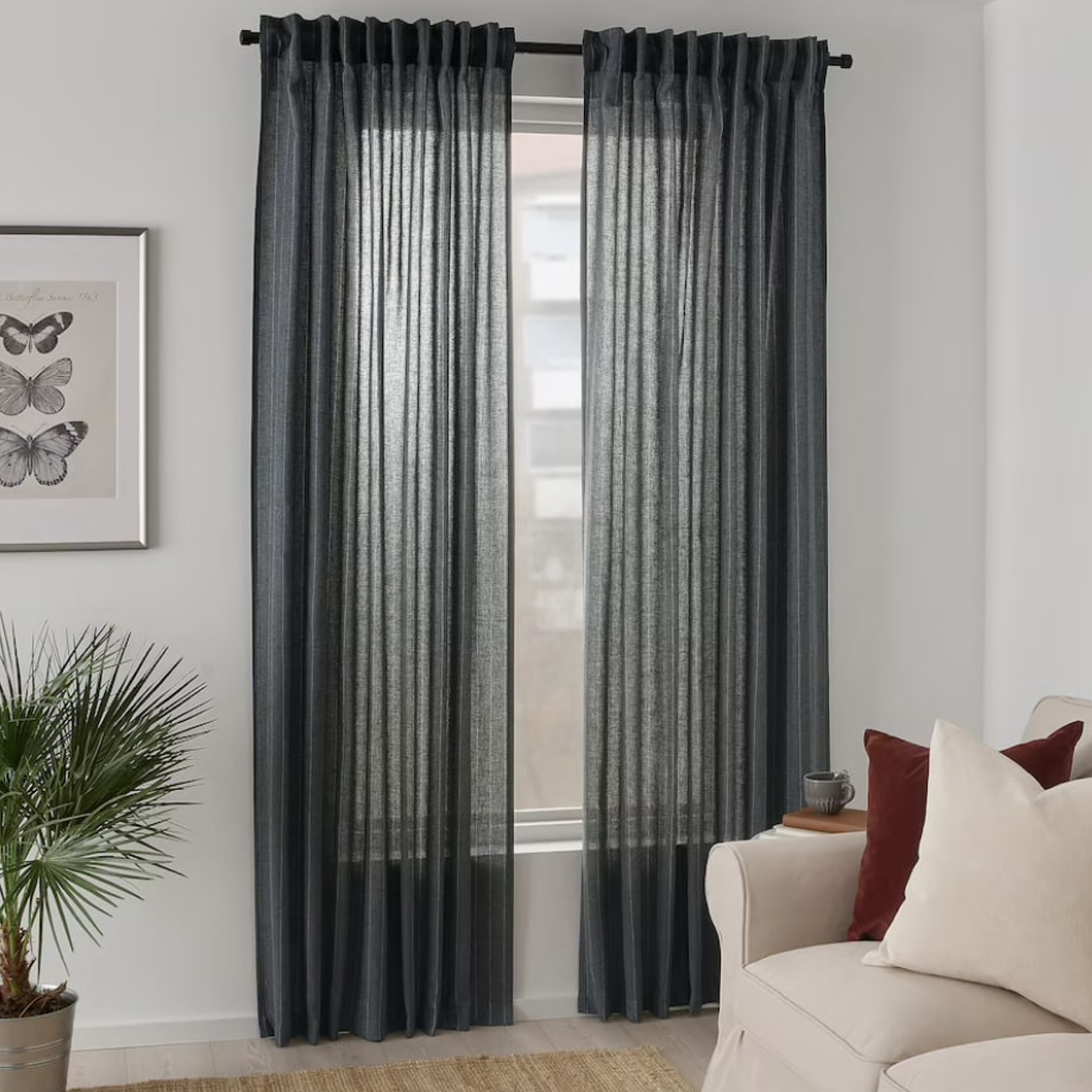
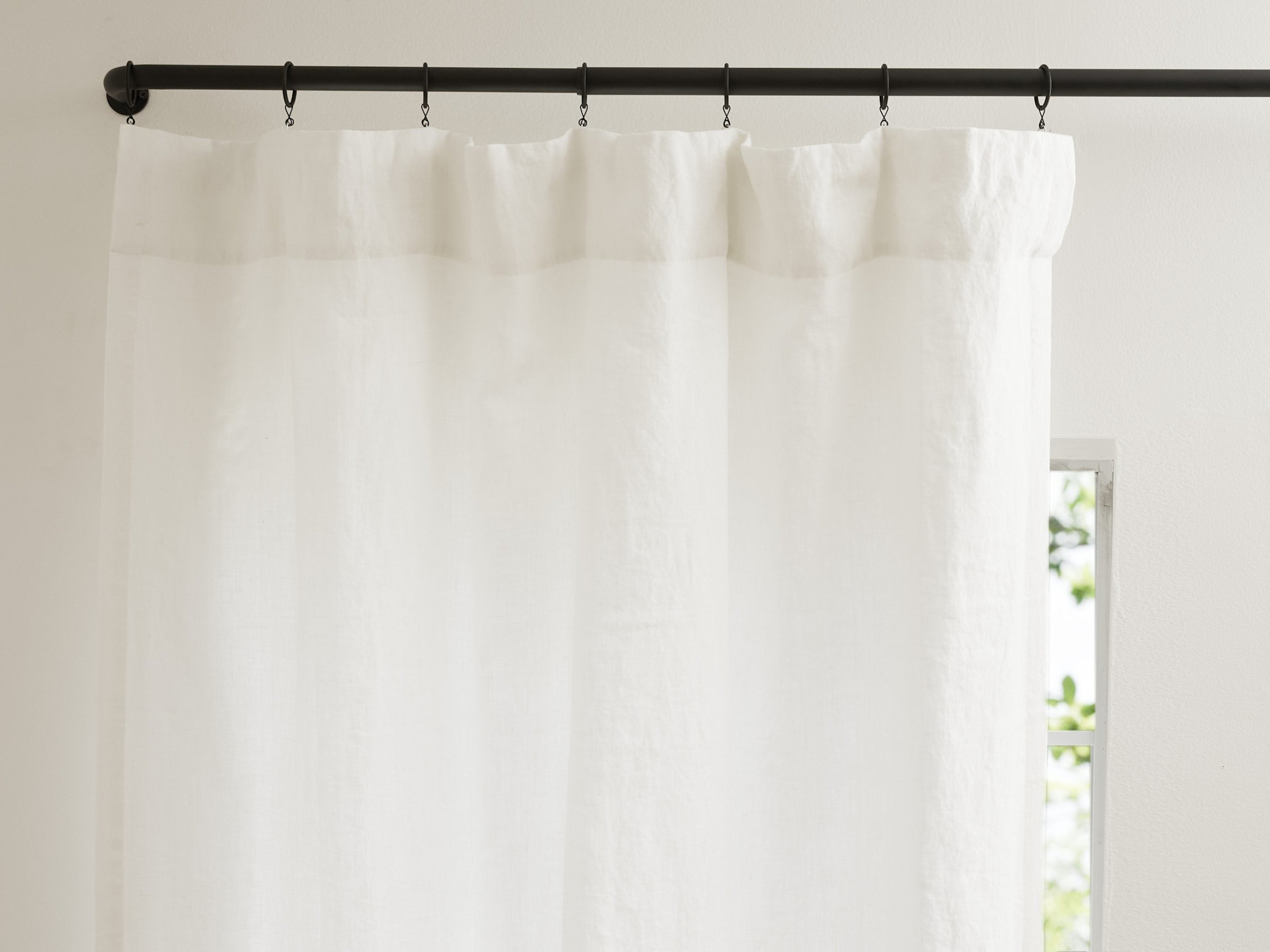
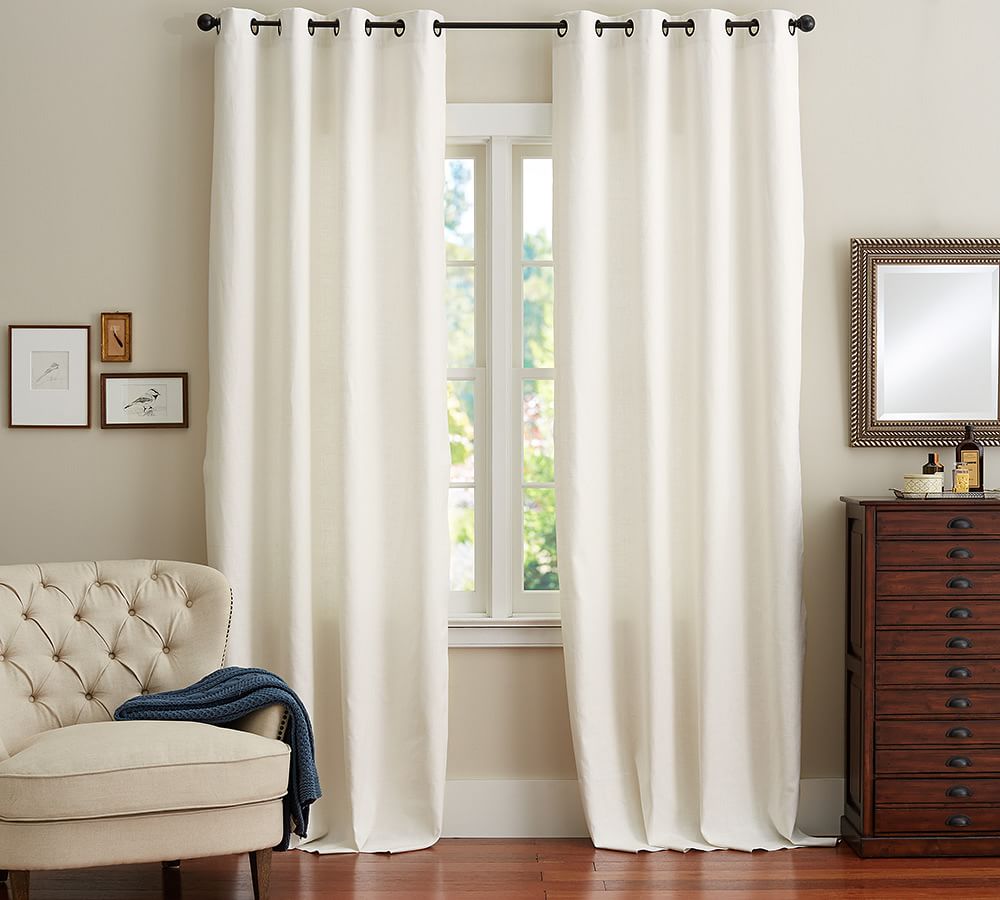
Fabric selection is a crucial first step. Heavier fabrics are generally preferred for bedrooms due to their superior ability to block light and reduce noise, though lighter options can create an airy ambiance based on personal preference. Cotton is a common choice, valued for its lightness, breathability, and ease of care, with machine-washable varieties offering convenience. Silk offers a luxurious appearance, allowing some light to filter through, but it is typically more expensive and requires delicate care, being susceptible to UV and water damage. Velvet, a heavy fabric, excels at insulating windows against temperature fluctuations and effectively blocks sunlight, making it ideal for late sleepers, nurseries, or rooms with direct sun exposure. However, velvet tends to collect dust and needs frequent vacuuming. Polyester provides a budget-friendly and low-maintenance alternative, though it is flammable and can absorb odors, making it less suitable for kitchens but acceptable for bedrooms. Linen curtains enhance a room’s aesthetic by diffusing sunlight and offering privacy, while their graceful drape adds charm to various design styles, from modern to rustic; they are also easy to care for and often machine washable or dry cleanable.
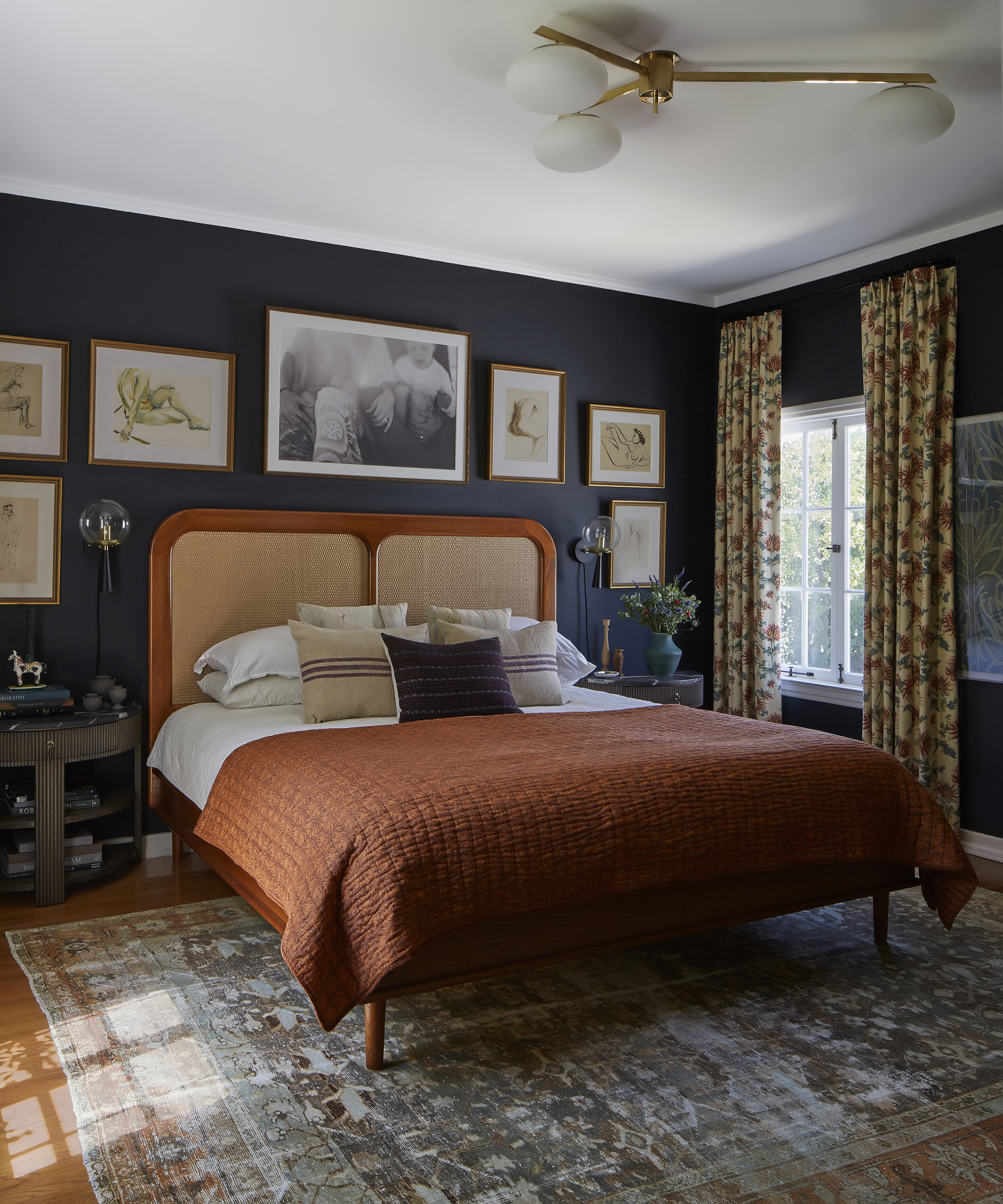
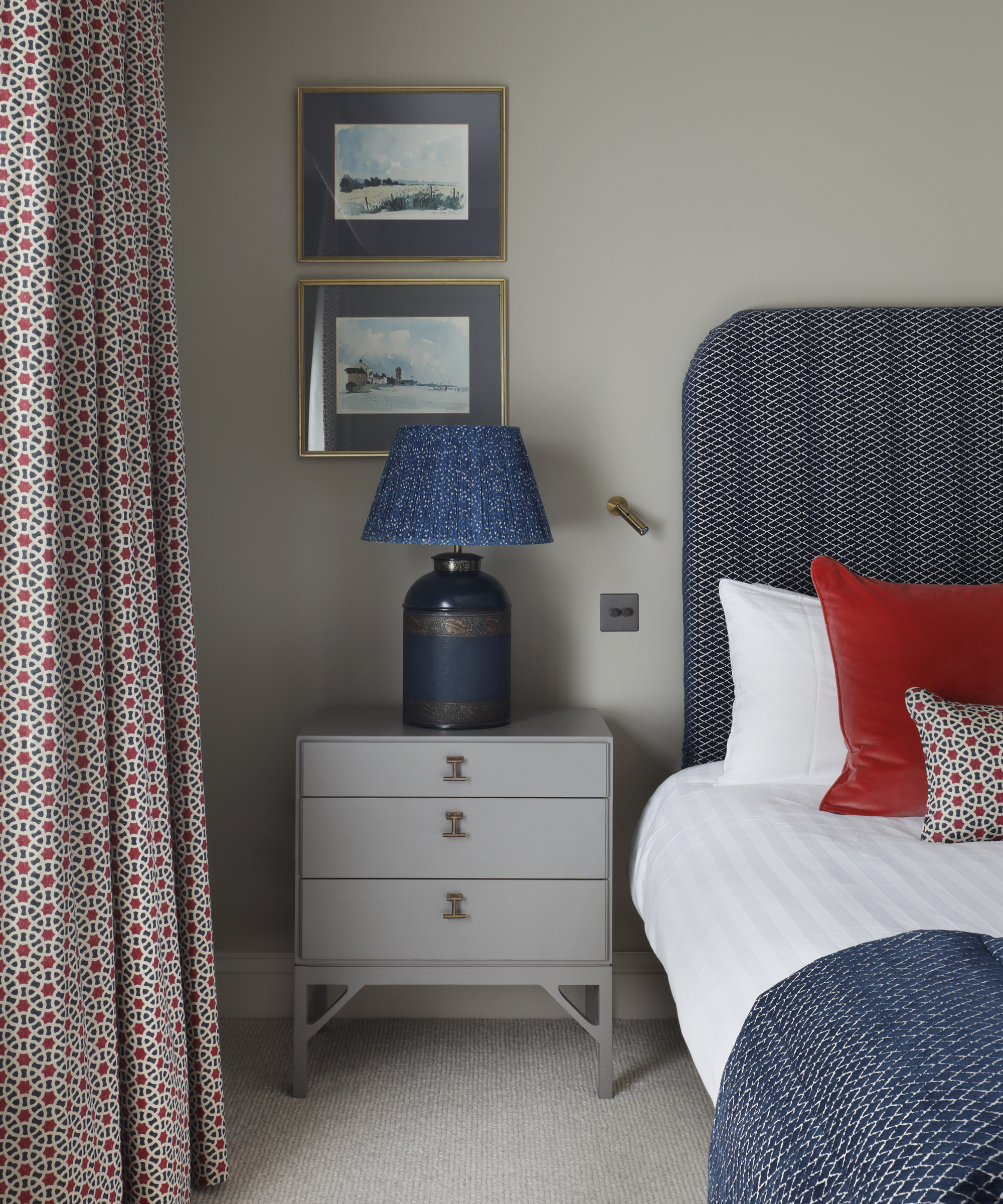
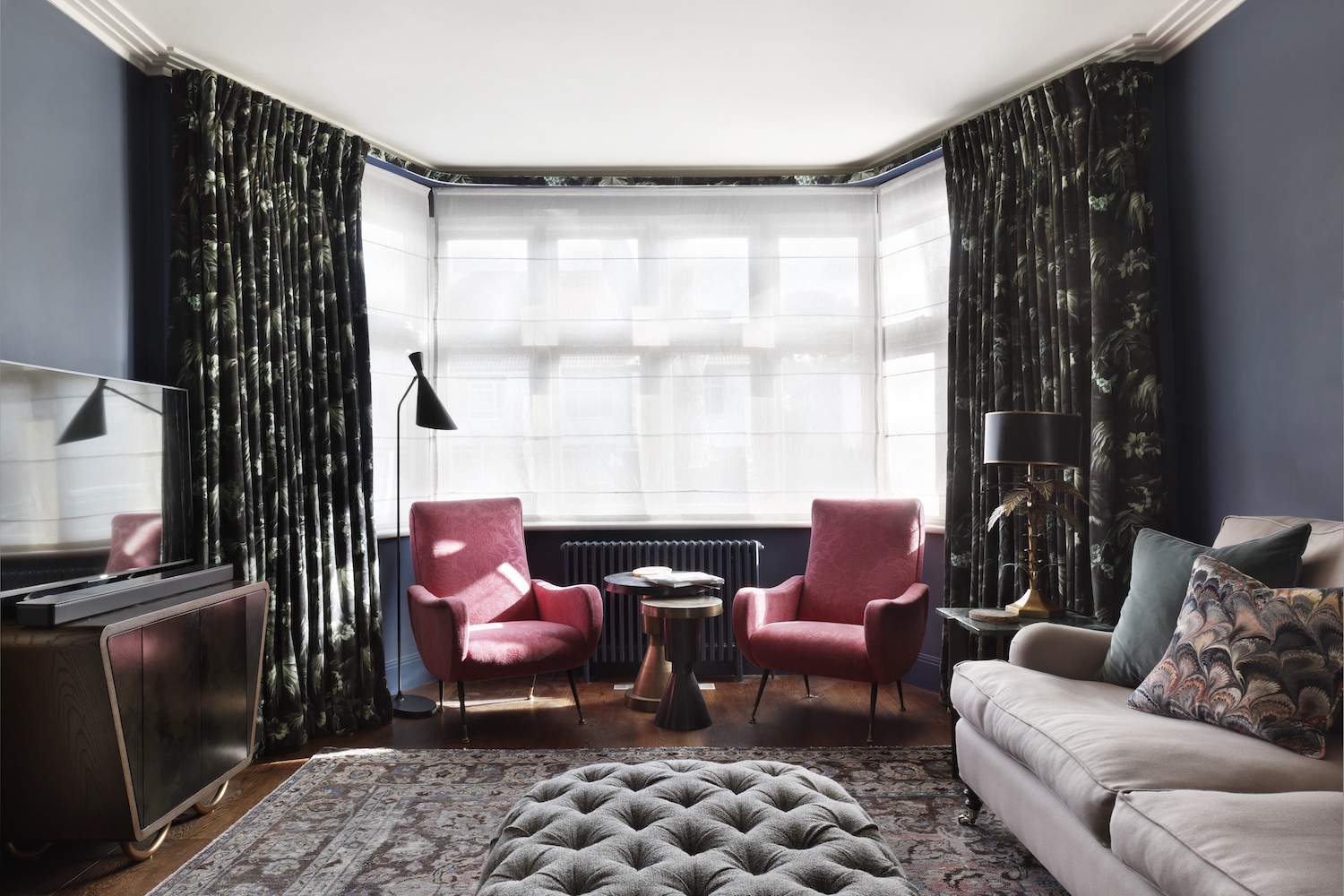
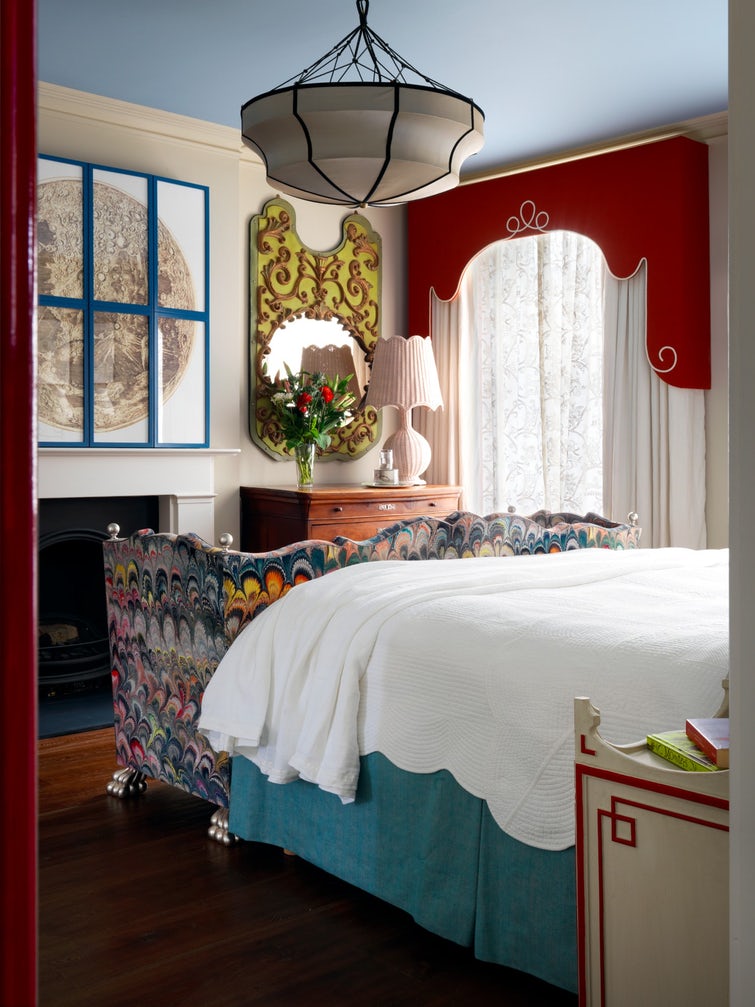
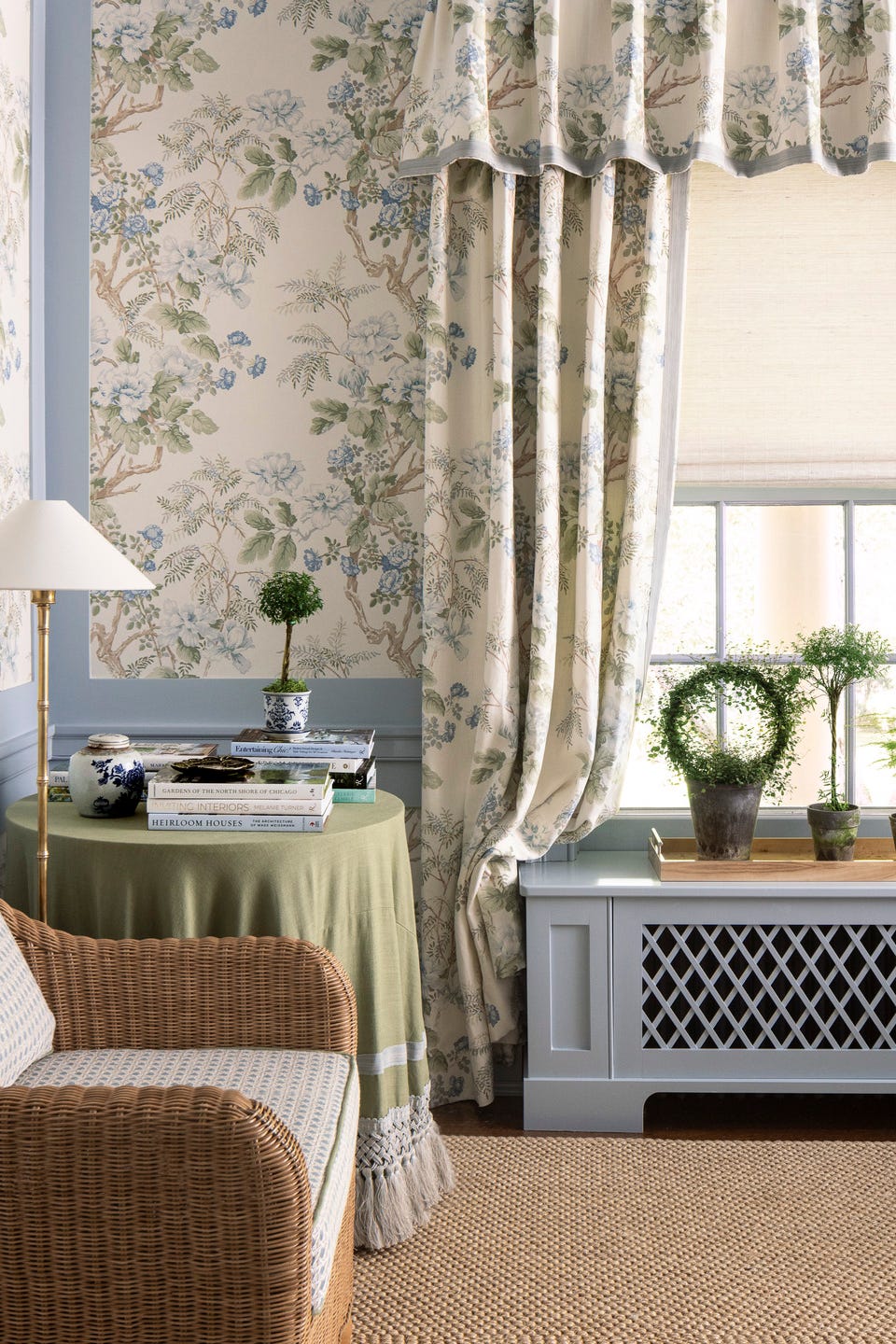
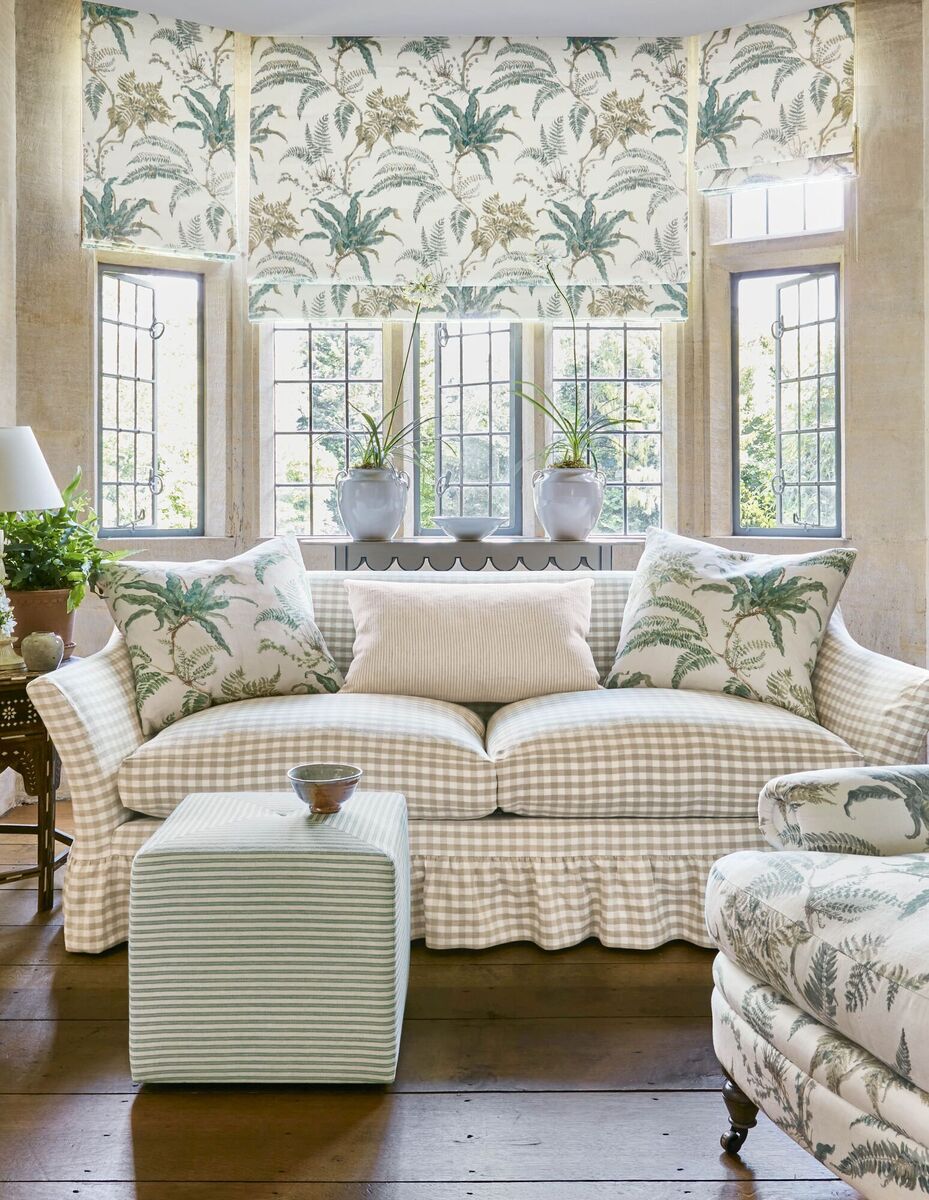
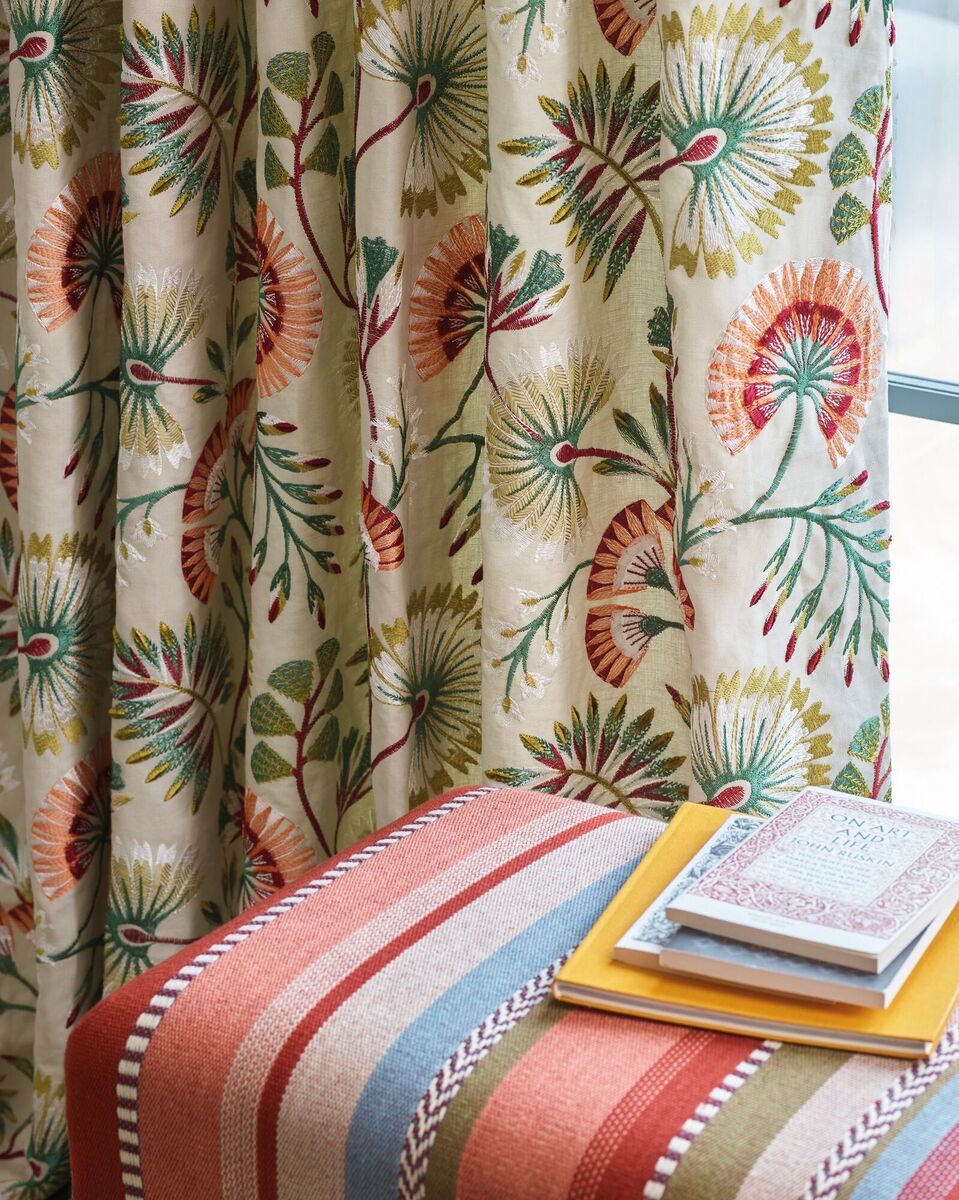
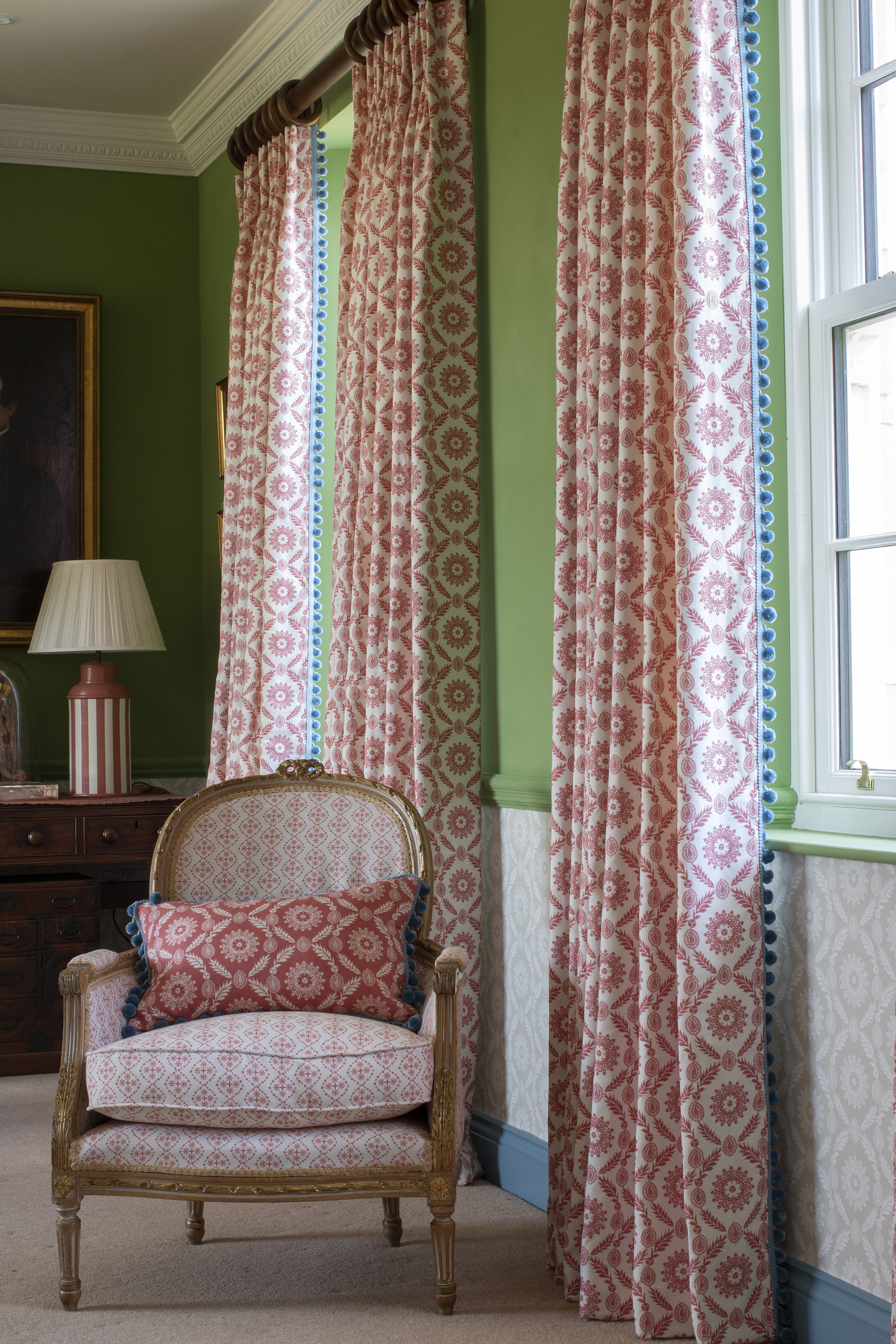
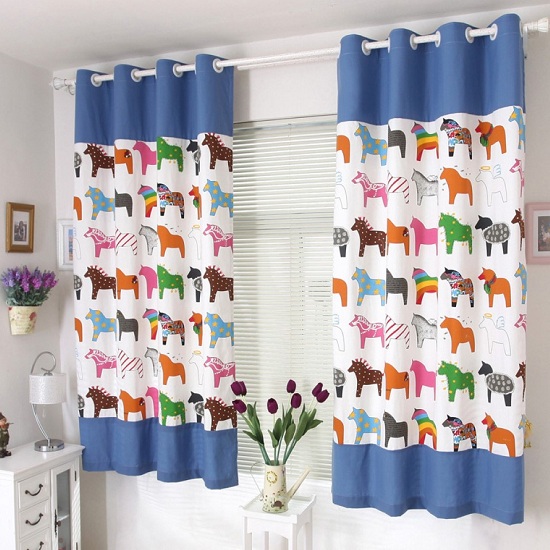
When considering colors and patterns, designers advise selecting hues that complement the existing decor, with cool tones pairing well with other cool tones and vice versa. Bright colors are generally discouraged as they can clash with the room's design and are prone to fading when exposed to natural light over time. Patterned curtains should be viewed as a form of wall art, as their visual impact can be significant when drawn.
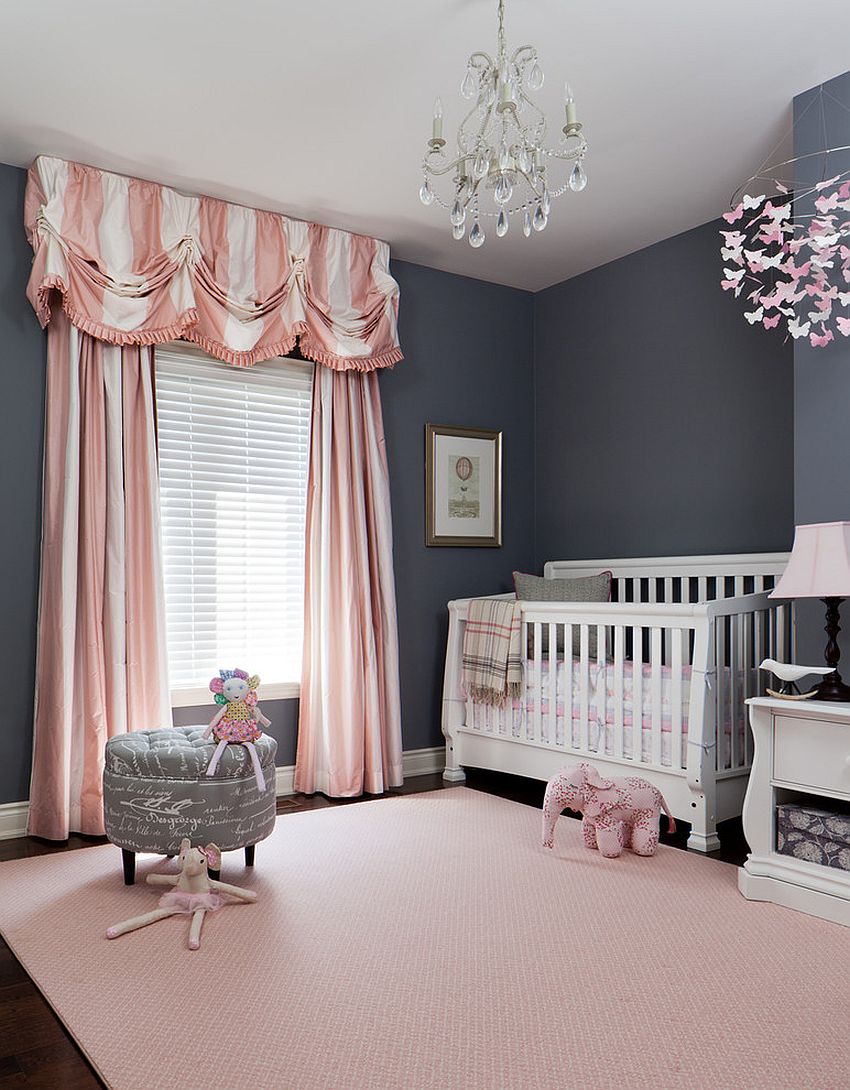
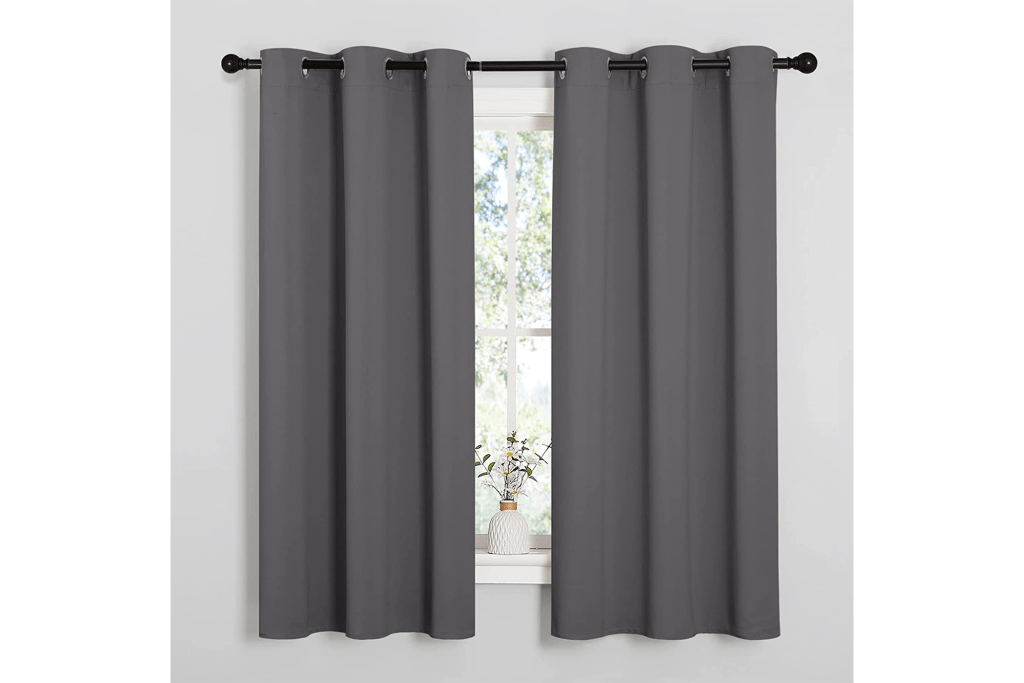
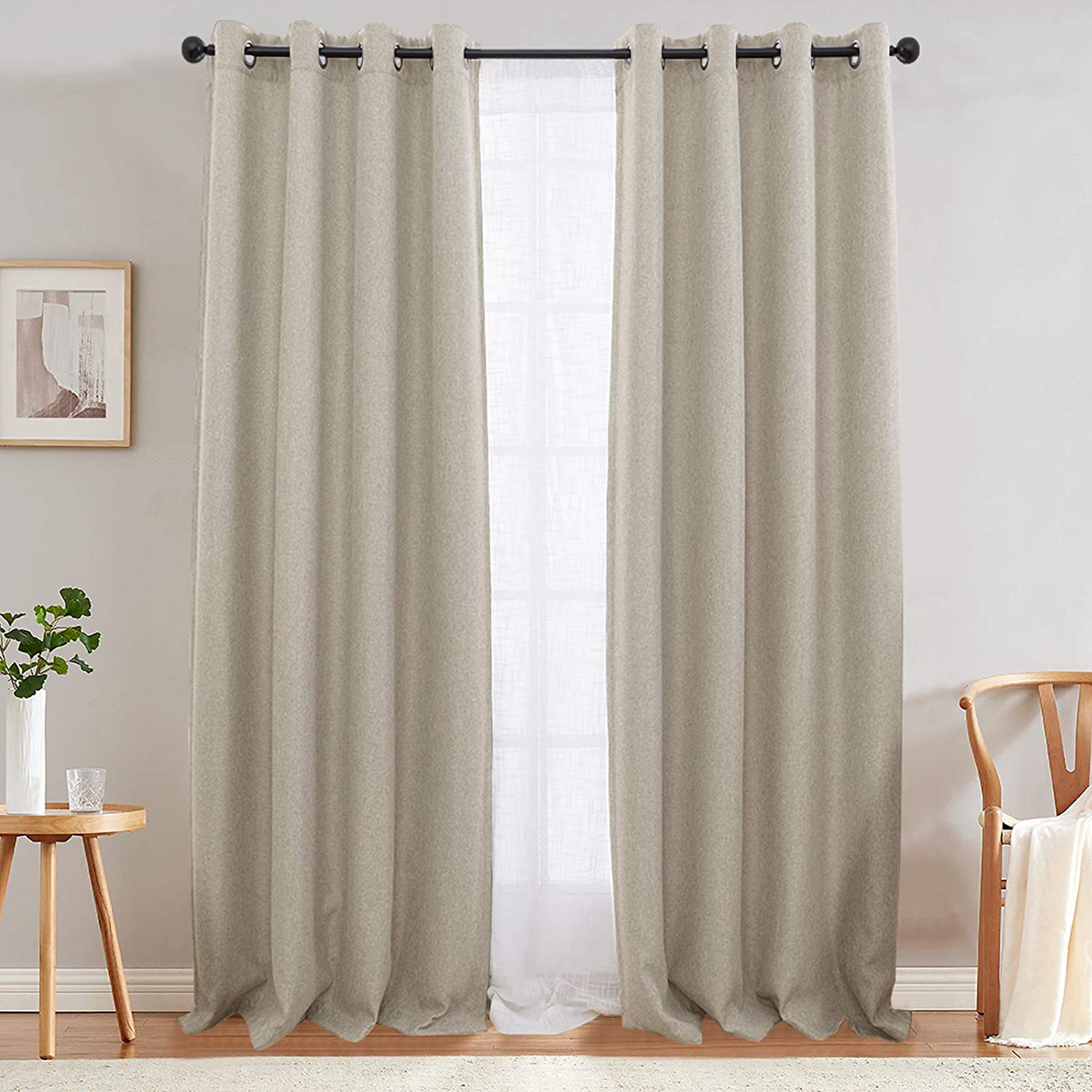
Various curtain styles cater to different aesthetic preferences. Pinch pleats offer a traditional and formal look, characterized by sewn pleats that create an X-shape at the top. Gathers present a more informal appearance with undefined pleats along the top, suitable for smaller windows. Grommet curtains feature metal rings through which the rod is inserted, providing a clean, modern look. Tab tops, similar to grommets, use fabric loops for hanging and are considered a classic choice. Box pleat drapery offers a structured, columnar front view with pleats concealed on the back, creating a sleek yet casual feel. Swags, also known as scarves, are purely decorative and drape over a rod or hang loosely, requiring additional functional curtains underneath for privacy and light control.
Hardware selection is also important. Thicker curtain rods are recommended for supporting heavier fabrics and enhancing the overall elevated look. Hardware finishes should harmonize with the curtain fabric; for example, silky drapes pair well with wrought iron or wood, while linen curtains complement wood or metal finishes.
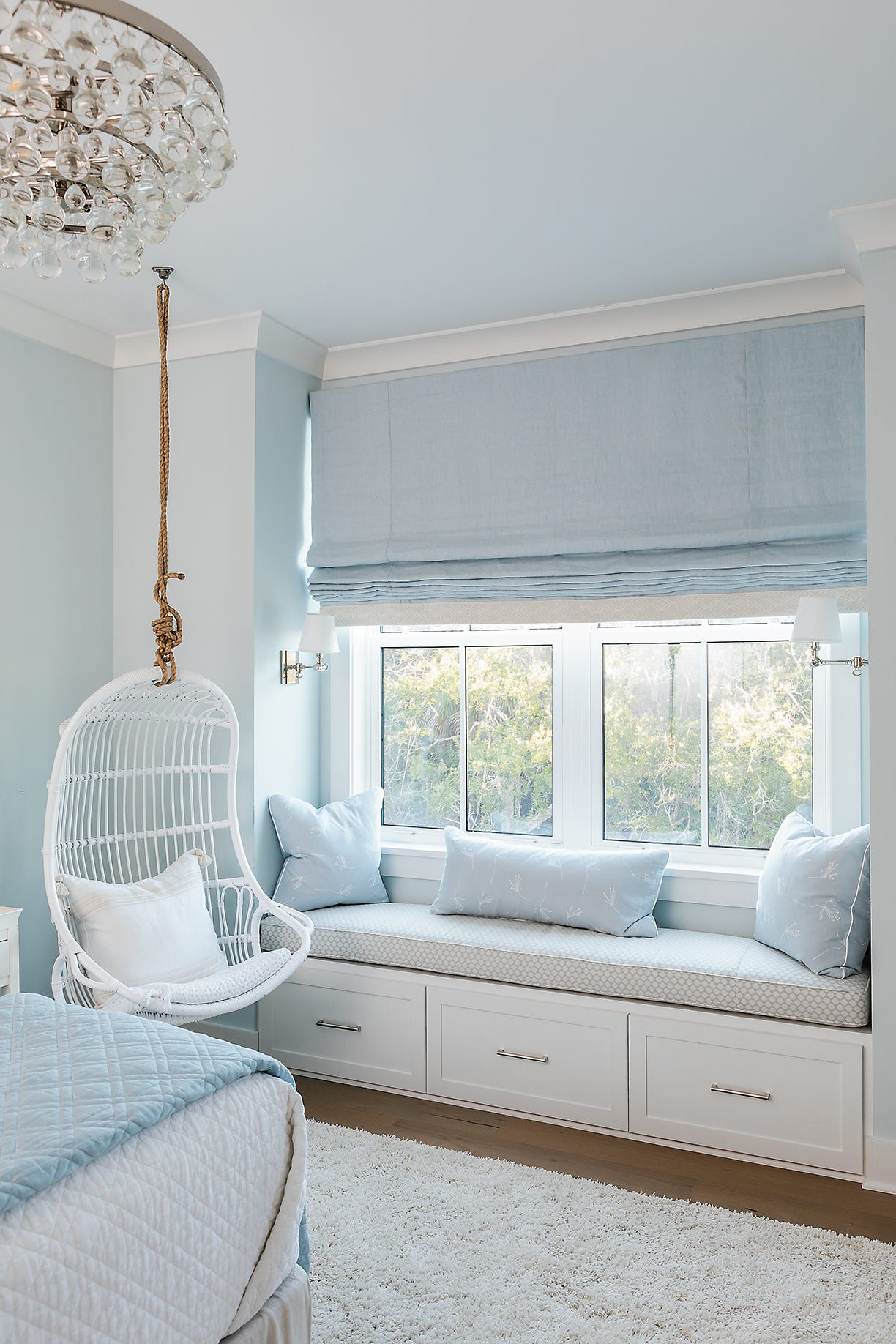
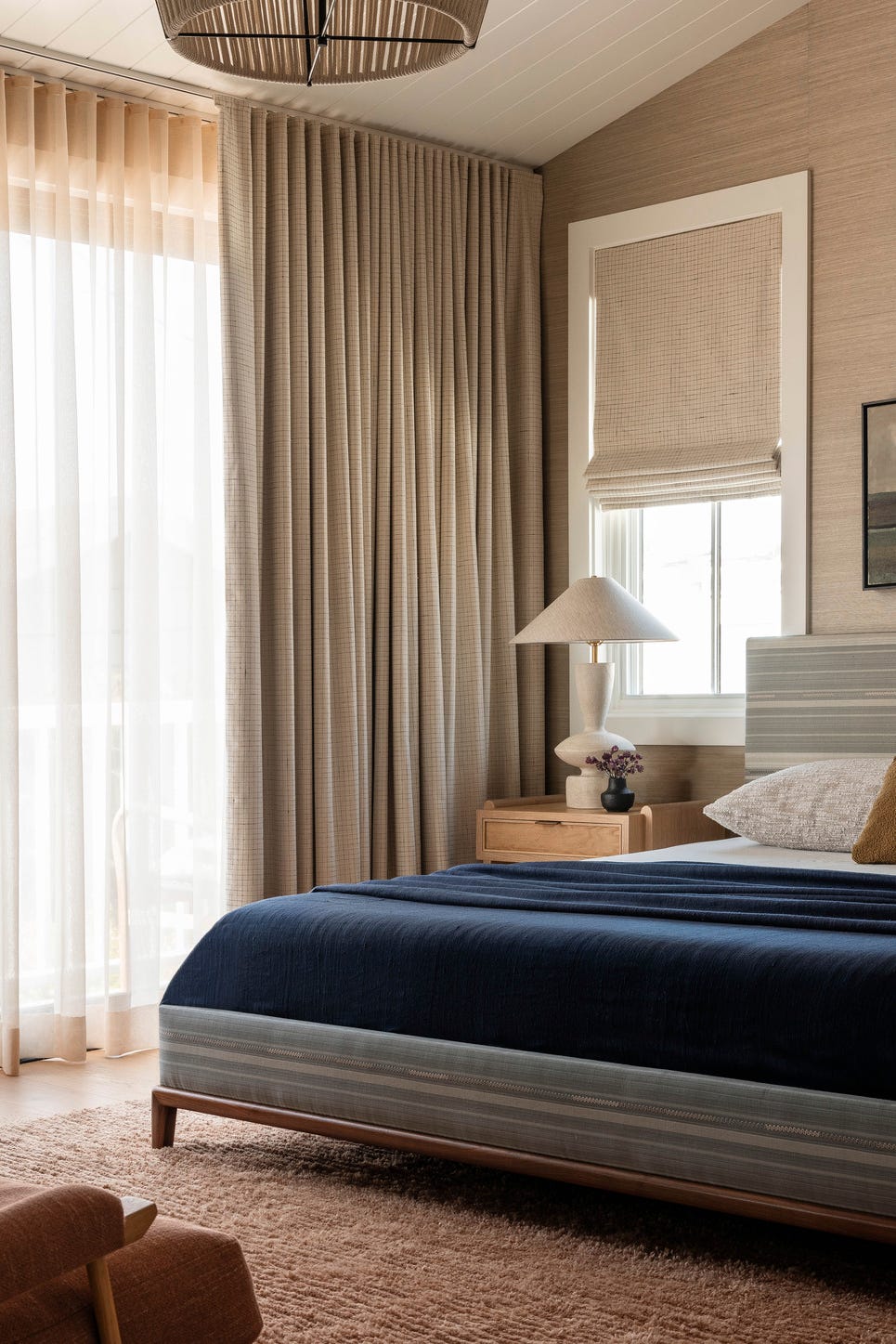
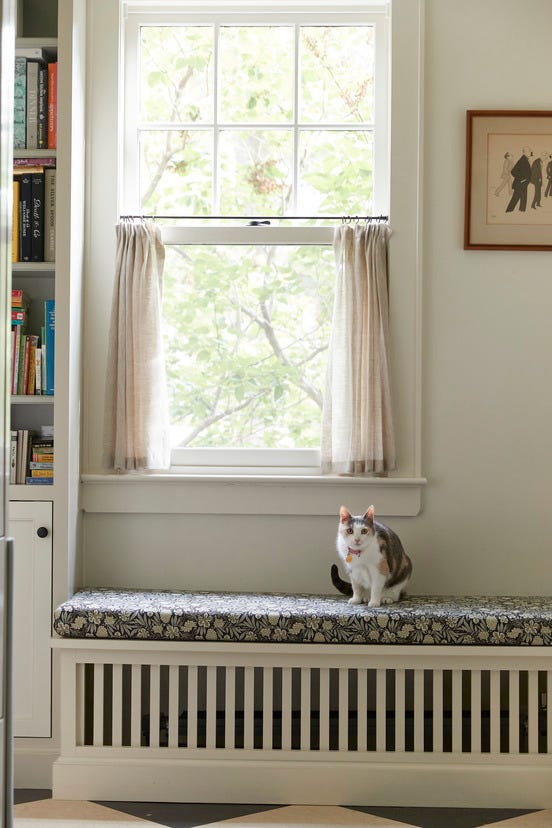
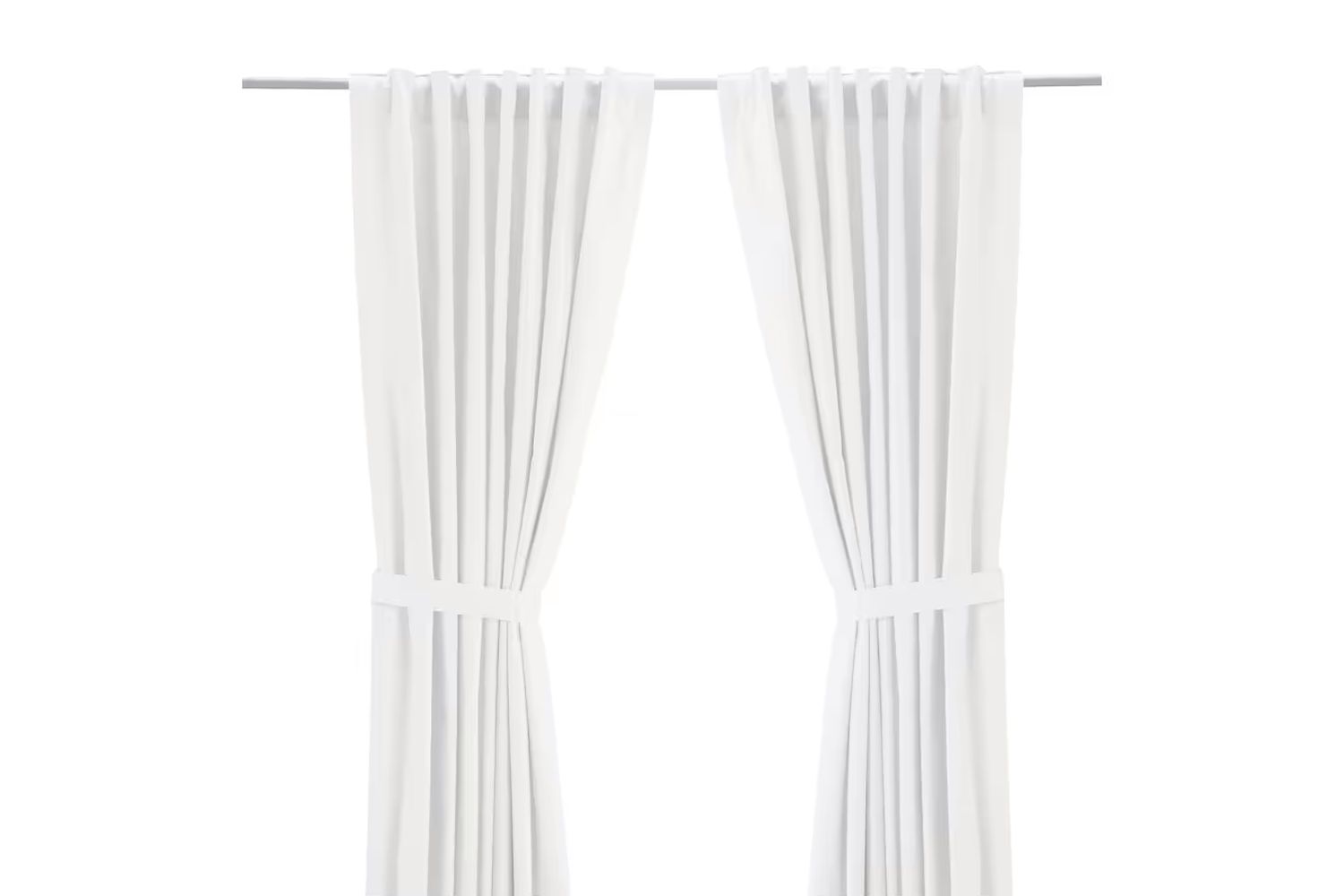
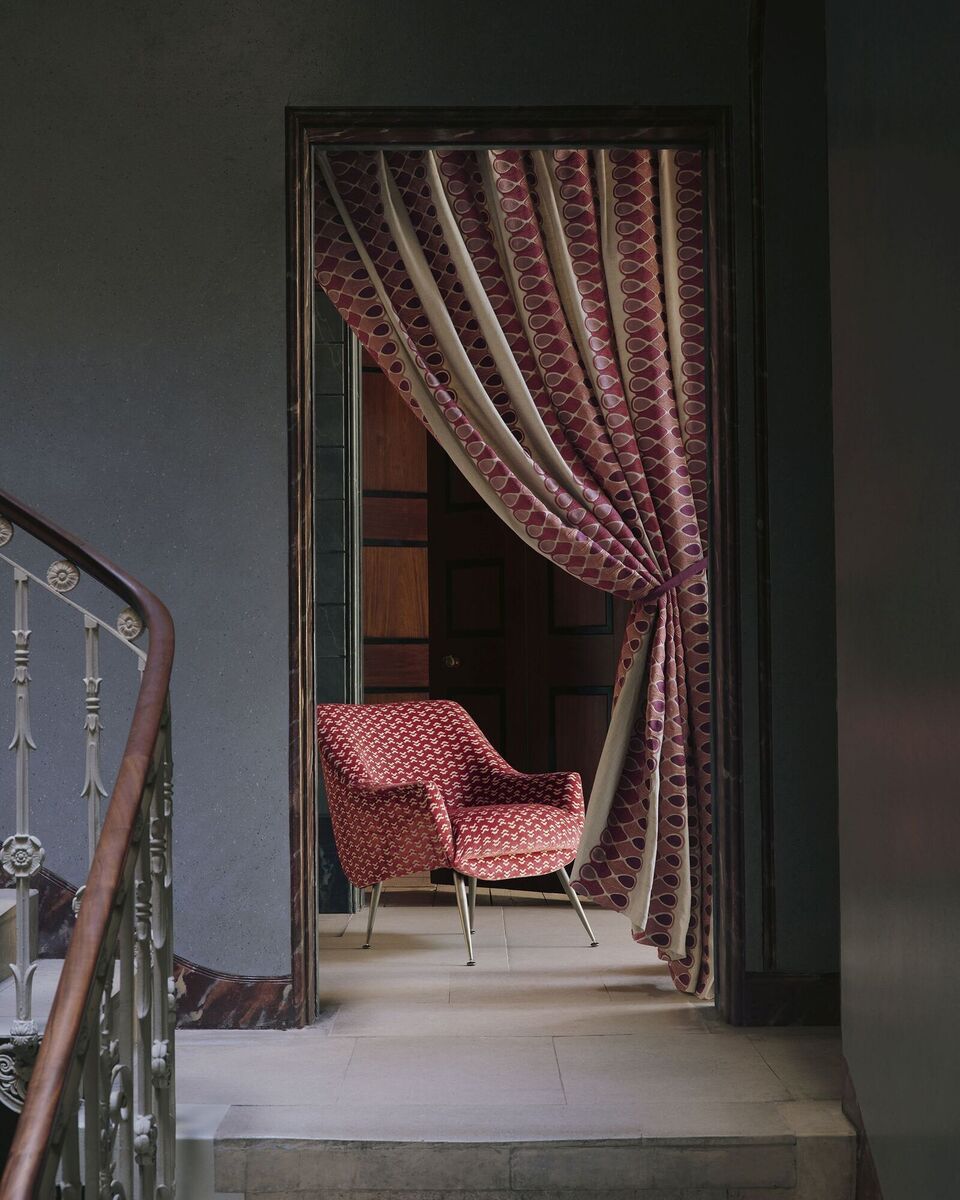
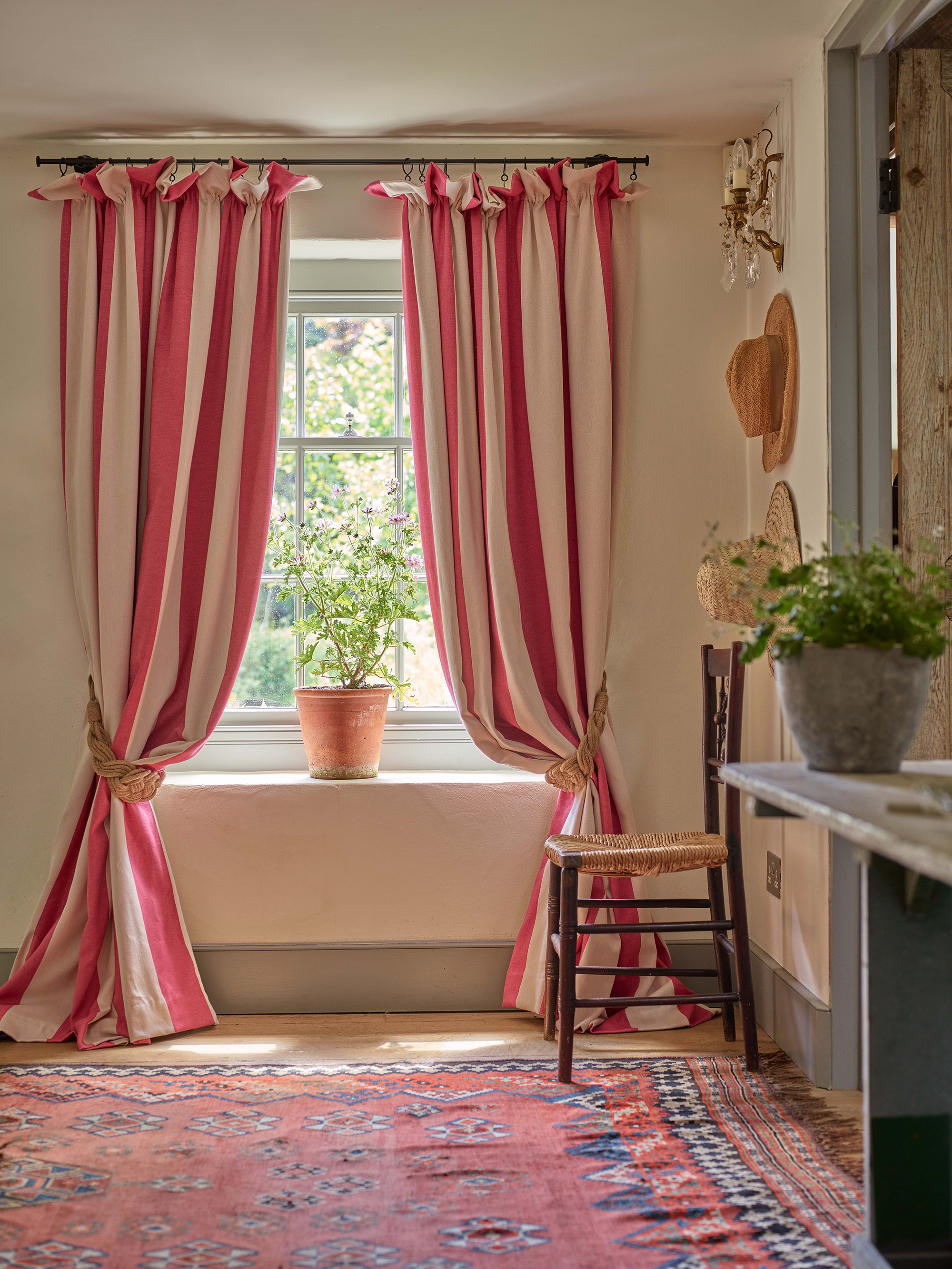
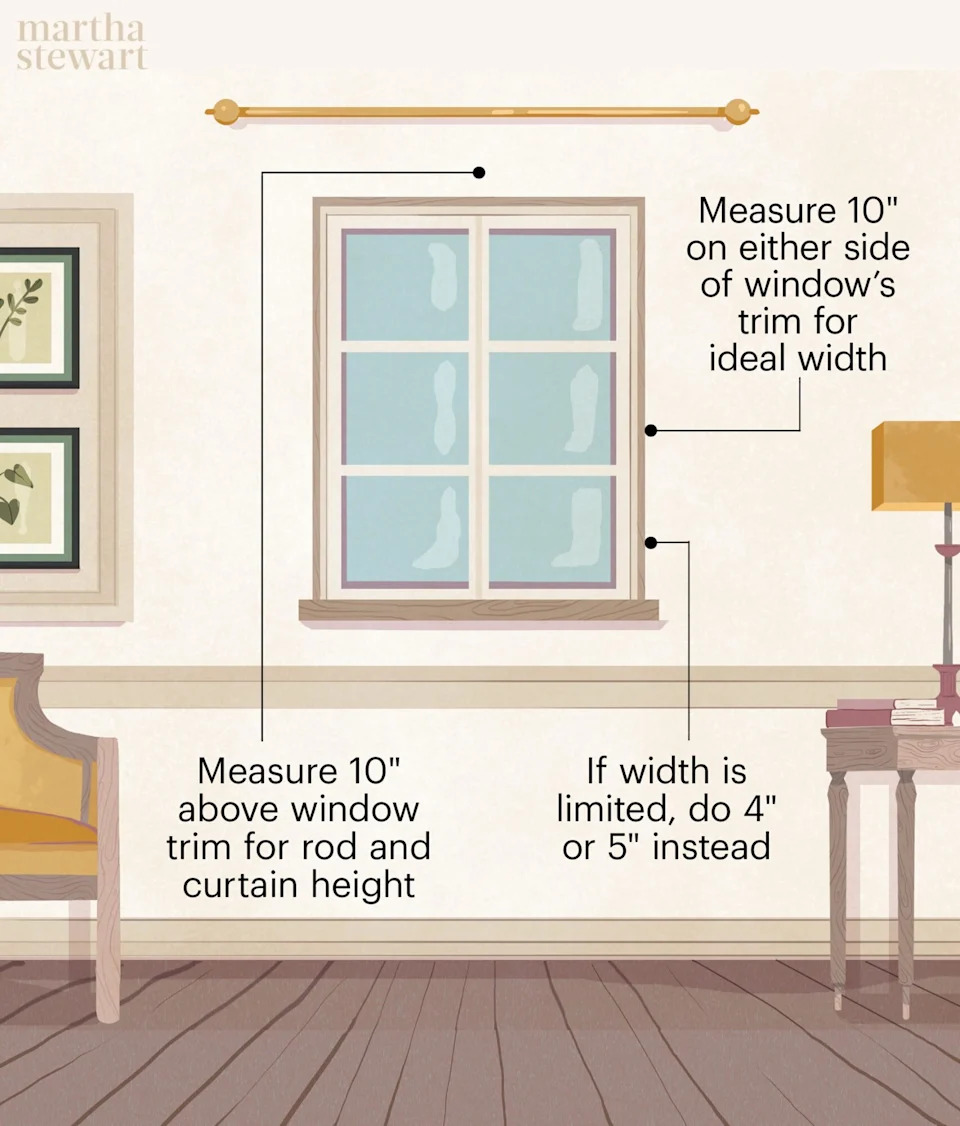
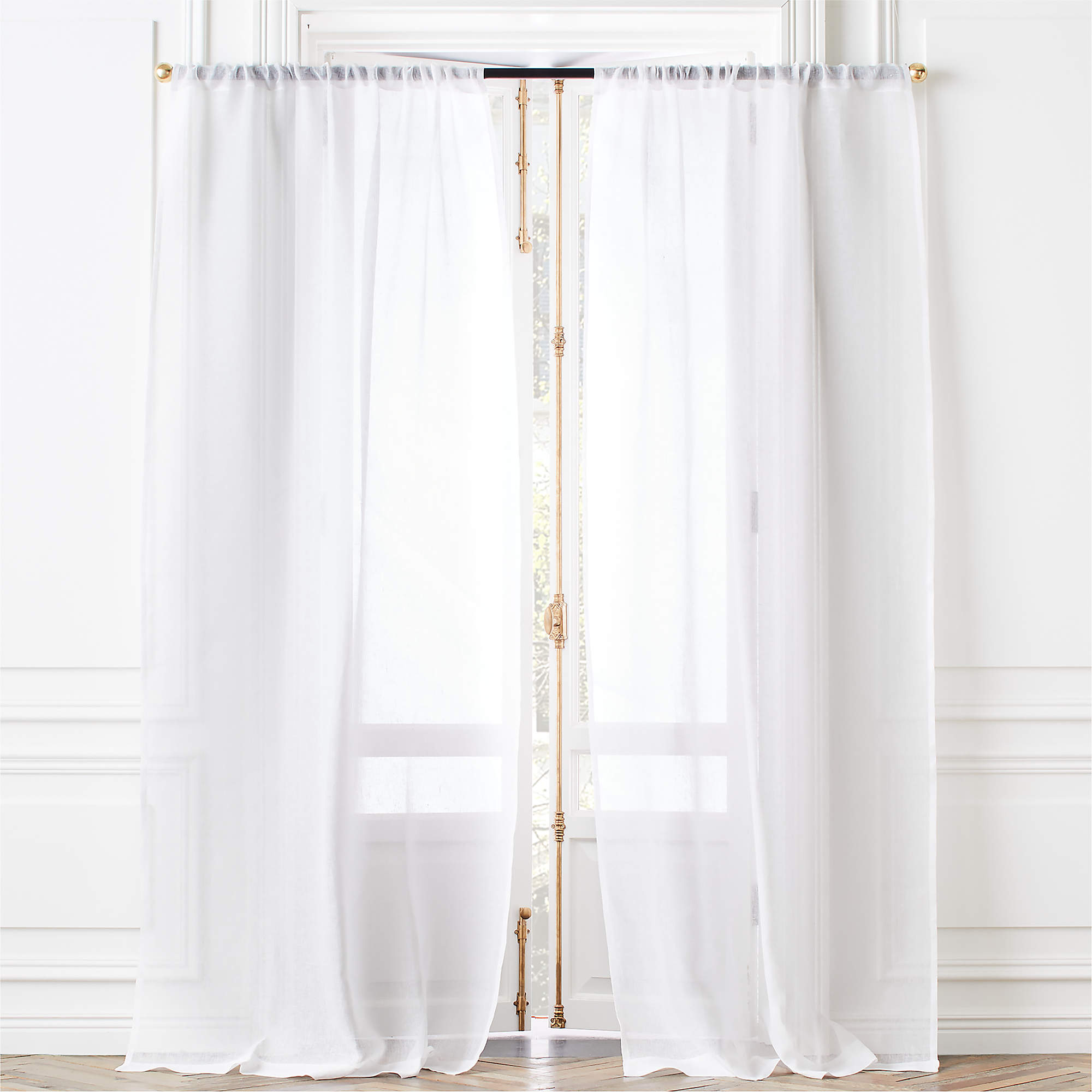
Additional details for consideration include curtain size, placement, layering, tiebacks, and blackout options. Standard curtain lengths are 108, 96, and 84 inches, with custom options available if these do not fit. Curtains should typically be mounted four to six inches above the window frame. Layering curtains, such as combining sheer drapes with blackout curtains, allows for versatile light control and privacy throughout the day. Tiebacks serve both decorative and functional purposes, securing curtains when open. For those who desire the light-blocking benefits of blackout curtains without their constant presence, installing a roman blackout shade behind regular curtains is an effective solution. Generally, bedroom curtains should reach the floor, though adding 6 to 16 inches can create a dramatic puddling effect. Combining blinds and curtains provides maximum flexibility for light management and privacy. Alternatives to curtains include valances, shades, shutters, Roman shades, or verticals.
#BedroomCurtains #HomeDecor #InteriorDesign #CurtainFabrics #WindowTreatments #BedroomDesign #CurtainStyles #HomeImprovement #BedroomCurtains #HomeDecor #InteriorDesign #CurtainFabrics #WindowTreatments #BedroomDesign #CurtainStyles #HomeImprovement
0 تعليق إجمالاً
 لا توجد تعليقات بعد
قد تعجبك أيضًا
Bedroom curtain ideas — 10 tips for perfect sleep space drapes

24 Bedroom Curtain Ideas That Are Both Pretty and Practical

How to choose curtain colors for any room – experts reveal 7 trade secrets

How to Choose the Right Curtain Length for Your Specific Windows
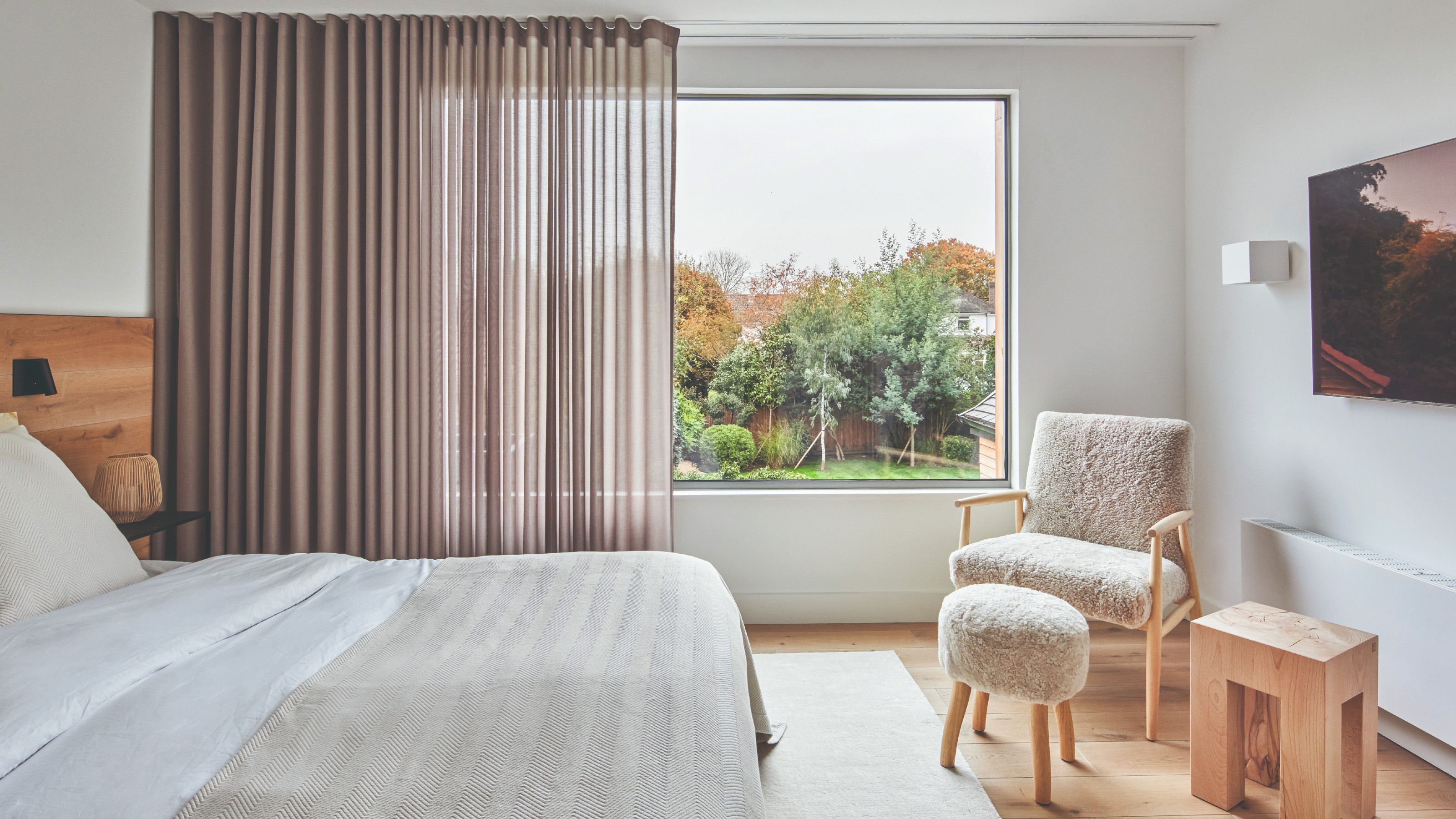
20 bedroom curtain ideas to promote both sleep and style through your window dressings

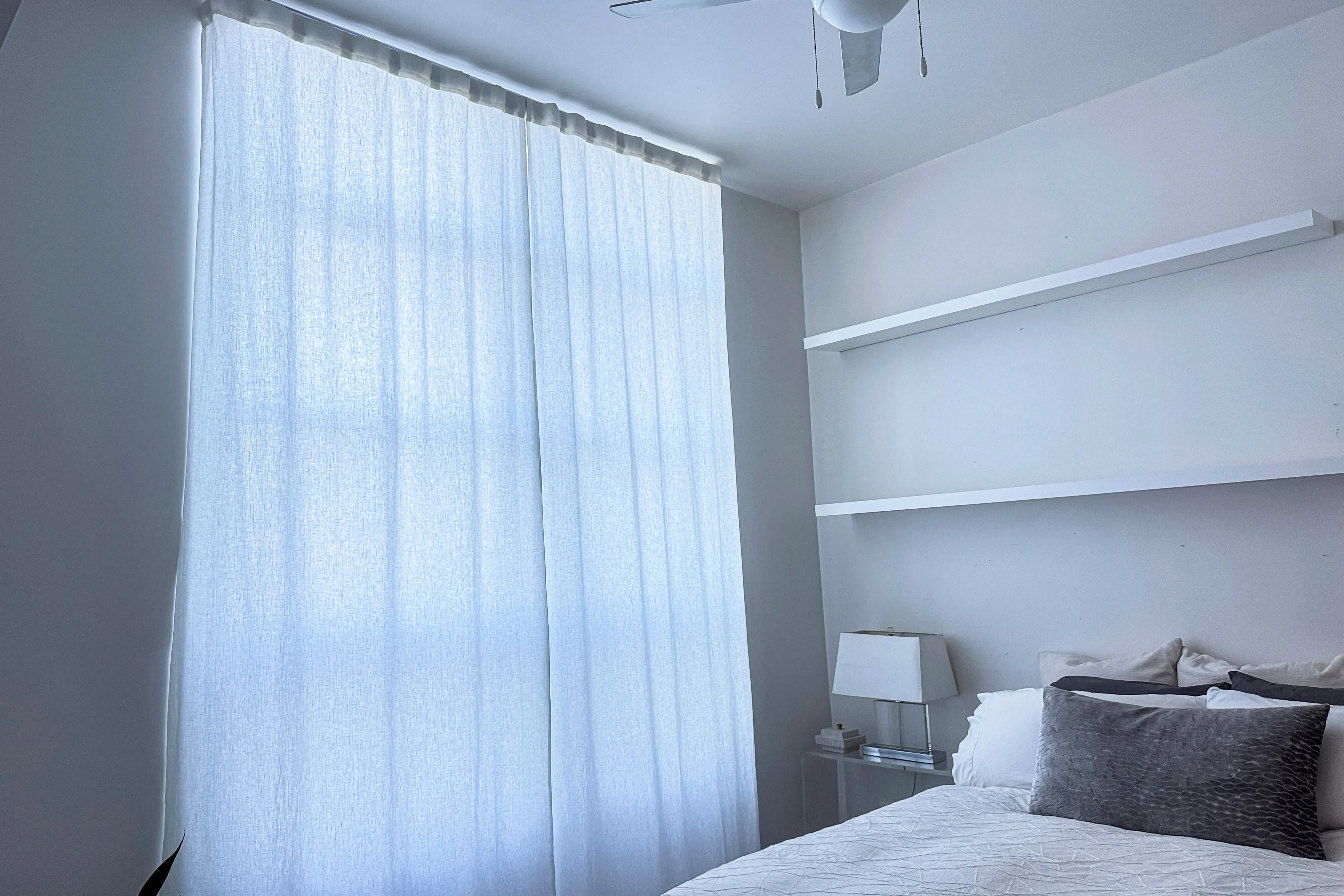
The Best Curtains for Every Style and Light Level, Tested by BHG


Our designer of the year on how to choose the right curtains for a modern house
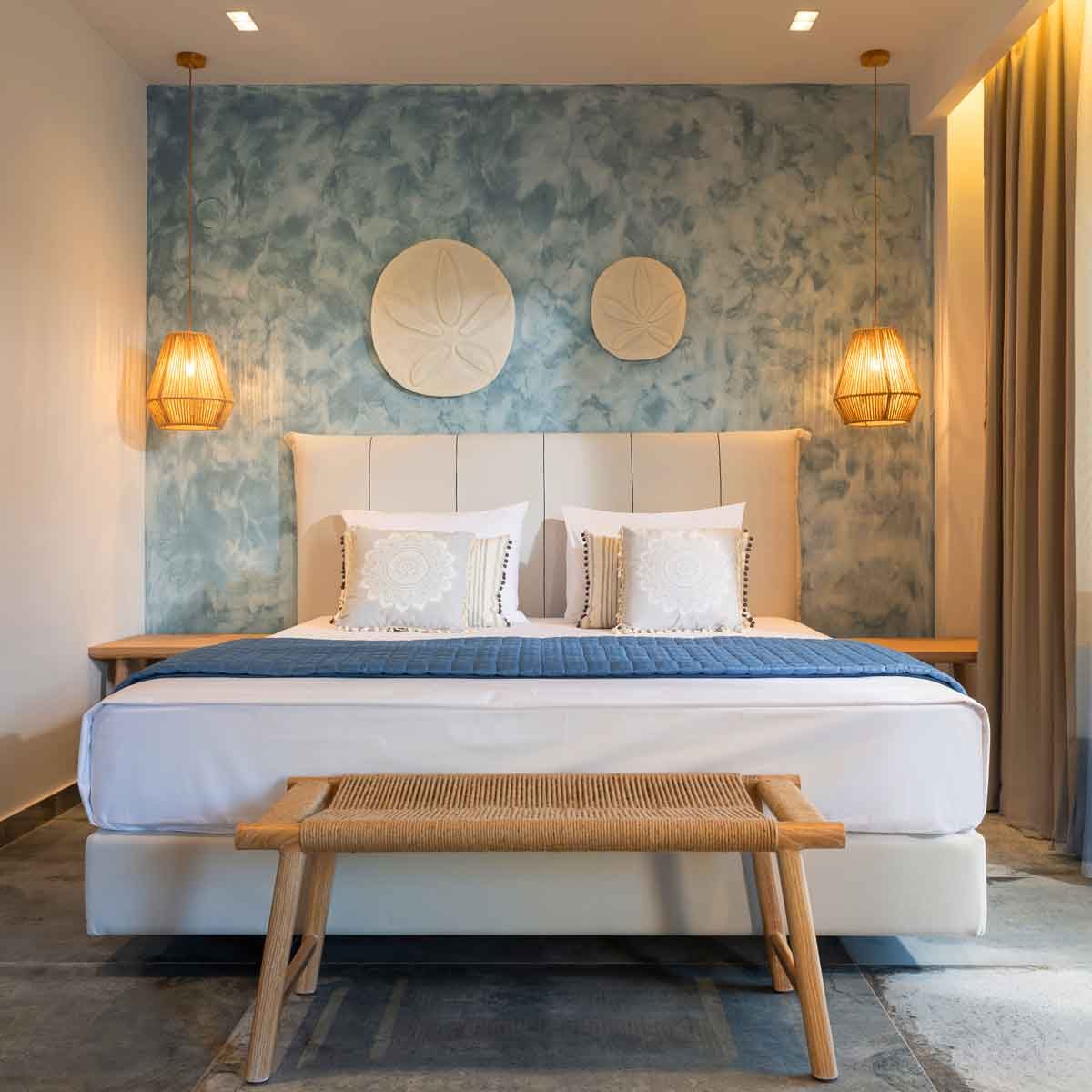
Tips for Choosing the Best Bedroom Lighting

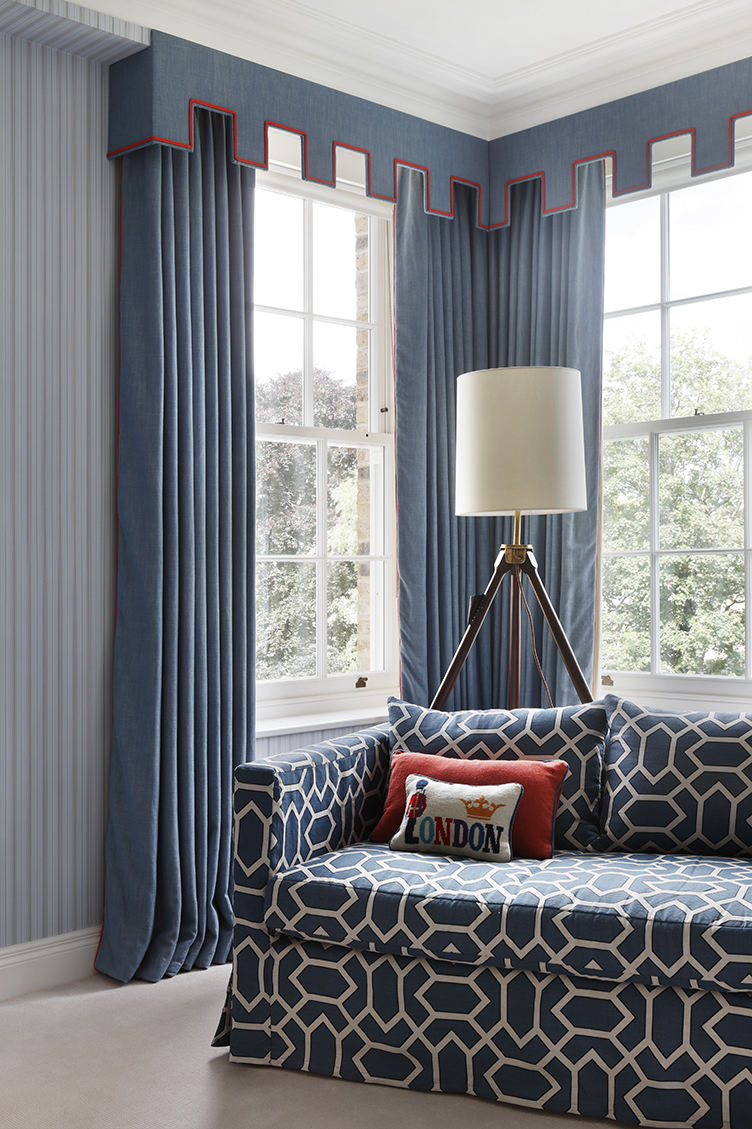
13 curtain ideas and styles to help you pick the best drapes for your room

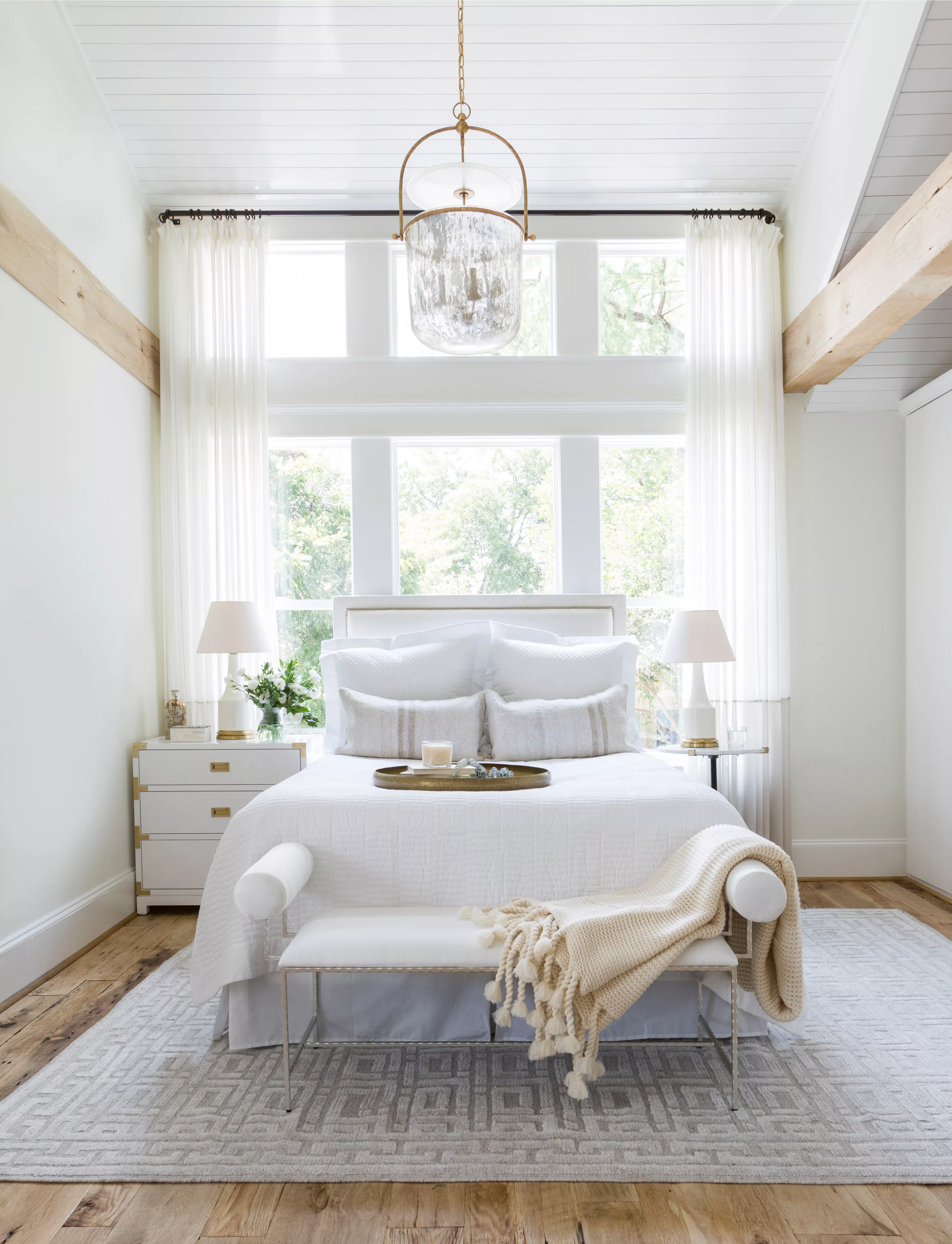
19 Bedroom Curtain Ideas to Elevate Your Space

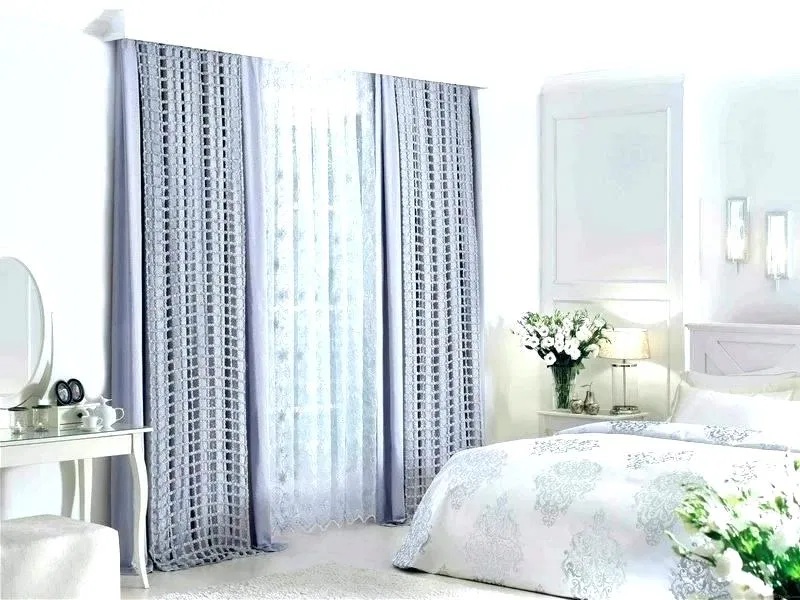
20 Latest Bedroom Curtain Designs – To Try In 2023

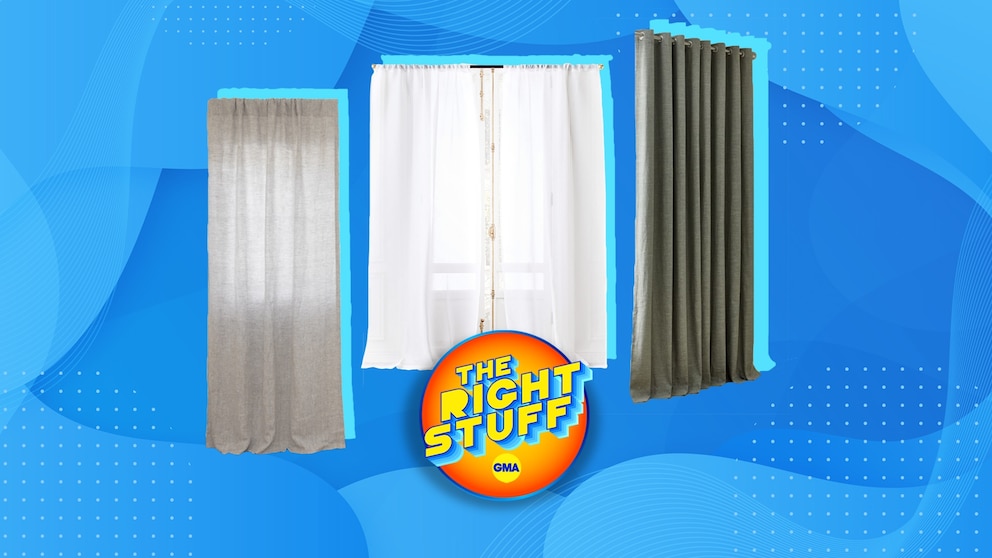
Best curtains to shop now: From blackout to linen and top tips for installation

How to Choose Curtains for Your Home the Right Way


The 7 best places to buy curtains, with interior designer tips

The Very Best Window Curtains
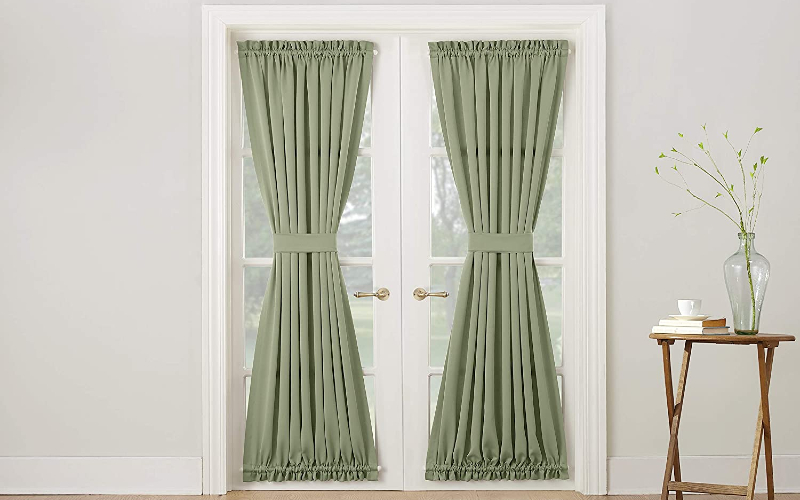
Best door curtain

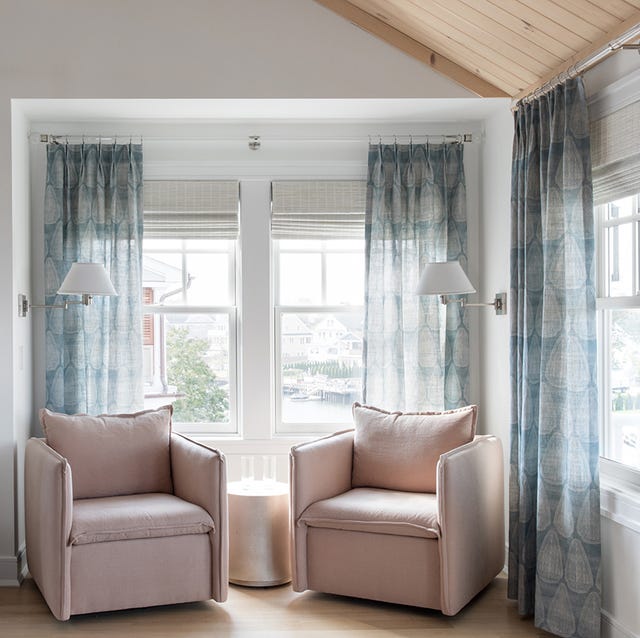
Inspiring Bedroom Curtain Styles to Reinvent Your Space

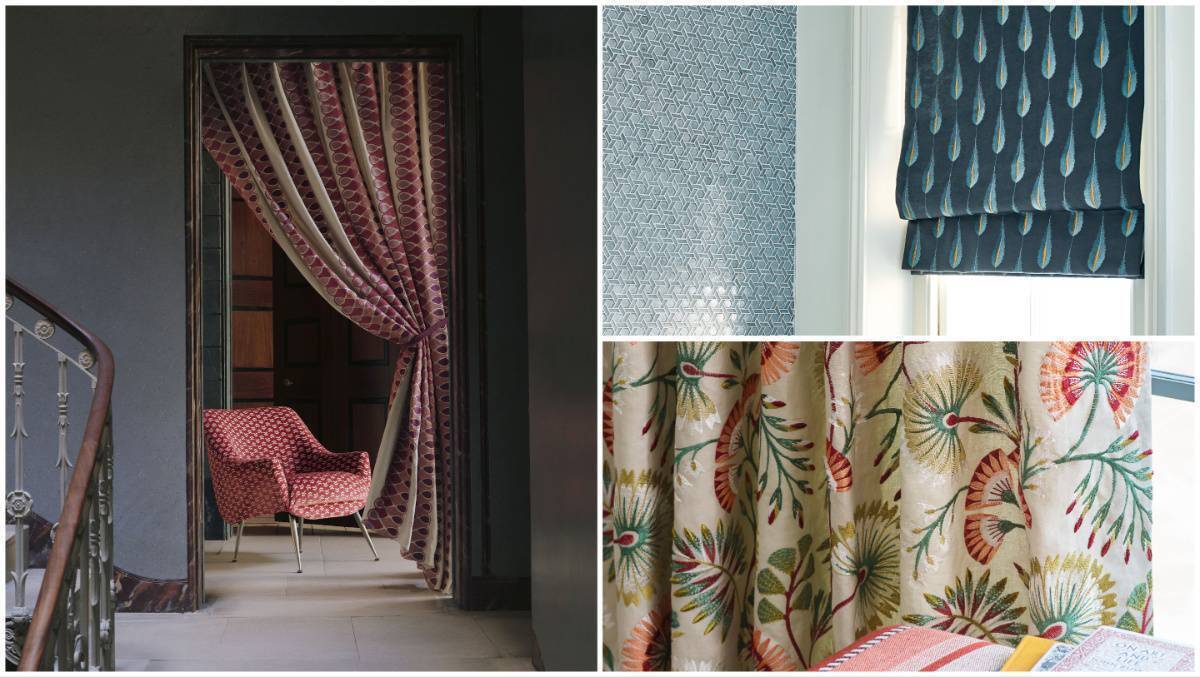
Curtain call: How to choose window treatments
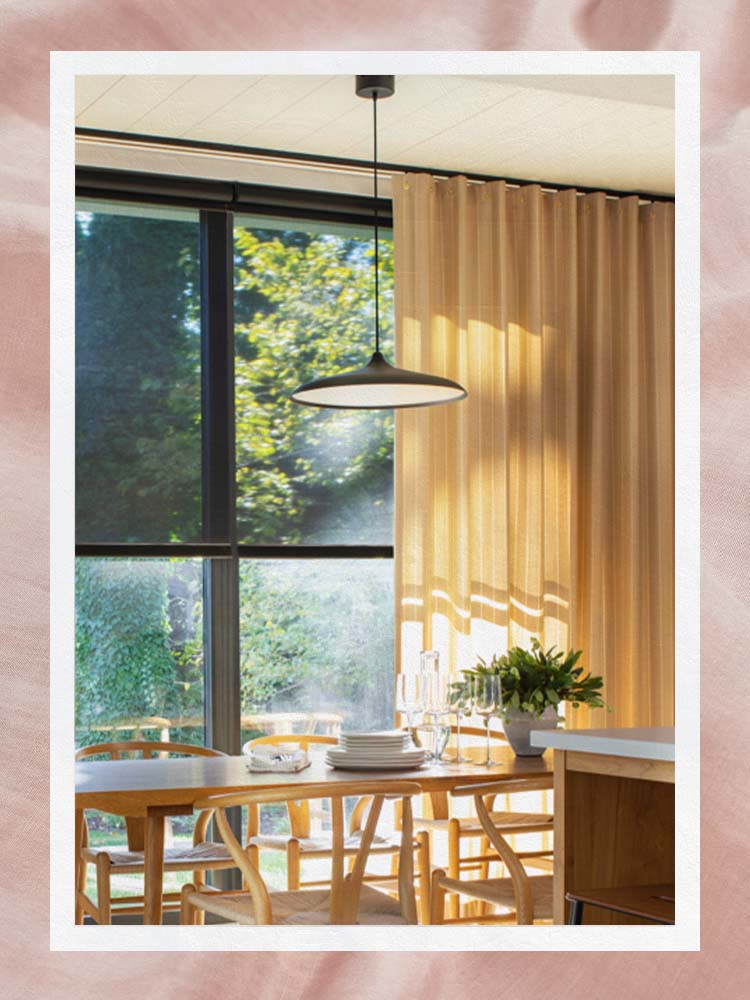
The Best Places to Buy Curtains, Whether You Want to Go Custom or Off the Rack

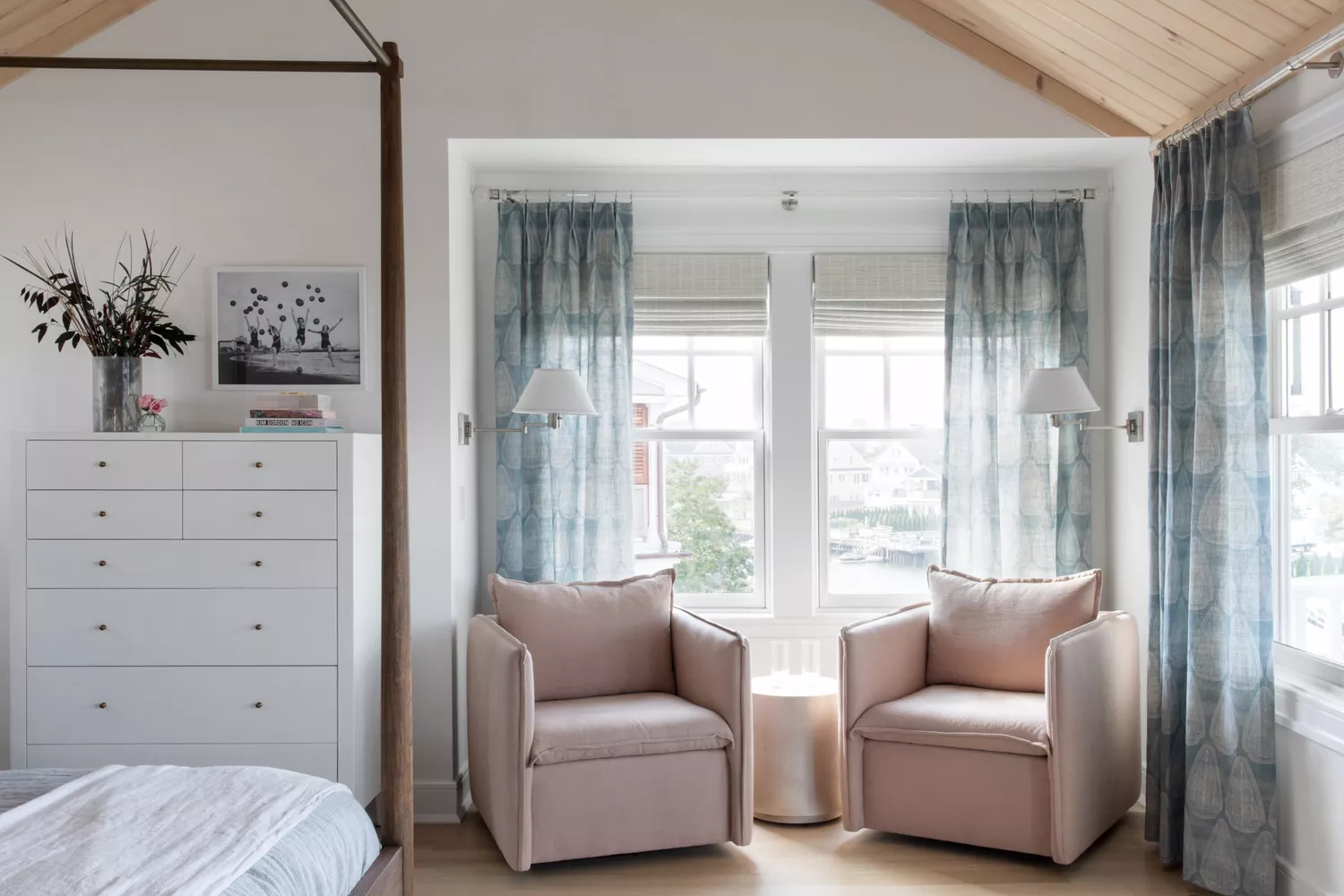
How to Choose the Right Curtain Length for Your Specific Windows