Garden column: Get some visual interest in your garden with ornamental grasses
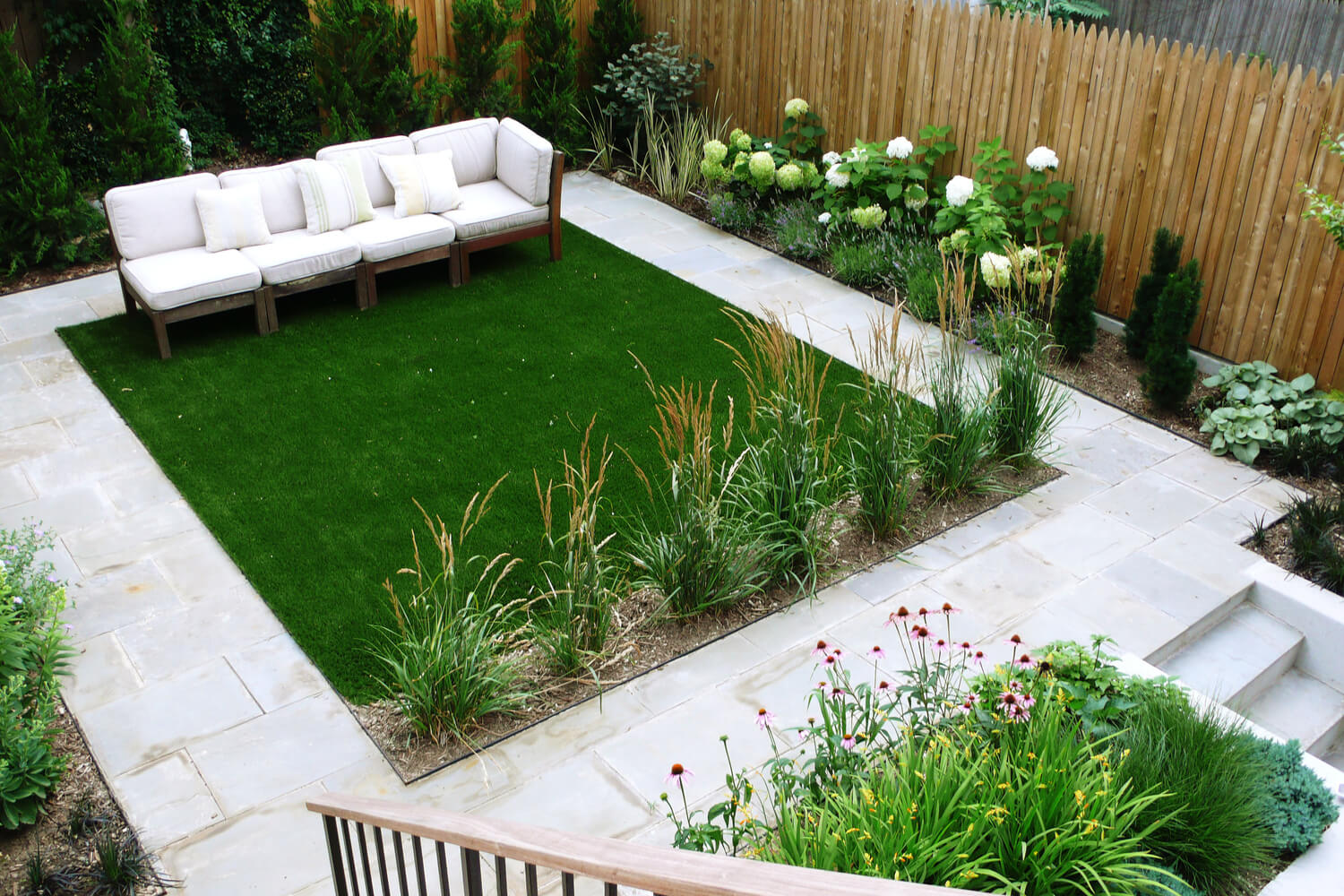
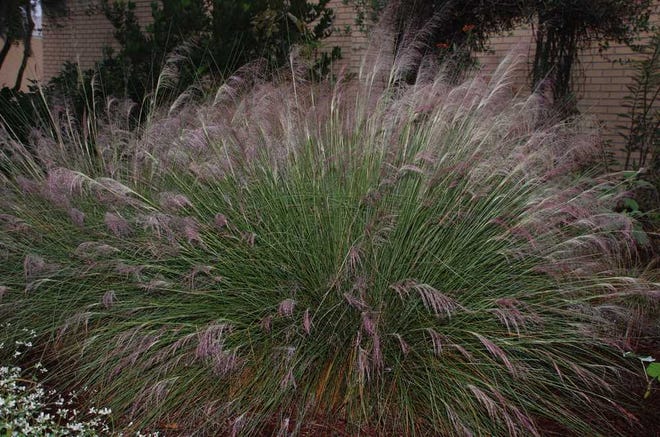
Ornamental grasses offer a visually appealing and relatively low-maintenance option for enhancing the fall landscape. Their foliage often undergoes a color transformation as days shorten and temperatures cool, with seed heads developing from summer to early fall and also changing in hue. When incorporating these grasses into a landscape design, planting them in groups is recommended. The appropriate number of plants depends on the landscape's size and the grasses' mature dimensions. Low-weeping varieties like muhly grass are effective when mass-planted to create expansive, colorful drifts. Larger varieties can serve as individual accent plants, introducing a different texture or color, or they can be integrated into perennial beds to vary the textural elements.
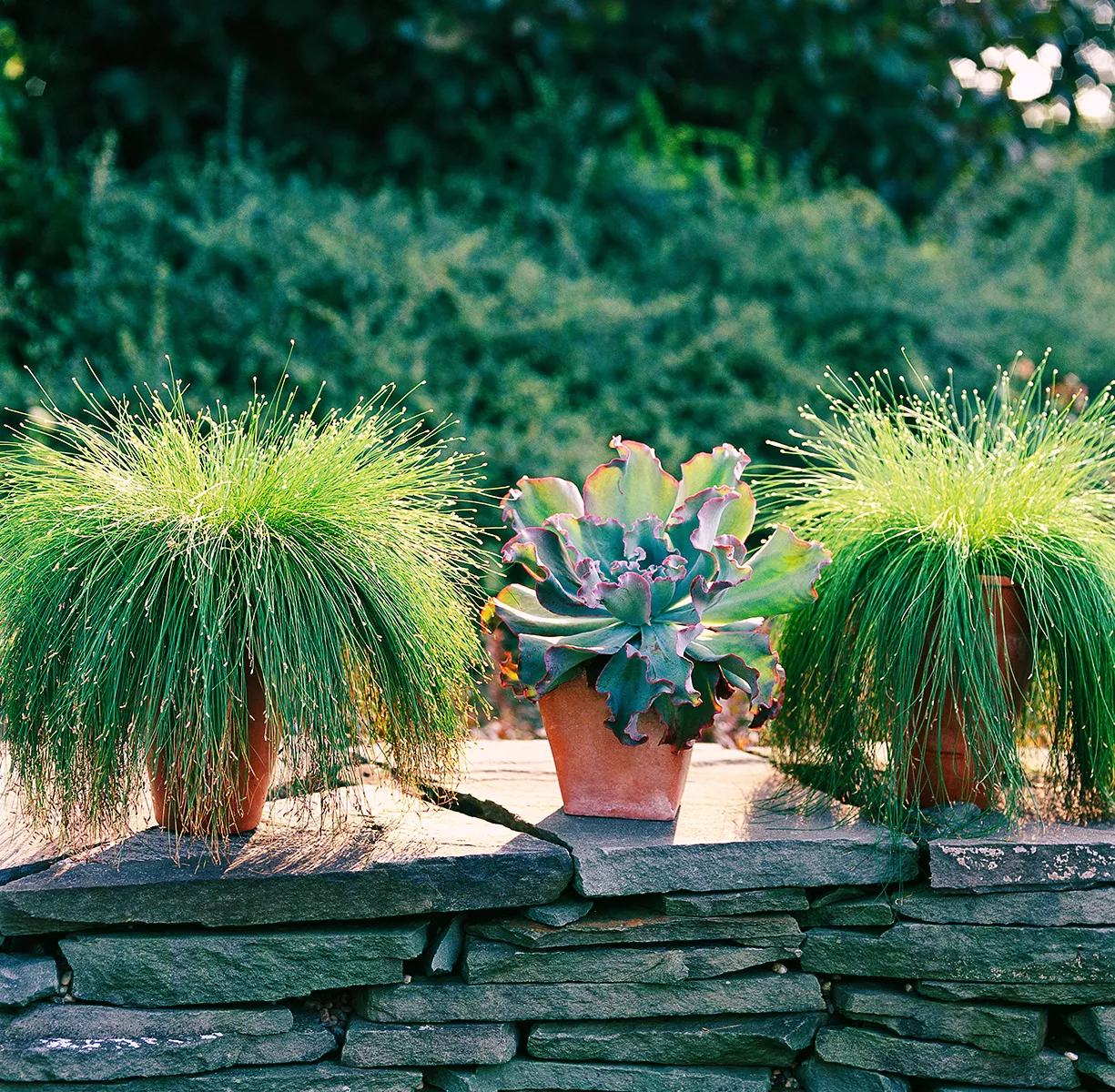
Taller grasses can be utilized to form screens or backdrops, while smaller types are suitable for borders. Additionally, many ornamental grasses thrive in containers, particularly when combined with trailing flowering annuals. Their diverse textures and colors, coupled with their ability to sway with the breeze, imbue a garden with character and motion. Some grasses exhibit a stiff, upright growth habit, while others display a soft, weeping form. Newer varieties are often selected for their attractive, colorful flowers.
Before choosing a grass for a landscape, it is essential to determine its mature size and whether it is deciduous or evergreen. Deciduous grasses typically die back in winter, changing colors before becoming straw-colored. In some areas, these deciduous varieties may be paired with evergreen plants to ensure continuous color throughout the winter months. It is also important to match the grass to the specific site conditions, considering its moisture requirements, and to confirm that the selected variety is not invasive, either by reseeding or spreading via runners.
Ornamental grasses are categorized into clumpers and spreaders. Clumping grasses expand in size annually by forming new divisions but remain contained within their original area. Spreading grasses, conversely, propagate through underground rhizomes, extending in various directions. These spreading types are often employed as ground covers and are highly effective in stabilizing soil to prevent erosion.
Pruning is a primary maintenance task for ornamental grasses. Deciduous grasses that turn straw-colored or brown in winter should be cut back to 4 to 6 inches in height just before spring growth begins, which helps prevent their centers from dying out. Evergreen grasses, however, require minimal pruning, mainly for the removal of brown leaves. Notable varieties include Pennisetum, with Fountain grass (_Pennisetum alopecuroides_) being a popular deciduous clumping grass known for its foxtail flowers and golden-yellow fall foliage, though some varieties reseed vigorously. The Hameln cultivar is recommended for its non-reseeding characteristic.
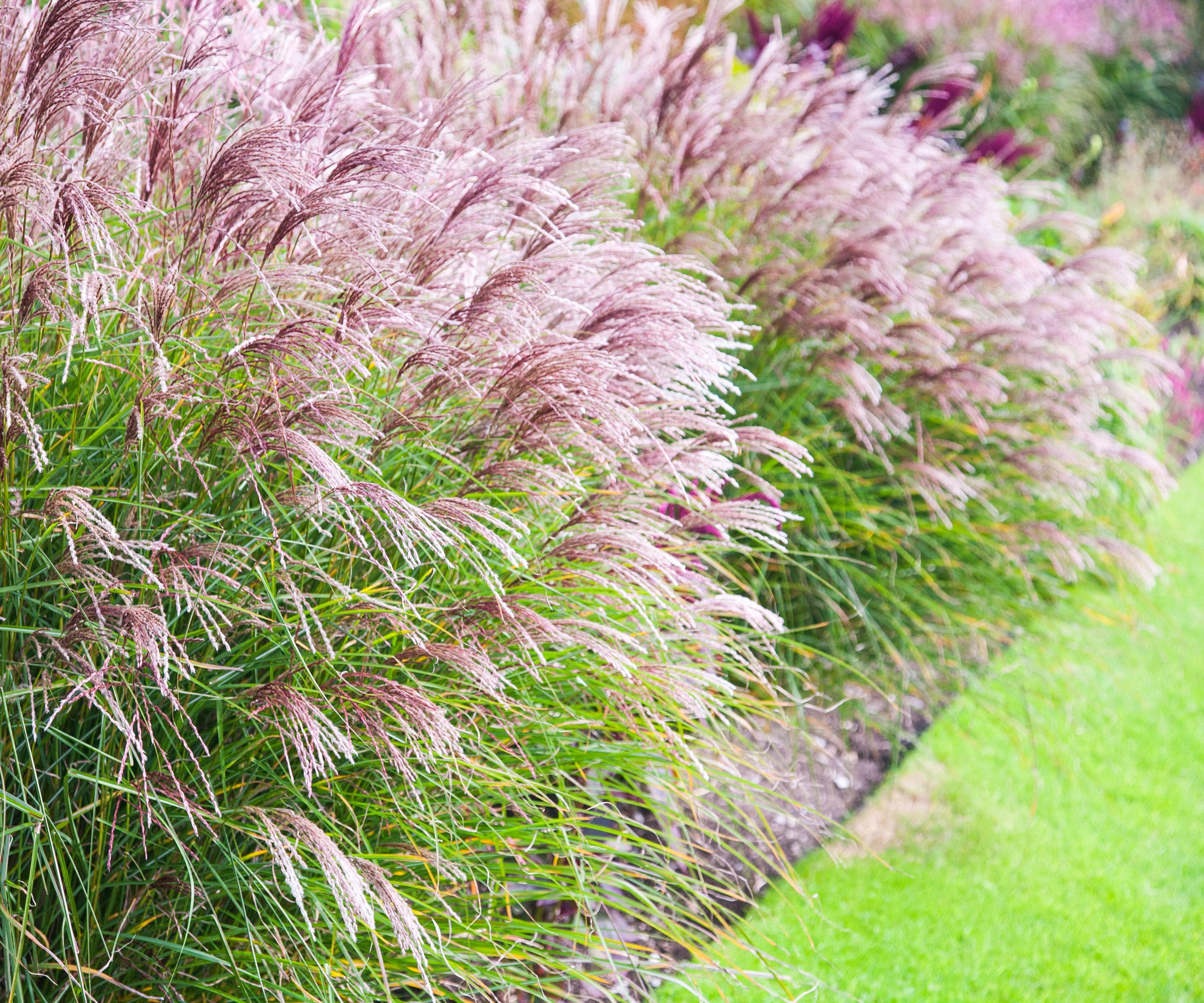
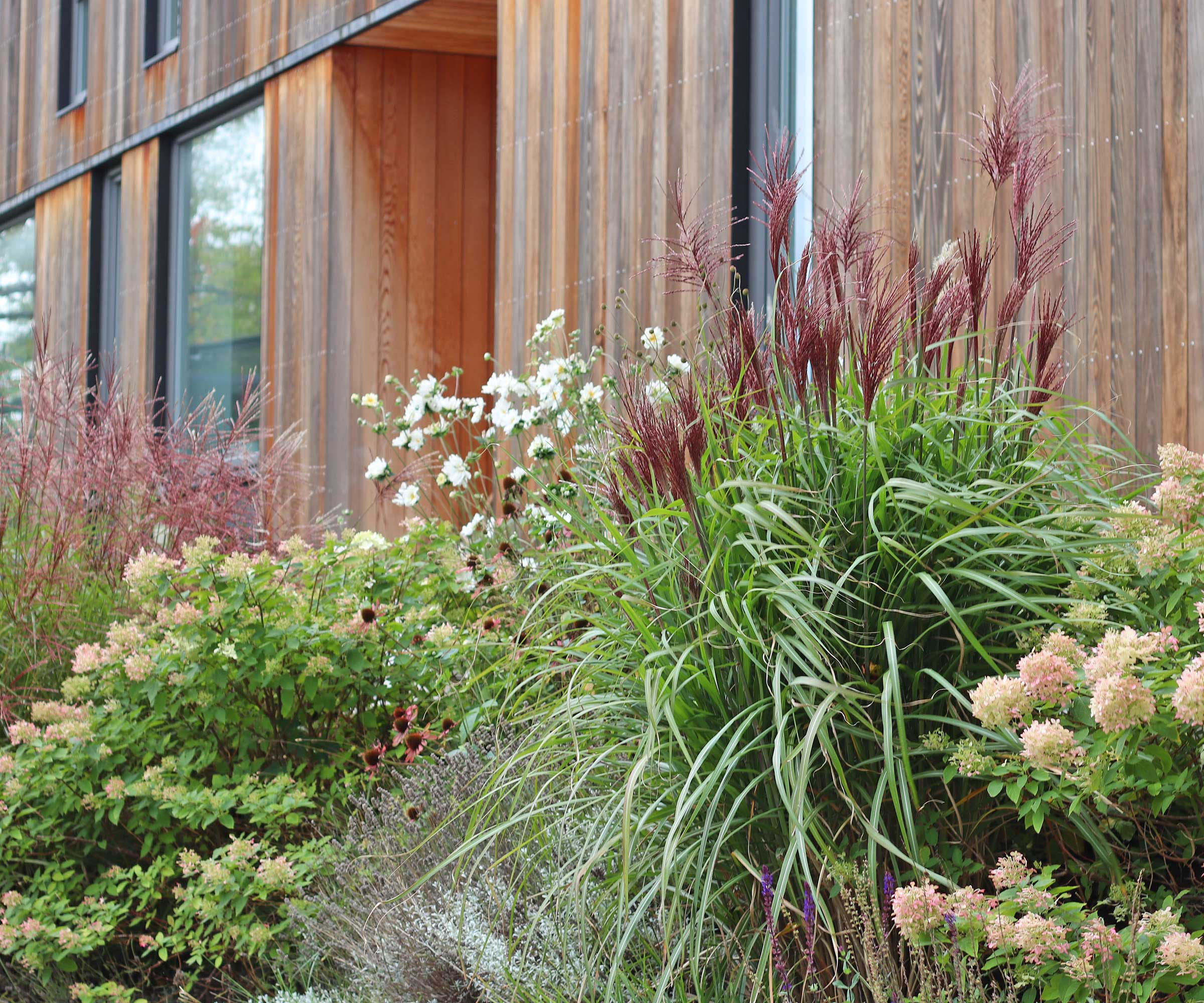
Miscanthus, or Maiden grass, is another favored group, encompassing over 20 species and 50 cultivars. Japanese silver grass (_Miscanthus sinensis_) is a perennial clumping grass ideal for backgrounds, hedges, or screens, identified by a silver stripe down the center of its leaves. Cultivars range in height from 3 to 12 feet. Adagio is a rust-resistant cultivar suitable for the local area, reaching 4 to 5 feet with narrow silver-gray leaves, pink summer flowers that whiten with age, and yellow fall color. Other Miscanthus varieties include Cosmopolitan, Graziella, Morning Light, and Gold Bar, each offering unique characteristics in terms of height, foliage color, and bloom.
Muhly grass (_Muhlenbergia capillaris_), a native grass, is admired for its blue-green to gray-green, threadlike leaves forming a compact mound. It blooms with a dense cloud of pink to purple flowers from October through November, best showcased when planted en masse. This tough plant thrives in hot, dry, sandy soils and is drought-tolerant once established, requiring full sun to light shade. Florida gamagrass (_Trisacum floridanum_) is another native evergreen clumping grass, maturing at 2 to 3 feet with a matching spread. While not known for showy flowers, it is valued for its salt and drought tolerance.
Switch grass (_Panicum virgatum_), native to the southern United States, tolerates sun to partial shade and both dry and moist soils, growing 4 to 7 feet tall and displaying yellow fall color. Popular cultivars include Heavy Metal, Dallas Blues, Cloud Nine, and Shenandoah, each offering distinct foliage and seed head characteristics. Switch grasses are also salt-tolerant, making them suitable for coastal environments. Beach panic grass (_Panicum amarum_), another native, can reach 7 feet, prefers full sun, and is highly salt-tolerant, growing well in sand and aiding in dune stabilization. Availability may vary, with some unusual varieties found online.
#OrnamentalGrasses #GardenDesign #FallLandscape #DroughtTolerantPlants #NativePlants #PlantCare #LandscapeArchitecture #GardenMaintenance #OrnamentalGrasses #GardenDesign #FallLandscape #DroughtTolerantPlants #NativePlants #PlantCare #LandscapeArchitecture #GardenMaintenance
0 تعليق إجمالاً
 لا توجد تعليقات بعد
قد تعجبك أيضًا
Landscaping with ornamental grasses – 6 inspirational ideas to add height and movement to your yard


Fix Your Yard's Problems with These Ground Cover Flowers + Plants
This Visual Design Trick Is the Coolest Way to Style Your Houseplants
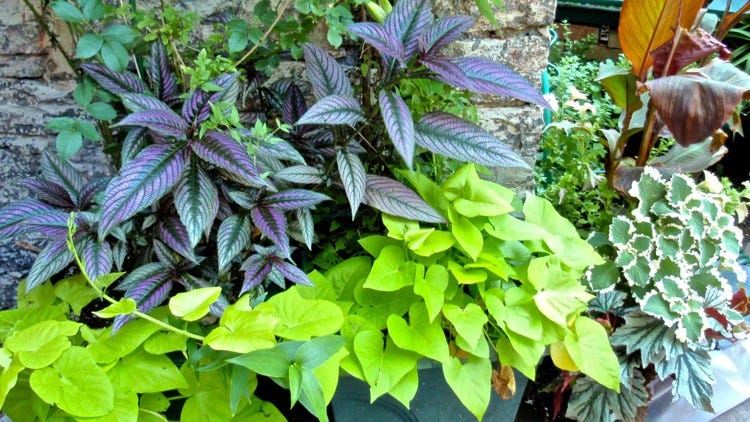
Add color with foliage, not just flowers

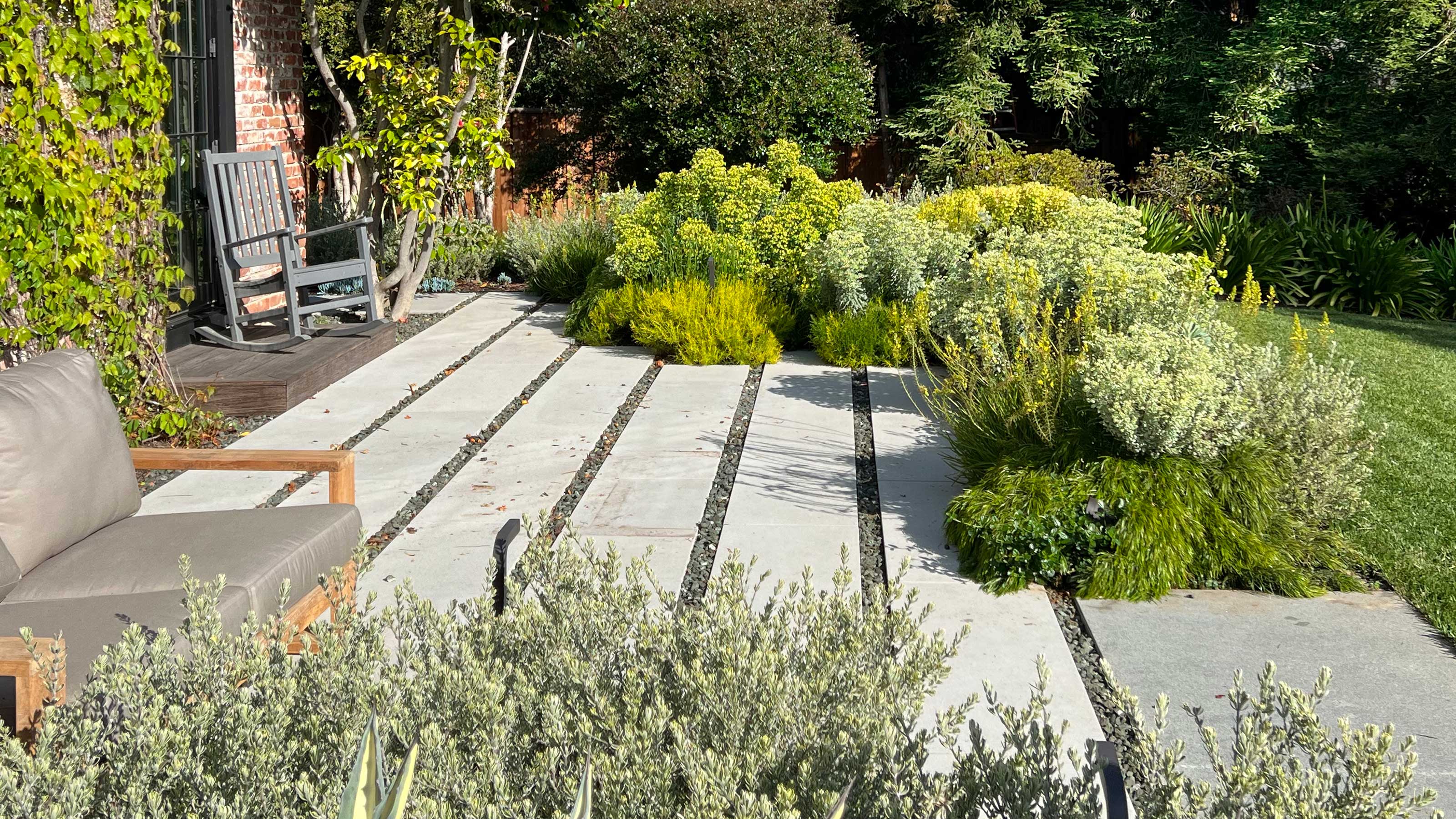
'It mimics nature's randomness' - this simple gardening trick is how landscape designers make a backyard look more put together


Brooklyn Garden: From Weeds to Wonderful With Groundworks

For the Garden | Zen and Now

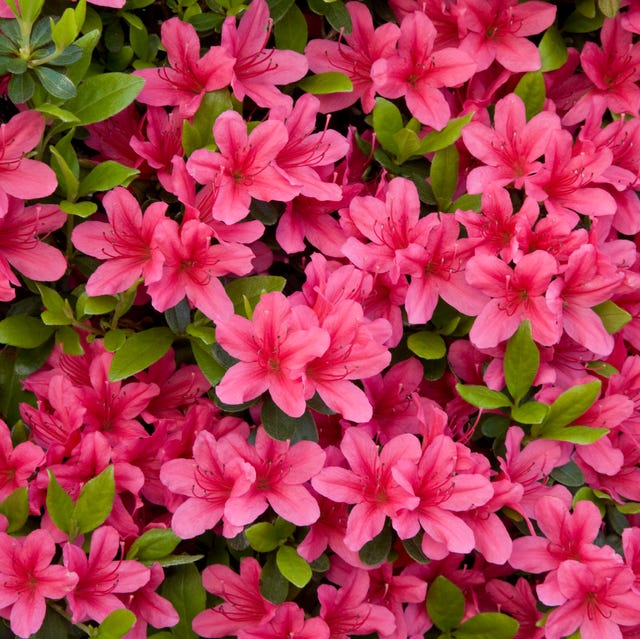
Plant These Flowering Shrubs Today If You Want a Vibrant Summer Yard

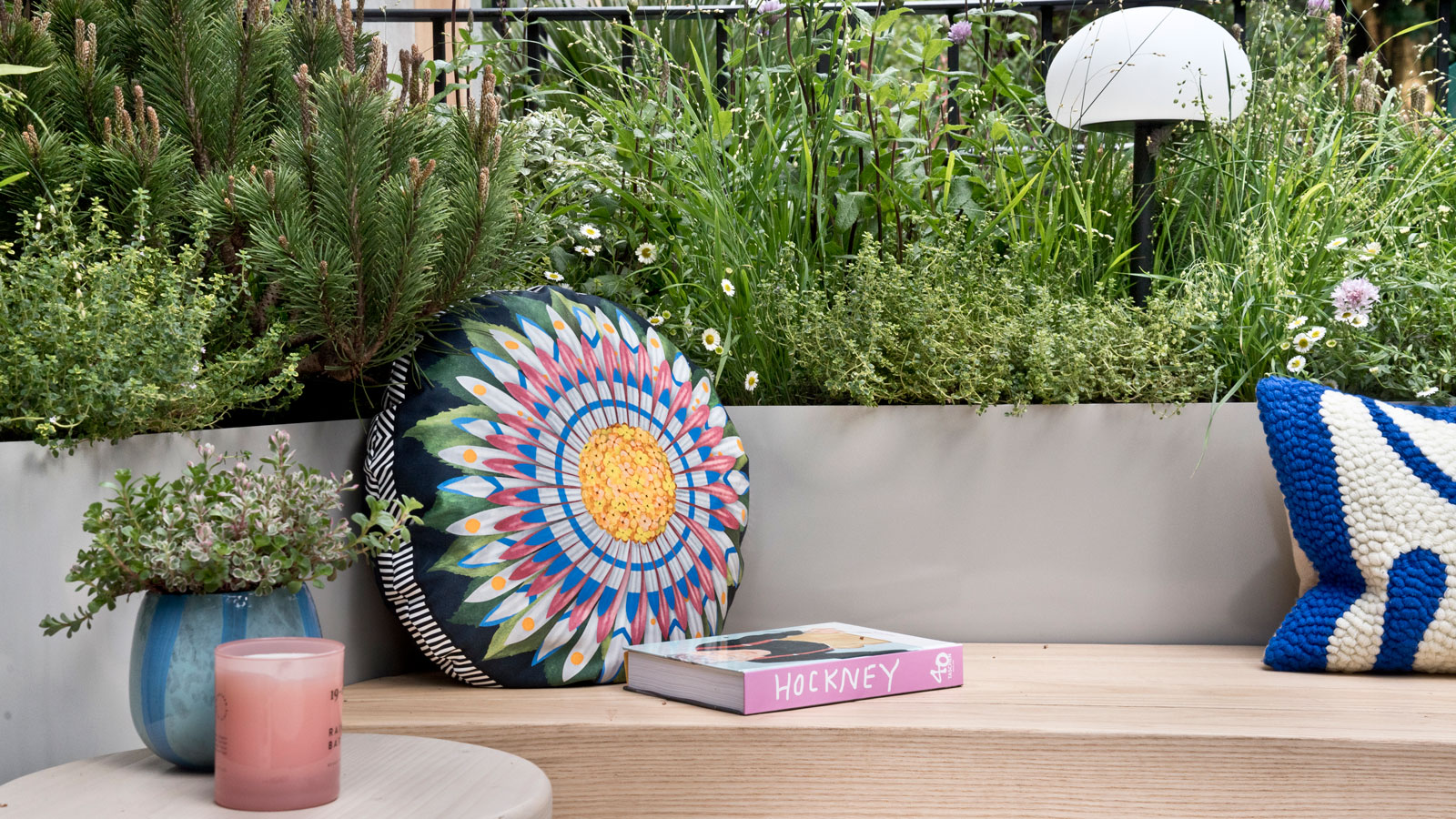
Best plants for a courtyard garden – 8 favorites to grow for maximum impact in a small space
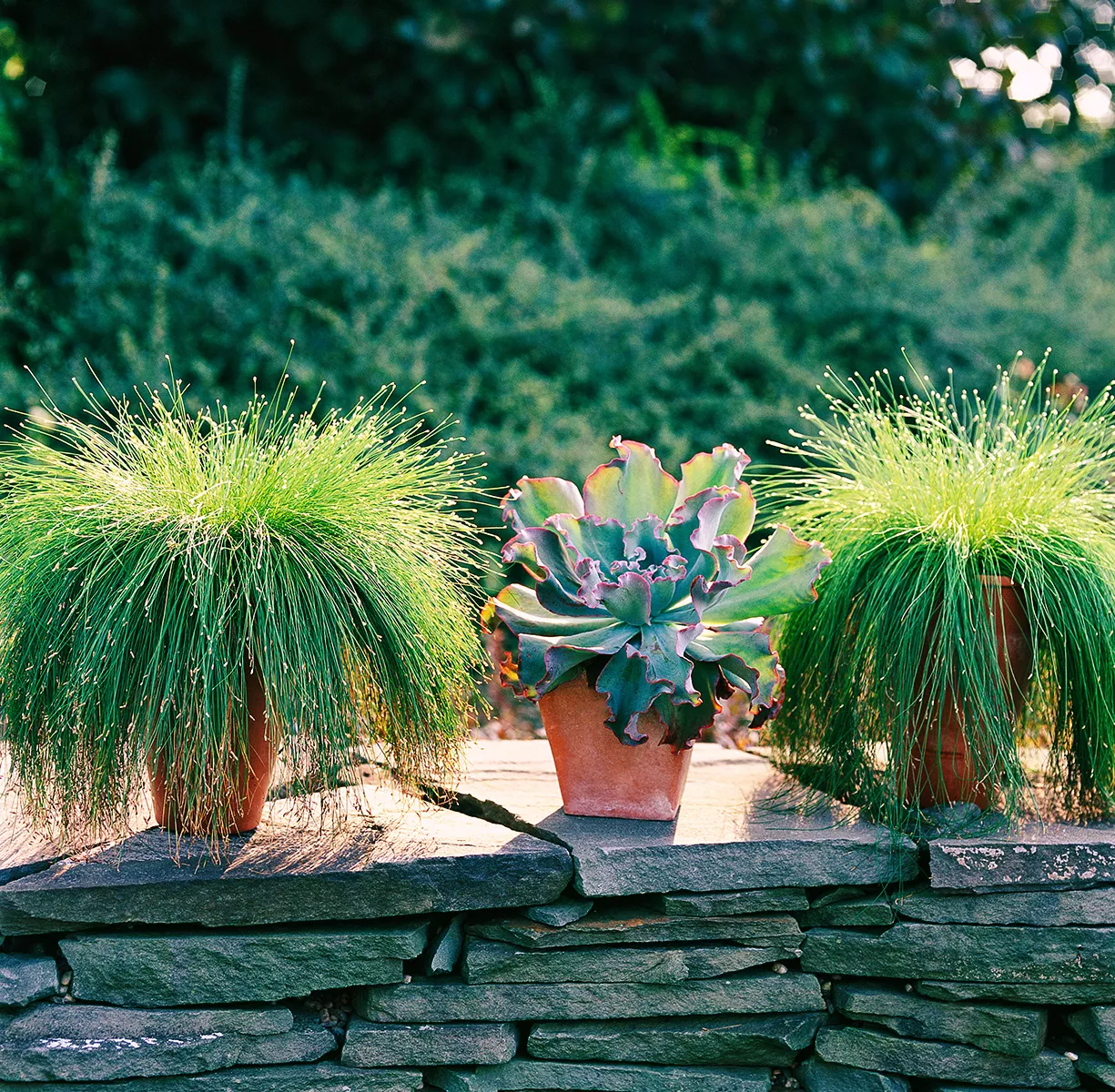
25 of the Prettiest Ornamental Grasses for Your Garden
Purple plants – 5 best to choose for the perfect purple border
7 Flower Subscription Services Perfect for You (or Your Best Bud)

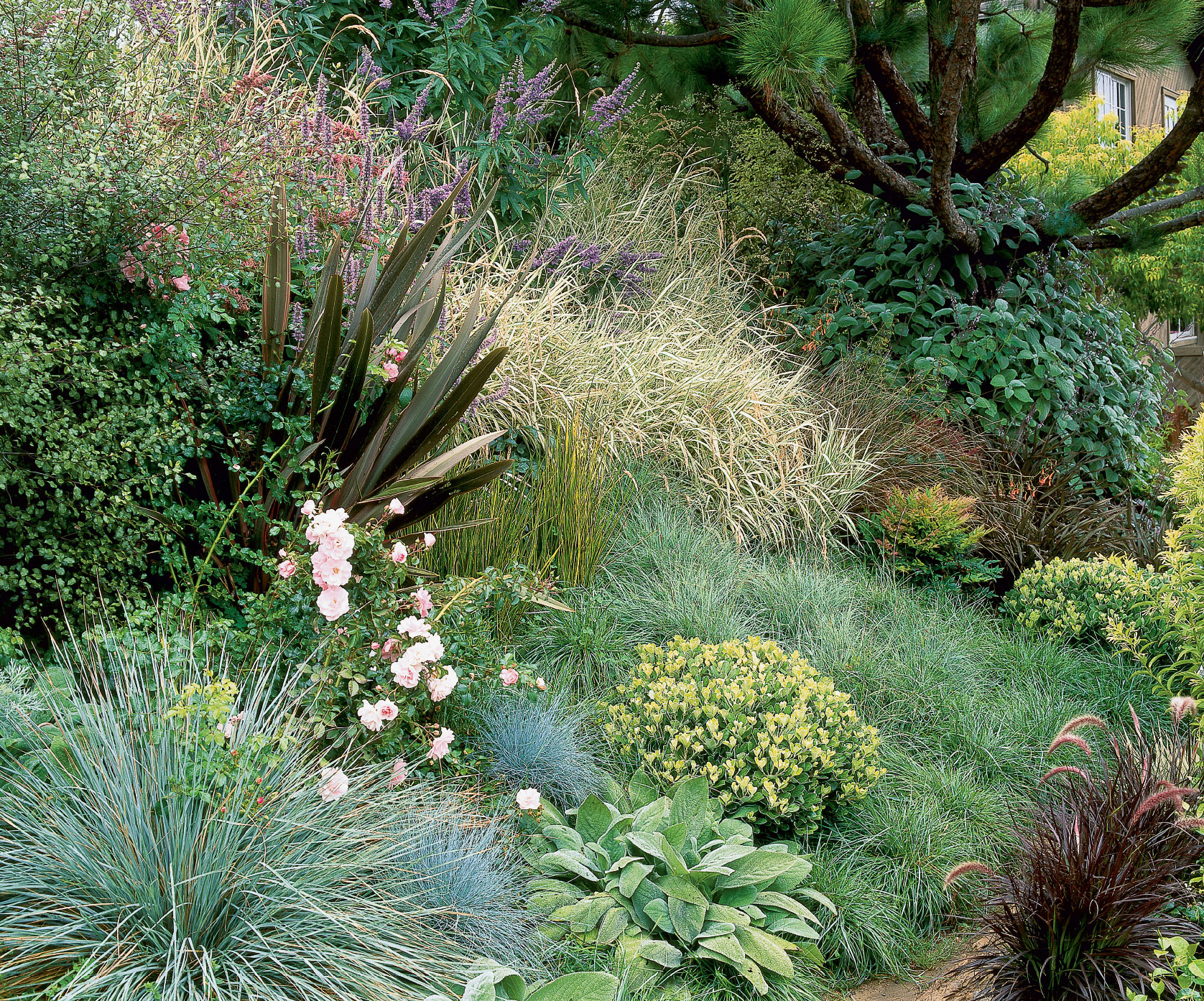
Gorgeous Grasses

A bold garden design with a hint of nostalgia

Front garden path ideas to up your kerb appeal
These Beautiful Flowering Shrubs Will Add Major Color to Your Garden

Garden decorating ideas – 24 ways to update your backyard

Pampas Grass Decor Is All the Rage Now — Here's How to Test the Trend

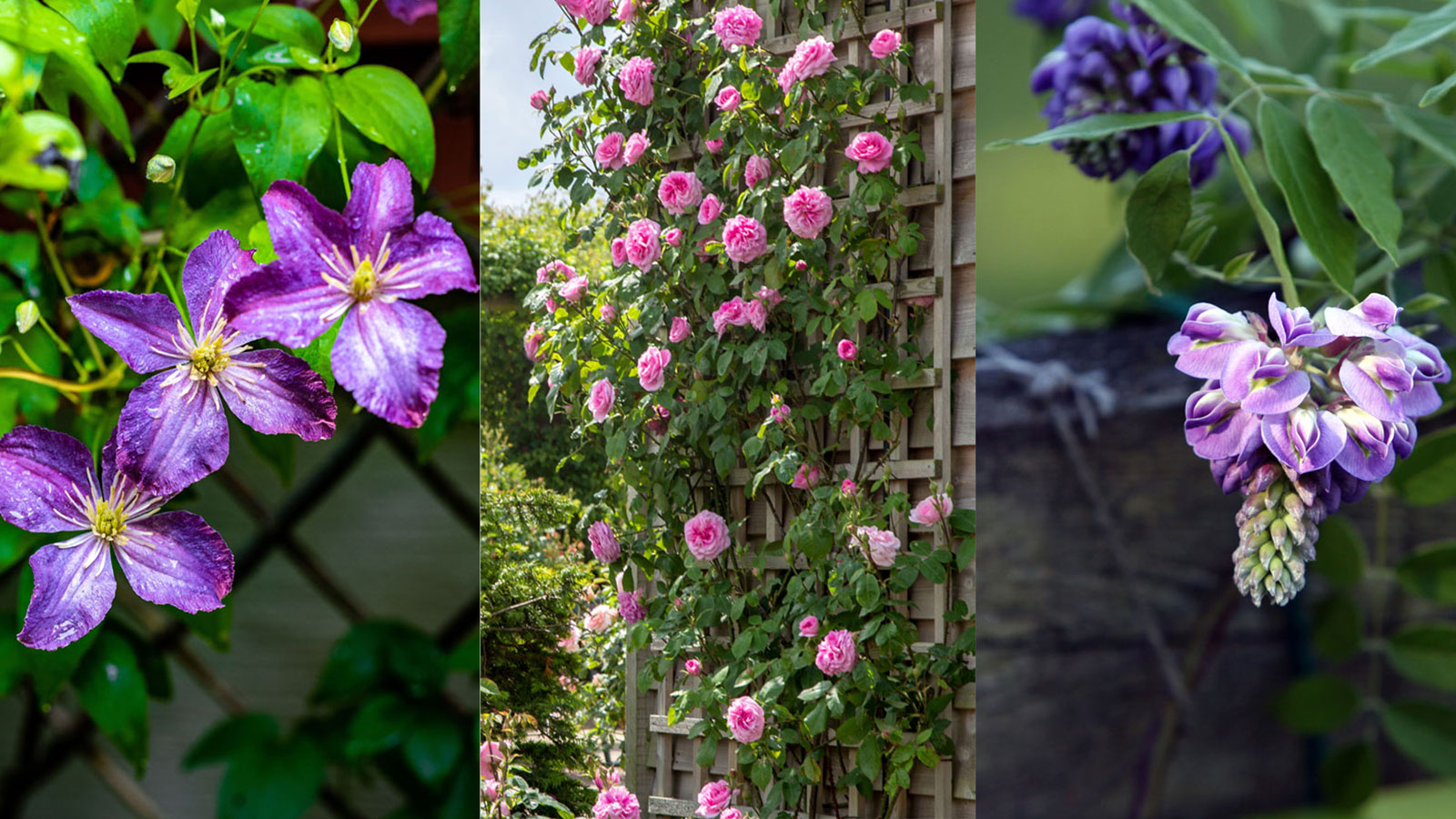
Best plants to cover a fence – 10 ways to disguise a fence with beautiful flowers and foliage
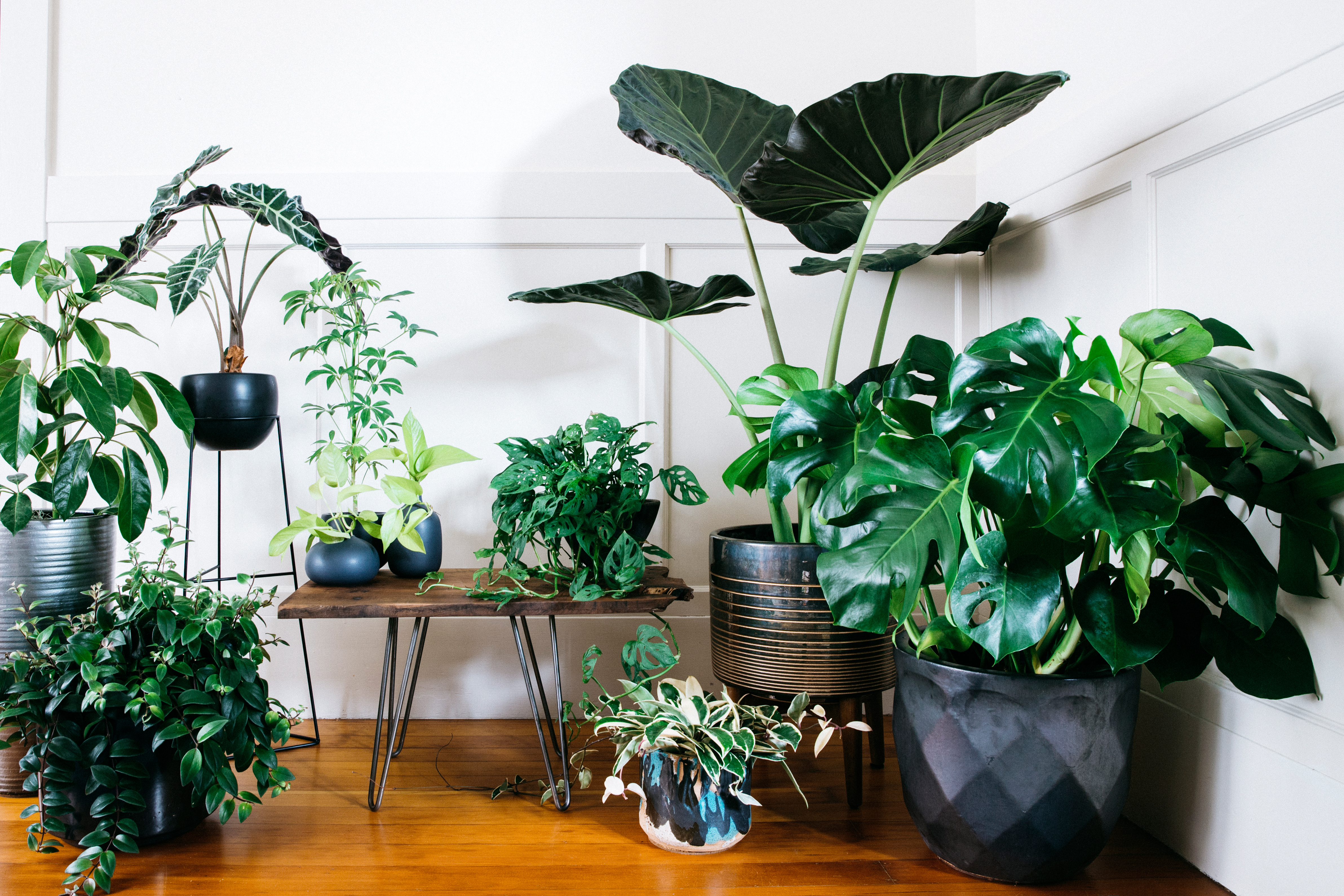
19 Ways to Design with Houseplants