Five Clever Ways to Hang a Quilt
Quilts, often cherished for their warmth and intricate designs, can serve as compelling decorative elements when displayed properly. Hanging a quilt transforms it into a piece of art, allowing its full beauty to be appreciated while also protecting it from wear and tear. However, the method of hanging is crucial, as gravity can strain the seams and fabric, especially on larger quilts. To mitigate this, experts suggest rotating hanging quilts every three to four months, giving them a rest and keeping decor fresh. If subsequent quilts are similarly sized, the same hanging rod and sleeve can often be reused.
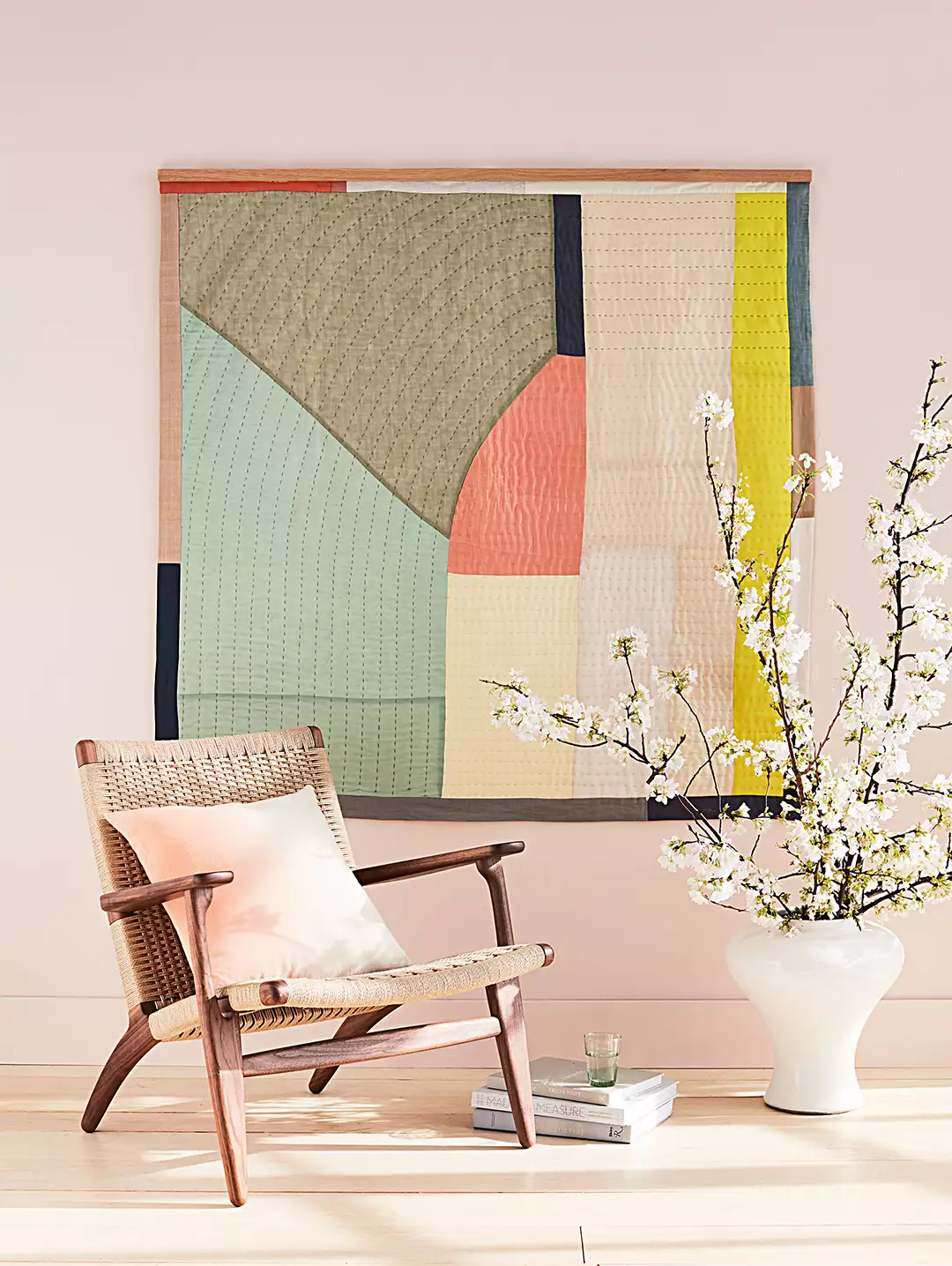
One of the most widely accepted methods for hanging a quilt, particularly for exhibitions and shows, involves sewing a 4-inch wide sleeve to the back. Hand-stitching is recommended to prevent visible seams on the quilt's front. Once the quilt is measured, a hanging rod can be cut to size from a home improvement store and inserted into the sleeve, then securely nailed to the wall. This method provides robust support and is ideal for showcasing larger and heavier quilts.
For those who prefer not to sew, a wooden hanger with clamps offers an alternative, albeit one best suited for smaller quilts. Hangers like the Well Made Magnetic Poster Hangers grip the quilt's edges without causing damage. However, for larger quilts, this method may lead to sagging between clamps due to insufficient support. Therefore, careful consideration of the quilt's size and weight is essential when opting for this solution.
A damage-free hanging option involves using large, picture-hanging Command Strips. To implement this, one pair of strips should be attached to each of the two top corners of the quilt, with additional pairs placed approximately every eighteen inches along the top edge to provide ample support and prevent sagging. The strips are sewn onto the back of the quilt, just inside the binding, using a whip stitch around the edges. Once attached, the quilt can be hung much like a large framed picture. This method is particularly advantageous for minimizing strain on the fabric, especially when combined with a seasonal rotation of quilts.
Another simple yet stylish way to display quilts is by using a quilt ladder. These ladders offer an aesthetic and practical solution, allowing quilts to be draped and showcased without the need for wall-mounting. If a dedicated quilt ladder is unavailable, a decorative towel rack can serve a similar purpose, adding warmth and texture to a room. Finally, for small and thin quilts, framing them like traditional artwork is an excellent option. This method is particularly suitable for securing delicate, old, or heirloom quilts with weakening fabrics, as it provides protection and prevents potential damage that could occur from hanging. By considering these various techniques, individuals can effectively display their quilts as decorative masterpieces while ensuring their preservation.
#QuiltHanging #HomeDecor #DIYHomeProjects #TextileArt #InteriorDesign #CraftingTips #QuiltDisplay #HomeOrganization #DecorationIdeas #QuiltHanging #HomeDecor #DIYHomeProjects #TextileArt #InteriorDesign #CraftingTips #QuiltDisplay #HomeOrganization #DecorationIdeas
0 تعليق إجمالاً
 لا توجد تعليقات بعد
قد تعجبك أيضًا
15 Genius Pro Tips to Hang Your Garland In Style


4 renter-friendly ways to hang curtains without drilling, according to both DIY and interior experts

5 Closet Systems That Will Prevent Clothes From Piling Up


The Best (and Easiest!) Ways To Hang Pictures, According to Art Pros

How to Hang Curtains: A Hassle-Free 5-Step Guide
5 Ways to Decorate with Bobbin Details in Your Home — From the Walls to Your Furniture, and Doors, Too


5 Ways to Make Hanging Picture Frames So Much Easier
How to hang a curtain pole


How To Hang a Garland on a Mantel — 6 Easy, Damage-Free Tricks Interior Designers Use

The Easiest, Foolproof Way to Hang Curtains, According to Design Pro


How to Hang Curtains the Way an Interior Designer Would — To Balance, Blur Lines, and Bring Impact to a Room

7 of the best space saving hangers to organize your closet


How to Hang Drapery (Published 2023)


5 Gorgeous Ways to Decorate with Bouclé Furniture and Home Accessories

The 23 Very Best Quilts

5 finishing touches that will elevate your curtains and make them look a hundred times better
11 Decorative Places to Hang Curtains Other Than Your Windows


9 Ways to Decorate with Patterns
7 DIY tips for how to hang a gallery wall from experts

Little houses - 15 Jan 2025 - Today's Quilter Magazine