Chinoiserie has its roots in 17th-century Europe but is still gracing rooms around the world
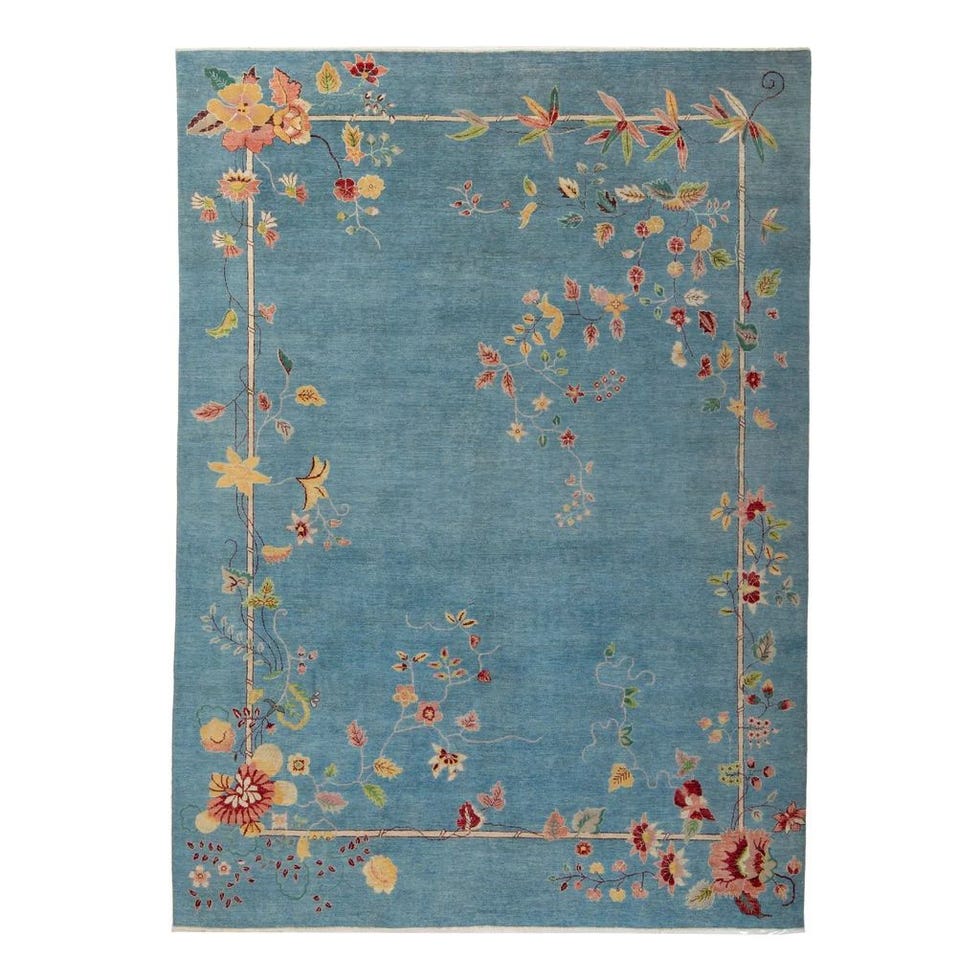
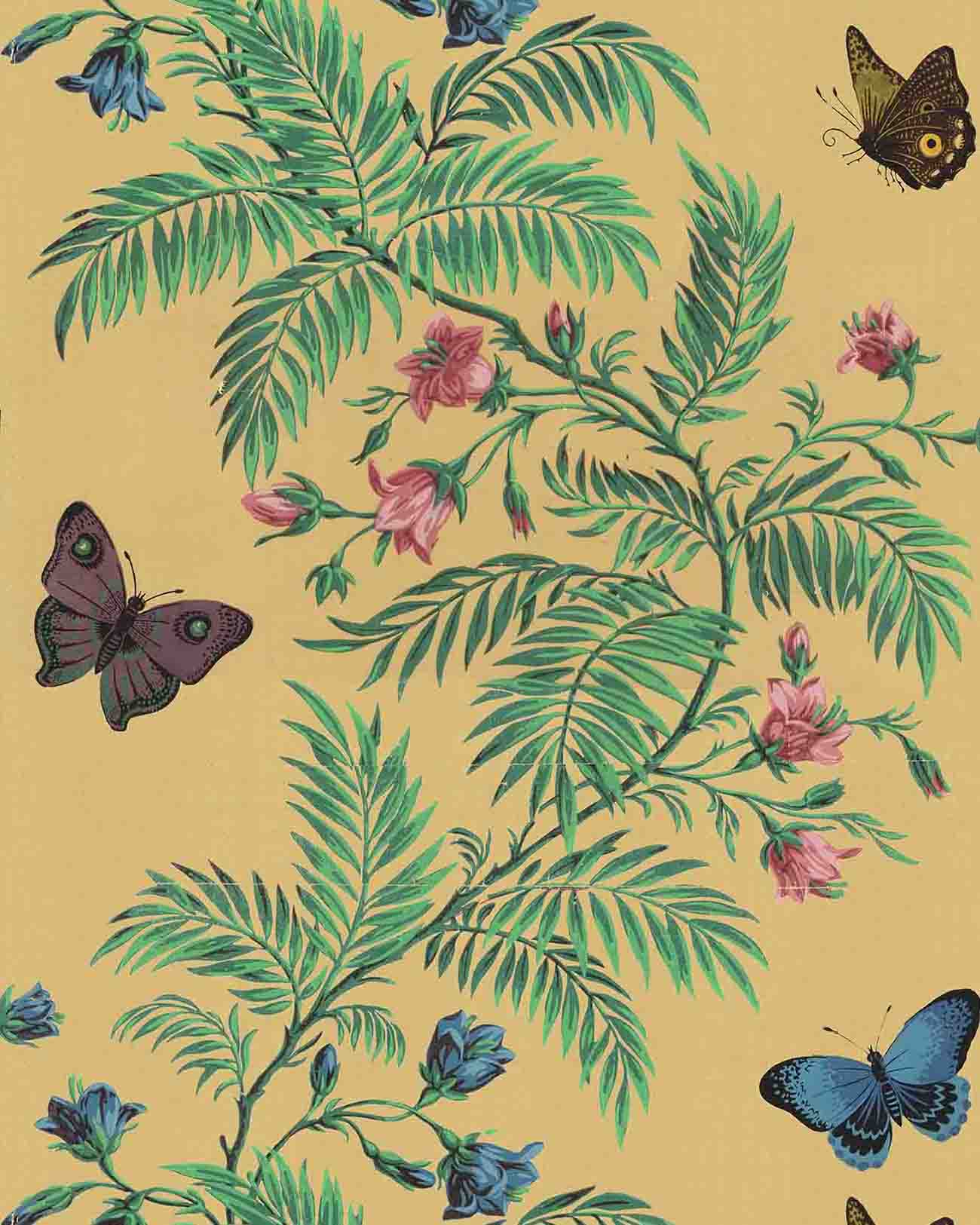
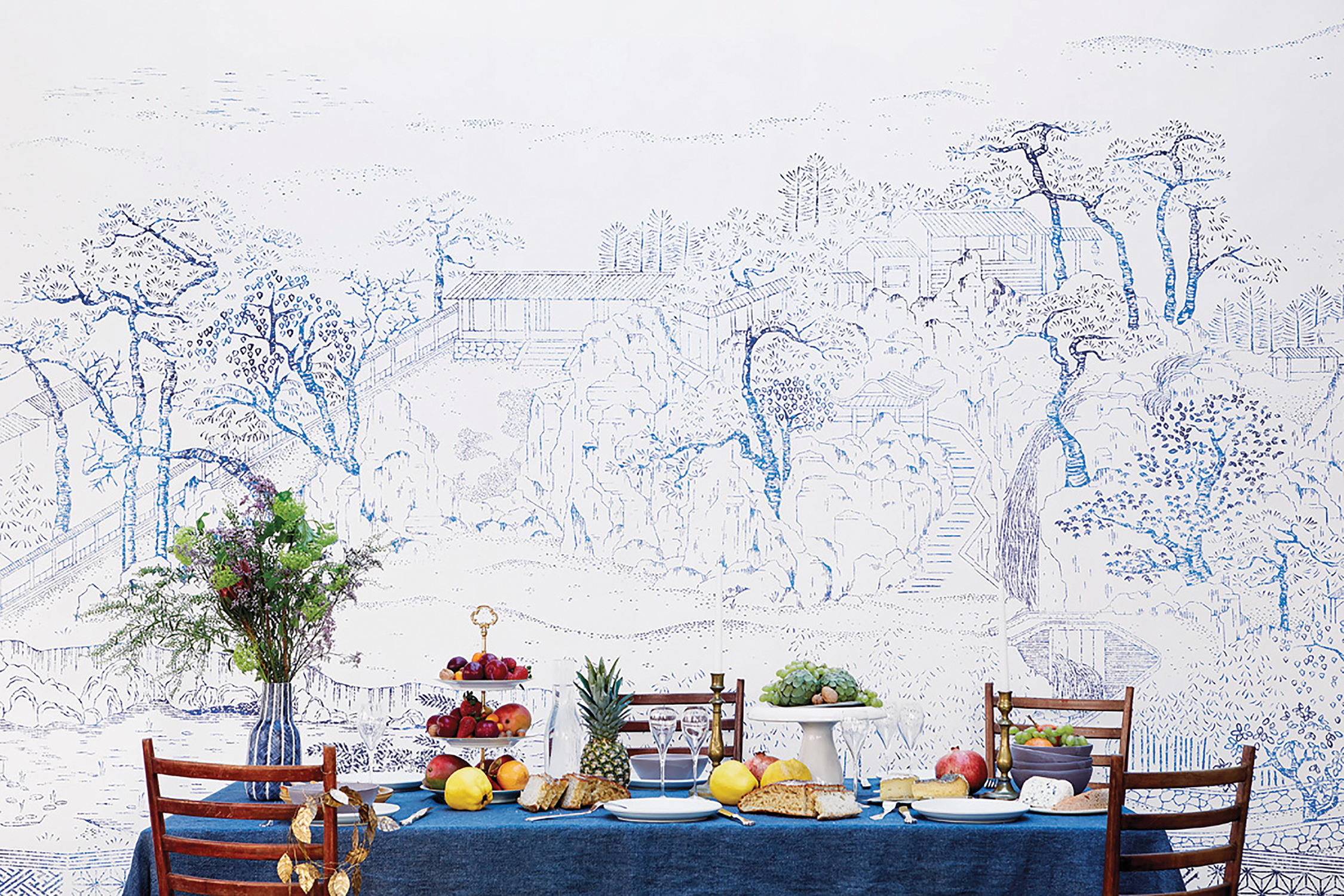
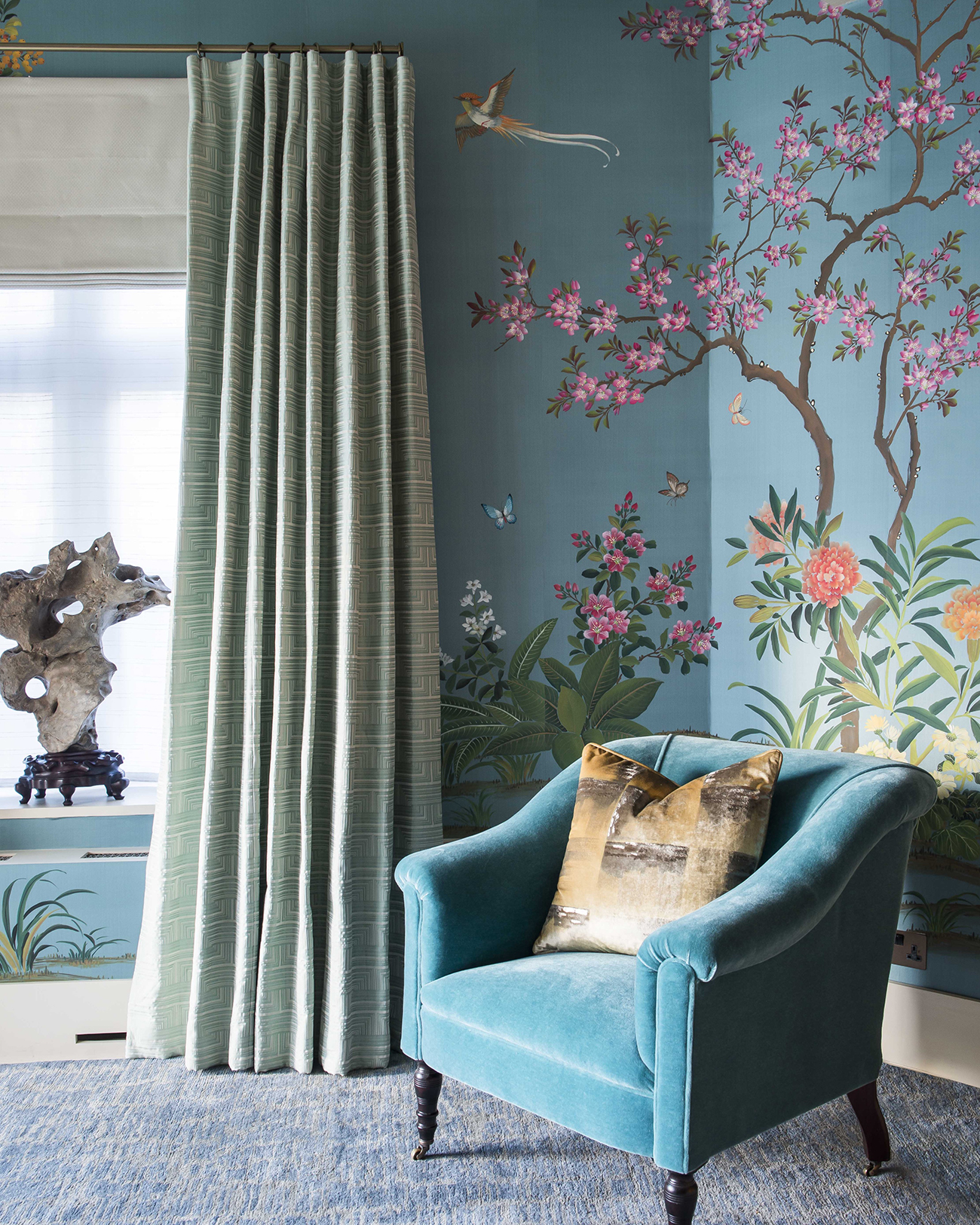
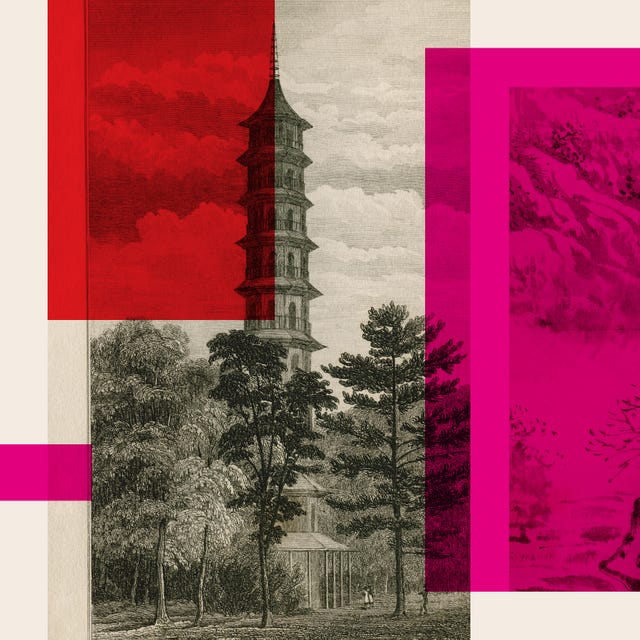
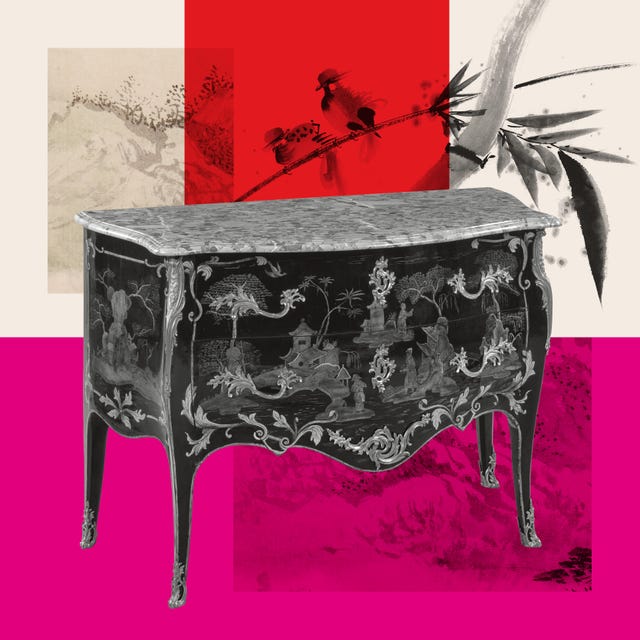
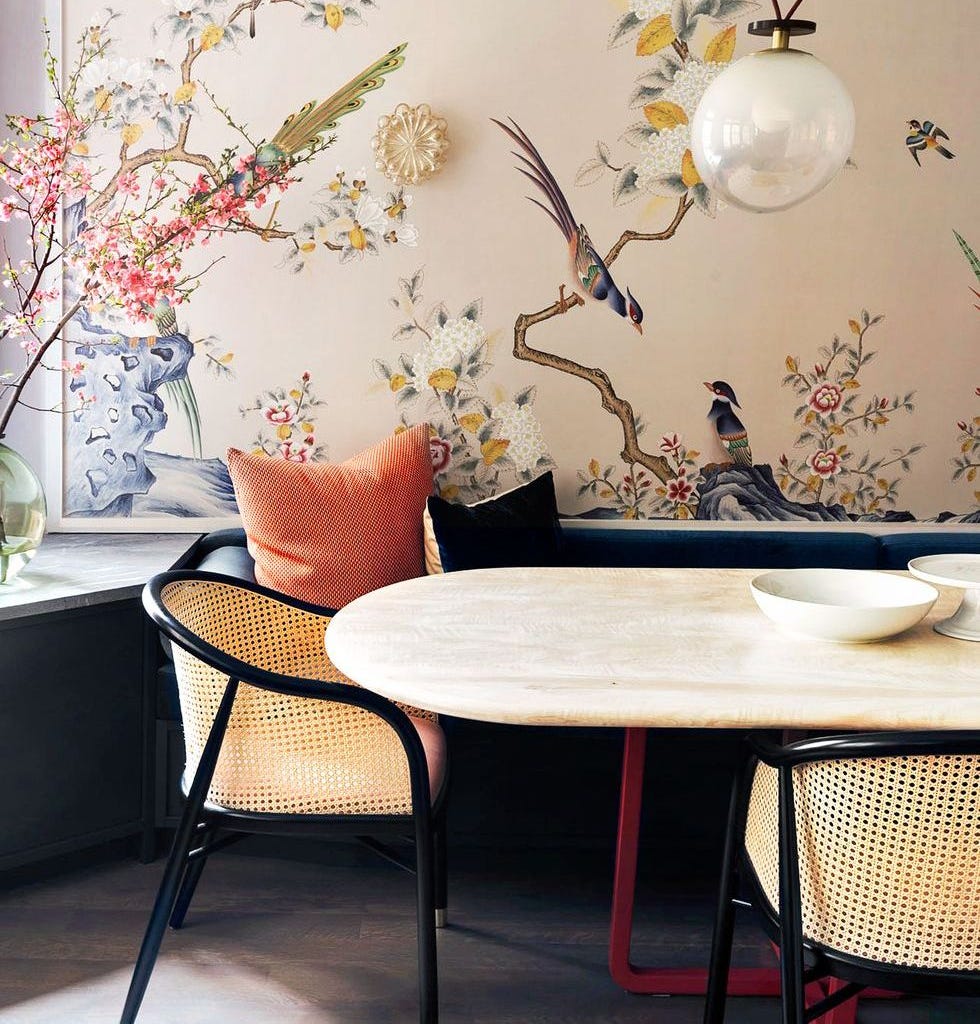
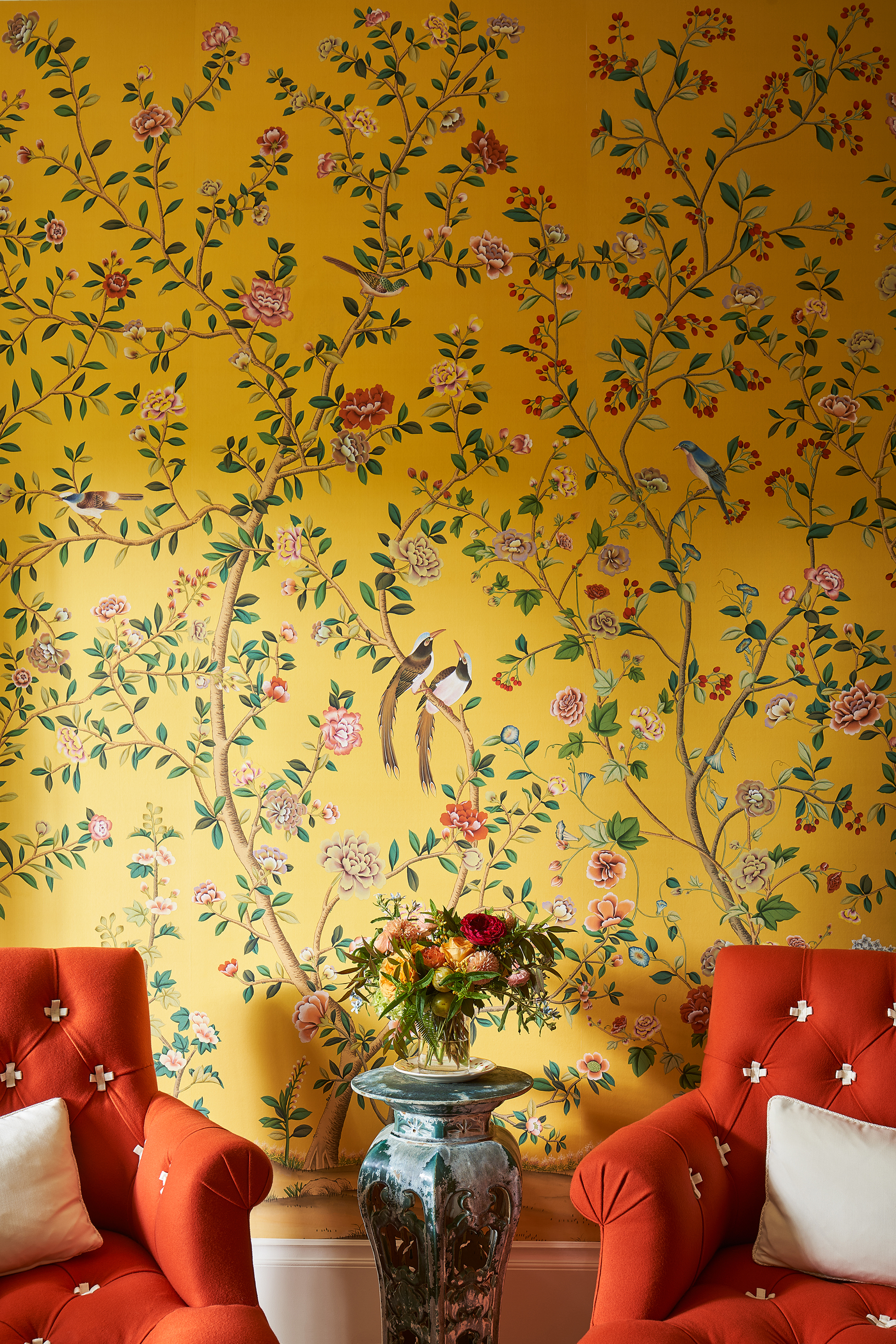
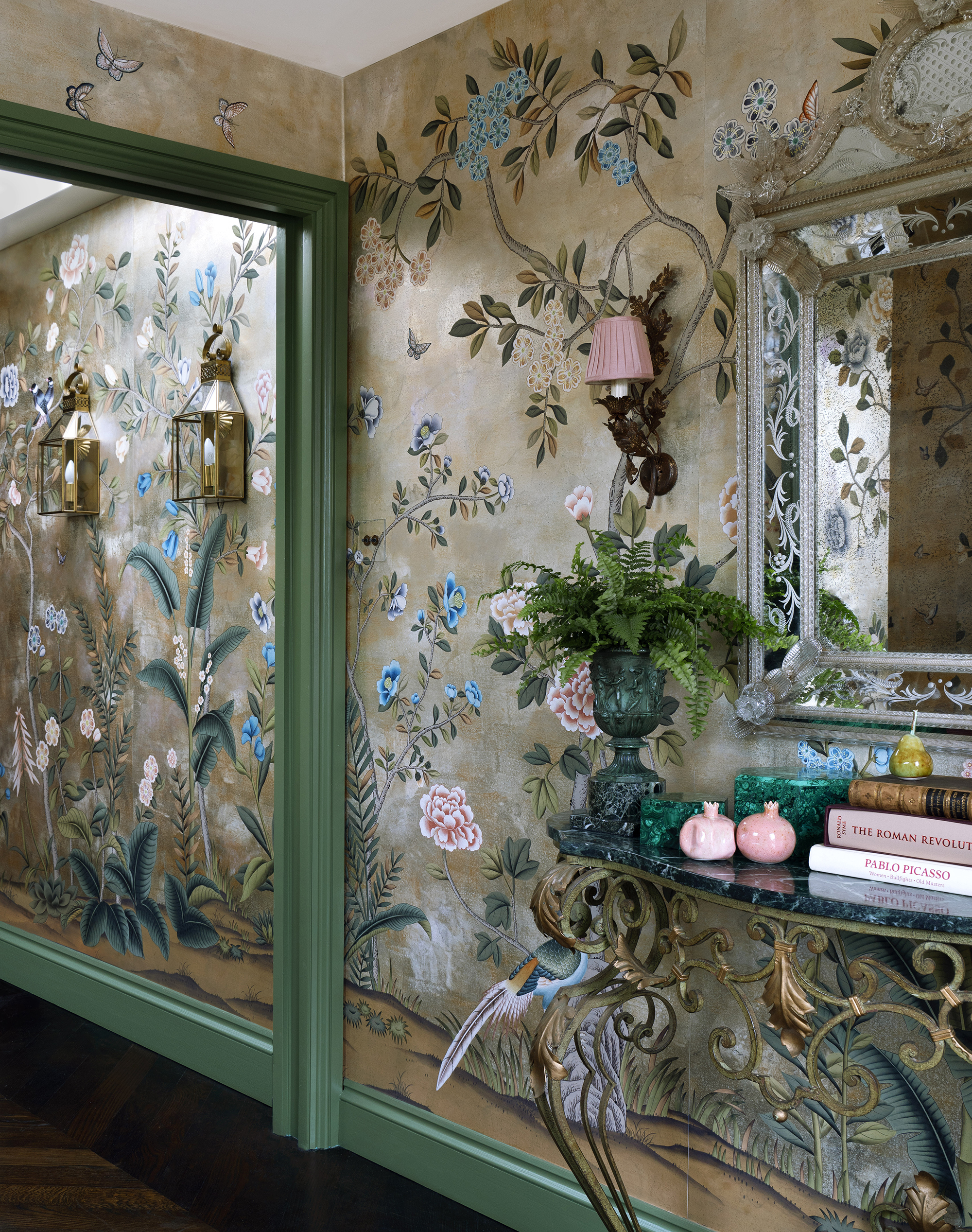
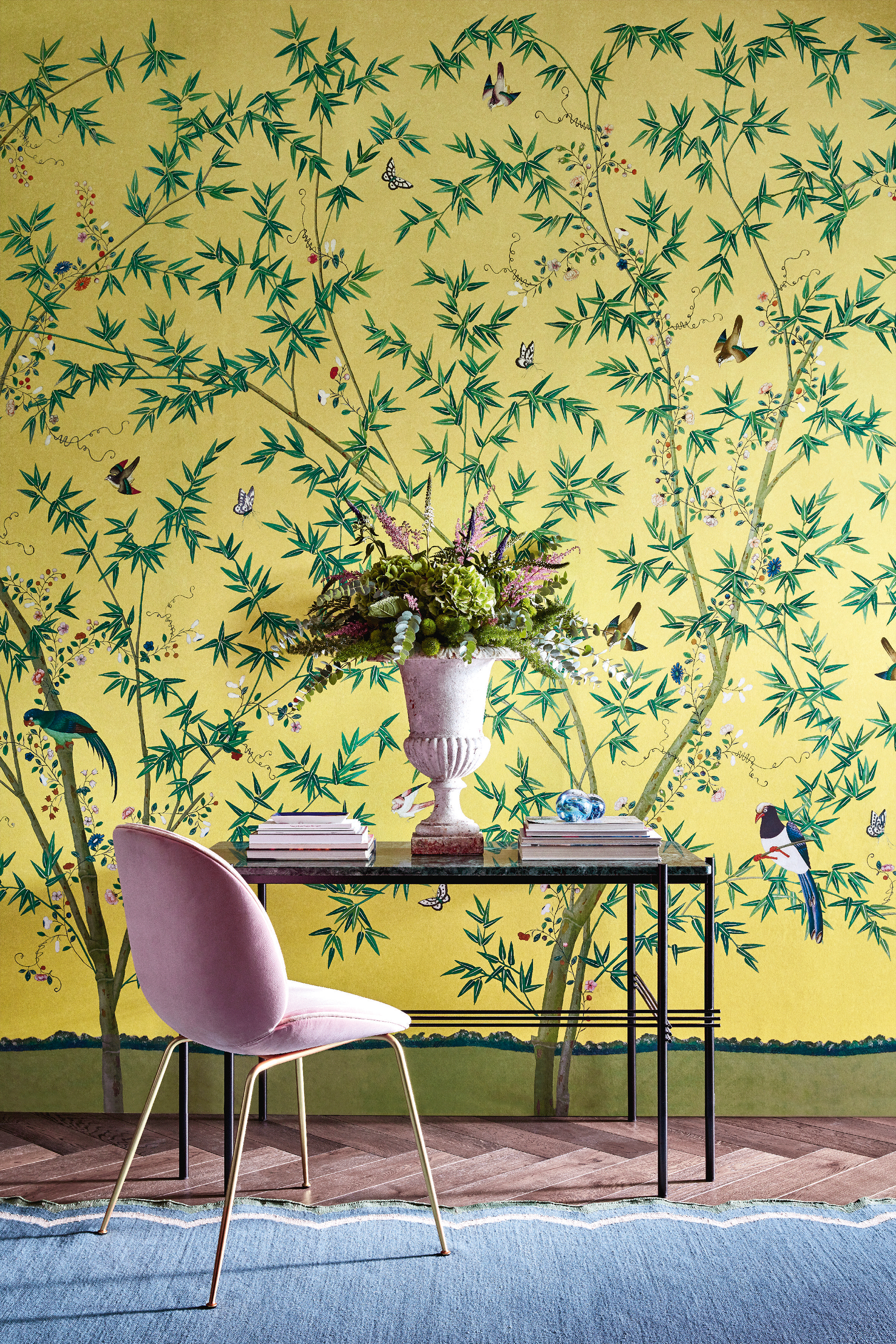
Chinoiserie, a decorative style broadly defined as the Western interpretation of Asian culture, originated in 17th-century Europe and continues to be a timeless element in interior design. Its name, derived from the French term "in the Chinese style," encompasses various decorative arts, including textiles, wallcoverings, objects, and furniture adorned with motifs such as birds, pagodas, dragons, and other imaginative creatures.
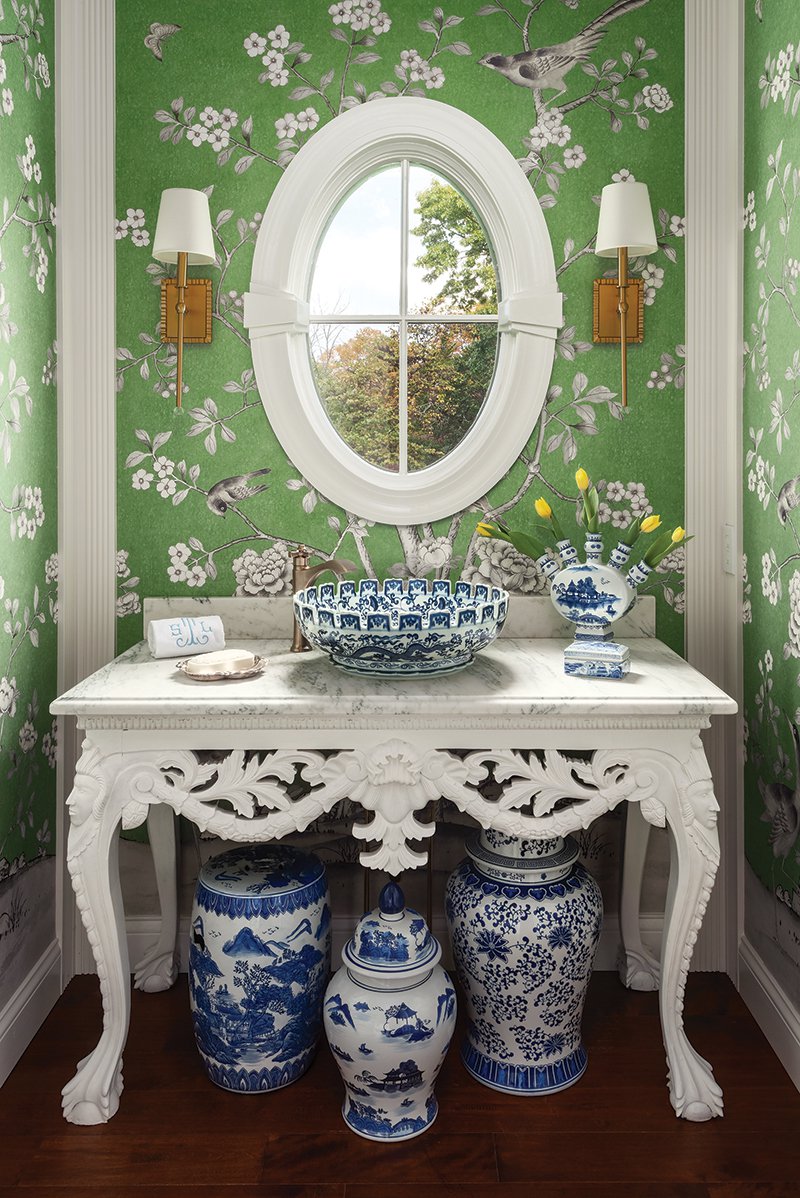
St. Louis interior designer Suzanne Tullock recently incorporated chinoiserie into her Wildwood home's powder room, utilizing Schumacher's Chinois Palais wallpaper, which features cherry blossoms and birds inspired by an antique Chinese silk panel. The room's design is further enhanced by a black-and-white bamboo lattice ceiling paper, a porcelain chinoiserie vessel sink, and blue-and-white ginger jars, all contributing to an elegant aesthetic. Tullock emphasizes the enduring appeal of chinoiserie, describing it as "timeless and classic" and asserting that it will "never go out of style."
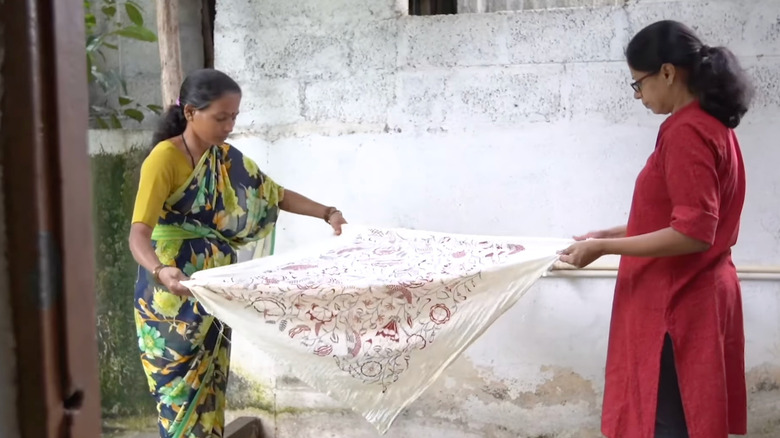
The style is experiencing a resurgence in popularity, observed across social media platforms like Instagram, in collections from national retailers and high-end firms, and among homeowners seeking to infuse historical and cultural motifs into their living spaces. The development of chinoiserie can be traced back to 1602 when the Dutch East India Company established a trade route to China, facilitating the import of Chinese tea, silk, spices, and porcelain into Europe. This influx of goods sparked considerable interest in East Asian aesthetics among Europeans.
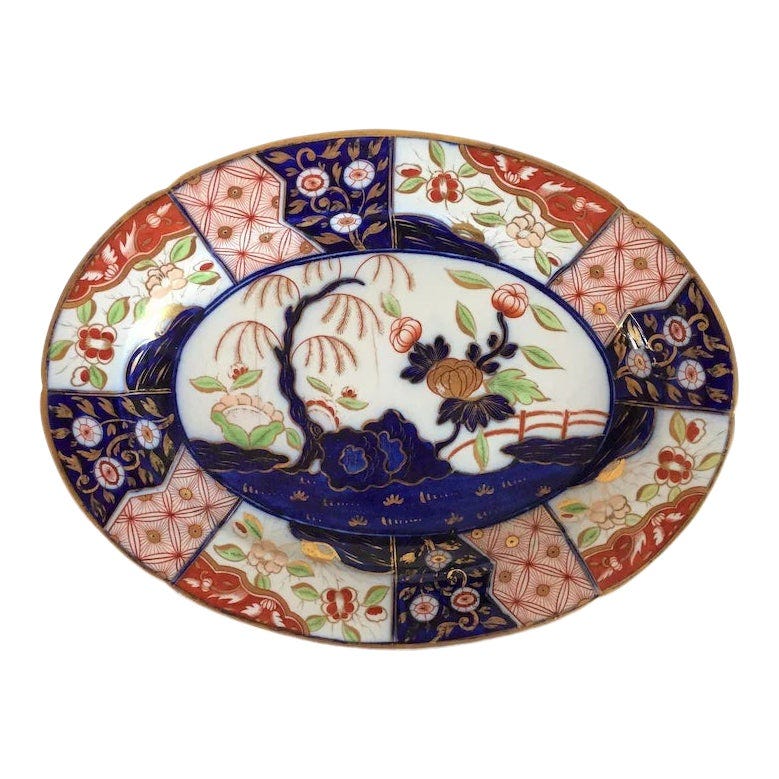
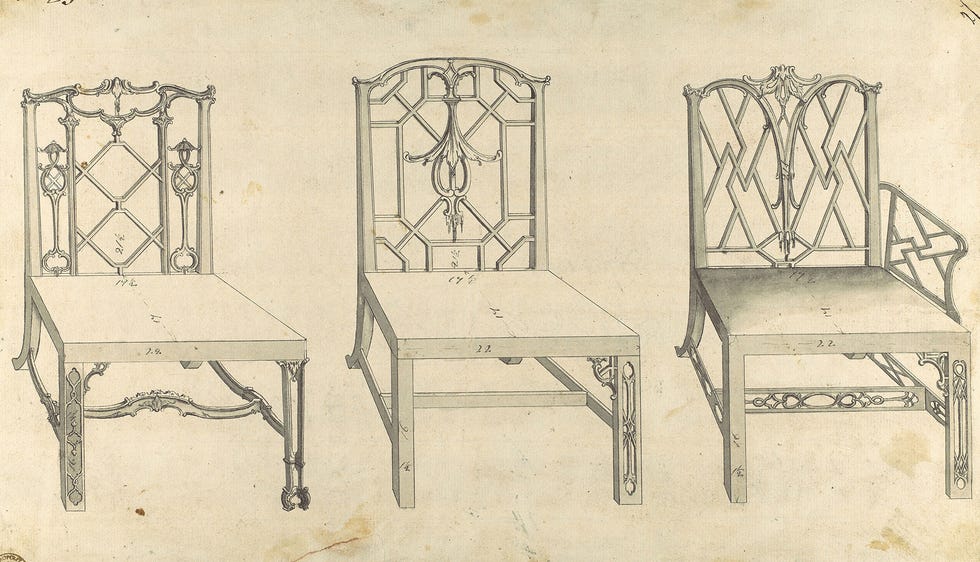
David Conradsen, Curator of Decorative Arts and Design at the Saint Louis Art Museum, explains that Europeans, captivated by the Asian aesthetic, began to replicate and adapt the imagery found on these imported goods. The earliest manifestation of this trend was Delftware, known for its blue-and-white designs reminiscent of Chinese porcelain. These European facsimiles, initially produced in the Netherlands, subsequently broadened their application to other ceramic types, decorative arts, fabrics, furniture, and even architectural elements.
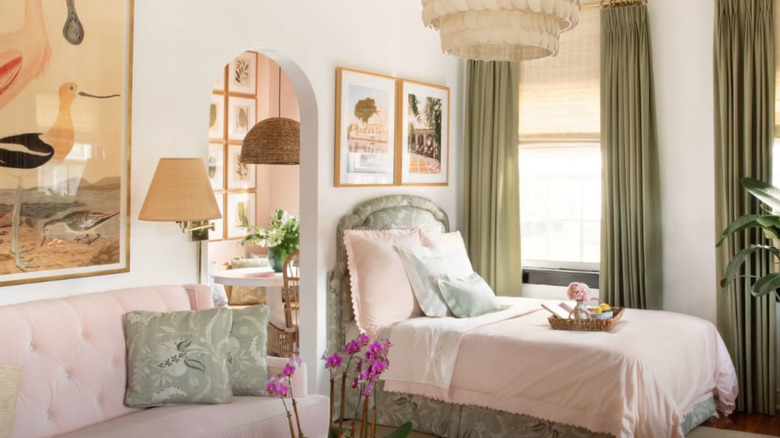
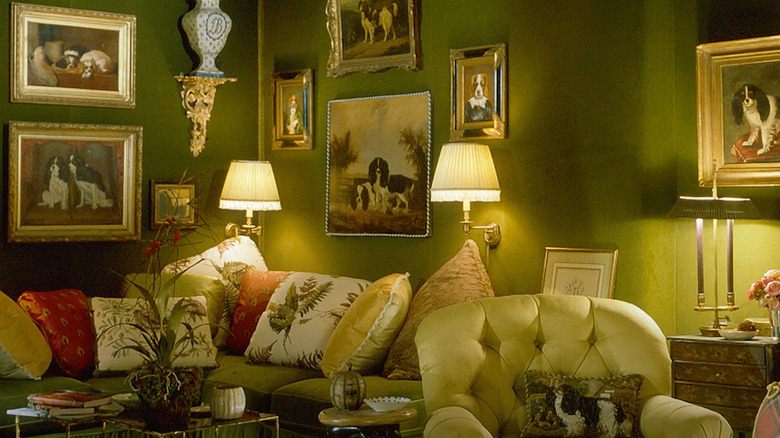
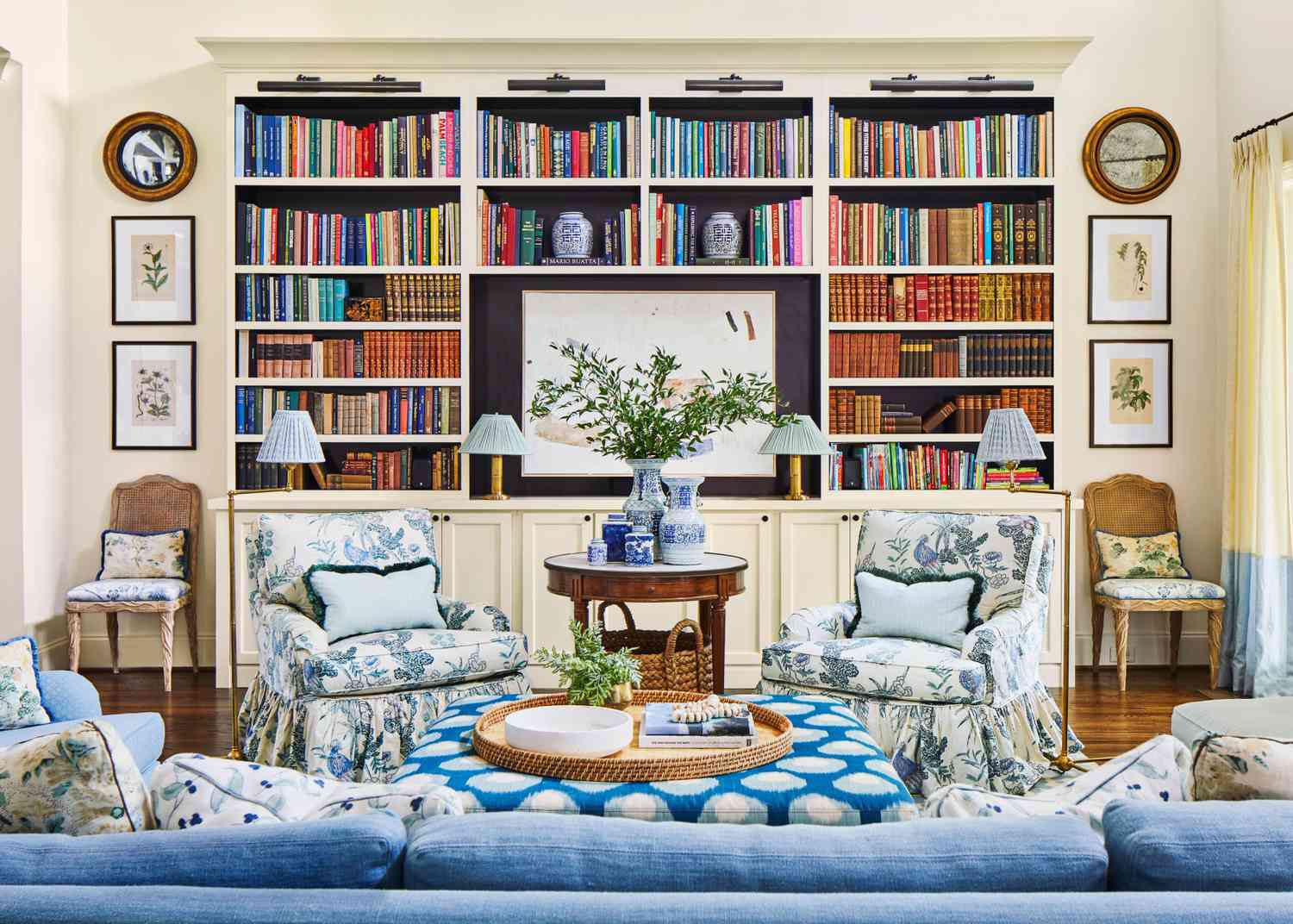
Chinoiserie's sustained relevance as a decorative style is partly due to its versatility, allowing it to seamlessly integrate into diverse interior designs. Tullock notes that contemporary applications of chinoiserie often involve a more modern approach, incorporating high-lacquer finishes, colorful bamboo furniture, or high-gloss walls and ceilings accented with vibrant colors. Karla Schulster, business development coordinator at The Refind Room in Brentwood, observes an increased demand for Asian-inspired looks, citing the popularity of ginger jars and the "Grandmillennial" trend as contributing factors to its renewed appeal among younger demographics.
Robert Fletcher, owner of the online antique shop Fletcher-Green, views chinoiserie not as a fleeting trend but as a timeless style. He suggests that skilled decorators consistently incorporate it into their designs, highlighting its adaptability across various decorative eras and its compatibility with contemporary interiors. Fletcher also posits that millennials are drawn to chinoiserie due to their focus on environmental consciousness and preservation, finding that antiques, including chinoiserie pieces, align with their green values.
#Chinoiserie #InteriorDesign #DecorativeArts #AsianAesthetic #HomeDecor #TimelessStyle #EuropeanHistory #Grandmillennial #SustainableDesign #Chinoiserie #InteriorDesign #DecorativeArts #AsianAesthetic #HomeDecor #TimelessStyle #EuropeanHistory #Grandmillennial #SustainableDesign
0 تعليق إجمالاً
 لا توجد تعليقات بعد
قد تعجبك أيضًا
8 Antique Pieces That'll Increase in Value in 2025, According to Experts

Retro Decor: 10 Things From Your Grandparents' House That Are Back in Style

Chintz is back: Get inspired by these contemporary interiors that are tapping into the revival of the classic trend

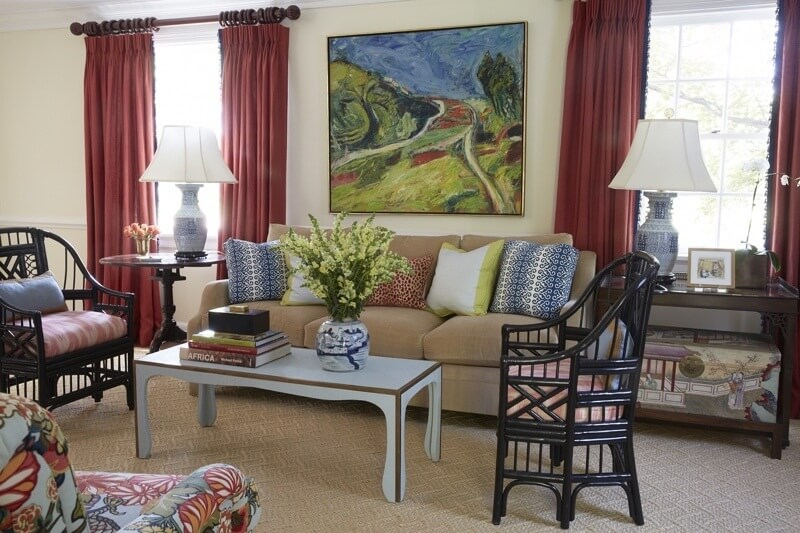
This Home is the Epitome of Chinoiserie Chic

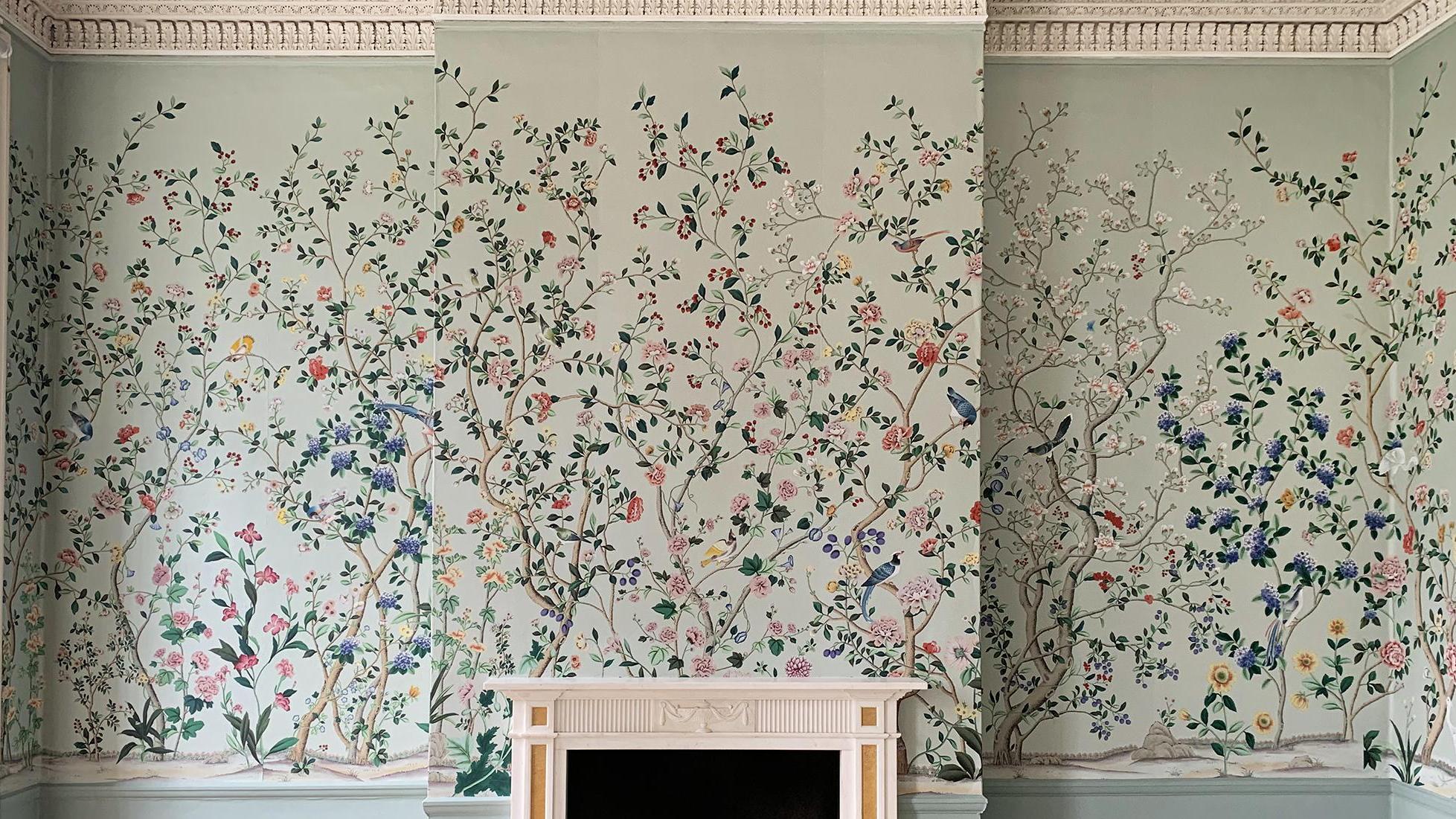
Interiors ideas: try traditional eastern patterns on wallpaper to update your spaces
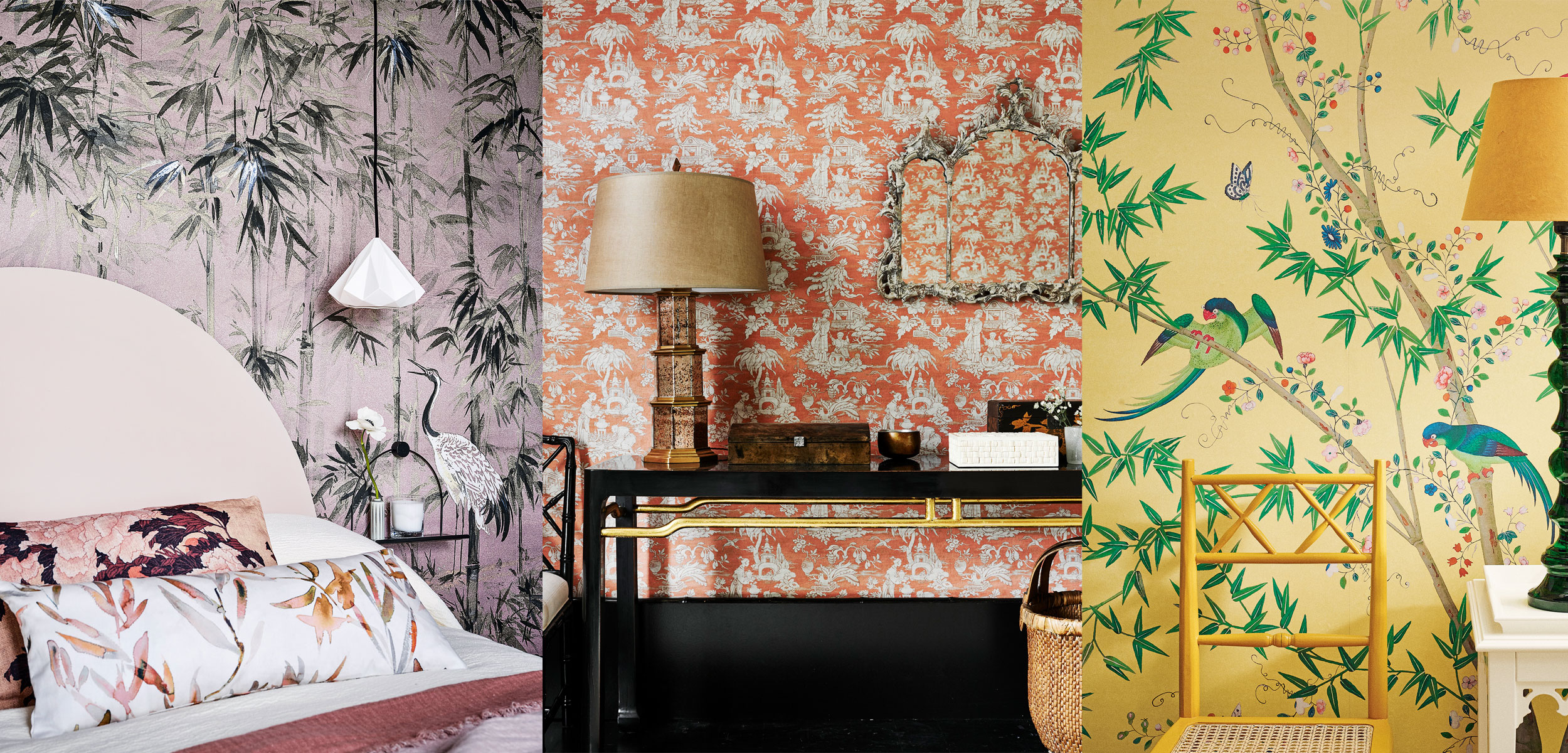
Chinoiserie – 13 whimsical ways to decorate with this cultural phenomenon

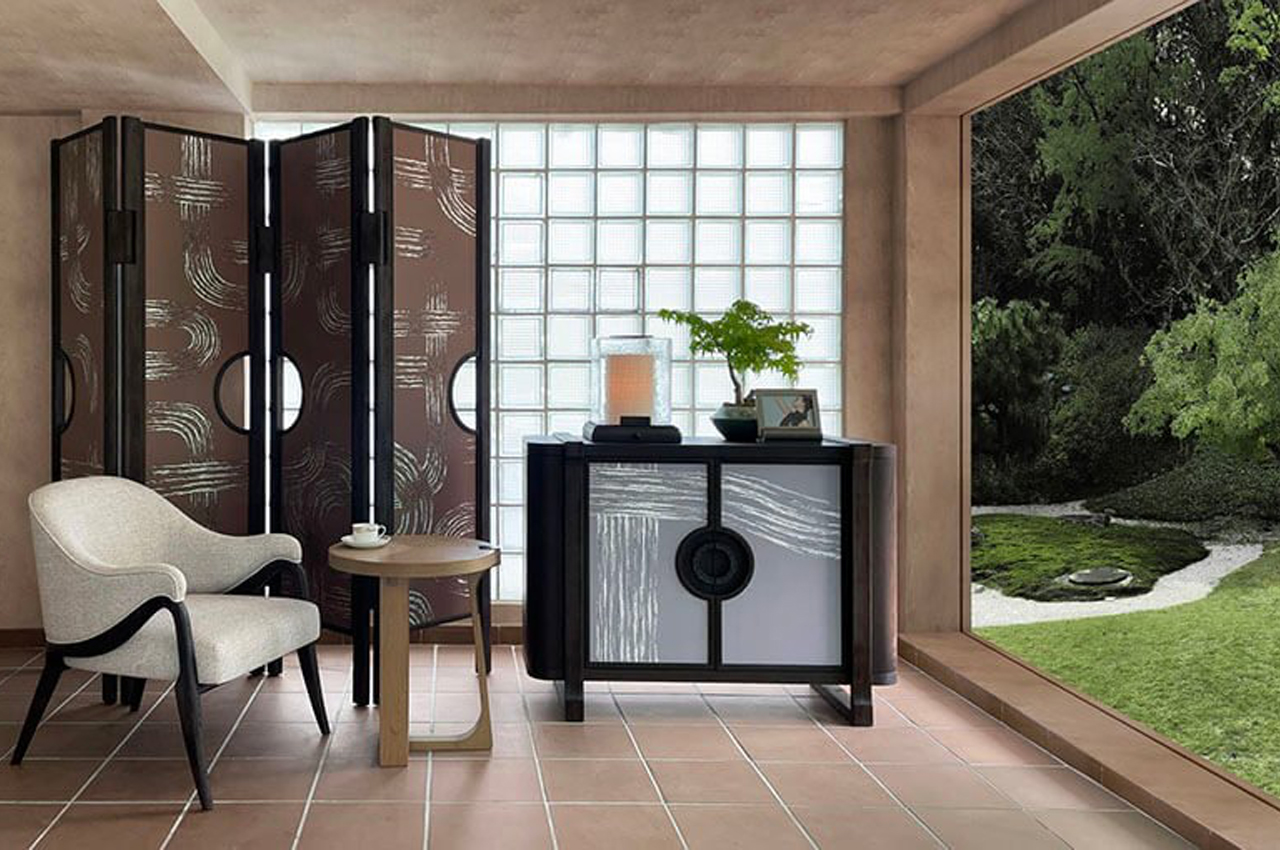
Japanese Zen Gardens + Art Deco are the inspiration behind this furniture and tableware collection!


The vintage French style taking interiors by storm

Why It’s Time to Think Differently About Chinoiserie
The fashion plates of dinnerware
The floral fabric that was banned

Traditional living room ideas – 20 classic decor looks for walls, floors and furniture
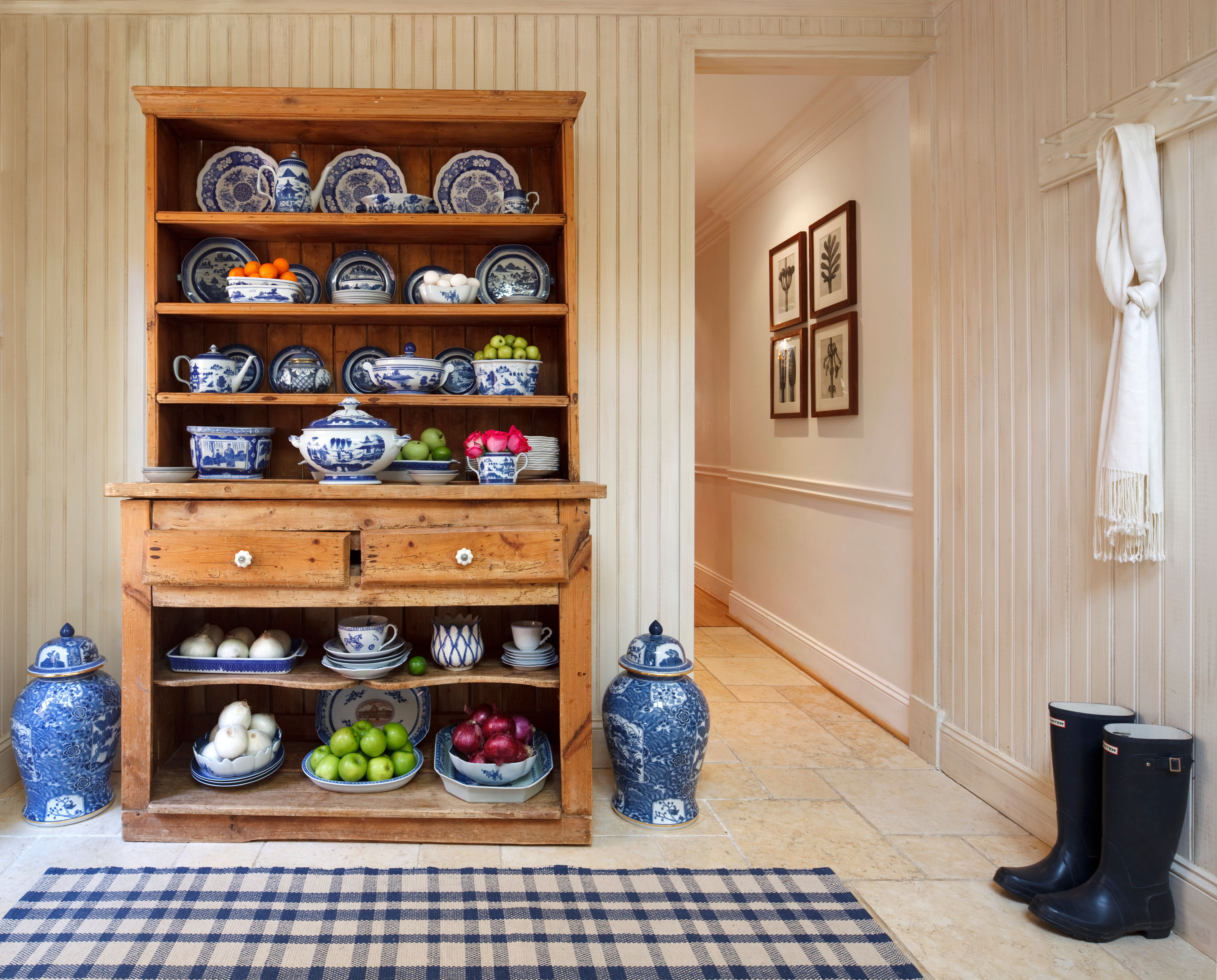
Decorative China Is Trending—Here's How to Display and Care for Your Collection

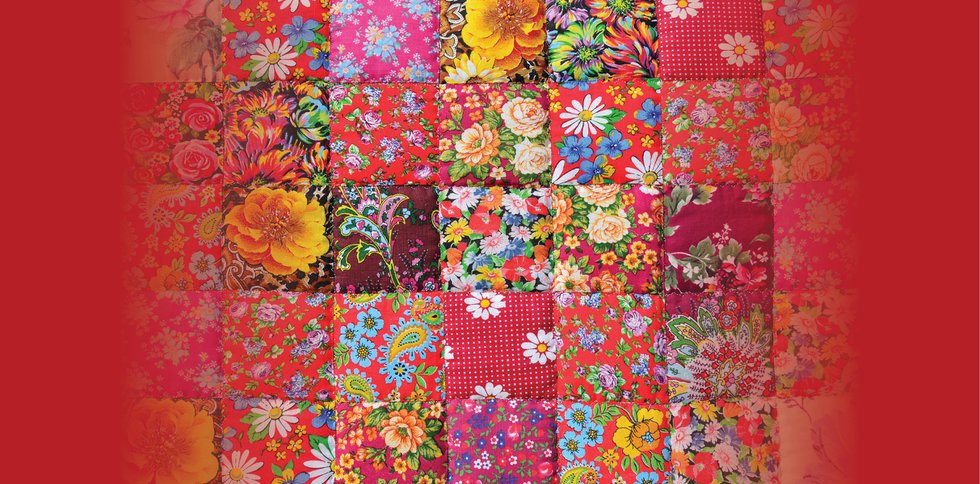
Chintz Happens

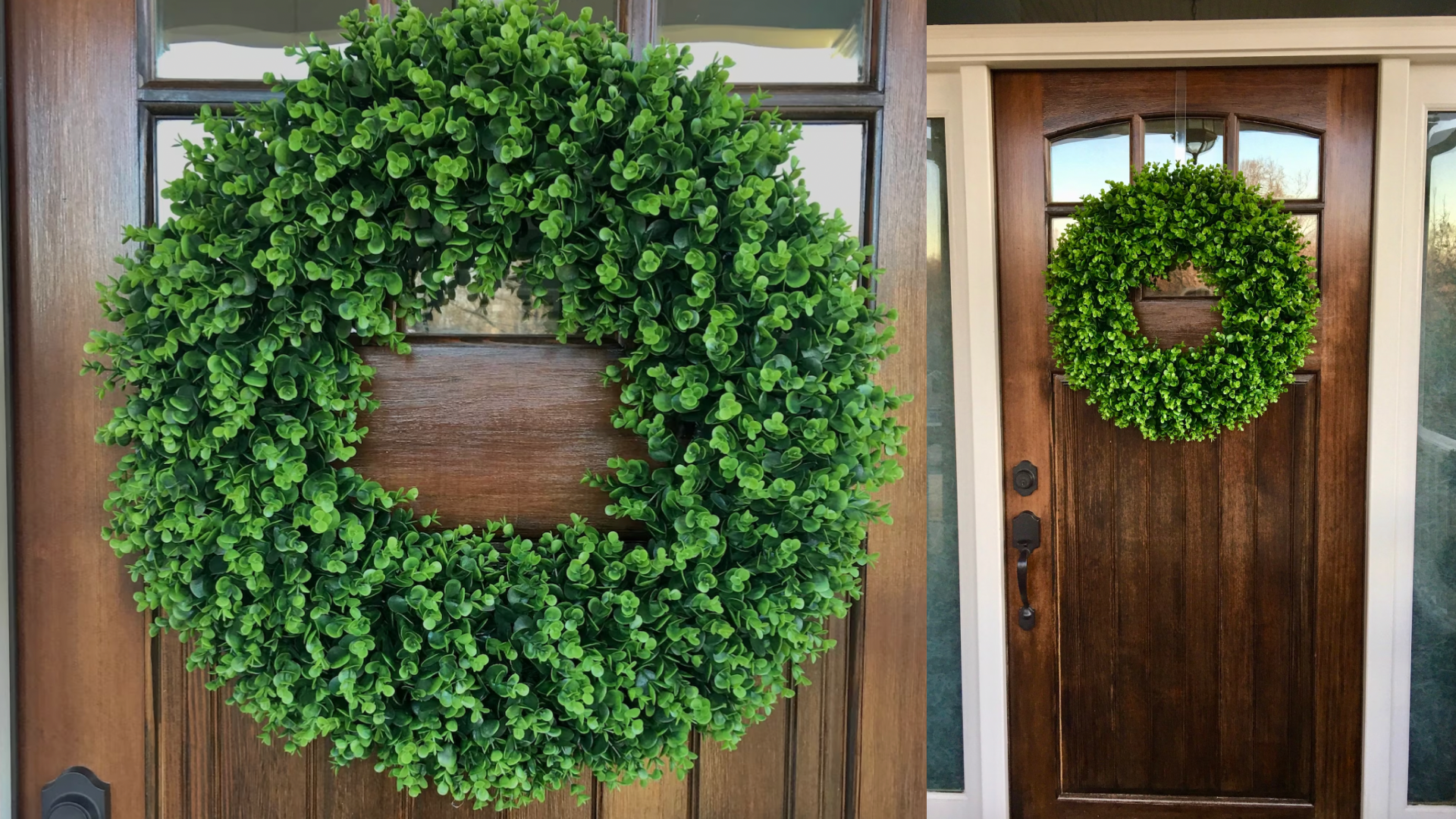
What’s Trending in Home Decor This Season, According to My Interior Designer Mom

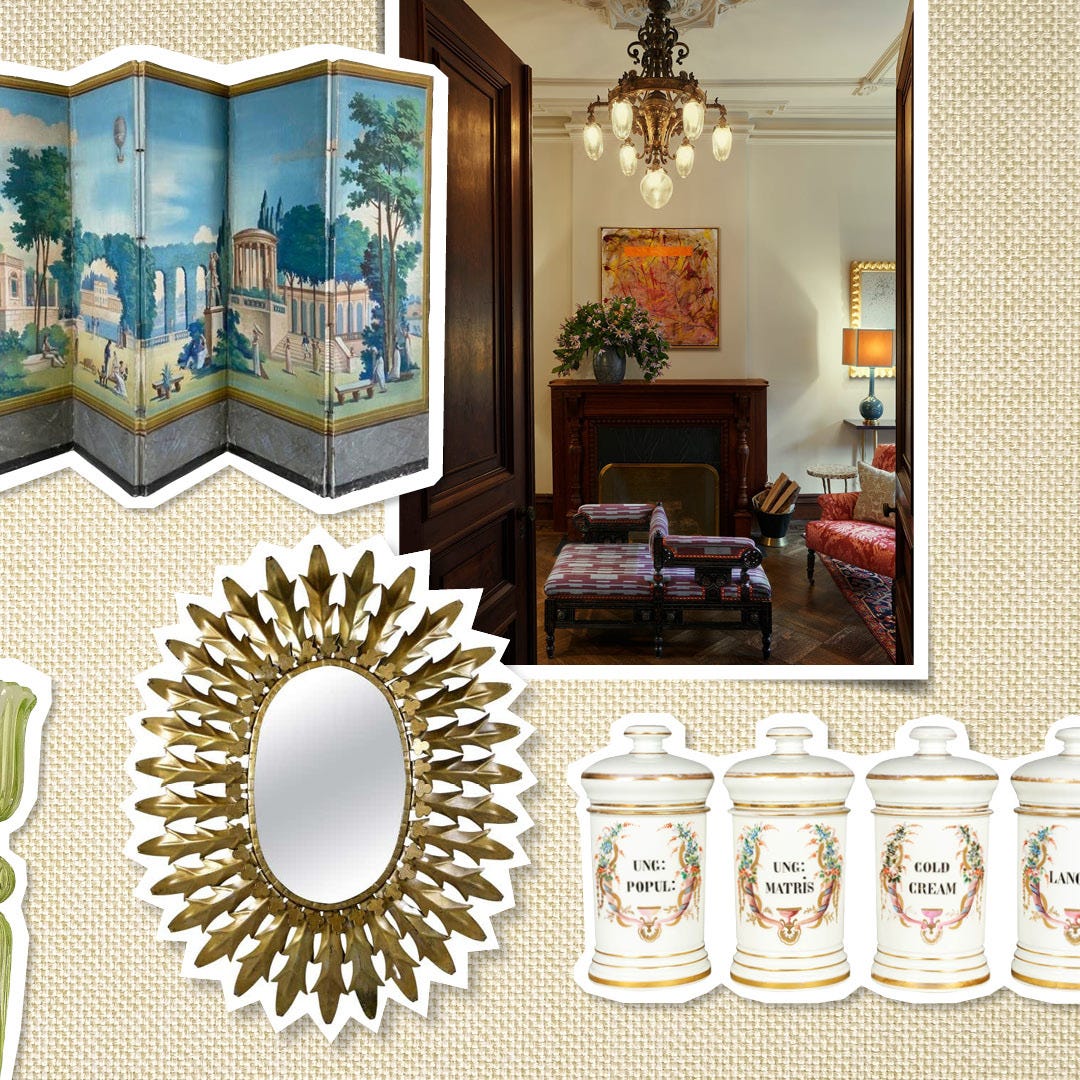
These 12 Antique and Vintage Trends Will Surge in Popularity in 2025
What Does It Really Mean To Have Chintzy Décor?
15 Ways To Creatively Display Your Fine China In Your Kitchen Or Dining Room

This old-school wallpaper trend is everywhere—here's how to use it

This Alabama Home Is Filled With Passed-Down Pieces That Bring Meaningful Style To Every Room