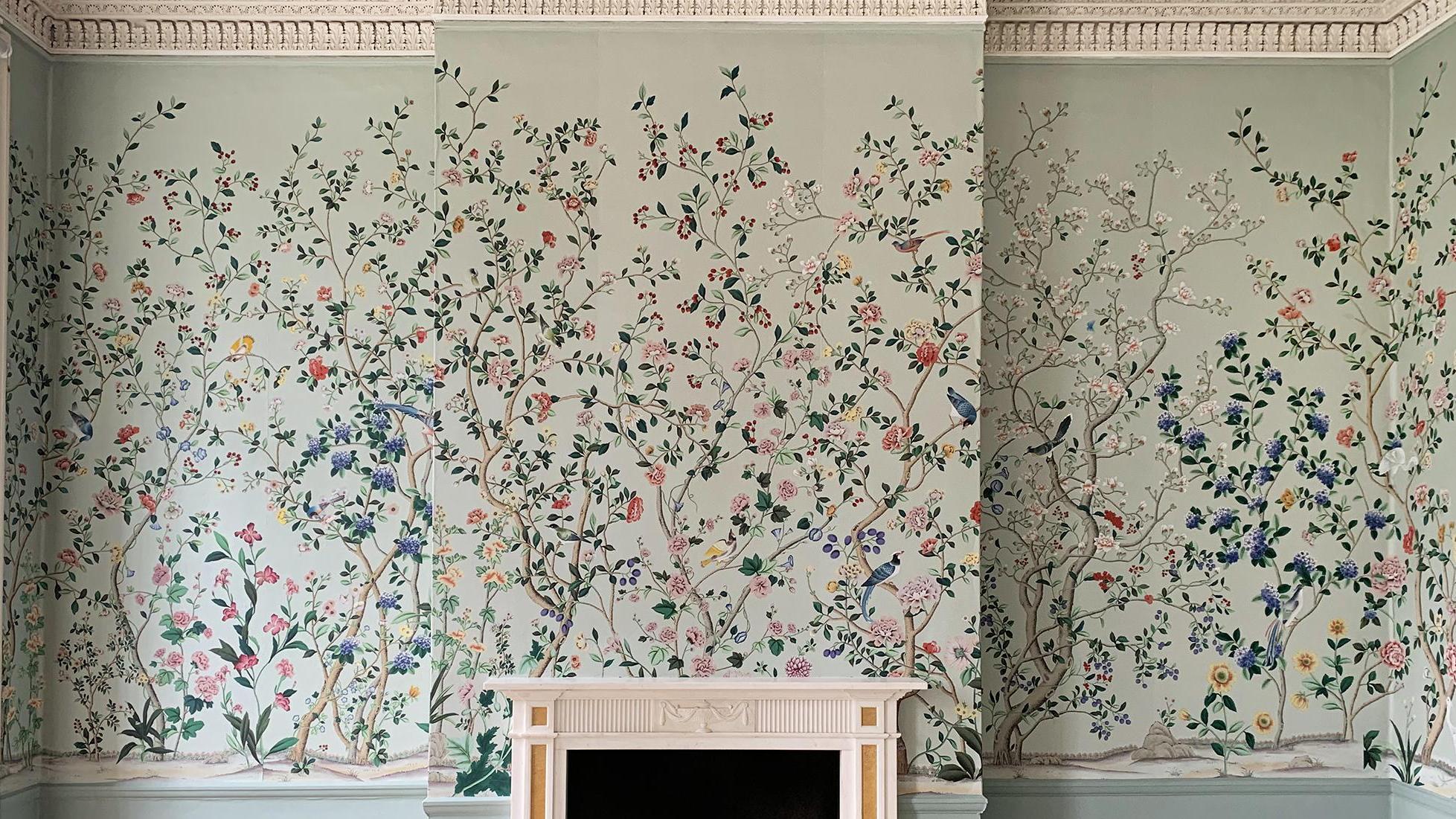
1/9
Interiors ideas: try traditional eastern patterns on wallpaper to update your spaces
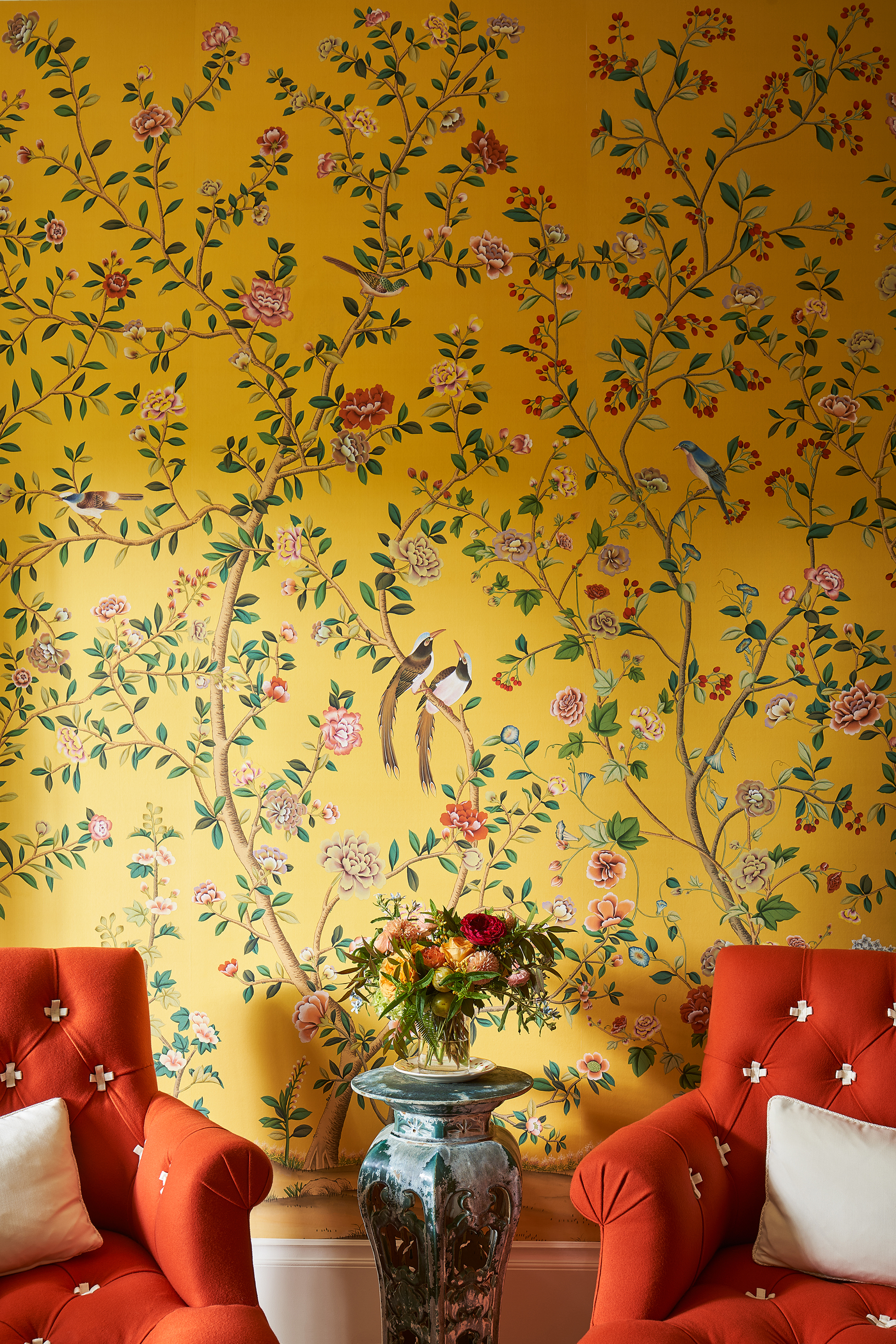
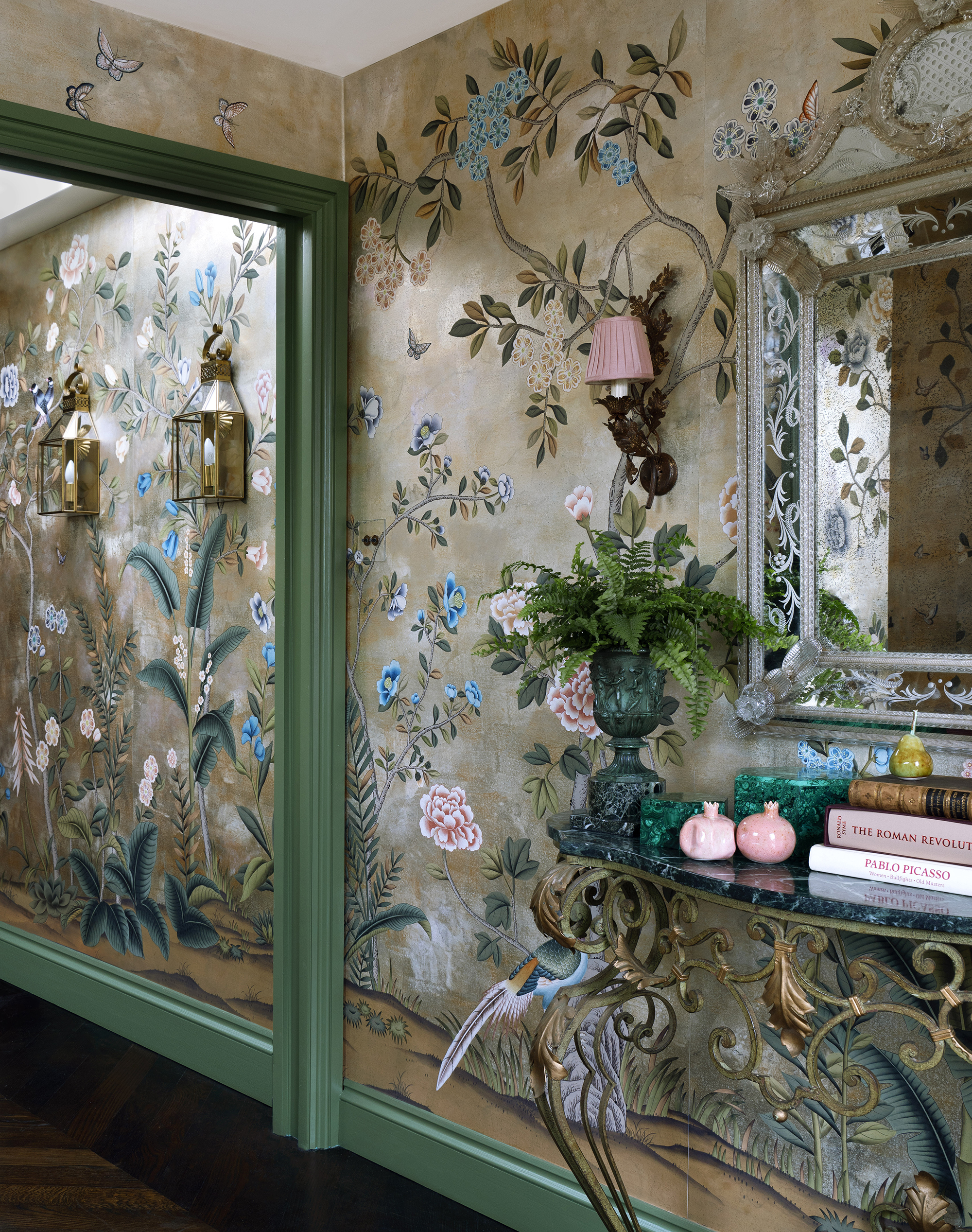
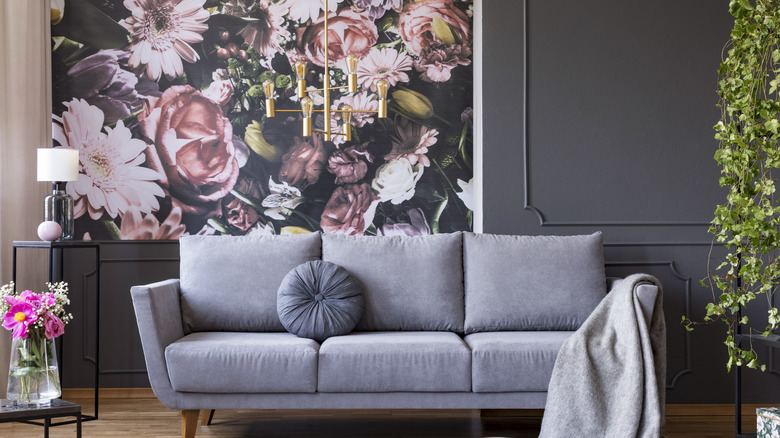
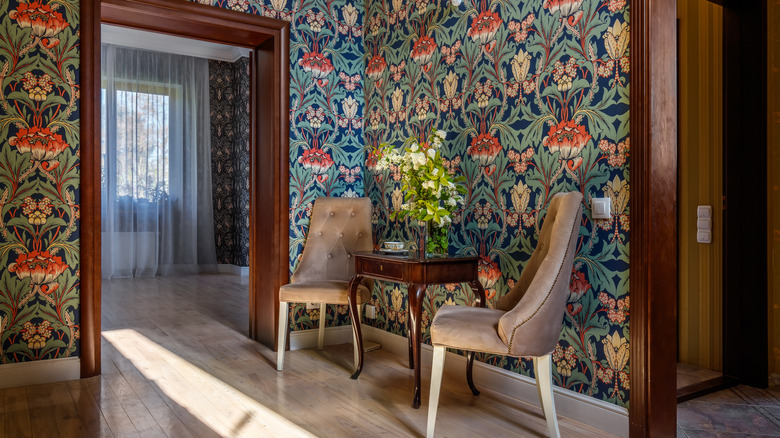
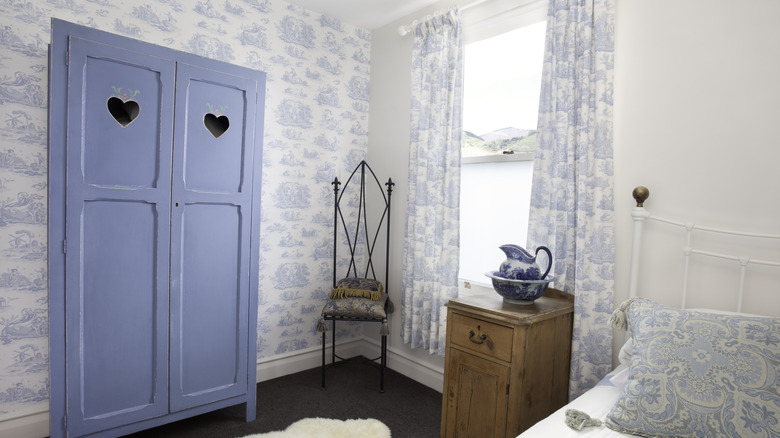
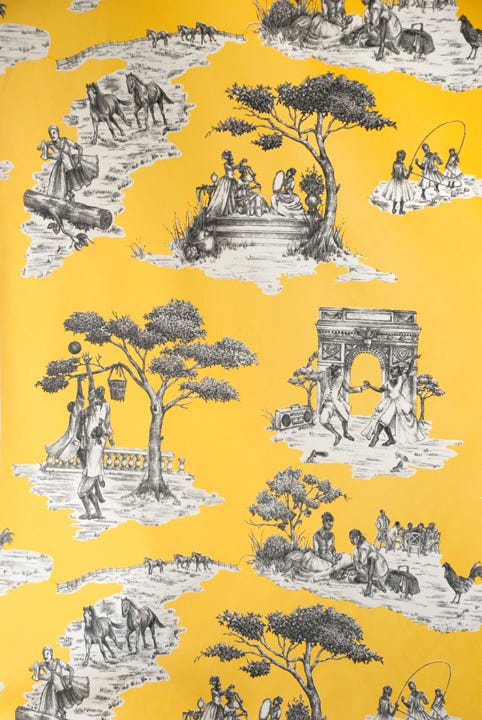
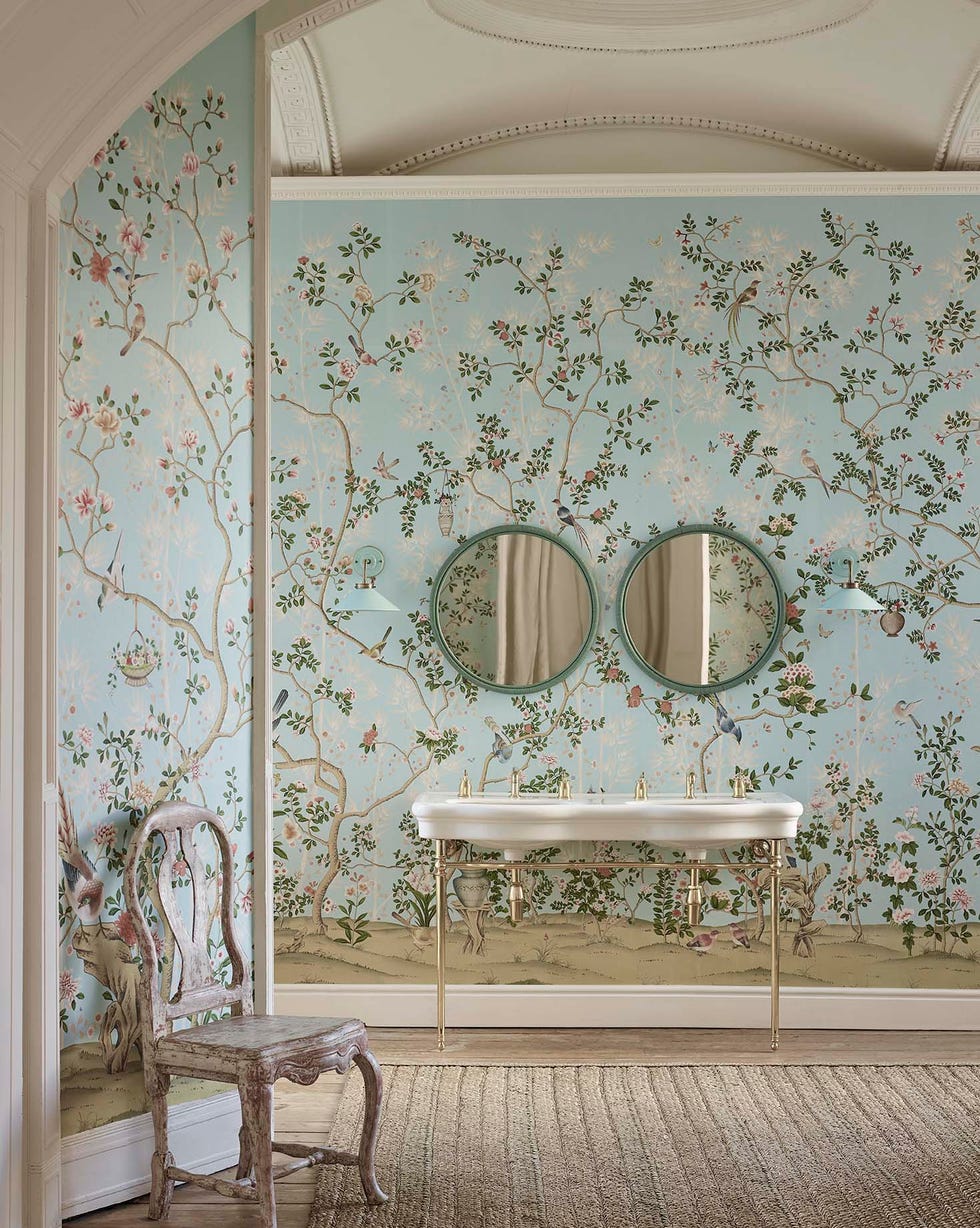
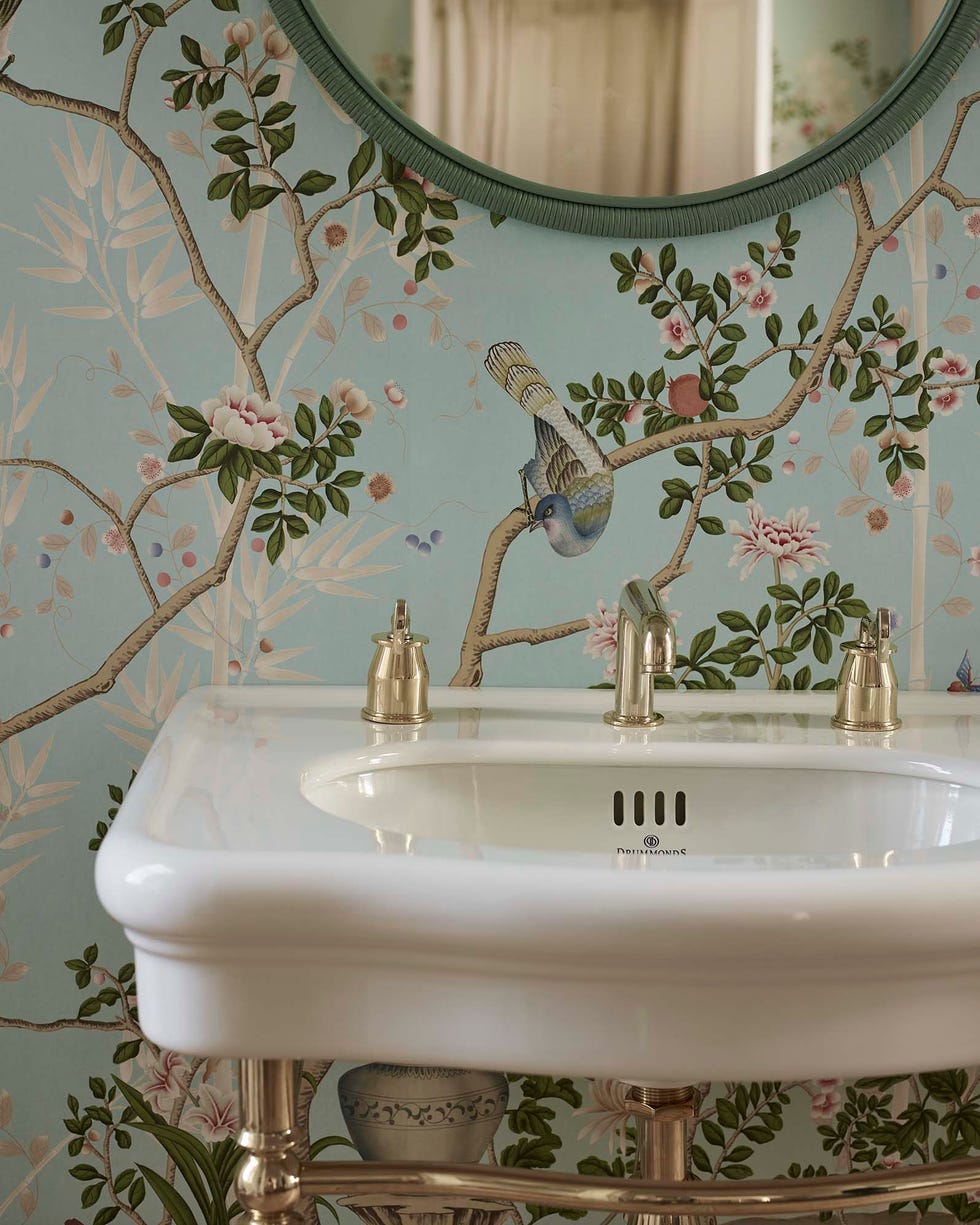
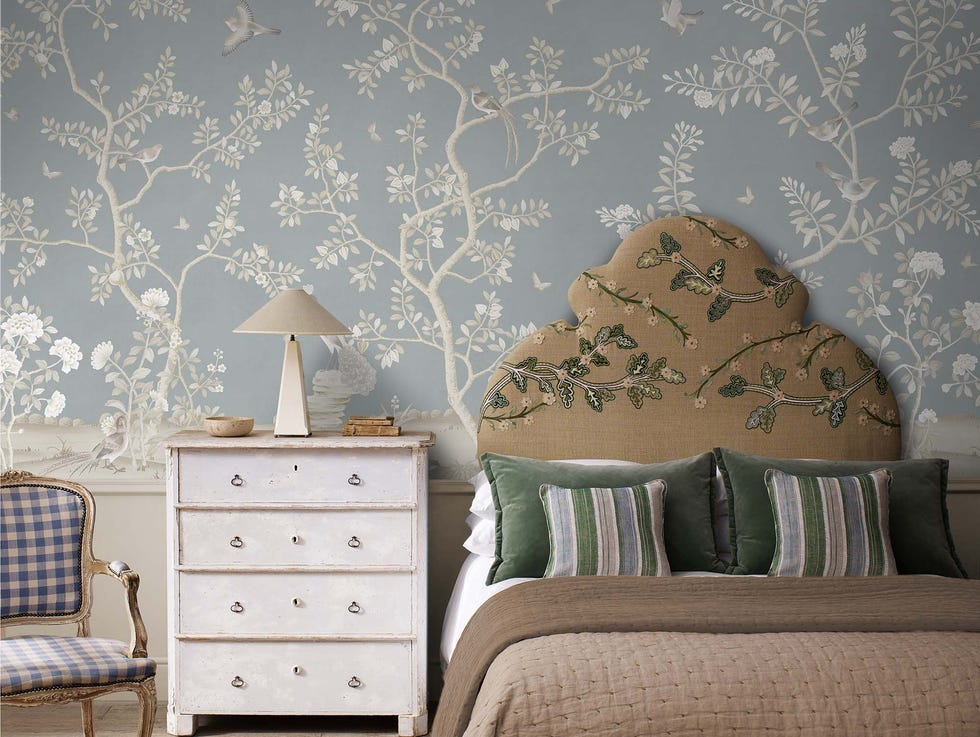
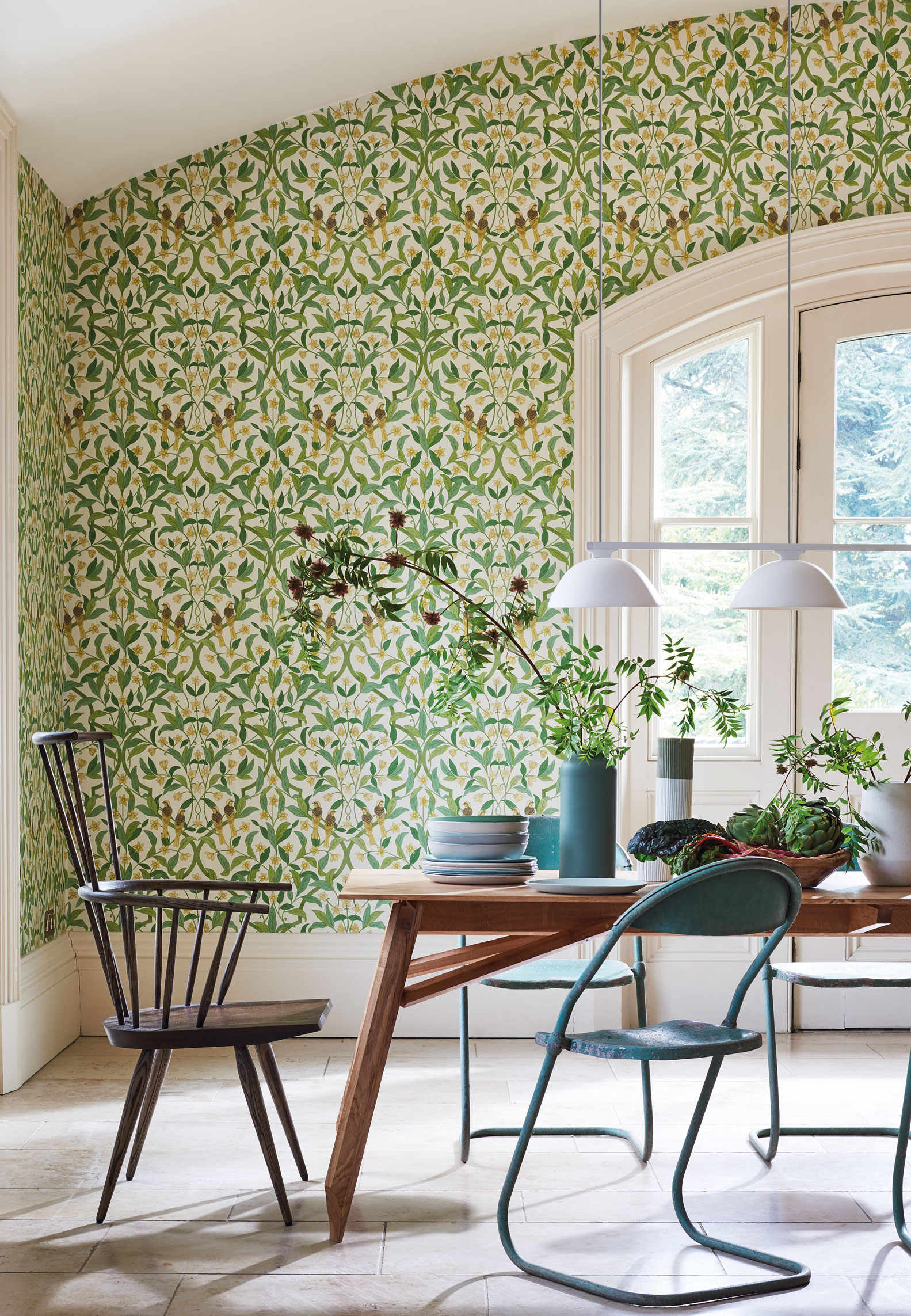
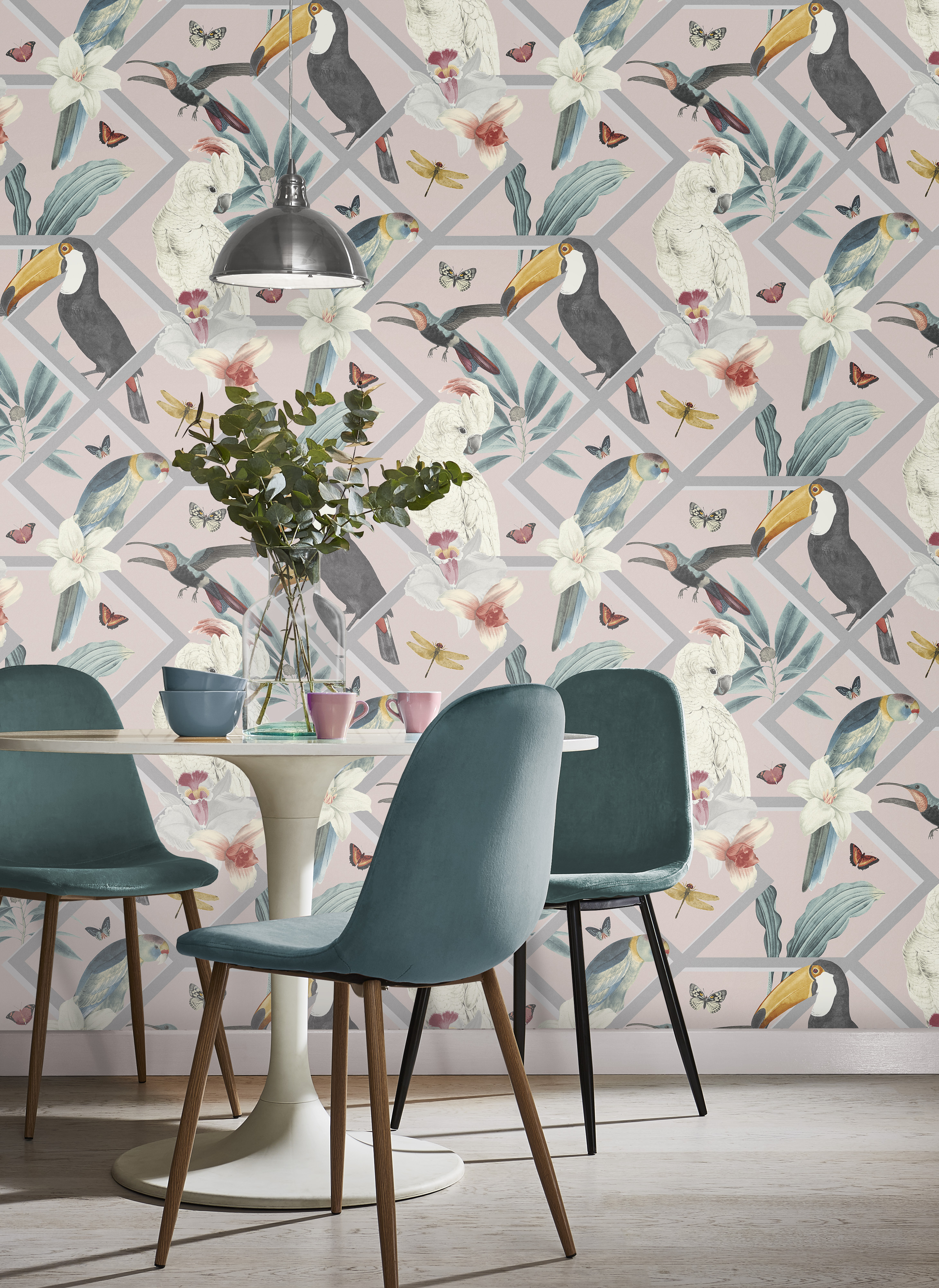
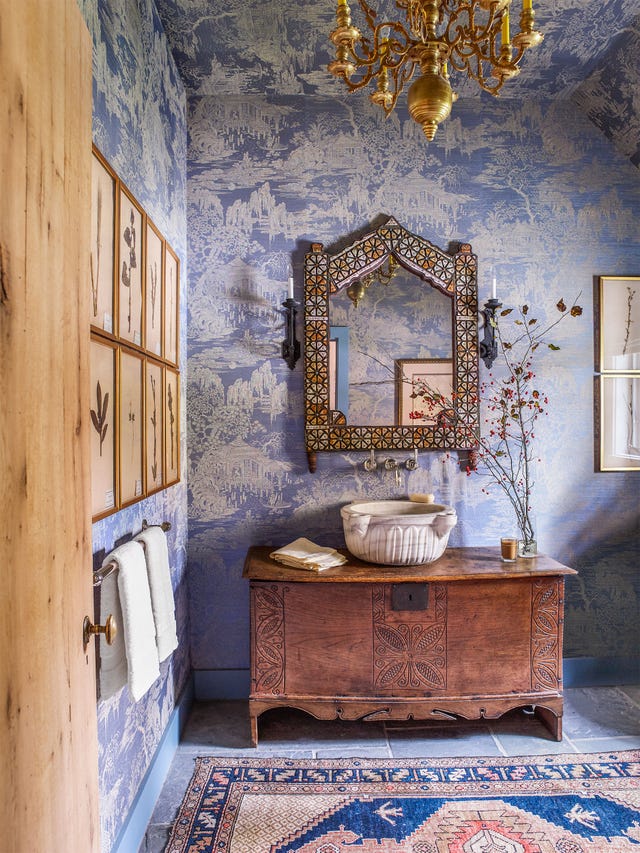
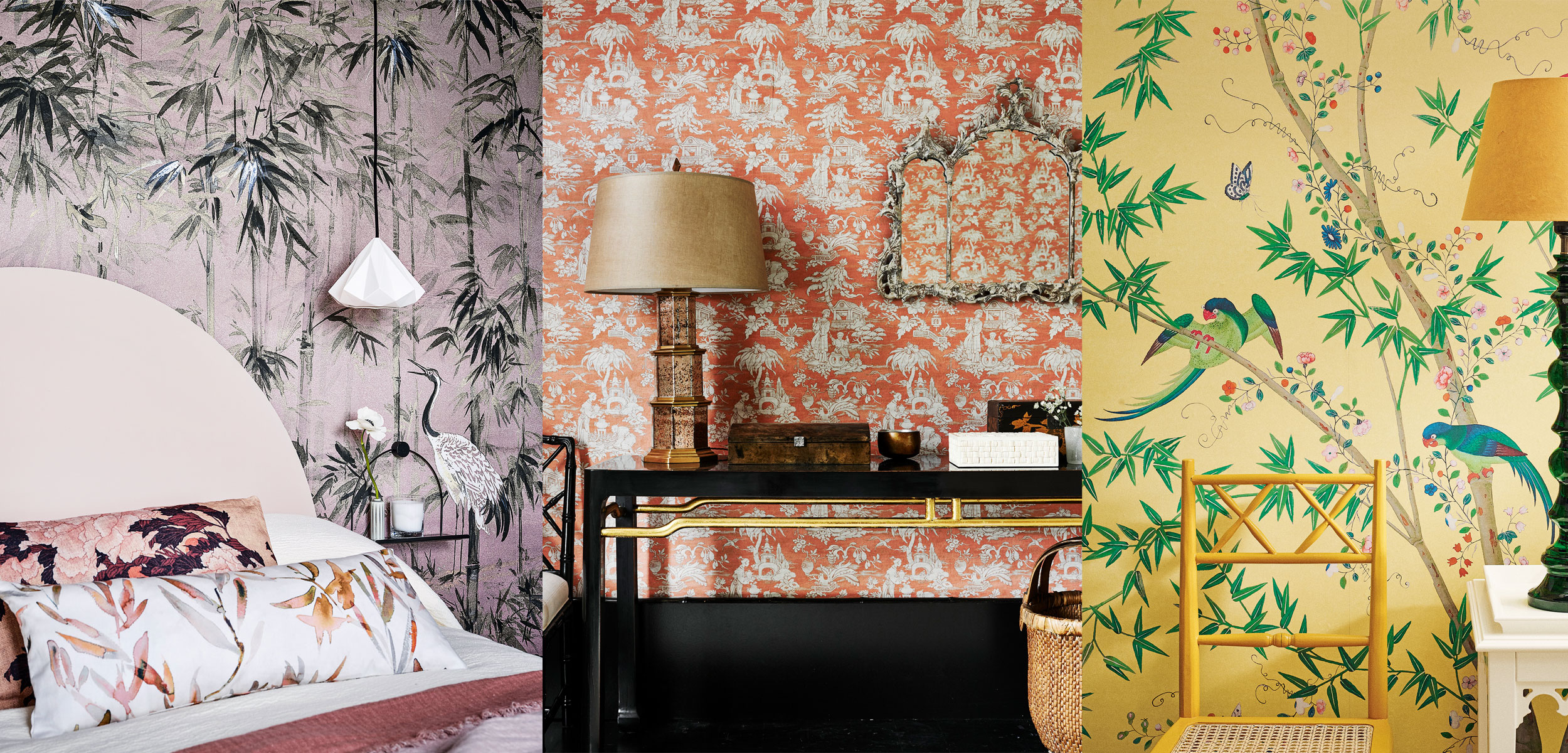
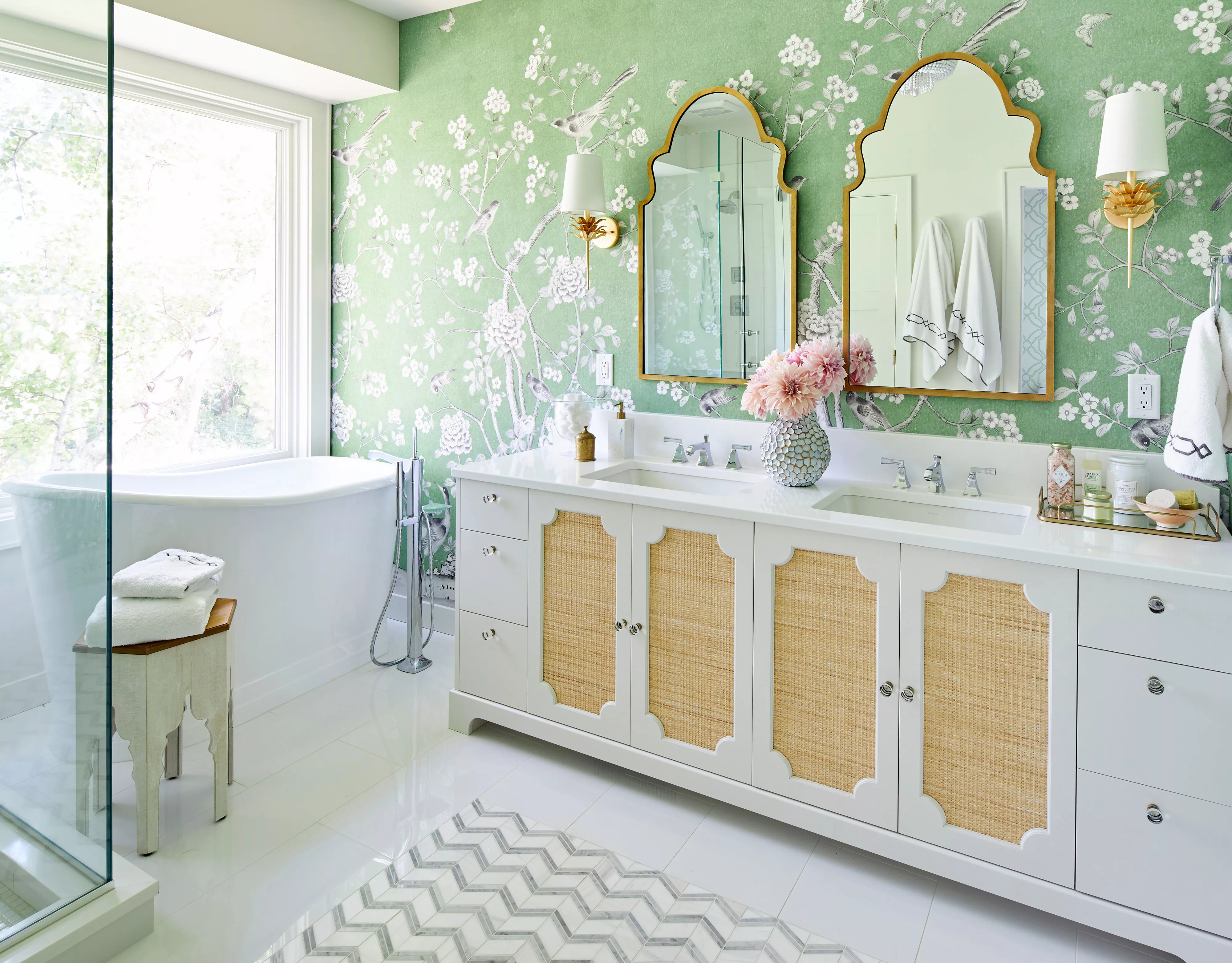
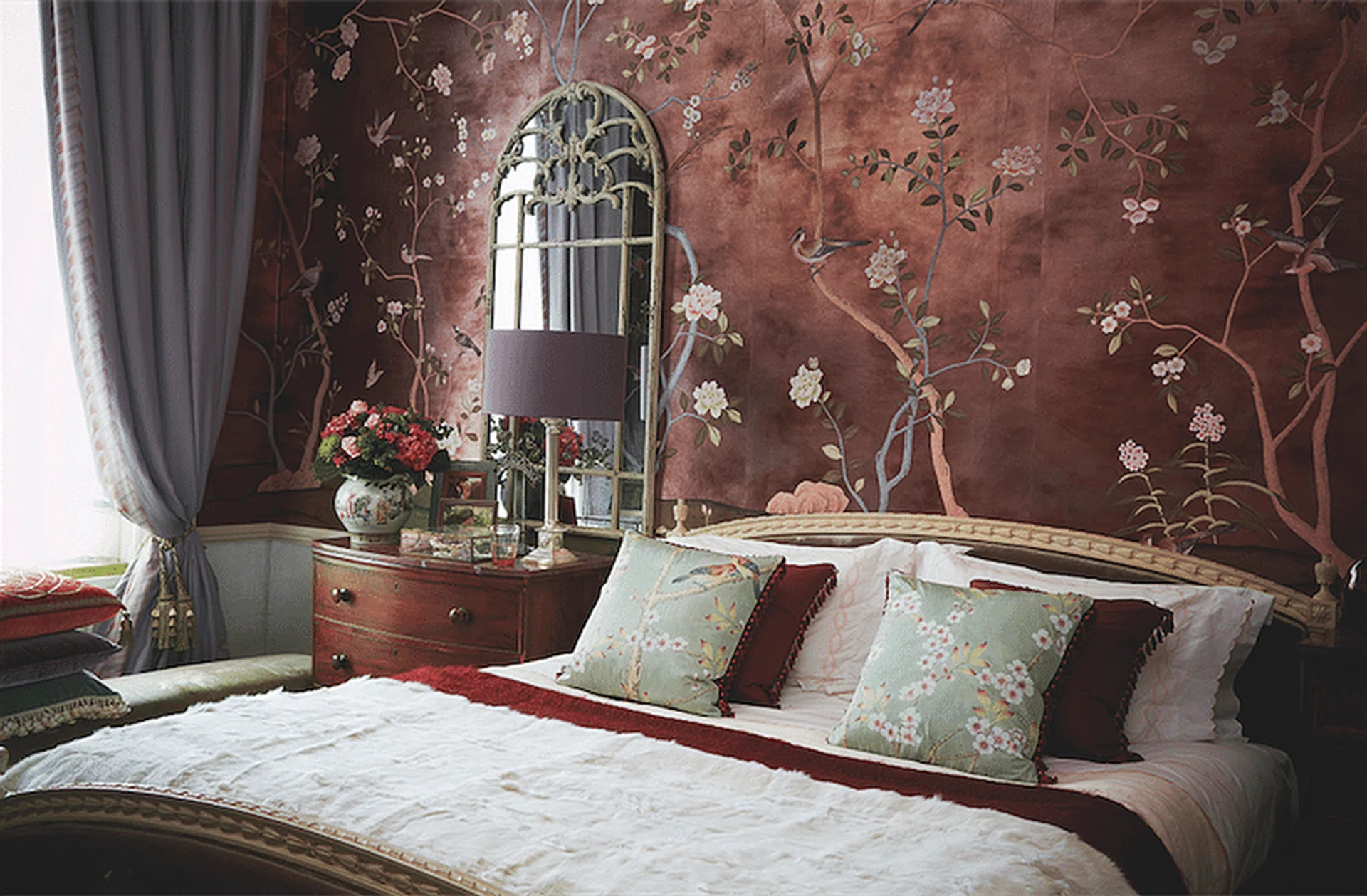
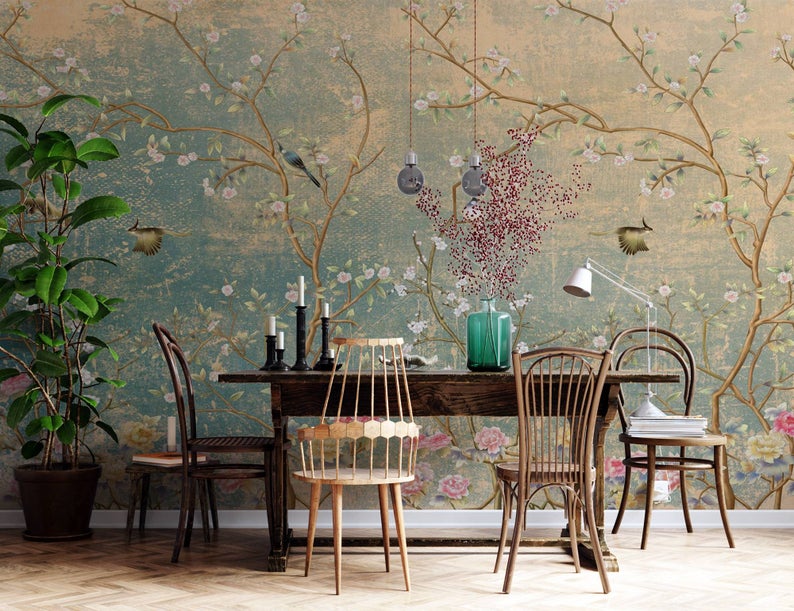
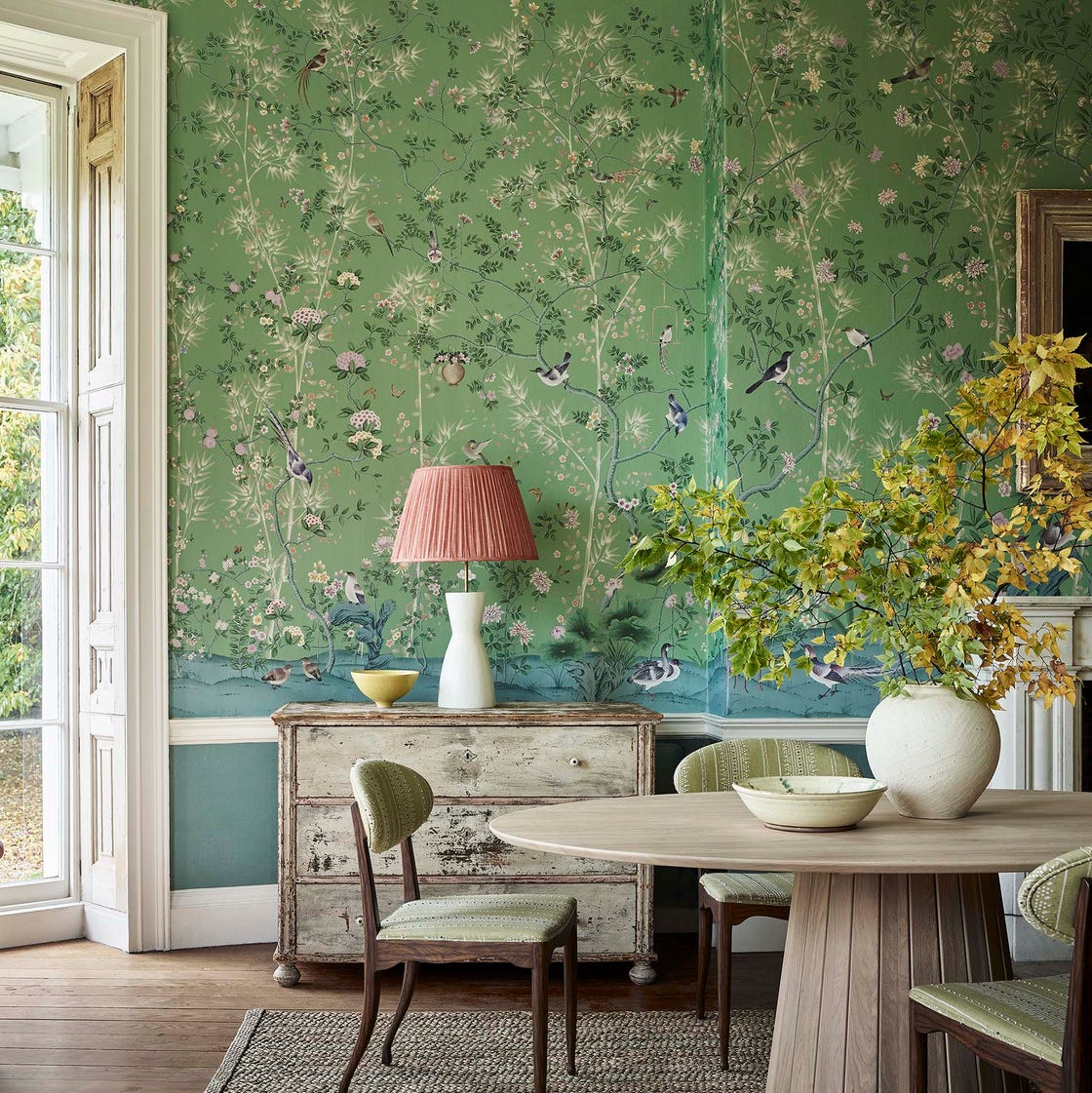
Chinoiserie, a style characterized by sophisticated opulence and oriental ornament, is experiencing a renewed popularity in interior design, offering a romantic and exuberant refresh to contemporary homes. This aesthetic, which draws inspiration from Chinese and Far Eastern patterns, has a rich history in European interiors, having been a part of British aesthetics for over three centuries. Originating in the 17th century as a craze for exotic style, it reached its peak in the 18th century and has consistently remained a fashionable choice for decorators seeking to convey elegance.
The current resurgence is evident in collaborations between high-end fashion designers and luxury wallcovering specialists. For instance, fashion designer Erdem partnered with de Gournay to create a chinoiserie pattern featuring a garden scene with birds and flowers, hand-painted on silk and Xuan paper. This collection, available in various colorways, has garnered significant advance orders even before its official launch, indicating a strong market demand for hyper-decorative patterns that reimagine traditional themes for modern living.
Beyond high fashion collaborations, various contemporary designers and brands are incorporating chinoiserie elements into their collections, often adding unique twists. Fromental, known for its hand-painted murals on paper and silk, has supplied its Bambois wallcovering to celebrity homes and contributed magnificent pieces to luxury hotels, such as the Mandarin Oriental Lake Como. Their designs frequently draw from 18th-century paintings that were created in a Chinese style to appeal to Western tastes.
Other designers are infusing historical chinoiserie themes with a modern sensibility. Kit Miles, for example, has created scaled-up, hyper-real patterns like Biophillia and Phases des Camélias. Divine Savages, founded by Jamie Watkins and Tom Kennedy, developed the "Forbidden Bloom" pattern, which integrates traditional elements with a distinctive twist, featuring serpents intertwined with vines to add a contemporary edge and encourage closer inspection.
Homeware e-tailers are also embracing the trend, with cult brands like Rockett St George offering a curated selection of chinoiserie wallpapers from international design labels such as Mind the Gap and Coordonné. These offerings span a range of price points, from more accessible rolls to exquisite hand-painted panels, demonstrating the widespread appeal of this decorative style. Examples like Mind the Gap's "Aquafleur Aquamarine" and Coordonné's pieces showcase complex patterns and fantastical charm.
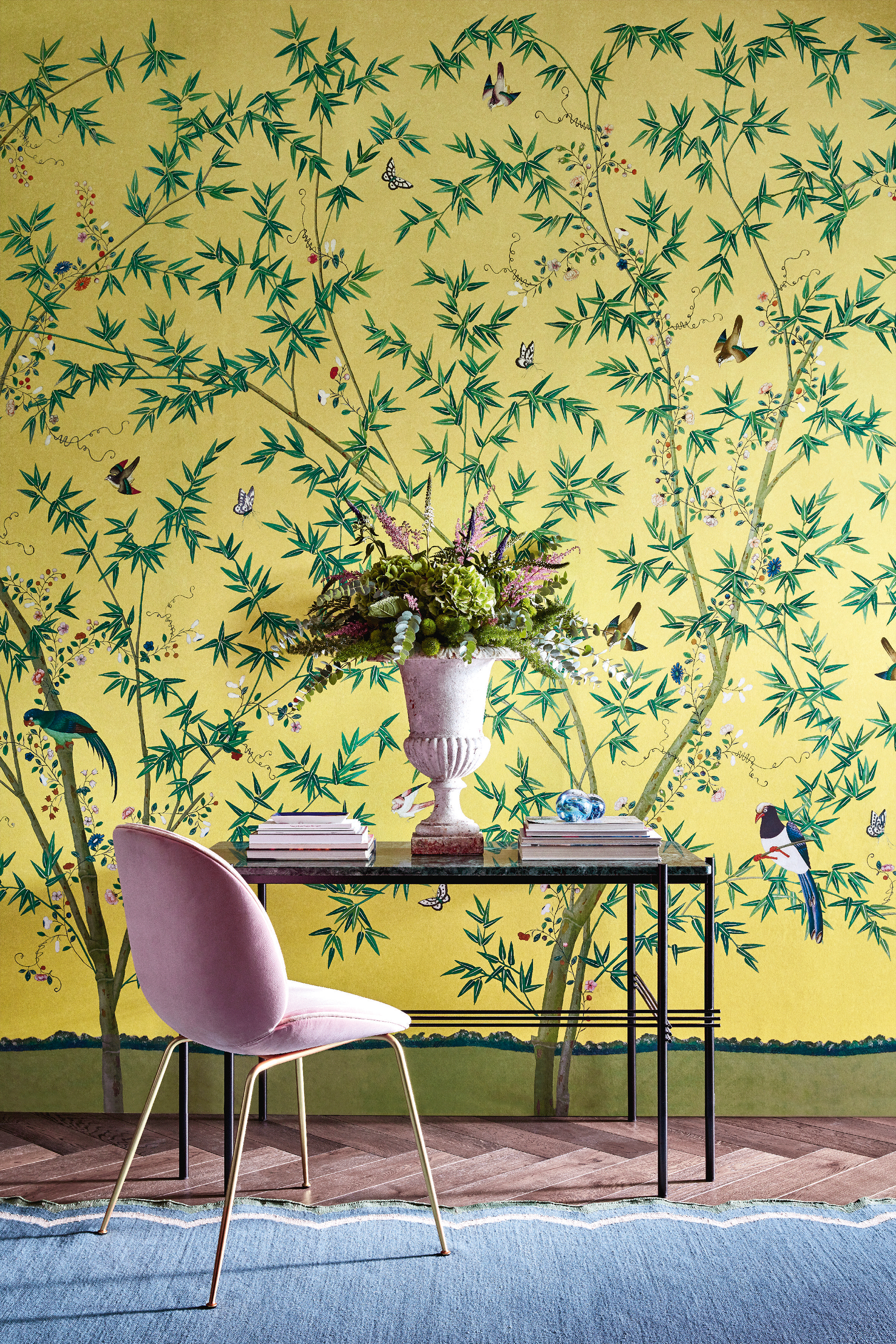
Historic brands like Zuber, the oldest working wallpaper factory in the world and a supplier to the White House, continue to produce classic chinoiserie designs such as the "Pauline 2582." Similarly, French brand Bien Fait offers modern interpretations like the blue and white scenic "Coromandel" wallpaper. Other notable examples include Fromental’s hand-painted "Quex Garden" from their Modern Chinois range, a reworking of an 18th-century pattern from the V&A archive, and Little Greene’s "Belton Scenic" wallcovering, inspired by an 18th-century paper found in Belton House, Lincolnshire. Nobilis's new "Joséphine" design, featuring birds and bamboo printed on Japanese straw, further illustrates the diverse applications and interpretations of this enduring decorative style. These examples collectively highlight how chinoiserie, with its blend of historical richness and contemporary adaptations, continues to be a compelling choice for interior decoration.
#Chinoiserie #Wallpaper #InteriorDesign #HomeDecor #EasternPatterns #LuxuryInteriors #DecorativeArts #Wallcoverings #Chinoiserie #Wallpaper #InteriorDesign #HomeDecor #EasternPatterns #LuxuryInteriors #DecorativeArts #Wallcoverings
0 comment in total
 No comments yet
You may also like
Ten joyful interiors with decorative printed wallpaper
11 Trendy Old-World Wallpaper Patterns (& The Best Way To Style Them)


An opinionated guide to using small and large scale pattern
11 Designer Wallpaper and Fabric Trends That Defined This Year

Chinoiserie – 13 whimsical ways to decorate with this cultural phenomenon

These are the 14 Most Iconic Wallpaper Designs of All Time

This Old-World Wallpaper Trend Is Everywhere—Here’s How to Make It Work for You

The 13 wallpaper trends to watch in 2022


23 Wallpaper Designs That’ll Rev Up Any Room

25 Cute Wallpapers Worth Swooning Over In 2024

16 Latest Wallpaper Trends That Designers Are Loving for 2023

Interior designers on the best piece of decorating advice they inherited from their parents and grandparents
Interior design styles: Chinoiserie-style homes
This old-school wallpaper trend is everywhere—here's how to use it

Decorating with pattern – 11 ways to embrace print at home
Whimsical Wallpaper Is Making a Comeback. Are Your Walls Ready?
6 homes that showcase maximalism at its best
This British Wallpaper Brand Just Changed the Game for Lovers of Hand-Painted Chinoiserie

30 wallpaper ideas - clever ways to add colour and pattern to your home
7 Wallpaper Trends You're Going to See Everywhere in 2025