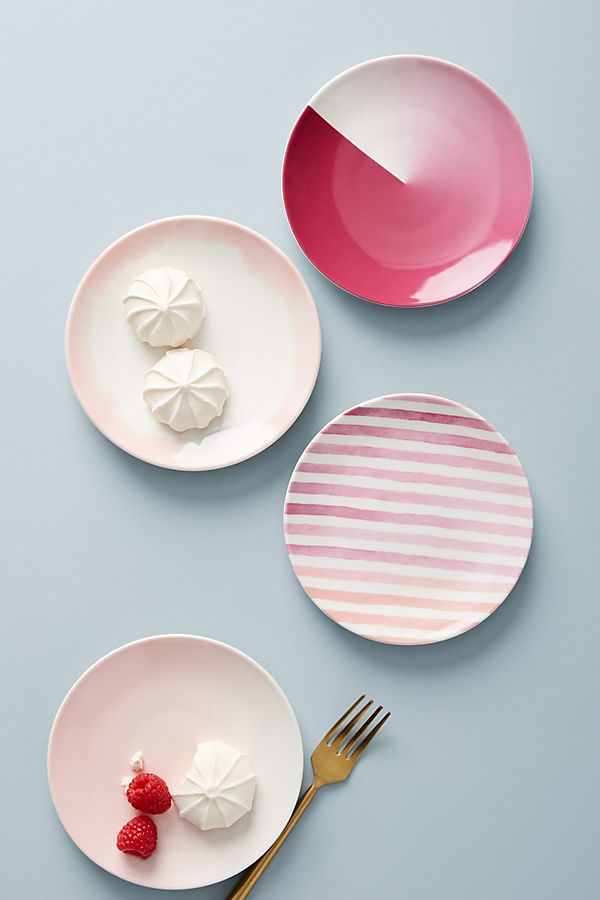
The fashion plates of dinnerware
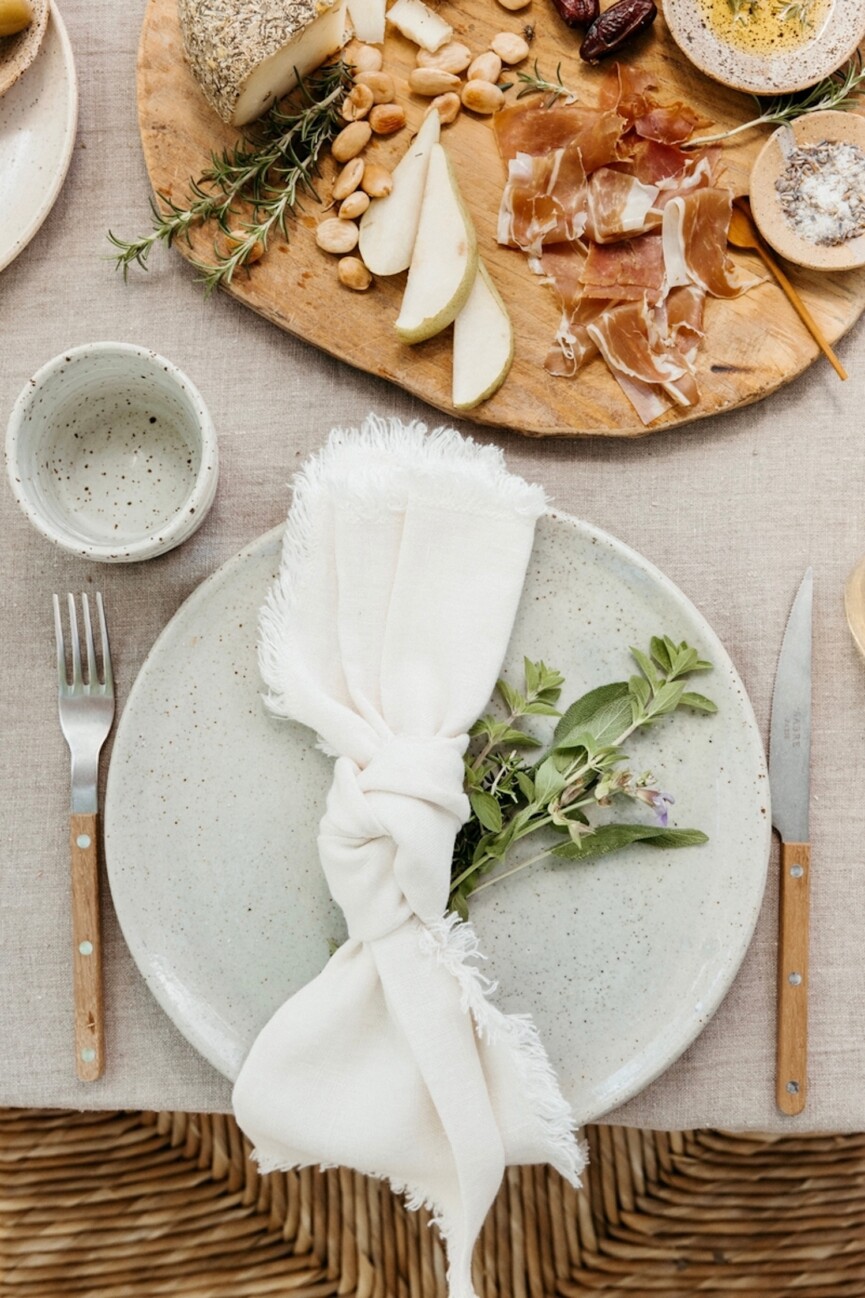
Dinnerware transcends fleeting trends, often becoming cherished heirlooms passed down through generations. It possesses the unique ability to elevate any meal, from casual pizza nights to formal dinners, imbuing them with a sense of nostalgia and occasion. The enduring appeal of quality dinnerware patterns means that even if a design momentarily falls out of vogue, its return to popularity is often inevitable, as seen with the reproduction of Russel Wright's 1937 Bauer Pottery, catering to the sustained interest in early-modern and mid-century American design.
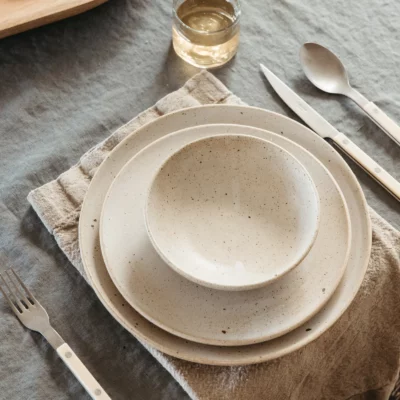
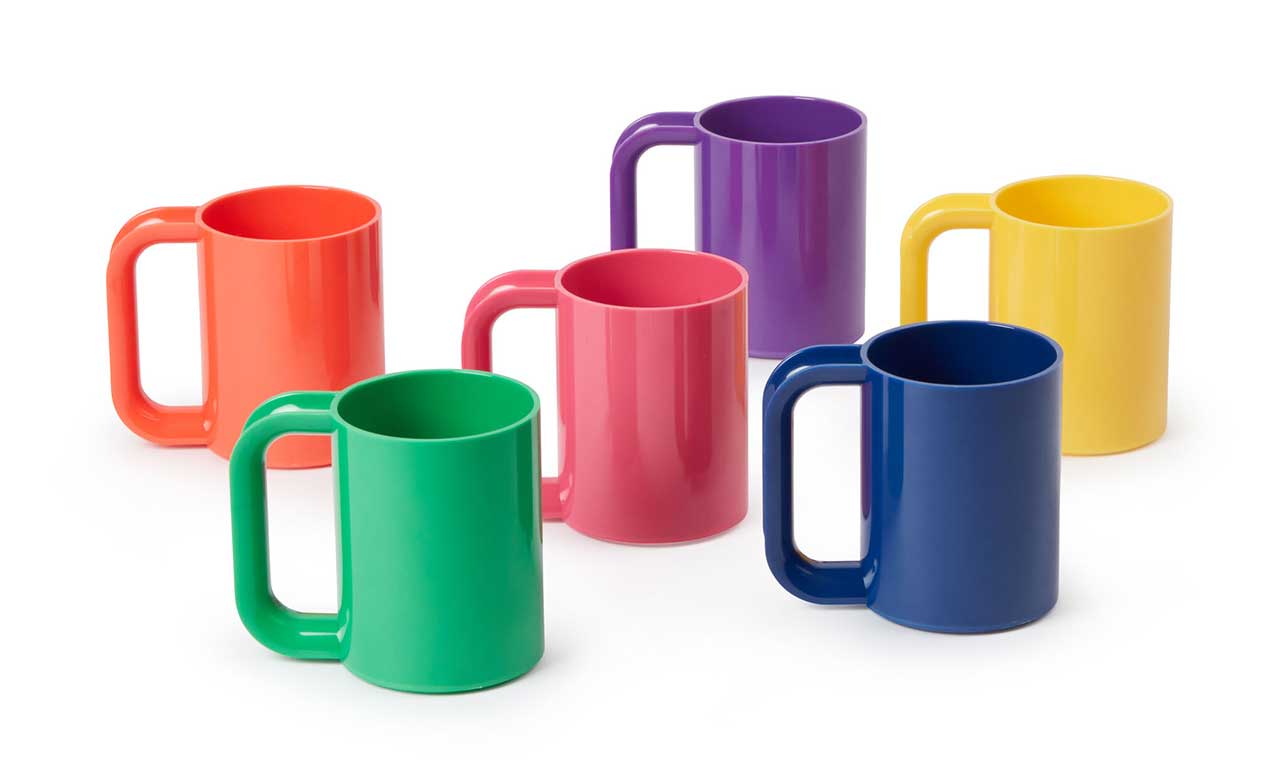
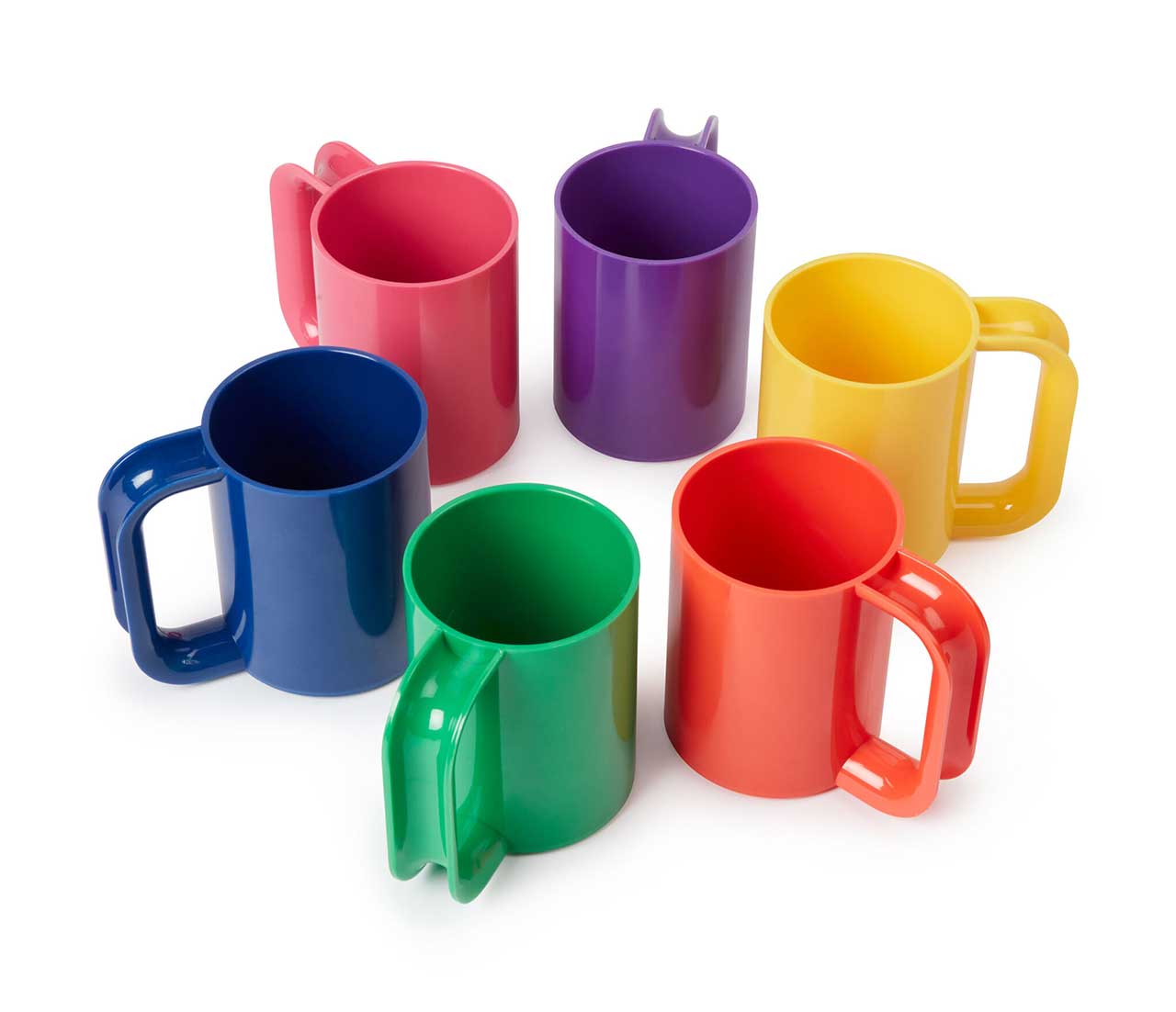
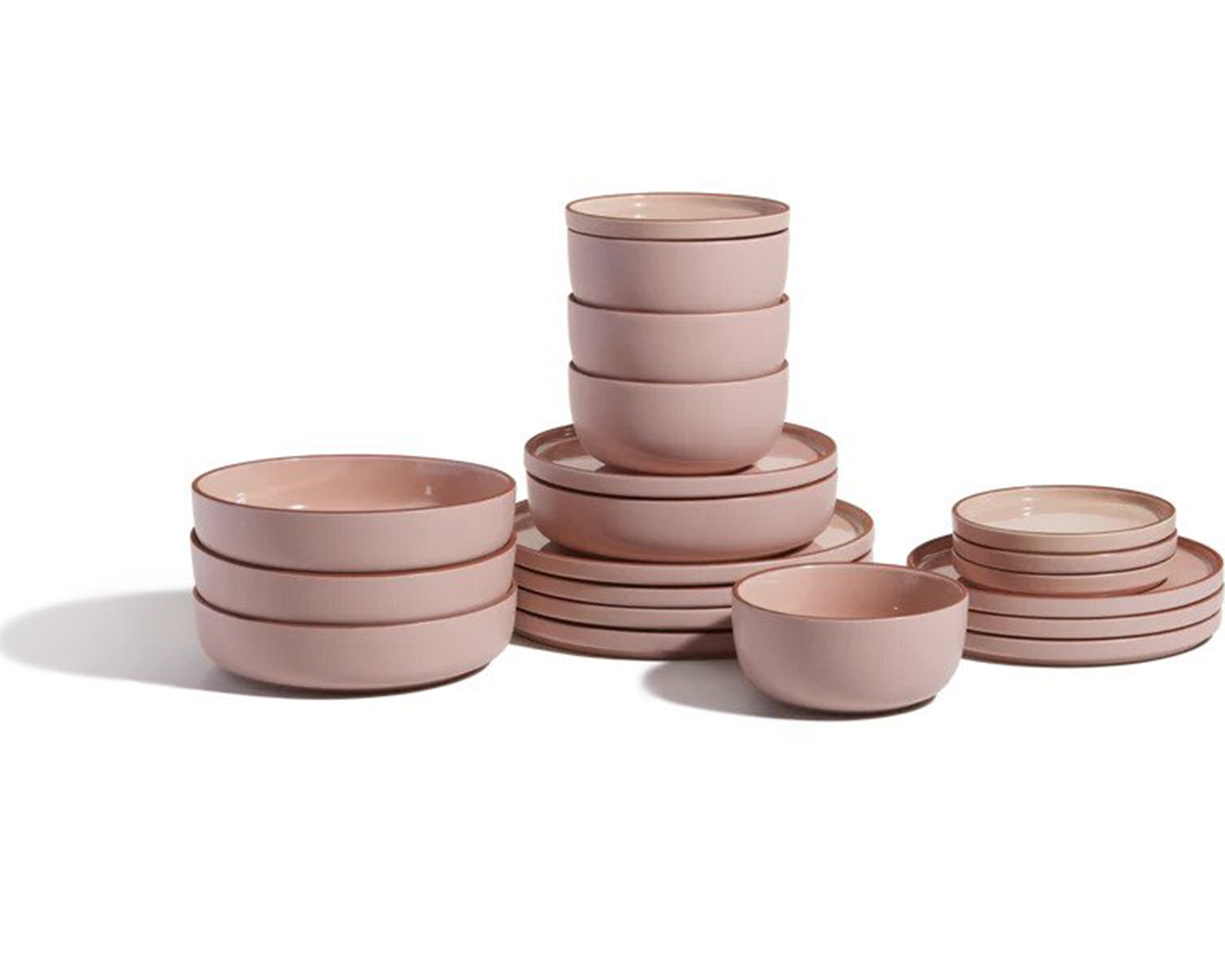
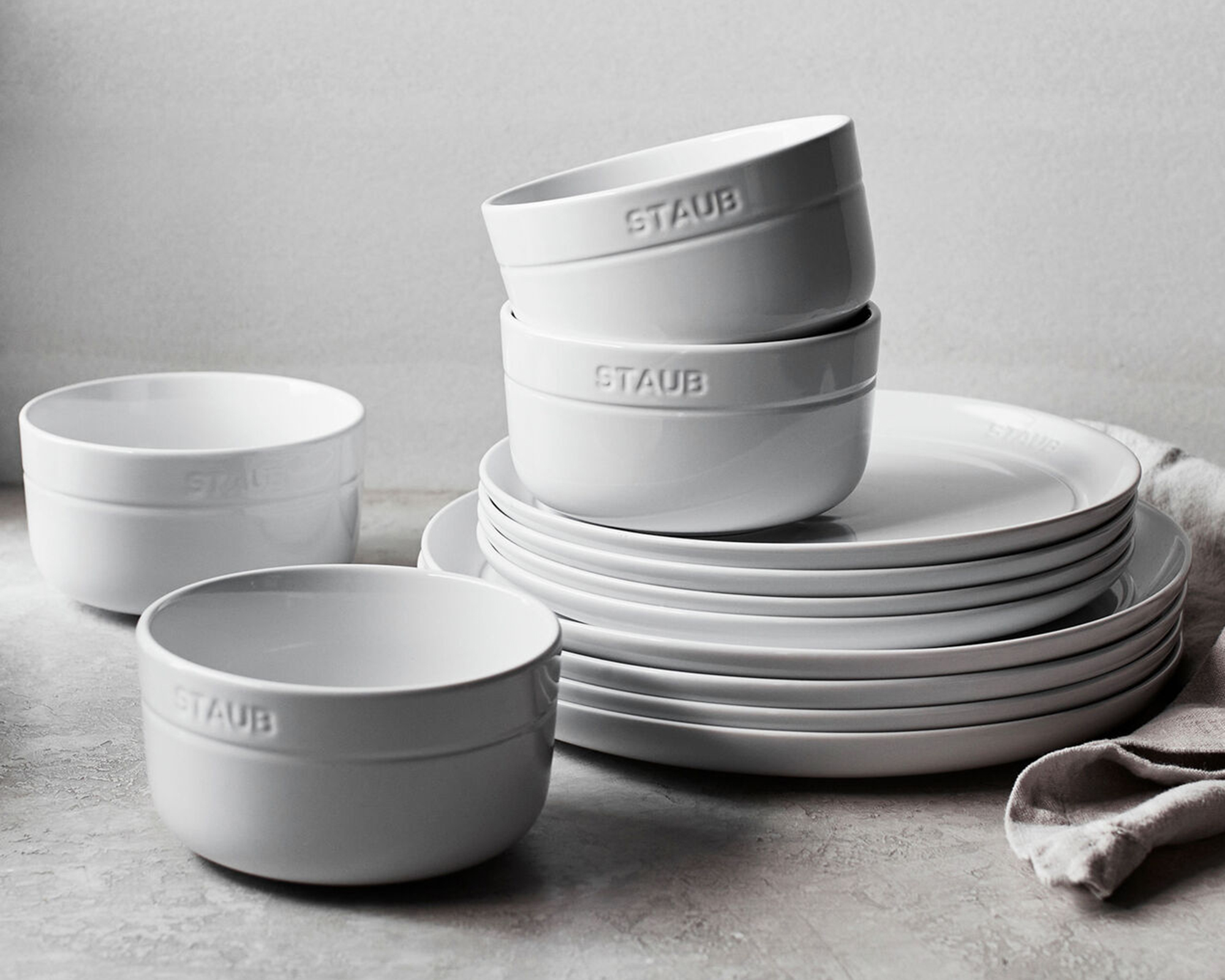
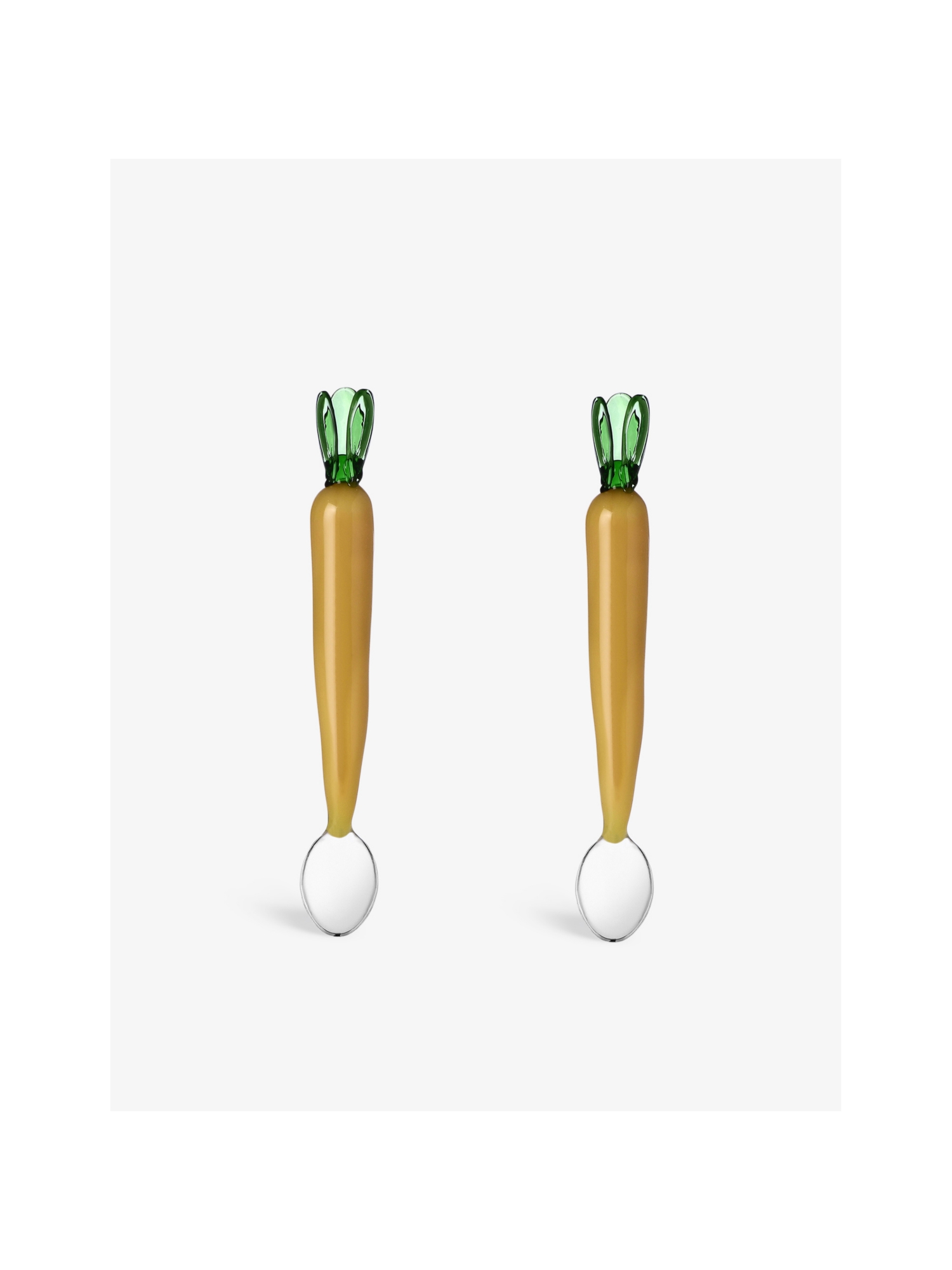
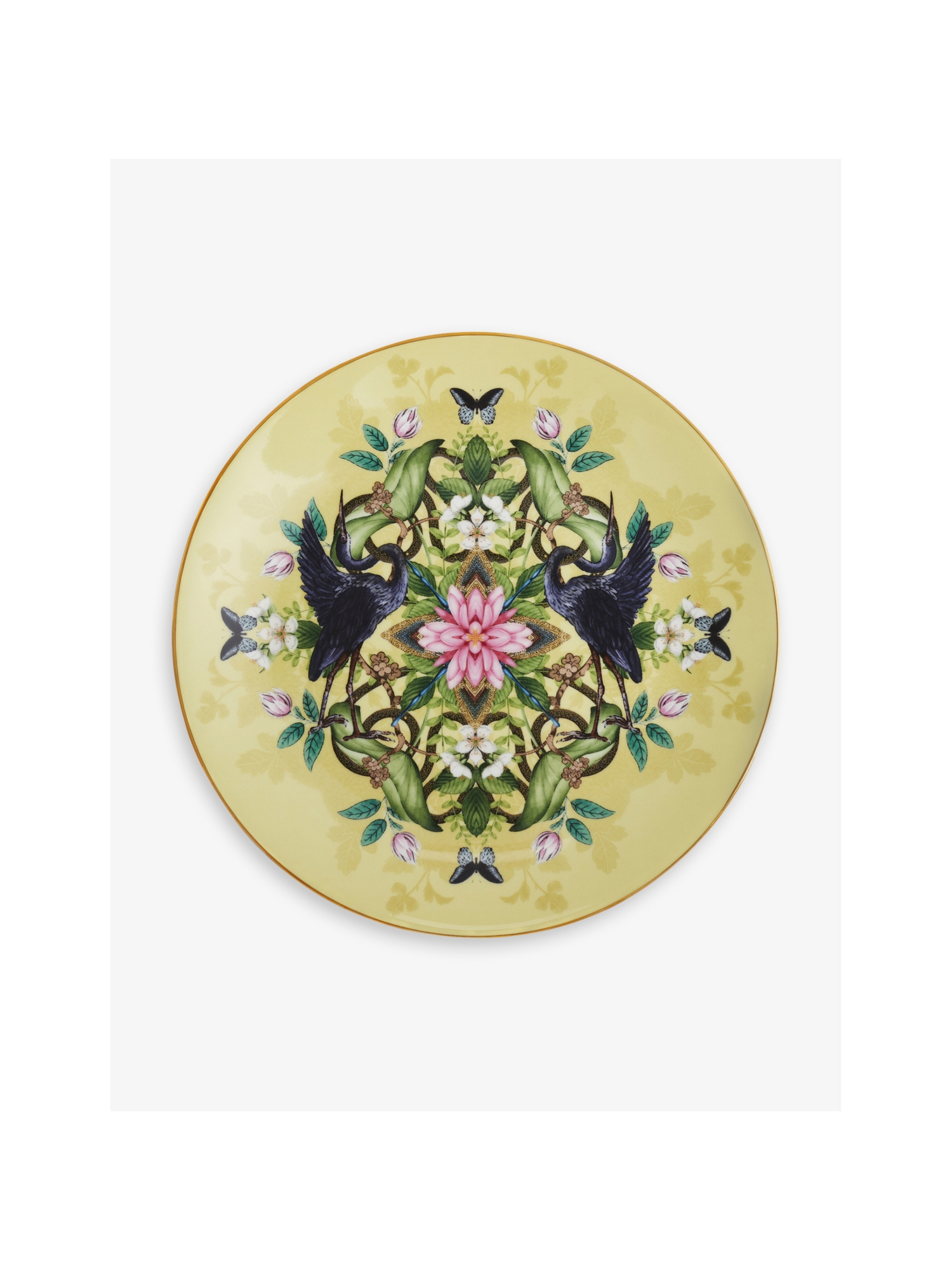
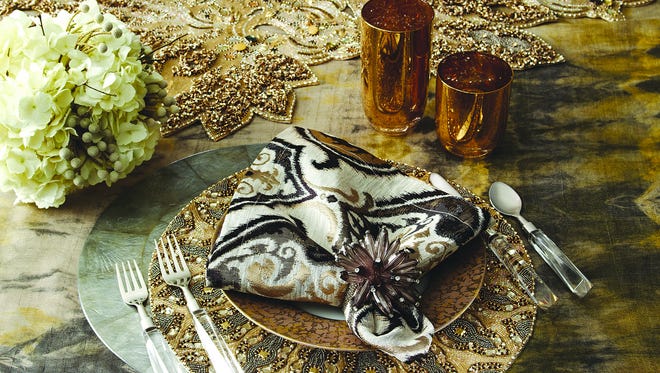
Today's dinnerware market is characterized by its remarkable diversity, offering a wide array of styles that reflect contemporary aesthetics while also drawing inspiration from historical influences. This variety includes pieces adorned with luxurious gold and platinum edgings, vibrant and intricate patterns, and innovative shapes such as squares and octagons. Furthermore, the modern dinnerware landscape embraces vintage reproductions, allowing consumers to acquire pieces that evoke the charm of past eras. High art has also found its way onto dining tables, exemplified by Bernadaud's collection celebrating Marc Chagall's sketches, which originally inspired stained-glass windows in a Jerusalem medical center.
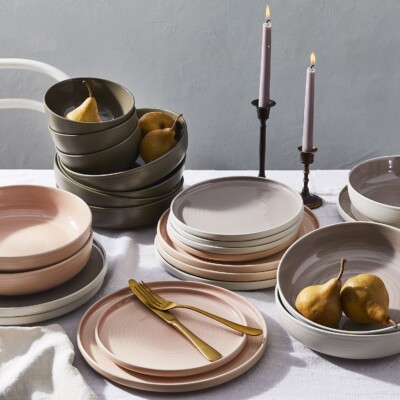
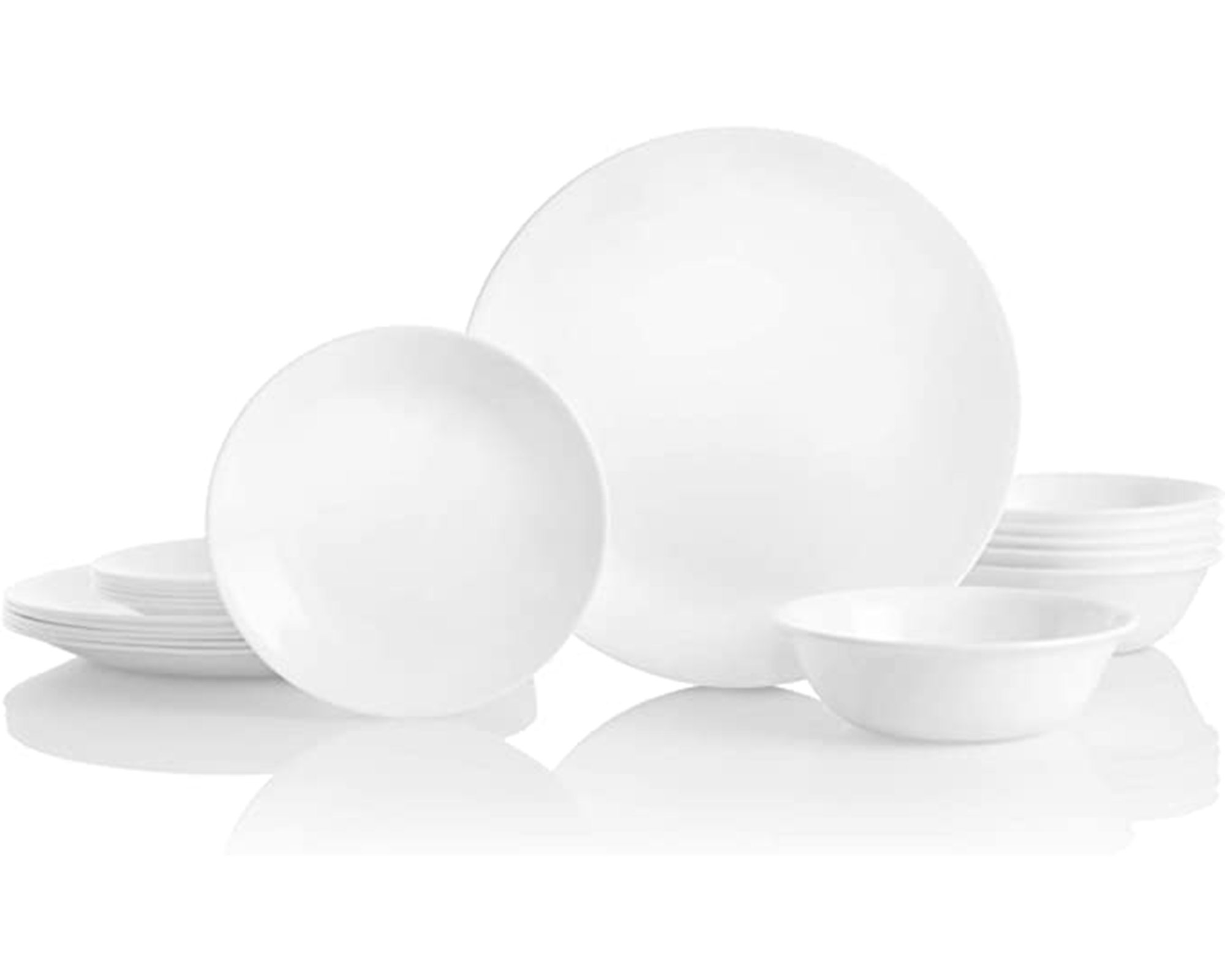
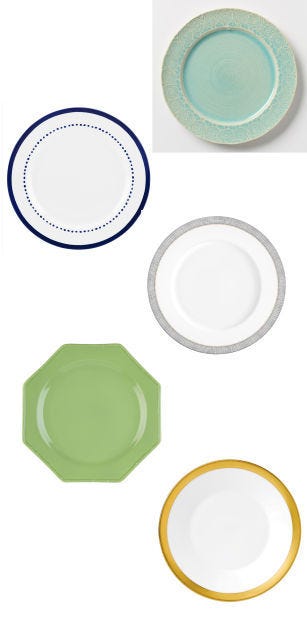
When selecting dinnerware, interior designers, buyers, and store owners emphasize the importance of personal preference. Designer Kelley Proxmire, a china collector since 1979, advises prioritizing what one genuinely likes, asserting that true style is transcendent and personal taste should guide choices. This philosophy is evident in several key trends and recommendations within the industry. Michelle Westcott-Richards of Waterford, Wedgwood, and Royal Doulton notes a significant shift towards colorful dinnerware, moving beyond the long-standing dominance of white and platinum. Anthropologie's Old Havana Dinnerware in mint, with its vintage feel, exemplifies this trend.
The New York Tabletop Market, where china companies unveil their latest patterns, consistently highlights emerging trends. Spring/summer collections frequently feature blue/white combinations, florals, and stripes. Kate Spade's Charlotte Street Dinner Plate offers a preppy, painterly take on the classic blue and white motif. The collaboration between fashion and home designers and china manufacturers is a well-established practice. Vera Wang's Gilded Weave place setting for Wedgwood is a new, neutral design that can be easily integrated with other patterns, including heirloom pieces, creating a unique and personalized table setting. Sarah Kauffman, Director of Merchandising for One Kings Lane, highlights customers' preference for mixing vintage and new items.
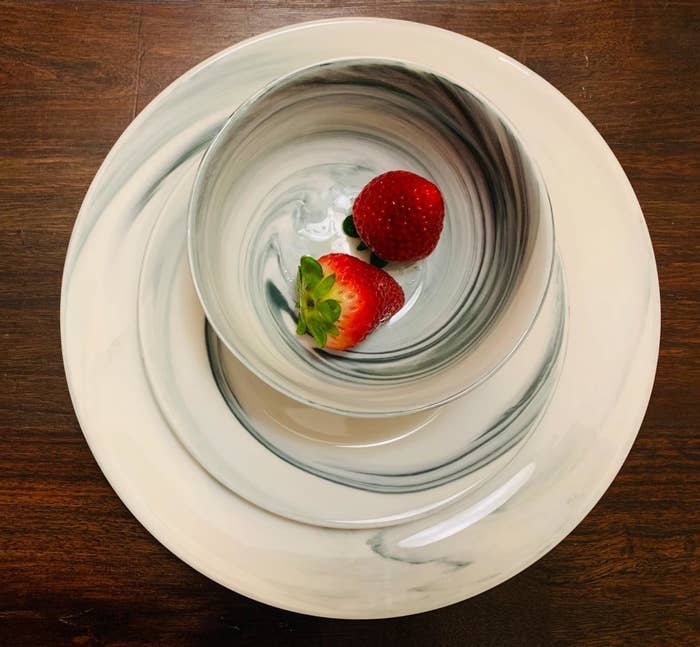
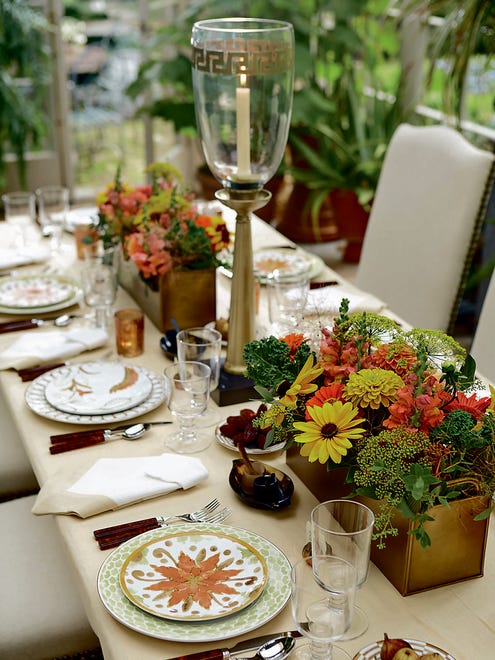
Layering is a versatile technique to refresh traditional pieces and customize table settings for different occasions. Oscar de la Renta's stoneware Pavilion Dinner Plate in Lettuce, ivory, and indigo, with its octagonal shape, lends itself well to layering with salad bowls for added visual interest. Jasper Conran's enduring designs for Wedgwood allow for creative layering, enabling combinations of his Gold-Banded Plate with chinoiserie-inspired, white, or striped plates for a bohemian aesthetic. Proxmire herself champions the timeless appeal of blue-and-white combinations, collecting pieces from various countries, demonstrating the global influence on dinnerware design. L'Objet's Perlée Dinner Plate in blue, with its architectural and vibrant Greek inspiration, offers a sophisticated everyday option.
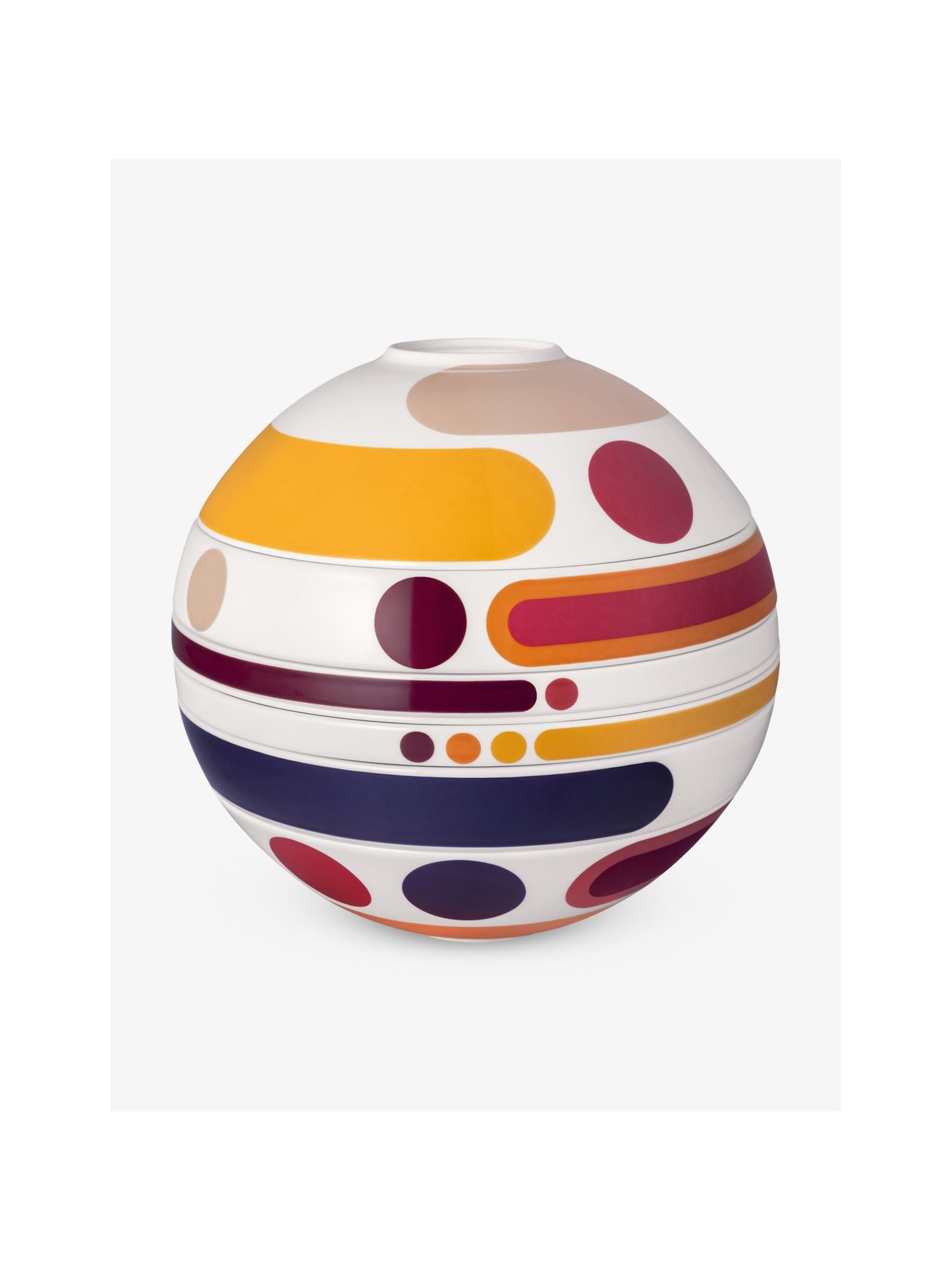
For those seeking bolder statements, Kelly Wearstler's Mulholland dinner plate for Pickard China, inspired by her Channels wallpaper, incorporates striking geometric patterns. While bold designs might raise concerns about longevity, Proxmire suggests pairing colorful plates with neutral ones to maintain versatility over time. High-end brands like Hermès also contribute to the dinnerware landscape, with patterns like Bleus d'Ailleurs being considered collector's items of the future. Ultimately, the article emphasizes that mixing and matching patterns from different manufacturers is not only acceptable but also encouraged, reflecting a modern approach to table setting, as exemplified by Englert's collection of thirteen china patterns at home, a practice she notes as being "the French way." Emily Hull-Martin, Bloomingdale's fashion director for home, suggests that incorporating art, such as Bernadaud's interpretation of Marc Chagall's designs, is a cutting-edge way to add unique patterns to a table setting.
#DinnerwareTrends #HomeDecor #TablewareDesign #InteriorDesign #ChinaPatterns #VintageModern #MixingAndMatching #LuxuryDinnerware #ArtisticDinnerware #DinnerwareTrends #HomeDecor #TablewareDesign #InteriorDesign #ChinaPatterns #VintageModern #MixingAndMatching #LuxuryDinnerware #ArtisticDinnerware
0 comment in total
 No comments yet
You may also like
Found: The Best Modern Dinnerware Sets to Style Your Spring Table

You Can Now Buy Domino-Designed Dinnerware at Anthropologie

Material Just Launched Tableware and—Shocker—It’s Gorg

Porcelain Surfaces

MoMA Design Store Resurrects Hellerware Rainbow Dinnerware

I'm a kitchen decor editor and didn't like this tableware trend - until I saw H&M Home's designer-look plates
The Best Gold Flatware Sets for More Dazzling Dining, According to Our Editors

The Dining Table Trends for 2026 Have Been Set
Best dinnerware sets: 5 designs shoppers rate highly

28 Cute Dinnerware Sets That’ll Make Even Your Worst Attempt At Cooking Look Good

7 round dining tables inspired to nature
The Dining Room Design Trend That Elevates Every Dinner Party

AI illustrations of food adorn vibrant mosaic plates for dining table installation in hong kong
A Dining Table That You Can Cook On


The Best Salt and Pepper Grinders, Shakers, and Mills, According to Experts
McGee & Co’s Dining Sale Event Is Perfectly Timed for Hosting Season – 9 Chic Finds to Elevate Your Holiday Table

Best Luxury Tableware & Dinnerware 2025
Where do interior designers shop for chic tableware? 12 tell us the go-to stores to elevate your hosting game
Gallery: Style gathers 'round the holiday table
Our New Collaboration Will Make Your Tabletop #SODomino