Are Ceiling Fans Actually Outdated? Designers Share How to Make Them Work in Your Space
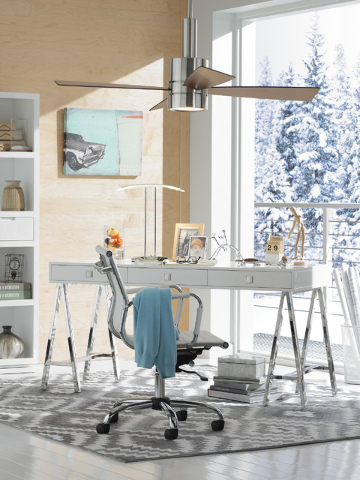
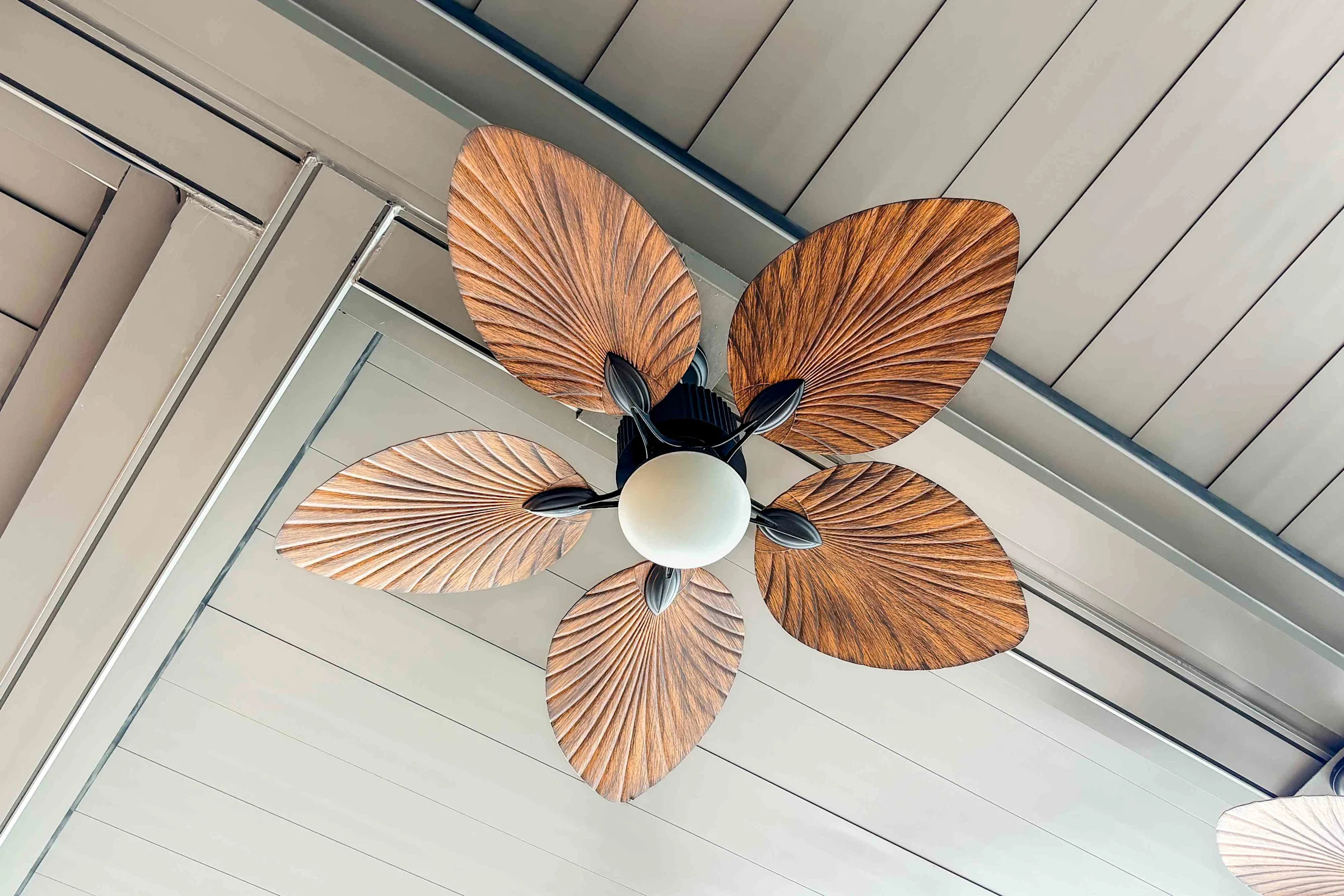
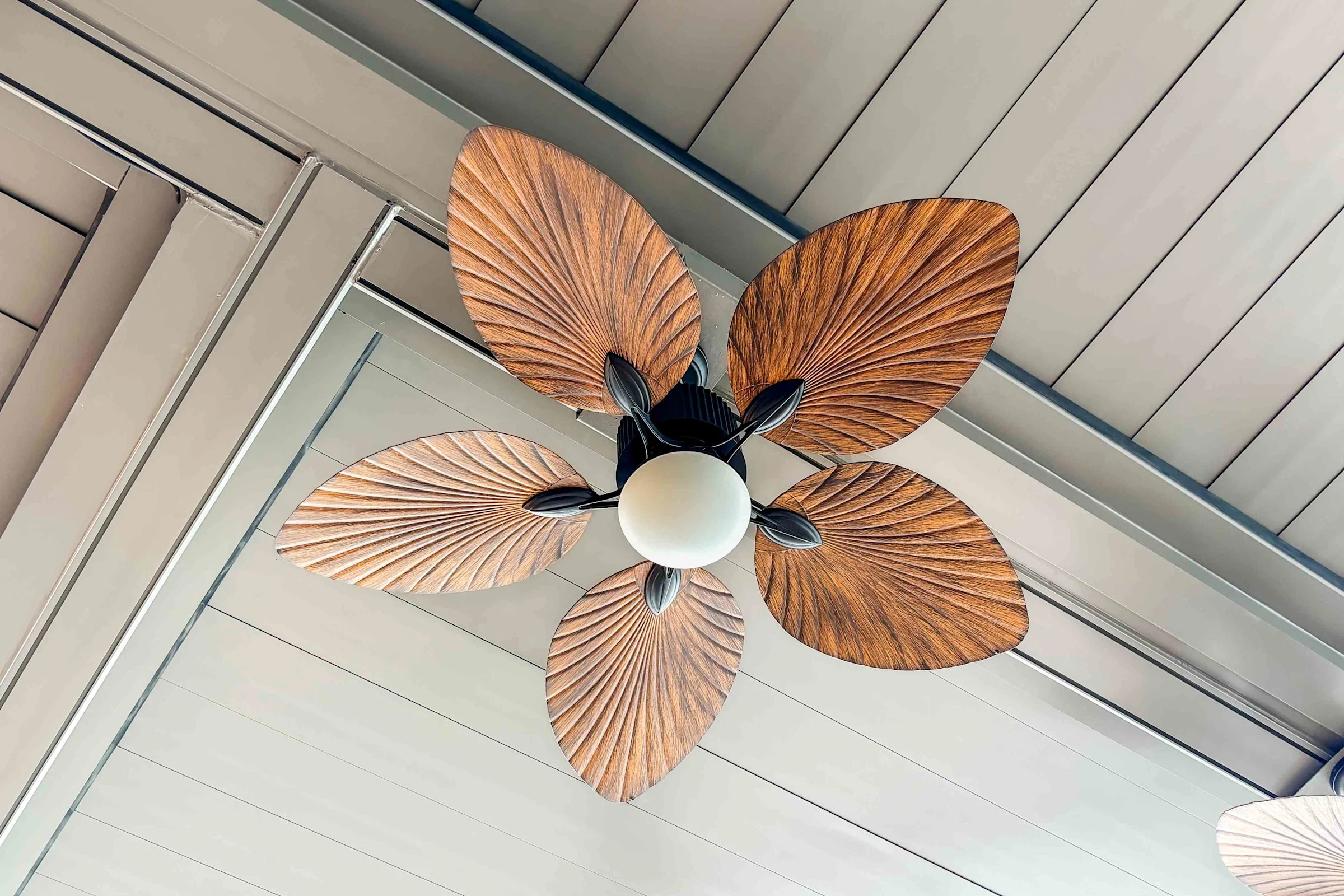
Ceiling fans, despite sometimes being perceived as outdated, continue to be a functional and aesthetically adaptable element in interior design. Interior designers Taniya Nayak and Molly Miller assert that ceiling fans are not inherently out of style but rather depend on the specific aesthetic and functionality required for a space. Nayak highlights the importance of choosing a fan that complements the room's design, emphasizing that modern, sleek options can integrate seamlessly into contemporary aesthetics. Miller adds that ceiling fans are an eco-friendly and cost-effective alternative to air conditioning, providing significant energy savings, particularly in warmer climates or during summer months. They are especially beneficial in areas where central air conditioning might not be sufficient or desired.
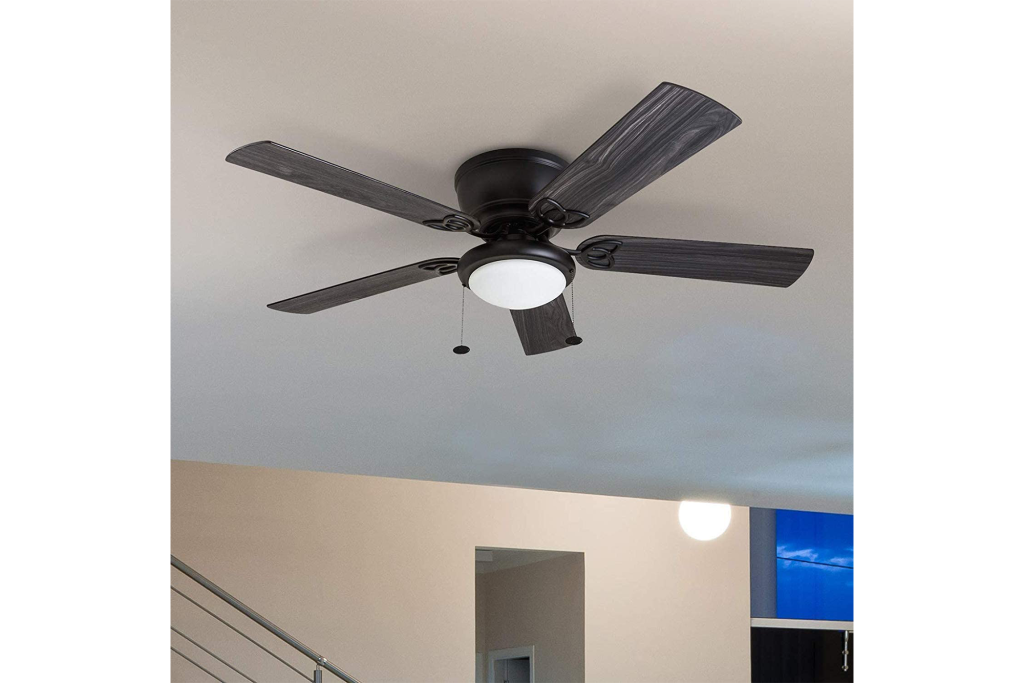
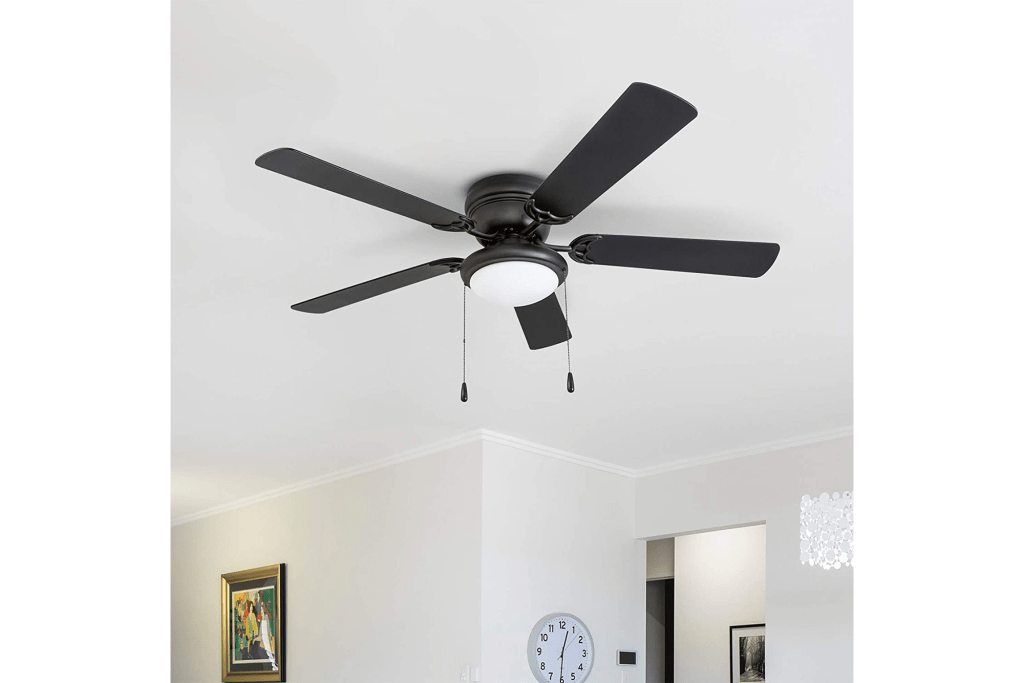
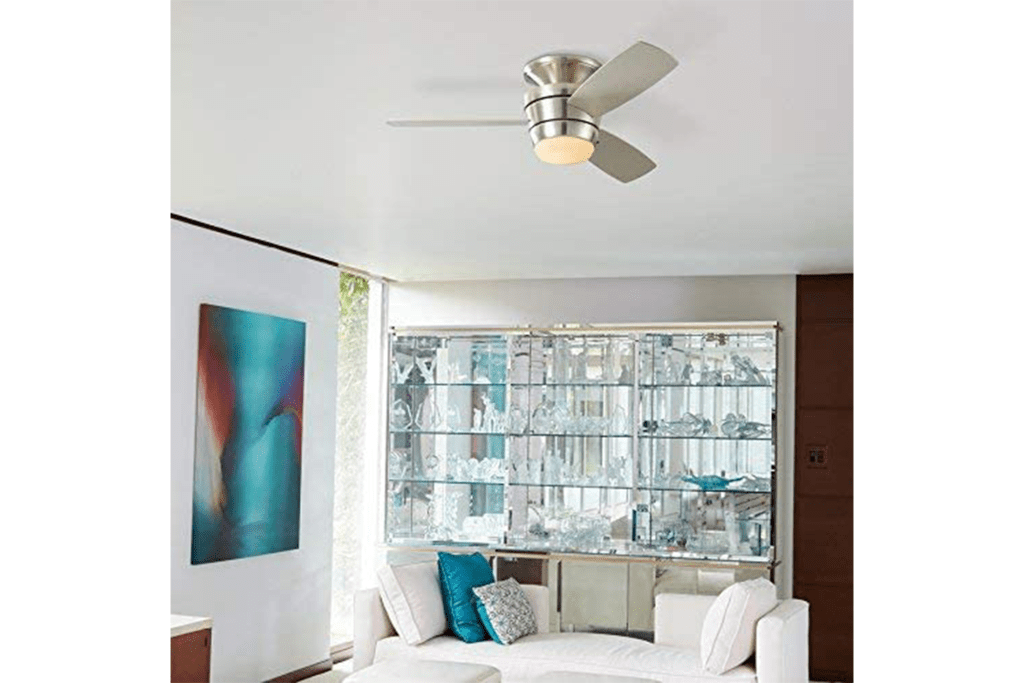
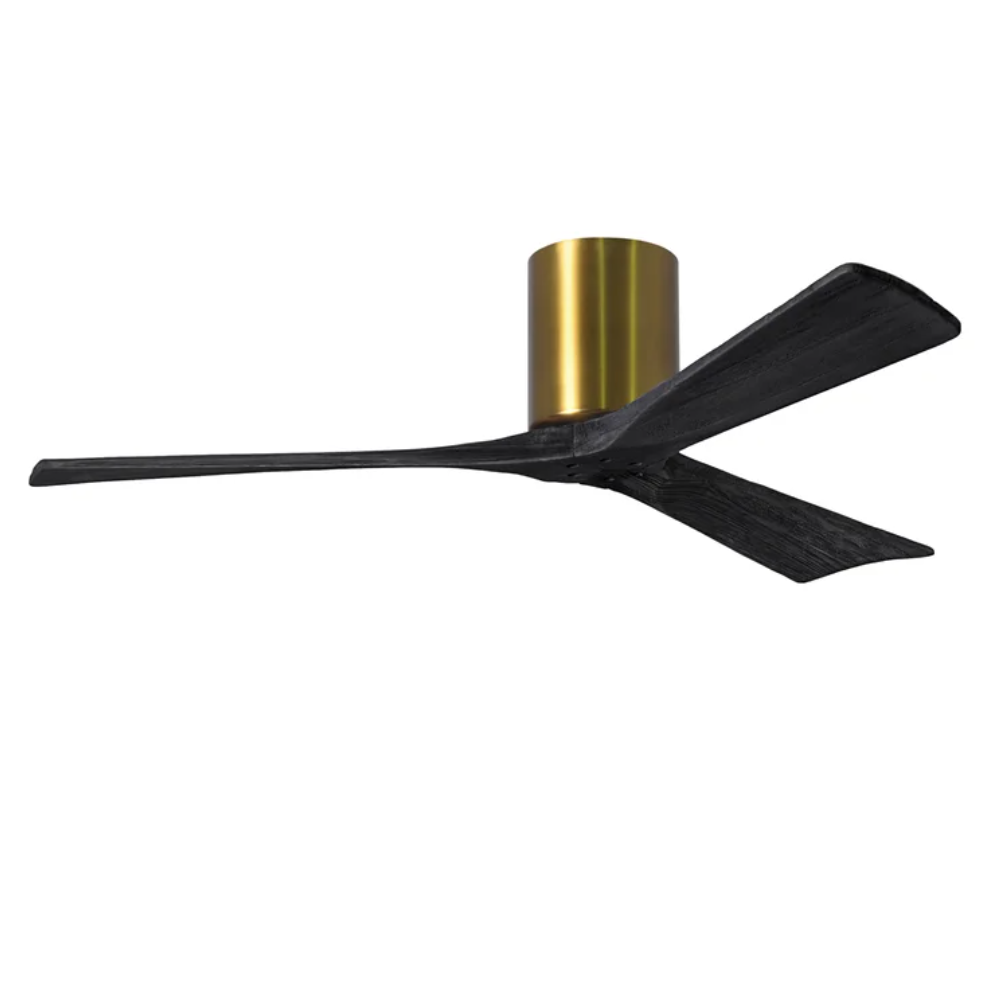
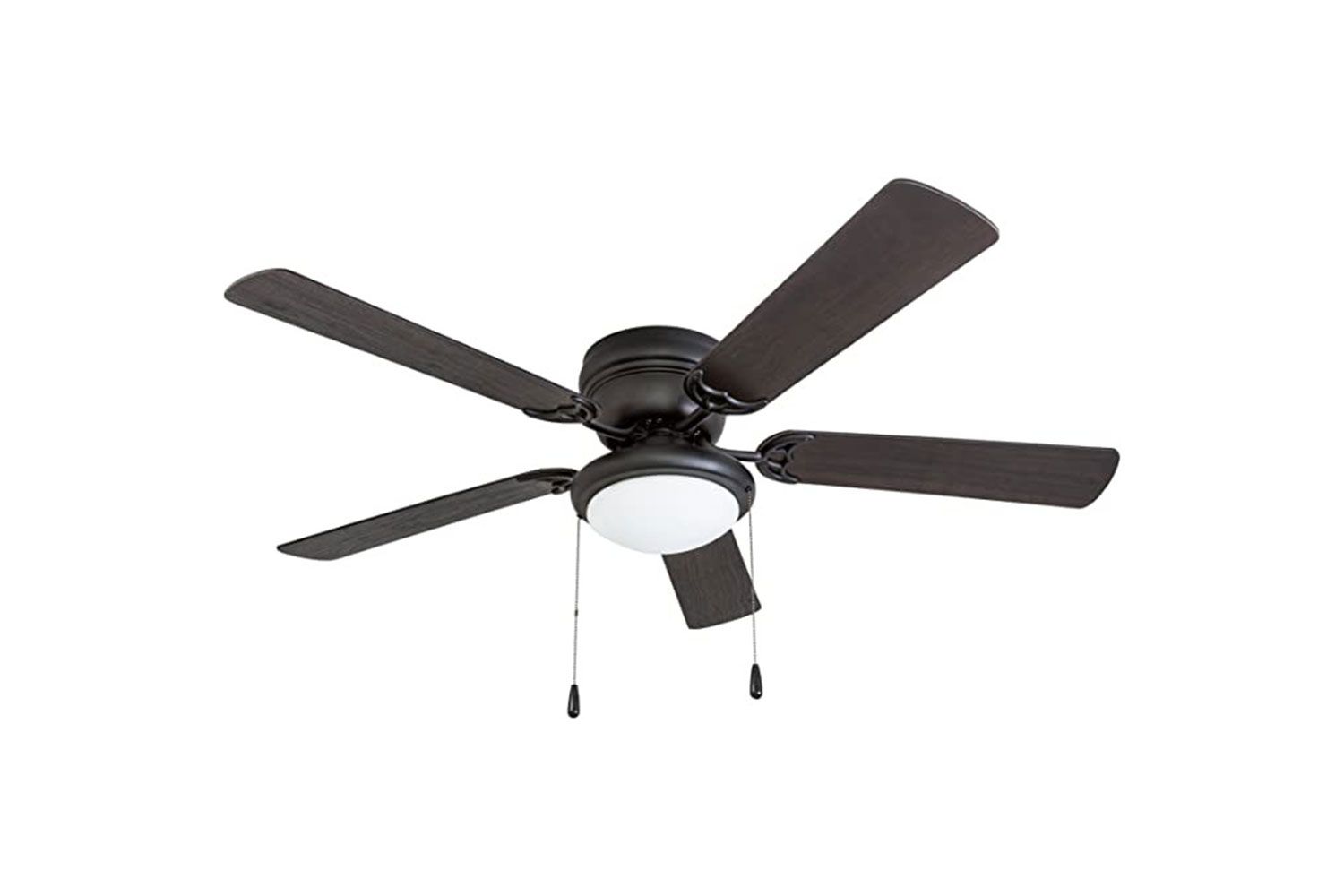
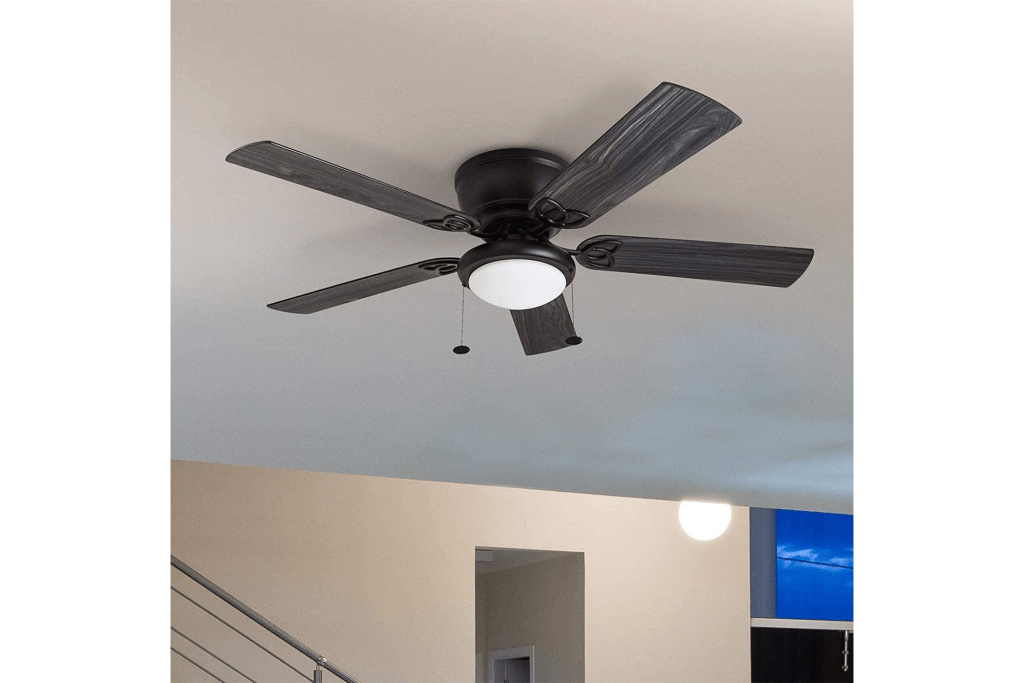
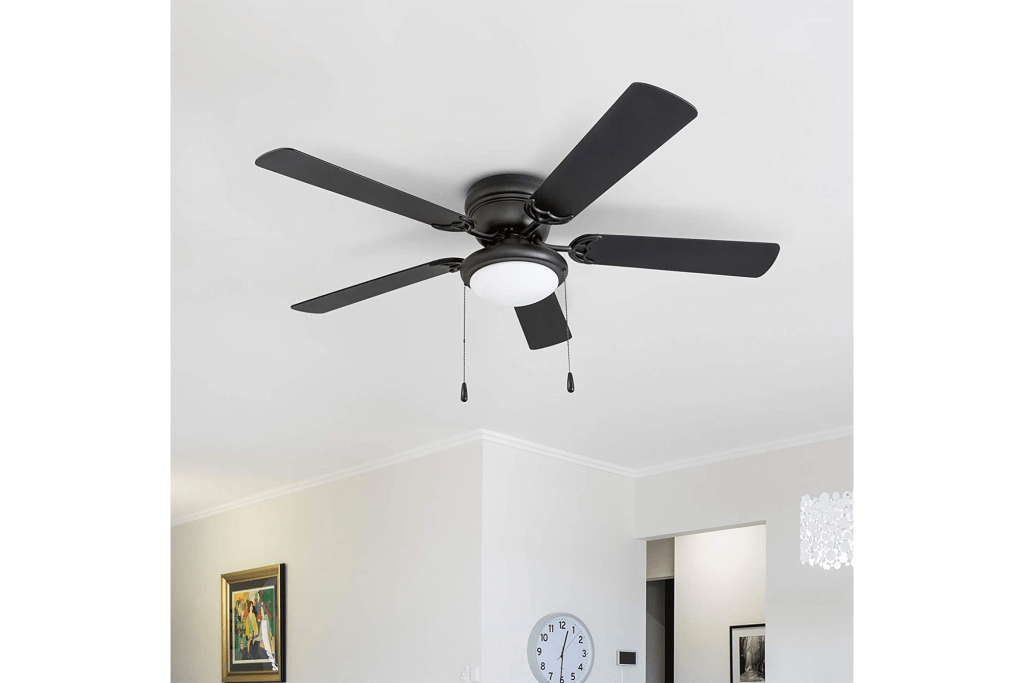
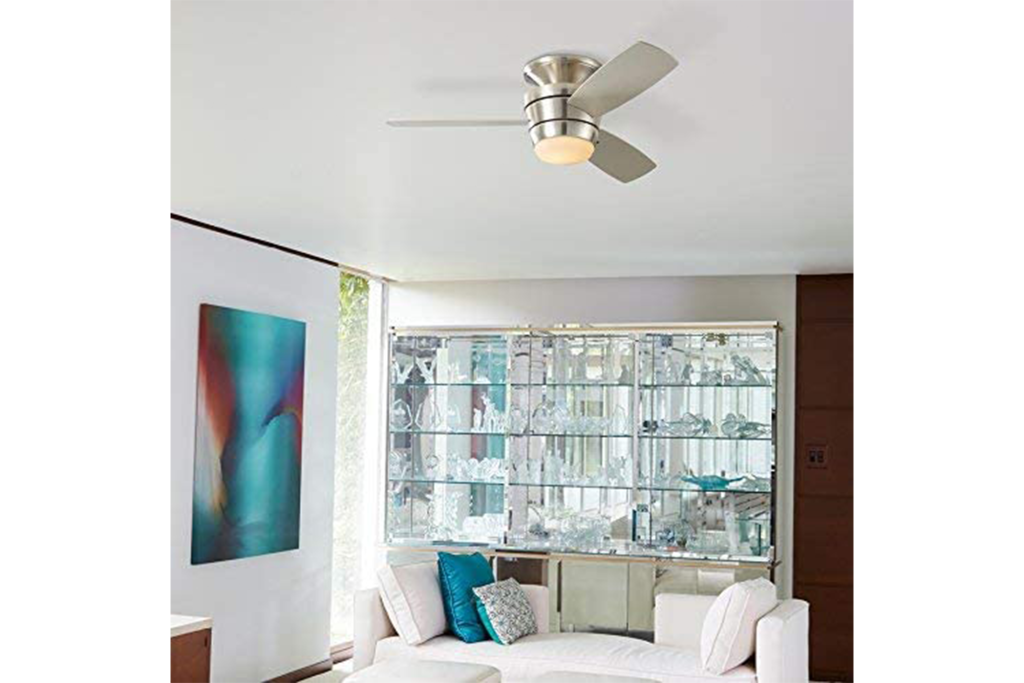
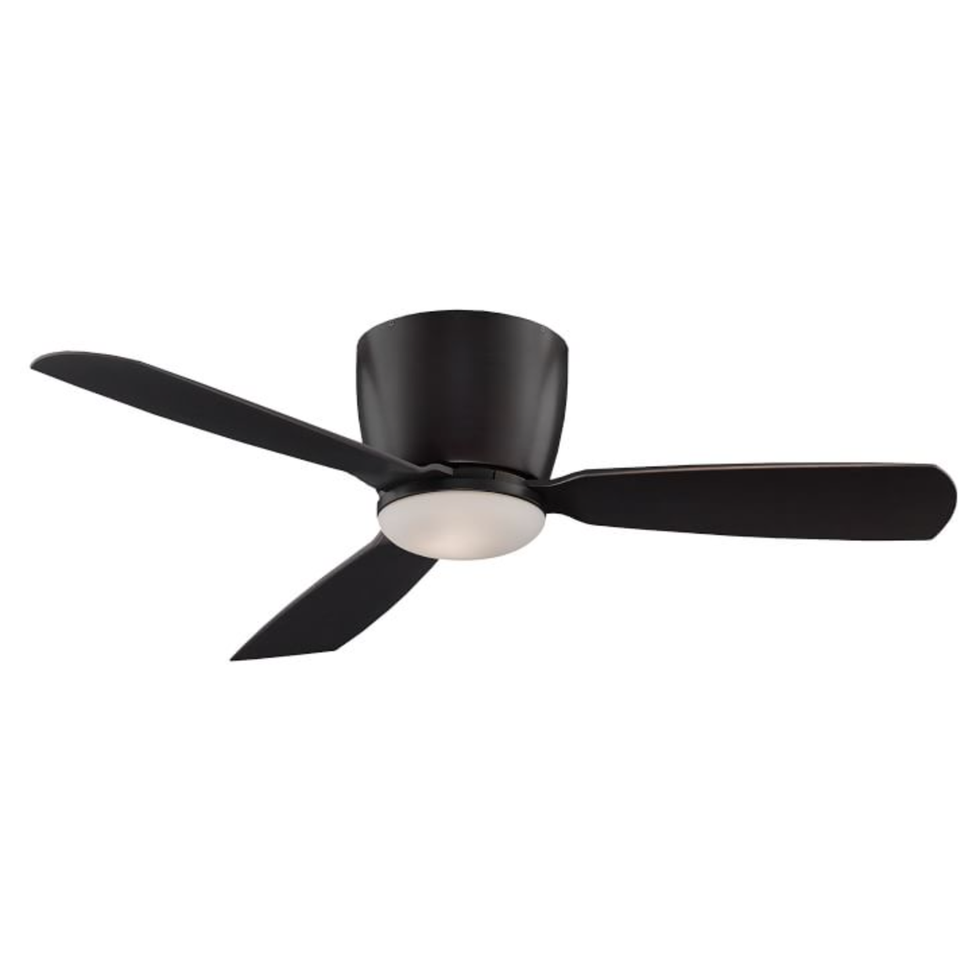
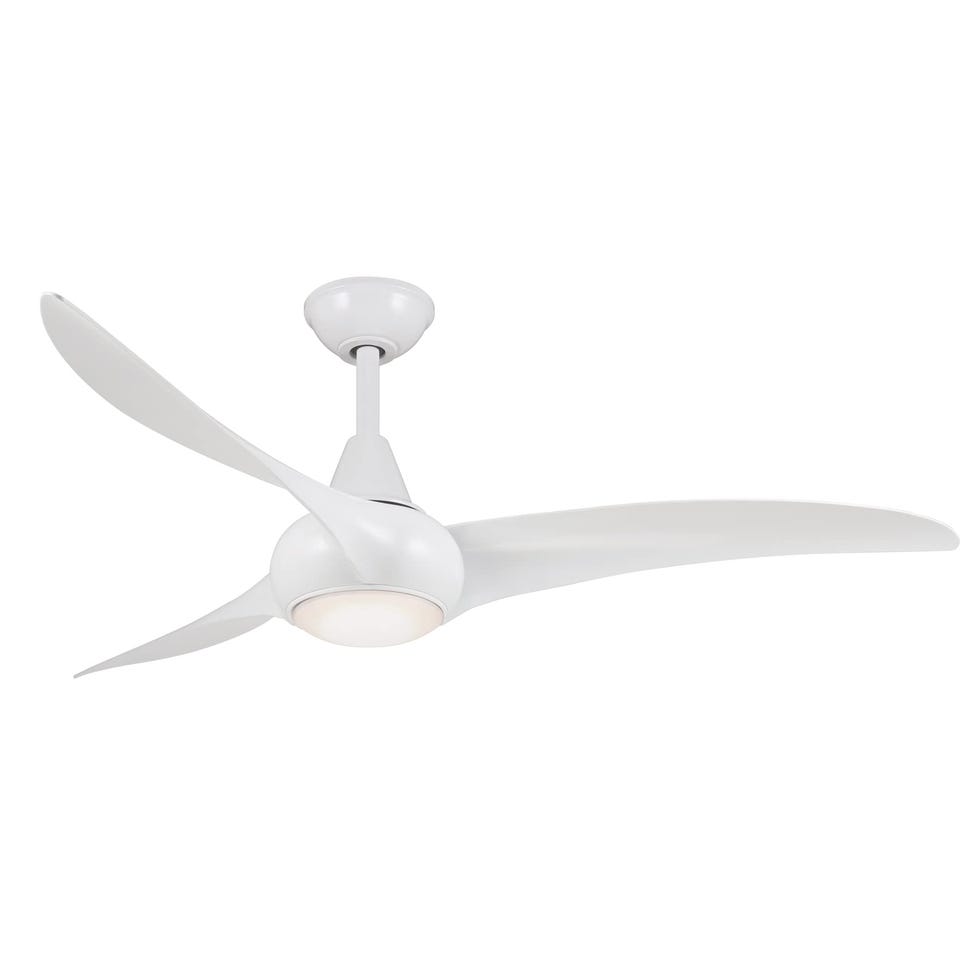
When selecting a ceiling fan, several key factors should be considered to ensure it enhances the room's decor and provides optimal performance. Size is paramount: the fan's diameter should be proportional to the room's dimensions. For example, smaller rooms (up to 75 square feet) might require fans with a 29- to 36-inch sweep, while larger rooms (over 400 square feet) could need fans exceeding 60 inches. The fan's height also matters; a minimum of seven feet of clearance from the floor is recommended for safety and efficiency, increasing to eight or nine feet for optimal air circulation. For rooms with low ceilings, flush-mount fans are a practical solution.
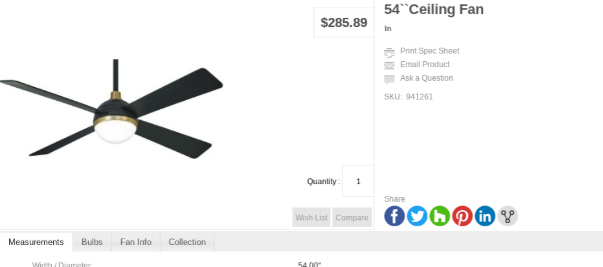
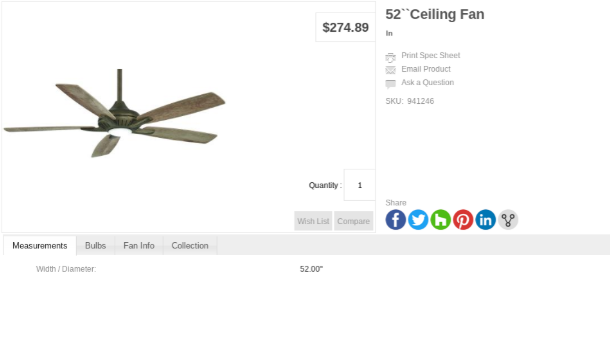
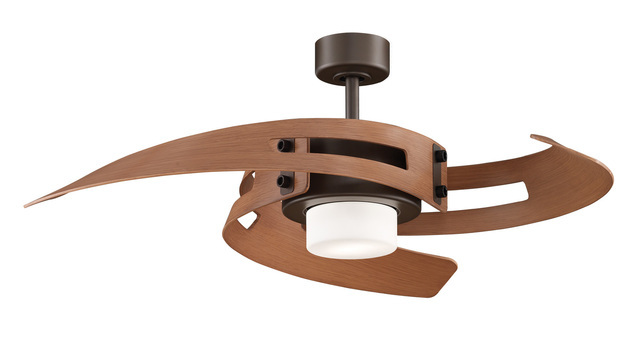
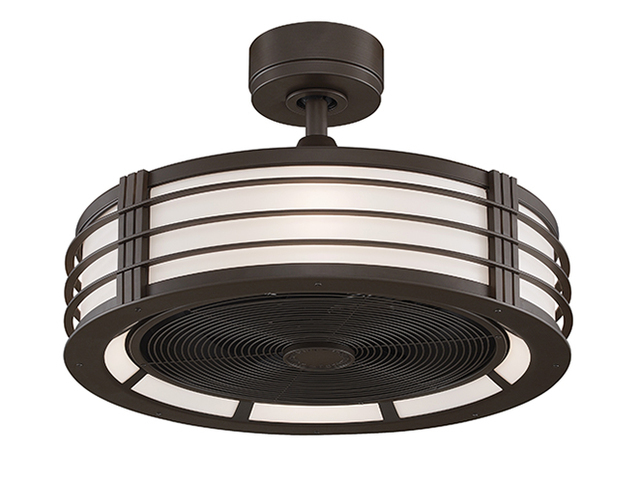
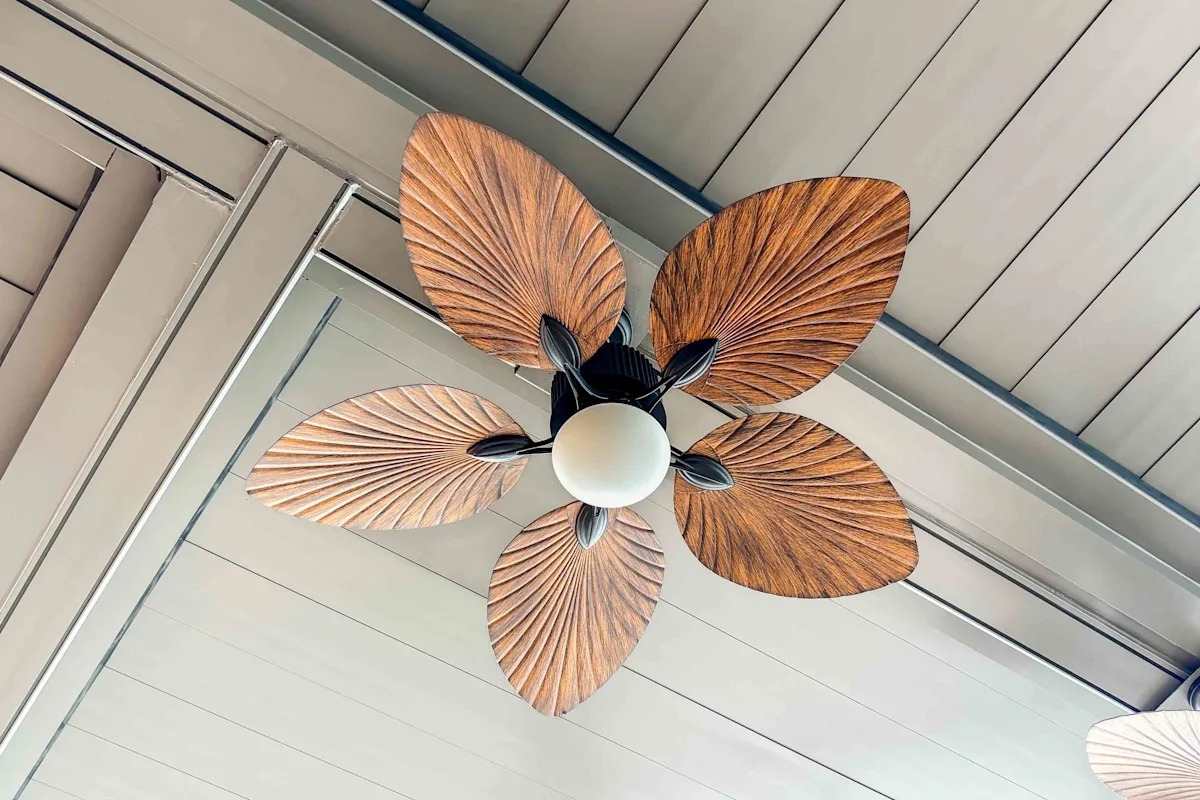
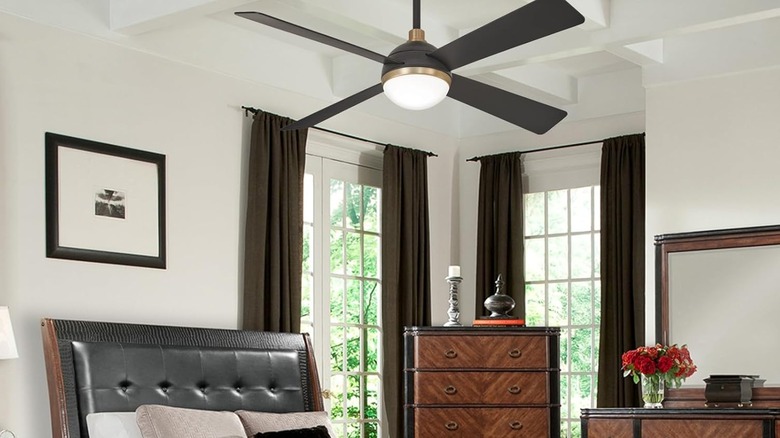
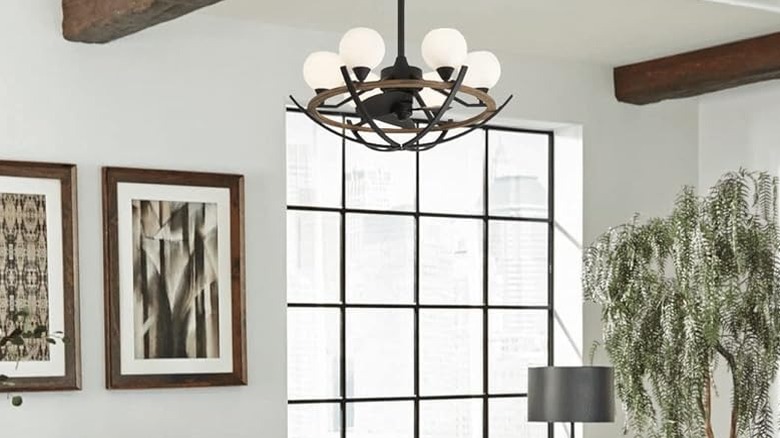
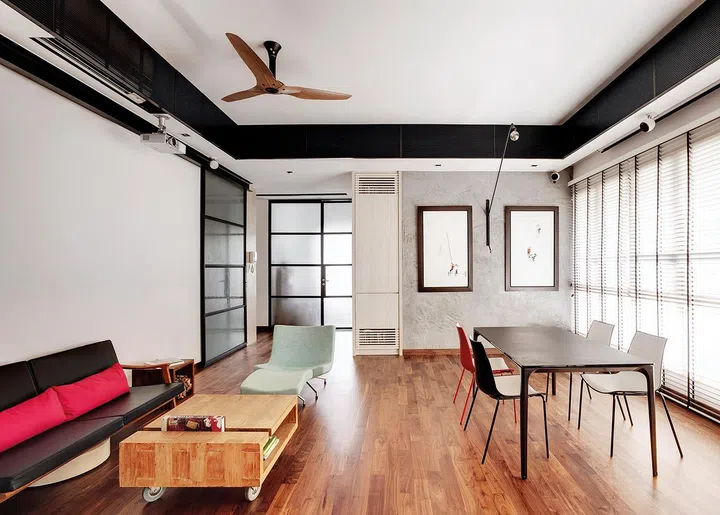
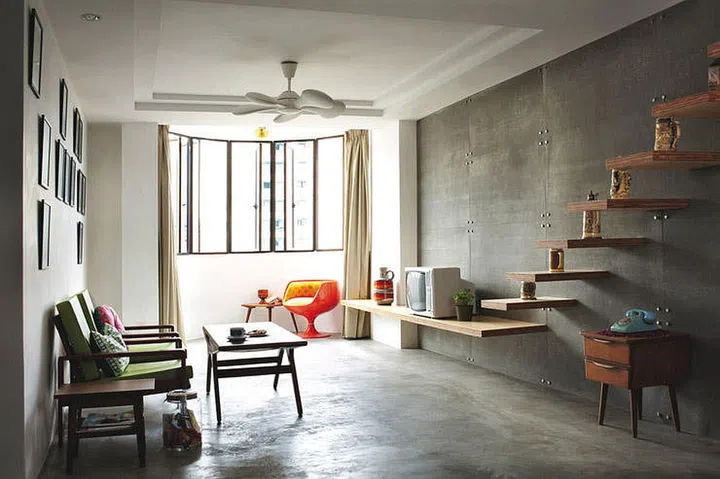
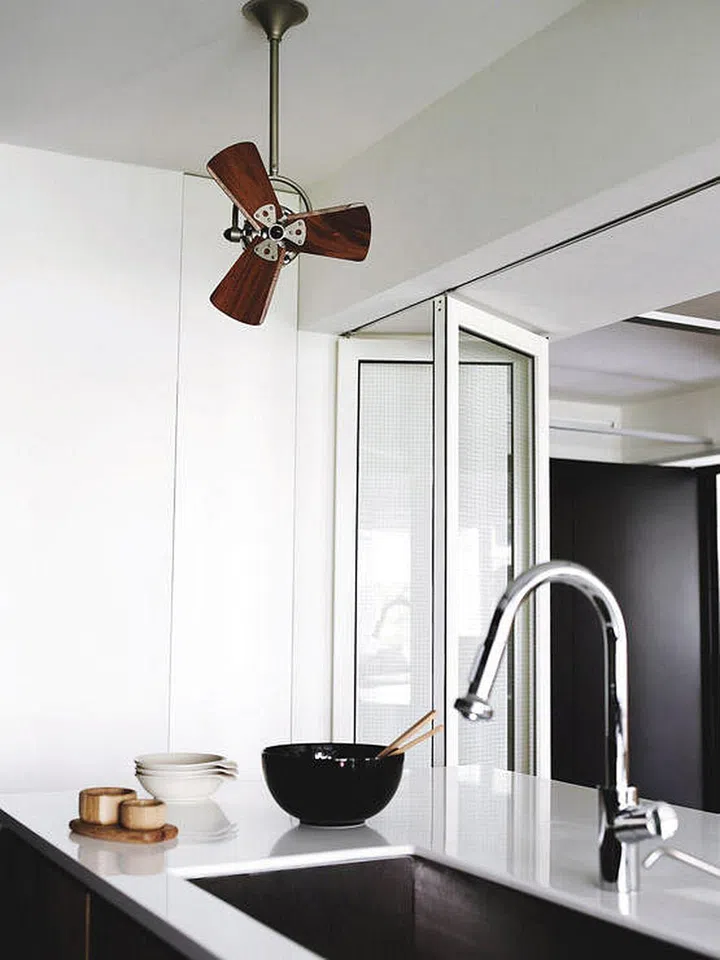
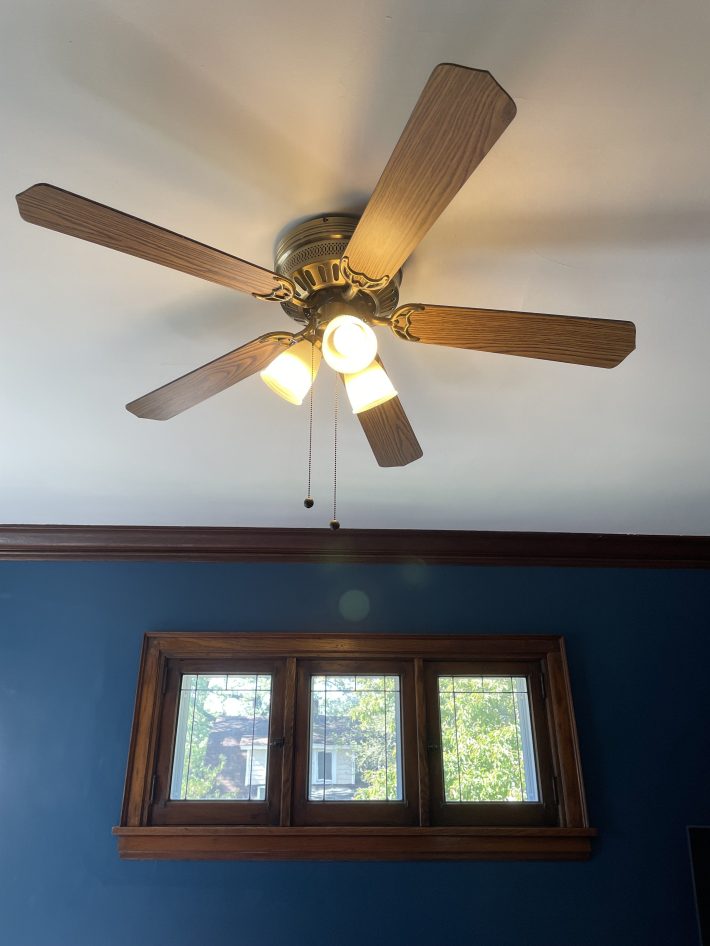
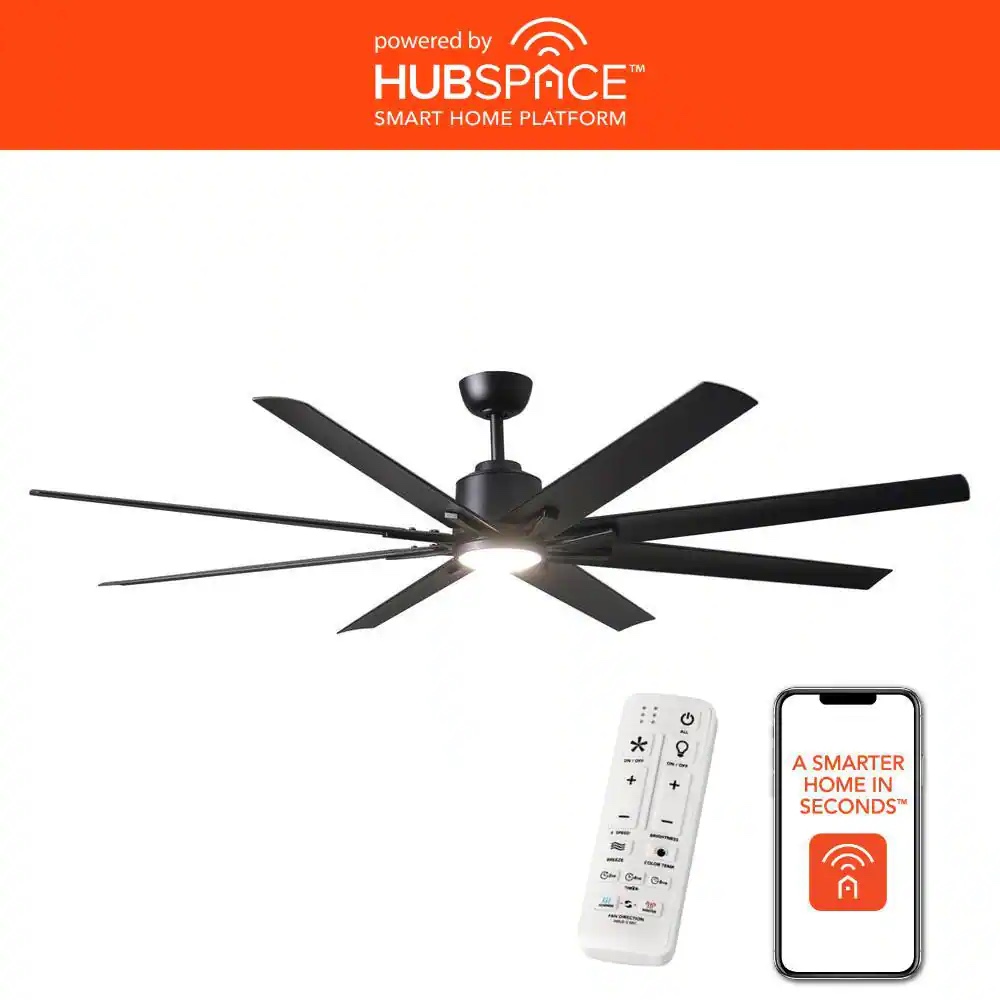
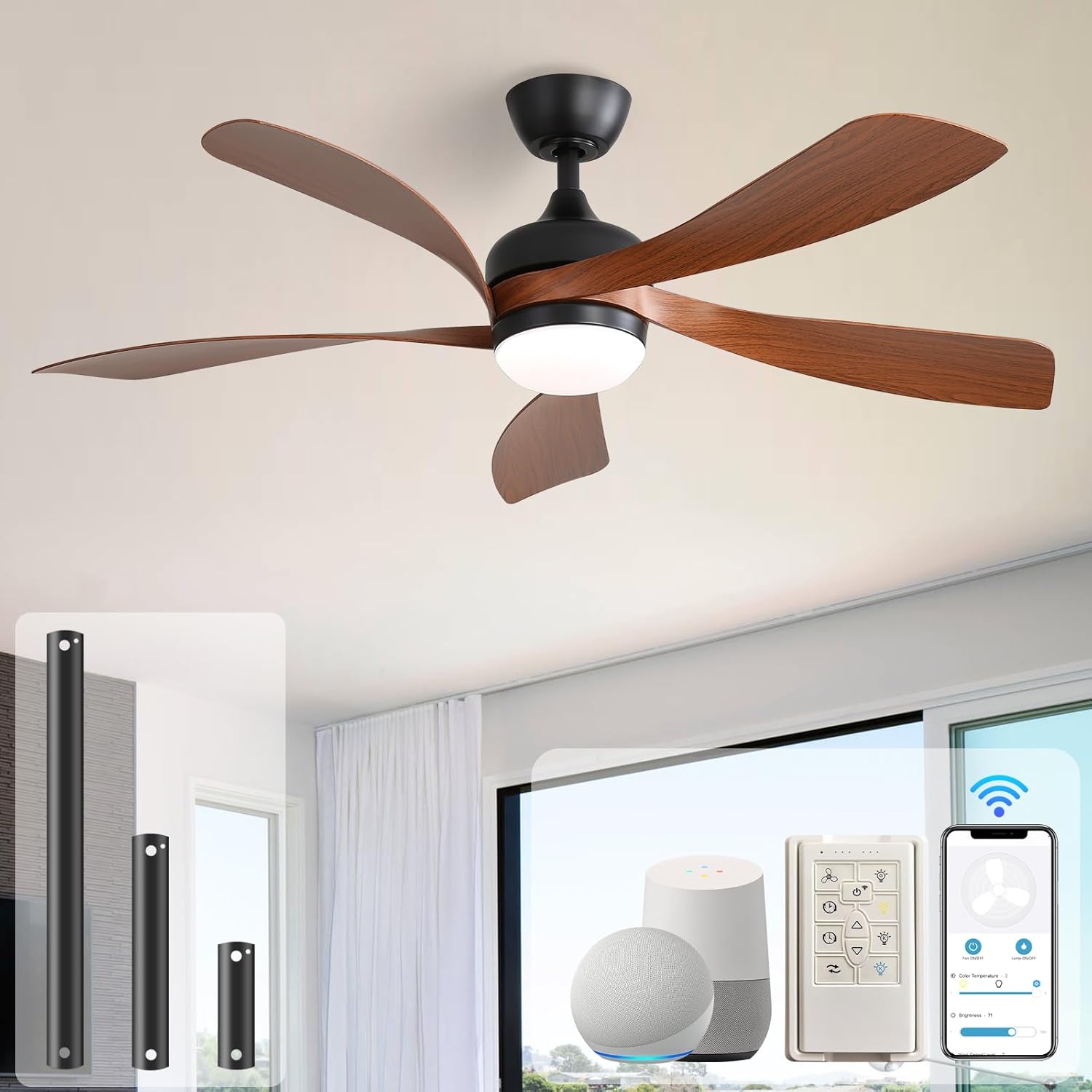
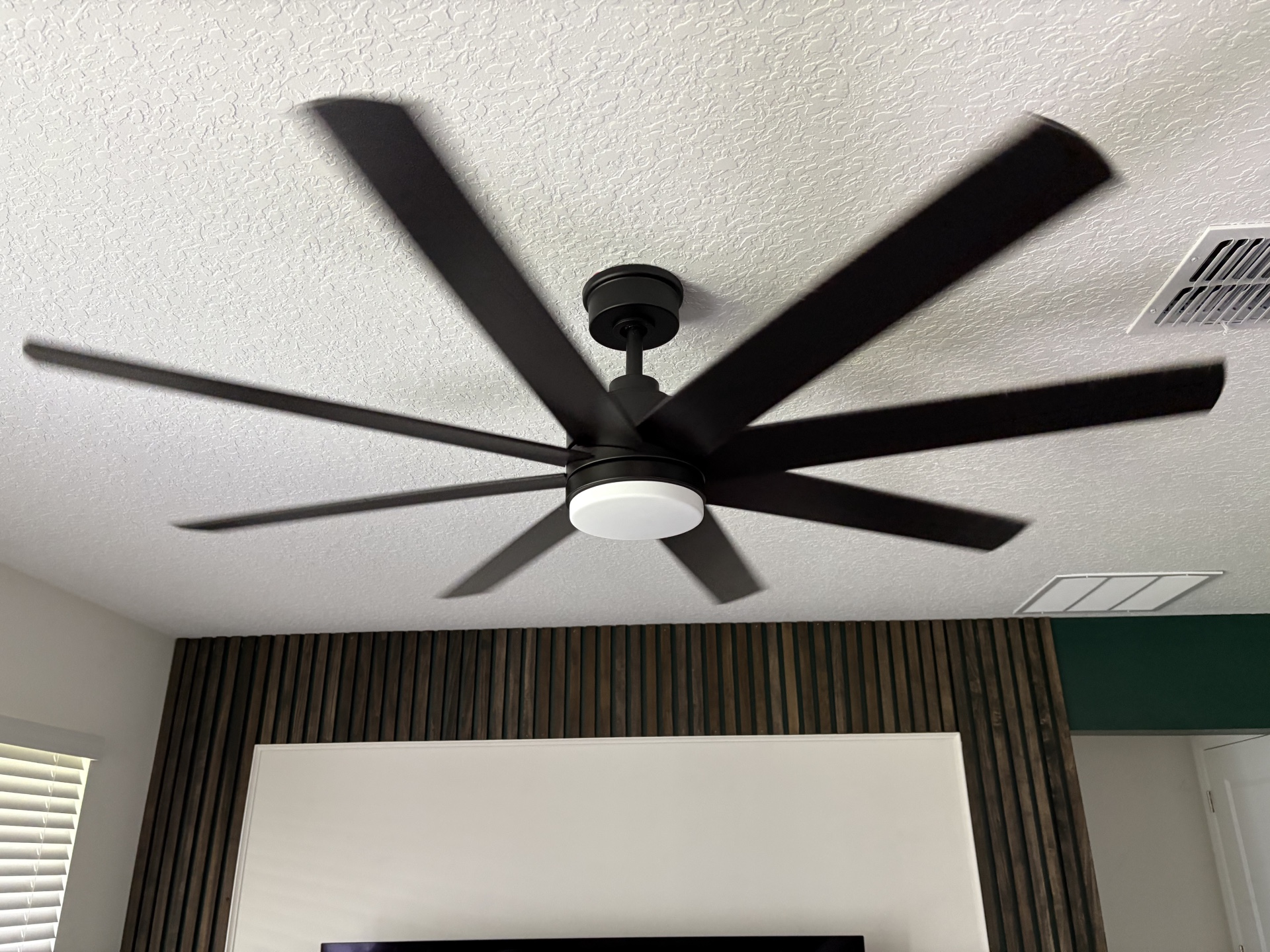
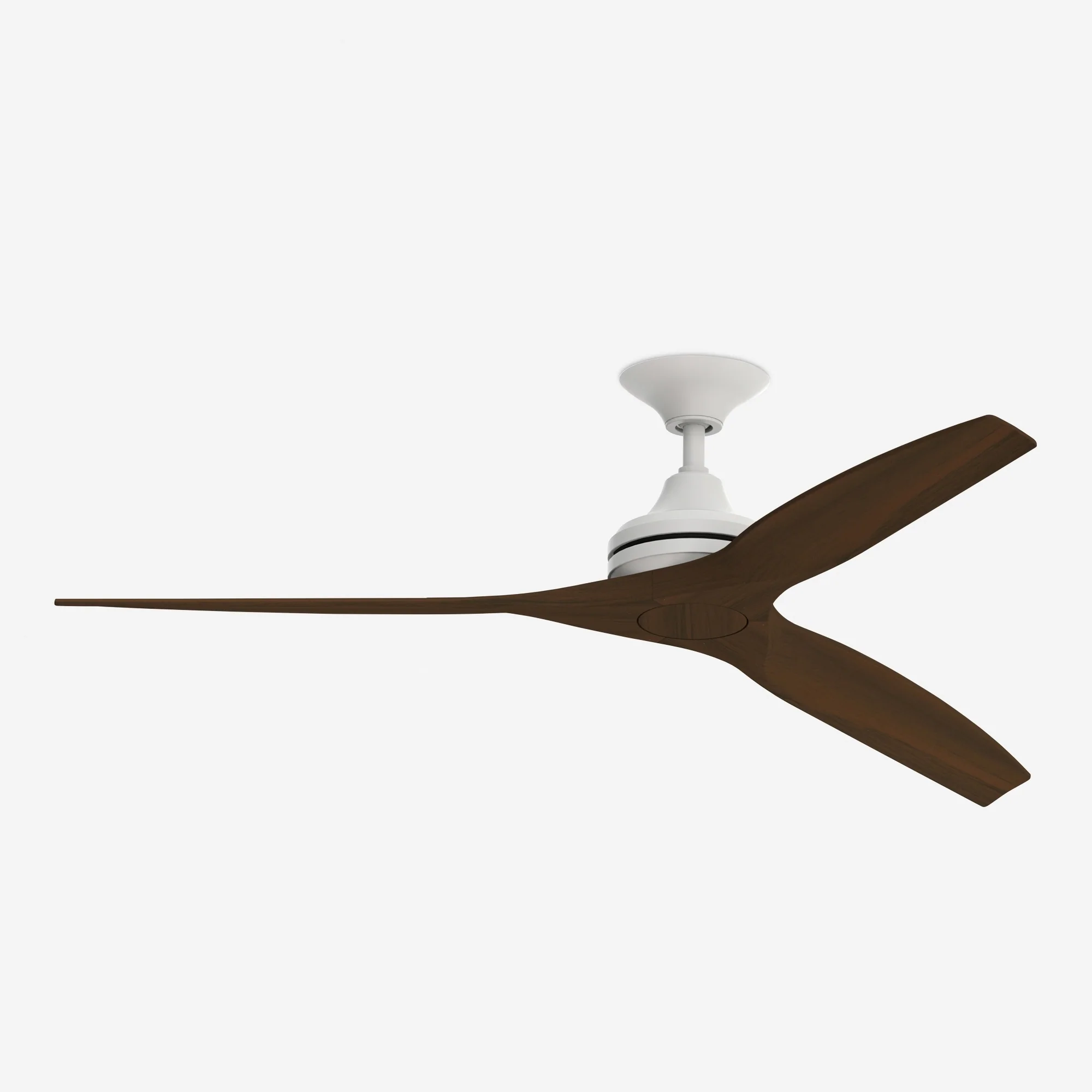
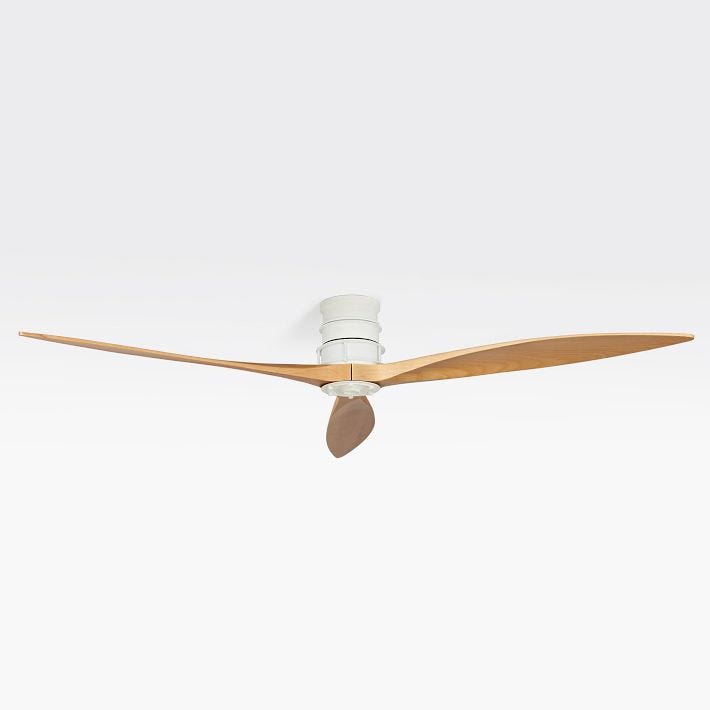
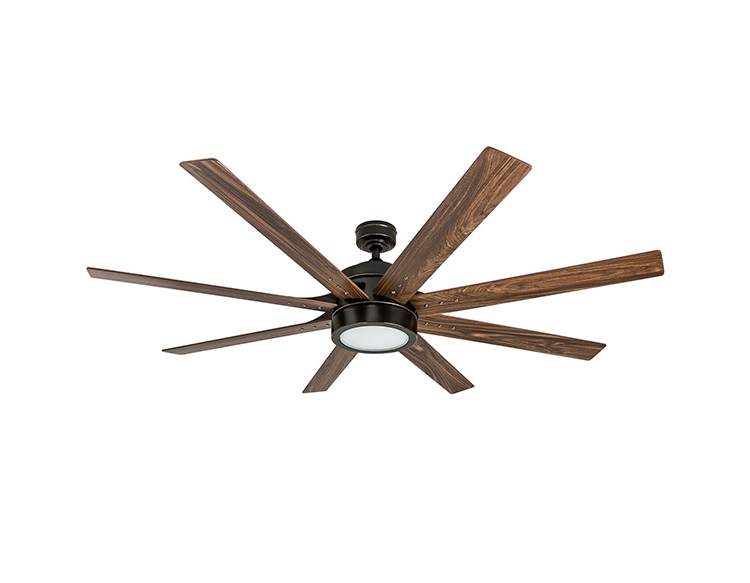
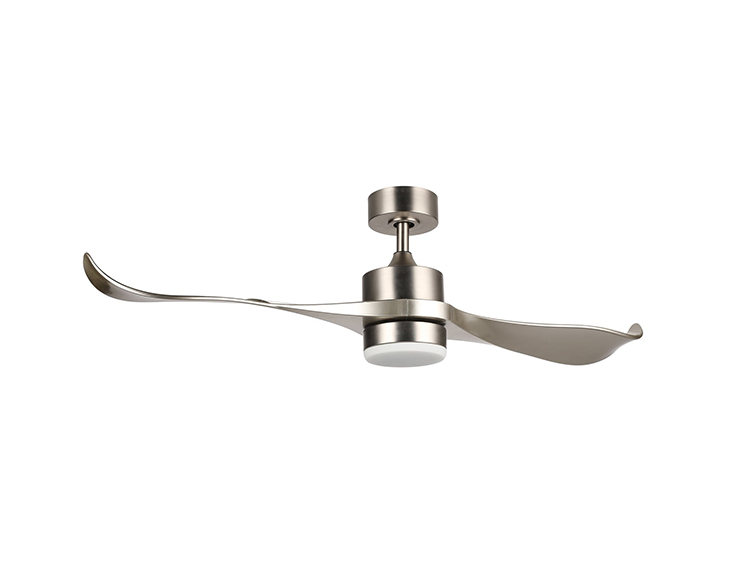
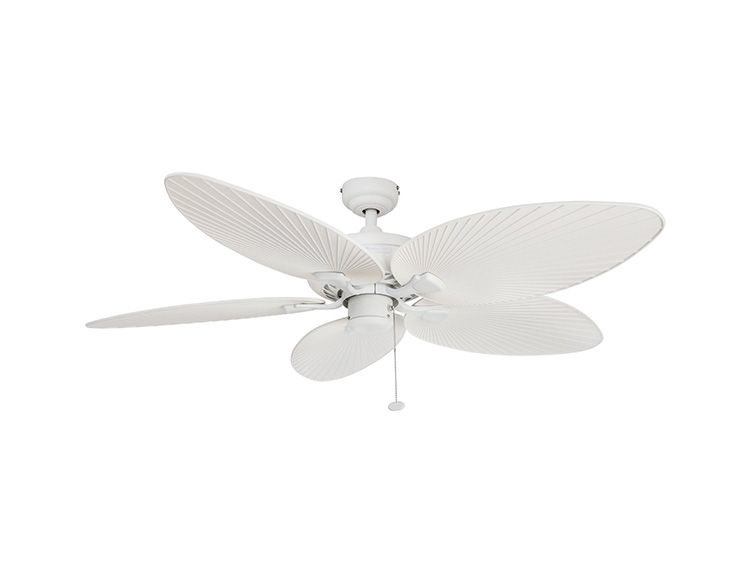
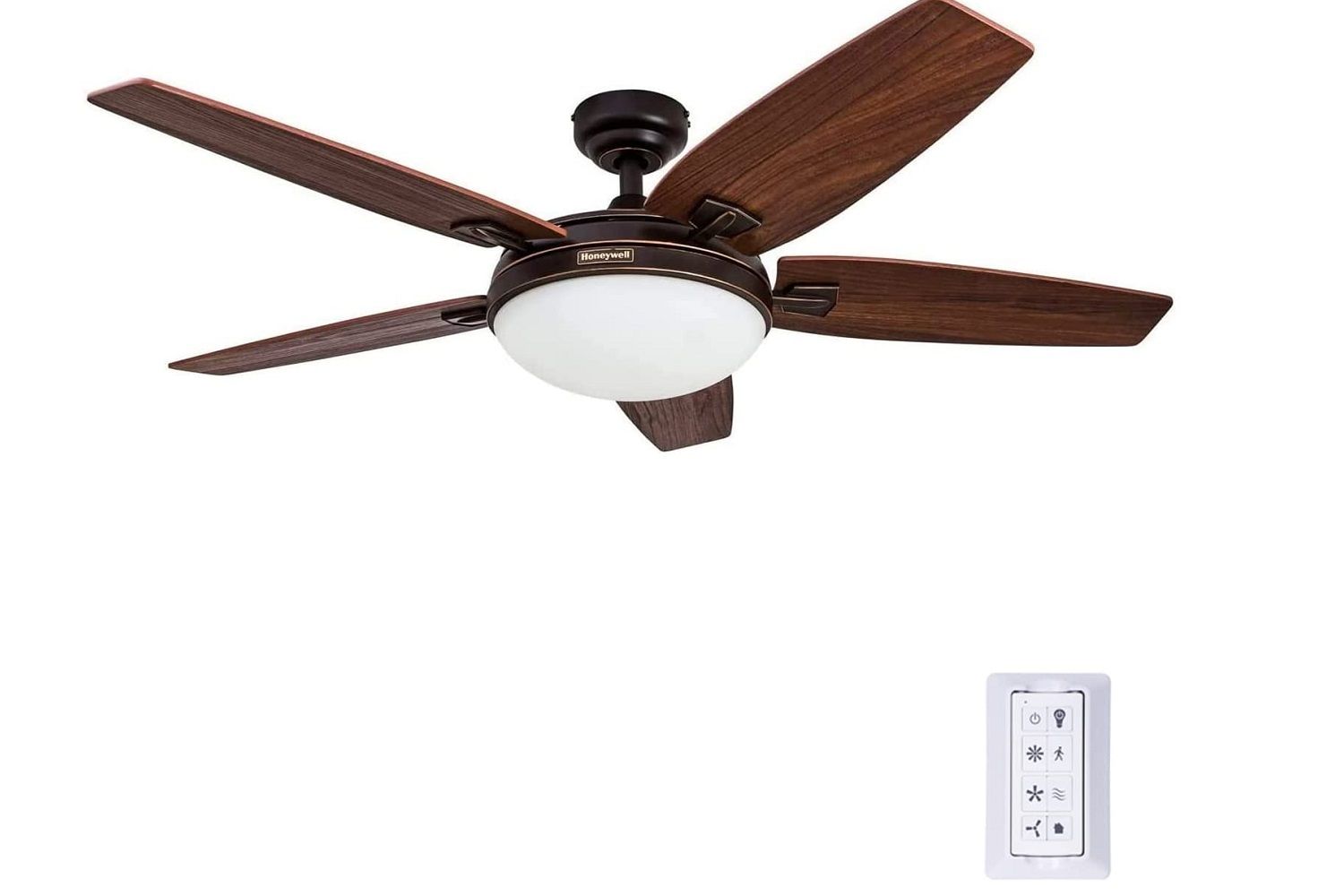
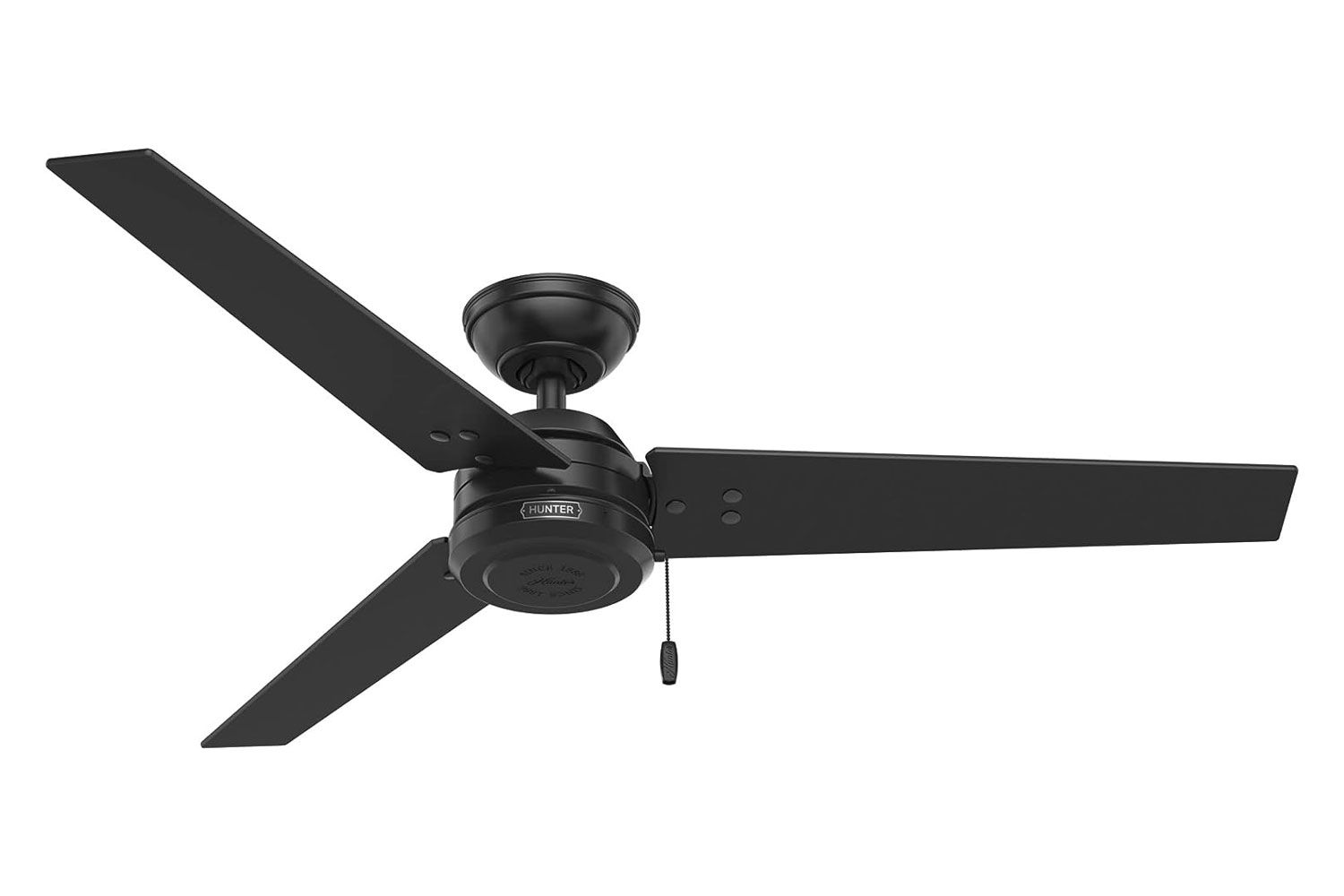
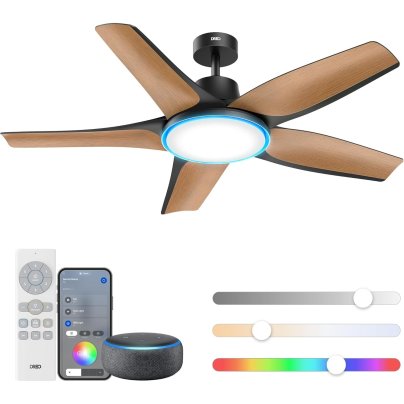
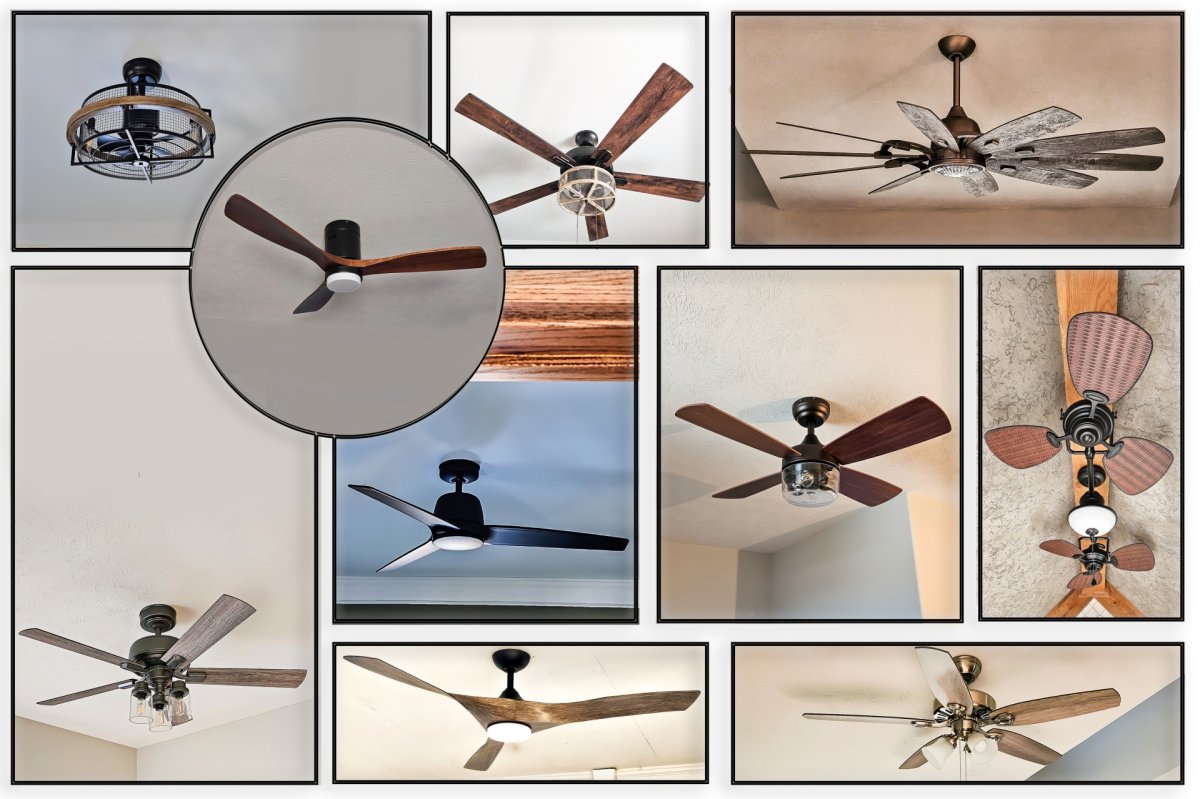
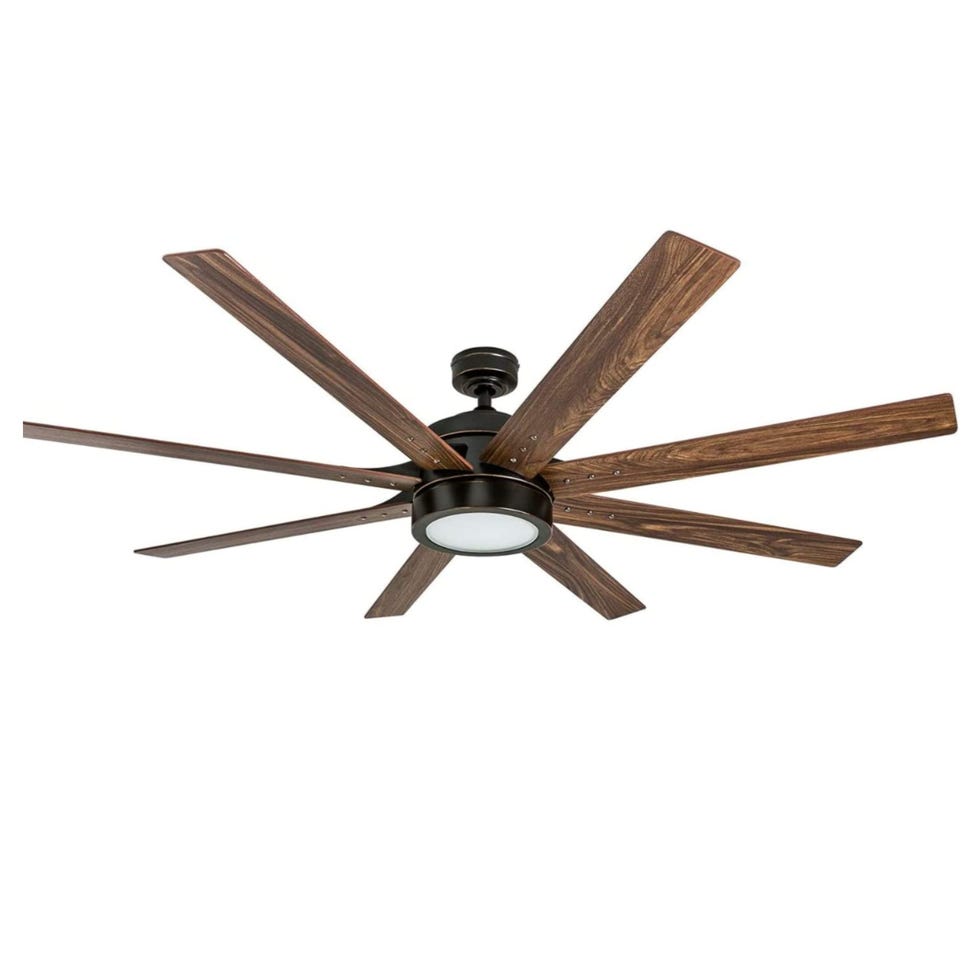
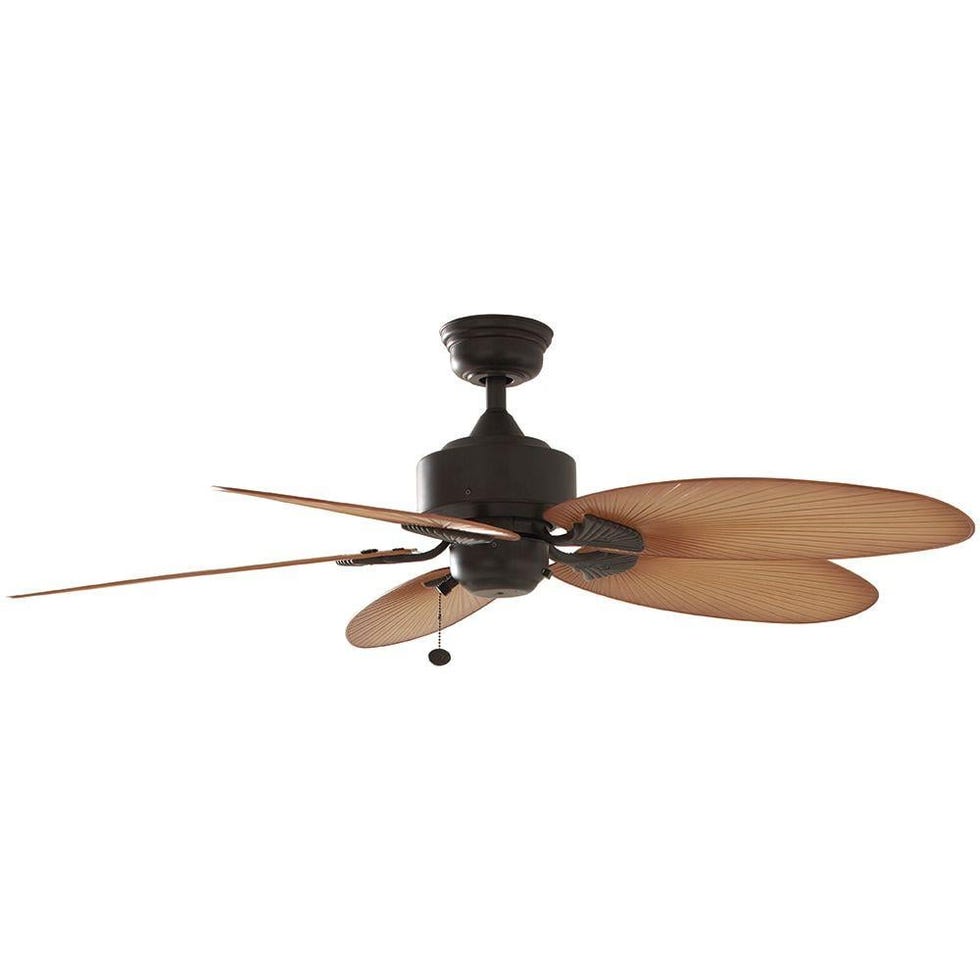
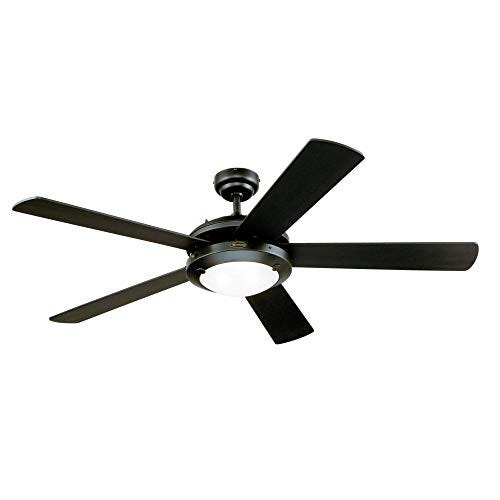
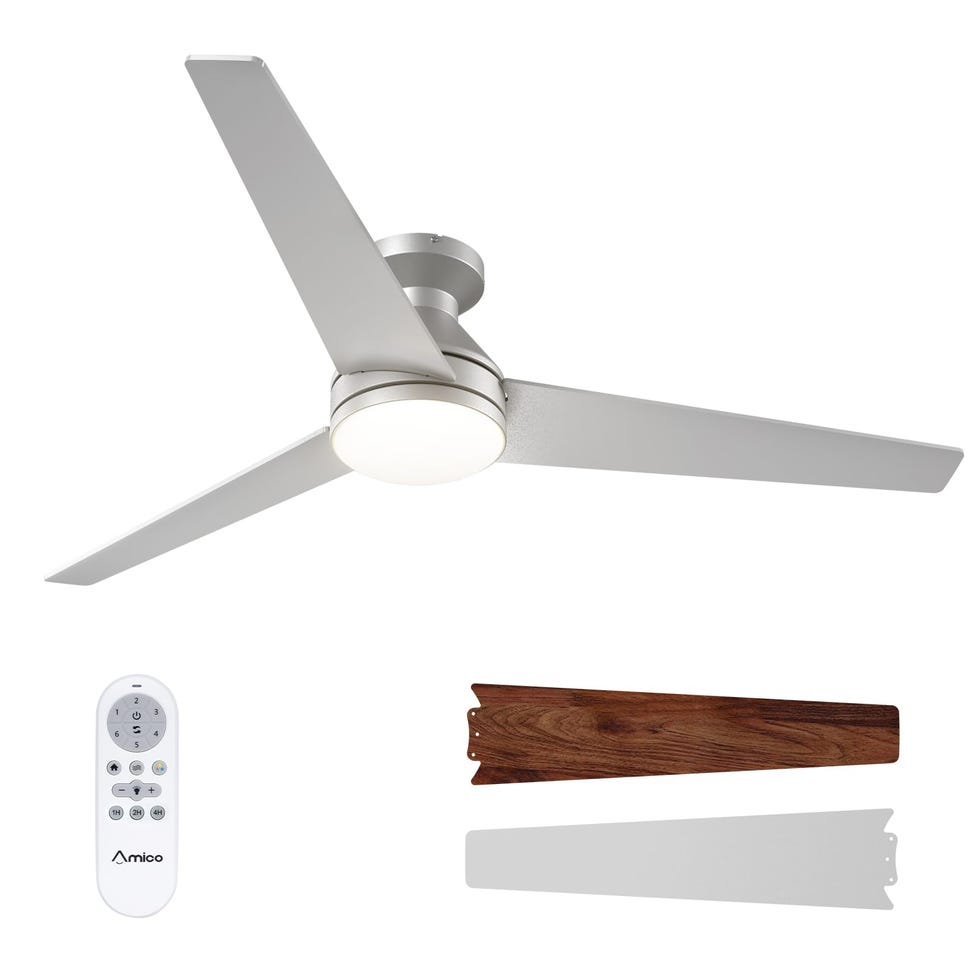
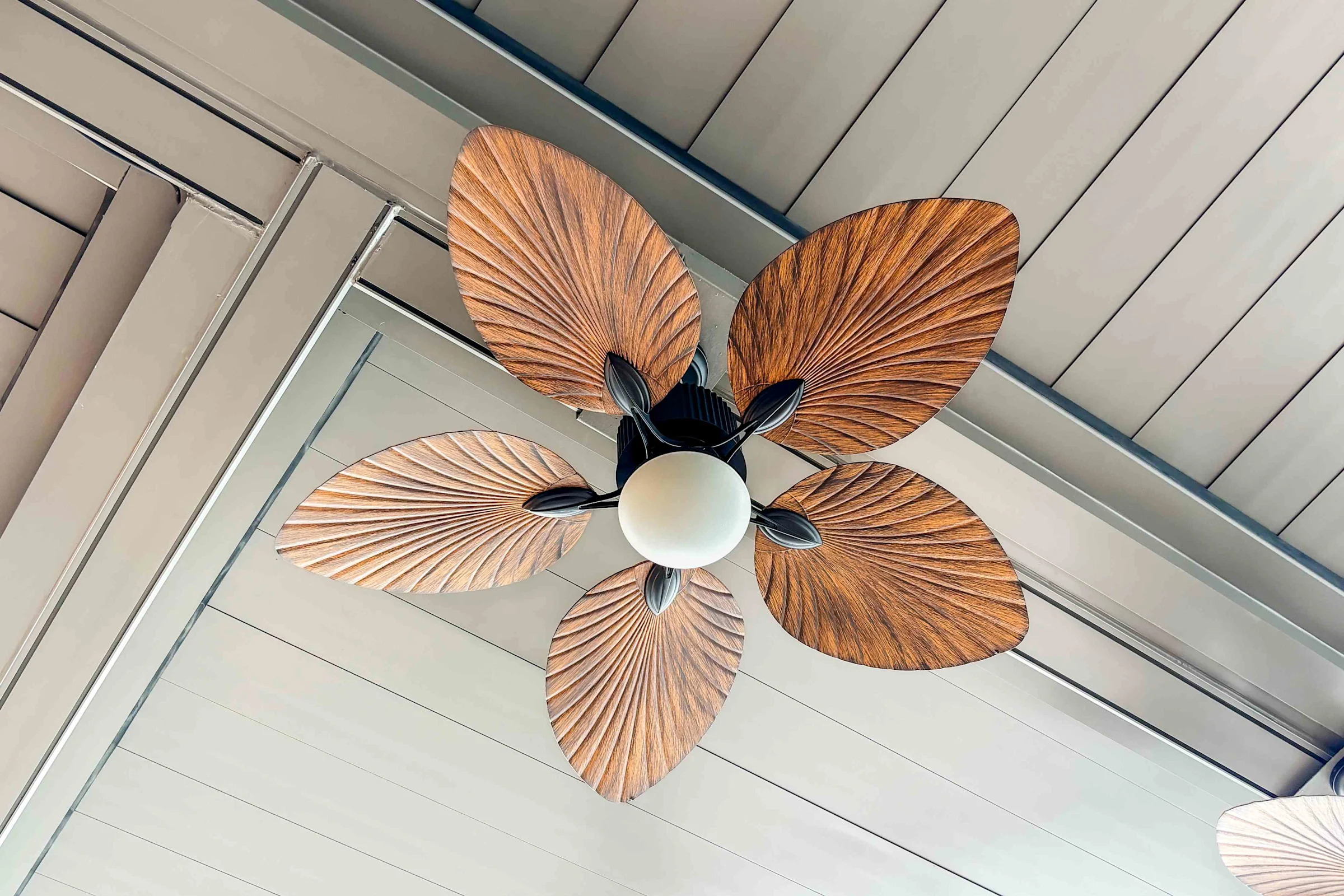
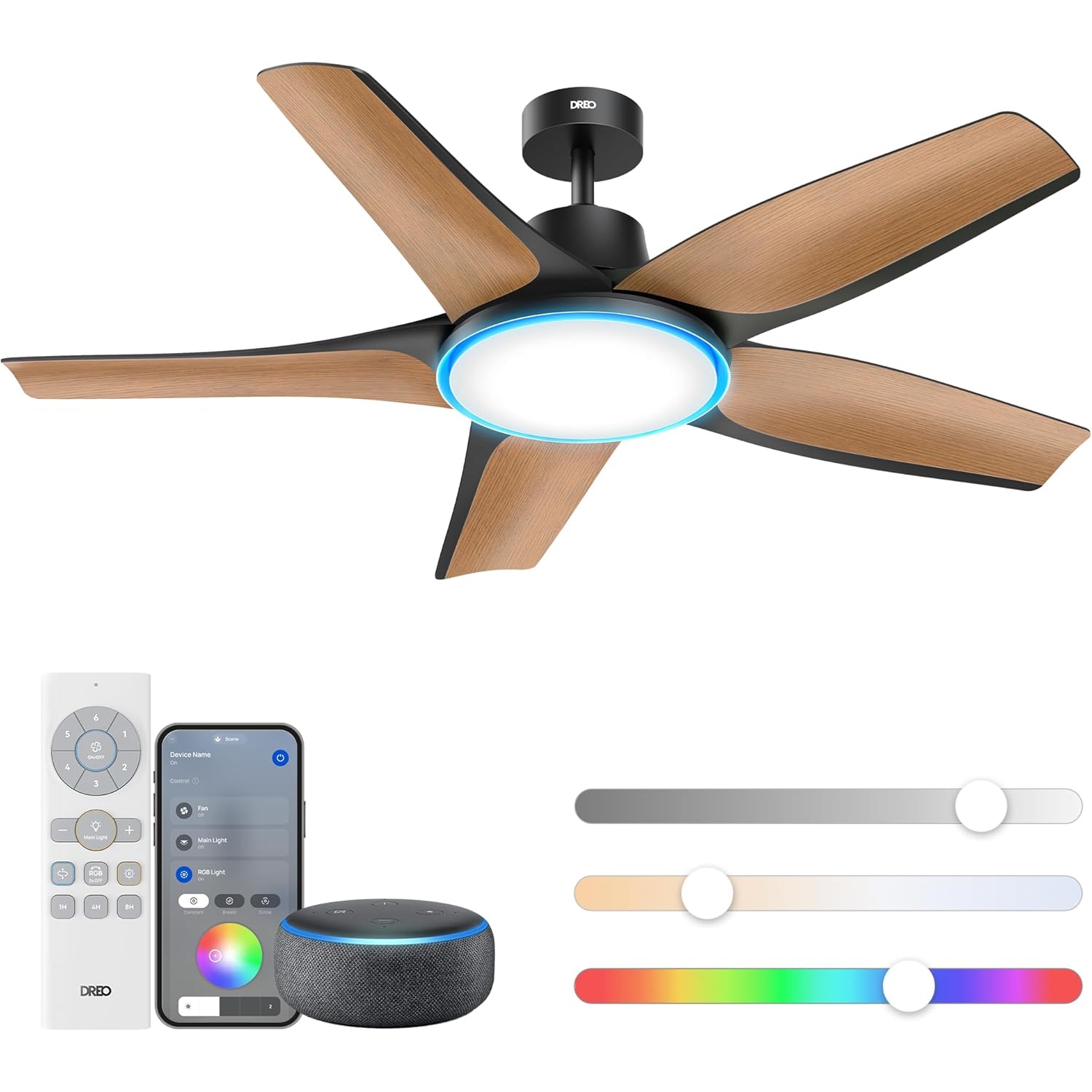
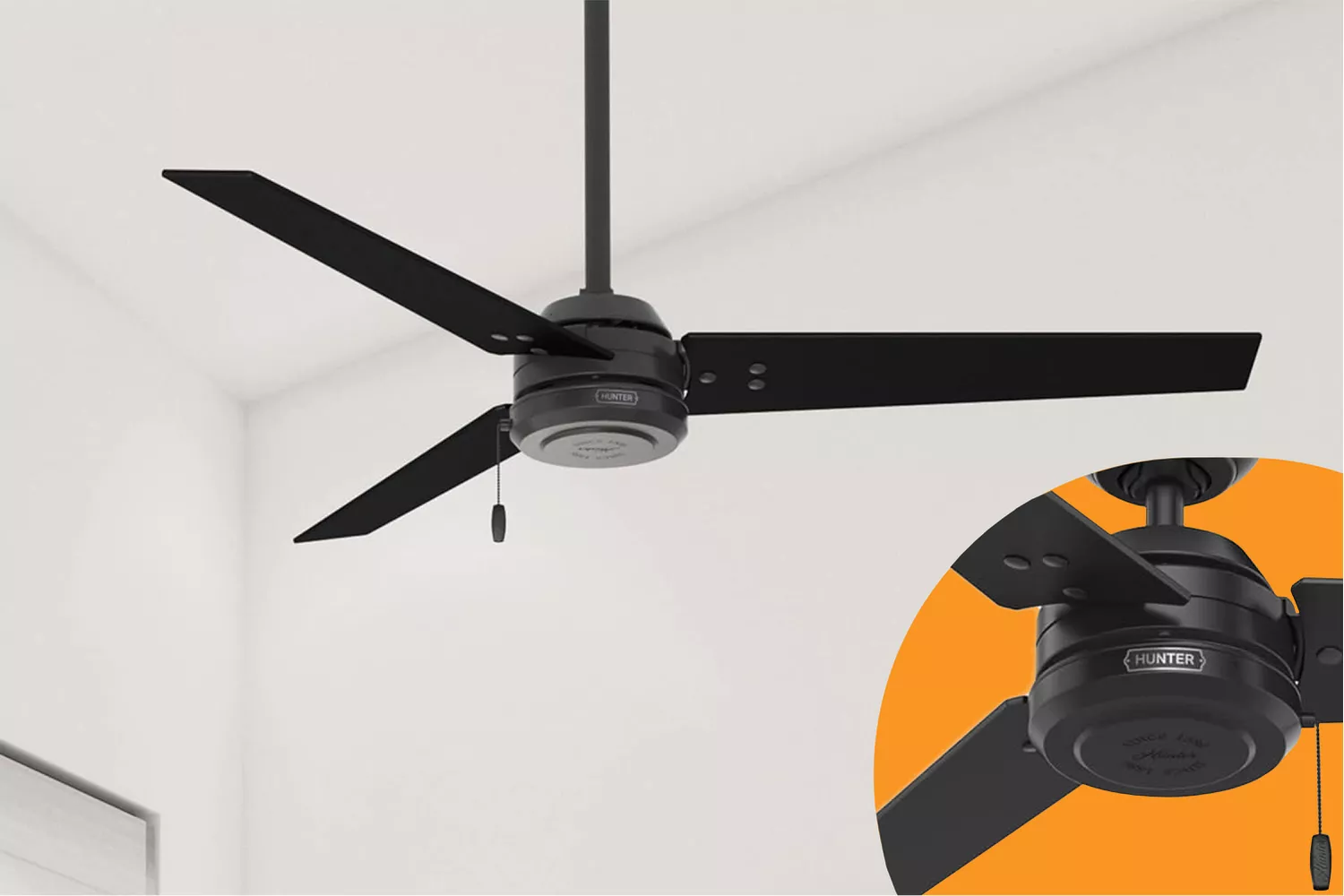
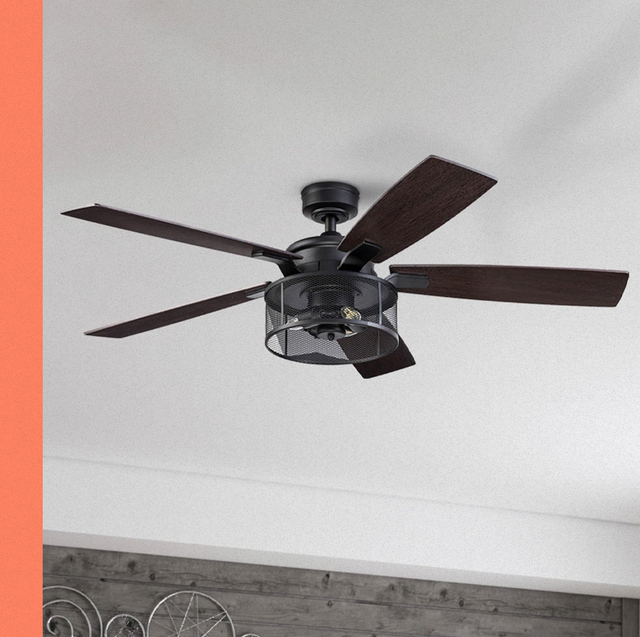
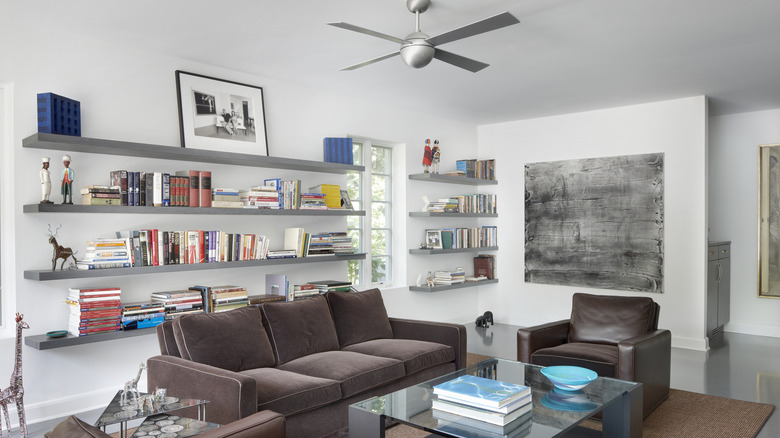
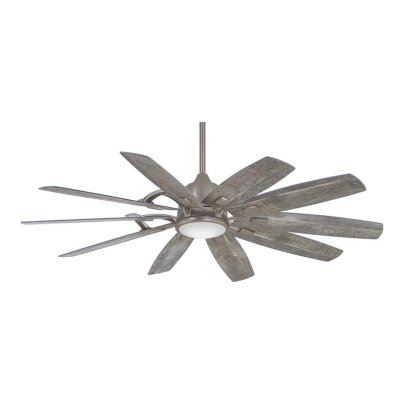
The style of the fan is another crucial consideration. Designers advise choosing a fan that aligns with the existing decor, whether it be modern, industrial, rustic, or traditional. Materials and finishes play a significant role in this. Options range from sleek metal finishes like brushed nickel or matte black for modern spaces, to wooden blades for a natural or farmhouse look. Integrated lighting features are common, and designers suggest considering the type of light (e.g., LED, dimmable) and its warmth to match the room's ambiance. Some modern fans also include smart features, such as remote control operation, Wi-Fi connectivity, and programmable settings, which can further enhance convenience and energy efficiency.
Installation of a ceiling fan requires careful attention to safety and electrical considerations. It is often recommended to consult a professional electrician, especially if new wiring or a reinforced electrical box is needed to support the fan's weight and power requirements. Proper balancing of the blades is essential to prevent wobbling and noise, ensuring smooth and quiet operation. Maintenance generally involves routine cleaning of blades and housing to prevent dust buildup, which can affect performance and air quality. Regular checks of mounting hardware and electrical connections can also prolong the fan's lifespan and ensure safety.
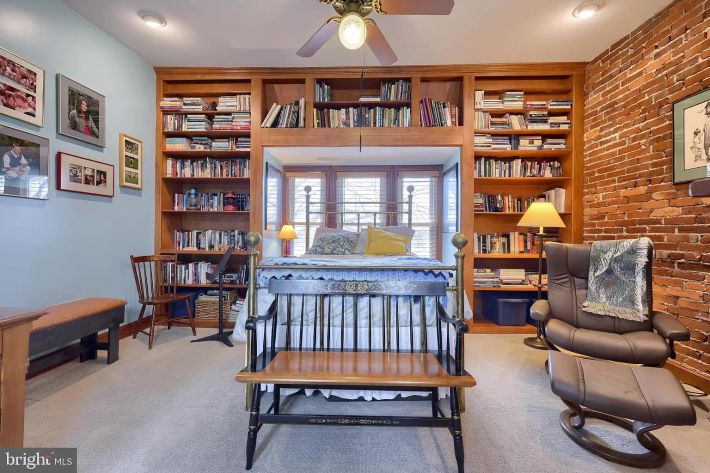
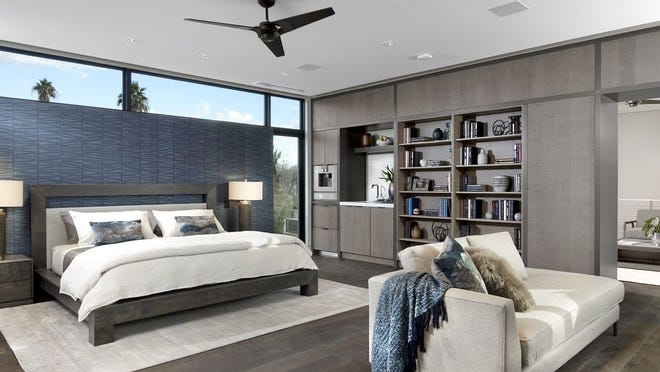
In terms of placement, ceiling fans are most effective when installed centrally in a room to maximize airflow. They can be particularly useful in bedrooms, living rooms, and covered outdoor spaces. In spaces with very high ceilings, downrods can be used to lower the fan to an optimal height, ensuring that the blades are within the effective range for air circulation. The direction of the fan's rotation can also be adjusted seasonally: counter-clockwise in summer to create a downdraft that cools, and clockwise in winter at a low speed to push warm air down without creating a strong draft. This dual functionality underscores their utility beyond mere cooling. Ultimately, ceiling fans, when chosen and installed thoughtfully, can be a stylish and highly functional addition to any home.
#CeilingFans #InteriorDesign #HomeDecor #EnergyEfficiency #HomeImprovement #TaniyaNayak #MollyMiller #DesignTips #CeilingFans #InteriorDesign #HomeDecor #EnergyEfficiency #HomeImprovement #TaniyaNayak #MollyMiller #DesignTips
0 تعليق إجمالاً
 لا توجد تعليقات بعد
قد تعجبك أيضًا
Ceiling Fans—A Stylish Way to (Literally) Beat the Heat

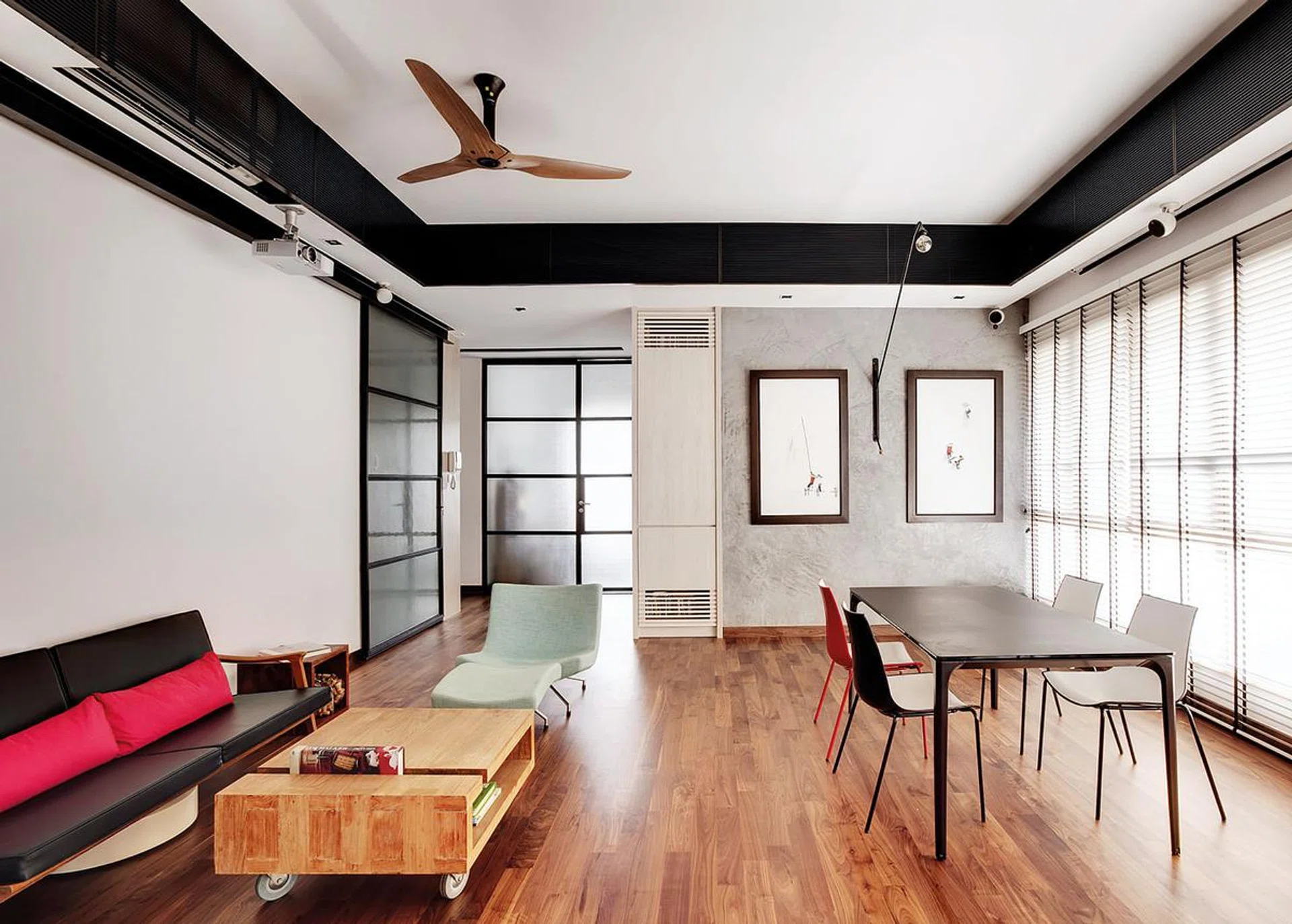
Stylish ceiling fans for modern spaces
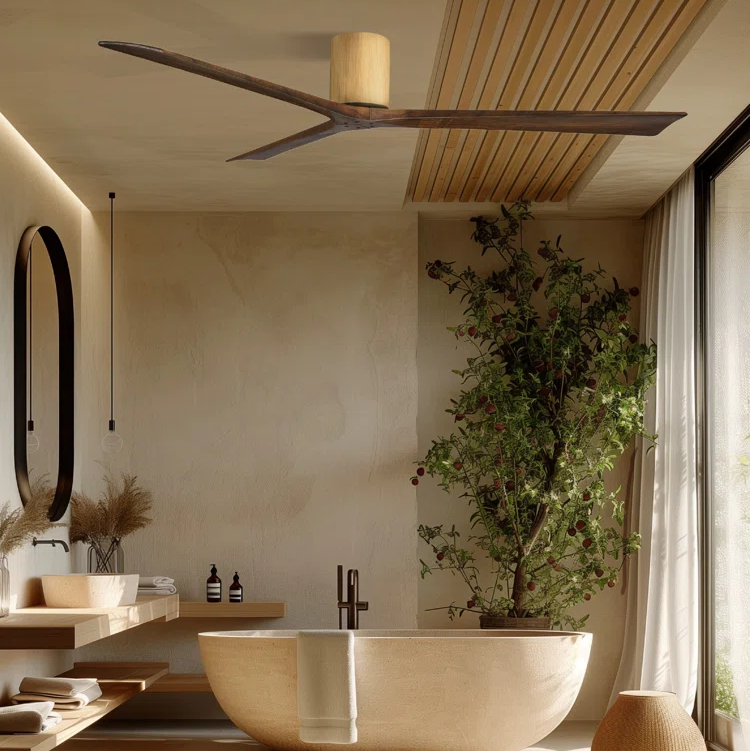
There's a Cool Ceiling Fan for Every Vibe and Budget

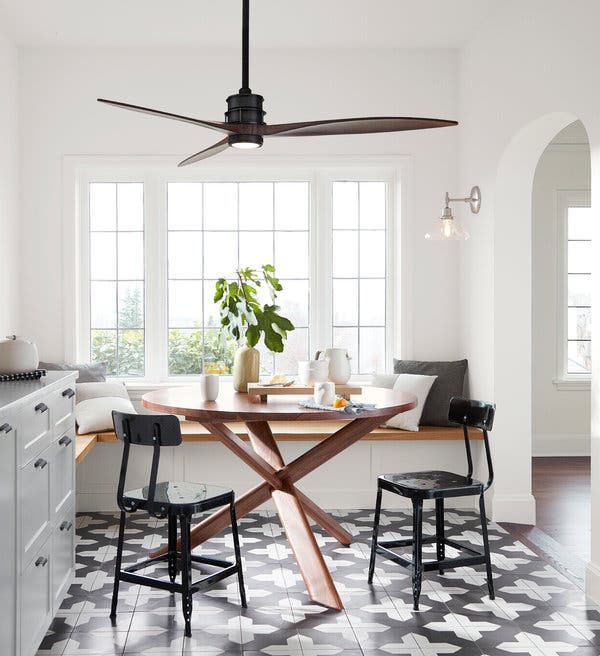
Shopping for Ceiling Fans (Published 2019)
Not a Fan? Seven Ceiling Fan Options For All You Haters

Make It Nice: Ceiling Fans And Tricky Layouts
Are Ceiling Fans Actually Outdated? Designers Share What They Really Think

The 16 best ceiling fans for extra airflow, plus expert tips
Ceiling fans: A new spin on cooling your home | Home and Garden | Life
Are Ceiling Fans Actually Outdated? Designers Share How to Make Them Work in Your Space


The Best Ceiling Fans to Keep You Cool All Year Round


16 Best Ceiling Fans You Can Buy Online Right Now

Are Ceiling Fans Actually Outdated? Designers Share How to Make Them Work in Your Space
Spin Smarter, Not Harder: Our Favorite Smart Ceiling Fans
We Spent 1,200 Hours Testing Which Ceiling Fans Are the Most Cooling — These Are Our Winners
Our Editor Recommendations for Ceiling Fans Can Supplement or Even Replace an A/C
The Best Ceiling Fans For Each Room Of Your Home
The 16 best ceiling fans for extra airflow in 2023, plus expert tips
The Best Ceiling Fans for a Breezy, Comfortable Home

Bedroom ceiling fans: Here's what you need to know