1/2
Are Ceiling Fans Actually Outdated? Designers Share How to Make Them Work in Your Space
Ceiling fans, a common fixture in many homes, often raise questions about their relevance in modern interior design. While some consider them outdated, interior designers Taniya Nayak and Molly Miller assert that ceiling fans are still a valuable and stylish addition to any space, provided they are chosen and installed correctly. The key lies in selecting a fan that complements the room's aesthetic and ensuring it is appropriately sized and positioned for optimal function and visual appeal.
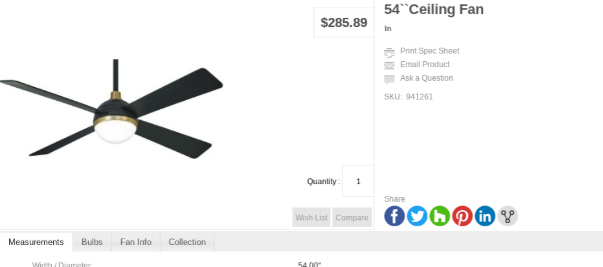
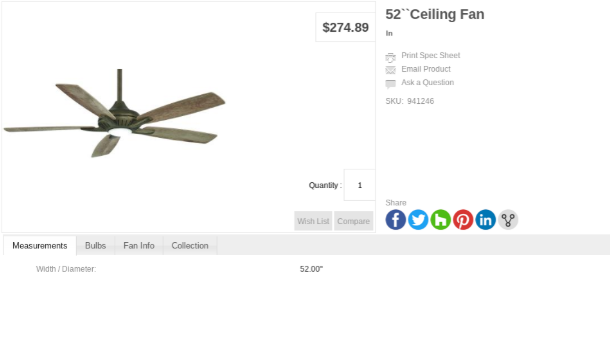
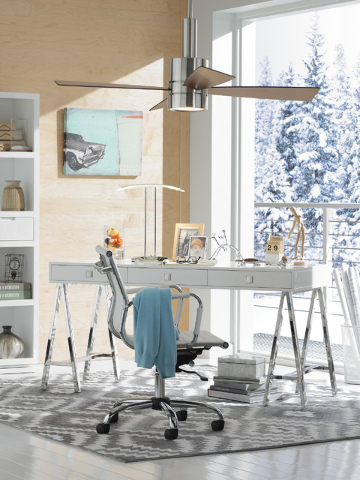
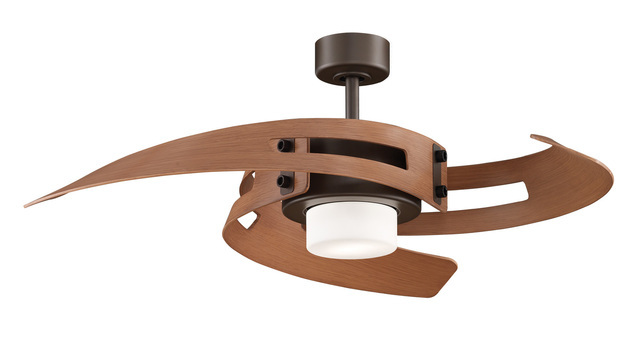
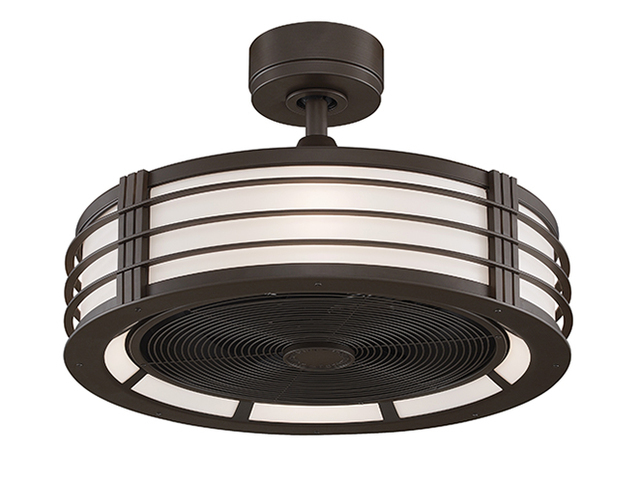
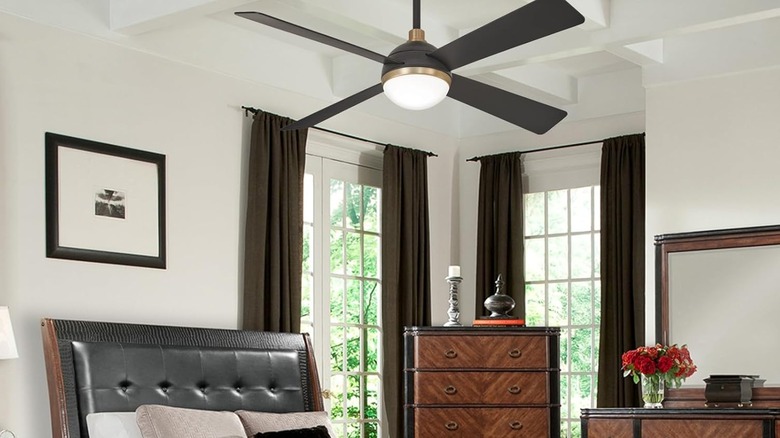
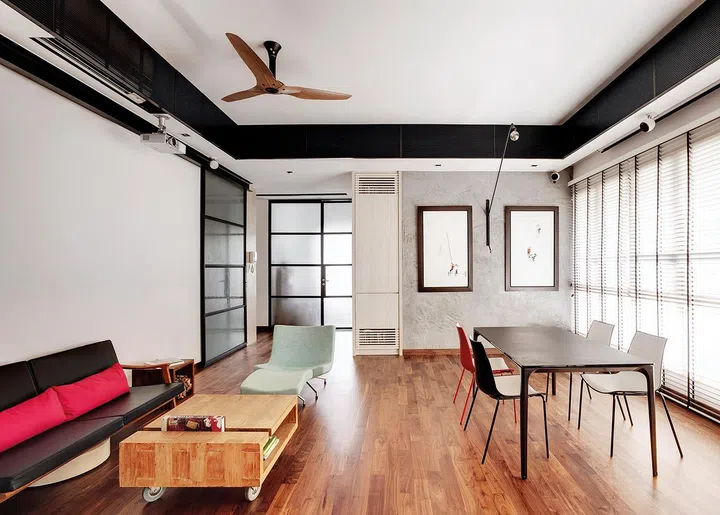
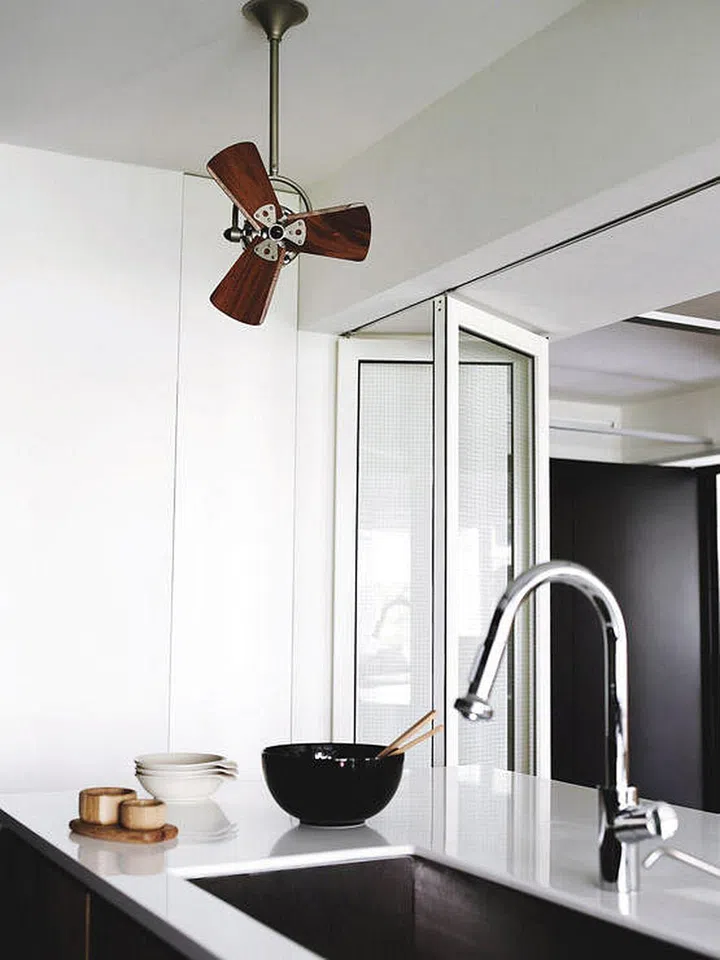
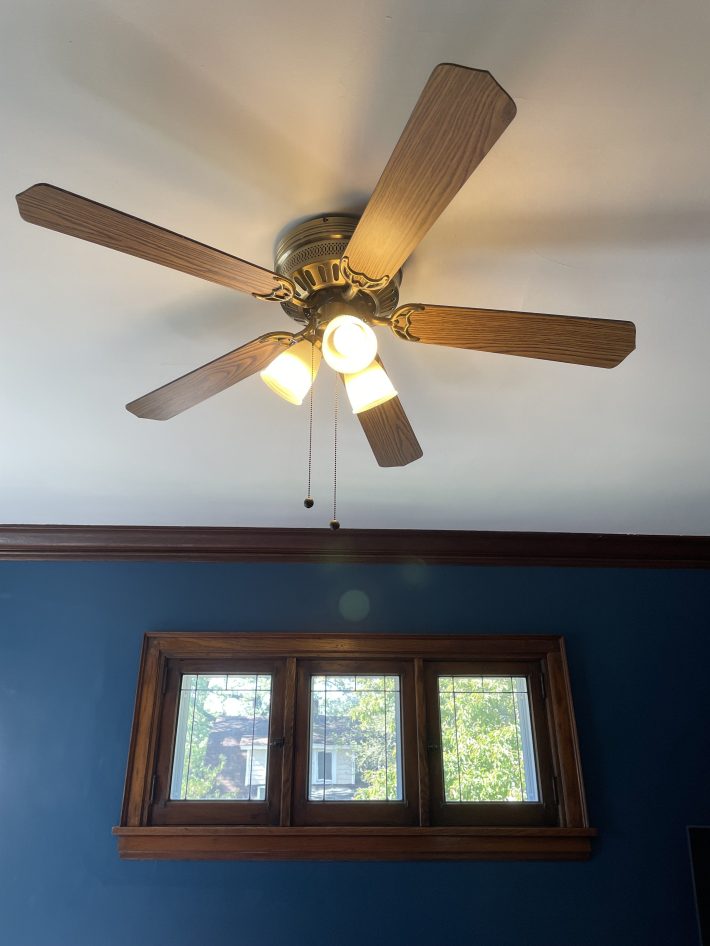
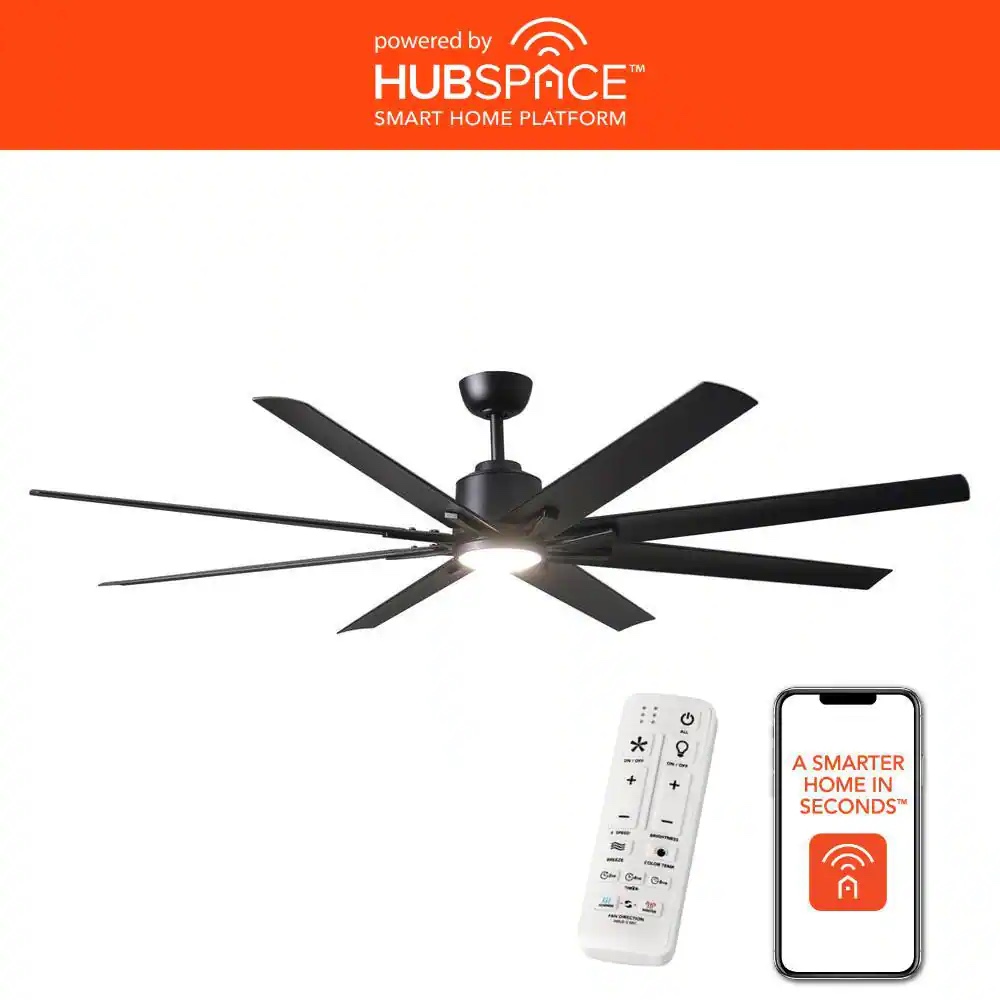
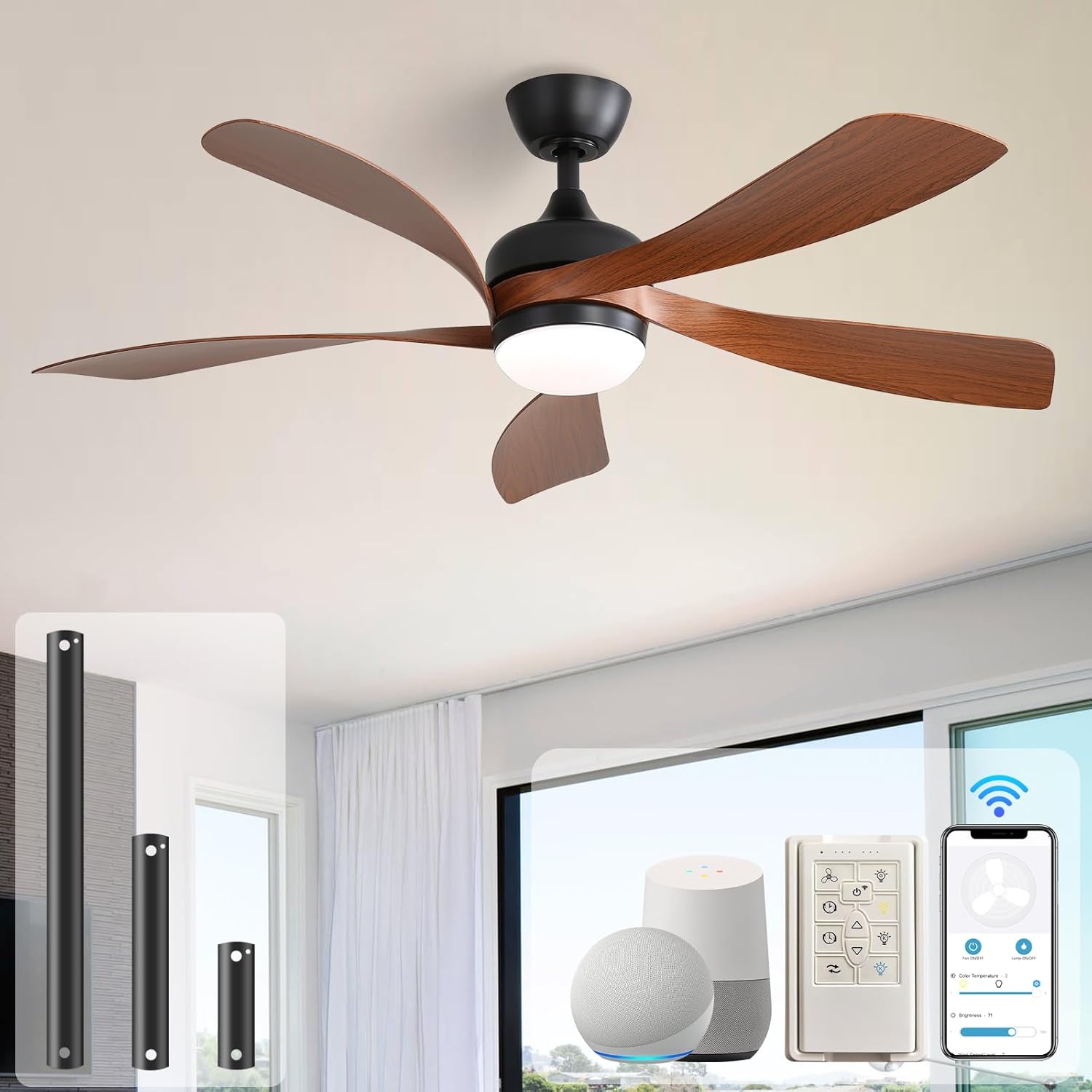
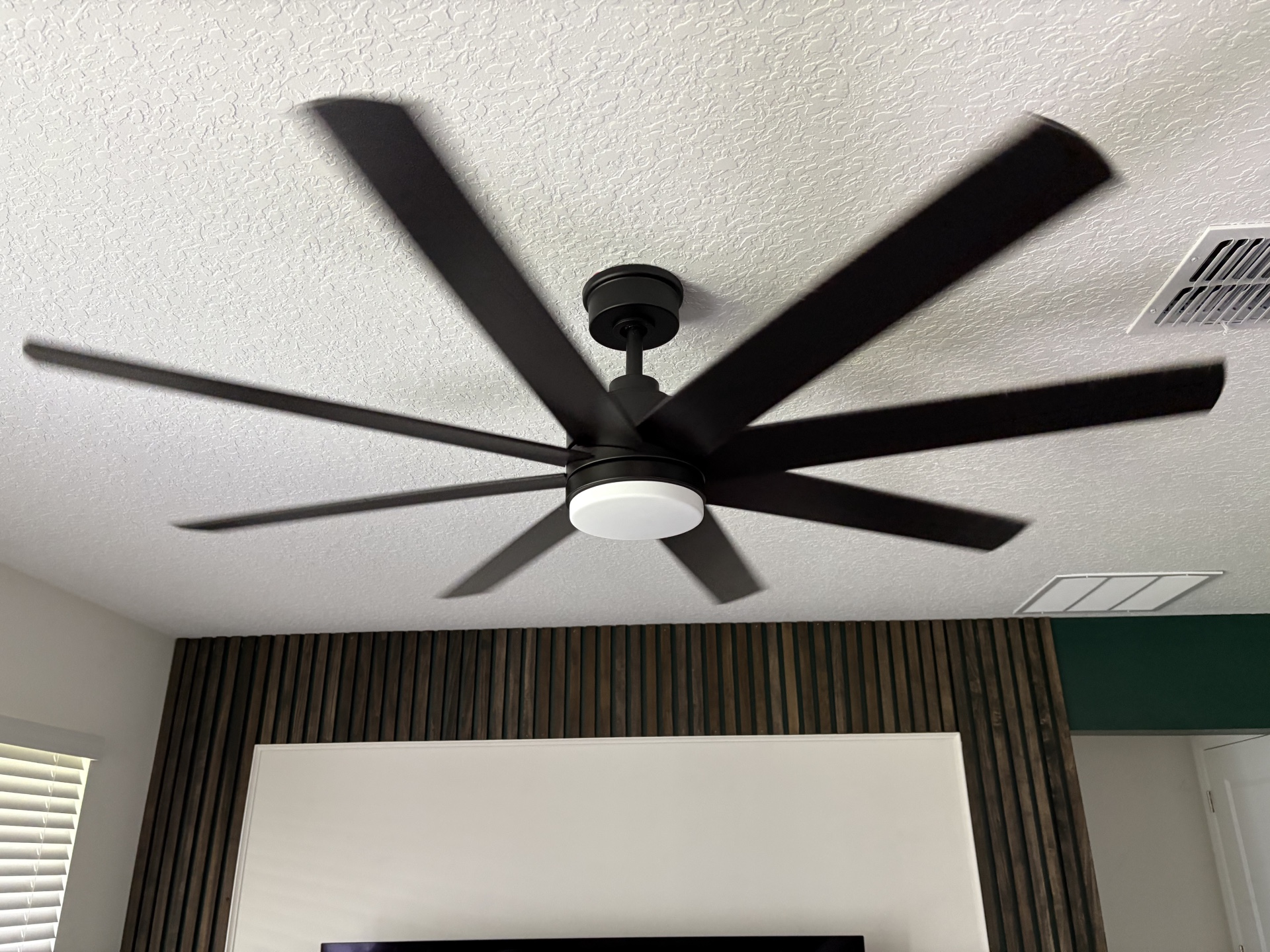
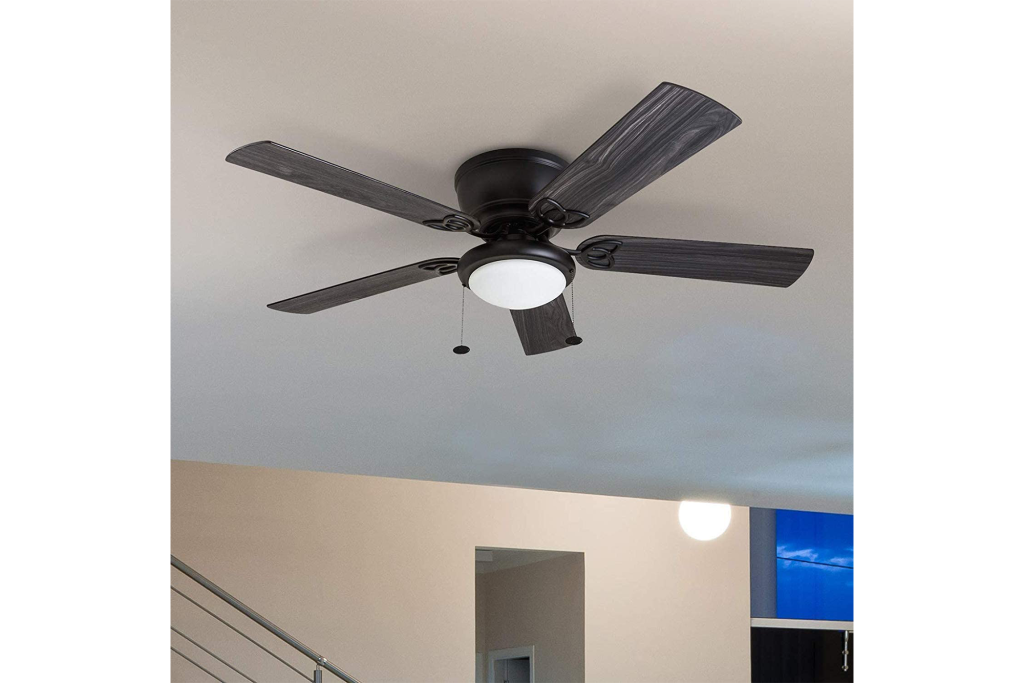
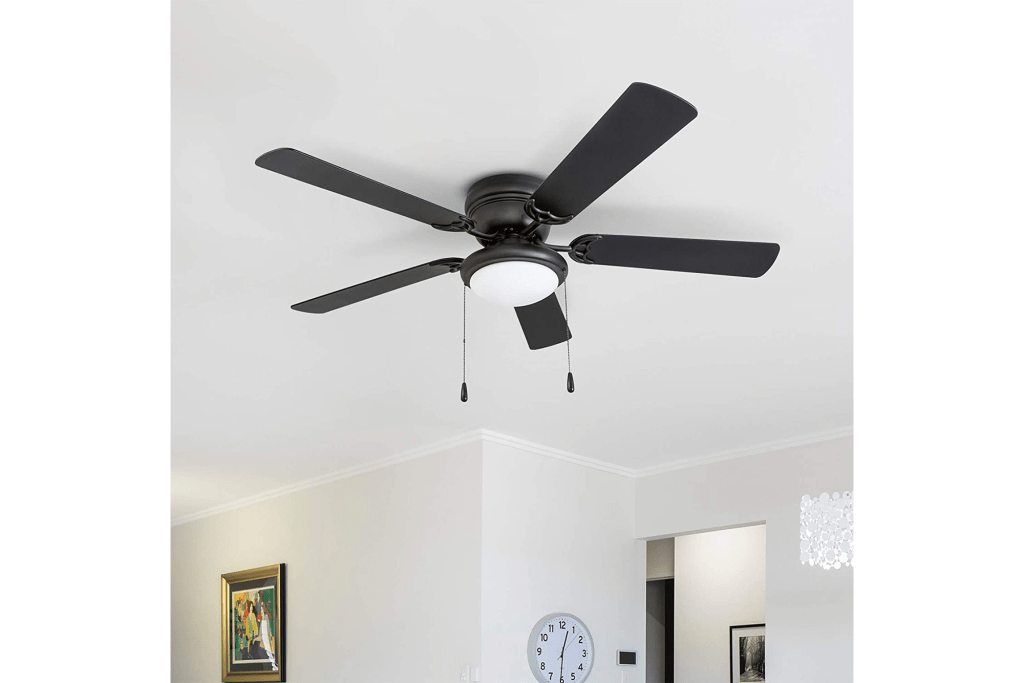
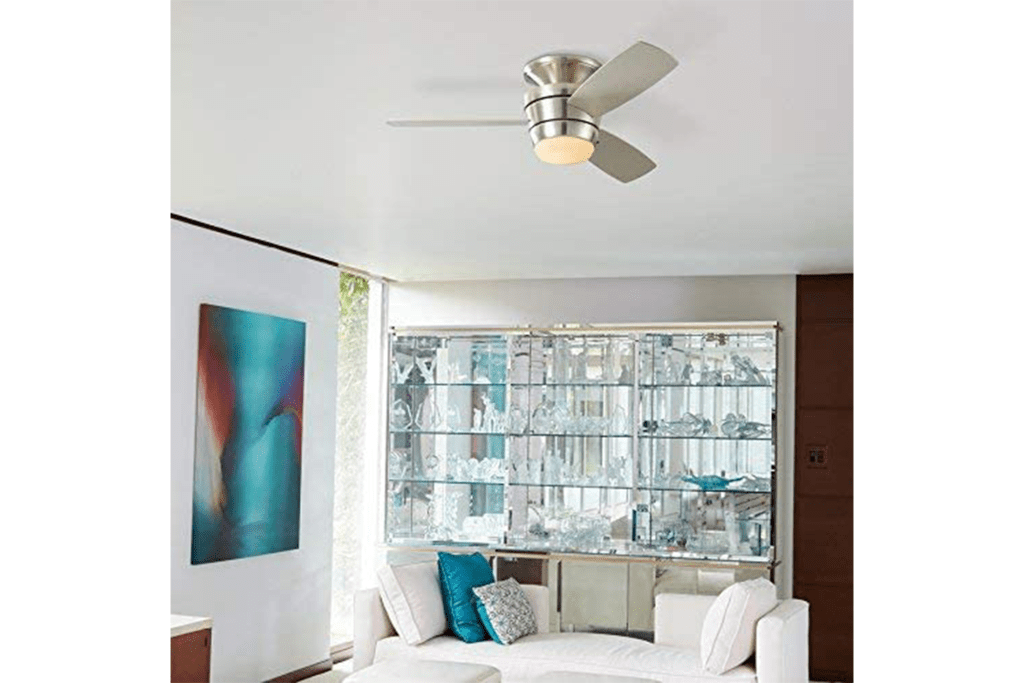
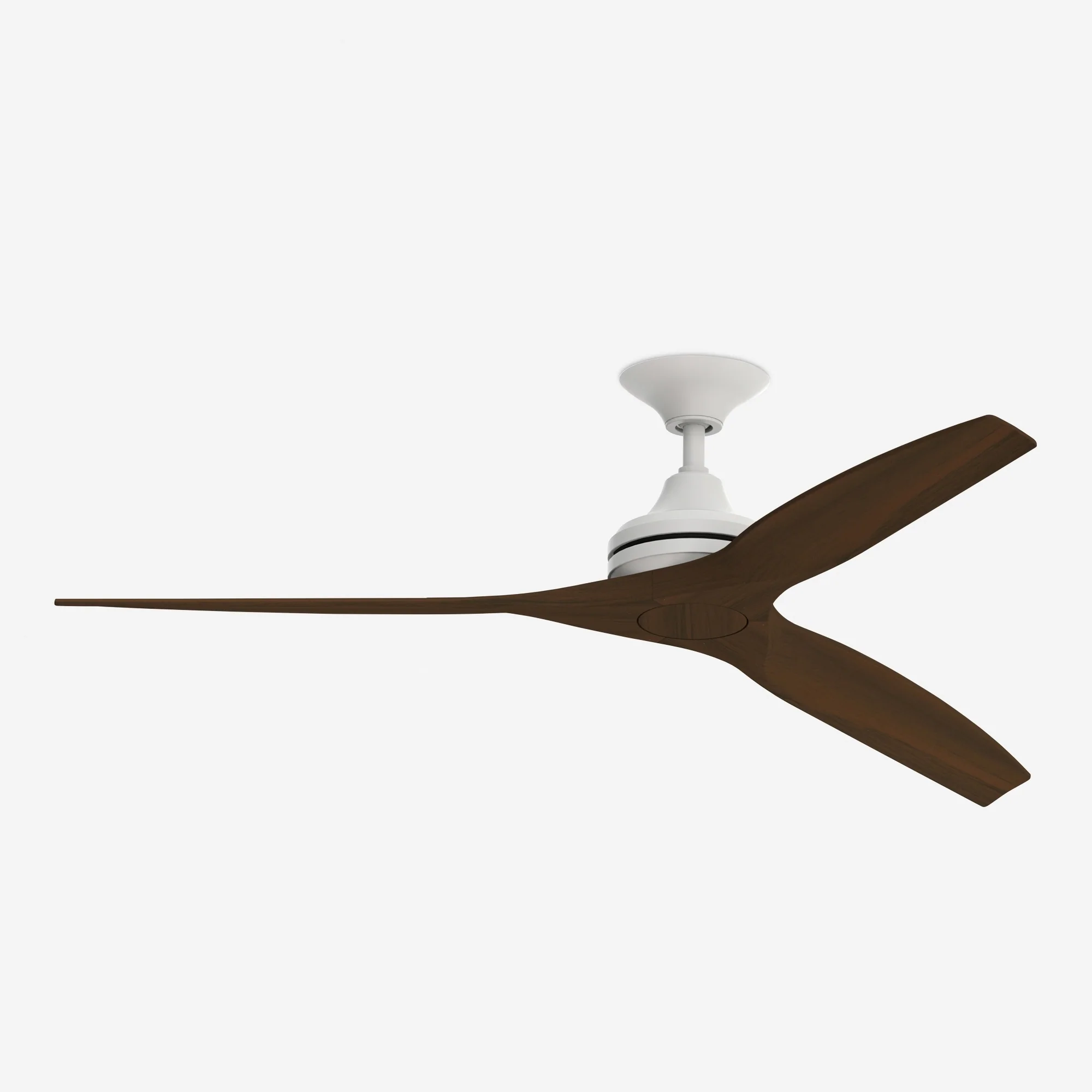
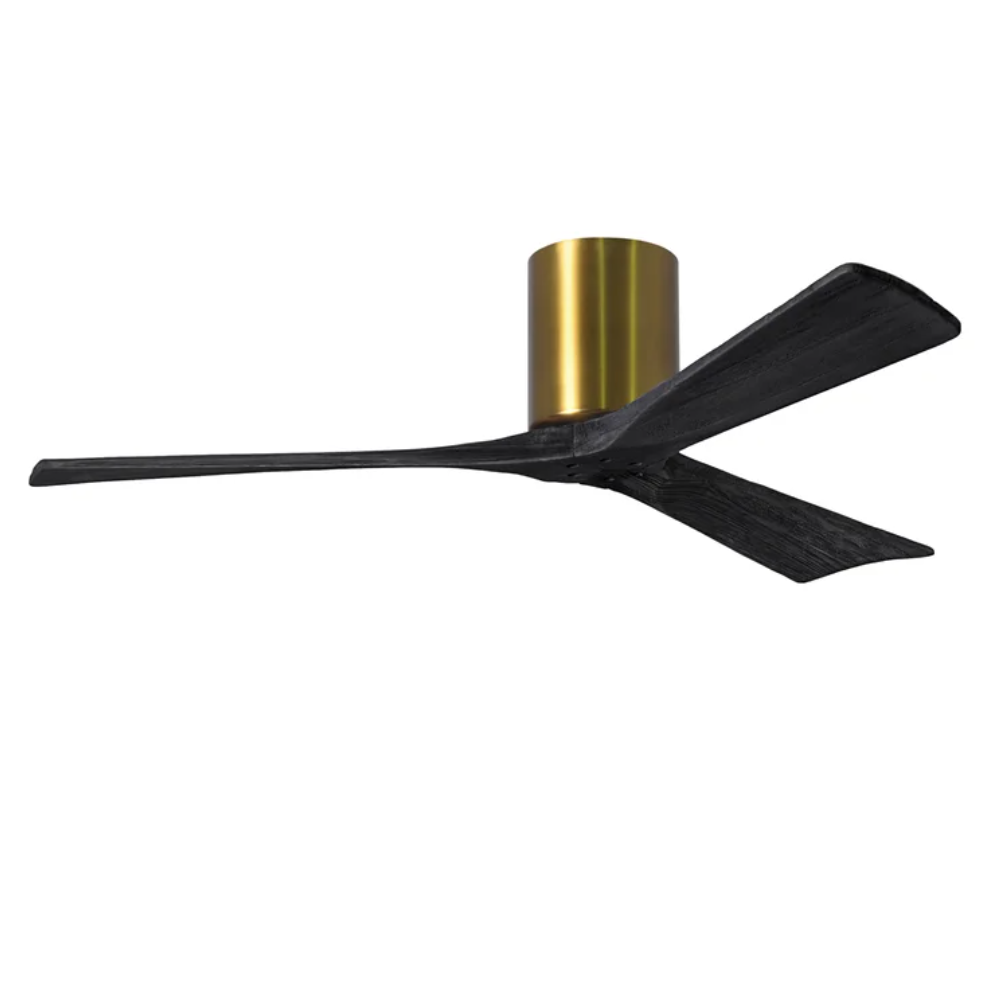
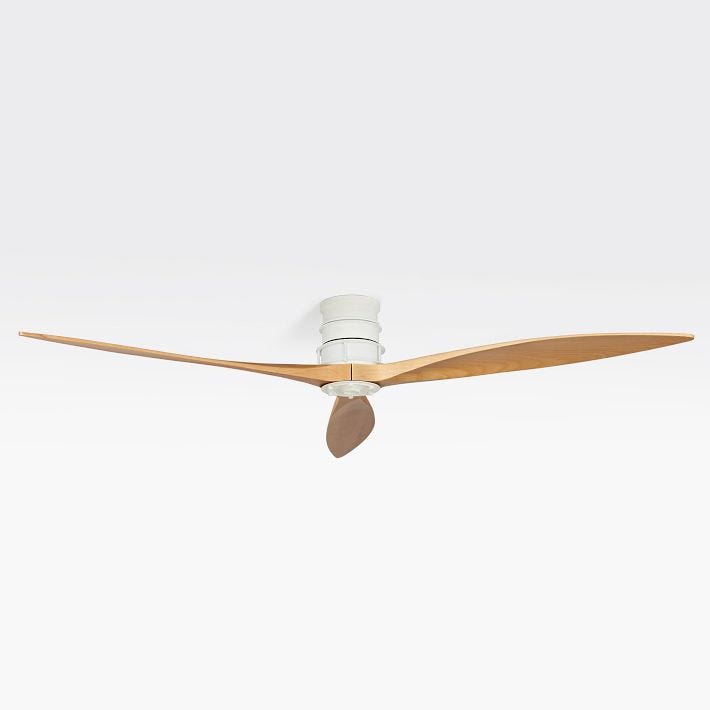
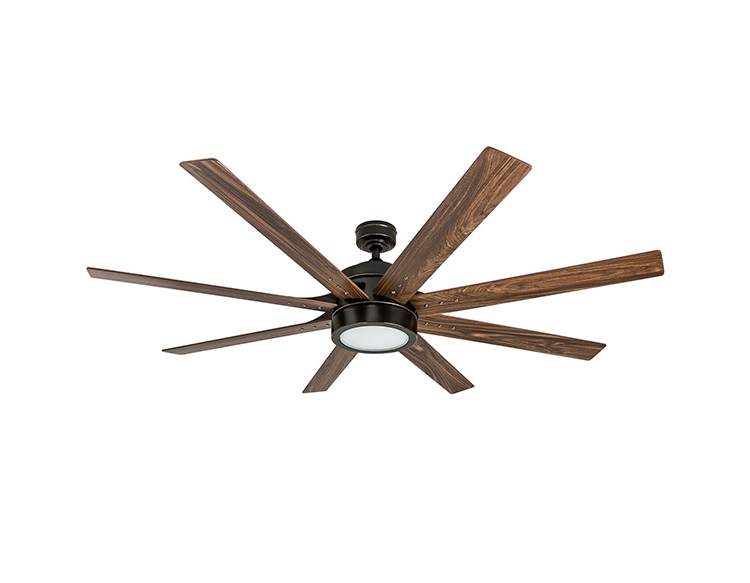
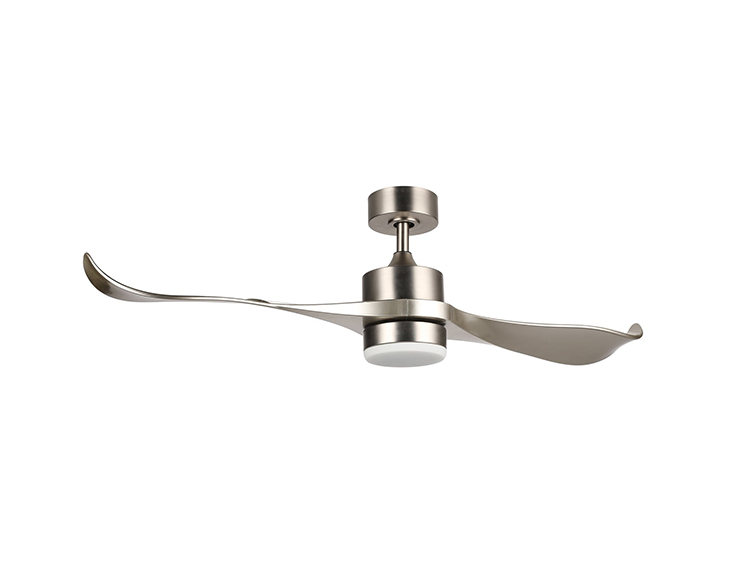
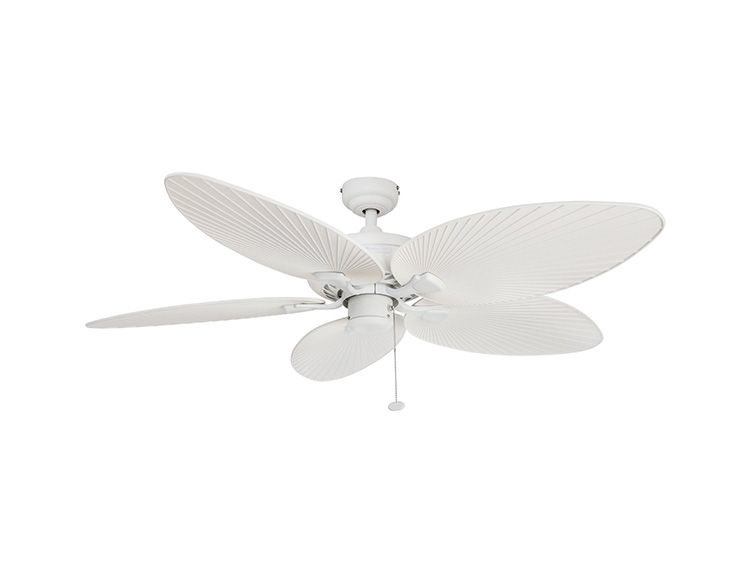
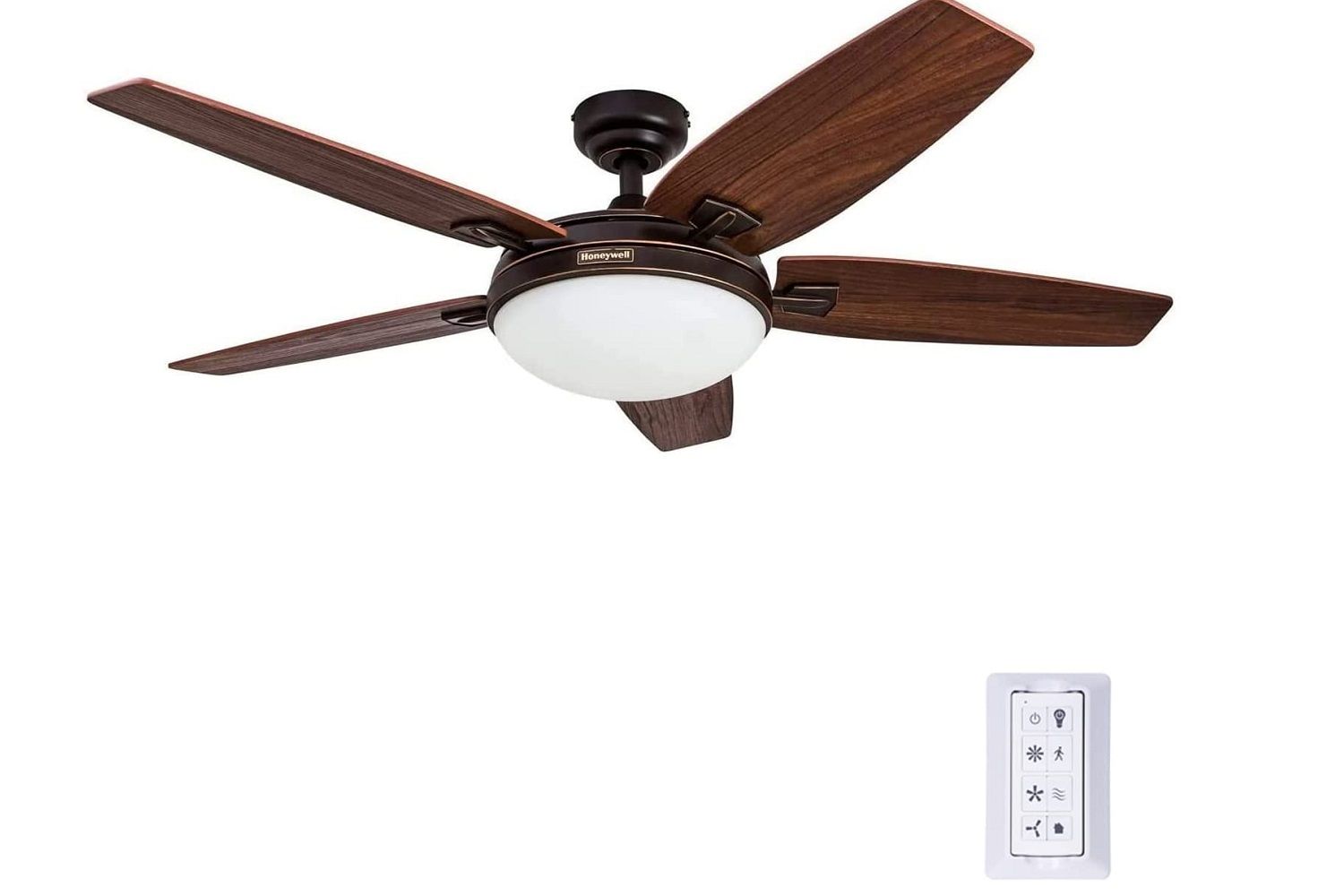
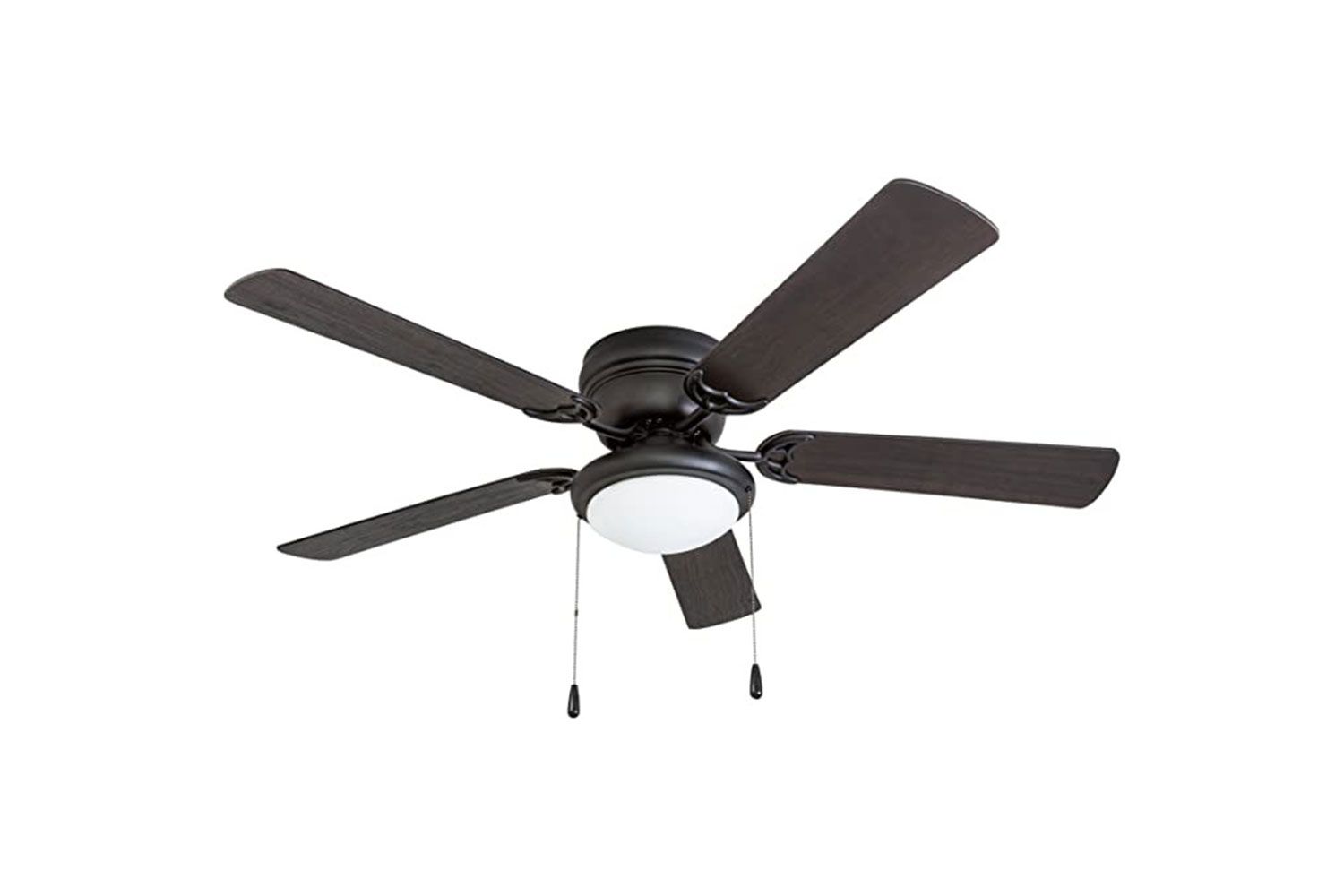
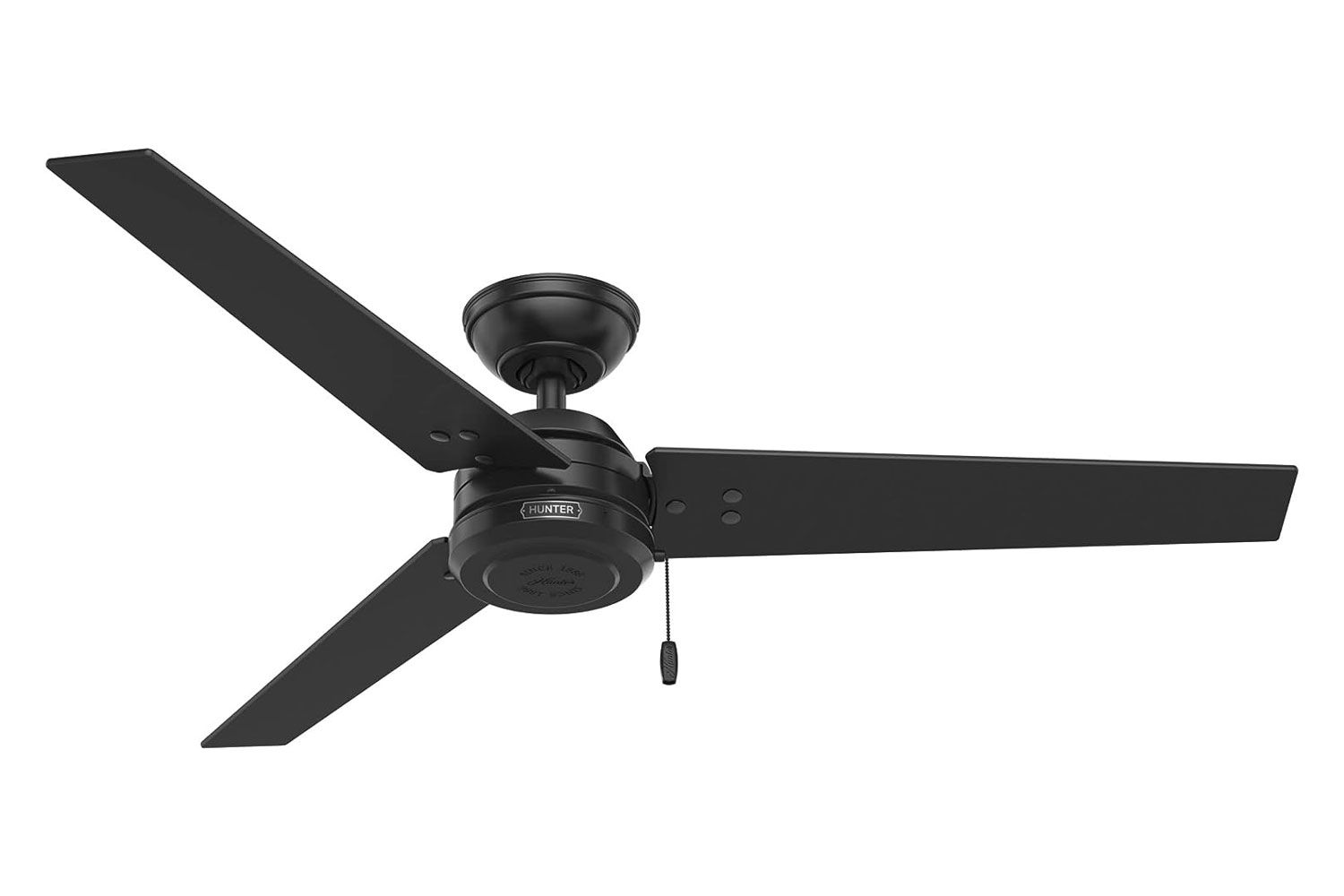
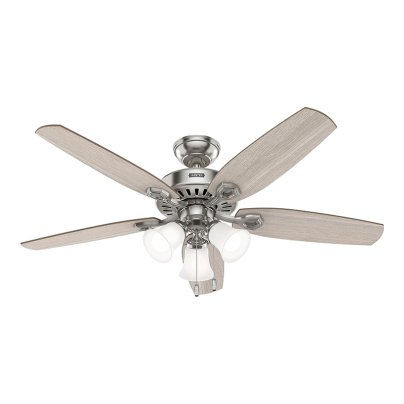
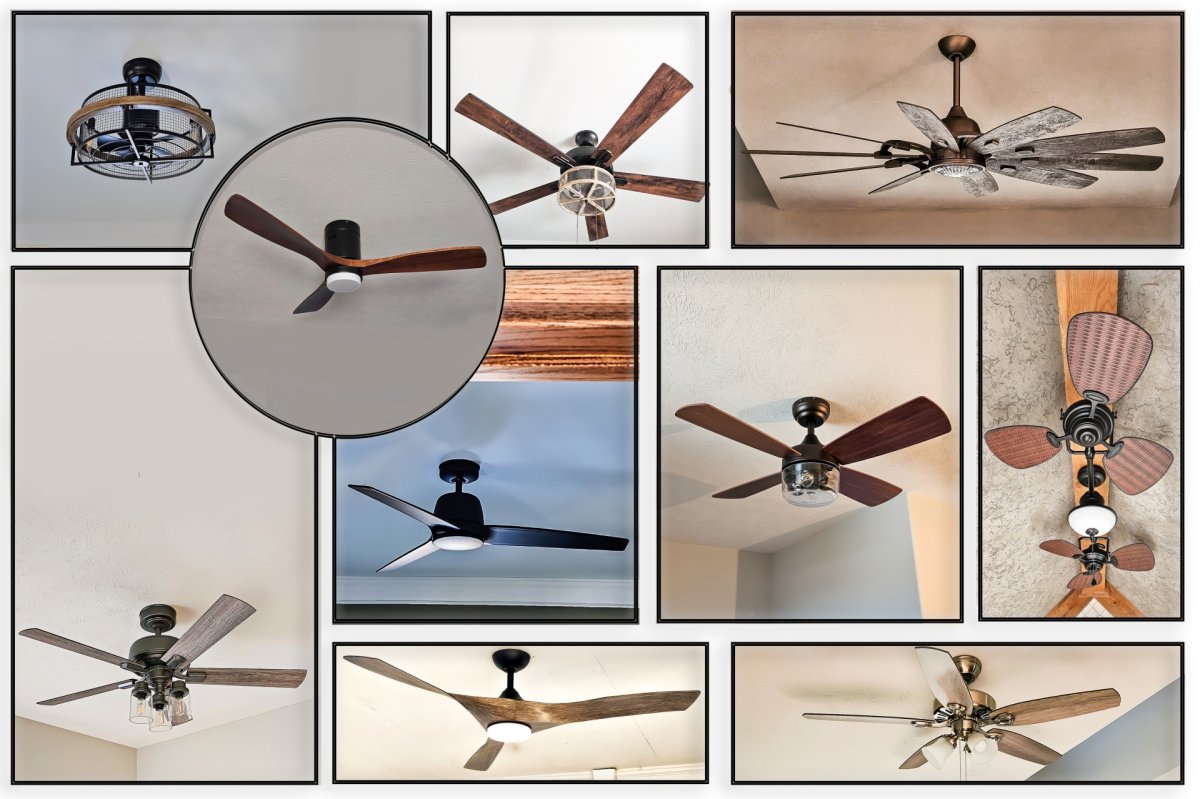
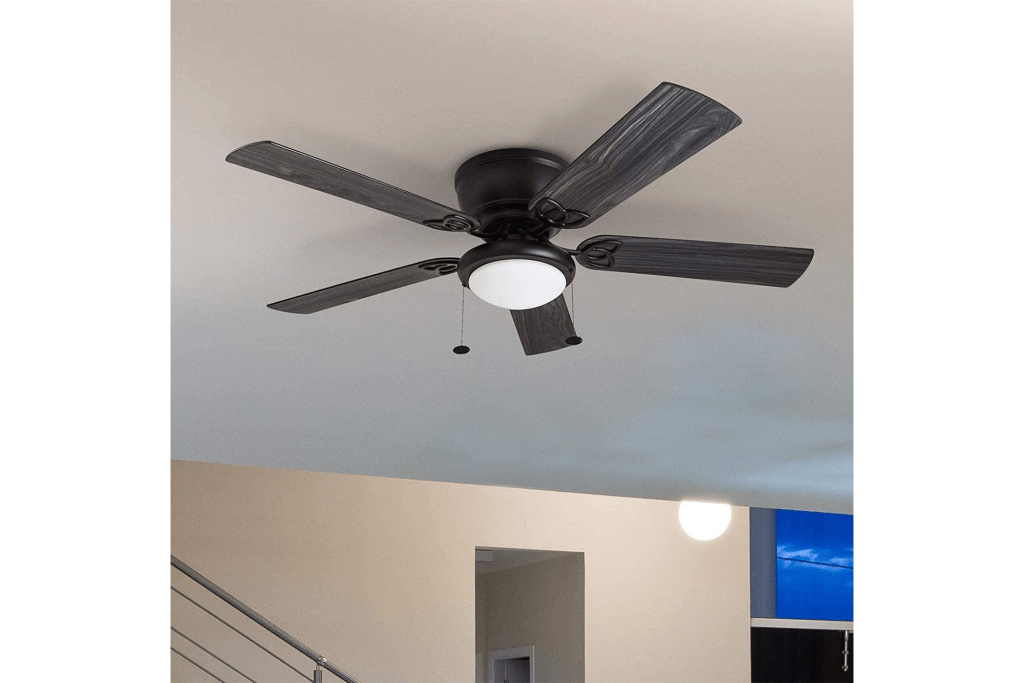
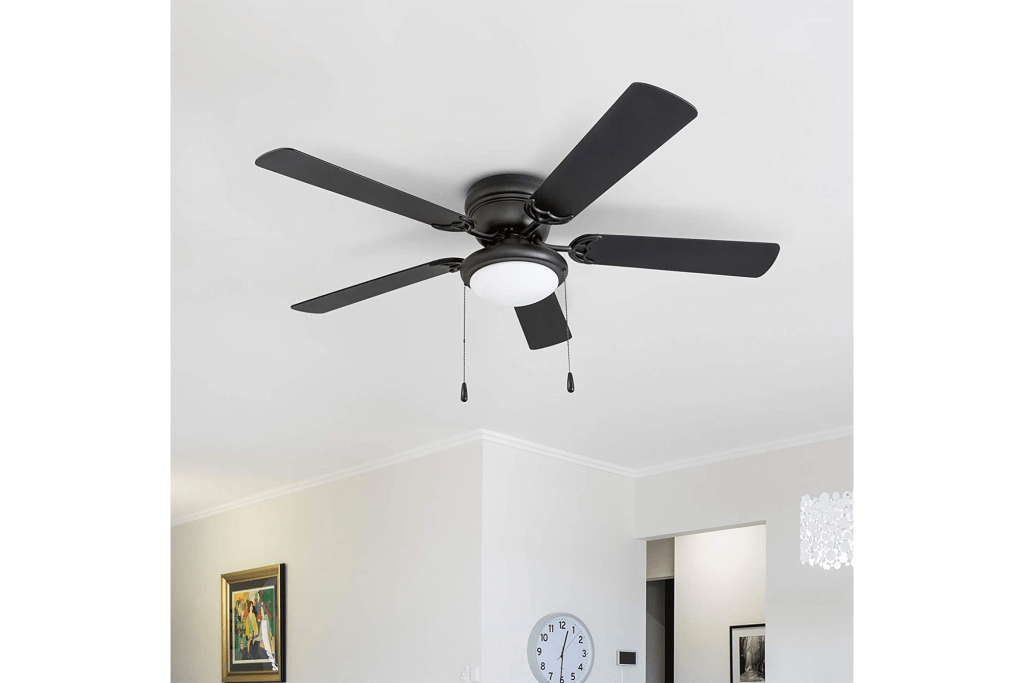
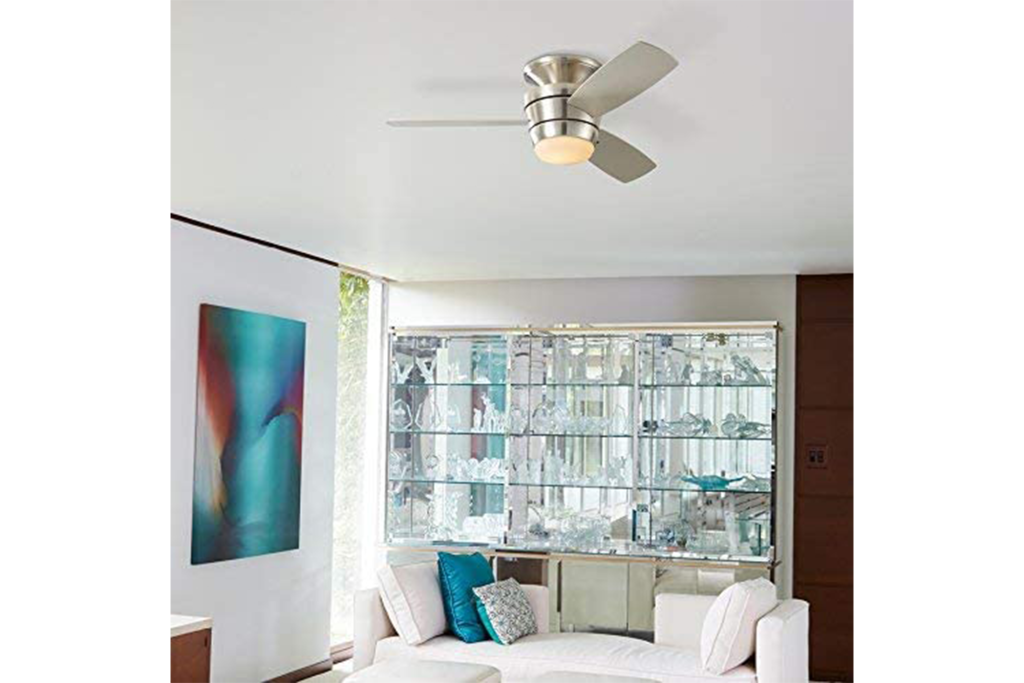
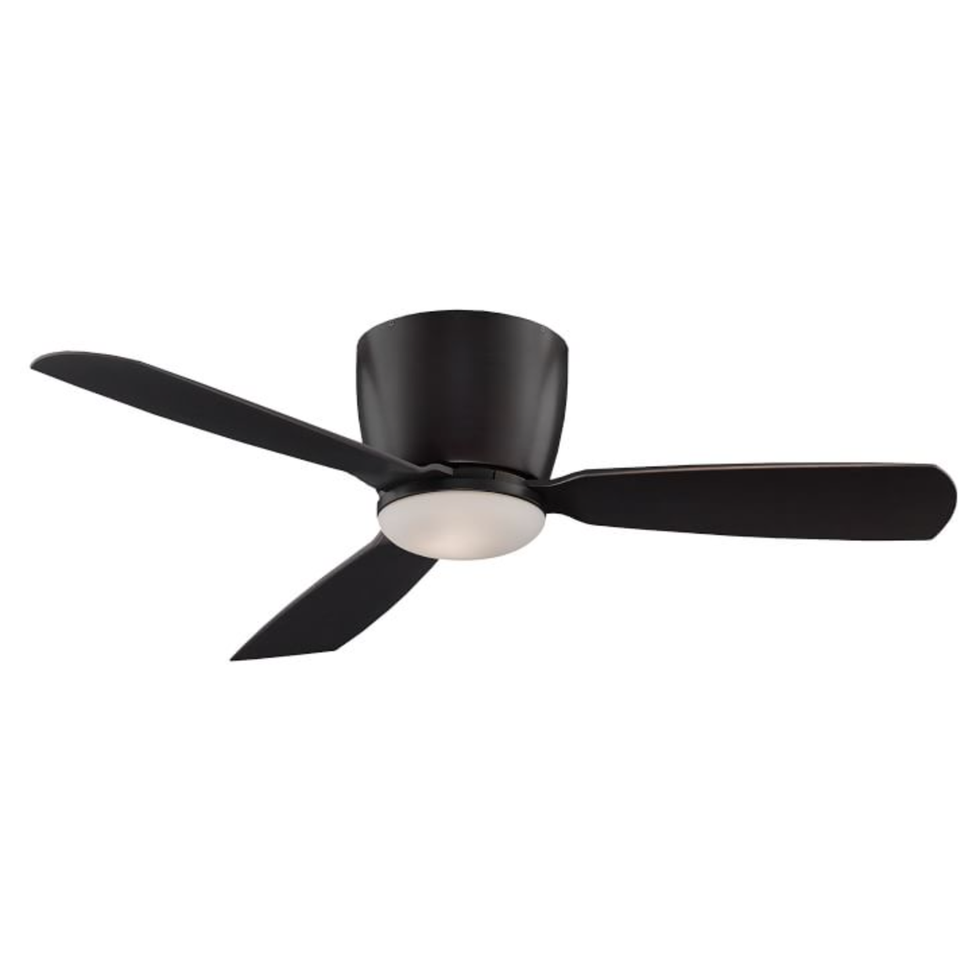
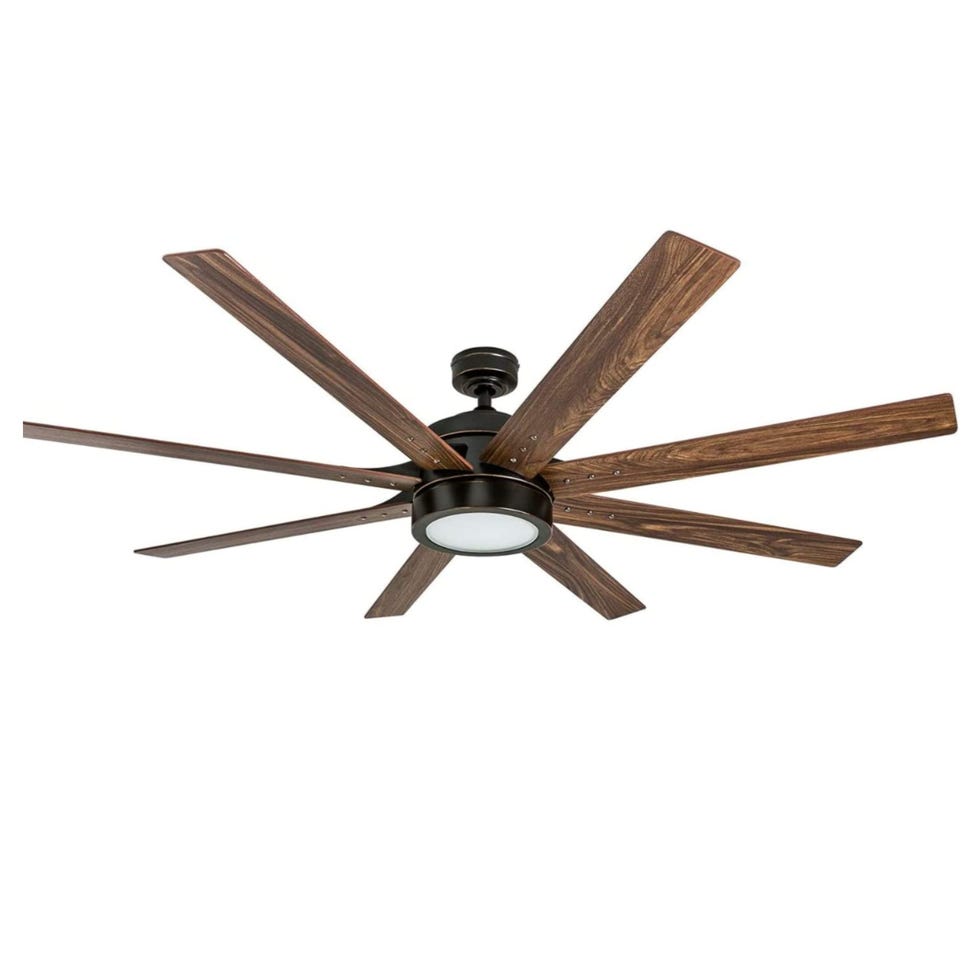
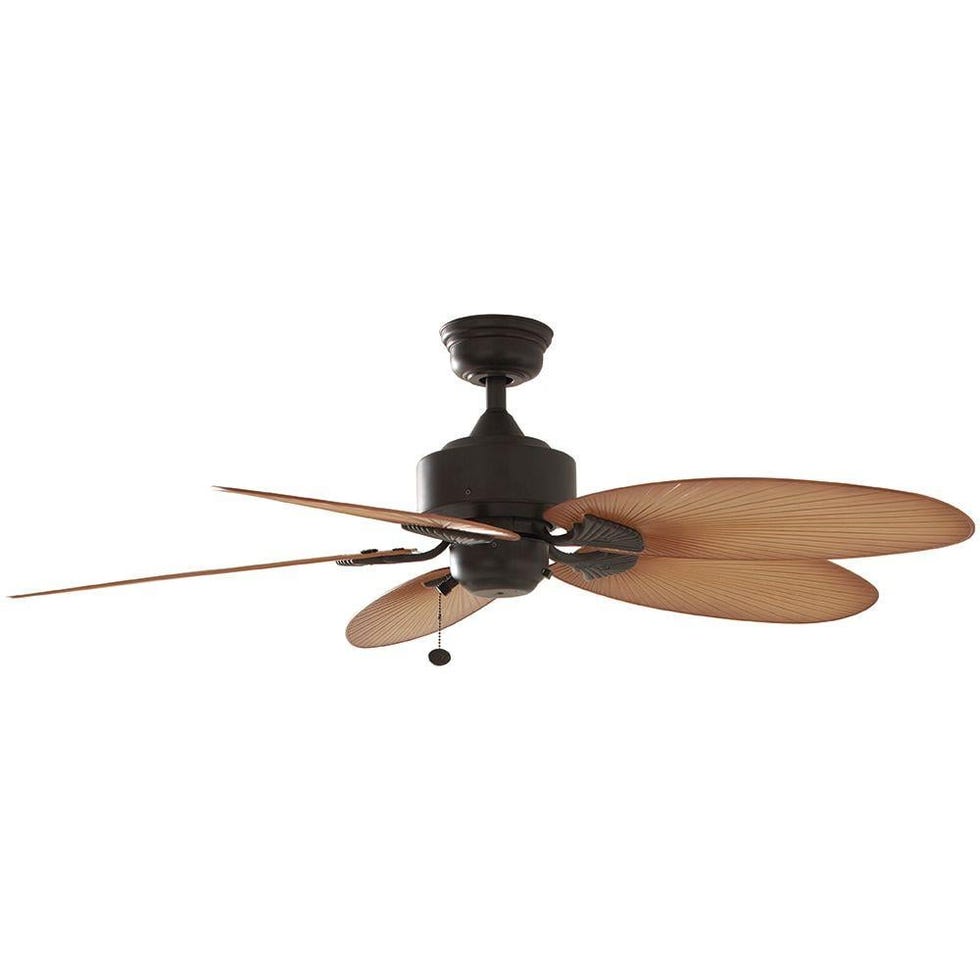
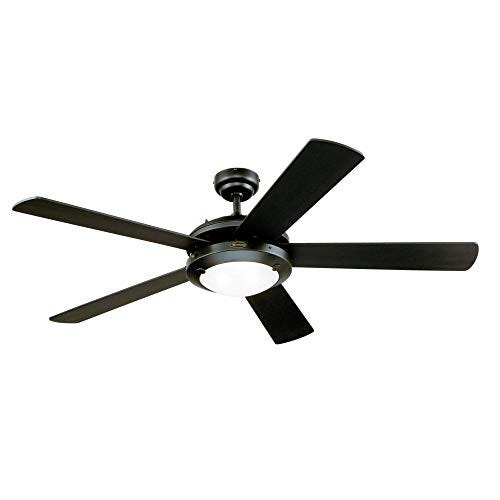
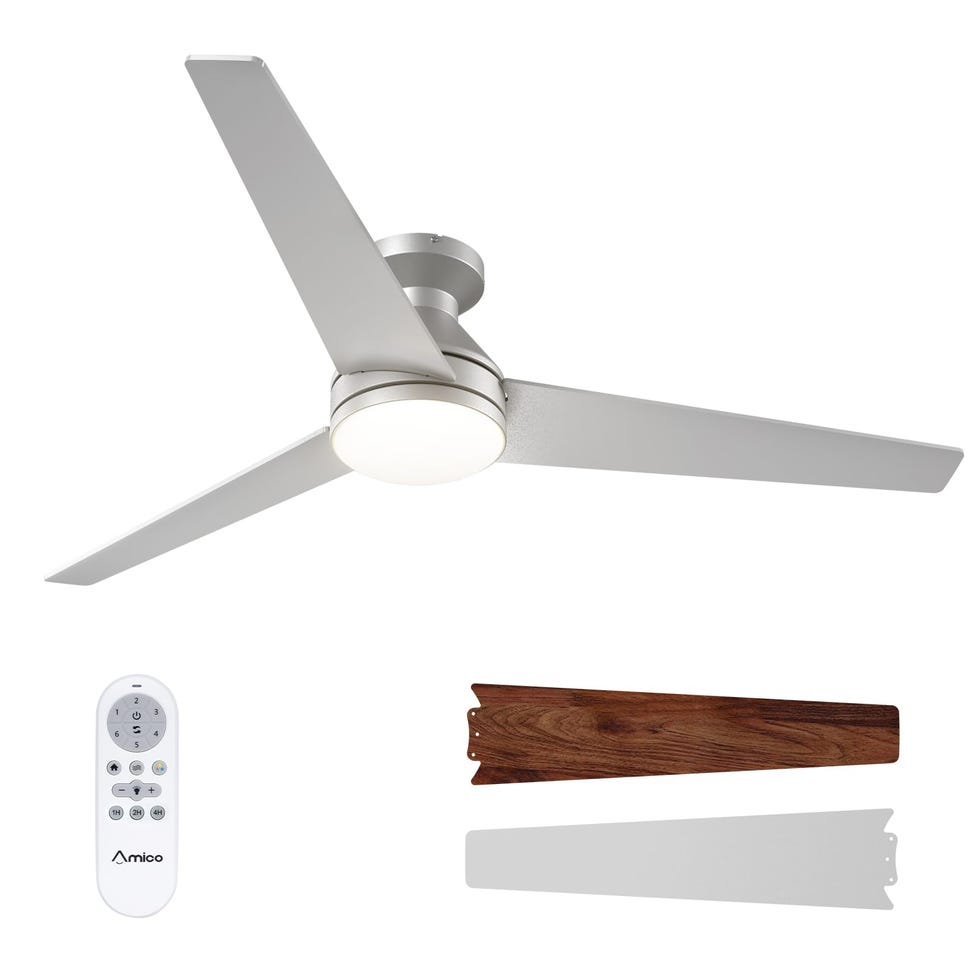
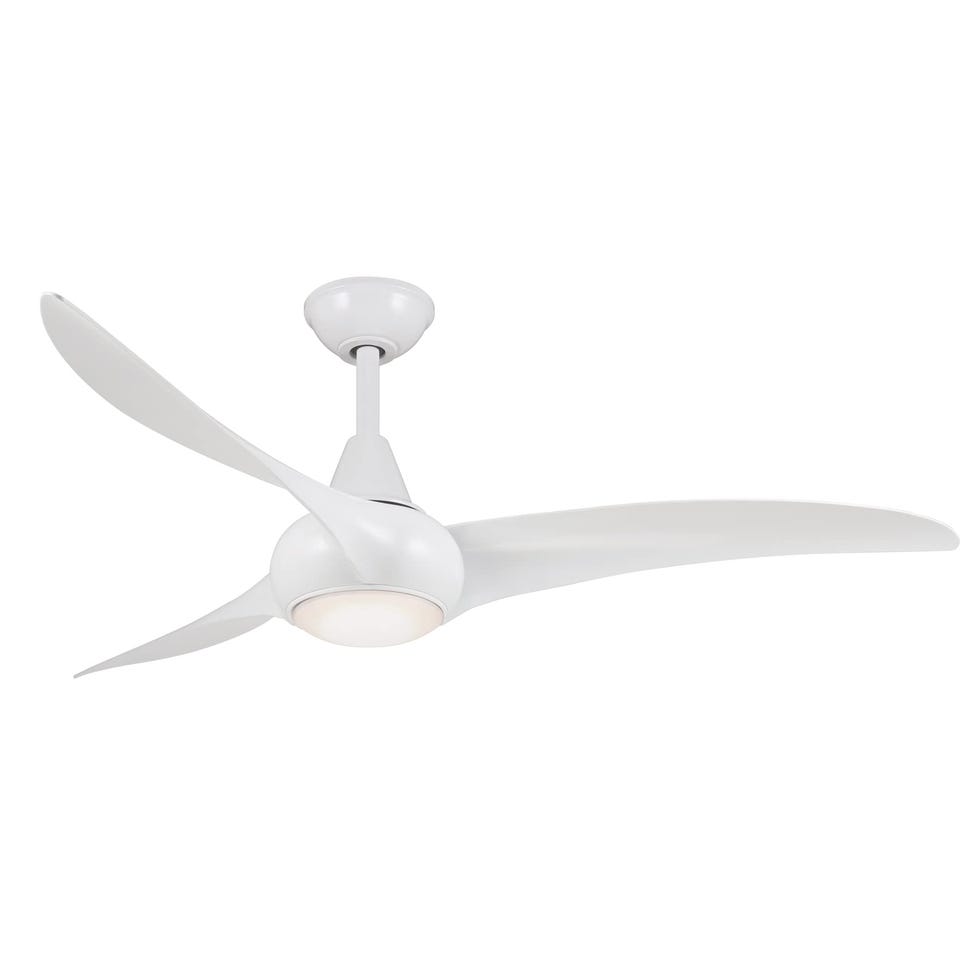
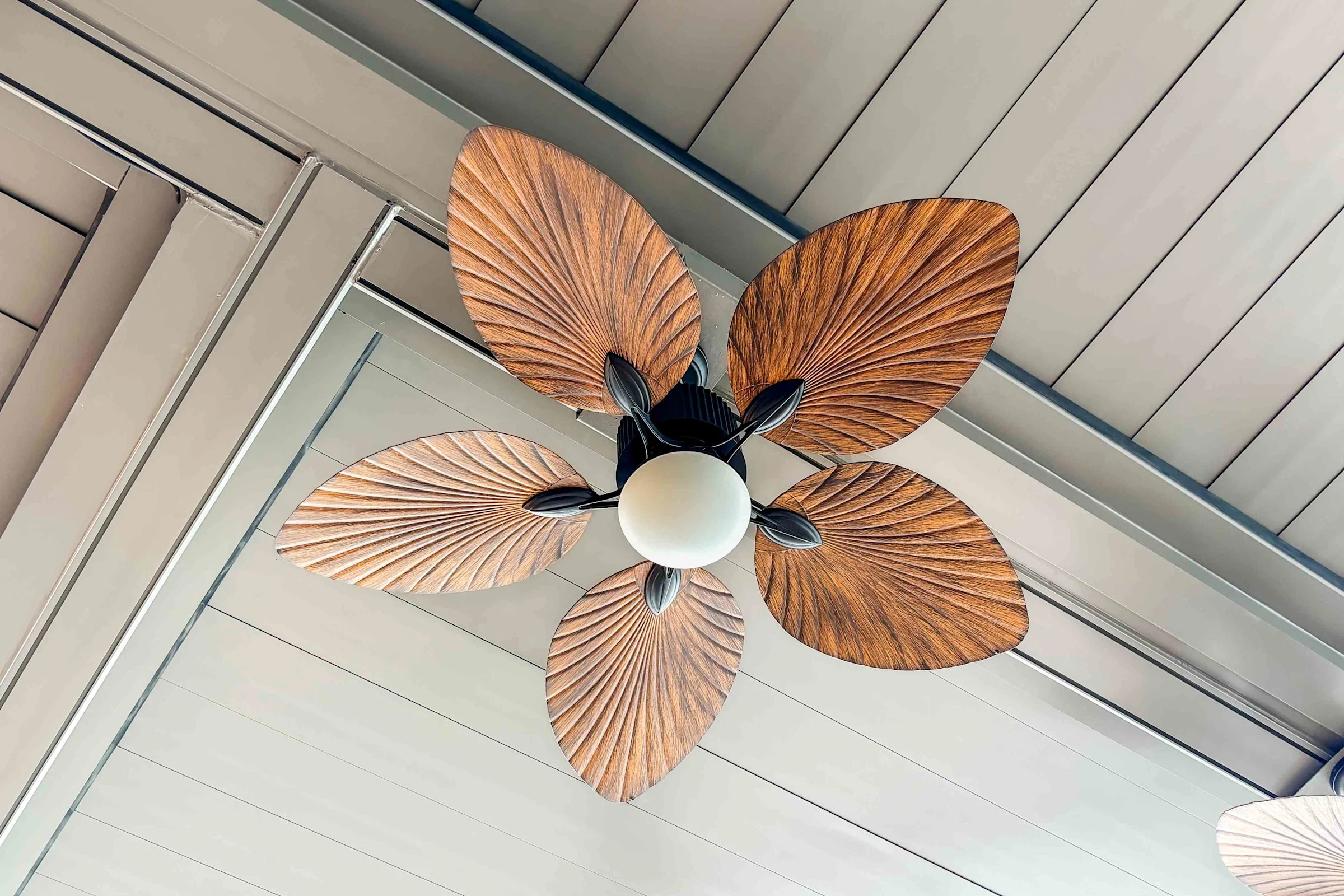
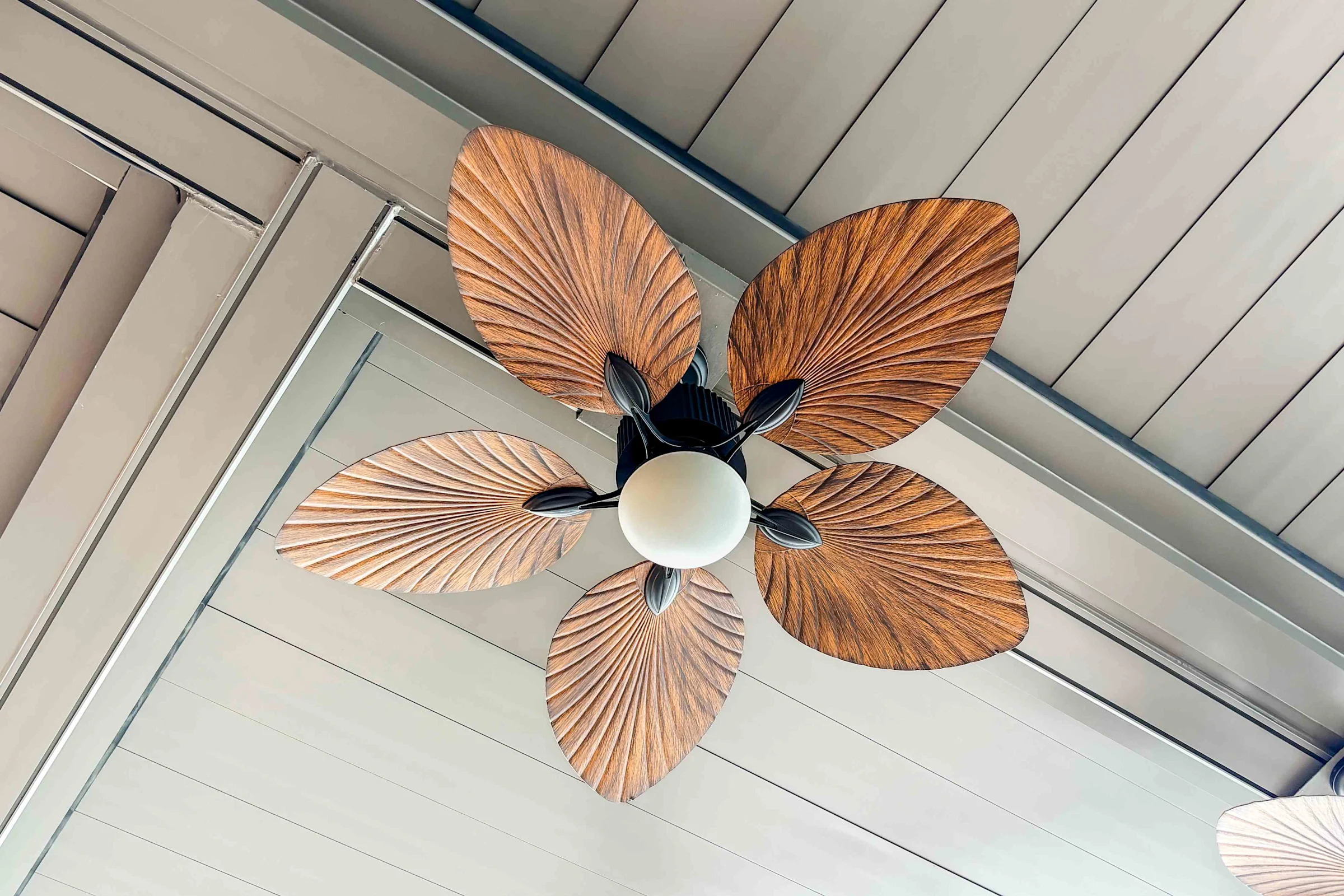
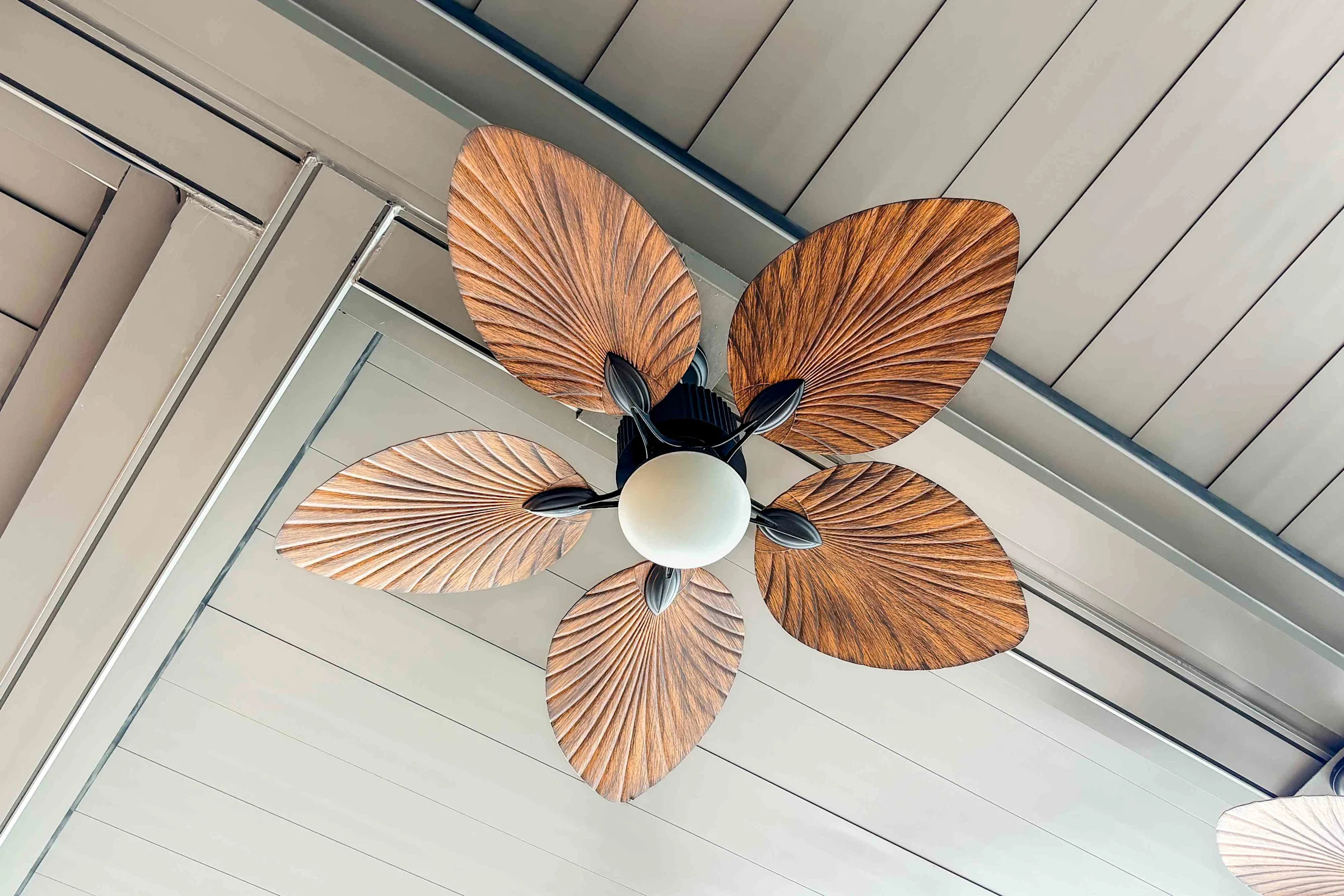
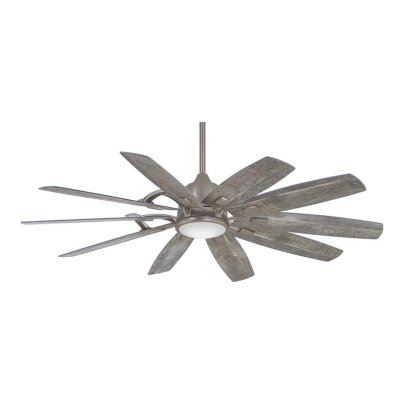
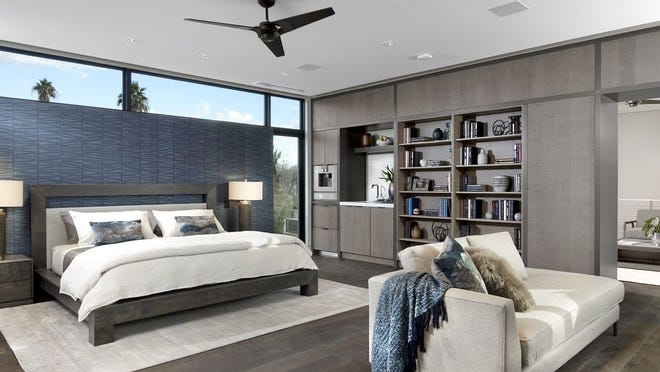
Historically, ceiling fans have been functional rather than decorative, often featuring basic designs that didn't integrate seamlessly with a room's decor. However, modern manufacturing has introduced a wide array of stylish options, allowing homeowners to select fans that enhance their interior design. Designers recommend considering the overall style of the room when choosing a ceiling fan. For contemporary spaces, sleek, minimalist designs with metallic finishes or integrated LED lighting are suitable. In more traditional or rustic settings, fans with wooden blades or bronze accents can blend in effectively. The fan should serve as an extension of the room's design, rather than a standalone appliance.
Beyond aesthetics, the practical aspect of ceiling fans remains their primary benefit: air circulation and energy efficiency. By creating a downdraft in summer, fans help cool the room by creating a wind-chill effect, allowing homeowners to raise thermostat settings and reduce air conditioning costs. In winter, reversing the blades to create an updraft gently pushes warm air, which naturally rises, back down into the living space, improving heat distribution and potentially lowering heating expenses. This dual functionality makes them a cost-effective solution for year-round comfort.
Proper sizing is crucial for both performance and visual balance. A fan that is too small will be ineffective at circulating air, while one that is too large can overwhelm the space. Designers suggest measuring the room to determine the appropriate blade span. For rooms up to 75 square feet, a 36-inch fan is usually adequate. For rooms between 76 and 144 square feet, a 42-inch fan is recommended. Larger rooms, up to 225 square feet, benefit from a 52-inch fan, and even larger spaces may require multiple fans or a significantly larger single unit. Ceiling height also plays a role; a minimum of 7 feet clearance from the floor to the fan blades is essential for safety, and longer downrods may be necessary for higher ceilings to ensure effective air movement.
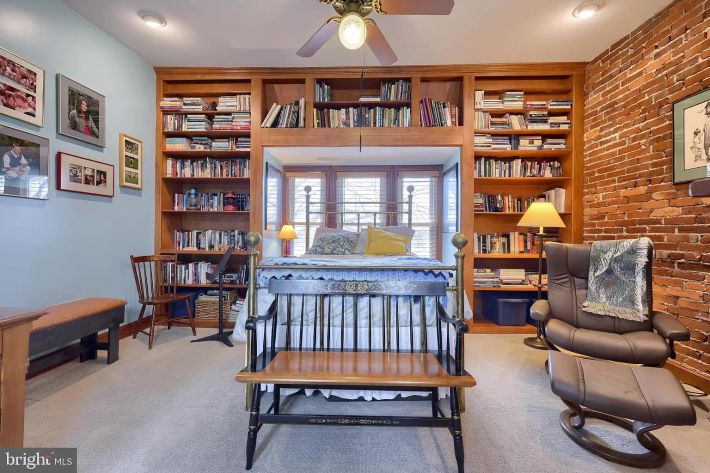
Installation location is another critical factor. The fan should be centered in the room to ensure even air distribution. If the room is exceptionally large or has multiple seating areas, installing more than one fan might be necessary to provide comfort throughout the space. Additionally, ensuring the fan is securely mounted to a ceiling joist or a fan-rated electrical box is vital for safety, preventing wobbling and potential hazards. Consulting with an electrician for installation is advisable to ensure compliance with electrical codes and safe operation.
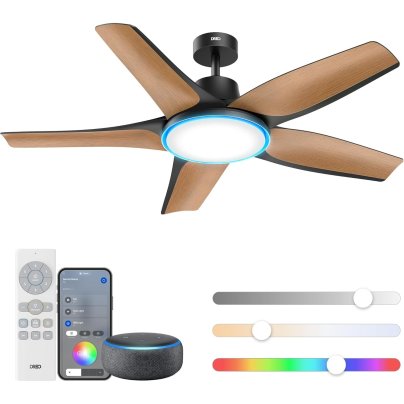
Lighting integration is an important consideration for many homeowners. Modern ceiling fans often come with integrated LED light kits, offering energy-efficient illumination. When selecting a fan with lighting, it is important to choose one that provides adequate brightness for the room's function and has a color temperature that matches other light sources in the space. Dimmable options add versatility, allowing adjustment of the ambiance. Ultimately, ceiling fans, when chosen thoughtfully and installed correctly, can be a stylish and practical element in contemporary home design, contributing to both comfort and energy savings.
#CeilingFans #InteriorDesign #HomeDecor #TaniyaNayak #MollyMiller #EnergyEfficiency #HomeImprovement #CeilingFans #InteriorDesign #HomeDecor #TaniyaNayak #MollyMiller #EnergyEfficiency #HomeImprovement
0 comment in total
 No comments yet
You may also like
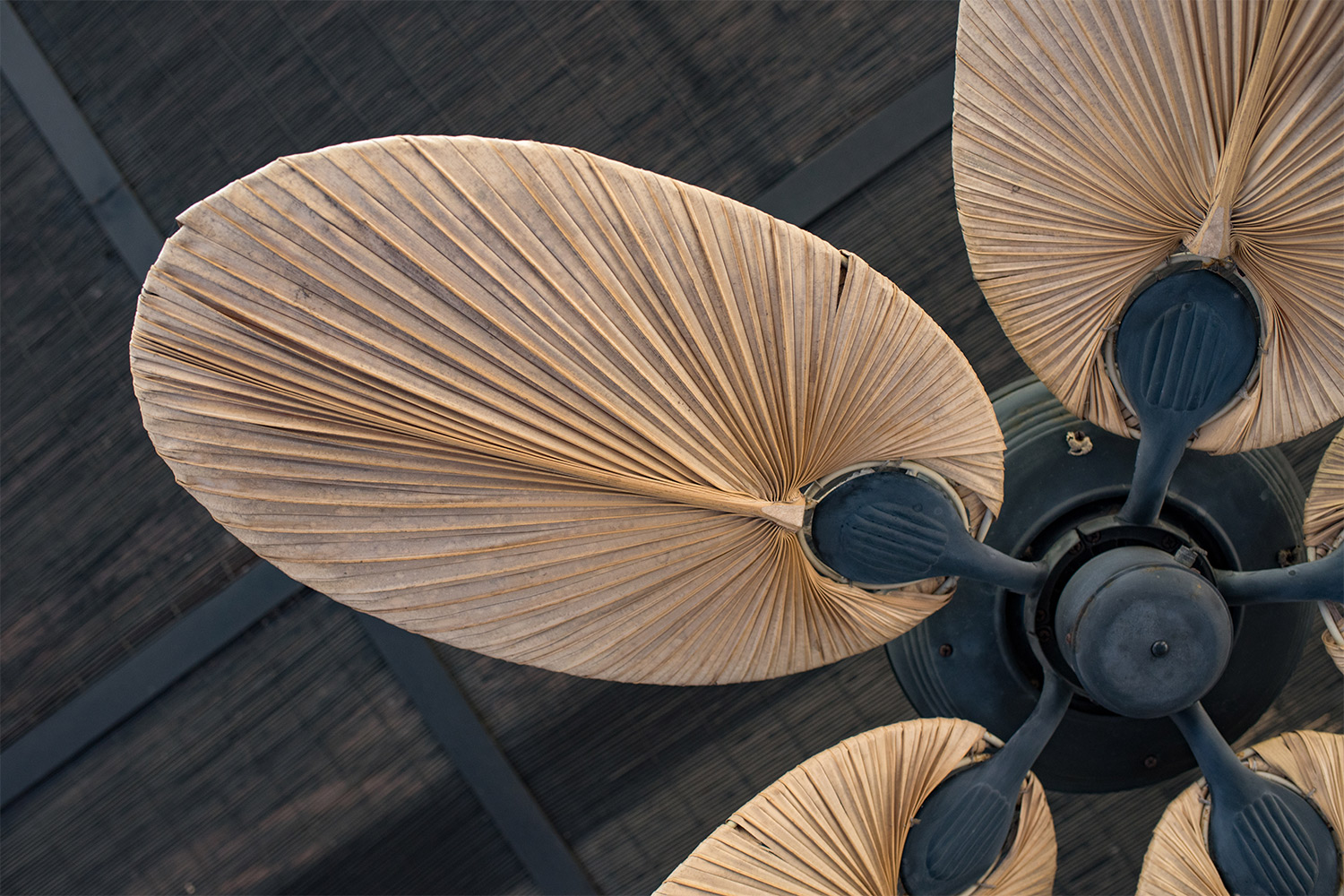
Ceiling Fans—A Stylish Way to (Literally) Beat the Heat

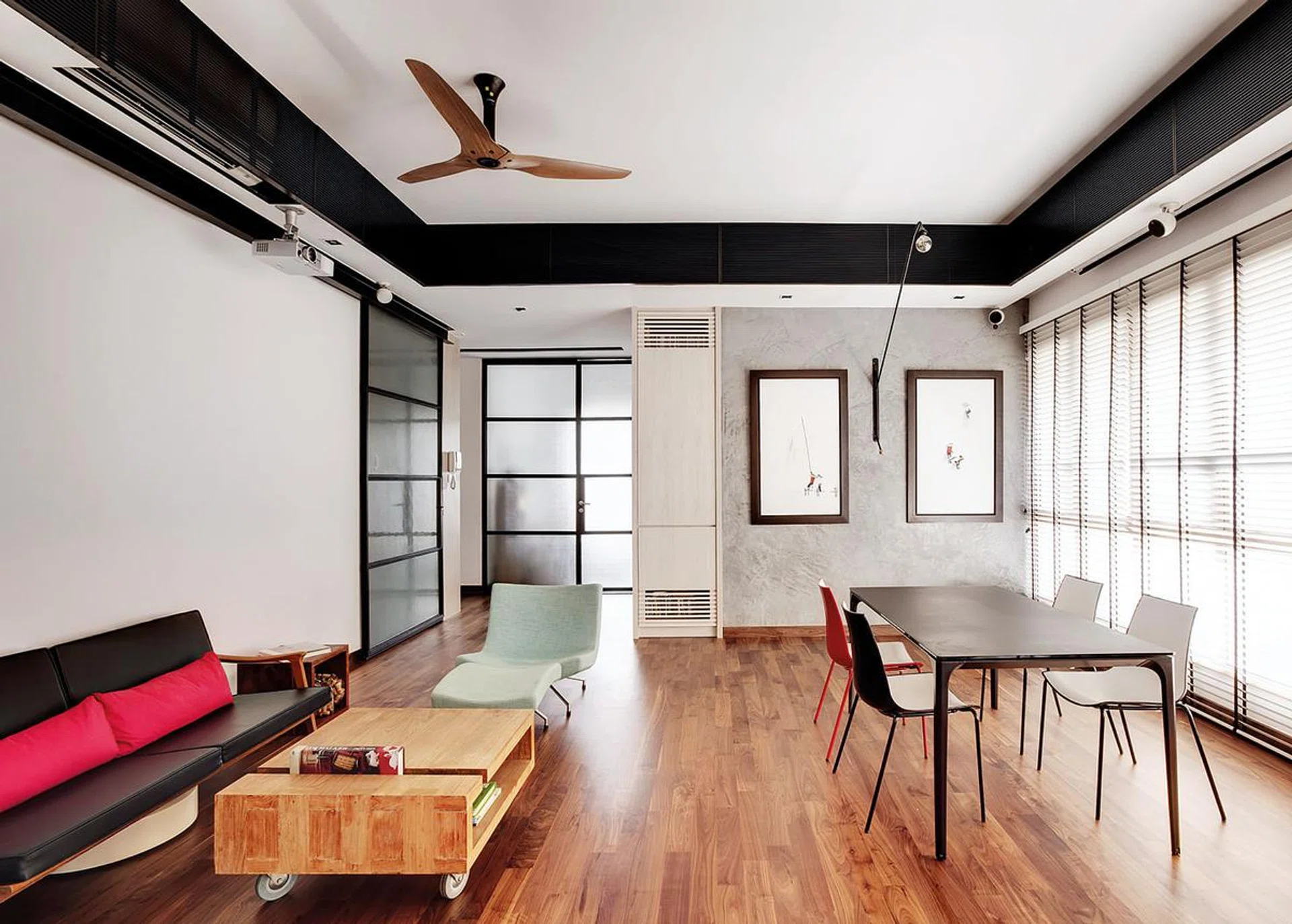
Stylish ceiling fans for modern spaces
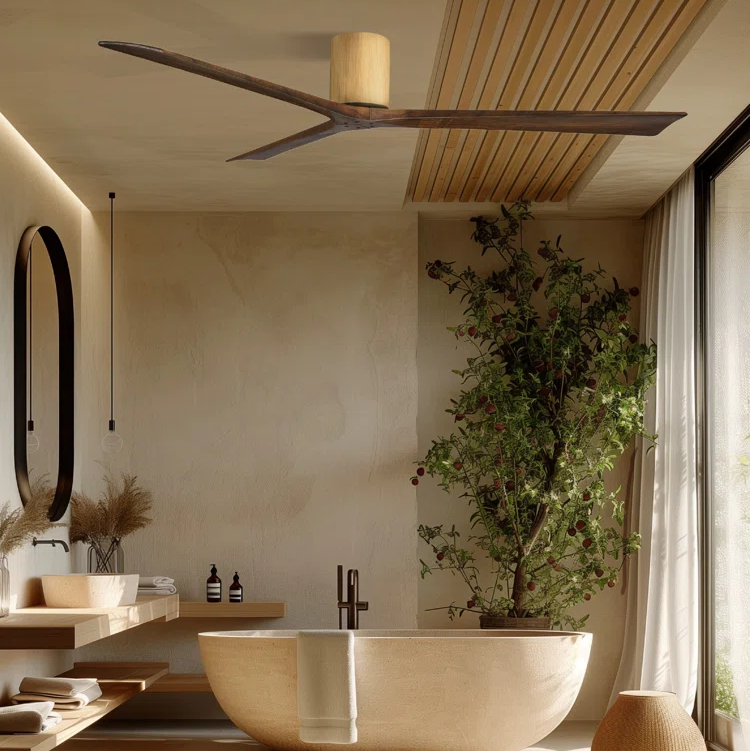
There's a Cool Ceiling Fan for Every Vibe and Budget

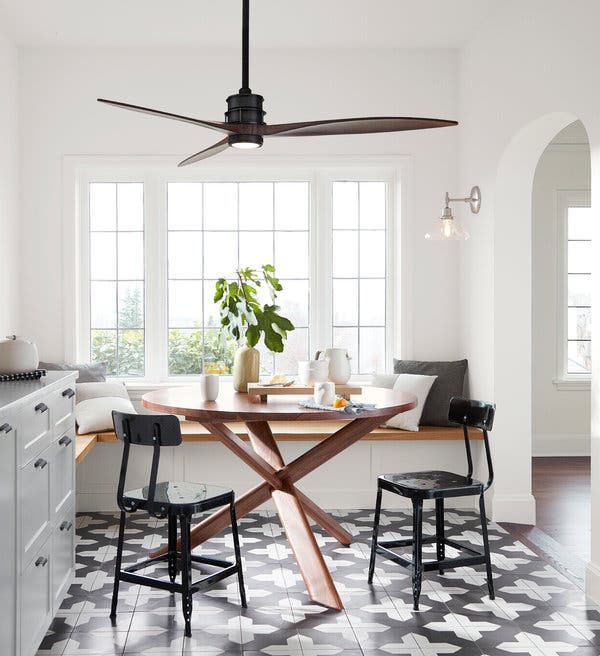
Shopping for Ceiling Fans (Published 2019)
Not a Fan? Seven Ceiling Fan Options For All You Haters

Make It Nice: Ceiling Fans And Tricky Layouts
Are Ceiling Fans Actually Outdated? Designers Share What They Really Think

The 16 best ceiling fans for extra airflow, plus expert tips

Ceiling fans: A new spin on cooling your home | Home and Garden | Life
Are Ceiling Fans Actually Outdated? Designers Share How to Make Them Work in Your Space


The Best Ceiling Fans to Keep You Cool All Year Round


16 Best Ceiling Fans You Can Buy Online Right Now

Are Ceiling Fans Actually Outdated? Designers Share How to Make Them Work in Your Space

Spin Smarter, Not Harder: Our Favorite Smart Ceiling Fans
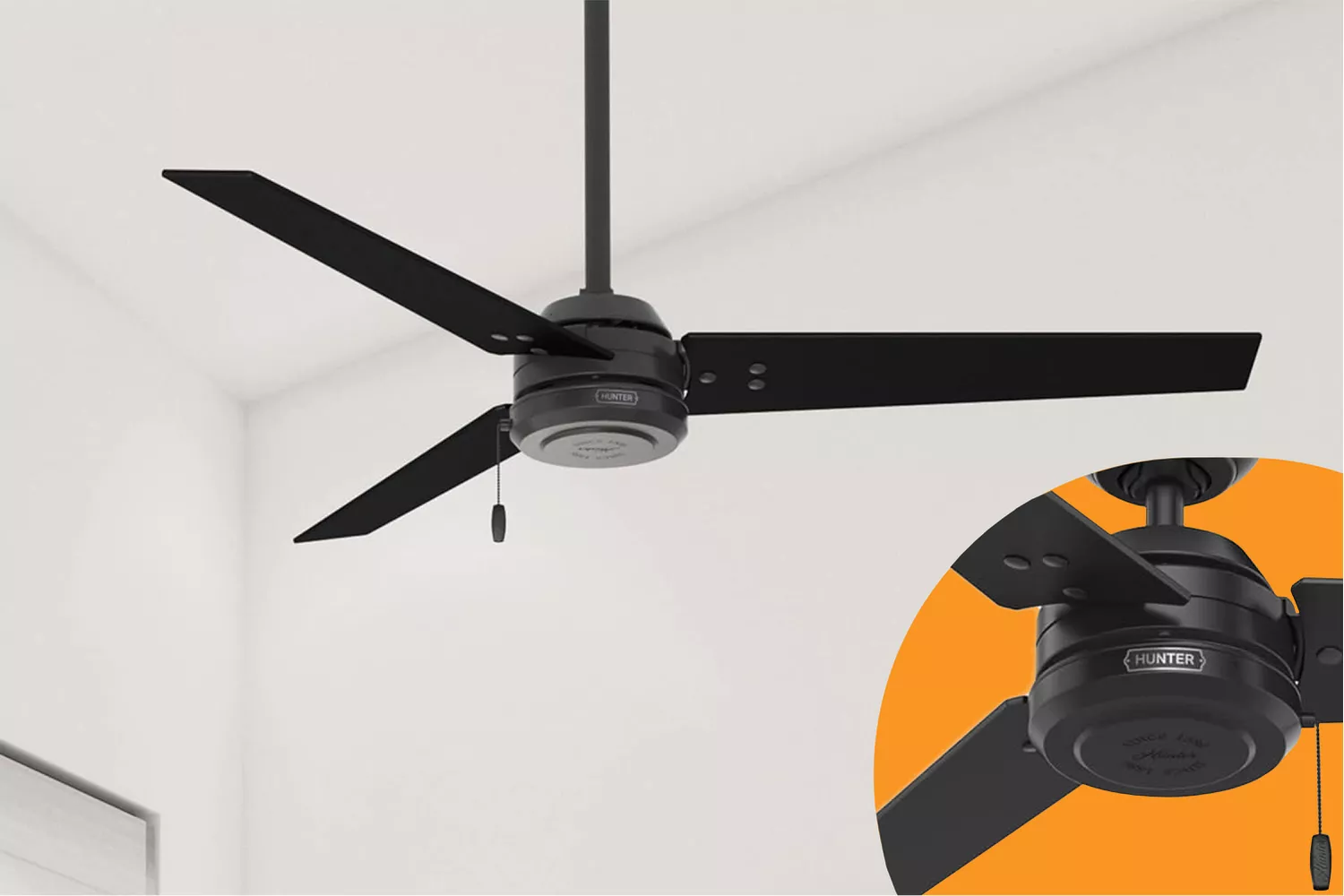
We Spent 1,200 Hours Testing Which Ceiling Fans Are the Most Cooling — These Are Our Winners
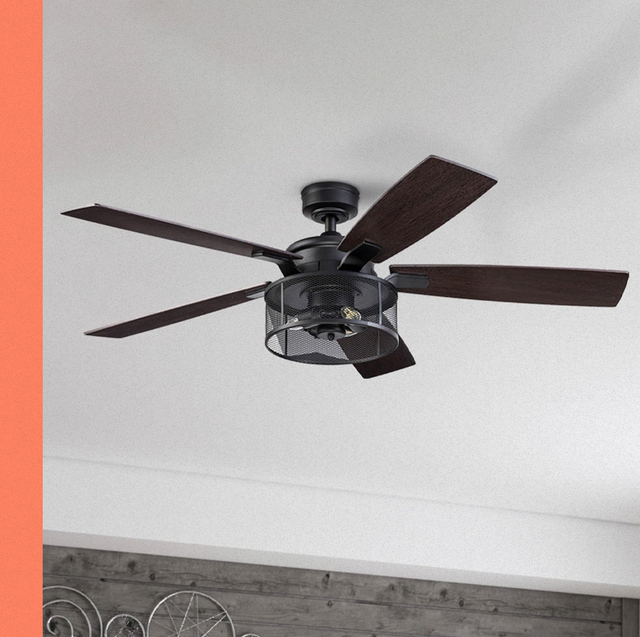
Our Editor Recommendations for Ceiling Fans Can Supplement or Even Replace an A/C
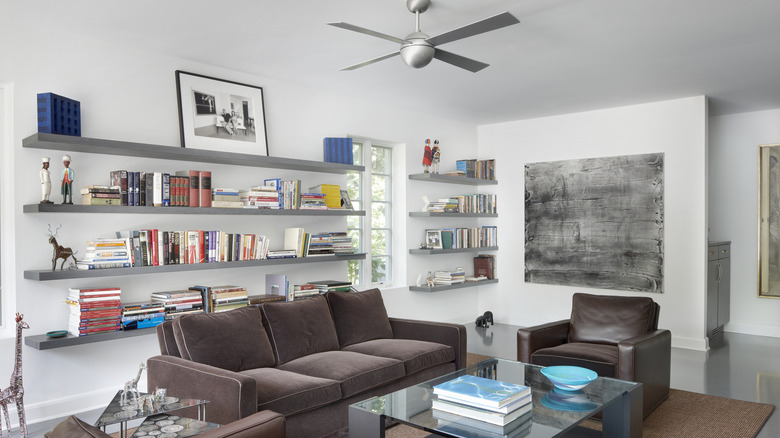
The Best Ceiling Fans For Each Room Of Your Home
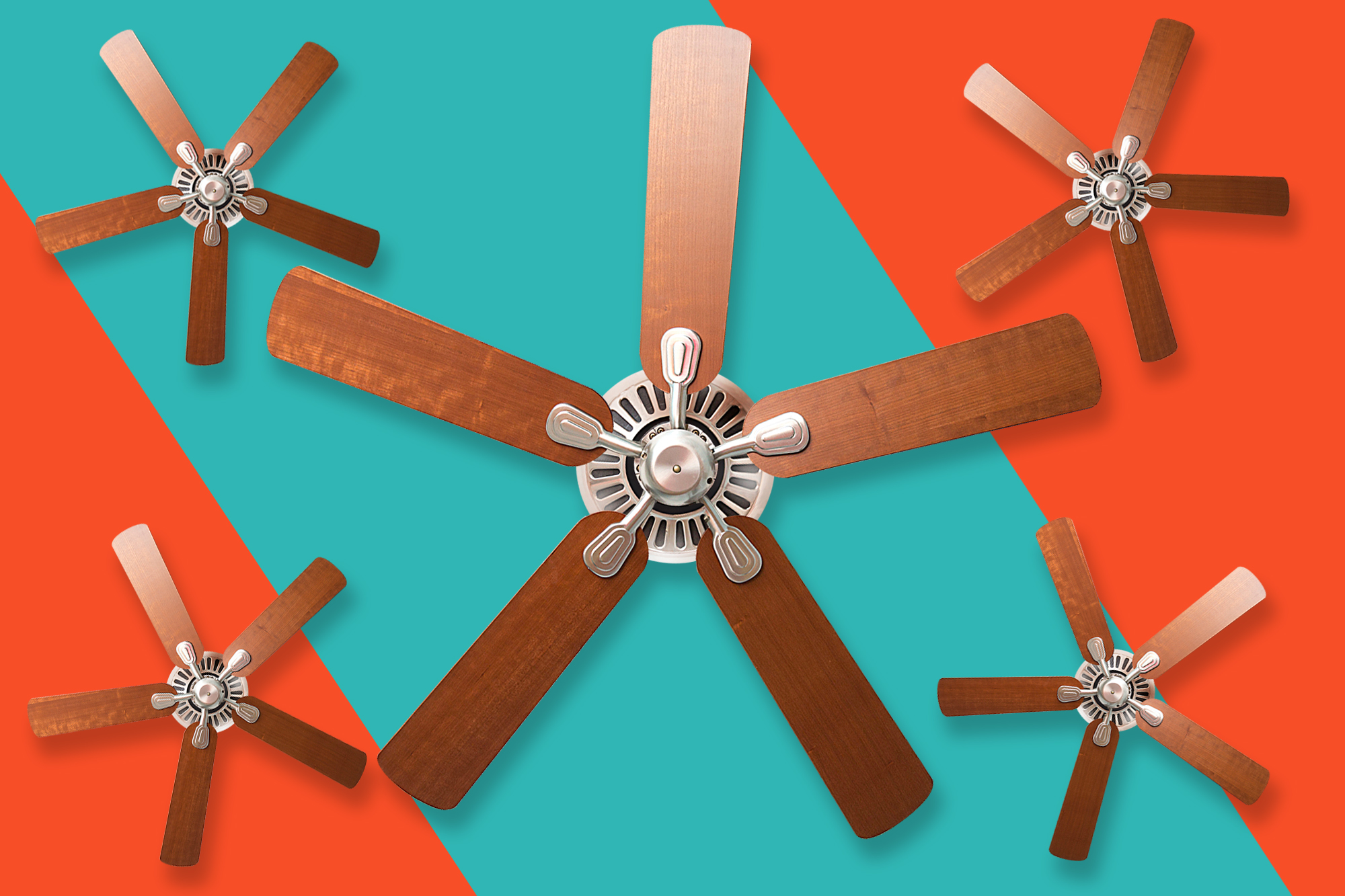
The 16 best ceiling fans for extra airflow in 2023, plus expert tips
The Best Ceiling Fans for a Breezy, Comfortable Home

Bedroom ceiling fans: Here's what you need to know