1/8
An IKEA Hack Disguises the Not-So-Pretty Stuff in This $11K Kitchen Remodel
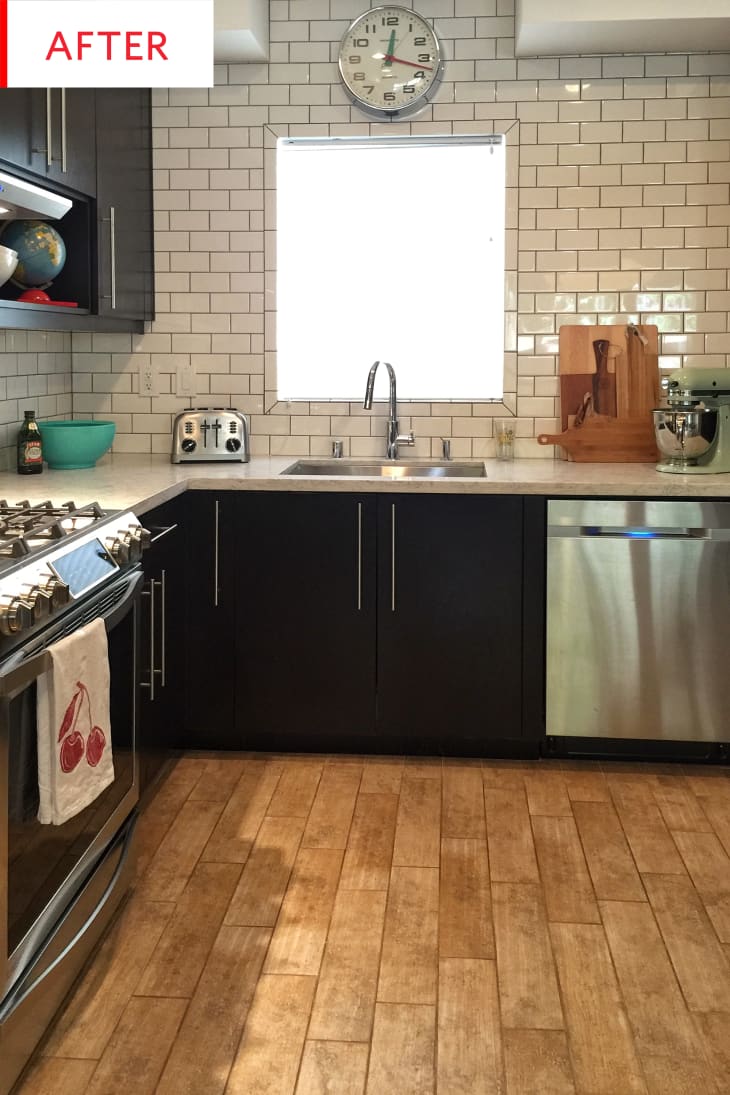
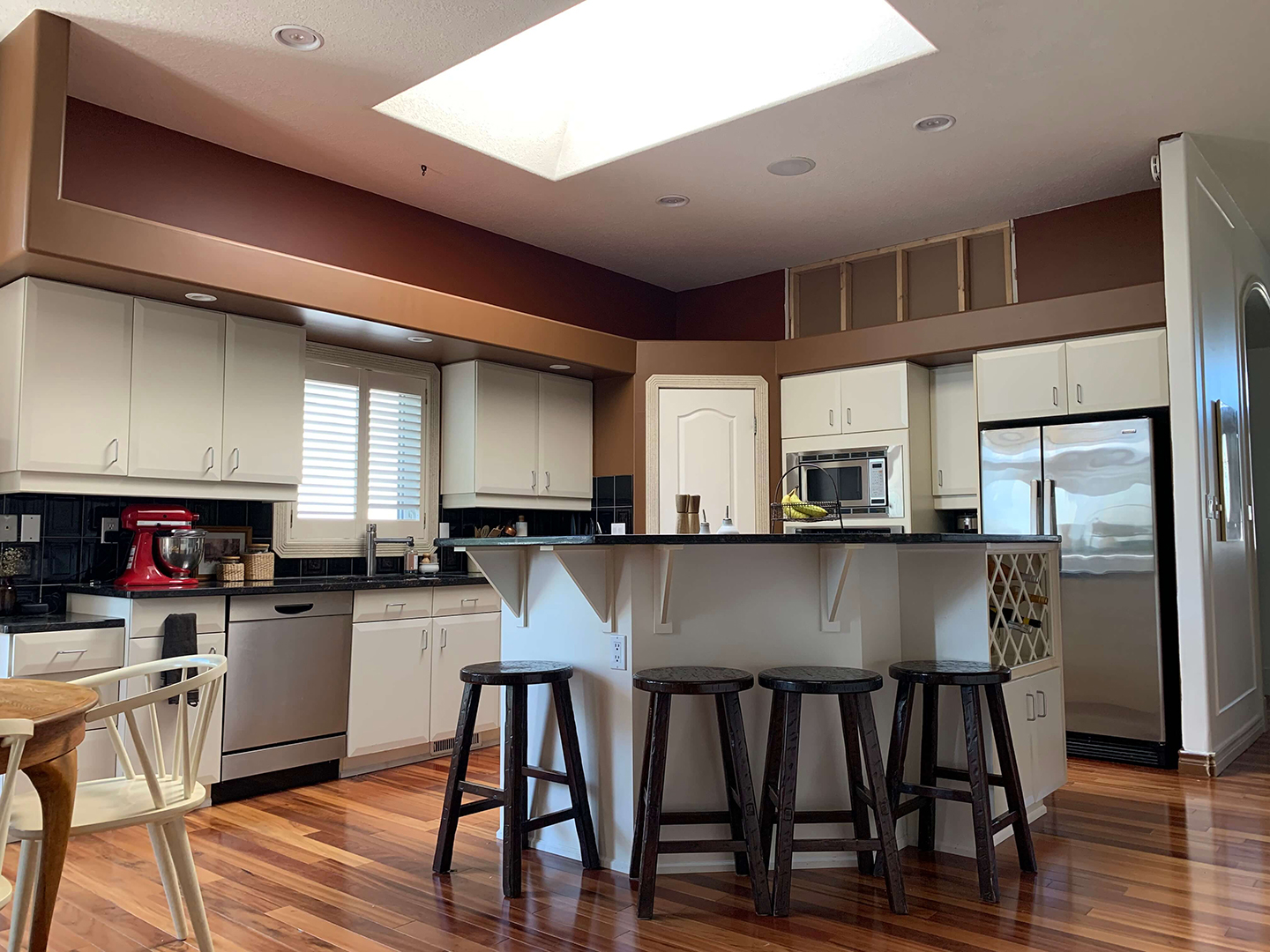
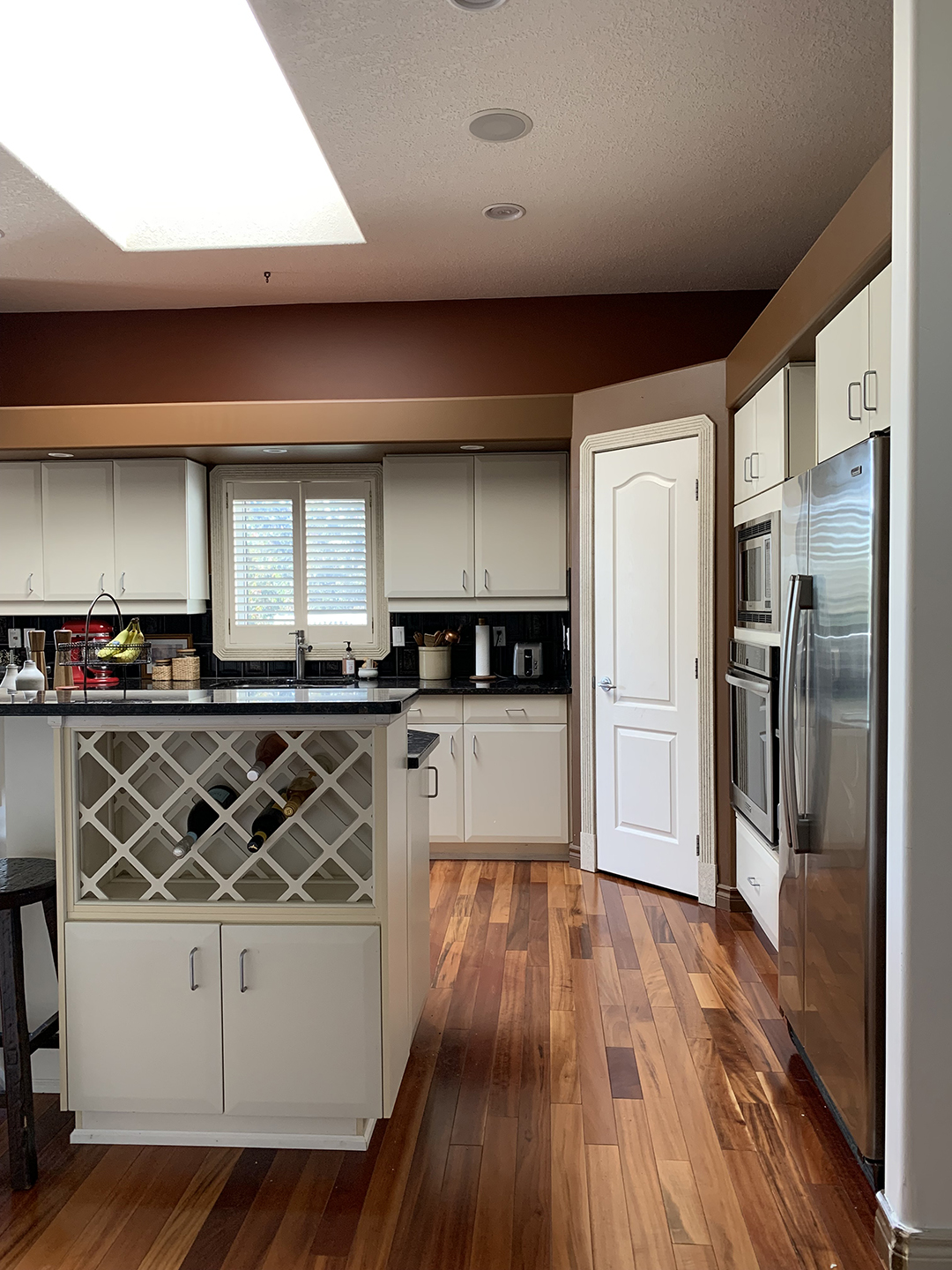
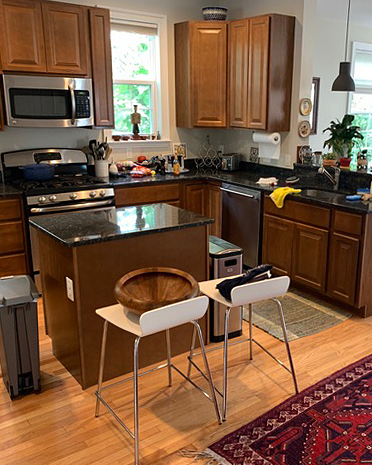
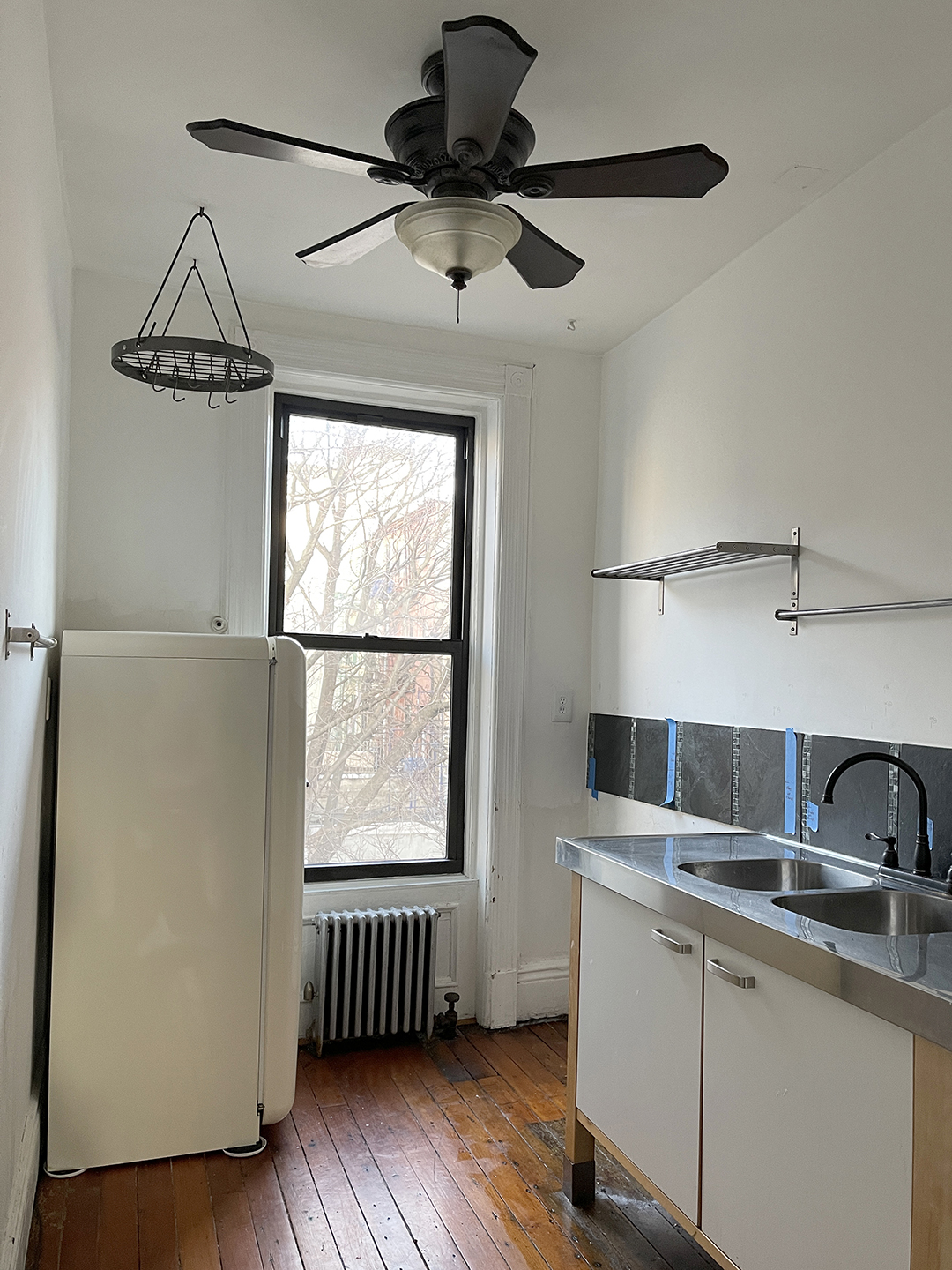
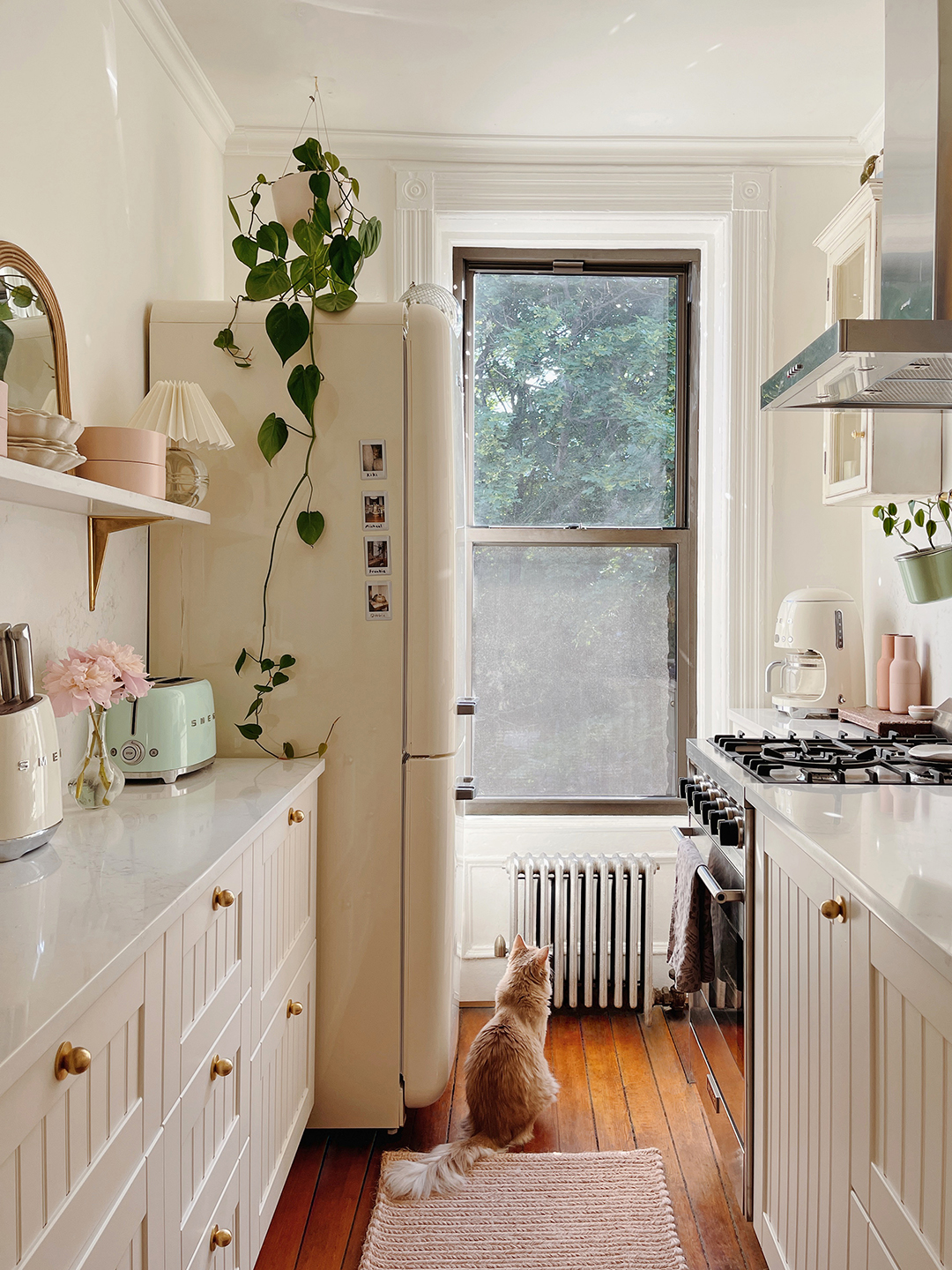
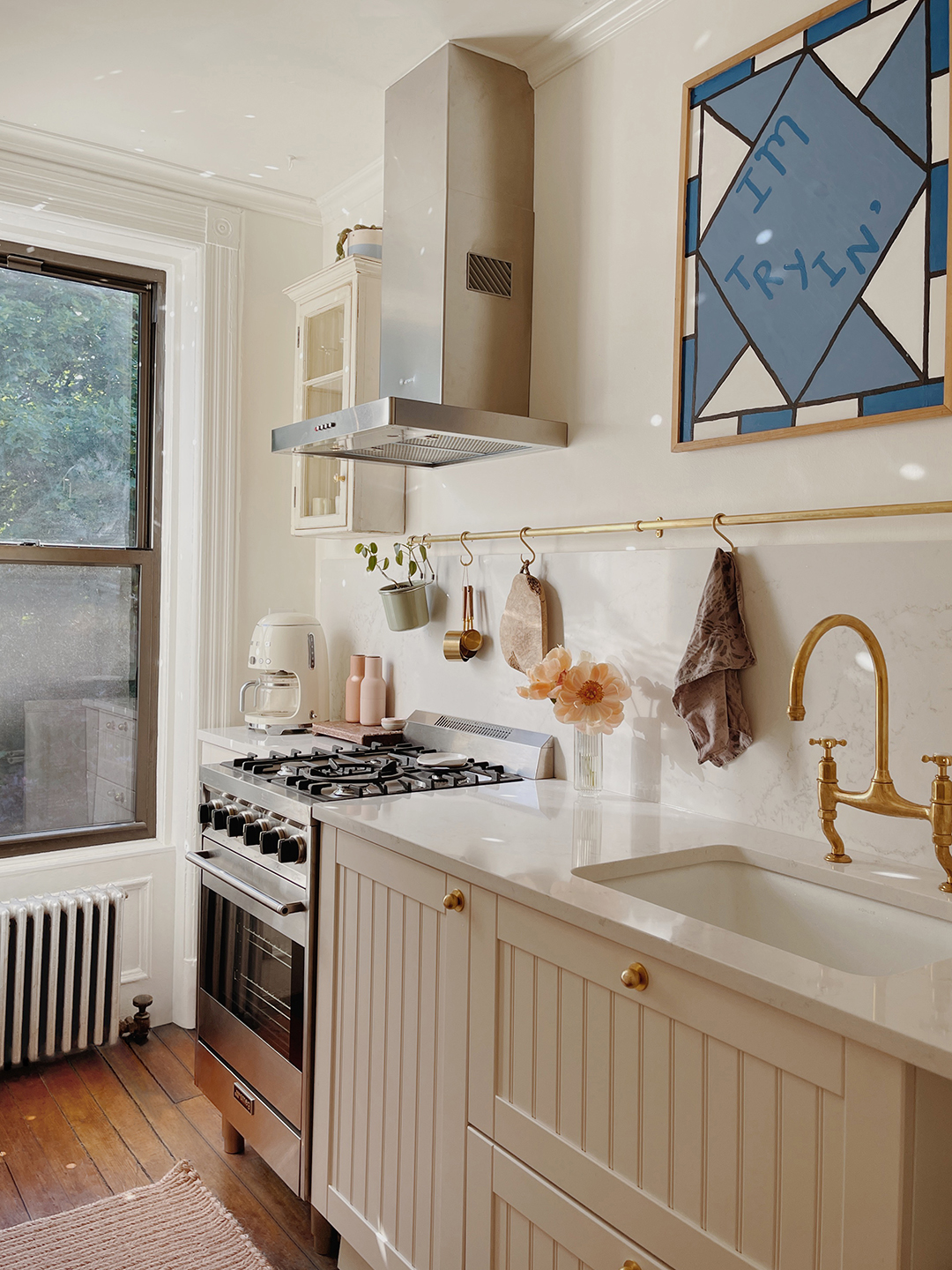
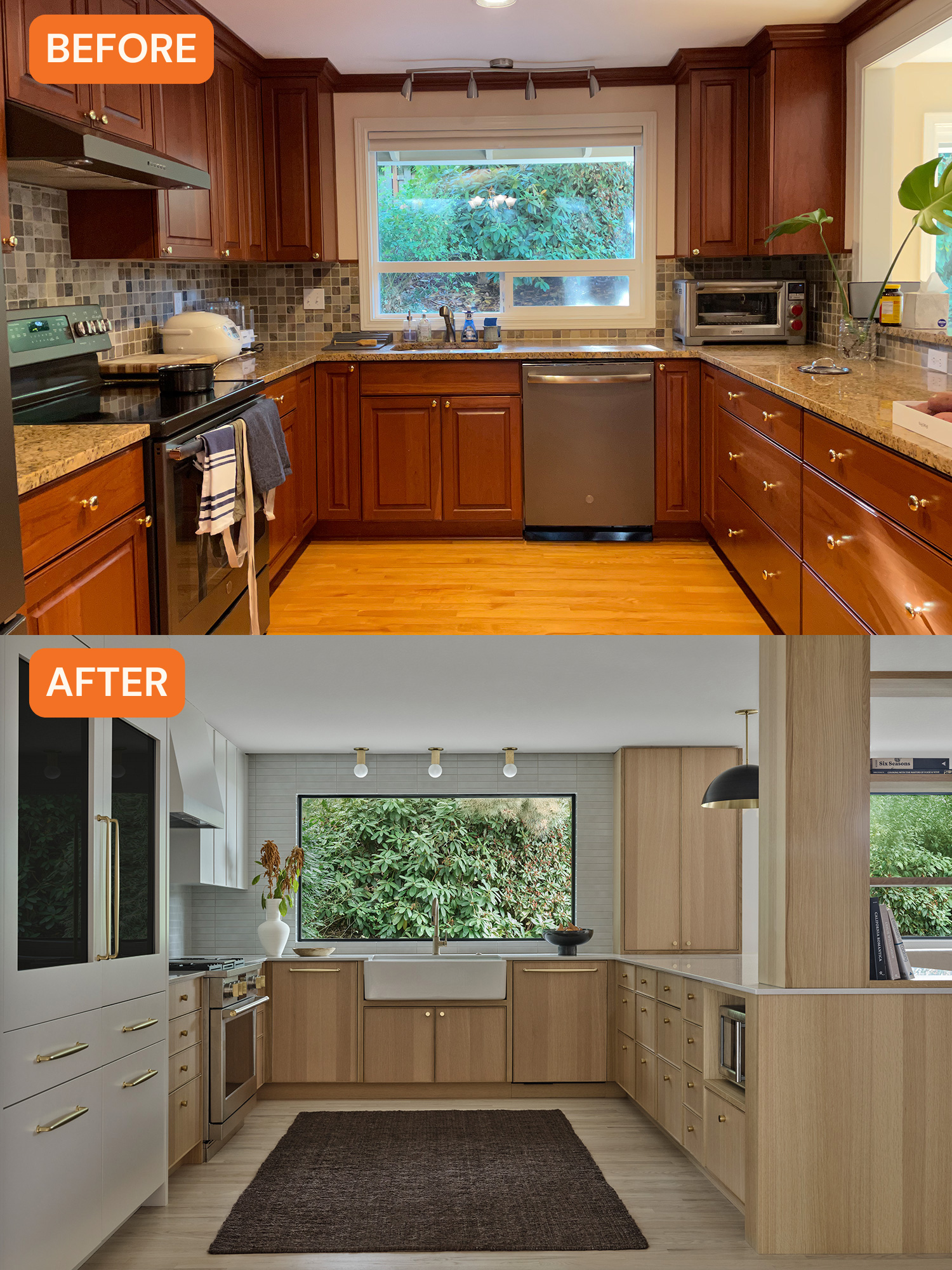
The article details the transformation of a 169-square-foot kitchen in an 1865 Victorian home in Aberdeen, Scotland, by avid DIYer Malcolm Begg and his partner, Brian. With a tight budget of $11,000, the couple aimed to reverse a previous misguided renovation that featured perplexing cabinetry (a mix of yellow, mod, wood, and classical styles), a small white fridge, and dingy carpeting. Their goal was to restore the kitchen's grandeur to match the rest of their historic home.
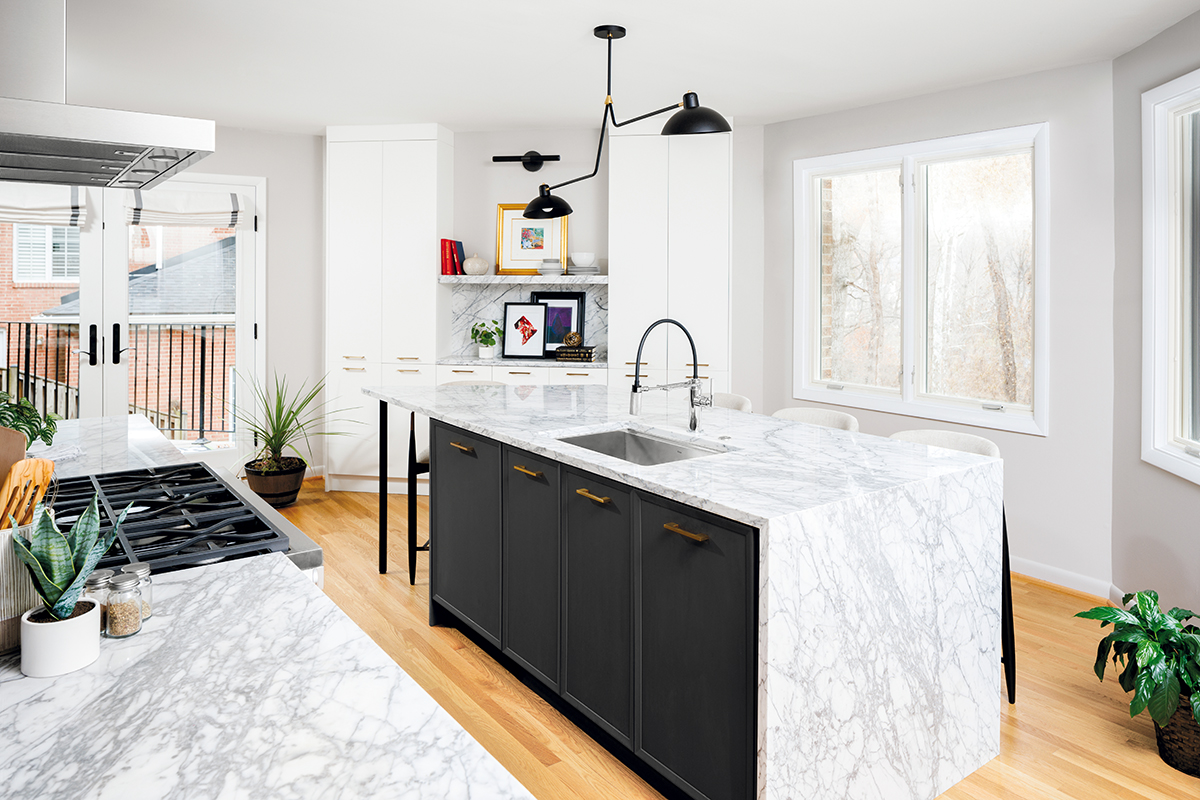
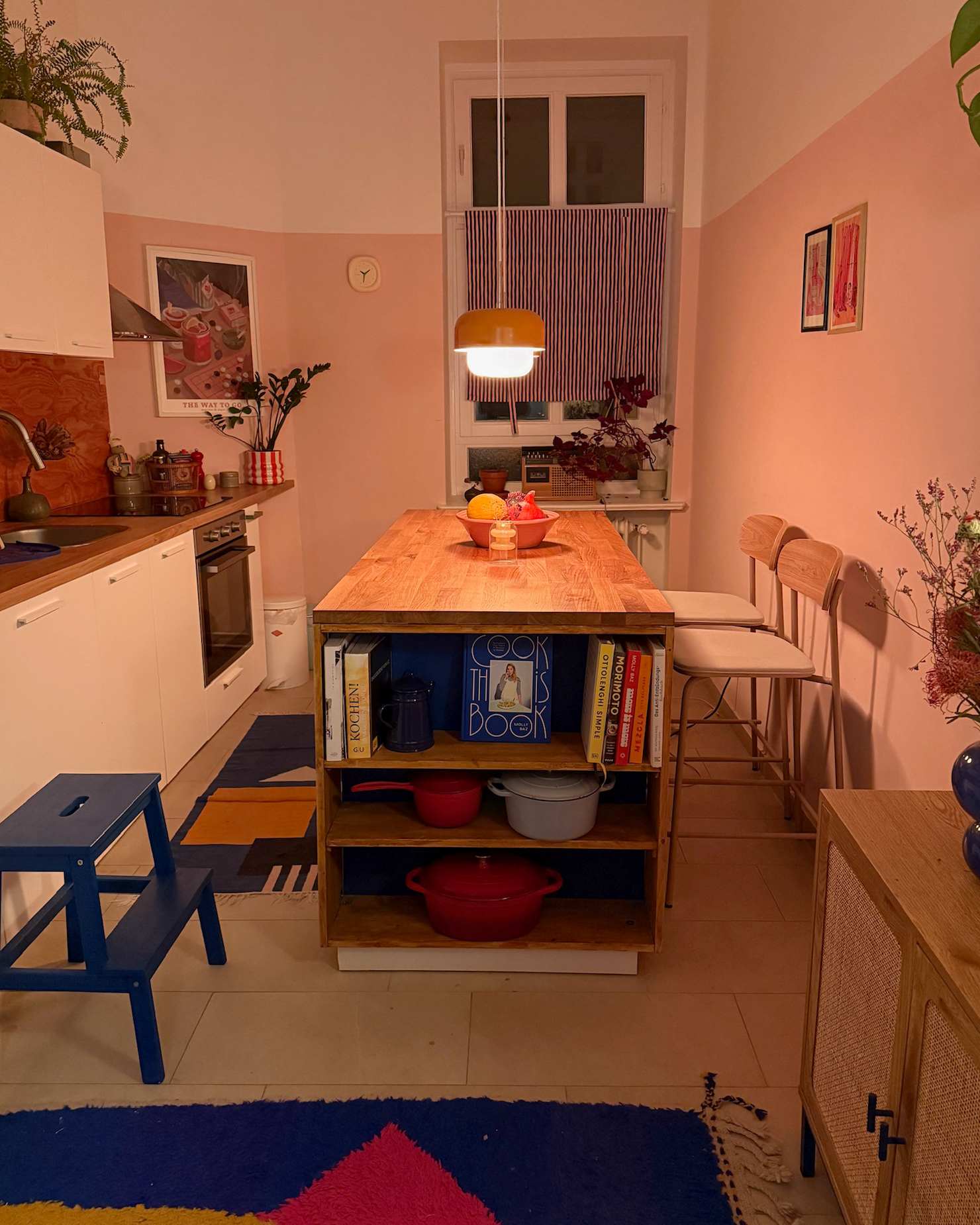
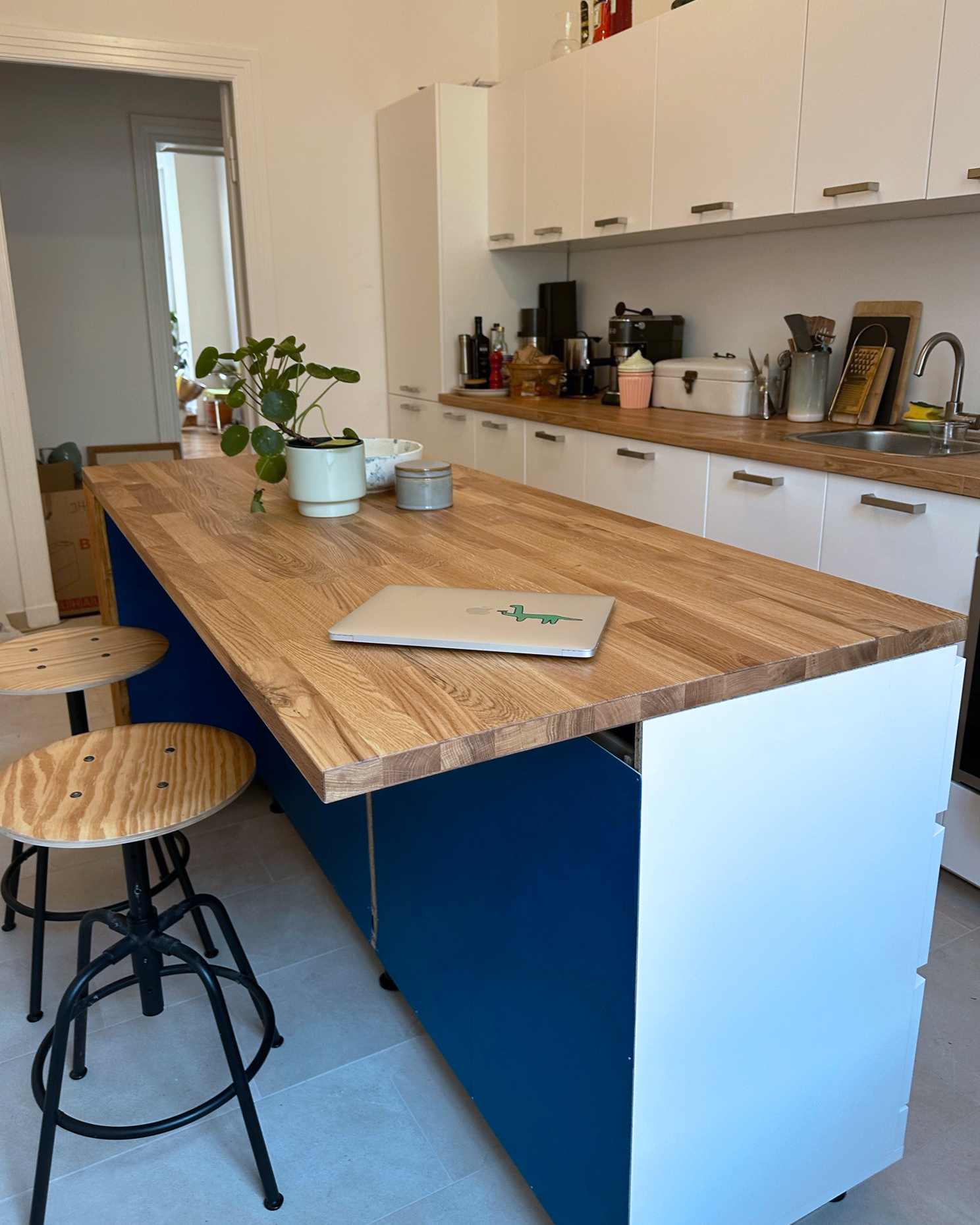
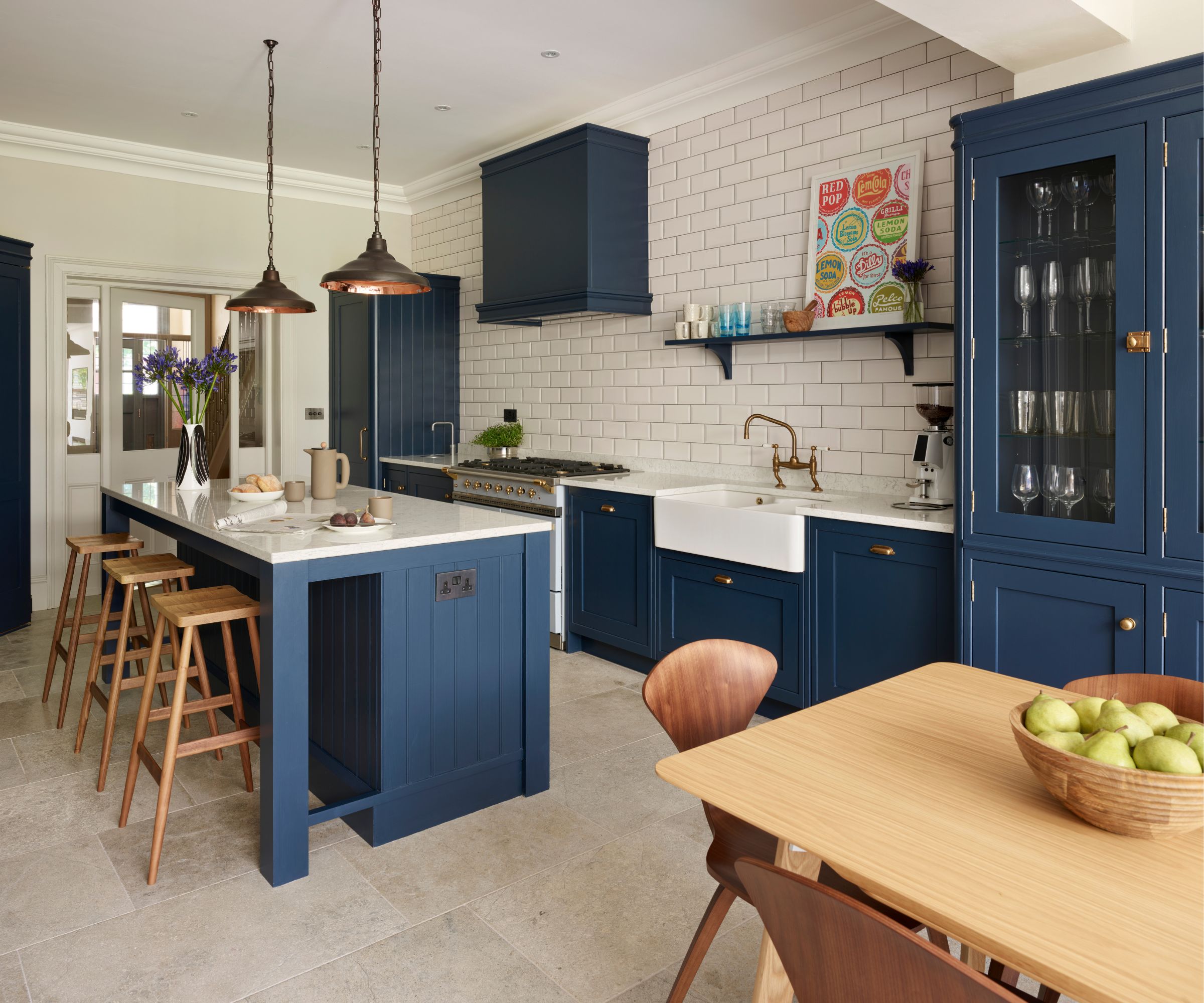
The renovation began with a focus on intelligent layout planning. Instead of hiring an architect, Begg constructed a life-size cardboard model of the kitchen using shipping boxes. This DIY approach allowed him to experiment with the flow and countertop heights until he found an optimal arrangement. A key discovery from this process was positioning the sink at the end of the island, which not only maximized valuable under-cabinet storage but also increased usable countertop space, a detail particularly appreciated by Brian, a former chef.
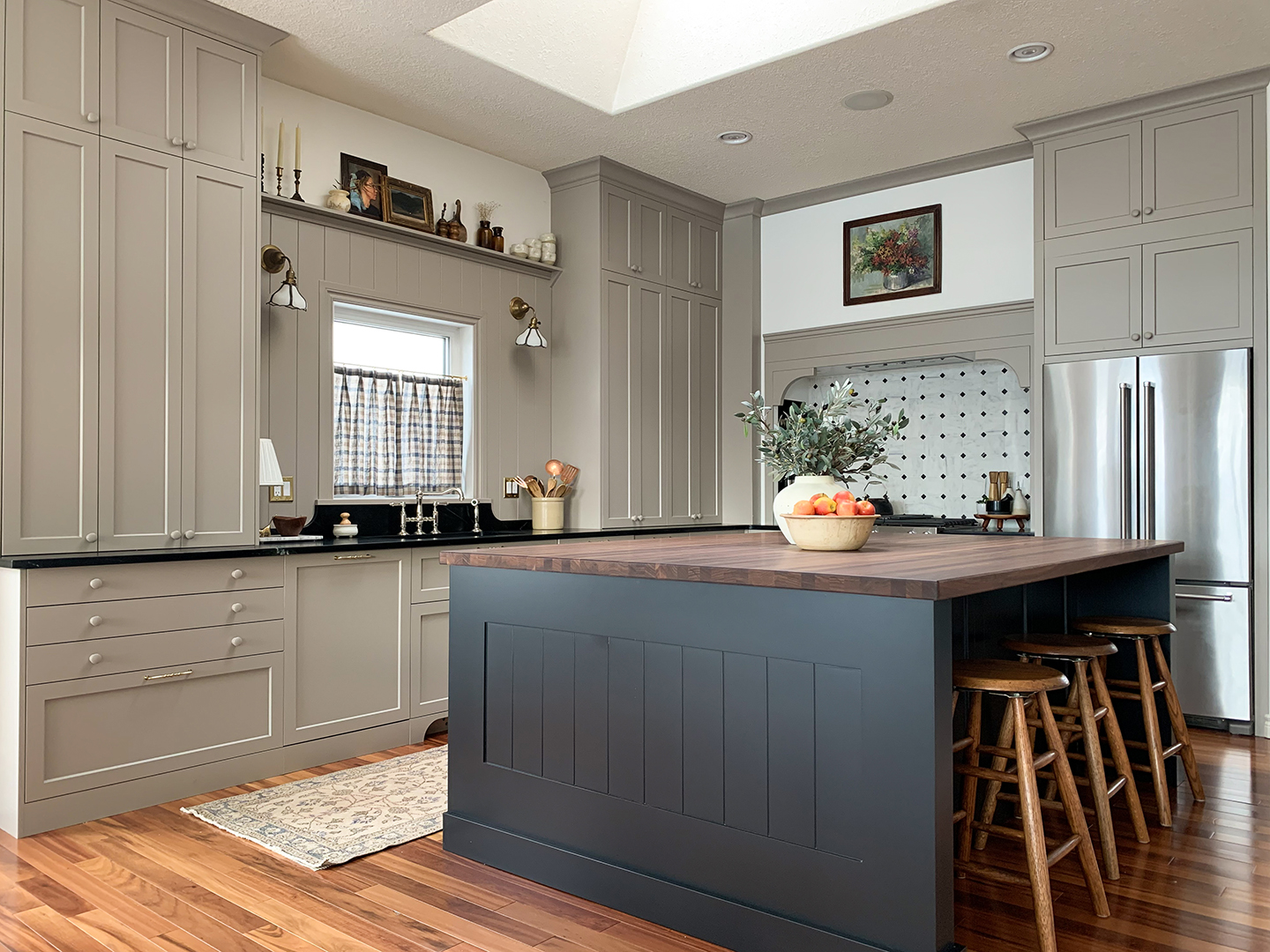
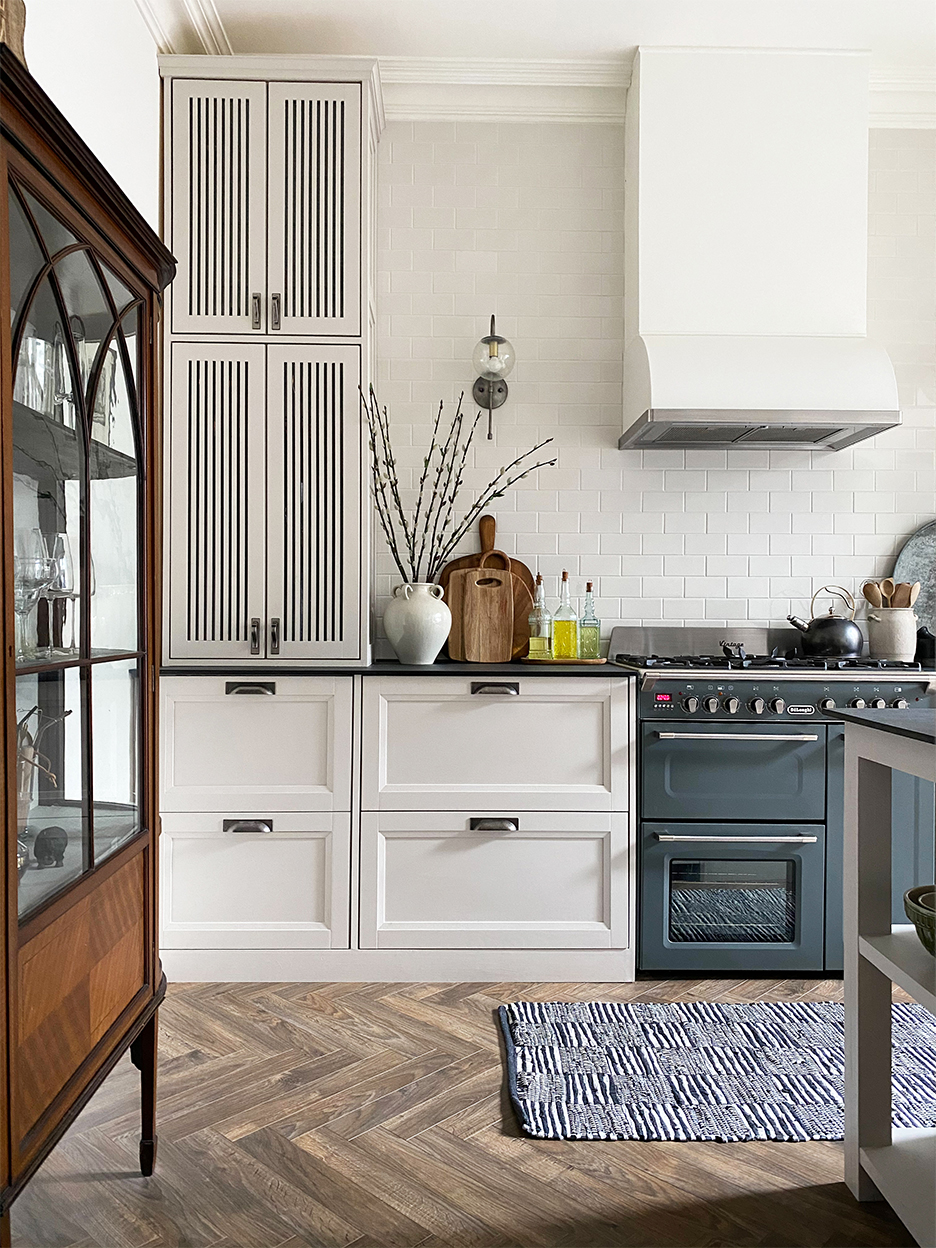
Maximizing storage in the compact 169-square-foot space was a significant challenge. To address this, the couple extended IKEA cabinetry all the way to the ceiling, a vertical expansion costing $4,500. An additional $700 was spent on crown molding, a second row of trim for the cabinet doors, and paneling for the cabinets flanking the stove. These traditional touches were not merely aesthetic but served to integrate the newly renovated kitchen with the period style of the Victorian house, despite not being strictly period-authentic.
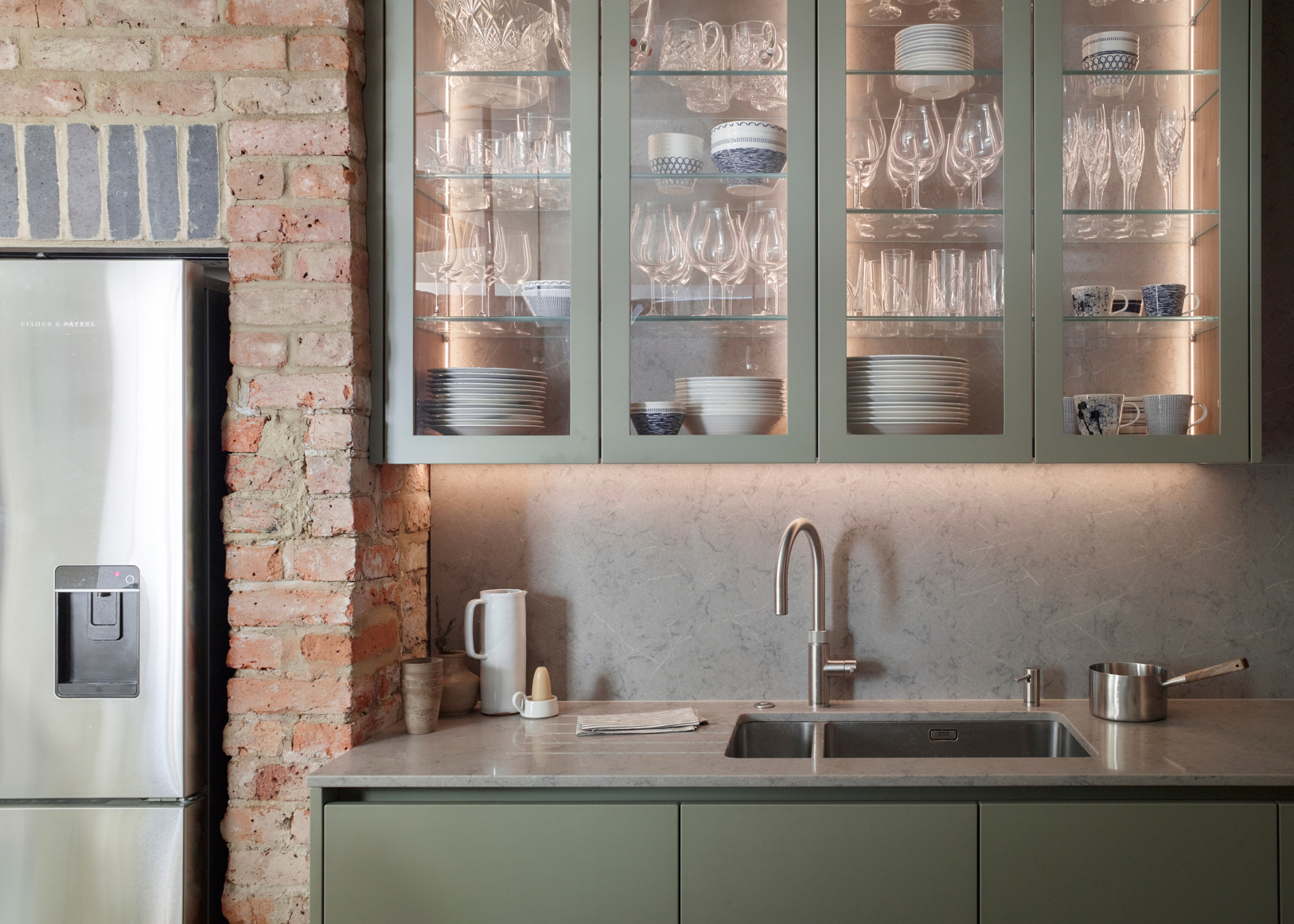
One of the most innovative aspects of the renovation involved hacking the IKEA cabinetry to conceal less attractive elements. Begg devised a clever solution to hide mismatched dishes and an unsightly boiler located next to the stove without adding a second wall of cabinets, which would have visually weighed down the space. He achieved this by mounting half-round wood dowels to the inside of glass-front IKEA doors. This inexpensive hack, costing only $150, created a visually cohesive look while keeping necessary items and utilities out of sight. Attaching the dowels to the inside of the doors also served the practical purpose of concealing seams and glue marks, ensuring a cleaner finish.
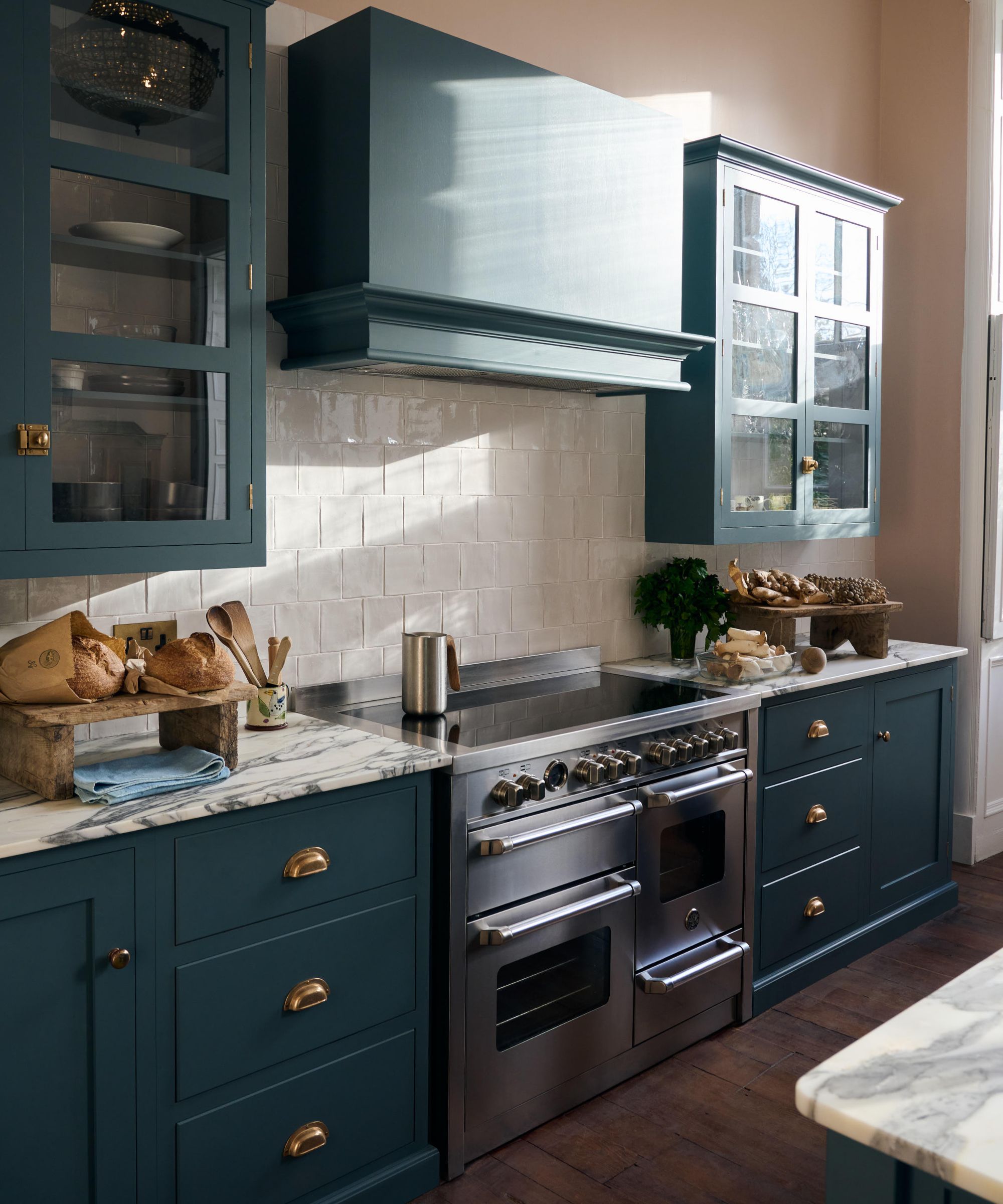
Another cost-saving and creative DIY project involved faking expensive lighting. Begg desired pewter sconces to frame the exhaust hood, complementing the kitchen's hardware. Faced with high prices for genuine pewter fixtures, he purchased chrome sconces for $40. He then customized them by glazing the glass shades with three coats of transparent texturizing paste to achieve a handmade appearance. The metal bases were sanded, primed, and spray-painted black, followed by the application of pewter-effect paste with a stippling brush to create a soft, metallic sheen. This entire lighting transformation was completed over a weekend.
Finally, the renovation incorporated antique furniture repurposed for modern use. Begg included a Thonet-style dining chair and an Edwardian cabinet, acquired from a secondhand shop for $100. The Edwardian cabinet, originally designed for curiosities, was ingeniously refashioned into a bar, adding character and functionality to the new kitchen. The article concludes with the couple expressing anticipation for being able to entertain guests in their newly renovated kitchen once pandemic restrictions ease, ready to celebrate their successful DIY project.
#IKEAHack #KitchenRemodel #DIYRenovation #BudgetDesign #VictorianHome #SmallSpaceSolutions #CabinetryCustomization #LightingDIY #RepurposedFurniture #IKEAHack #KitchenRemodel #DIYRenovation #BudgetDesign #VictorianHome #SmallSpaceSolutions #CabinetryCustomization #LightingDIY #RepurposedFurniture
0 تعليق إجمالاً
 لا توجد تعليقات بعد
قد تعجبك أيضًا
A Sneak Peek Into an Interior Designer's "No Ordinary Kitchen" Renovation

Before and After: 3 Changes Made a Big Difference in This $12K Kitchen
This Builder-Grade Kitchen’s Layout Went Unchanged, But These Tweaks Make It Look Custom

This Kitchen Decor Hack Remixes a $5 Target Find in Such a Fresh Way

Kitchen Renovation Unveils a New Angle

Tearing Out a Corner Pantry Fixed Multiple Layout Problems in This Canadian Kitchen


A Unique Island Feature Is The Star Of This Fixer Upper Kitchen Renovation
Before and After: A Smart IKEA Hack Makes This Laundry Room Look Custom-Built

An IKEA Hack Adds 2x the Storage to This Small Kitchen (Hint: It’s Not Cabinets!)
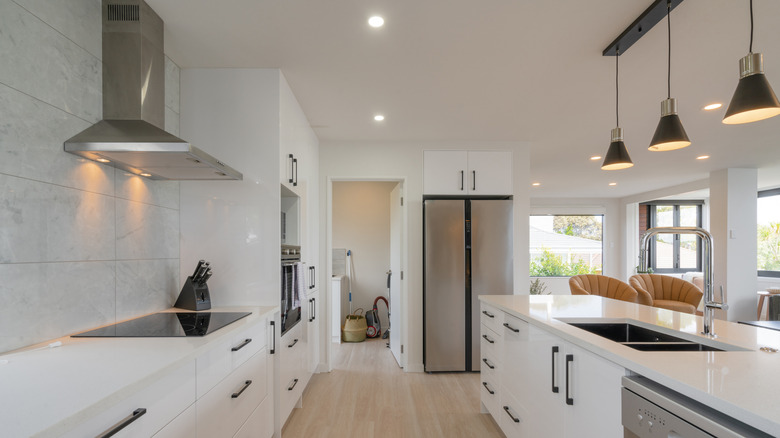
The Kitchen Appliance Color Mistake That Makes Interior Designers Cringe

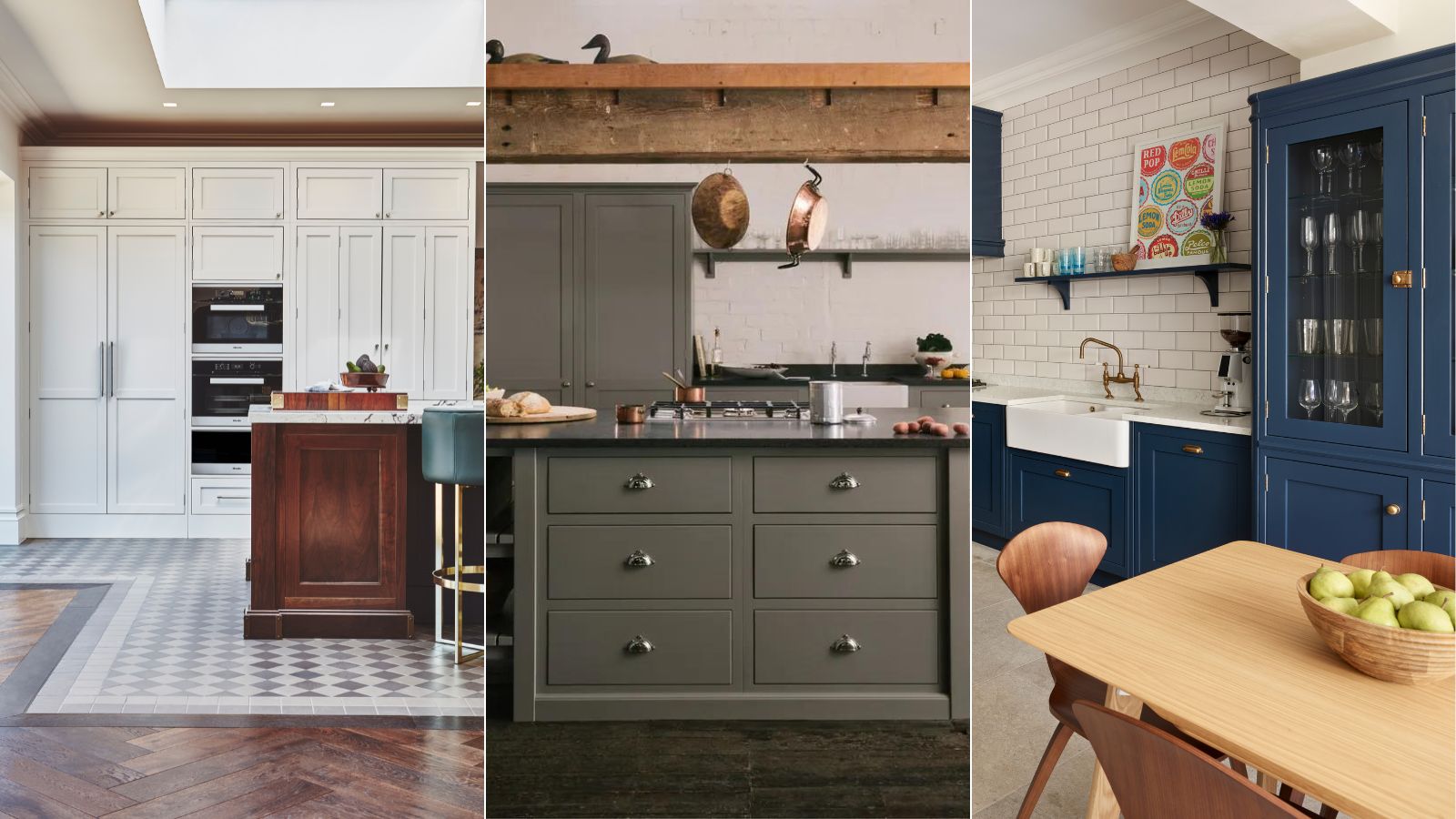
5 kitchen hardware mistakes interior designers say homeowners always make, and how to fix them

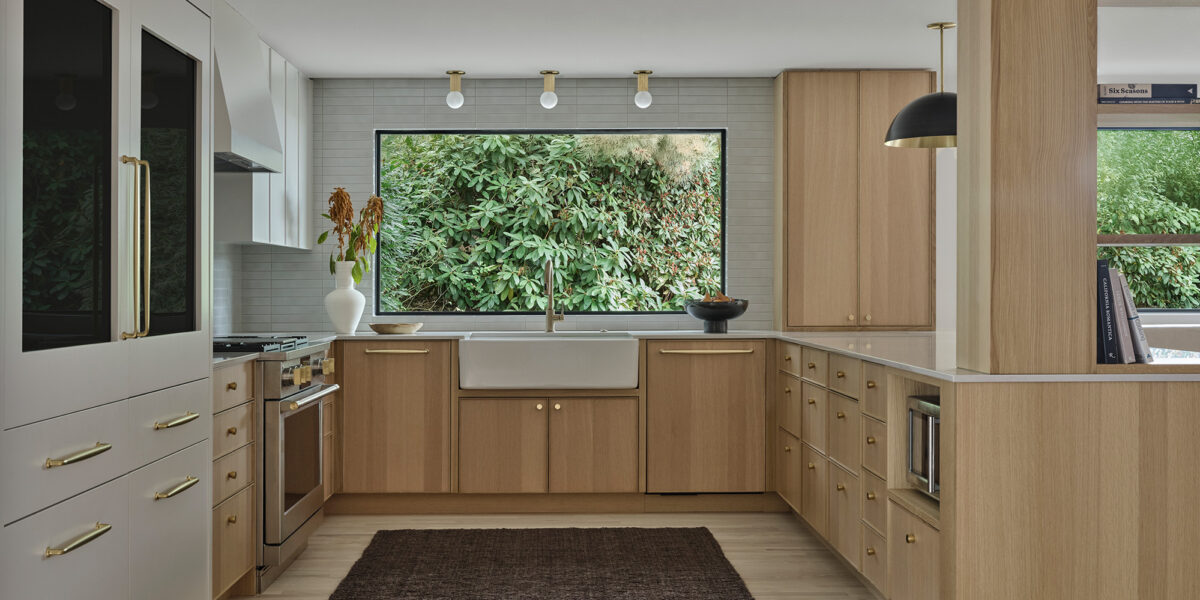
A Dark and Dated Kitchen Gets a Scandi-Style Makeover
The “Gorgeous” Kitchen Cabinet Upgrade I Regret Every Single Day (It Makes Cooking and Cleaning More Stressful!)

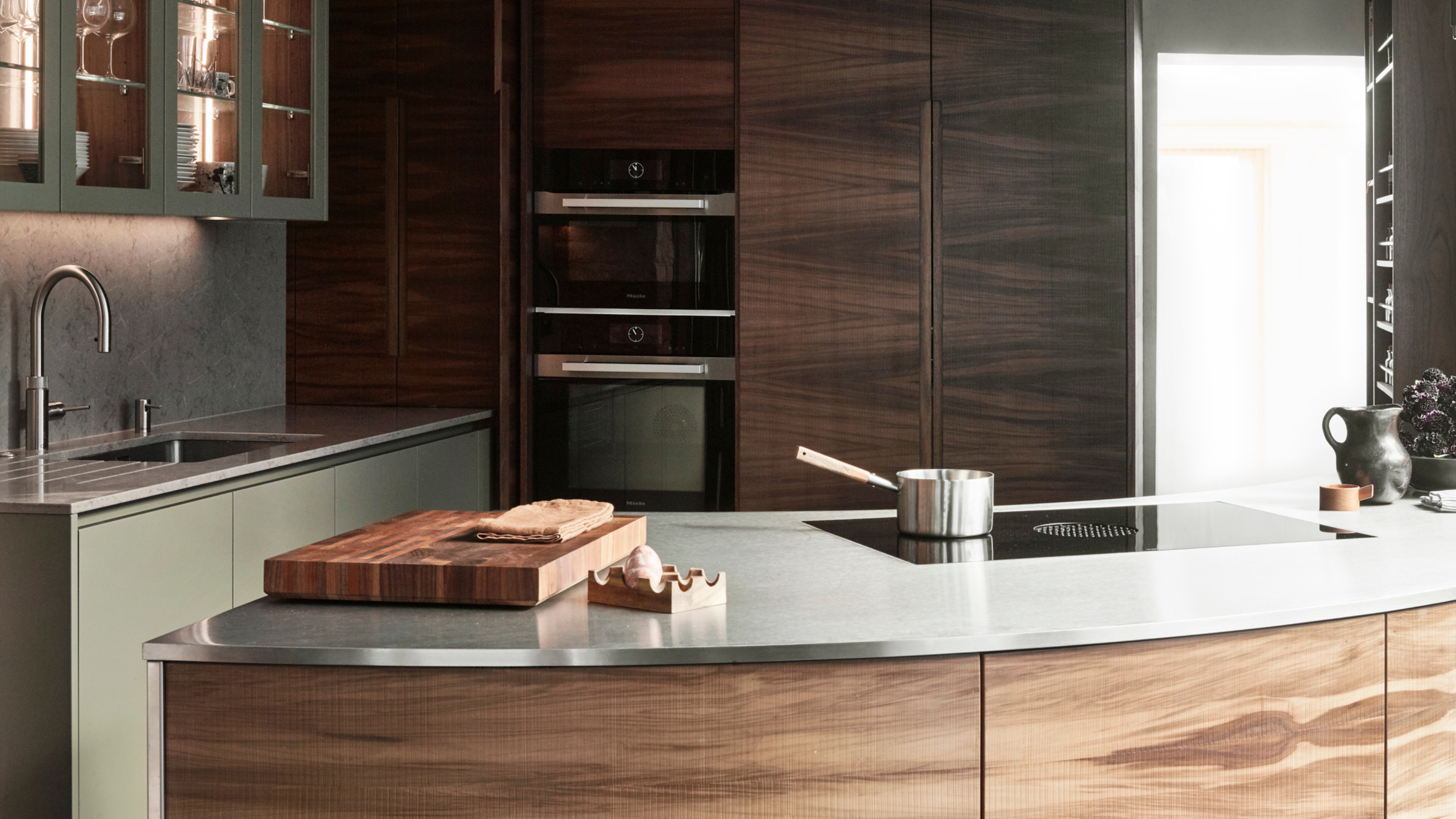
An Unexpected Island Design Made This Small and Awkward Kitchen Work a Million Times Better


To Avoid a Kitchen Reno, This Designer Cleverly Covered Up Her Boring Cabinets
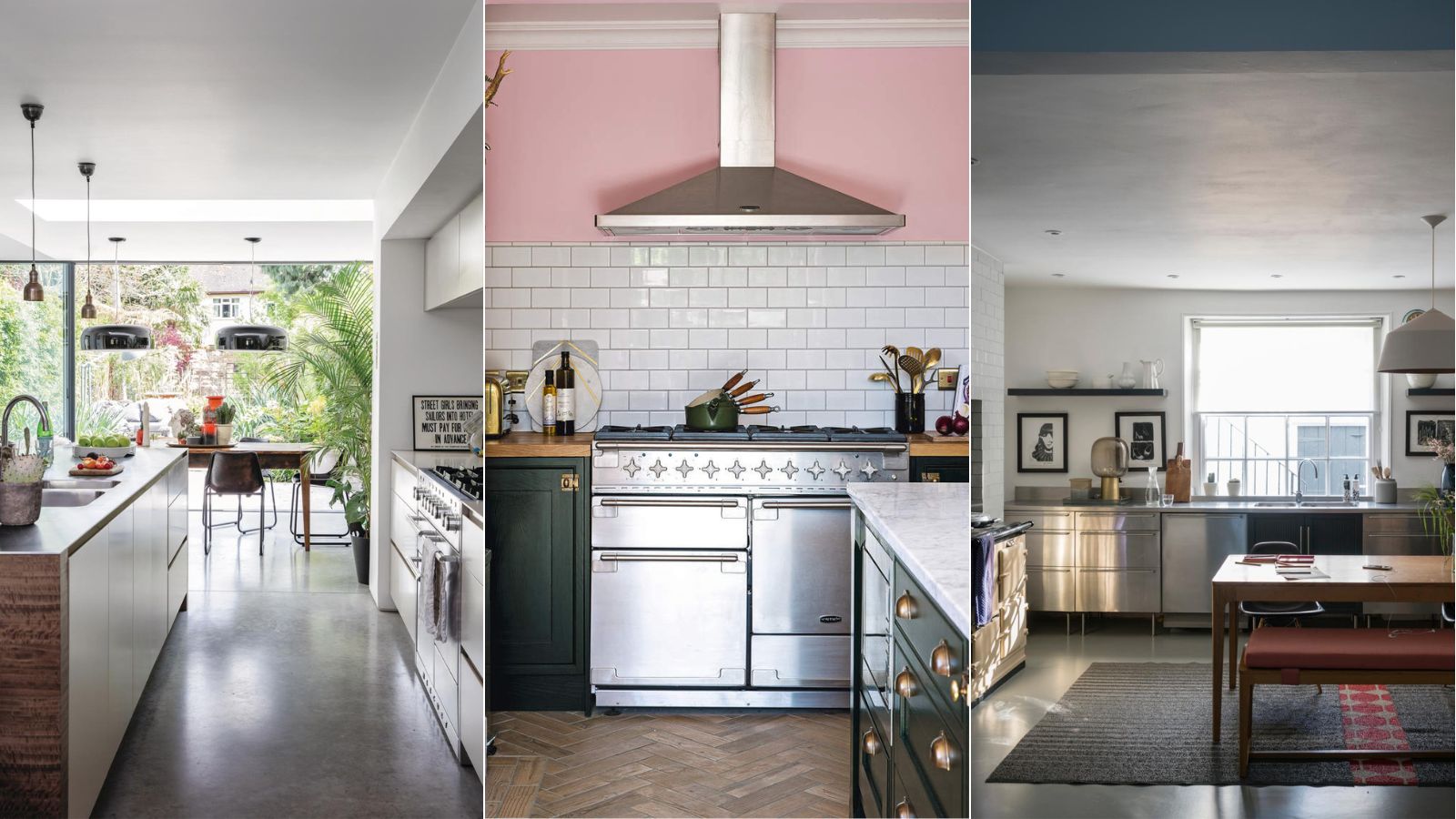
This unexpected kitchen design is everywhere right now

An IKEA Hack Adds 2x the Storage to This Small Kitchen (Hint: It’s Not Cabinets!)
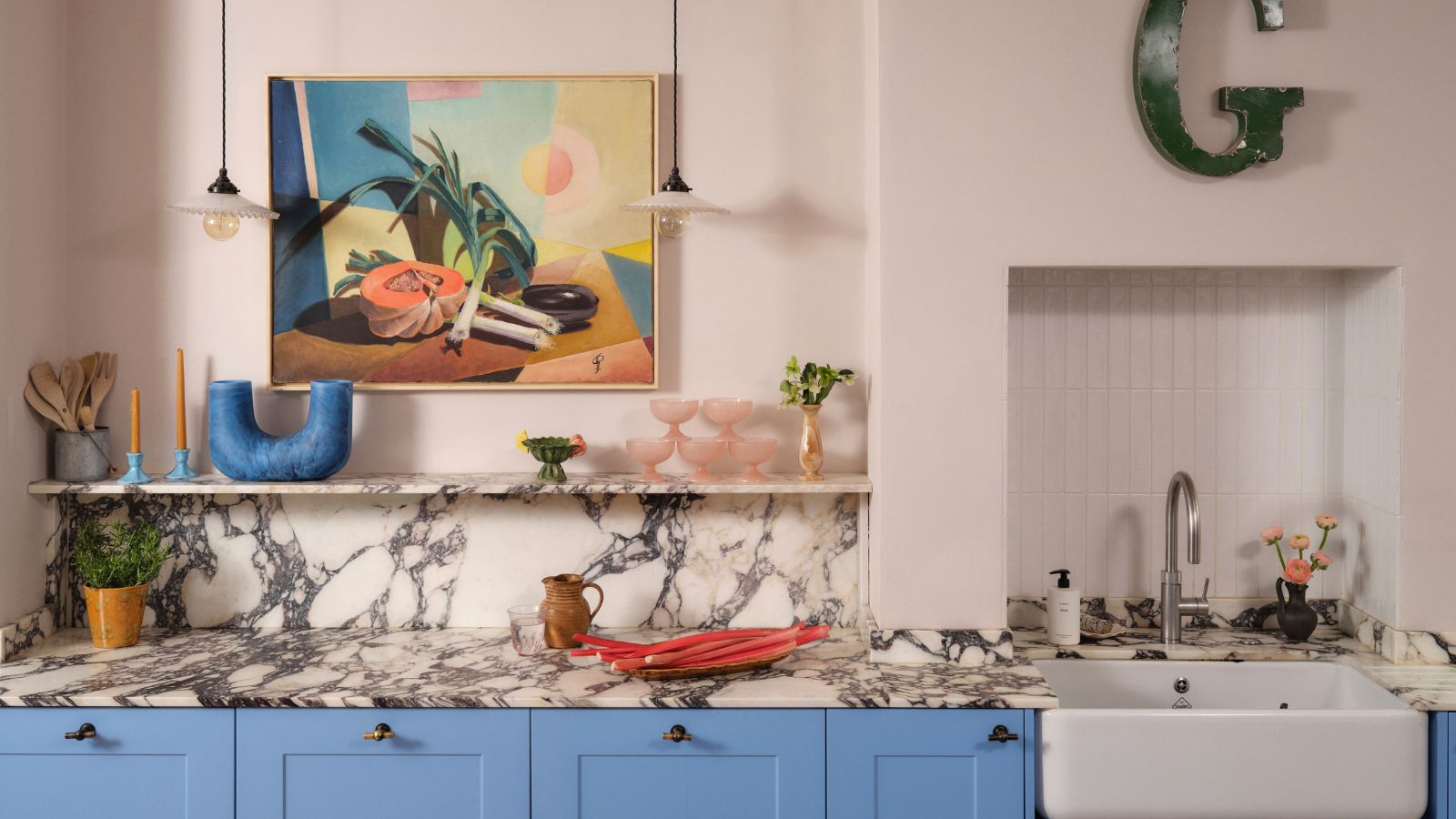
The designer totally transformed this kitchen with an unexpected color combination and a controversial decorating technique
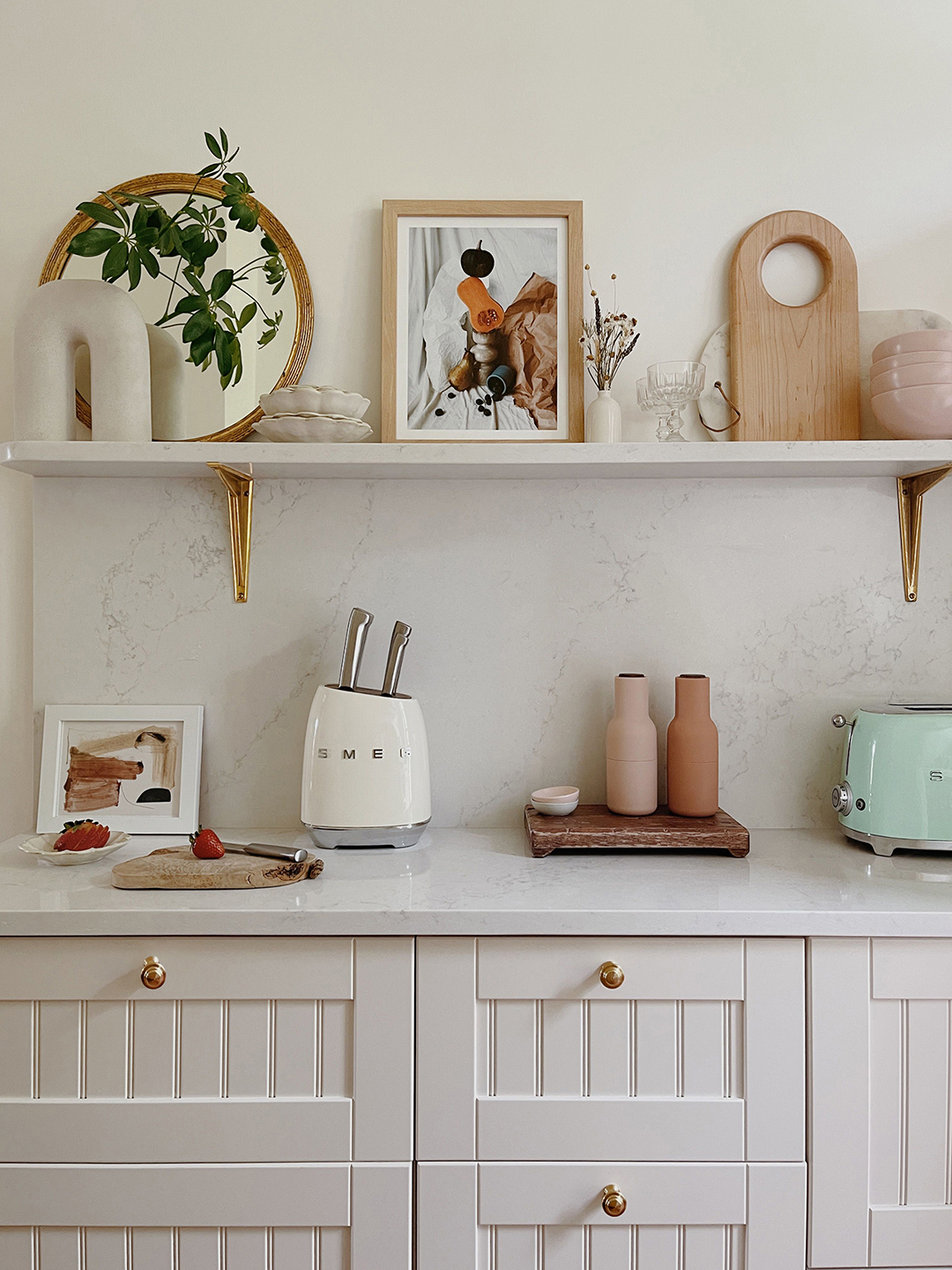
An Under-the-Radar IKEA Hack Brand Is Behind This Kitchen’s Chic Shaker Cabinets


Kitchen Transformations