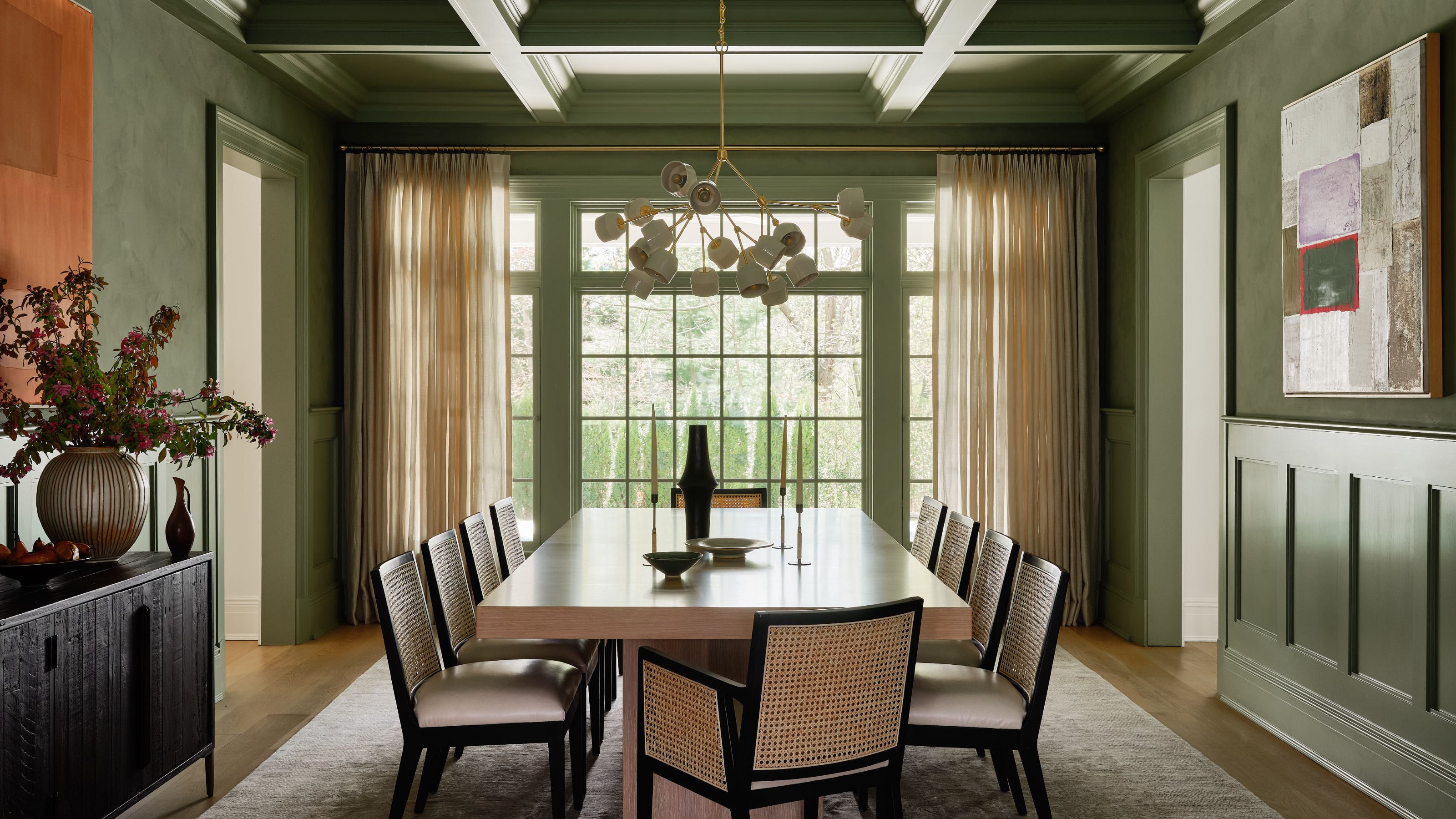
1/12
A Complete Guide to Color Drenching a Room — The Tone-On-Tone Paint Style Taking Over Our Homes
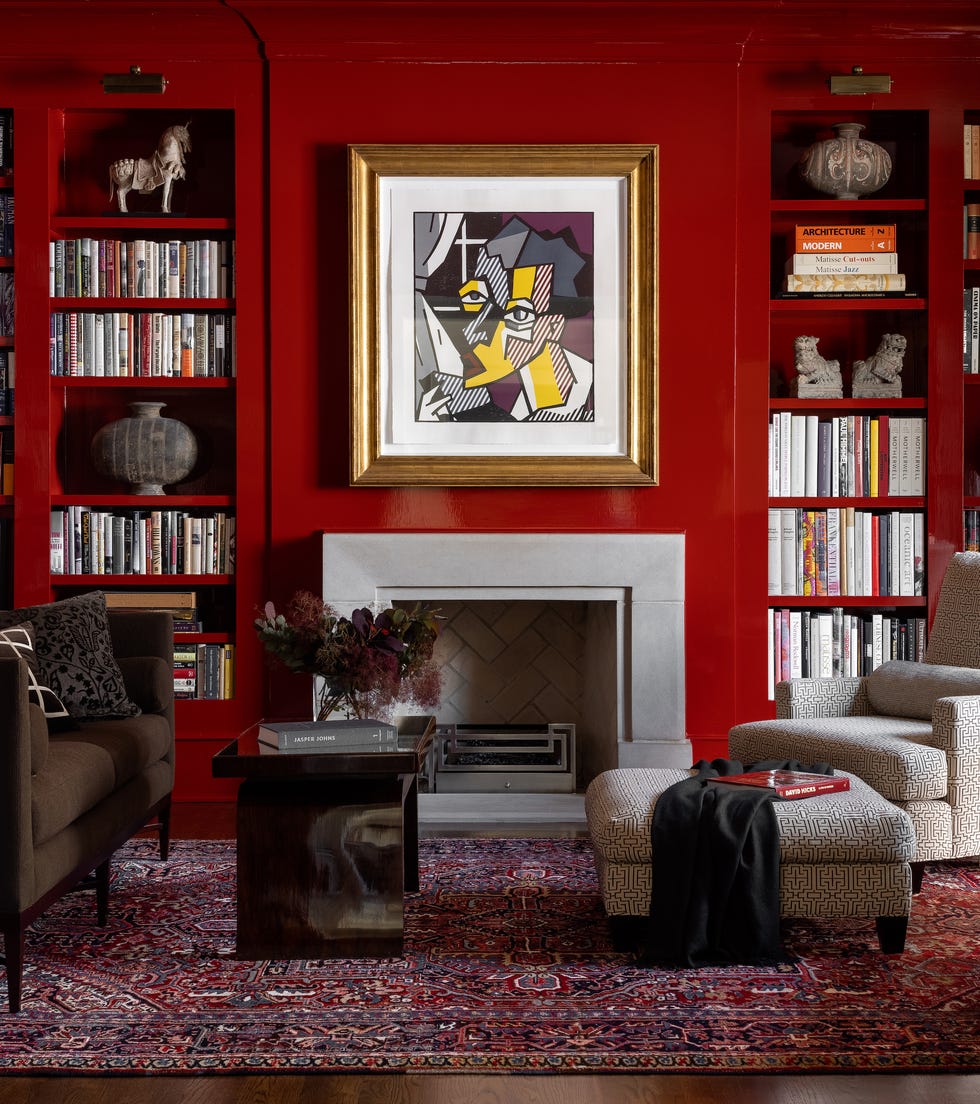
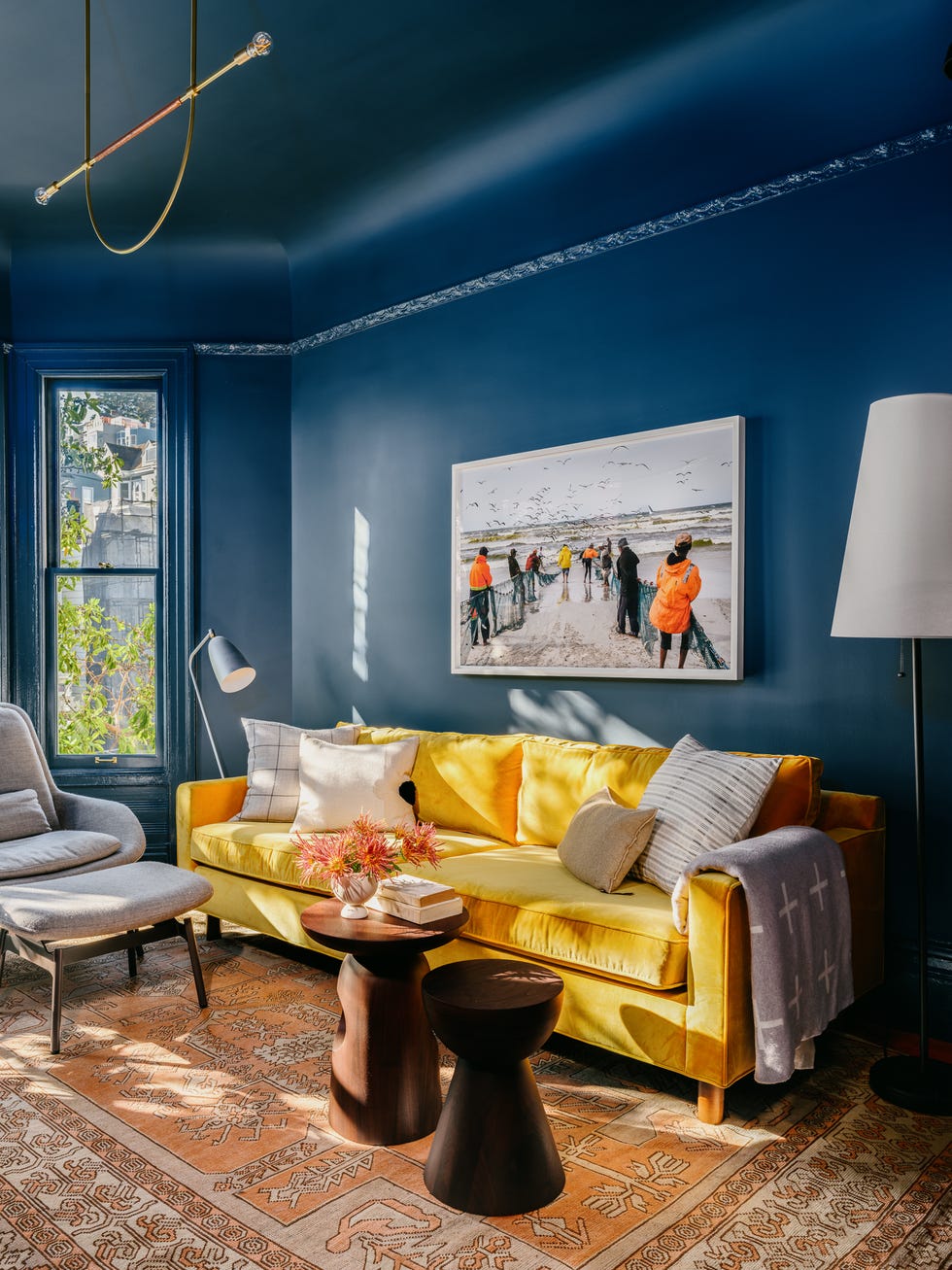
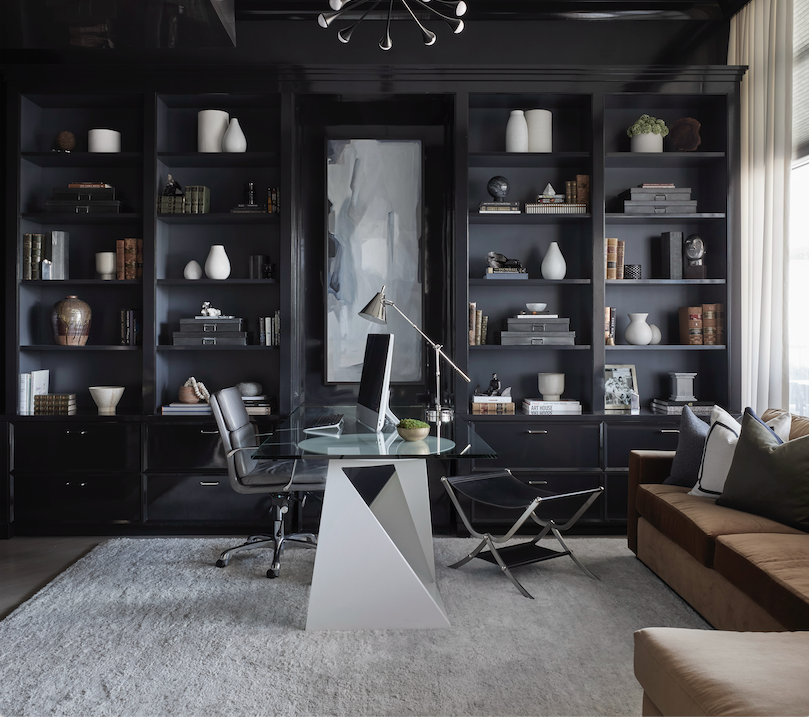
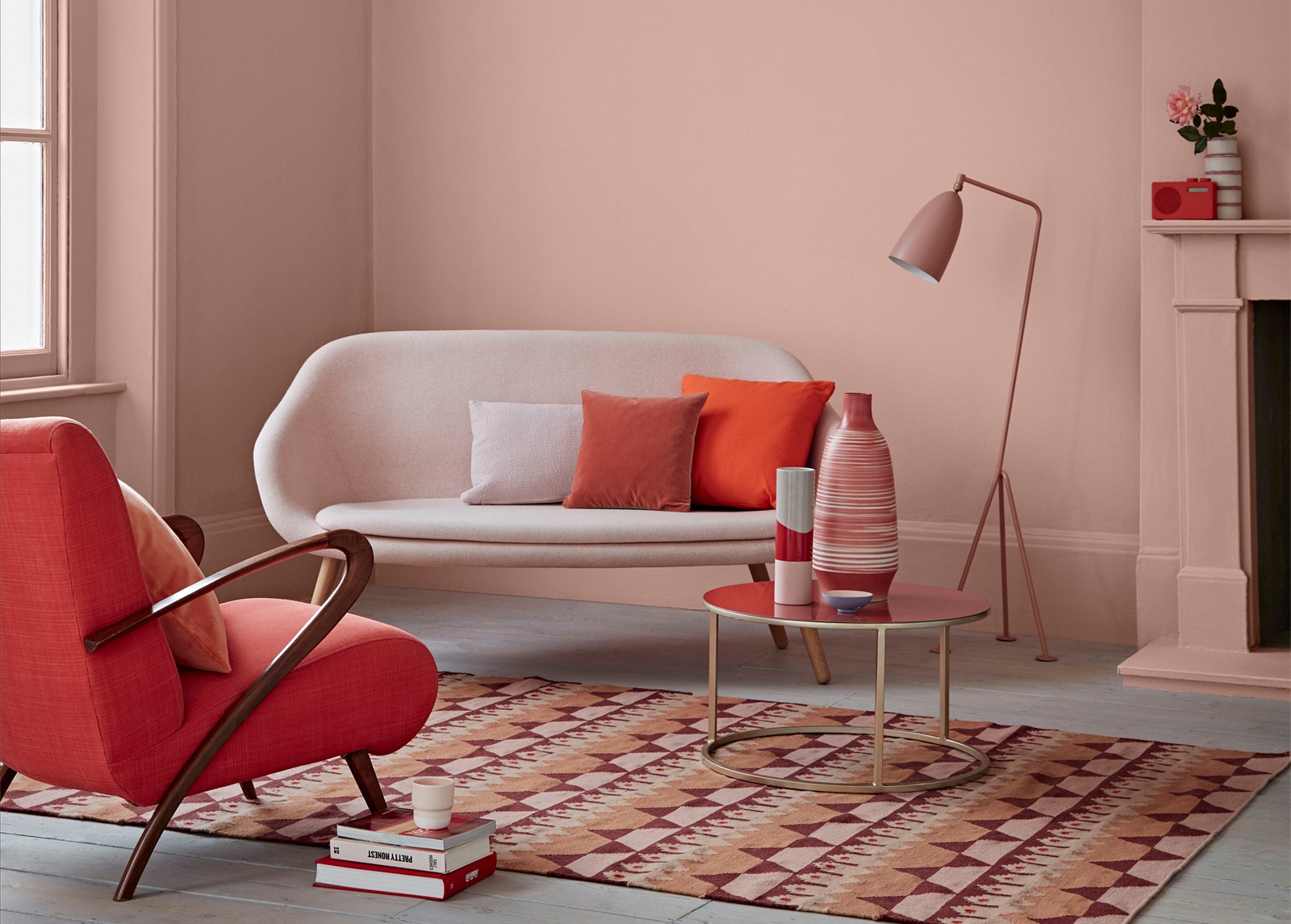
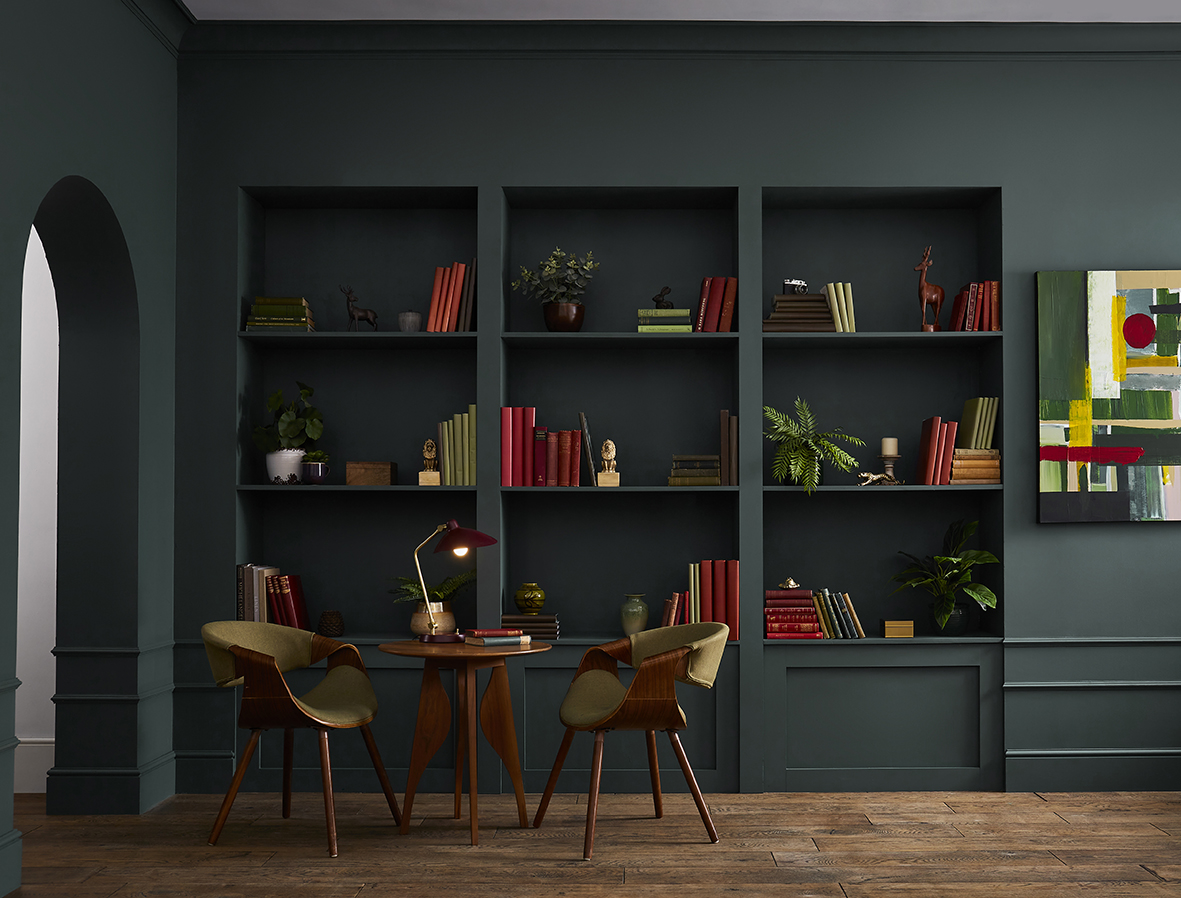
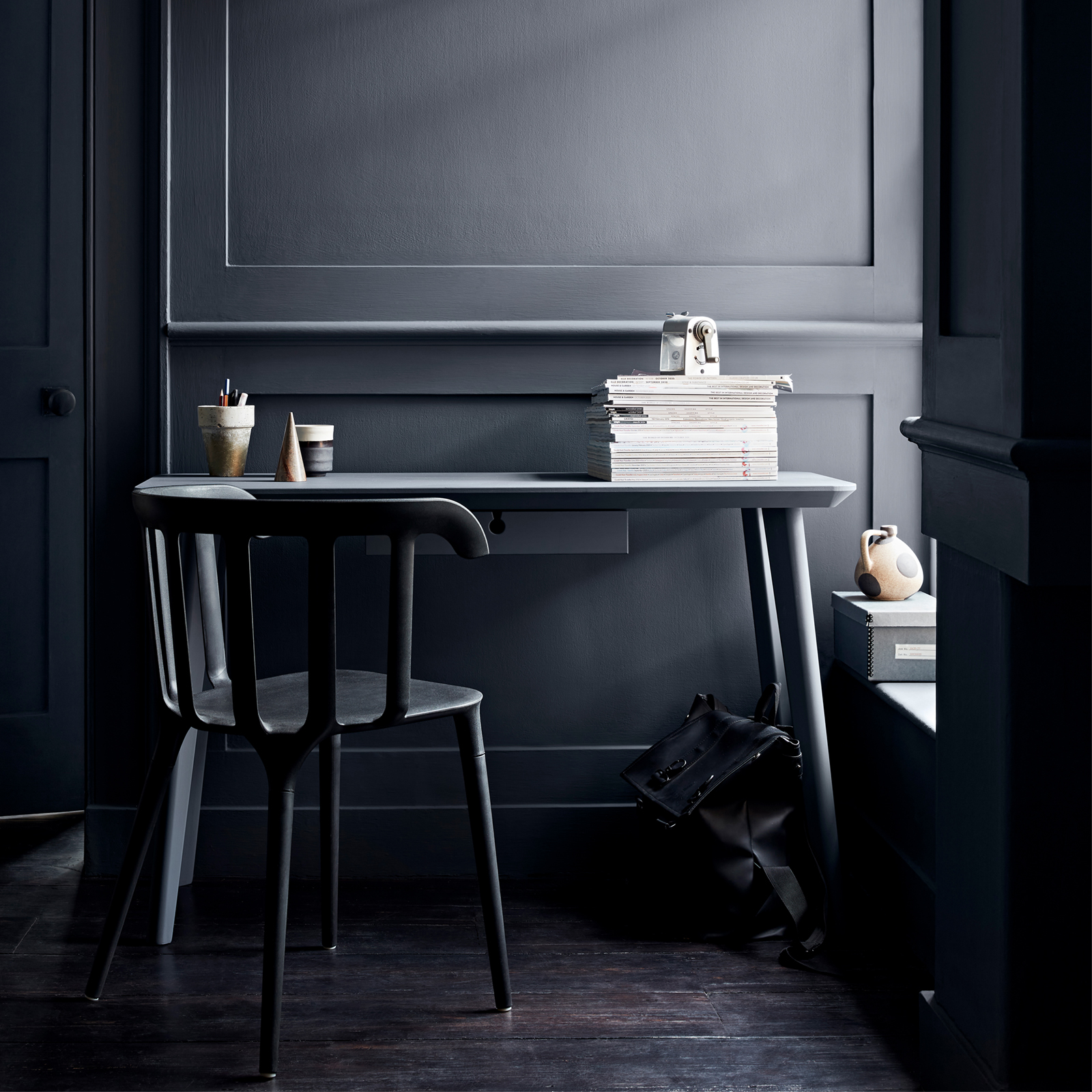
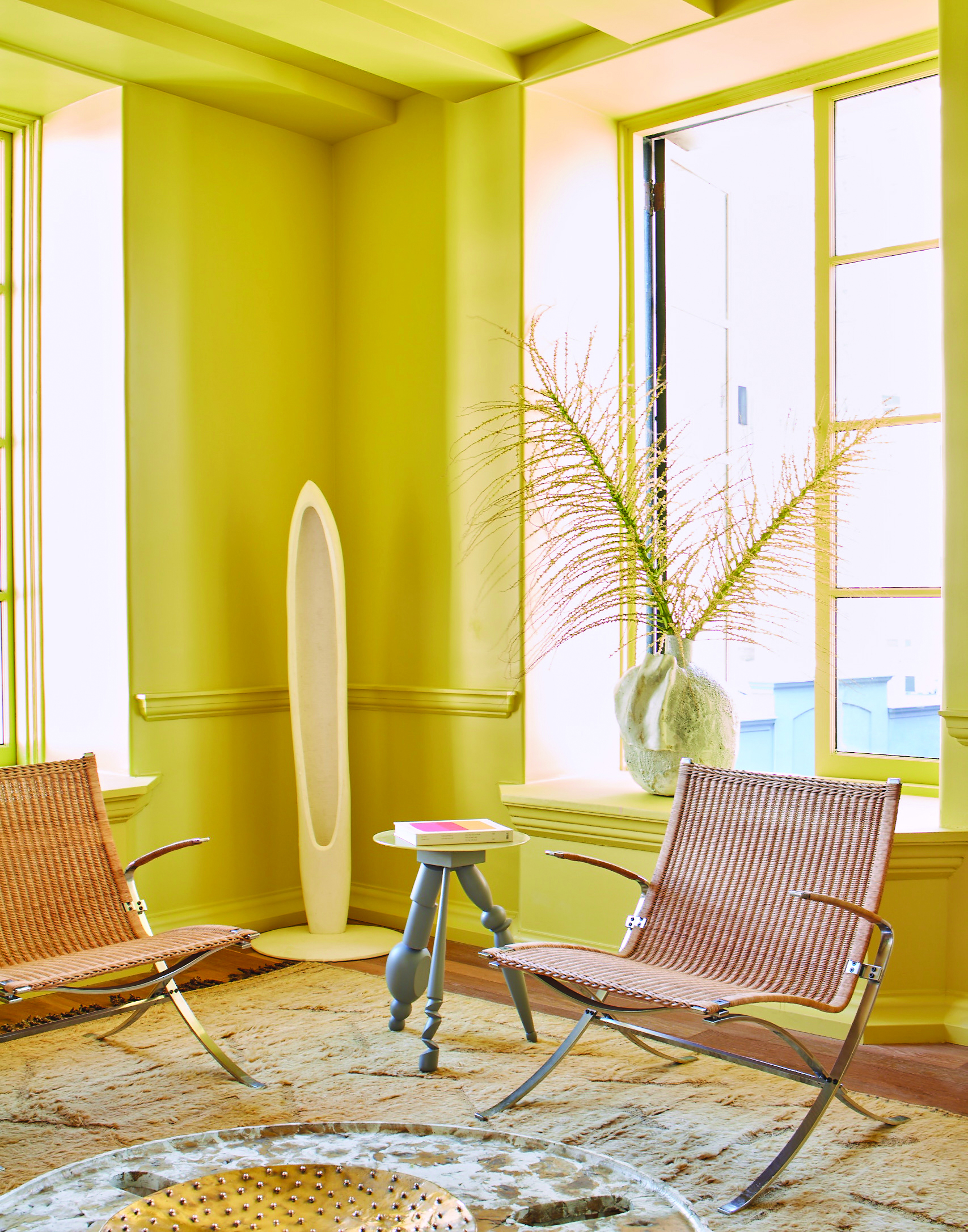
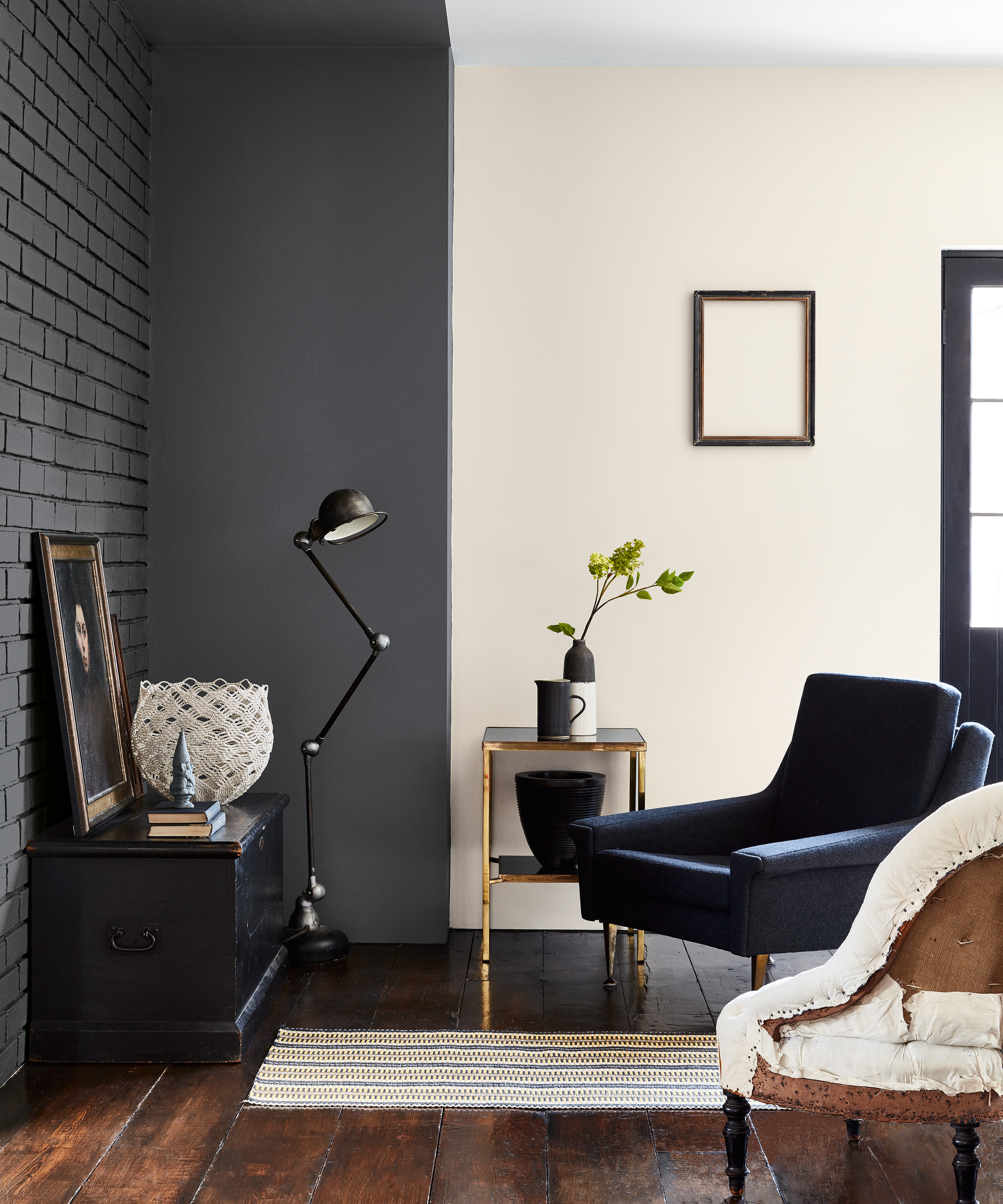
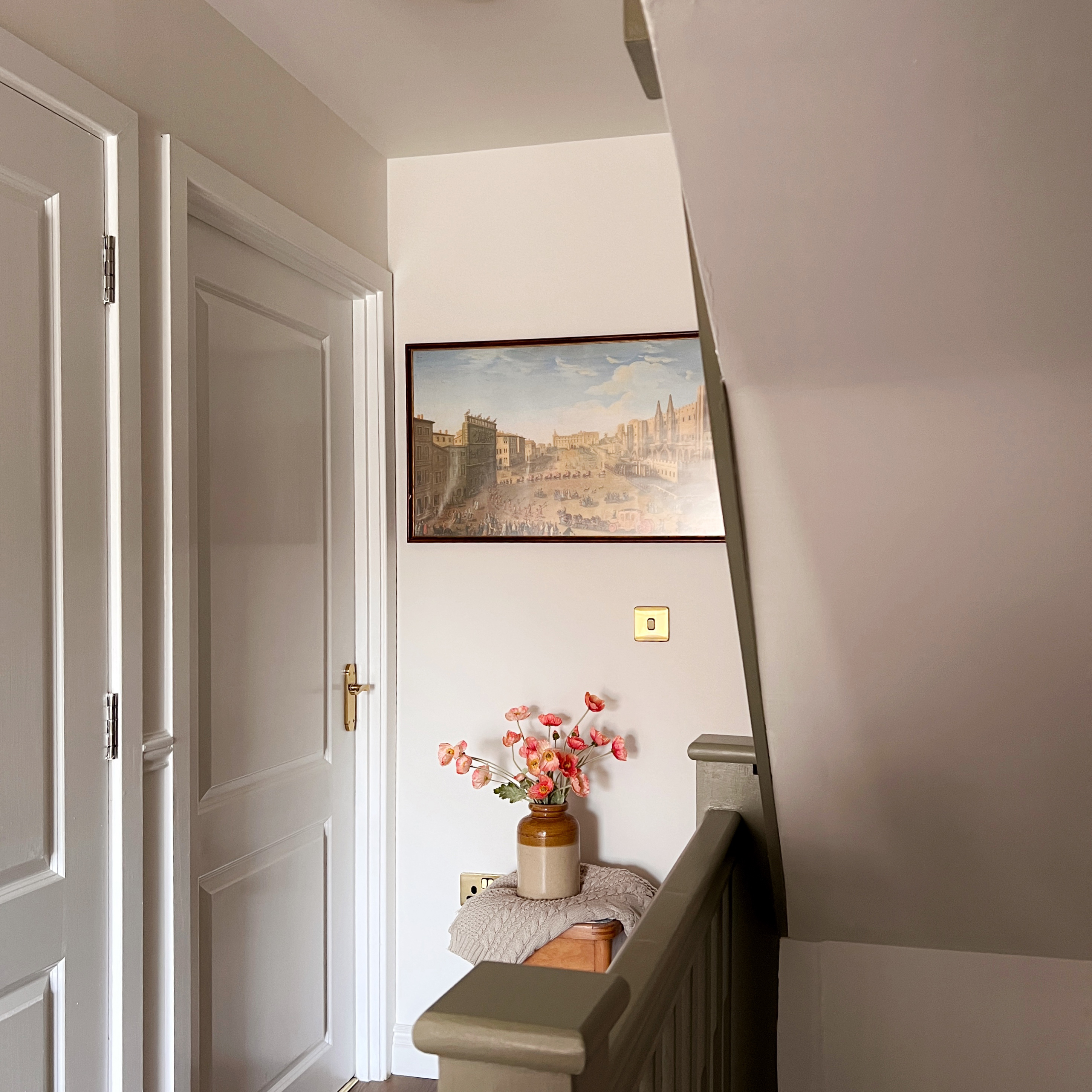
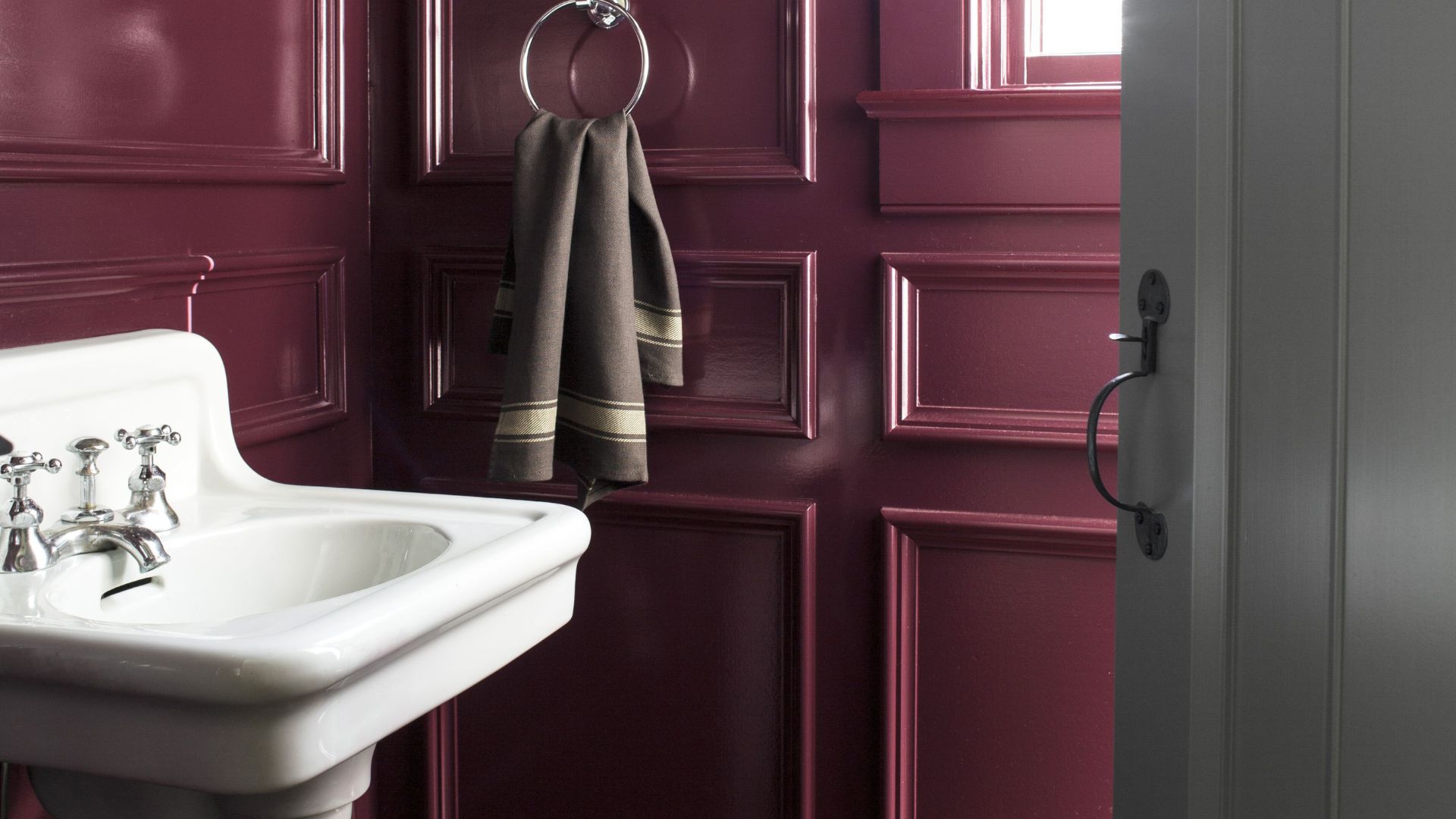
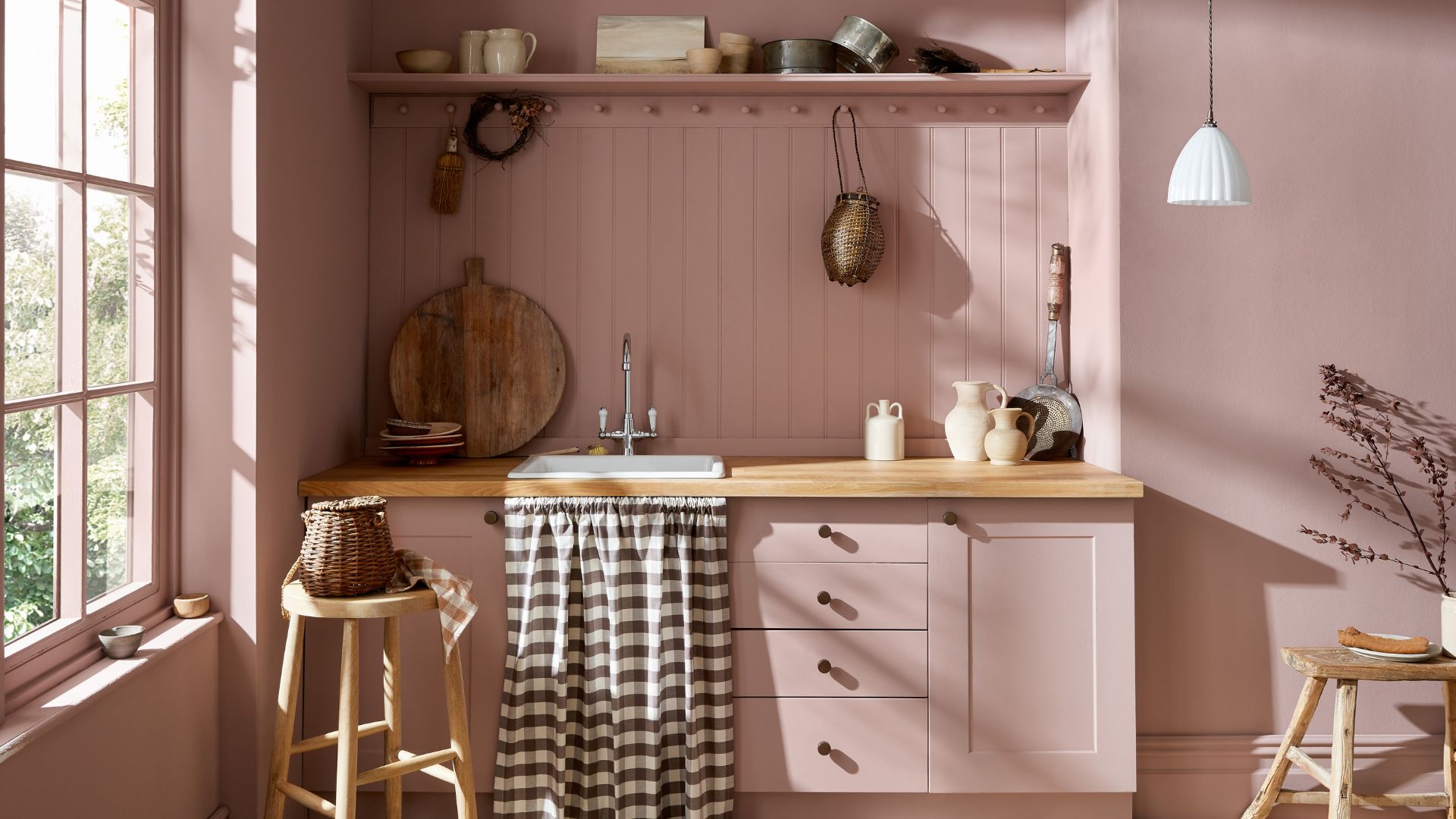
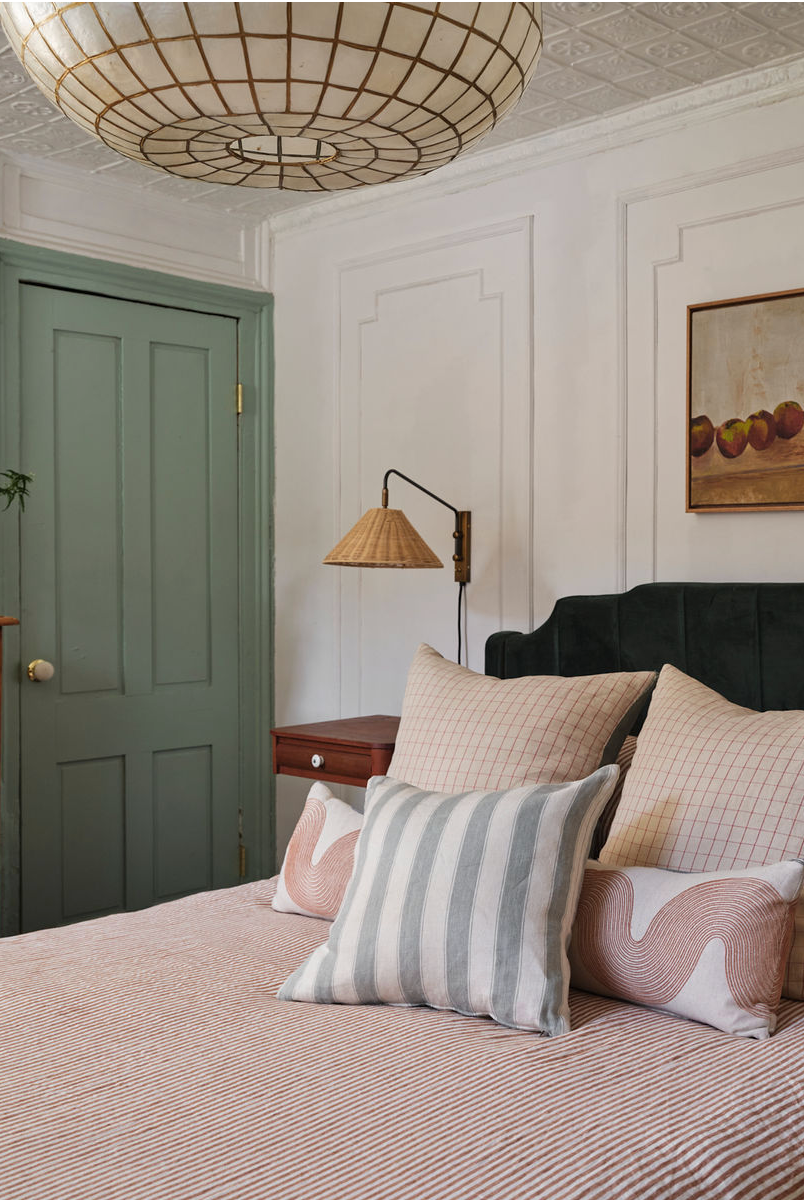

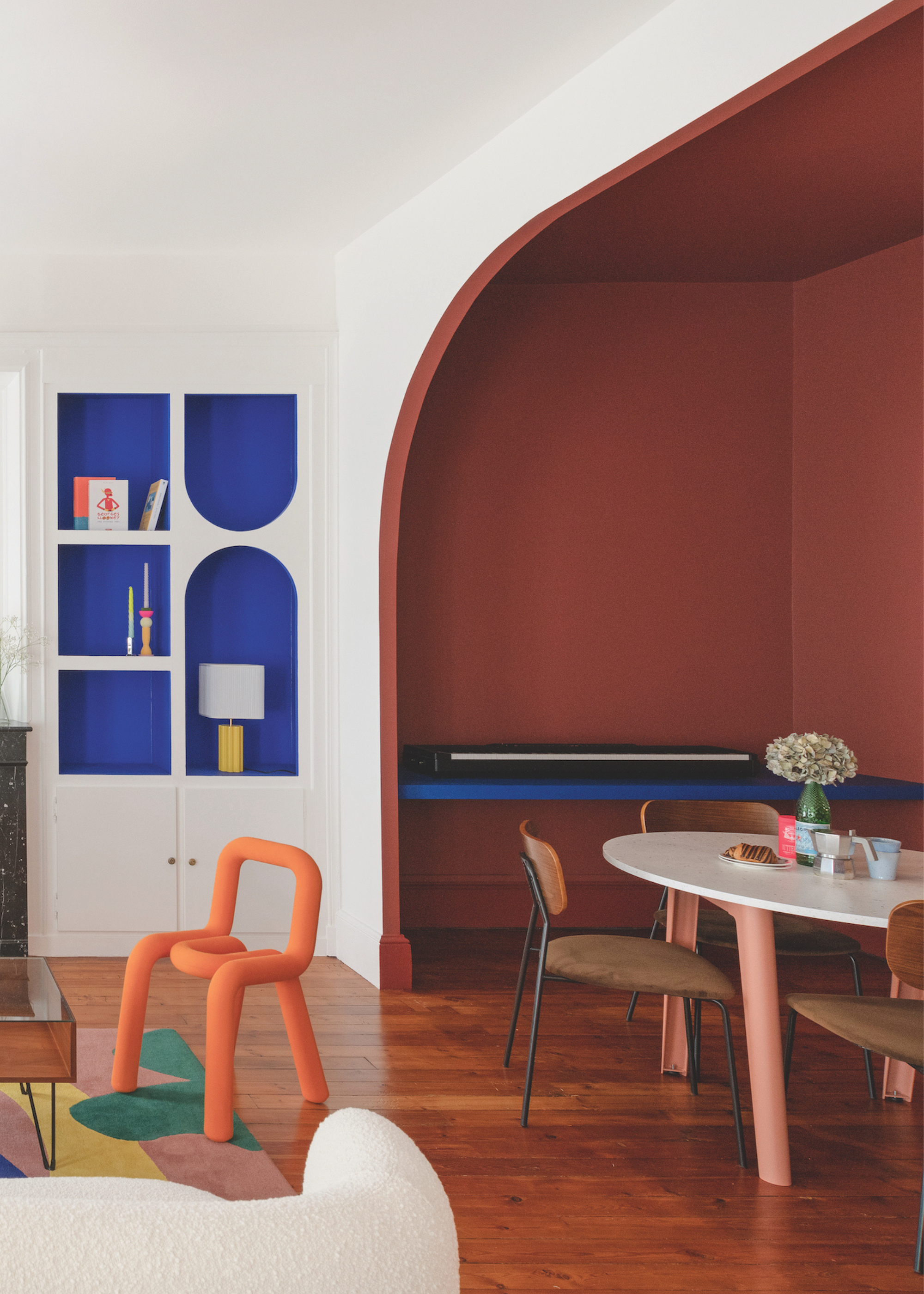
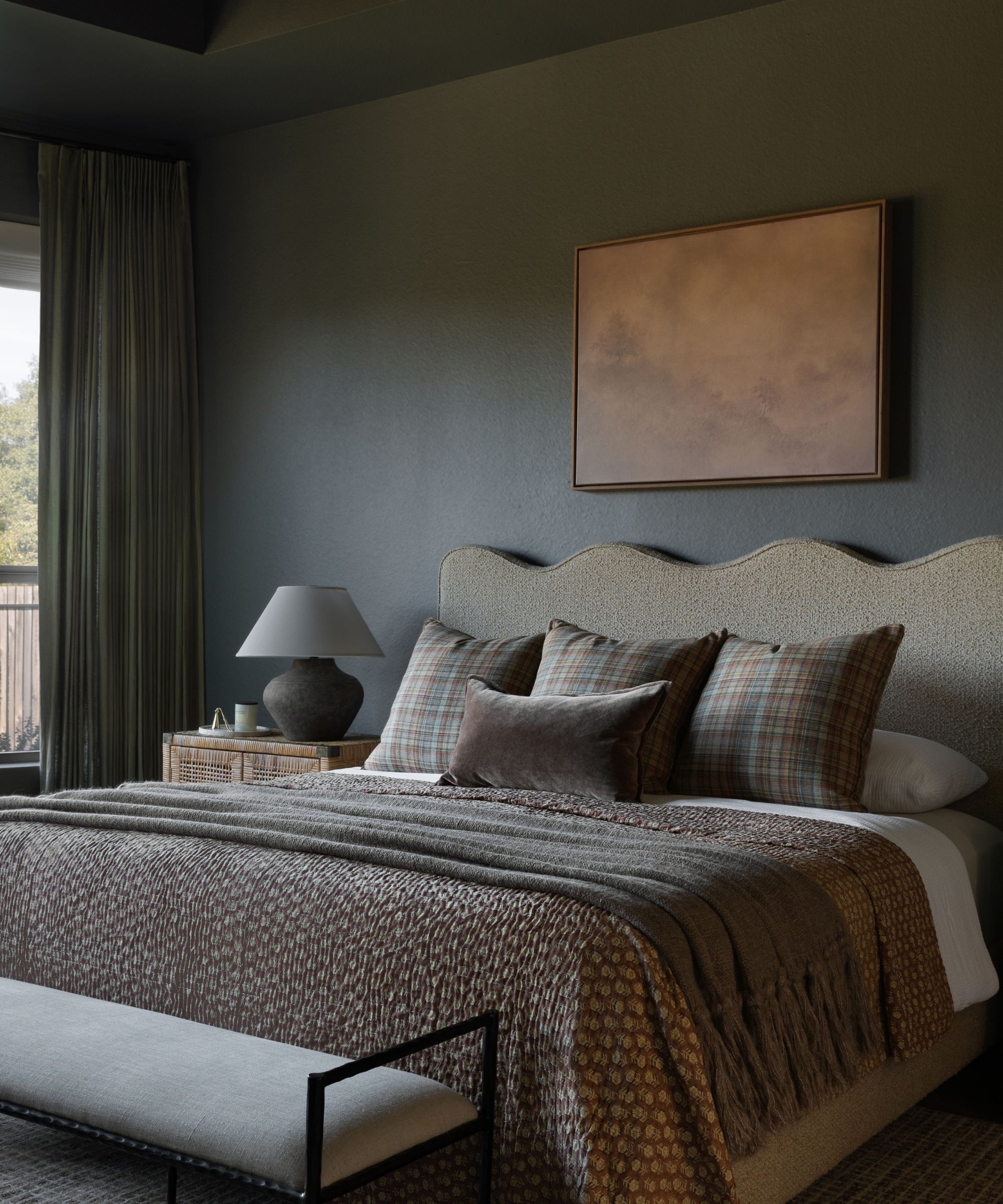
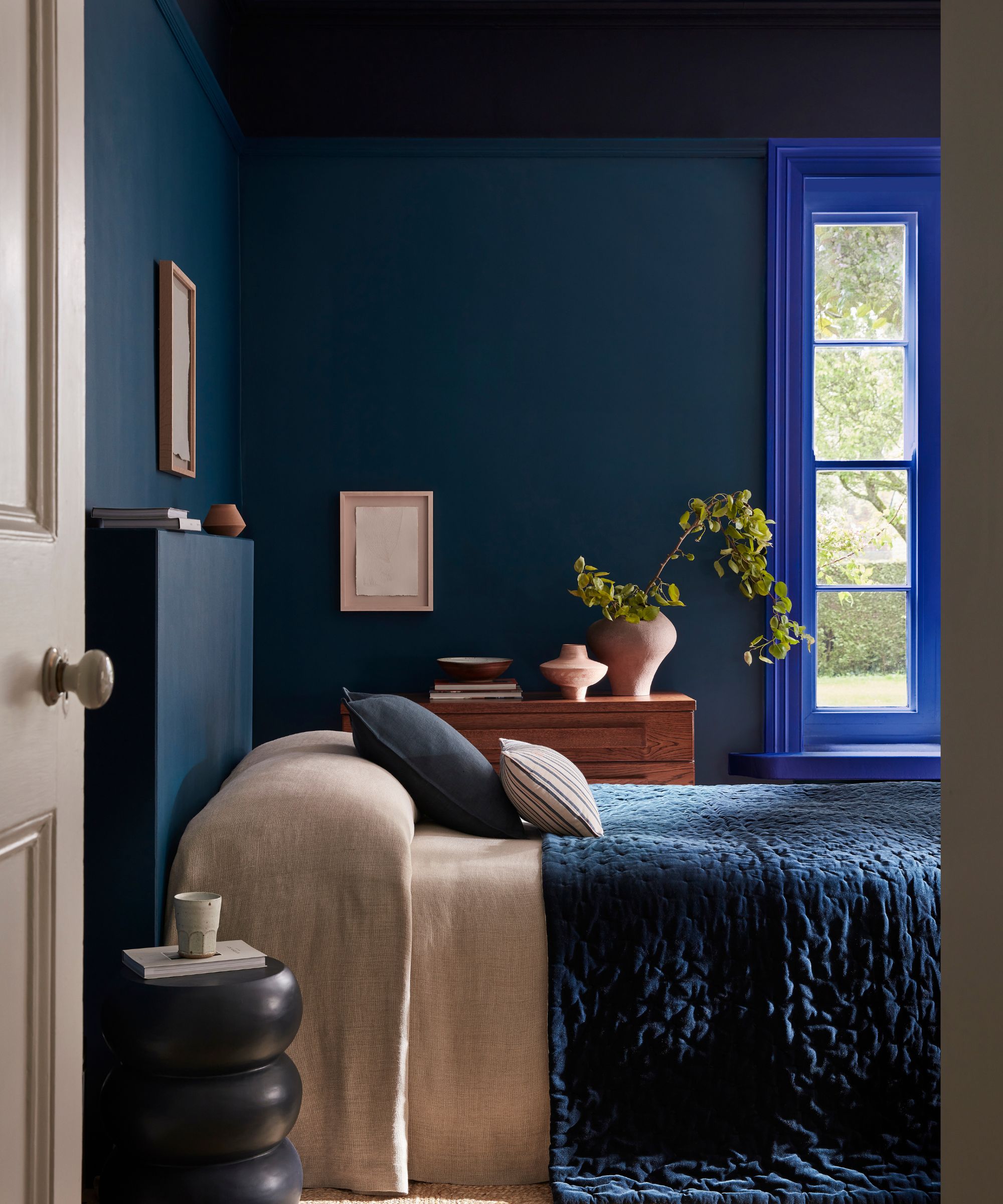
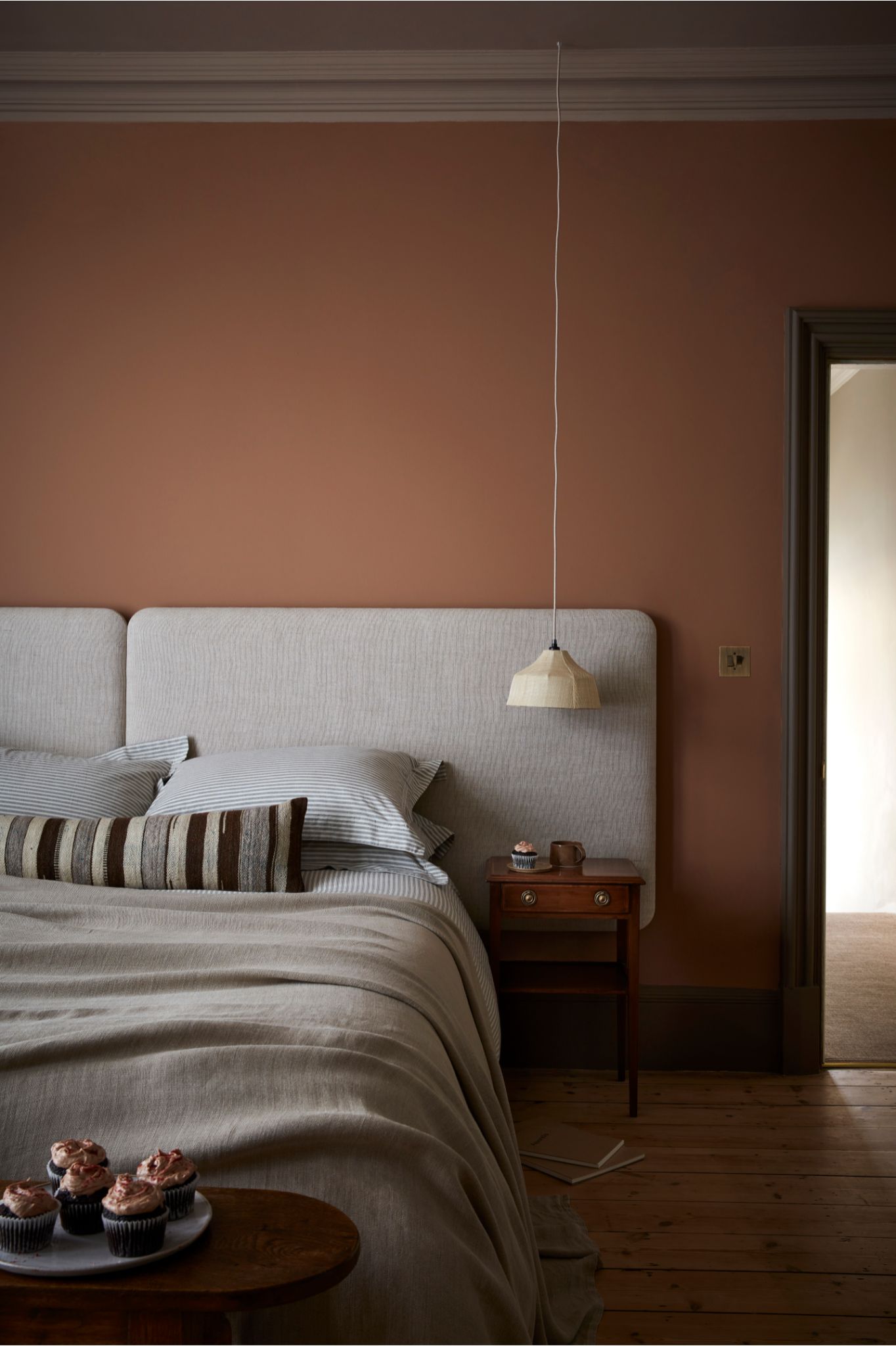
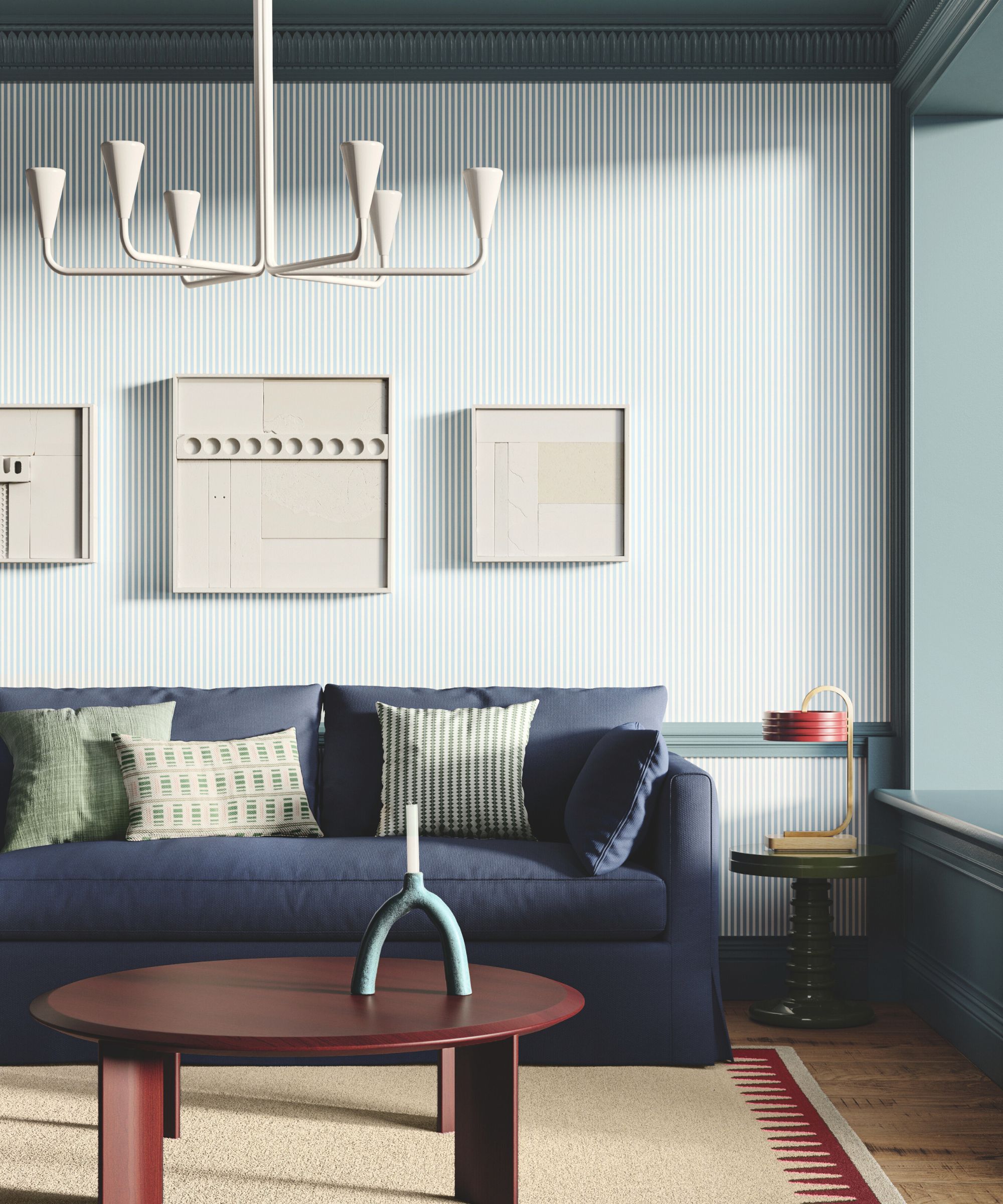
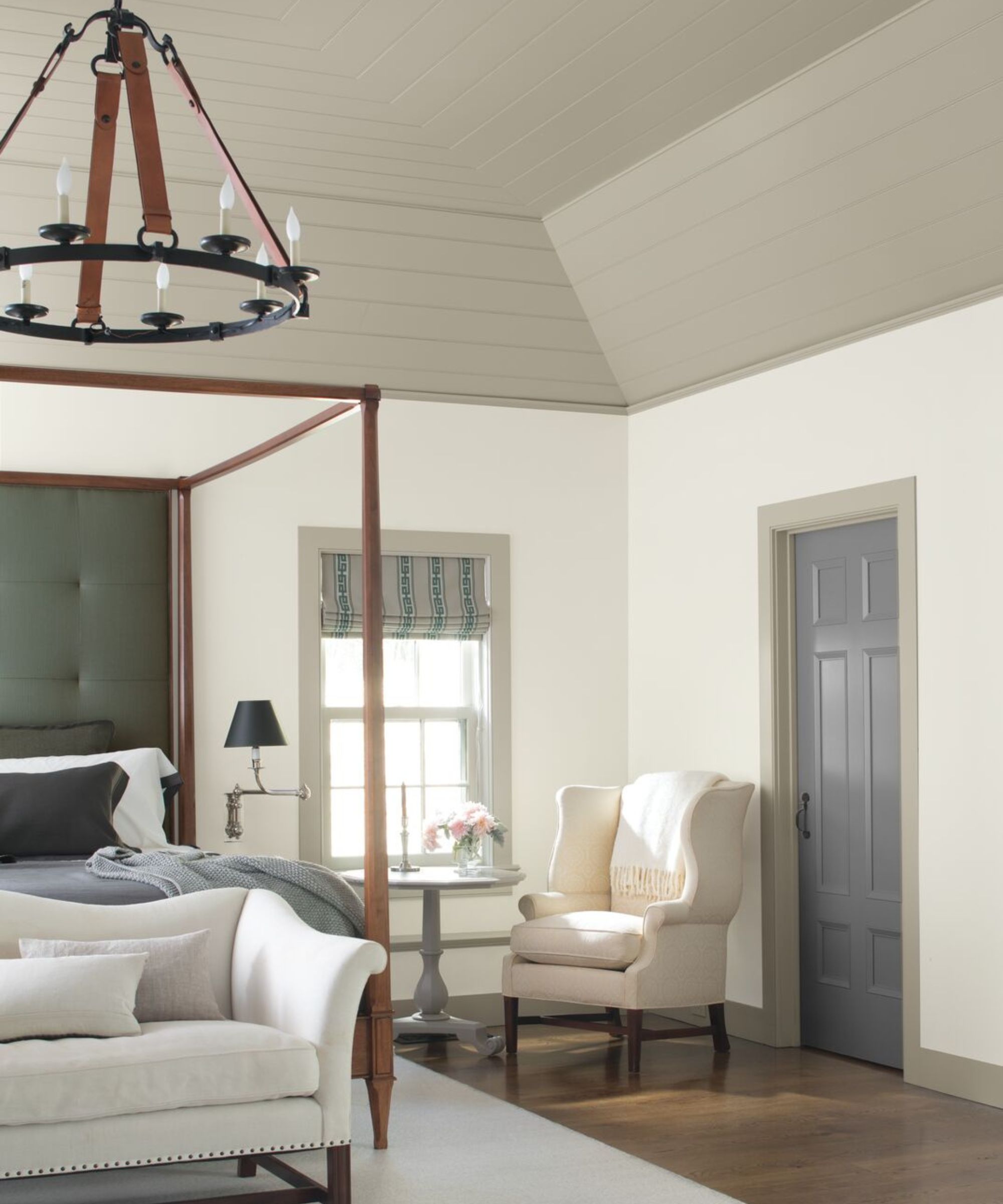
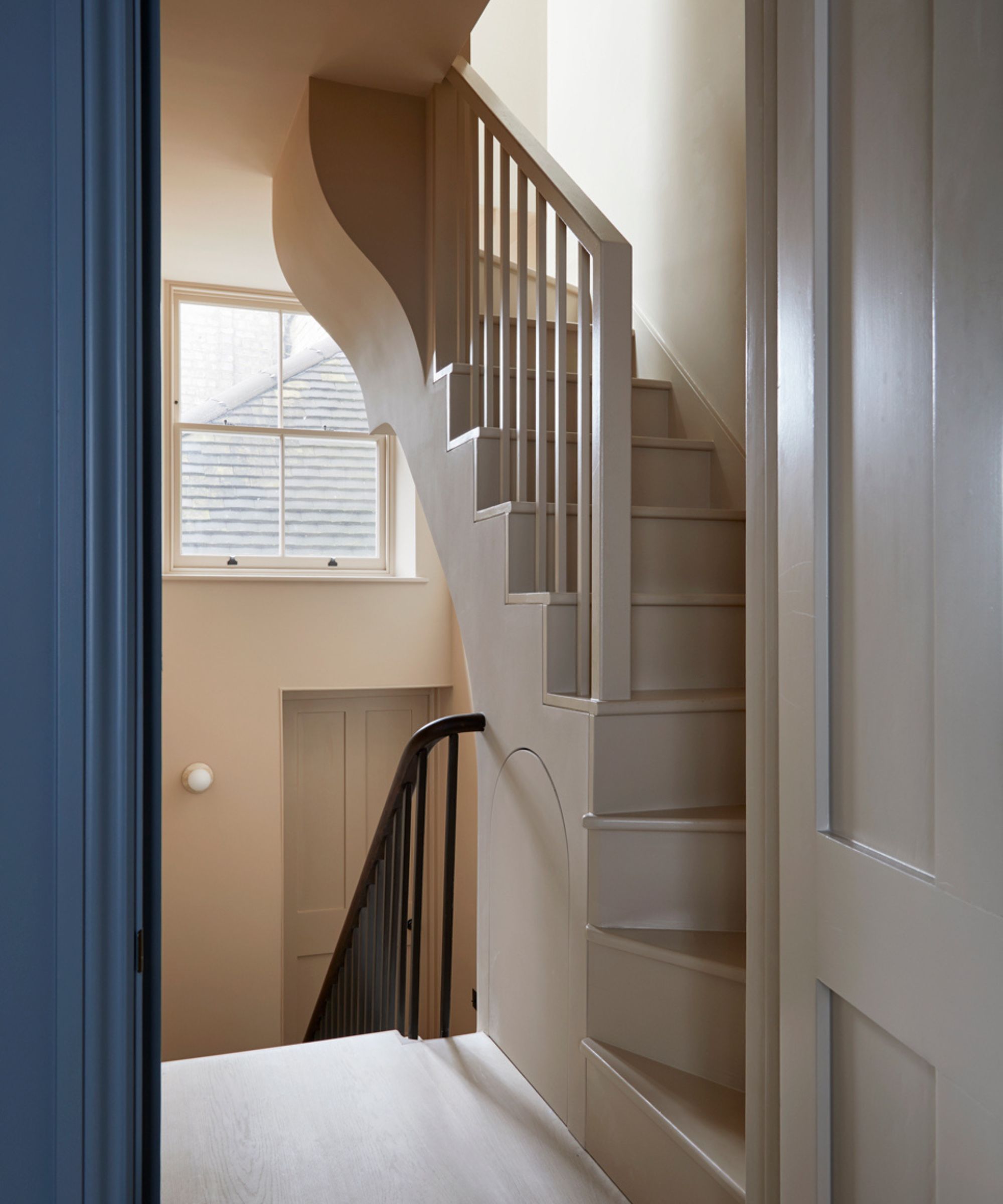
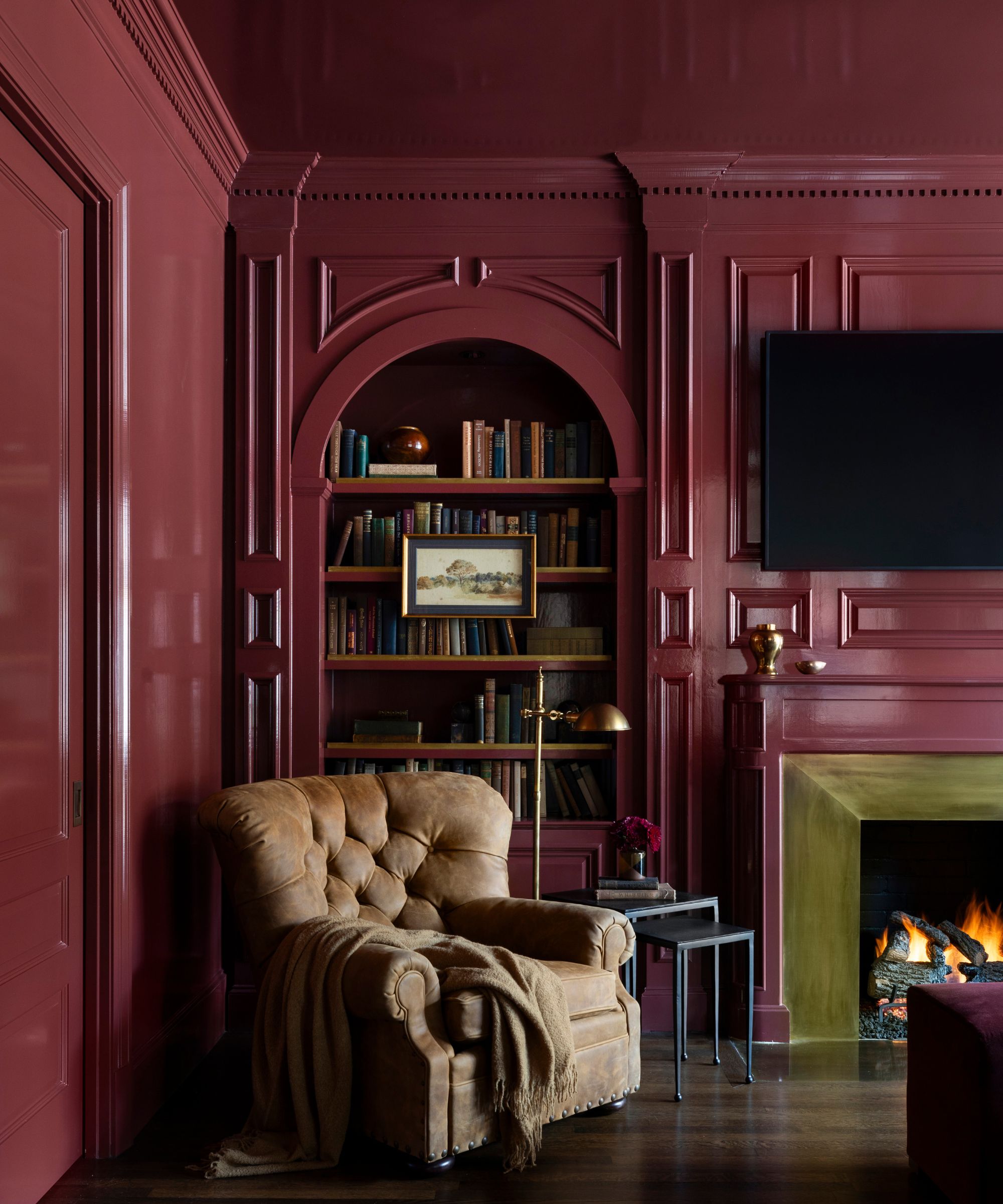
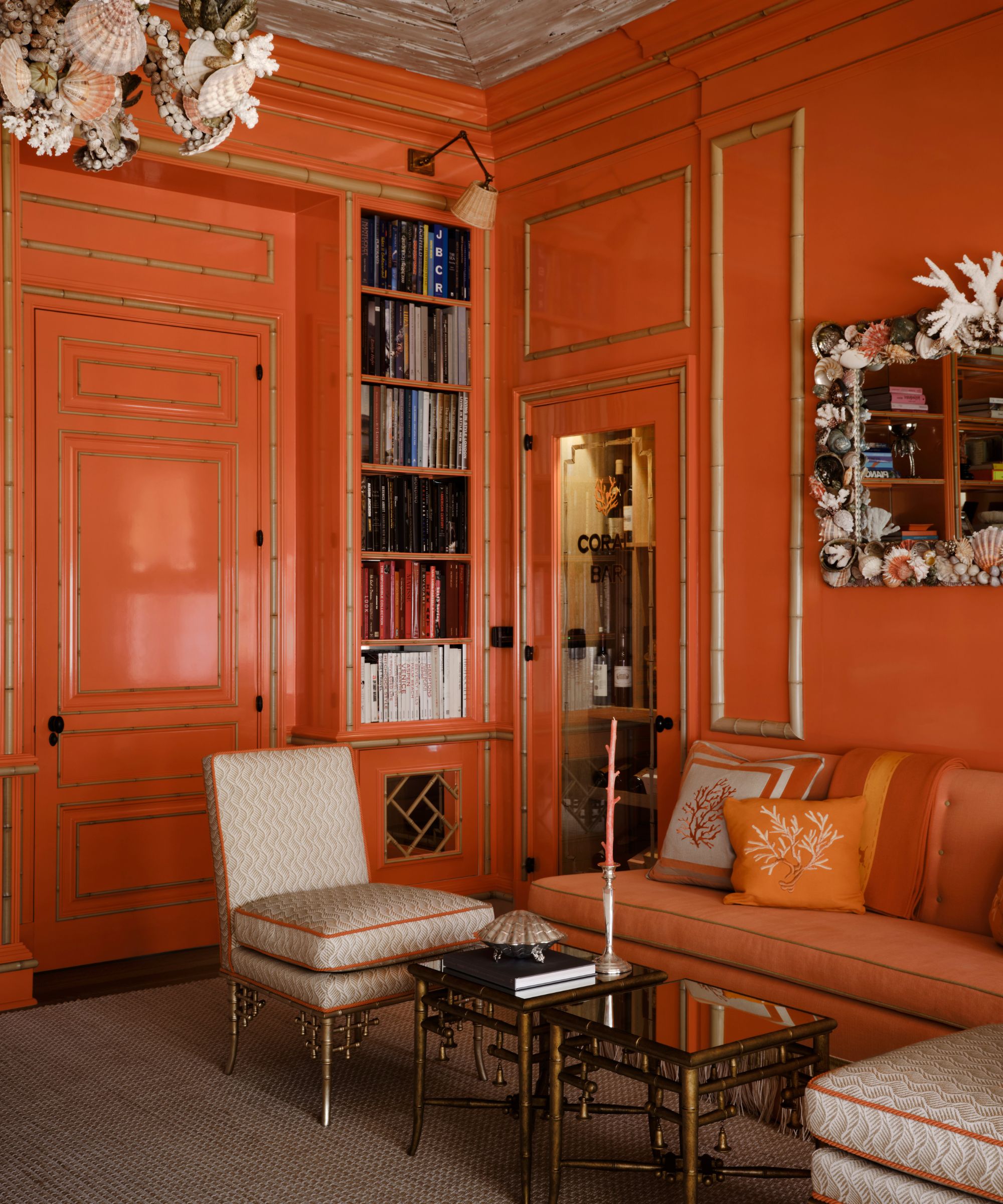
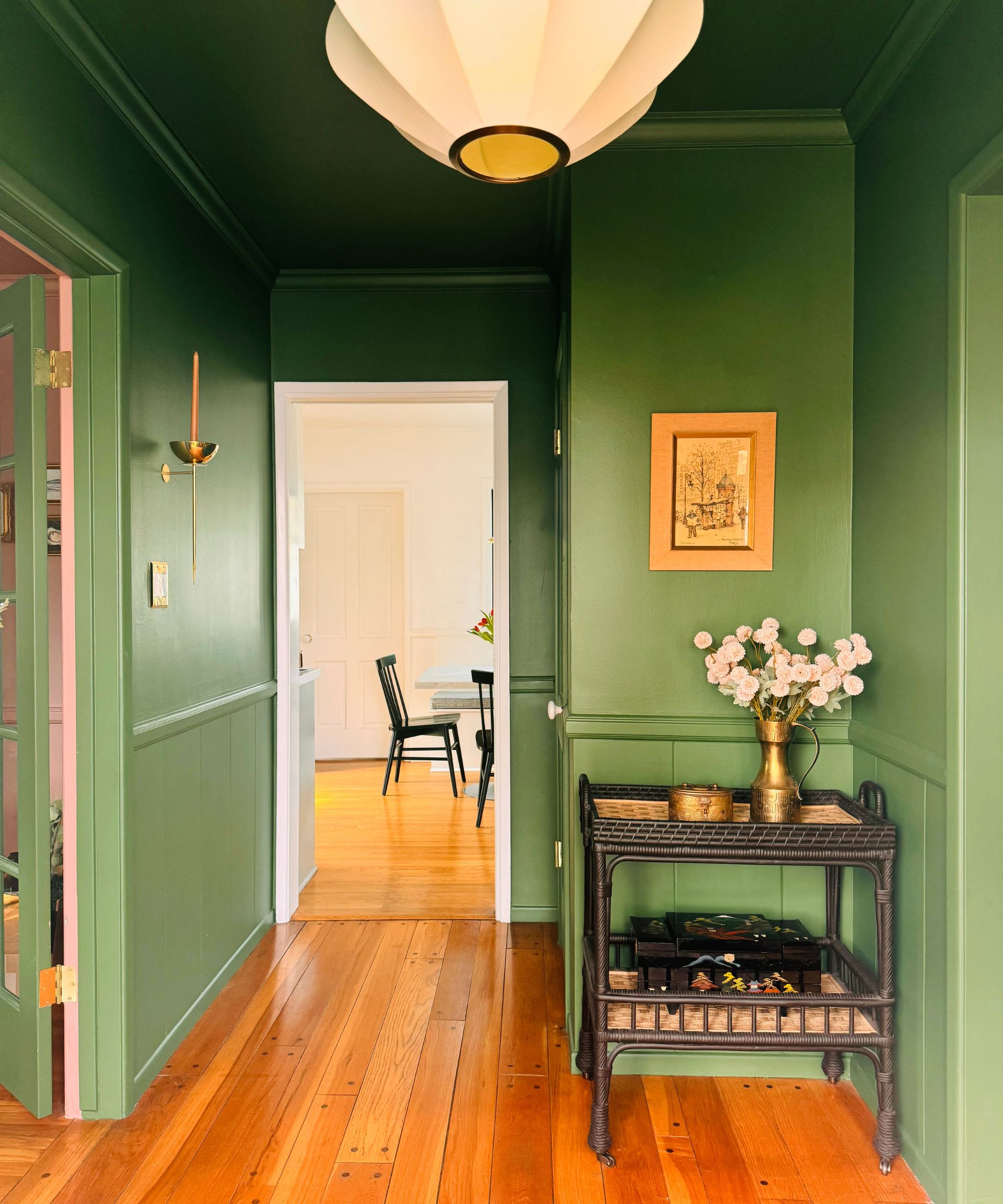
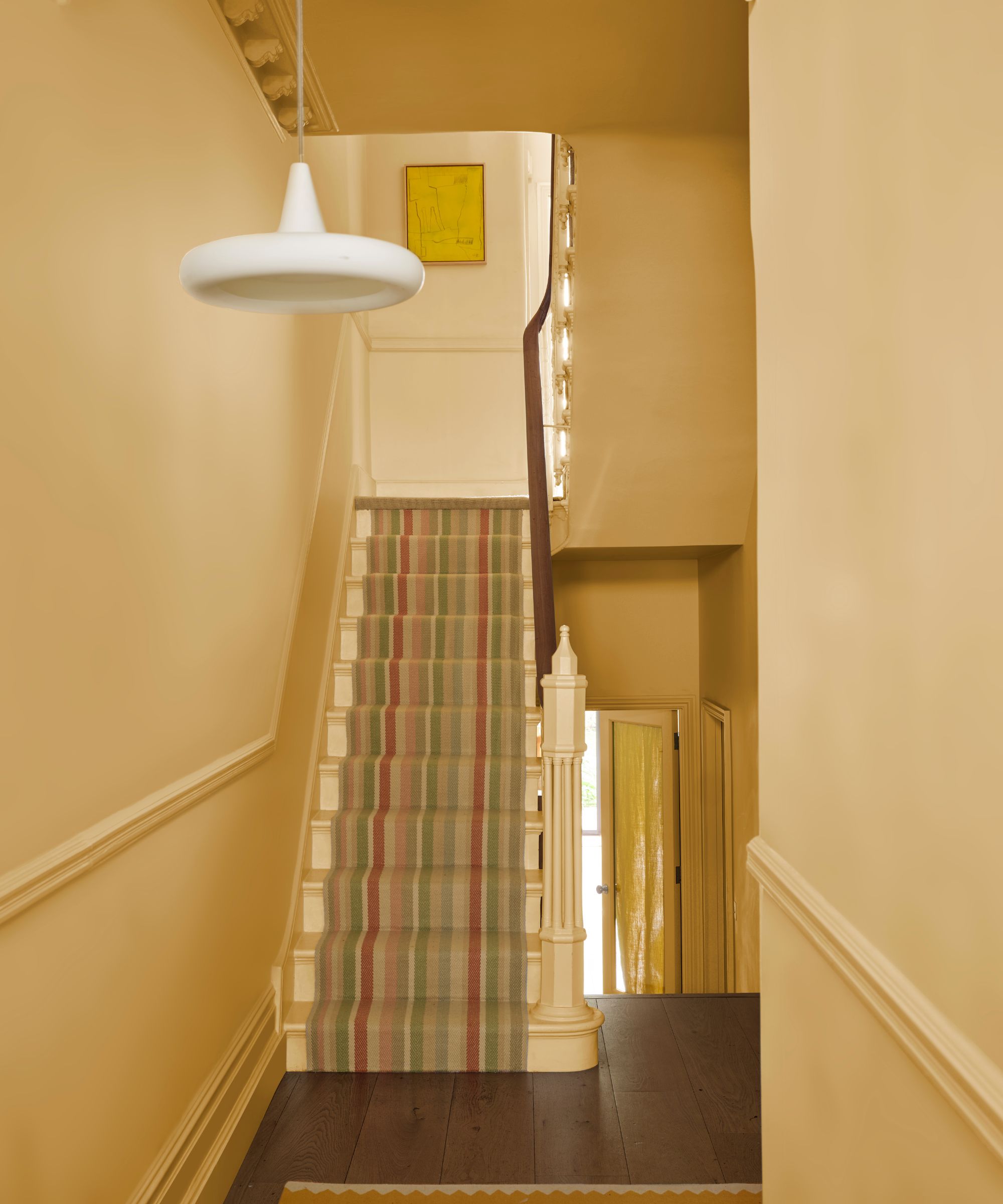
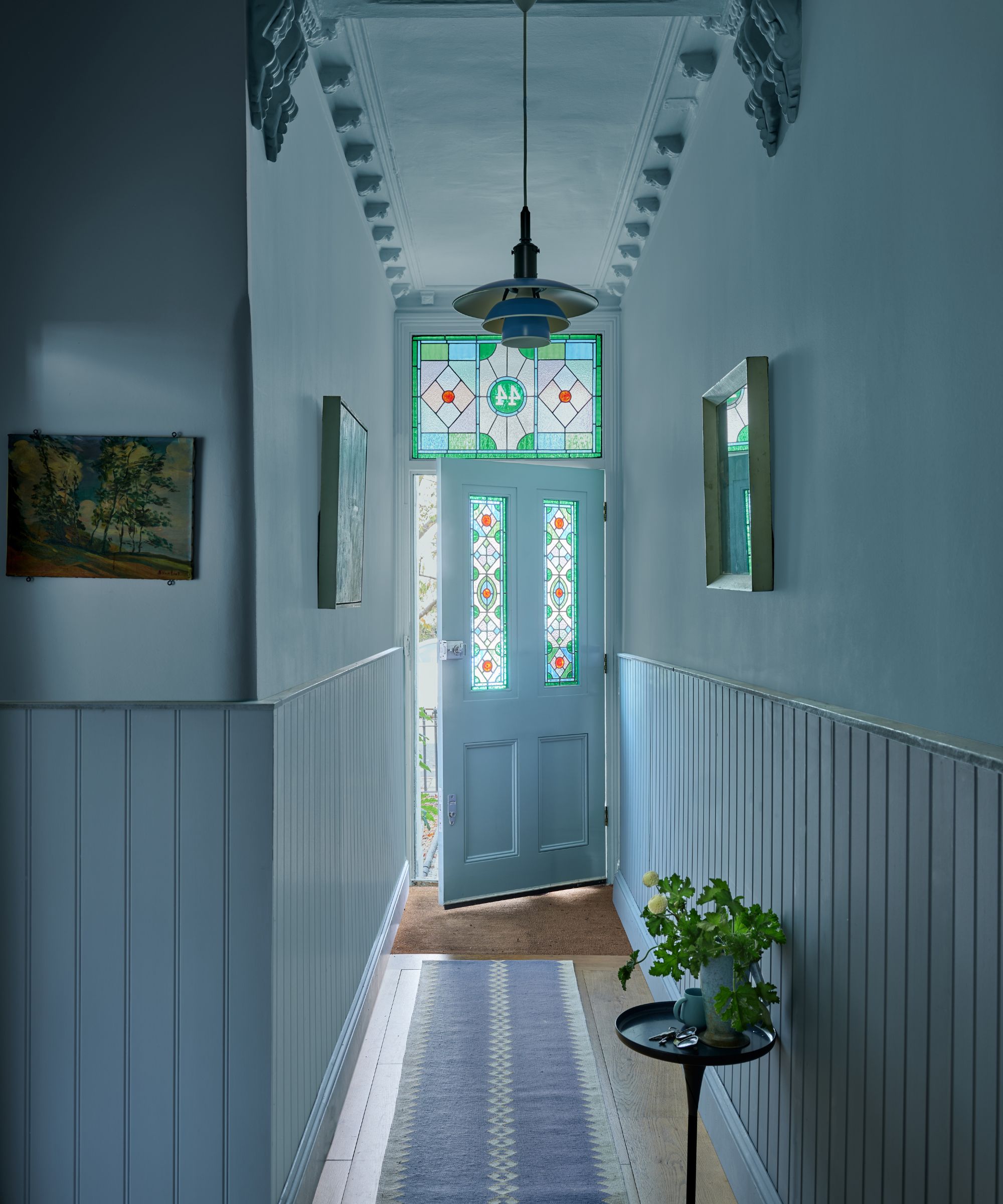
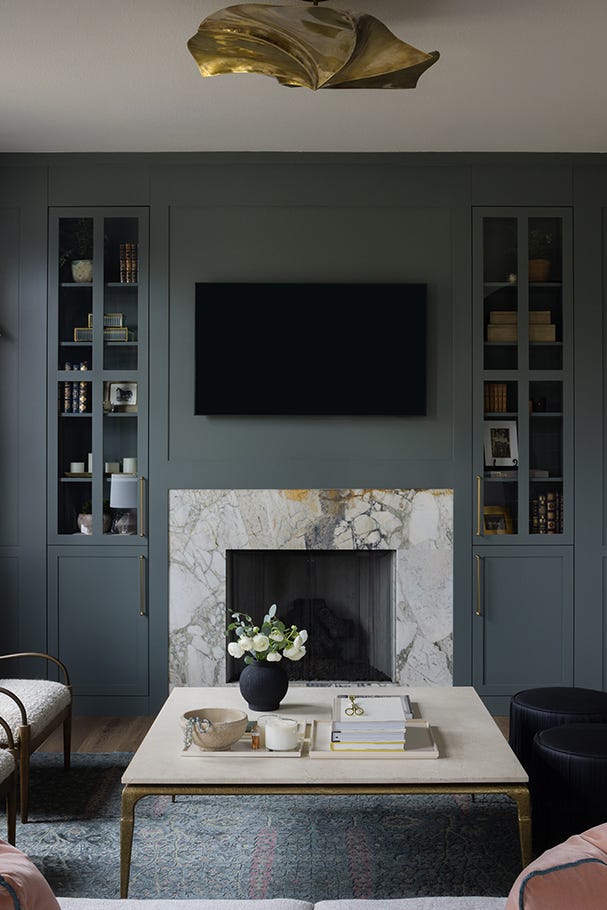
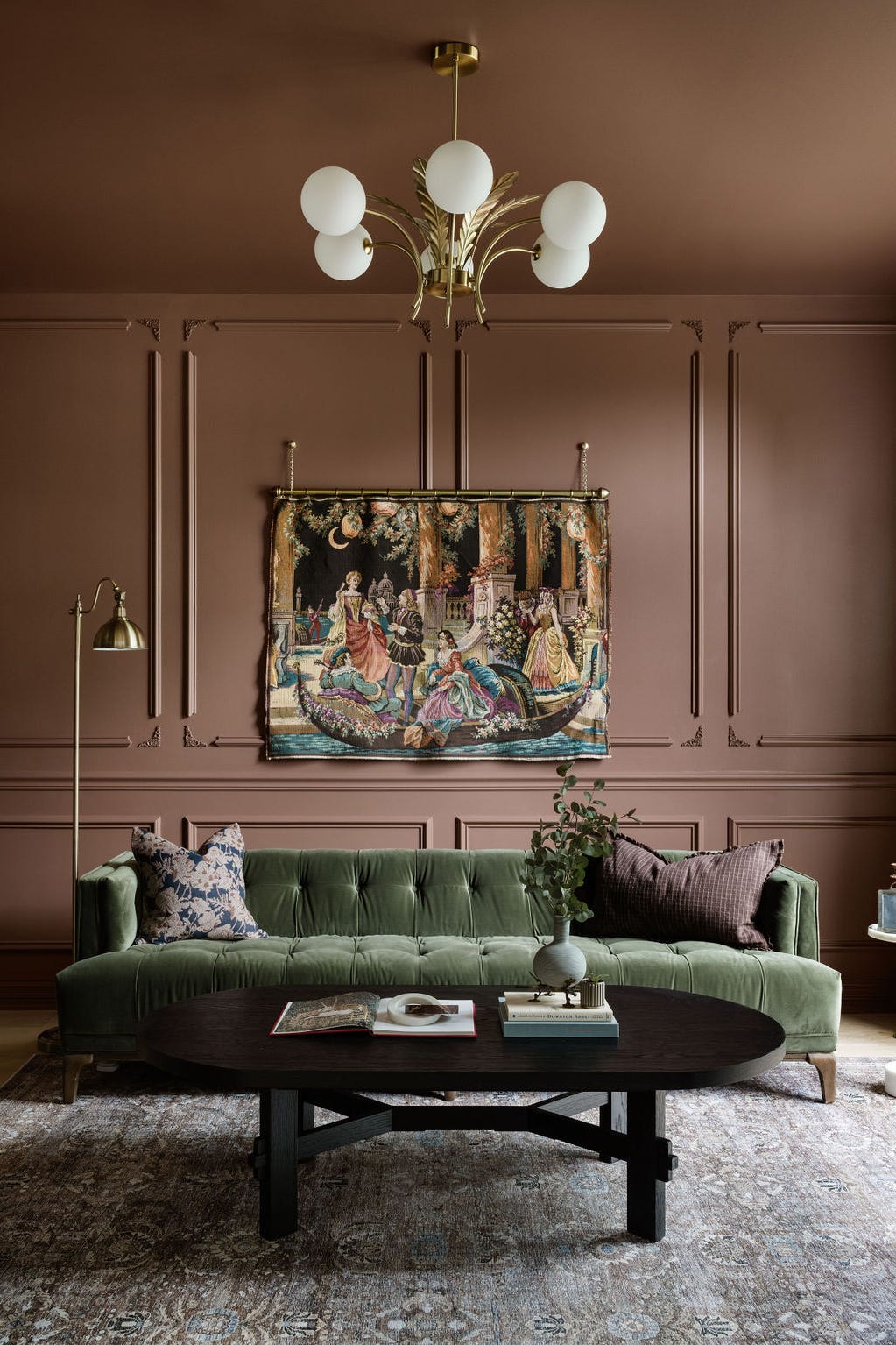
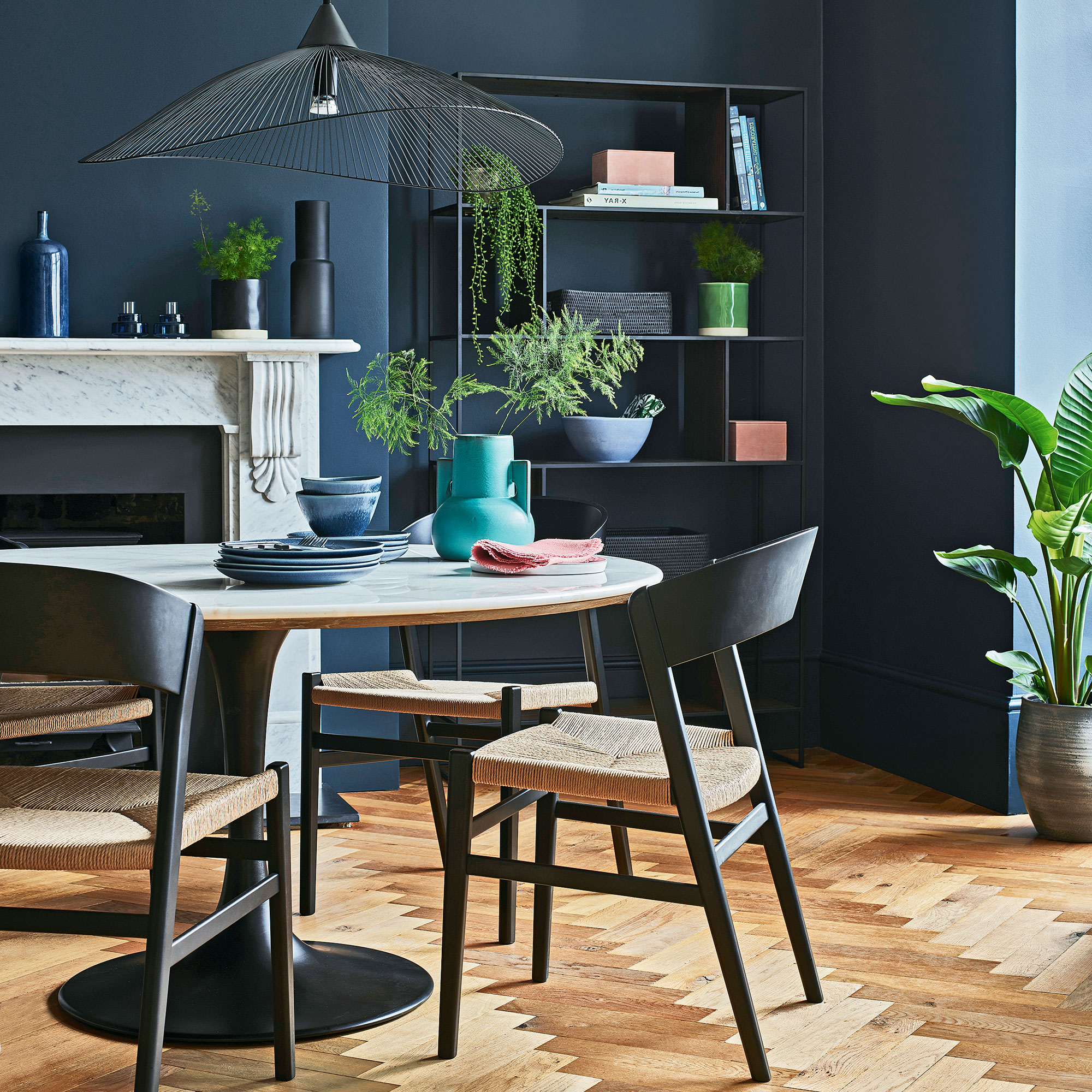
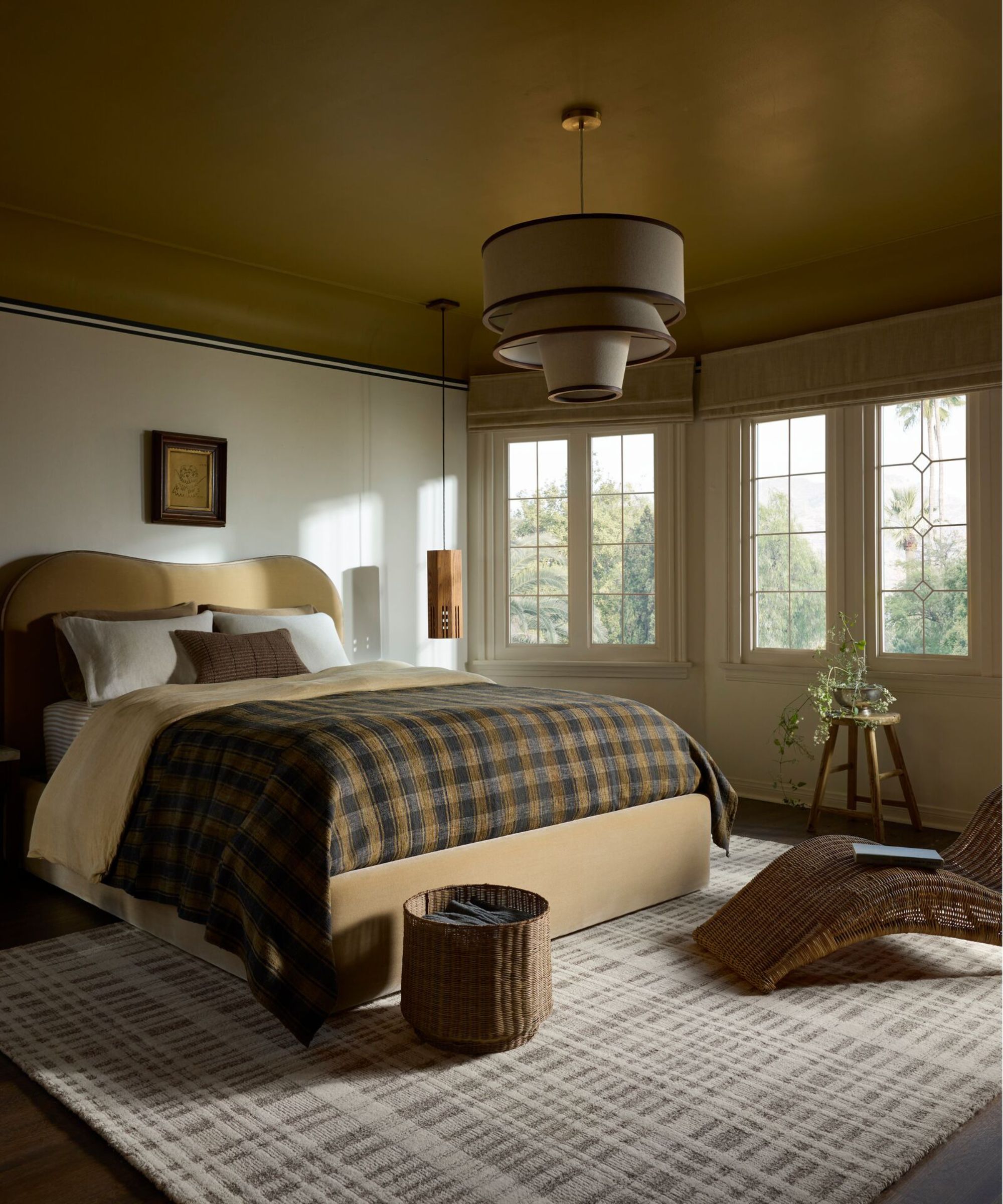
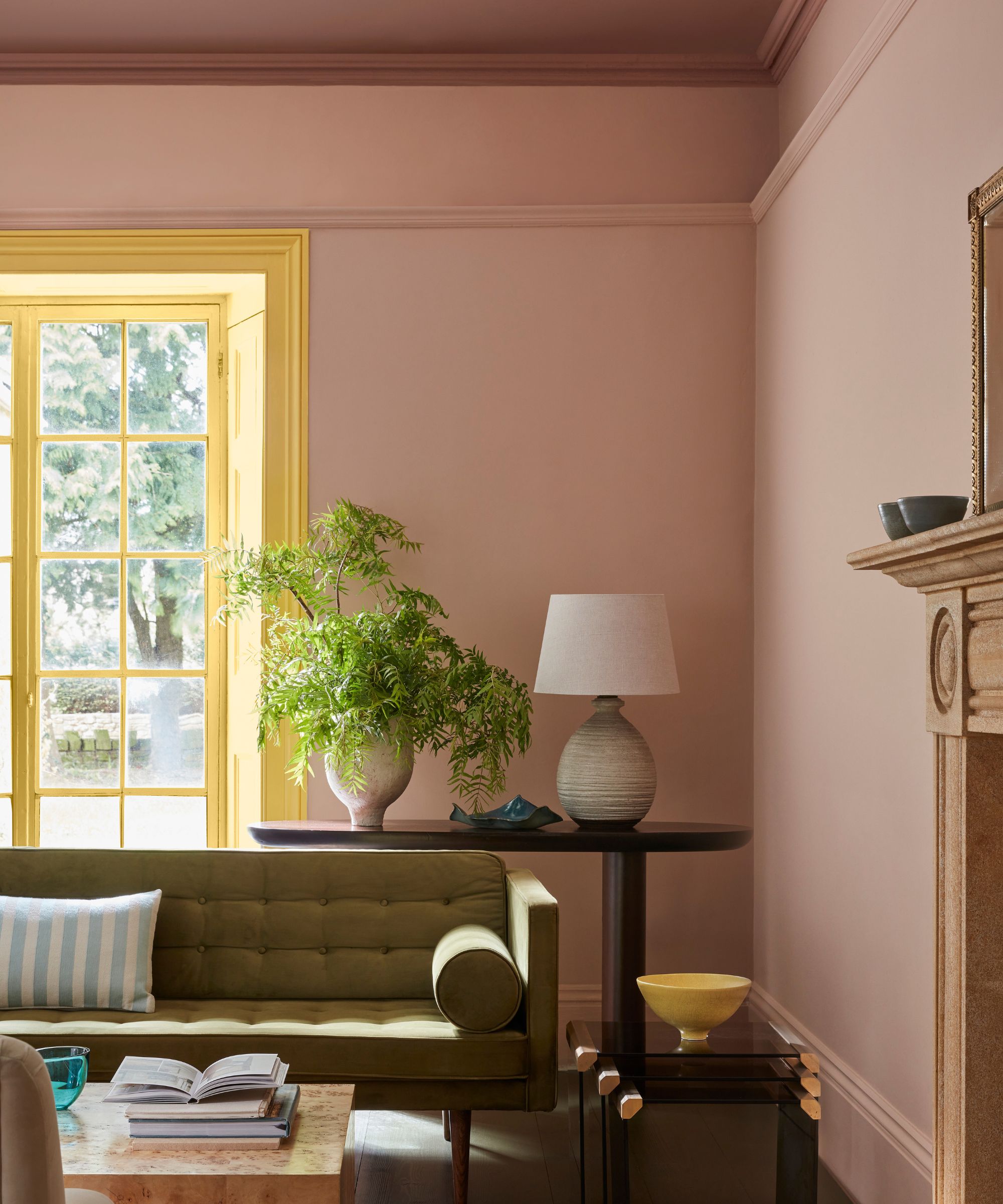
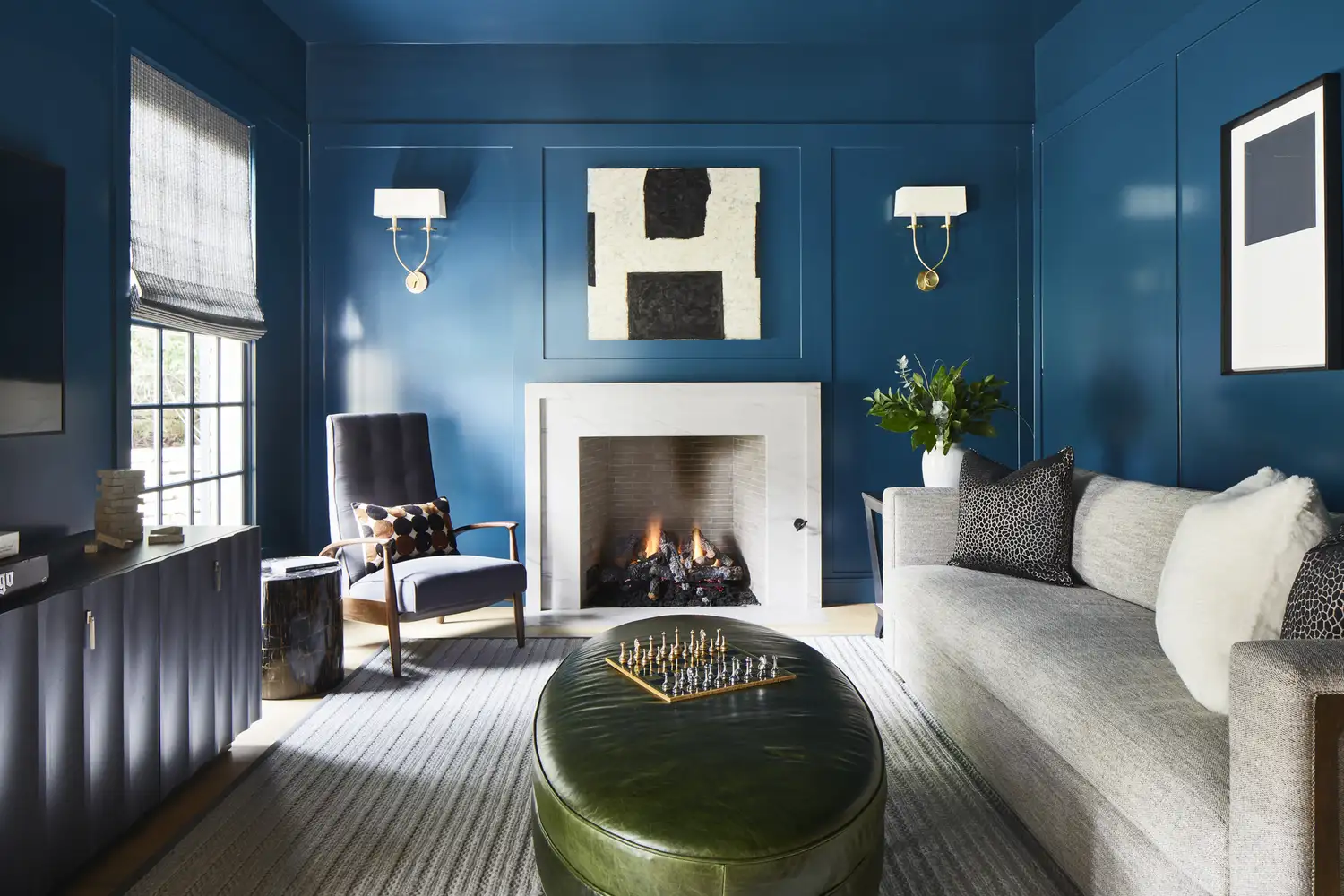
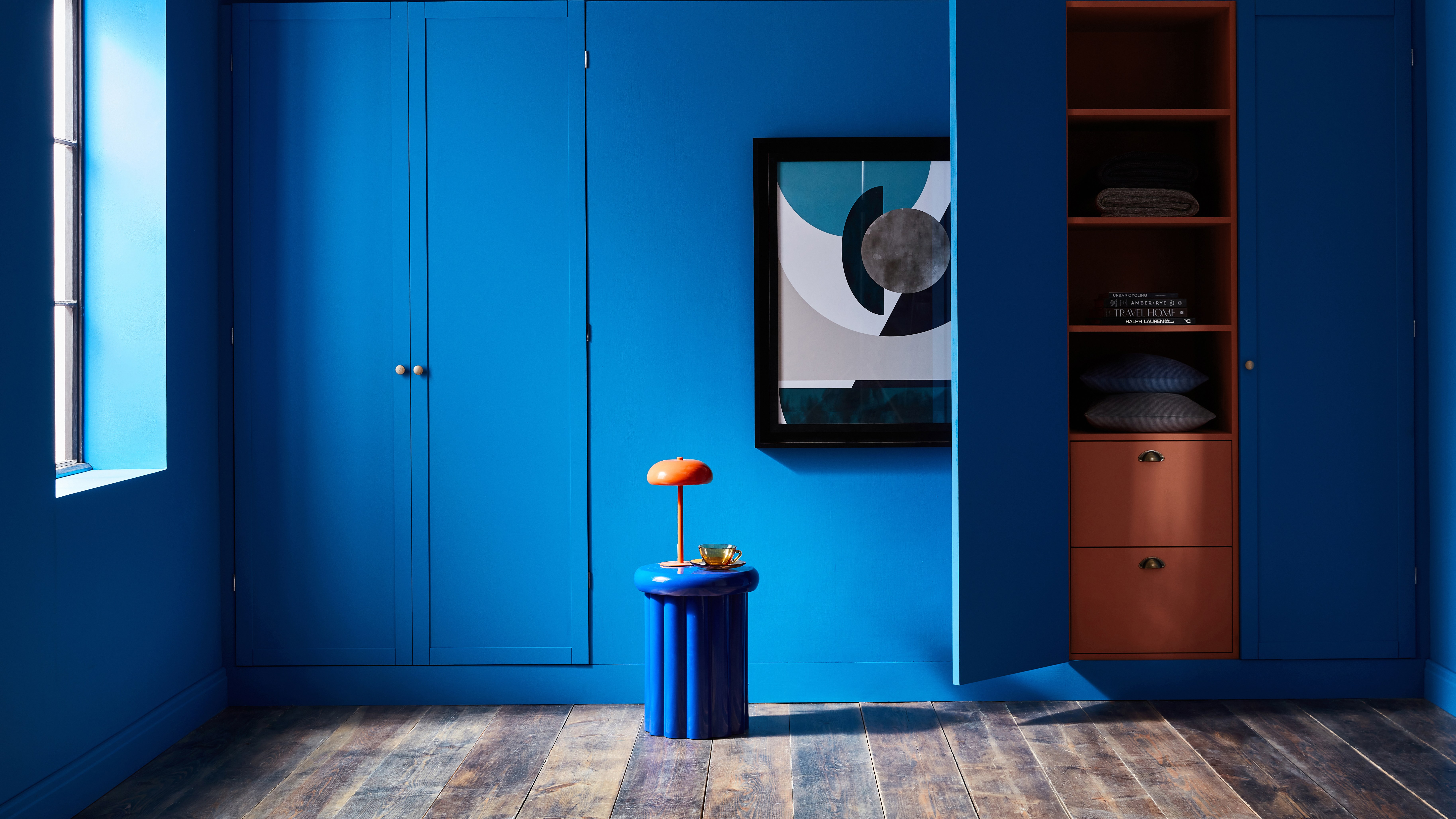
Color drenching is a popular decorating trend that involves painting every surface in a room—walls, ceilings, cabinetry, trims, baseboards, and even floors—in the same single color. This technique creates monochromatic spaces designed to be visually cohesive and soothing. Unlike traditional methods that use contrasting colors for trim and ceilings, color drenching eliminates visual breaks, offering a 'cocooning effect' that draws occupants into the space and fosters a sense of tranquility.
One significant benefit of color drenching is its ability to simplify design decisions and potentially reduce costs compared to wallpapering or using multiple paint colors. By removing the stark contrast of white trim and ceilings, the eye is allowed to flow seamlessly around the room, making architectural details appear more defined and less visually cluttered. This approach also helps integrate less attractive elements, such as air conditioning units or vents, into the overall aesthetic, making them virtually disappear.
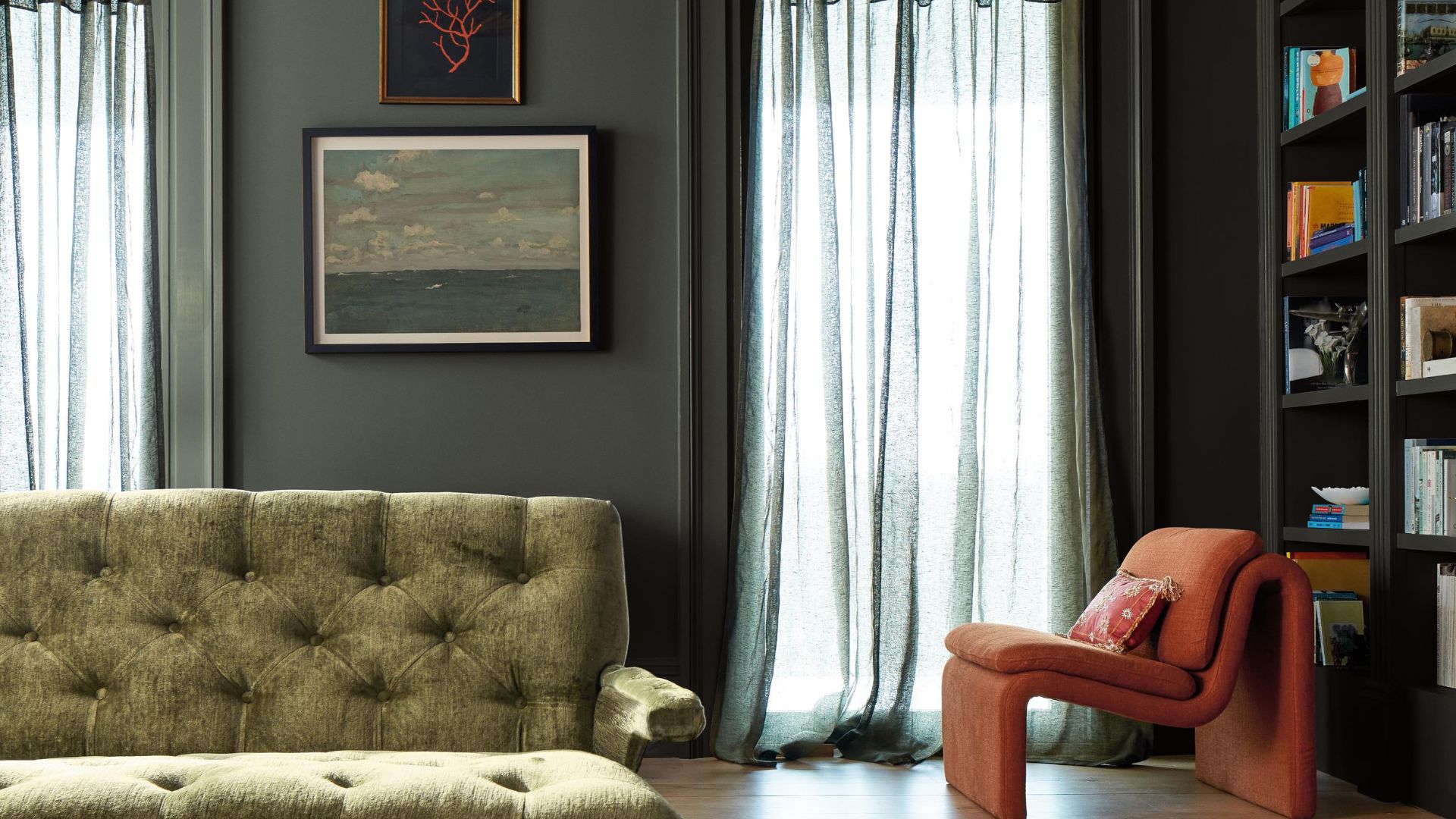
While color drenching creates a bold visual statement, its monochromatic nature can paradoxically make the chosen color feel more neutral and less overwhelming. Designers emphasize that the best color for drenching is ultimately a matter of personal preference, recommending shades that resonate with the individual and contribute to a desired mood. Earthy tones with muddy undertones are often suggested for their significant impact, but light, neutral colors, including white, can also be effectively used to create a sophisticated and understated backdrop that allows furniture and decor to stand out.
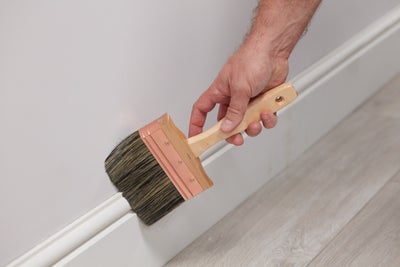
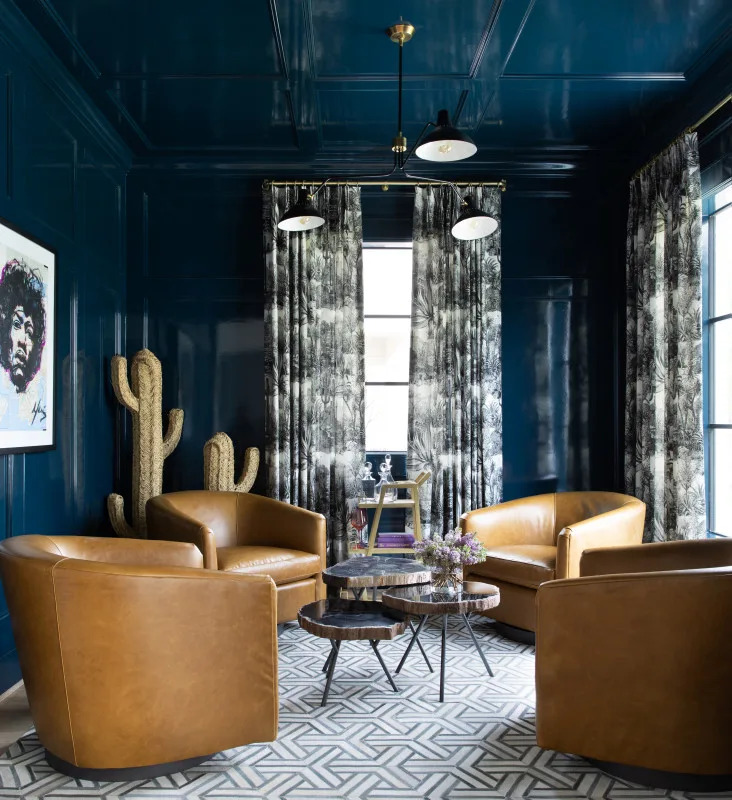
To prevent a color-drenched room from appearing flat, varying paint sheens within the same color palette is crucial. Different finishes, such as high gloss for trims, satin or flat for ceilings, and eggshell for walls, can introduce subtle variations in light reflection and texture, adding depth and interest. The choice of sheen can also depend on the amount of natural light a room receives; matte finishes absorb light, which can enhance the consistent look of dark colors, while glossier finishes can reflect light in brighter rooms.
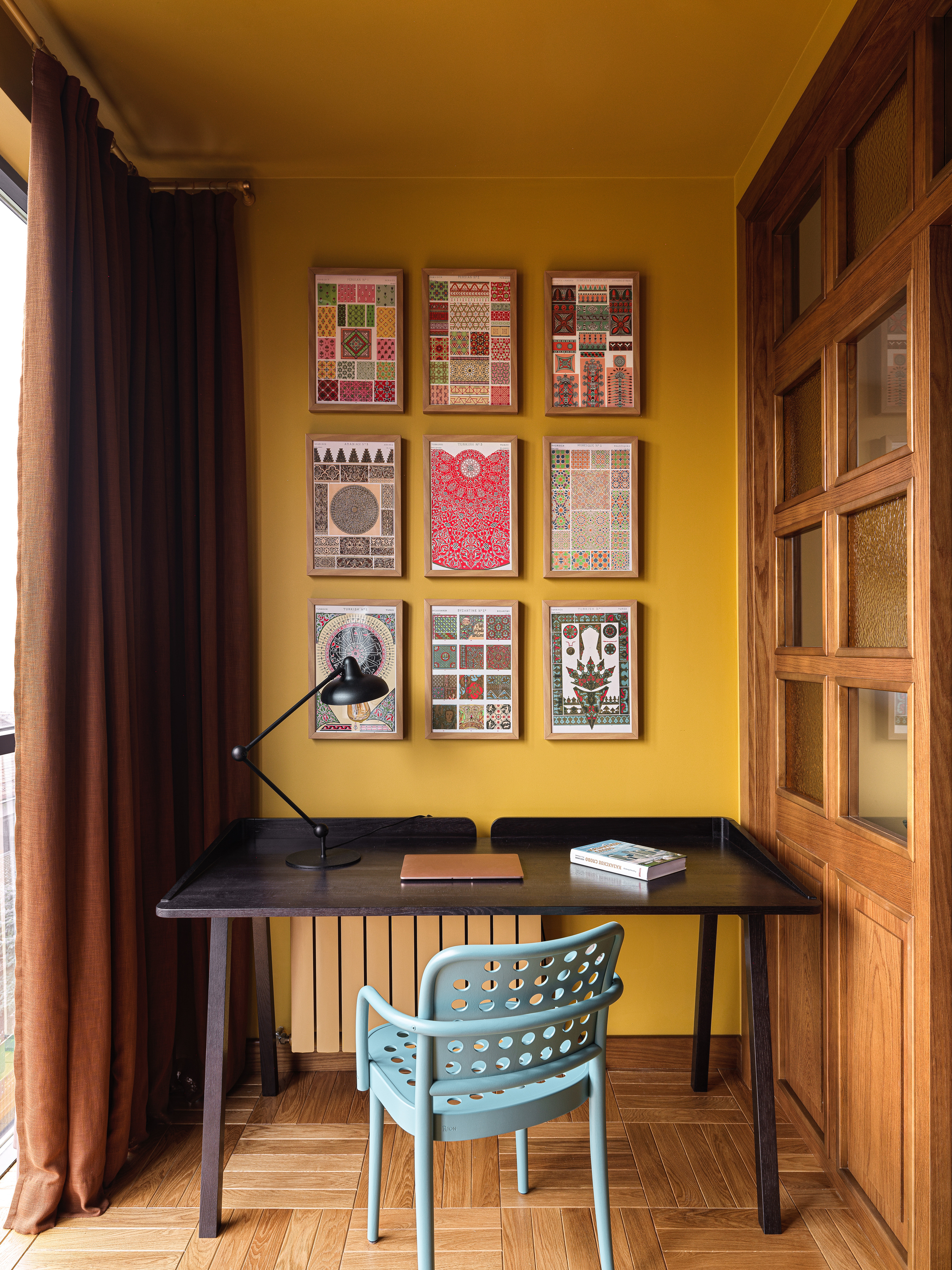
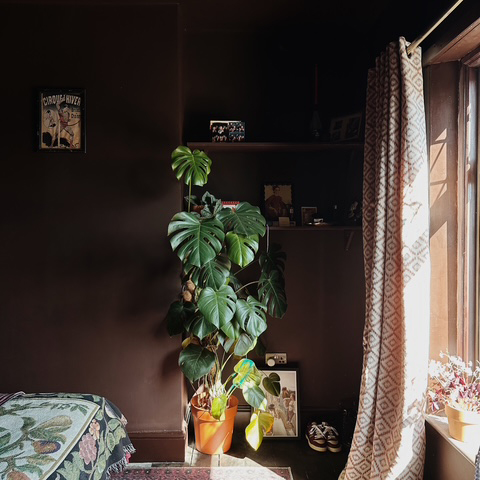
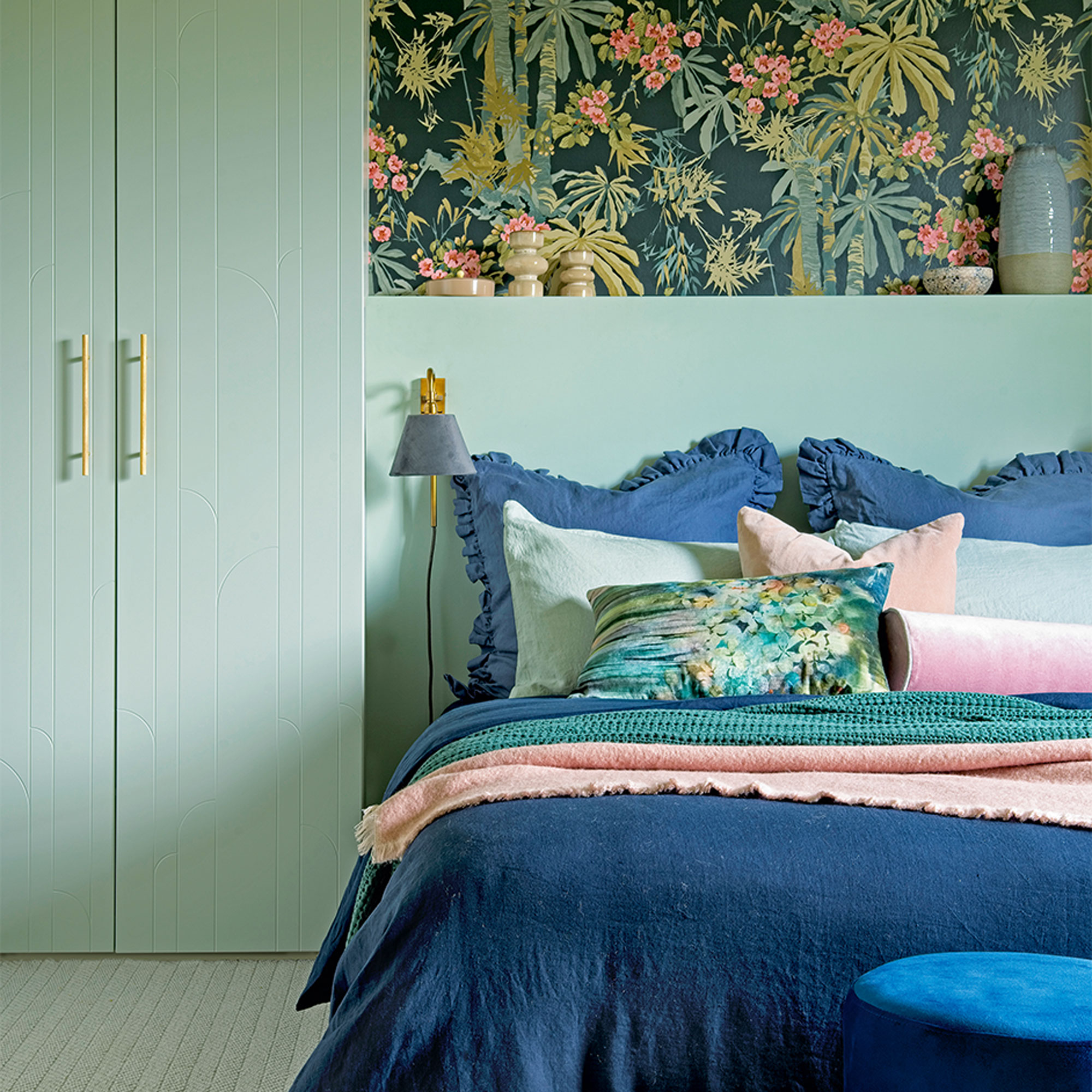
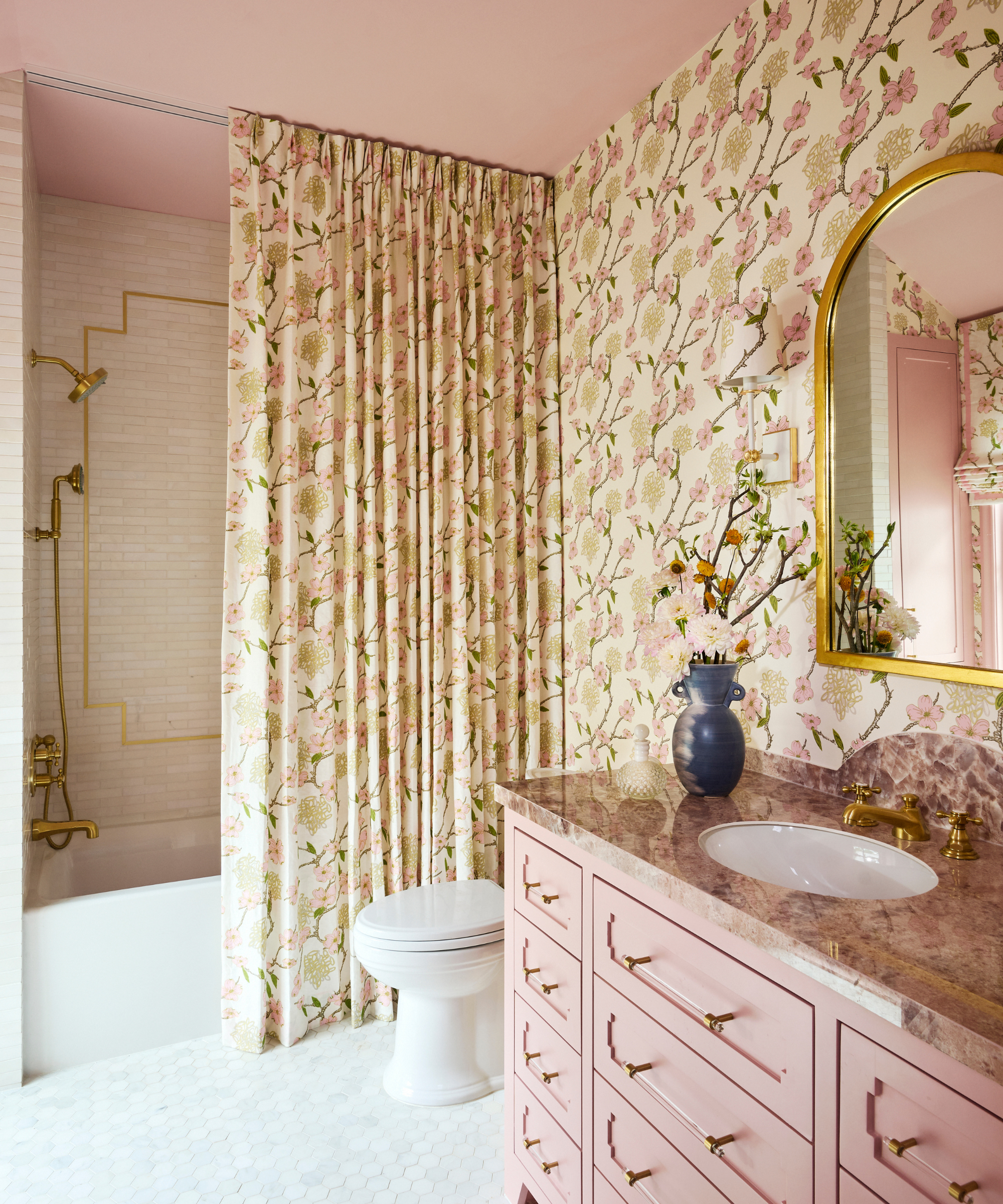
Color drenching is versatile and suitable for almost any room, particularly smaller, enclosed spaces like foyers, powder rooms, or kitchen pantries. In these areas, the technique can make rooms feel larger by blurring boundaries and is effective in embracing low-light conditions to create cozy, intimate atmospheres. The concept extends beyond paint to include soft furnishings and decor, where matching or complementary tones in textiles and accessories can further enhance the monochromatic scheme.
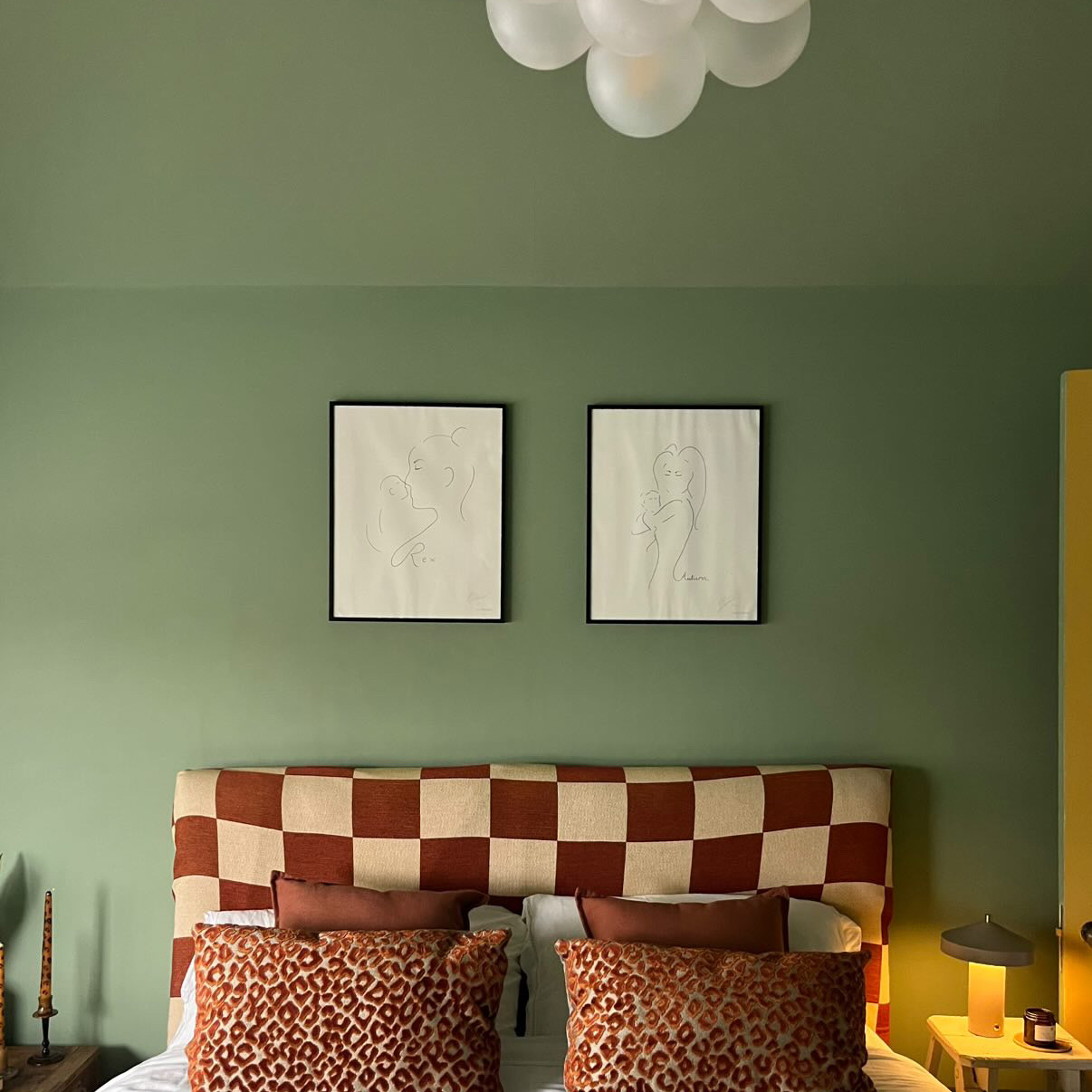
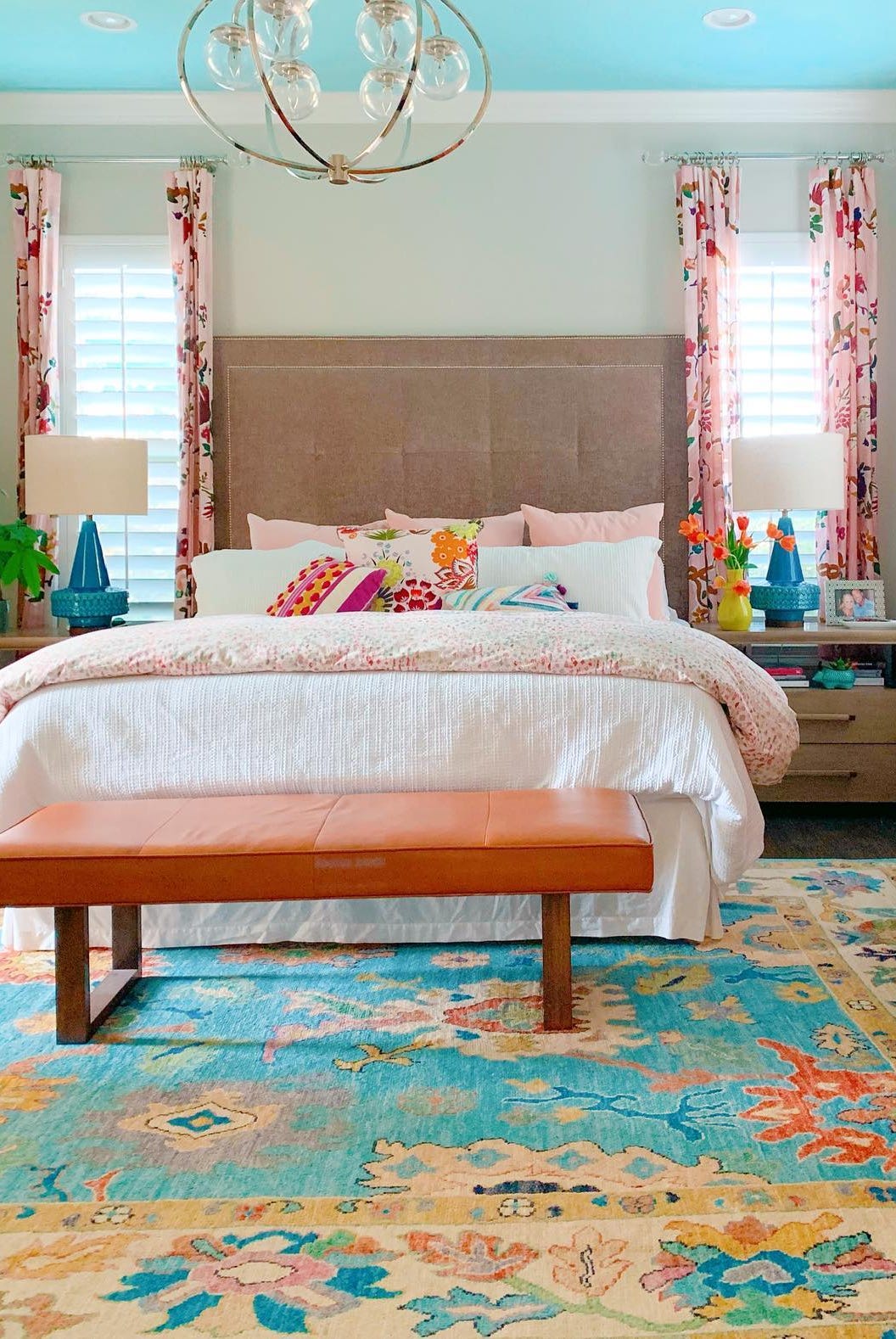
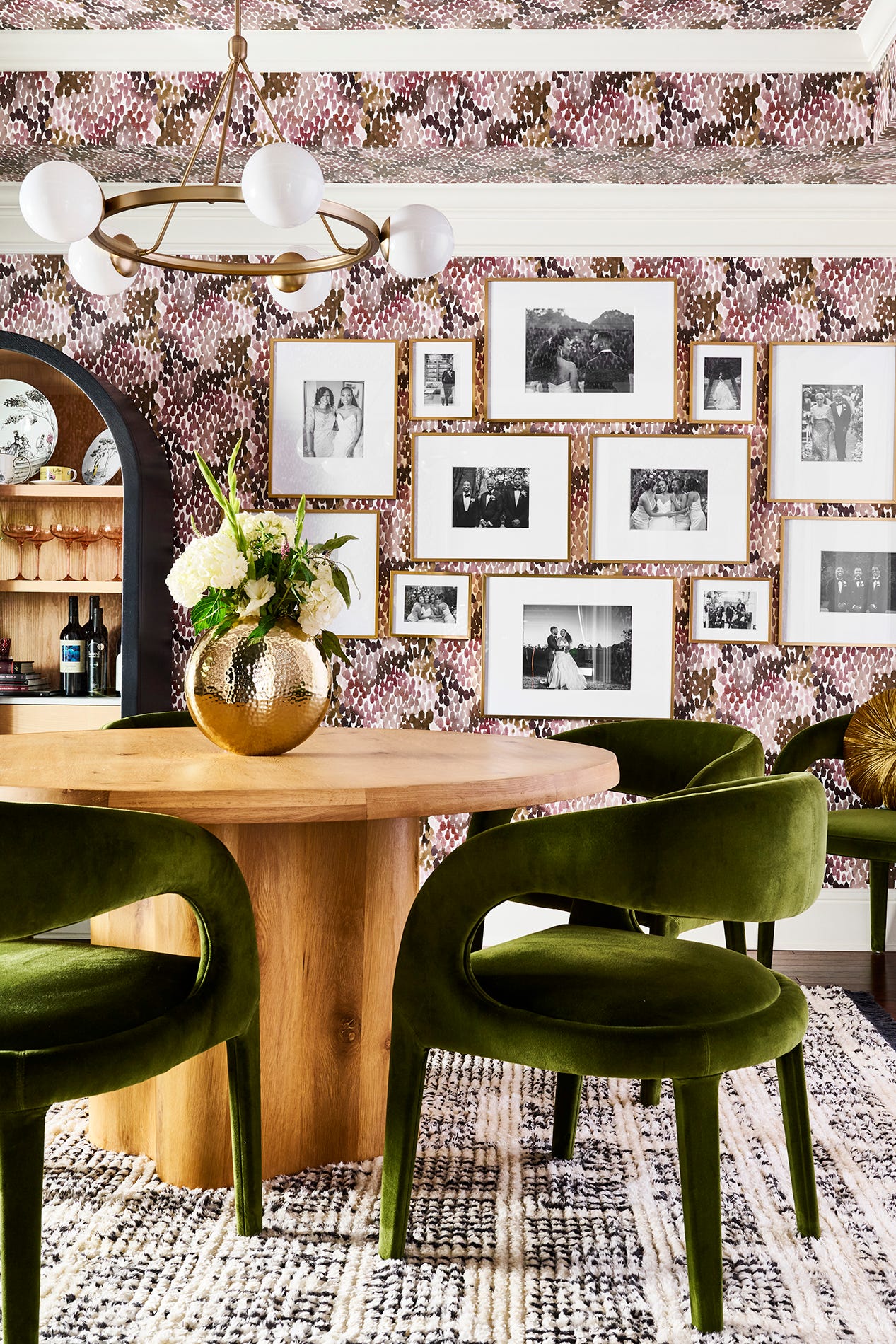
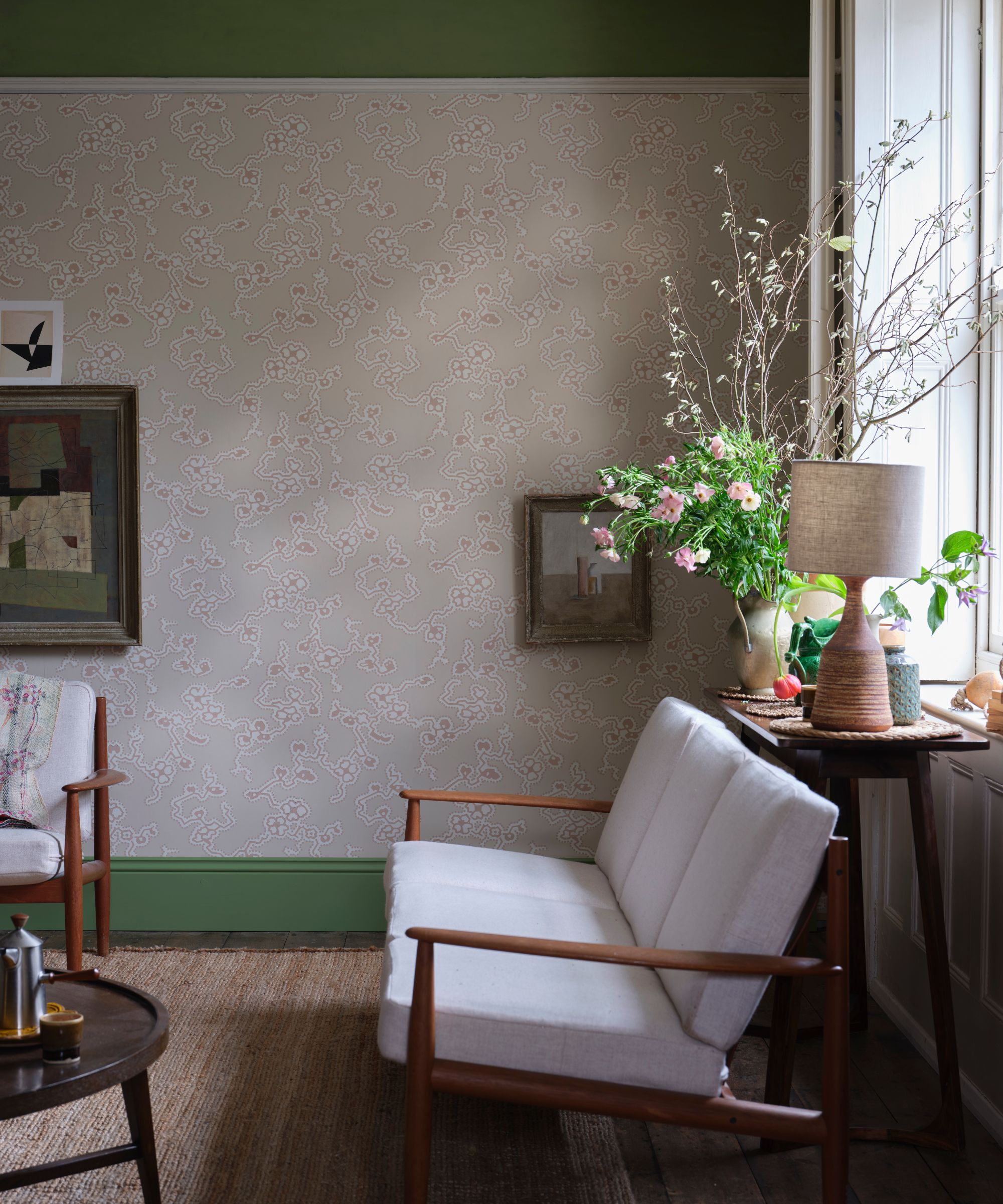
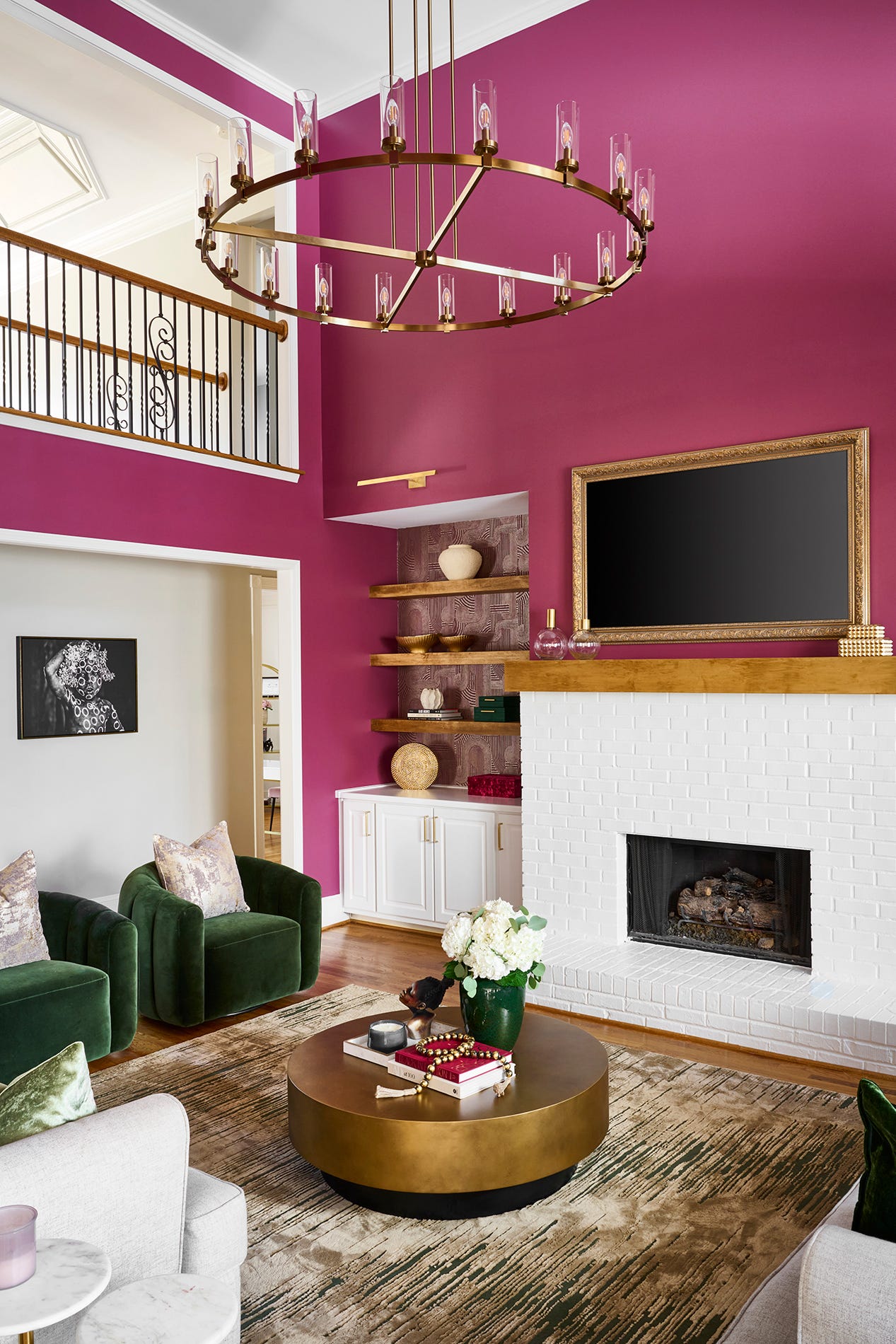
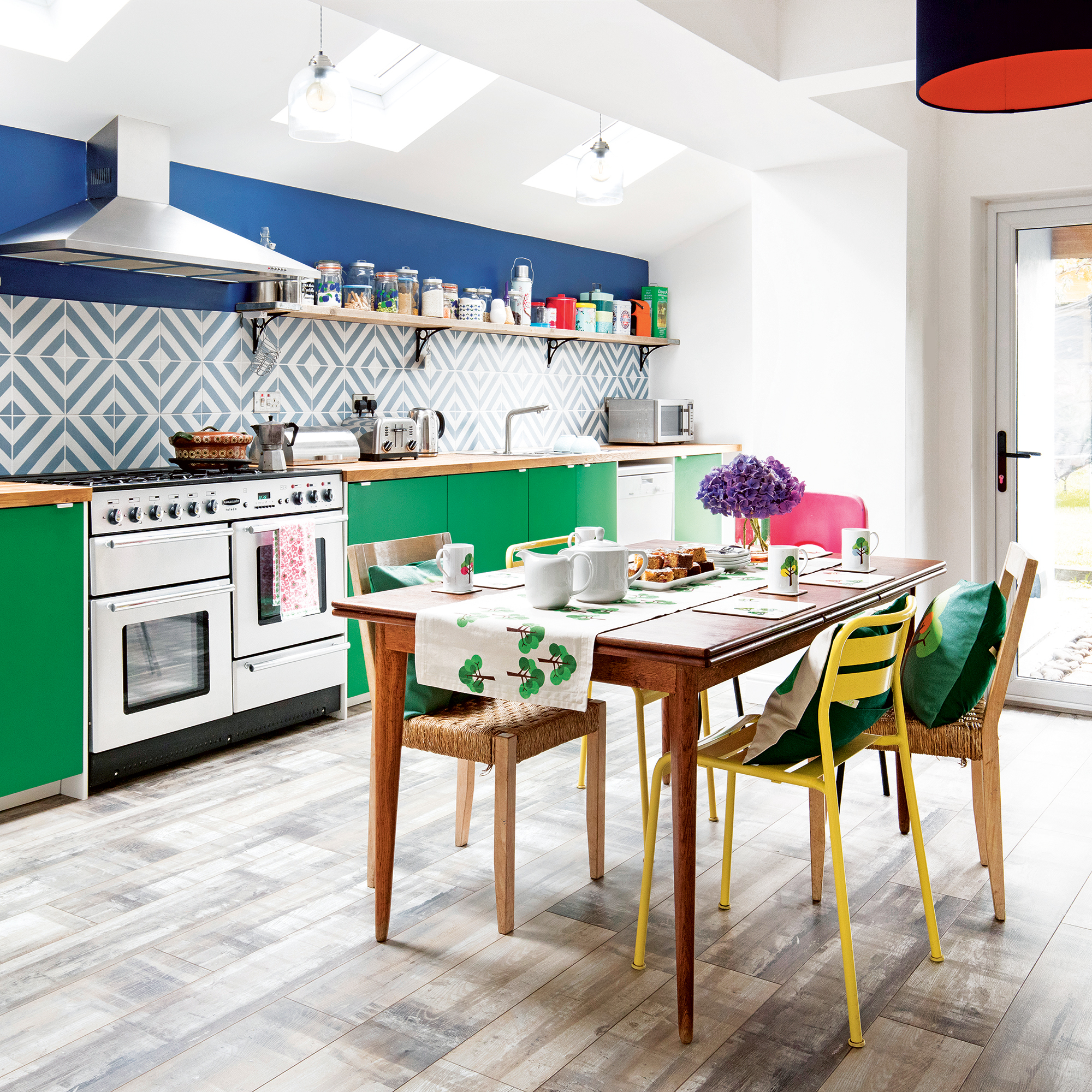
Styling a color-drenched room involves either maintaining the tone-on-tone approach with similar colors in decor or introducing contrasting elements to add visual interest. Designers suggest drenching the largest surfaces and then strategically adding furniture or accent pieces in complementary 'clashing colors' to provide contrast without disrupting the overall cohesive feel. This method offers a softer alternative to accent walls, making spaces feel cozier and more expansive, even in compact areas.
#ColorDrenching #InteriorDesign #PaintTrends #MonochromaticScheme #HomeDecor #PaintColors #DesignTips #SpaceMaximization #ColorDrenching #InteriorDesign #PaintTrends #MonochromaticScheme #HomeDecor #PaintColors #DesignTips #SpaceMaximization
0 تعليق إجمالاً
 لا توجد تعليقات بعد
قد تعجبك أيضًا
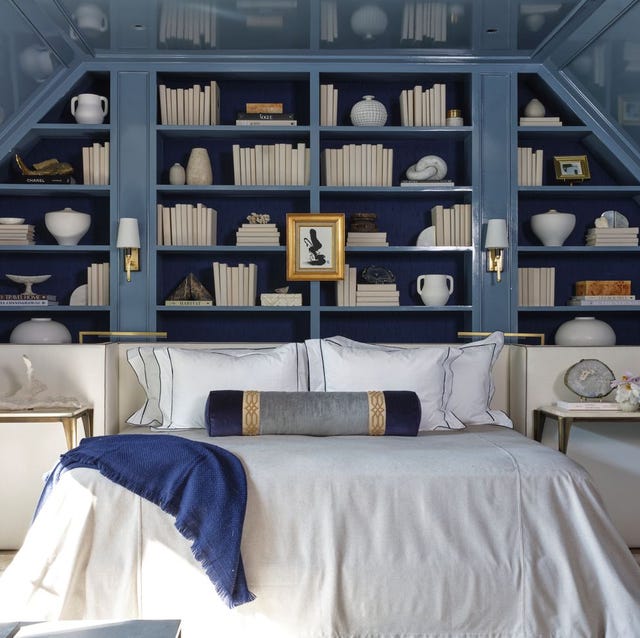
The Color Drenching Paint Trend Isn't Going Anywhere

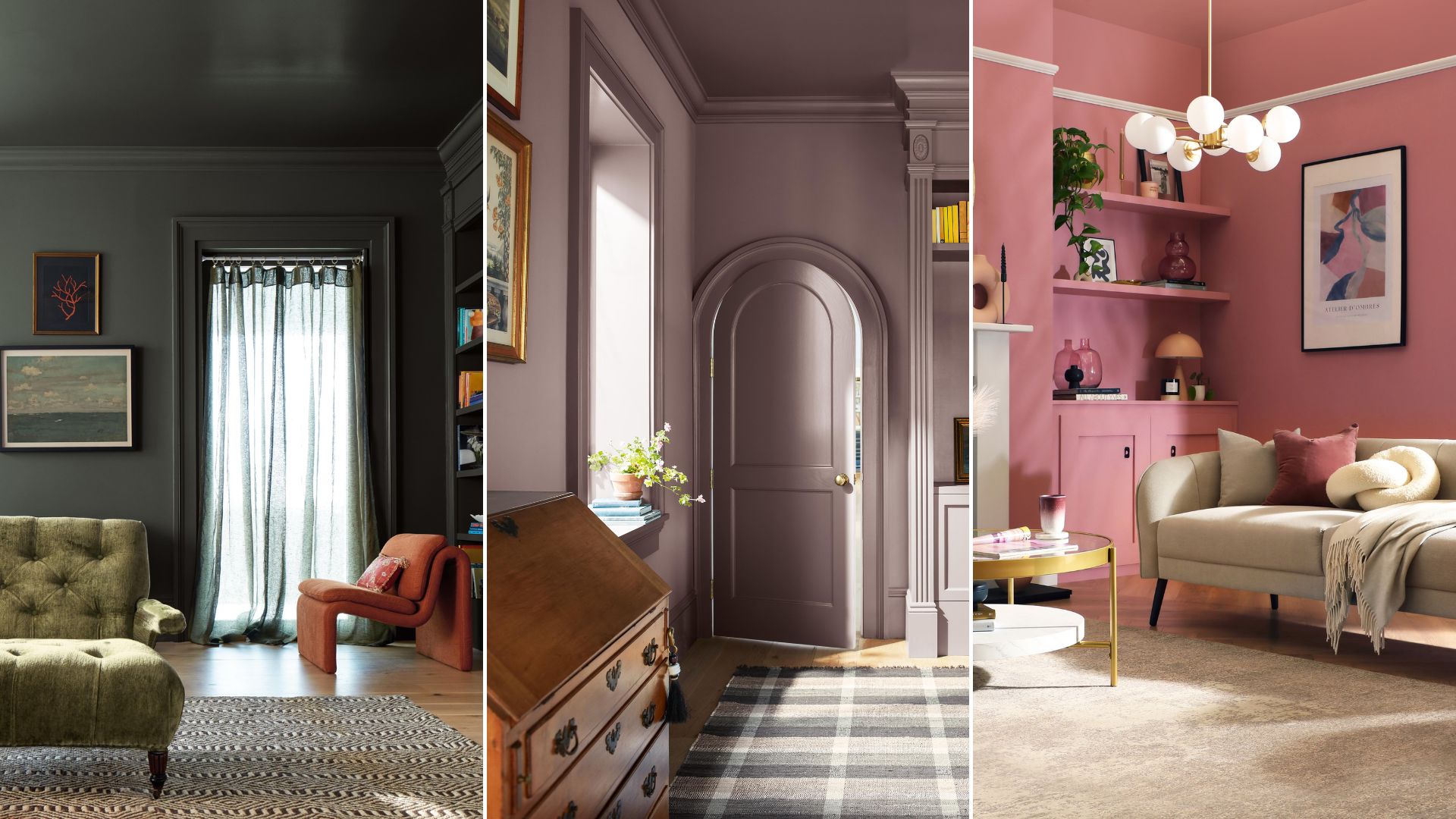
Experts explain the 'colour drenching' trend – sharing 7 thoughtful ways to try it in your home

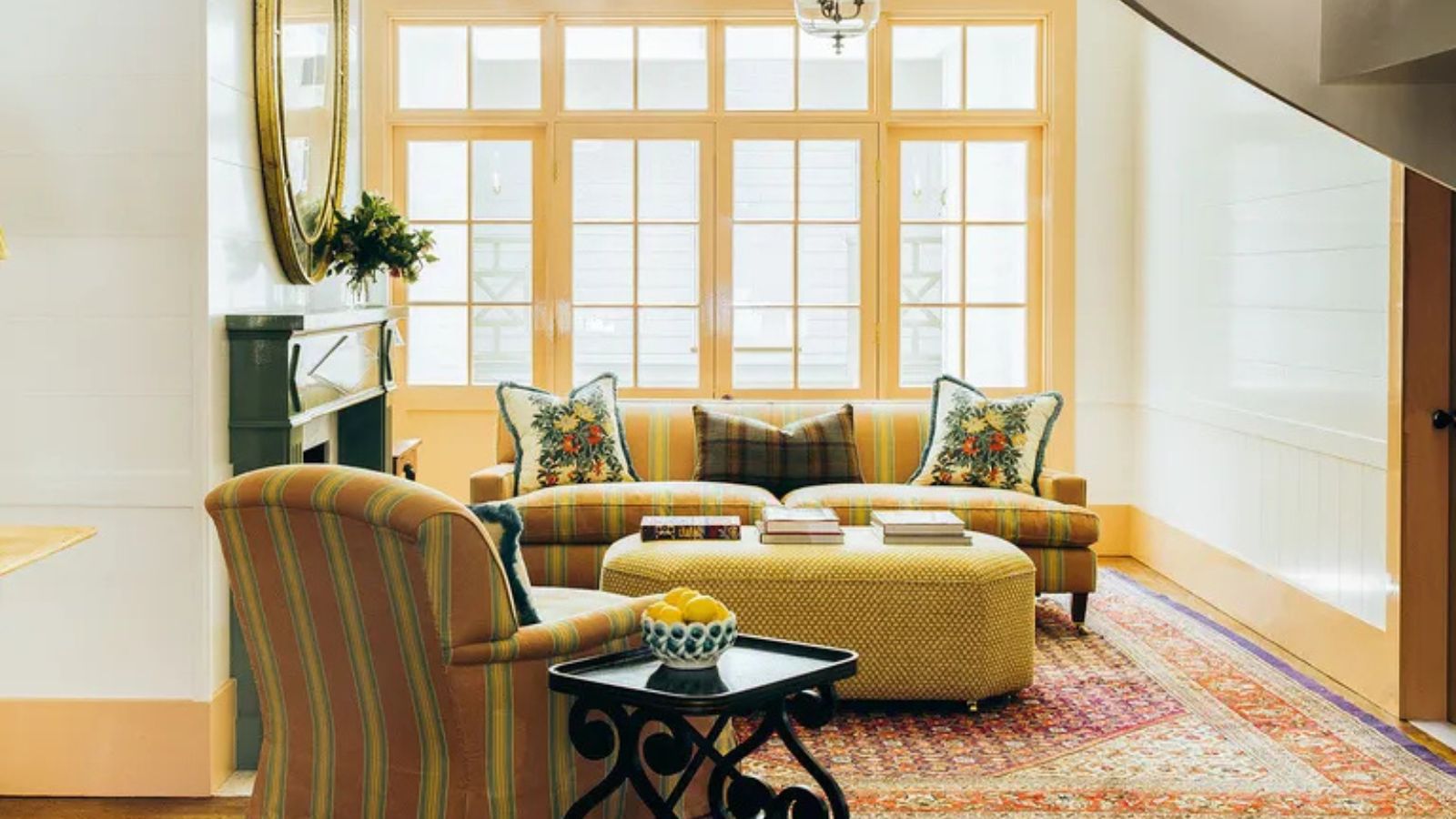
What the unexpected fashion trick, the 'Sandwich Method', taught me about decorating with color in my home

Say Goodbye to Neutrals: Color-Drenching Will Define 2026 Interiors

How to transform your rooms with colour drenching
12 Color Schemes That Are Popping Off Right Now, According to Designers
Color Drenching Is the Bold Paint Trend Taking Over—Here’s How to Nail It
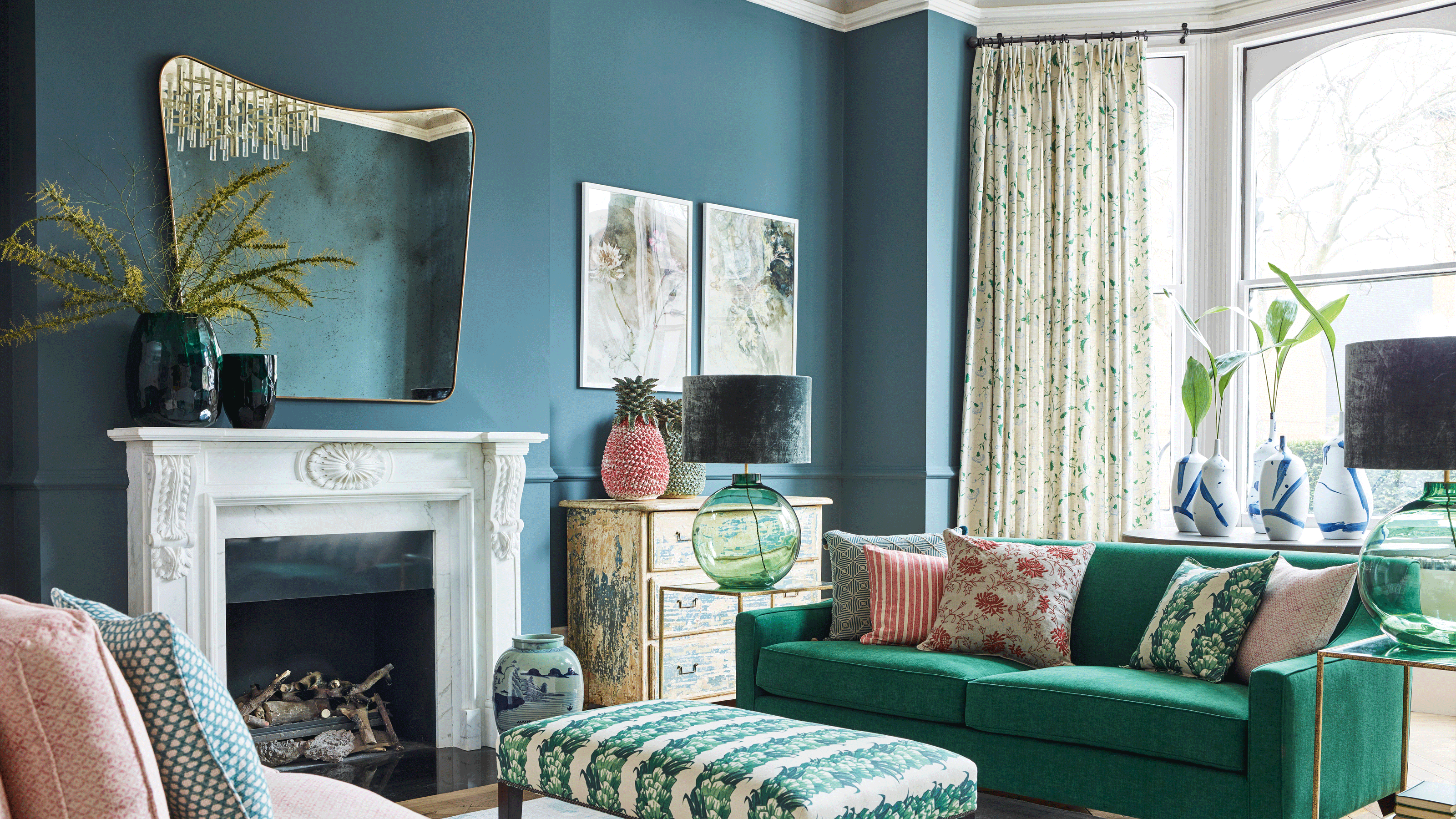
6 rooms that demonstrate why blue and green are this year's coolest colour pairing
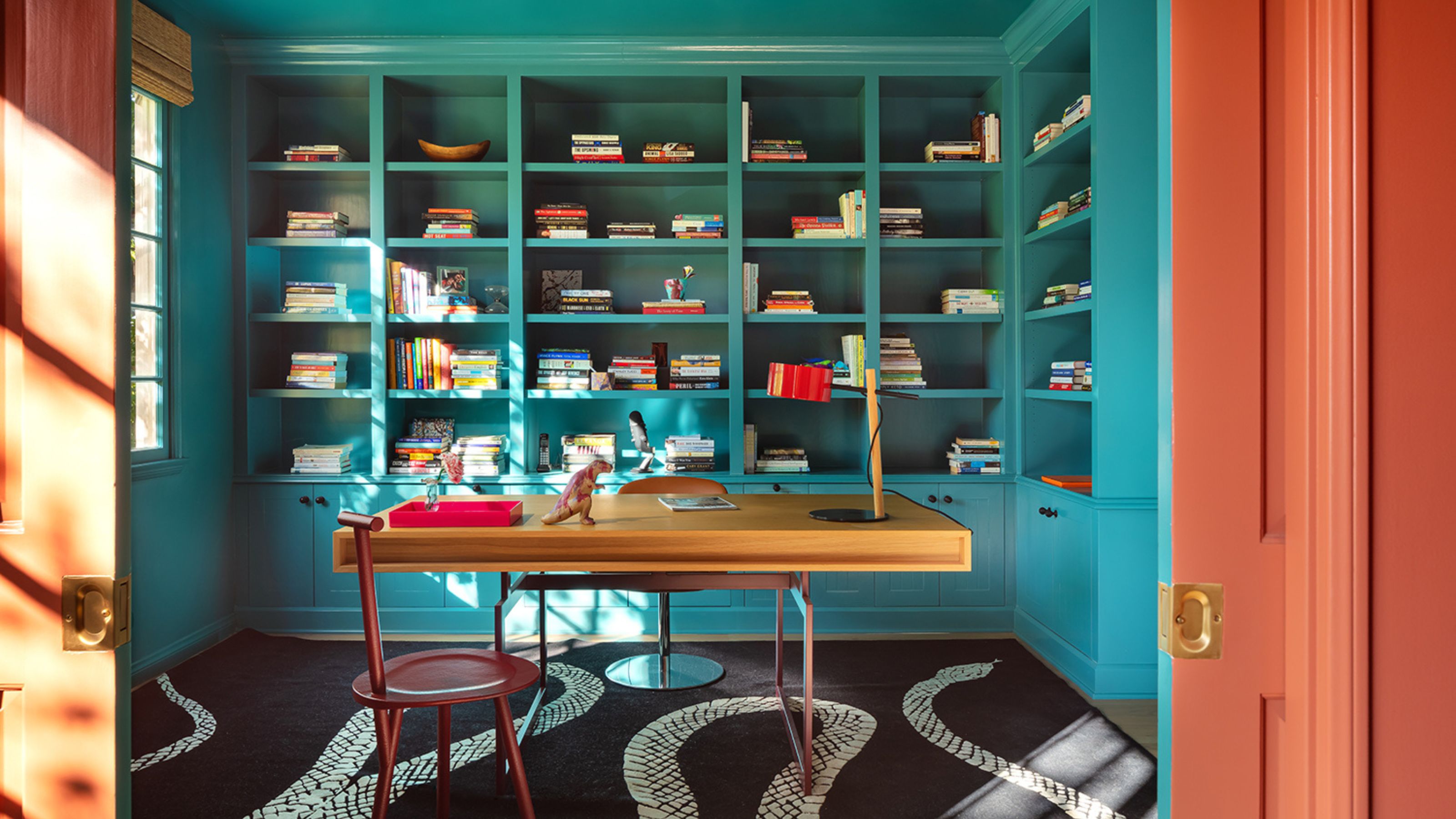
Should You Paint Ceilings and Walls the Same Color? Experts Give Their Verdict
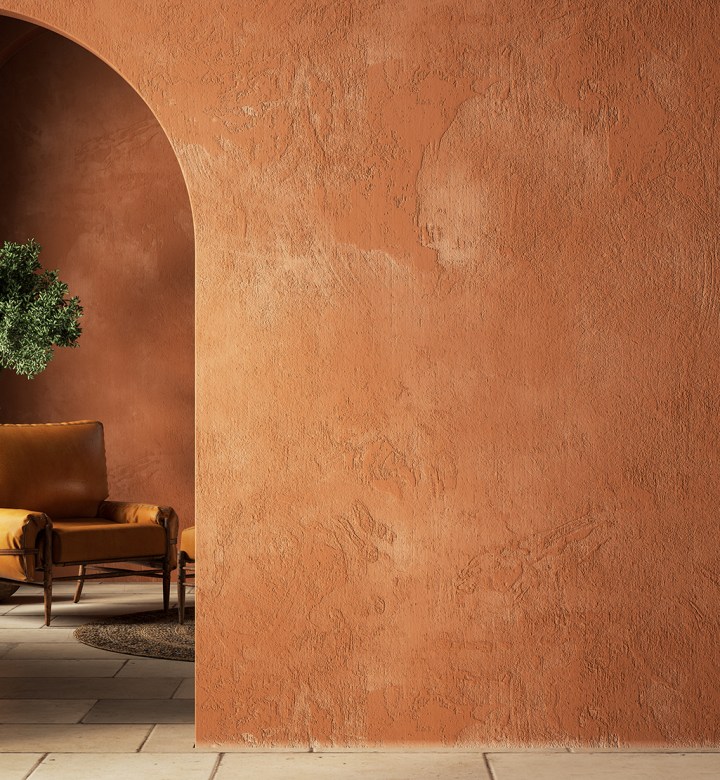
Color Drenching Might Be Everywhere, But My Mom’s Been Doing It Since the ’90s
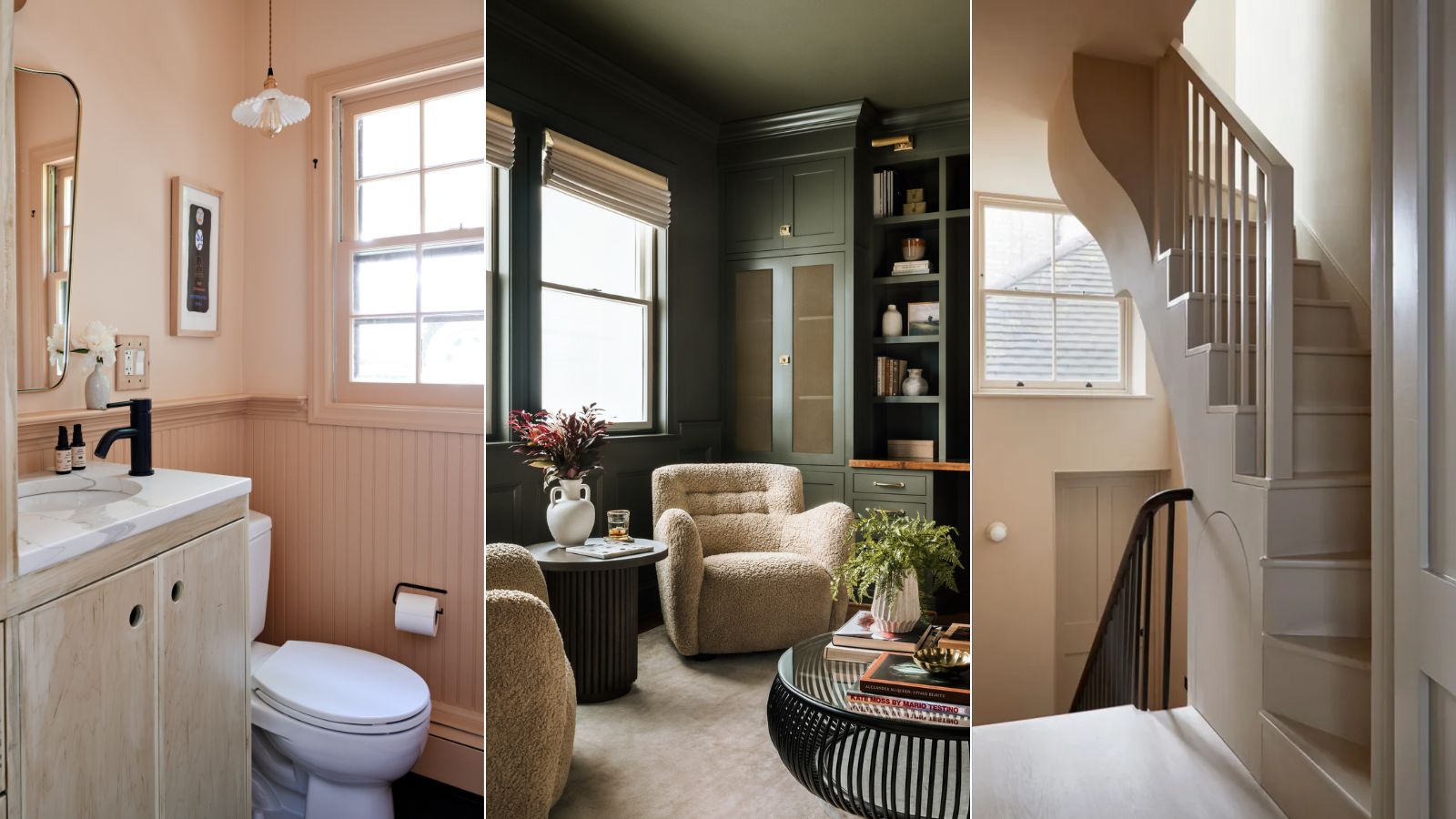
9 rooms that prove color drenching makes small spaces look bigger
Understanding colour blocking

10 Color Drenching Ideas That Highlight the Beauty of This Paint Trend
Here's How to Coordinate Paint Colors Throughout Your Home, so That It Looks Cohesive, Curated, but Still Creative
If you color drench any room make it this one
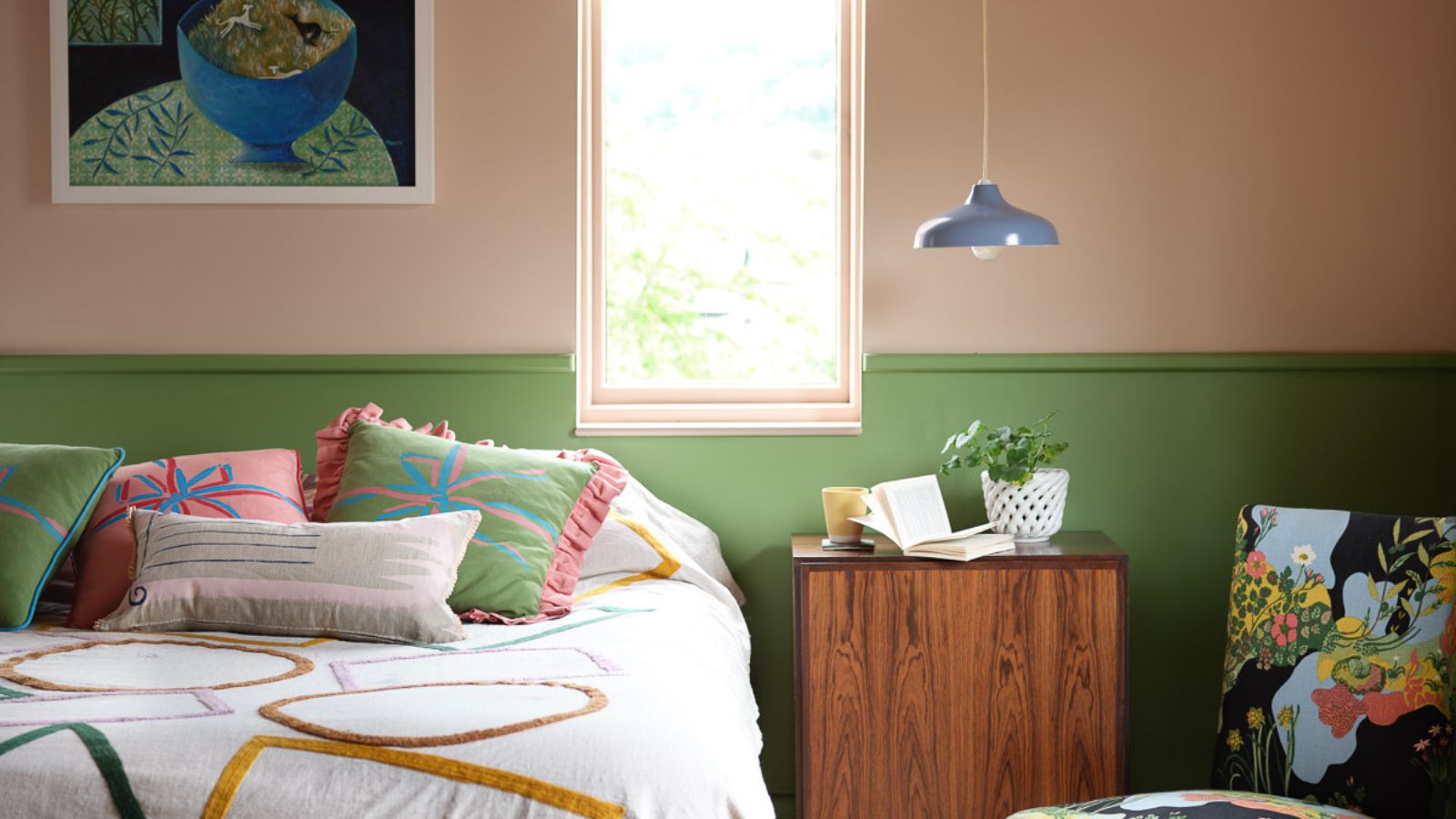
Move over color drenching, ‘color capping’ is the chic new tonal technique you’ll be seeing everywhere this fall
Is colour drenching really a radical new way to decorate, or is it just lazy decorating?
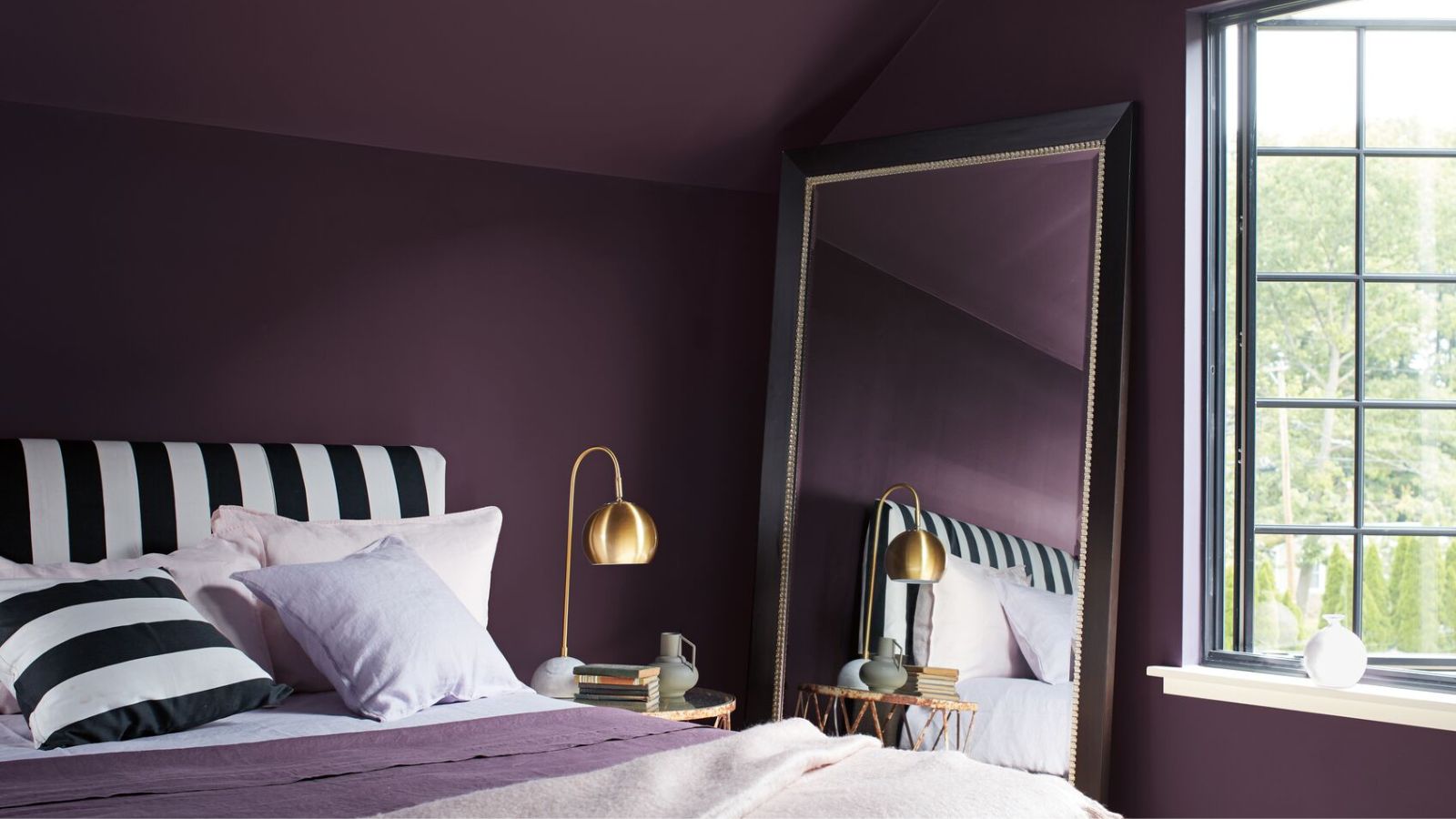
5 rooms that prove color drenching your bedroom is a good idea
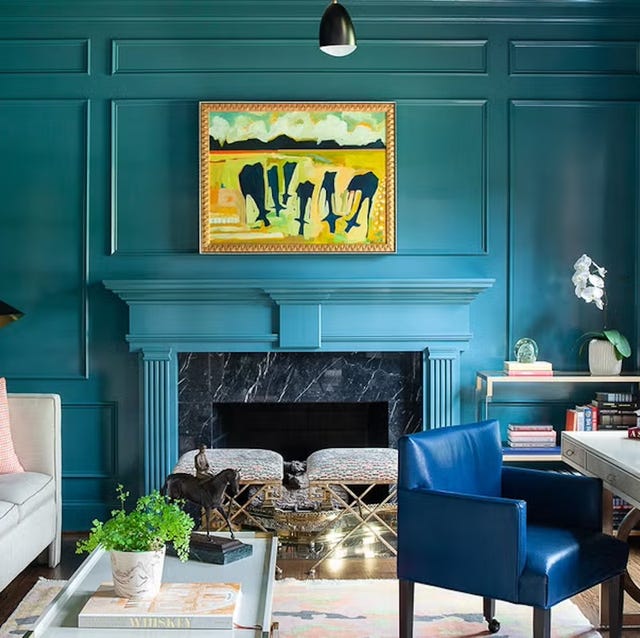
The 60 Most Popular Living Room Paint Colors Right Now


How To Choose The Right Paint Color For Your Home, According To An Interior Design Expert