1/18
5 Things You Should Be Lighting in Your Home to Make Your Rooms Look More Expensive
The way a room is illuminated profoundly impacts its aesthetic and emotional feel, transforming a space into something luxurious and memorable. Effective lighting design elevates a home’s ambiance, going beyond mere functionality to create an experience of effortless sophistication. Neglecting proper lighting can undermine even the most thoughtful interior design, making it crucial to understand and implement a strategic lighting scheme.
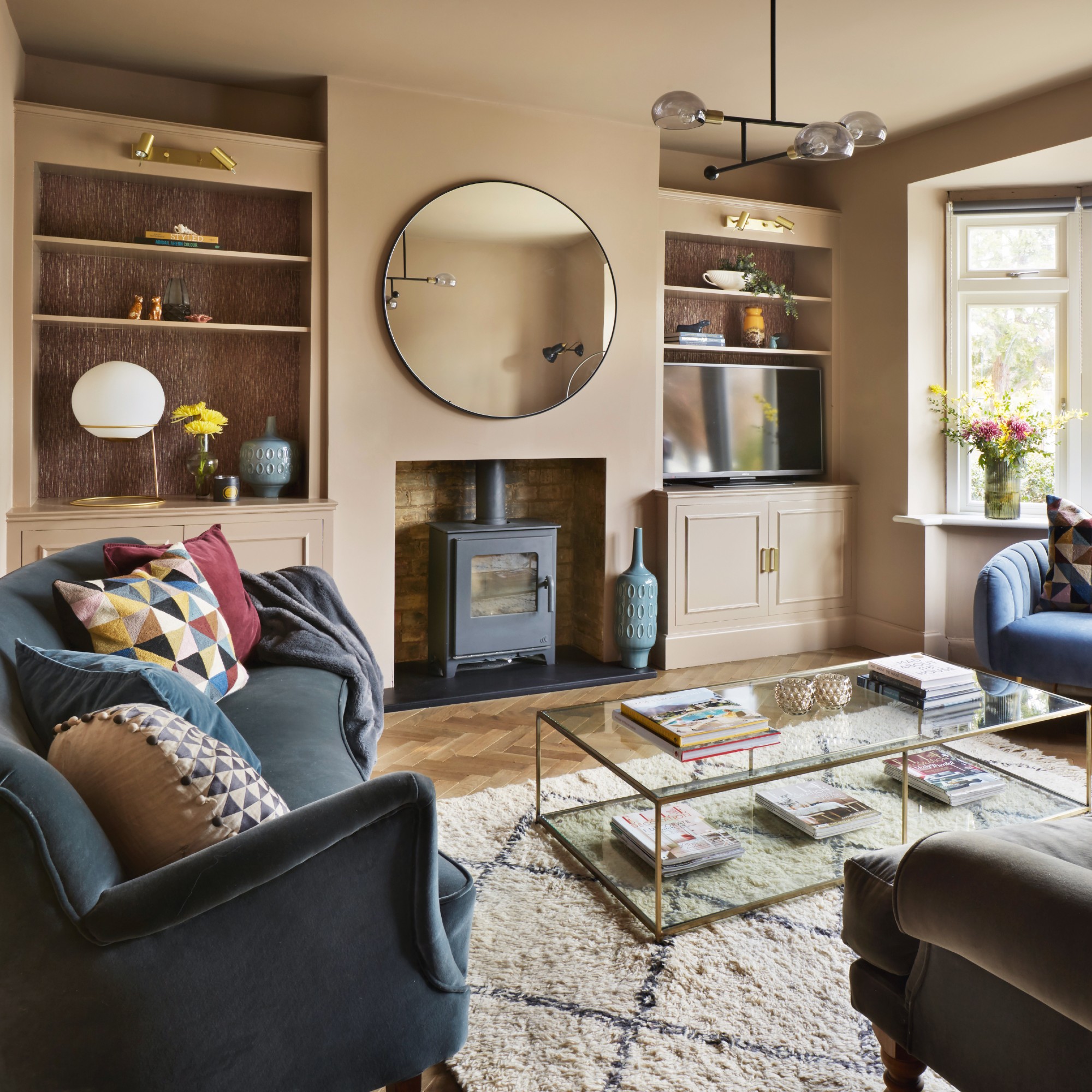
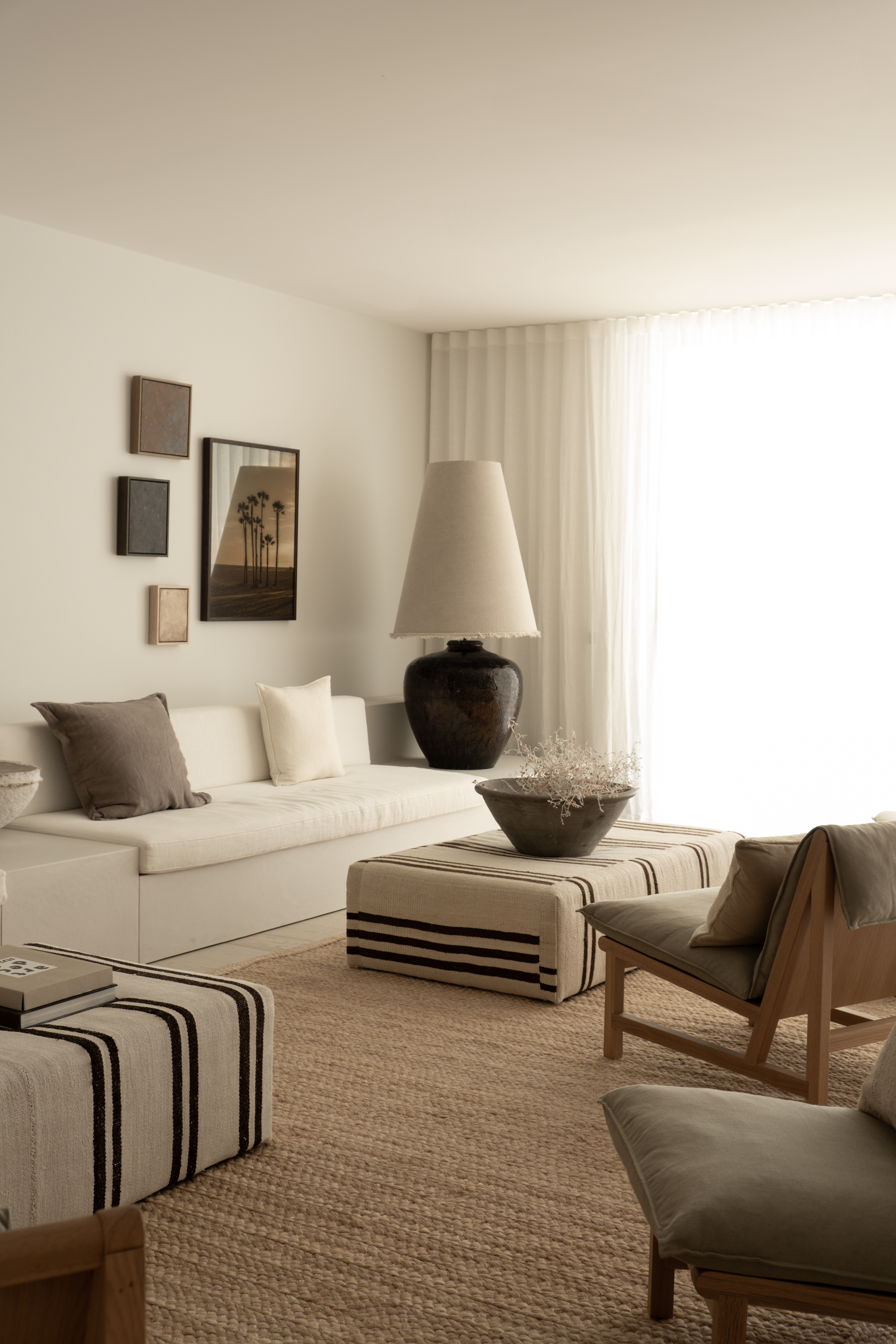
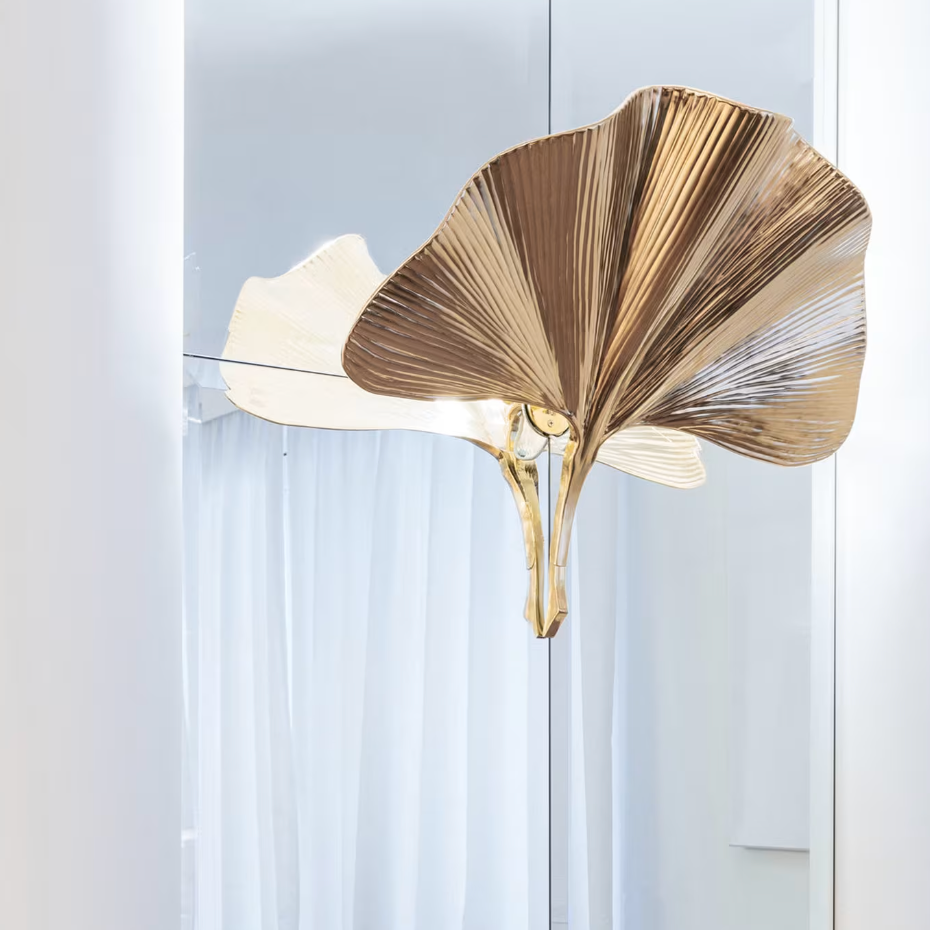
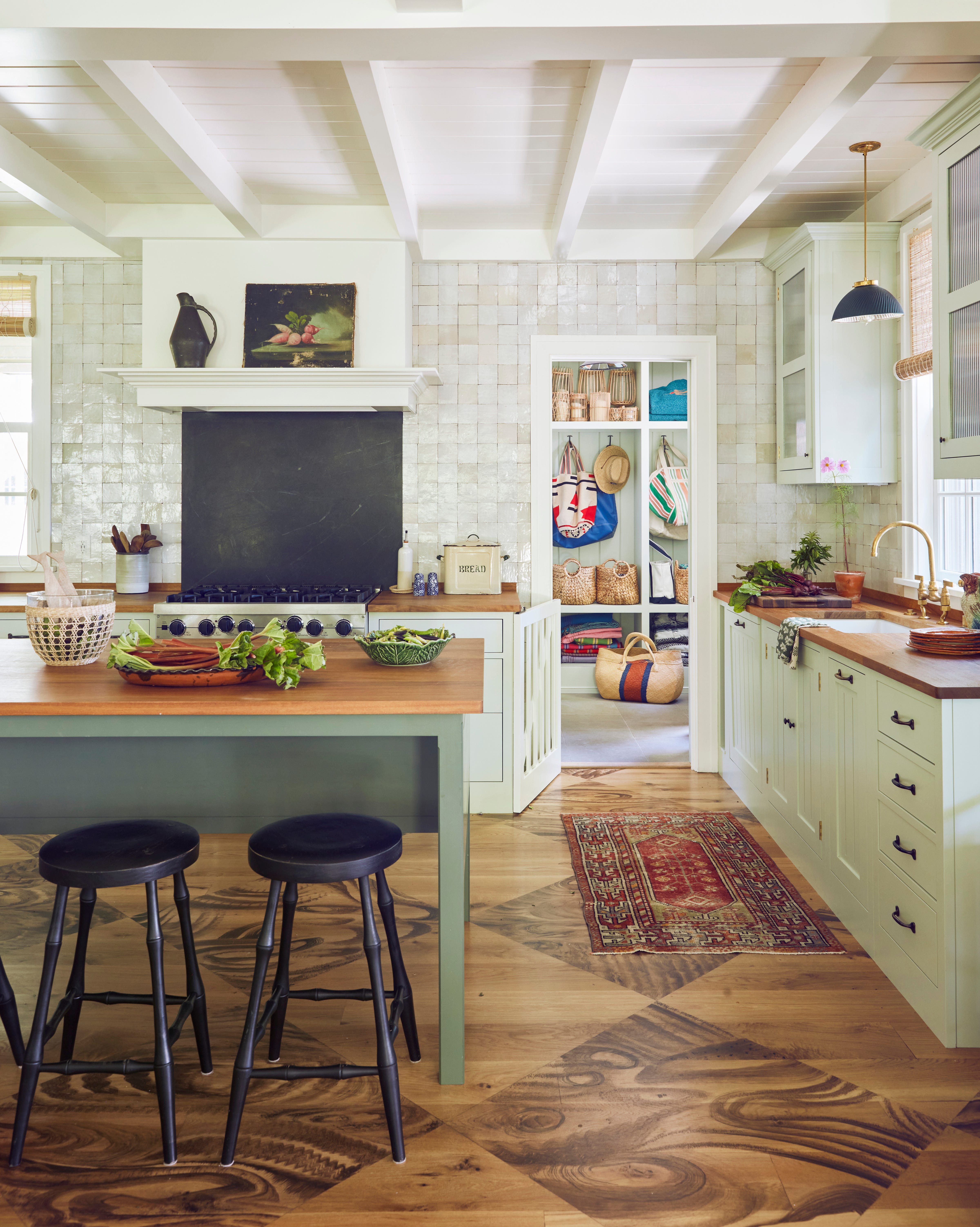
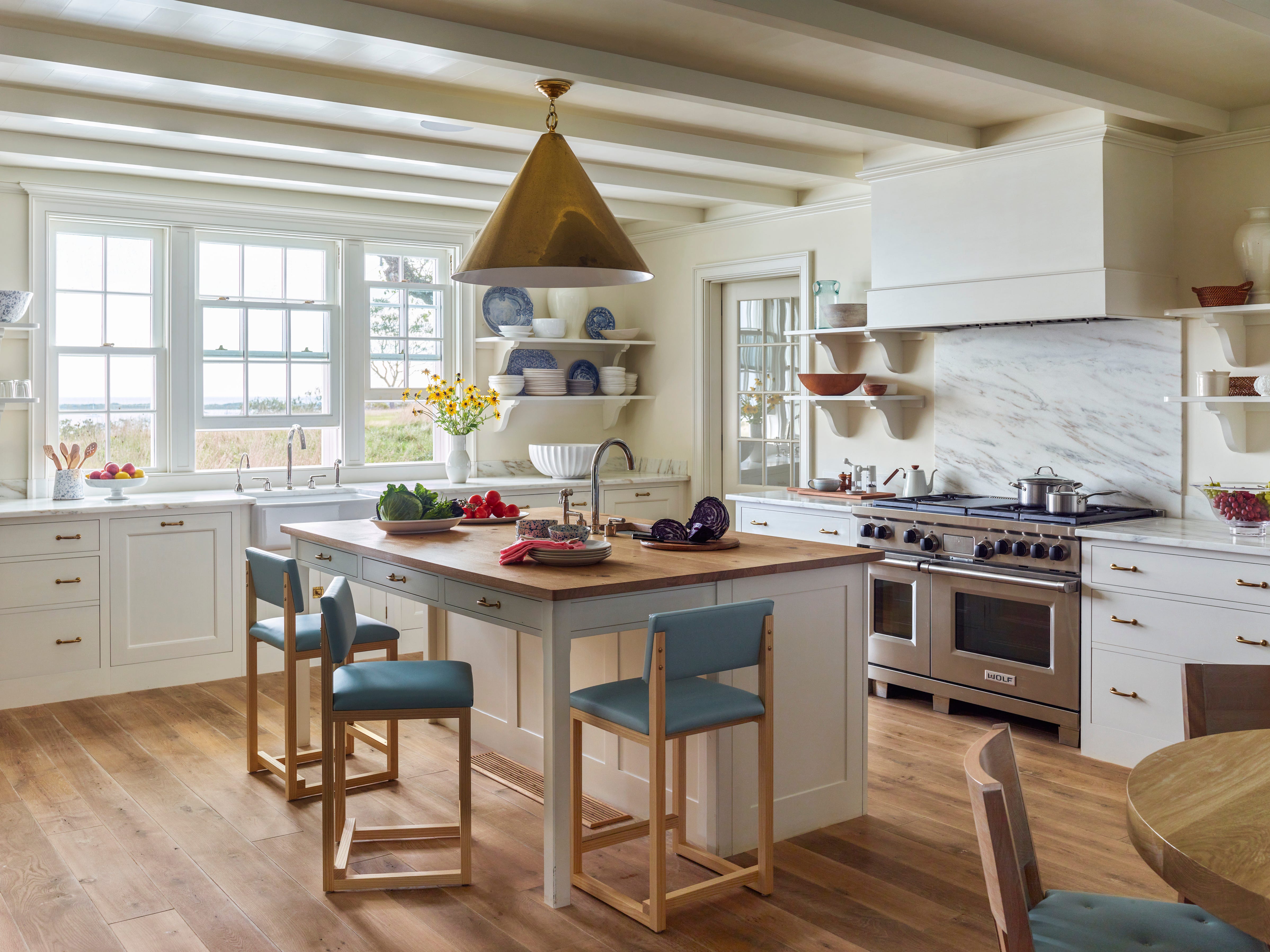
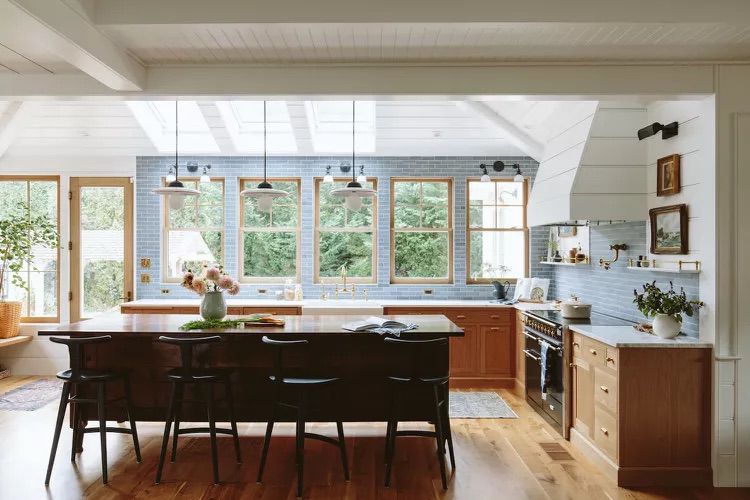
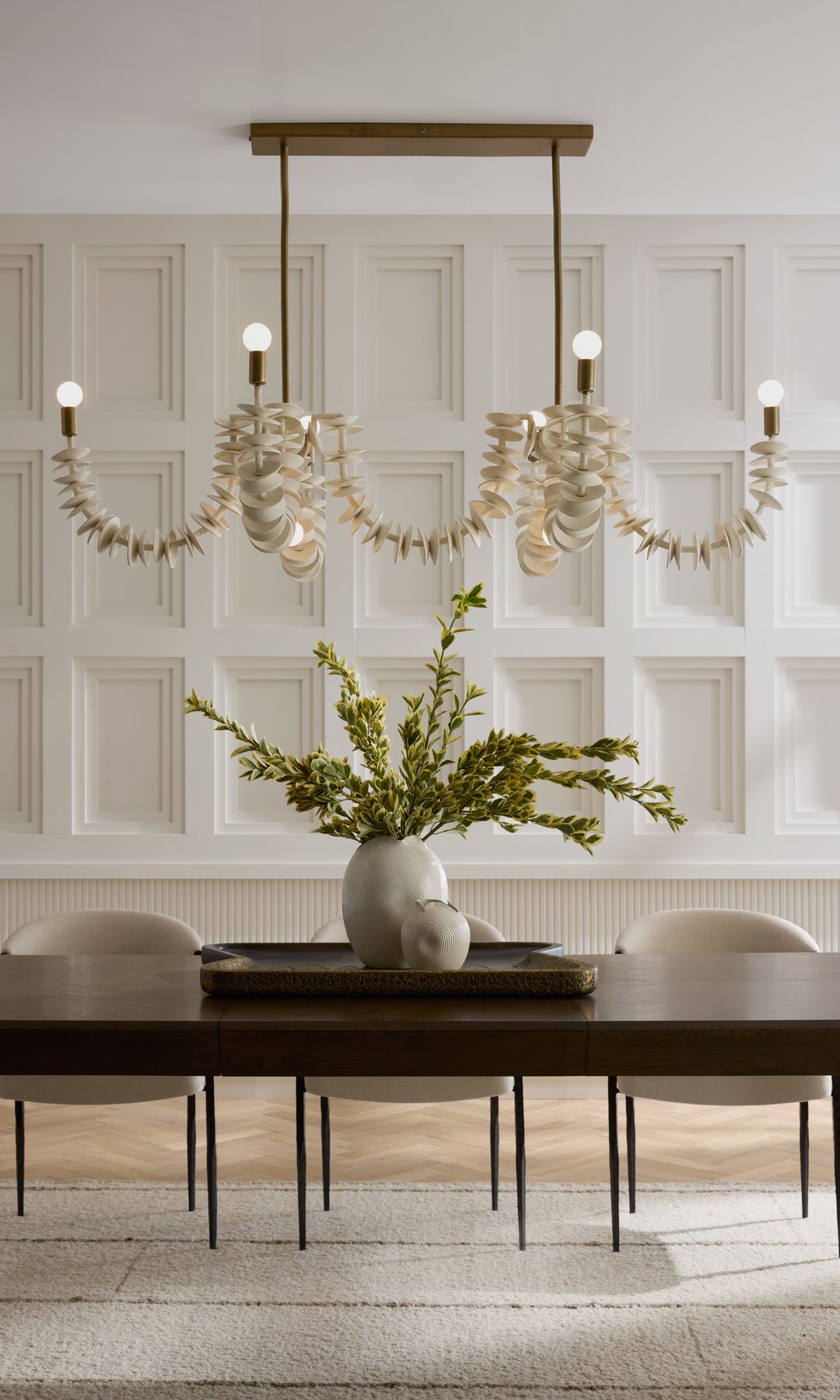
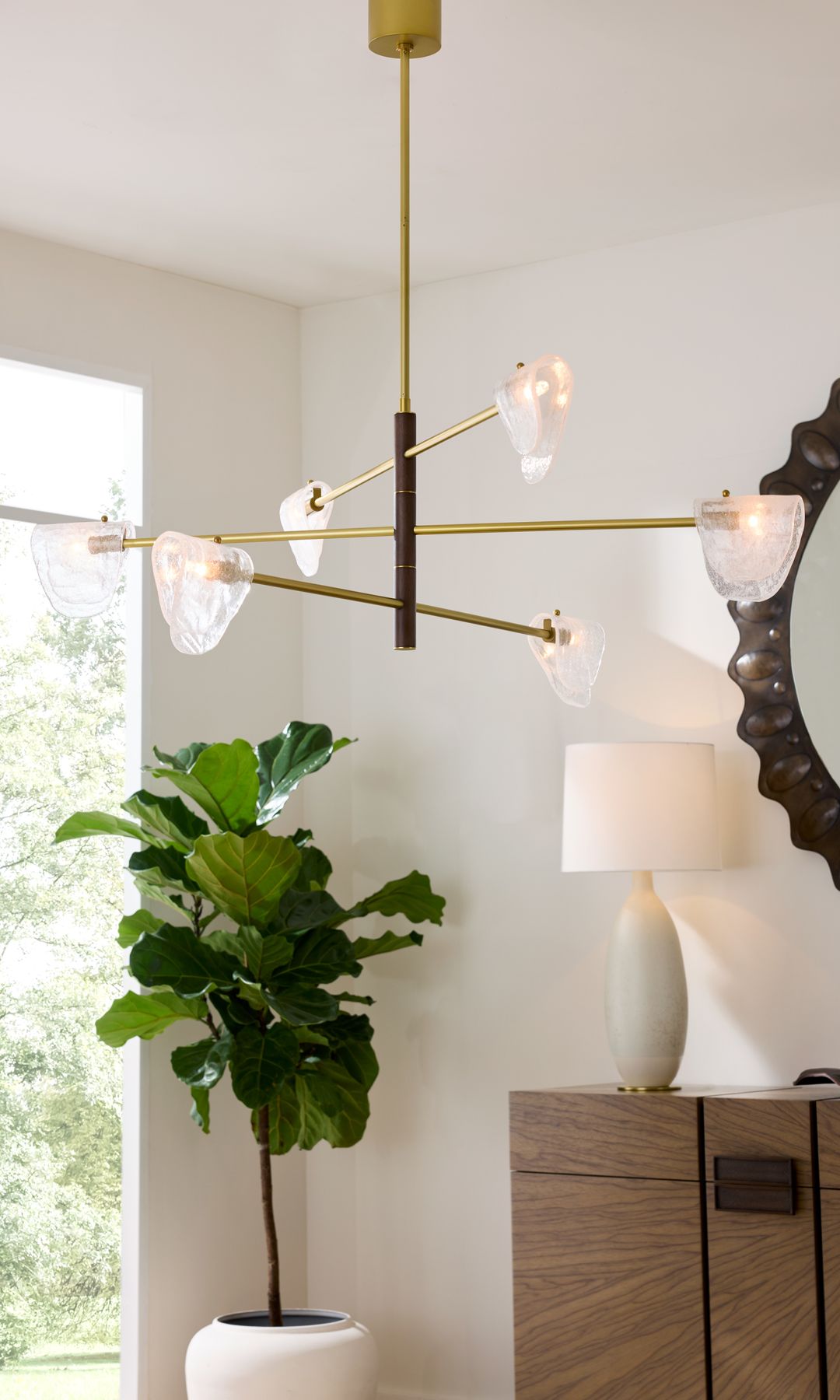
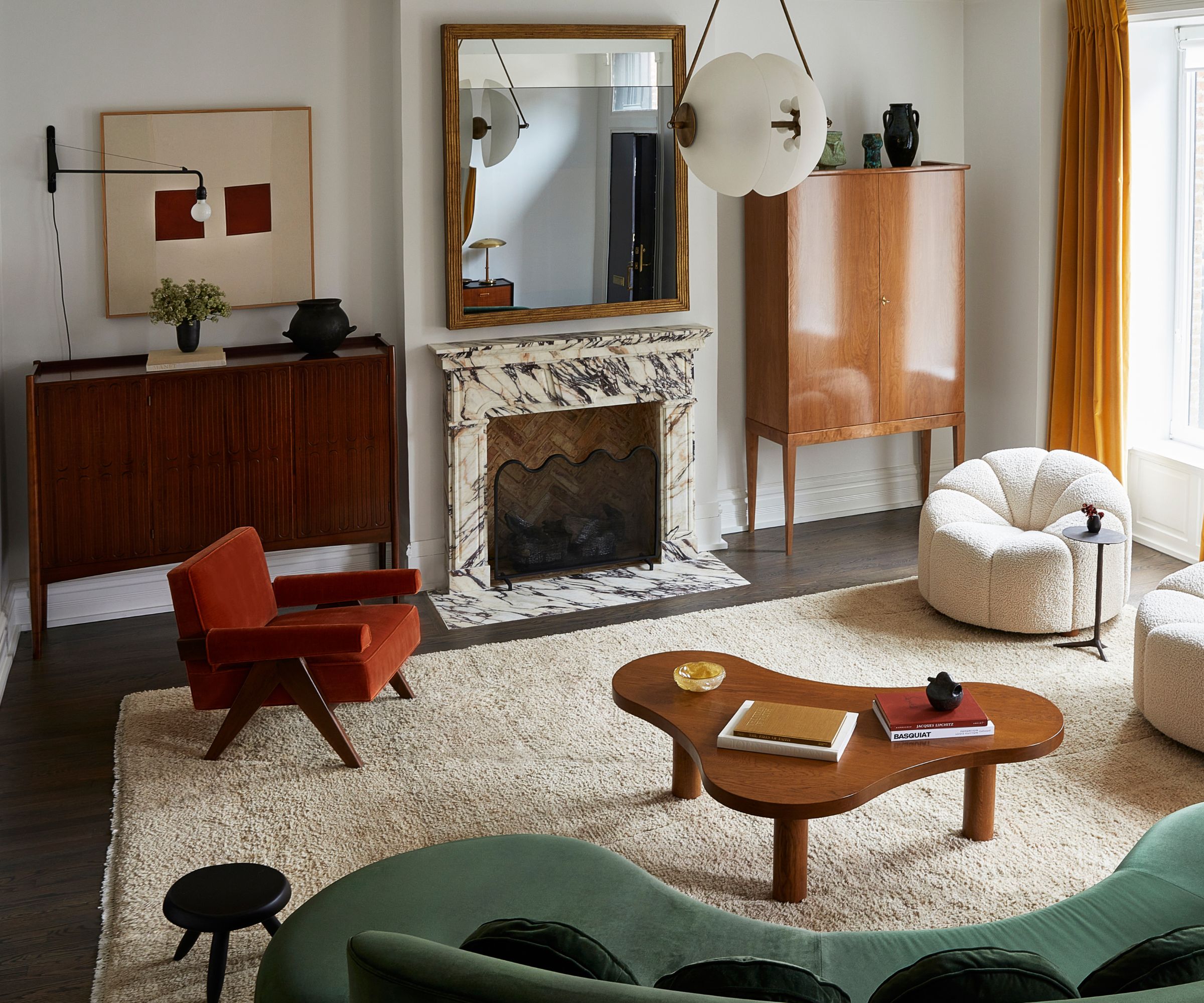
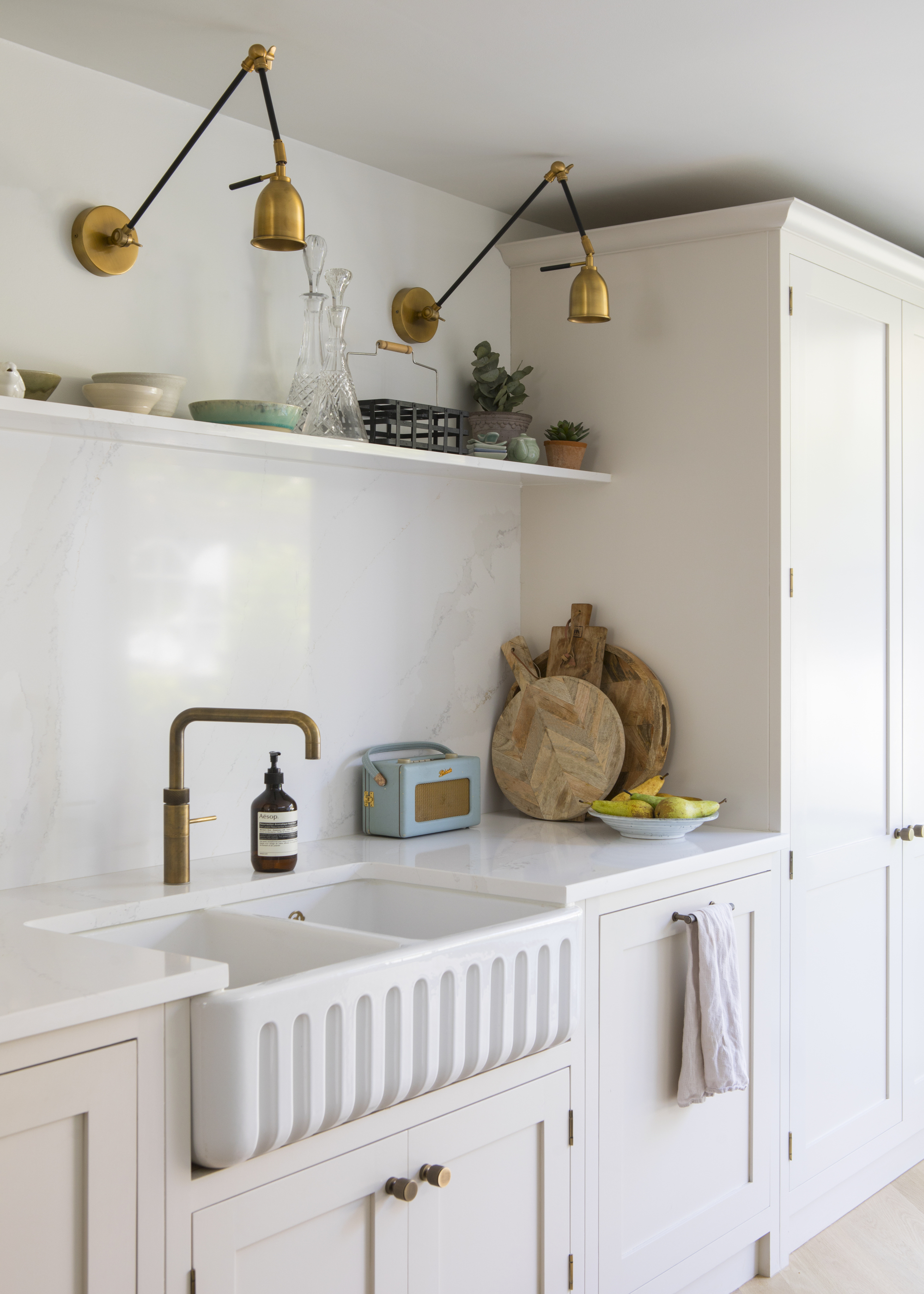
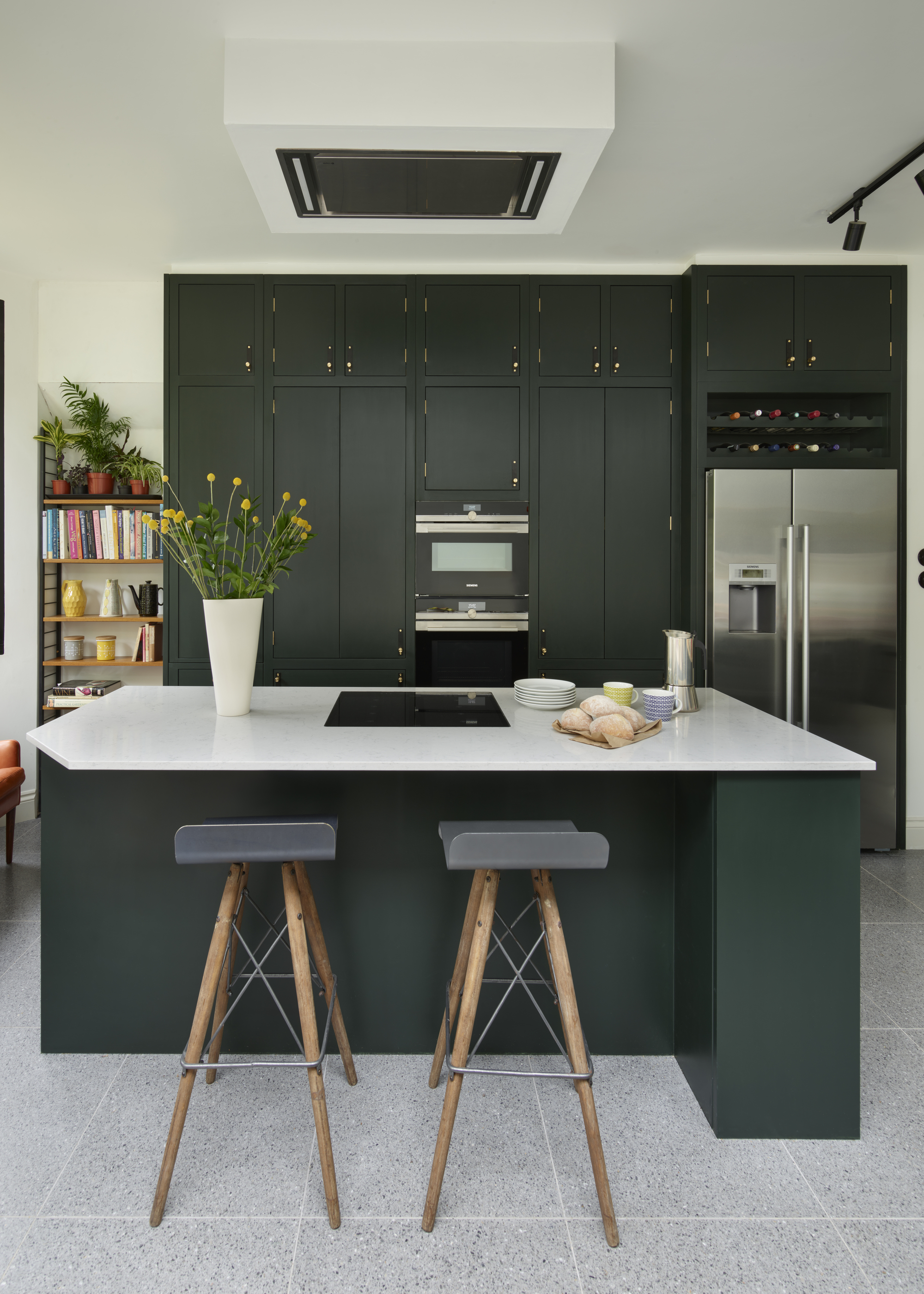
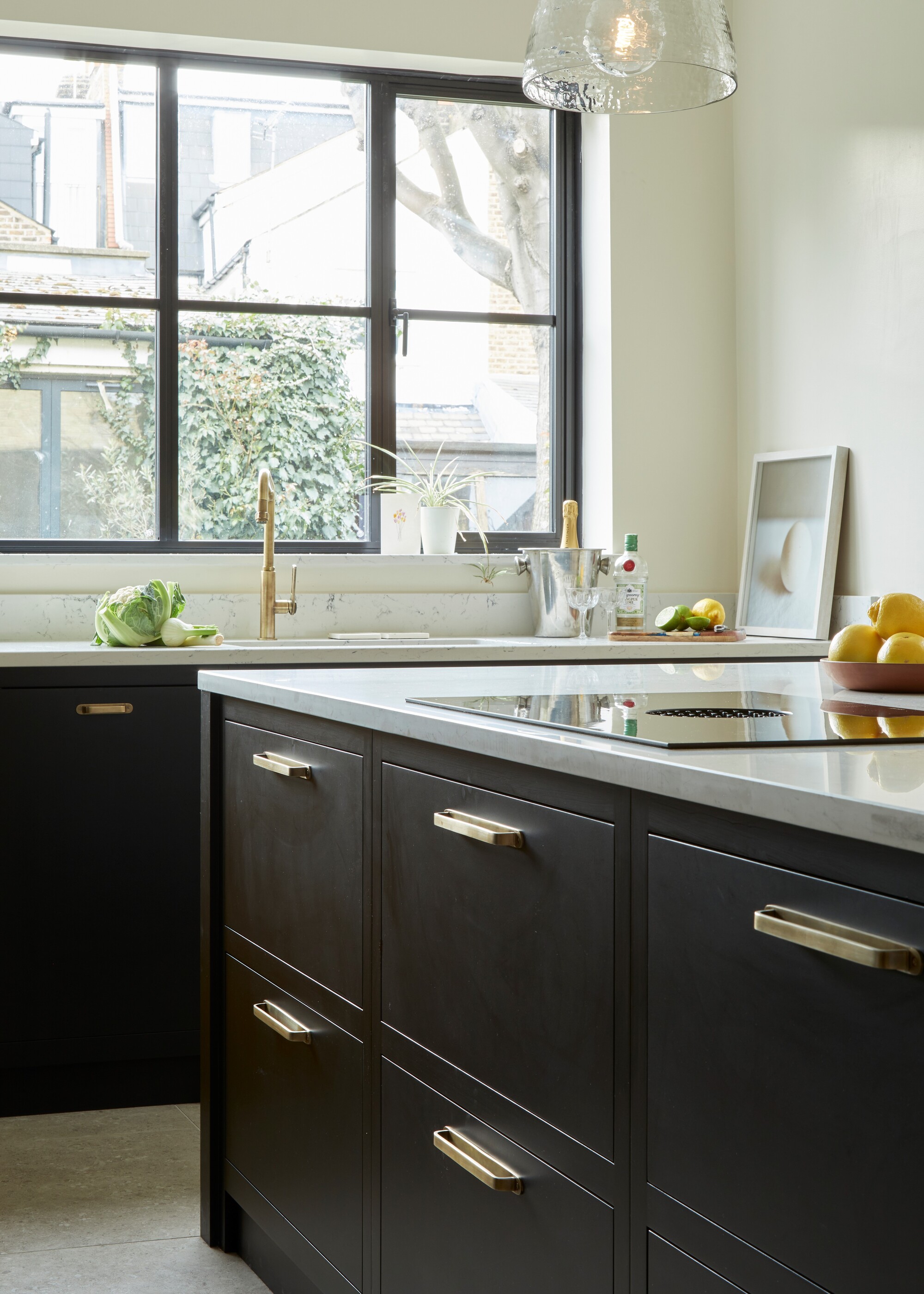
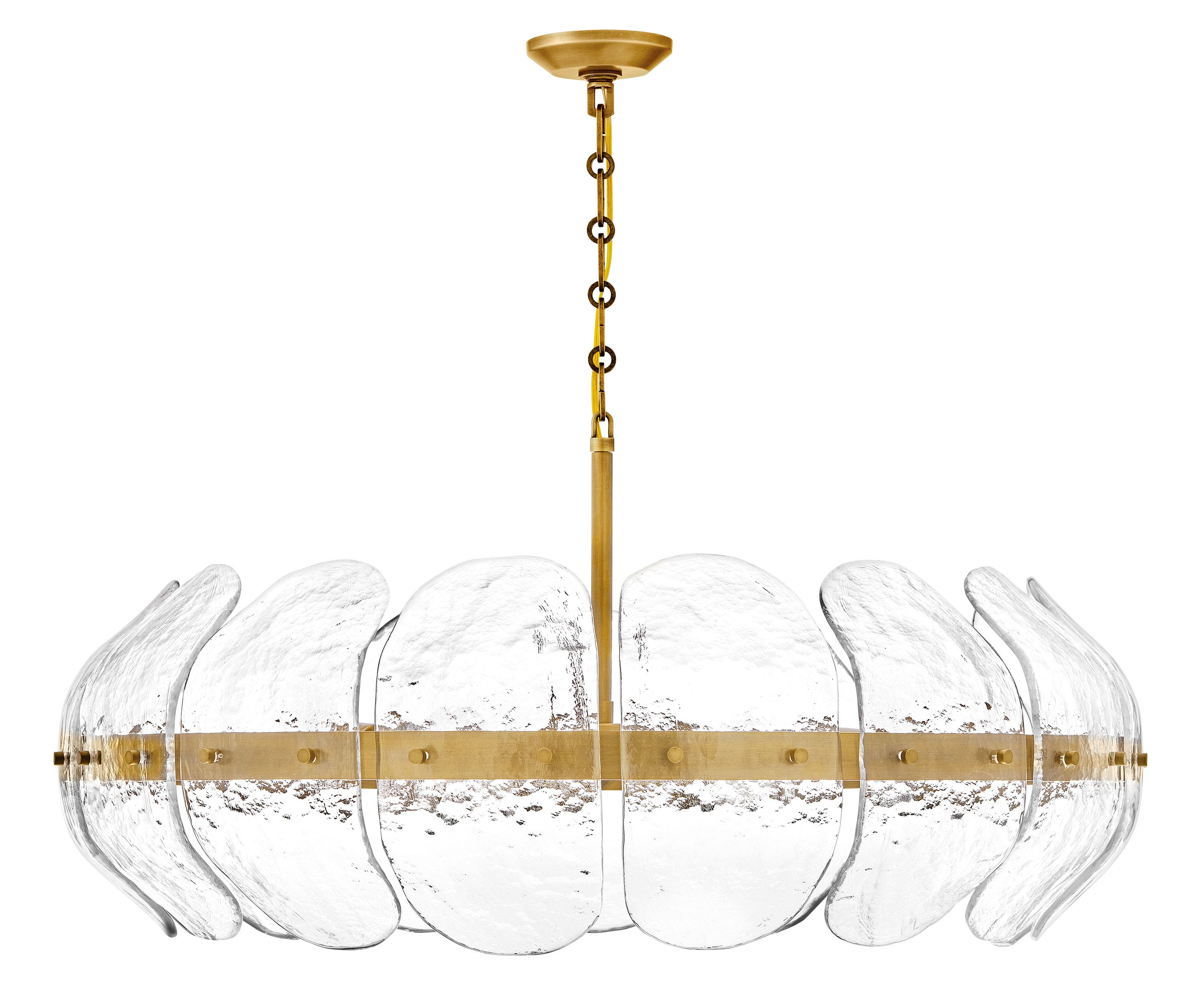
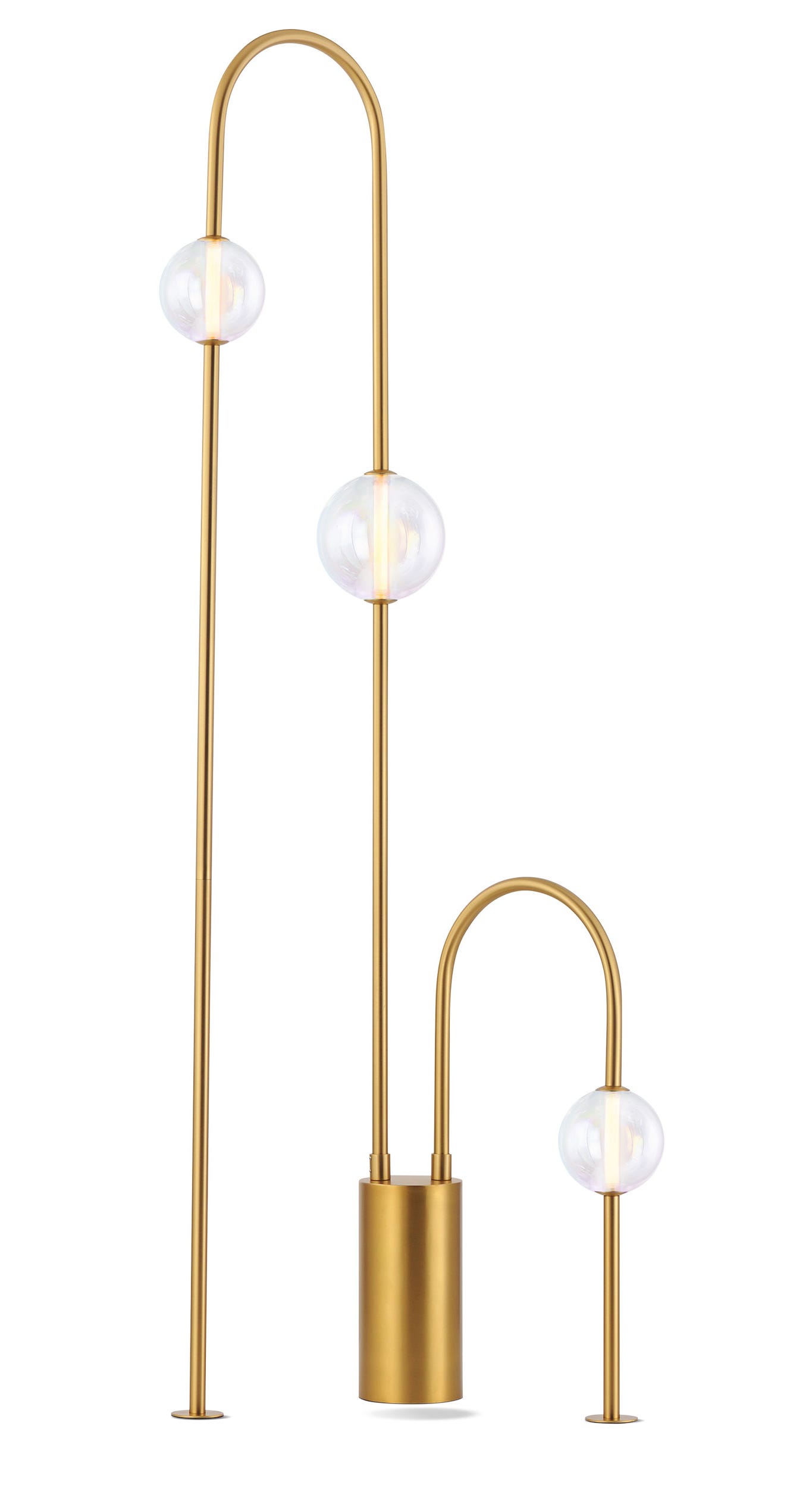
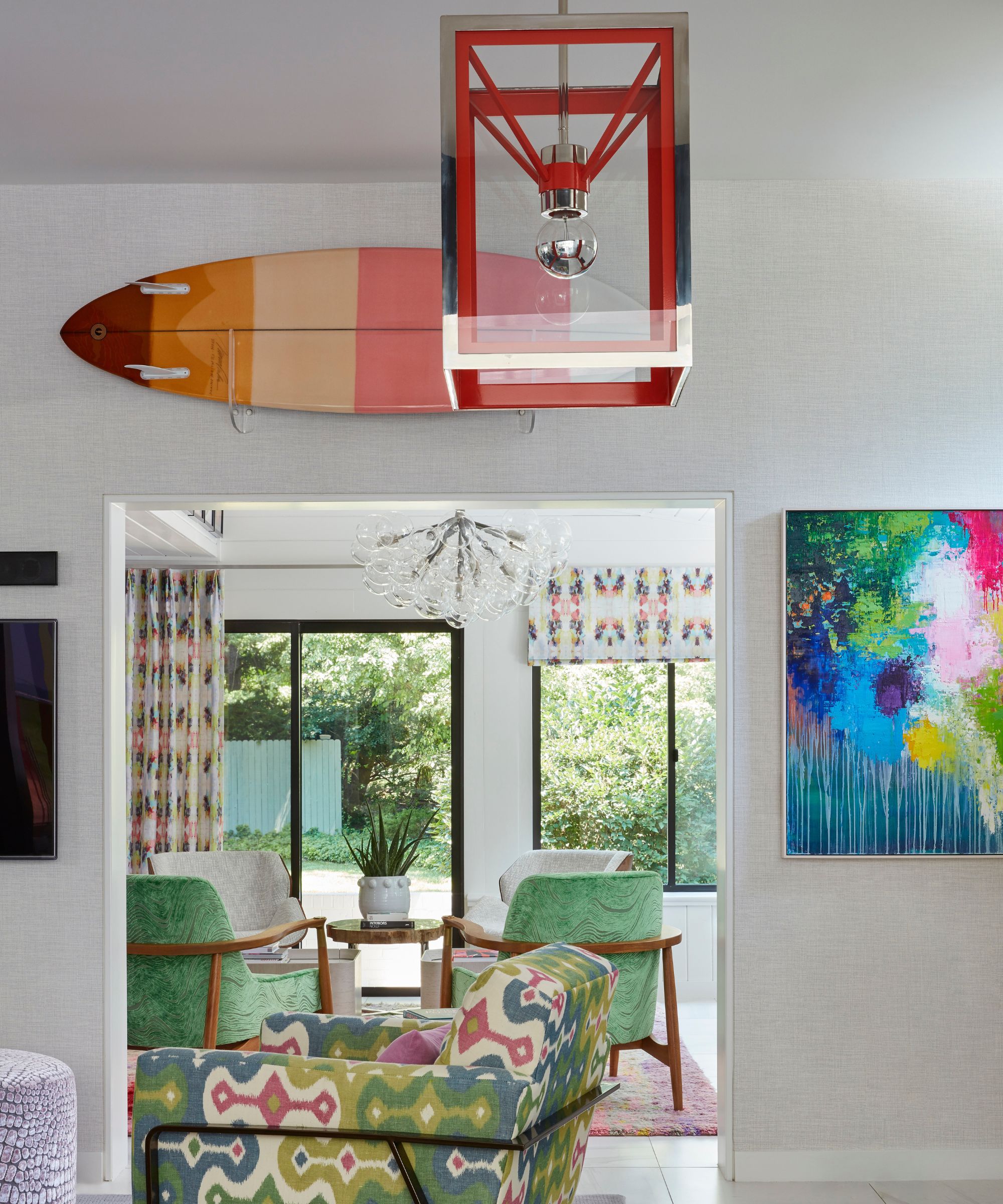
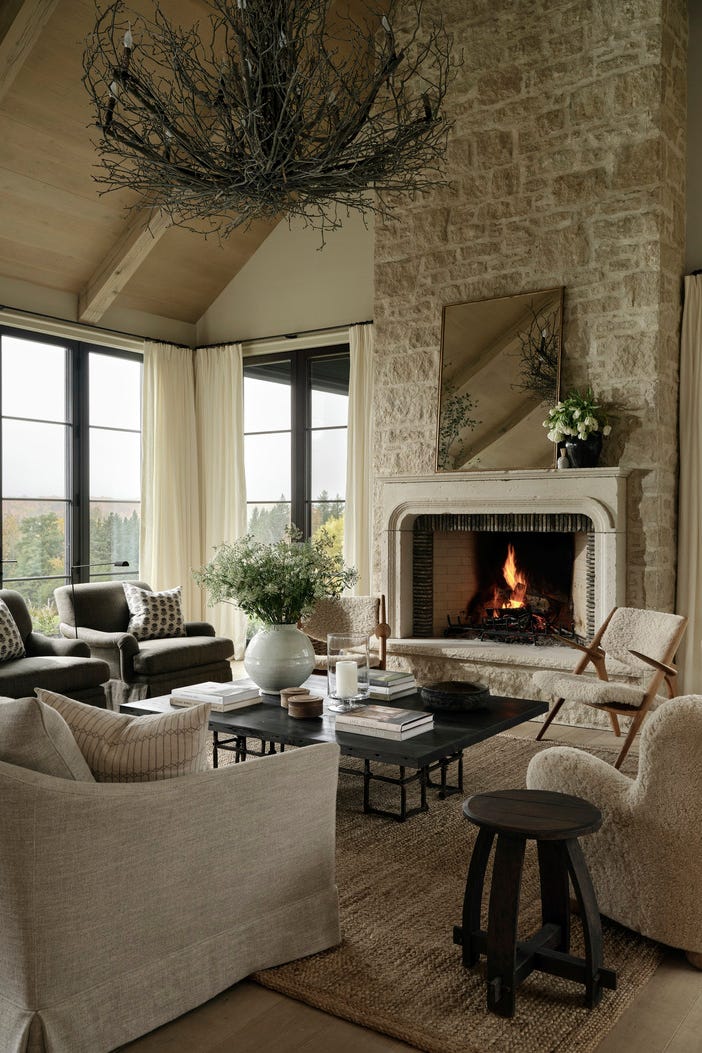
Integrating lighting with architectural elements is the initial step in enhancing a home’s unique character and structural beauty. This involves moving beyond a single overhead light source to incorporate layered mood and task lighting, ensuring both functionality and atmospheric appeal. Lee Broom, a product designer, emphasizes illuminating architectural features such as walls, niches, or marble worktops with sculptural lighting to highlight the beauty of materials. He also advocates for using varied lighting heights to draw attention to diverse elements, from artwork to statement furniture, adding depth and richness. Georgina Cave, Director of Cave Interiors, shares an example where they used subtle wall lights and a central pendant to overcome limitations posed by large glass expanses, balancing task and mood lighting to create an effortlessly luxurious feel. Birdie Fortescue, another designer, suggests using up lights in floors for staircases and halls to give a mystical edge, or a stunning chandelier to set a dramatic tone, celebrating the existing space.
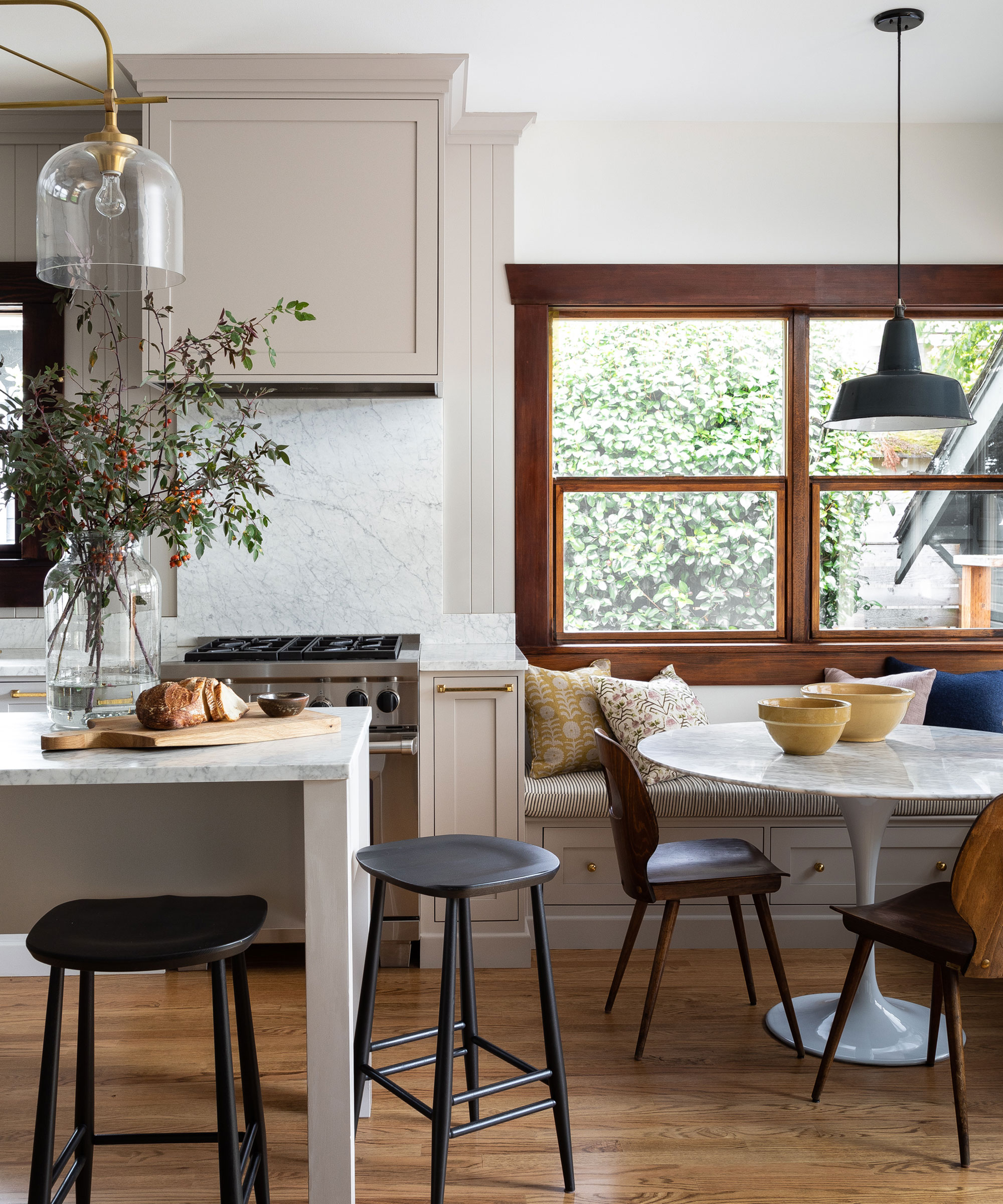
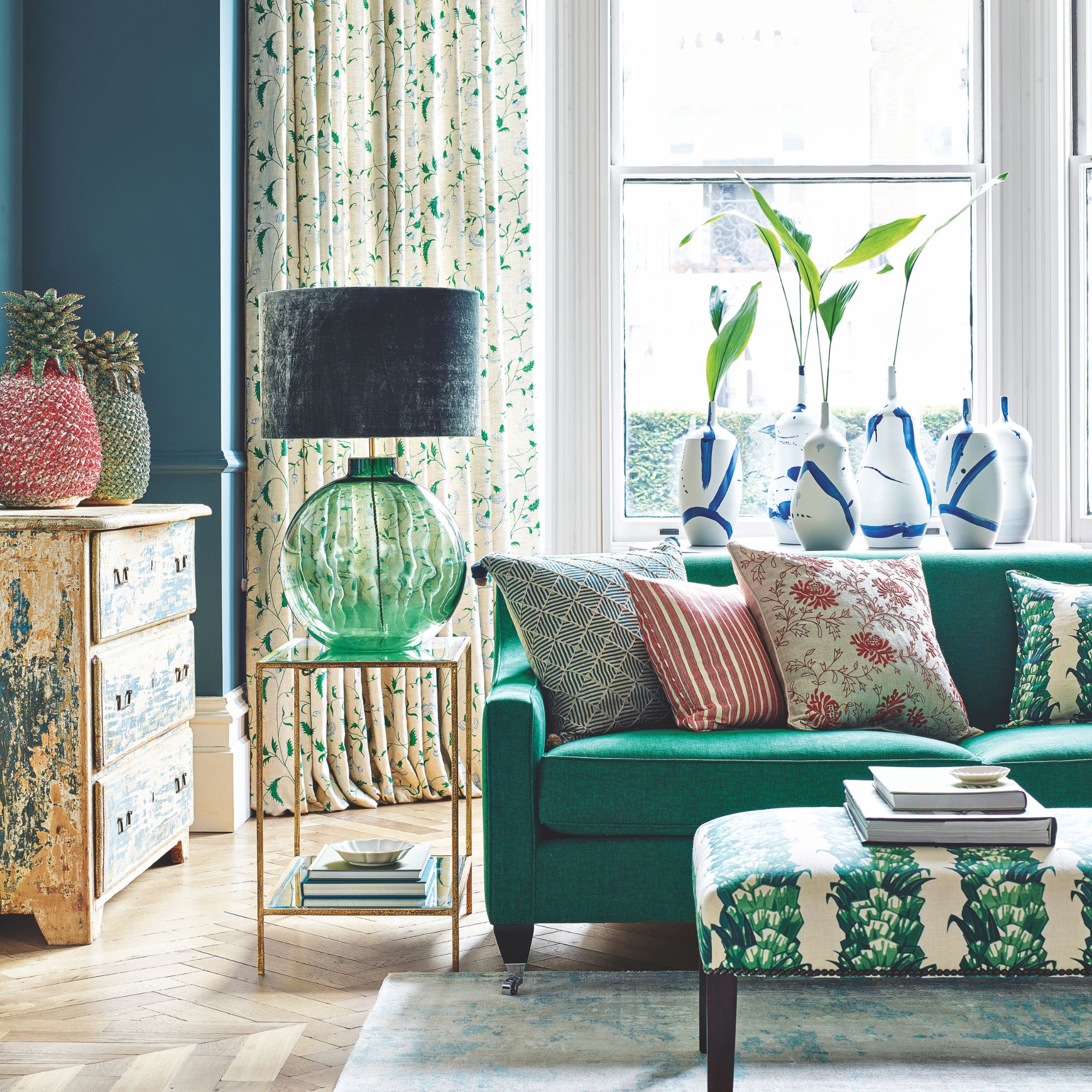
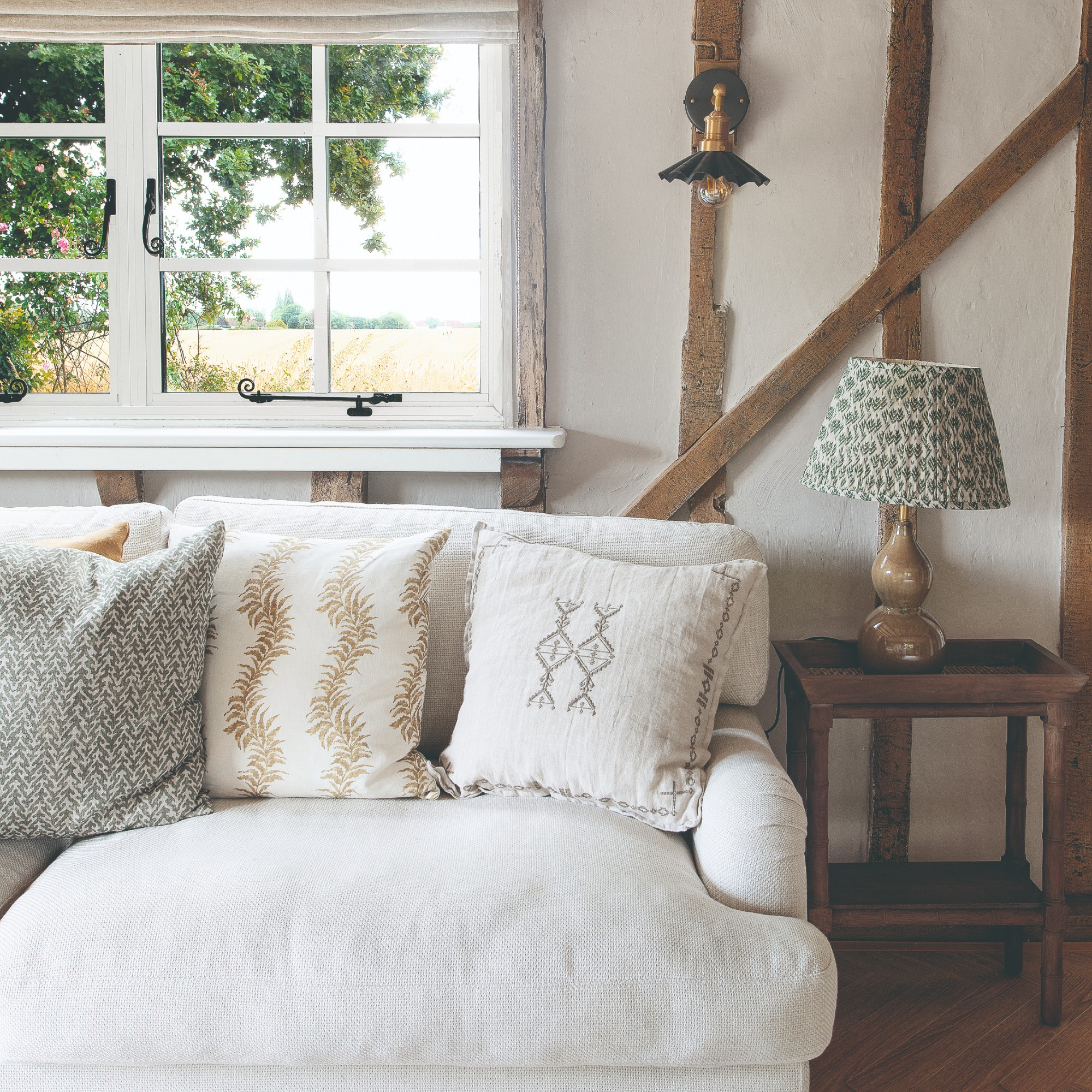
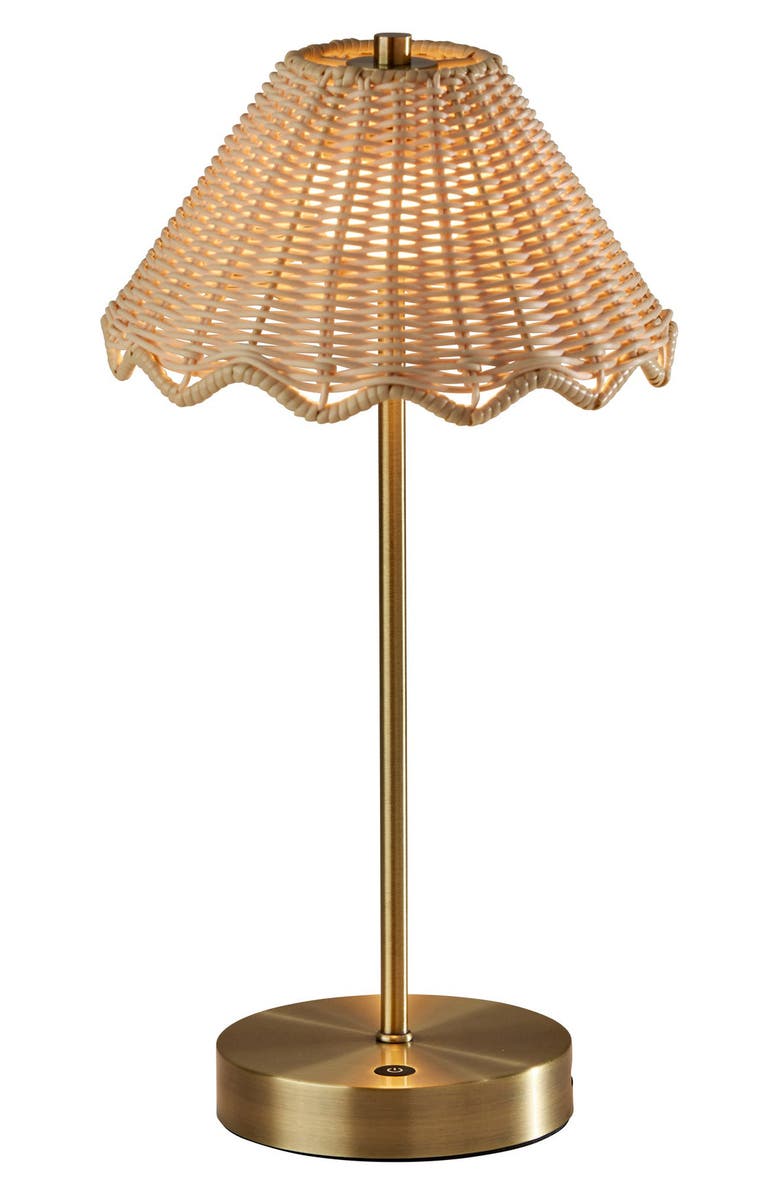
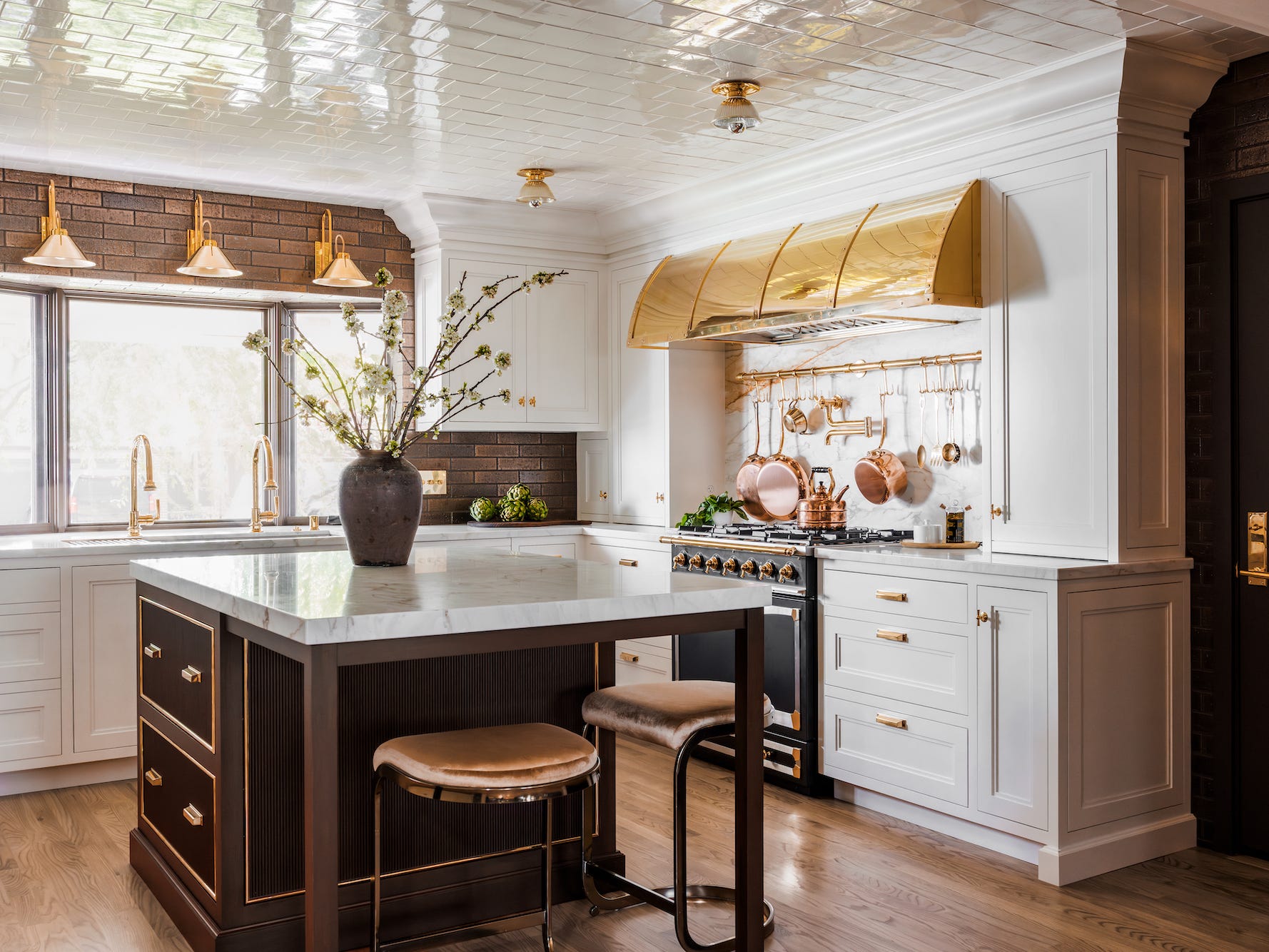
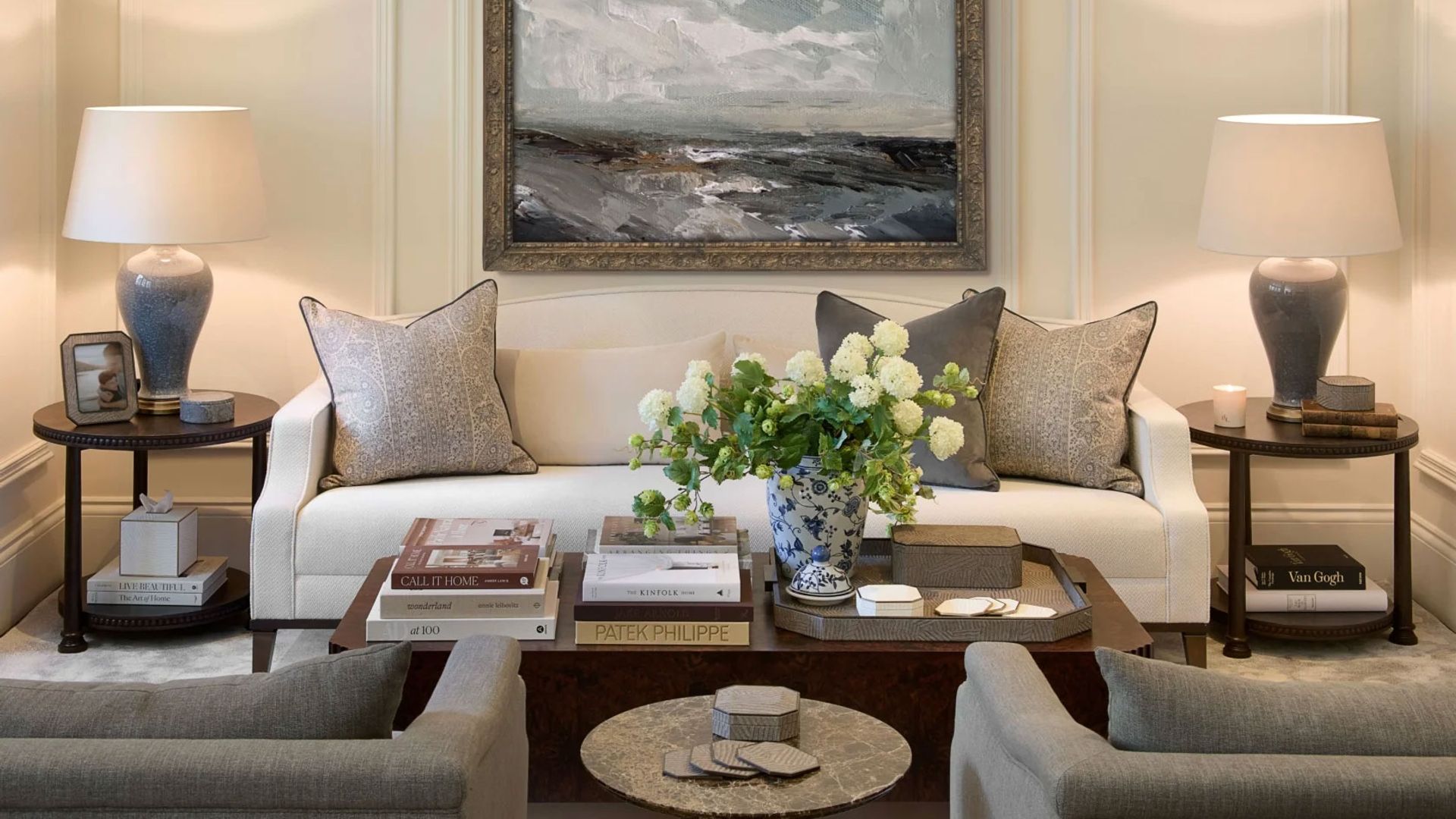
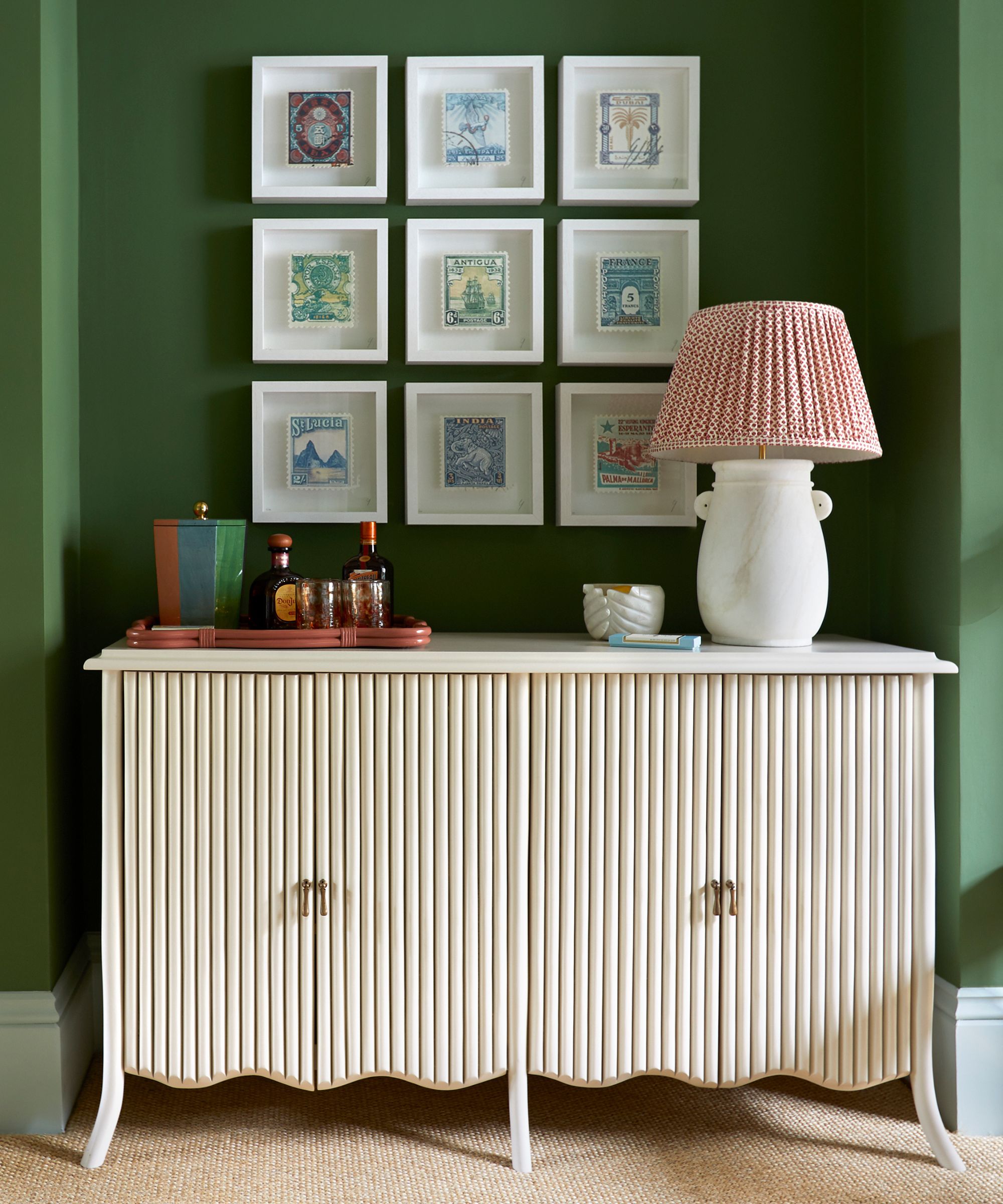
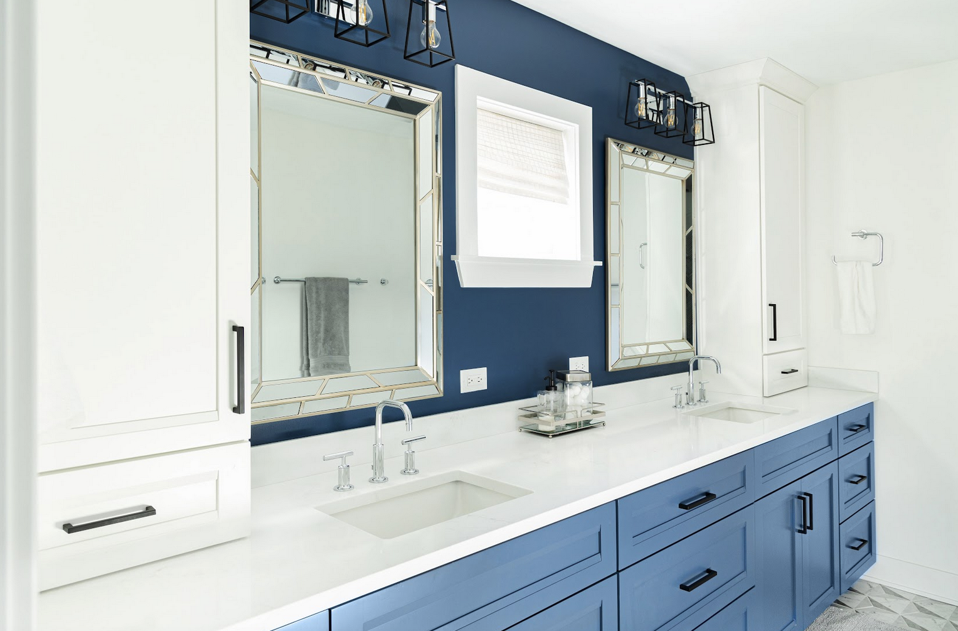
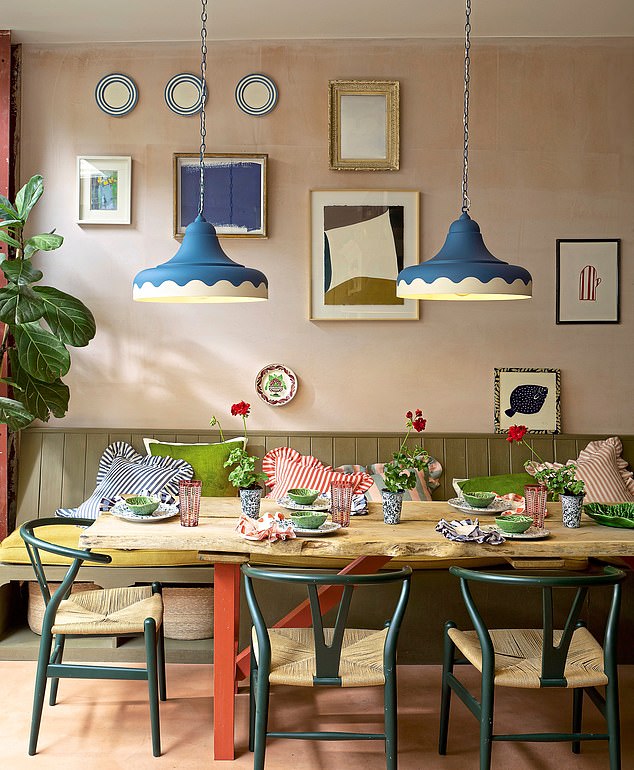
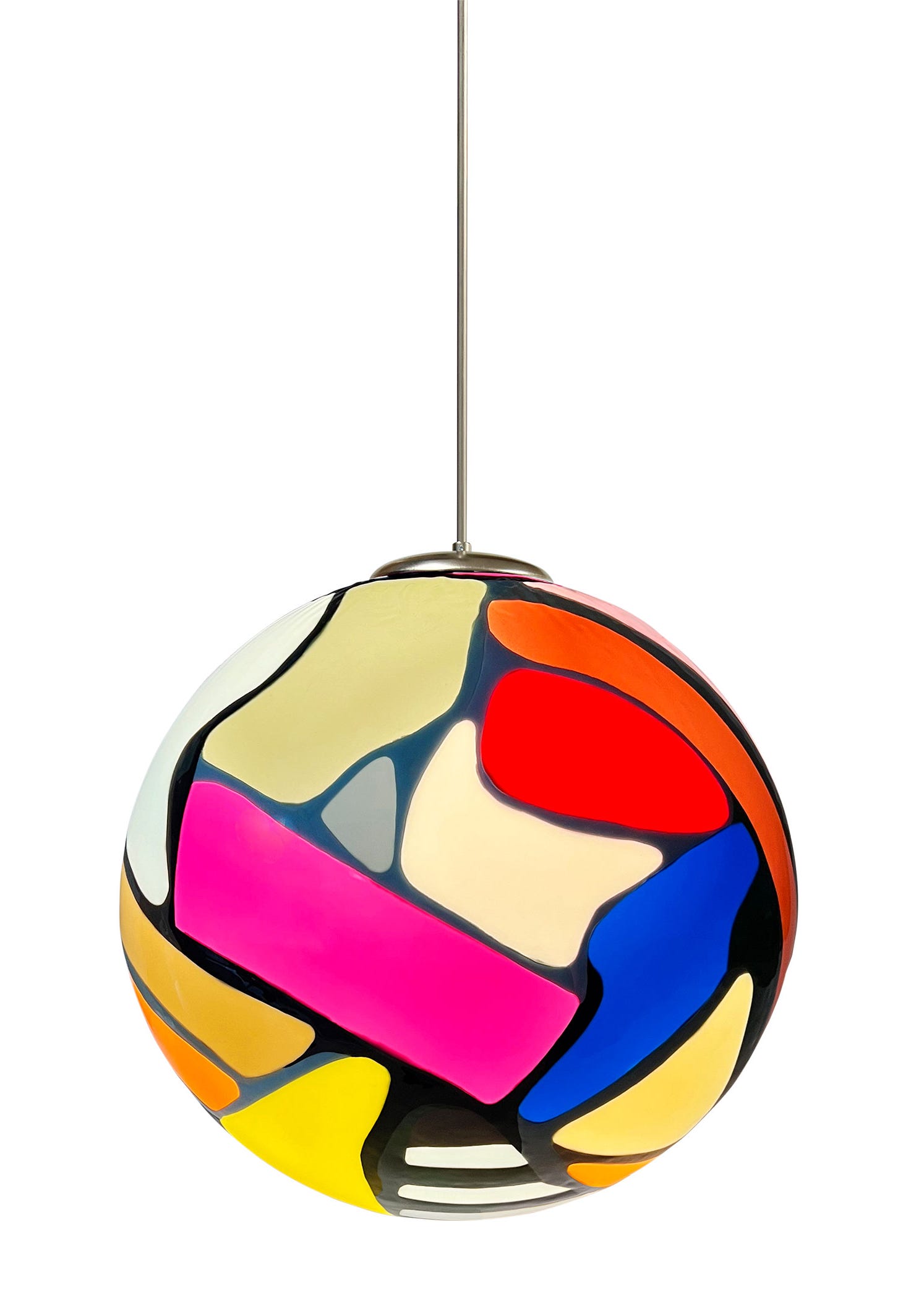
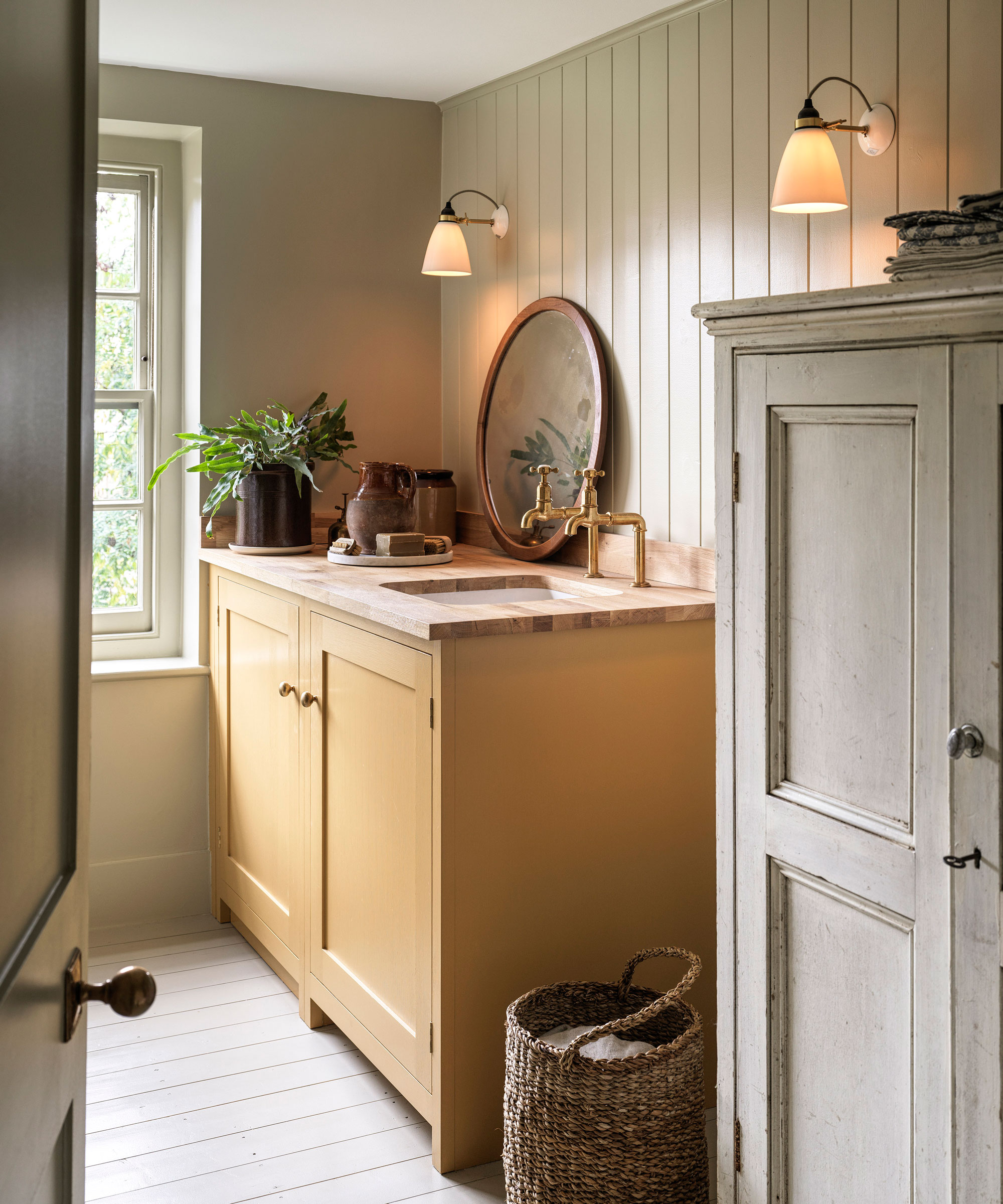
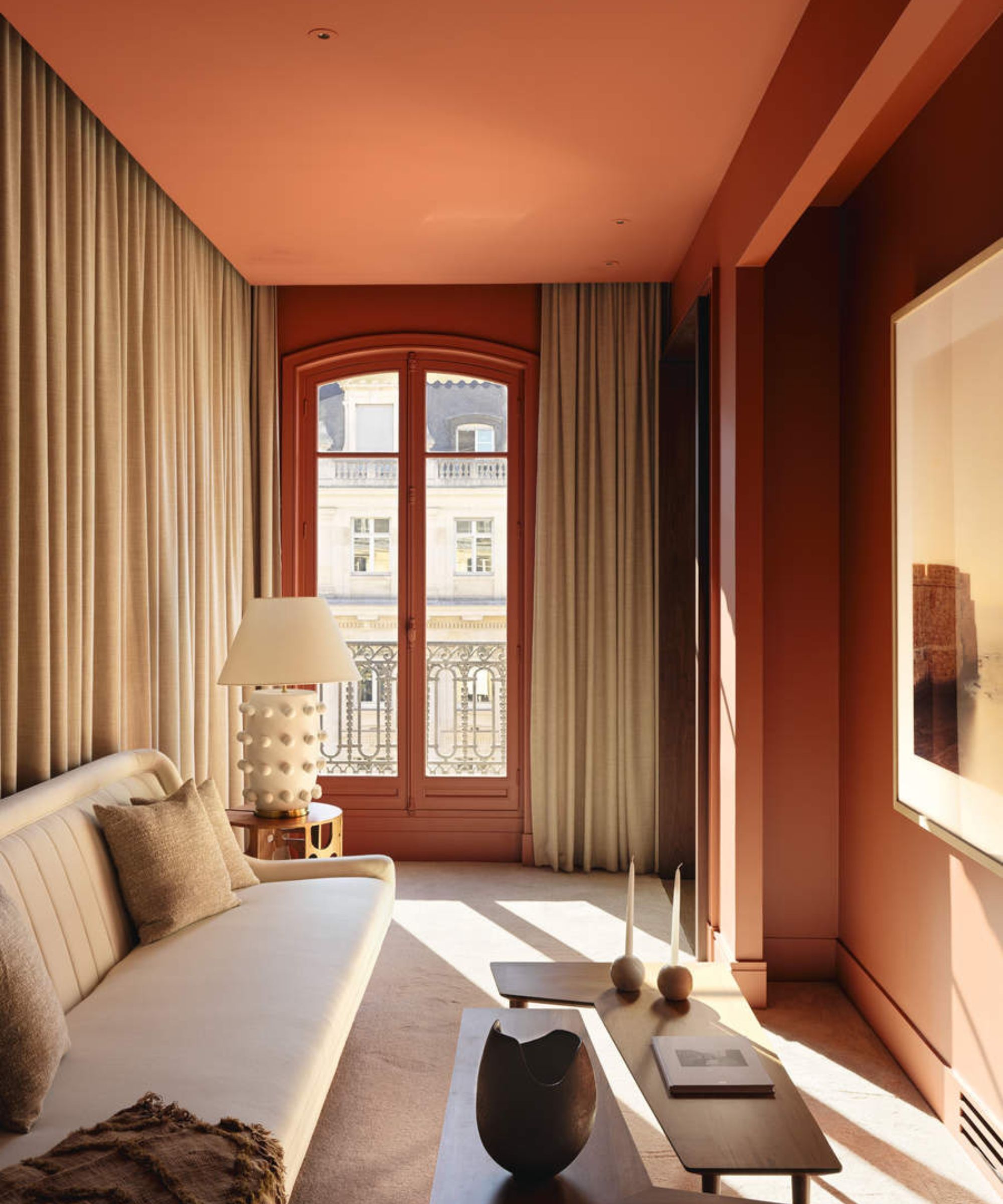
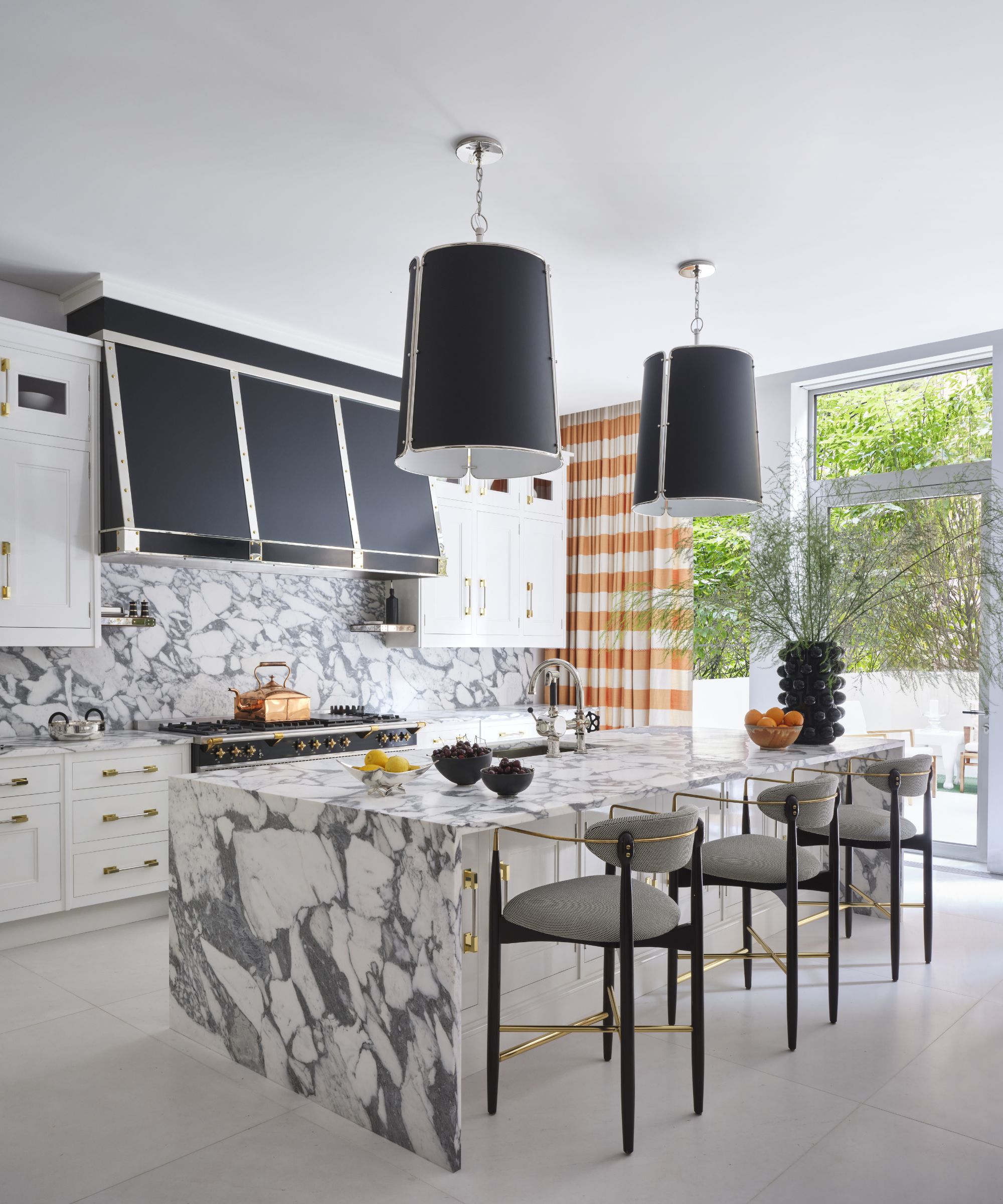
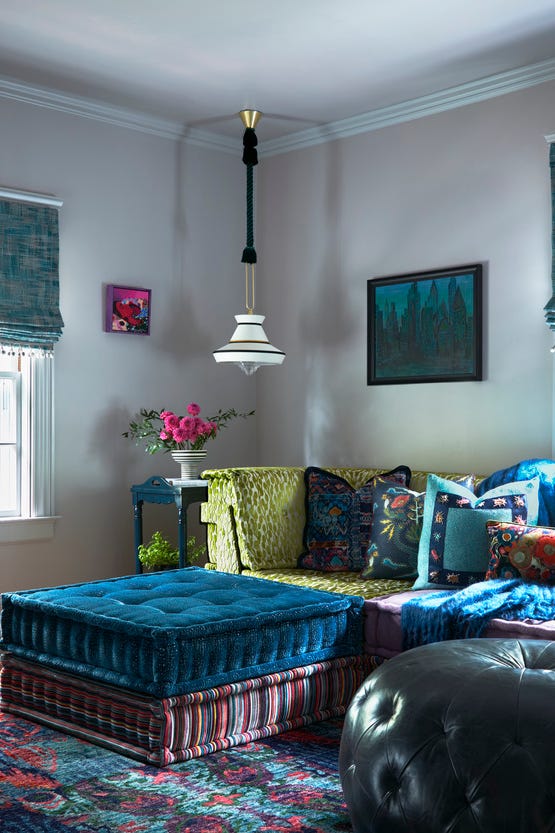
Achieving a sophisticated general ambiance, particularly in bathrooms and kitchens, relies on introducing multiple layers of mood lighting. Interior designer Jenna Forsdyke notes that relying on a single light source makes a room feel one-dimensional. While downlights serve task areas, integrating decorative pendants, table lamps, and wall lights adds depth and softness, making rooms feel both architectural and comfortable. Birdie Fortescue adds that multiple table lamps with varying styles and textural shades enrich a home with diverse material combinations, creating interest and luxury. Mixing lamp base materials with different lampshade styles, such as pleated, patterned, or hand-painted, results in a unique array of textures and glows.
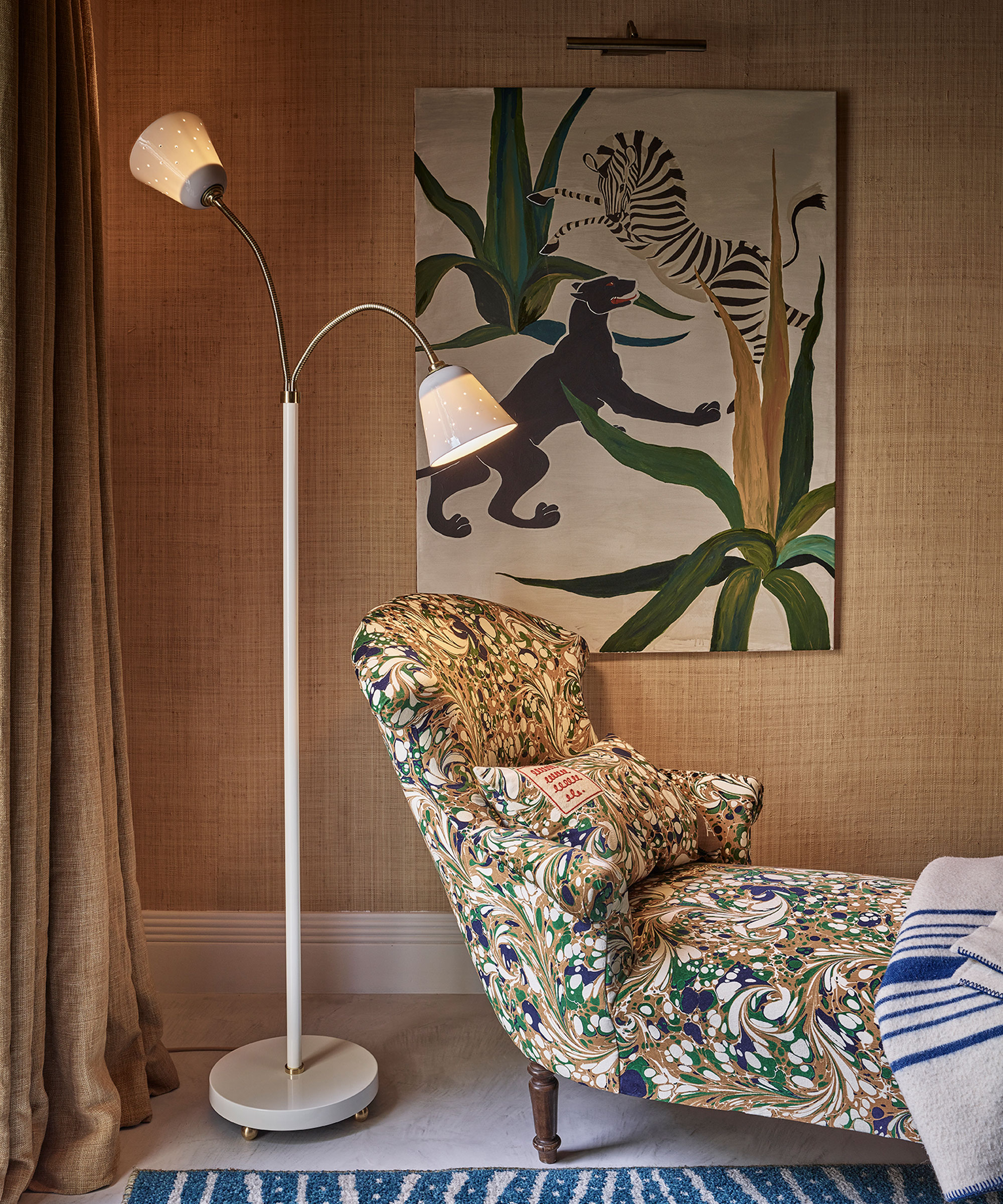
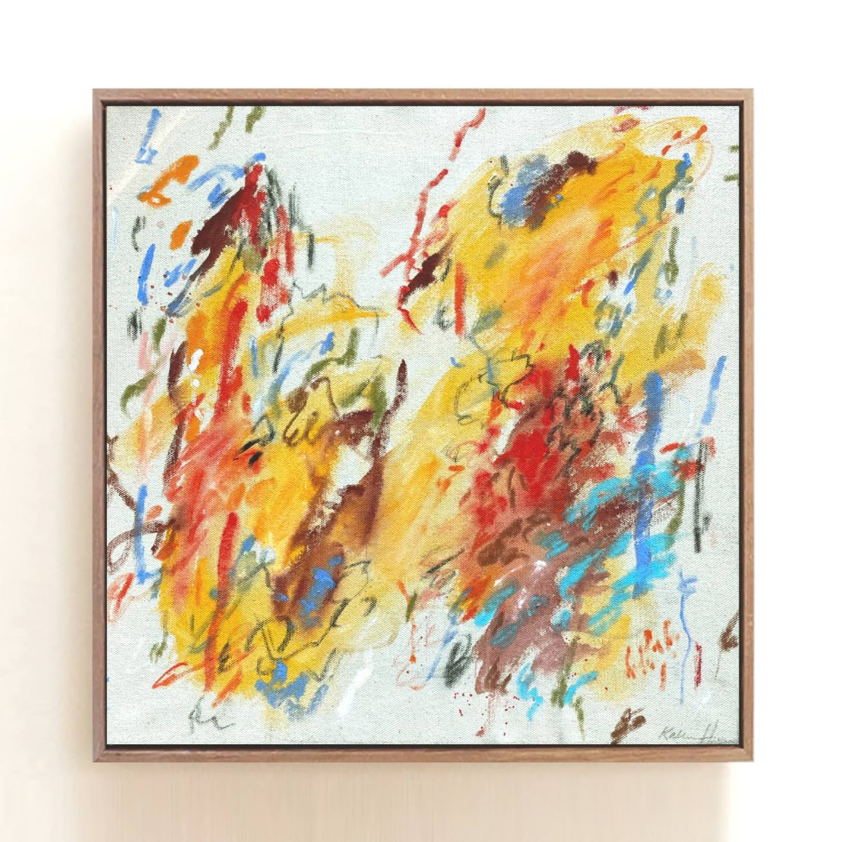
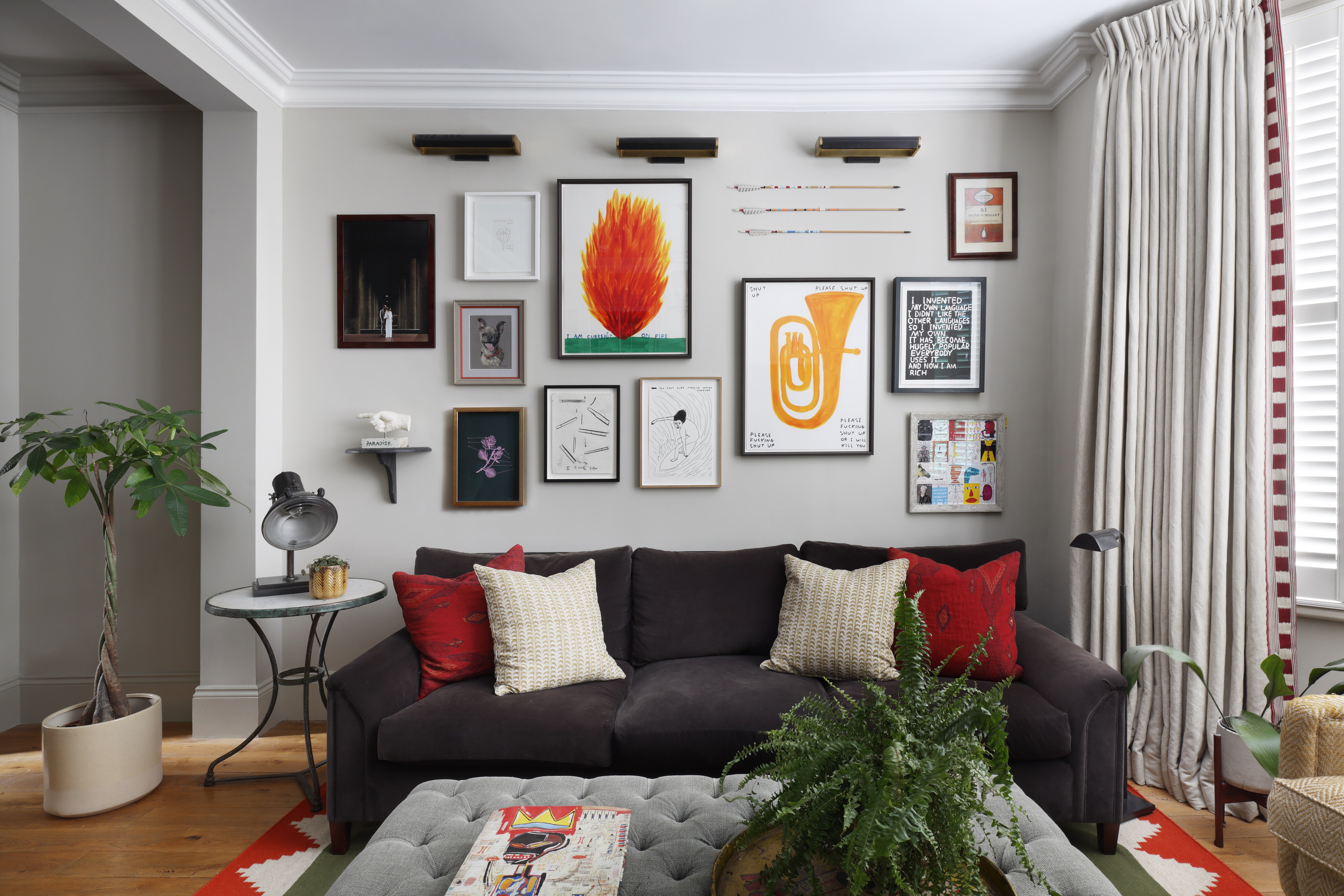
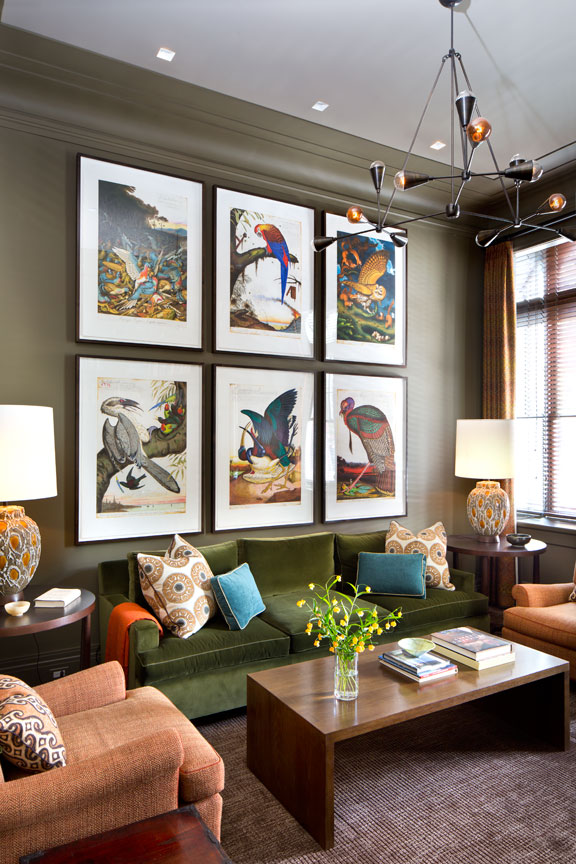
Thoughtfully lighting artwork is another key method to elevate a home, lending a sense of grandeur and indulgence. This technique guides the viewer's eye, using light and shadow to reveal the piece effectively. Robert Cox, Design Director at ADAM Architecture, advises that top light is ideal for sculptures, with slightly oblique angles and at least two light sources for three-dimensional objects. For art collections, he recommends avoiding rooms with multiple aspects to limit light exposure, preferring north light or mitigating harsh natural light with shutters or curtains. Final lighting decisions for artwork are made after multiple site visits during different times and seasons, ensuring optimal display. Helen Pett, Brand Ambassador at Arteriors, highlights that well-lit artwork signals a home where every detail is meticulously curated.
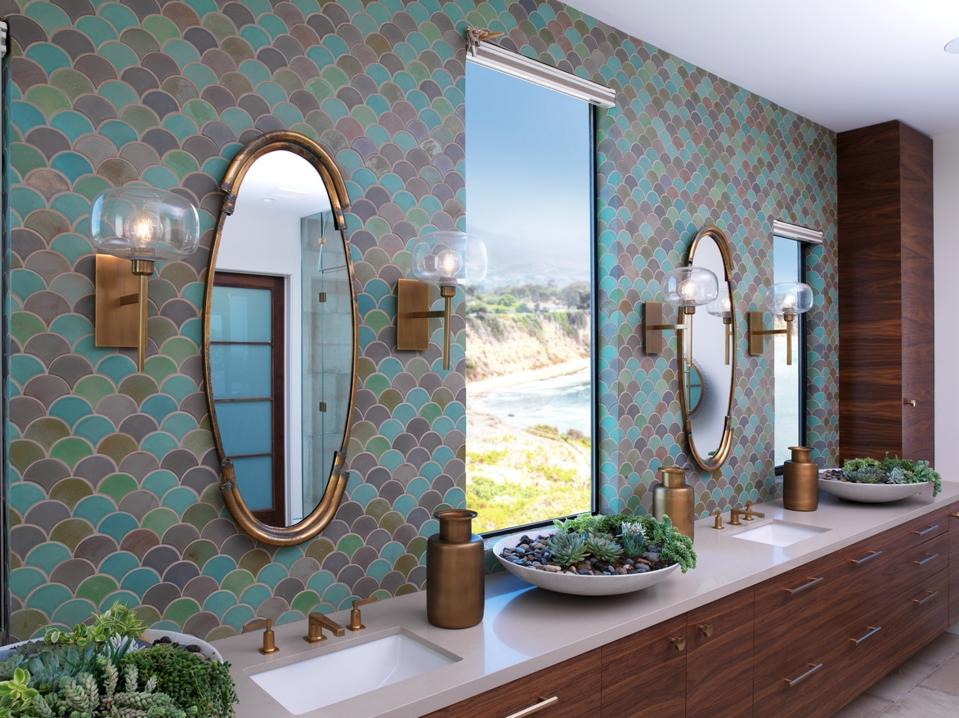
In bathrooms, moving beyond a purely functional approach by introducing statement pendants or chandeliers can make the space feel infinitely more sophisticated when combined with task and ambient lighting. Louise Ashdown, Head of Design at West One Bathrooms, points out that the interaction of light with various surfaces, such as glossy tiles versus natural stone or brushed metals, influences the overall feel. The goal is not just about wattage but composition, transforming the bathroom from a functional room into a space designed with the same level of detail and investment as the rest of the home.
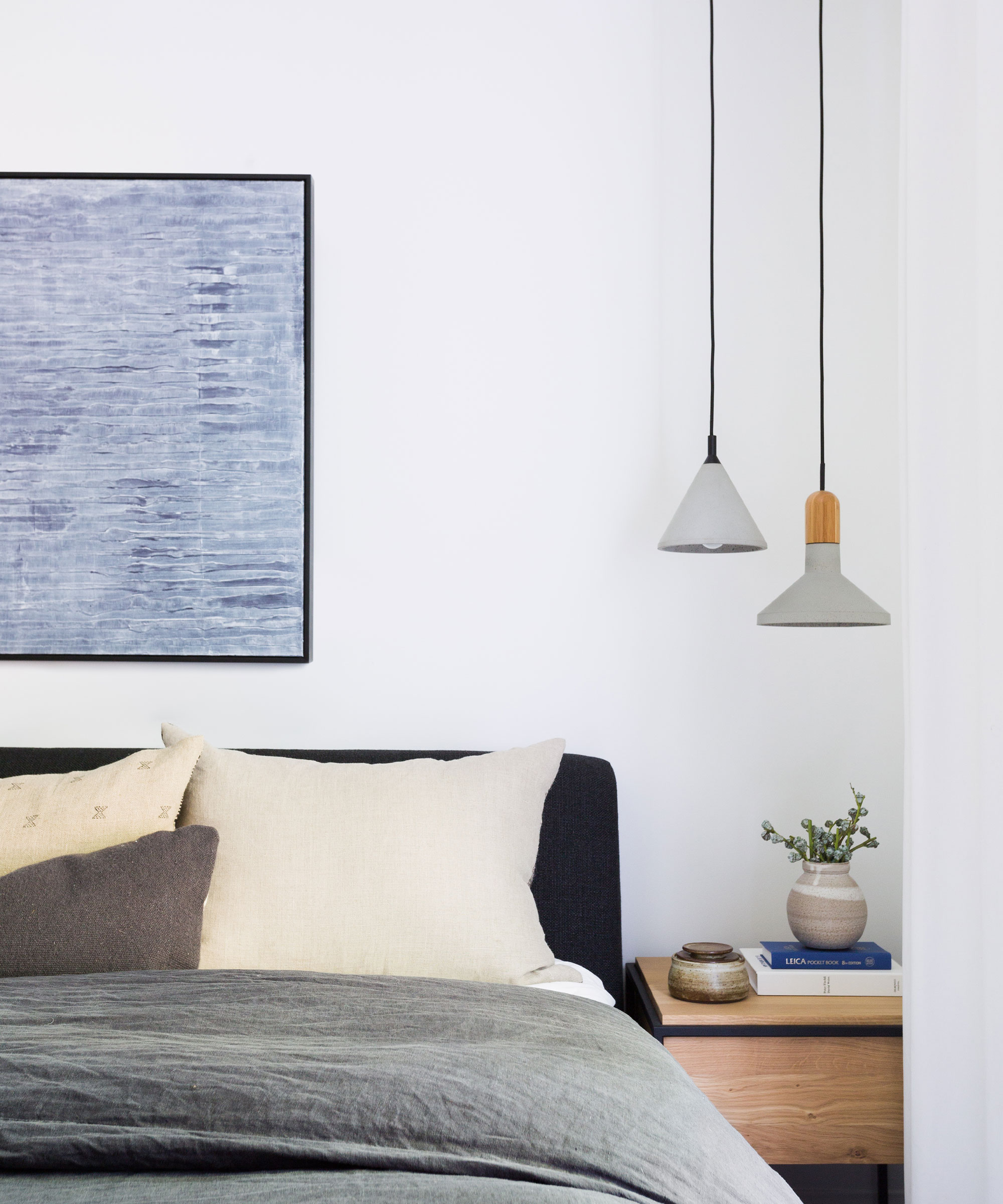
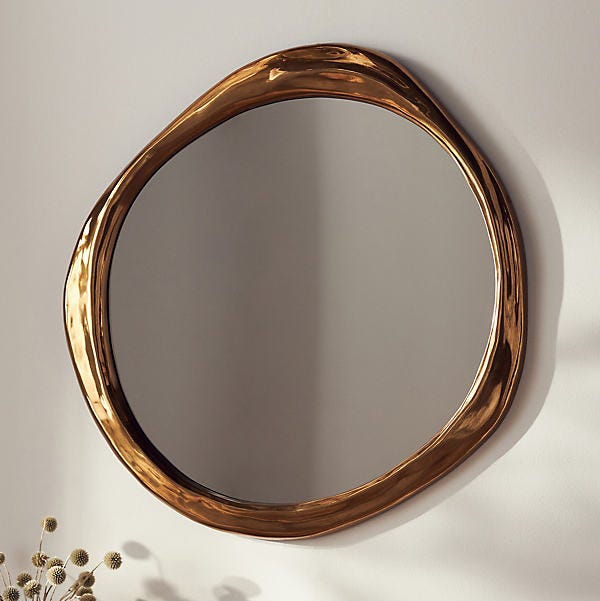
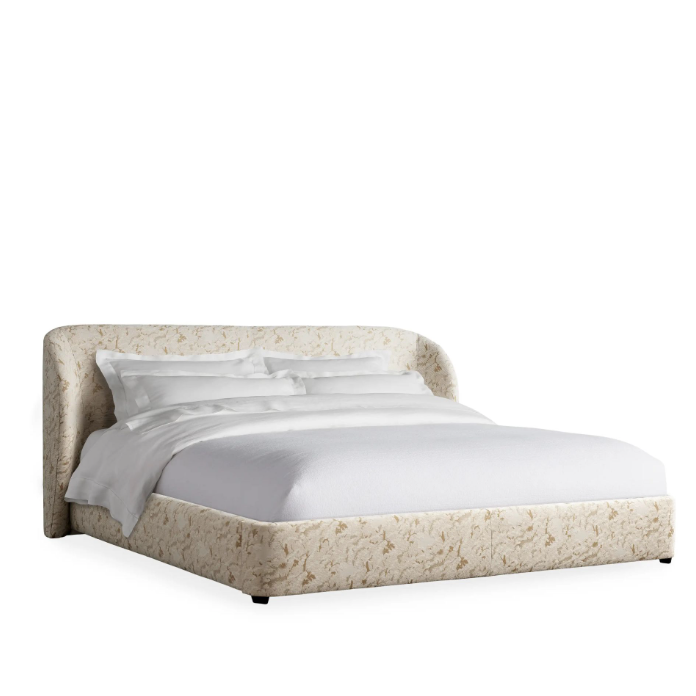
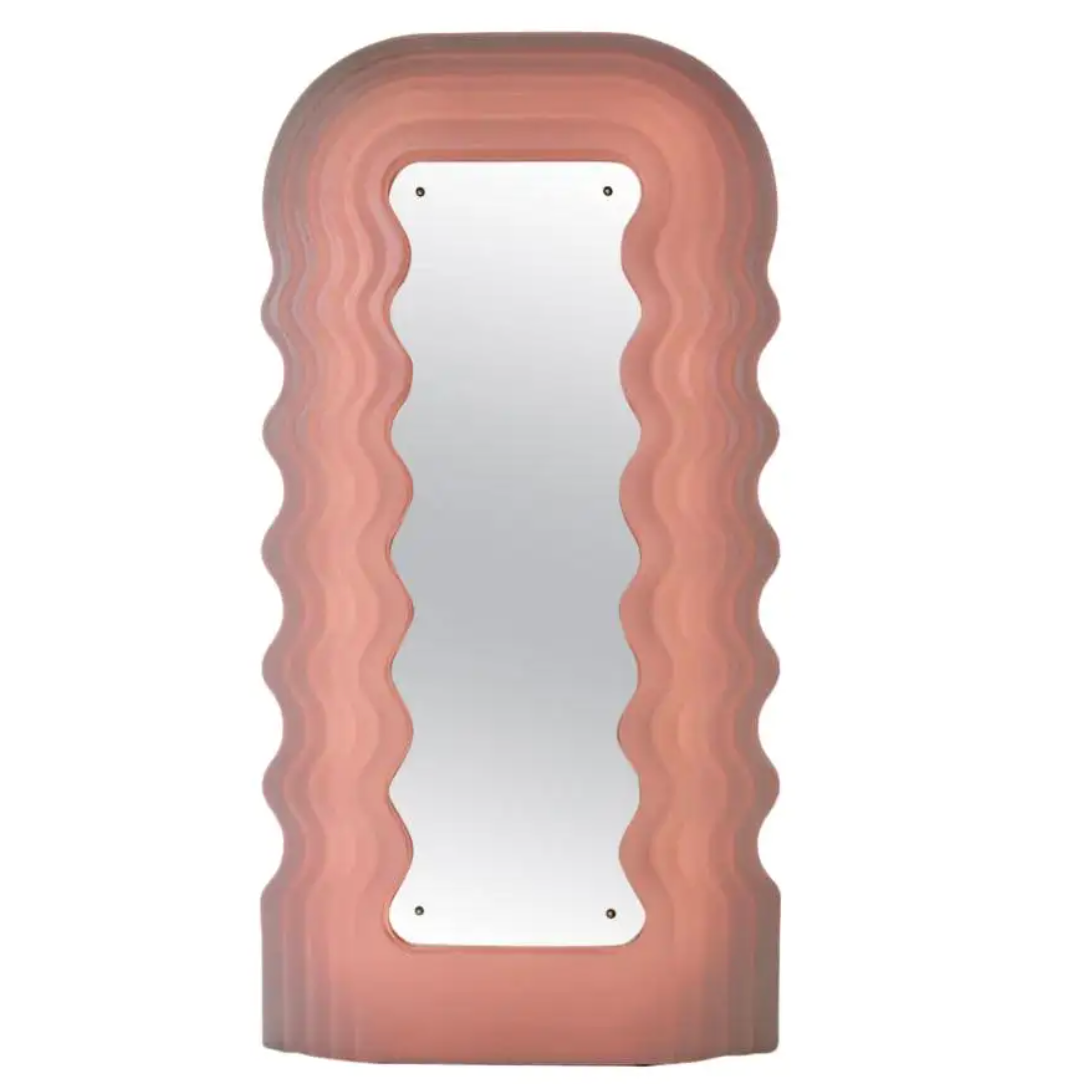
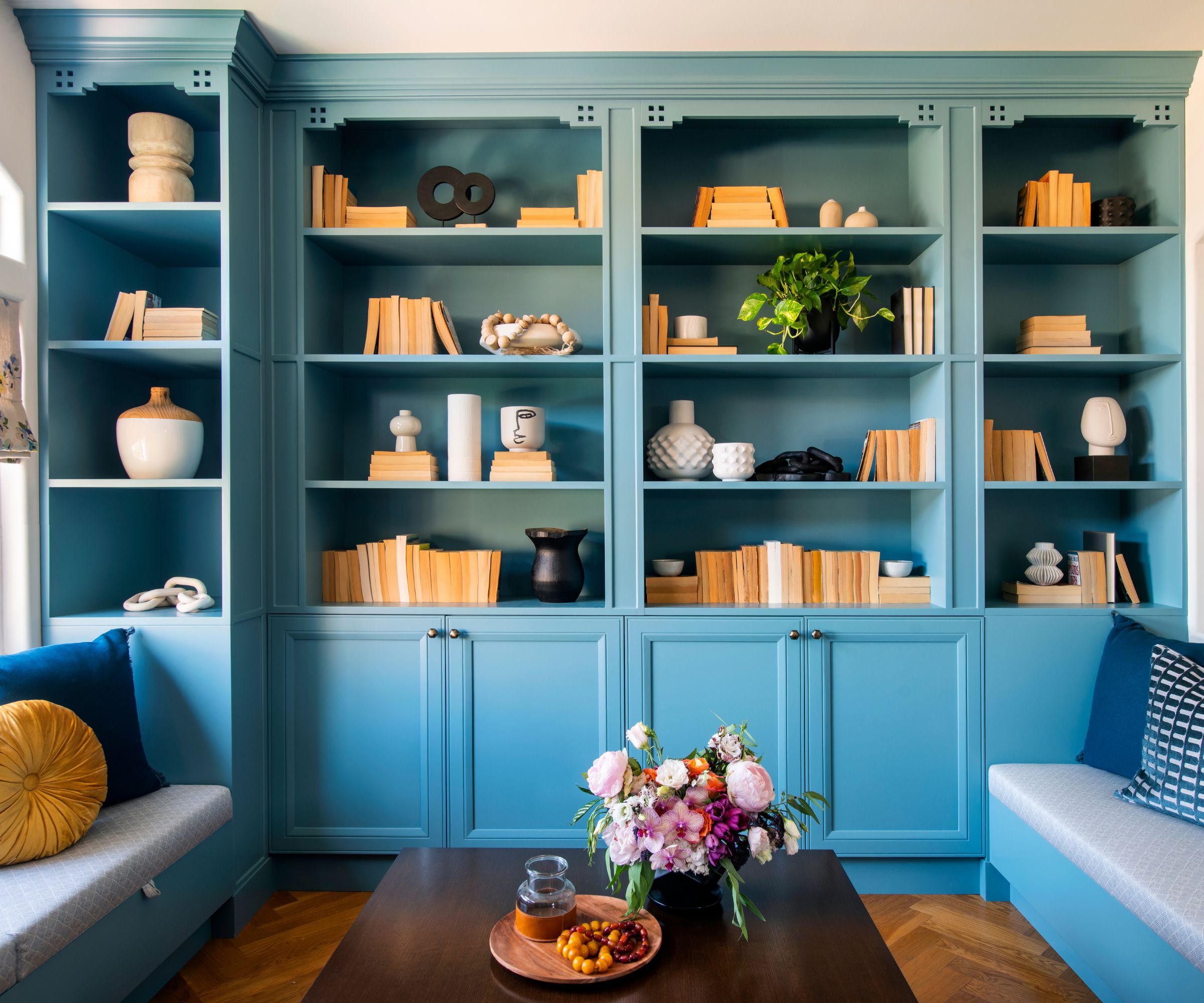
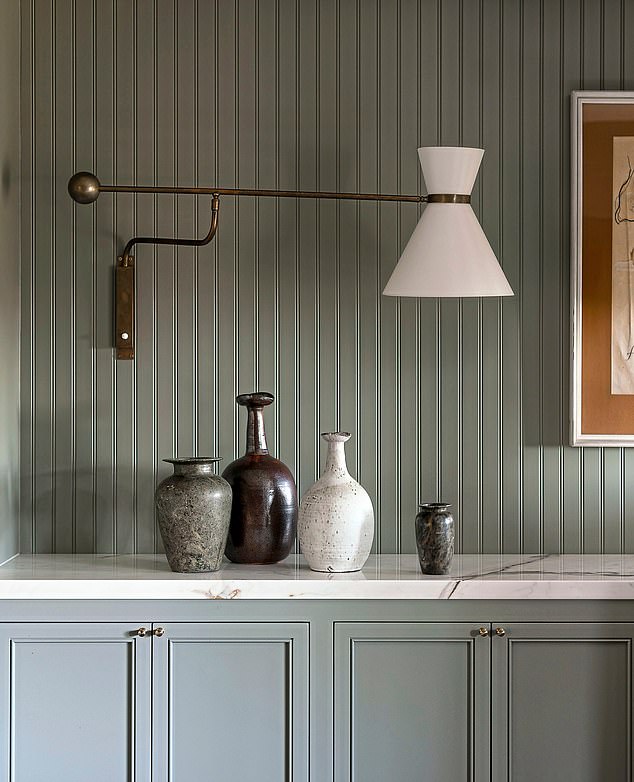
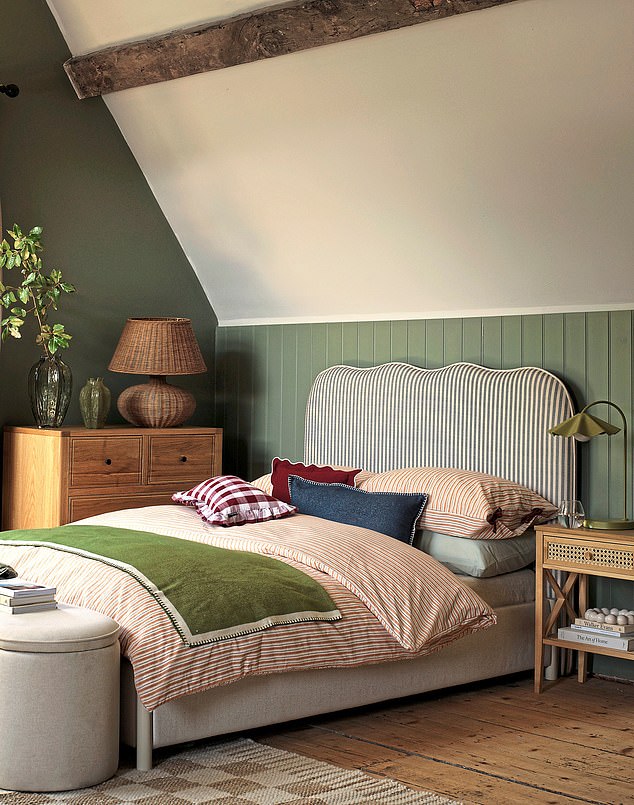
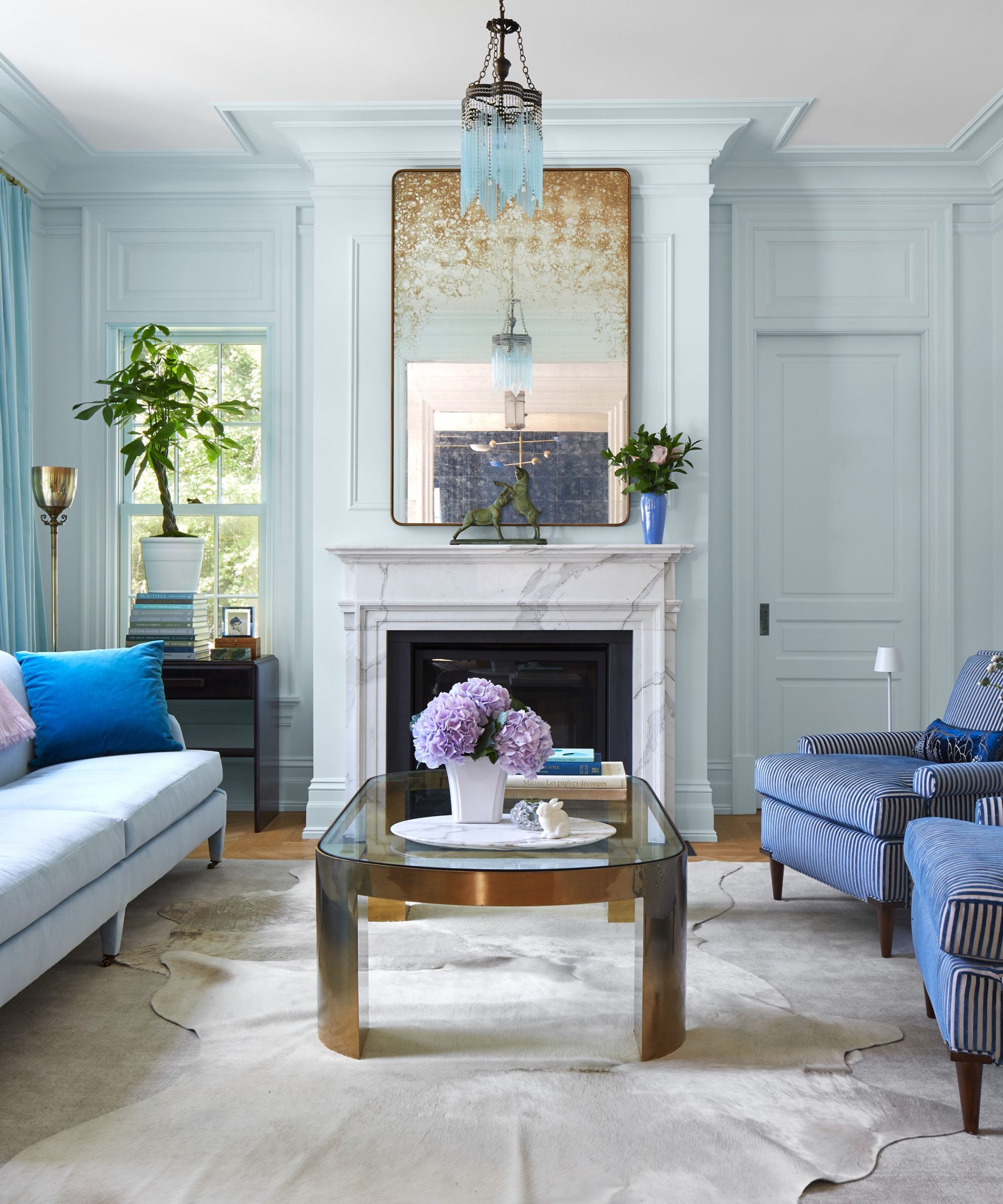
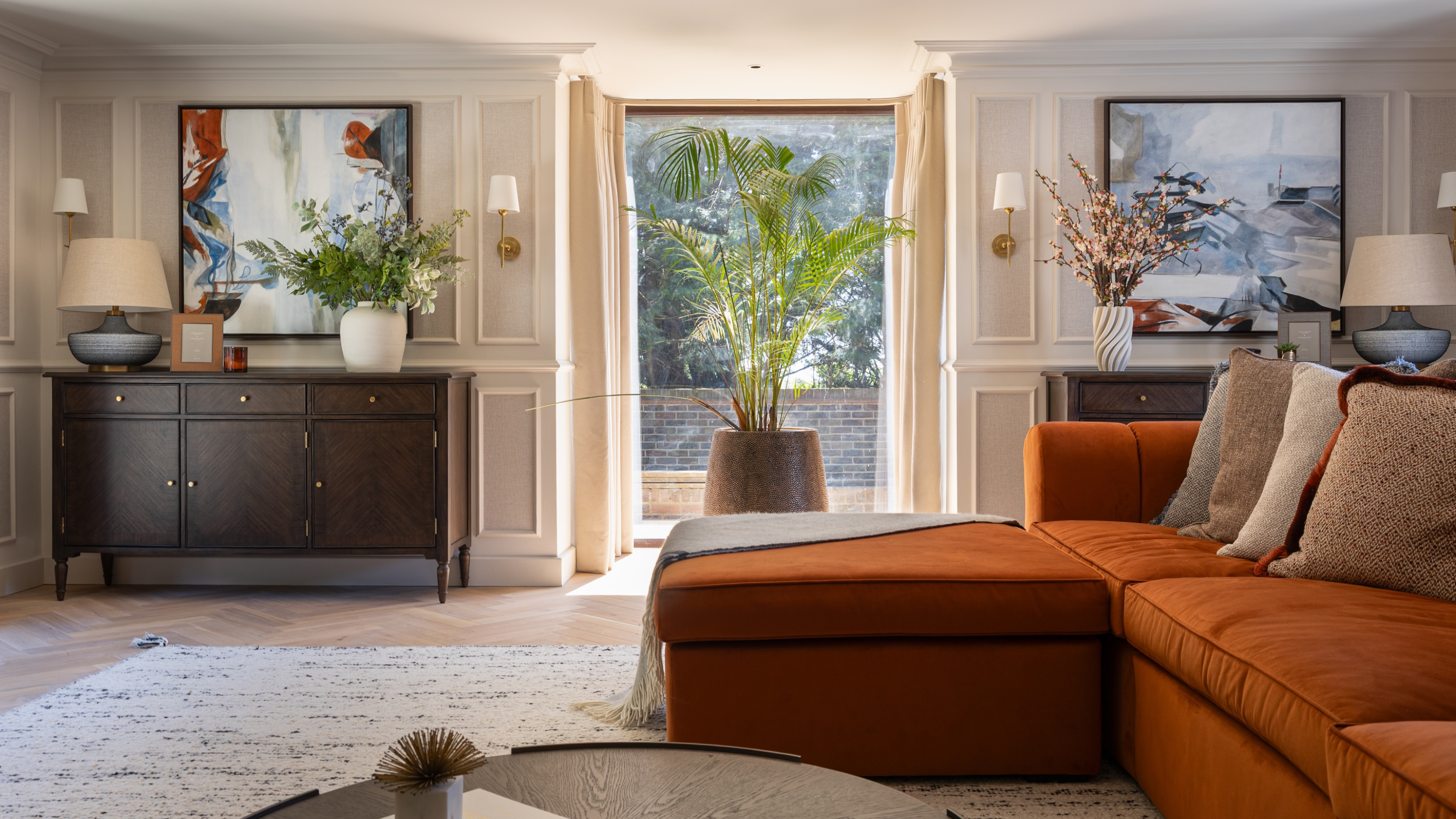
Symmetrical spaces, such as mantelpieces, bookshelves, headboards, or hallway console tables, benefit significantly from symmetrical lighting. Framing these areas with matching wall lights or lamps creates balance, intention, and a curated, lavish feel. Helen Pett suggests adding a mirror above a mantelpiece framed with sconces to create balance, refinement, depth, and warmth, making the room appear more expansive. For bookshelves, layered illumination adds depth and shadow, giving the room a timeless and intentional dimensionality. For headboards, thoughtfully positioned lighting provides reading light and a gentle halo, transforming the bedroom into a serene sanctuary. A strategically lit entryway console, featuring oversized table lamps, welcomes guests into an inviting home and highlights intricate design details, making it a statement of refinement.
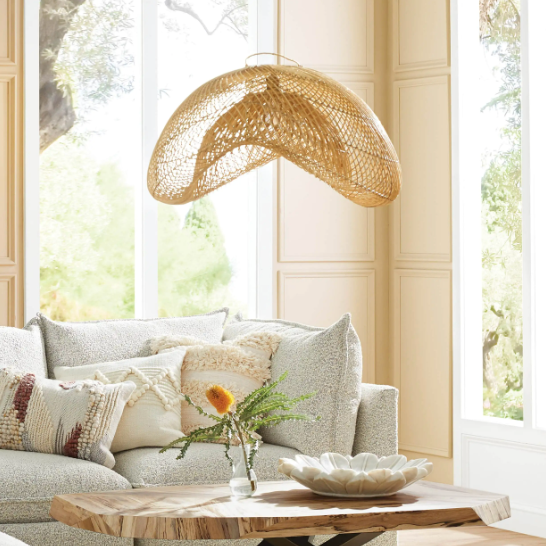
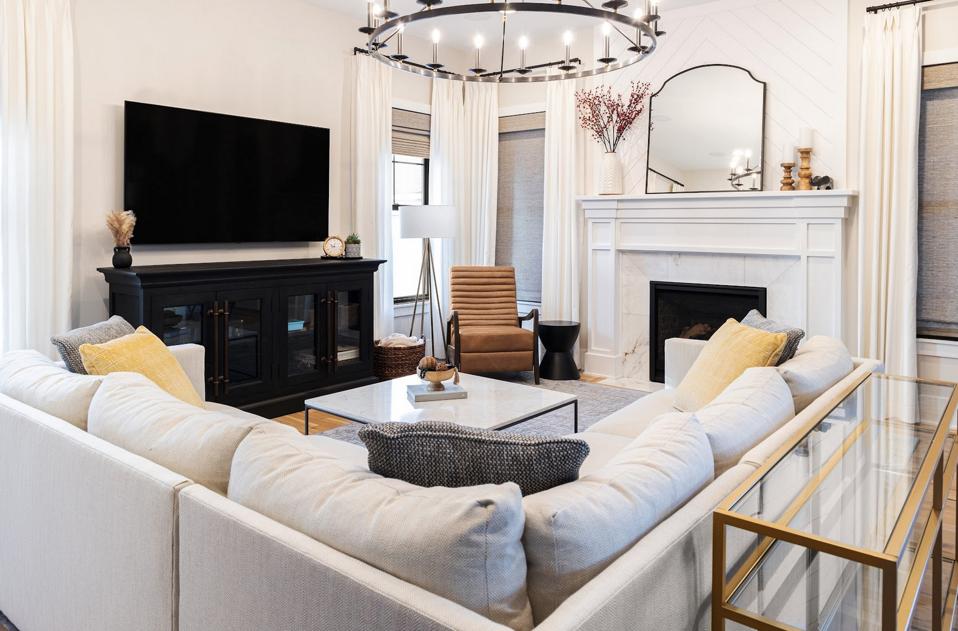
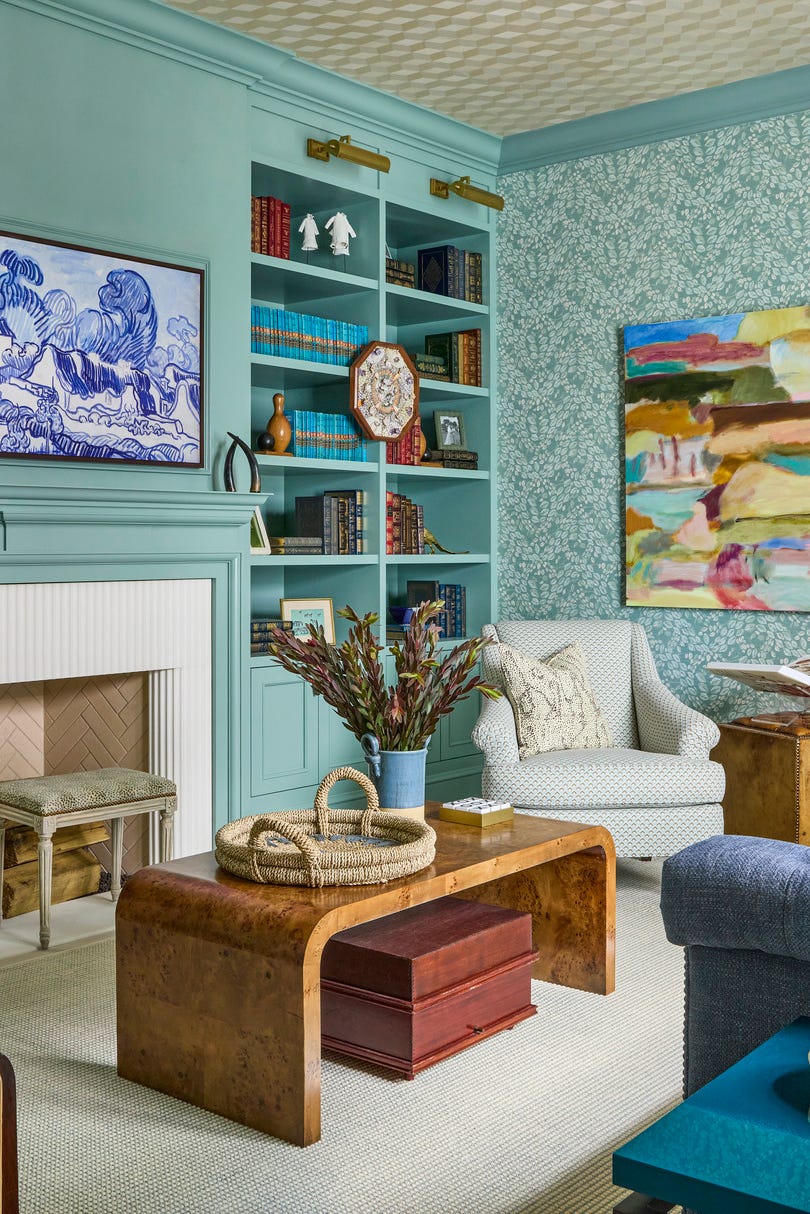
The 5-7 lighting rule, which suggests having five to seven light sources in a room, further emphasizes the importance of layered lighting. These sources can include ceiling lights, wall sconces, table lamps, floor lamps, under-cabinet strips, and even candles. Artem Kropovinsky, founder of Arsight, explains that this approach allows for versatile lighting—bright for tasks, dimmed for relaxation, and accent lighting for architectural details—making spaces welcoming and cozy. Massimo Buster Minale, Founder and Creative Director of Buster + Punch, adds that too few light sources make a room feel flat, while too many can overwhelm. He recommends dimmer switches for seamless transitions between functional and ambient lighting, ensuring that lighting becomes a statement of luxury and comfort. Ultimately, using warm layers of lighting in timeless materials like aged brass, wood, and rattan, and accentuating defining features, creates an expensive and sophisticated finish, as Mara Rypacek Miller, founder of Industville, concludes.
#HomeLighting #InteriorDesign #LuxuryInteriors #LightingDesign #ArchitecturalLighting #LayeredLighting #HomeDecor #SophisticatedSpaces #ArtLighting #HomeLighting #InteriorDesign #LuxuryInteriors #LightingDesign #ArchitecturalLighting #LayeredLighting #HomeDecor #SophisticatedSpaces #ArtLighting
0 تعليق إجمالاً
 لا توجد تعليقات بعد
قد تعجبك أيضًا
What lighting makes a home look expensive? 5 ideas from the designers in the know

Illuminate Your Space These Luxury Lighting Brands

These Task, Accent, And Ambient Lighting Tips Can Transform Your Home

10 Interior Design Tricks That Will Make Your Home Look More Expensive

5 affordable ways to make your living room lighting look much more expensive than it actually is
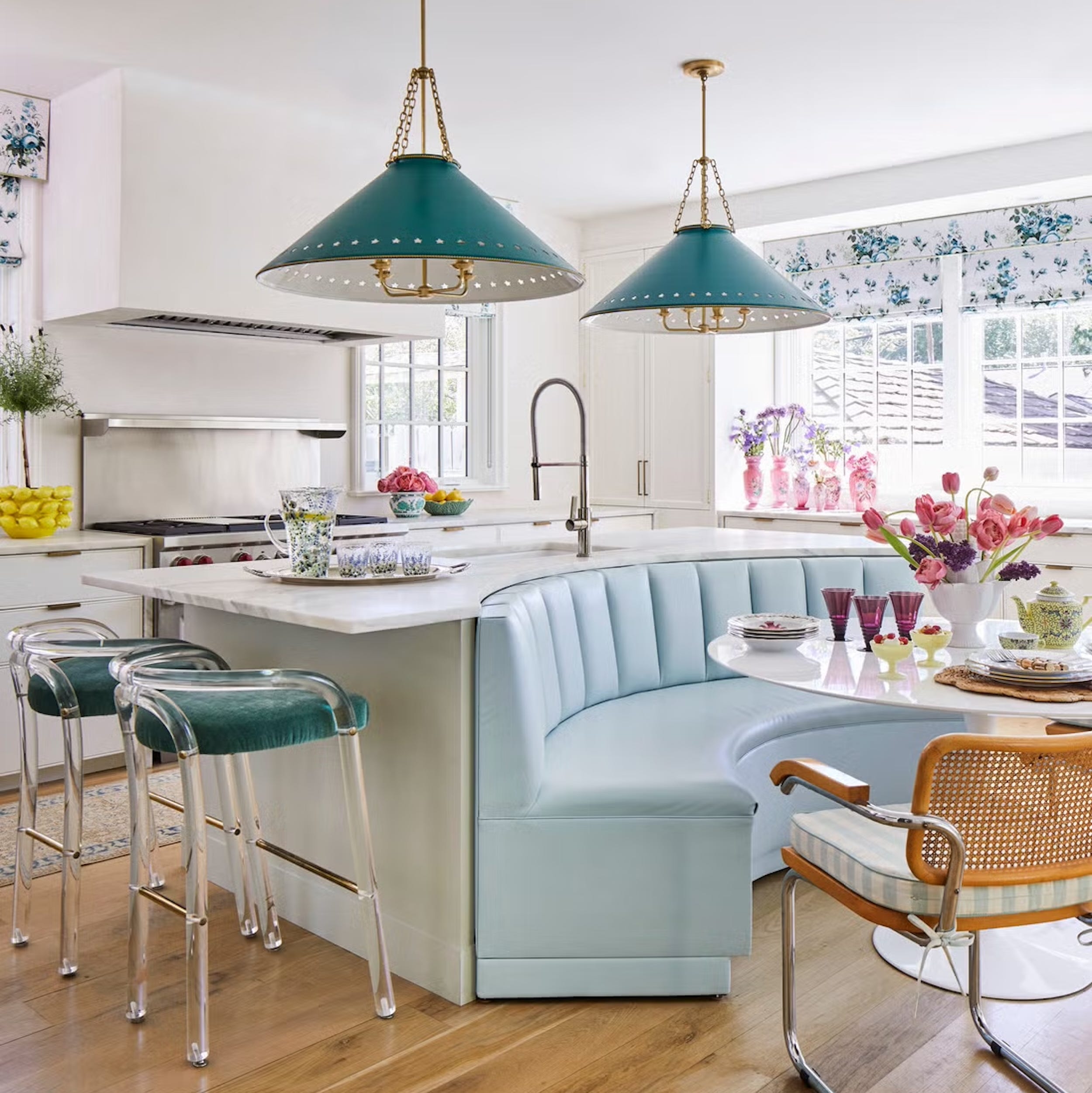
5 Ways to Make Your Kitchen Look Instantly More Expensive, According to Designers

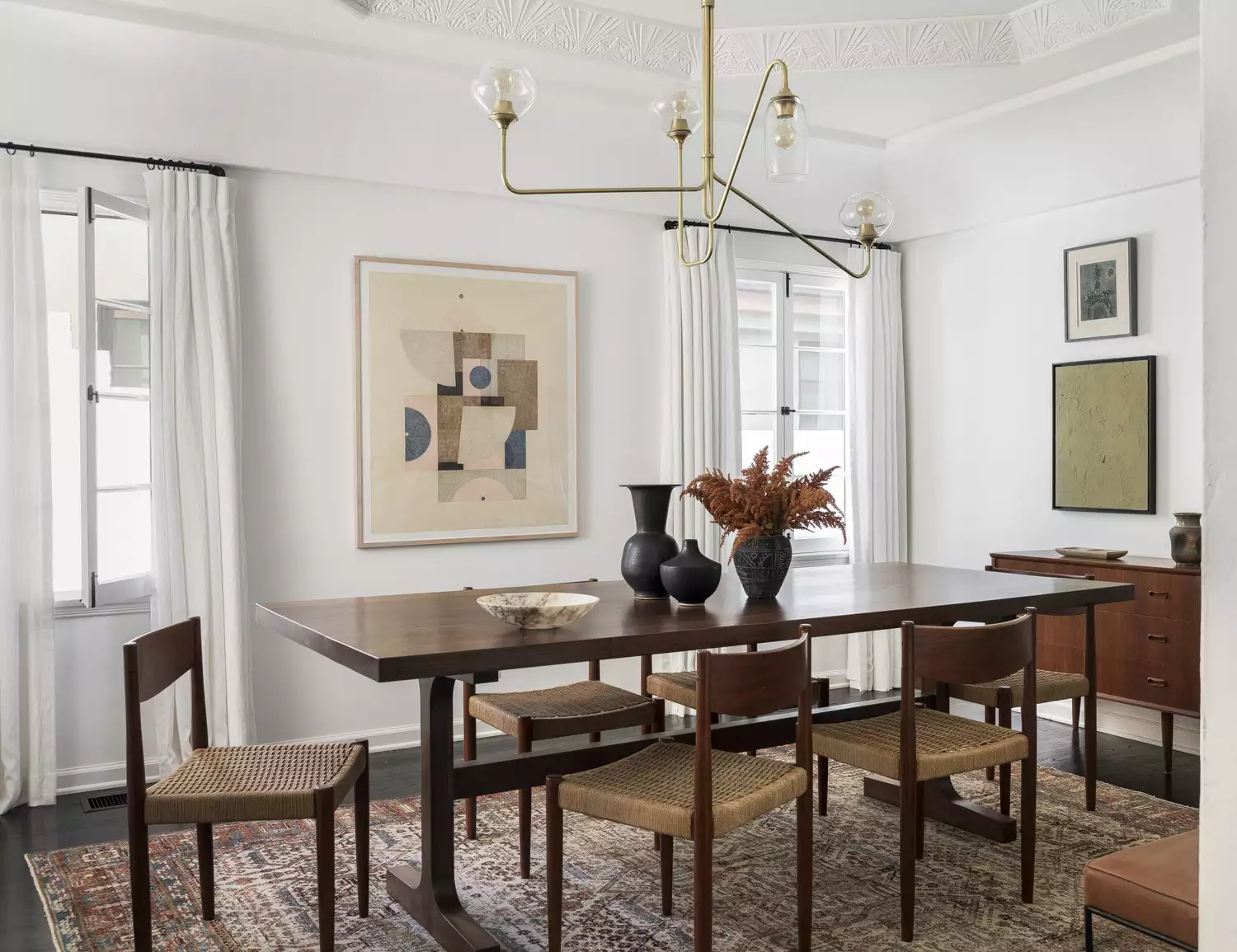
Interior Designers Share Their Secrets for Upgrading Home Lighting—Without Breaking the Bank

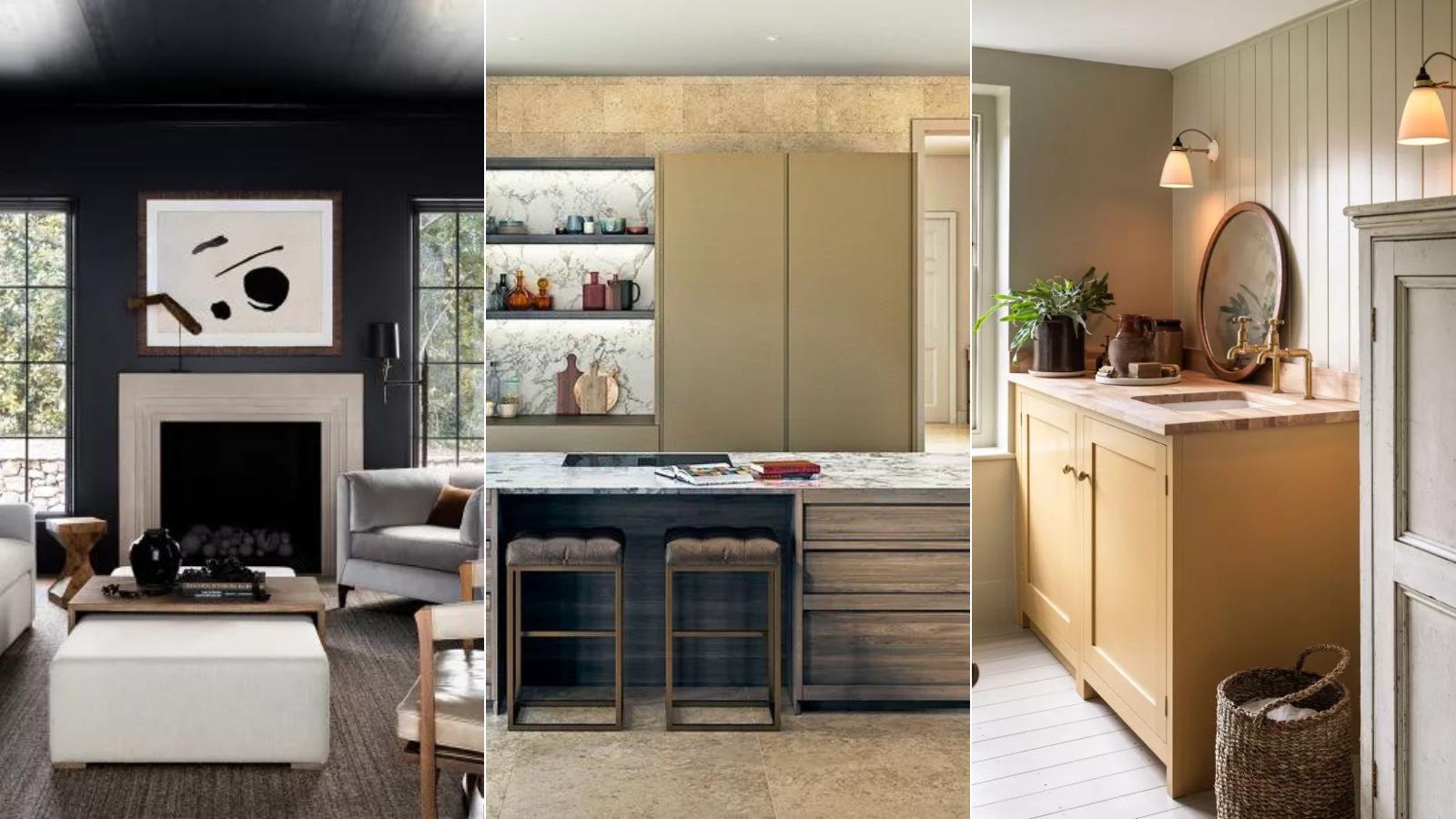
5 colors to decorate with if you're over 'quiet luxury' but still want your home to look rich
10 Items That Make Your Home Look WAY More Expensive

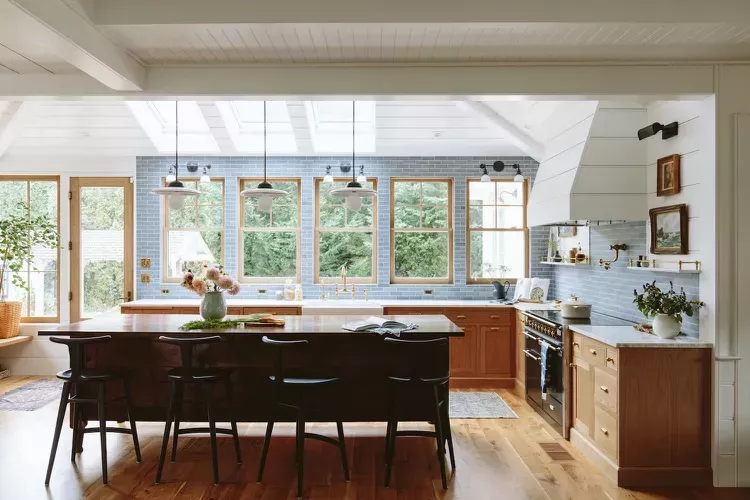
5 Lighting Upgrades Pros Recommend to Instantly Increase Your Home’s Value

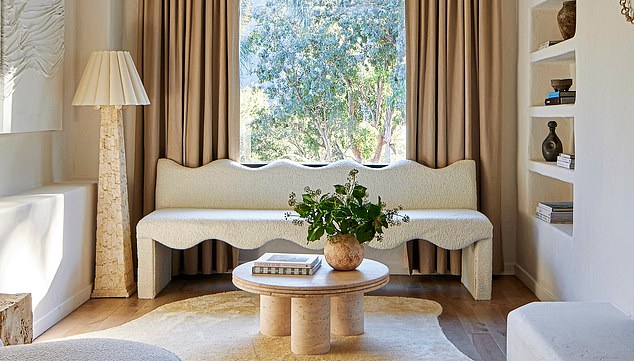
Twenty stylish lamps and lights to update your home without breaking the bank

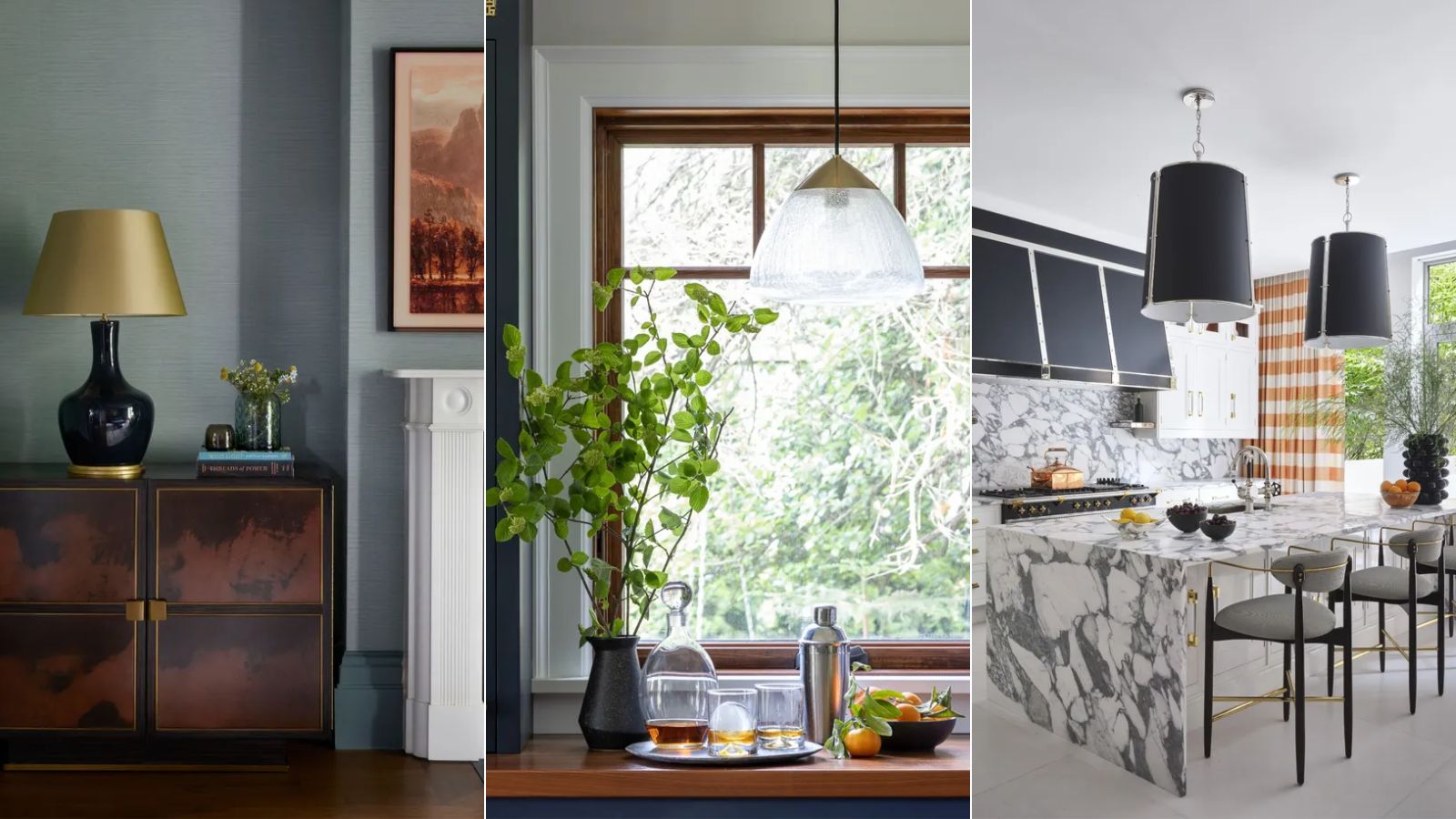
Decorator's Address Book: 15 of the best places to shop for lighting as suggested by interior designers
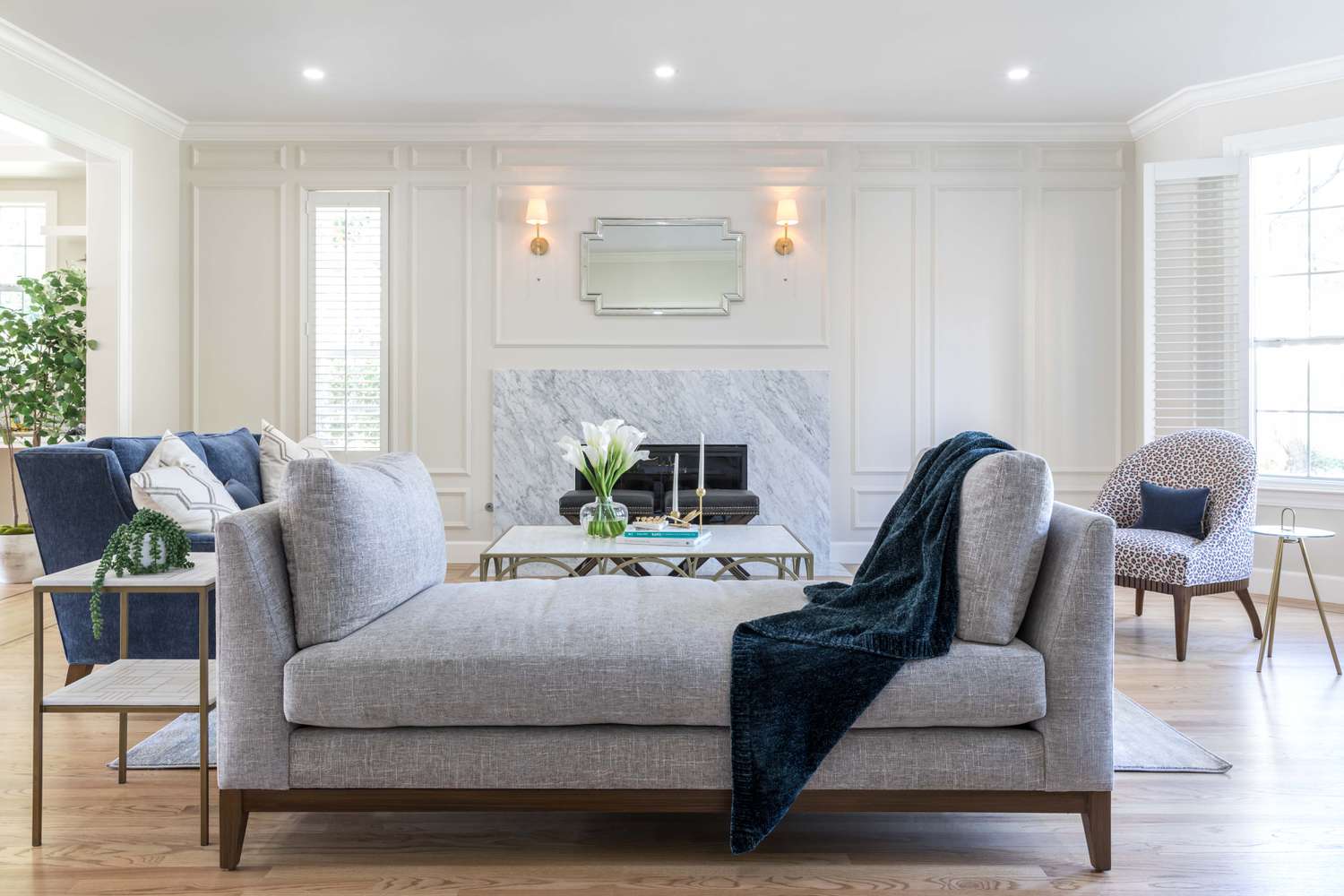
5 Secrets That Will Make Your Living Room Look Expensive, According to Designers
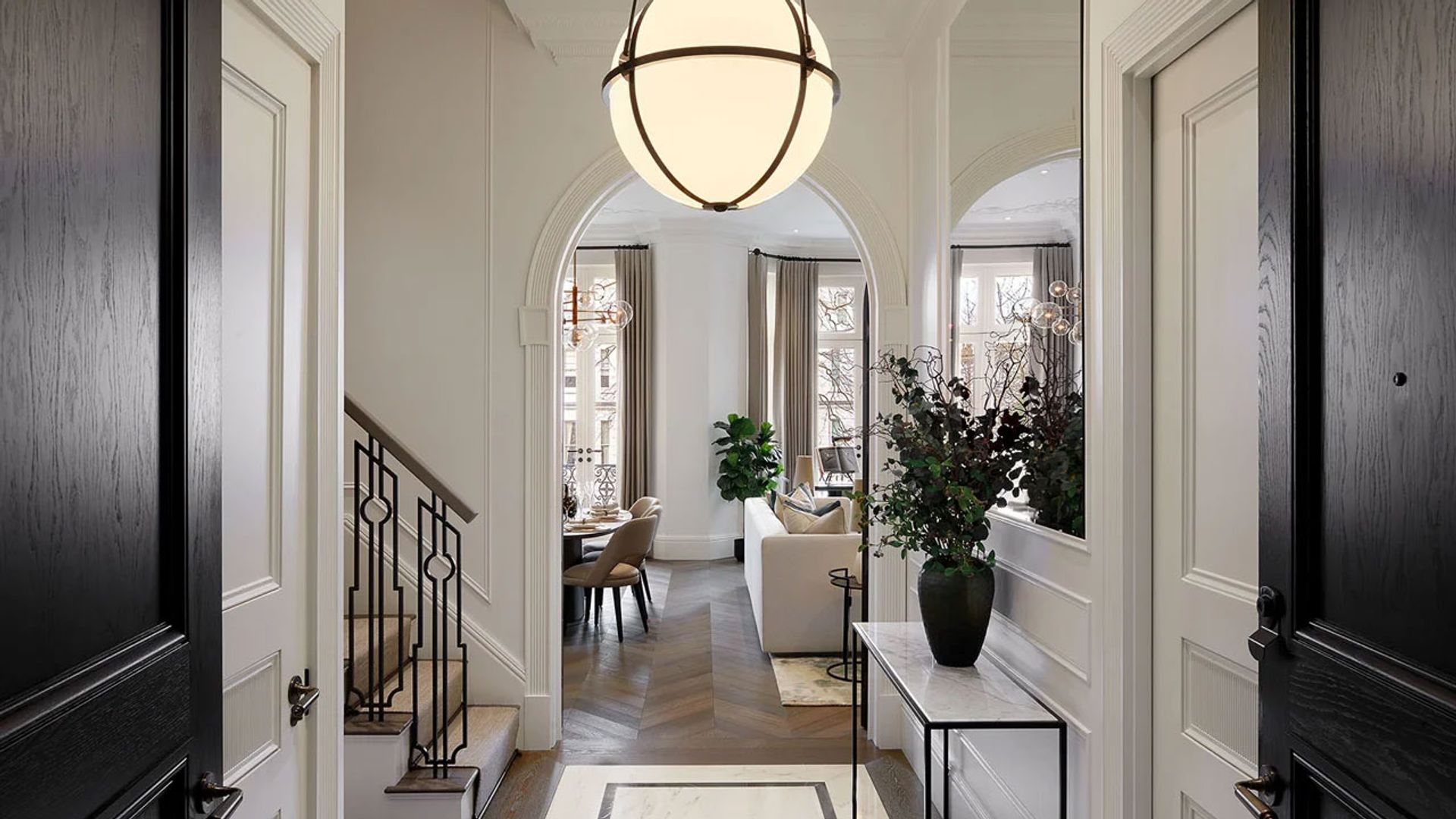
4 rules for luxurious lighting according to interior design experts

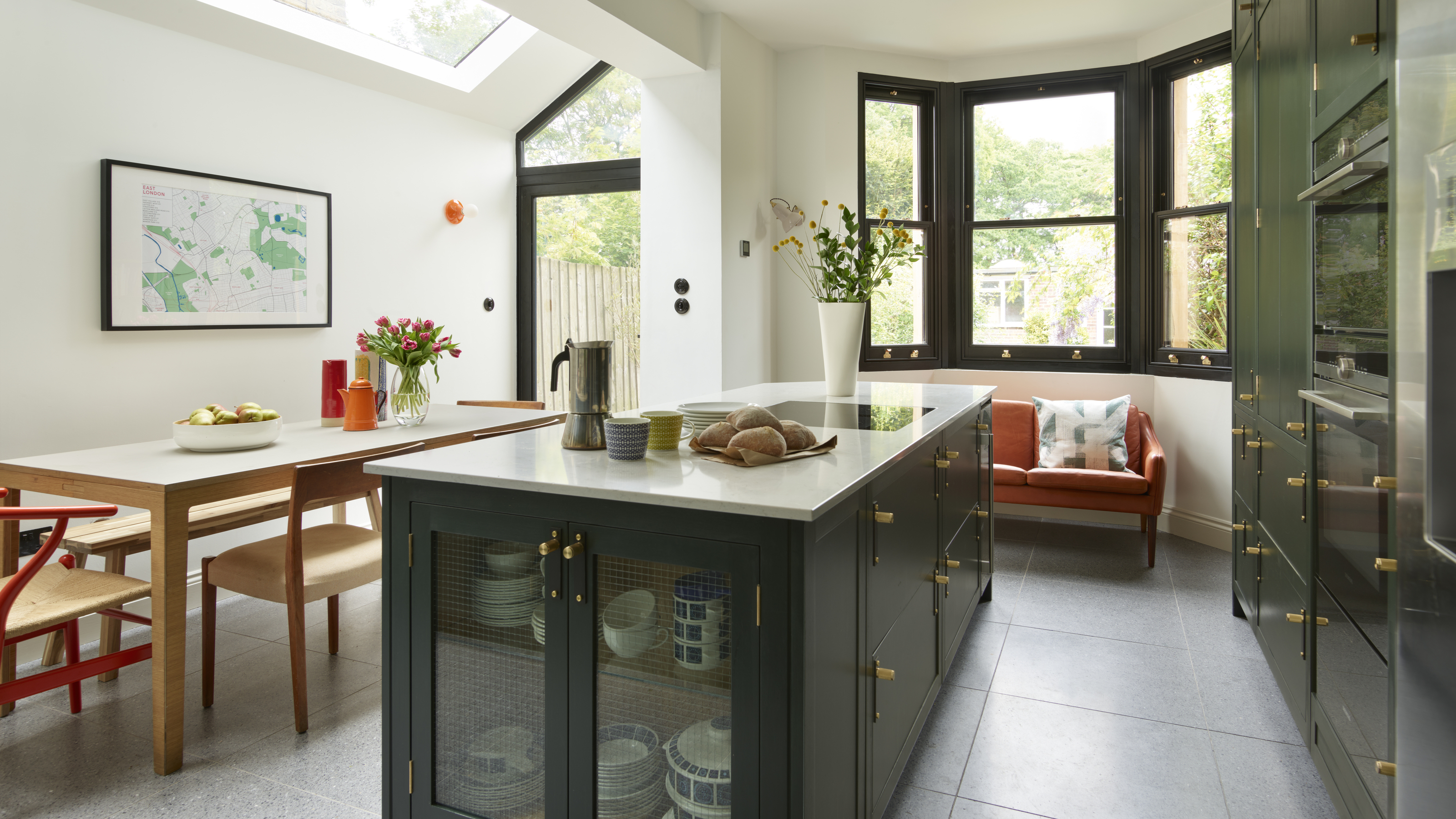
5 Kitchen Cabinet Details That Will Make Your Home Look More Expensive
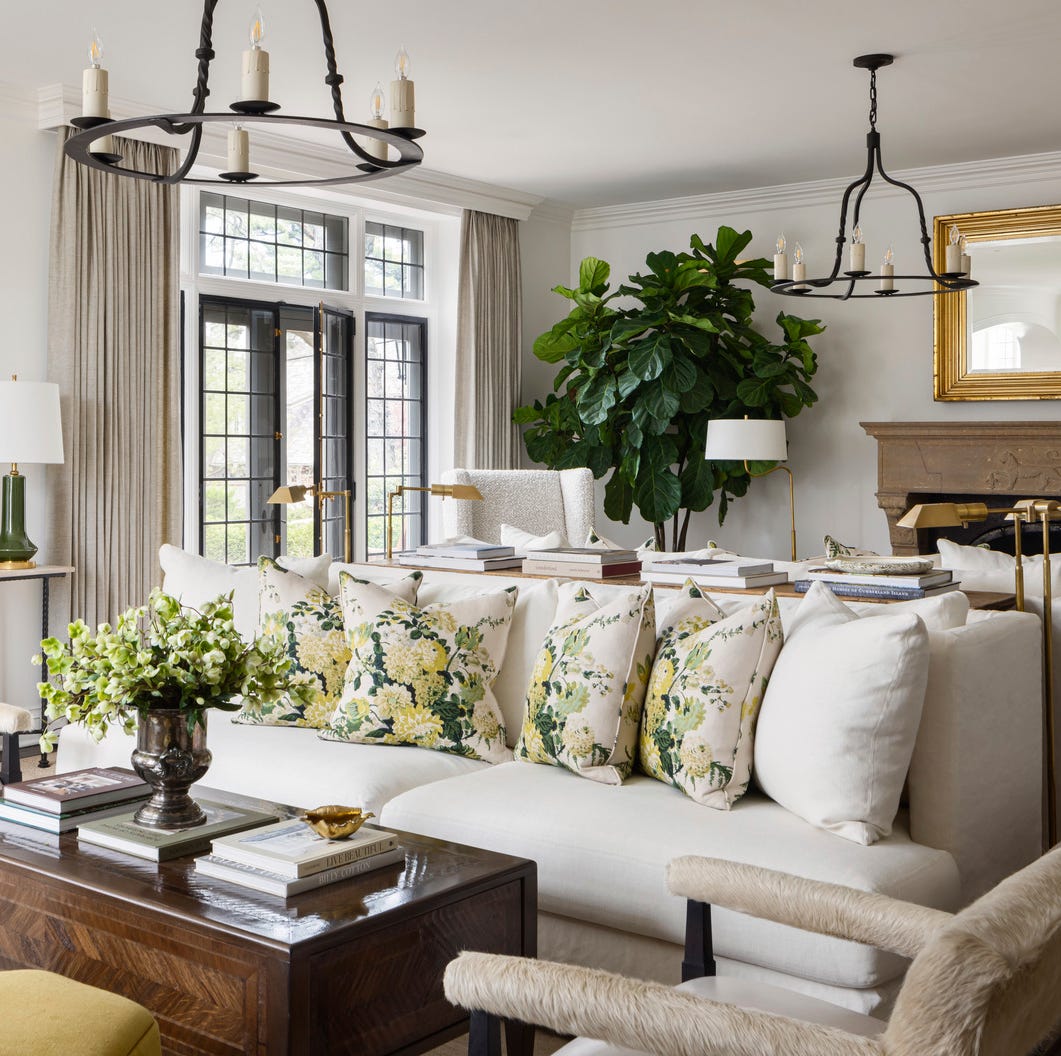
20 Ways High-End Designers Properly Light a Living Room

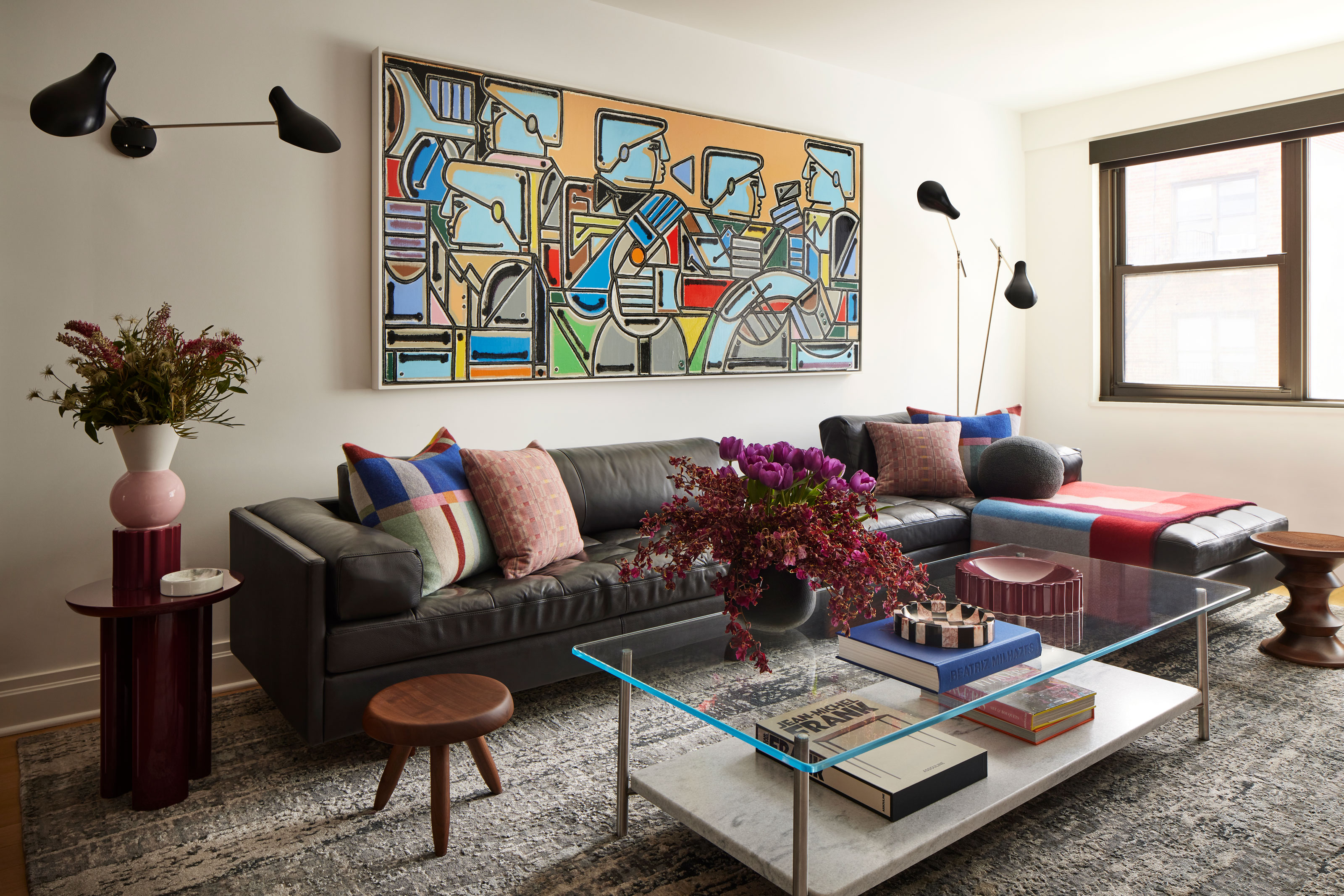
Forget the Ceiling Light — These Are the 5 Ways You Should Be Lighting Your Living Room
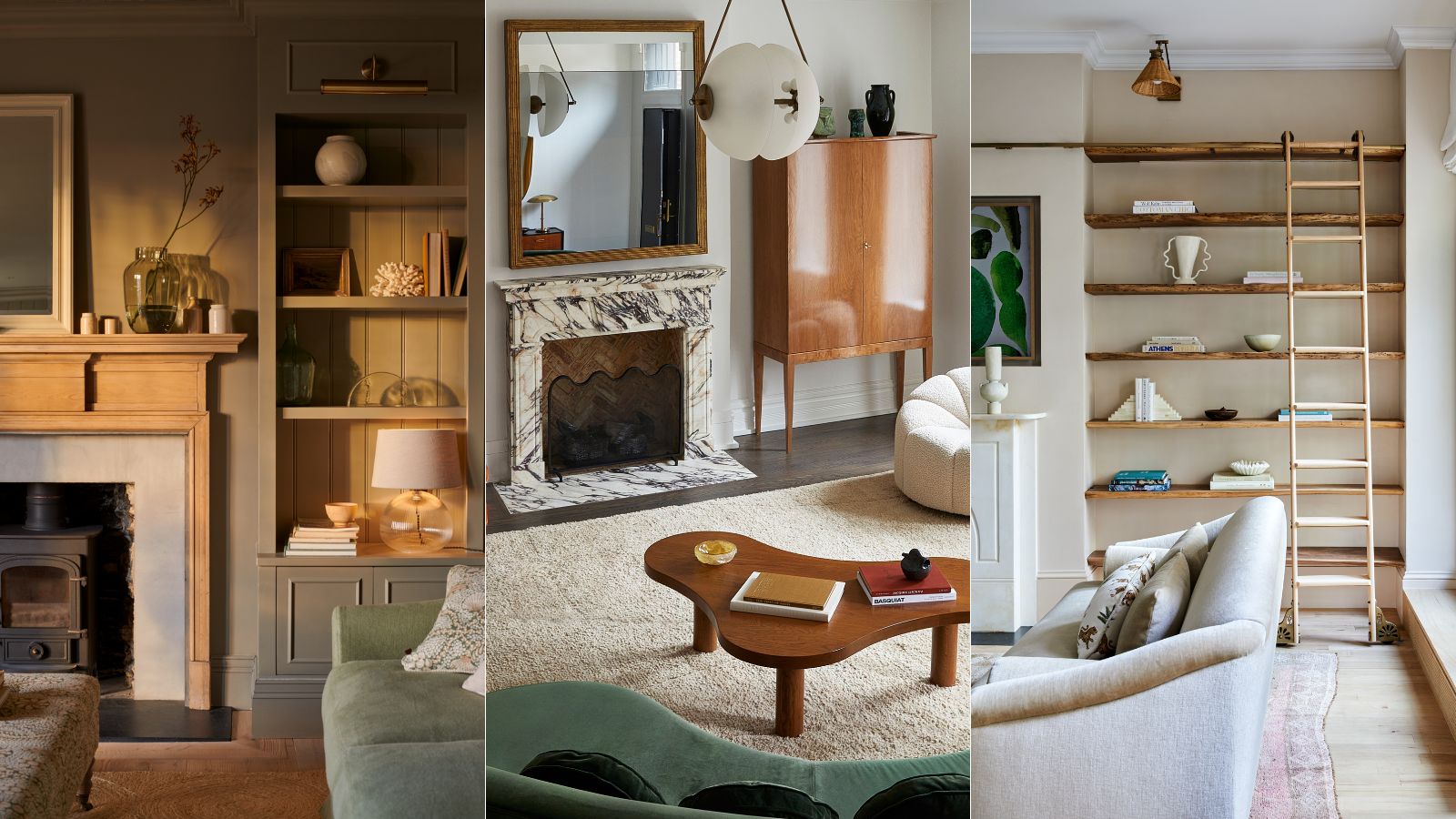
How can you make your living room storage look more expensive? 5 simple tips interior designers always follow
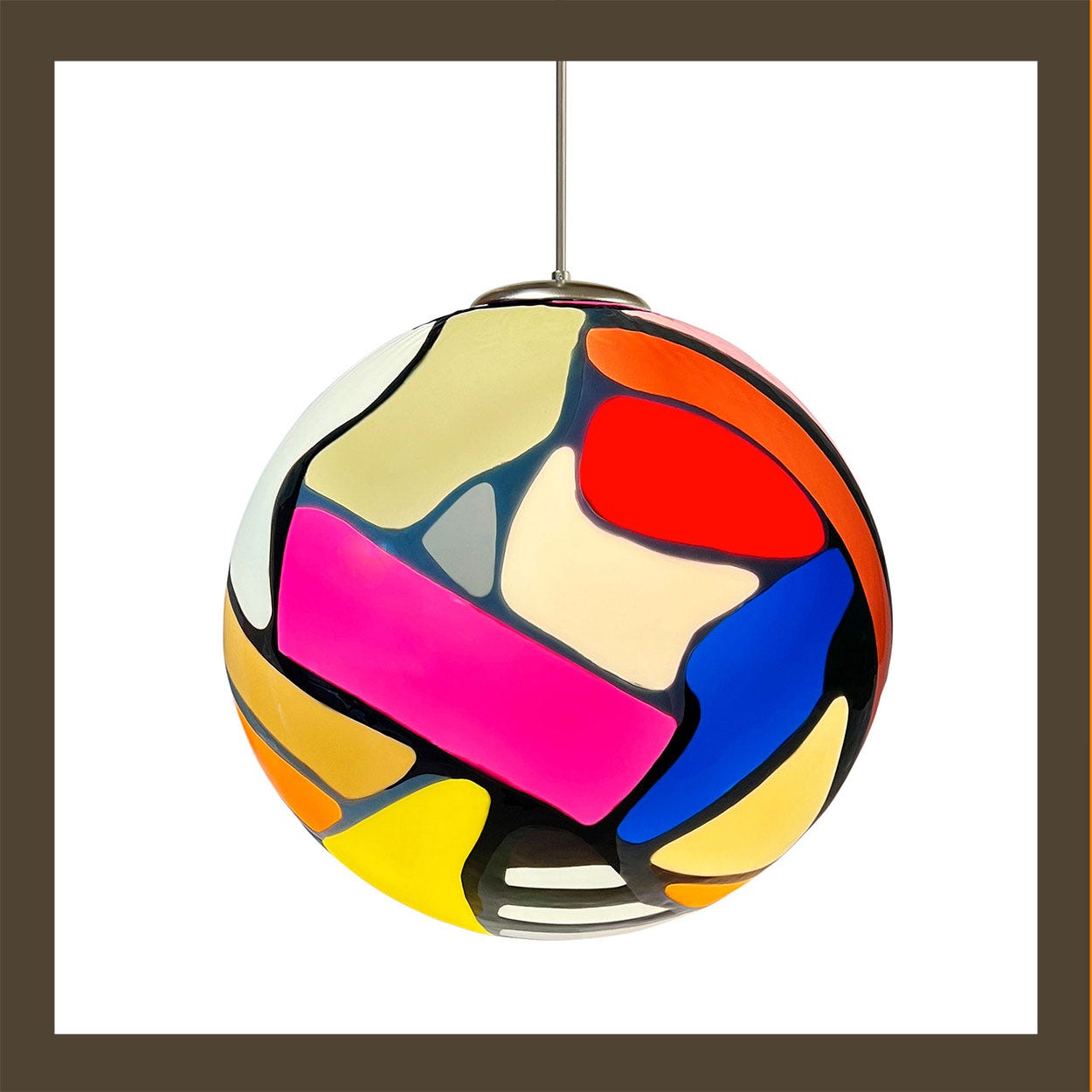
These Statement Lighting Options Will Take Your Living Room from Drab to Fab
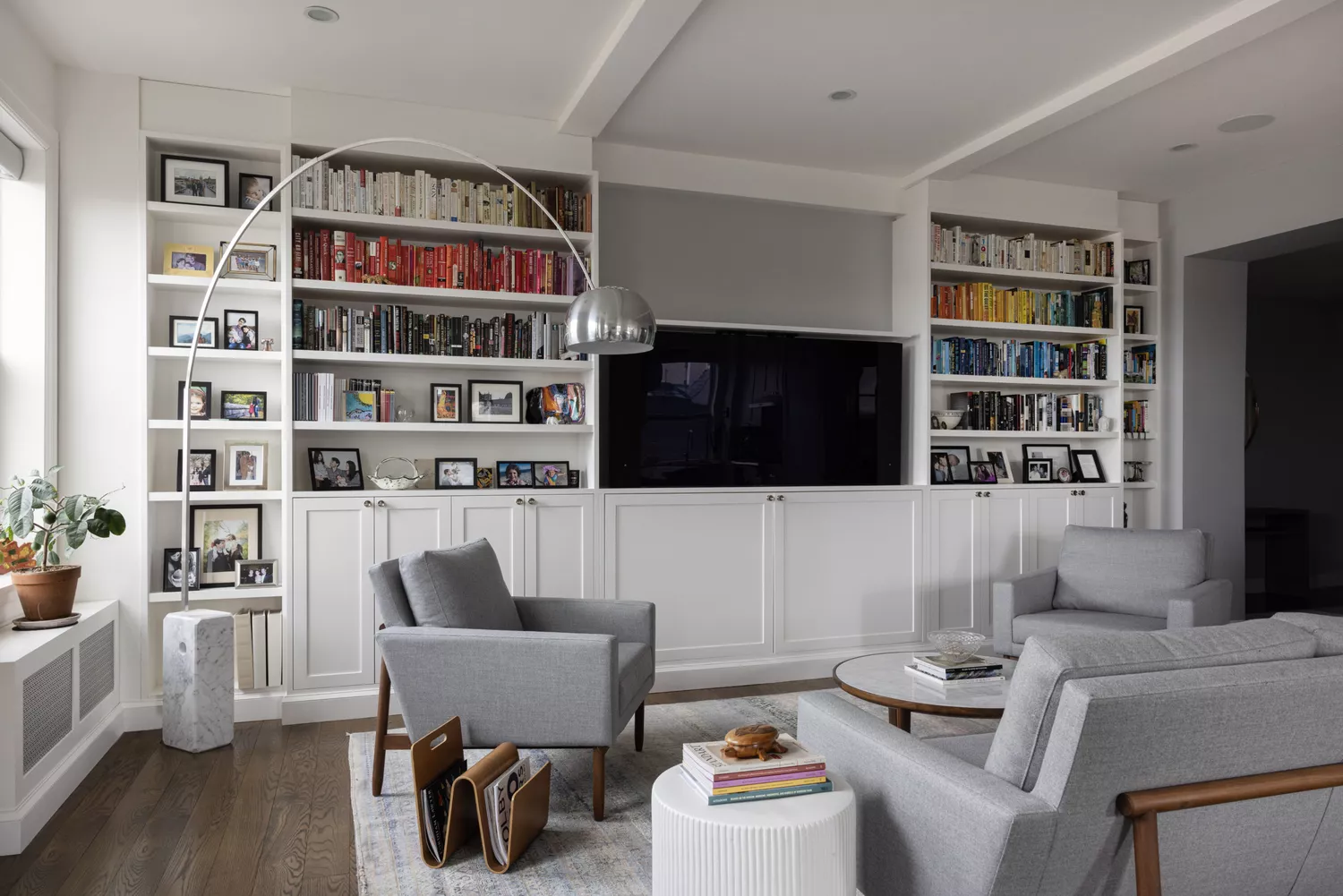
5 Easy, Designer-Approved Lighting Hacks to Brighten Up Your Home