1/4
5 Reasons You Shouldn't Paint Your Kitchen Walls White — And the Alternatives You Need to Try
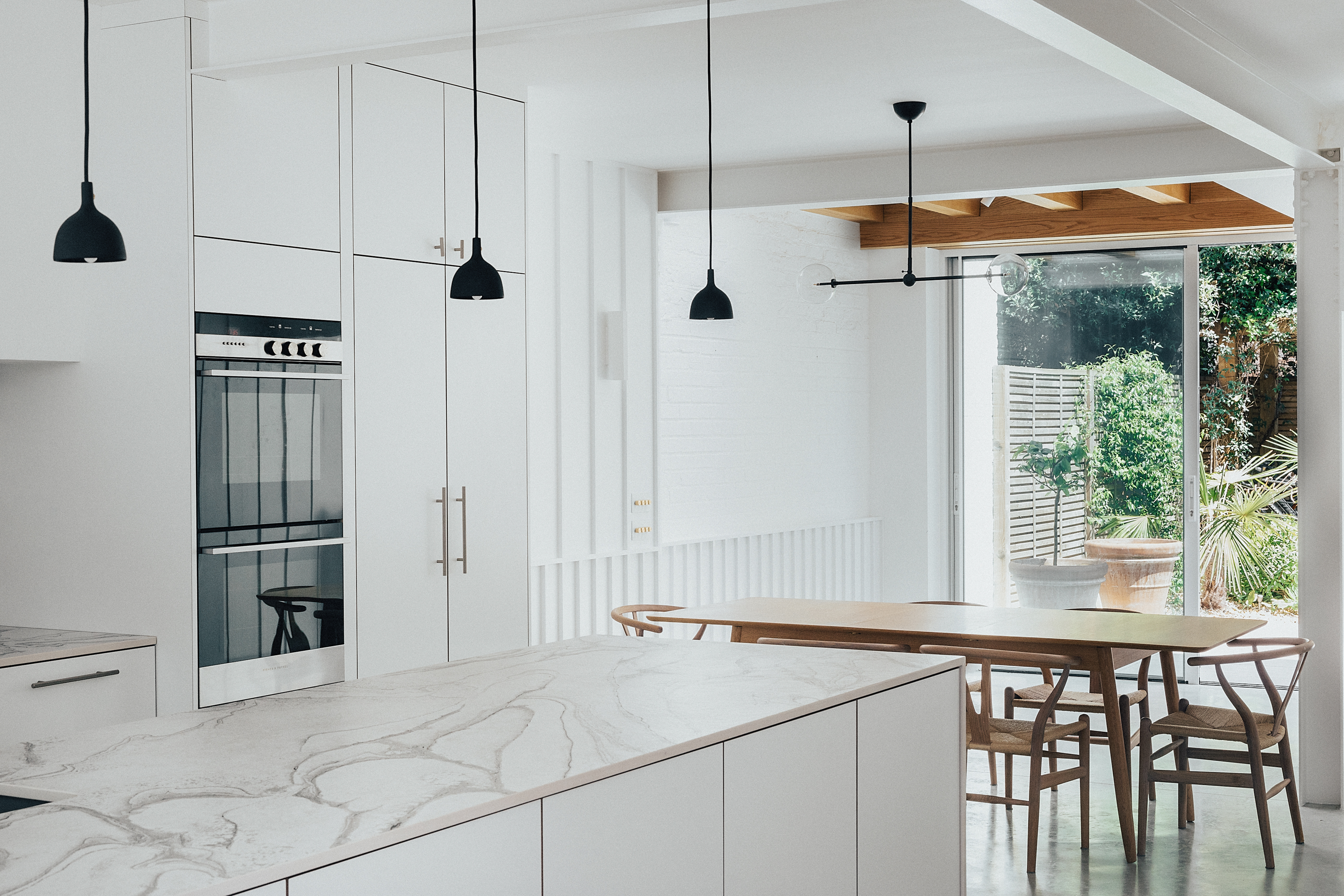
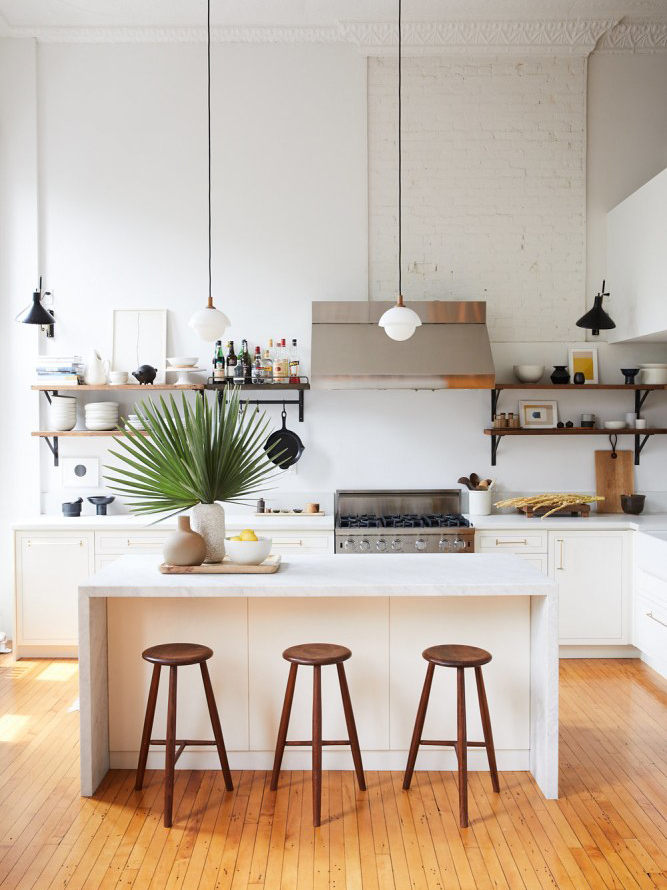
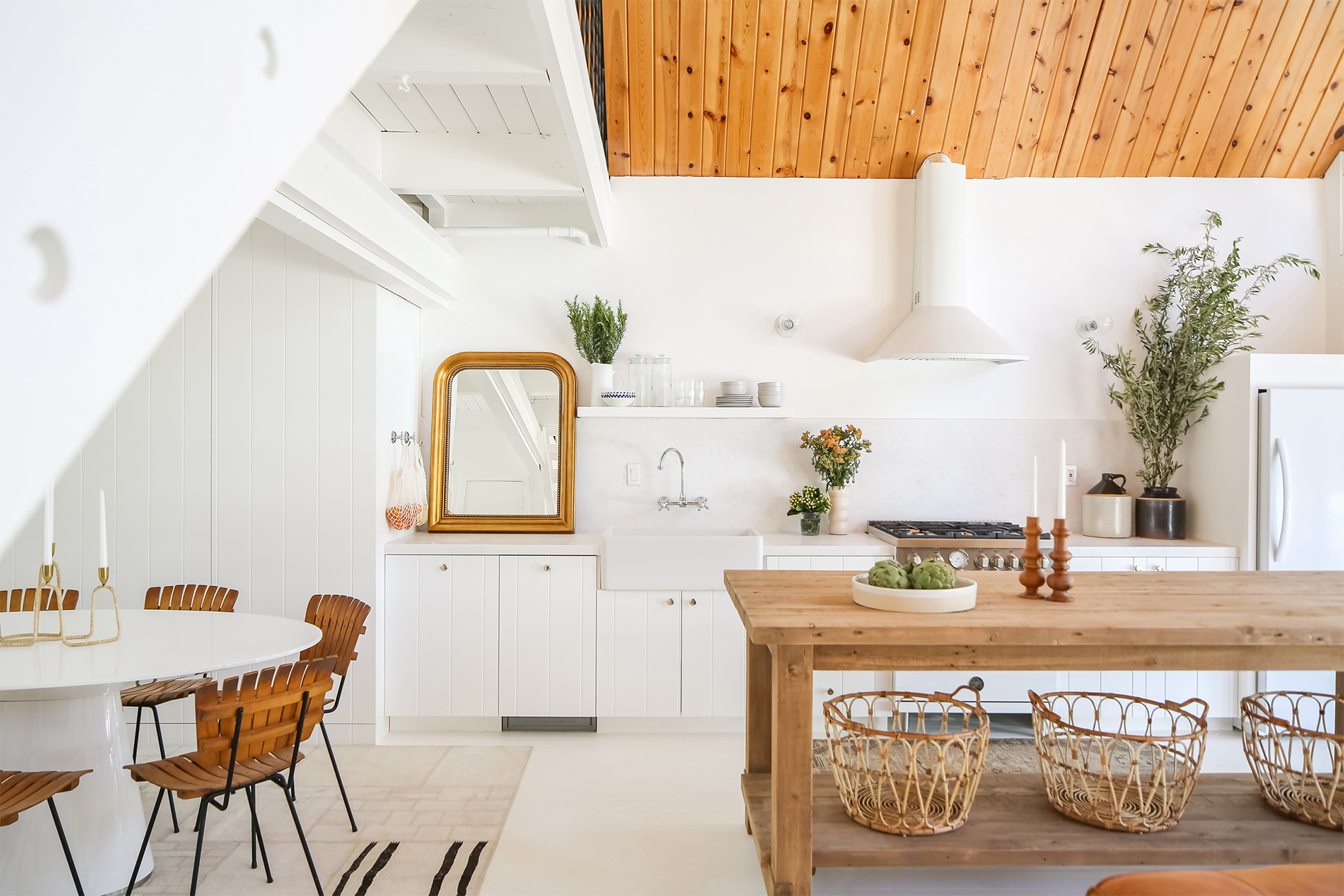
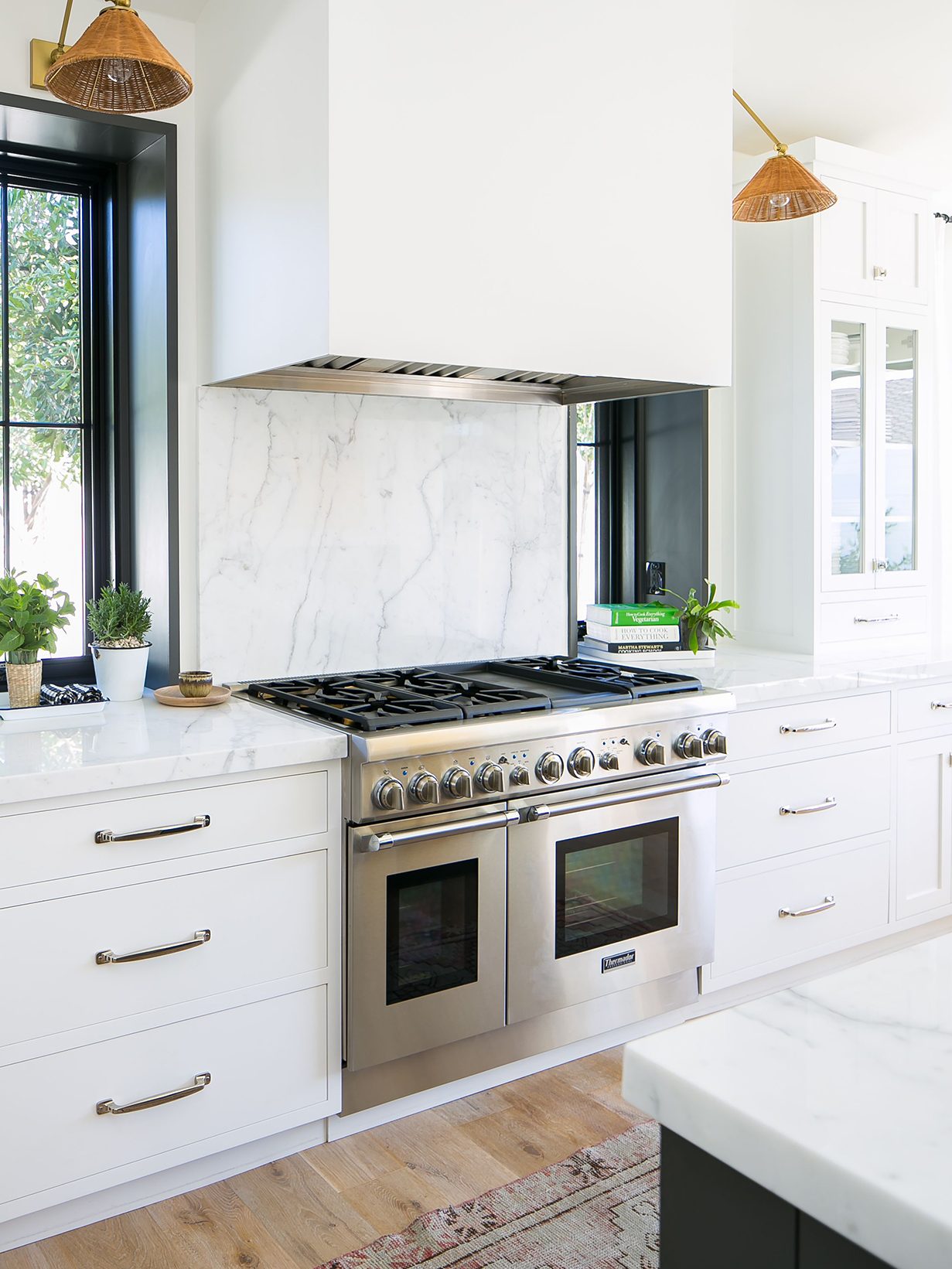
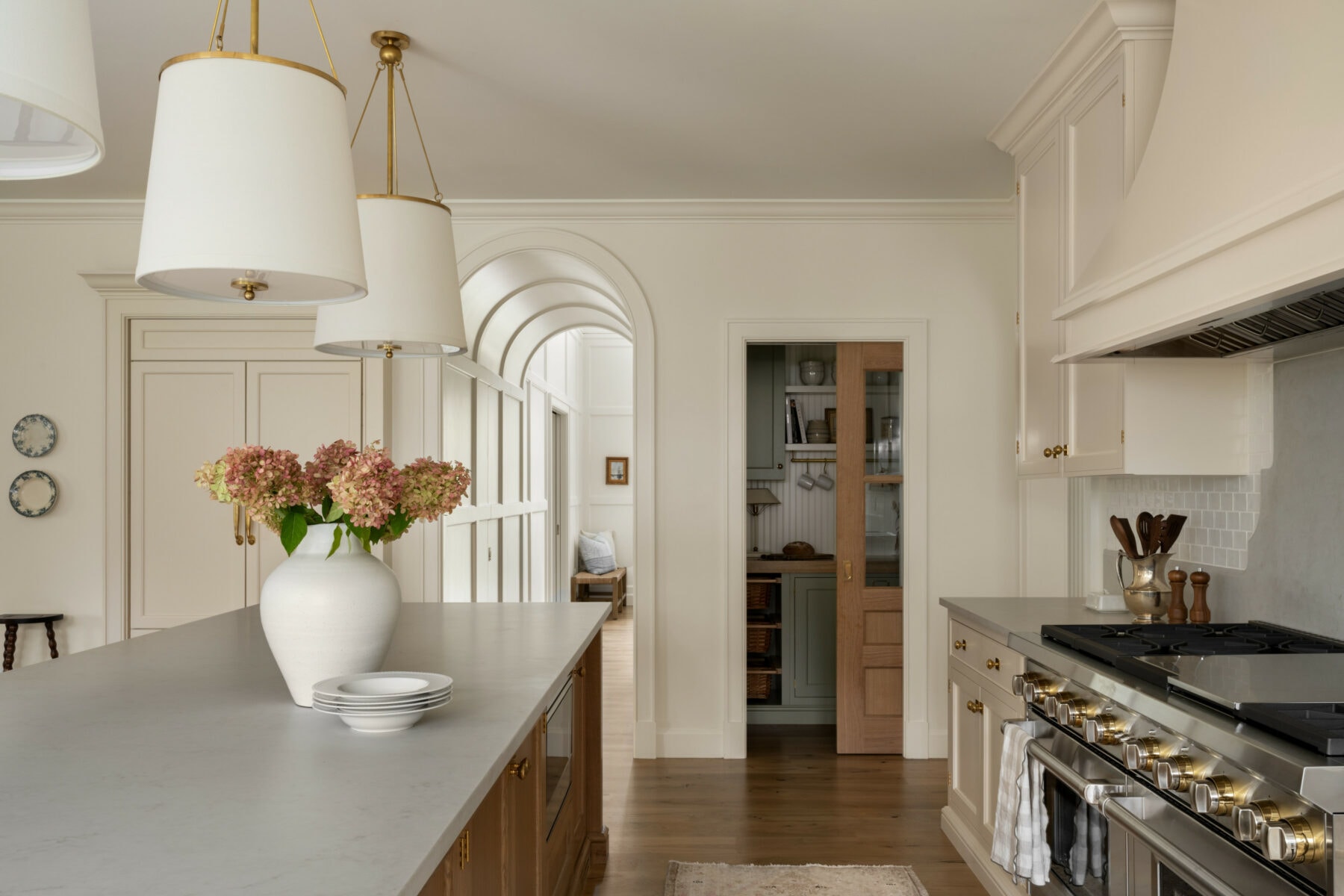
While white has traditionally been a popular and seemingly safe choice for kitchen walls, modern interior design trends and practical considerations suggest moving away from this conventional option. Designers note that white kitchens, although classic, present several challenges, making other shades more suitable for contemporary homes.
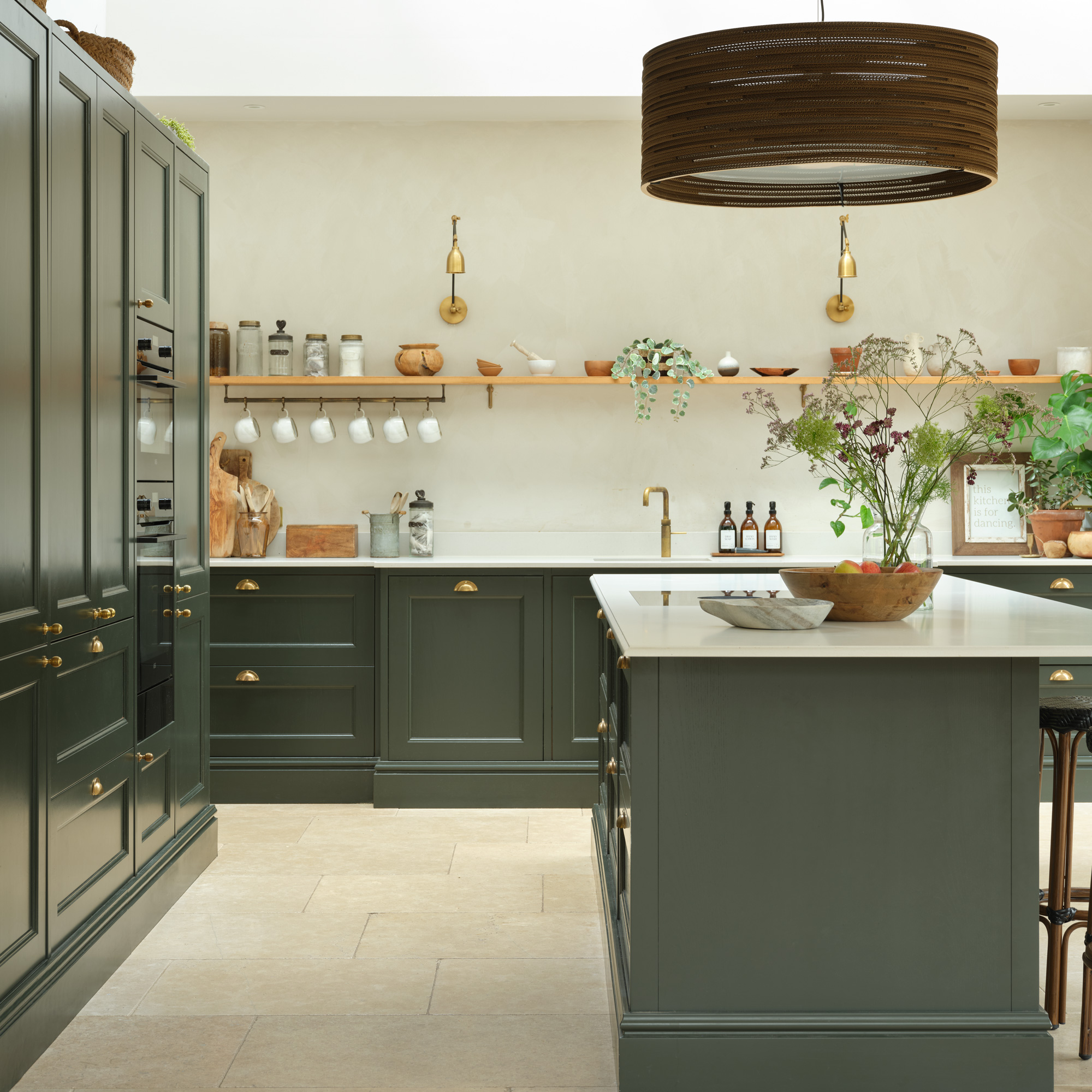
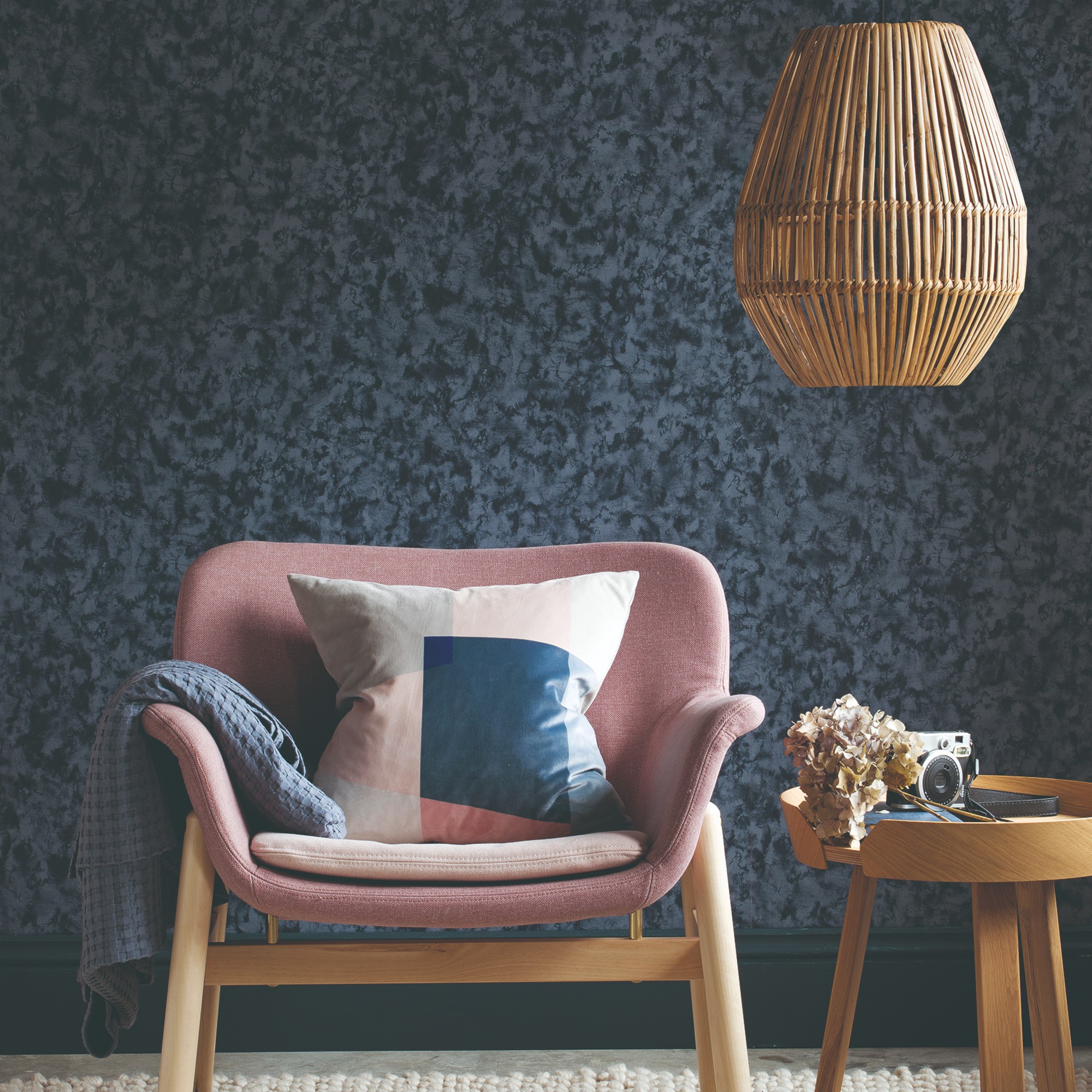
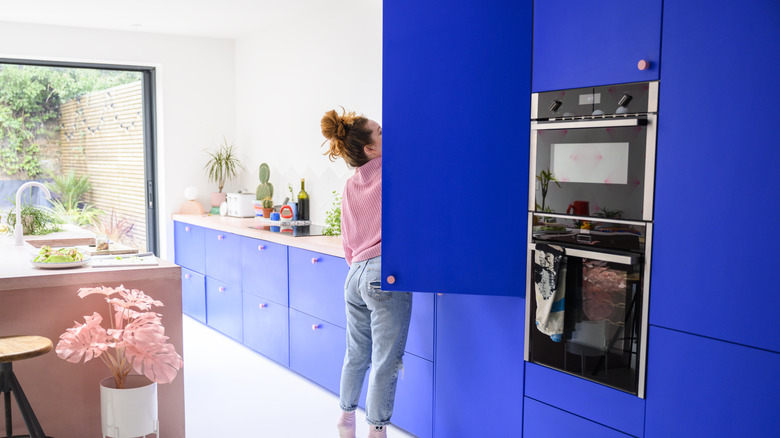
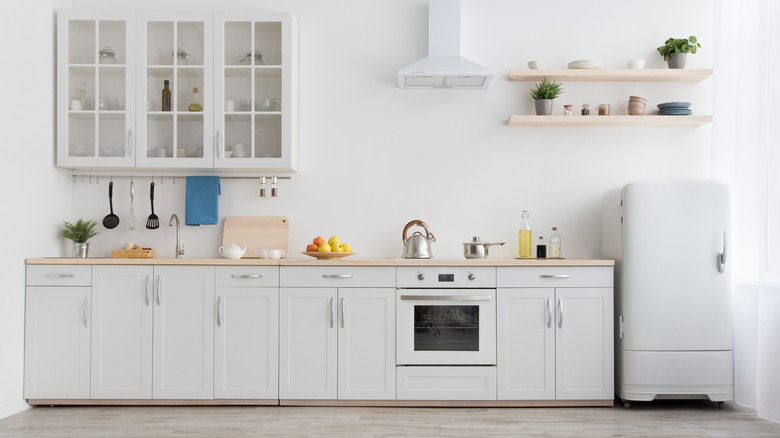
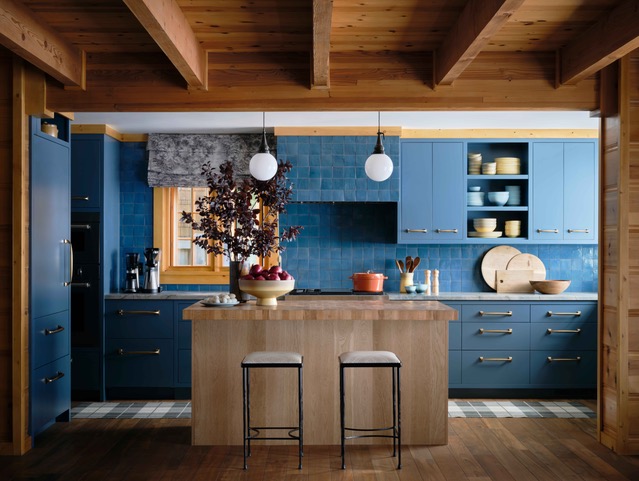
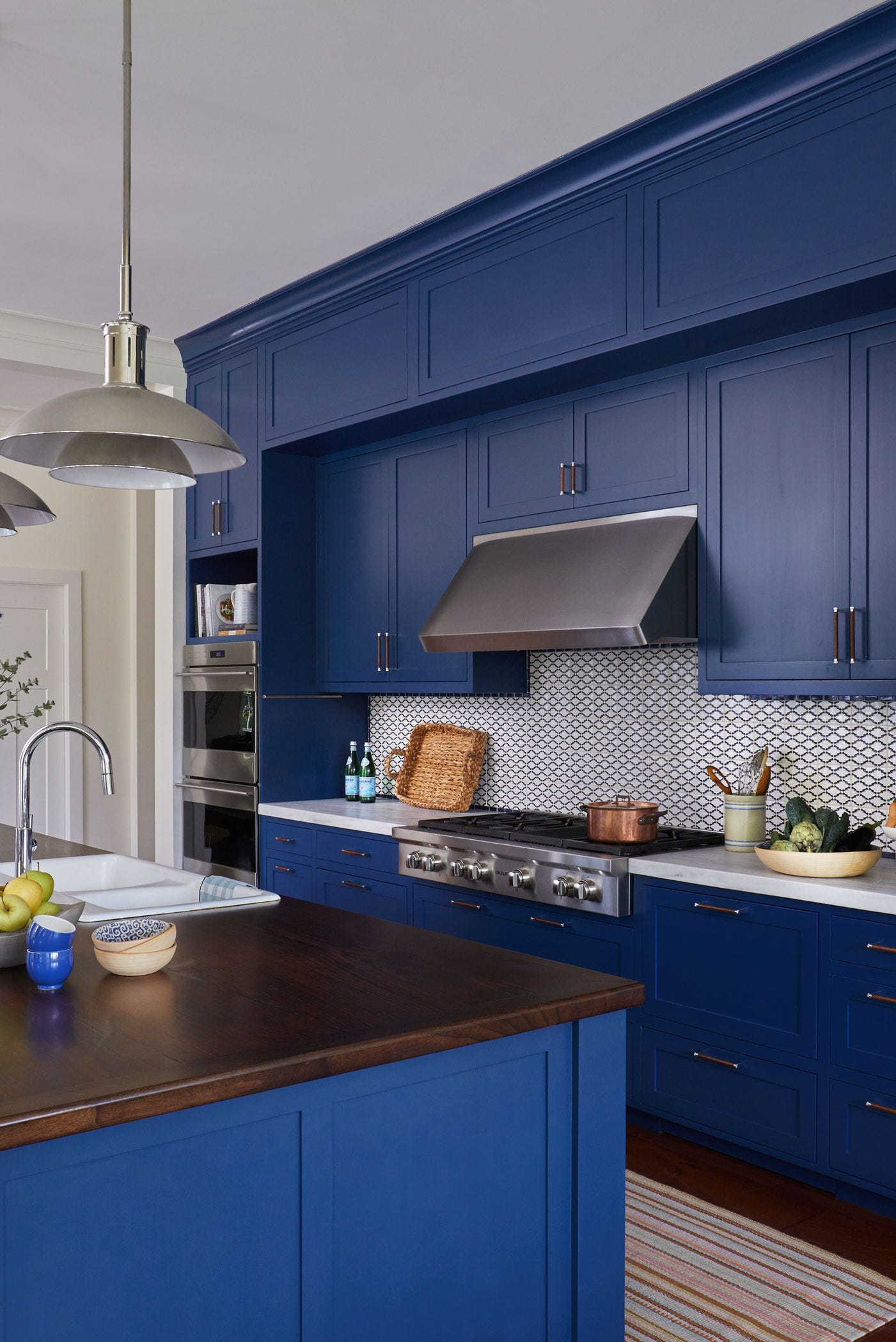
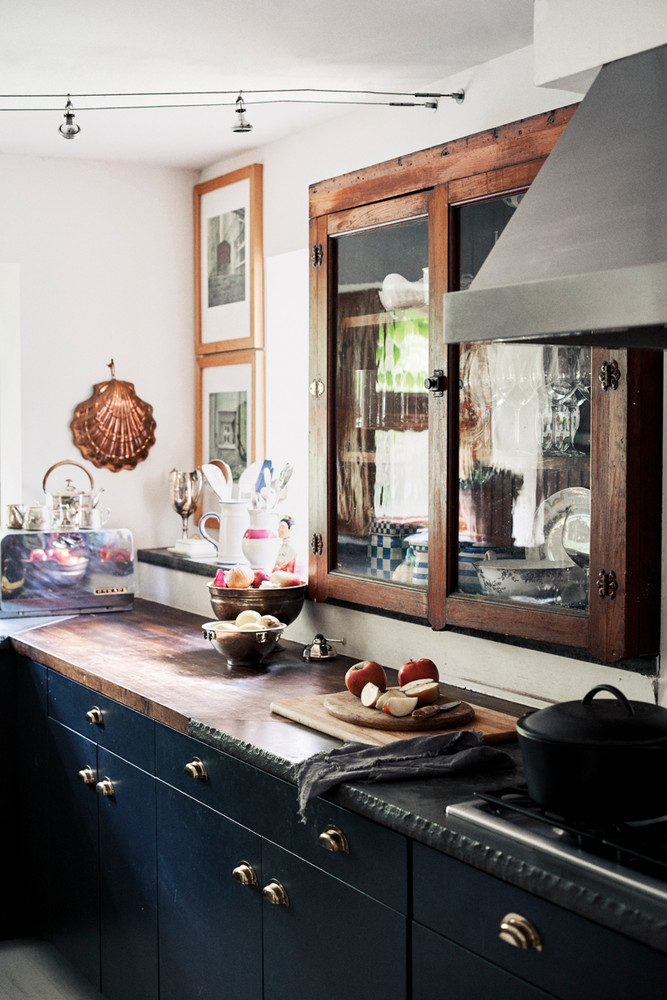
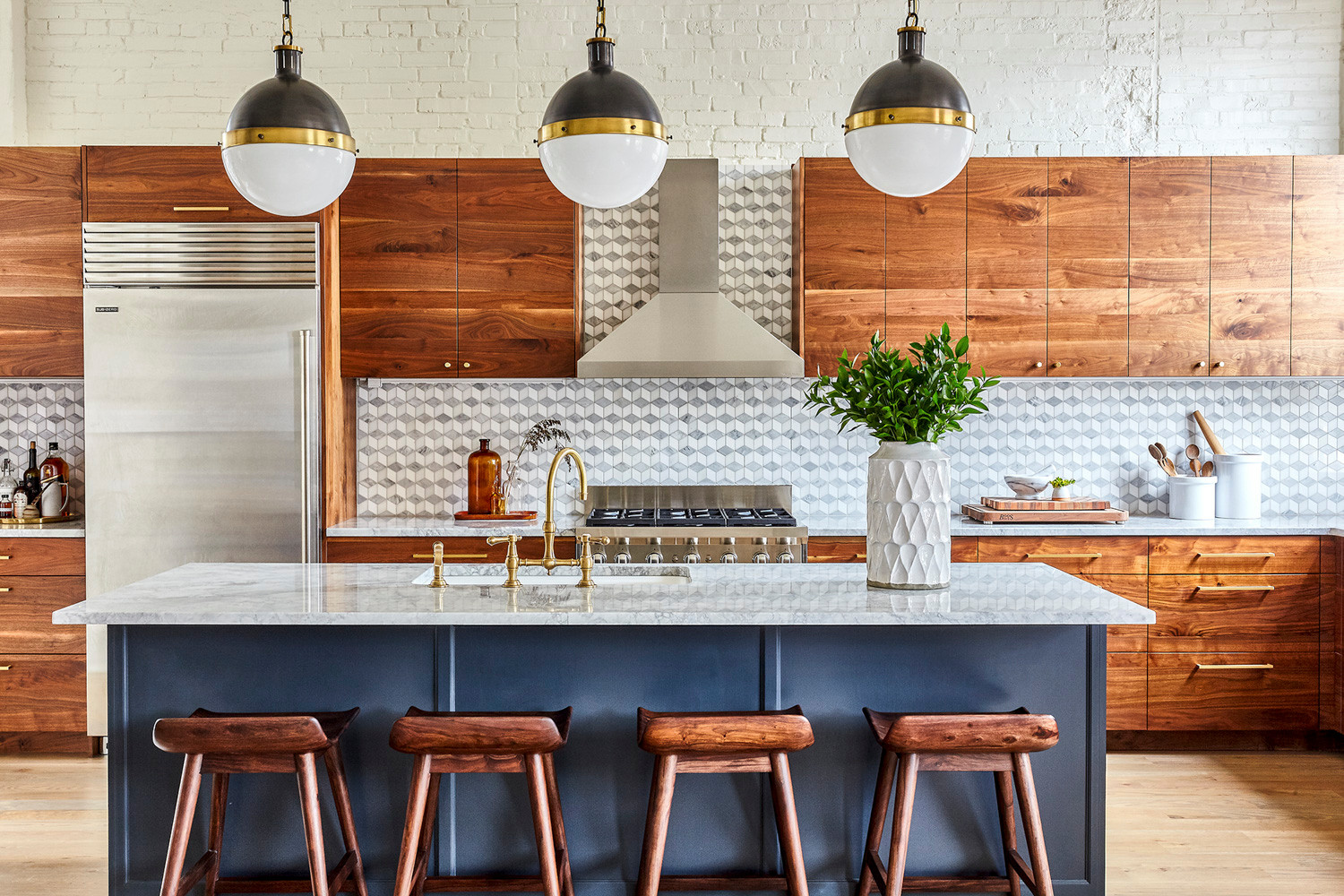
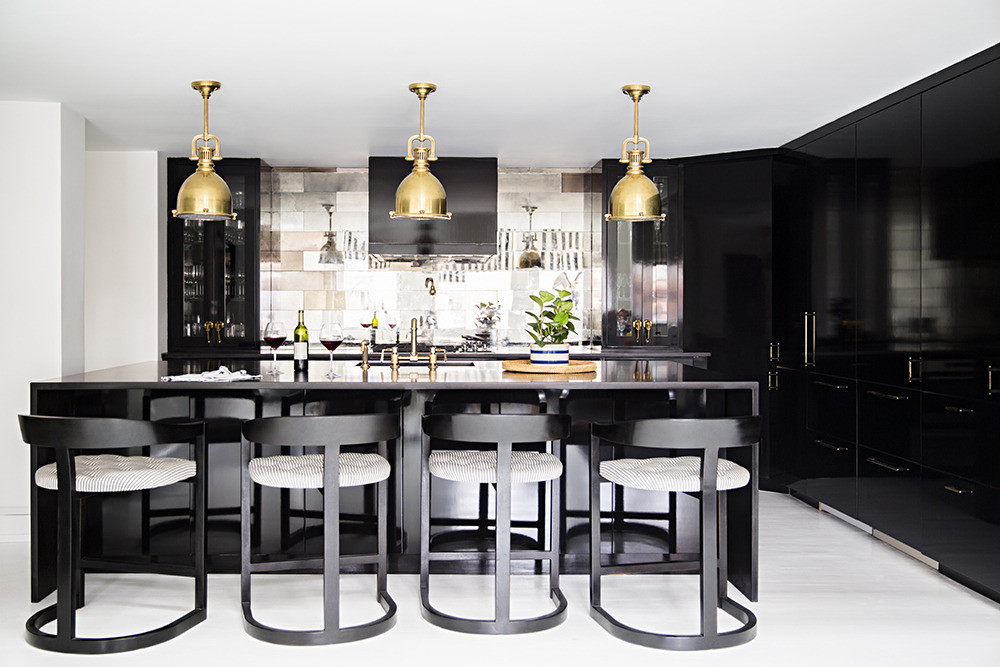
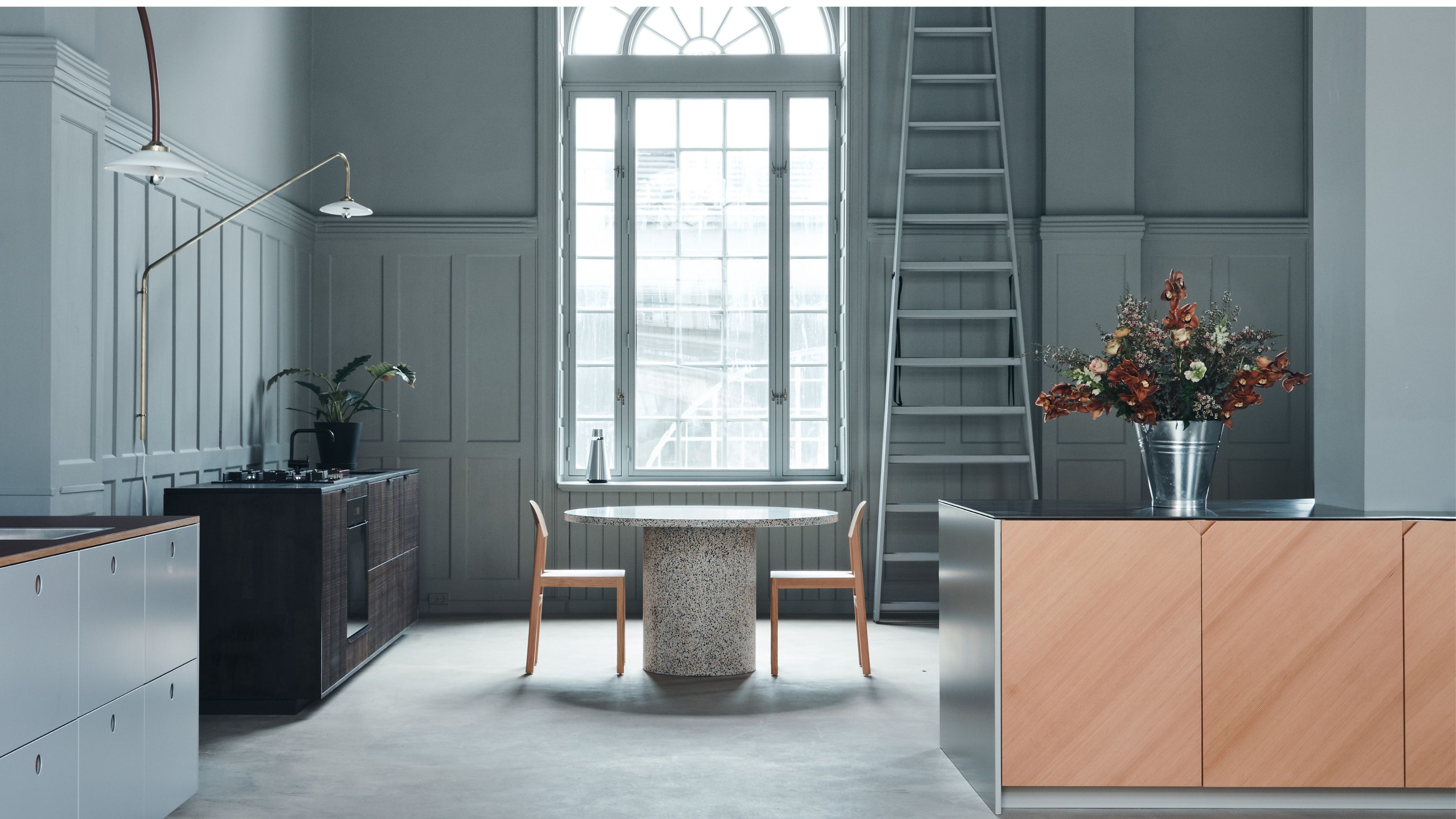
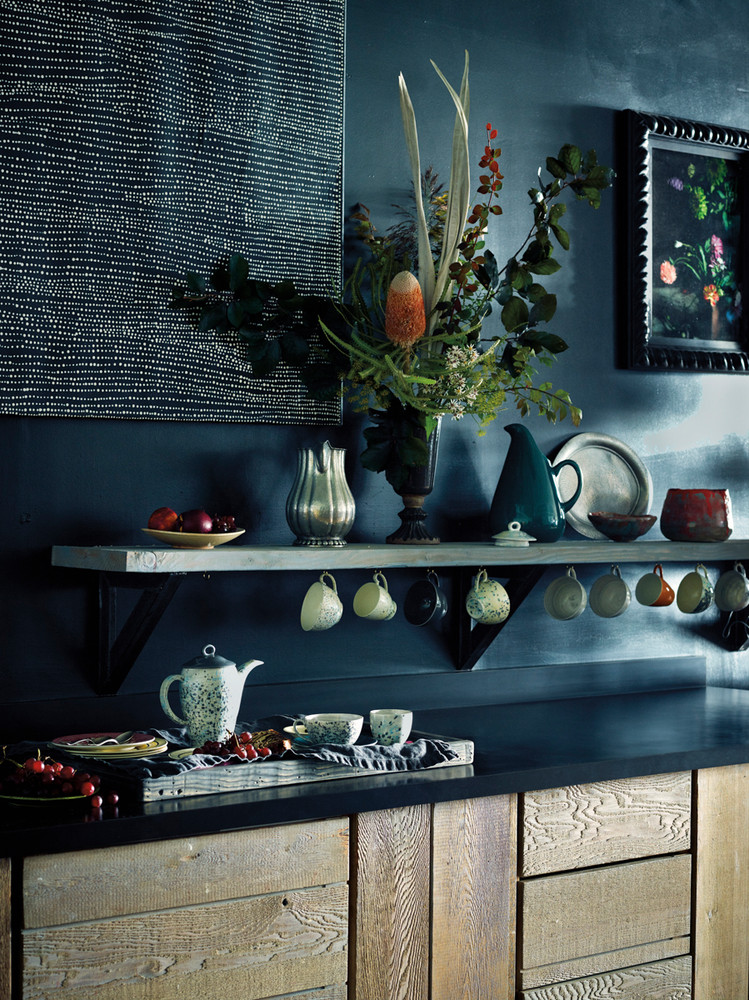
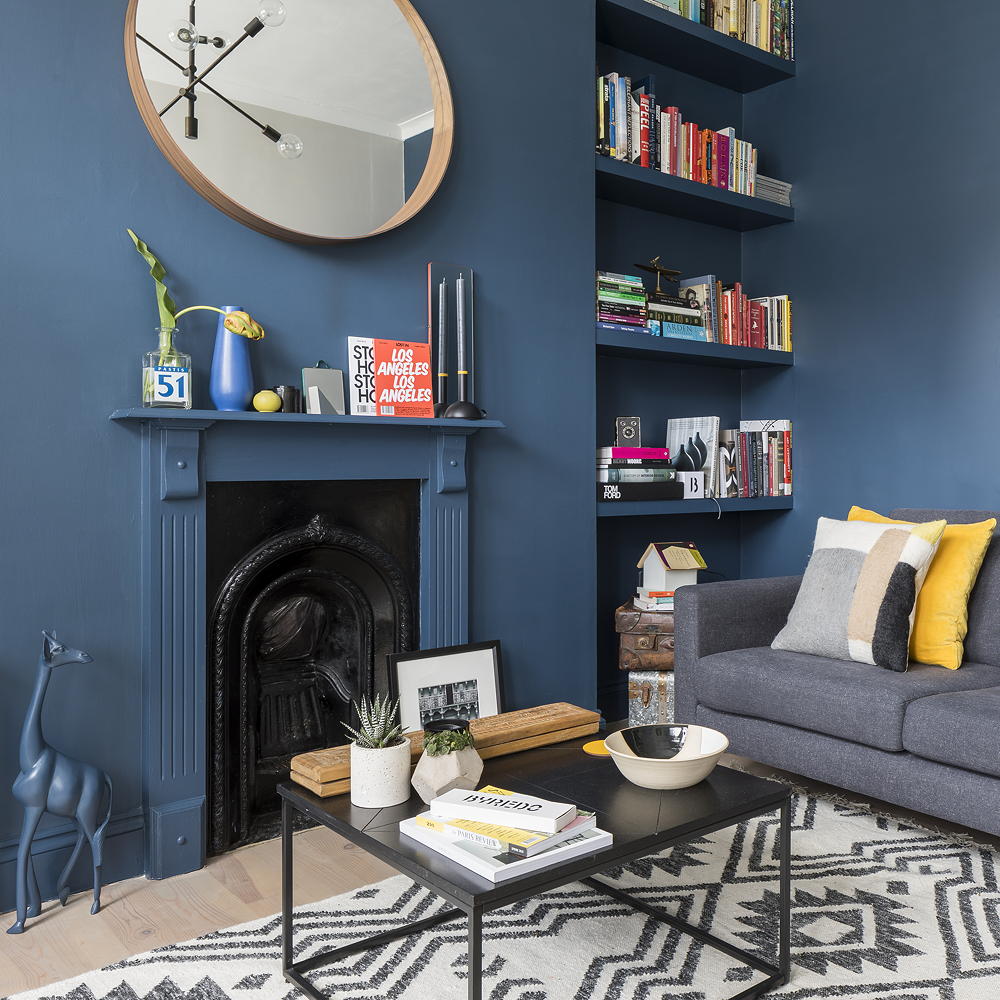
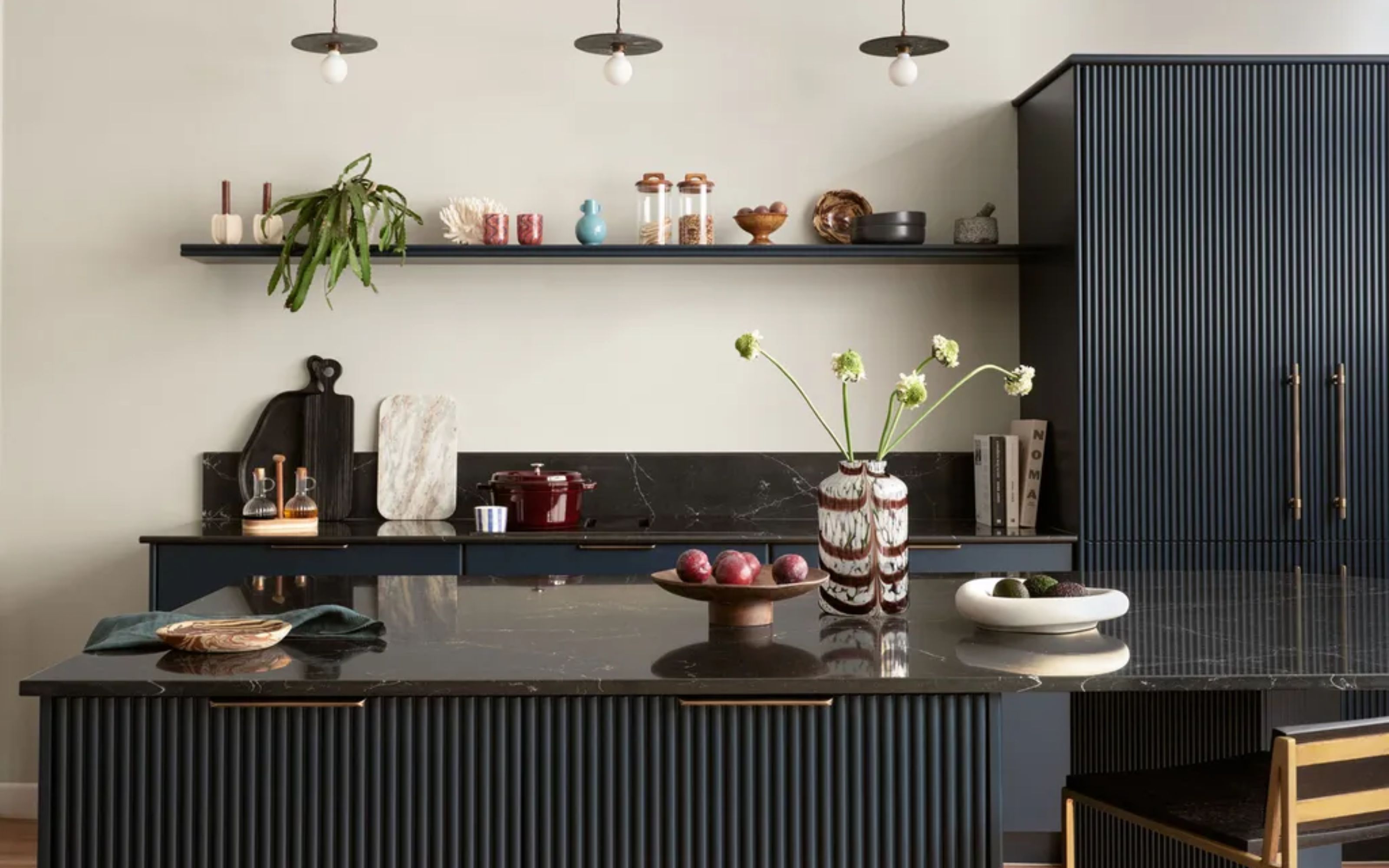
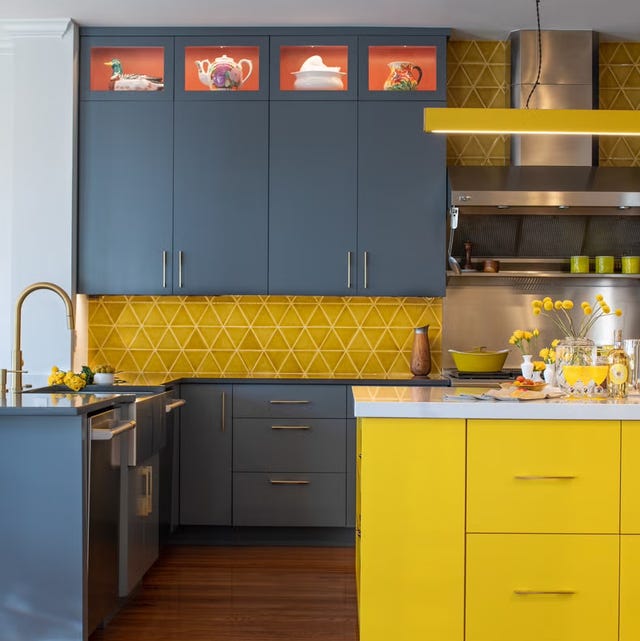
One significant drawback of white walls in a kitchen is their susceptibility to showing stains and general wear and tear. Everyday incidents like fingerprints, food splatters, and dust particles become immediately noticeable, demanding constant cleaning. Furthermore, white surfaces can yellow or discolor over time due to exposure to sunlight, cooking oils, and moisture. For busy households, this high maintenance can be impractical. In such cases, designers recommend opting for darker tones like black, dark navy blue, or charcoal gray. These colors are more forgiving, effectively concealing daily messes, and can also impart a modern and sophisticated aesthetic to the space. For example, a black or gray kitchen can create a dramatic and moody atmosphere, reminiscent of a luxurious hotel bar, as noted by Eddie Maestri of Maestri Studio.
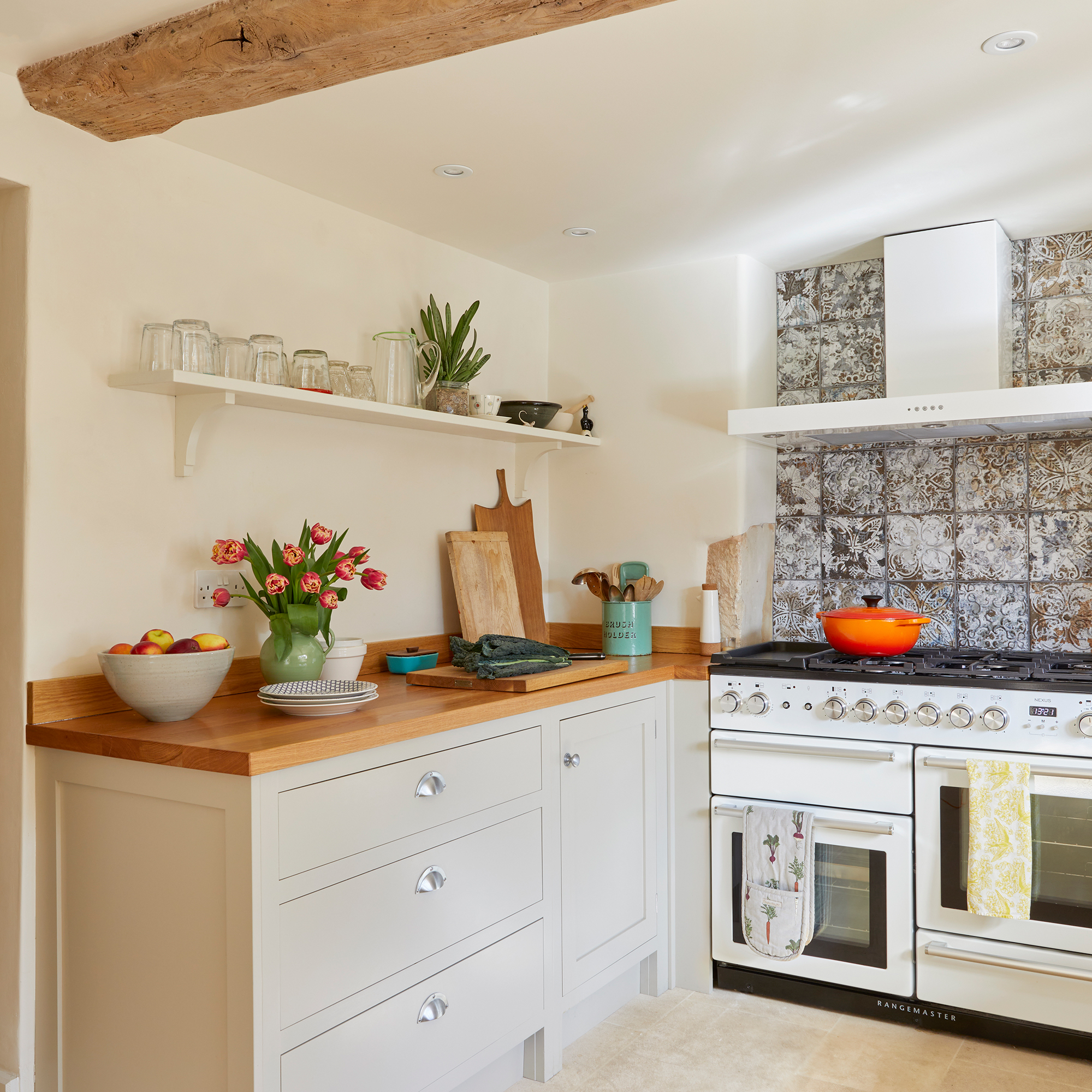
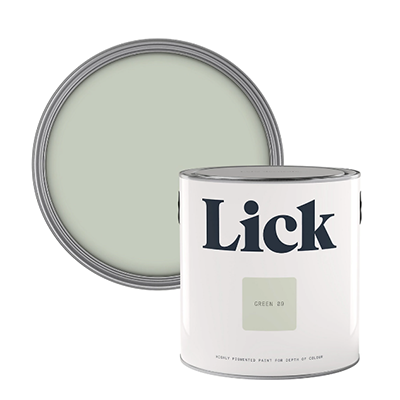
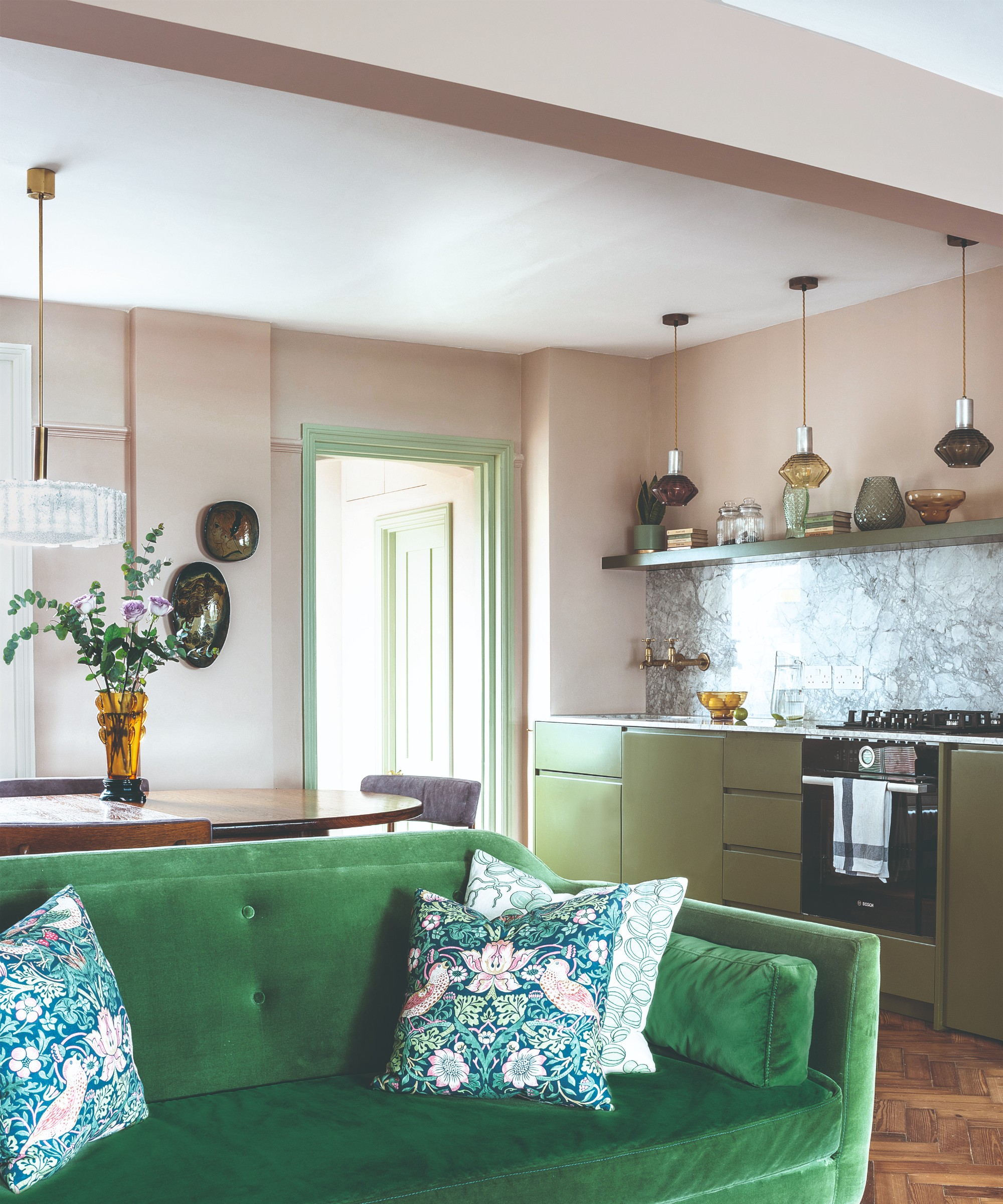
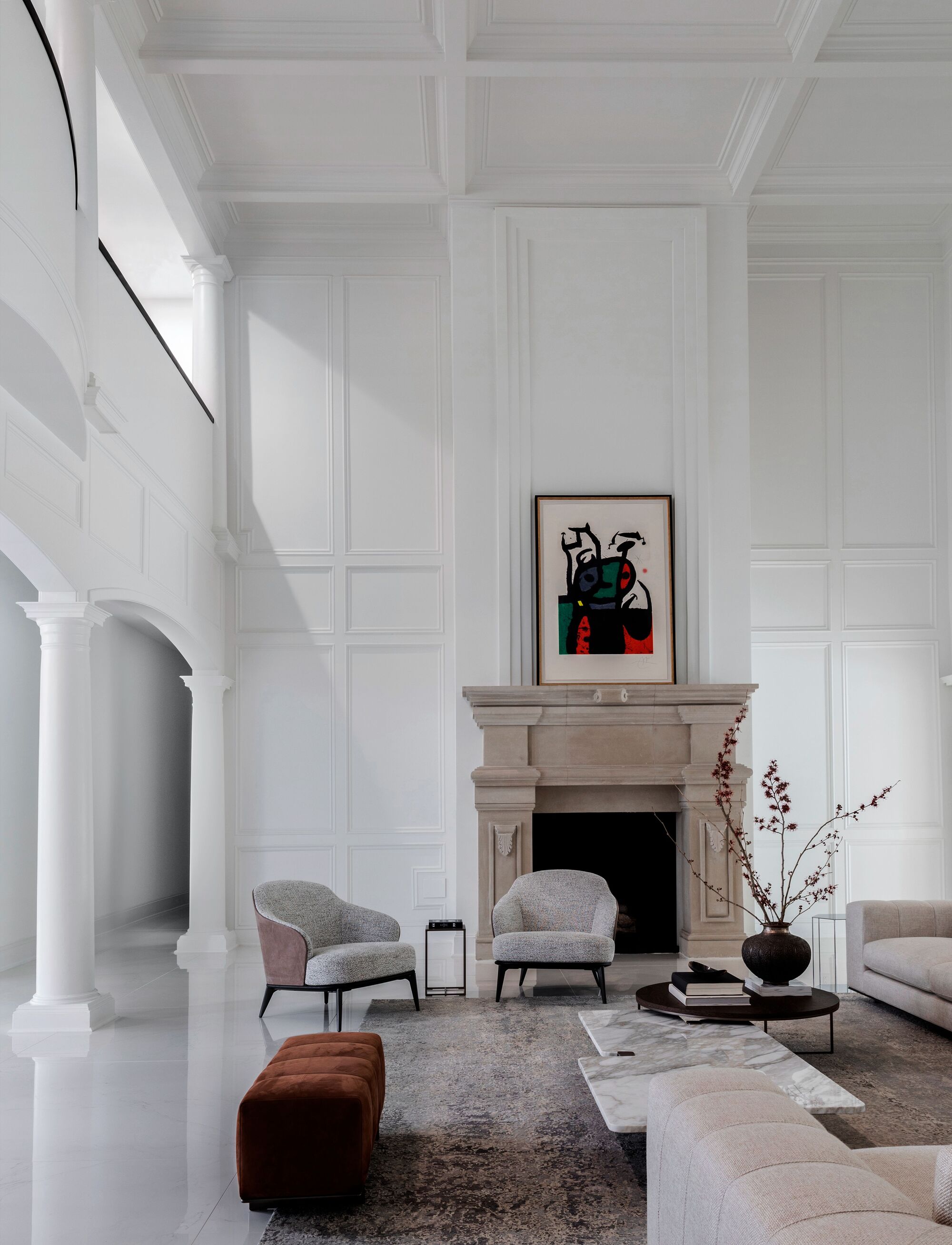
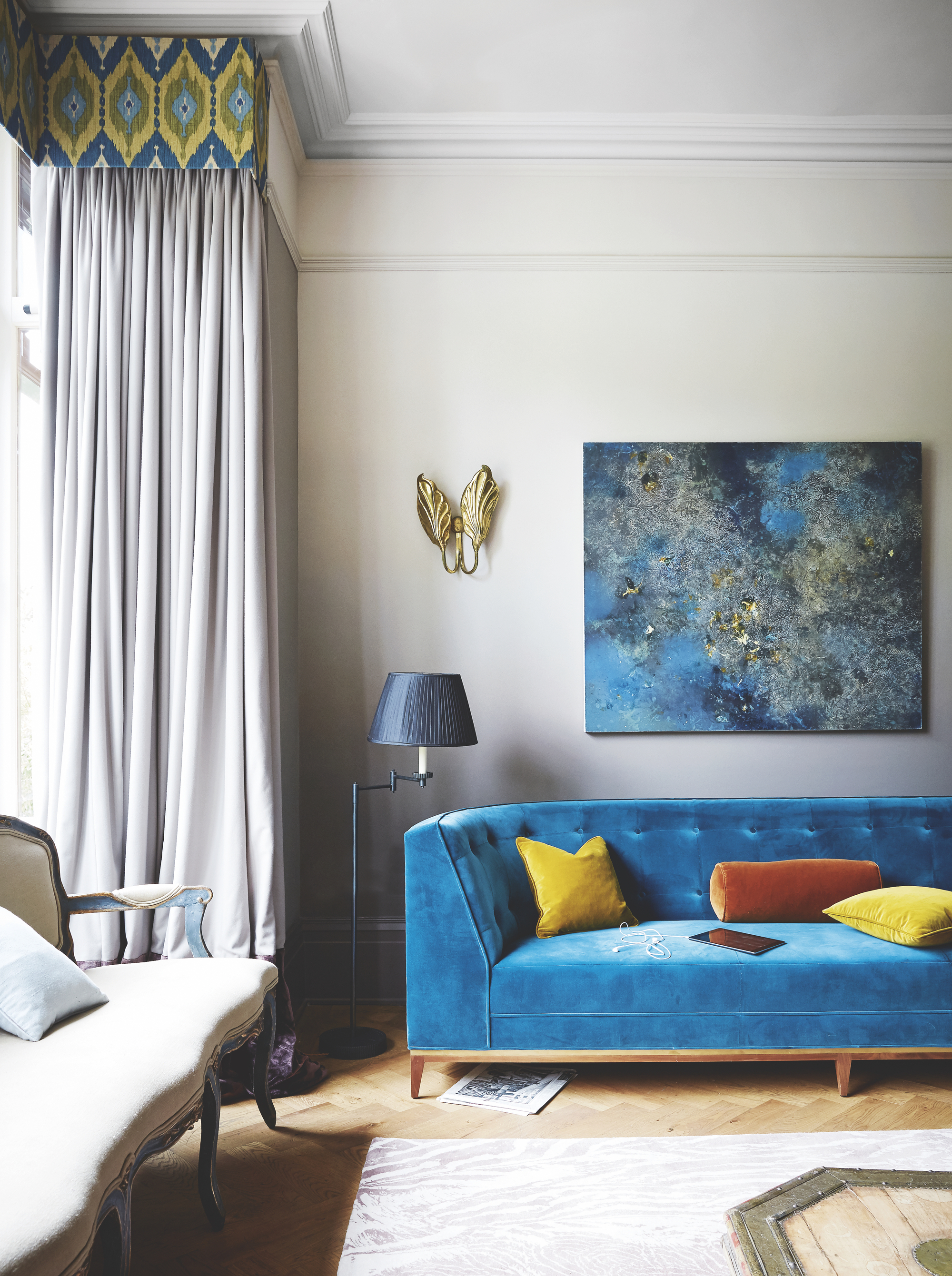
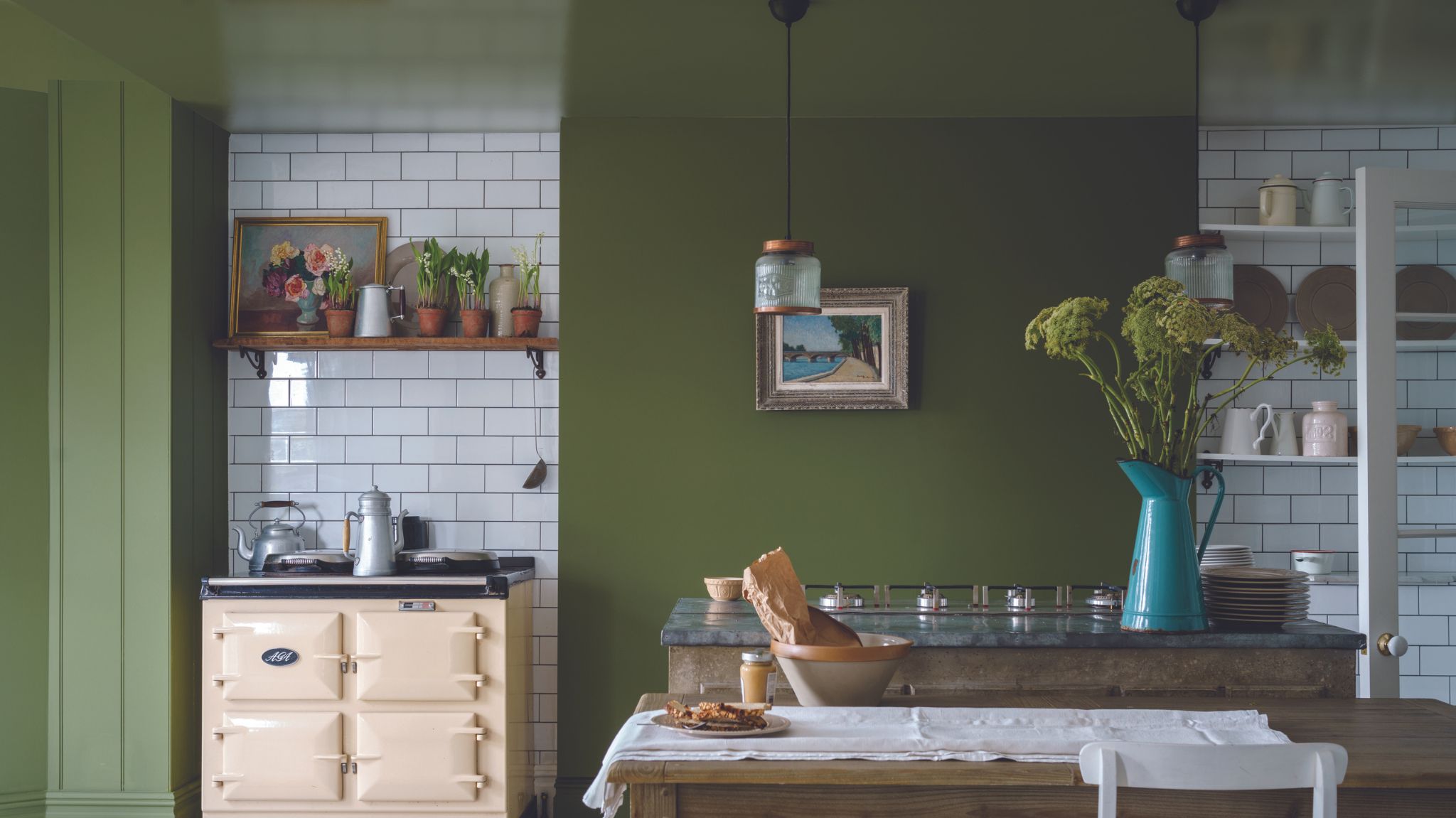
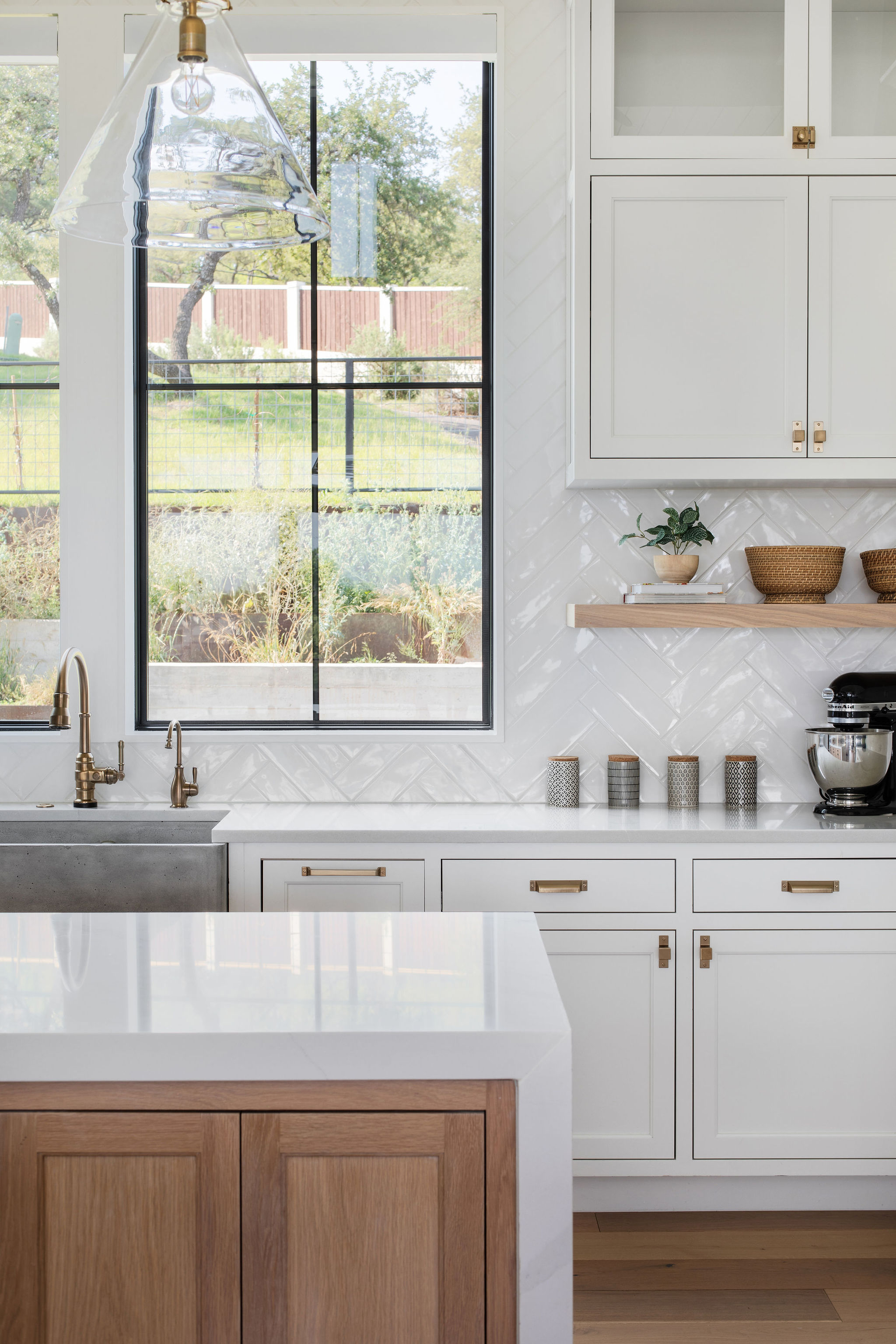
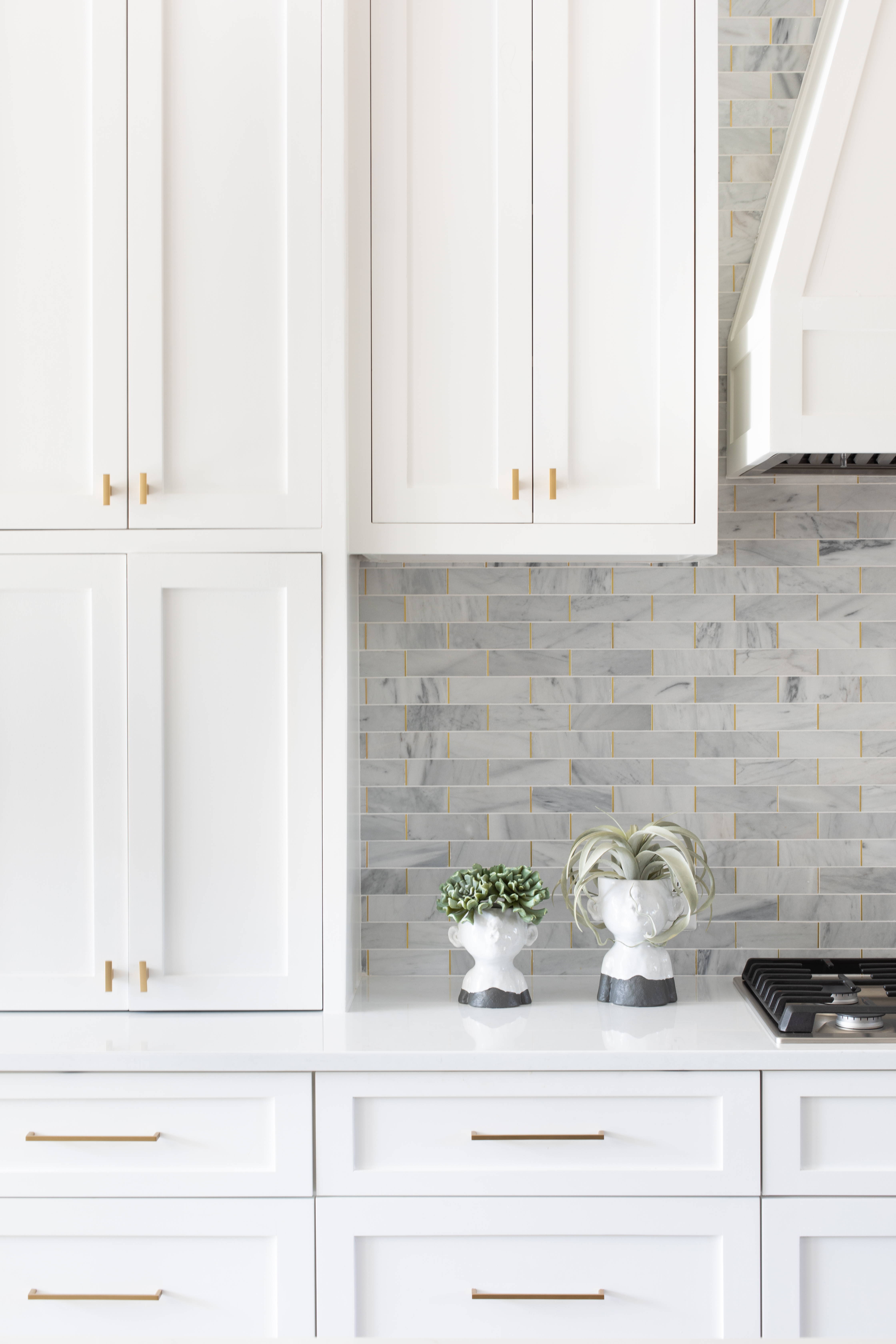
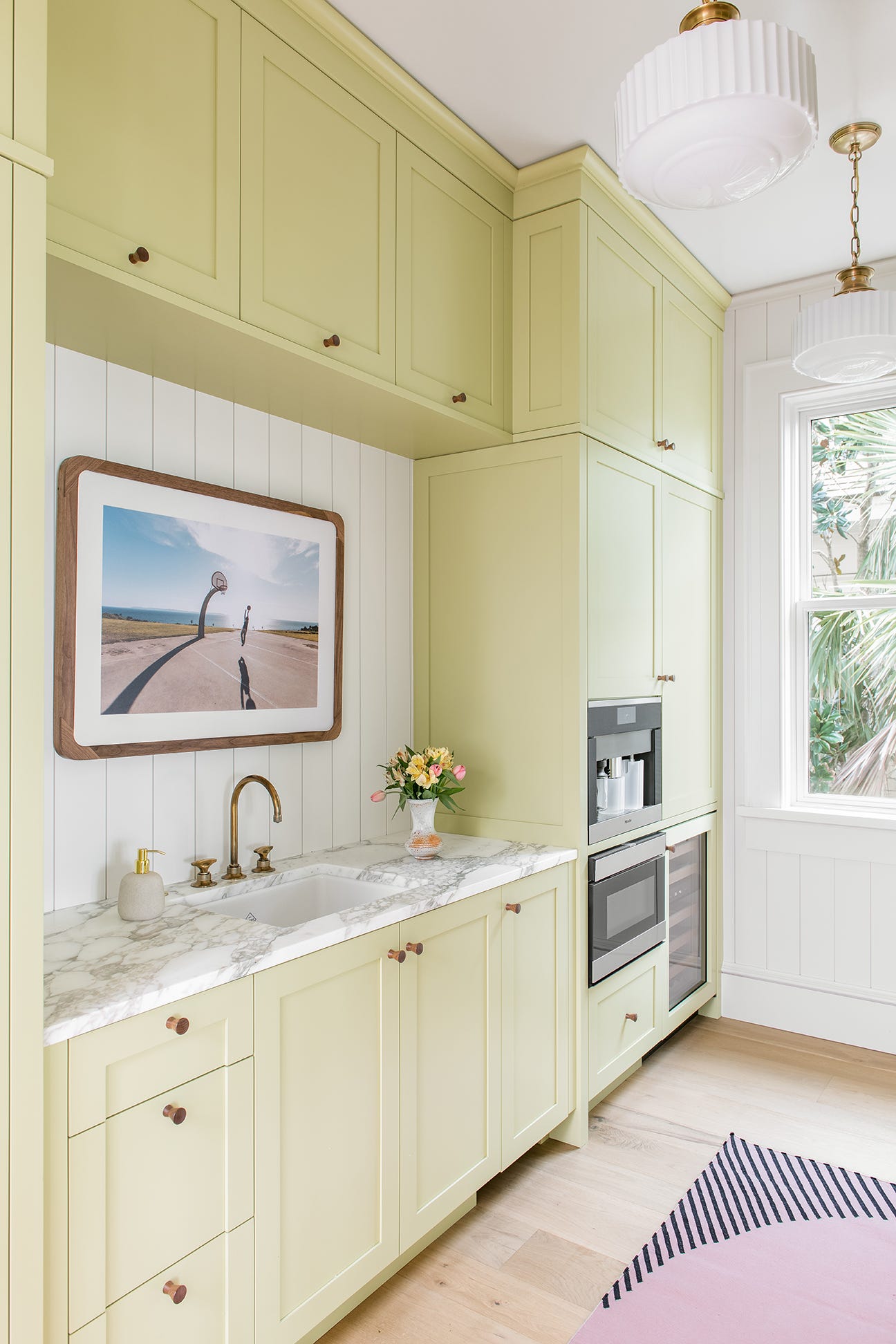
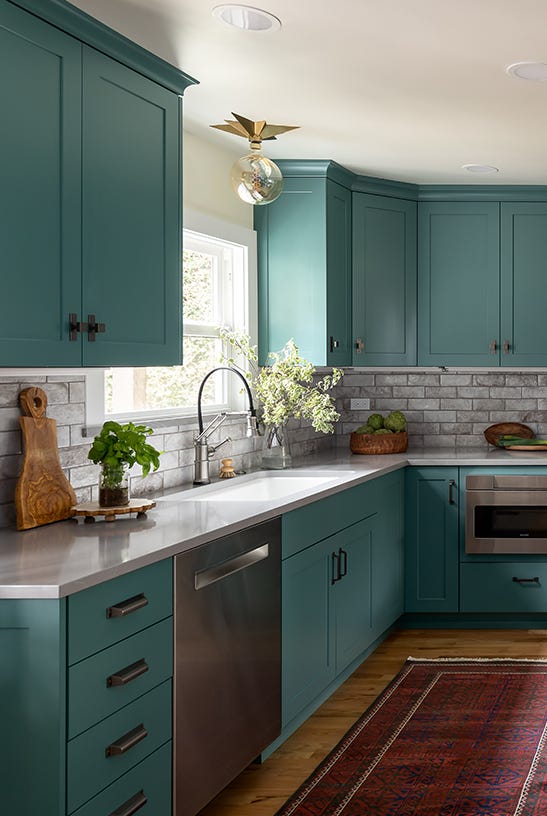
Another issue with white is its potential to make a kitchen feel cold and stark. While white can create an airy and open ambiance, an overly bright or clinical feel can result if the specific shade is too stark or if the room lacks warmth from other design elements. This can lead to a less inviting and lived-in quality. Moreover, pairing white paint with other white elements like cabinetry or backsplashes can be problematic due to varying undertones (cool blue-grays versus warm creams). Even slight mismatches can create a visual disharmony. Instead, designers suggest a variety of interesting color alternatives. Muted greens, taupes, and warm grays are increasingly favored for their ability to foster a cozy and grounded atmosphere, while soft blues, greens, and gentle yellows can add personality and warmth without overpowering the space. A soft minky brown-gray is also highlighted as a chic and versatile option by Helen Parker of deVOL, suitable for both contemporary and period interiors.
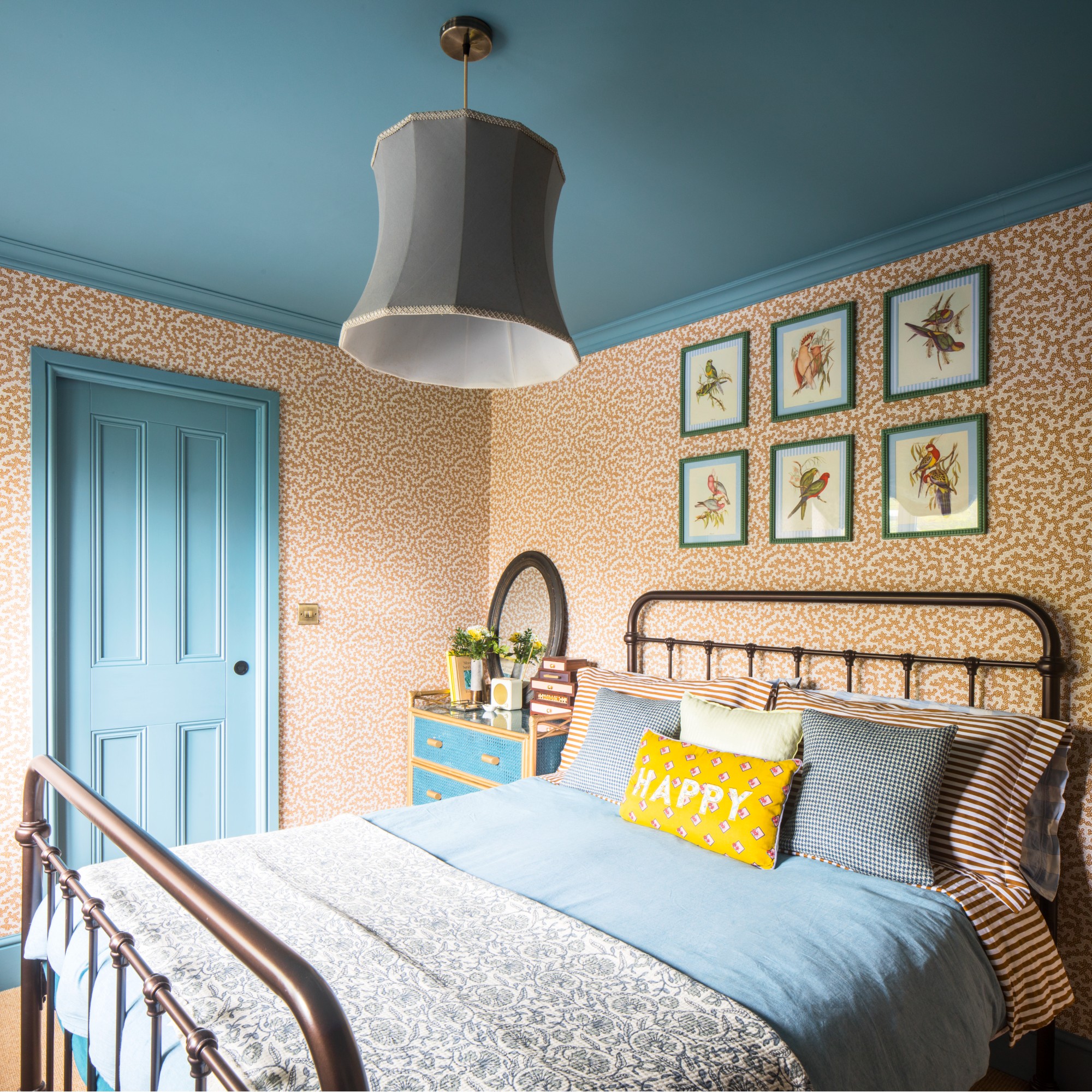
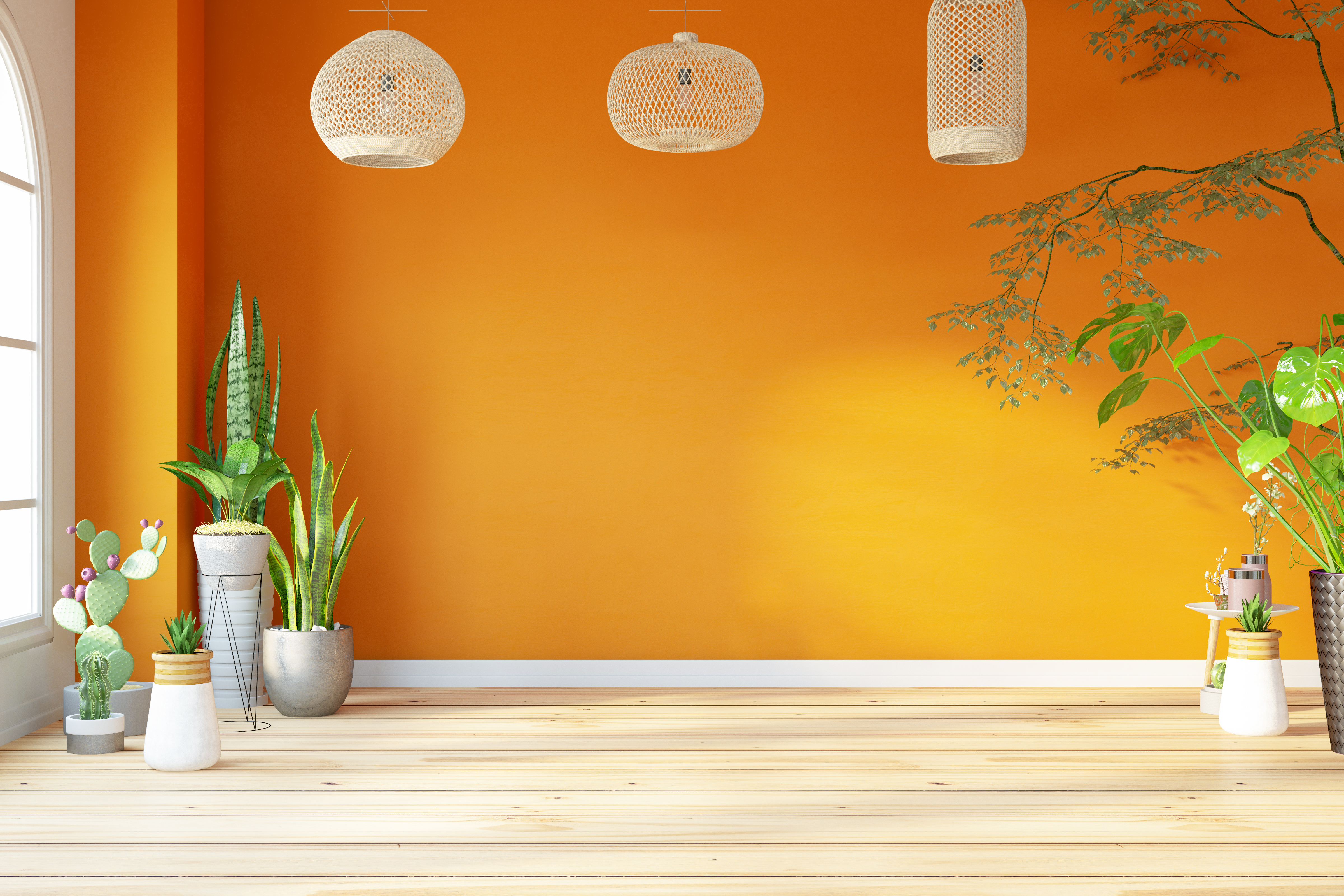
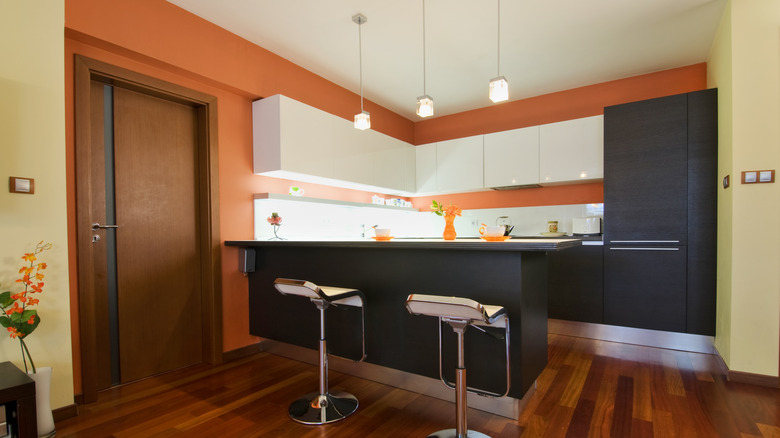
White walls can also be perceived as boring or lacking personality, especially in an era where modern interiors are embracing more color and bold patterns. To inject dynamism into the kitchen, designers encourage homeowners to experiment with vibrant or earthy tones. These can range from striking two-tone schemes to layered palettes. Michelle Boudreau, for instance, used a rust-toned paint in a kitchen to connect with the property's Spanish architecture, illustrating how punchy colors can provide character.
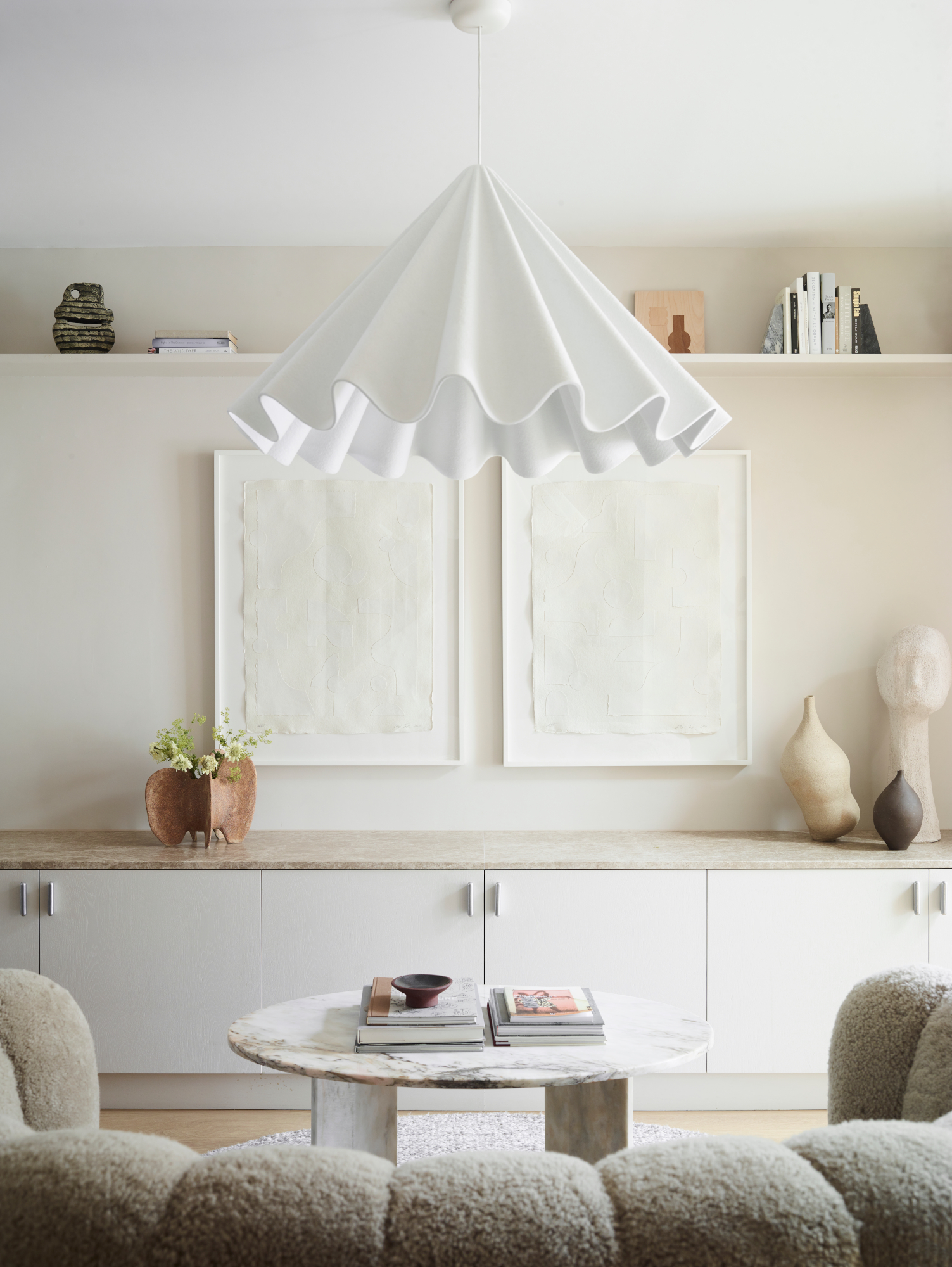
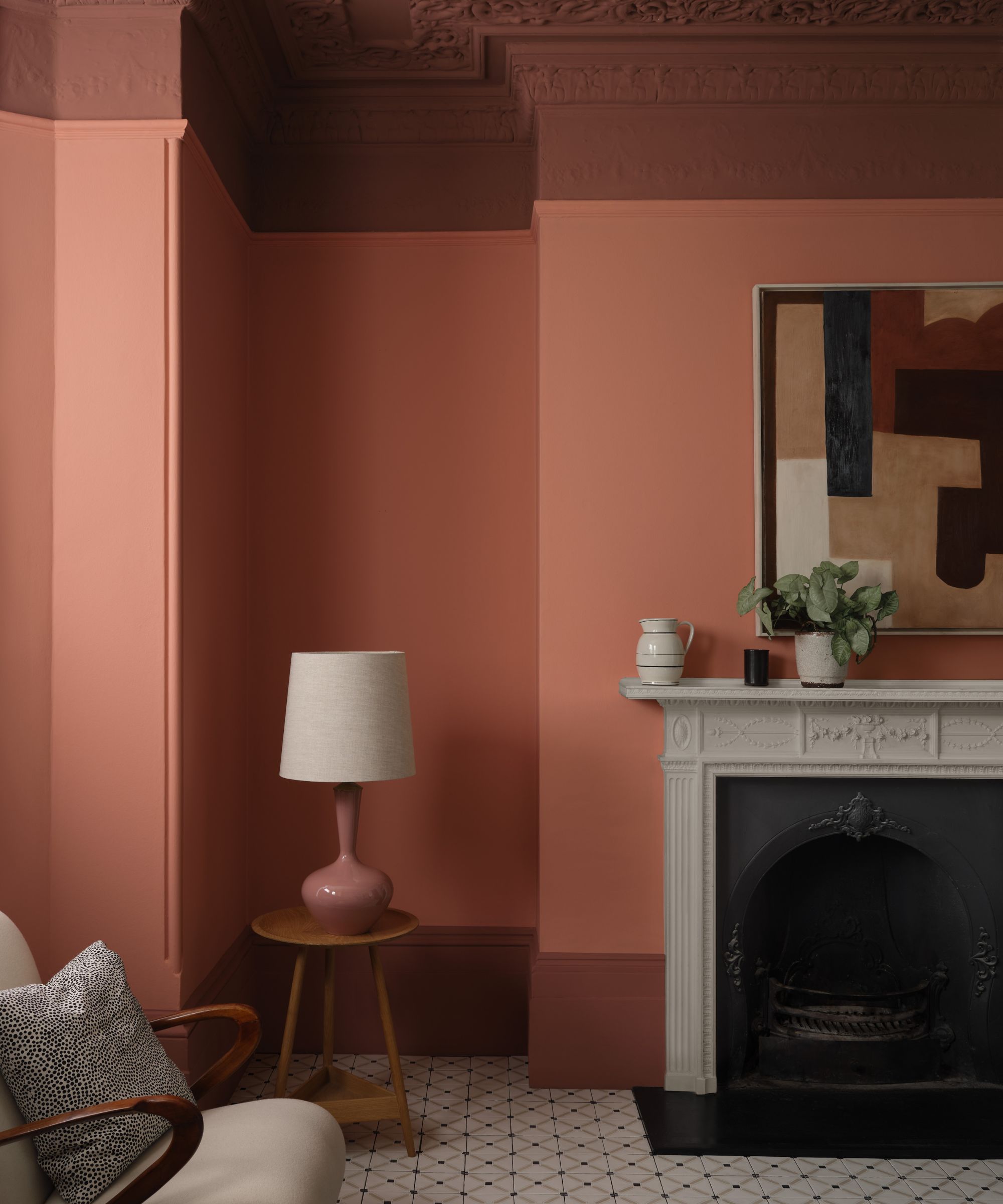
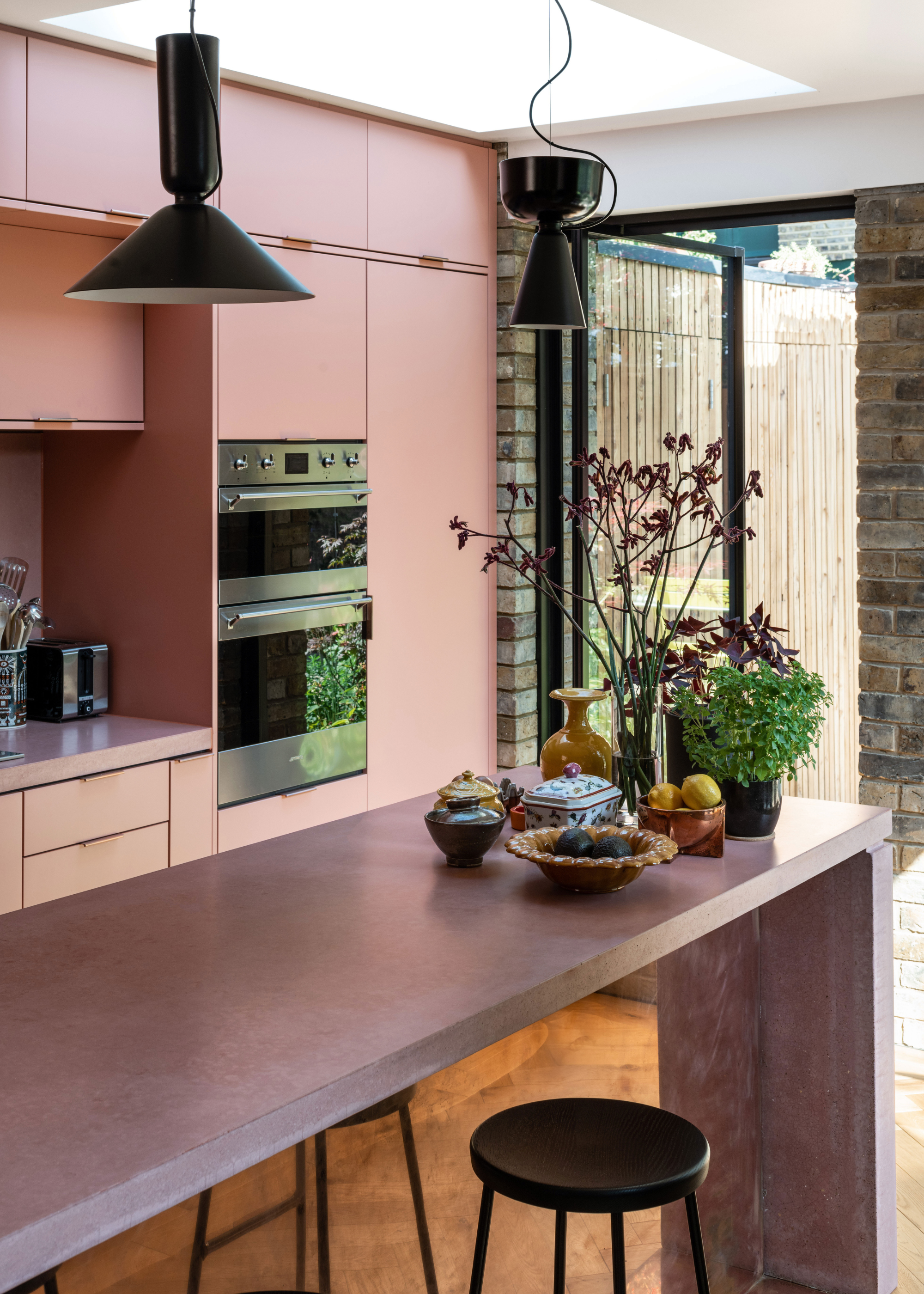
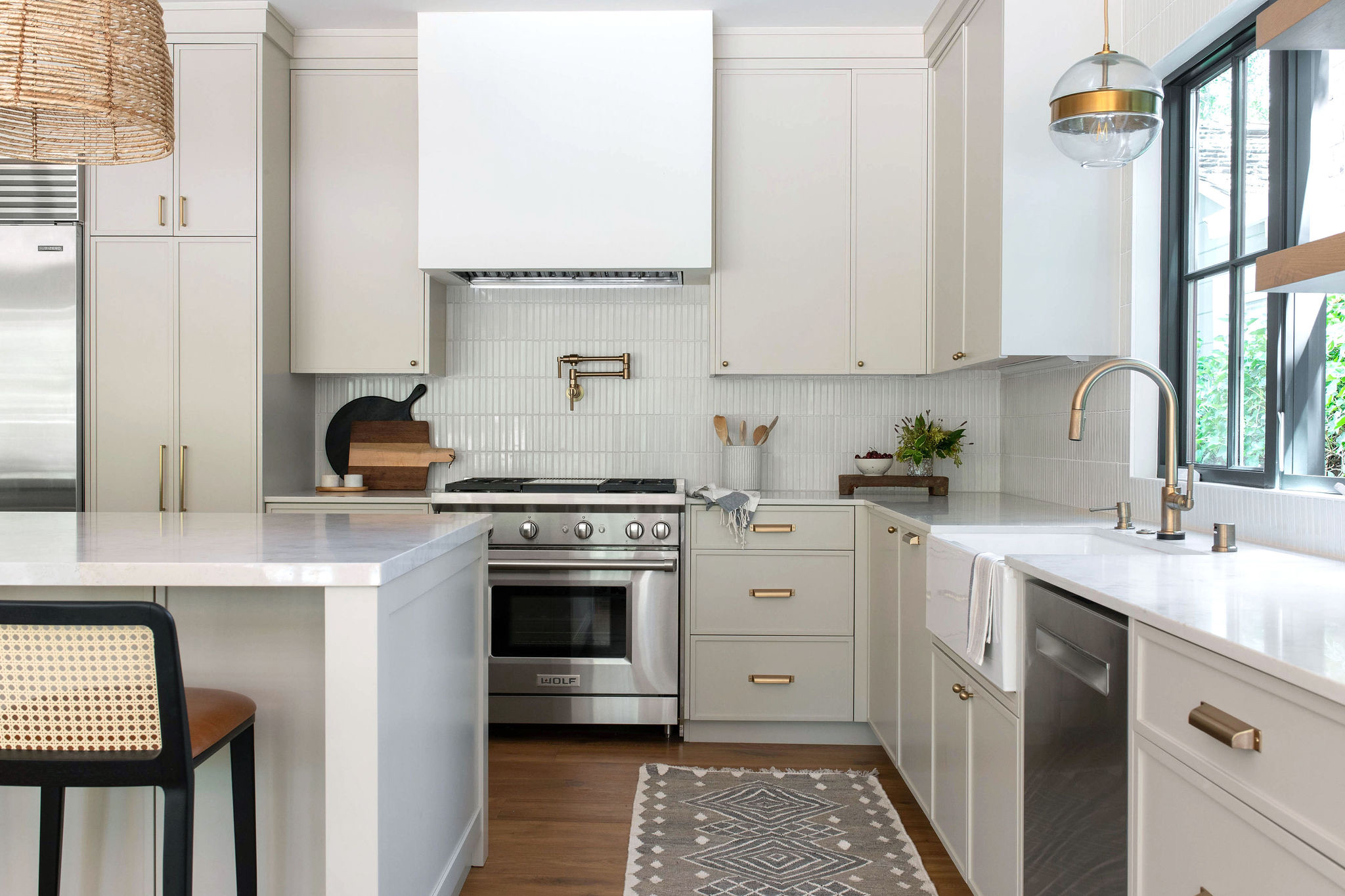
Lighting interaction is another crucial factor. Extremely white walls, particularly when combined with typical kitchen lighting, can produce an uncomfortable glare. Natural light, while potentially making a space bright, can also cause harsh glare and accelerate the yellowing or fading of white paint. The type and temperature of artificial lighting also play a significant role; warm bulbs can make white feel creamy, while cool LEDs can make it appear stark. Designers advise choosing warmer color schemes that absorb light without making the room excessively bright. Dusty pinks, or subtle browner and earthier pinks like Farrow & Ball’s Setting Plaster, are recommended for their ability to add warmth and softness. For those still inclined towards white, off-white shades with subtle undertones such as ivory, cream, or greige can provide warmth and depth, creating a more inviting and less clinical environment.
Finally, the sheer difficulty of maintaining pristine white walls is a major deterrent. White walls are prone to yellowing and staining over time, and if the paint finish is not easily washable, cleaning becomes a significant chore. High-gloss finishes can exacerbate the visibility of imperfections, leading designers to recommend matte or satin finishes to soften reflections. Using durable, washable, and scuff-proof paints, such as Modern Emulsion, can help mitigate maintenance issues in moisture-prone areas like kitchens. In summary, while white kitchens may appear timeless, their high maintenance, potential for coldness, lack of personality, glare issues, and cleaning difficulties make warmer, more expressive, and practical color alternatives increasingly appealing for contemporary home design.
#KitchenDesign #KitchenPaintColors #InteriorDesignTrends #HomeDecor #PaintAlternatives #KitchenMaintenance #ColorPsychology #DesignAdvice #KitchenDesign #KitchenPaintColors #InteriorDesignTrends #HomeDecor #PaintAlternatives #KitchenMaintenance #ColorPsychology #DesignAdvice
0 تعليق إجمالاً
 لا توجد تعليقات بعد
قد تعجبك أيضًا
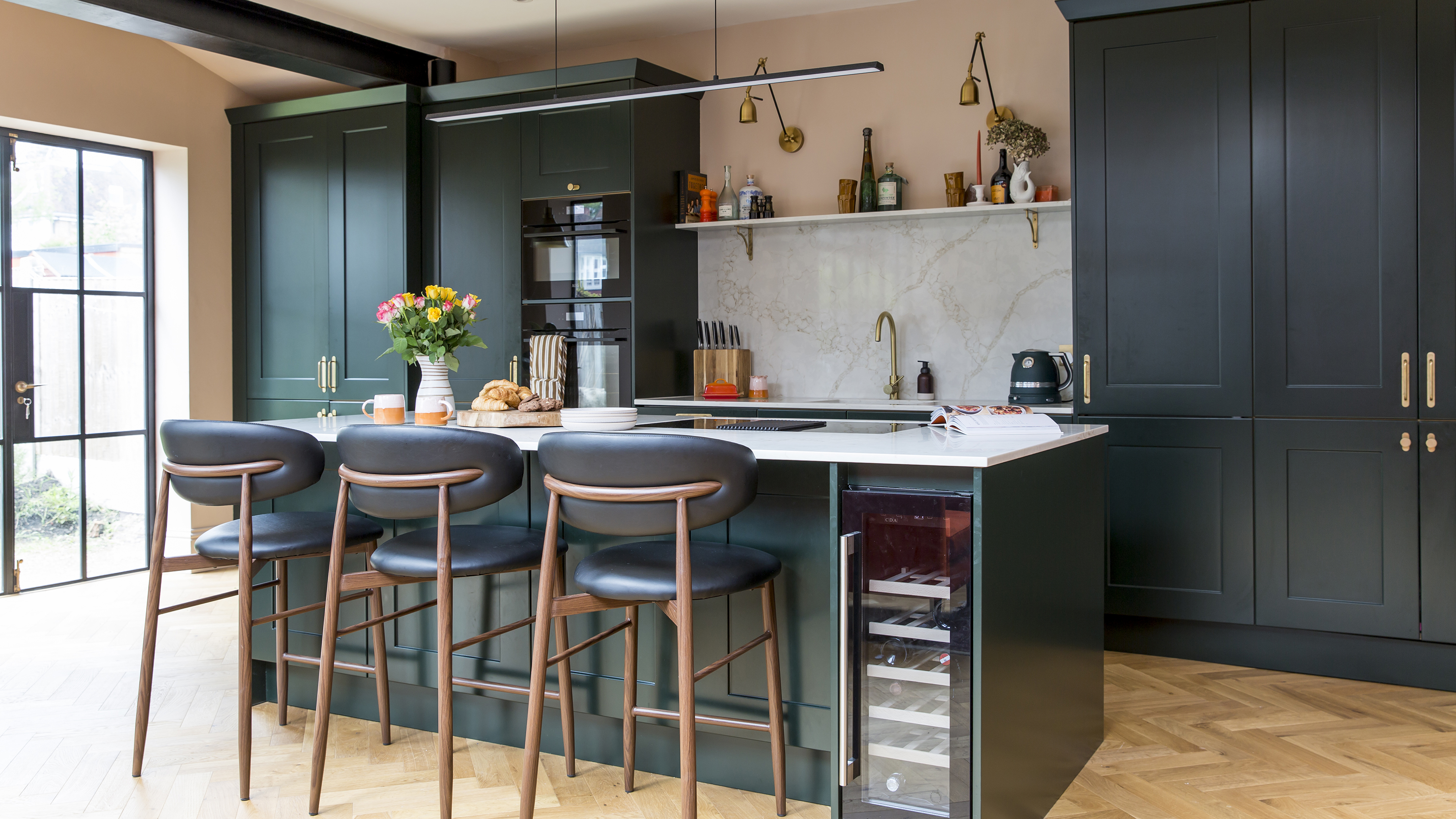
3 reasons you shouldn't paint your kitchen walls white – plus the new neutrals to try instead, according to kitchen pros
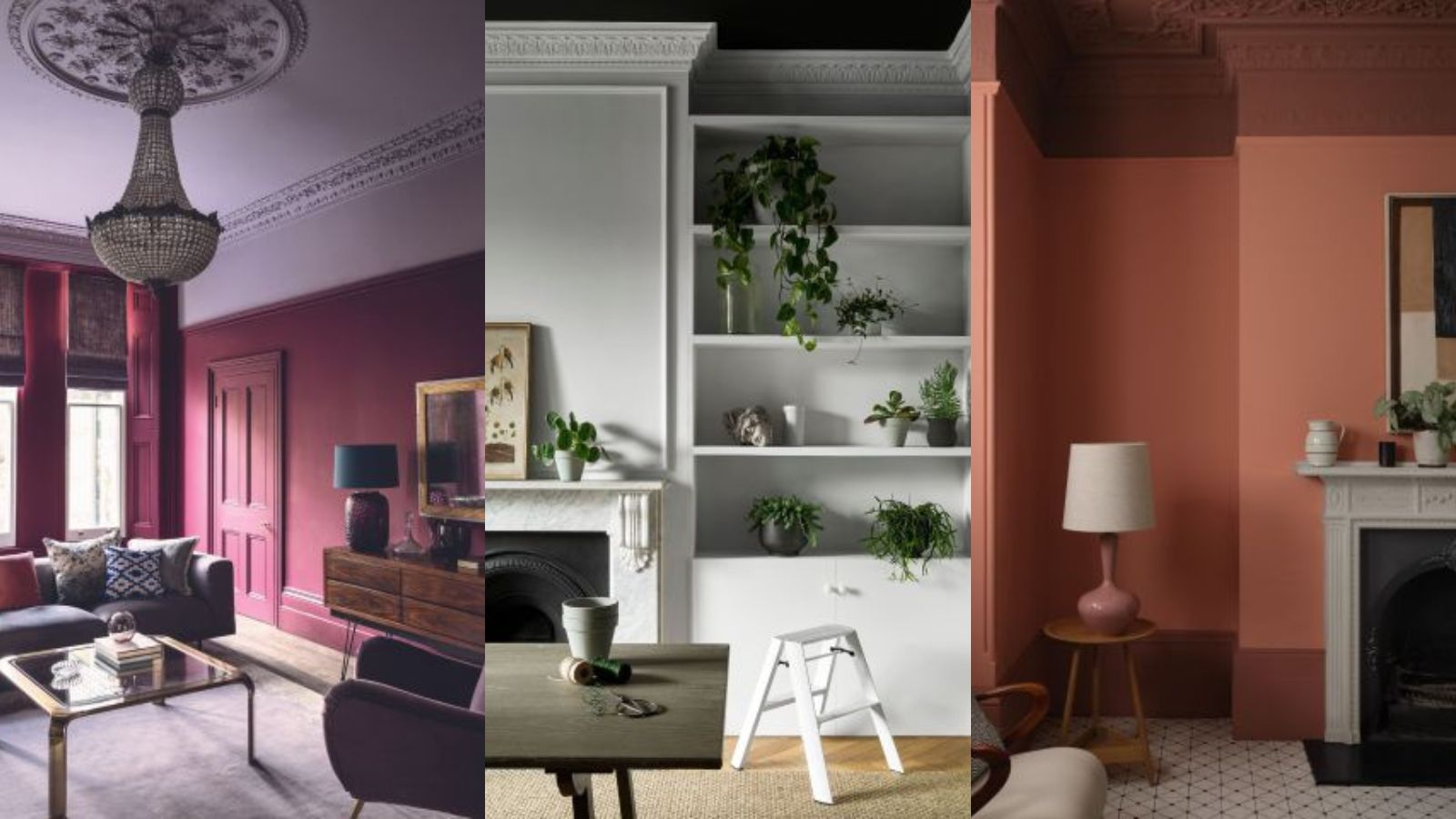
5 reasons why you should never paint a ceiling white, reveals a leading paint and color expert

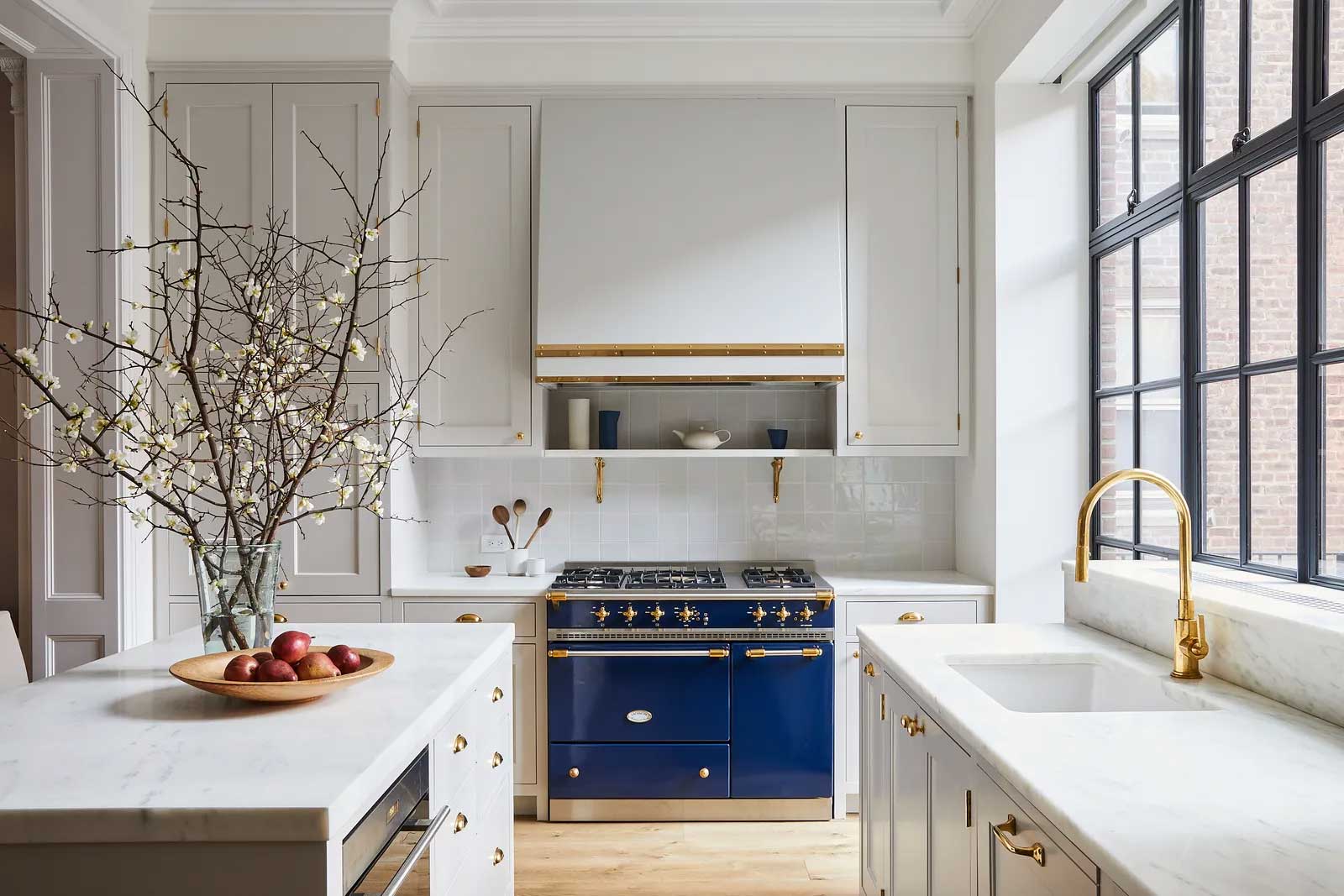
I Just Painted my Kitchen White (Again) — Here are 7 Reasons to Consider this Pure Neutral on Your Walls
Our Favorite Kitchen Wall Paint Colors
4 surprising areas in your home that experts say you really shouldn't paint white – and what to do with them instead
I’m an interior designer - the worst paint colours for small rooms, and why bright white walls is not a good idea
Why I’m Not Painting My Walls

9 Reasons Why It’s Time to Paint Your Kitchen

5 Problems With Painting Your Walls White That No-One Ever Talks About (Until Now)
An interior expert reveals the one thing you should never do when painting your walls
How White Wall Paint Can Transform the Look of Your Home | PS Home
5 White Kitchen Paints Designers Swear By
Your kitchen cabinets don't have to be white

6 Worst Colors To Paint Your Kitchen (And What To Choose Instead)
What Color is Replacing White in the Kitchen? 5 Sophisticated Shades Designers Say to Try Instead
The Best White Paint for Kitchen Cabinets as Seen in Our Favorite Spaces
7 times you should never paint a room white
6 painting mistakes that are making your walls look 'dirtier' – and what you should be doing instead
Ditch the White! Try One of These Designer-Approved Kitchen Colors

The Best White Paint for Walls That Experts Swear By