1/6
5 ideas for using LED lighting in a kitchen that make me regret not including it in my own remodel
The article presents five creative applications of LED lighting in kitchen design, aiming to transform ordinary kitchens into aesthetically pleasing and functional spaces. The author, Luke Arthur Wells, highlights the versatility of LED strips, noting their ability to act as both subtle accent lighting during the day and dynamic illumination at night, contributing to a minimalist aesthetic by avoiding bulky fixtures.
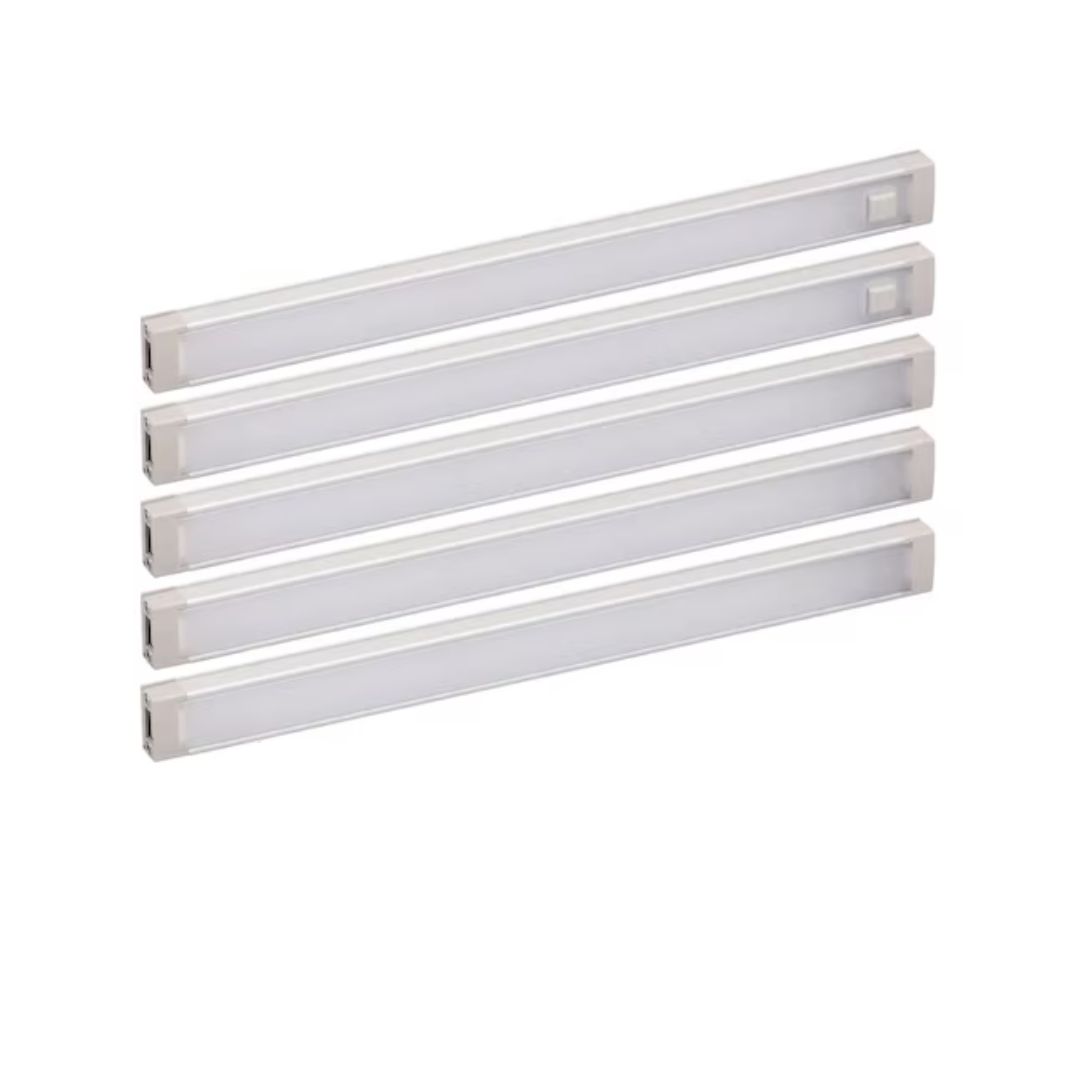
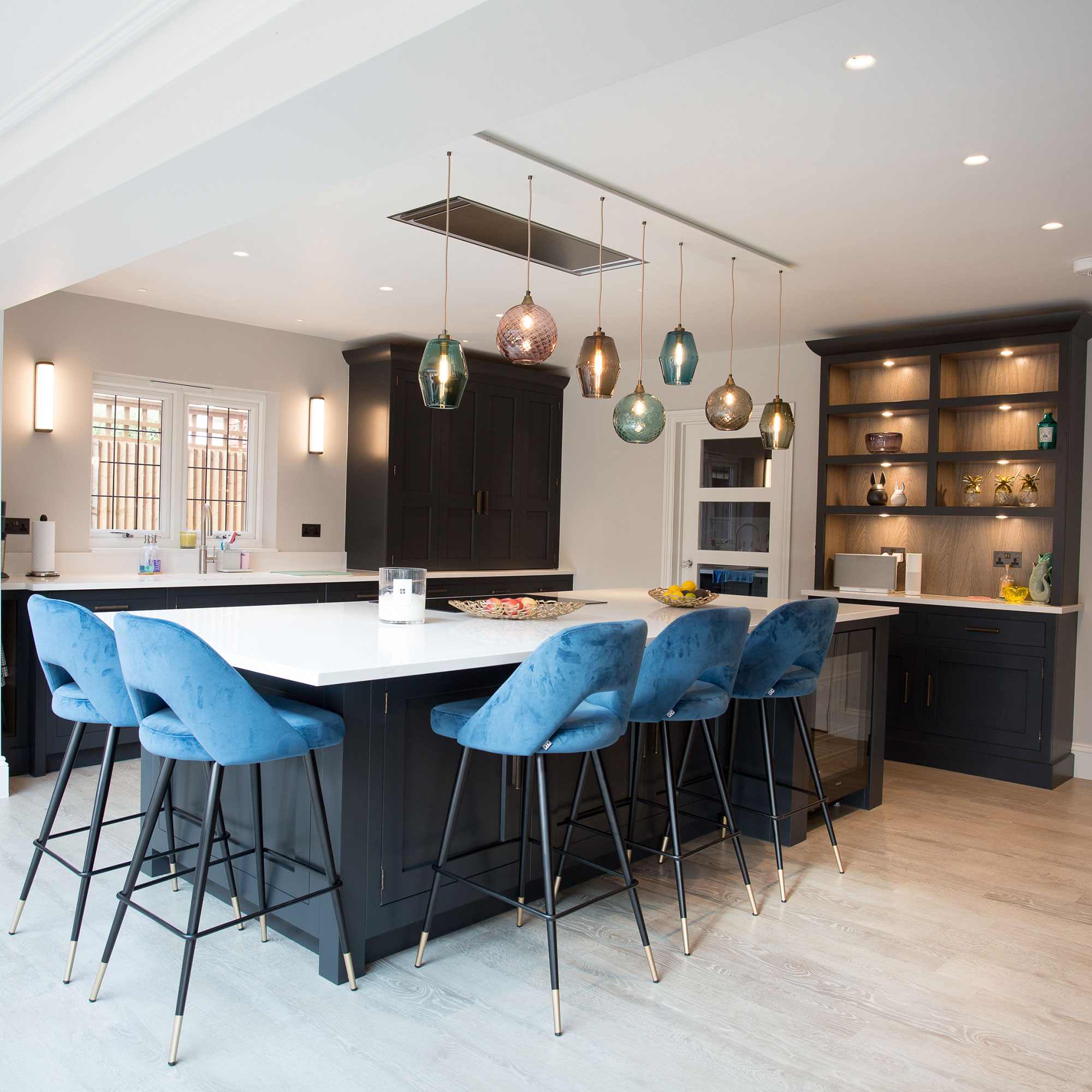
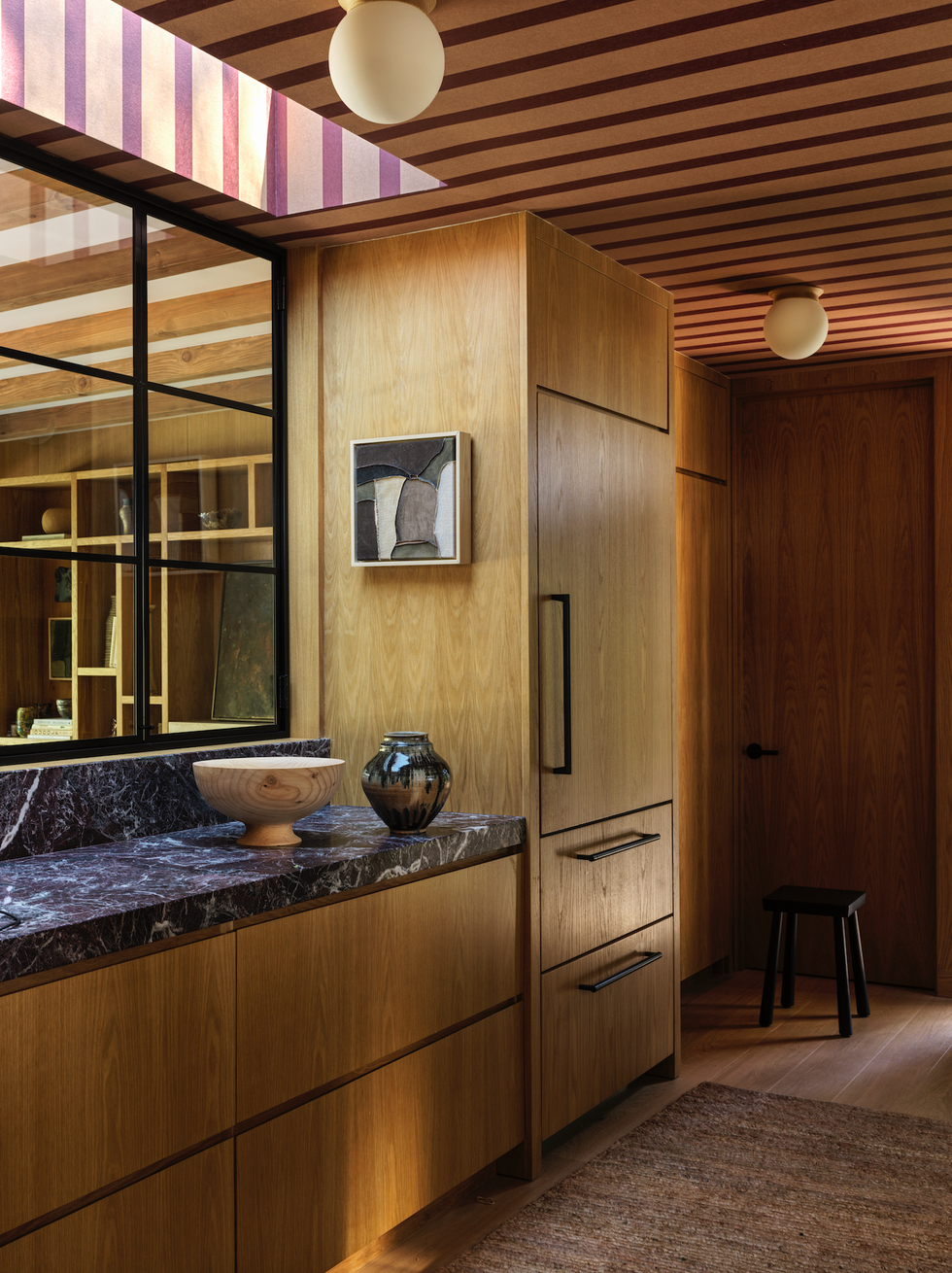
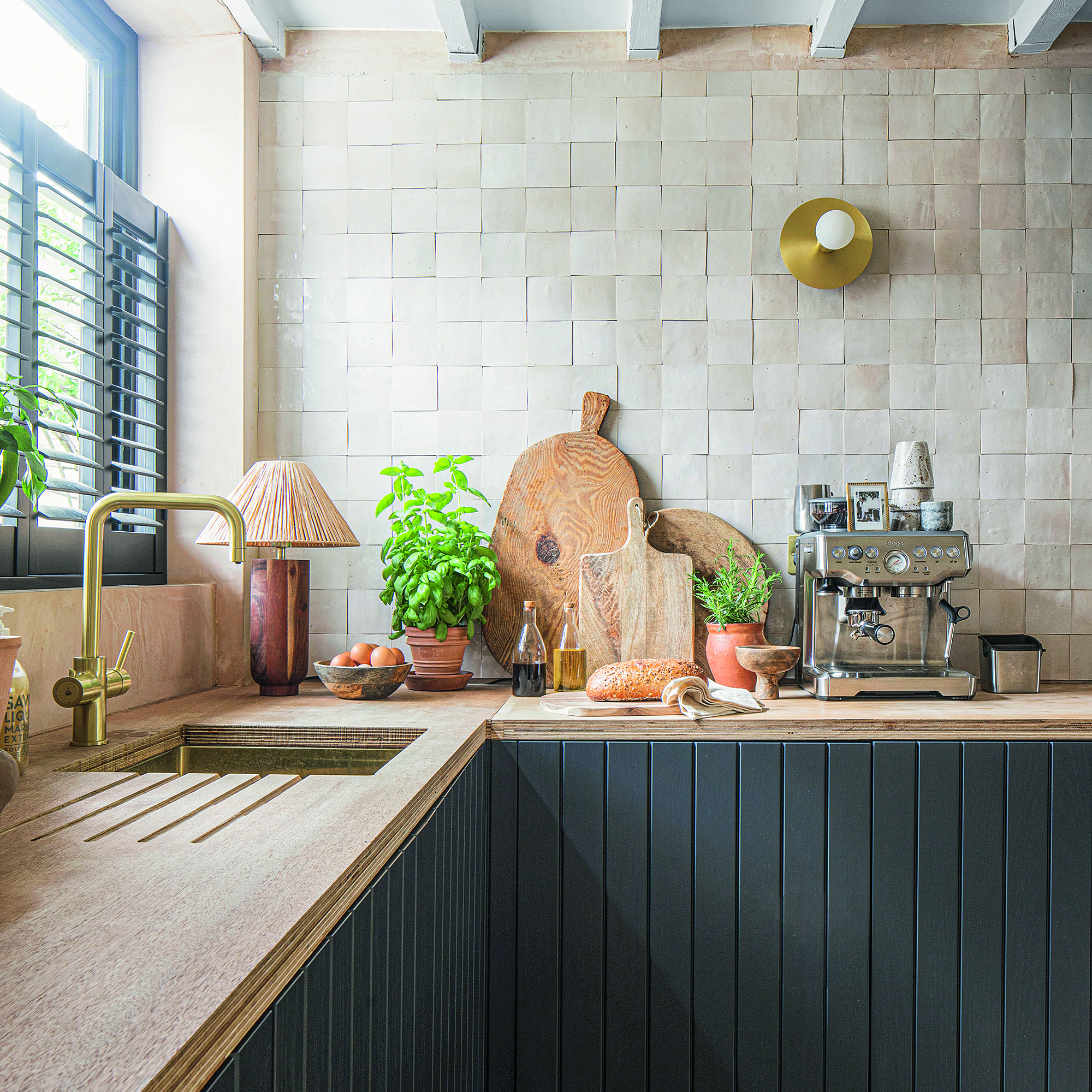
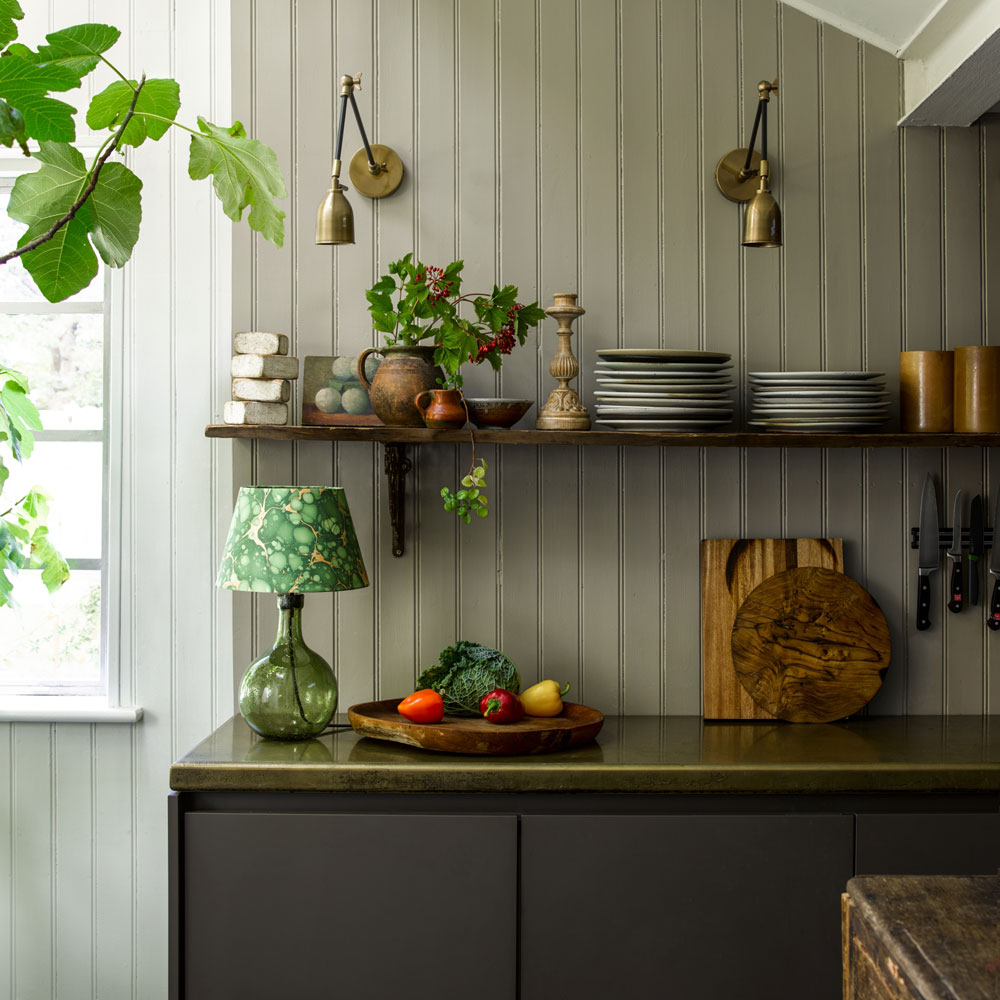
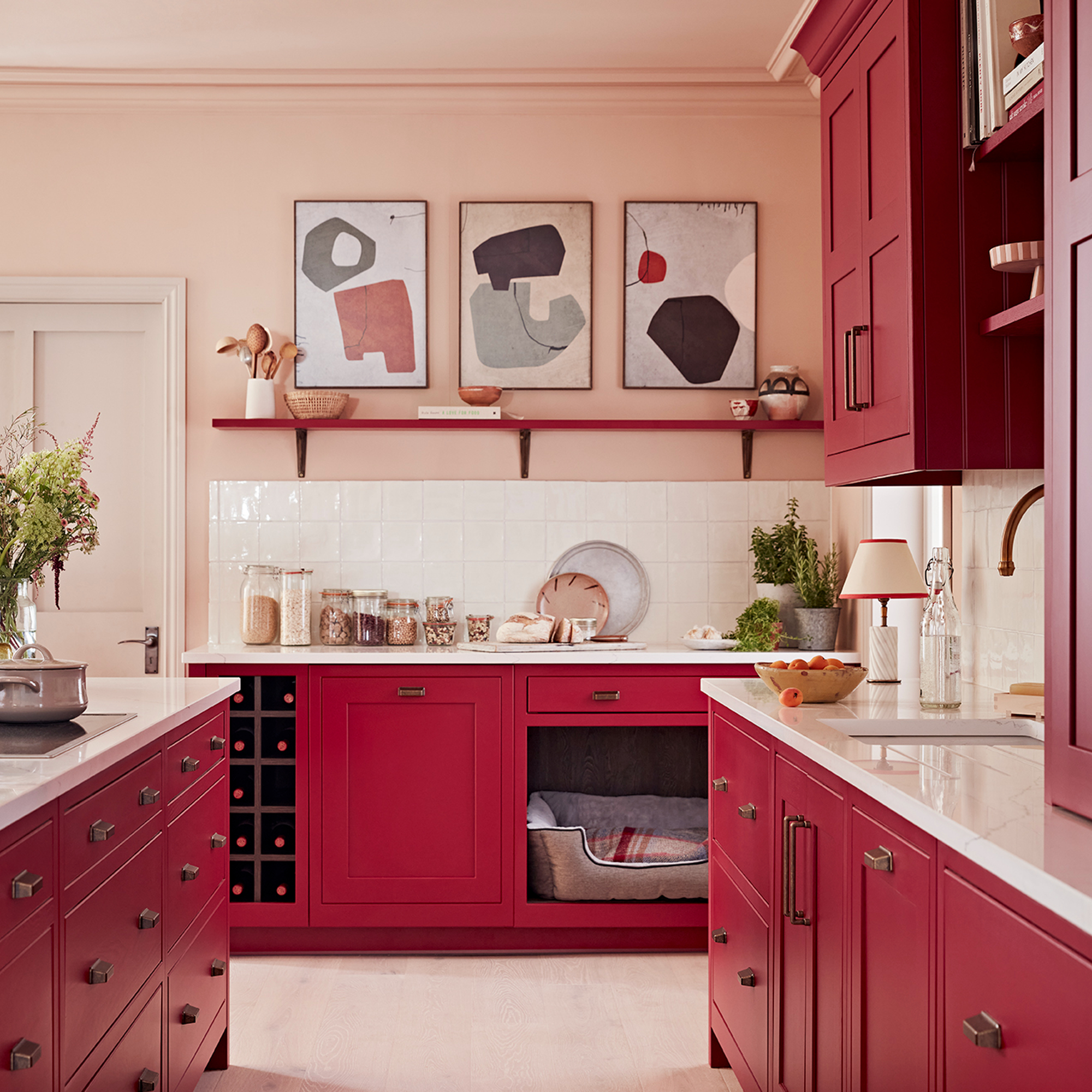
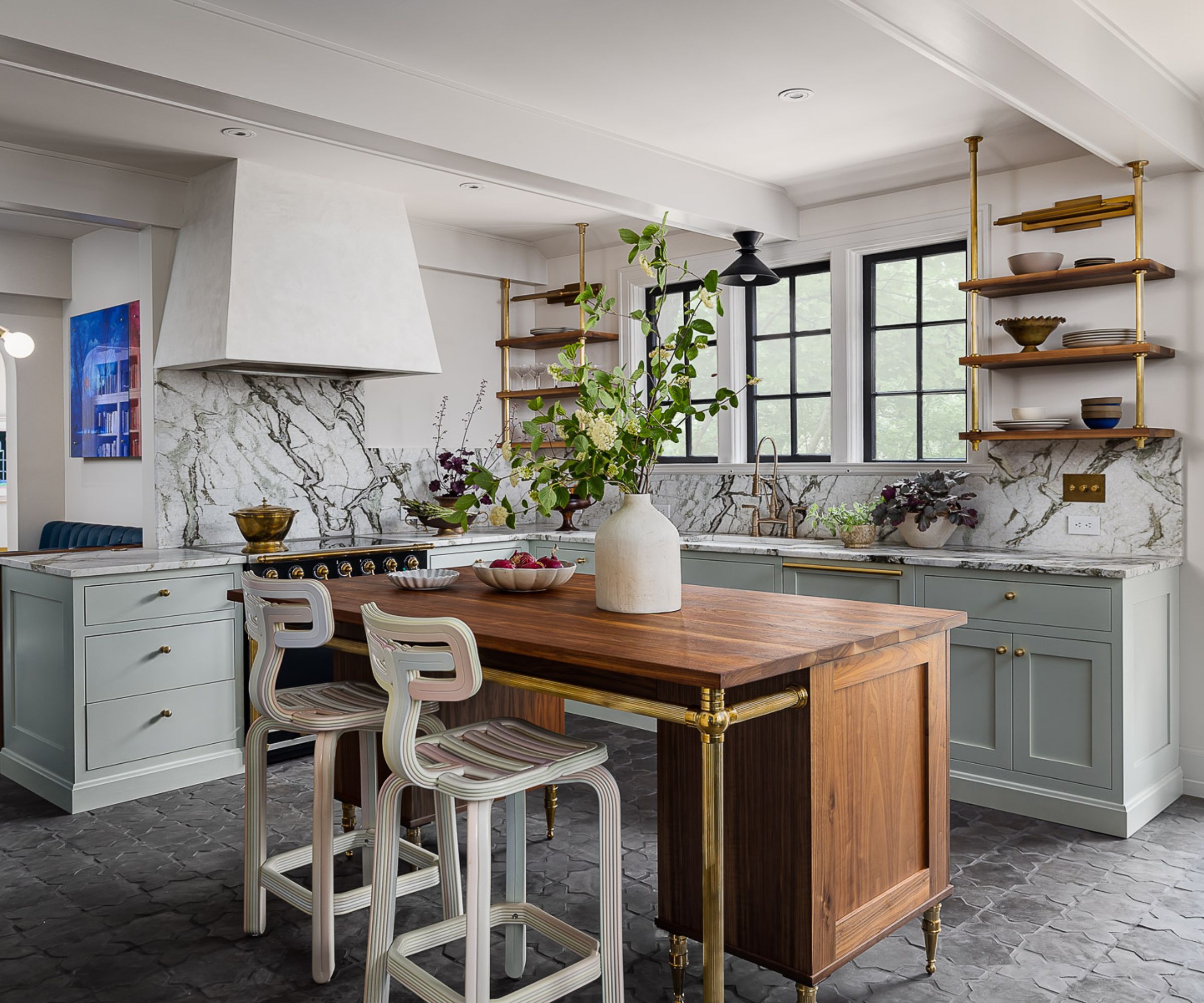
The first idea focuses on highlighting a kitchen island. LED strips installed discreetly under the overhang of a kitchen island can create a 'wow' factor, especially at night. This technique not only adds a decorative touch but also illuminates areas that might otherwise remain in shadow, drawing attention to specific design elements like angled walnut pieces and polished nickel bands, as demonstrated in a design by Bakes & Kropp. This approach also helps integrate the island's lighting with under-cabinet lighting around the kitchen's perimeter.
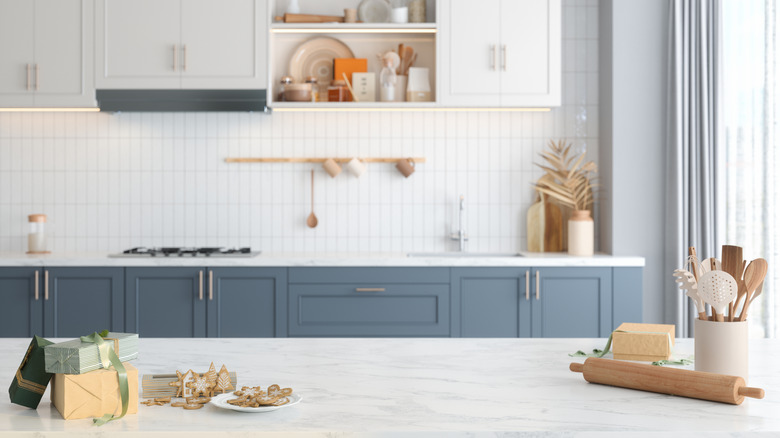
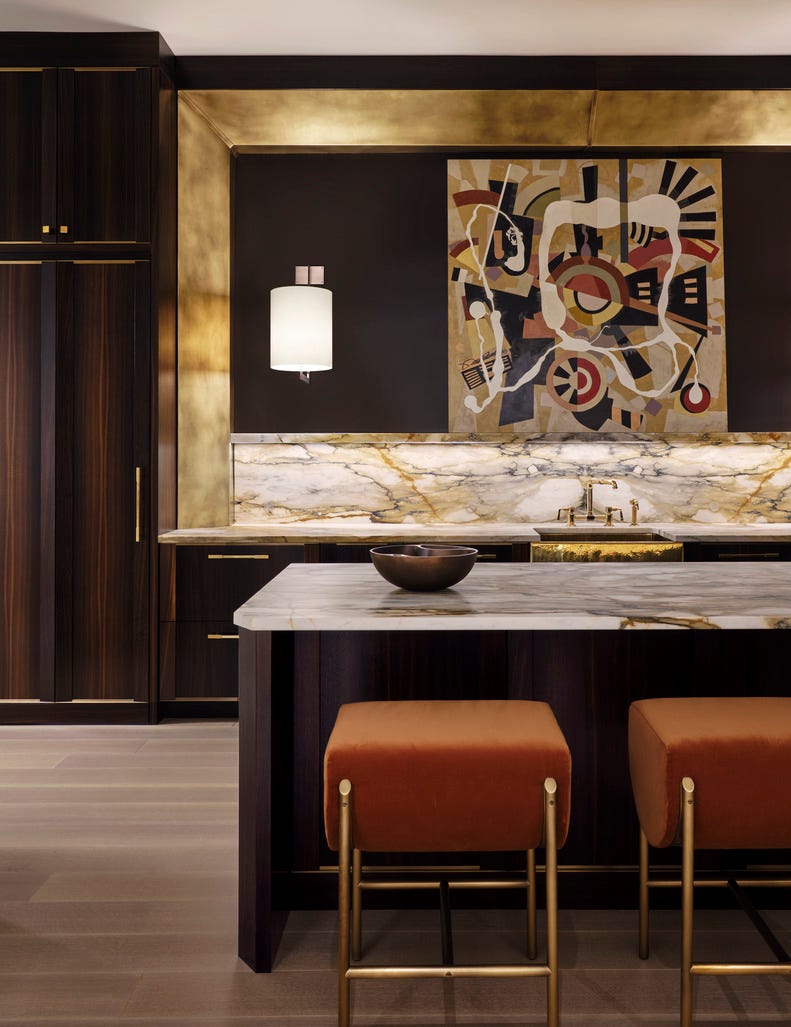
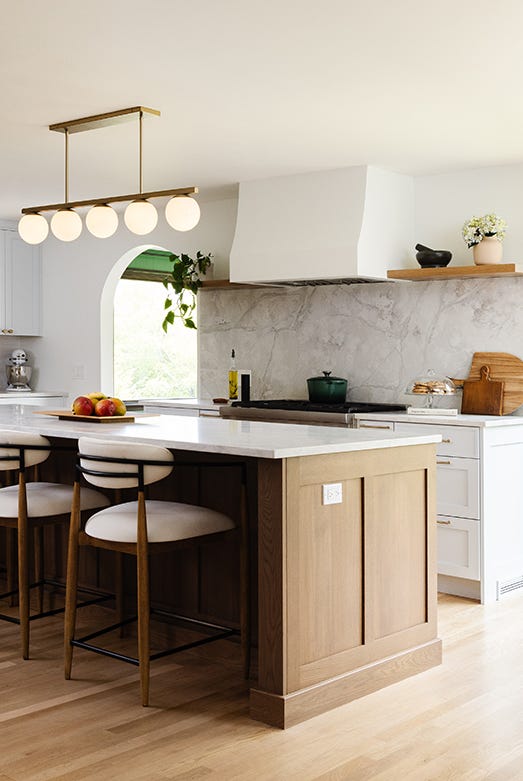

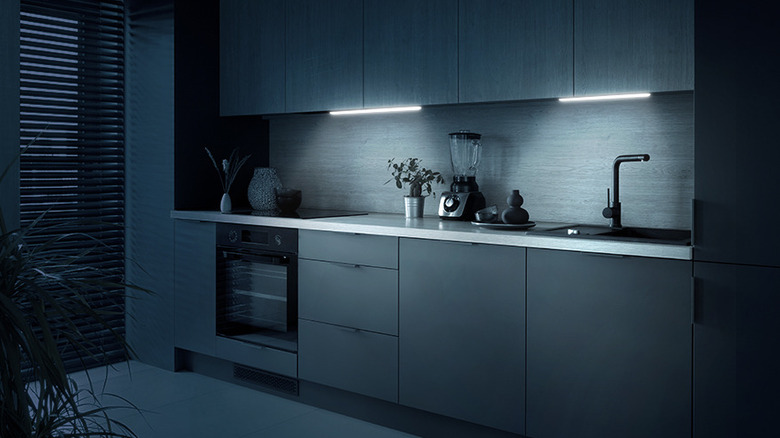
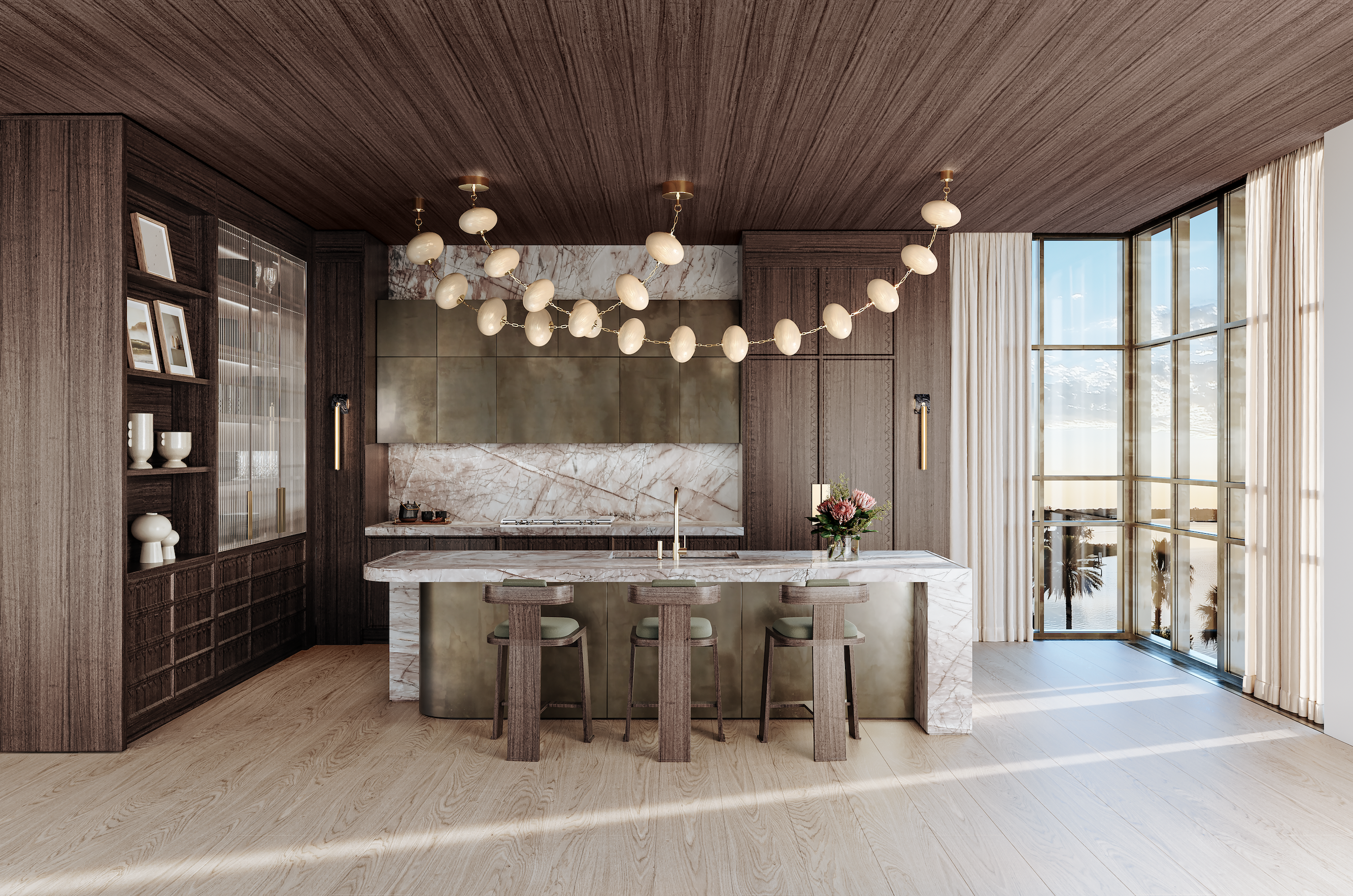
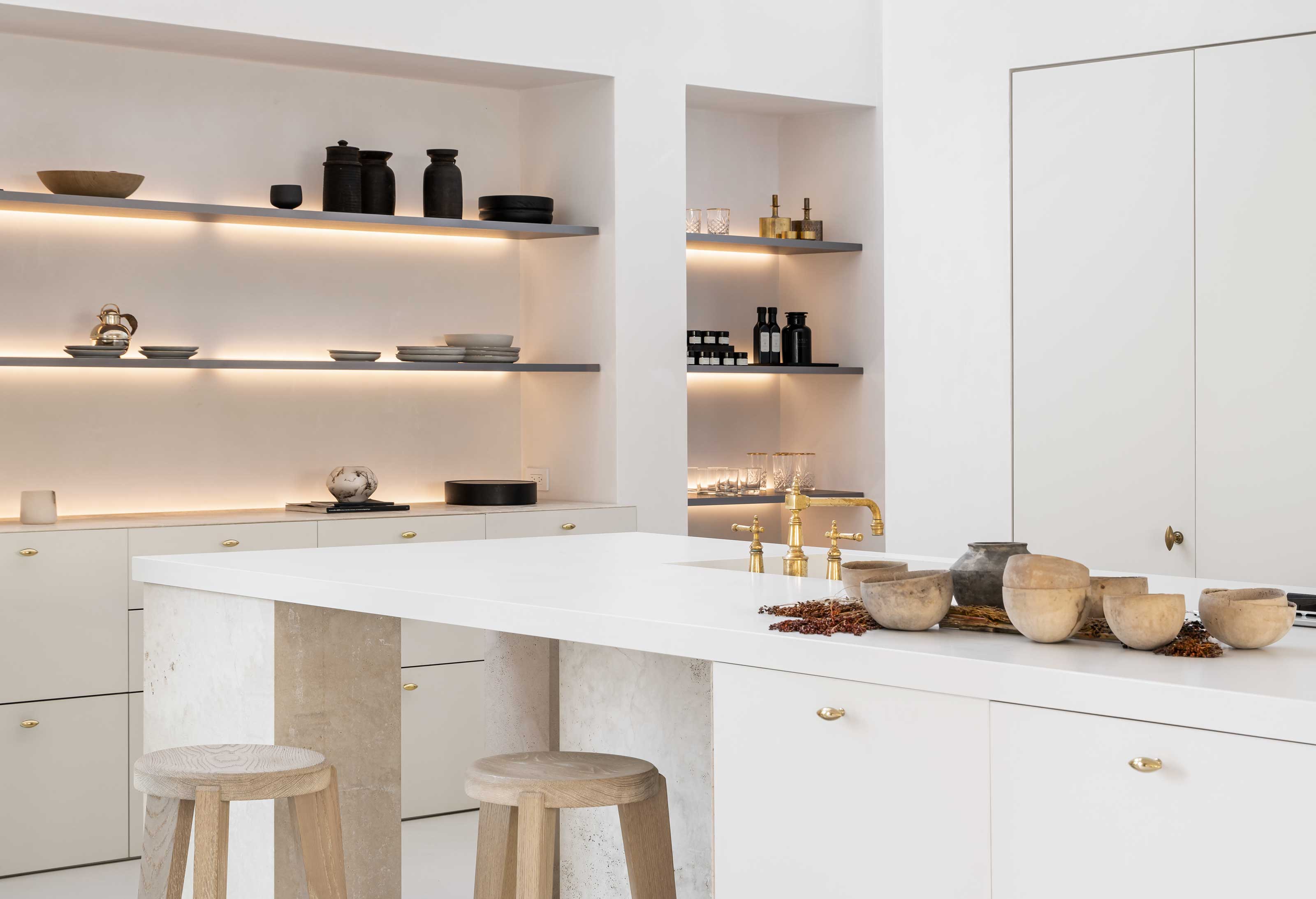
The second application involves accentuating the beauty of materials. According to architect Dieter Vander Velpen, indirect LED lighting is a signature detail in many projects, specifically chosen to draw focus to specific materials. For instance, in a minimalist kitchen, strip lighting integrated into a quartz backsplash can bathe the natural stone in a soft, diffused light, enhancing its veining and overall beauty while also providing practical illumination.
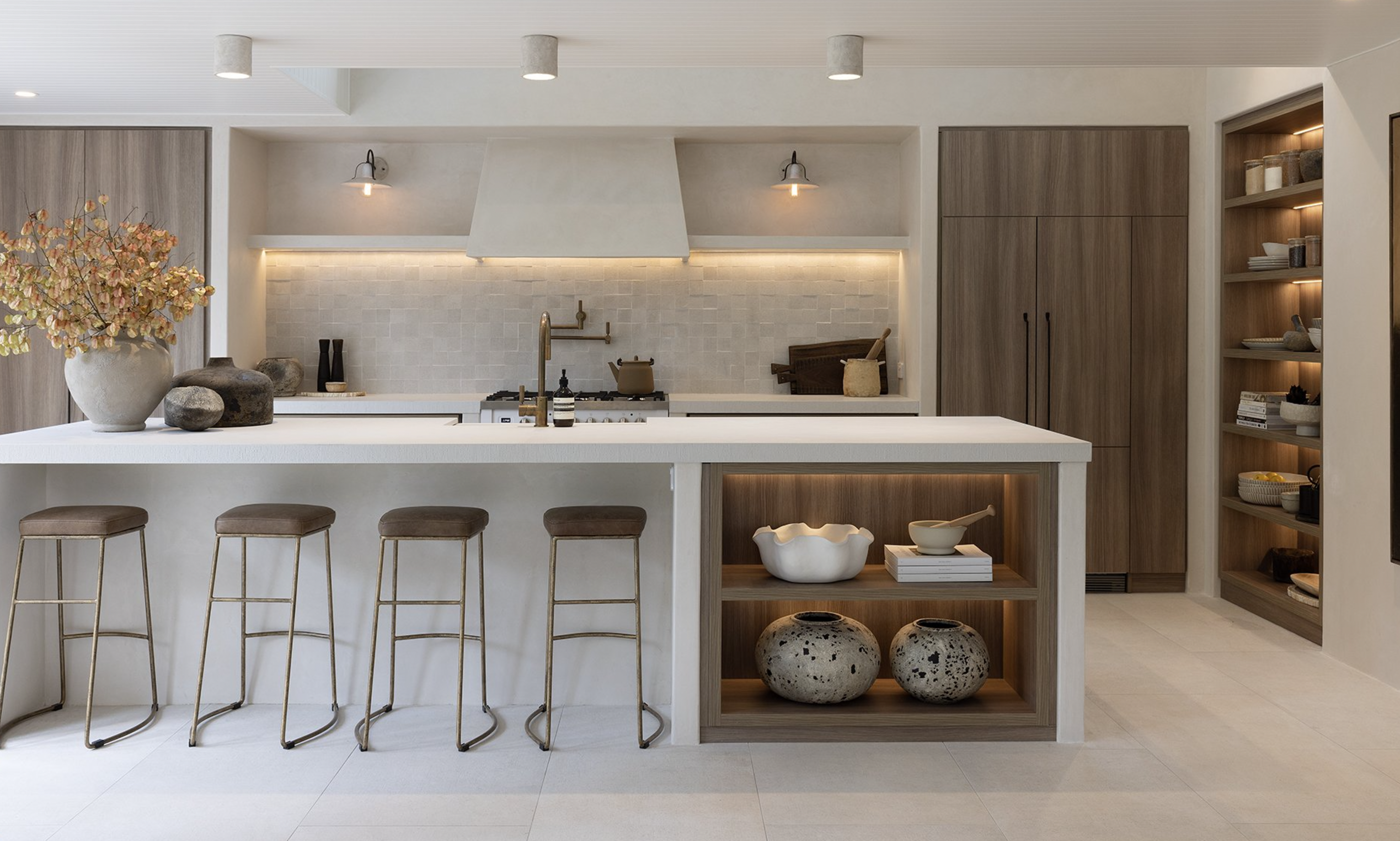
Thirdly, the article explores backlighting shelving. While commonly used, LED placement can vary. Placing LEDs on top of shelves provides accent lighting that highlights open shelving and creates a soft ambiance. Conversely, lighting at the base of shelves offers practical task lighting for kitchen surfaces. A design by Mandy Graham combines both by creating a small recess behind shelving and cabinets, allowing LEDs to cast an ethereal glow both upwards and downwards, adding dimension and depth to the kitchen walls.
Fourth, LED lighting can be integrated into the kitchen's architecture. During a kitchen remodel, opportunities arise to embed lighting directly into architectural features. PJCArchitecture's project, for example, features lighting embedded into a minimalist tray ceiling, creating an illusion of higher ceilings and setting a mood. Similar applications, such as LED lighting around a home bar, can give cabinets depth, highlight stone, and showcase serveware.
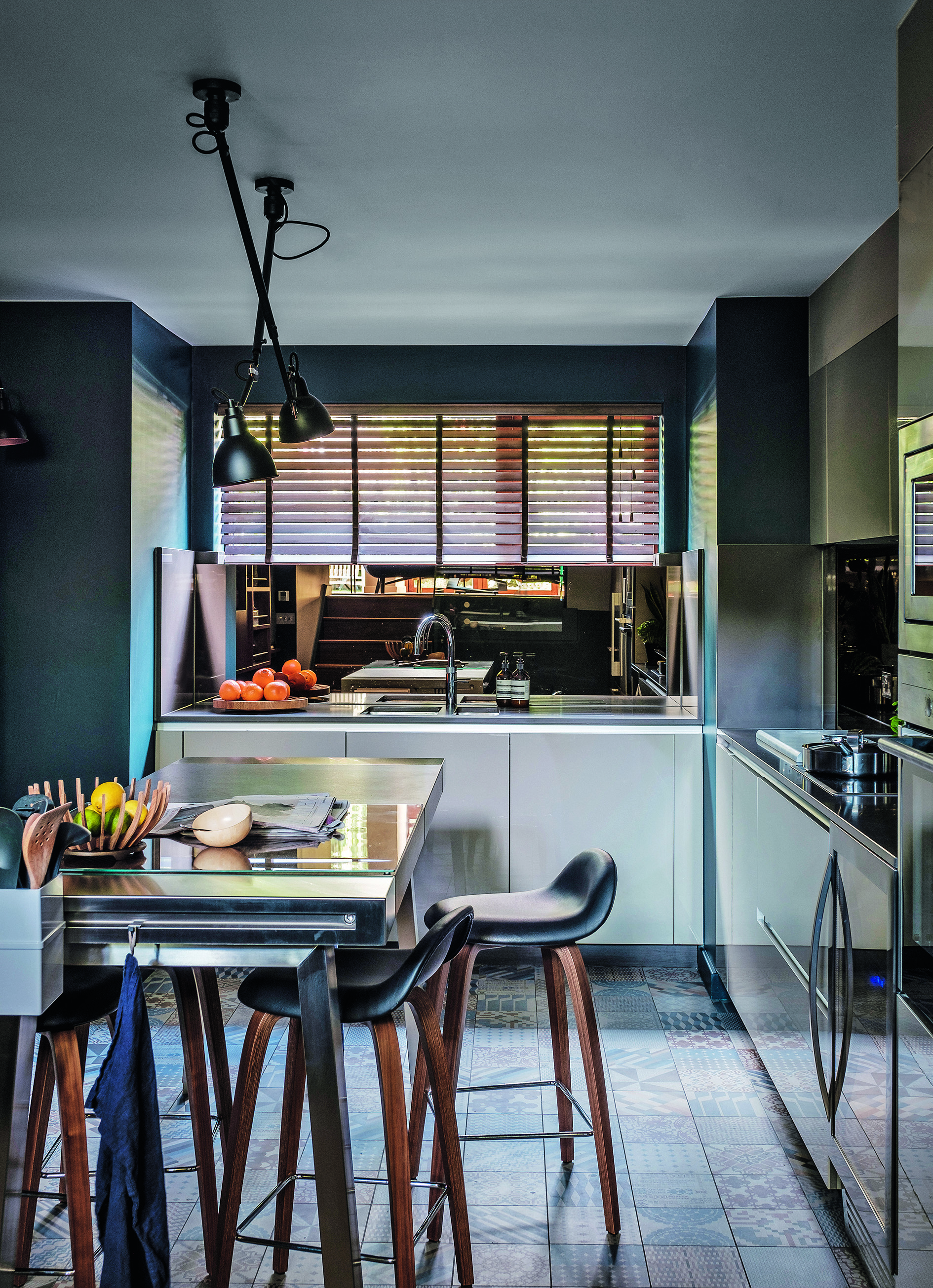
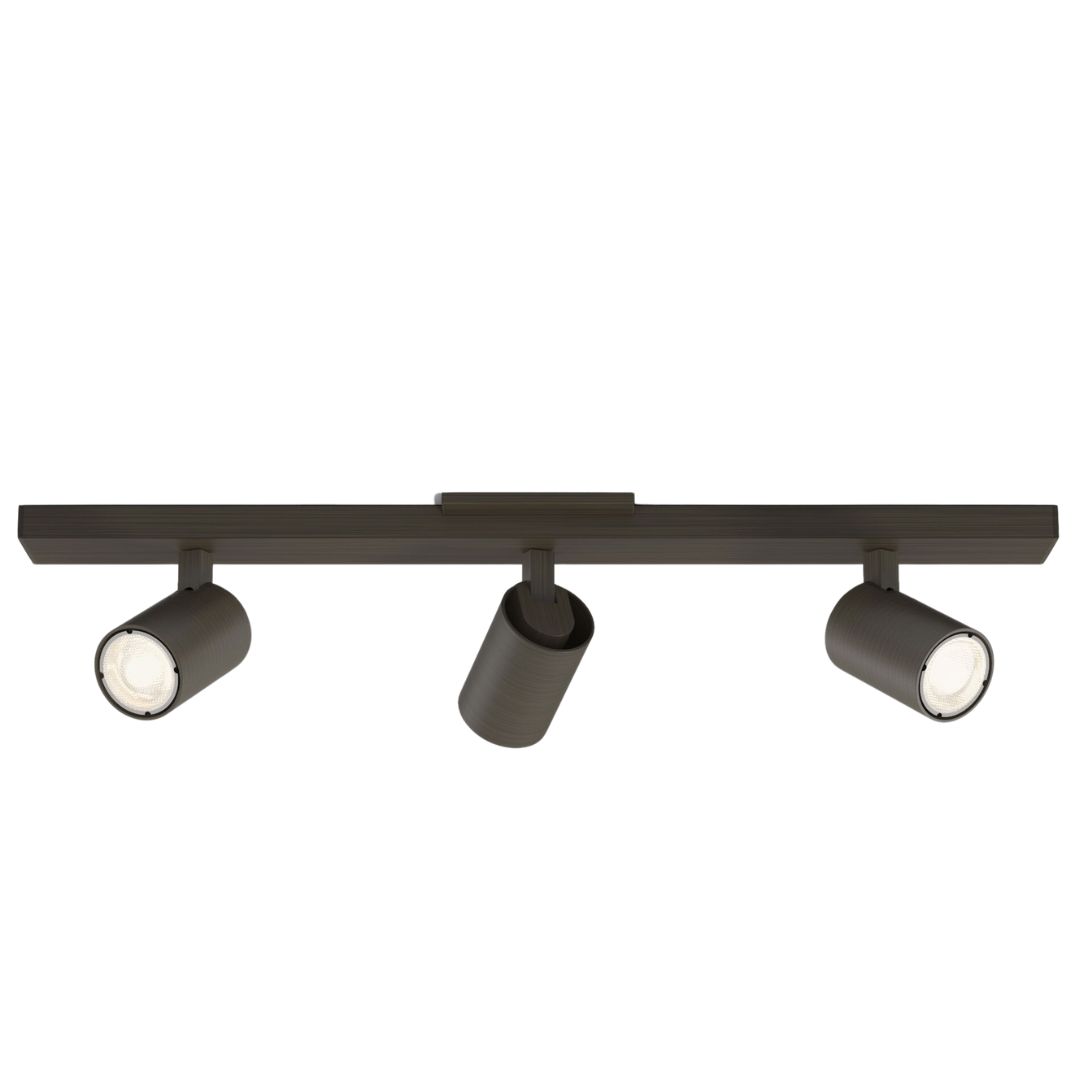
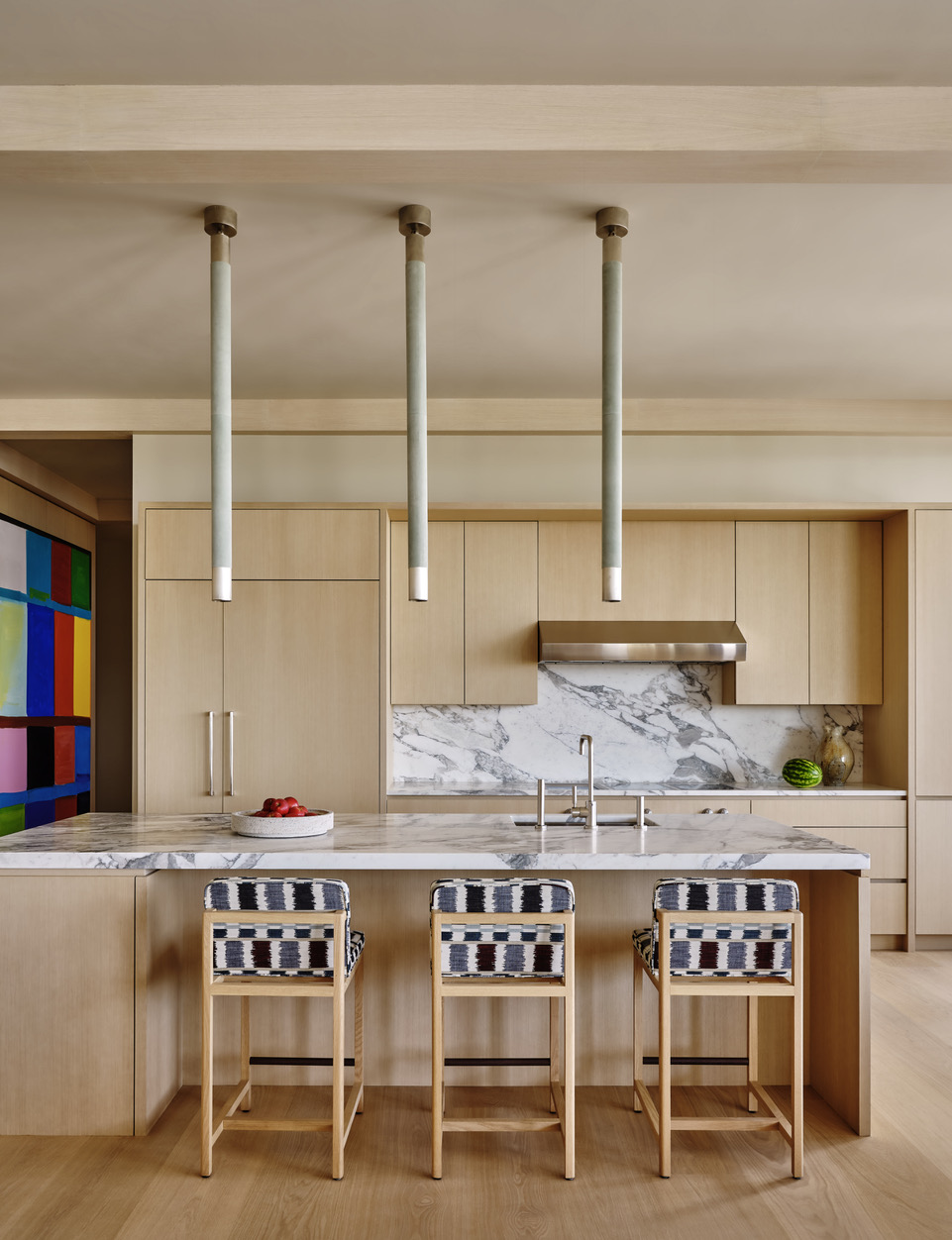
Finally, the article discusses using LED strips to create ambient lighting as an alternative to traditional downlights. Interior designer Sabina Dontcheff of Kokema Design explains that LEDs can provide smooth, even linear light, emphasizing architectural lines and making spaces more defined. Their compact size allows for seamless integration into various surfaces. This method is particularly effective for addressing challenging architectural elements, such as sloped ceilings, where LED lighting can be combined with swivel spotlights to optimize light quality. These five strategies demonstrate how LED lighting can significantly enhance both the functionality and aesthetic appeal of a kitchen space.
#KitchenLighting #LEDLighting #HomeDesign #InteriorDesign #KitchenRemodel #AccentLighting #AmbientLighting #TaskLighting #KitchenIsland #KitchenLighting #LEDLighting #HomeDesign #InteriorDesign #KitchenRemodel #AccentLighting #AmbientLighting #TaskLighting #KitchenIsland
0 تعليق إجمالاً
 لا توجد تعليقات بعد
قد تعجبك أيضًا
Every Mistake I Made While Designing My Kitchen Lighting Scheme — The 5 Errors I Strongly Advise Against
The BEST Way to Light Your Kitchen Is Not What You Think

Kitchen Lighting Mistakes That Are Making Your Space Look Dated

32 Lemon Kitchen Decor Ideas You’ll Wish You Tried Before Spending Thousands on a Reno
15 Creative Kitchen Lighting Ideas That Put Plain Ceiling Lights to Shame
This is my big kitchen lighting ick, and interior designers agree it's an impractical choice – what you should buy instead
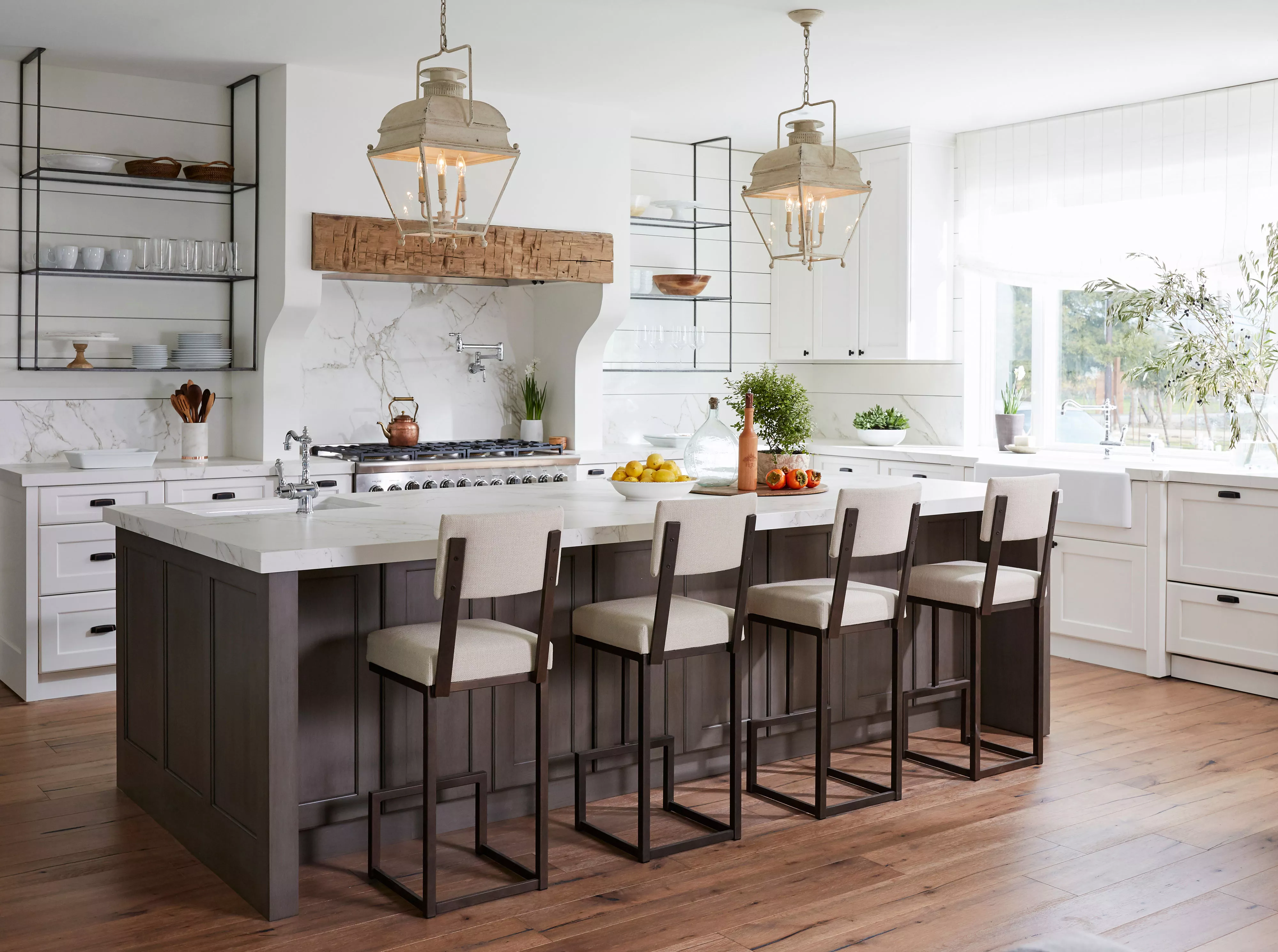
3 Steps to Perfect Kitchen Lighting, According to an Expert


5 Trending Kitchen Light Fixtures That Will Add Spark To Your Home
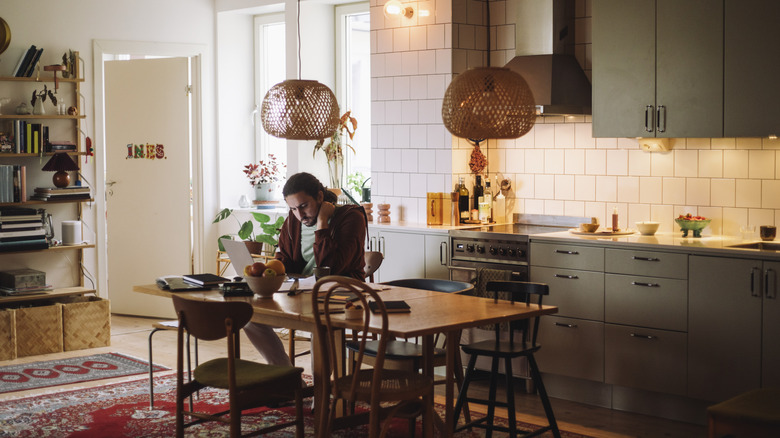
17 Best Creative Lighting Ideas For Your Kitchen

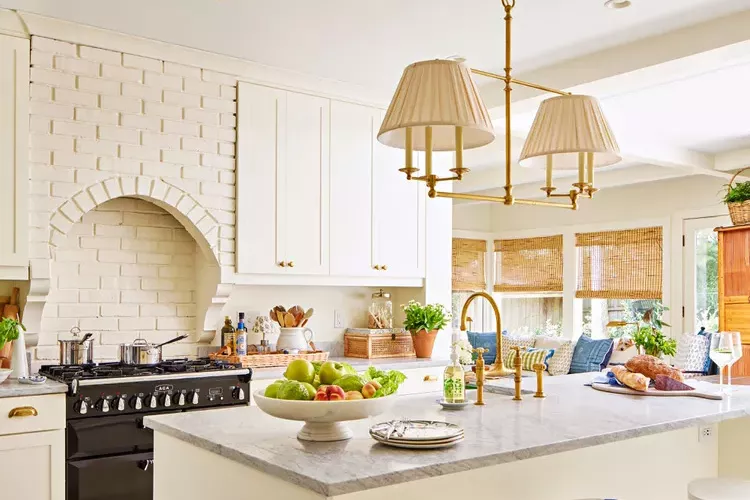
62 Kitchen Lighting Ideas That'll Transform Your Space
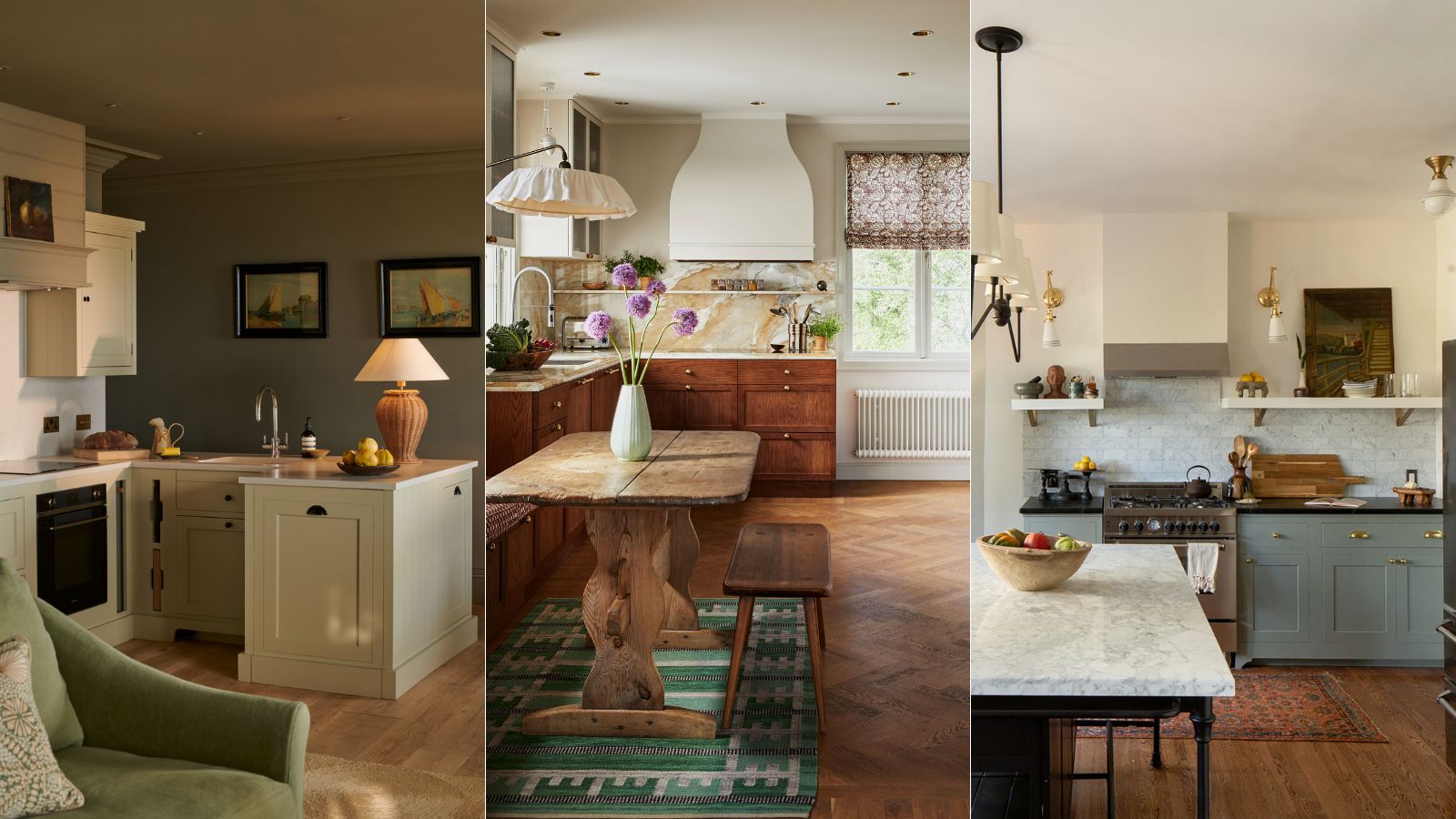
Why I regret using recessed lights in my kitchen remodel

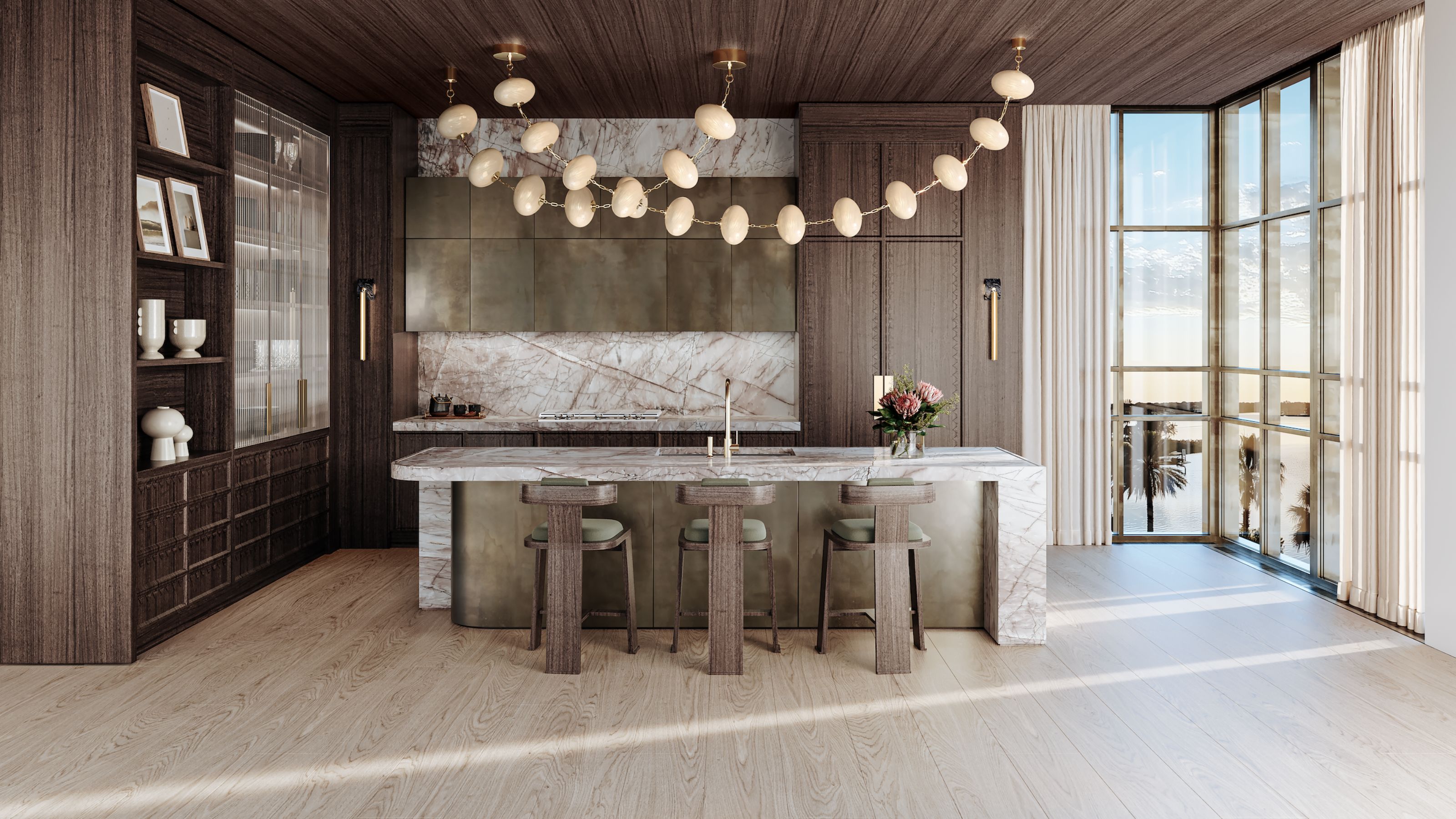
22 Kitchen Lighting Ideas That Feel Right for 2025 Projects — To Illuminate Islands, Cabinets, Countertops, and More
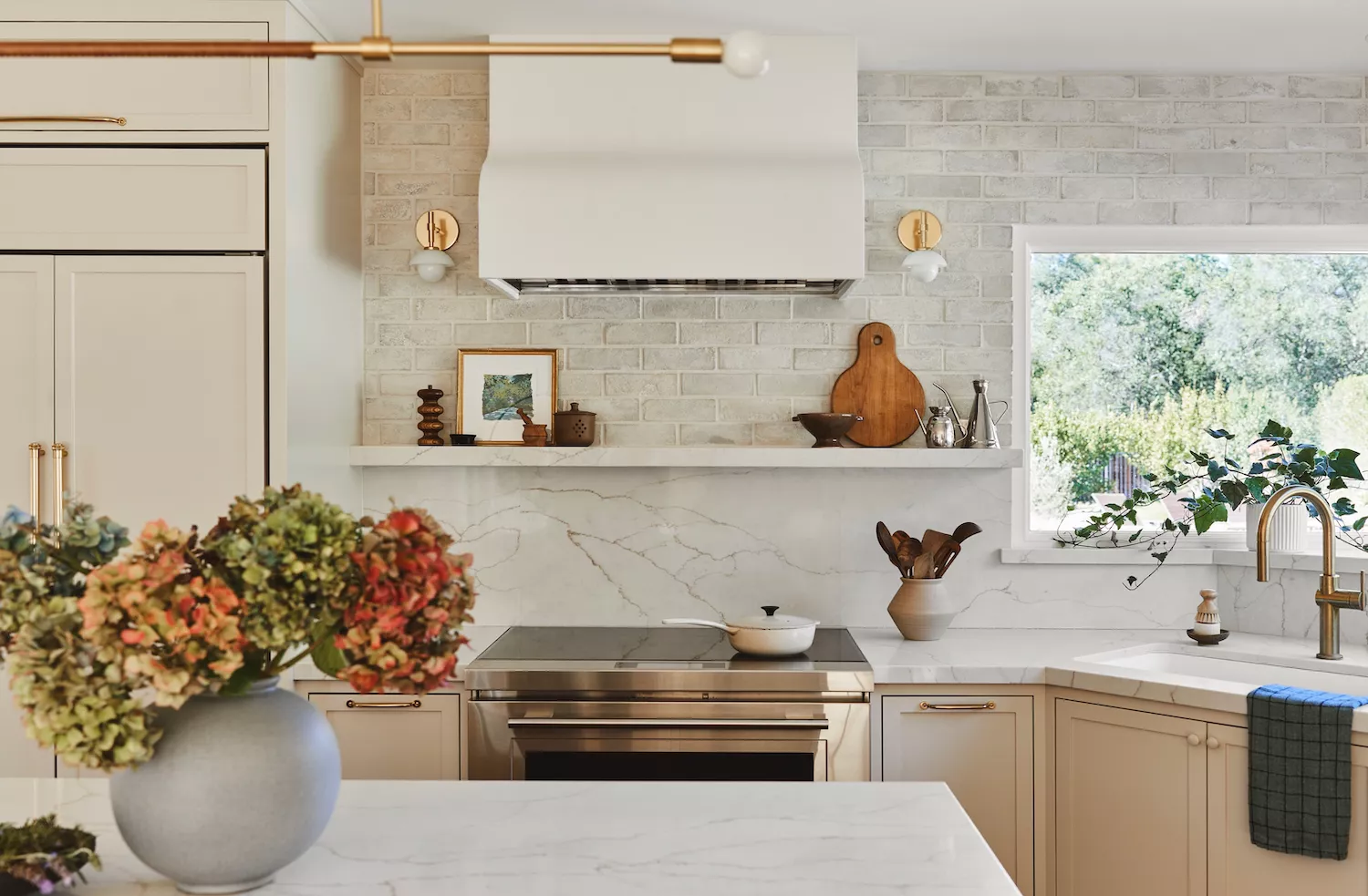
Small Kitchen, Big Impact: 5 Lighting Ideas Designers Actually Use to Instantly Brighten a Space

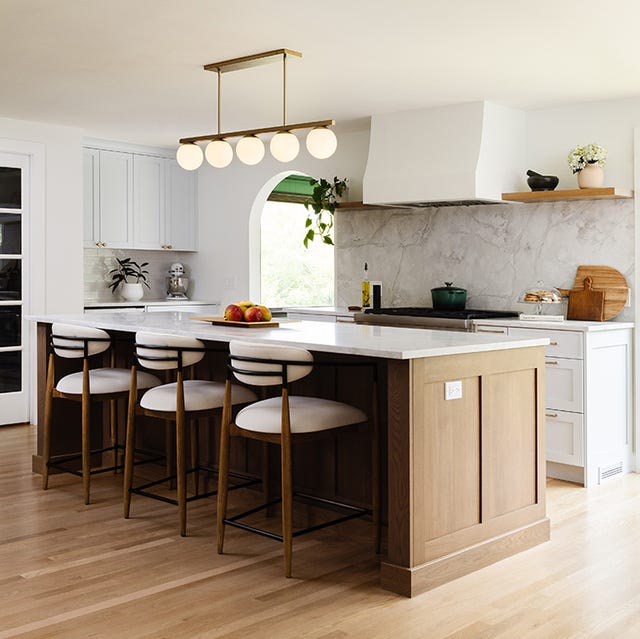
Try These Kitchen Lighting Ideas to Brighten Your Space

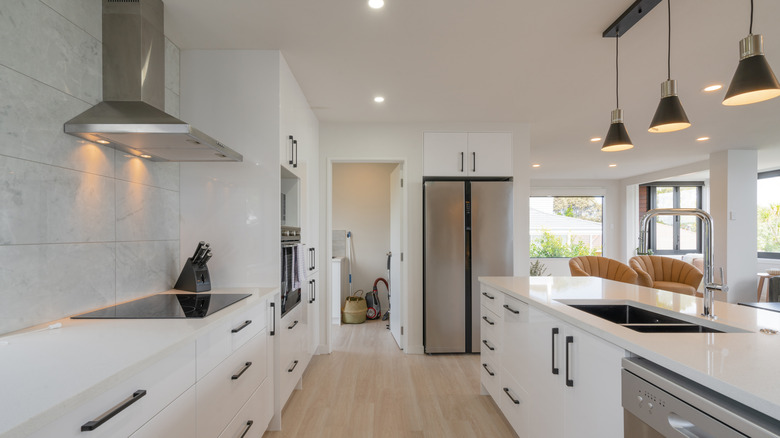
15 Kitchen Lighting Mistakes Everyone Makes
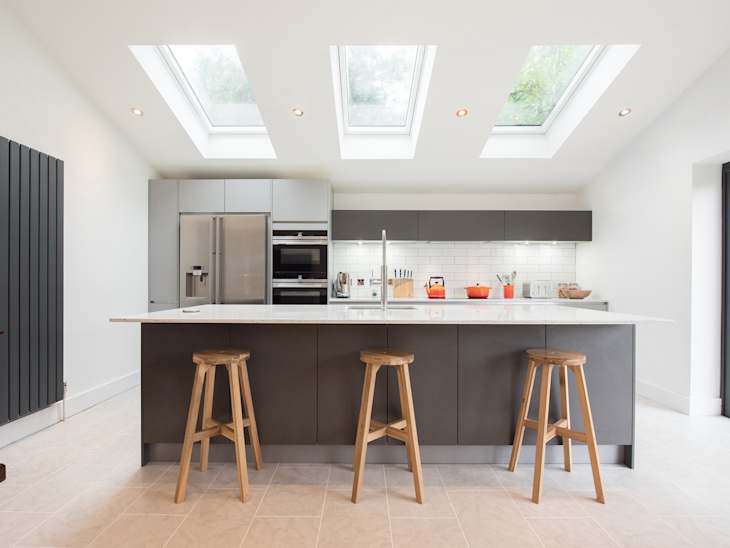
We Asked 5 Real Home Cooks the Kitchen Upgrade They Totally Regret, and Here’s What They Said
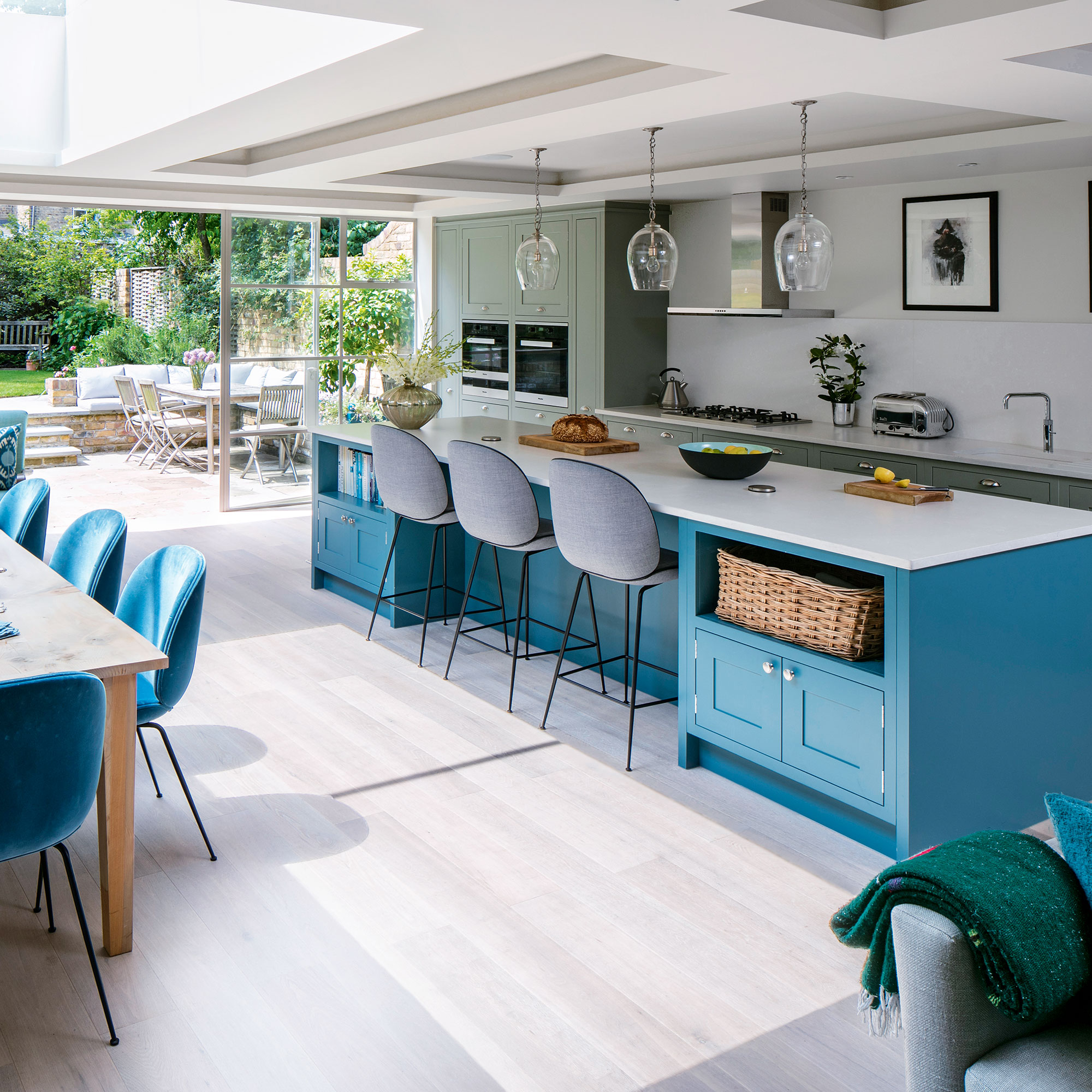
5 kitchen lighting layouts to illuminate your space to perfection
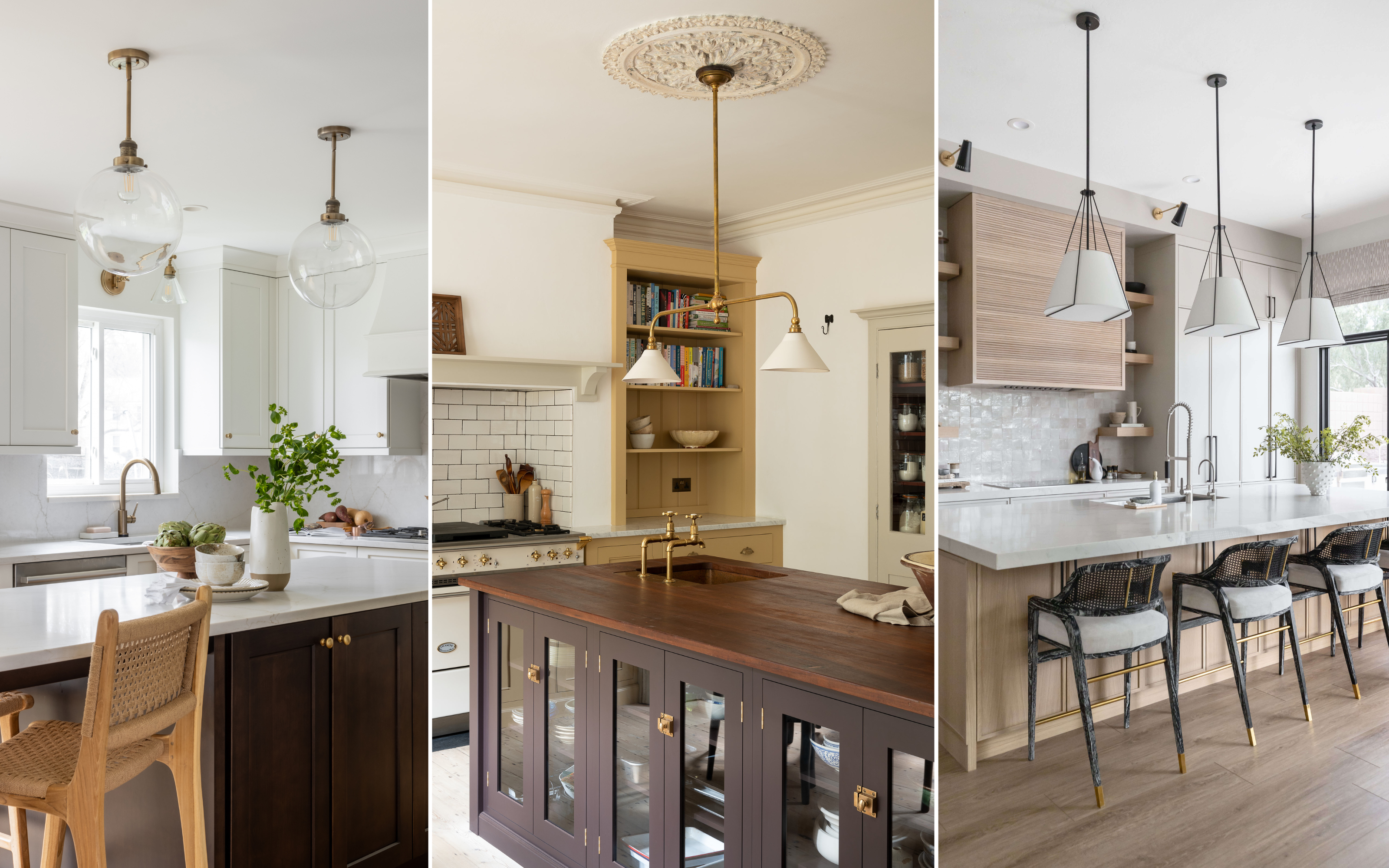
9 outdated kitchen lighting trends designers urge you to avoid, plus what to try instead
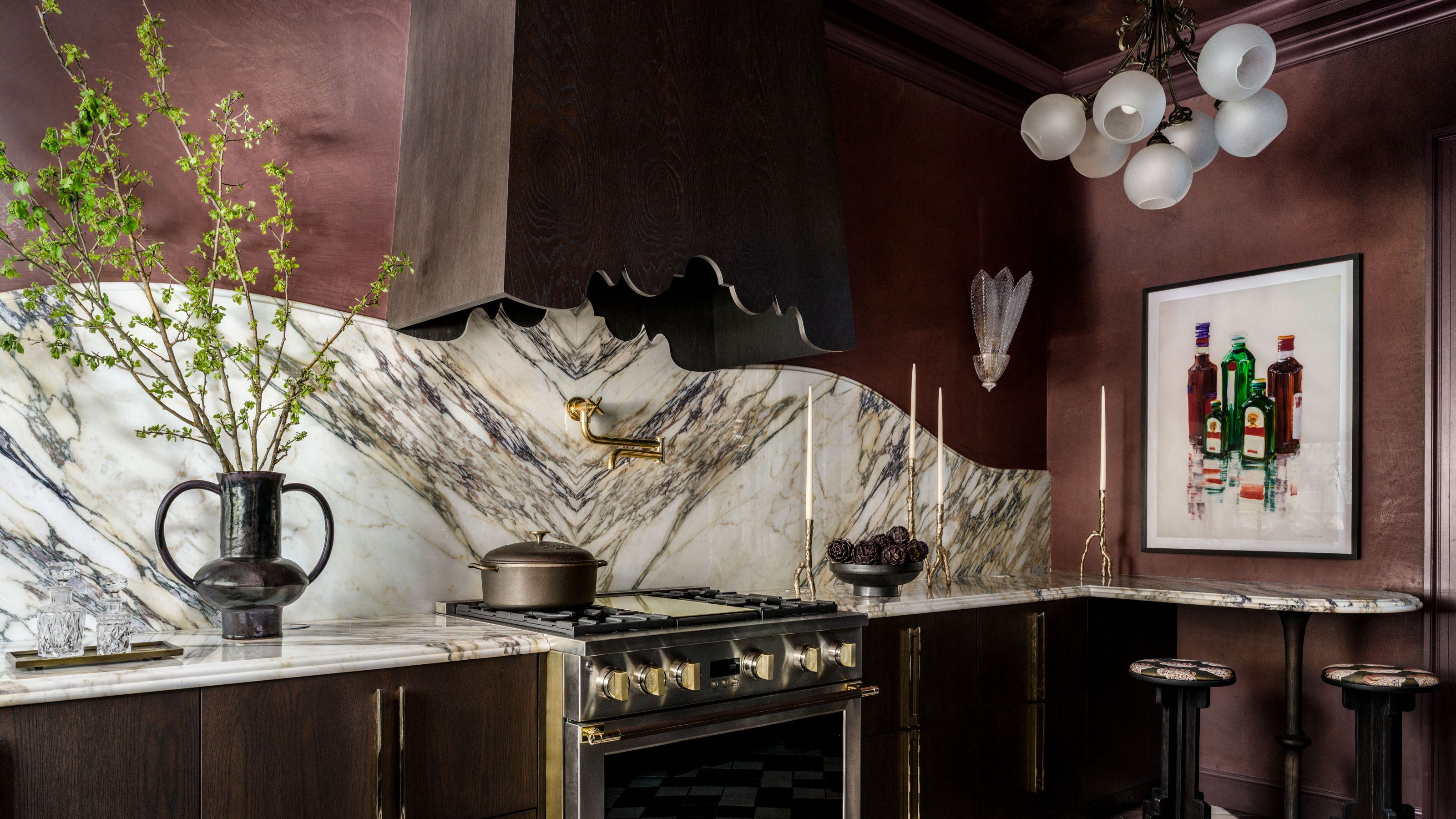
5 Kitchen Lighting Design Rules Interior Designers Warn You Should Never Ignore for a Well-Lit Space
4 Easy Kitchen Upgrades That Instantly Make Your Home Look Good, According to Designers