1/8
The return of the matchy matchy pattern look, and how to do it right
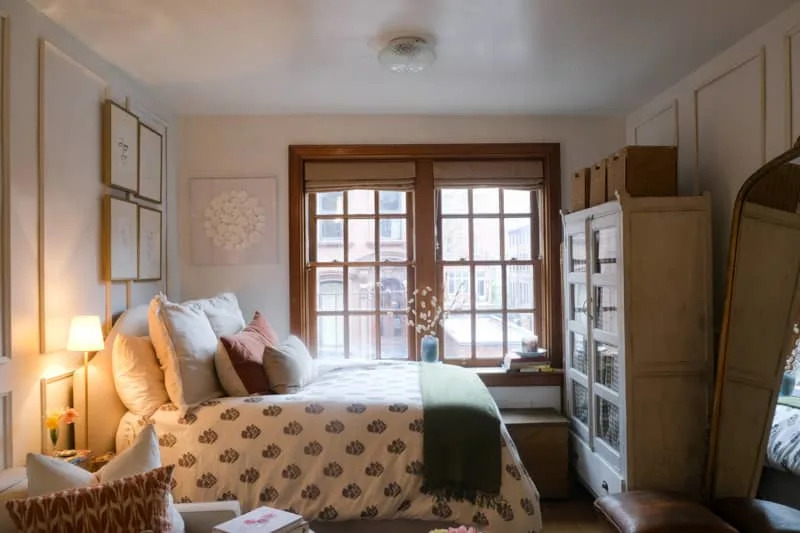
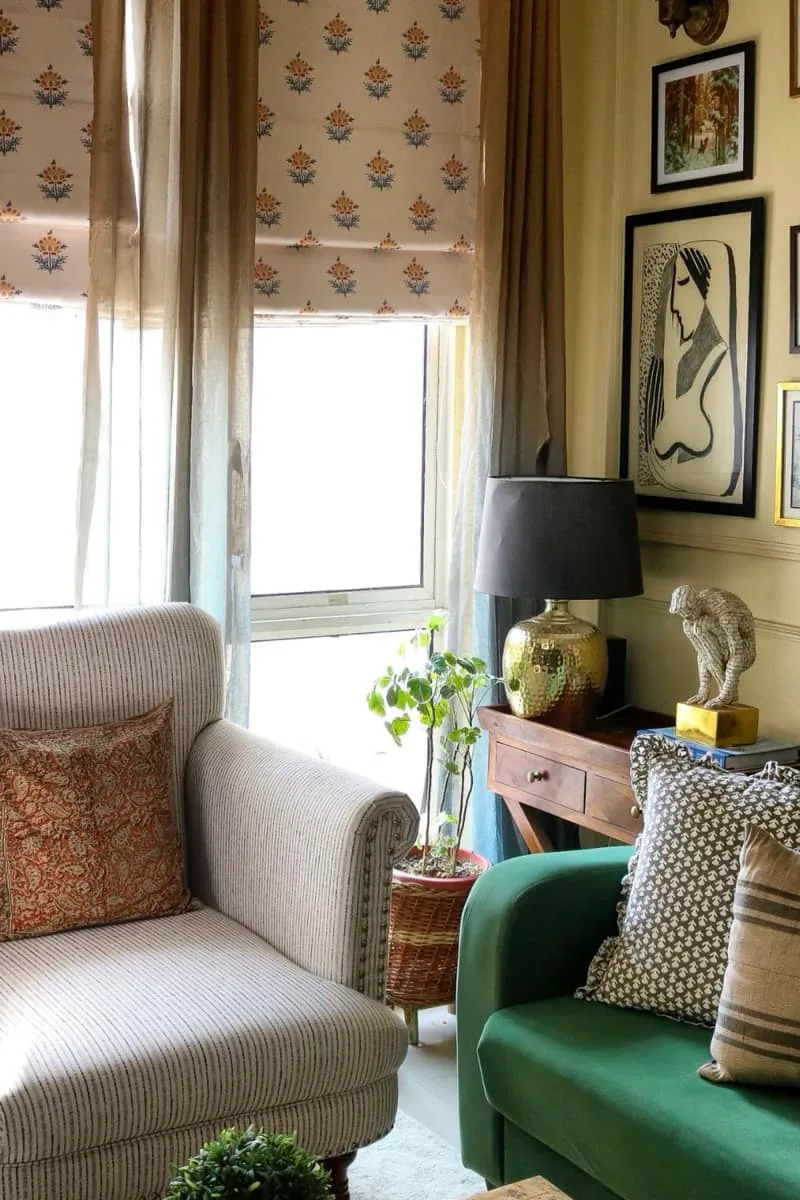
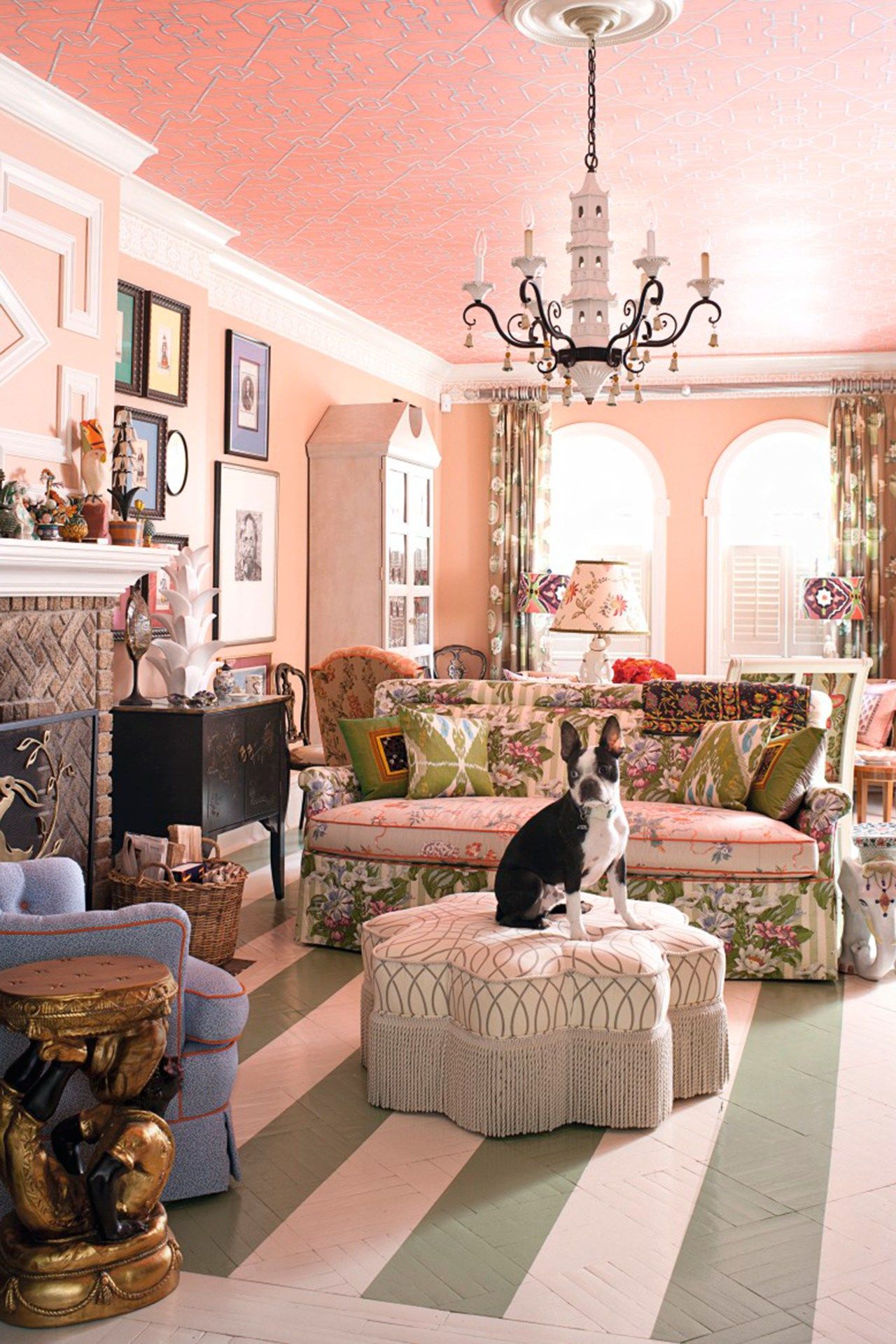
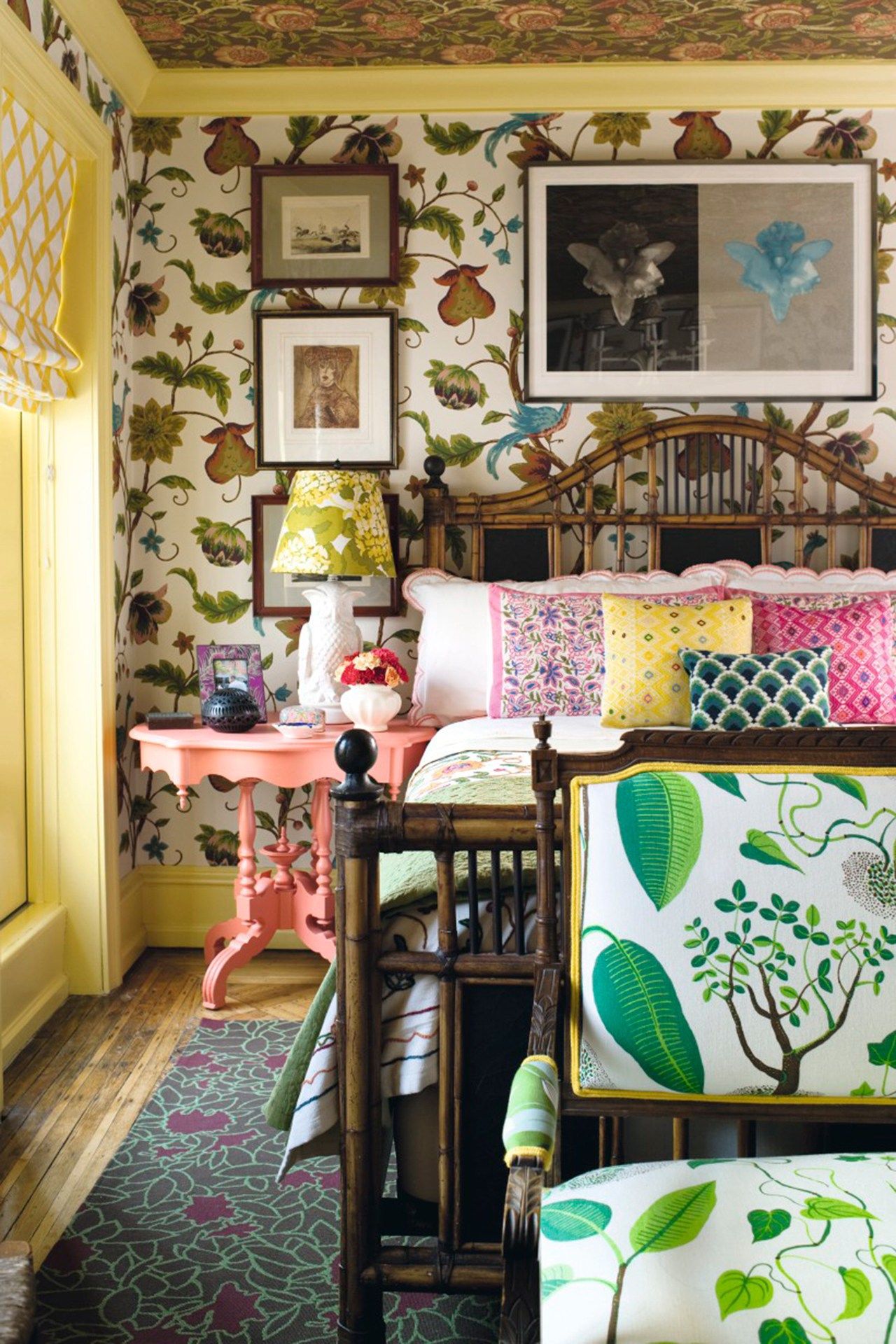
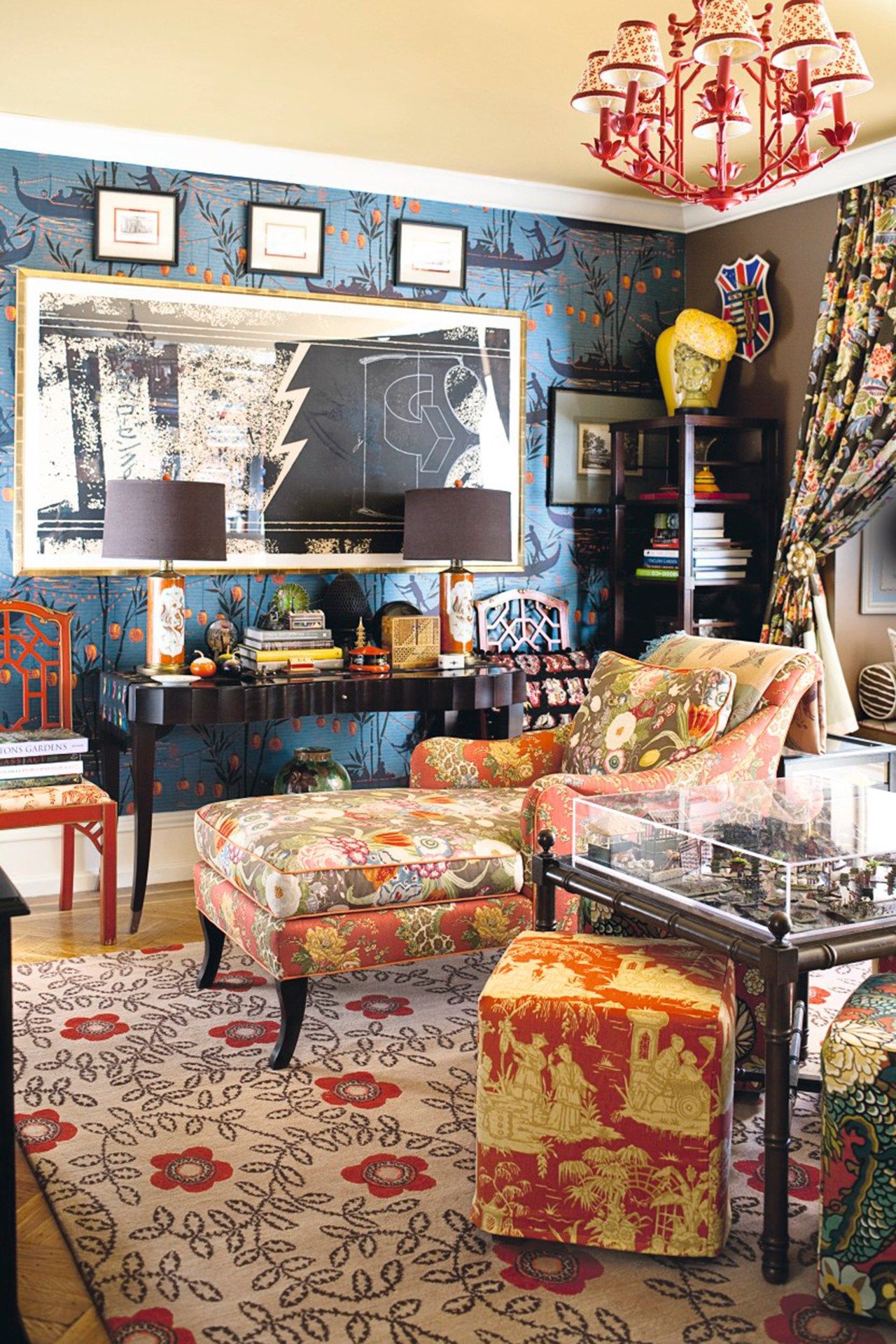
The article discusses the resurgence of the 'matchy matchy' pattern trend in interior design, a style previously considered old-fashioned and synonymous with overly coordinated domestic spaces. While some designers like Virginia White advocate against the 'hotel couture' look of matching every element, there's a growing appreciation for a nuanced approach to cohesion and pattern repetition. This trend involves wrapping rooms in a single fabric, pattern, or print, and is now viewed as both lively and elegant, offering a post-maximalist return to order while still celebrating color and pattern.
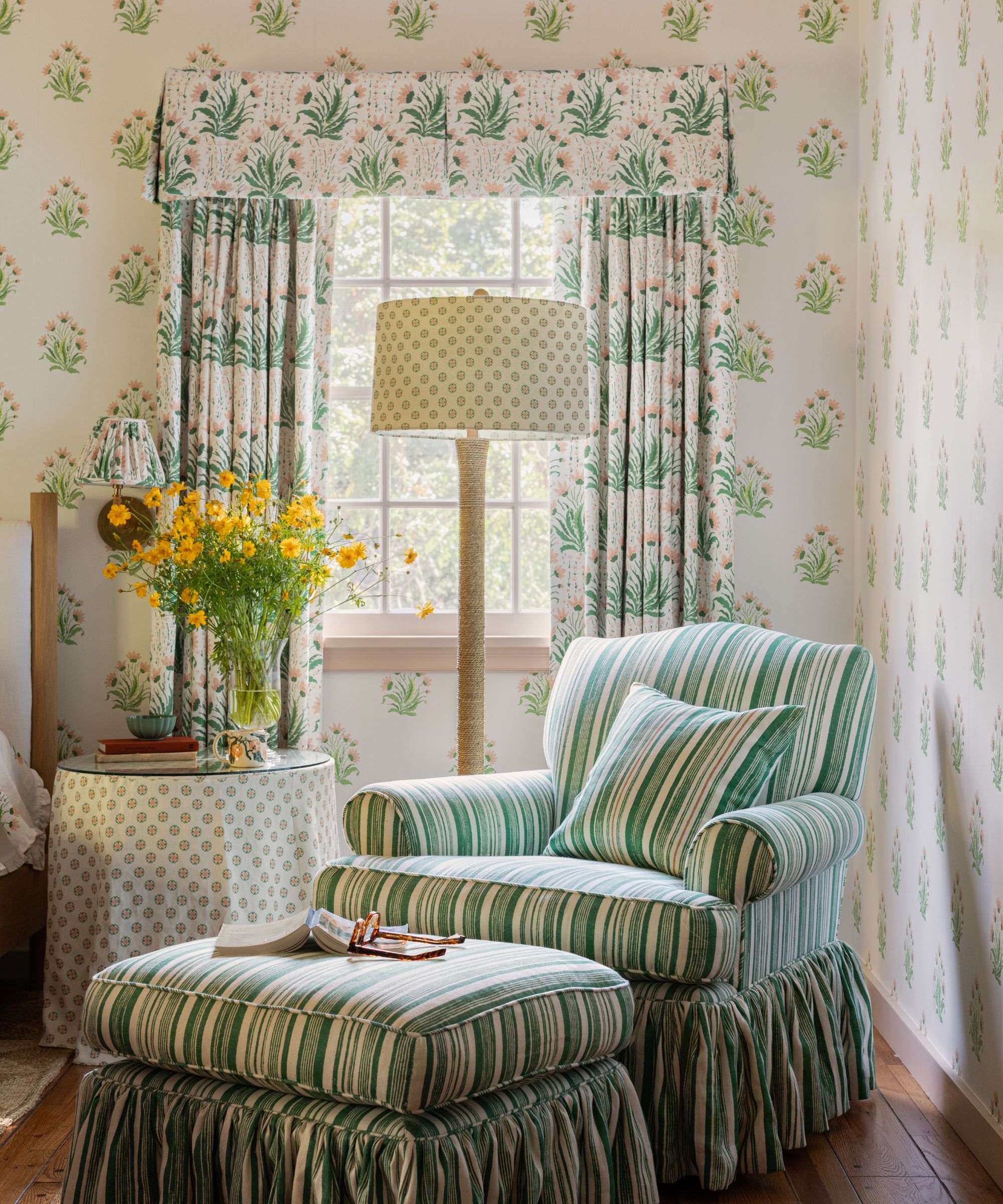
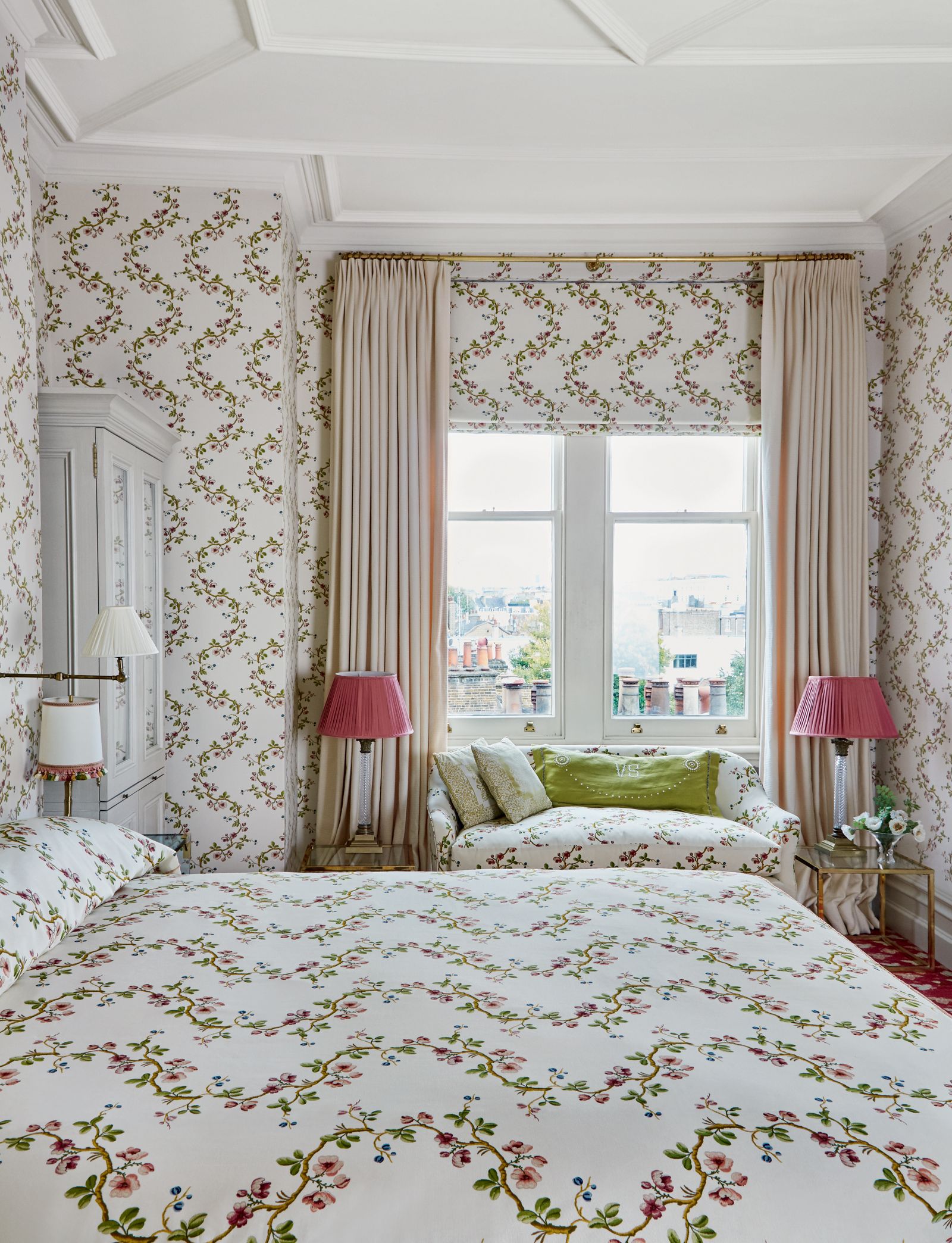
The concept of matching in interior design, even if subtly, is gaining traction. Olivia Outred notes that 'matchy matchy, done well' can be highly effective, highlighting the importance of execution. The aesthetic, once used as an insult for overly coordinated outfits and interiors, is now returning in the form of 'full-look' rooms where walls, curtains, upholstered furniture, and other furnishings share the same pattern. Examples include Martin Brudnizki's bedroom decked entirely in Jean Munro’s ‘Lustmore’ and Hatta Byng's Bowood room featuring Colefax & Fowler chintz on wallpaper, curtains, and bed valances. The success of this style hinges on careful implementation, ensuring harmony without creating an overwhelming or 'too perfect' atmosphere.
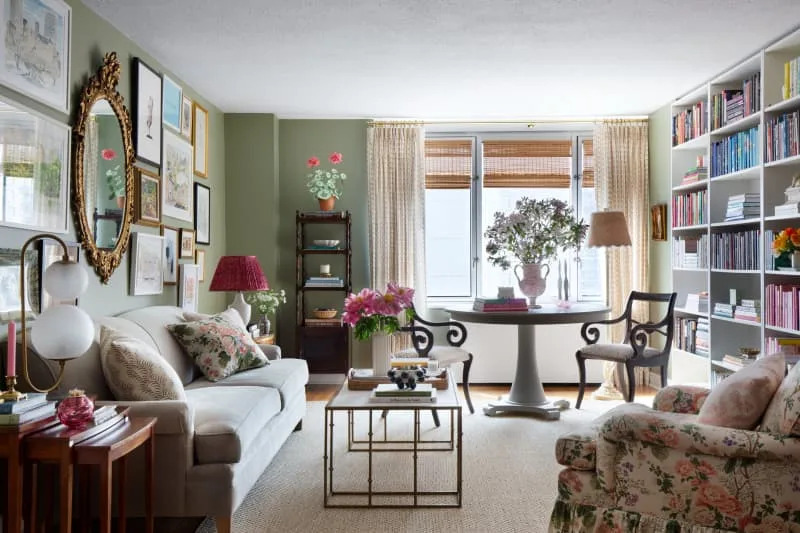
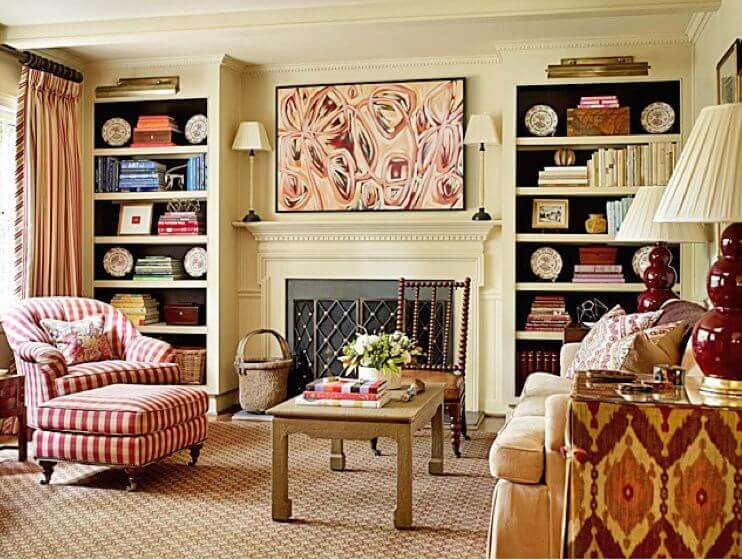
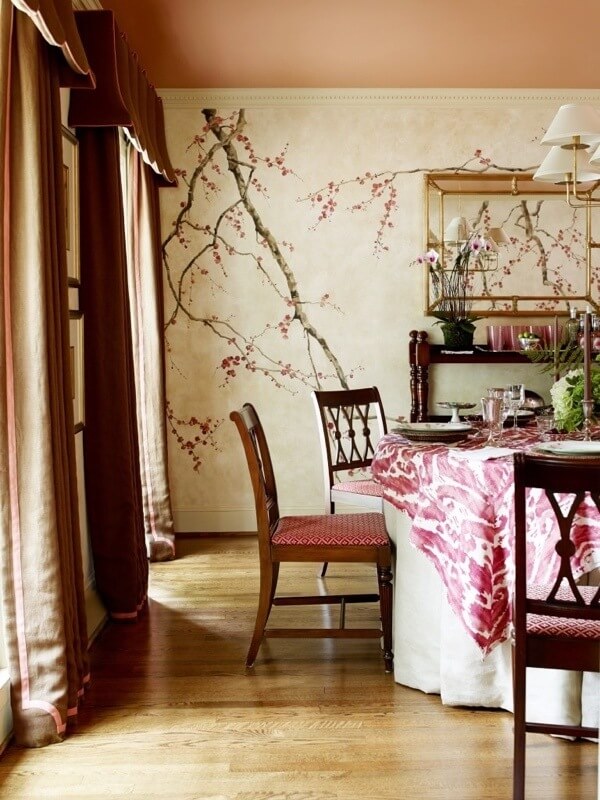
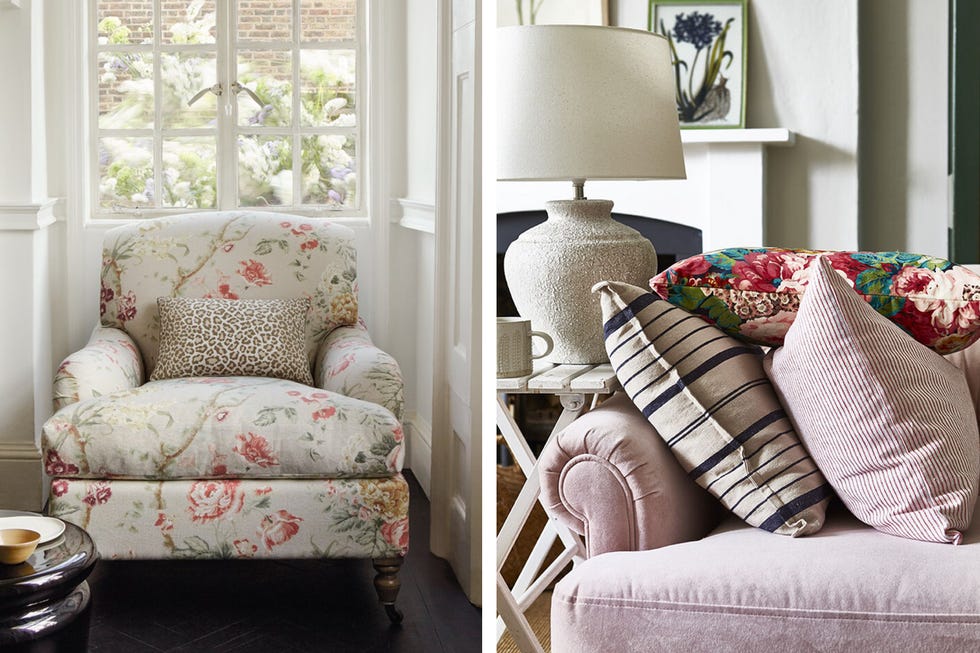
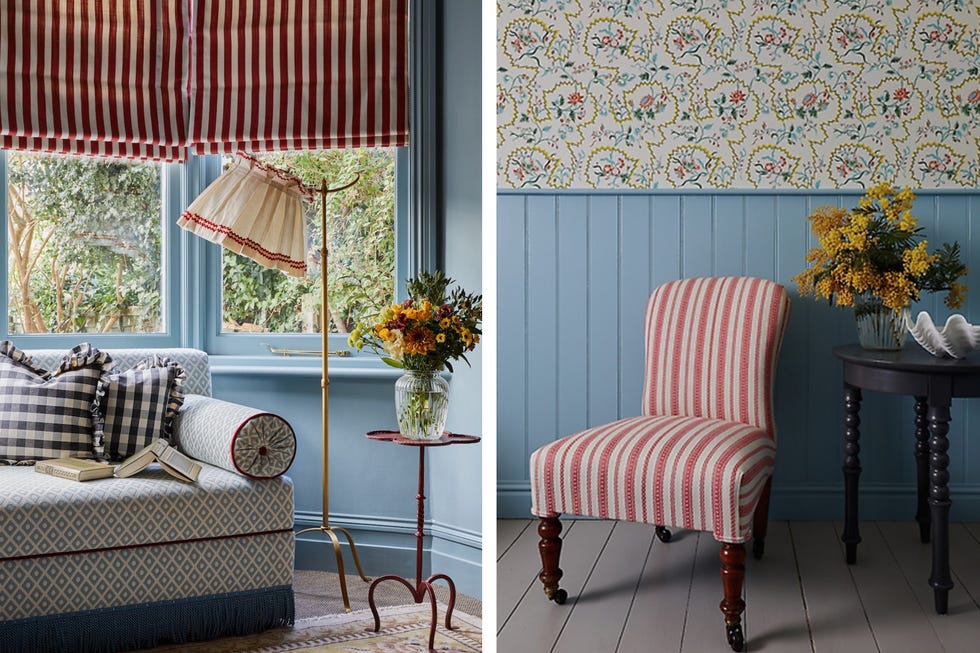
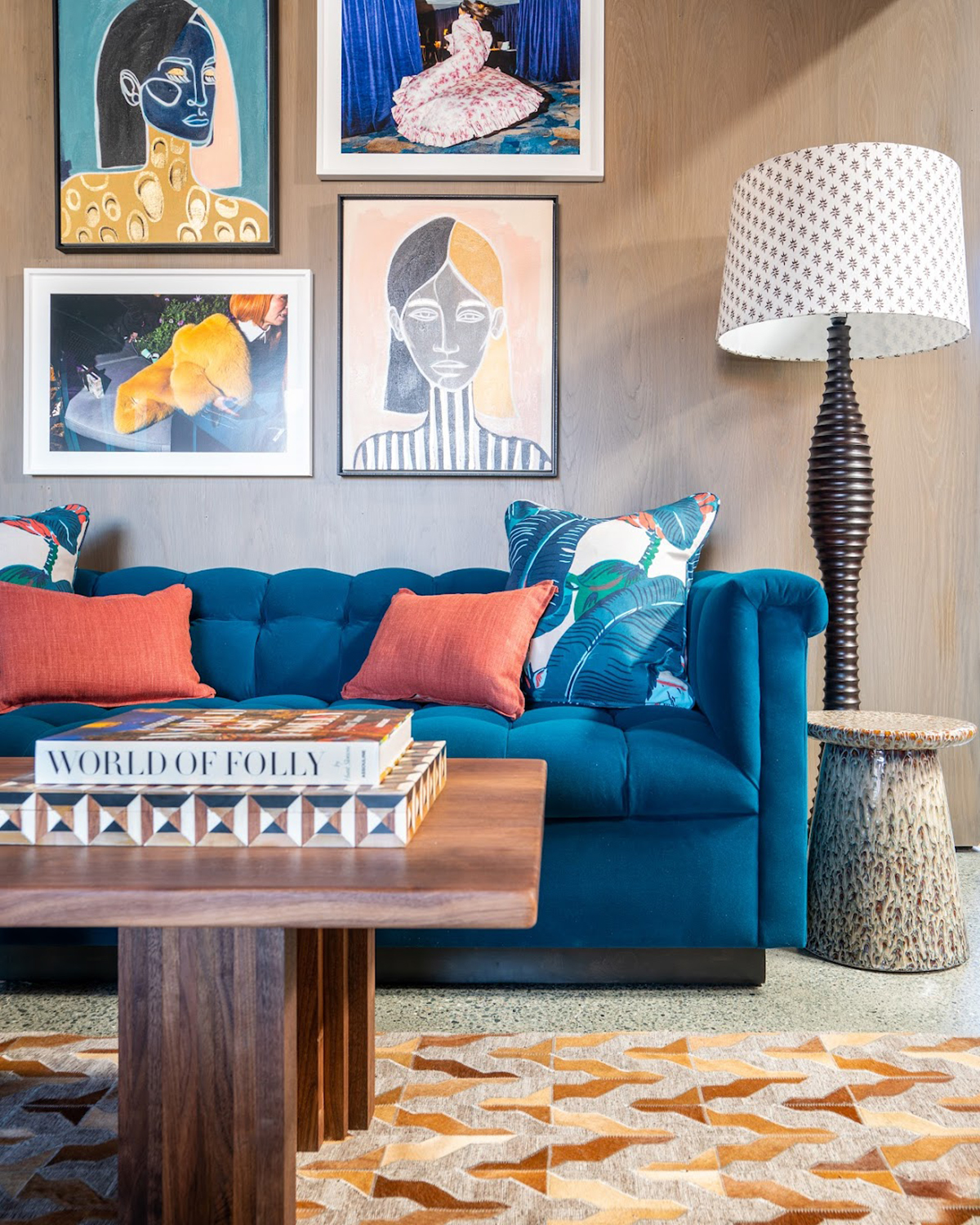
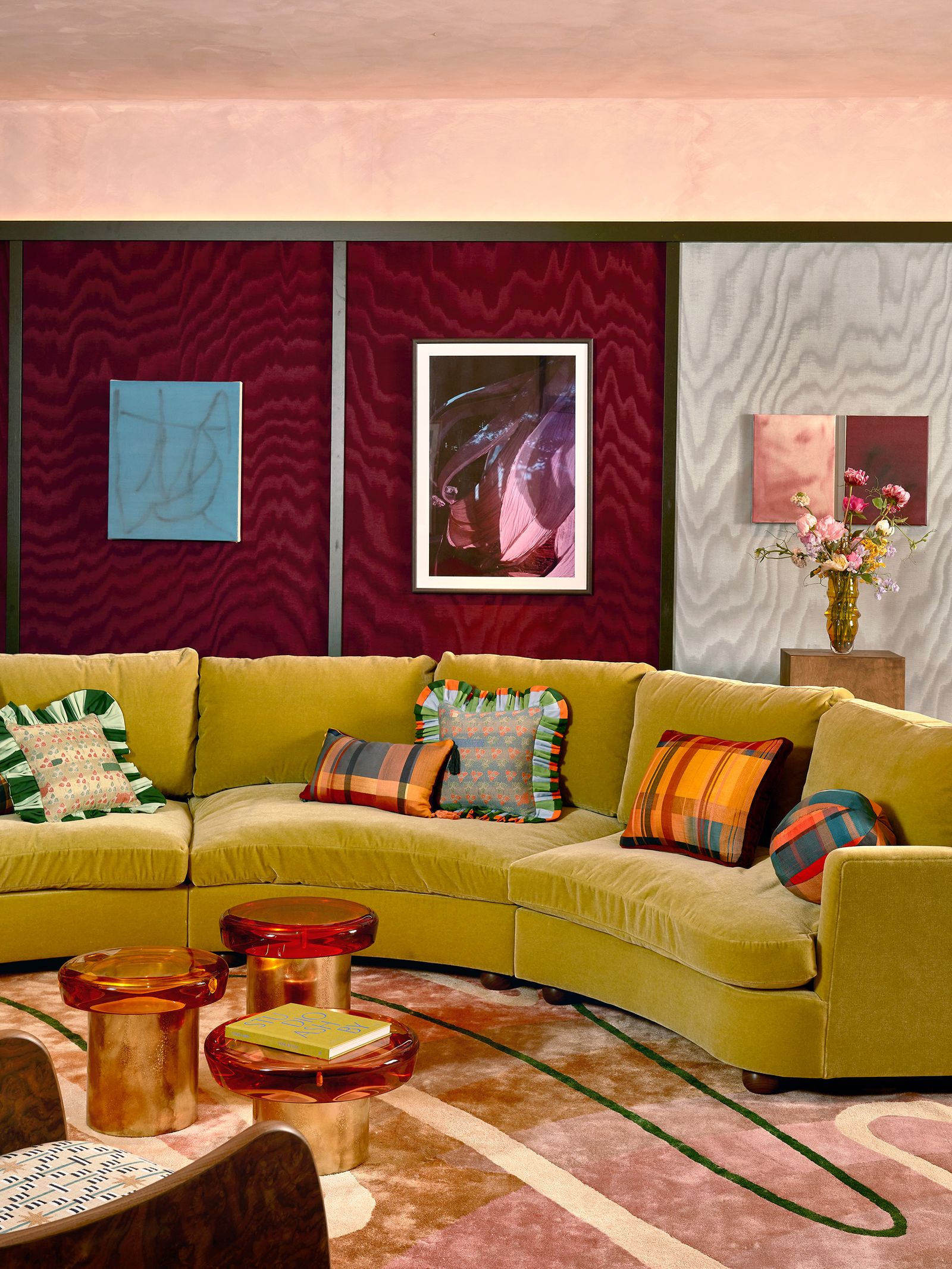
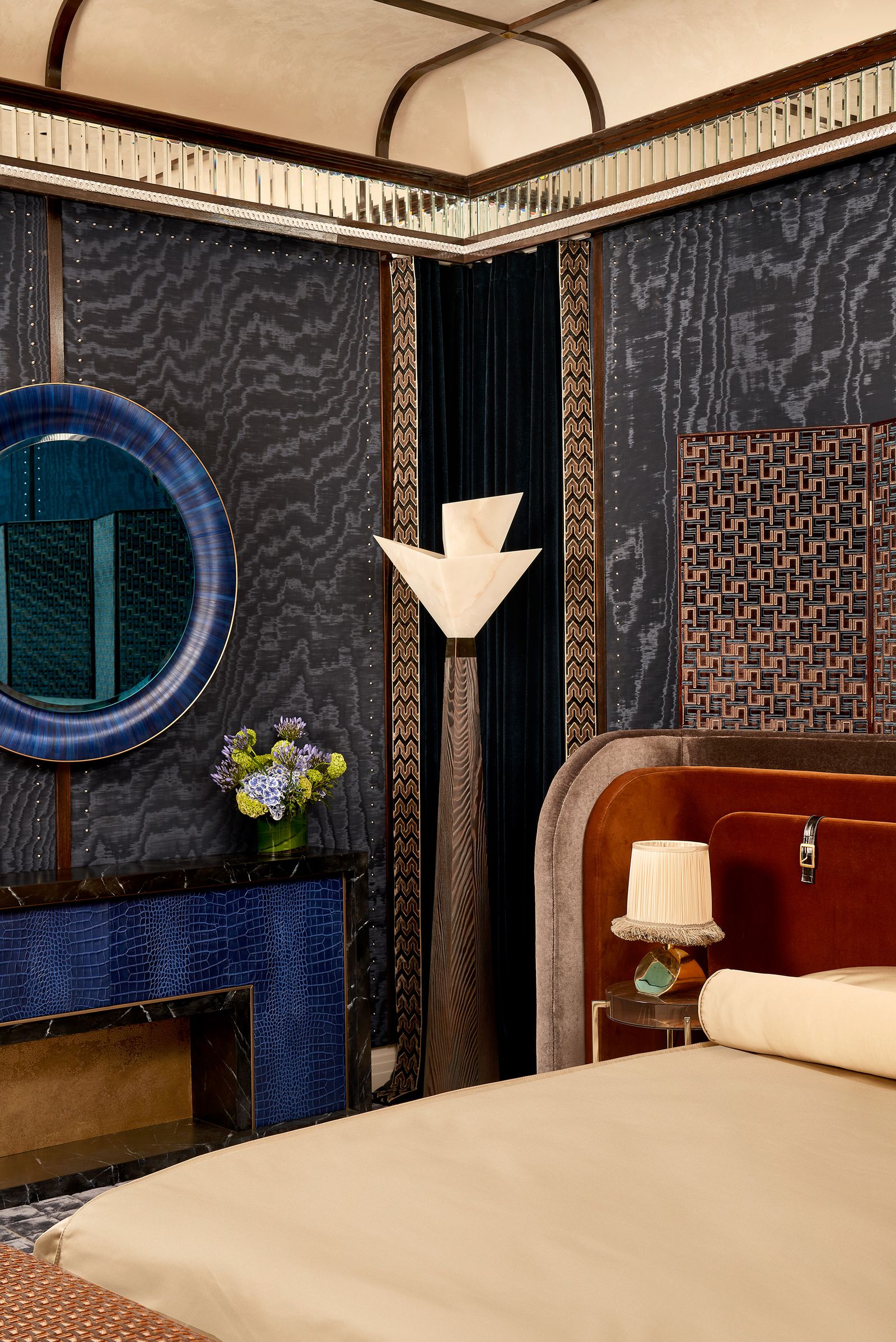
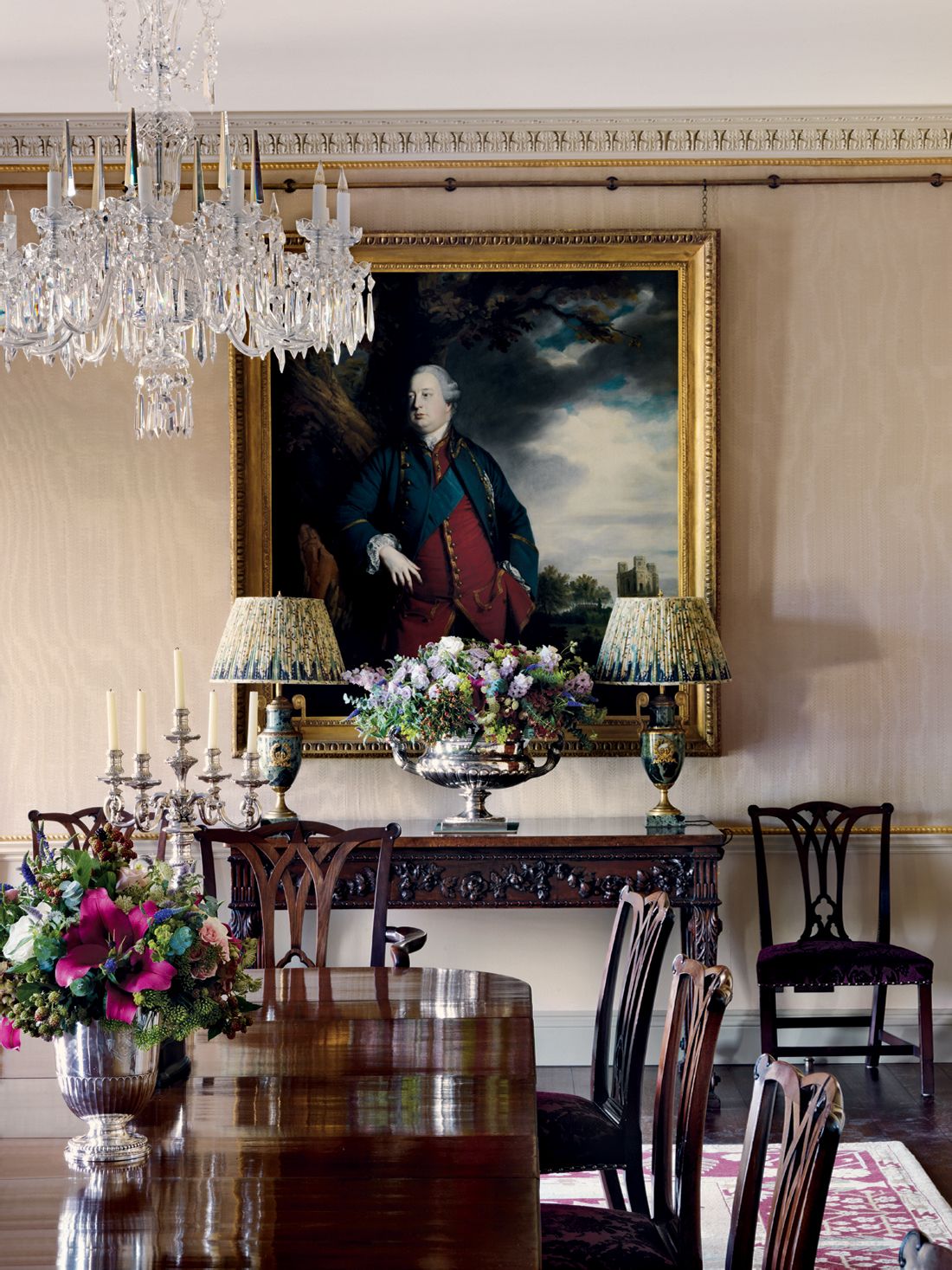
The article provides guidance on what elements should match, citing interior design experts. Nina Campbell suggests that a headboard and valance should always be in the same fabric, and matching lampshades on either side of a bed or fireplace contribute to symmetry, a principle Edith Wharton emphasized for creating comfortable living spaces. Gavin Houghton, despite his preference for varied patterns and textures, also uses pairs of cushions on a sofa. Similarly, dining room chairs are typically upholstered in matching fabric, and Dorothy Draper advocated for buying chairs in pairs. Matching fabrics can also be strategically used to create an illusion of symmetry between dissimilar furniture pieces, offering a cohesive look without being excessively 'matchy matchy'.
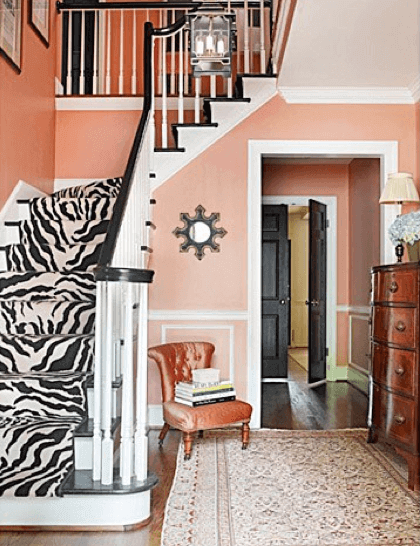
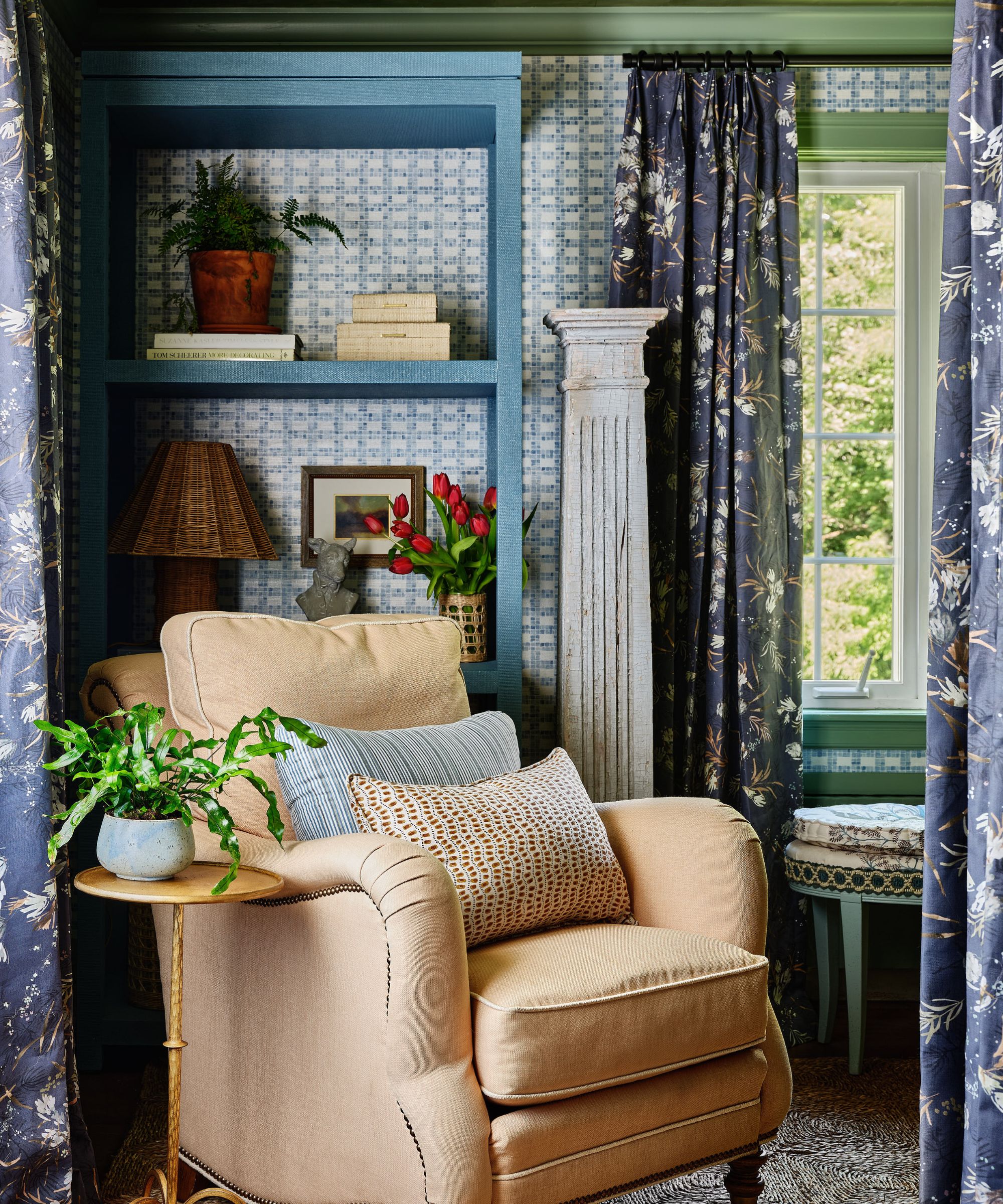
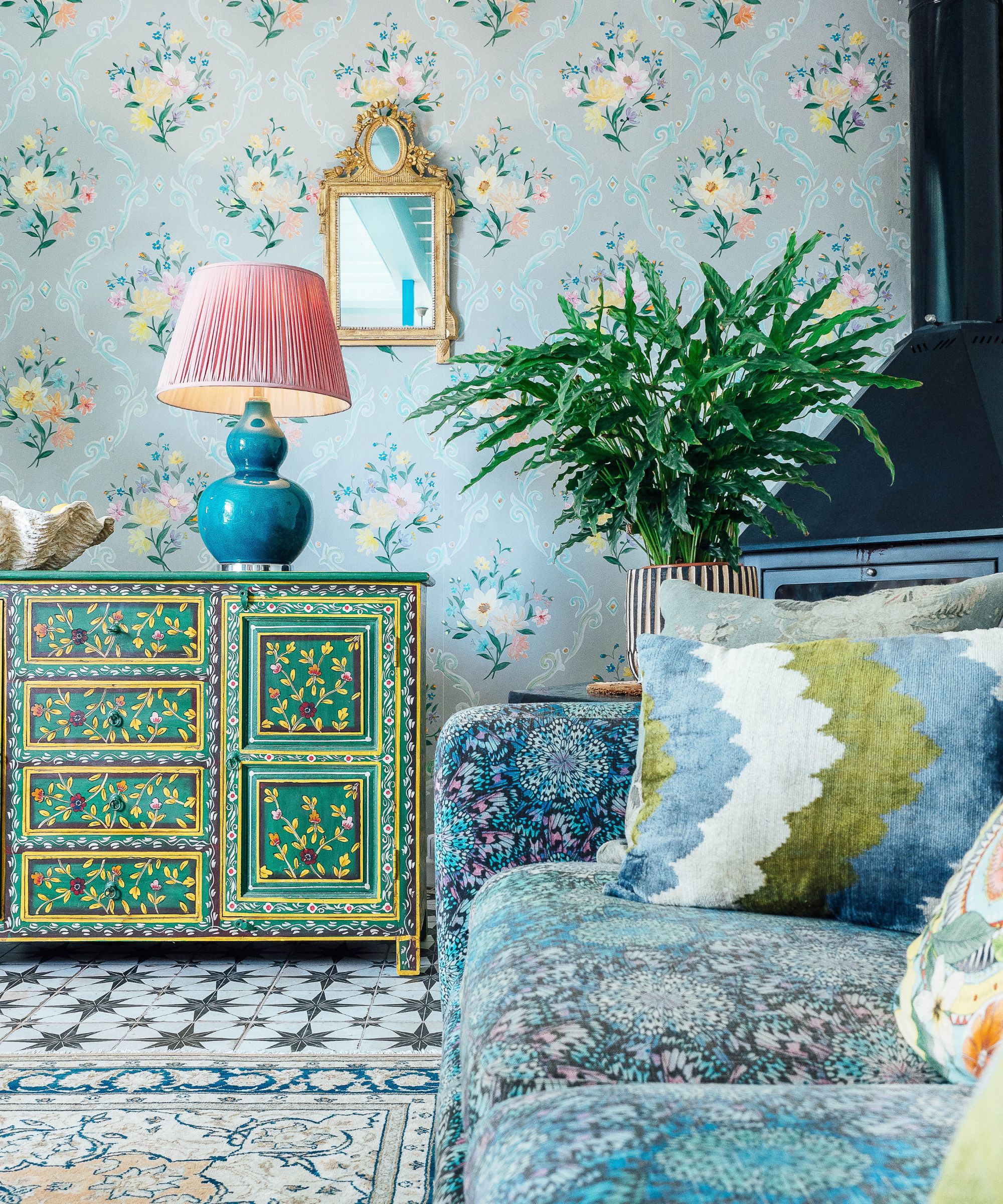
However, designers also caution against excessive symmetry, which can result in a stiff or formal effect. Benedict Foley describes it as 'unnerving,' akin to an overbearing musical performance. Henriette von Stockhausen stresses the importance of balance, suggesting that while the same pattern can be used on a pair of chairs, they don't necessarily need to be placed symmetrically. This nuanced approach prevents the scheme from becoming 'hotel couture,' ensuring comfort and individuality. Olivia Outred and Henriette also discuss using the same fabric for an armchair and a curtain trim, or for cushions with contrasting trims, to add variety while maintaining continuity. Daniel Slowik advises incorporating different scales and textures, such as contrasting carpets, rugs, or lampshades, to break up a matchy-matchy look. He warns against blindly following fabric house lookbooks, as they often appear too perfect in real-life settings.
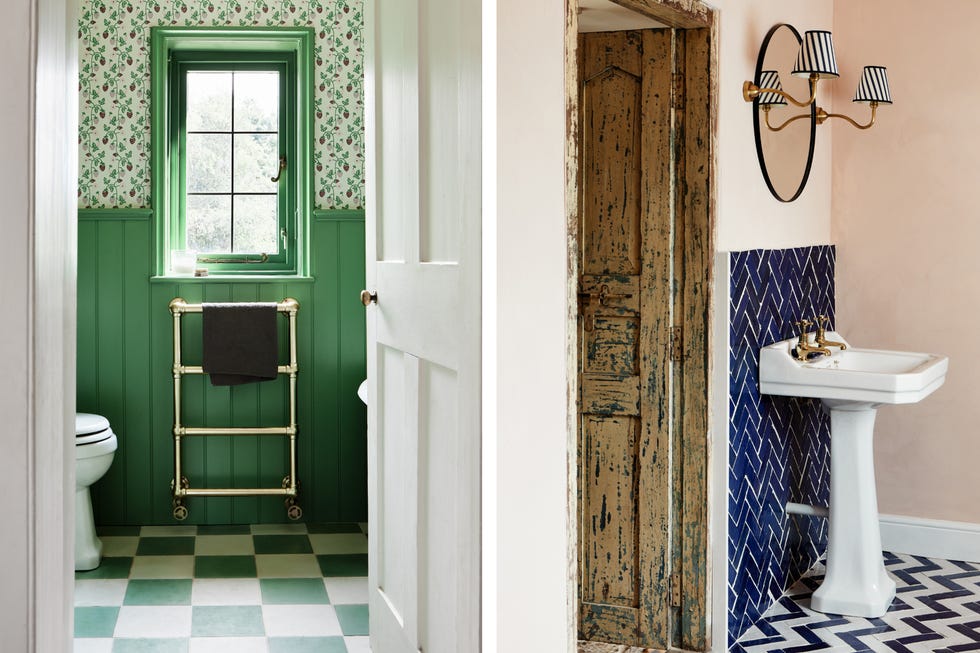
The 'full-look' or 'total look' approach, where a room is 'wrapped' in a single pattern, is presented as a sophisticated interpretation of the matchy-matchy trend. This style, reminiscent of 19th-century toile de Jouy applications and country house aesthetics, can also appear modern, as demonstrated by Ben Pentreath’s bedroom with walls and blinds in Soane’s ‘Seaweed Lace’. Key to its success is selecting simple patterns, ideally with one or two colors against a pale background, that have stood the test of time. Ruth Sleightholme, House & Garden’s Style Director, recommends avoiding intricate or fiddly designs that can create a dense effect. The pattern repeat should either be imperceptible or inherent in the design, such as a small pattern or stripe. Precise alignment of patterns during execution is also crucial for a seamless continuation.
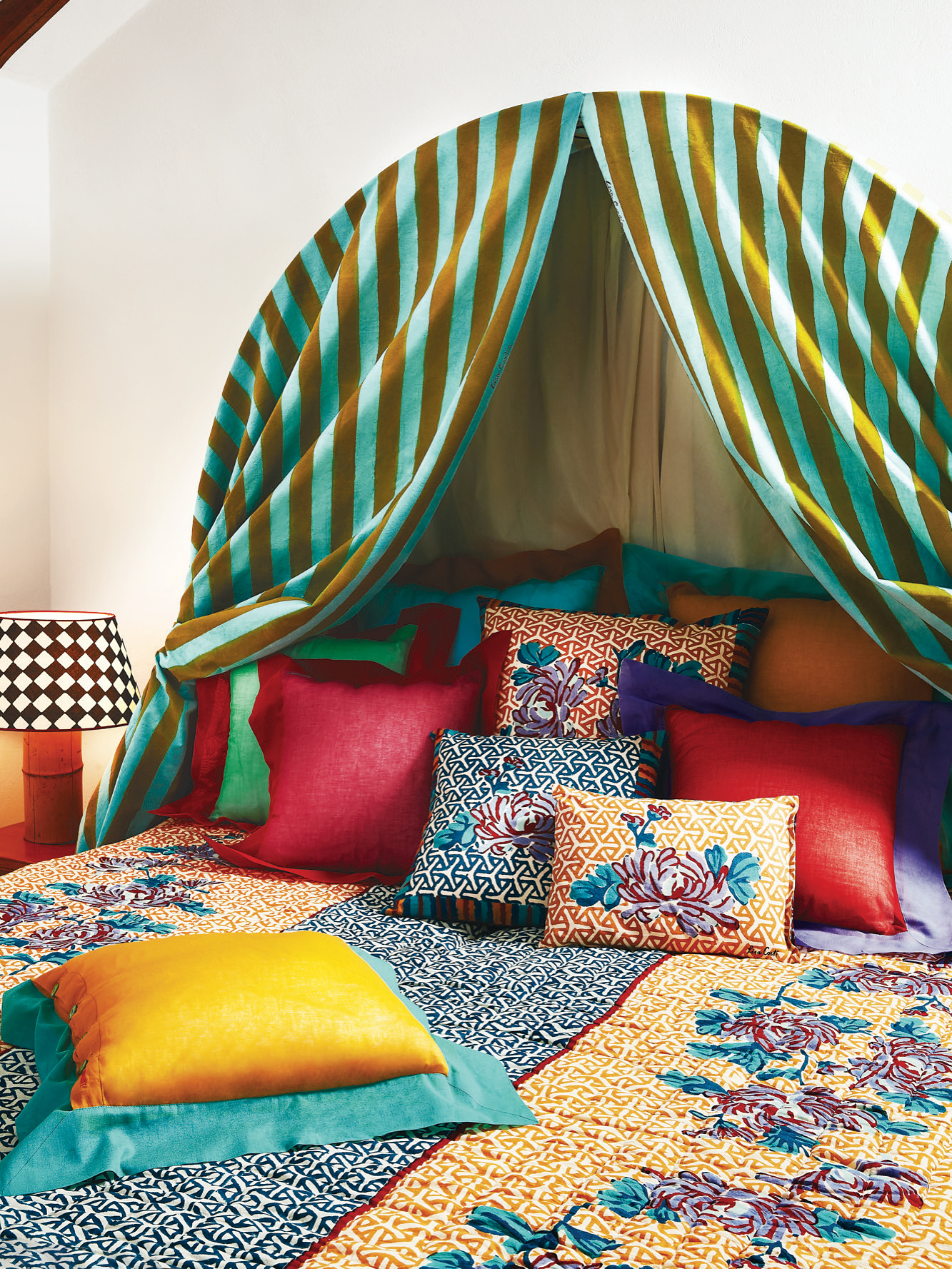
Examples of successful 'total look' applications include the Colefax & Fowler ‘Bowood’ chintz used by Roger Jones, Fiona Shelburne, and Hatta Byng, and Martin Brudnizki’s use of Jean Munro ‘Lustmore’. Variations like using the same fabric in different colorways, as Olivia Outred did for yacht guest bedrooms, also fall within this trend. Flora Soames further expands the definition, suggesting that 'matchy' doesn't always mean identical but can involve similar palettes, scales, and time periods, allowing for complementary patterns from different eras. Ultimately, achieving balance in a 'total look' requires incorporating 'bold plains' or solid blocks of color, as suggested by Daniel Slowik and Wendy Nicholls, to break up the pattern and prevent an overwhelming effect. This technique is visible in Victoria Stainow’s bedroom, where plain curtains and lampshades provide visual relief within a full-look Pierre Frey ‘Sans Papillon’ scheme. Martin Brudnizki advocates for boldness in executing this style, emphasizing an immersive experience rather than a half-hearted attempt.
#InteriorDesign #PatternMixing #HomeDecor #FabricSelection #DesignTrends #RoomStyling #SymmetryInDesign #TextileDesign #CountryHouseStyle #InteriorDesign #PatternMixing #HomeDecor #FabricSelection #DesignTrends #RoomStyling #SymmetryInDesign #TextileDesign #CountryHouseStyle
共0条评论
 暂无评论
暂无评论你可能还喜欢
Our Current Pattern Crush Is Made for Mixing and Matching
The ONLY Advice You Need to Mix Patterns Like a Pro!

The 8 Dos and Don’ts of Mixing Patterns in Your Home
Gingham Is Back: Here's How to Make It Look Modern


Symmetry Meets Style
This surprising color trend is having a comeback

The Vintage Design Trend That's Coming Back (And How To Get The Look)

This Controversial Y2K Trend Is Back—Here’s How to Wear It In 2025 (Plus 1 Look to Avoid)


Symmetry Meets Style
7 Golden Rules for Mixing and Matching Patterns That Designers Swear By

Moiré is coming back in a way – here's how interior designers are using the pattern
Designers love this beautiful new tile trend for mixing gloss and matte together – here's how to get it right

Mixing, Matching and Getting It Right
9 Ways to Decorate with Patterns

A masterclass in mixing pattern
This Throwback Fabric Trend Is Back in a Major Way | What Is Moiré?
This Timeless Trend Is Making a Comeback, and It’s Ridiculously Easy to Style

How to use clashing patterns in your home, according to design experts
Pattern clashing is the tricky trend we are loving – 10 rules designers always follow to ensure it works

Moire Is a Luxe Fabric Pattern with a Posh History (and It's Back in Style)