1/3
The Moodboard: Why Is Beige The Colour Of Money?
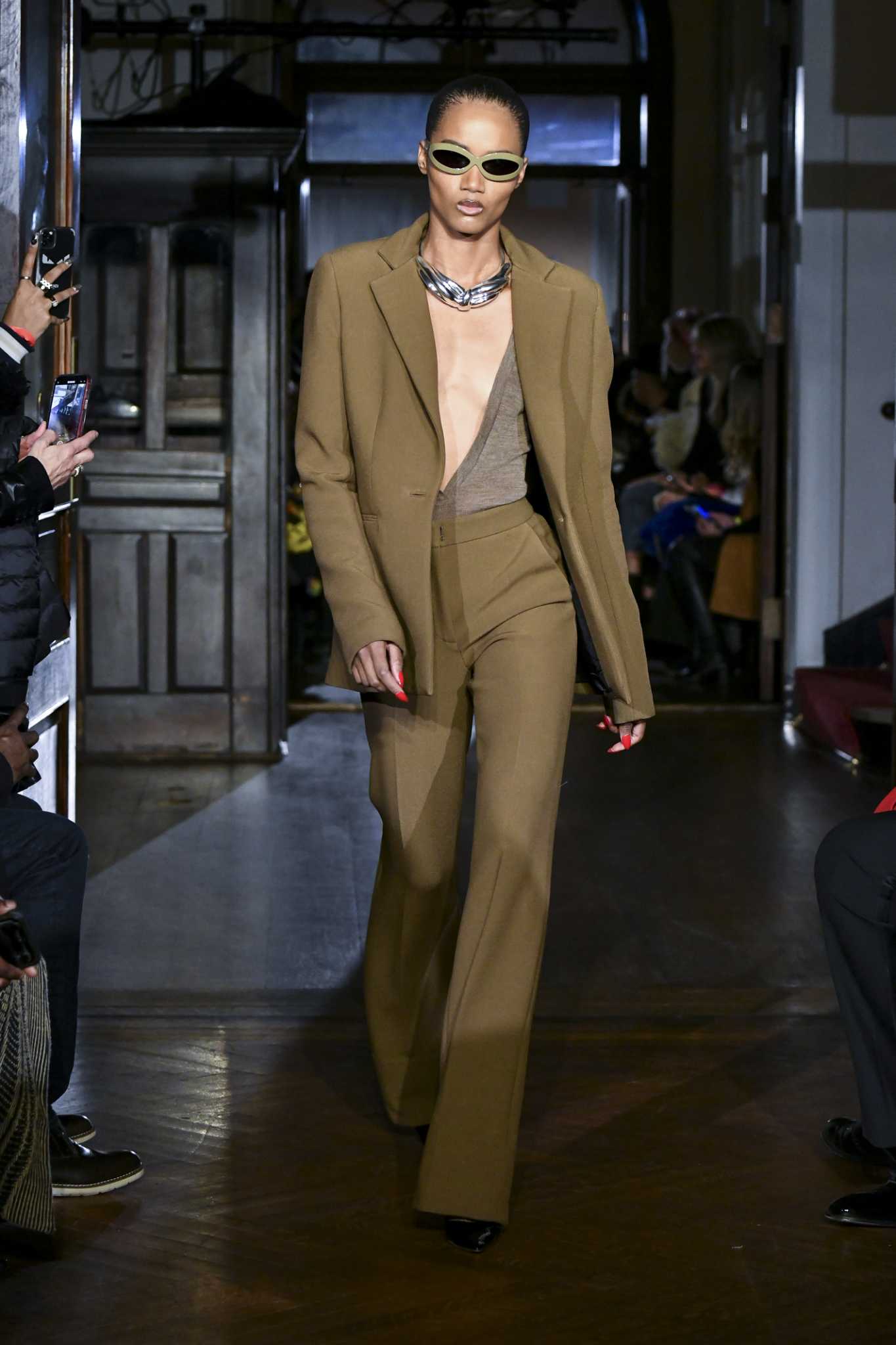
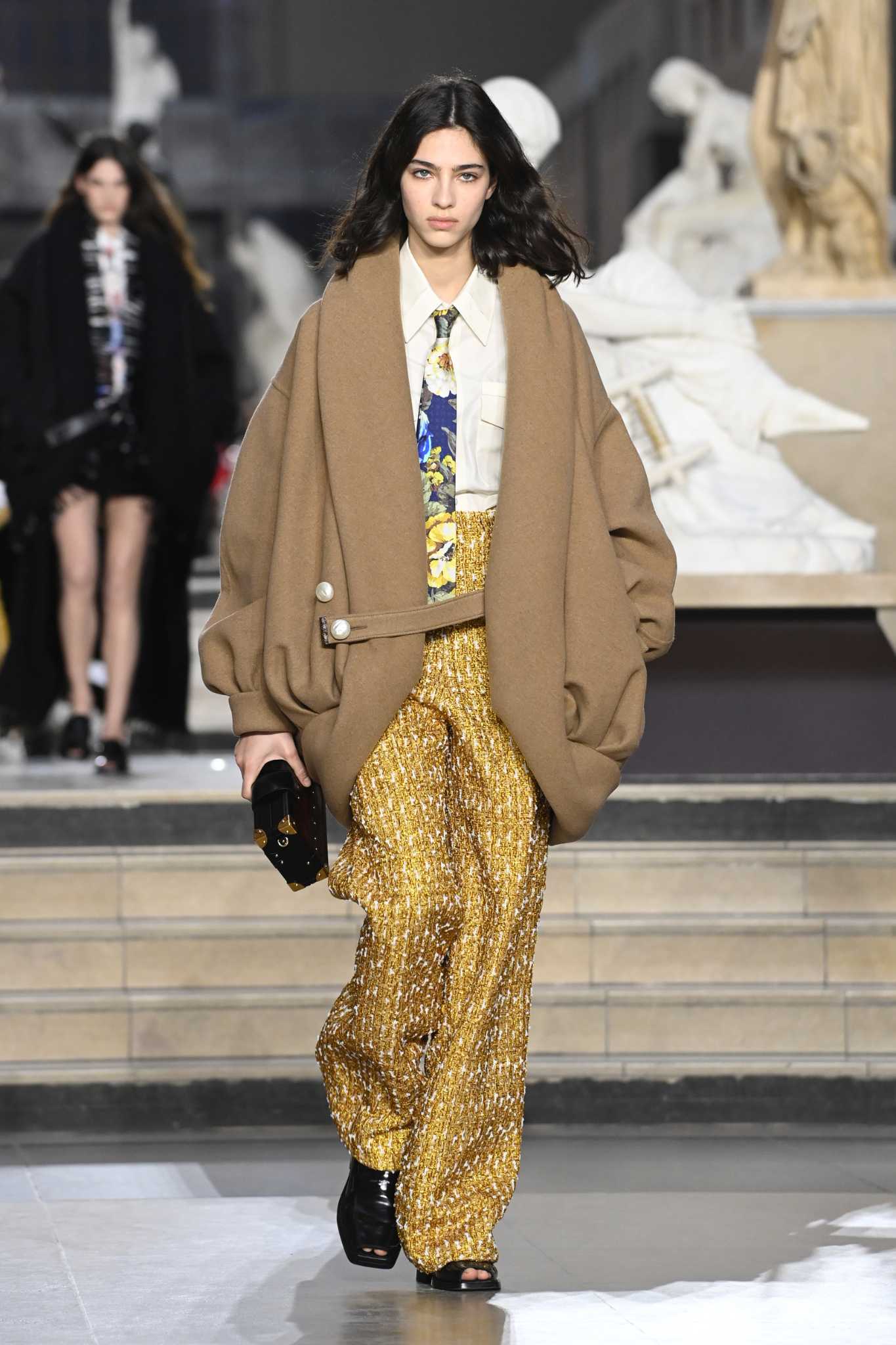
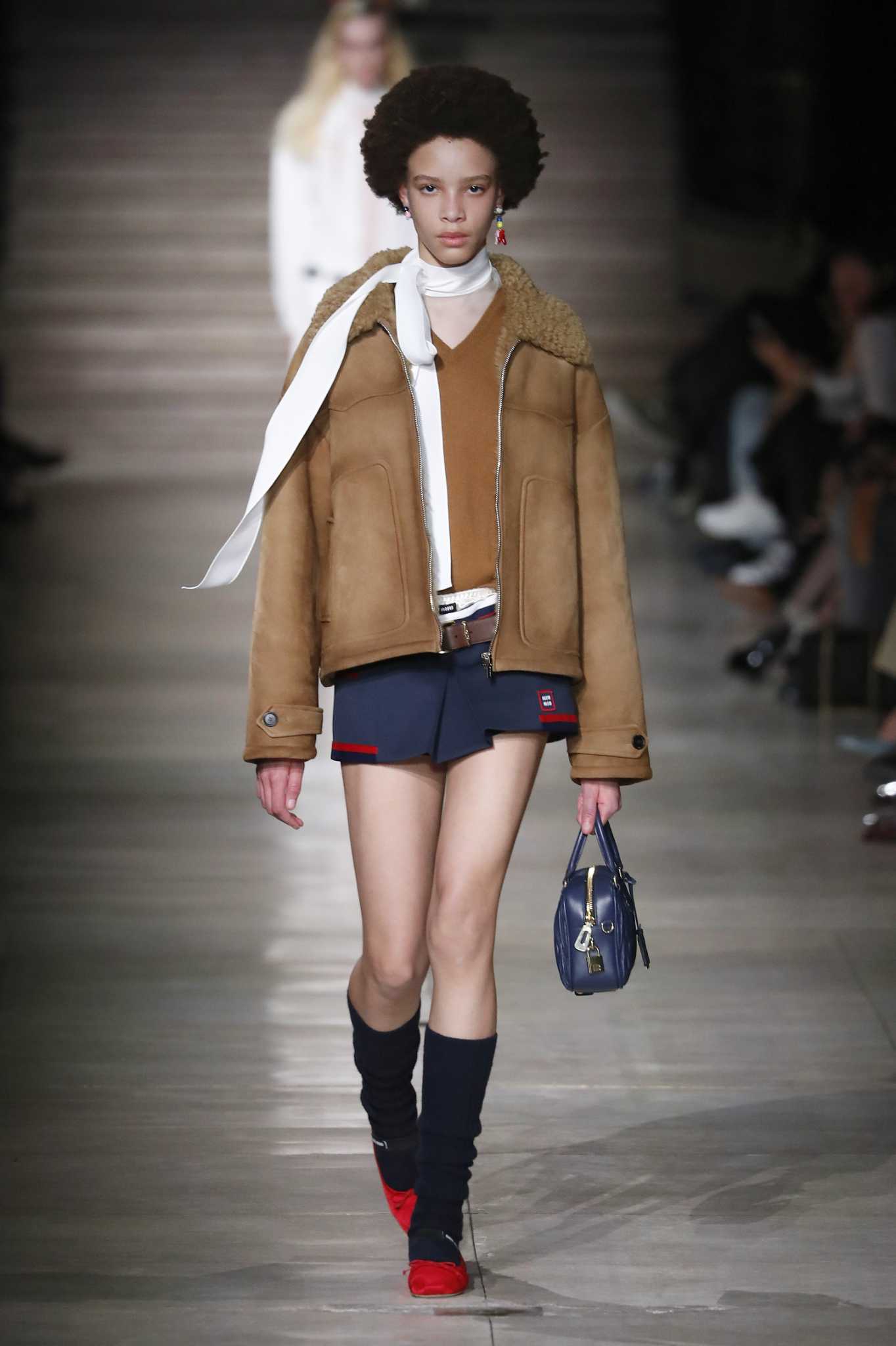
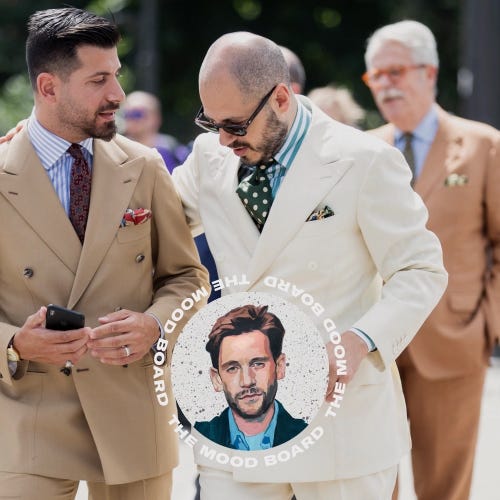
The author reflects on the prominence of beige in luxury fashion, a topic that came to mind during what would have been Milan Fashion Week. The article describes how major fashion houses like Brunello Cucinelli consistently feature beige in their collections, portraying it as a symbol of understated wealth. Brunello Cucinelli's offerings, characterized by high-quality fabrics such as cashmere and a palette including burgundy, grey, navy, and beige, are presented as an example of 'Perugian stealth-wealth.' The author notes that Cucinelli's new London flagship also utilizes neutral-hued design, reinforcing beige's association with luxury.
The article discusses the perception of the word 'beige,' acknowledging its dull connotation in general language but highlighting its transformation into a symbol of sophistication within the fashion industry. Terms like 'ivory,' 'sand,' and 'camel' are used to describe shades of beige, elevating its status. The Pantone color of the year in 2006, 'Sand Dollar' (a pinkish beige), was reportedly chosen due to economic concerns and was believed to soothe nerves and evoke images of luxurious sandy beaches, suggesting an aspirational connection to affluent lifestyles.
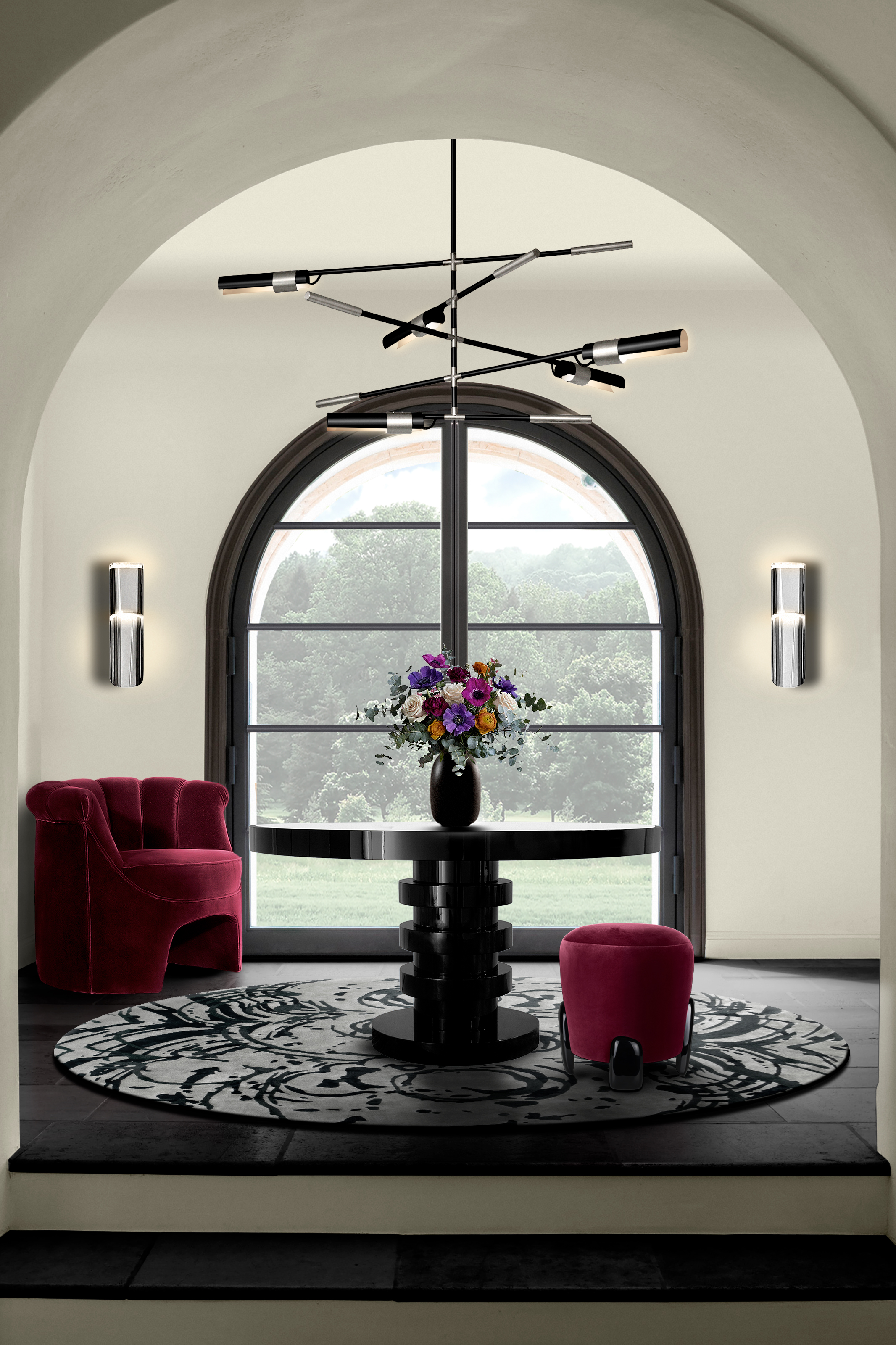
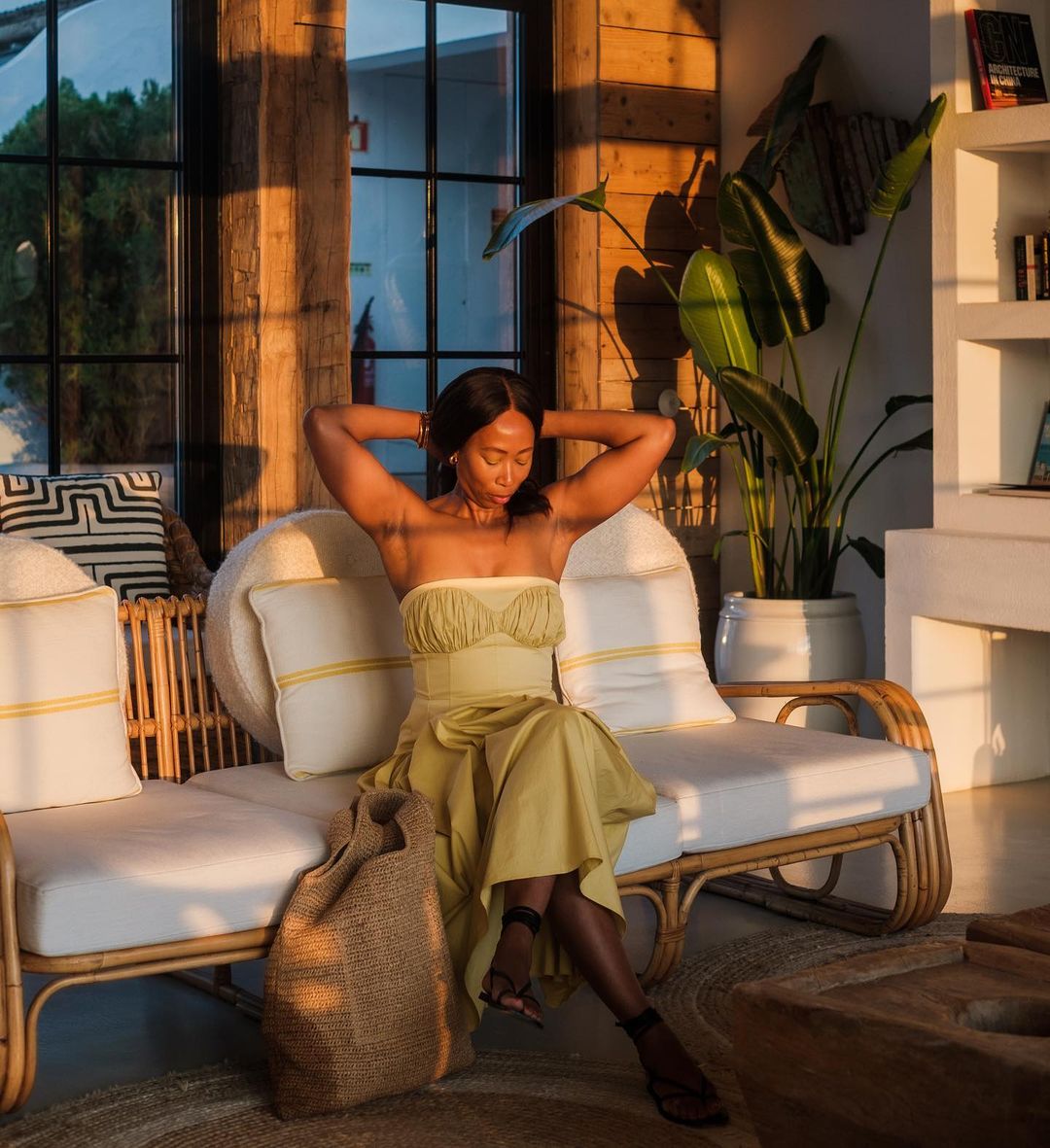
Beige is increasingly observed not only in traditional luxury brands like Tom Ford and Loro Piana but also in contemporary high-end fashion. The Row, for example, maintains a strict color palette that includes beige, creating a perception of richness and tasteful opulence. Similarly, Arjé, a brand known for 'Balearic' luxury, incorporates linen and shearling in dusty brown shades, evoking a bohemian aesthetic. The brand's Instagram showcases beige in various creative fields, including interior design, furniture, architecture, baking, and visual art, linking it to concepts of humble artisanship, authenticity, simplicity, mindfulness, and 'experience.'
This shift towards 'experience' over material possessions among consumers is highlighted, referencing an Expedia study from 2018 where 74% of Americans prioritized experiences. The Business of Fashion predicts that by 2025, Millennials and Generation Z will constitute 50% of the luxury consumer base. Brands like Arjé appear to cater to this demographic by offering rustic clothing that aligns with a hands-on, free-form lifestyle. Other examples supporting this theory include Jacquemus's bucolic chic, Fendi's gardening-themed S/S’20 runway, Berluti’s ceramic-inspired collection, and Dior’s collaboration with figurative finger painter Amoako Boafo, all emphasizing creation and a life beyond digital consumption.
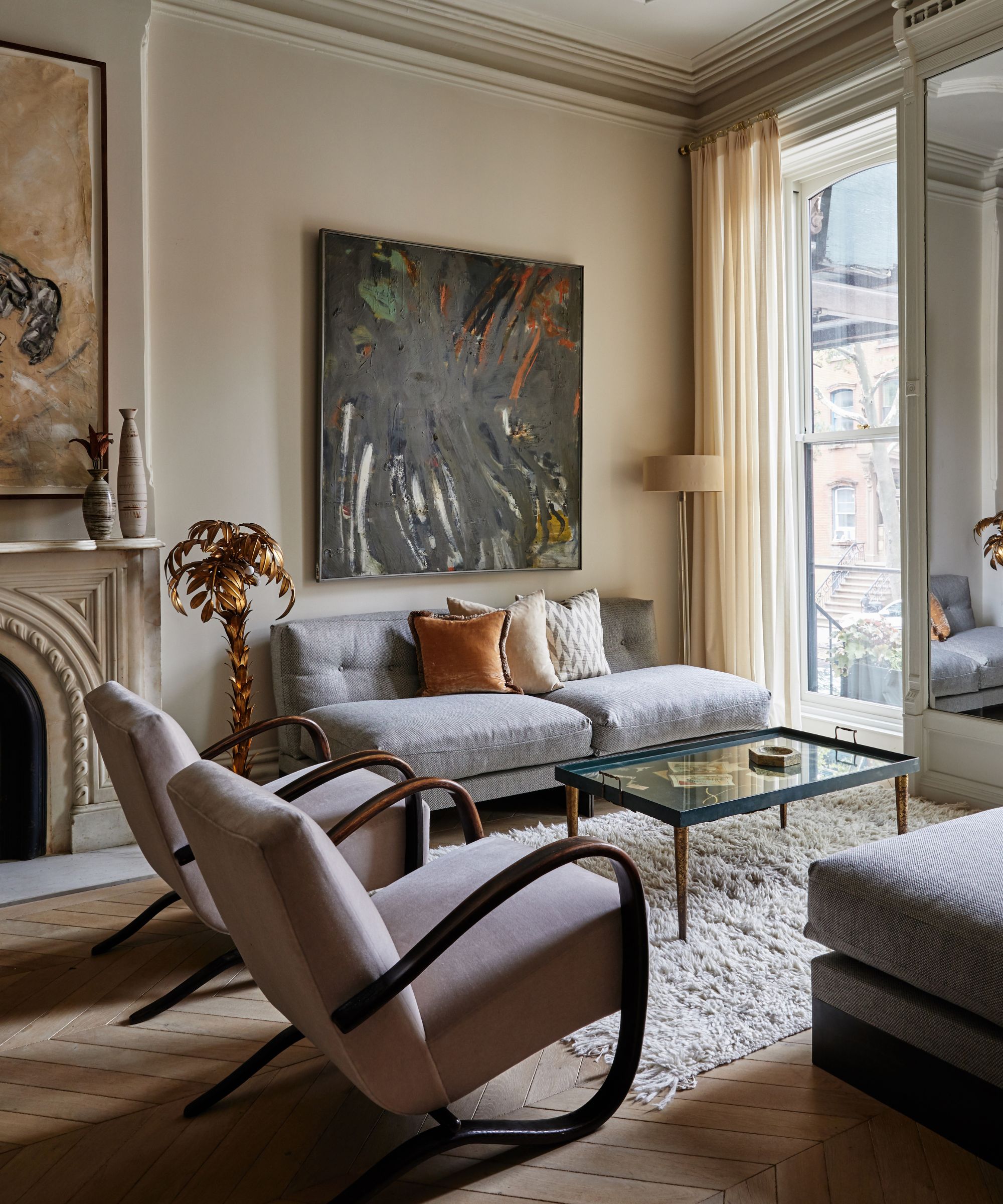
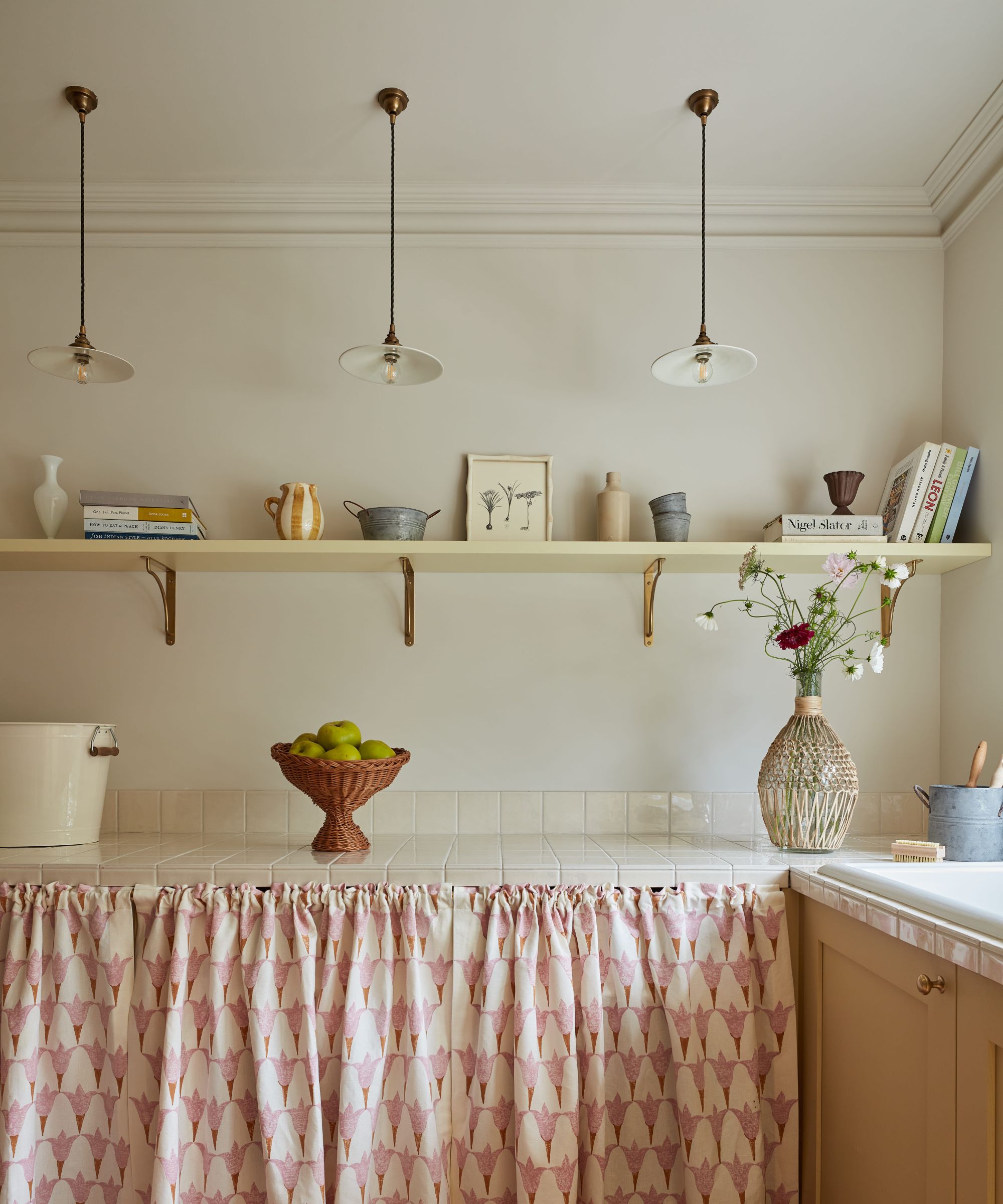
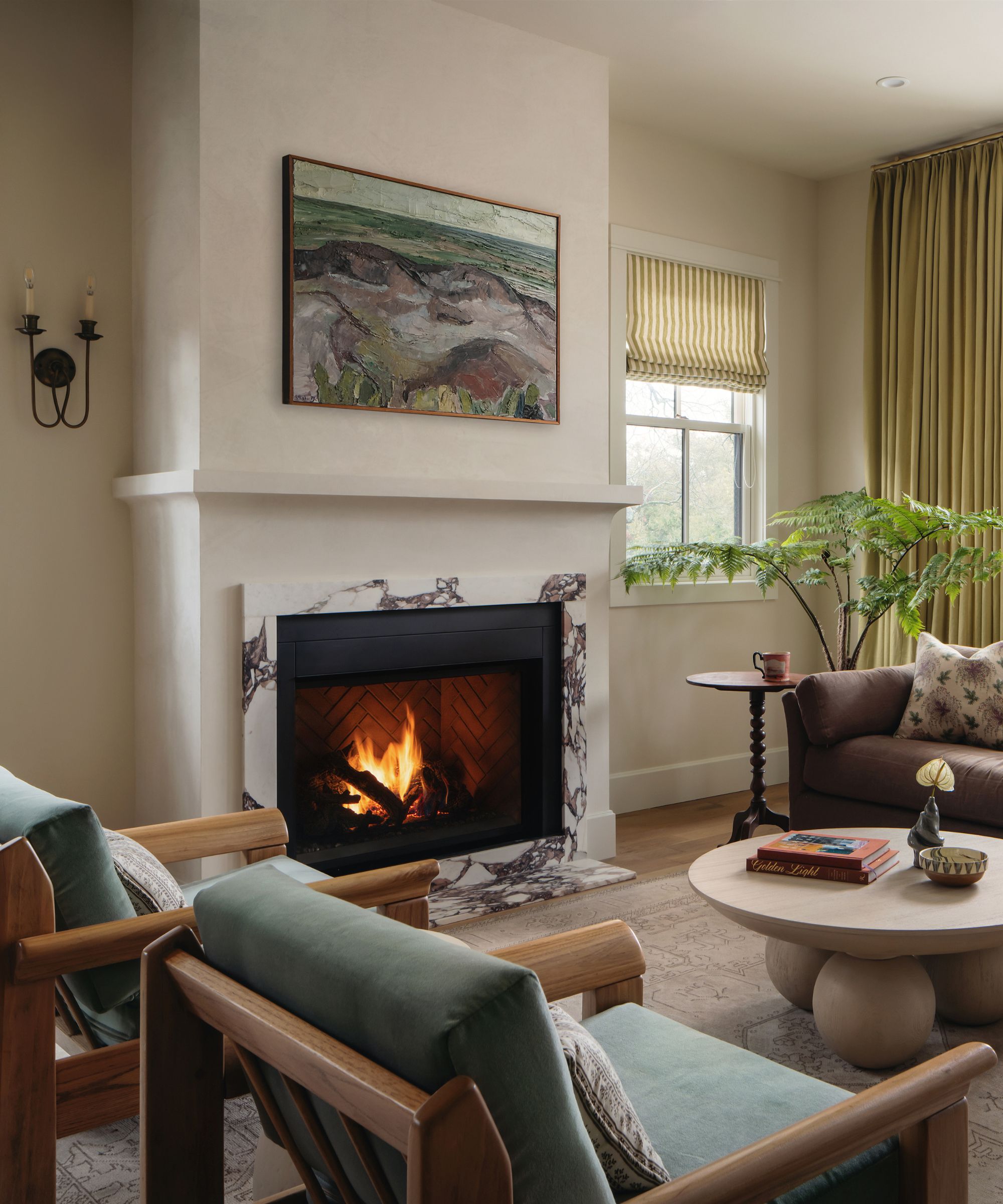
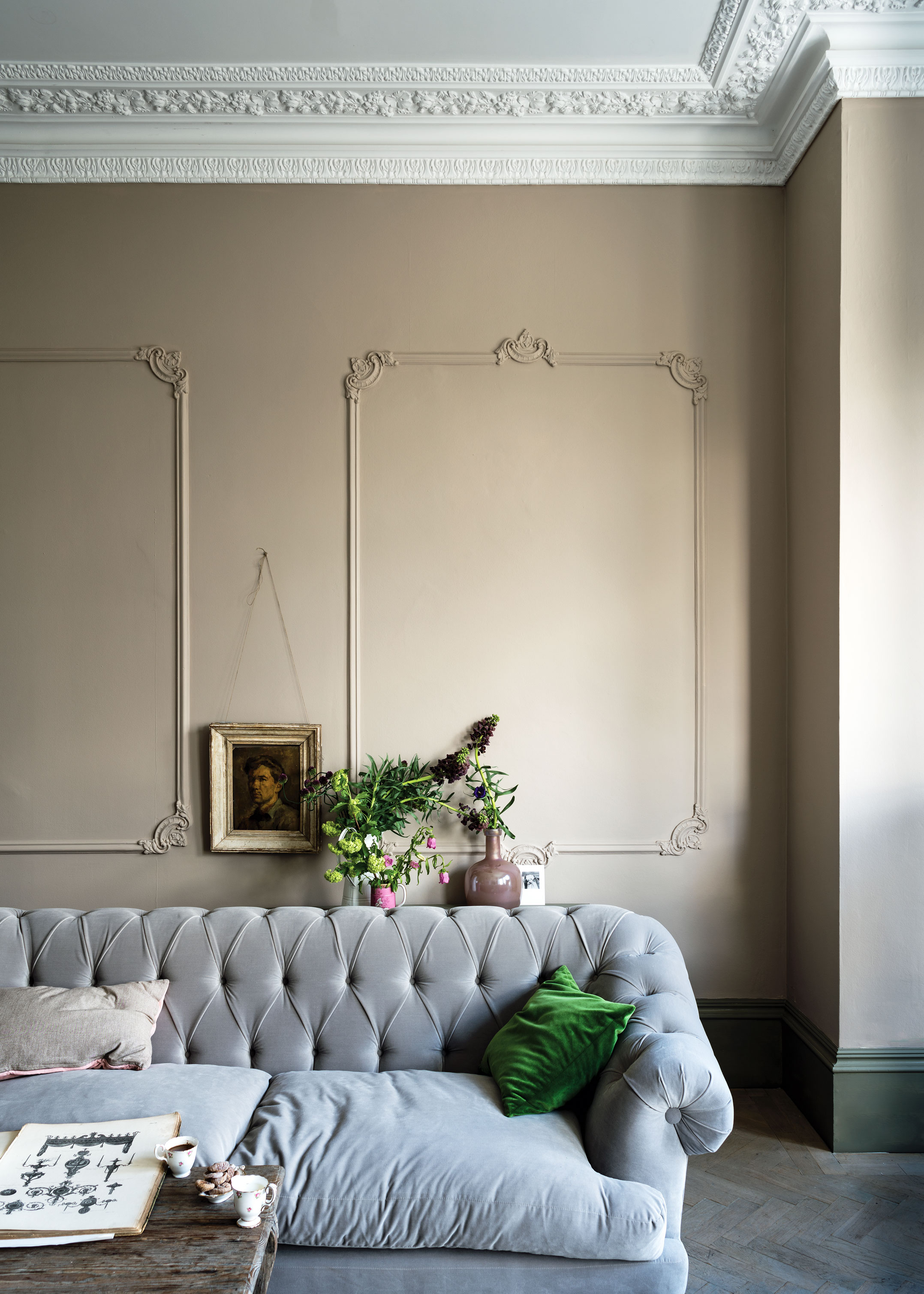
The author also considers a simpler explanation for beige's association with luxury, suggesting a synesthetic connection where the color inherently communicates wealth in a way that bolder colors do not. Beige is linked to symbols of affluence, such as fine car interiors, five-star hotel lobbies, and luxury foods like foie gras. The article concludes that beige, despite being a current trend, has a timeless quality that transcends fleeting fashion, appealing to an elite group focused on effortless wealth and a lifestyle unburdened by changing trends. The author, while acknowledging this, admits to embracing the current popularity of beige.
#FashionTrends #LuxuryFashion #BeigeAesthetics #StyleEvolution #BrunelloCucinelli #TheRow #ArjéBrand #ConsumerBehavior #MillennialLuxury #GenerationZFashion #FashionTrends #LuxuryFashion #BeigeAesthetics #StyleEvolution #BrunelloCucinelli #TheRow #ArjéBrand #ConsumerBehavior #MillennialLuxury #GenerationZFashion
共0条评论
 暂无评论
暂无评论你可能还喜欢
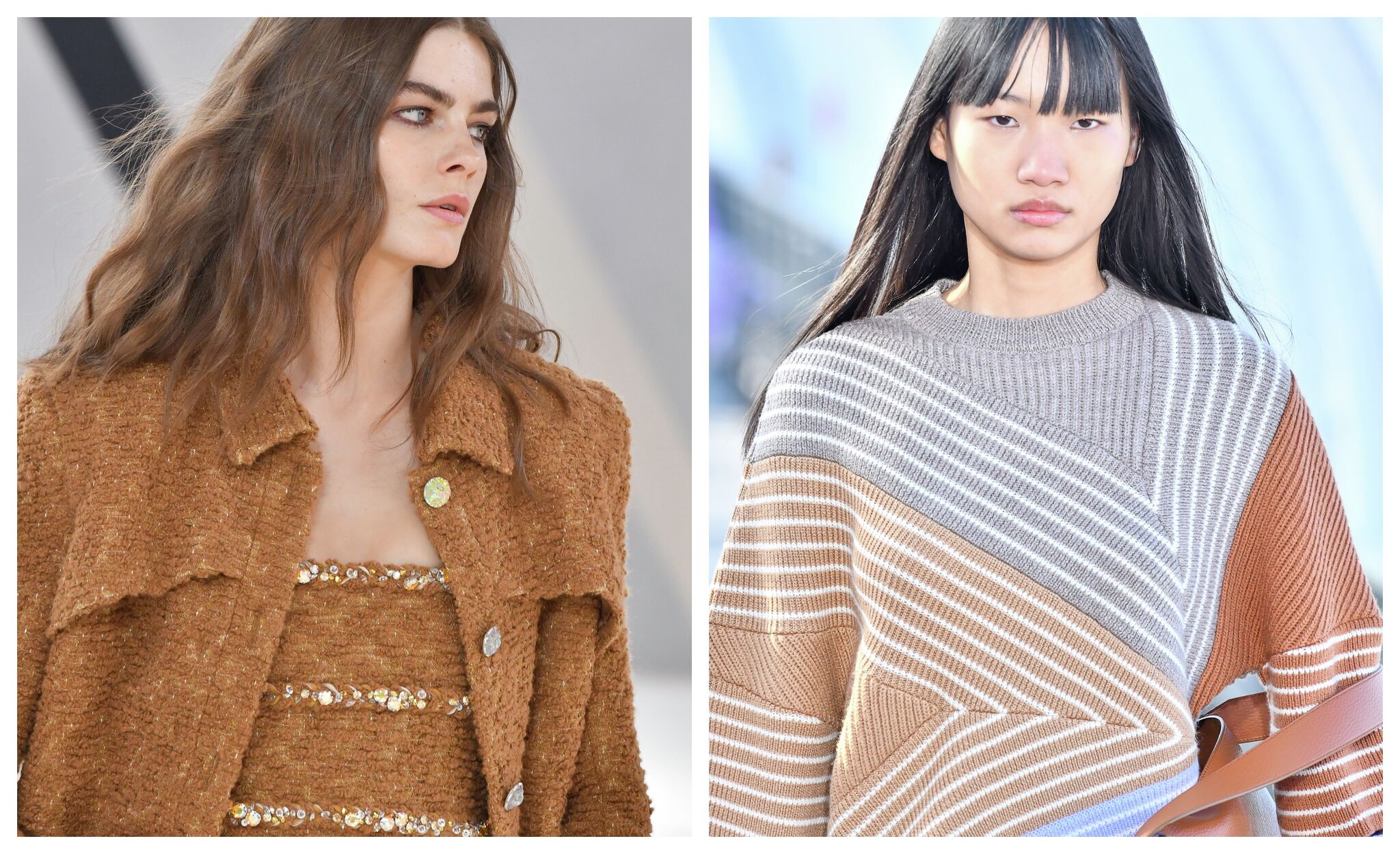
50 shades of beige: Camel is the statement color of the season

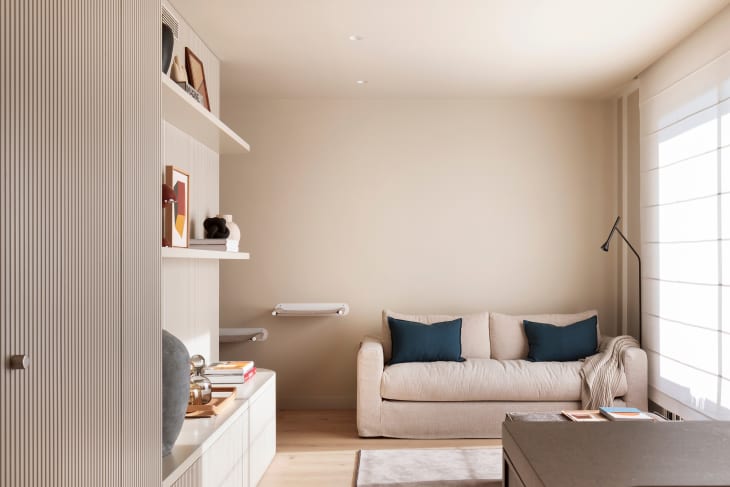
Forget Millennial Pink: When It Comes to Wall Paint, "Boring" Beige is Back
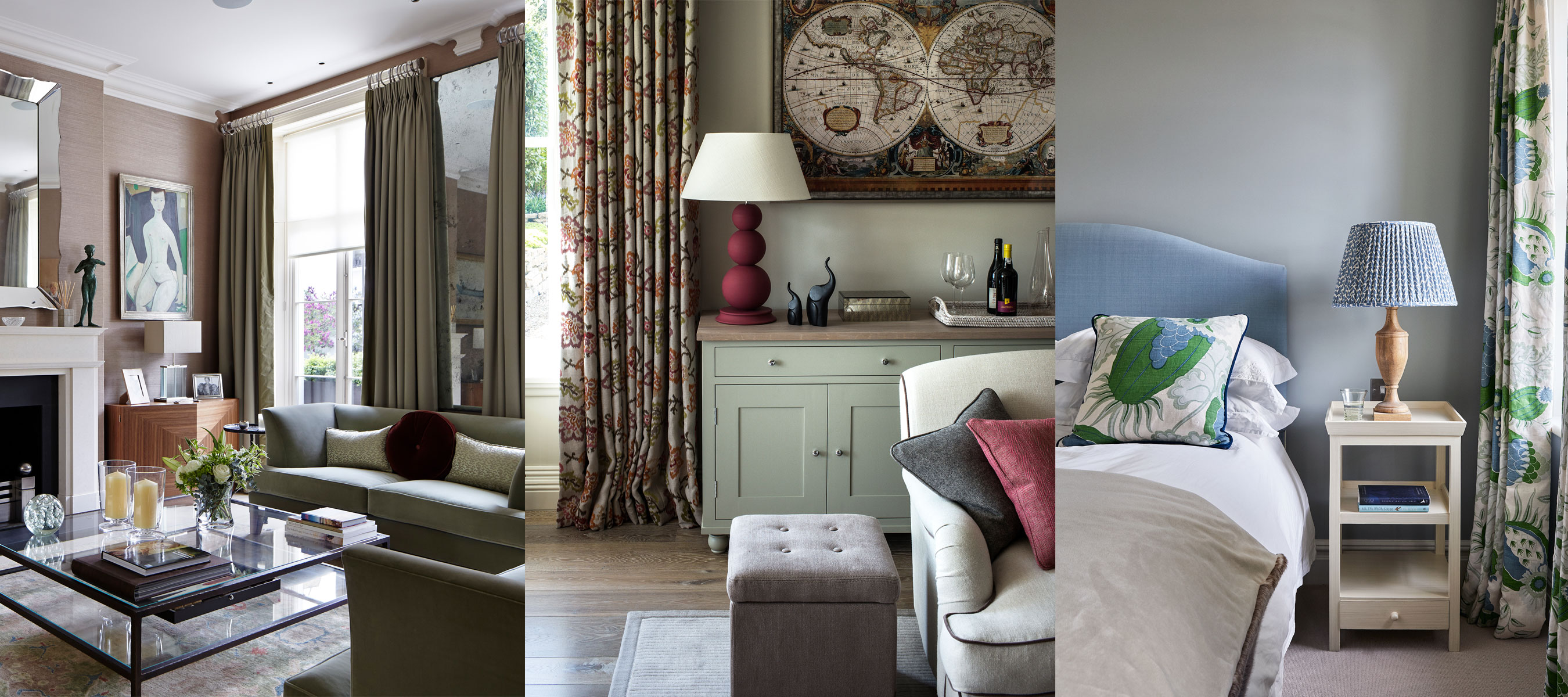
10 accent colors for beige – design experts' favorite color pairings

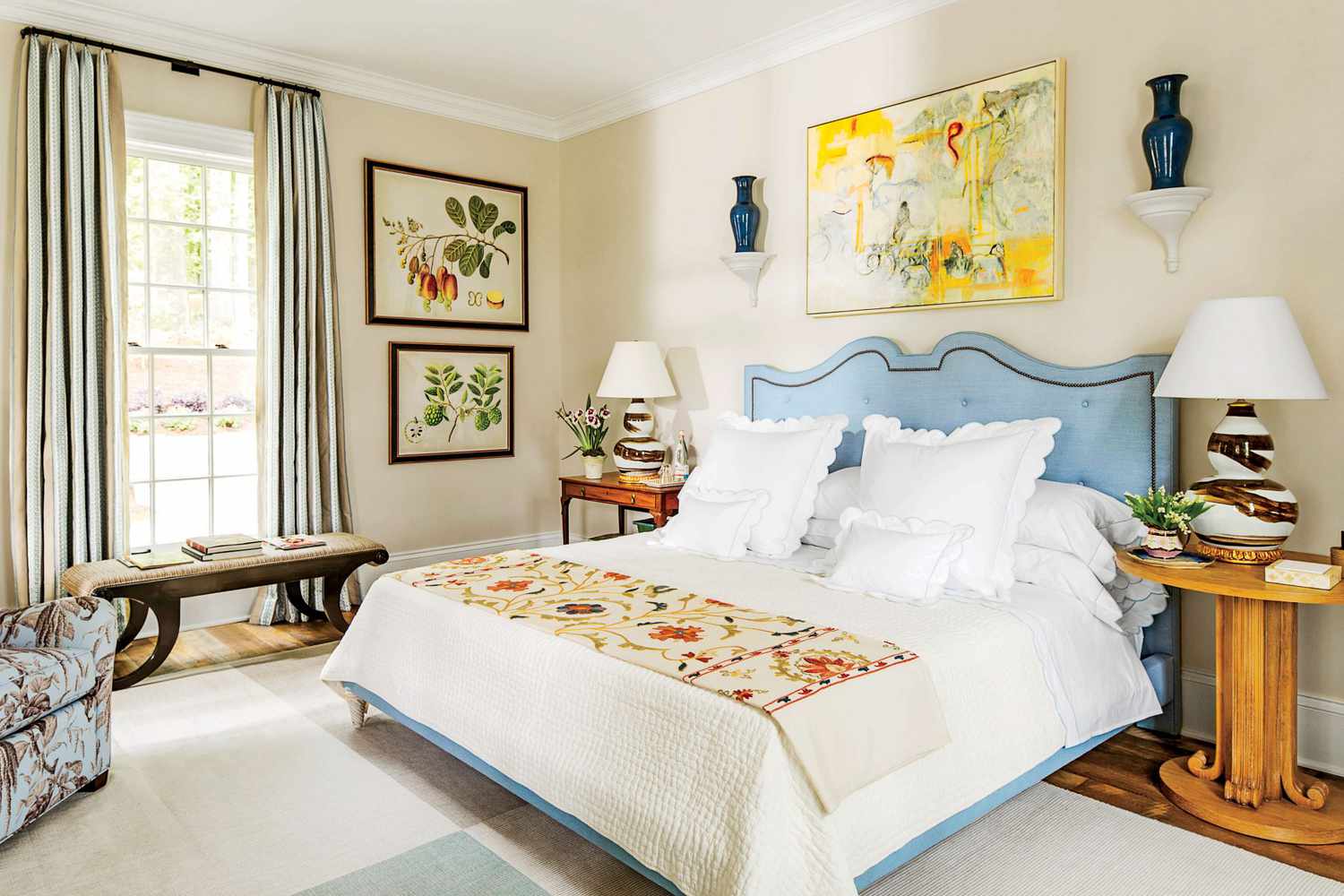
The Best Beige Paint Color of All Time
Colors to avoid pairing with beige – 5 shades you’ll want to stay clear of
I'm Bored of Beige, So This Expensive-Looking Colour Is My New Go-To


What are beige flags and do they matter?
This Pale Color Is the New Beige for Fashion People Everywhere
Red and Beige is the New Designer Favorite Combo — Here’s Why (and How to Make it Work)

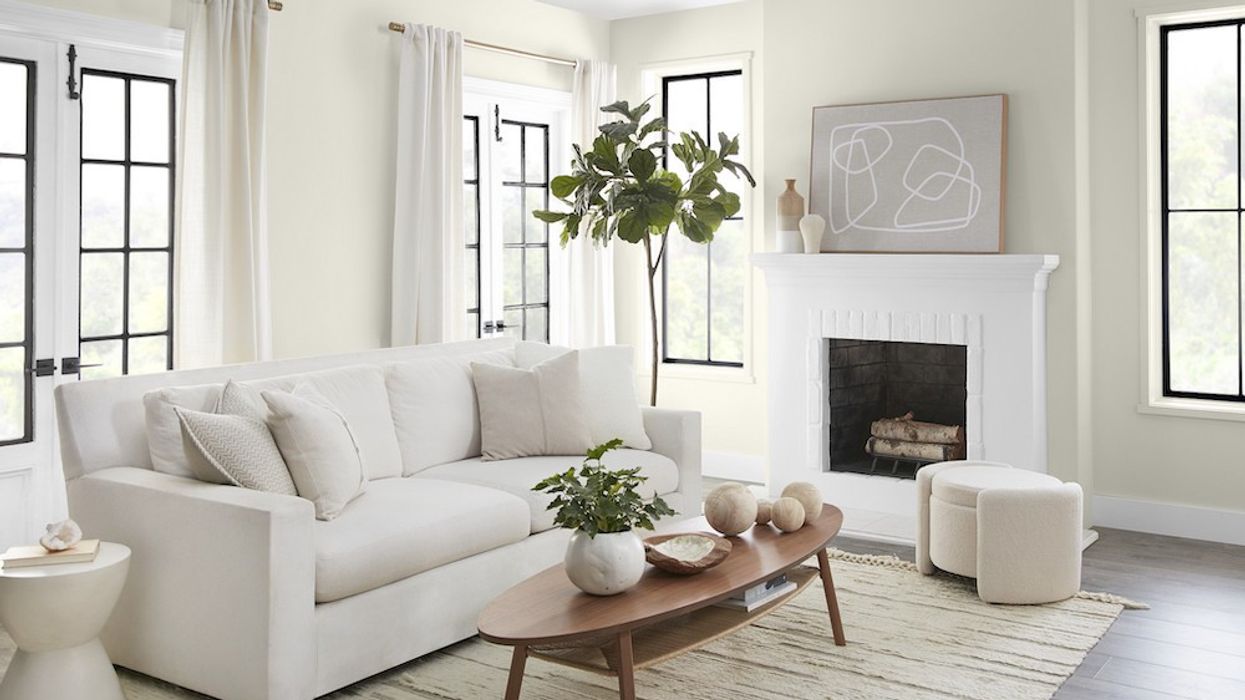
The 2023 Paint Colour of The Year Is Officially Here And It's...Beige
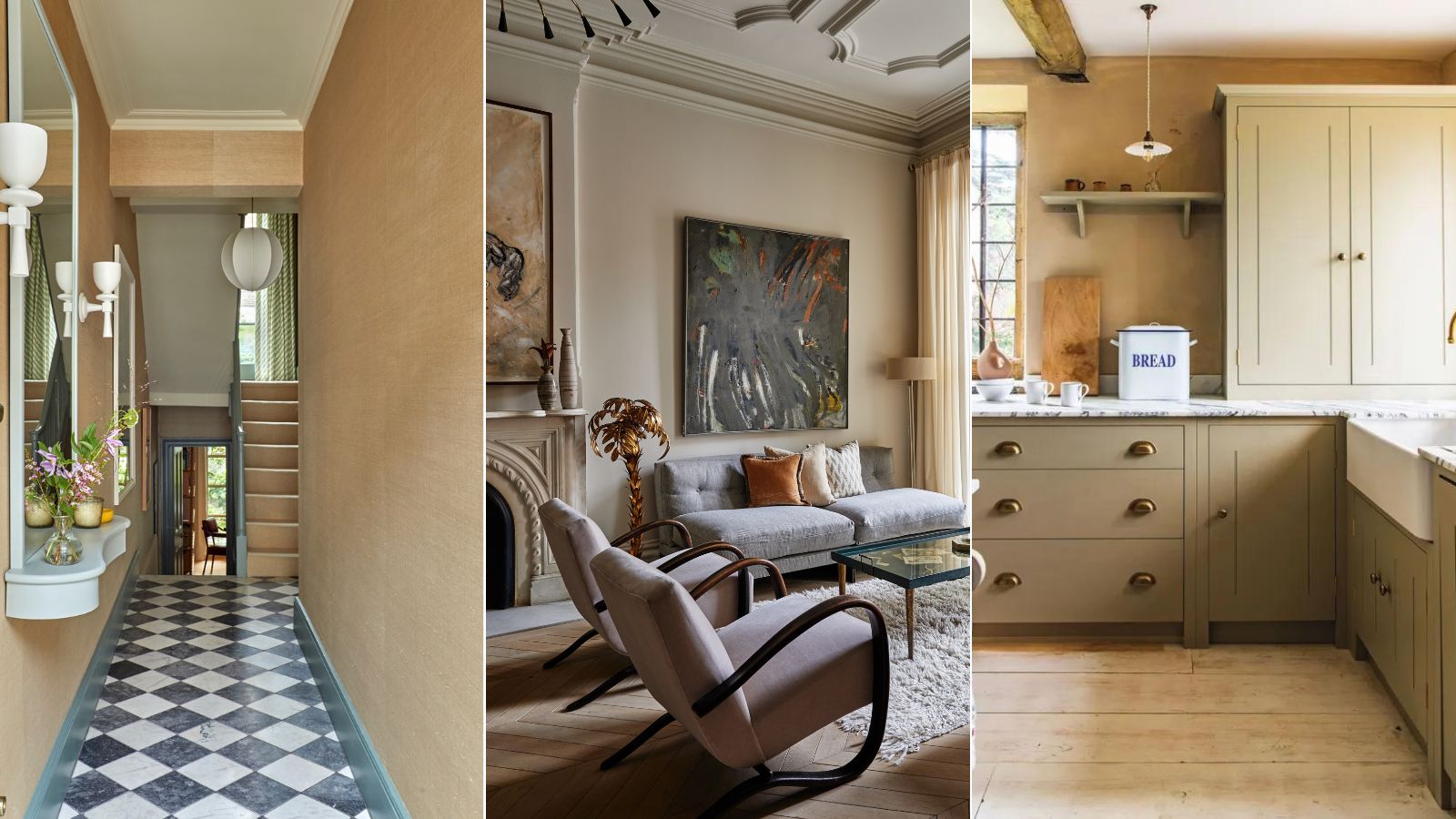
I used to love gray interiors, but here's why my remodel is bringing back 'boring' beige instead

What is a beige flag? Why everyone is suddenly talking about them and all the ones you probably have.
Samantha Ruth Prabhu’s Emirati fashion lookbook proves beige is the colour of money

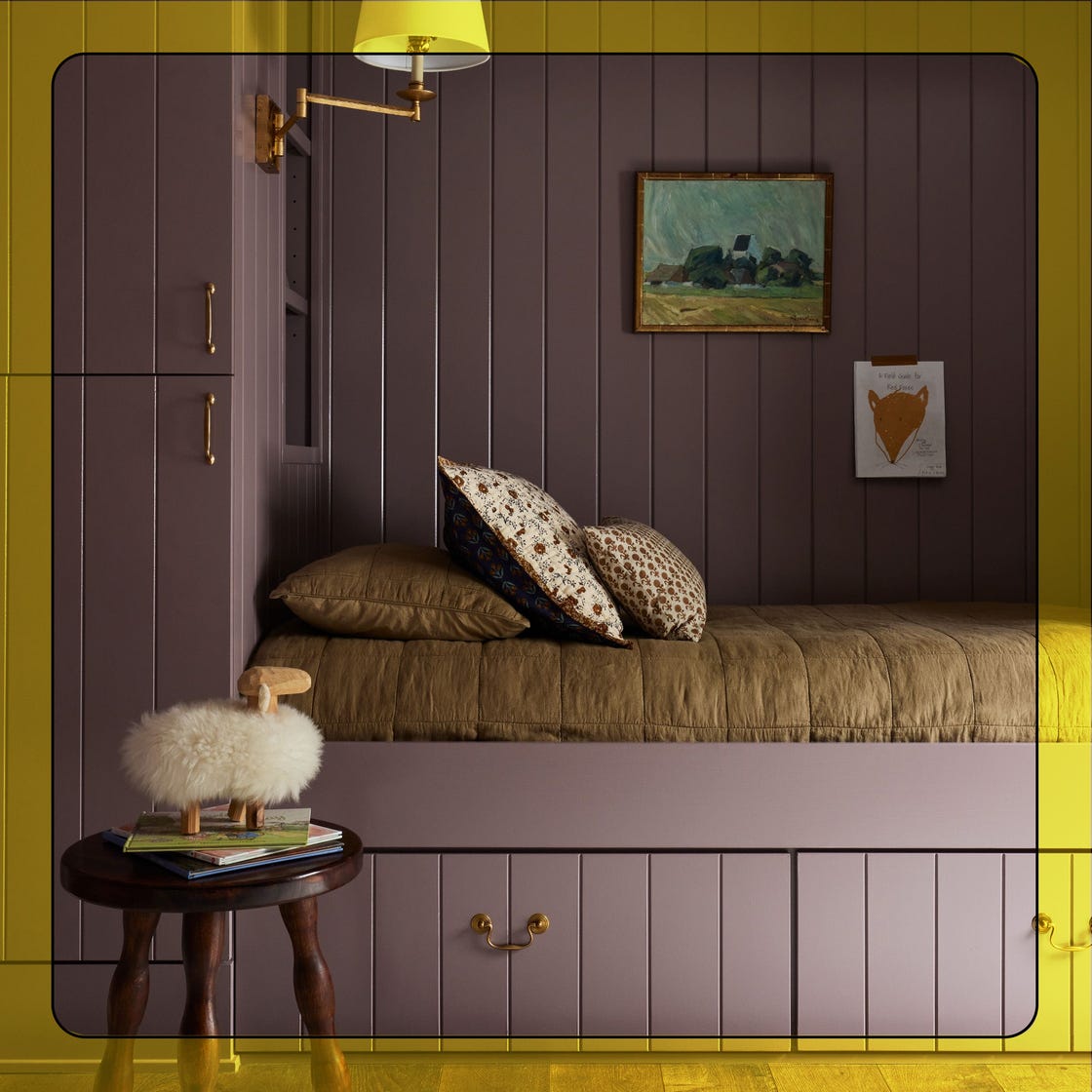
You Should Always Paint Your Home Beige

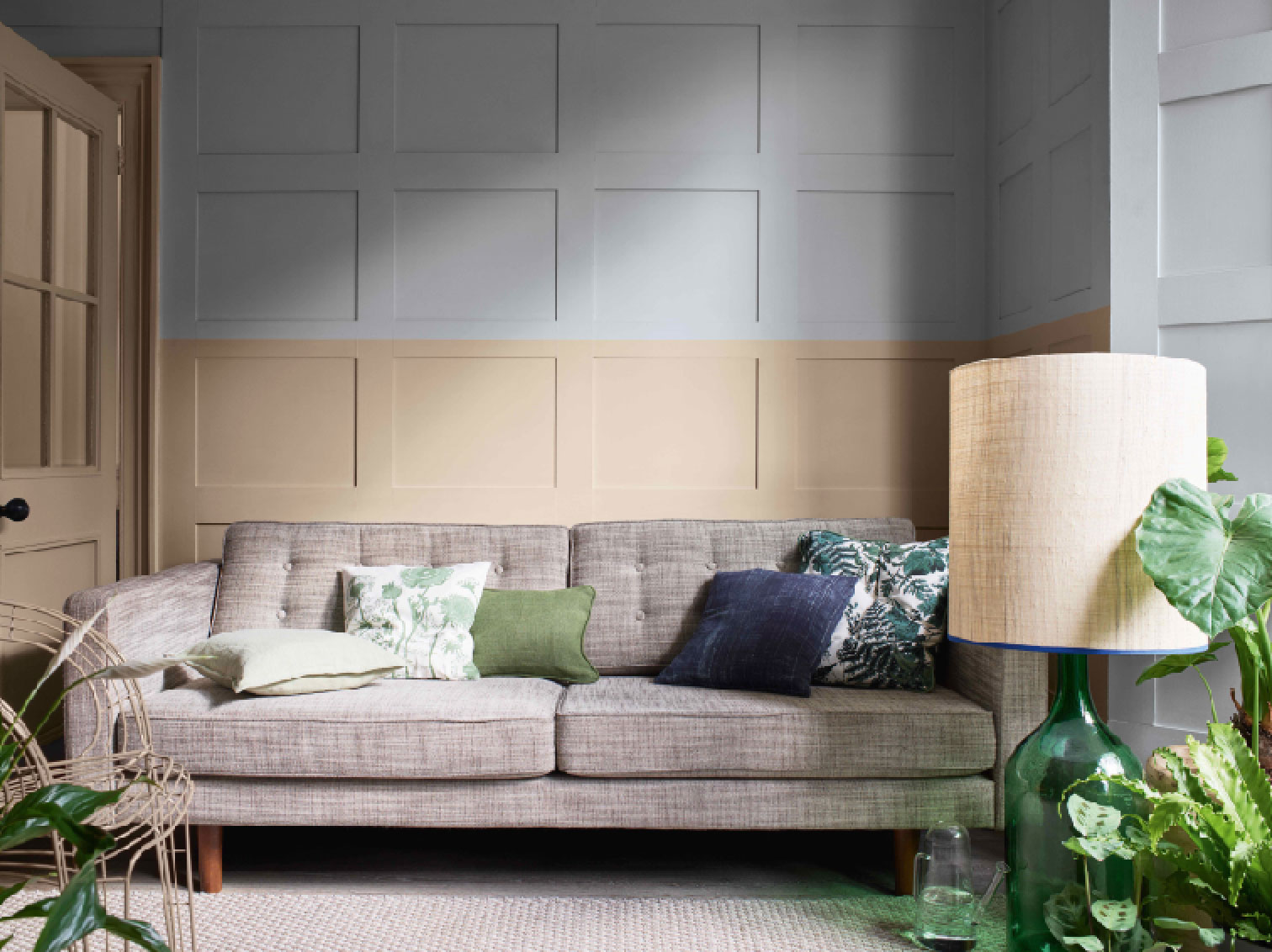
8 beige room ideas – that prove it's beautiful, not boring

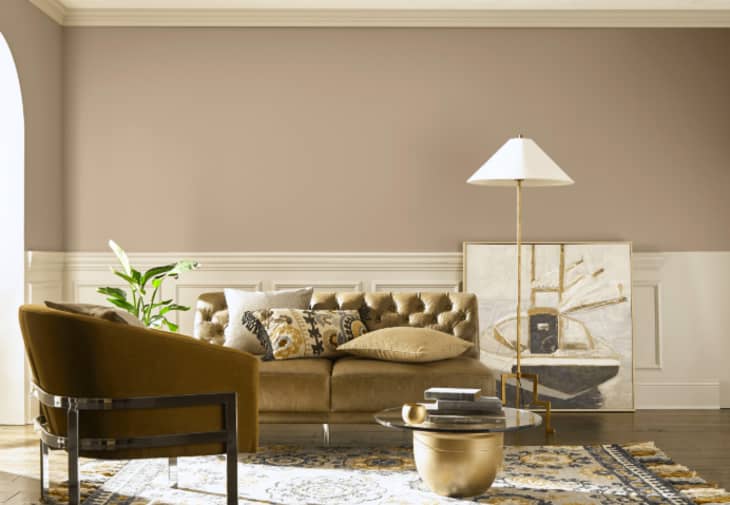
Move Over, Gray: “Boring”Beige is Back, and It’s Better Than Ever
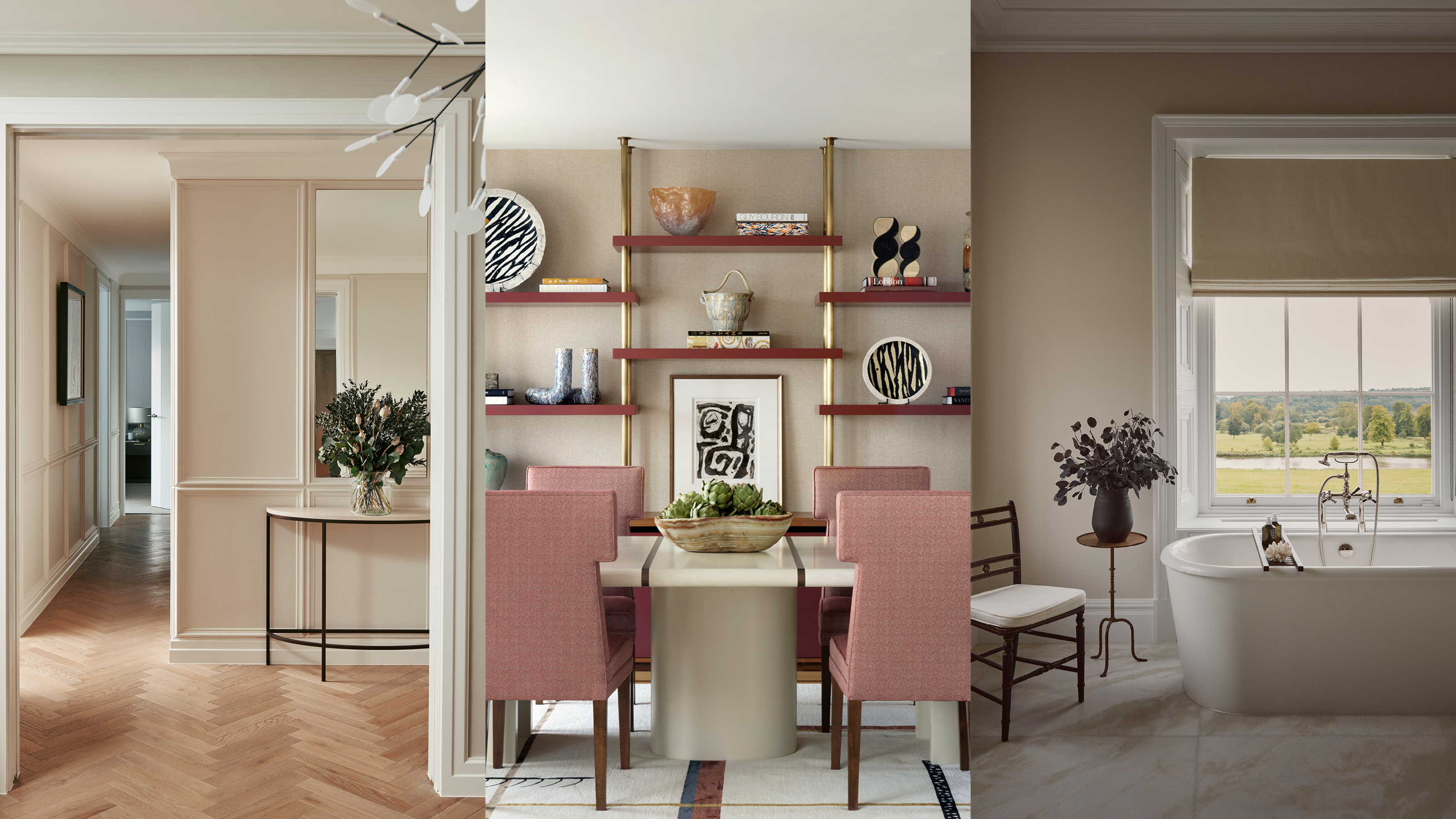
Beige-grey – the timeless paint color perfect for a barely-there backdrop
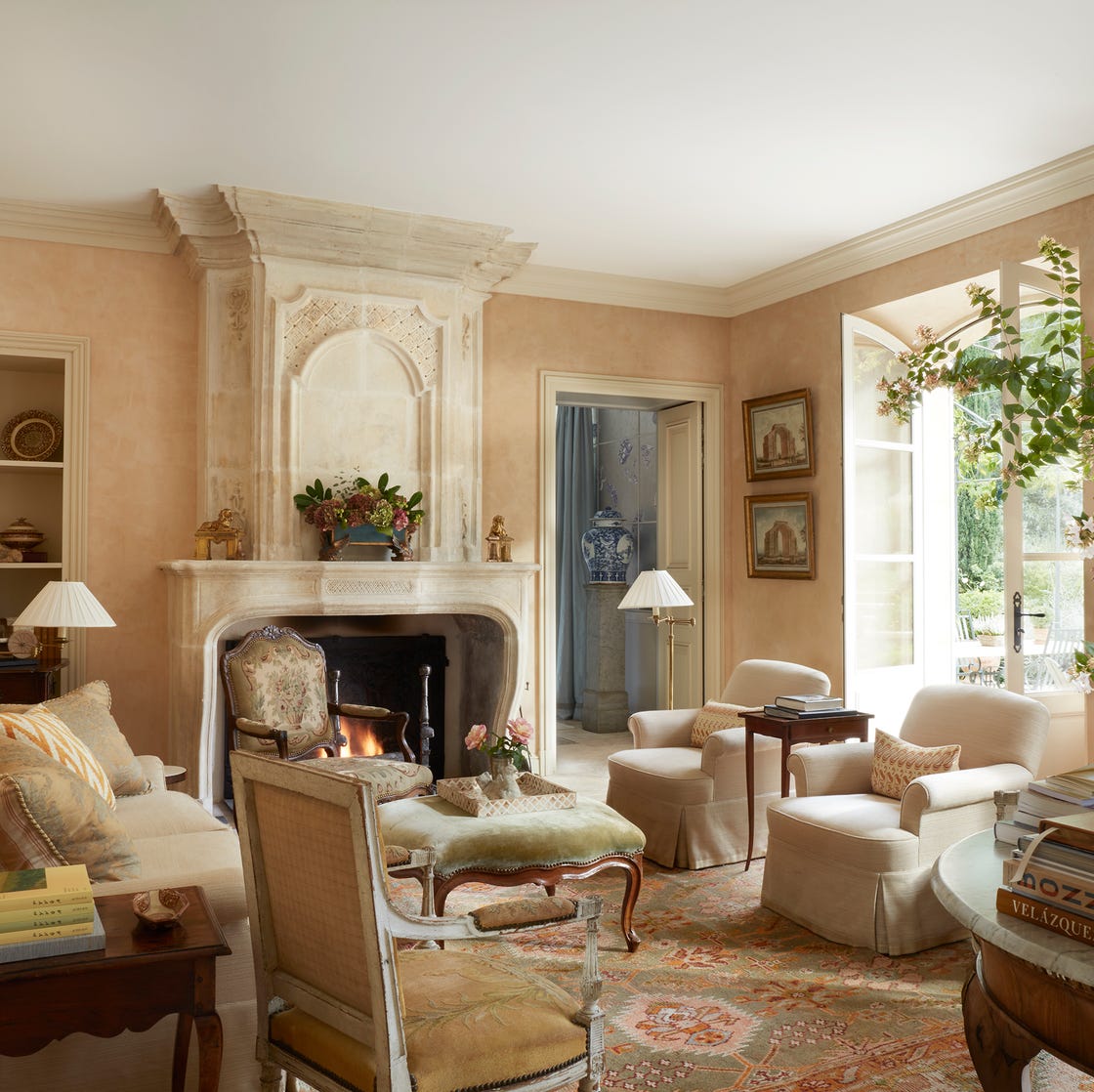
These Are the 10 Colors Interior Designers Would Pair with Beige

14 best beige paints, as chosen by interior designers
11 Beautiful Colors That Go With Beige