Interior designers share 6 of the best and 4 of the worst ways to use extra space in your home
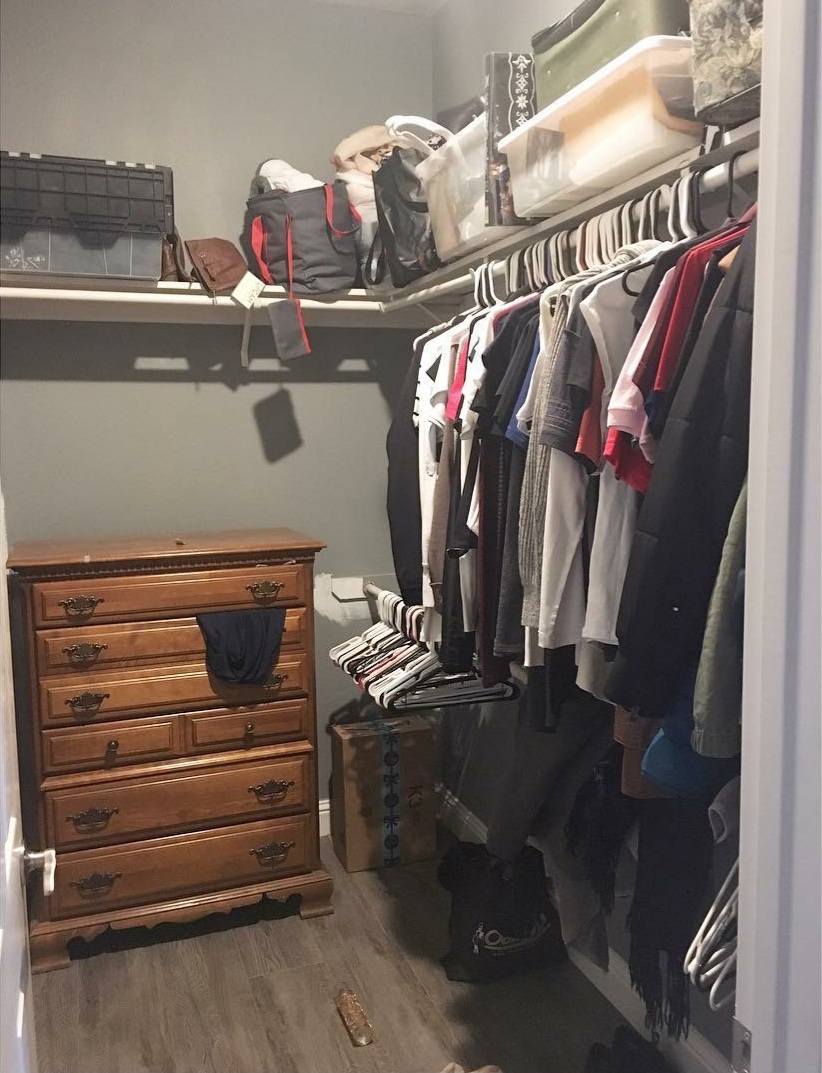
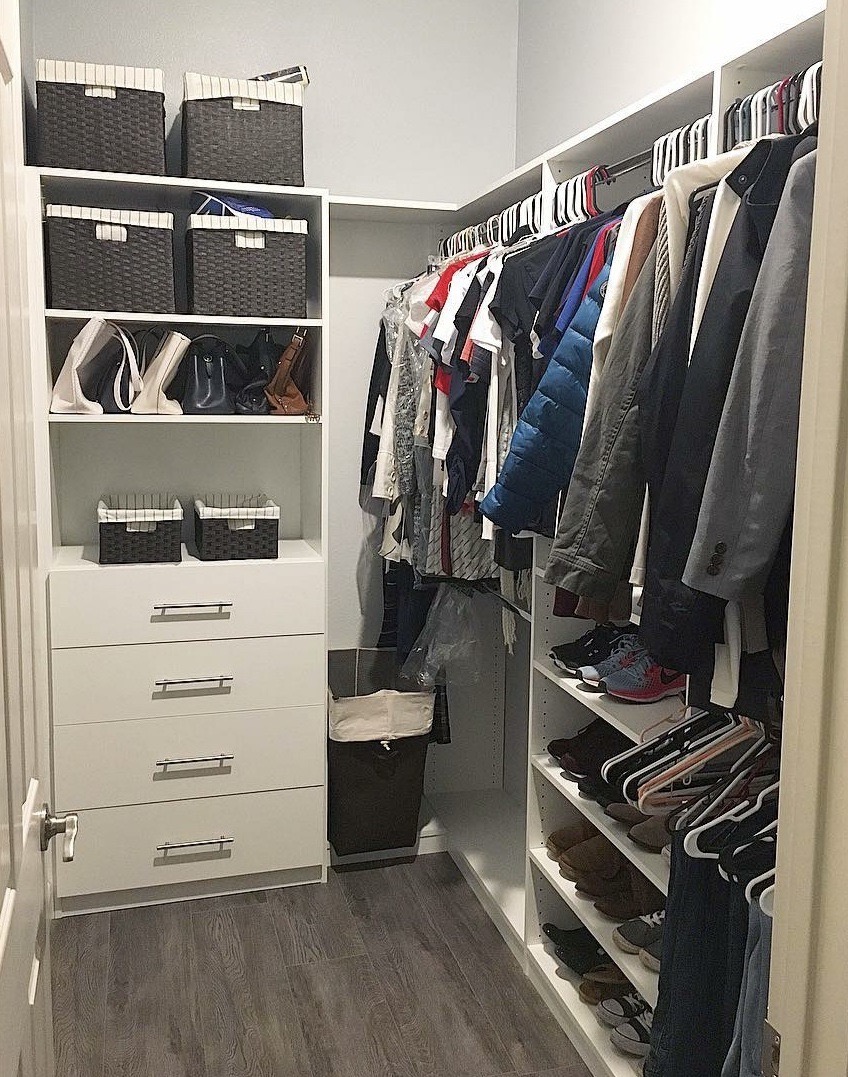
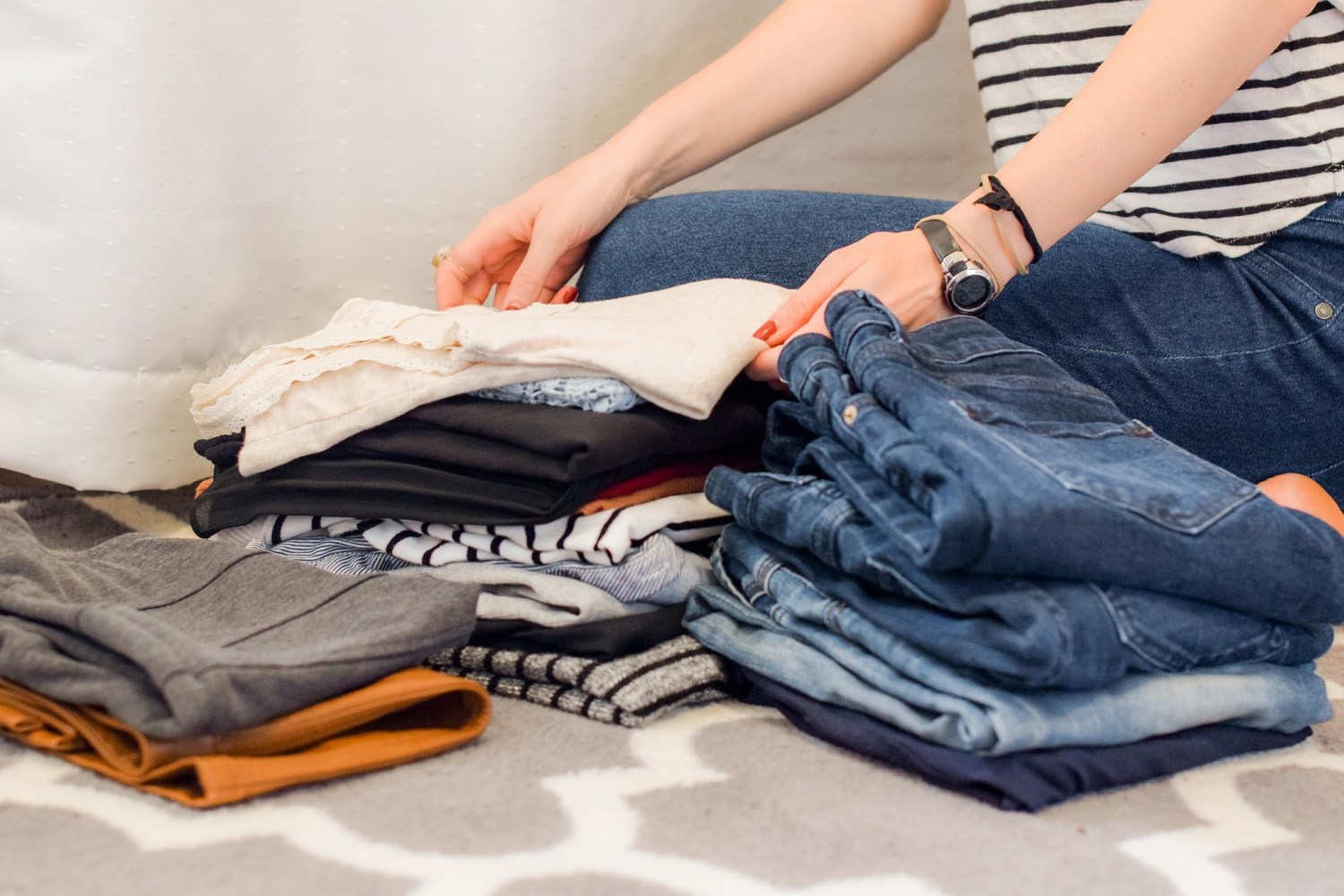
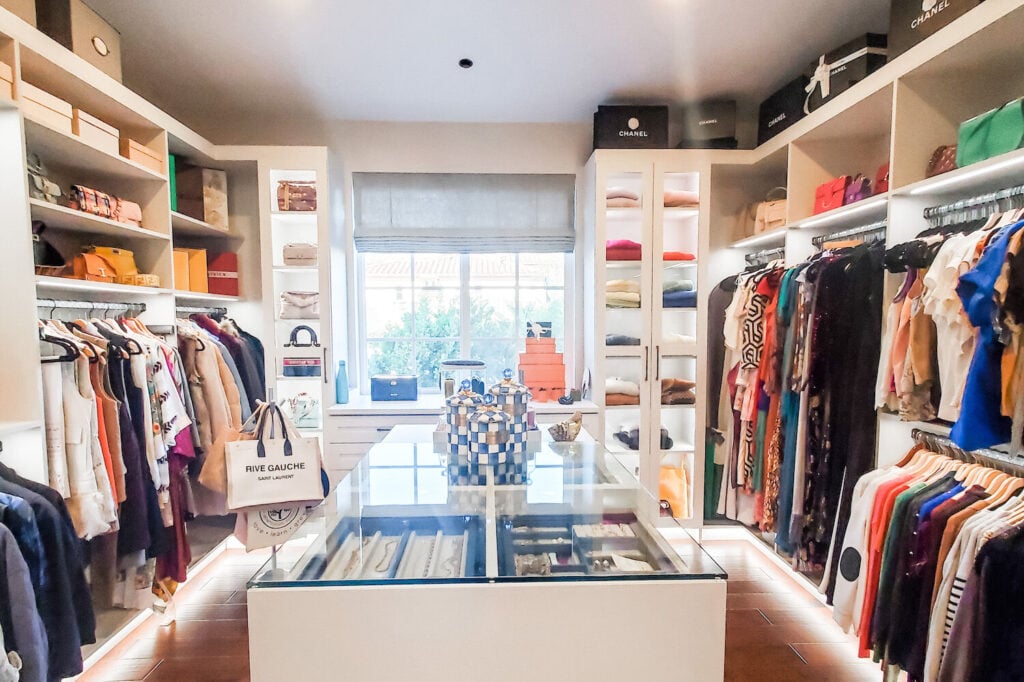
Efficiently utilizing extra space in a home is crucial for both aesthetic appeal and functionality. Interior designers offer insights into the best and worst practices for maximizing home space, whether in a rental or owned property. One key recommendation for managing extra space involves decluttering closets by storing infrequently worn clothing separately, such as in vacuum bags under the bed. This approach prevents overfilling and maintains an organized wardrobe.
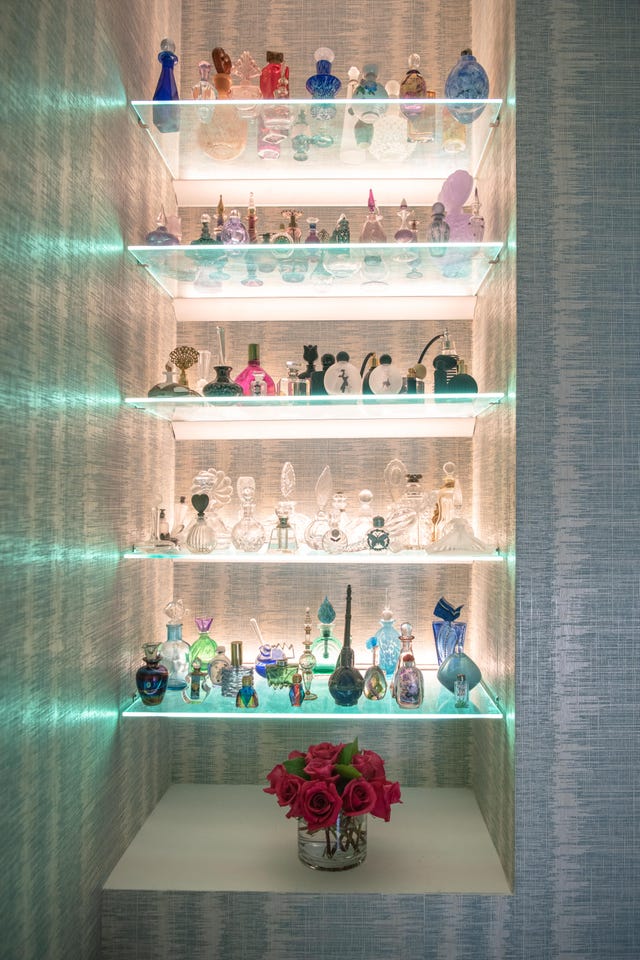
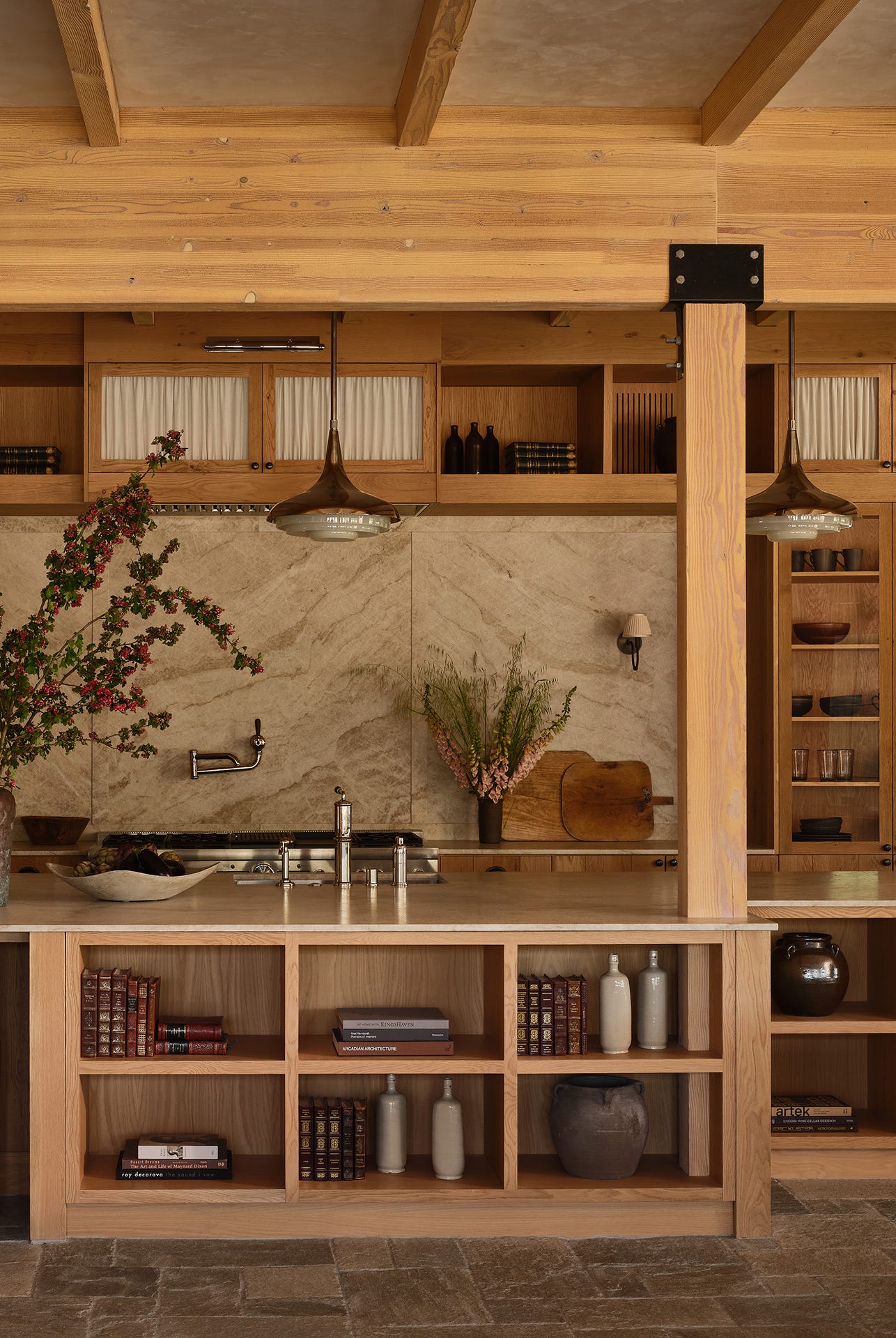
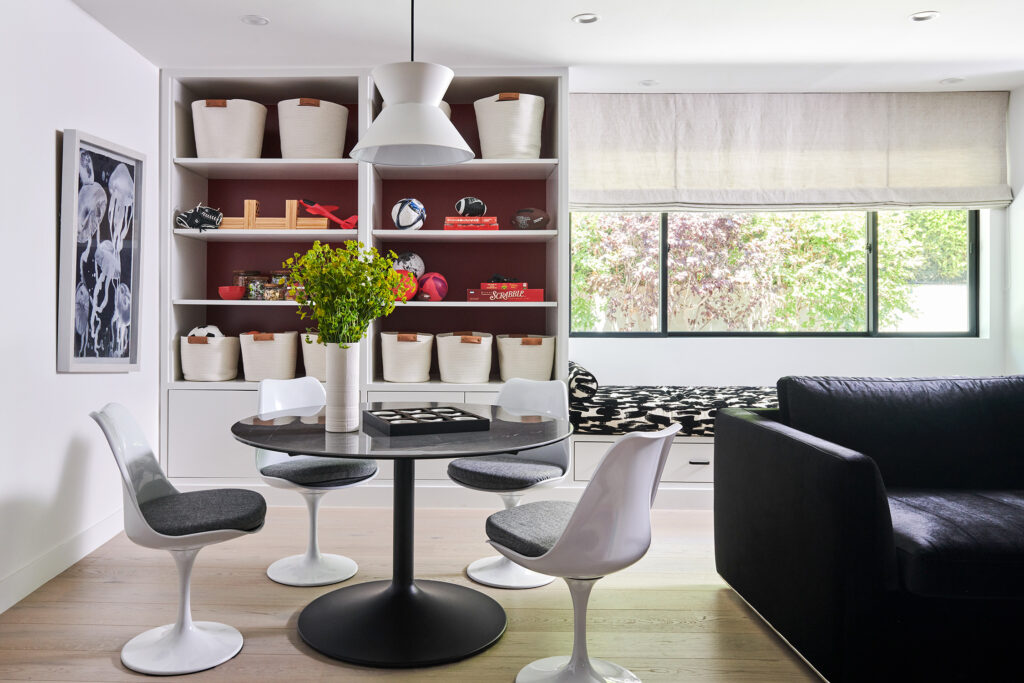
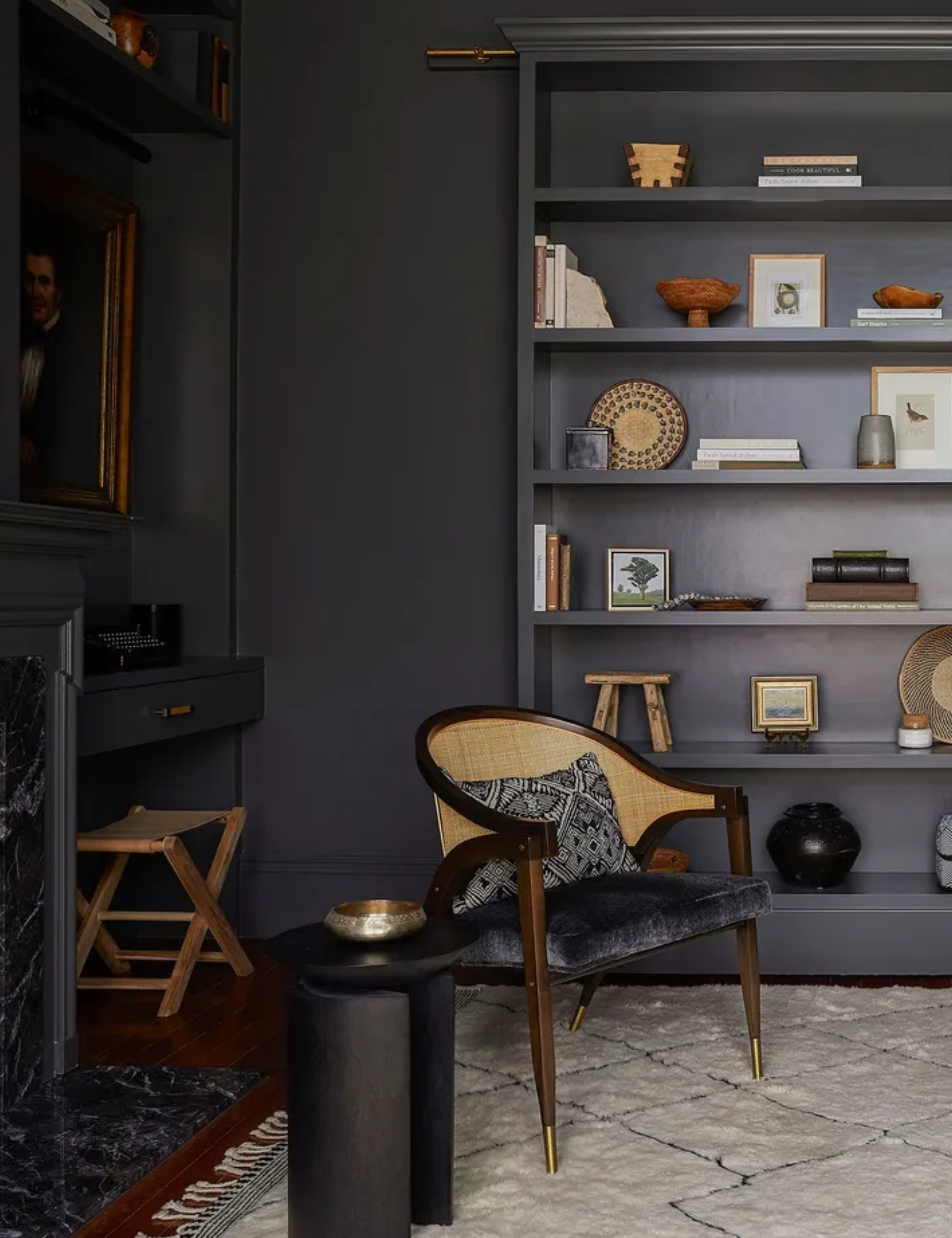
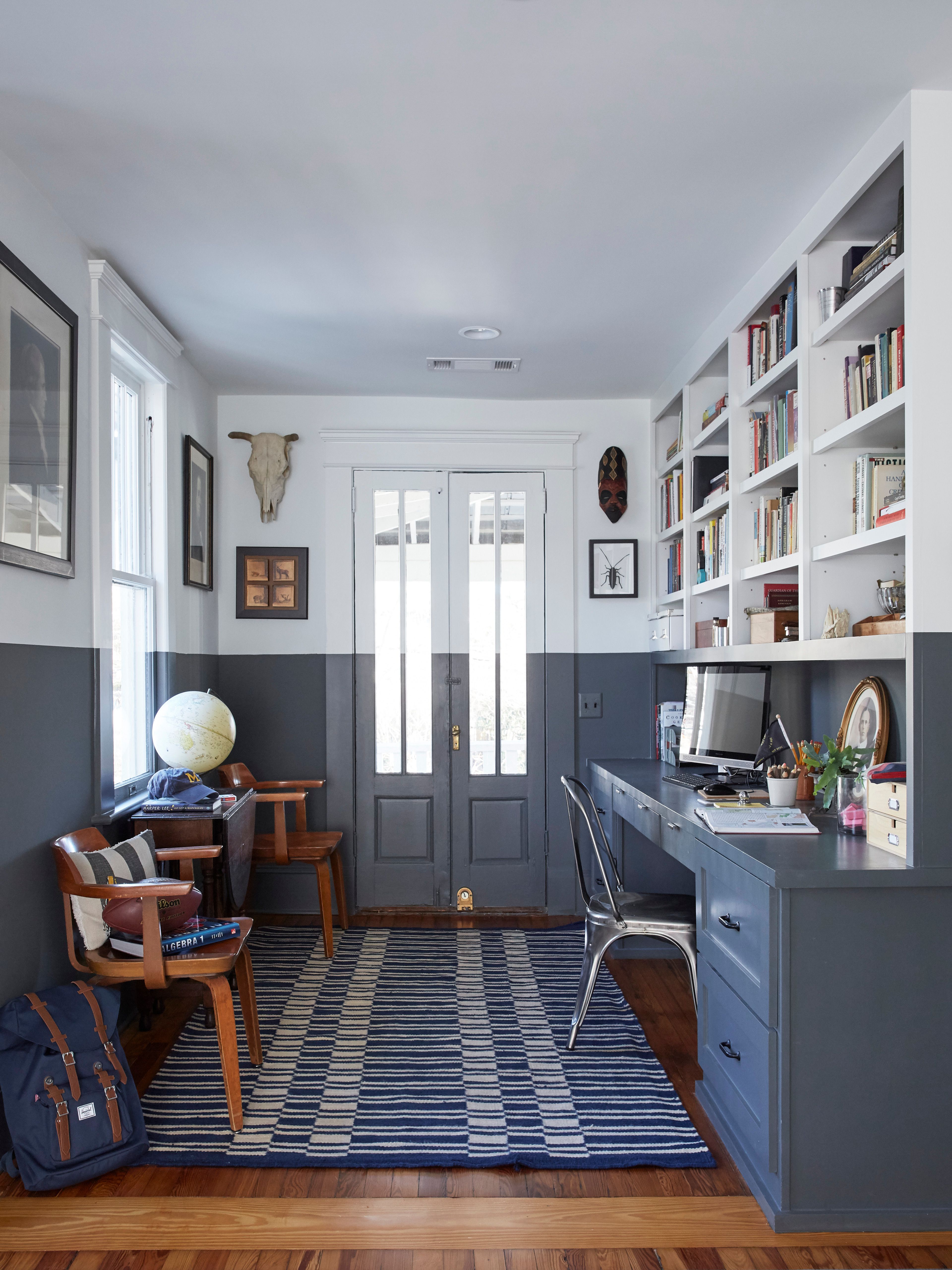
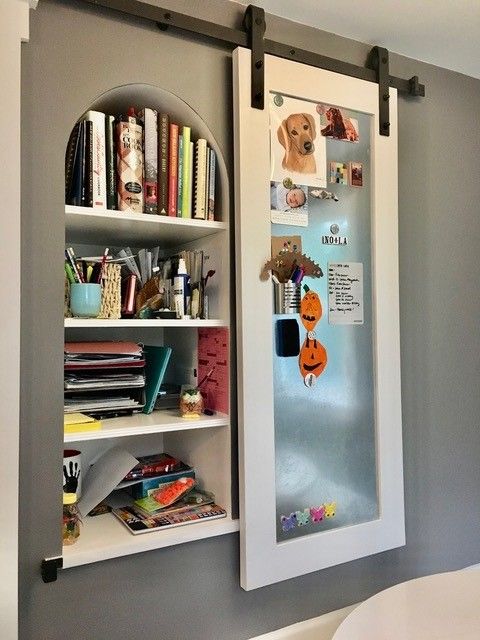
For avid readers, incorporating bookshelves is an effective strategy. These can provide not only book storage but also hidden storage with lower cabinets and baskets. Designers suggest styling bookshelves with a mix of decor items, picture frames, and books, focusing on scale, color, and texture. Adding wallpaper to the back of a bookcase can further enhance its visual appeal.
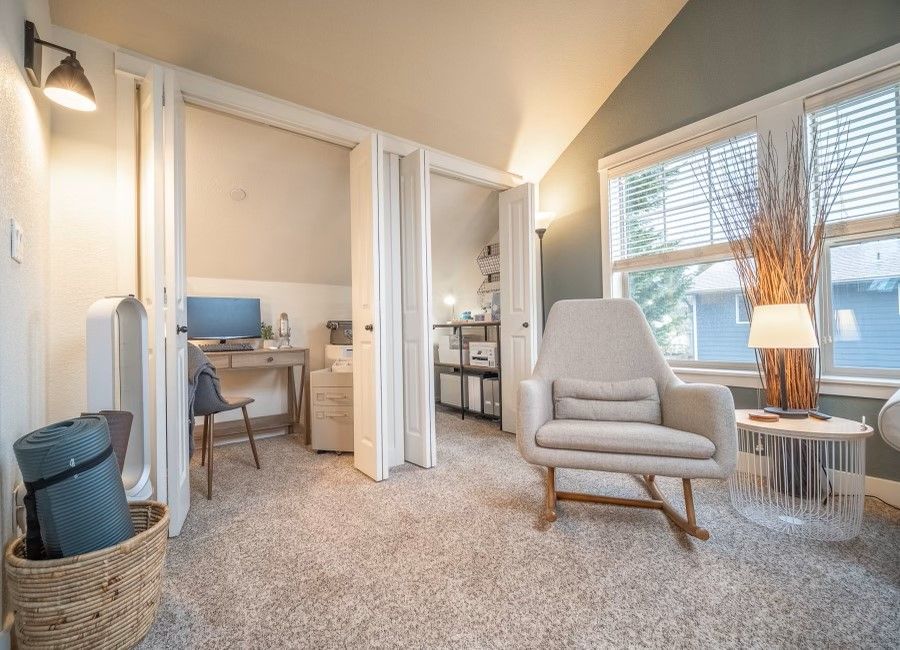
In primary suites, instead of adding more furniture, creating a meditation nook near a window is a beneficial use of space. An area rug, custom-cut to fit, can serve as a comfortable floor cushion, and appropriate window treatments can manage lighting to foster a soothing environment.
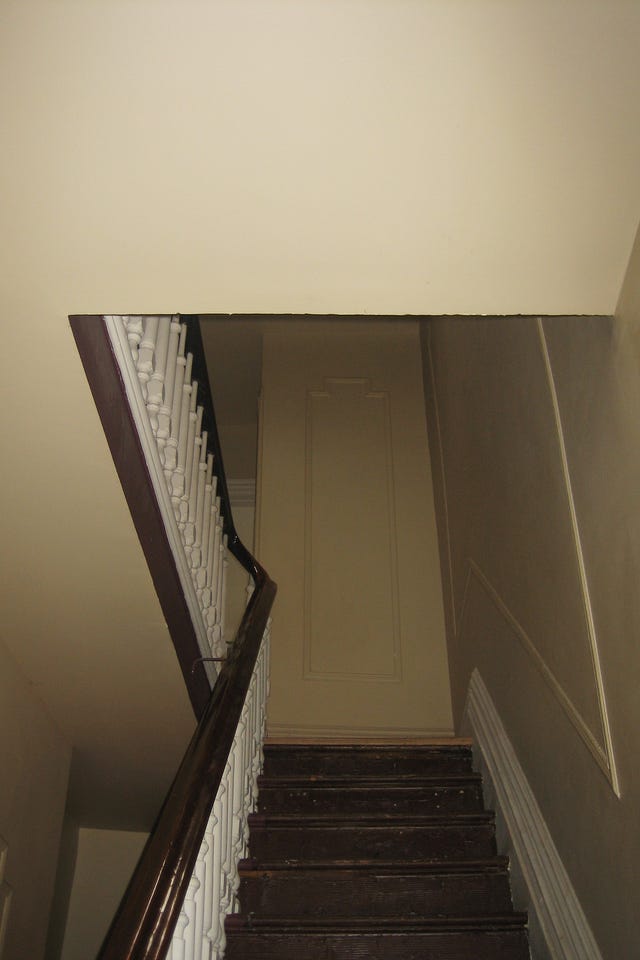
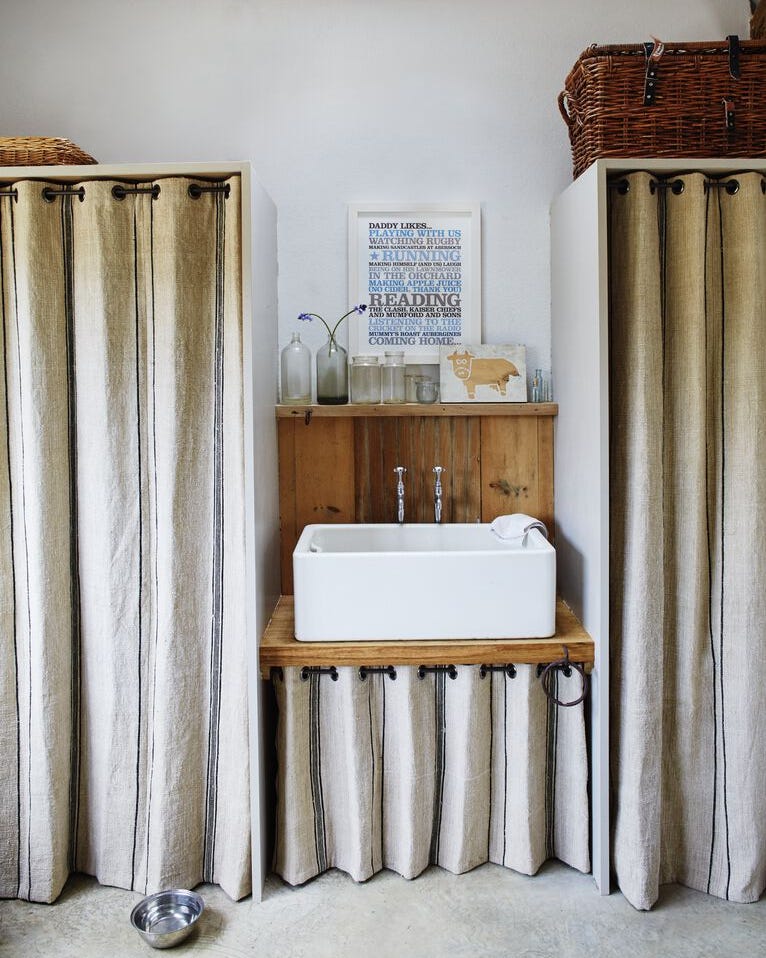
Under-stair areas are often overlooked but present significant storage opportunities. These spaces can be customized with drawers, cabinets, or even transformed into dog houses or wine storage. The key is to work with the unique angles and shapes of the area to create practical storage solutions.
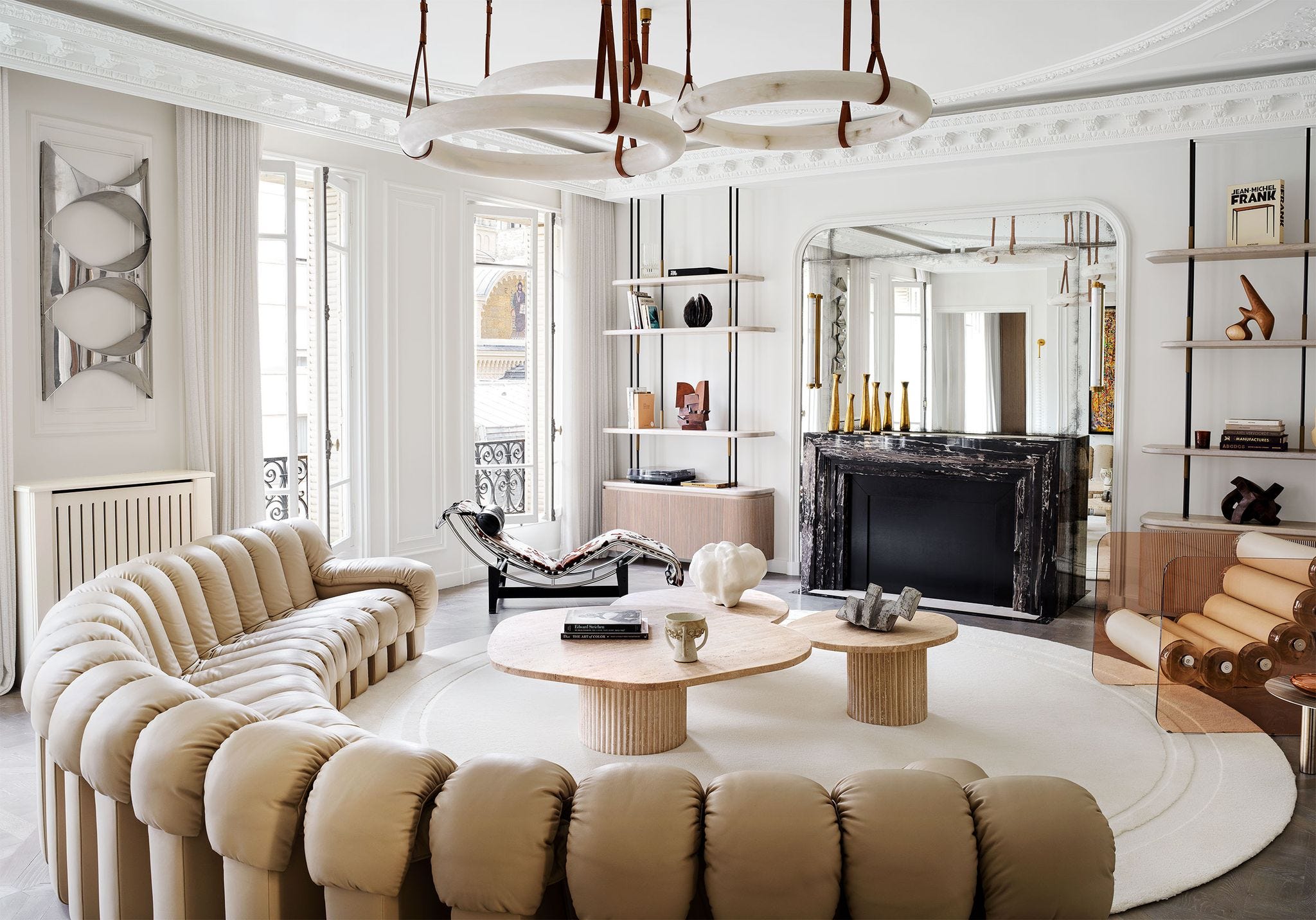
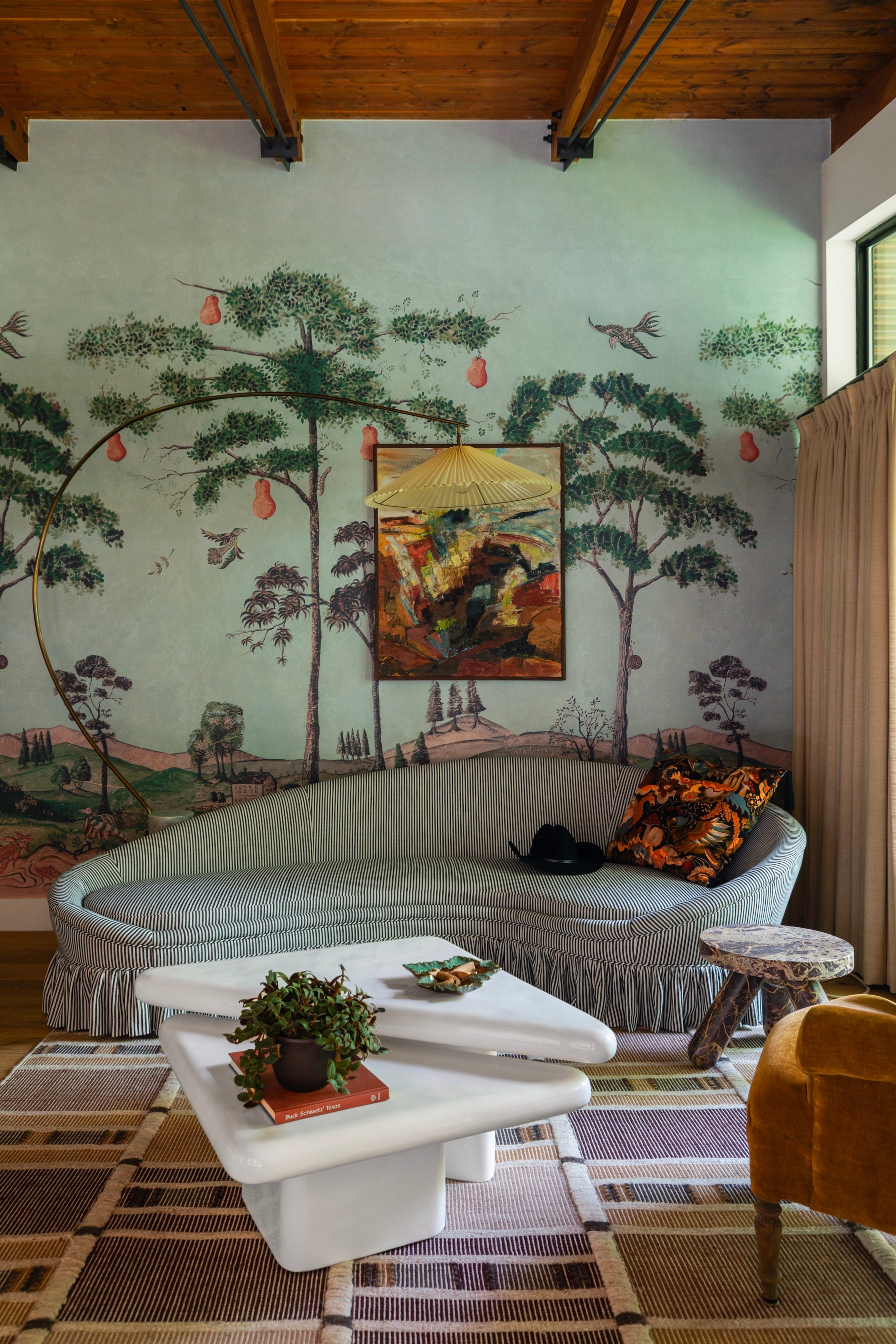
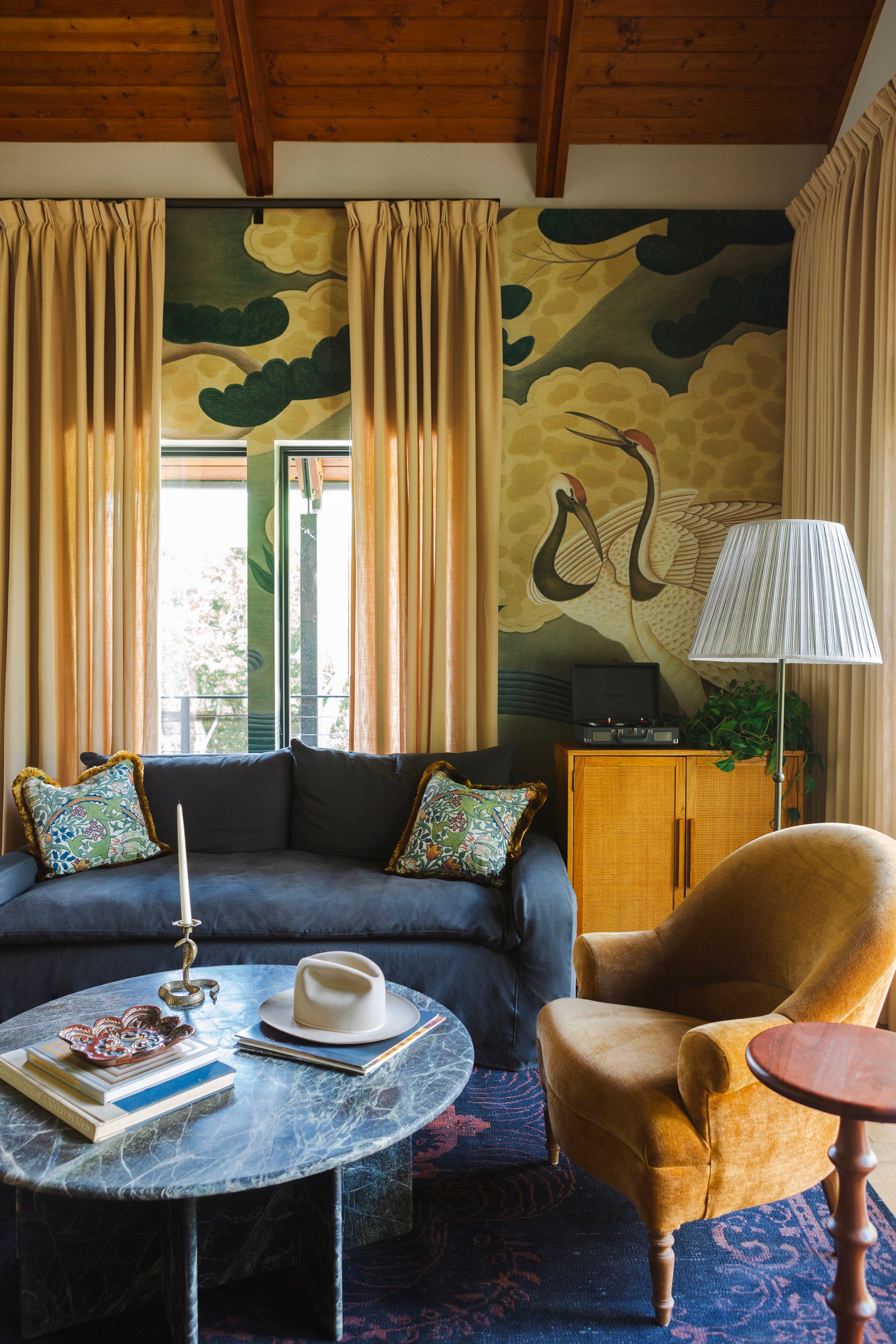
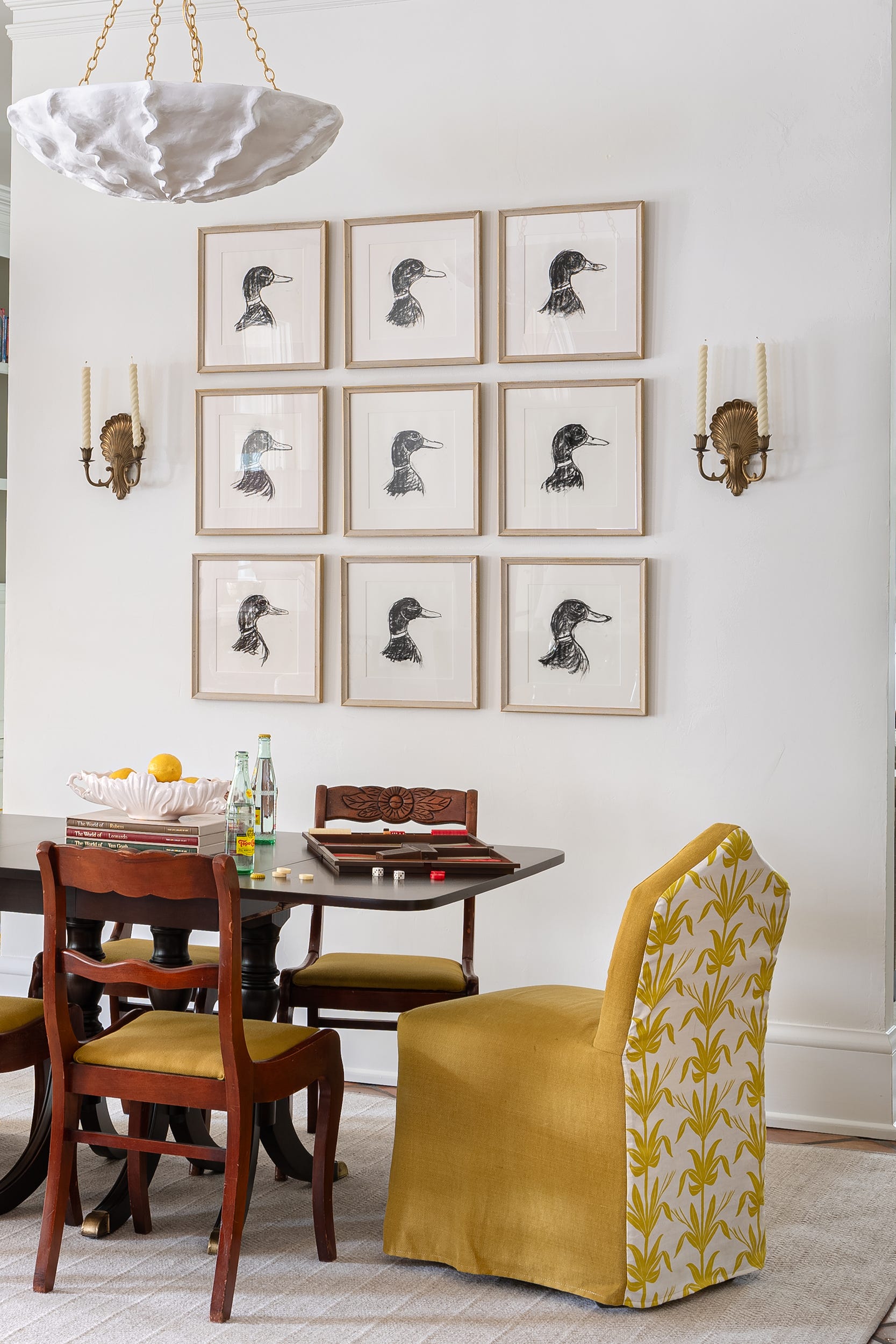
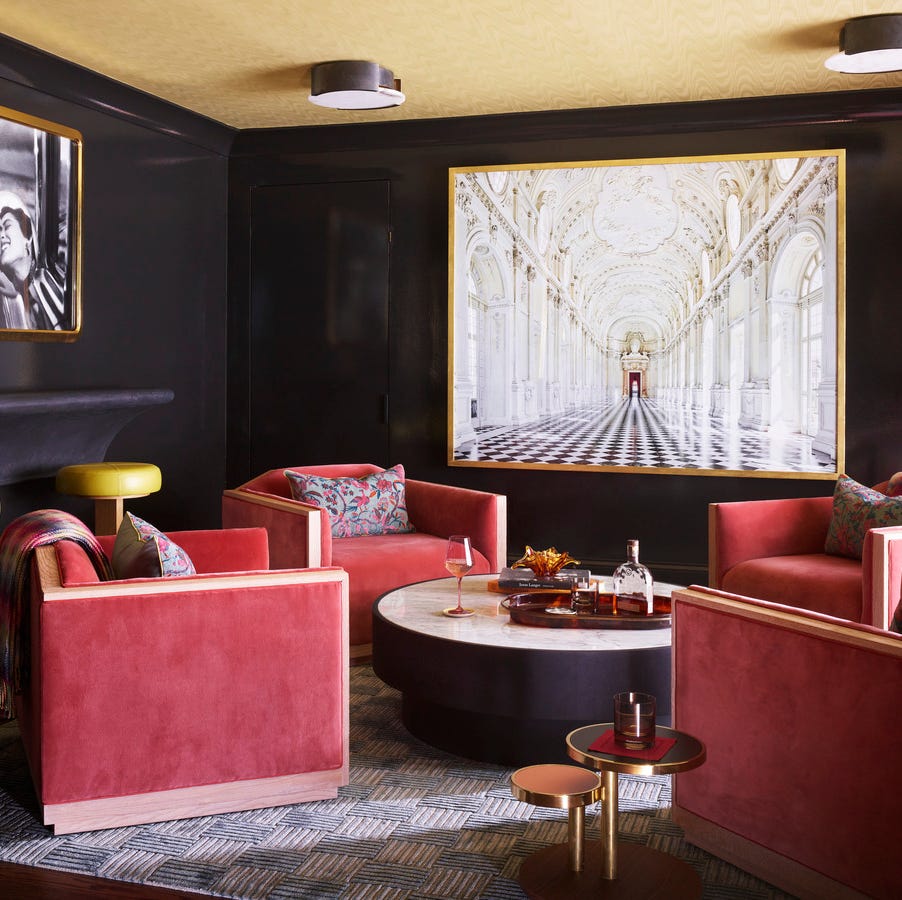
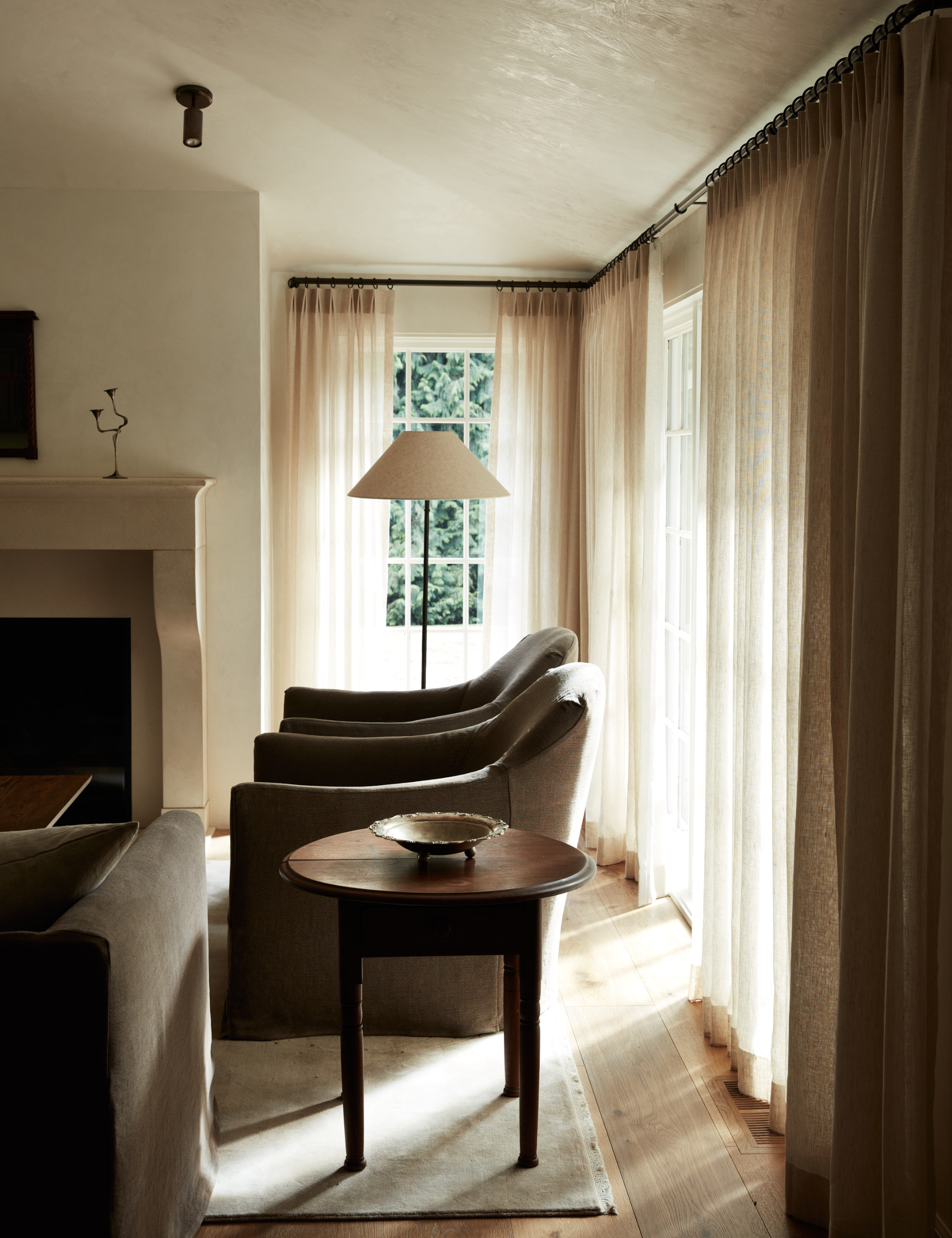
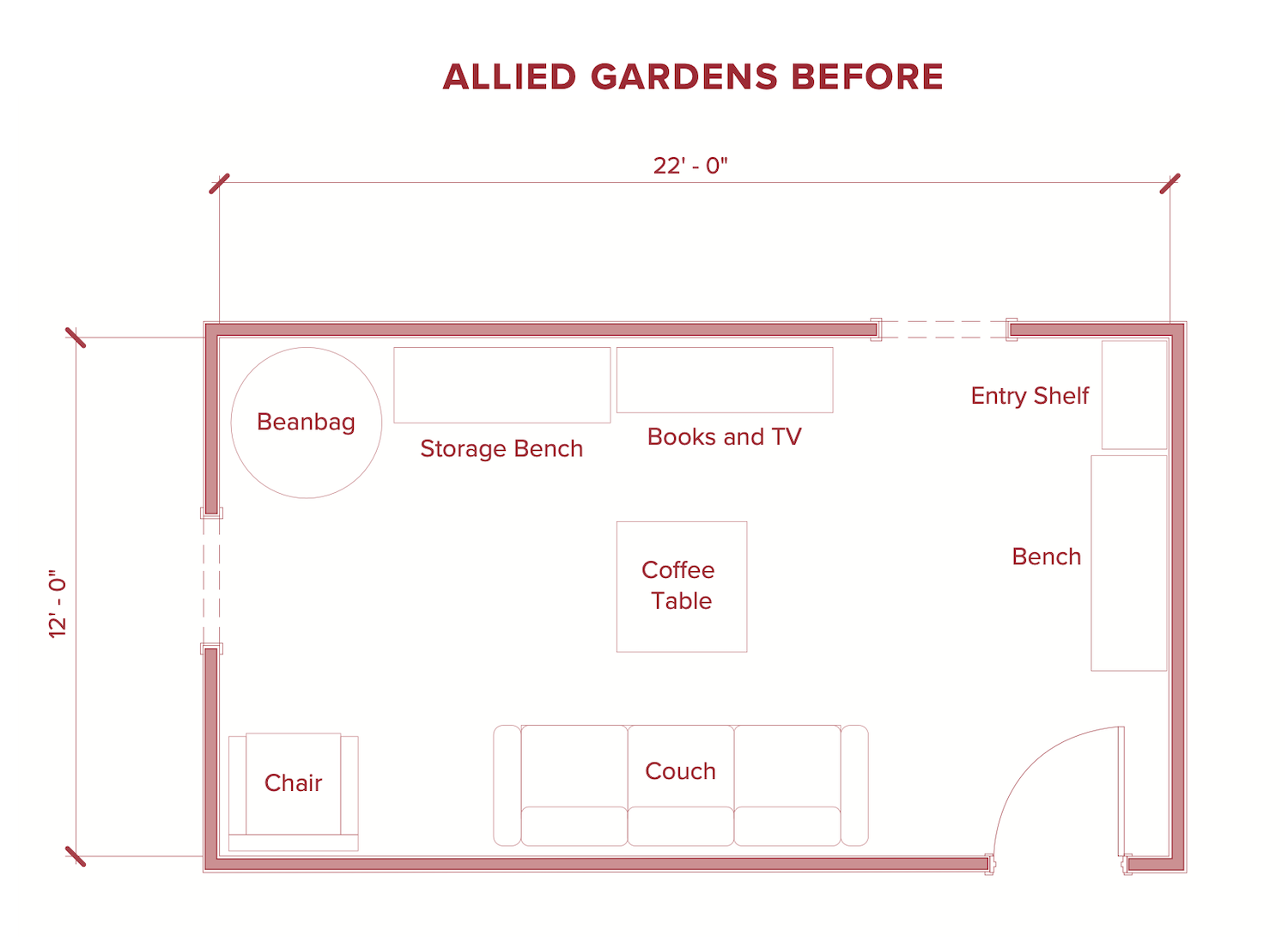
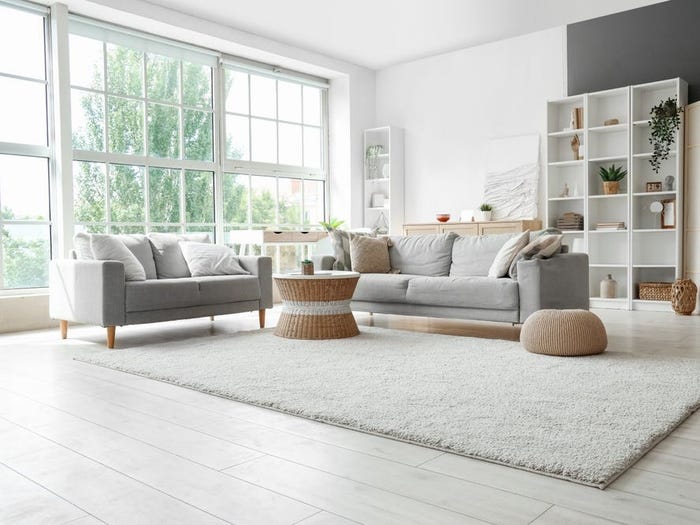
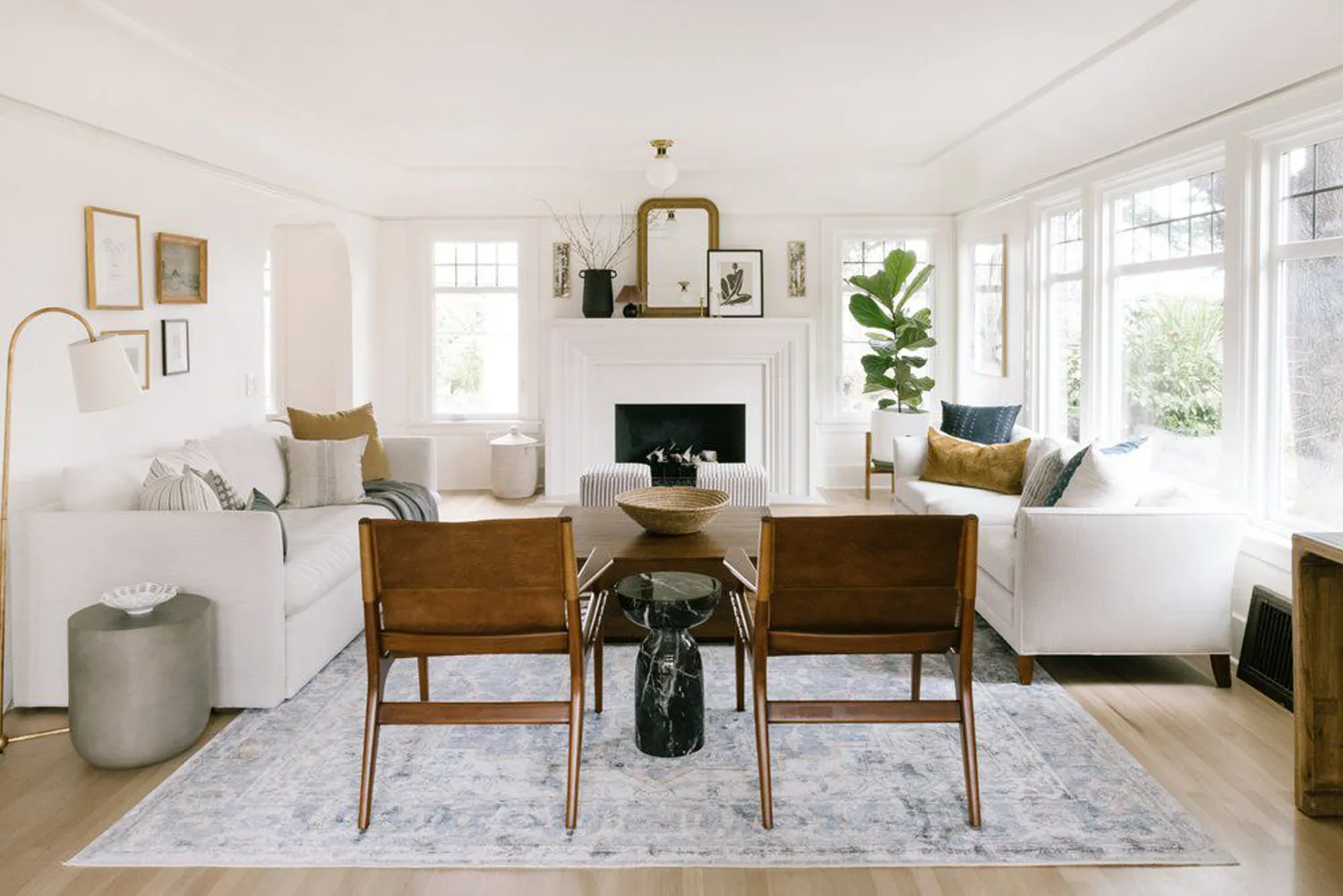
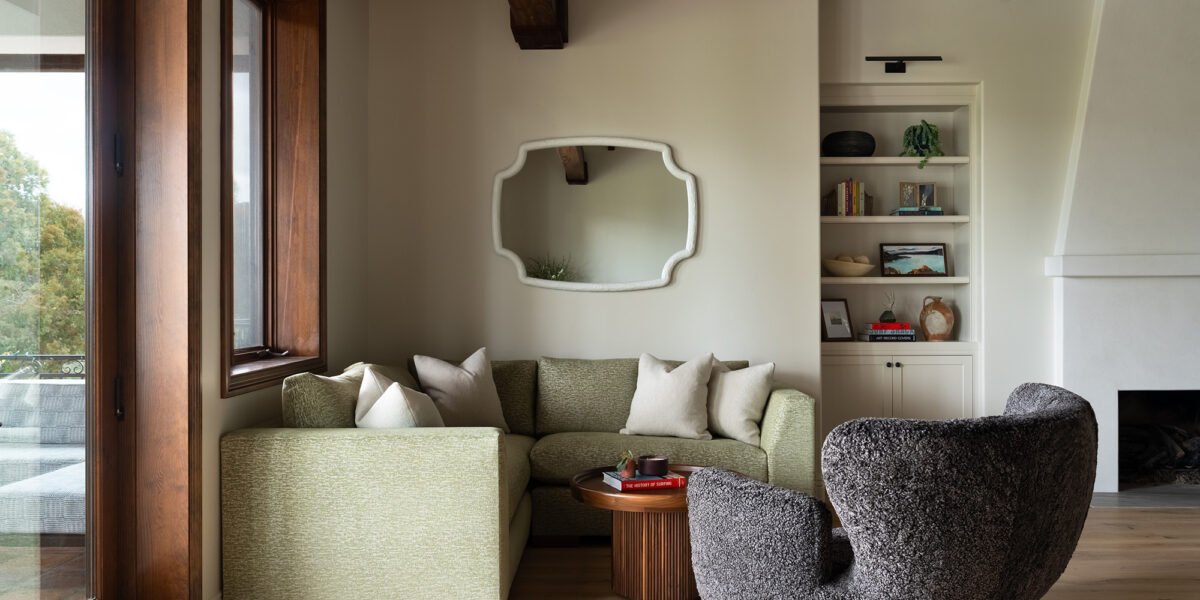
Designers also emphasize adding visual interest without necessarily filling every corner with furniture. Wall art and sculptures can create depth and personality. Gallery walls are highlighted as a stylish way to display unique pieces. Additionally, unused corners can be converted into "casual conversation spots" by strategically placing a pair of chairs or a small café table, following the 90-degree rule for better interaction.
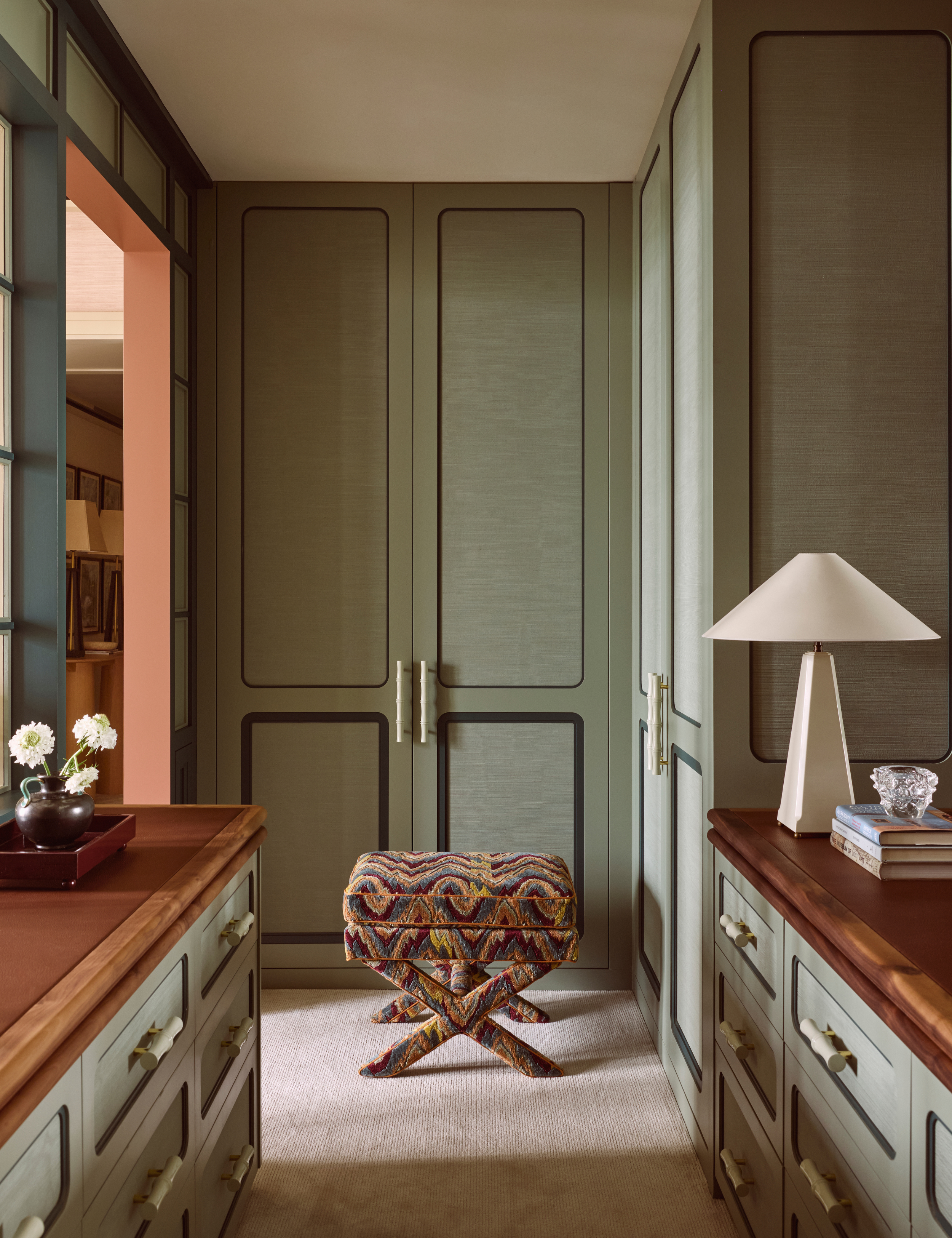
Conversely, several practices are identified as detrimental. Defining space with permanent fixtures like built-in cabinetry is discouraged because it reduces versatility and can negatively impact resale value. Temporary or movable furniture is preferred to allow for future adaptability. Placing single chairs as mere fillers without a purpose is another common mistake, as it can clutter a space and make it feel smaller. Such chairs should be part of a "moment" with accompanying elements like a lamp or side table, or the corner should be left empty to allow other design elements to stand out. Lastly, using fake plants is advised against; despite their convenience, they lack the aesthetic benefits of real plants and still require maintenance like dusting.
#InteriorDesign #SpaceUtilization #HomeOrganization #StorageSolutions #MeditationNook #BookshelfDecor #UnderStairStorage #HomeResaleValue #WallArt #FurnitureArrangement #InteriorDesign #SpaceUtilization #HomeOrganization #StorageSolutions #MeditationNook #BookshelfDecor #UnderStairStorage #HomeResaleValue #WallArt #FurnitureArrangement
共0条评论
 暂无评论
暂无评论你可能还喜欢
Here's What to Do With Those Awkward Spaces in Your House, According to Designers

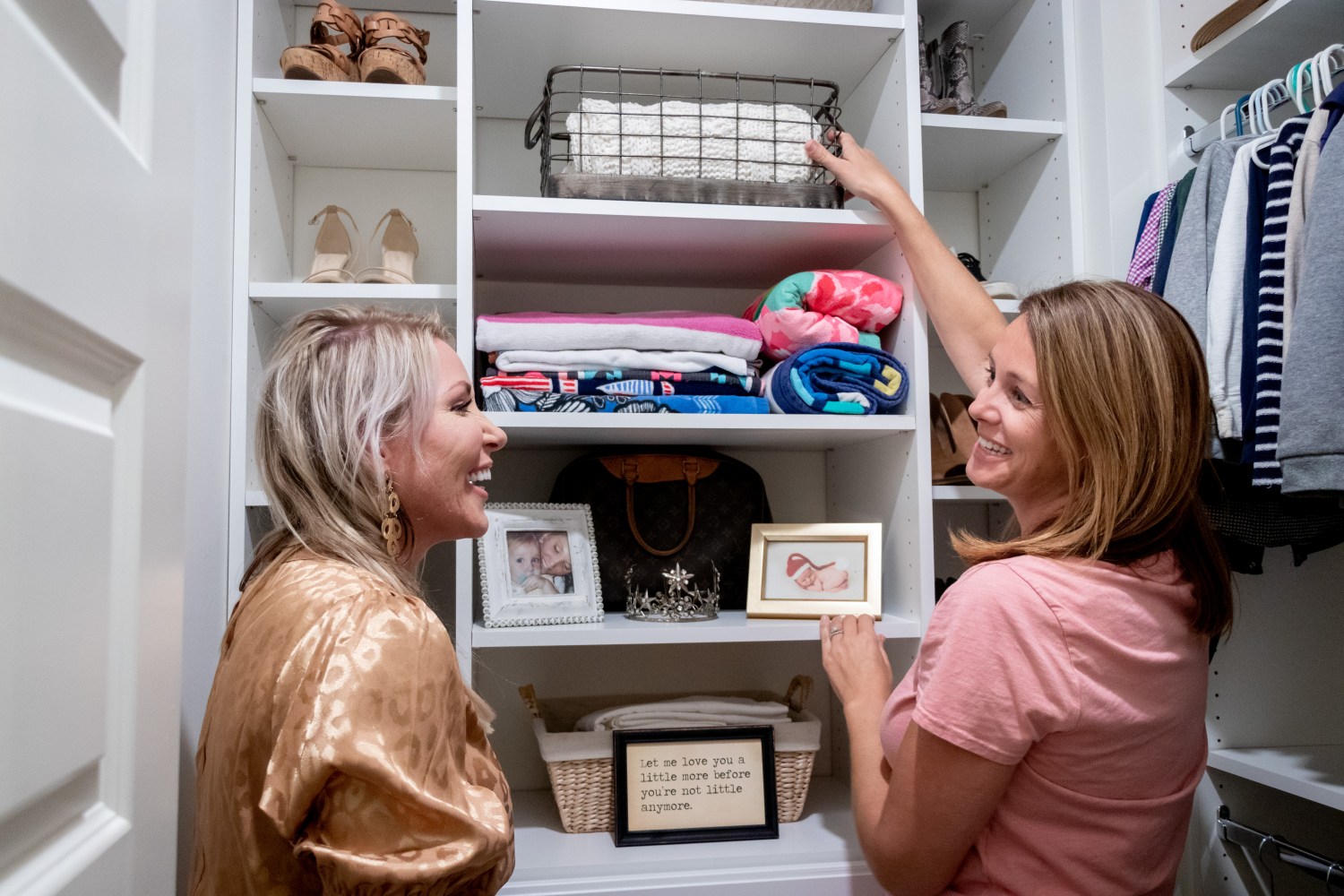
5 expert tips from local designers to maximize your closet space
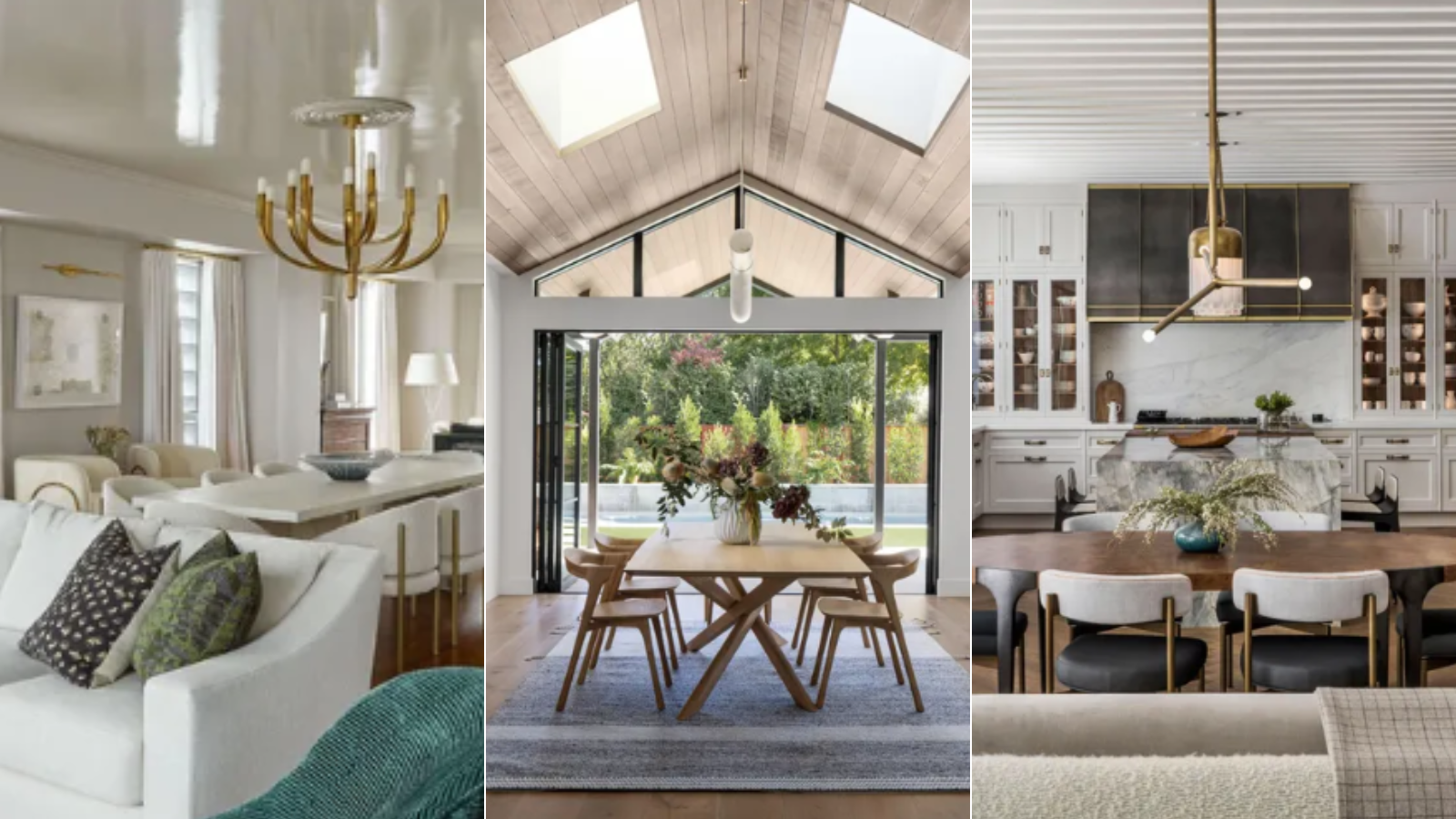
7 open plan living mistakes – what can go wrong and how to avoid it

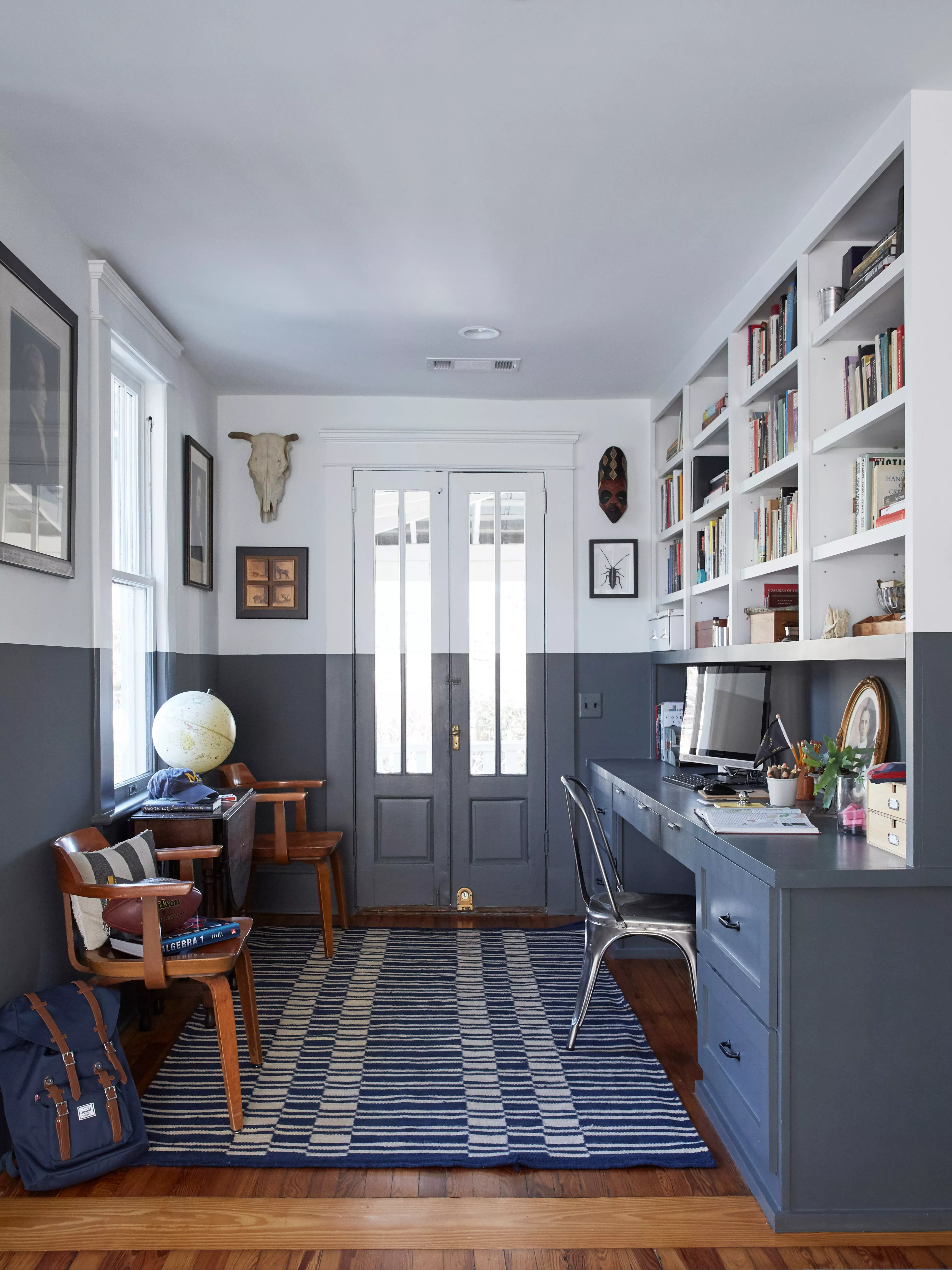
These Creative Bonus Room Ideas Are the Best Way to Use Your Extra Space

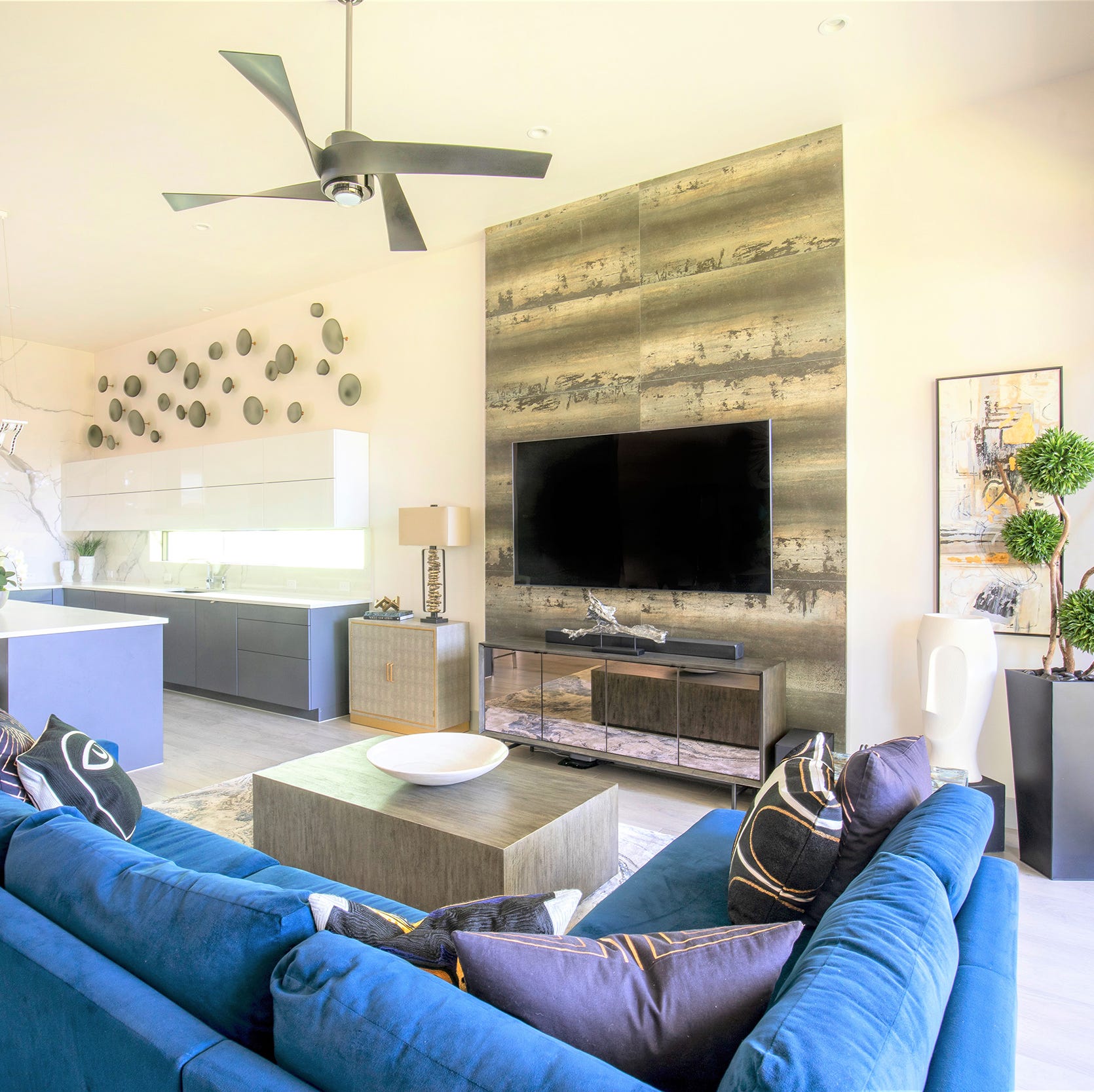
The Secrets to a High-Functioning “Does It All” Room

Design Insiders Reveal Their SECRETS to Decorating Your Home Like a Pro
5 Things That Always Make Your Home Feel Cramped, According to Designers

How to Maximize Space in a Small Home, According to Design Experts

These Are the Decor Ideas Designers Can’t Get Enough Of (and We’re Obsessed With!)
6 Ways Designers Arrange Furniture Maximize Space Without Cramping Your Style

17 Loft Bed Ideas to Maximize Every Inch of Your Room

Transforming small, awkward spaces into usable, functional areas | Produced by Seattle Times Marketing

Interior designers share the 6 best and 5 worst things to add to your rental space
This Is What Makes a Home Functional, According to Interior Designers
21 utility room ideas to make the most of extra space
The Stylish Trick for Creating an Extra Room in Your Home
Design Pros Reveal Their Secret Tricks for Maximizing Space in the Tiniest Living Rooms
50 Bonus Room Ideas That Make Use of Your Extra Square Footage
‘Not Every Space Needs to Be Filled’ – Interior Designers on the Art of Negative Space and 7 Ways to Use It Well
Coming up with a furniture plan that works