1/6
How to Clean Tile Floors—From Ceramic to Cement Surfaces
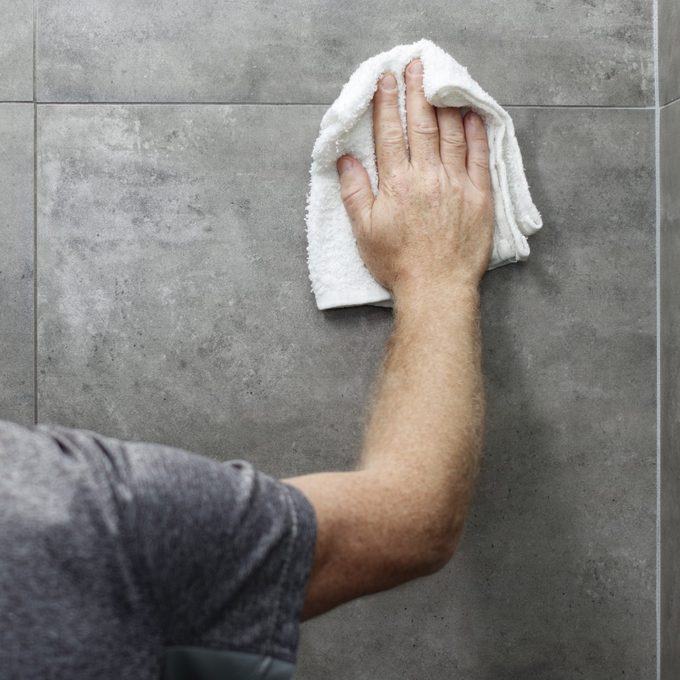
This comprehensive guide offers insights into effectively cleaning various types of tile floors, recognizing that a universal cleaning approach is often insufficient due to the diverse properties of materials like ceramic, marble, porcelain, and vinyl. Janice Stewart, owner of Castle Keepers House Cleaners, emphasizes that each tile type possesses unique absorption characteristics for stains and requires specific cleaning methods. She highlights that some tiles are more porous than others, making a one-size-fits-all solution impractical and potentially damaging. For instance, using bleach on vintage ceramic tile for wine stains could lead to yellowing.
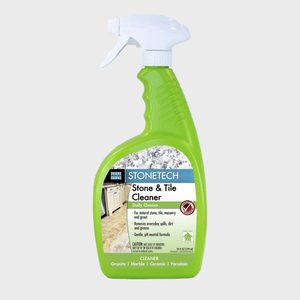
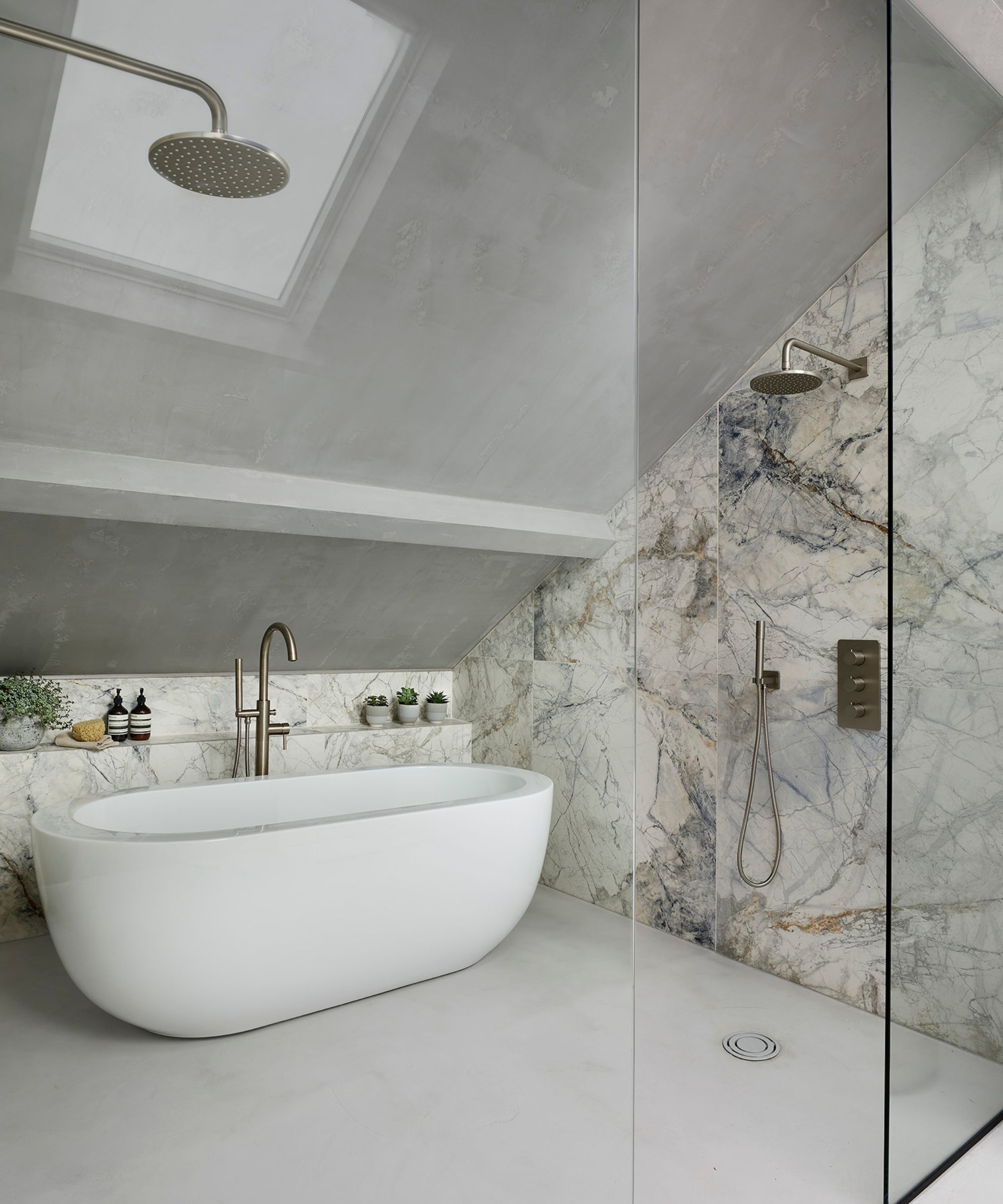
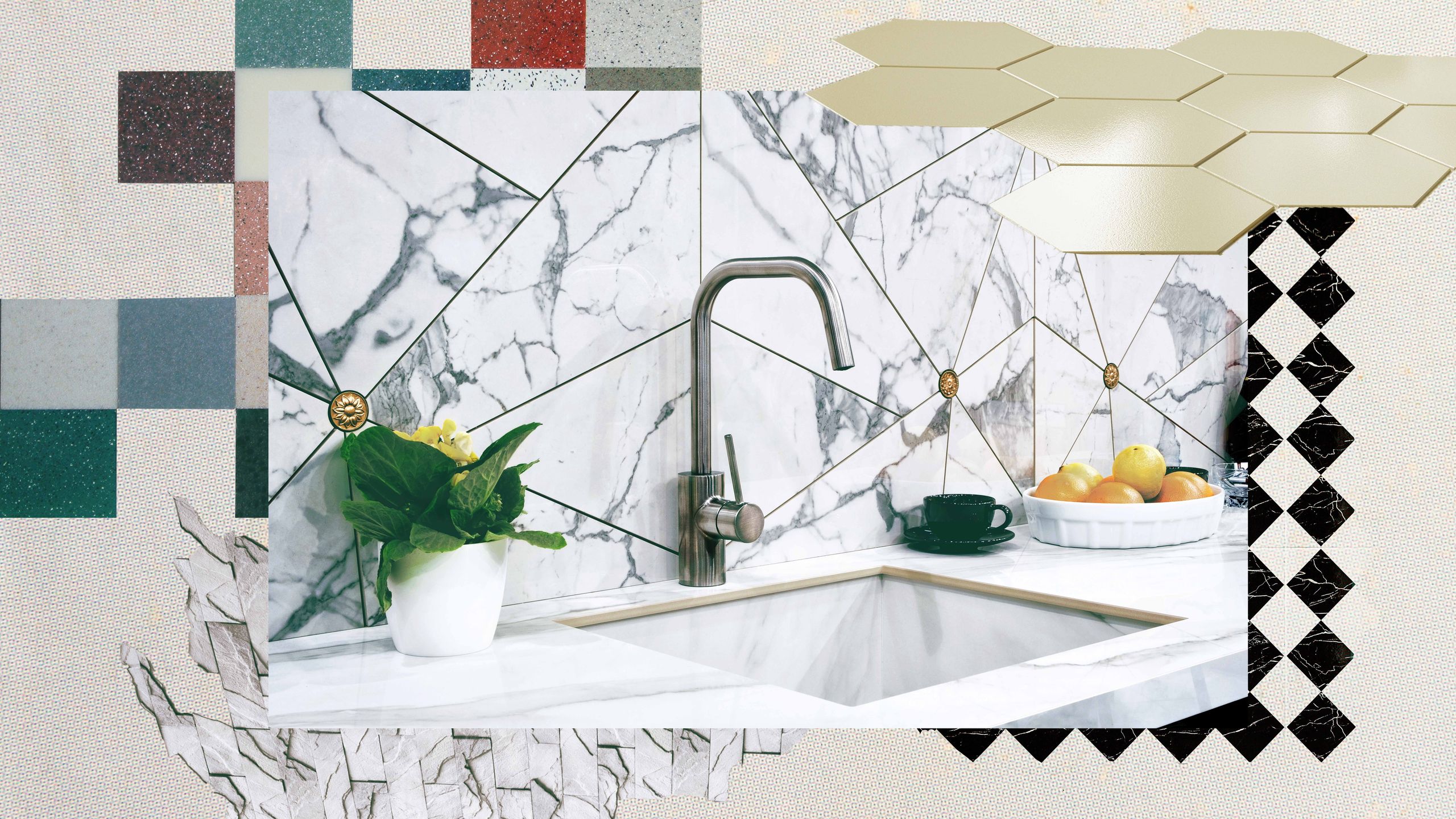
The article outlines tailored cleaning strategies for five common tile materials. For natural stone tiles such as marble and granite, which are durable but porous, it's crucial to use caution. Stefan Bucur, founder of Rhythm of the Home, advises thorough dampening with water before applying any cleaning solutions. For spills like coffee or grease, solid debris should be swept away first, followed by soaking stubborn stains in a gentle cleaning solution. Acidic cleaners should be avoided, particularly on marble, as they can cause discoloration or deterioration. After applying a mild solution like dish soap and water, ensure all stains are removed and allow the porous surface to air dry completely. Daily maintenance, including vacuuming or dust-mopping, is recommended to prevent grit and soil buildup.
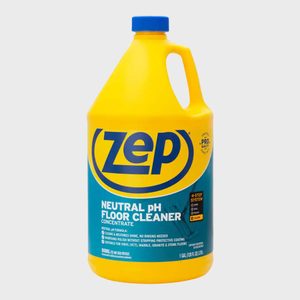
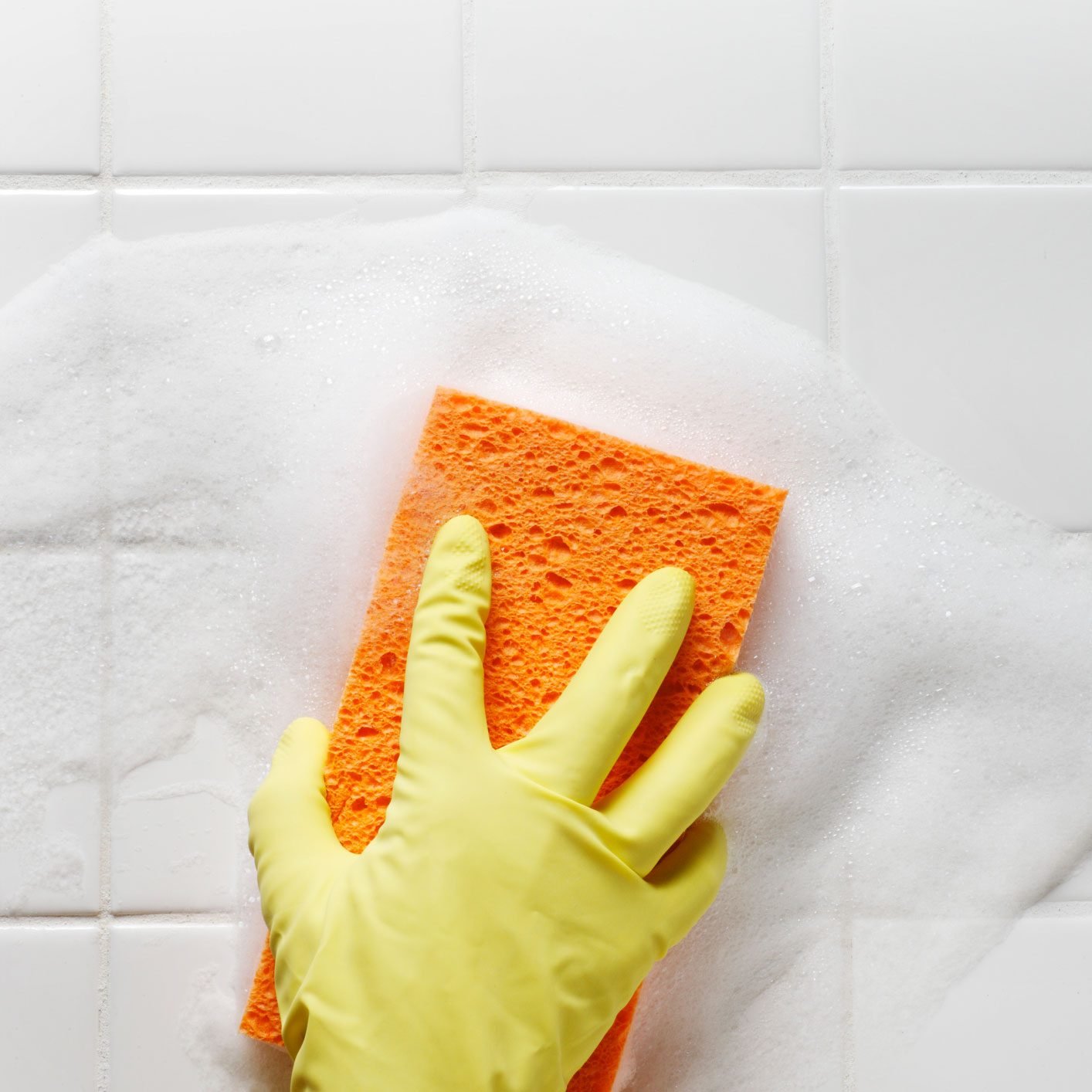
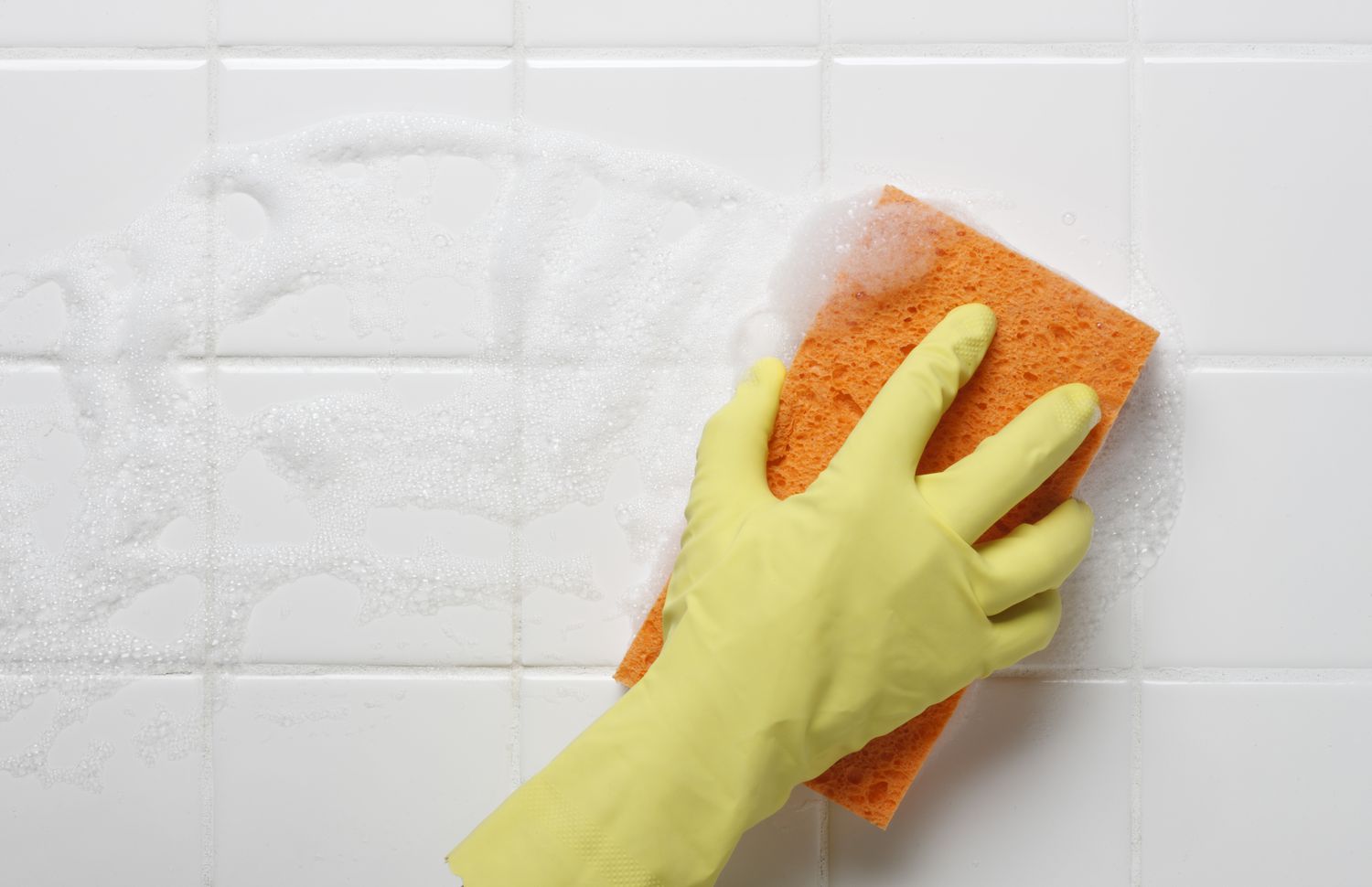
Vinyl and linoleum tiles, frequently found in bathrooms and kitchens, are generally robust but susceptible to hard water and soap film. White spots can be eliminated by mopping with a diluted white vinegar solution. Stewart cautions against using overly wet mops to prevent water from seeping into cracks and damaging the tiles. Bucur suggests using specialized vinyl cleaning solutions, as ammonia-based chemicals may harm these materials. Cleaning ceramic tile is relatively straightforward, typically involving a few drops of dish soap in warm water. It's important to frequently change the cleaning water to avoid re-soiling the floor. For an added shine and pleasant aroma, a natural floor cleaner with essential oils can be used. Stubborn stains on ceramic tiles can be addressed with a baking soda and water paste.
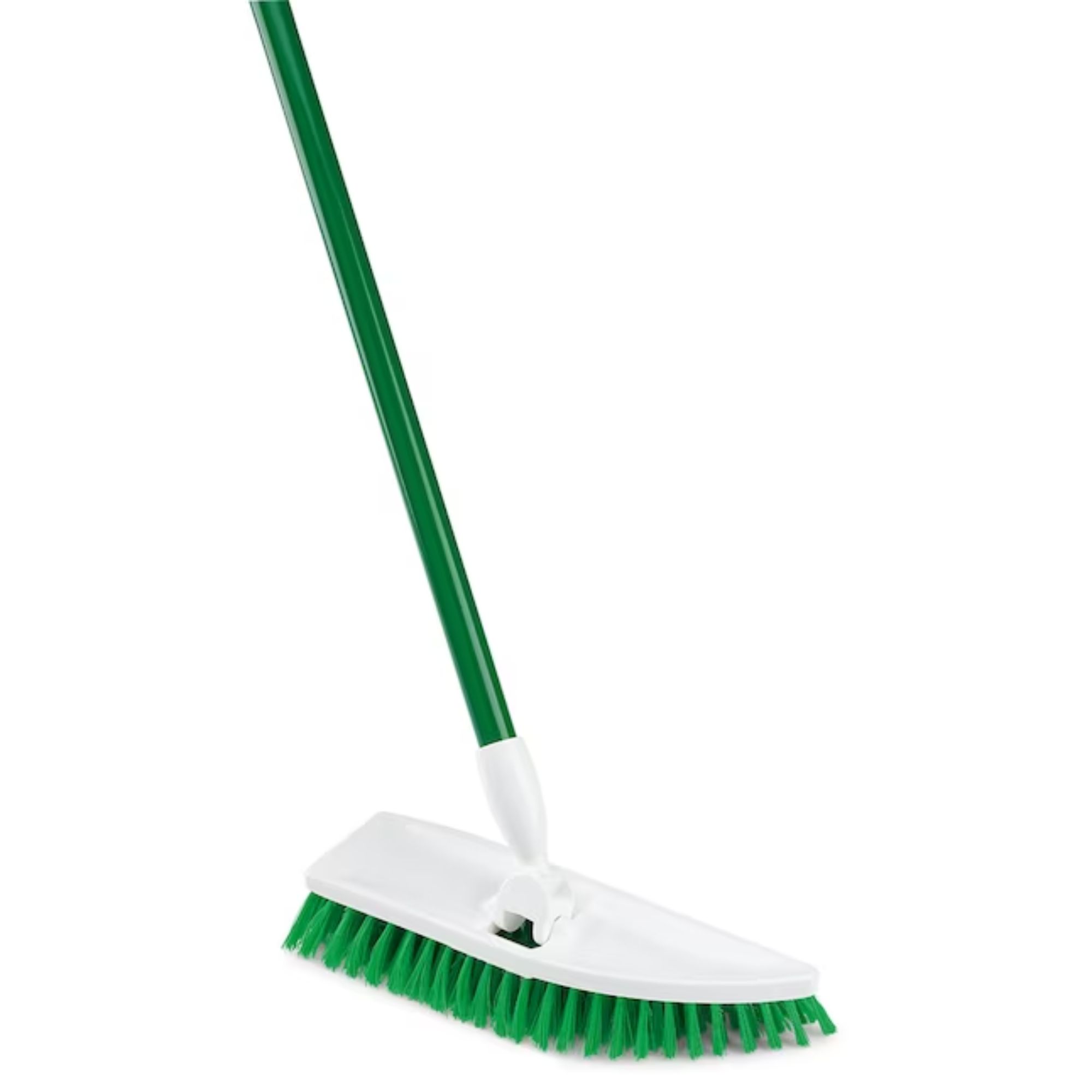
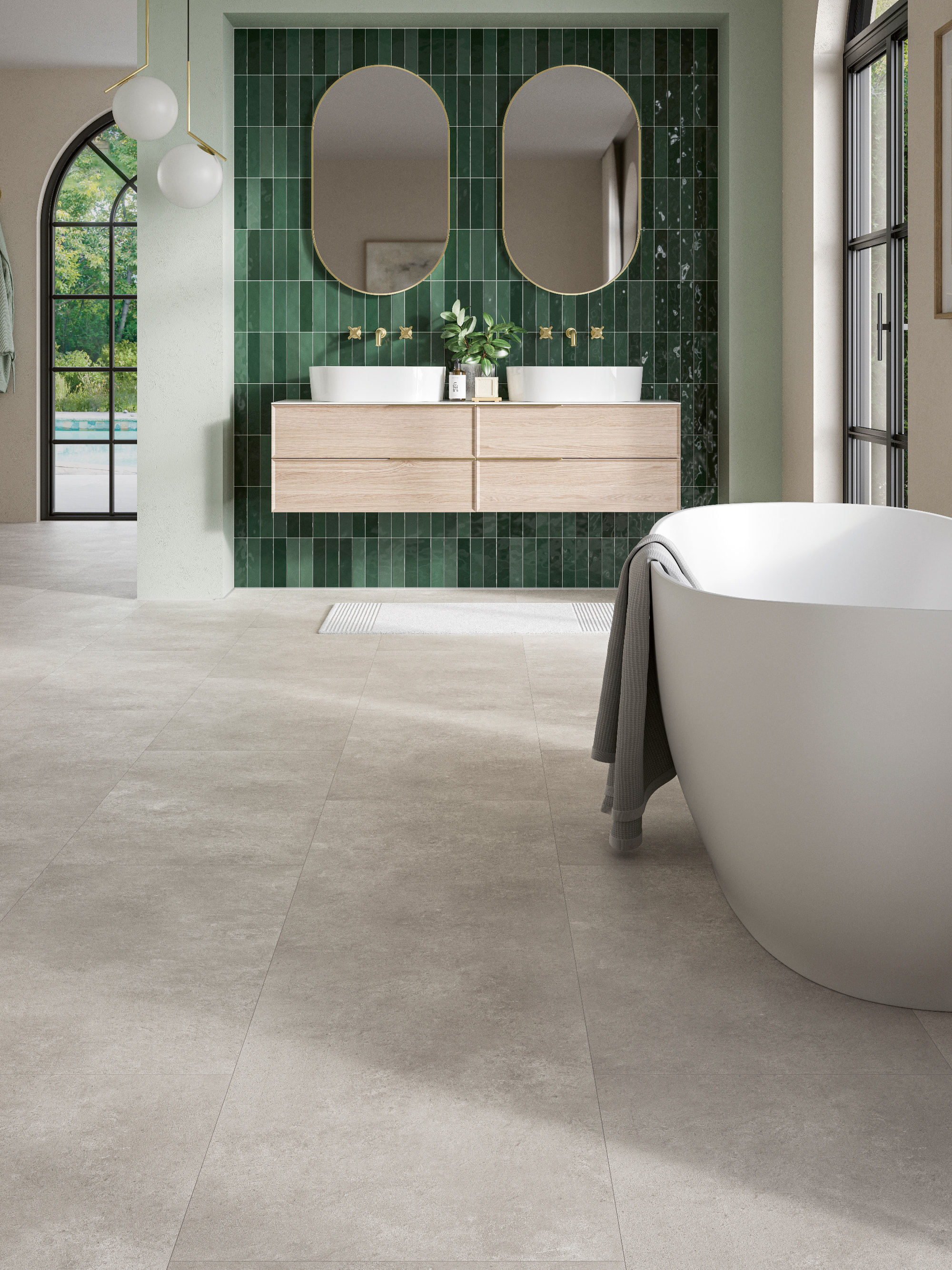
Porcelain tiles, denser and more water-resistant than ceramic, are ideal for bathroom floors. However, abrasive cleaners such as baking soda, salt, or Borax should be avoided. Any new cleaning agent should be tested on a small, inconspicuous area first. Cement and limestone tiles, commonly found in garages, porches, patios, or basements, are highly porous. Weekly vacuuming and mopping are essential, with more frequent cleaning for high-traffic areas. Bucur recommends using a stiff-bristled dry brush for indoor cement and limestone tiles to dislodge embedded dirt. For outdoor surfaces, a power washer set on a low setting can efficiently remove dirt seasonally.
#TileCleaning #HomeMaintenance #FloorCare #NaturalStone #CeramicTile #PorcelainTile #VinylFlooring #CementTile #CleaningTips #TileCleaning #HomeMaintenance #FloorCare #NaturalStone #CeramicTile #PorcelainTile #VinylFlooring #CementTile #CleaningTips
共0条评论
 暂无评论
暂无评论你可能还喜欢
How to Clean Tile Floors Quickly and Easily

The 5 Best Tile Floor Cleaners of 2025 for Sparkling Results

How to clean encaustic tiles – an expert guide


How To Clean Marble Countertops And Tile

Professional cleaners never waste their time with standard mops on tile floors – this is the $13 essential they always recommend instead
Best tile cleaner: 6 smart picks to spruce up your tiling


The Right Way to Clean Concrete Floors

6 Best Grout Cleaners for a Brilliant Bathroom

You're cleaning your bathroom floor wrong, experts warn – here's how to get it right
Pros Reveal the Best Way to Clean Tile Floors + Easy Secret to Get Grout White Again

The 7 Best Grout Cleaners of 2025
How to clean hardwood floors – experts reveal the best techniques
How To Clean Bathroom Tile, According To Professional Cleaners
We Tested 10 Tile Cleaners to Find the Best One

11 Efficient Tile Removal Tools for Floor and Wall Projects

6 Best Grout Cleaners of 2026, Tested and Approved by Cleaning Experts
How to Clean Every Type of Floor Quickly and Easily
I thought my mop was just OK – until a professional cleaner taught me the right way to use it
Get Into Every Groove and Grout Line With the Best Vacuums for Tile Floors

The Right Way to Clean Tile and Grout for Sparkling Results