How Japan influenced Nordic design aesthetics and vice versa
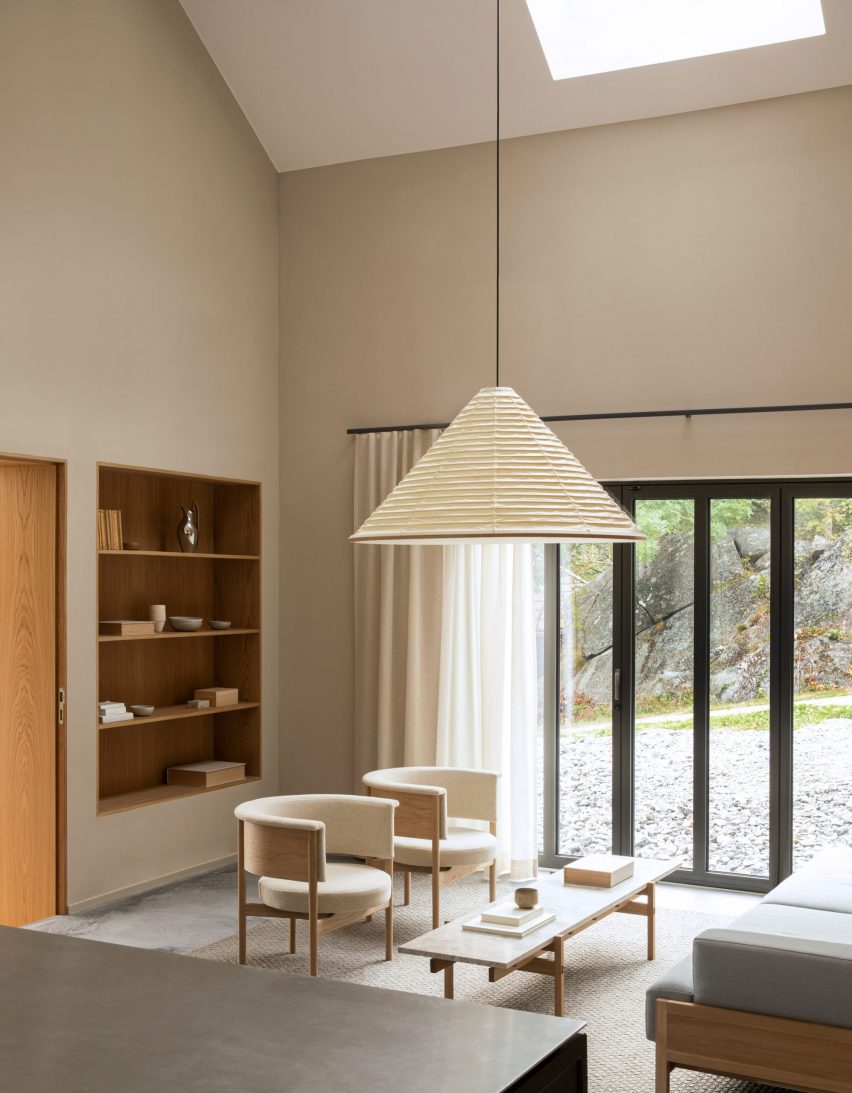
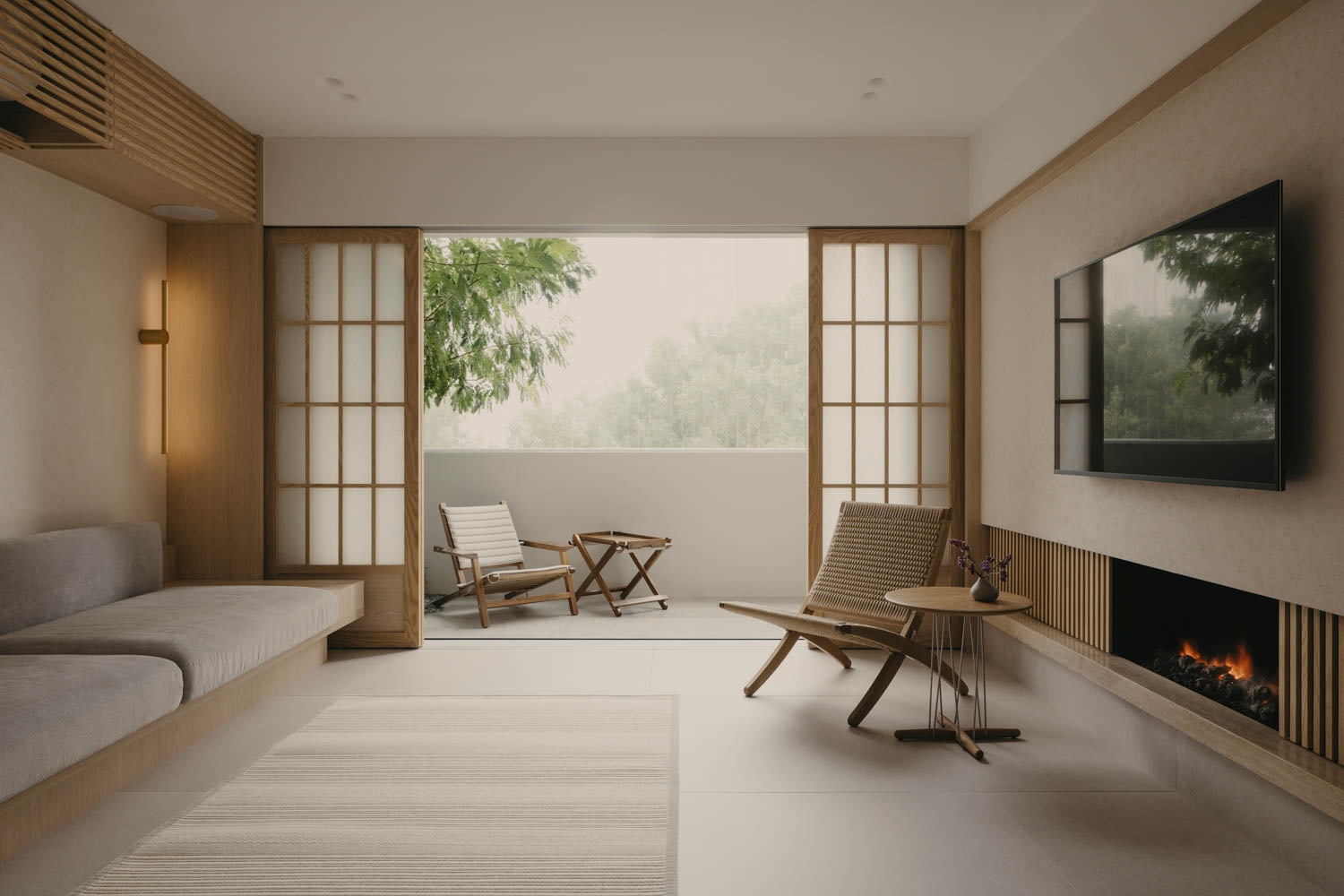
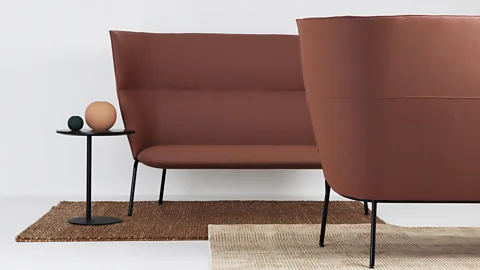
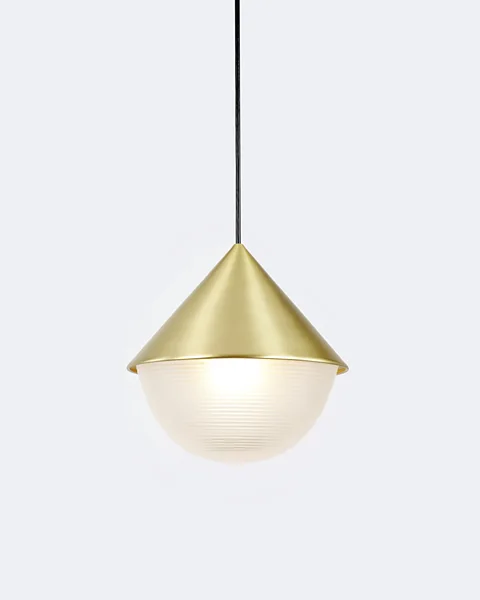
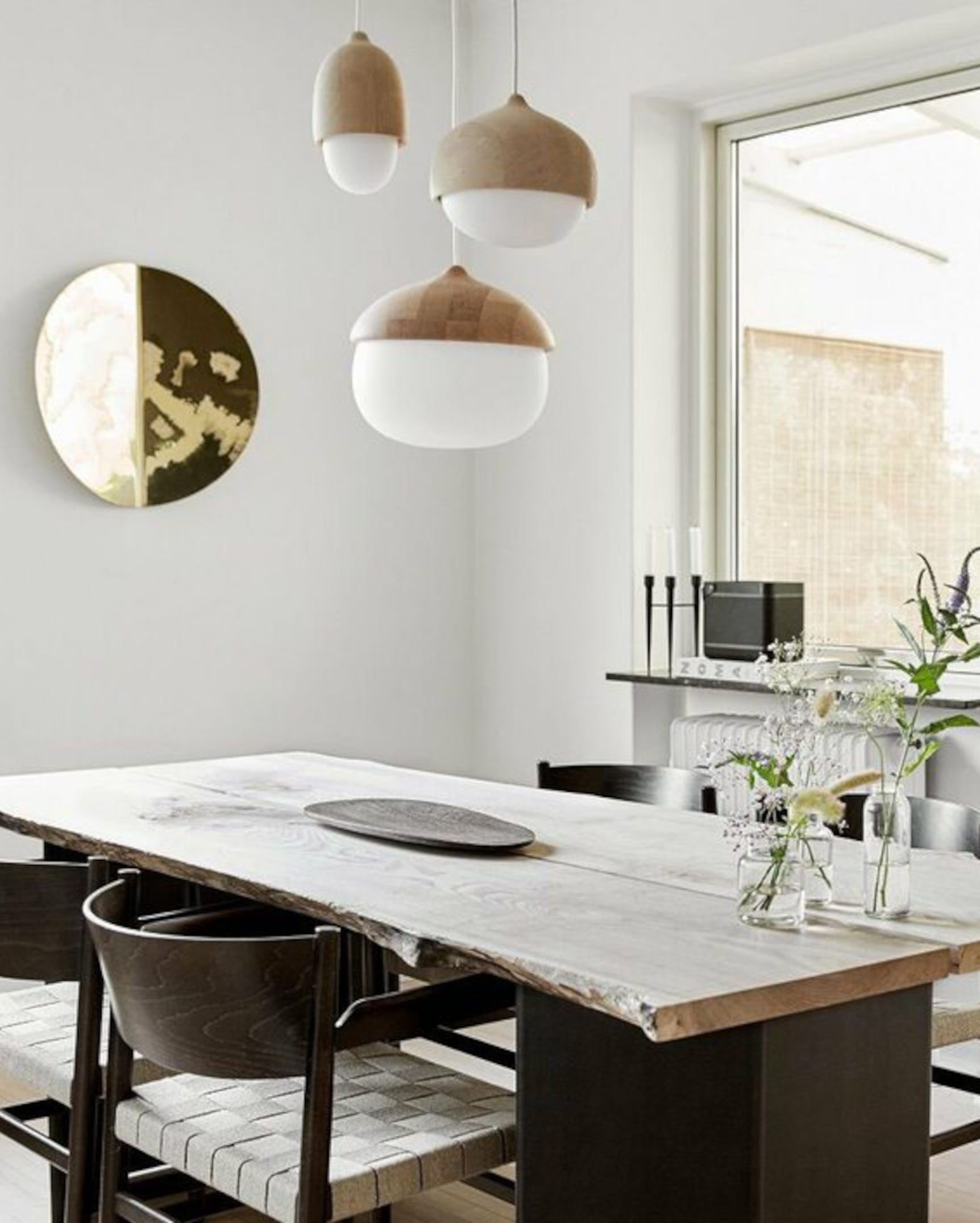
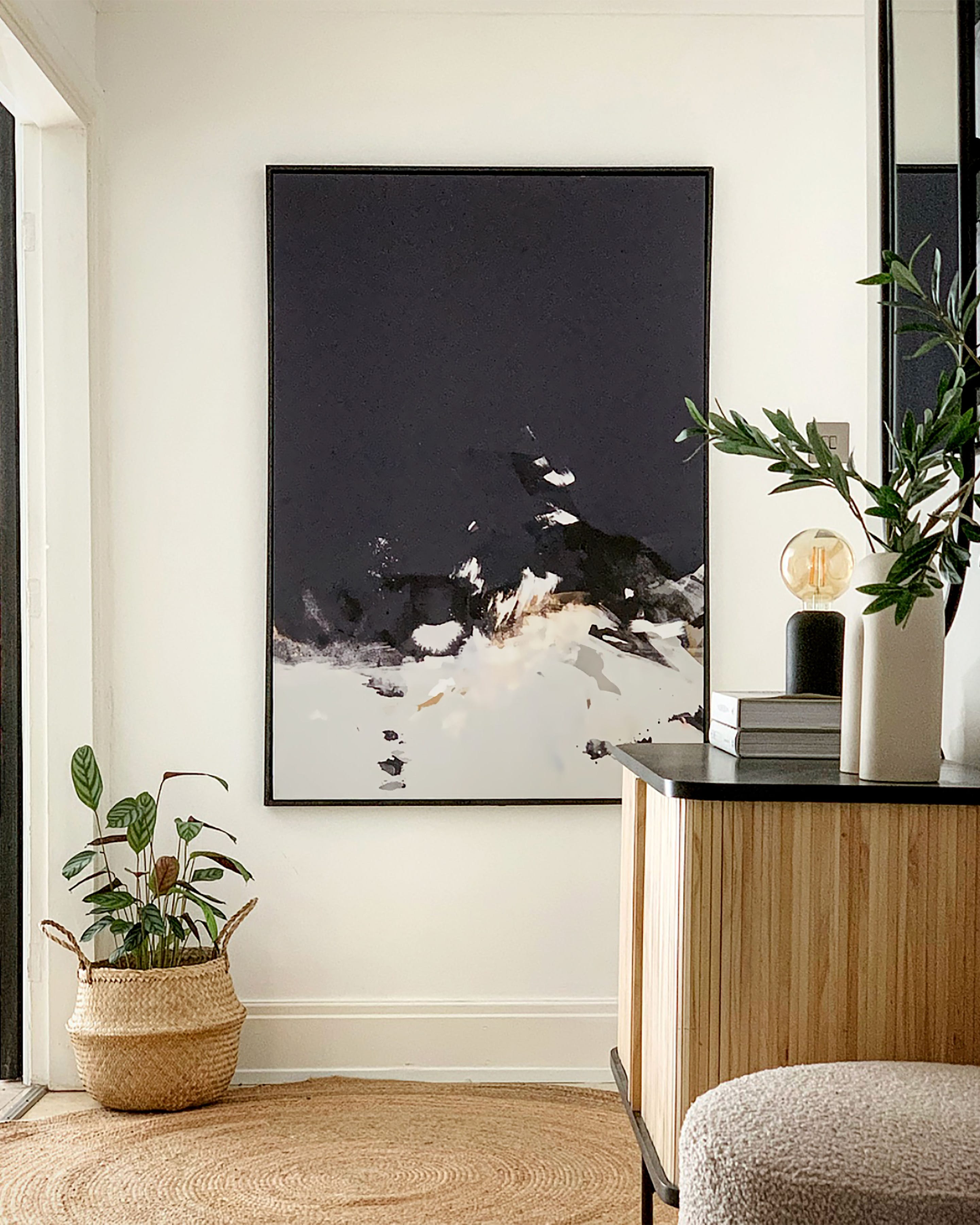
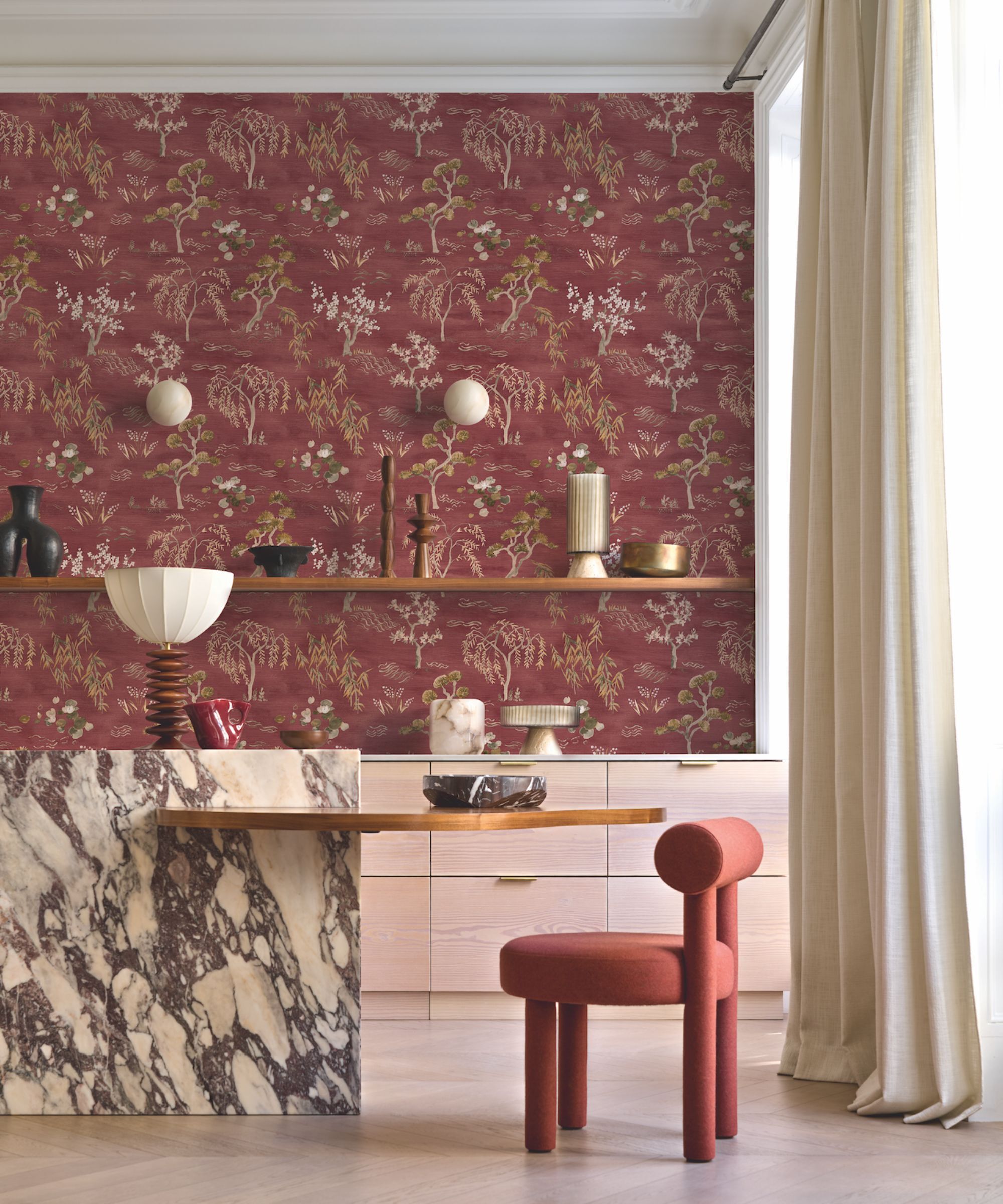
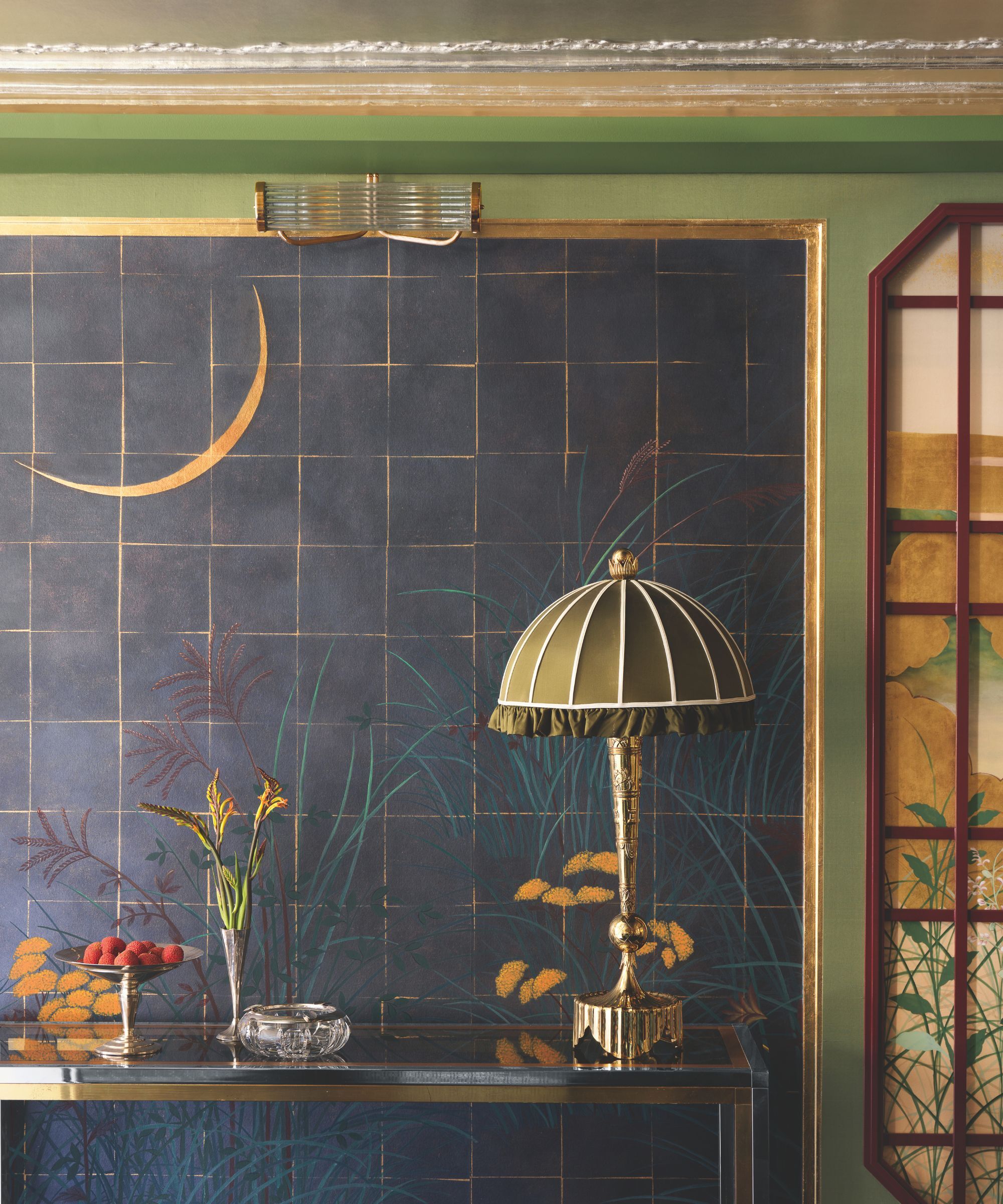
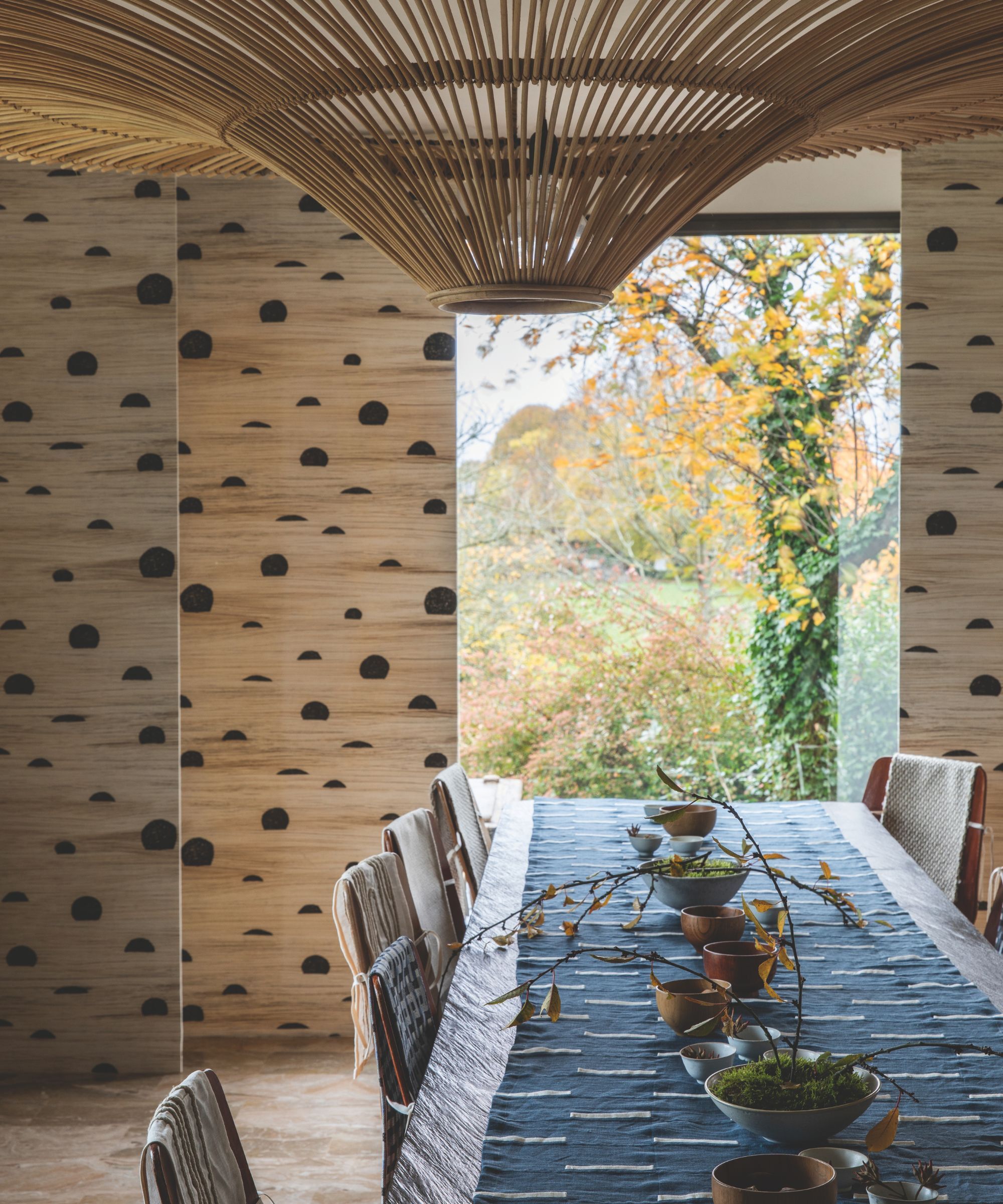
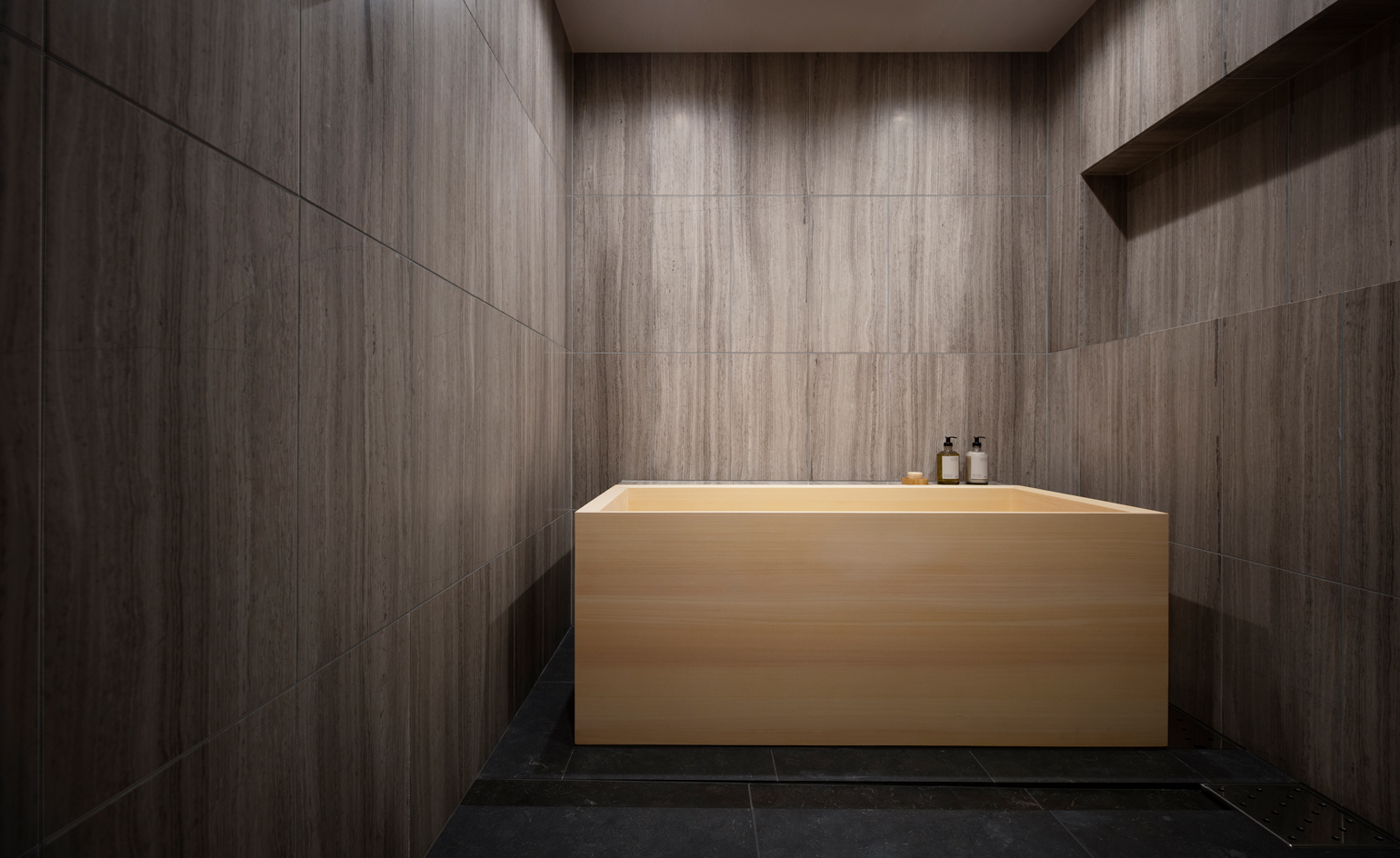
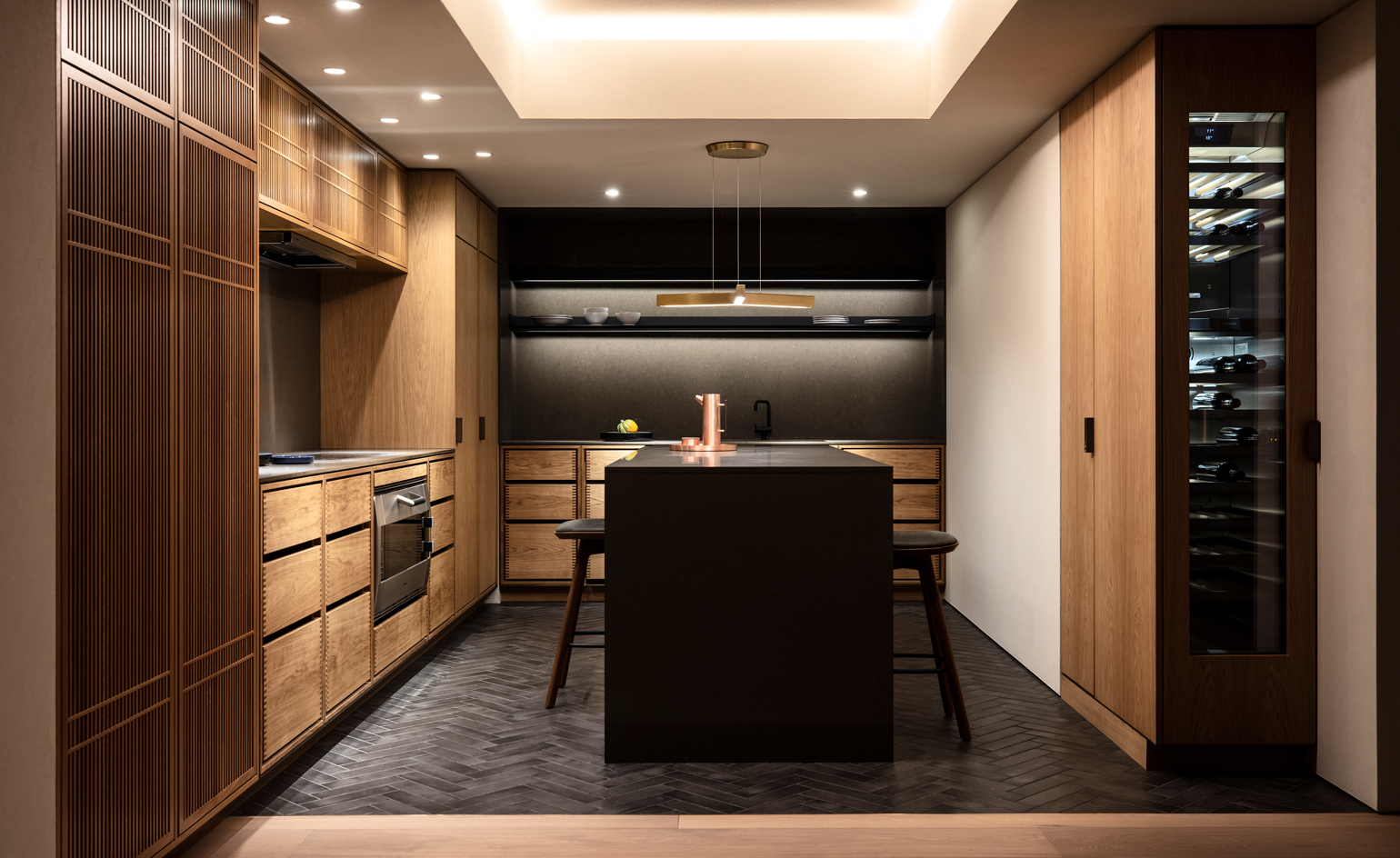
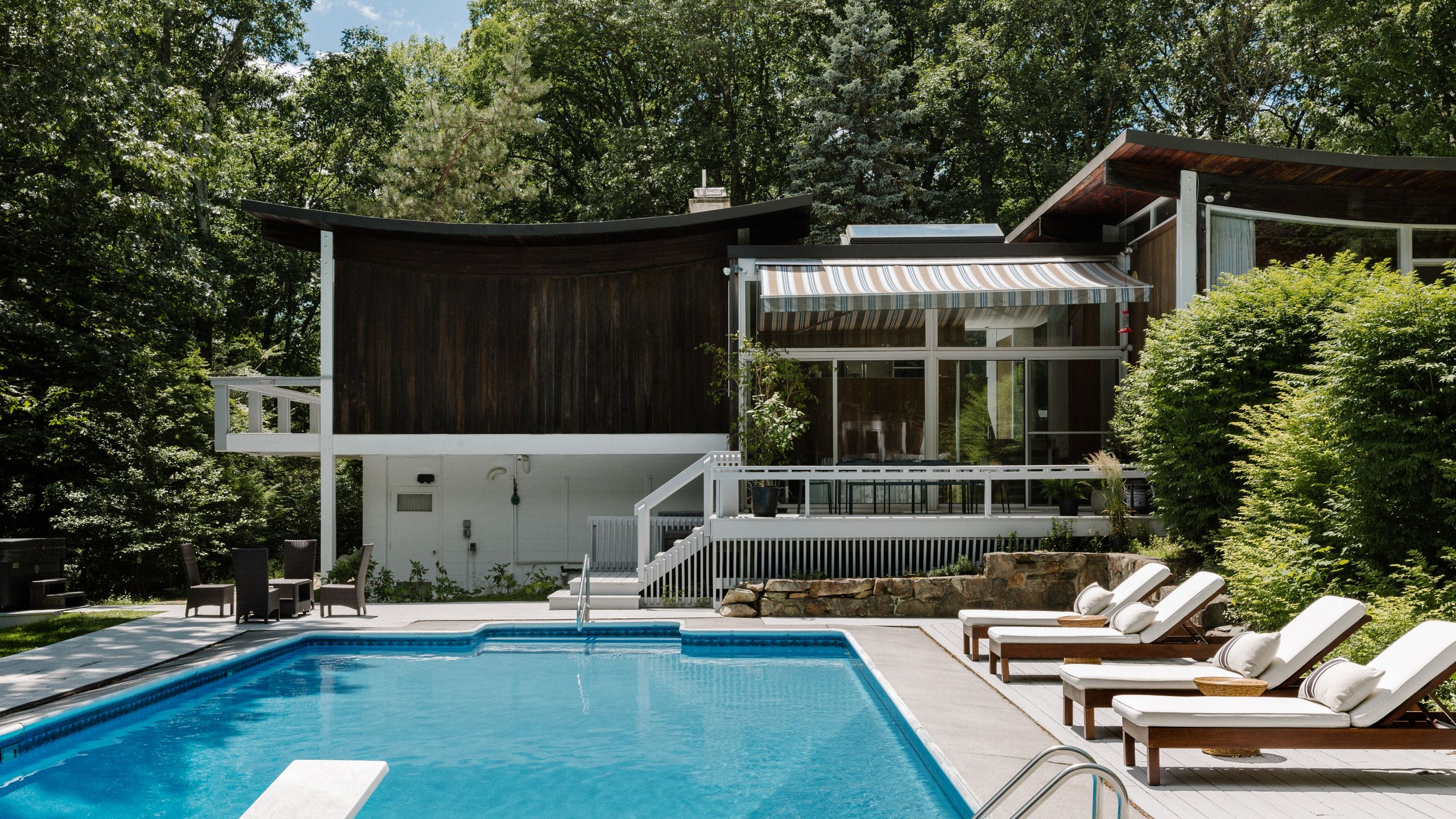
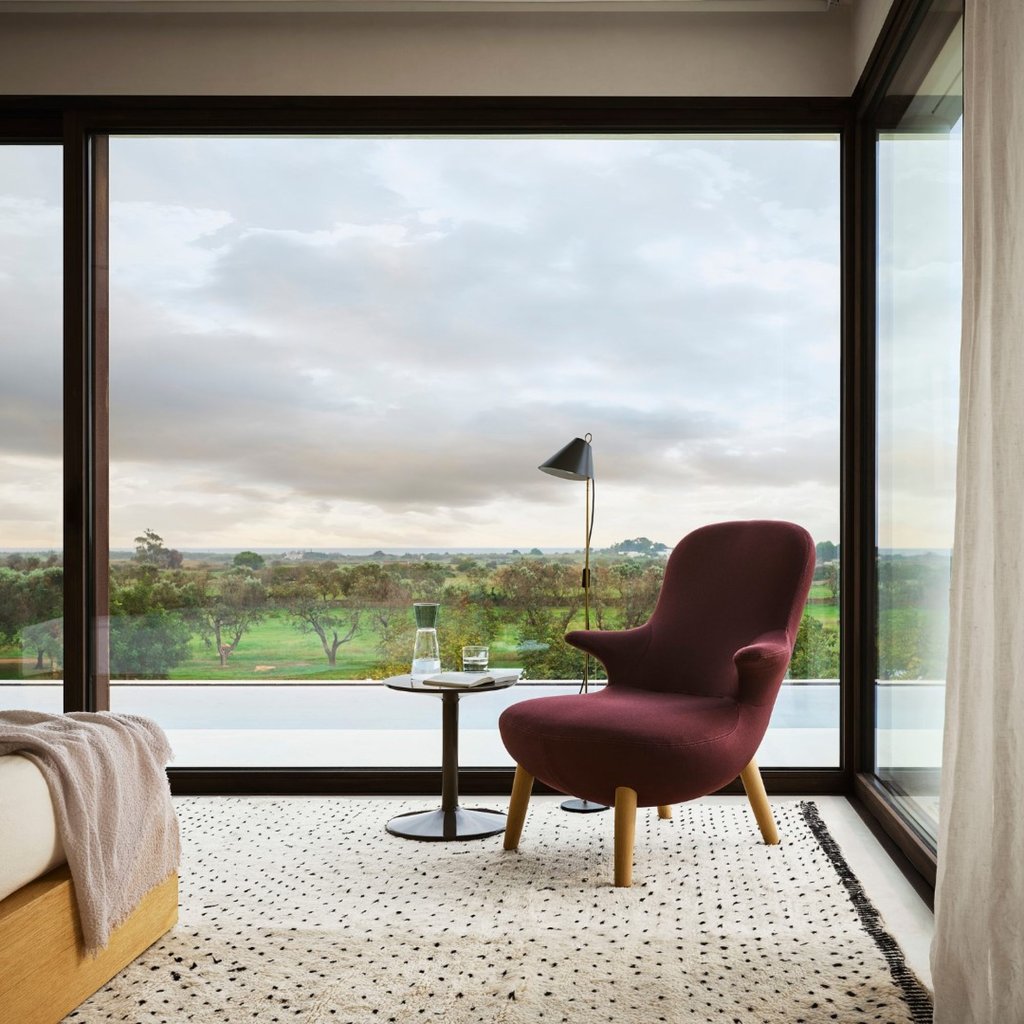
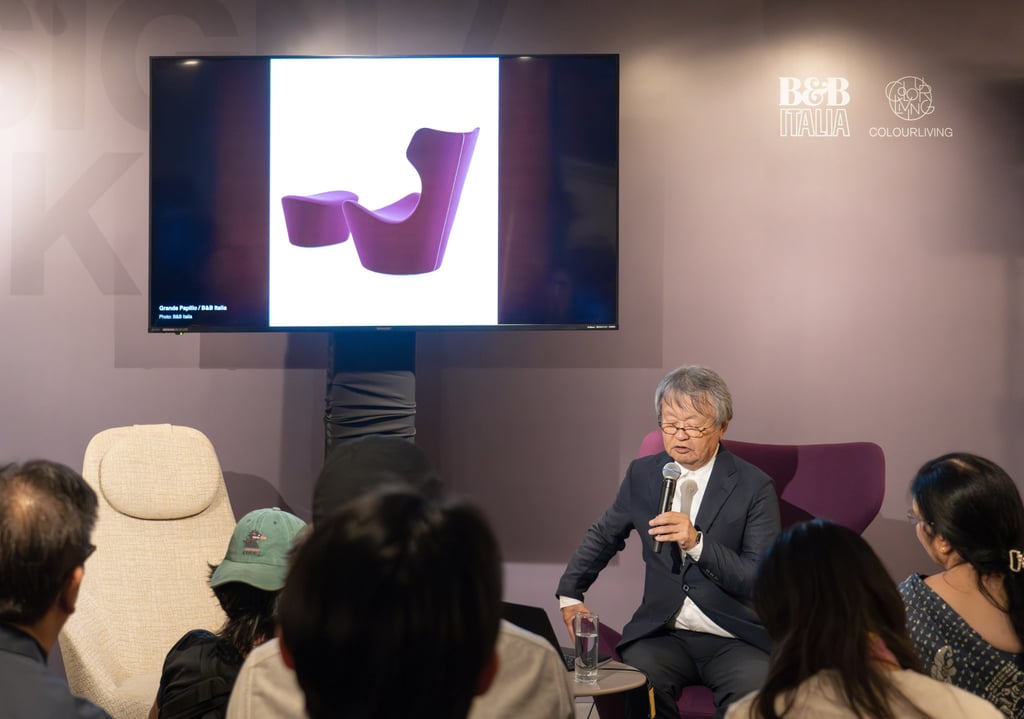
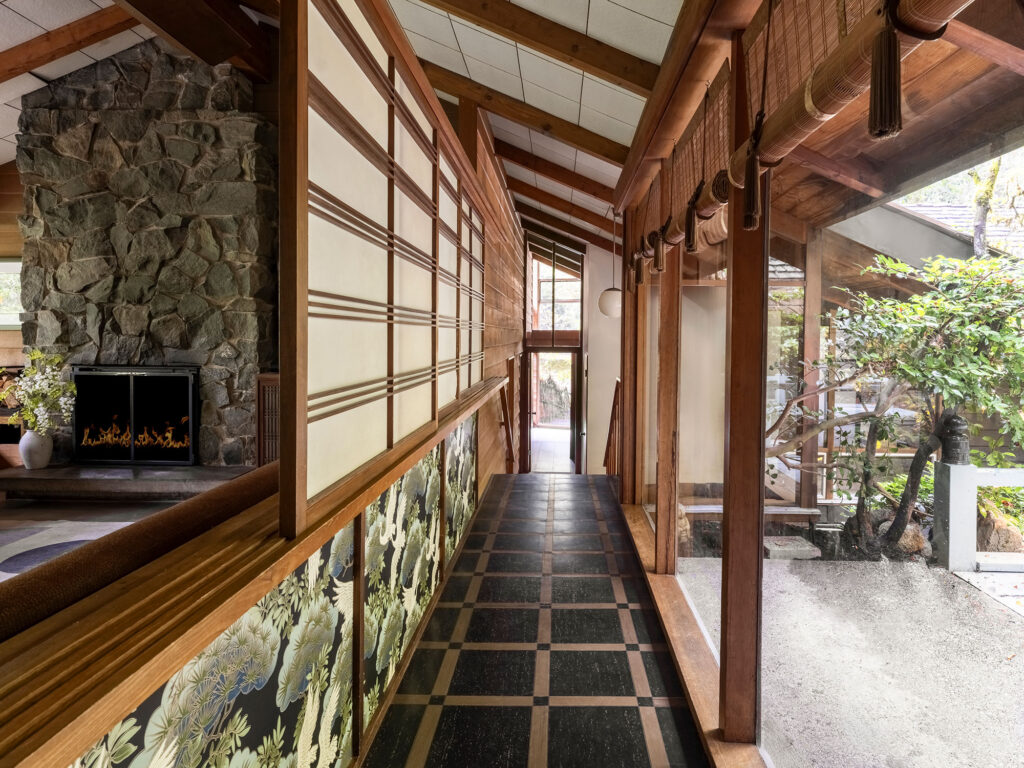
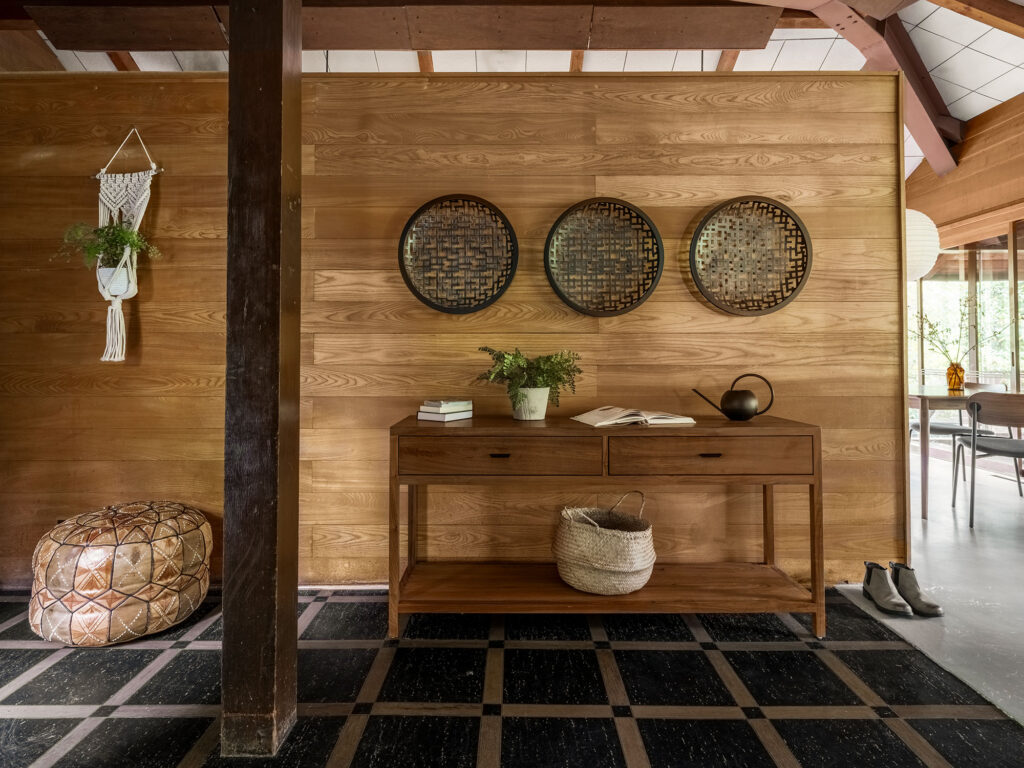
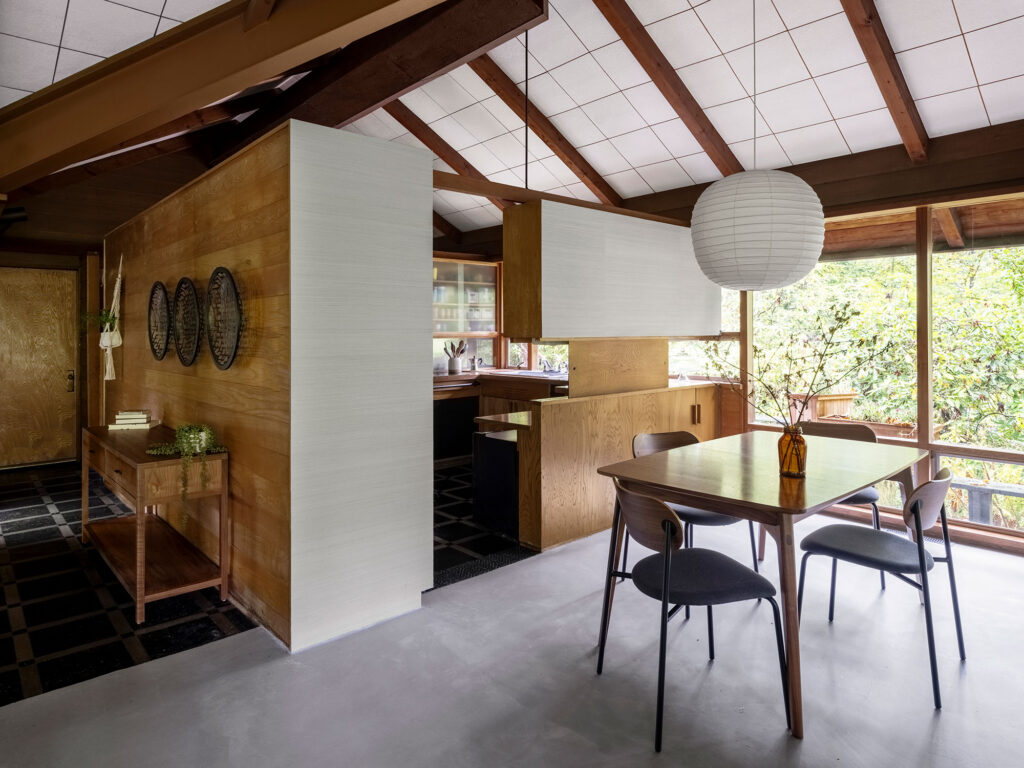
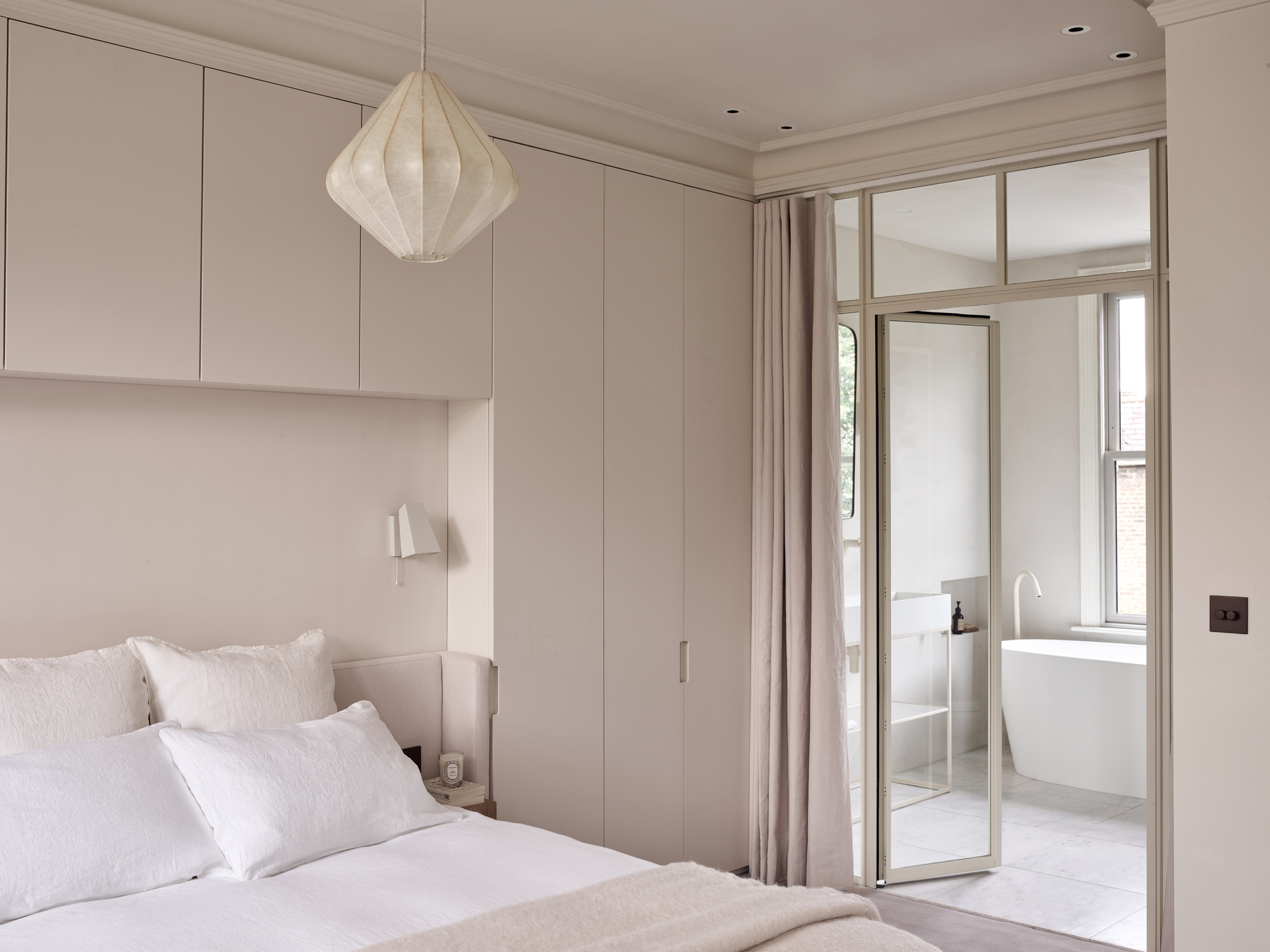
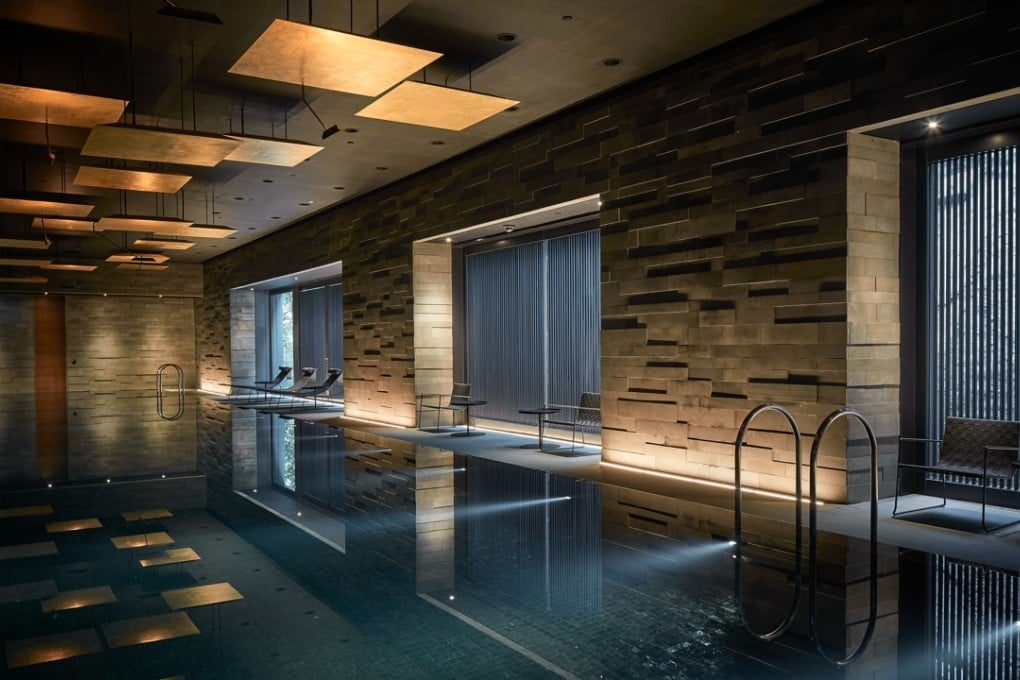
The article explores the fascinating relationship between Japanese and Nordic design aesthetics, highlighting their shared principles of simplicity, craftsmanship, and the use of premium materials. It delves into why these design philosophies, despite originating from vastly different cultural landscapes, have converged and are gaining significant popularity in Hong Kong. The discussion begins with the observations of Japanese interior designer Koichiro Ikebuchi, who, despite basing his studio in Singapore, maintains a deep connection to his Japanese heritage. Ikebuchi's work, characterized by clean lines, minimalist furniture, and natural materials, exemplifies the Japanese design ethos. An example of his influence is the swimming pool in the Pavilia Hill residential development in Tin Hau, Hong Kong, which was inspired by traditional Japanese onsen.
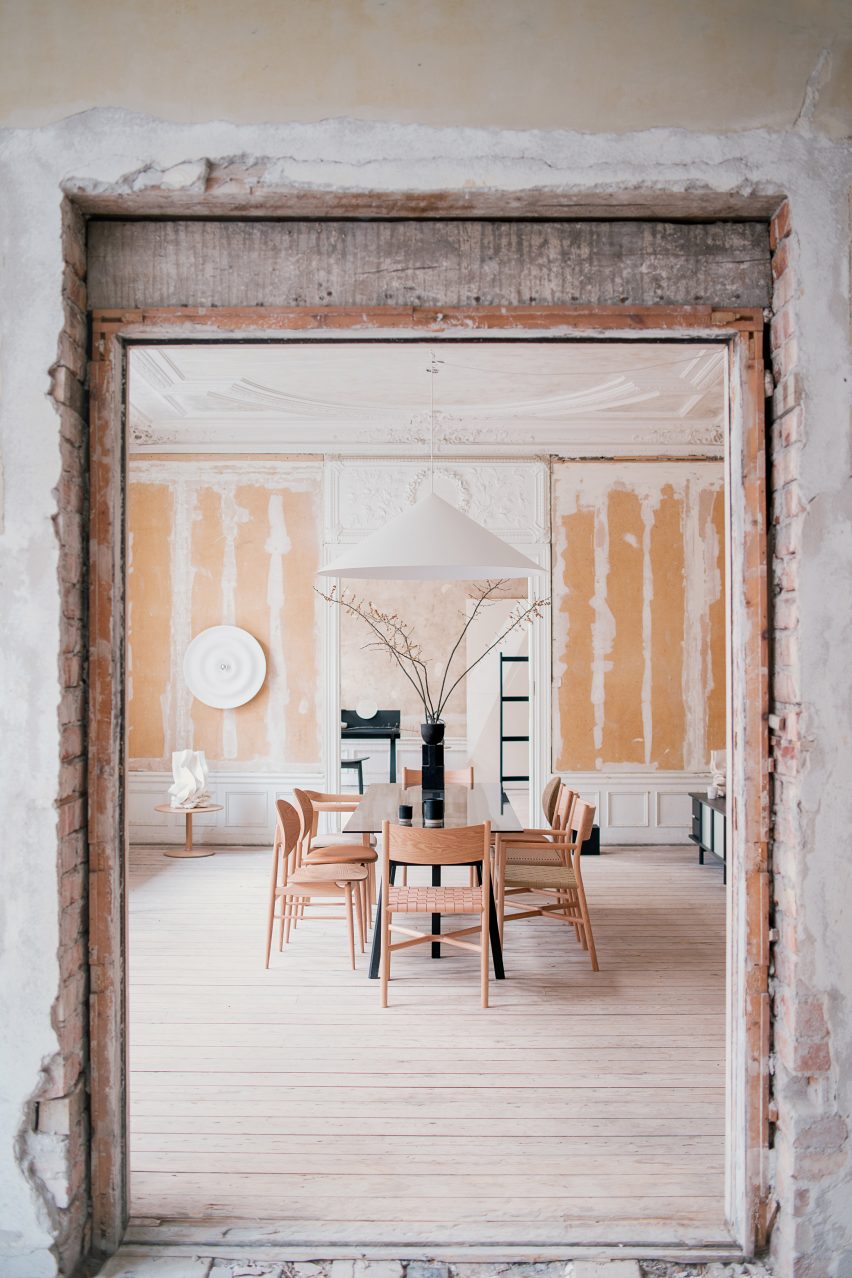
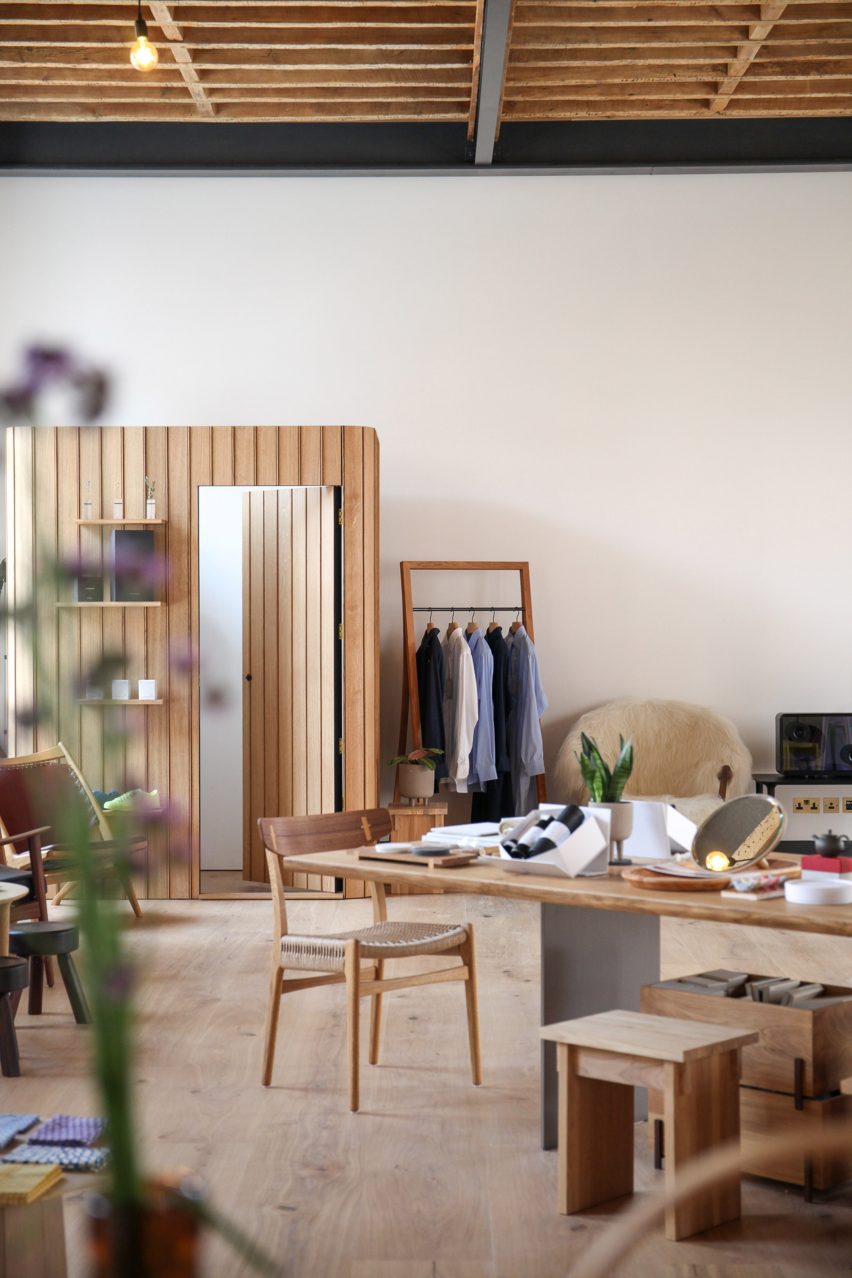
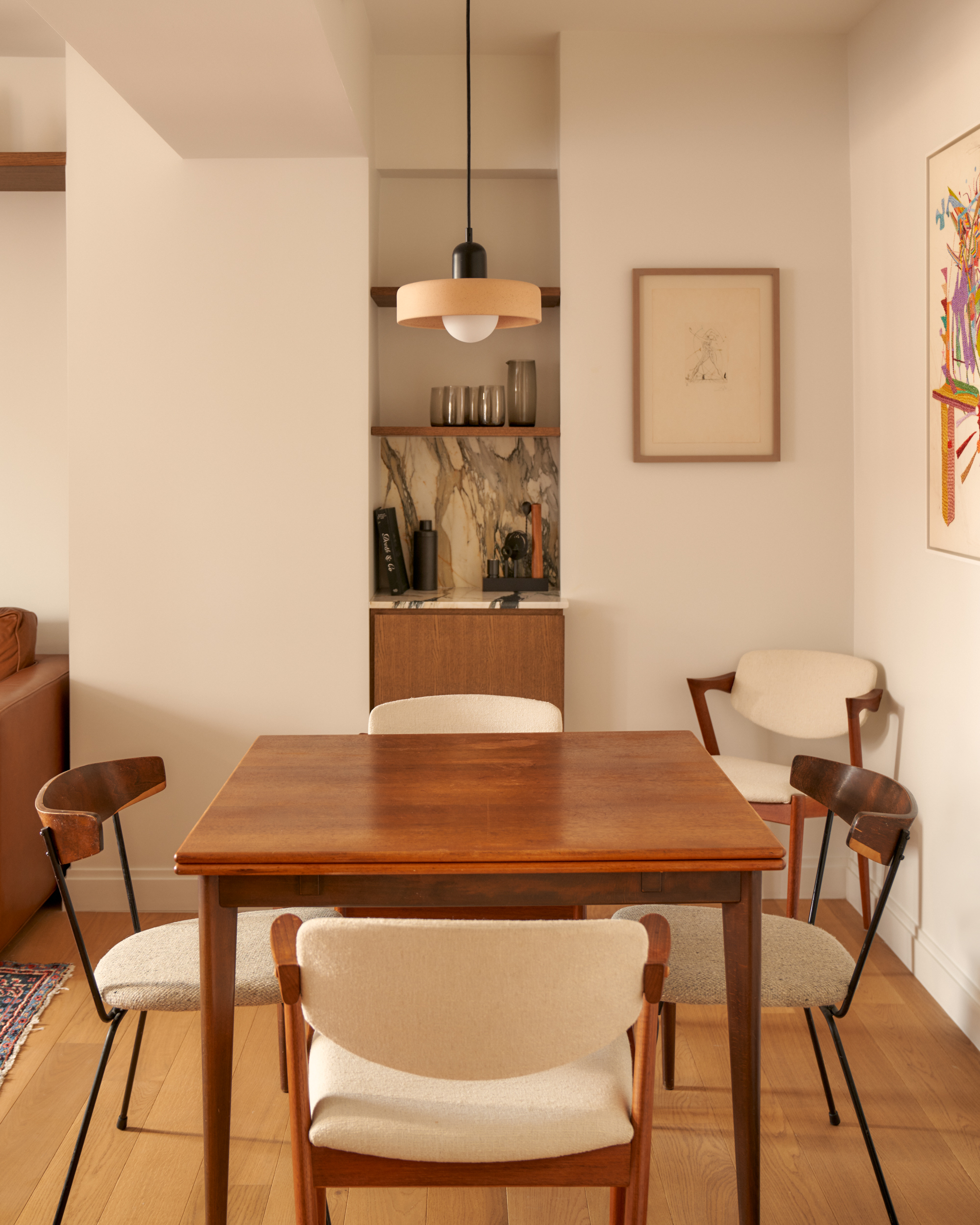
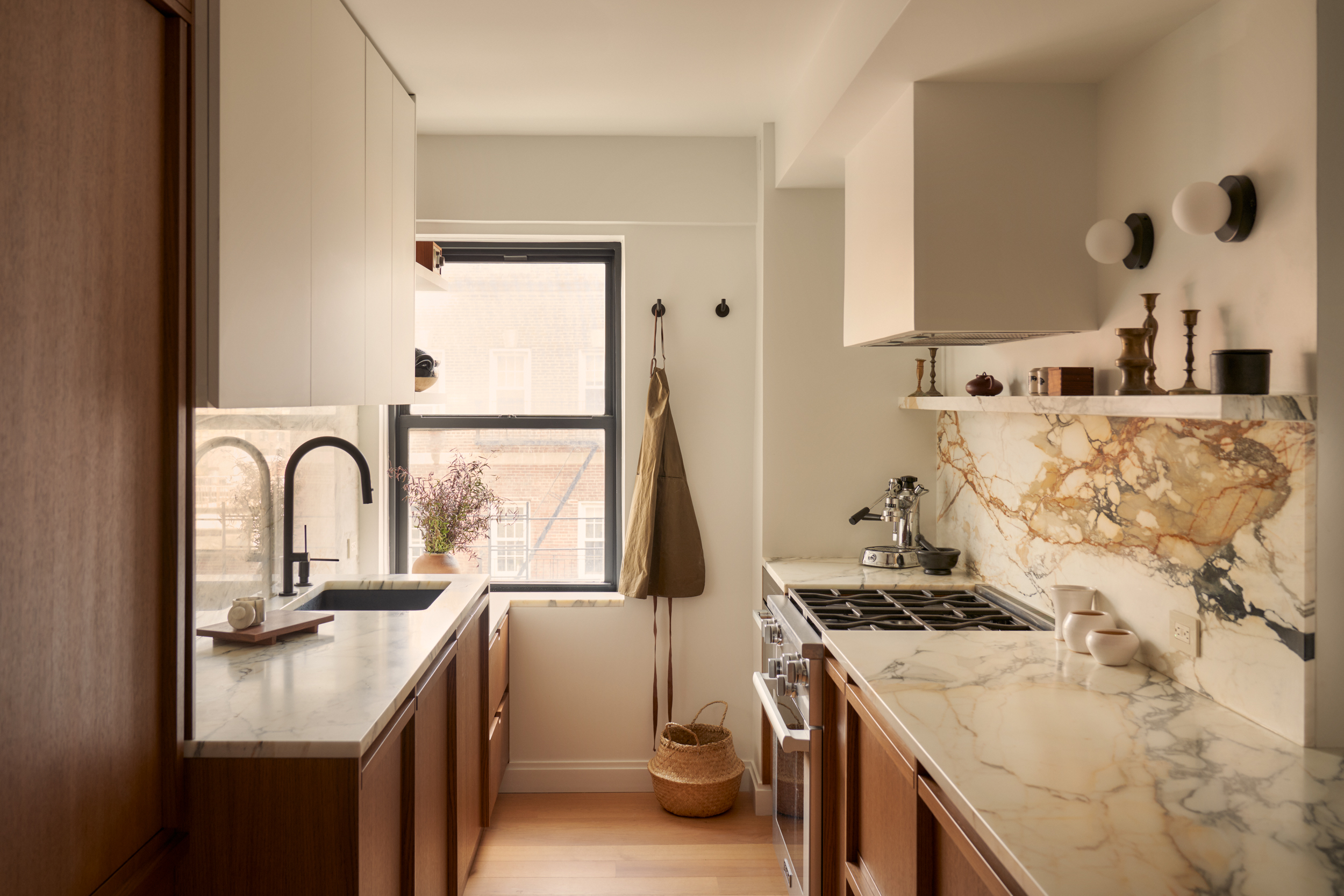
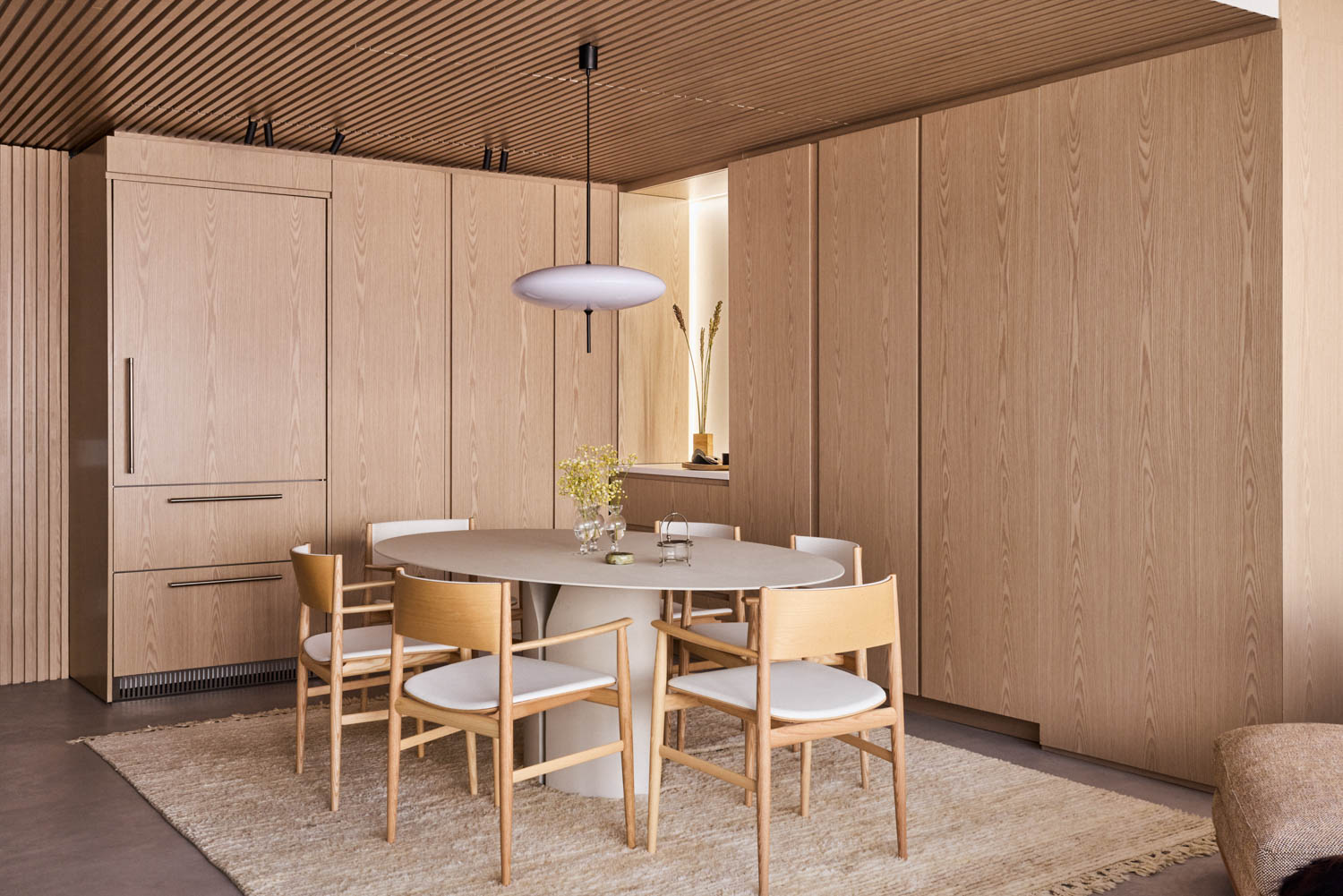
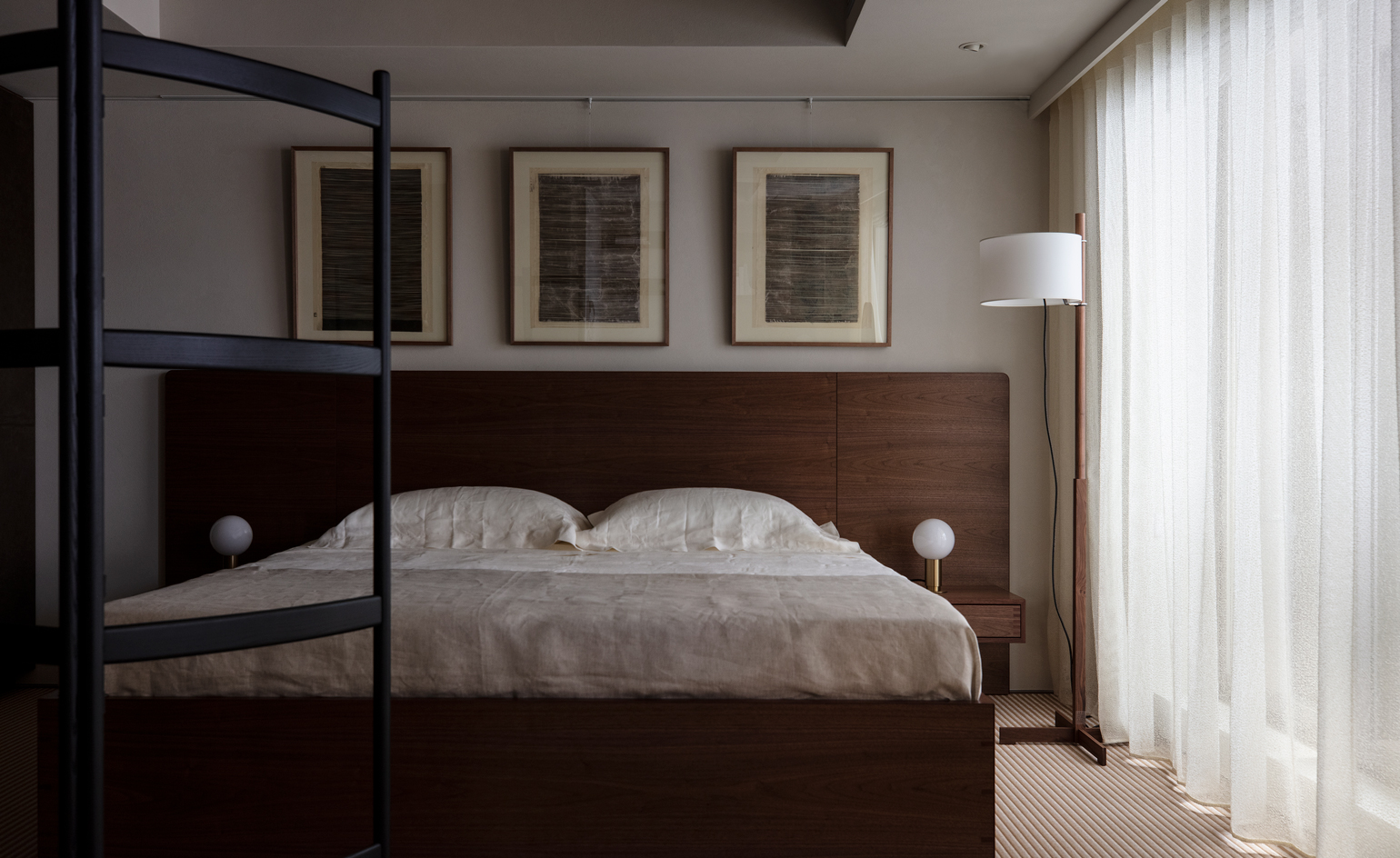
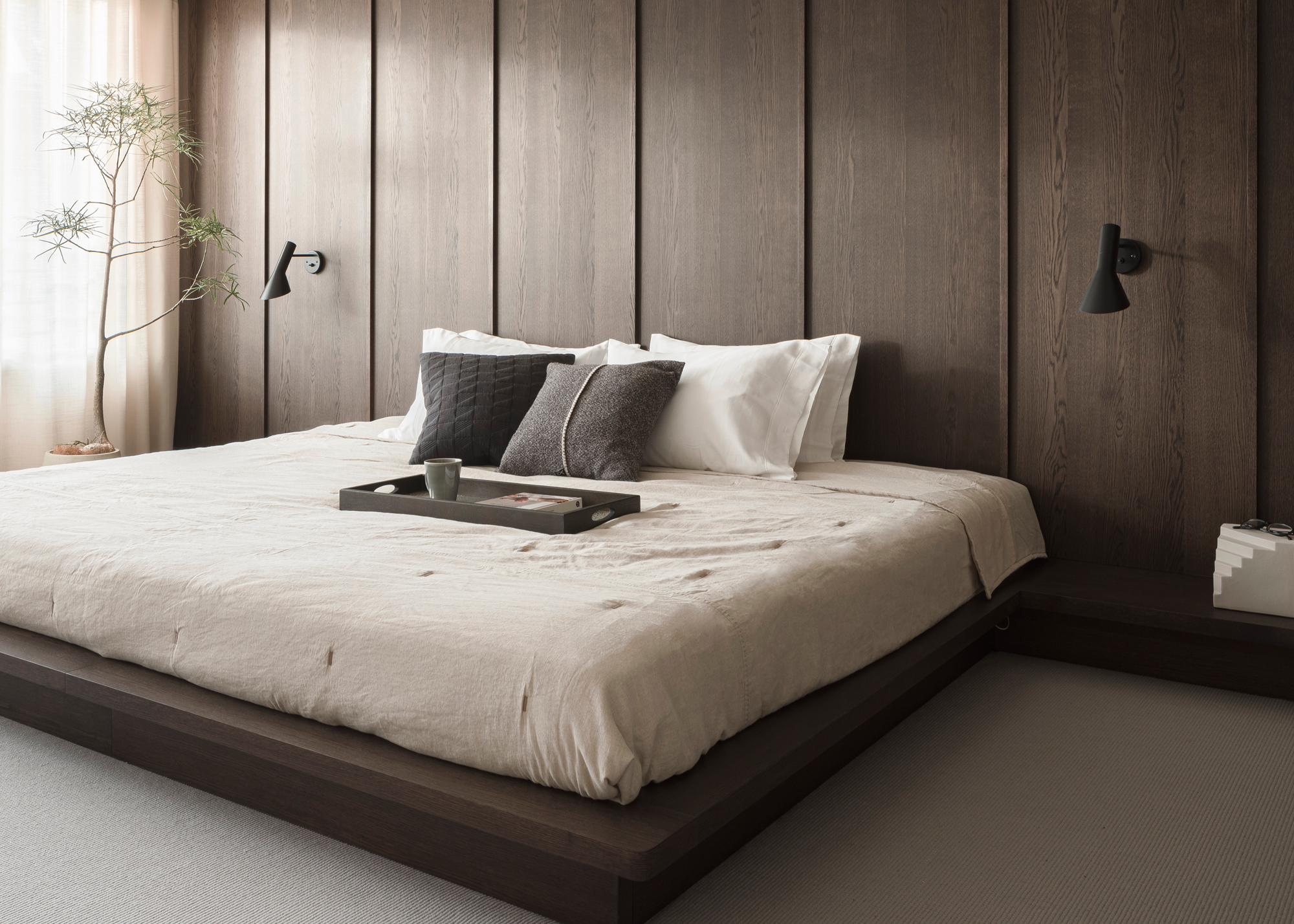
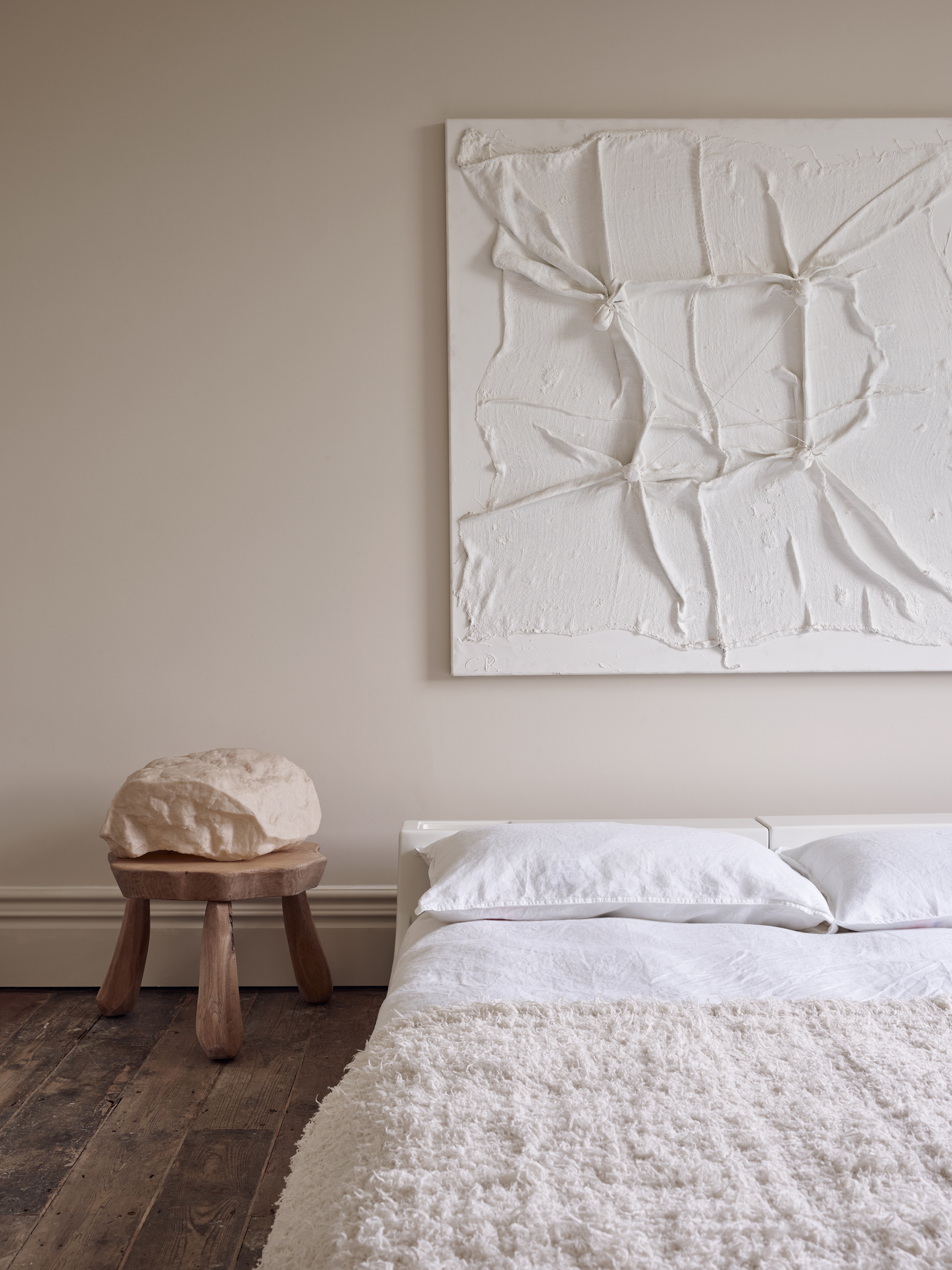

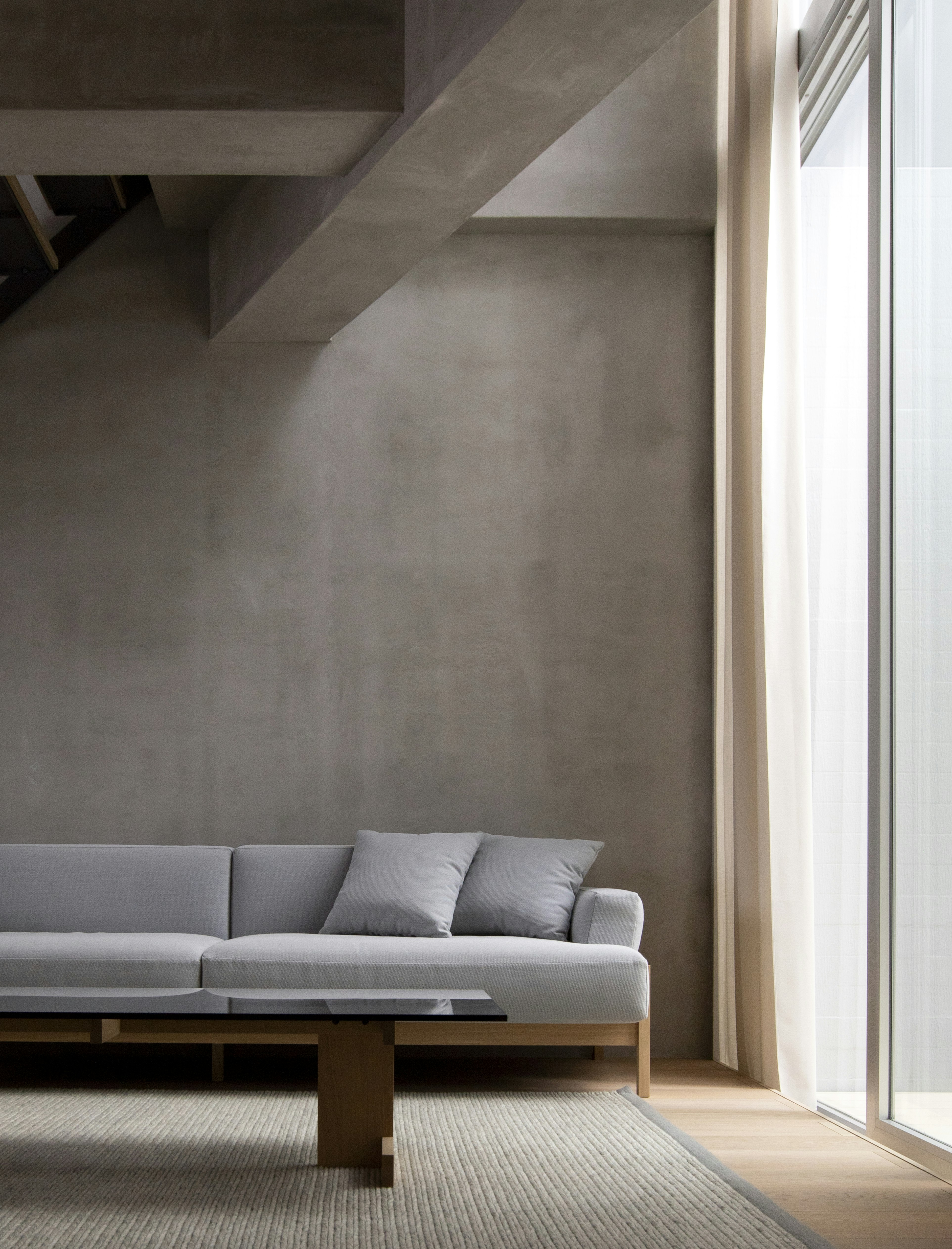
Ikebuchi himself notes the striking similarities between Japanese and Scandinavian interiors, confessing that he sees no obvious differences between them. He points out that both design traditions prioritize attention to detail, a pursuit of simplicity, an appreciation for crude beauty over overt ornamentation, and a strong affinity for artisanal craftsmanship. This raises the question of how such similar aesthetics developed independently in Japan and the Nordic countries, and what contributes to their growing appeal in a global city like Hong Kong.
The article traces some of the historical interconnections that have fostered this shared design language. It references an exhibition at Copenhagen’s Designmuseum Danmark titled 'Learning From Japan,' which meticulously documents the profound influence Japan has exerted on Danish design since 1870. This exhibition showcases various artifacts, including late 19th-century Danish pottery that incorporated Japanese glazing techniques. Another featured item is a tray designed by Snorre Stephenson in 1984, specifically for serving Japanese meals, which seamlessly blends into a traditional Japanese inn setting. These examples underscore the long-standing cross-pollination of ideas and techniques between the two regions.
The article suggests that the appeal of these design styles in Hong Kong could be attributed to several factors, including their inherent simplicity and functionality. While both Japanese and Nordic designs share a core aesthetic, the article hints that Japanese designs might have a particular advantage in Hong Kong due to their often smaller scale, which is well-suited to the city's compact living spaces. The emphasis on natural materials and meticulous craftsmanship resonates with a growing desire for quality and authenticity in contemporary interiors. The article implicitly suggests that the shared values of these design traditions—durability, timelessness, and a connection to nature—contribute to their enduring popularity across different cultural contexts.
#JapaneseDesign #NordicDesign #AestheticInfluence #InteriorDesign #HongKongInteriors #MinimalistDesign #Craftsmanship #GlobalDesignTrends #JapaneseDesign #NordicDesign #AestheticInfluence #InteriorDesign #HongKongInteriors #MinimalistDesign #Craftsmanship #GlobalDesignTrends
共0条评论
 暂无评论
暂无评论你可能还喜欢
Seven "Japandi" interiors that blend Japanese and Scandinavian design
The quirky charm of Norwegian design
Scandinavian design meets Japanese heritage in OEO Studio’s Tokyo apartment

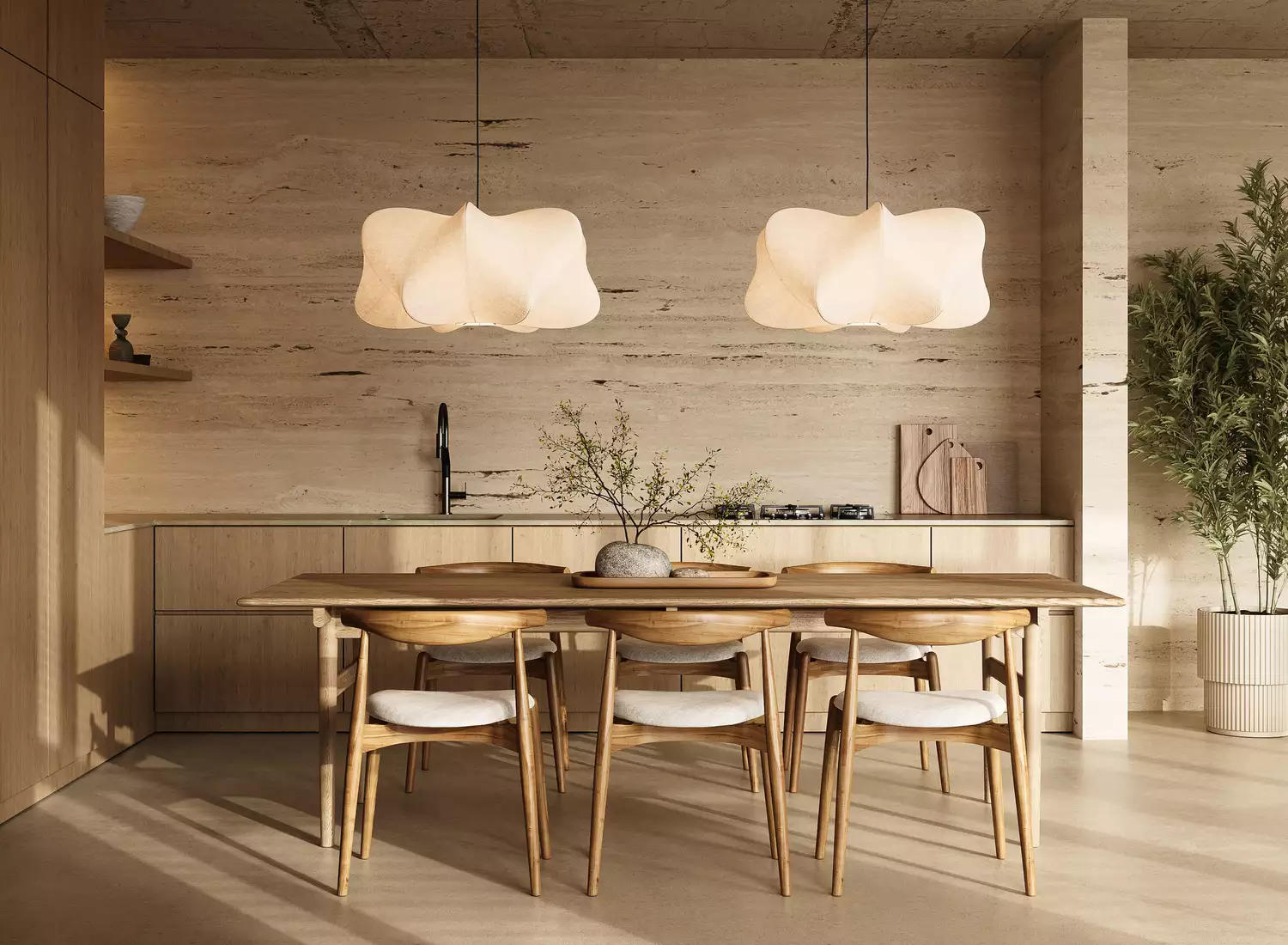
What Is Japandi Style? Interior Designers Explain the Cozy, Minimalist Aesthetic


The Insider: Japanese, Scandinavian Design Influence Gut Reno of Heights Prewar
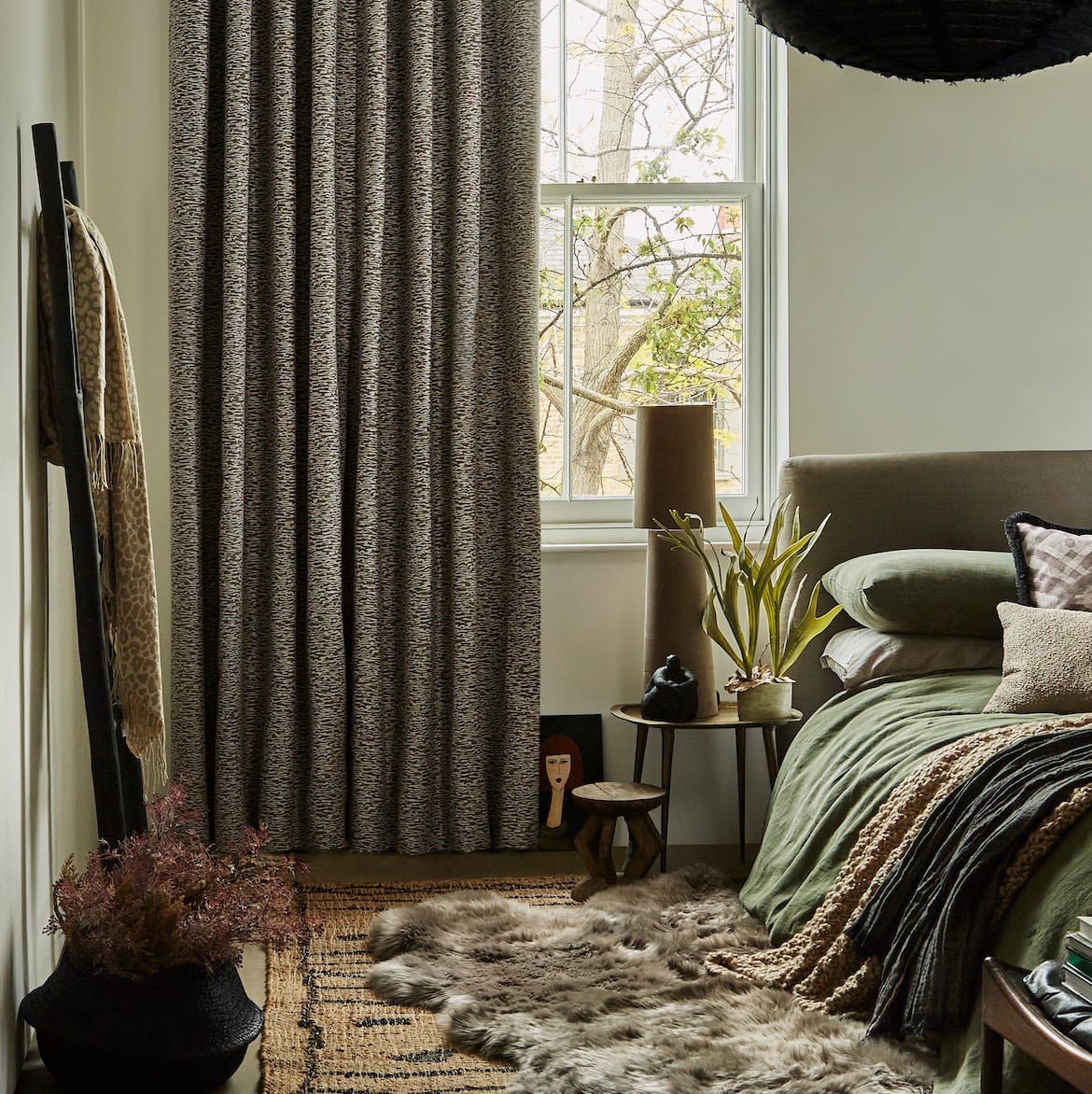
Revealed: the countries inspiring interior design trends the most

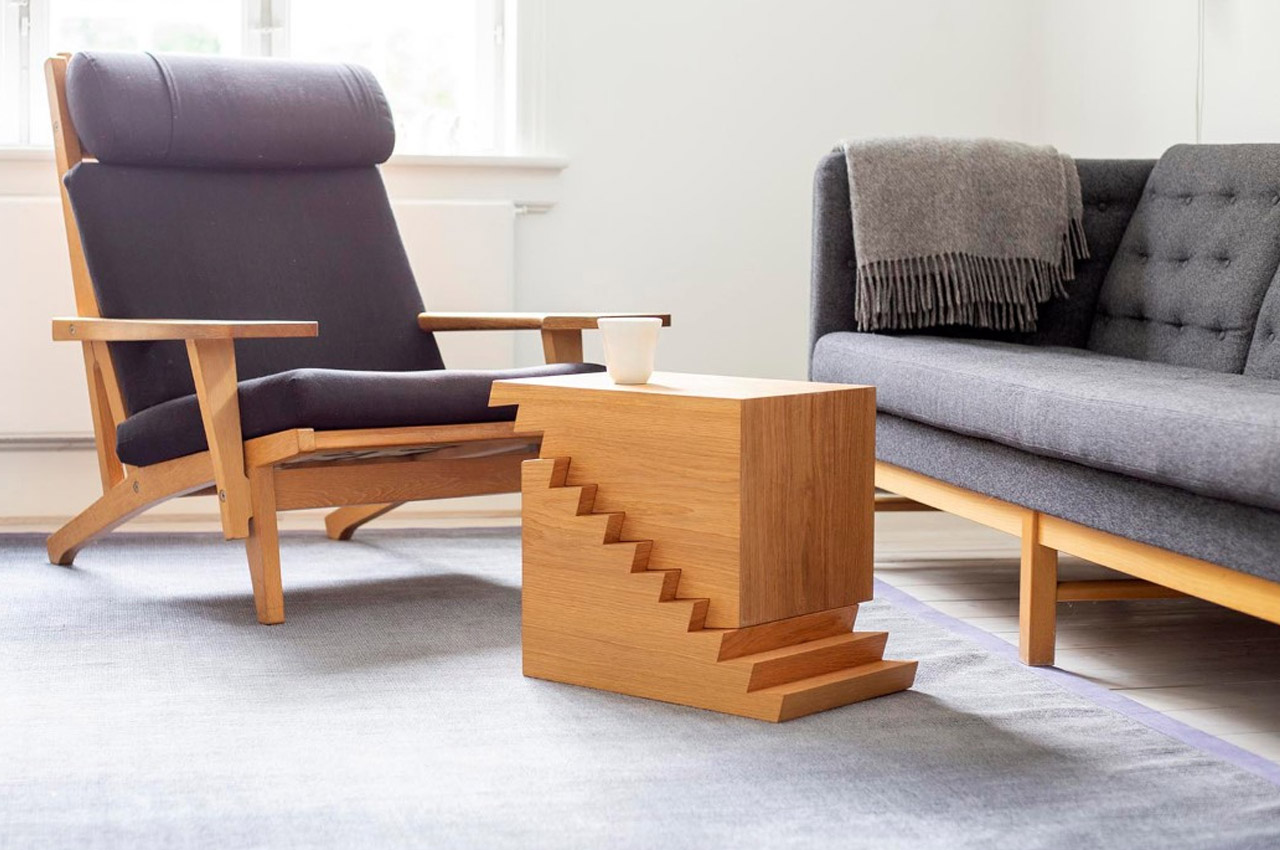
Wooden Furniture designed with Japandi aesthetics to incorporate zen-like minimalism into your home!

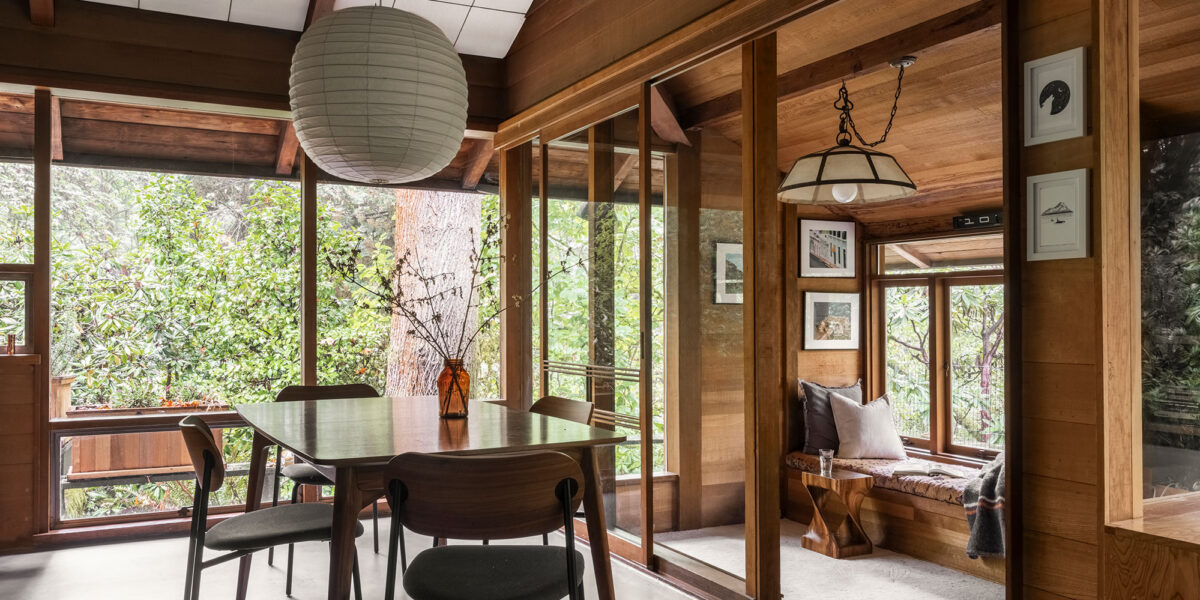
A 1950s Mid-Century Modern Home with Japanese Influences Stays True to Its Roots
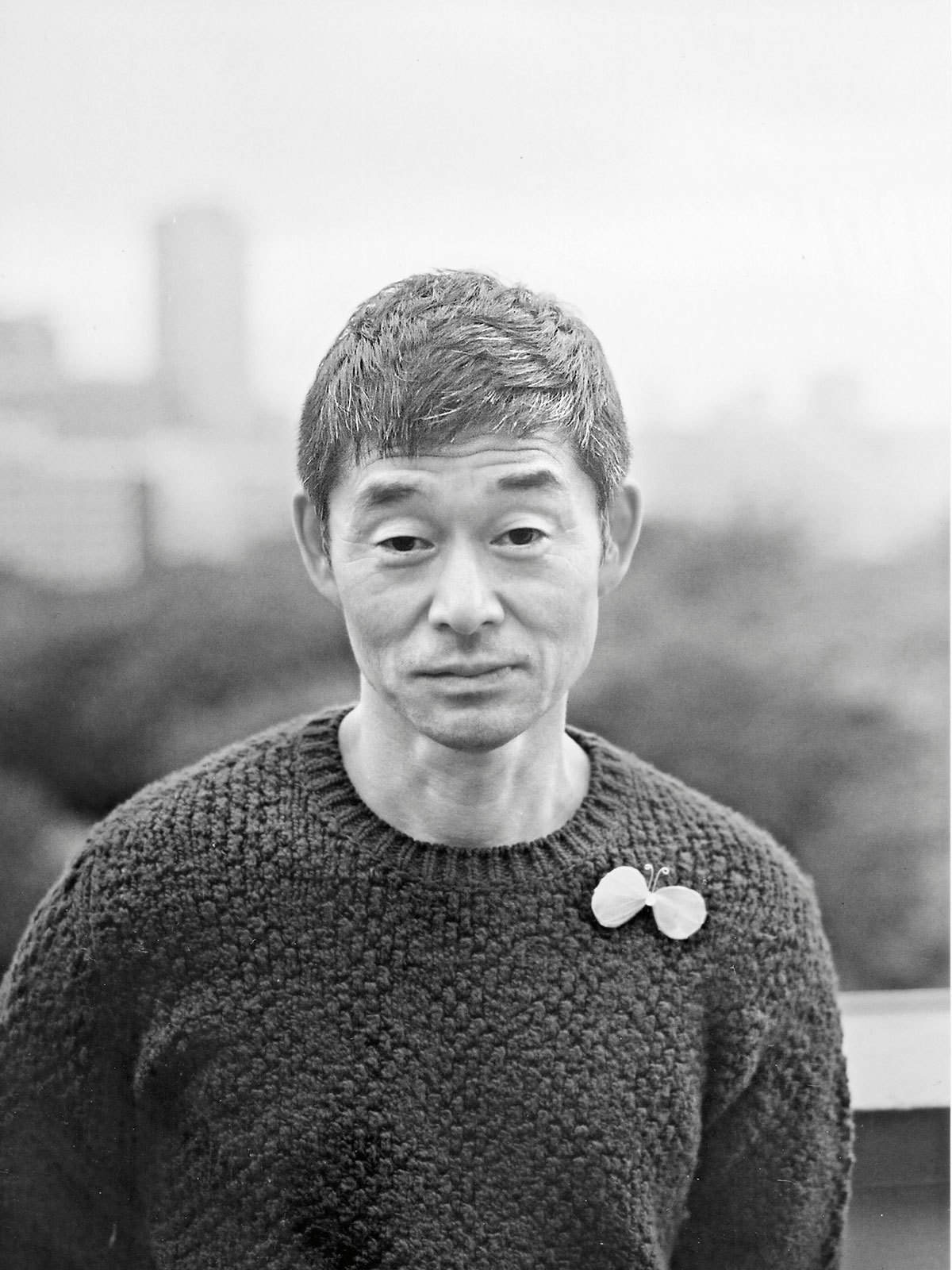
Akira Minagawa’s Japanese-Nordic Style Spans Fashion to Fabrics

Scandinavian and Japanese interior designs come together to prove Japandi is not just a passing trend!

Tour 5 Japanese-Inspired Modern Homes That Embody Contemporary Elegance

8 Japandi Bedrooms I Dream of Sleeping In — Minimalist and Cozy, They've Got to Be the Most Relaxing Spaces

All About Japandi Design, a Mix of Japanese and Scandinavian Design

Ten furniture and lighting designs by Japanese brands and designers
The 30 Most Popular Interior Design Styles in 2025, According to Designers

These Serene, Minimalist Apartments in Tokyo Are Filled With Light and Nature

Elevate Your Space With These Inspiring Japandi Interiors
The Rise of Japanese-Inspired Interiors: Why Calm, Craft, and Simplicity Are Redefining Modern Design

A conversation with design visionary Naoto Fukasawa

Can Middle East designers bring zen to spaces with Japanese aesthetics?