1/21
Here's What the American Home Looked Like the Year You Were Born
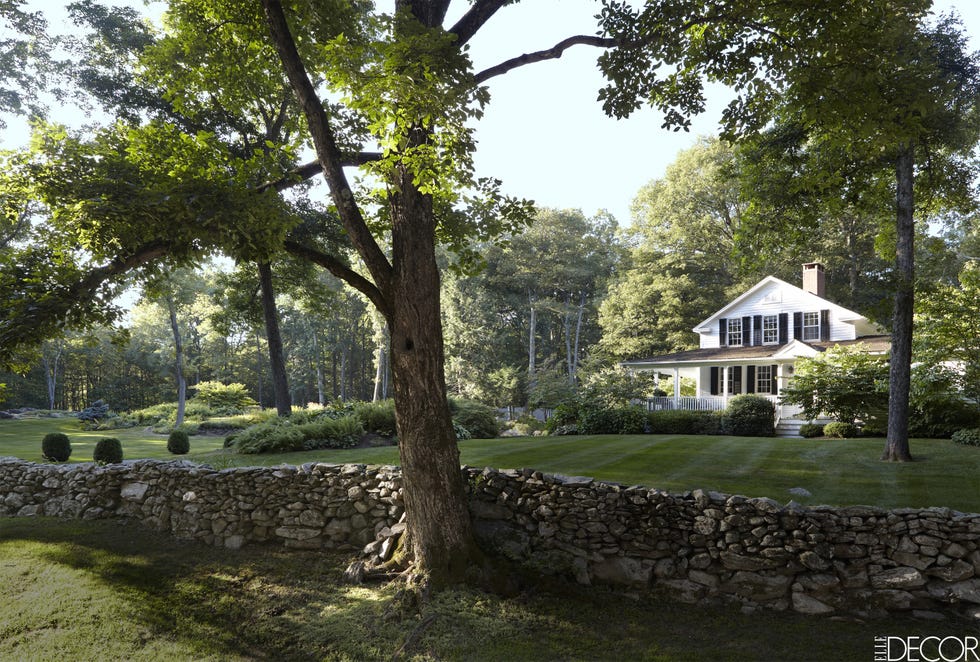
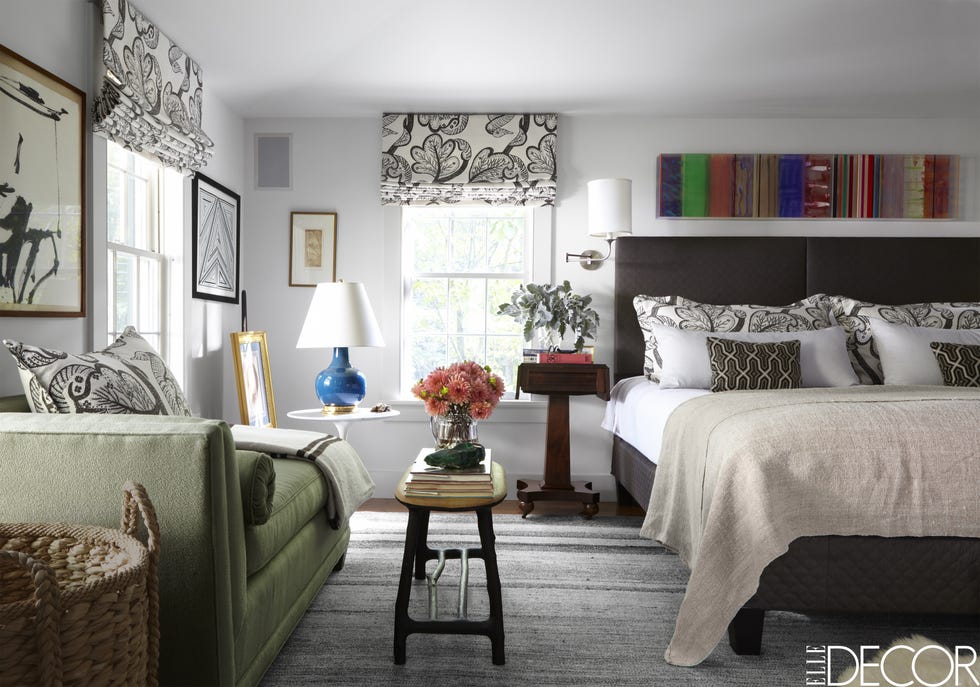
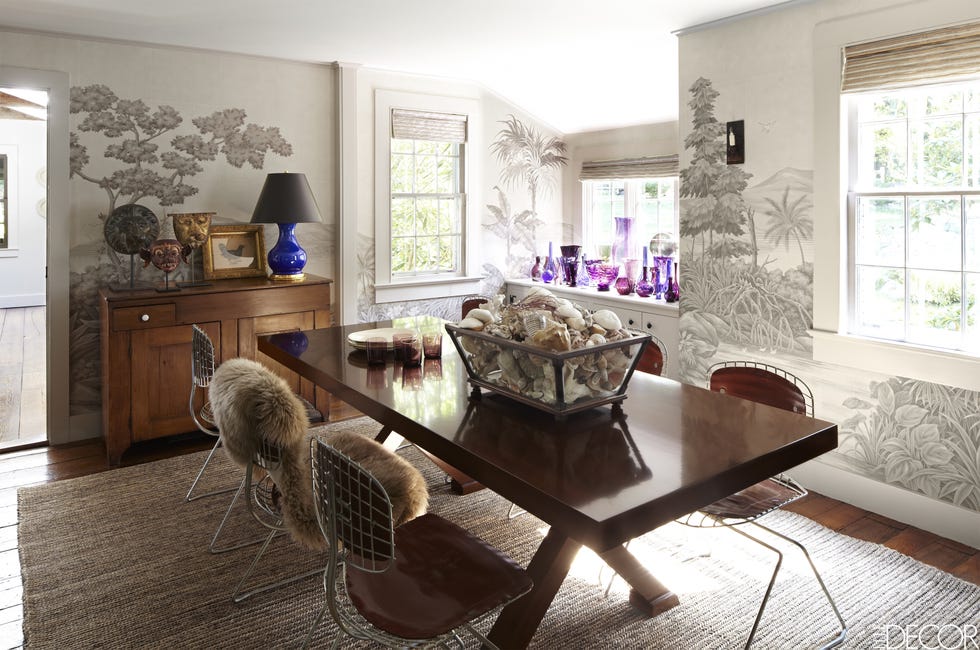
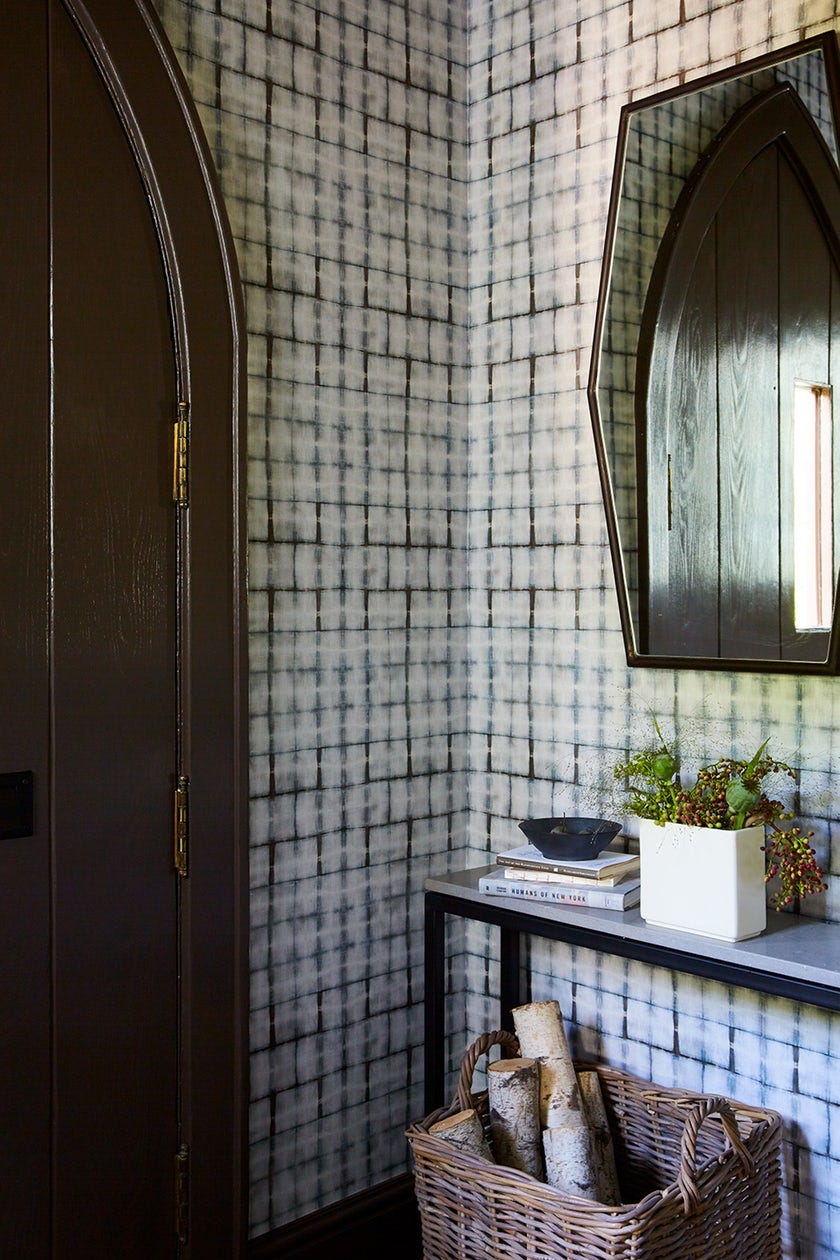
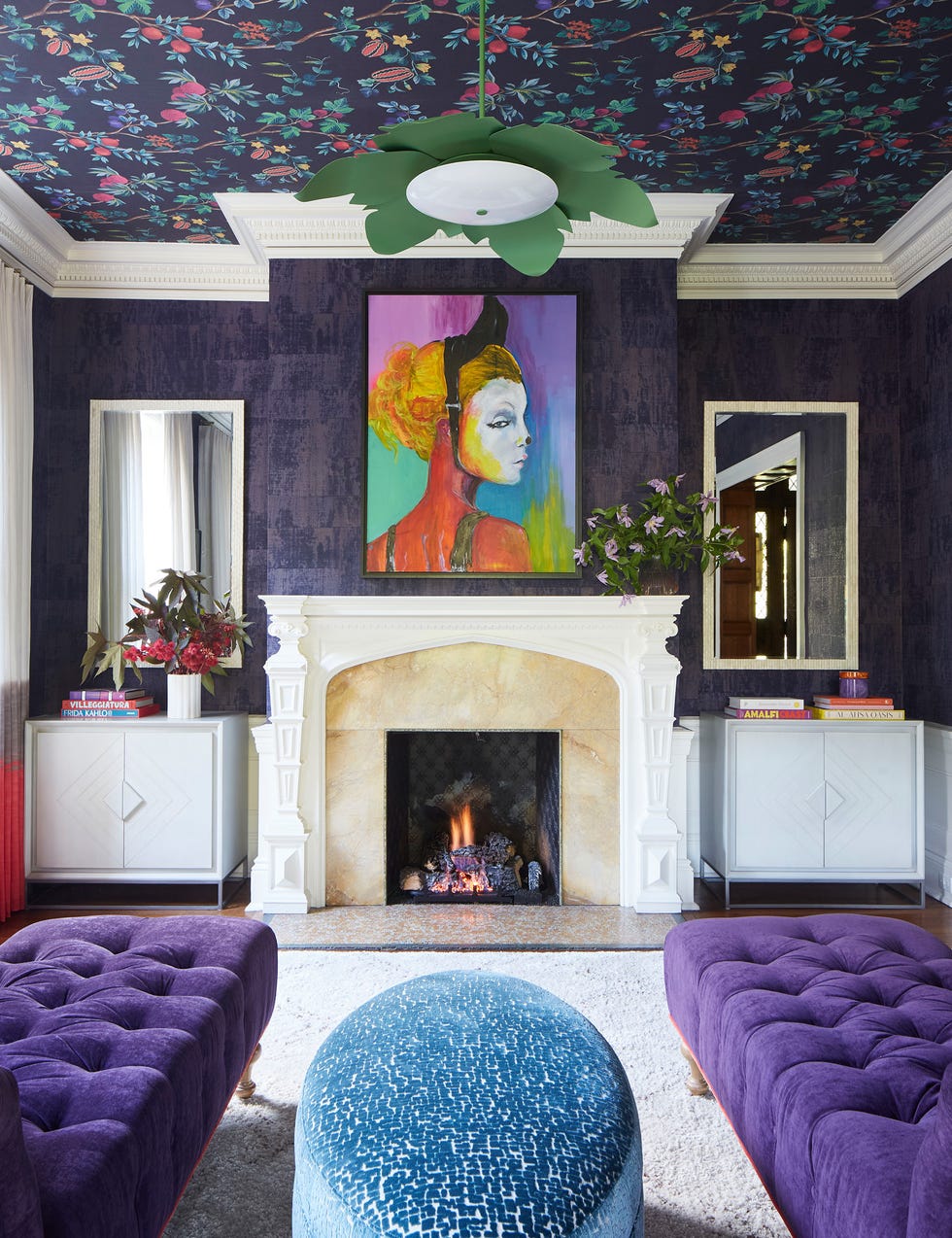
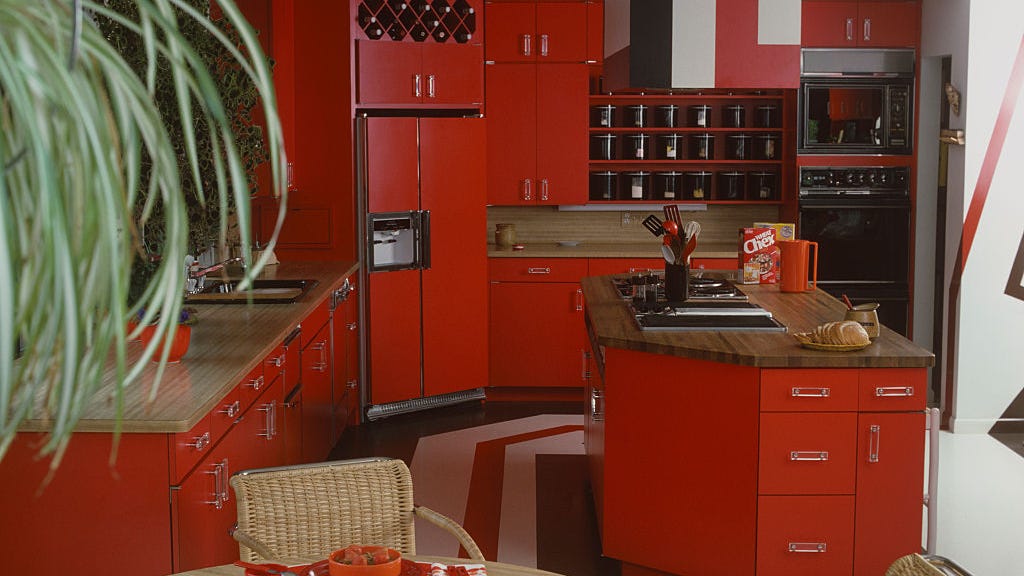
This article provides a visual journey through American home interior design from 1940 to 2010, highlighting key trends and cultural shifts that influenced domestic aesthetics. Each year, from 1940 to 1959, is presented with an illustrative photograph and a brief description of the prevalent design styles, technological advancements, and socio-economic factors impacting home decor.
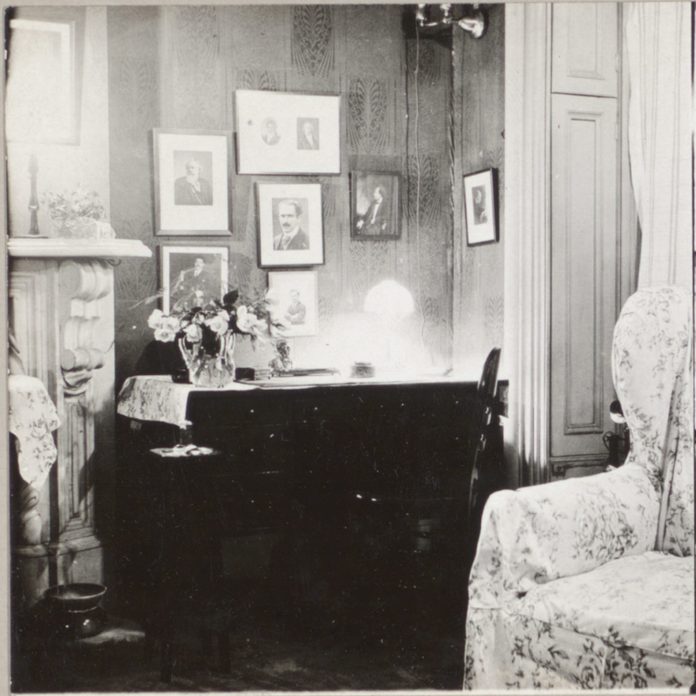
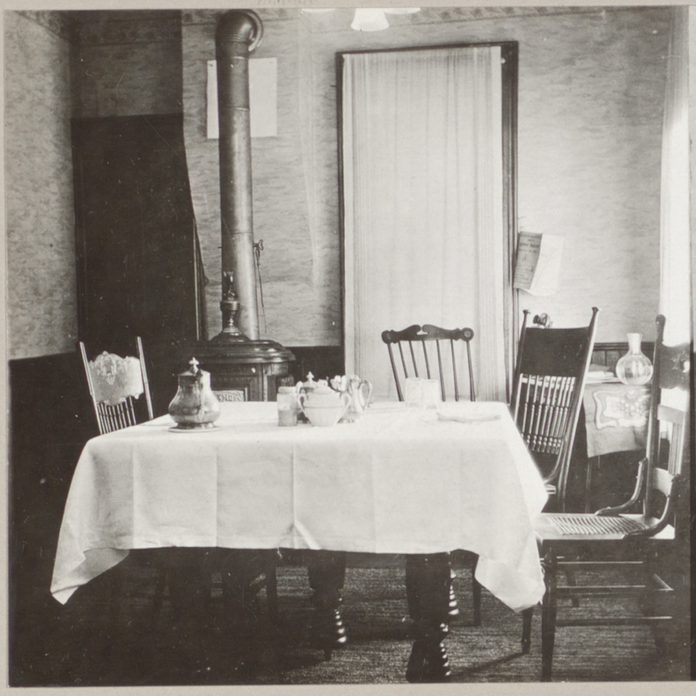
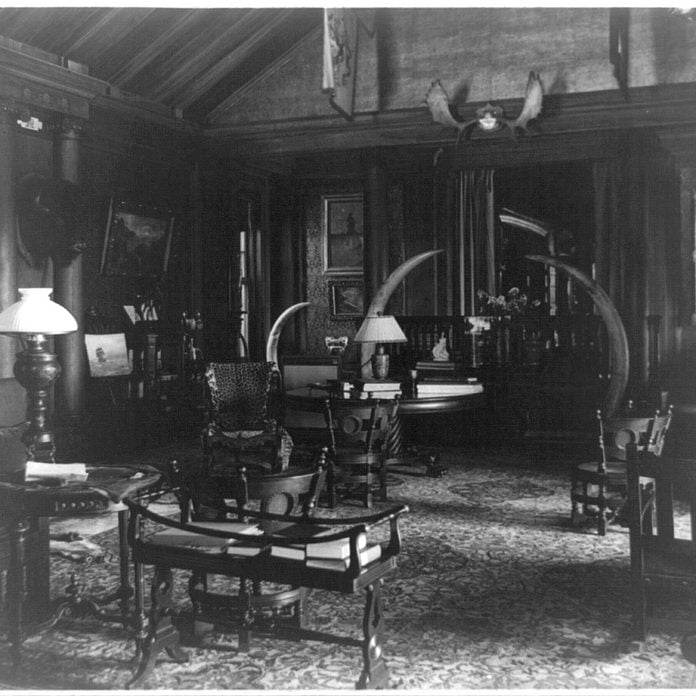
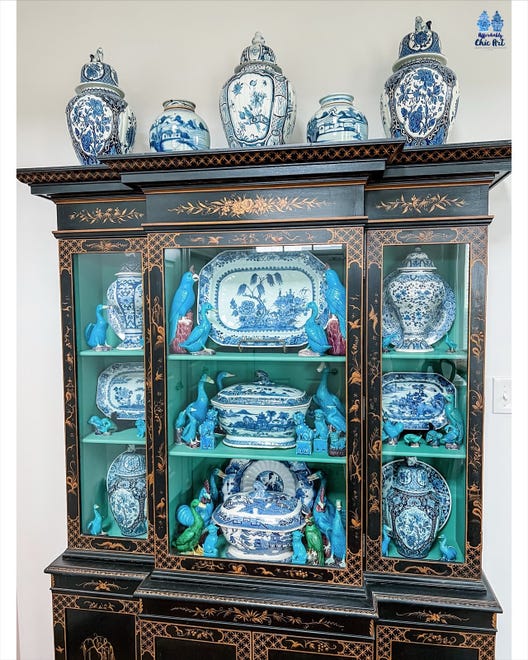
Beginning in 1940, the impact of World War II is evident, with decor remaining static due to material shortages, featuring classic 1930s hallmarks like damask curtains. By 1941, Streamline Moderne furniture with its curved lines, inspired by aerodynamic design, began appearing. Radio was the primary form of home entertainment in 1942, found in over 80% of American homes, far more affordable than the newly invented televisions. The midcentury modern design movement started taking root in 1943, though its full flourishing awaited the post-war era. Art Deco and Art Nouveau continued to be popular in 1944, with geometric wall hangings and organic headboards. Kitchens in 1945 were compact but benefited from modern appliances. Floral patterns were popular in upholstery in 1946, though they would soon give way to more modern styles. The transition of the 1940s is underscored in 1947 with the appearance of a television set in an otherwise traditional living room. Chinoiserie, a 19th-century fad, made a strong comeback in the 1930s and persisted into 1948 as international travel and trade reopened. Patterned wallpaper, often with abstract designs, was widely used in bedrooms by 1949.
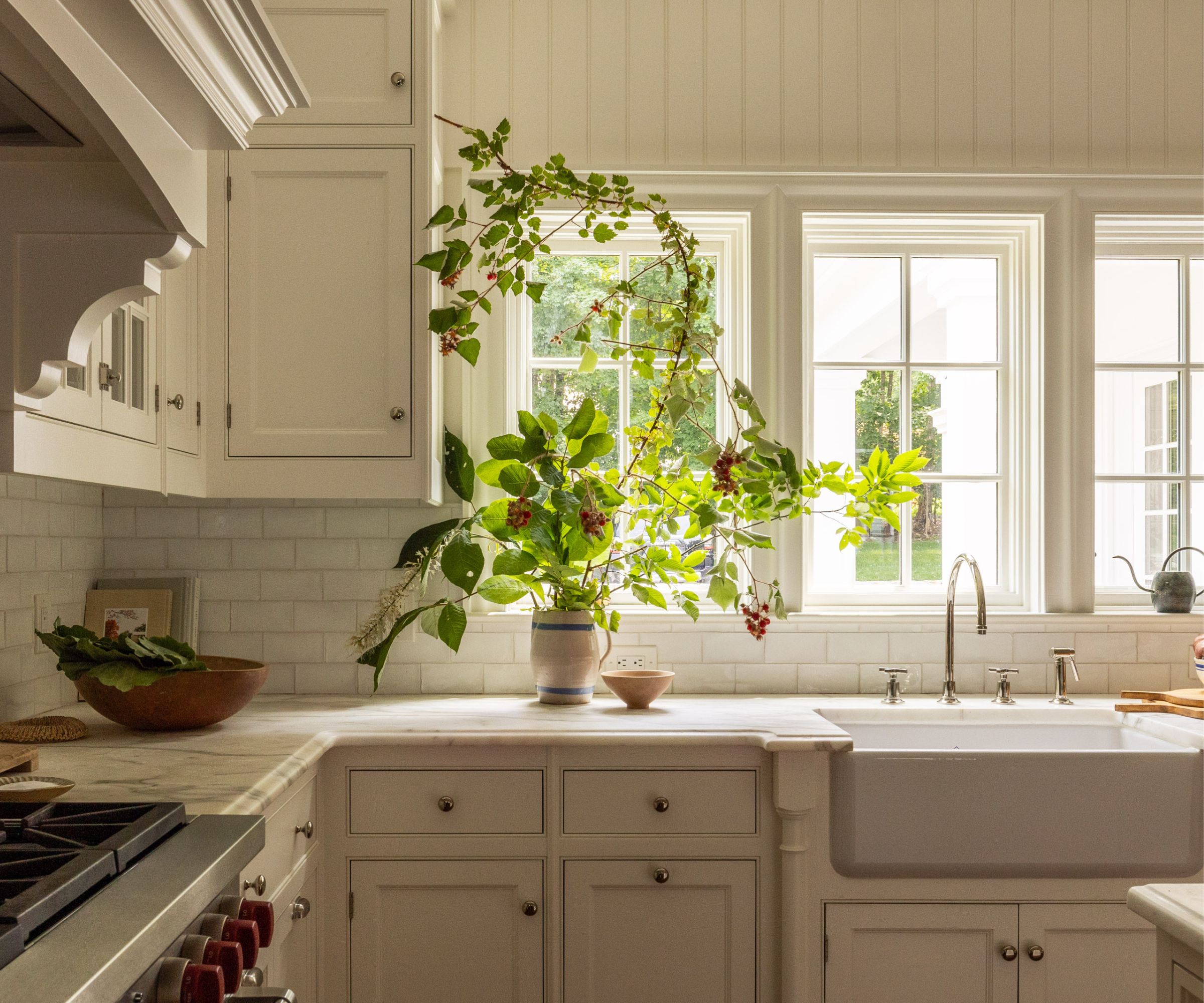
The 1950s marked a new era with televisions becoming more popular by 1950, alongside rural-style decorations like gingham-upholstered chairs. The butterfly chair, a design from Argentina in 1938, exploded in popularity in the U.S. in 1951 after its design entered the public domain. Tropical motifs in interior design and fashion were trendy in 1952, with fringed armchairs from previous decades still present. Tiled fireplaces, reminiscent of Art Deco, and geometric-patterned wallpapers were fashionable in 1953. Open floor plans became a signature of midcentury modern homes in 1954. A classic 1950s look in 1955 included black-and-white checkered linoleum floors paired with country details like Shaker-style chairs. Kitchens expanded in size in 1956 to accommodate new appliances like dishwashers and garbage disposals. Pastel colors such as mint green and baby pink were popular in 1957, often accented with red. Truman Capote’s maximalist home in 1958, despite the growing trend towards minimalism, featured Chinoiserie, patterned wallpaper, and a red palette. By 1959, some living rooms maintained a basic furnishing style, focusing on colors characteristic of the decade. #AmericanHomeDesign #InteriorDesignHistory #MidcenturyModern #HomeDecorTrends #1940sDesign #1950sDesign #ArchitecturalHistory #DomesticAesthetics
共0条评论
 暂无评论
暂无评论你可能还喜欢
What Houses Used to Look Like 100 Years Ago

Decorate This Room Like A Cheugy Millennial And We'll Guess Your Mental Age

See Inside a Gorgeous, Texture-Rich Home in New York City
Wendy Goodman’s Most-Read Stories of 2025

20 Old House Styles No Longer Built Today
Welcome home: Grandmillennial style

Kelvin and Liz Fletcher's home truths - including the bad habit Liz would love Kelvin to quit
This California Home Proves the Power of Pattern

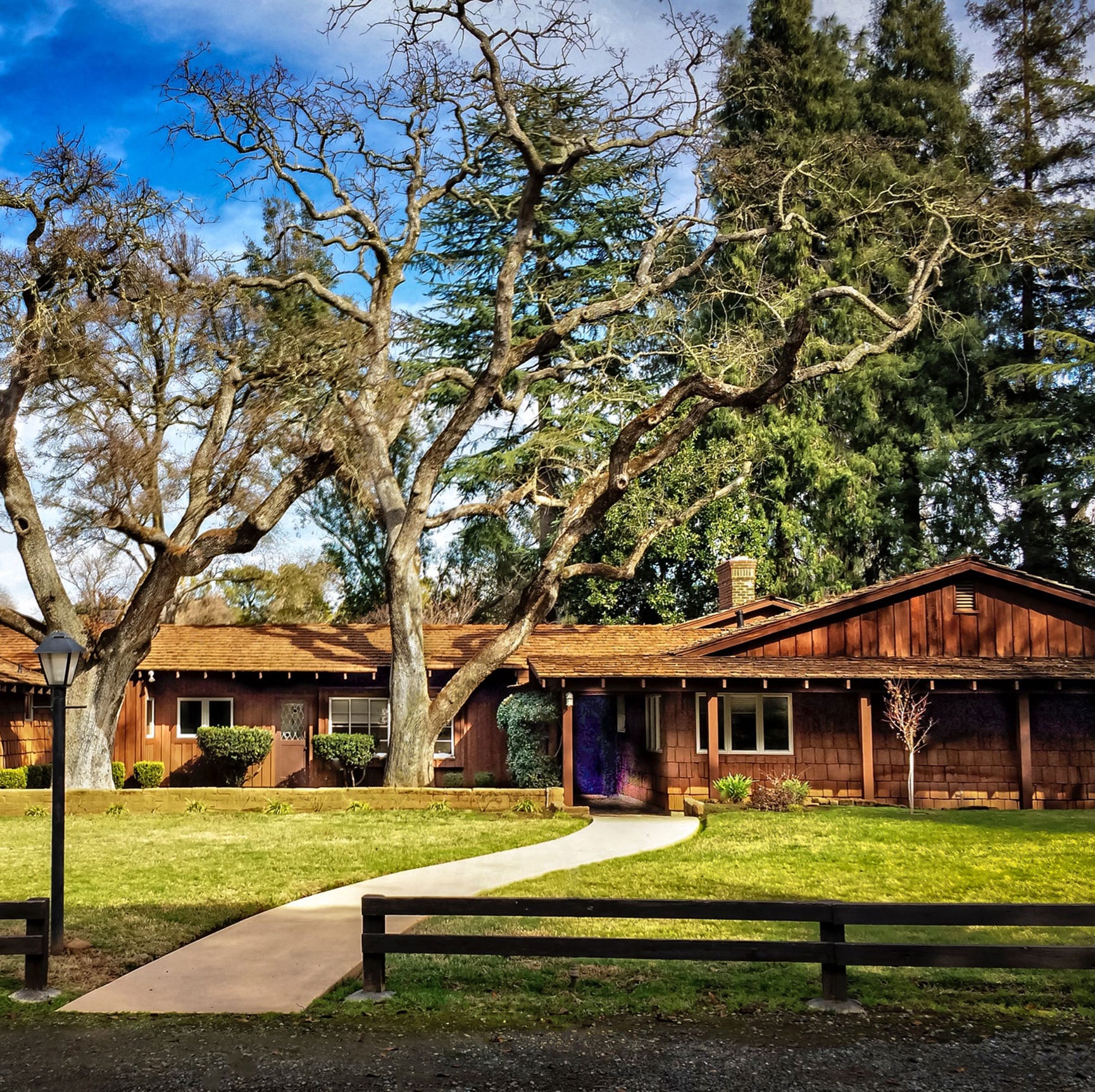
Everything You Need to Know About Ranch-Style Houses
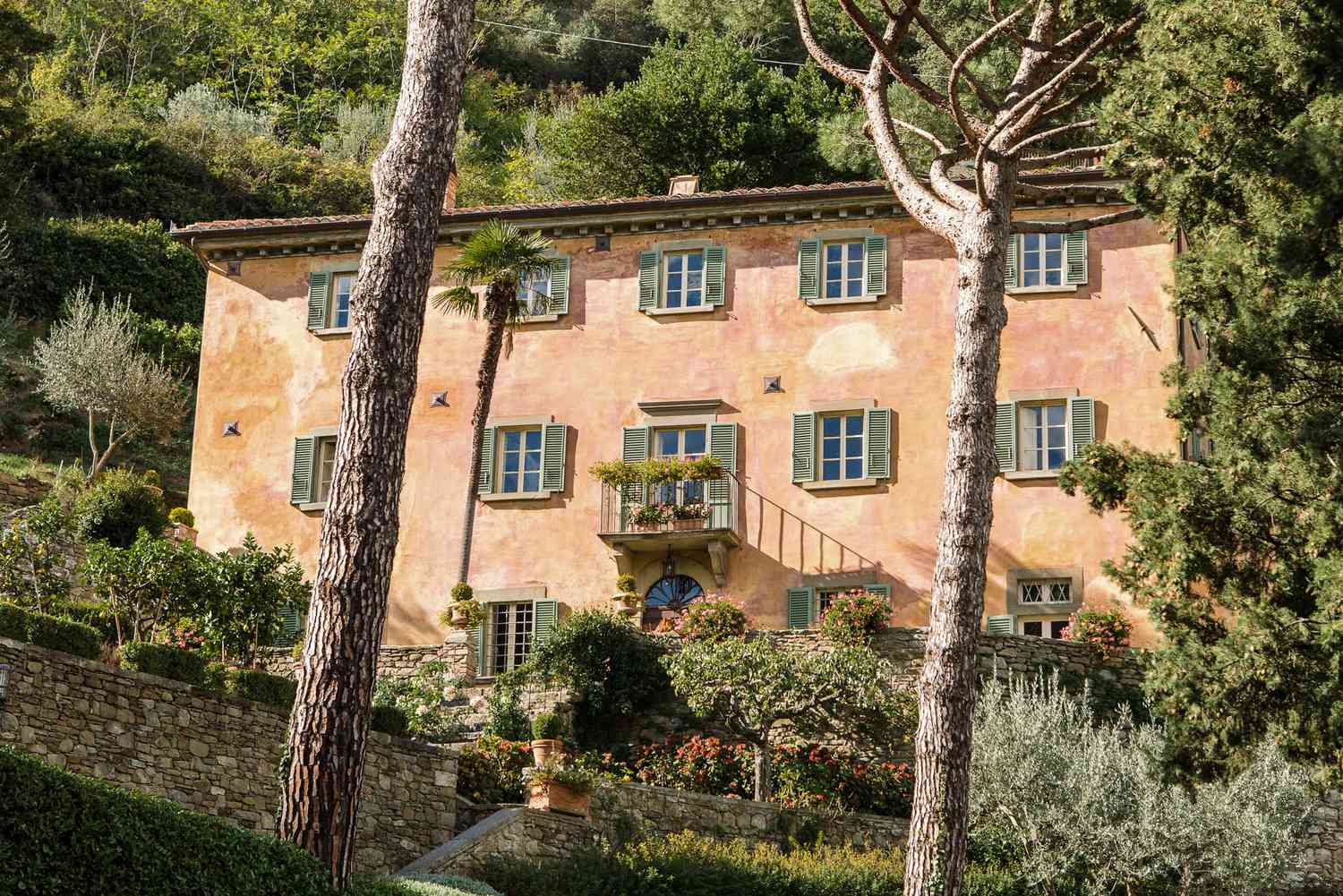
Looking to Buy a New Home? These Are the Most Popular House Styles to Know

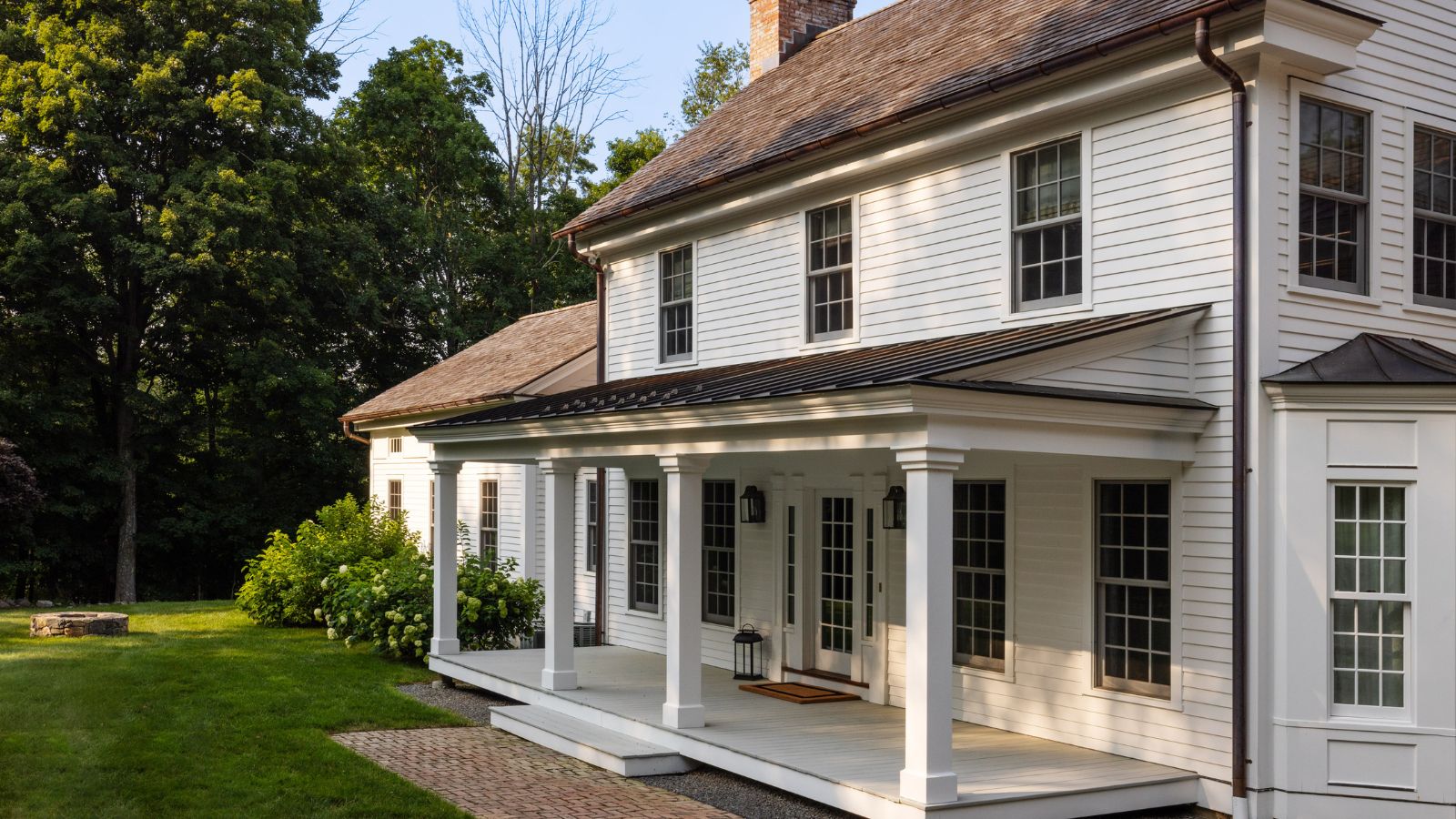
Step inside this characterful Upstate New York farmhouse reimagined for empty-nesters looking to design a home that never dates

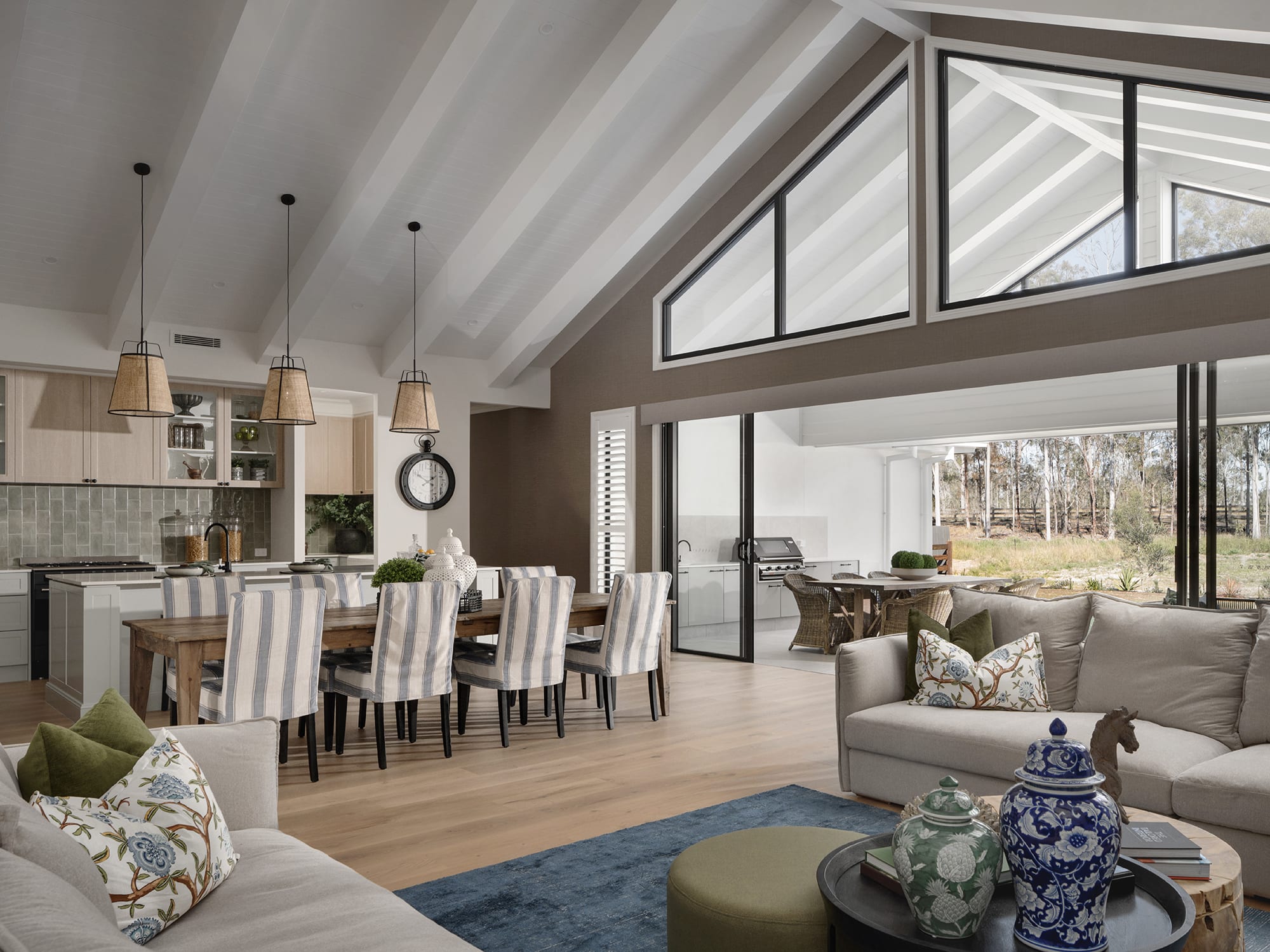
6 Tips For Creating The Perfect Home For Any Life Stage
Why This Architect Says Ranch-Style Houses Are ‘Important Historical Artifacts’

This Michigan Home Looks Like a Barn on the Outside, But Don’t Call It a Farmhouse

A Eye for Design Gave This Mount Washington Home Its Timeless Style

When a House Has a "Young, Colorful Soul" THIS Is What It Looks Like
Inside Our Seventh Annual Whole Home
HOUSE TOUR: A Colonial Connecticut Home That Embodies Country Life
Add Personality to your Home this Year
Right at home: It's that '70s (and '80s) show in home decor