1/14
Future-Proofing Design: How Interiors Will Evolve in 2023 and Beyond
The year 2022 highlighted the increasing importance of interior spaces, influenced by the amount of time people spend indoors and the emergence of virtual realms like the metaverse. This shift has led to a greater appreciation for interior design's role in well-being and functionality. A significant trend observed is the exploration of flexible, fluid, and versatile spaces, a response to the uncertainties and lockdowns experienced in recent years. This emphasis underscores the need for buildings that demonstrate spatial awareness and sensitivity, anticipating and addressing their inhabitants' needs. Key factors in this evolution include orientation, room size and distribution, the strategic use of natural light and ventilation, and overall aesthetics. Technological advancements are also reshaping traditional interior design, paving the way for innovative approaches to domestic efficiency and circularity.
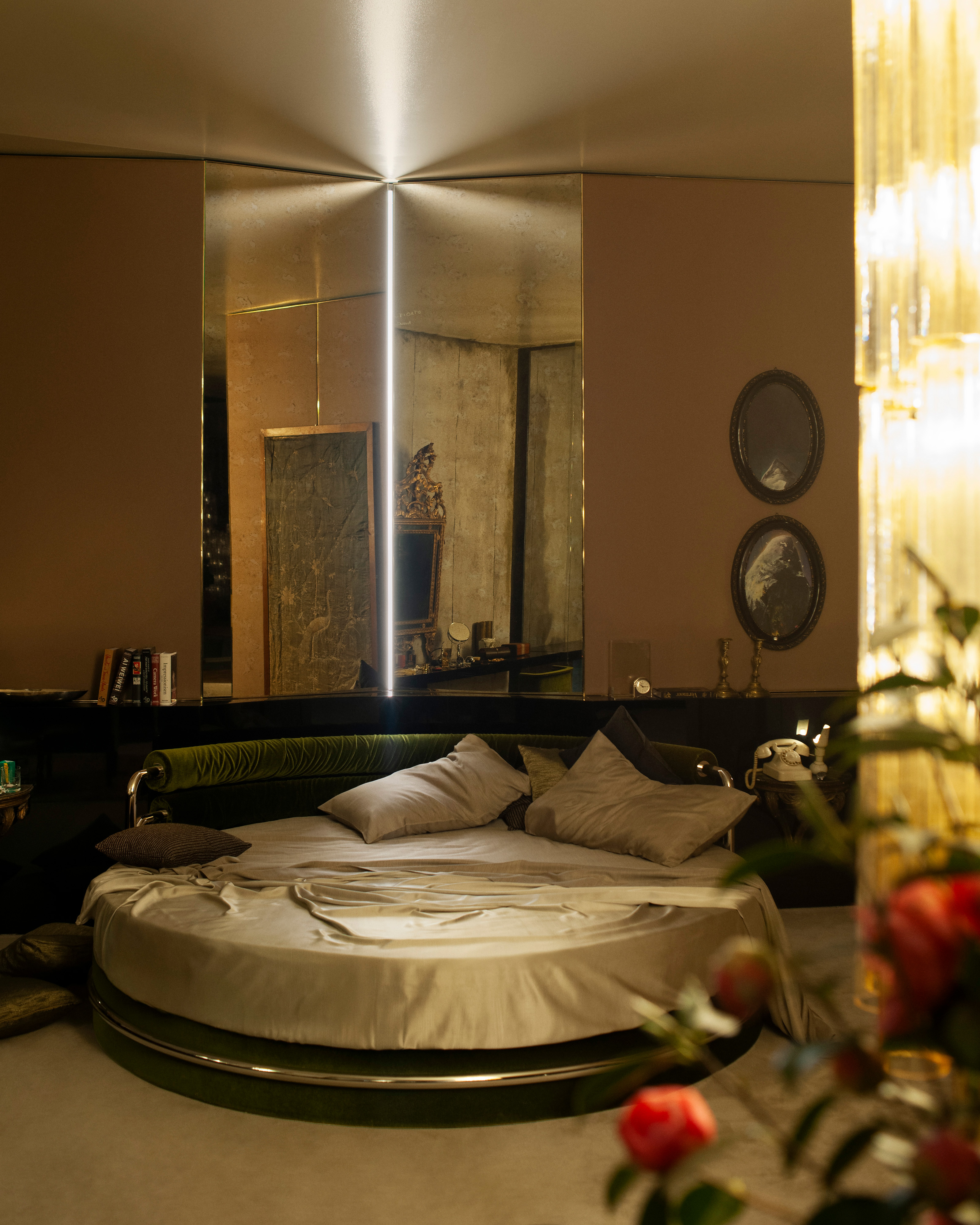
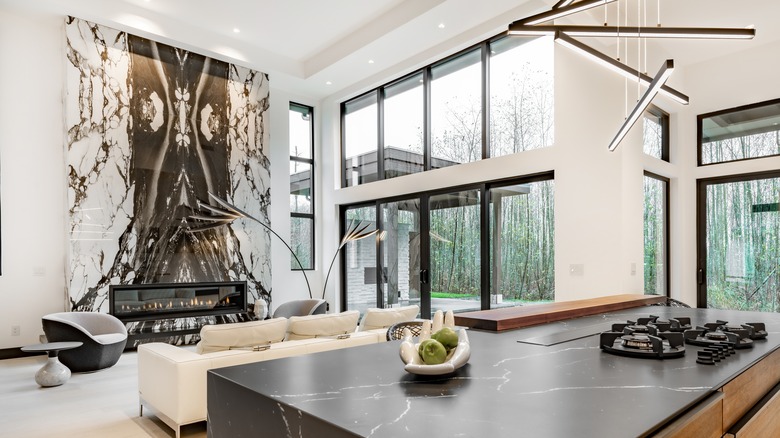
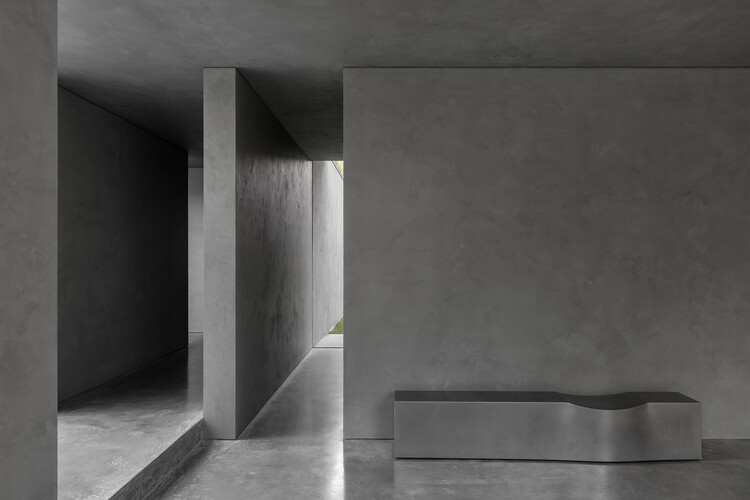
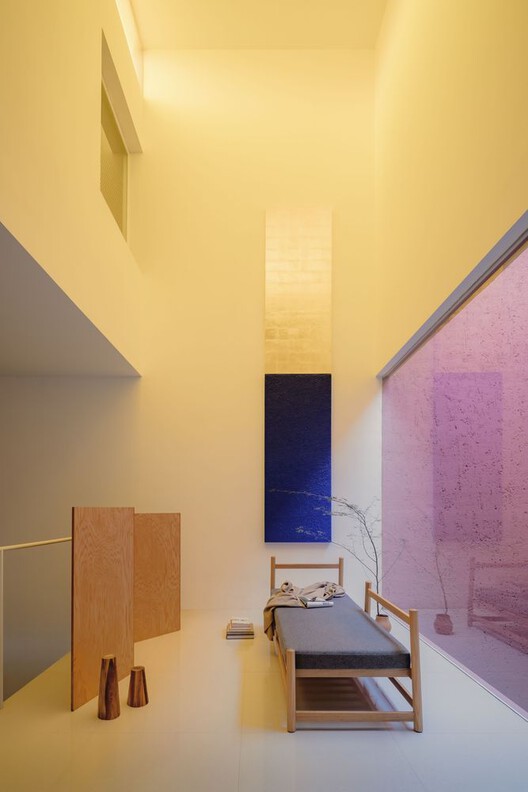
The evolution of interior spaces from 2023 onwards can be understood through three main approaches: operations, aesthetics, and energy. In terms of space and operation, there is a clear move towards 'living layout' designs, which create customizable and adaptable spaces. These designs aim to maximize and enhance space utilization, often through connecting previously separated areas and integrating multiple functions into single spaces. This user-centered strategy allows spaces to adapt to life's changing needs rather than the other way around. Integrated and self-standing furniture plays a crucial role in supporting these dynamic layouts. Digitalization, including robotics, visual techniques, artificial intelligence, and automated processes, is further enhancing space efficiency and user experience. Virtual tools, such as holographic projections and AI-powered design visualization, enable mutable scenarios and help users envision potential spatial interventions. Home automation contributes to efficiency by optimizing lighting to virtually enlarge spaces, demonstrating how digitalization facilitates adaptive design for remote living and future-proofed, evolving layouts.
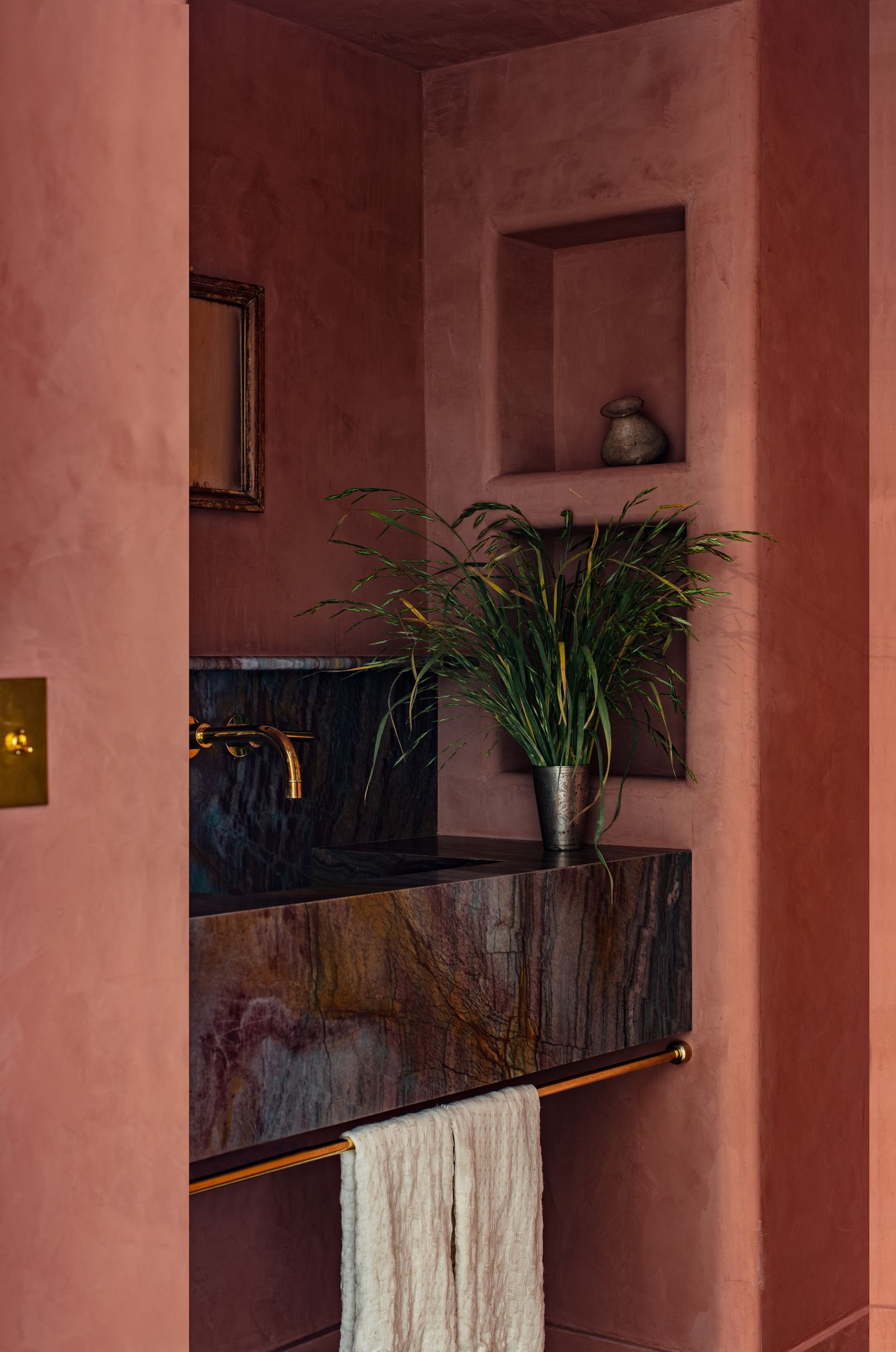
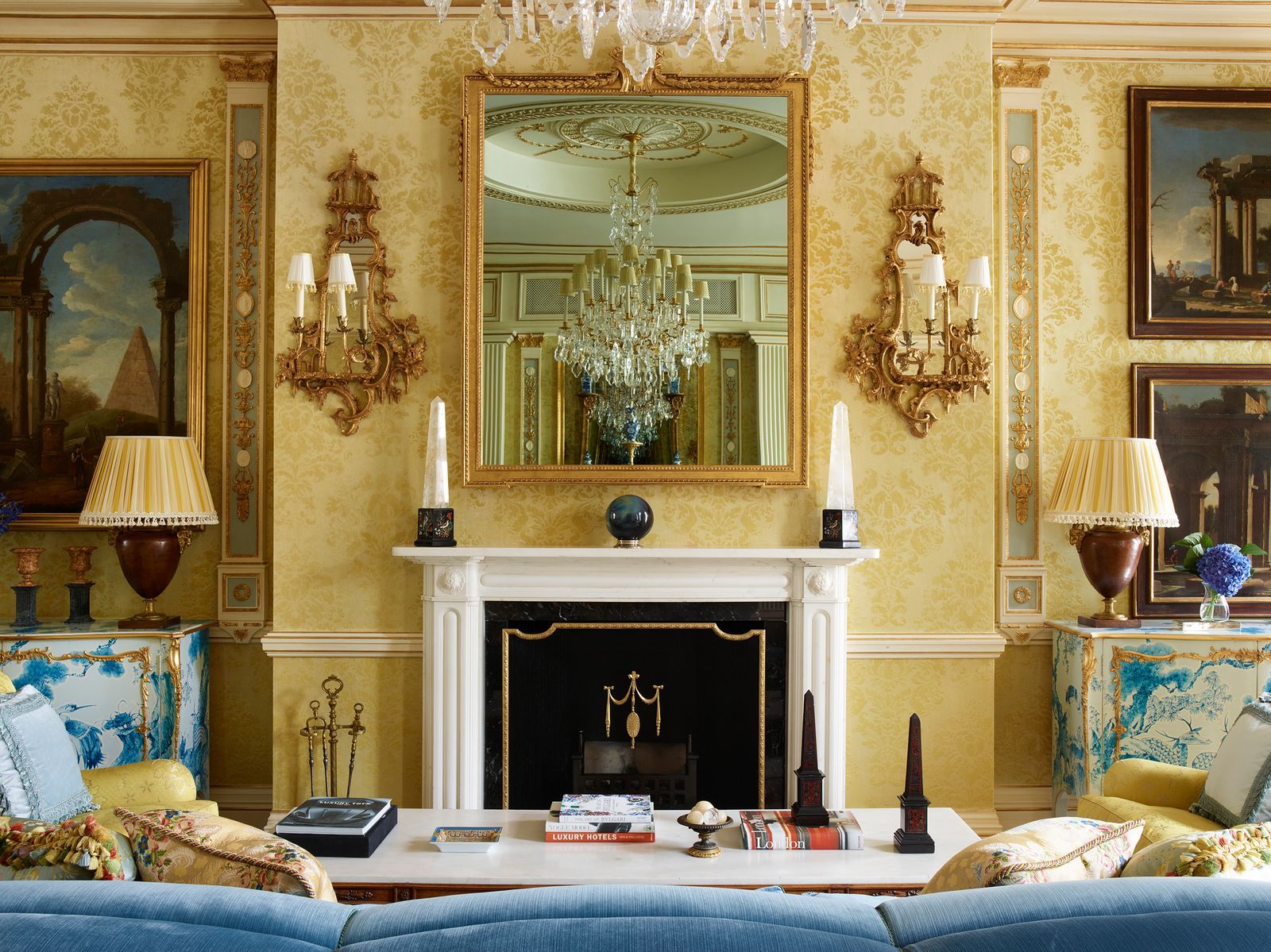
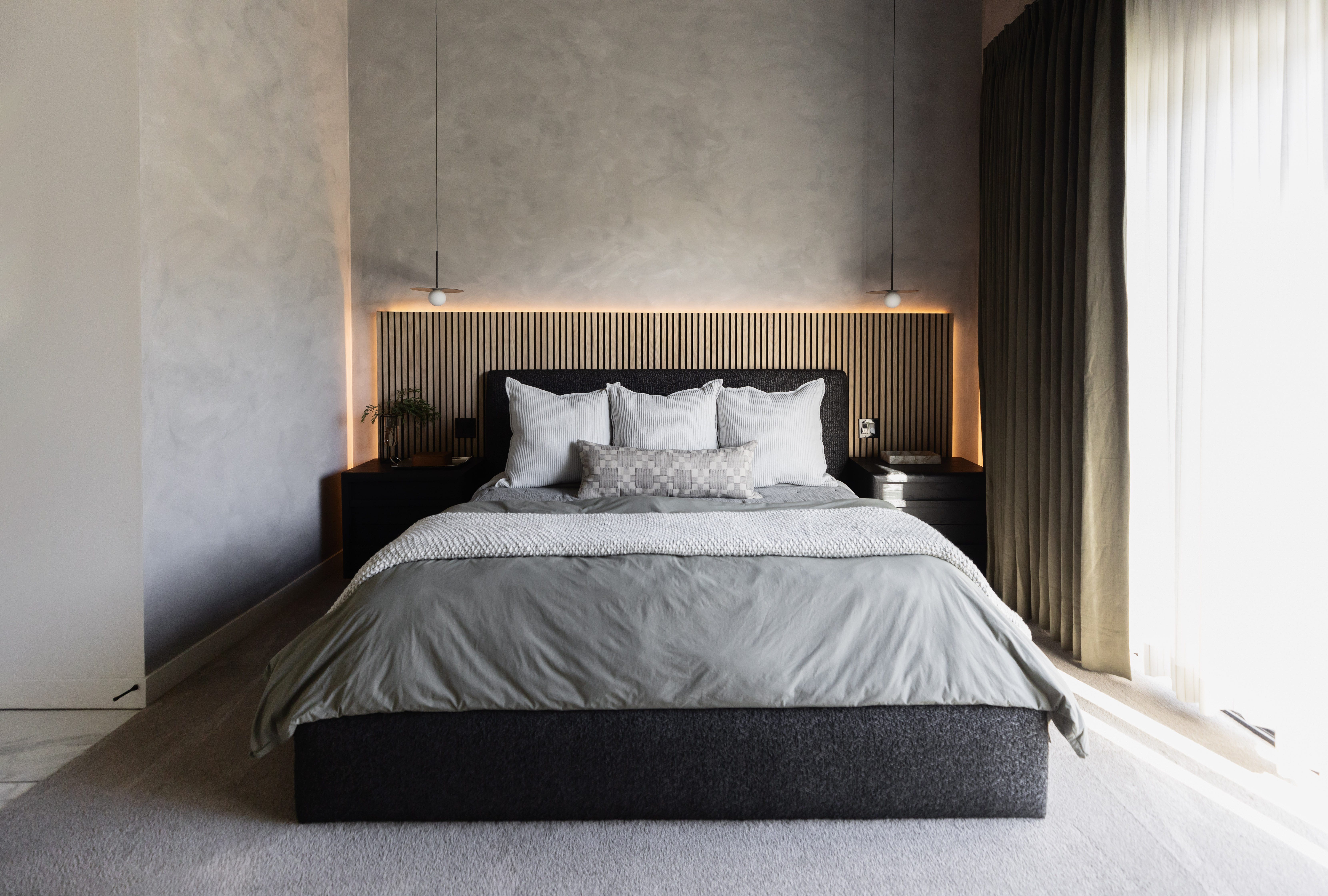
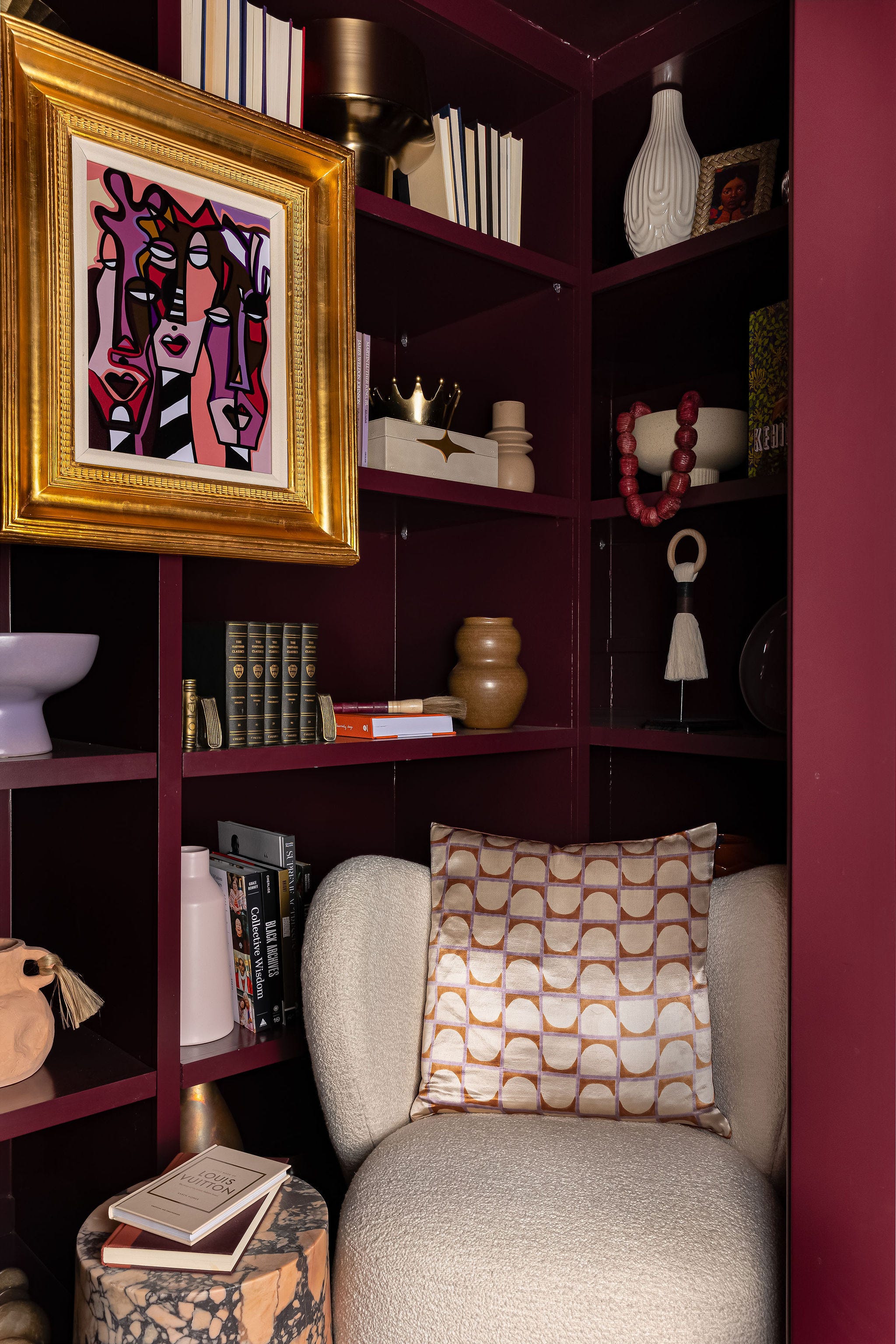
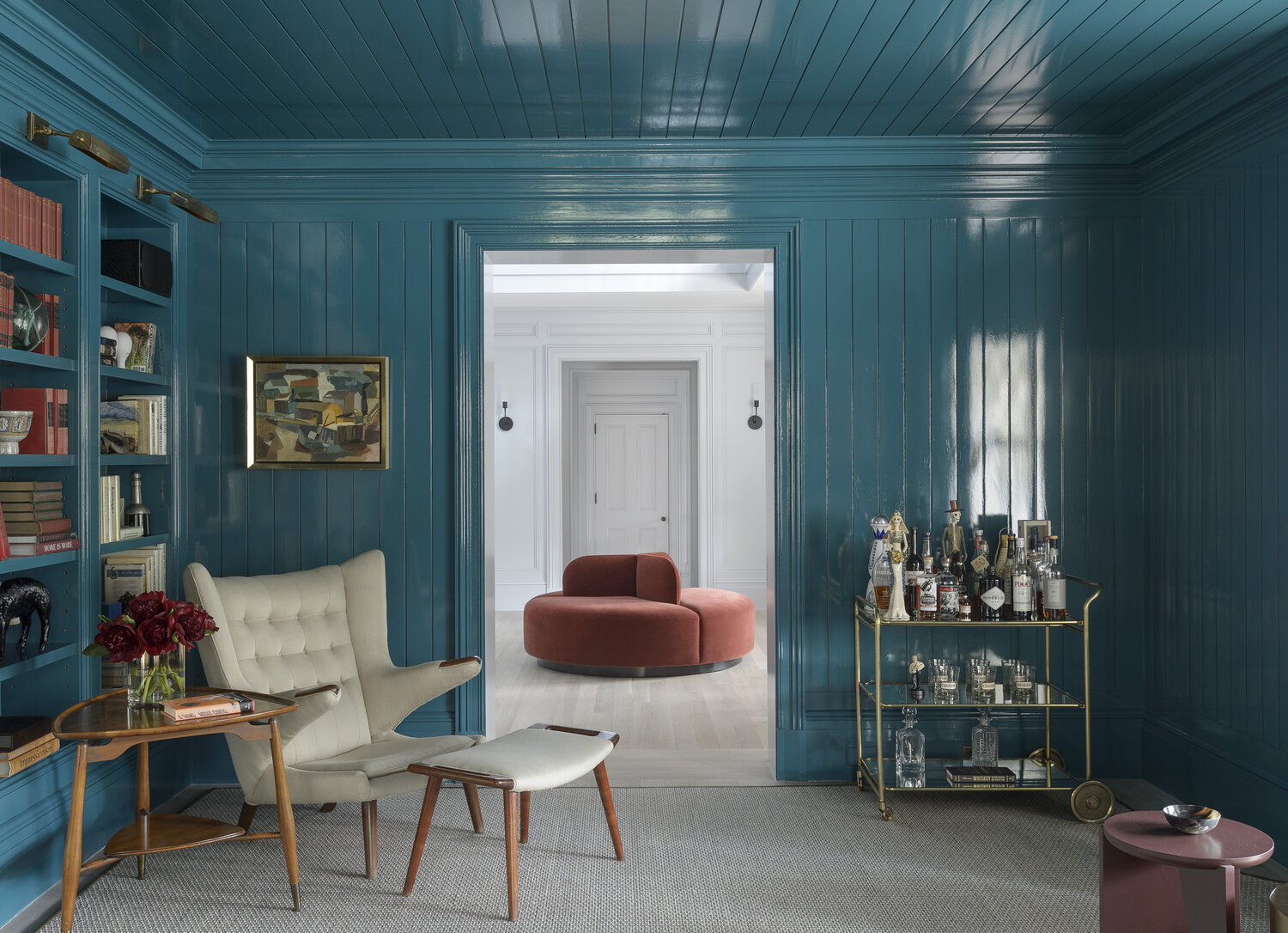
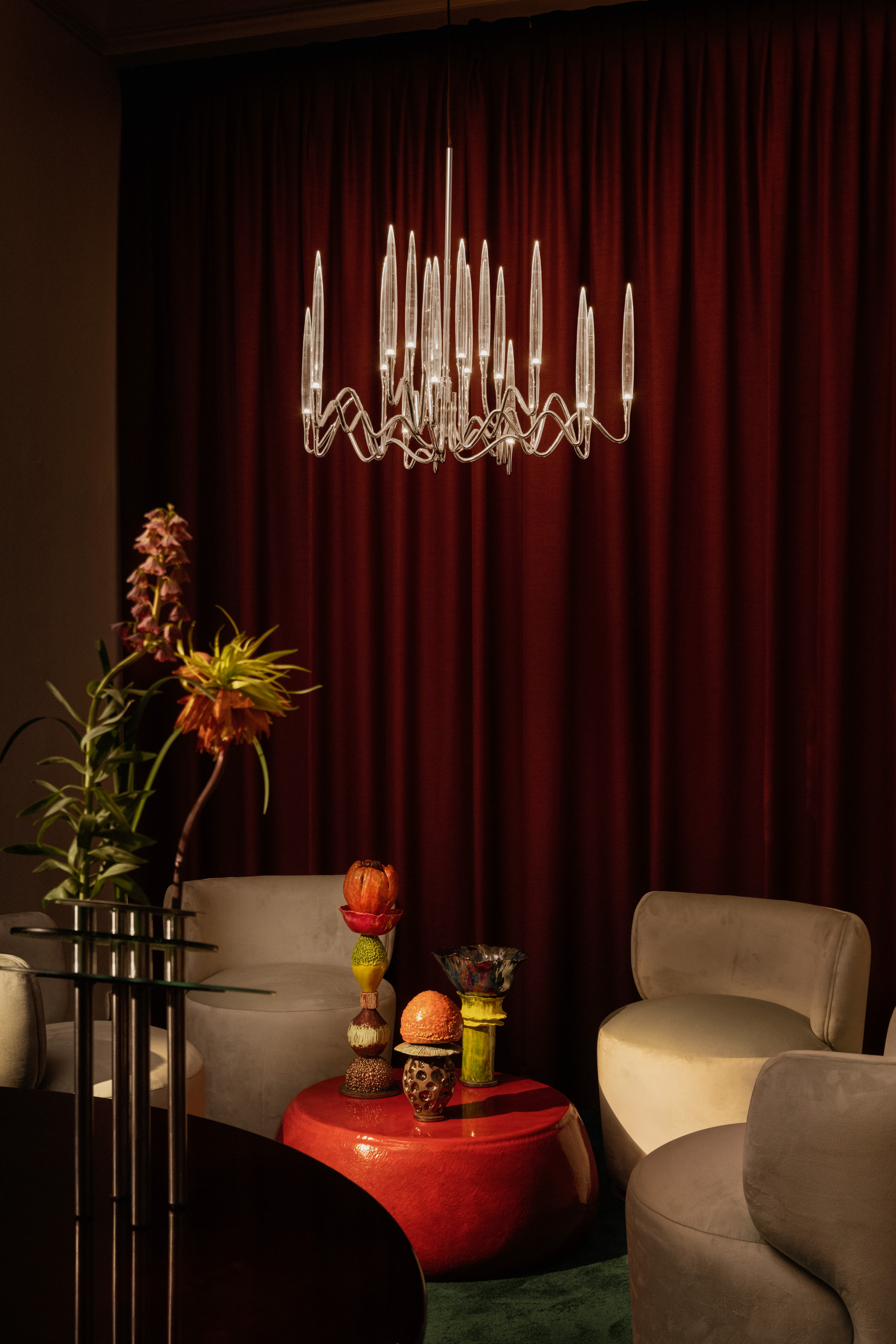
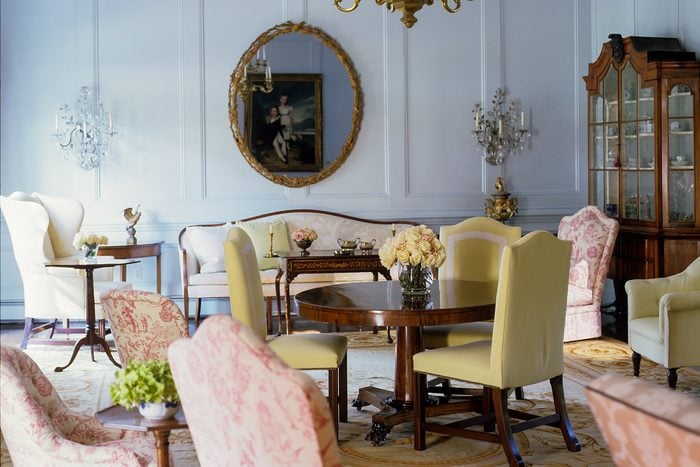
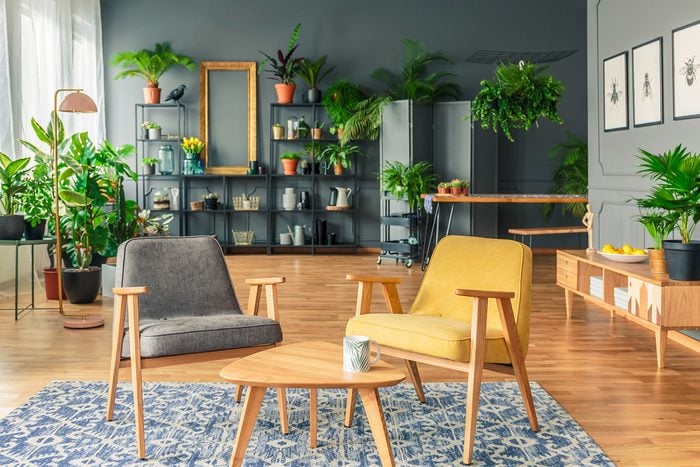
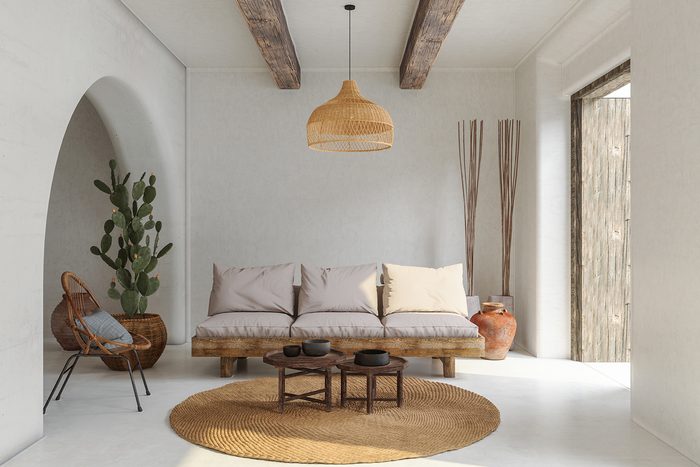
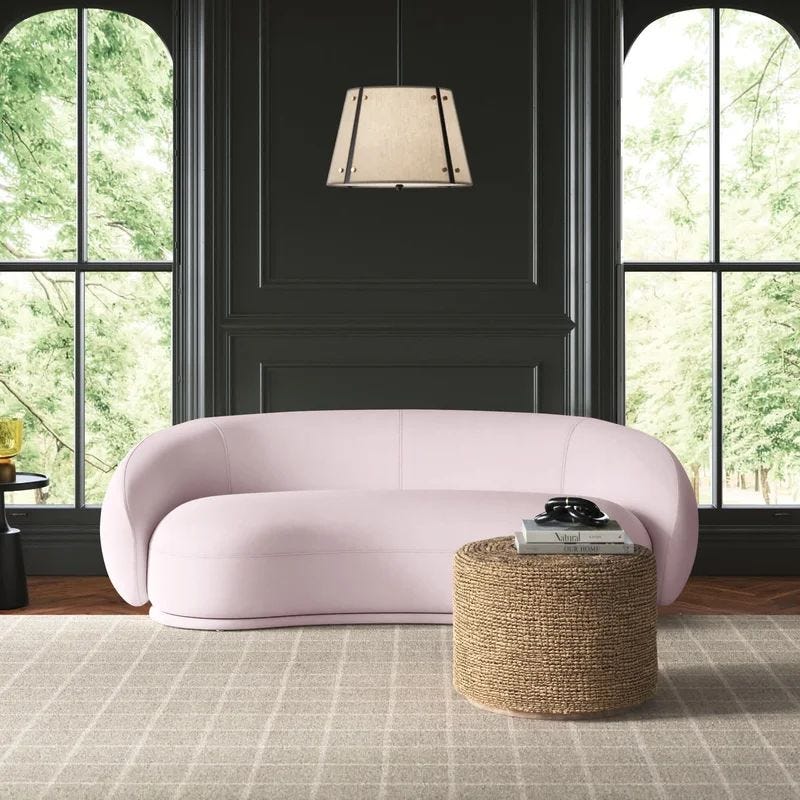
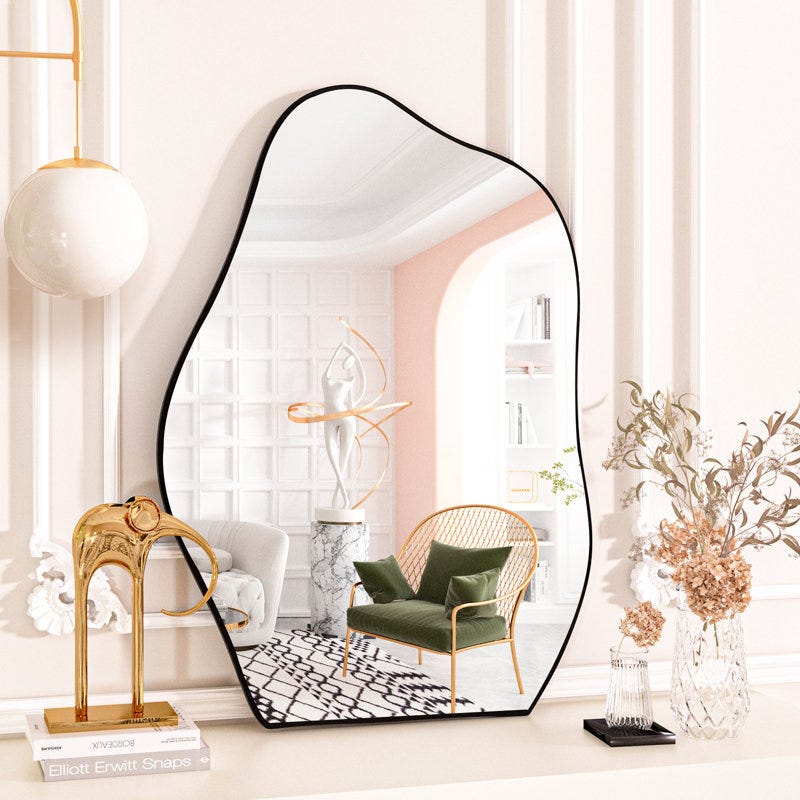
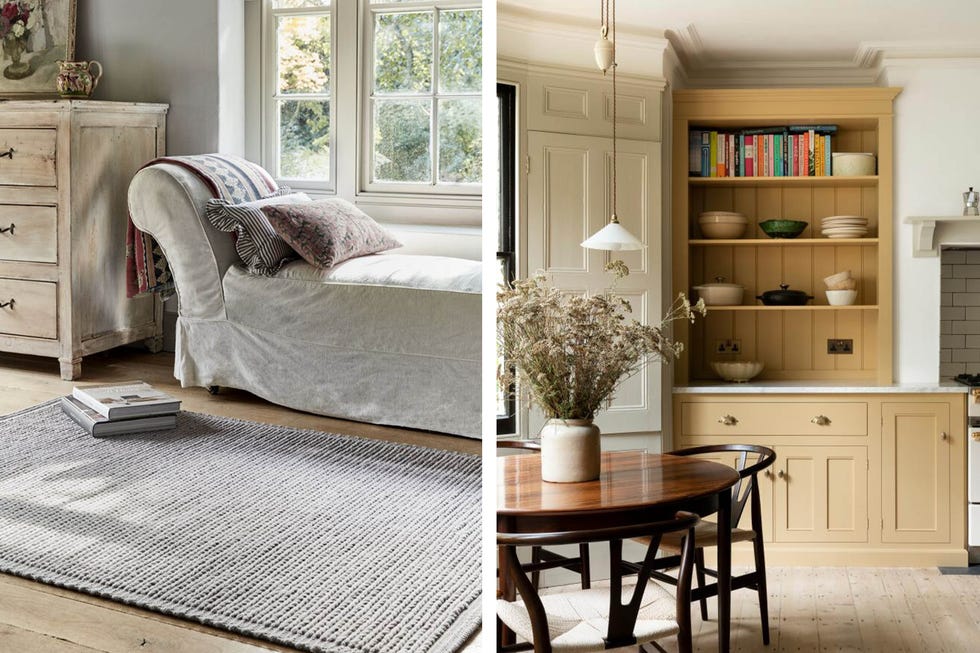
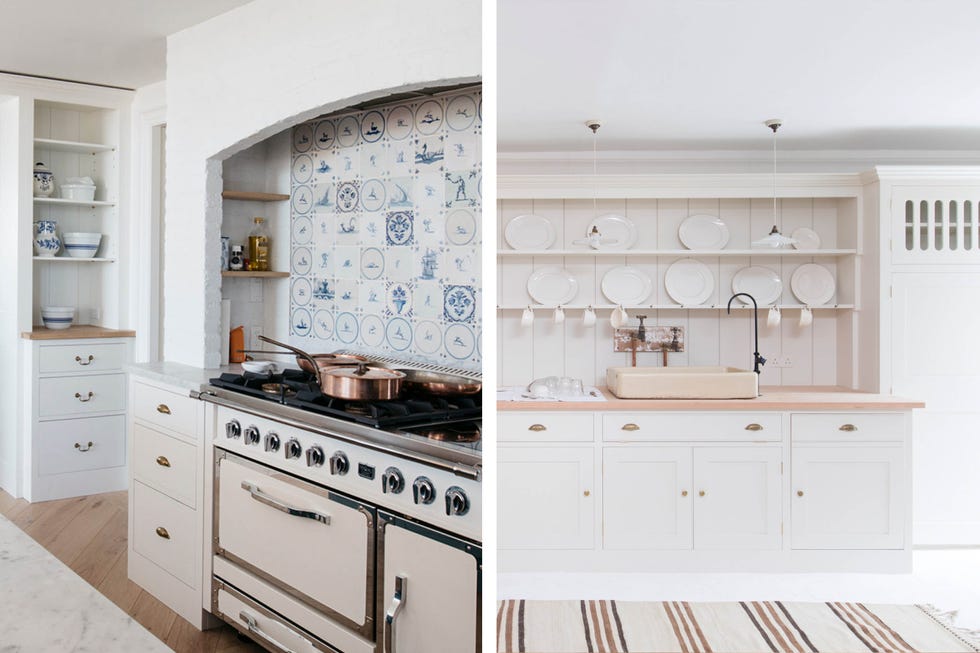
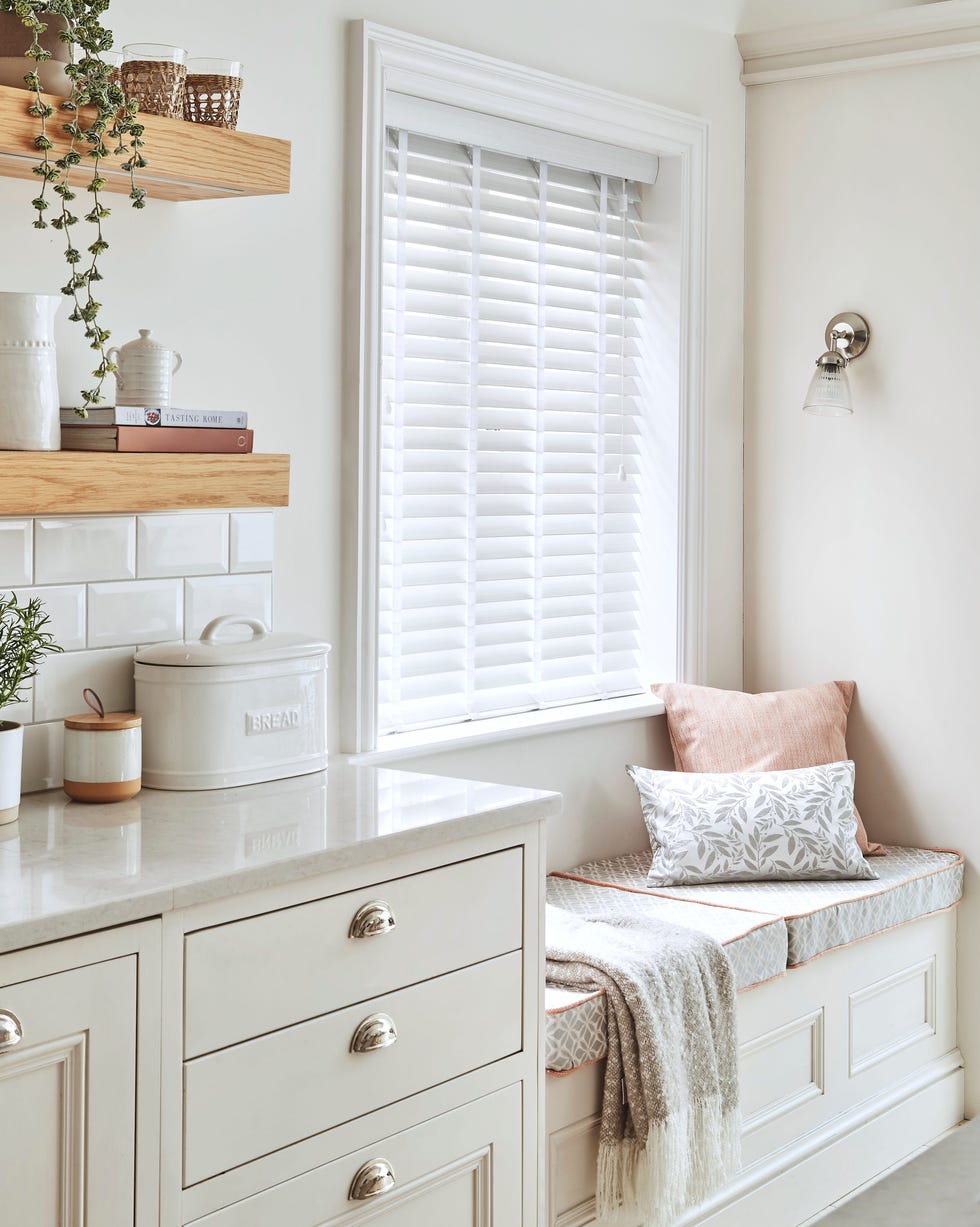
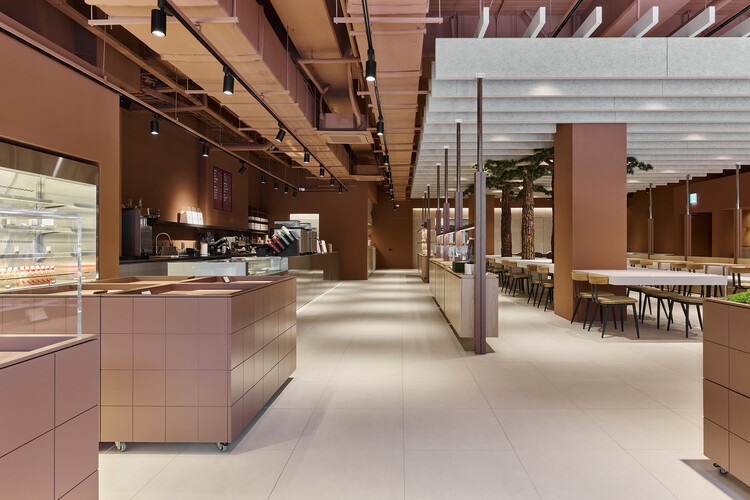
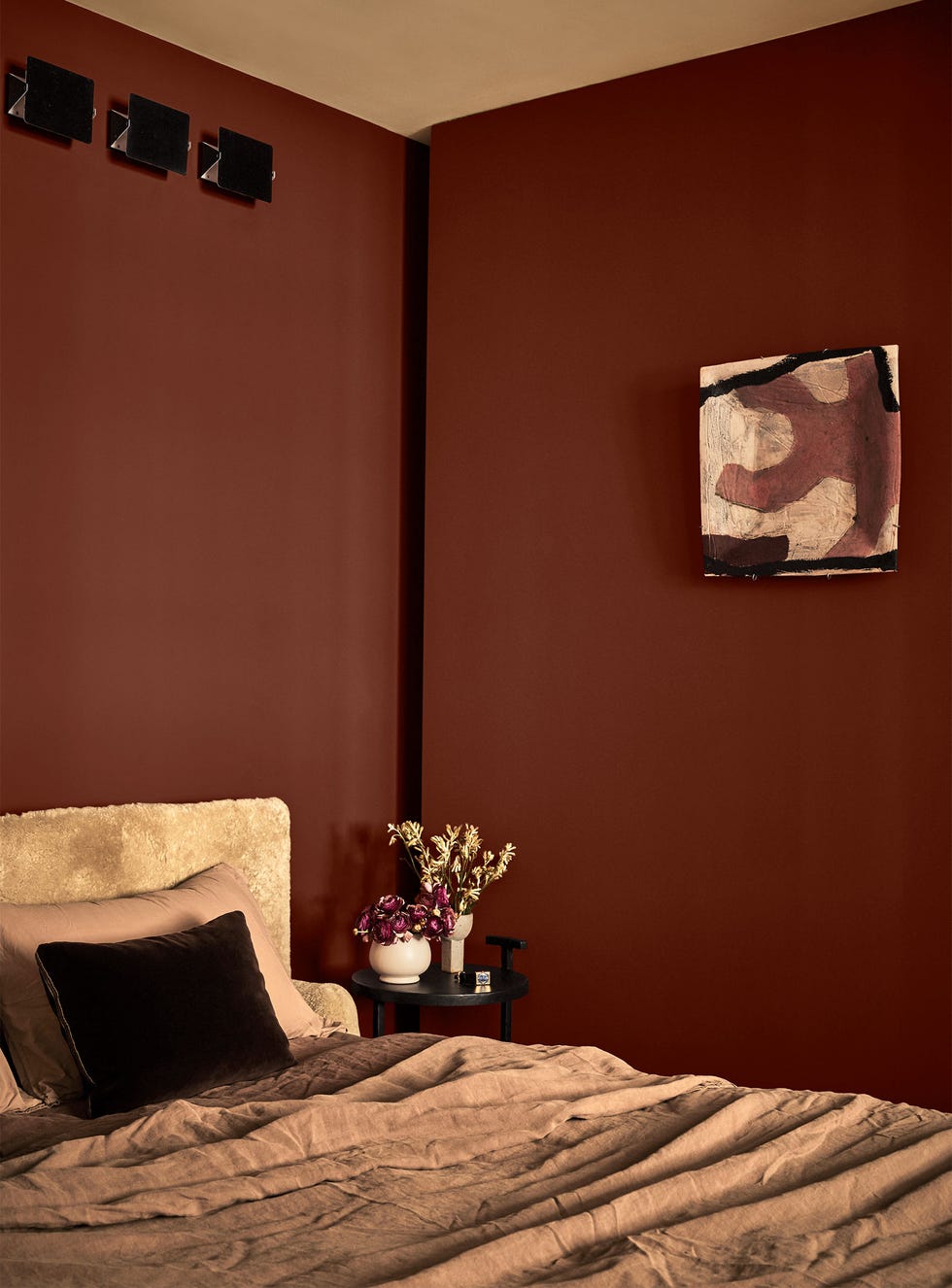
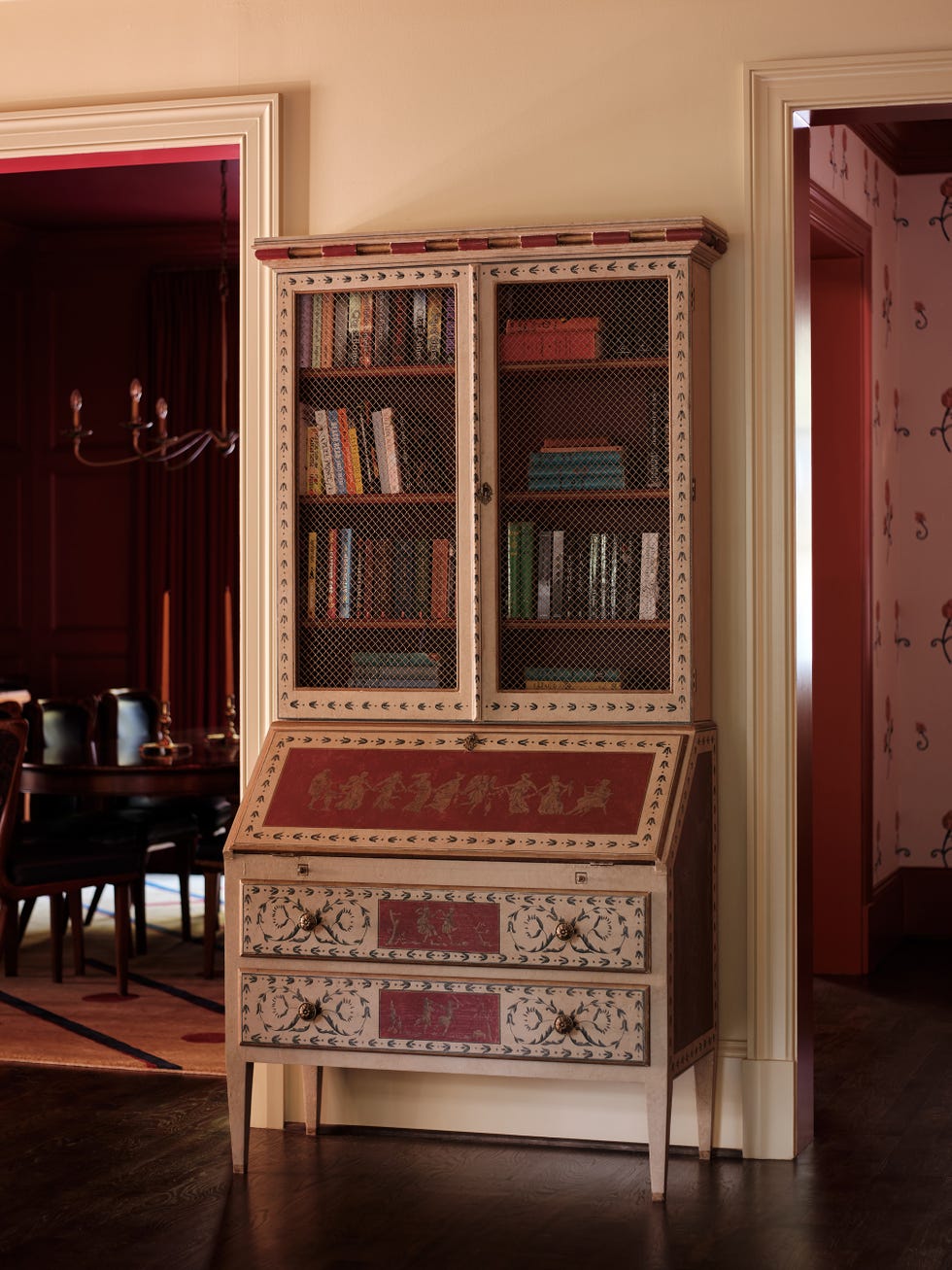
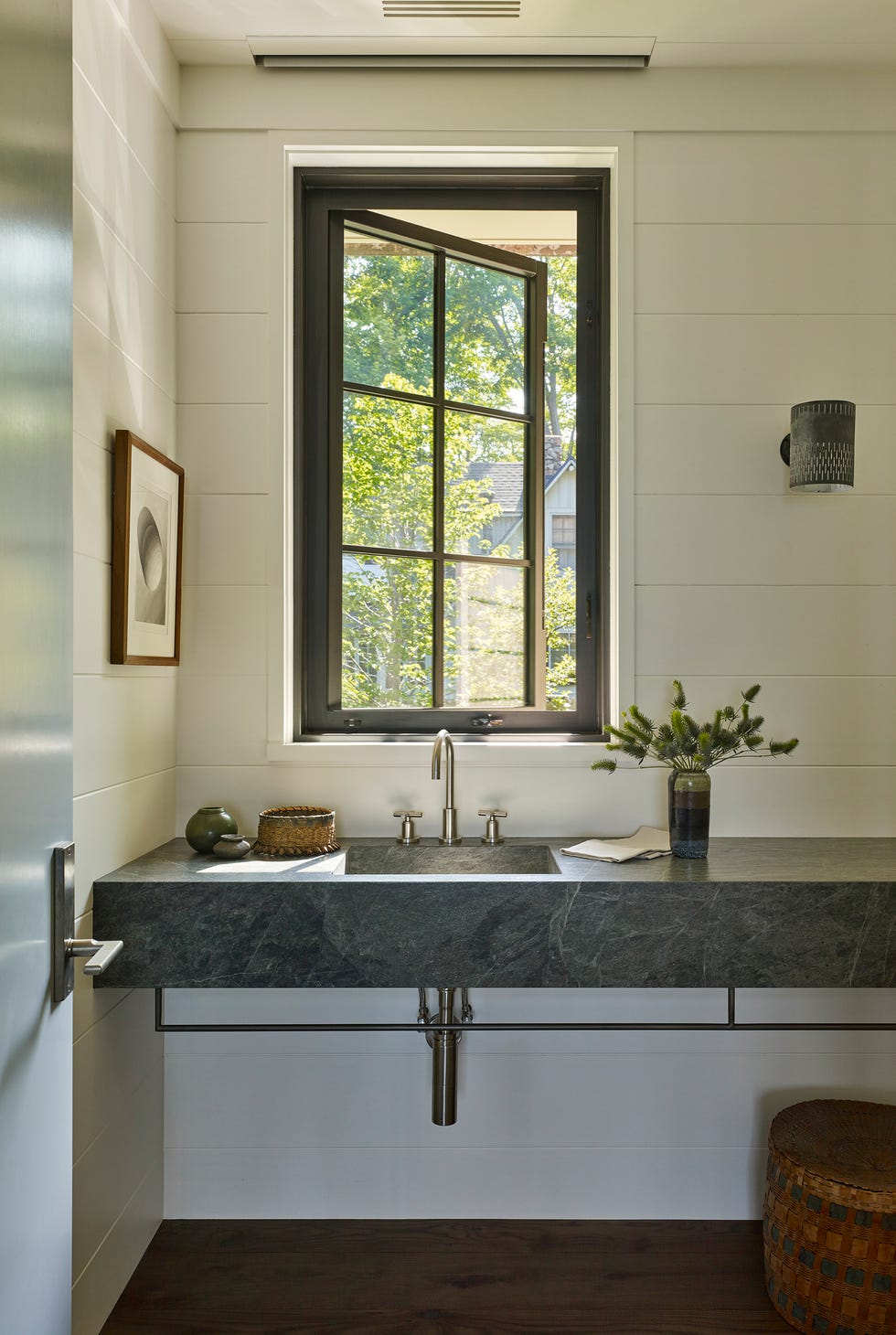
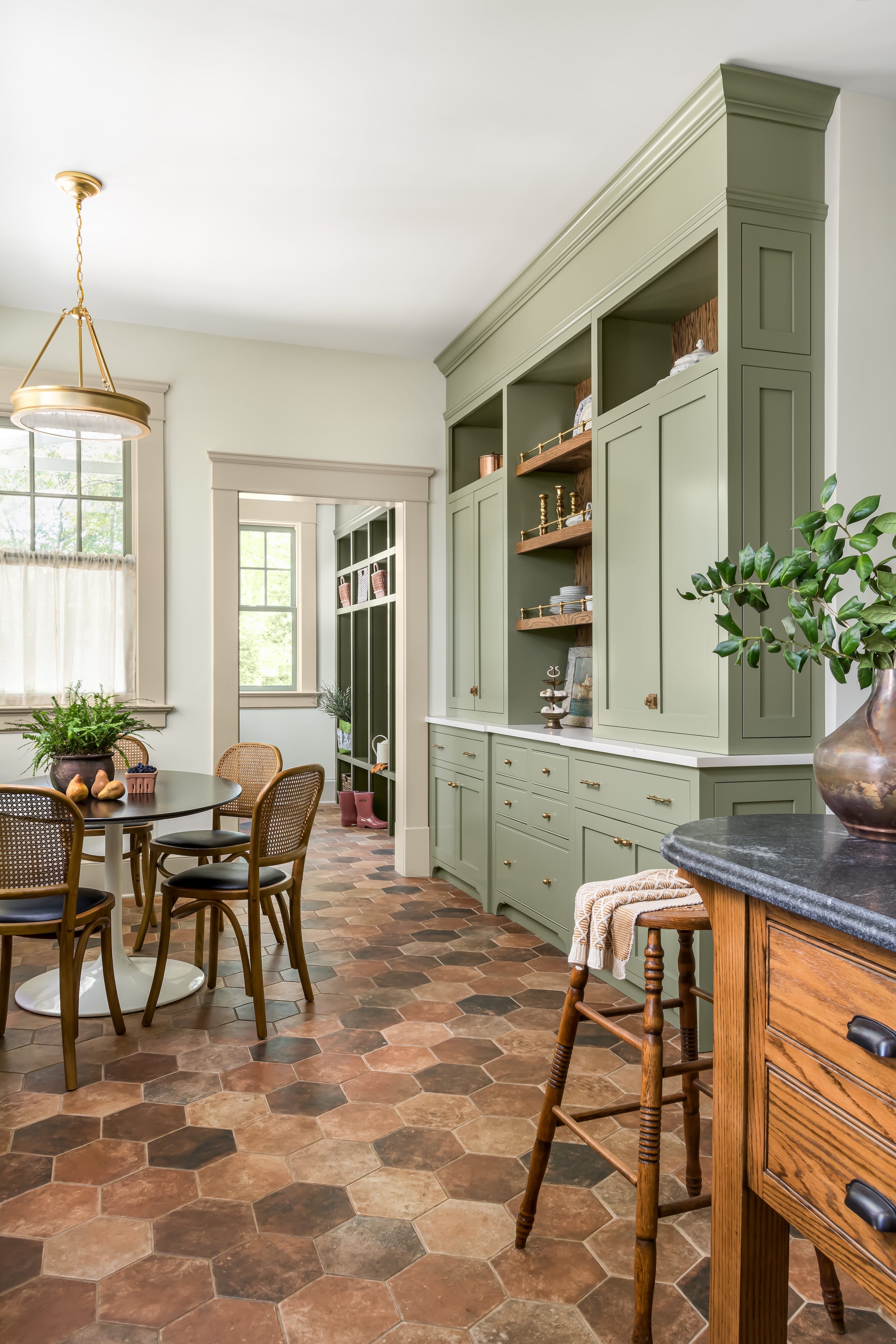
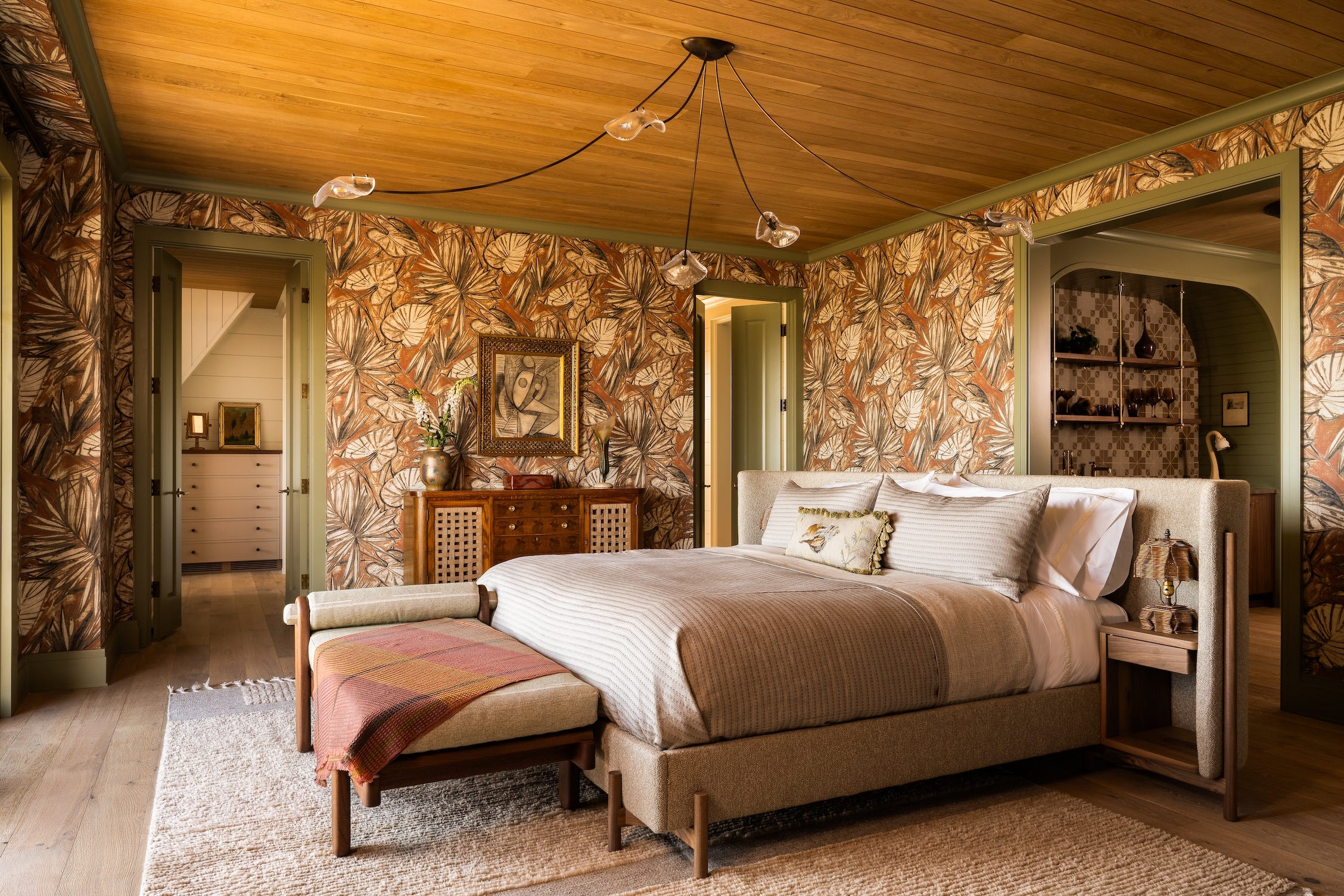
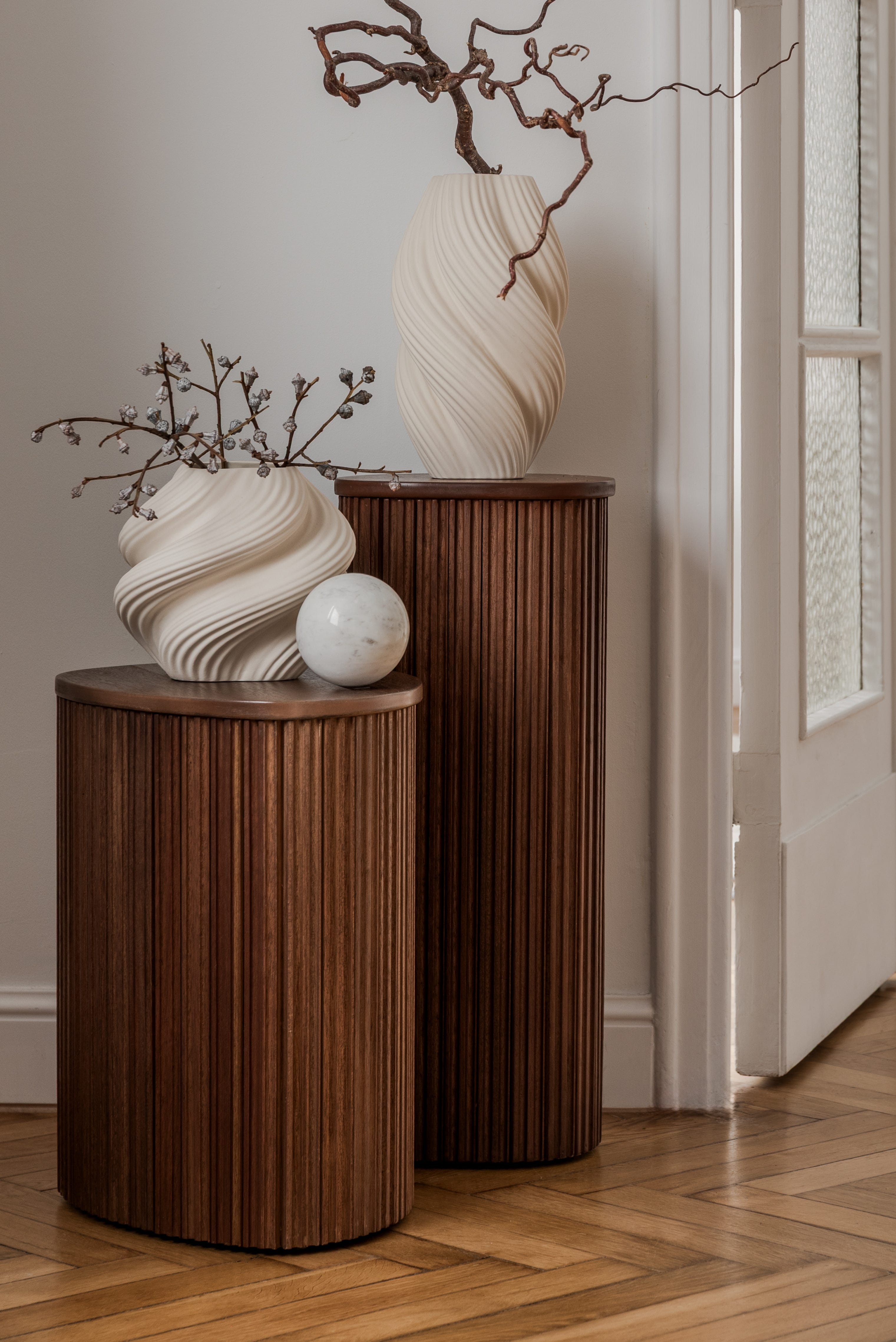
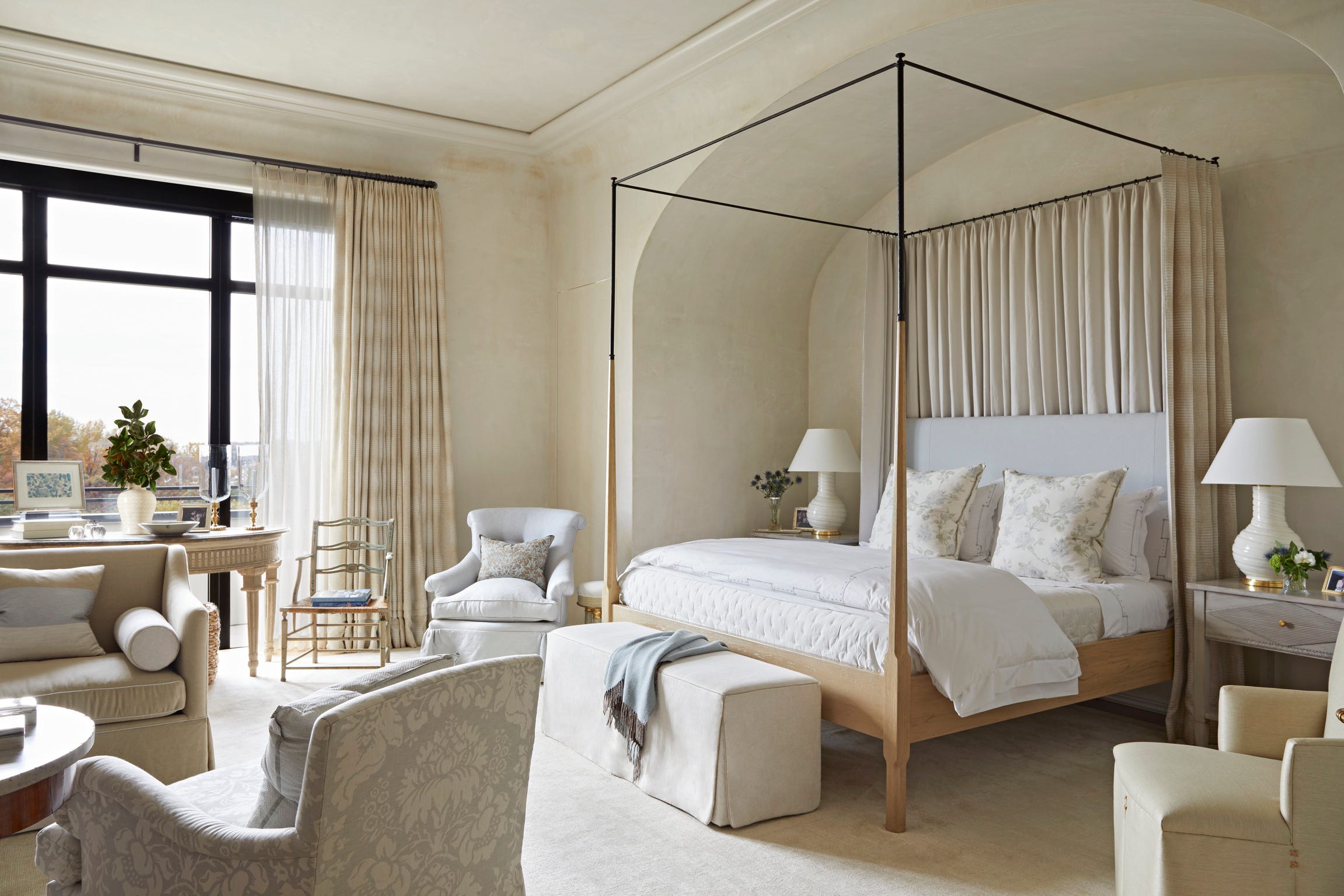
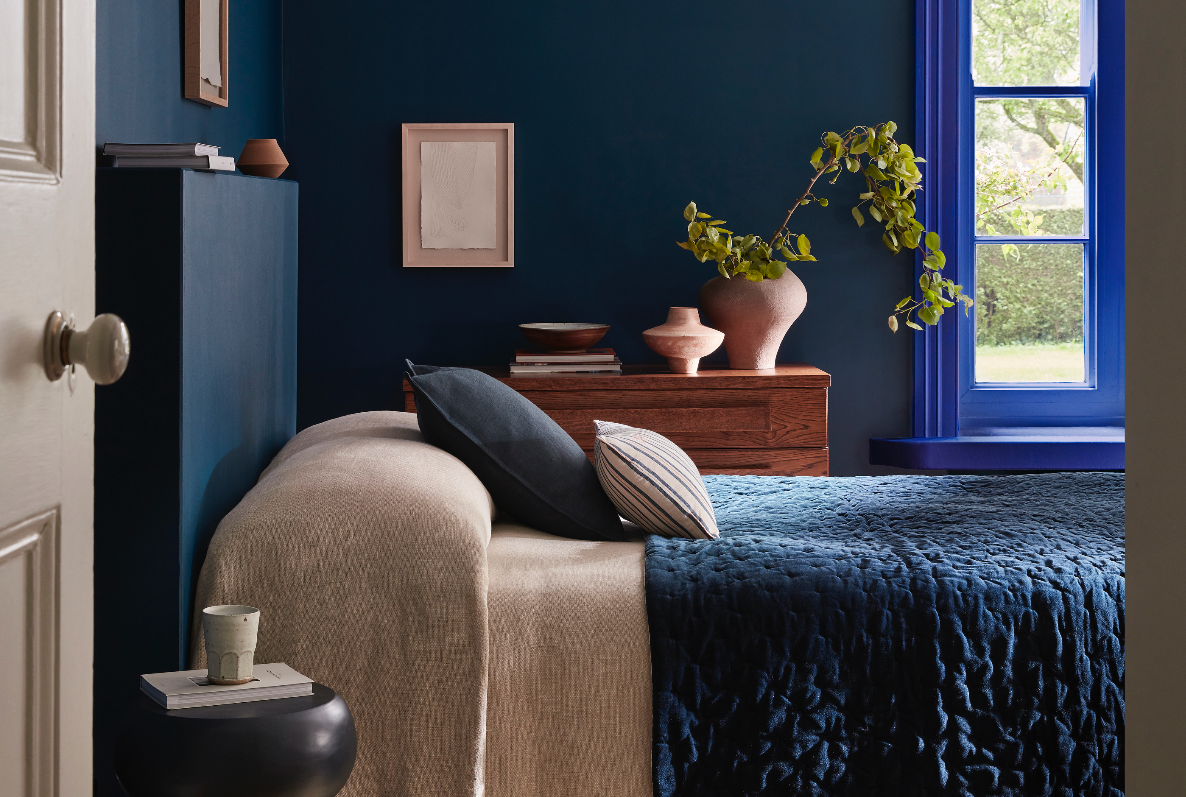
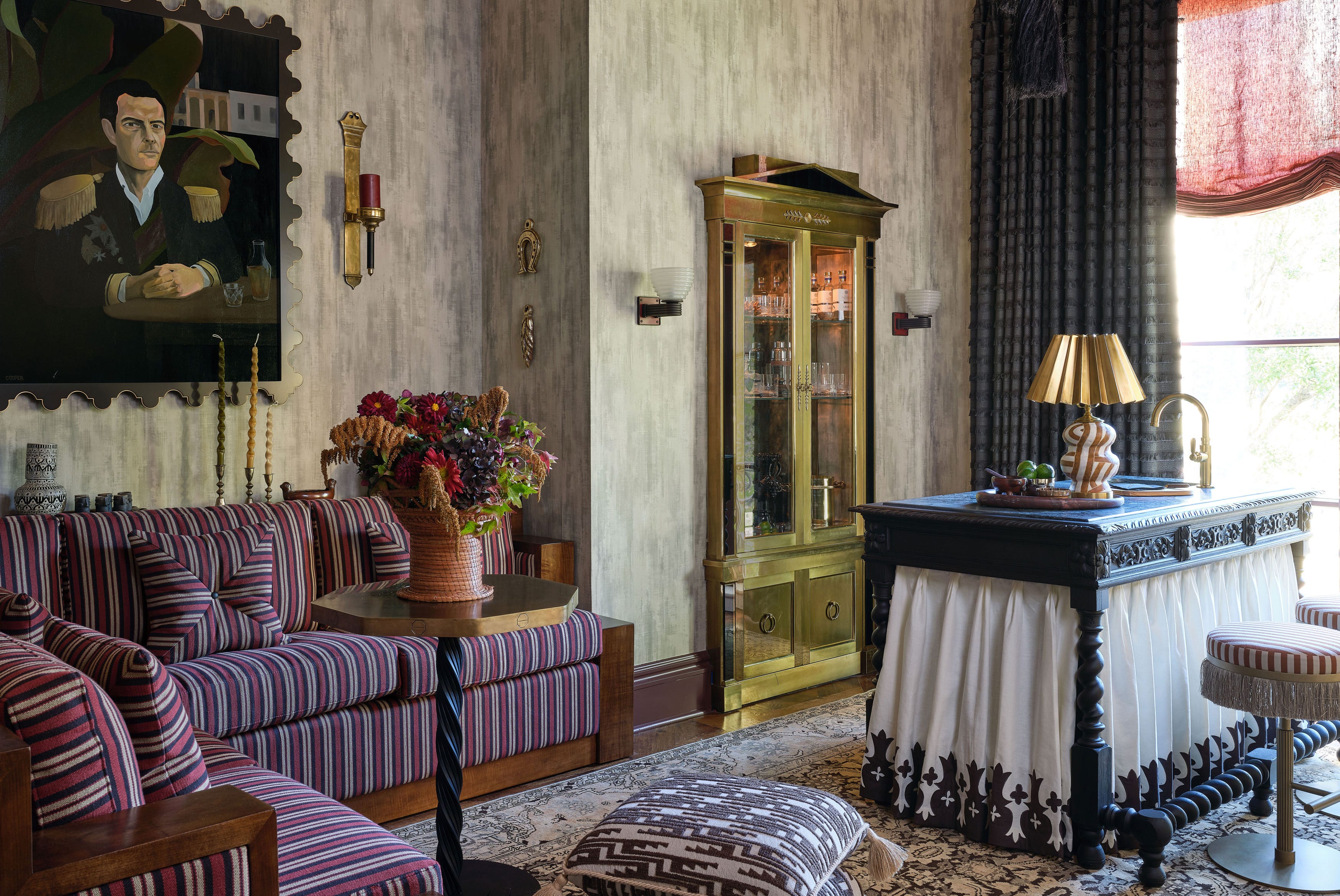
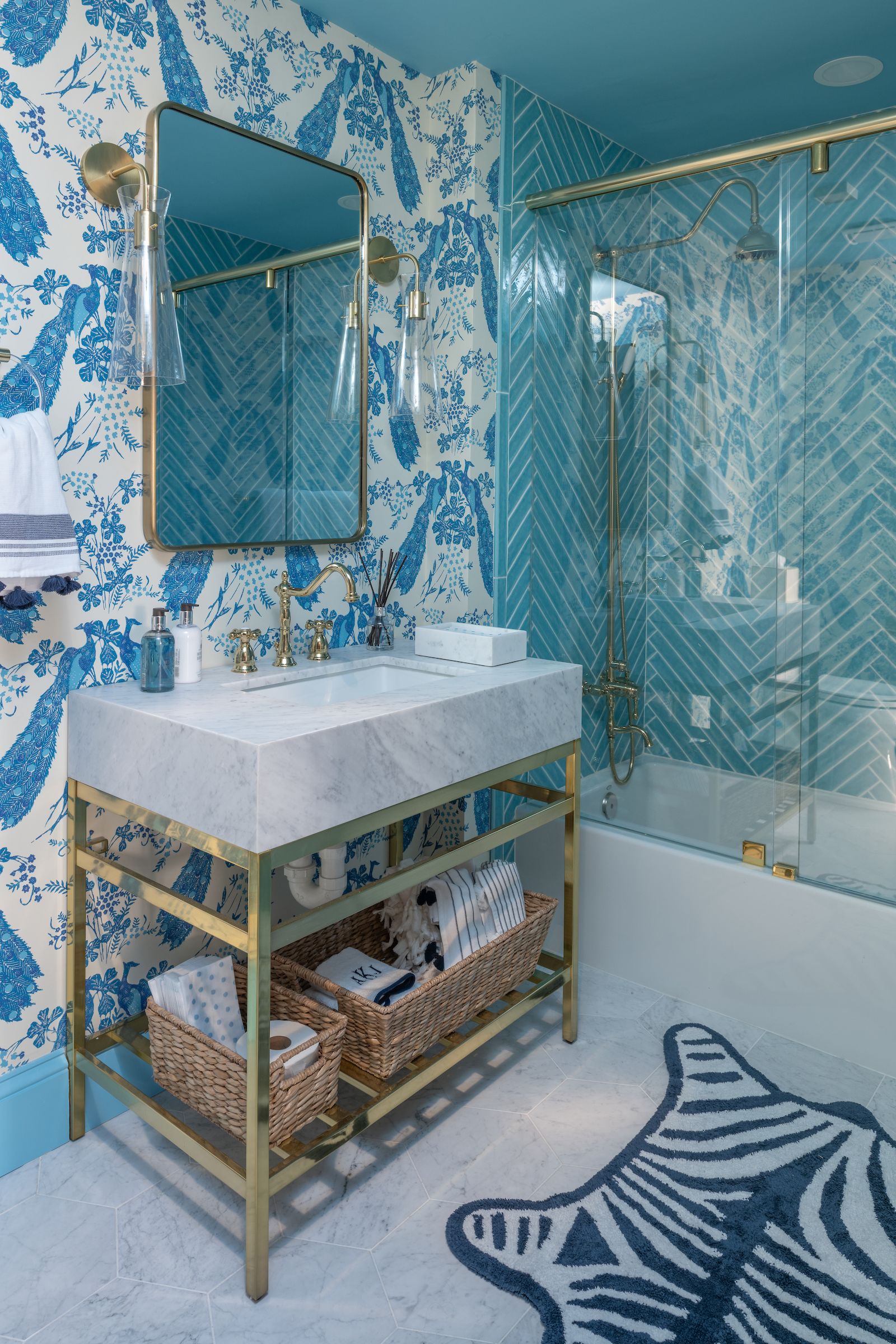
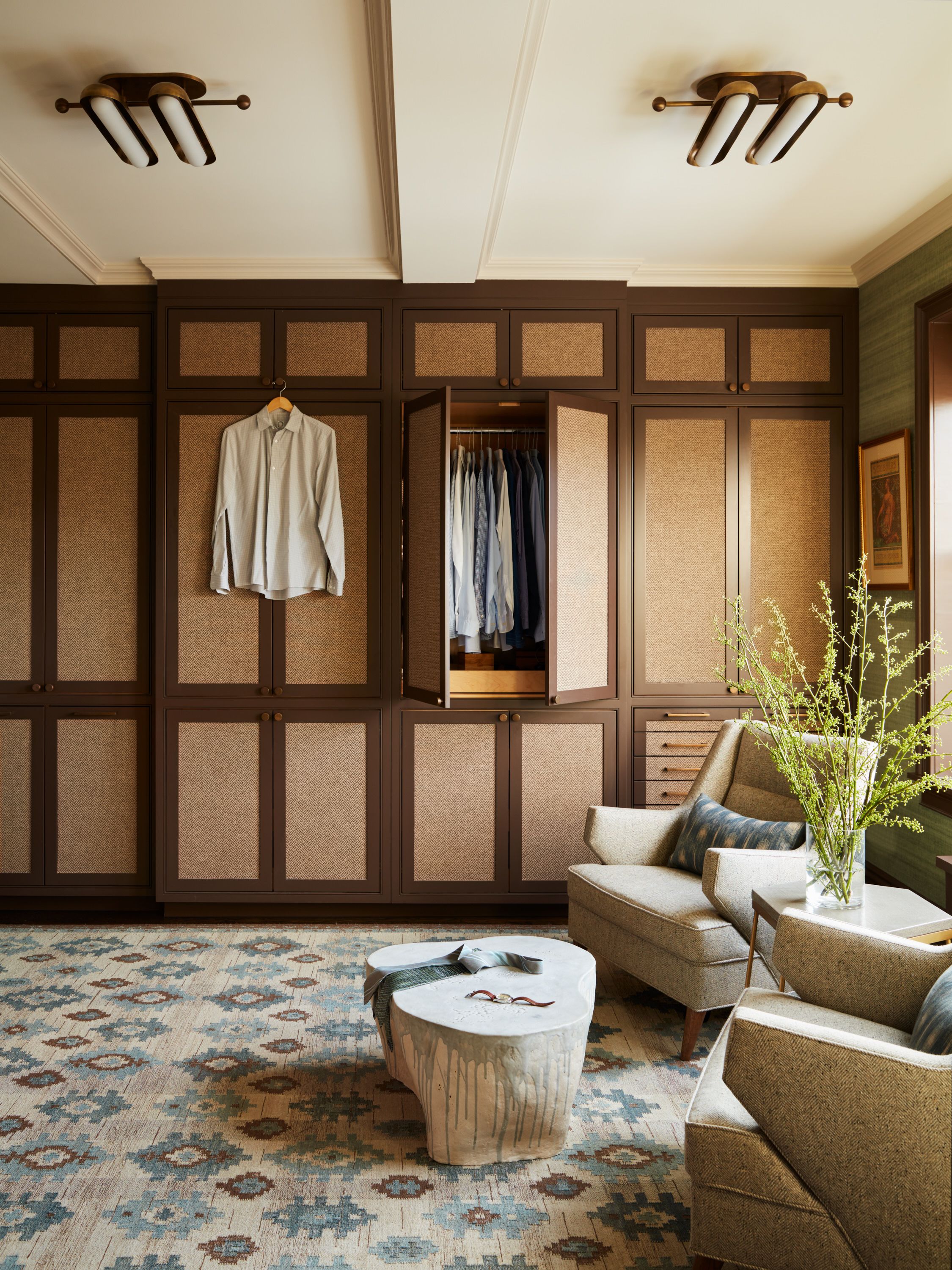
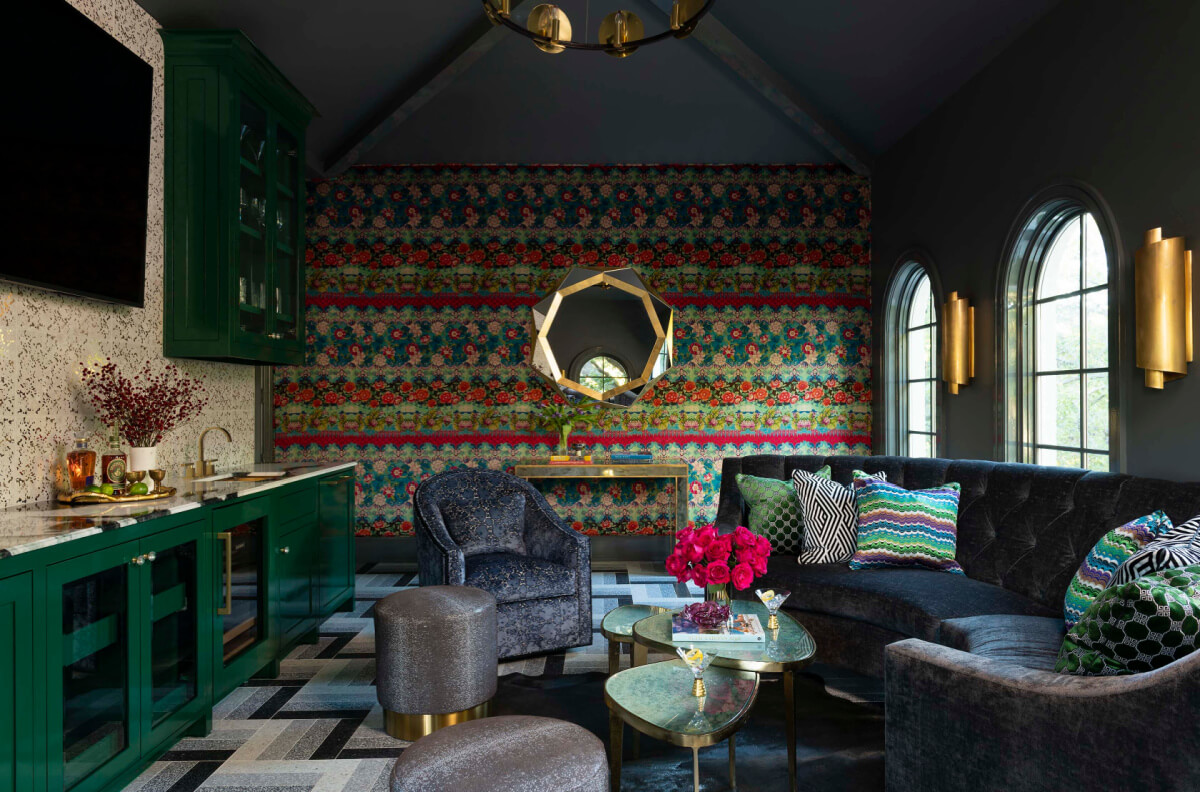
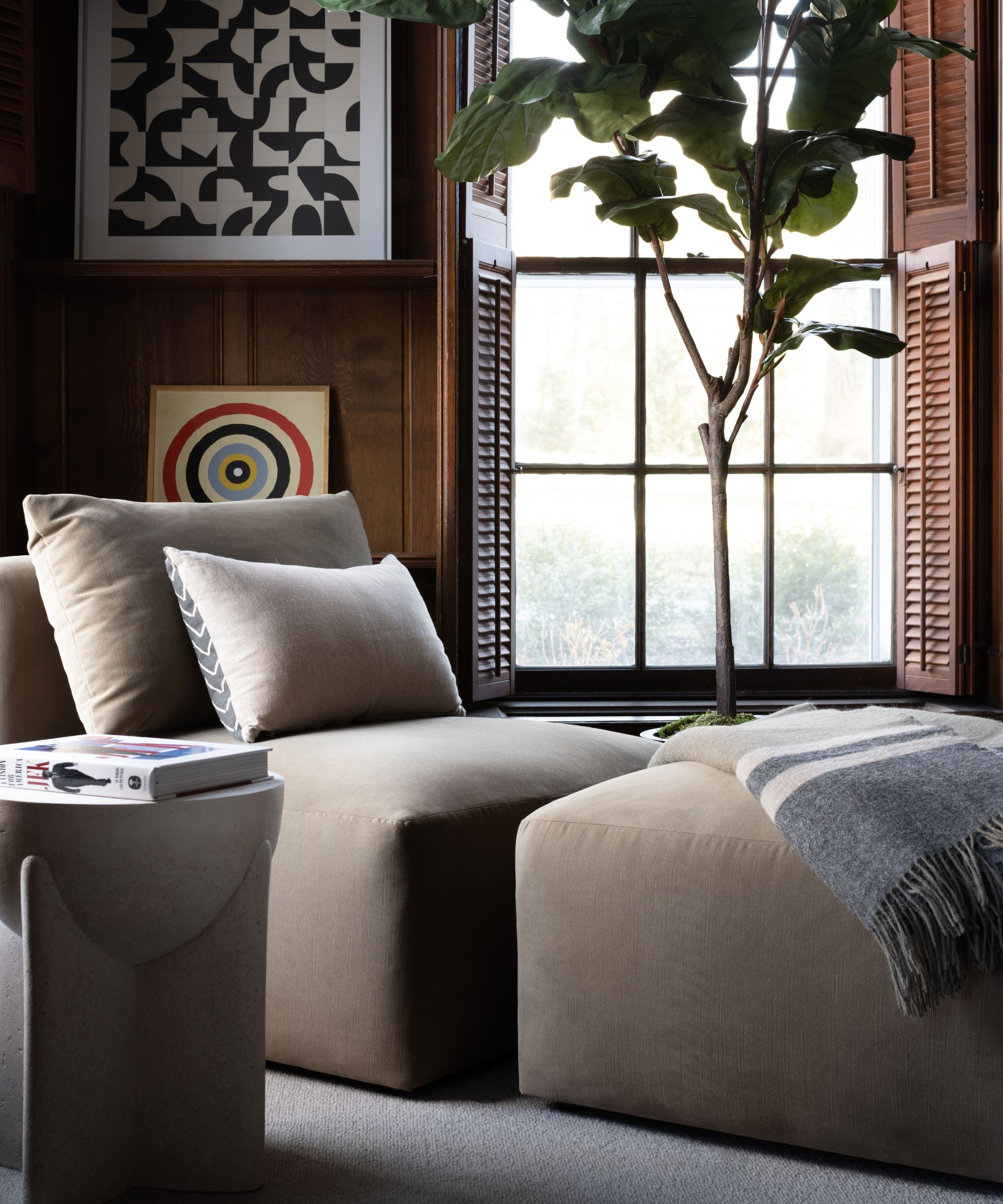
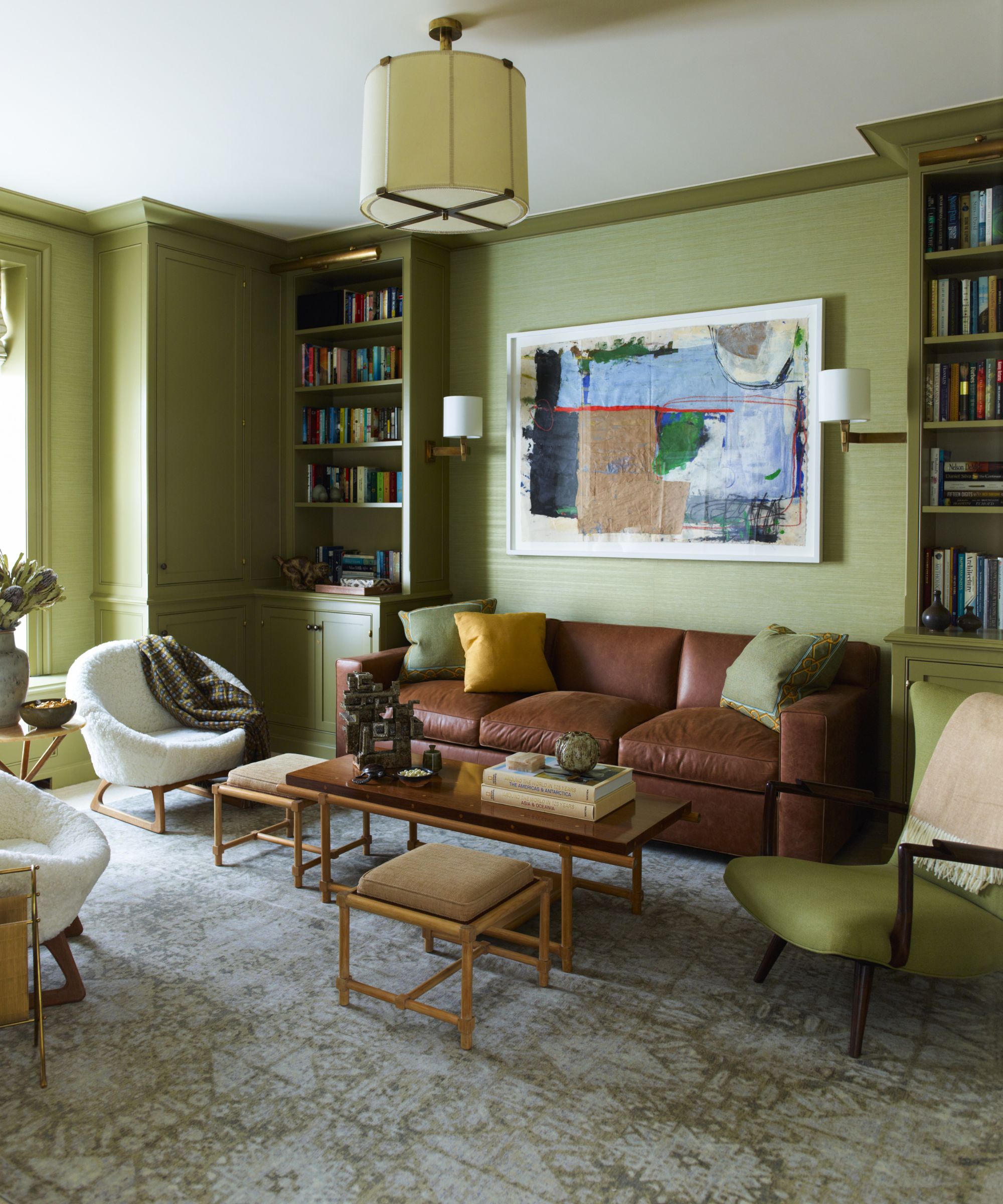
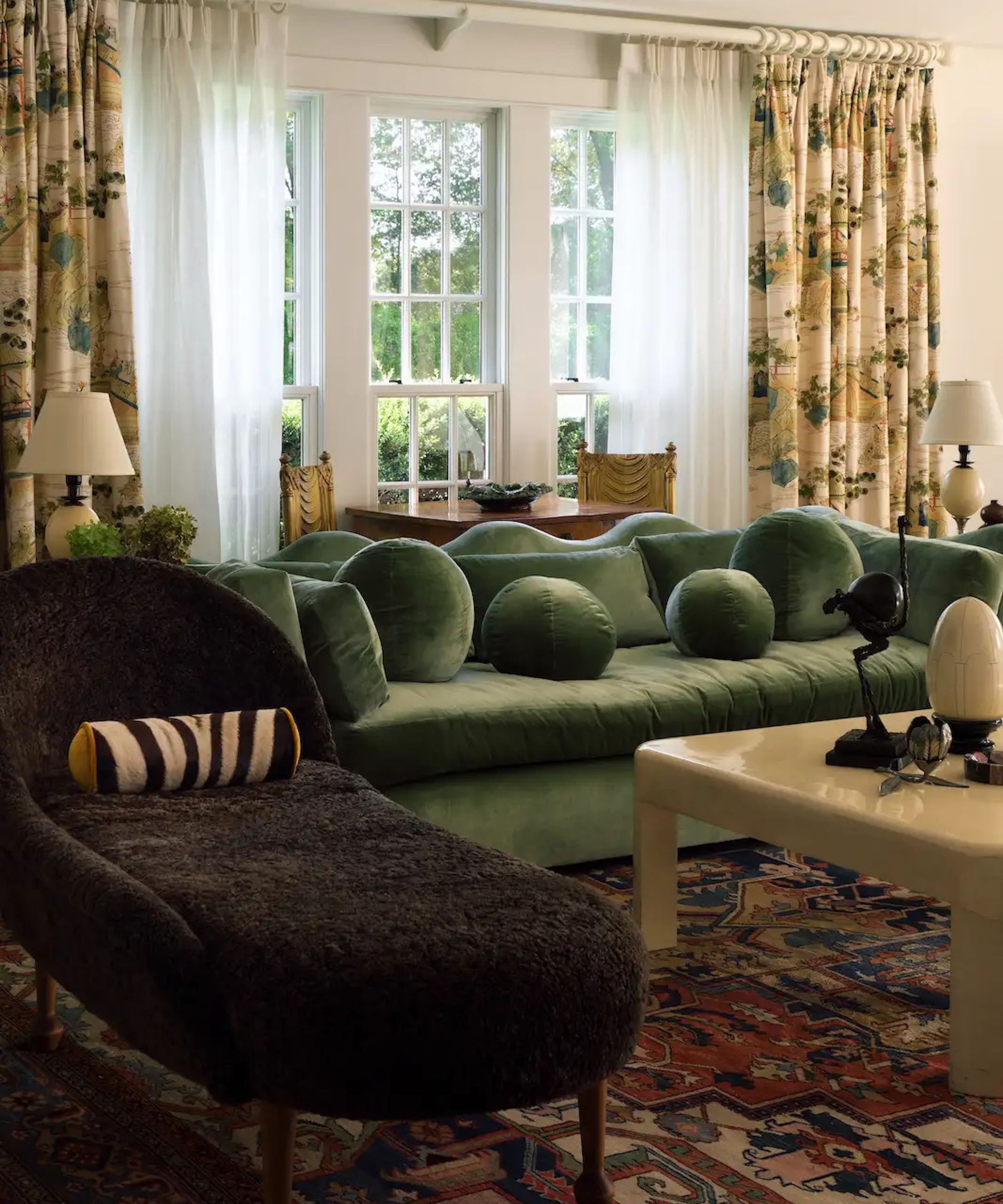
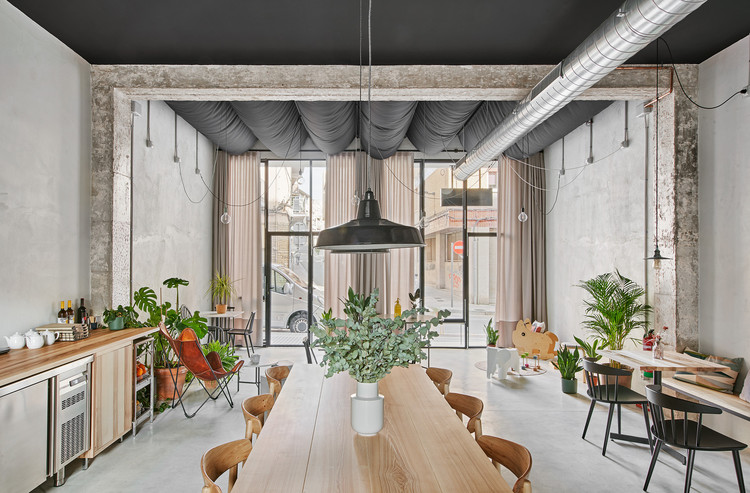
Aesthetically, there is a renewed appreciation for 'modernized rusticity,' reflecting a desire for functional, appealing, and calming spaces that harmonize with the outdoors. This trend values tradition, local influences, rich materials, natural light, and views, moving away from overly minimalist interiors. The focus is on texture, color, and ornamentation, leading to personalized spaces that exude liveliness, naturalness, and warmth. New technologies are supporting this aesthetic shift by optimizing the performance and sustainability of organic materials, such as cross-laminated timber and structural engineered bamboo, while preserving their rugged and biophilic qualities. The aesthetic evolution also embraces materials that respond to their environment, like oxidized copper, weathered stone, untreated wood, and even high-tech options such as self-healing concrete and thermochromic glass. The future envisions transformable, modular, and greener interiors, where nature merges with technology, and virtual and augmented reality enhance immersive experiences. Biophilic design is evolving into living surfaces that integrate plants and fungi, and programmable materials will adapt to user needs via computer algorithms, with data revolutionizing personalized design solutions.
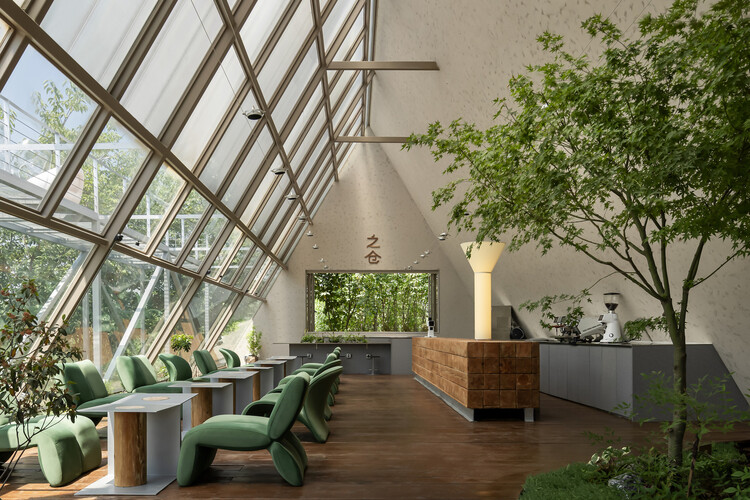
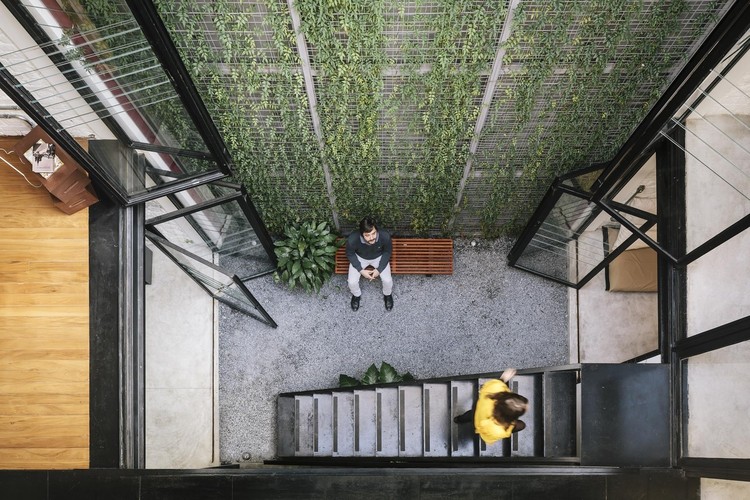
Regarding energy, interiors are increasingly viewed as living organisms within a circular urban metabolism. This perspective prioritizes resource conservation and waste minimization through the reuse of materials and energy. Interior spaces are designed for efficient energy consumption, considering both input and output. The decentralization of energy generation, leveraging sources like sun, wind, earth, and water, is becoming more accessible through self-powered homes and off-grid buildings. While technologies like wave power are still developing, small-scale wind turbines, photovoltaic systems, and geothermal energy are becoming more viable for residential use. Beyond generation, efficient energy use is crucial, optimized through low-energy systems, appropriate envelope materials, green infrastructure, and maximizing natural lighting and ventilation. These strategies reduce energy consumption and improve indoor air quality. In the coming years, cities and indoor spaces will continue to integrate home automation and the Internet of Things (IoT) to promote a circular economy, enhance resource management, and reduce environmental impact. Robotics and automation will further integrate into daily routines, transforming living and environmental interaction. Alongside these technological advancements, the enduring appeal of nature suggests that biophilic design will continue to strengthen, emphasizing the blend of nature, technology, and well-being as foundational elements for future-proofed interiors.
#InteriorDesign #FutureProofing #SmartHomes #SustainableDesign #BiophilicDesign #ModularDesign #CircularEconomy #ArchitecturalTrends #TechnologicalInnovation #InteriorDesign #FutureProofing #SmartHomes #SustainableDesign #BiophilicDesign #ModularDesign #CircularEconomy #ArchitecturalTrends #TechnologicalInnovation
共0条评论
 暂无评论
暂无评论你可能还喜欢
Interior Design Trends to Know in 2023—And What’s on Its Way Out
You’re About to See These 2023 Interior Design Trends All Over Your FYP
Designers Are Calling It: These Interior Design Trends Will Be Everywhere in 2026

8 Interior Design Trends for 2025
The Pros Have Spoken: These Interior Design Trends Will Define 2025

8 interior trends predicted to be huge in 2023, according to designers
8 Interior Design Trends That Will Be Everywhere in 2025

12 must-know interior design trends that will be defining our homes in 2025
The Biggest Interior Design Trends for 2025

The Stunning Interior Design Trend That's Here To Stay In 2025

Designers Predict These 7 Interior Design Trends Will Be Everywhere in 2025

The Vintage Interior Trends Designers Predict Will Define Homes in 2026

Tech-infused trends and how it's shaping interior design in 2024

Interior Design Trends of 2024
Interior Design Trends of 2025 Include a Refresh on Maximalism
What to Expect from Interiors of the Future
Design Forward: 4 Must-Know Interior Trends for 2025

The Interior Design Trends Taking Over Fall 2025, According to Designers

10 Interior Design Trends to Watch in 2025

Five Interior Design Trends for 2025