1/3
A Trend Toward Pivot Doors
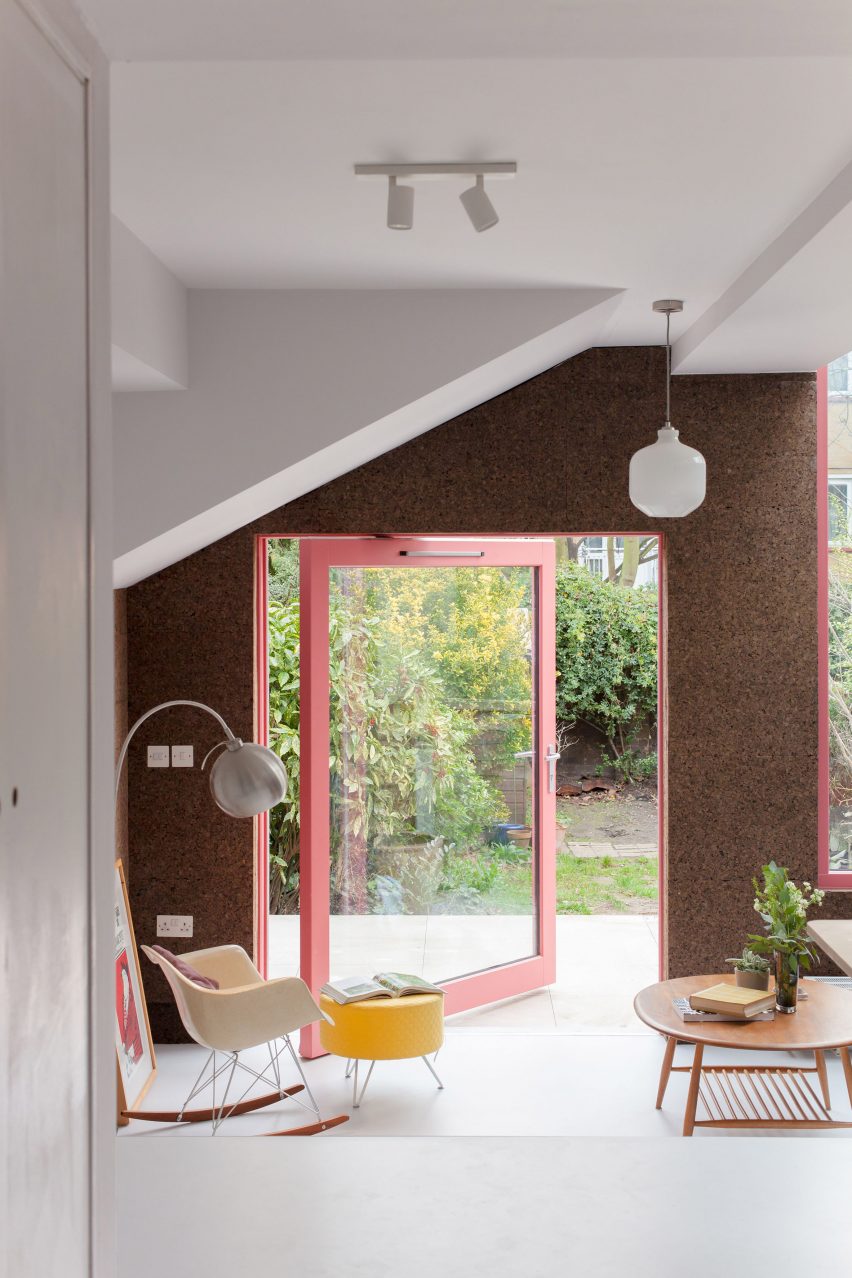
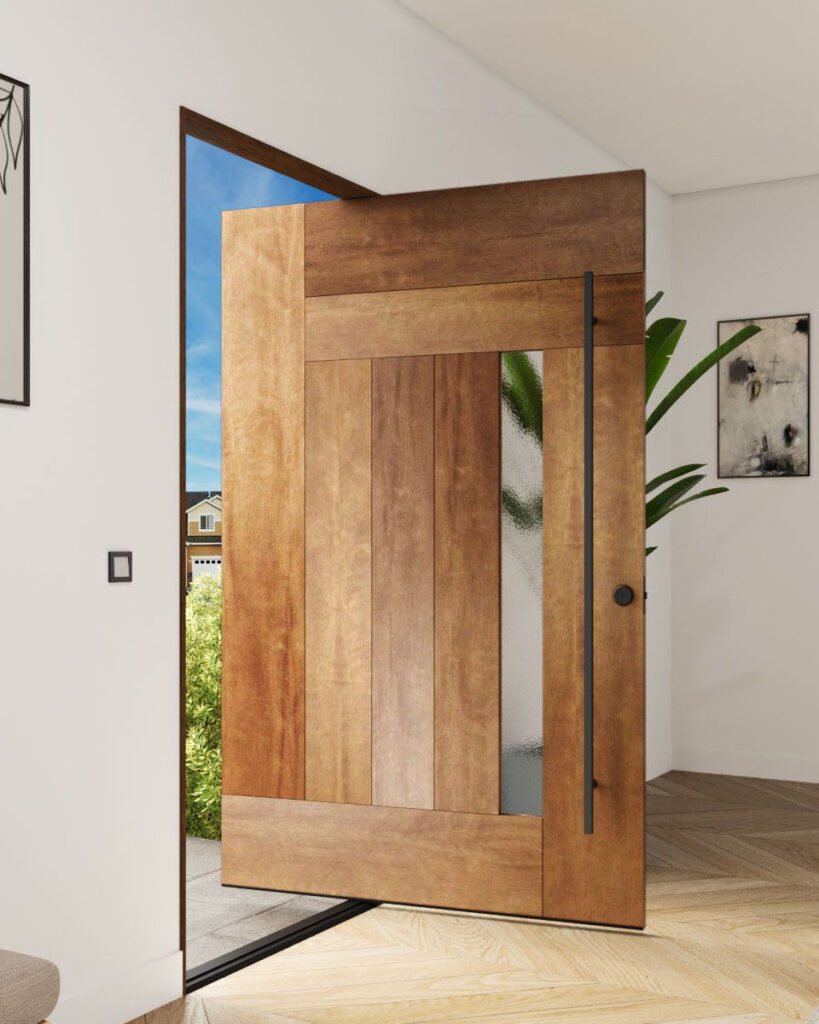
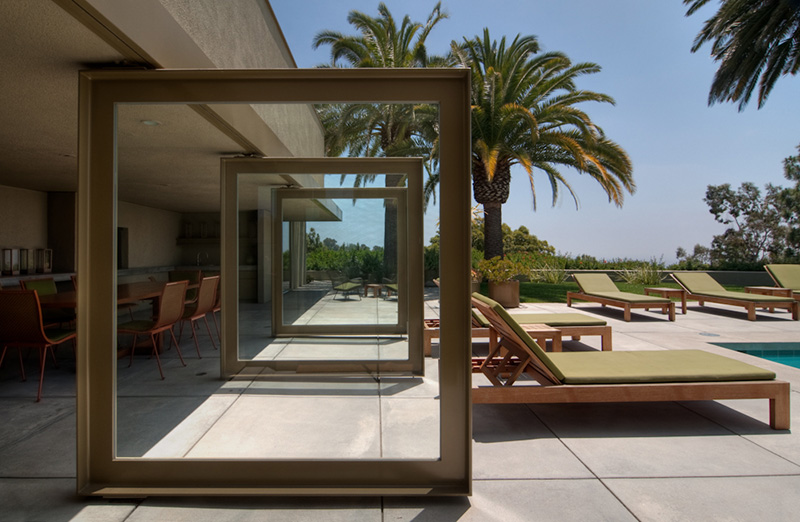
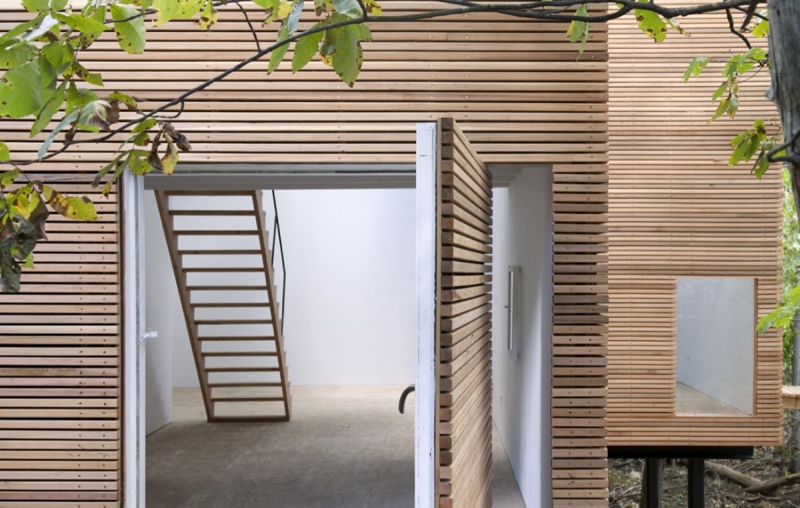
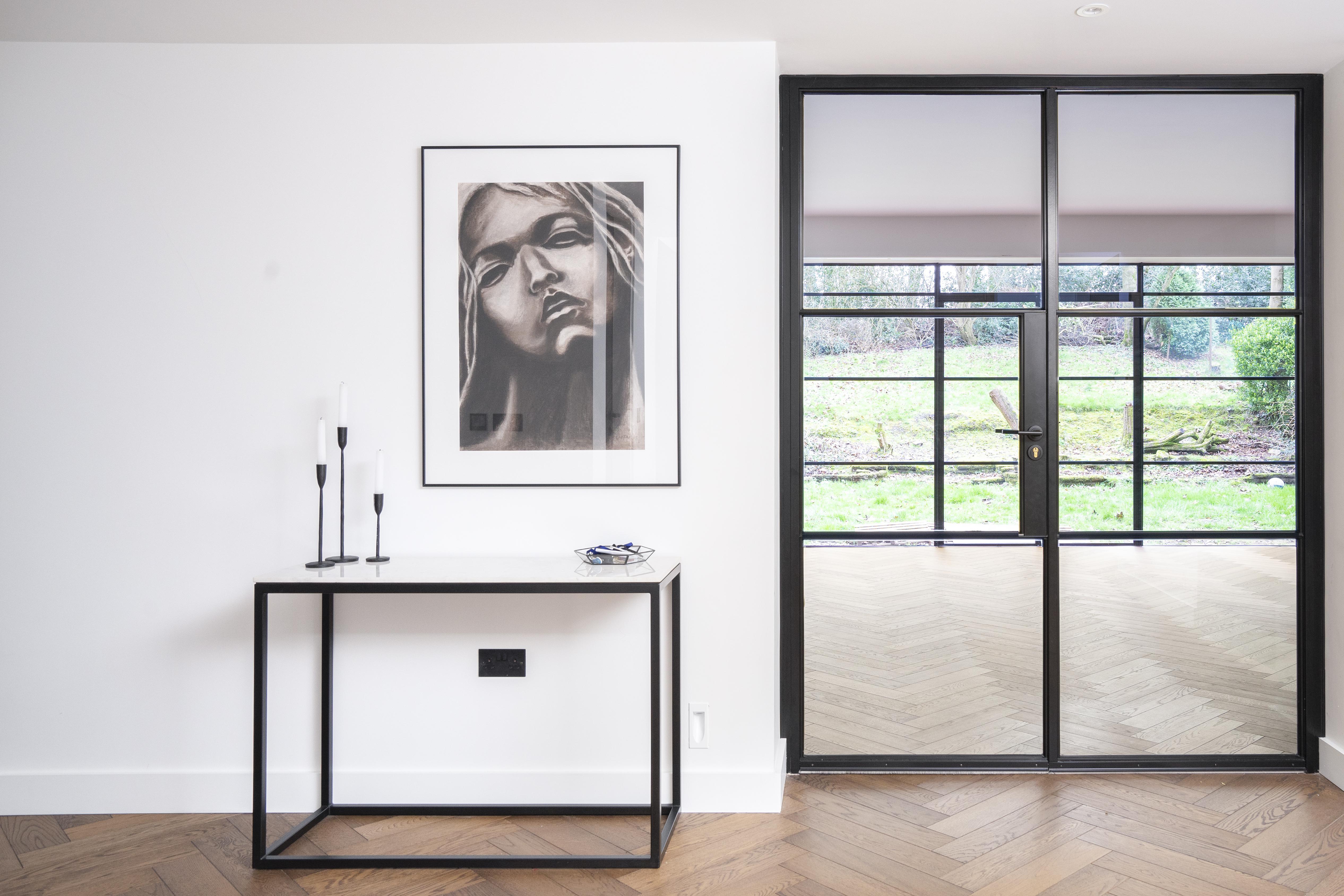
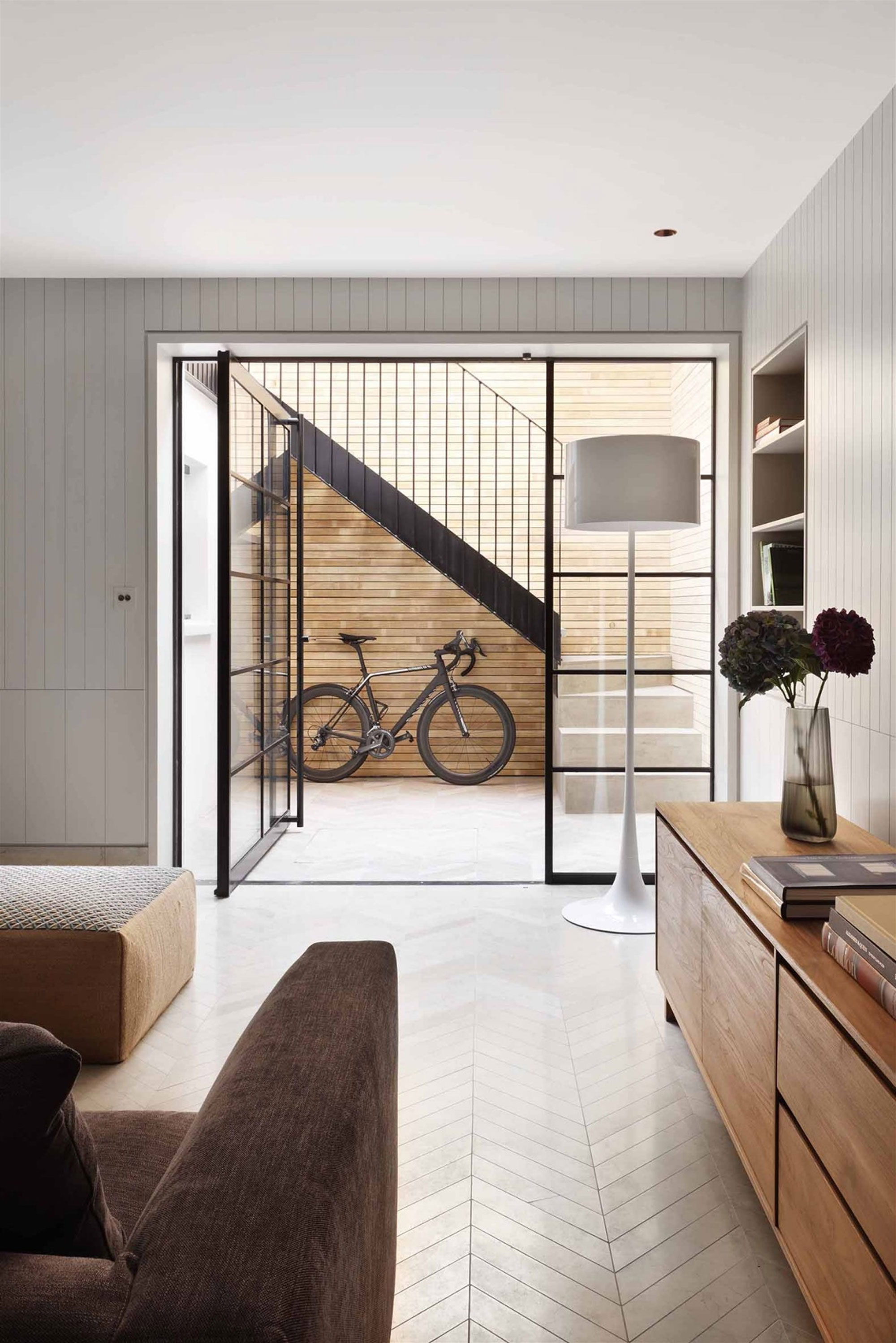
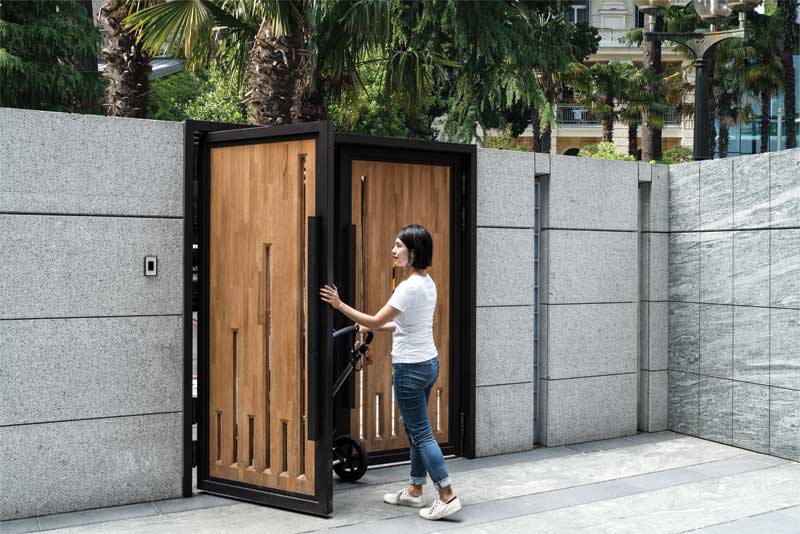
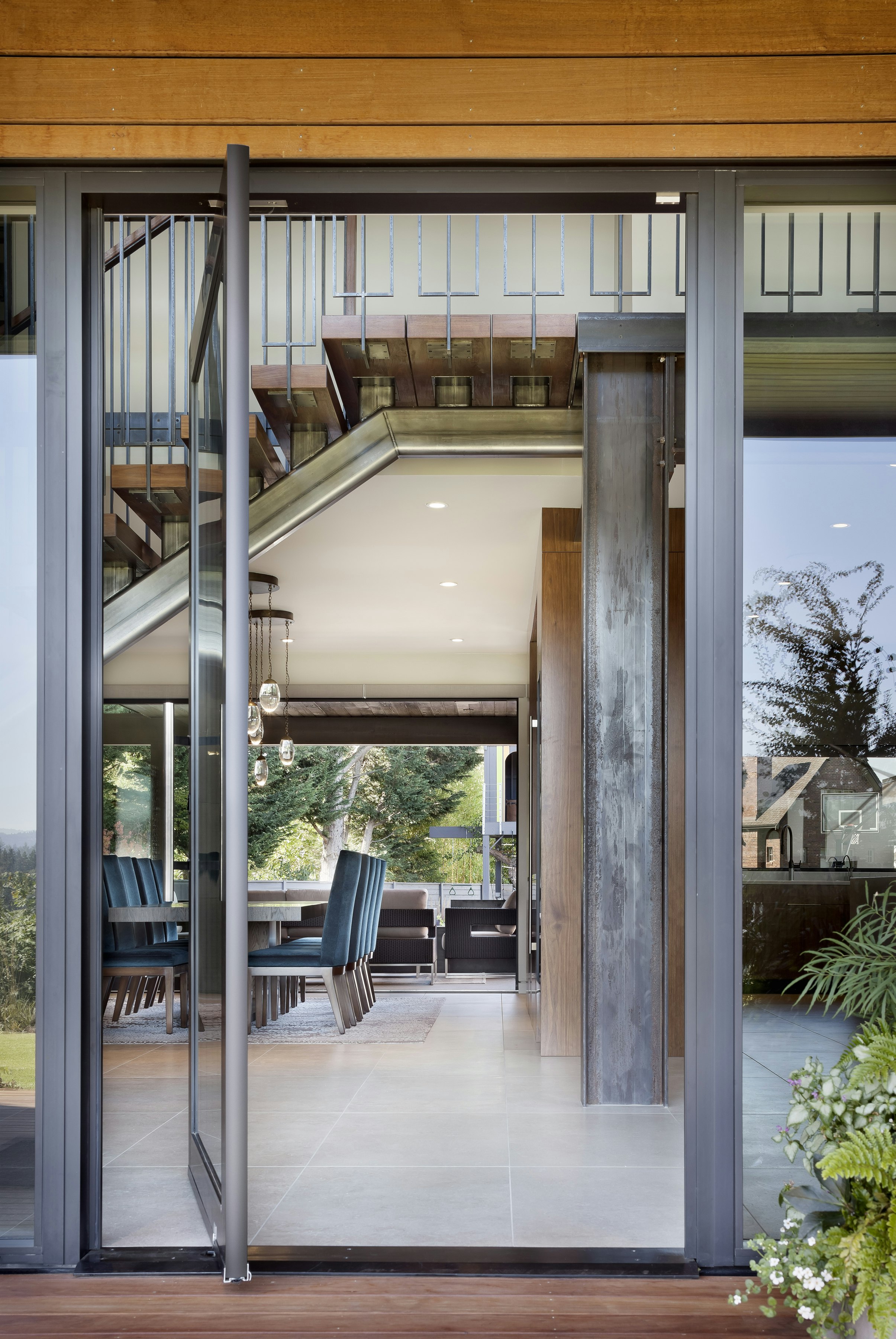

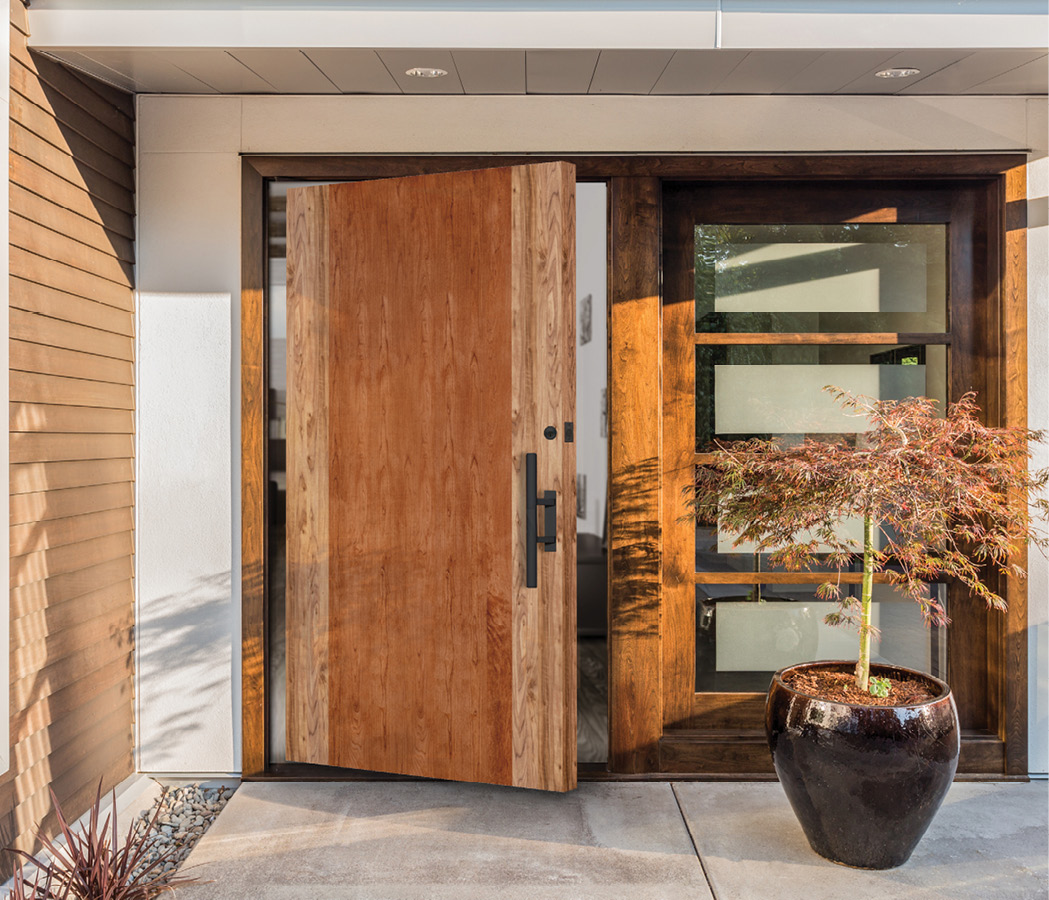
The increasing popularity of pivot doors for residential entryways is driven by homeowners' desire for visually impactful and unique architectural elements. These doors are typically found in high-end homes, serving as a distinctive showpiece that differentiates the property. Industry experts note a trend toward larger and wider pivot doors, with custom designs incorporating features like integrated lighting and unique color options. This "big is better" mentality reflects homeowners' investment in their "forever homes" and a desire to upgrade from traditional aesthetics. The Art Deco style has also re-emerged as a design influence for pivot doors, leading to options like arched tops.
Pivot doors are manufactured from various materials, including steel, wood, and aluminum. There is a growing demand for increasingly larger doors; while 8-foot-tall doors were once considered oversized, 9-foot doors are now standard, and 10-to-12-foot doors are becoming common. Some manufacturers are even pushing beyond these dimensions. Given the substantial size and weight of these doors, multi-point locks are popular for ensuring security and accommodating the larger scale.
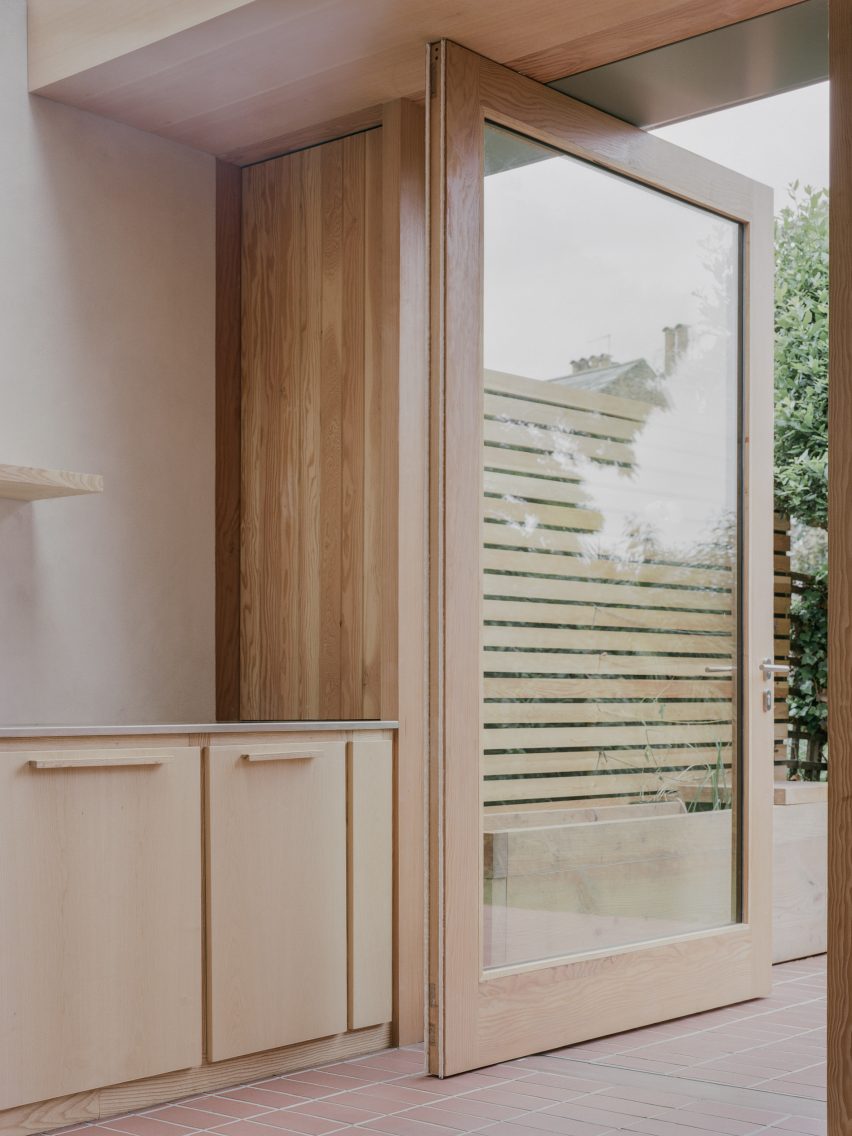
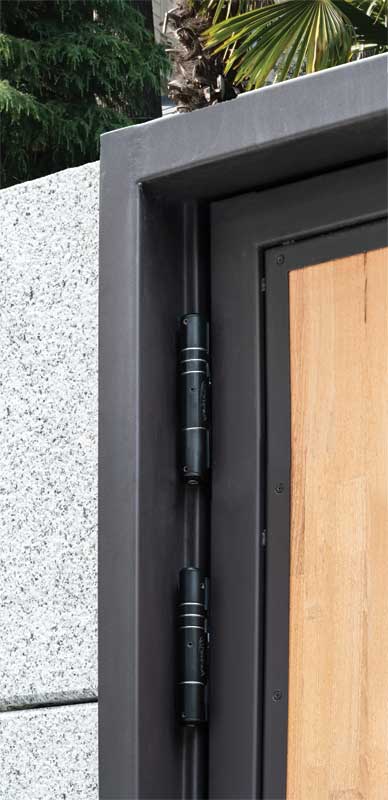
The unique design and weight of pivot doors necessitate specialized hardware that differs significantly from traditional hinges. These doors can weigh 350 pounds or more, requiring hardware that balances the door effectively to allow for smooth, effortless operation. Instead of conventional hinges, pivot door systems utilize a single pivot point at the top and bottom of the door. This specialized hardware often includes customizable settings for speed, soft-close functionality, and opening range. Many manufacturers of oversized pivot doors develop their hardware in-house, as off-the-shelf options are insufficient to support the extreme weight and dimensions.
Manufacturing pivot doors involves specialized processes and machinery. Some companies produce the door and jamb as a single, permanently connected unit, pre-setting all tolerances to ensure perfect functionality regardless of job site conditions. This approach is particularly crucial for exceptionally large doors, such as those weighing 5,000 pounds and standing 20 feet tall, where standard hardware and assembly methods are impractical. Manufacturers often employ five-axis CNC machines for precision machining and routing of door components. The manufacturing process for pivot doors also diverges from that of traditional doors like French doors, requiring specialty machinery. Pivot doors are frequently constructed with lightweight unibody structures and feature artisan-crafted surfaces that combine structural integrity with artistic design. Furthermore, modern pivot doors are increasingly integrating smart home technology, including biometrics and electronic keypads, enhancing both security and convenience.
#PivotDoors #HomeDesignTrends #ArchitecturalDesign #HighEndHomes #CustomDoorHardware #ManufacturingProcesses #LargeDoors #SmartHomeIntegration #PivotDoors #HomeDesignTrends #ArchitecturalDesign #HighEndHomes #CustomDoorHardware #ManufacturingProcesses #LargeDoors #SmartHomeIntegration
共0条评论
 暂无评论
暂无评论你可能还喜欢
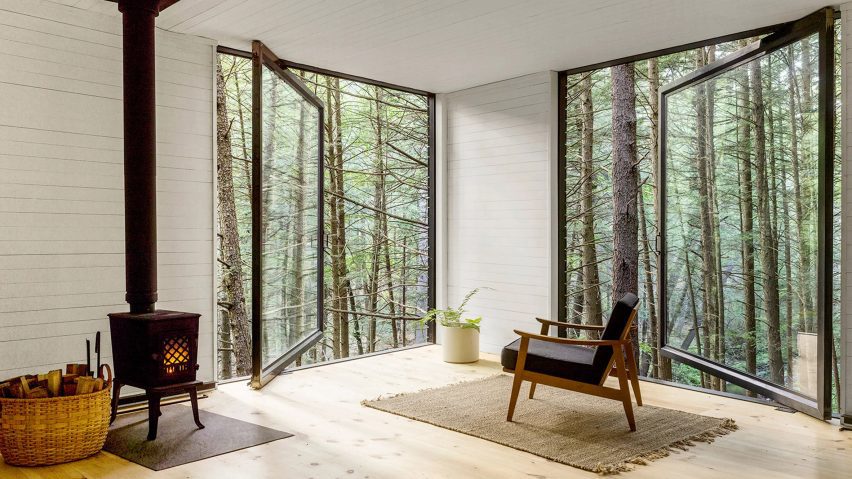
Ten head-turning home interiors that make a statement with pivot doors
The Next Big Molding Trend Instantly Elevates Basic Doors

Recessed Sliding Door Feature - Pocket from Sky-Frame

Designers Agree: Homeowners Want This Design Feature in 2026 (For Every Room!)


Tired of the Barn Door Trend? These Alternatives Are on the Rise
5 Bifold Door Alternatives You Should Consider for Your Extension Project (and Which Is Most on Trend for 2025)

This ’90s Front Door Trend Is Officially Out — Here’s What’s Replacing It
Top 5 Homes of the Week With Distinctive Doorways


An Alternative to the Sliding Door: 12 Pivot Doors Leading to Patios
Designers created a sliding glass door that can turn around corners
Front Doors | Back Doors

Doors & Windows
Making A Door That Opens Both Ways


Open Corner Sliding Glass Doors: Towards a Light & Wide Architecture
Sliding Doors in Houses with Interior Courtyards
Sliding Into Home | Home and Garden | Life
The death of the bifold door and what you should replace them with
Door closer hinges: A new approach
External Doors
At Home: The Door