Woodworker explains how raised panels are functional, not just decorative, and minds are blown
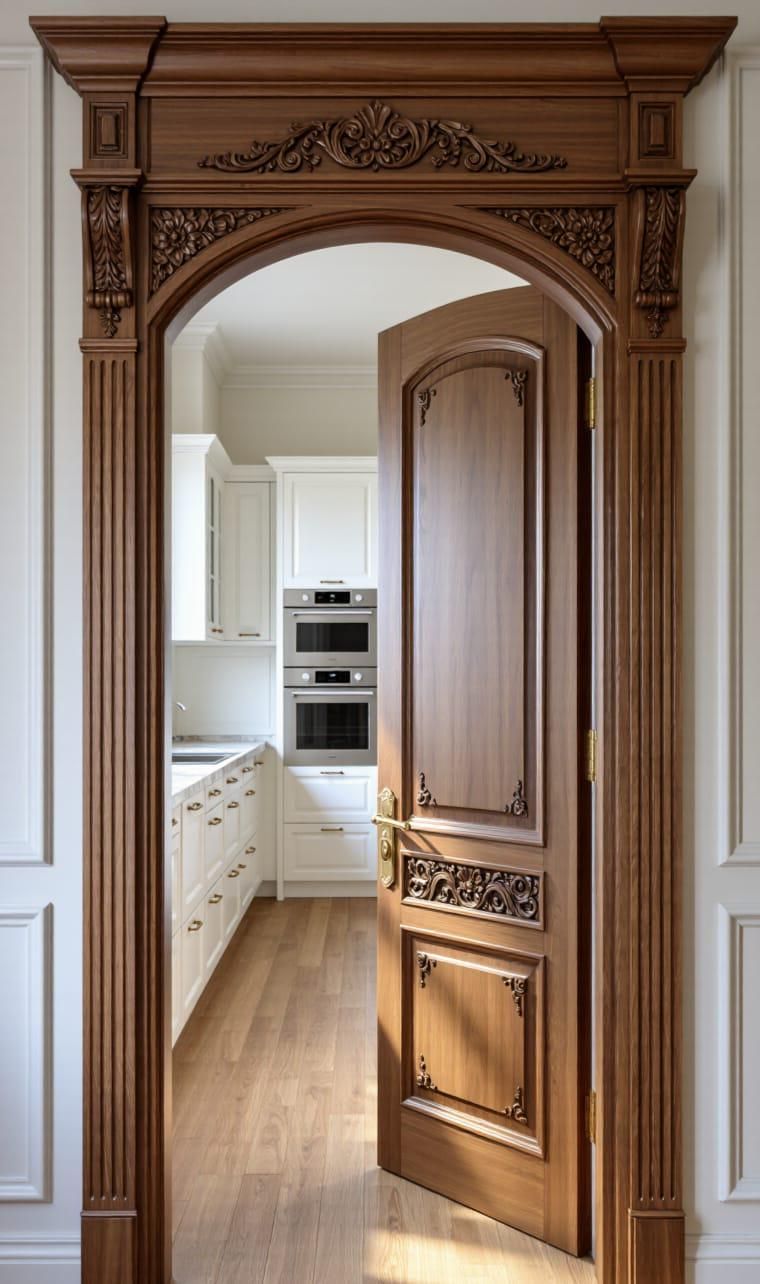
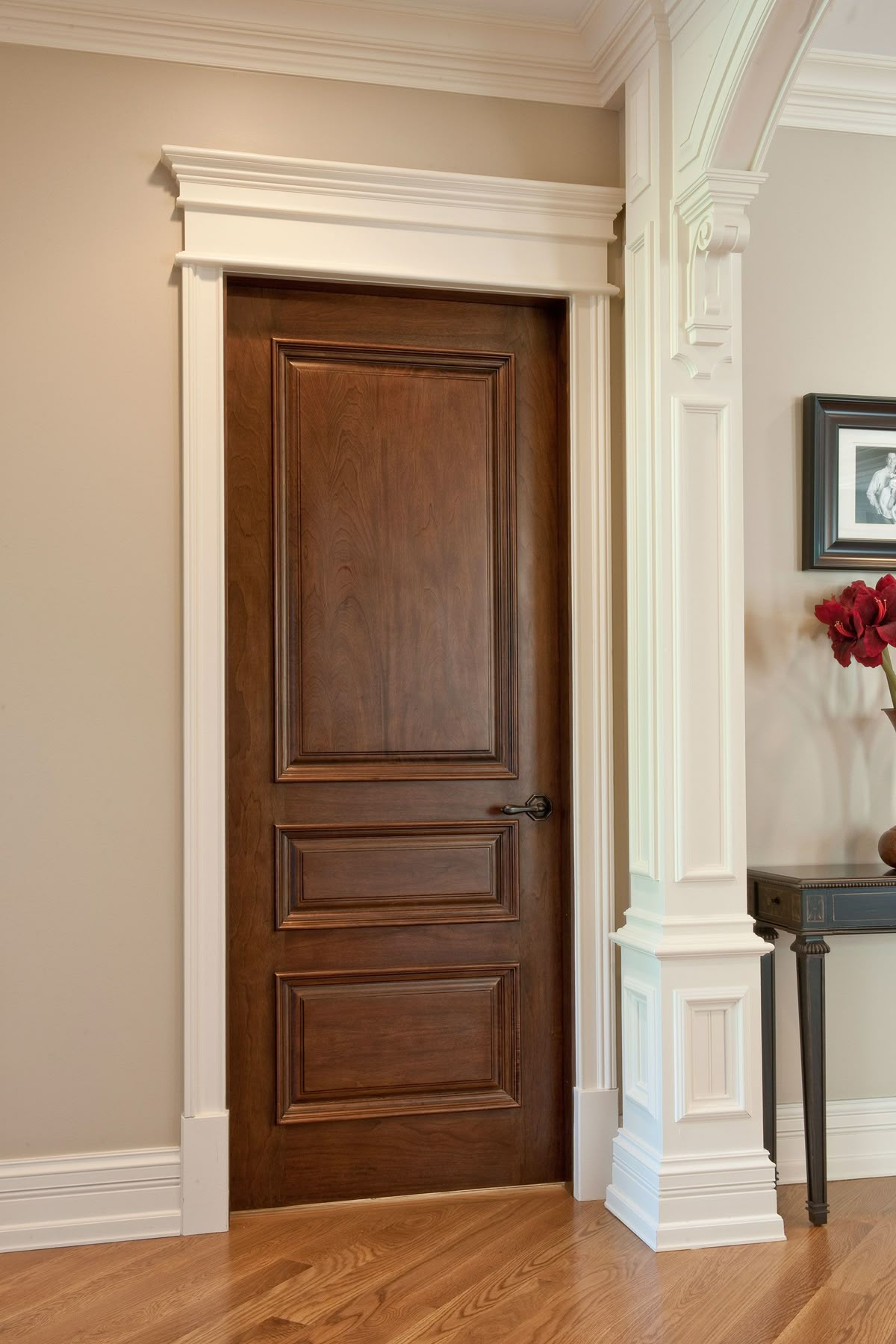
Raised panels, a common feature in solid wood doors, furniture, and architectural detailing, are widely perceived as decorative elements. However, woodworker Rex Krueger explains that their origin is rooted in functionality, addressing the natural behavior of wood. Wood is susceptible to expansion, contraction, and warping due to changes in temperature and humidity. While nails can help mitigate these changes in furniture by allowing slight flex, a large, unanchored piece of wood, such as a door panel or chest lid, will inevitably become misshapen over time.
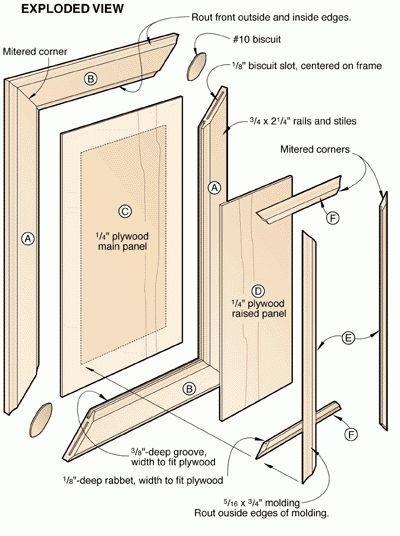
Early woodworkers recognized this challenge and devised a solution by incorporating panels within a frame. This design allowed them to create a door or lid with a smaller, central piece of wood (the panel) that sat loosely within grooves in a surrounding frame. The frame, being connected at its four corners, maintained its structural integrity, while the loosely fitted panel was free to expand and contract without compromising the overall shape or functionality of the piece. This innovative approach prevented the wood from warping and ensured the longevity of their creations.
Initially, these panels were flat, and the grooves in the frame were cut to accommodate their thin edges. To enhance durability, woodworkers began using thicker panels. To fit these thicker panels into the existing frame grooves, they started shaving down the edges, a technique that led to the development of beveling. In its nascent stages, this beveling was purely functional and not aesthetically refined. However, the resulting visual interest and sophisticated appearance prompted woodworkers to standardize and neaten the beveling process, making it a deliberate design choice.
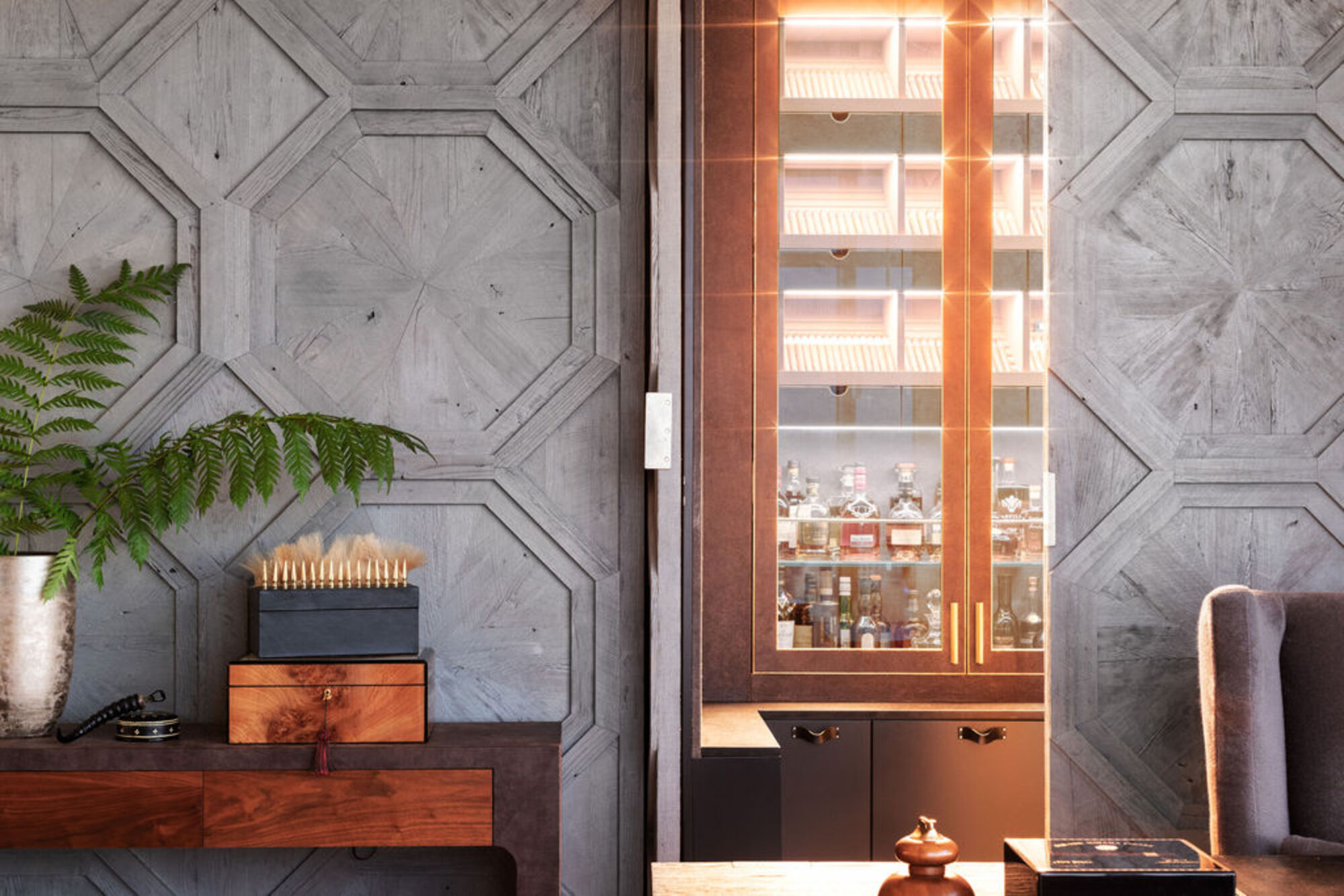
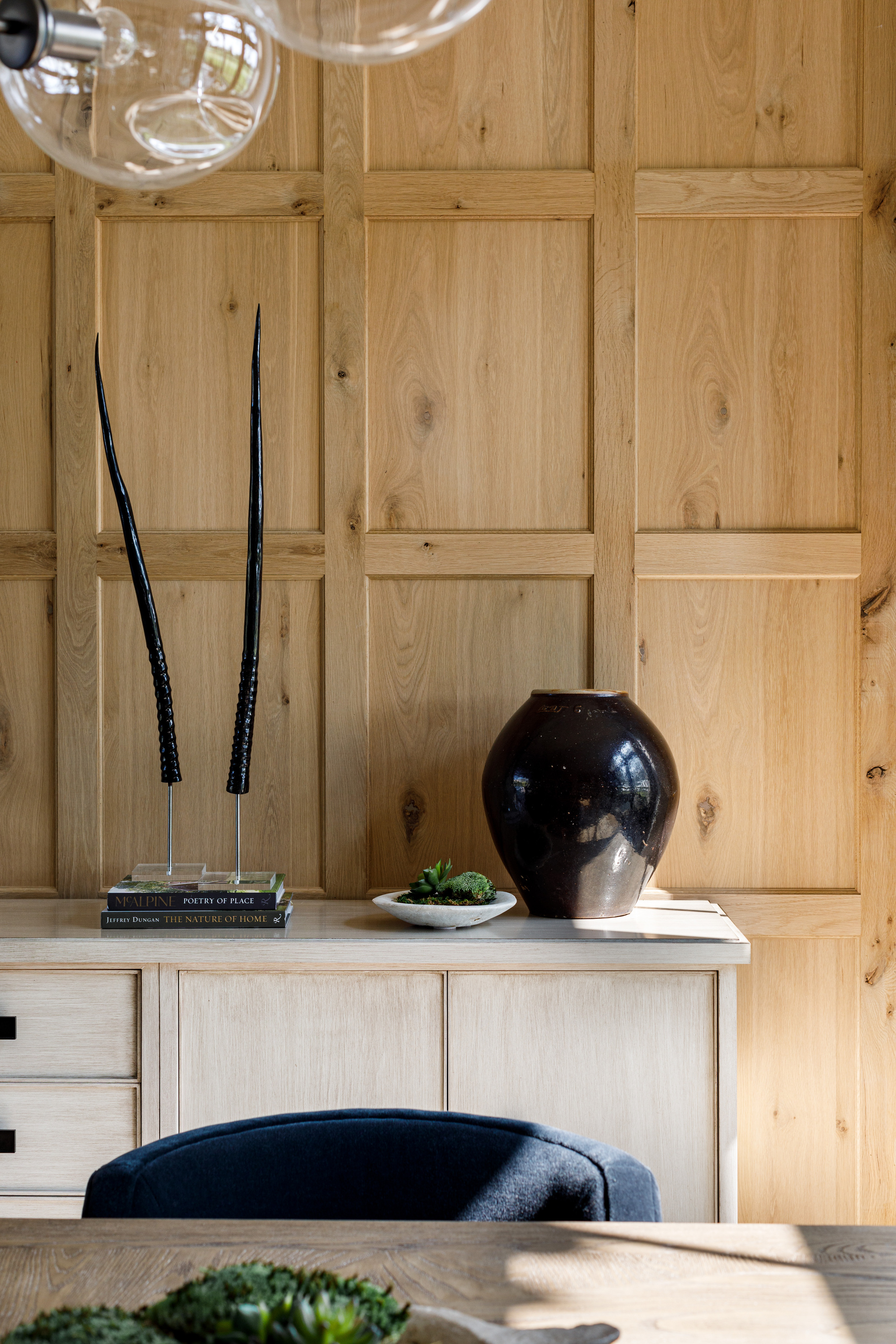
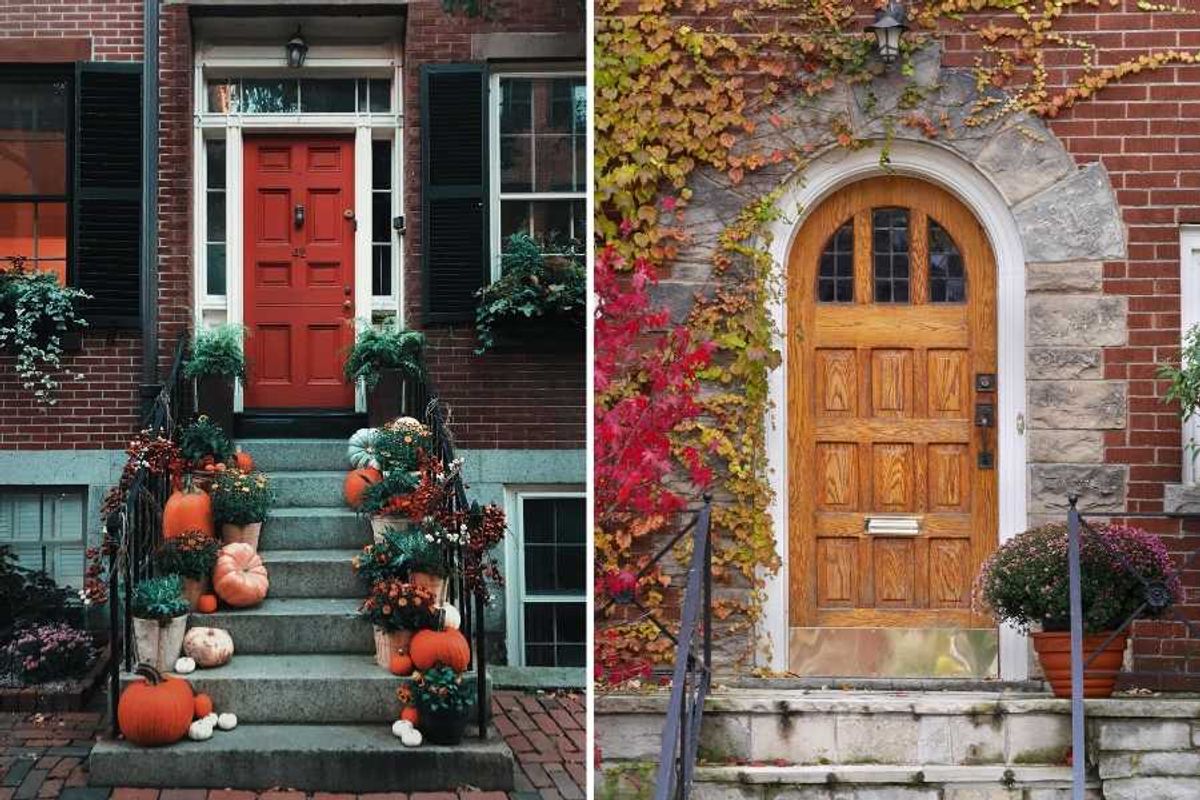
Over time, a distinct edge was added to further enhance the beveled appearance, leading to the ubiquitous style seen today. While contemporary raised panel doors often utilize materials other than solid wood, the aesthetic appeal of these panels persists. The reason for their continued popularity extends beyond simply breaking up a flat surface; the angles of the beveling interact with light, creating intricate shadows and reflections that produce a visually rich and appealing range of shades and colors.
Rex Krueger's video, which elucidates this historical and functional aspect of raised panels, has garnered significant attention, with 1.2 million views in its first week. The widespread positive reception and comments indicate that this information has surprised and fascinated many viewers. The audience's reactions highlight a shared appreciation for discovering the practical origins behind commonplace design elements, transforming what might seem ordinary into something extraordinary. This blend of historical context, functional design, and aesthetic evolution underscores the ingenuity of traditional woodworking and its lasting impact on modern design.
#Woodworking #RaisedPanels #ArchitecturalDetails #WoodDesign #HomeImprovement #HistoricalTrivia #DesignHistory #FunctionalDesign #Woodworking #RaisedPanels #ArchitecturalDetails #WoodDesign #HomeImprovement #HistoricalTrivia #DesignHistory #FunctionalDesign
Toplam 0 yorum
 Henüz yorum yok
Bu da beğenebilirsiniz
The 13 Types of Wall Paneling That Interior Designers Are Using in Their Projects Right Now, Ranked in Order of Style

Sculpture and Furniture Design

Nine designers work socially distanced wonders with wood
How these woodworkers turn staircases into art
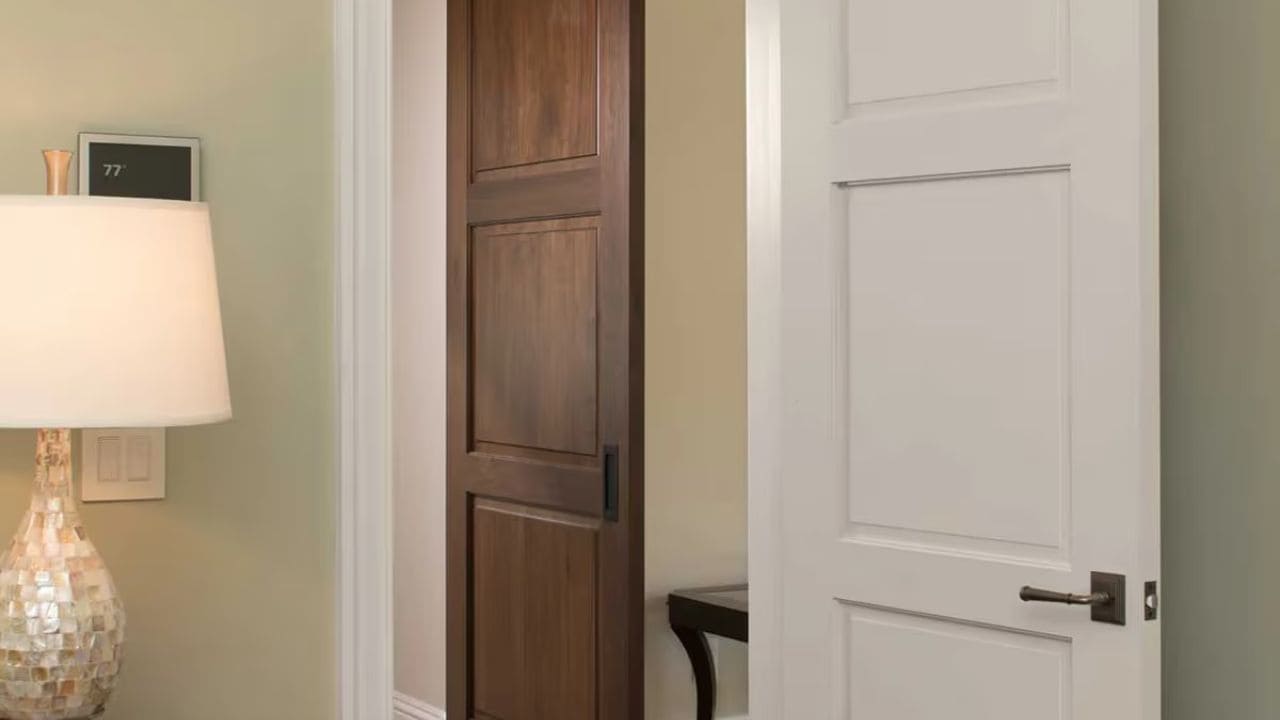
Ever Wondered Why Wooden Doors Have Raised Panels? Here’s The Real Reason

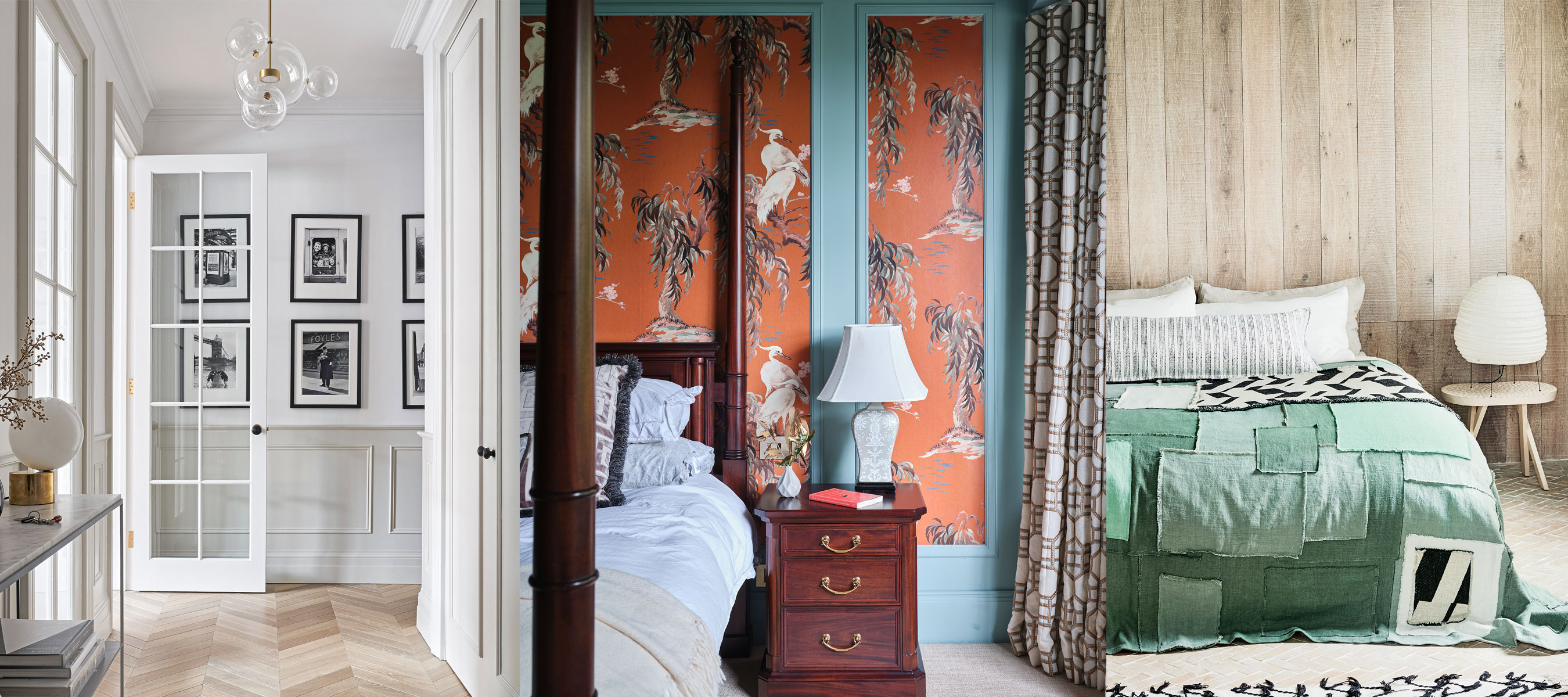
Wall paneling ideas – 18 ways to add decorative cladding and moulding


Wainscoting: the bold update to a traditional design element

Hundreds of layers of beech wood are aligned, combined and gently sculpted

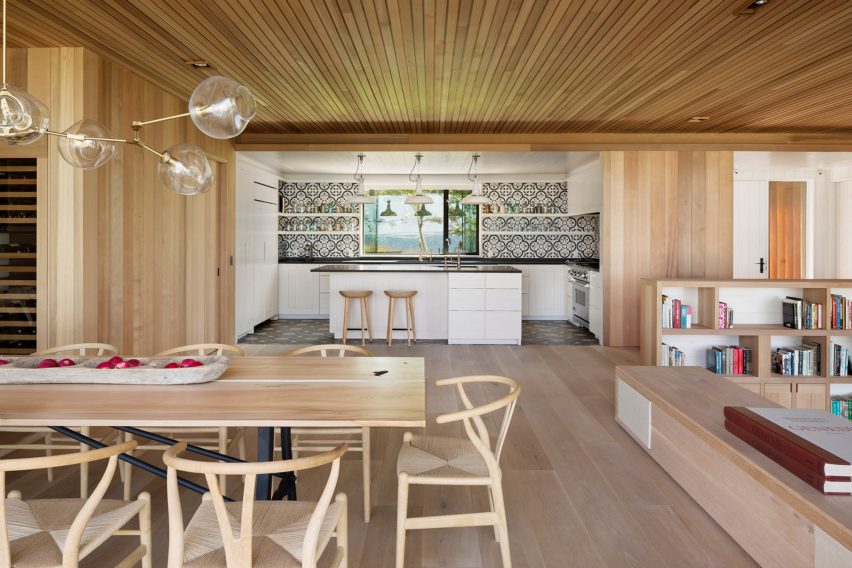
Ten projects that seamlessly integrate wood into the design
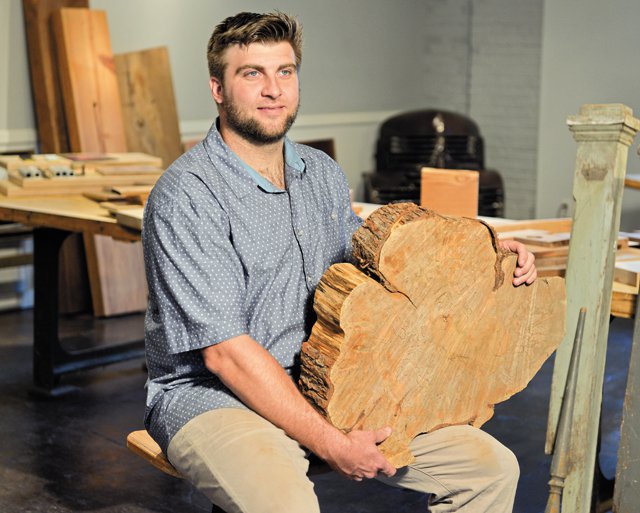
Woodworking Magic
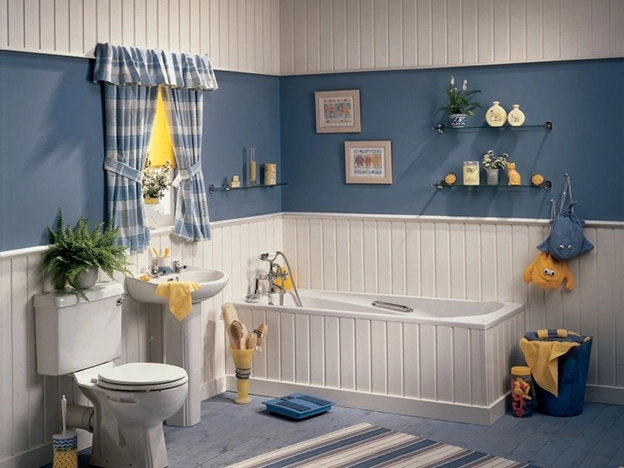
Cladding

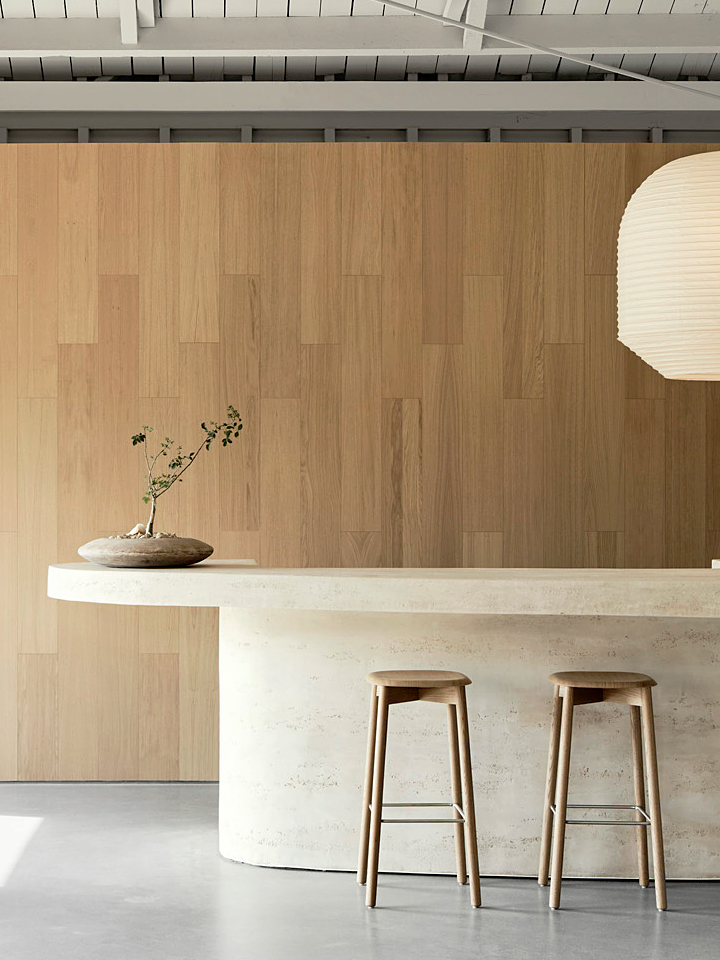
The Wood Paneling Trick That Makes Any Space Feel Instantly Homey

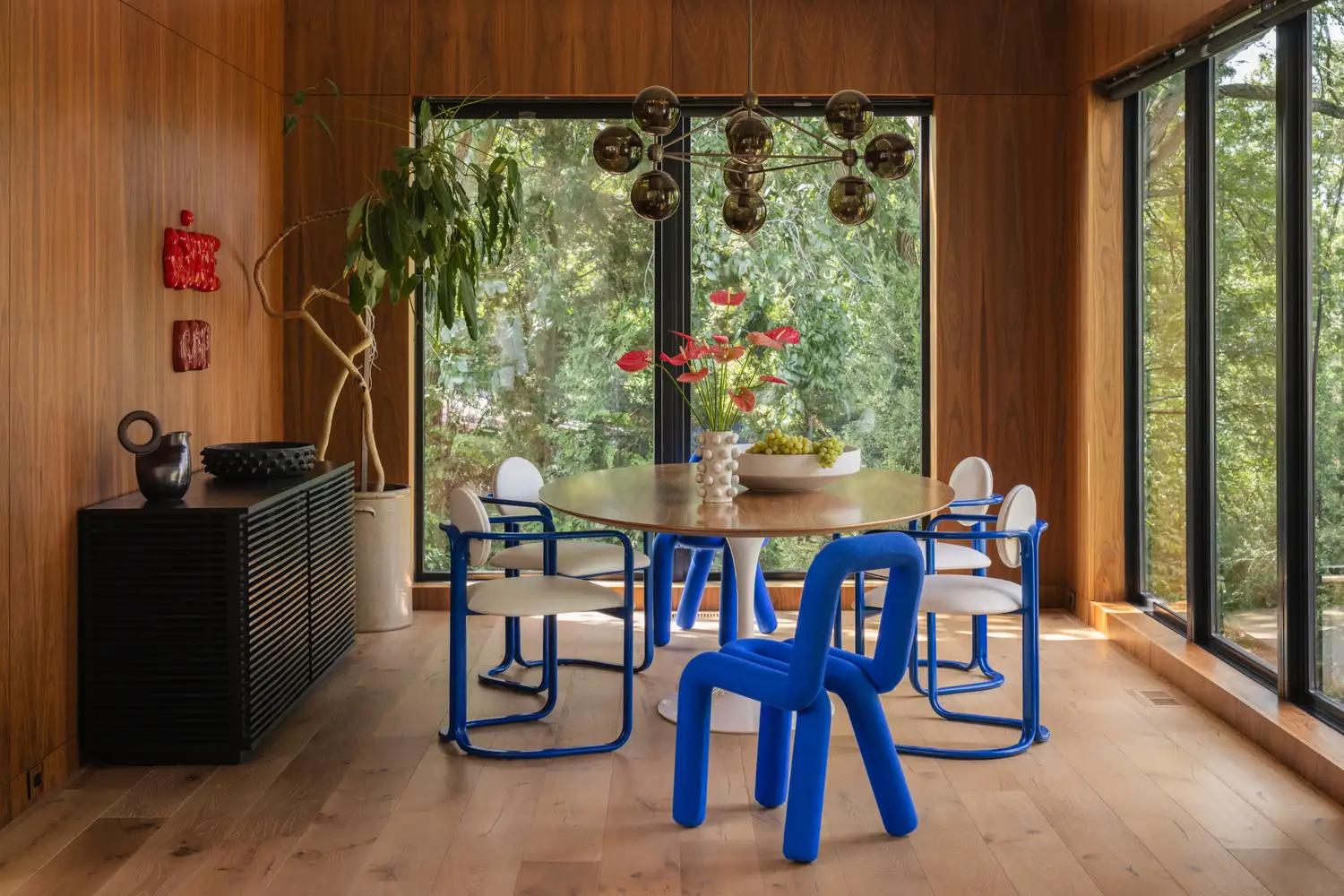
Wood Paneling Is Officially Cool Again—Here's How Designers Are Using It Now

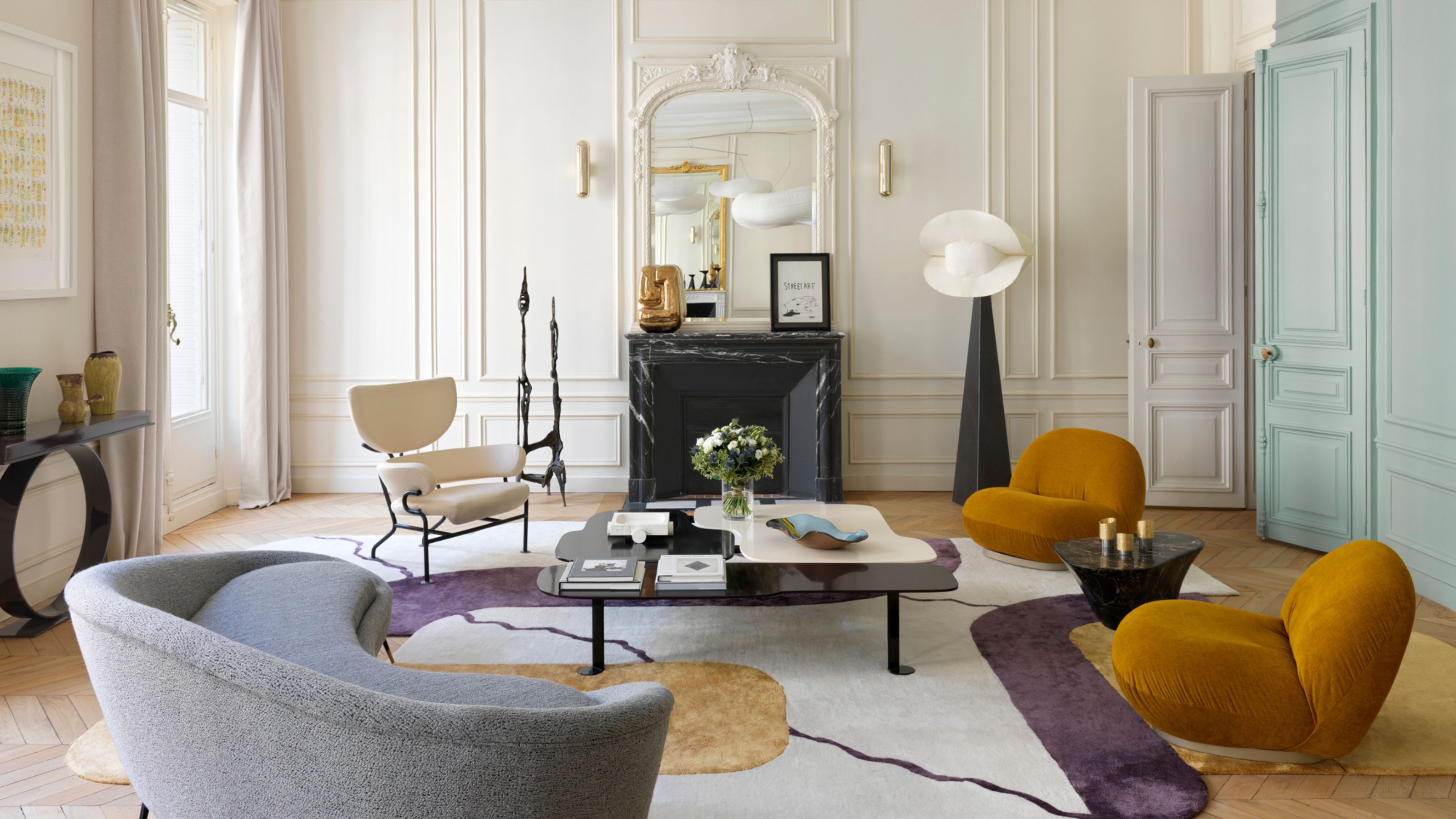
10 Ways to Use Architectural Moldings in a Contemporary Home
Wood Treatments

In Depth: Engineered wood products


Wood Paneling Is Back—and Better Than Ever

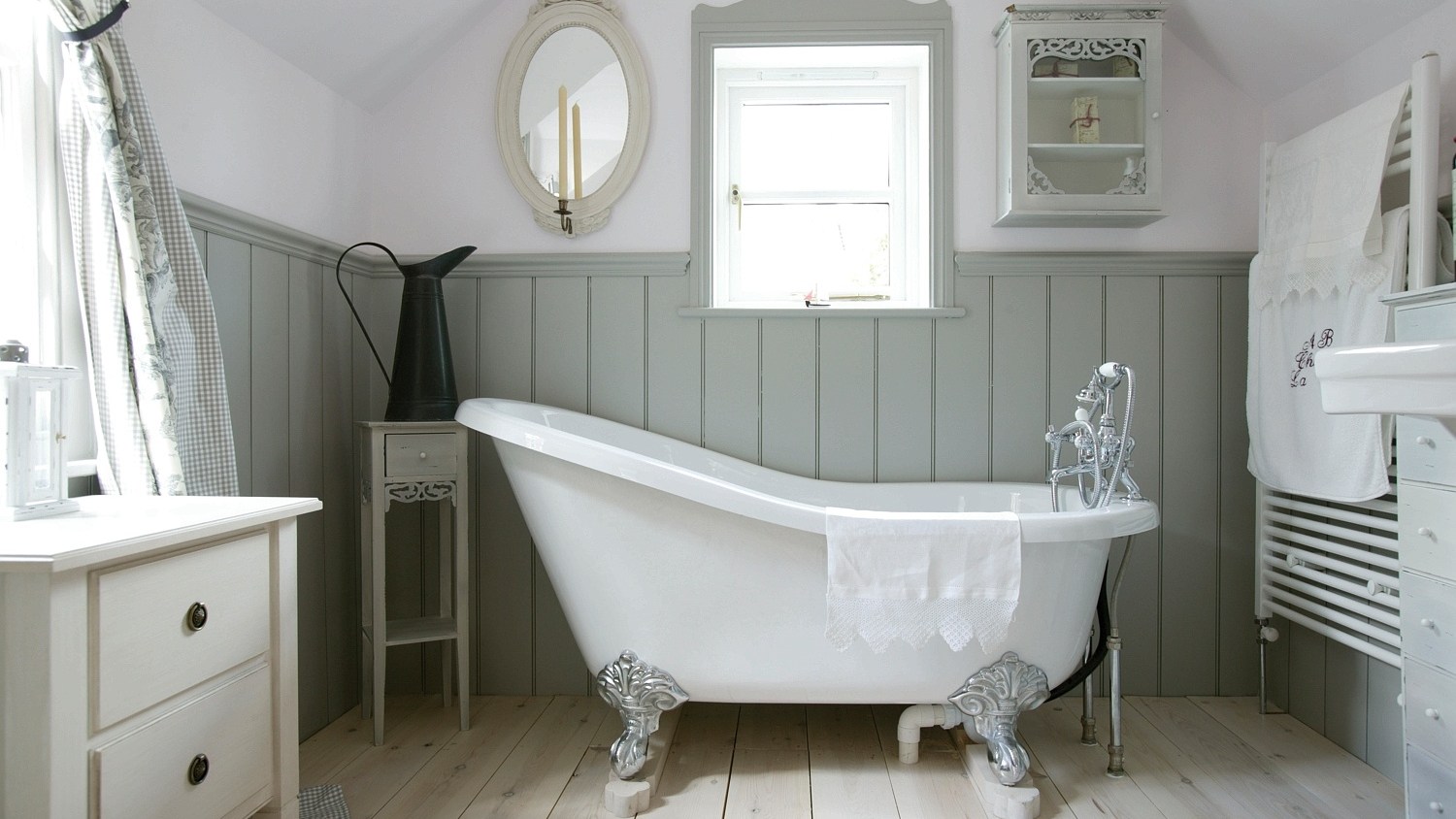
Practical ways to make panelling look good
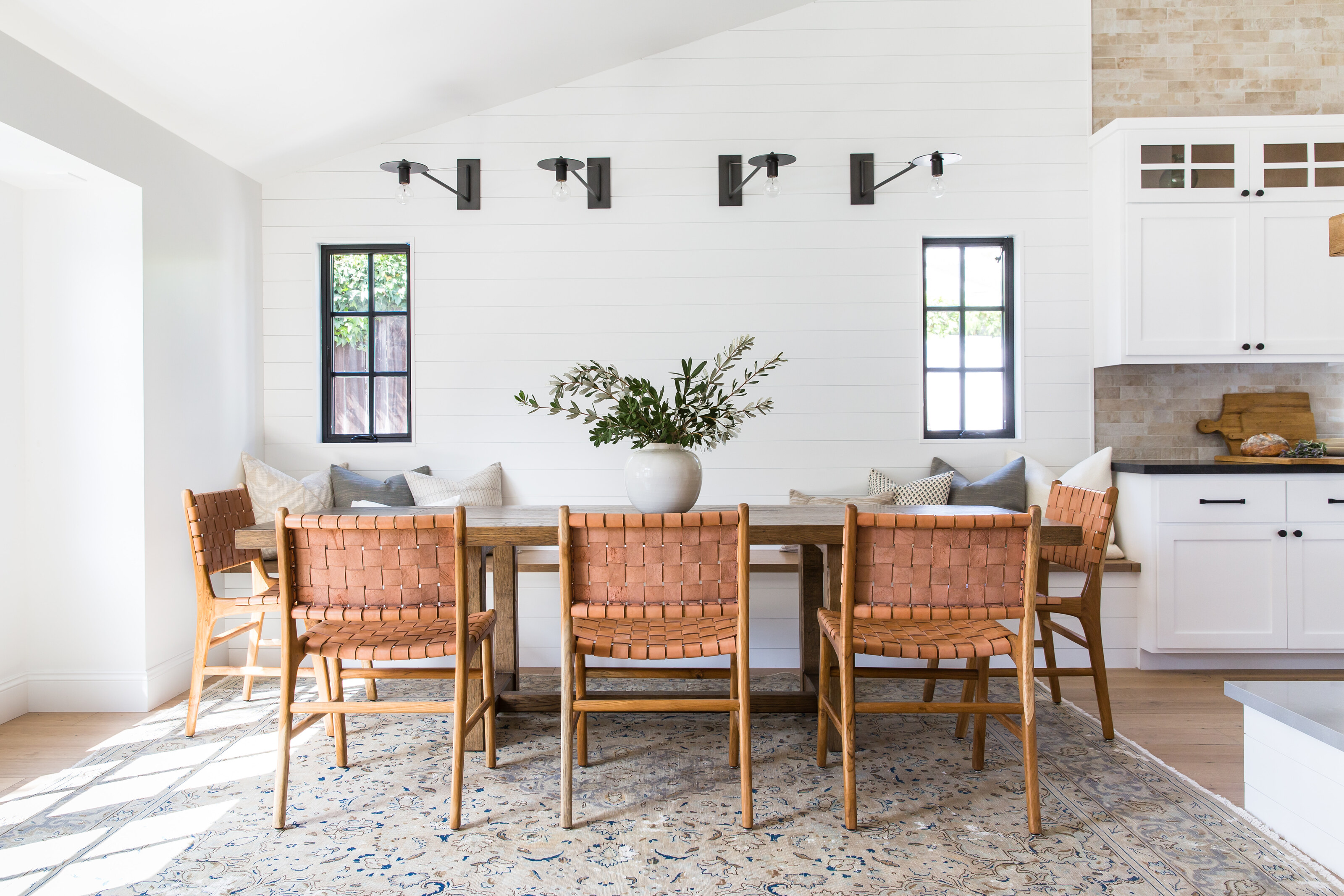
Wall paneling ideas – experts offer 9 simple tricks to wake up your walls
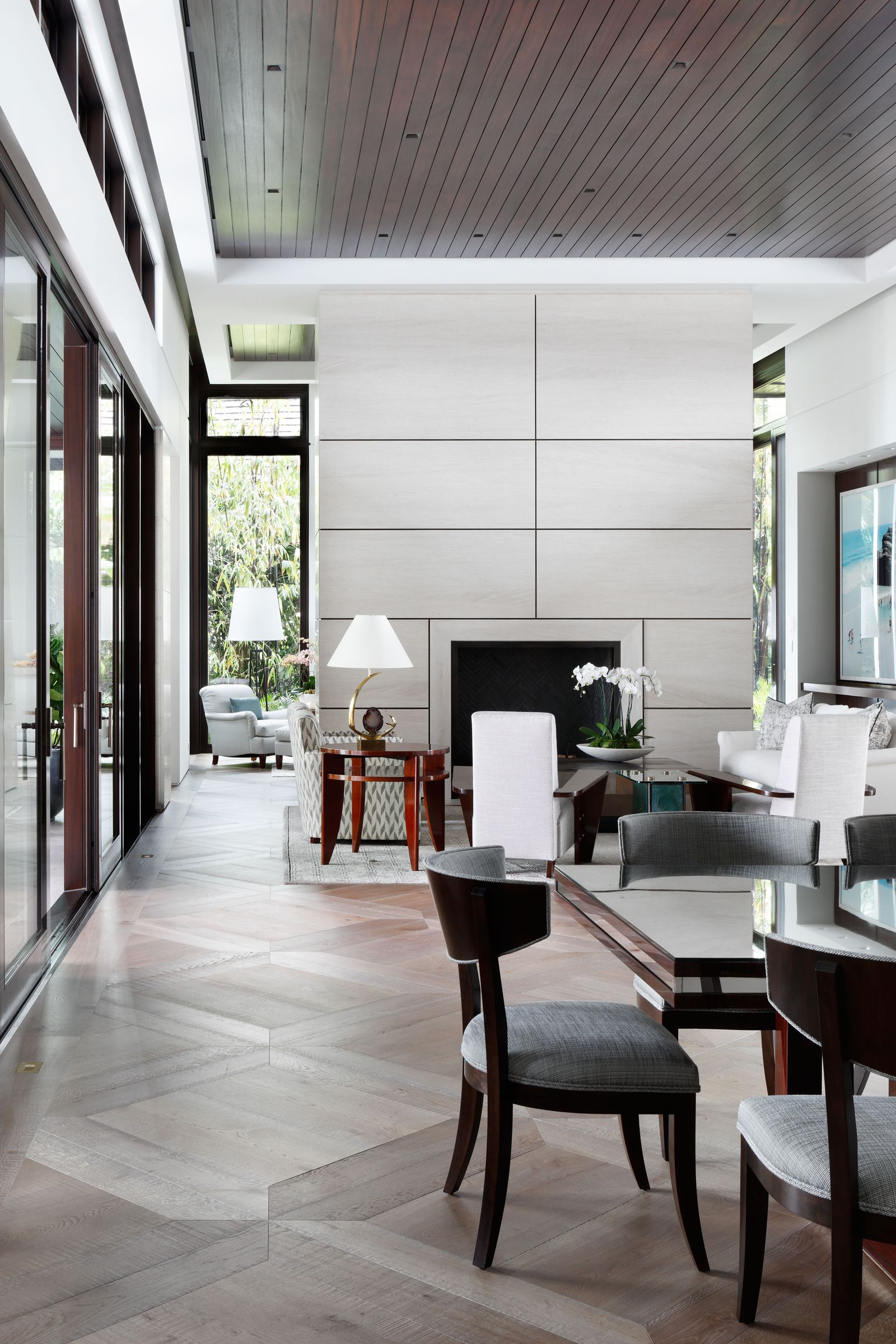
Here's the Truth About Wood Veneers