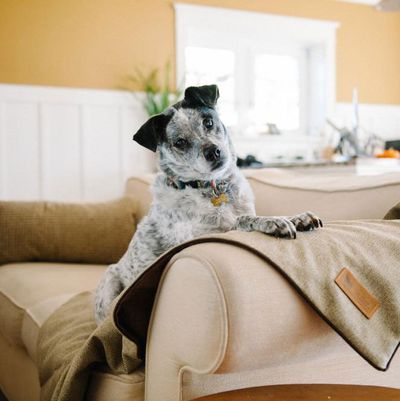
1/37
What Pet Owners Need to Clean and Protect Their Furniture, According to Experts
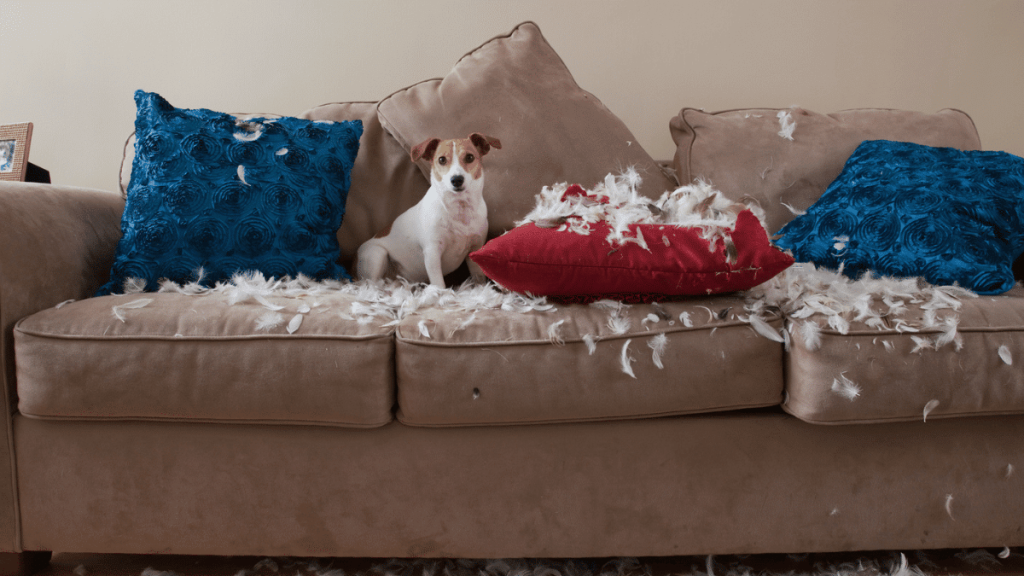
Living with pets, while rewarding, often presents challenges in maintaining a clean and undamaged home. Addressing common issues such as pet shedding, scratching furniture, and accidental messes requires a strategic approach. The initial step in keeping a tidy home when pets are present involves consistent pet hygiene. Regular brushing significantly reduces shedding, a primary source of pet hair on furnishings. Additionally, promptly wiping down dogs after walks prevents them from tracking dirt and debris indoors. Cats, too, if allowed outdoors, can benefit from similar cleaning routines upon re-entering the house.
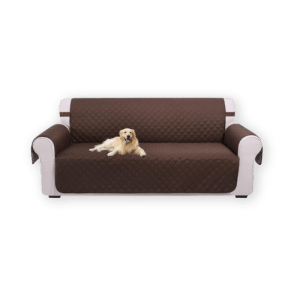
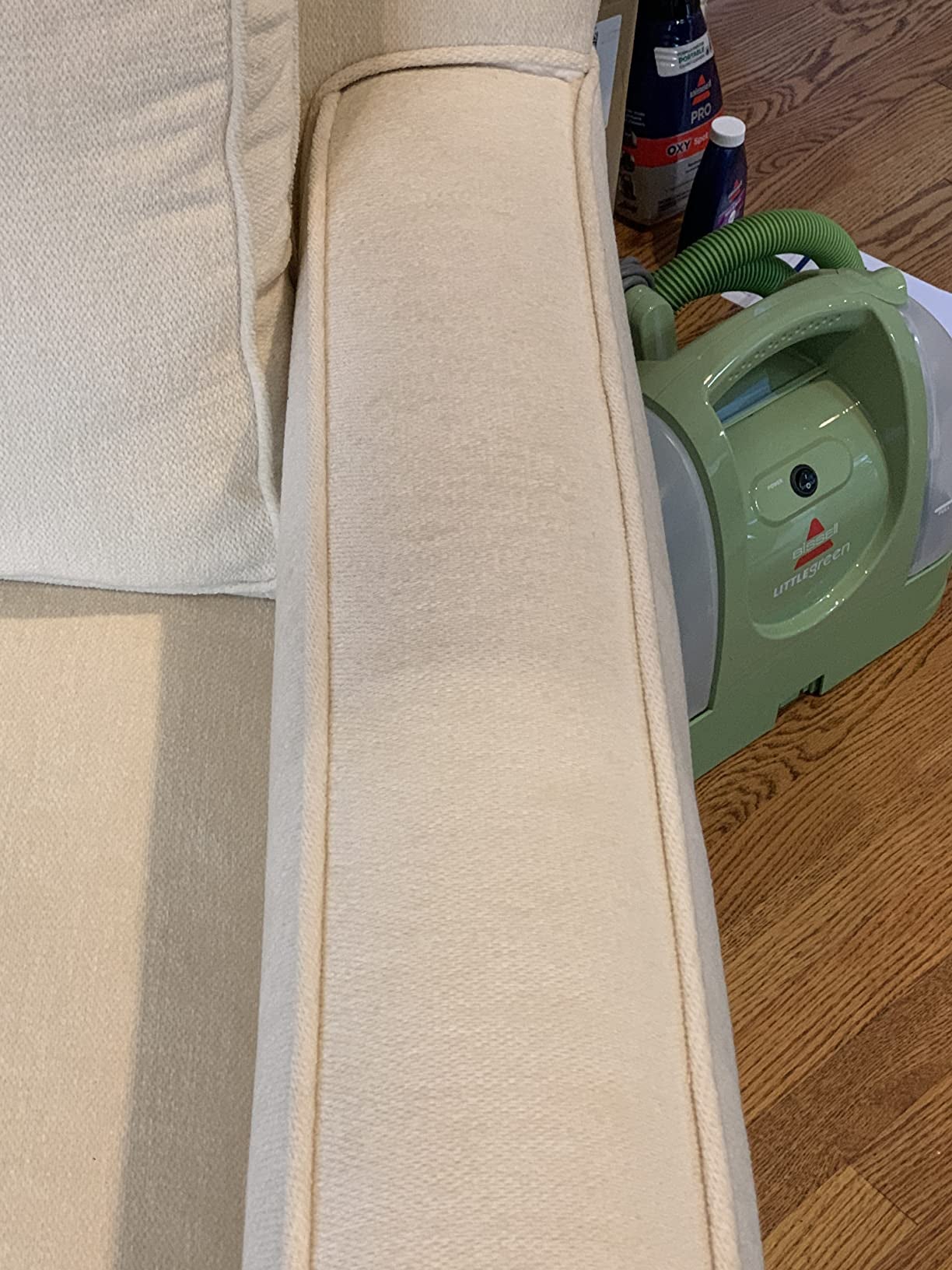
Beyond pet grooming, selecting appropriate cleaning tools and products is crucial. Specialized vacuums, effective hair removal tools, and pet-friendly cleaning solutions are essential for tackling pet-related messes. Furthermore, implementing protective measures for furniture, such as washable coverings, can safeguard upholstery from wear and tear. Experts emphasize that proper pet training plays a vital role in preventing destructive behaviors like scratching and chewing, thus reducing the need for extensive cleaning and repairs.
For post-walk cleaning, several products are recommended. Machine-washable, ultra-absorbent shammy dog mats can be placed at entryways to clean paws before pets enter the main living areas. Wet wipes, specifically designed for pets, offer a convenient way to clean paws, muzzles, ears, and other body parts, with some varieties also providing antimicrobial benefits. Eco-friendlier options, such as compostable wipes with natural ingredients like shea butter and aloe, clean paws while conditioning the skin. A DIY solution involves using apple-cider vinegar diluted with water on cloths, which not only cleans but also deters insects. For deeper paw cleaning, portable paw cleaners with silicone bristles offer an effective and easy-to-use solution. Refreshing sprays with food-grade, non-toxic ingredients can neutralize odors after outdoor excursions.
To manage shedding, various brushes are suggested. A high-quality slicker brush, suitable for both long and short-haired dogs, effectively removes loose fur and detangles hair. For dogs with double coats, an undercoat rake can complement the slicker brush, though caution is advised to avoid skin irritation. Gentler grooming tools are available for sensitive pets, designed to catch loose fur without pulling attached hair. Specific deshedding tools, like the Furminator, are highly recommended for both cats and dogs, used once or twice a week to prevent excessive shedding and hairballs, often alongside specialized shampoos.
Preventing furniture damage from scratching involves both deterrence and providing alternatives. Double-sided sticky tape, which cats dislike the feel of, can be applied to furniture to deter scratching without causing harm. Simultaneously, placing scratching posts or towers near frequently targeted furniture provides an acceptable outlet for cats' natural scratching instincts. Using catnip and rewarding pets for using their designated scratching areas can reinforce this training. For chewing behaviors, especially with puppies, bitter-tasting sprays are effective deterrents, safely discouraging pets from gnawing on furniture or other household items. Some pet owners also find success with lavender-scented hand sanitizers as a deterrent, due to pets' aversion to the scent.
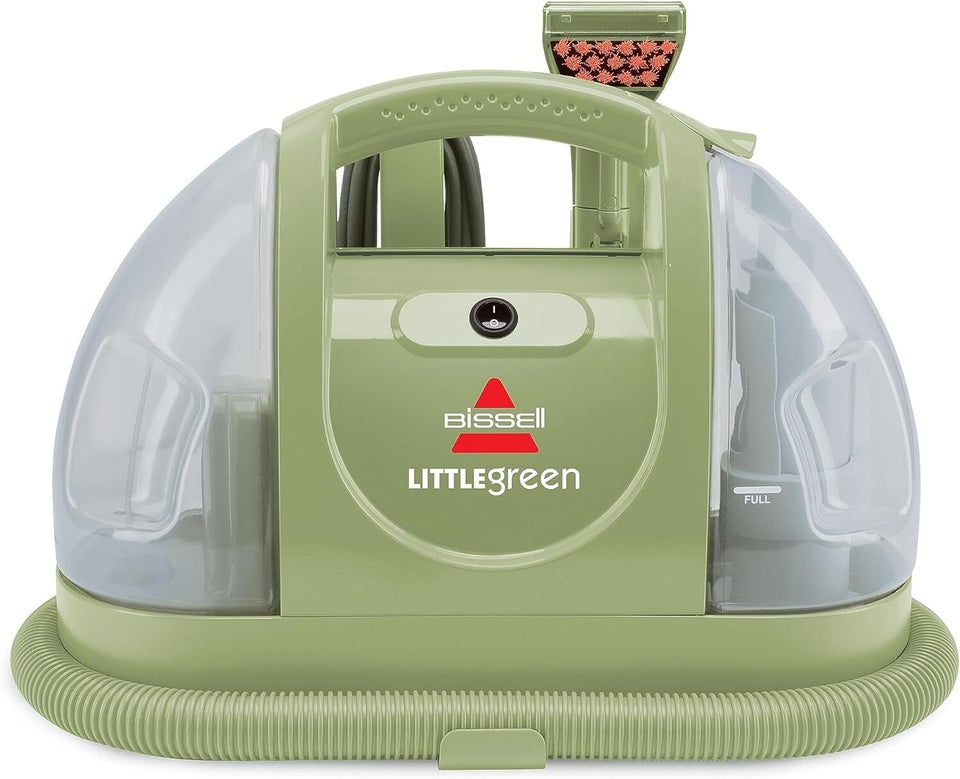
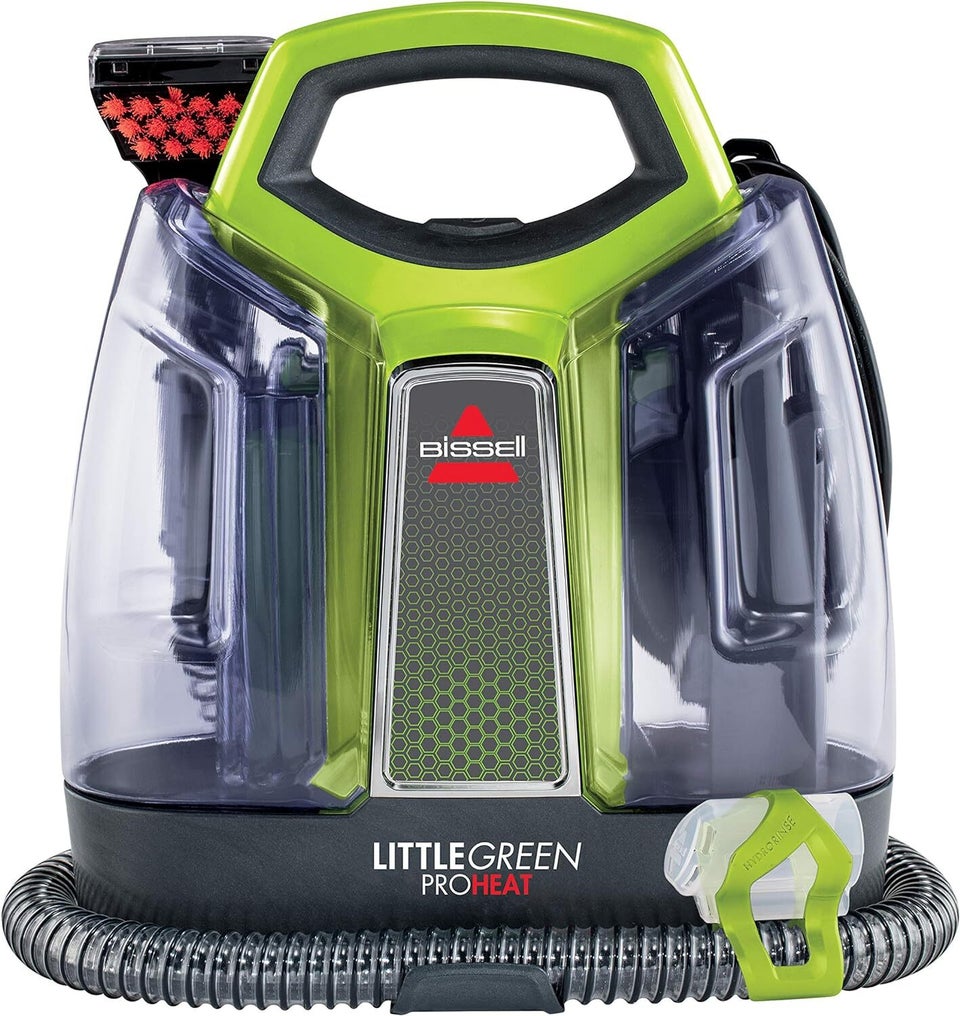
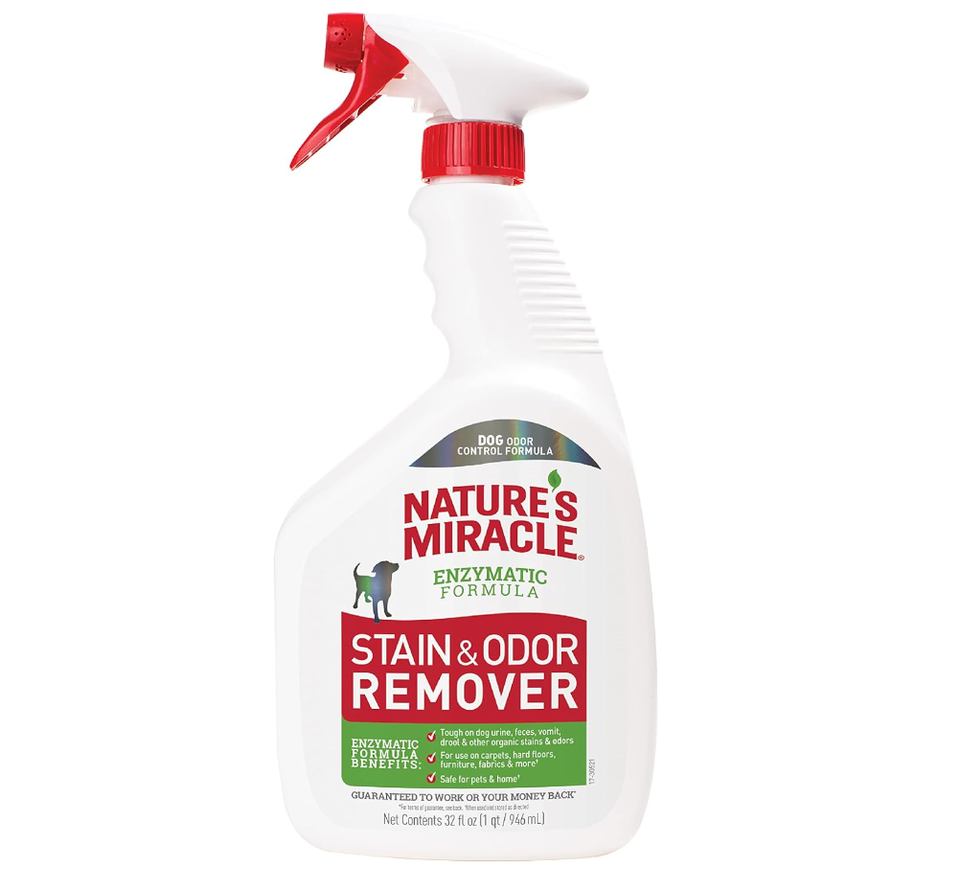
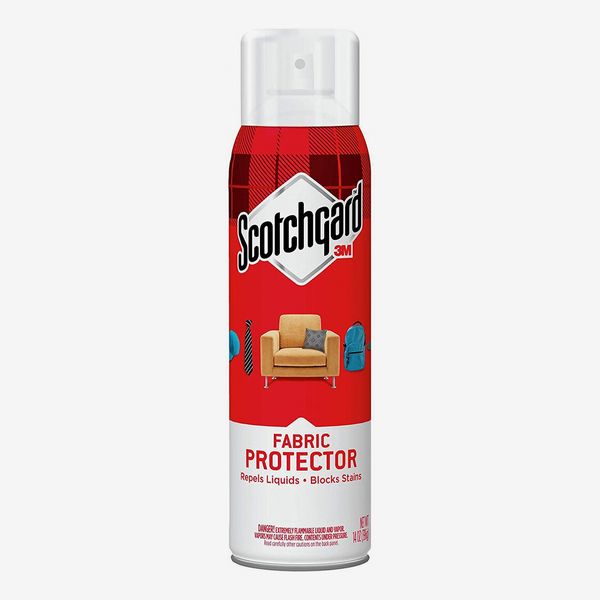
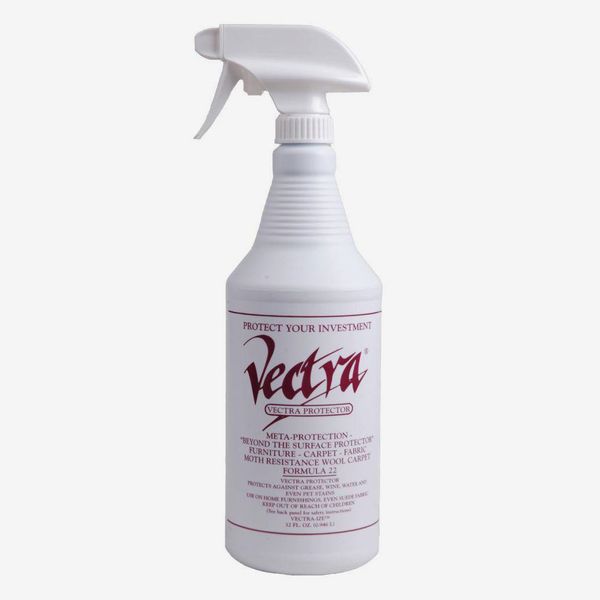
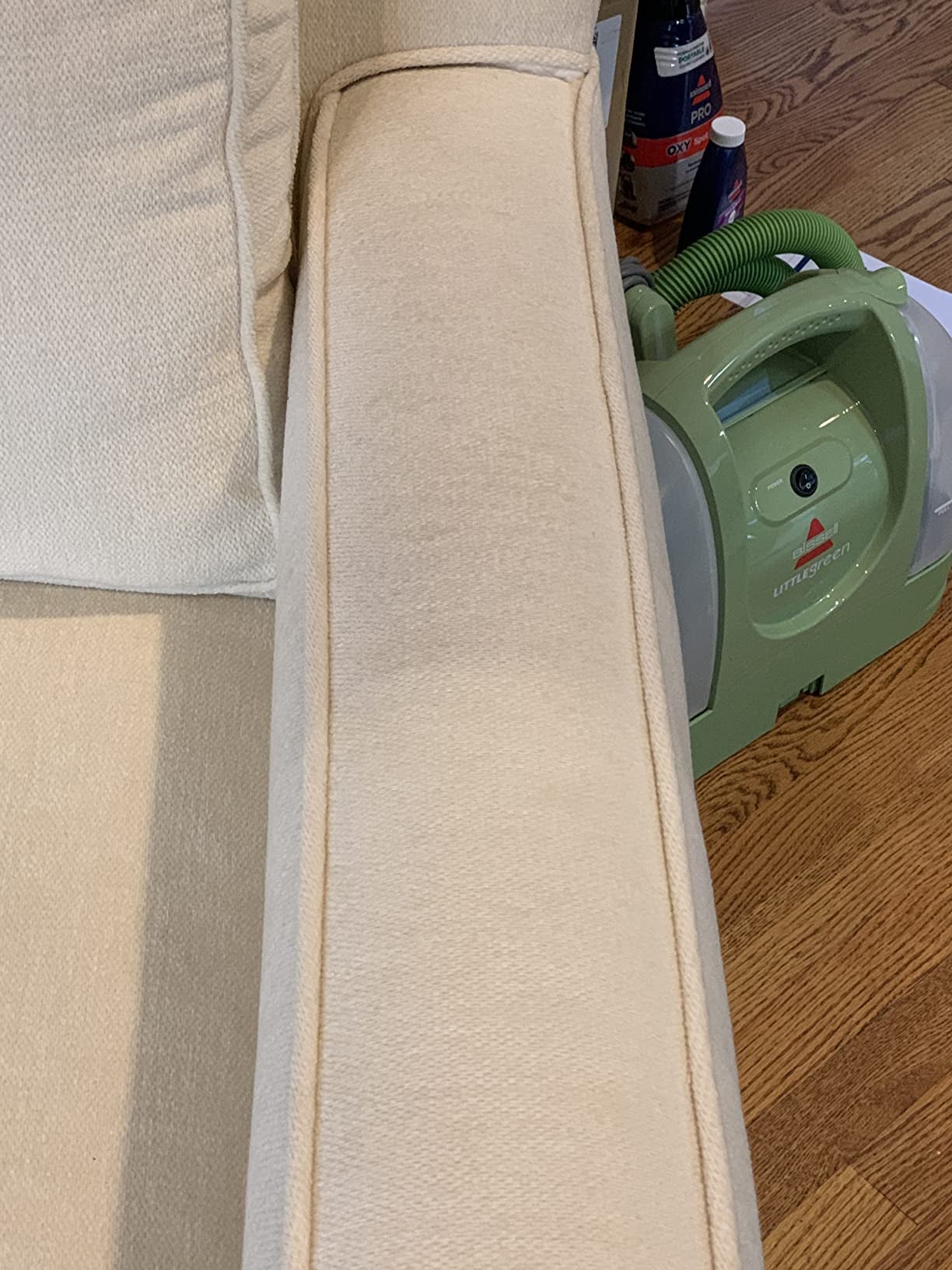
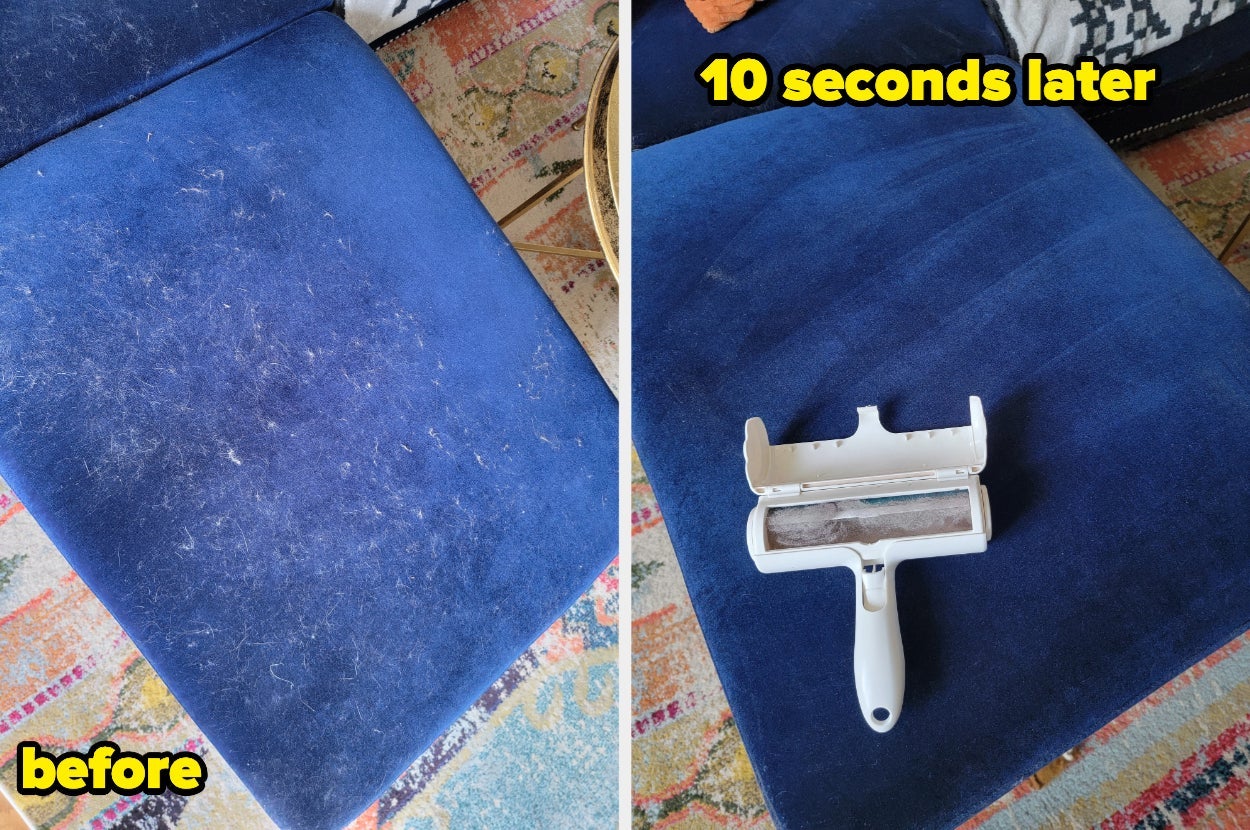
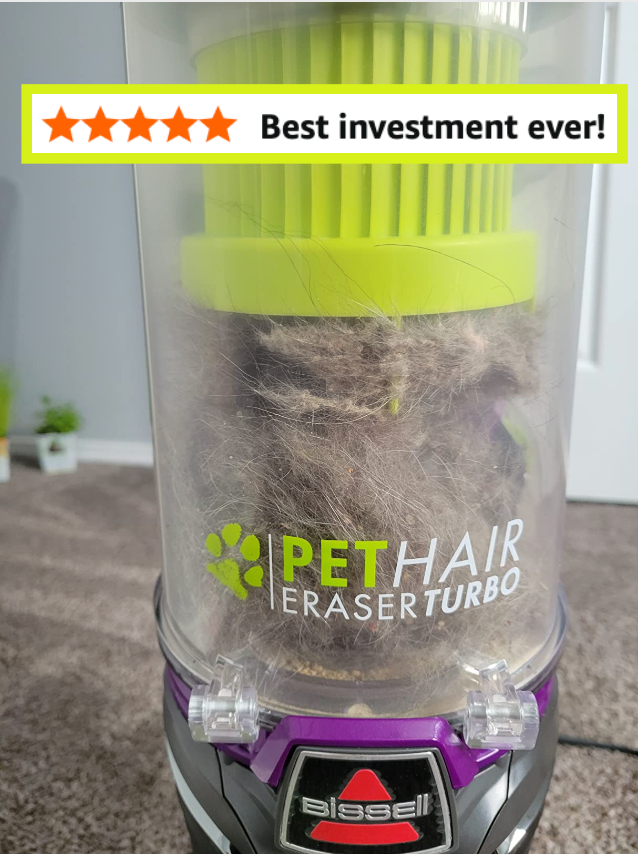
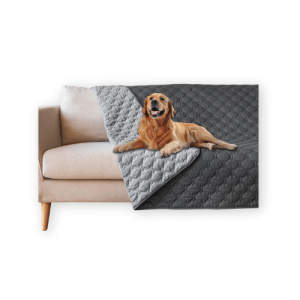
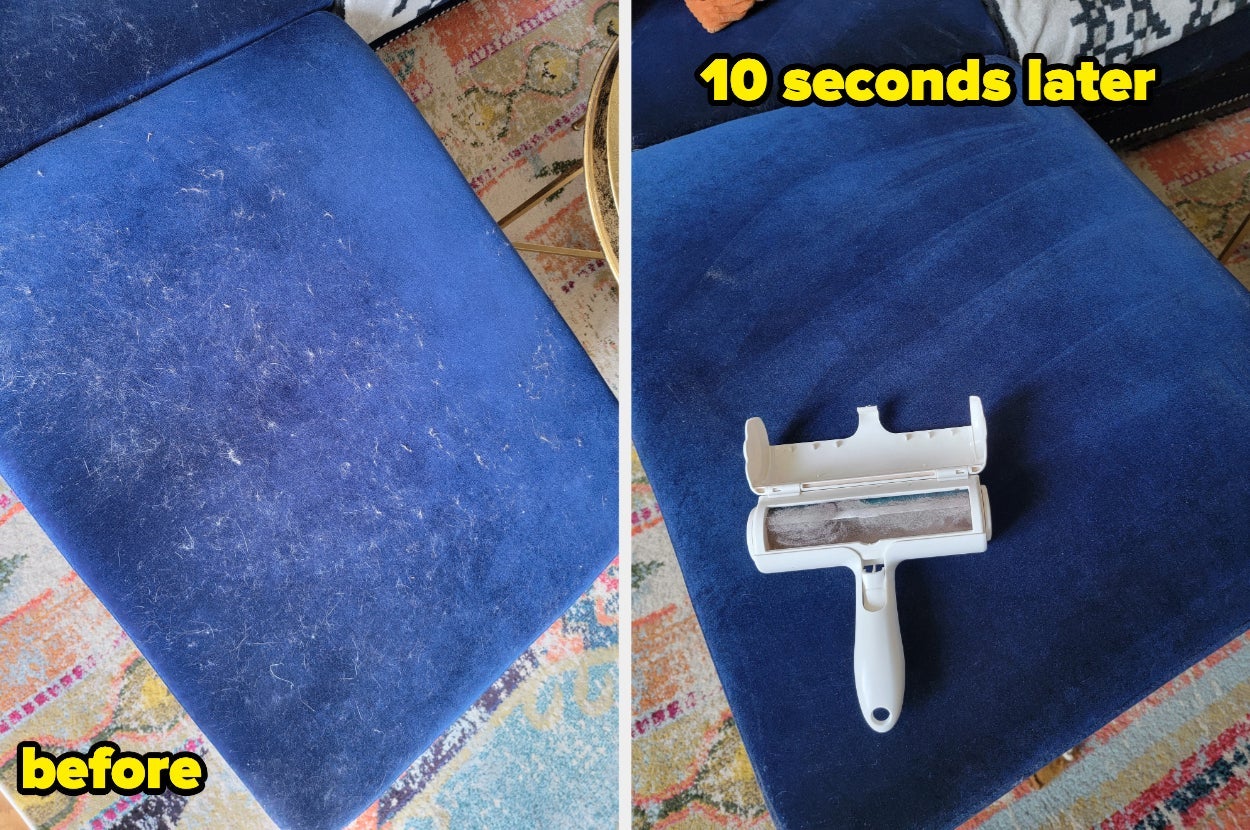
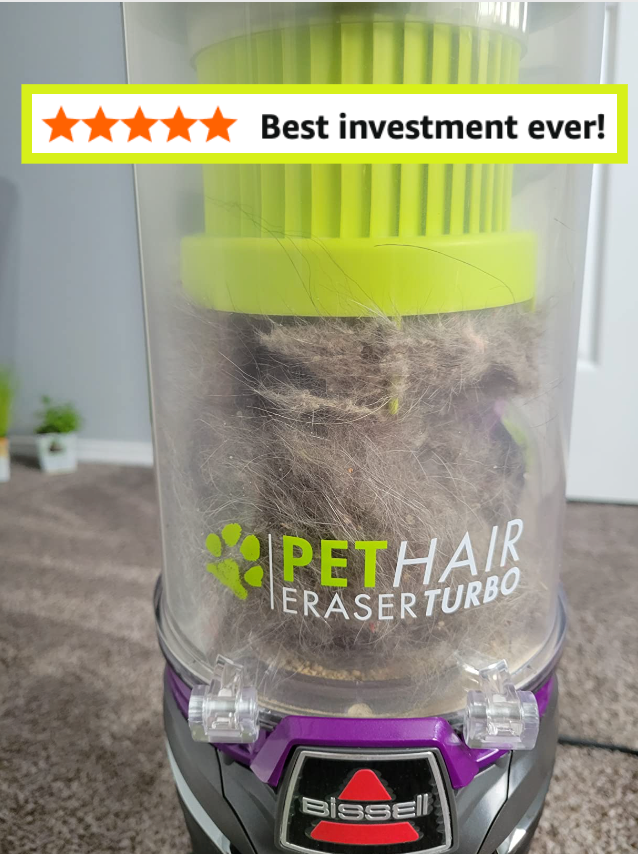
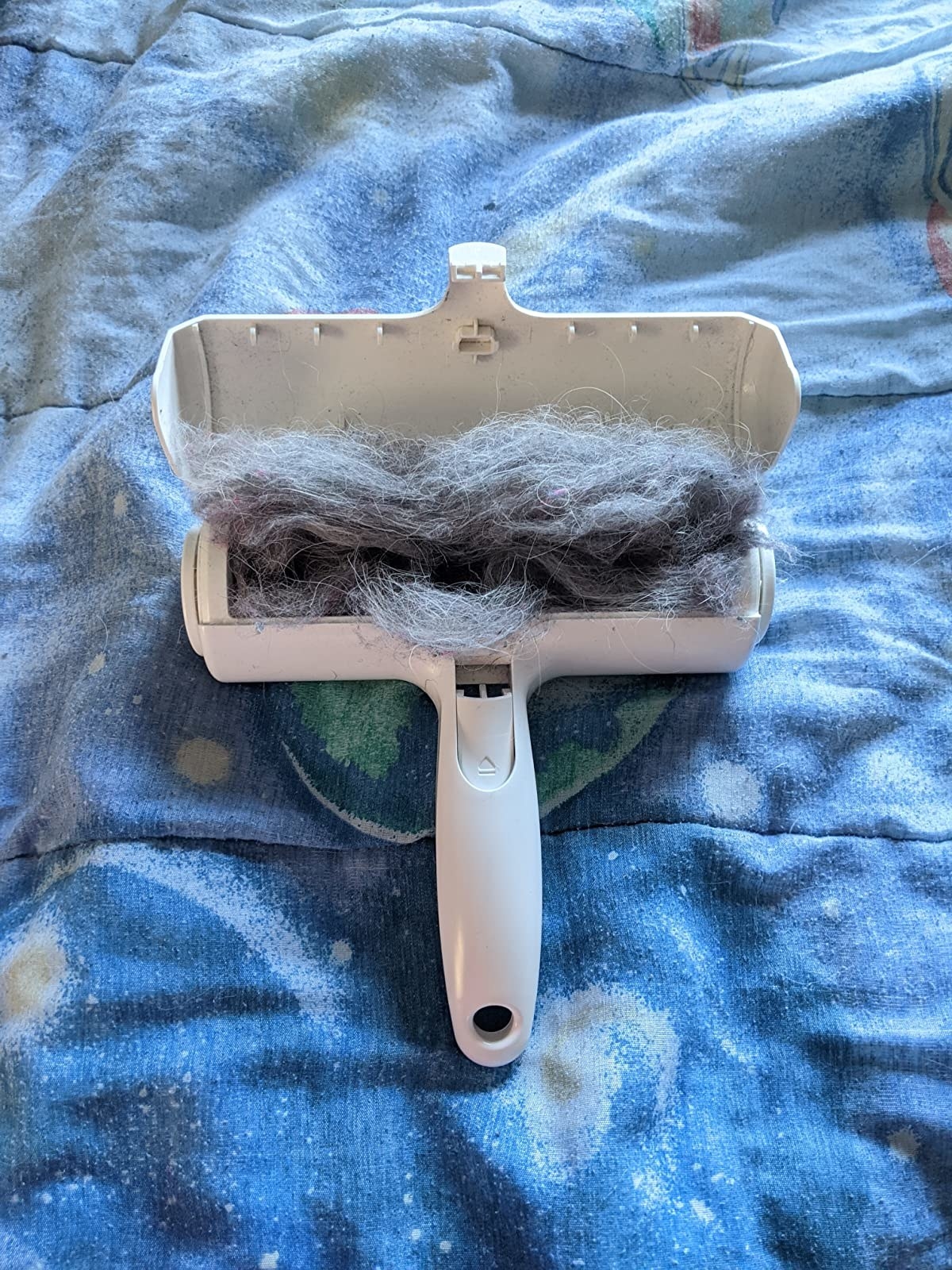
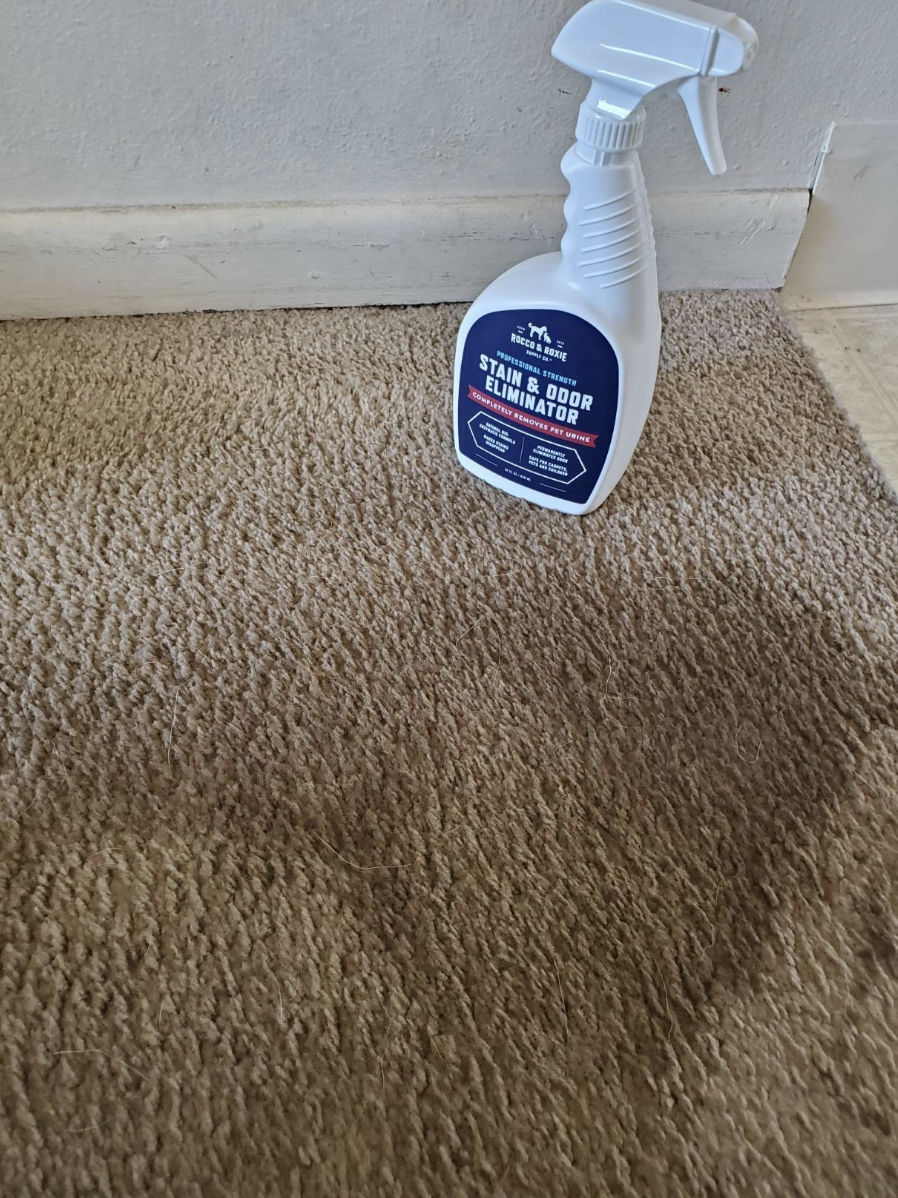
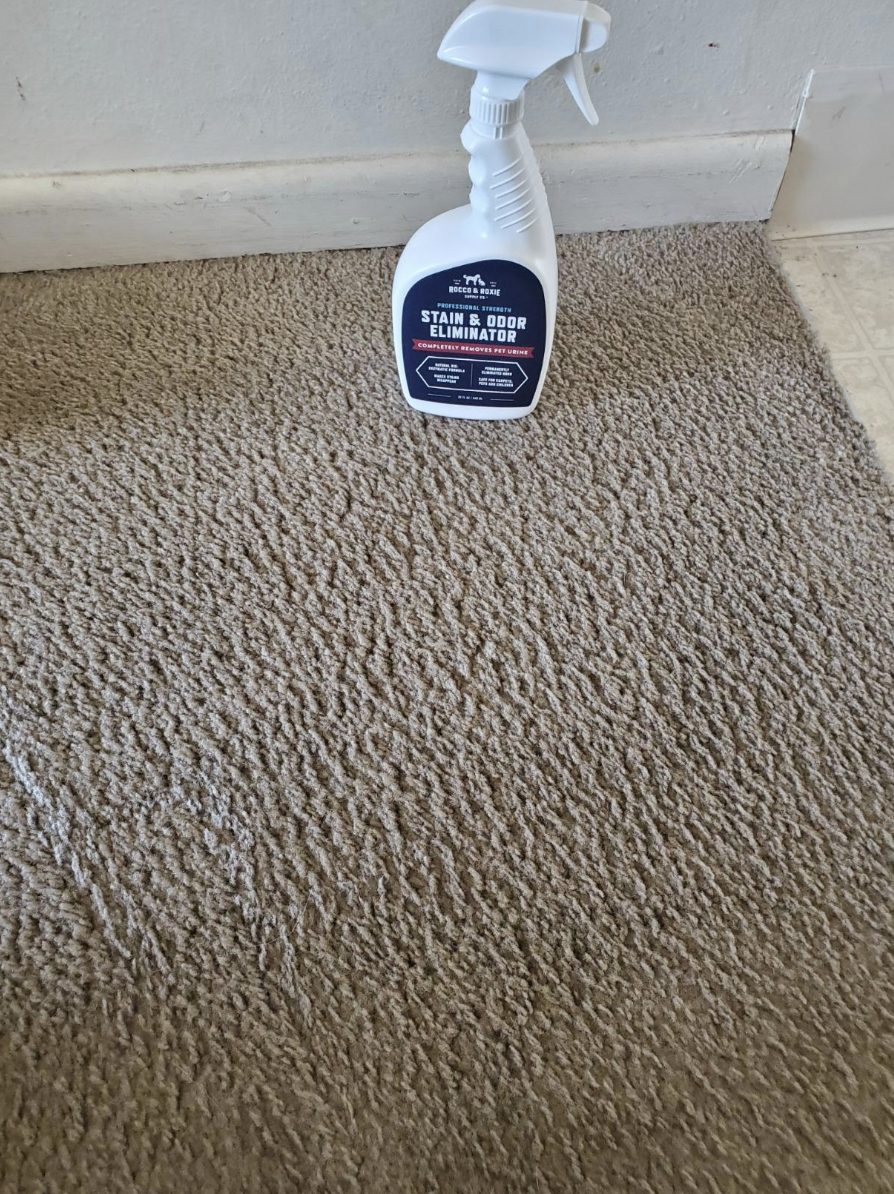
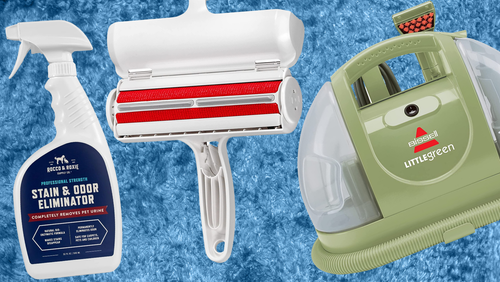
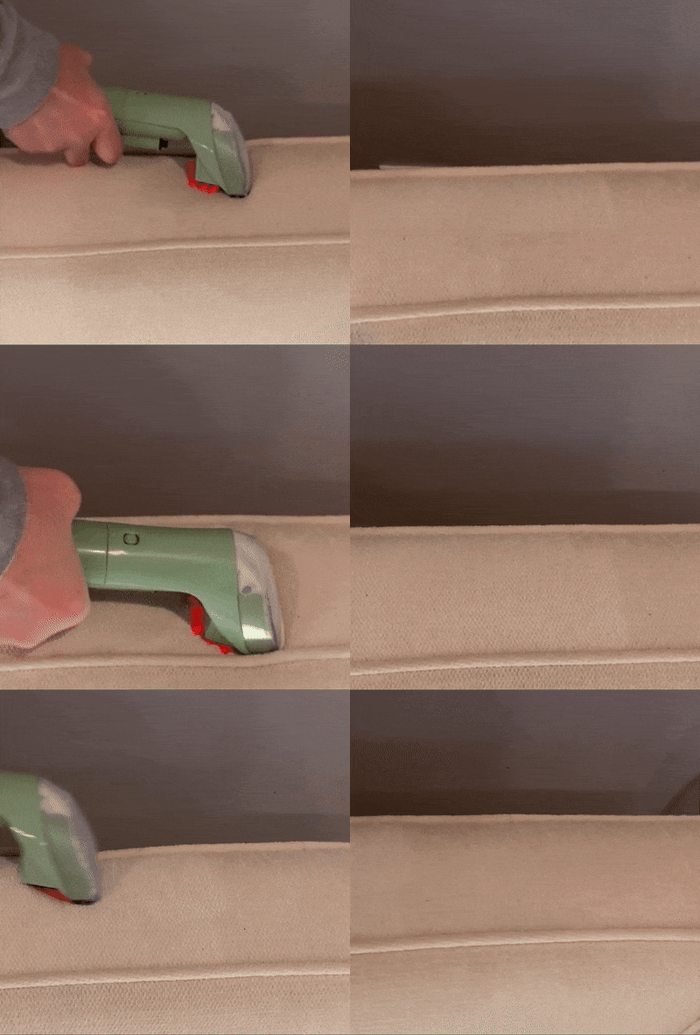
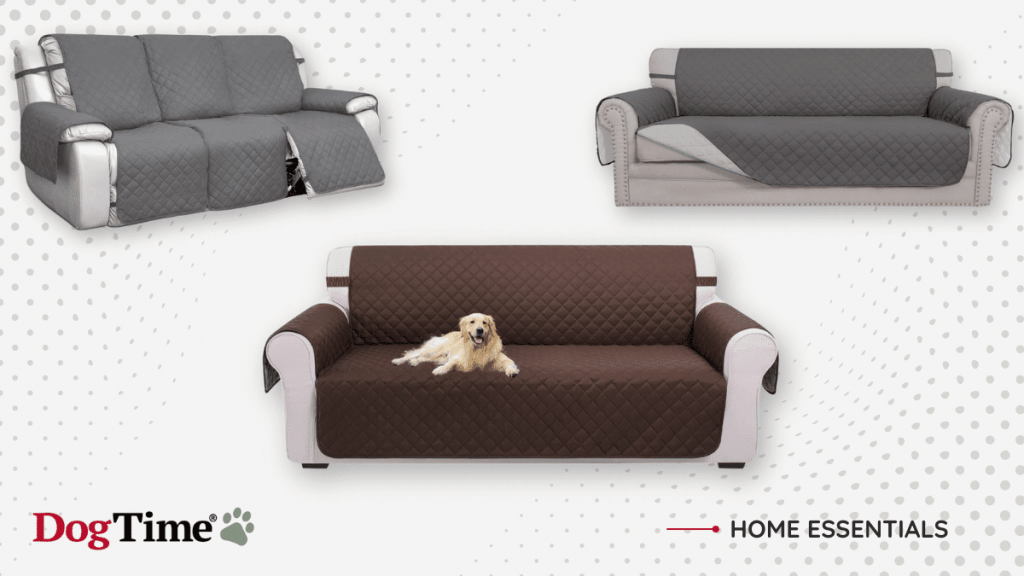
Protecting furniture proactively is another key strategy. Machine-washable, pet-friendly throw blankets can cover couches and beds, minimizing hair accumulation and providing a barrier against dirt. Options range from durable performance fabrics to more budget-friendly yoga blankets. A unique DIY method for deterring pets from furniture involves placing aluminum foil on the edges of couches; the sound and texture often discourage pets. For pet owners transporting larger dogs in vehicles, quilted cargo covers with side walls protect car interiors from rips, dirt, and fur. Despite preventive measures, some hair will inevitably accumulate. Specialized tools like four-sided rubber-nubbed brushes, mitten-like brushes for crevices, and self-cleaning lint rollers are effective for removing pet hair from various surfaces. For stains and odors, experts recommend pet-safe cleaning products, avoiding harsh chemicals. Enzymatic cleaners specifically designed for pet stains and odors are highly effective. For leather furniture, a dedicated conditioner and cleaner can restore its appearance. Simple household items like white distilled vinegar and baking soda are also praised for their ability to neutralize urine stains and odors, particularly on carpets and mattresses. Finally, maintaining clean floors with pet-specific vacuums, including robot vacuums with scheduling features for daily maintenance and powerful upright vacuums for deep cleaning, reduces the amount of dirt and hair that can transfer to furniture.
#PetCare #HomeCleaning #FurnitureProtection #PetGrooming #PetTraining #PetProducts #HouseholdMaintenance #PetSafety #PetCare #HomeCleaning #FurnitureProtection #PetGrooming #PetTraining #PetProducts #HouseholdMaintenance #PetSafety
Toplam 0 yorum
 Henüz yorum yok
Bu da beğenebilirsiniz
How to Prep Your Home for a New Pet, According to an Interior Designer


The Best Gear for Aging Pets | Reviews by Wirecutter
Here Are 24 Products To Buy If Your Multi-Pet Household Needs A *Seriously* Deep Cleaning
R5 Westchester County Experts Explain How to Clean Expensive Home Furnishings

9 Products Pet Owners Swear By To Keep Their House Clean

20 Cleaning Products That’ll Help Prevent That Dreaded Pet Smell
5 Clever Ways to Repair Pet Damage at Home

Is Your Sofa Pet-Proof? Experts Say to Avoid These Fabrics for a Pet-Friendly Home


How to Protect Fabric Furniture From Stains and Dirt

7 Unexpected Ways You're Secretly Damaging Your Furniture, Designers Say

5 things people with clean home storage always do to protect belongings, curb hidden mold, and prevent pests

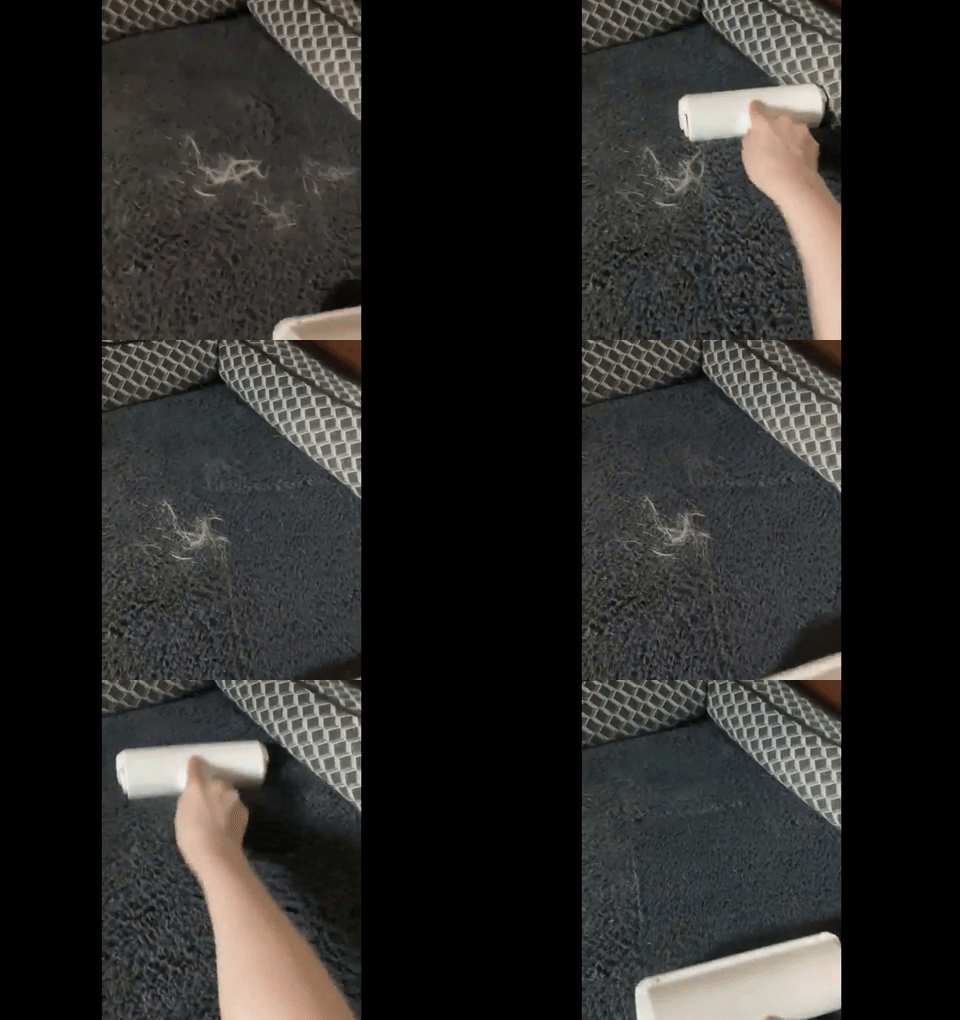
23 Things To Help You Keep Your Home Free From Pet Odors
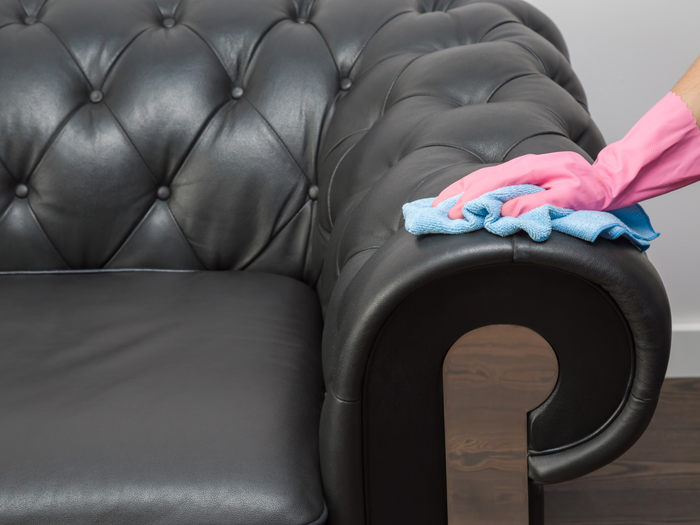
Experts reveal 7 surprising ways you're ruining your furniture
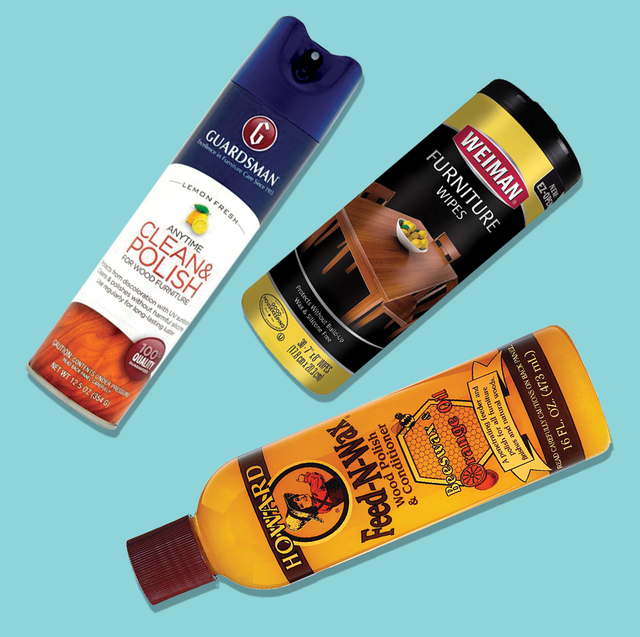
10 Best Furniture Polishes, Tested by Cleaning Experts

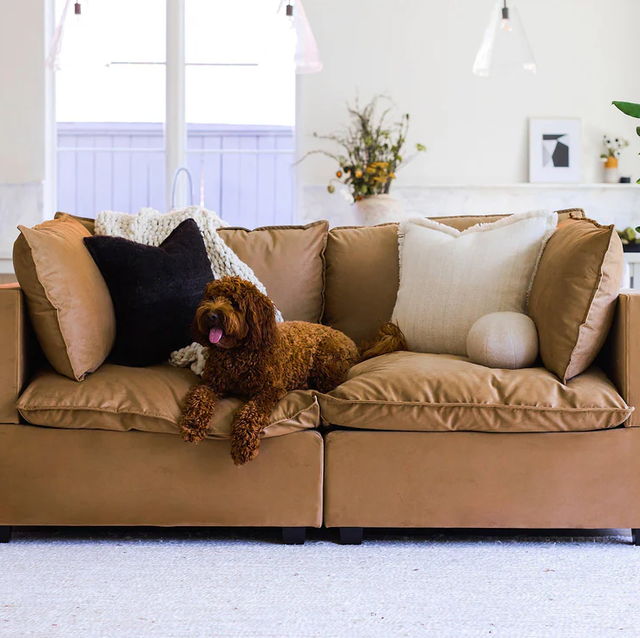
12 Best Pet-Friendly Couches to Cozy up With Your Furry Friends


The Best Couch Material for Dogs — Experts Share the Fabrics That Can Handle Paws and Claws


5 Common Sofa Cleaning Mistakes You Might Be Making

7 Best Couch Covers for Dogs, Approved by Pet Parents


12 Durable Furniture Pieces Your Cat Won't Instantly Destroy

How To Clean A Couch So It Looks As Good As New