1/5
Is Your Sofa Pet-Proof? Experts Say to Avoid These Fabrics for a Pet-Friendly Home
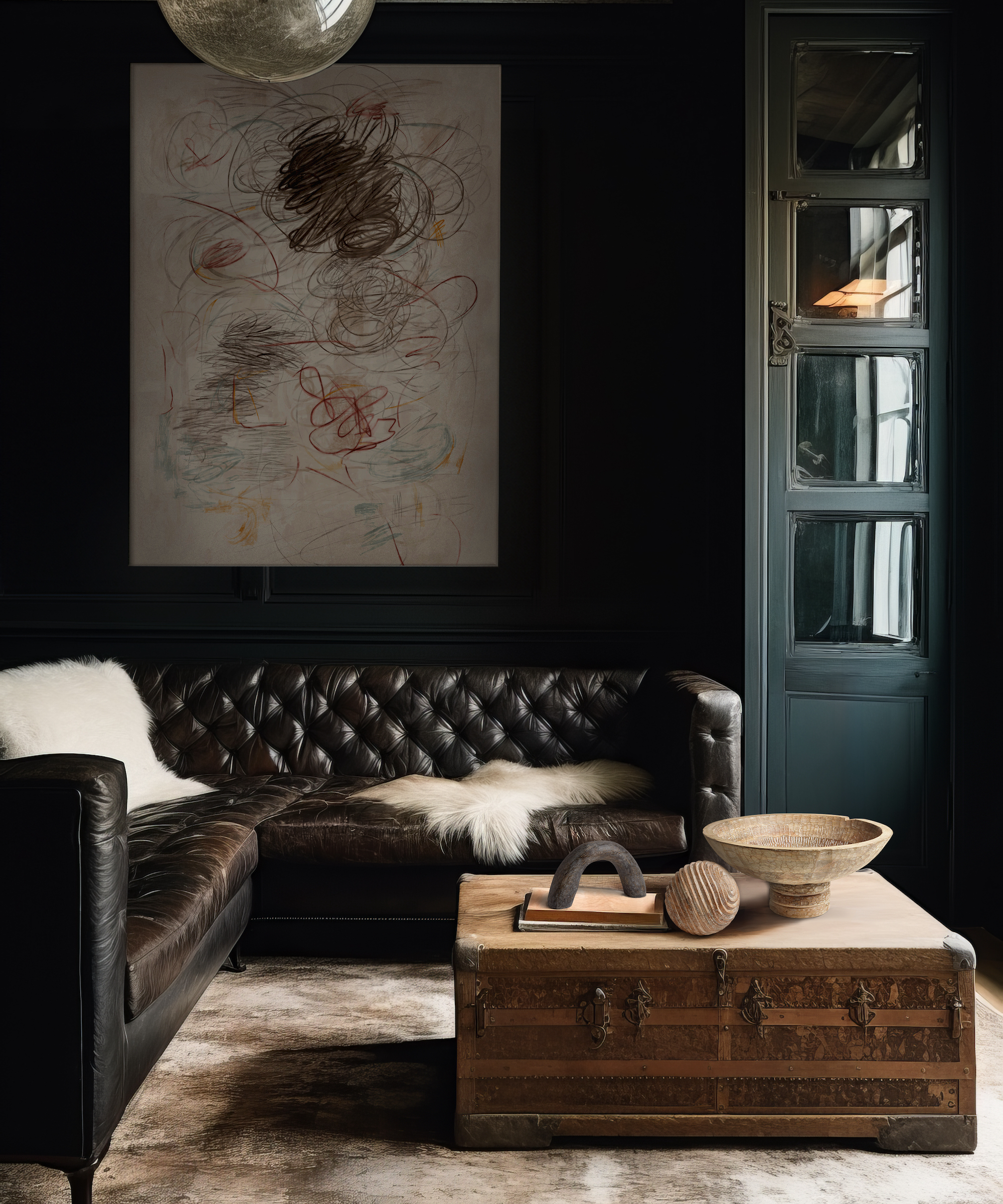
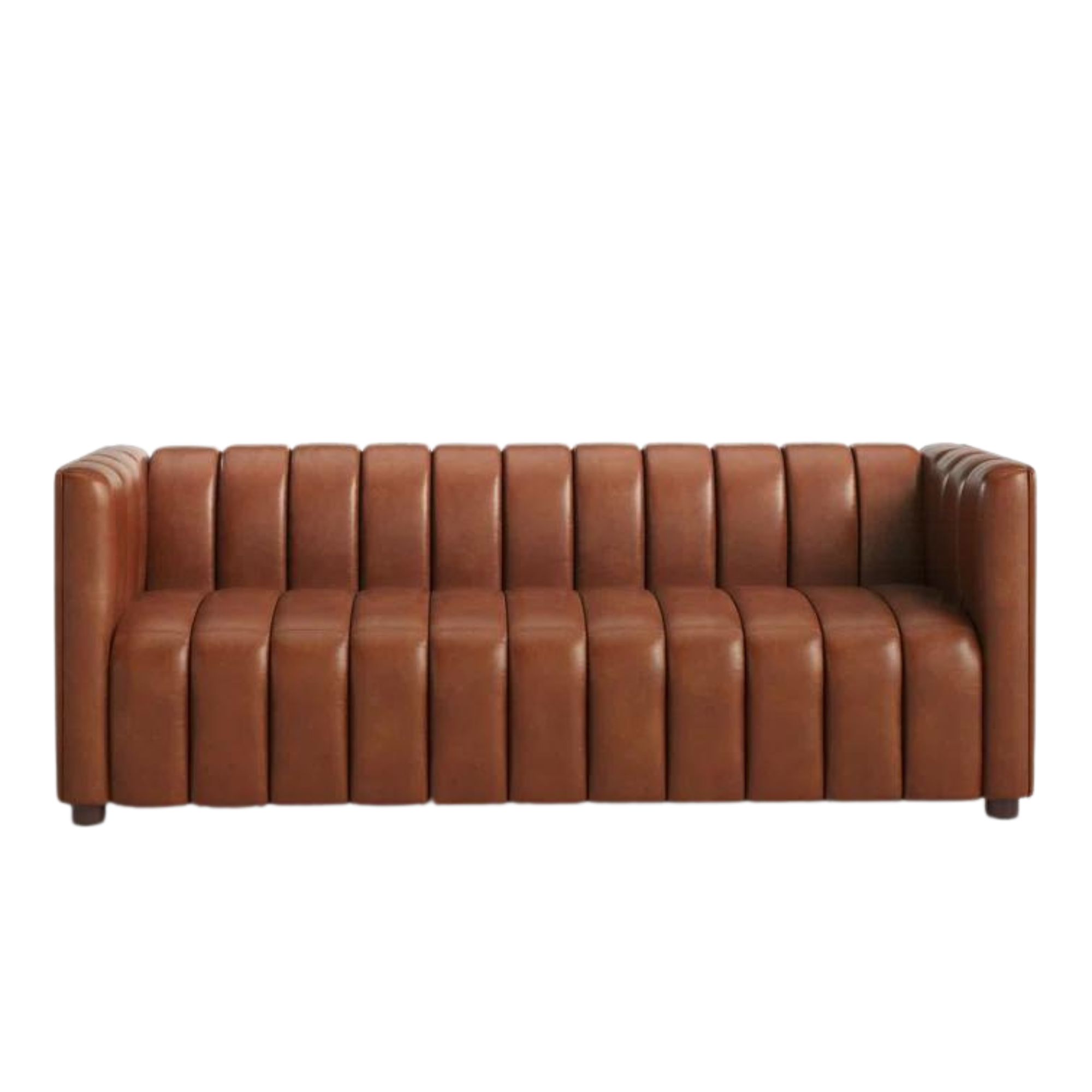
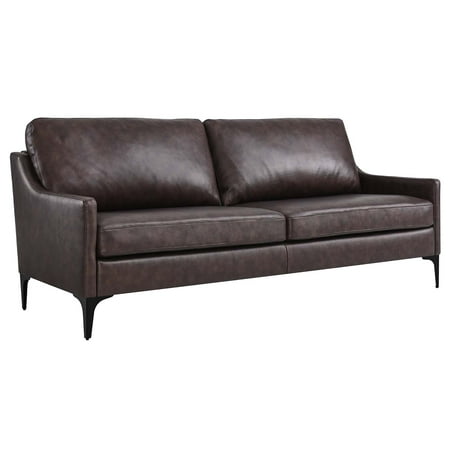
With pet ownership on the rise in the U.S., a significant percentage of households now include pets, leading to a growing need for pet-friendly home furnishings. Data indicates that a substantial number of pet owners have had to replace sofas or soft furnishings due to pet-related damage. This article addresses how to select a sofa that is durable and functional for a home with pets, while also maintaining aesthetic appeal.
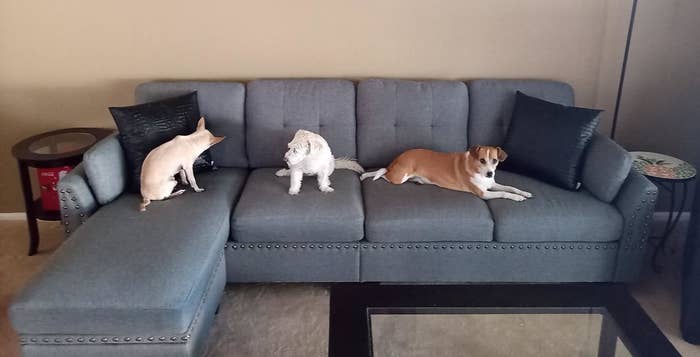
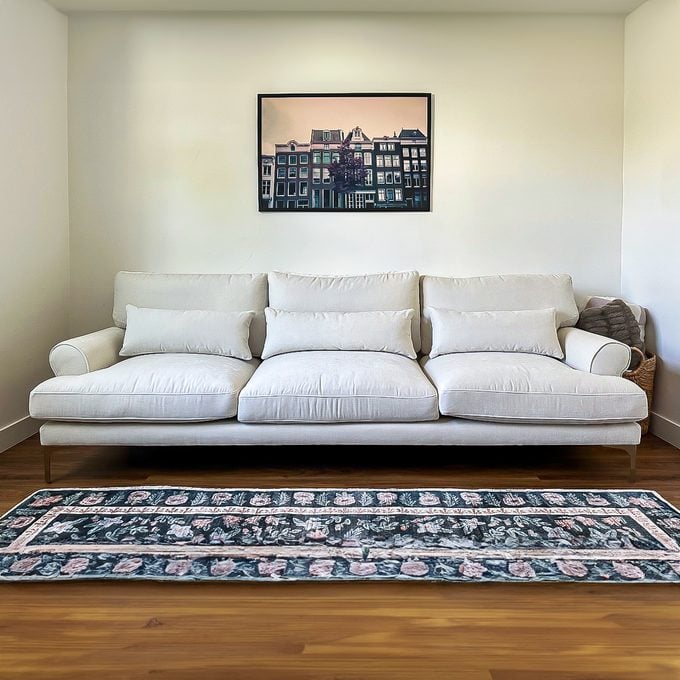
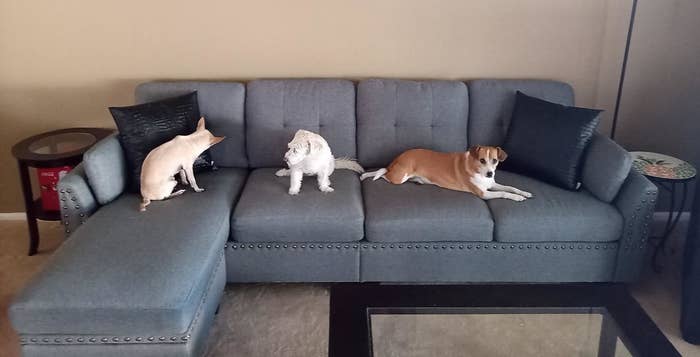
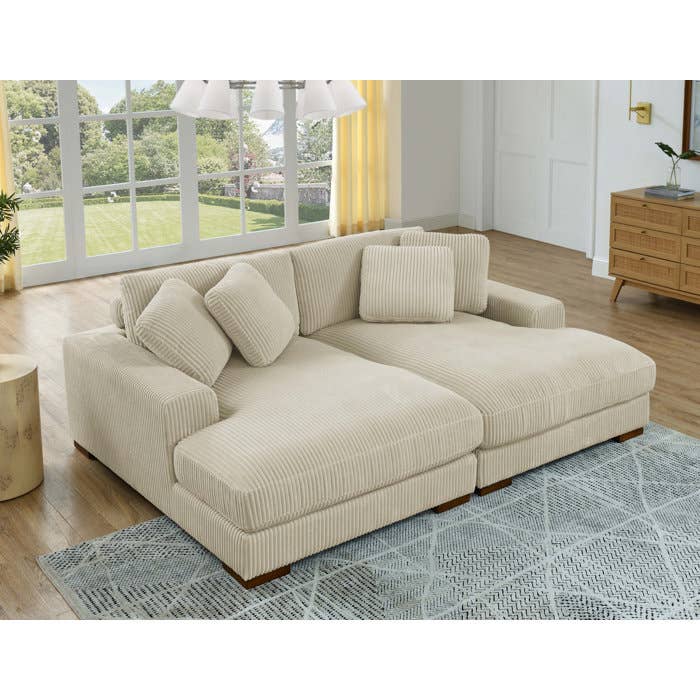
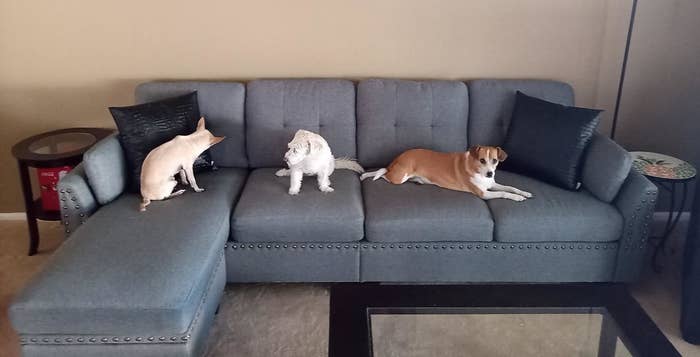
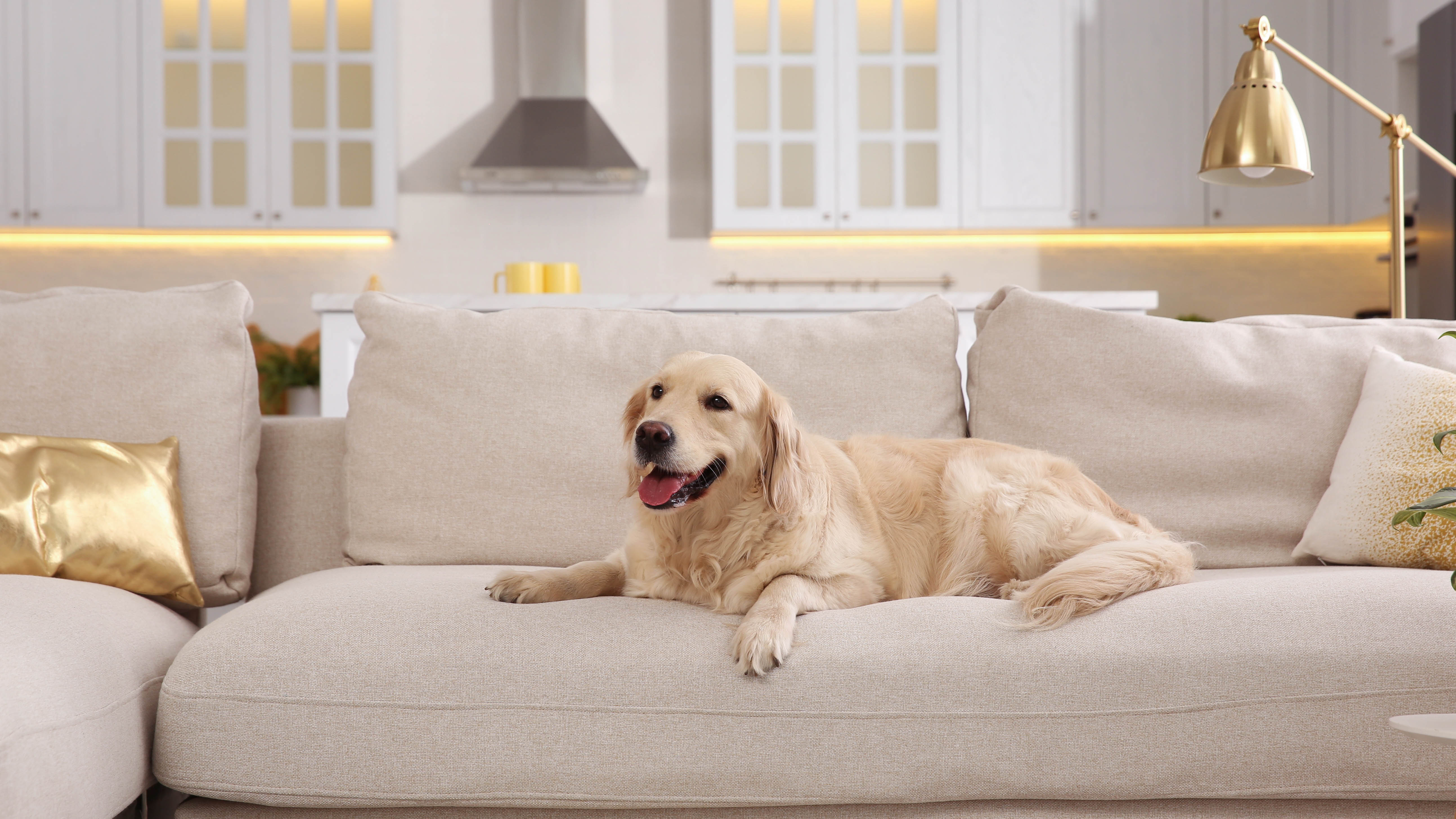
Lena Gierasinska, Head of Product and Design at Barker and Stonehouse, offers expert advice on choosing the right sofa. She emphasizes that rather than viewing pets as a challenge to interior design, their presence should be embraced. Gierasinska suggests opting for sofas large enough to comfortably accommodate both humans and pets, and advises layering them with washable cushions and throws for added protection and style.
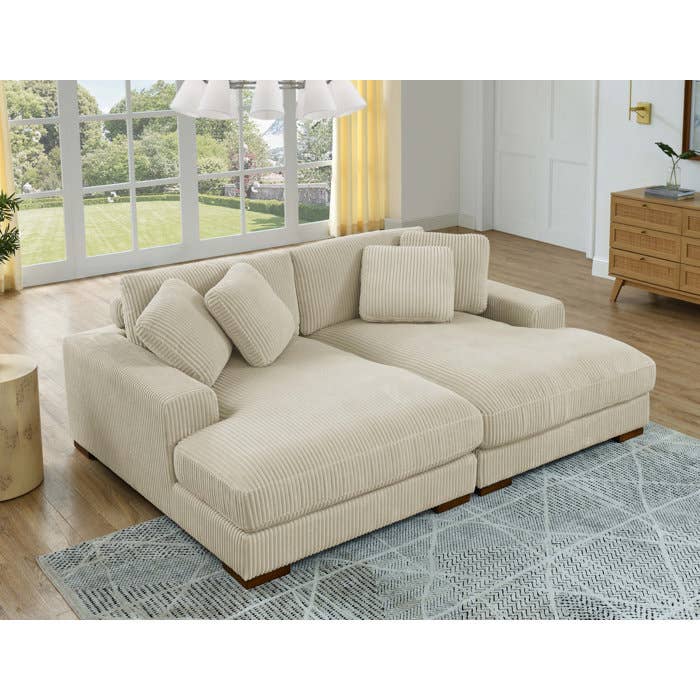
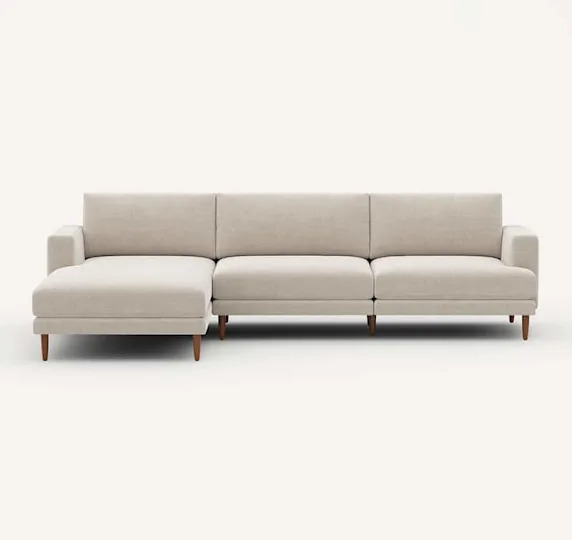
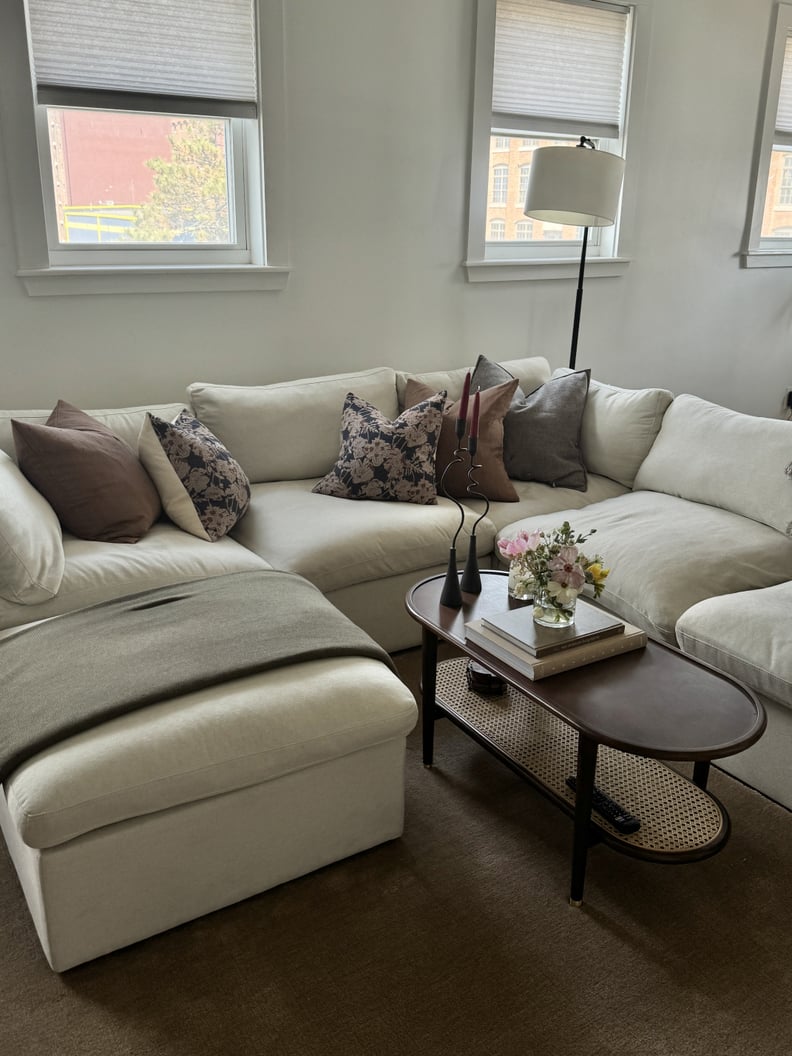
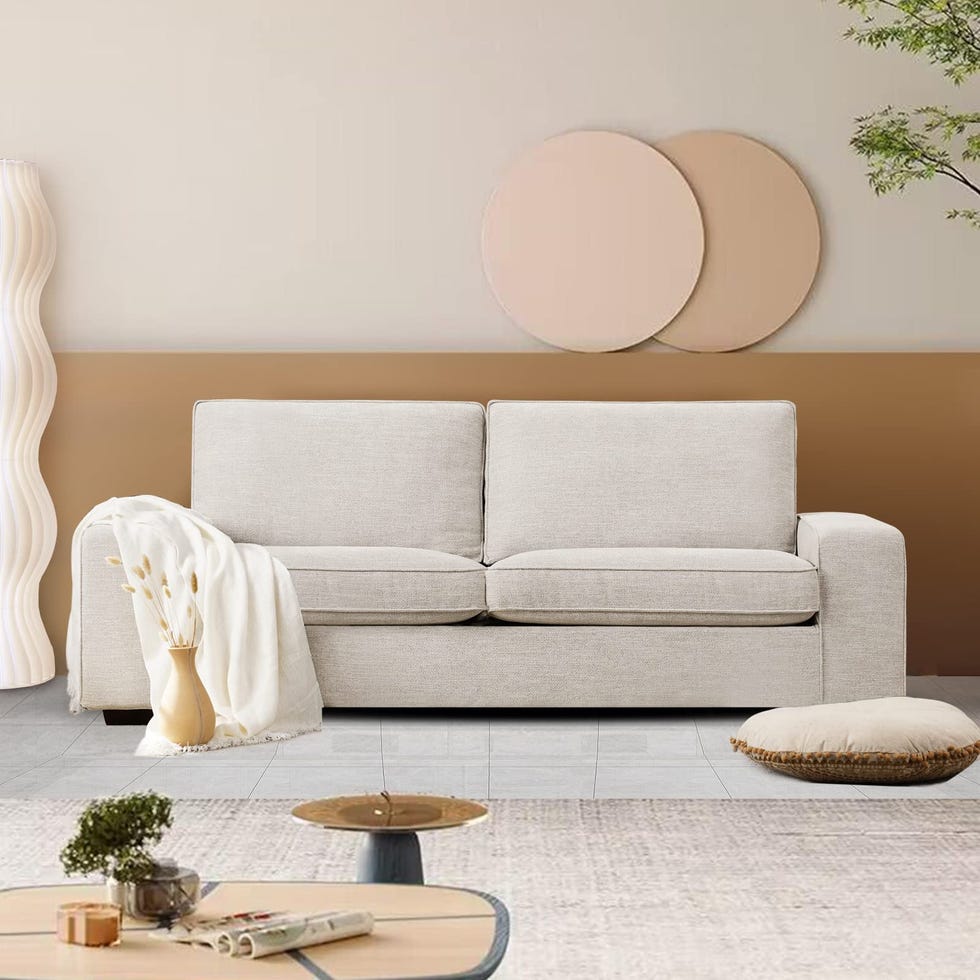
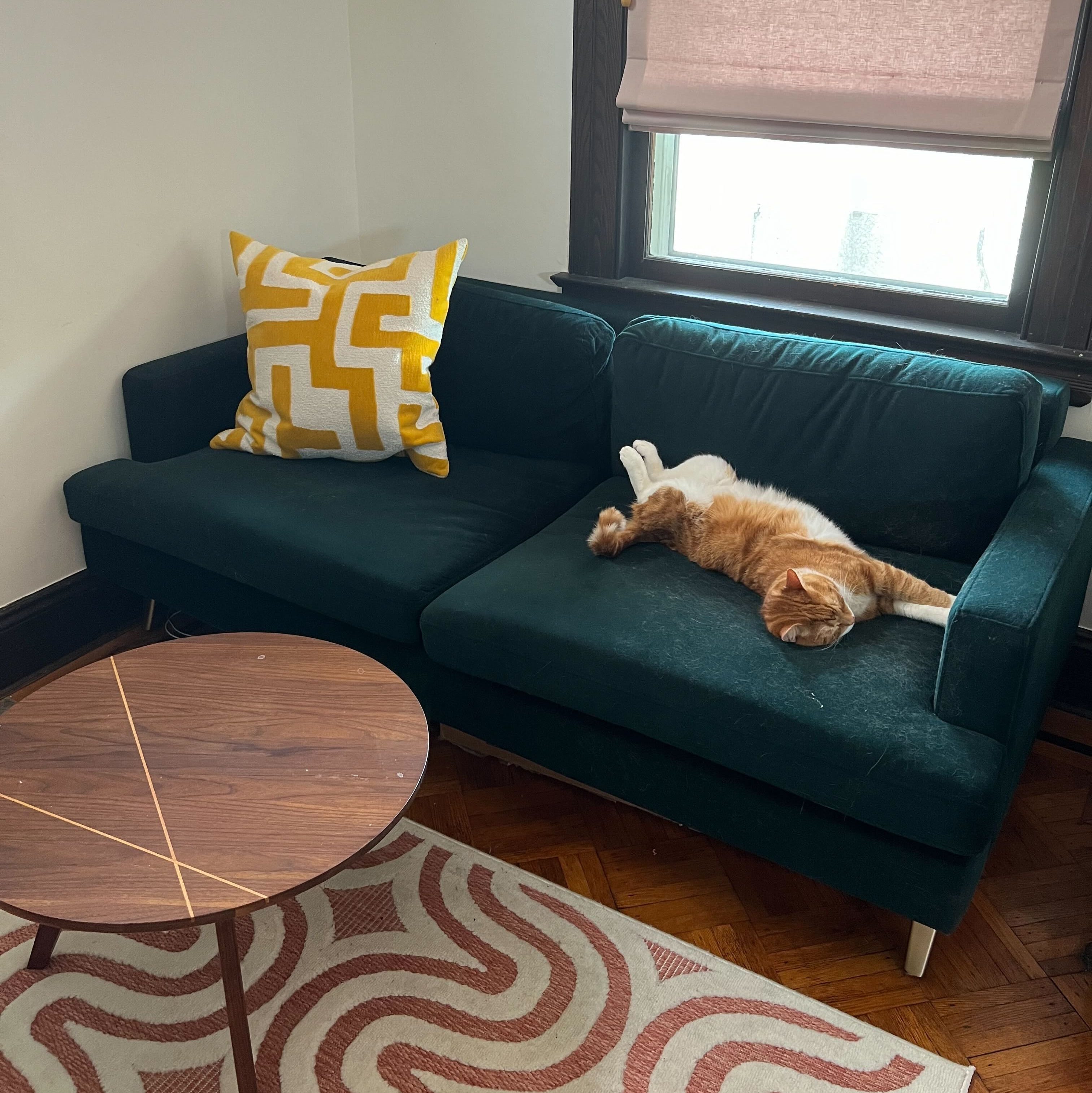
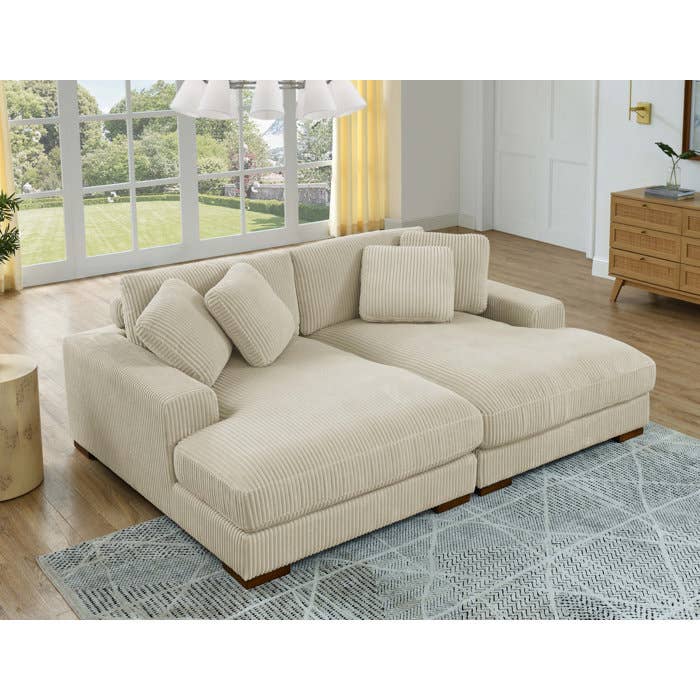
Critical to selecting a pet-friendly sofa is the choice of fabric. Certain materials are more resilient to the wear and tear caused by pets than others. Gierasinska recommends avoiding loose weaves, such as linen and tweed, because their open textures can easily snag on pet claws, leading to damage. Similarly, delicate fabrics like silk and velvet, while luxurious, are prone to scratching and can deteriorate quickly in an active, pet-filled environment. High-pile fabrics are also discouraged as they tend to attract and trap pet hair, making them difficult to keep clean.
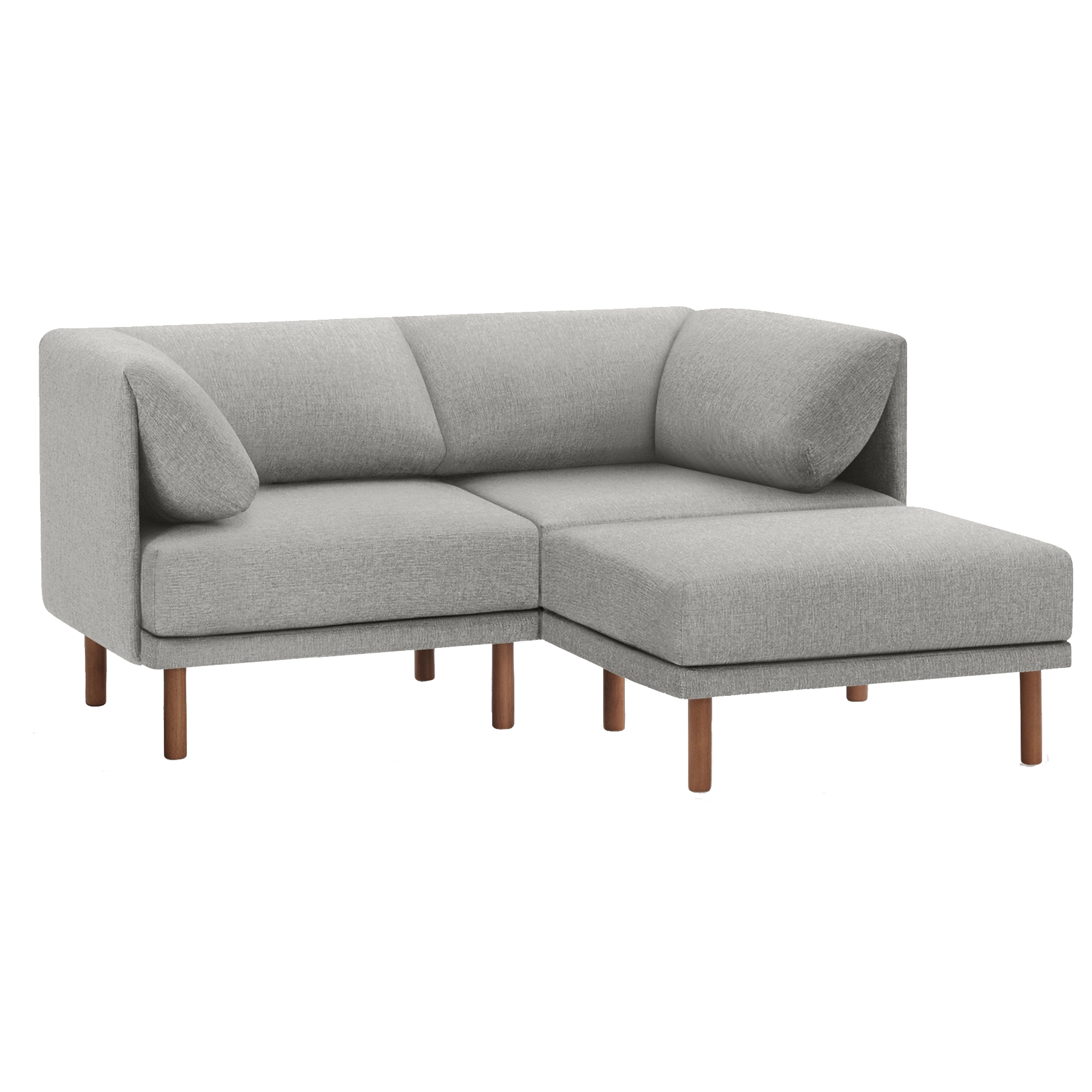
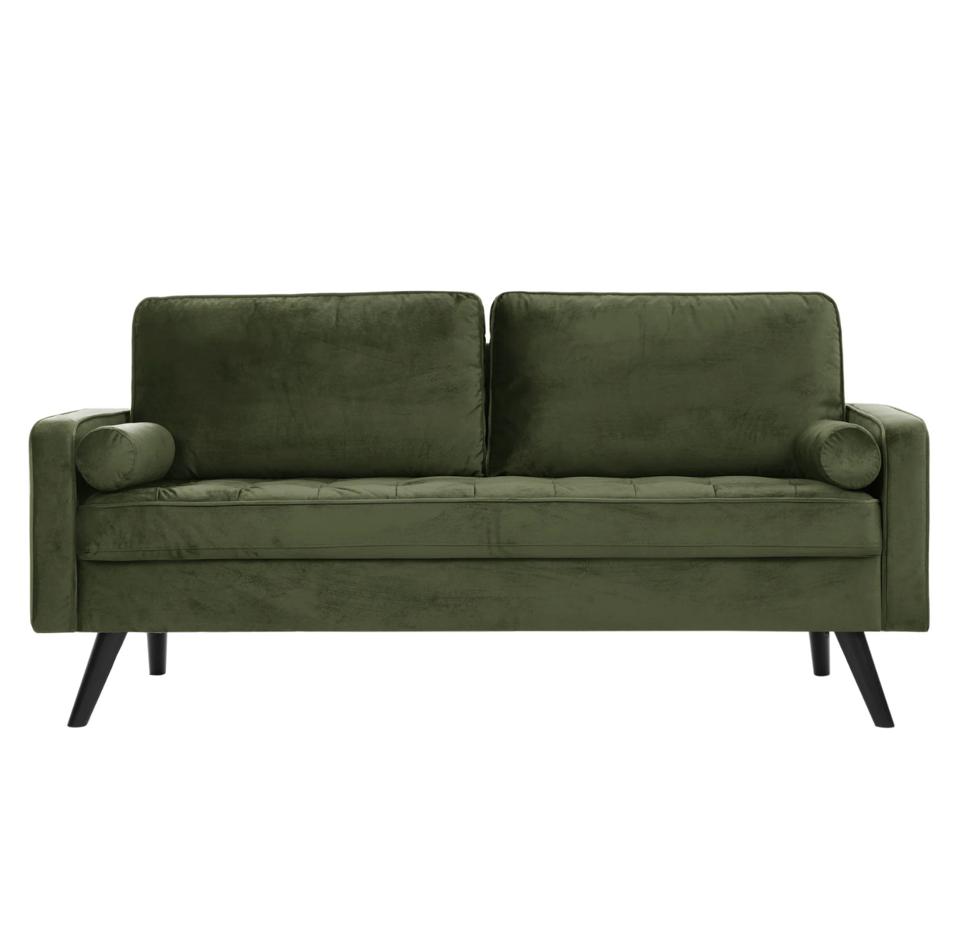
For pet-inclusive homes, Gierasinska advises looking for performance fabrics with a smooth, tightly woven finish. These materials naturally resist pet fur and are designed for durability. Microfibre is highlighted as an excellent choice due to its resistance to scratching and ease of cleaning. While velvet is generally to be avoided, a polyester-blend velvet can be a suitable option because its tighter weave makes it more durable.
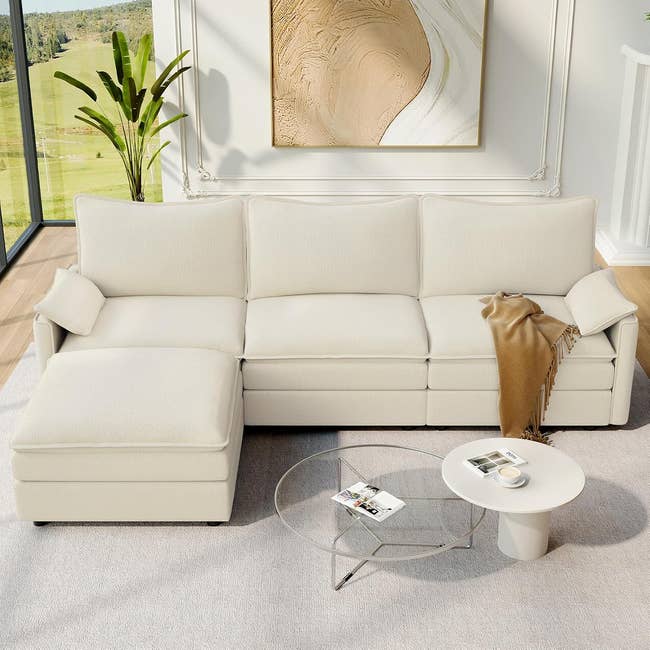
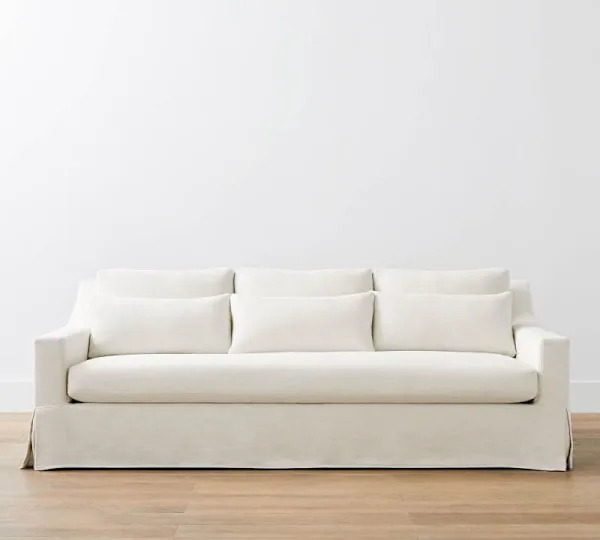
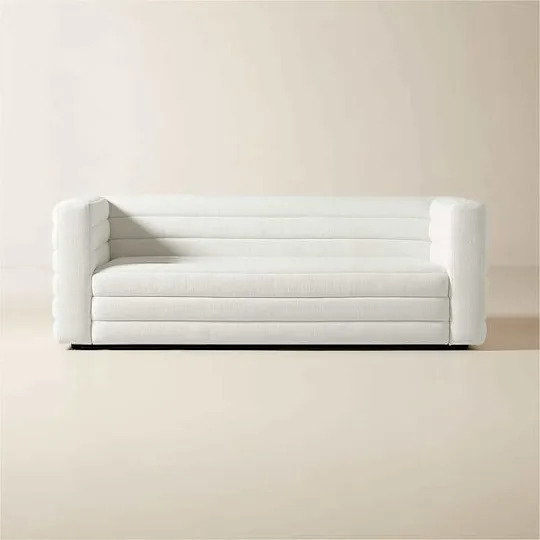
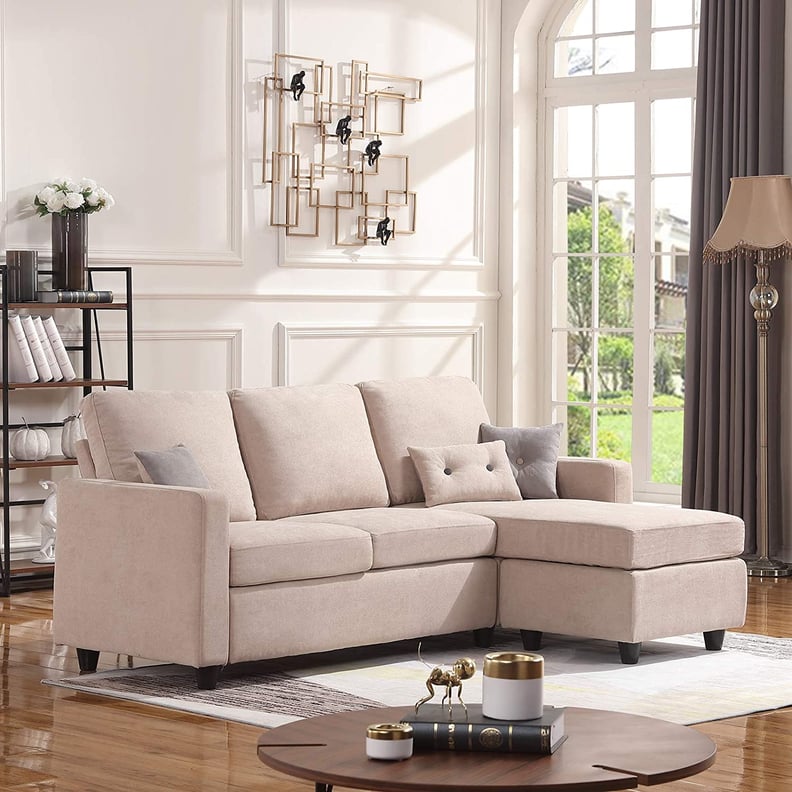
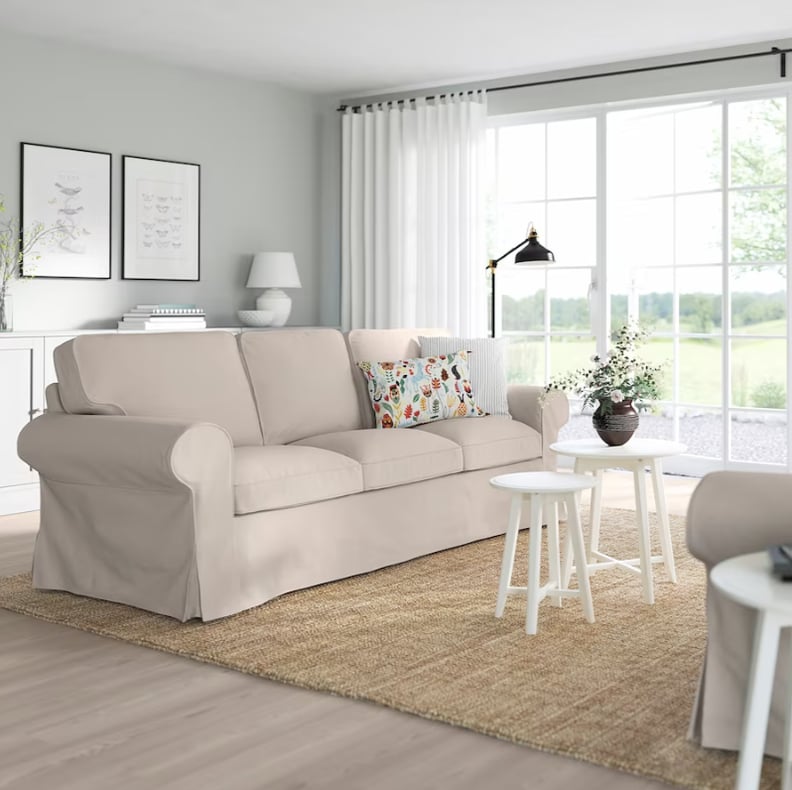
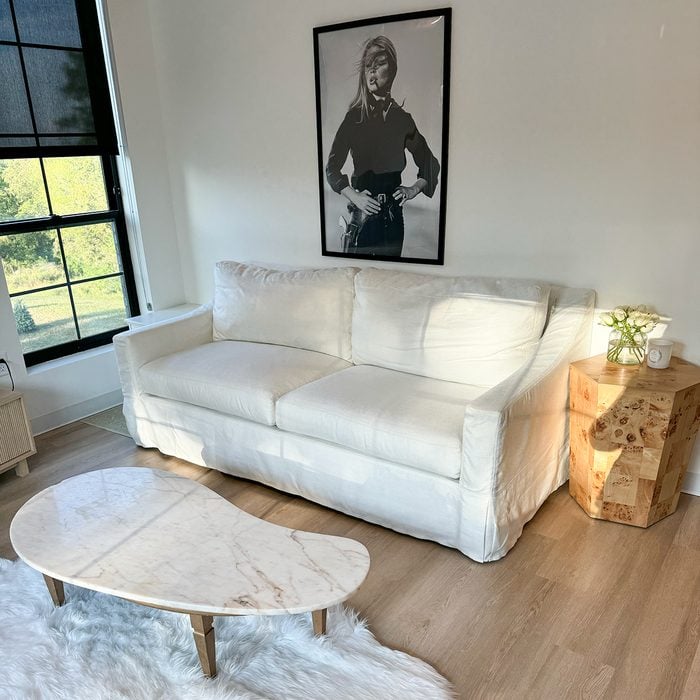
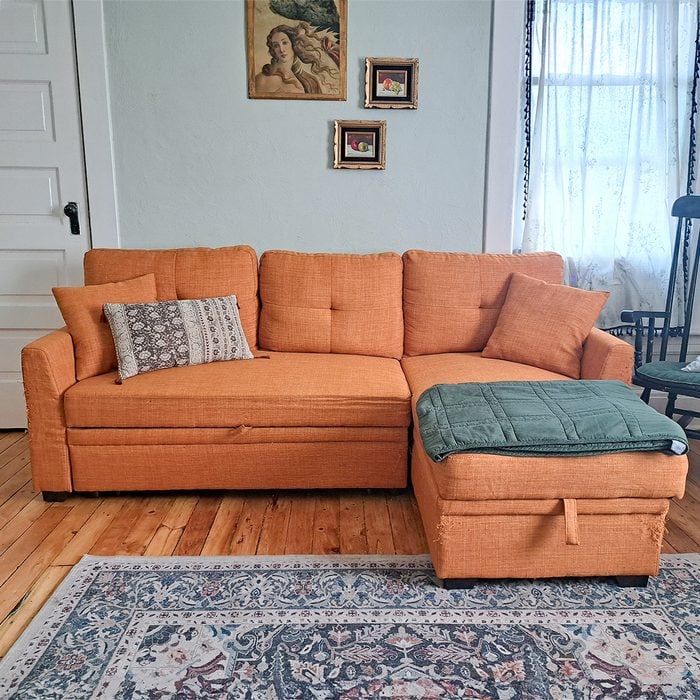
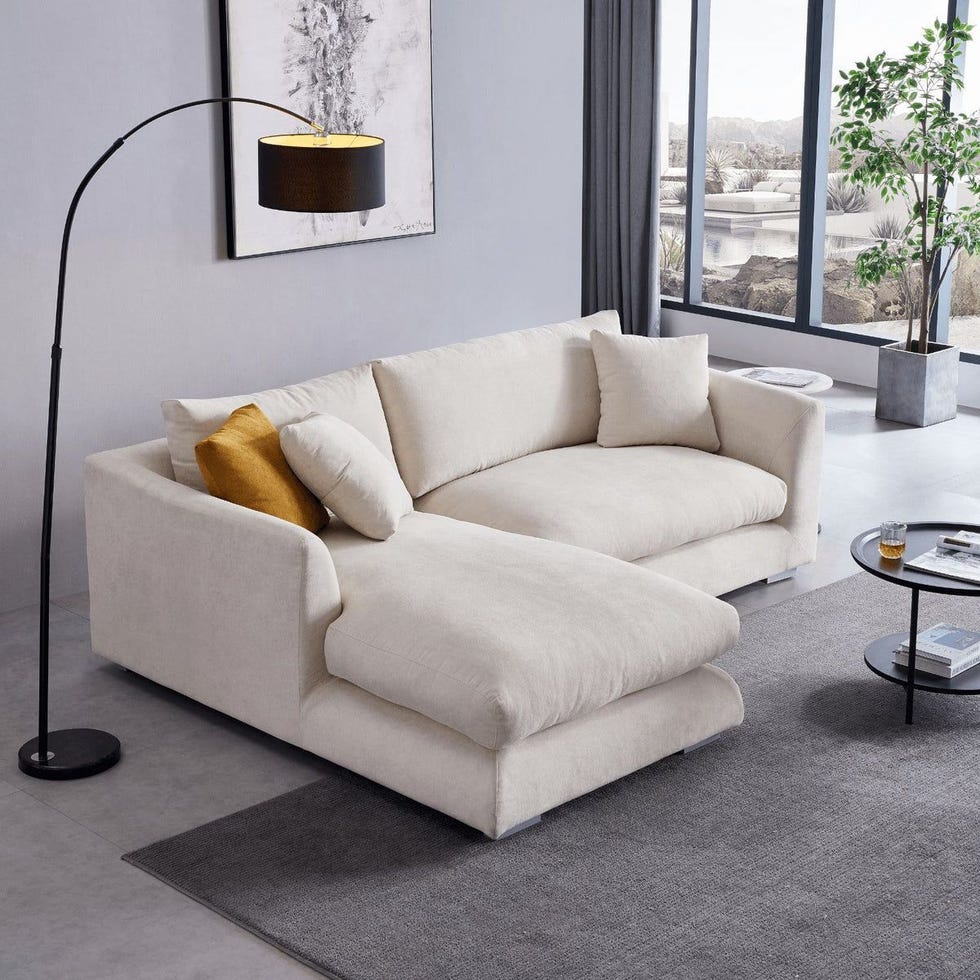
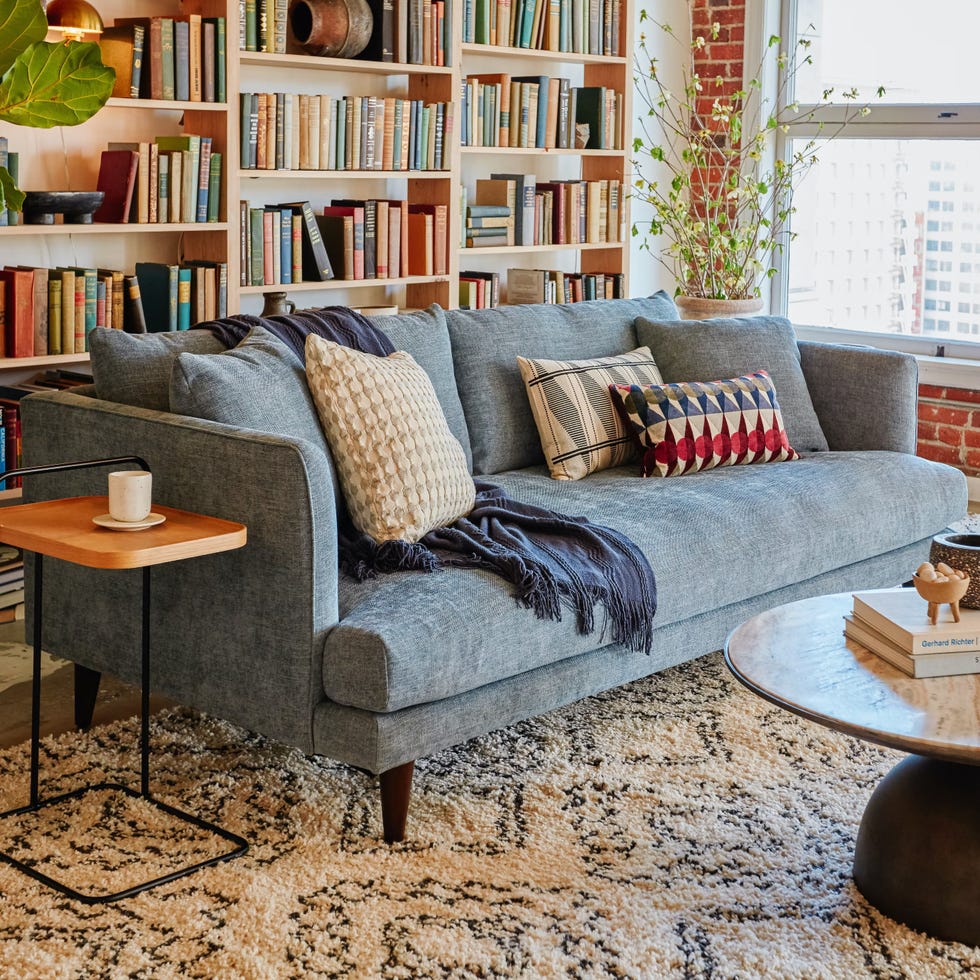
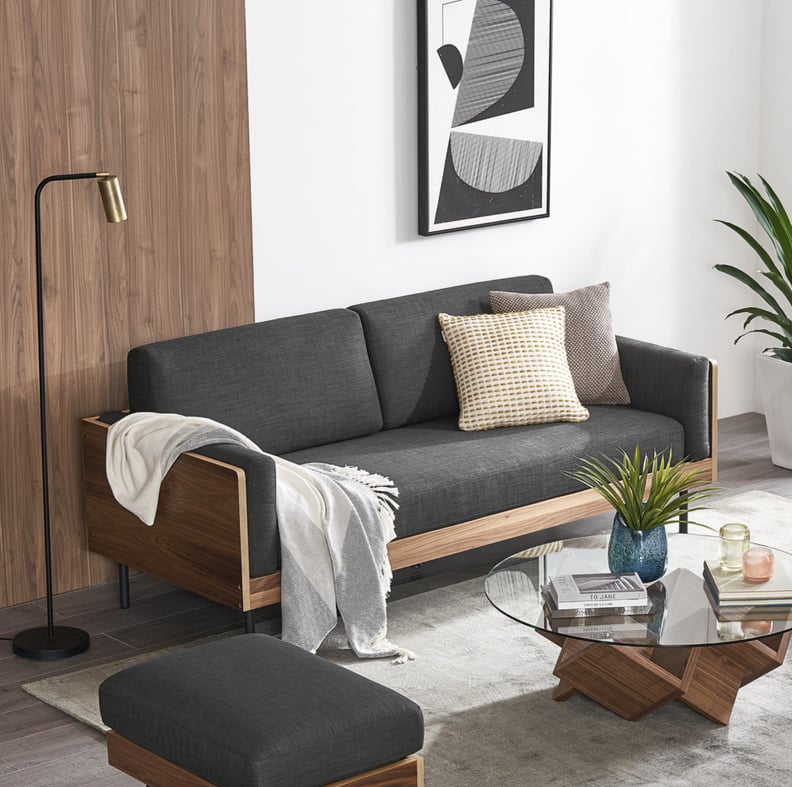
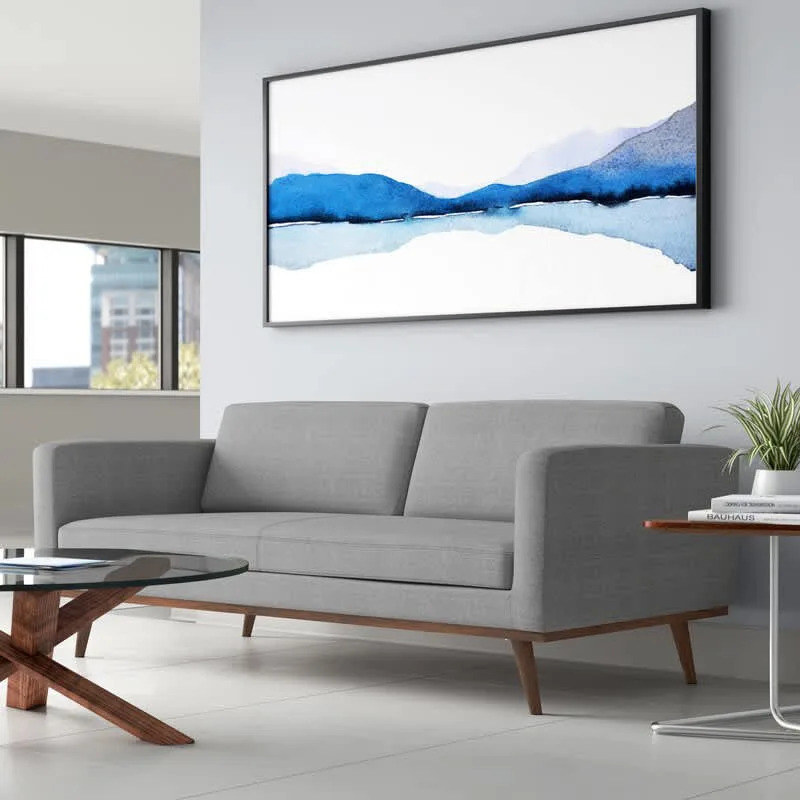
Color and texture also play a significant role in maintaining a pet-friendly sofa. Pale colors are not recommended as they easily show marks and pet fur. Instead, mid-tone colors like charcoal, taupe, navy, and olive green are suggested because they are timeless, on-trend, and effective at concealing daily wear. Incorporating subtle patterns or textures, such as a gentle herringbone or basket weave, can further help camouflage any signs of use.
Another crucial factor often overlooked is the fabric's rub count, which measures its durability. Gierasinska stresses the importance of choosing upholstery with a high rub count, ideally 80,000 or higher. This ensures the sofa can withstand years of use from pets and maintain its appearance for a longer period.
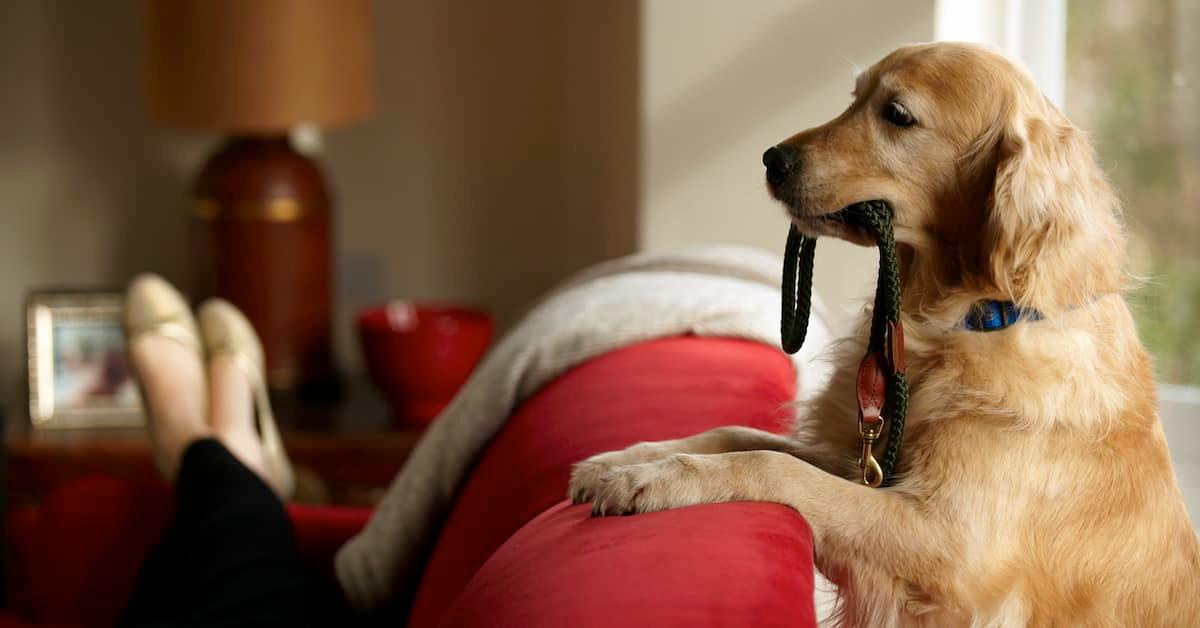
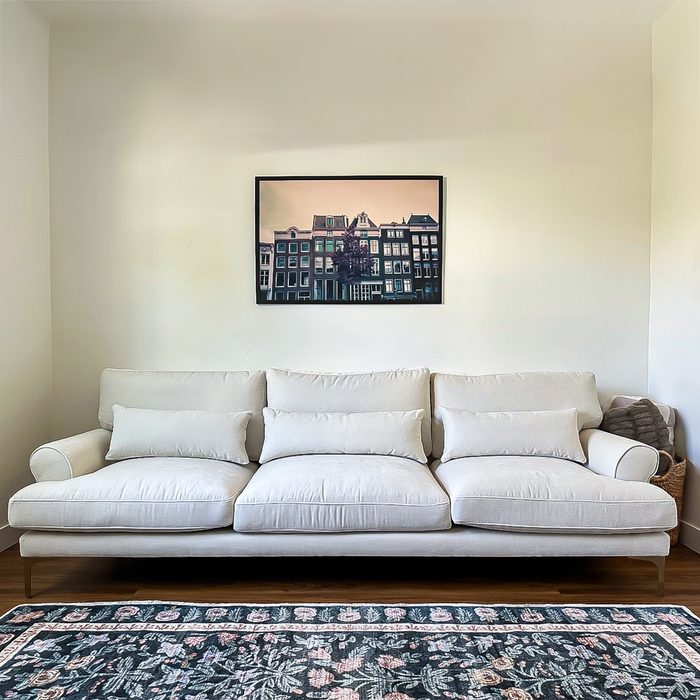
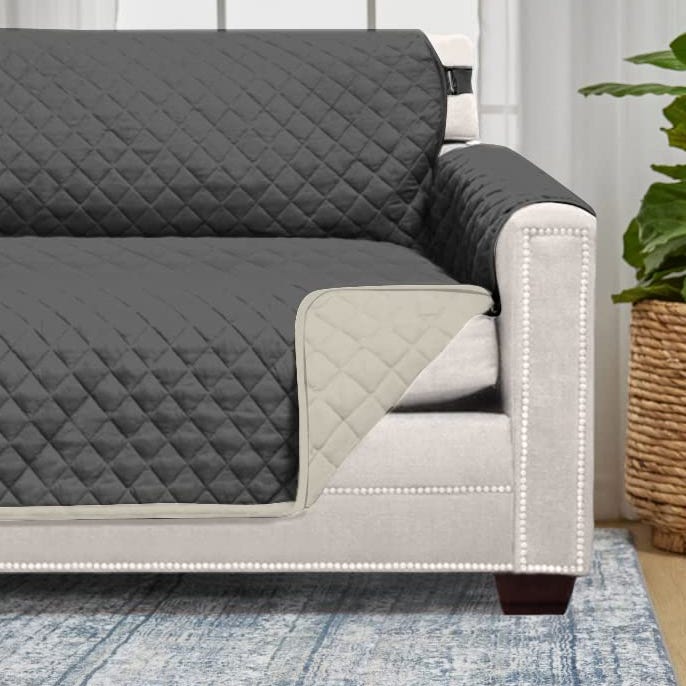
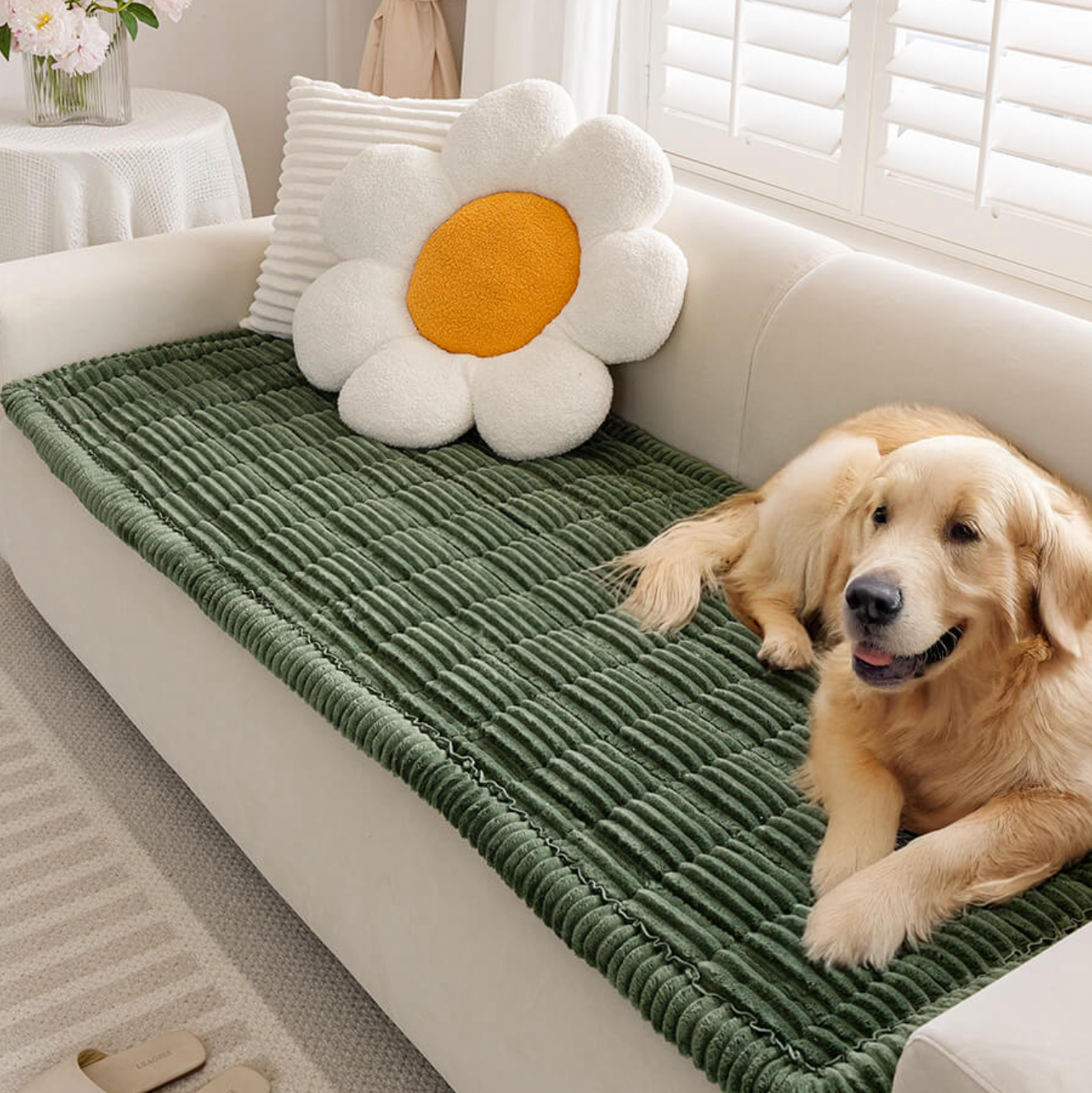
Beyond the sofa itself, Gierasinska suggests considering additional elements for a pet-friendly home. These include removable and washable cushion covers and throws that protect the sofa while contributing to a cohesive look. She also recommends practical flooring options like wood or laminate, which are easier to vacuum and clean. Keeping a lidded basket near the sofa for pet toys, blankets, or leashes helps maintain tidiness and organization in a shared living space.
#PetFriendlyHome #SofaFabrics #HomeDecor #PetOwnership #InteriorDesign #FurnitureSelection #FabricDurability #PetCare #CleaningTips #PetFriendlyHome #SofaFabrics #HomeDecor #PetOwnership #InteriorDesign #FurnitureSelection #FabricDurability #PetCare #CleaningTips
0 comment in total
 No comments yet
You may also like

The Best Couch Material for Dogs — Experts Share the Fabrics That Can Handle Paws and Claws


7 Best Cat-Proof Couches, Tested and Reviewed by Our Team’s Felines

12 Sofa Covers That'll Keep Your Couch Looking New
These 7 Couch Covers Will Protect Your Sofa in Style
34 Pet-Friendly Couches Your Dog or Cat (And You) Will Want To Lounge On All Day
12 Best Pet-Friendly Couches to Cozy up With Your Furry Friends

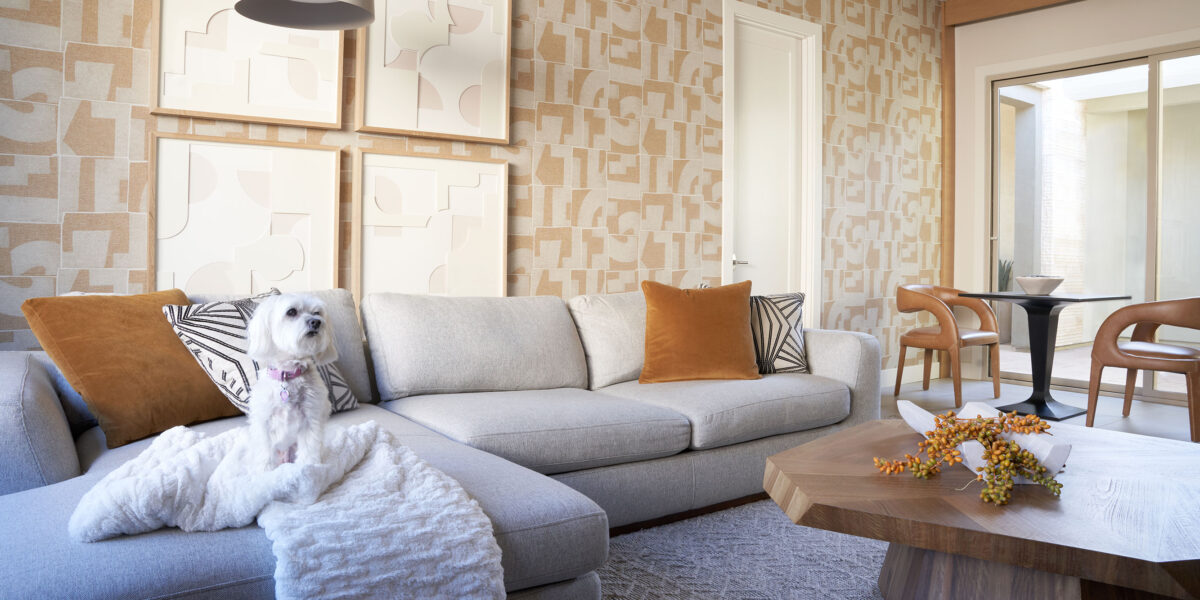
8 Dog-Friendly Furniture and Decor Pieces That Actually Look Chic
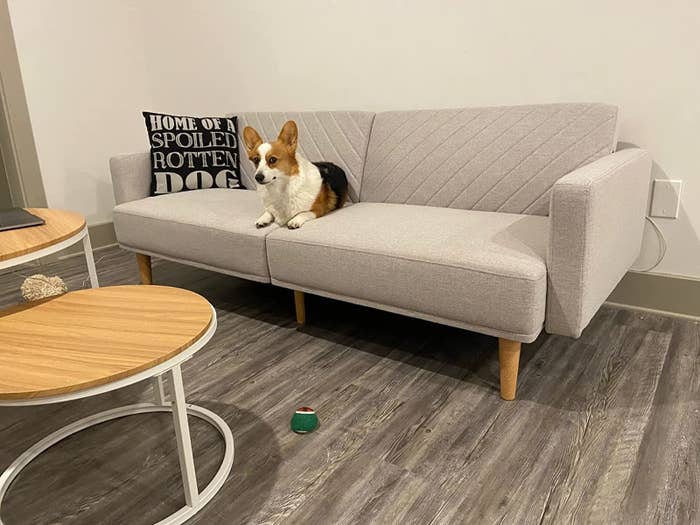
31 Pet-Friendly Couches Your Dog or Cat (And You) Will Want To Lounge On All Day

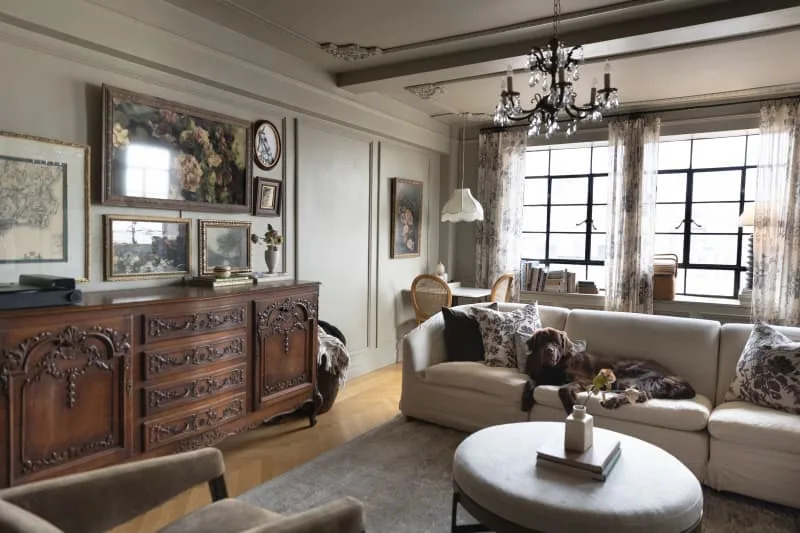
The Best Pet-Friendly Sofas That Don't Sacrifice Style

Don’t Let Pets Destroy Your Bedding. Use These Tips Instead. | Wirecutter

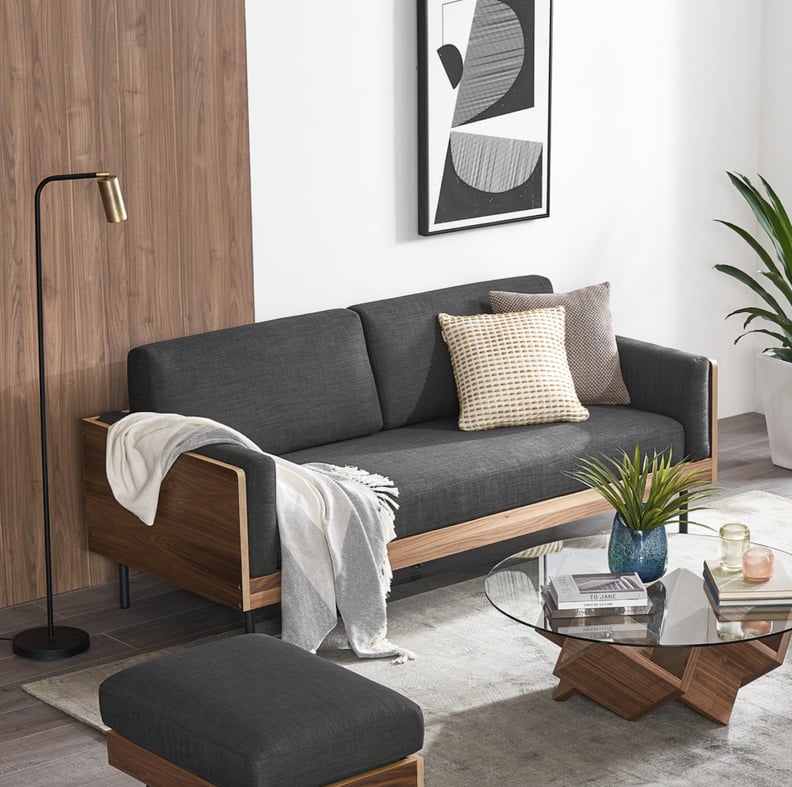
12 Durable Furniture Pieces Your Cat Won't Instantly Destroy
It's Cool If Your Dog Snuggles On Your New Sofa. Just Use a Couch Cover.

These Dog-Friendly Couch Fabrics Are Winners With Humans and Pups
10 Completely Cat-Proof Sofas That Are Also Super Chic, According to Our Cat-Owning Editors
7 Best Cat-Proof Couches That Are Durable, Comfortable And Stylish

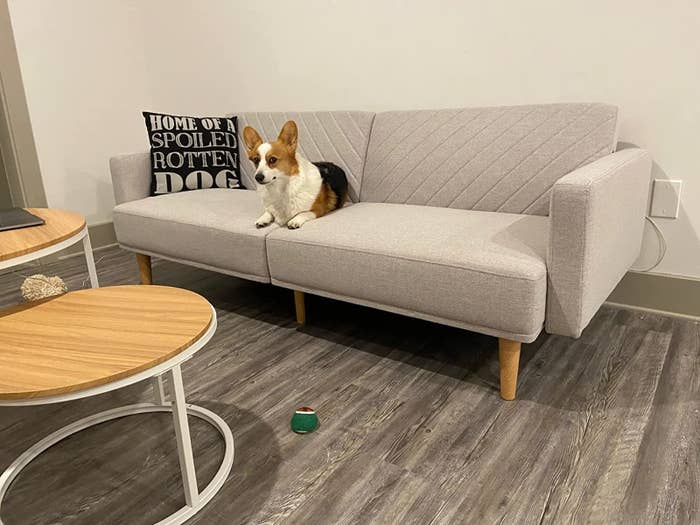
33 Pet-Friendly Couches Your Dog or Cat (And You) Will Want To Lounge On All Day
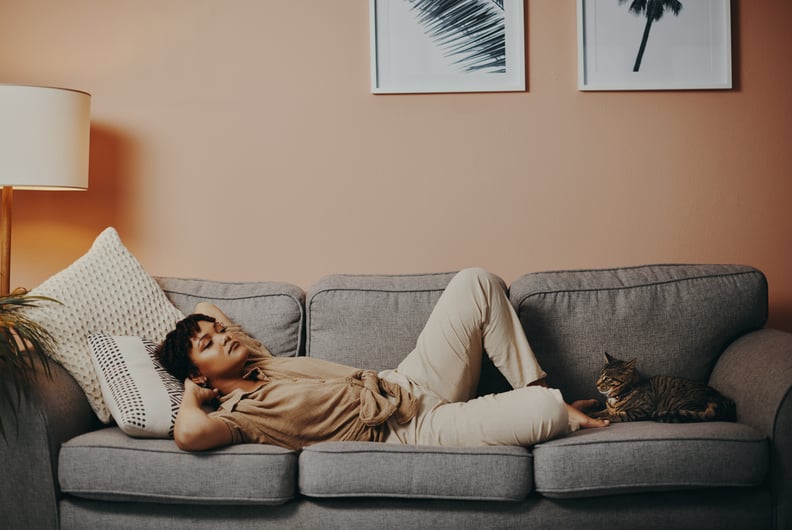
The Best Pet-Friendly Sofas, Loved by Our Editors (and Their Pets)
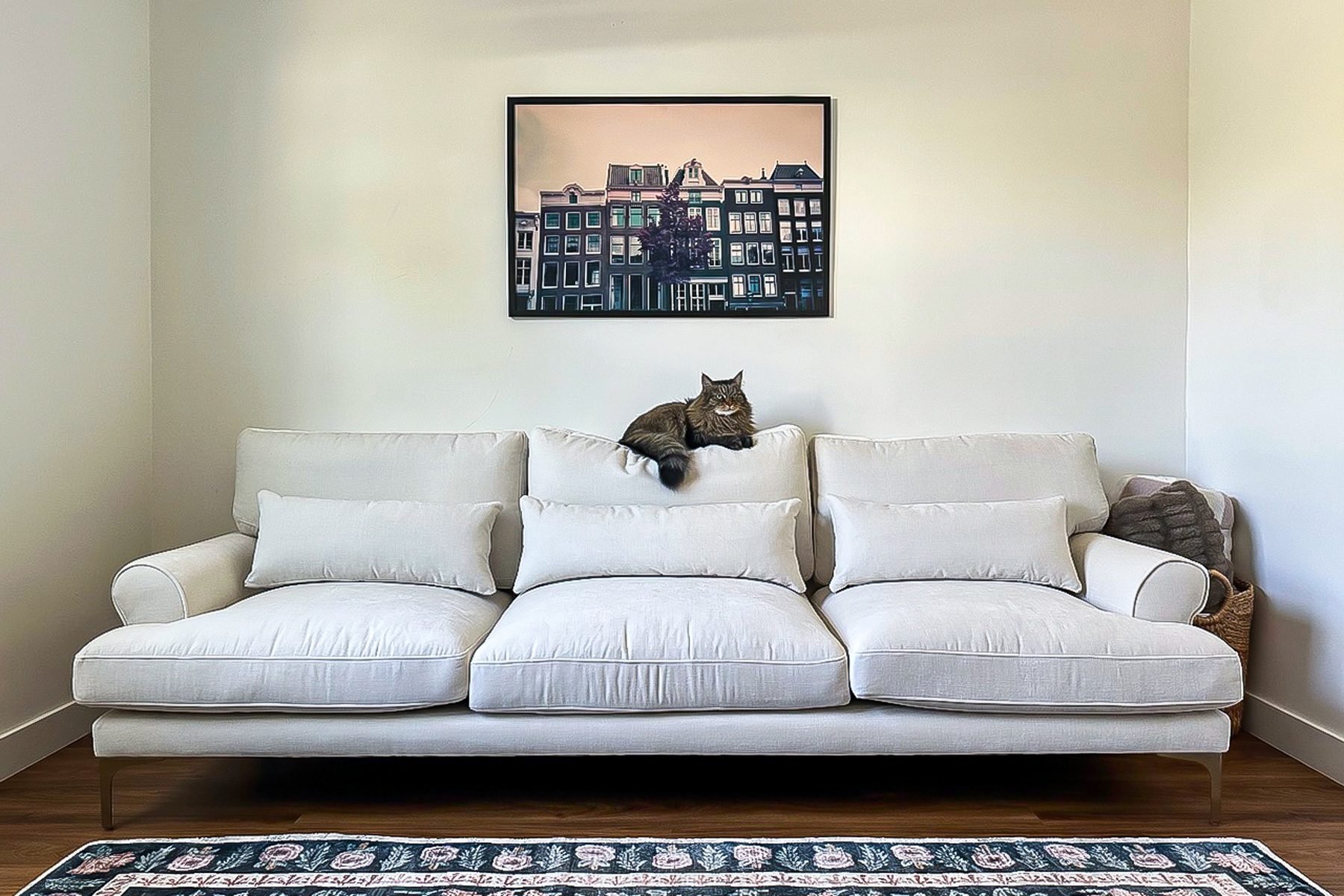
Interior Define Sofa Review: My Feline Put This Sleek Cat-Proof Couch to the Test

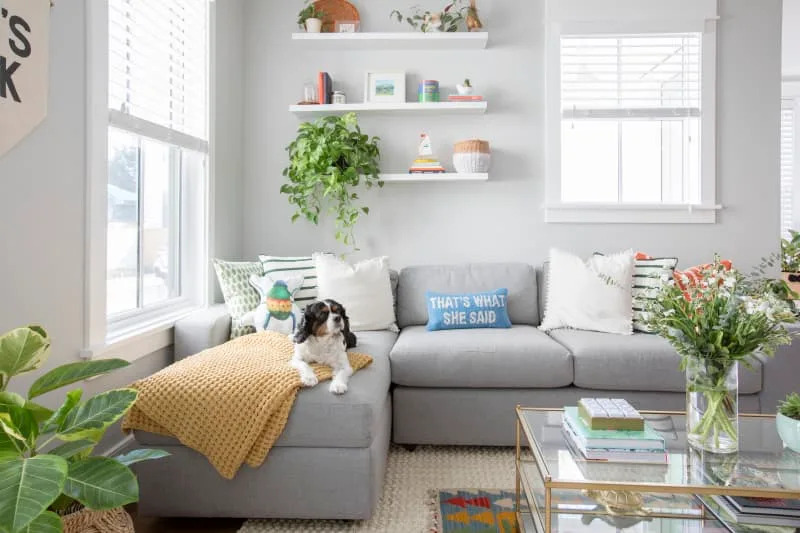
The Best Kid- and Pet-Friendly Sofas You Can Buy Now

30 Sectional Couch Covers Perfect If You're Looking To Protect *Or* Update Your Sofa