1/21
Want to See Hummingbirds? Plant These Flowers in Your Yard or Garden
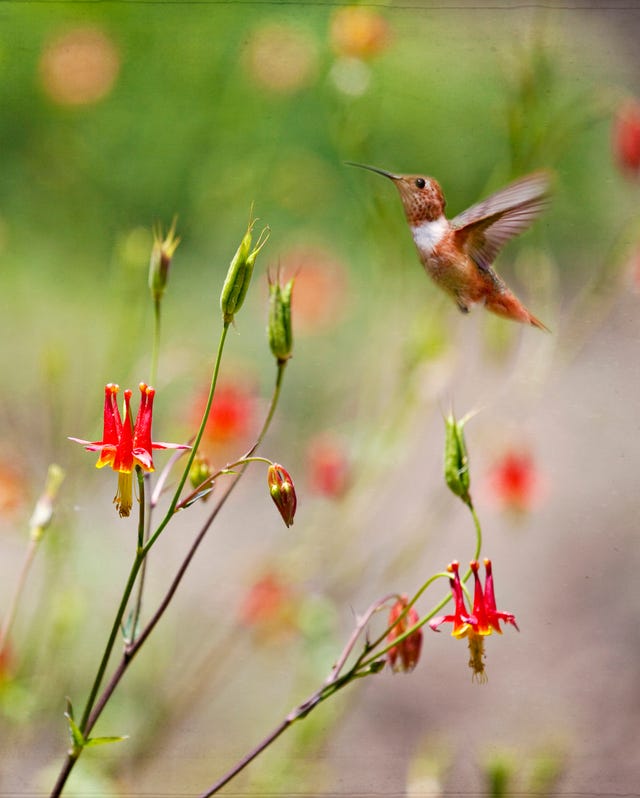
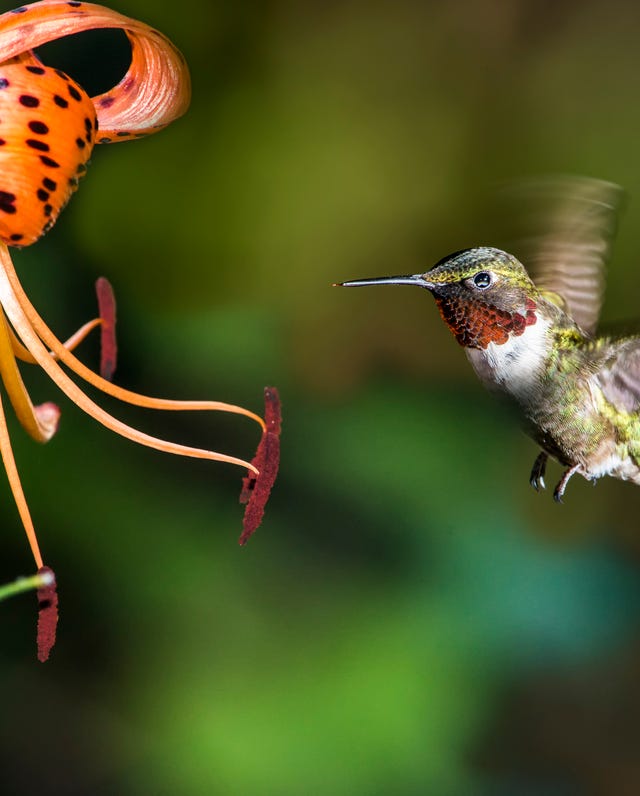
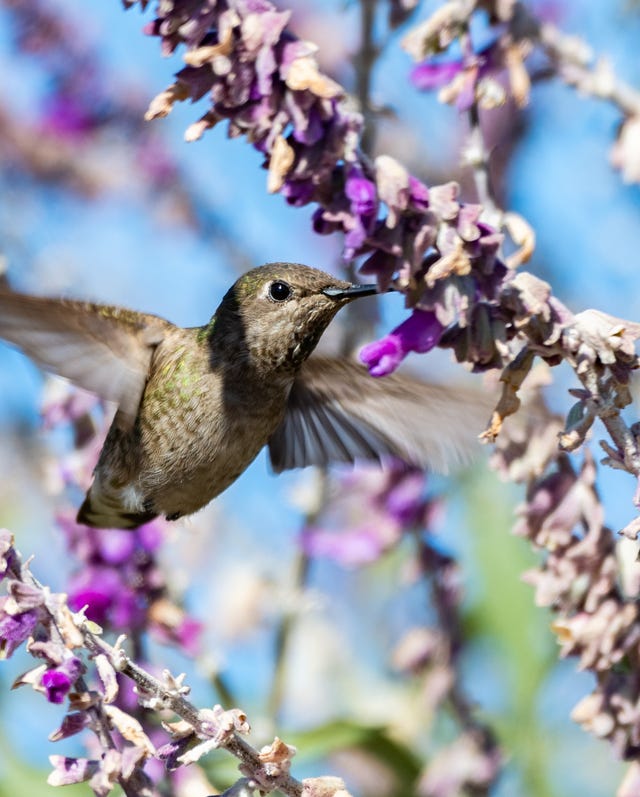
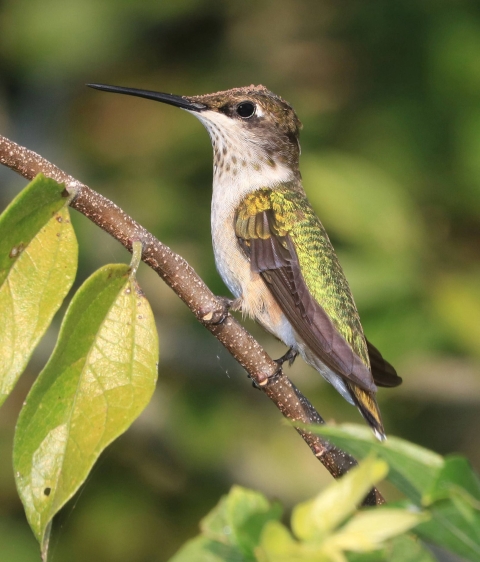
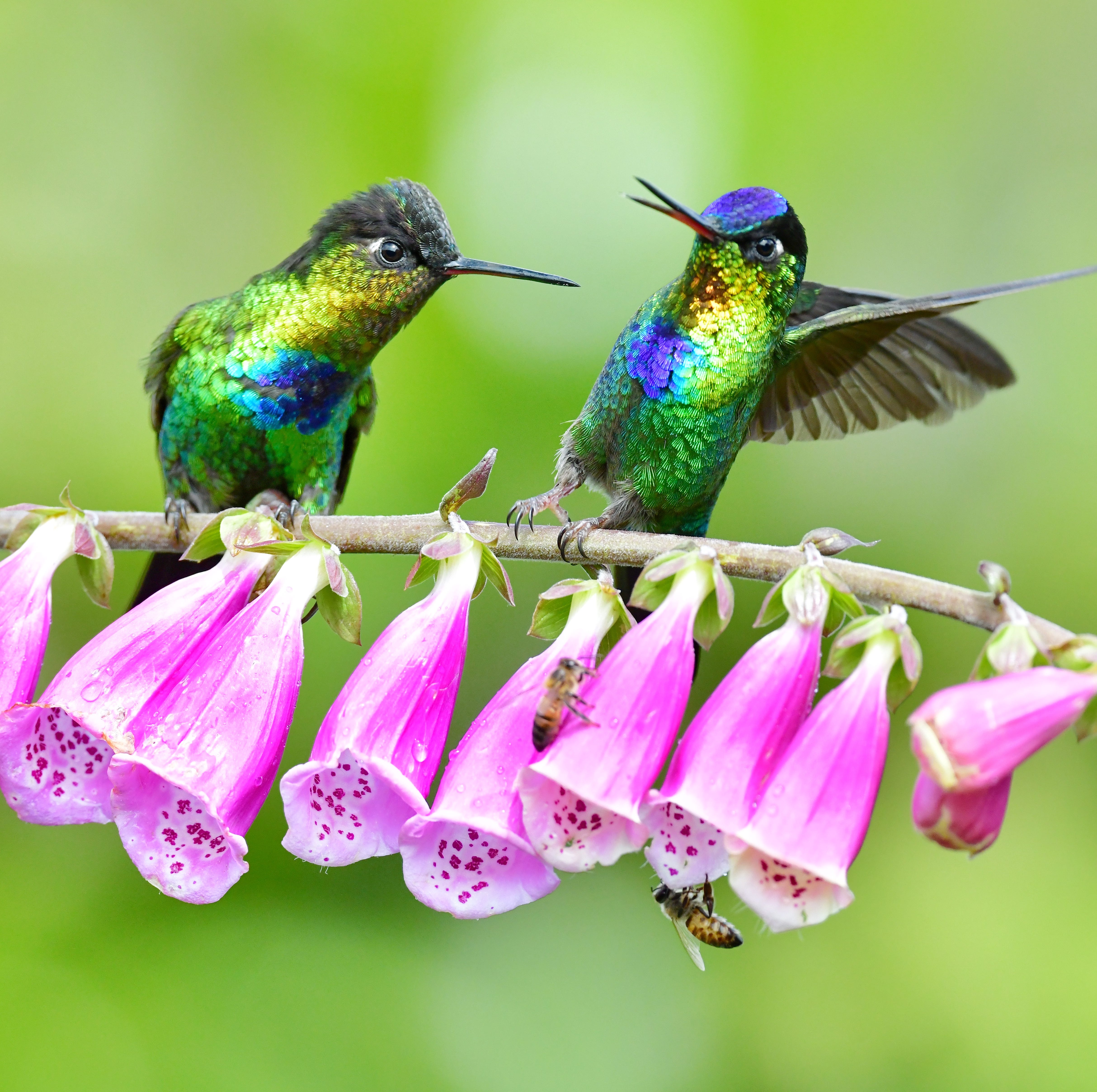
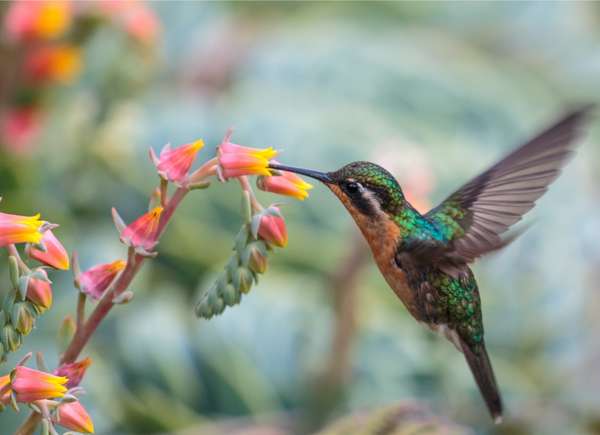
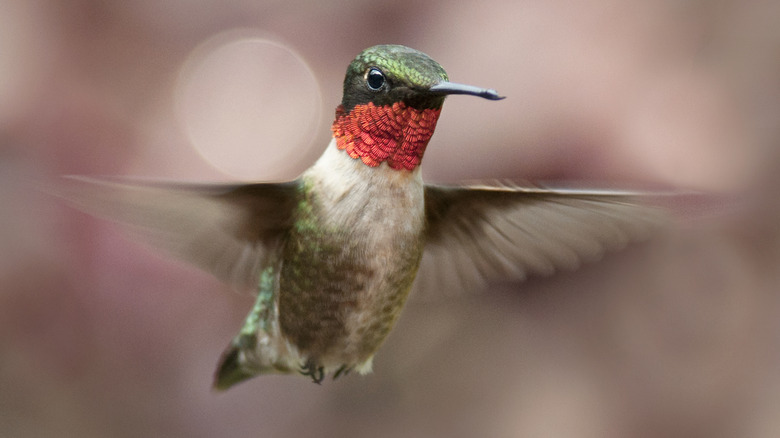
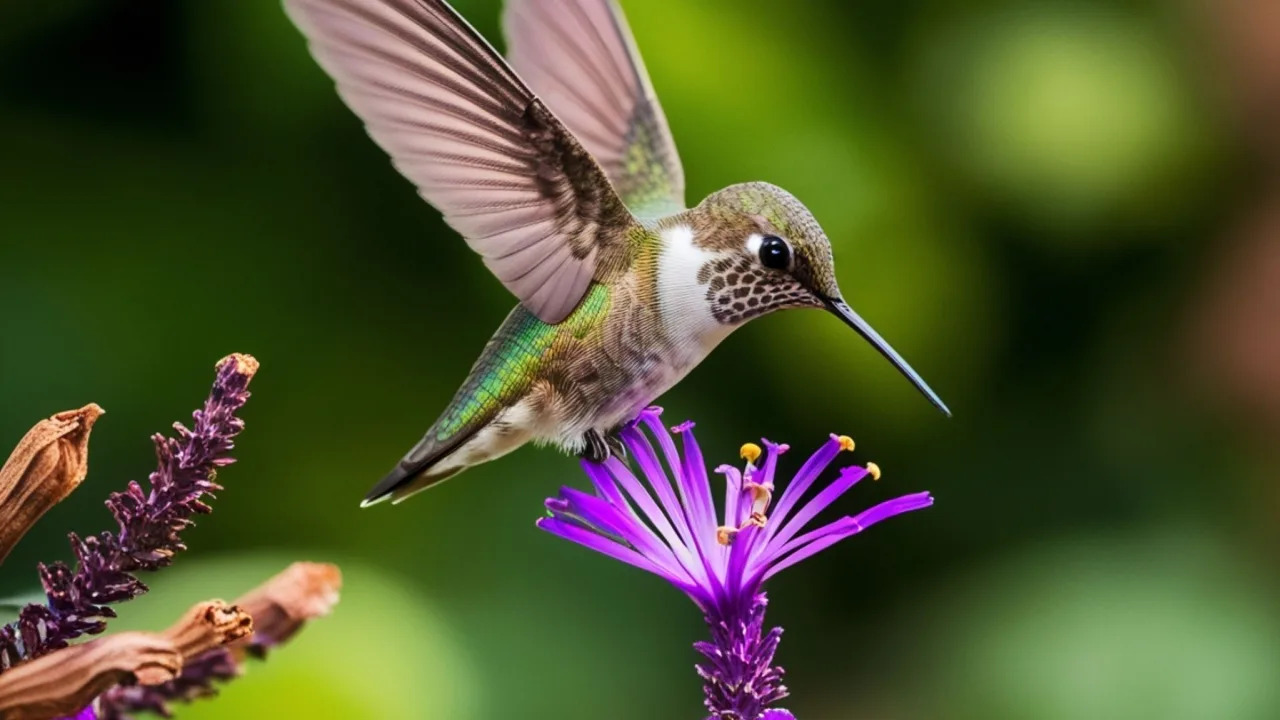
Hummingbirds, known for their unique ability to fly backward and their tiny yet resilient nature, migrate thousands of miles each winter. This extensive travel makes them incredibly hungry, requiring them to feed four to five times per hour and visit nearly 2,000 flowers daily. To support these vital pollinators, planting hummingbird-friendly flowers is an effective and aesthetically pleasing solution, complementing artificial feeders. When selecting plants, a general guideline is to choose bell or trumpet-shaped flowers that allow hummingbirds to easily access nectar with their long beaks. While red flowers are a known favorite, hummingbirds will feed from a diverse range of colors due to their high caloric needs.
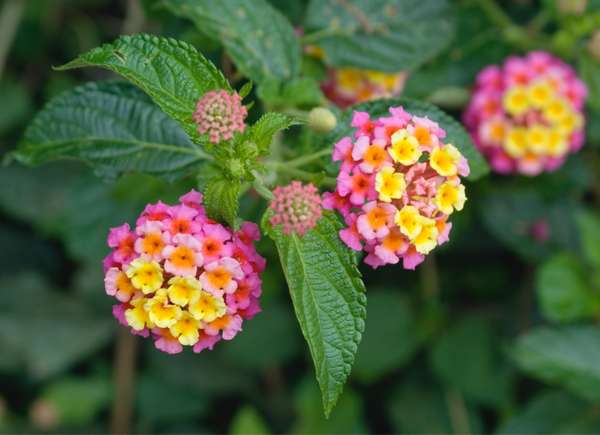
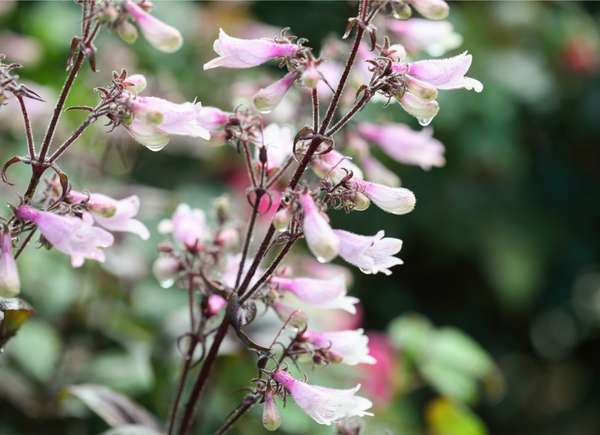
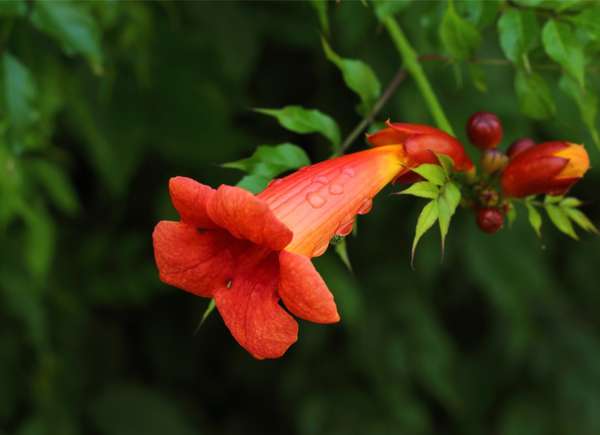
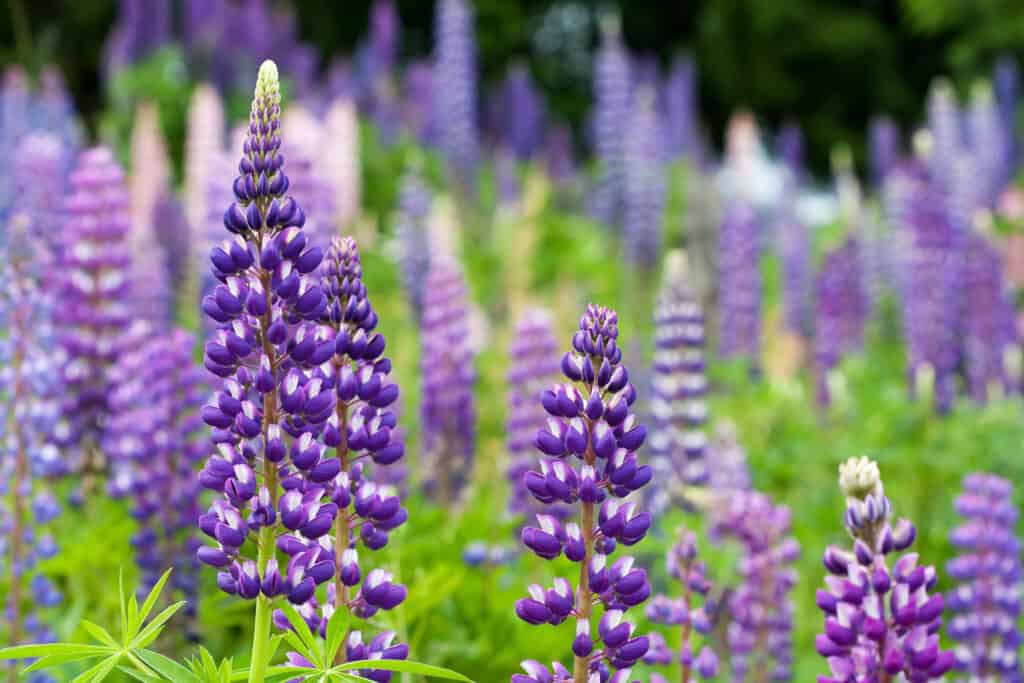
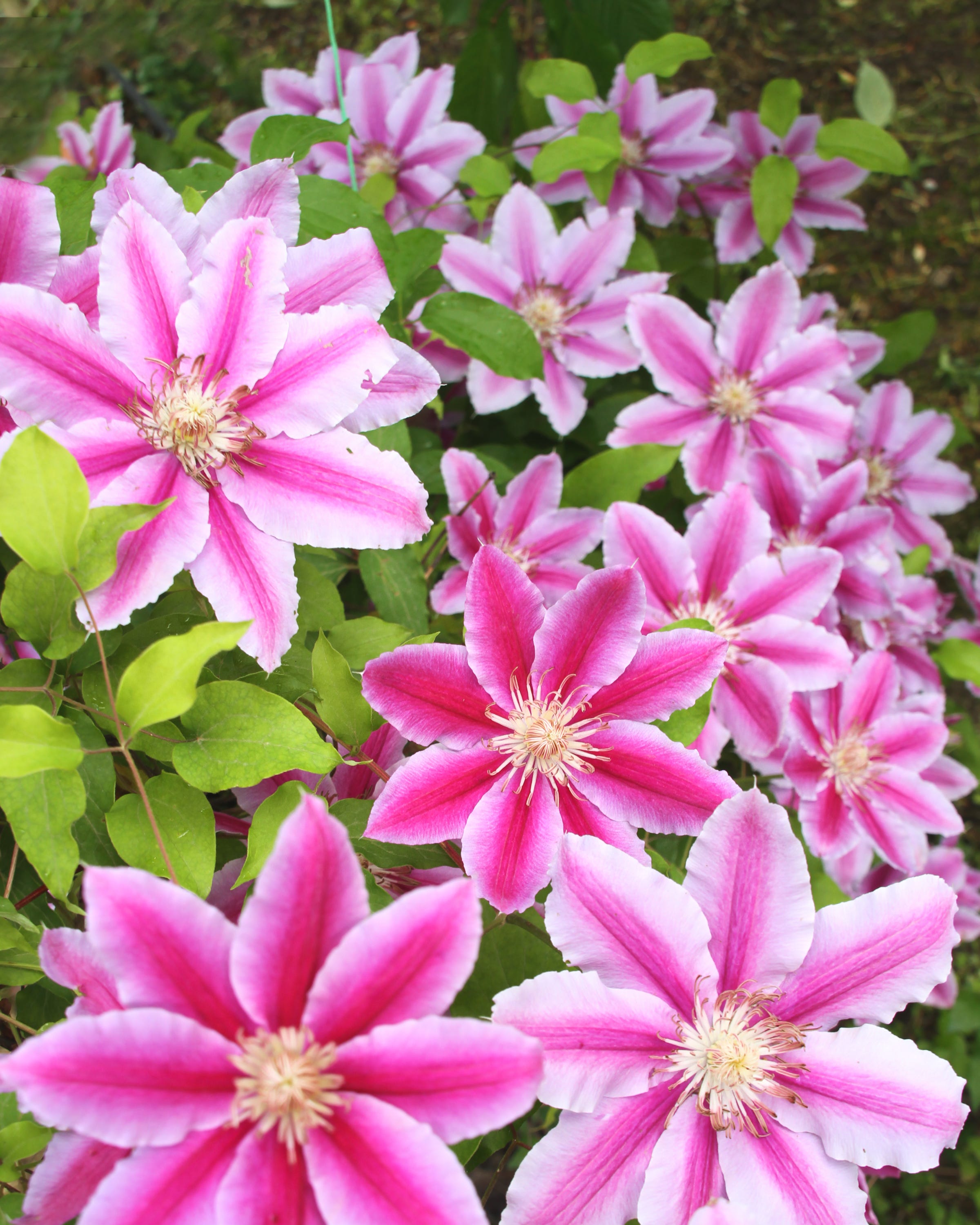
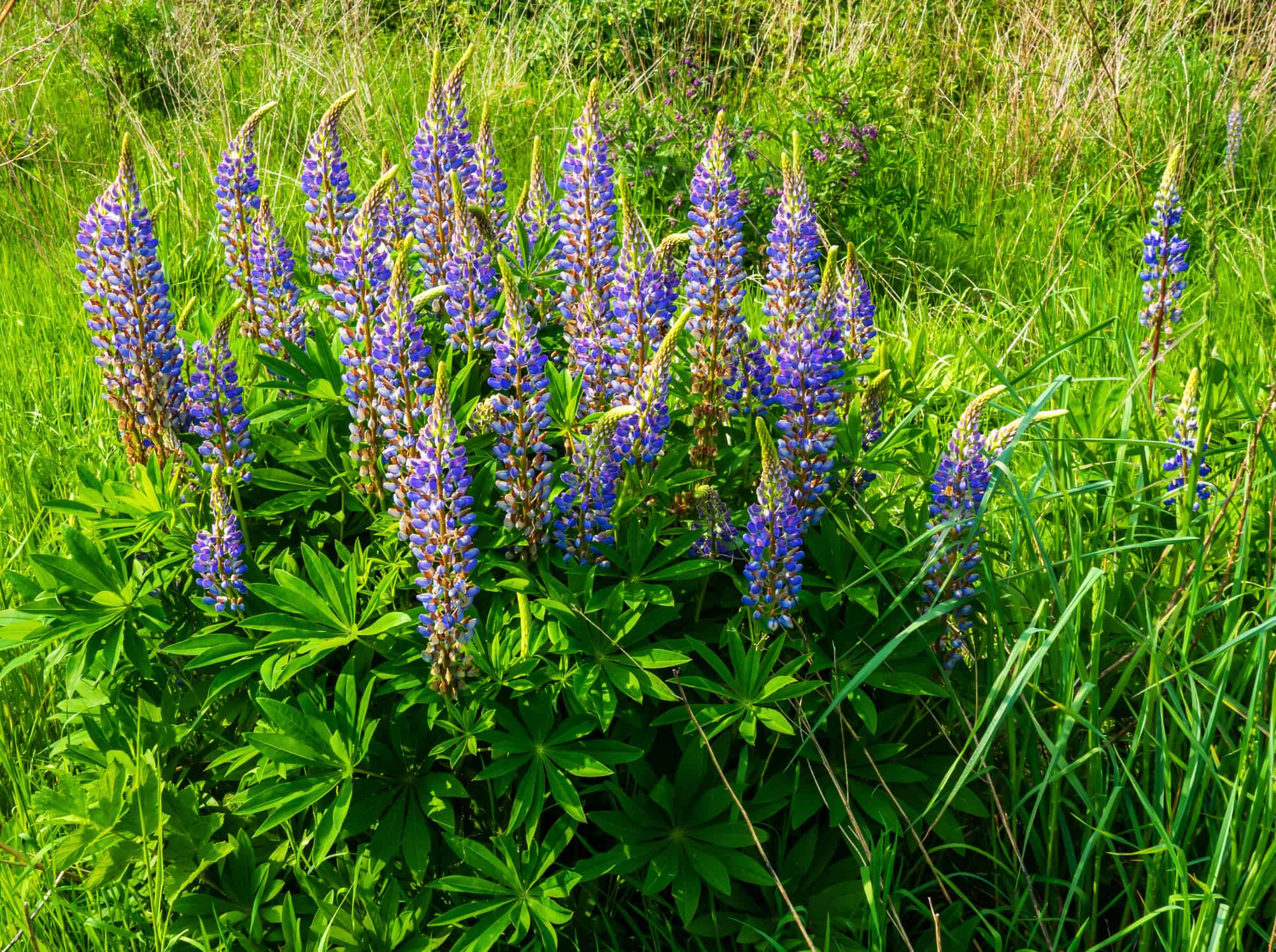
To maximize hummingbird visits and minimize territorial disputes, it is advisable to plant a variety of flowers from the recommended list and ensure they are well-spaced throughout the garden. For perennial choices, gardeners should consult the USDA Hardiness Zone Map, which was updated in 2023, to ensure plants are suitable for their specific climate zone. The article provides a comprehensive list of 27 flowers, detailing their type (annual or perennial), USDA hardiness zones, and sun exposure requirements. These flowers include Lantana, a sturdy annual that can be perennial in warmer climates; Trumpet Vine, an aggressive native grower known for its tubular flowers; Lupine, an early spring bloomer that attracts pollinators; and Beardtongue (Penstemon), a perennial with bell-shaped flowers that encourages reblooming when deadheaded.
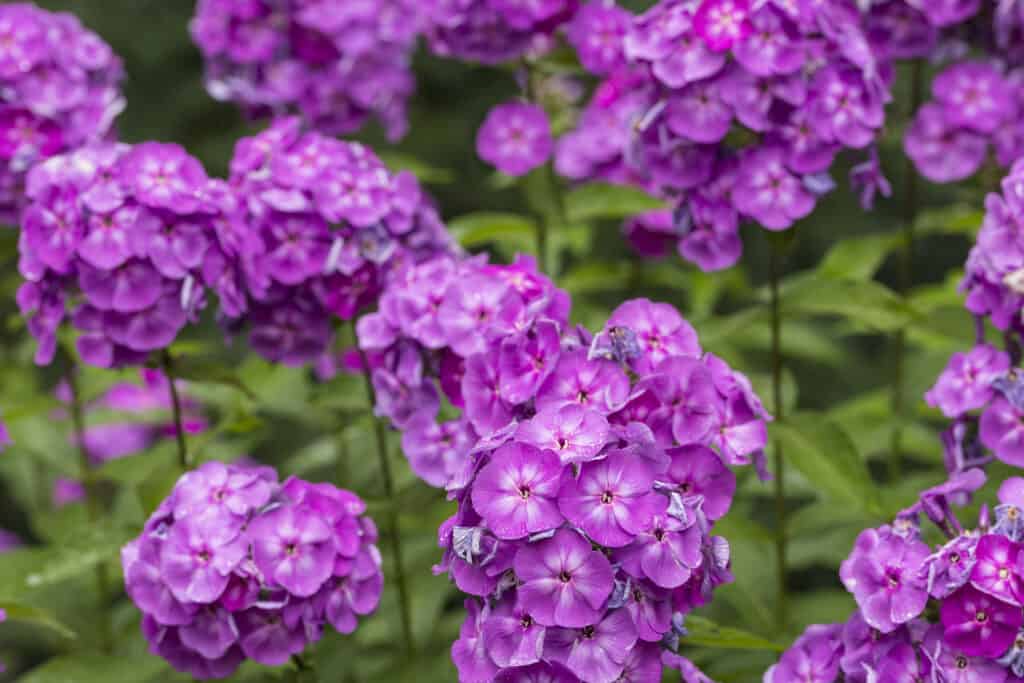
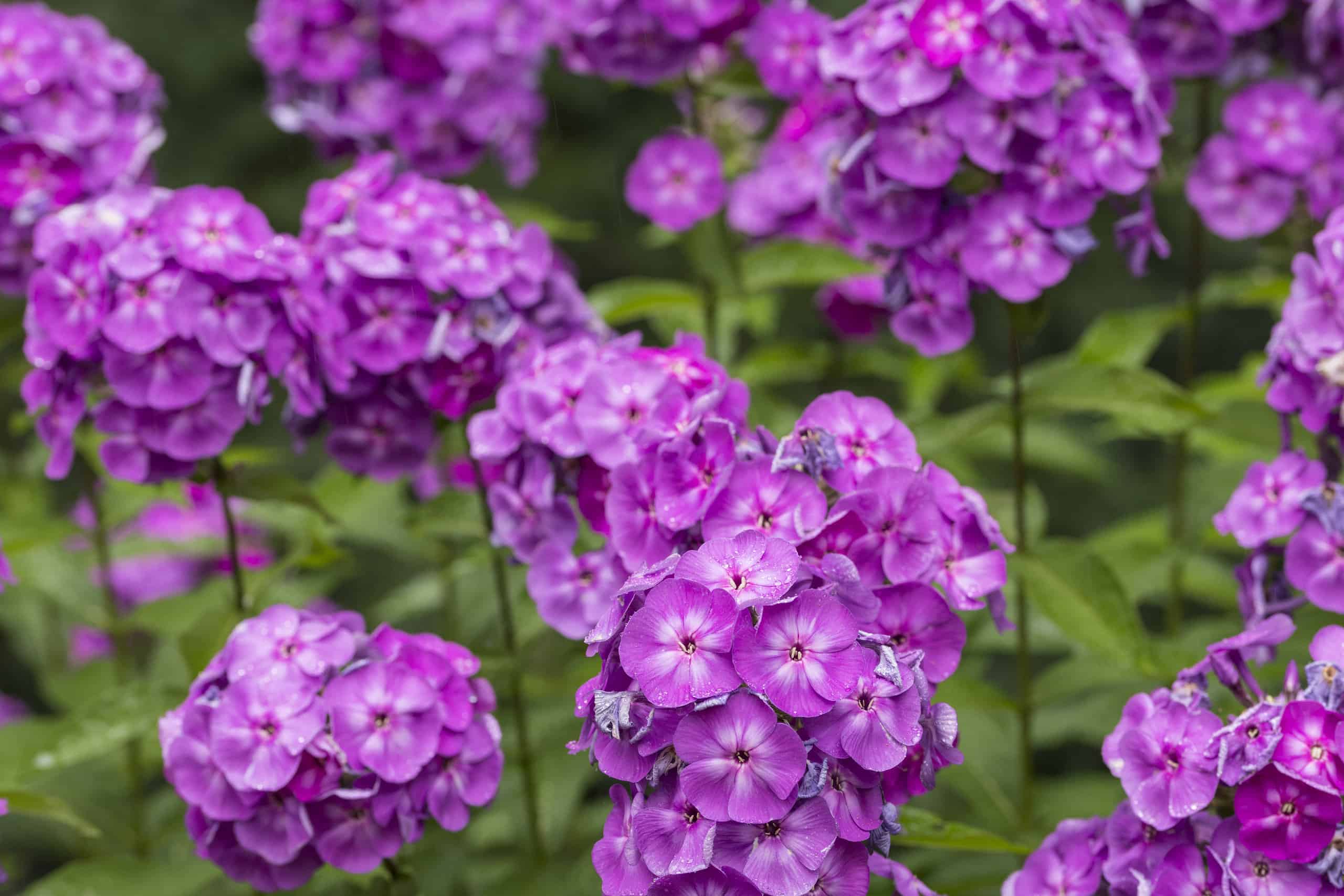
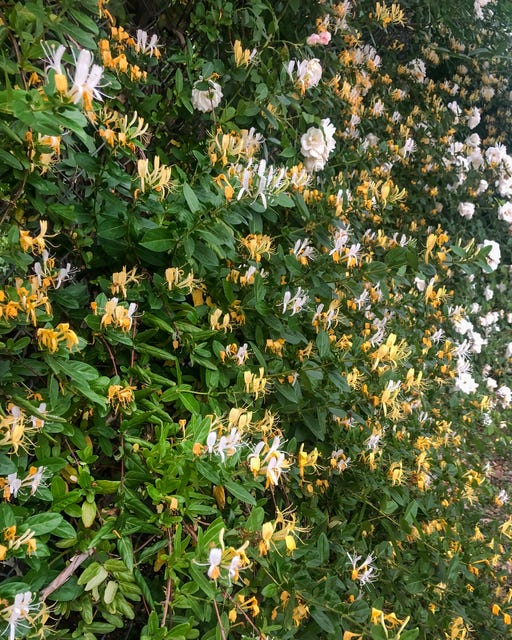
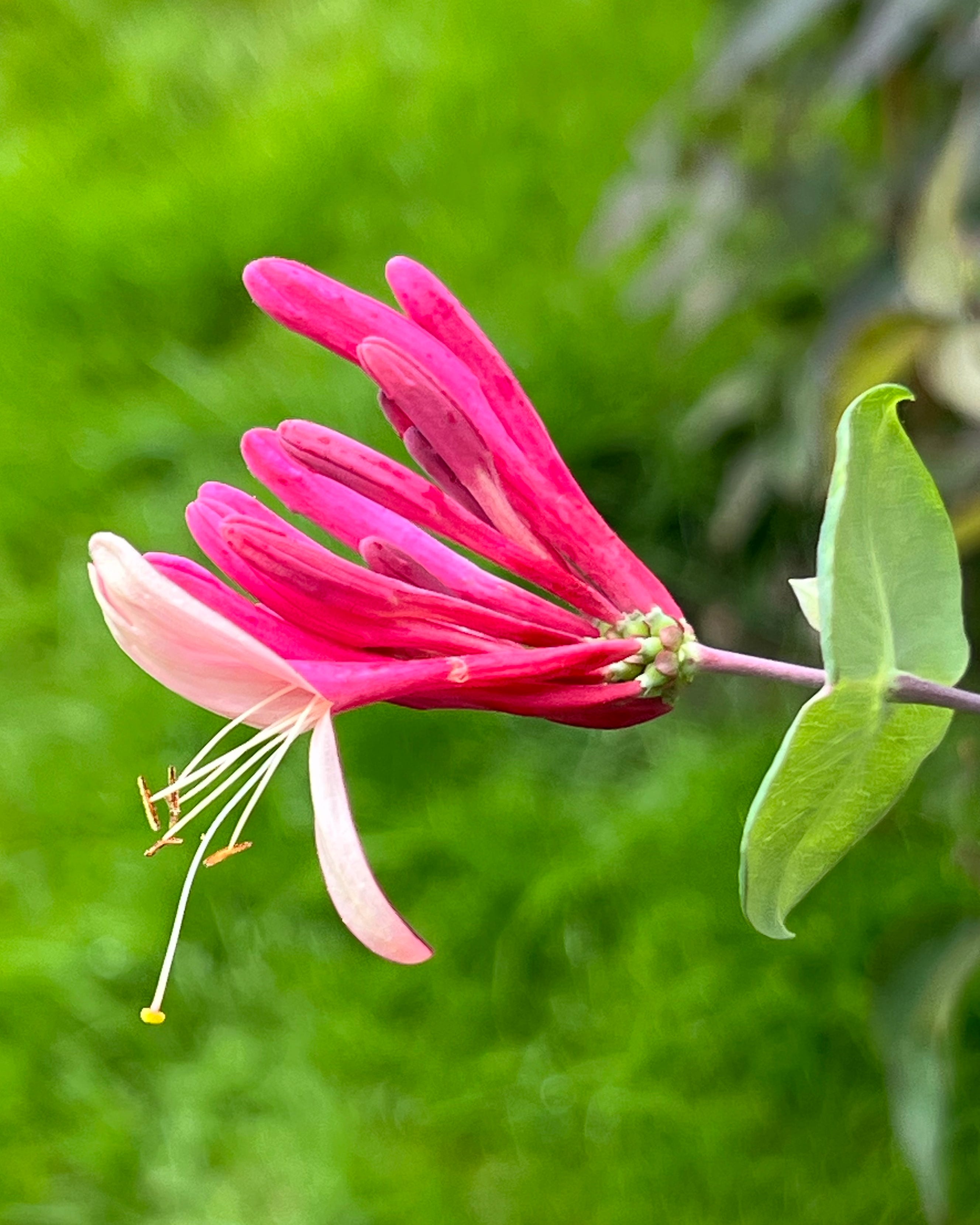
Other notable plants on the list are Trumpet Honeysuckle, a deer-resistant native vine; Coral Bell (Heuchera), valued for its vibrant leaves and tiny mid-summer blooms; Phlox, a fragrant garden flower available in various colors; and Cardinal Climber, an heirloom vine with star-shaped red flowers. Sunflowers are highlighted as easy-to-grow annuals that provide late-season food, while Fuchsia, with its exotic-looking flowers, is ideal for hanging baskets. Cuphea is recommended for its heat tolerance and continuous blooming into fall, and Delphinium, a cottage garden staple, offers striking upright forms in pink, purple, or blue hues. Cardinal Flower, a native perennial, thrives in wet areas, and Petunias are versatile annuals for various garden settings.
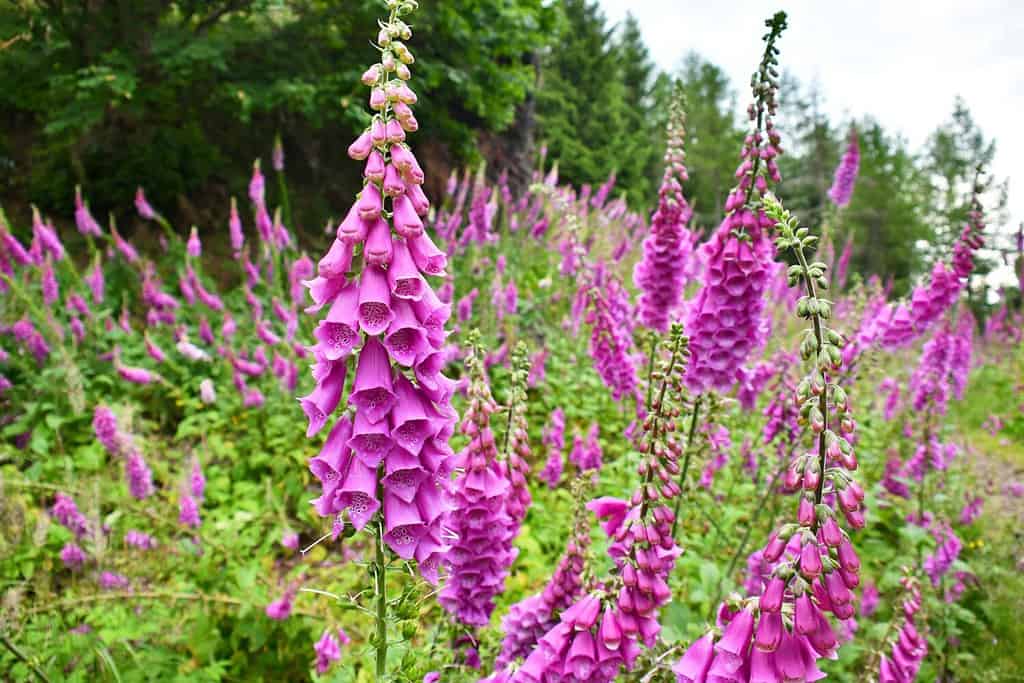
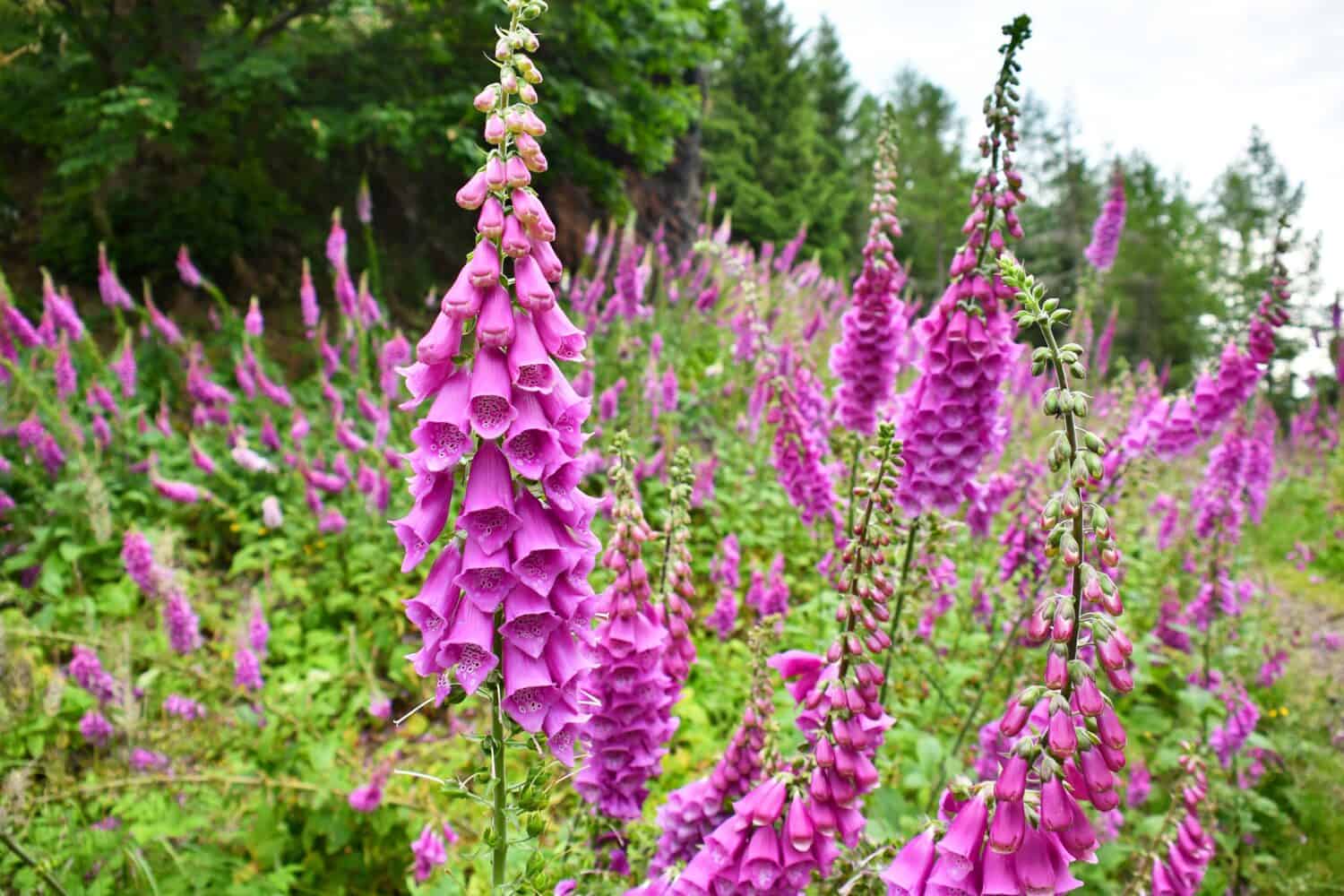
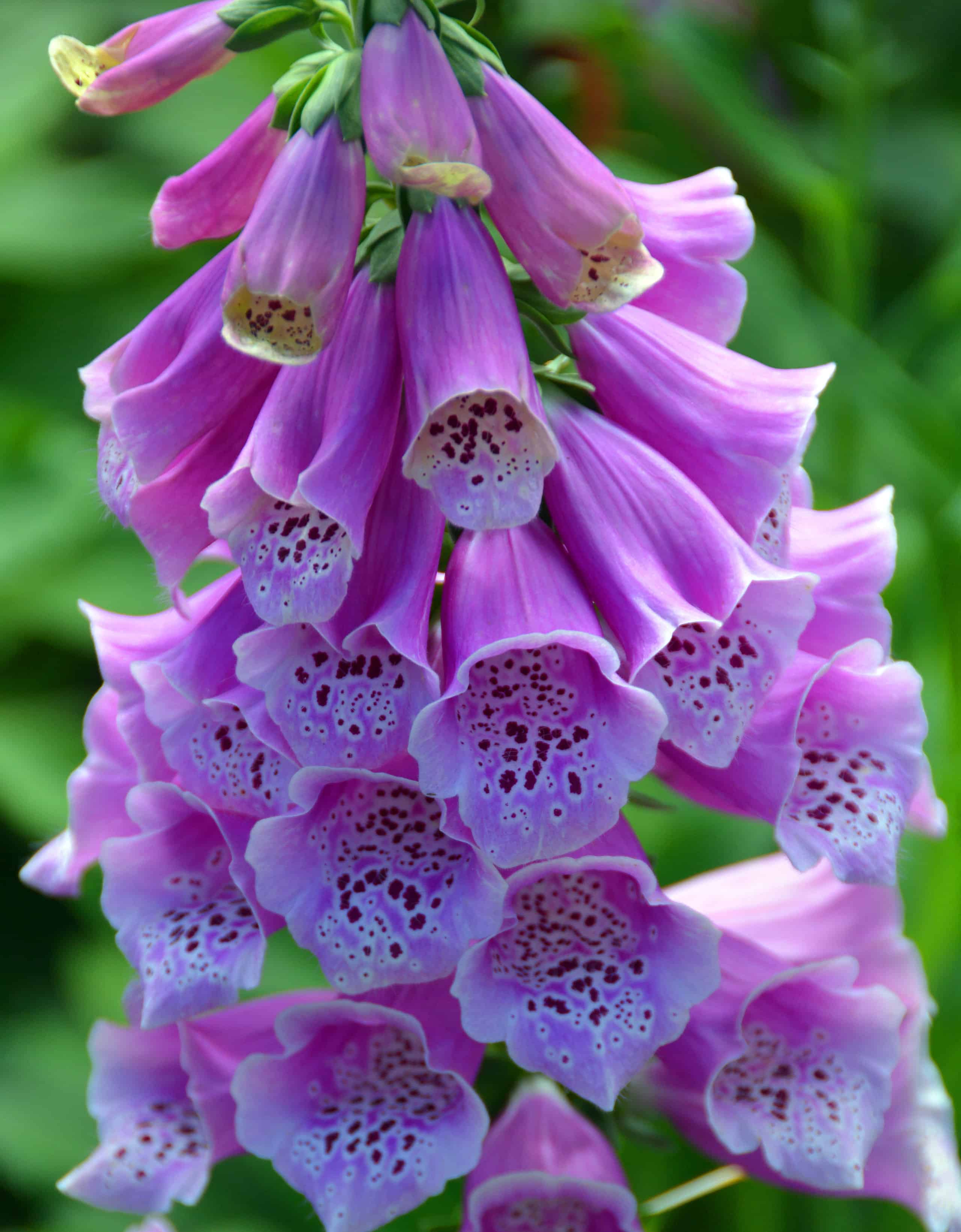
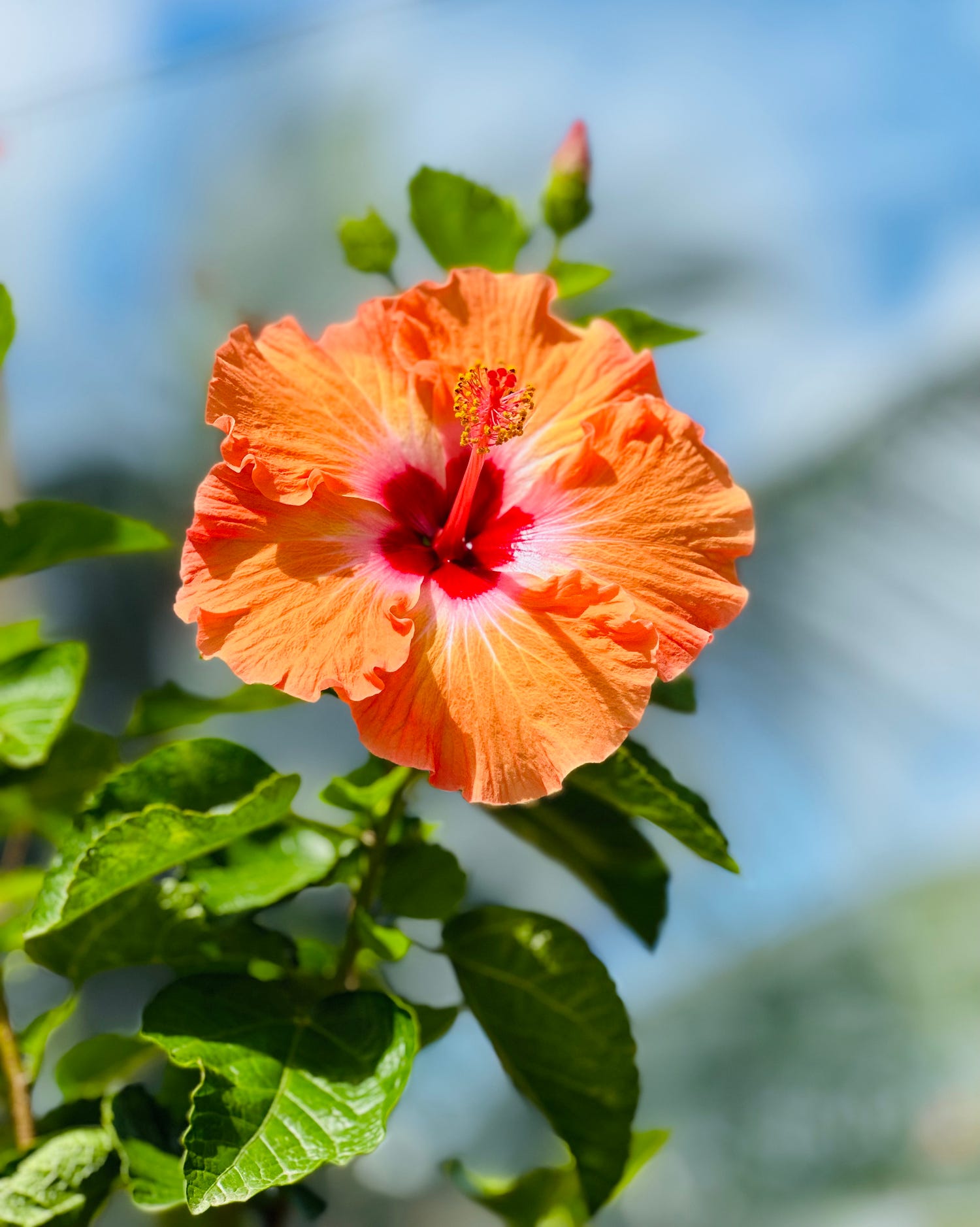
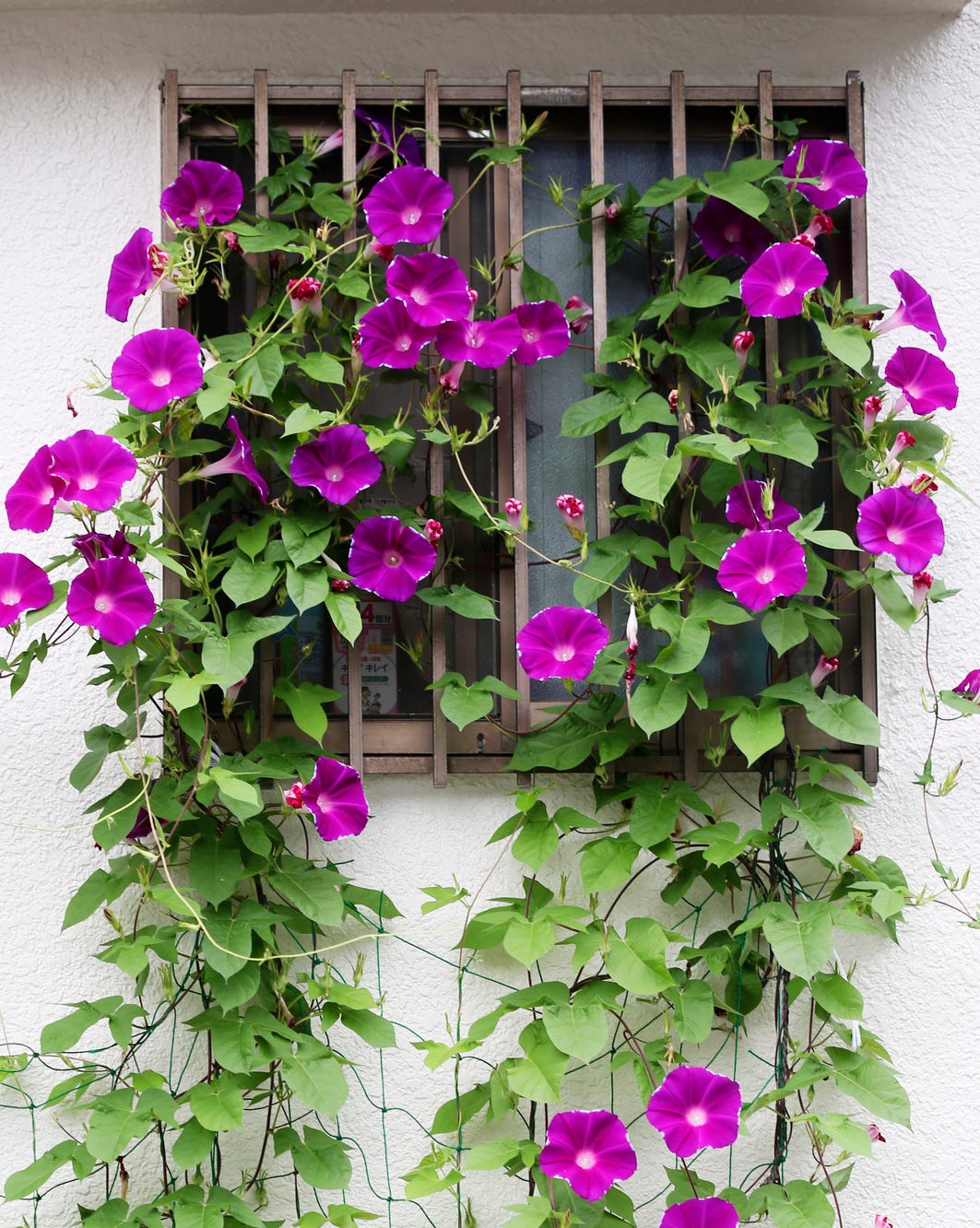
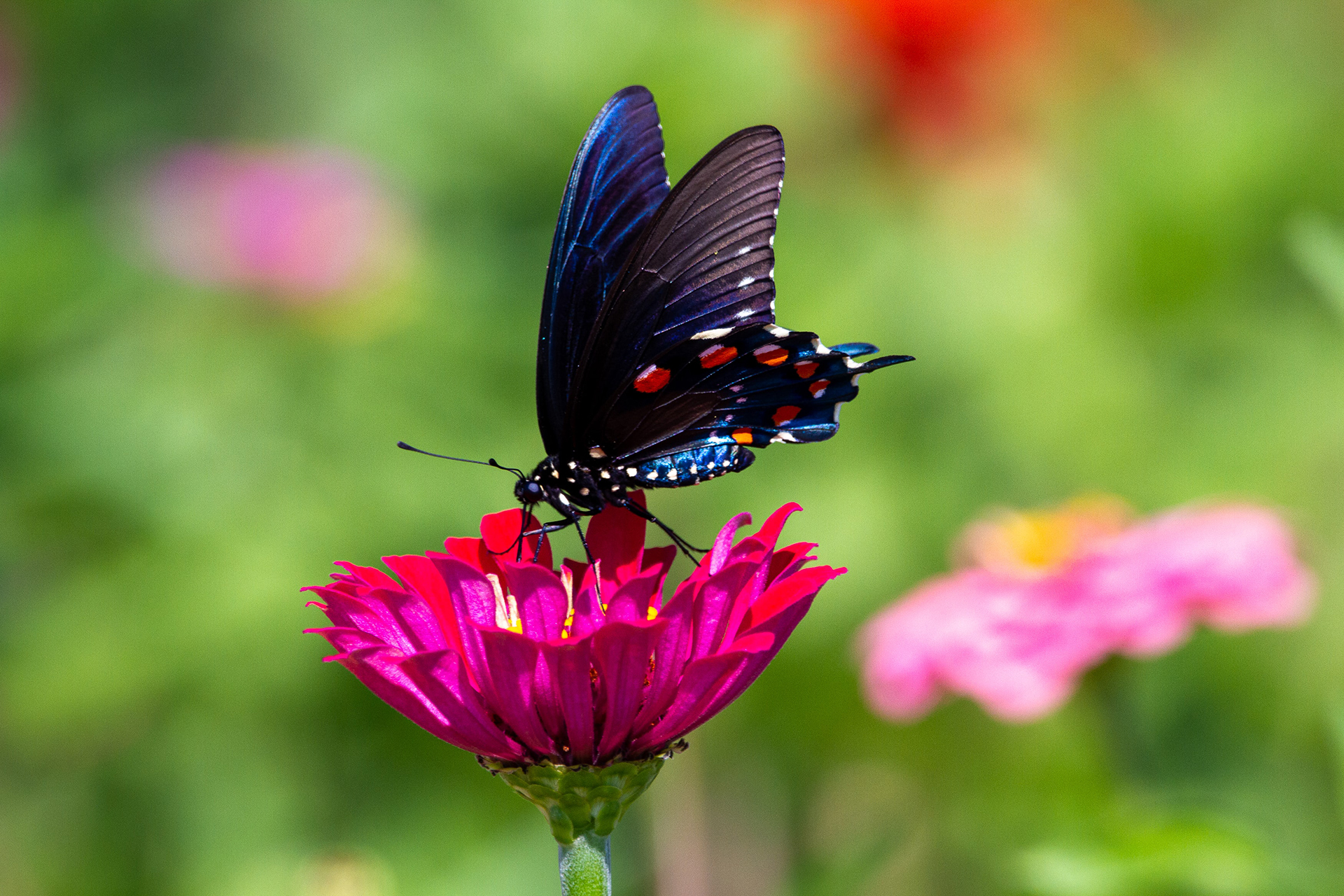
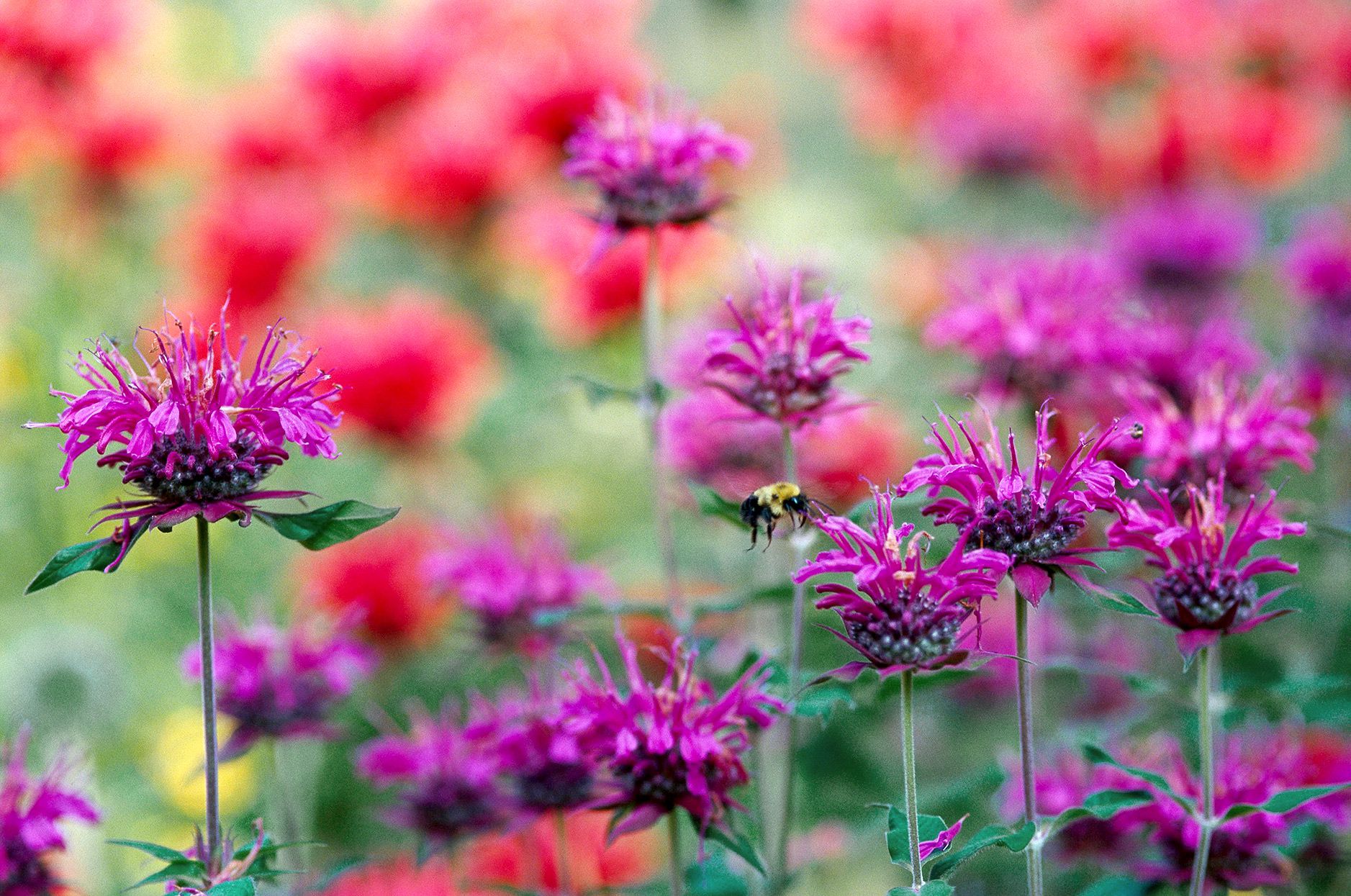
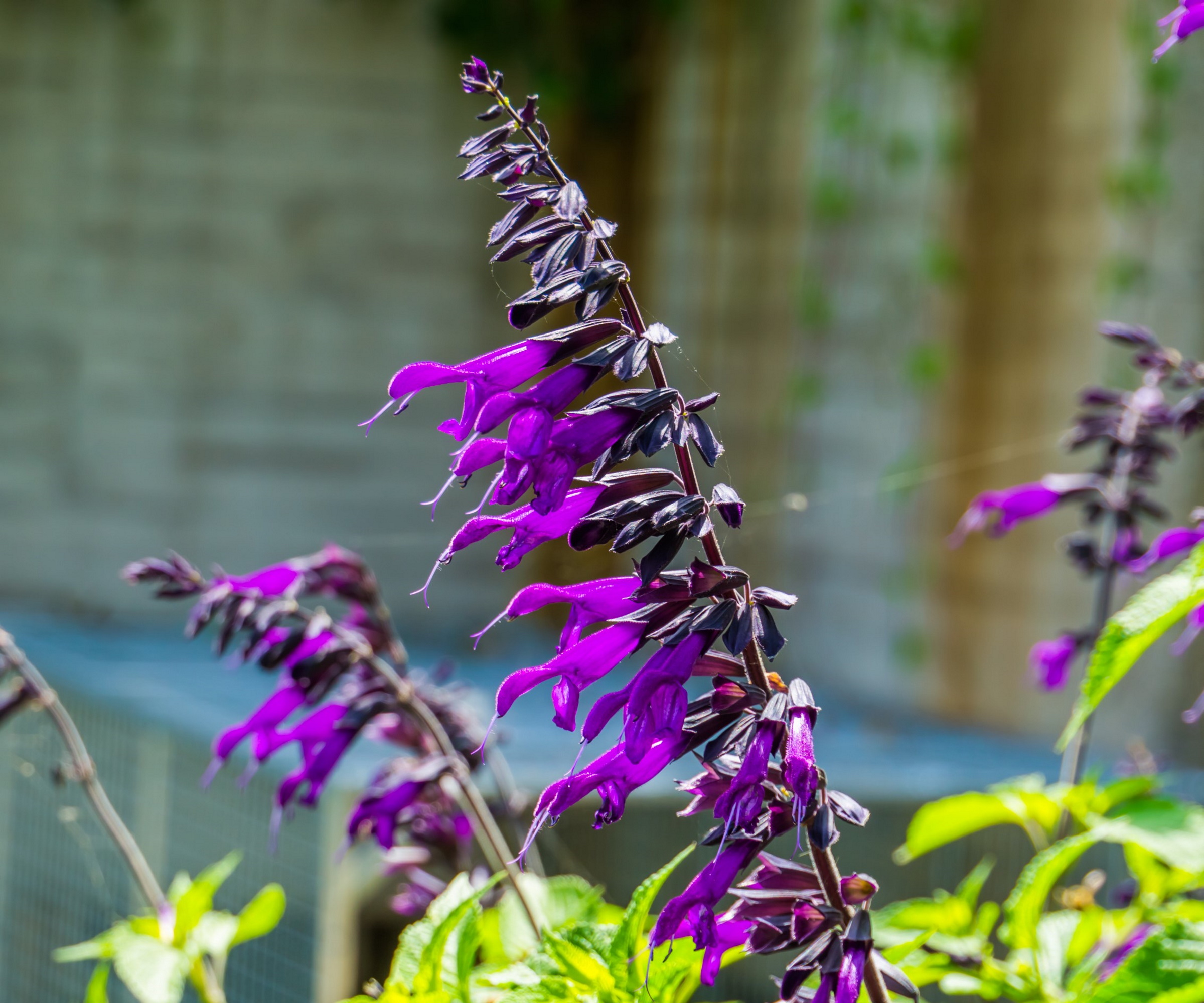
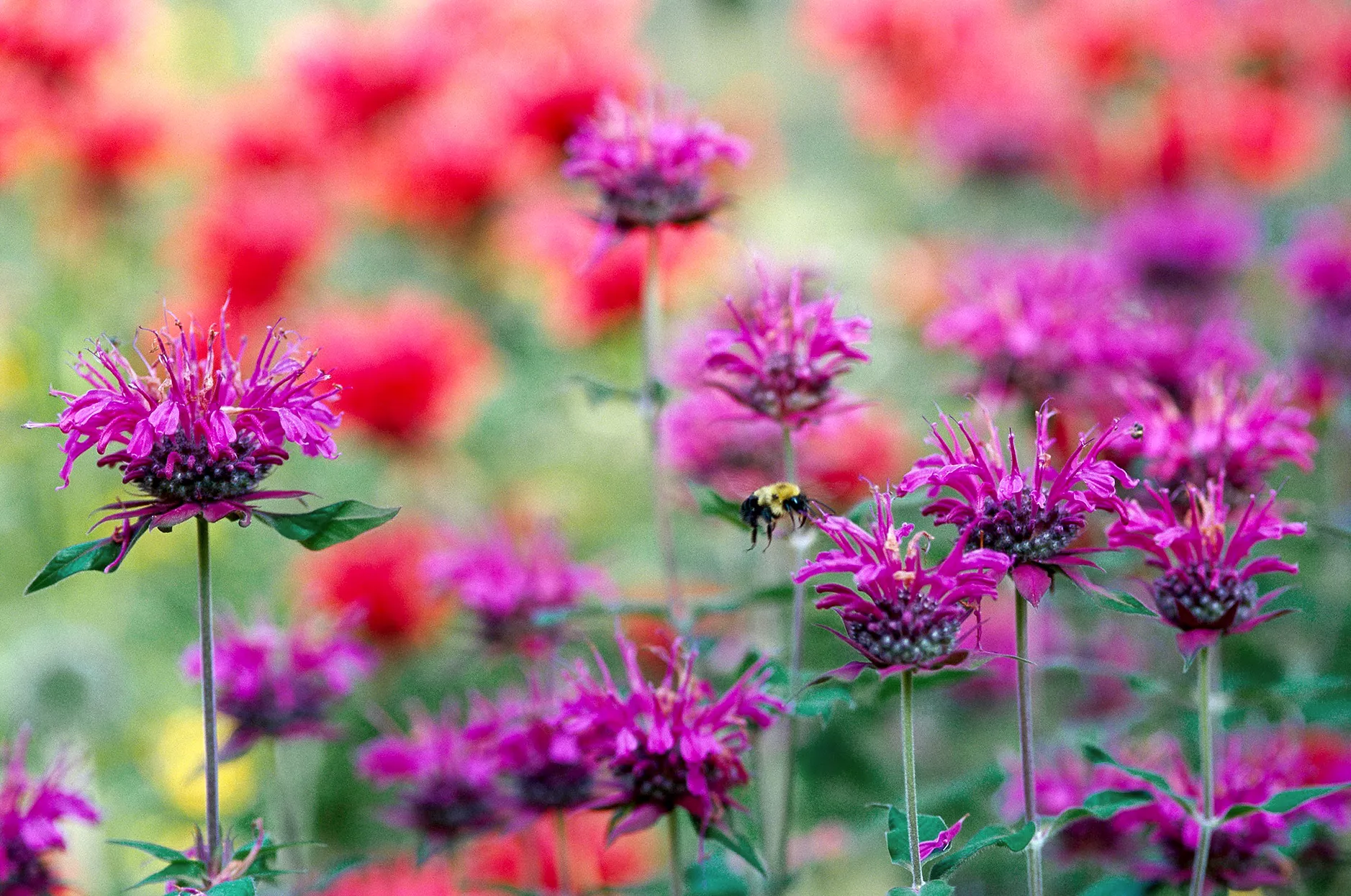
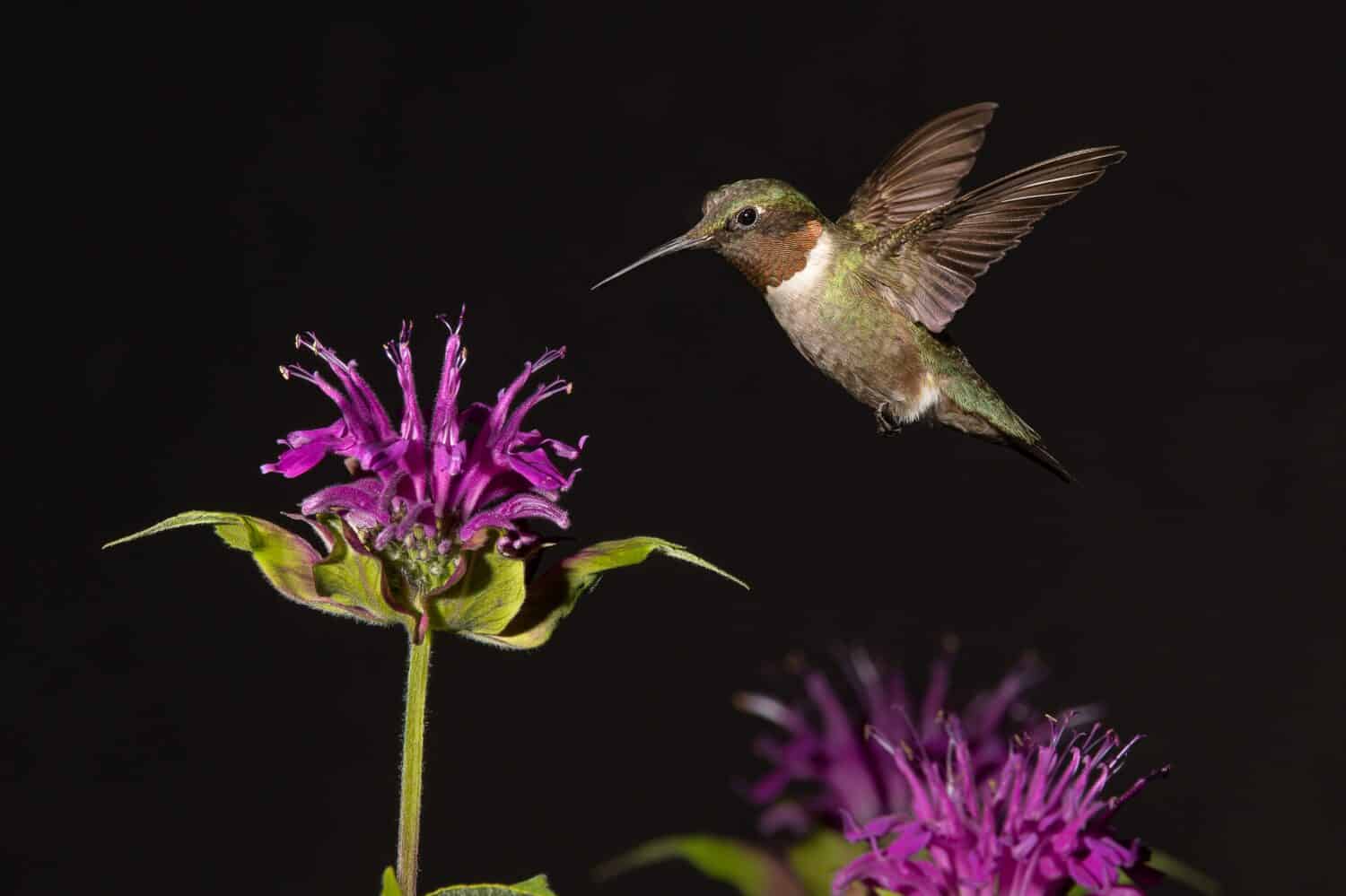
Bee Balm, also known as wild bergamot, is a magnet for hummingbirds, butterflies, and bees, with scarlet bee balm being a particular favorite. Hummingbird Mint is a sturdy, drought-tolerant, and deer-resistant perennial. Butterfly Bush, an easy-to-grow shrub, attracts both butterflies and hummingbirds, with non-invasive cultivars like ‘Lo & Behold’ or ‘Miss Pearl’ being preferred. Zinnias, popular annuals, are simple to grow from seed and re-seed easily, making them suitable for cutting gardens. Rose of Sharon, a late-season blooming shrub, provides nectar when other plants are winding down, though some varieties can be invasive. Additional options include Torenia for shaded areas, Foxglove with its biennial tubular flowers, Salvia as a sturdy perennial, Bleeding Heart, Morning Glory vines, Canna Lily for tropical appeal, and Catmint, a nearly indestructible perennial that offers long blooming periods.
#HummingbirdGardens #PollinatorPlants #FlowerSelection #GardenPlanning #PerennialFlowers #AnnualFlowers #NativePlants #DroughtTolerantPlants #DeerResistantPlants #HummingbirdGardens #PollinatorPlants #FlowerSelection #GardenPlanning #PerennialFlowers #AnnualFlowers #NativePlants #DroughtTolerantPlants #DeerResistantPlants
Toplam 0 yorum
 Henüz yorum yok
Bu da beğenebilirsiniz
These Colorful Flowers Will Attract Hummingbirds to Your Yard

Turn Your Garden Into a Butterfly Oasis with These Plants
Plant These Flowering Shrubs Today If You Want a Vibrant Summer Yard

13 Colorful Nectar Plants for Pollinators

30 Gorgeous Plants That Attract Hummingbirds to Your Garden

These Beautiful Flowering Shrubs Will Add Major Color to Your Garden

The Bright Purple Flower That'll Make Your Hanging Baskets Irresistible To Hummingbirds
10 indoor plants that flower all year round – choose from our expert recommendations for non-stop blooms

11 Beautiful Purple Flowers and Plants That Attract Hummingbirds
Purple Flowers That Hummingbirds Can't Resist

Grow Up! Flowering Vines to Adorn Walls, Trellises and Fences
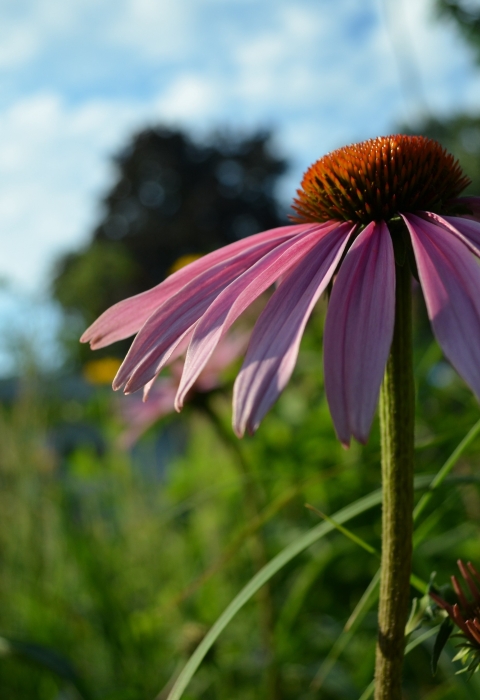
Flowers they both will love: Pollinator-friendly perennials for Mom and Mother Nature
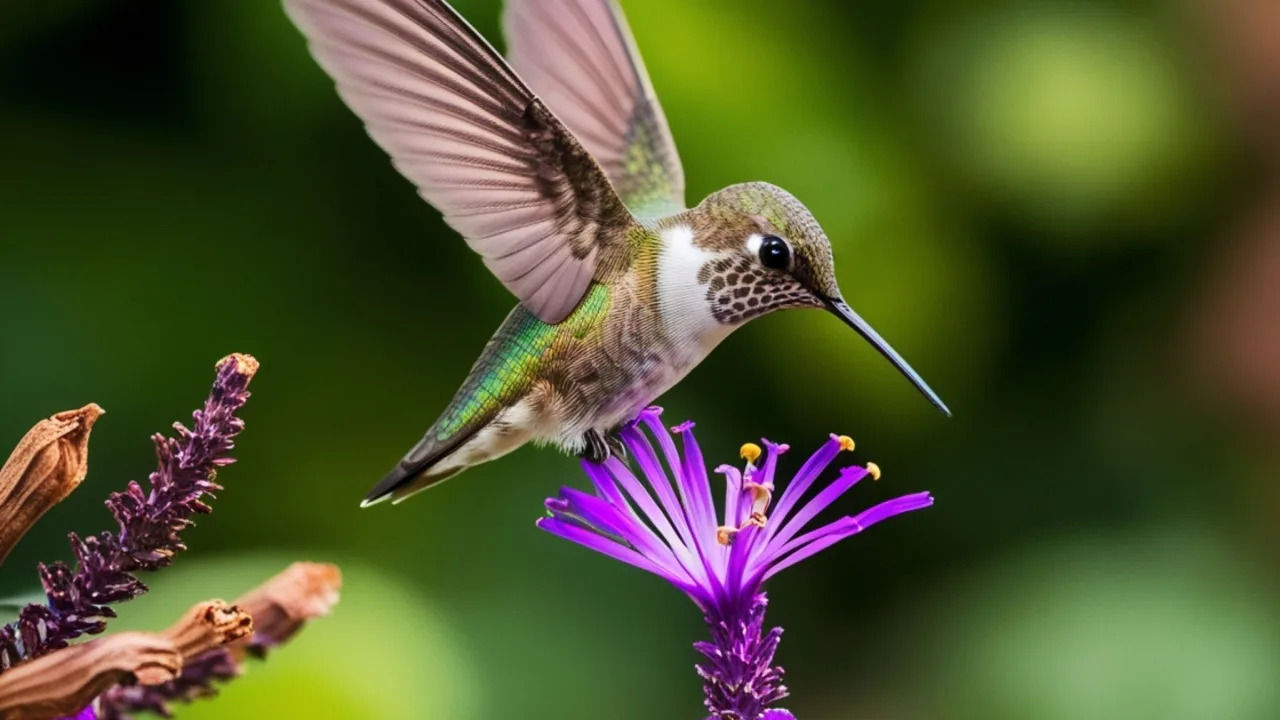
Purple Flowers That Hummingbirds Can't Resist
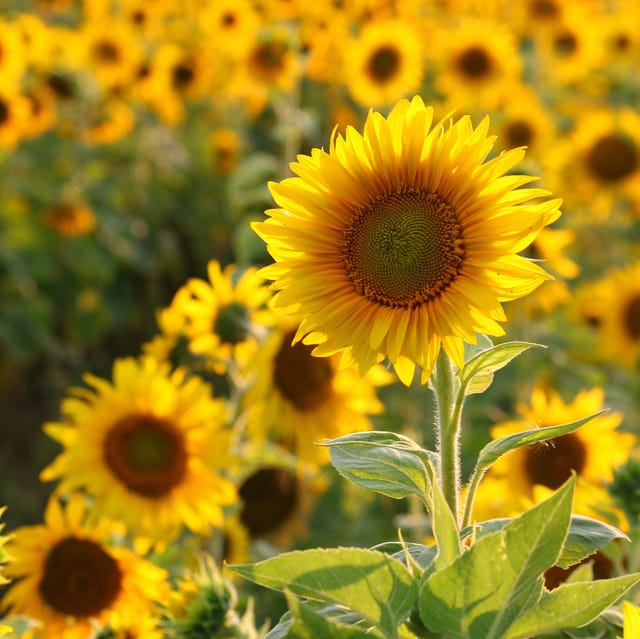
Hey, Gardeners! Plant These Summer Flowers for a Bright and Beautiful Yard
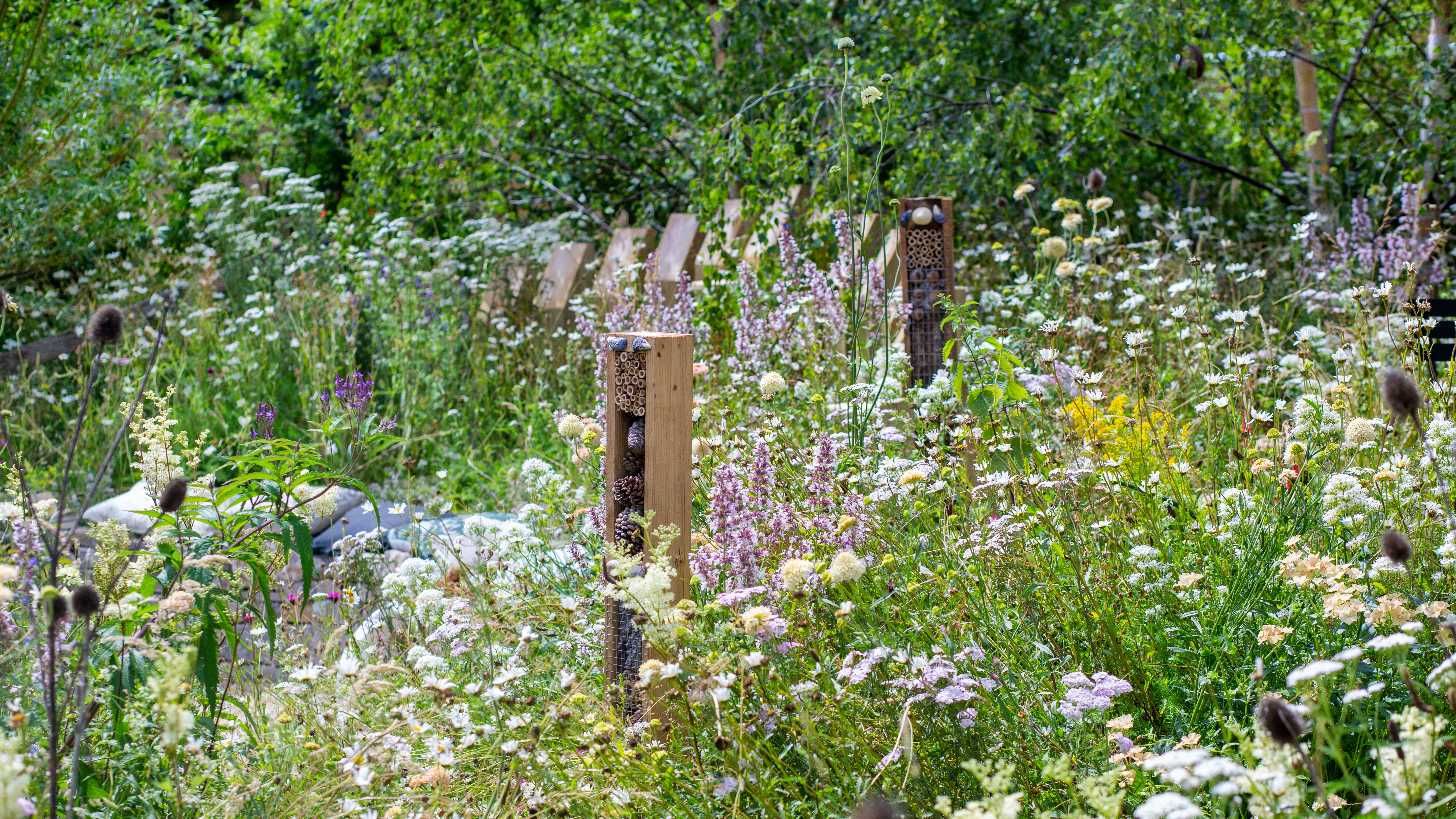
Wildlife garden ideas – 16 ways to transform your backyard into a nature-friendly plot
Best plants for a courtyard garden – 8 favorites to grow for maximum impact in a small space
Purple Flowers That Hummingbirds Find Irresistible
22 Beautiful, Bee-Friendly Flowers That'll Turn Your Garden Into a Pollinator Paradise

Grow These Stunning Spring Flowers to Welcome in the Season
Attract Bees To Your Garden With These Vibrant Flowers