1/3
VOC paint vs non-VOC paint – what's the difference? Our experts weigh up the pros, cons and risks
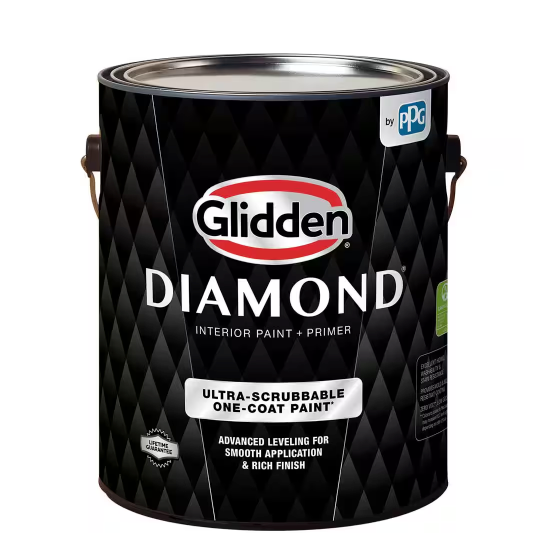
The choice between VOC (Volatile Organic Compound) and non-VOC paints is a critical consideration for homeowners, impacting both indoor air quality and personal health. VOC paints release gases into the air, which can contribute to indoor air pollution and cause health issues such as headaches, nausea, and respiratory irritation. These fumes, often associated with the characteristic 'fresh paint' smell, can linger in the environment for up to six months as the paint dries and cures. In contrast, non-VOC paints, including low and zero-VOC options, contain significantly reduced or no levels of these harmful compounds, making them a healthier alternative for interior spaces.
Paint experts emphasize the advantages of non-VOC paints, particularly for improving air quality, especially in urban environments. These modern formulations are safe for use in various conditions, including colder weather and with HVAC systems, without compromising performance. However, it's crucial to note that while low-VOC paints have lower levels of VOCs, they still contain some. Only zero-VOC paints are truly free of these compounds. Moreover, even paints marketed as low or zero-VOC can sometimes release other noxious substances like formaldehyde, which are not classified as VOCs. Therefore, consumers should always scrutinize product labels for comprehensive information on emitted substances beyond just VOC levels.
For most interior painting projects, professionals strongly recommend non-VOC and VOC-free paints due to their health and environmental benefits. They are particularly beneficial for individuals with allergies or sensitivities, as they help prevent allergic reactions and breathing difficulties. Non-VOC paints align with a health-conscious and eco-friendly approach to home decor.
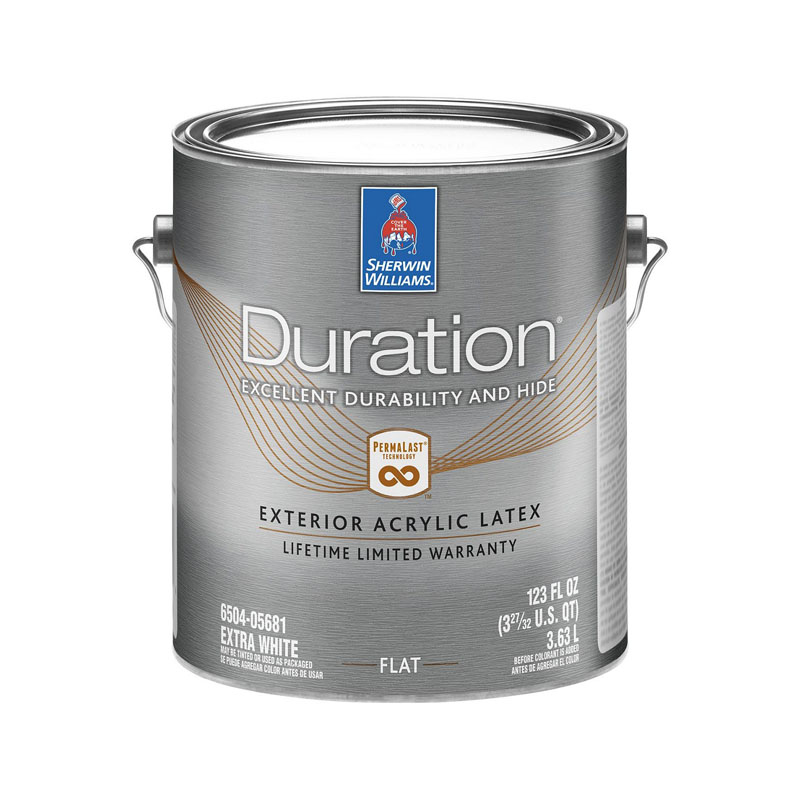
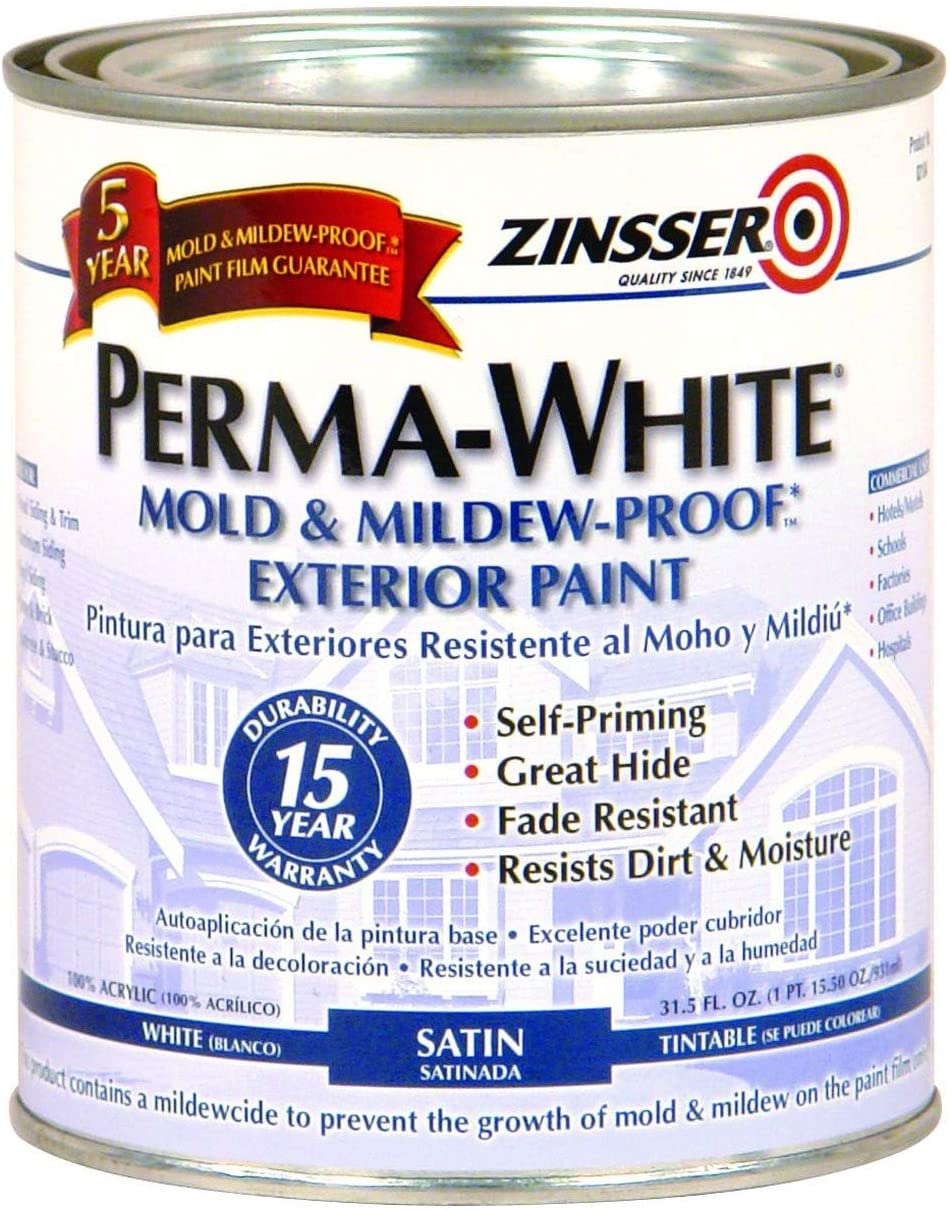
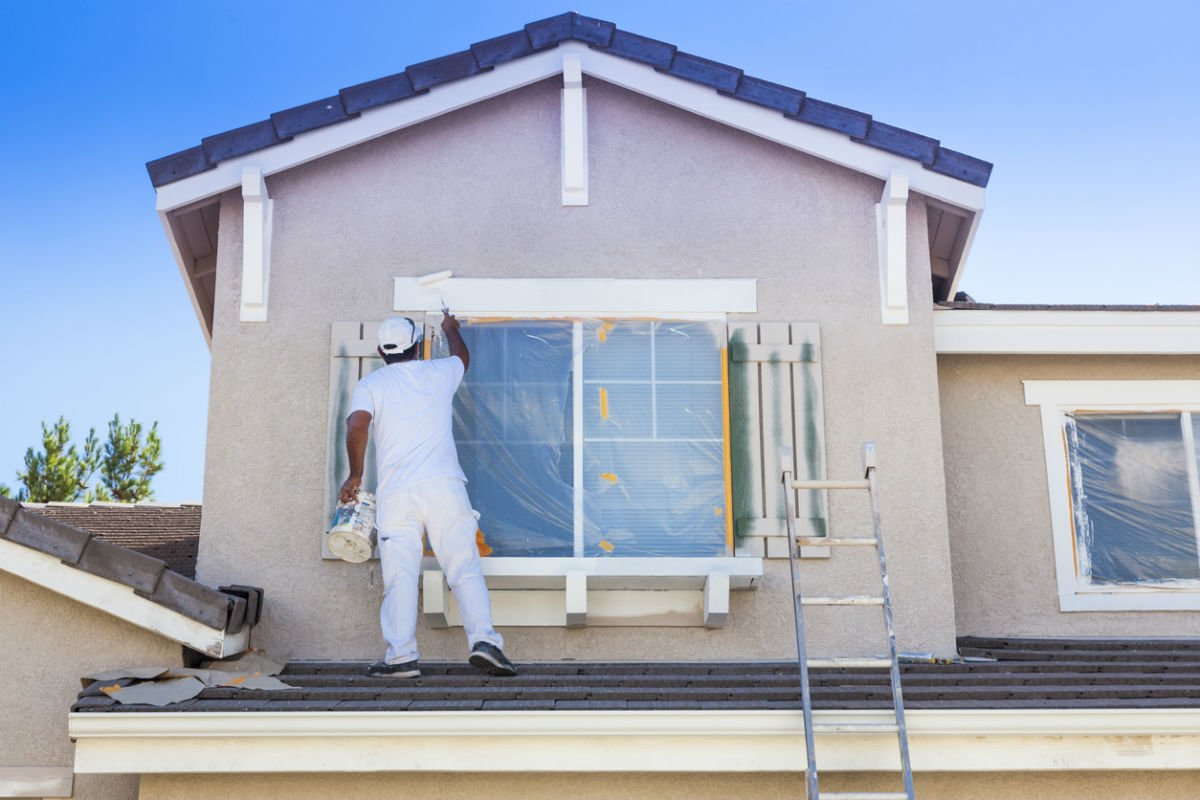
While non-VOC paints are generally preferred, there are specific situations where traditional VOC paints might still be considered. These instances typically involve projects requiring exceptional durability or superior adhesion, such as certain exterior applications. Historically, VOCs were integral to paint formulations because they expedited drying times and formed effective protective films, even in cooler temperatures. However, recent advancements in polymer chemistry have led to the development of high-quality, low-emission paints that offer comparable performance without the health risks. These technologically advanced paints may come at a higher cost, but the investment is justified by the reduced exposure to harmful emissions and improved indoor air quality.
For optimal indoor air quality, the 'gold standard' is to seek out ultra-low emissions coatings that have undergone stringent testing, such as those certified to Eurofins Indoor Air Comfort Gold standards. These certifications ensure that products meet rigorous low-emission requirements, making them entirely safe for all interior uses. Regarding safety after painting, rooms painted with zero-VOC paint are considered safe for immediate occupancy, as these paints are virtually odorless and do not emit toxic fumes. Health guidelines indicate that VOC levels exceeding 800 parts per billion (ppb) necessitate increased ventilation, while levels as high as 2,200 to 30,000 ppb can lead to severe symptoms like dizziness, nausea, and loss of coordination. Prioritizing low and zero-VOC paints, coupled with good ventilation practices, is essential for creating a healthy living environment.
#VOCPaint #NonVOCPaint #IndoorAirQuality #HealthyHome #PaintChoices #HomeSafety #EcoFriendlyPaint #HomeRenovation #VOCPaint #NonVOCPaint #IndoorAirQuality #HealthyHome #PaintChoices #HomeSafety #EcoFriendlyPaint #HomeRenovation
Toplam 0 yorum
 Henüz yorum yok
Bu da beğenebilirsiniz

10 Zero-VOC Paints to Refresh Your Space Safely

The Best Exterior Paints for Every Outdoor Surface


I Just Found Out That Wall Finishes Can Reduce the Air Quality in Your Home — Here's 5 Options That Don't


How To Spray Paint Safely


Designers Share Their Tried-and-True Shades From the Best Interior Paint Brands

Interior Paint: A Guide to Buying the Best Paints for Your Home


When Should You Use Oil-Based vs. Water-Based Paint?


How do I get rid of the smell of paint? 5 natural remedies to try

These Master Tips Will Help You Avoid Choosing The Wrong Type Of Paint

Is It Safe to Paint Your Space When You’re Stuck Indoors?

Lick Paint review: It’s my new favourite paint brand – here’s why

Can you paint vinyl windows? Expert painters urge caution and vital steps to avoid damage

Six reasons to use low VOC paints – experts reveal why they're better for you, your home and the environment

An expert guide to paint uPVC windows in a weekend
We Tried The Most Popular Interior Wall Paint At Lowe's. Here's How It Went

11 of the Best Eco-Friendly Interior Paints on the Market


The Best Interior Paints, According to Expert Testing

Where Can I Buy Eco-Friendly Paint? 7 Brands Making Beautiful Colors That Don't Cost the Earth
The Best Paint for Garage Walls in

What’s the Difference Between Interior and Exterior Paint?