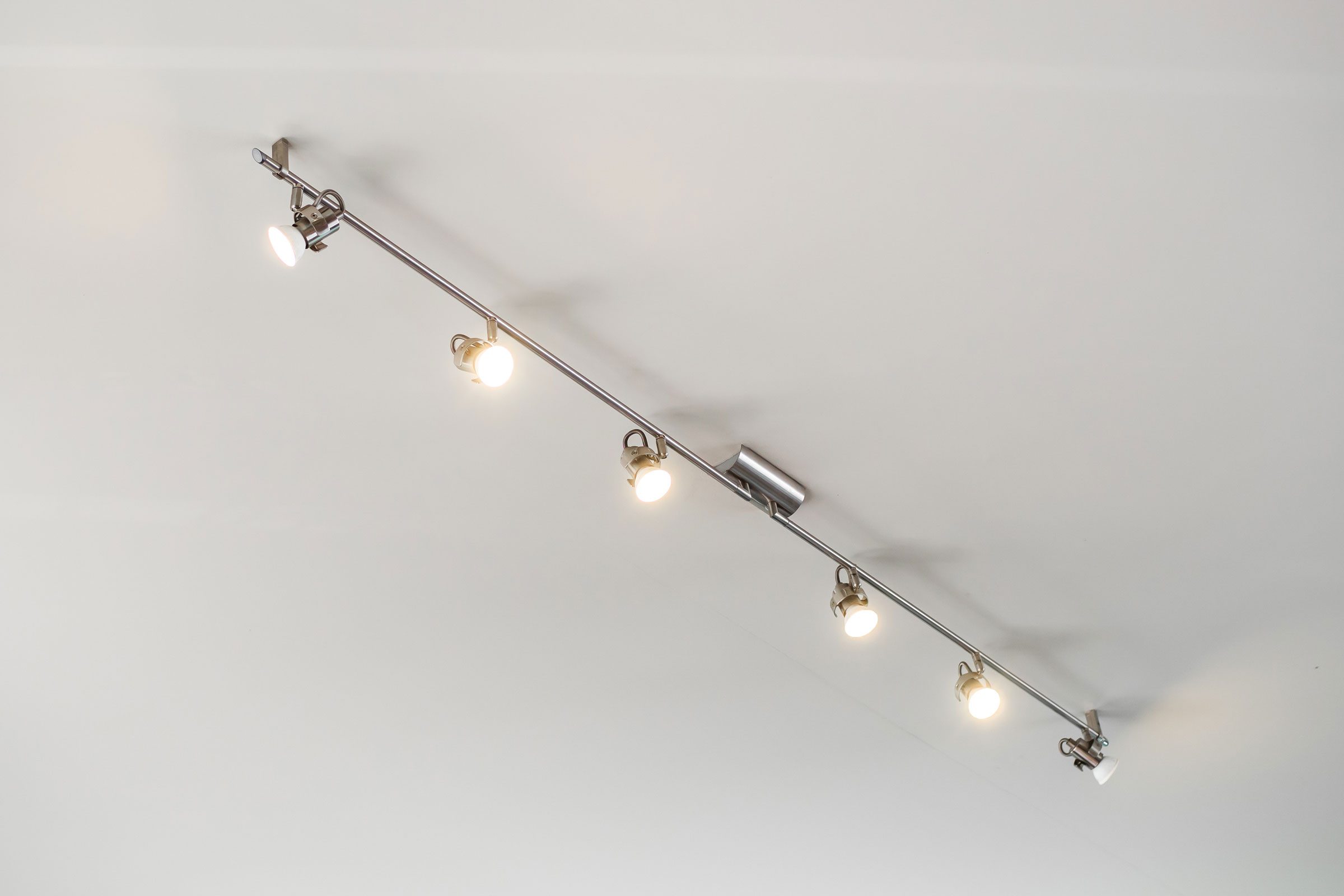
Track Lighting Buyer’s Guide
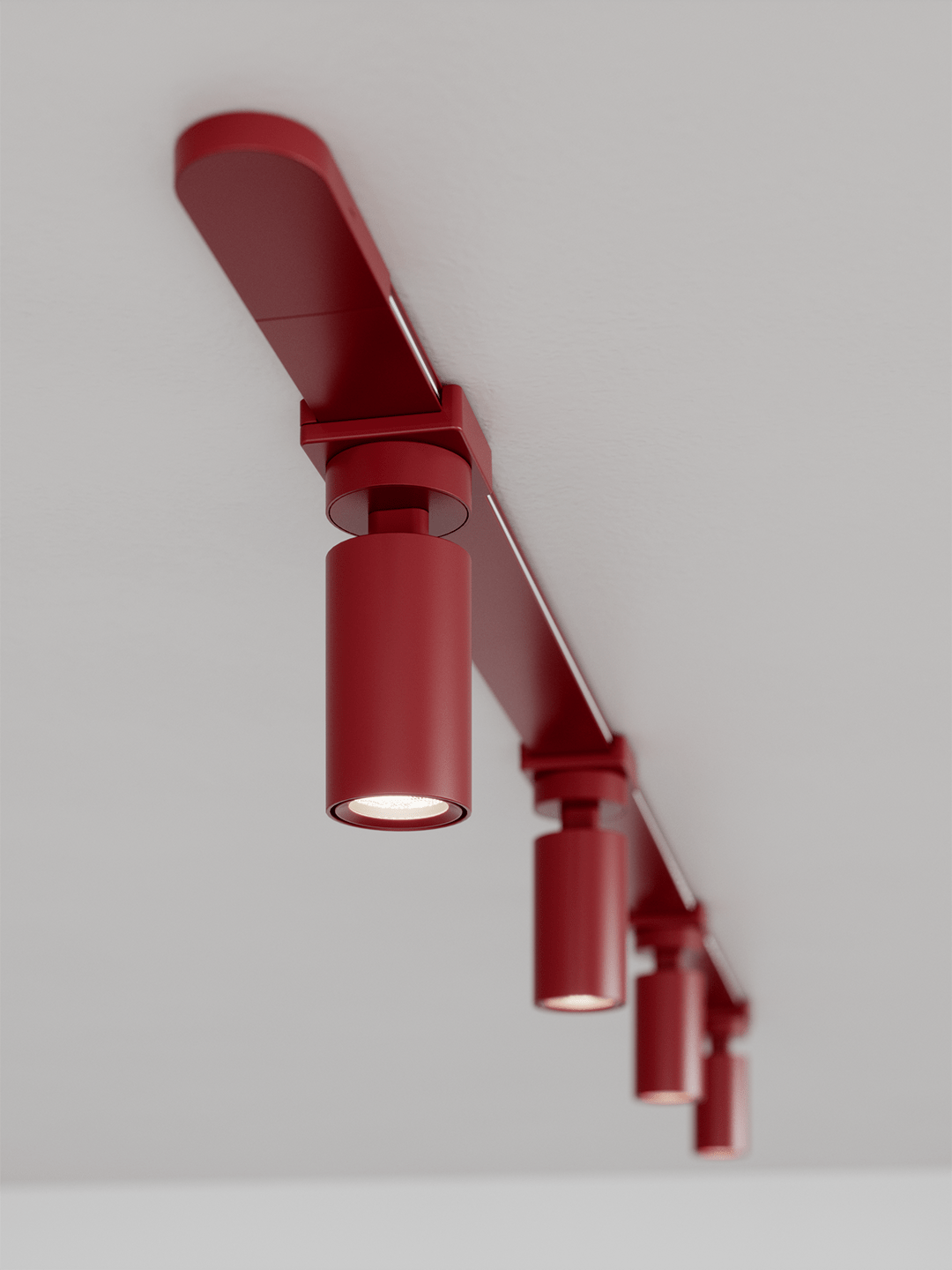
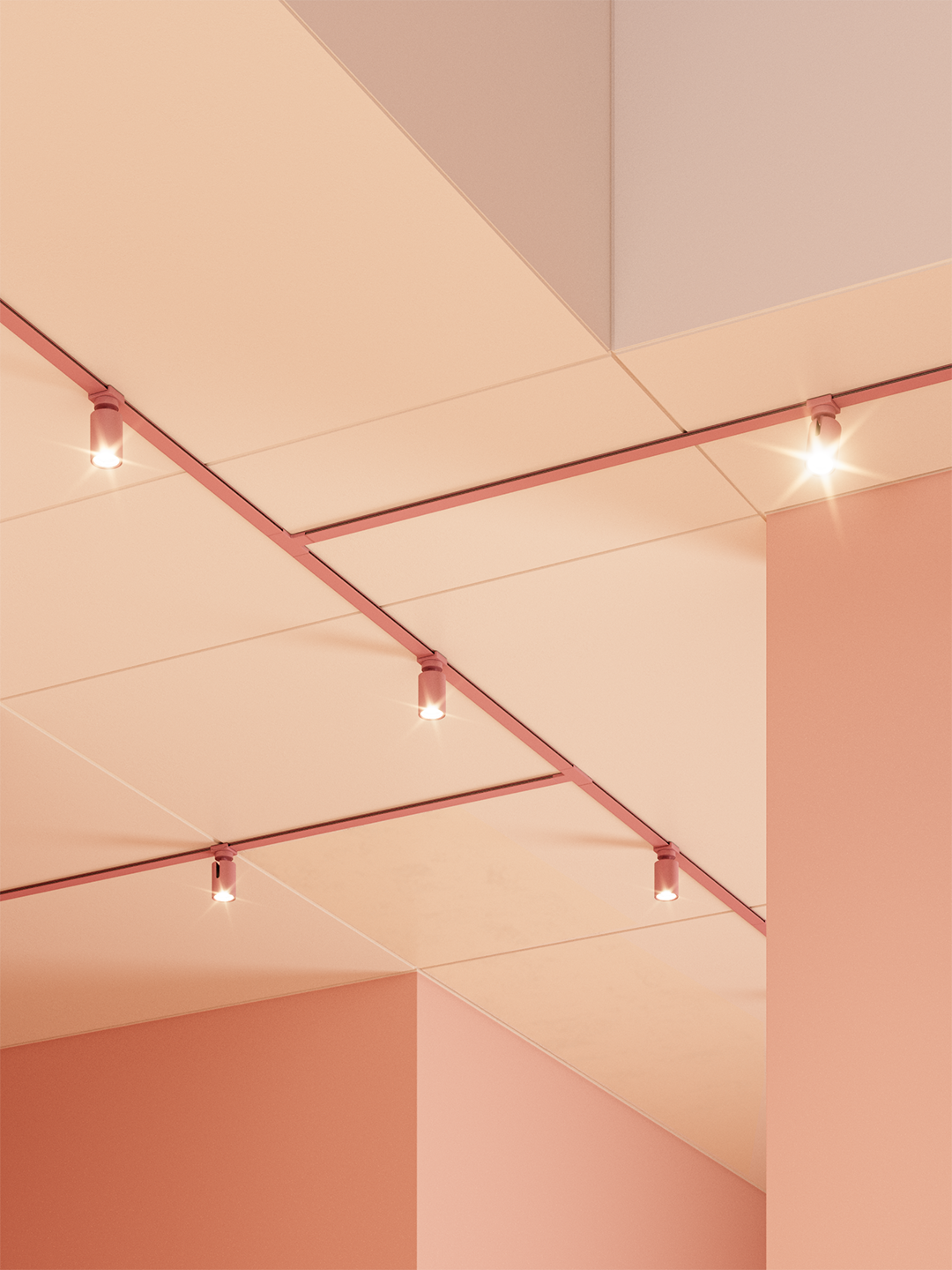
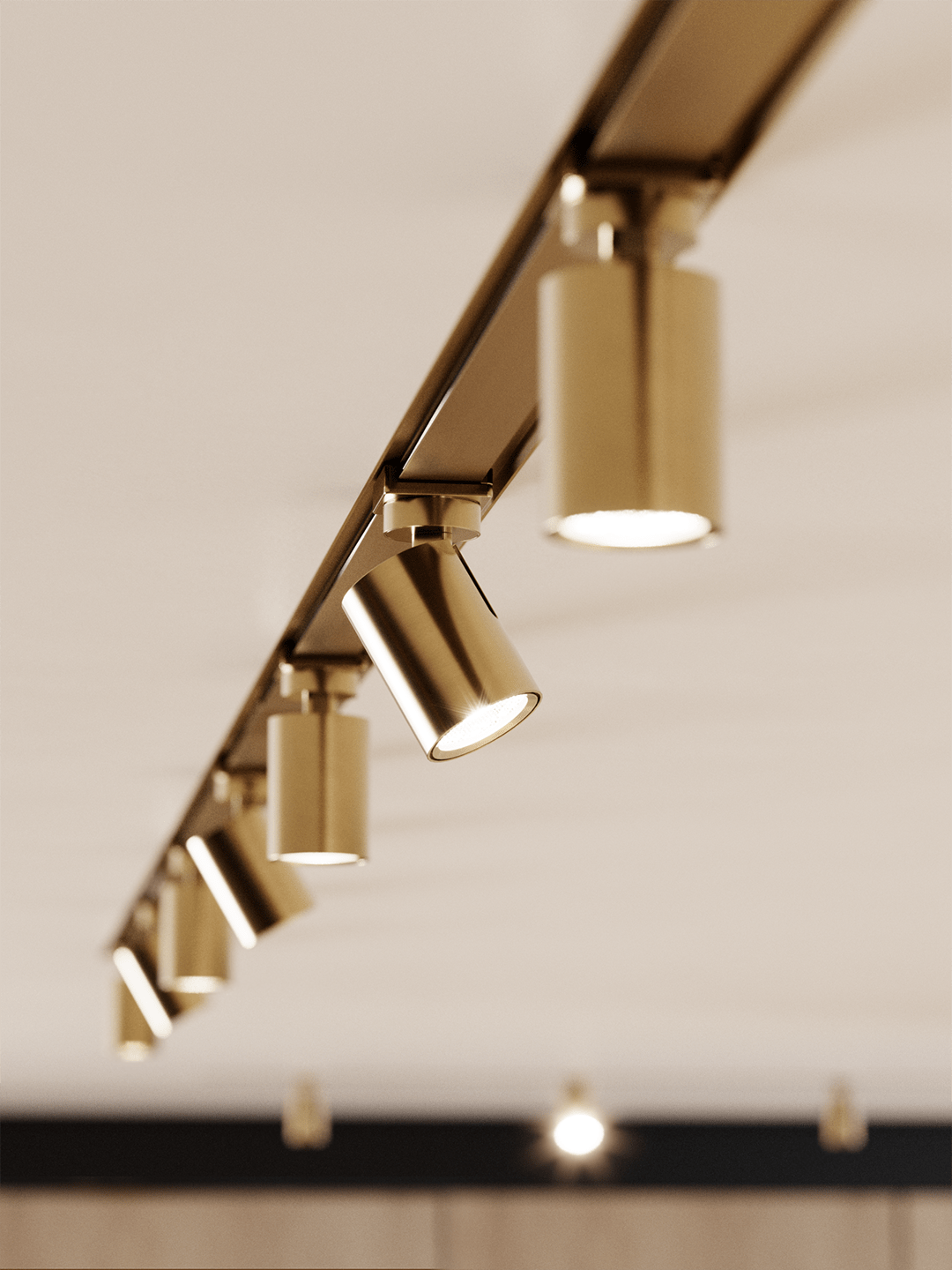
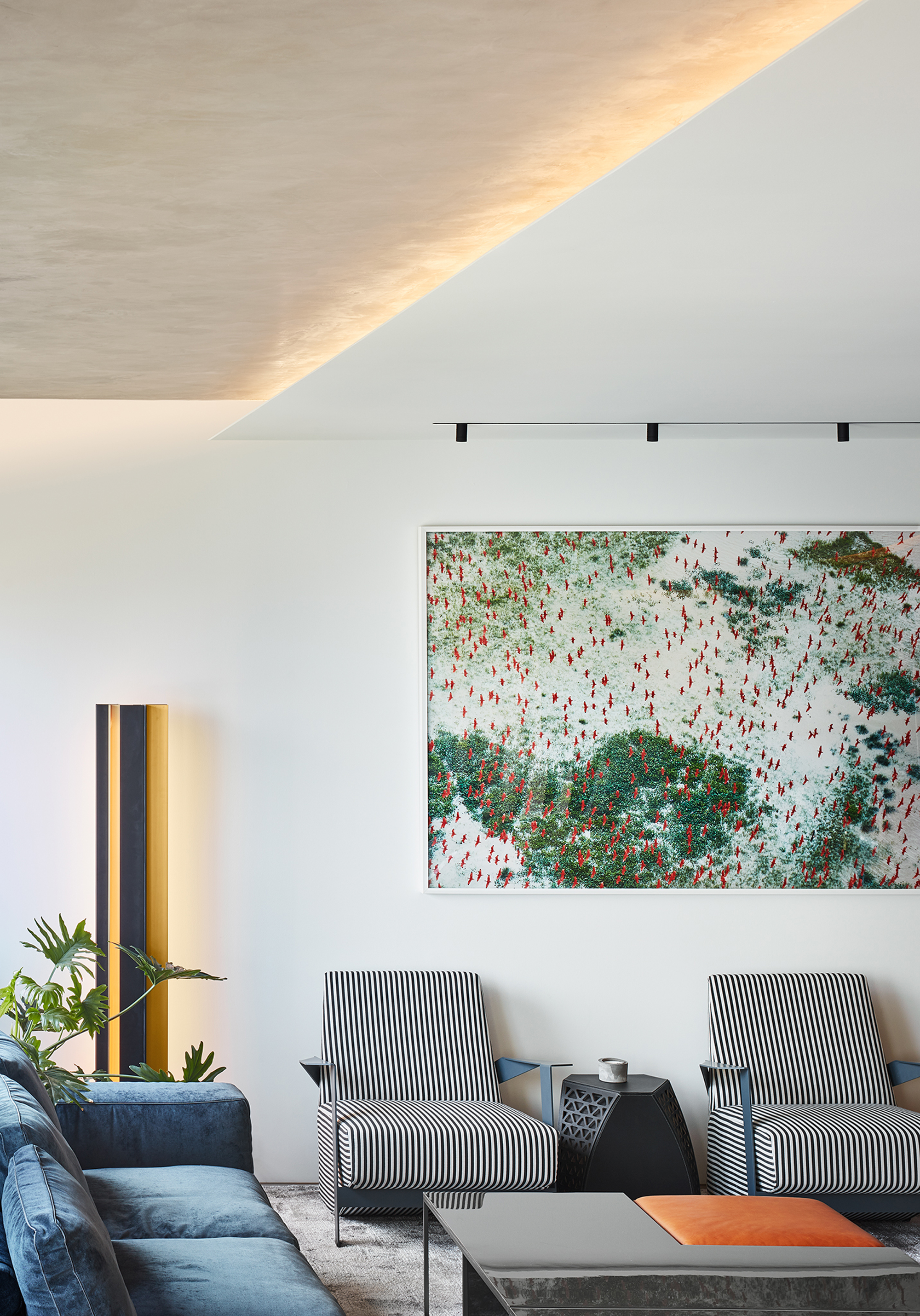
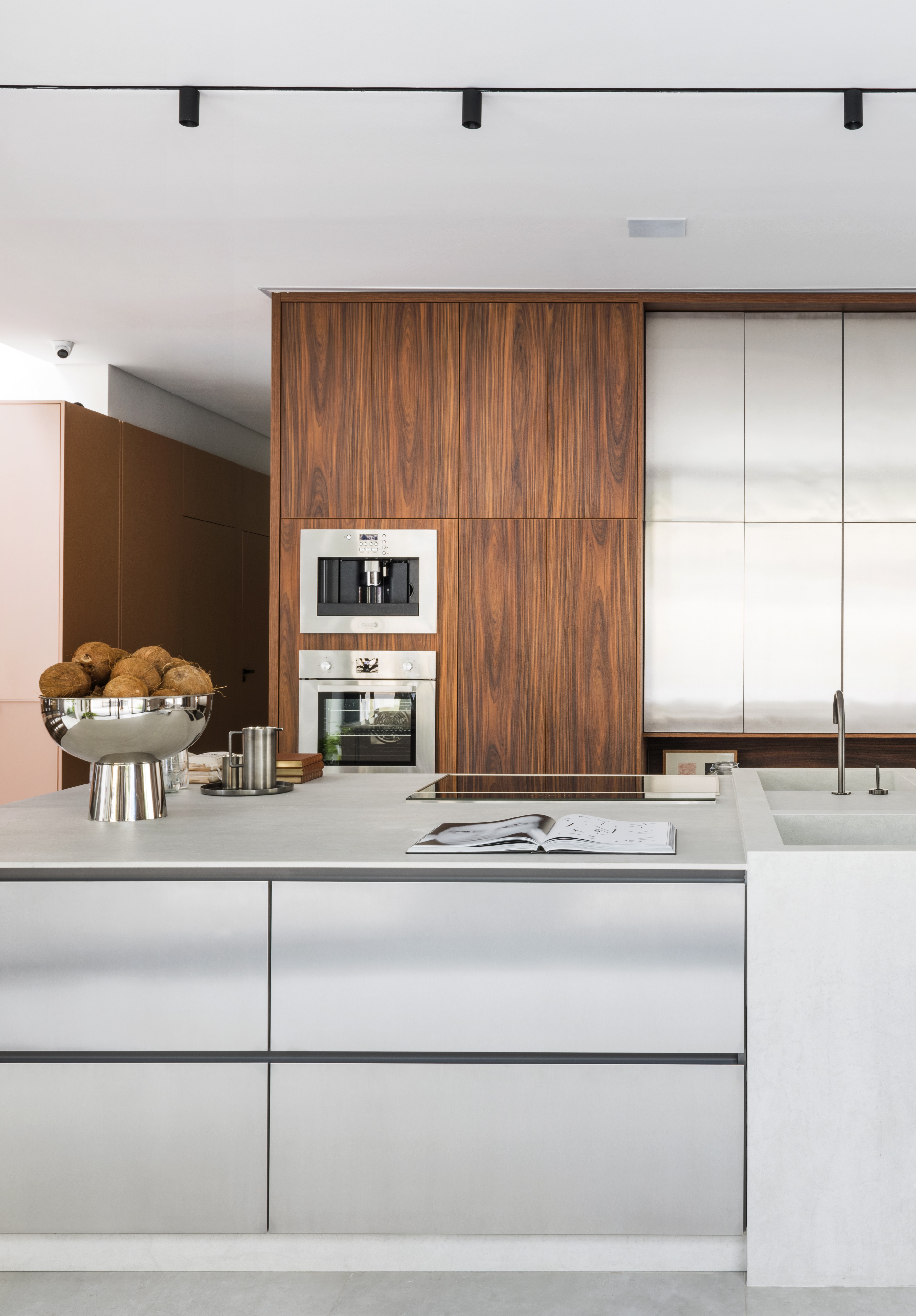
Track lighting offers a versatile solution for illuminating specific areas in a home, whether to highlight artwork, define a reading nook, or create an inviting space for social gatherings. Its flexibility allows for adjustments to complement evolving decor and is relatively easy to install. Track lighting systems typically consist of individual lamp heads, often called heads, that slide along a metal track, providing customizable illumination. These systems are usually hardwired and connected to a wall switch, with heads offering various functions such as focused spotlights, radiant spotlights, or pendants for general room lighting.
There are three primary types of track lighting systems based on their track style: fixed track, linear track, and monorail track. Fixed track systems feature a metal bar with permanently attached, swiveling heads, allowing for adjustable illumination. Linear track systems, the most common type, consist of metal lengths (two to eight feet) with rectangular cross-sections, into which heads snap and connect to an internal electrical cable. These come in H-type, J-type, and L-type, named after their original manufacturers (Halo, Juno, and Lightolier, respectively), and are not interchangeable. Only H-type has a dedicated grounding bus, while others use grounding channels within the tracks. Monorail track systems differ by being suspended from standoffs, having cylindrical tracks that can be bent up to 30 degrees, and typically using low-voltage power transformers to power the sliding heads.
Track lighting presents several advantages, including flexibility in head selection and positioning, ease of installation comparable to conventional light fixtures, and lower costs than recessed lighting. However, it also has drawbacks: it is not suitable for rooms with low ceilings, its contemporary style may not fit all decor, and its heads often do not provide sufficient general room illumination, necessitating supplementary lighting. When purchasing track lighting, several factors should be considered. Heads can operate at line voltage (120 volts) or low voltage (12 or 24 volts) via a transformer, with low-voltage heads being better for mood lighting due to less light output. Some systems accommodate pendants for general illumination, which should be placed in low-traffic areas. Crucially, heads and pendants must be compatible with the chosen track type (H, J, or L).
Installation involves securing the track to the ceiling, either into joists or using drywall anchors for support. The electrical terminal connects to a standard ceiling electrical box, similar to other light fixtures. Some tracks include two hot wires, enabling independent control of different light groups, which requires connecting to separate circuits in the ceiling box, each with its own switch. The cost for a complete track lighting kit, including three to five heads, ranges from $60 to $150, with additional heads costing $12 to $50 each. While DIY installation is possible, hiring a professional is recommended to ensure proper securement and functionality. Professional installation for a basic track and heads typically takes two to three hours and costs $150 to $300. If a new ceiling box and switch are needed, an electrician's services would add $150 to $900 to the total cost, depending on the job's complexity.
#TrackLighting #HomeLighting #InteriorDesign #ElectricalSystems #DIYHomeImprovement #LightingInstallation #HomeDecor #LightingTypes #TrackLighting #HomeLighting #InteriorDesign #ElectricalSystems #DIYHomeImprovement #LightingInstallation #HomeDecor #LightingTypes
Toplam 0 yorum
 Henüz yorum yok
Bu da beğenebilirsiniz
This Divisive Lighting Style Is Fast Becoming an It Kitchen Addition

What is accent lighting? This often overlooked design idea might be exactly what your home is missing

8 Lighting Options To Buy From Costco For A Home Refresh, And 3 You Can Skip
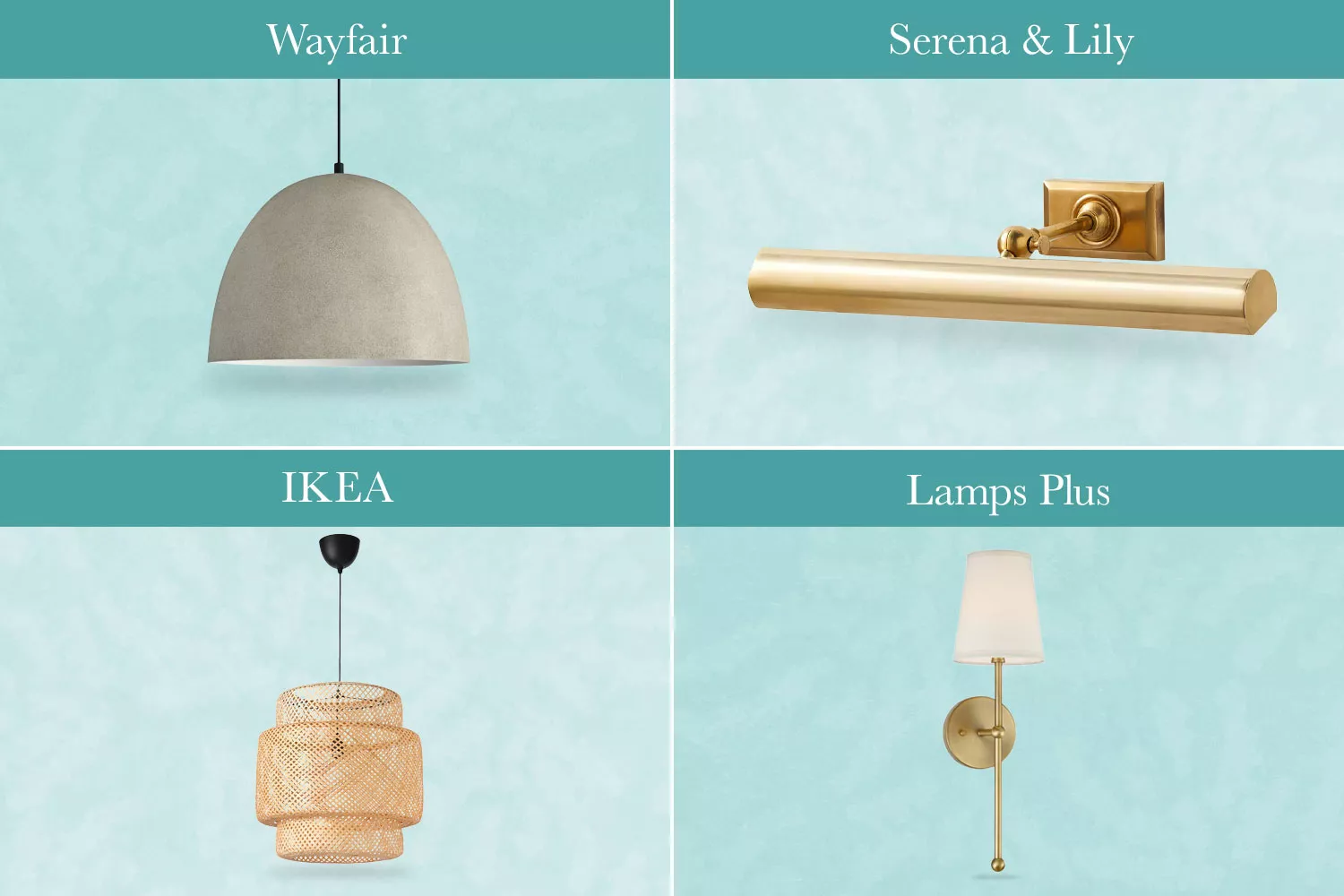
This is Where Our Editors Shop for Stylish New Lighting Fixtures

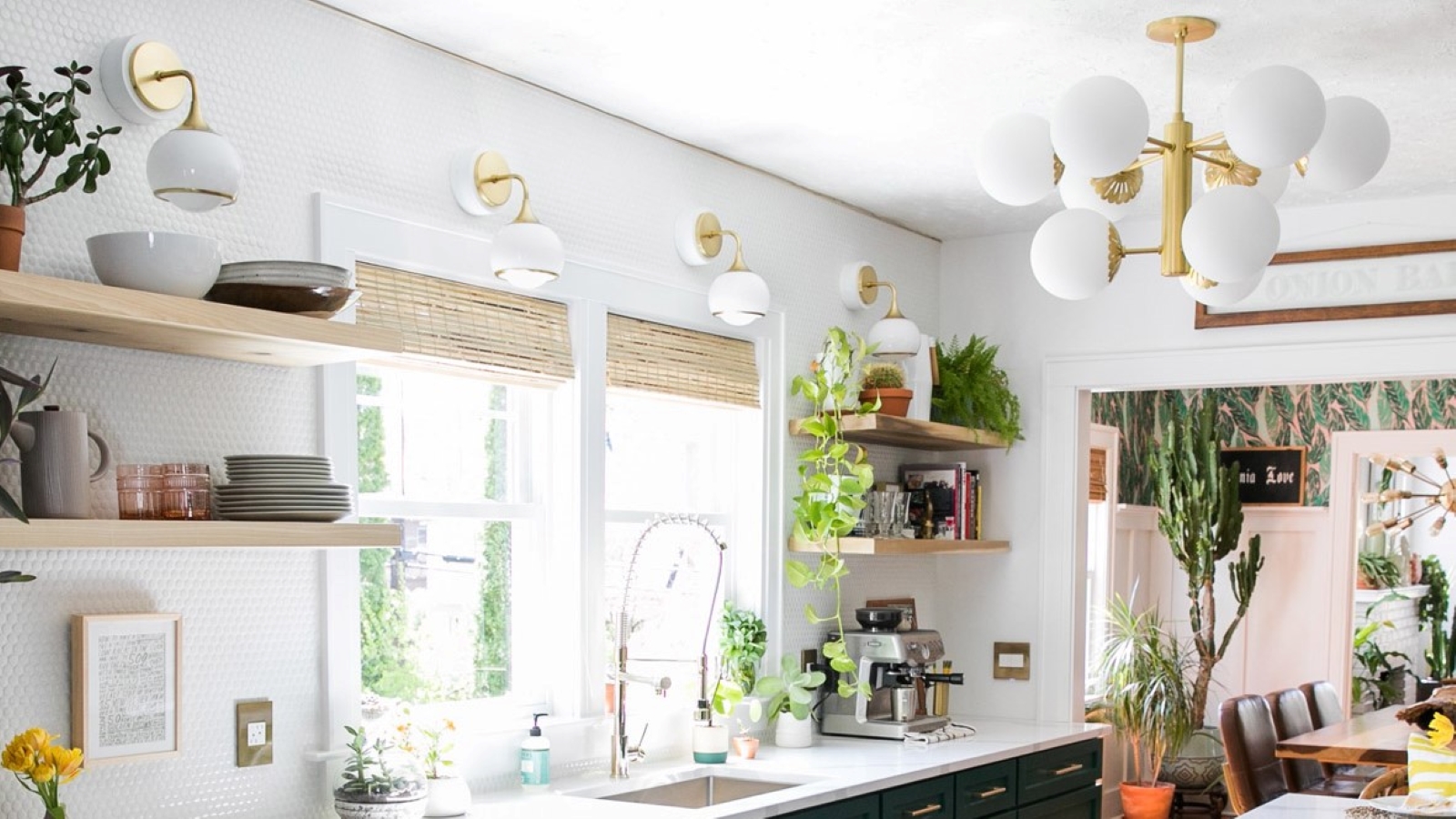
Best places to buy lighting

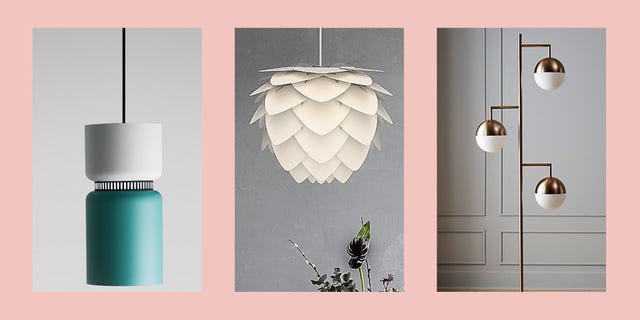
The 15 Best Online Lighting Stores Everyone Should Know

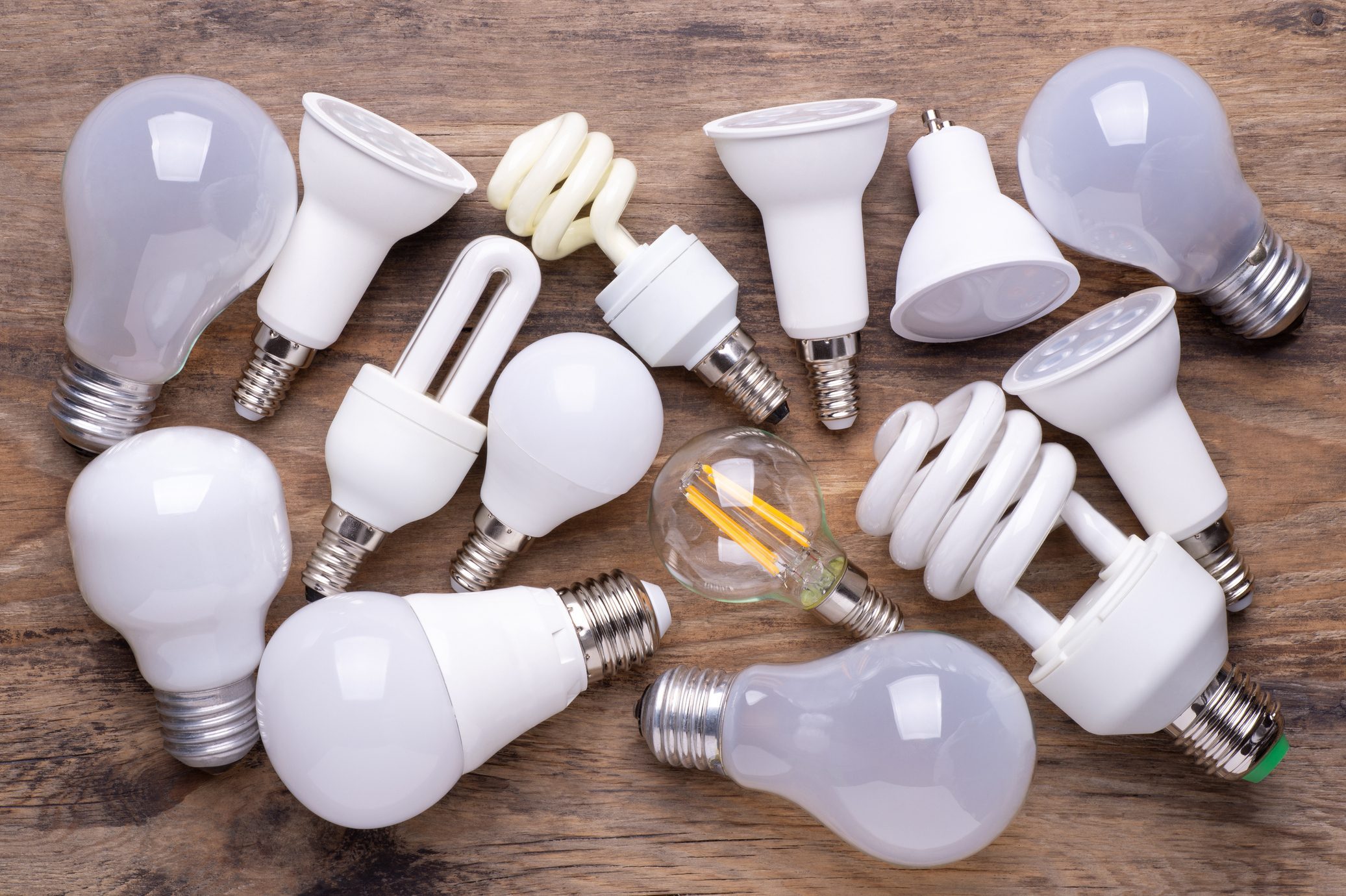
Light Bulb Buyer’s Guide
Should light fixtures match throughout a house? The answer is more nuanced than you'd expect
Interior Designers Reveal Their 26 Favorite Online Lighting Stores

Track Lighting Is Making a Comeback

Put to the Test: The Best Solar Path Lights for a Brilliant Walkway

Room-by-Room Lightbulb Guide | Lightbulb Reviews
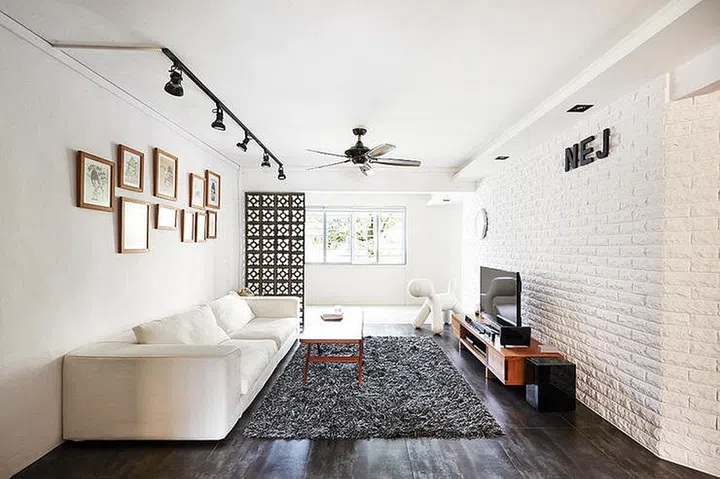
Industrial-style exposed track lighting - find out how you should use it at home
The 18 best places to buy light fixtures, with expert recommendations
Should You Have Lights Over The Kitchen Island? Designers Unanimously Agree If They Are Worth Budgeting For
The 8 best places to shop for floor lamps
A buyer’s guide to the best indoor kitchen and pendant lights (and beyond)

Design experts offer lighting tips for upgrades that shine

Wayfair Lighting — 12 of the Best Fixtures to Shop in This Treasure Trove of Finds
lighting design Archives