1/8
What is accent lighting? This often overlooked design idea might be exactly what your home is missing
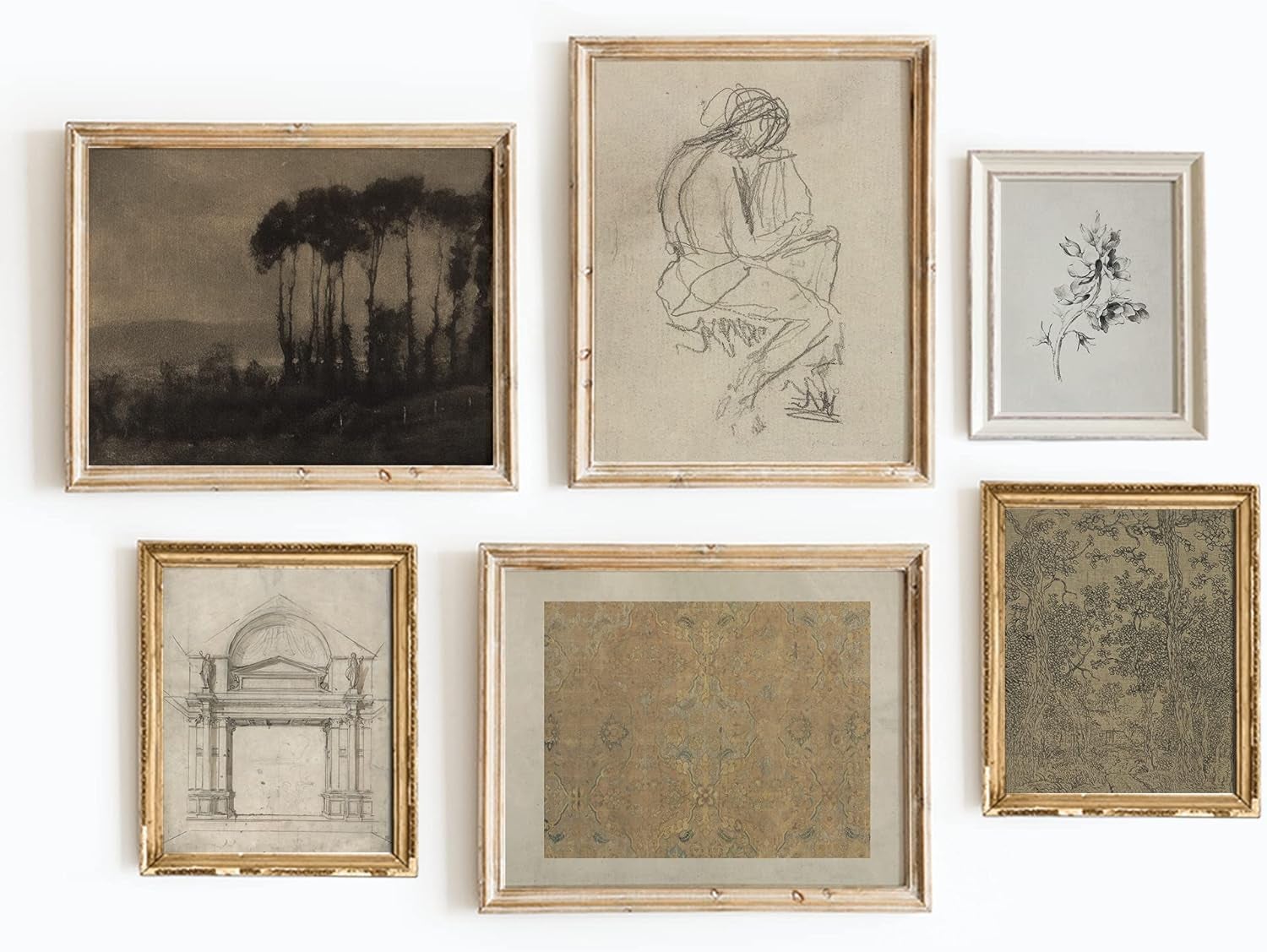
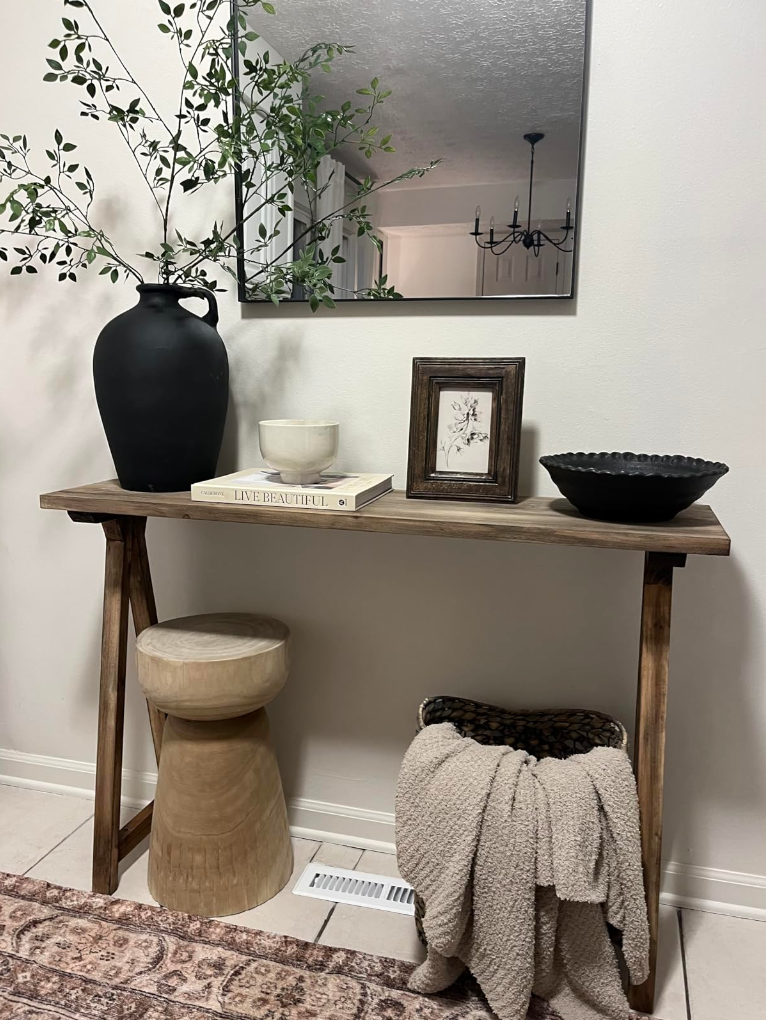
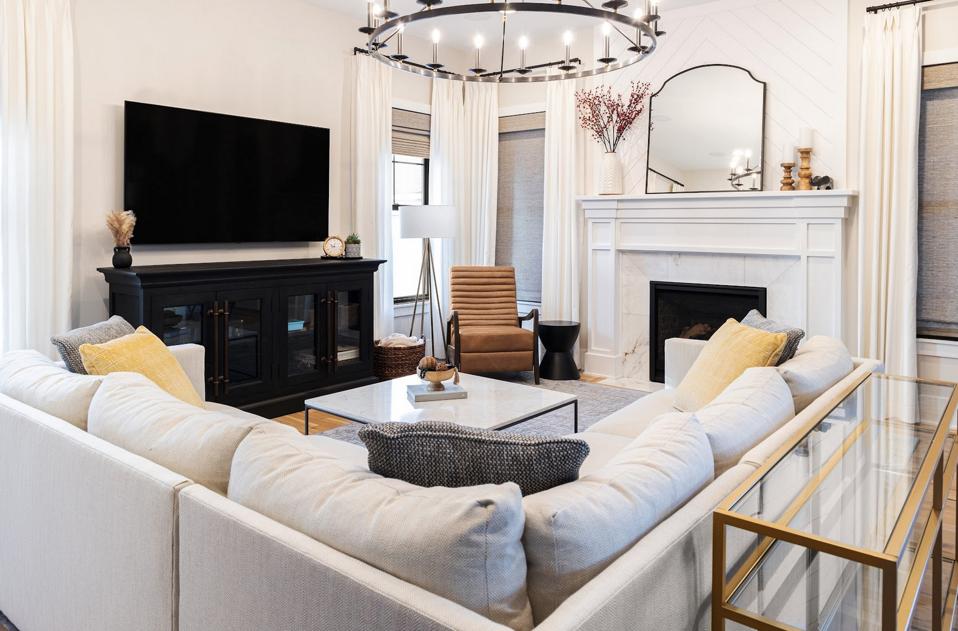
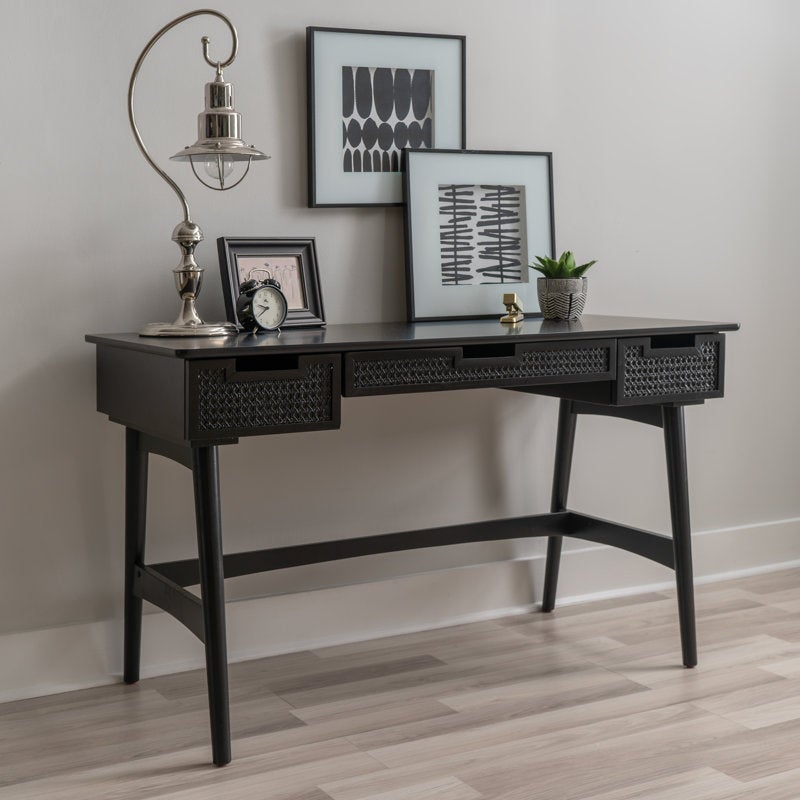
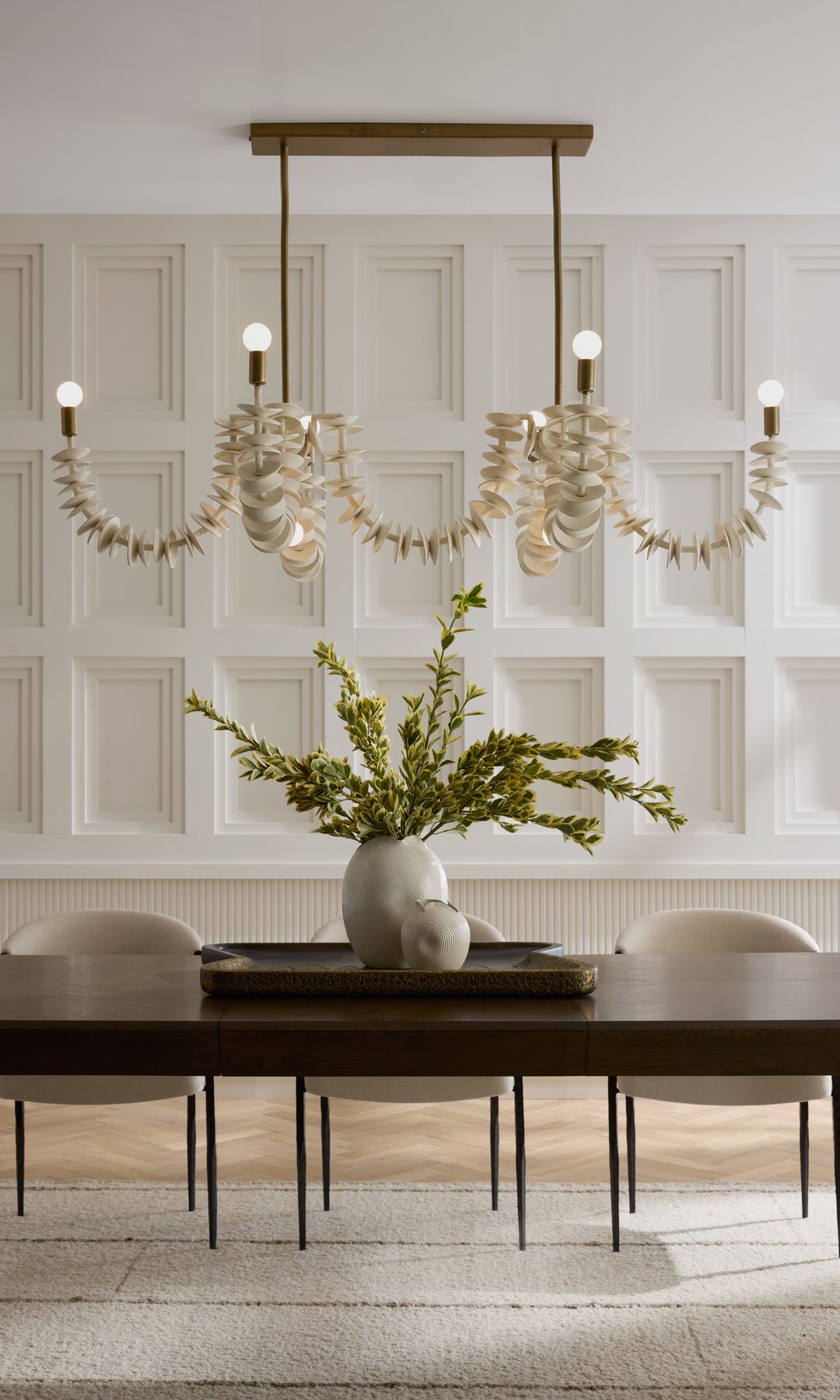
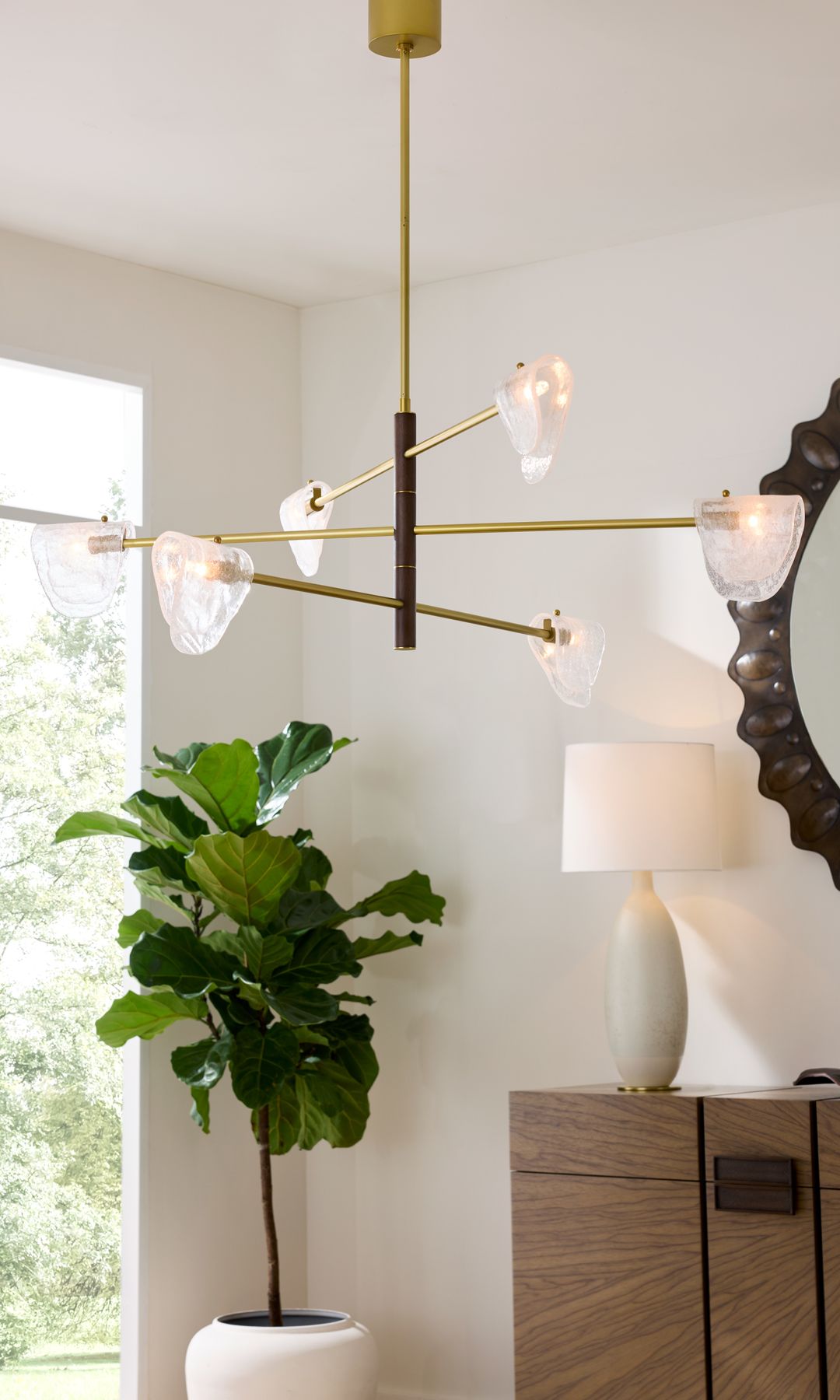
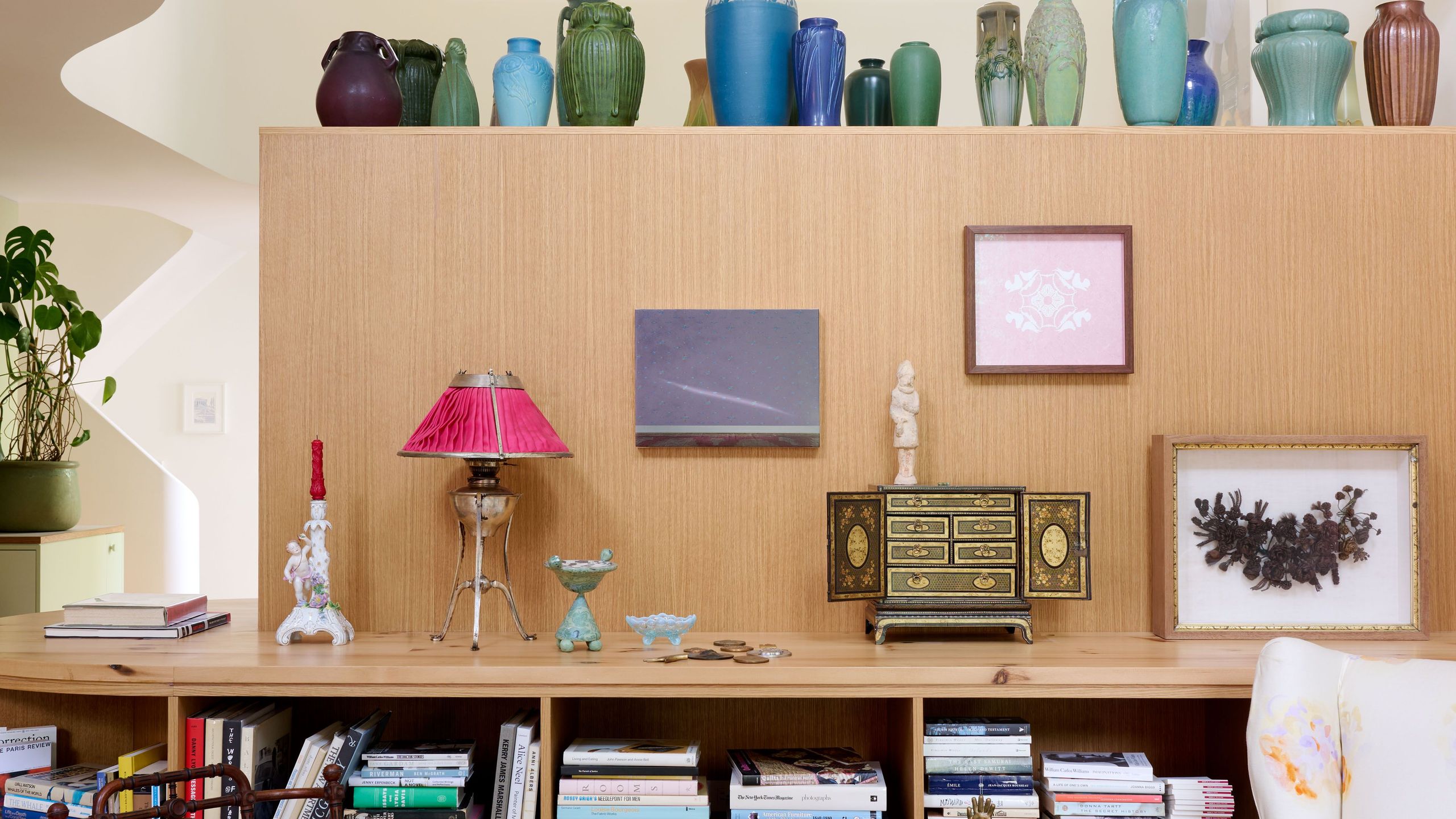
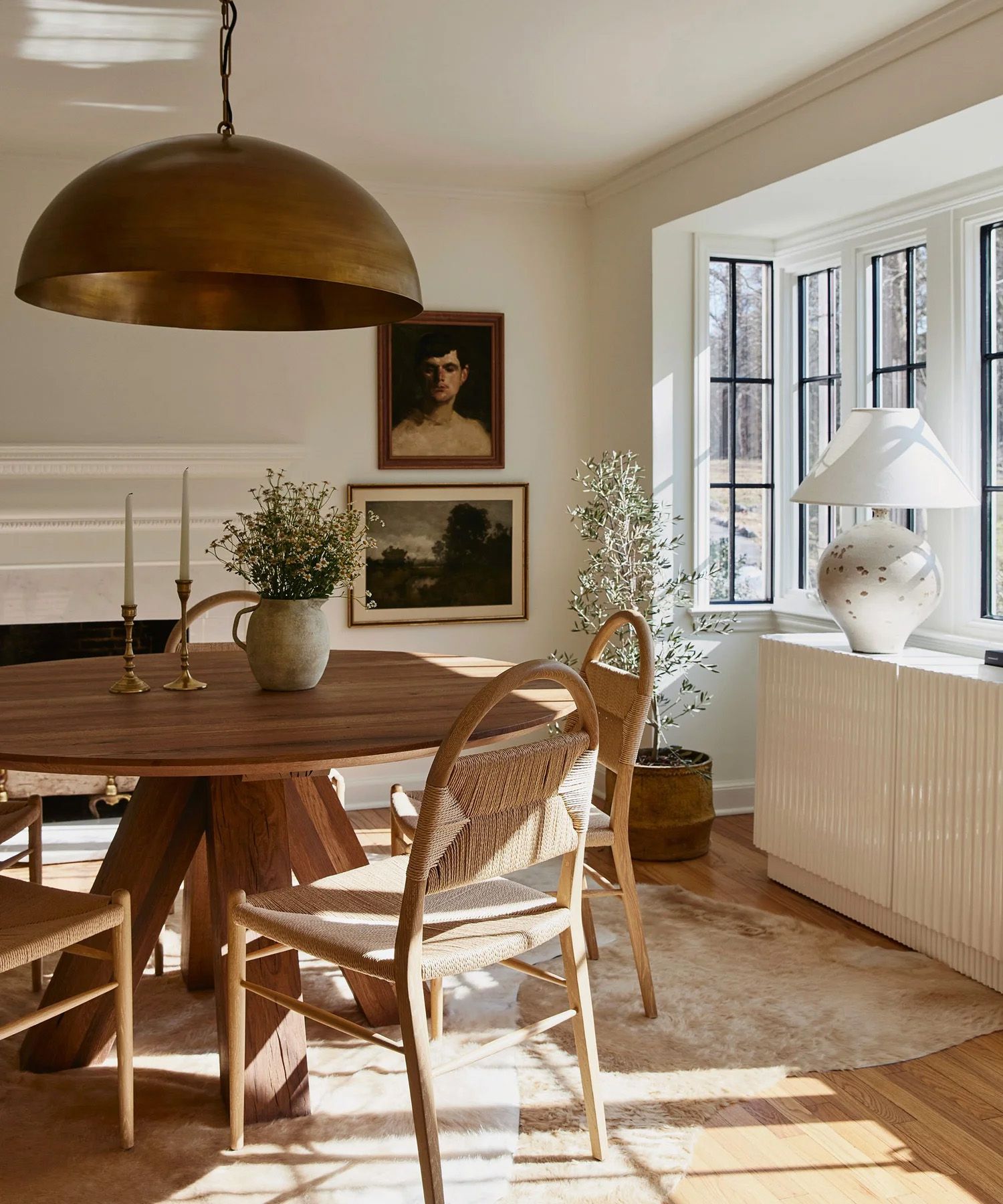
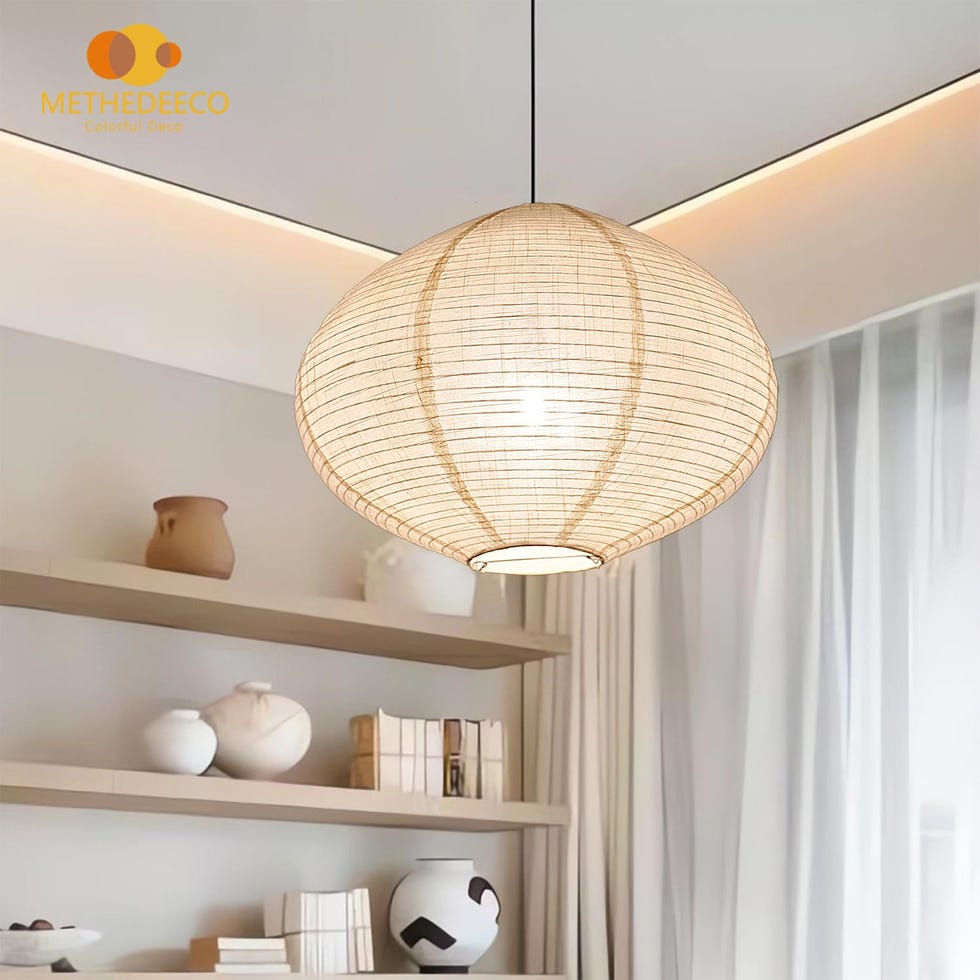
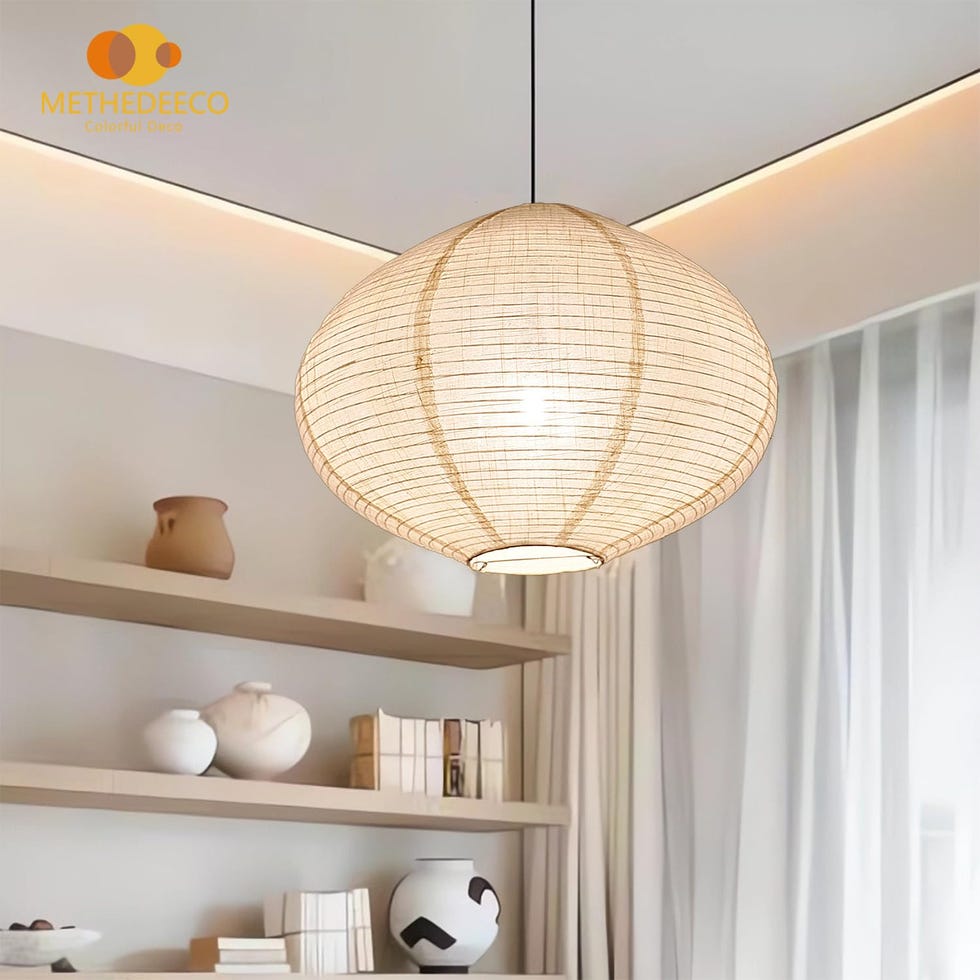
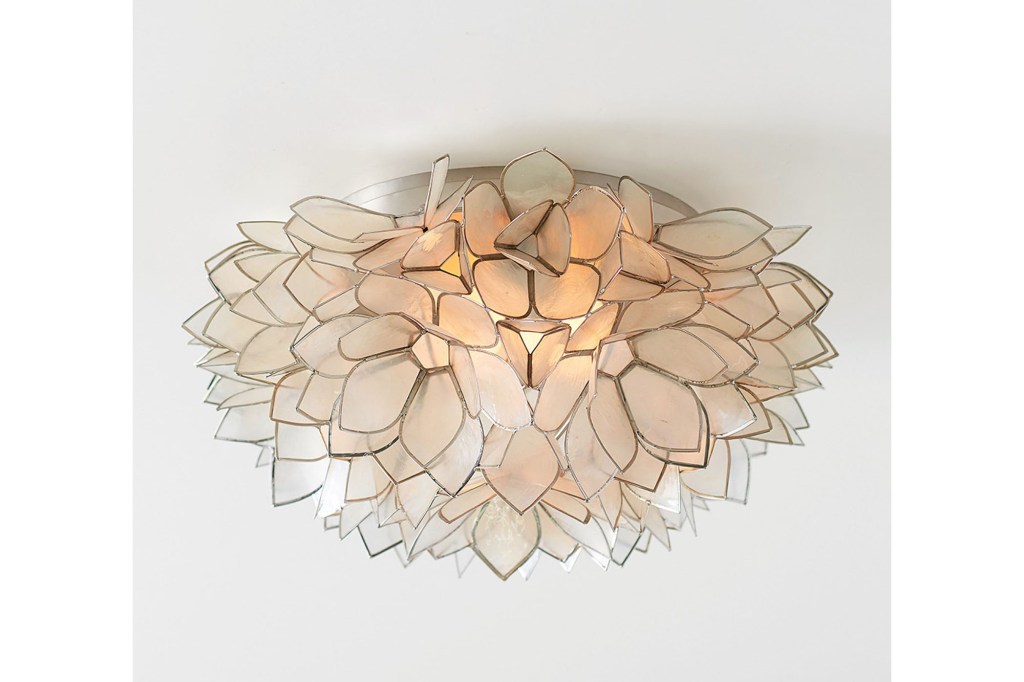
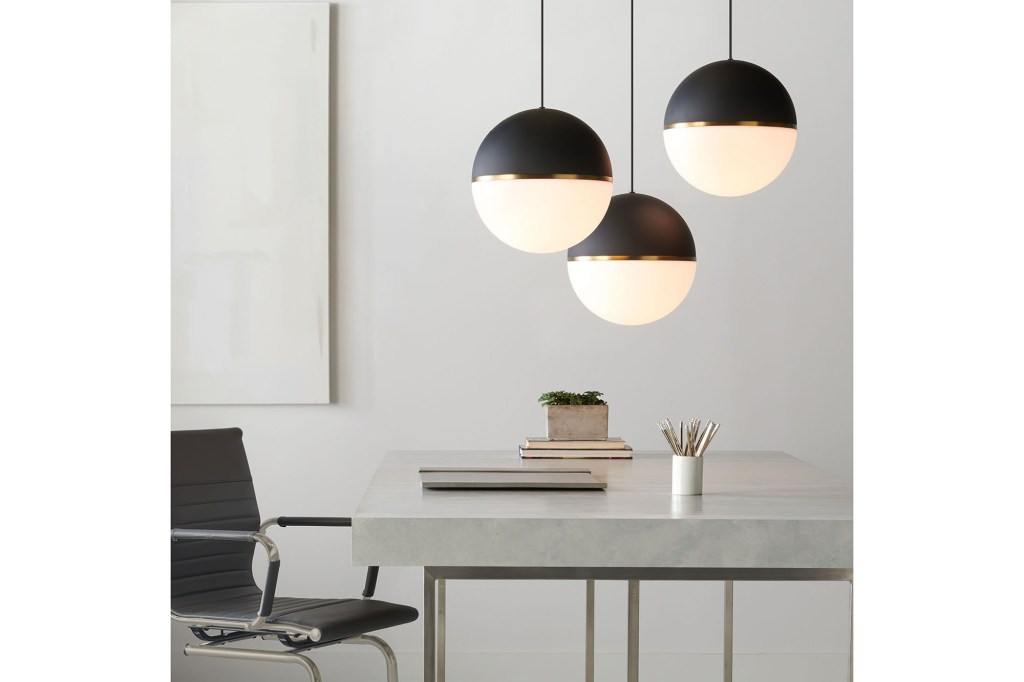
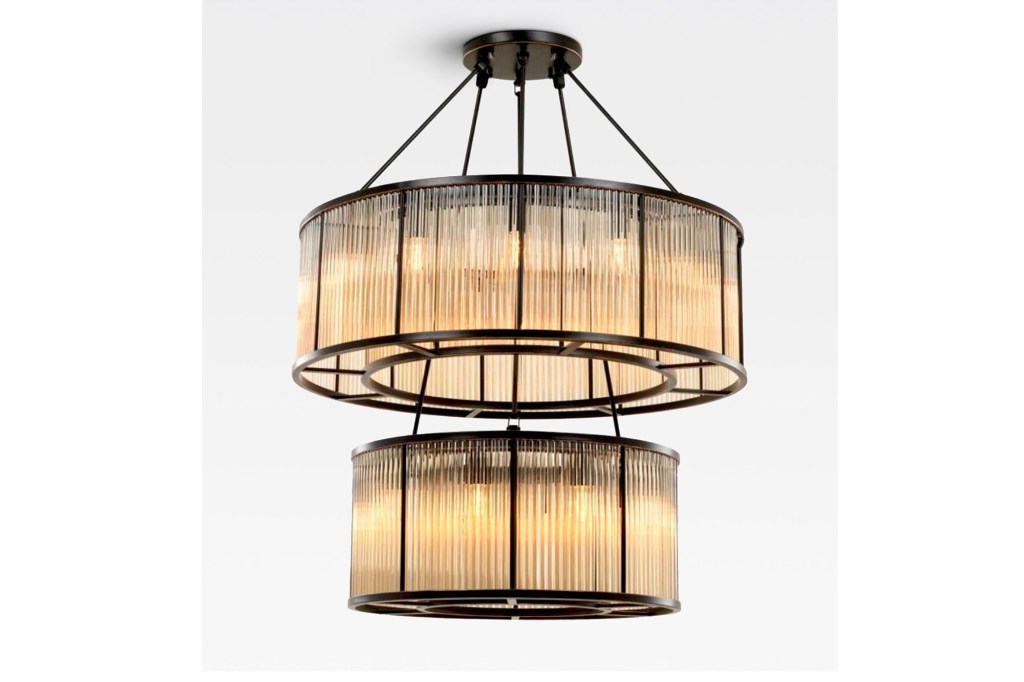
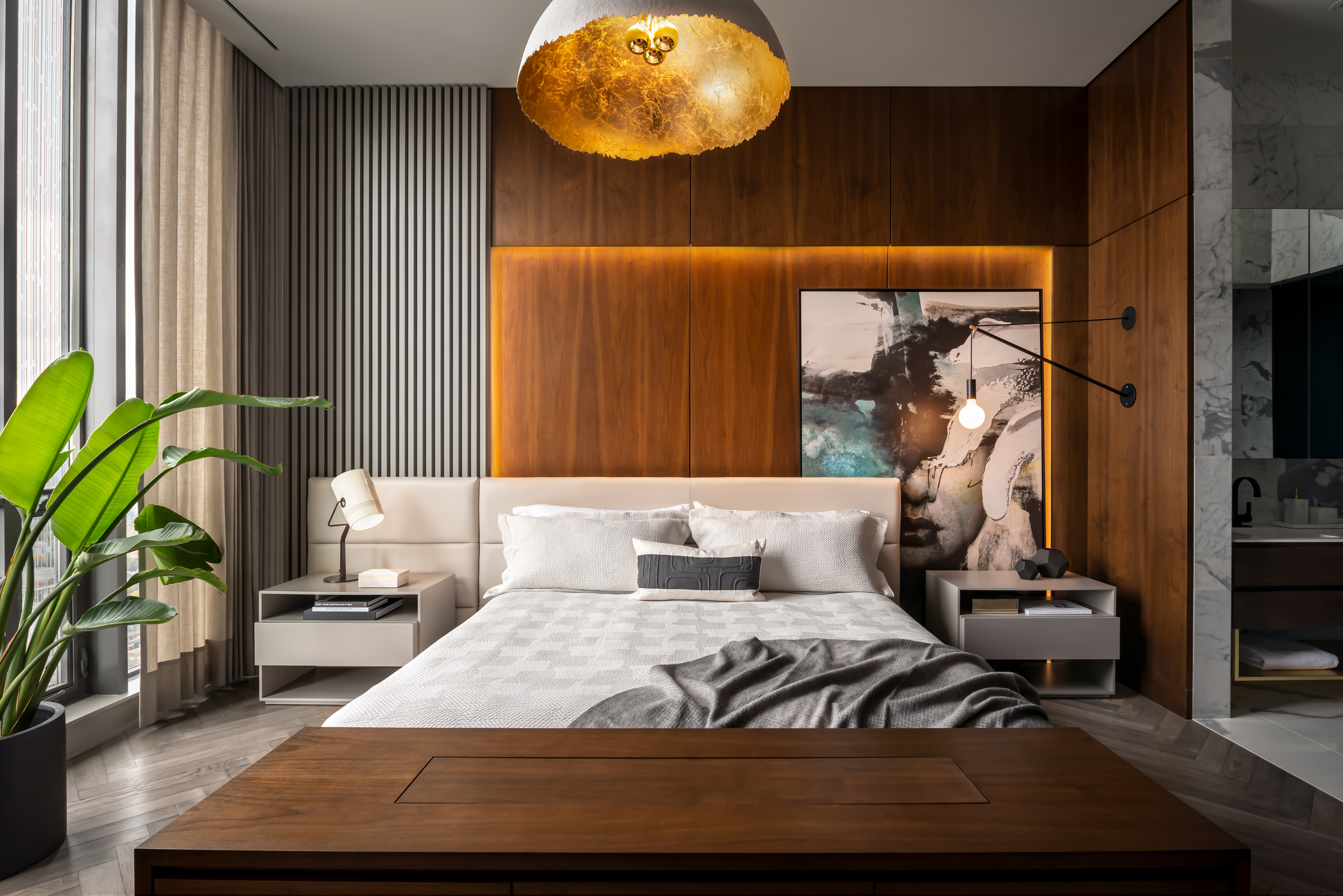
Accent lighting plays a crucial role in enhancing a home's aesthetic by drawing attention to specific features and creating atmosphere. While not essential for primary task or ambient lighting, its strategic application can significantly elevate interior design. Experts define accent lighting as a method of highlighting particular areas or objects within a home, such as artwork, architectural details, or plants. This type of lighting not only adds visual interest but can also function as a decorative element itself, contributing to the overall sculptural quality of a room.
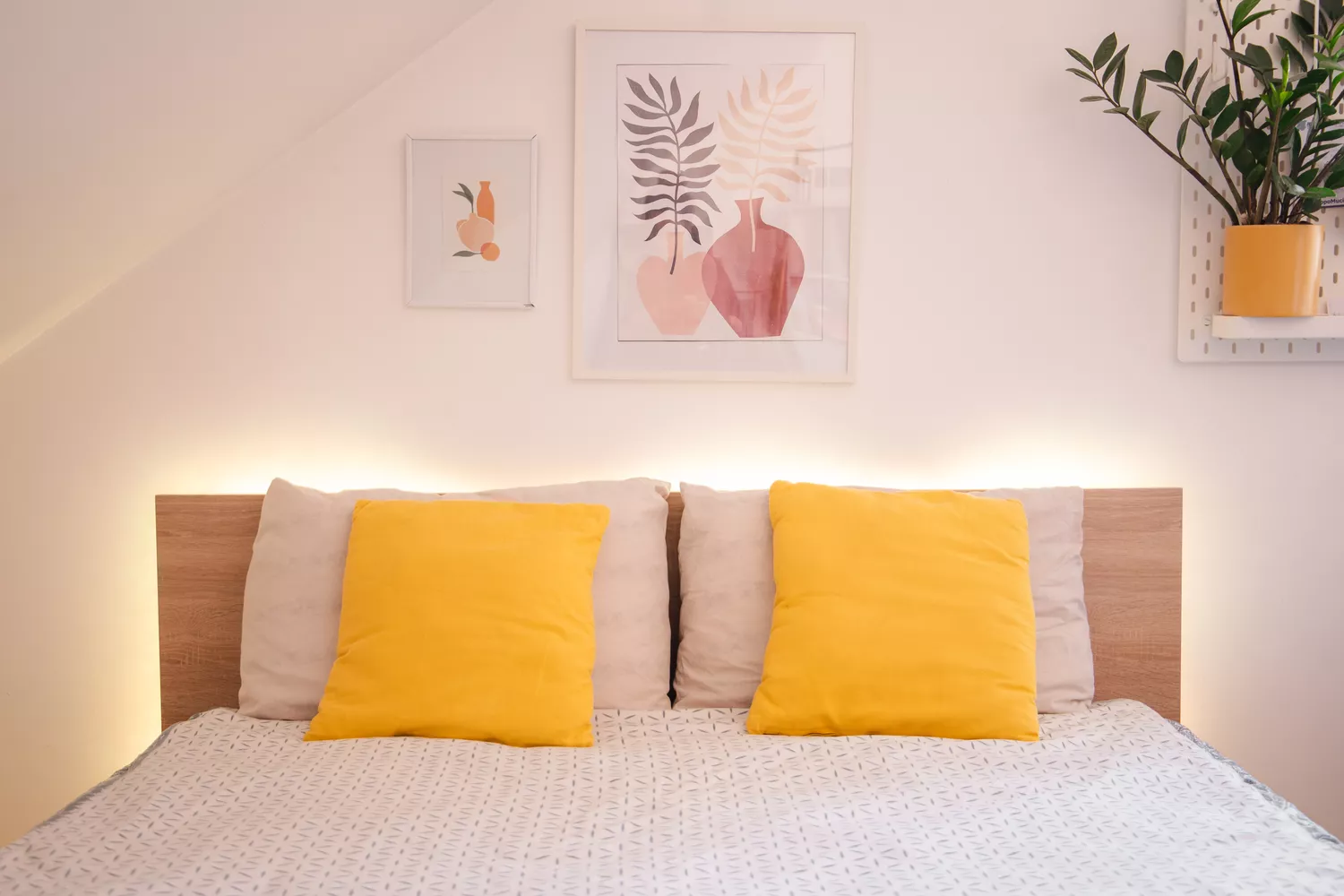
The versatility of accent lighting allows it to serve multiple purposes. It can make a space appear more expansive when using lights that project broad beams, or conversely, create a more intimate atmosphere with lights that illuminate smaller surface areas. This form of illumination is applicable both indoors and outdoors, including hallways, entrances, and porches, encouraging viewers to pause and appreciate specific elements. The fixtures are typically positioned close to the objects they are intended to highlight.
The importance of accent lighting lies in its ability to create a layered decorative lighting scheme. This adaptability ensures that lighting responds to the various functions of a space throughout the day. When planning an accent lighting scheme, it is essential to consider how the space is used, the time of day, and which specific features or treasured items should be emphasized. Integrating dimmable accent lighting is crucial for controlling its intensity and creating different moods and focal points within a room. This also contributes to energy efficiency by allowing a reduction in ambient light around accented objects.
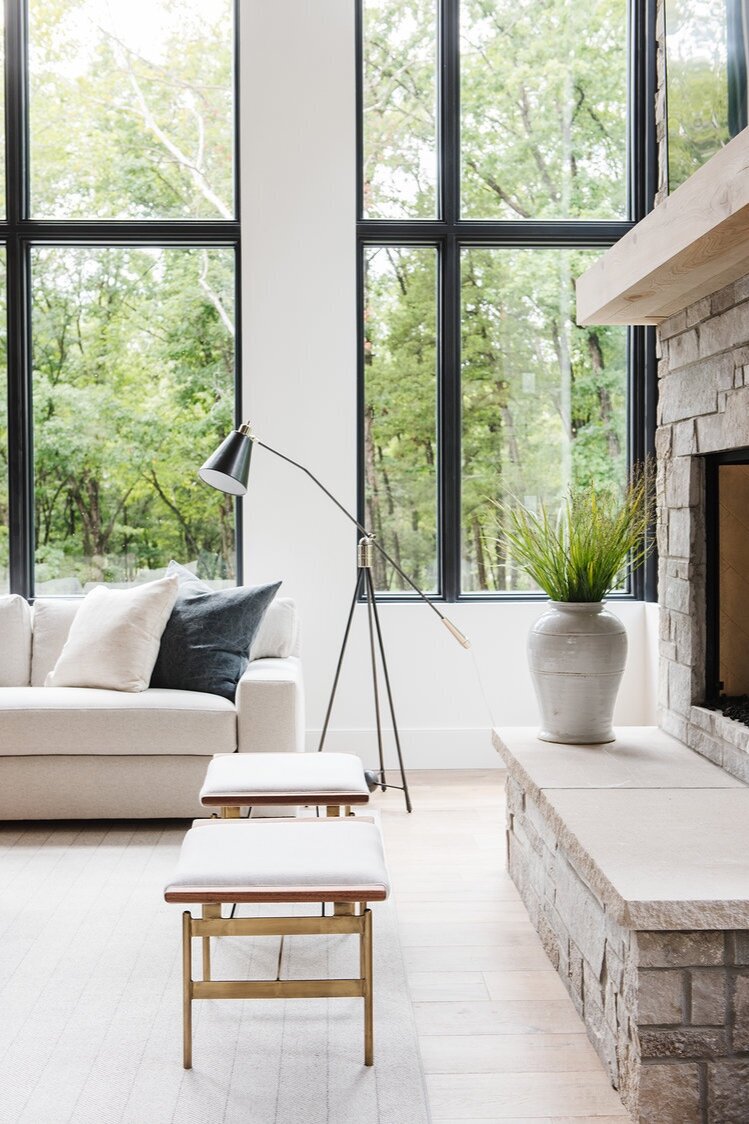
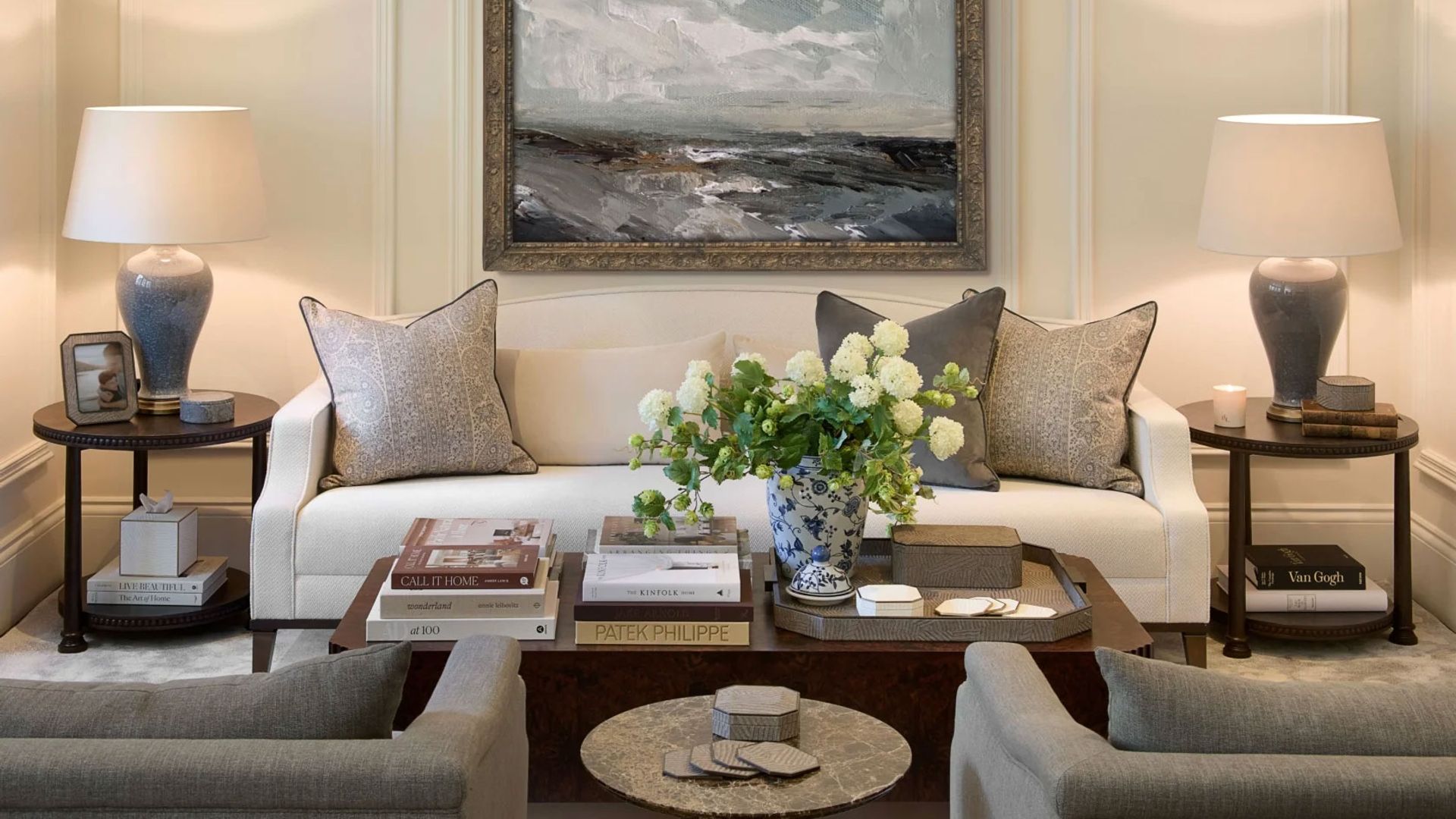
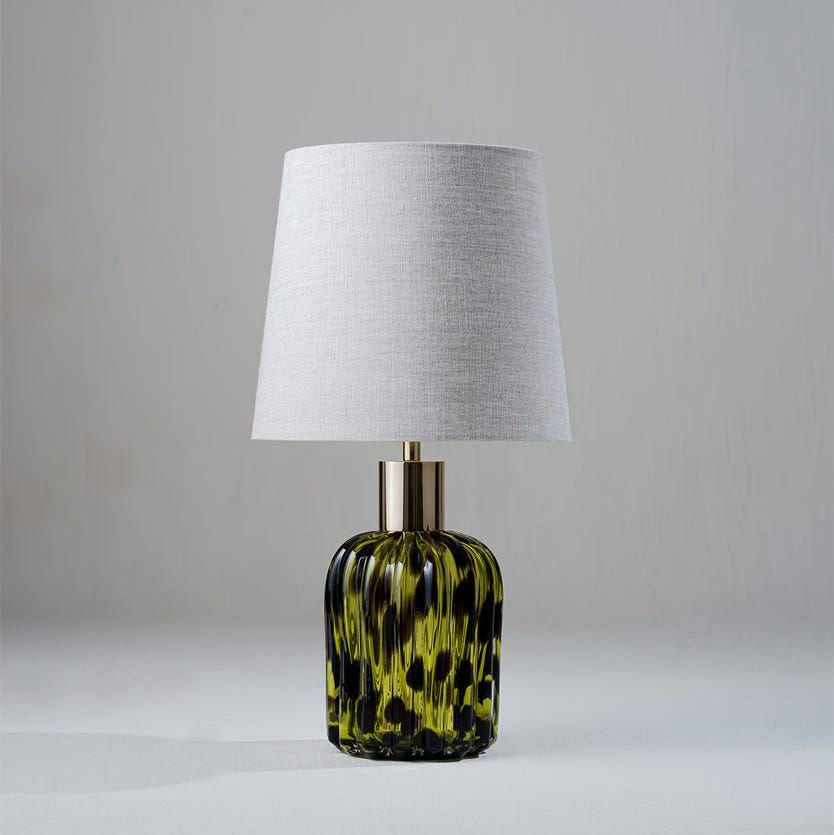
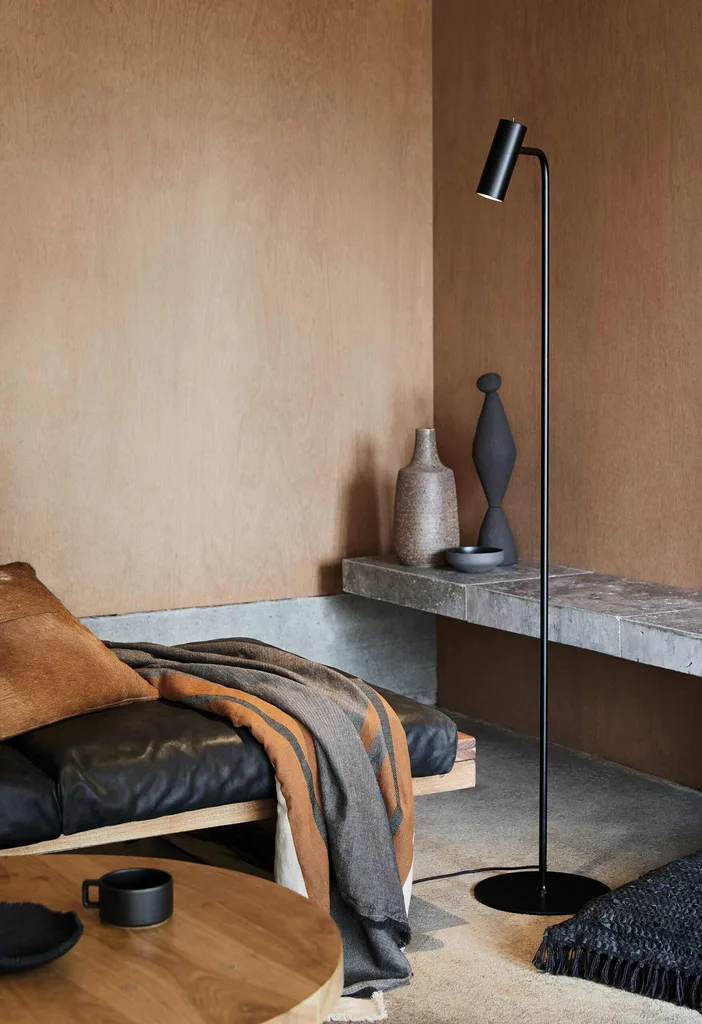
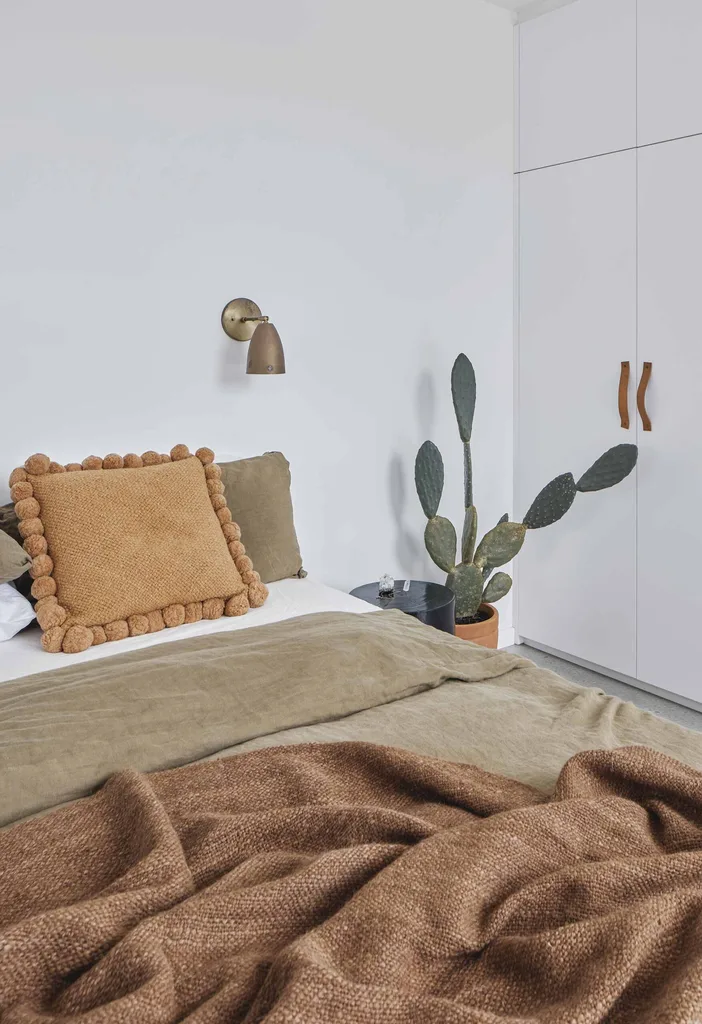
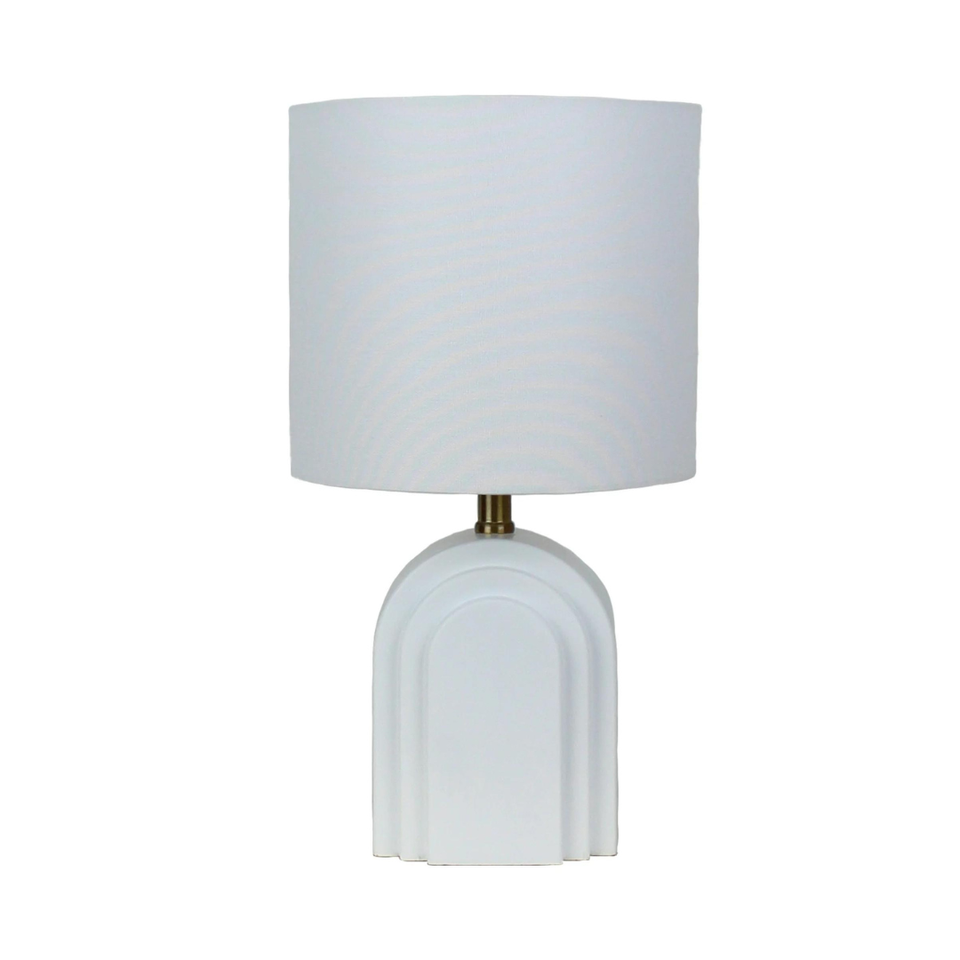
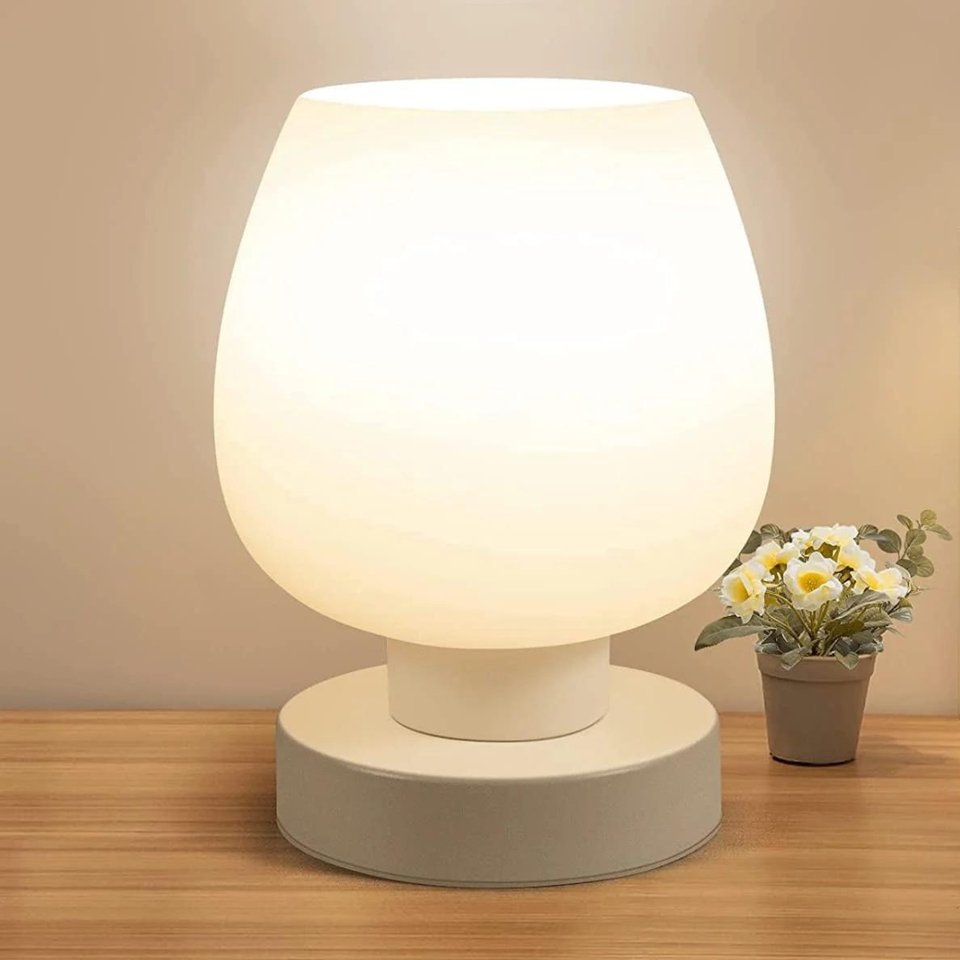
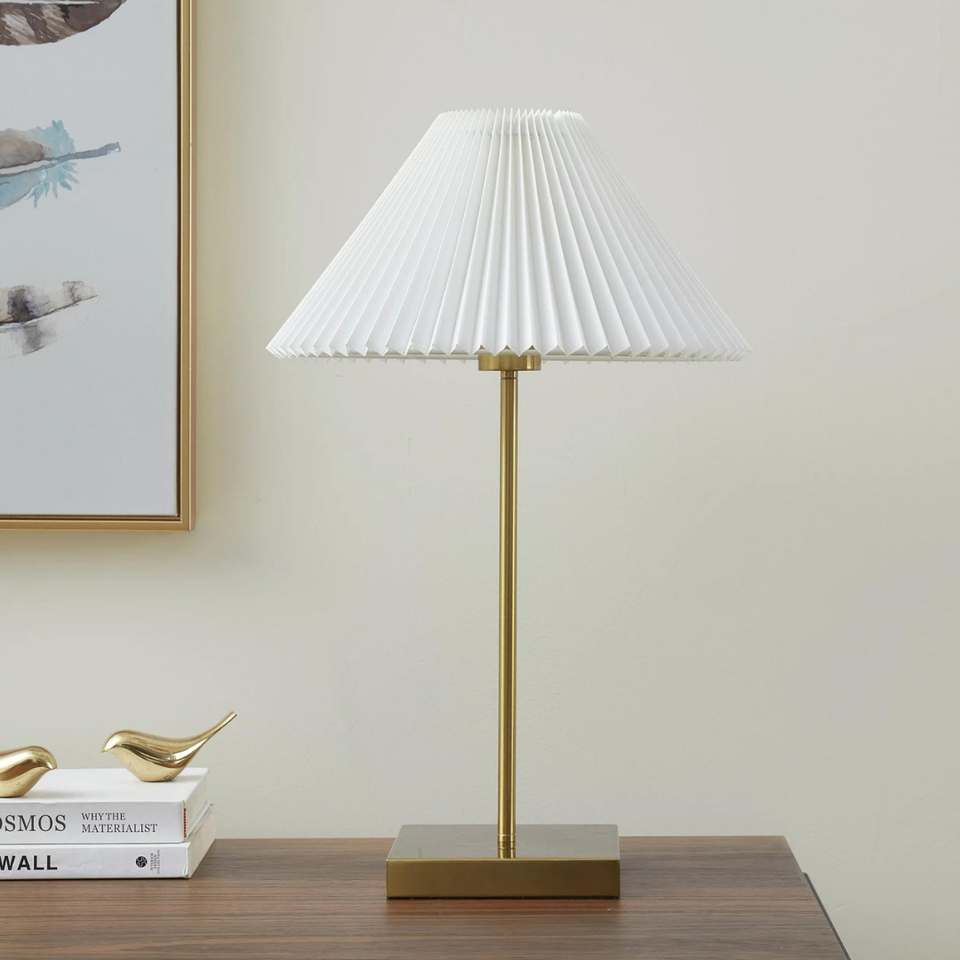
Accent lighting is vital for illuminating dark corners and shadowy spots, drawing attention to desired elements. It involves layering light levels from multiple sources, such as table lamps, floor lamps, and wall sconces, to produce a cozy glow and accentuate focal points like art, items within cabinets, or architectural details. The ideal lumen output for accent lights is generally low, around 10-20 lumens per square foot for spaces like bedrooms or living rooms, as the goal is to subtly showcase features rather than brightly illuminate them. In contrast, task lighting in kitchens or bathrooms may require 70-80 lumens.
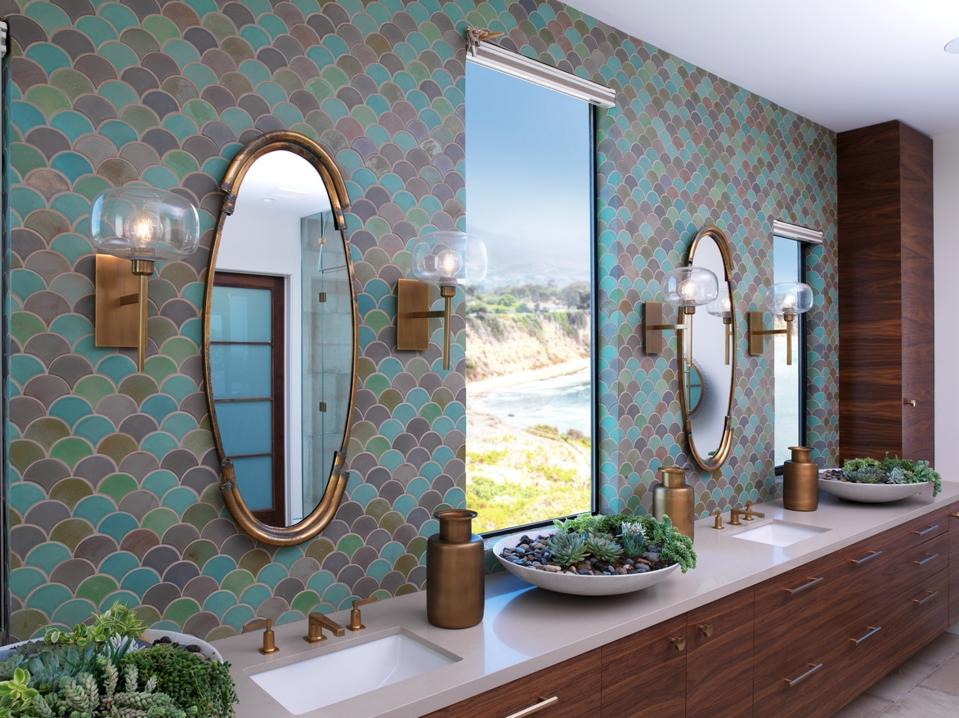
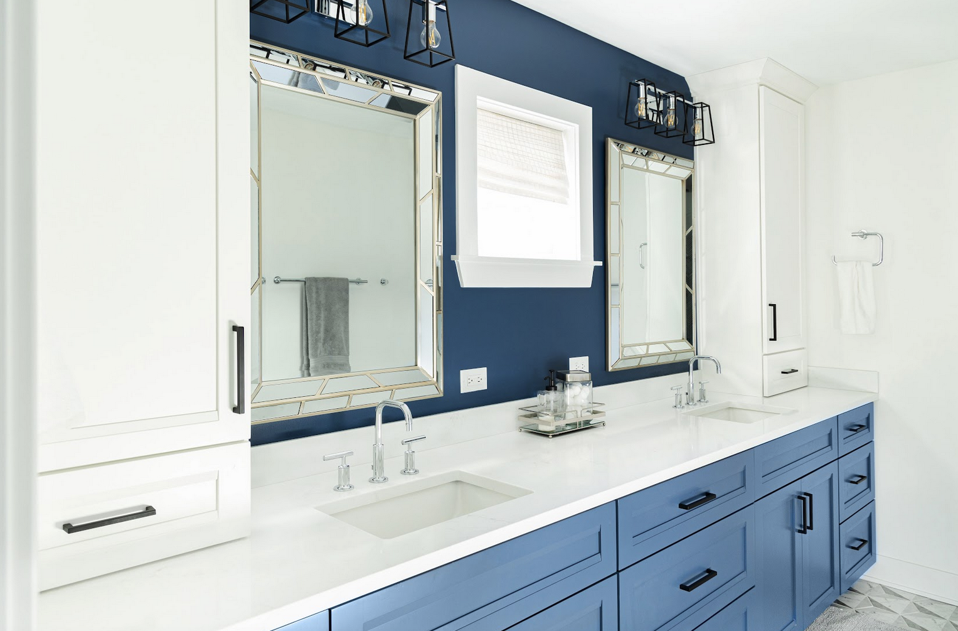
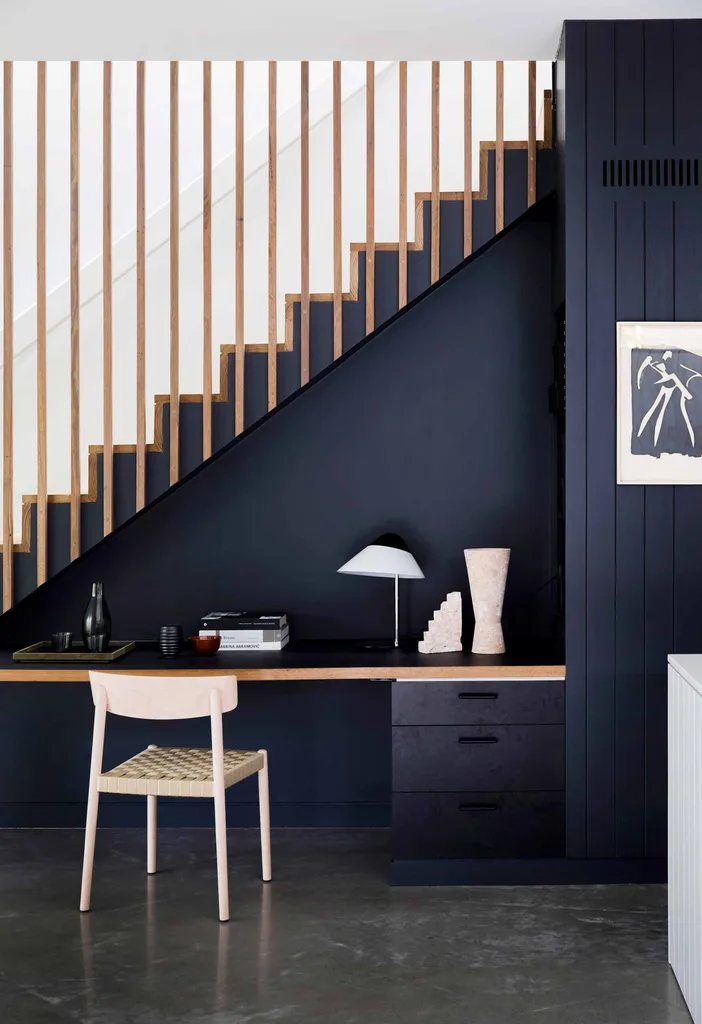
Several types of fixtures are commonly used for accent lighting. Directional wall sconces, fixed to walls, can direct light upwards, downwards, or all around, and are available in various designs to either blend with or complement the wall. They can also serve as artistic pieces or highlight architectural details like wall paneling or textured surfaces. Recessed LED lights are unobtrusive fixtures installed in ceilings, along perimeters, or within cabinets, adding sparkle to objects or areas. They can highlight plasterwork, decorative coffers, or wall motifs, offering a diffused illumination that suits clean, contemporary, or minimalist interiors. Track lights, which consist of bulbs or spotlights on tracks, provide even illumination across a space without individual wiring, making them suitable for narrow hallways, open-plan rooms, or as downlights for counters or bookshelves. Lastly, downlights, while often associated with ambient lighting, can be strategically positioned near walls to wash over details, such as paneled walls or kitchen cabinets, creating a less harsh lighting effect than direct overhead lighting. Art lights, typically sconces, tube lights, or spotlights, specifically illuminate paintings, sculptures, or staircases, focusing attention on these artistic elements for both close inspection and distant appreciation.
#AccentLighting #HomeLighting #InteriorDesign #LightingScheme #ArchitecturalLighting #WallSconces #RecessedLighting #TrackLighting #ArtLighting #AccentLighting #HomeLighting #InteriorDesign #LightingScheme #ArchitecturalLighting #WallSconces #RecessedLighting #TrackLighting #ArtLighting
0 comment in total
 No comments yet
You may also like
23 Things Designers ALWAYS Buy for Their Homes

Even If You Don’t Buy Anything, These 26 Products Are Great Inspo For Anyone Who Wants To Take Their Interior Design To The Next Level
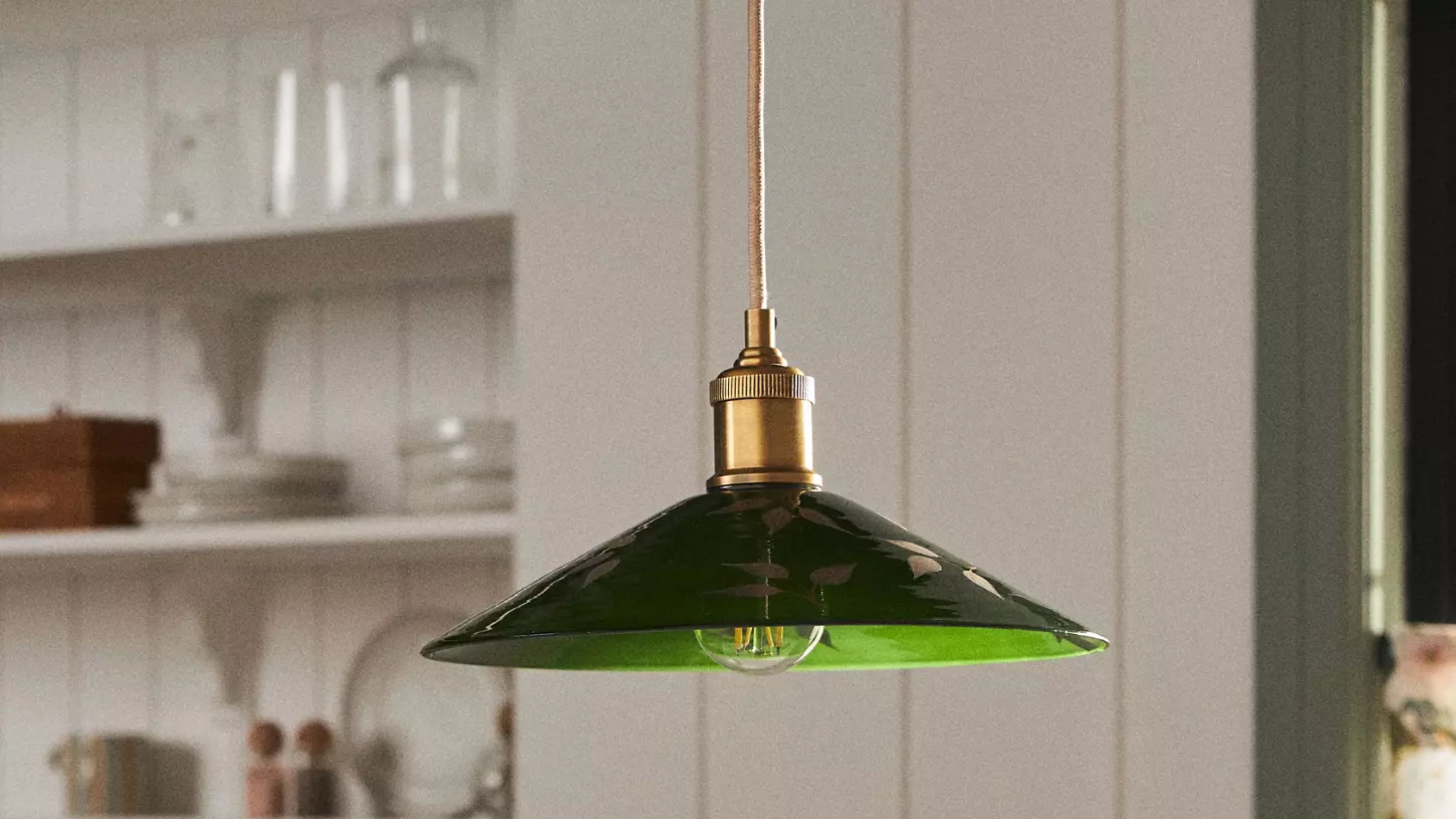
The $60 Anthropologie Pendant That Makes Any Cozy Corner Look Designer – It’s Exactly What Your Nook Is Missing

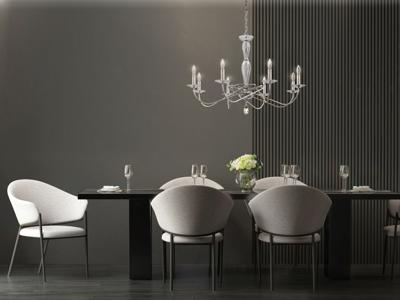
Pulling the plug on dated light fixtures is a great home update. Here's how to choose new ones
You Can Decorate An Entire Living Room Exclusively With The 41 Items In This Post

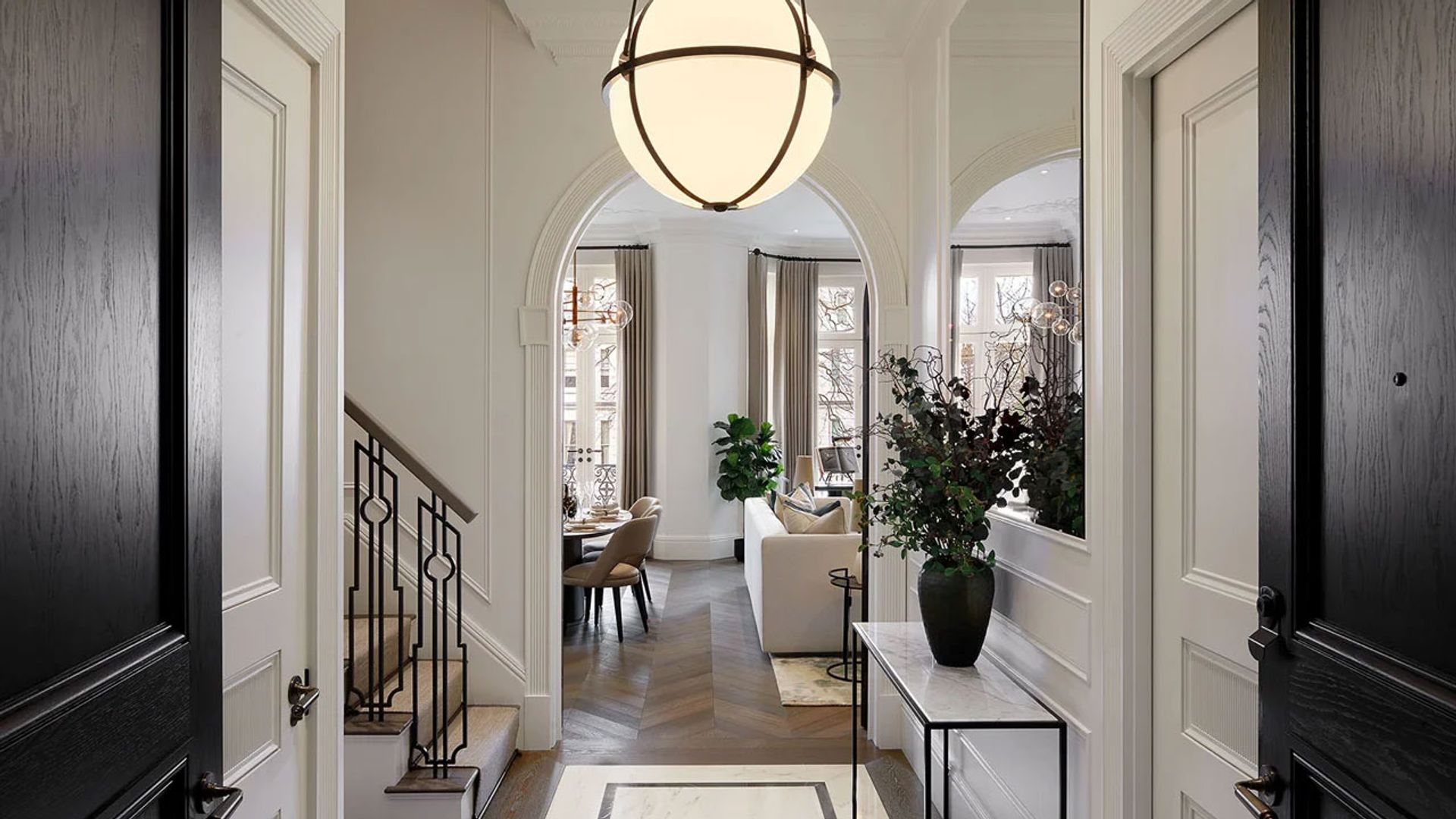
4 rules for luxurious lighting according to interior design experts

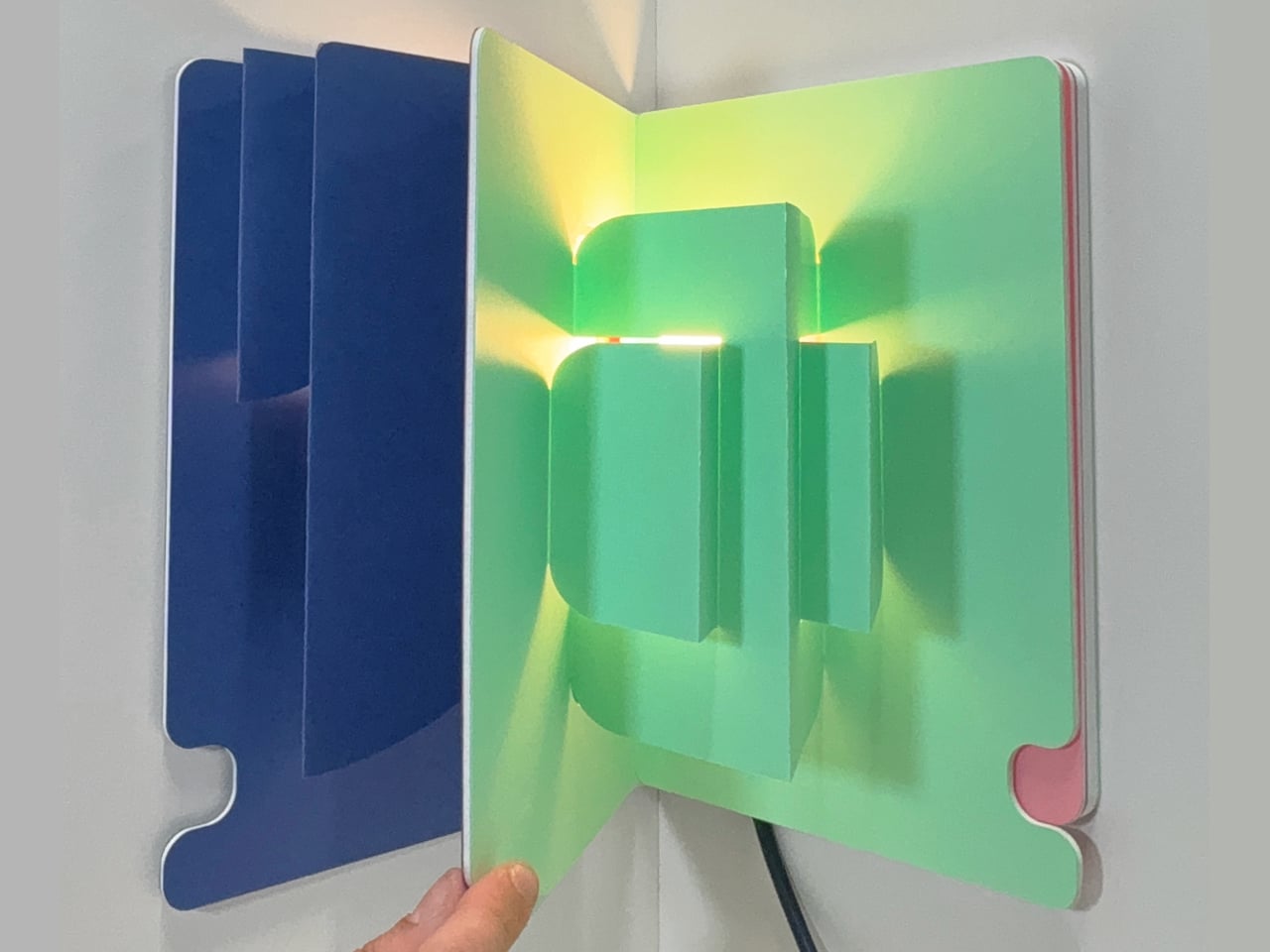
Pop-up Corner Lamp is a Minimalist and Tactile Take on Accent Lighting

The 23 Best Home Decor Picks from Amazon to Add to Your Cart

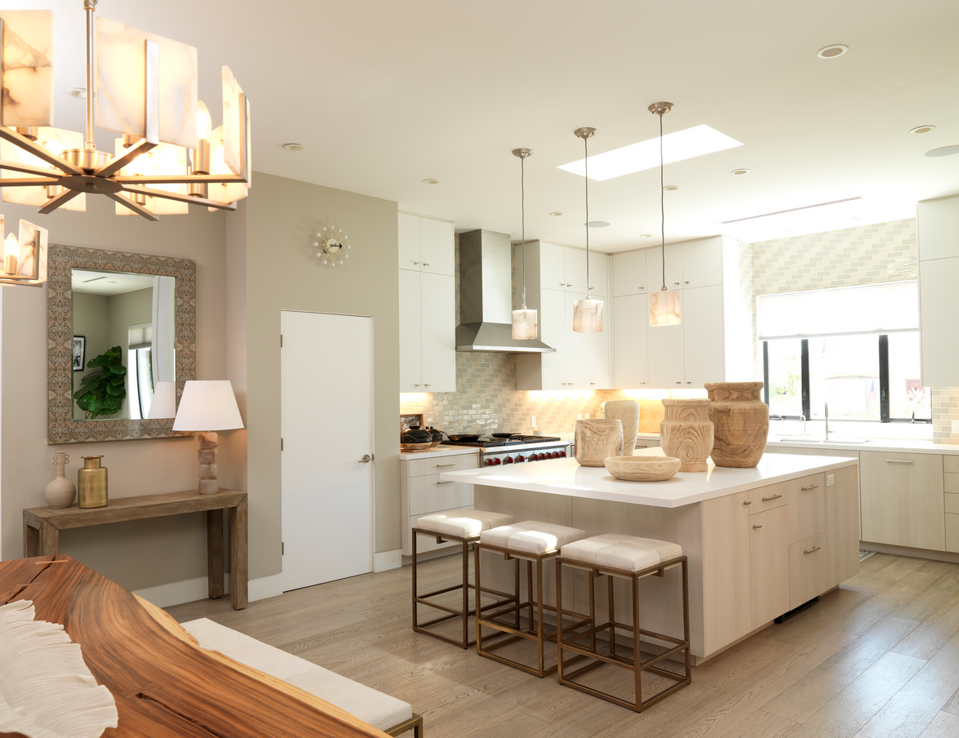
These Task, Accent, And Ambient Lighting Tips Can Transform Your Home

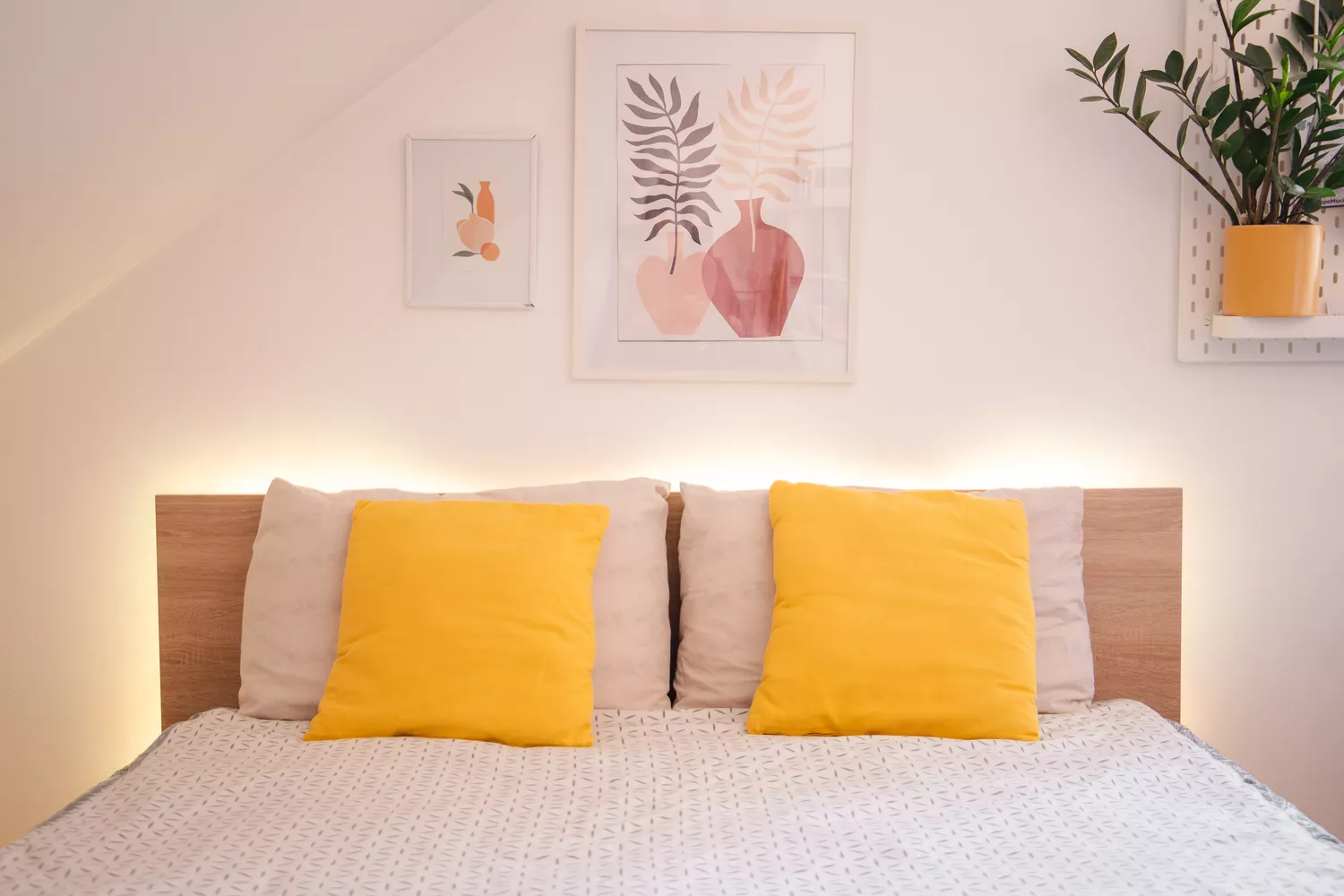
What Is Ambient Light? Here's How to Use It in Your Home


Home Accessories - Accent Pieces for Home
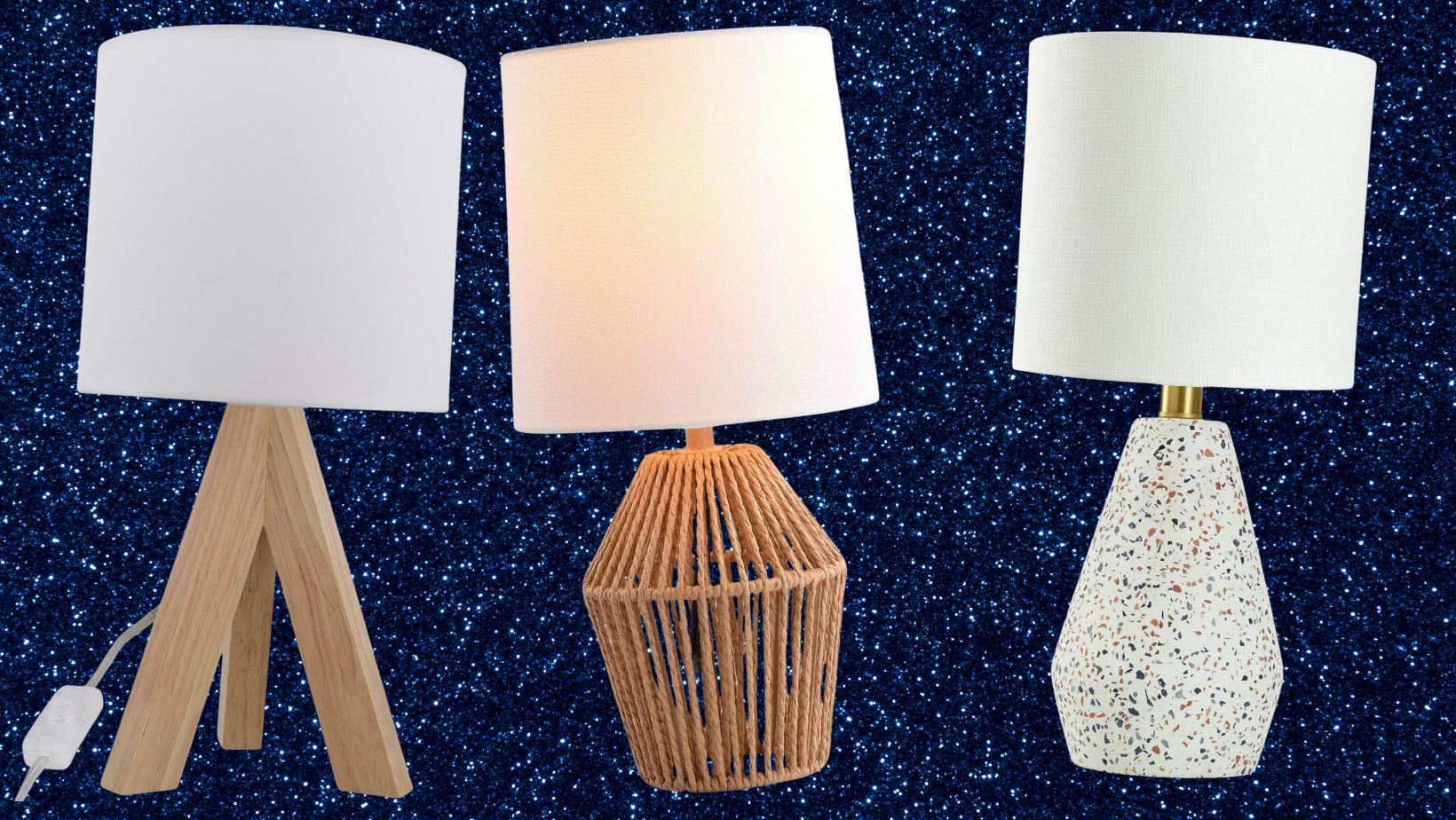
We Found 12 Boutique-Worthy Accent Lamps For (Mostly) Under $40
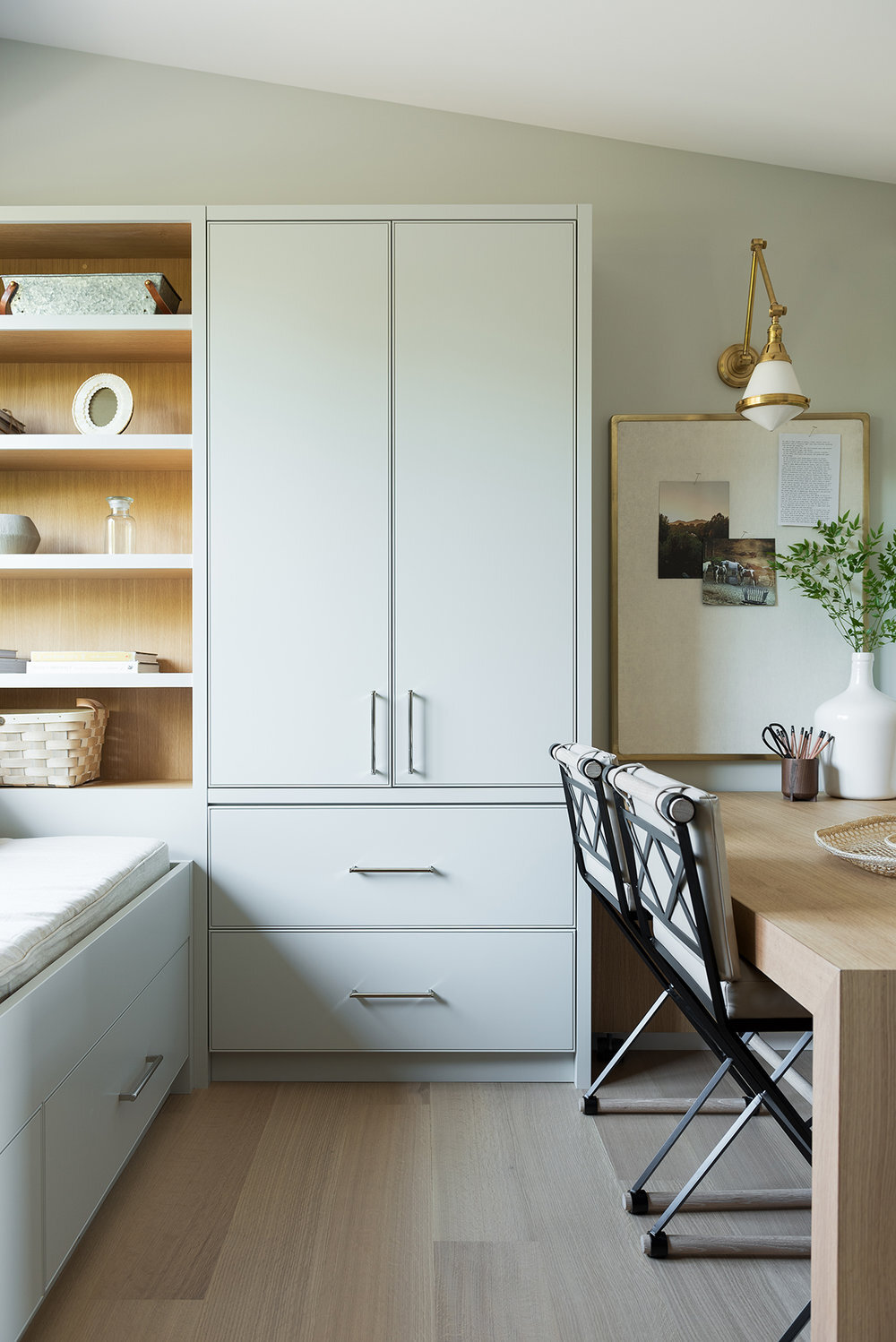
Why Accent Lighting Is So Important

Unexpected Red Is So 2024—Here’s the Design Hack that Ruled 2025

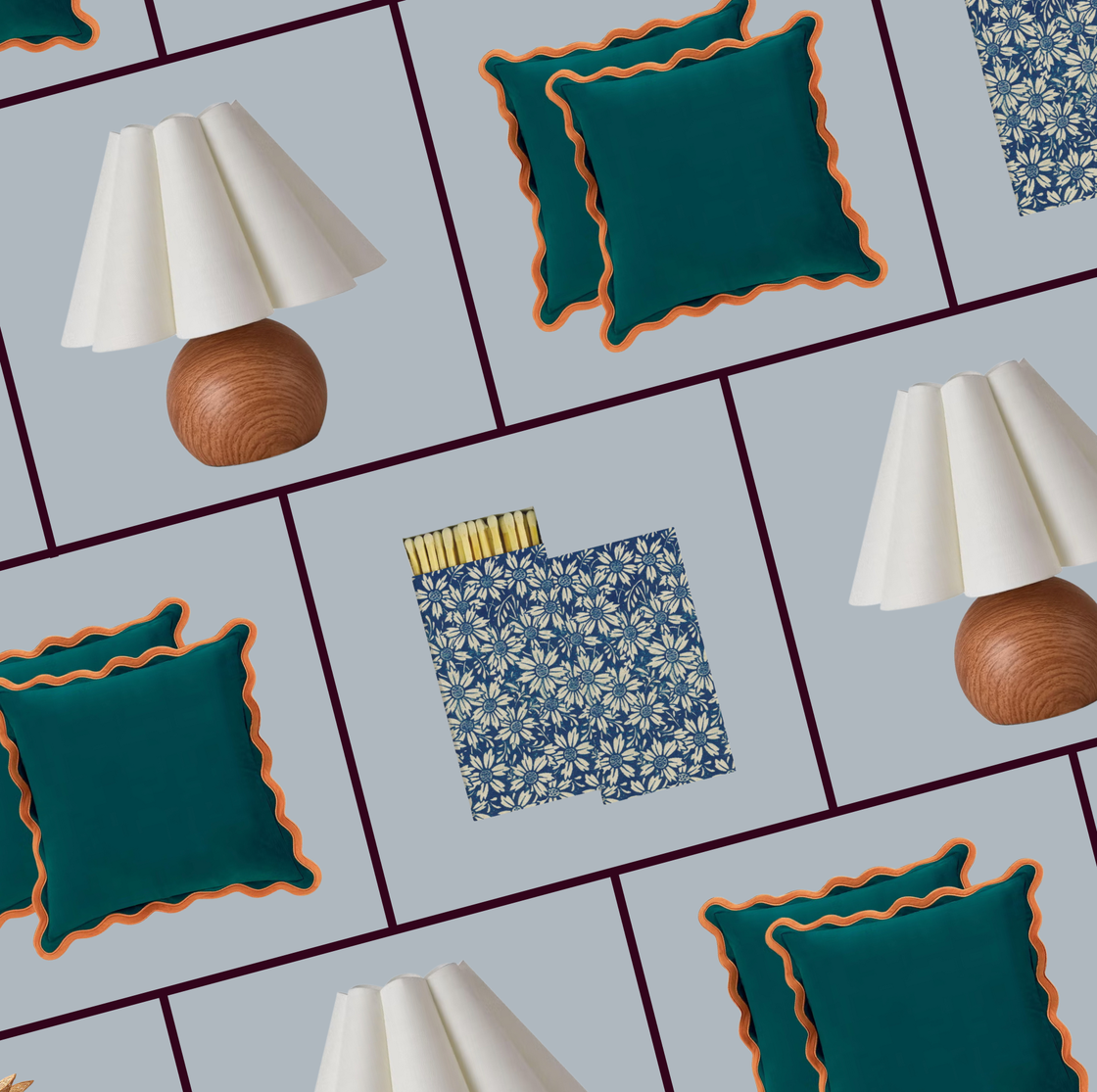
Shop the Best Home Decor on Amazon, Starting at Just $9
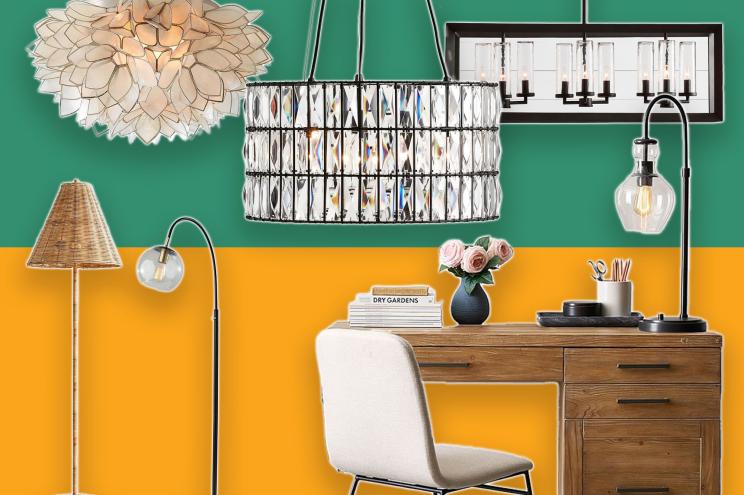
The 18 best places to buy light fixtures, with expert recommendations
Even If You Don’t Buy Anything, These 32 Products Are Great Inspo For Anyone Who Wants To Take Their Interior Design To The Next Level
I'm a Design Editor and These Are My Favorite Light Fixtures Right Now
How to nail your ambient lighting and 27 of our top picks

6 Outdated Lighting Trends to Skip in 2024, According to Designers