1/17
The Best Heat Pumps for Cold Climates
Heat pumps offer an energy-efficient alternative to traditional HVAC systems for both heating and cooling a home. This guide provides an in-depth review of the top 10 heat pumps on the market, chosen for their efficiency, power, quiet operation, and value, covering various applications from single rooms to whole-house and pool heating. The selection process involved researching over three dozen products, considering customer satisfaction, product efficacy, and overall value, alongside a deep dive into different heat pump types, capacities, and efficiency ratings.
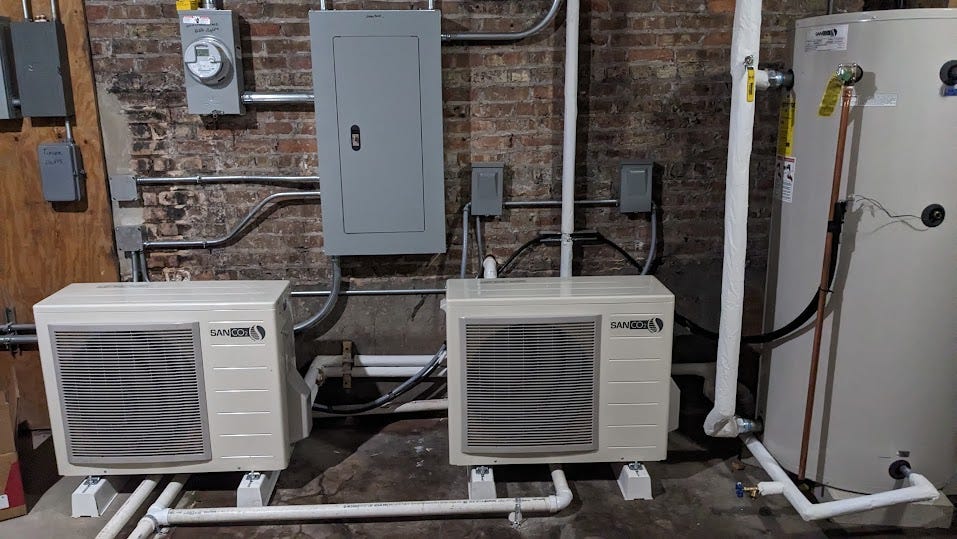
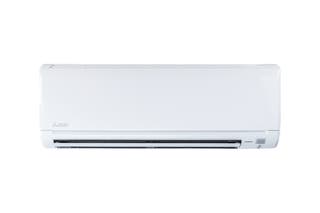
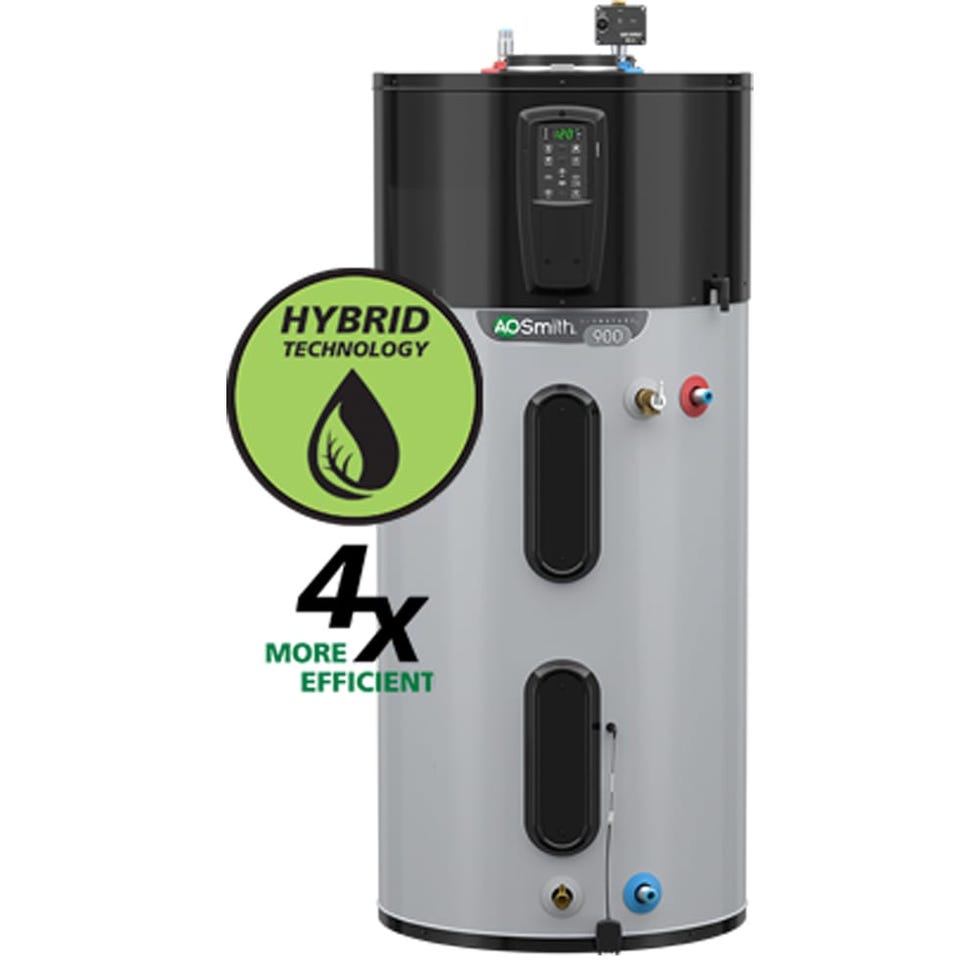
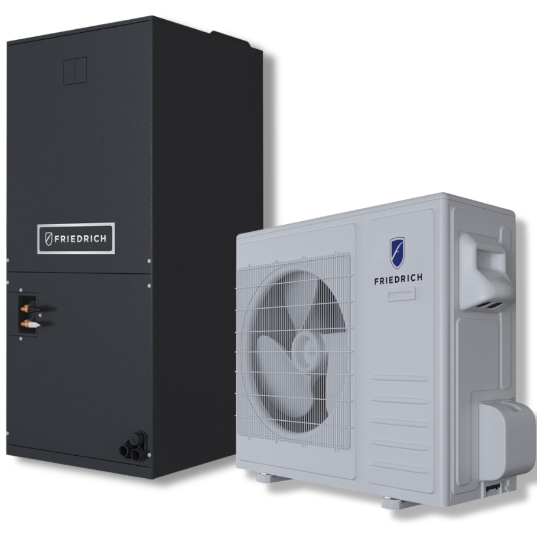
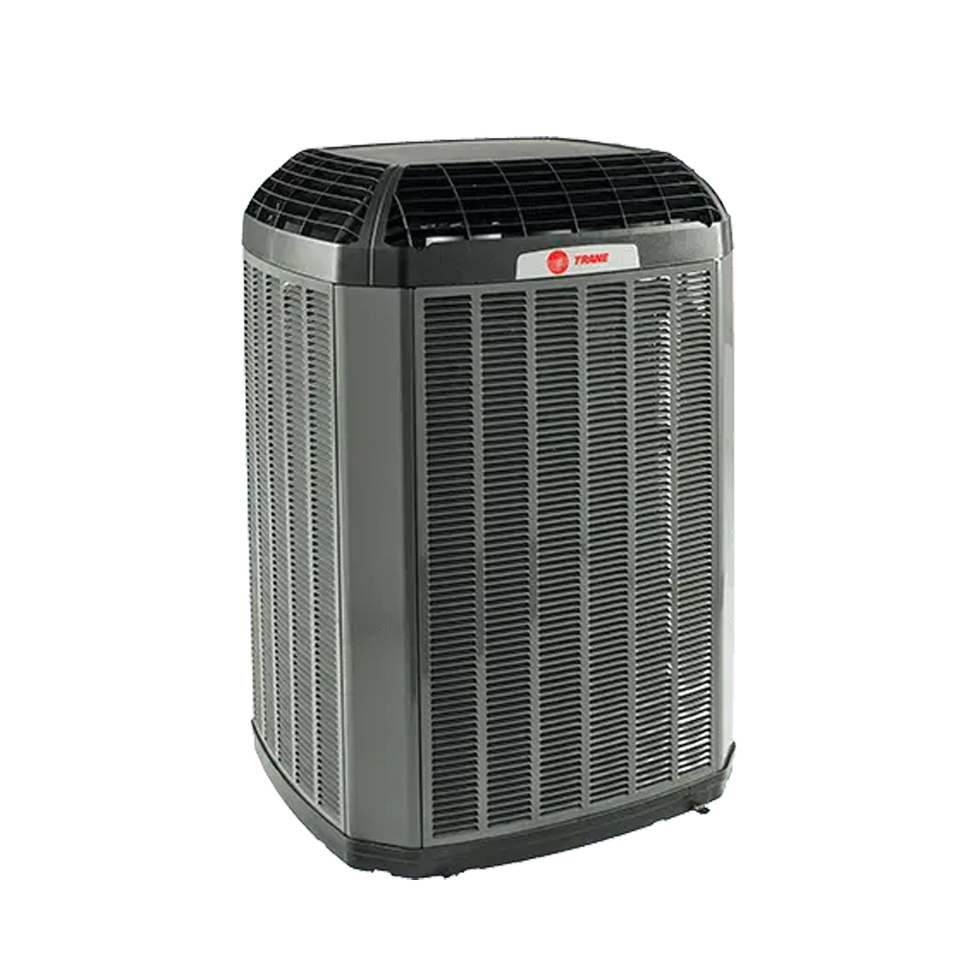
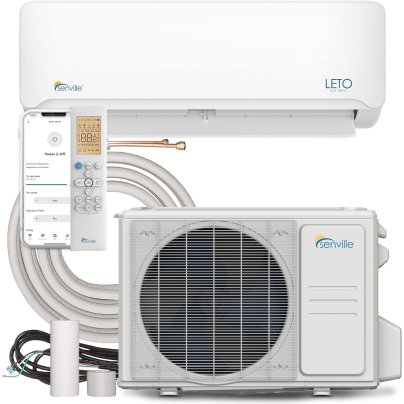
Several types of heat pumps are available, including air source, split-ductless (mini-splits), and geothermal. Air source heat pumps, effective in mild to warm areas, use an outdoor unit and an internal ducting system, similar to traditional HVAC. They can also provide hot water, though a separate heat pump water heater is needed for that specific function. Split-ductless systems consist of an outdoor condenser unit and wall-mounted indoor air handlers, eliminating the need for extensive ducting and making them suitable for additions or spaces where existing HVAC modifications are not desired. Geothermal heat pumps leverage the stable underground temperature through buried liquid-filled pipes, offering high efficiency, especially in colder climates, but come with higher installation costs and require sufficient ground space.
Key considerations when choosing a heat pump include its purpose, output capacity, compatibility with existing HVAC systems, efficiency rating, and noise level. The output capacity is typically measured in BTUs (British thermal units), with a general recommendation of 20 BTUs per square foot per hour for comfortable heating and cooling. Efficiency is crucial for energy savings; air-source and split-ductless units are rated by HSPF (heating seasonal performance factor) and SEER (seasonal energy efficiency rating), while geothermal systems use COP (coefficient of performance) and EER (energy efficiency rating. Noise levels vary, with many air-source and split-ductless units operating under 60 decibels, similar to normal conversation, while geothermal units are often described as 'whisper quiet' due to the absence of an external fan.
Installation complexity is another significant factor. Split-ductless systems are generally the easiest to install, with some models being DIY-friendly, though professional installation is often recommended, especially for warranty compliance or for larger, more complex systems like whole-house heat pumps. Geothermal heat pumps require substantial groundwork and specialized installation, making them more suitable for new constructions or large properties. Heat pumps are generally very efficient, typically producing three to four times more energy than they consume. Their longevity varies by type, with air-source and split-ductless units lasting around 15 years, and geothermal systems potentially lasting 25-50 years for indoor and underground components, respectively. While installation can be challenging or costly, the long-term energy savings and reduced fossil fuel consumption make them a worthwhile investment for many homeowners.
#HeatPump #HVACSystem #EnergyEfficiency #HomeHeating #HomeCooling #MiniSplit #Geothermal #SmartHomeIntegration #DIYInstallation #HeatPump #HVACSystem #EnergyEfficiency #HomeHeating #HomeCooling #MiniSplit #Geothermal #SmartHomeIntegration #DIYInstallation
Toplam 0 yorum
 Henüz yorum yok
Bu da beğenebilirsiniz

The must-have items to get you through winter
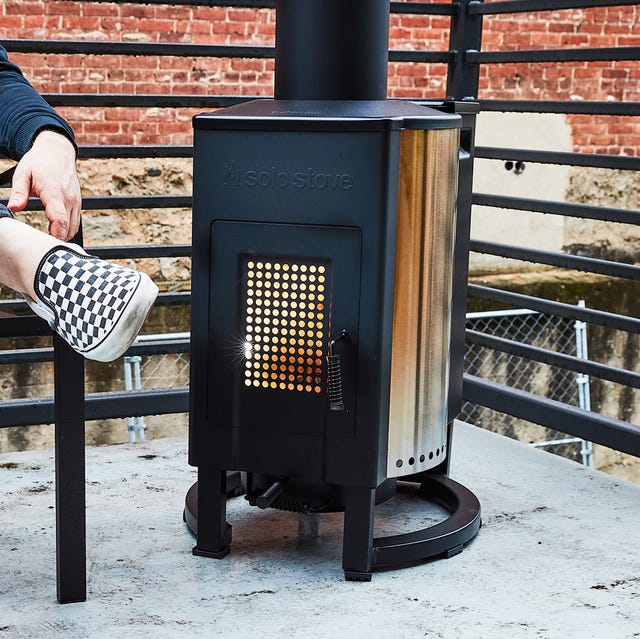
The Best Patio Heaters to Help You Enjoy Your Time Outdoors This Winter

11 Best Amazon Patio Heaters to Keep You Warm on Cold Nights

The best patio heaters keep you toasty, even in the dead of winter — these are our top picks

6 of the best heater ideas to warm up your home this winter

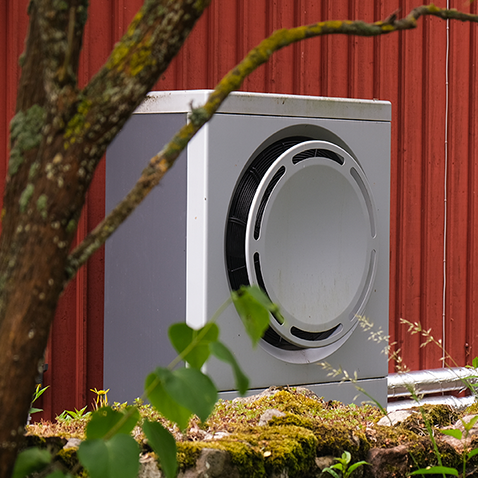
Is a Heat Pump Right for Your Home? Here's What You Need to Know.

We've Tested 68 Humidifiers—These Are the Best Options To Get You Through a Dry Winter

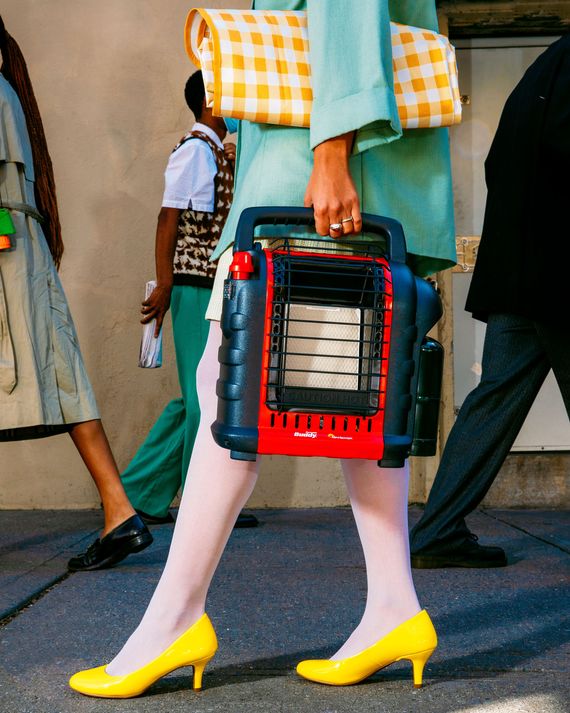
The 12 Very Best Outdoor Heaters

This Central Heat Pump Water Heater In Chicago Was One Of The First To Be Installed In A Cold Climate

Heat your home efficiently this winter
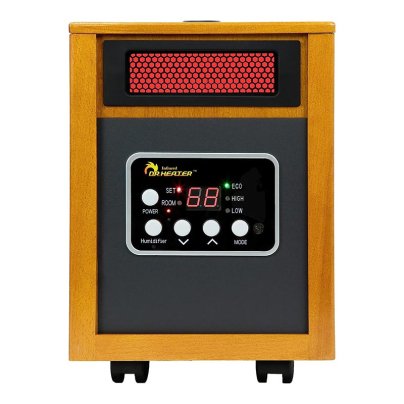
Testing the 10 Best Infrared Heaters for Comfort at Home

9 cheap ways to heat your home this winter for under £10 each

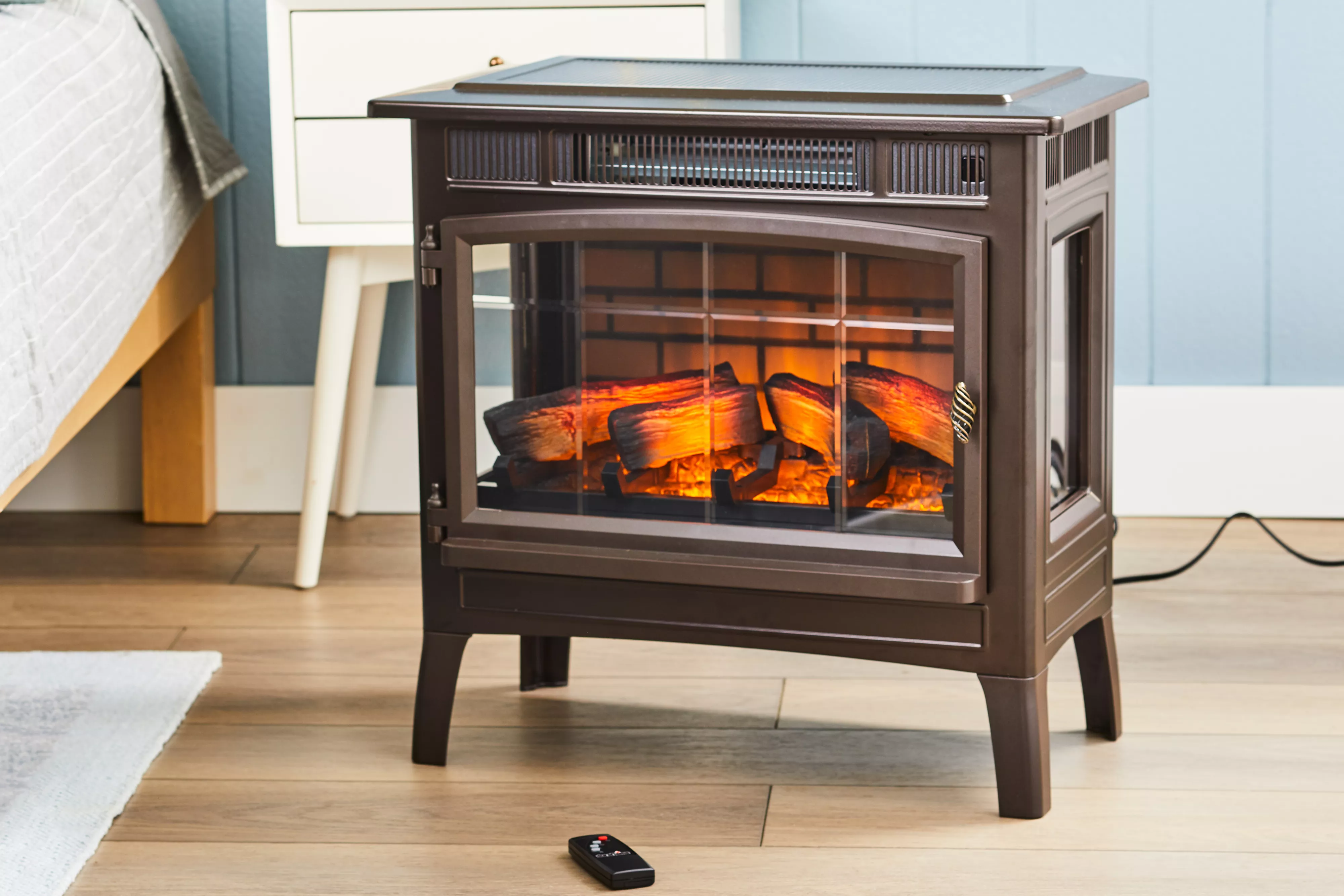
These 5 Space Heaters Will Keep You Extra Toasty This Winter

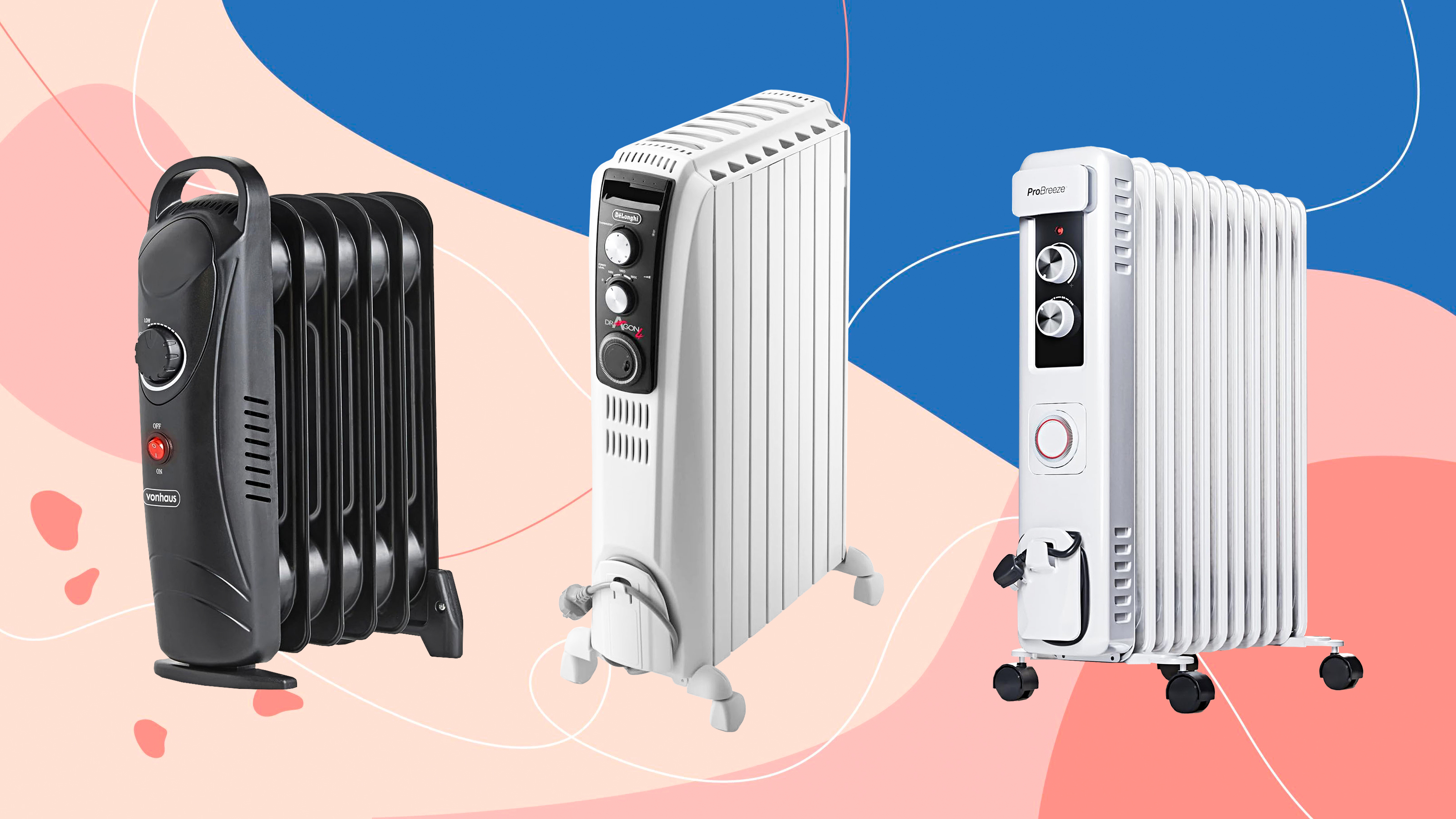
An oil-filled radiator is a must-have for staying cosy when the temperatures drop – and these are my top-rated models
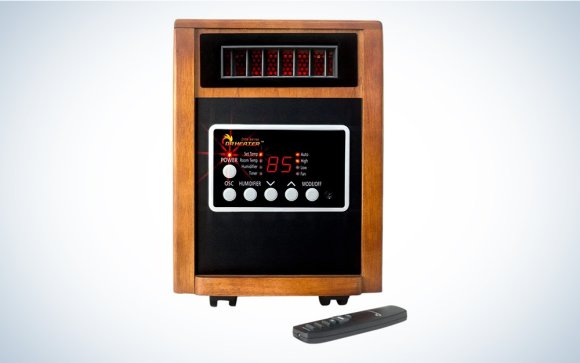
The best infrared heaters
The perfect temperature to avoid frozen pipes


A Heat Pump Might Be Right for Your Home—Here’s What to Know | Reviews by Wirecutter


Choosing a heater

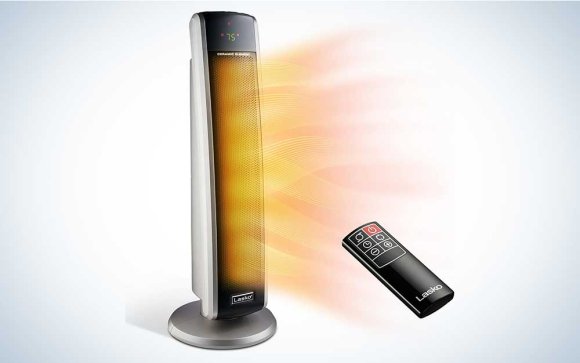
The best space heaters in 2025

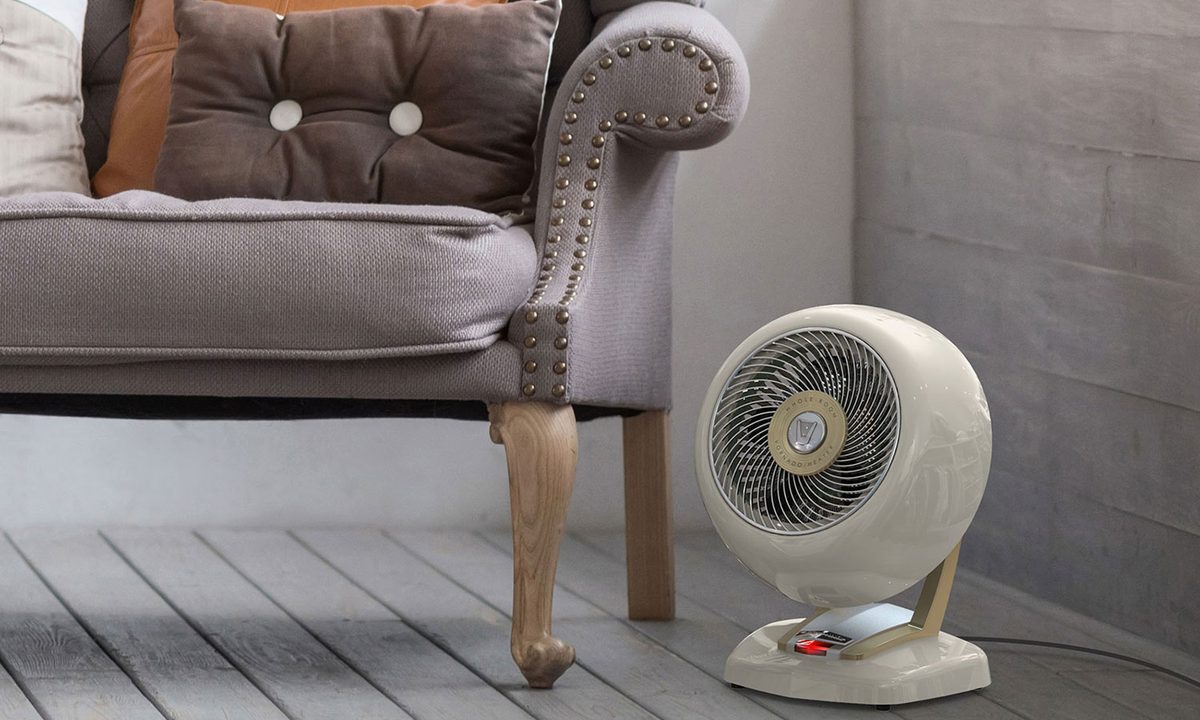
The 9 Best Space Heaters to Heat Up Your Digs