1/9
The 8 most beautiful Japanese gardens in L.A.
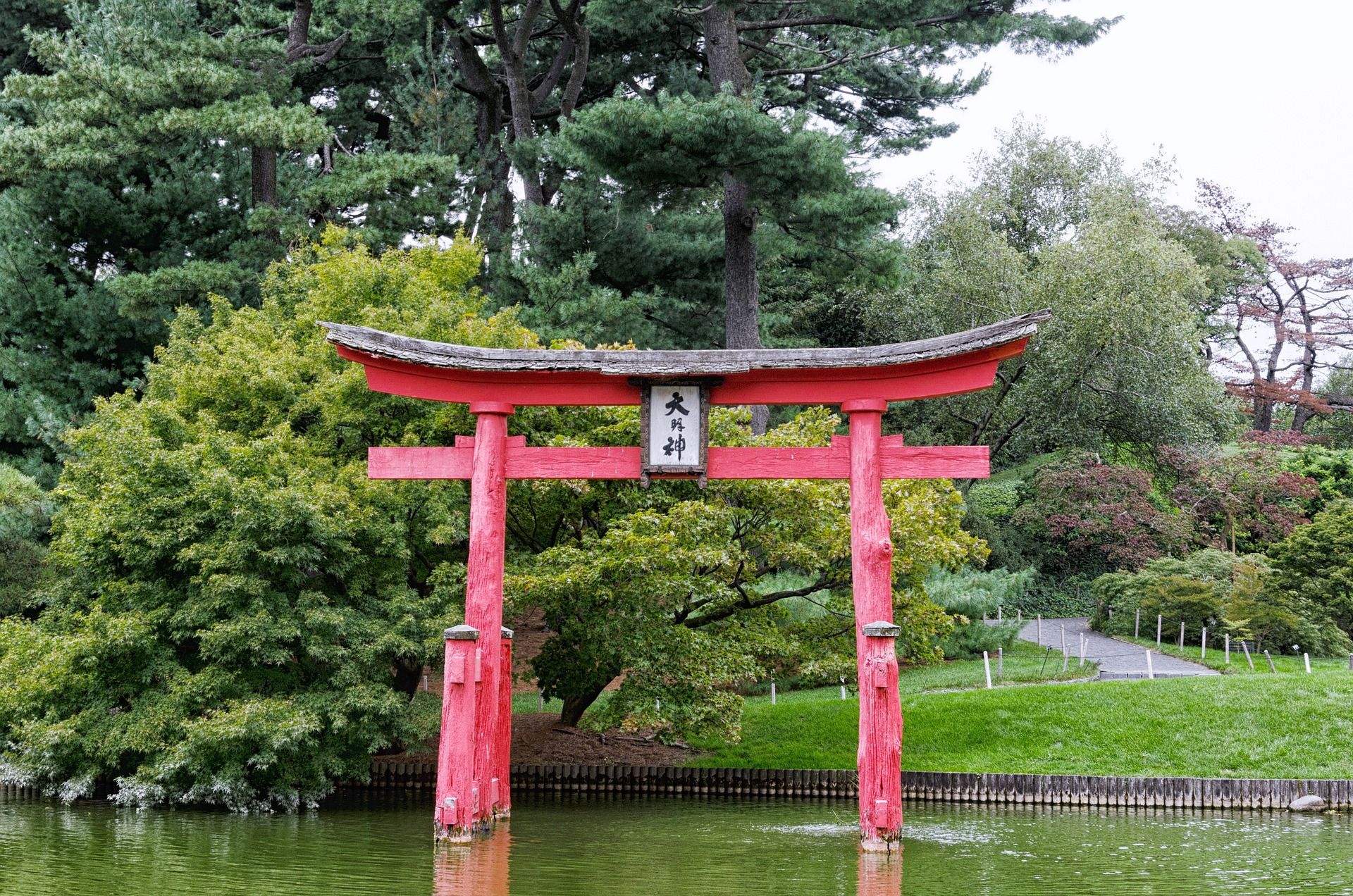
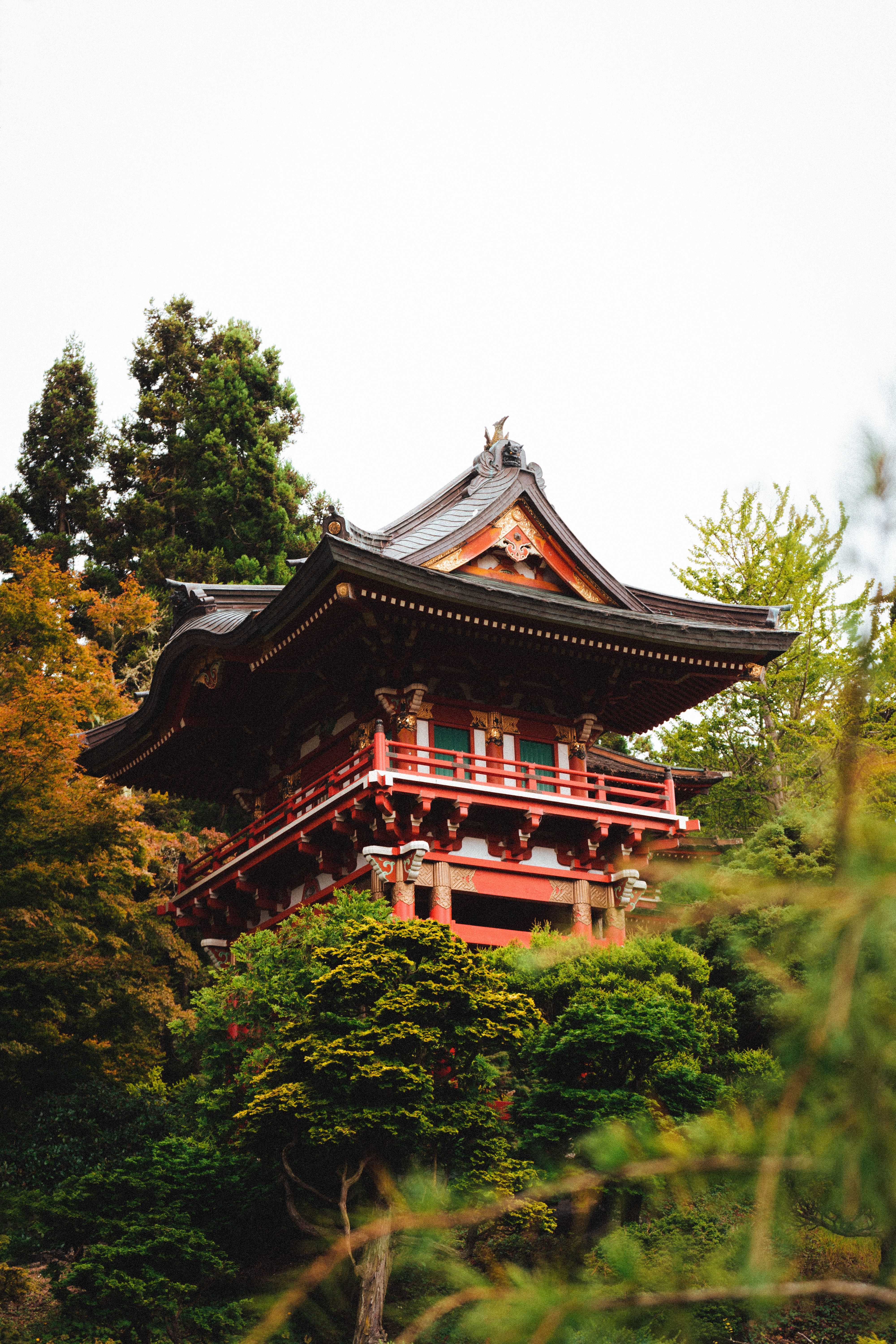
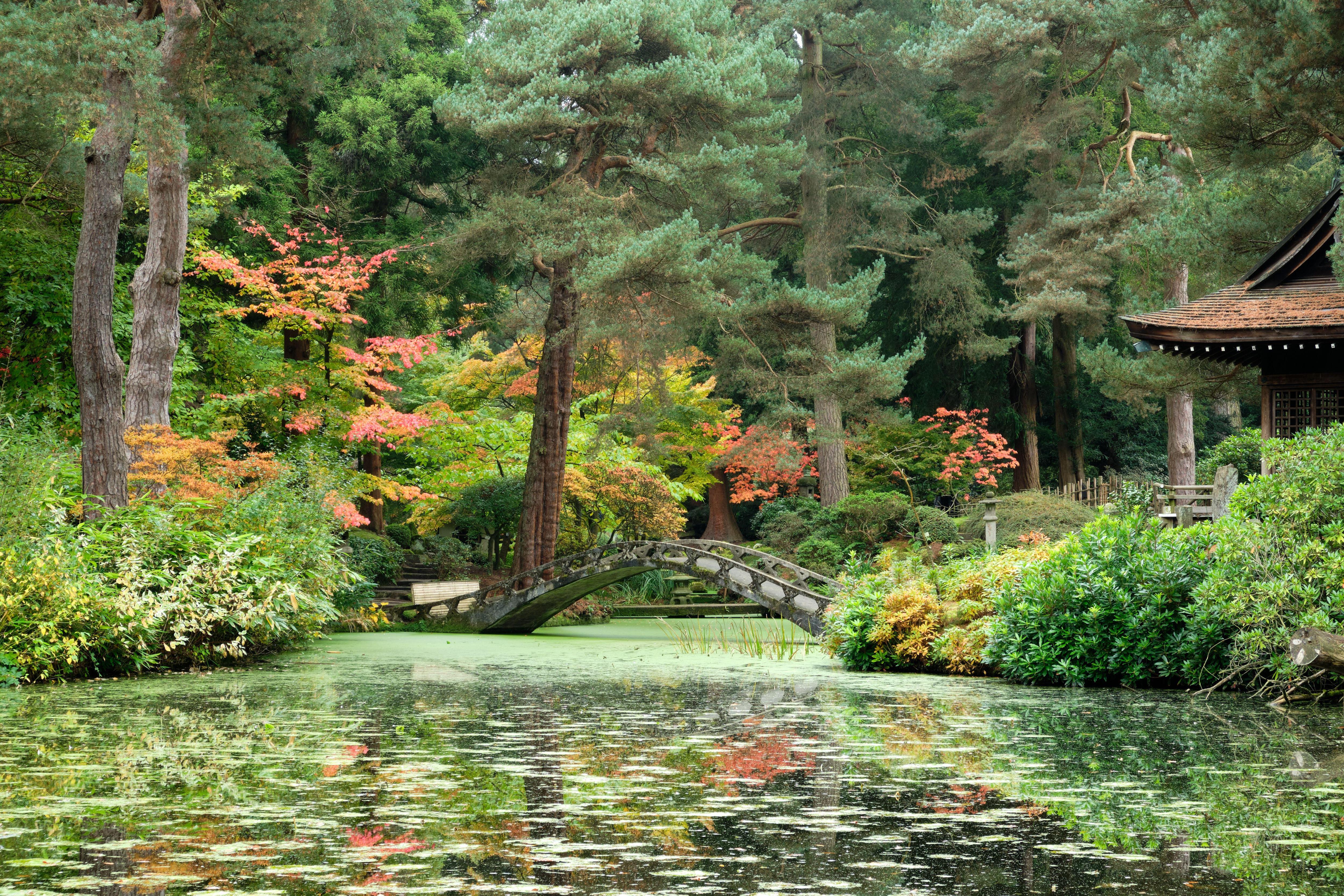
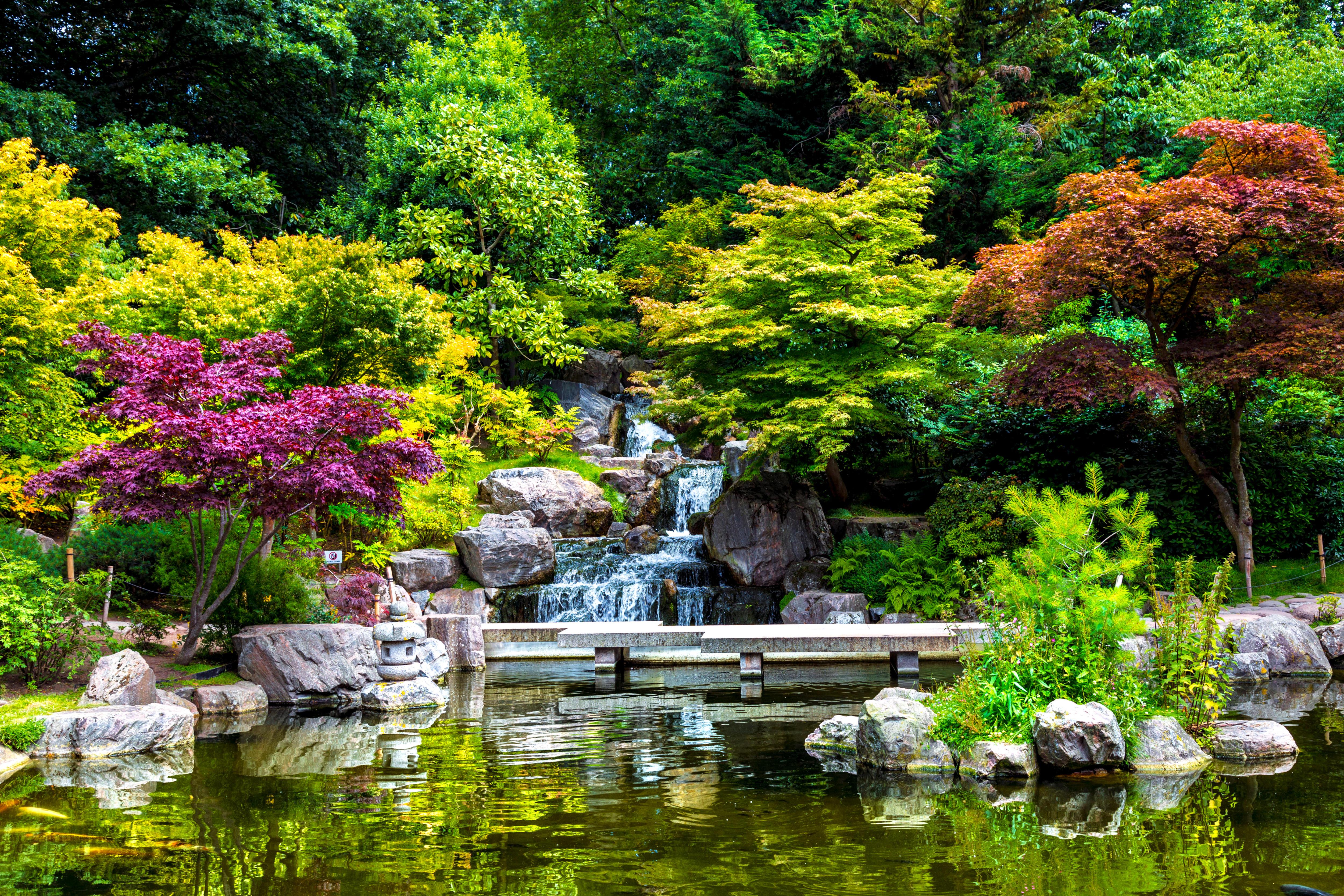
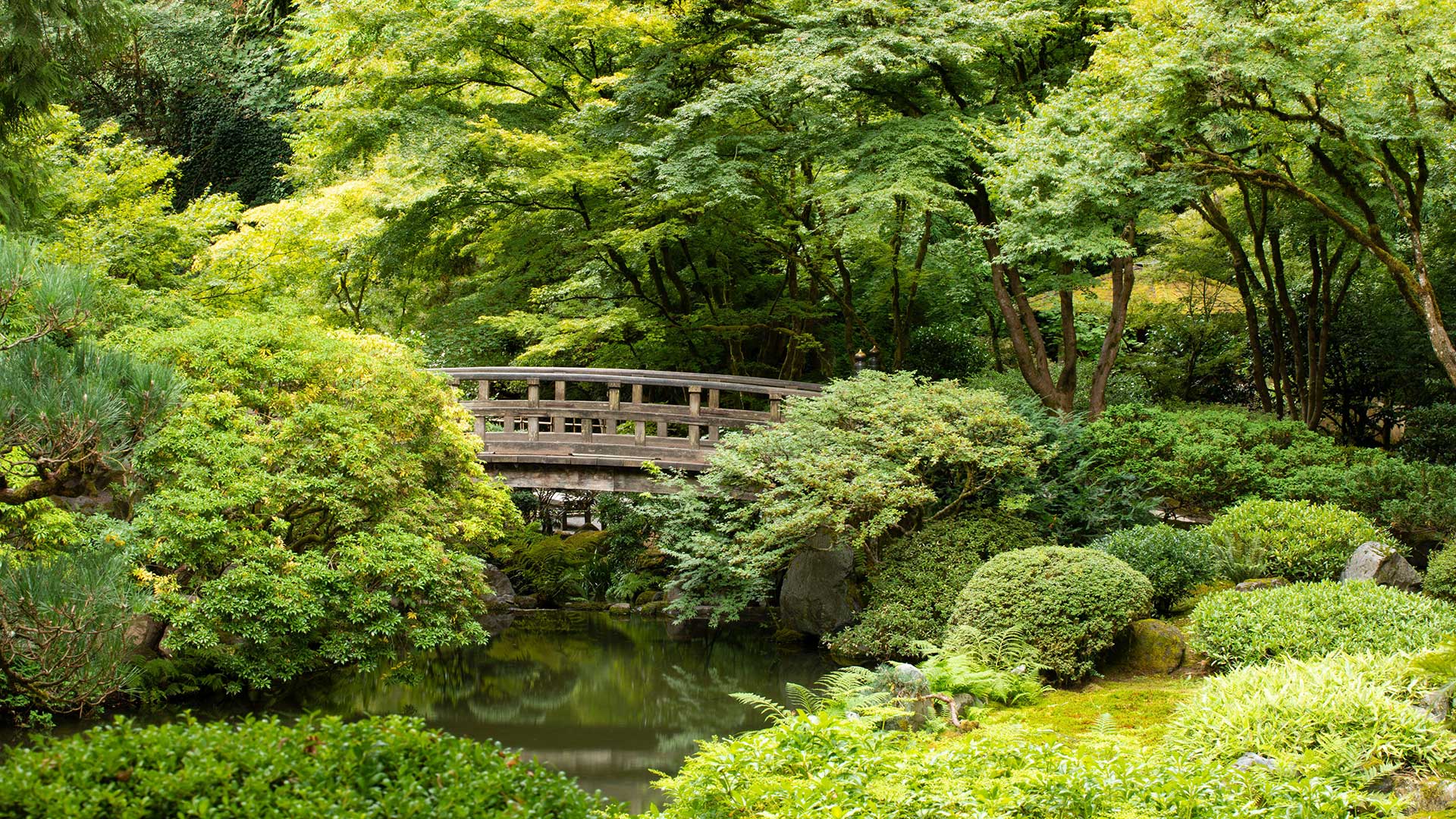
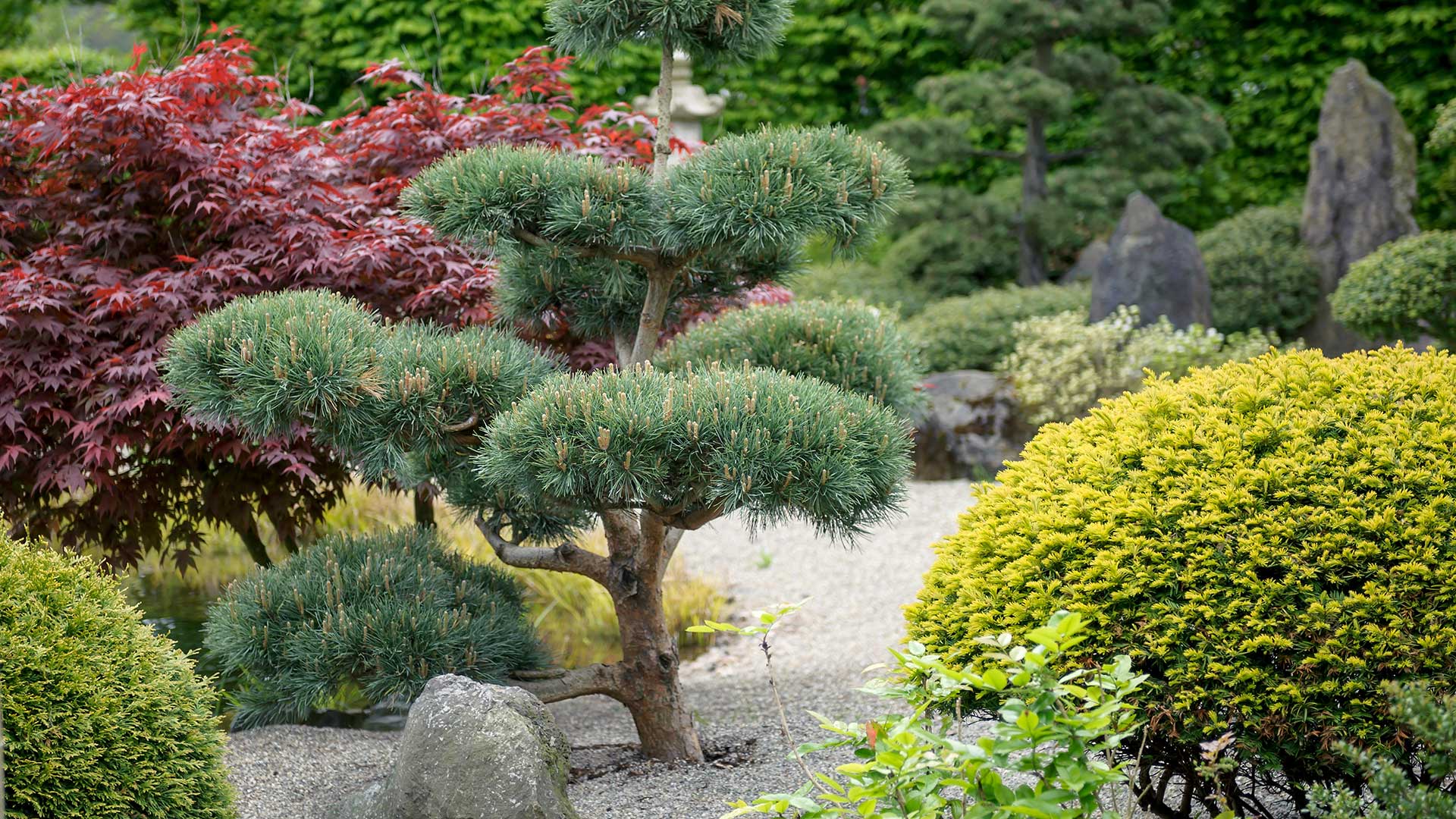
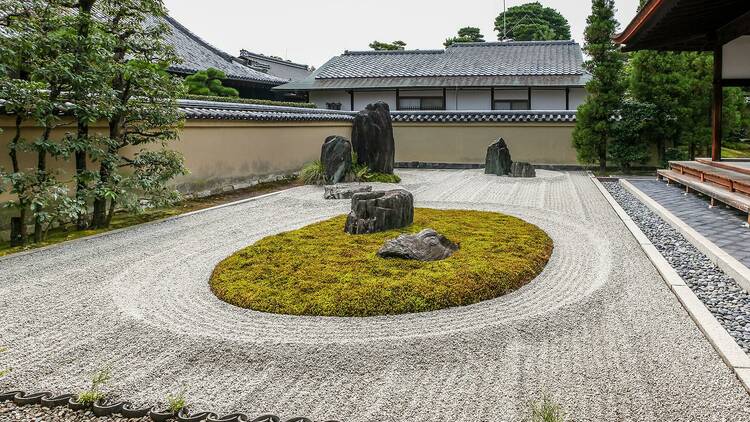
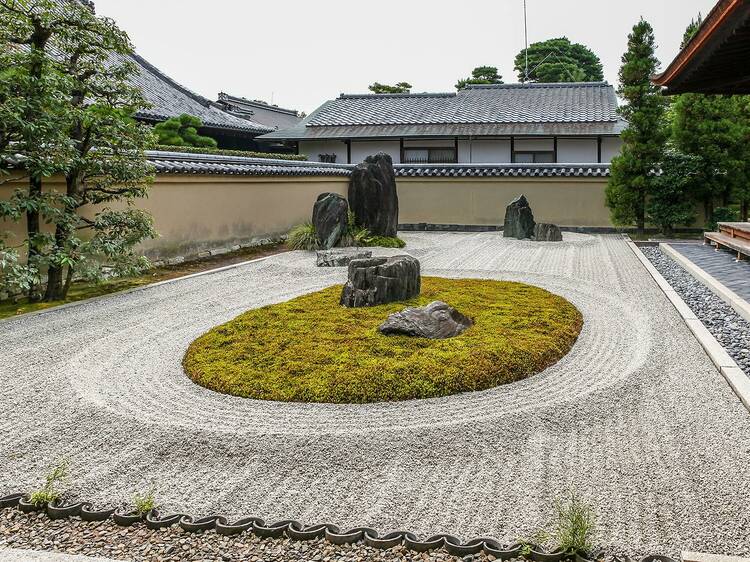
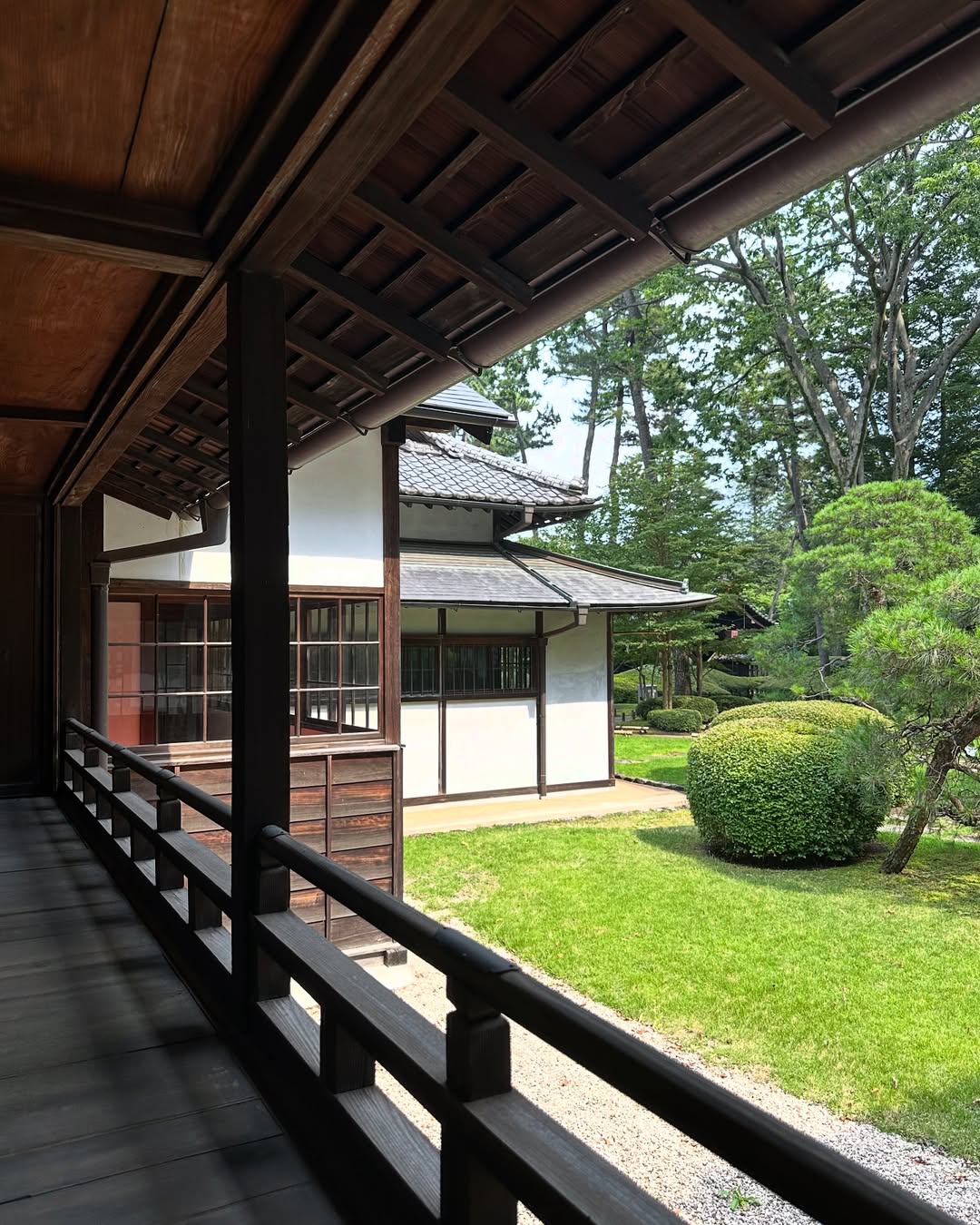
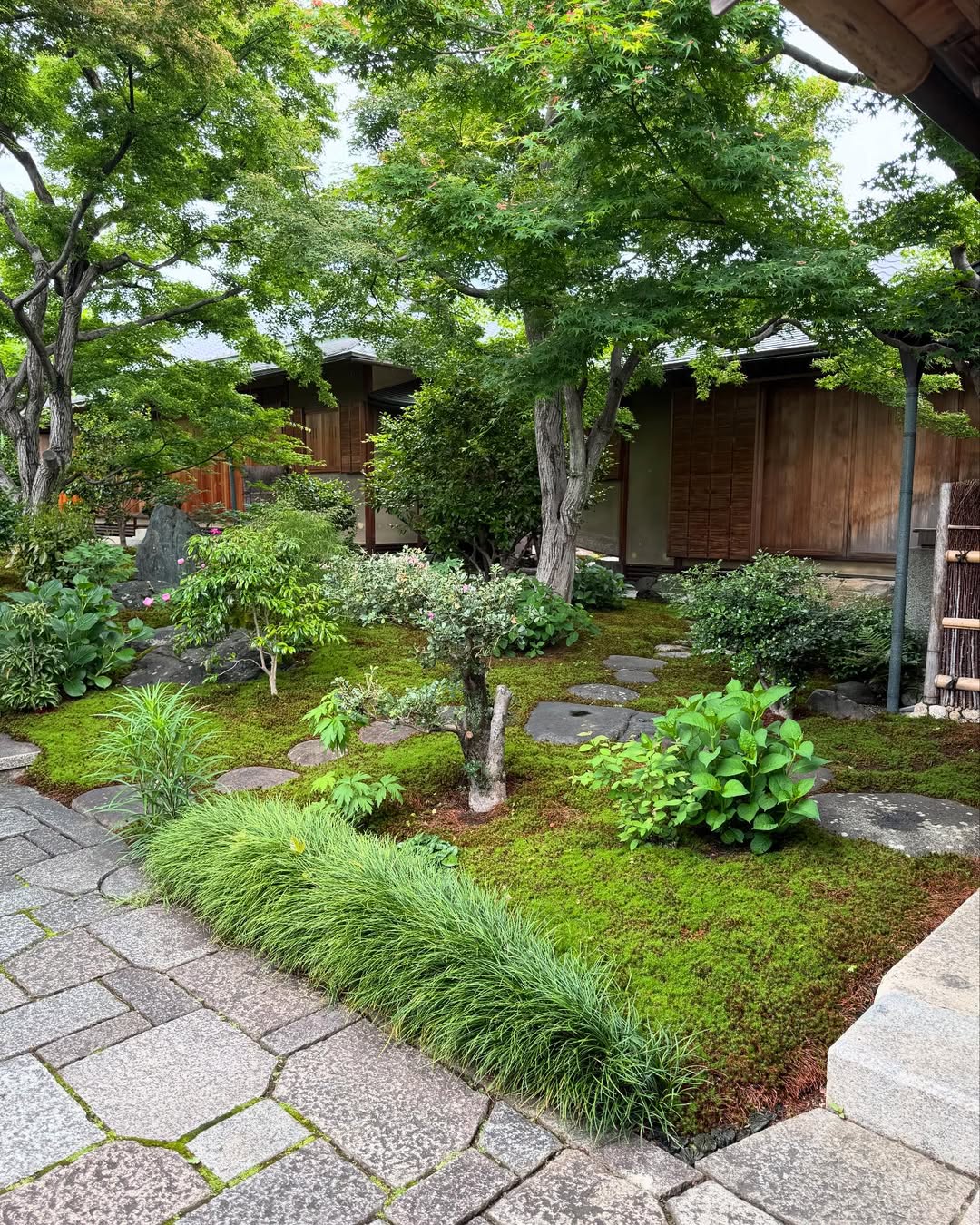
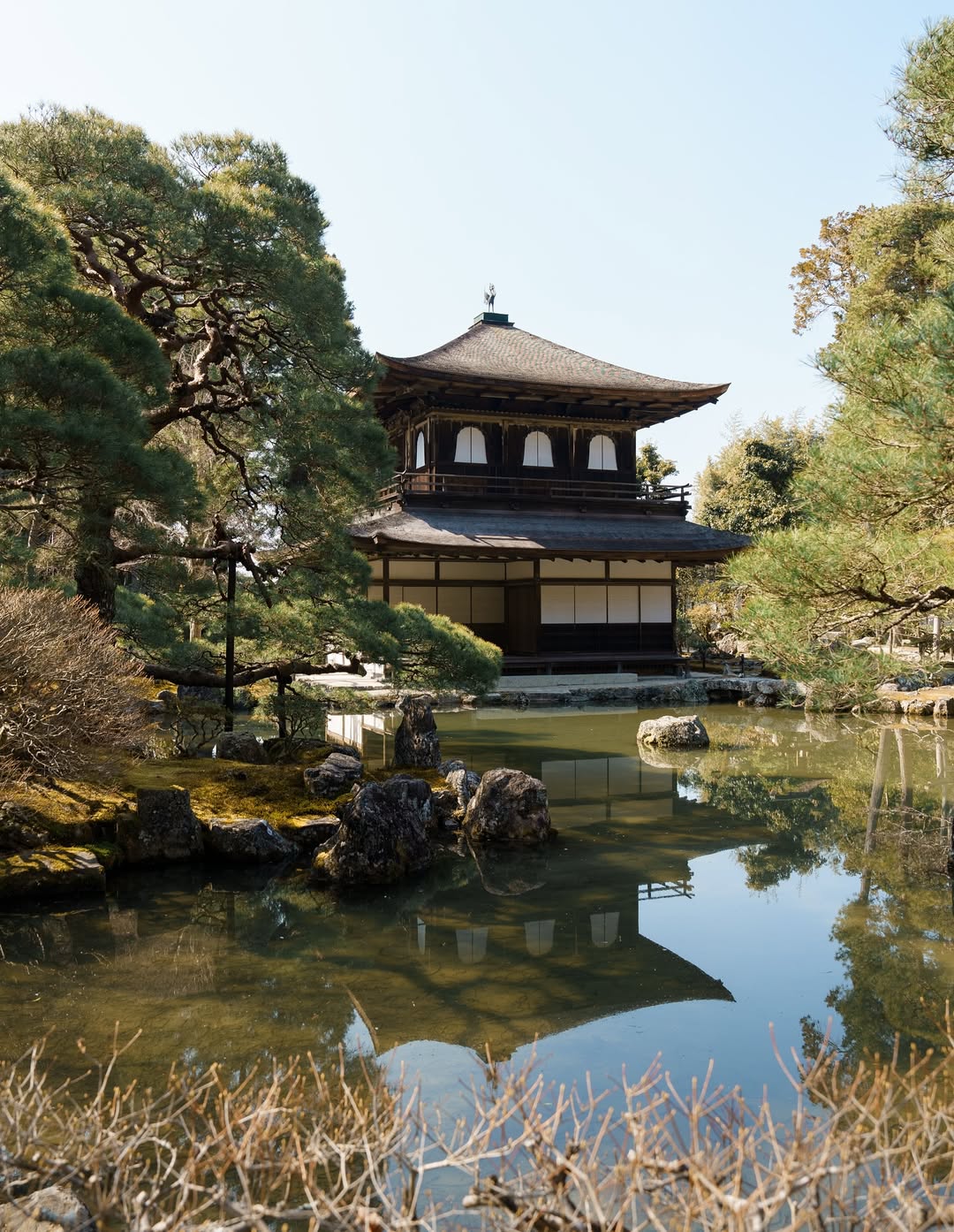
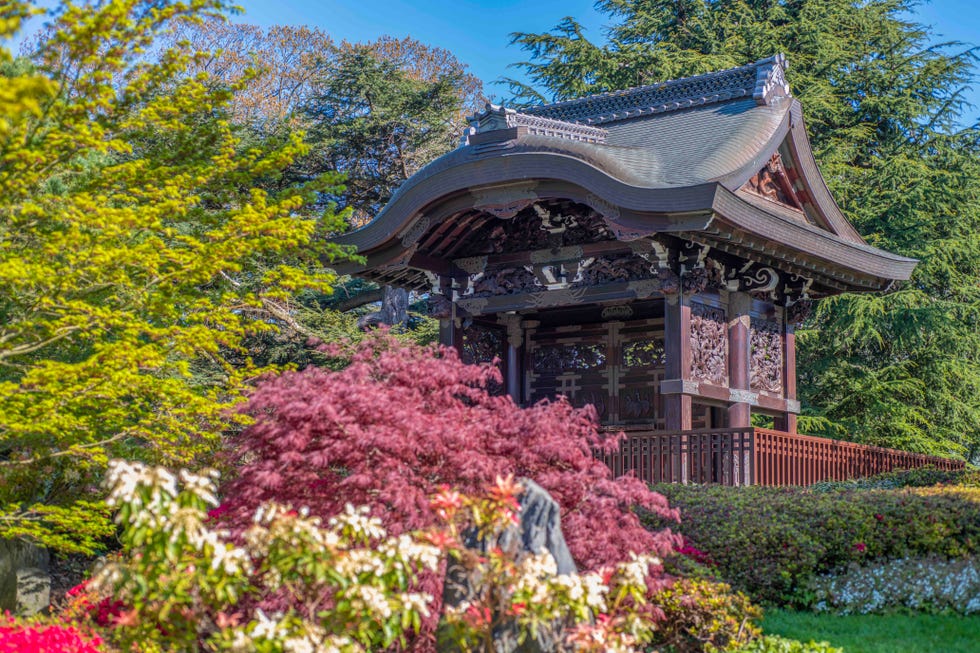
Los Angeles is home to numerous tranquil Japanese gardens, each offering a unique blend of traditional design elements such as koi ponds, arched bridges, and teahouses. These gardens vary in size and setting, from expansive botanical institutions to secluded urban oases, providing serene escapes throughout the city.
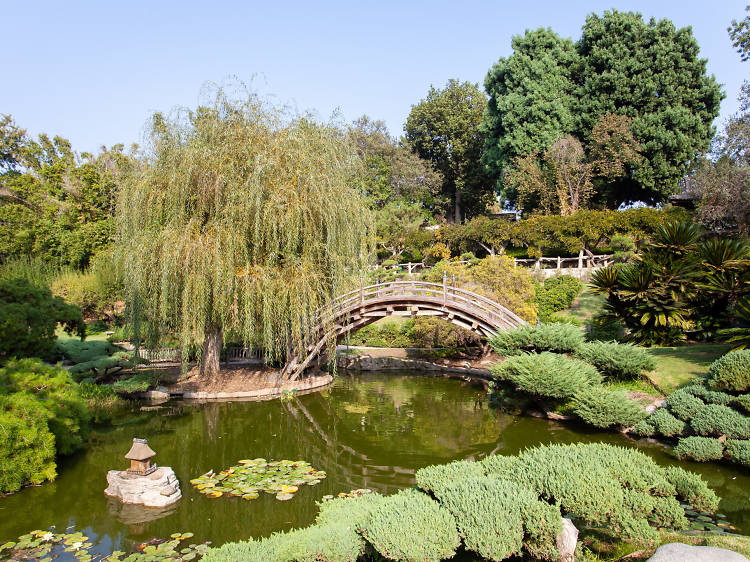
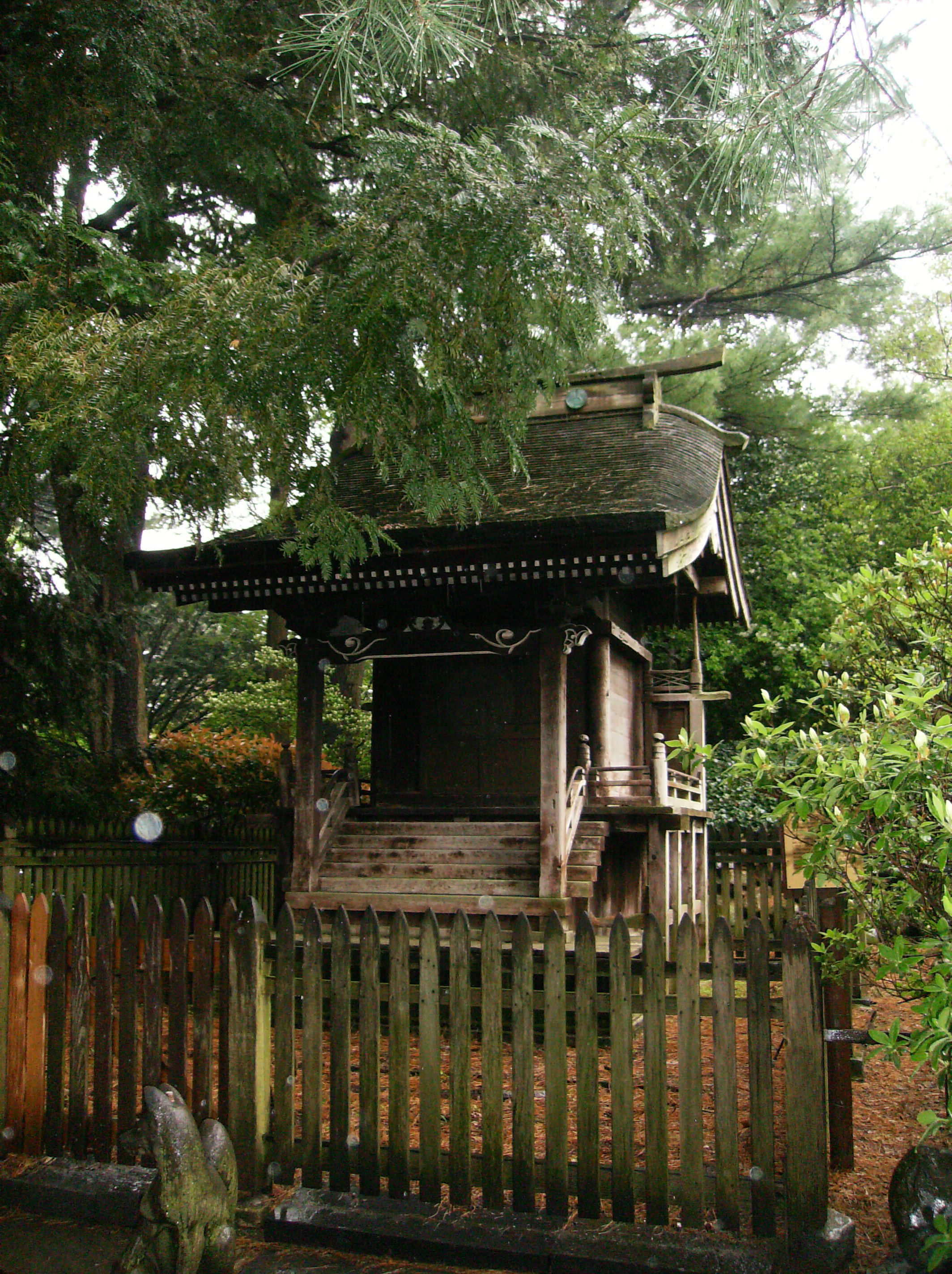
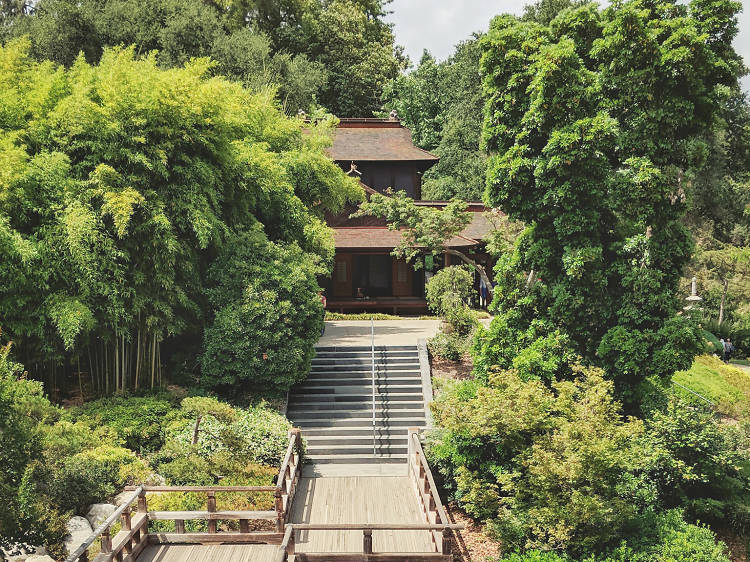
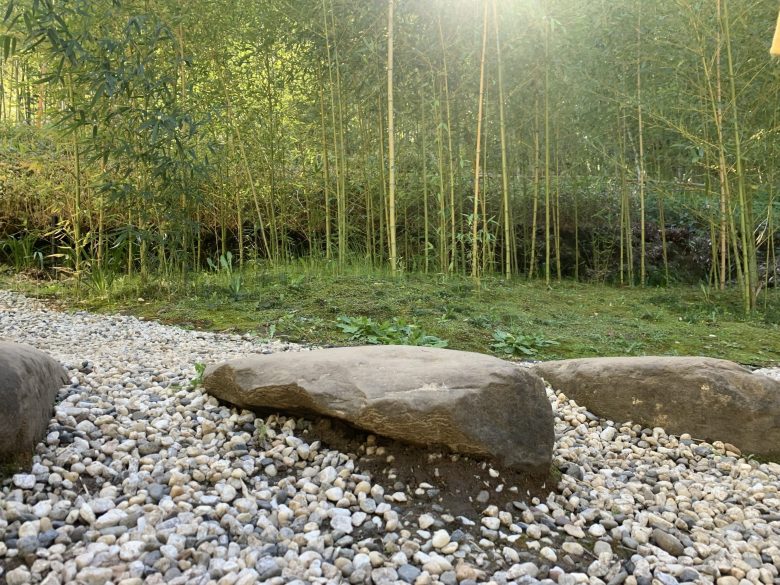
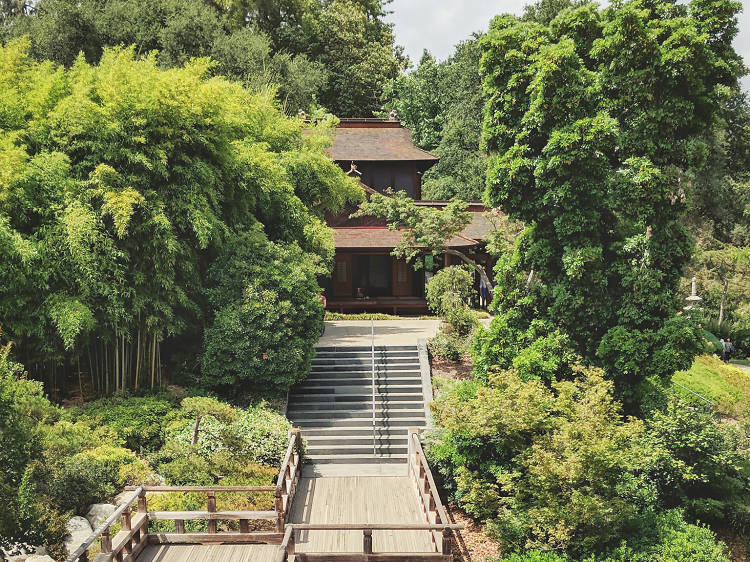
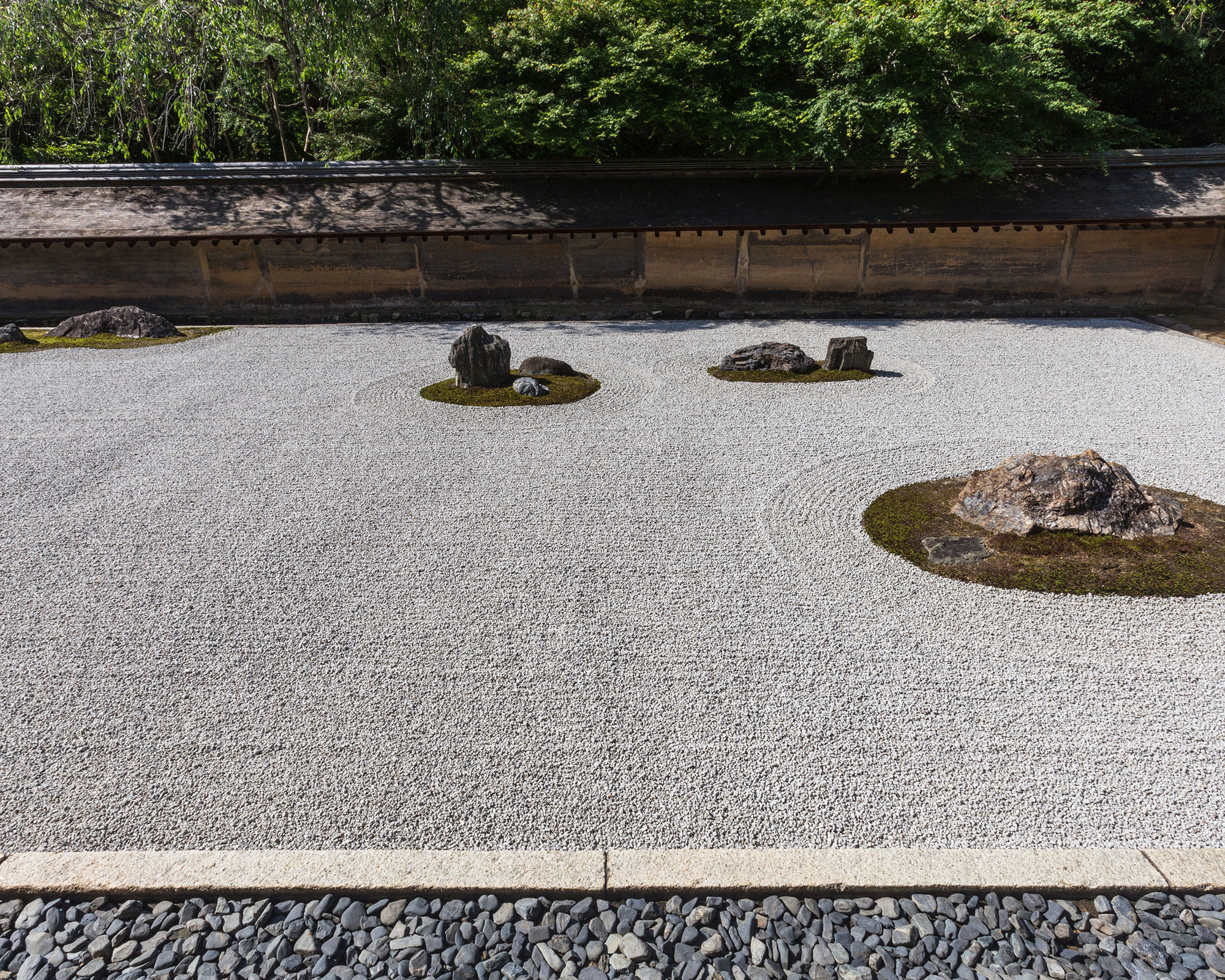
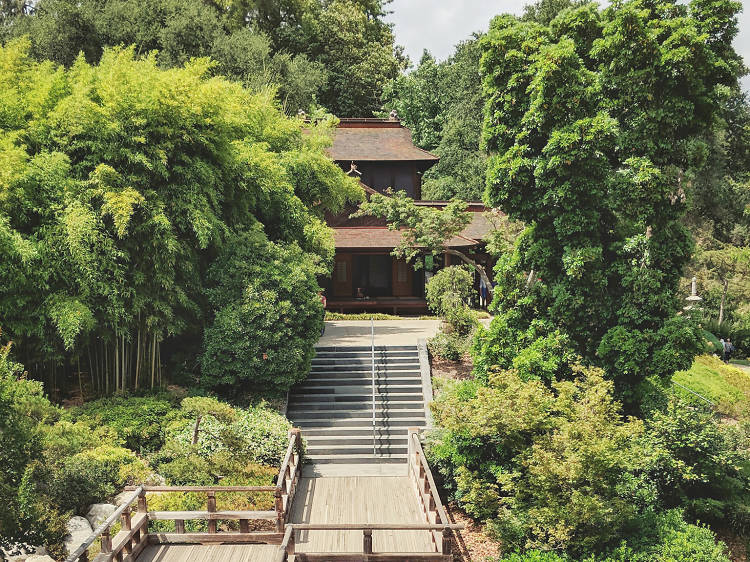
One prominent example is the Huntington Library, Art Museum & Botanical Gardens in San Marino. Its Japanese garden is substantial, featuring a bamboo forest, a bonsai collection, a zen court, a traditional five-room house with a ceremonial teahouse, and moon bridges overlooking koi ponds. Notably, it also houses a 300-year-old Japanese home relocated from Marugame, adding historical depth to its cultural offerings. This garden is part of the Huntington's extensive botanical collection, which highlights diverse horticultural styles.
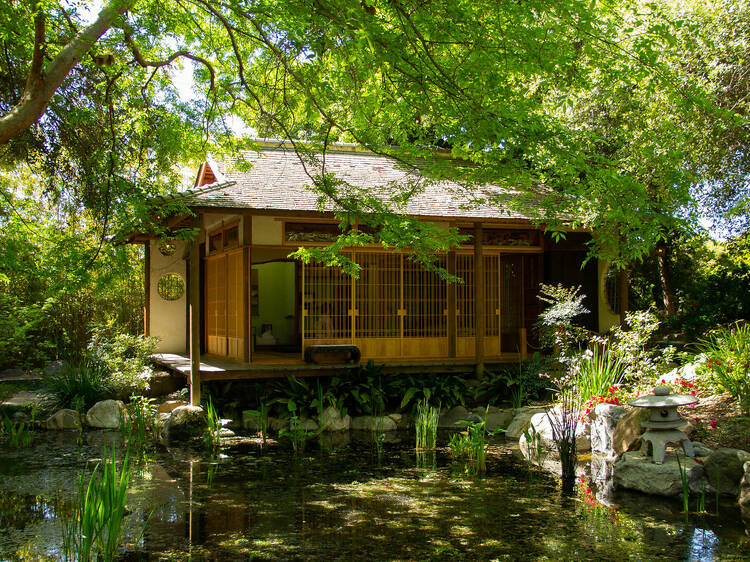
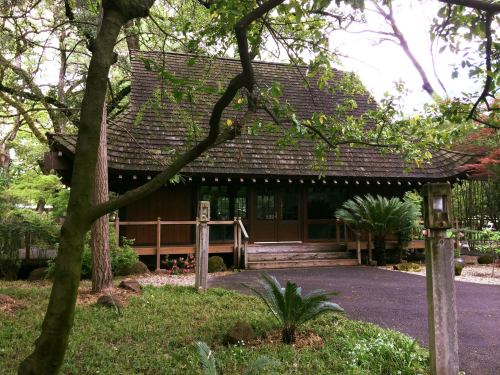
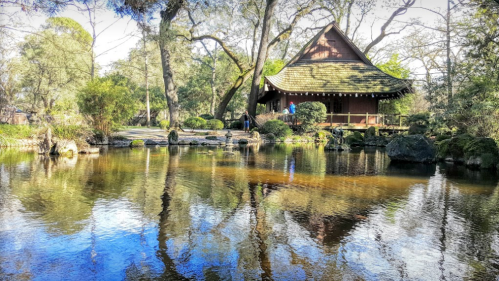
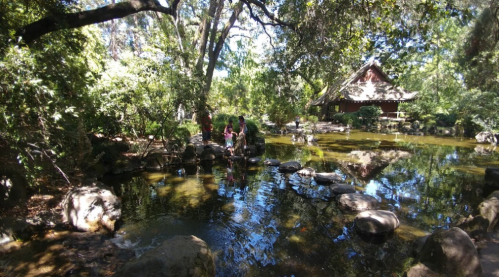
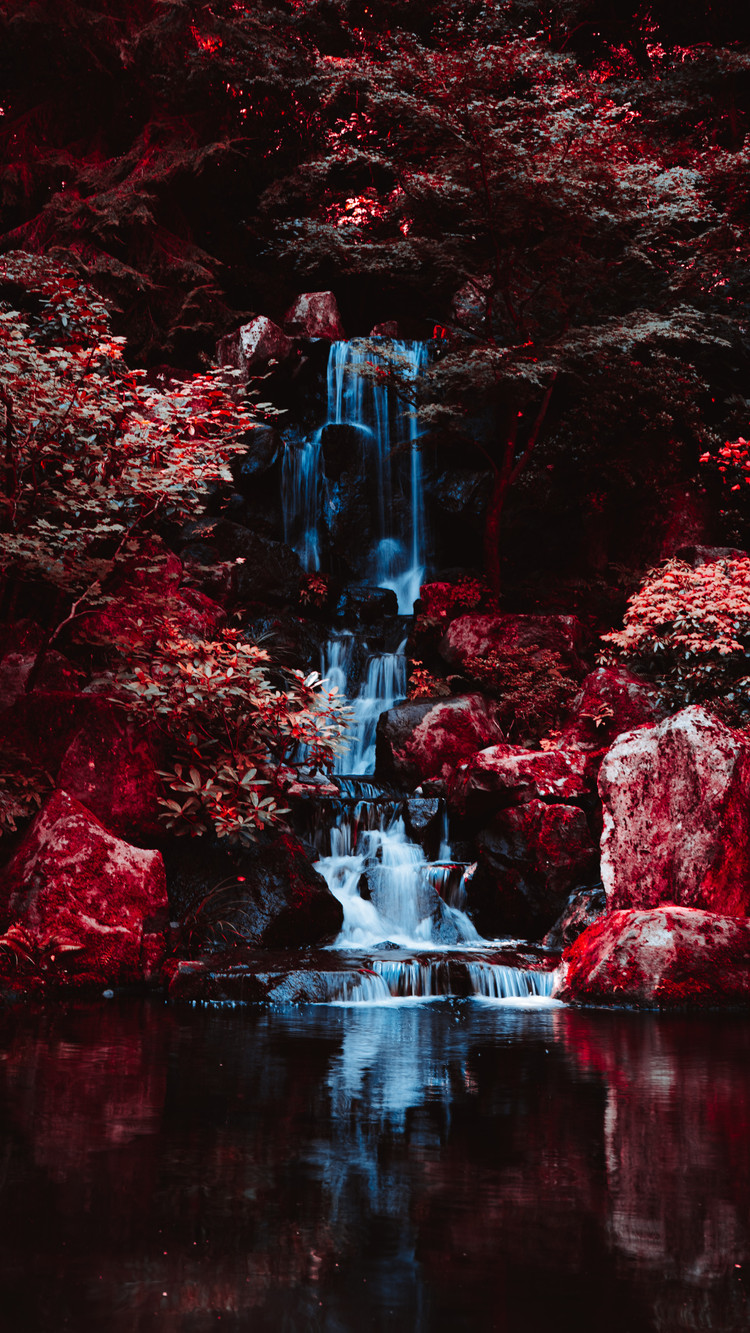
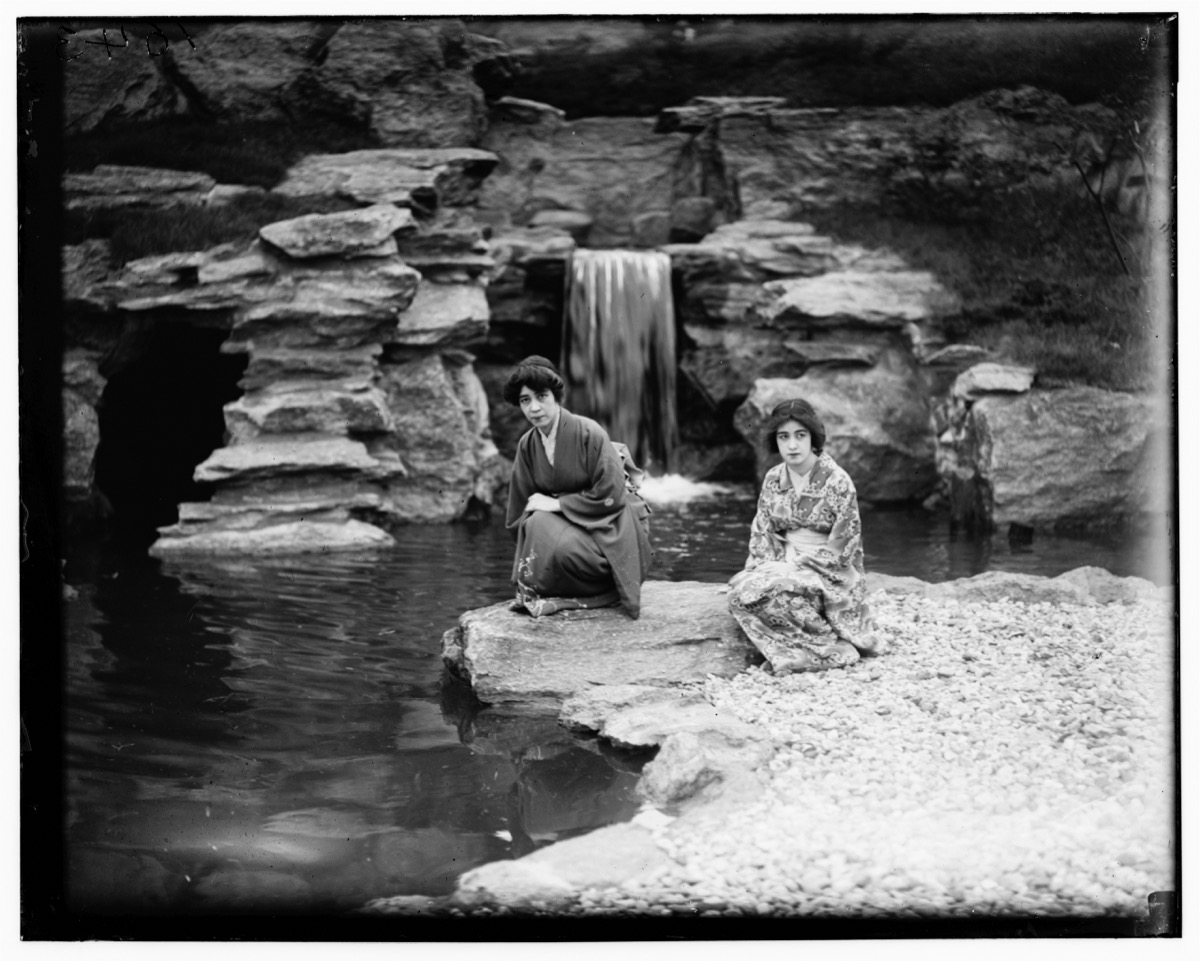
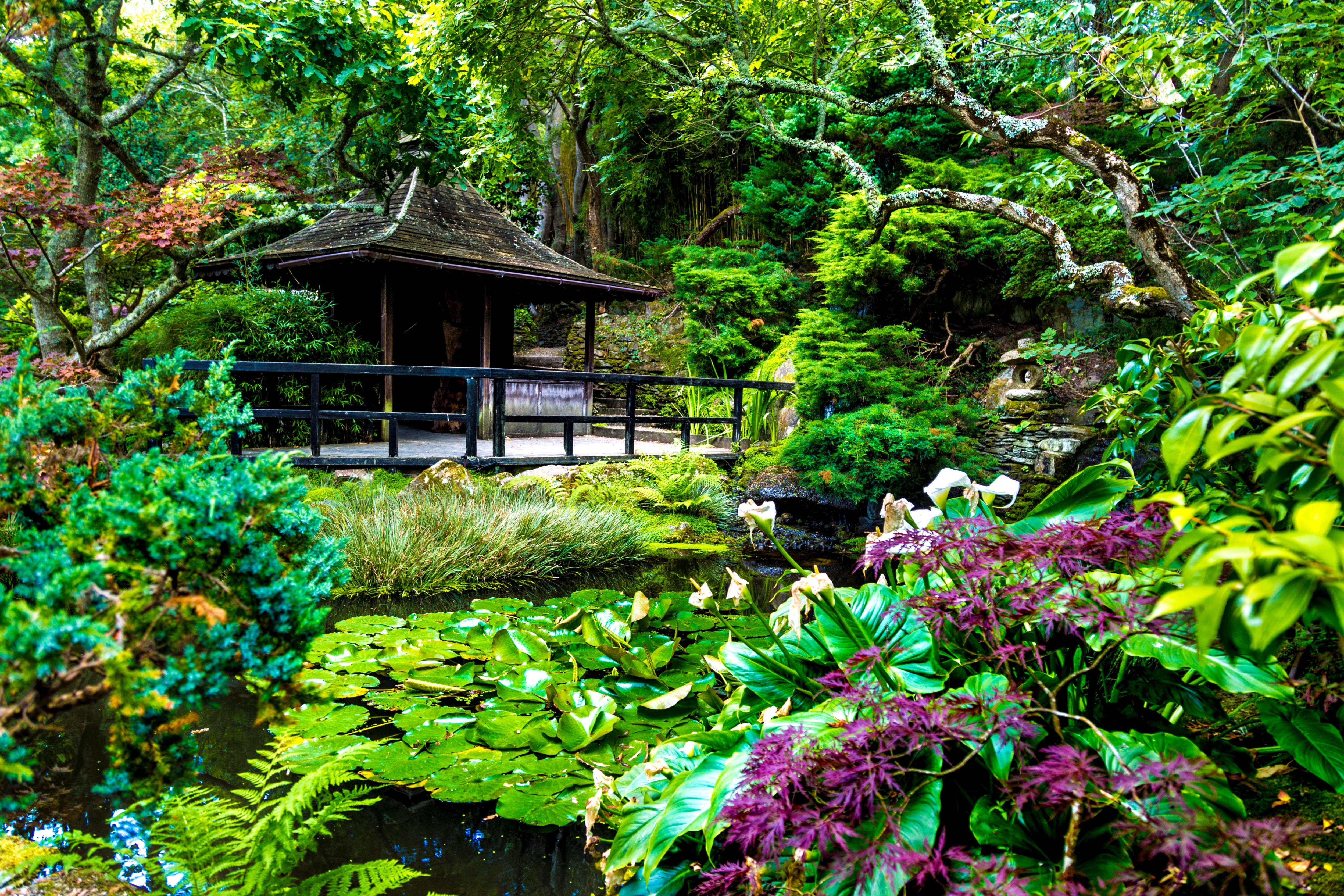
Another significant location is the Storrier Stearns Japanese Garden in Pasadena. This nearly two-acre private garden is open to the public on select days, typically offering reservations for evenings and Sunday mornings or afternoons. Established in the late 1930s, it boasts two ponds, four bridges, and a cascading waterfall, all encircling a Japanese tea house. The original tea house, crafted by landscape designer Kinzuchi Fujii, was meticulously restored after a fire in 1981, preserving its historical integrity.
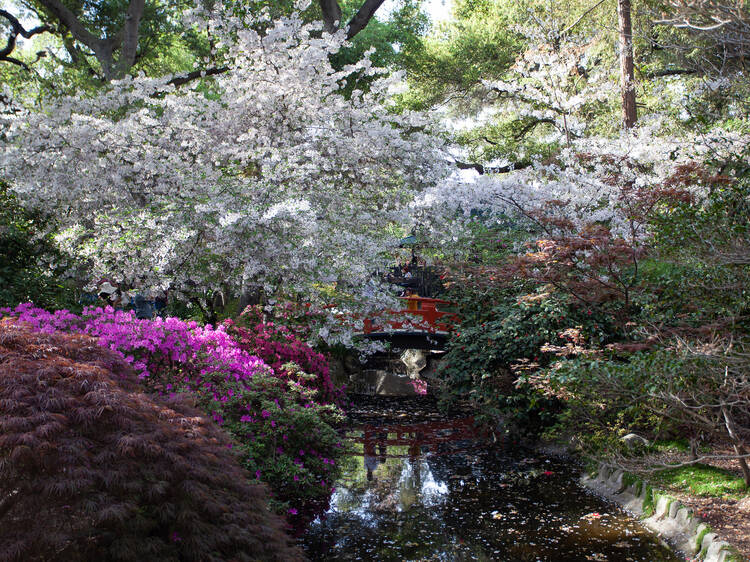
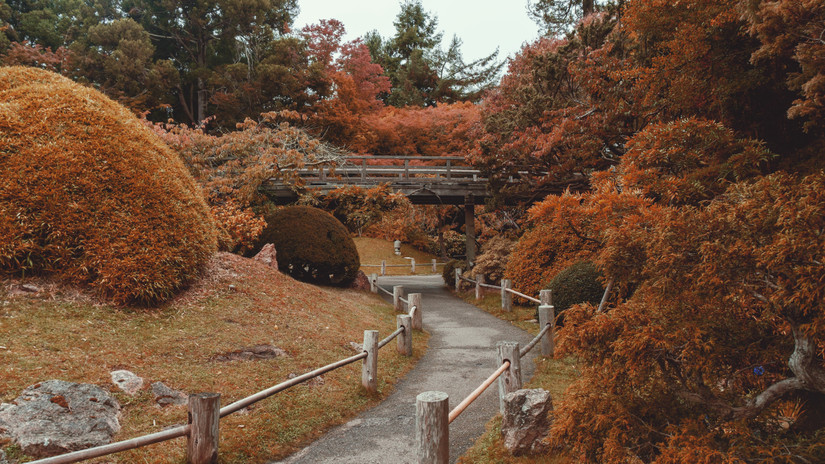
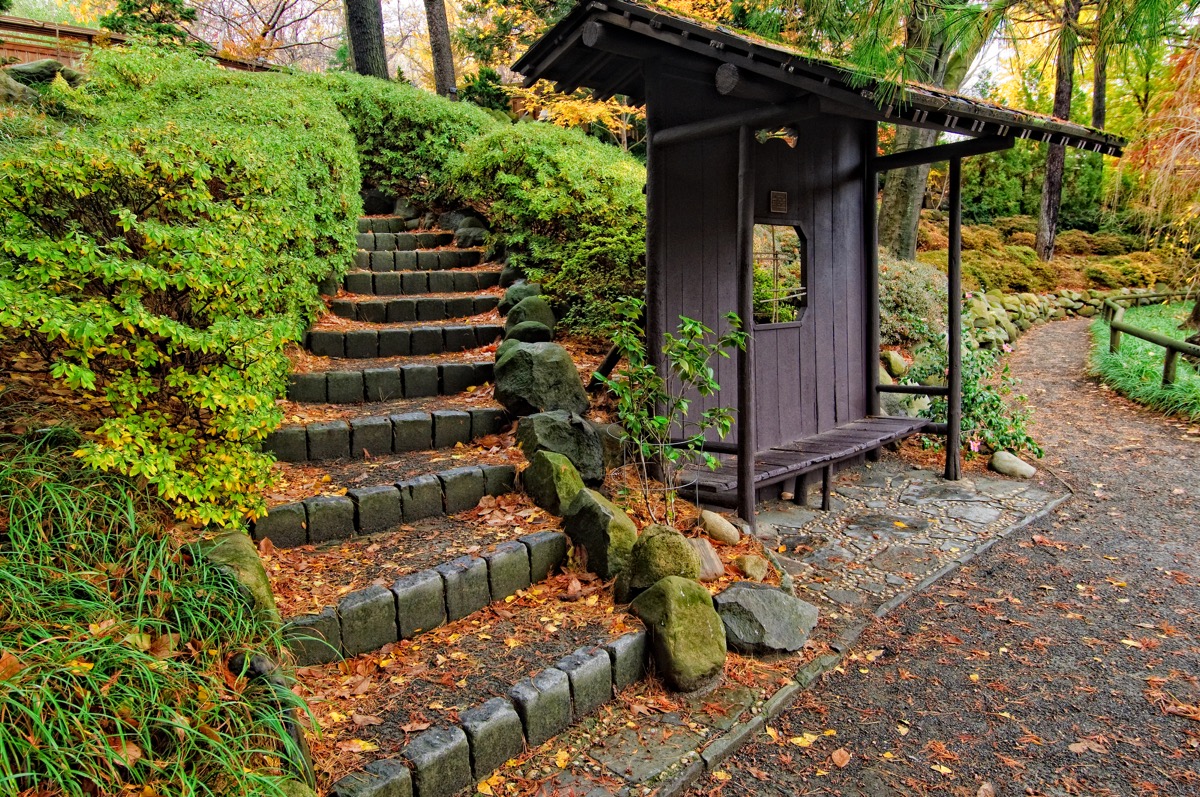
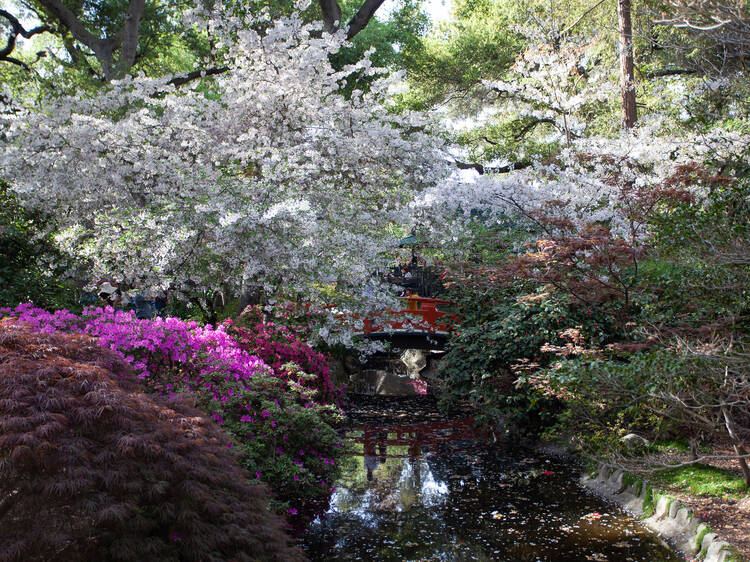
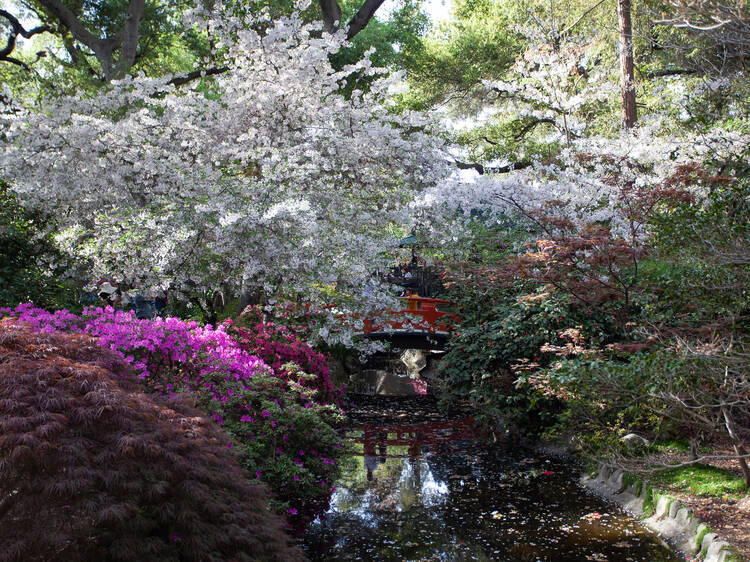
Descanso Gardens in La Cañada Flintridge, while primarily celebrating Southern Californian flora, features a highly manicured Japanese garden. This area is particularly known for its cherry blossoms in spring. Visitors can cross an arched bridge over a koi-filled stream to reach a tea house, which was a gift from the Japanese-American community, further emphasizing the cultural significance within the botanical setting.
The Japanese Garden in Van Nuys, aptly named for its style, is situated near the Sepulveda Basin. It is characterized by stony bridges, footpaths, a central pond, rockwork, and carefully manicured trees. Uniquely, this garden is irrigated by the adjacent Donald C. Tillman Water Reclamation Plant, demonstrating an integration of natural beauty with practical infrastructure. Free reservations are available for visitors.
Further south, the Earl Burns Miller Japanese Garden on the Cal State Long Beach campus spans 1.3 acres and is centered around a serene pond. This garden not only serves as a peaceful retreat but also hosts various cultural events, including lectures, workshops, and an annual origami festival. Dedicated in 1981 as a gift from Loraine Miller Collins in memory of her husband, Earl Burns Miller, it is free to visit, though reservations are required due to occasional private functions.
In Little Tokyo, the Kyoto Gardens, located atop the parking garage of the Doubletree by Hilton Los Angeles Downtown, offers a compact yet finely manicured Japanese garden. Primarily used as an event space, it also provides a quiet spot for hotel guests to enjoy afternoon respites or evening strolls. Its unique rooftop location provides an unexpected tranquil escape in an urban environment.
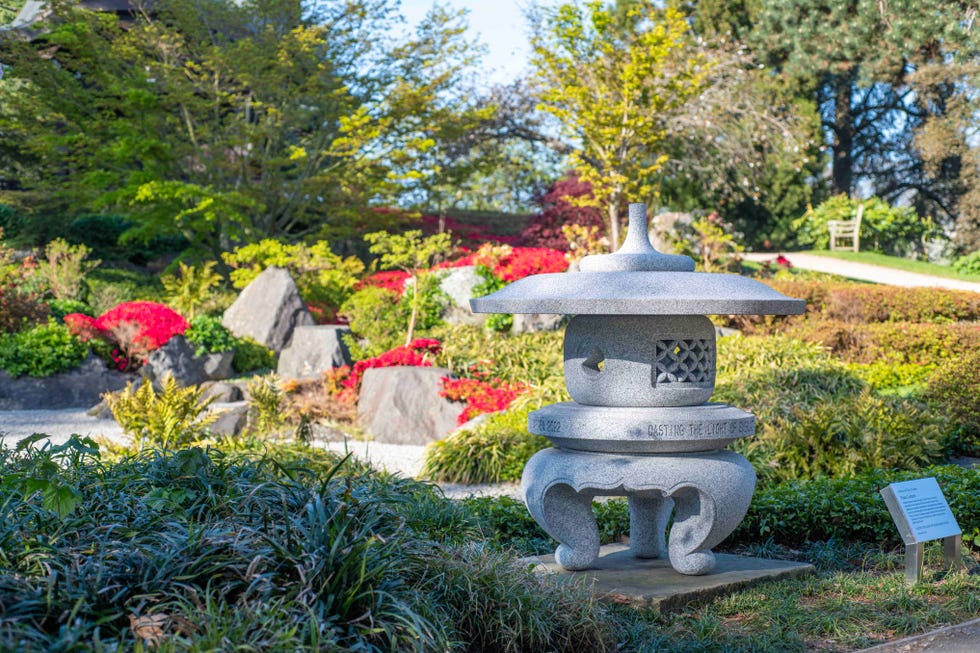
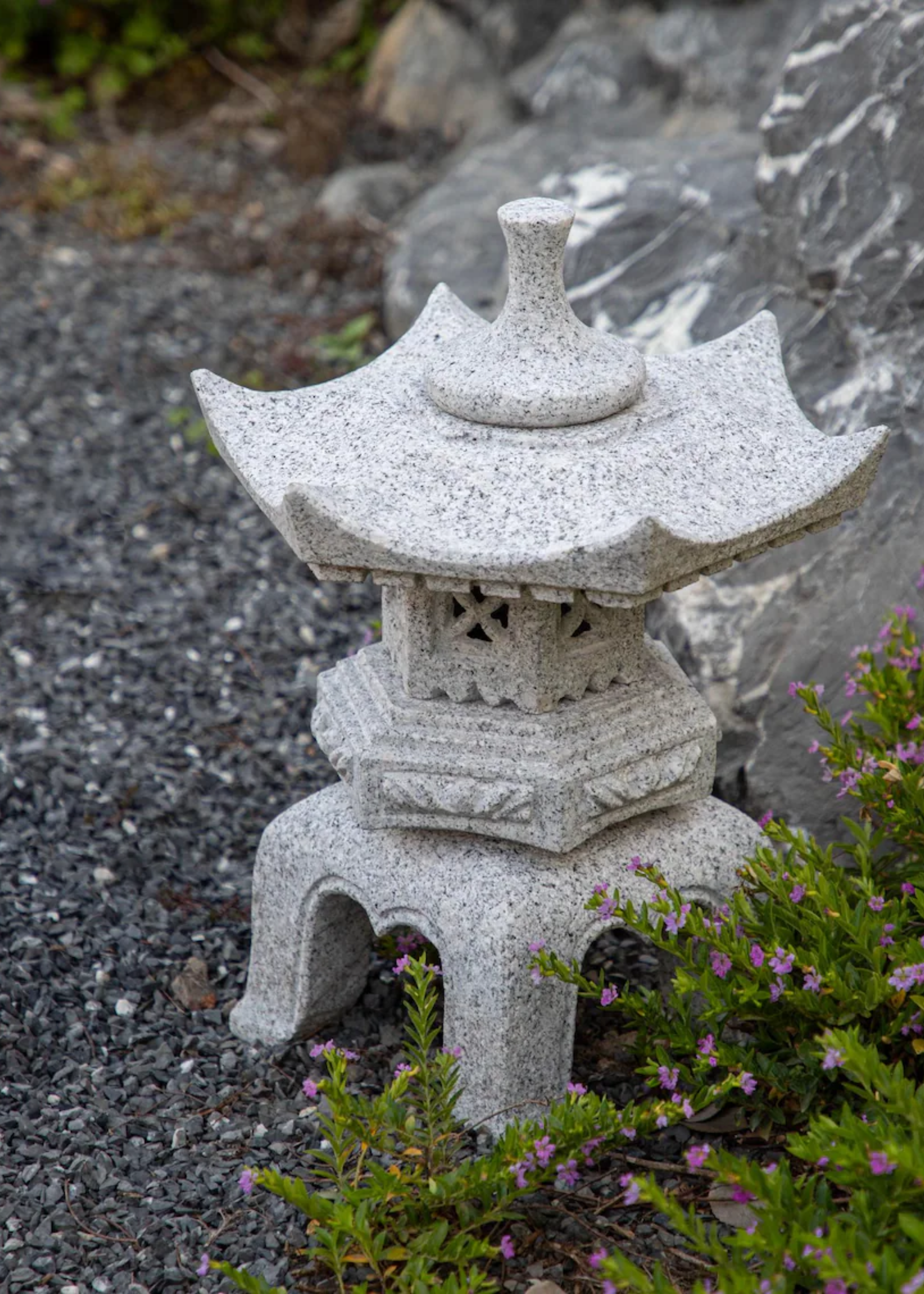
The South Coast Botanic Garden in Rancho Palos Verdes/Rolling Hills Estates, covering 87 acres, includes a smaller Japanese-inspired area. Just inside its entrance, visitors find a koi pond with cascading waterfalls and pagoda lanterns, serving as an initial, inviting glimpse into the garden's broader collection of flora. It represents a subtle nod to Japanese garden aesthetics within a larger botanical context.
Finally, the James Irvine Japanese Garden, another hidden gem in Little Tokyo, offers a tranquil urban oasis. Access to this garden requires entering the Japanese American Cultural and Community Center and navigating to level B, providing a sense of discovery. It is an ideal space for quiet contemplation away from the city's commotion. Currently, access is primarily facilitated through dinner reservations at the Hansei pop-up, adding an exclusive dining experience to the garden visit.
These Japanese gardens across Los Angeles collectively provide diverse opportunities for quiet reflection, cultural appreciation, and a connection with nature, each characterized by traditional design principles and a unique local context.
#JapaneseGardens #LosAngelesAttractions #BotanicalGardens #CulturalSites #PasadenaGardens #LittleTokyo #OutdoorActivities #TranquilSpaces #Horticulture #JapaneseGardens #LosAngelesAttractions #BotanicalGardens #CulturalSites #PasadenaGardens #LittleTokyo #OutdoorActivities #TranquilSpaces #Horticulture
Toplam 0 yorum
 Henüz yorum yok
Bu da beğenebilirsiniz
The 8 most beautiful Japanese gardens in L.A.
Brooklyn’s 100-Year-Old Japanese Garden Is Like a Living Painting

Japanese garden ideas – 10 ways to create a soothing space, with advice from the experts

9 Japanese Plants for a Zen Garden
10 Beautiful Japanese Gardens In The U.S. To Visit This Fall

The 19 most beautiful botanical gardens and hidden oases in L.A.

Picture of the Day: The Oldest Japanese Garden in the United States
4 Japanese garden ideas for a calm and tranquil outdoor space
The Japanese Garden In A Lodi, California Park Is A Gem

Looking to add some Zen to your landscape? Visit these Japanese gardens for inspiration
Japanese garden ideas – 11 design tips for a zen backyard

8 Incredible Indoor Garden Ideas

7 Japanese-style gardens to inspire and delight

The 19 most beautiful botanical gardens and hidden oases in L.A.
6 most beautiful Zen rock gardens in Kyoto

7 Japanese Garden Ideas That Channel the Elements of Nature to Make Your Outdoor Space Feel Serene

These Are The Most Breathtaking Japanese Gardens In The U.S.
Seven of the loveliest Japanese gardens in the UK

24 Japanese Garden Ideas That Encourage Slow Walks and a More Relaxed Outdoor Rhythm

For the Garden | Zen and Now