1/6
The 20mm or 30mm Debate — Which of These Worktop Thicknesses Looks Better in a Modern Kitchen?
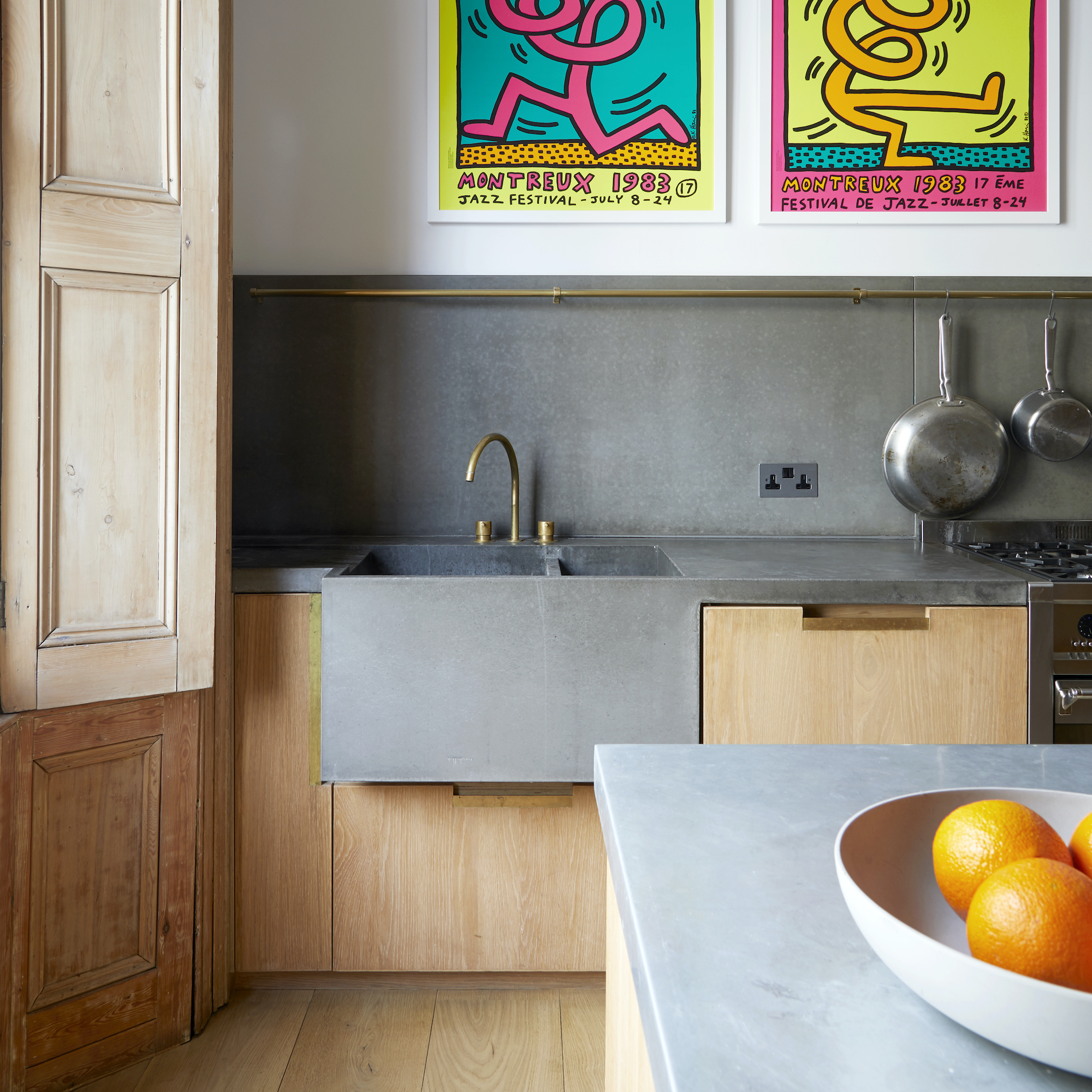
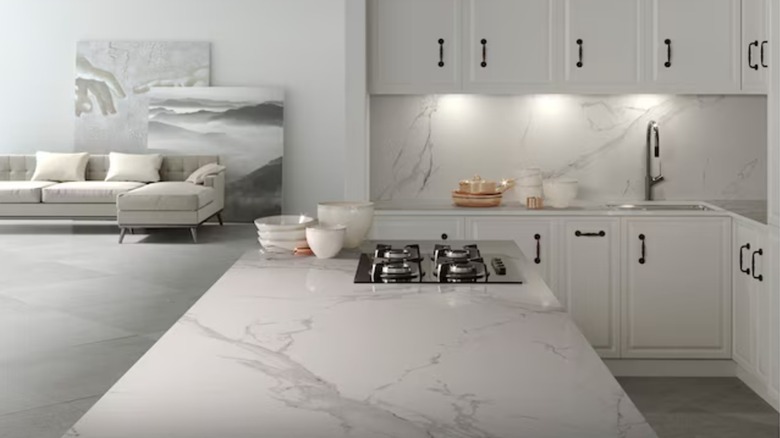
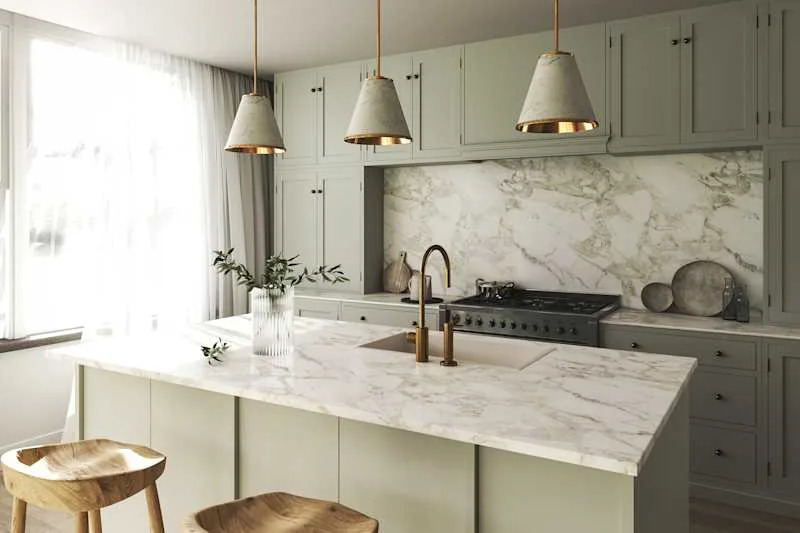
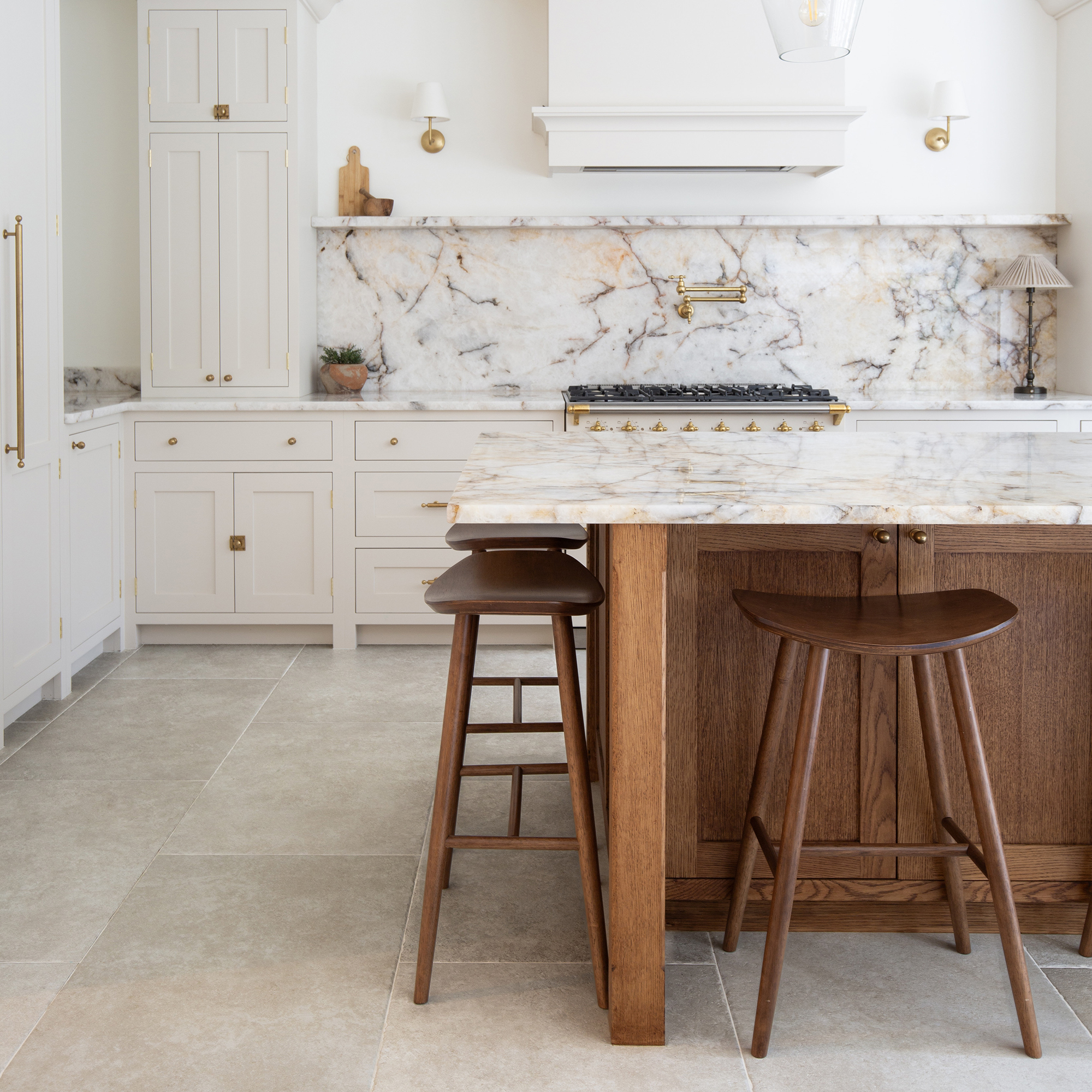
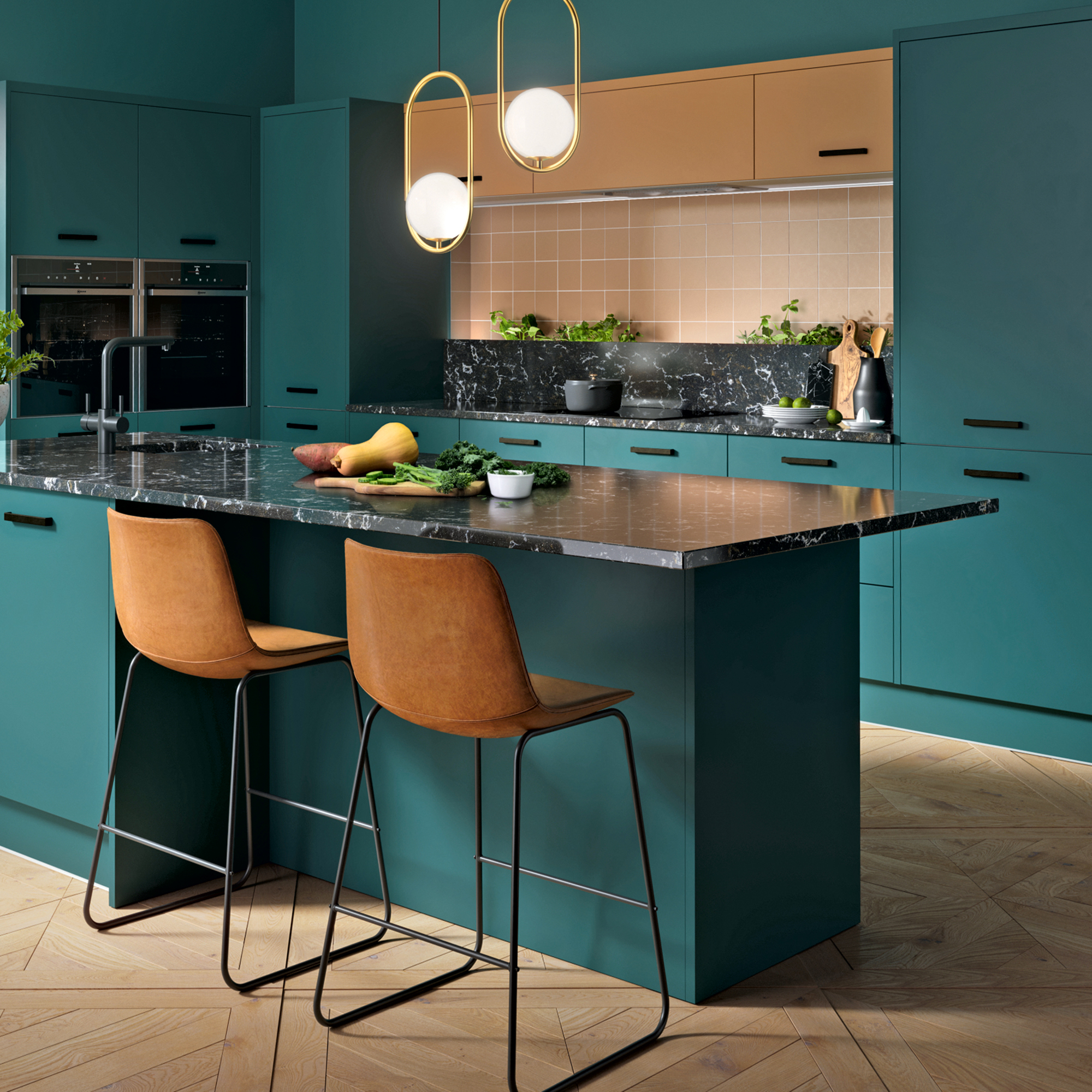
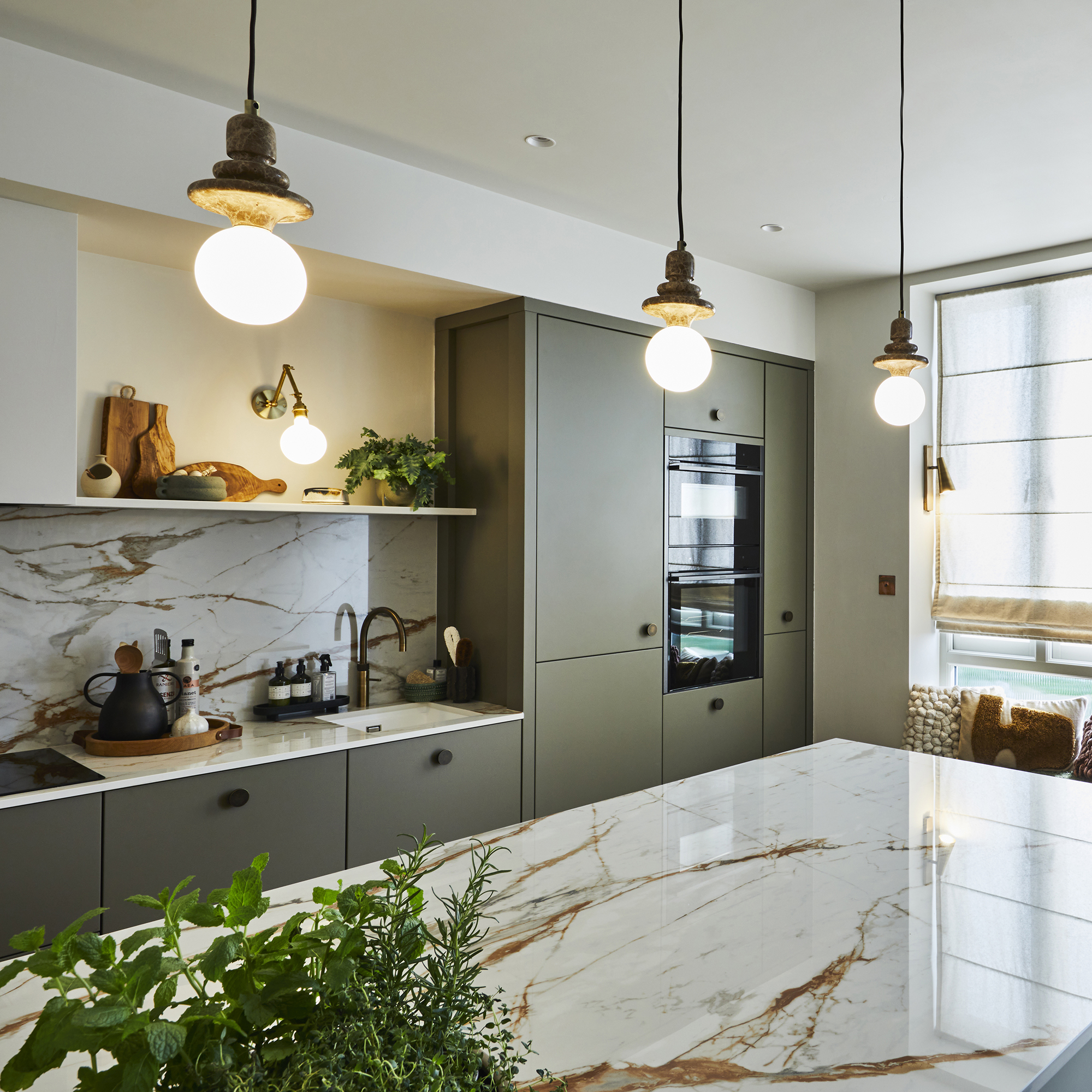
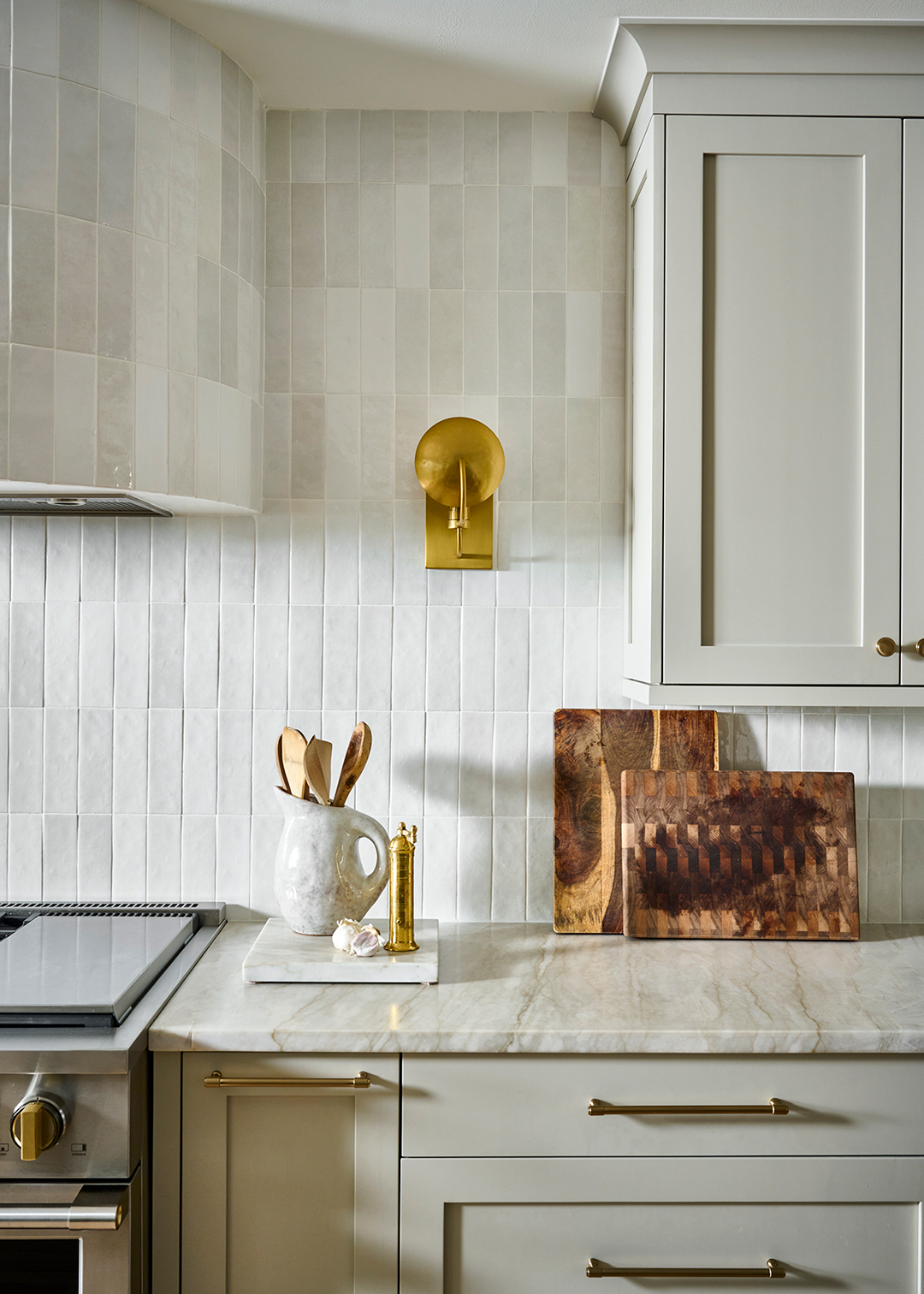
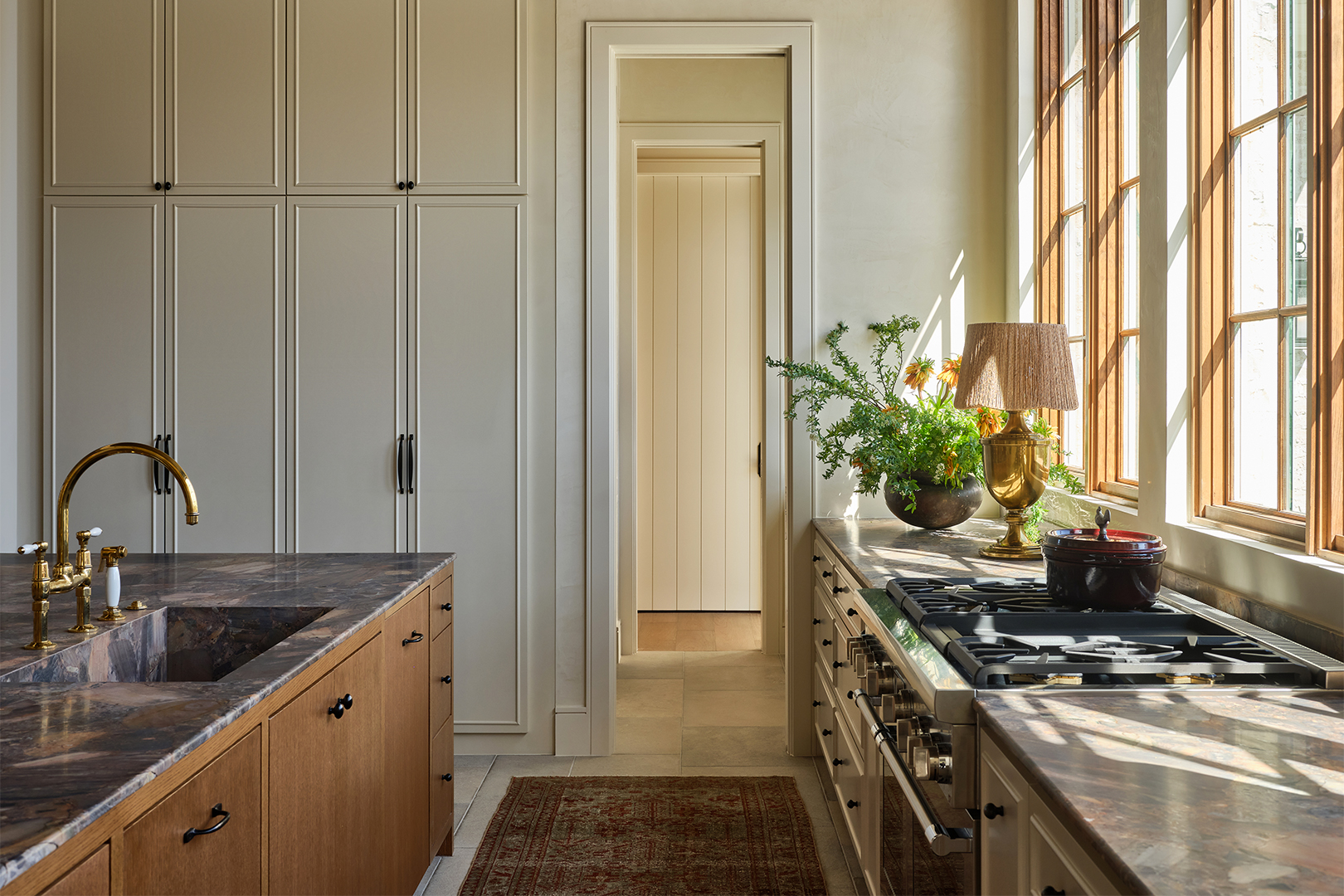
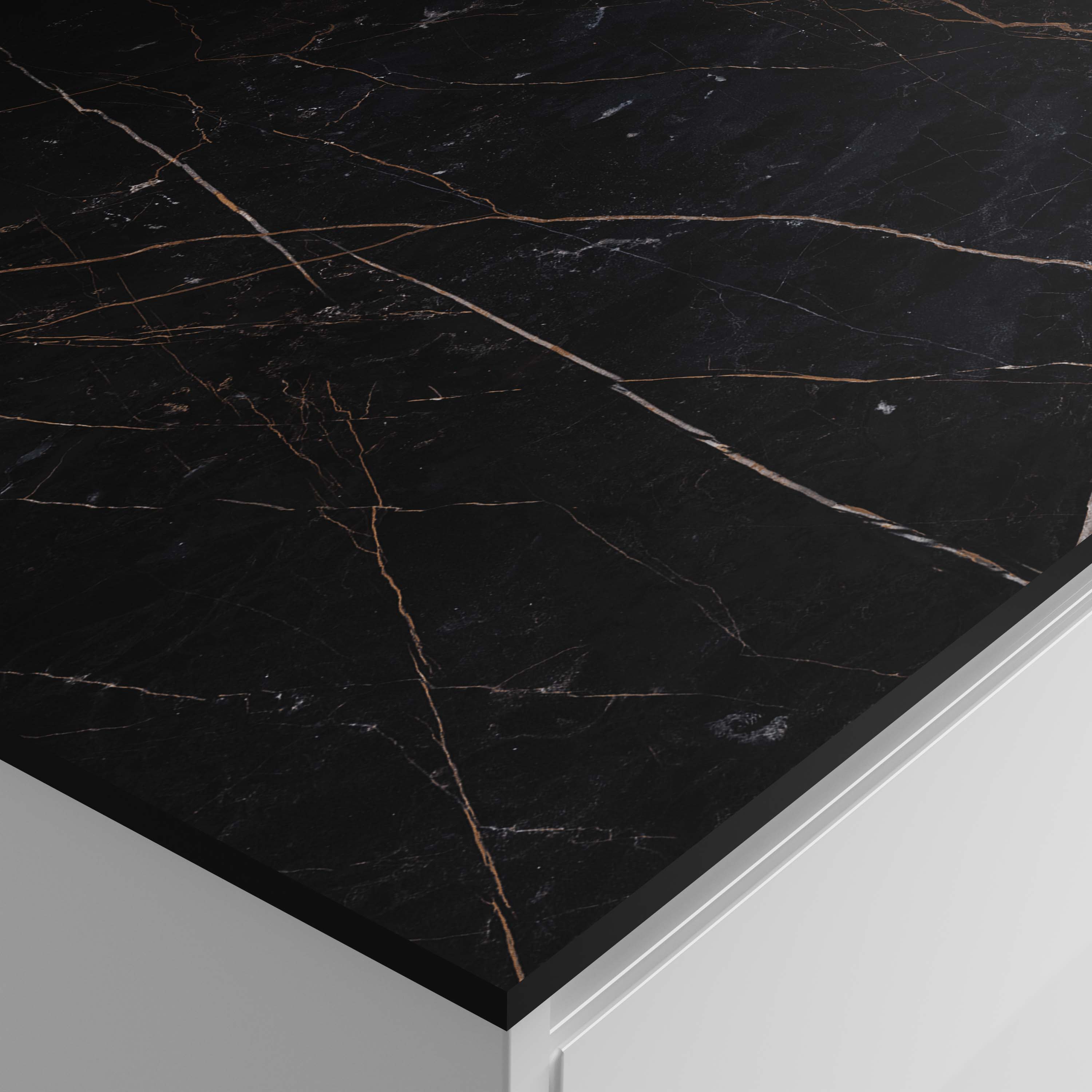
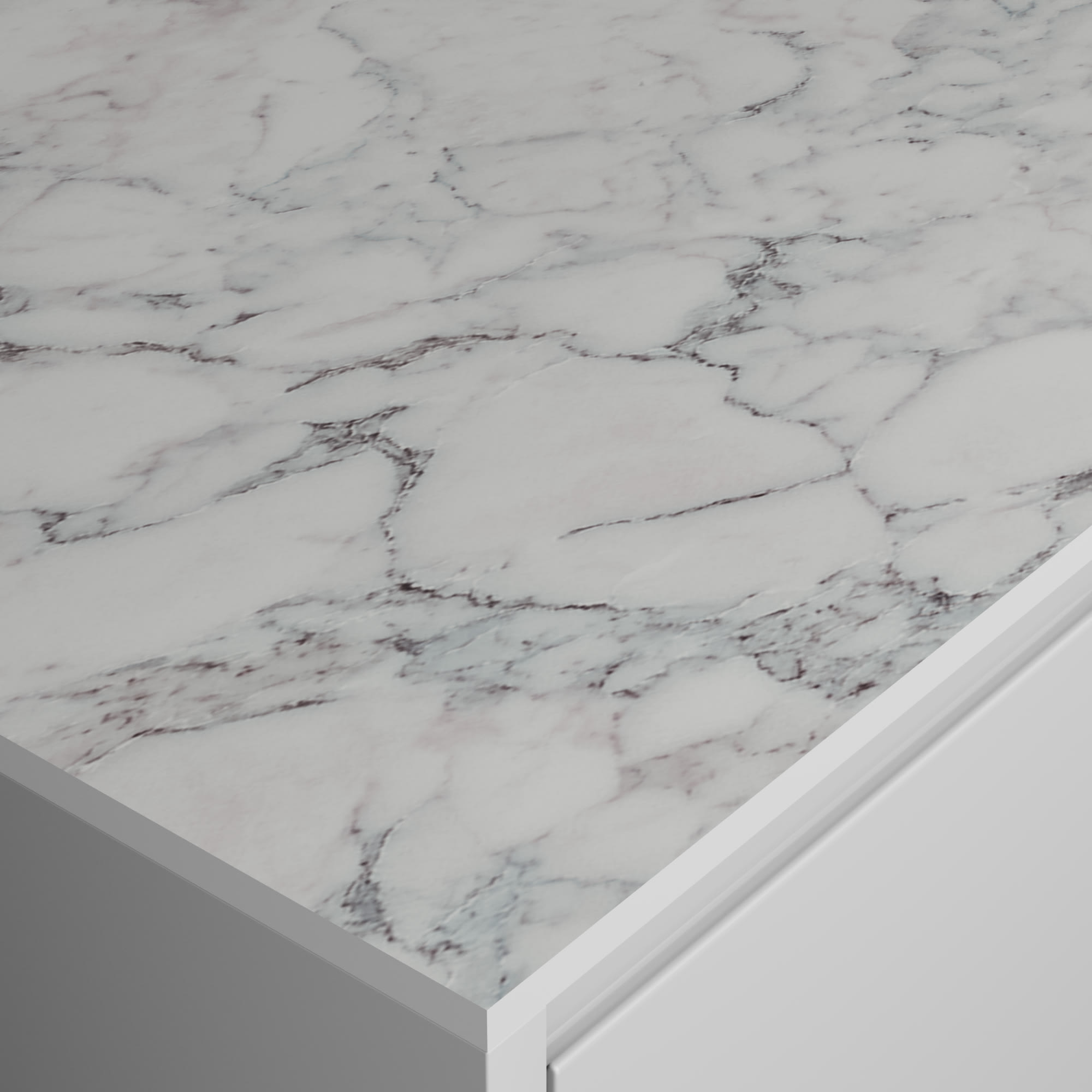
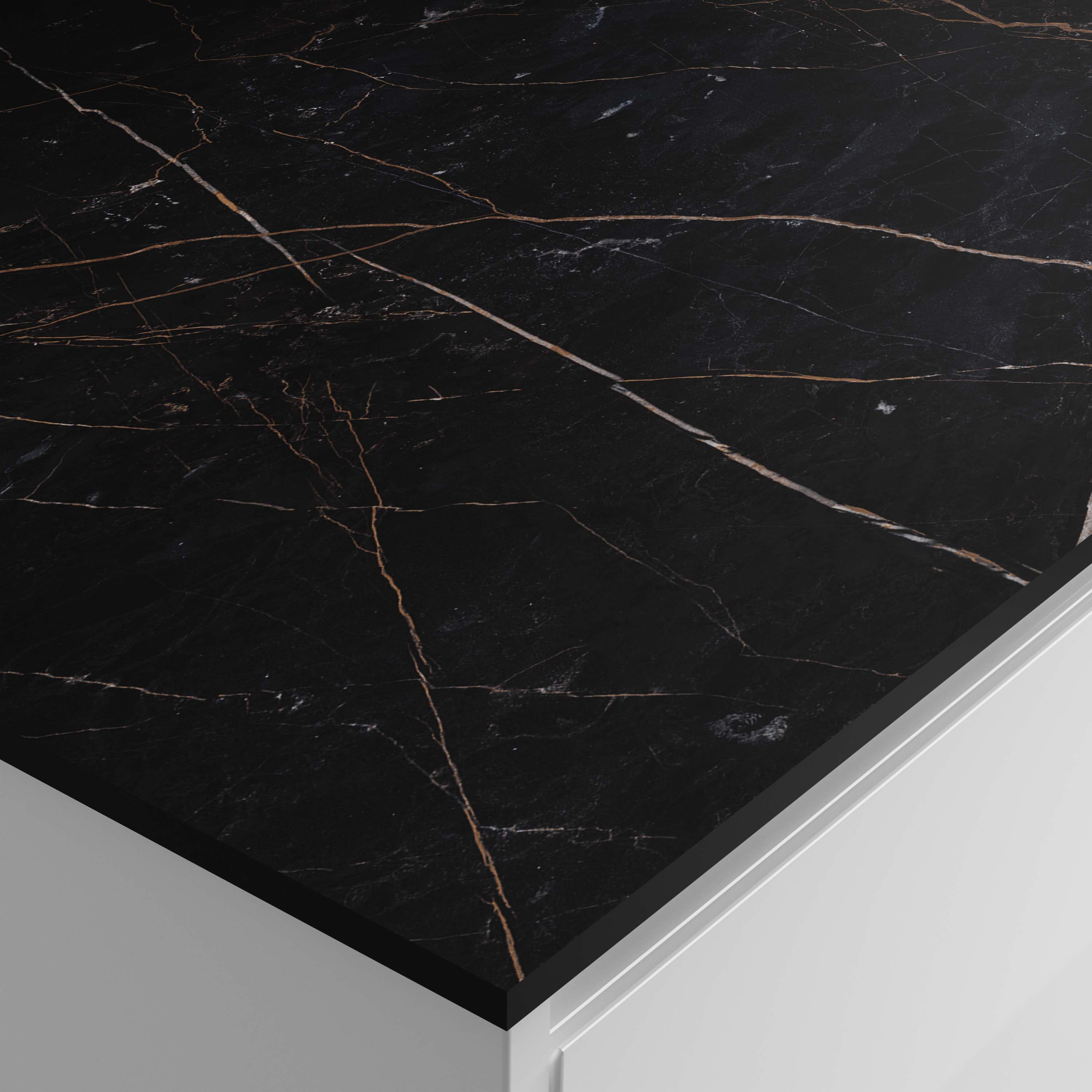
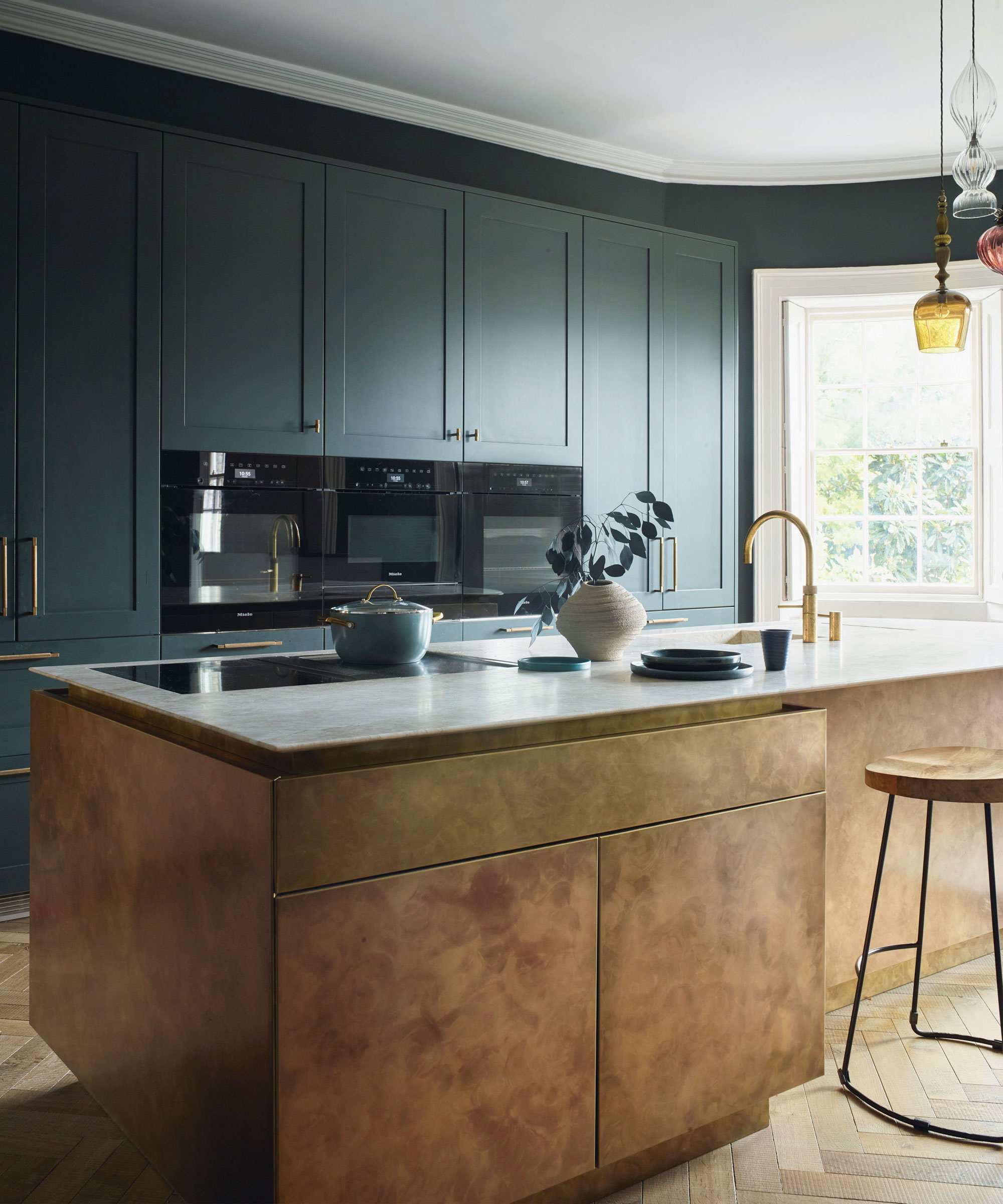
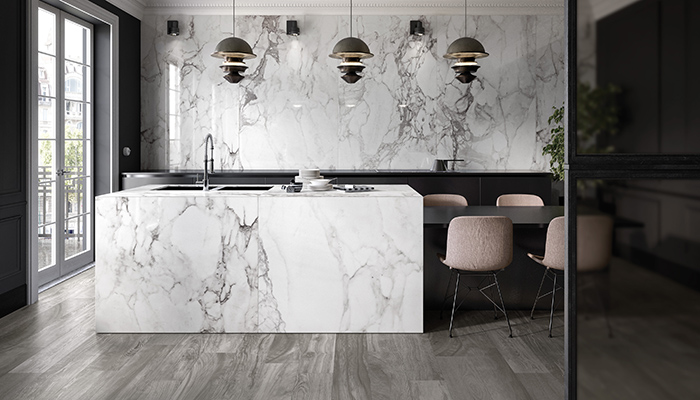
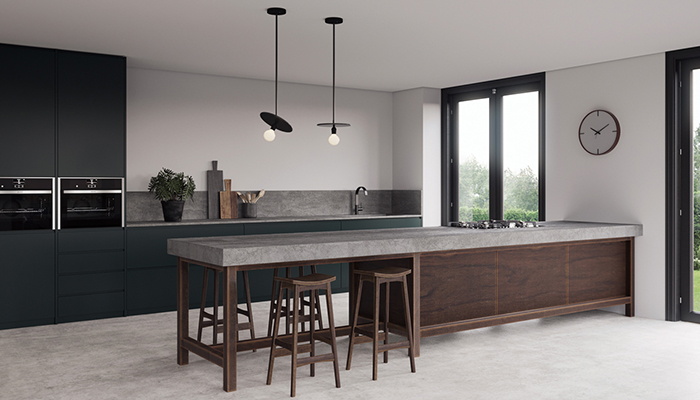
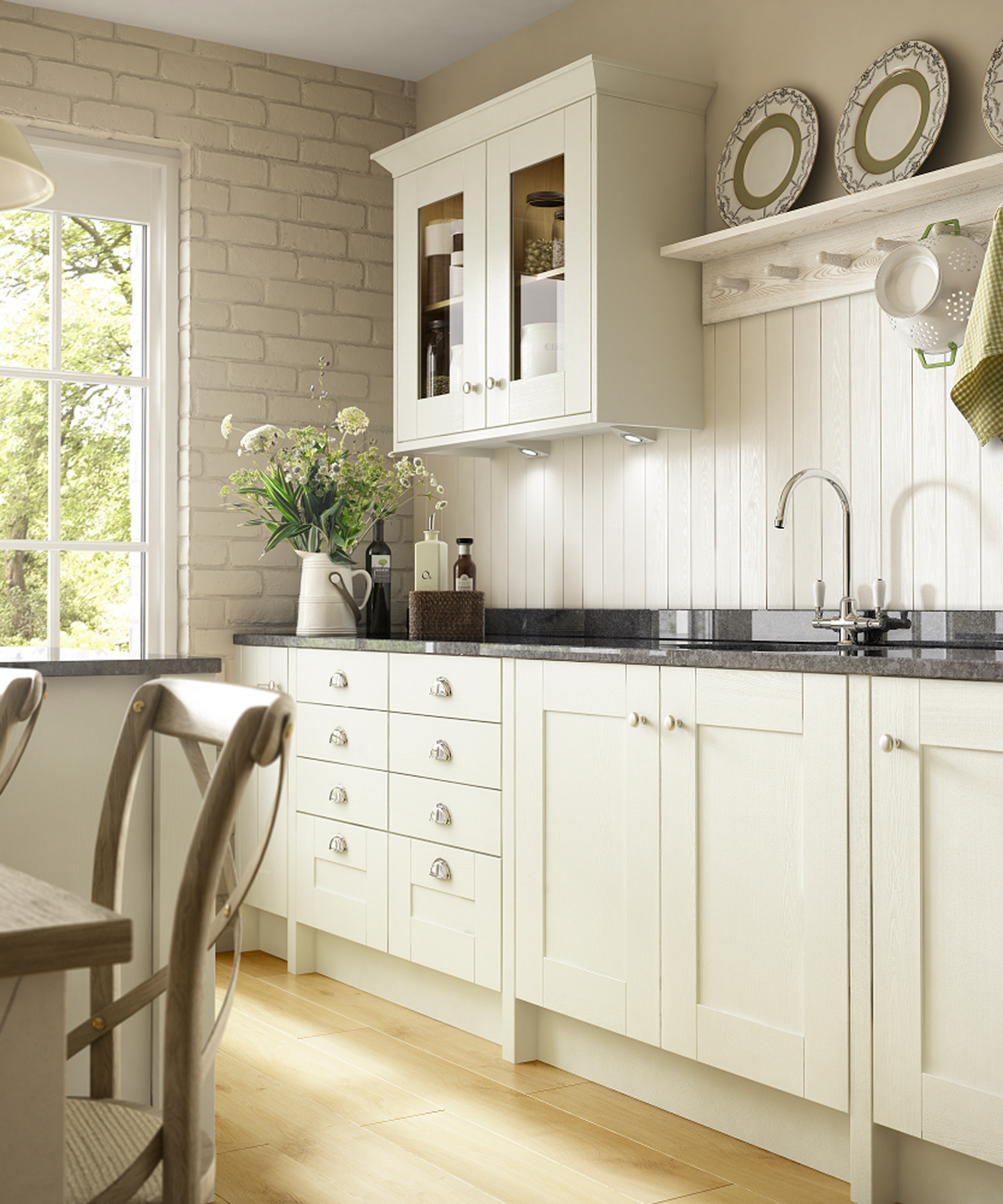
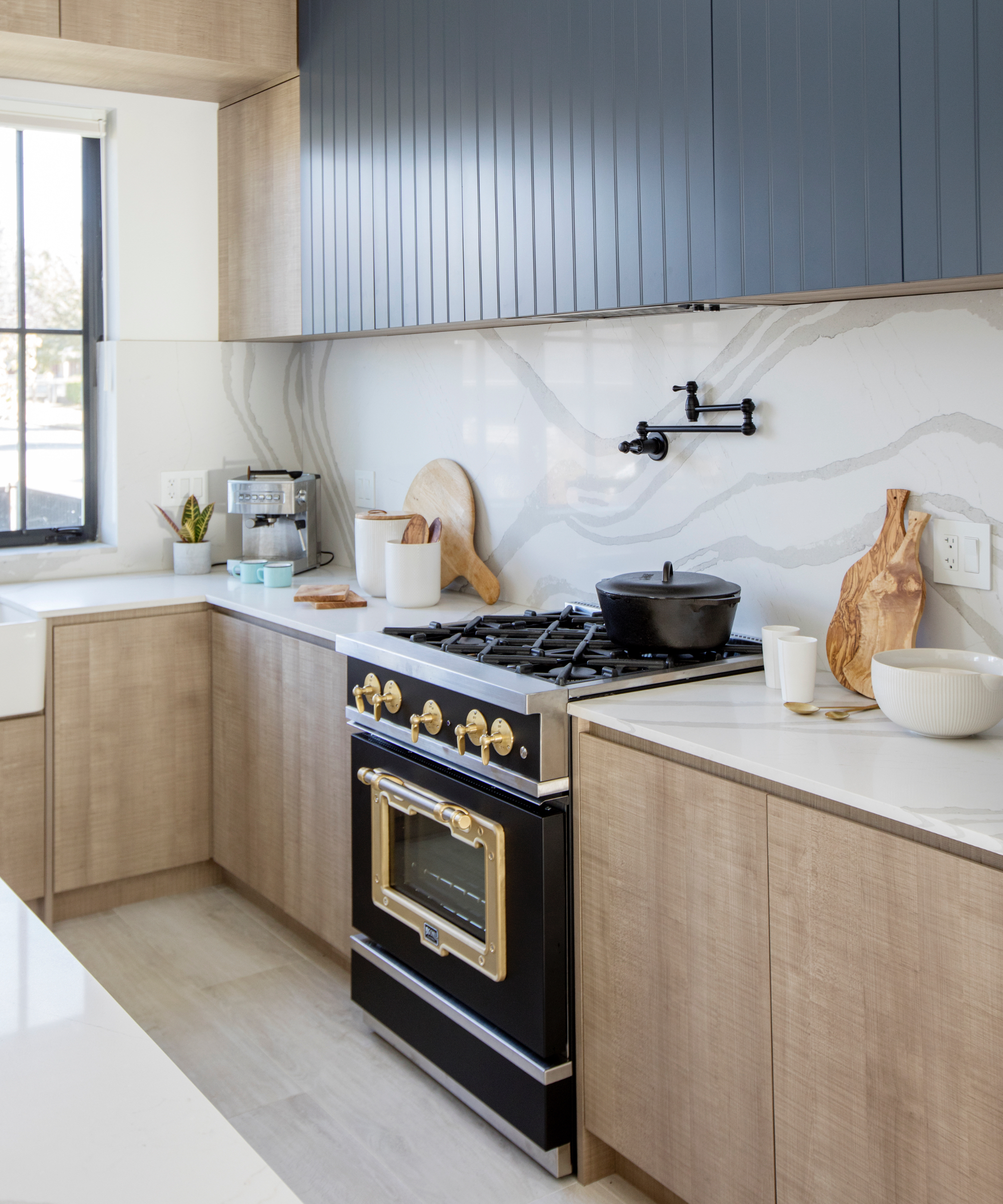
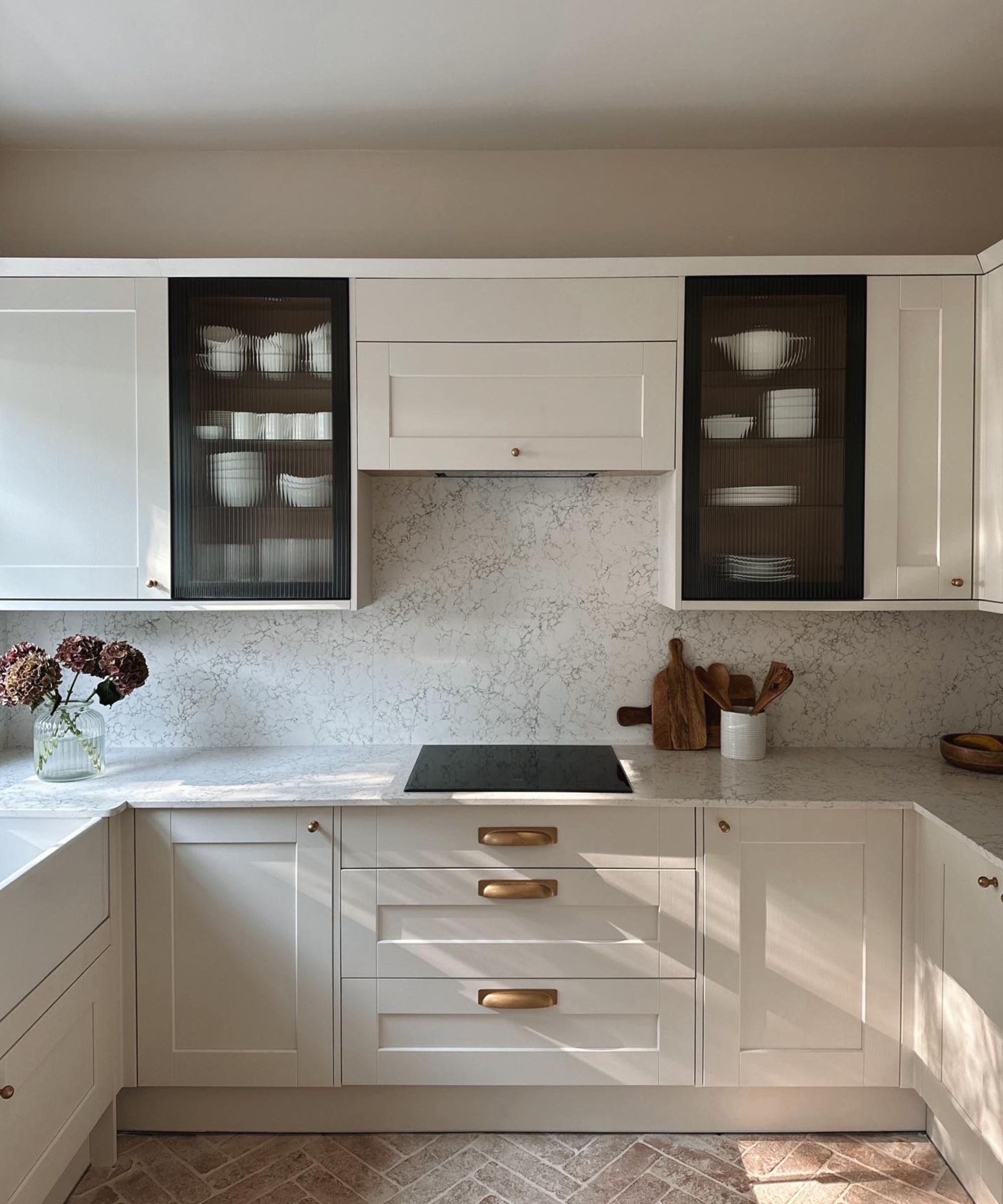
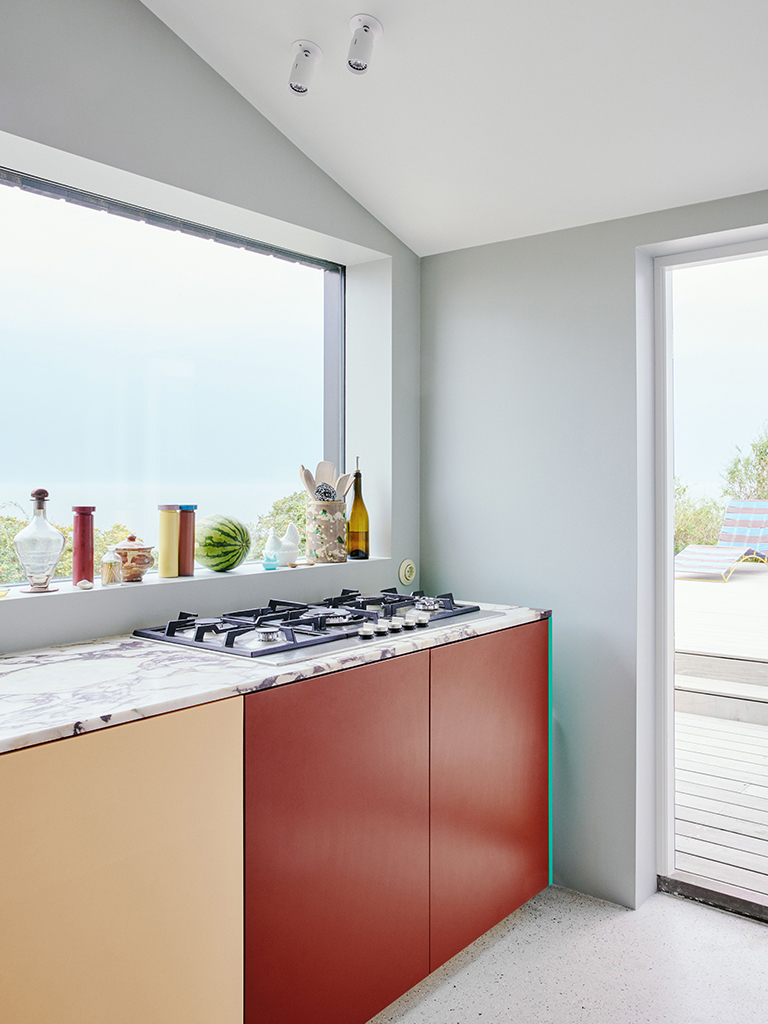
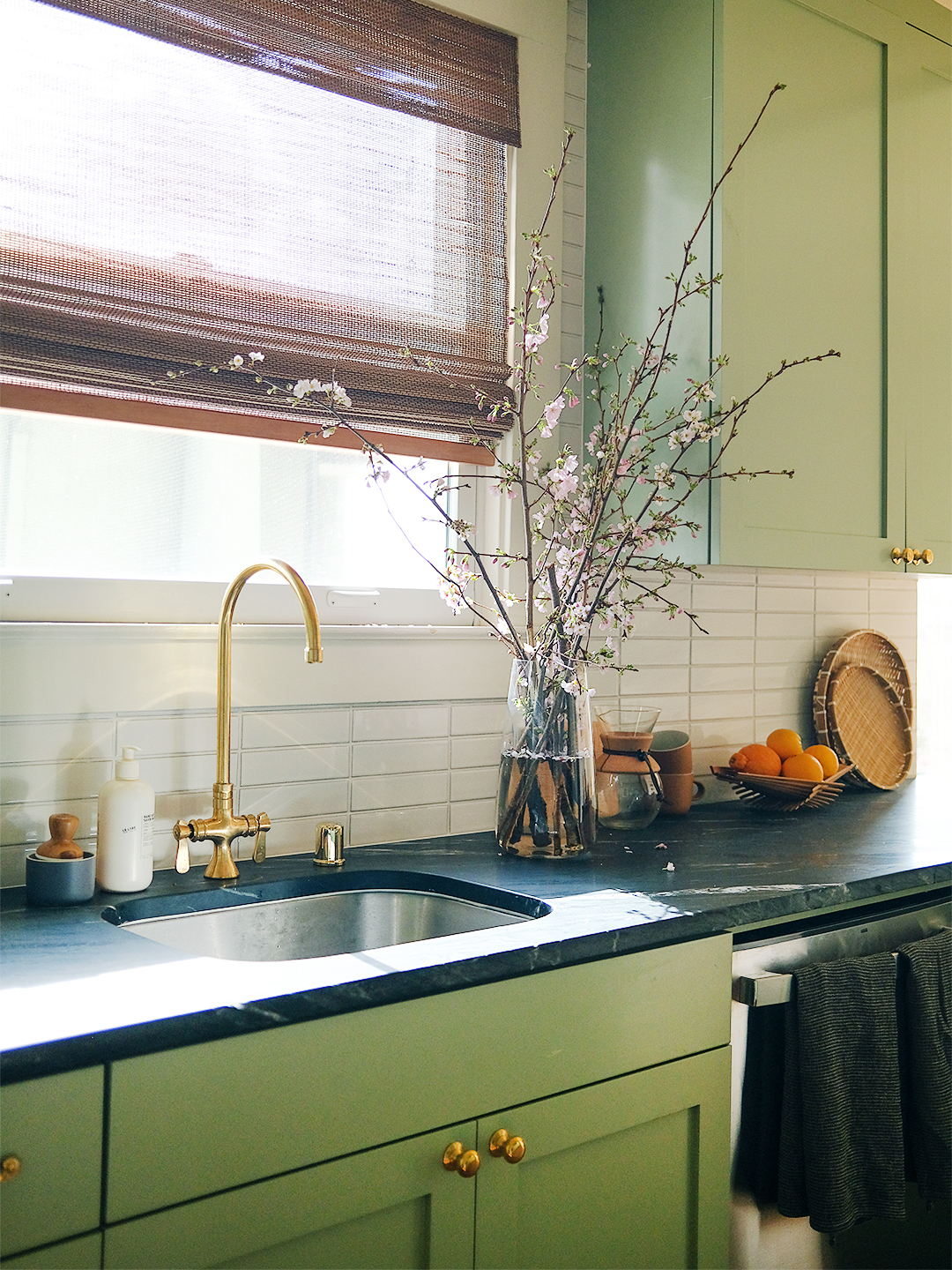
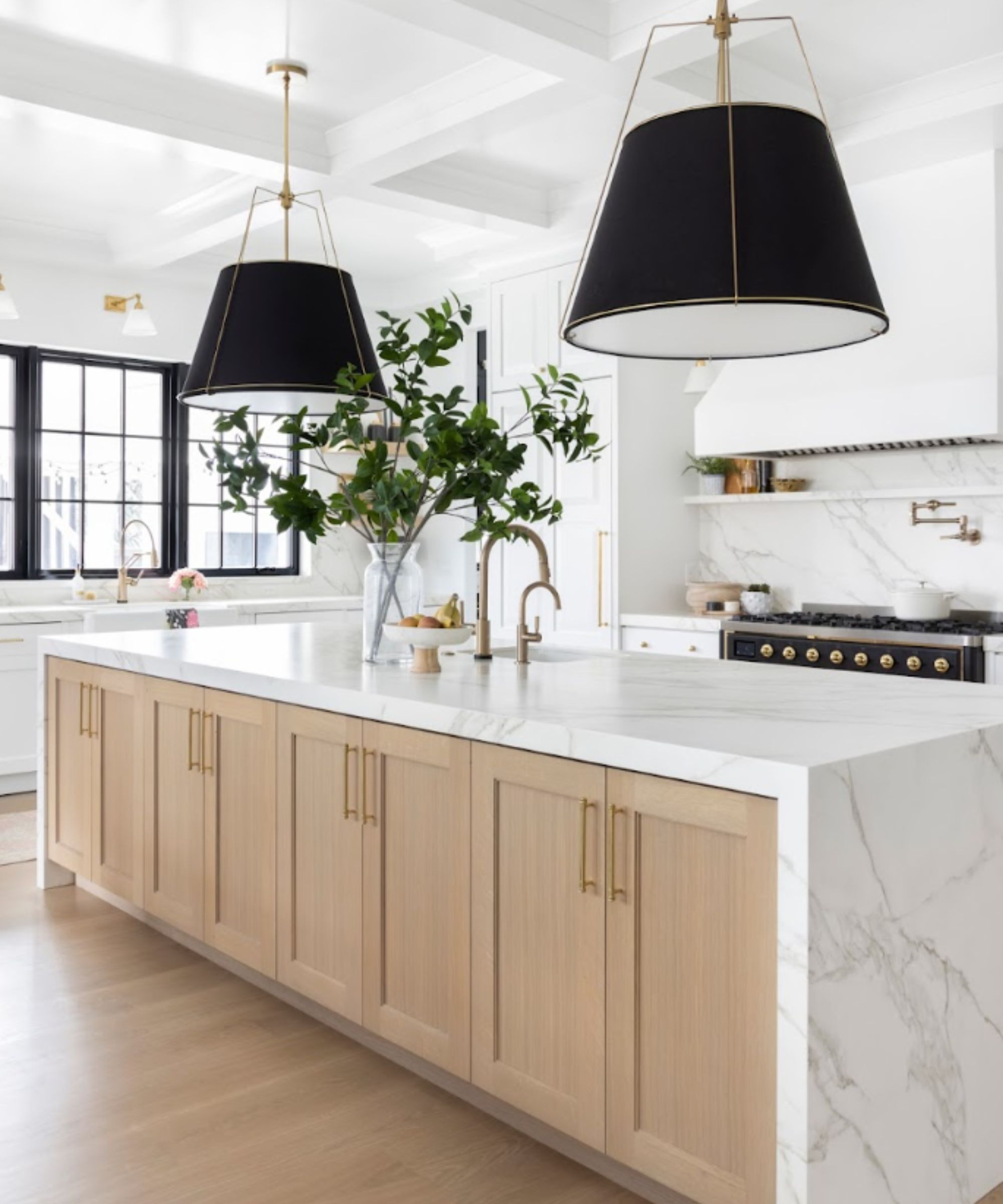
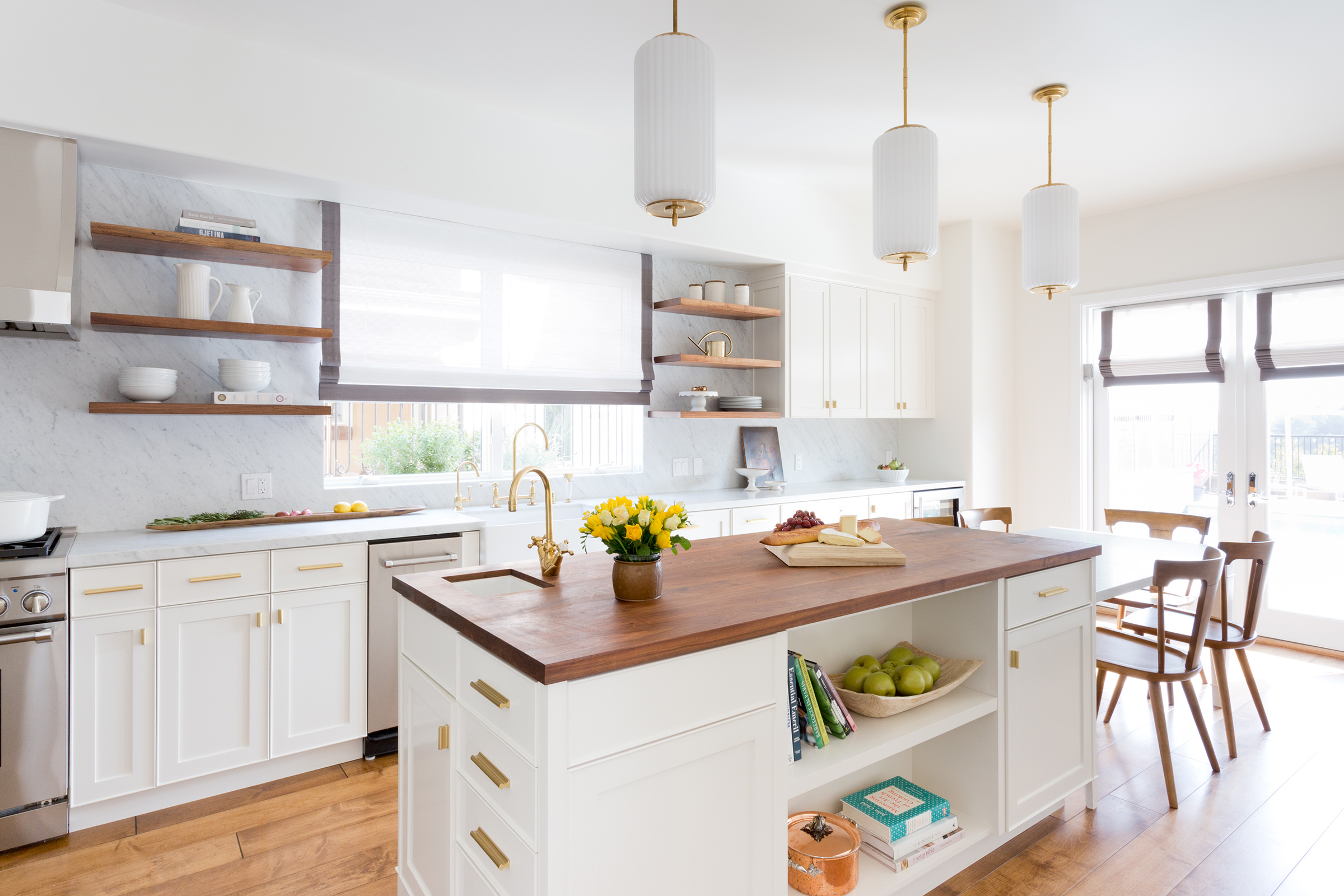
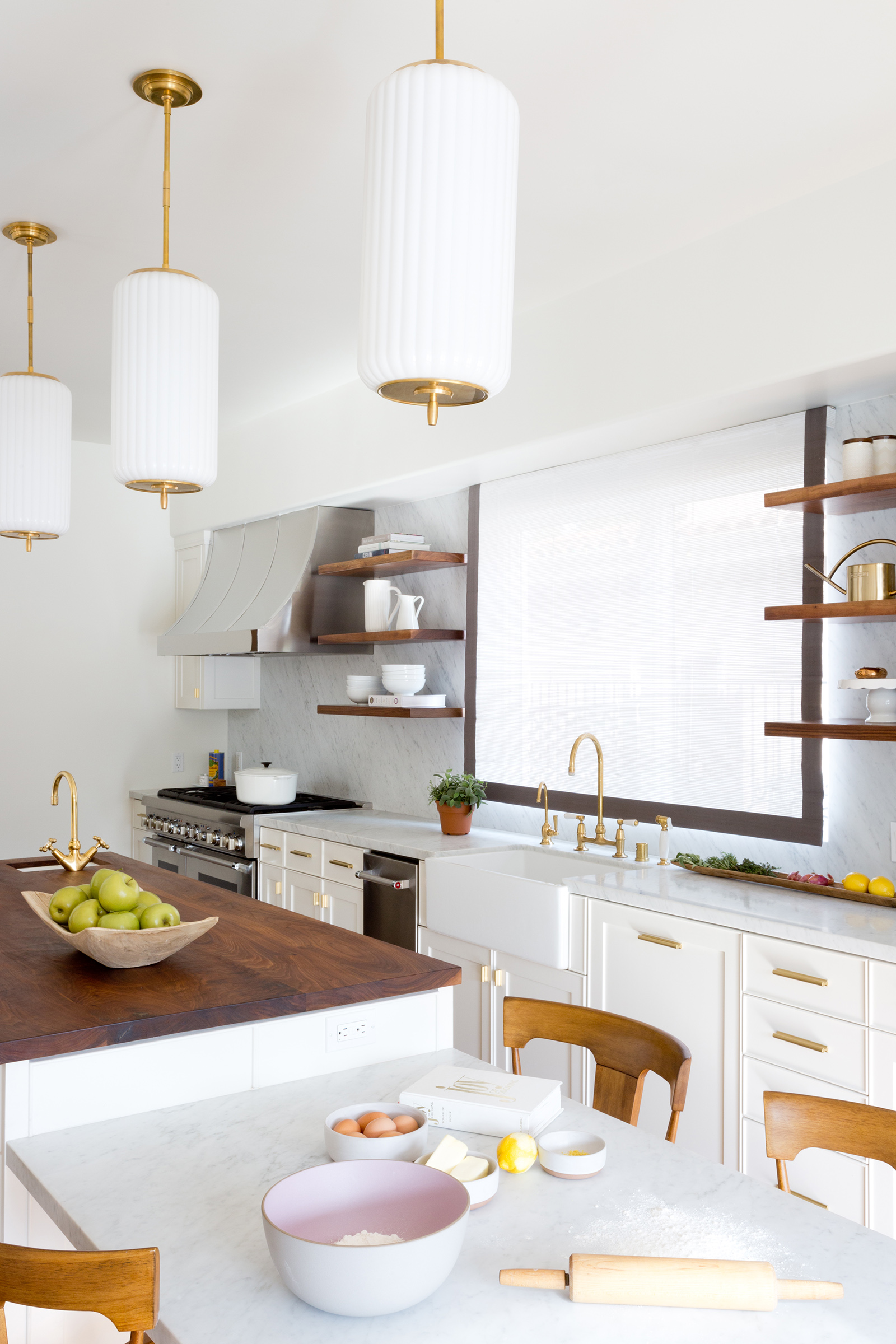
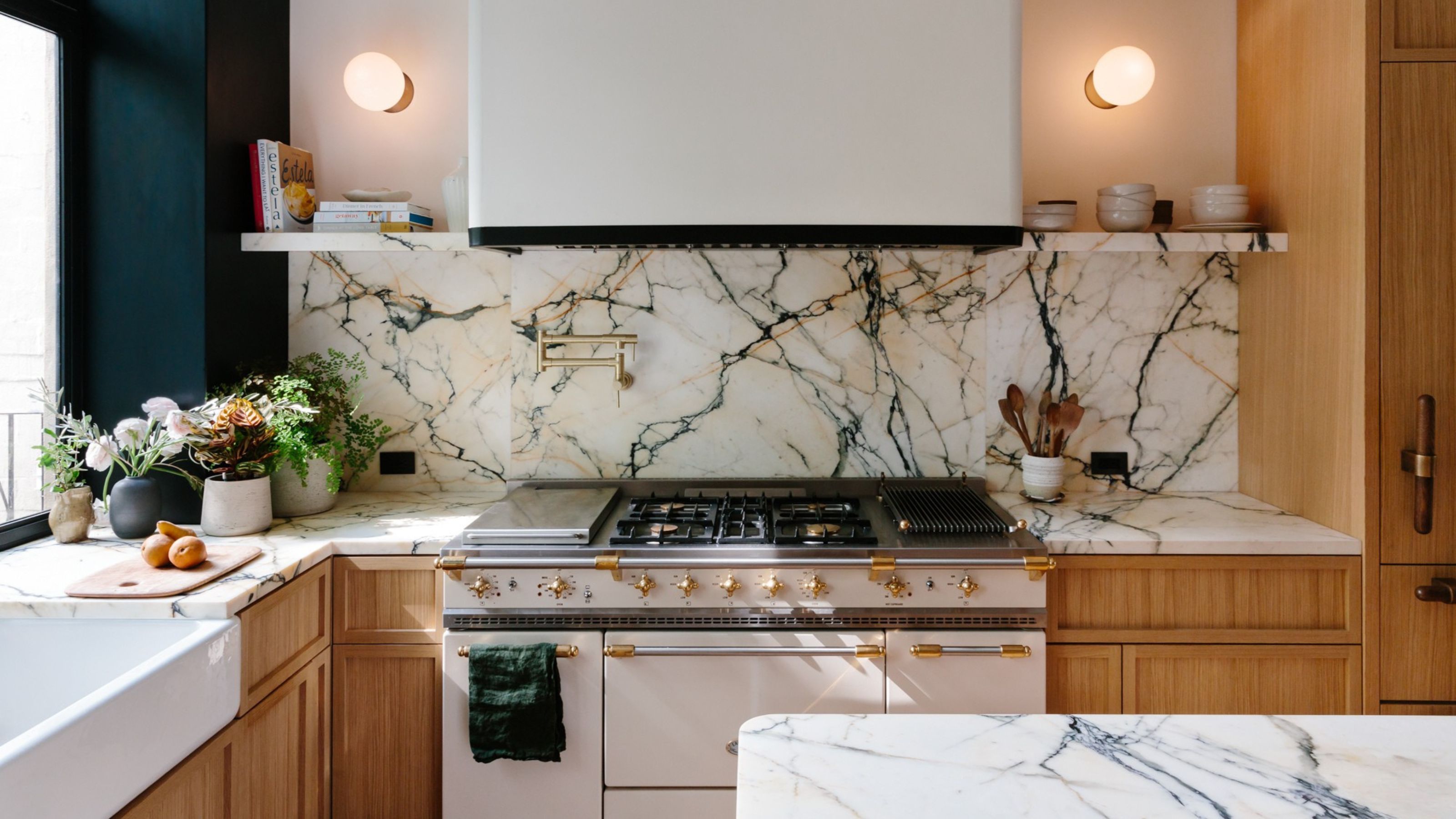
The choice between a 20mm and 30mm countertop thickness is a crucial design decision in a kitchen renovation, significantly impacting the overall aesthetic and feel of the space. While a one-centimeter difference might seem minor, design experts emphasize its profound effect. David Natasi, owner of Swain Street & Co., highlights that the countertop is a prominent and frequently used element, making its selection a long-term commitment. Katibelle Sharkey, creative director of BAS Stone, likens choosing a stone to selecting an art piece, emphasizing the need for a deep emotional connection. Livingetc's editor, Hugh Metcalf, notes a trend towards finer countertops but also appreciates the appeal of chunky worktops, indicating the subjective nature of this decision.
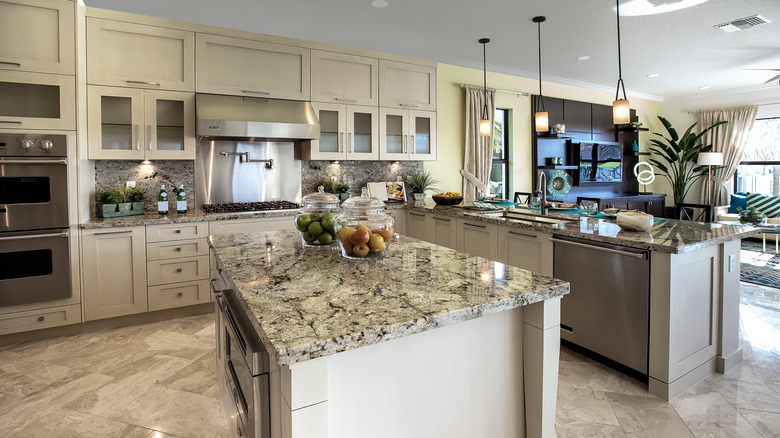
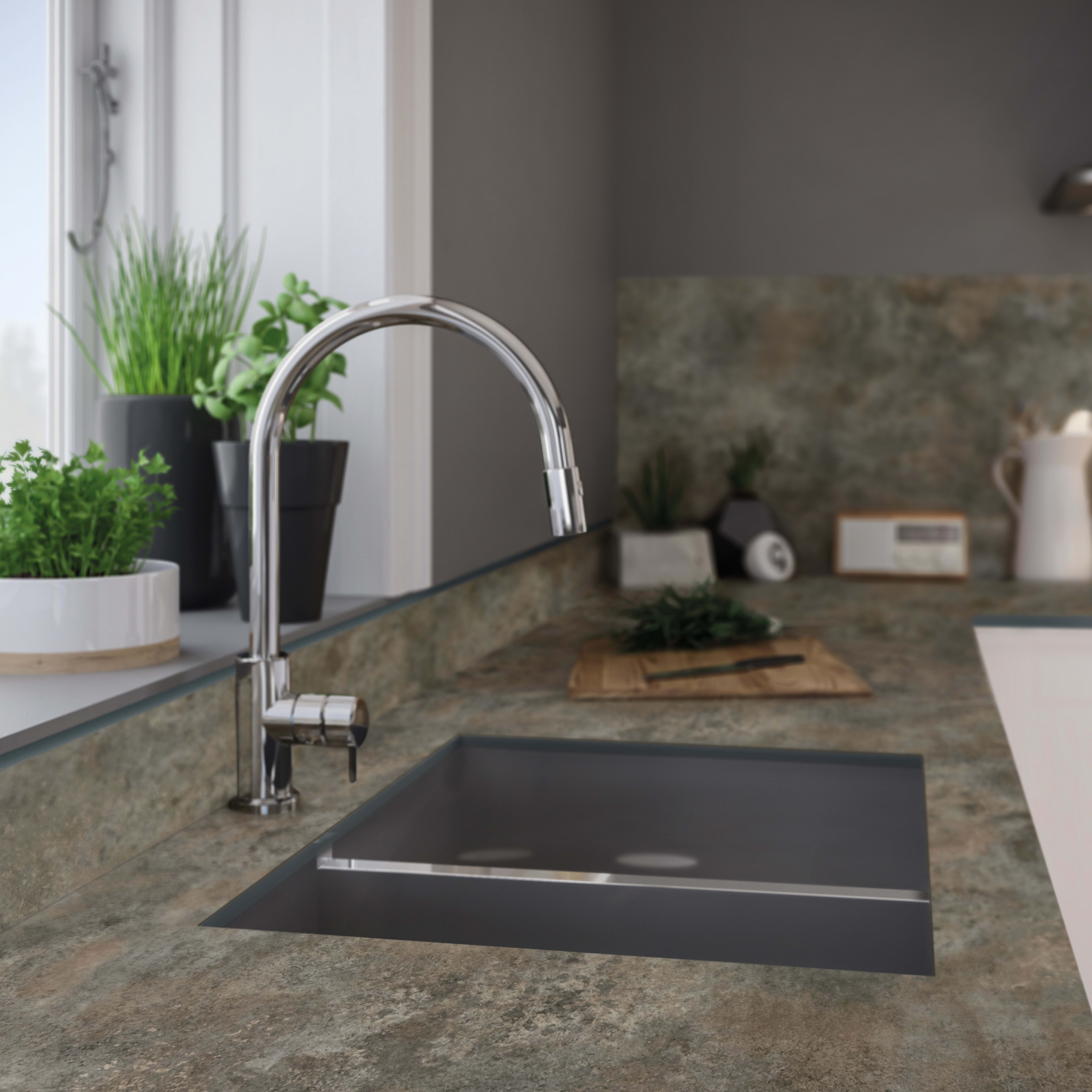
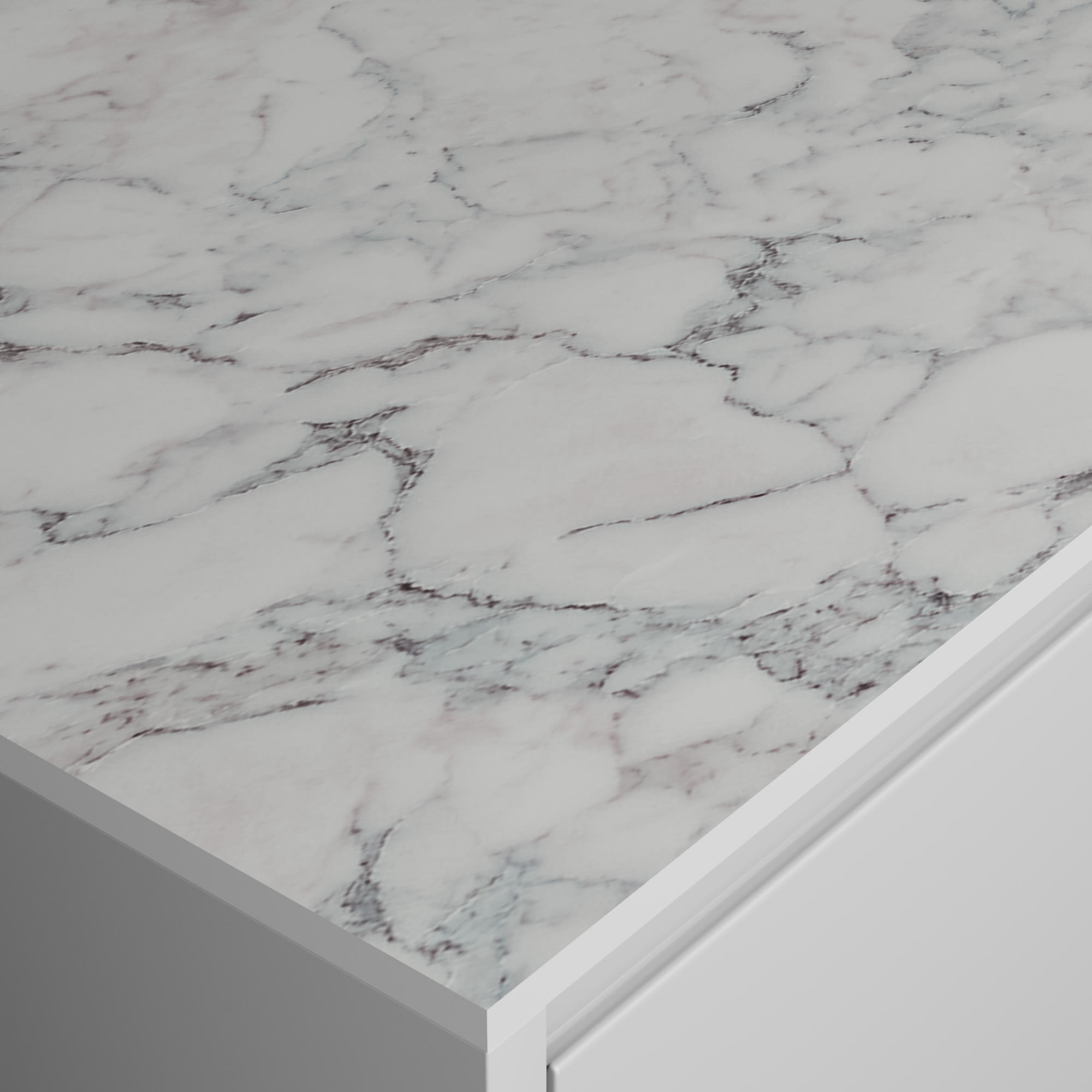
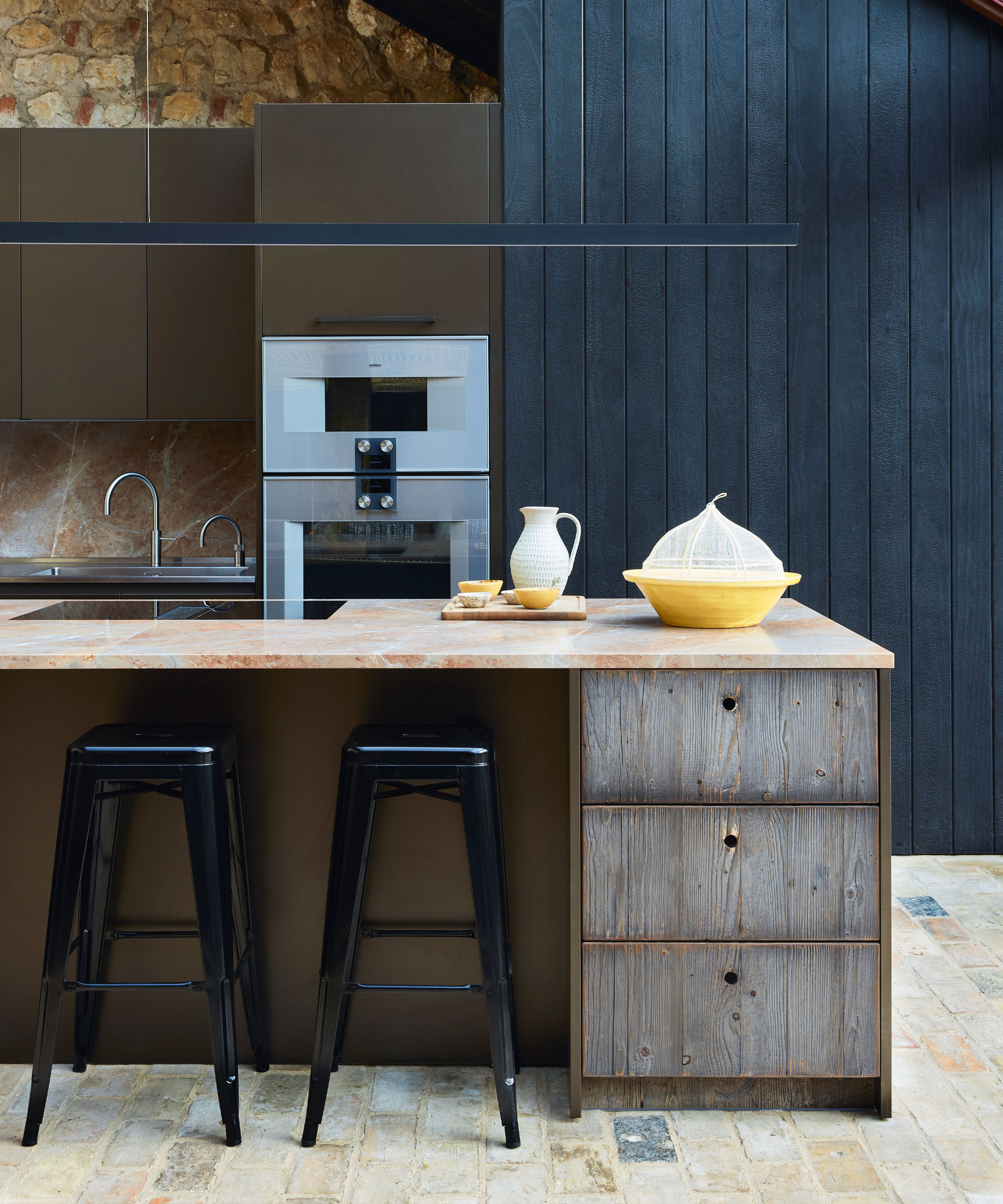
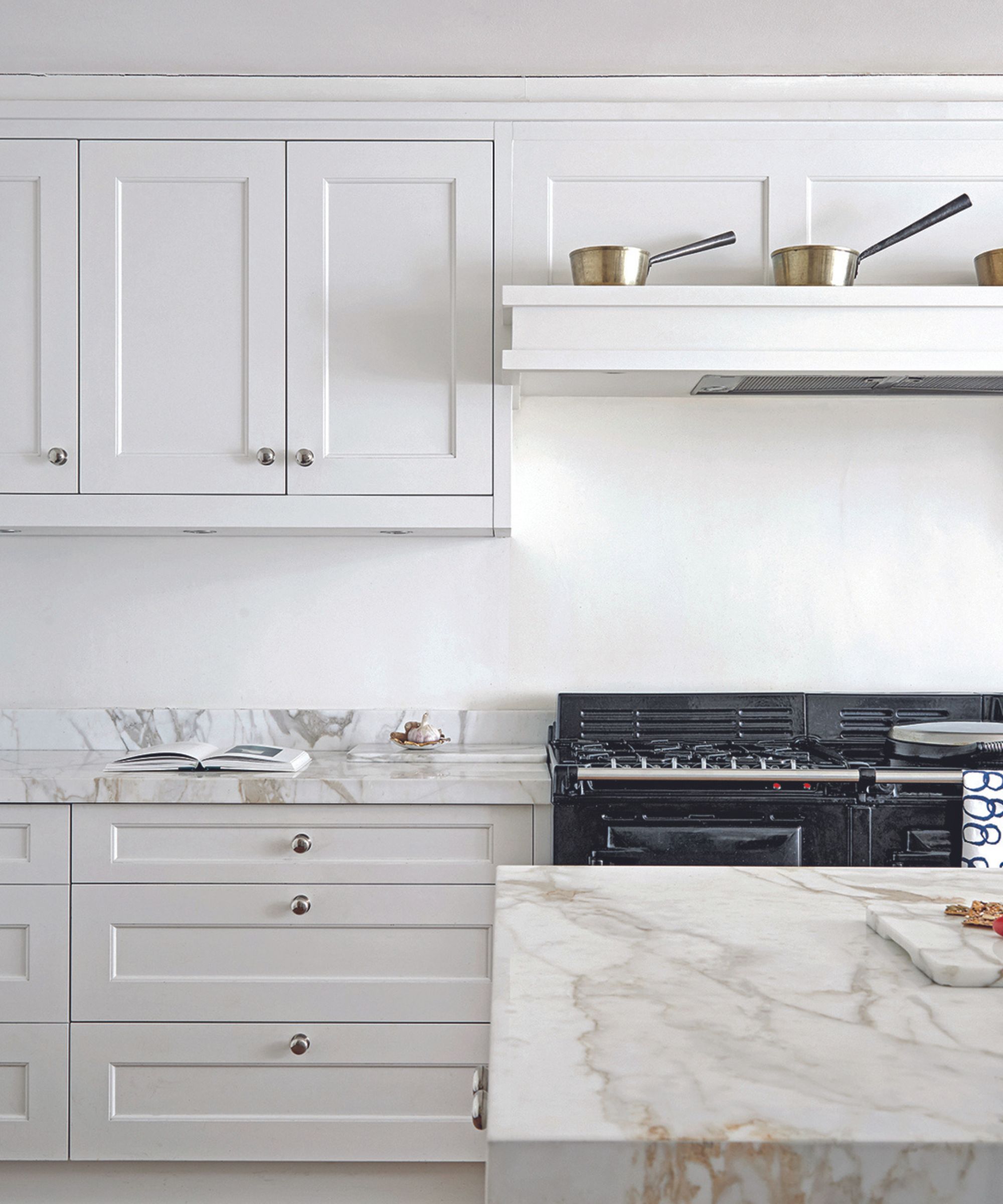
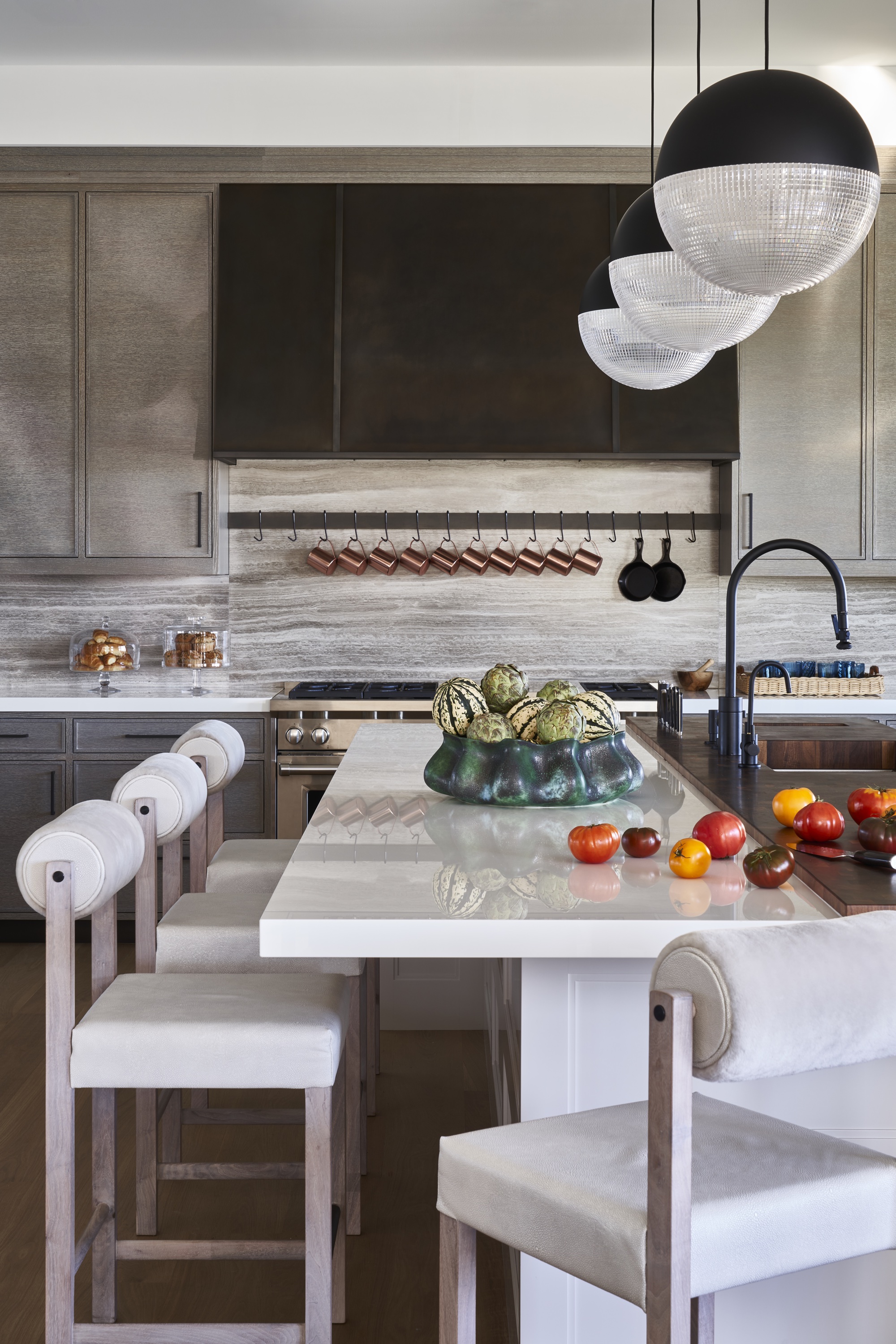
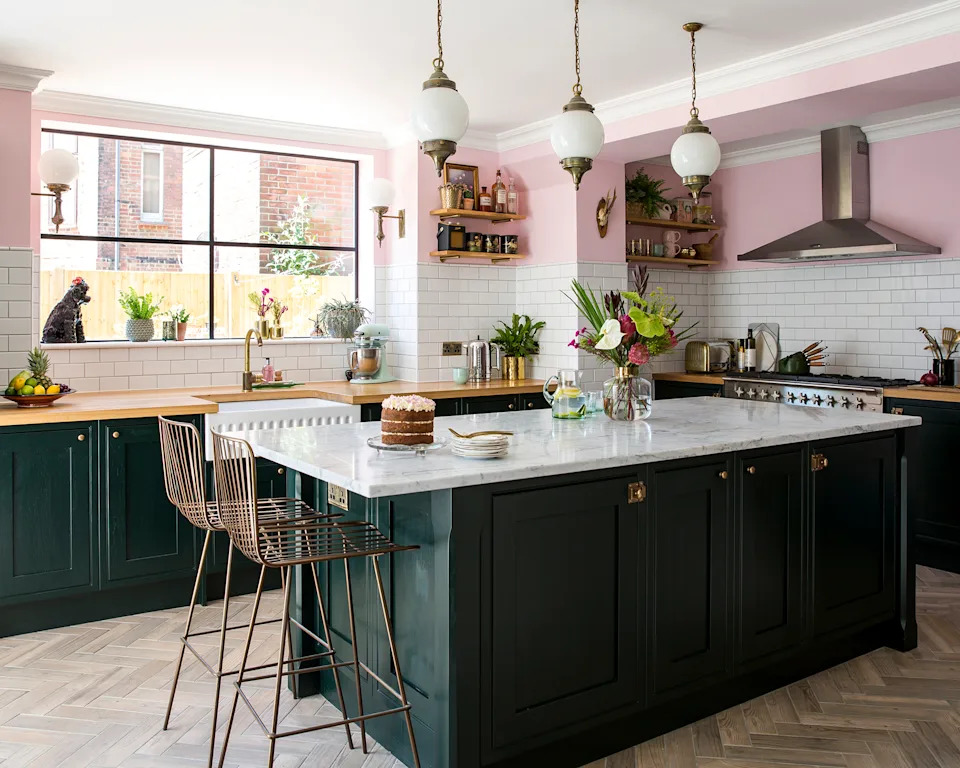
The typical thickness of a kitchen countertop varies based on the material. While stones like granite and quartzite are often found in thicker dimensions, exotic marbles frequently come in 20mm slabs. However, common marbles like Italian Carrara are readily available in 30mm cuts. Durable materials such as quartzite are also commonly found in 30mm thicknesses due to their suitability for high-use surfaces. Countertop thicknesses are not limited to 20mm or 30mm; modern porcelain can be as thin as 12mm, while Corian countertops generally start around 38mm, and natural stone worktops can reach up to 50mm.
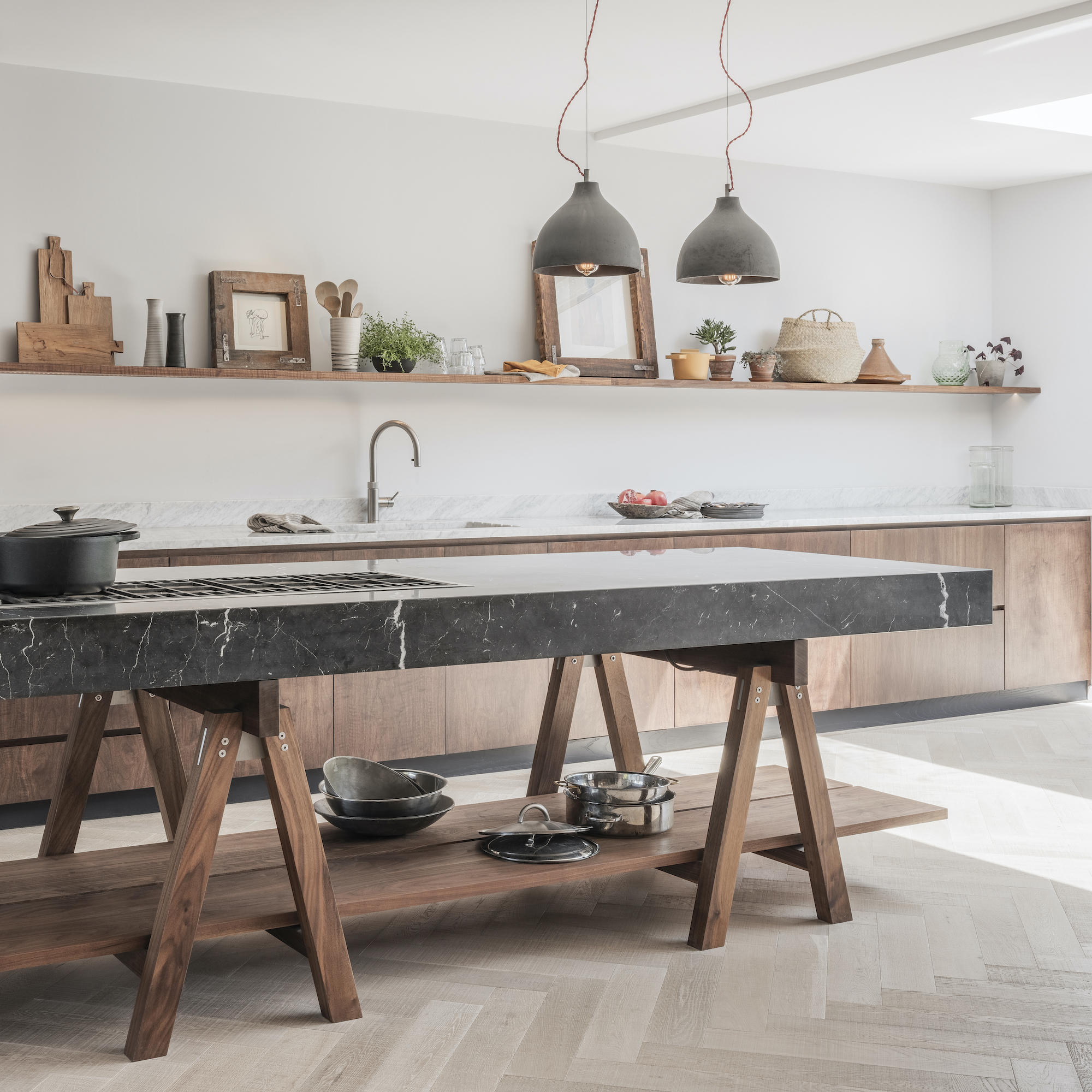
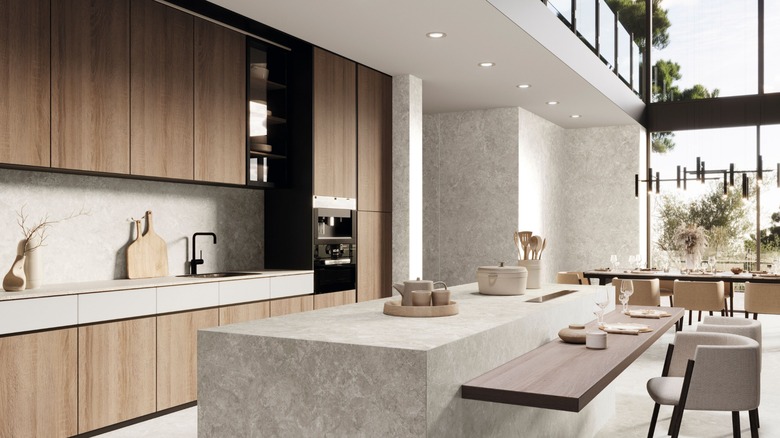
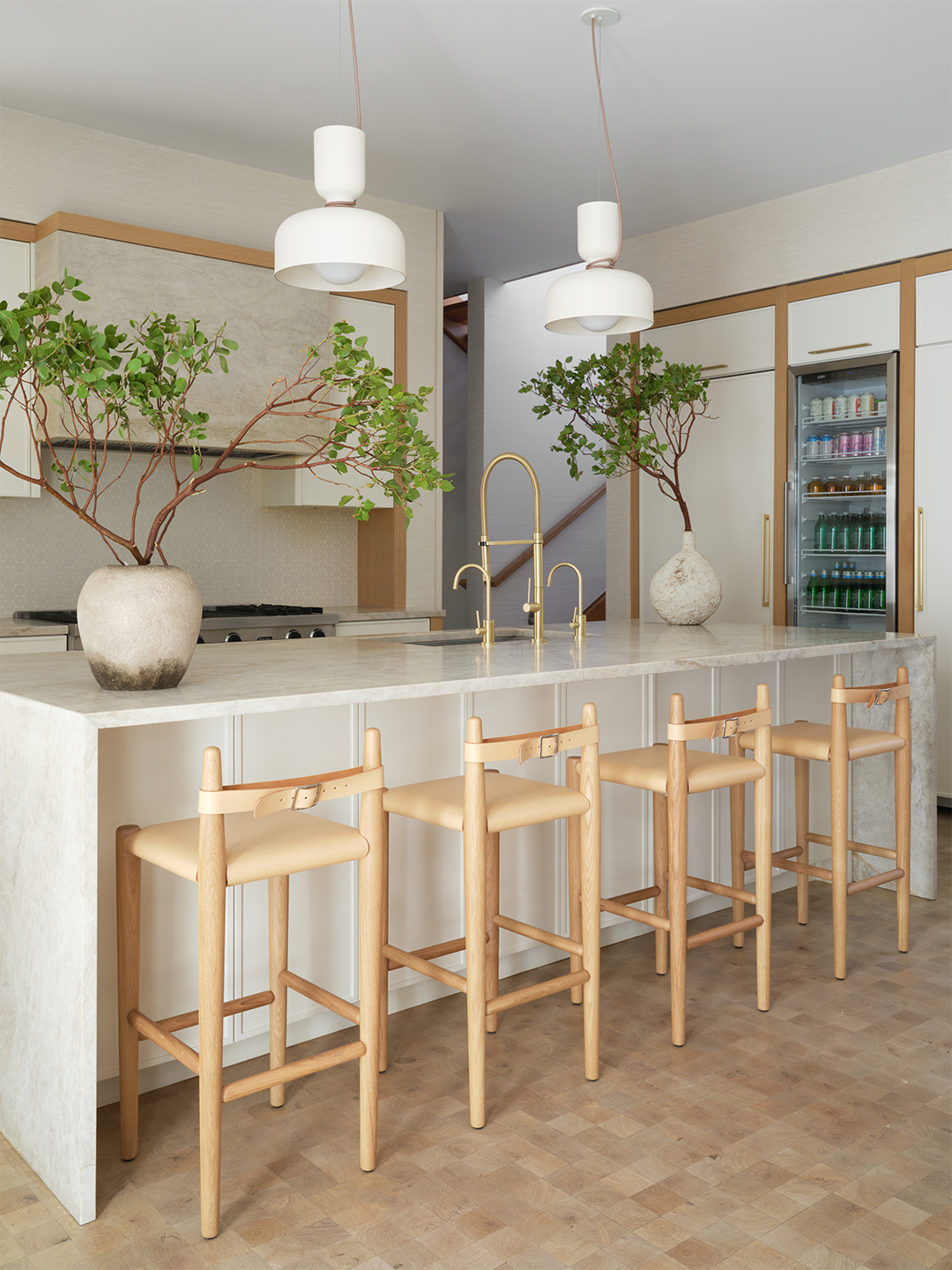
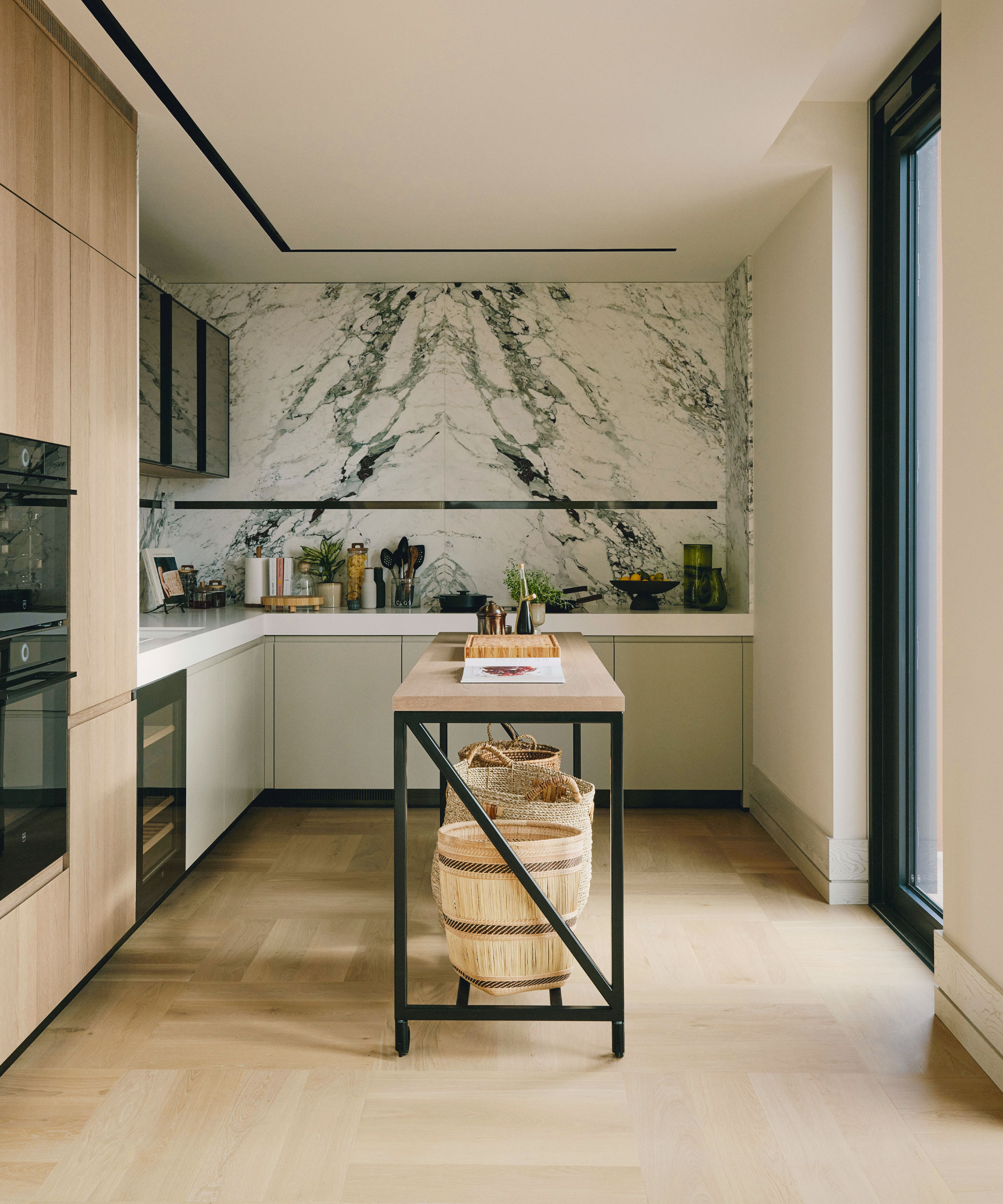
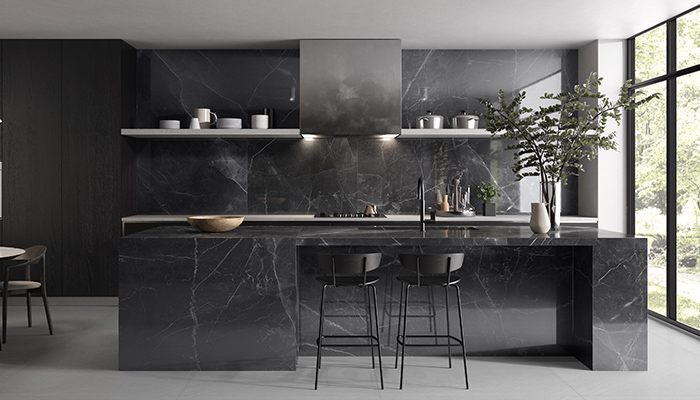
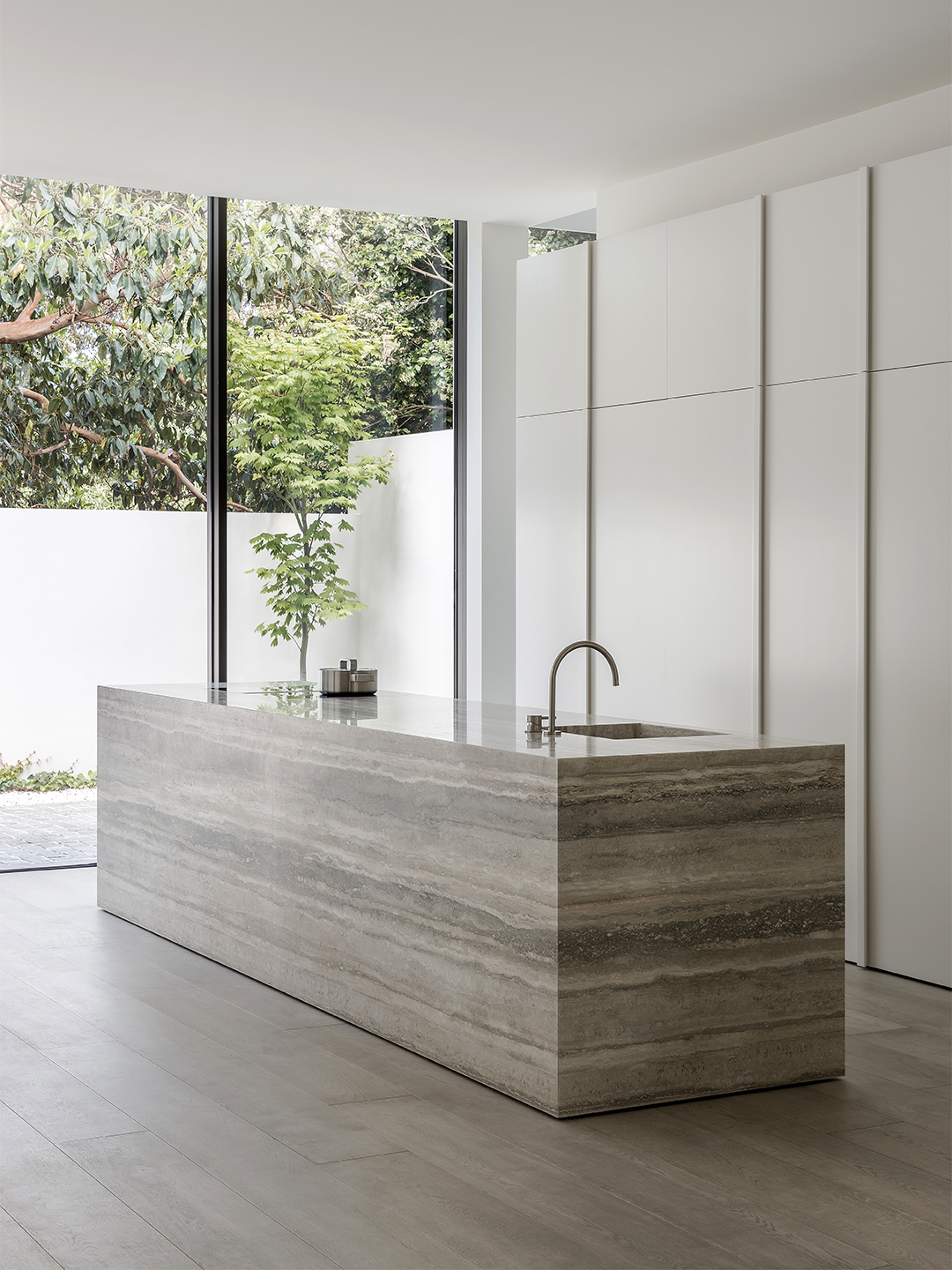
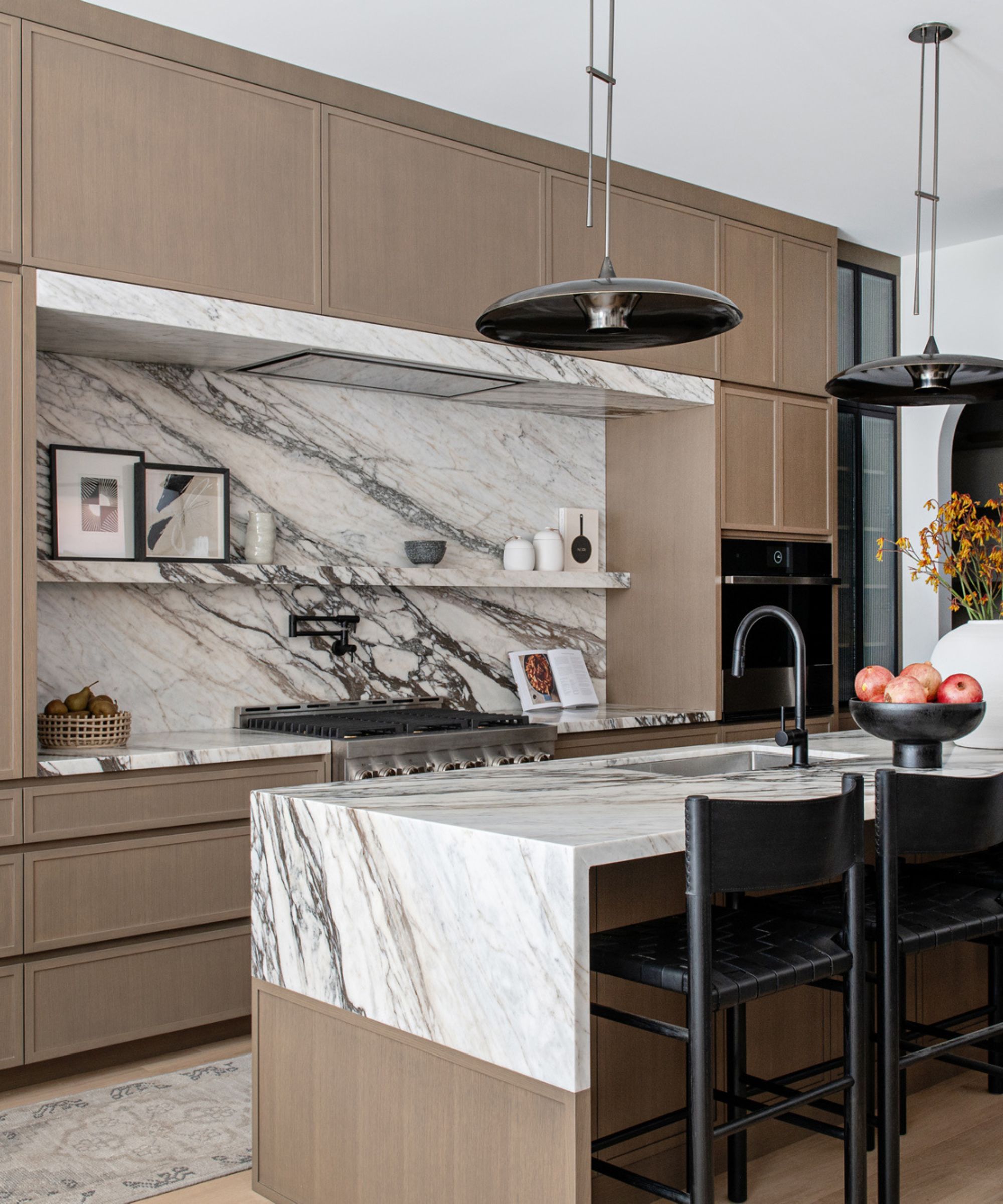
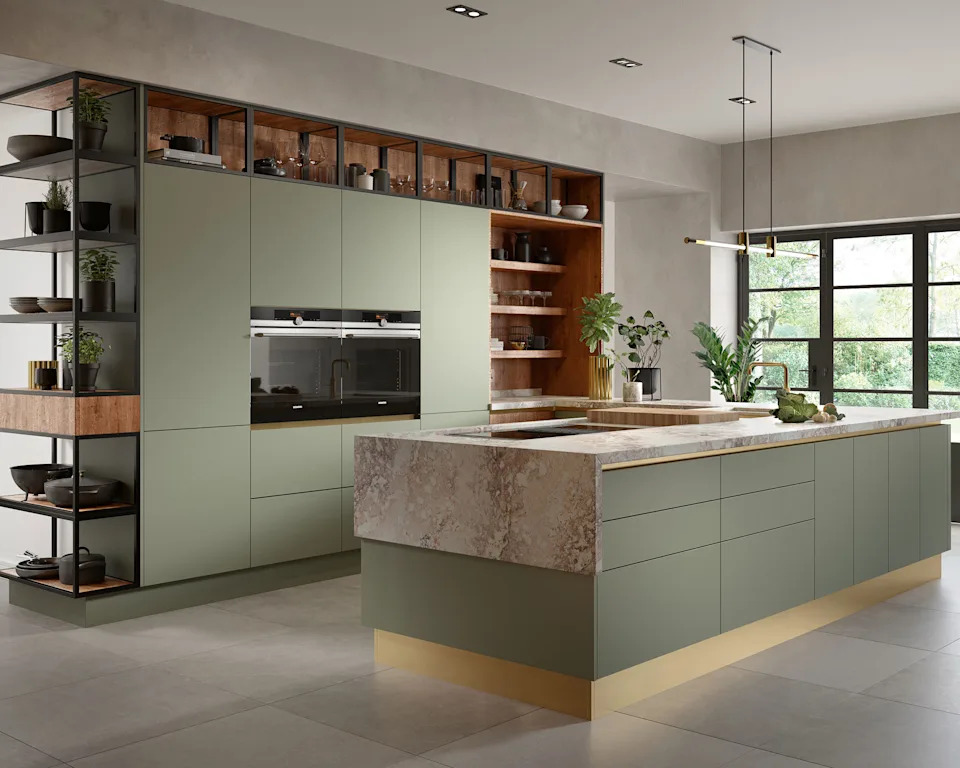
The countertop profile also plays a significant role in its perceived thickness and style. Techniques like mitered edges, where two pieces of stone are cut at a 45-degree angle and joined, create the illusion of a thicker edge. This method allows for diverse appearances, from chunky kitchen edges to thick stone bathroom sinks and waterfall edges. Other edge profiles, such as bullnose, bevel, and Ogee, each contribute a distinct aesthetic. The thickness often aligns with specific design styles: thicker stones tend to suit traditional kitchens, while thinner edges are more common in contemporary designs. Mid-century modern homes, for instance, often feature 20mm countertops, aligning with the era's philosophy of using predetermined, off-the-shelf dimensions.
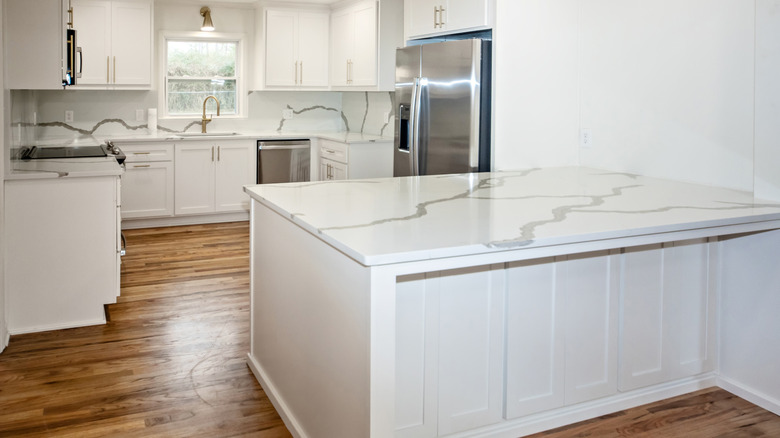
Regarding durability, a countertop's thickness, when properly installed, does not inherently impact its longevity. Natural stone will age, with minor chips and etch marks contributing to a lived-in appearance. Fabricators sometimes caution against thinner slabs due to perceived fragility, but experts like Jed Lind advise against letting such warnings deter a preferred choice. As long as a substantial portion of the slab rests on a level cabinet, a 20mm countertop can be as durable and functional as a 30mm one. Ultimately, the decision between 20mm and 30mm countertop thickness depends on the material, desired style, and budget, with thicker options typically being more expensive. Understanding these factors helps in making an informed decision for a kitchen renovation.
#KitchenDesign #CountertopThickness #HomeRenovation #InteriorDesign #StoneSelection #KitchenStyle #MaterialChoice #Durability #EdgeProfiles #KitchenDesign #CountertopThickness #HomeRenovation #InteriorDesign #StoneSelection #KitchenStyle #MaterialChoice #Durability #EdgeProfiles
Toplam 0 yorum
 Henüz yorum yok
Bu da beğenebilirsiniz
Experts reveal the kitchen worktop mistakes to avoid - ignore at your peril
5 kitchen worktop trends that experts think you should be considering for your next project in 2025
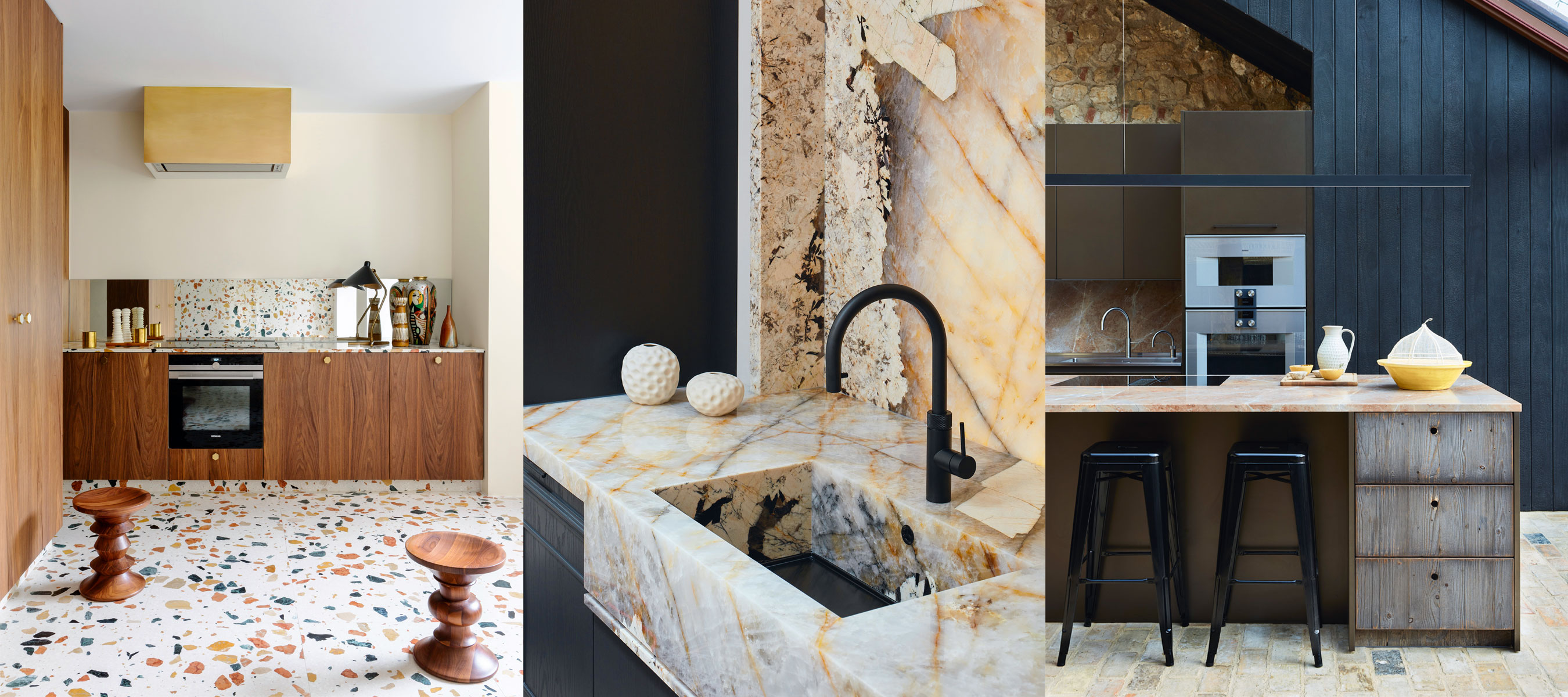
For statement, superior kitchen surfaces, explore the 10 new materials changing the face of kitchen design

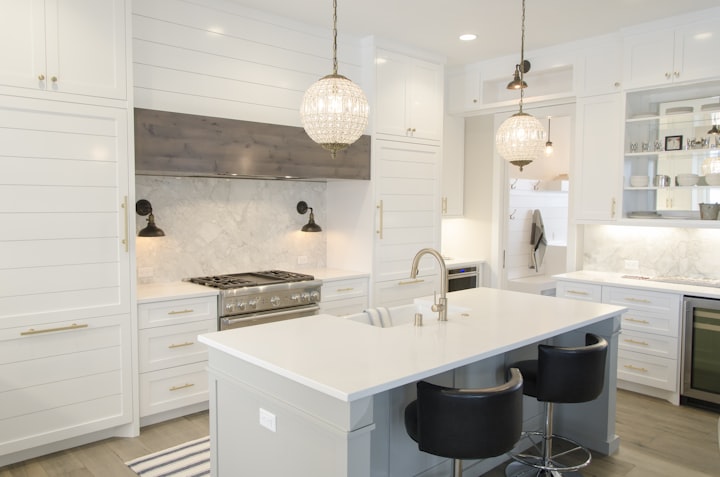
7 Top Kitchen Countertop Trends In 2021

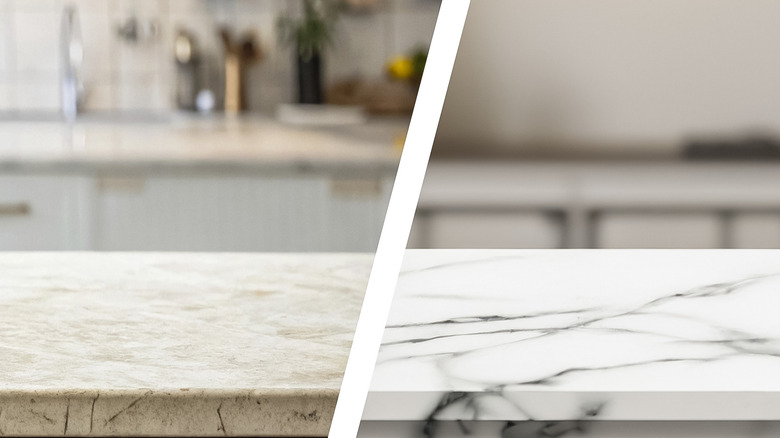
Granite Vs Marble Countertops: Which Is Best For Your Kitchen?

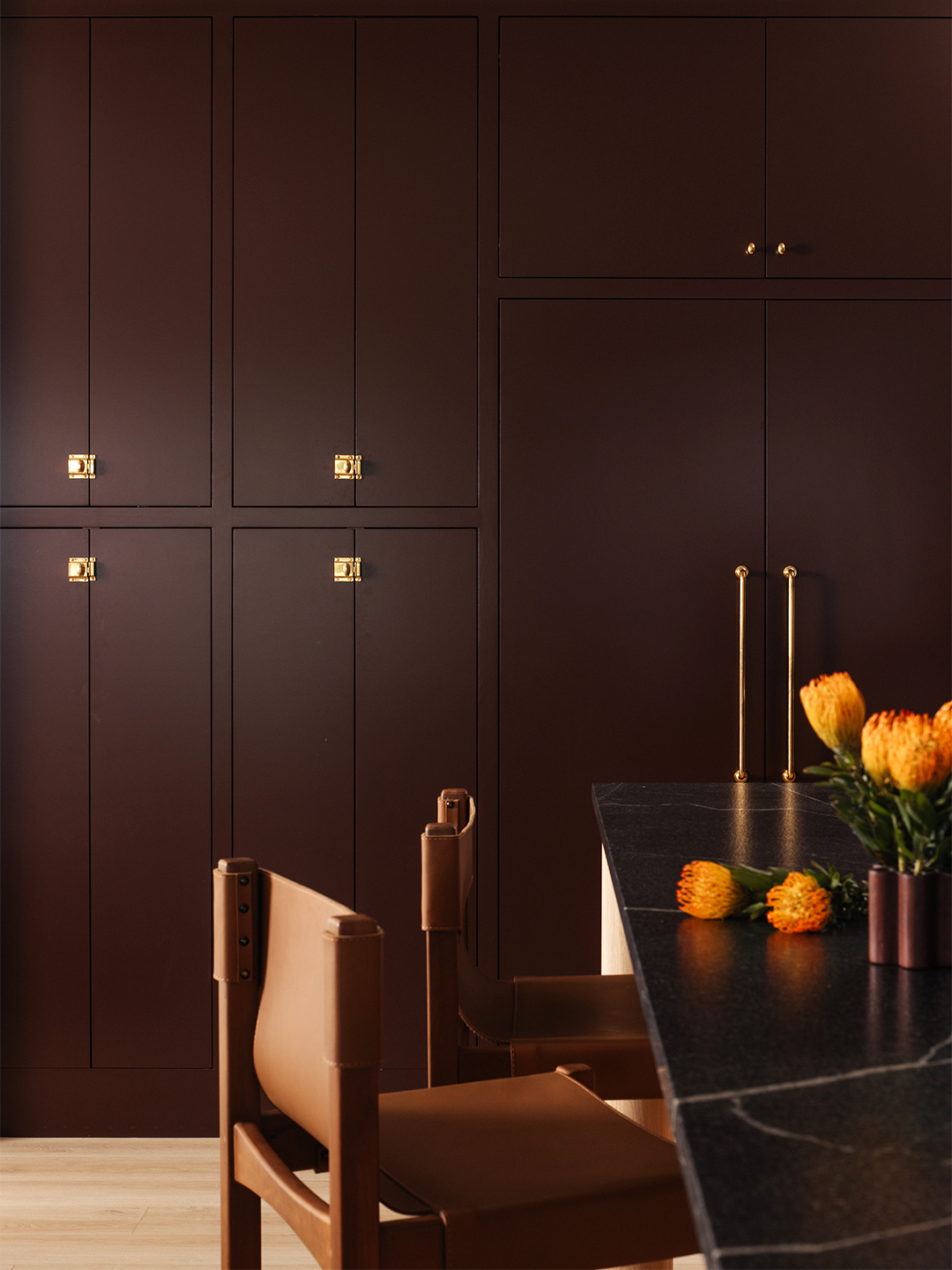
21 Designers Predict 2026’s Hottest Kitchen Countertop Material

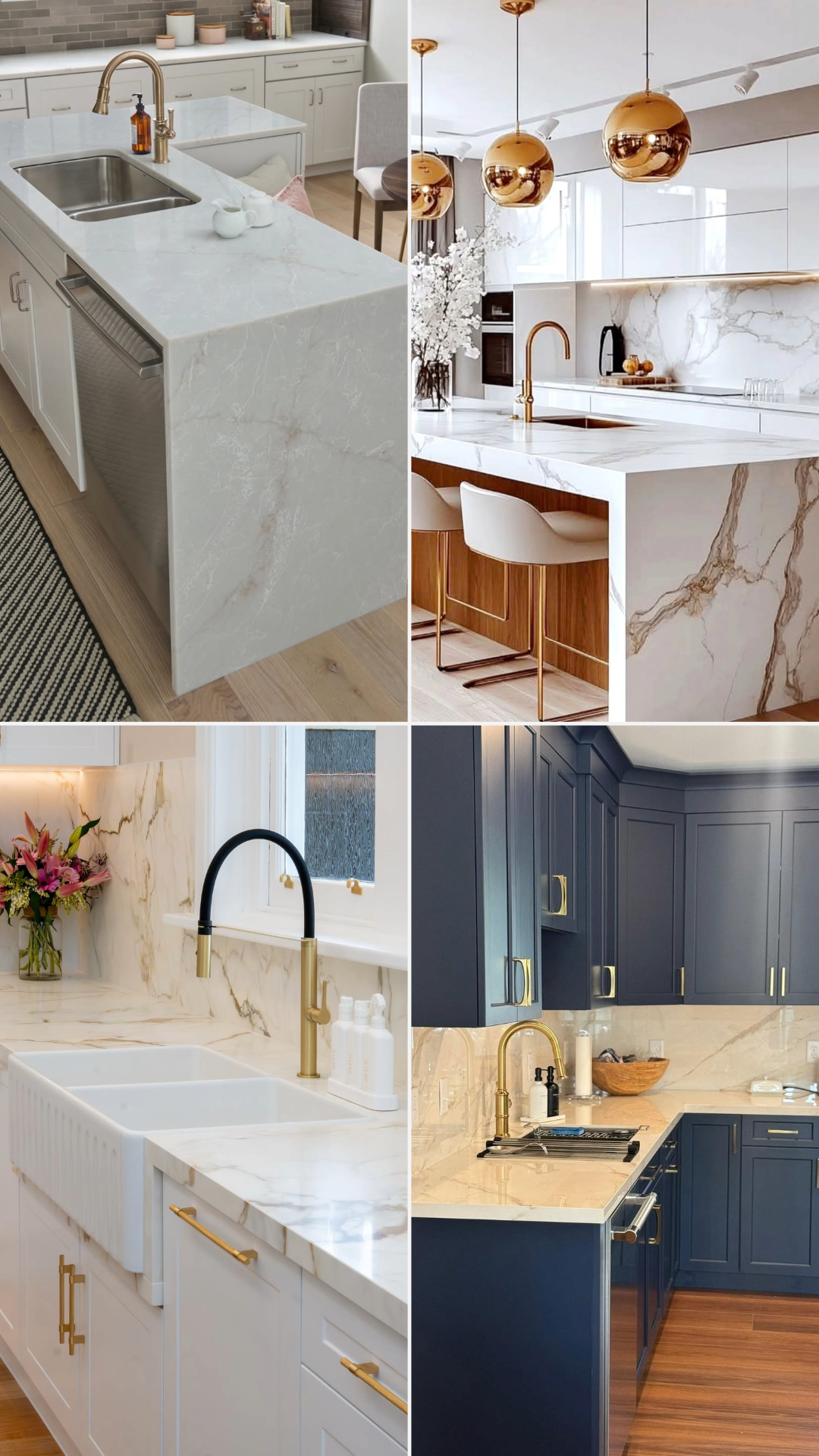
30 Kitchen Countertop Ideas You Should See Before Picking a Slab, Color, or Pattern
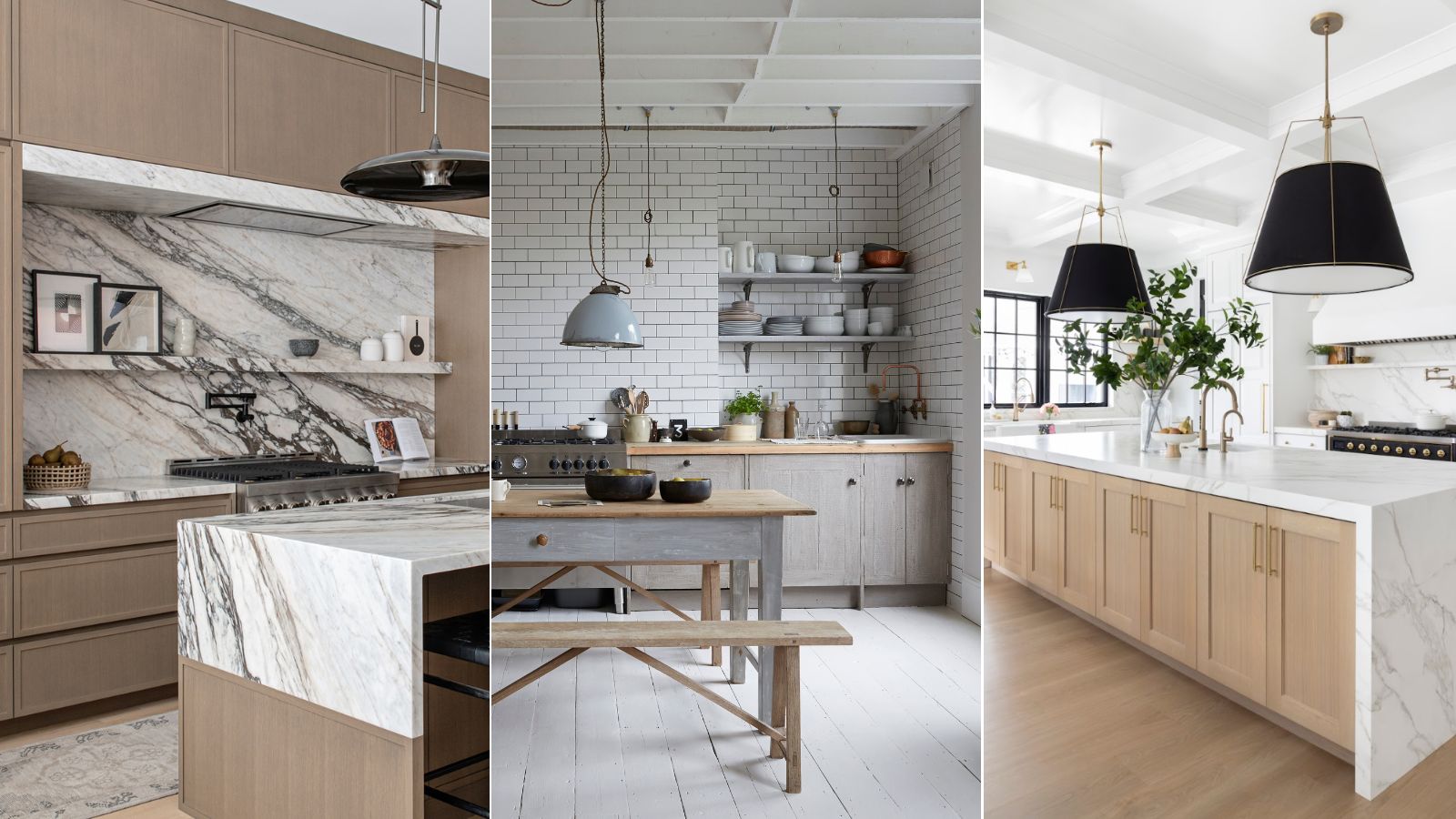
What's replacing granite countertops? These are the materials interior designers want to see more of
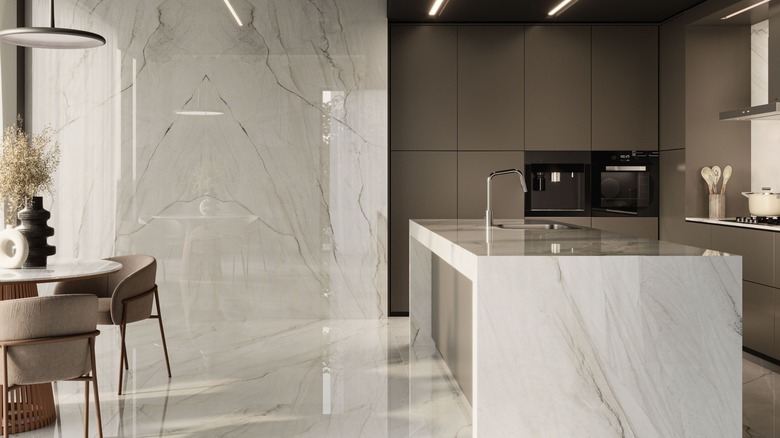
7 Stunning Countertops That Mimic The Beauty Of Marble (And 2 We'd Avoid)
Glass thickness important detail when designing tabletops | Home and Garden | Life
How the latest porcelain surfaces offer both form and functionality
What's the best material for split-level kitchen islands? Designers on getting this luxe decor trend exactly right
Designers No Longer Love This Kitchen Countertop Material—Here's What to Use Instead

Laminate Worktops

Quartz vs granite countertops: what's the best material
Kitchen countertop ideas – 14 worktops in marble, granite and composite materials
The Worst Thing About Every Popular Kitchen Countertop Designers Don’t Tell You

All Kitchen worktops
Burgundy Marble Counters Are In, But Designers Also Love These 4 Stones

Choosing the Best Backsplash for Your Kitchen