1/11
Pantry shelving ideas – 10 ways to add style and storage to a pantry
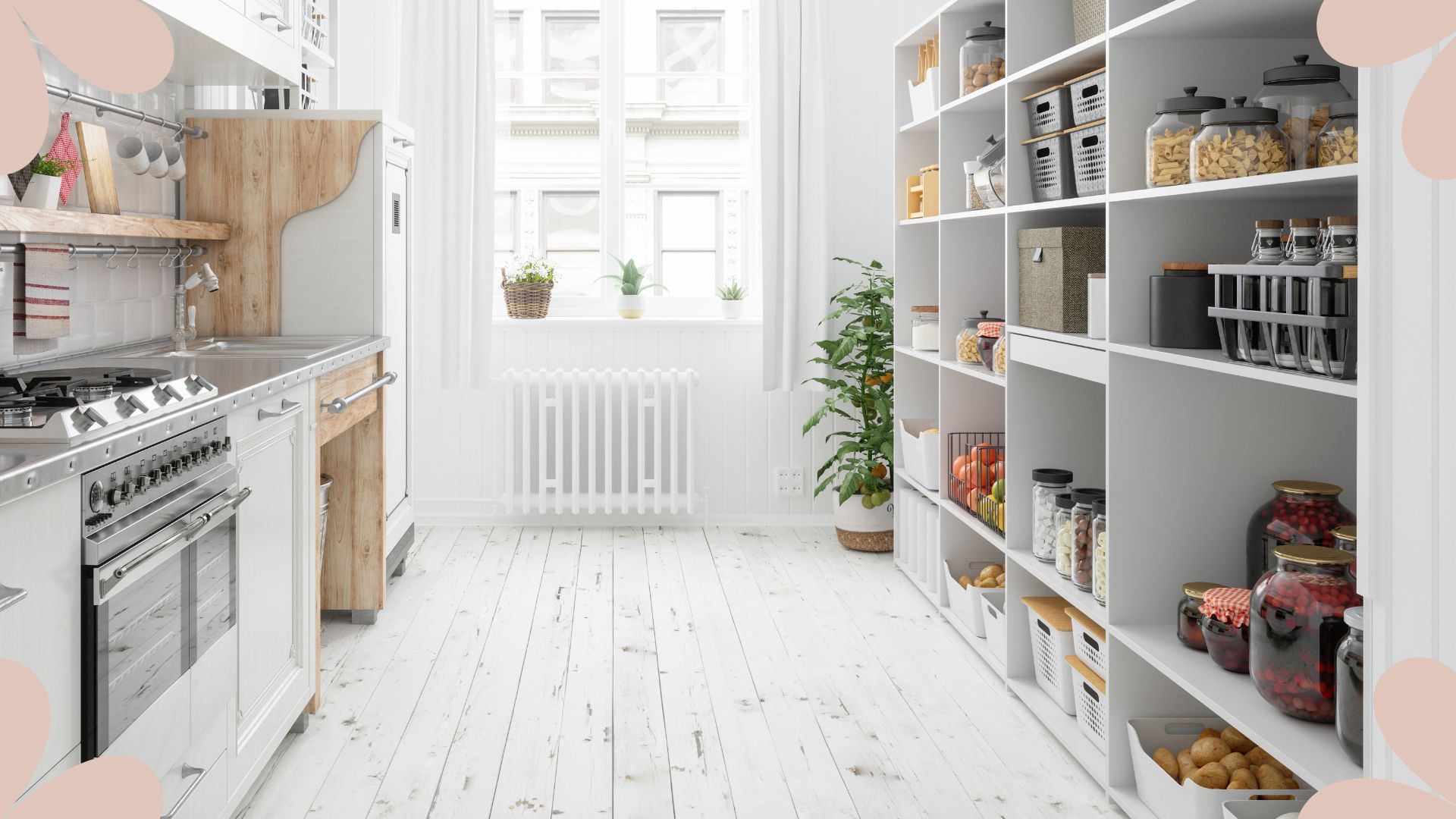
Pantry shelving ideas are not only the most efficient use of space but will turn a practical pantry into a thing of beauty too. Allison Lynch, Senior Design Consultant at Roundhouse, highlights the increasing relevance of larders for compact, coherent storage, essential for keeping open-plan kitchens clutter-free. Allison recommends treating a larder like a utility room, a central area for foodstuffs and kitchen equipment, designed to group items for easy access or hidden storage, adaptable to available space or integrated into existing cabinetry.
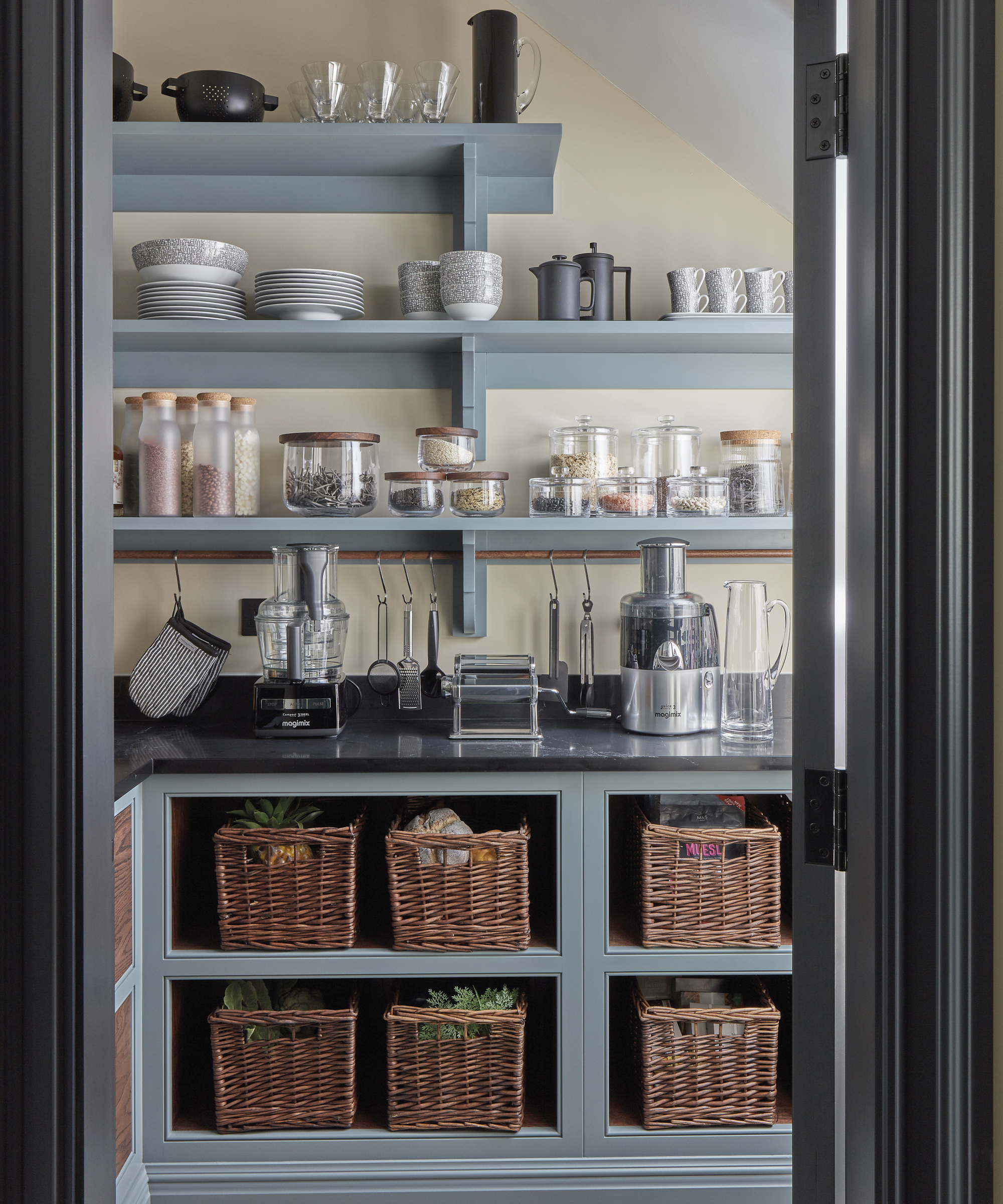
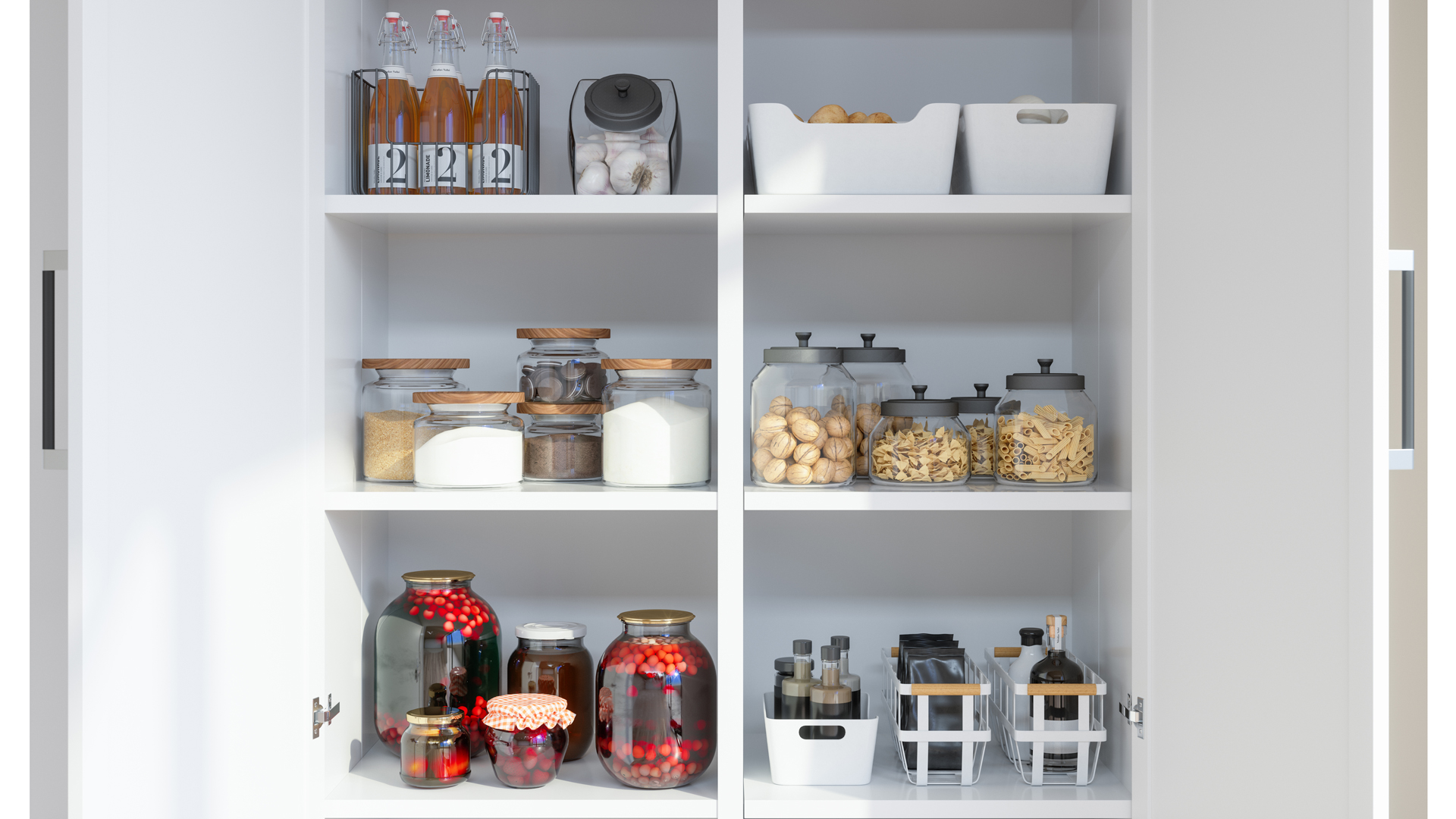
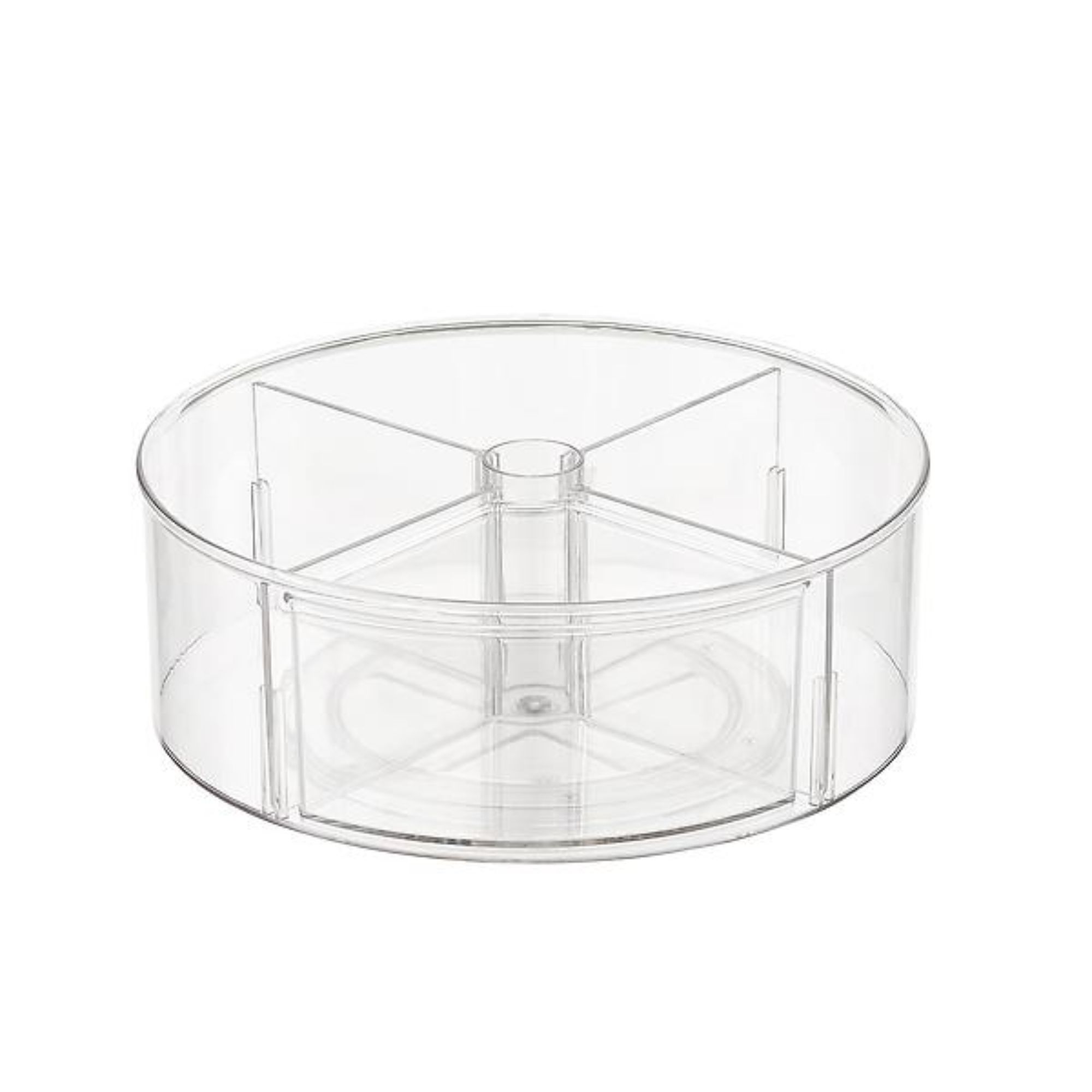
Effective pantry shelving must prioritize practicality, functioning seamlessly with individual household needs and usage patterns. Alex Main, director of The Main Company, emphasizes the importance of assessing storage requirements before designing a pantry, suggesting dedicated wine shelving or space for small appliances. Rob Lessmann, founder of Design'd Living, advises considering both aesthetics and ergonomics; heavier, less frequently used items should be stored on the floor, while more accessible items are placed at eye level. Implementing built-in storage solutions like pull-down racks or baskets can further enhance organization.
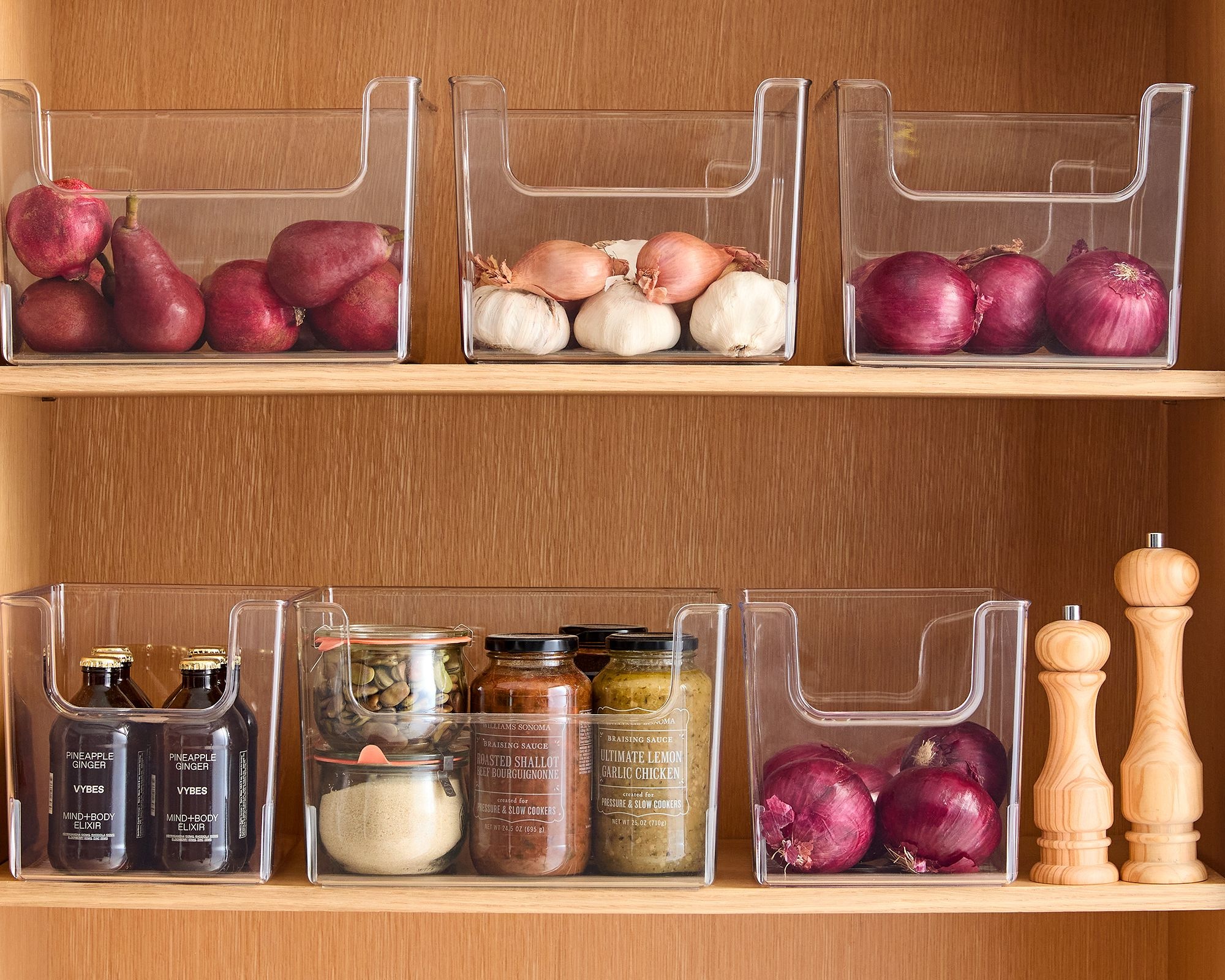
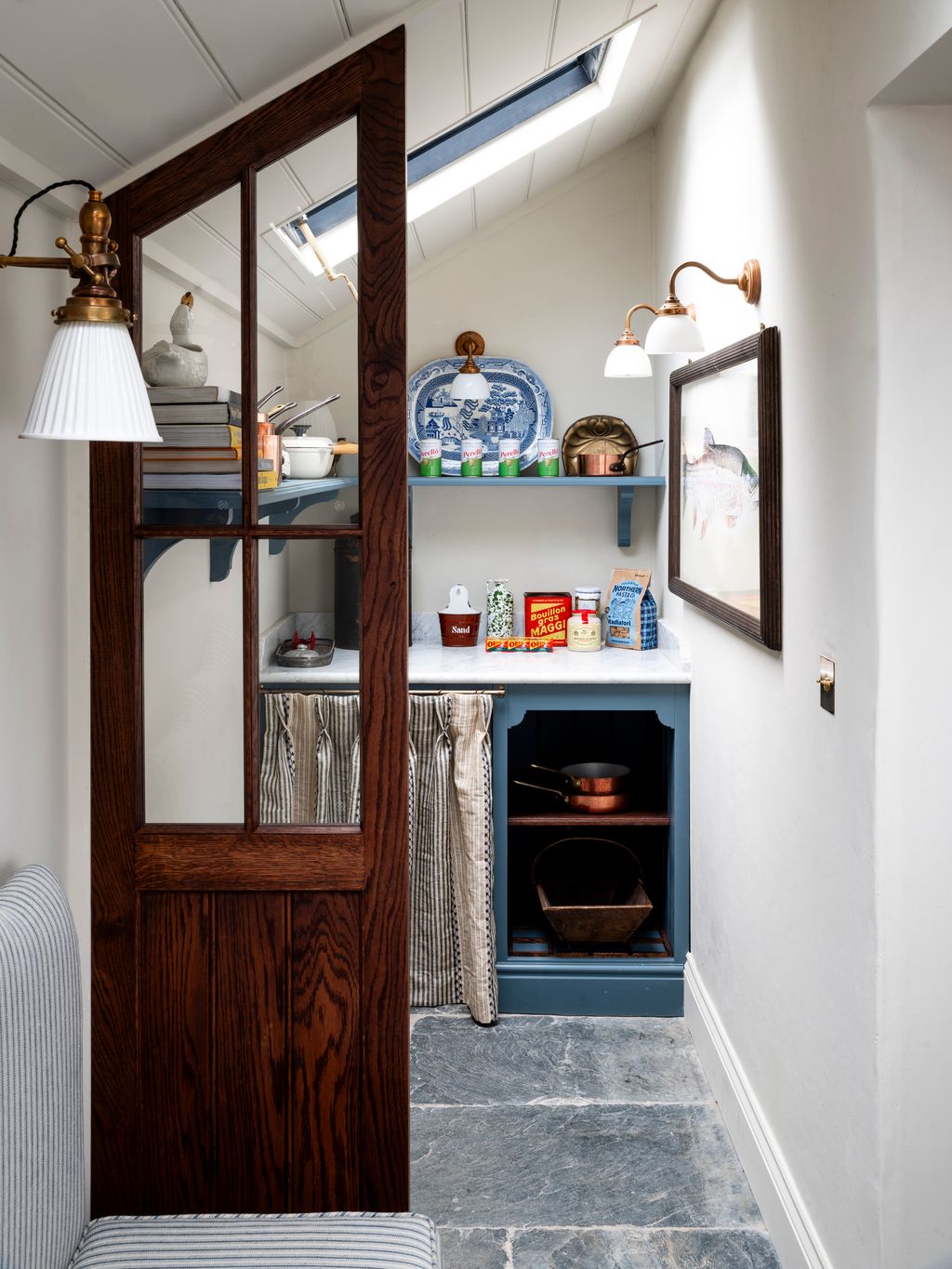
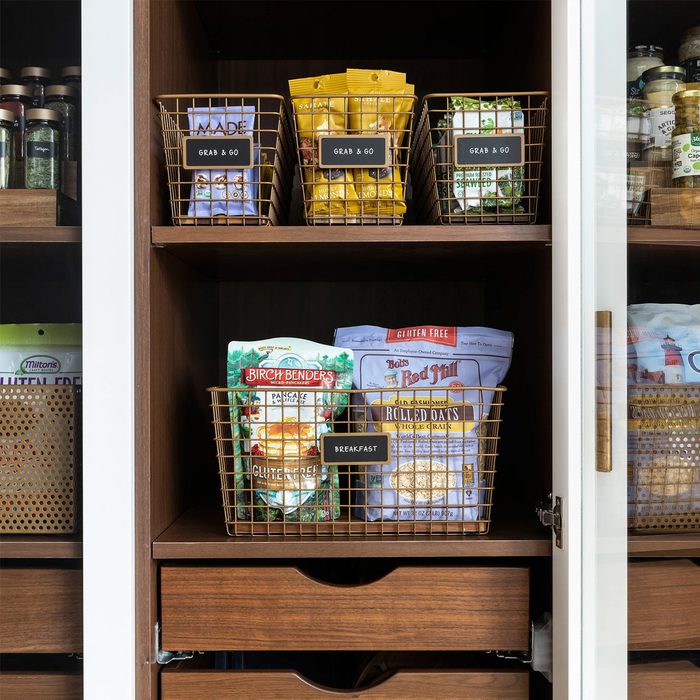
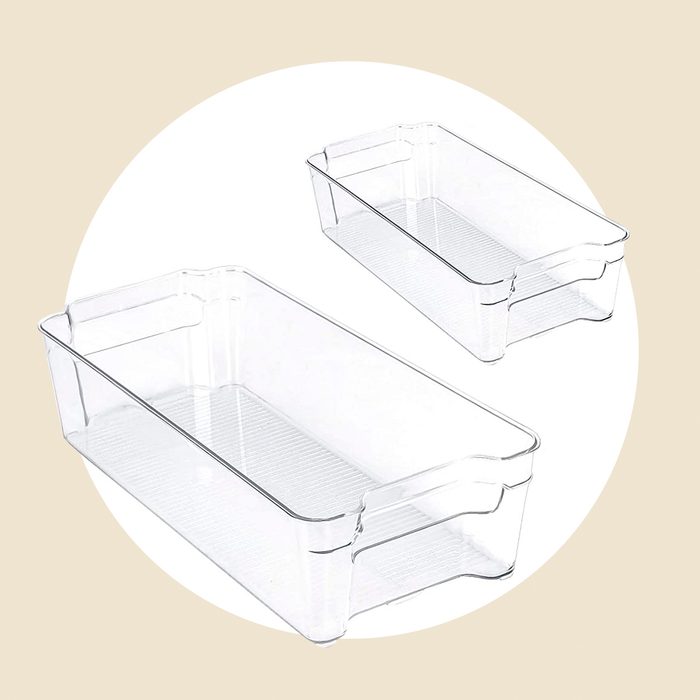
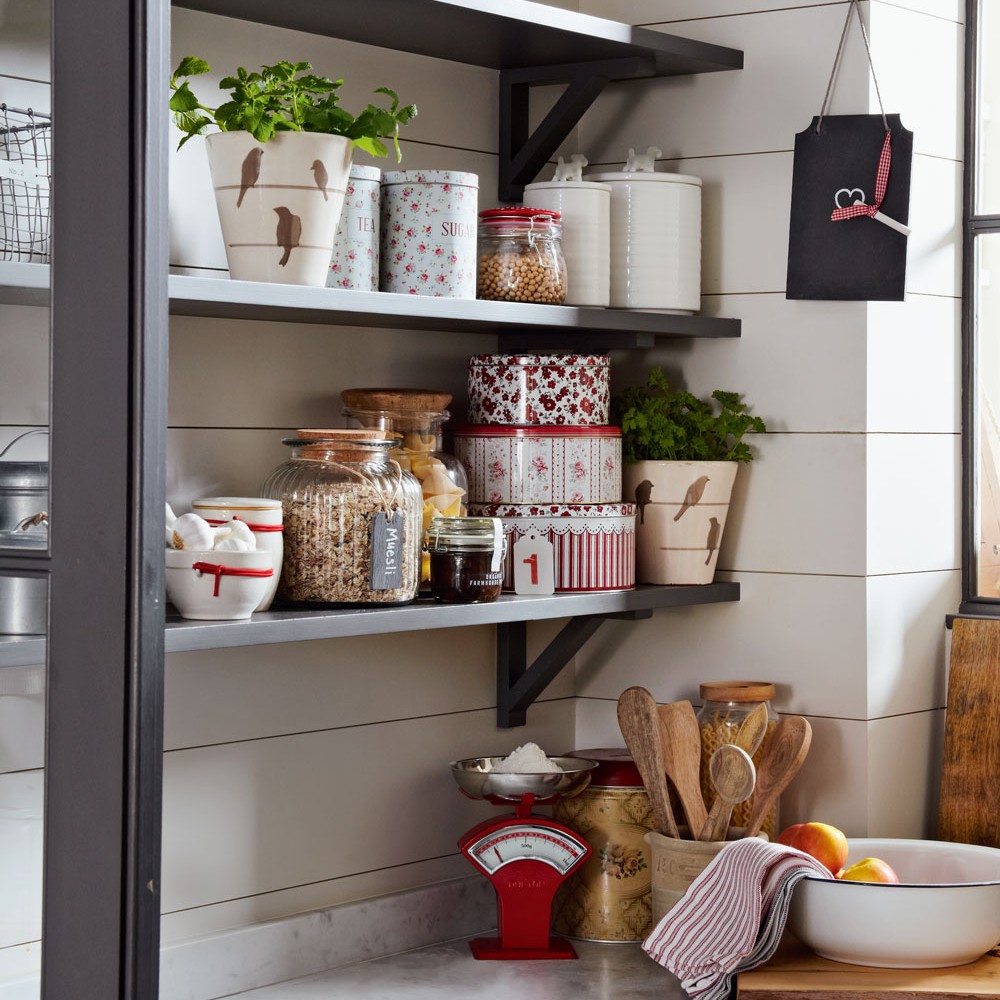
Once a practical shelving system is established, aesthetic considerations can be introduced without compromising functionality. Vintage storage pieces, such as wire baskets, retro tins, and jars, can add character and visual interest, breaking up uniform rows of foodstuffs. Rob Lessmann recommends investing in quality, color-coordinated boxes and baskets, and clear labeling to prevent items from being overlooked or expiring. Incorporating negative space prevents overcrowding and helps maintain an organized, inviting appearance.
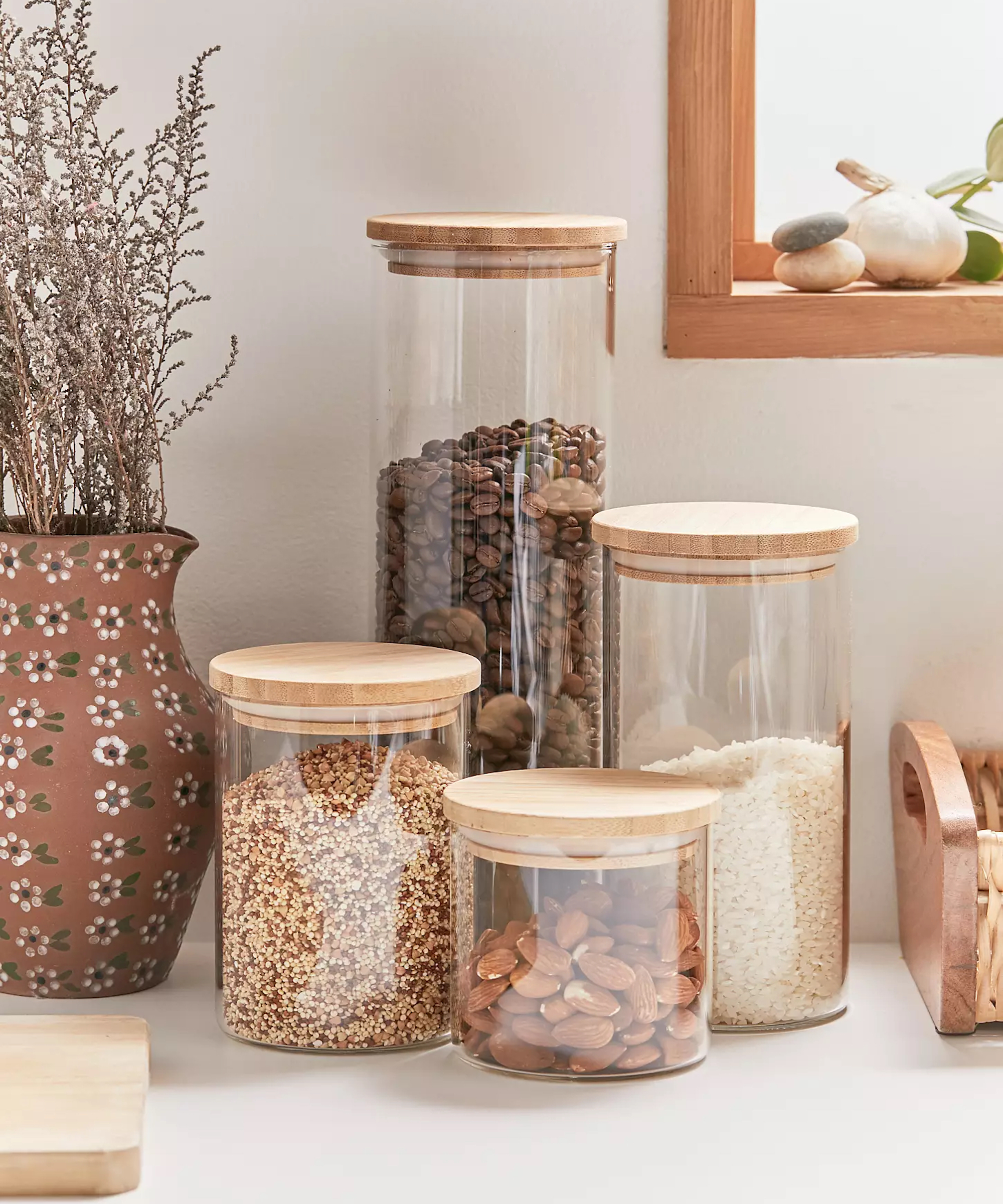
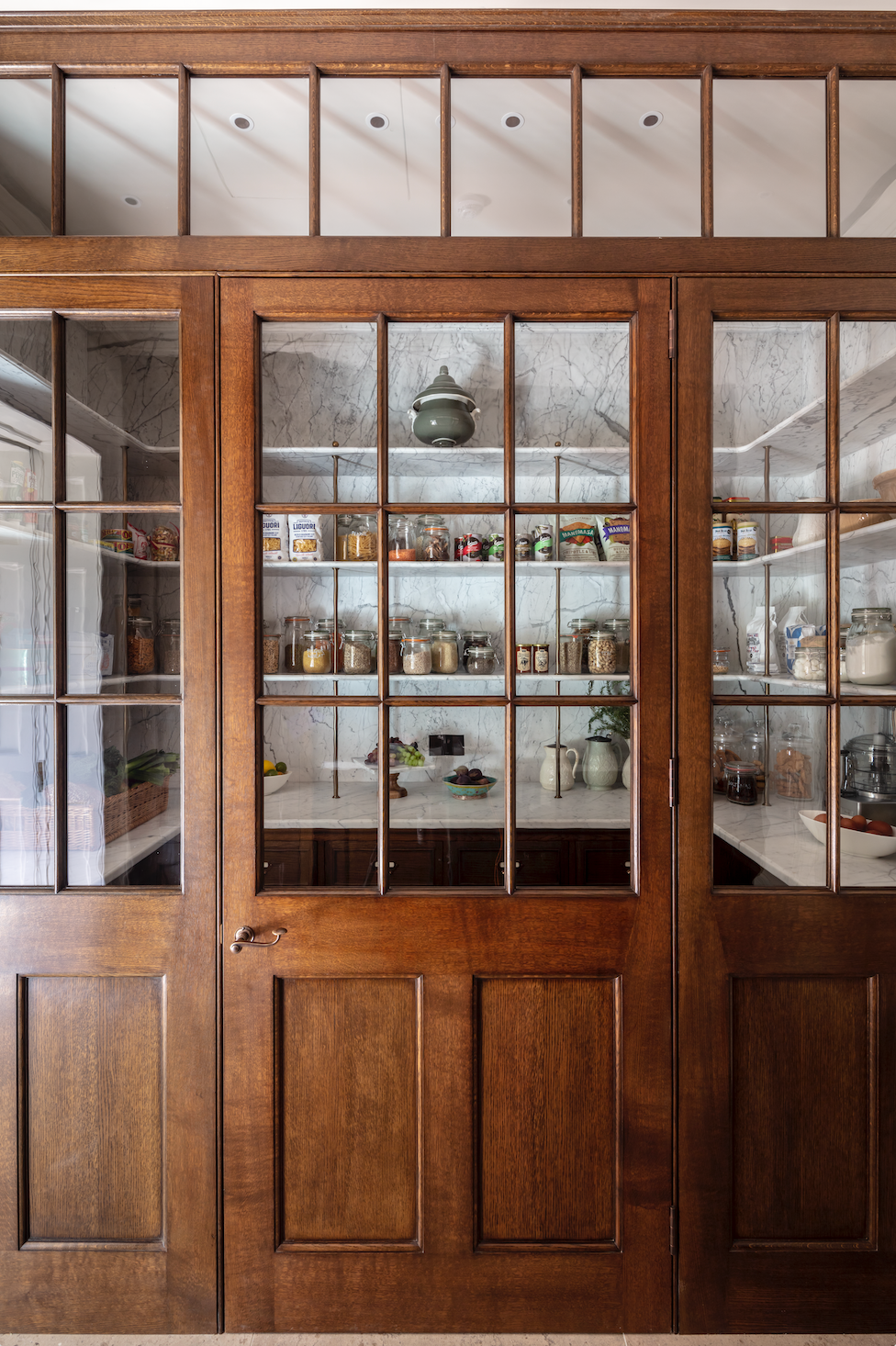
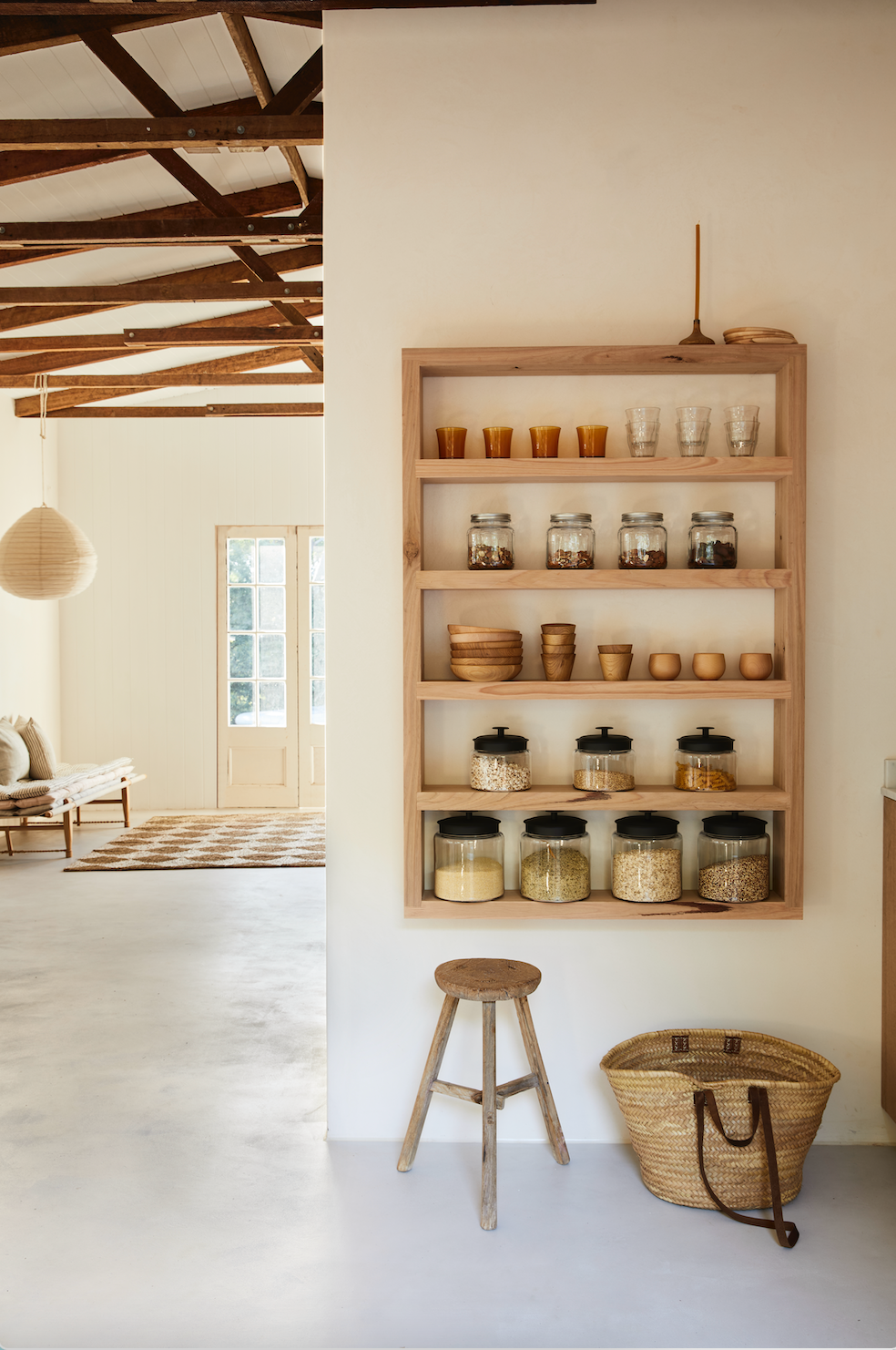
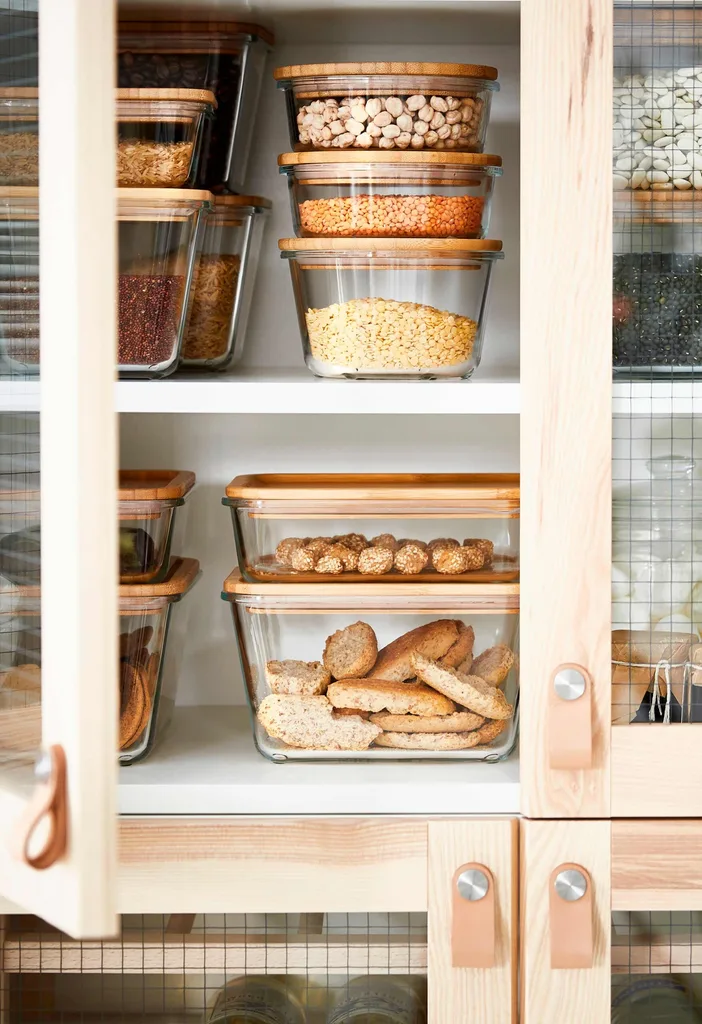
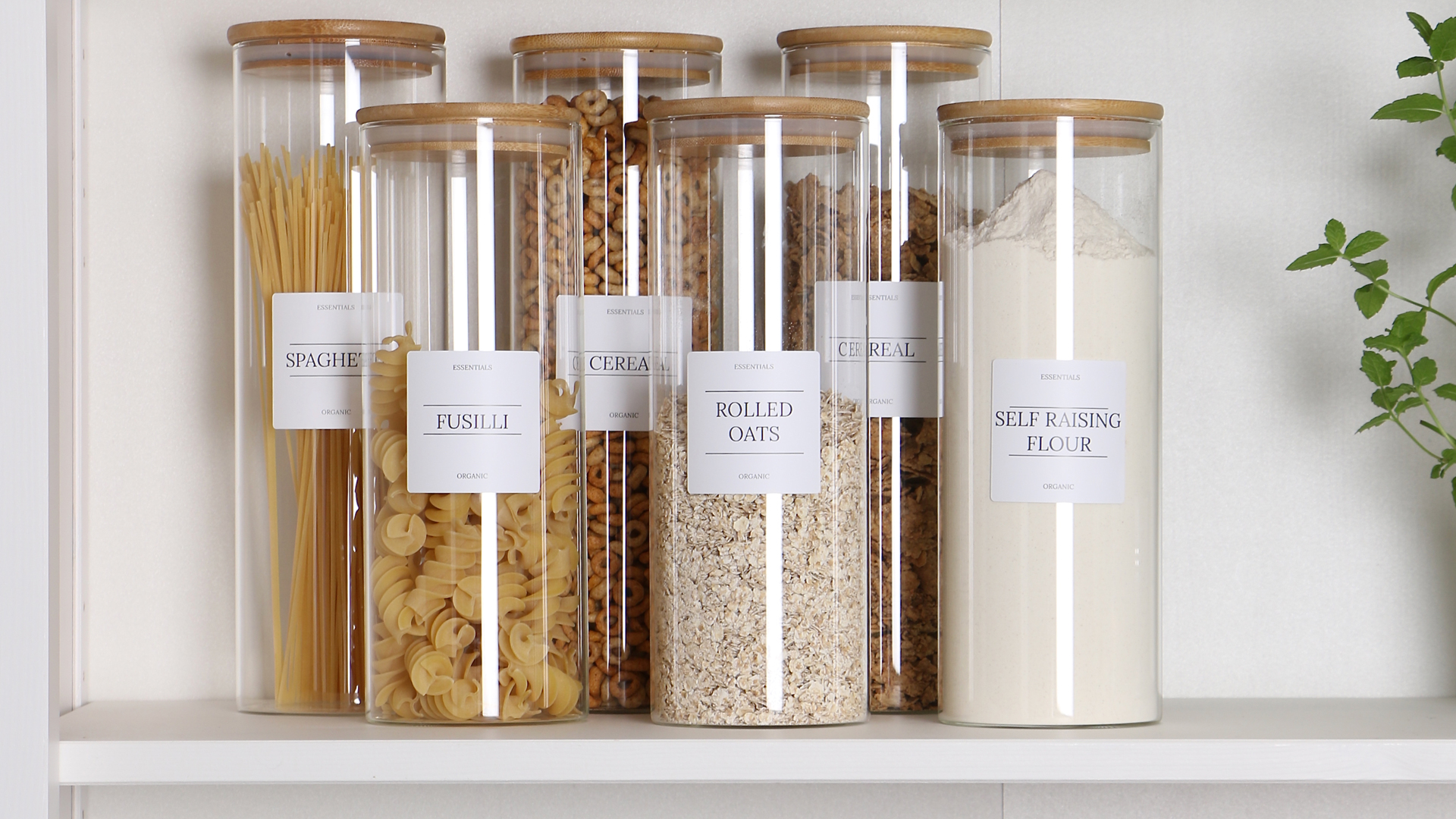
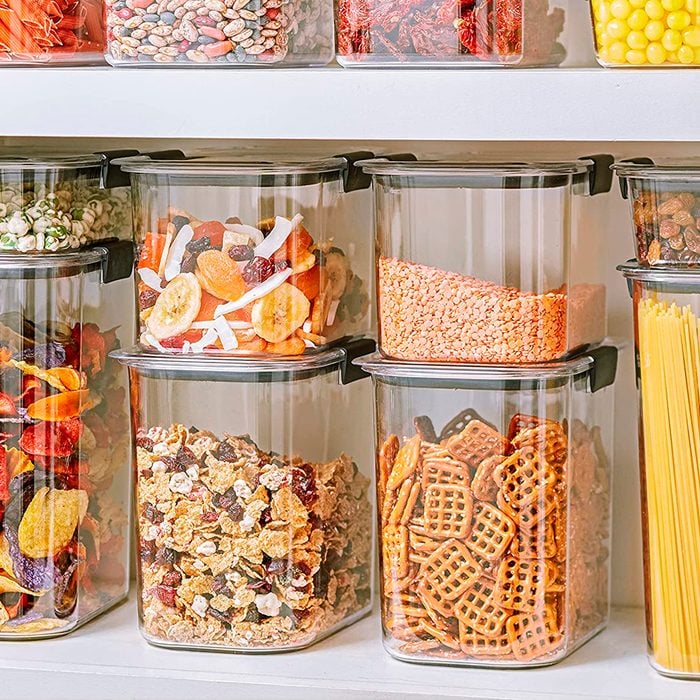
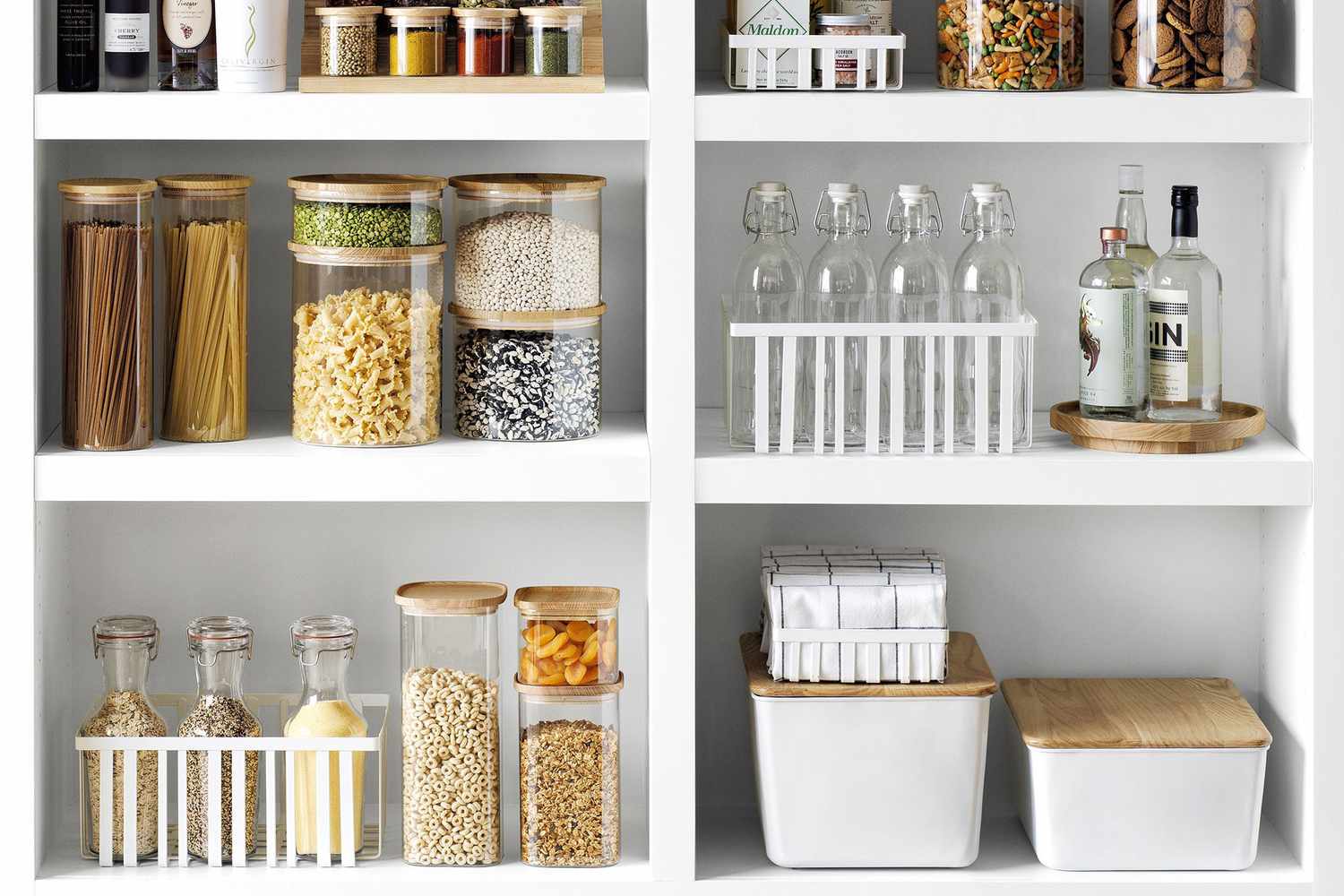
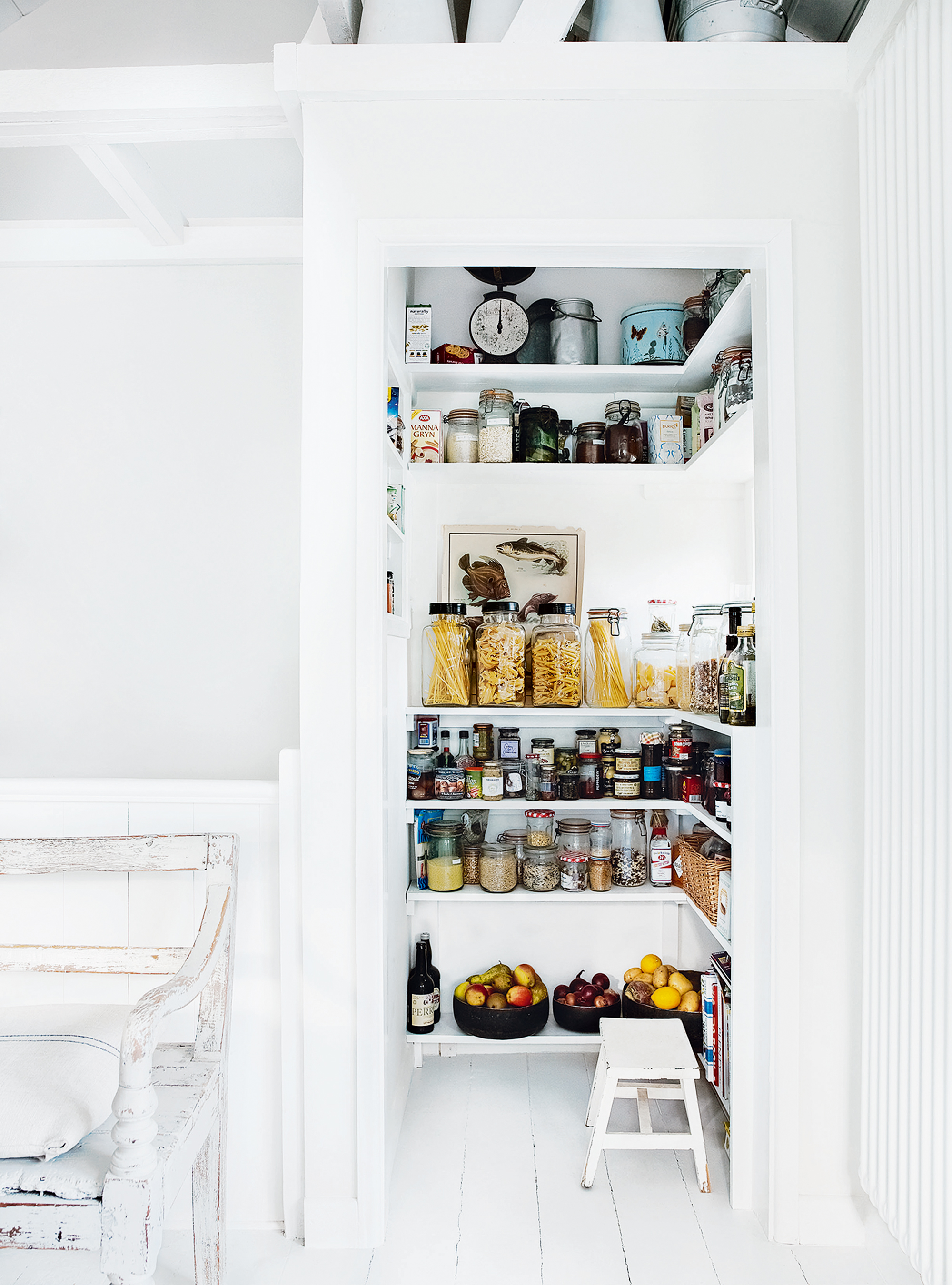
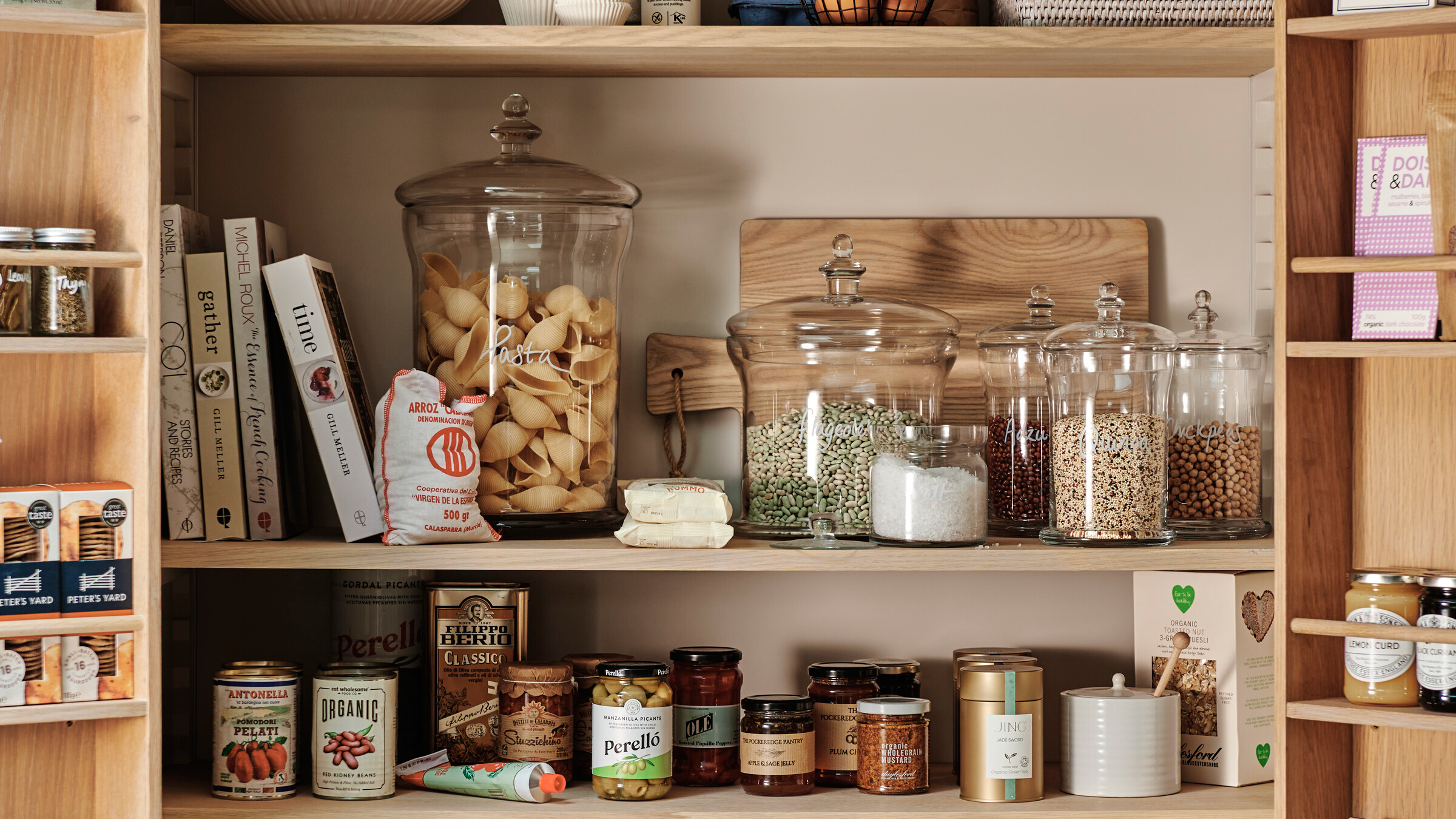
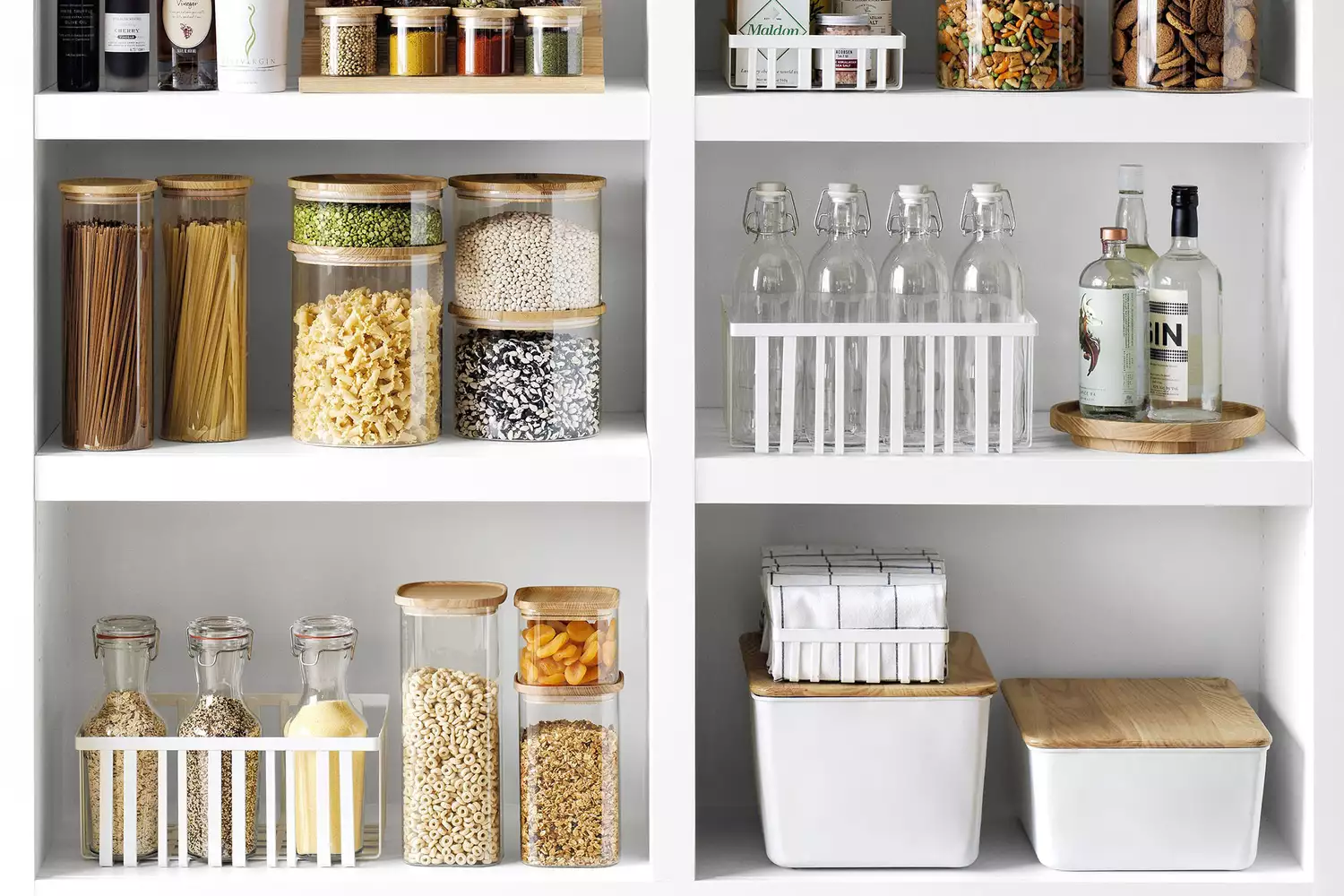
For a cohesive look, decanting dried goods like pasta, rice, and nuts into glass jars is recommended. This not only enhances visual appeal but also improves storage efficiency, preventing spills and making it easier to monitor stock levels. Jen & Mar, Co-founders of Interior Fox, suggest arranging items by height, placing sauces, cans, and less frequently used items away from eye level, and grouping root vegetables in baskets at the bottom of the pantry. Customized labels on glass containers, with sell-by dates, streamline the organization process and maintain a tidy appearance.
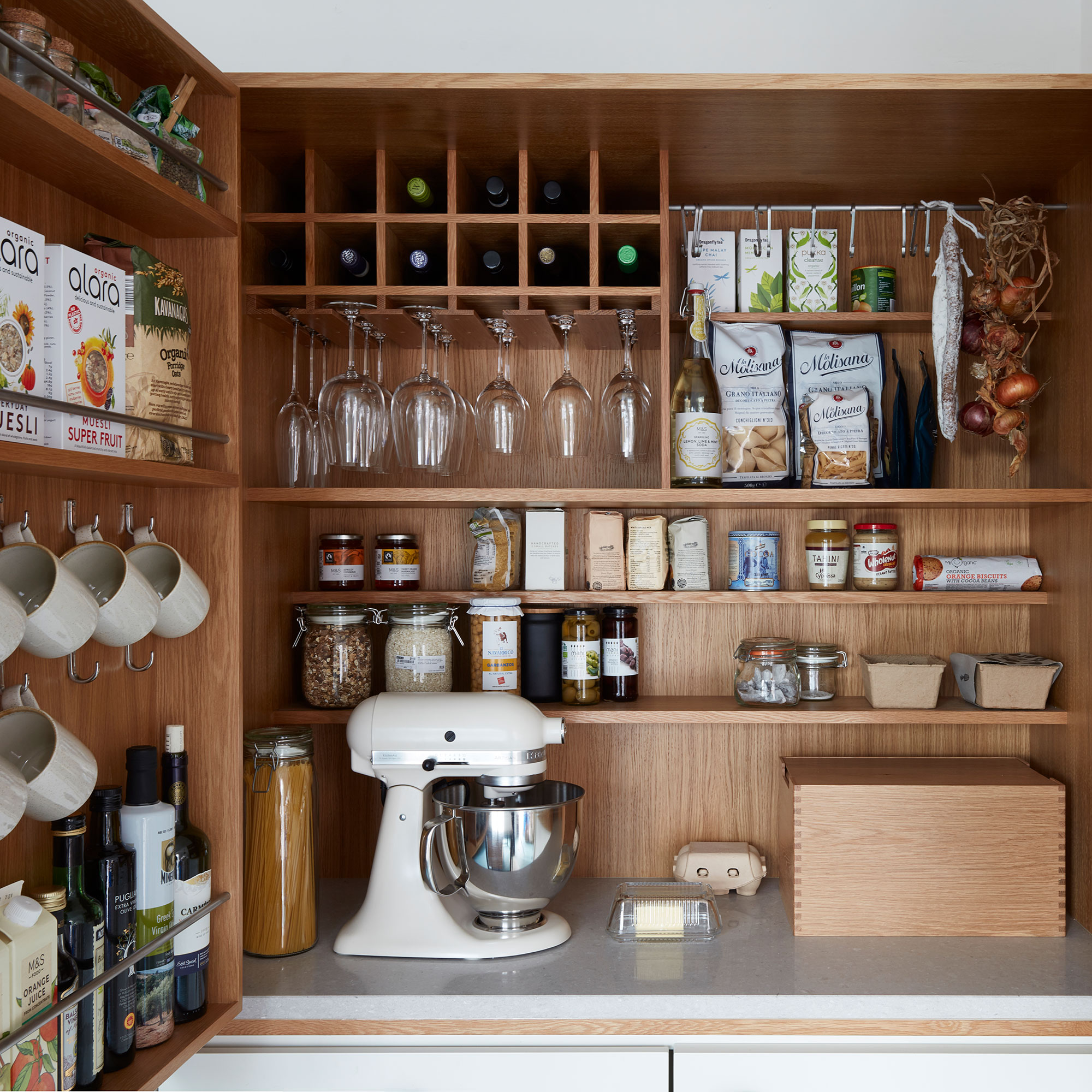
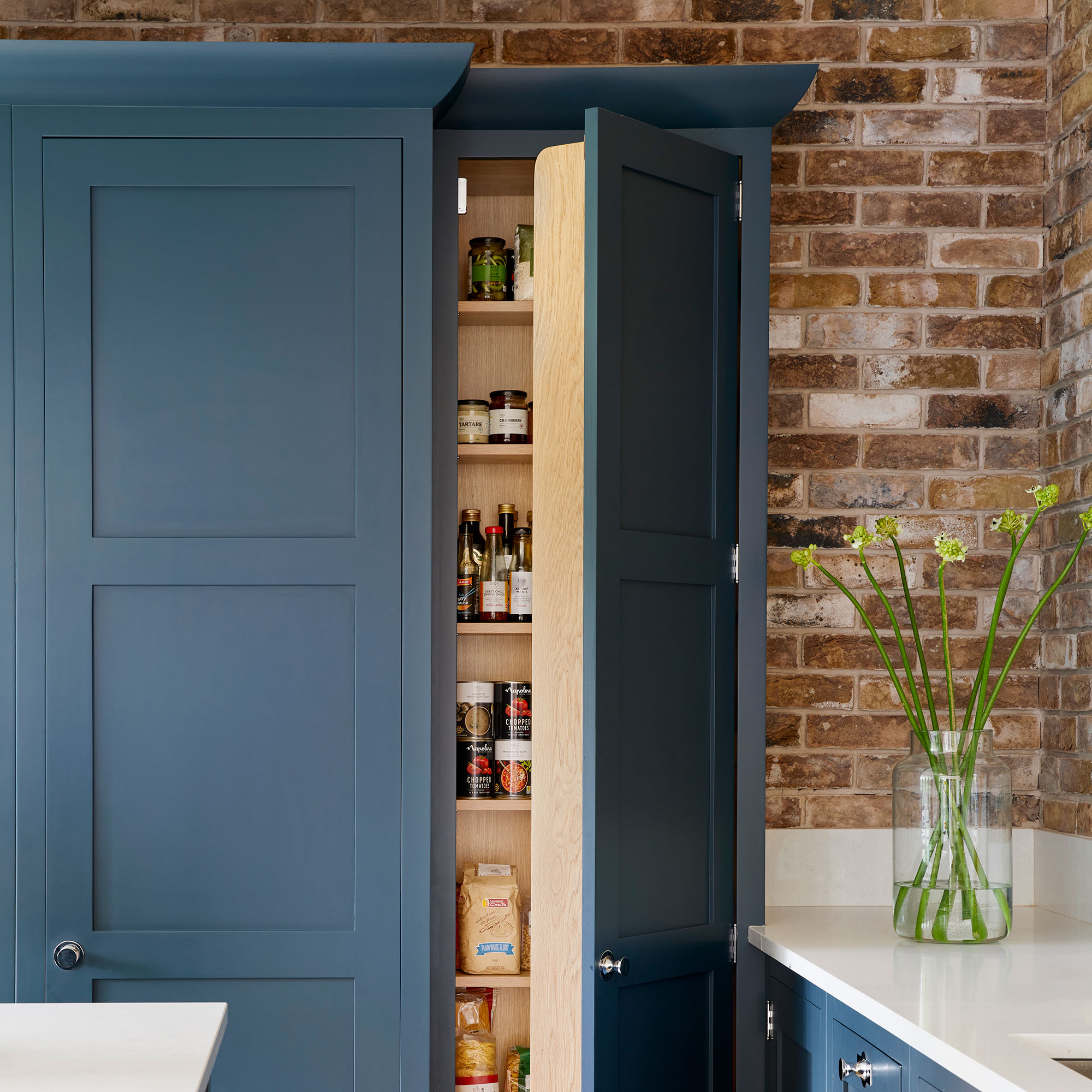
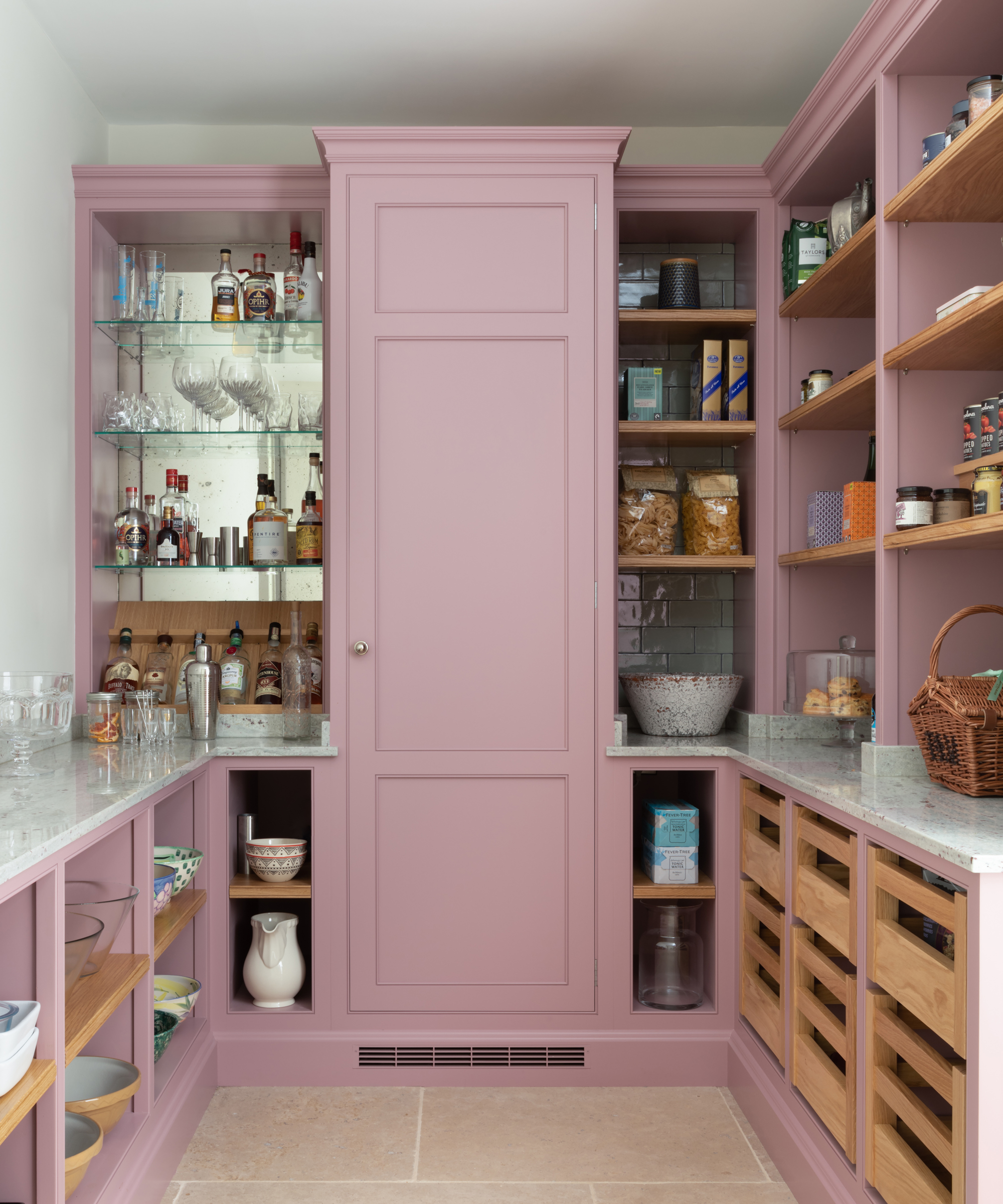
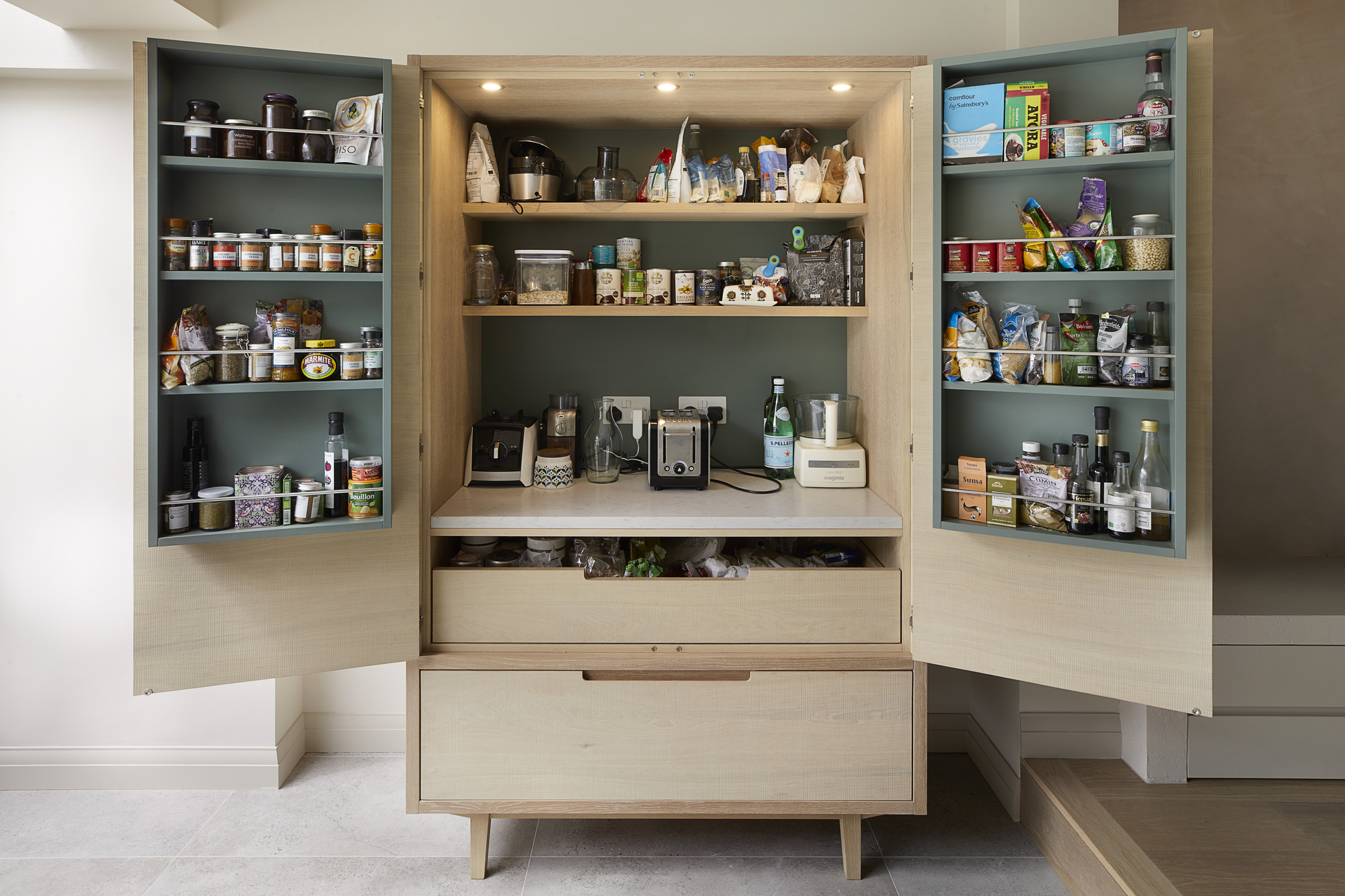
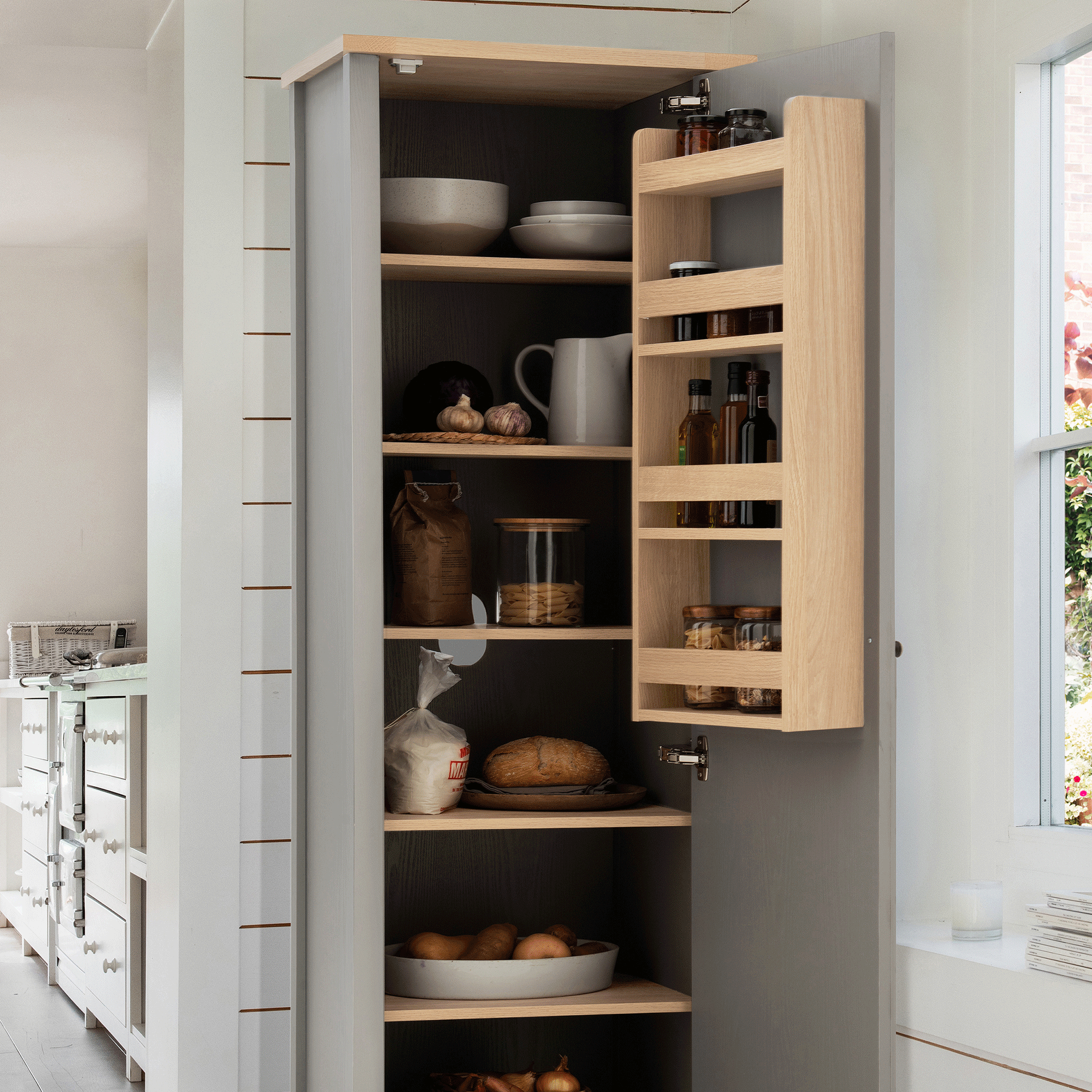
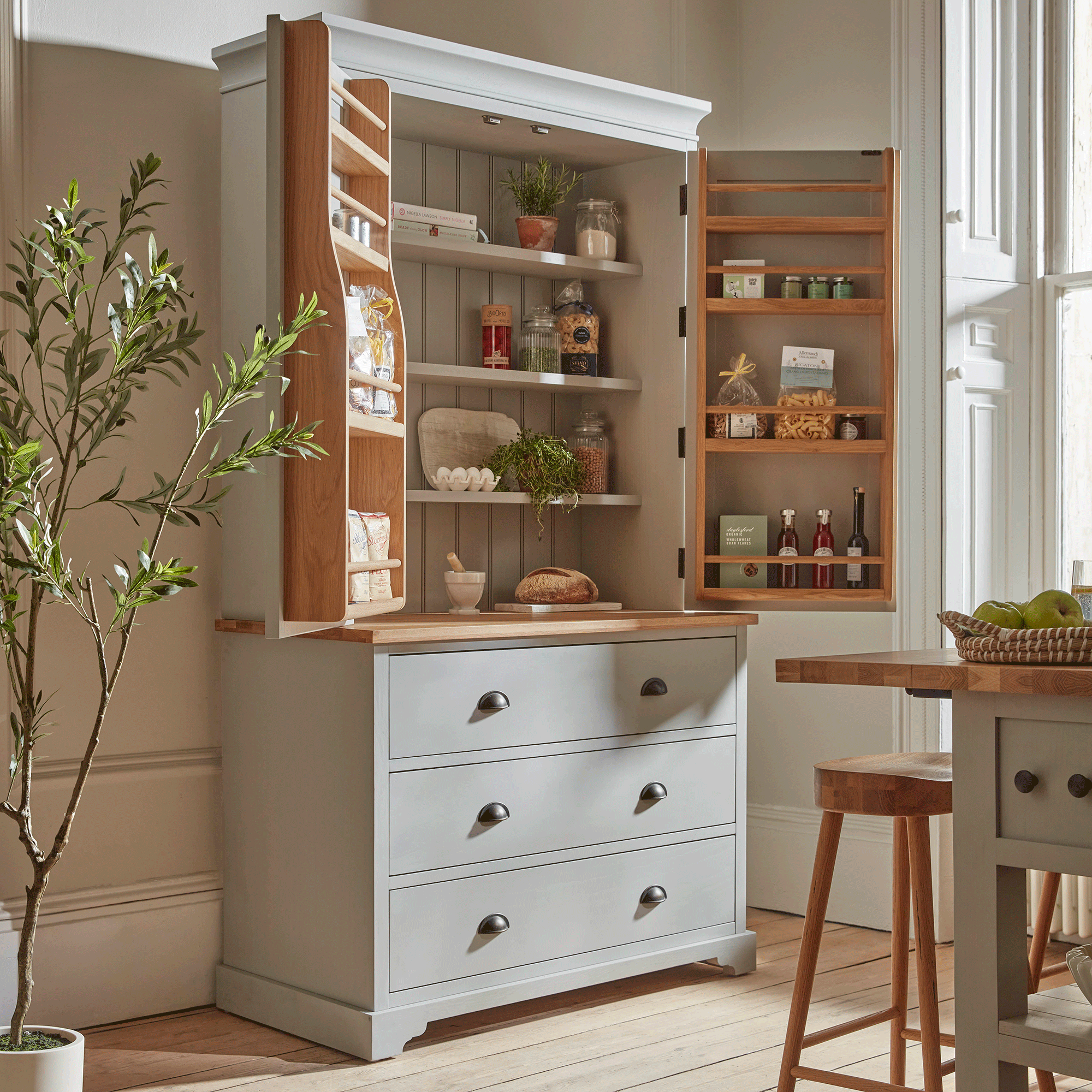
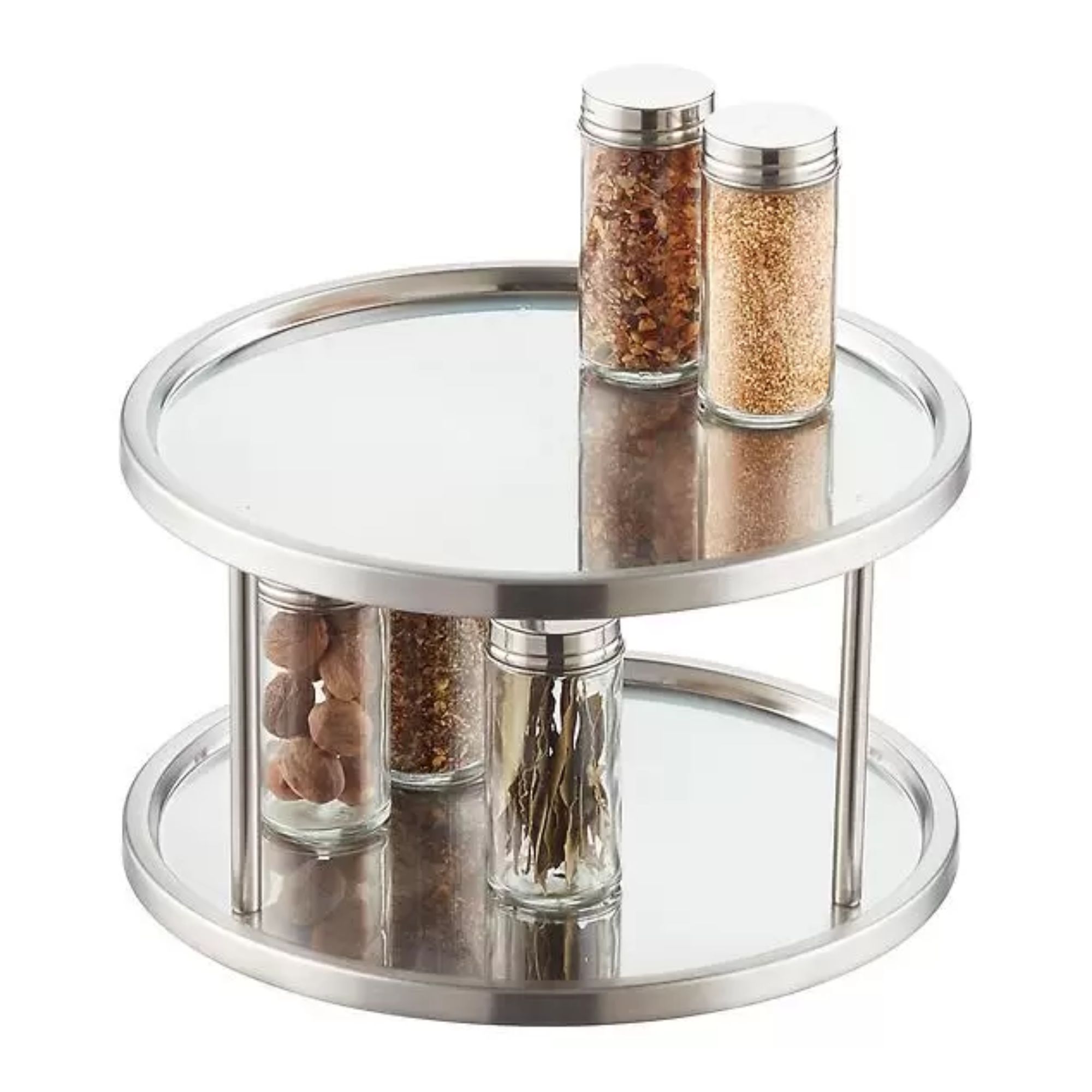
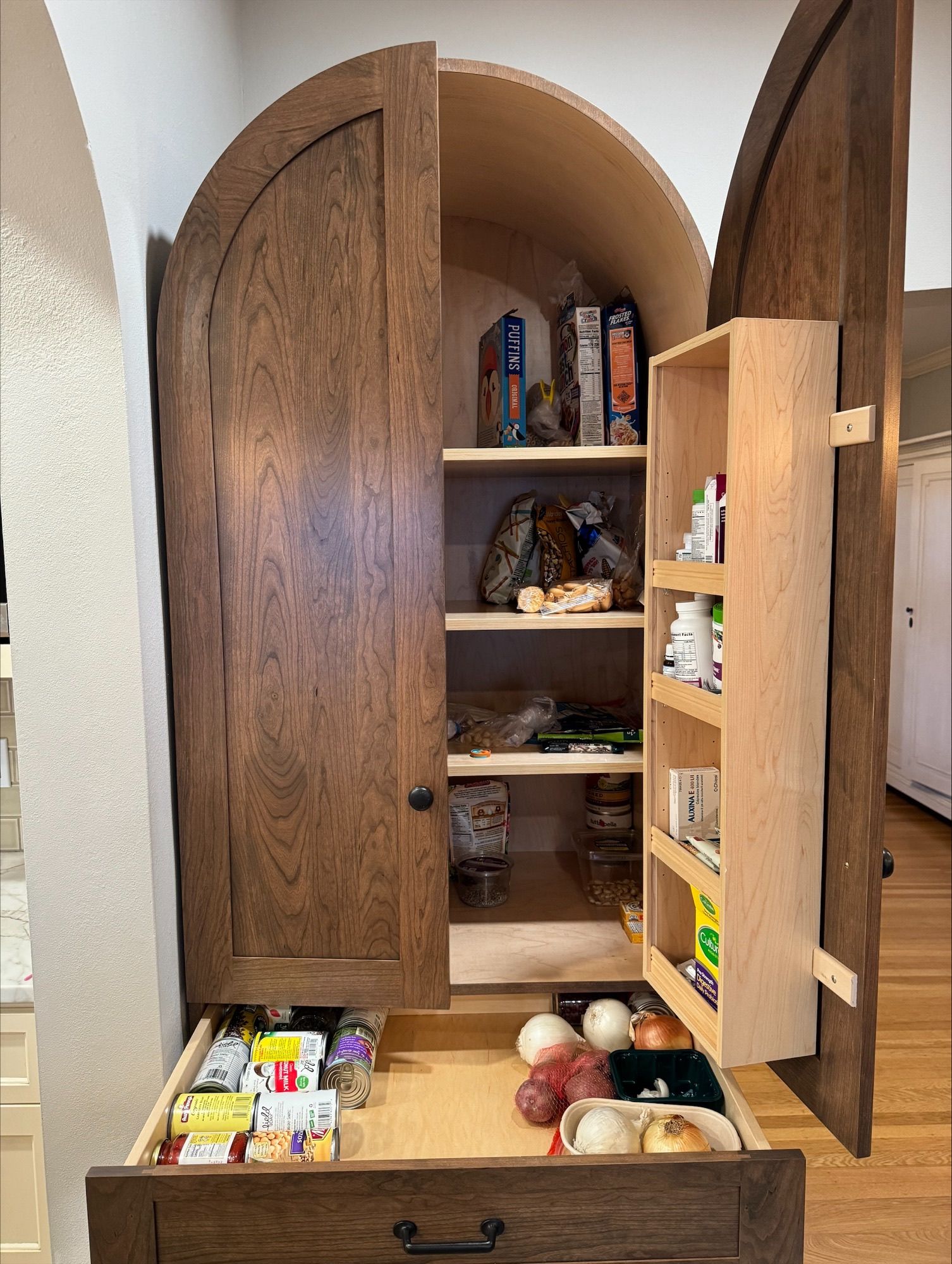
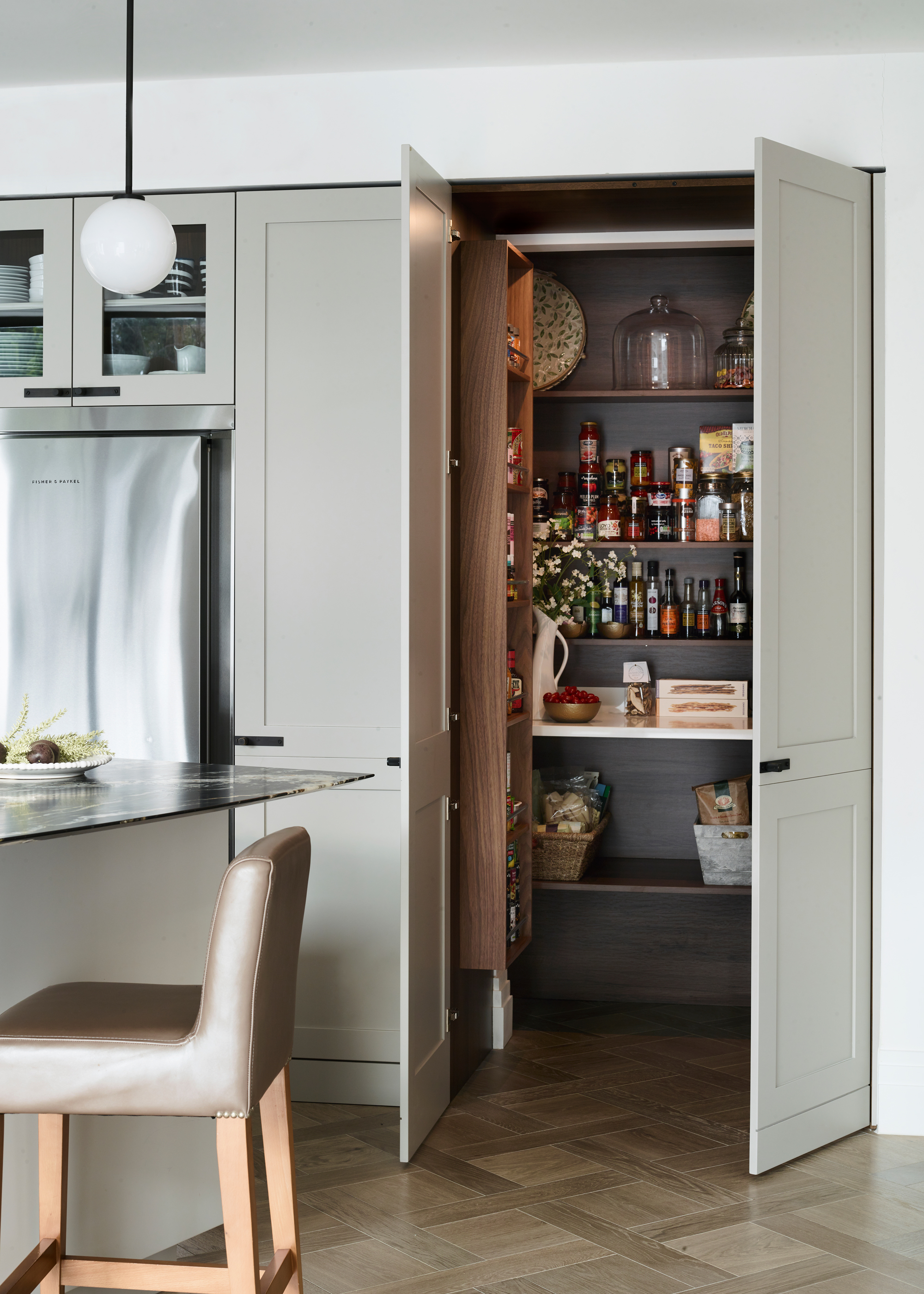
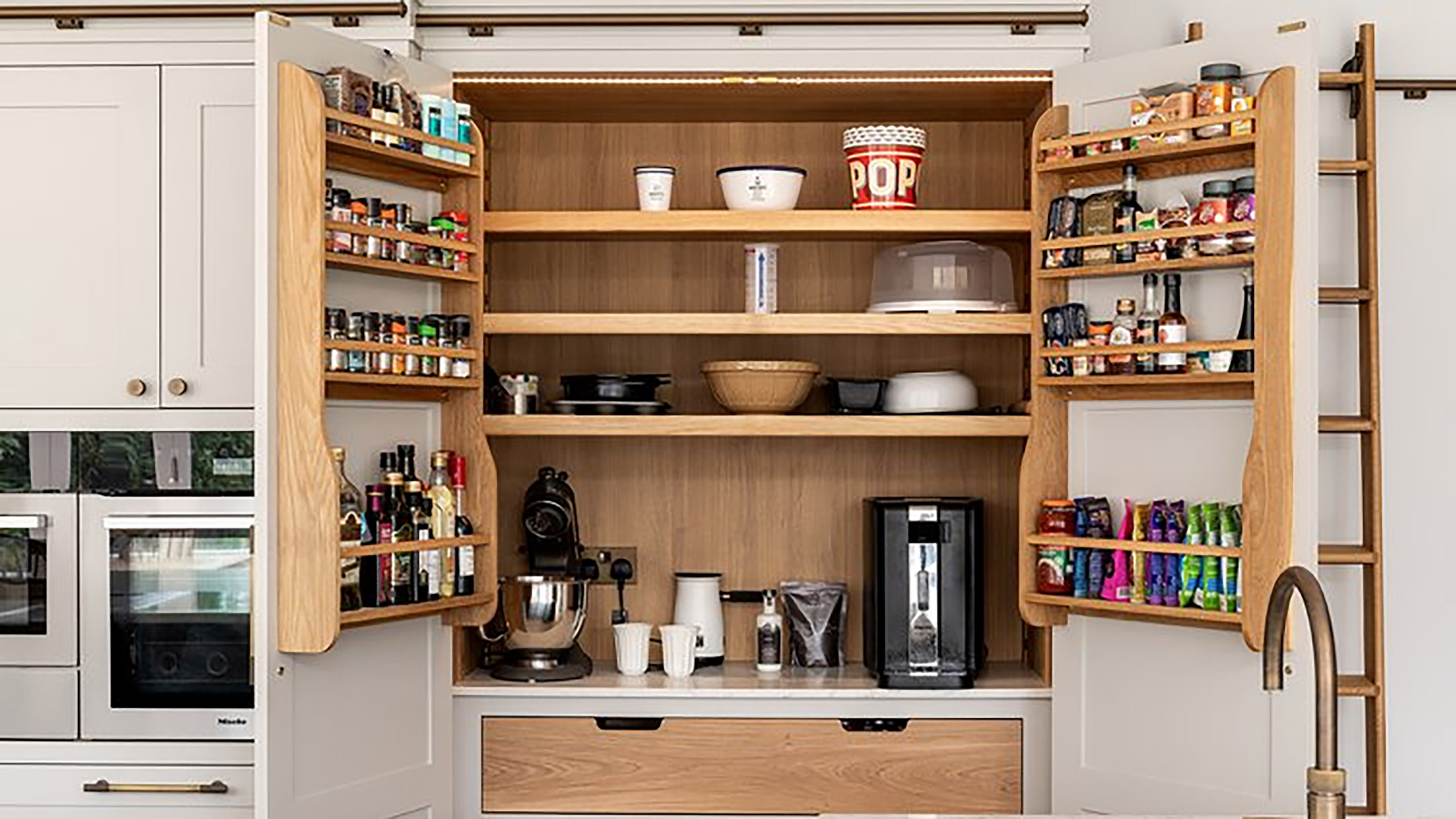
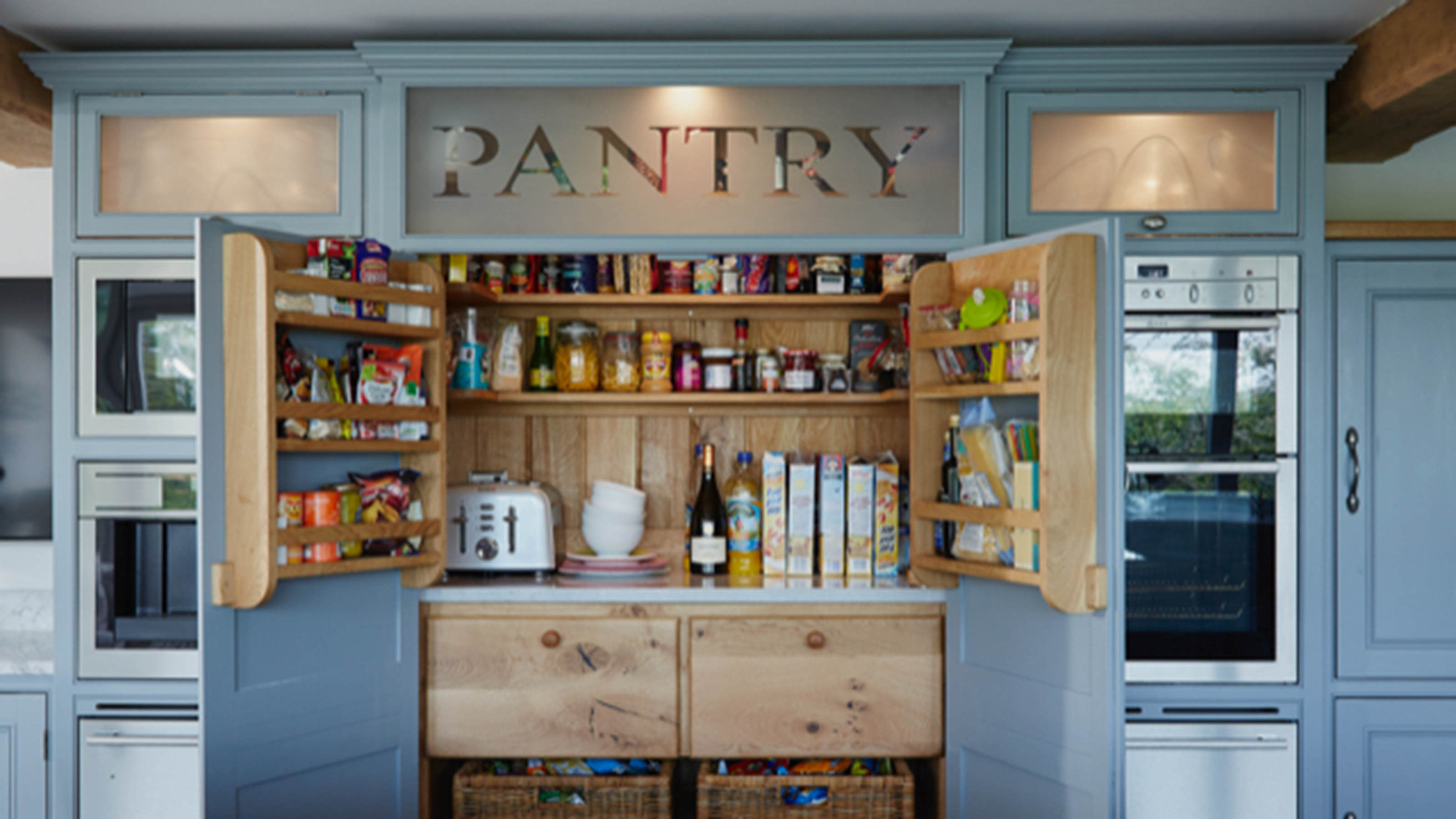
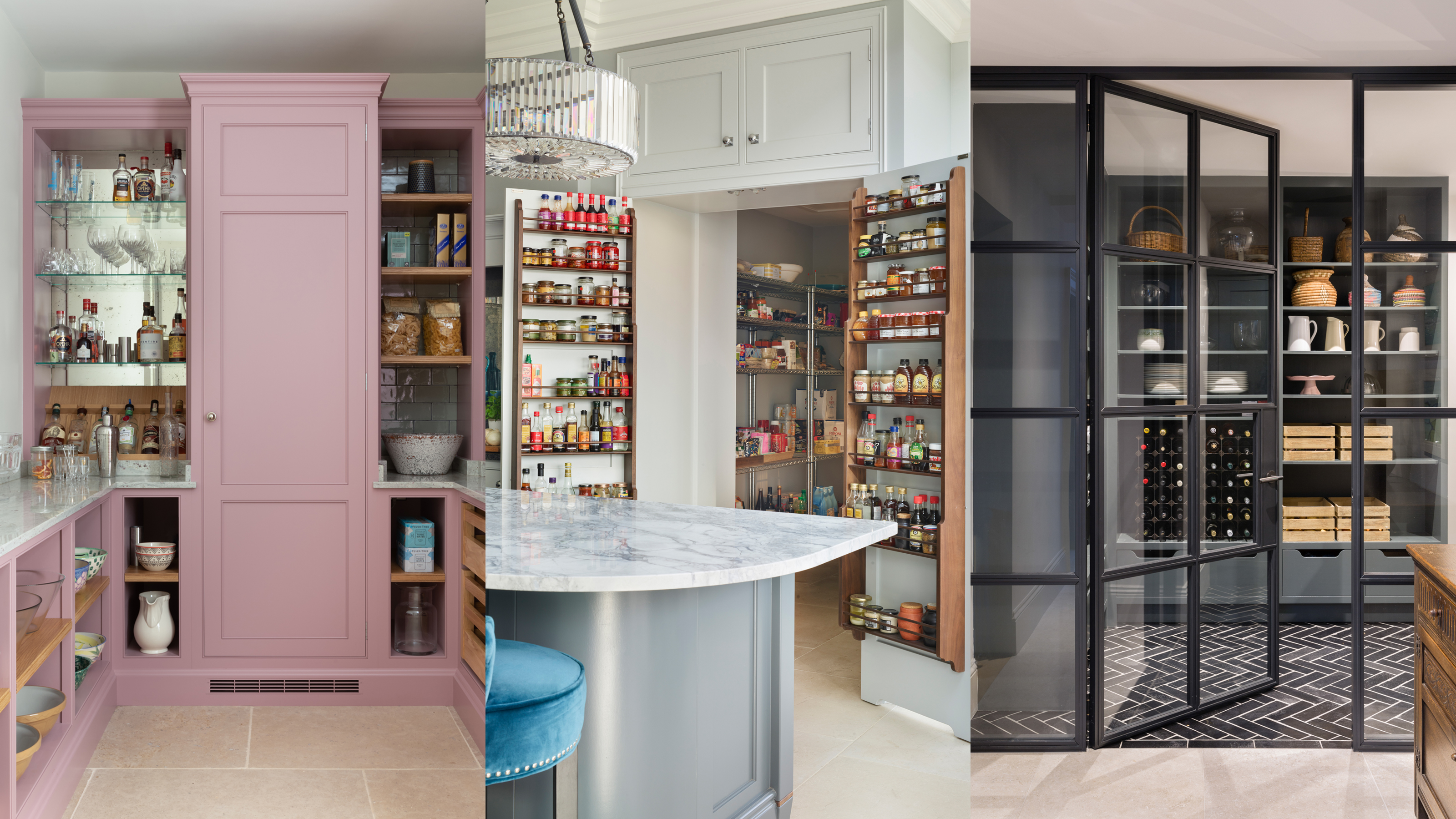
In smaller pantries, maximizing every inch of space is crucial, including utilizing door interiors for additional storage. Slimline spice racks can hold more than just spices, providing accessible storage for frequently used items like jams, condiments, and seeds, preventing them from being lost among other food items on main shelves. Shallow shelving is preferred to avoid items getting lost in the back of deep units. Shelves should be designed to hold no more than two or three items deep, with the most used items front and center, ensuring everything is visible and easily accessible.
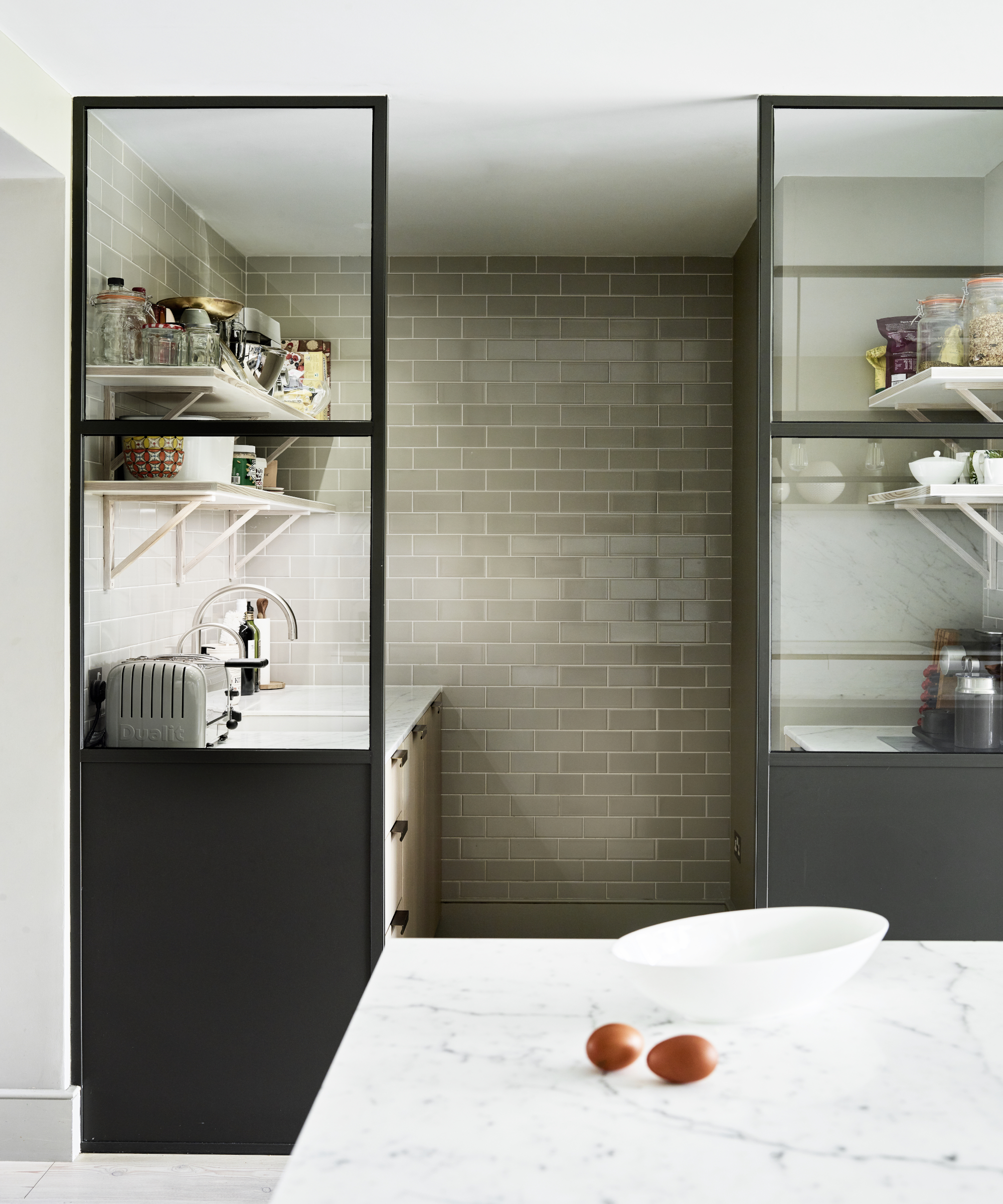
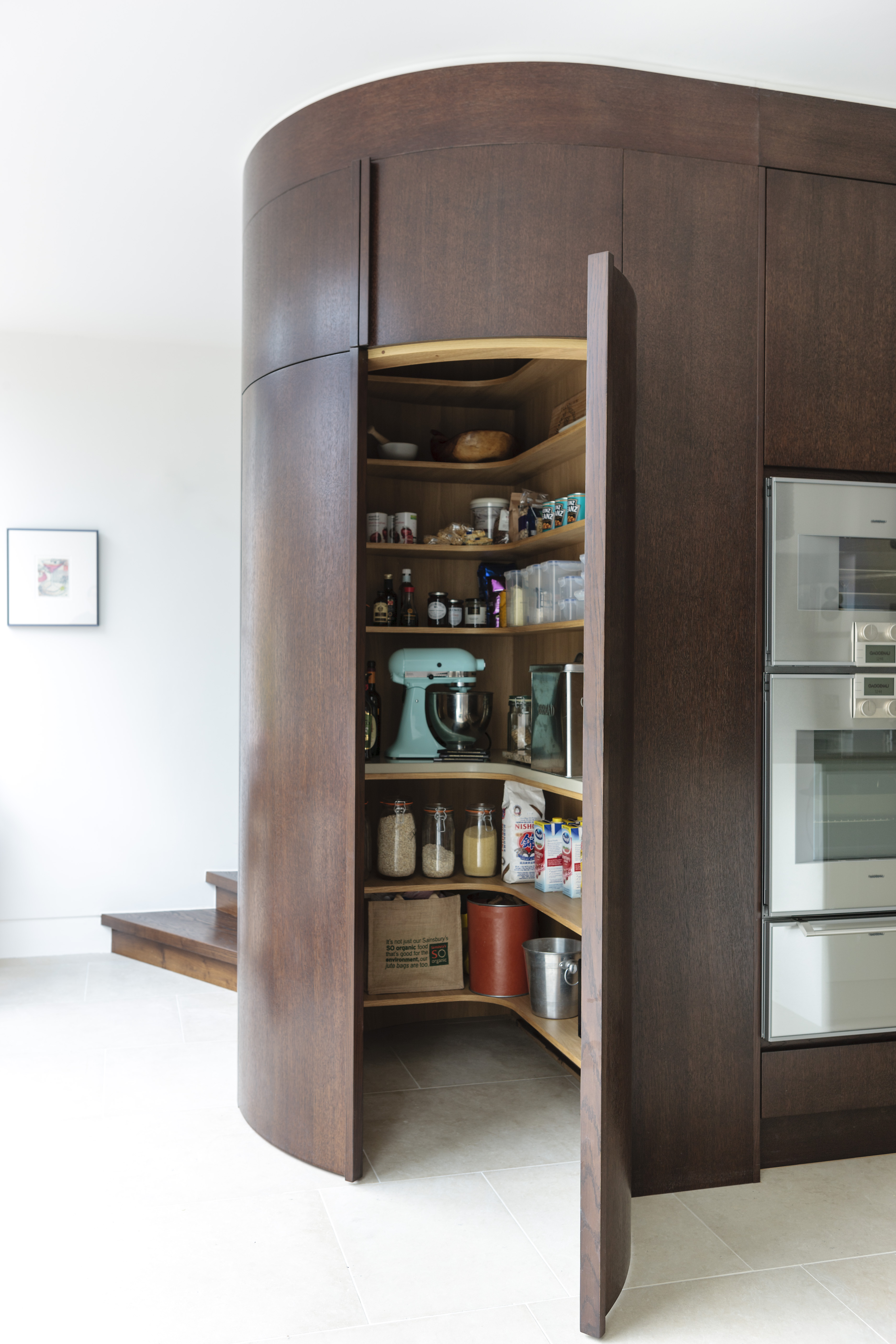
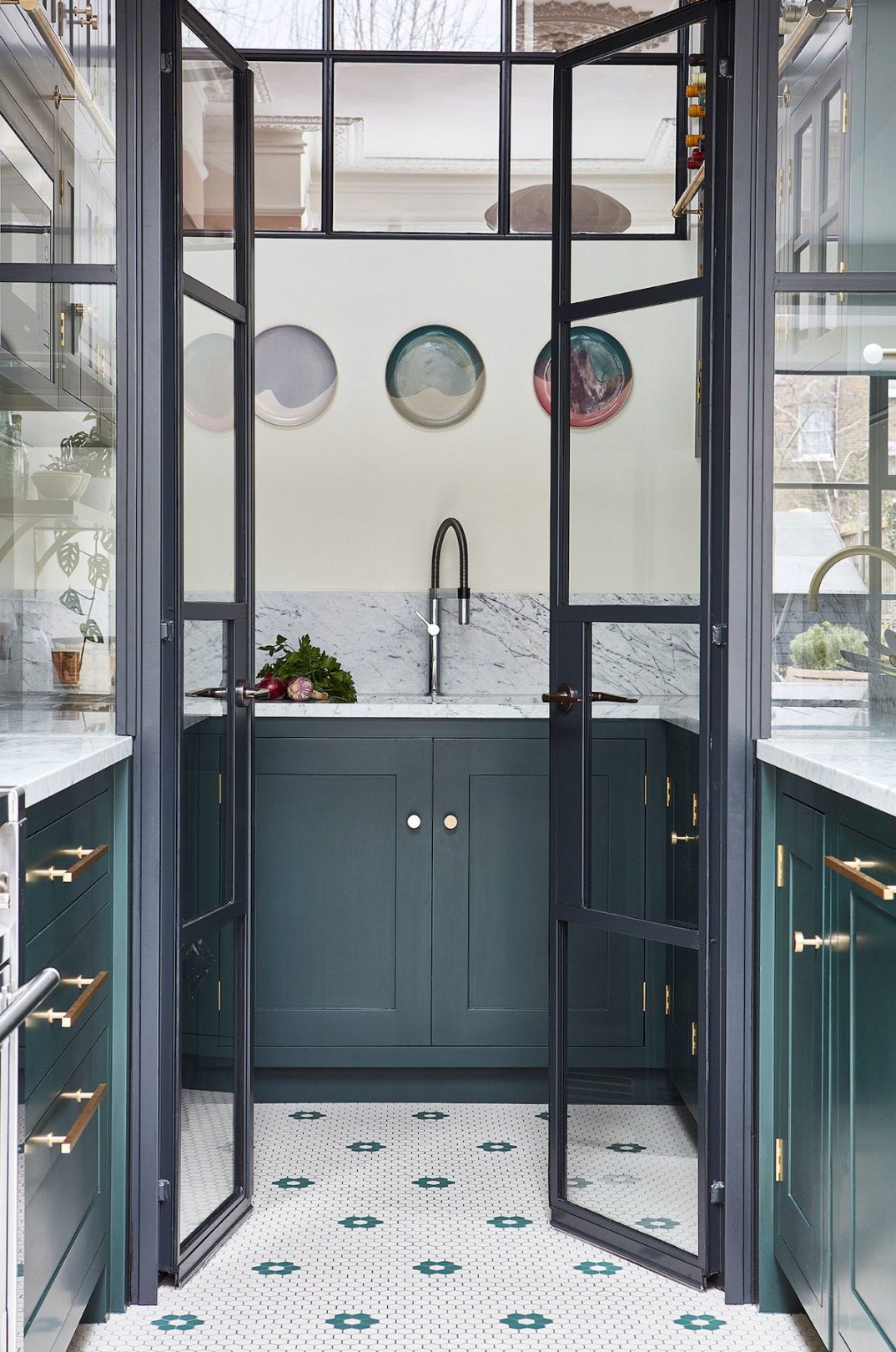
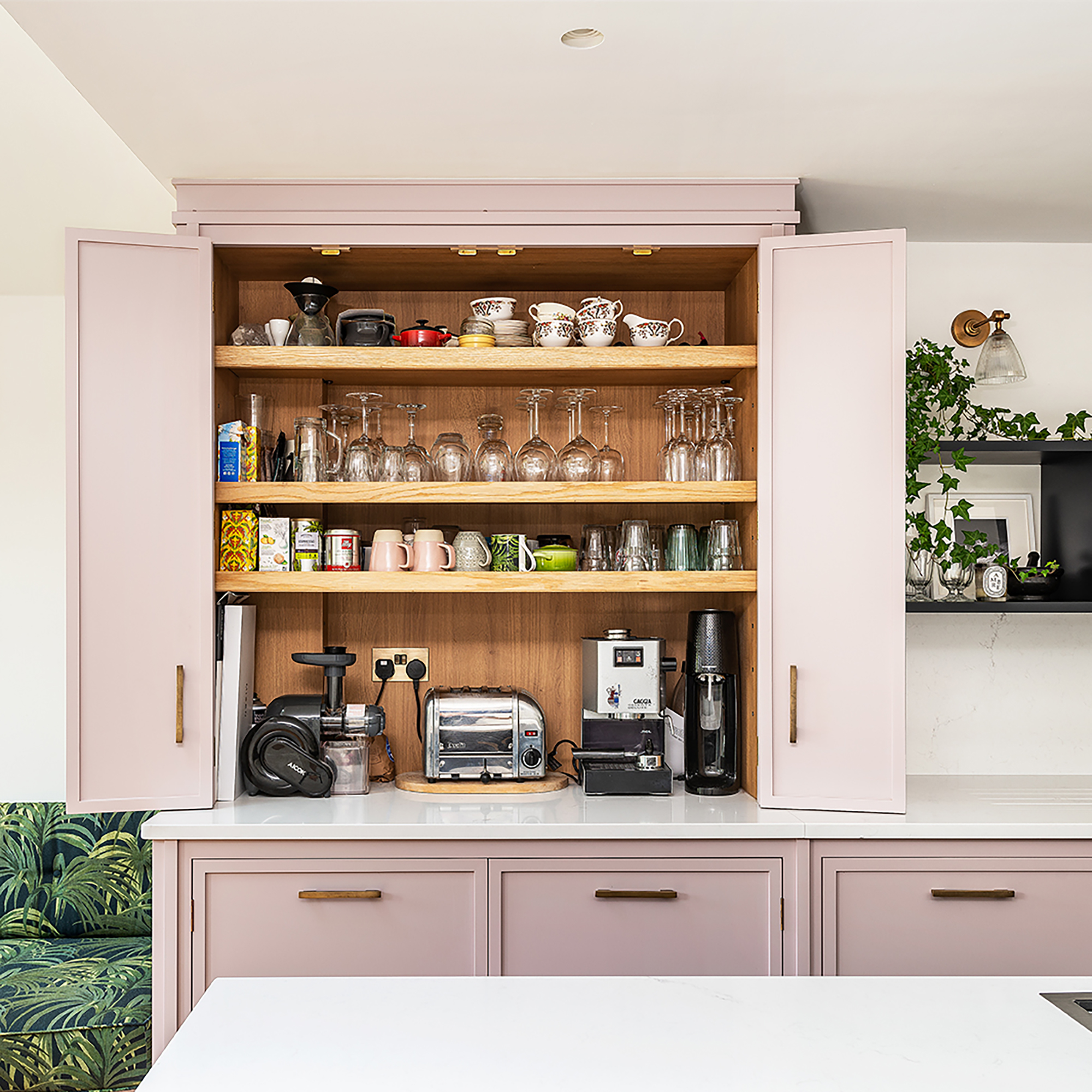
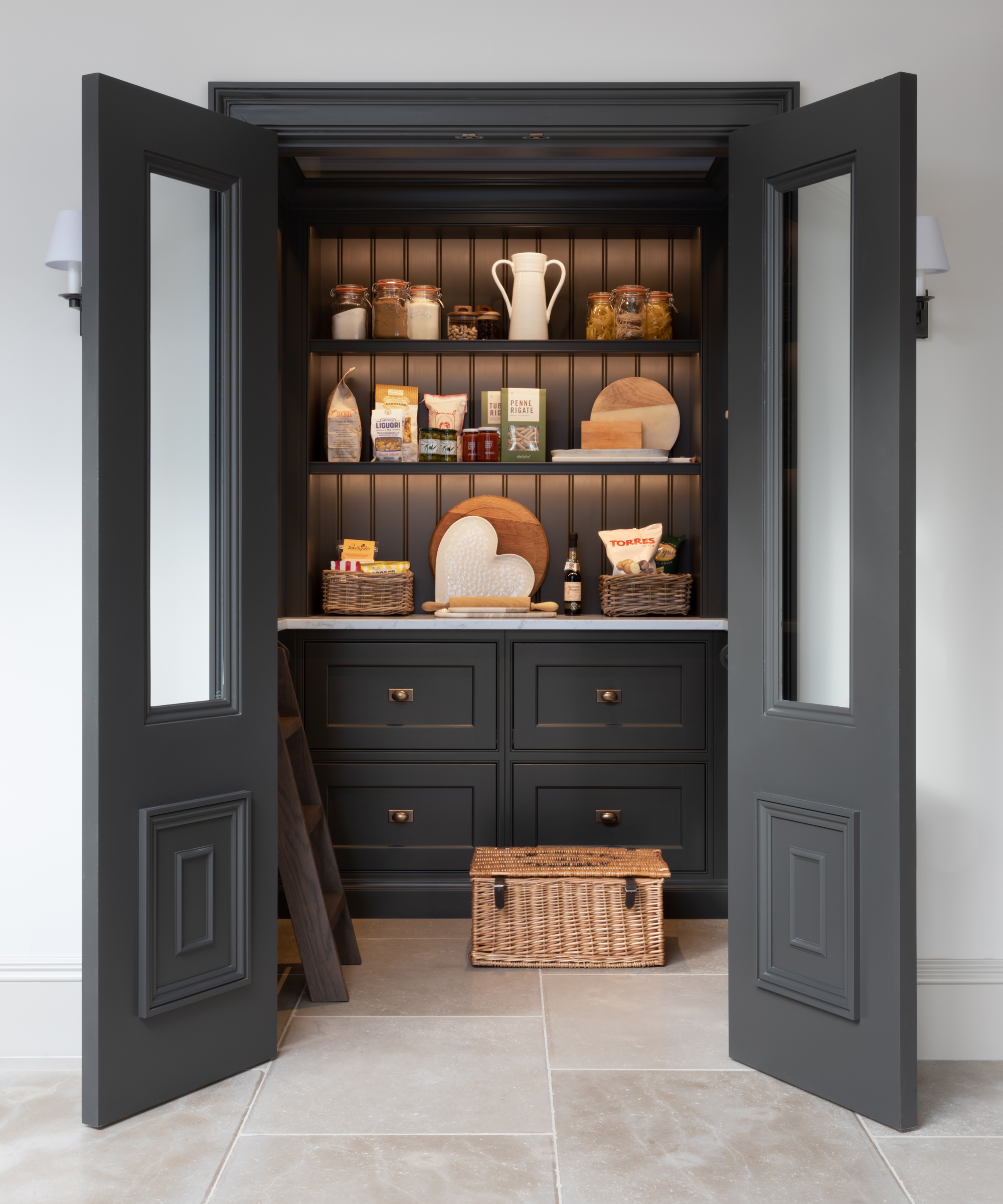
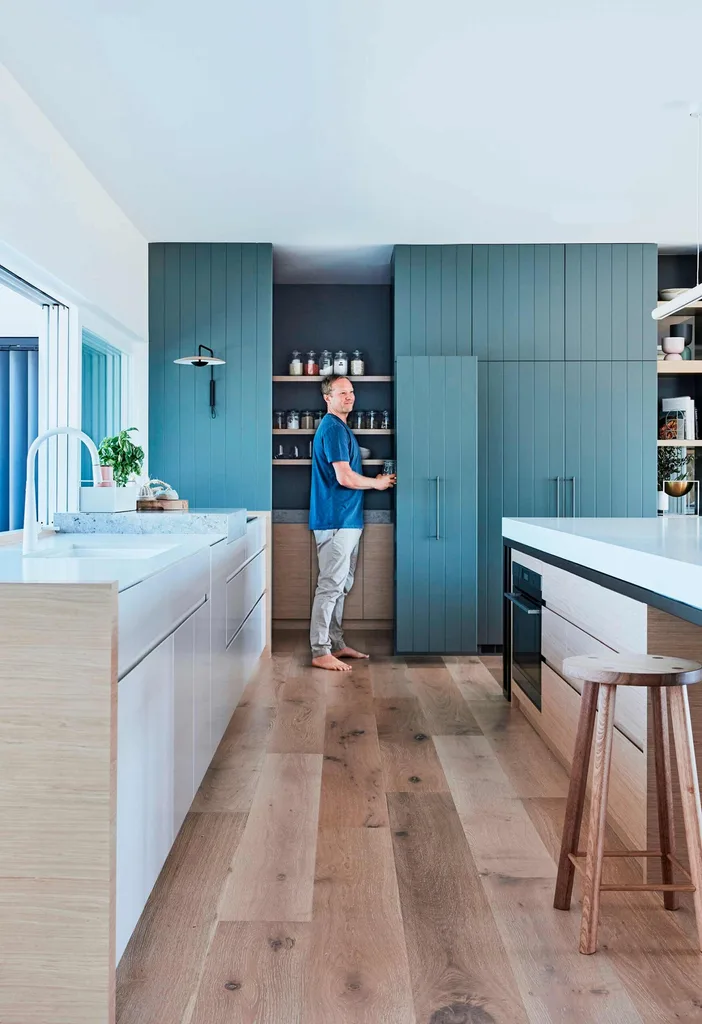
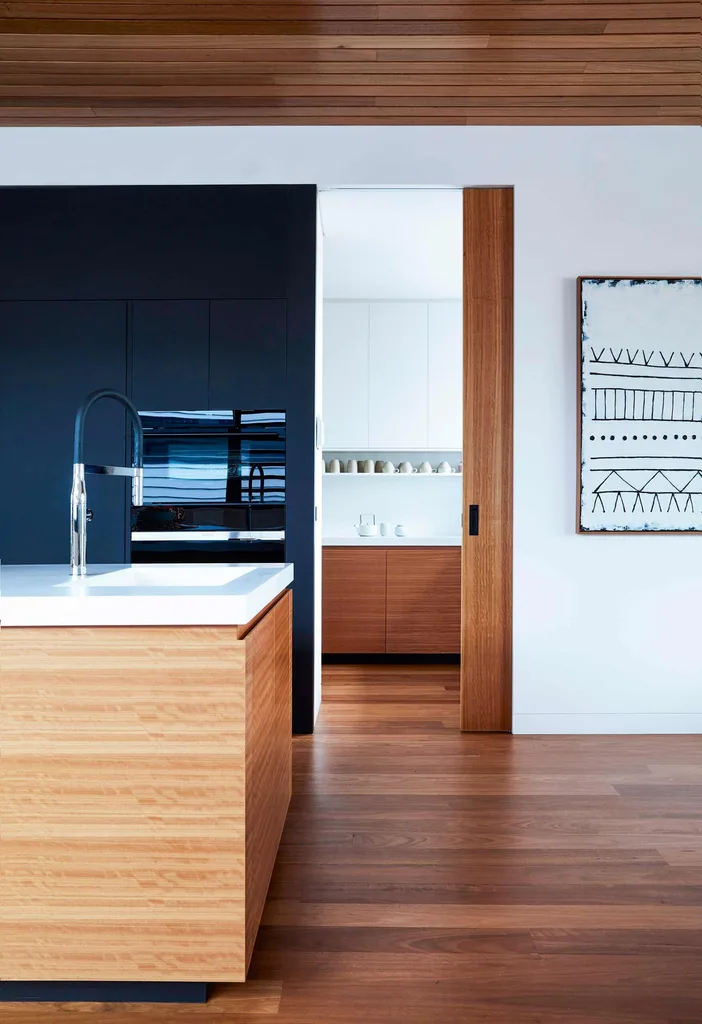
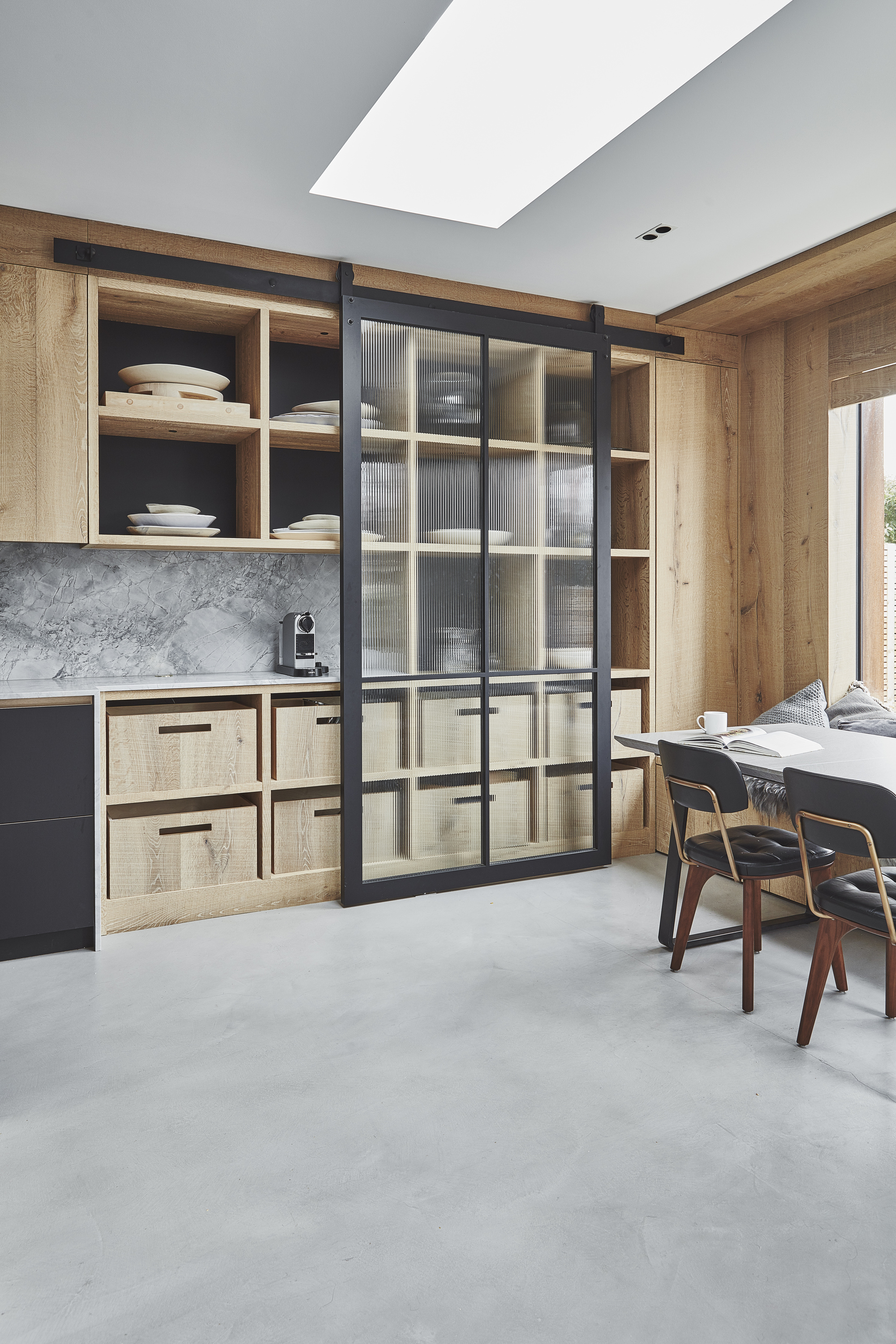
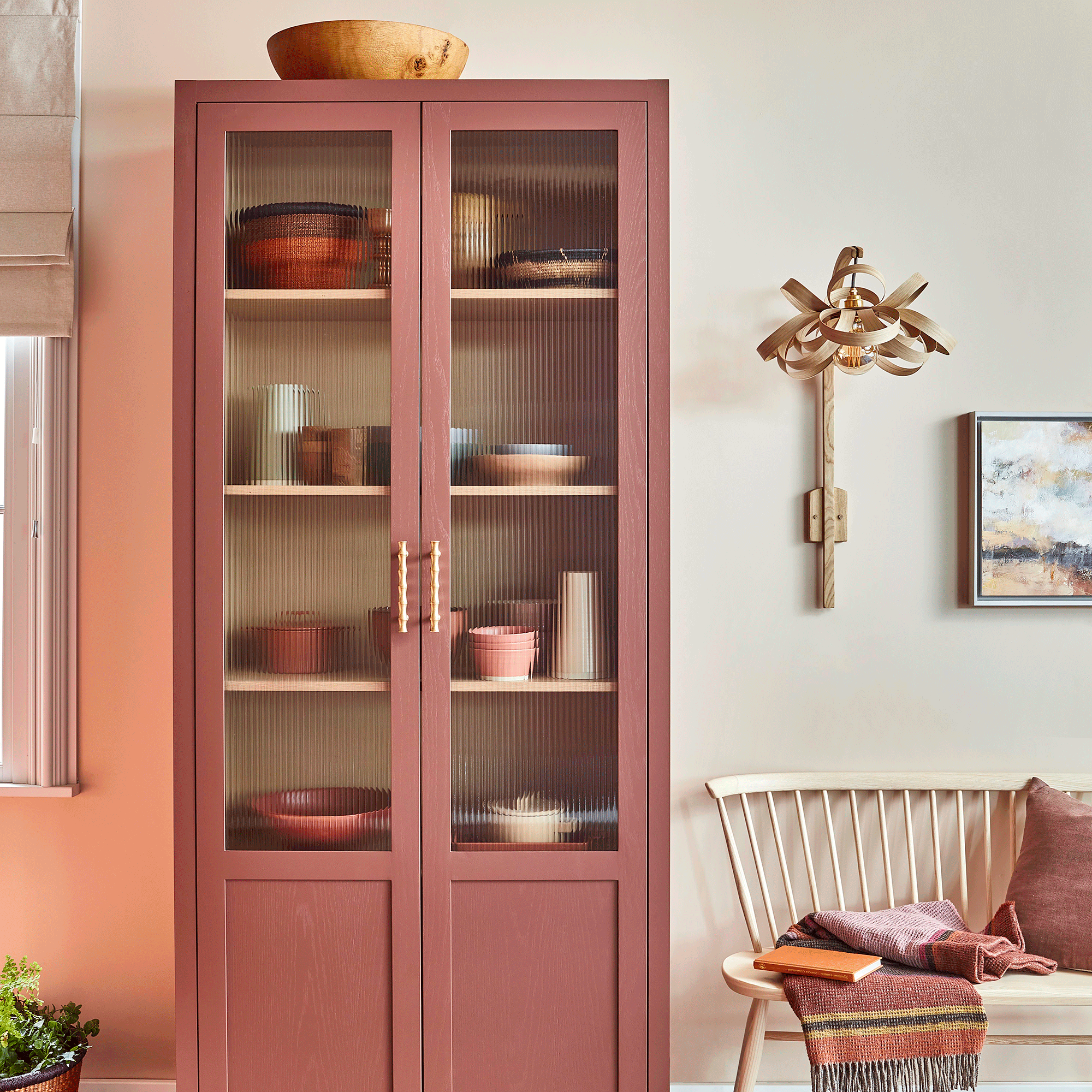
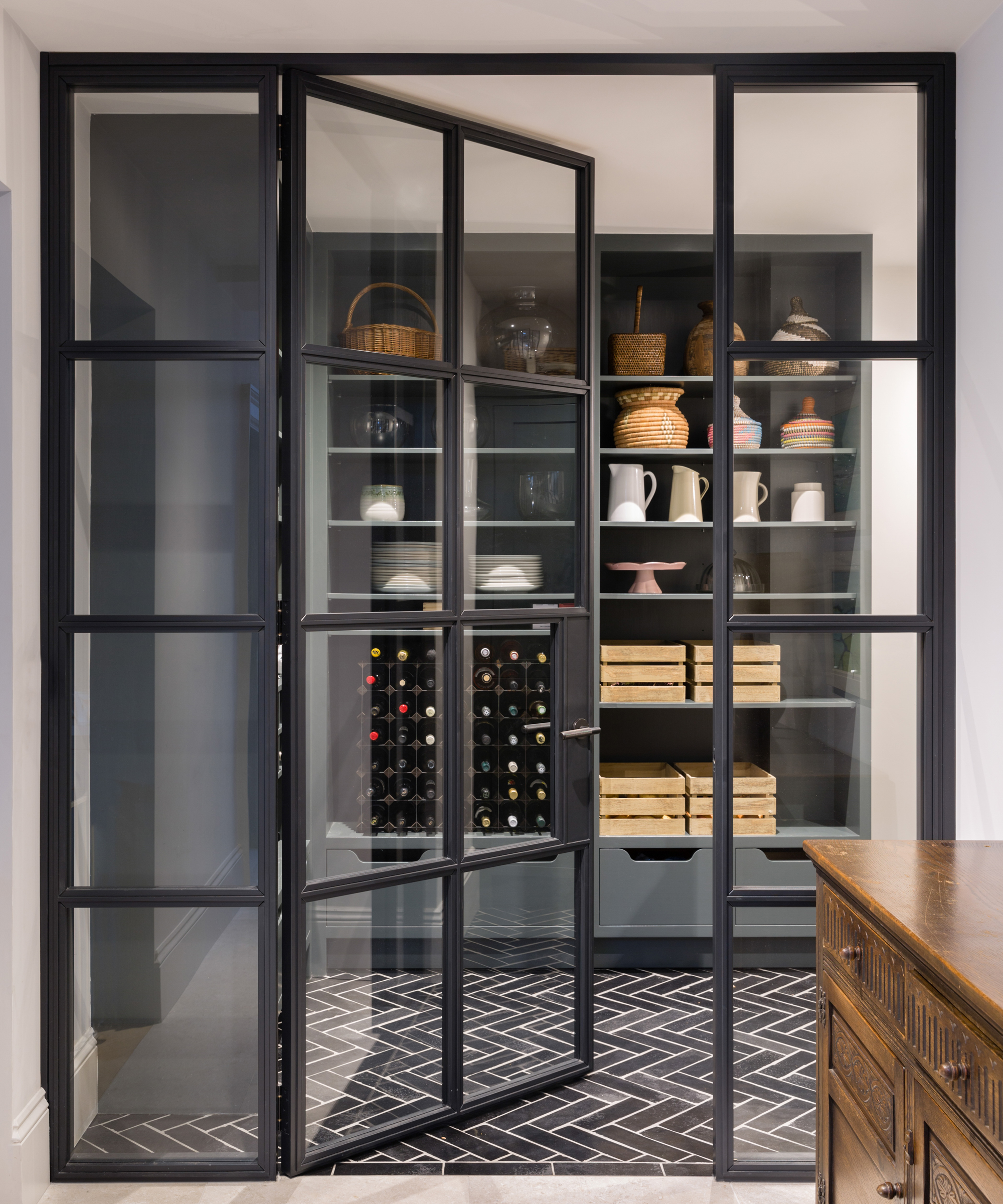
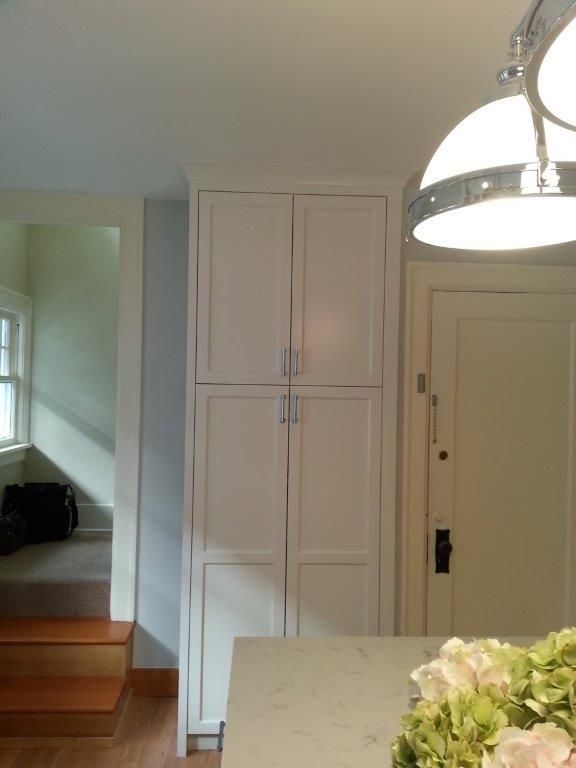
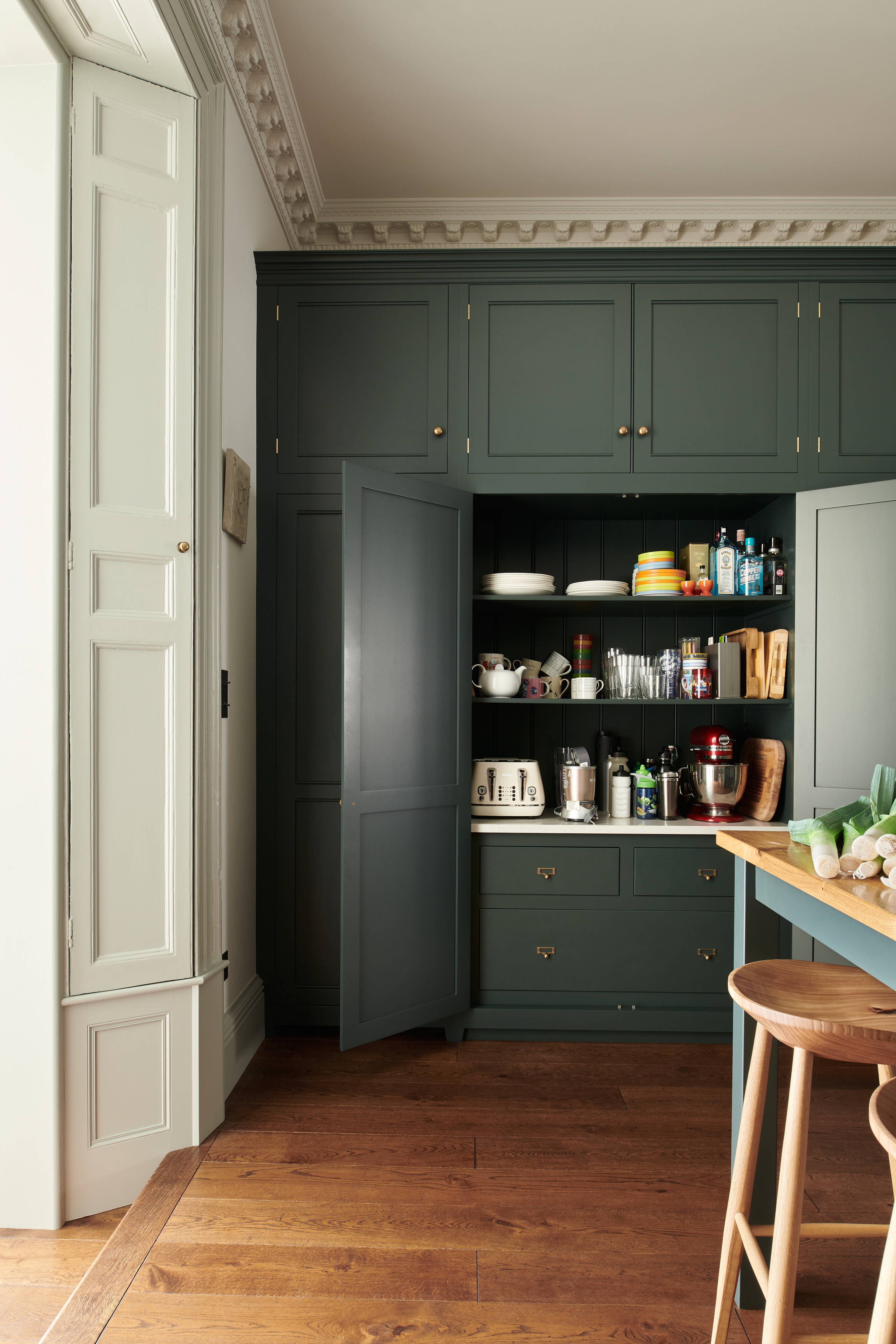
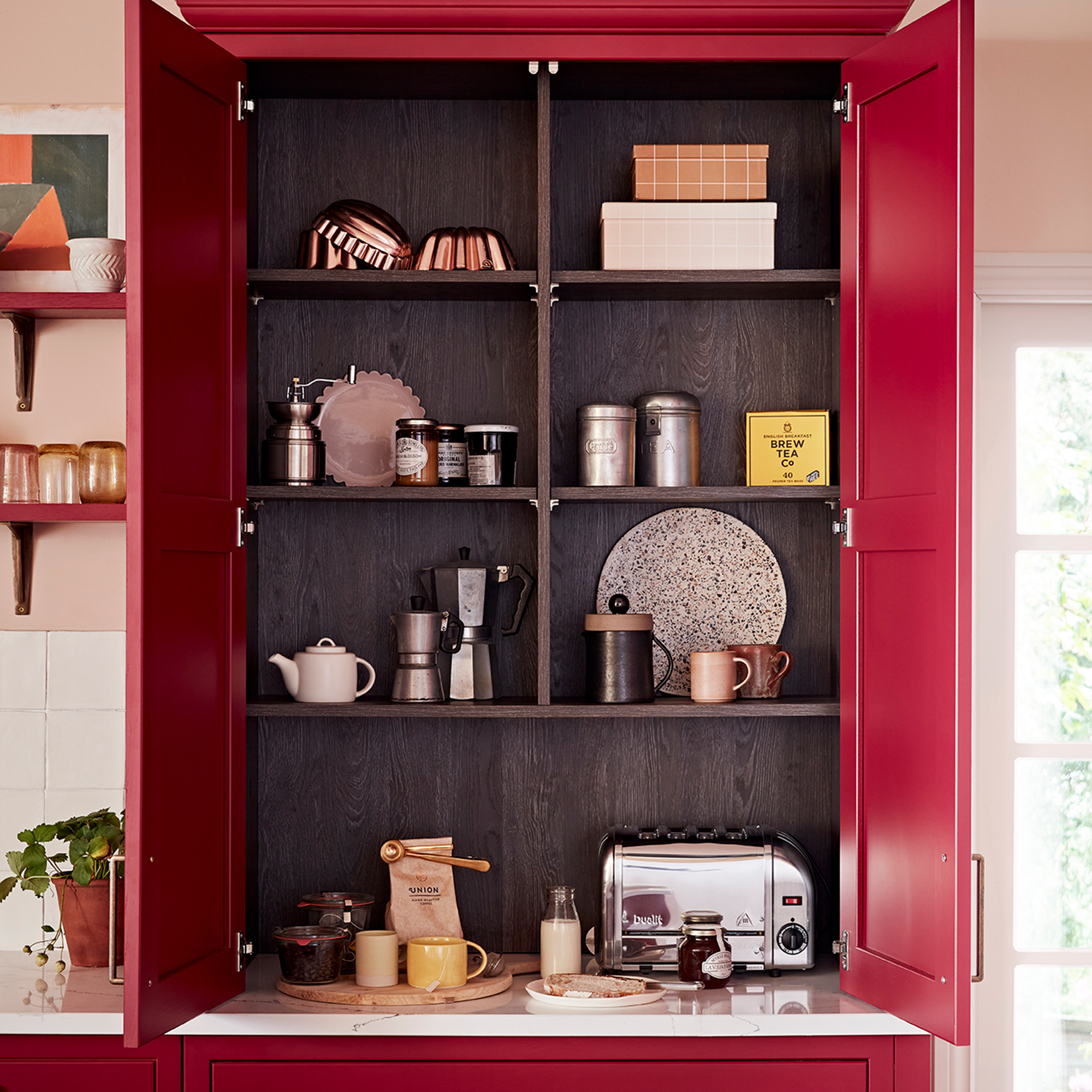
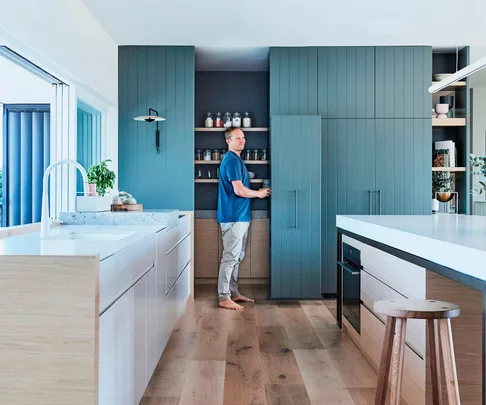
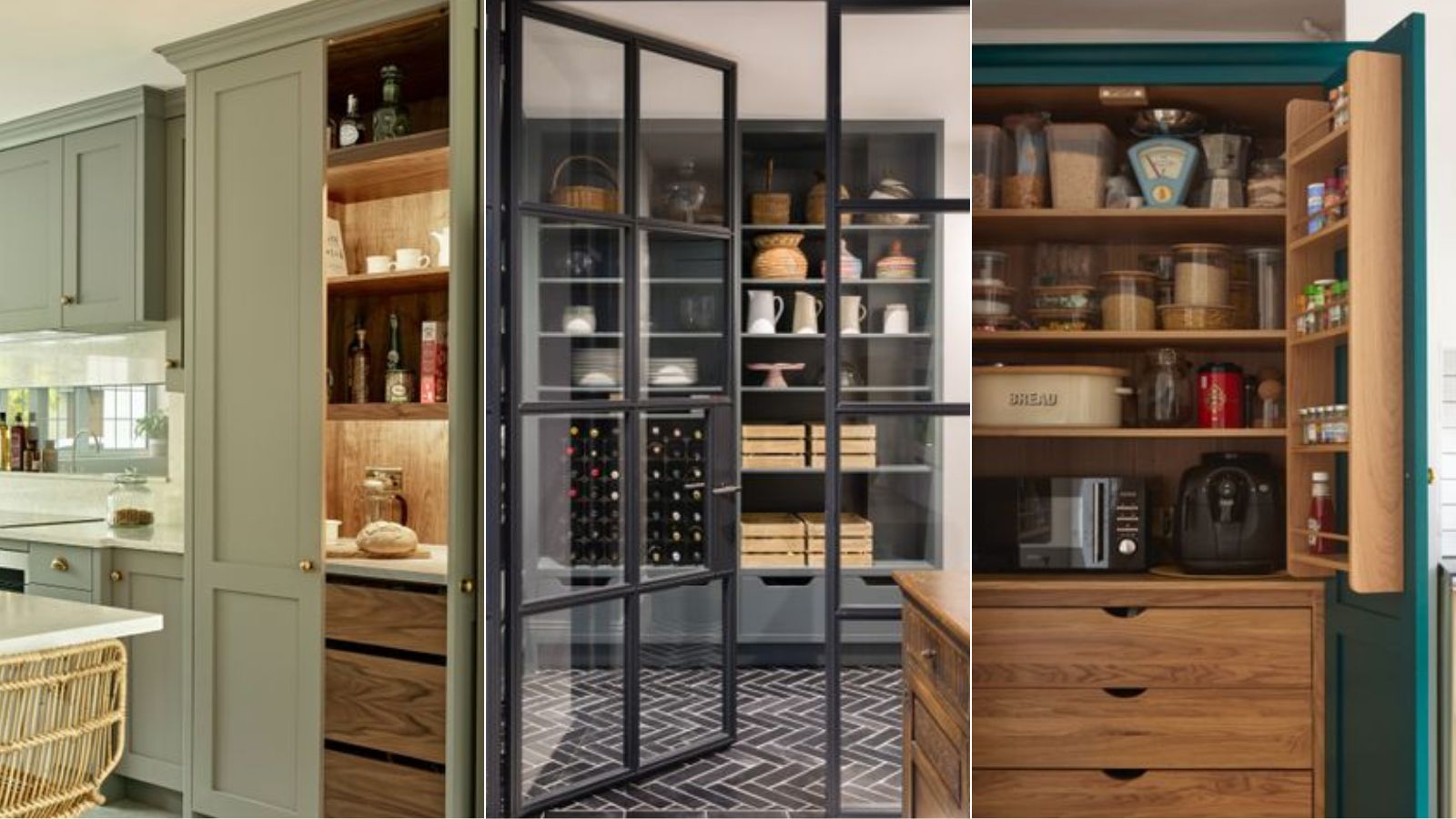
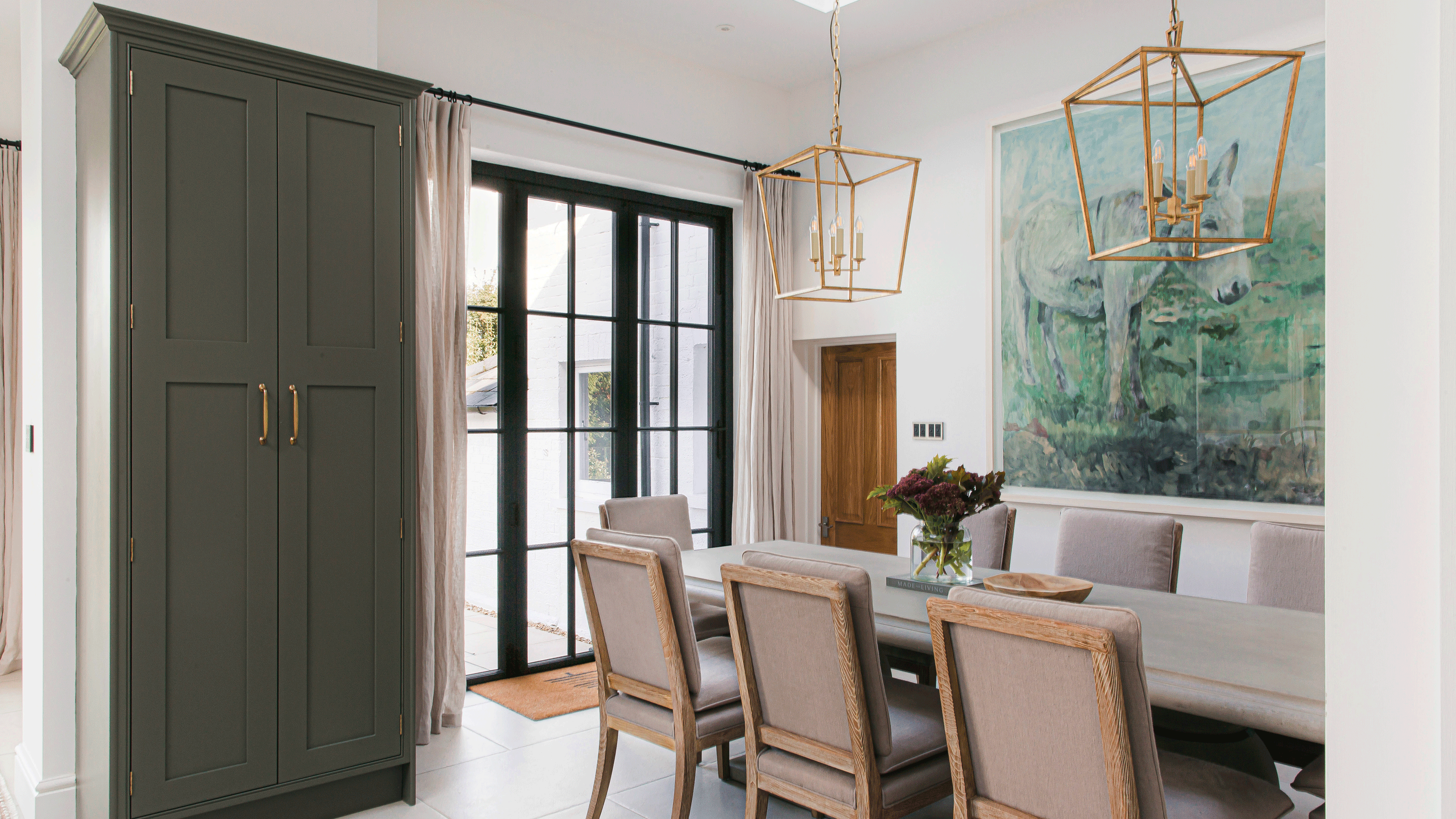
For pantries integrated into kitchen designs, the interior should complement the overall aesthetic. Tom Howley suggests choosing contrasting finishes for external and internal cabinetry, such as a smoky wood finish for internal shelving within a deep green or soft black cabinet, or warm oak for a crisp white or cream cabinet. This approach creates a distinct zone for the pantry while integrating it into the kitchen’s style. Alternatively, painting shelves the same color as the walls can create an illusion of greater space, especially in smaller pantries. Darker hues can also blur edges, making the pantry appear deeper. Utilizing floor-to-ceiling shelving maximizes storage, and a built-in ladder can facilitate access to higher shelves. Awkward tall items like step ladders or ironing boards can be stored in slim cabinets.
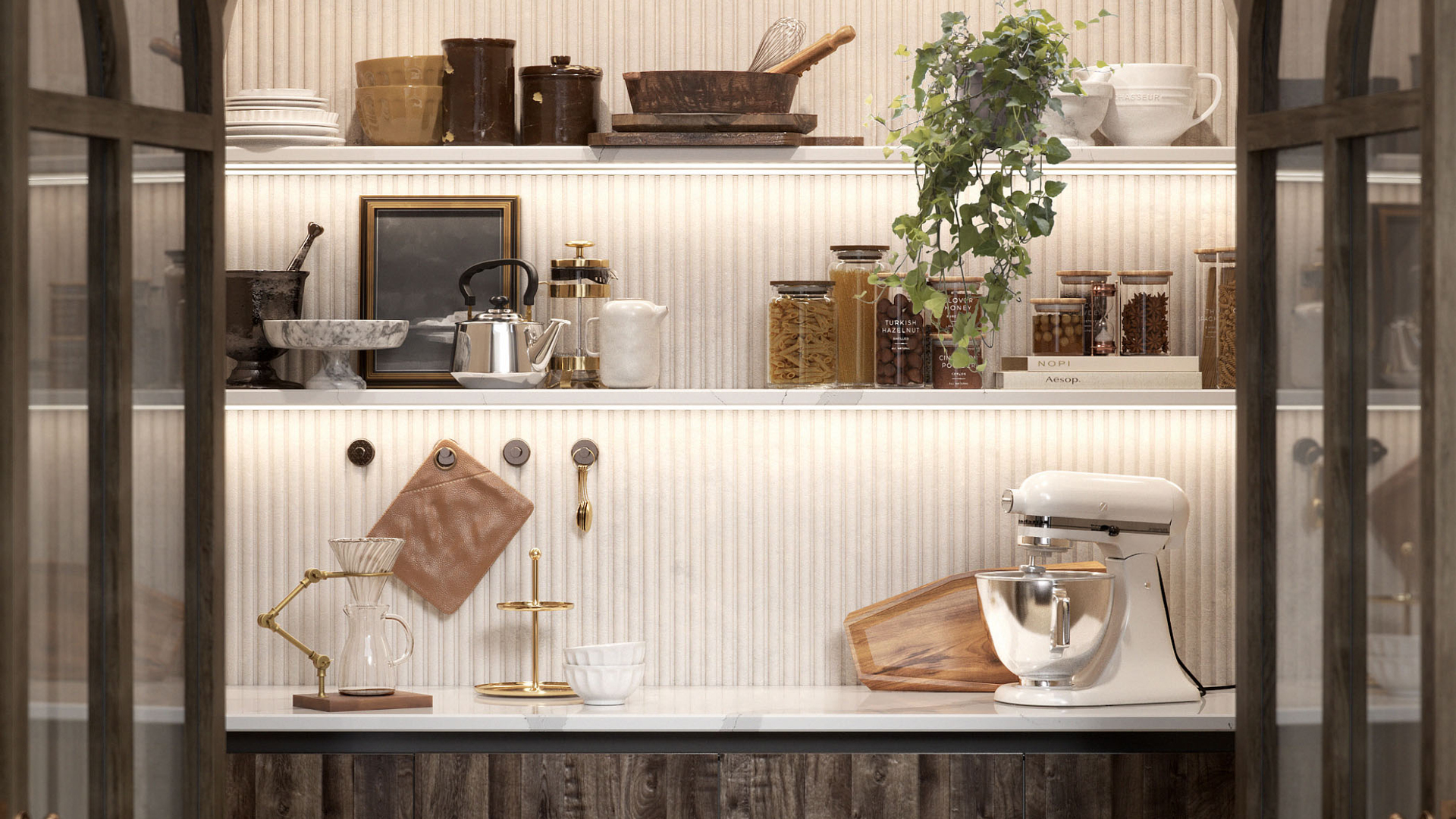
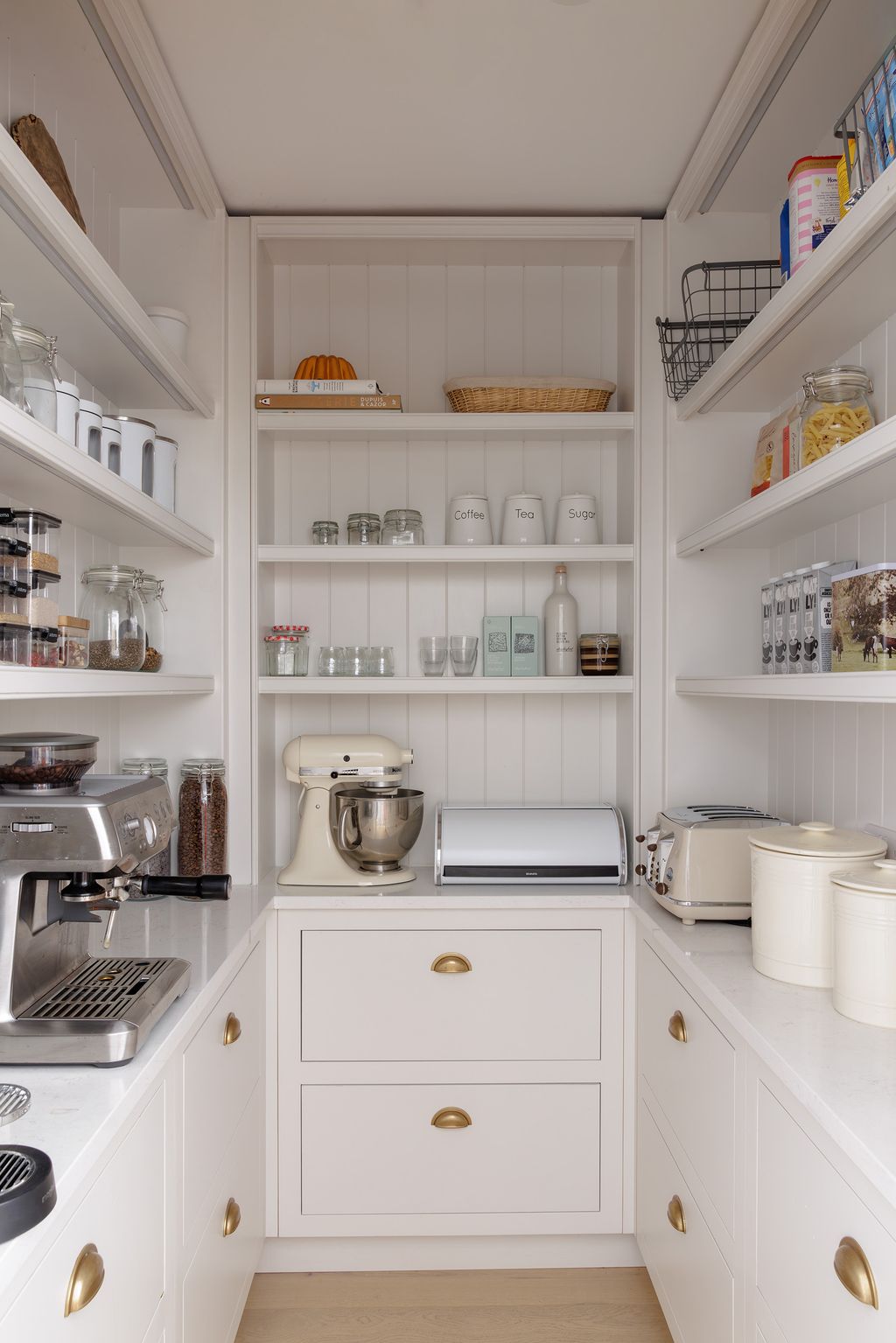
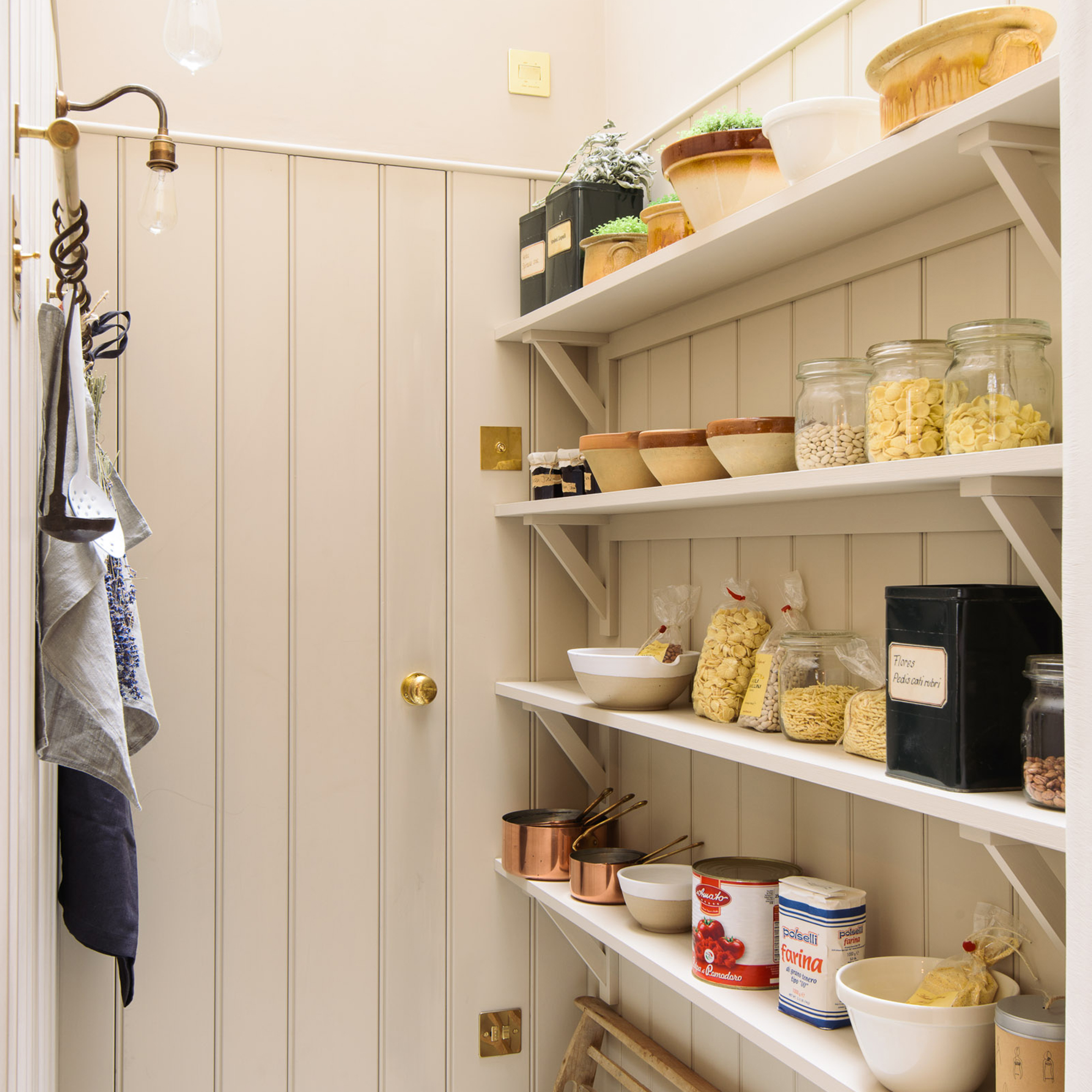
To create visual interest on shelves, a mix of shapes, textures, and layers is recommended. The goal is to avoid perfectly symmetrical arrangements, instead opting for a curated look where functional items double as decoration. Glass jars, baskets, crockery, chopping boards, and cookbooks can all contribute to an aesthetically pleasing display, as demonstrated by Neptune’s pantry example. The varied heights of jars, layered chopping boards, and diverse textures create a visually engaging yet practical storage solution.
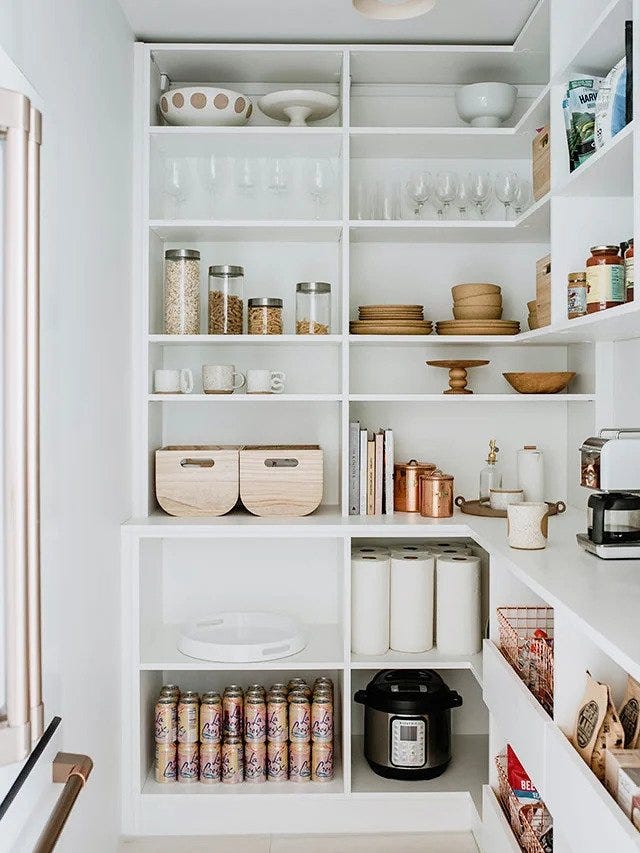
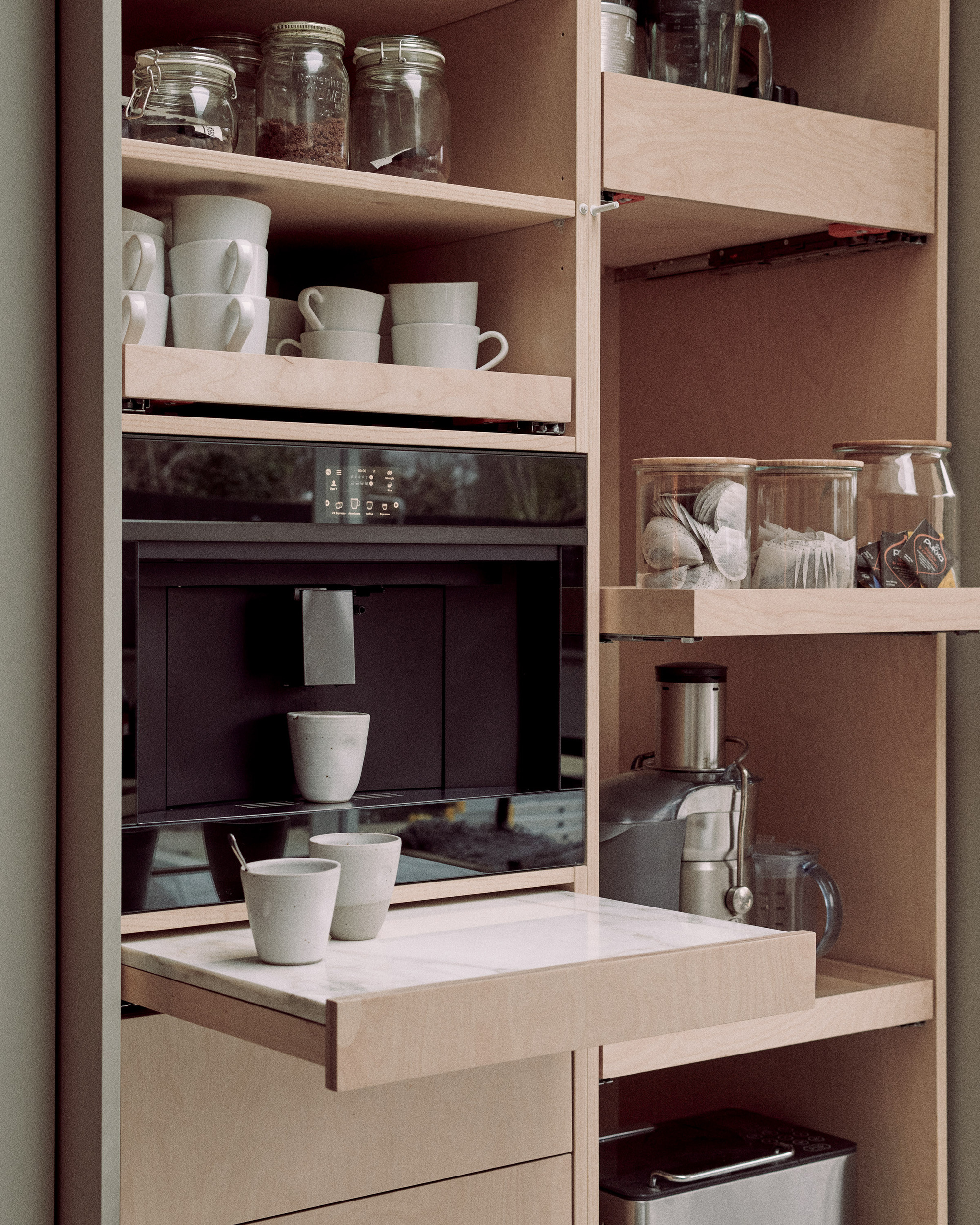
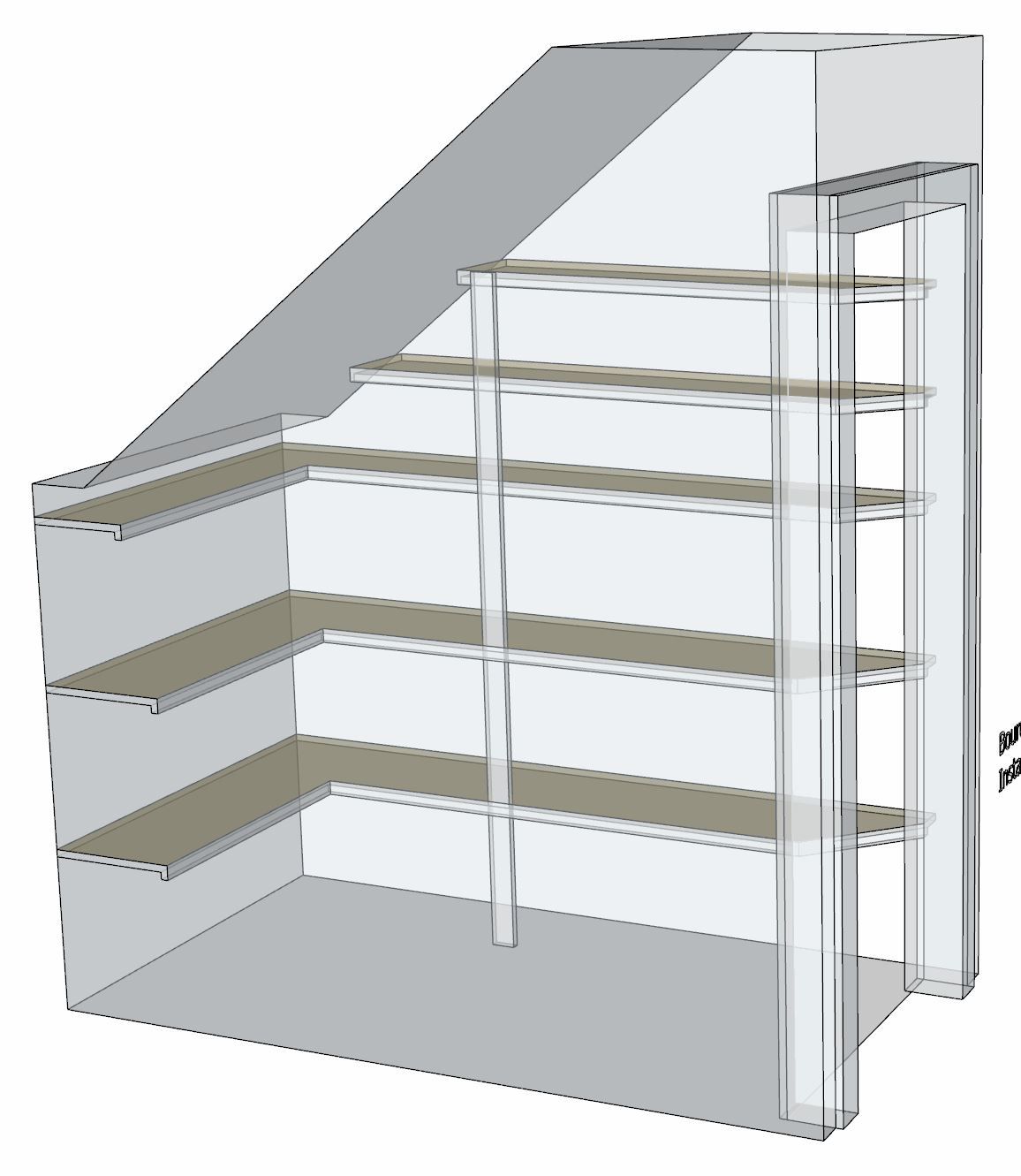
Building appliances into pantry shelving is a growing trend, supporting the desire for concealed kitchens where appliances are hidden or seamlessly integrated. Microwaves, toasters, and kettles can be housed within bespoke pantry designs, creating functional zones like breakfast cupboards and clearing worktop space. This customization is particularly beneficial in smaller spaces or for those seeking to enhance pantry utility beyond simple food storage. In narrow pantries, filling the entire space with shelving is often the most effective solution. Shelves should extend the full length and depth of the space, allowing for easy retrieval of items. Adjusting shelf spacing to accommodate different item sizes, such as taller gaps for bulkier items at the bottom, optimizes storage. Planning shelf layout in advance and considering the height of users are essential ergonomic considerations for practical and accessible storage.
#PantryShelving #KitchenOrganization #HomeStorage #InteriorDesign #KitchenDesign #StorageSolutions #SpaceOptimization #DecoratingIdeas #FunctionalDesign #PantryShelving #KitchenOrganization #HomeStorage #InteriorDesign #KitchenDesign #StorageSolutions #SpaceOptimization #DecoratingIdeas #FunctionalDesign
Toplam 0 yorum
 Henüz yorum yok
Bu da beğenebilirsiniz
Walk-in pantry ideas – 10 stylish ways to add extra storage to your kitchen
22 Perfectly Pinterestable Pantry Organizing Ideas

How to organize a pantry: 23 expert tips and design ideas

18 of the Best Pantry Storage Ideas for Creating a Tidy Space
30 kitchen pantry ideas for the most stylish storage around
Pantry design tips: how to organise your kitchen storage

How To Style Pantry Shelves For The Holidays
Converting unused kitchen space into a pantry

10 small kitchen pantry ideas for stunning storage — you won’t want to miss this

These 20 Pantry Closets Are Organization Goals

19 pantry and scullery ideas (with advice from Rita Konig on how to do them right)
10 pantry organization ideas to maximize even the smallest of spaces
8 Pantry Shelving Ideas For Storing In Style
Perfect pantry ideas for an organized and space-saving kitchen
8 pantry organizers professionals always buy

Top tips for organising a pantry – all the expert advice and tricks you need
Walk-in pantry ideas – 10 tips for stylish and spacious kitchen storage and utilities
Sorry, open shelving, but this is the beautiful and practical storage trend taking over kitchens in 2025
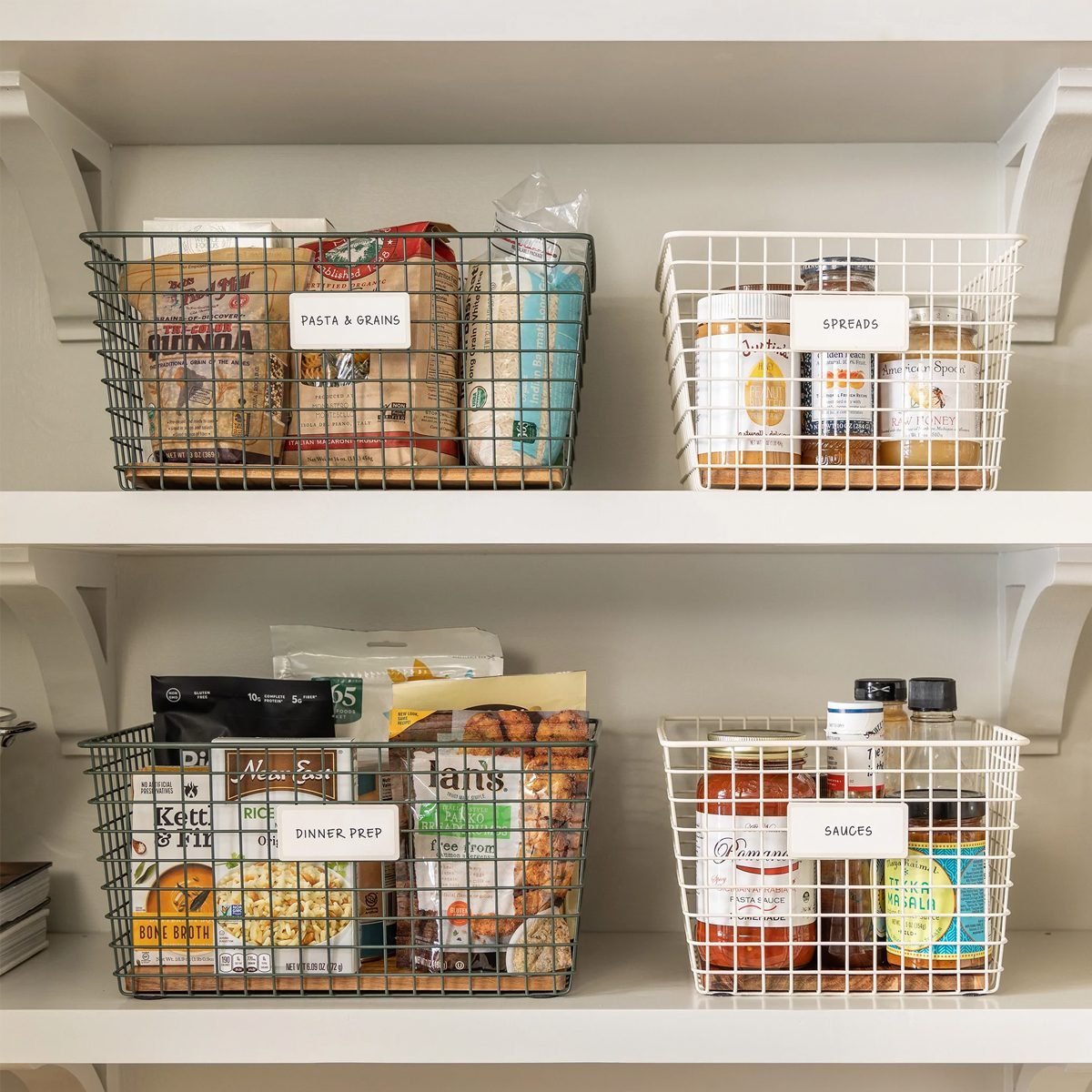
The 7 Best Pantry Organization Bins

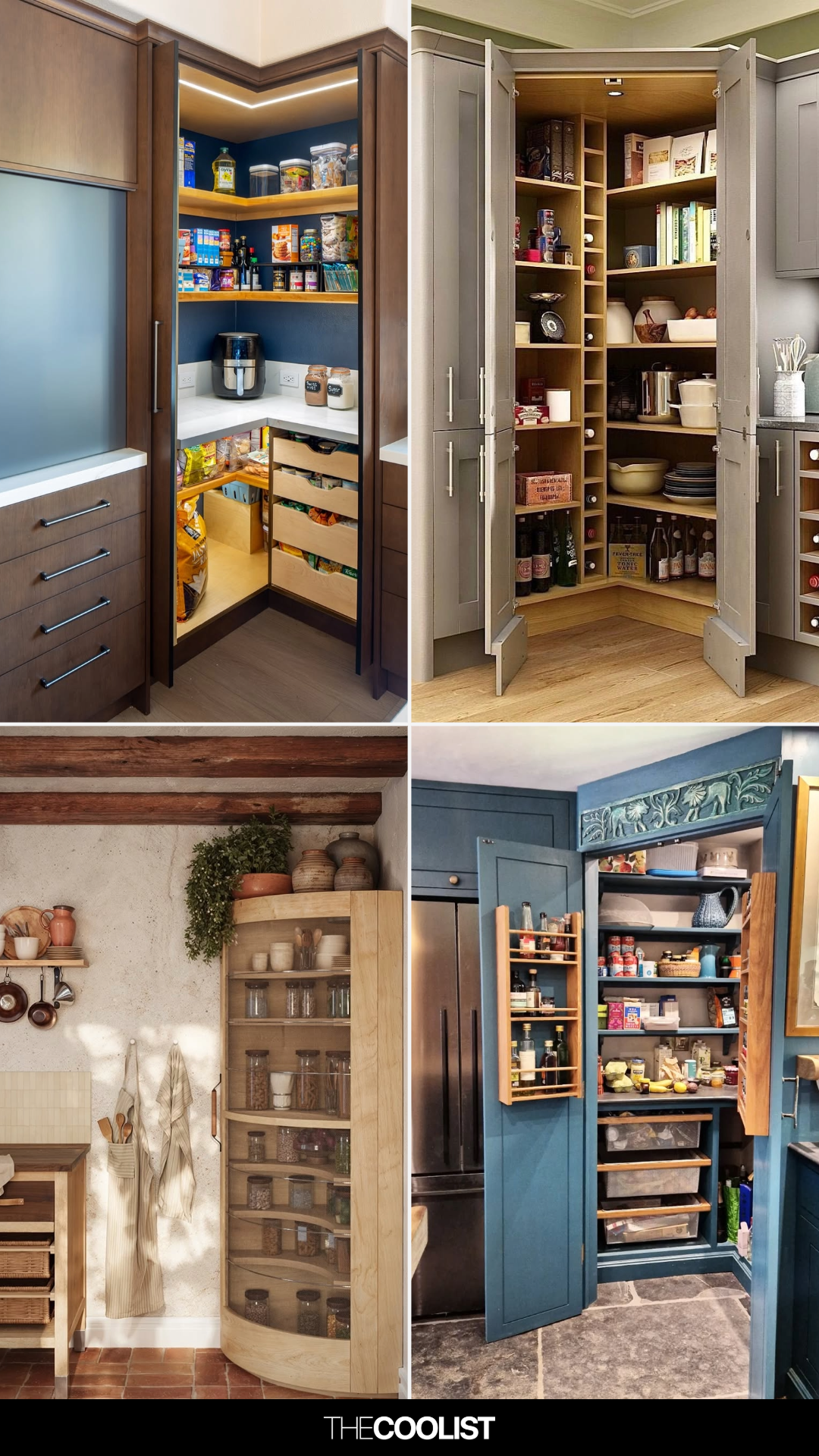
29 Corner Kitchen Pantry Ideas That Reveal How Much Storage You’re Losing Without Realizing It