1/11
Walk-in pantry ideas – 10 tips for stylish and spacious kitchen storage and utilities
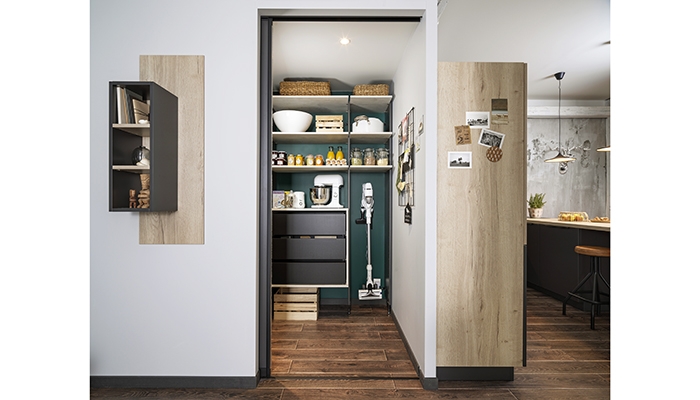
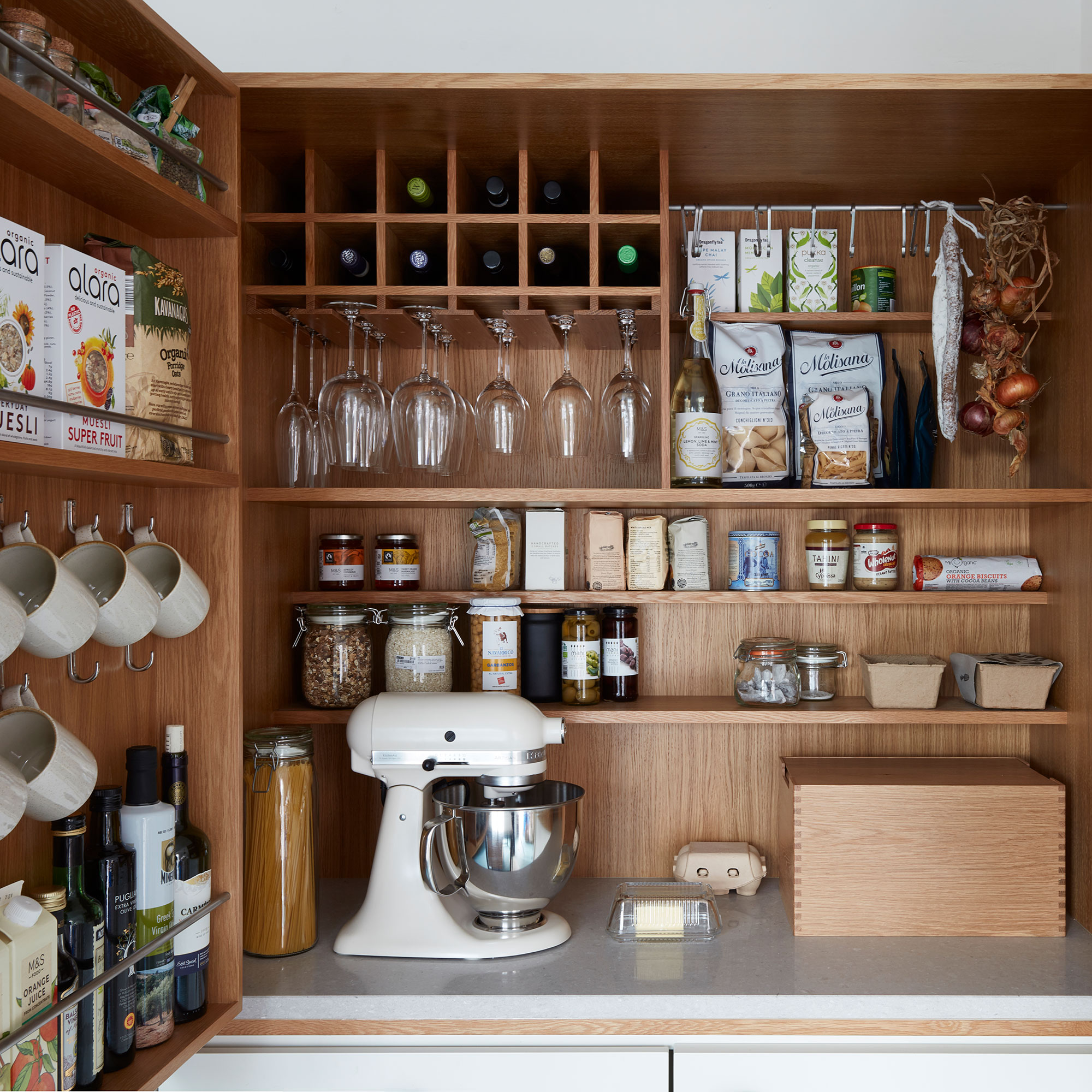
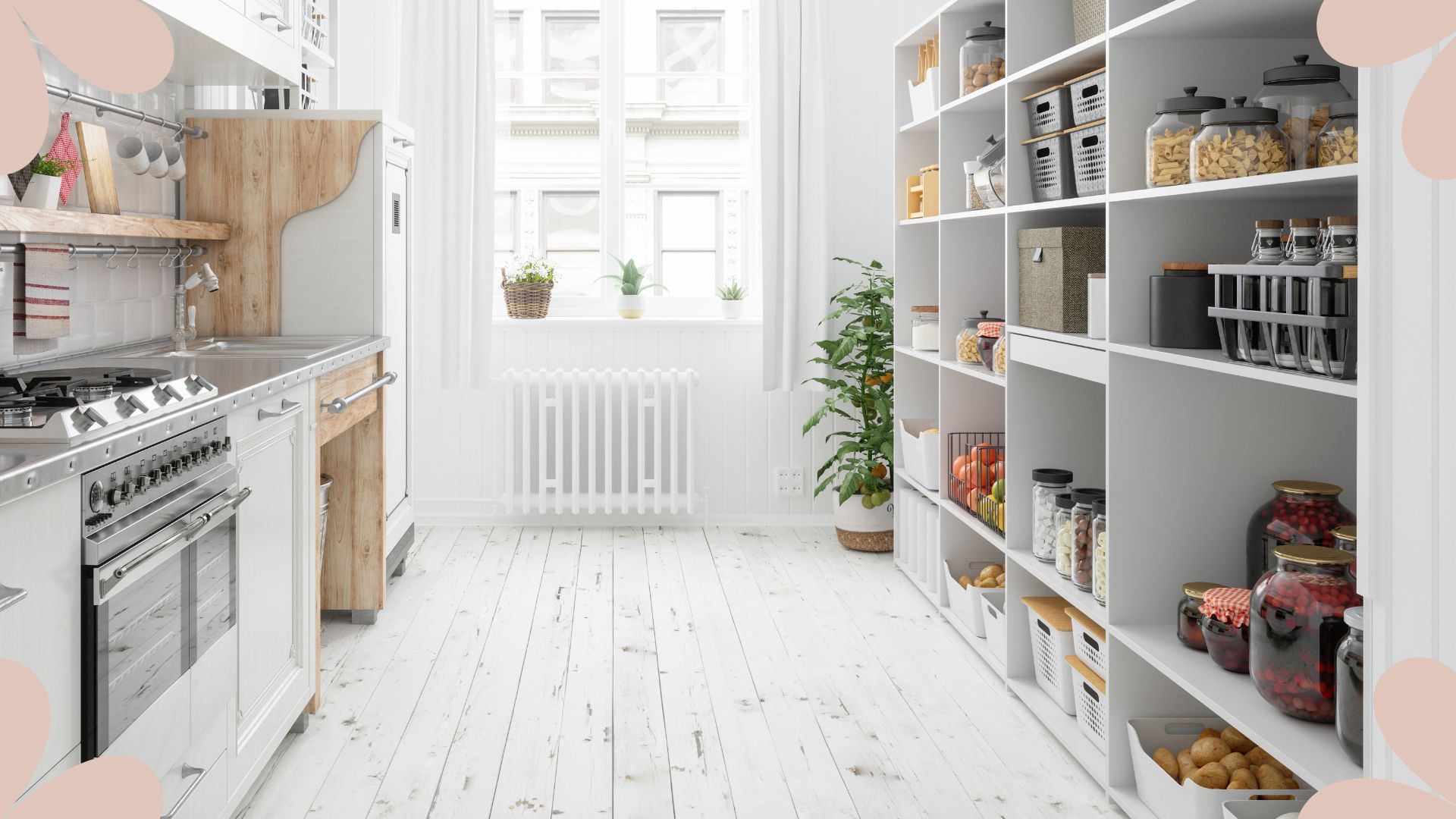
Walk-in pantries are becoming increasingly popular for their ability to enhance kitchen organization and efficiency. These spaces are not just for storing food; they can be customized to suit individual needs, from avid cooks requiring extensive ingredient storage to those seeking a minimalist kitchen aesthetic. The design of a walk-in pantry should reflect the homeowner's specific interests and culinary habits, with options ranging from dedicated spice racks and deep shelves for canning jars to hidden work surfaces for food preparation.
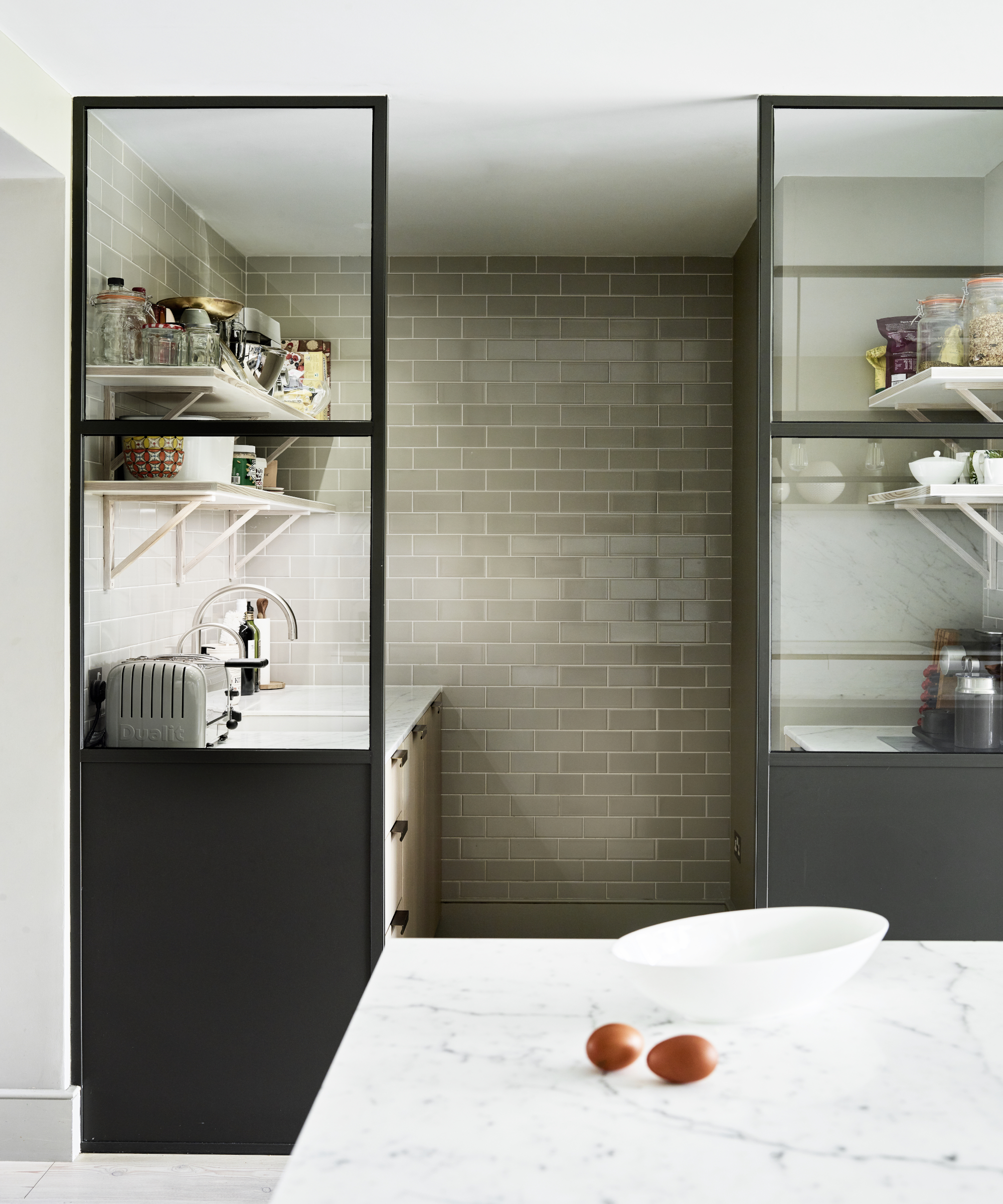
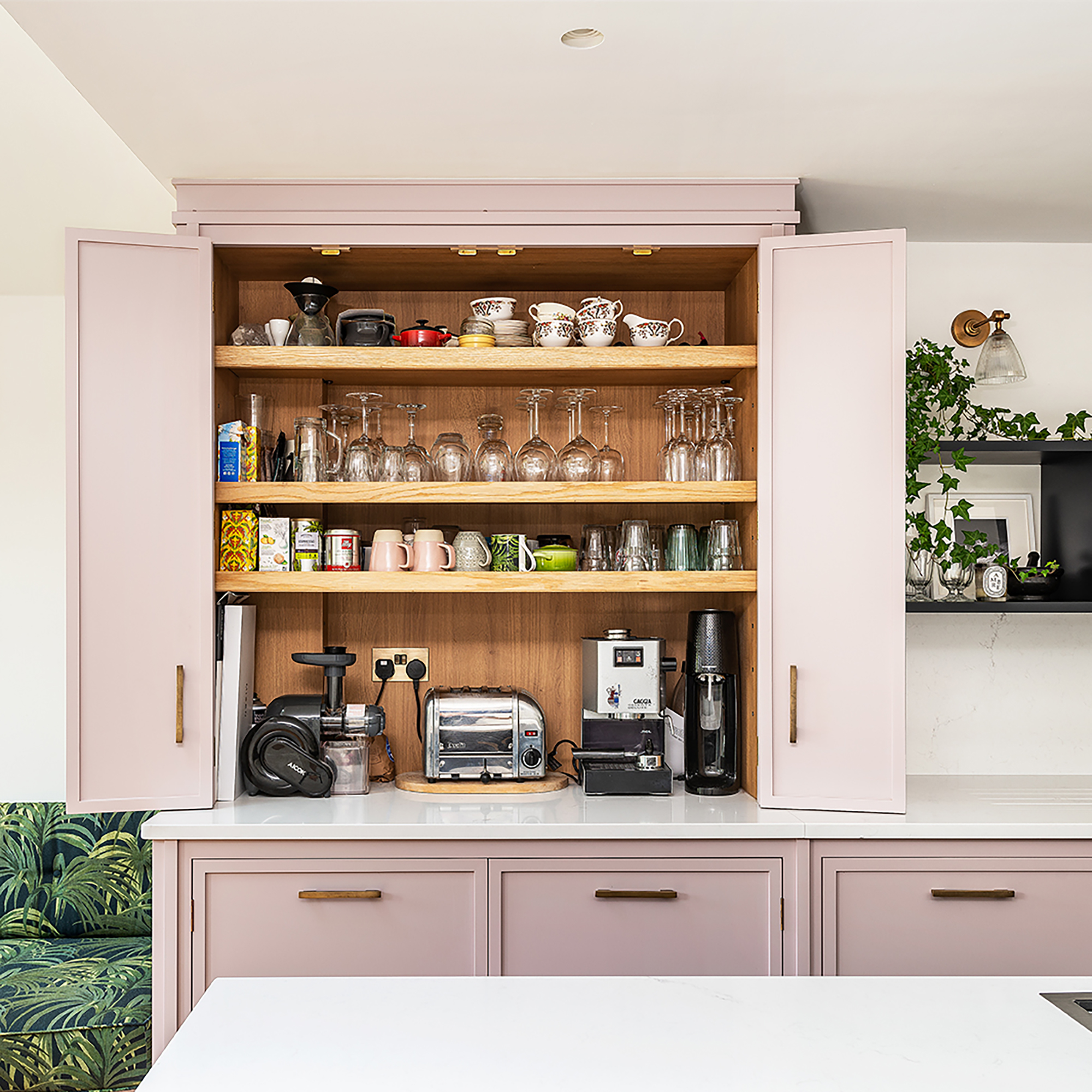
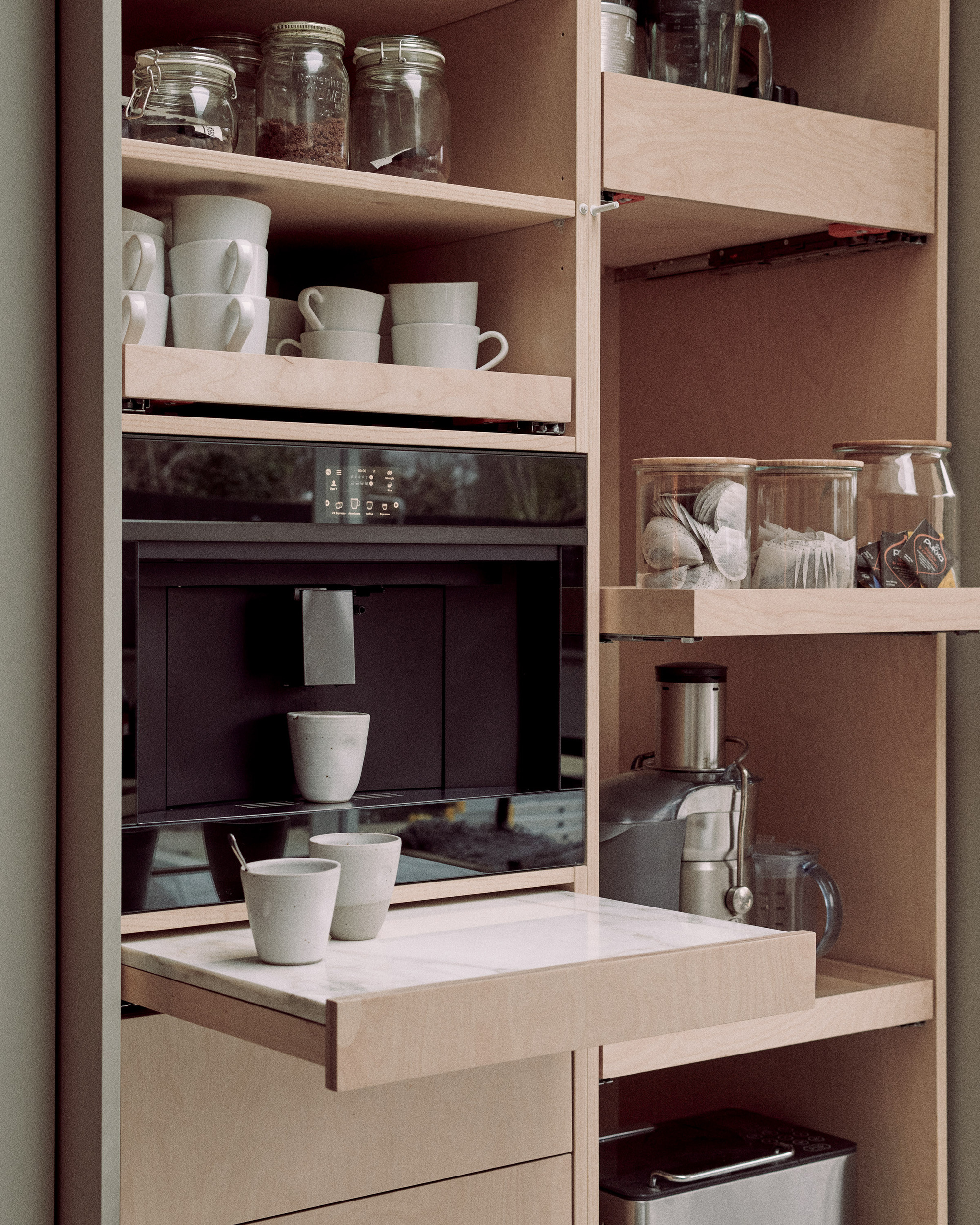
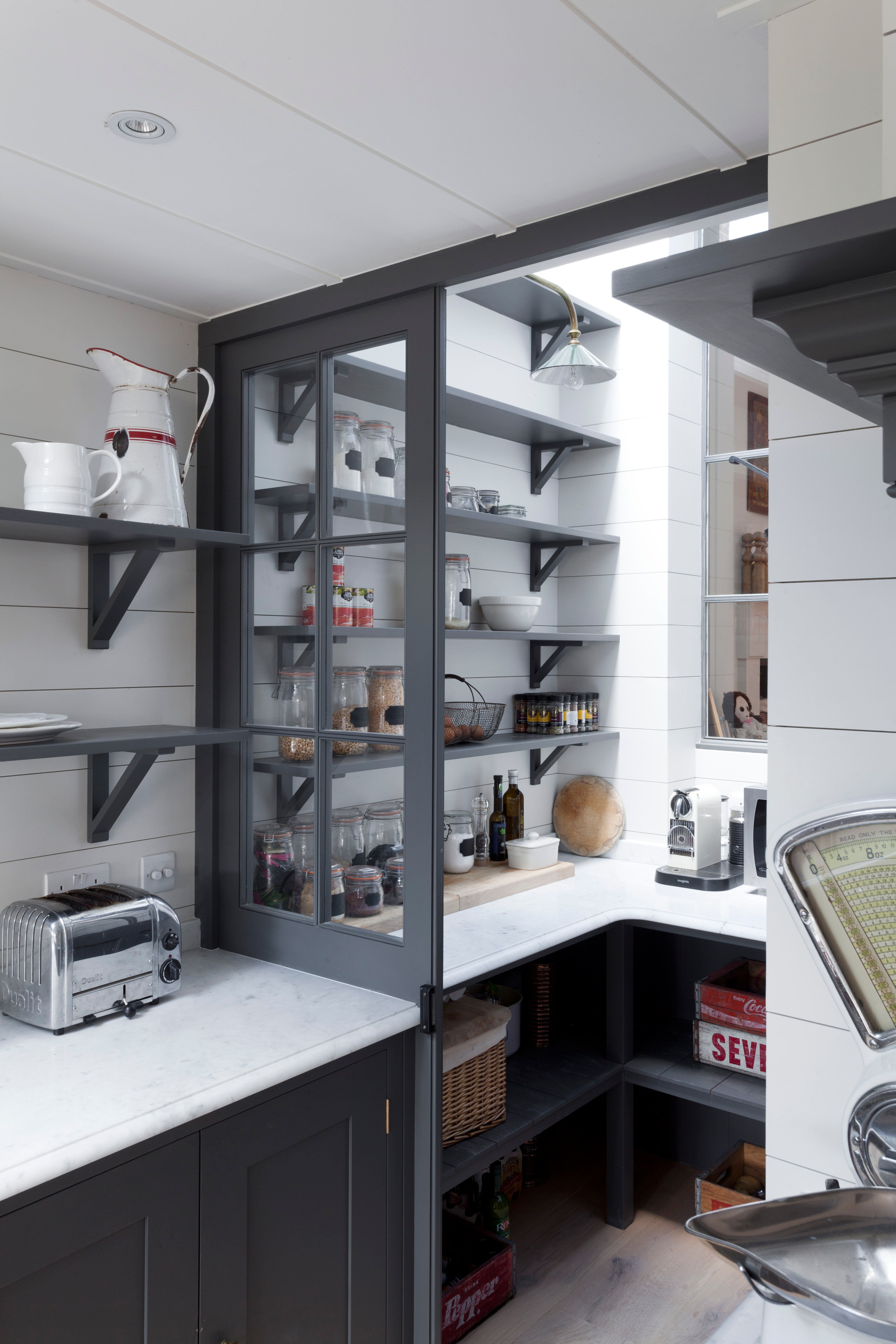
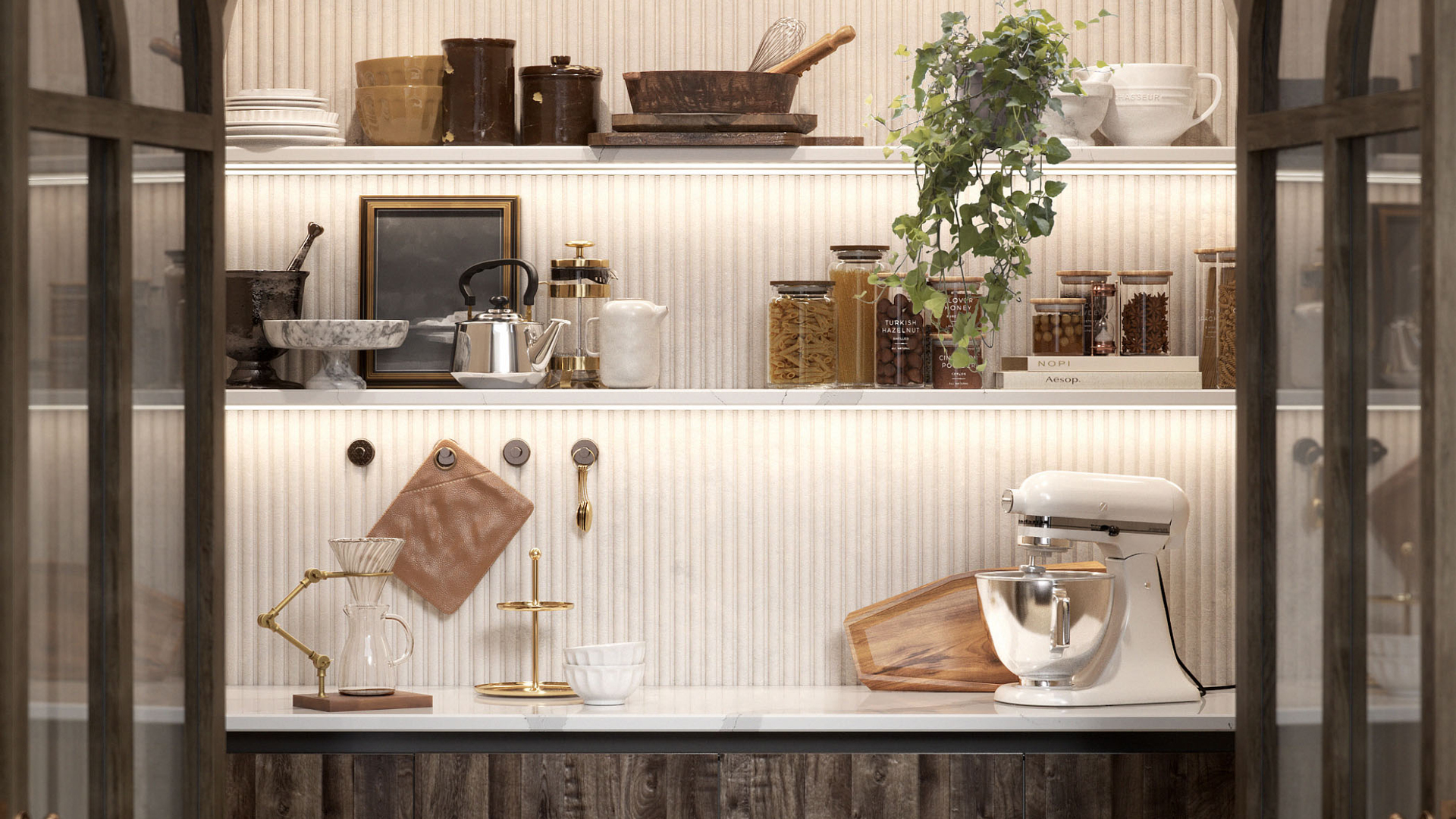
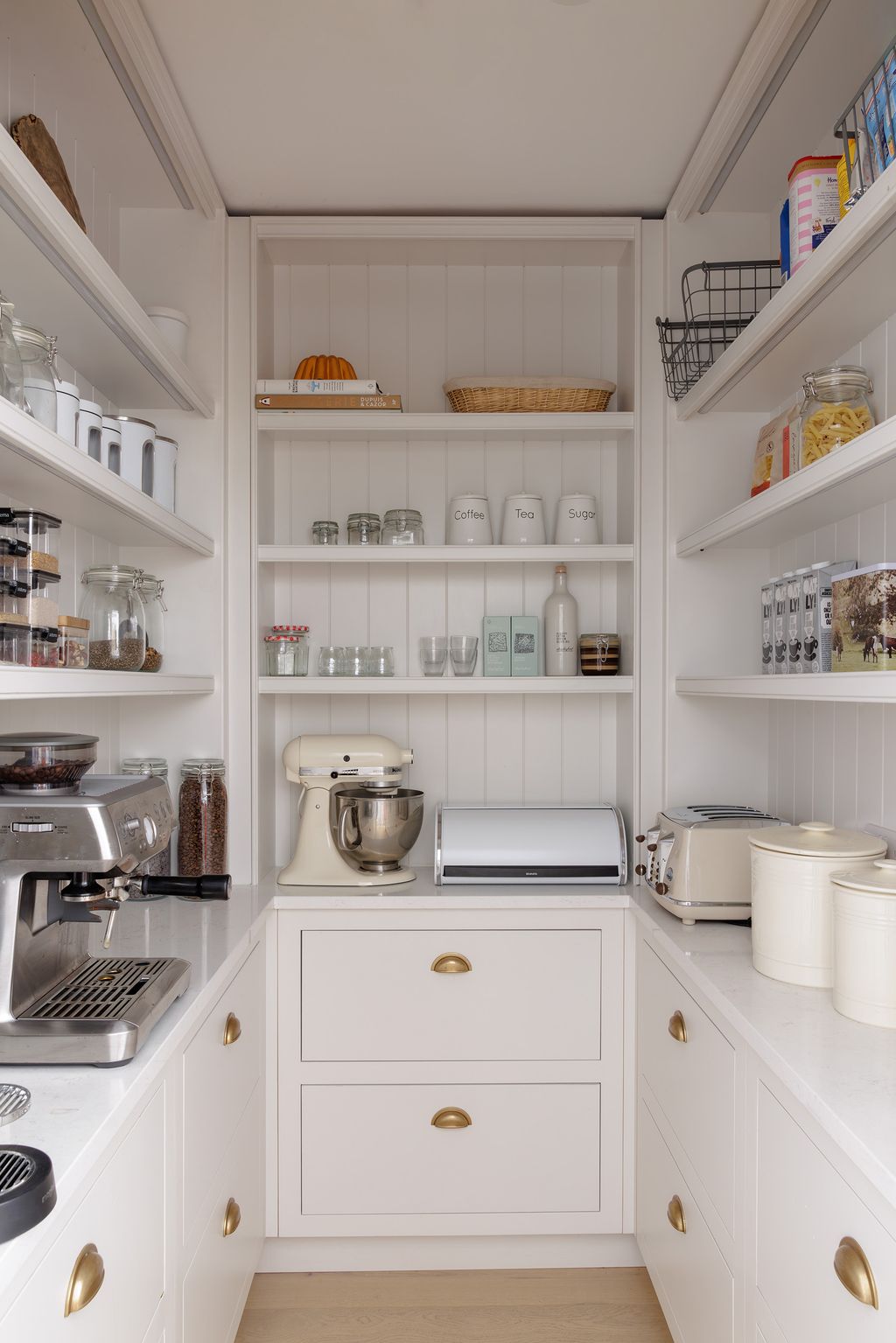
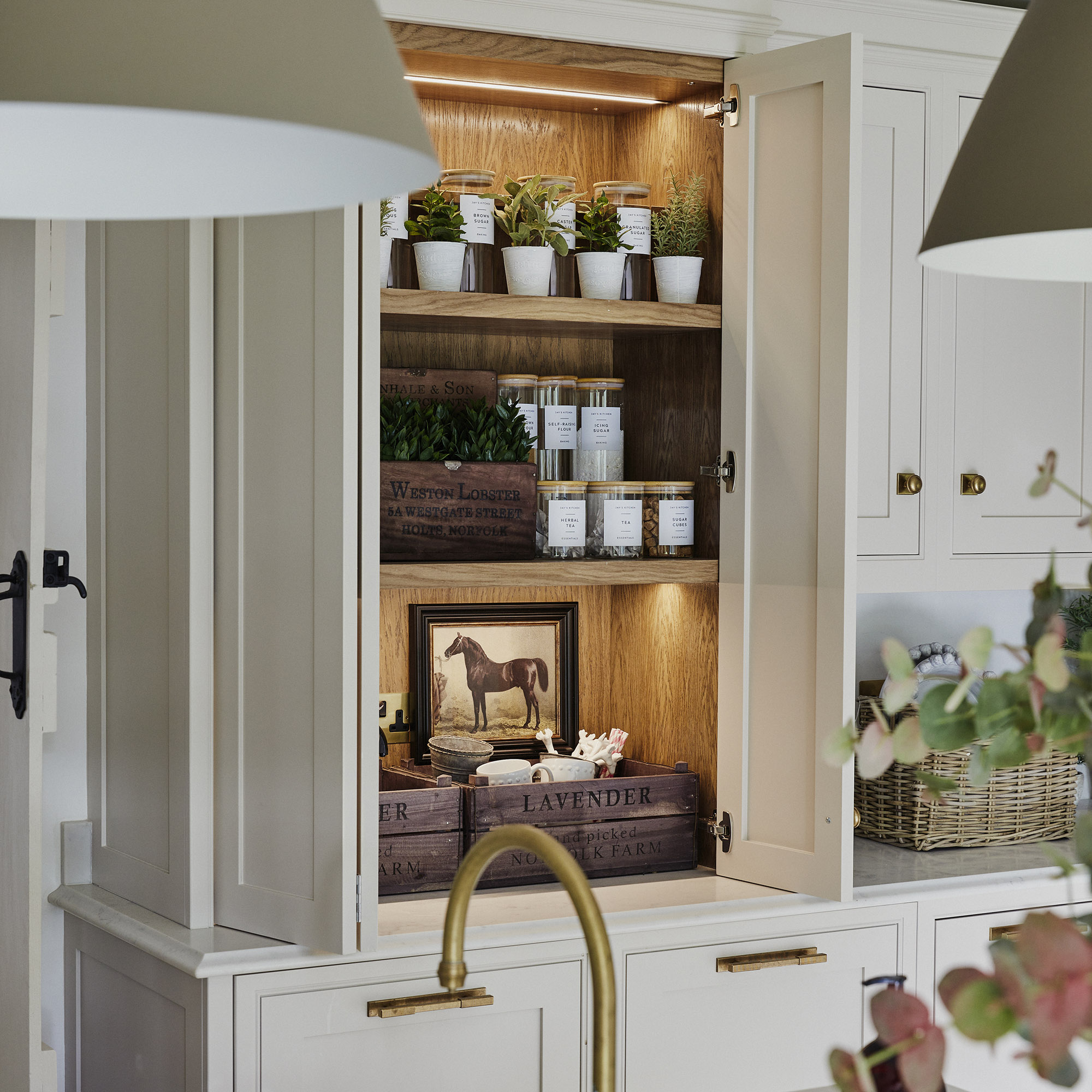
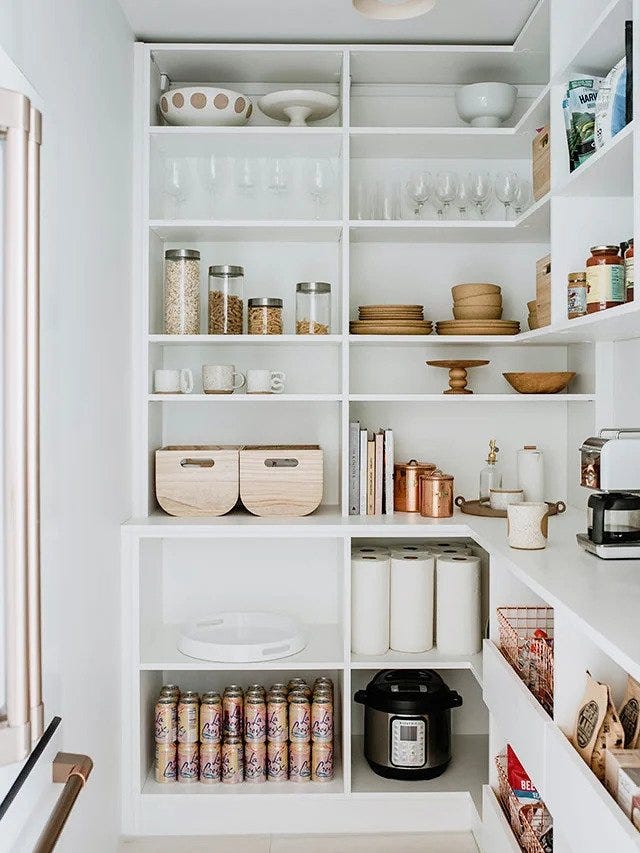
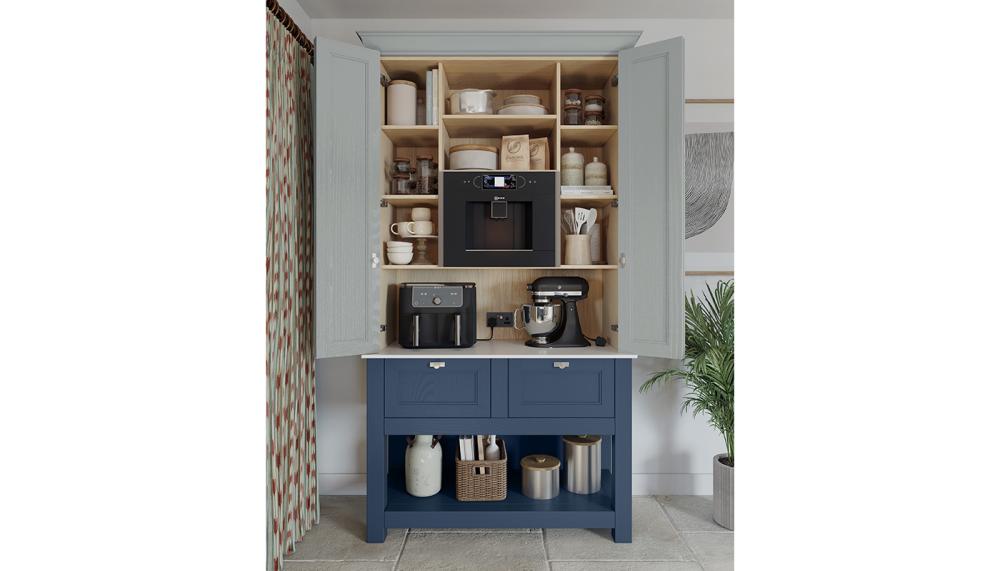
One significant advantage of a walk-in pantry is its capacity to house small appliances, thereby decluttering main kitchen countertops. Integrating power points within the pantry allows for convenient use of appliances like kettles, blenders, and toasters without moving them to the main kitchen. Thoughtful lighting is crucial for these often windowless spaces, with spotlights and concealed downlighters ensuring visibility and creating an inviting atmosphere. Effective lighting transforms a potentially dark recess into a functional and pleasant area.
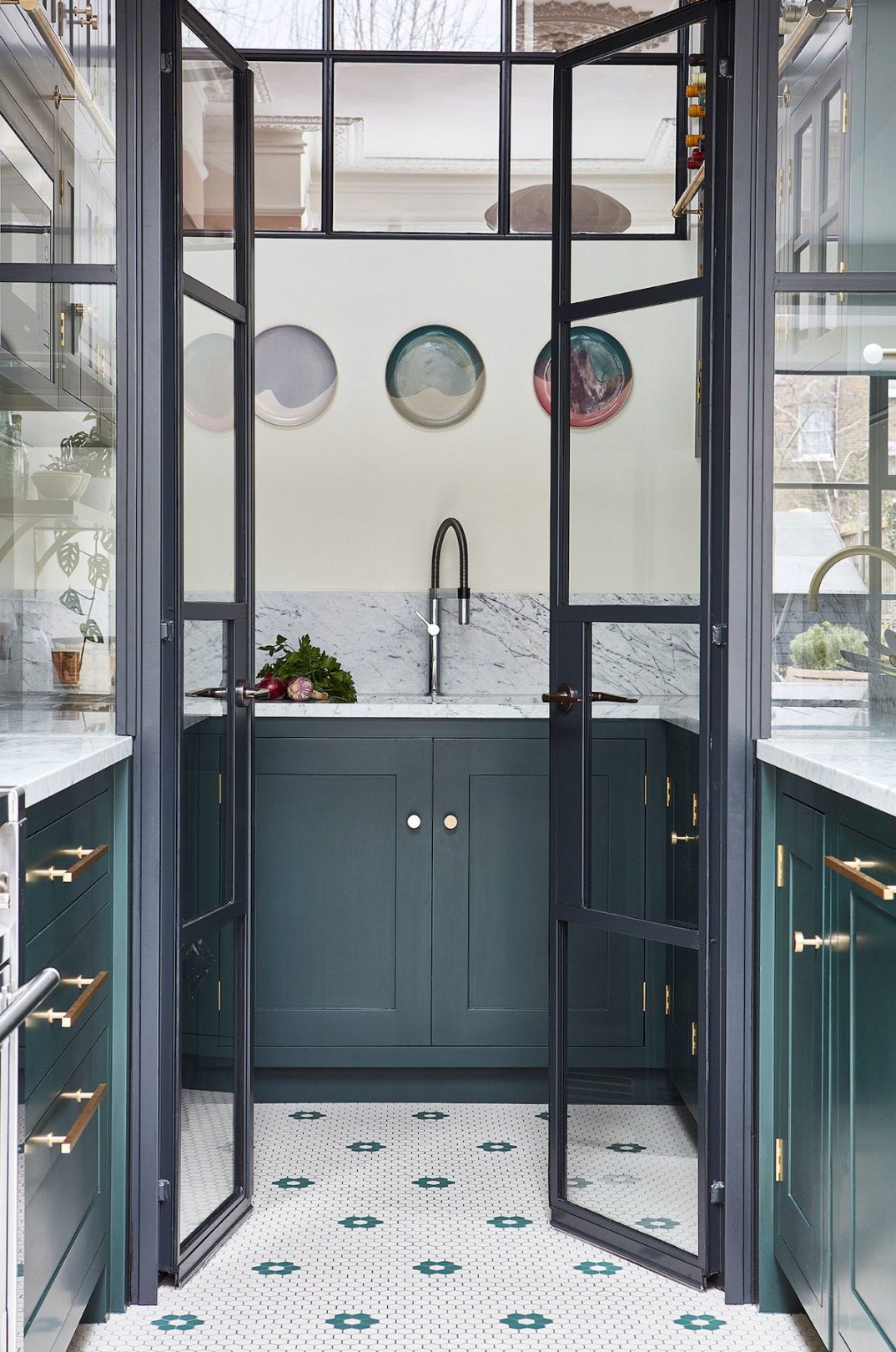
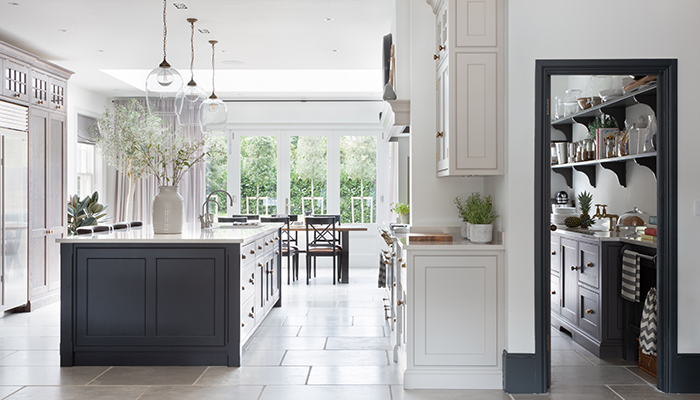
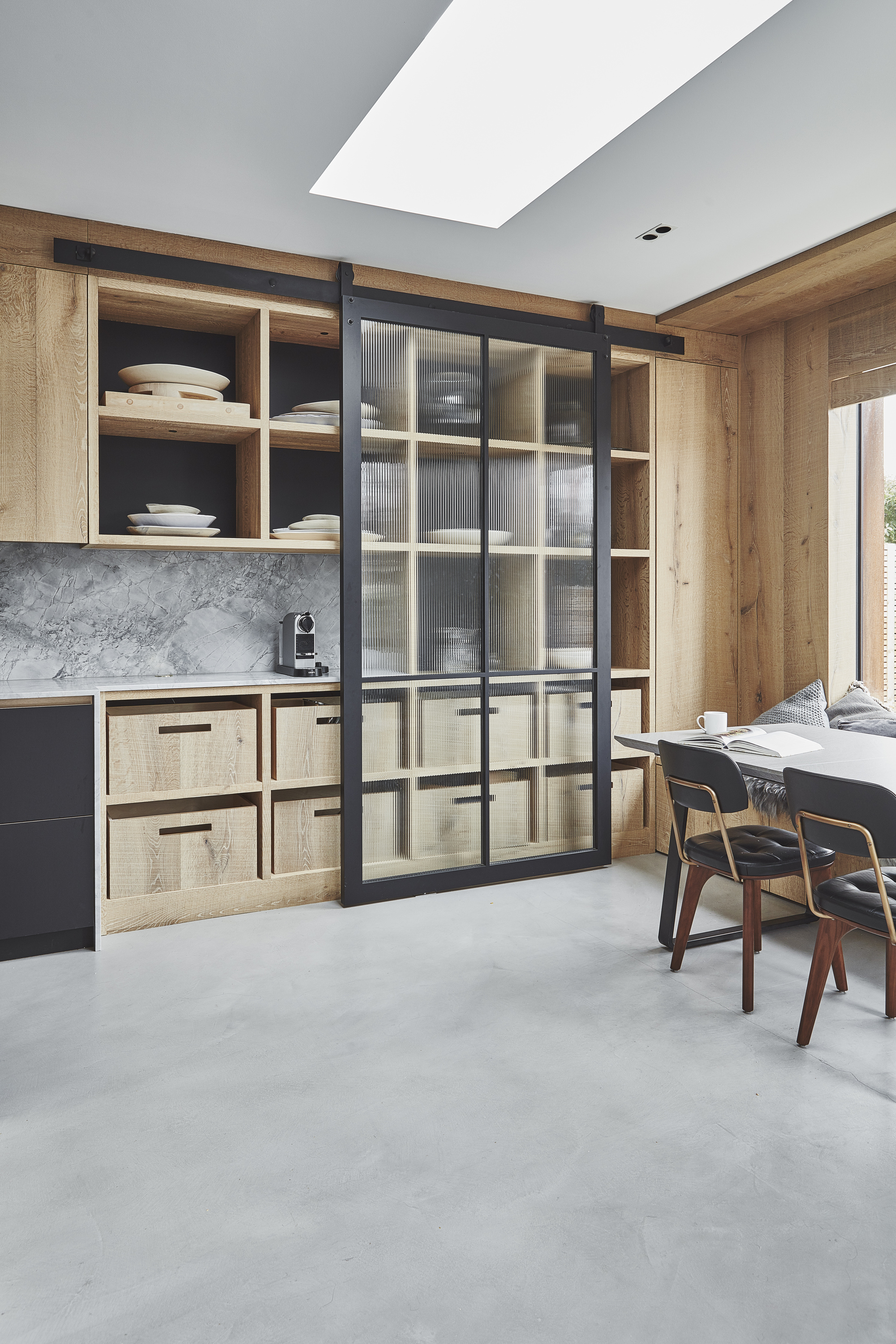
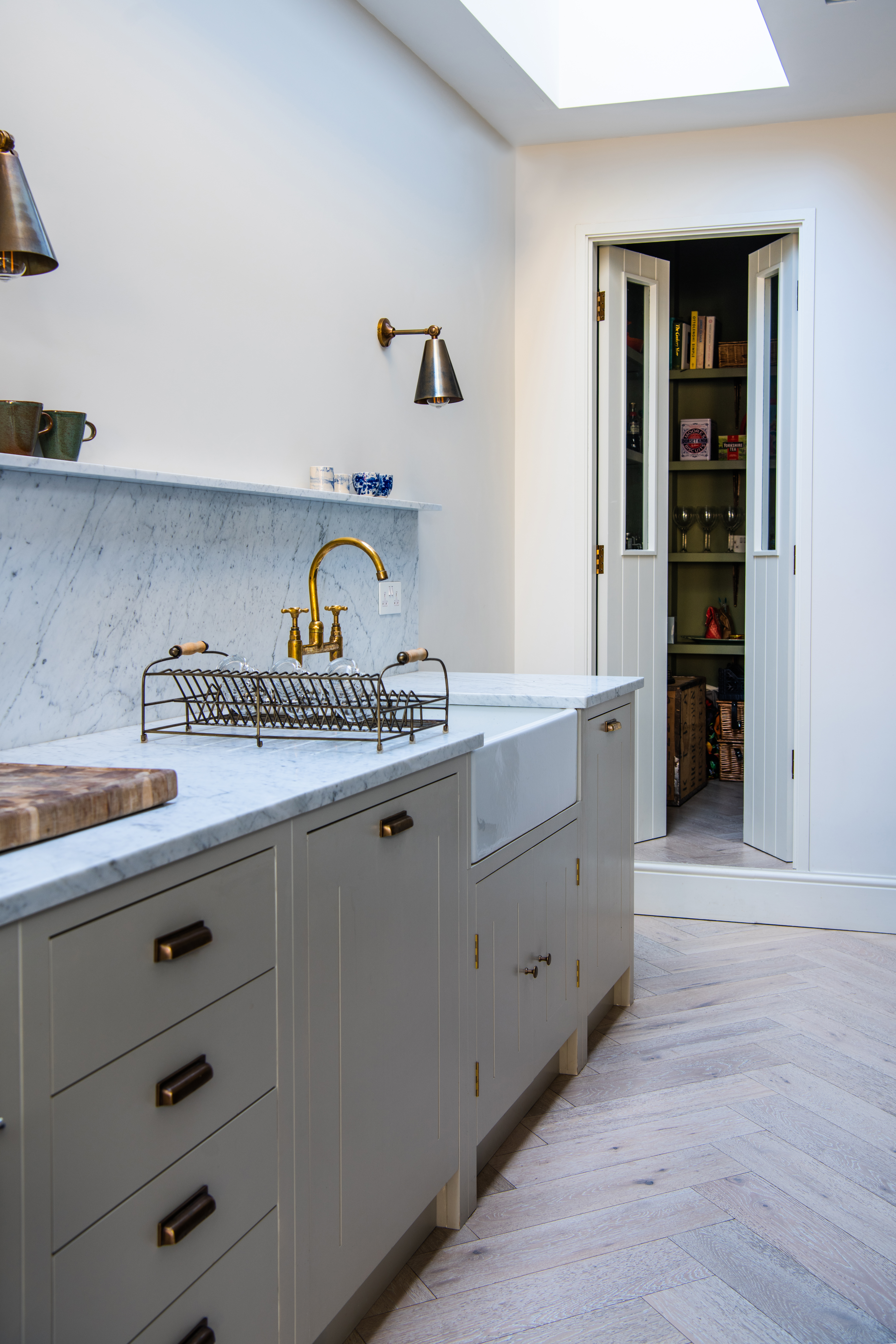
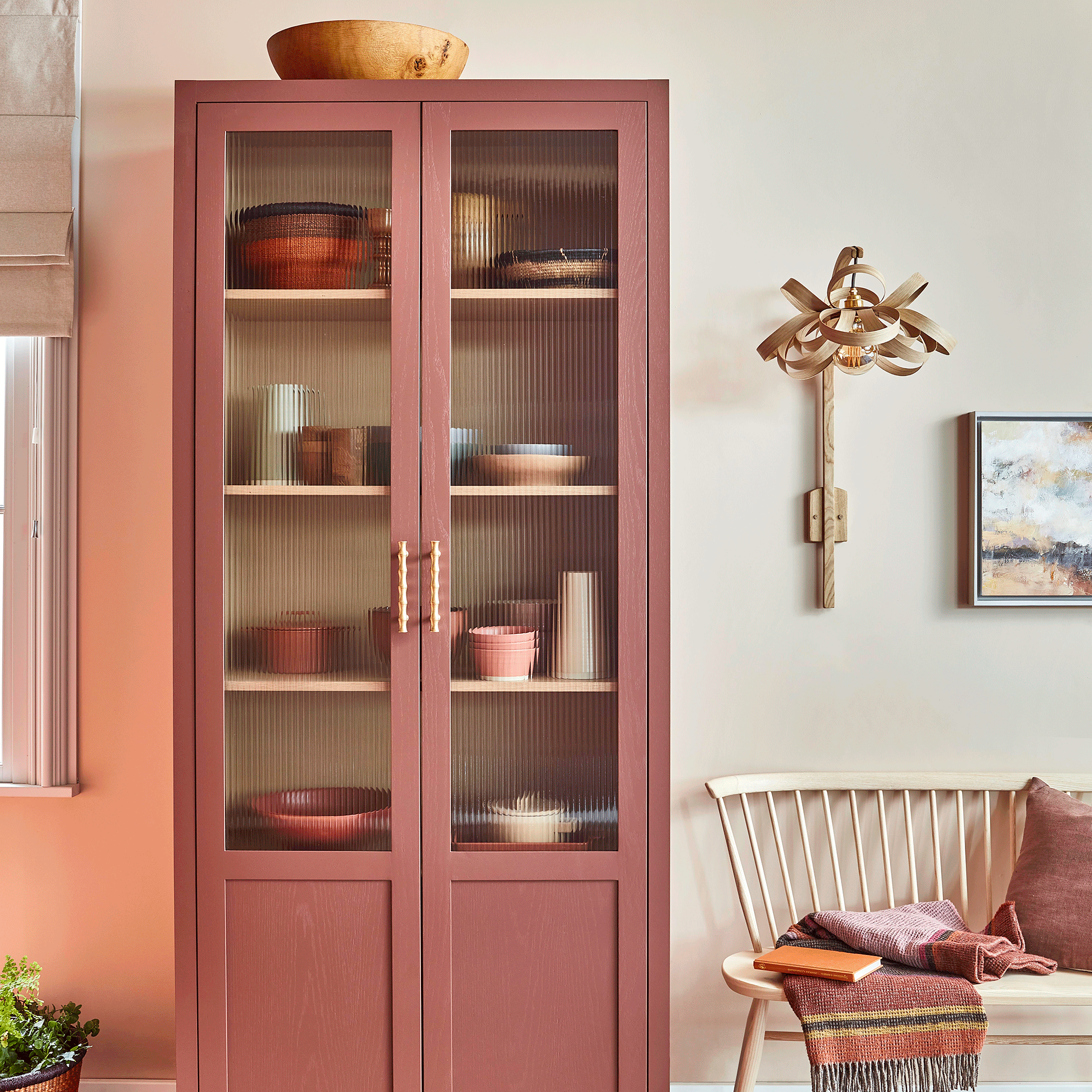
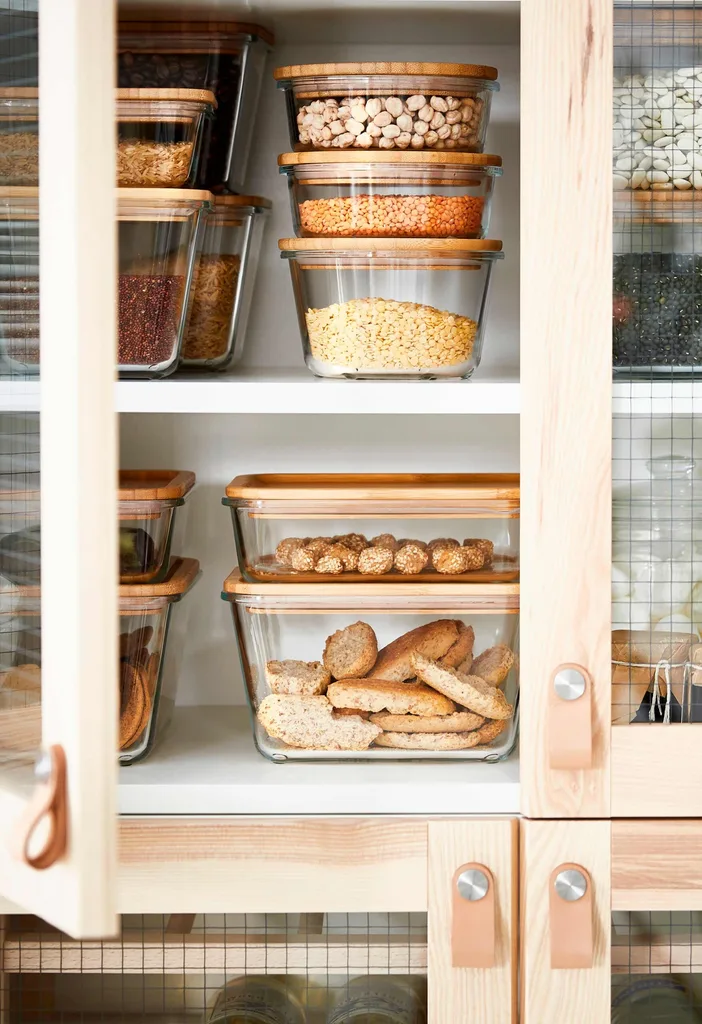
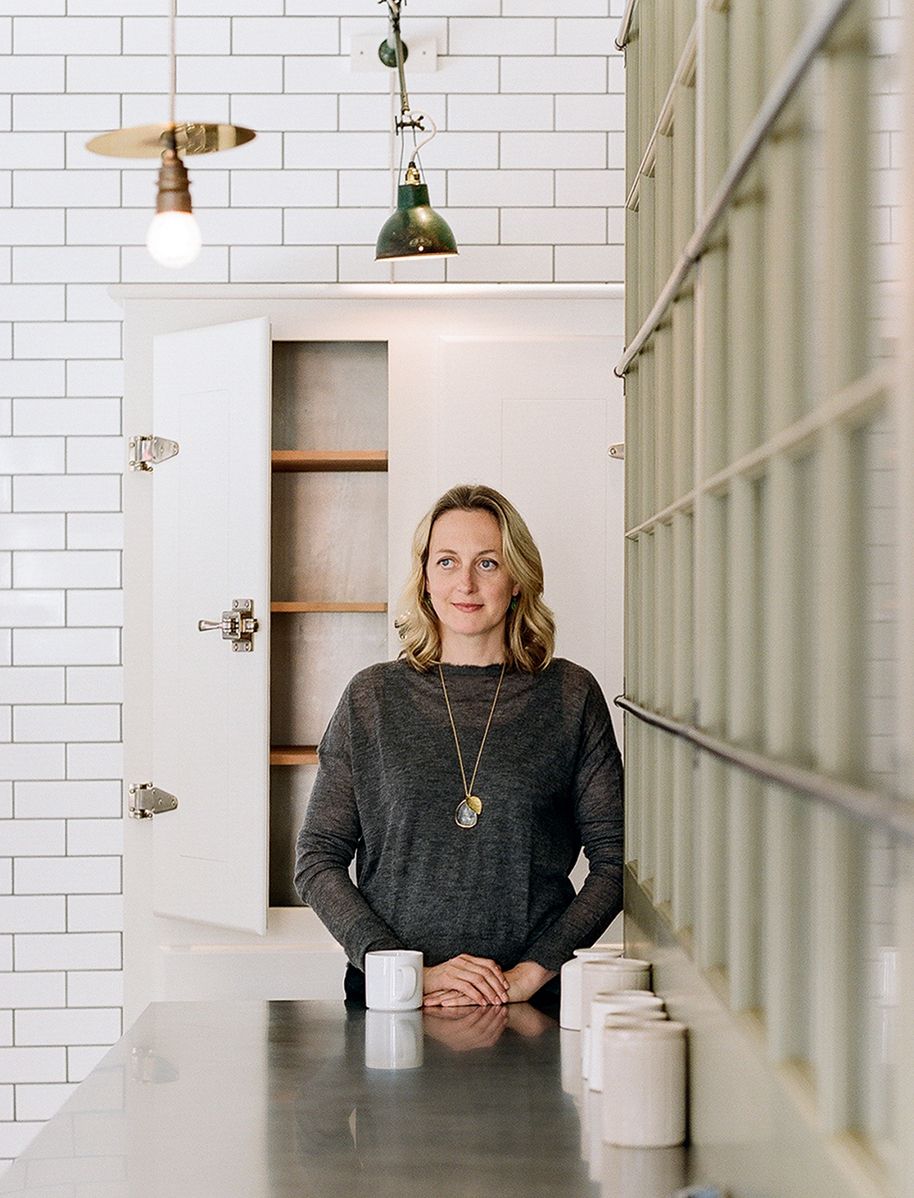
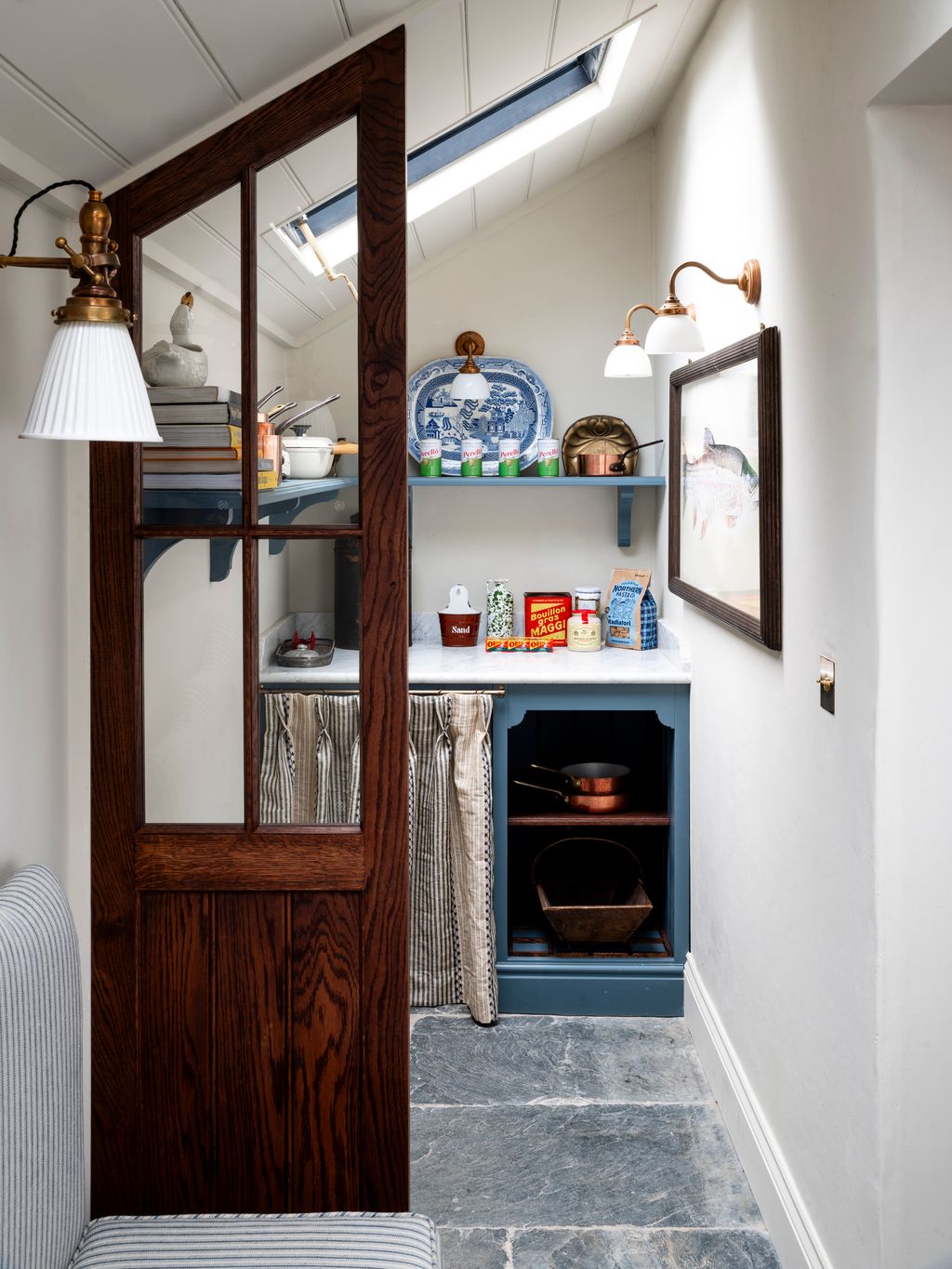
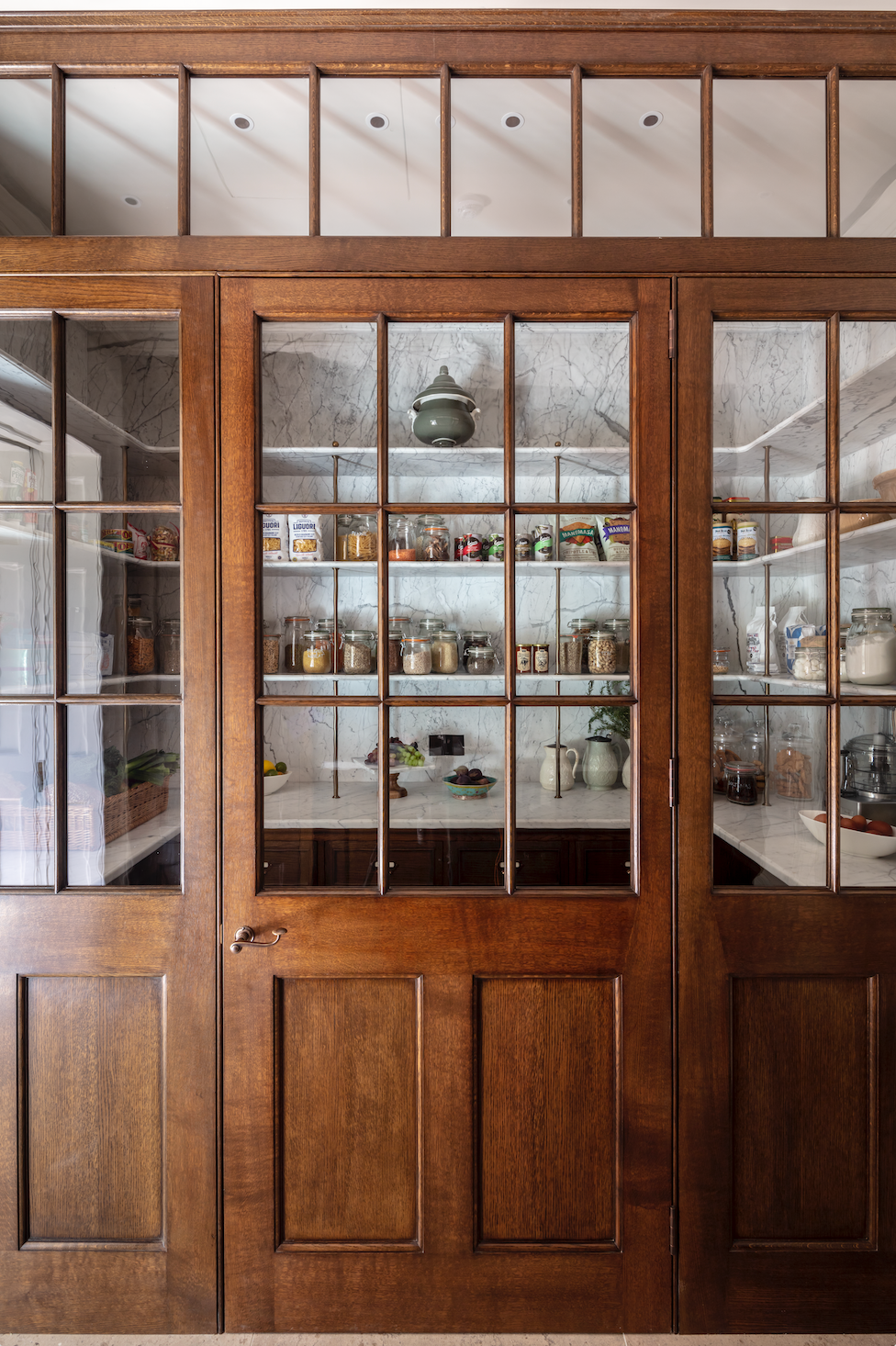
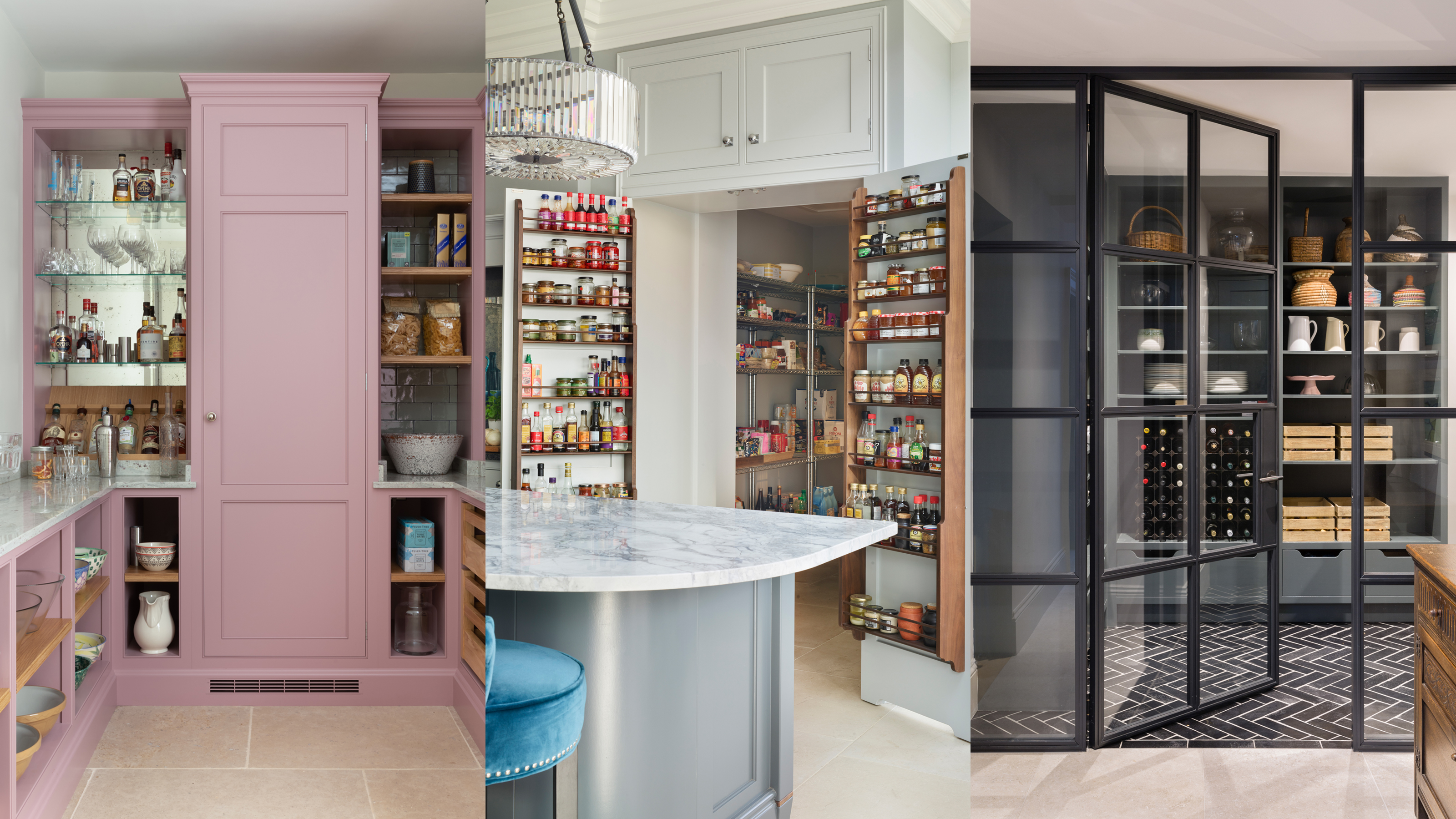
Strategically locating a walk-in pantry is key. While ideal for new kitchen designs, existing spaces can accommodate a pantry through the construction of a partition wall or by repurposing an alcove. For those proud of their organized pantry, glass doors, such as crittall glass or glass-paneled cabinet fronts, can showcase the contents while maintaining a sense of openness. This approach can make the pantry feel like a natural extension of the main kitchen, especially when maintaining a similar aesthetic.
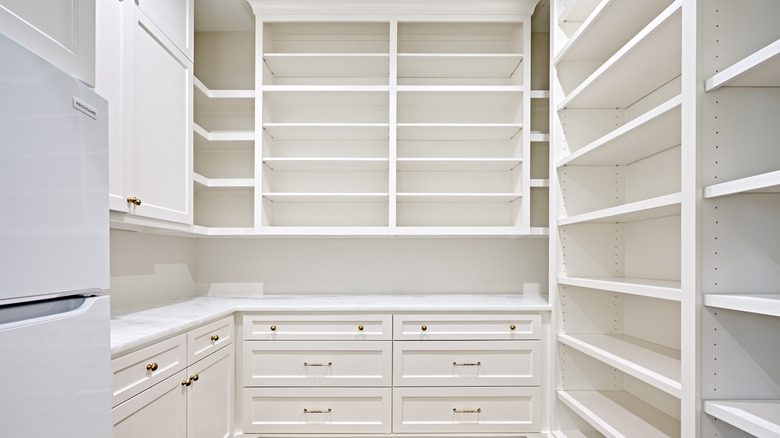
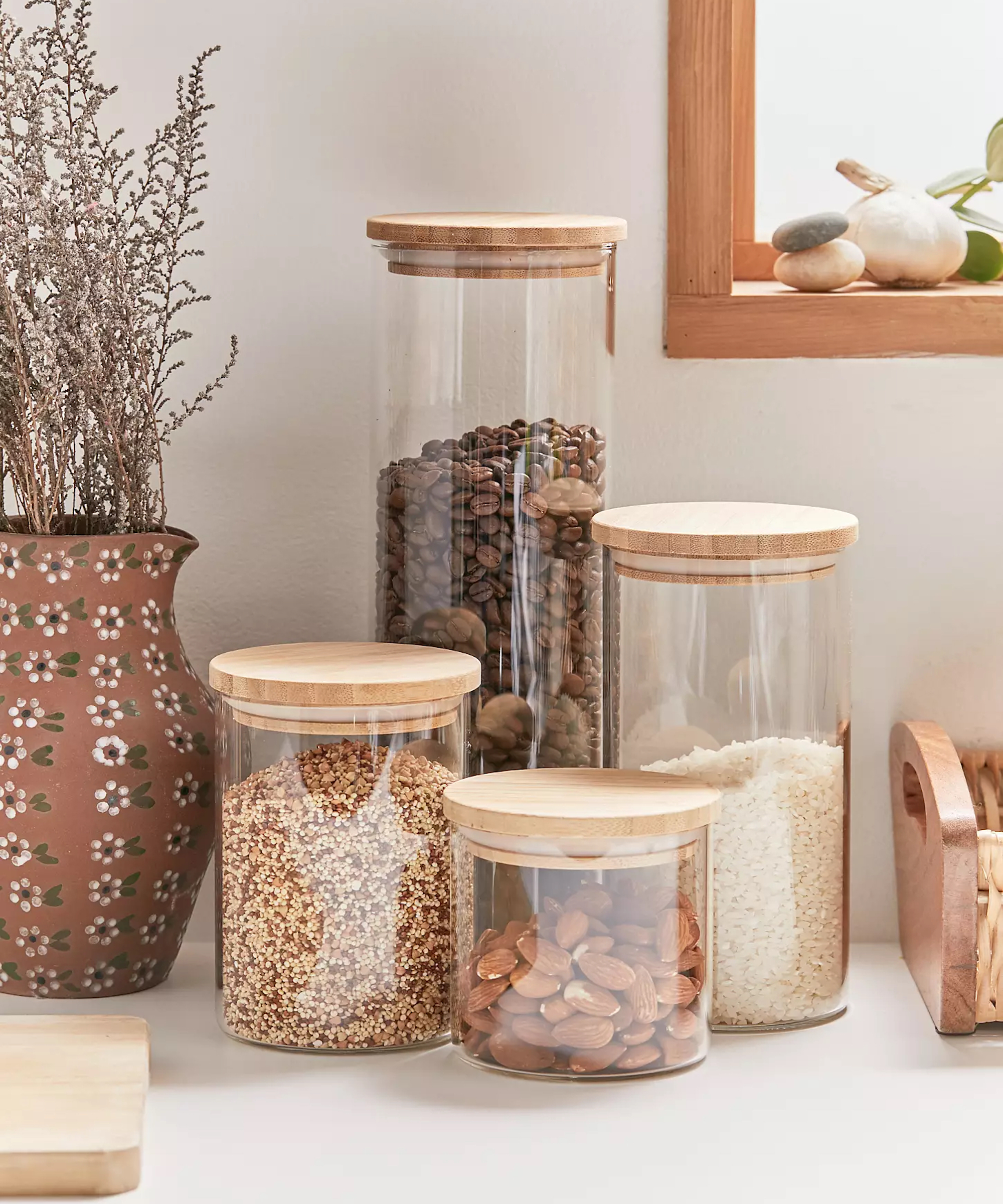
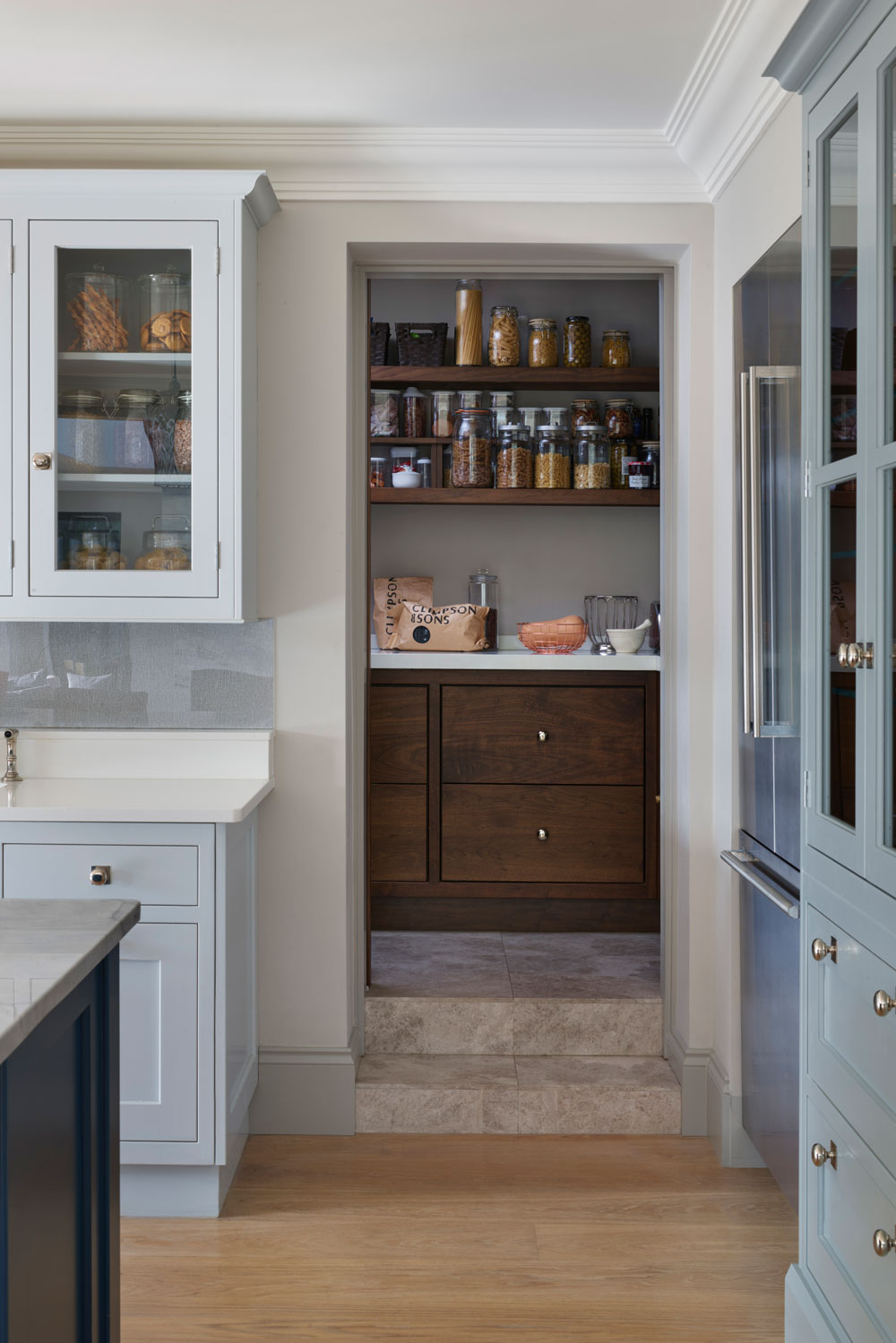
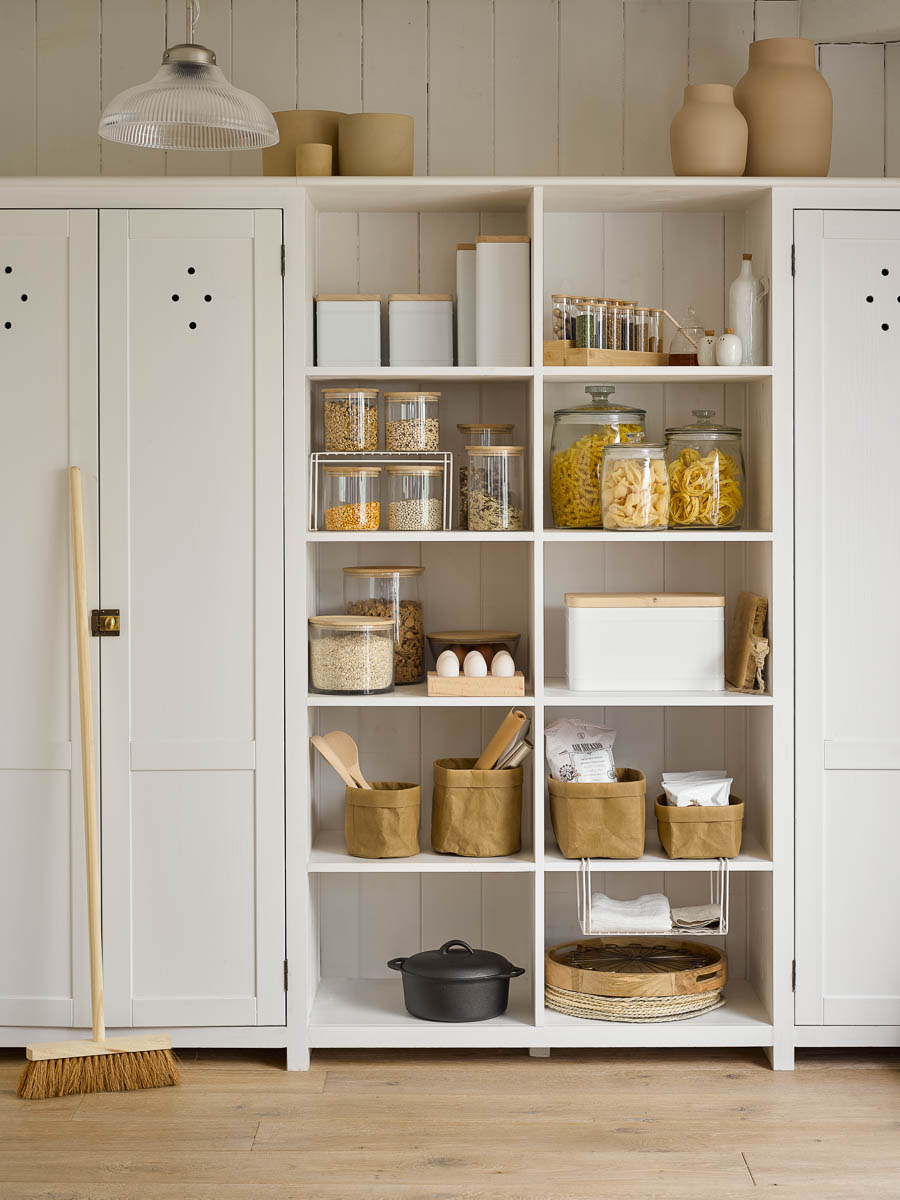
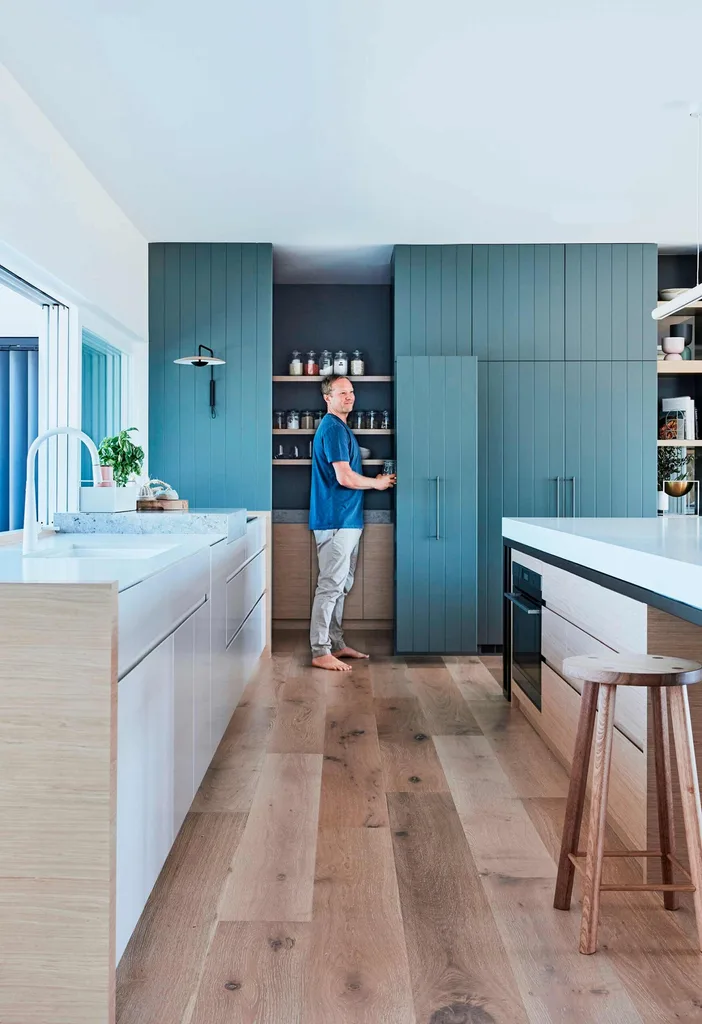
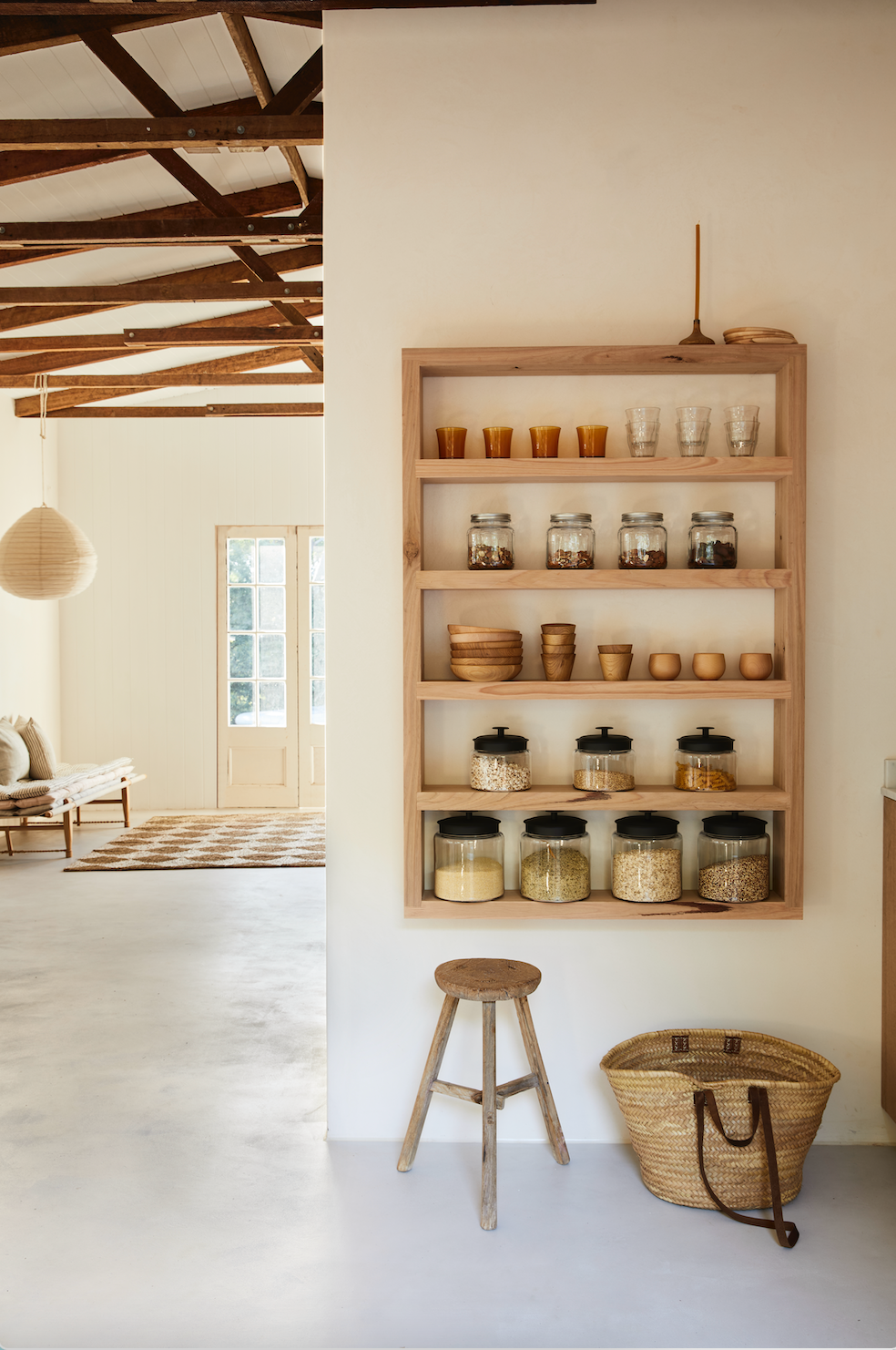
Interior decoration of a walk-in pantry should receive the same attention as any other room. Unique design elements, such as New York tin tiles for the ceiling or custom-screen-painted light fixtures, can add personality and charm. Open shelving is highly recommended for accessibility and to encourage tidiness. This design choice makes it easy to quickly locate ingredients and utensils, while also offering an opportunity to display attractive ceramics, glassware, and wicker storage, aligning with sustainable packaging trends.
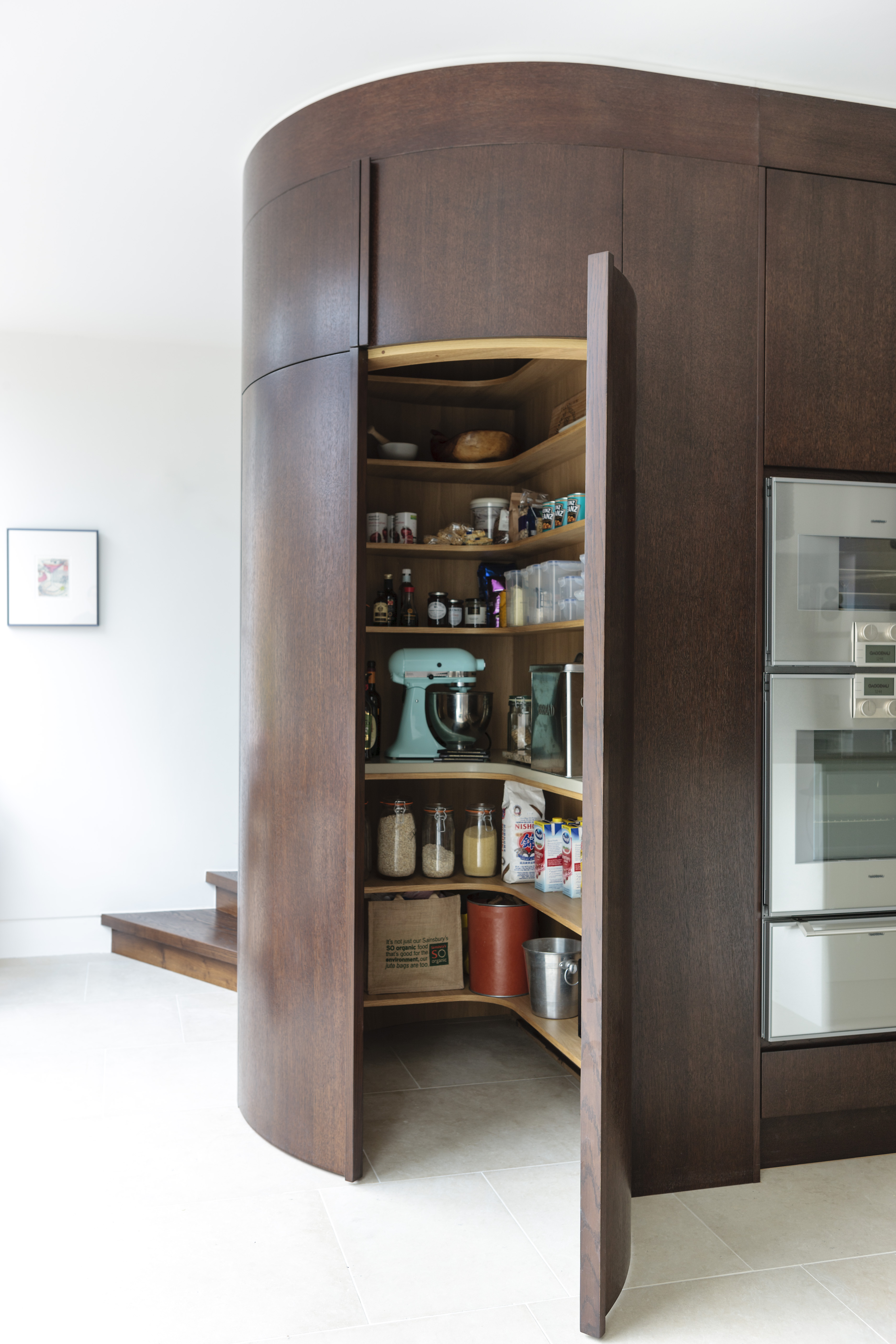
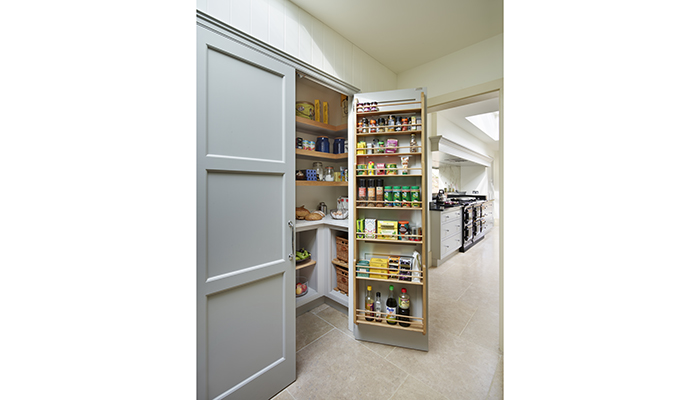
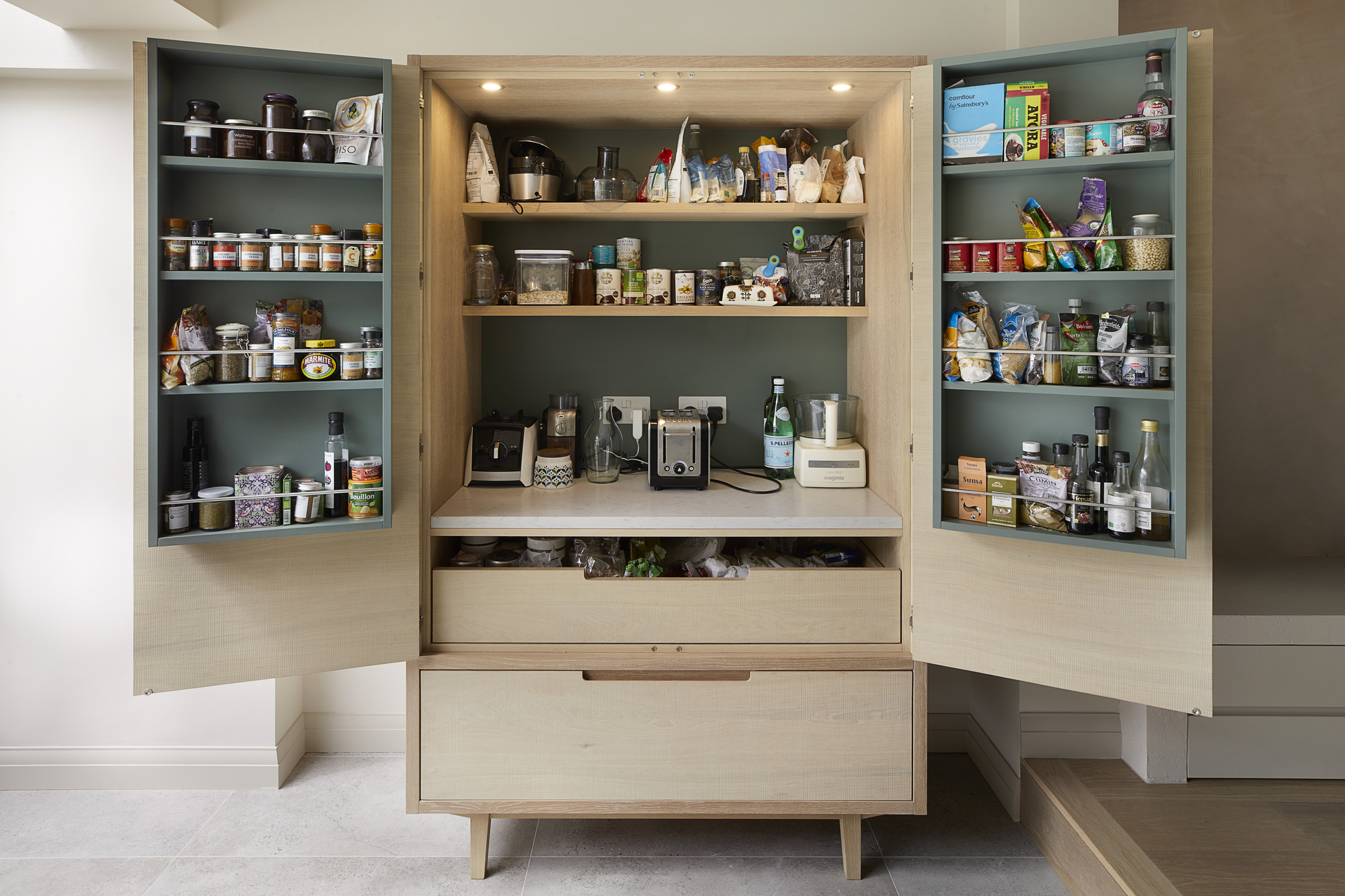
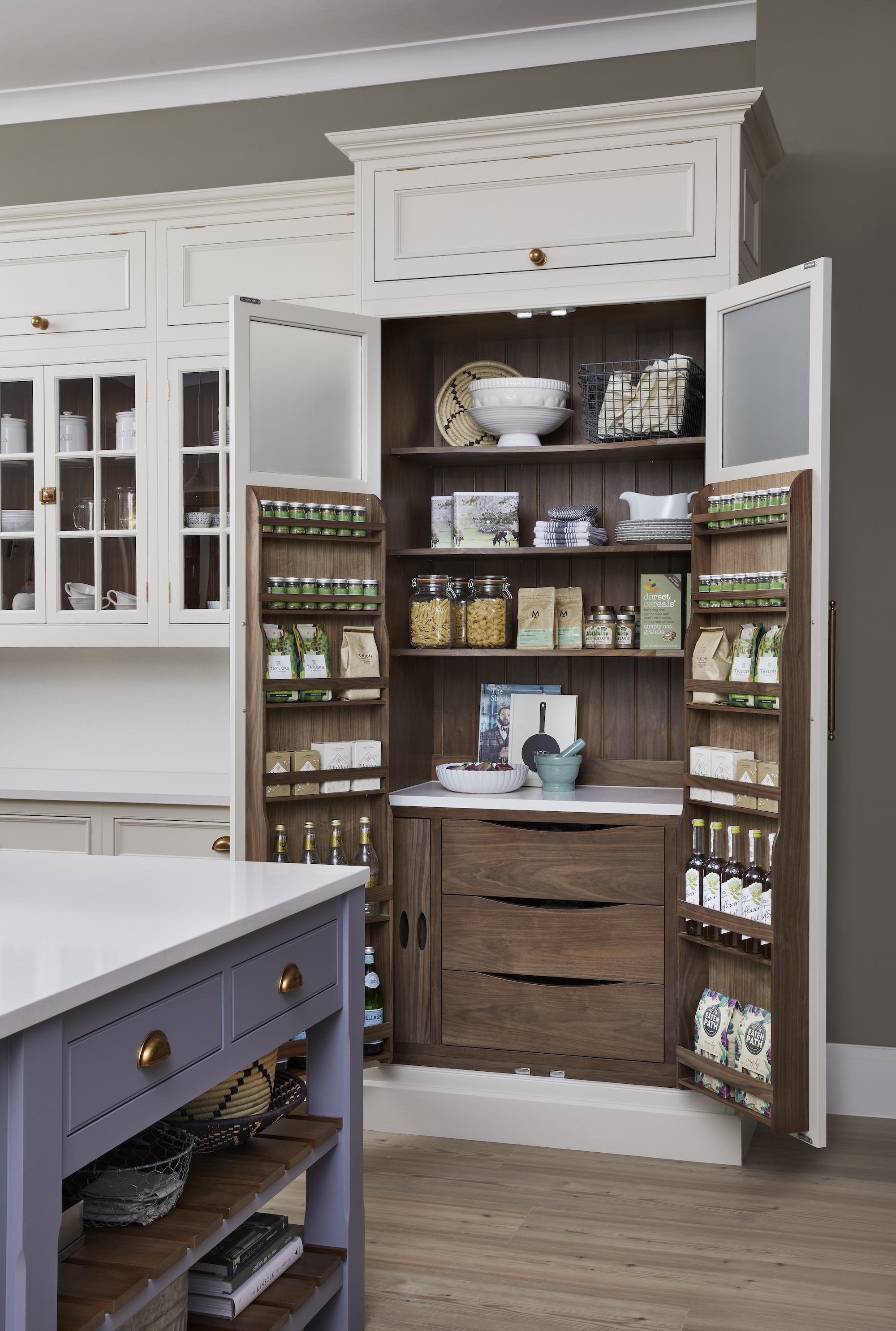
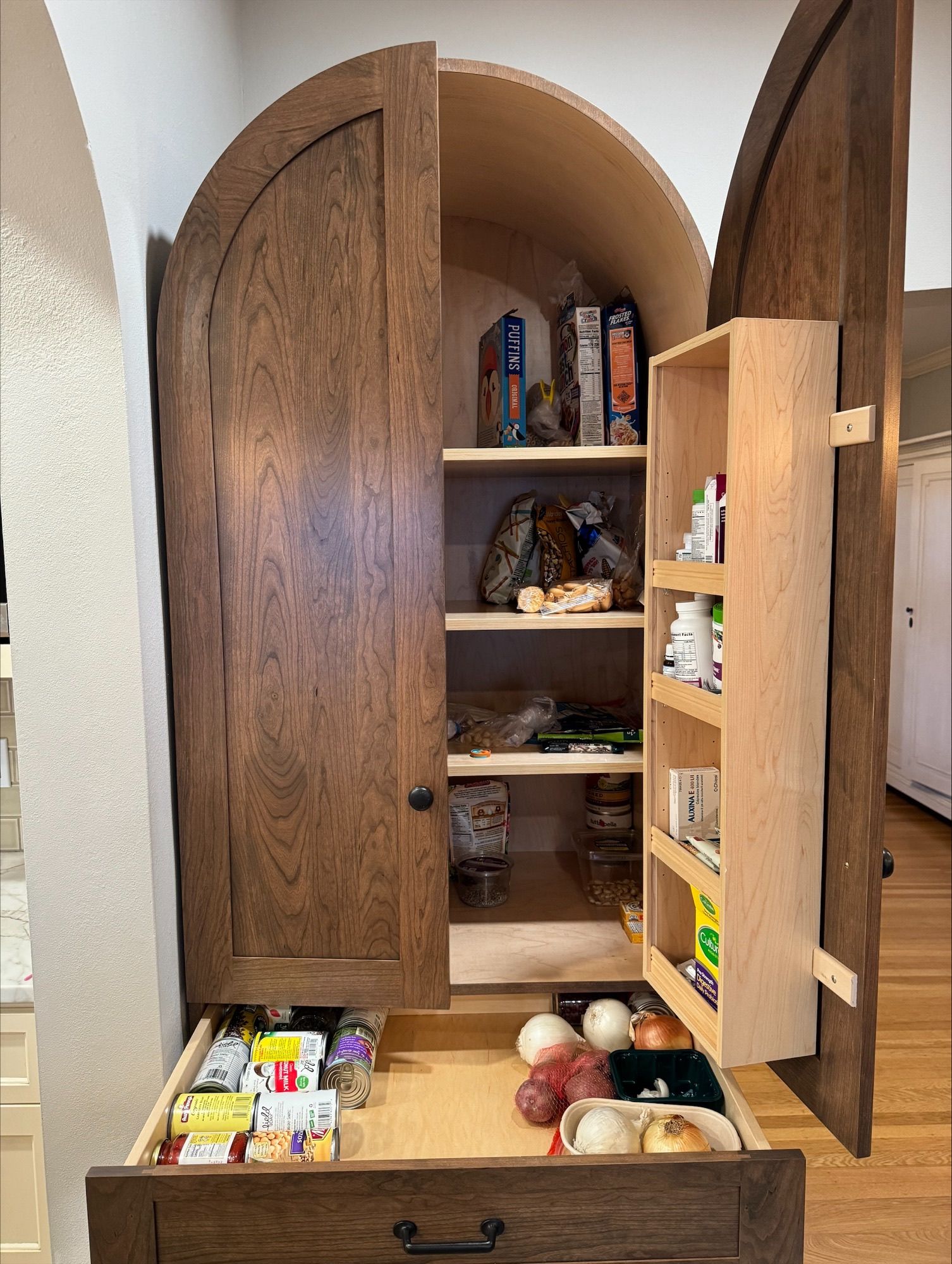
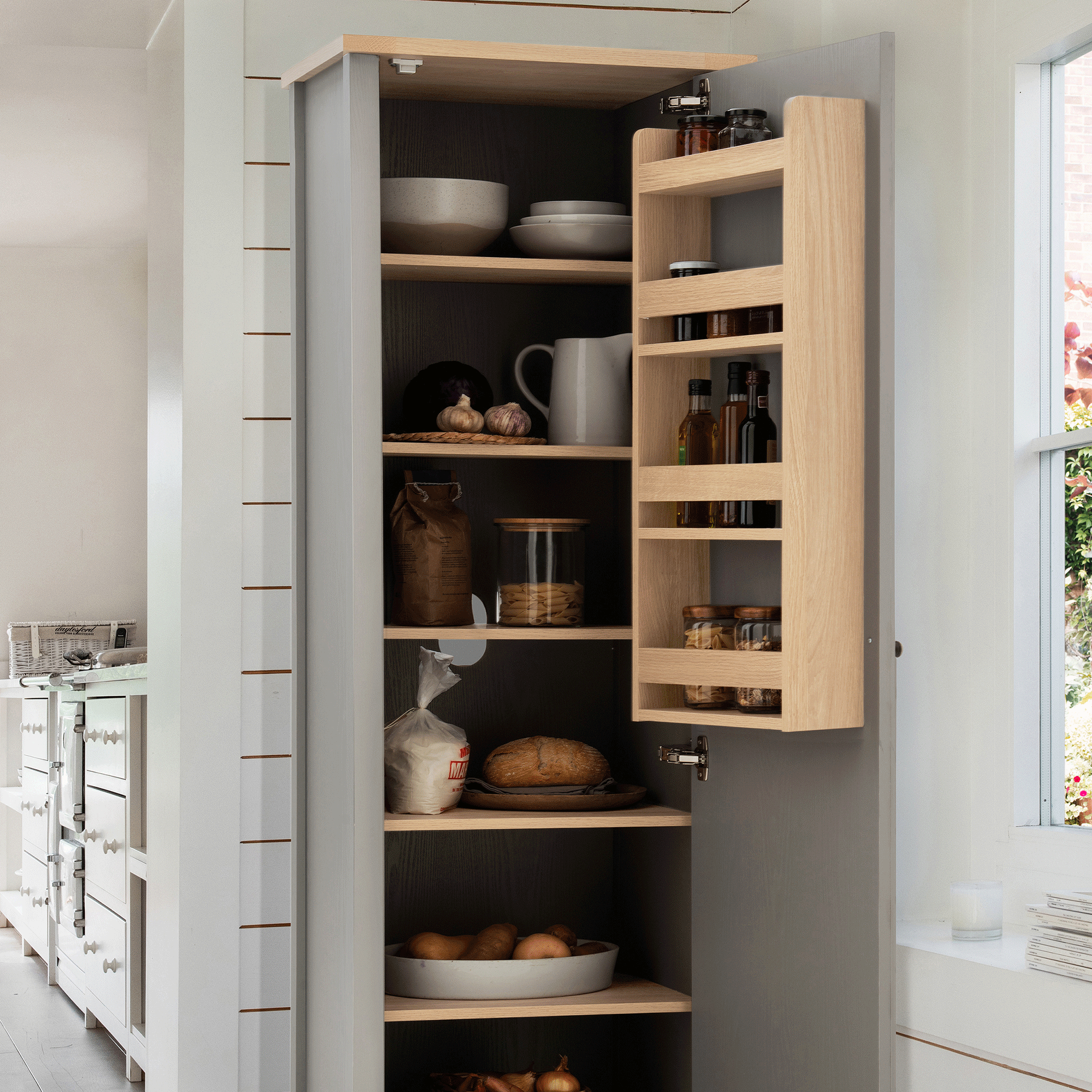
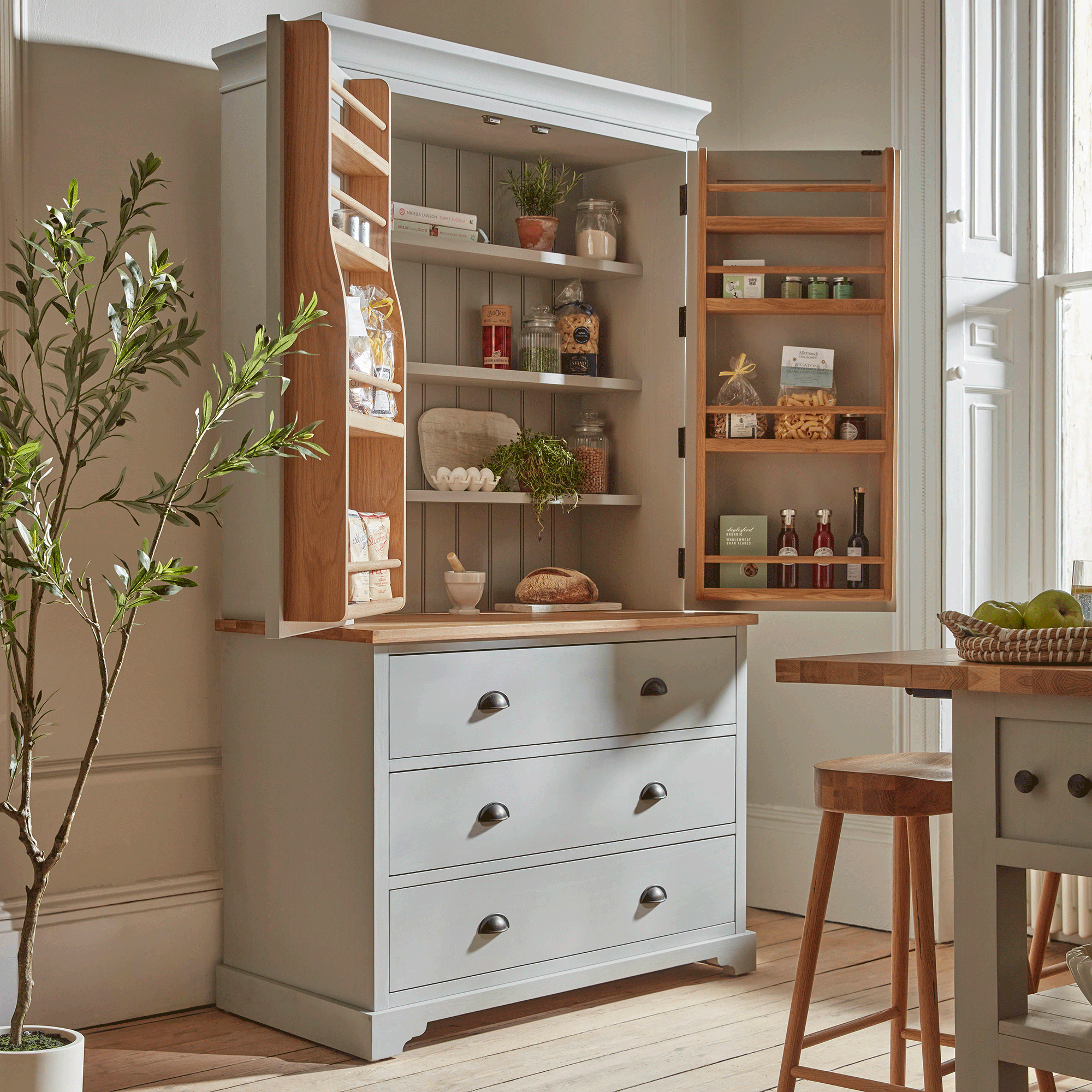
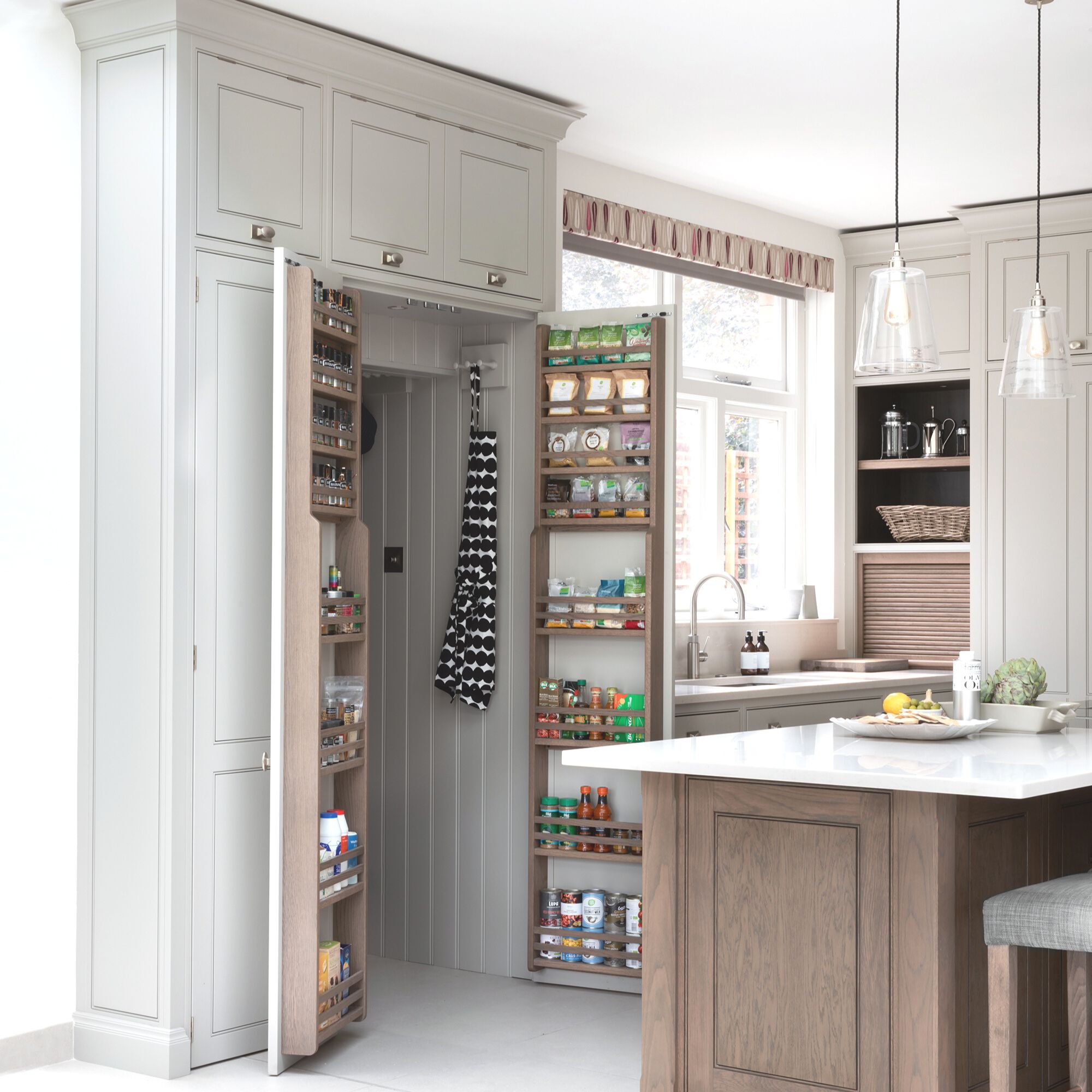
Maximizing storage in a walk-in pantry involves utilizing every available inch, including the inside of doors. Shallow shelves or pull-out racks on pantry doors are perfect for smaller items like spices, ensuring they are easily accessible during cooking. For larger kitchens, a double pantry can create the sensation of a three-sided walk-in space, often featuring a breakfast station with its own sink and ample shelving. This setup provides extensive storage and a dedicated prep area.
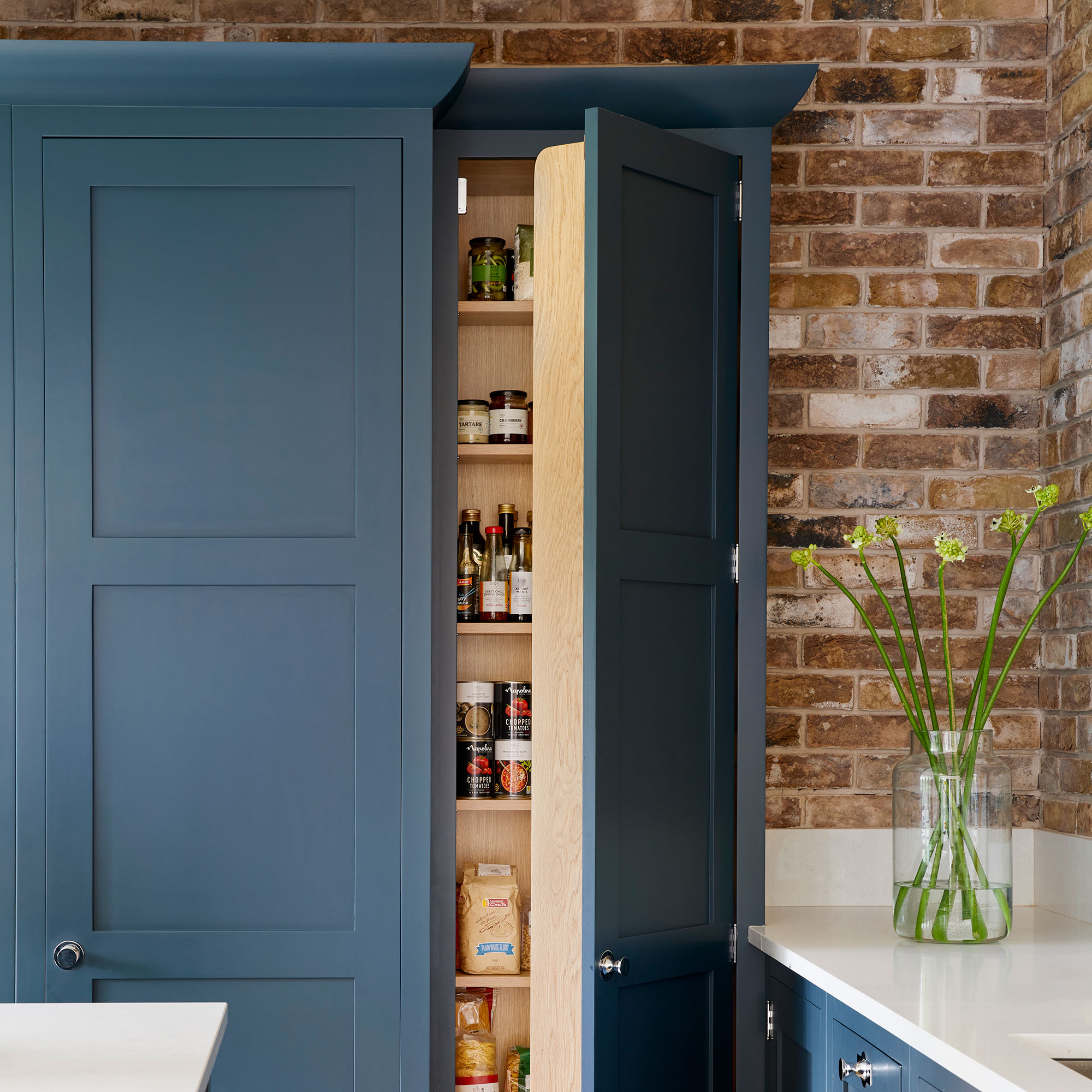
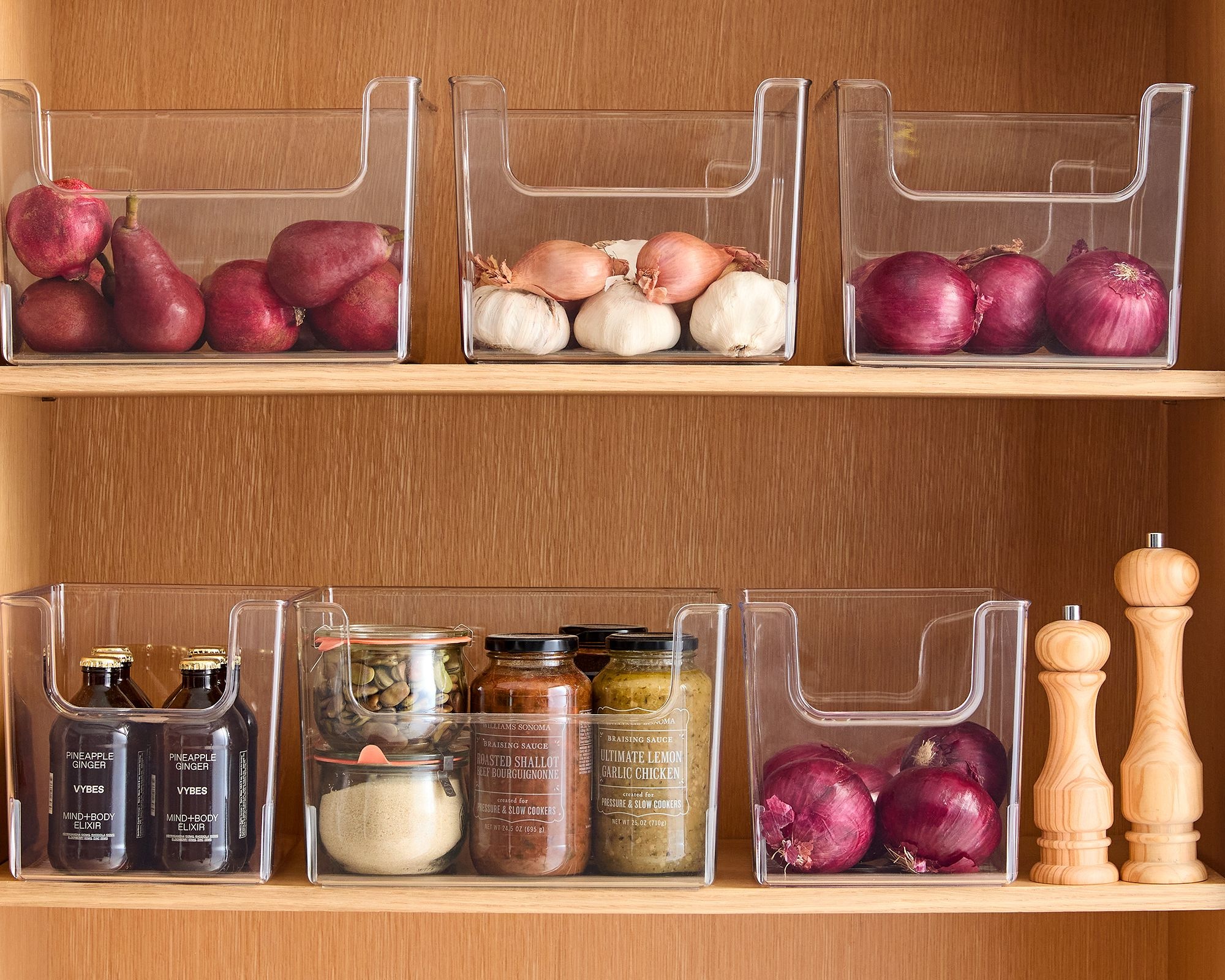
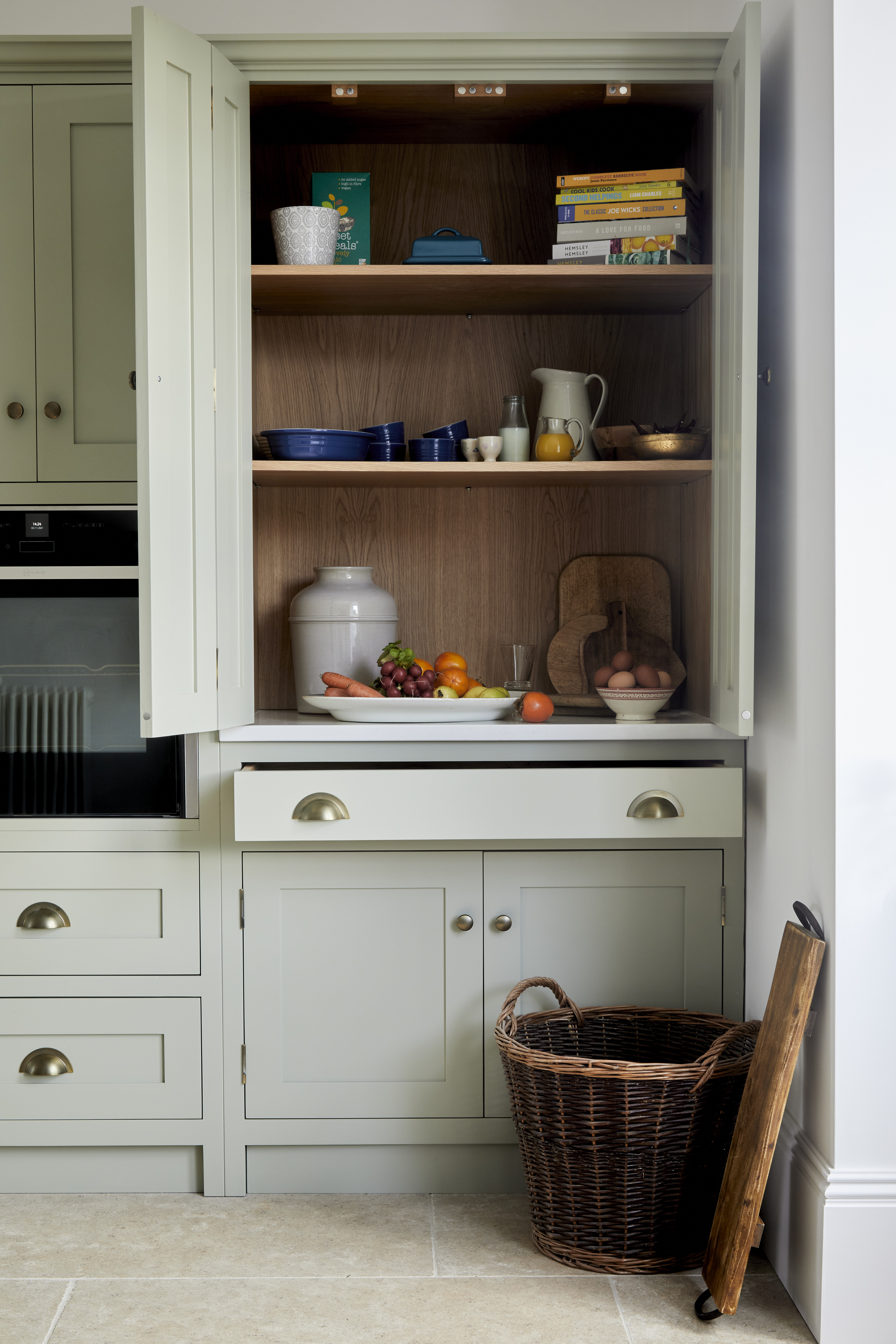
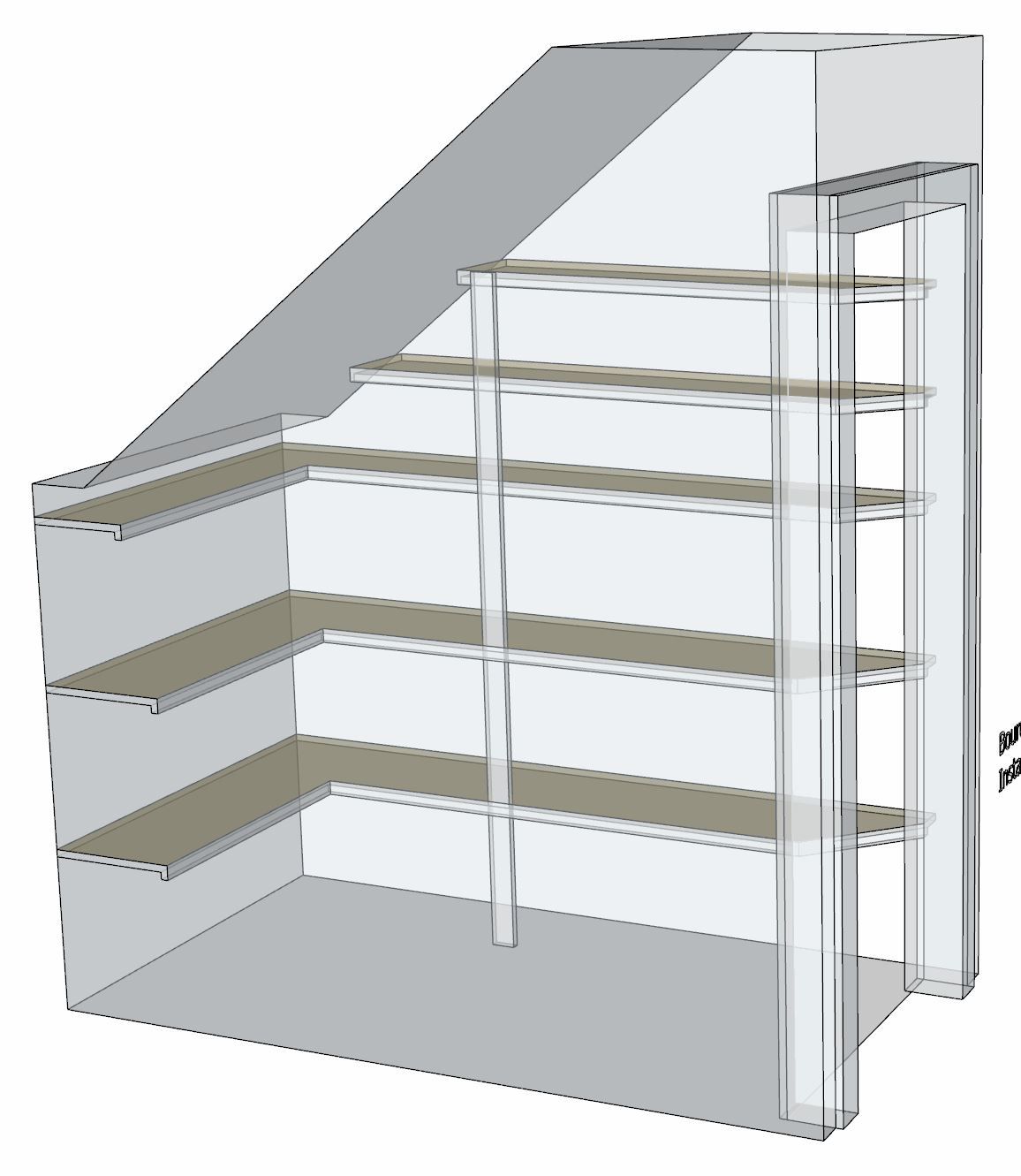
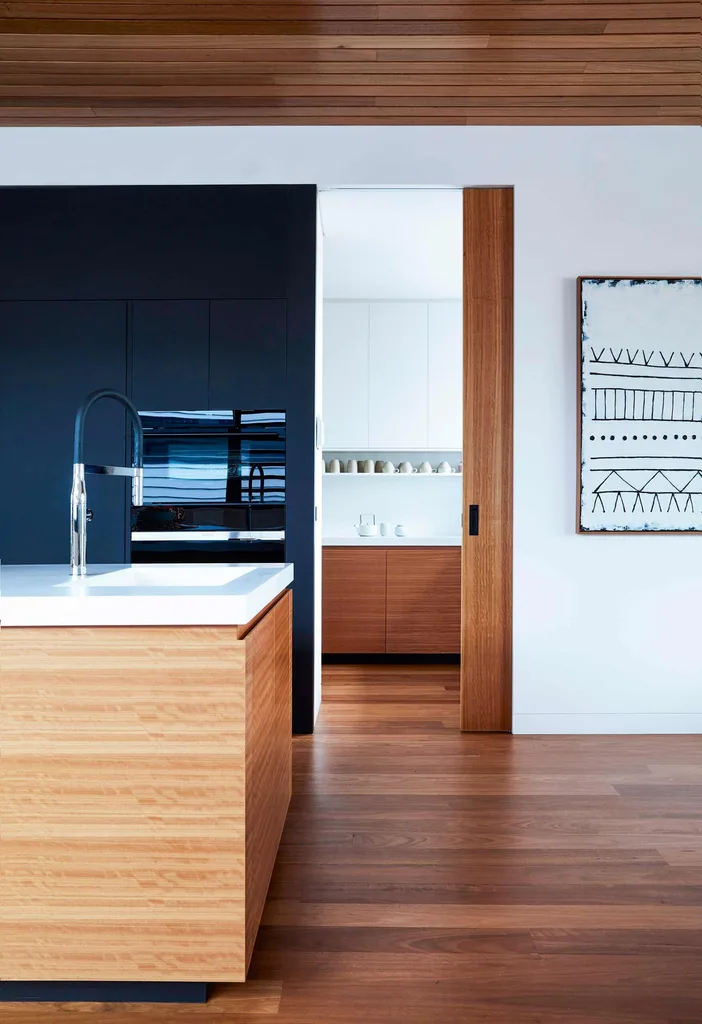
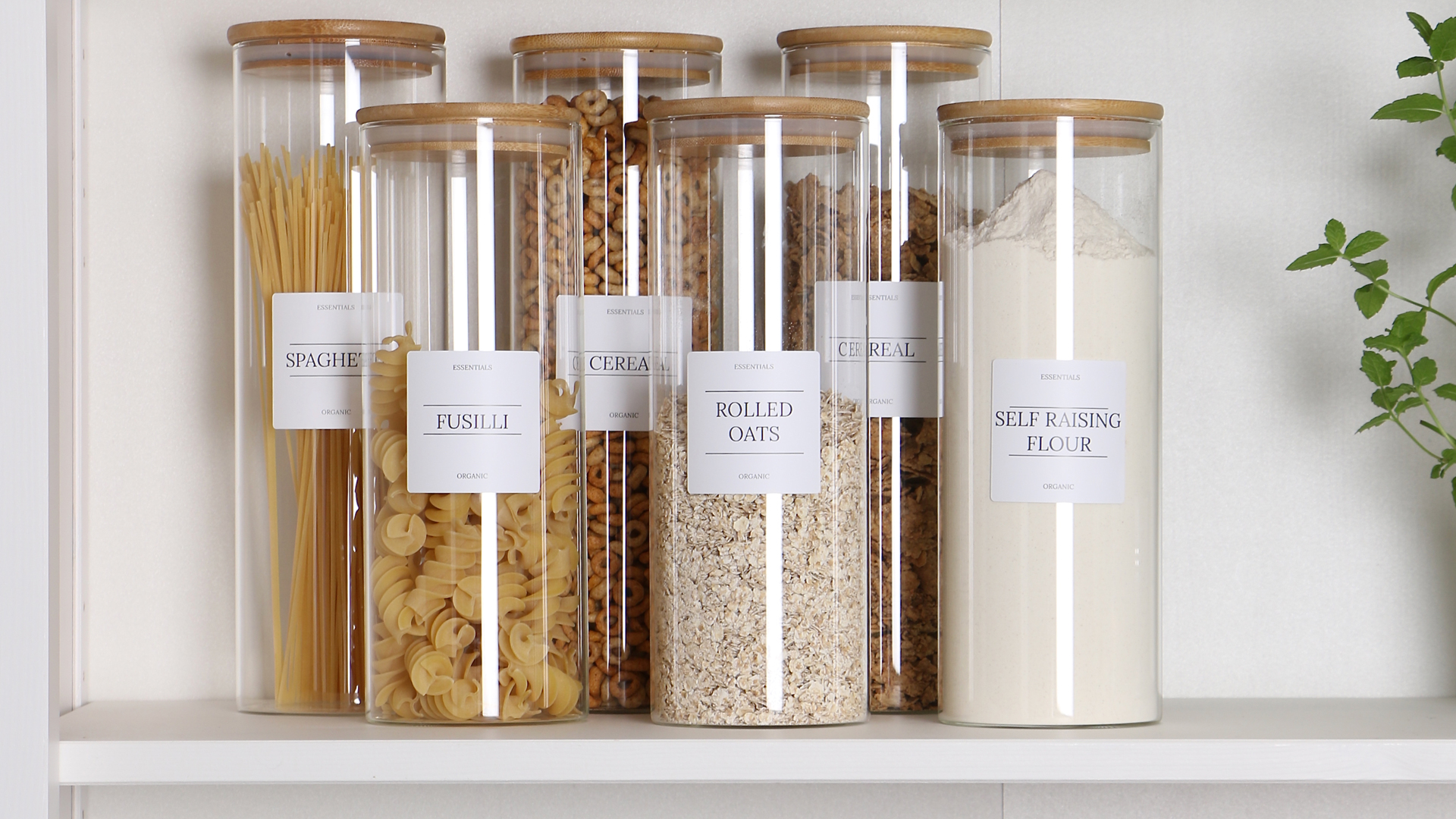
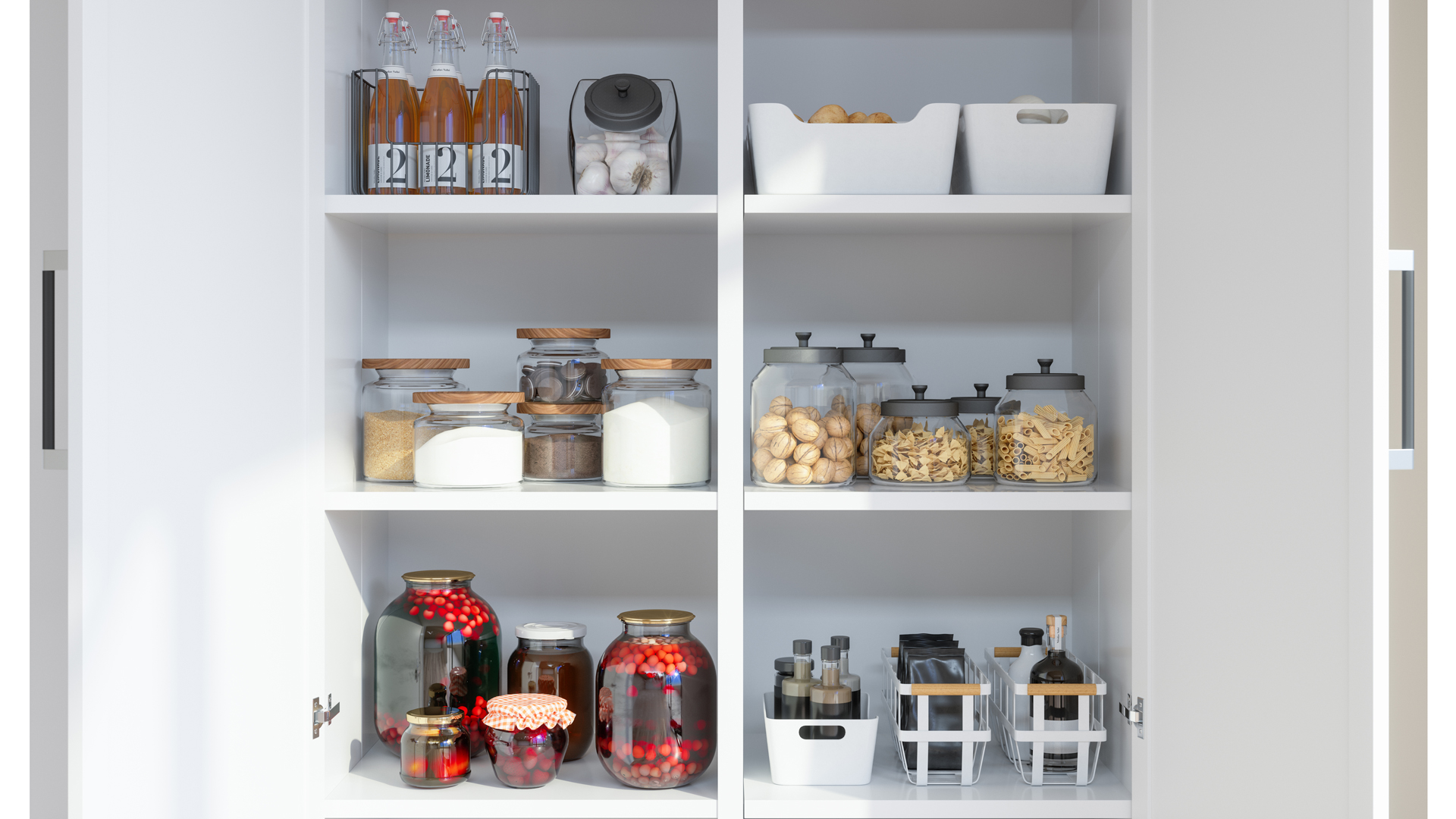
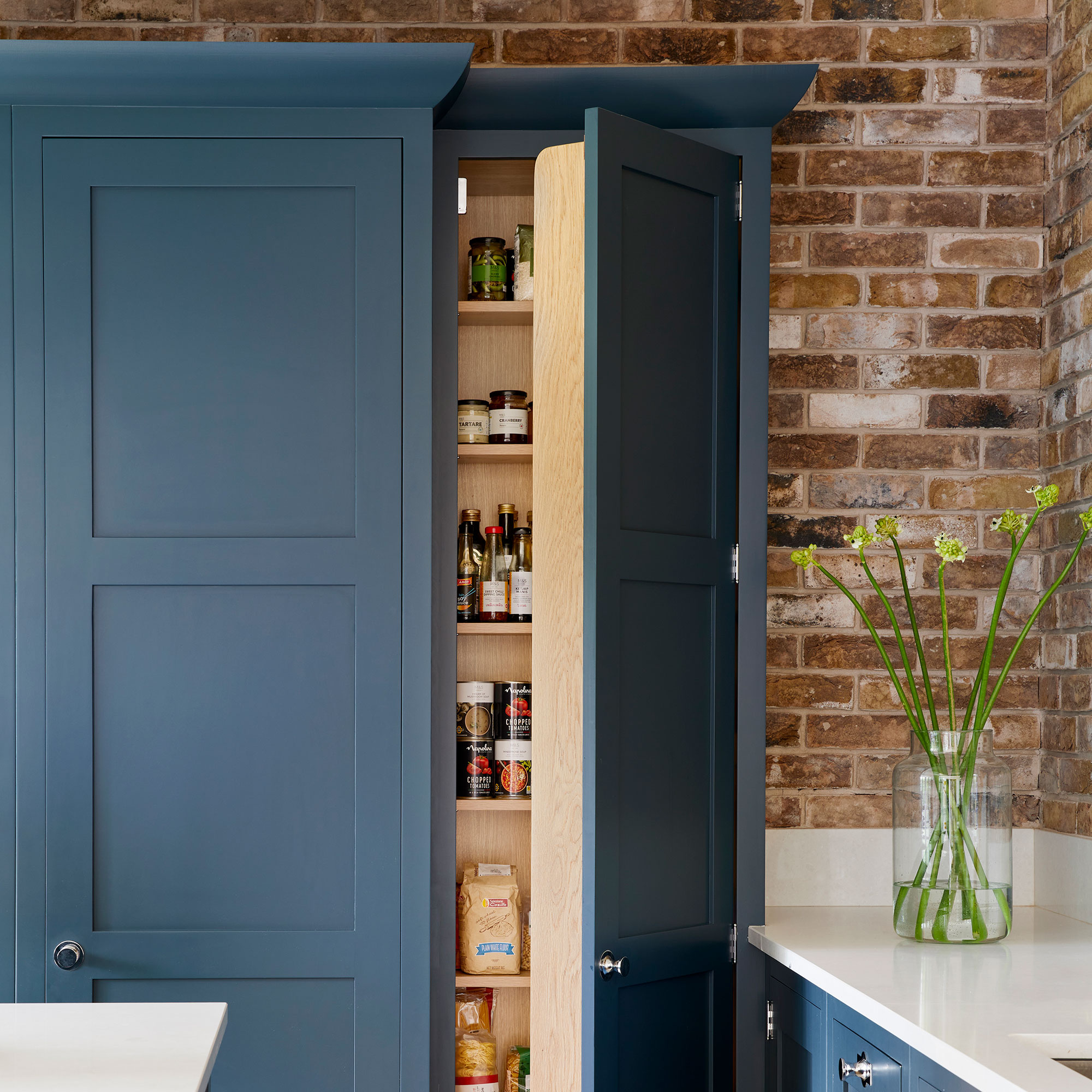
Finally, the choice of pantry doors can impact kitchen flow. Bi-fold doors minimize intrusion into the kitchen area when open, a practical consideration for smaller spaces. Pocket doors offer an even more seamless solution, sliding completely into a wall cavity to keep the pantry out of sight when not in use. The depth of pantry shelves should be determined by the items to be stored, with custom cabinetry being ideal for optimizing space, especially in awkward layouts. A minimum walkway width of 1000mm is generally recommended, with larger dimensions needed for features like fridges or sinks. Organizing items by category with baskets and shelf organizers is essential for maintaining order and efficiency.
#WalkInPantry #KitchenStorage #HomeOrganization #KitchenDesign #InteriorDesign #HomeImprovement #SpaceSaving #CustomCabinetry #PantryLighting #WalkInPantry #KitchenStorage #HomeOrganization #KitchenDesign #InteriorDesign #HomeImprovement #SpaceSaving #CustomCabinetry #PantryLighting
0 comment in total
 No comments yet
You may also like
Walk-in pantry ideas – 10 stylish ways to add extra storage to your kitchen

Perfect pantry ideas for an organized and space-saving kitchen
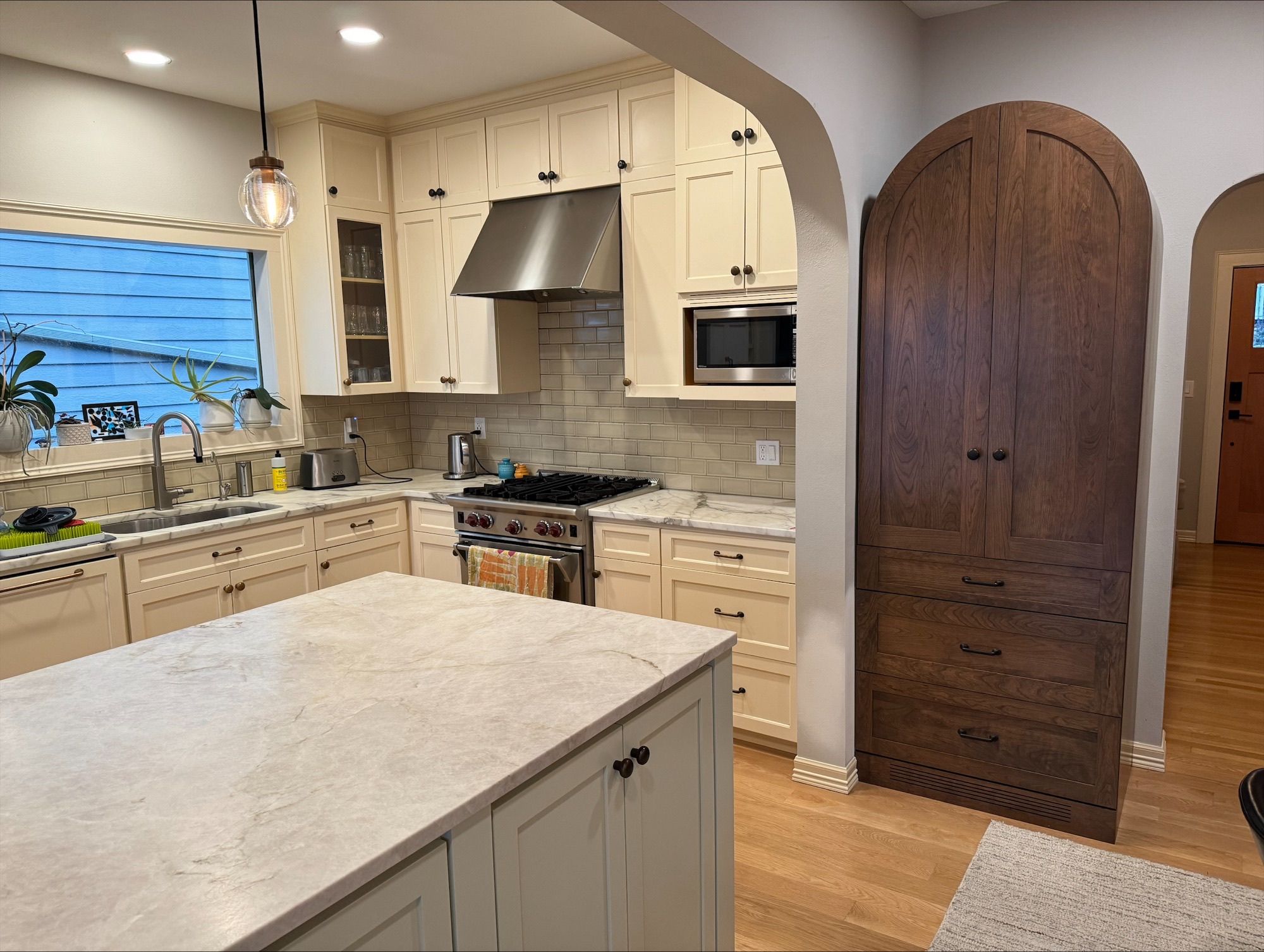
Converting unused kitchen space into a pantry

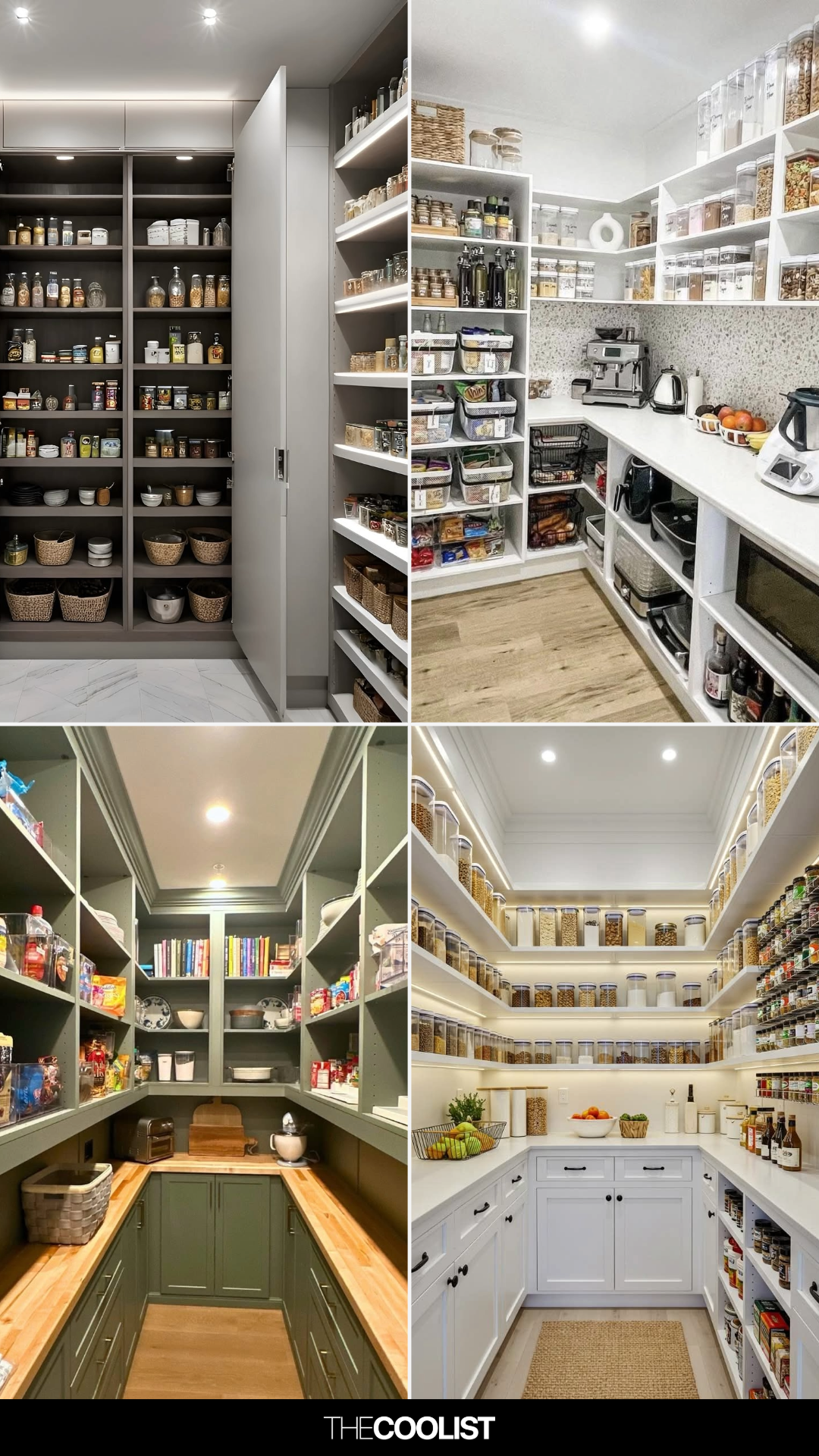
30 Pantry Remodel Ideas No One Shares Because They Don’t Want You Copying Their System

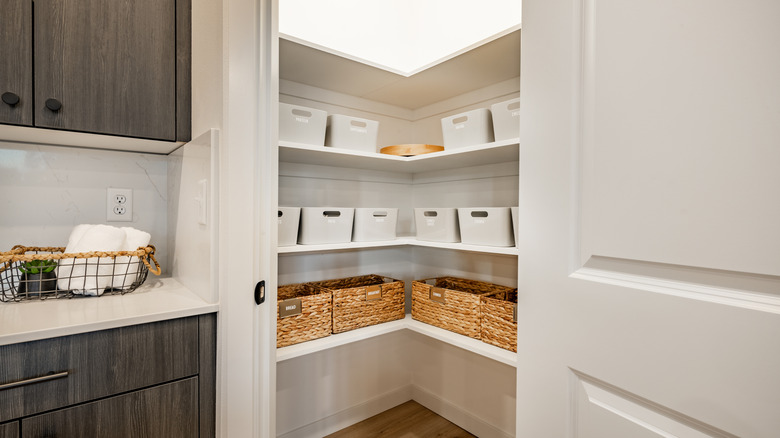
10 Tips For Designing A Walk-In Pantry

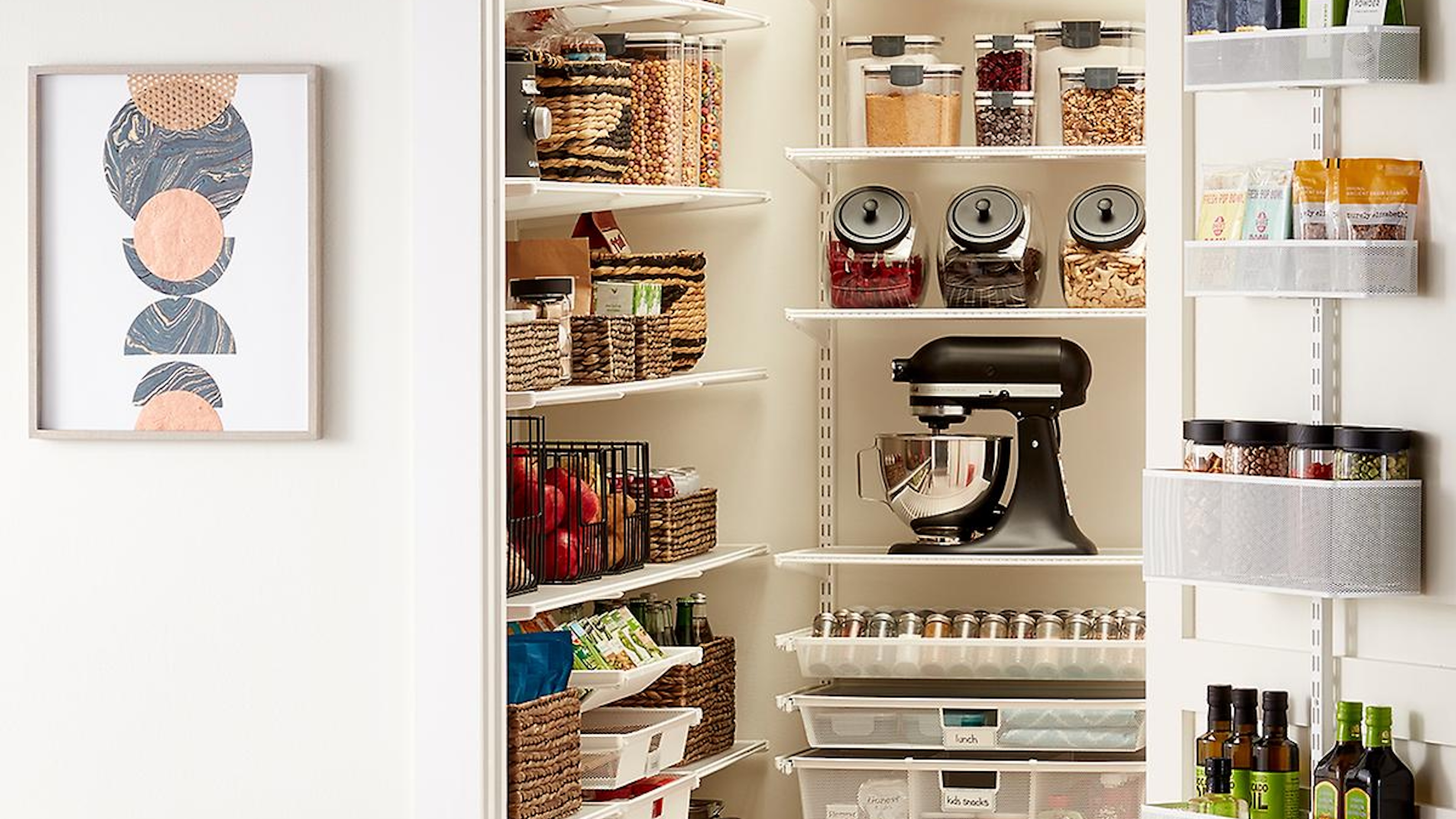
10 small kitchen pantry ideas for stunning storage — you won’t want to miss this

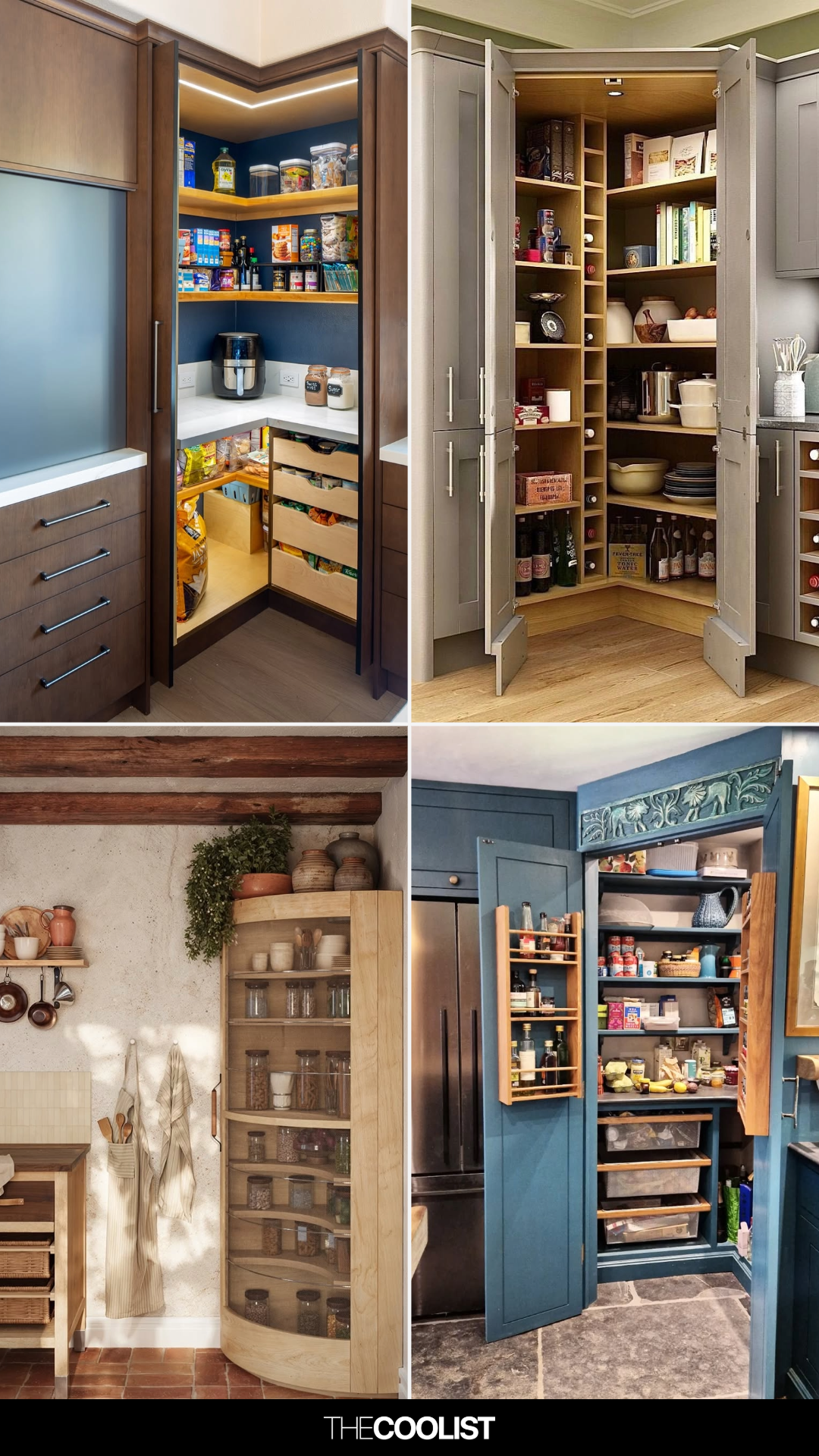
29 Corner Kitchen Pantry Ideas That Reveal How Much Storage You’re Losing Without Realizing It
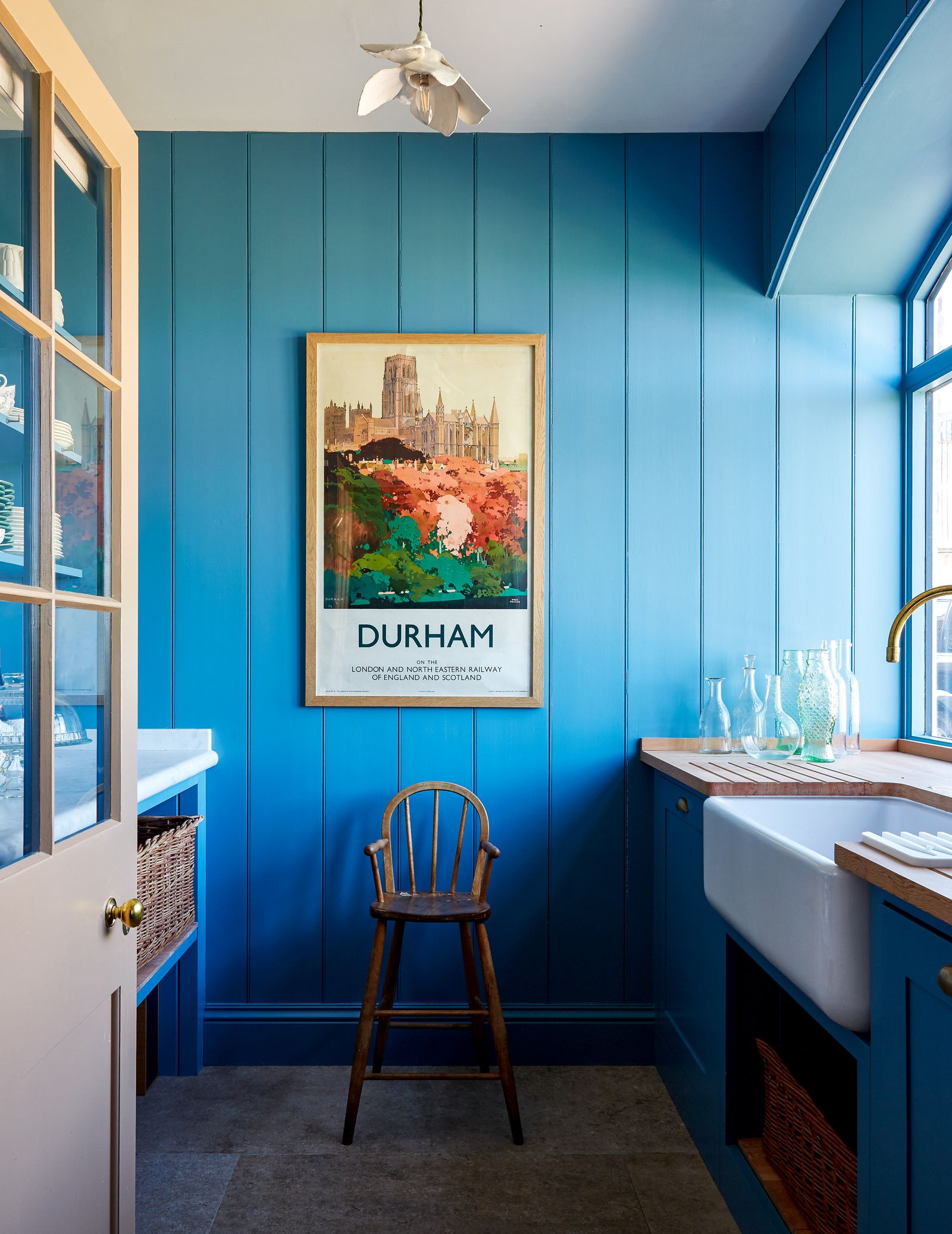
19 pantry and scullery ideas (with advice from Rita Konig on how to do them right)
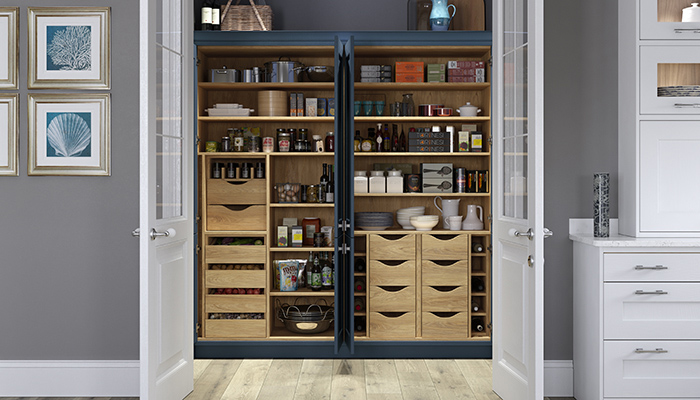
How consumers stocking up on supplies have embraced the walk-in pantry
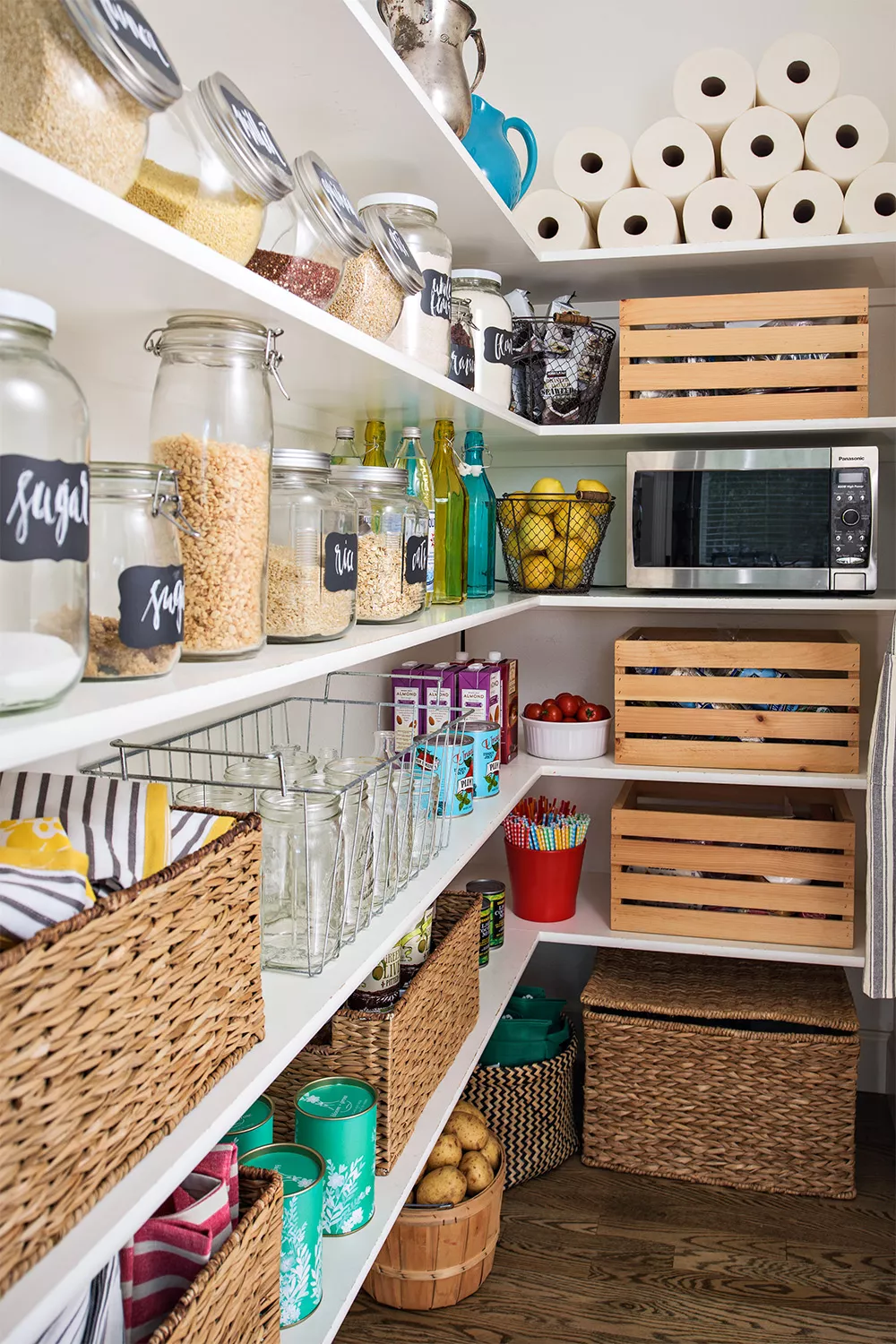
35 Walk-In Pantry Ideas to Keep Your Home Organized

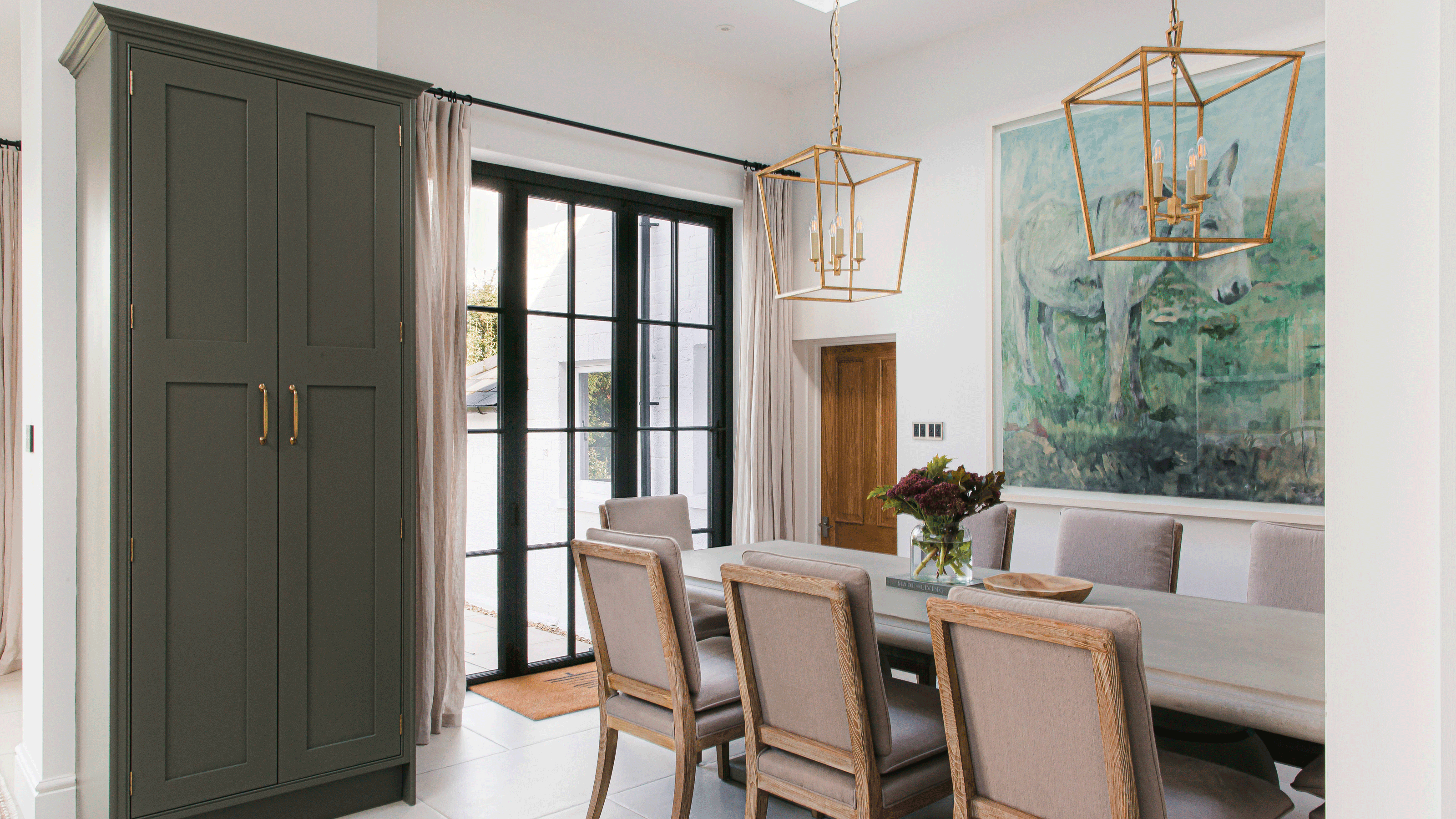
Sorry, open shelving, but this is the beautiful and practical storage trend taking over kitchens in 2025
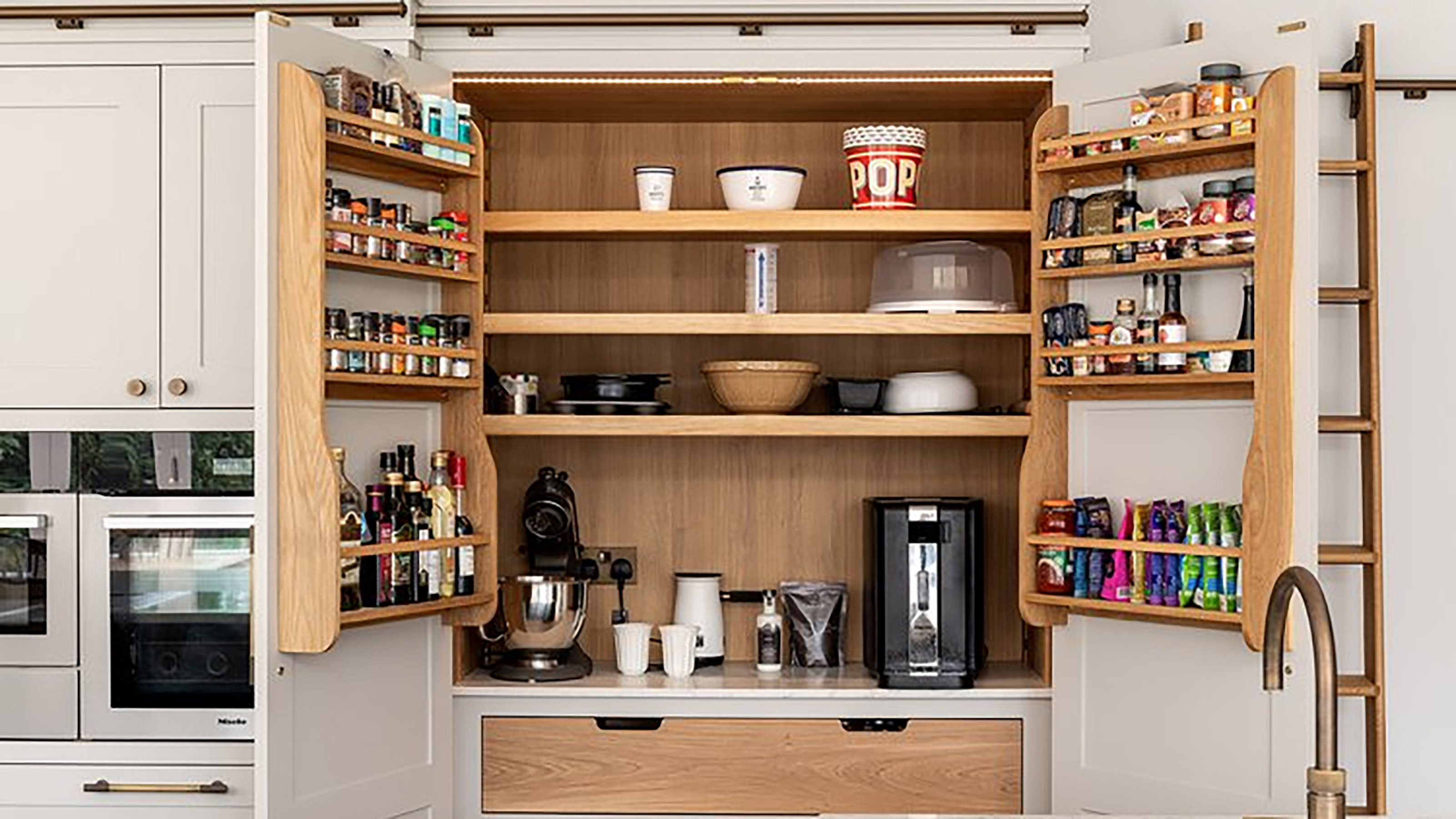
7 small pantry ideas that prove every size kitchen can have organisation goals
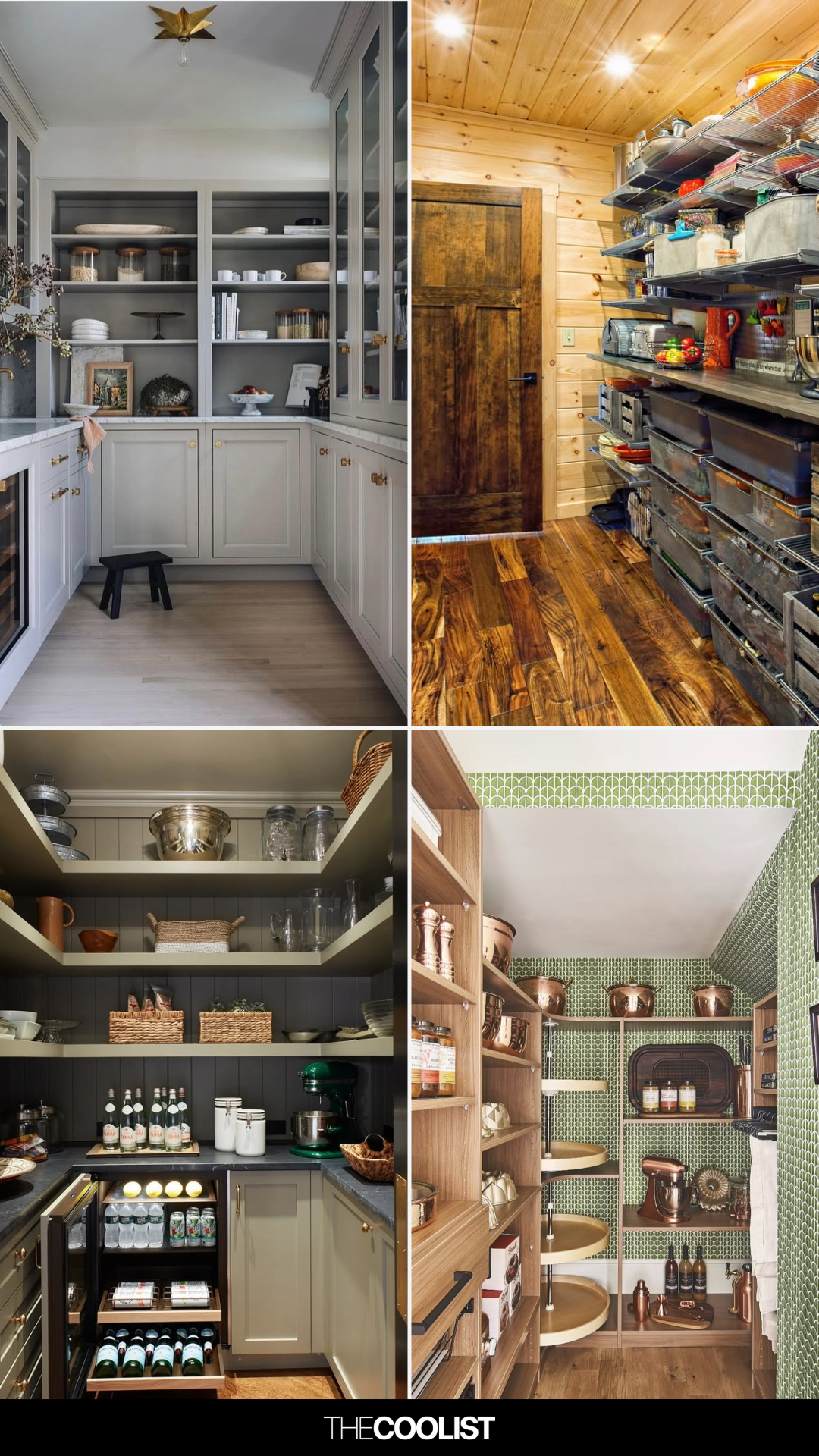
22 Shockingly Cool Walk-in Pantry Ideas 2025 You’ll Regret Not Saving Sooner
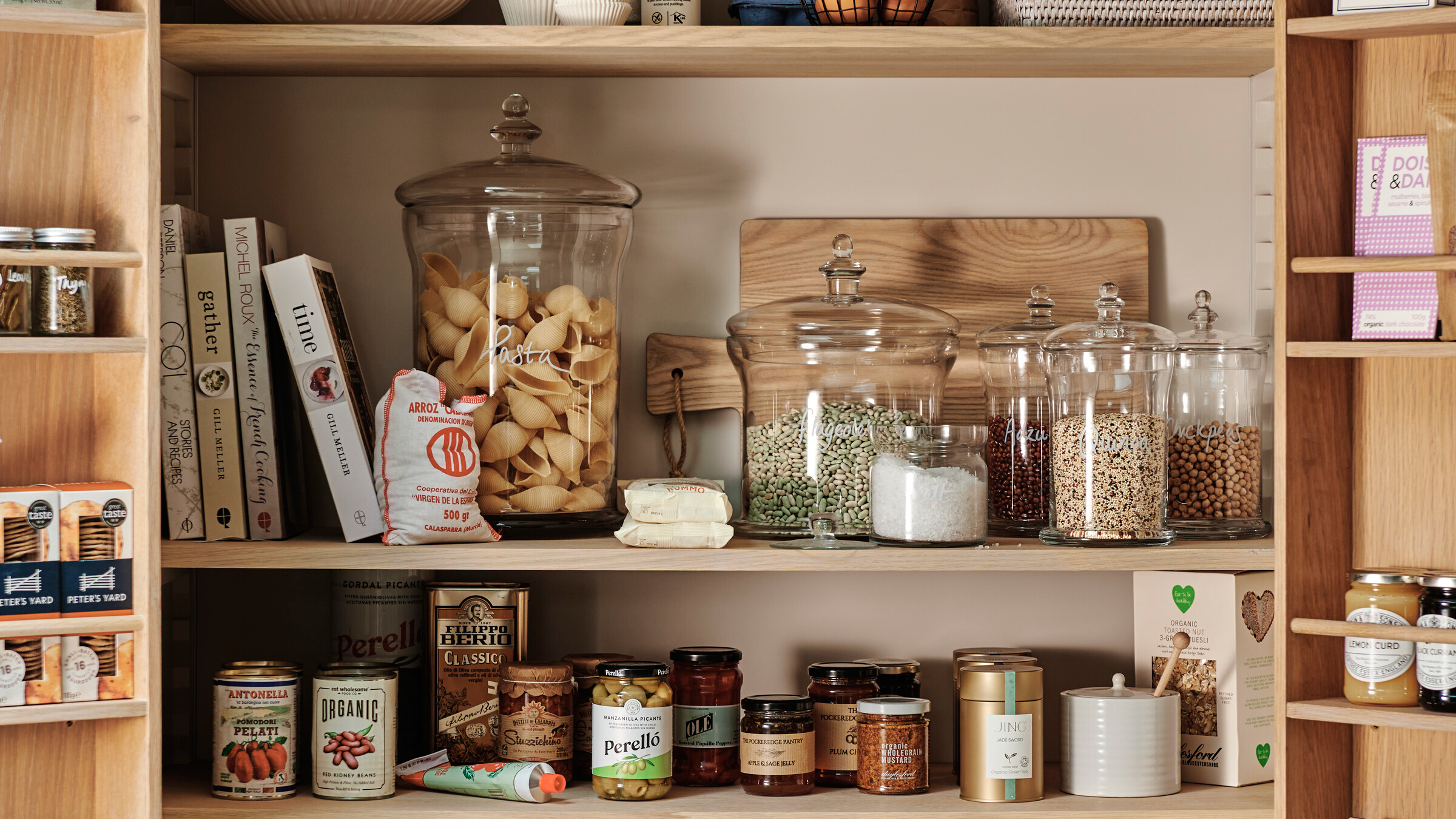
Pantry shelving ideas – 10 ways to add style and storage to a pantry
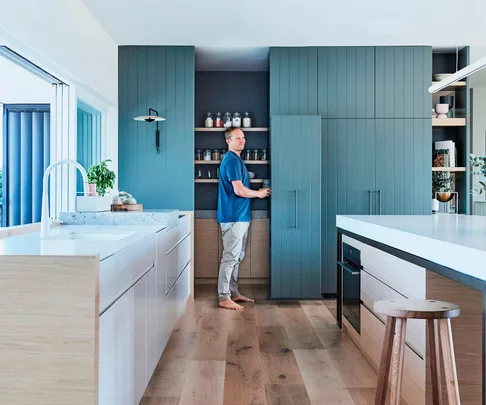
Pantry design tips: how to organise your kitchen storage

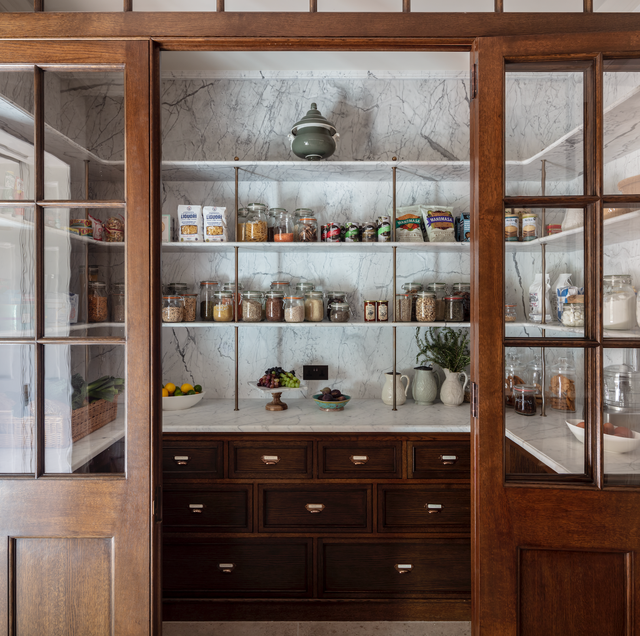
22 Perfectly Pinterestable Pantry Organizing Ideas

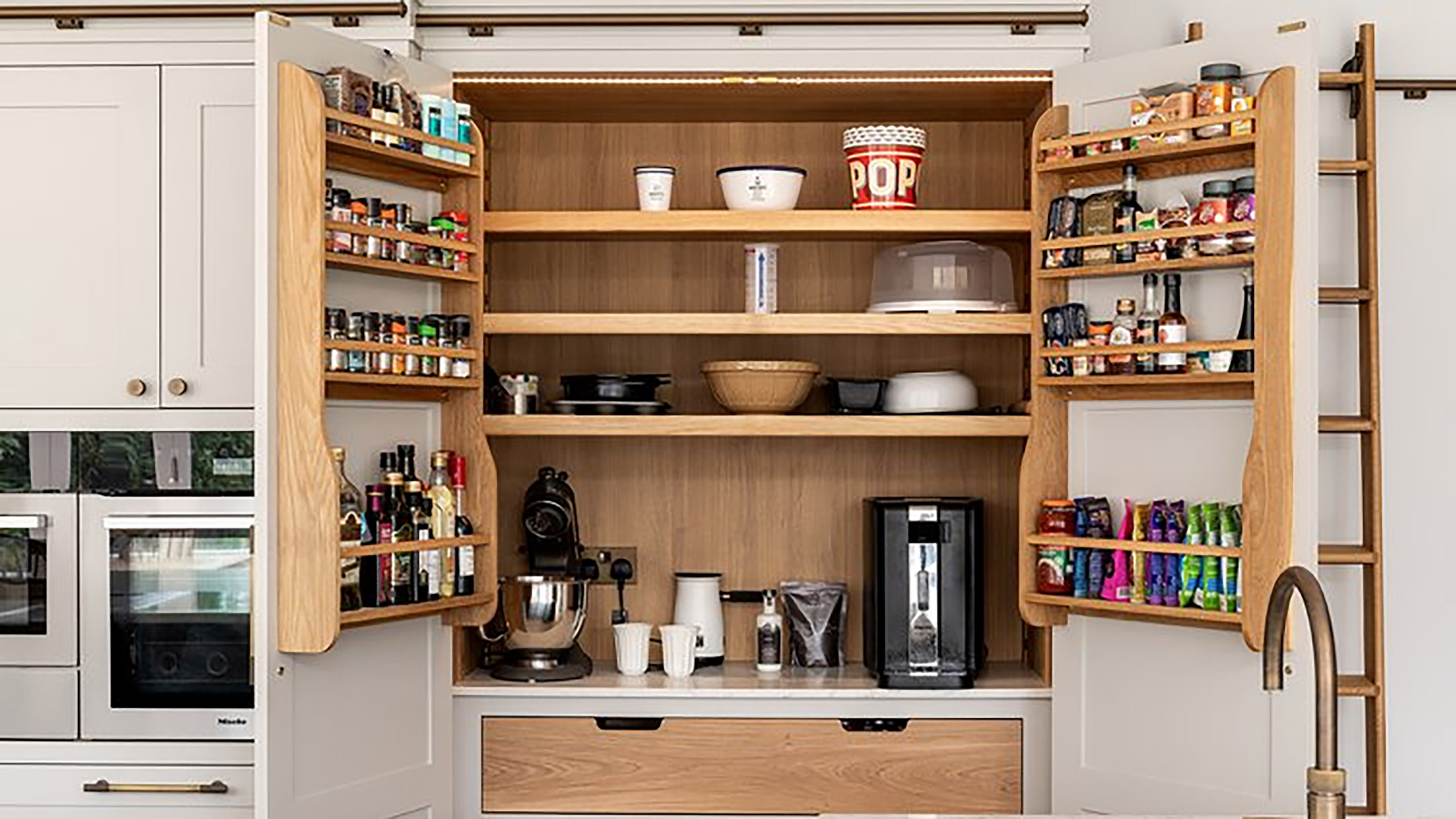
30 kitchen pantry ideas for the most stylish storage around
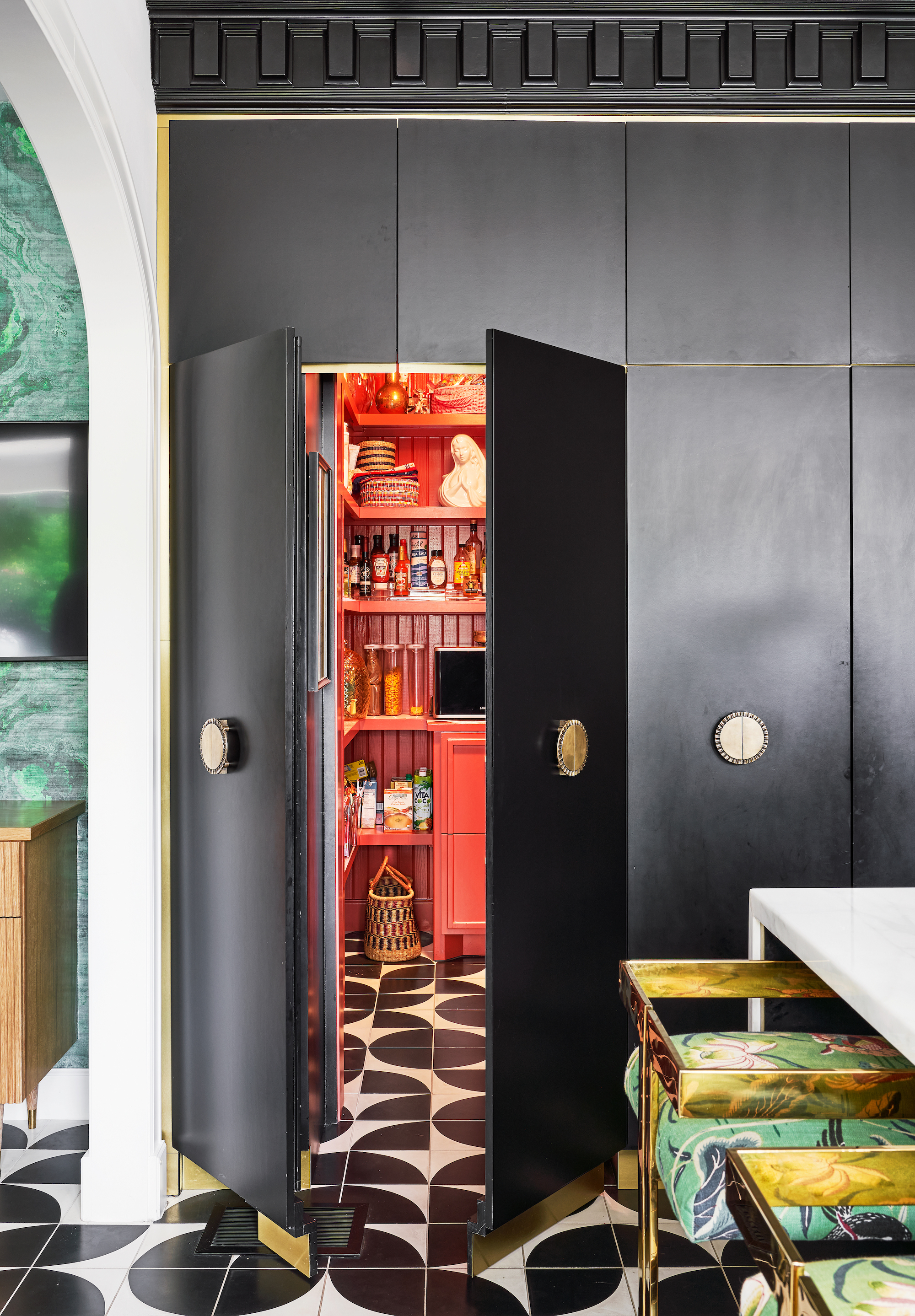
Kitchen pantry ideas: 12 designs totally worth copying
How to organize a pantry: 23 expert tips and design ideas

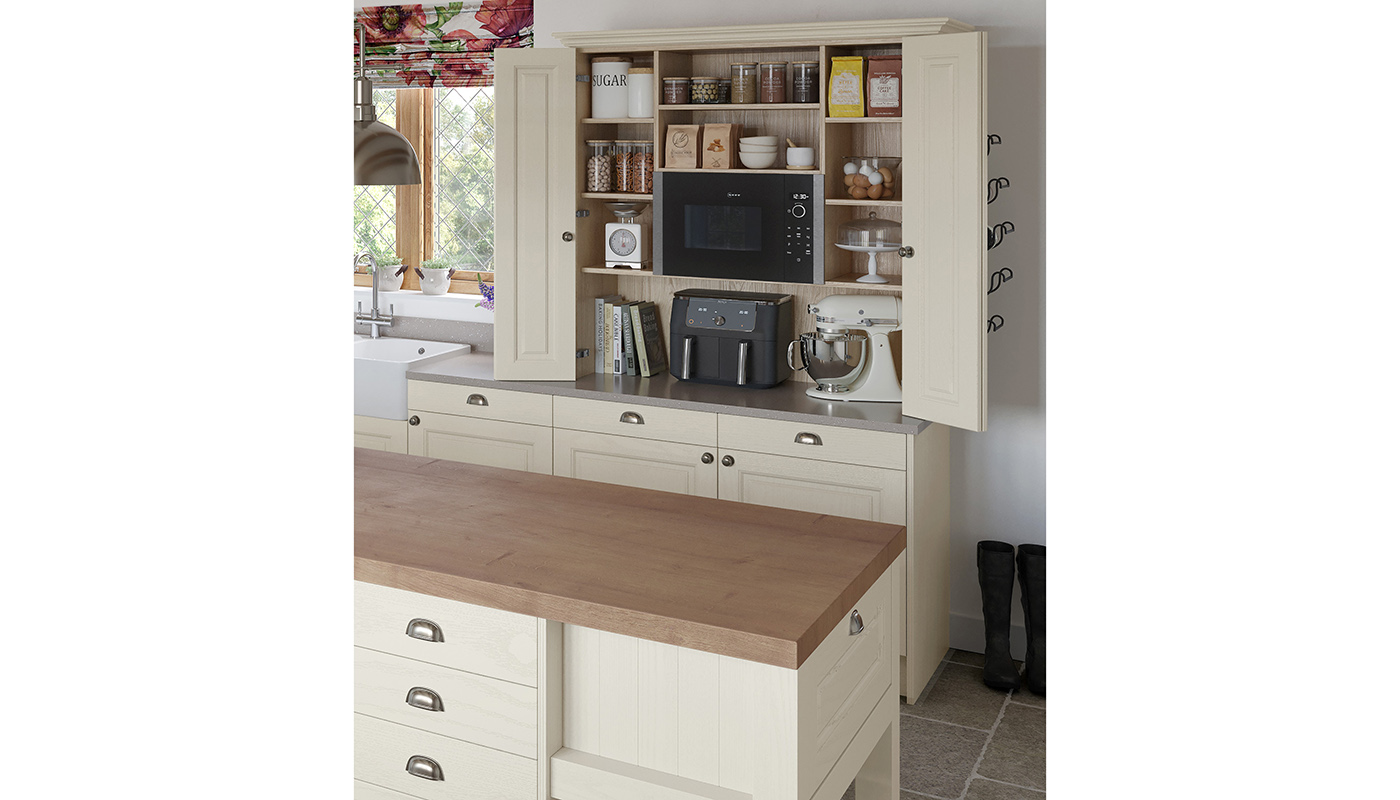
Crown Imperial pantry solutions to make the breakfast routine effortless