1/3
Linen Market Size, Share, Trends & Growth Report, 2033
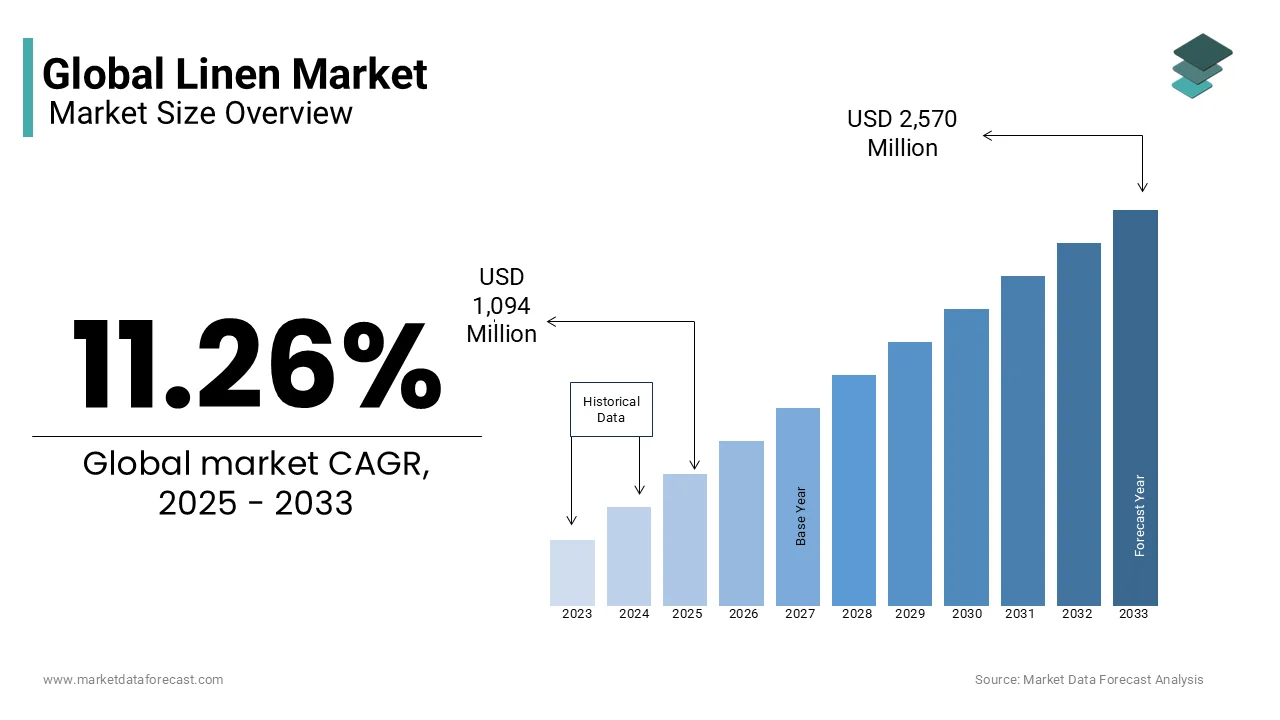
The global linen market, valued at USD 984 million in 2024, is projected to reach USD 2,570 million by 2033, exhibiting a compound annual growth rate (CAGR) of 11.26% from 2025 to 2033. Linen, derived from flax fibers, is highly valued for its durability, thermal regulation, and hypoallergenic properties, with its versatility extending beyond traditional clothing and household textiles to upholstery, technical fabrics, and eco-friendly packaging. Its biodegradability and low environmental footprint, requiring less water and pesticides than cotton, align with modern sustainability goals. Flax cultivation, predominantly in Europe, particularly Normandy, benefits from specific soil and climate conditions. The process of converting flax to linen is mechanical, minimizing waste. Flax fiber production also sequesters carbon, with by-products like linseed oil and flaxseed contributing to various industries.
The market's growth is primarily driven by the increasing demand for sustainable textiles, as consumers and regulations push for eco-friendly products. Linen, consuming 60% less water than cotton and producing minimal waste, is favored. Biodegradable fabrics like linen help reduce landfill waste by decomposing quickly. The rising popularity of minimalist and organic lifestyles also boosts the market, with linen's hypoallergenic and breathable qualities appealing to consumers prioritizing health and well-being. This trend fuels demand for artisanal and handcrafted linen products, with significant growth in regions like Scandinavia and North America.
However, high production costs pose a significant restraint. The labor-intensive process of flax processing, involving retting, scutching, and spinning, makes linen 3-4 times more expensive than cotton. Limited scalability of flax cultivation, concentrated in specific temperate climates and accounting for less than 1% of global fiber crops, further restricts supply and increases costs. The market faces competition from synthetic fibers, such as polyester, which are significantly cheaper and dominate the global textile industry due to their low cost and versatility. Seasonal demand fluctuations, with peak demand during warmer months, create inconsistencies in sales and production, leading to underutilization of resources during off-peak seasons.
Opportunities for market expansion include emerging markets, particularly in Asia and Africa, where urbanization and rising disposable incomes are driving demand for premium, sustainable products. Innovation in blended fabrics, combining linen with other fibers to enhance functionality and affordability, also presents a promising avenue. These blends improve durability and reduce costs while maintaining linen's eco-friendly attributes, expanding its applications into sectors like activewear and automotive interiors.
Segmental analysis reveals that long flax linen held the largest share (65.3%) in 2024 due to its superior quality, strength, and versatility, making it ideal for high-end apparel and home textiles. The short flax linen segment is expected to grow at a CAGR of 5.8%, driven by its cost-effectiveness and suitability for blended fabrics, catering to budget-friendly sustainable options. In terms of application, clothing dominated with 40.3% of the market share in 2024, owing to linen's breathability, moisture-wicking, and hypoallergenic properties. The bed linens segment is projected to grow at a CAGR of 6.3%, fueled by increasing awareness of sleep hygiene and the benefits of natural fabrics. Regionally, Europe led the market with 65.3% share in 2024, attributed to favorable climatic conditions for flax cultivation and stringent environmental regulations. Asia-Pacific is projected to be the fastest-growing region, with a CAGR of 6.2%, driven by urbanization, rising disposable incomes, and government initiatives promoting natural fibers. North America is set for steady growth due to consumer awareness of sustainable products, while Latin America and the Middle East & Africa present untapped potential with growing interest in sustainable textiles and suitable climatic conditions for flax cultivation.
Key players in the market include Libeco, Welspun India, and Berkshire Hathaway (Fruit of the Loom). These companies employ strategies such as vertical integration for efficiency and quality control, strategic partnerships and collaborations to expand reach and innovate, and significant investments in sustainability and innovation to enhance brand equity and future-proof their businesses. Recent market activities include acquisitions by Johnson Service Group and Healthcare Linen Services Group, indicating industry consolidation and expansion into new service areas. The market remains competitive, with regional strengths, product differentiation, and consumer education playing crucial roles in shaping the landscape.
#LinenMarket #SustainableTextiles #FlaxCultivation #EcoFriendlyProducts #TextileIndustry #HomeTextiles #ClothingApparel #MarketForecast #EnvironmentalSustainability #LinenMarket #SustainableTextiles #FlaxCultivation #EcoFriendlyProducts #TextileIndustry #HomeTextiles #ClothingApparel #MarketForecast #EnvironmentalSustainability
Toplam 0 yorum
 Henüz yorum yok
Bu da beğenebilirsiniz
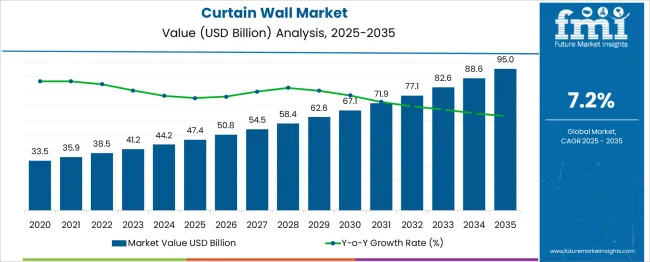
Curtain Wall Market | Global Market Analysis Report - 2035

Seen at Interwoven May 2024


Everything You Need to Know About Linen, Your New Favorite Fabric


Transforming Home Comfort
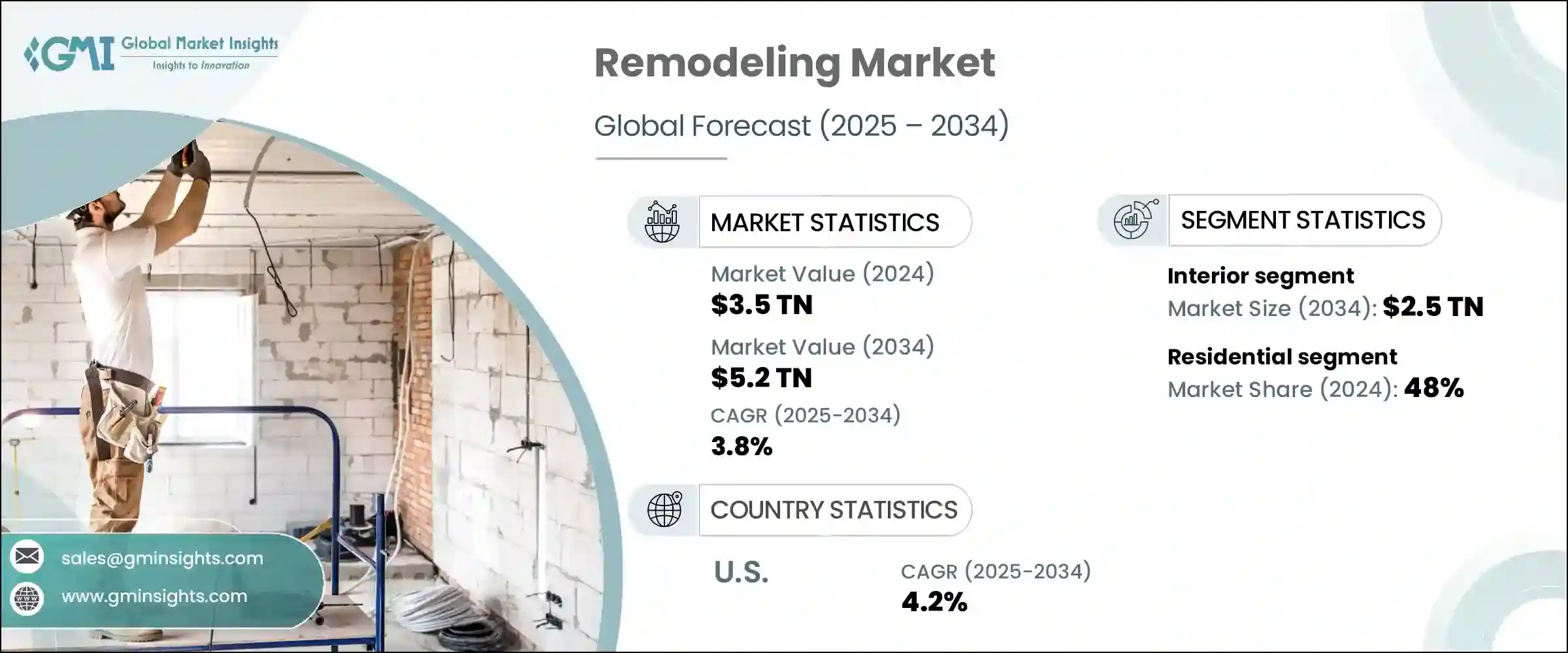
Remodeling Market Size, 2025-2034 Trends Report


2025 Curtain Style Forecast: The Latest Trends Shaping Window Dressings


Europe Smart Lighting Market: Size, Share, and Forecast 2025–2033
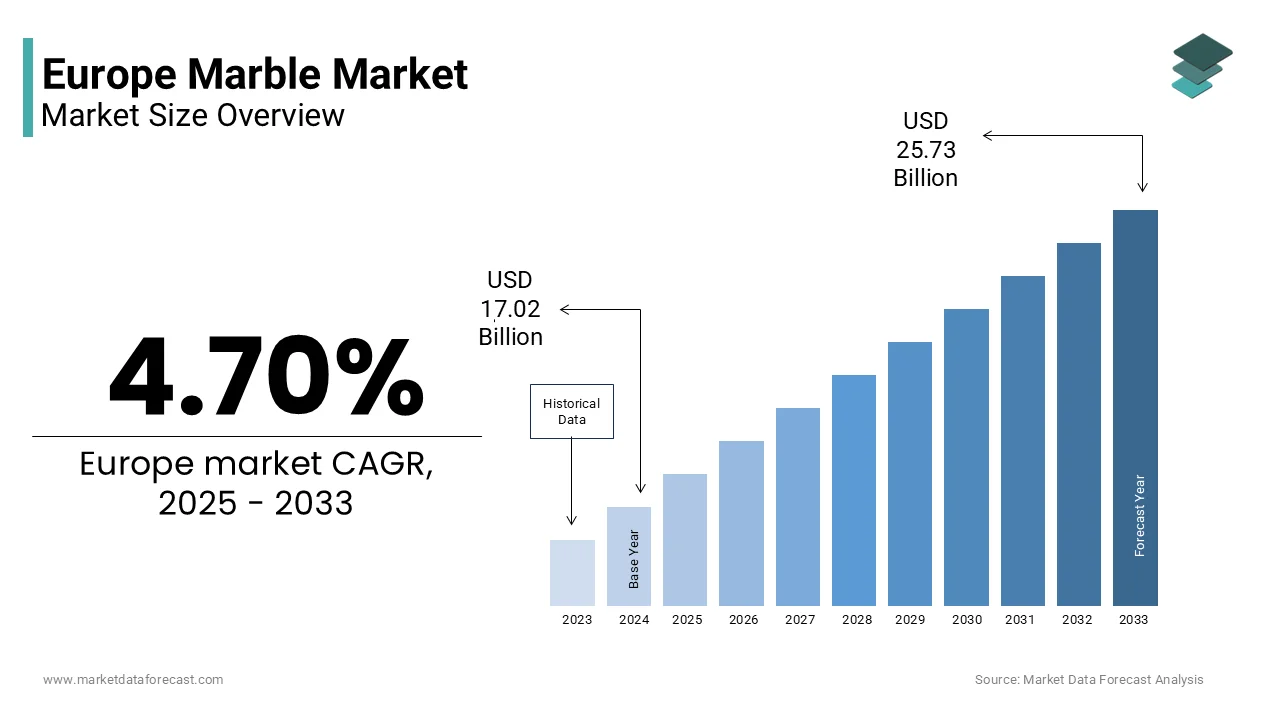
Europe Marble Market Size, Share, Trends and Analysis, 2033

![Modular Flooring Market Size & Forecast [Latest]](https://gstatic.ideal.house/news/images/88e7dffc81964dc0b0928f6aca821eed.jpg)
Modular Flooring Market Size & Forecast [Latest]

Global Plywood Market Size and Forecast 2025–2033

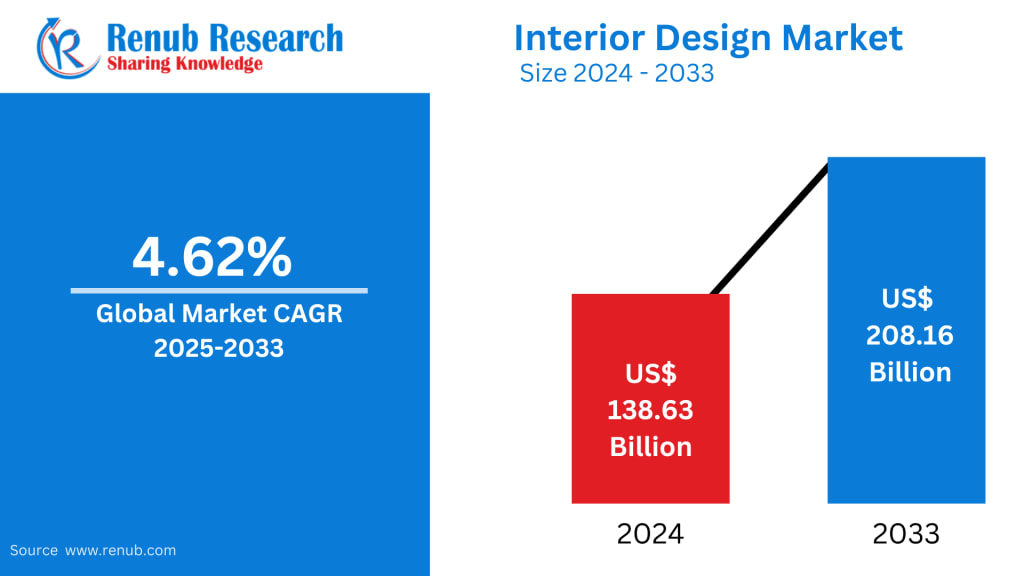
Interior Design Market Size and Forecast (2025–2033): A Rising Global Demand for Smart, Sustainable, and Personalized Spaces

Global Carpet Market Size and Forecast 2025–2033

Vinyl Flooring Market Size, Share, Trends, Growth Drivers and Forecast 2034

Home textiles: The big opportunity
Hot Tub Market Size, Share & Analysis Report, 2024 – 2032
Home Textile Industry News: Growth and Challenges in 2025

Australia Wallpaper Market: Industry Trends | 2025-2033