Australia Wallpaper Market: Industry Trends | 2025-2033
The Australian wallpaper market is projected to grow from USD 46.00 million in 2024 to USD 61.50 million by 2033, exhibiting a Compound Annual Growth Rate (CAGR) of 3.28% during the forecast period. This growth is primarily fueled by a rising interest in interior décor, a strong DIY culture, and an increasing demand for easily customizable wall coverings. Wallpaper is gaining traction as a cost-effective solution for interior renovation, particularly in urban residential and rental properties where adaptability and affordability are key considerations. Environmental sustainability concerns are also significantly influencing market dynamics, leading to a greater demand for eco-friendly and locally produced wallpaper options. Technological advancements, such as peel-and-stick wallpapers and digital printing, are enhancing product accessibility and design versatility.
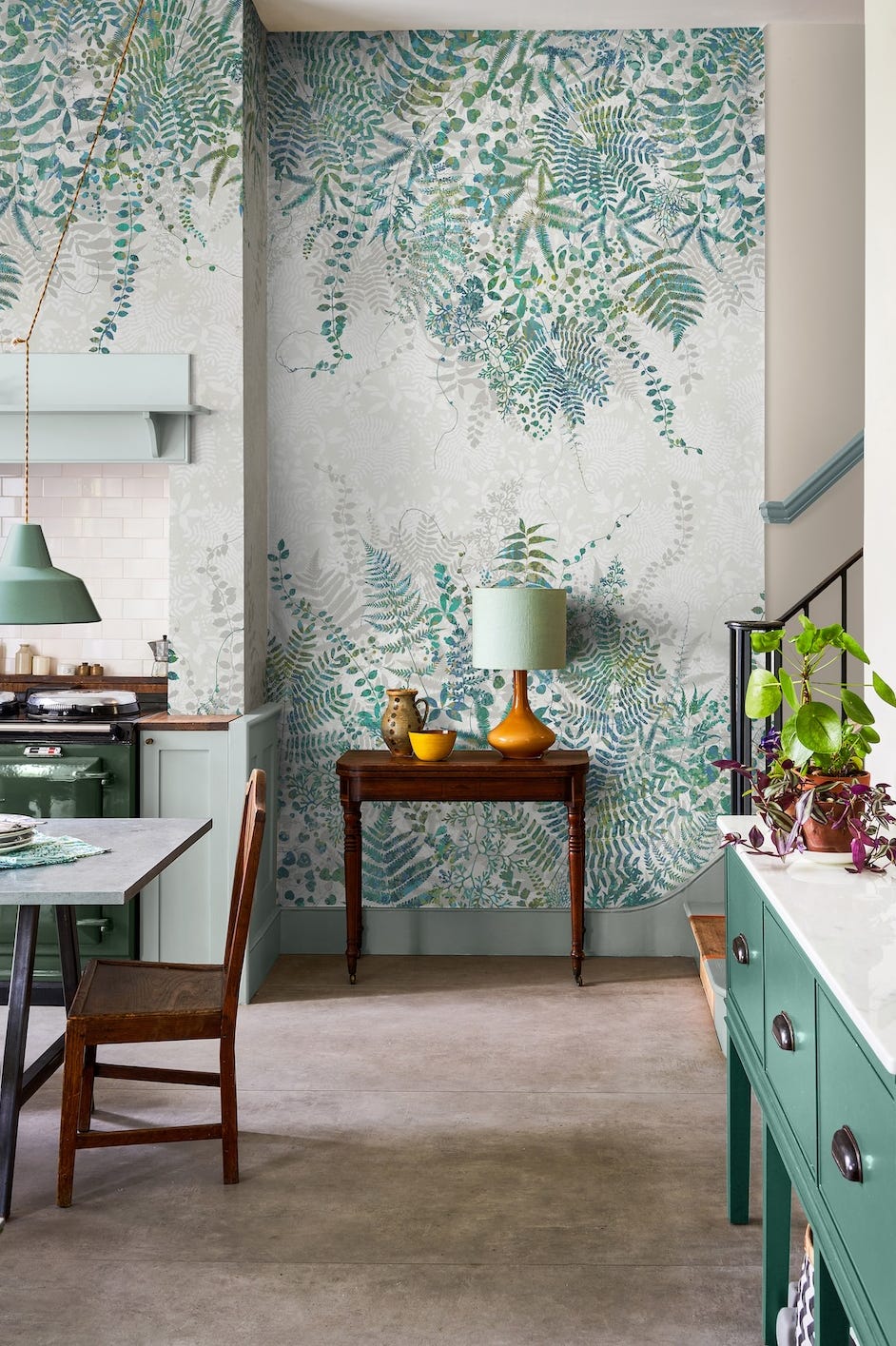
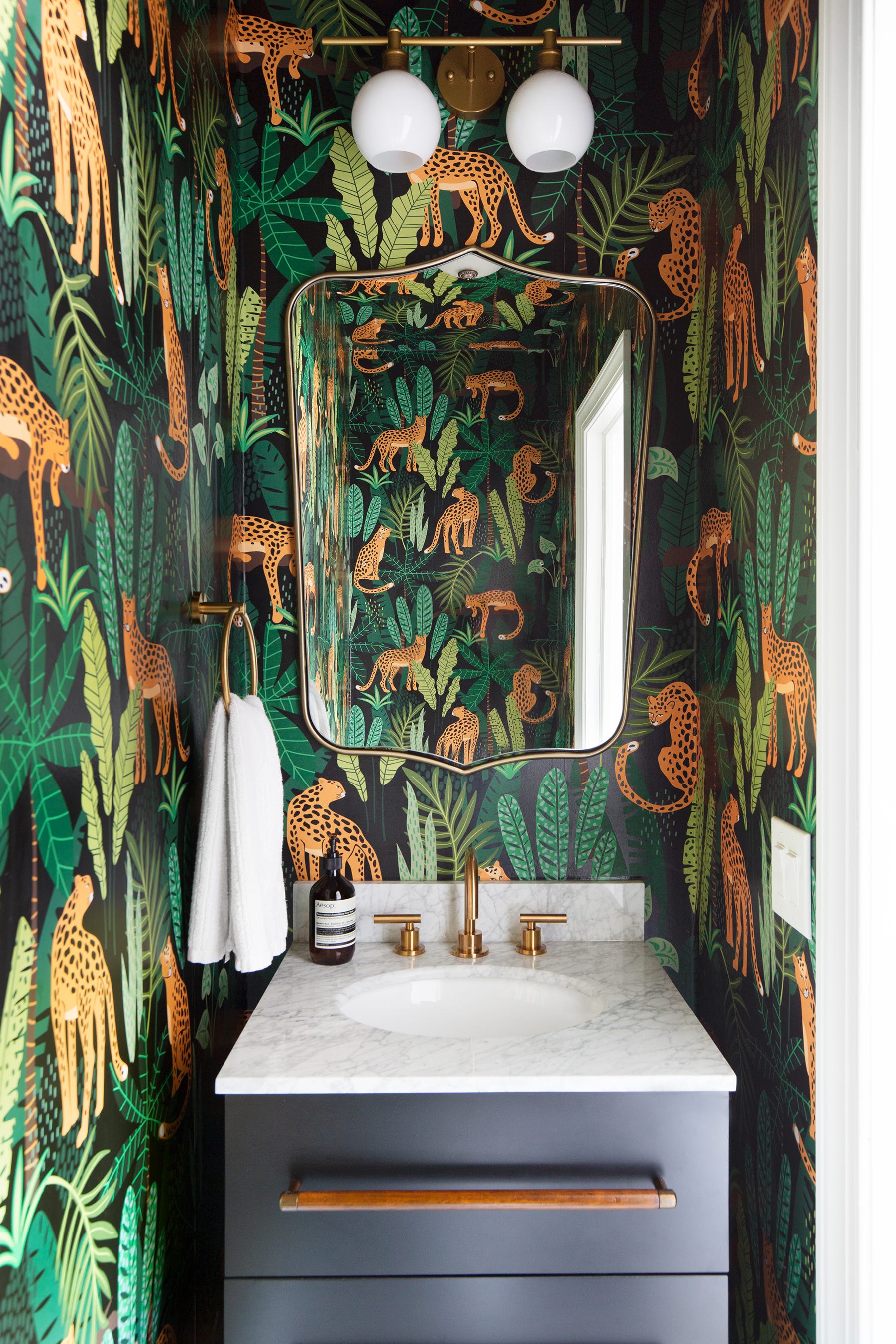
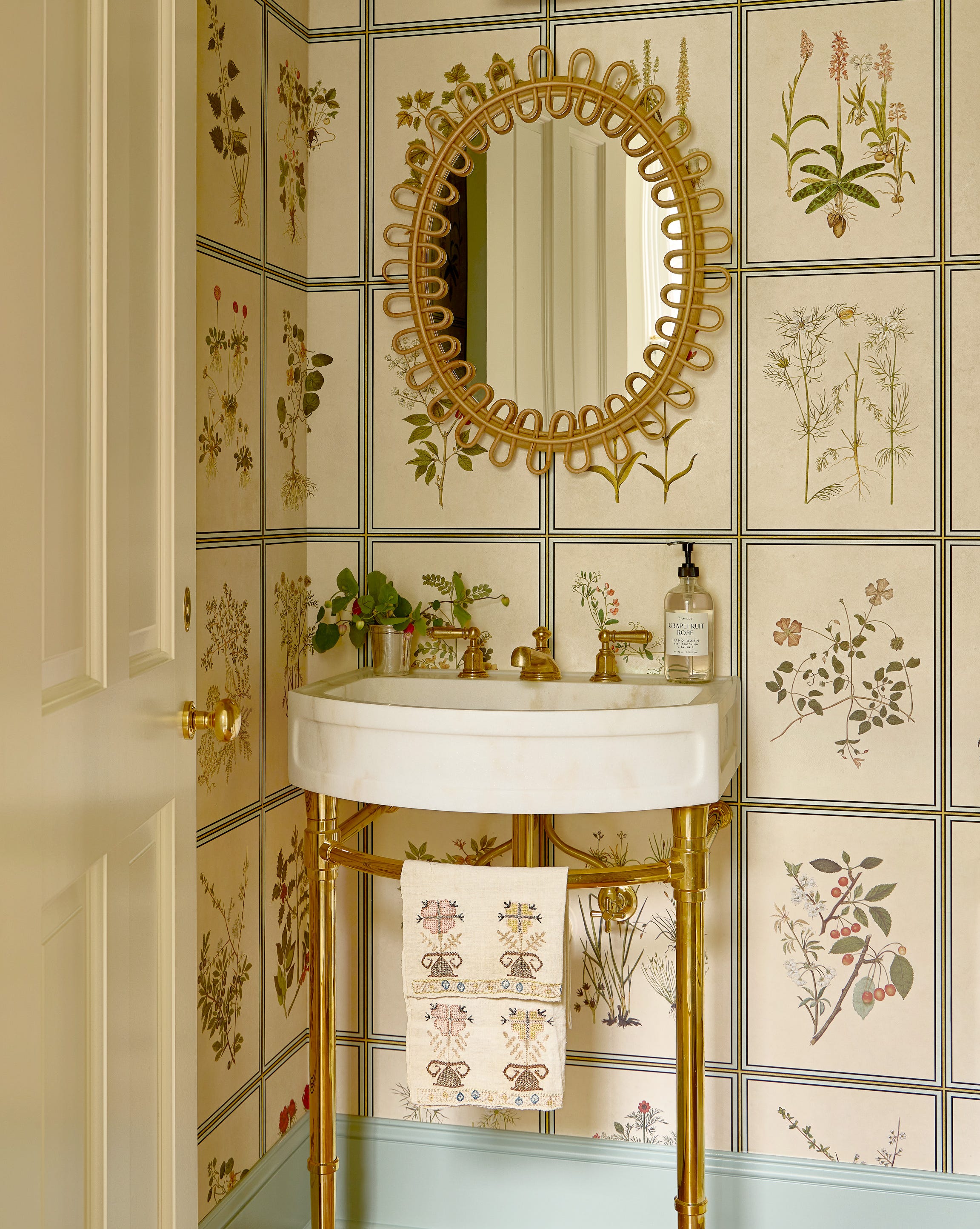
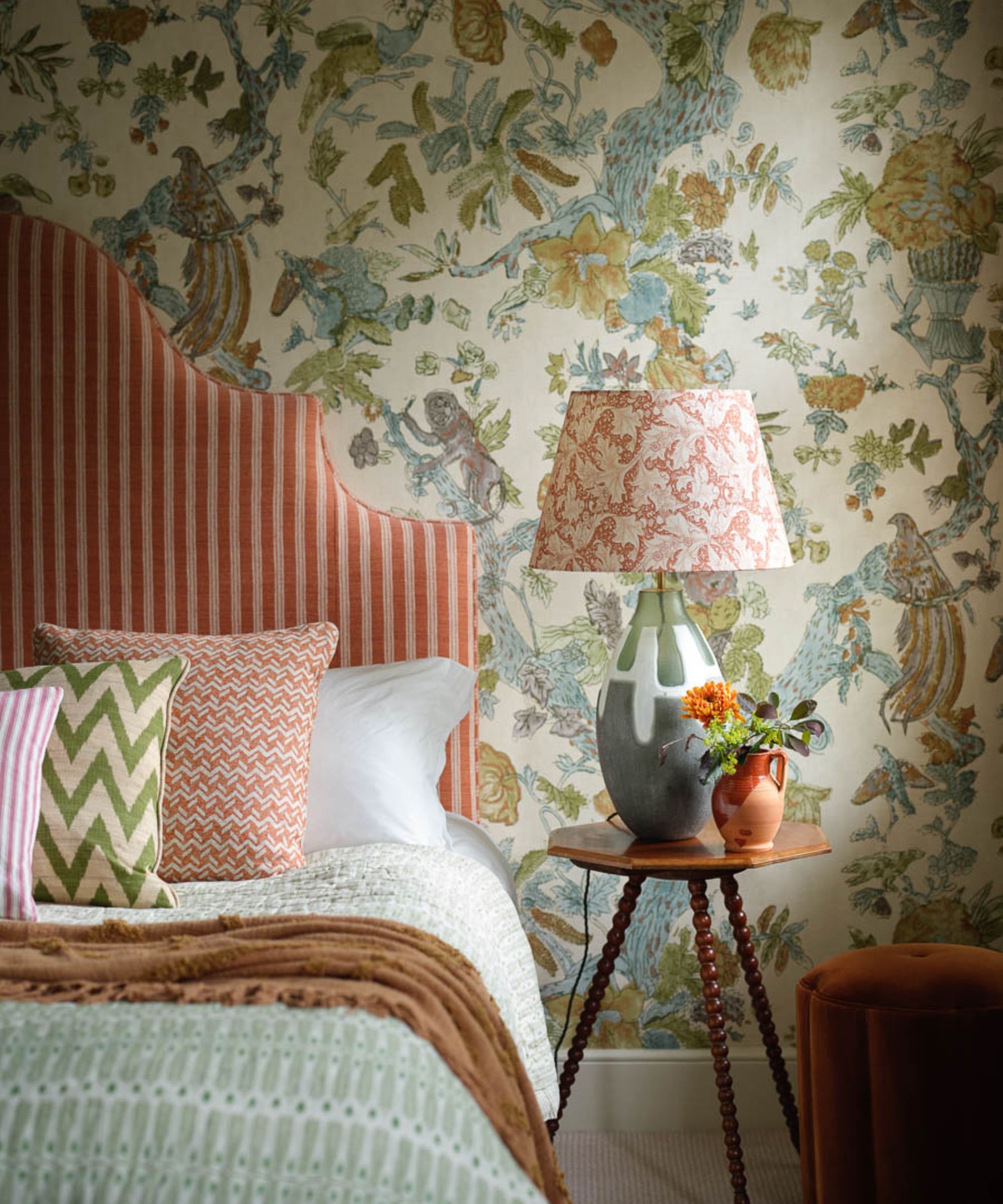
A prominent trend within the market is the growing preference for nature-inspired and coastal-themed designs, reflecting Australia's outdoor lifestyle and natural landscapes. Wallpapers featuring native Australian flora like eucalyptus, wattle, and banksia, alongside local wildlife such as cockatoos and kangaroos, are becoming increasingly popular in residential settings. Coastal regions, including Queensland and New South Wales, show a strong inclination towards oceanic designs, light sandy hues, and beach-themed imagery, especially in holiday homes, beach houses, and modern open-plan living spaces that integrate with natural light and outdoor views.
Another significant driver for market expansion is the demand for removable and DIY-friendly wallpaper, catering to Australia's expanding rental population. With a growing number of renters in major cities like Melbourne, Sydney, and Brisbane, there is a substantial need for temporary wall coverings that can be installed and removed without damaging surfaces or violating lease agreements. Peel-and-stick wallpaper addresses this need, offering a flexible and non-permanent customization option. This trend is further supported by Australia's robust DIY culture, where homeowners frequently undertake renovations themselves. Wallpaper manufacturers are simplifying application processes by offering products with pre-applied adhesives, detailed instructions, and user-friendly tools. This approach broadens the appeal of wallpaper to first-time buyers and younger consumers seeking low-commitment design solutions that align with the dynamic interior design landscape in Australia.
Sustainability is emerging as a critical factor in the Australian wallpaper industry, driven by evolving consumer values and local environmental awareness. As ecological consciousness increases, consumers are actively seeking environmentally responsible wallpaper products made from recycled paper, water-based inks, and PVC-free materials. Domestic manufacturing is also gaining momentum, partly due to recent global supply chain disruptions and a broader cultural emphasis on supporting Australian-made products. Customers are drawn to domestically designed and produced wallpapers for both ethical reasons and their authentic incorporation of Australian identity and culture. In environmentally conscious cities such as Adelaide and Canberra, homeowners and designers are increasingly prioritizing products that meet green building certification standards. In response, wallpaper companies are enhancing transparency in their sourcing and production methods and marketing collections that reduce waste and chemical usage, thereby reshaping consumer behavior and quality benchmarks in the industry.
The market segmentation includes various wallpaper types such as vinyl, non-woven, paper-based, and fabric wallpapers, along with other categories. Distribution channels are divided into online and offline platforms. End-users comprise residential, commercial, and other segments. Design themes range from nature-inspired and coastal designs to contemporary patterns, traditional designs, and custom prints. Application methods include traditional paste wallpaper and peel-and-stick wallpaper. Regionally, the market is analyzed across Australia Capital Territory & New South Wales, Victoria & Tasmania, Queensland, Northern Territory & Southern Australia, and Western Australia.
#AustraliaWallpaperMarket #InteriorDesign #DIYHomeDecor #SustainableProducts #RemovableWallpaper #MarketTrends #ResidentialDesign #CoastalDecor #AustraliaWallpaperMarket #InteriorDesign #DIYHomeDecor #SustainableProducts #RemovableWallpaper #MarketTrends #ResidentialDesign #CoastalDecor
0 comment in total
 No comments yet
You may also like
So Long Accent Walls, Here Are the Biggest Wallpaper Trends of 2025

The Hottest Wallpaper Trends of 2025 That Are About to Be Everywhere

3 most popular interior decorating styles in Australia

7 Wallpaper Trends You're Going to See Everywhere in 2025

So Long Accent Walls, Here Are the Biggest Wallpaper Trends of 2025

Curtain Wall Market | Global Market Analysis Report - 2035
8 Wallpaper Trends for 2024

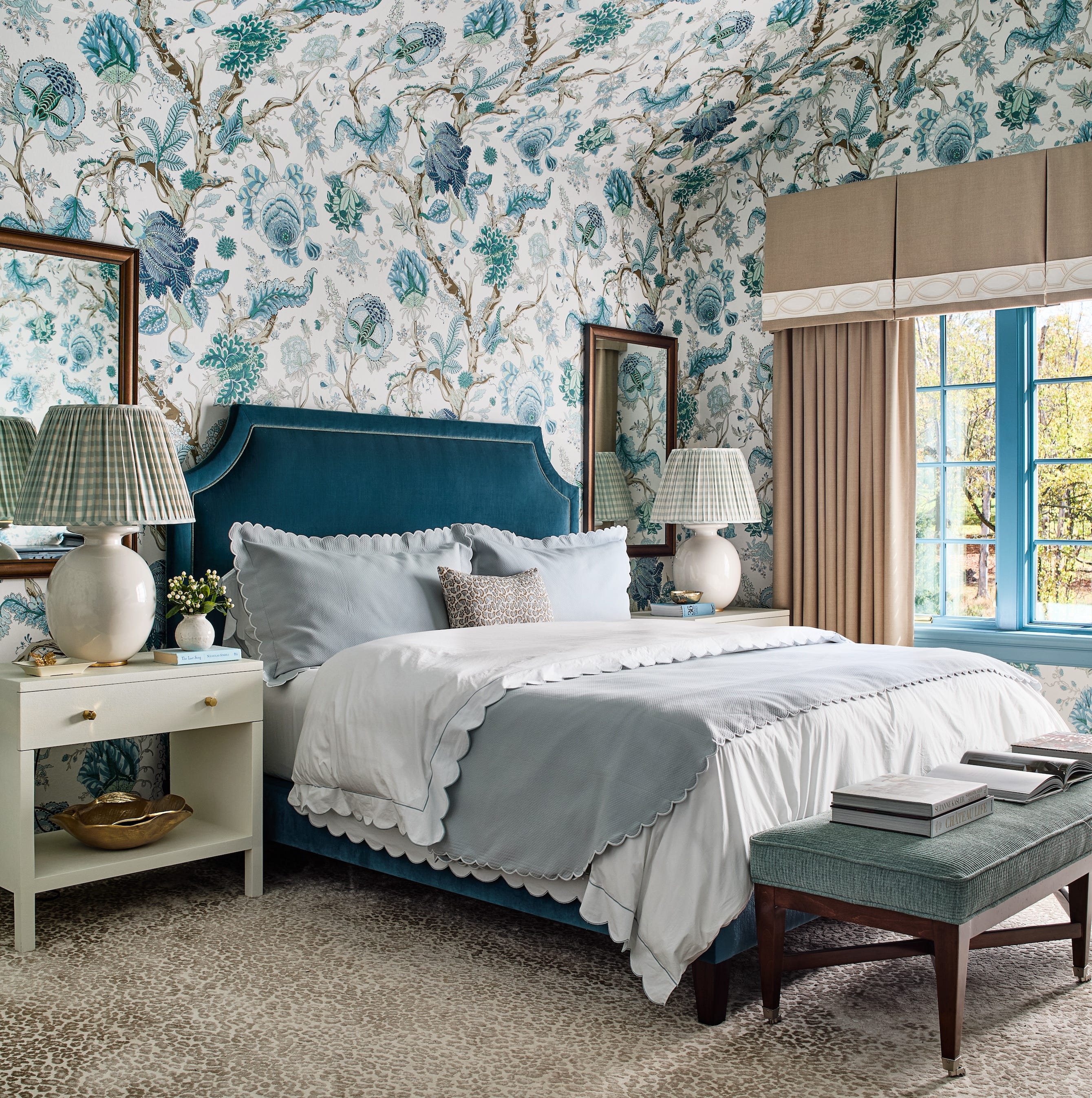
5 Fresh Wallpaper Ideas Designers Are Loving for 2025
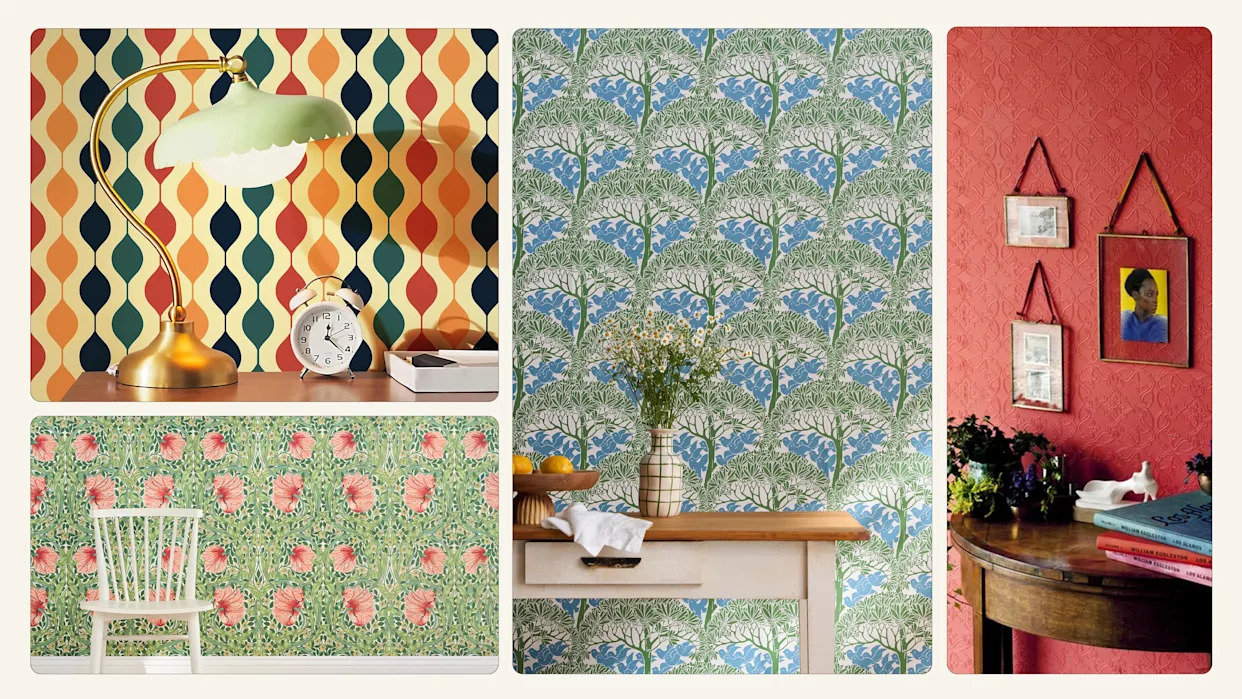
3 Wallpaper Trends We’re Loving (& Shopping) for in 2025
Global Carpet Market Size and Forecast 2025–2033

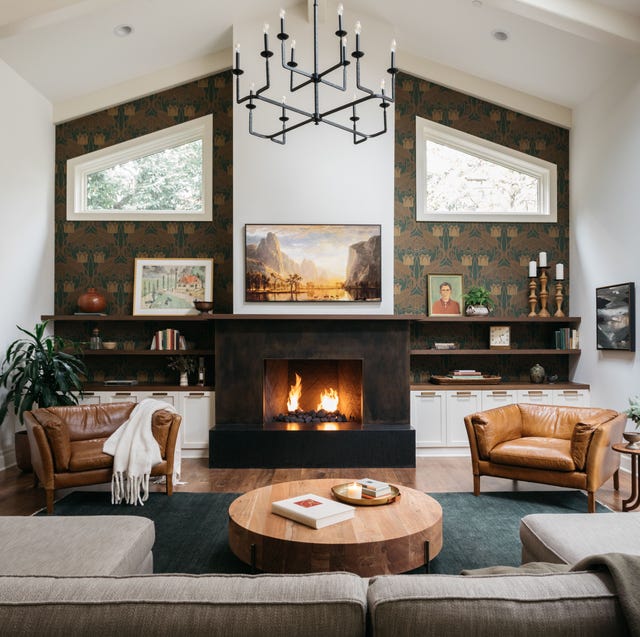
16 Latest Wallpaper Trends That Designers Are Loving for 2023

11 wallpaper trends to keep your eye on in 2025

Philippines Wallpaper Market: Interior Design Trends, Urban Housing & Renovation Demand
Explore 2025's Most Exciting Wallpaper Trends: From Botanical Murals To Curated Clashing
Wallpaper is back: 7 top trends for 2025
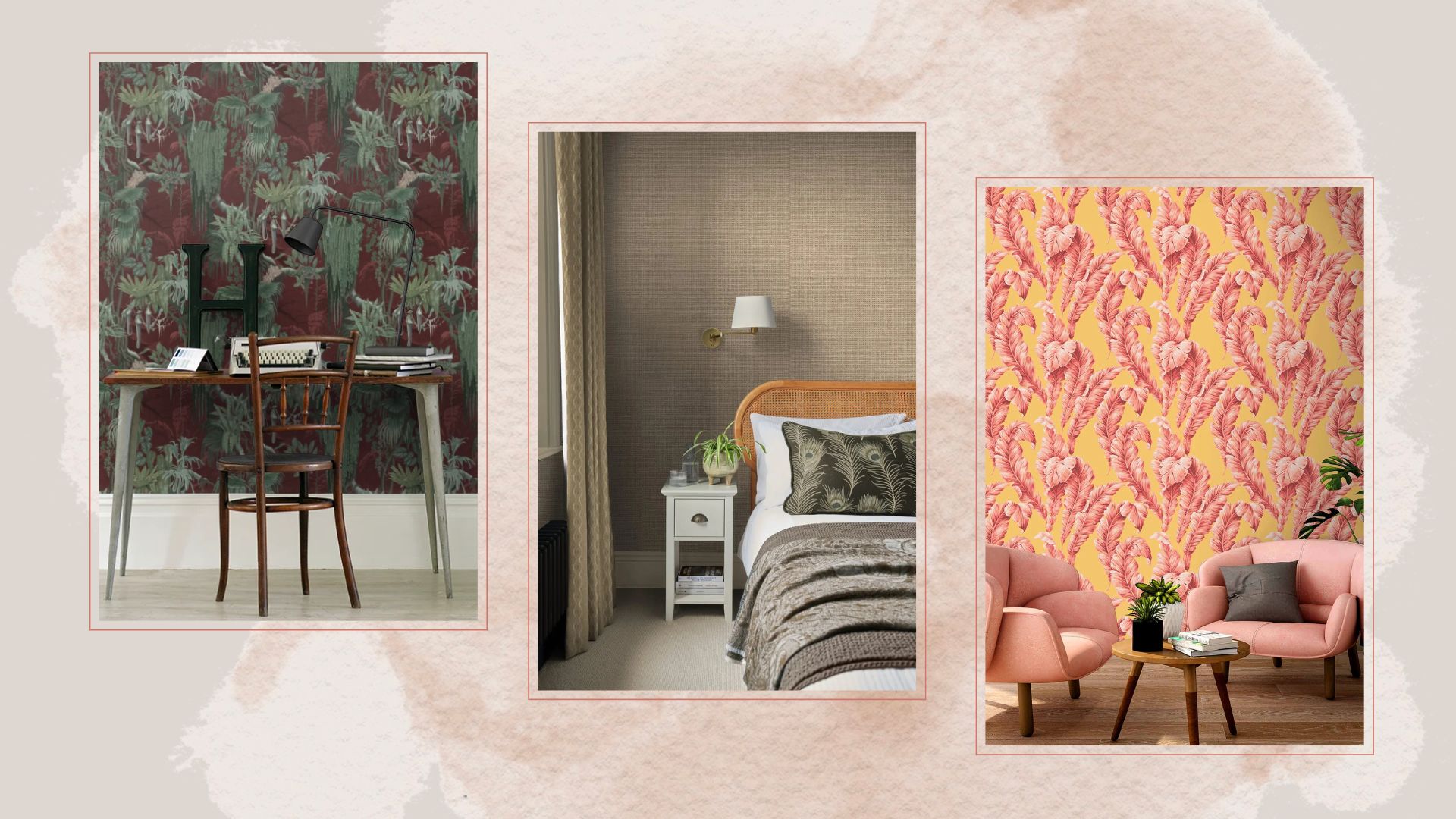
12 Wallpaper Trends for 2025: fresh colour combinations, patterns and textures

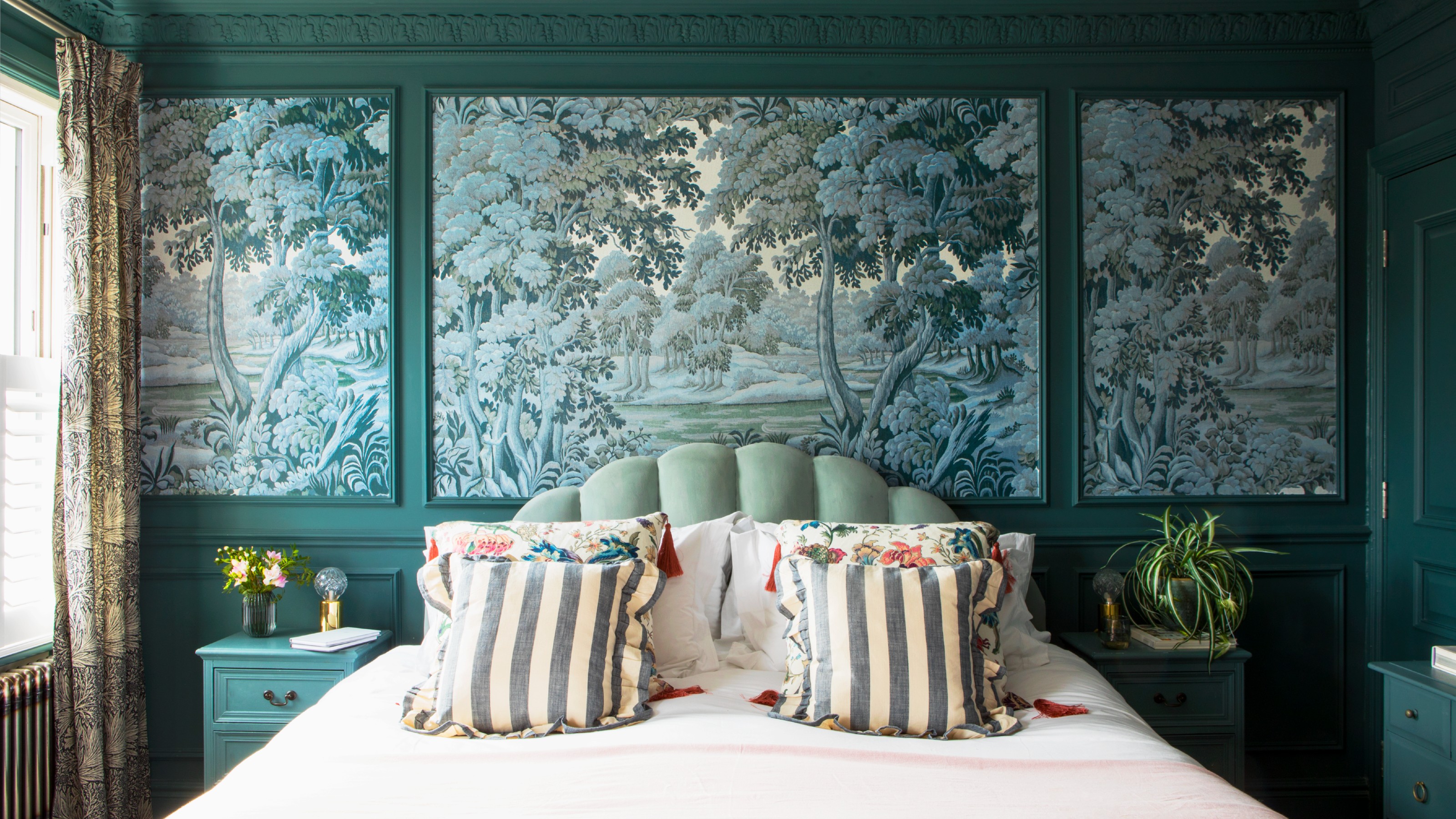
Wallpaper trends 2025 – the key styles and patterns to cover your walls with this year
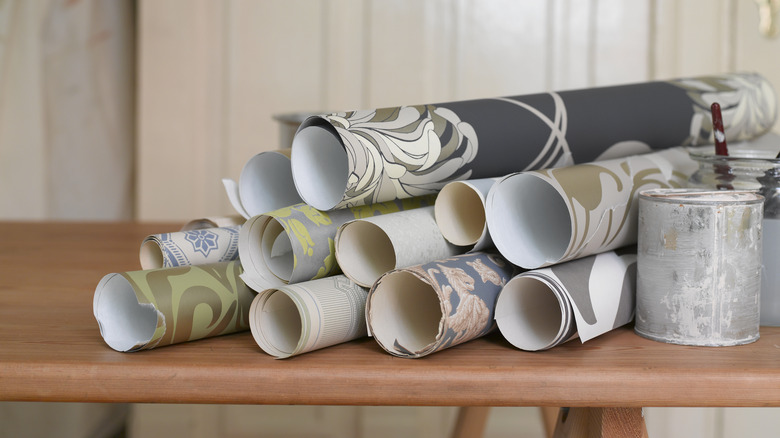
5 Instagram-Worthy Wallpaper Brands We're Loving (And Which Are Most Affordable)
Latest wallpaper trends for your home: Bold, beautiful & transformative

5 Fresh Wallpaper Ideas Designers Are Loving for 2025