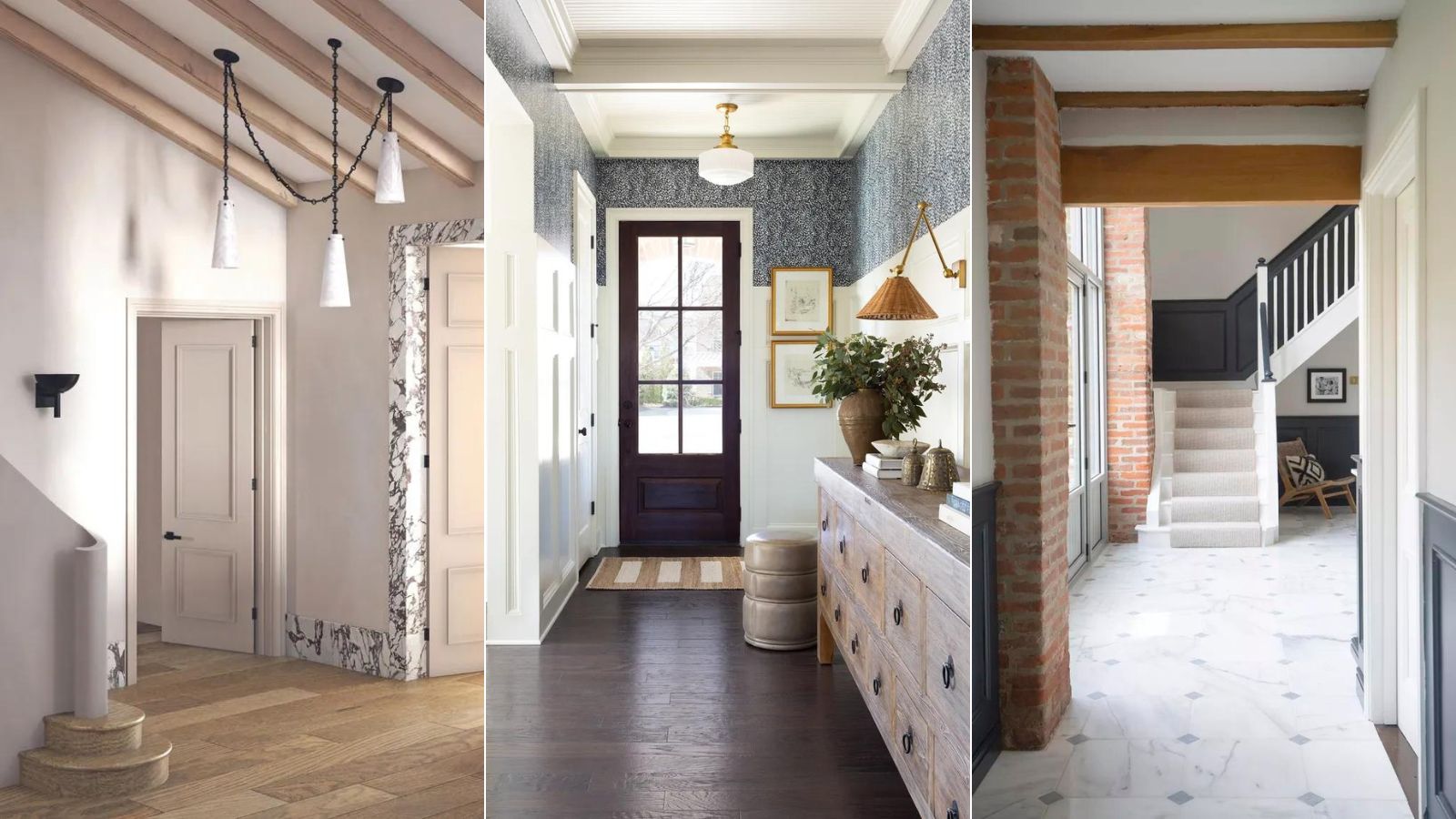
1/6
How to increase natural light in your entryway – 8 pro-endorsed solutions that experts love
A well-lit entryway is essential for creating a welcoming and functional home, and maximizing natural light plays a crucial role in achieving this. While artificial lighting serves an important purpose, optimizing daylight can make an entryway feel more spacious, less cluttered, and an integral part of the home rather than a transitional area. Many entryways, especially smaller ones, often suffer from a lack of natural light. However, several expert-recommended strategies can significantly enhance the amount of daylight the space receives.
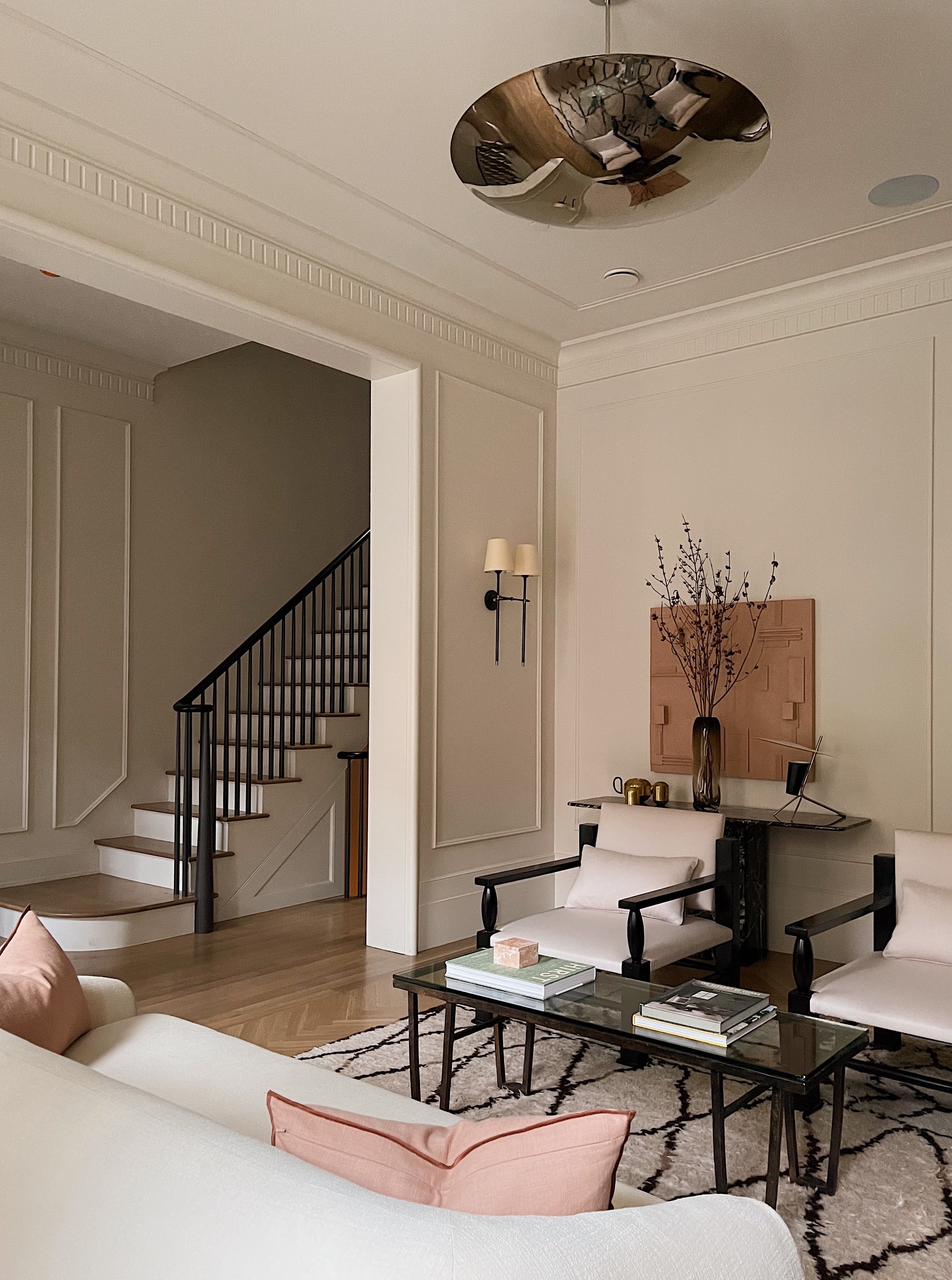
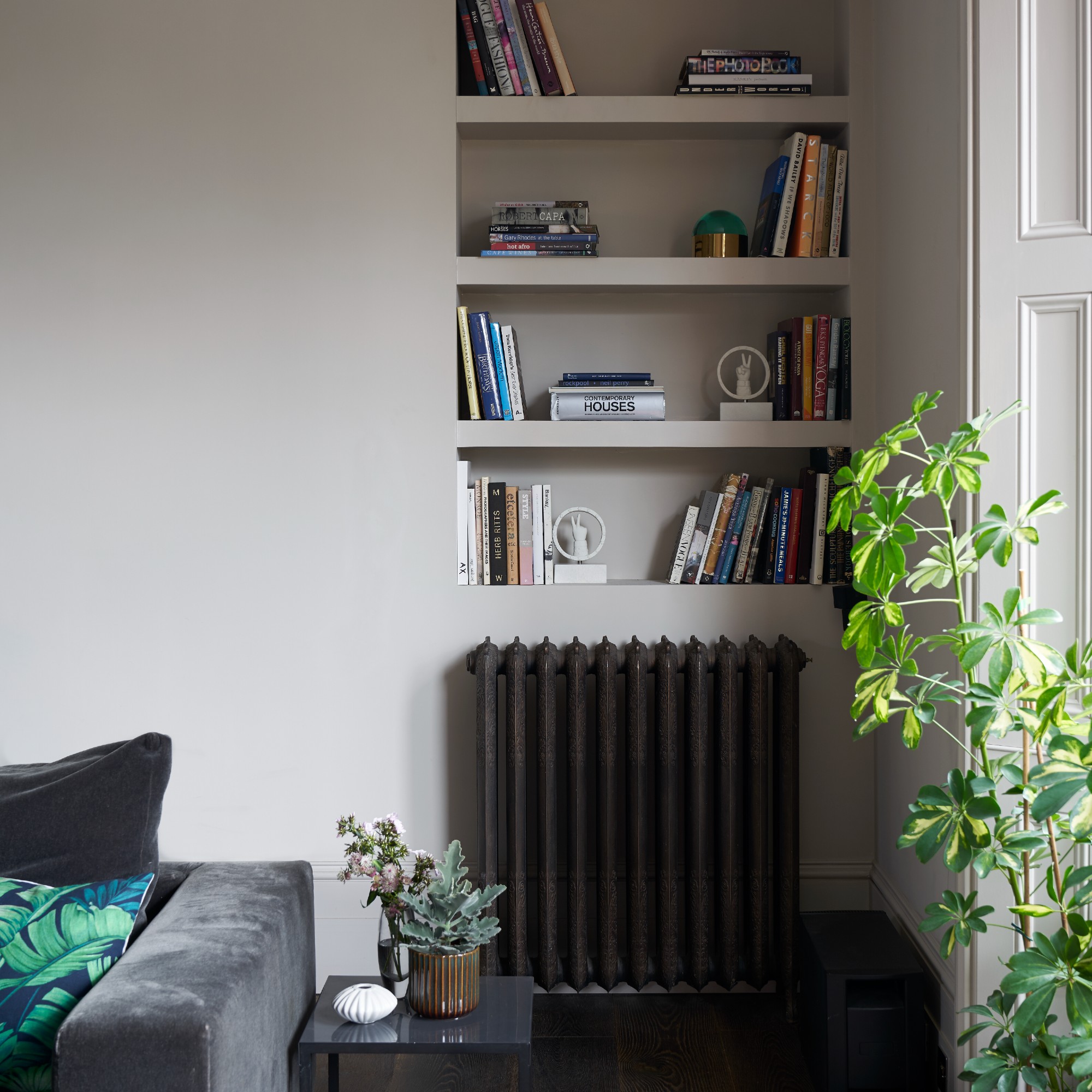
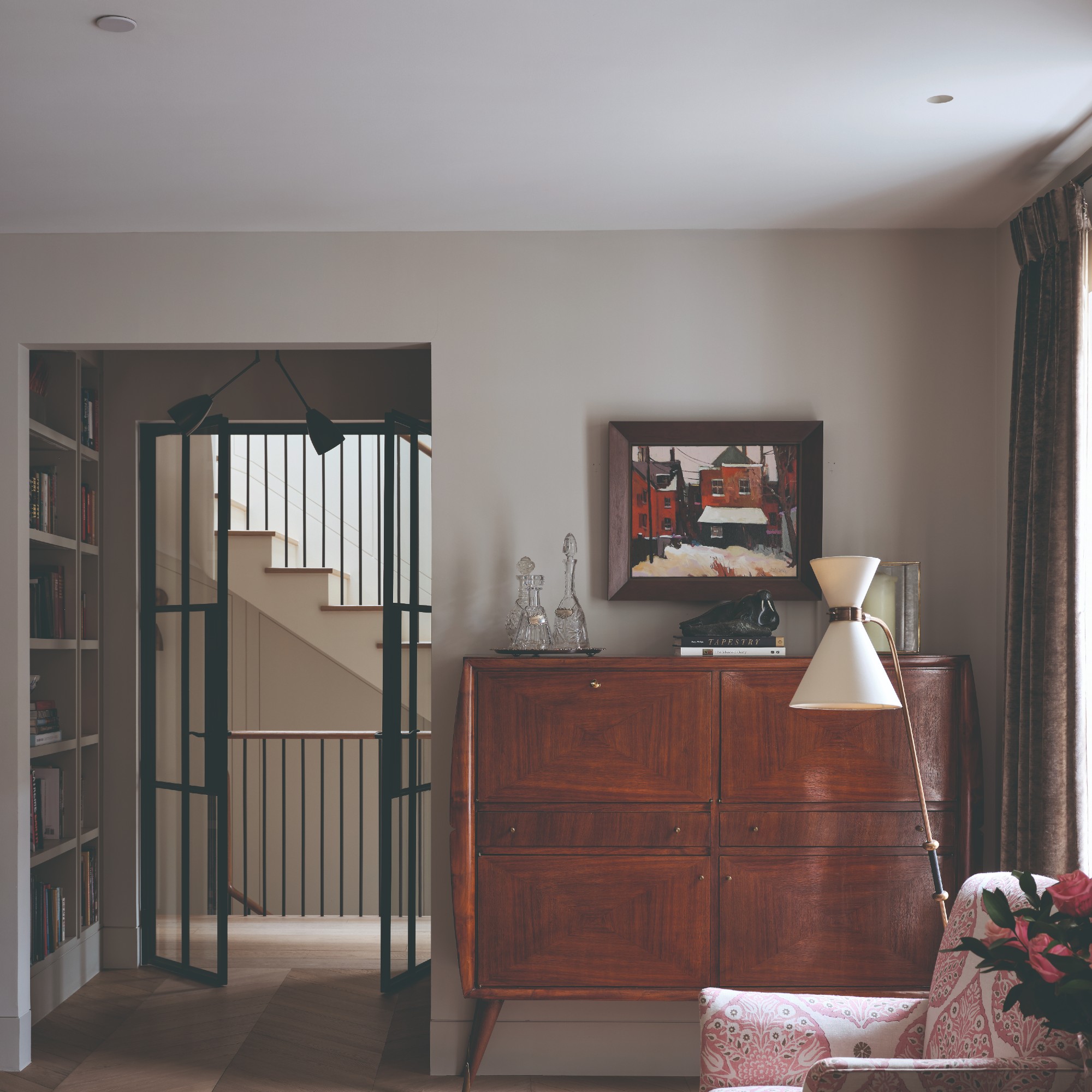
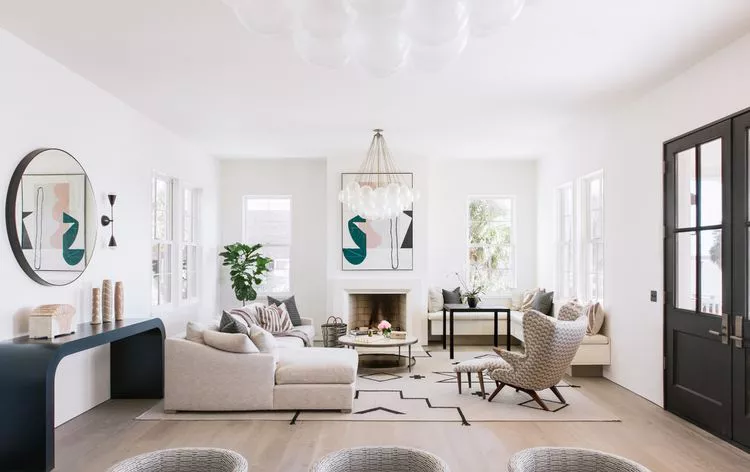
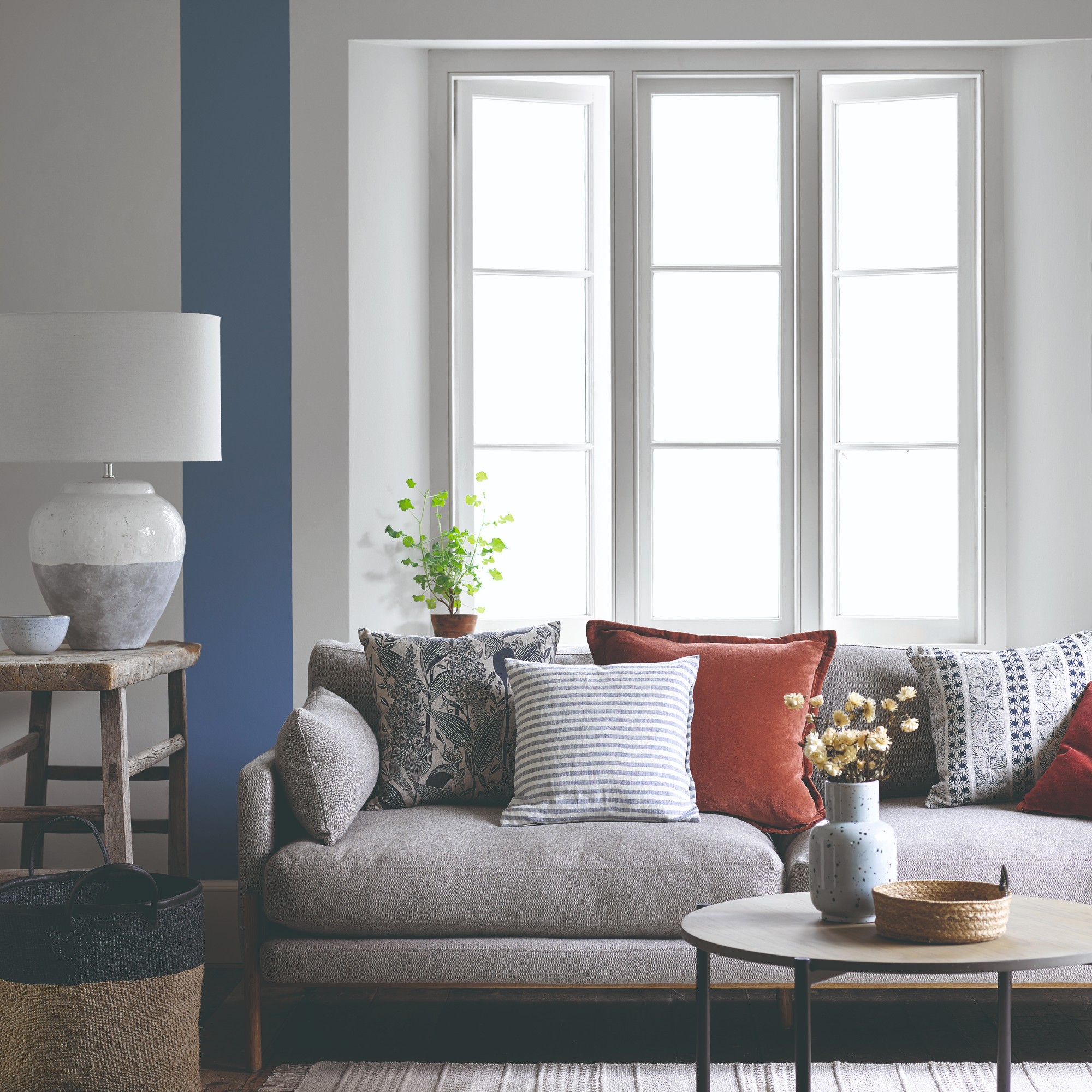
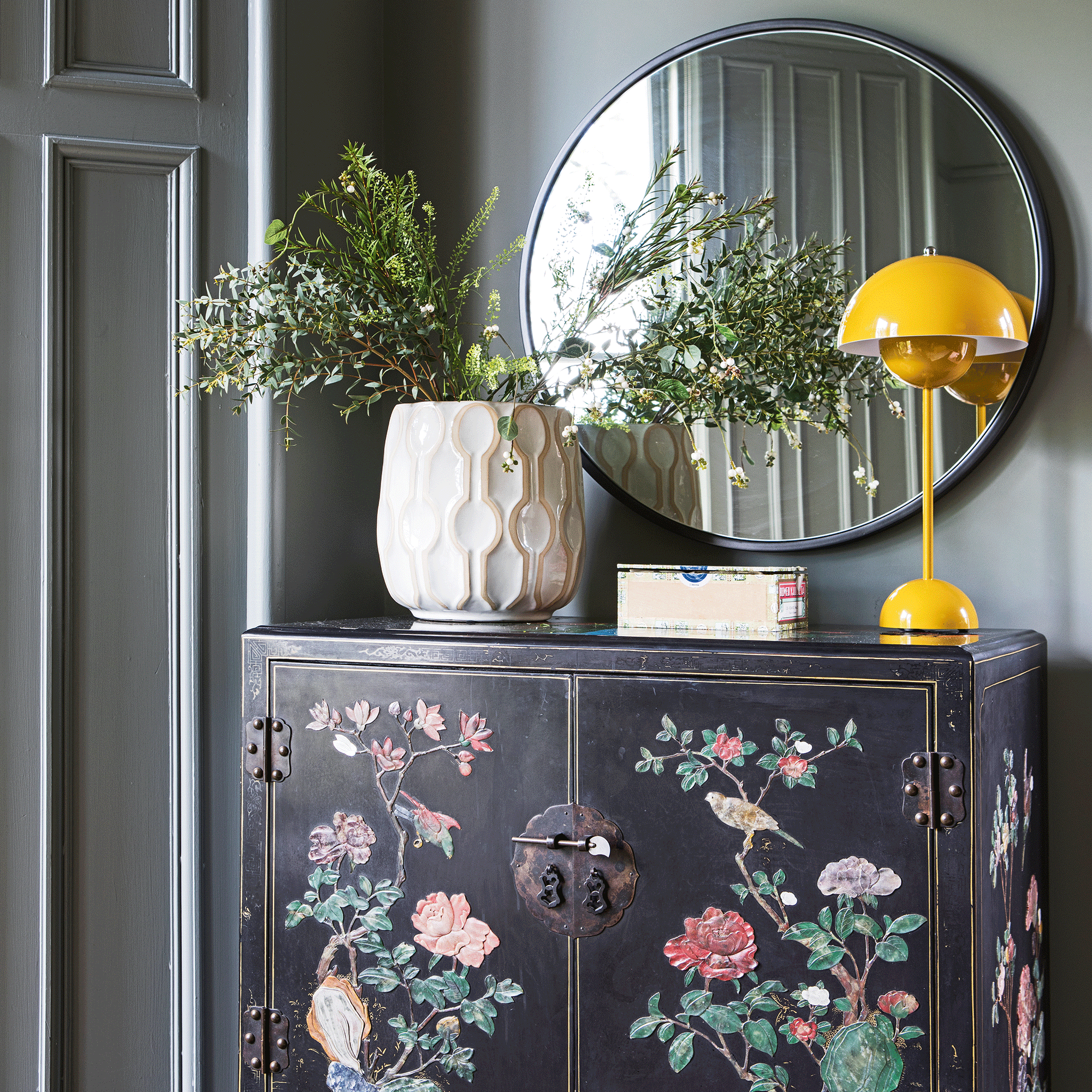
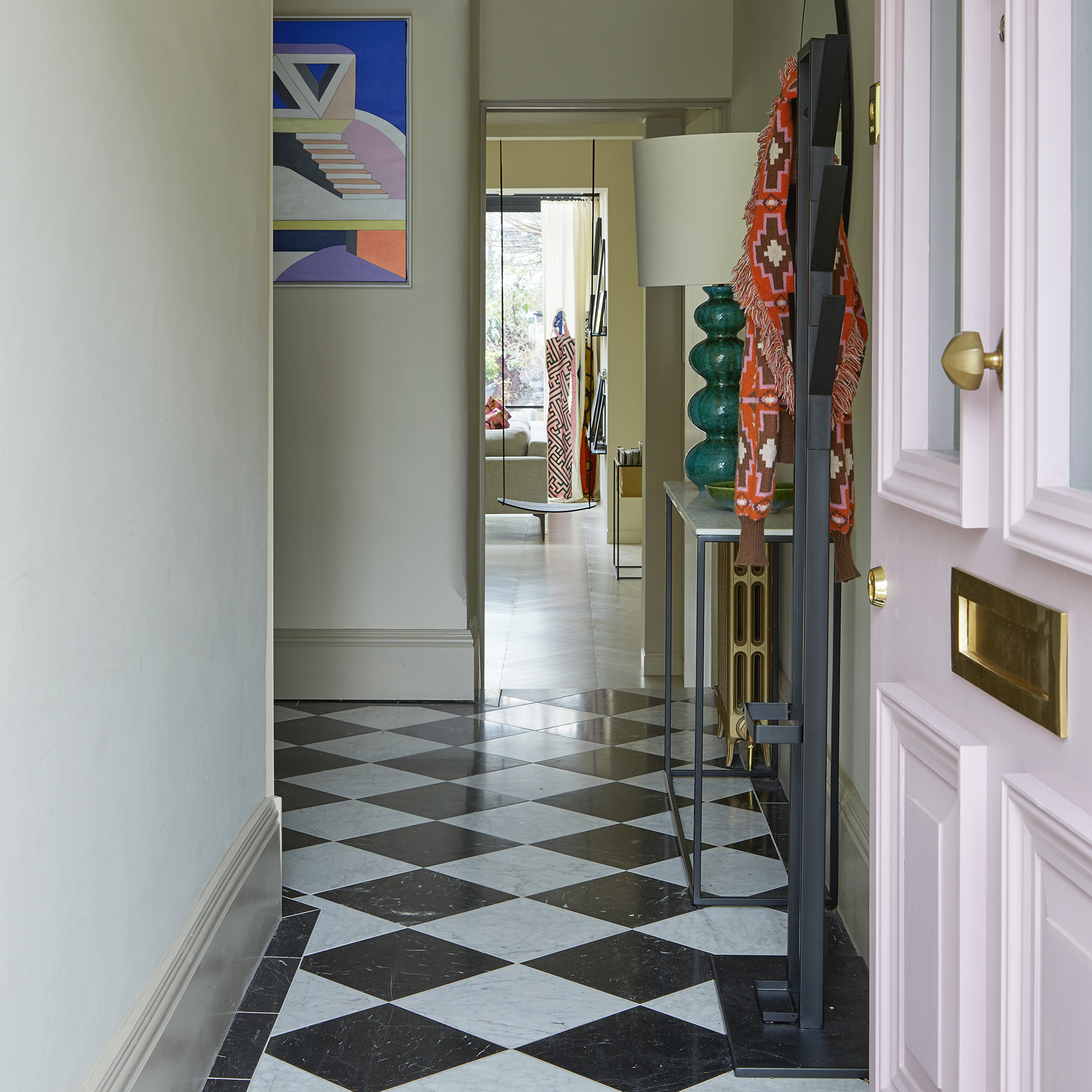
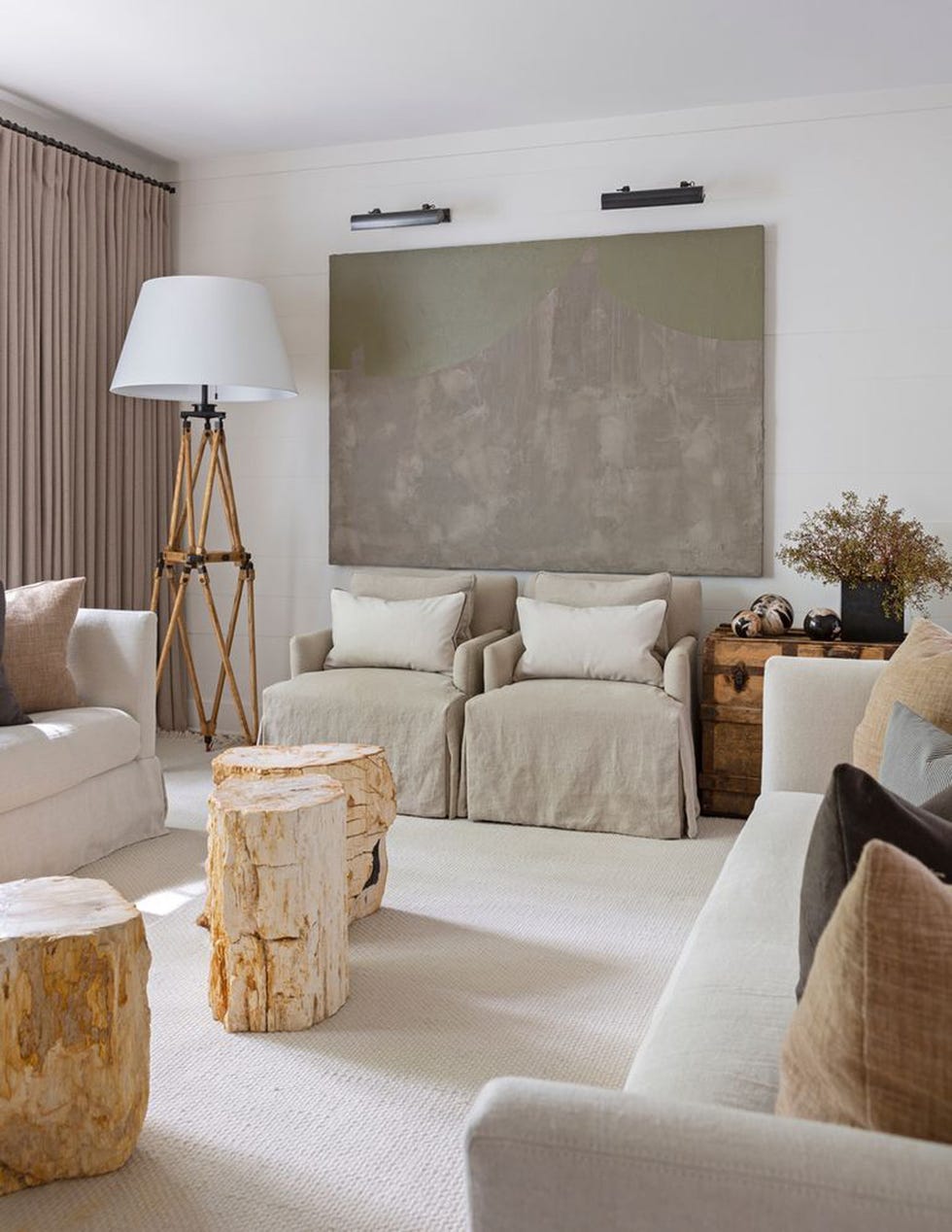
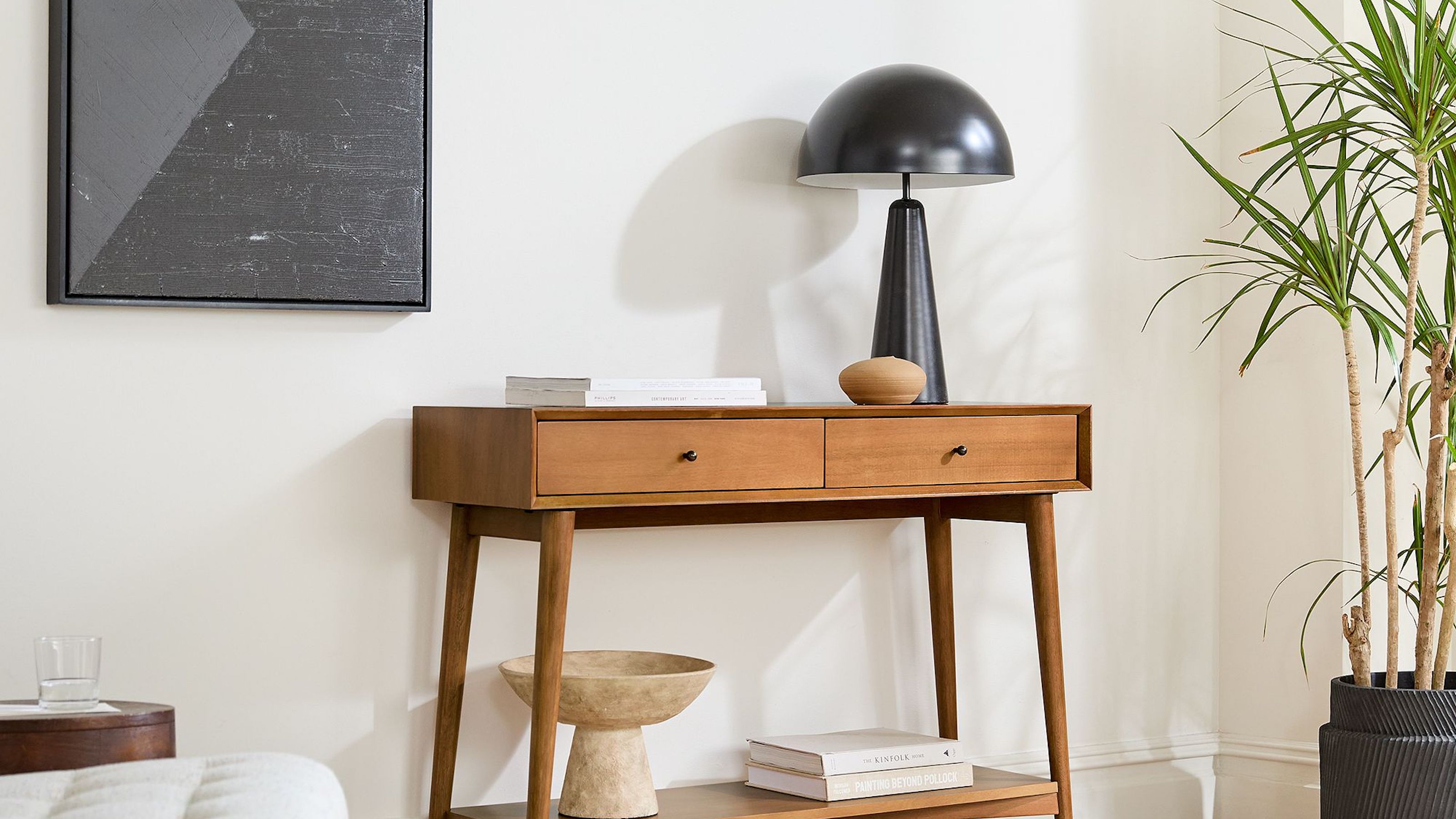
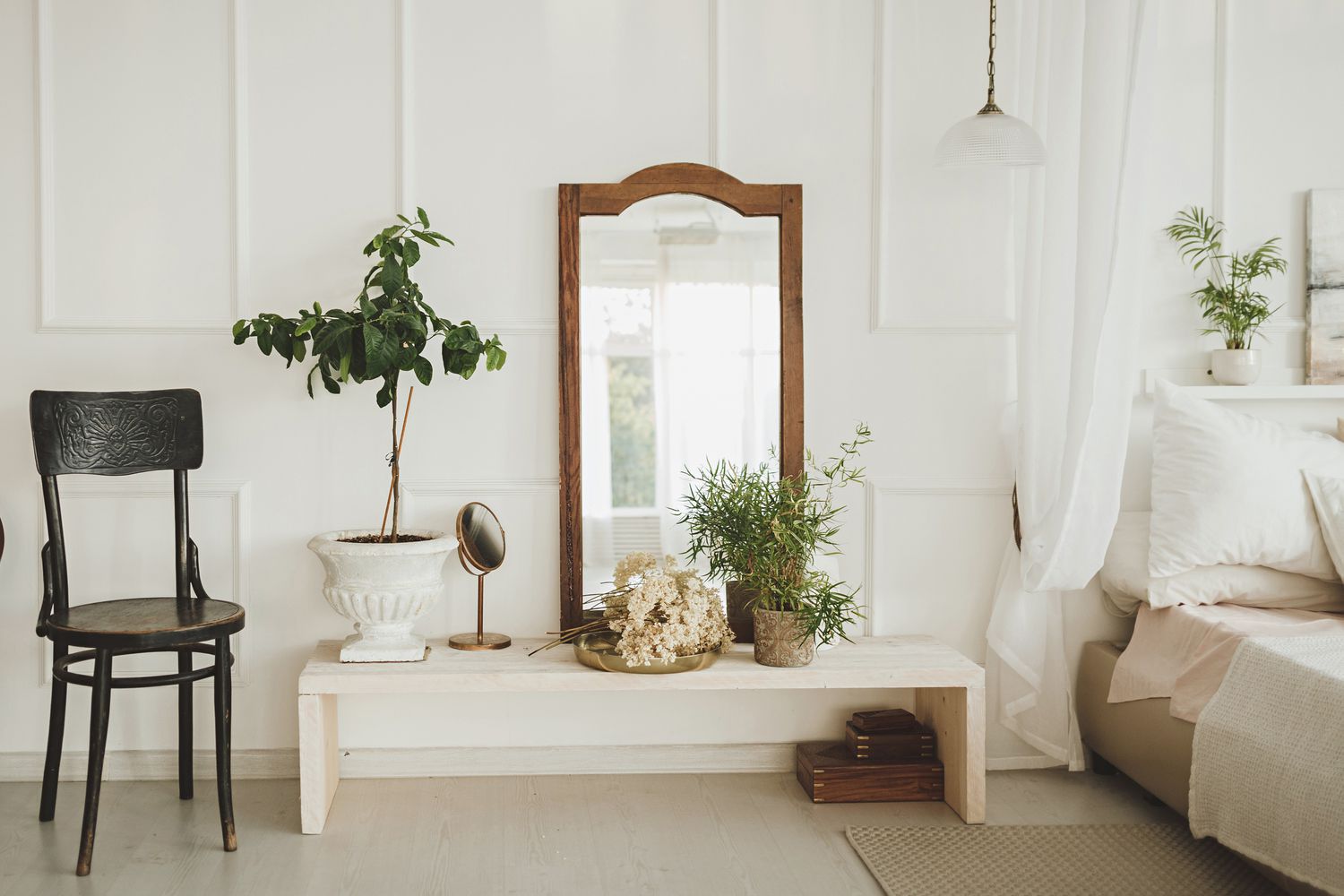
One fundamental approach is to select paint with a high light reflectance value (LRV). Paints with a higher LRV number reflect more light back into the room, making the space appear brighter. Complementing this with appropriate wall decor ideas can further enhance the effect. Reducing shadows is another key technique. This can be achieved by choosing entryway furniture that is elevated or features slender legs, allowing light to flow underneath and around pieces, thus preventing dark, shadowed areas.
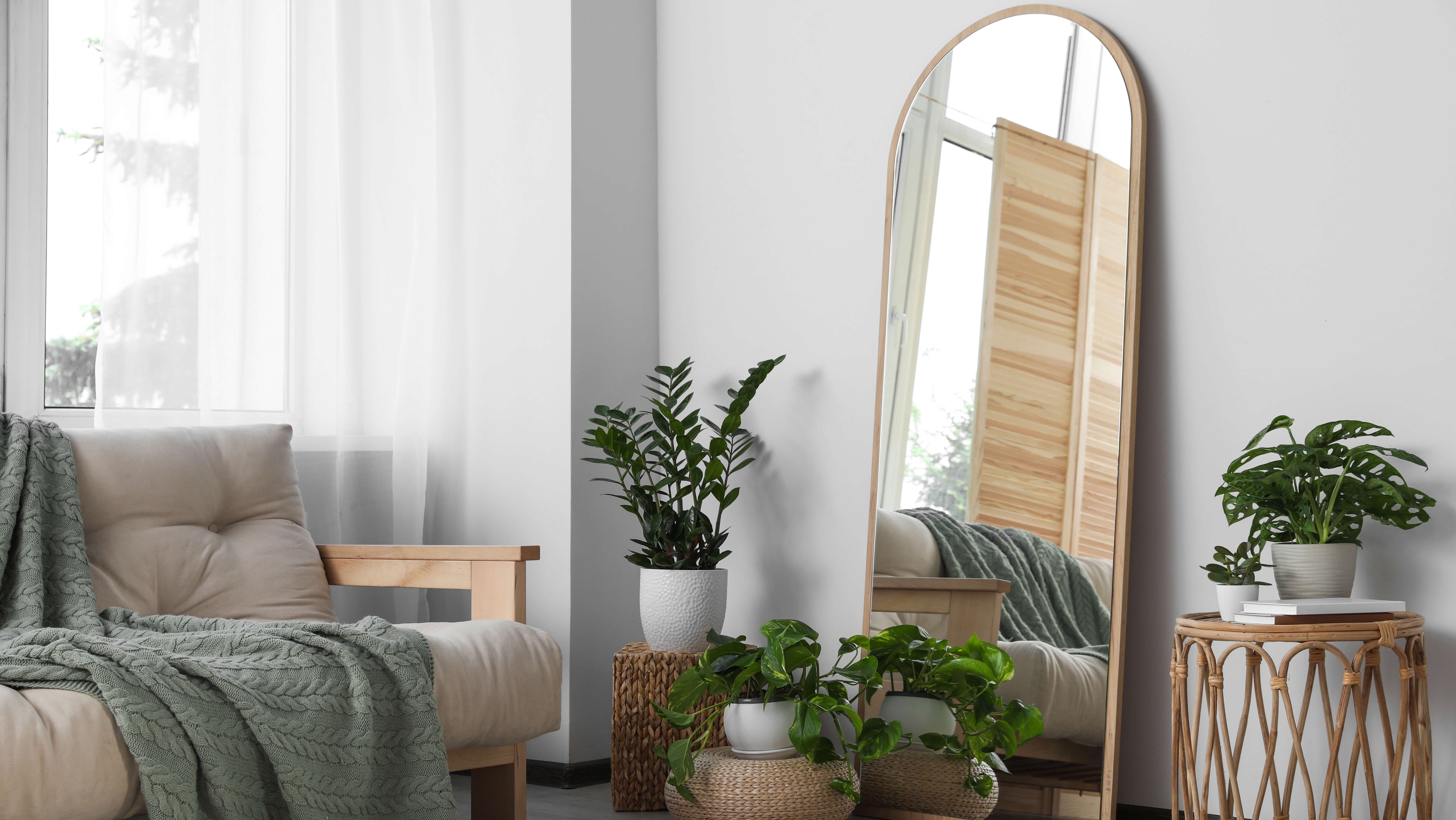
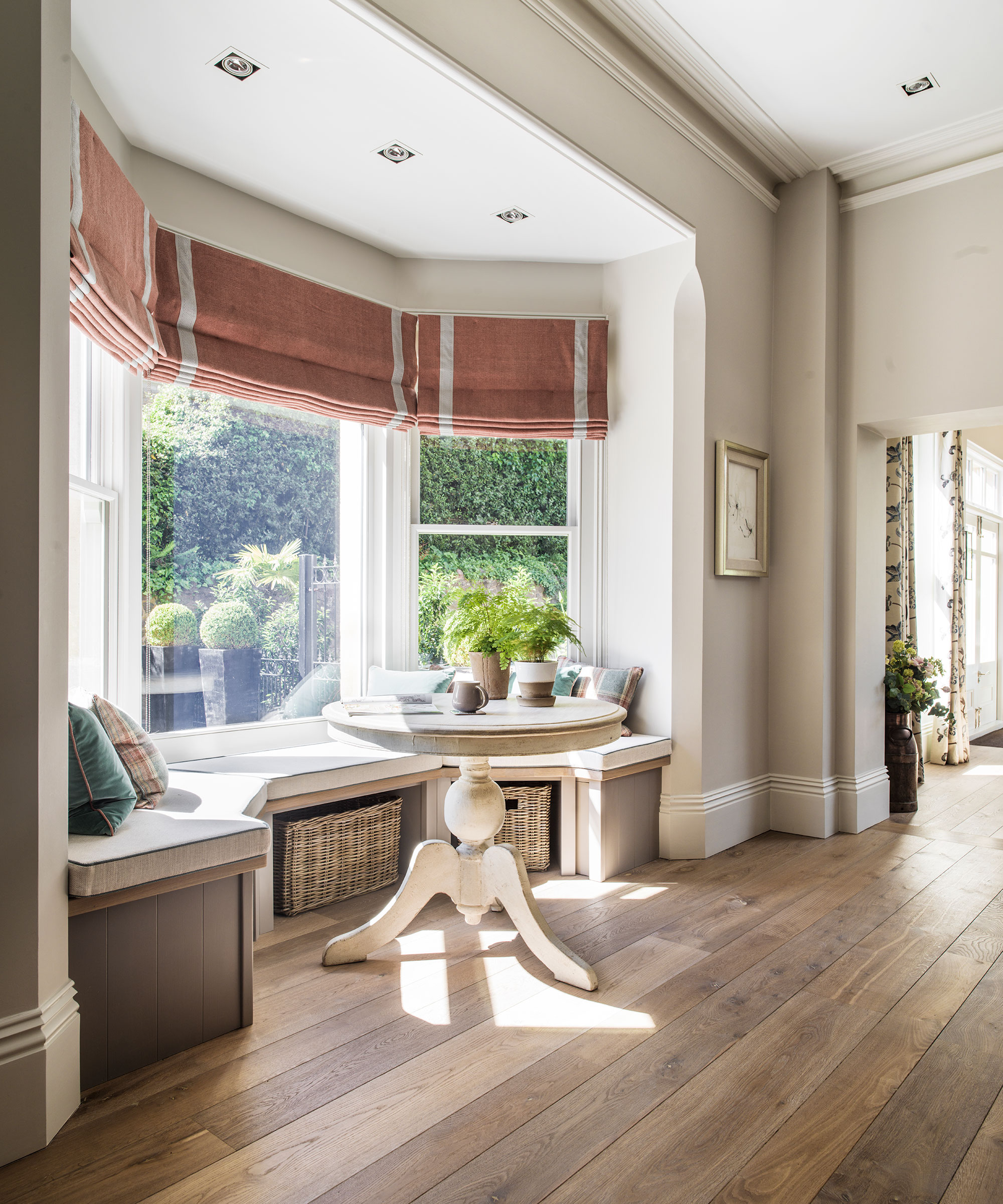
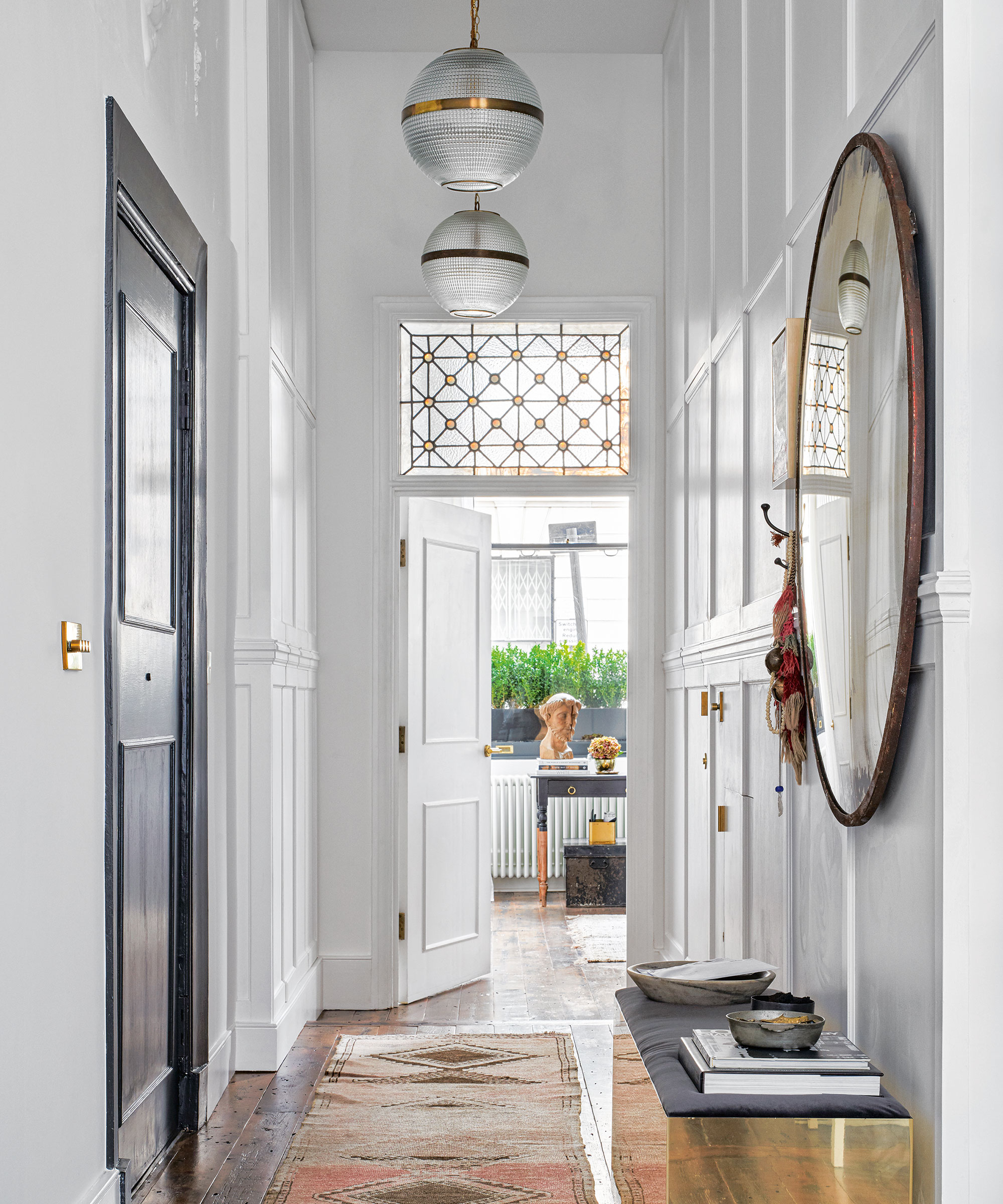
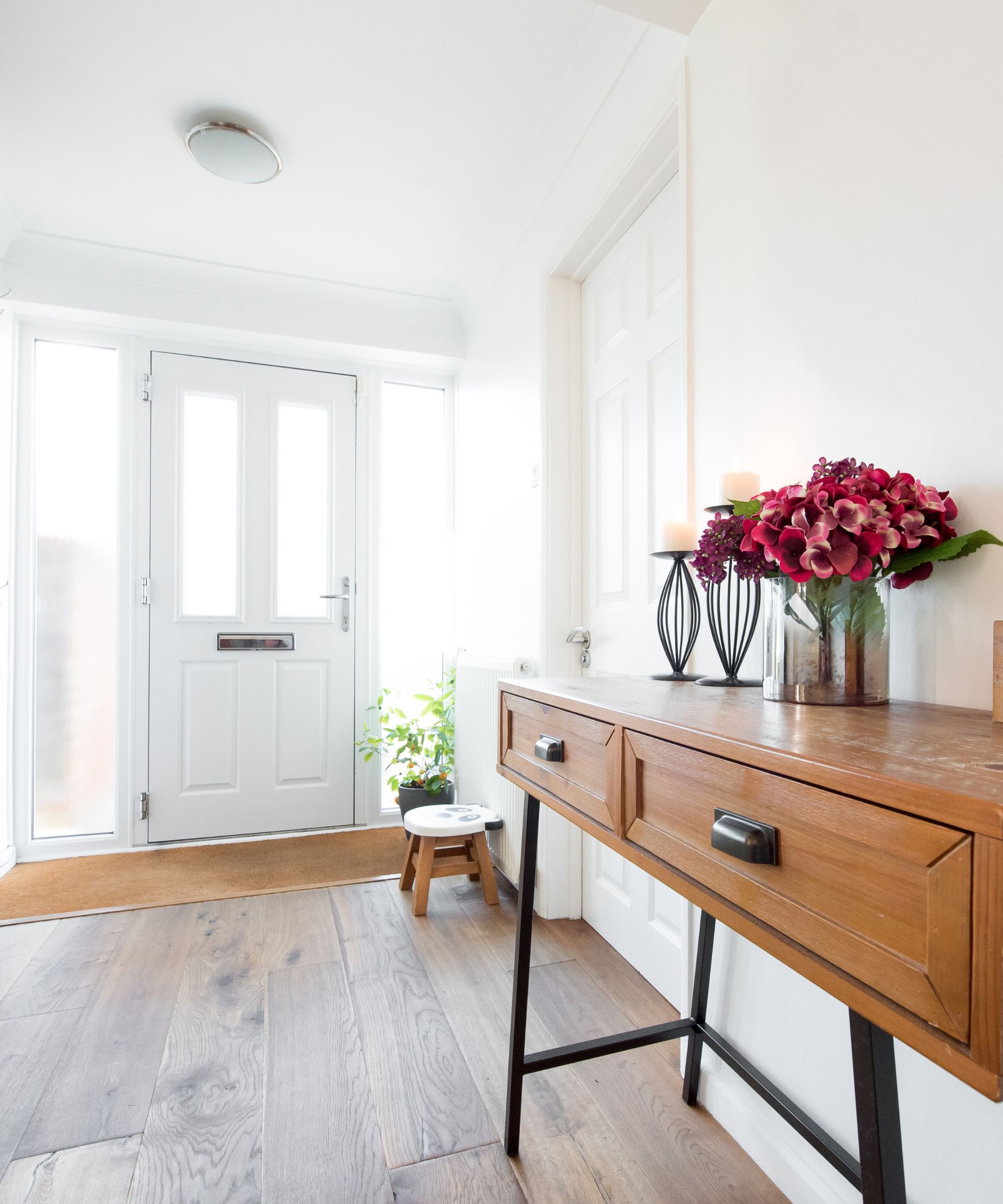
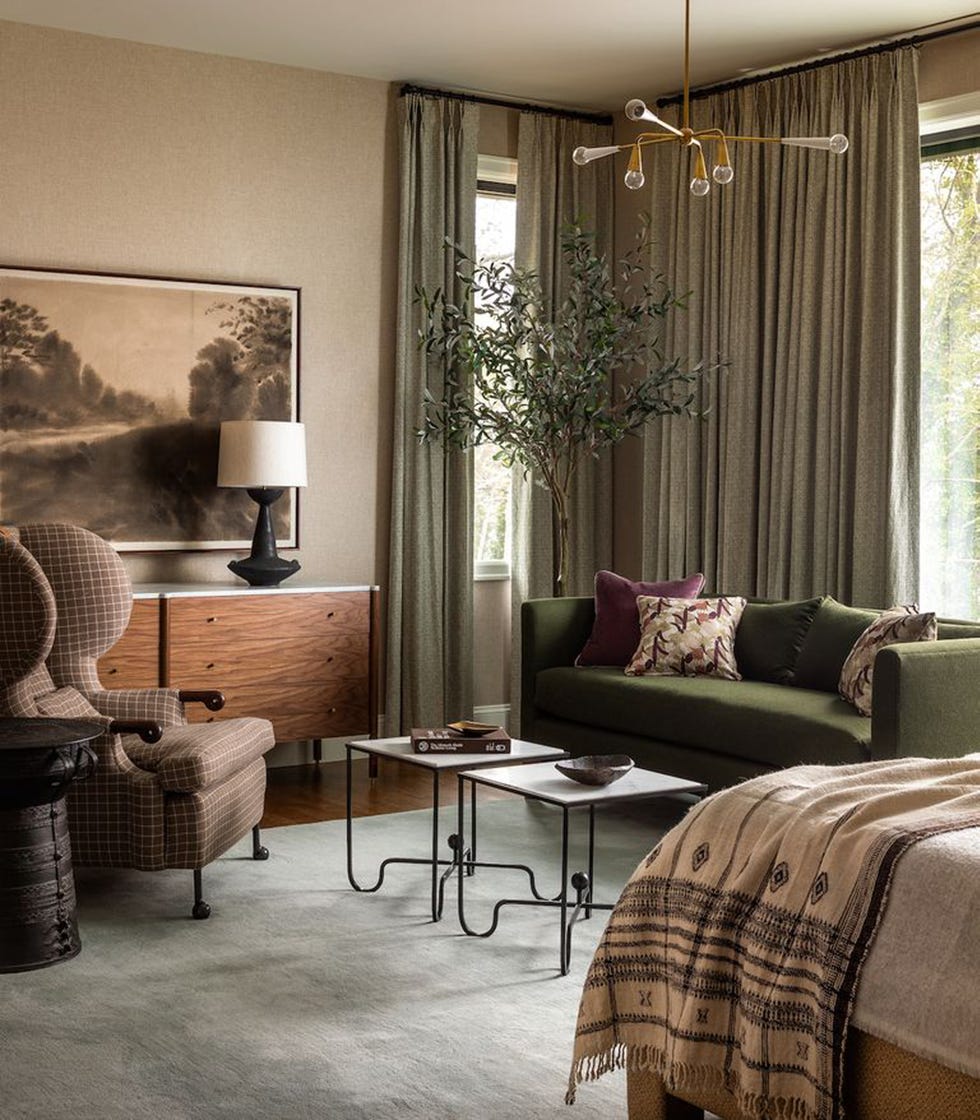
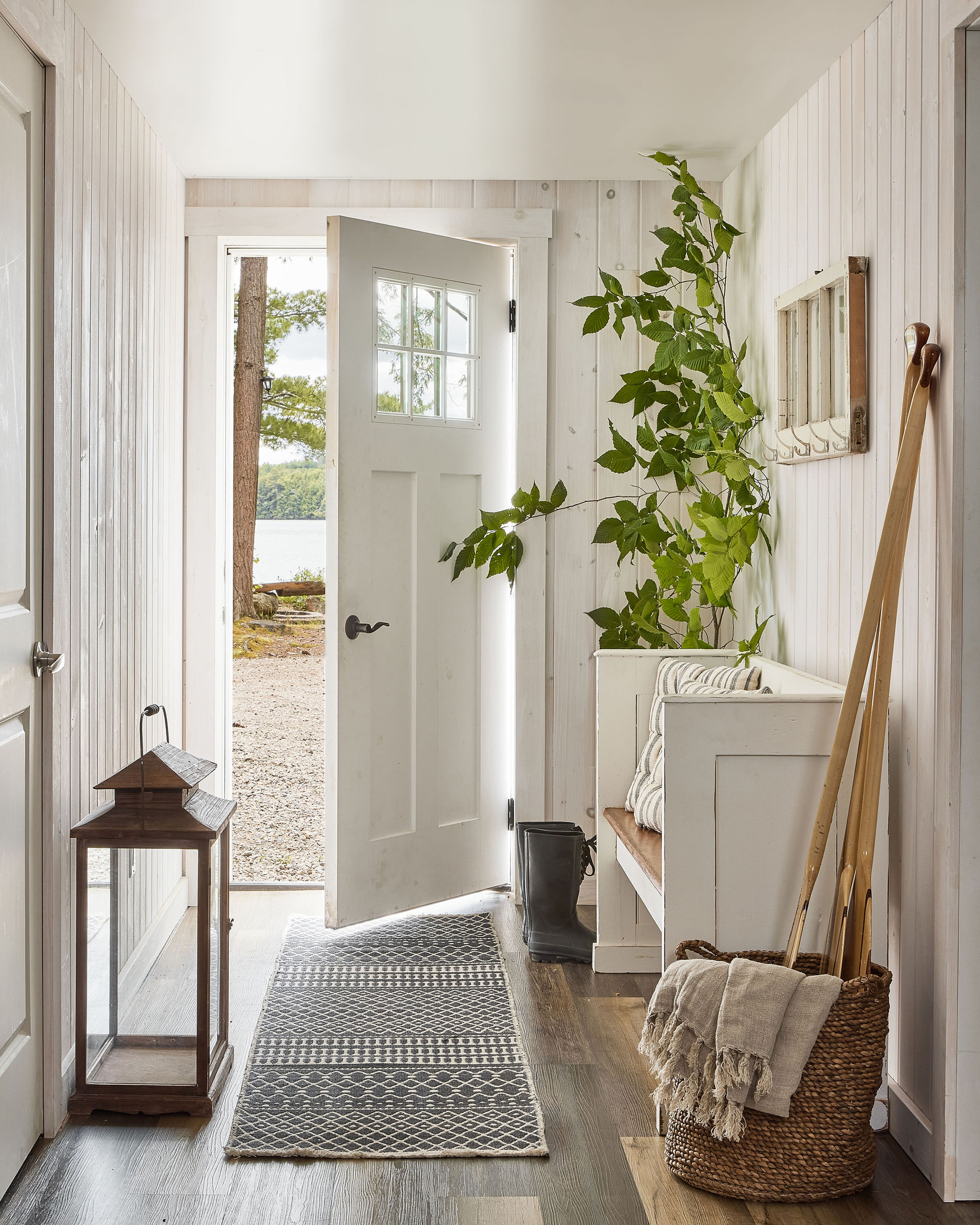
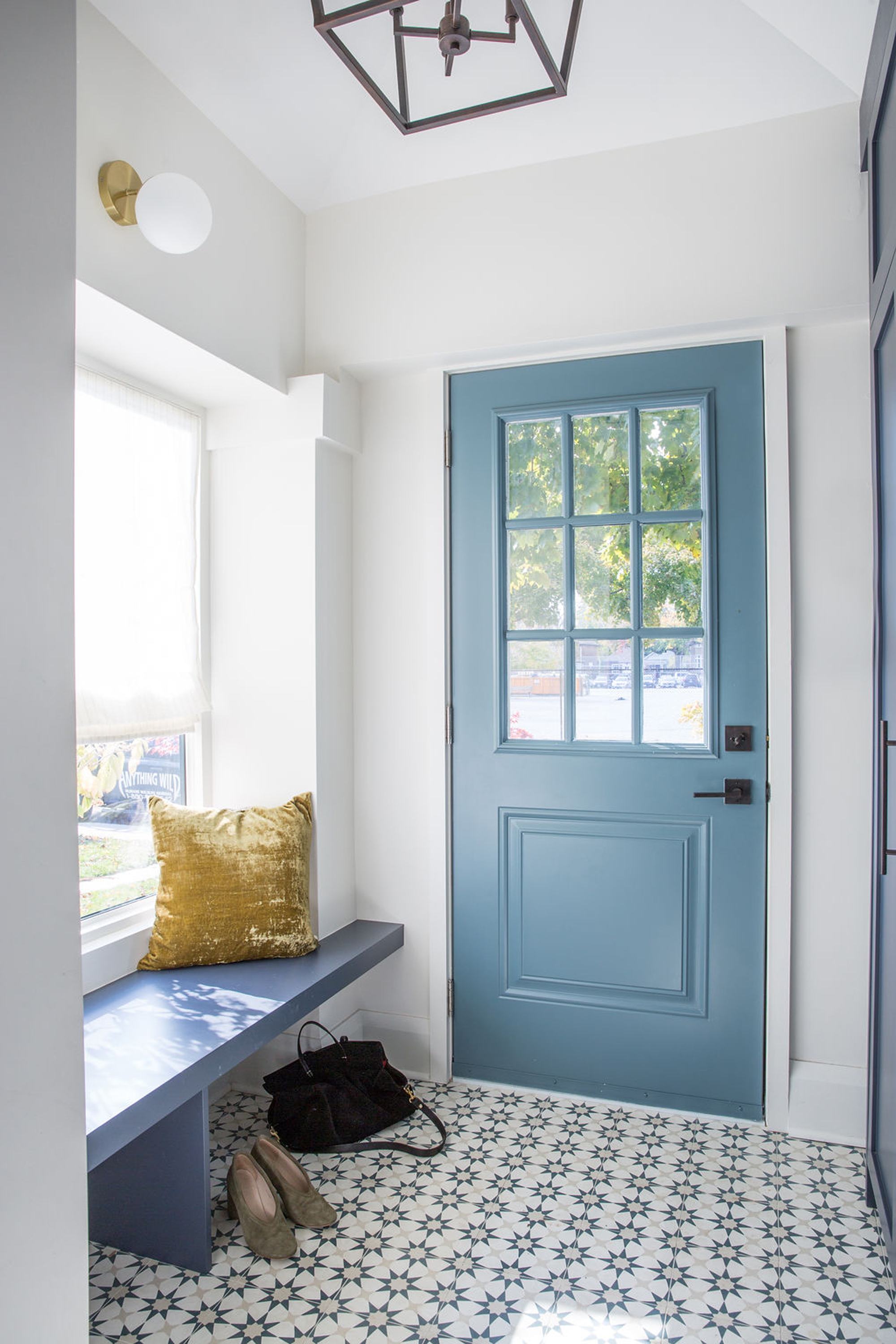
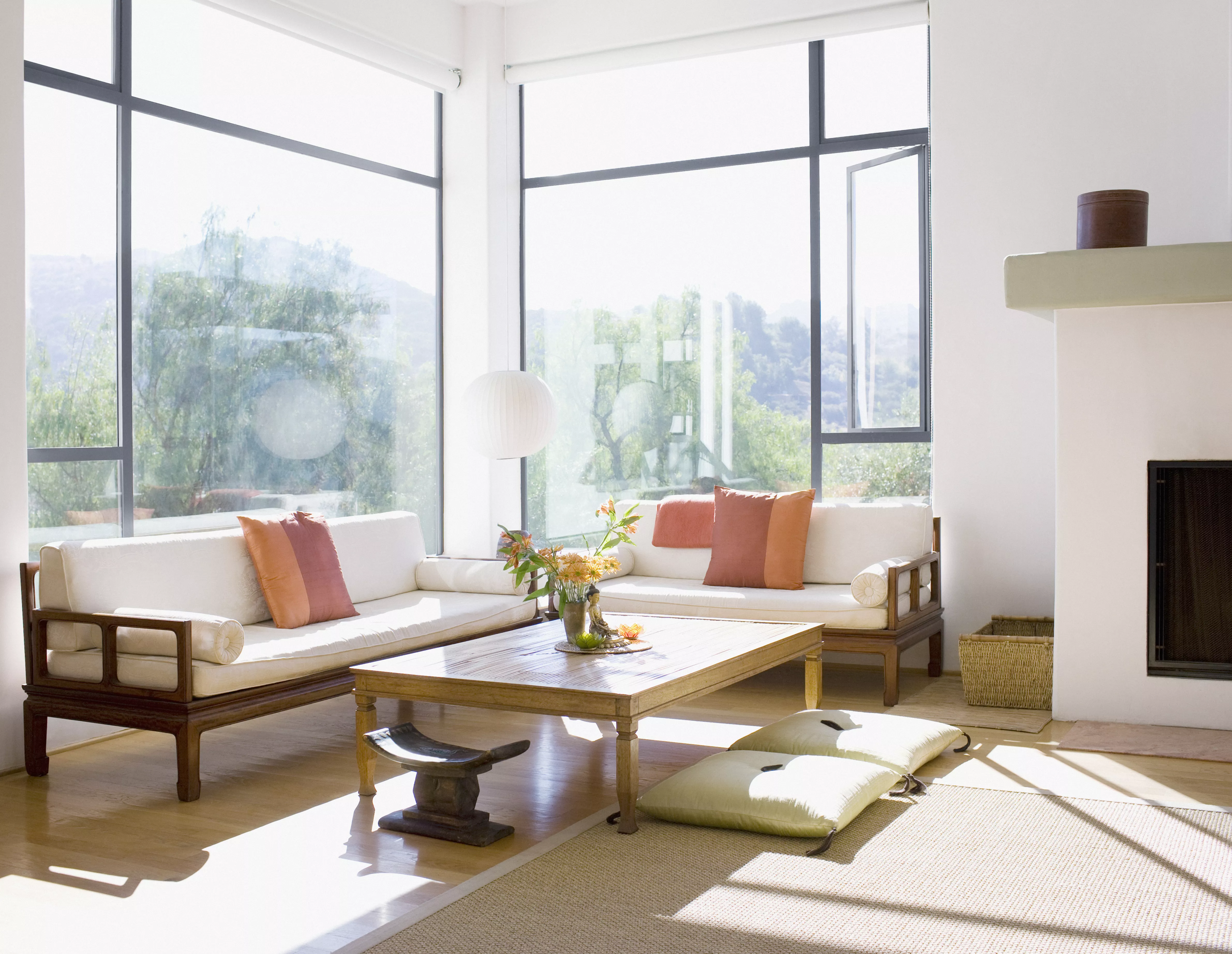
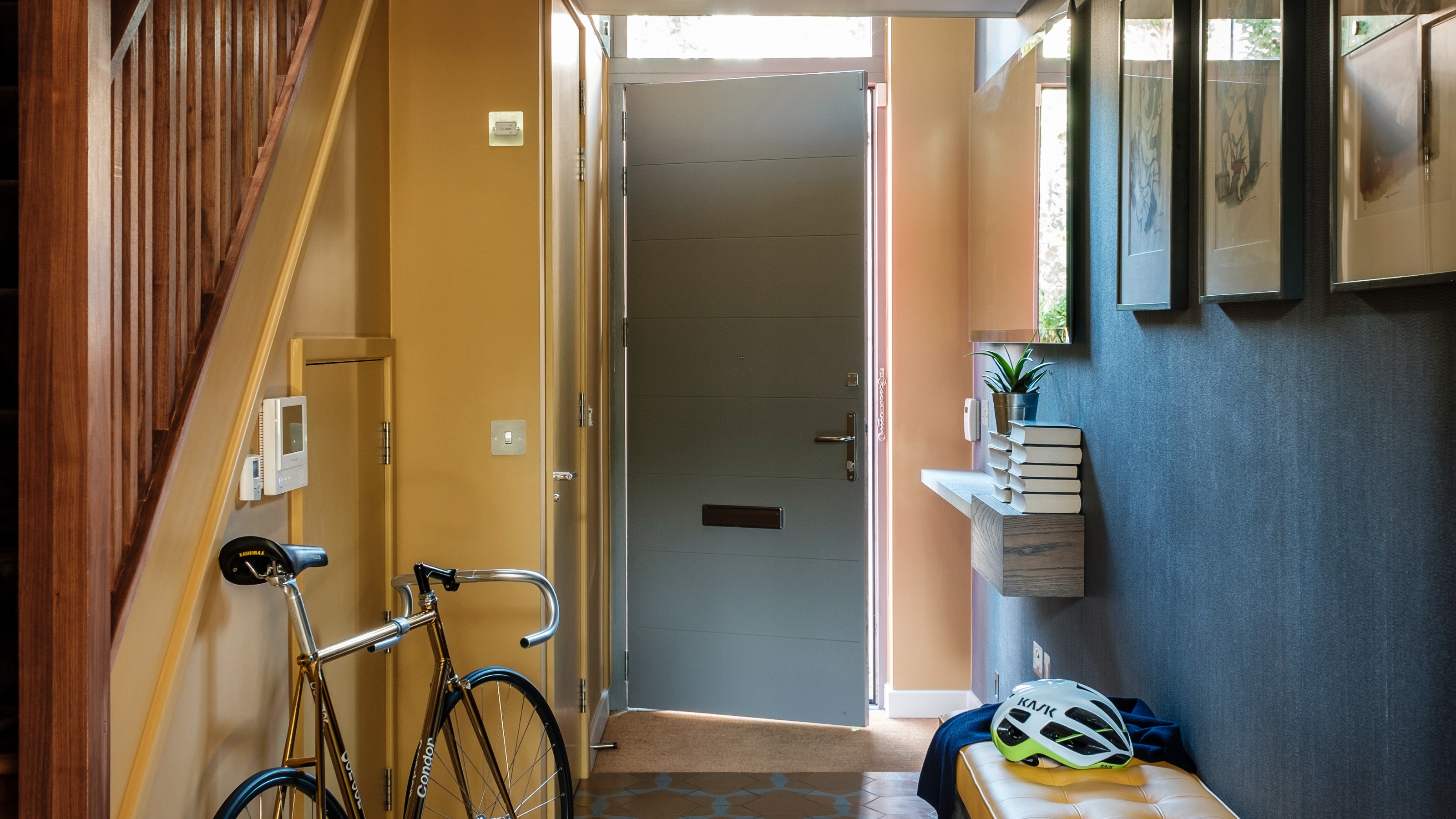
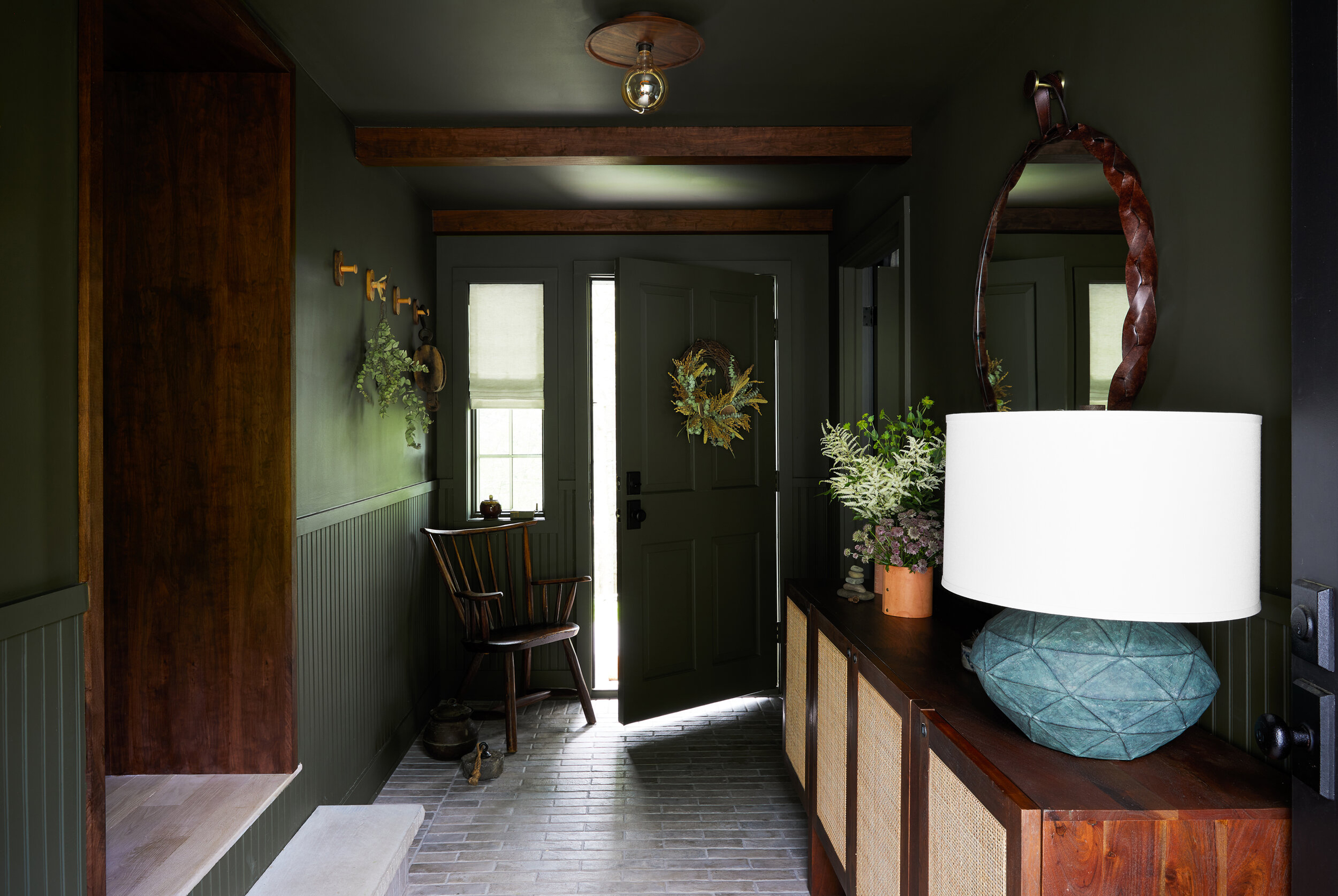
Replacing a solid front door with one that incorporates a glass panel is a highly effective way to introduce more natural light. This design change can instantly brighten a confined entryway, creating a warmer and more inviting atmosphere. Further enhancing this, the addition of sidelights and a transom above the door can significantly improve light flow throughout the home. For entryways with existing windows, careful consideration of window treatments is important. Lightweight, sheer curtains or blinds can provide privacy while still allowing light to penetrate. Using tie-backs to gather them during the day will maximize the light entry. Light diffusers, such as vertical slatted screens, can also redirect incoming sunlight, creating a dynamic play of light and shadow that visually elongates the space.
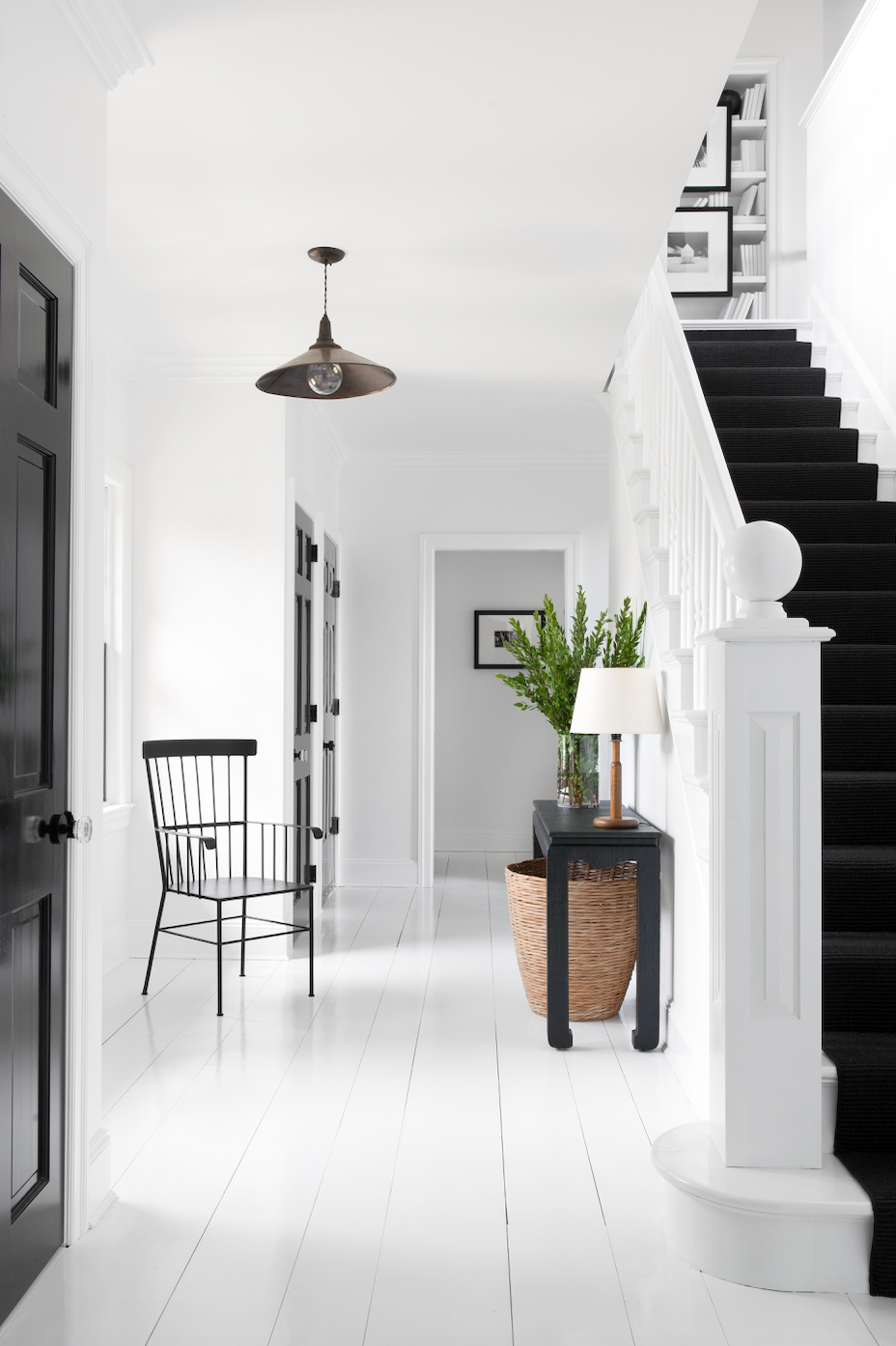
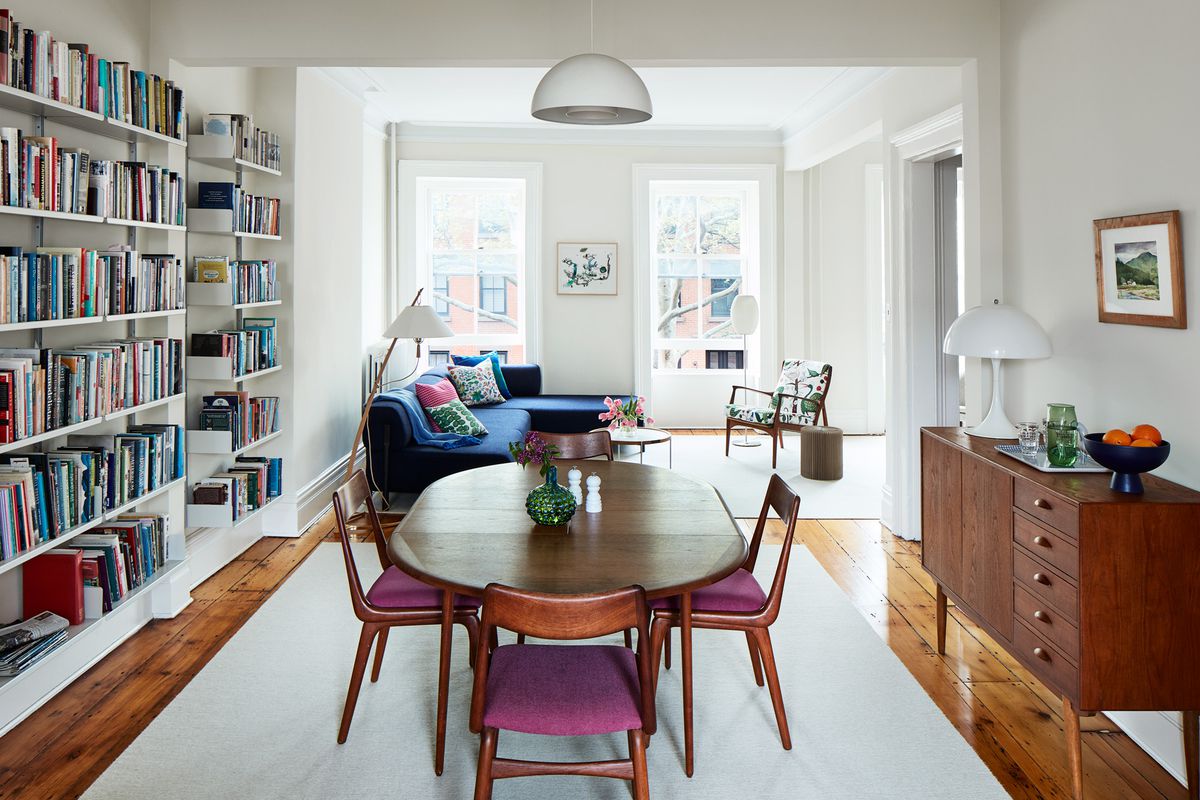
Flooring choices also impact light reflection. Opting for paler hues like light wood, pale stones, or porcelain tile, which minimize light absorption, can make the entryway brighter. Porcelain tiles, in particular, offer the added benefit of reduced maintenance, an advantage in busy households, and large-format tiles reduce grout lines, making cleaning easier. Another innovative strategy is to 'borrow light' from adjacent spaces. Creating a passthrough window between the entryway and a main living area, especially one with large, bright windows, allows light from the adjoining room to illuminate the entryway, eliminating the barrier of a solid wall.
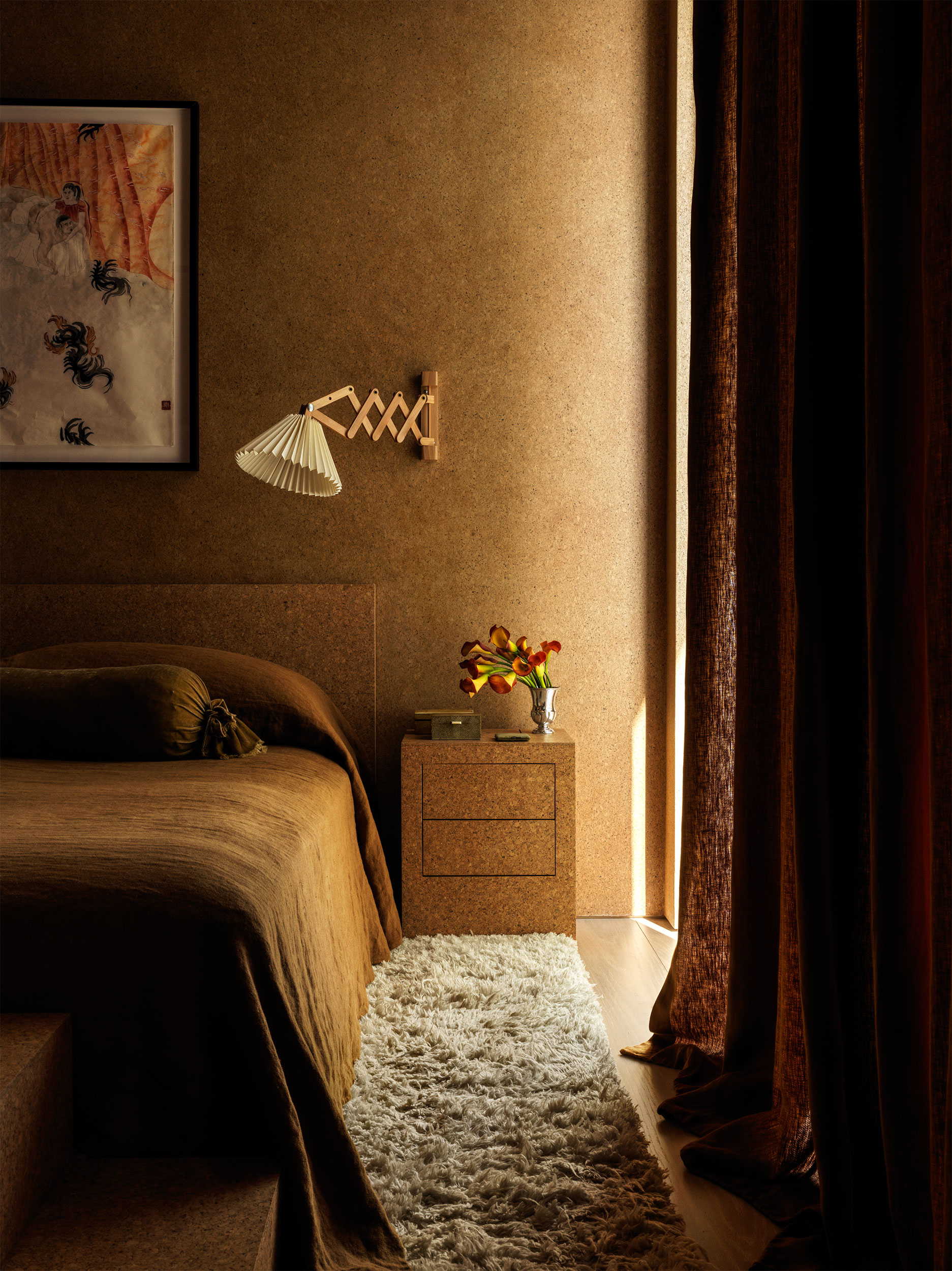
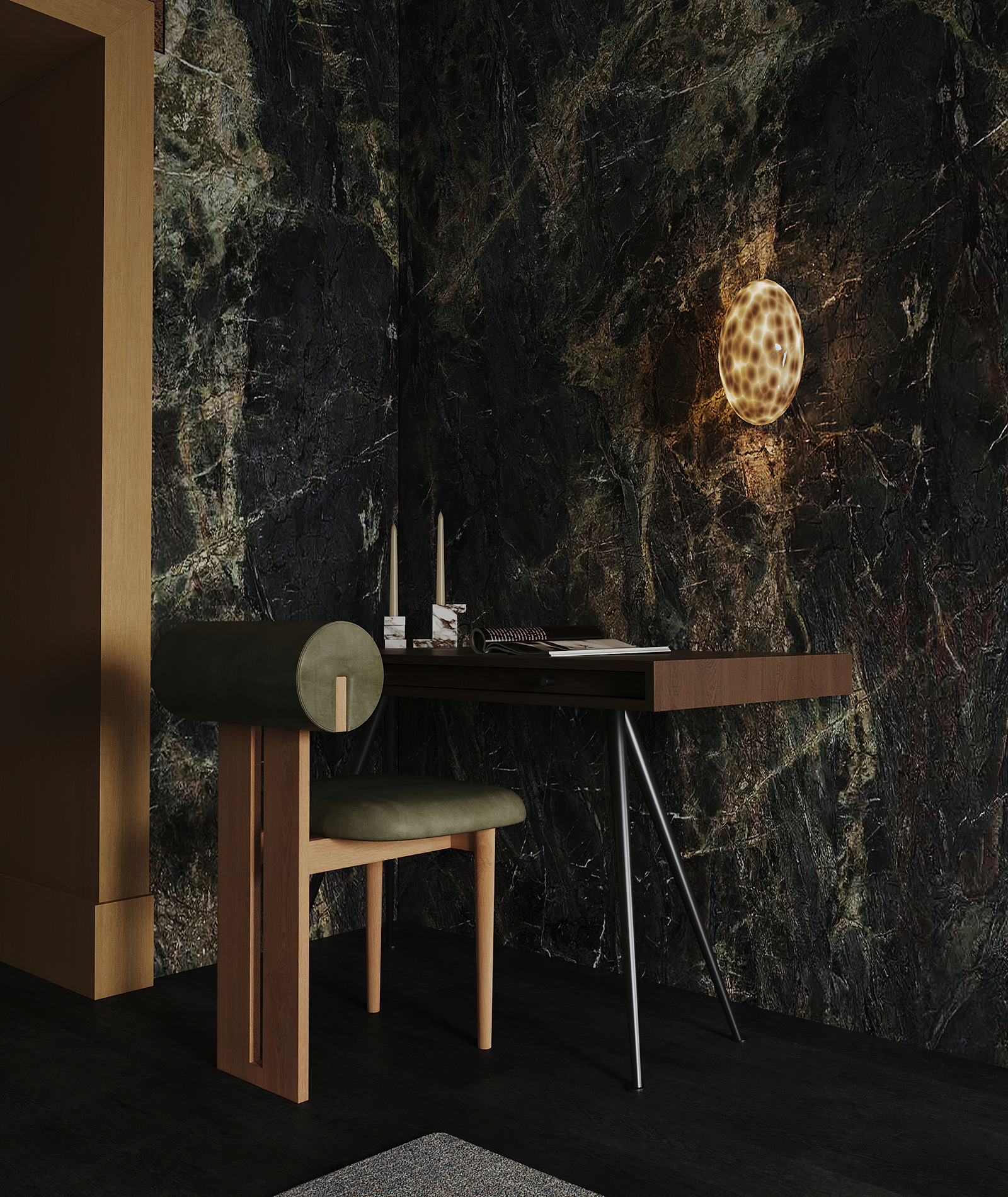
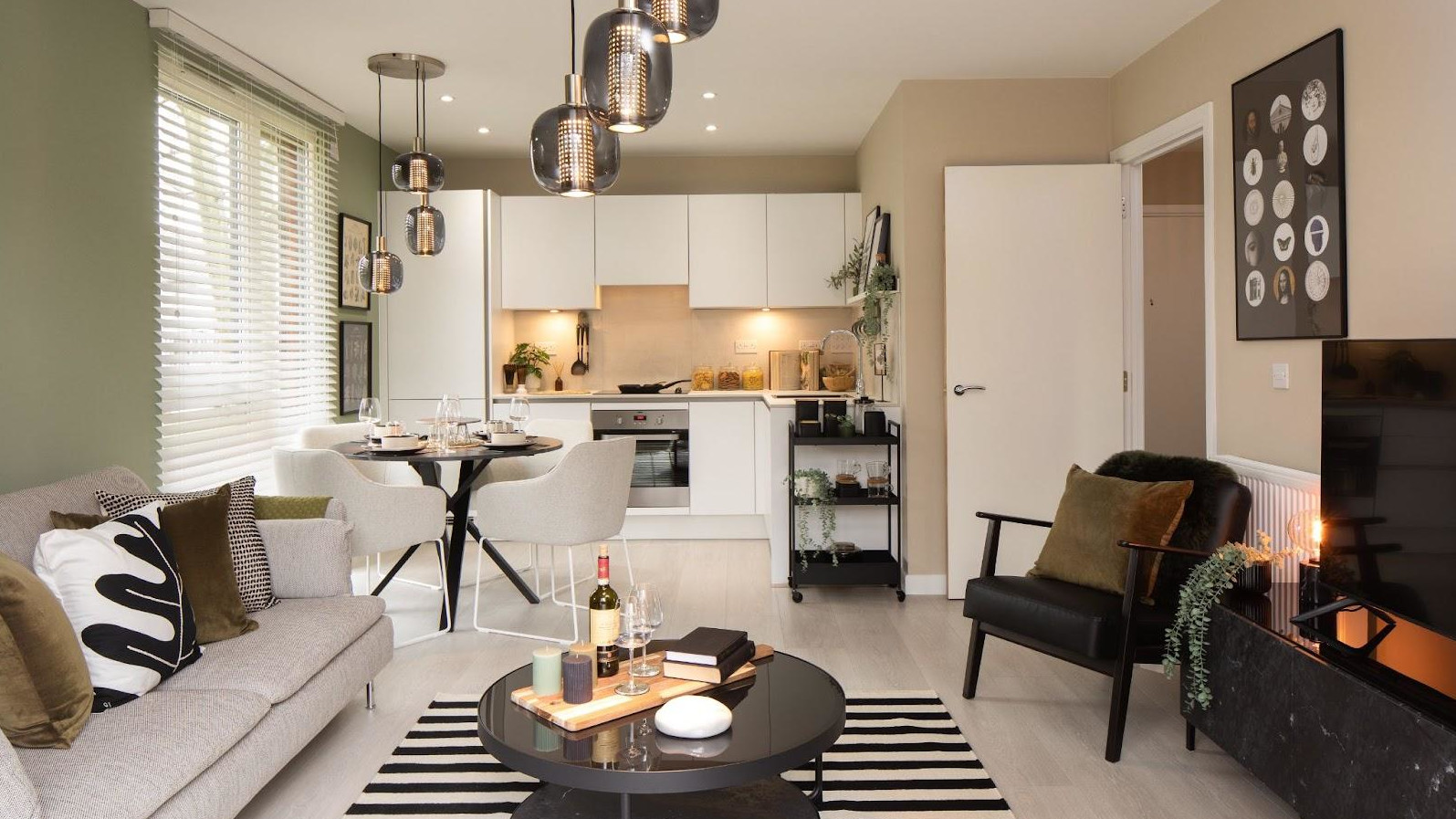
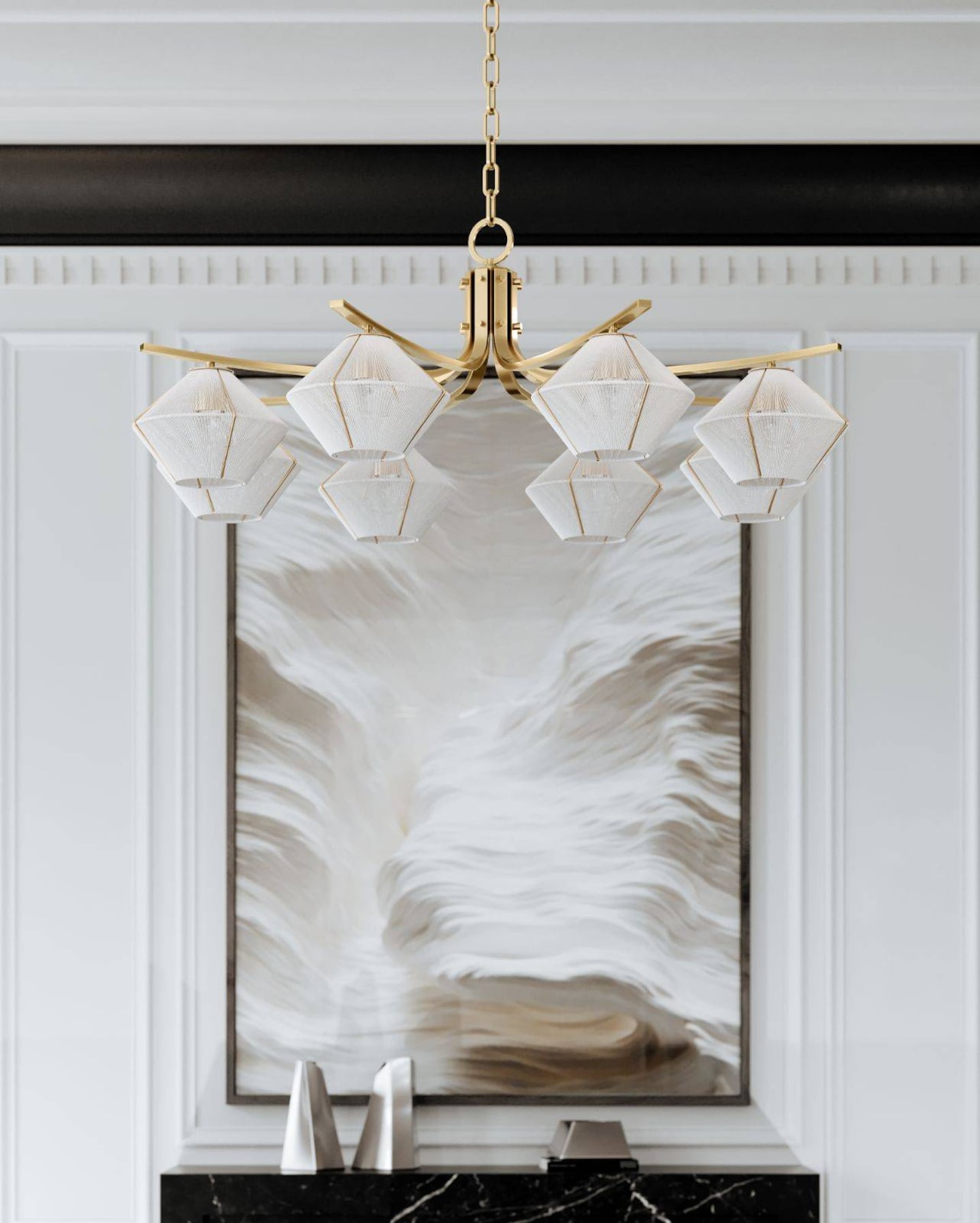
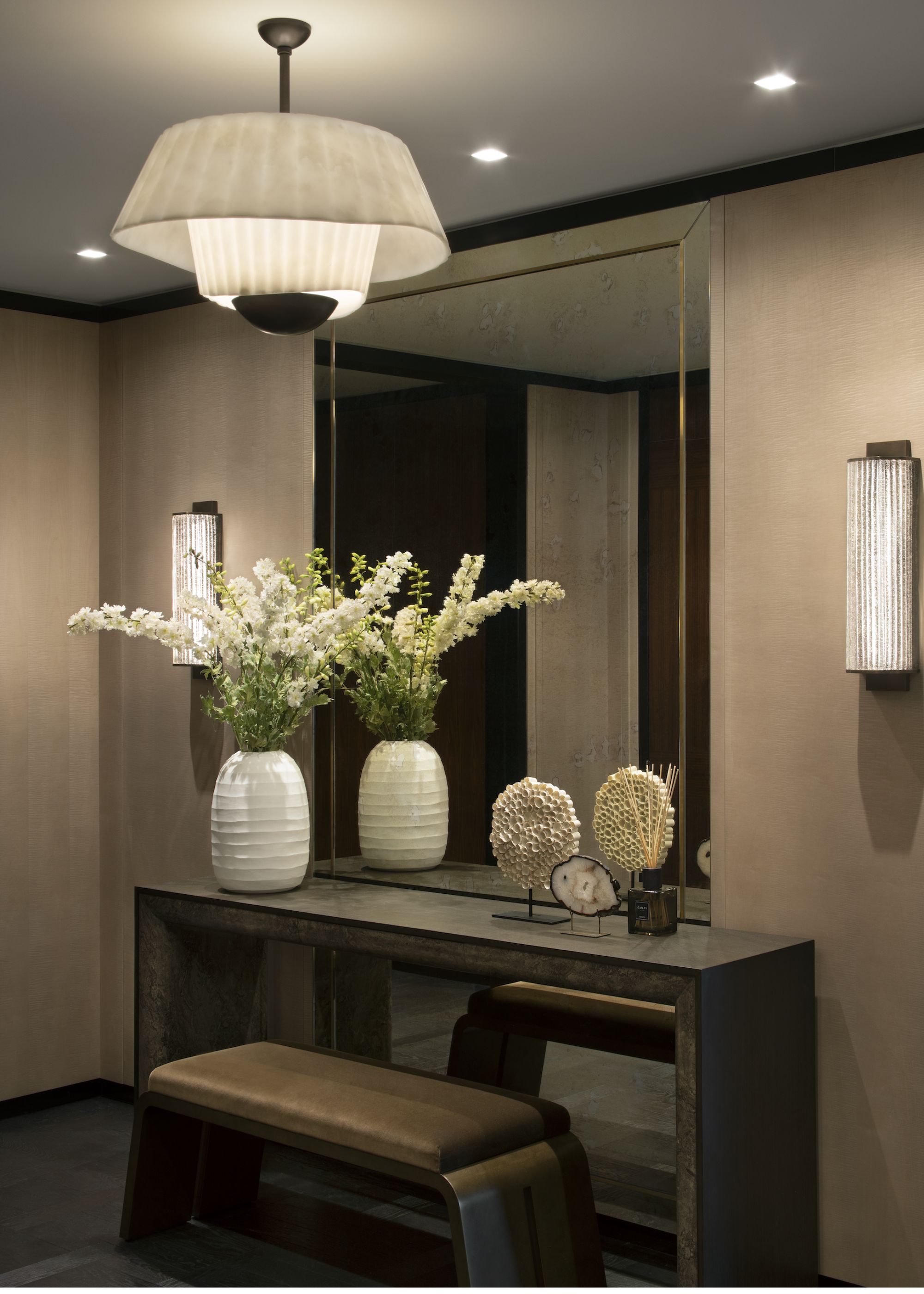
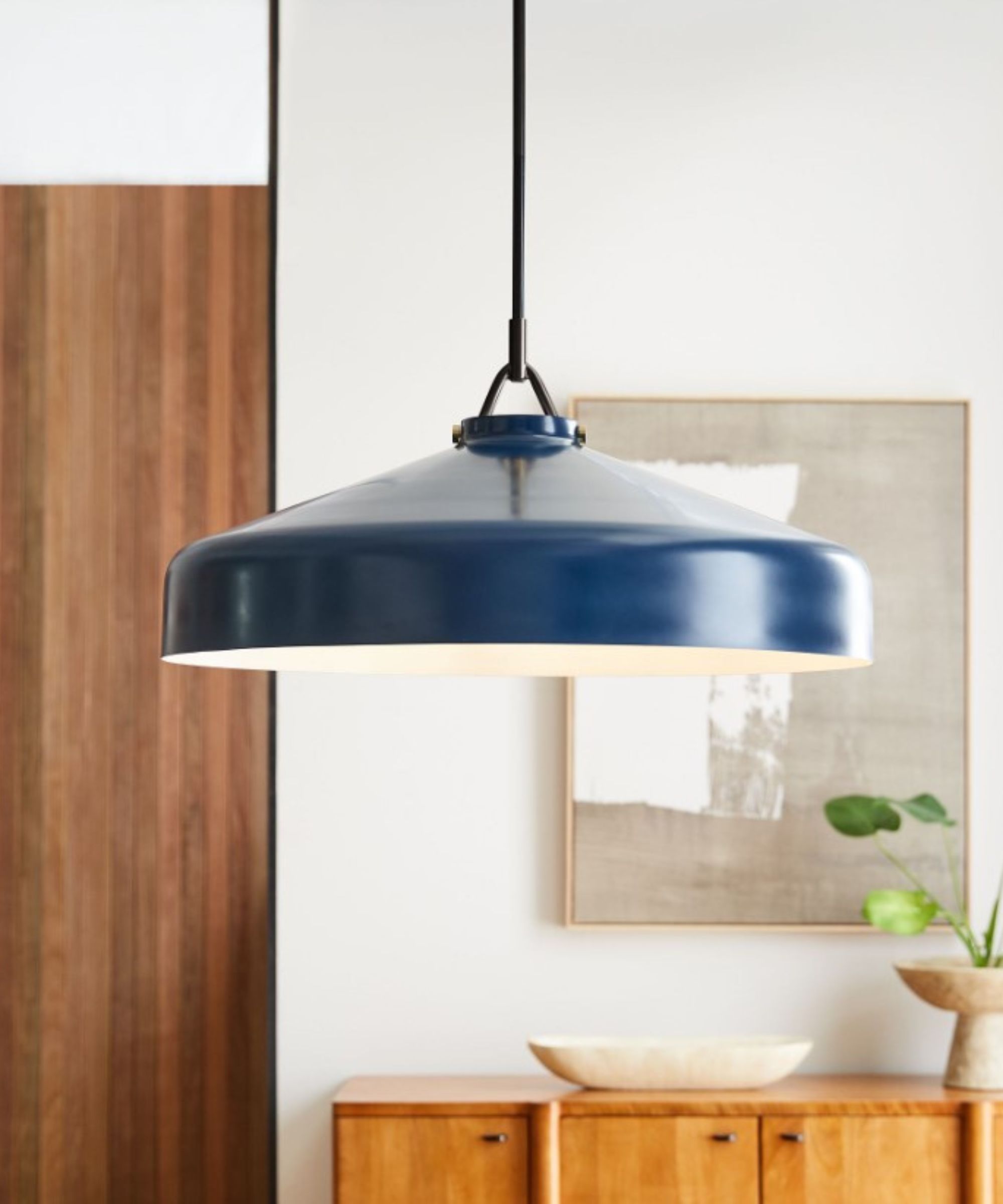
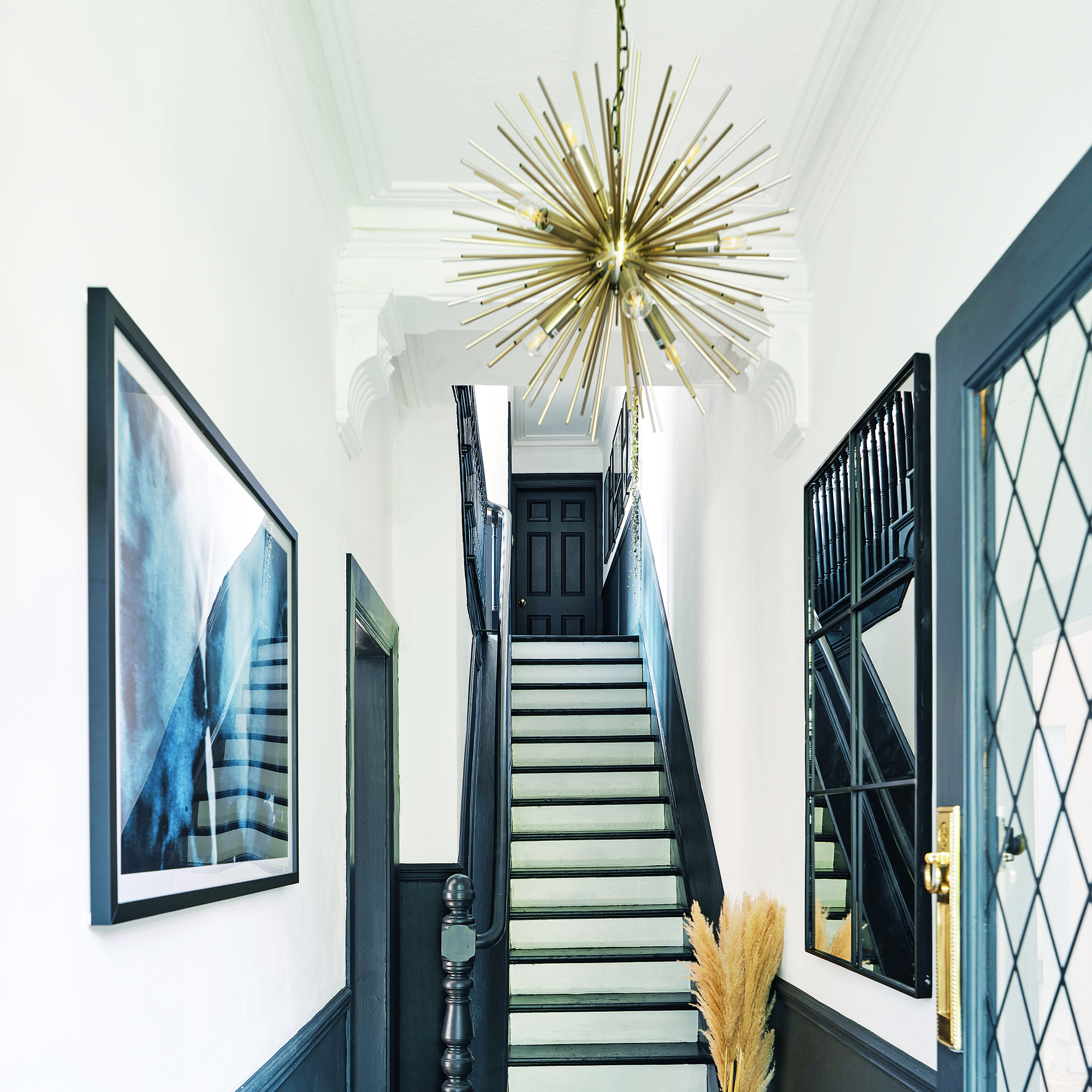
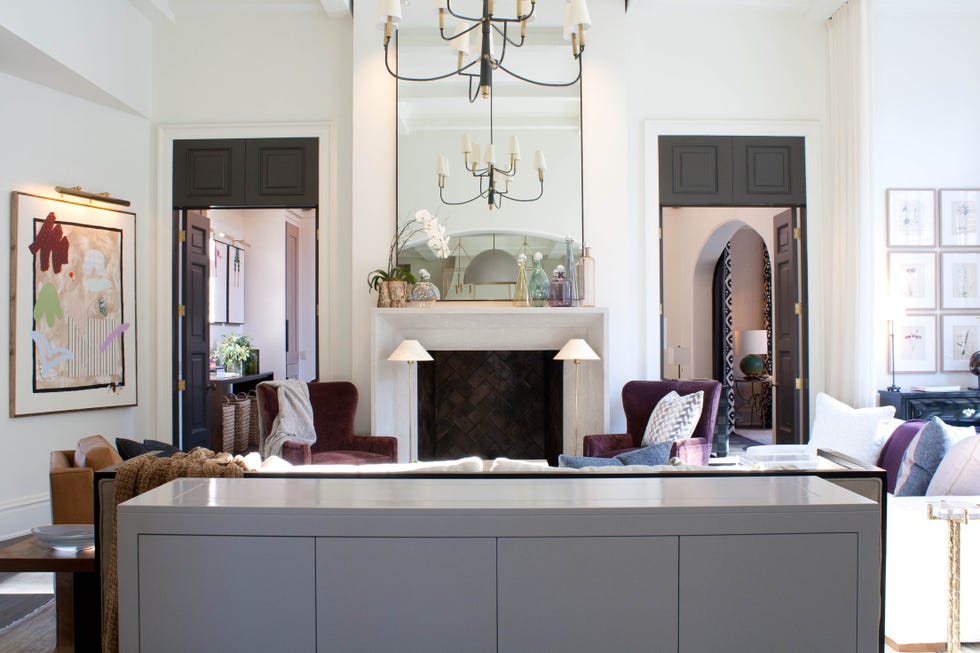
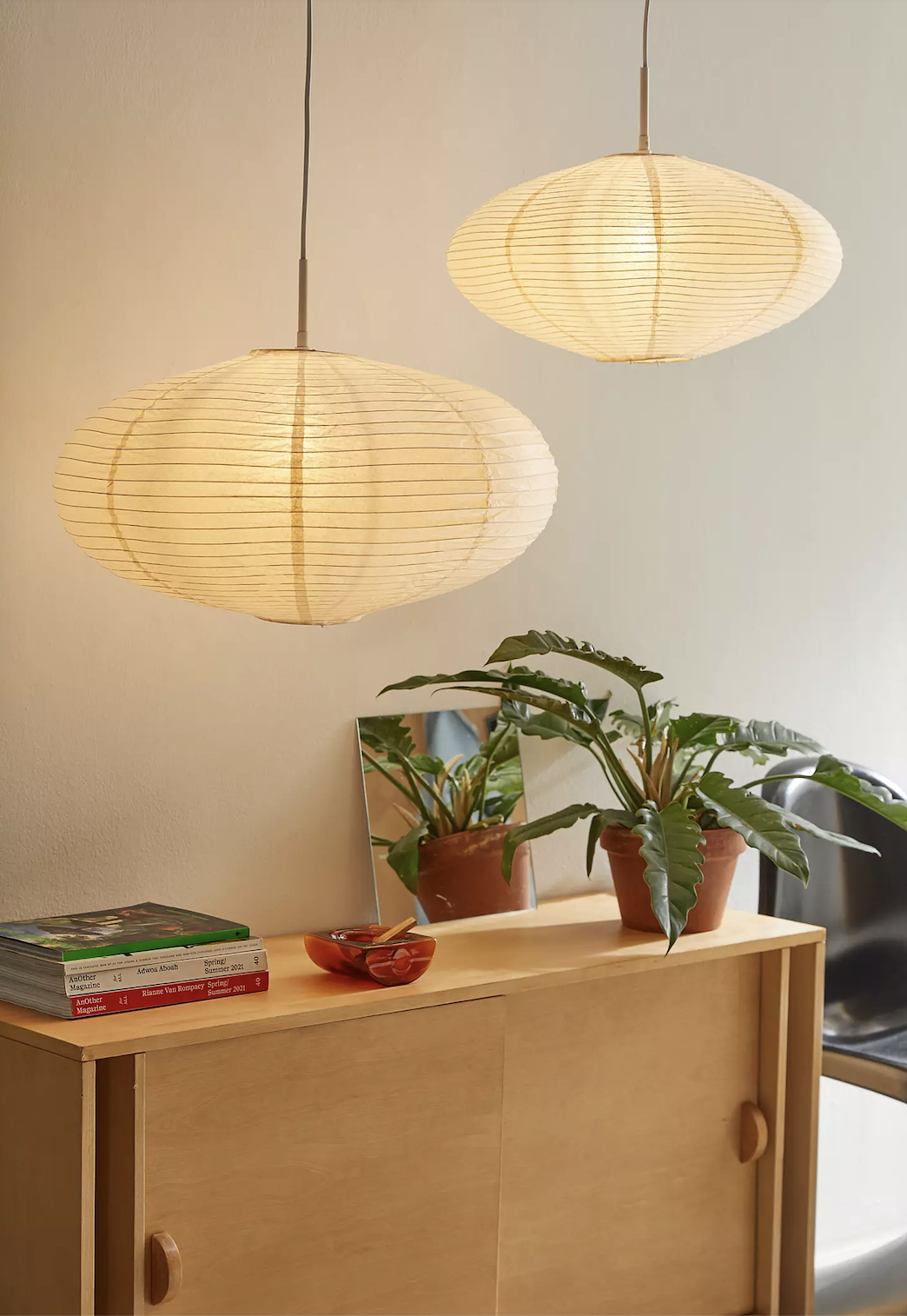
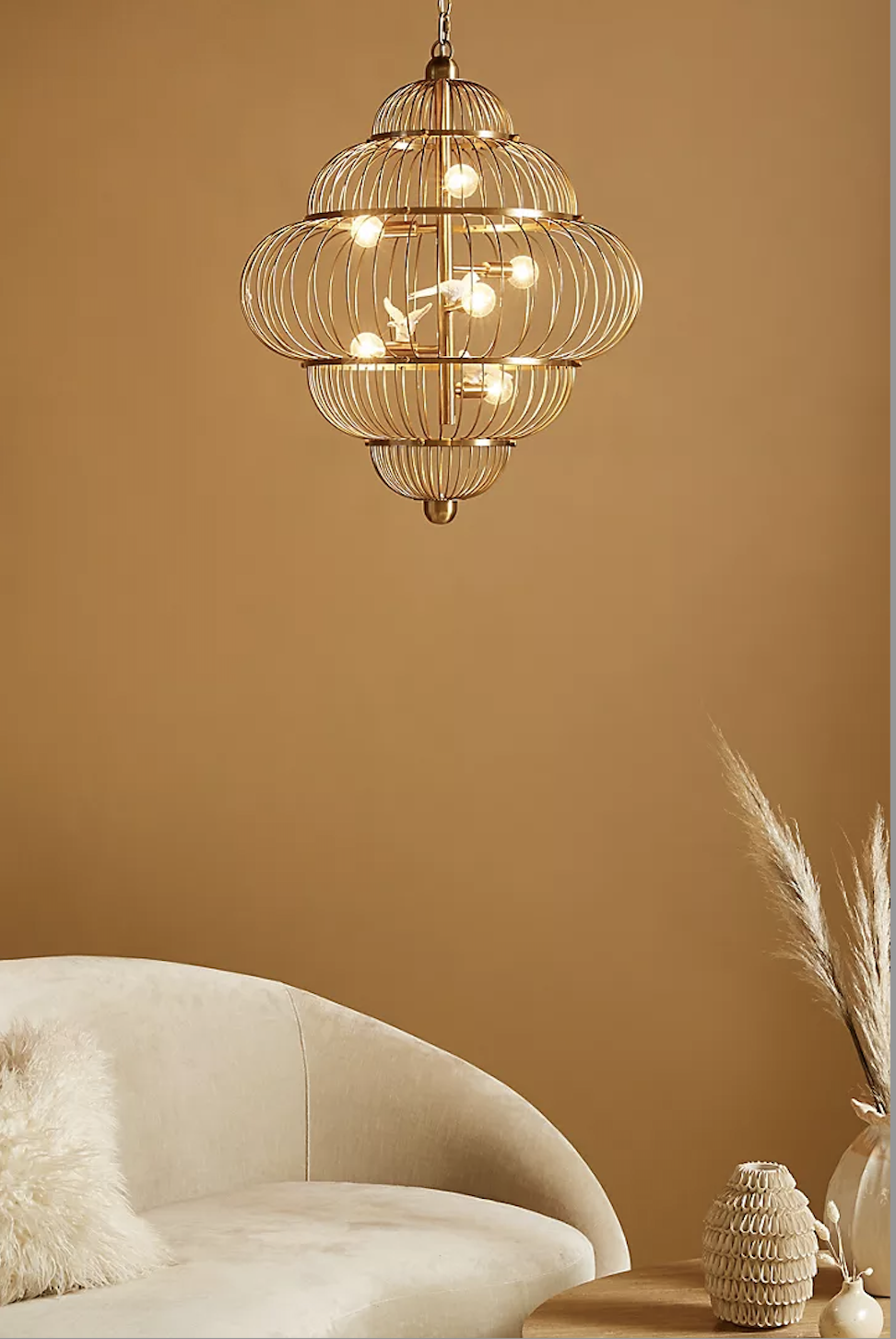
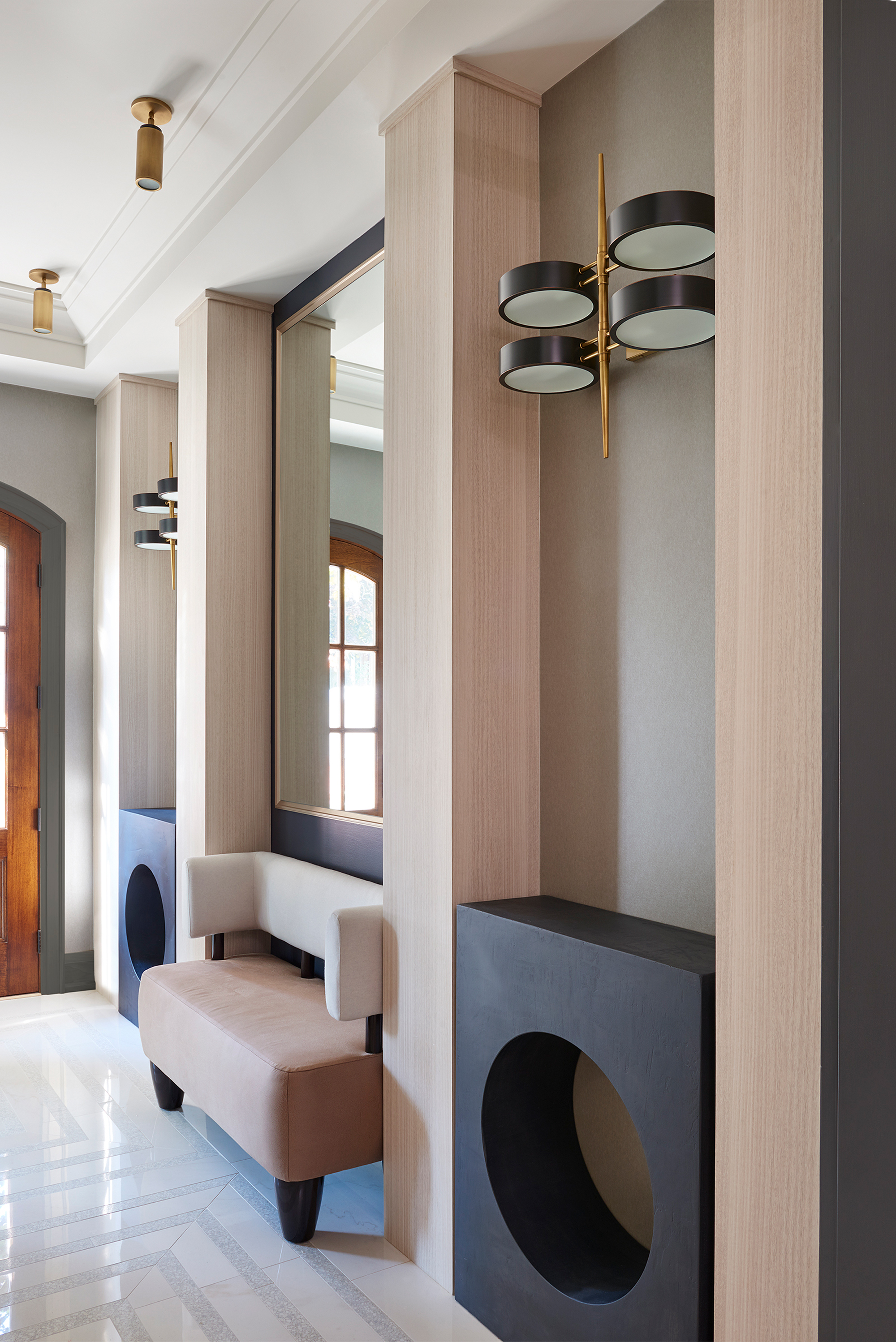
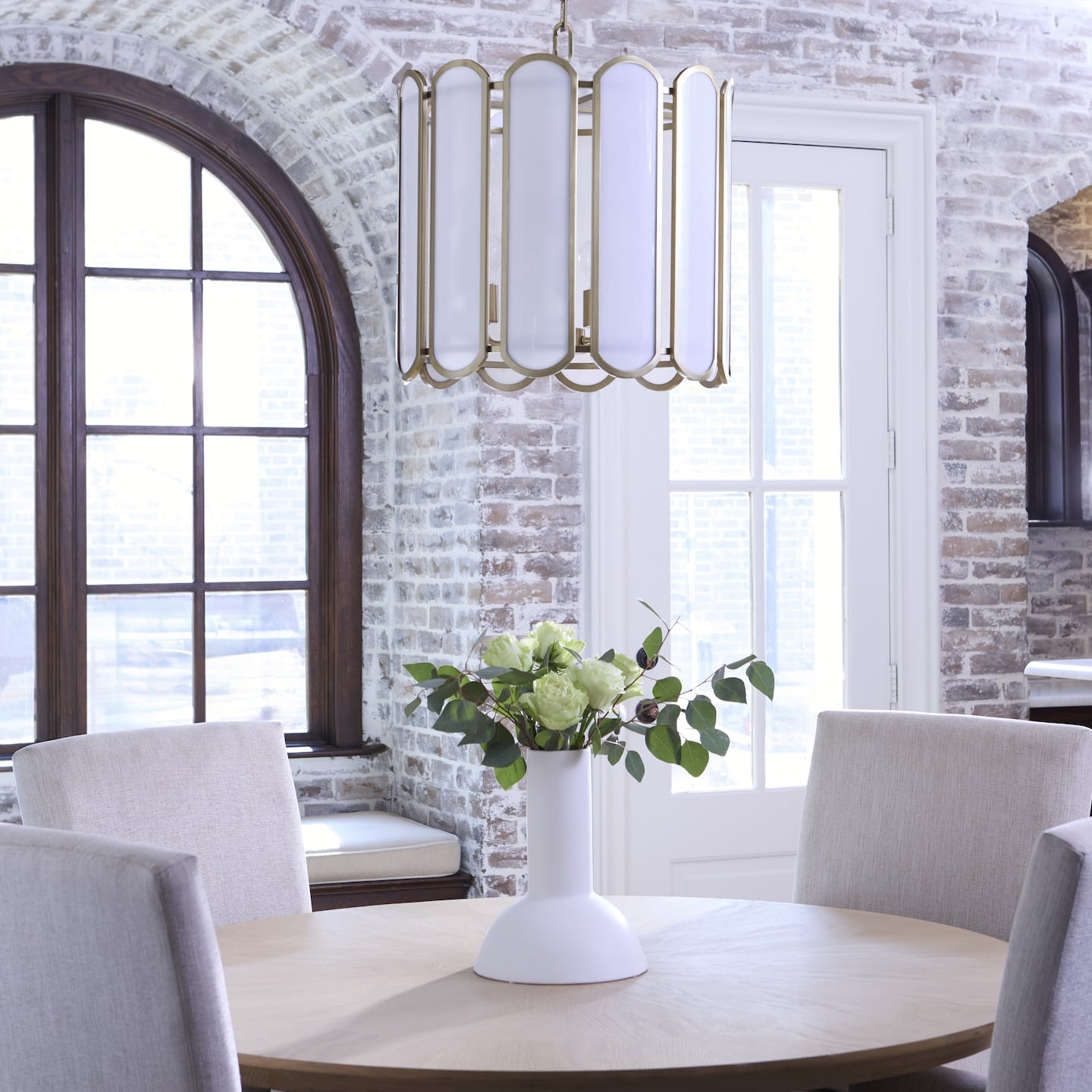
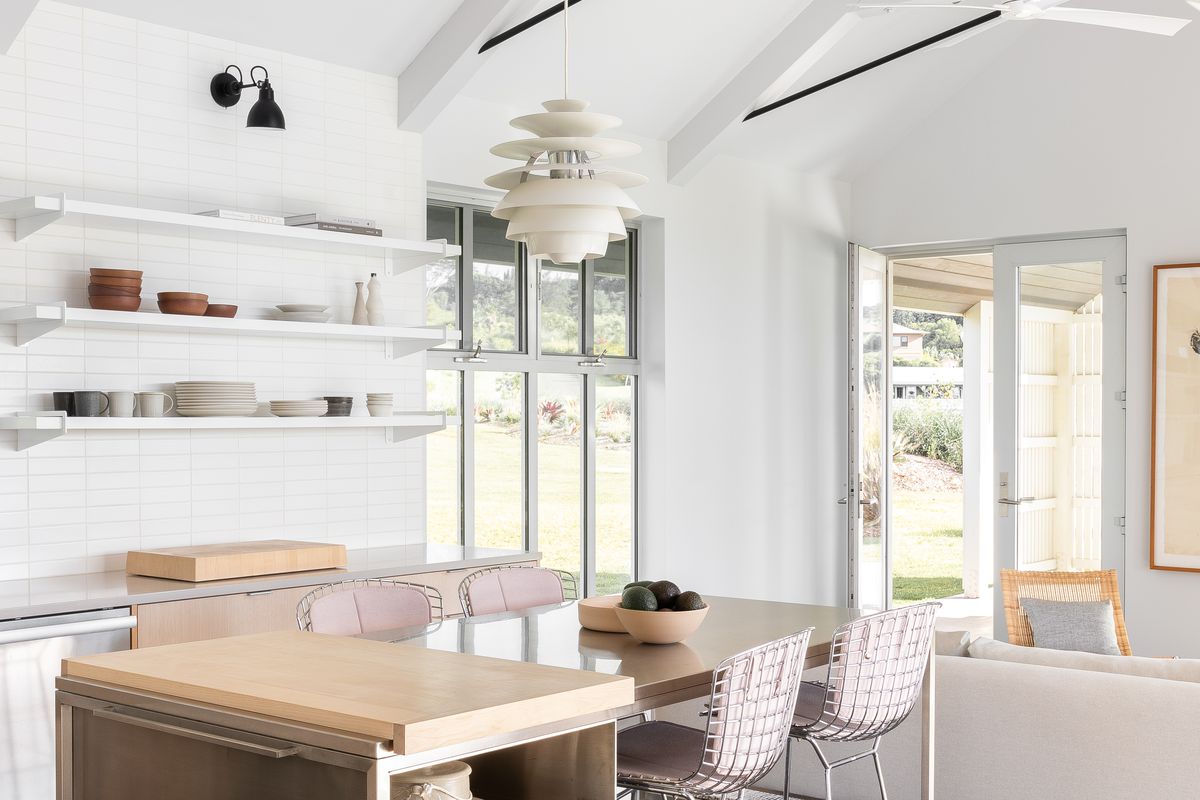
Finally, the type of entryway storage selected can also influence natural light. Swapping closed cabinetry for open shelving allows light to travel more freely, preventing the formation of dark corners. While maximizing natural light is paramount, effective entryway lighting ideas are crucial for times when daylight is insufficient. A statement chandelier or pendant can provide necessary illumination and also serve as a decorative element, enhancing the overall brightness and setting the tone for the space. The decorative potential of daylight can be further explored by incorporating textured walls, which scatter light in various directions, creating dynamic visual effects. These combined strategies contribute to a more welcoming and aesthetically pleasing entryway.
#NaturalLight #EntrywayDesign #InteriorLighting #HomeImprovement #PaintColors #FurniturePlacement #DoorDesign #WindowTreatments #FlooringChoices #NaturalLight #EntrywayDesign #InteriorLighting #HomeImprovement #PaintColors #FurniturePlacement #DoorDesign #WindowTreatments #FlooringChoices
Toplam 0 yorum
 Henüz yorum yok
Bu da beğenebilirsiniz
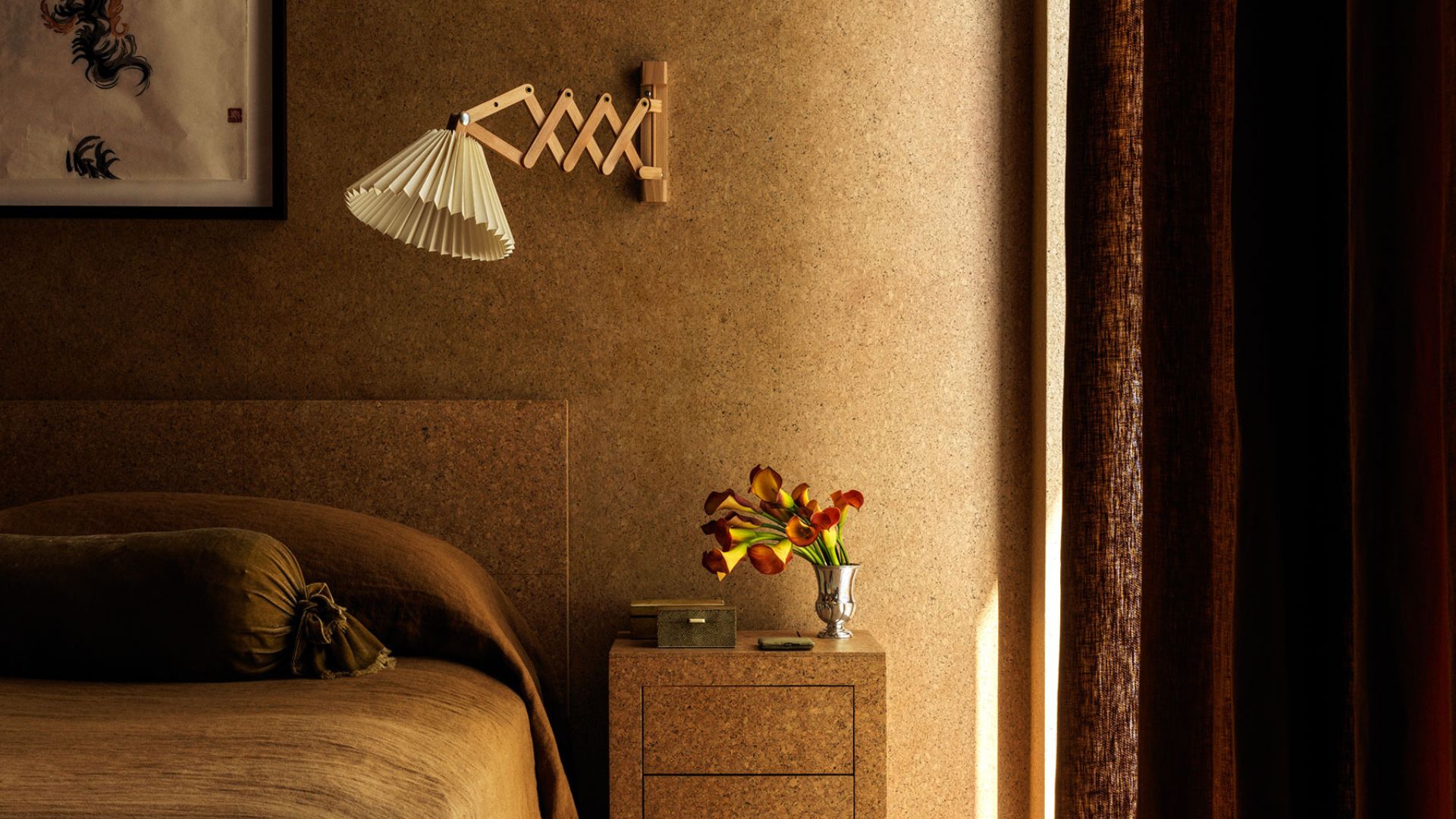
5 Tricks to Maximize Your Home's Natural Light on Darker Autumnal Days Using Artificial Lighting

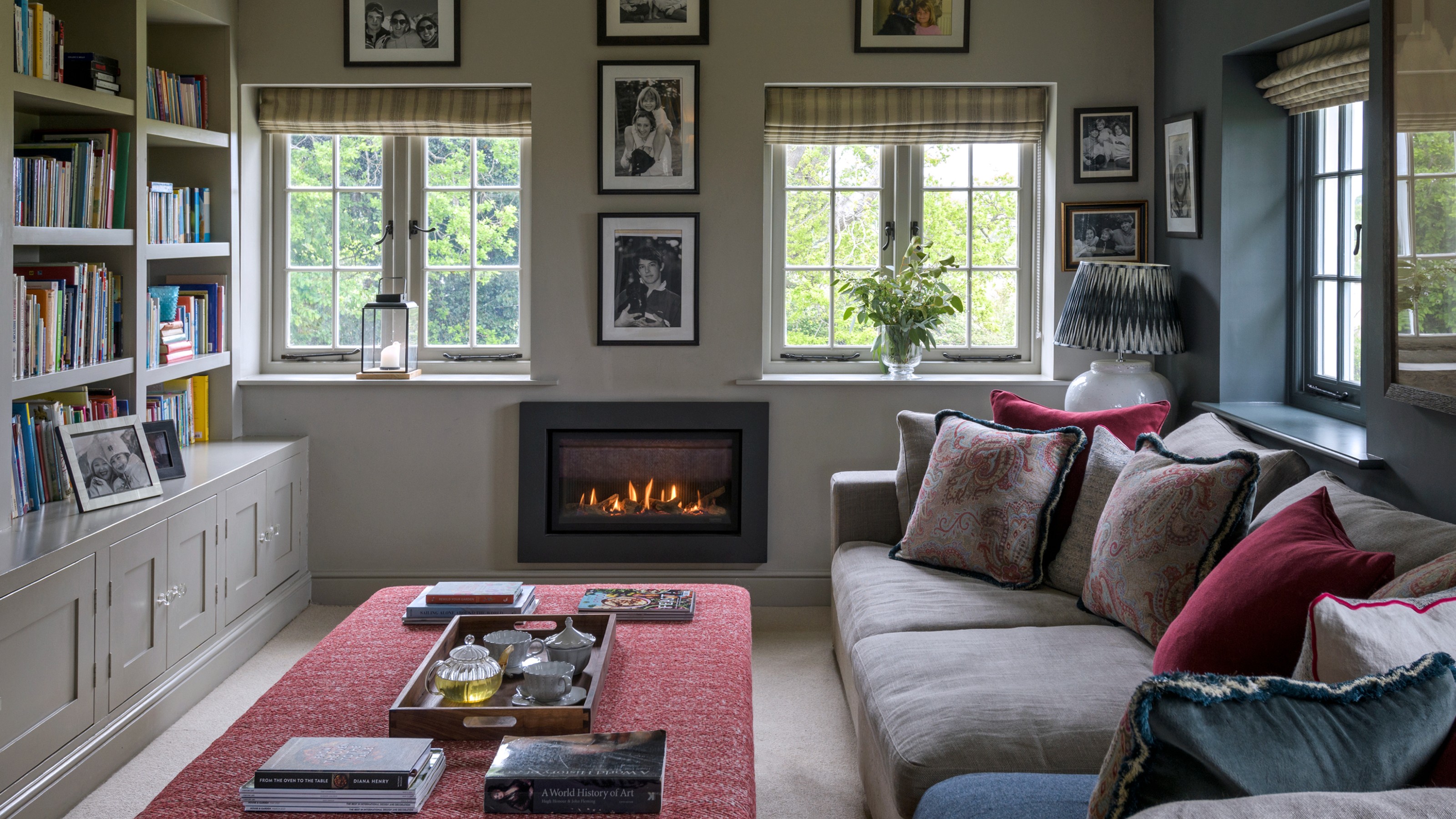
How to brighten a dark living room – 6 ways to make a dingy lounge feel light and airy
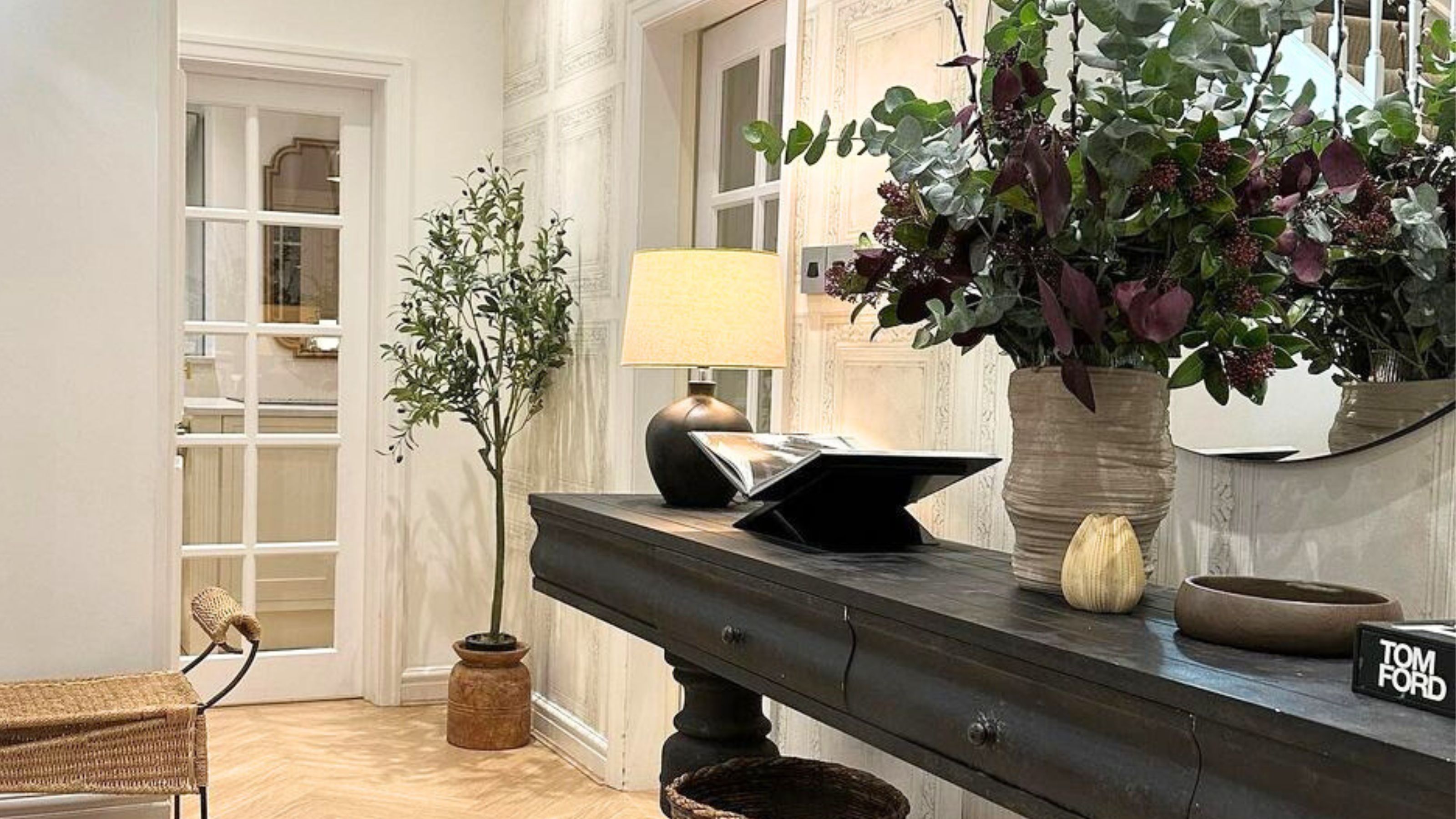
5 small entryway lighting mistakes — experts share what to avoid

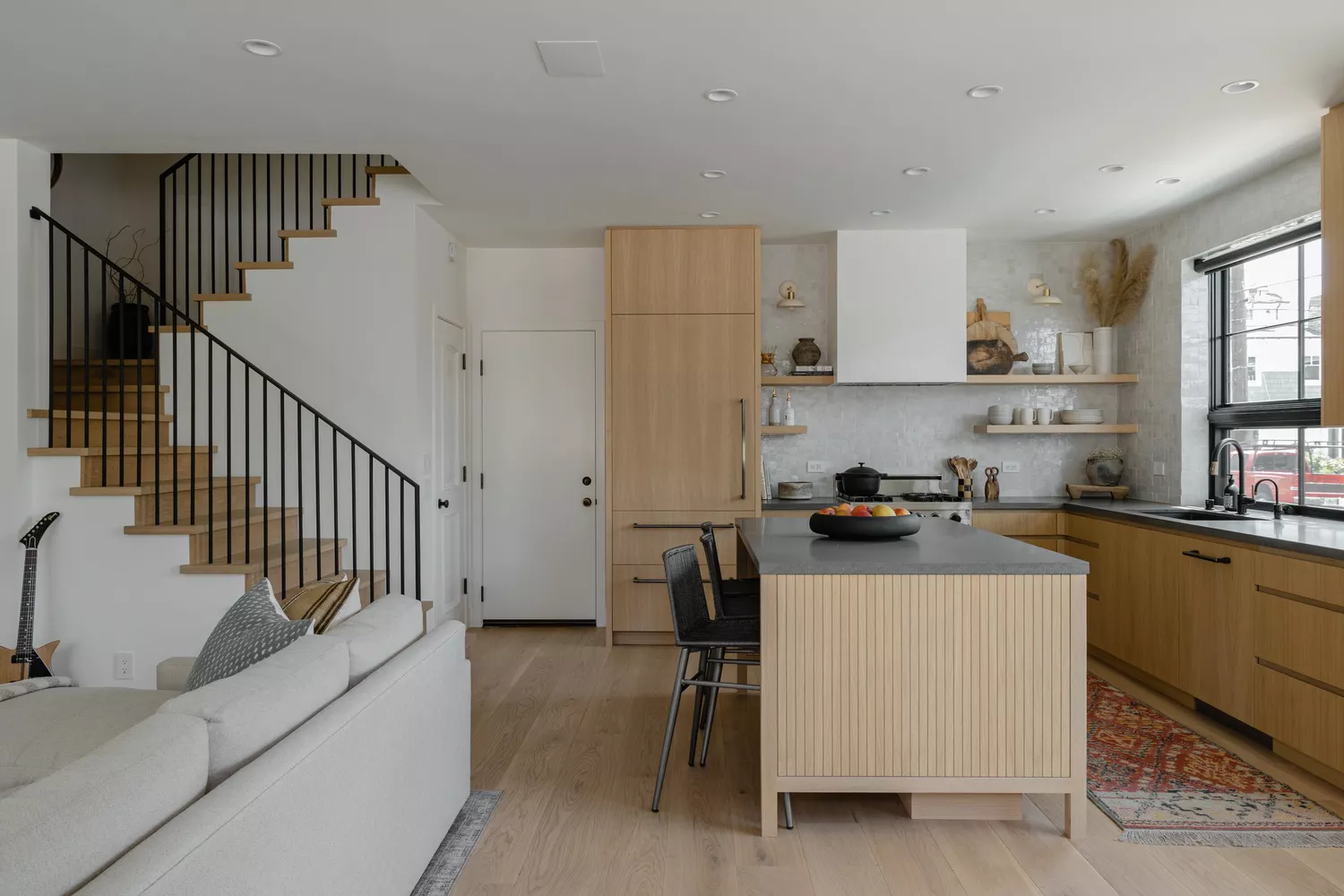
We Asked Designers How to Get More Natural Light in Our Homes and We're Following This Advice All Winter

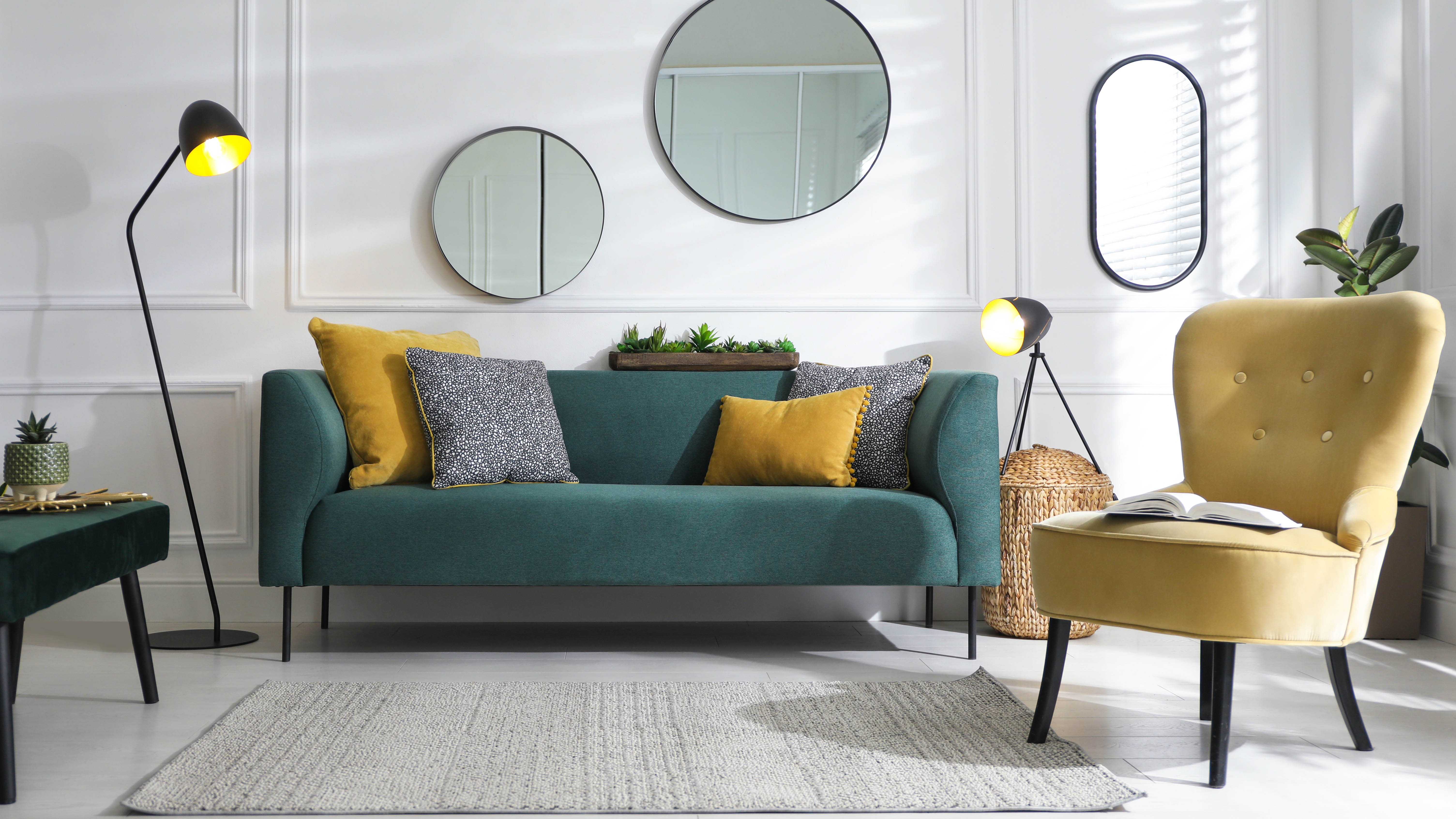
How to brighten any room in your home — 5 tips from a lighting expert

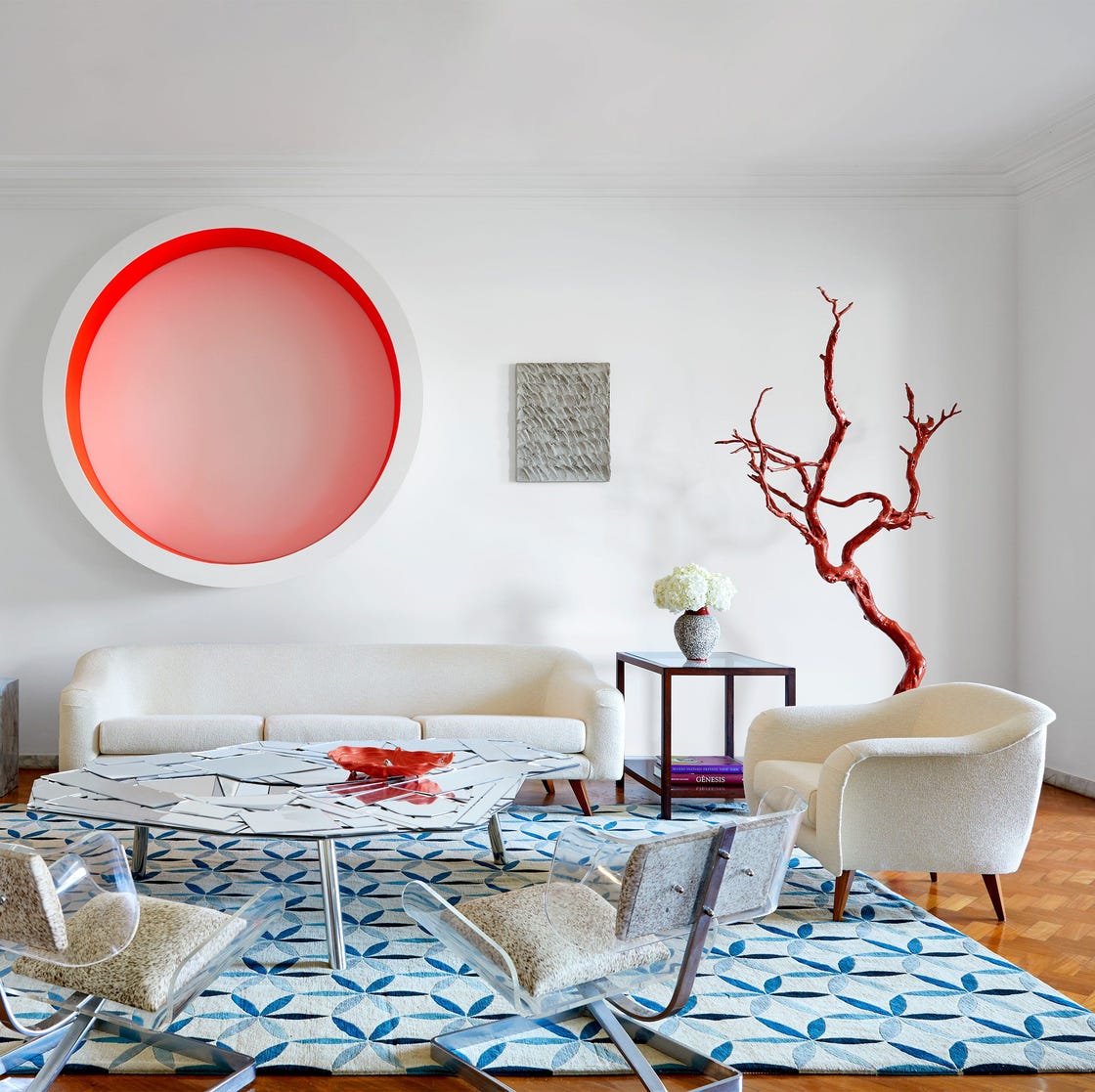
So You Live in a Lightless Cave. Here’s How to Create the Illusion of Sunshine

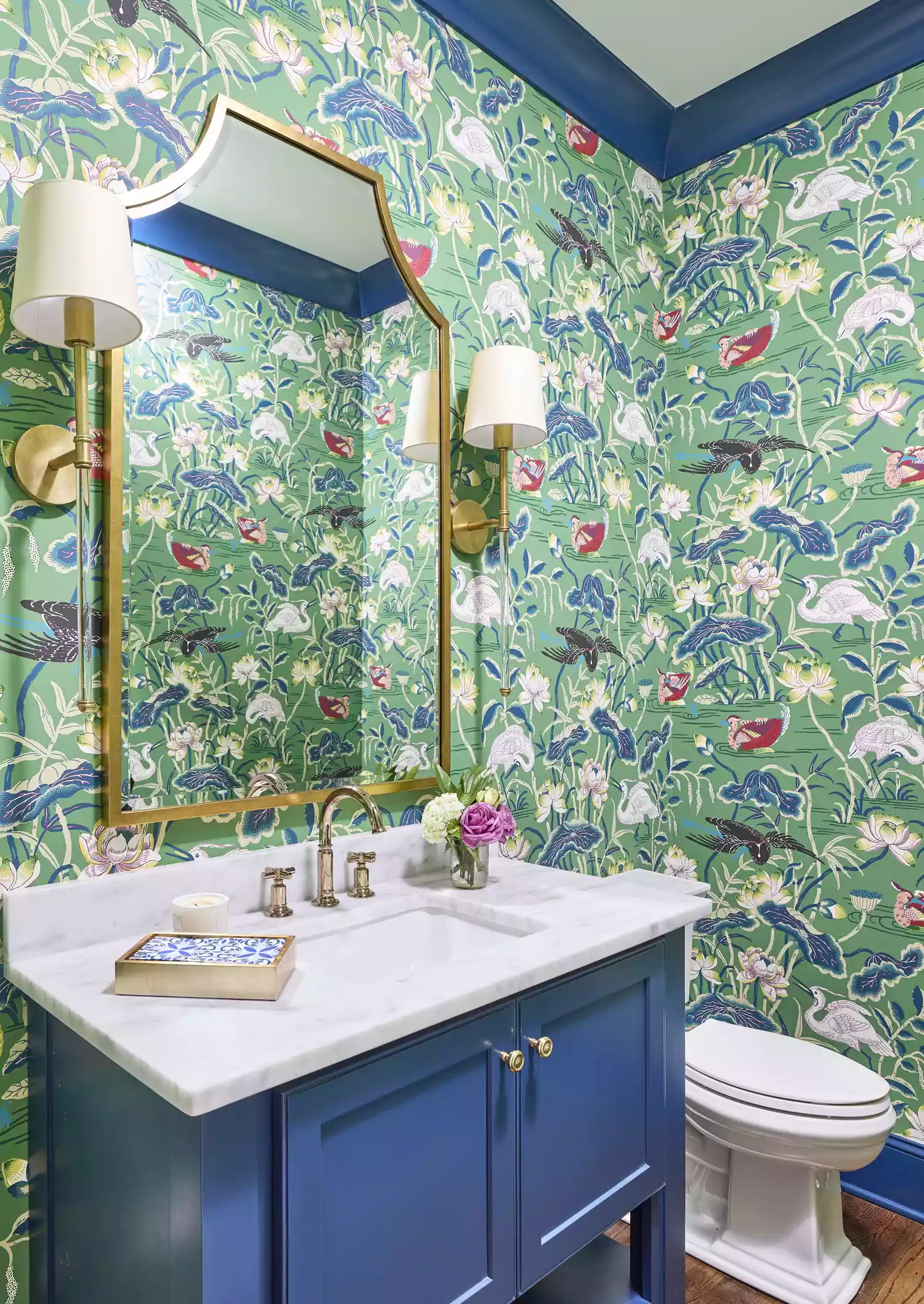
No Natural Light? Here's How To Brighten Your Space, According To Designers
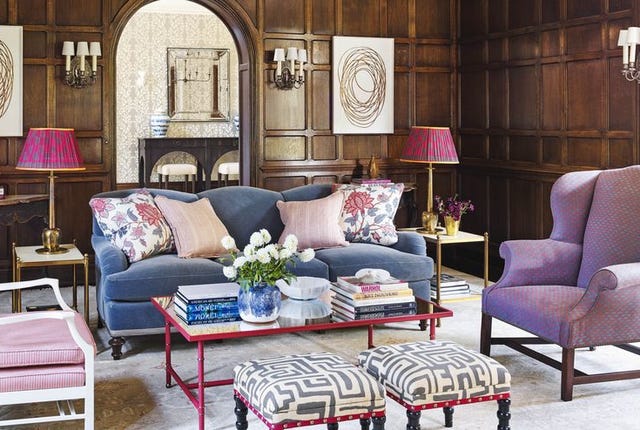
Designers Share Their Best Tips for Acing Ambience in the Living Room with Lighting
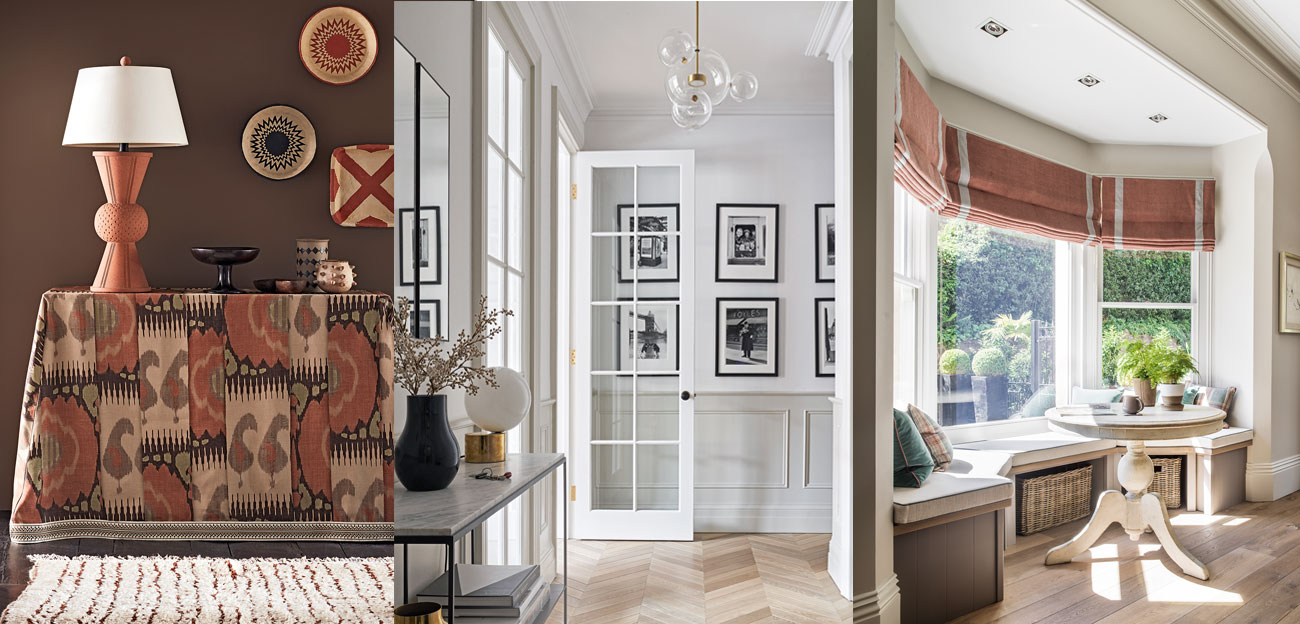
Entryway lighting ideas – 10 expert ways to get the light right in an entrance
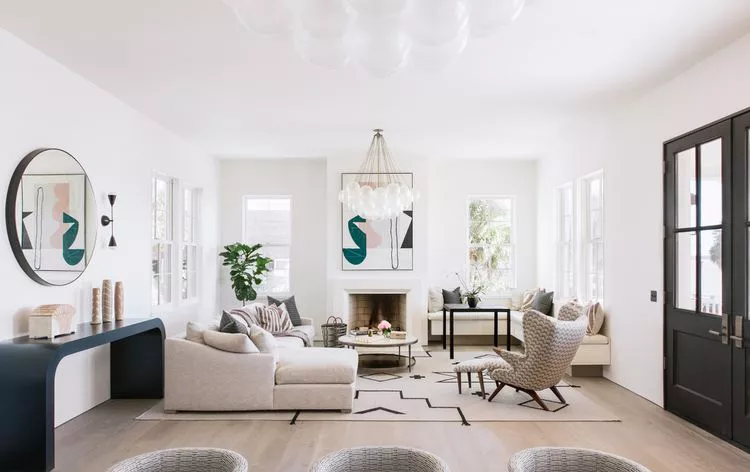
9 Ways to Maximize Natural Light in Your Home, According to Interior Designers
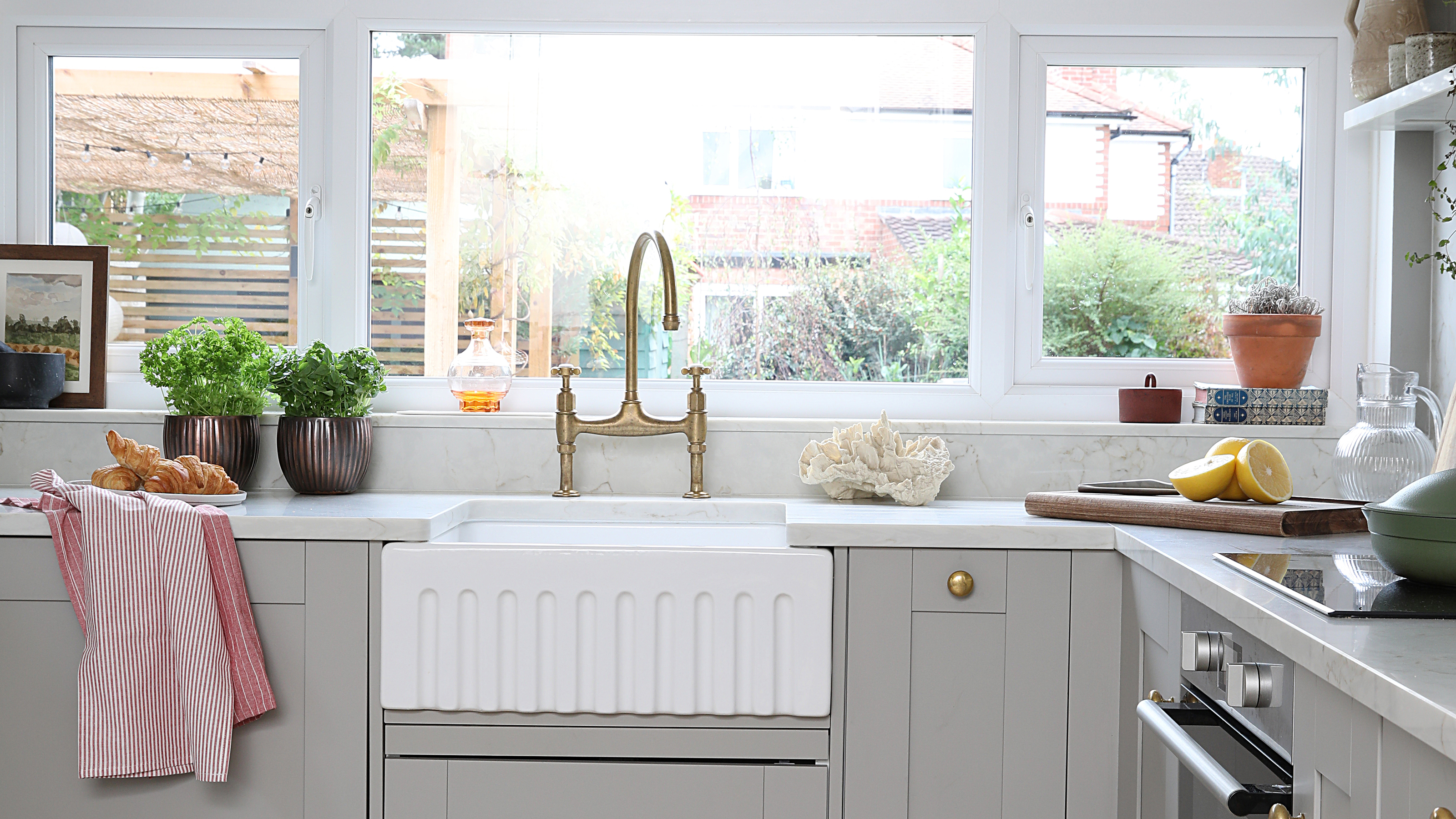
How to fake natural light in a dark room - 5 design tricks to brighten up a gloomy space
9 small entryway lighting ideas to brighten your home

Turn Natural Light into Your Home's Best Feature: 8 Tips from an Interior Designer

Design experts offer lighting tips for upgrades that shine

How to lighten a dark hallway - genius design tips to brighten a gloomy corridor
How do you make a small entryway look bigger? This is how designers tackle tiny, dark spaces
6 Ingenious Ways to Brighten Up a Room That Gets Very Little Natural Light

Let There Be Light — 10 Lighting Tricks That Will Transform Any Dark Room Into A Warm and Inviting Space
Pro tips to improve your home’s lighting—without an electrician
8 Ways to Make a Dark, Gloomy Room Feel Instantly Brighter