1/16
Here are the top 2024 home design trends popular in Oregon
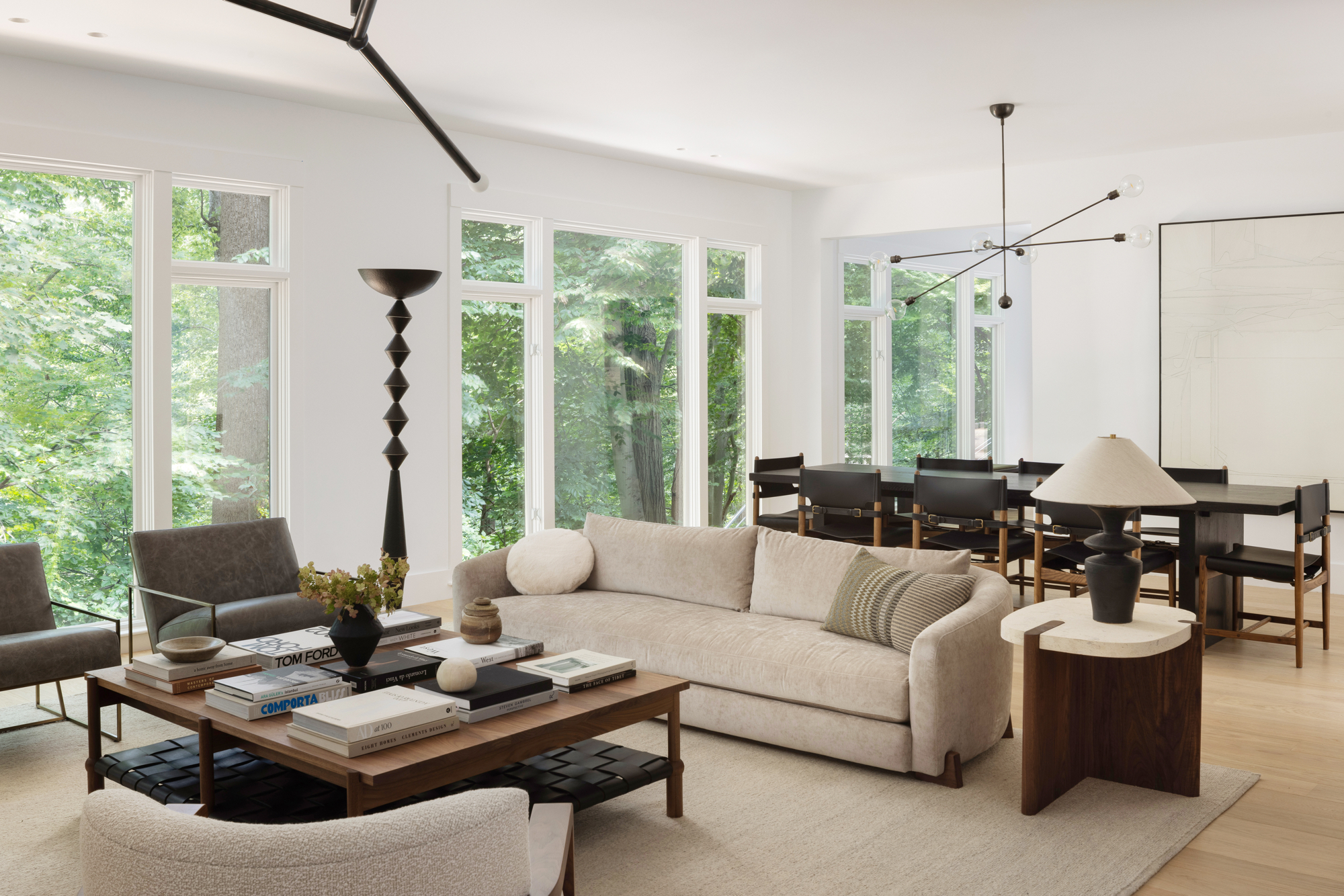
The article outlines the anticipated home design trends for 2024, focusing on insights from Mary Miksch, Portland design director for Neil Kelly, a 77-year-old design-build remodeling company, and other industry tastemakers. The overarching theme emphasizes a shift from the minimalist, neutral aesthetics prevalent during the pandemic towards more personalized, comforting, and functional living spaces. This includes a move away from stark whites and cool grays to warmer colors, diverse patterns, and rich textures.
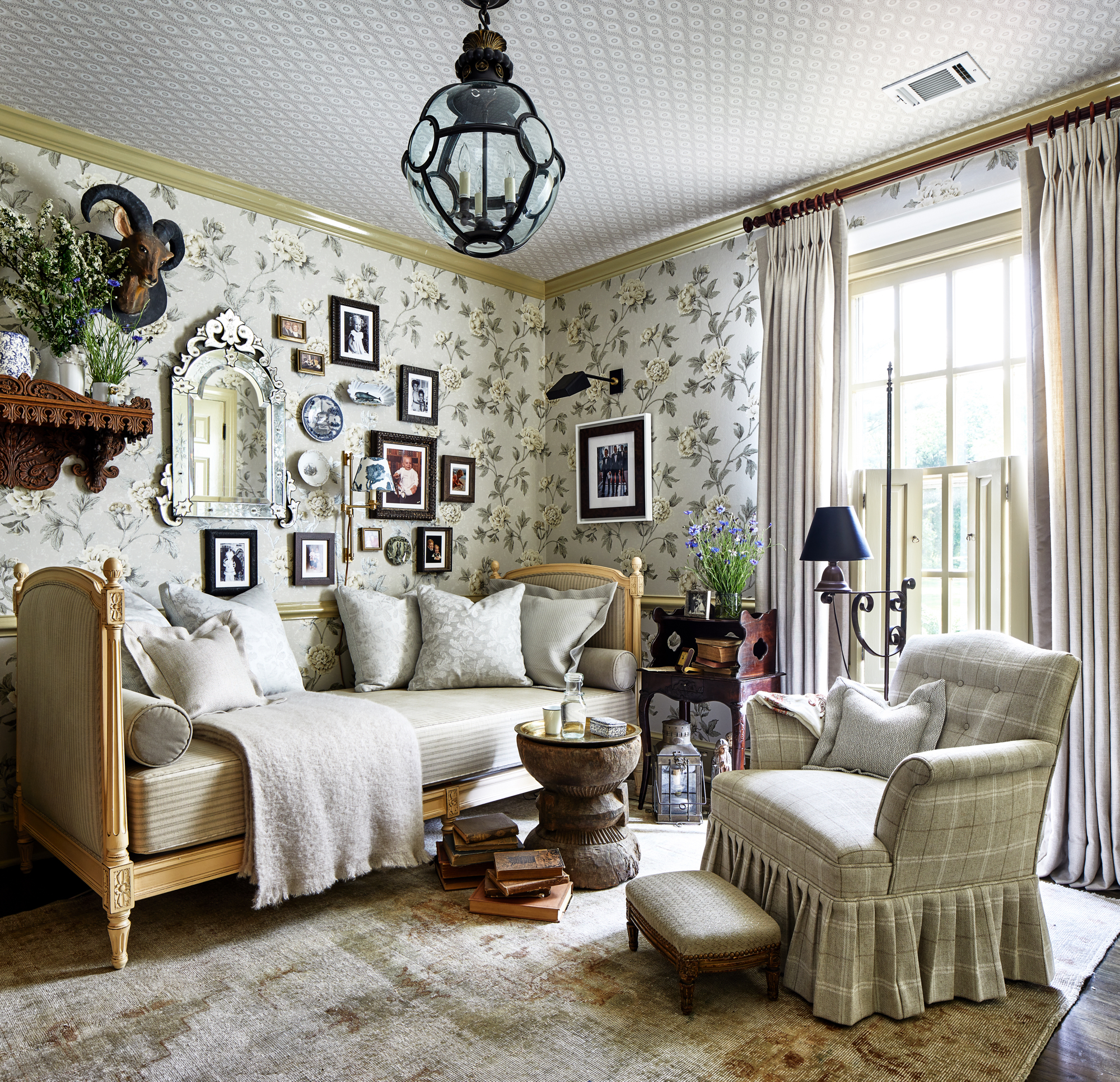
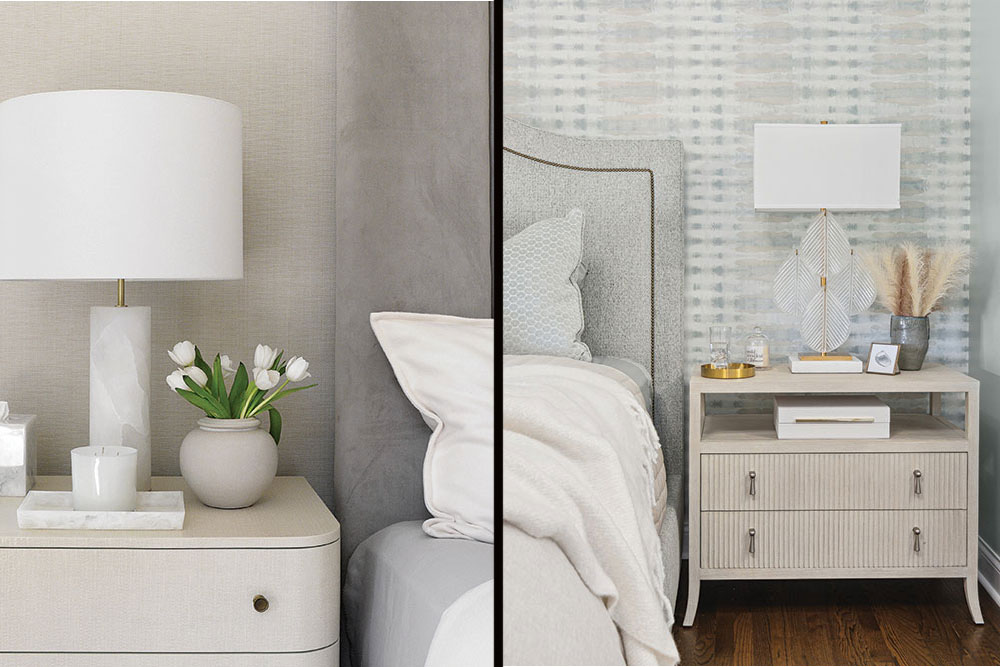
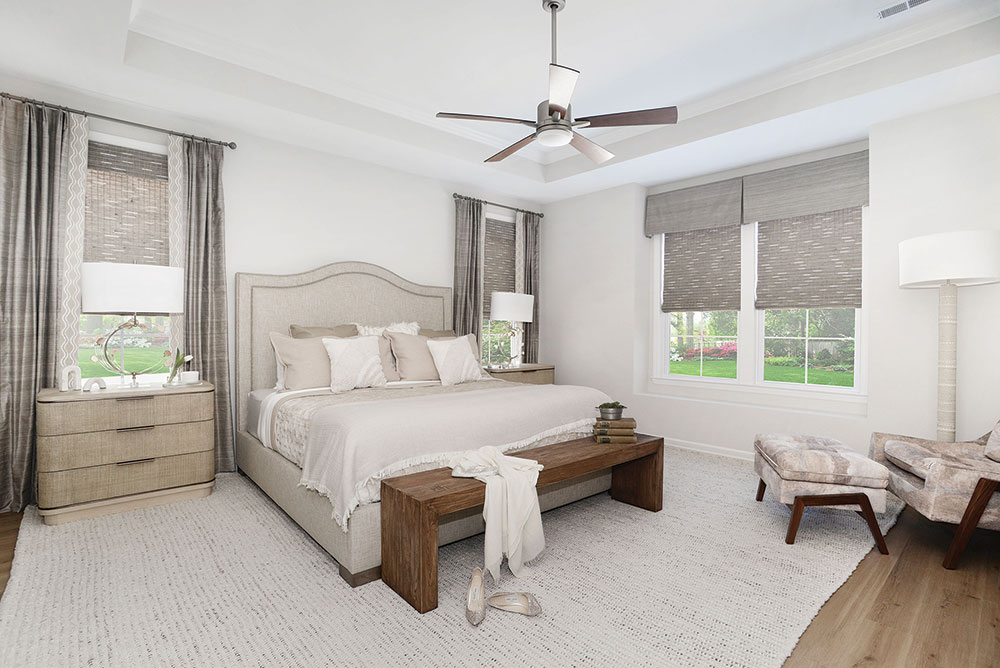
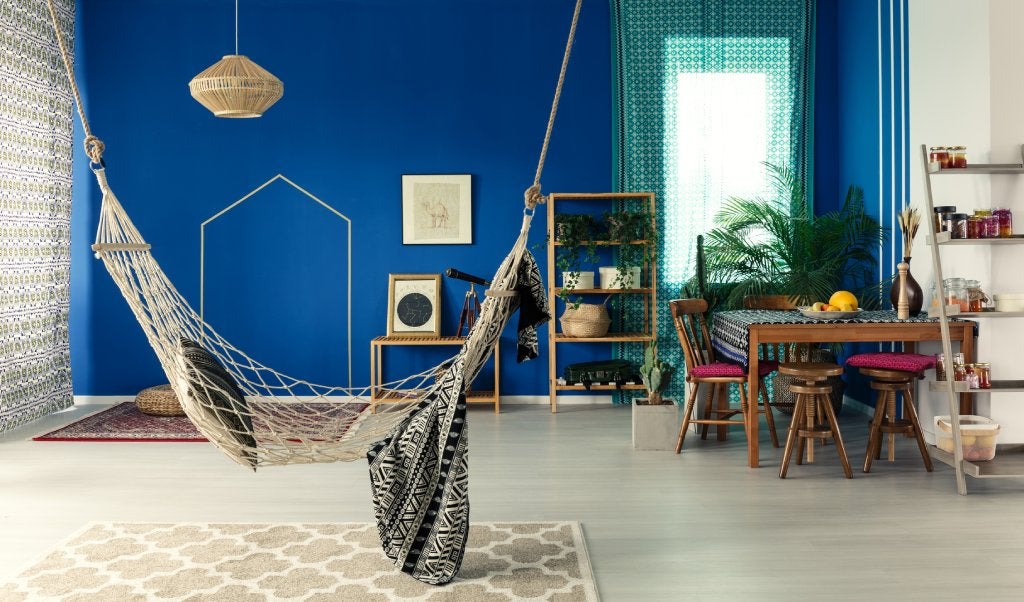
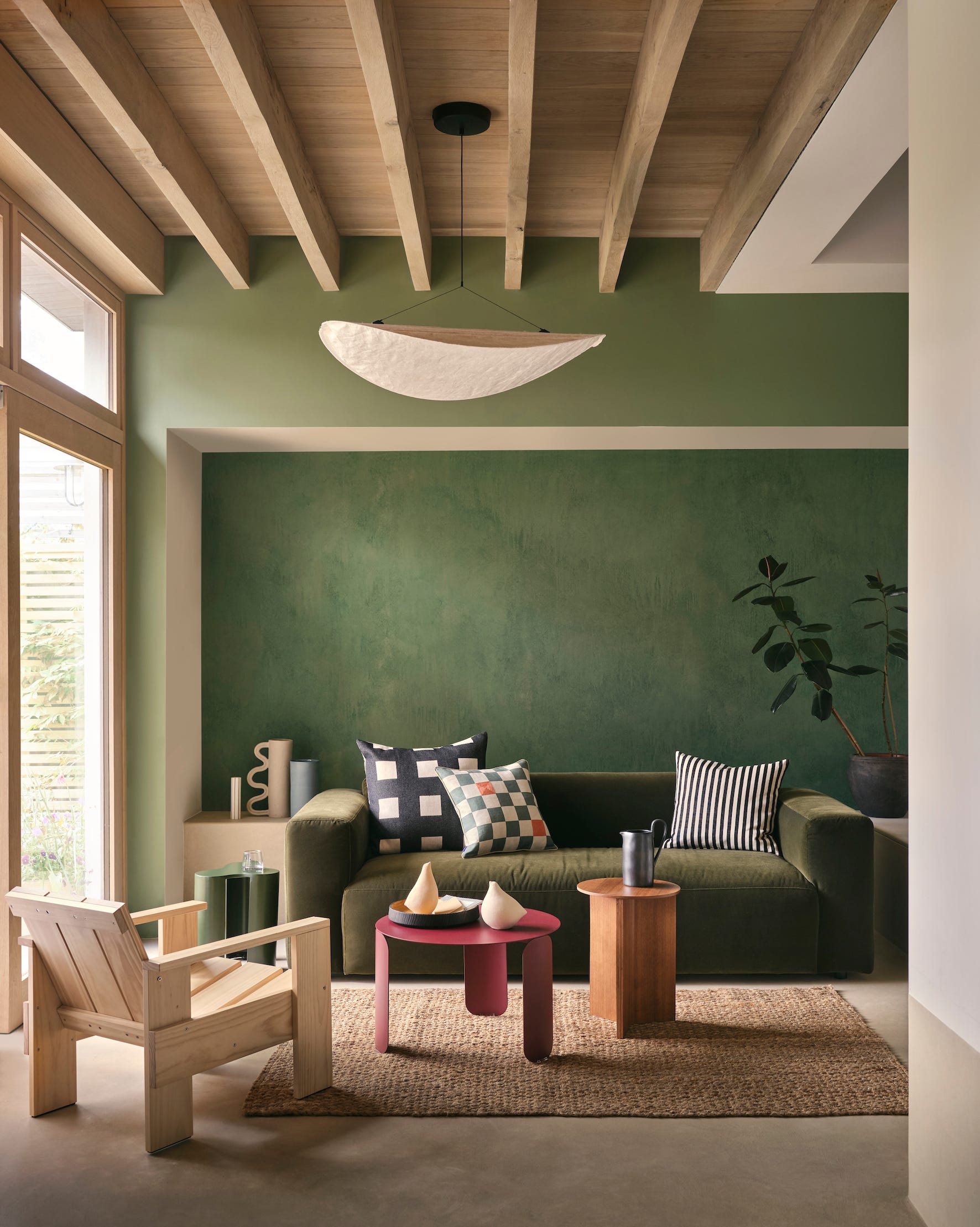
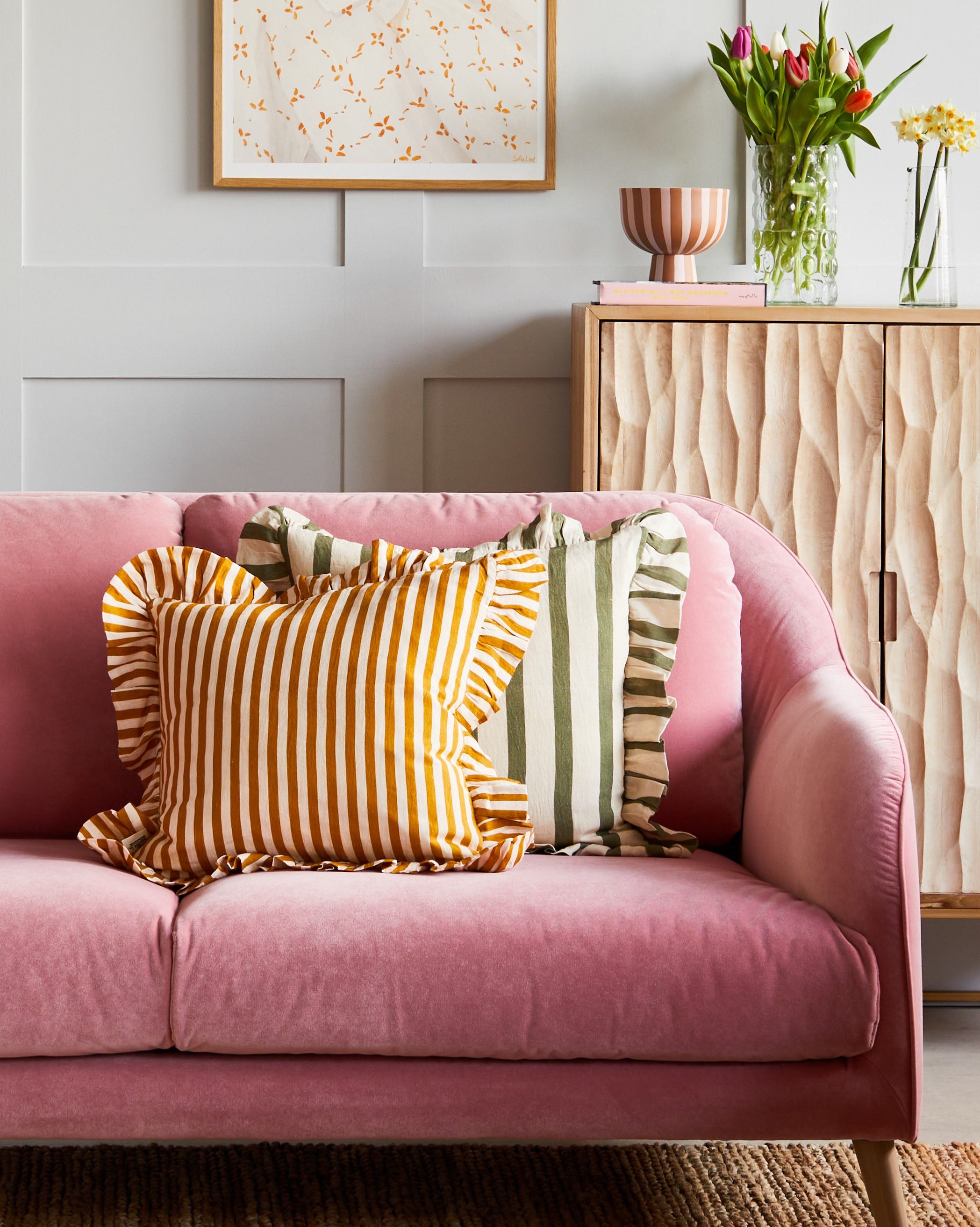
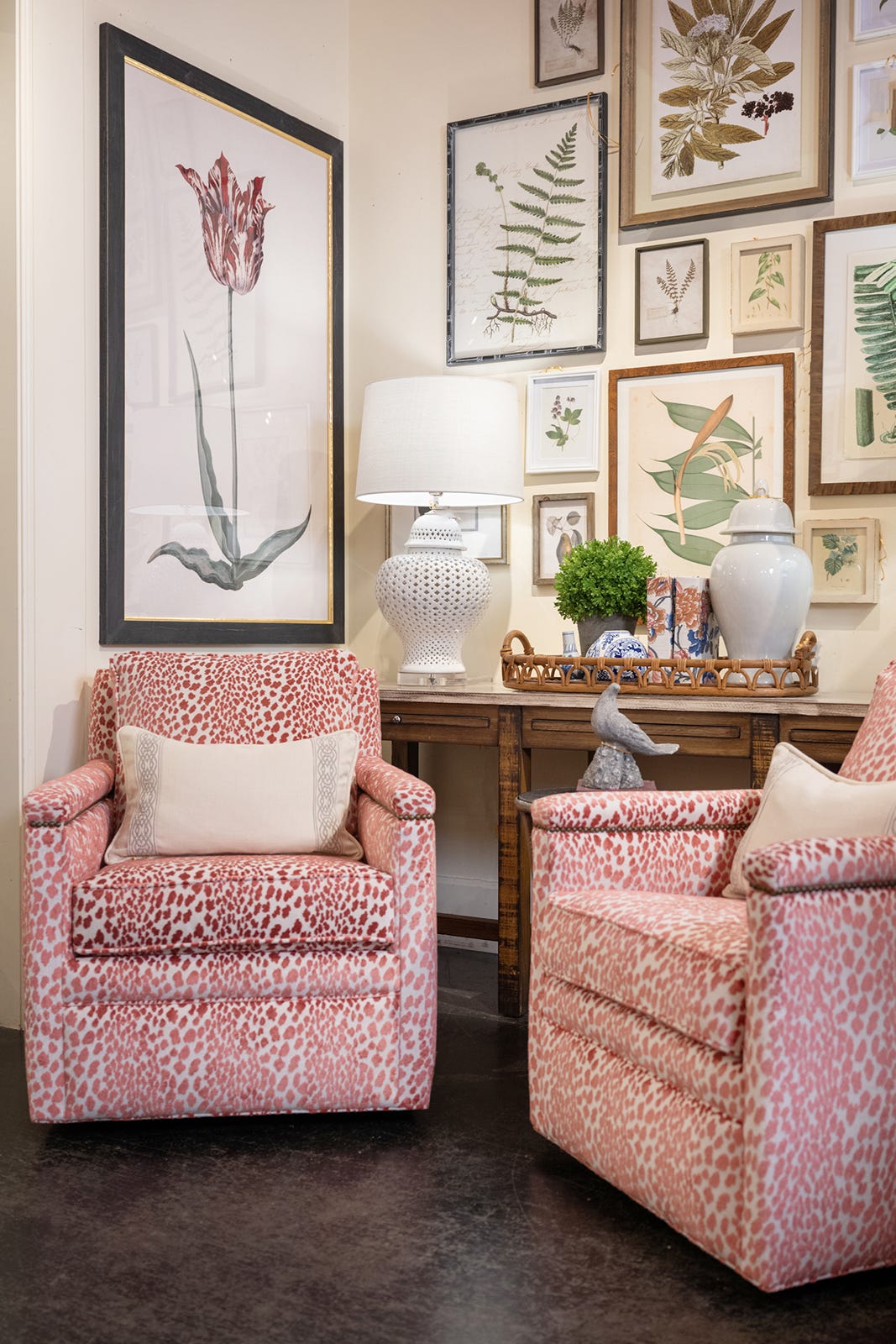
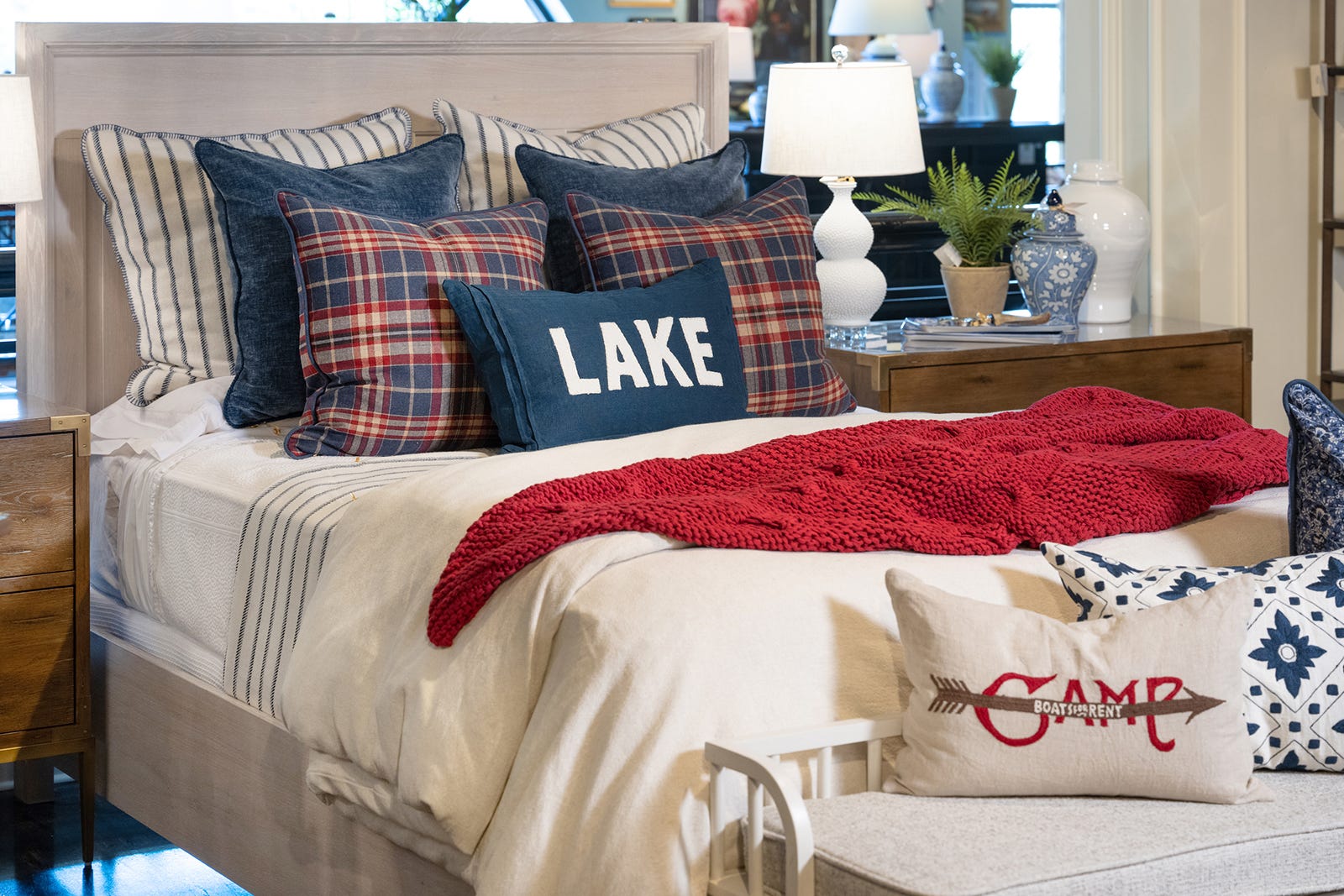
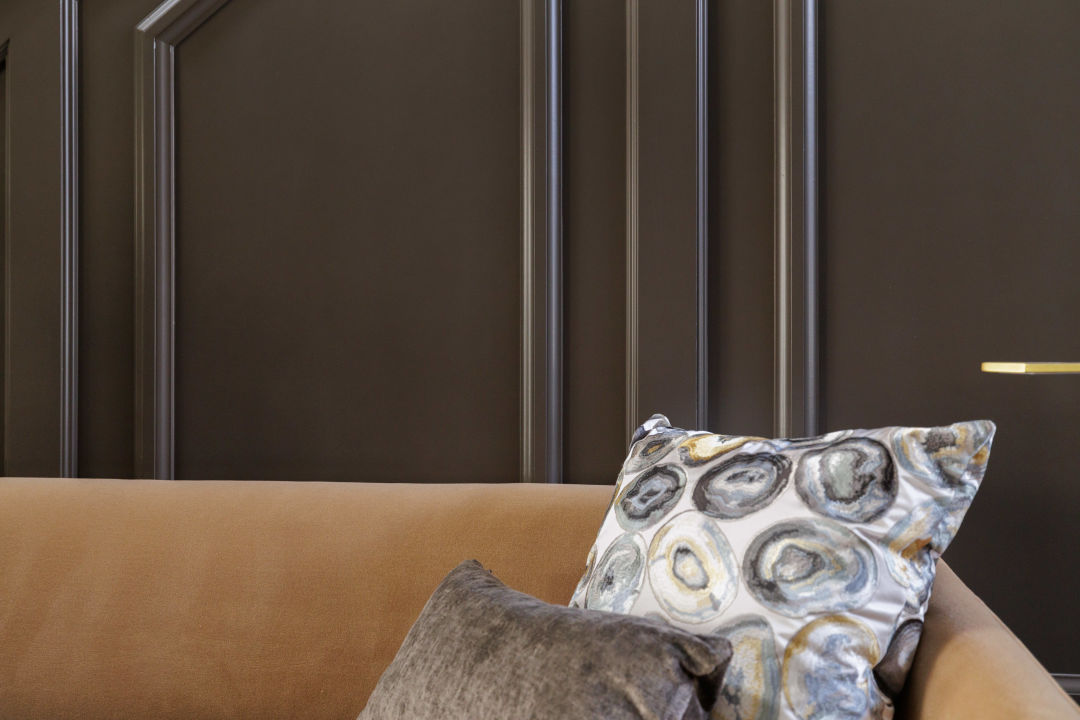
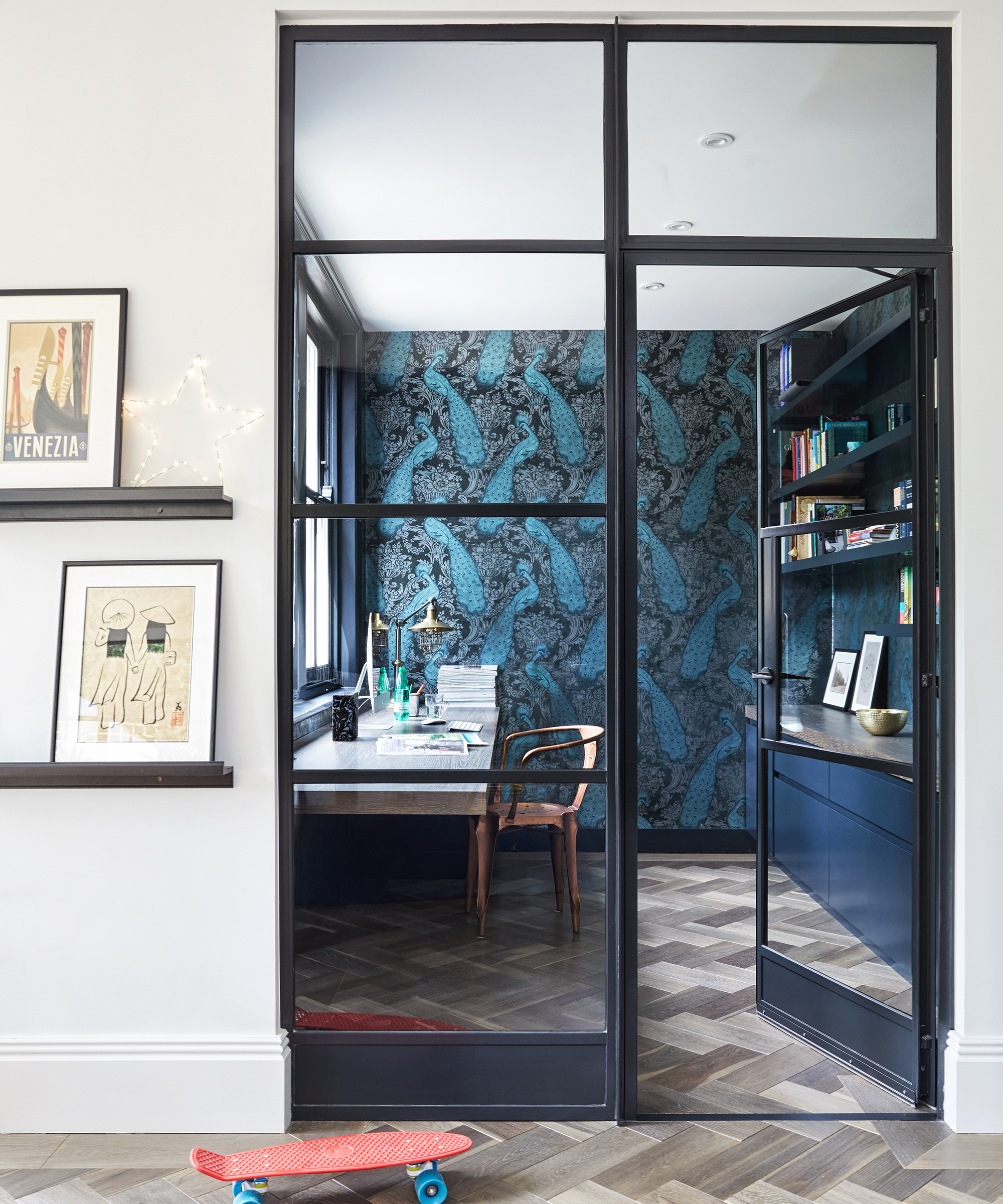
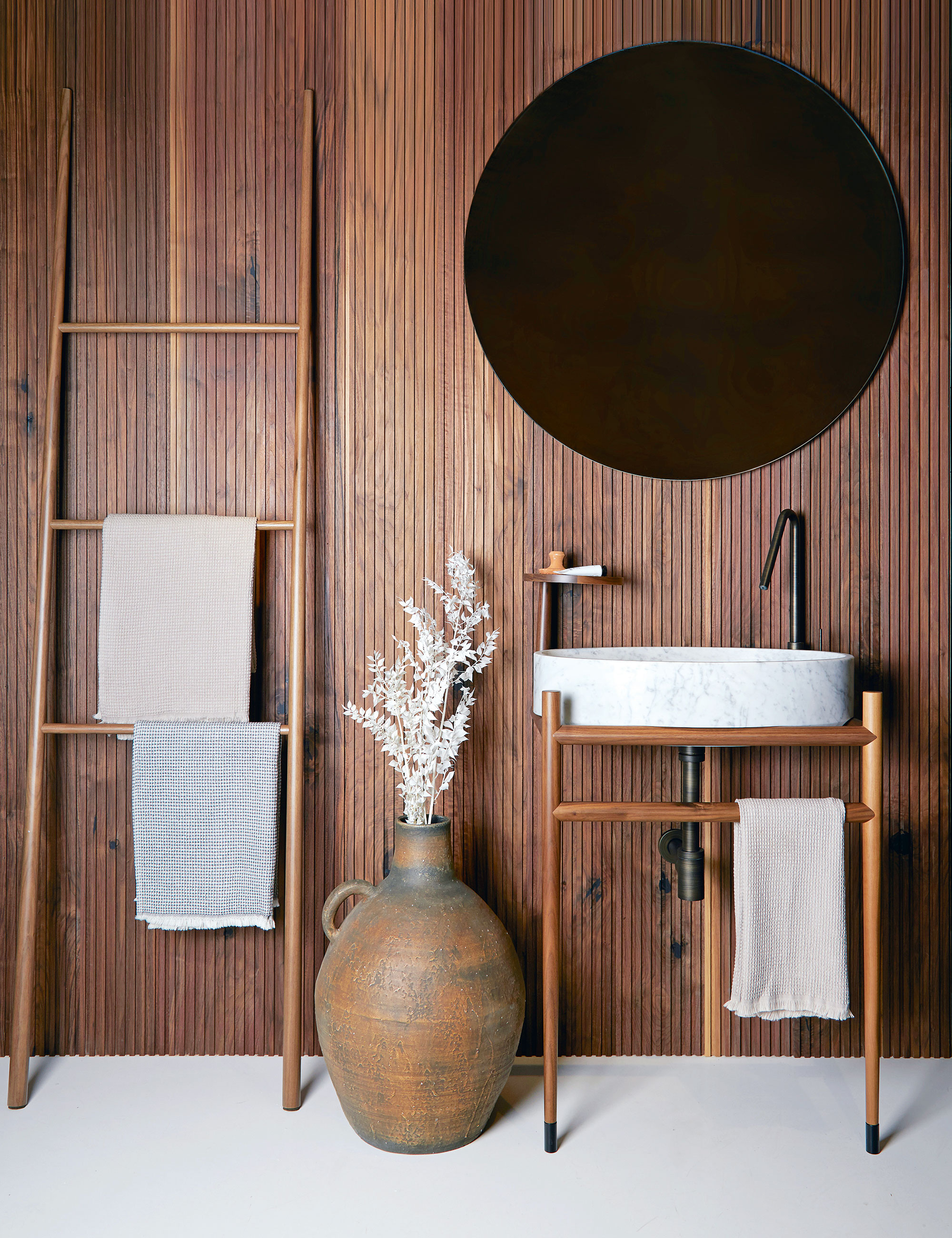
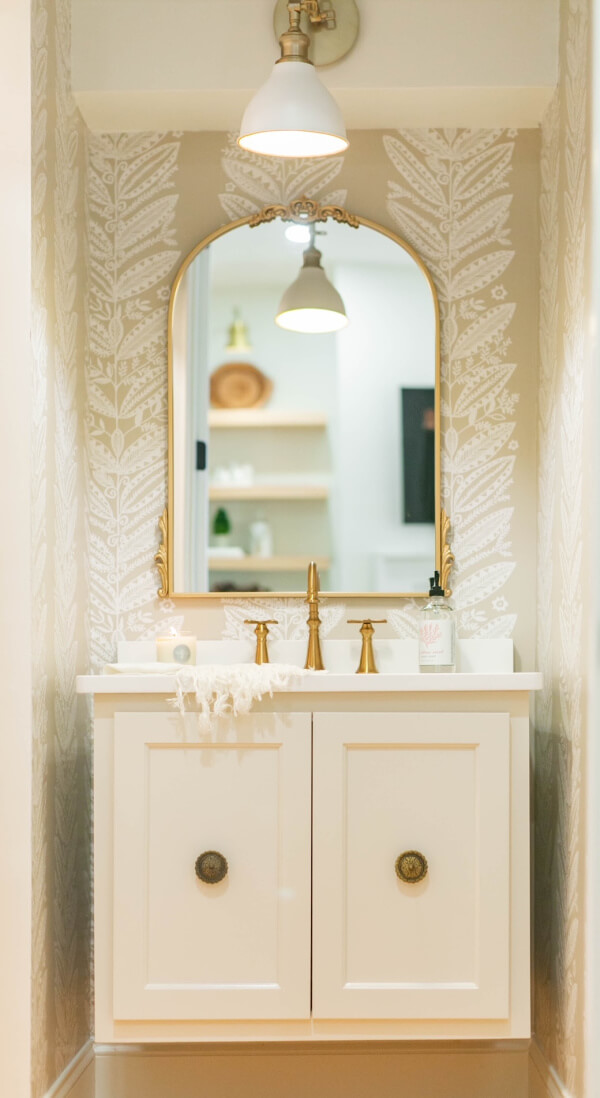
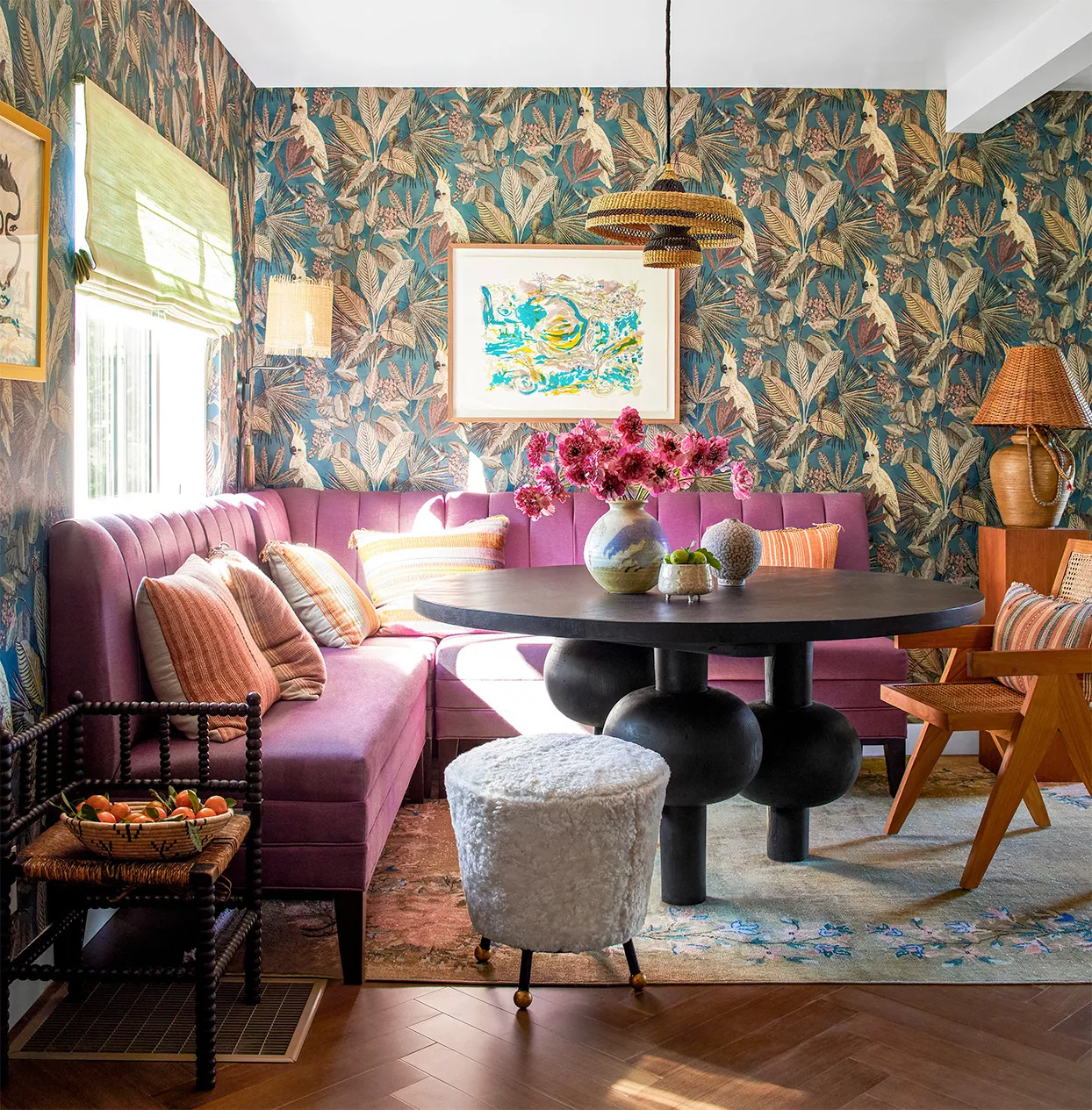
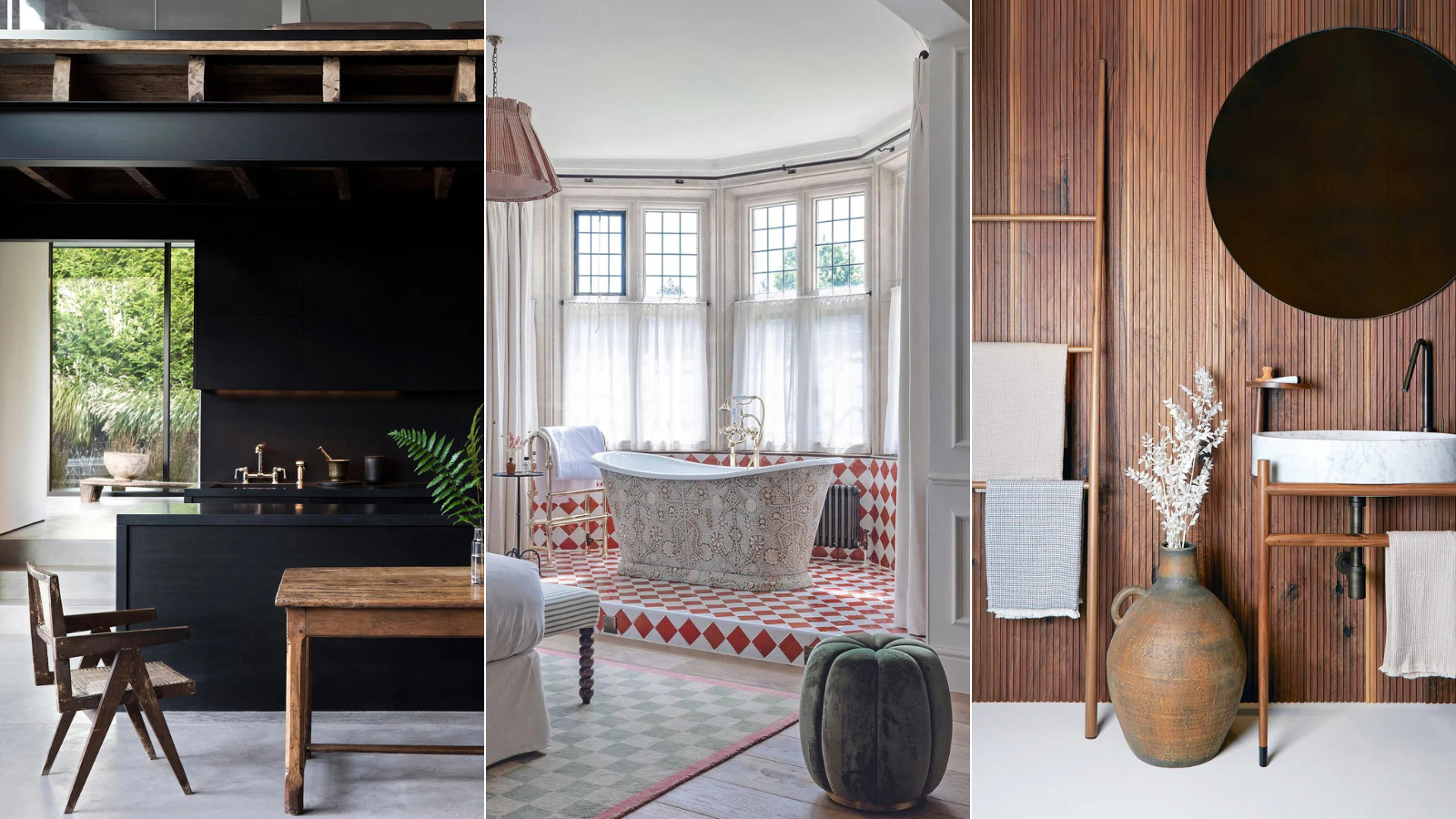
Key trends highlighted in the article begin with a focus on color, pattern, and texture. Miksch notes a desire among homeowners for cozy colors and patterns that evoke positive emotions and personalize their spaces, rather than designing for resale. Specific applications of this trend include the incorporation of narrow vertical lines through ribbed tile, fluted glass, beadboard, and wood slat, as well as the use of checkerboard pattern tiles in non-traditional colors. Refined, smaller format herringbone patterns for wood floors and striking natural stone with visible color and movement are also gaining popularity. Additionally, dramatic wallpaper and painted murals, even on ceilings, and a technique called “color drenching”—painting walls, trim, and ceilings in a single color—are expected to be popular. The concept of a semi-maximalist mix is also introduced, encouraging a tasteful blend of these elements.
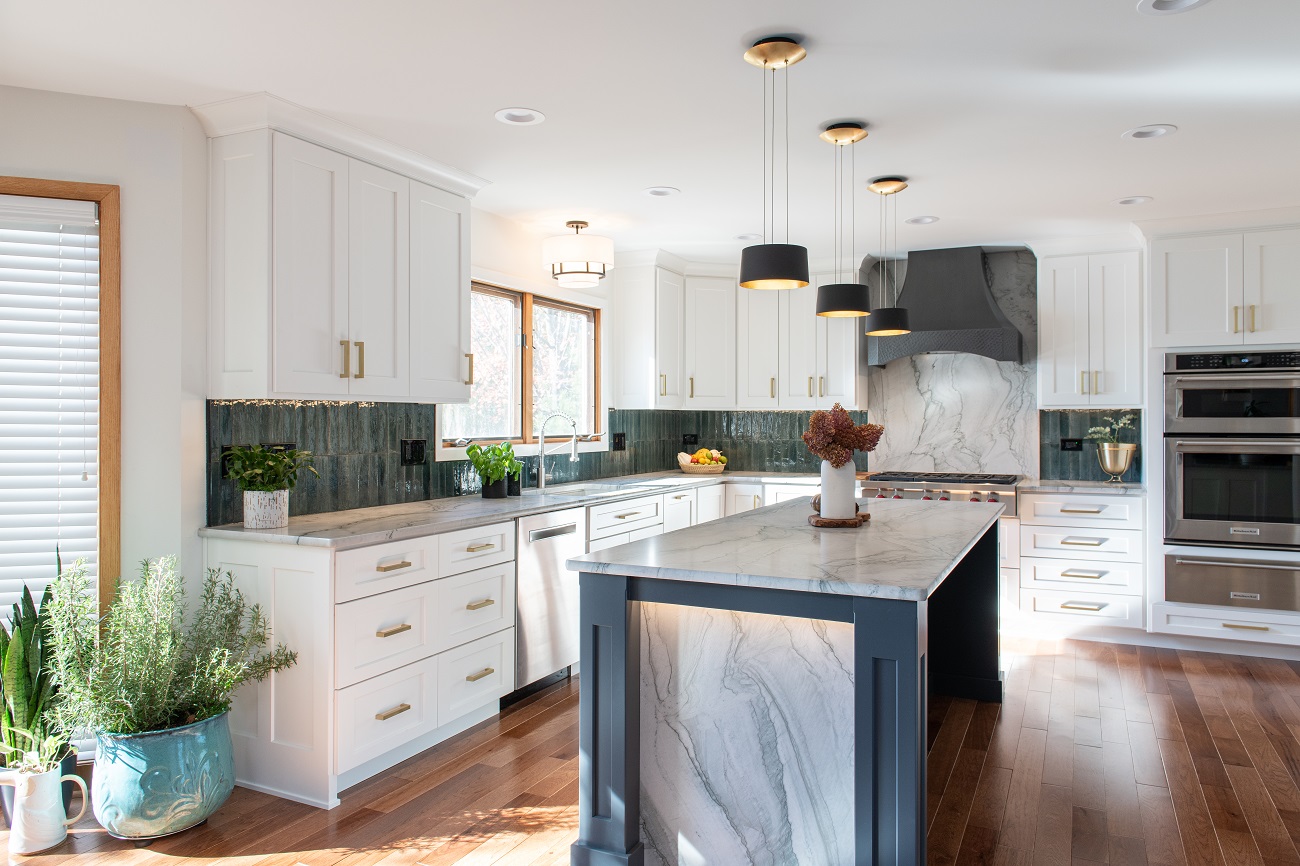
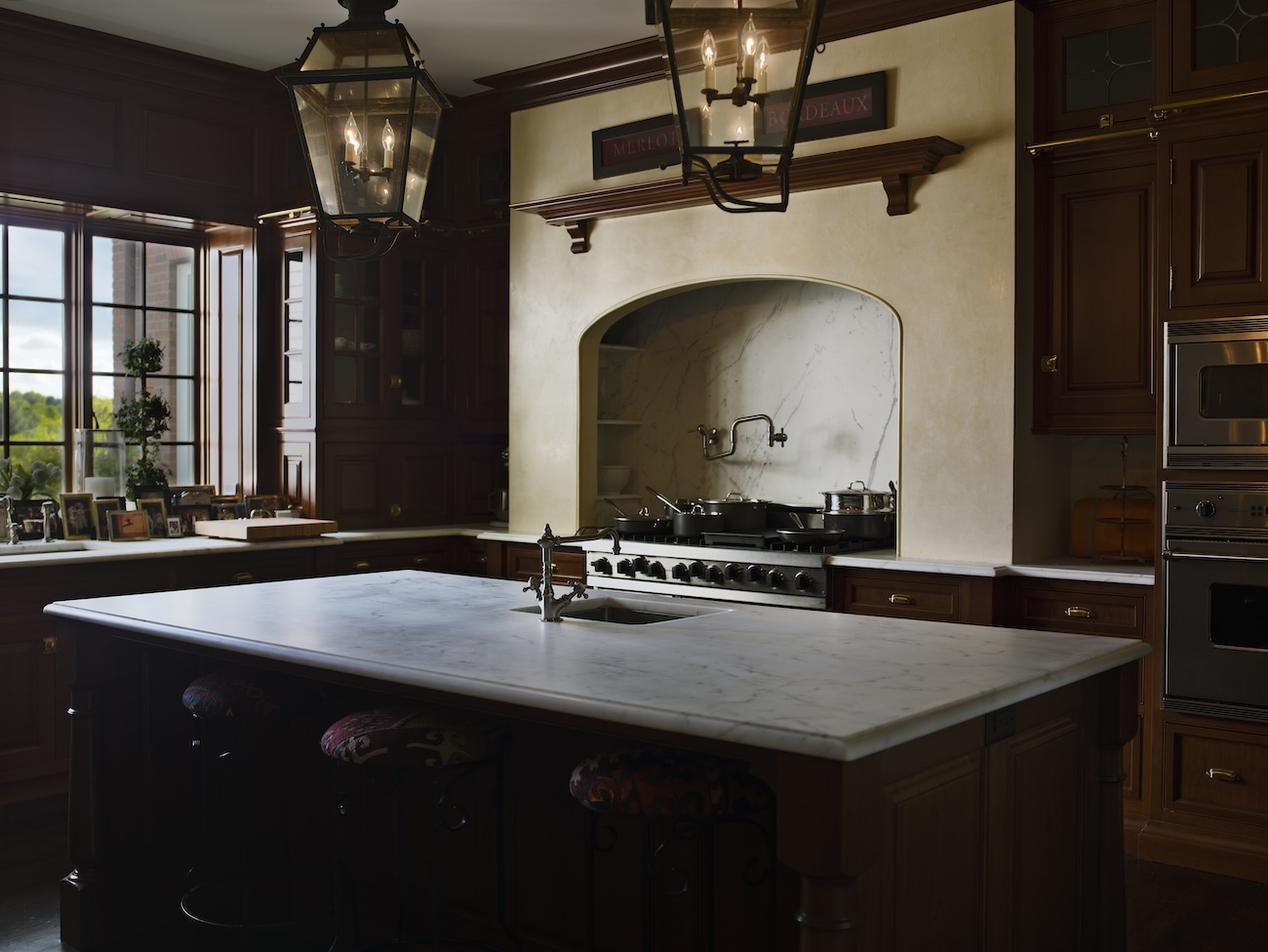
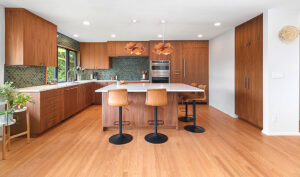
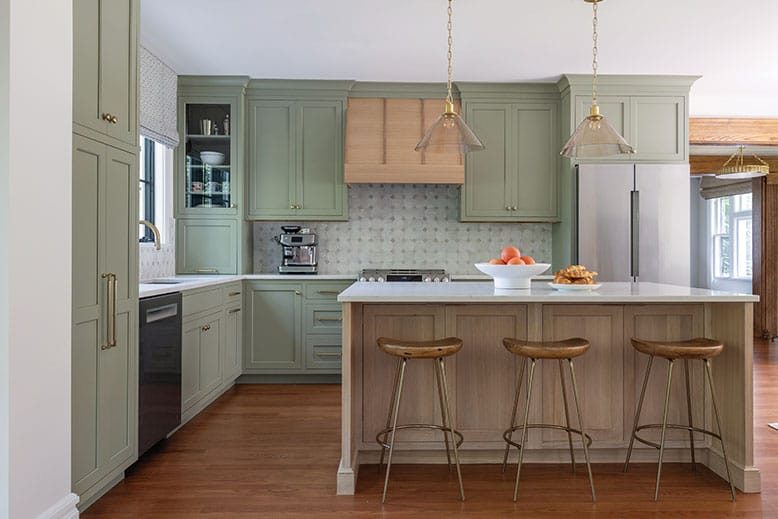
Efficient kitchen islands are another prominent trend, driven by their role as a central hub for family life and entertaining. Modern island designs prioritize both function and aesthetics, featuring easy-to-clean countertops for food preparation, buffets, or dining. The emphasis is on smart storage solutions, with hidden drawers and cabinets keeping necessary gadgets and dishware accessible yet out of sight. Miksch underscores the island's importance as a versatile space catering to the needs of adults, children, and pets.
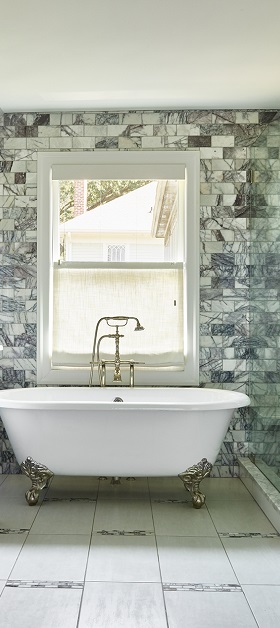
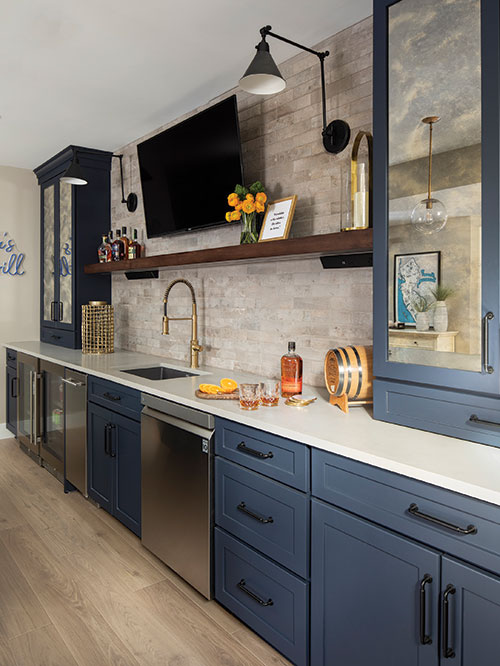
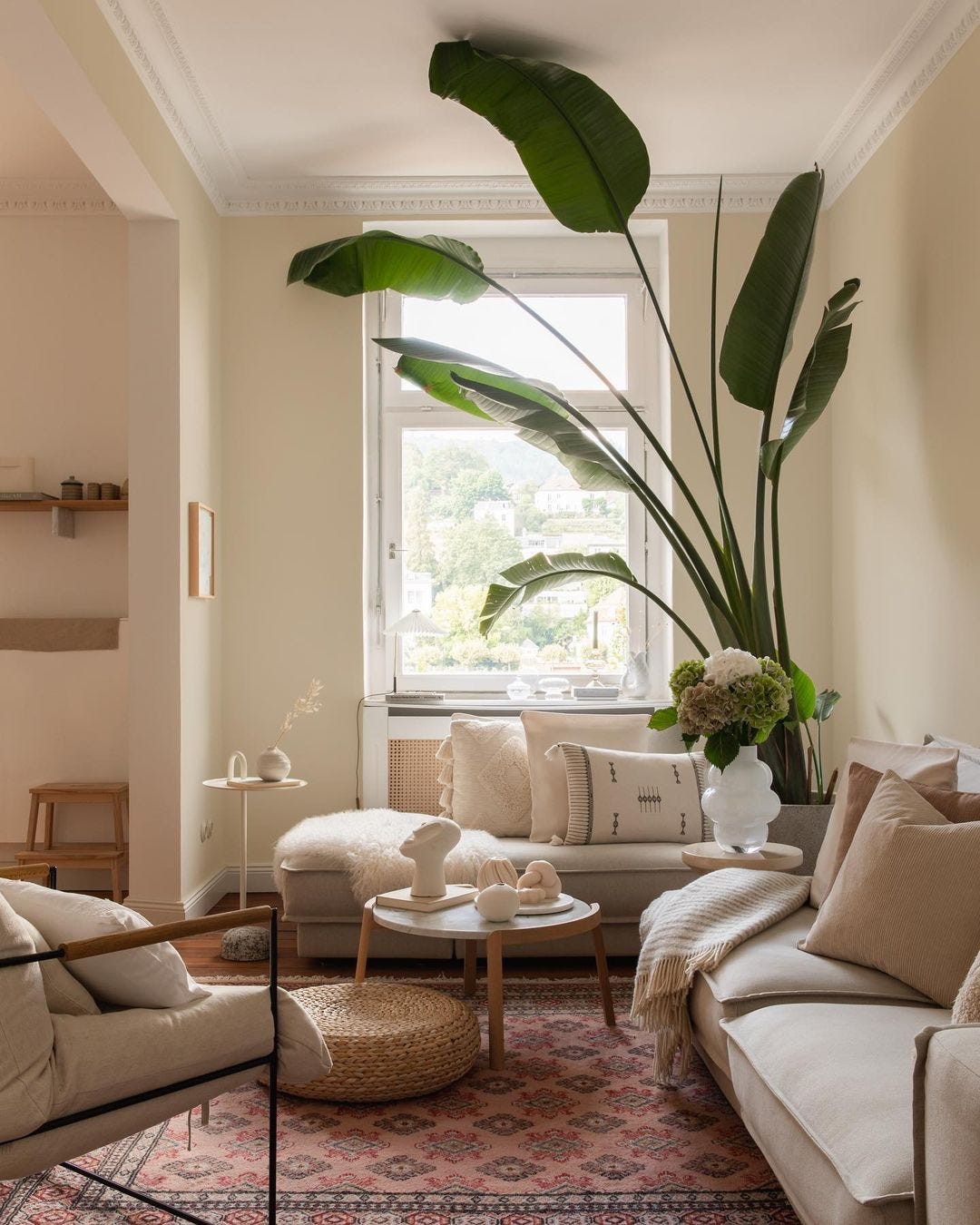
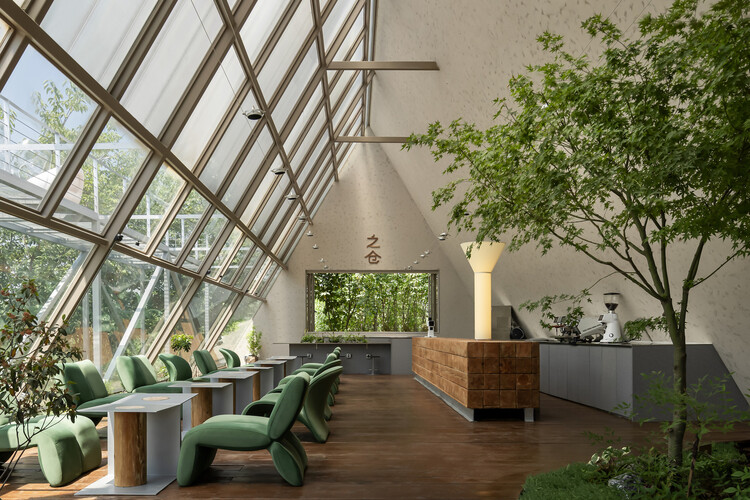
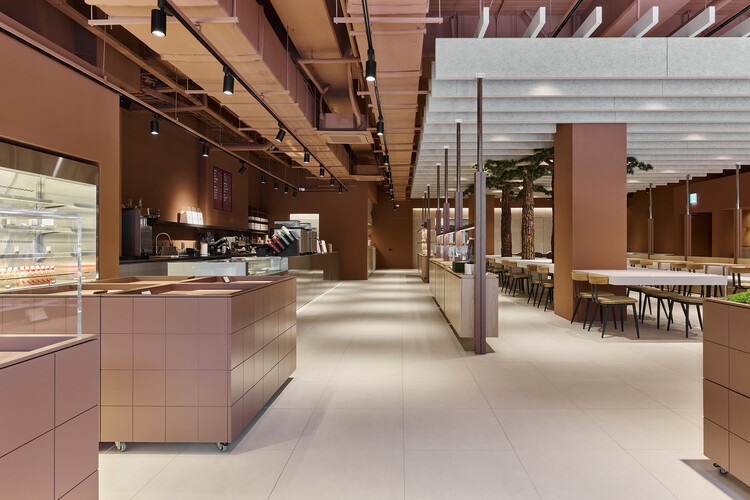
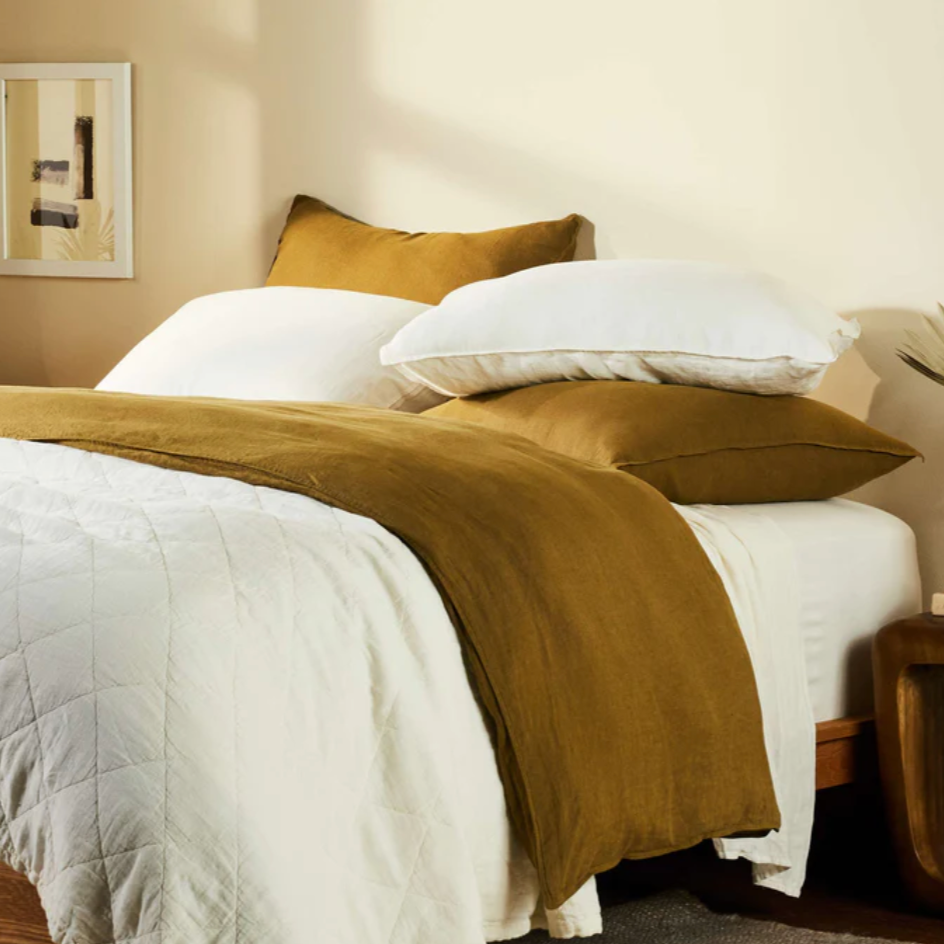
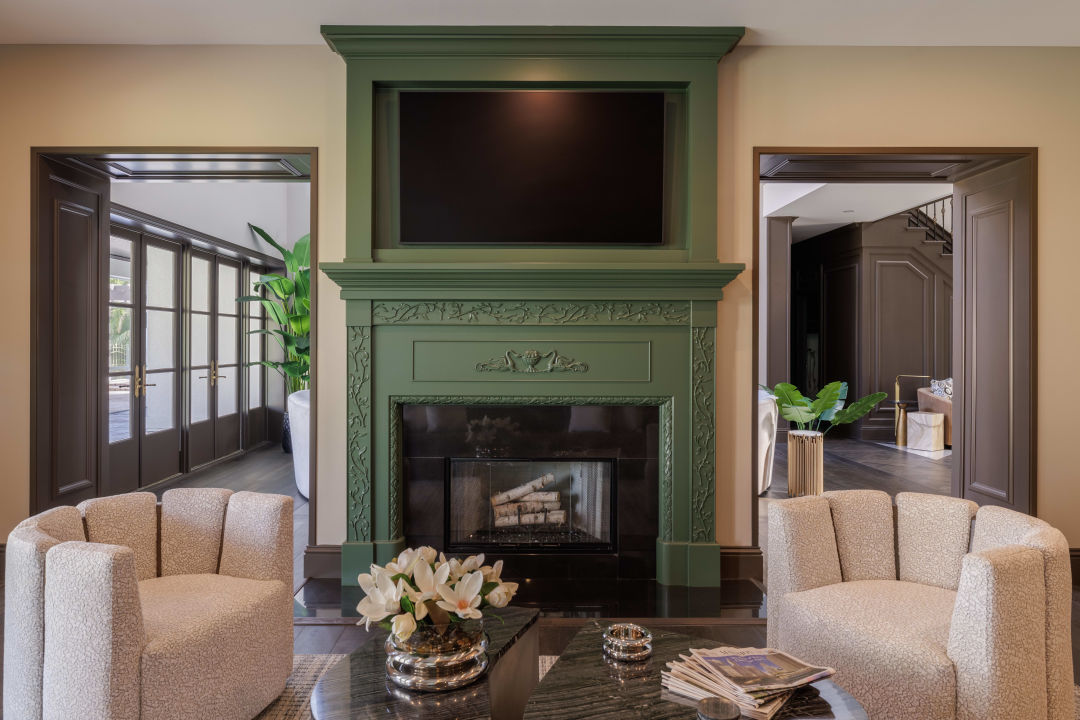
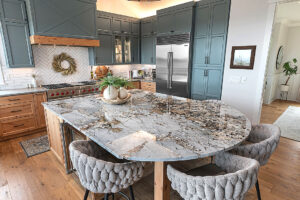
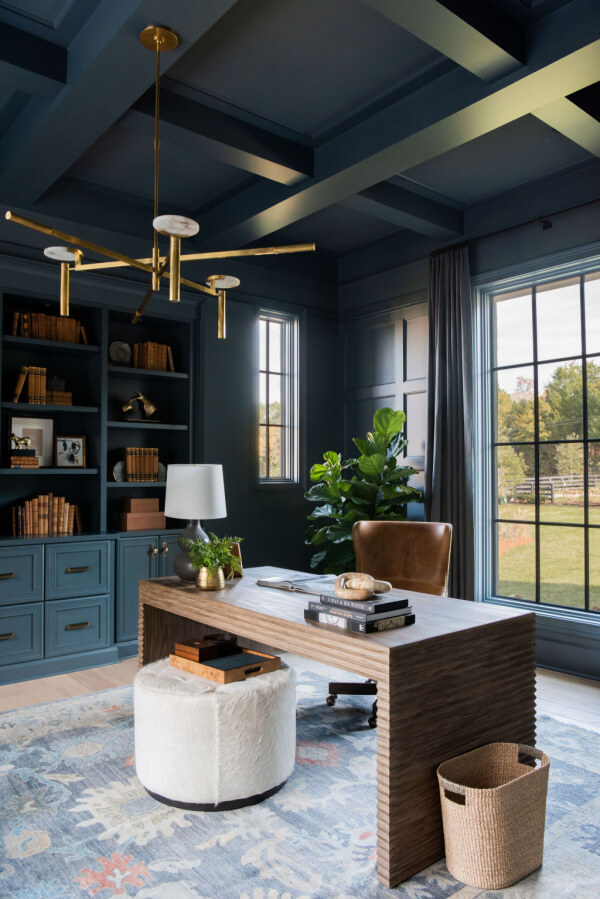
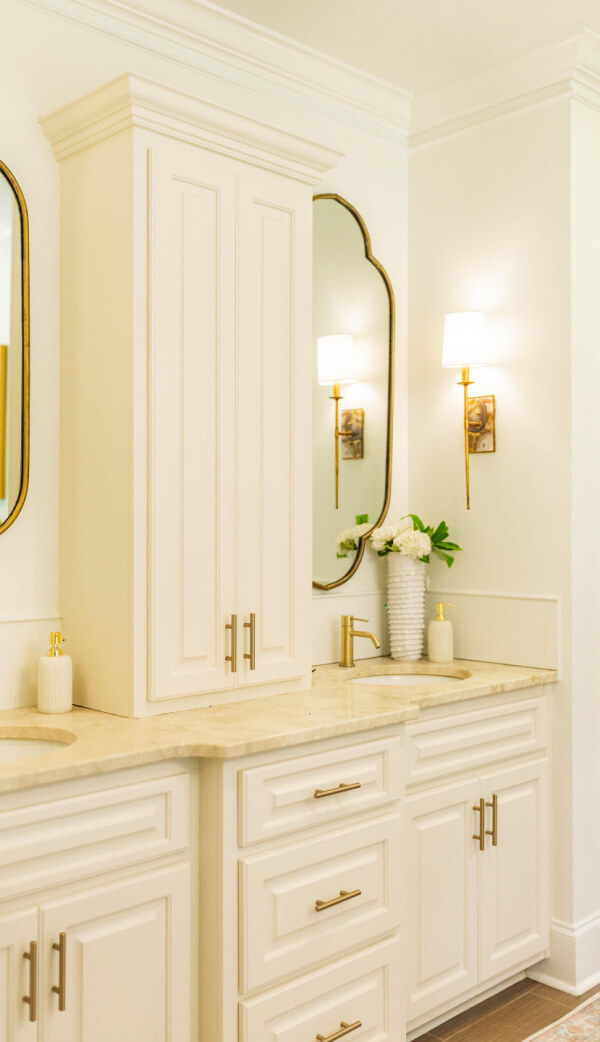
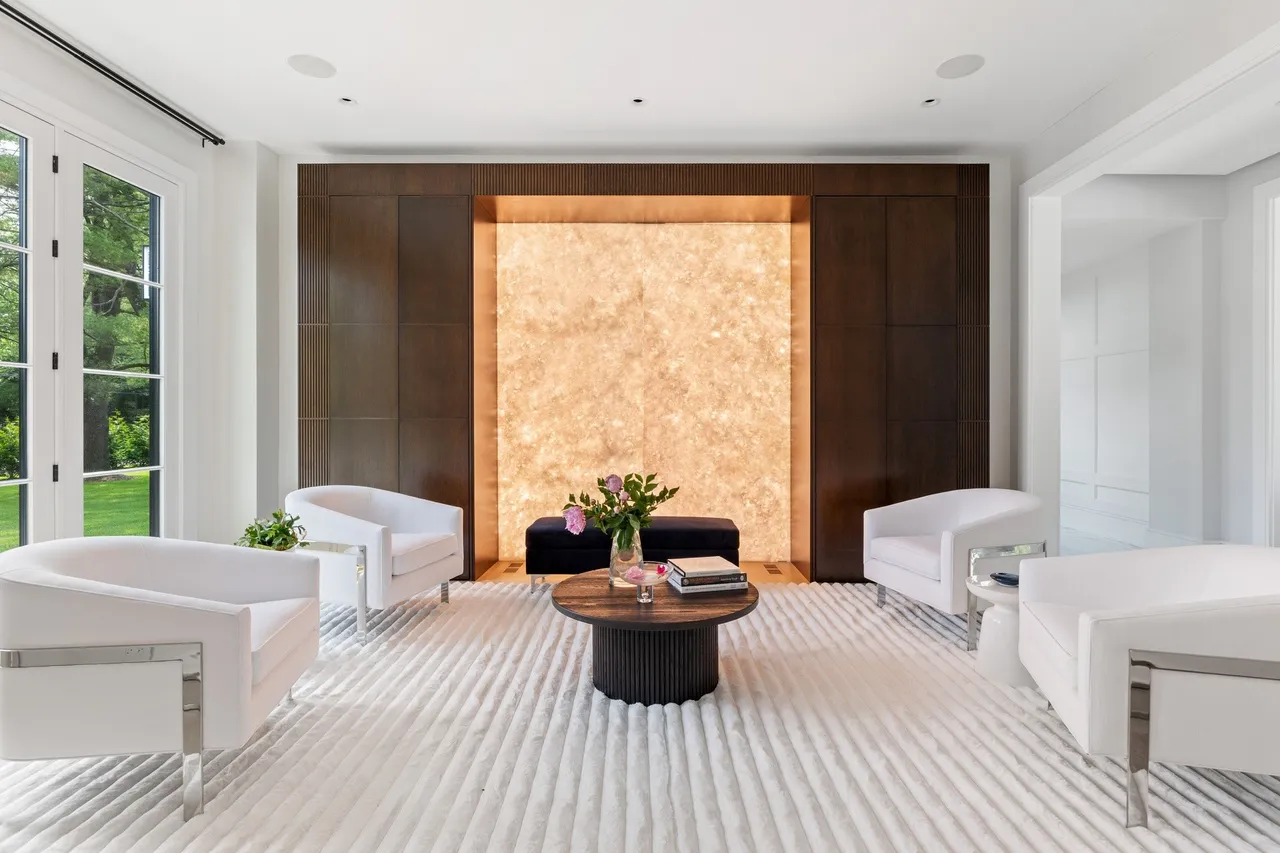
Adding earthiness to interior designs reflects the Pacific Northwest's appreciation for the outdoors. Nature-inspired color palettes, including greens, blues, terra cotta, mustard, and brown, are favored for their soothing qualities. The use of organic materials like natural wood and real stone is also on the rise, with a preference for unpainted cabinets and millwork. Homeowners are increasingly investing in natural stone for countertops, backsplashes, shelves, and even floating bathroom vanities with integrated sinks, appreciating its unique character, color, and movement. Backlit stone is highlighted as a way to enhance its visual appeal.
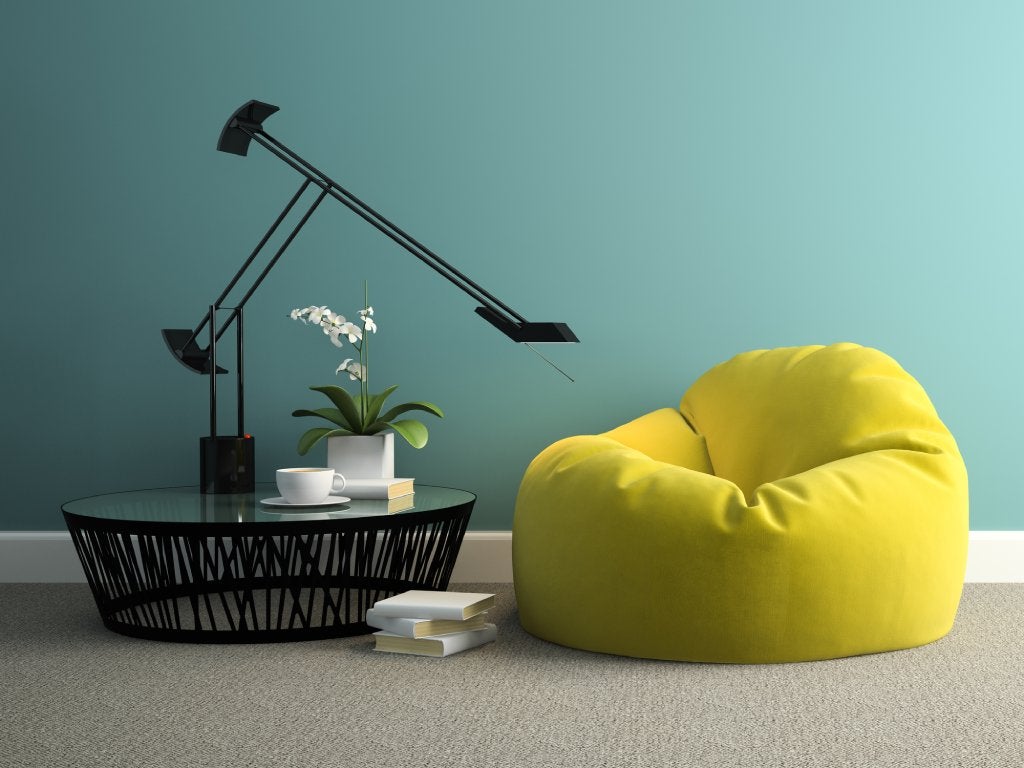
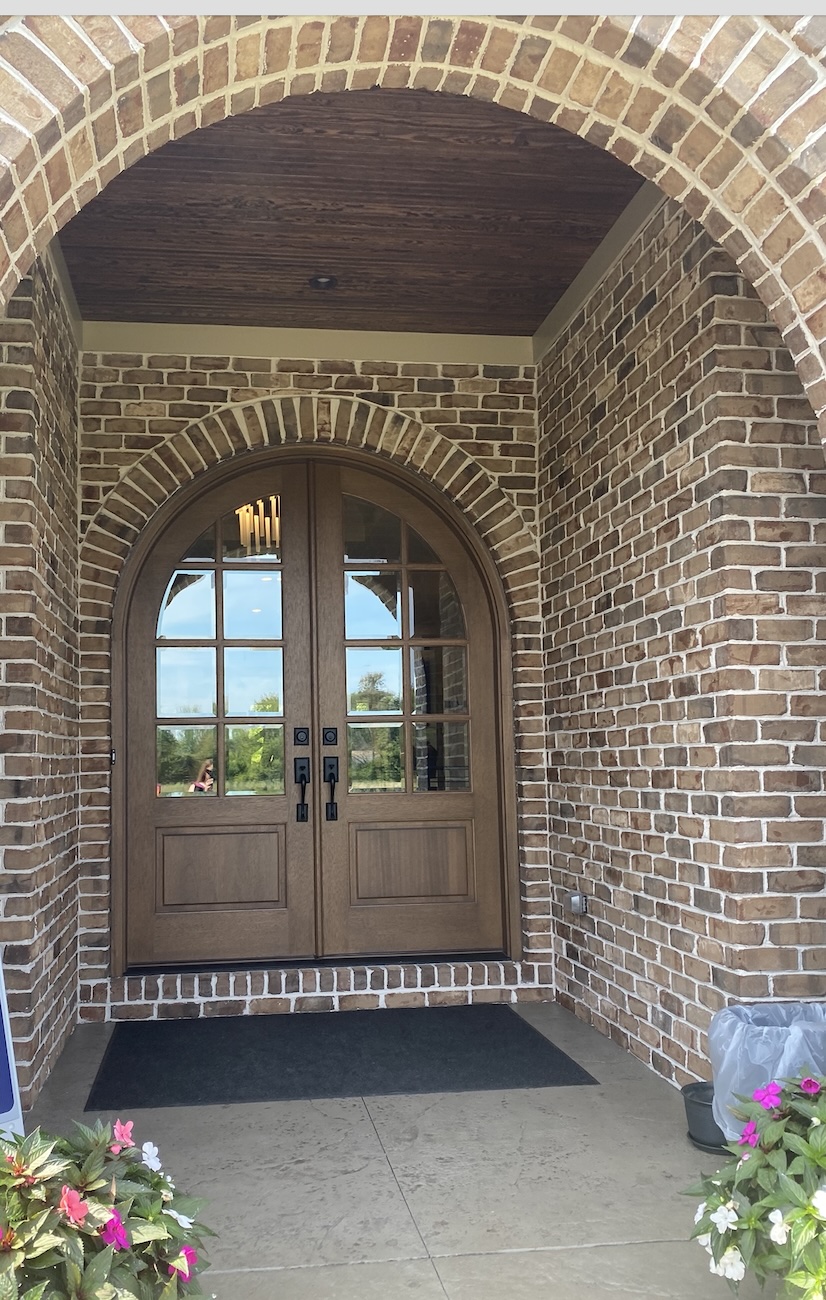
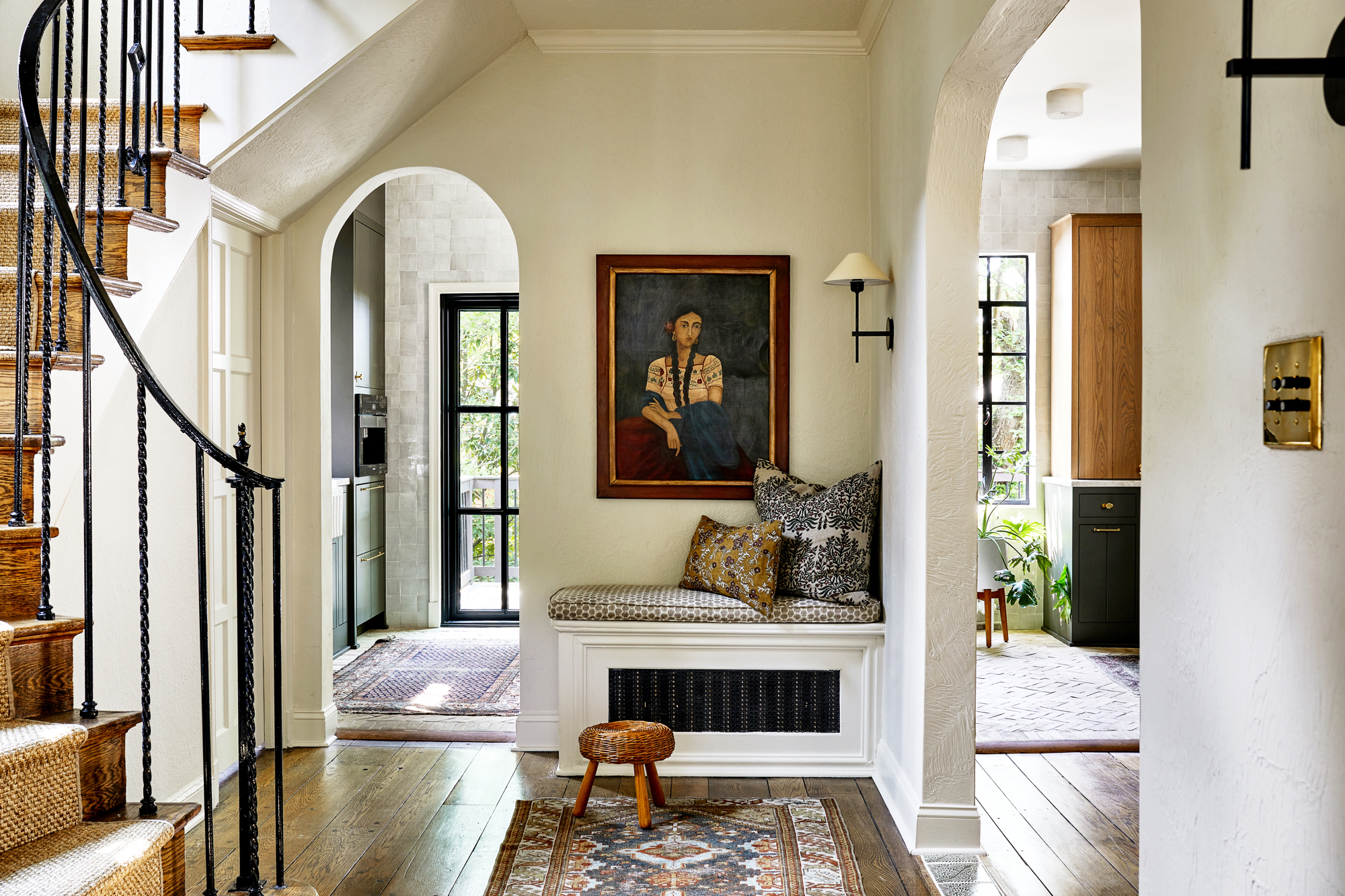
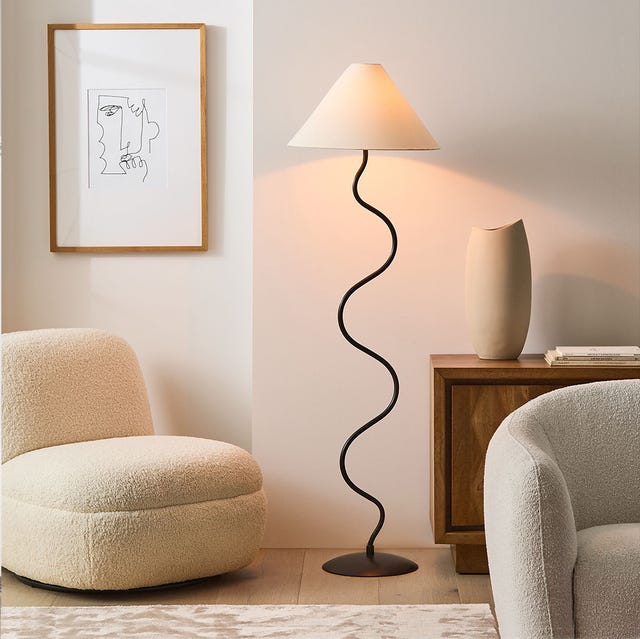
Arches and curves are predicted to bring softness and relaxation to homes, contrasting with sharp, hard edges. This trend manifests in arched doorways, windows, and shelving niches, as well as in furniture pieces like round mirrors and organically shaped sofas. More elaborate examples include spiral staircases, round-edged kitchen islands, and cylindrical shower stalls.
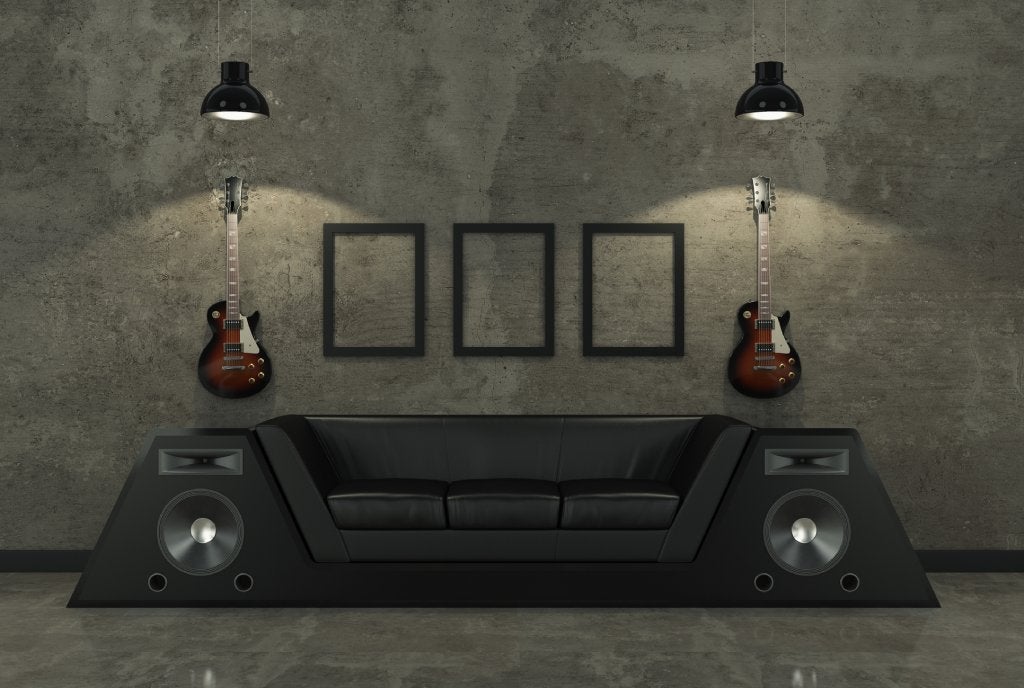
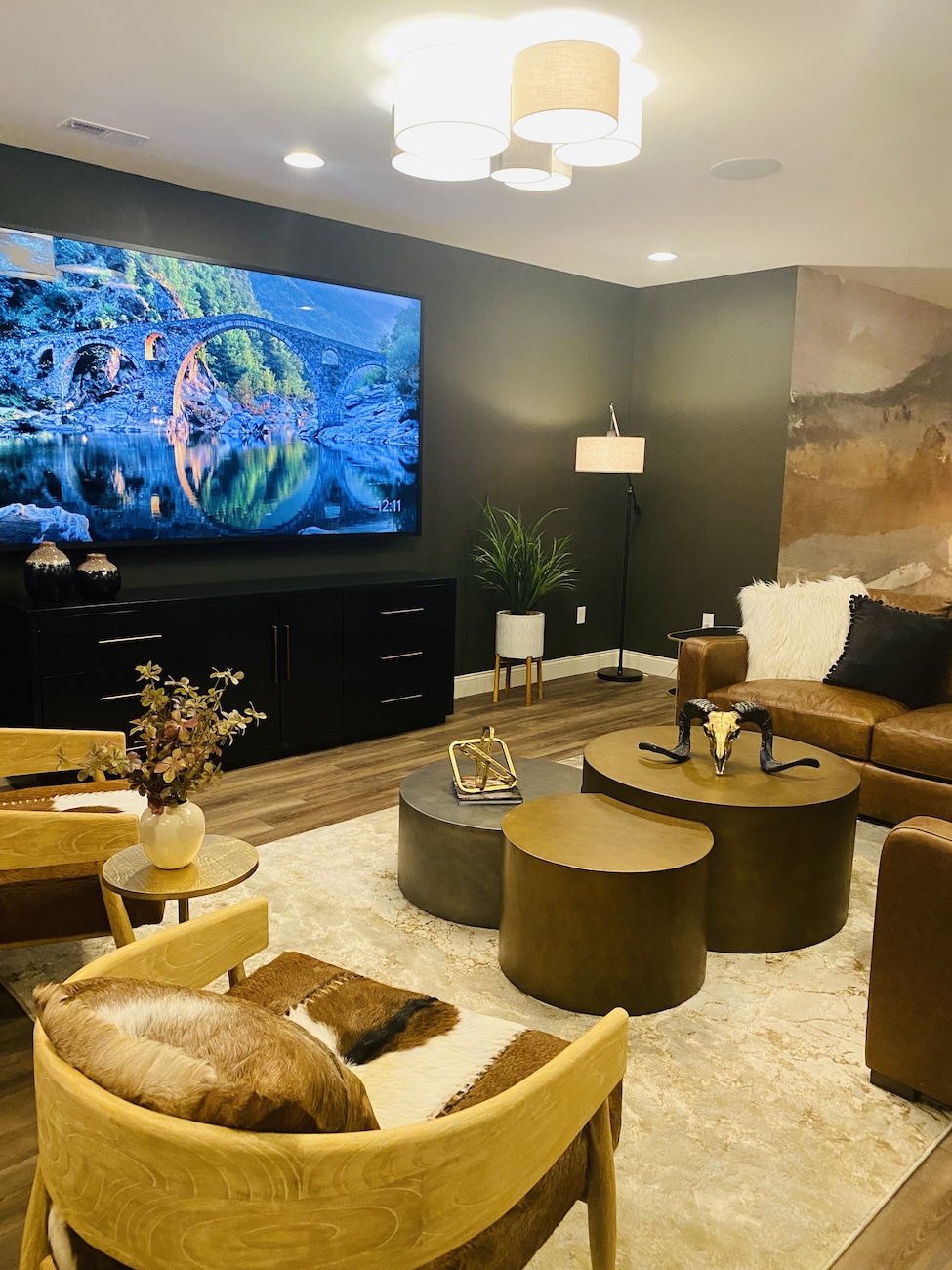
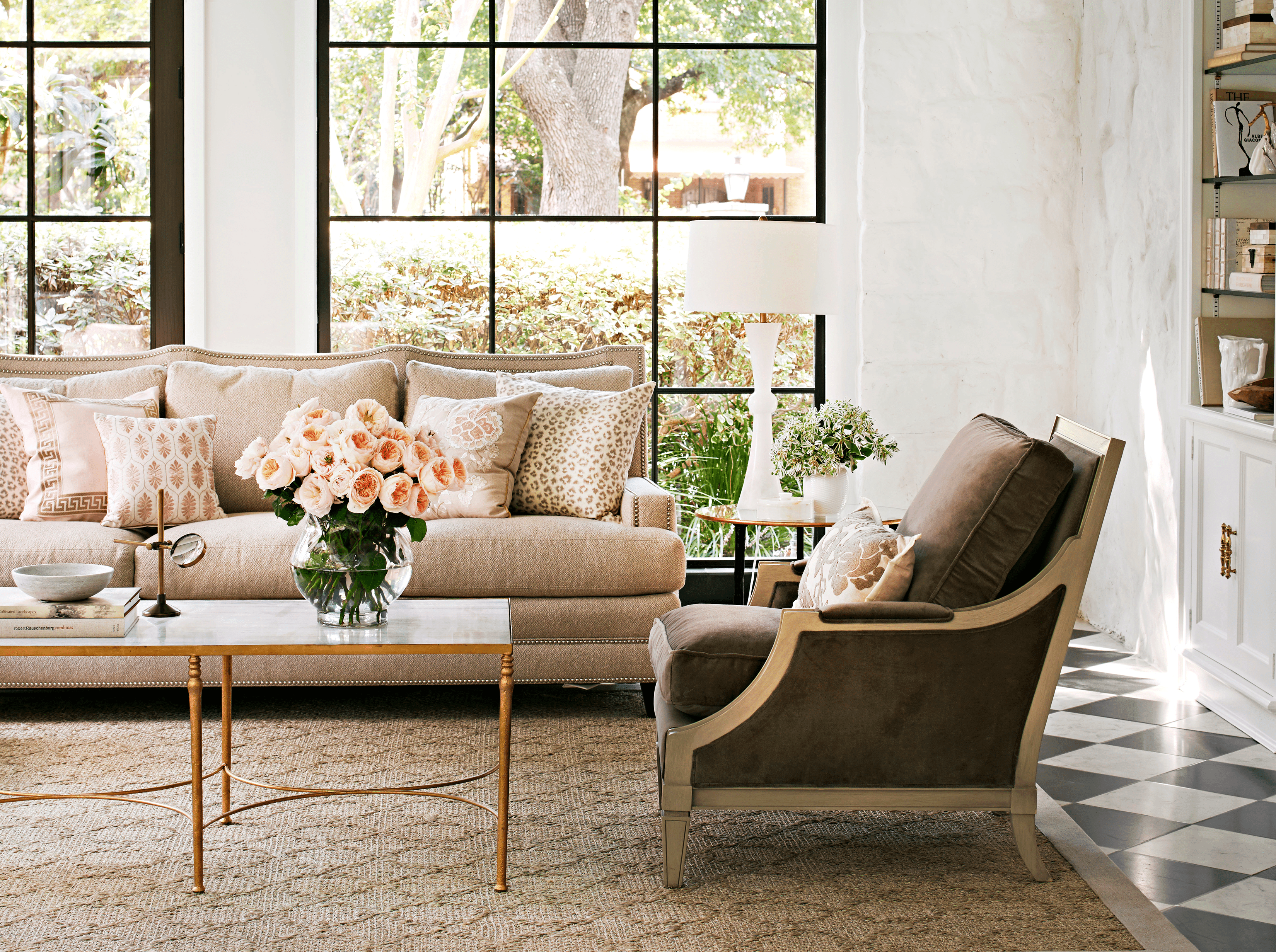
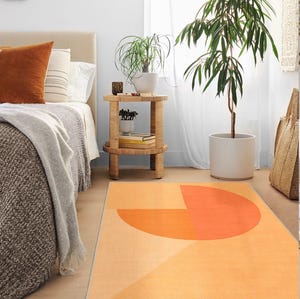
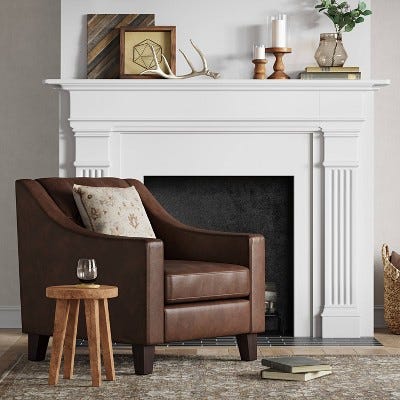
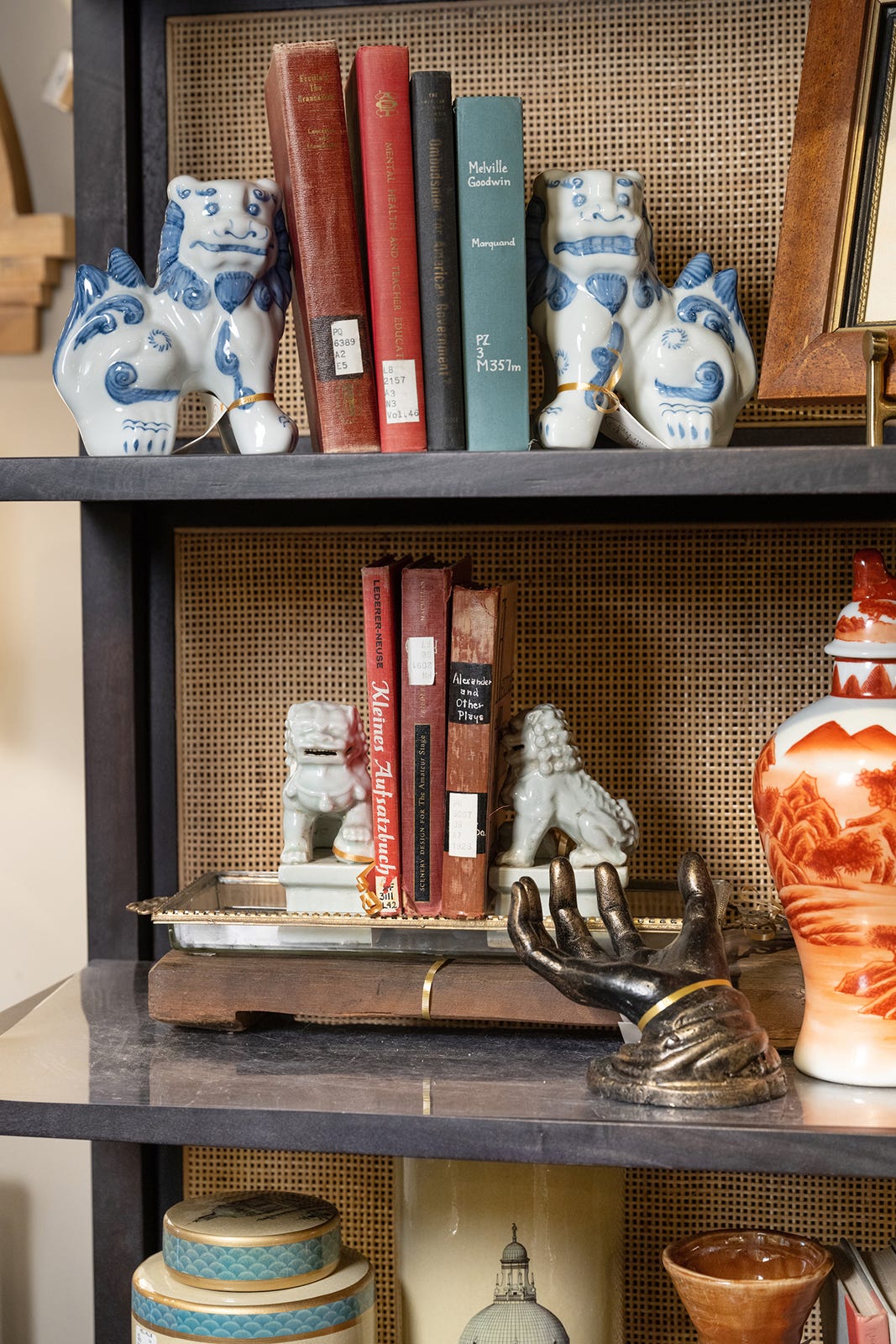
Nostalgic design choices, such as mid-century modern (1960s), boho to disco (1970s), and postmodernism (1980s) styles, are making a comeback, offering a sense of familial comfort. Barbara Miller, Neil Kelly's vice president of design, notes an increase in incorporating antiques, colored area rugs, and homey items made of copper and brass into contemporary interiors.
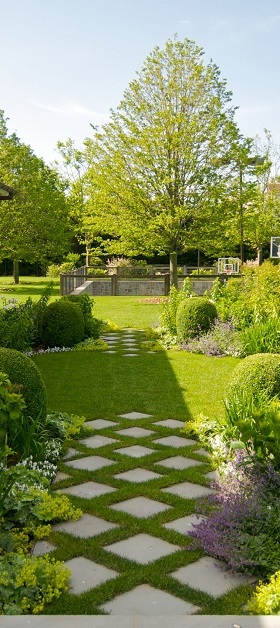
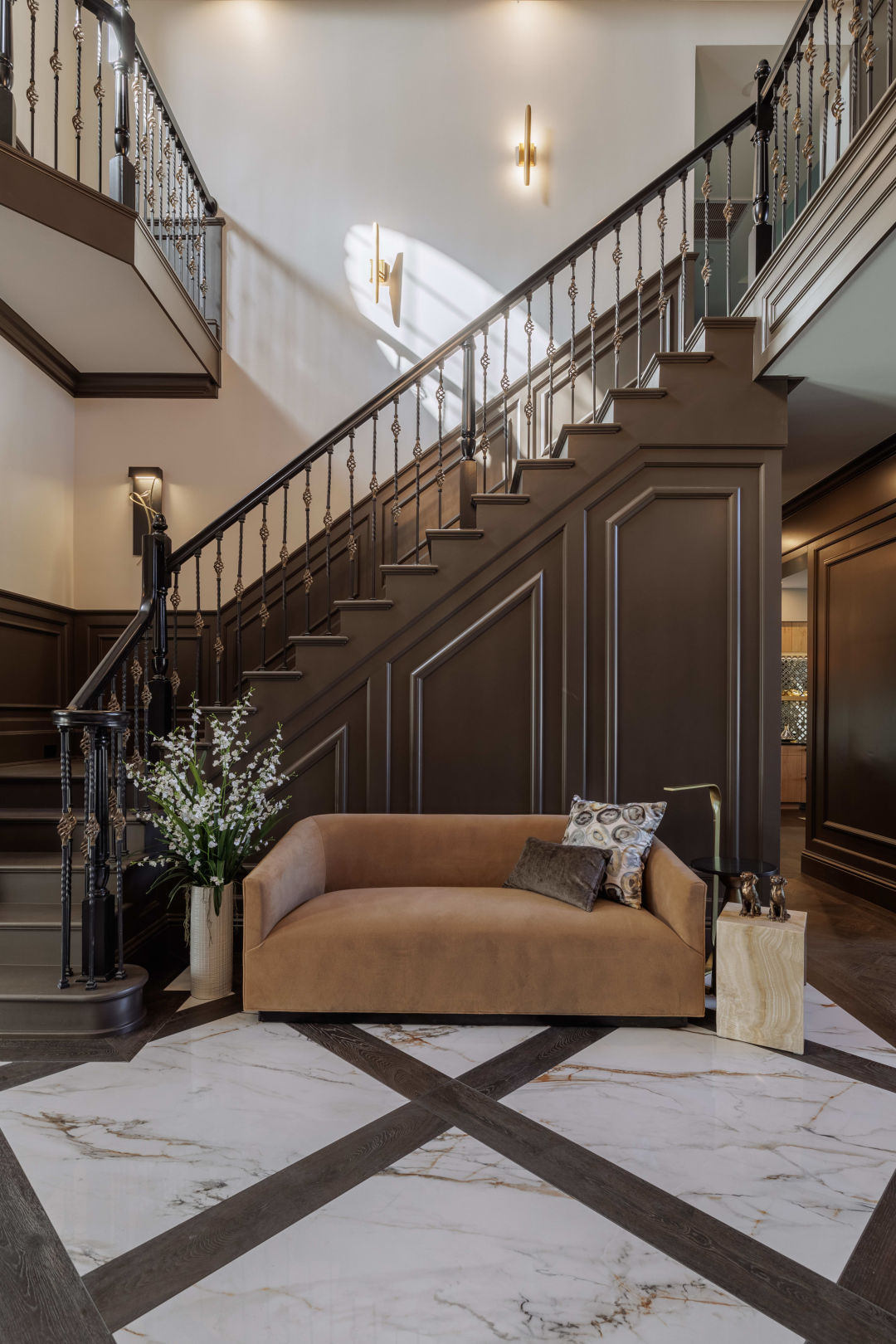
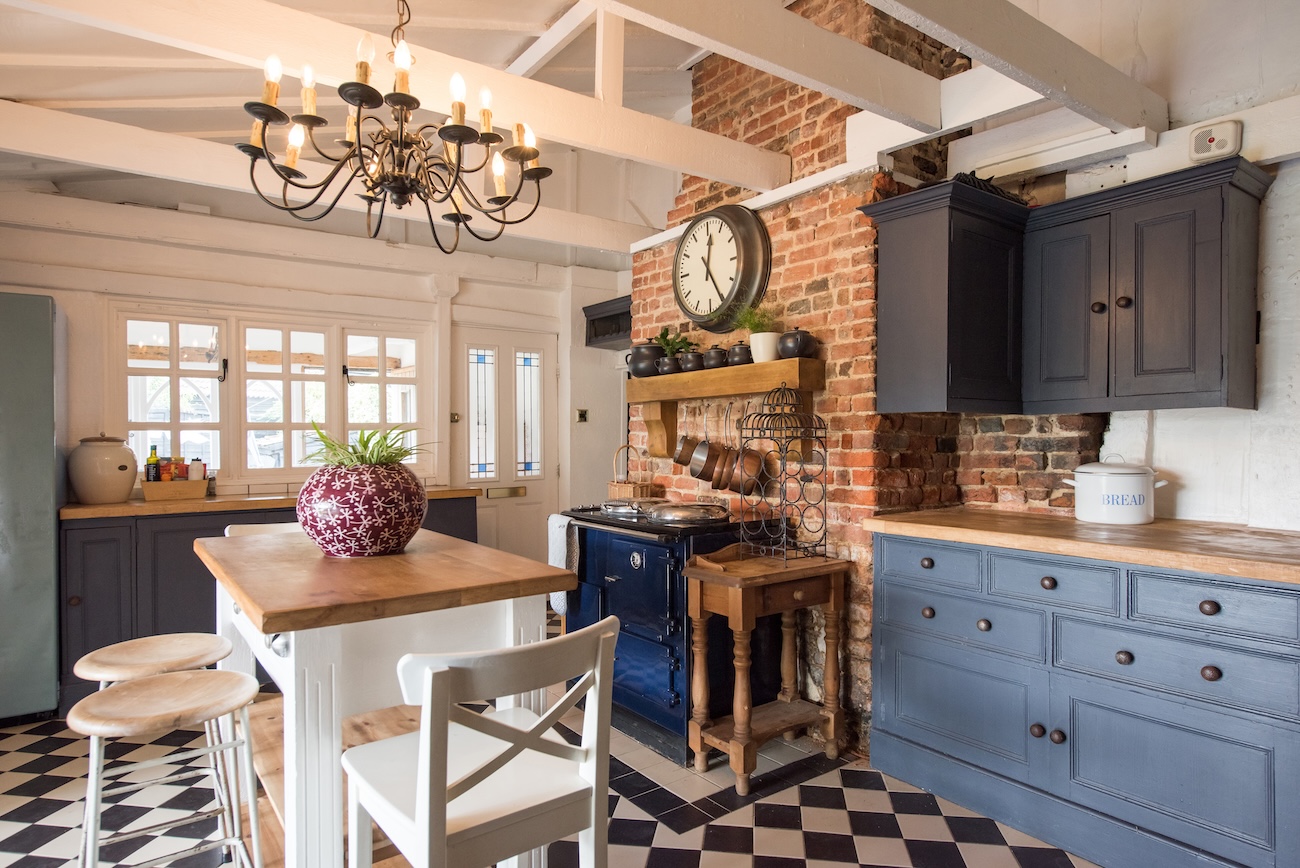
Statement floors are gaining attention, with checkerboard tiles and colorful mosaics adding flair. Wood floors are being installed in intricate patterns like herringbone and parquet. While these designs enhance aesthetic appeal, the article also acknowledges the practical consideration of increased cleaning requirements. The importance of selecting durable materials that combine ease of maintenance with pleasing aesthetics is emphasized.
Optimized storage solutions continue to be a priority, a trend reinforced by the pandemic-era need for home organization. Improvements are being implemented across the home, particularly in kitchens, bathrooms, and closets. Features like walk-in pantries, prep kitchens, dedicated spaces for pet supplies, and specialized organizing systems within cabinets are in high demand to maintain clutter-free and functional spaces.
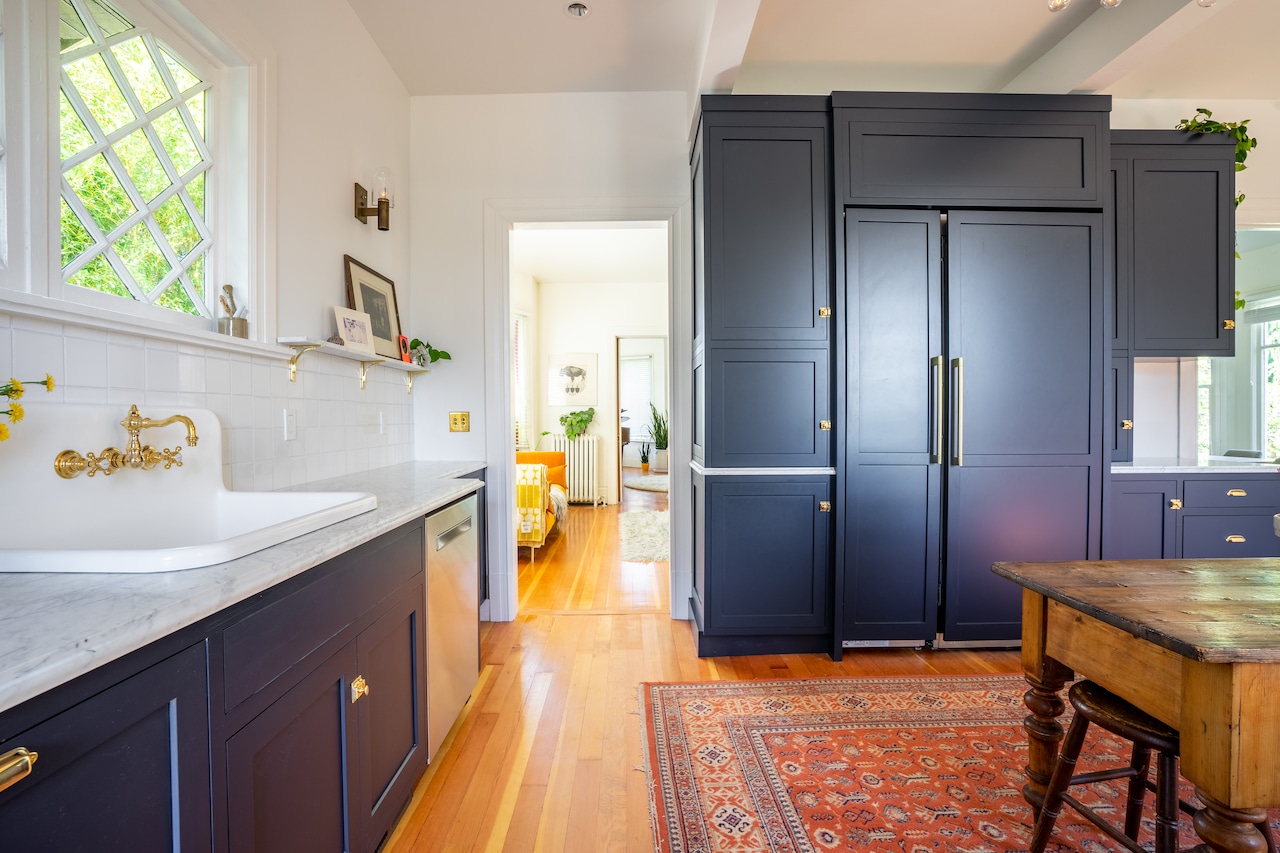
Disappearing appliances, especially in open-concept kitchens that flow into living areas, are another trend. Homeowners prefer refrigerators and dishwashers with panel doors that blend seamlessly with cabinetry, maintaining a consistent aesthetic. While stainless steel remains an option, there's a growing preference for concealed appliances. The demand for quiet appliances is also increasing, essential for multi-use kitchen spaces where activities like Zoom calls occur.
Finally, walk-in showers are replacing traditional tub-shower combinations, offering accessibility and a more spacious feel. While large open-air showers may lack warmth, smaller, glass-enclosed options are popular. Portland Design Consultant Fabian Genovesi advises retaining at least one bathtub in the home for potential resale value. Upgraded laundry rooms are also becoming common, with homeowners investing in matching cabinetry, deep utility sinks, designer fixtures, and functional elements like hang-drying racks and ample counter space, aiming to make laundry tasks more enjoyable.
#HomeDesignTrends #InteriorDecorating #KitchenRemodel #HomeOrganization #SustainableDesign #NostalgicDesign #BathroomDesign #HomeRenovation #Oregon #HomeDesignTrends #InteriorDecorating #KitchenRemodel #HomeOrganization #SustainableDesign #NostalgicDesign #BathroomDesign #HomeRenovation #Oregon
Toplam 0 yorum
 Henüz yorum yok
Bu da beğenebilirsiniz
Home-Design Trends You’ll See Everywhere in 2024

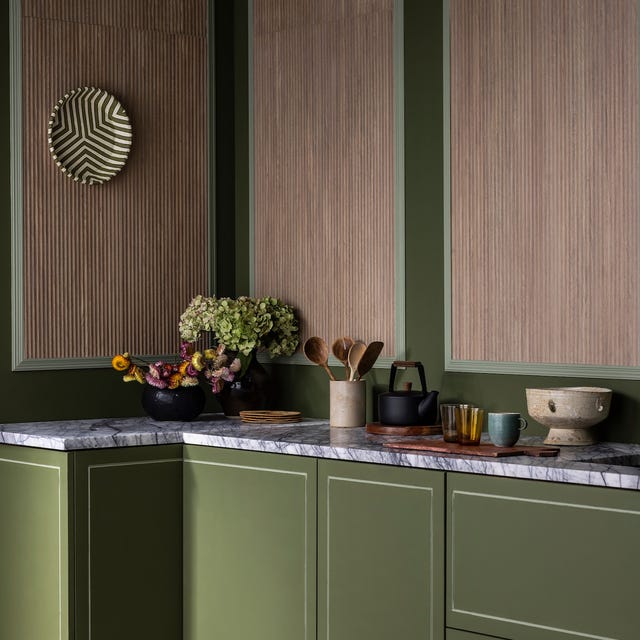
The new interior design trends: 24 looks for 2024

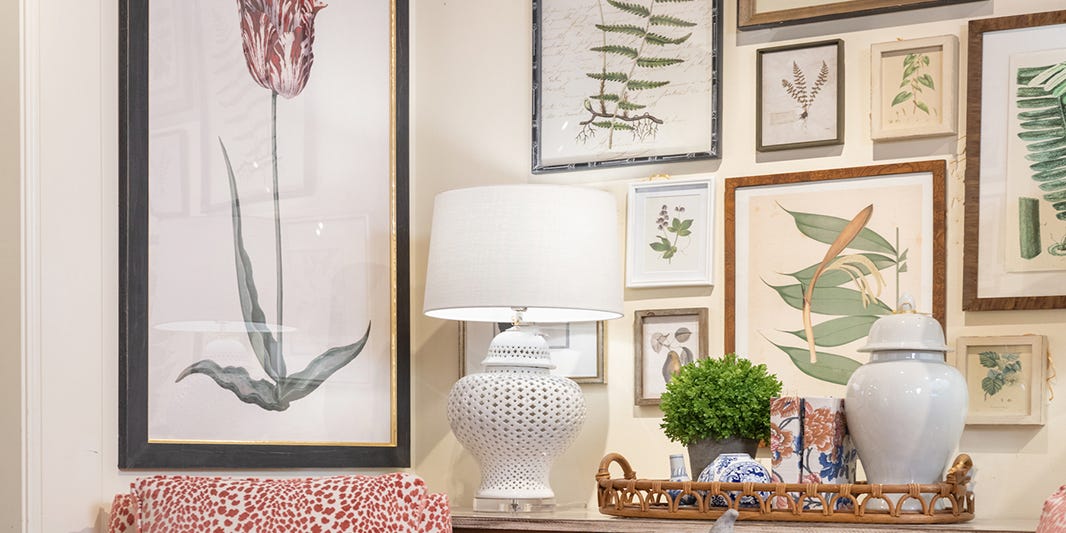
Style at Home: Top 2024 interior design trends making waves across the web
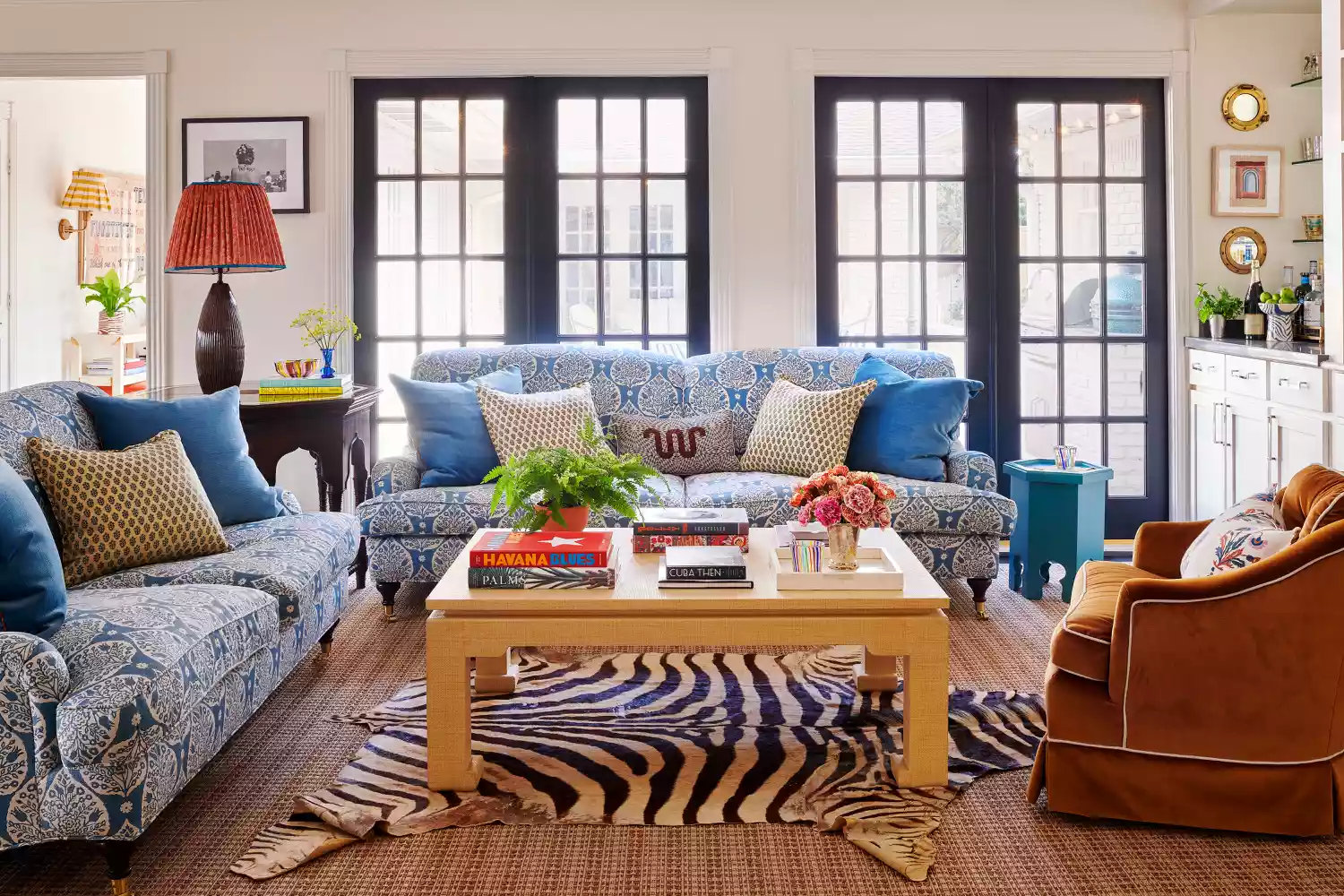
8 Home Renovation Trends We're Leaving Behind In 2024
10 Home Design Trends Your Clients Will Love in 2024
10 Hottest Home Design Trends to Watch for 2025
8 Home Design Trends We're Leaving in 2024 (And What to Do Instead)

8 Interior Design Trends to Watch in 2024

What Are the Hot Home Styles for 2024?

11 Home Design Trends That Are In or Out for 2025

These Are the Home Design Trends You Need to Know About in 2025
Home Gurus Are Saying These Will be the Hottest Bedroom Trends of 2024
Top Home Design Trends in 2025 for Modern Living

Interior Design Trends of 2024

2026 Home Design Trends to Watch
Hottest Home Trends in 2025
The Most Popular Home Decor Styles In Nevada In 2024

Interior Designers Say These Decor Trends Will Be Everywhere in 2024
These 2024 home remodel trends are here to stay – here's how to try them

NJ Designers Share Top Home Trends for 2025