1/3
6 Ways Molding Is Actually Making Your Home Look Bad, According to Designers
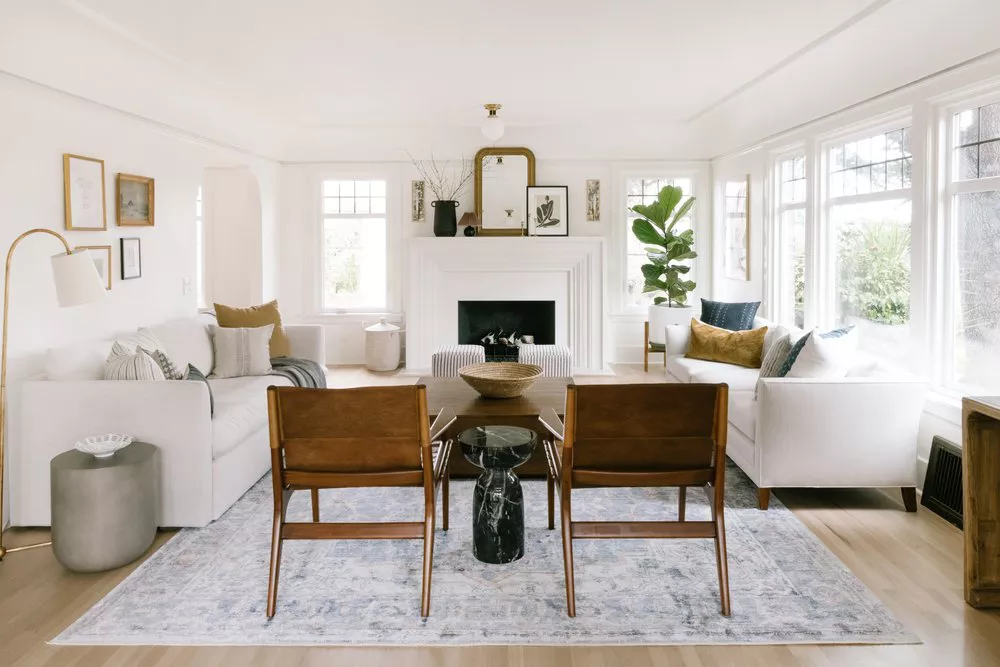
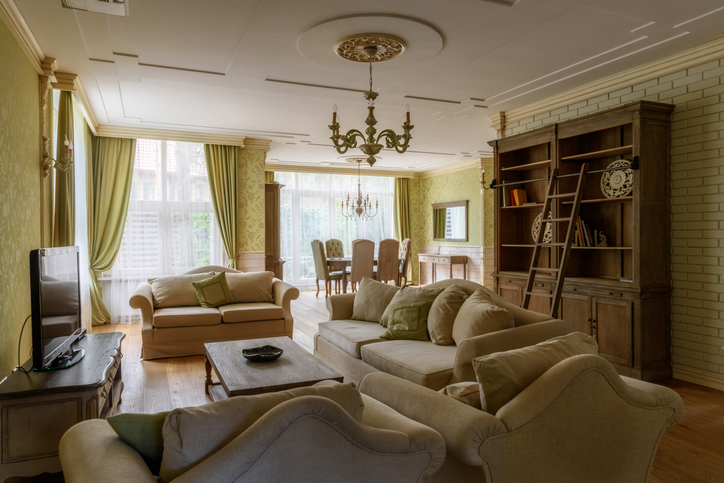
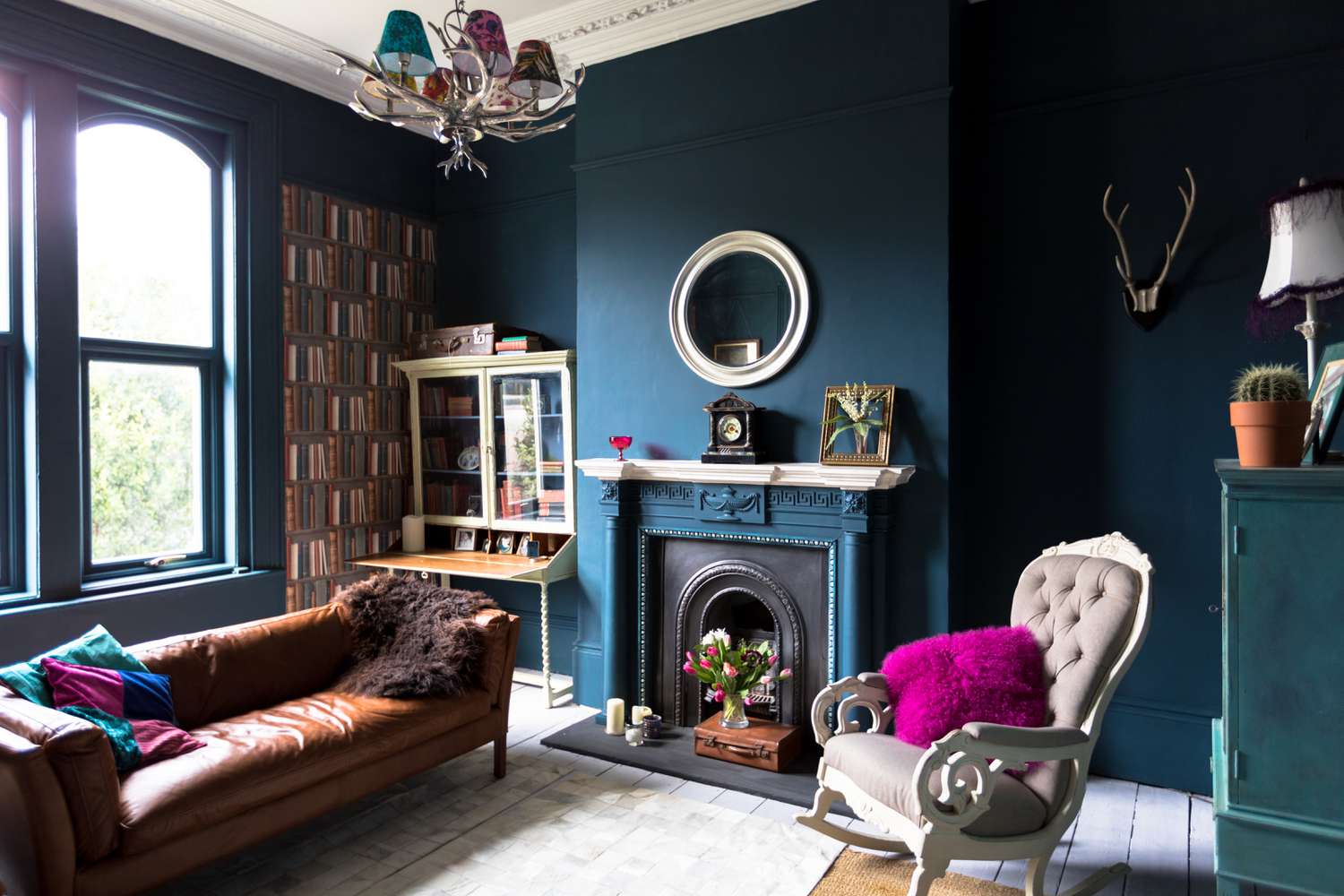
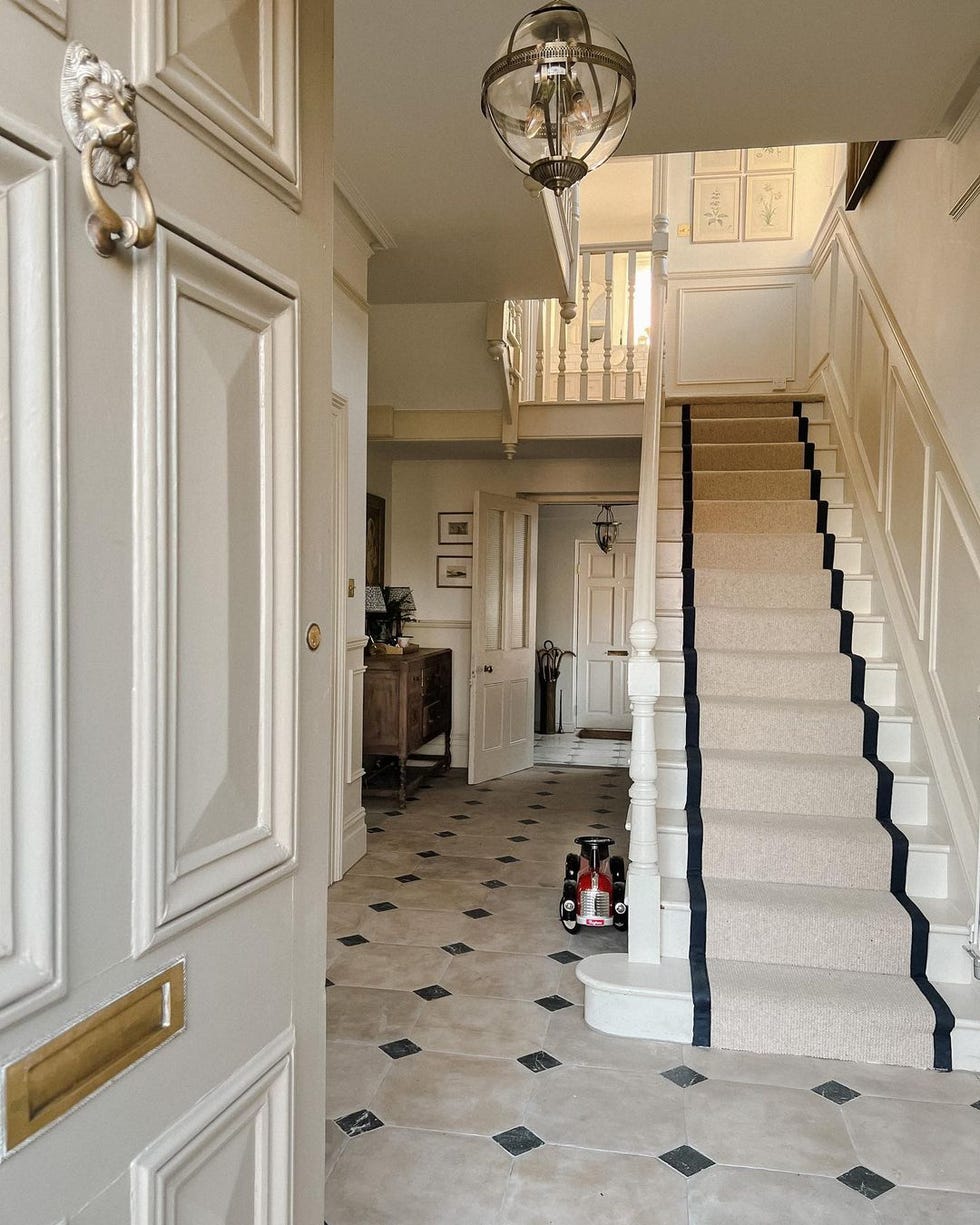
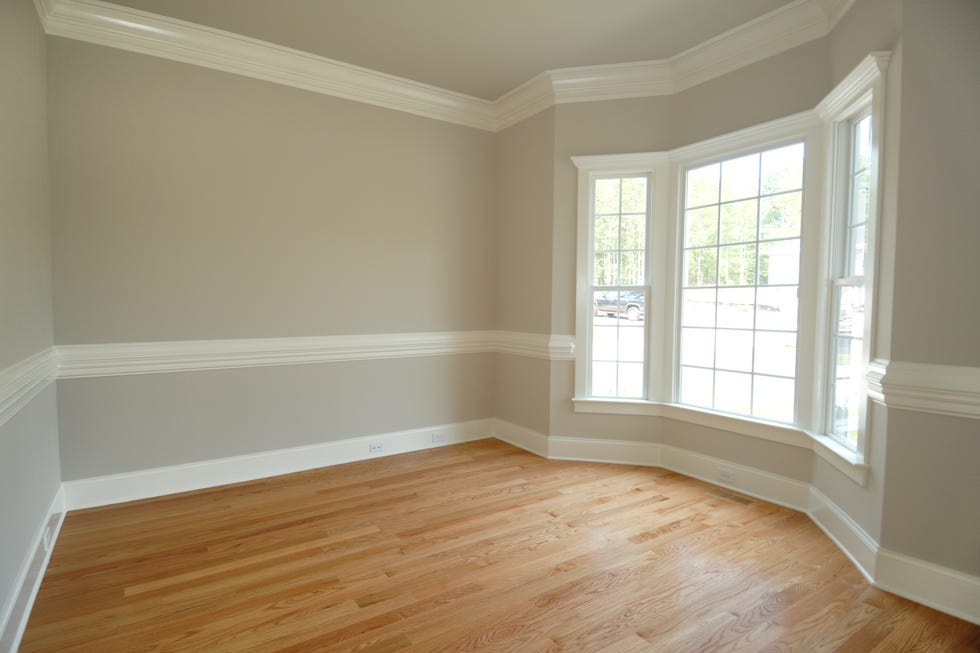
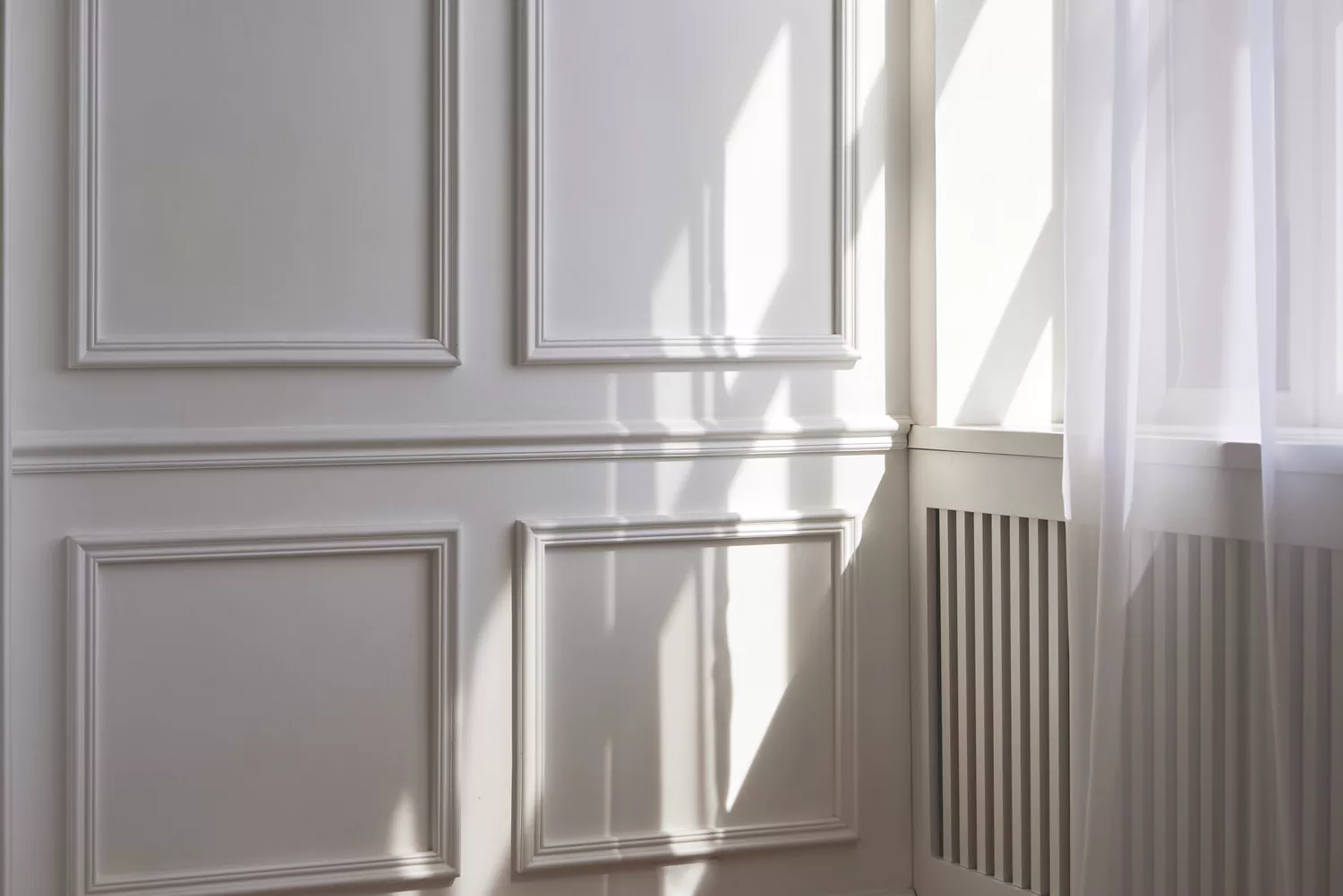
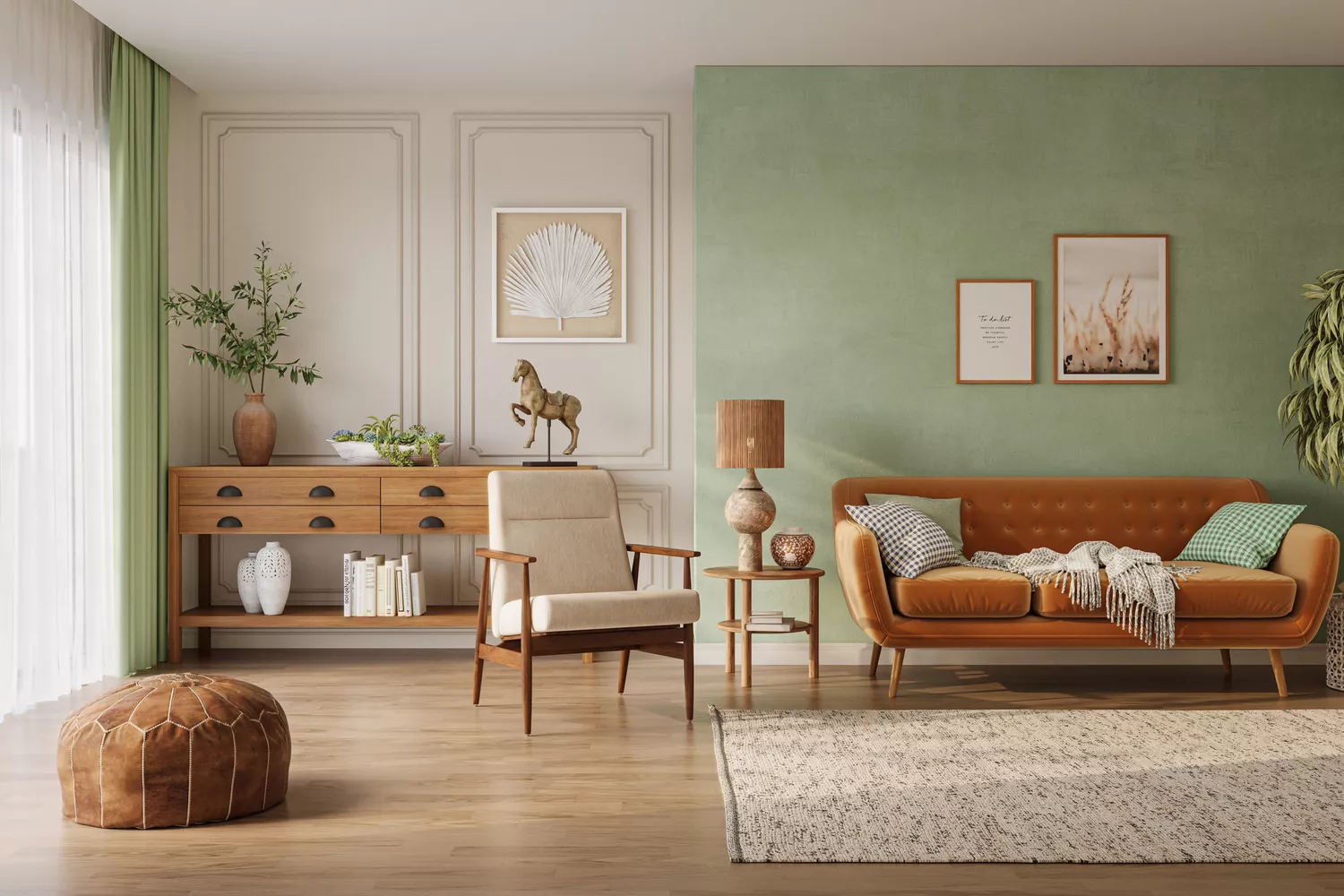
Molding, including crown molding and window casing, can add elegance and dimensionality to a home, but common mistakes in its application can detract from a space's aesthetic. Designers highlight six frequent errors homeowners make and provide actionable solutions. The first common mistake is incorrect scaling, where homeowners often install overly grand molding in rooms with average or low ceilings. For typical 8- or 9-foot ceilings, designers recommend small or no crown molding, while taller ceilings (above 9 feet) can accommodate 6 to 9-inch crown moldings. For ceilings of 8 feet or less, opting for shorter moldings or entirely skipping crown molding can create a more modern look.
The second error involves using the wrong style of molding, resulting in a mismatch with the home's architectural period. Homeowners should consider the era of their house; for instance, Tudor homes might feature cove ceilings and picture rails, while midcentury homes would benefit from lower-profile, flat stock trim. Designers caution against mixing styles, such as putting elaborate colonial profiles in midcentury homes or chunky shaker profiles in Victorian ones, unless done with clear intention and skill. Homes with transitional designs, common in recent constructions, offer more flexibility in trim types.
A third mistake is neglecting existing molding issues due to perceived difficulty or cost. A simple solution for oversized trim in a small room is to paint it the same color as the walls, reducing visual contrast and making the room appear larger. In large formal rooms with insufficient trim, painting architectural details like pinstripes around doors and ceilings, horizontal color blocking for chair rails, or stenciled ceiling medallions can create a sense of grandeur.
Fourthly, the article addresses the incorporation of shoe molding. This narrow trim piece is often used to conceal gaps between baseboards and flooring or to compensate for unevenness. However, designers frequently view it as an afterthought that can detract from other trims. The preferred method is to install flooring first and then baseboards to eliminate the need for shoe molding. If concealment is necessary, quarter-round trim can be used, particularly with baseboards that have curved profiles.
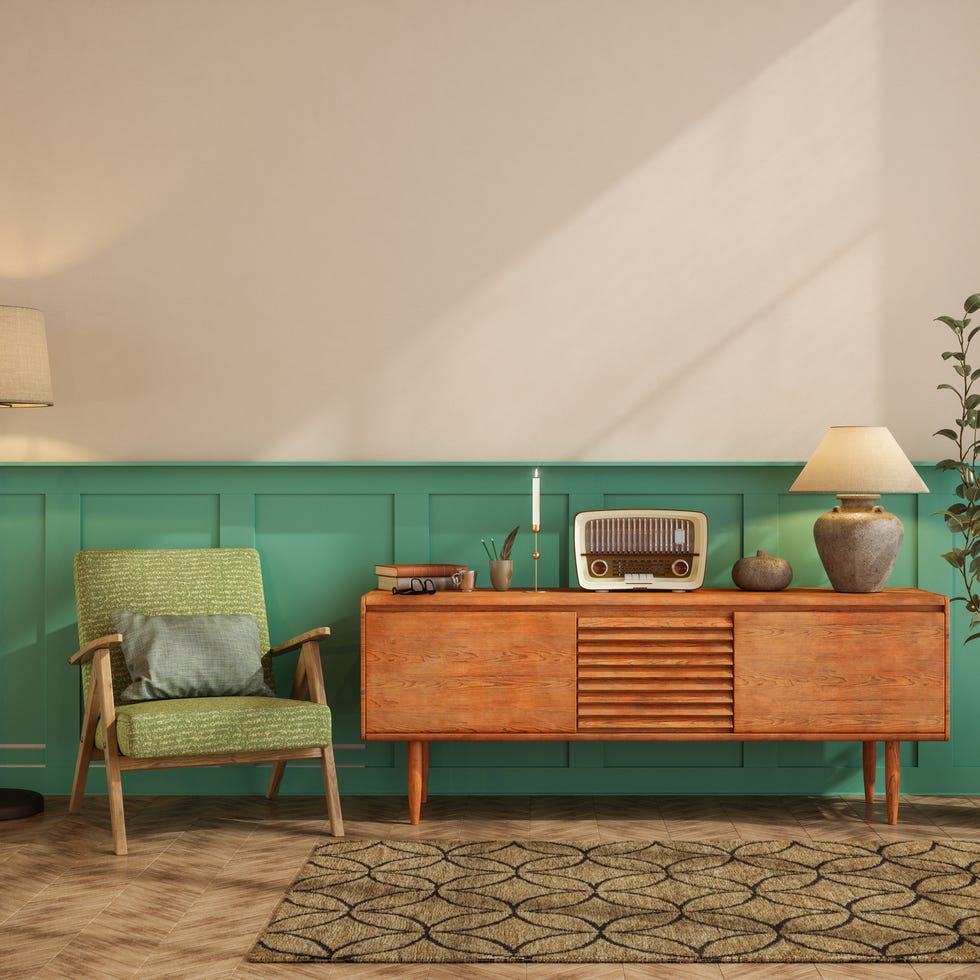
The fifth mistake is following transient trends in molding. Homeowners might incorporate popular wainscoting, picture molding, or beadboard without considering their home's architectural style, leading to an outdated look within a few years. Emphasizing timelessness, designers advise selecting trim that complements the home's inherent architectural style, ensuring it feels like an integral and enduring part of the structure.
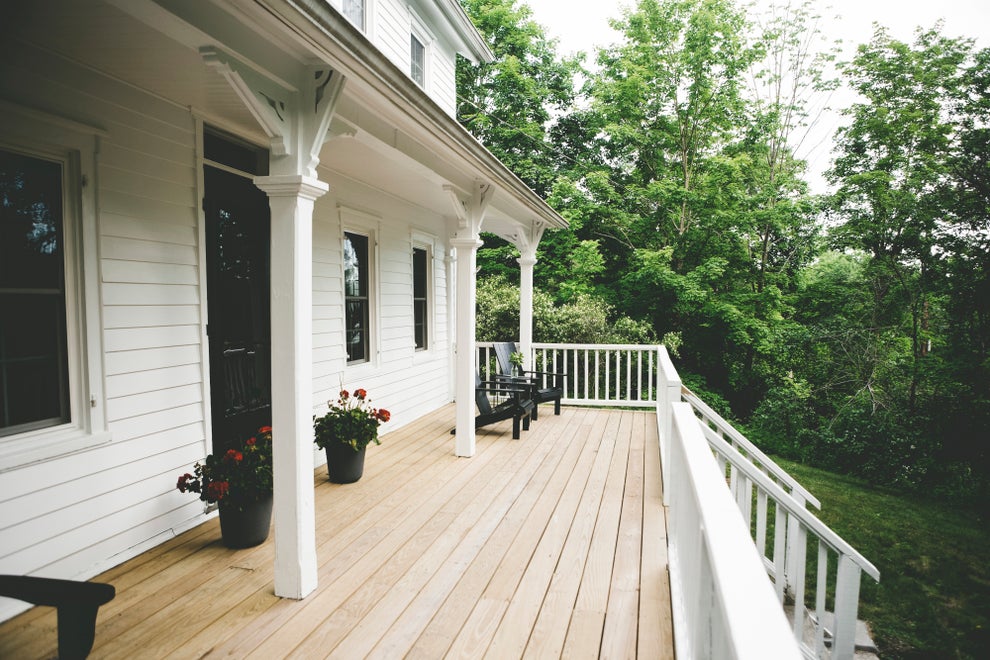
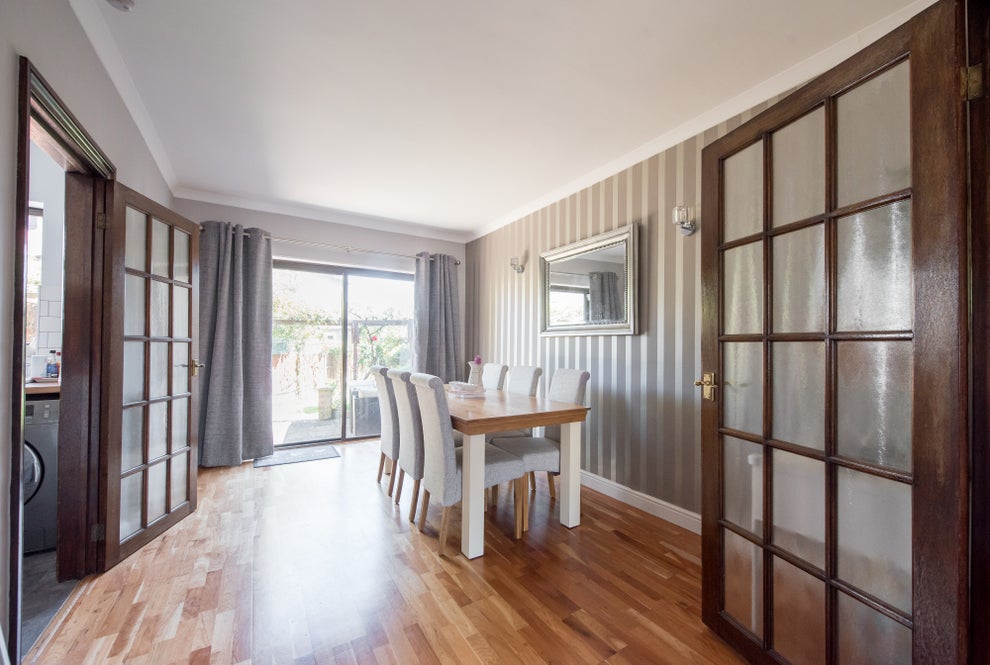
Finally, the article discusses the controversial topic of window or door casing. While some designers advocate against bulky casing, especially in newer constructions, others believe these details add depth and layering. The recommendation is to select appropriately scaled and styled door and window trim. Even flat stock can add depth without excessive cost. The key is to ensure the trim's scale matches that of the windows and doorways to avoid overwhelming the room.
#MoldingDesign #HomeDecor #InteriorDesign #ArchitecturalStyle #CrownMolding #TrimSelection #ShoeMolding #RenovationTips #DesignMistakes #MoldingDesign #HomeDecor #InteriorDesign #ArchitecturalStyle #CrownMolding #TrimSelection #ShoeMolding #RenovationTips #DesignMistakes
Toplam 0 yorum
 Henüz yorum yok
Bu da beğenebilirsiniz
'Potential buyers may see it as a DIY job gone wrong' – this popular interior trend may be devaluing your home
7 Design Mistakes Interior Designers Always Notice

"Frankly, It's Tacky": People Are Revealing Common Interior Design Trends They Can't Stand

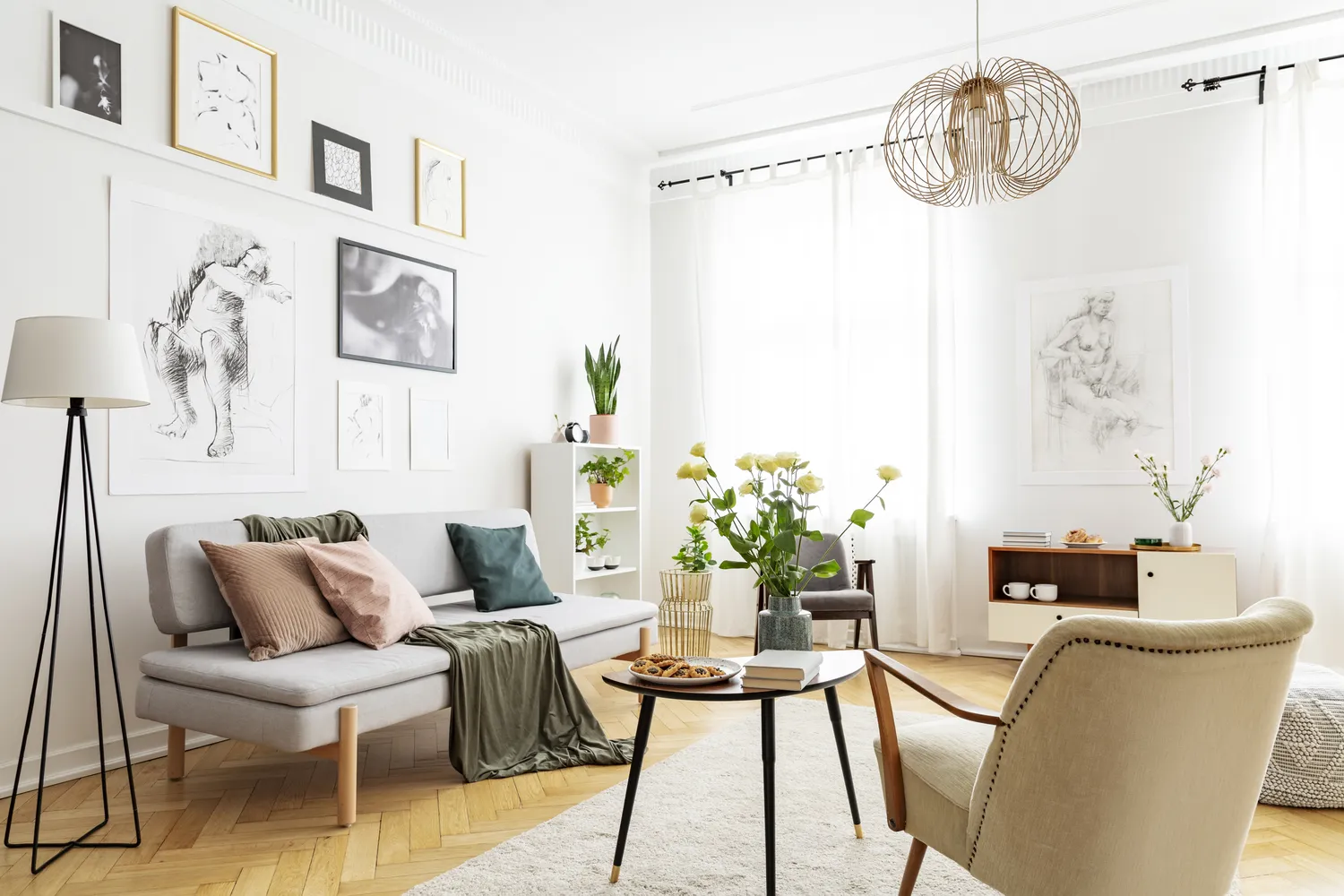
5 Tacky Home Decor Items That Instantly Make a Home Look Bad, According to Designers
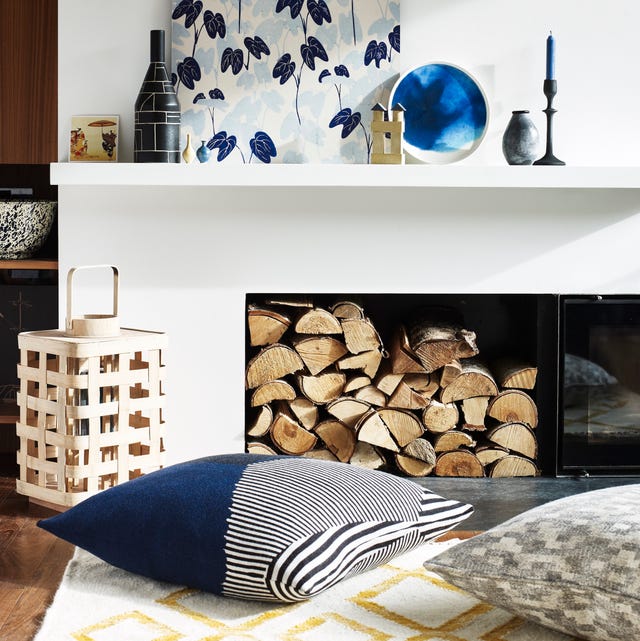
6 mistakes design experts instantly notice in your home – and how to fix them

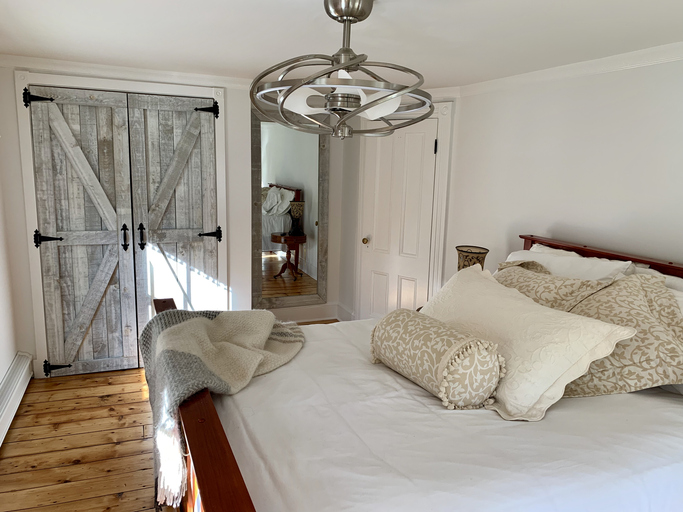
10 Horrifying Home Design Trends: 2022 Edition
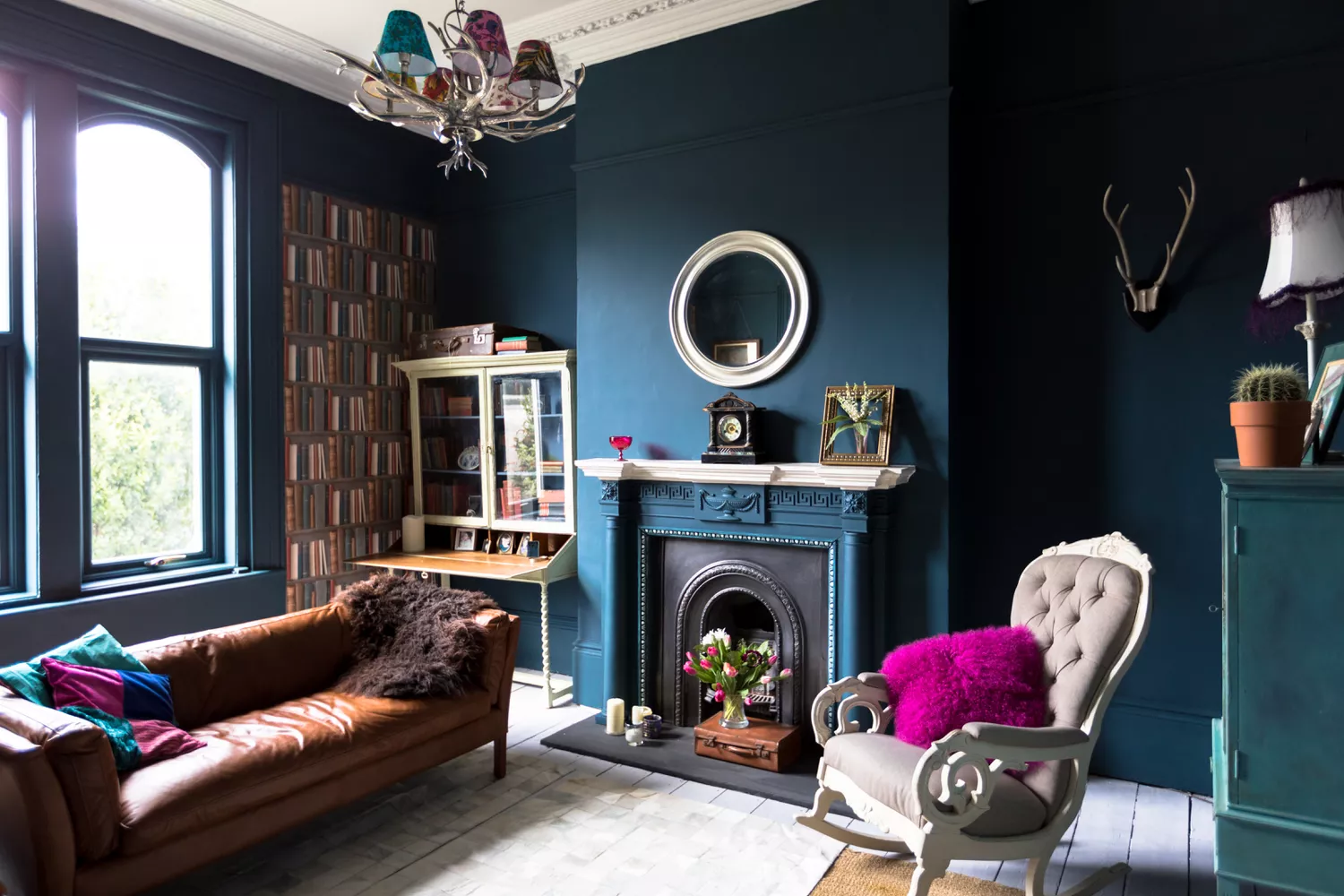
6 Tacky Living Room "Upgrades" That Instantly Make Your Home Look Bad, Designers Say
8 Tacky Home Trends That Designers Say Are TRAGICALLY Dead
10 Mistakes Designers IMMEDIATELY Notice When They Walk Into Your Home
7 Things That Are Secretly Making Your Mantel Look Bad, According to a Designer
"It's Like I'm On An HGTV Acid Trip": People Are Denouncing The Worst Home Design Features
6 interior design mistakes that could be affecting your sleep
6 Reasons Your Home's Molding Looks Weird, According to Interior Designers
The 13 Biggest "Scams" in Home Design Today, According to Designers
Interior Designers Reveal 6 Surprising Things Making Your House Look Dated

The #1 Home Trend You Should Avoid, According to Designers

6 Things That Make Your Entryway Look TACKY, According to Designers
10 Horrifying Home Design Trends: 2023 Edition
8 common design mistakes that make your home look dated — and how to avoid them
7 Things That Immediately Make Your Living Room Look Bad, According to Designers