1/6
5 Feng Shui living room mistakes you're making – and how the experts avoid them
The ancient practice of Feng Shui aims to create harmonious environments by balancing chi, or life force, through proper arrangement of space and objects. The living room, as a central hub for interaction and family life, plays a crucial role in overall home well-being. This article identifies five common Feng Shui living room mistakes and provides expert advice on how to rectify them, ensuring the space fosters a supportive and nurturing atmosphere.
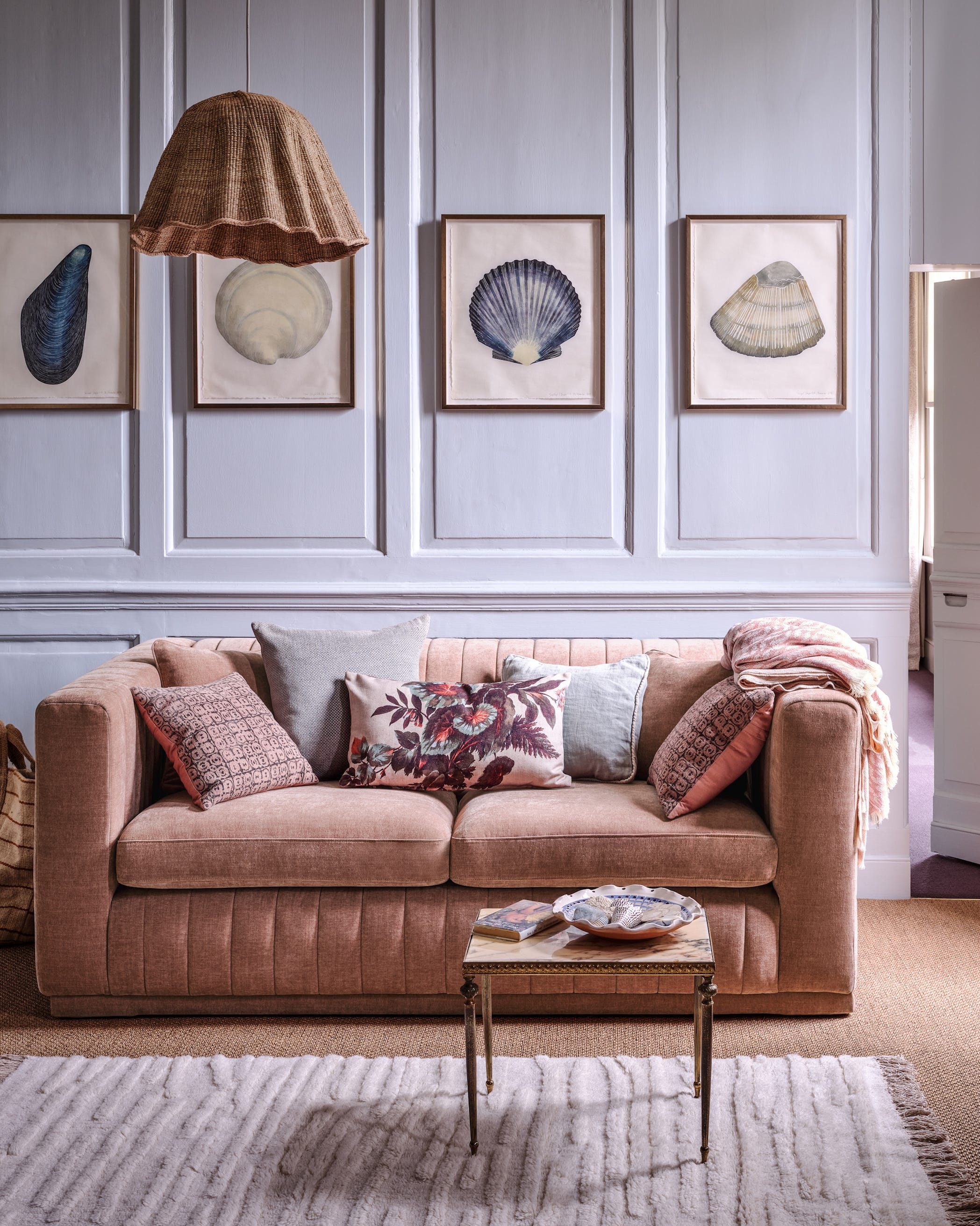
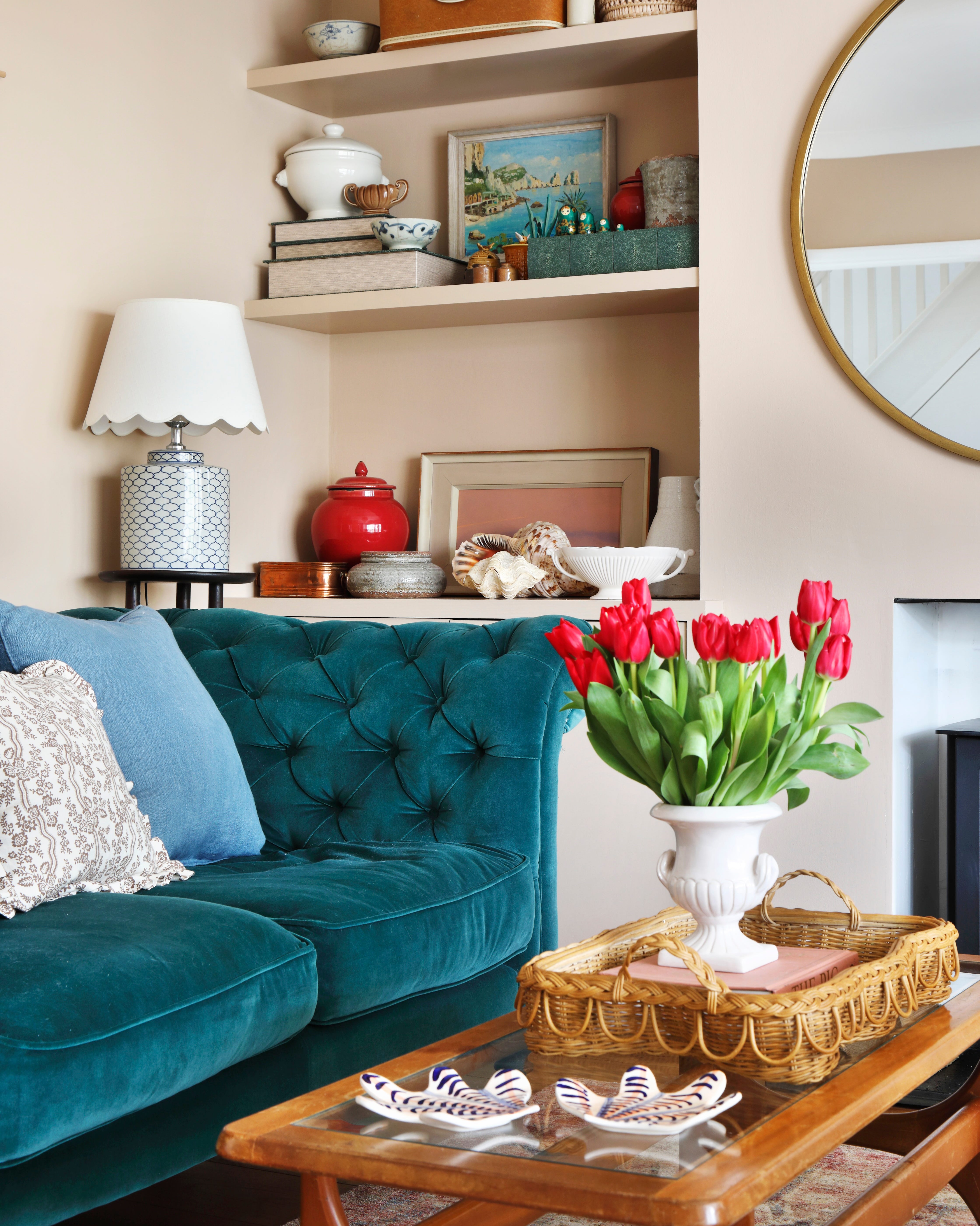
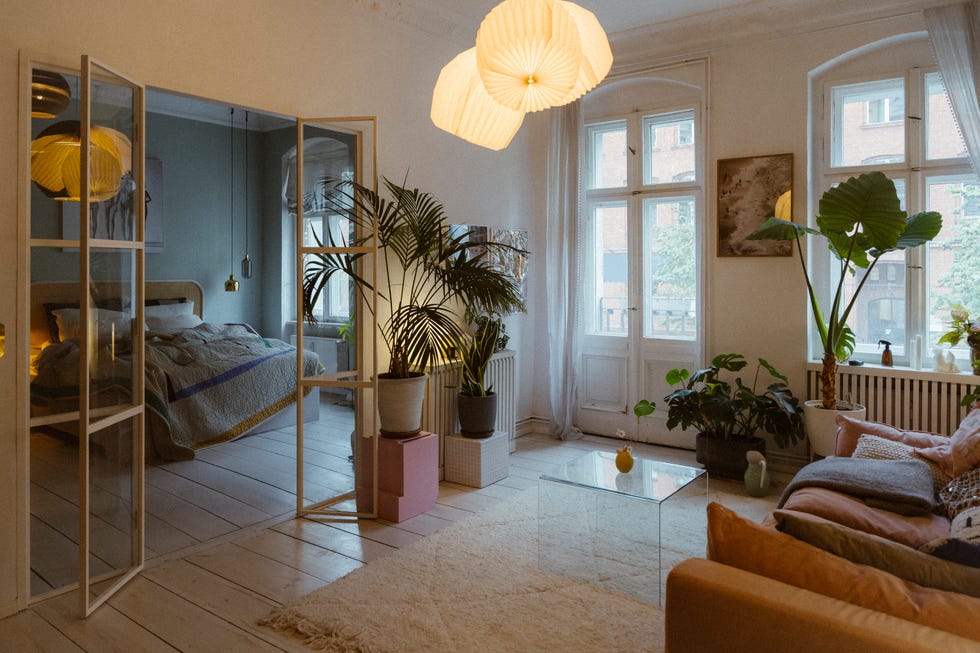
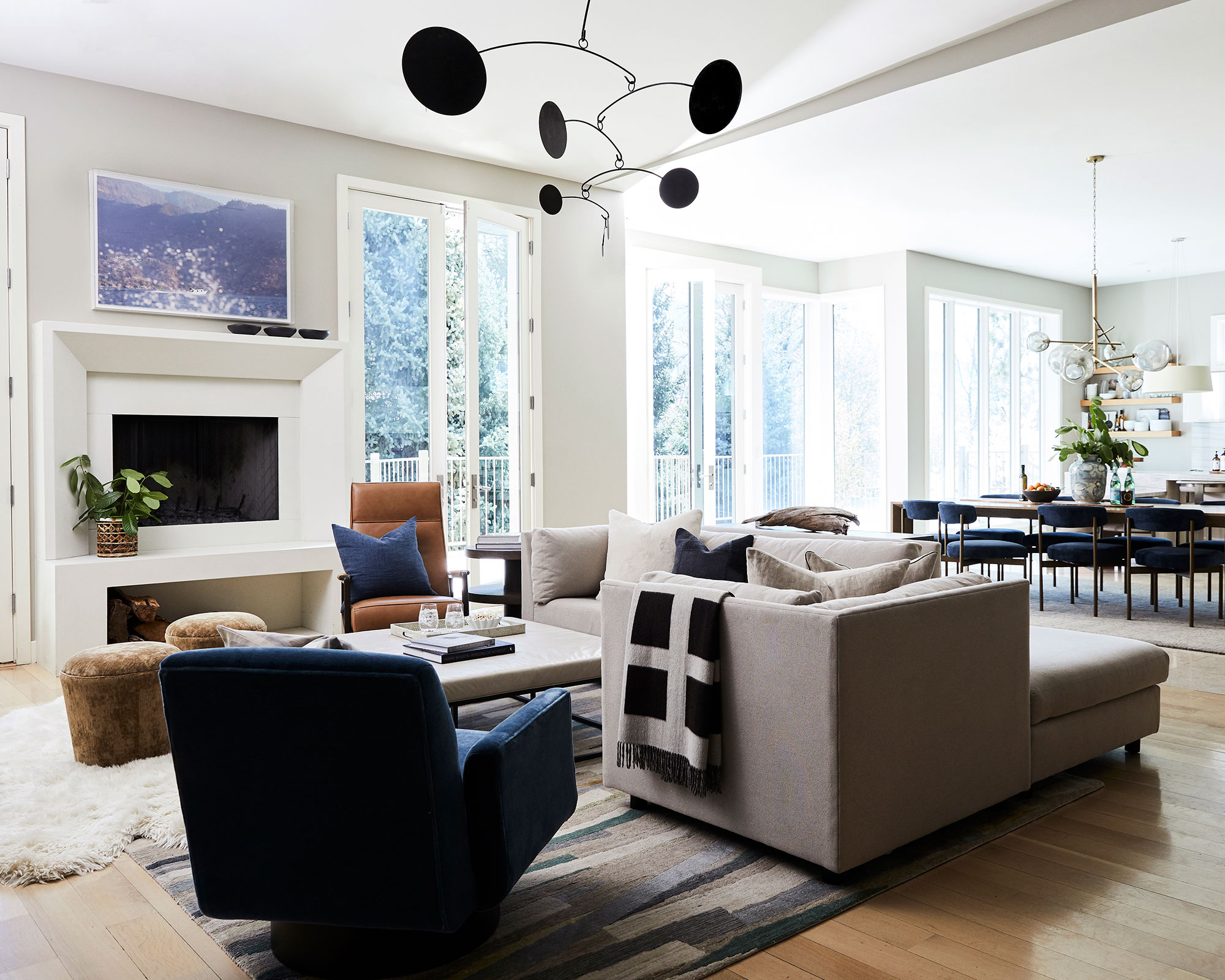
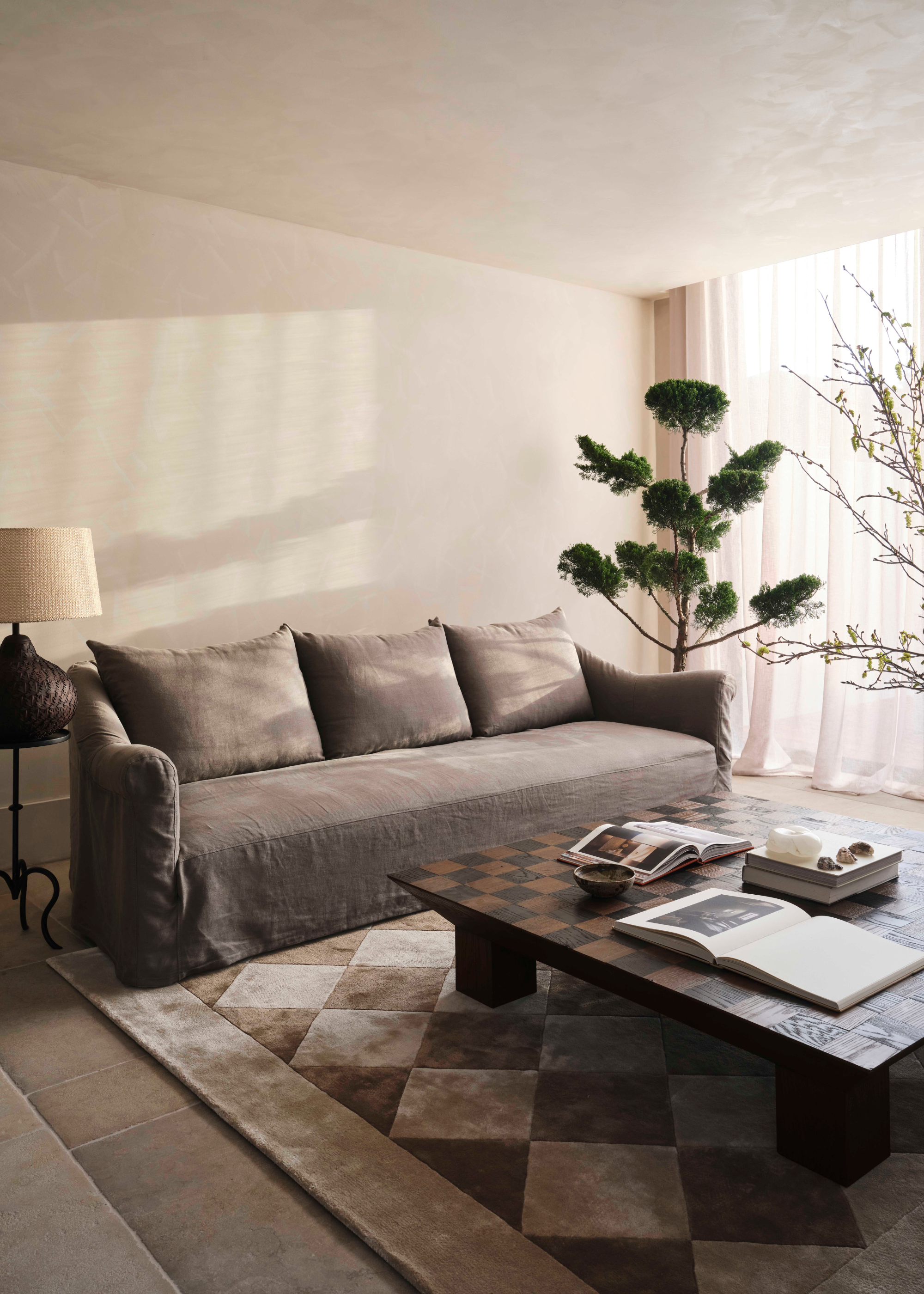
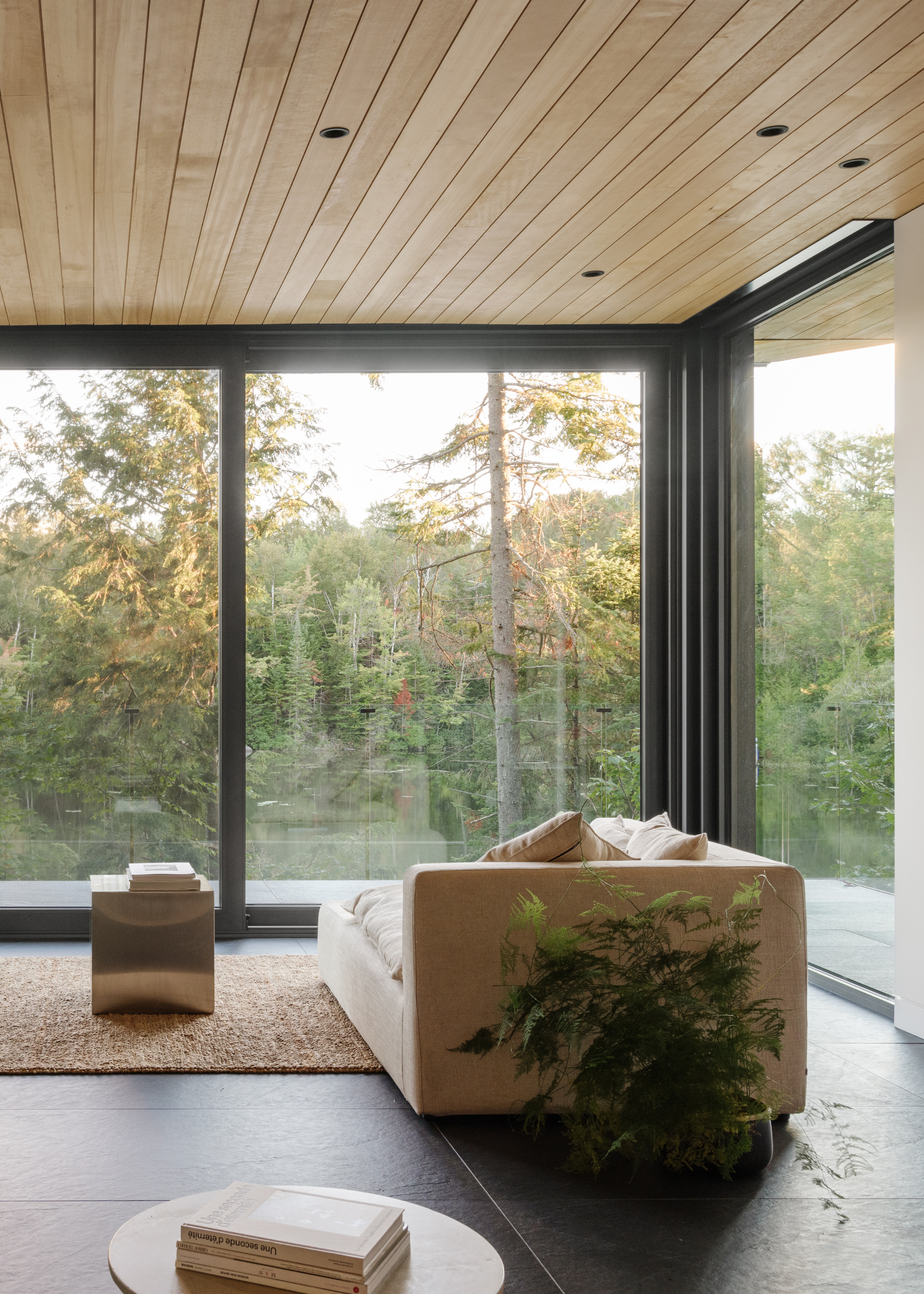
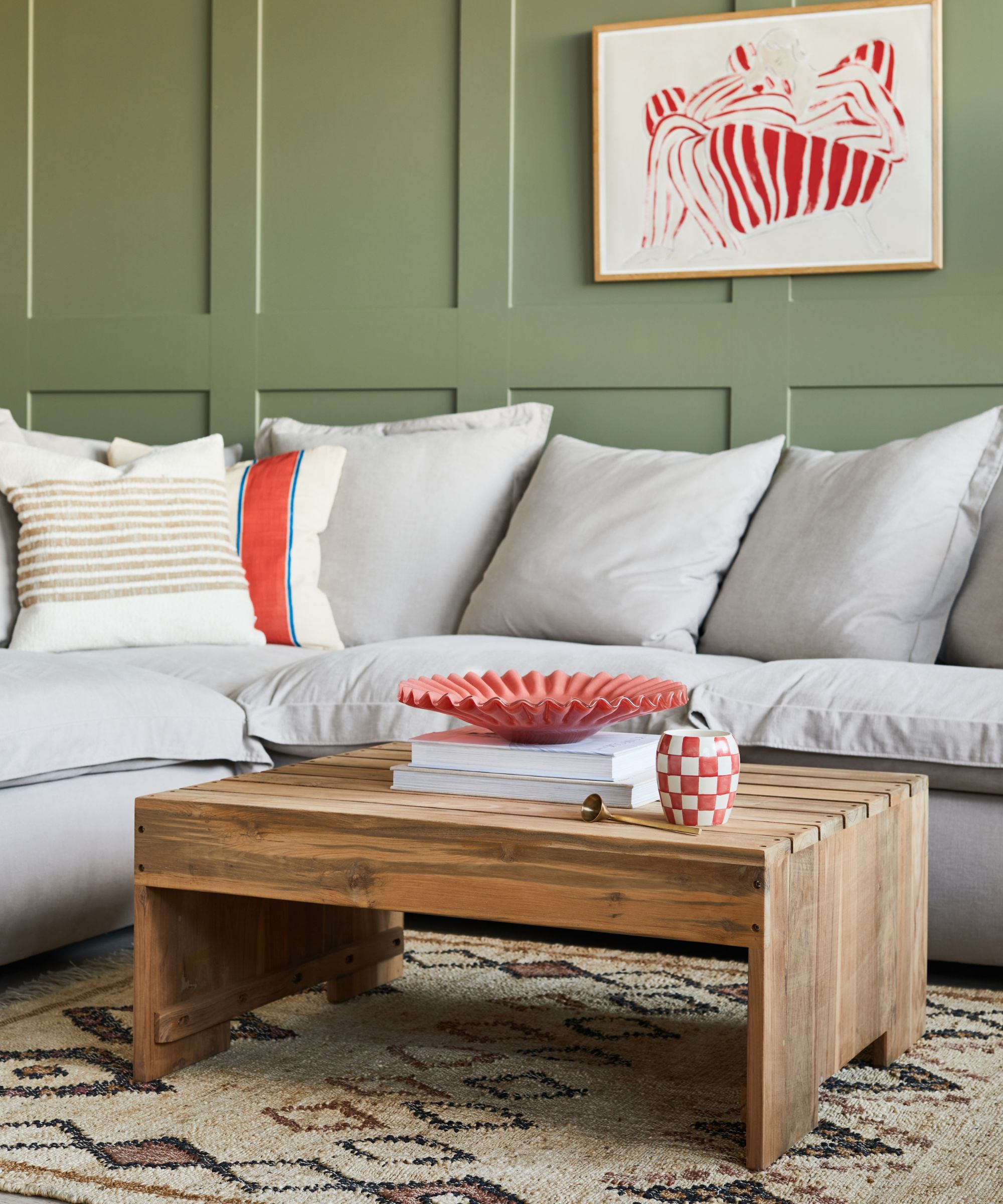
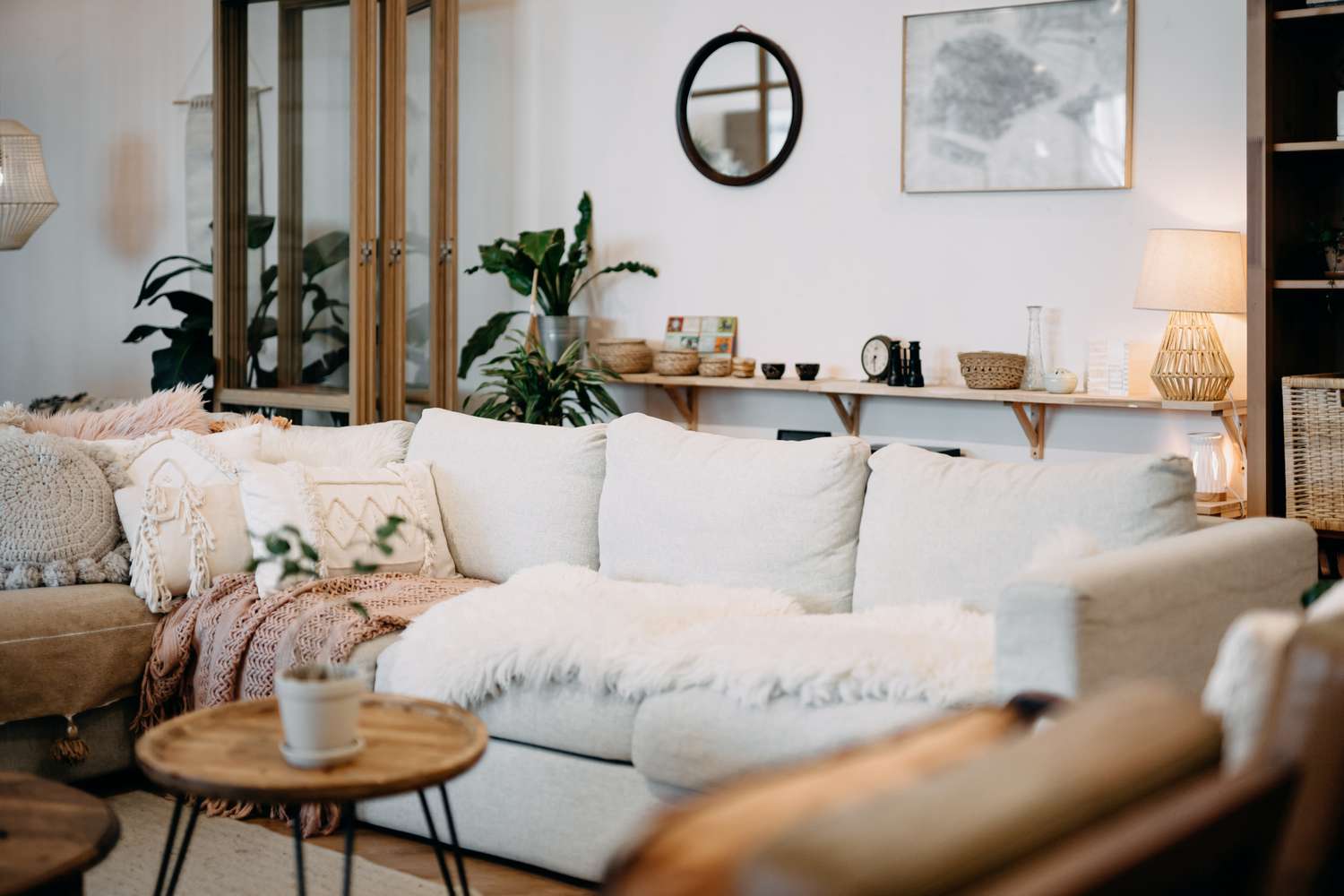
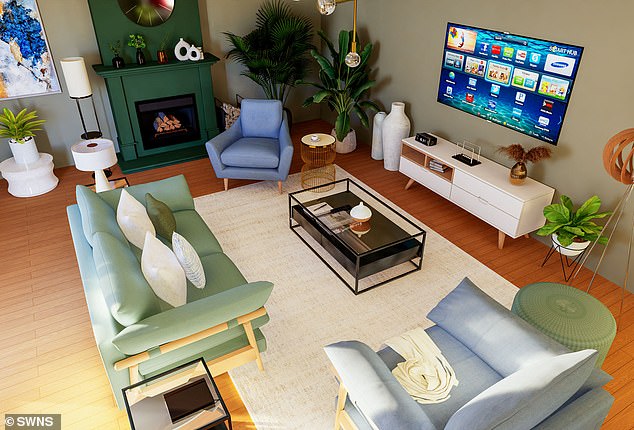
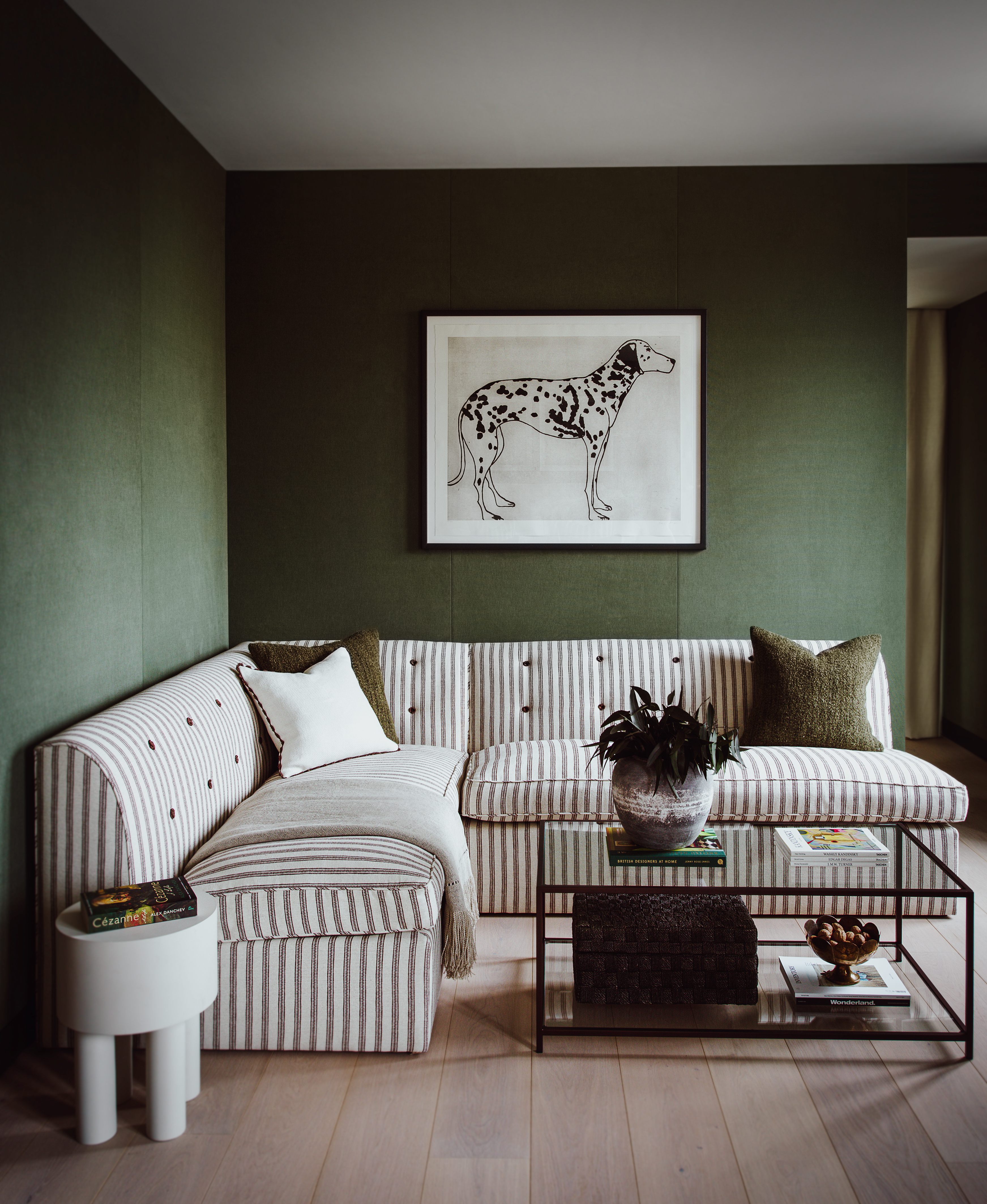
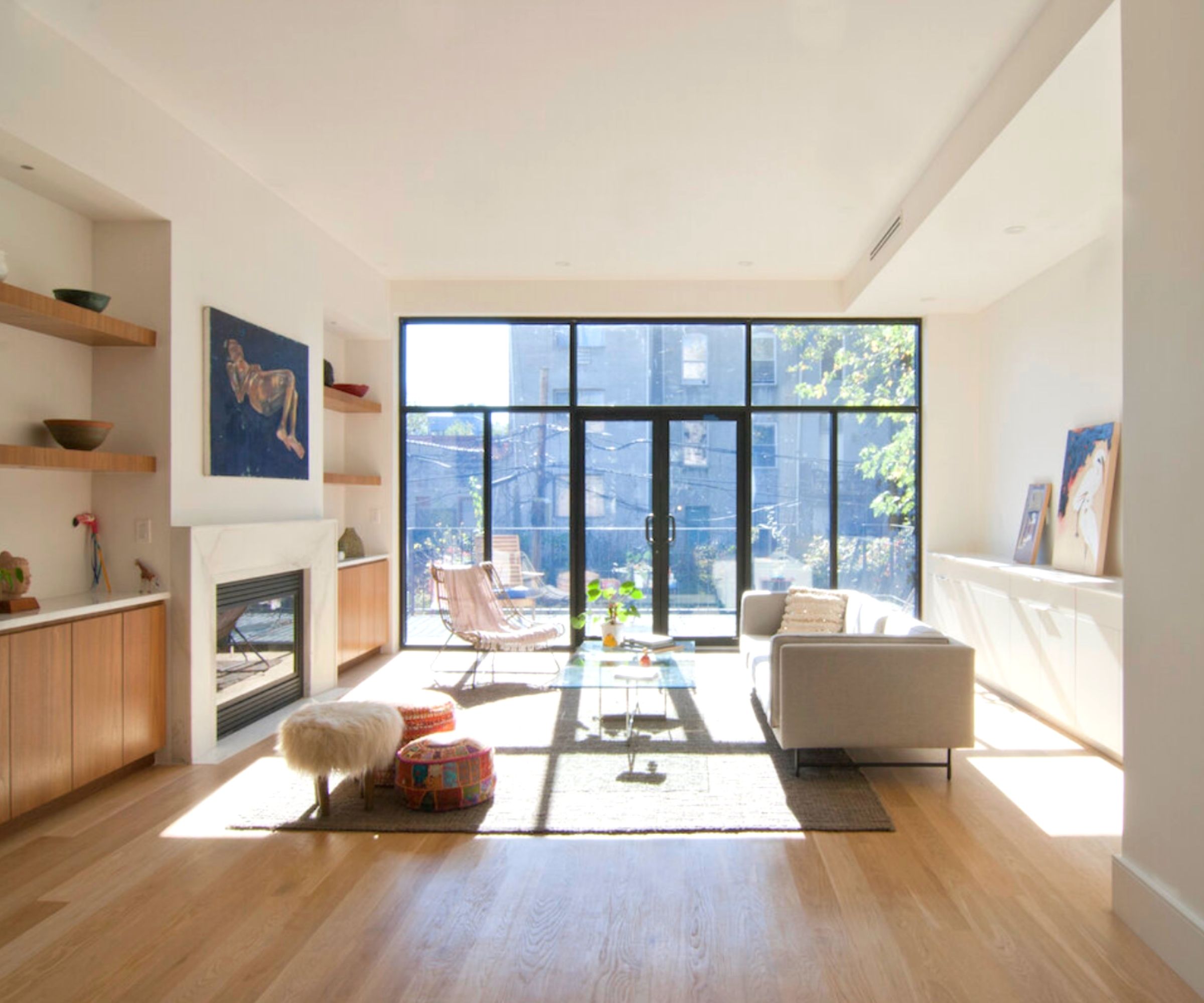
One significant mistake is blocking windows, which can hinder the flow of energy and access to views. Feng Shui masters emphasize the importance of furniture placement, particularly the couch, which ideally should be positioned against a solid wall to offer support and a commanding view of the room's entrance. Placing a couch against a window leaves occupants feeling exposed and unsupported. If a solid wall isn't an option, floating the couch with a buffer like a coffee table or plants behind it can help. Single chairs can be placed near windows, but at an angle, such as 45 degrees, to mitigate direct exposure to incoming energy. Additionally, avoiding sitting with one's back to a door is a general Feng Shui principle applicable to any room.
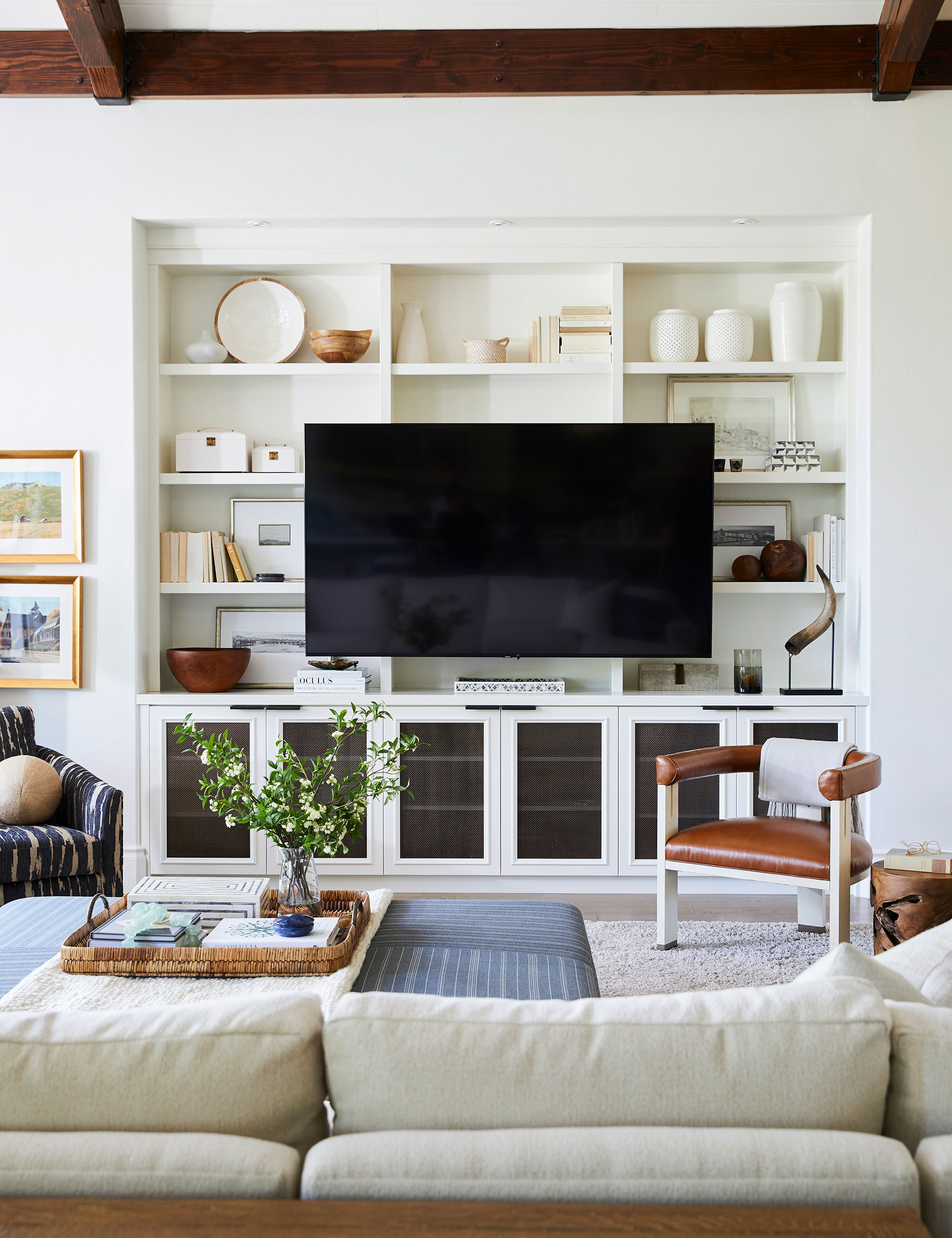
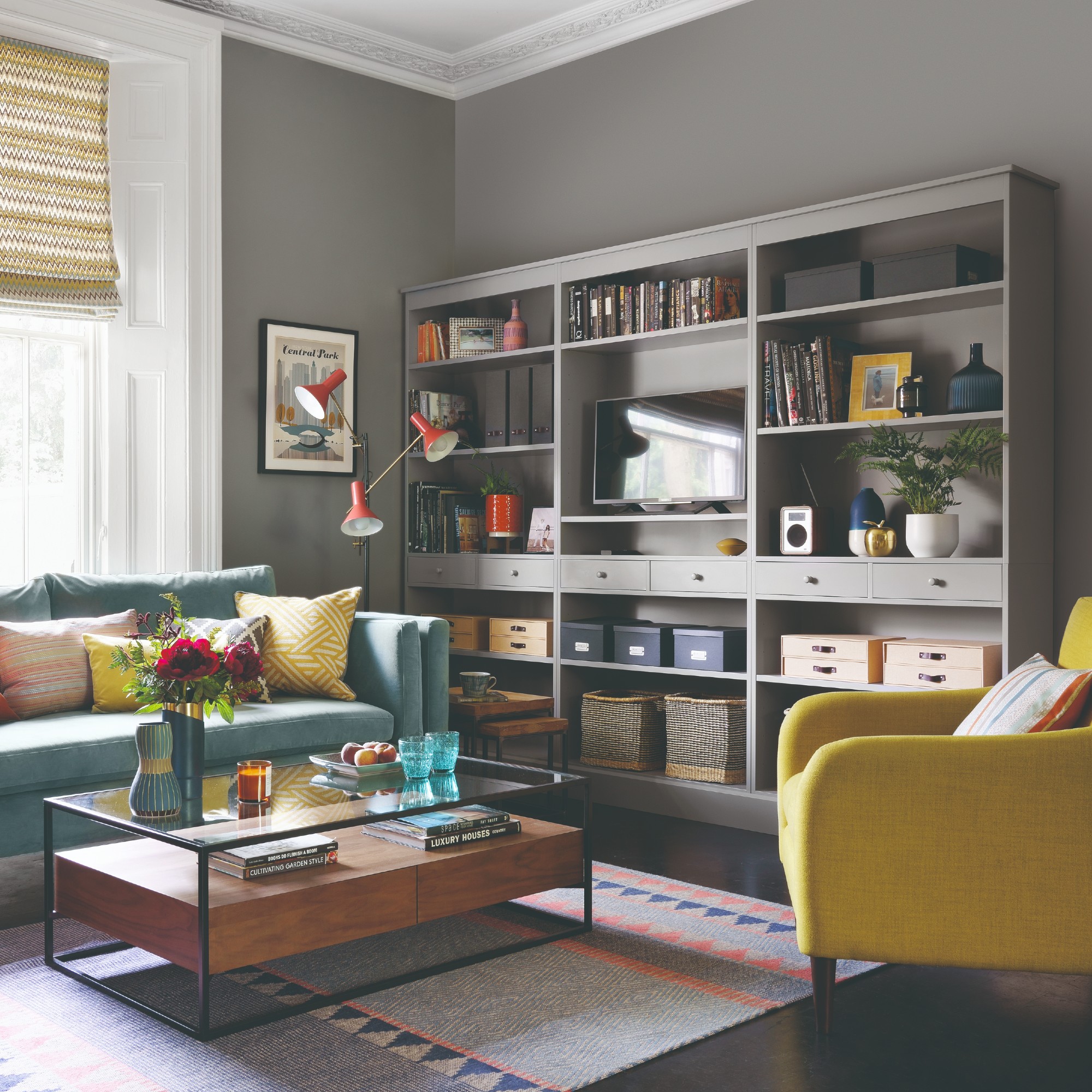
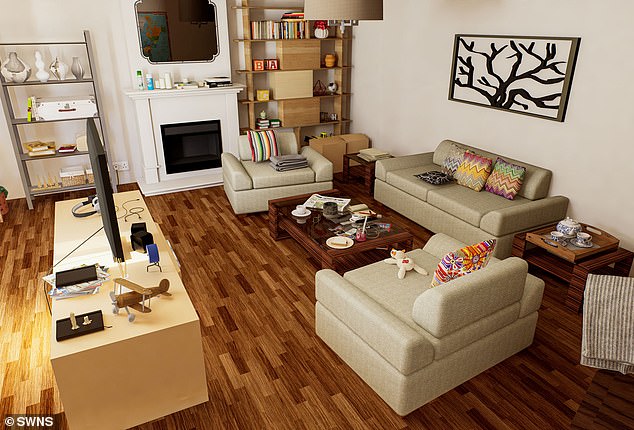
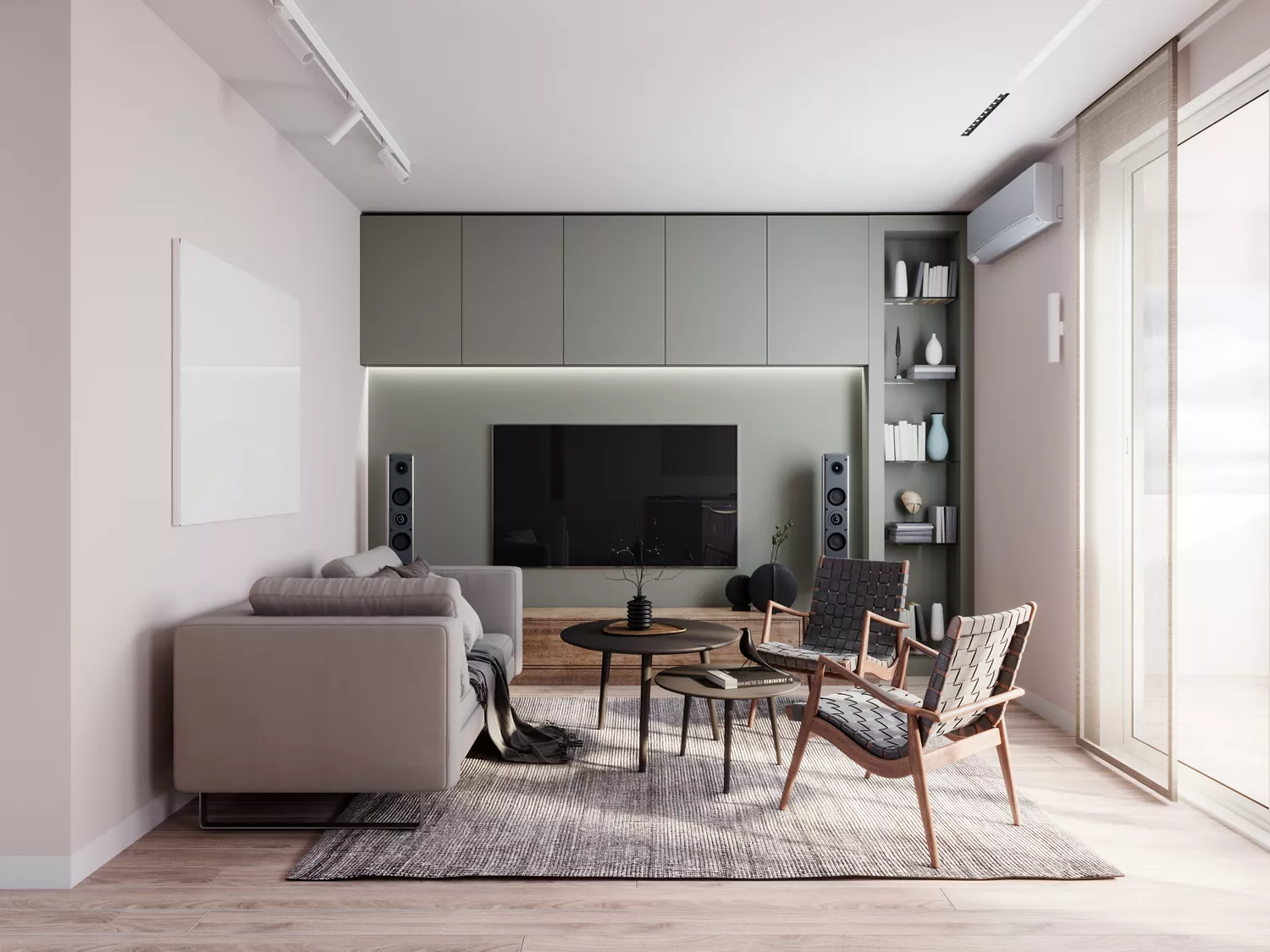
Another common error is insufficient seating. Creating a living room that lacks comfortable seating for all occupants can deter social interaction and community building. Experts recommend ensuring enough seating for everyone in the household and even adding extra spots to invite more friendships and family gatherings. The arrangement of seating is also vital; furniture gathered around a coffee table, for example, is more conducive to conversation than seating solely focused on a television.
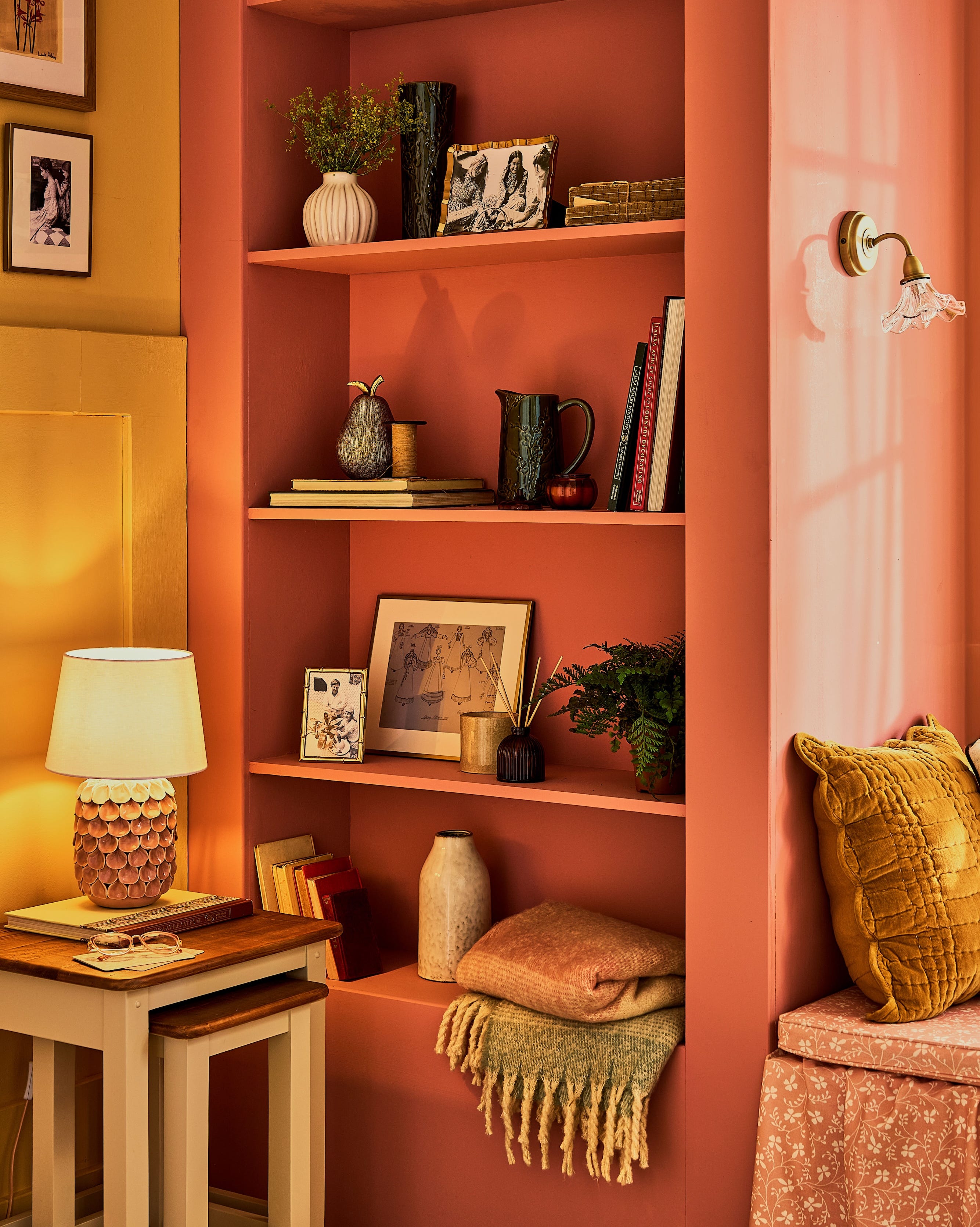
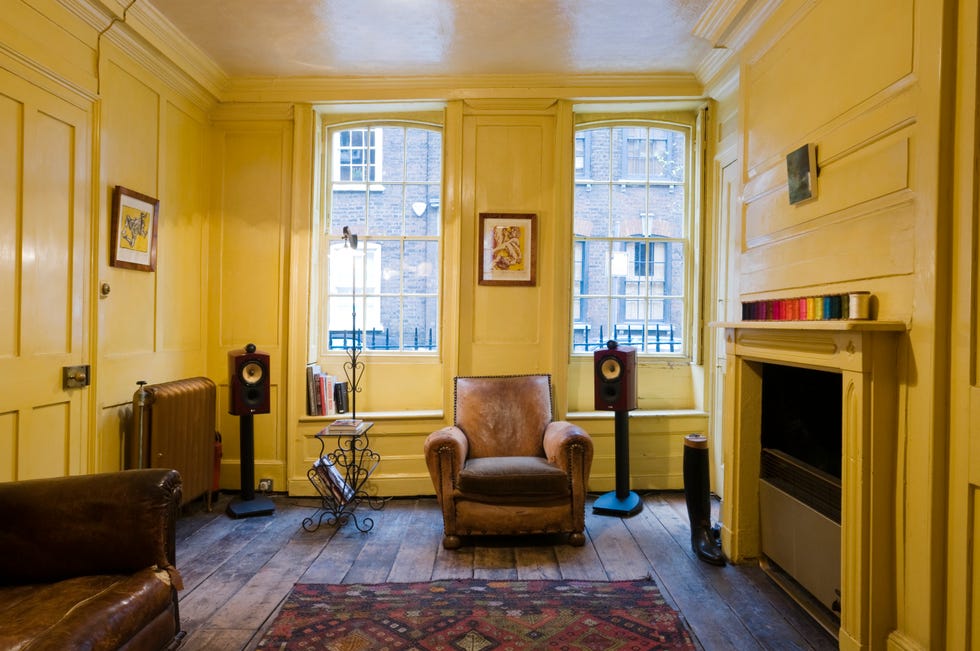
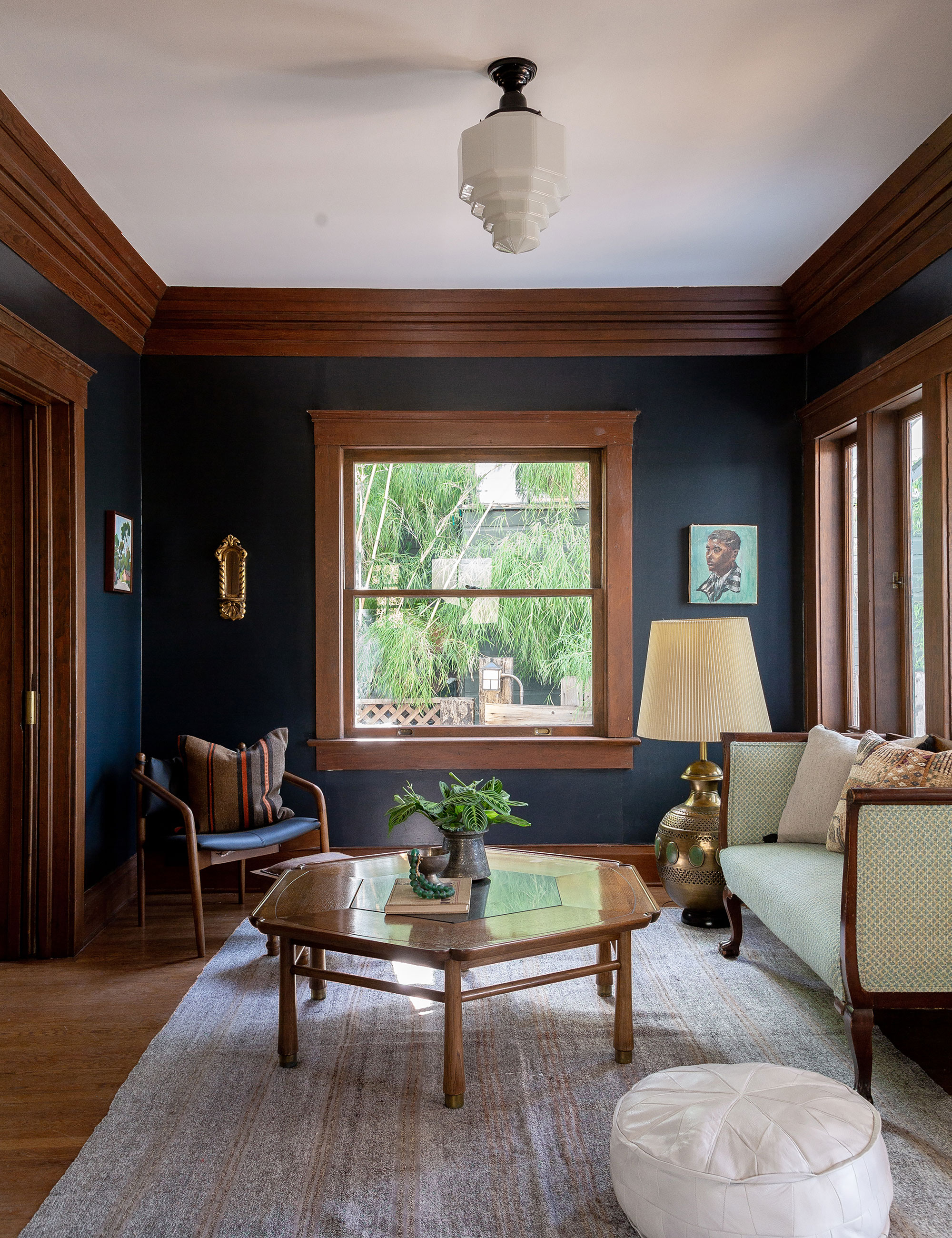
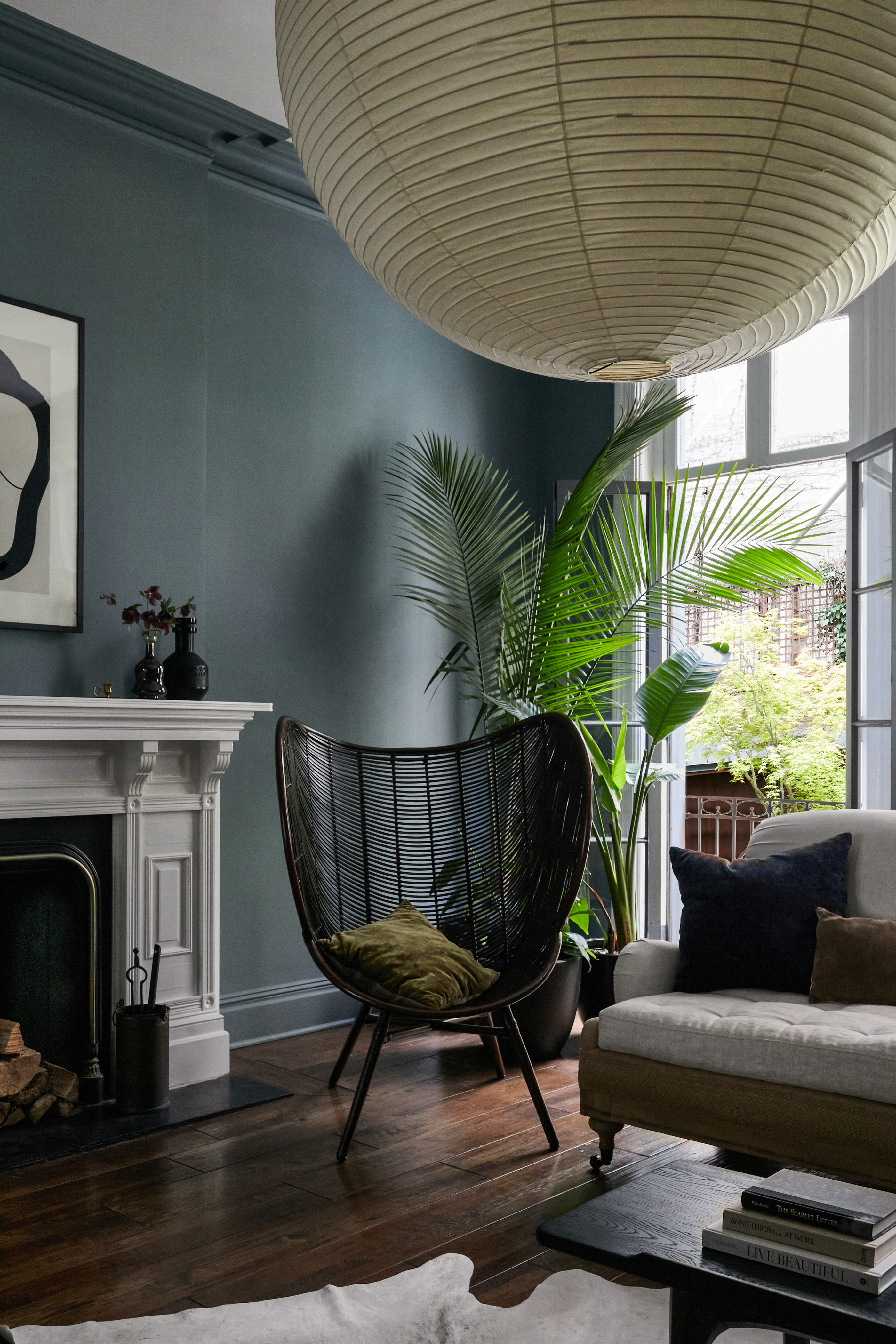
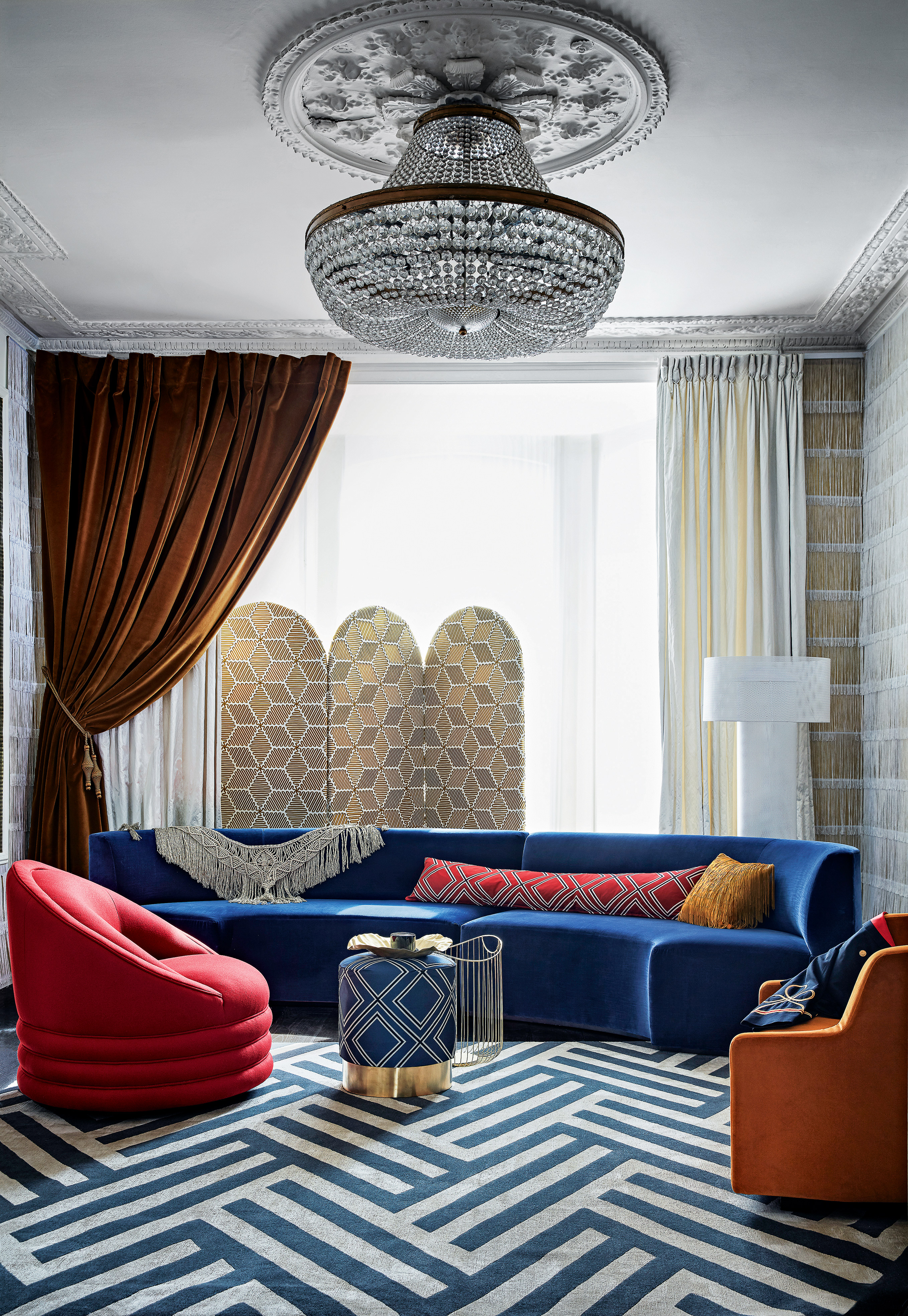
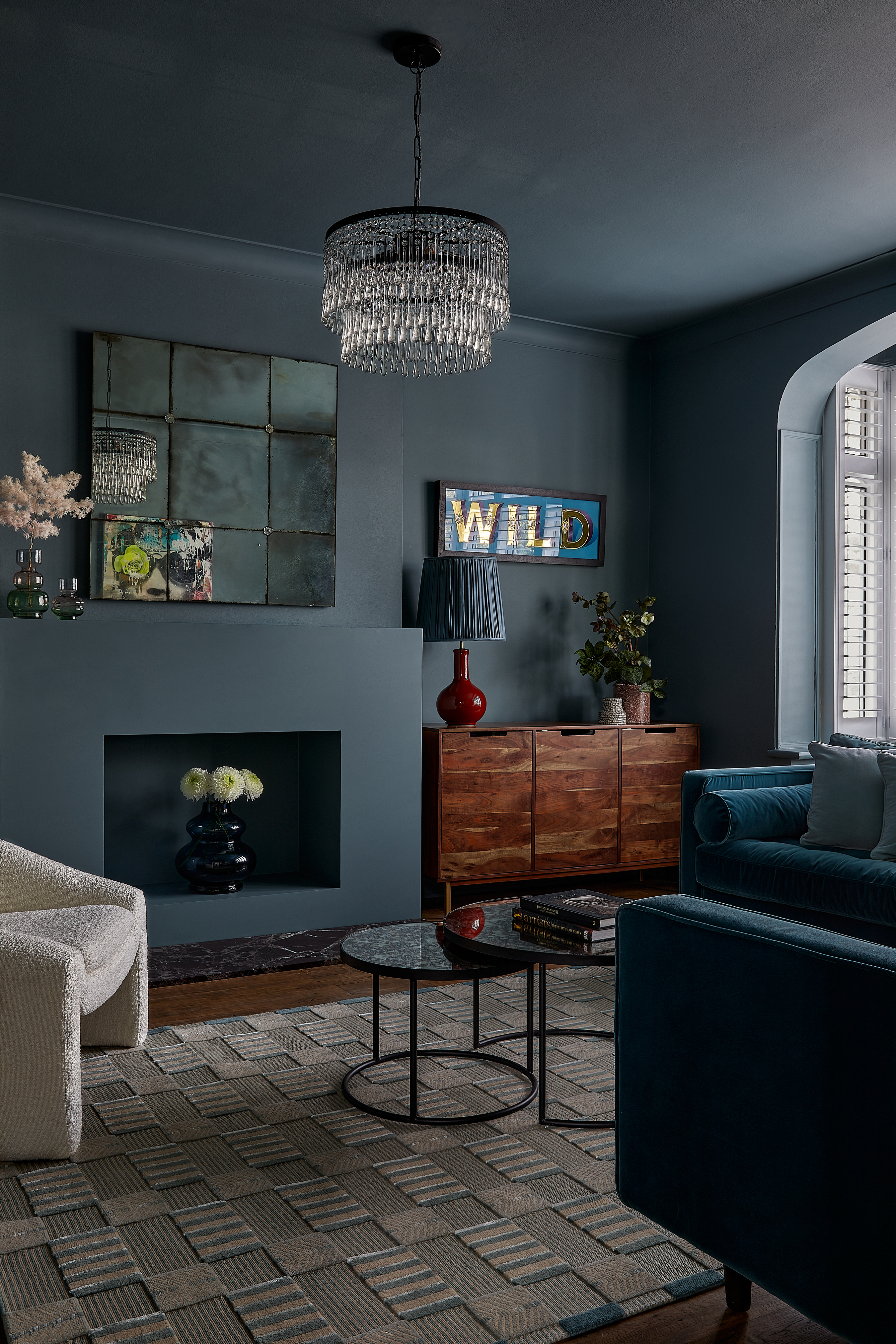
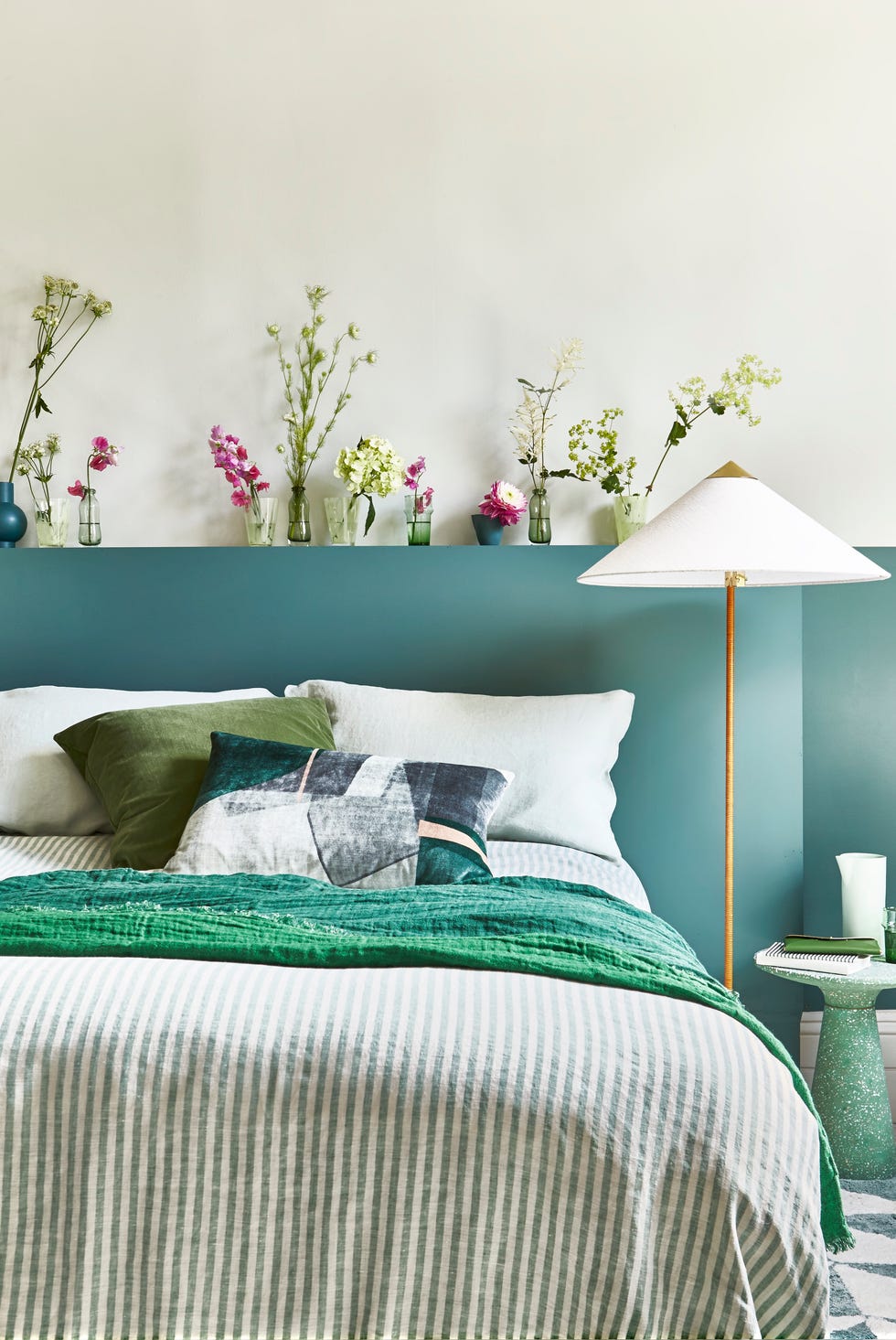
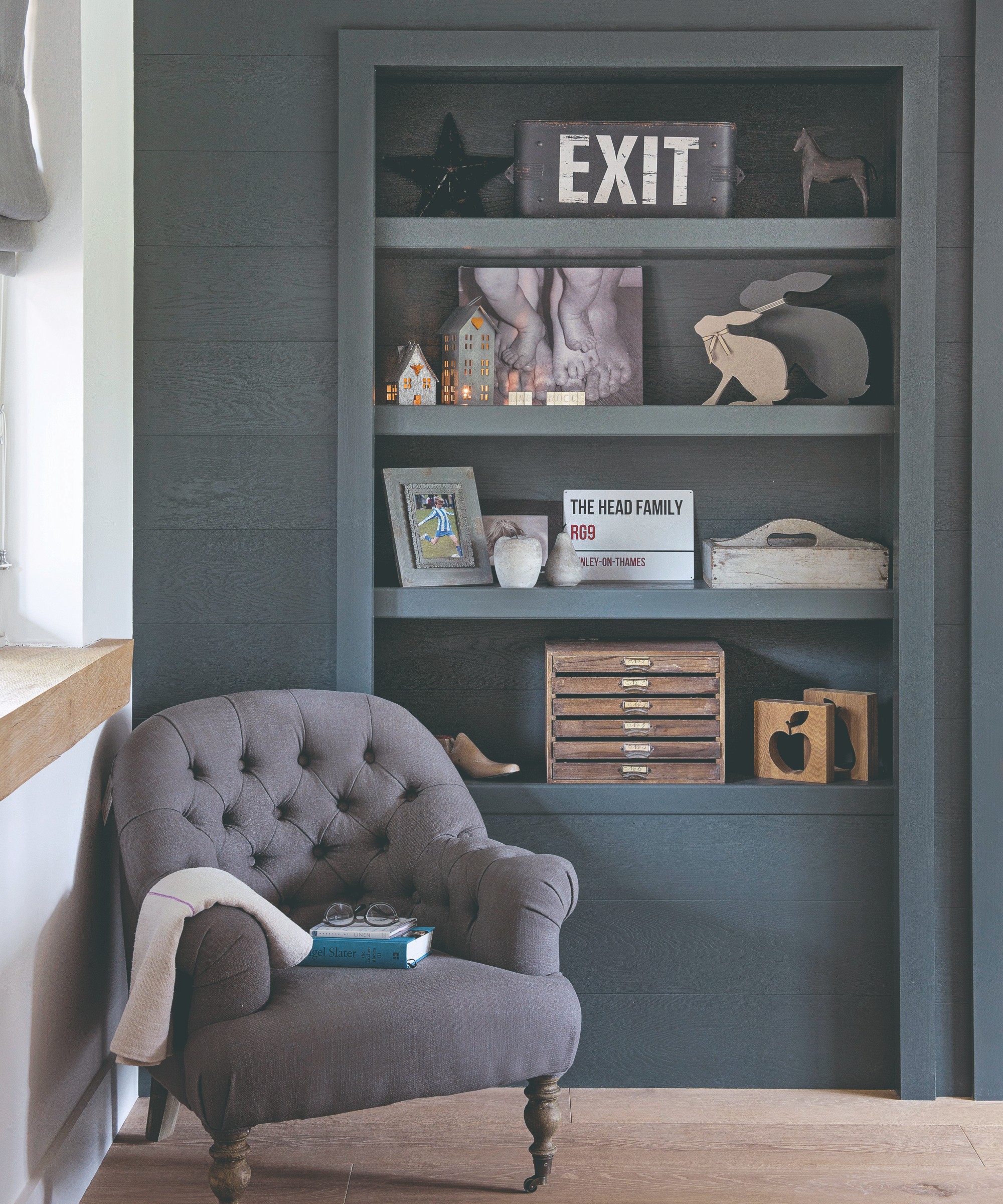
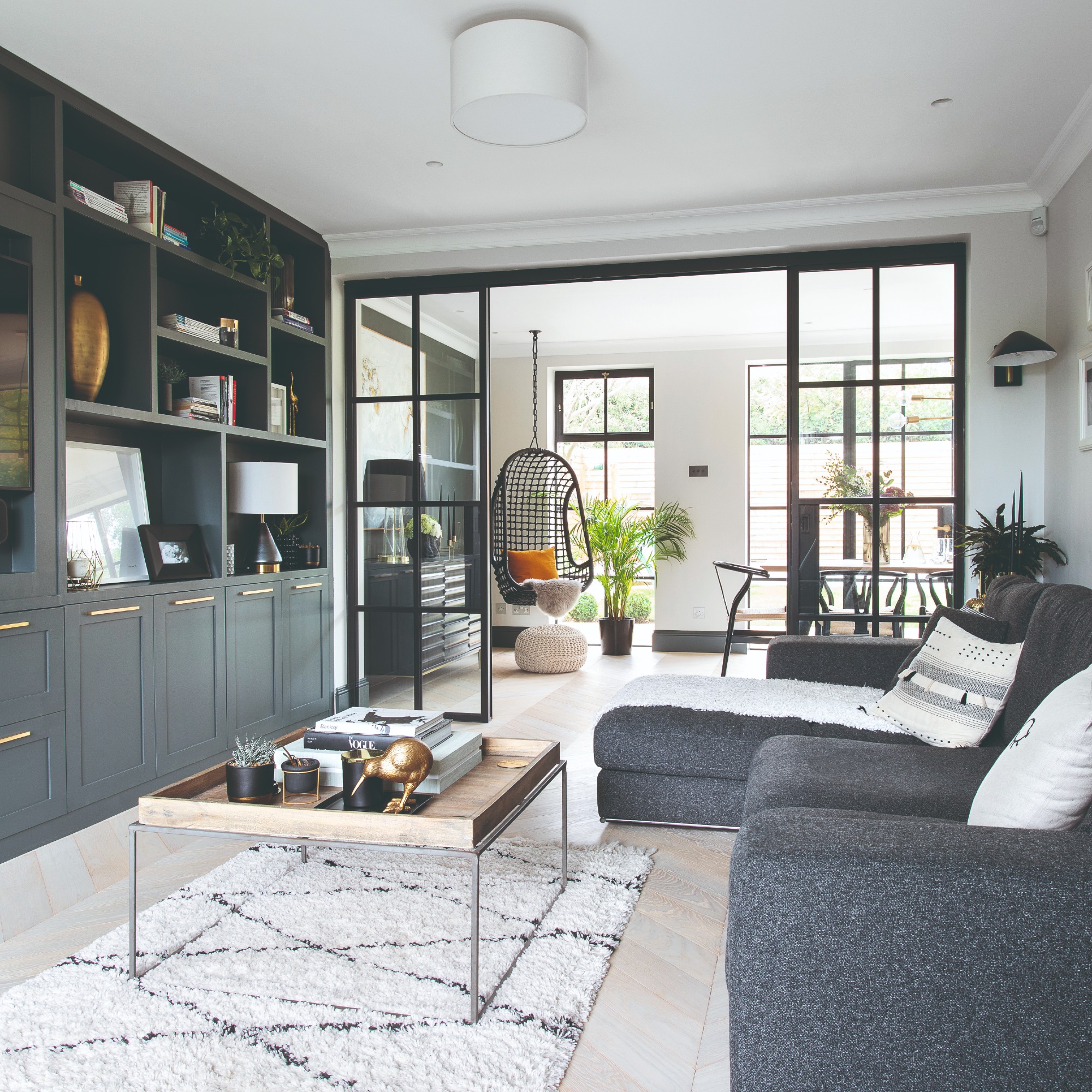
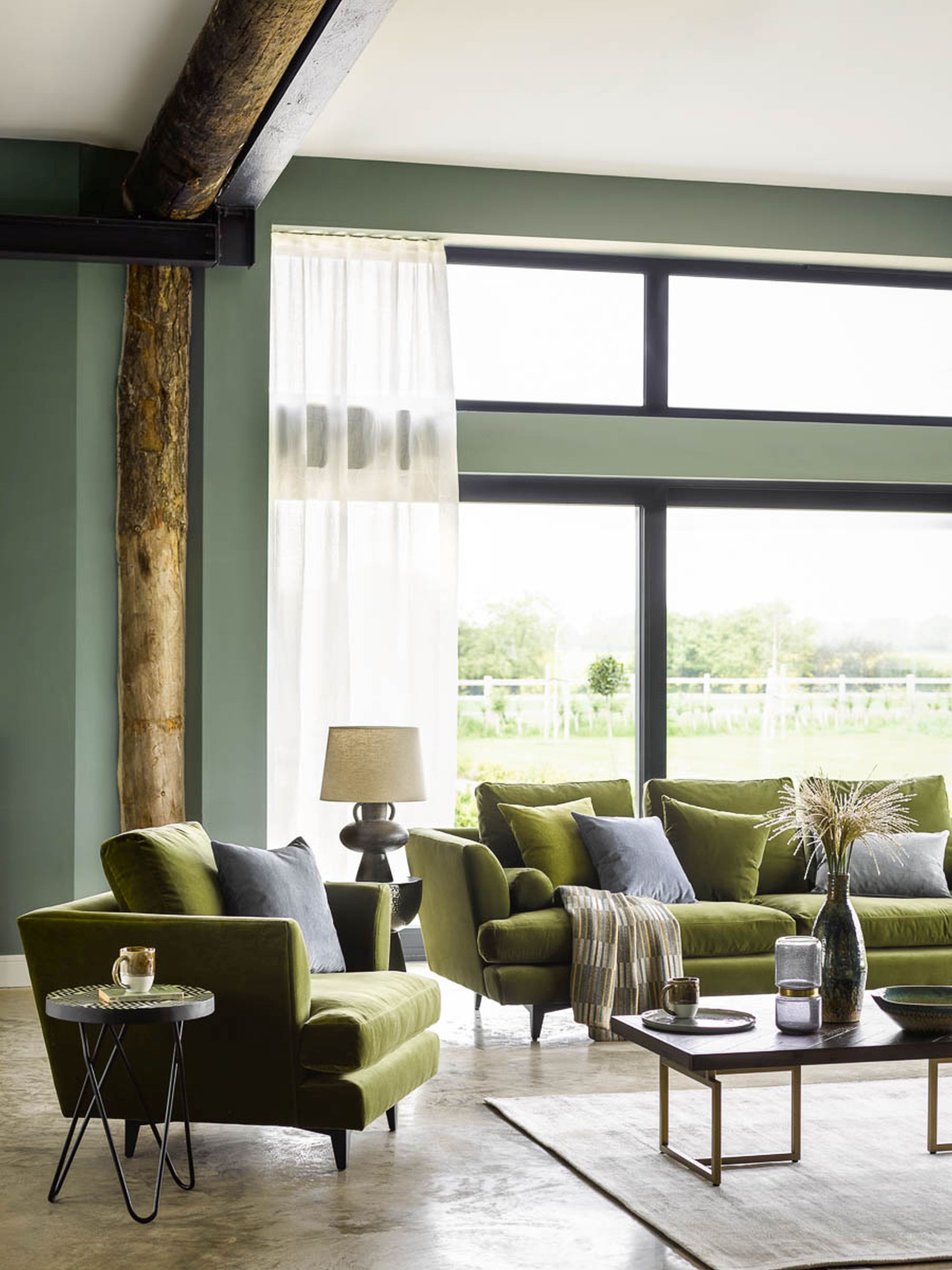
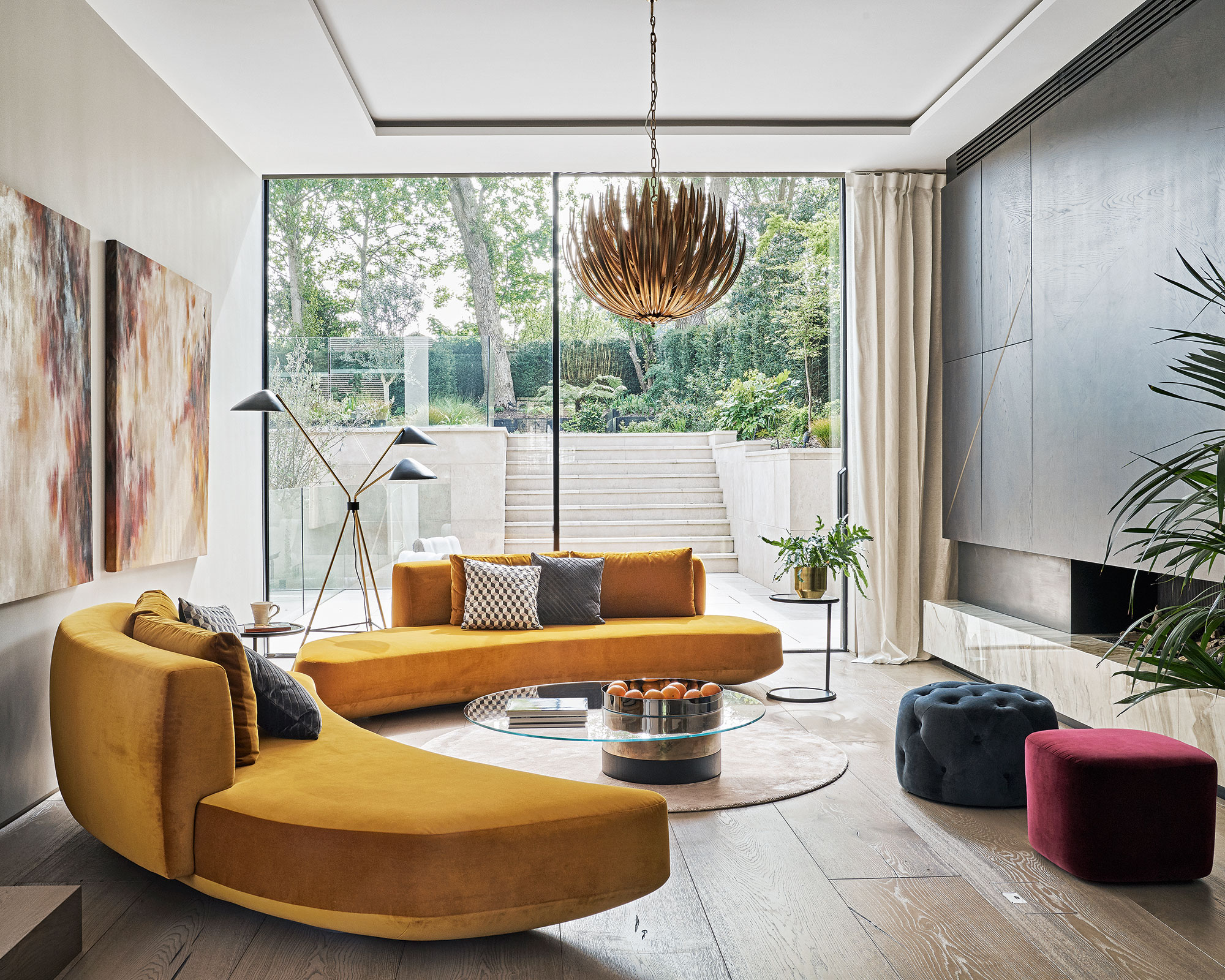
Incorrect color choices for the living room can also disrupt Feng Shui. A living room, being a social space, benefits from 'yang' characteristics—active, light, bright, and warm colors such as reds, oranges, and yellows. Conversely, 'yin' colors like dark shades of blue, green, or brown, which are associated with sleepiness, quietness, and coolness, are more suitable for bedrooms and bathrooms. Using yin colors in a living room can make the space feel less vibrant and social, discouraging group comfort.
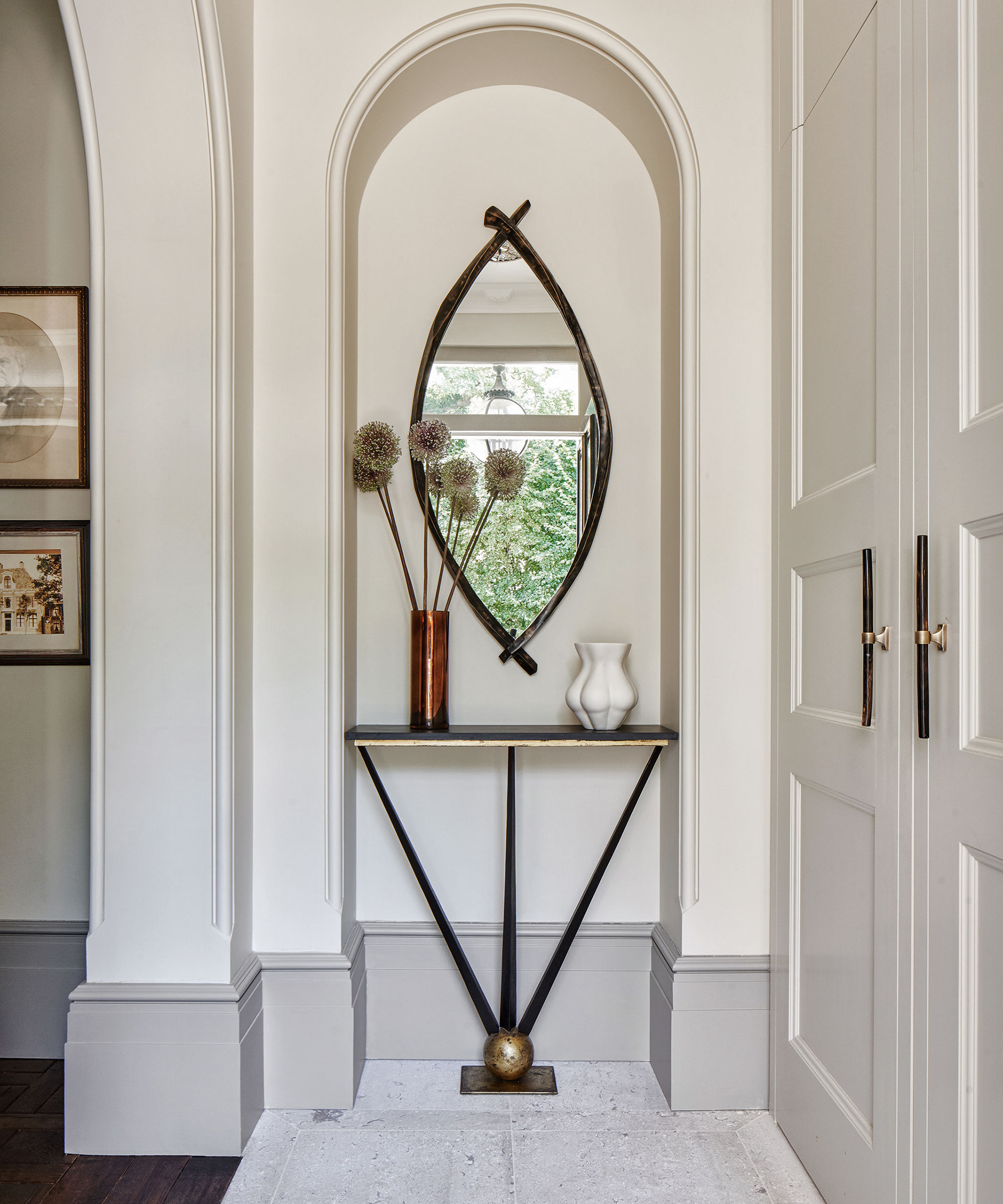
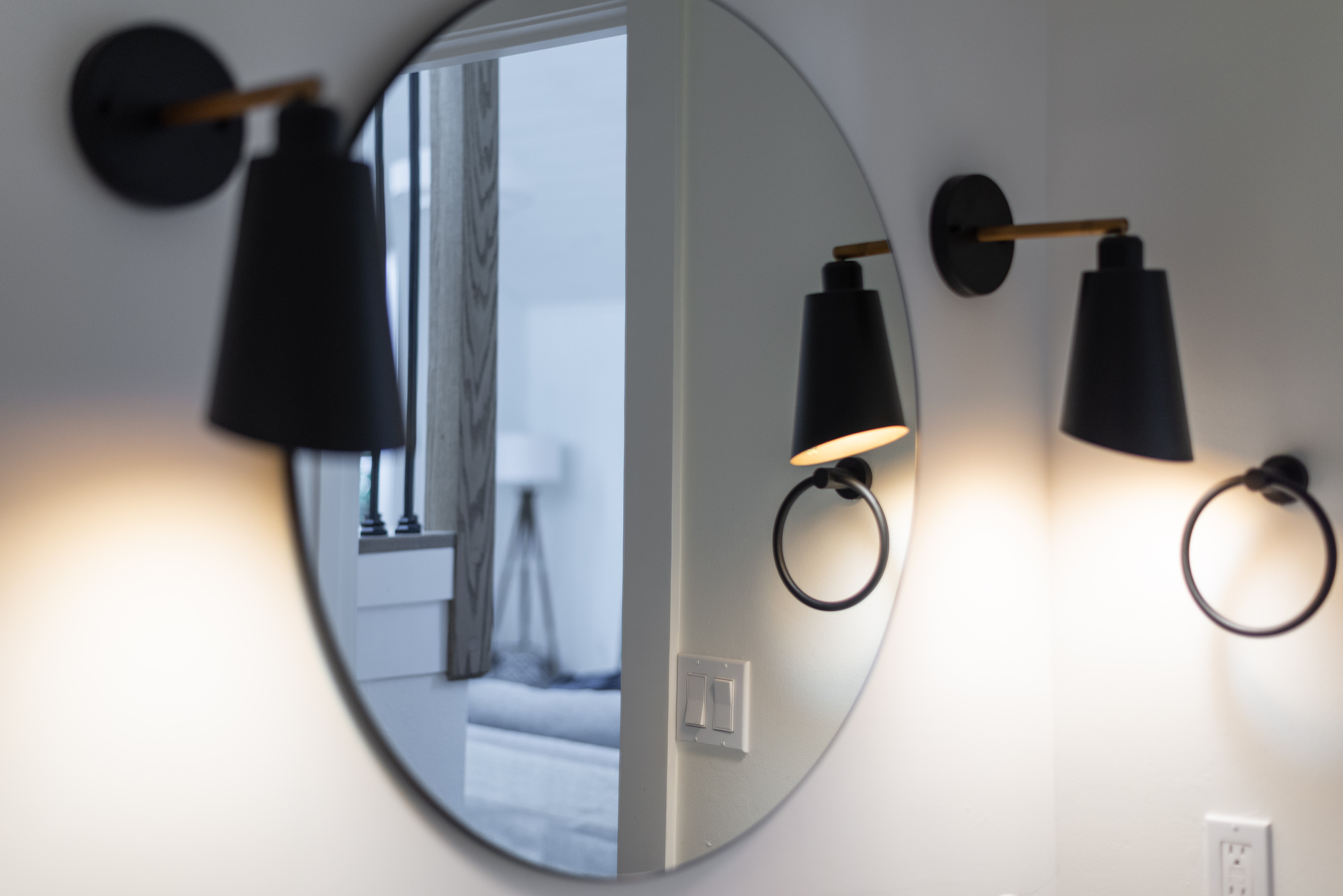
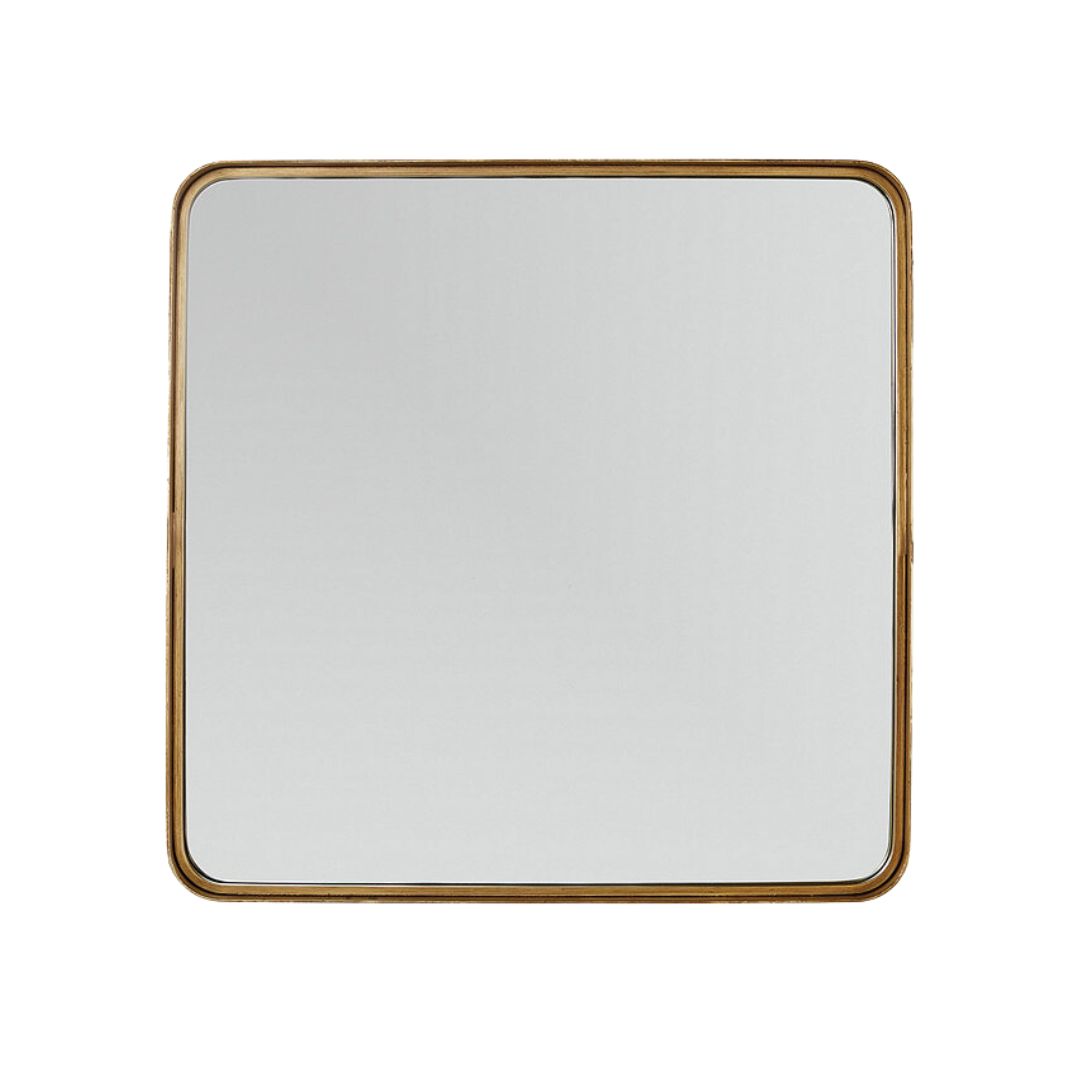
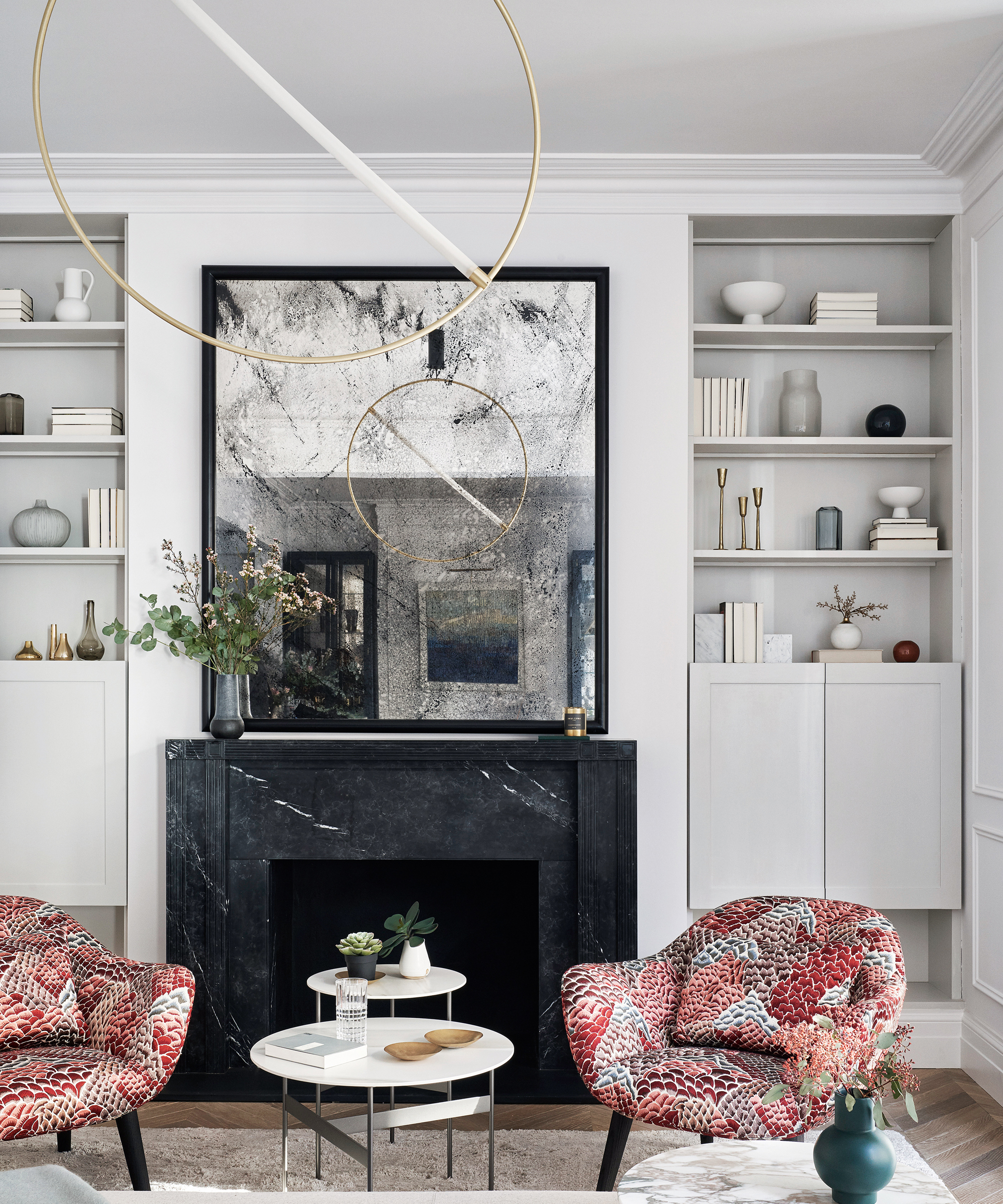
Lack of adequate lighting is another mistake. A poorly illuminated room hinders positive chi. Introducing 'fire energy' through sufficient light can bring luminosity, clarity, inspiration, and connection to the space. When incorporating mirrors to enhance light, it is crucial to adhere to Feng Shui mirror rules to avoid creating negative energy. Mirrors should be strategically placed to reflect positive views and avoid reflecting clutter or doorways in an unfavorable way.
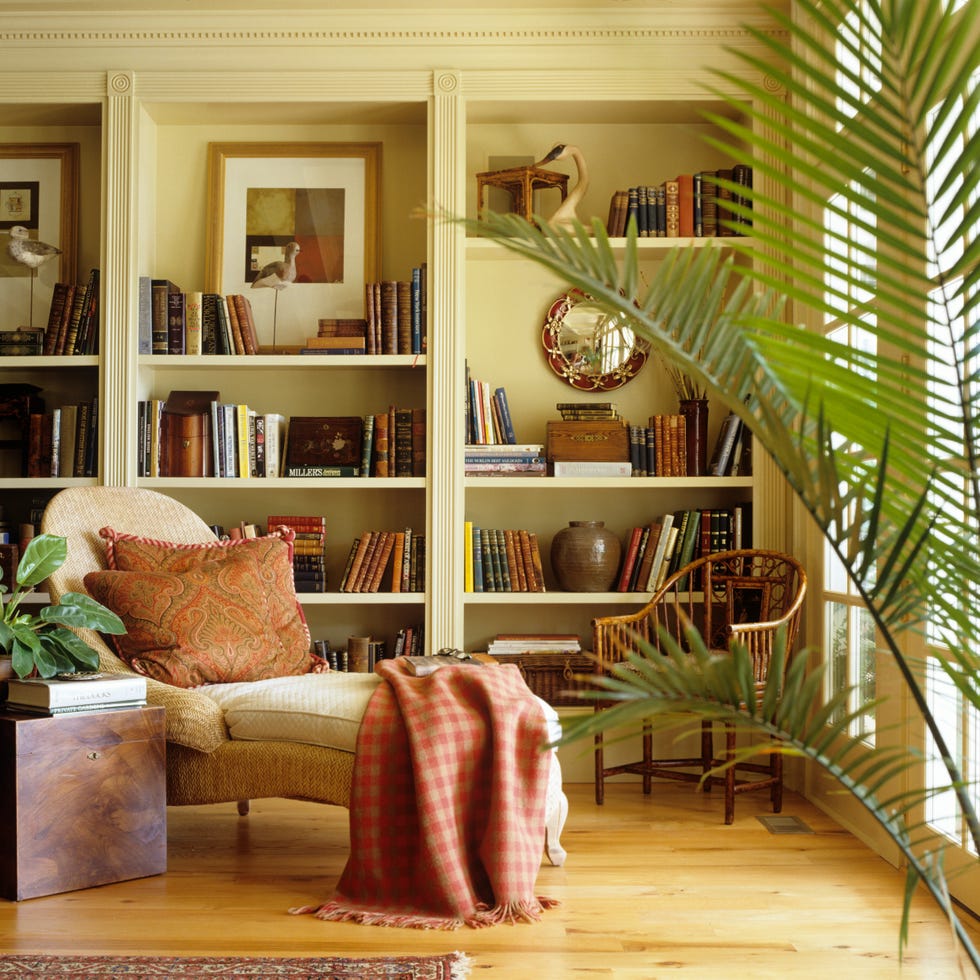
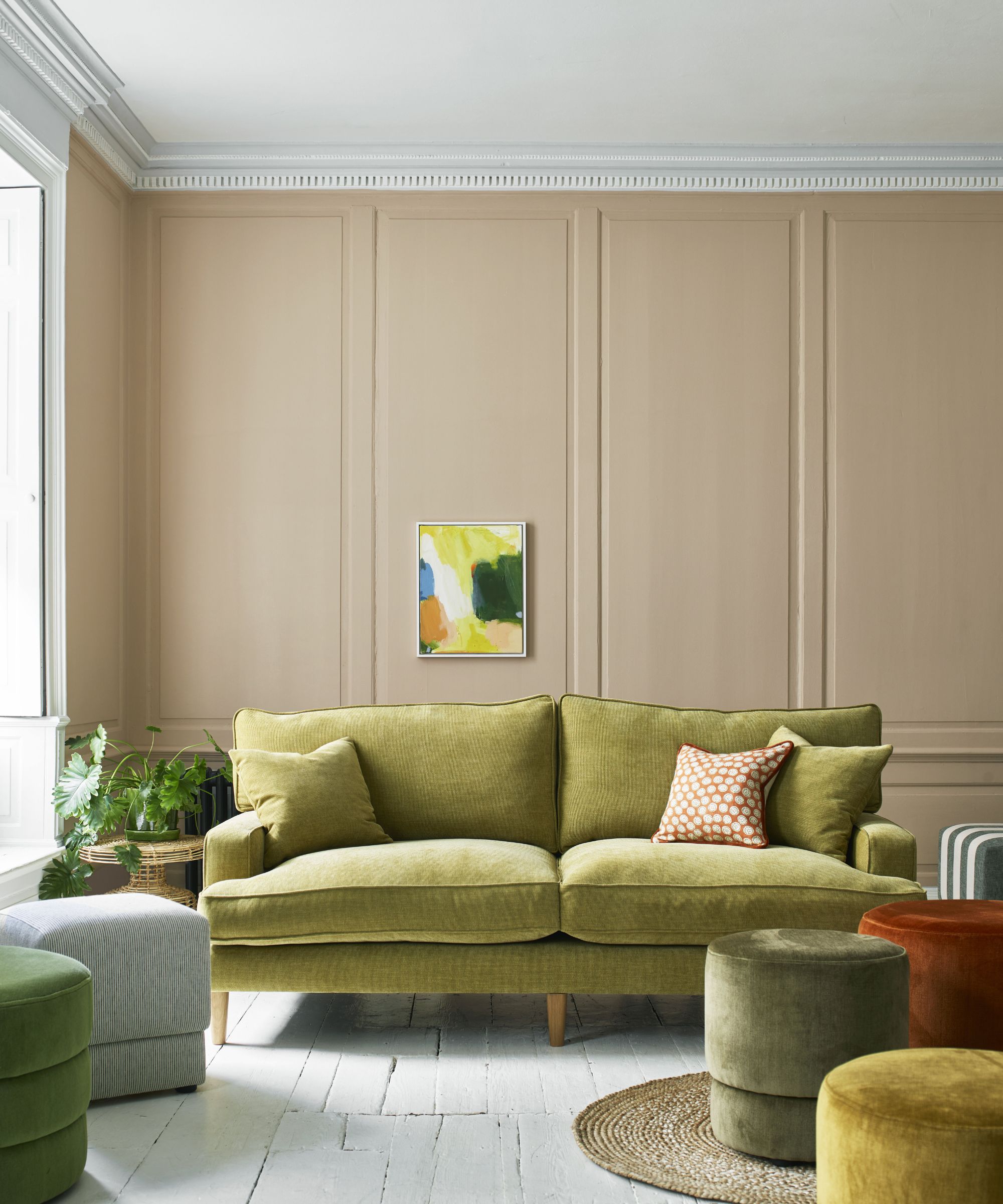
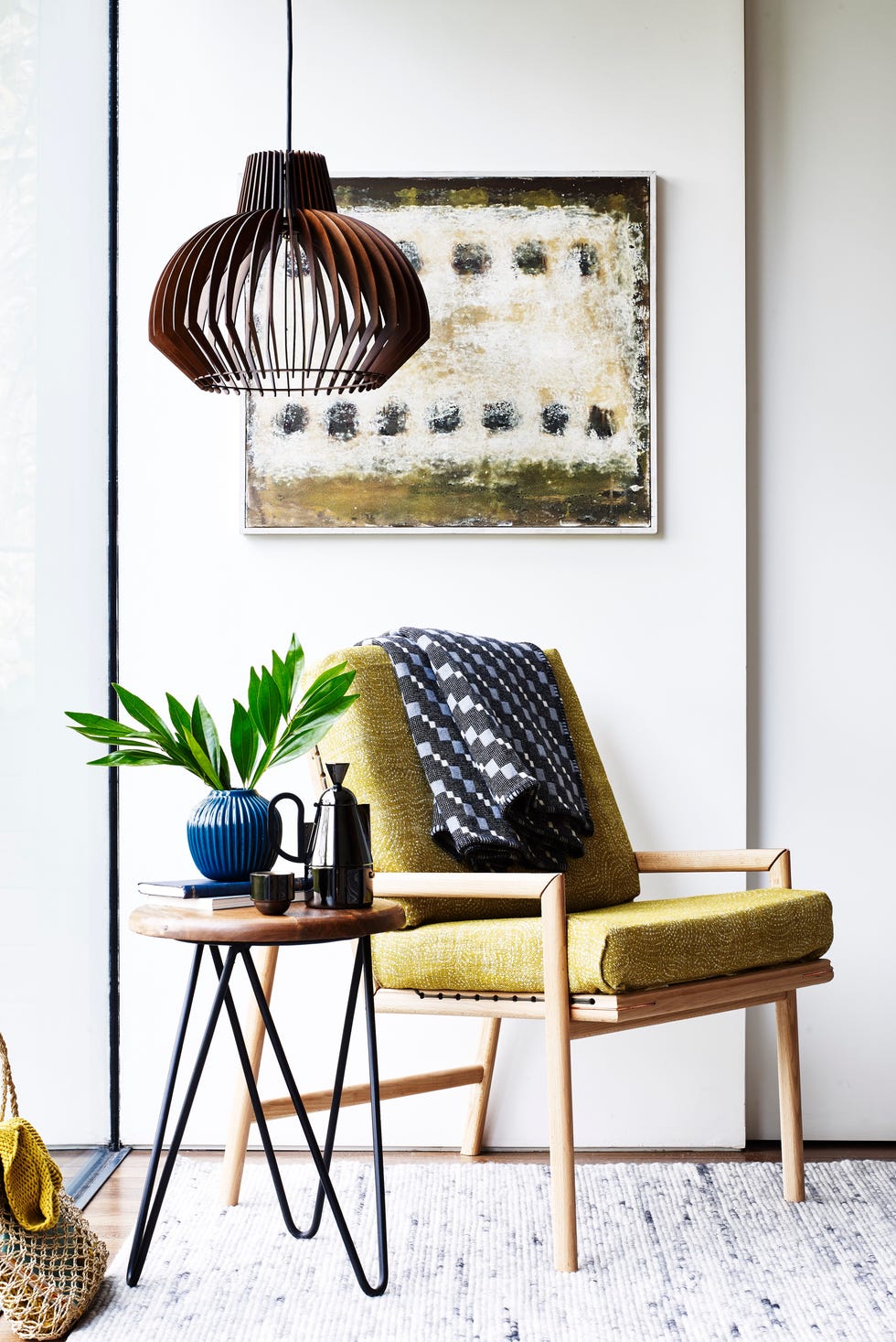
Finally, the absence of a focal point can lead to a disjointed living room. A well-defined focal point draws attention and chi into the room, making it more welcoming. While a fireplace can serve as a natural focal point, a beautiful, colorful painting is an excellent alternative. Even a large window offering an appealing view can act as a focal point, magnetically drawing individuals and energy inward. A strong focal point helps to unify the room and create a sense of welcome for everyone. Overall, paying attention to these aspects ensures the living room effectively fosters friendships, family life, and overall well-being.
#FengShui #LivingRoomDesign #InteriorDesign #HomeDecor #ChiFlow #FurniturePlacement #ColorPsychology #LightingDesign #FocalPoint #FengShui #LivingRoomDesign #InteriorDesign #HomeDecor #ChiFlow #FurniturePlacement #ColorPsychology #LightingDesign #FocalPoint
Toplam 0 yorum
 Henüz yorum yok
Bu da beğenebilirsiniz
Feng Shui design mistakes to avoid – 5 things you may be getting wrong
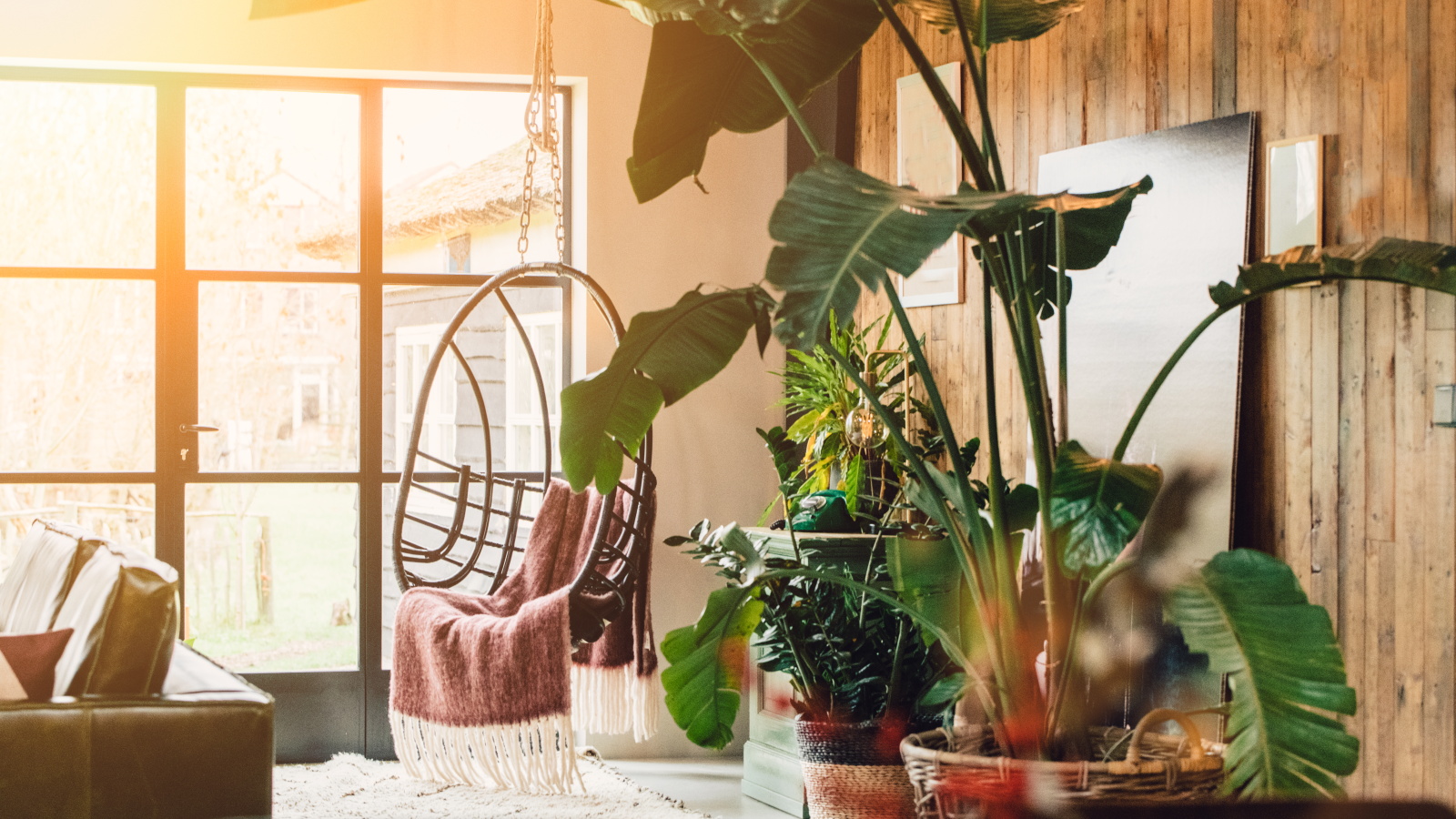
5 Feng Shui houseplant mistakes to avoid for good fortune
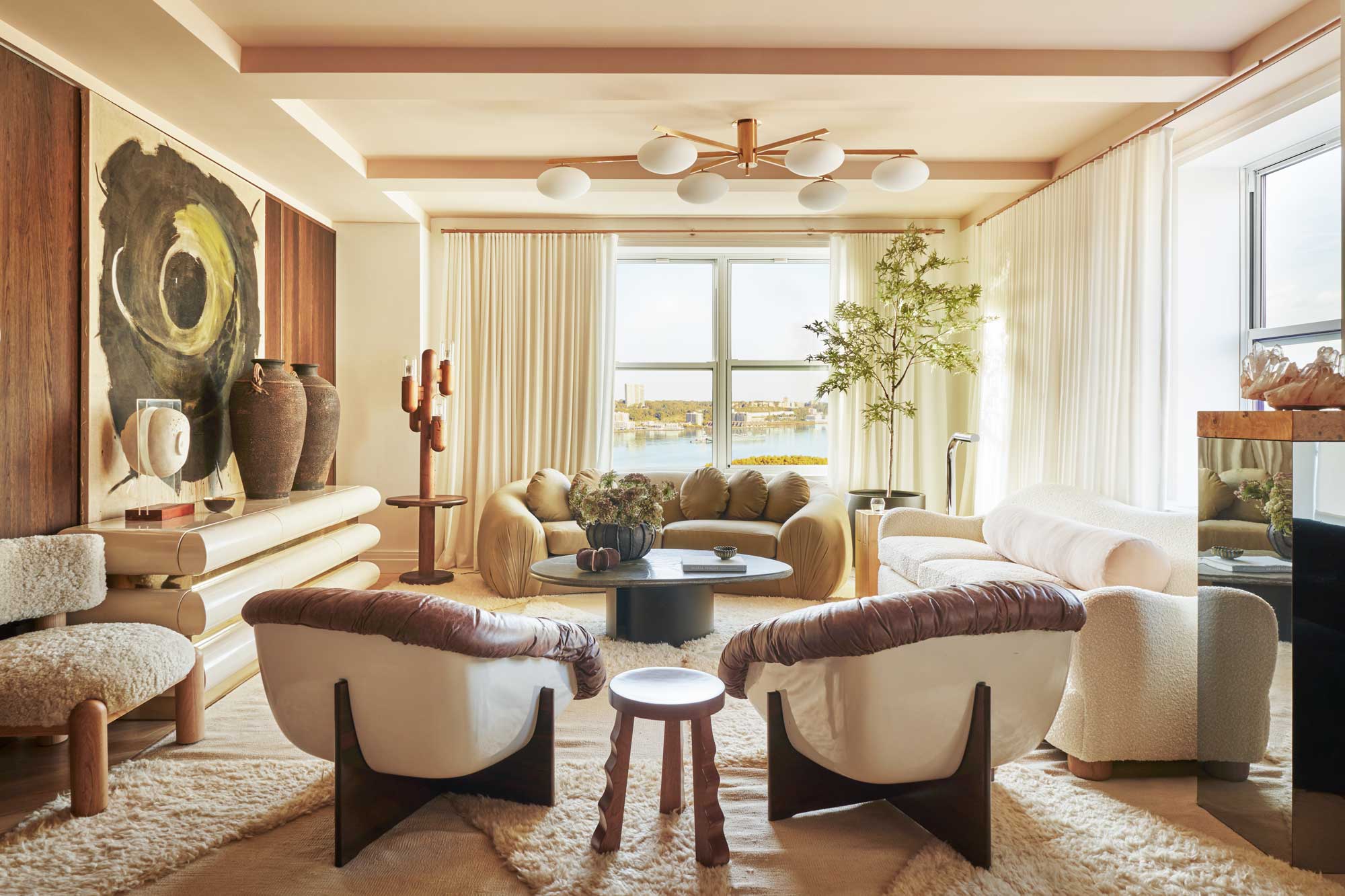
7 Common Living Room Lighting Mistakes to Avoid at all Costs

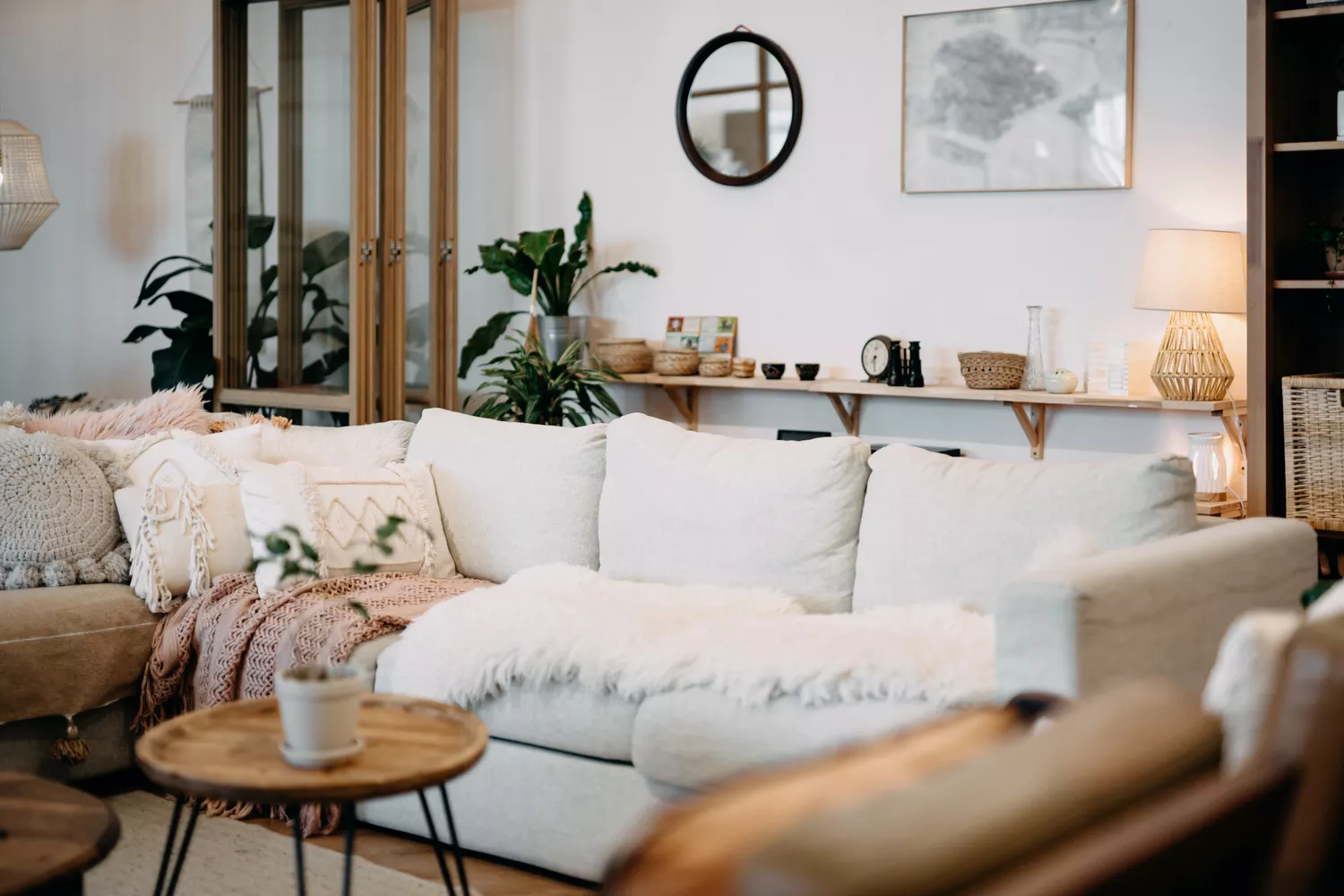
5 Living Room Red Flags That Guests Immediately Notice, According to Designers

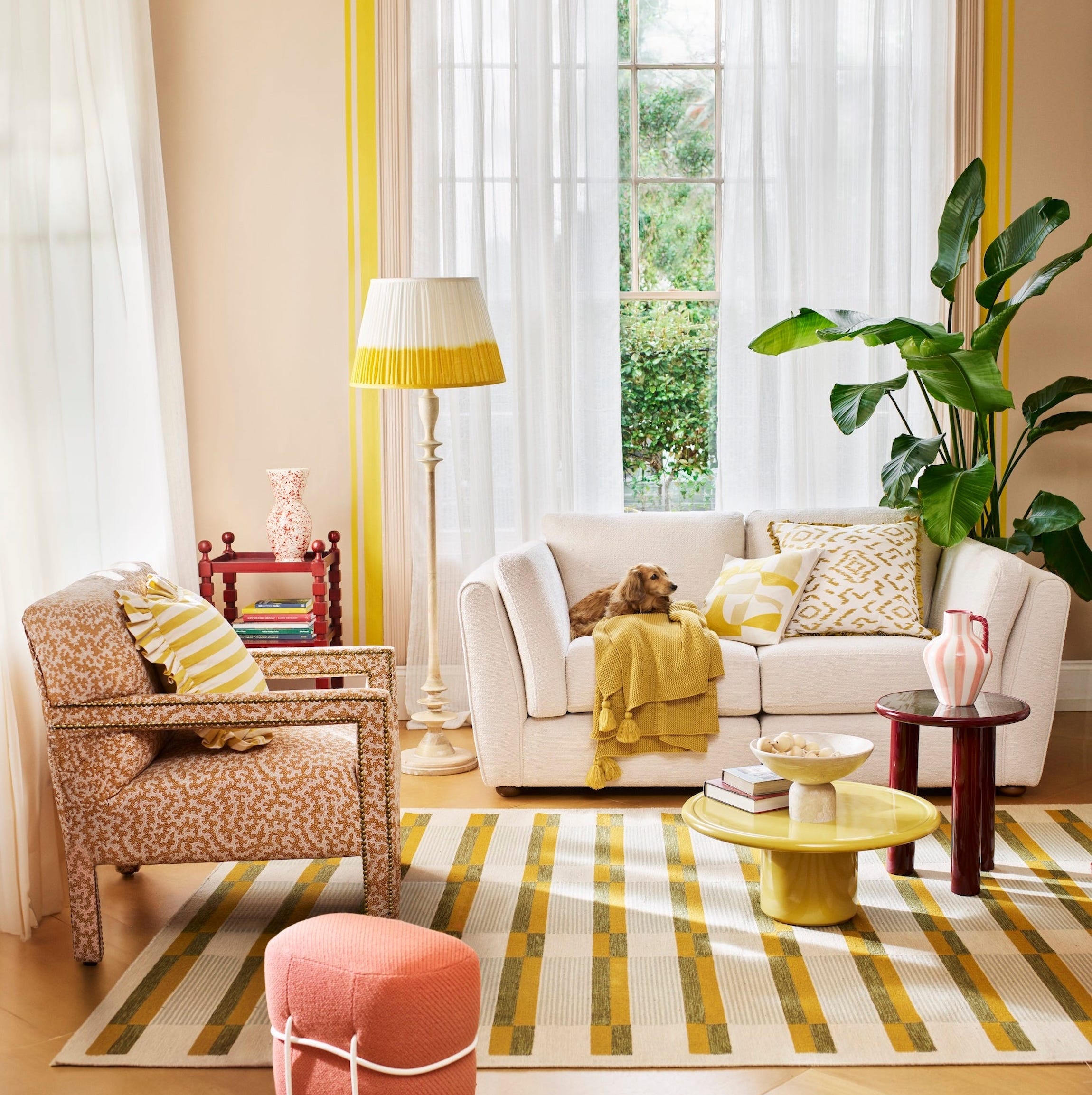
5 Living Room Design Mistakes You Didn't Know You Were Making

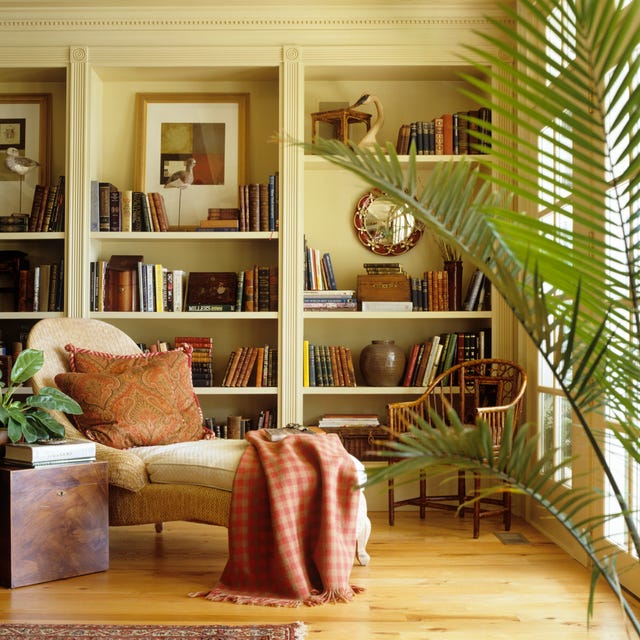
Designers Share 4 Common "Mistakes" You're Making in Your Living Room—and How to Correct Them
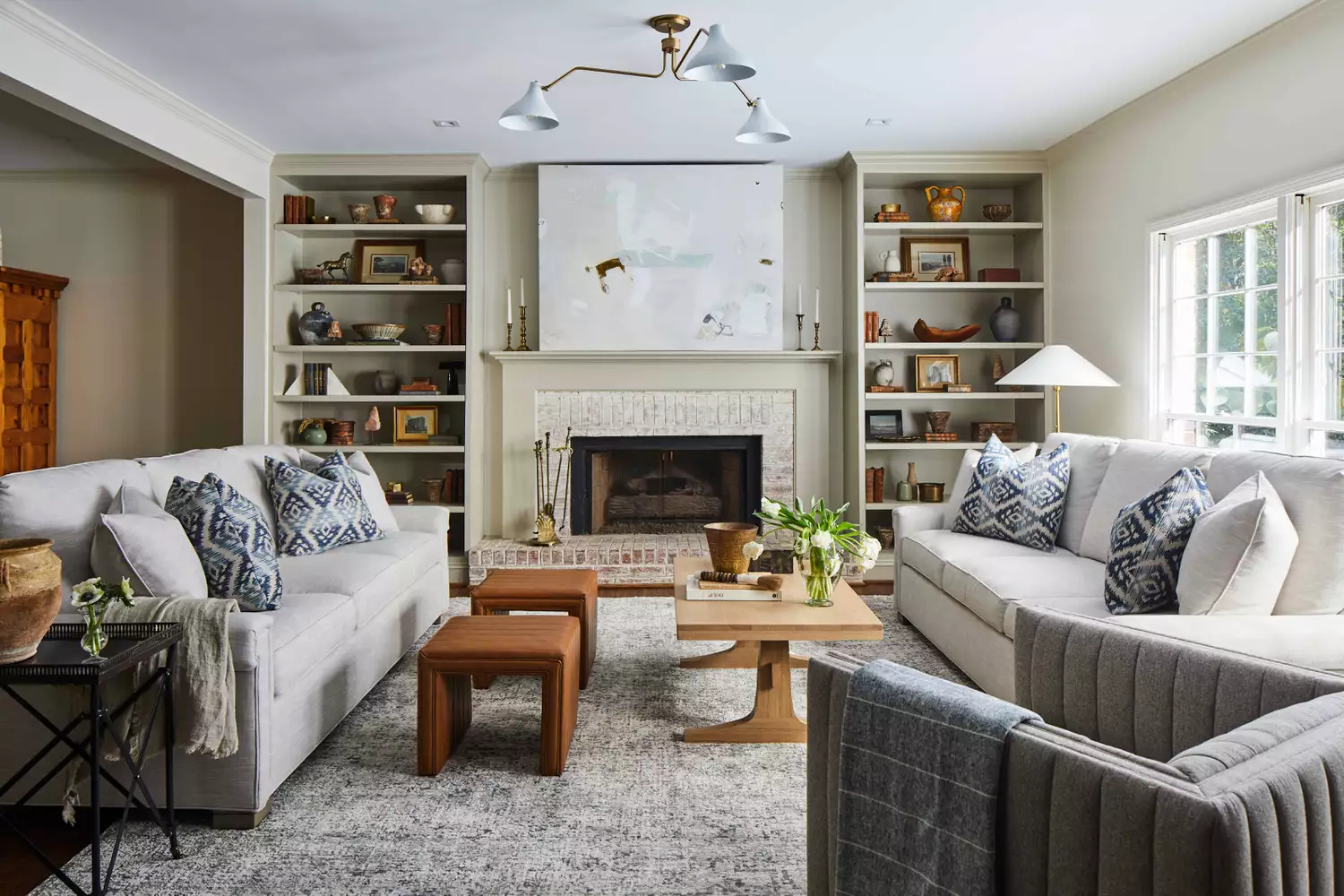
11 Living Room Layout Mistakes Designers Want You To Stop Making
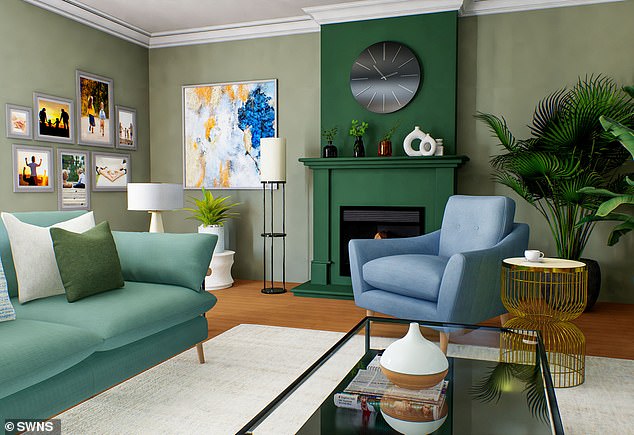
Are YOU guilty of these living room layout mistakes? Decor expert reveals the 8 sins people make
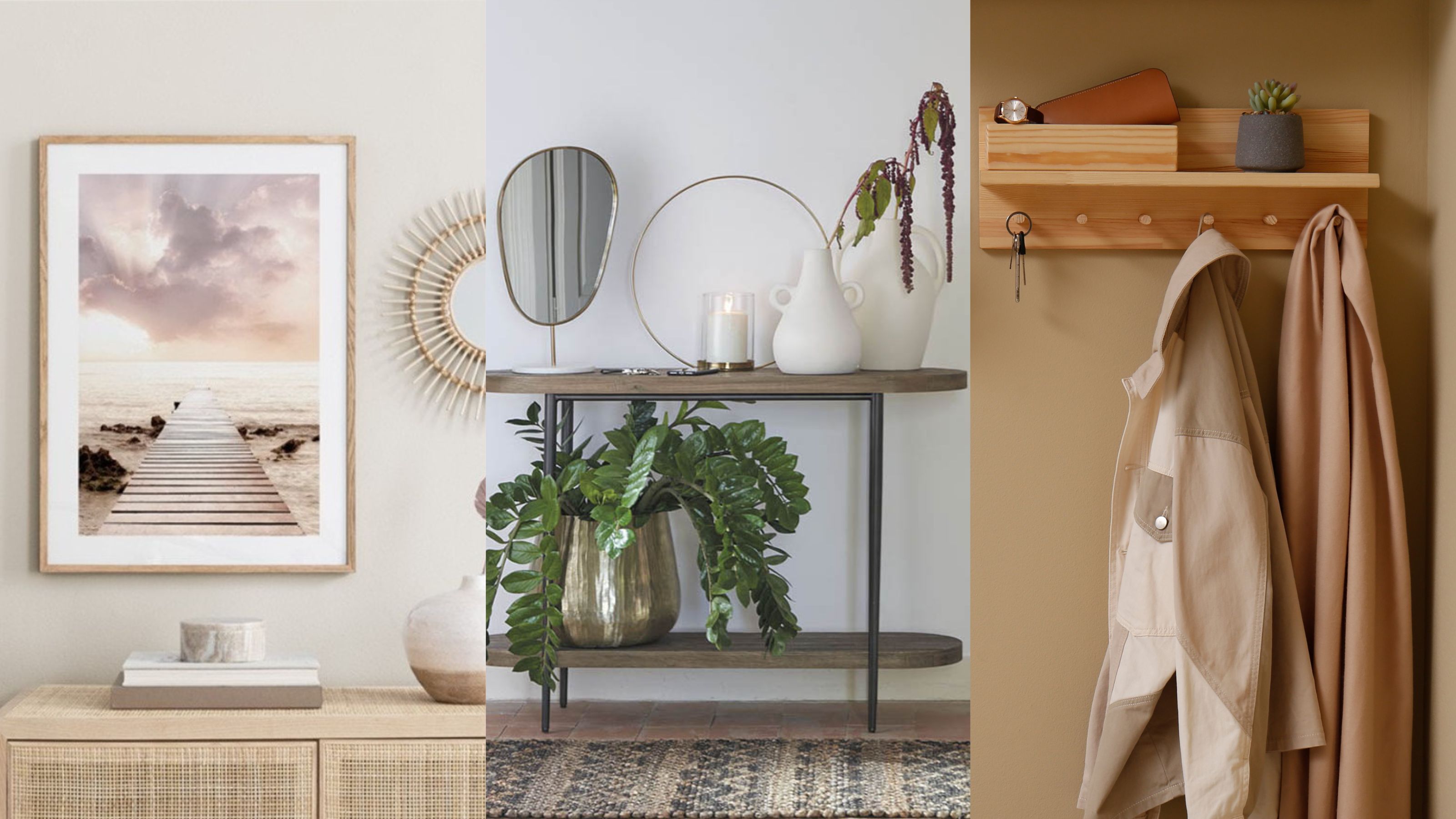
Small entryway Feng Shui mistakes — 5 things the pros always avoid

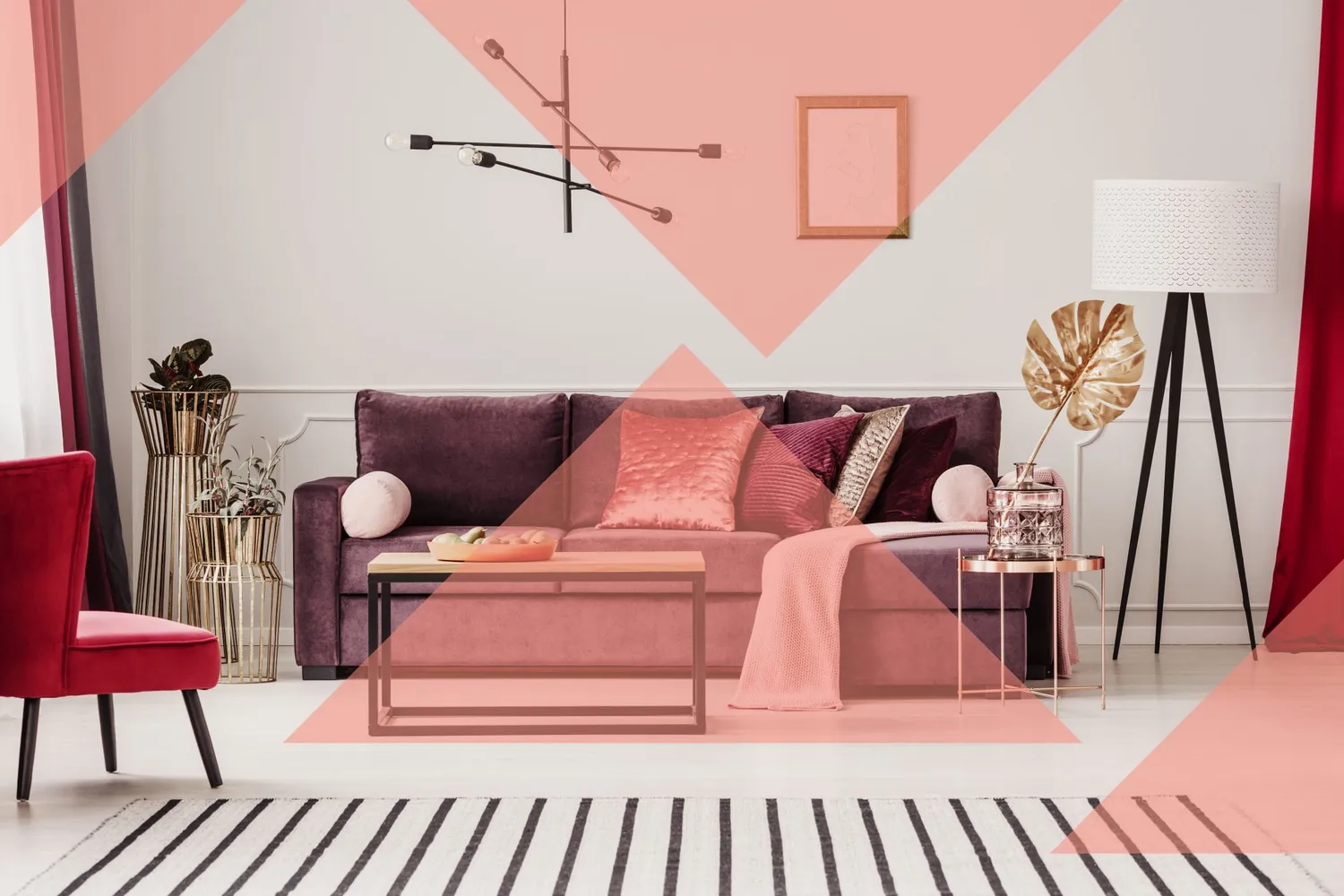
10 Expert Feng Shui Tips for Your Living Room

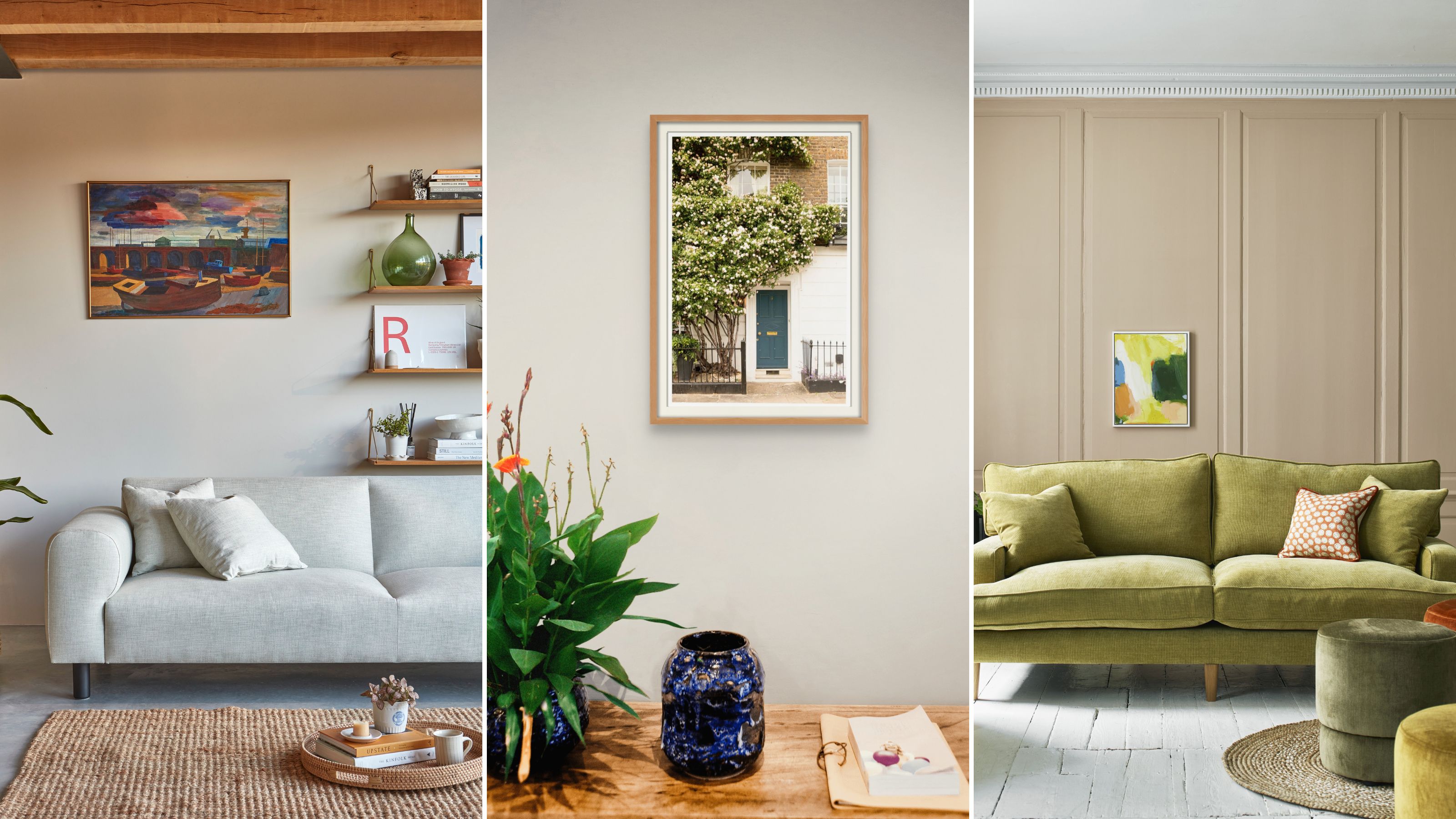
5 small living room Feng Shui tips — harness these principles for ultimate Zen

Give Your Wardrobe an Energy Glow-Up by Ditching These 5 Feng Shui Closet Mistakes Now (And Forevermore)

5 Living Room Rug Mistakes You’re Probably Making—And How To Fix Them, According To Designers
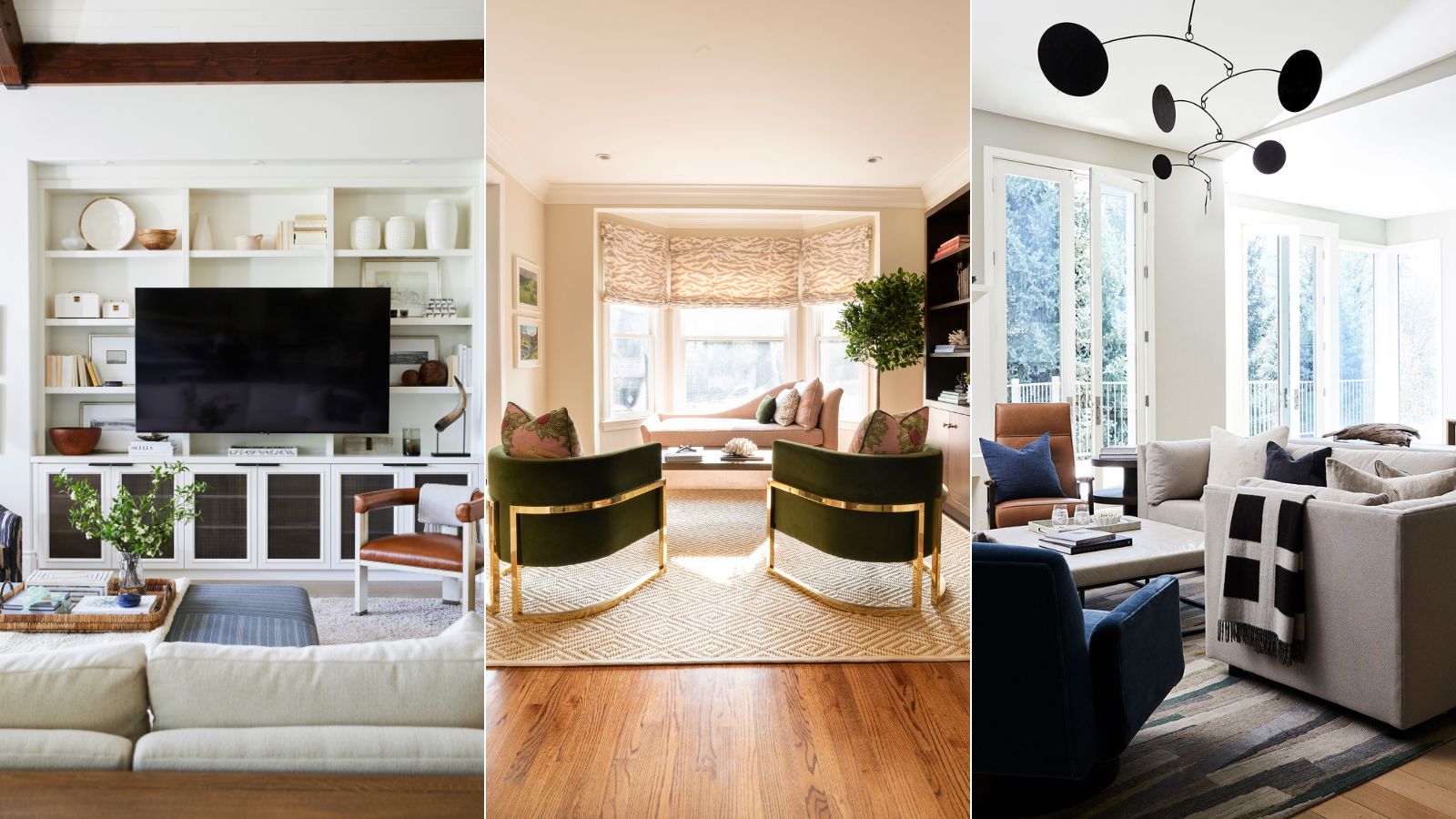
5 small living room mistakes – designers share the worst decorating disasters that we need to stop doing right now
3 common lighting mistakes you are making, according to Feng Shui experts
7 small living room layout mistakes design experts want you to avoid – and what to do instead
5 entryway Feng Shui mistakes experts always notice as soon as they step foot into a home
6 Feng Shui Houseplant Decorating Mistakes Practitioners Want to Warn You Against
12 common family living room mistakes that pros warn against
6 Small Living Room Layout Mistakes You Should Never Make, According to Designers