1/6
5 bedroom design tips to help night owls fall asleep – and wake up feeling fresh
This article explores five bedroom design tips and bedtime routines specifically tailored to help night owls improve their sleep patterns and wake up feeling refreshed. It acknowledges that night owls often have their most productive hours late at night, which can conflict with early morning commitments. The core idea is to transform the bedroom into a conducive environment for rest and to adopt habits that signal to the brain that it's time to unwind.
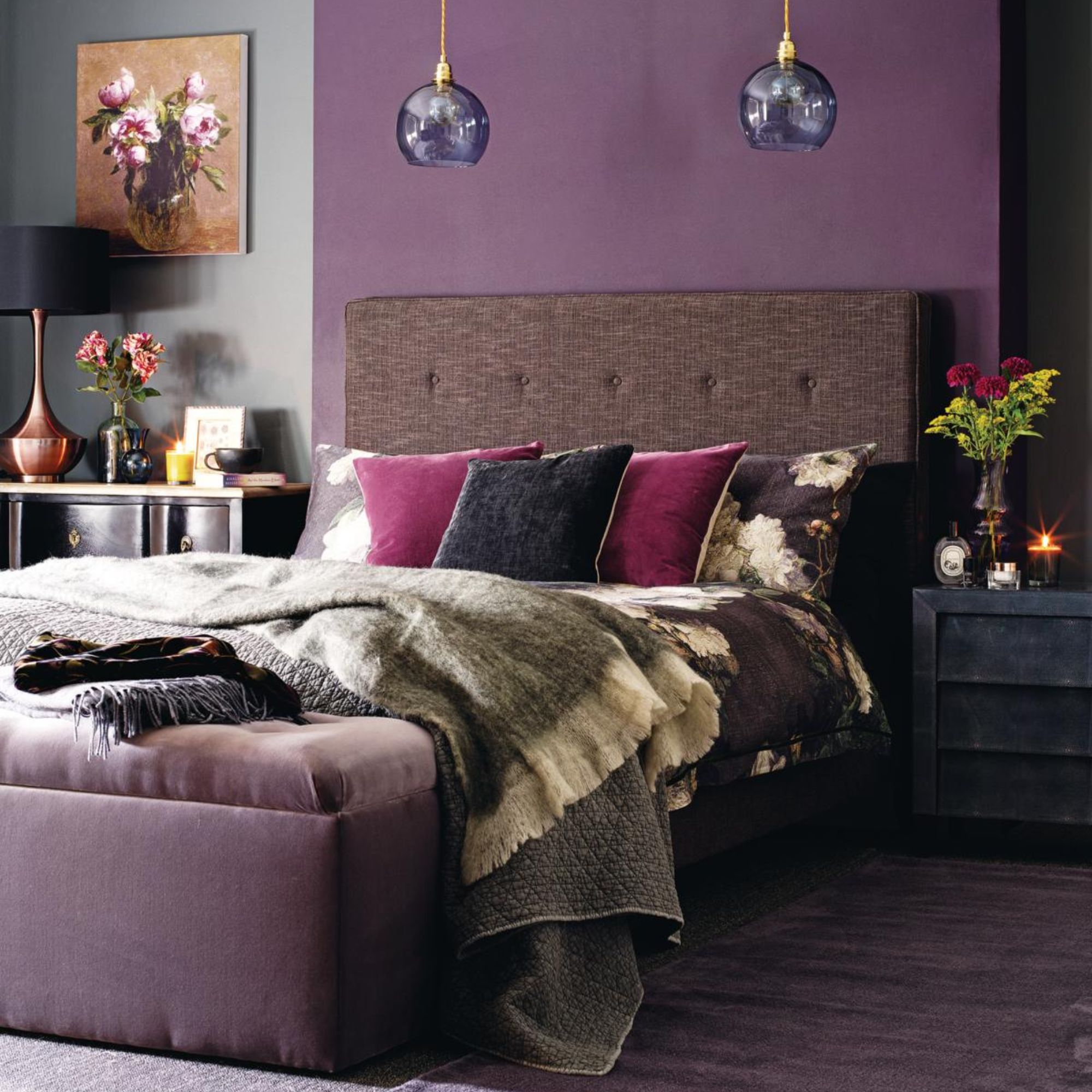
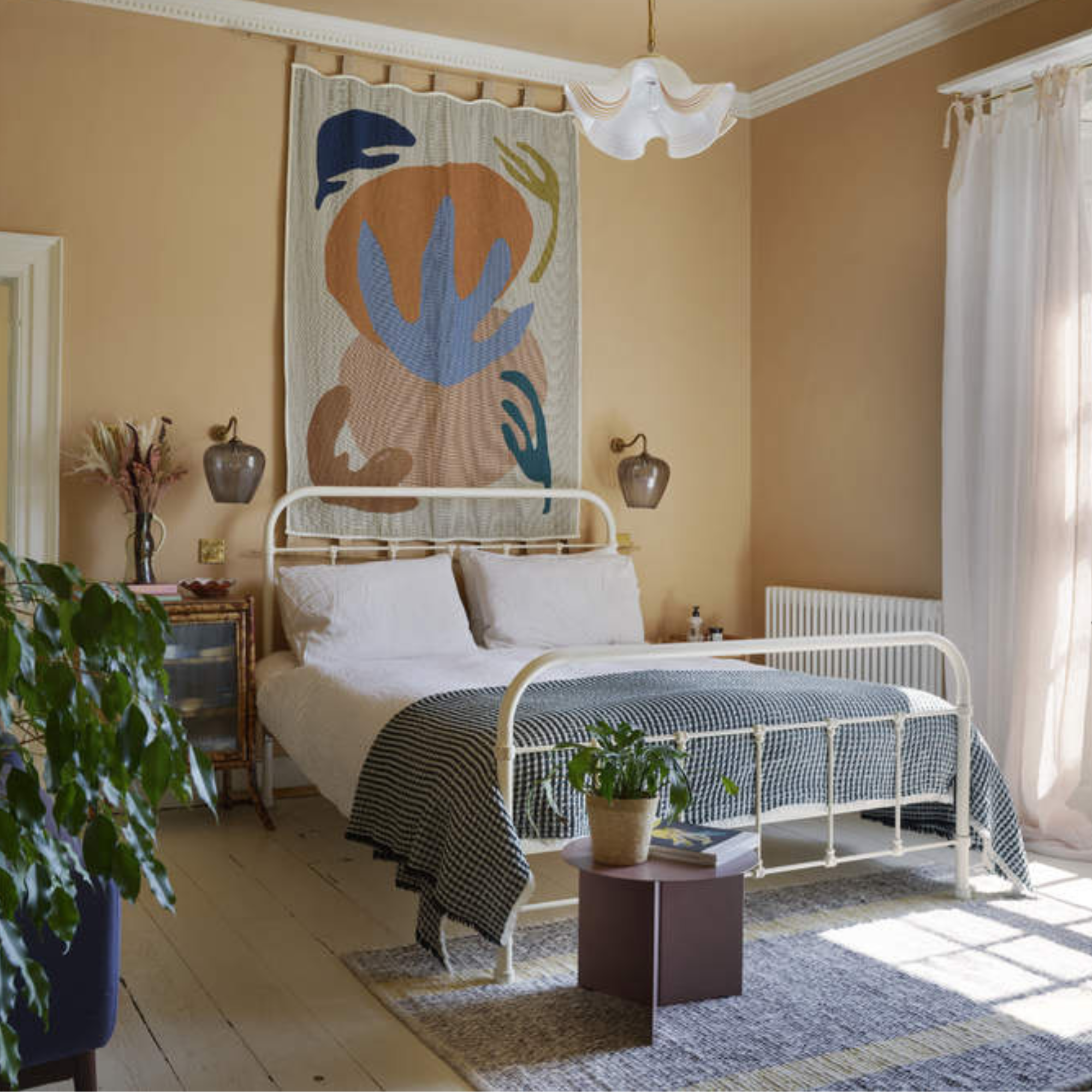
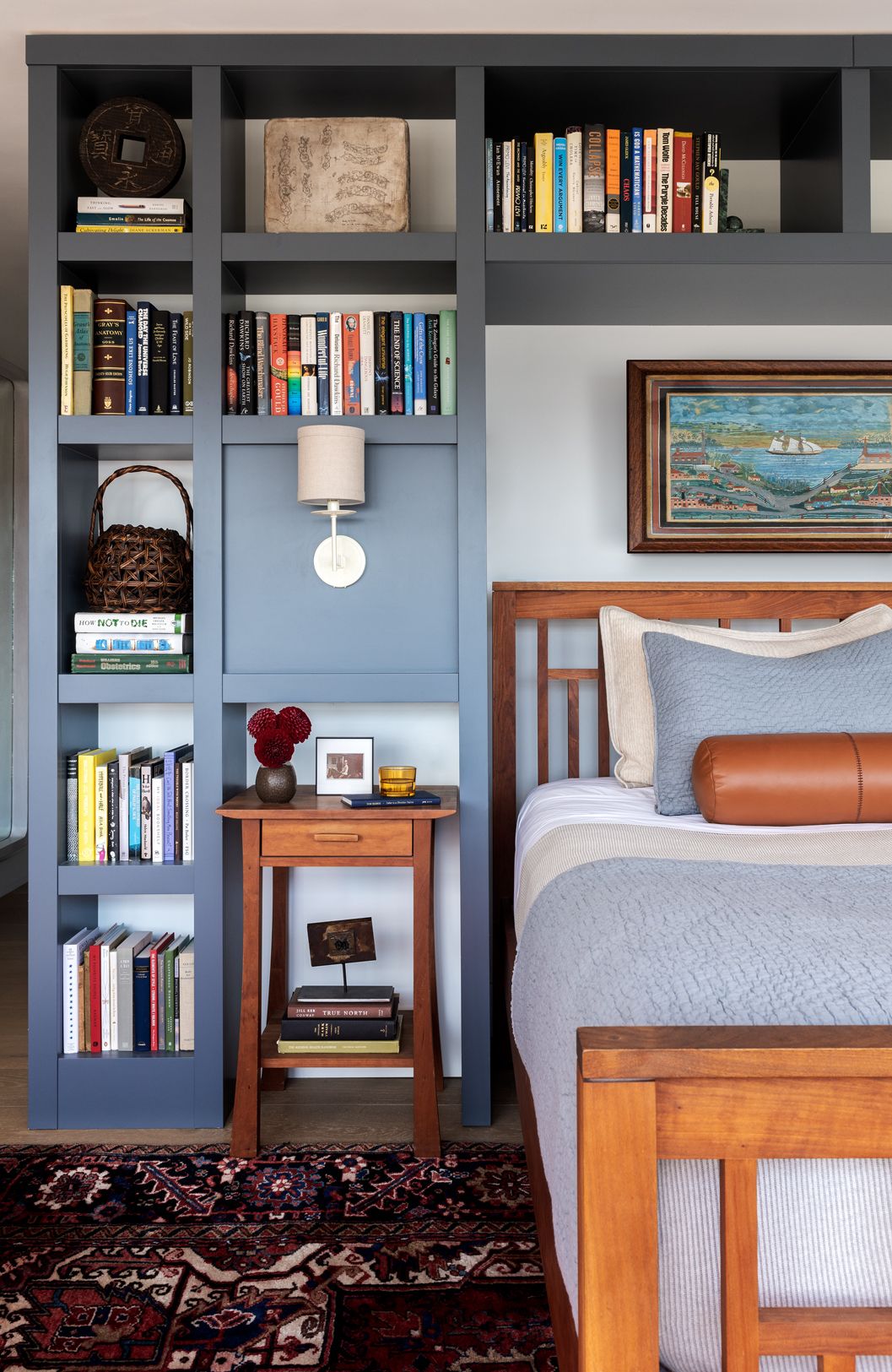
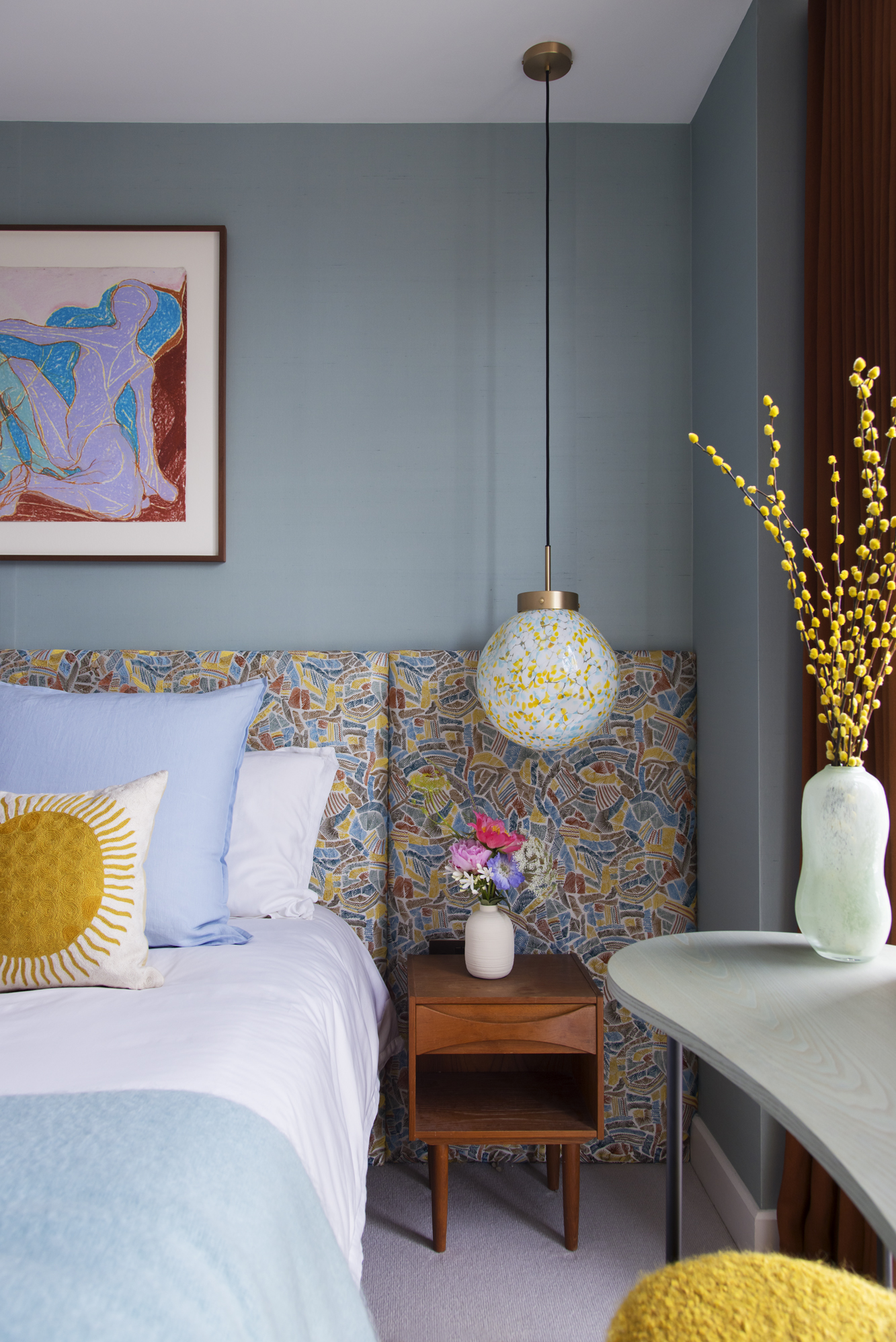
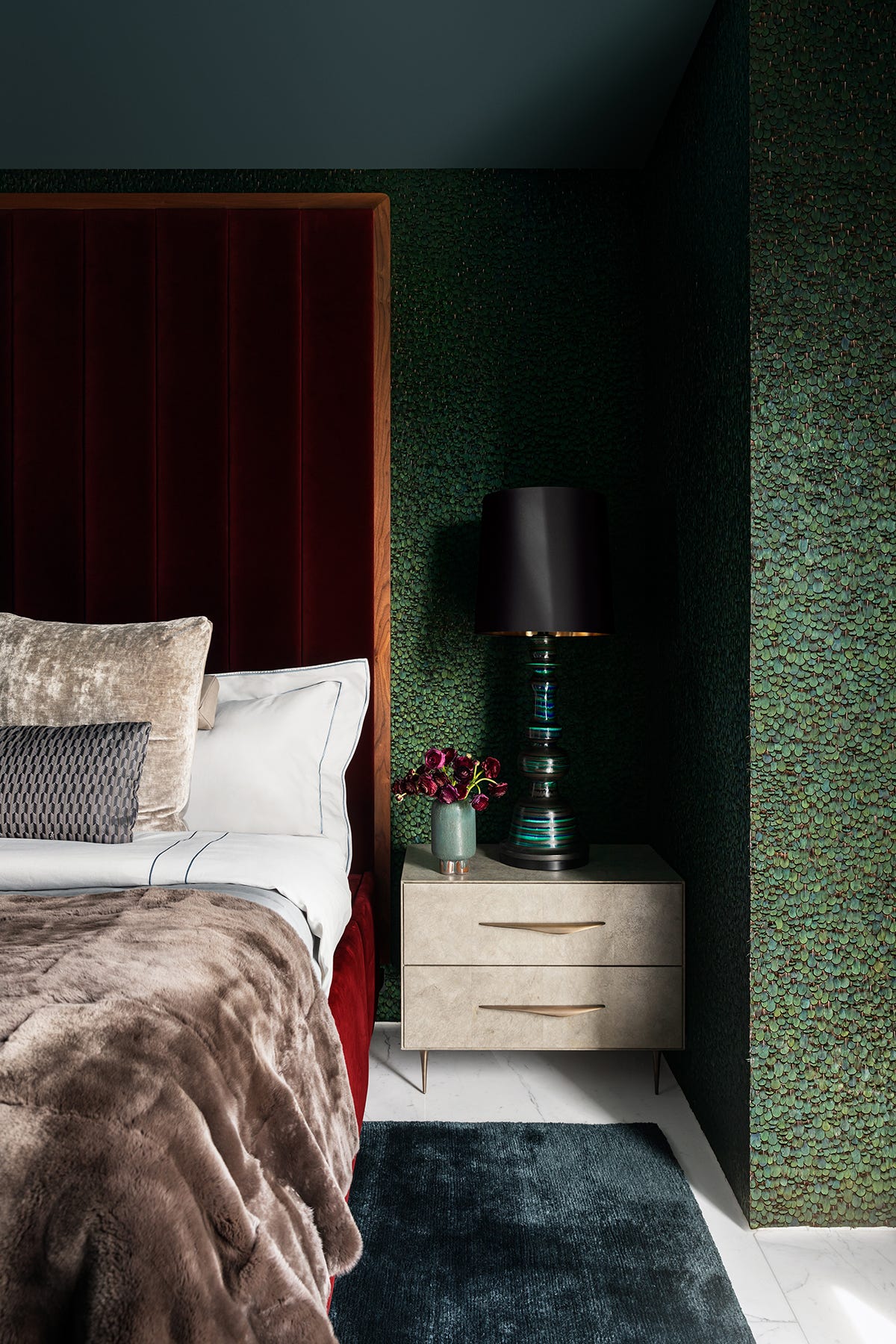
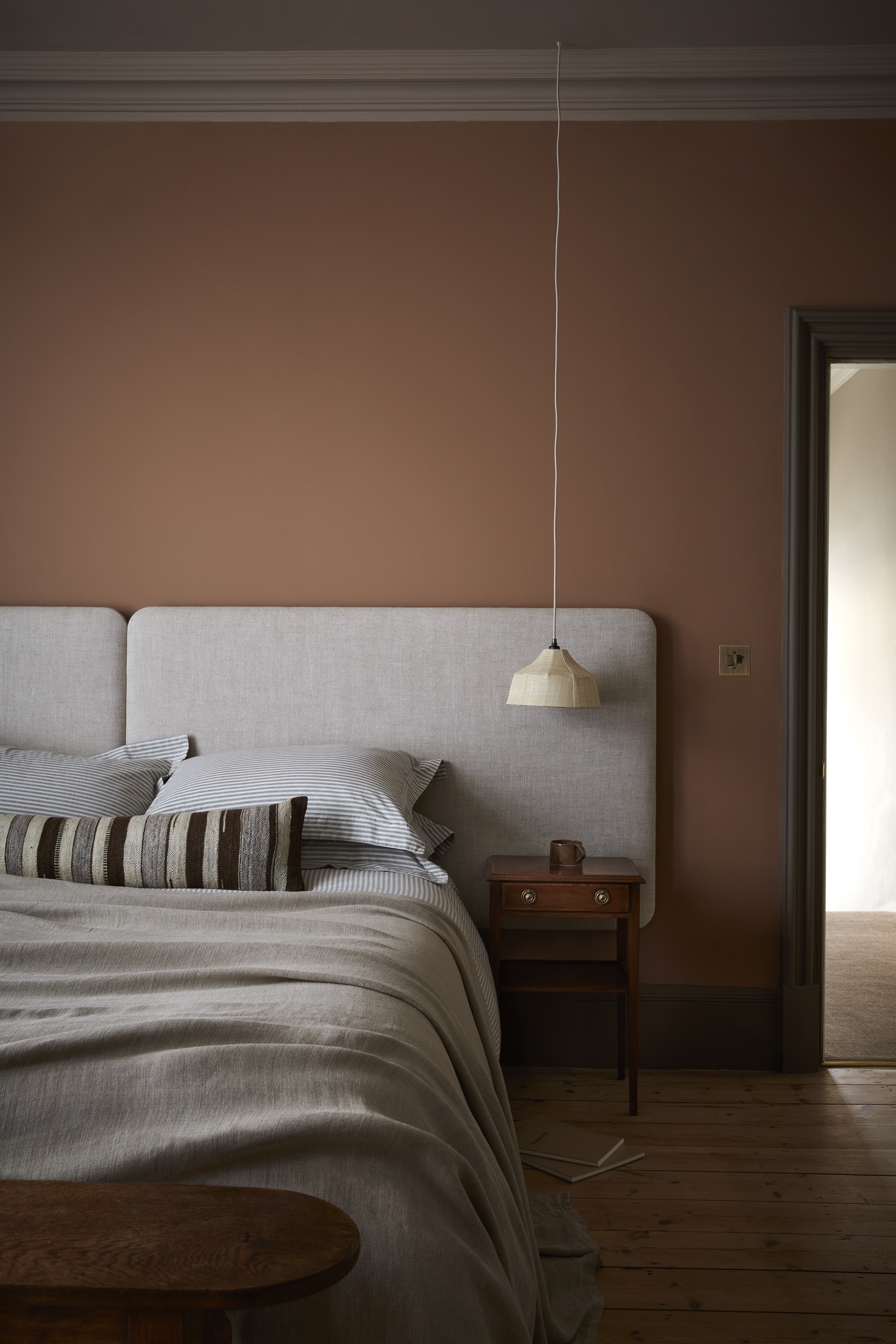
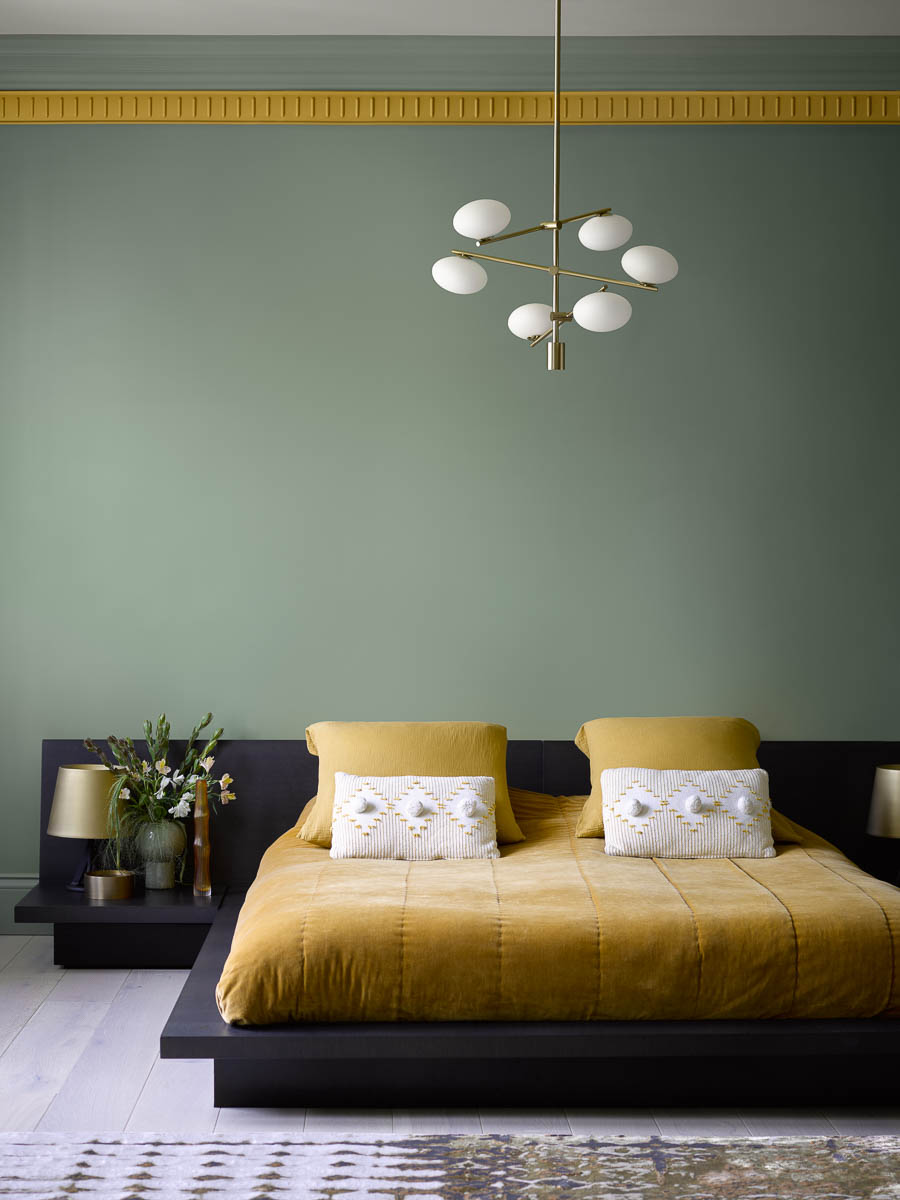
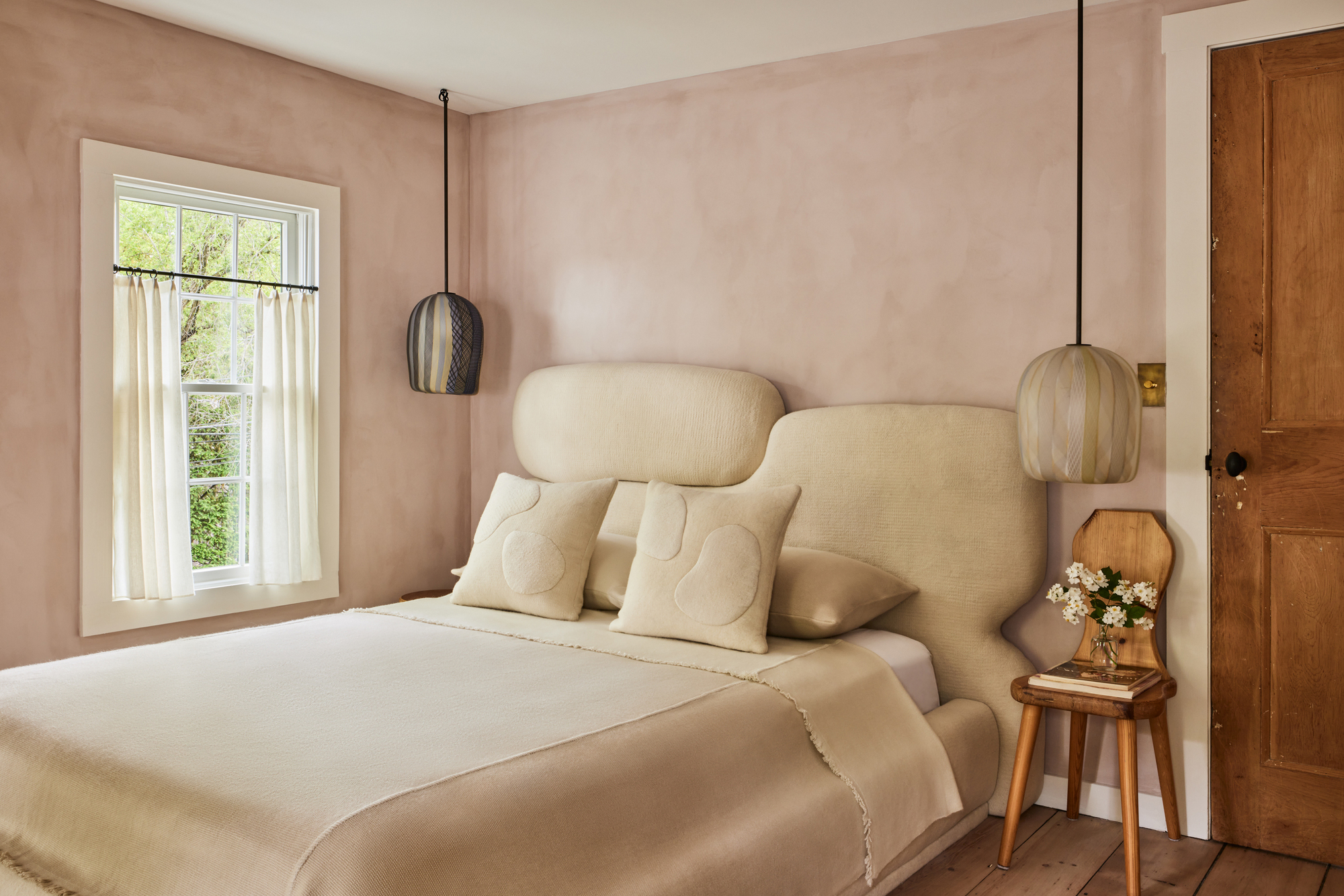
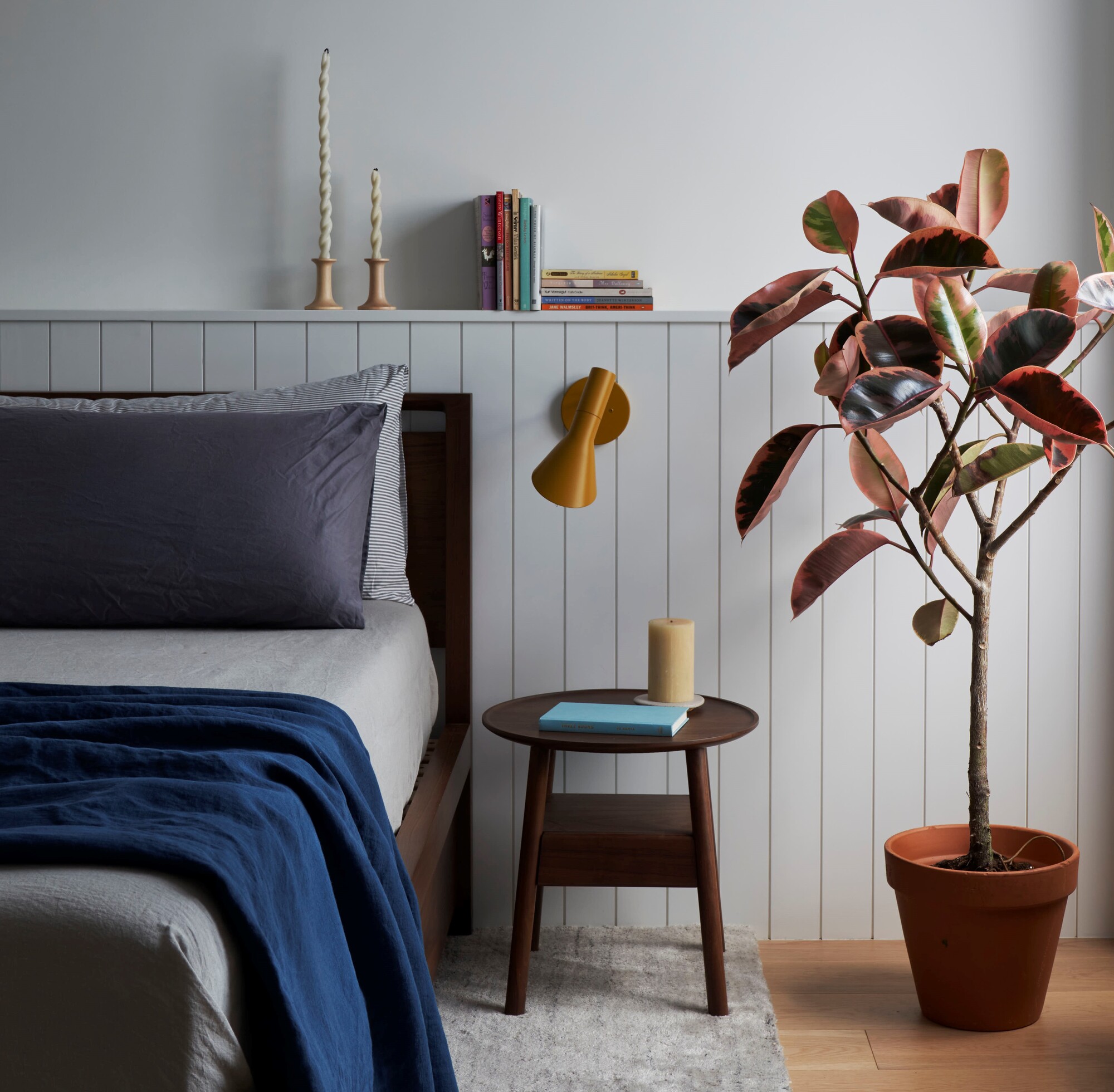
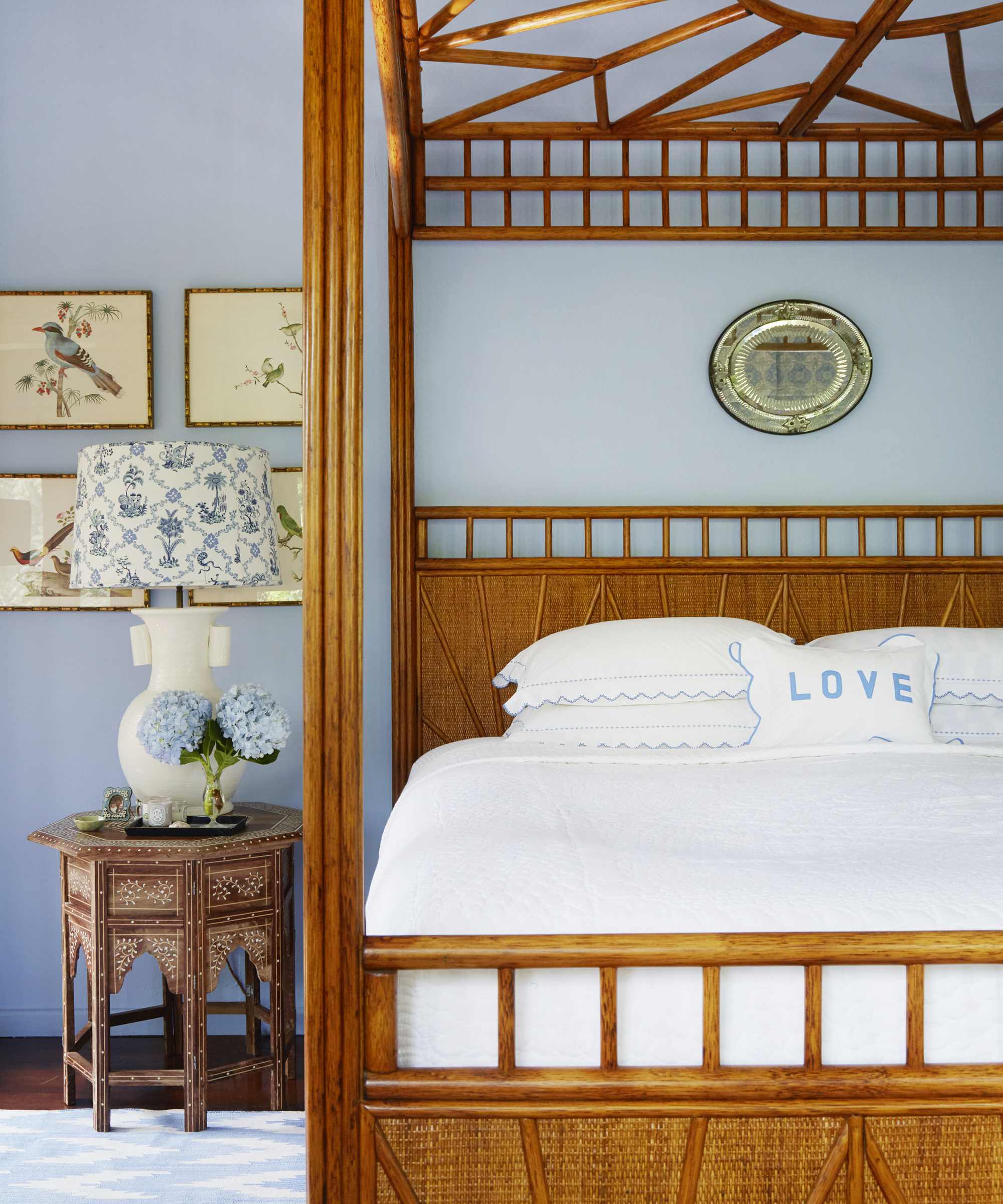
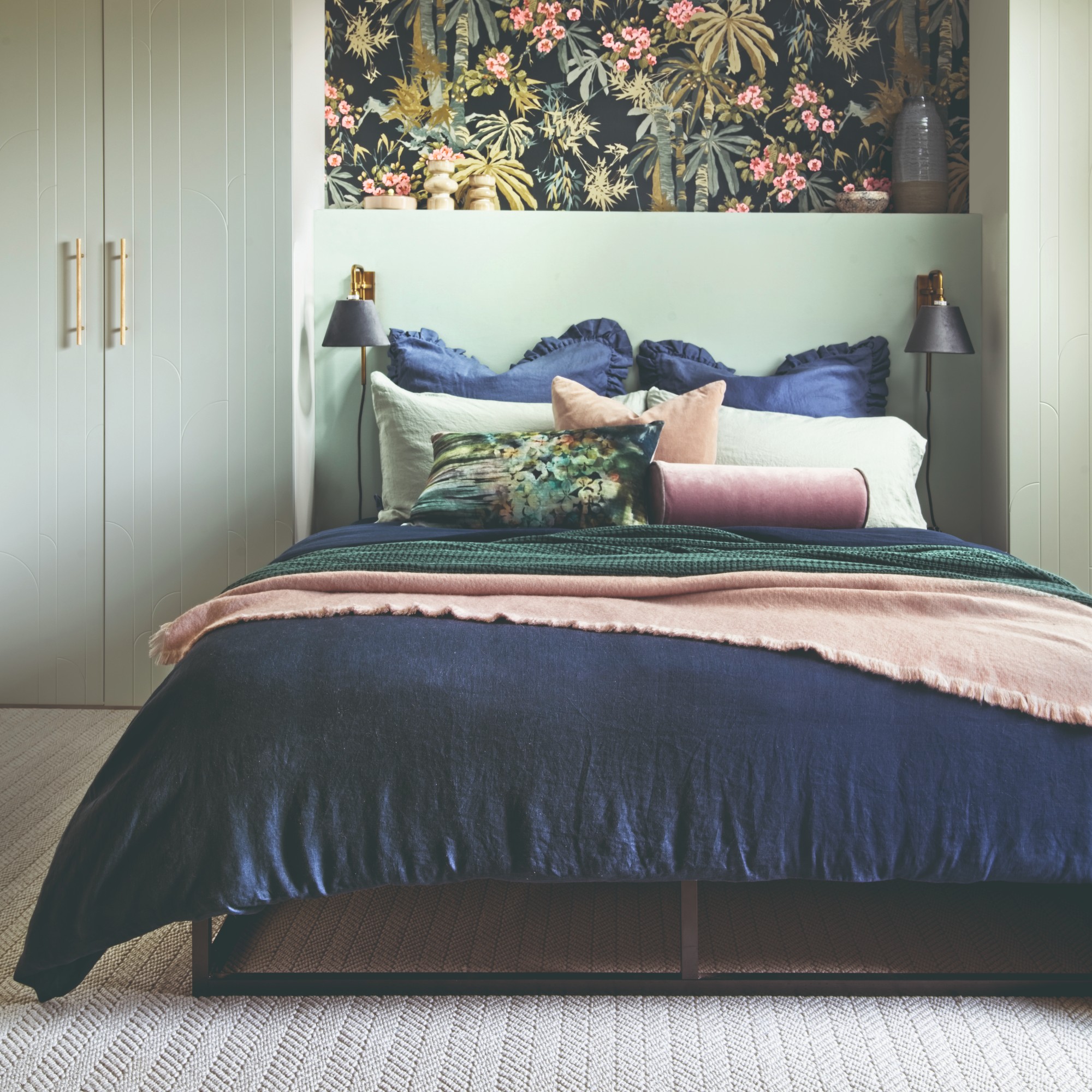
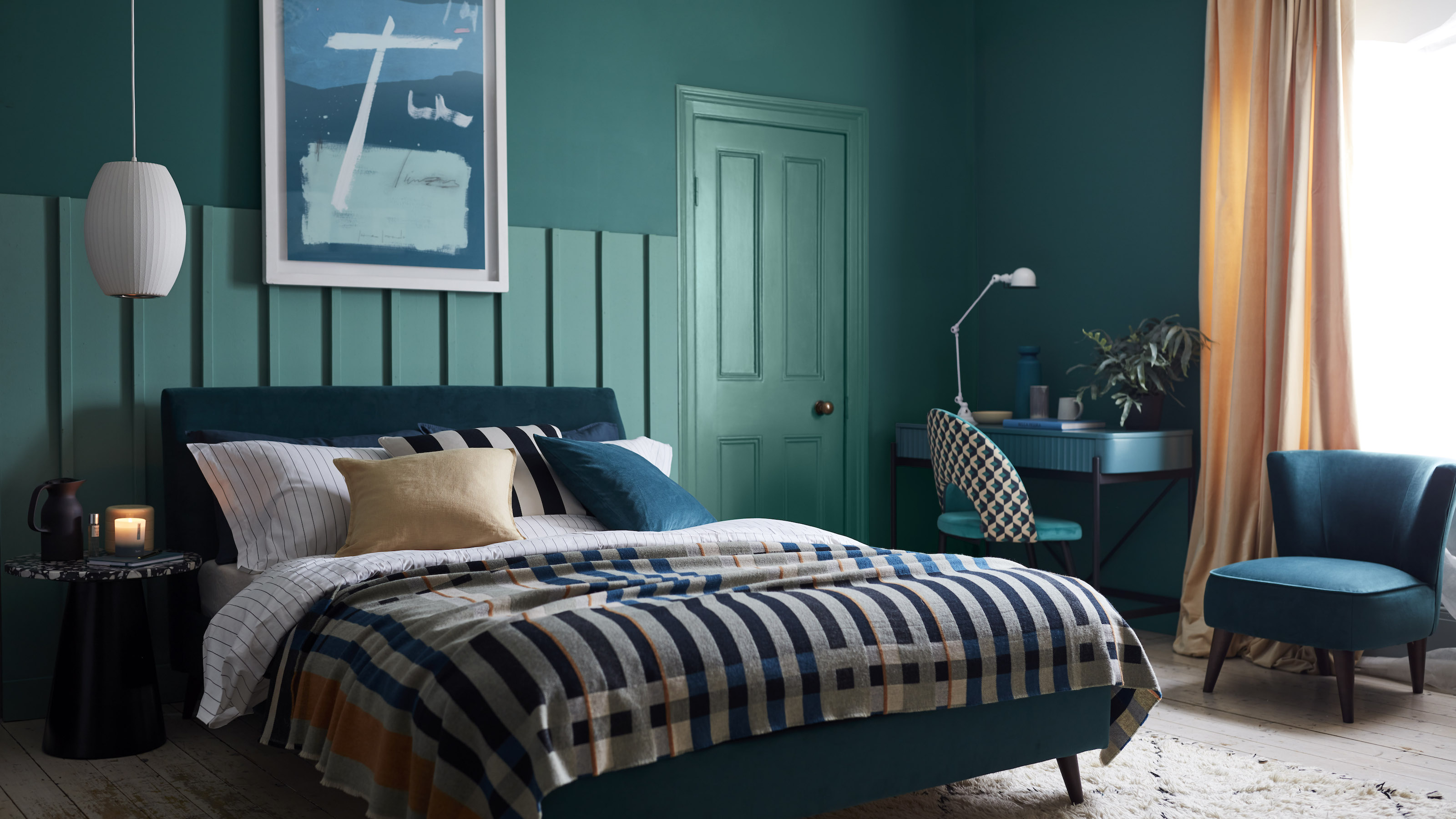
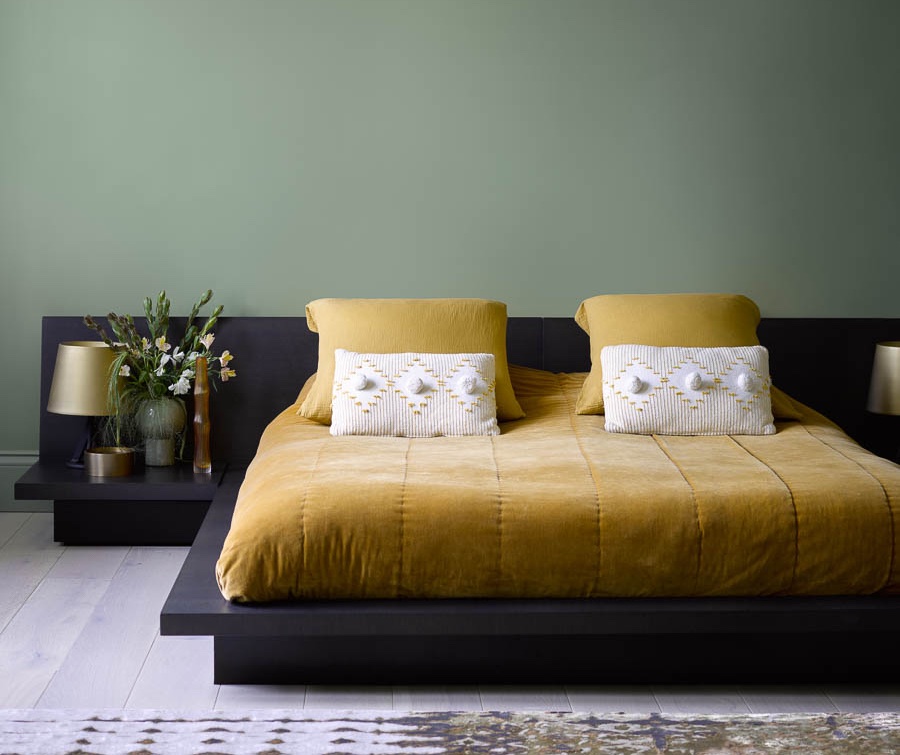
The first tip focuses on selecting a harmonious bedtime palette. Experts suggest choosing colors like green and blue, which are known for their calming effects and association with nature. The advice extends to considering how colors appear under both natural and artificial light. For instance, an inky blue teal might look crisp during the day but soften to a greener hue under evening lamps. It is recommended to use a color wheel to create a cohesive palette, whether monochromatic or with complementary shades. A practical tip is to test paint colors in different parts of the room under various lighting conditions, as colors can appear significantly darker at night.
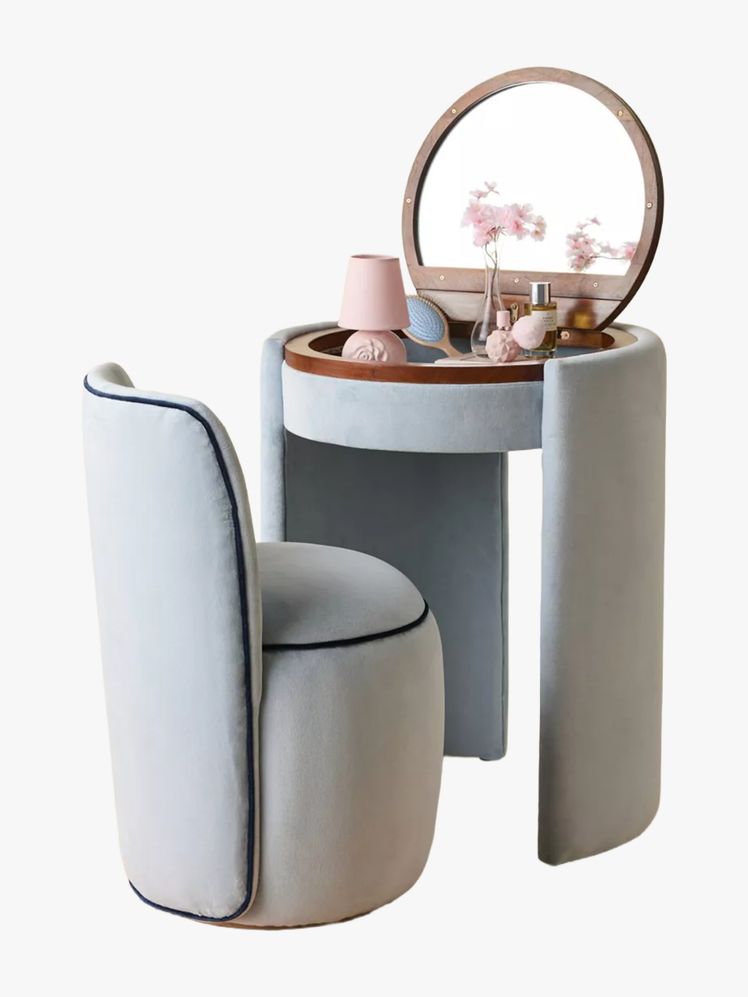
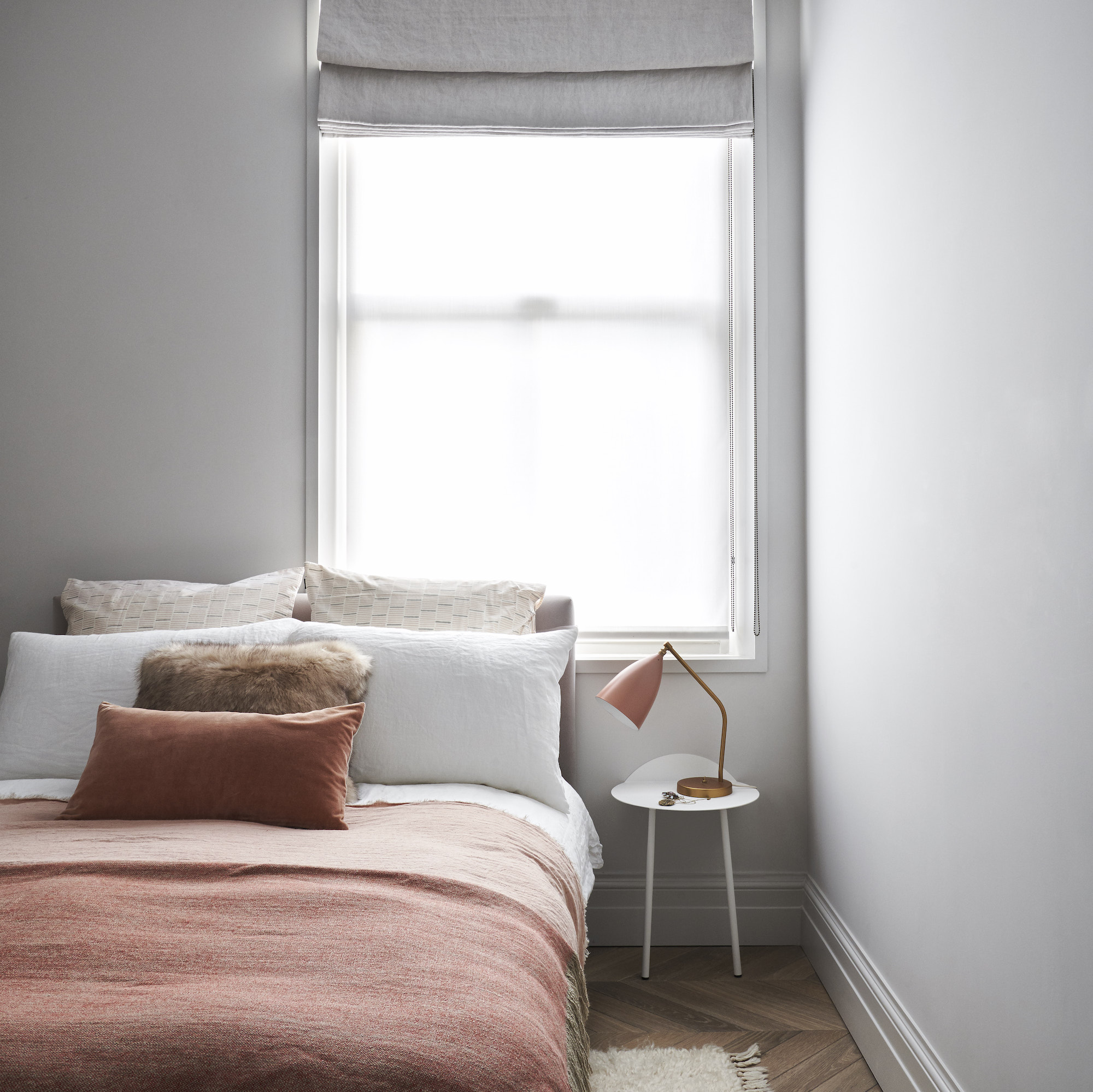
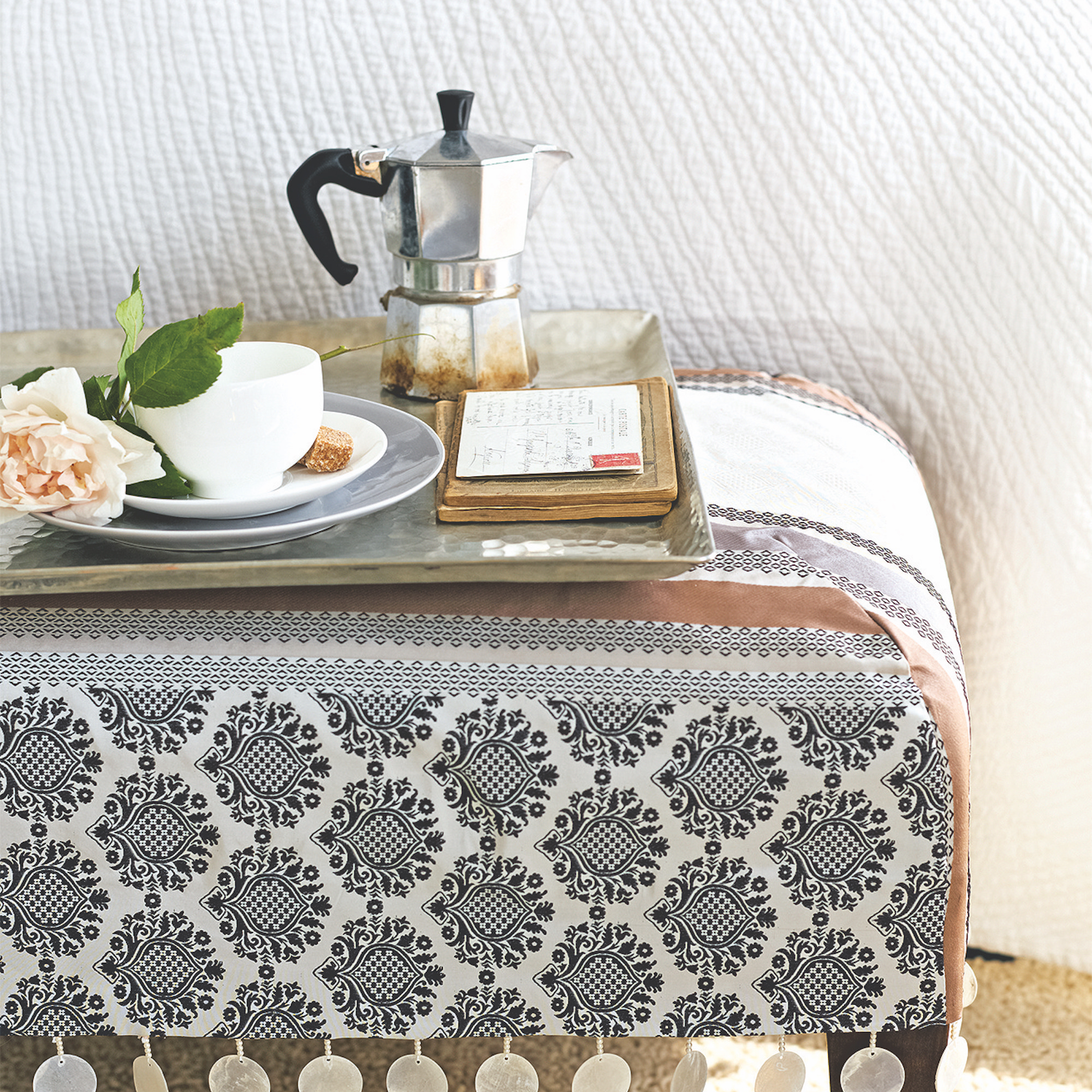
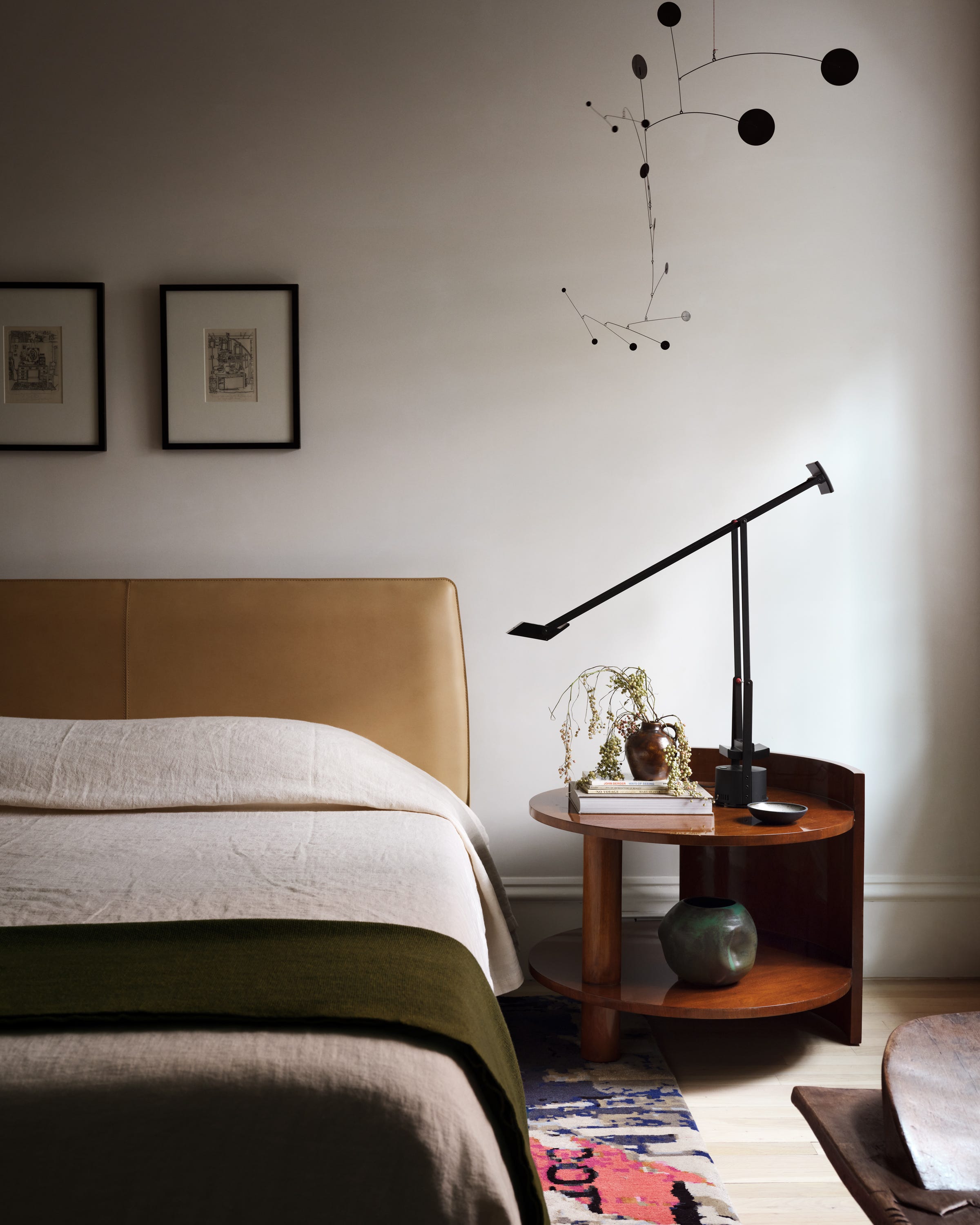
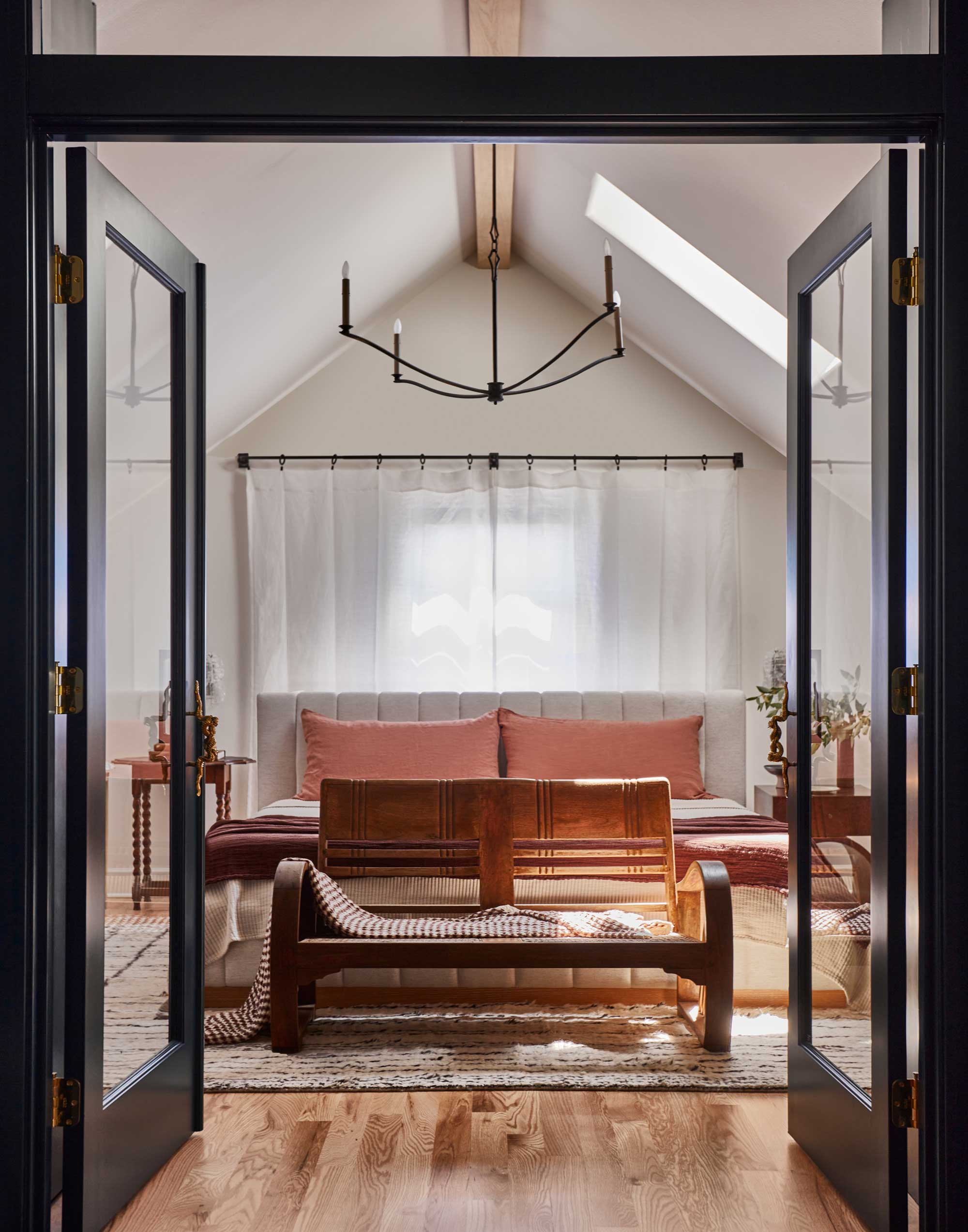
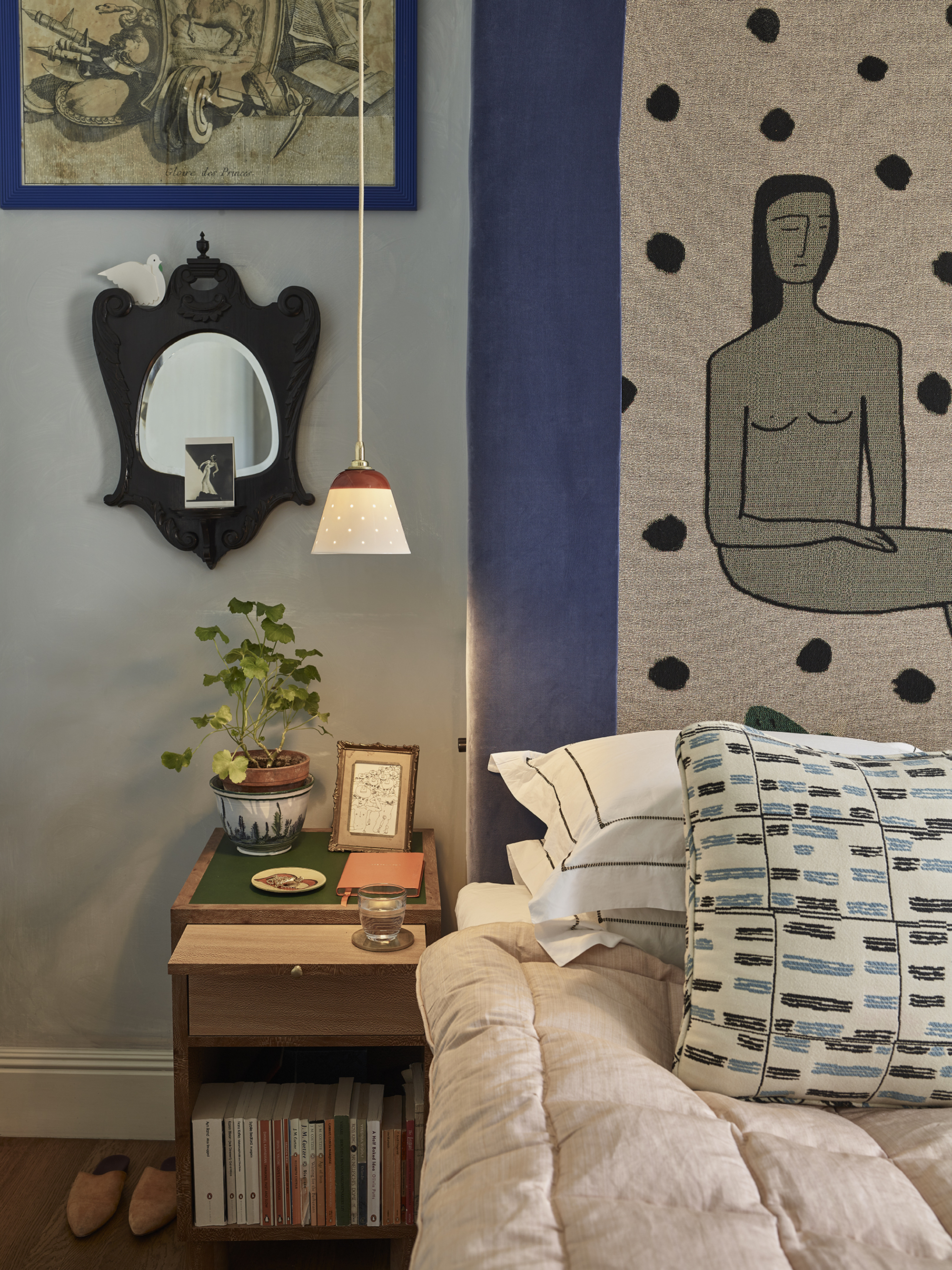
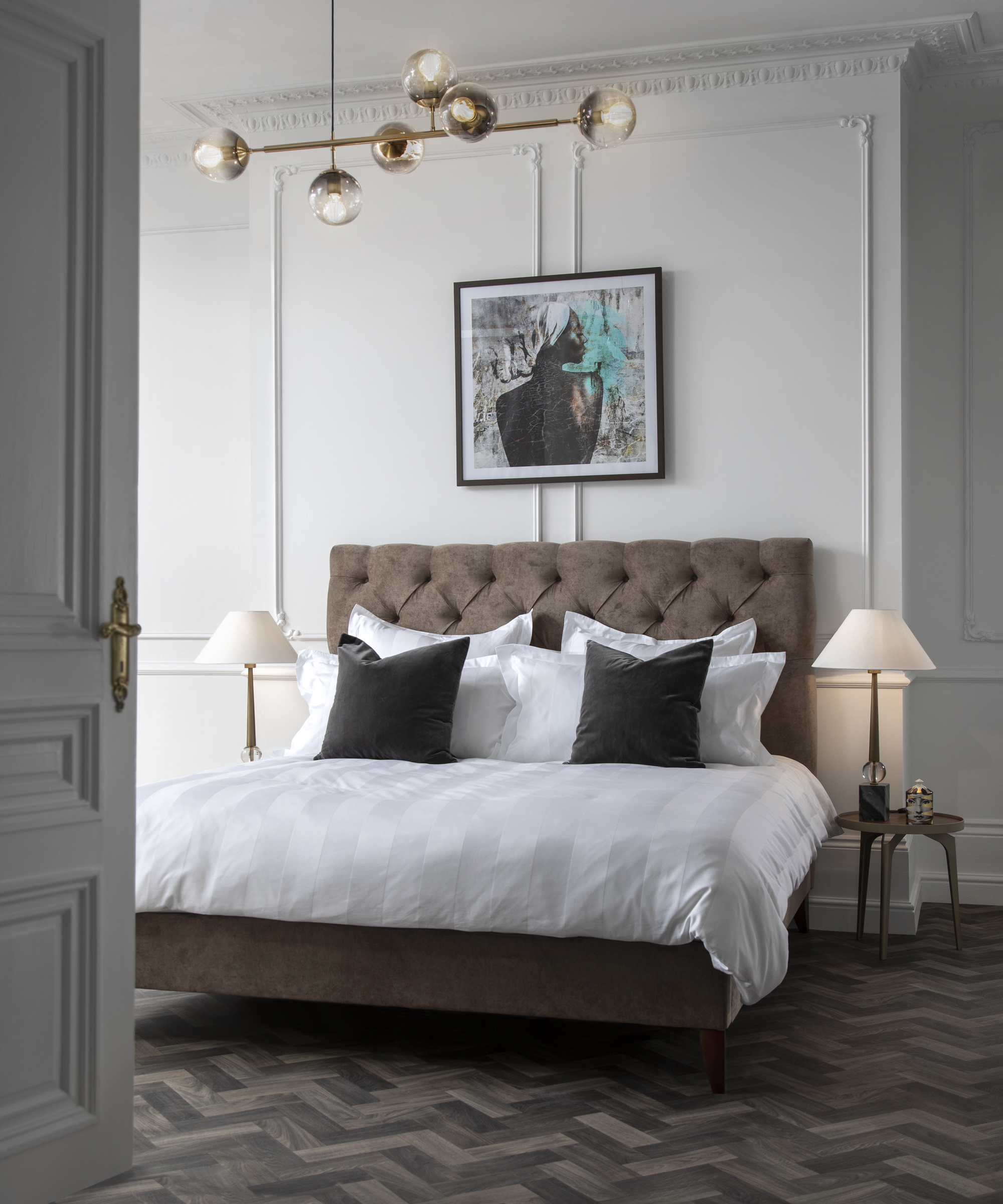
The second recommendation is to incorporate reflective surfaces into the bedroom decor. For night owls who might resist sleep, a subtle amount of visual interest is beneficial. Design psychologist Amber Dunford suggests adding elements like brass lampstands, gold-framed mirrors, or textiles with a slight sheen. These surfaces can softly bounce available light around the room, creating an inviting and calming atmosphere without being overly stimulating.
The third tip highlights the importance of scent for inducing sleep. Essential oils such as lavender, jasmine, and chamomile are identified for their calming properties. The article explains that inhaling these oils impacts the limbic system, which is responsible for emotions, memory, and mood. Various methods of scent diffusion are suggested, including scented candles, pillow mists, bath bubbles, and facial oils, to integrate these calming aromas into the bedtime routine.
The fourth point discusses the use of sound to aid sleep. It introduces the concept of white, pink, and brown noise, which can help mask disruptive background sounds and promote better sleep quality. White noise provides a constant static-like sound, while pink noise offers a deeper, more soothing tone, effective in shielding against sudden loud noises. Brown noise produces a deep, rumbling sound similar to heavy rainfall. These sounds can be accessed via YouTube, sleep apps, or dedicated devices. Additionally, the article suggests using specific rhythmic music in the morning to help night owls feel more alert by stimulating their heartbeat.
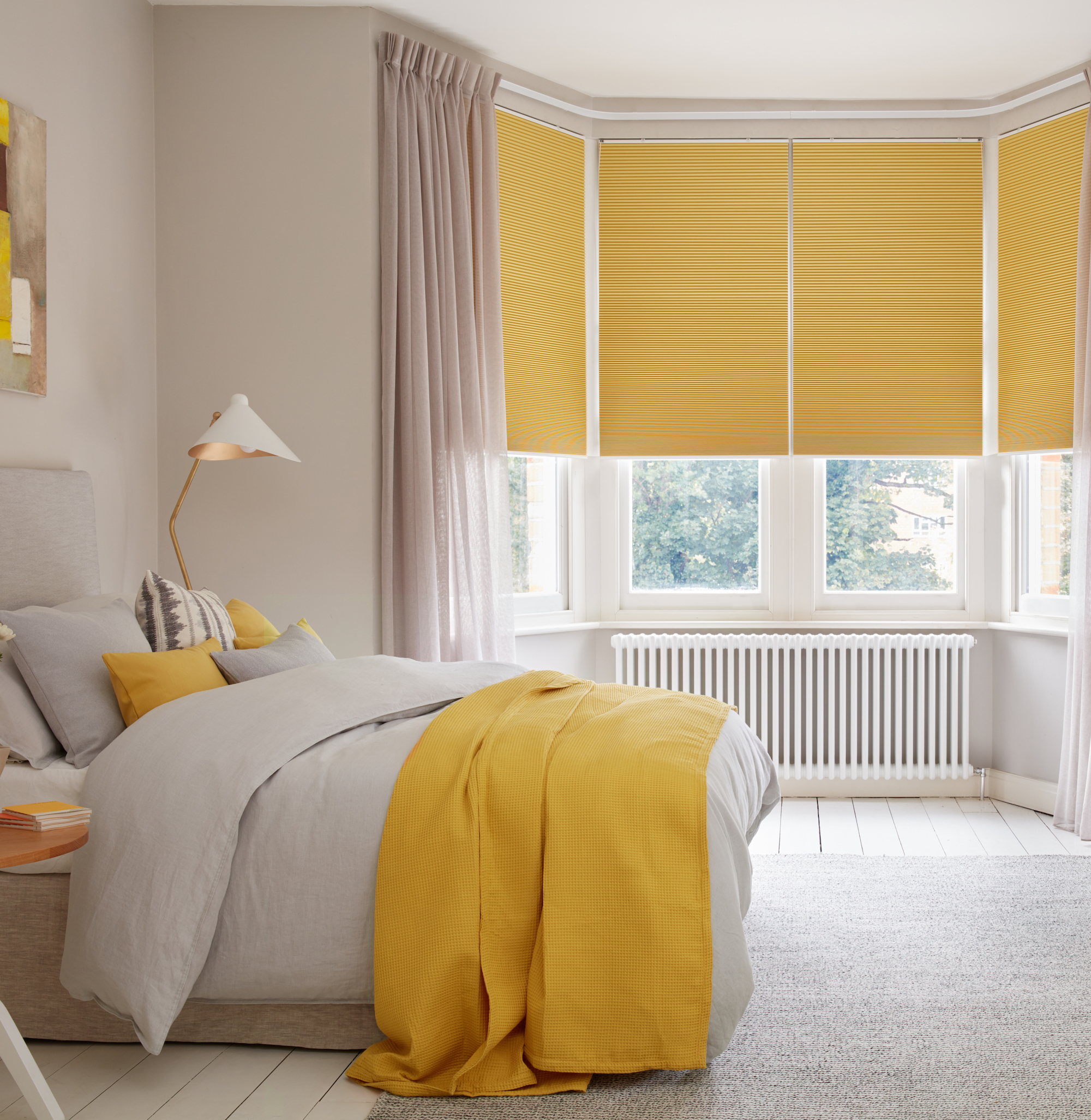
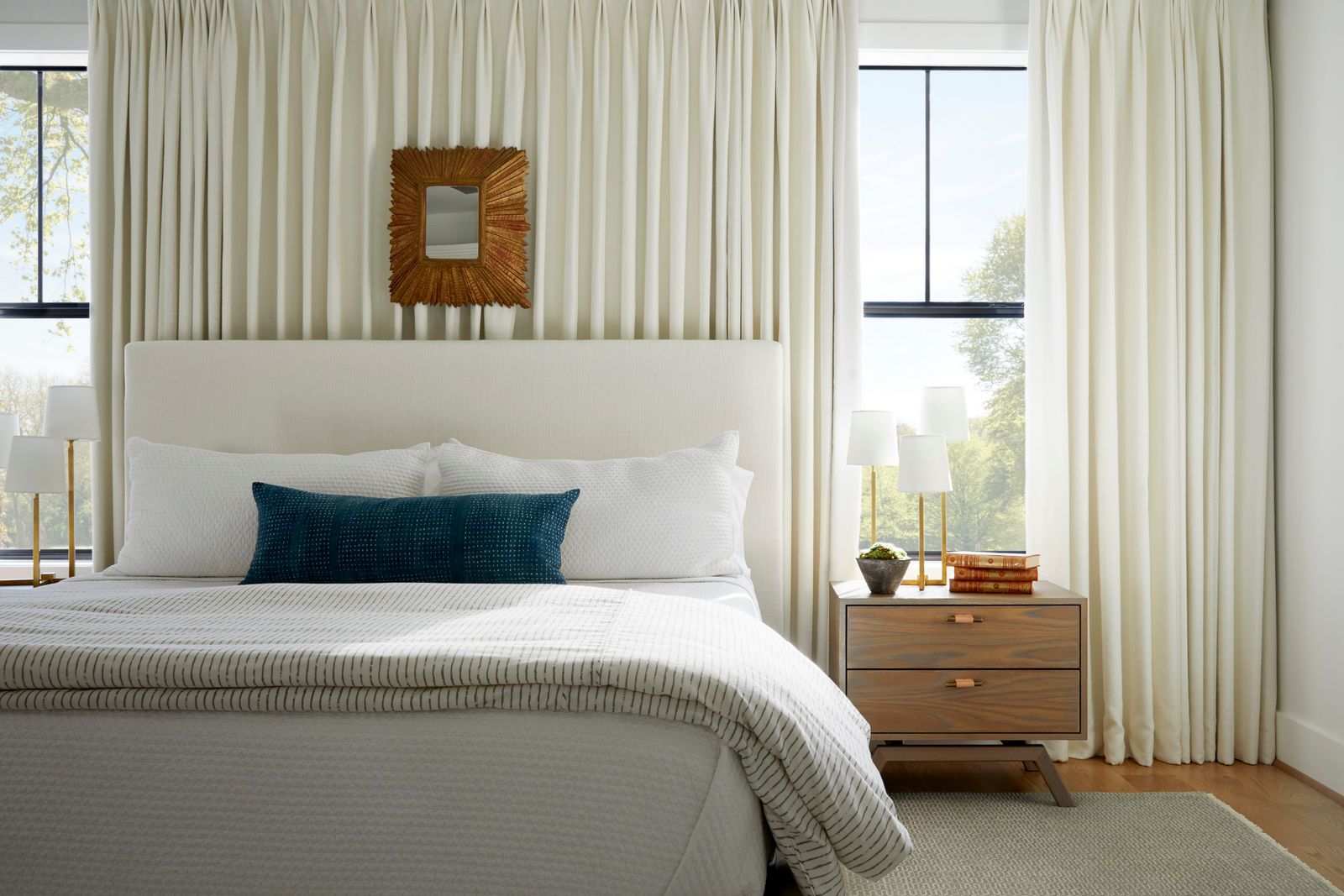
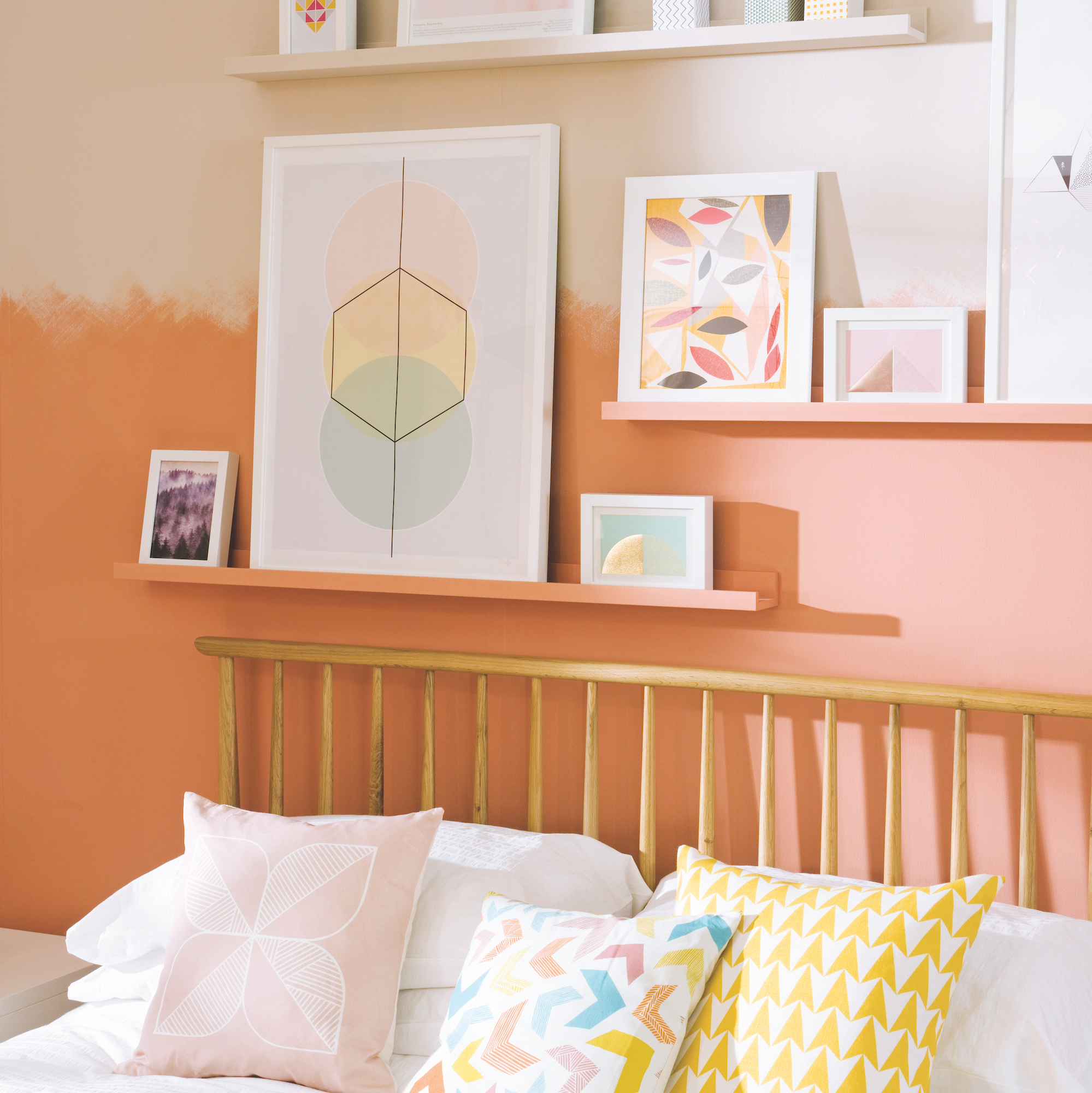
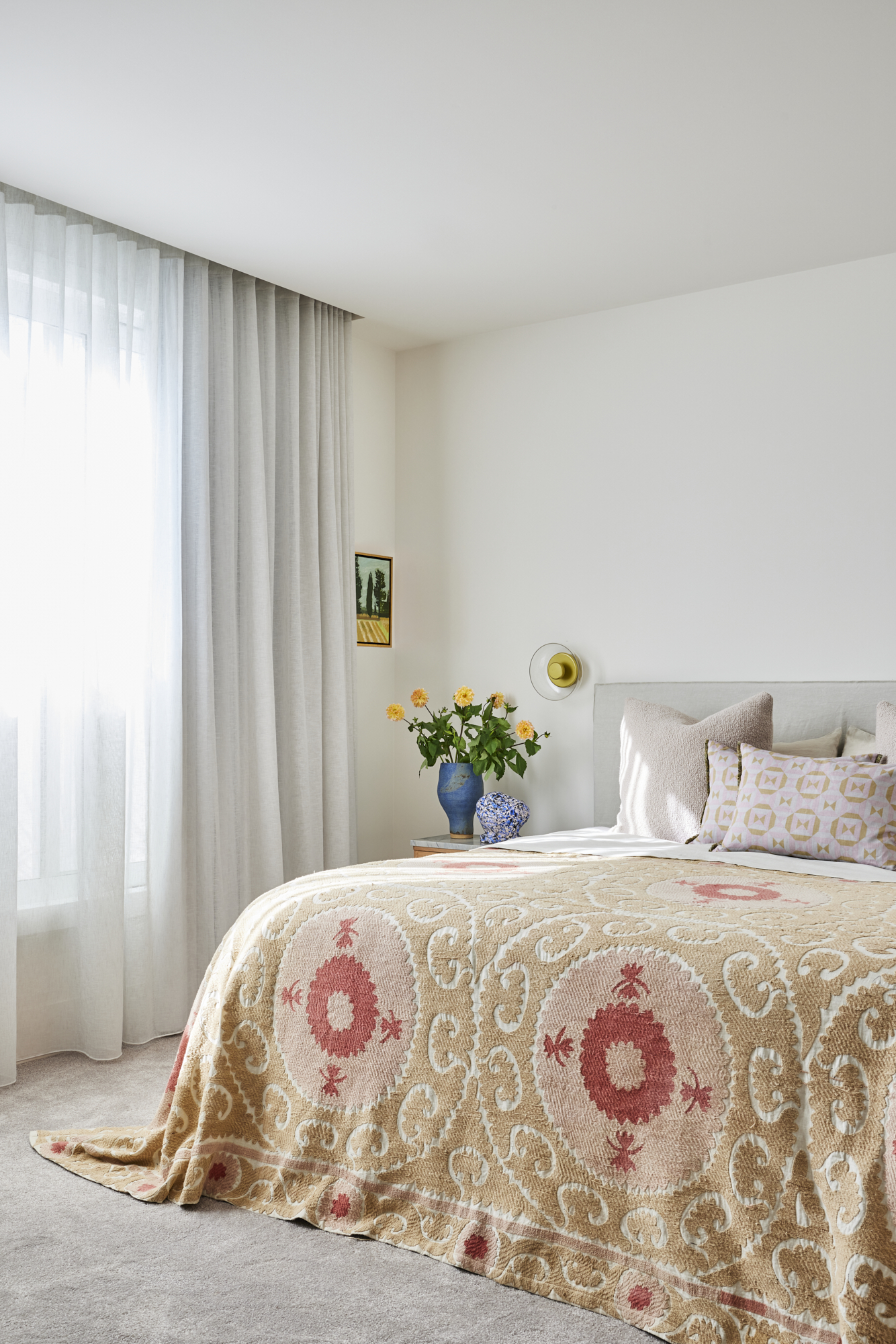
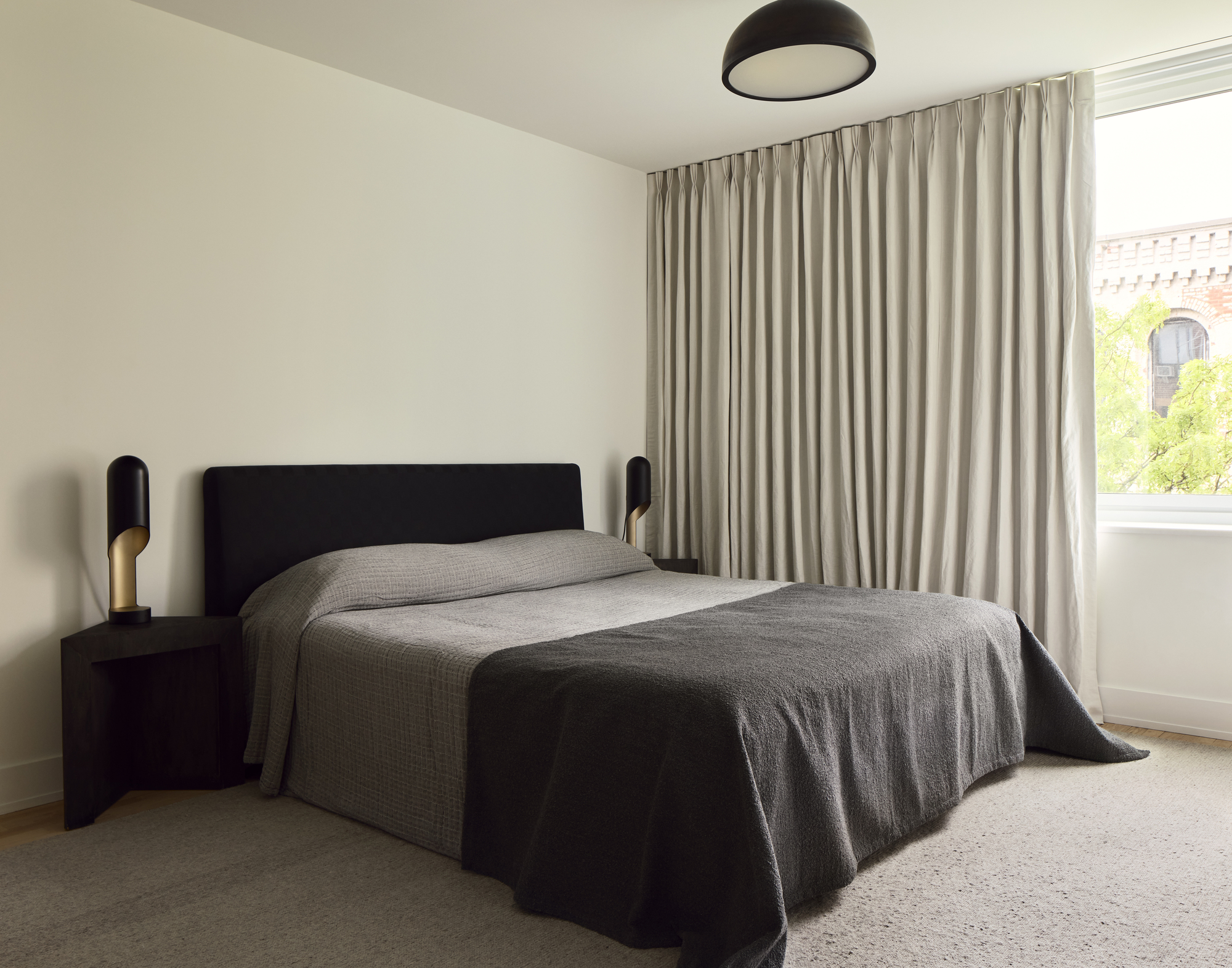
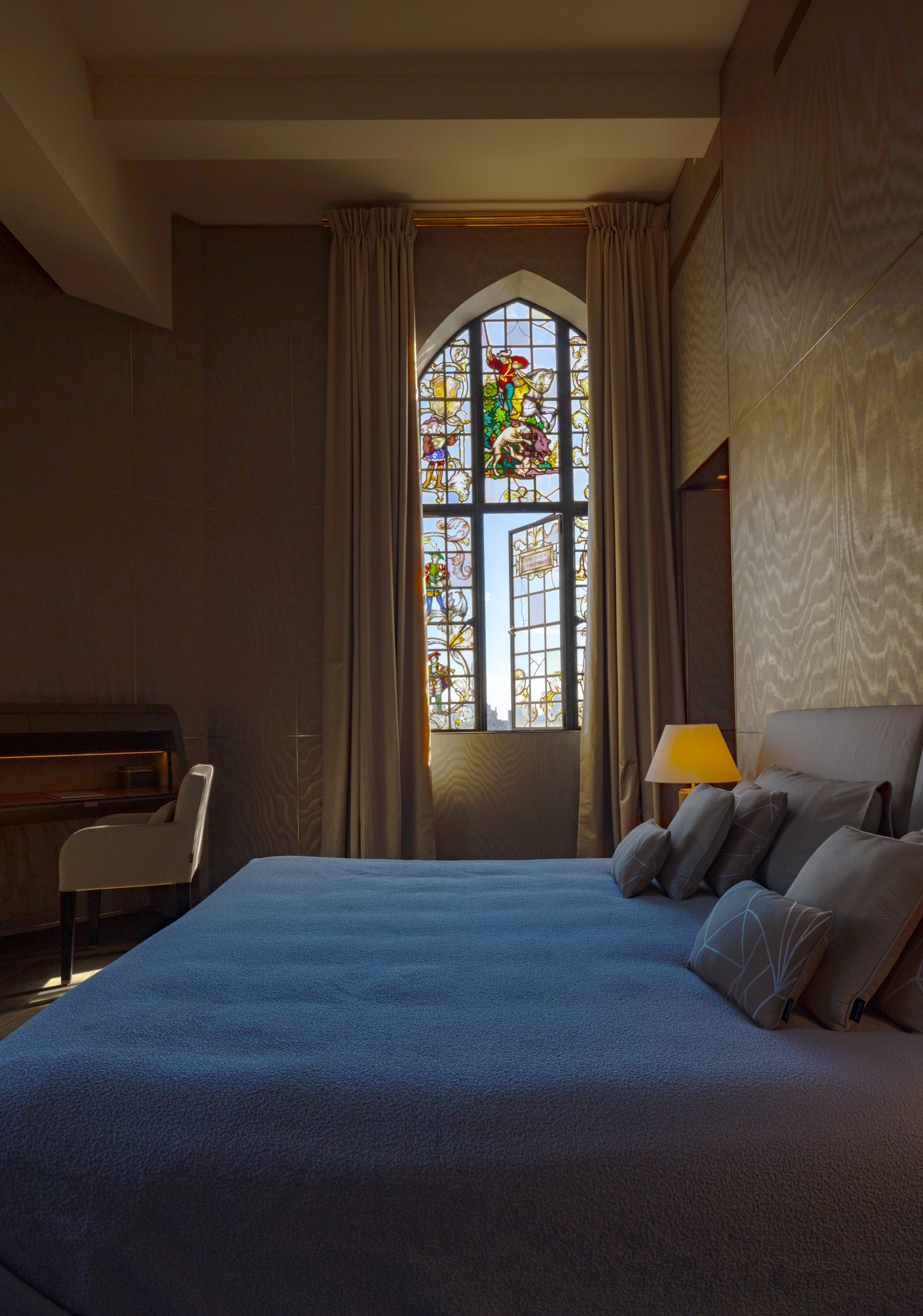
Finally, the fifth tip addresses the role of morning light as an alarm call. Even in a night owl-friendly bedroom with dark colors, strategic use of light can help regulate the body's natural clock. Marianne Shillingford, a Dulux colour expert, advises painting the wall opposite the window in a lighter tone. This ensures that when curtains are opened, the paler wall glows, amplifying the positive effects of natural light and aiding the waking process. The overall conclusion emphasizes embracing one's natural chronotype through thoughtful decorating to improve sleep and overall well-being.
#BedroomDesign #SleepTips #NightOwl #InteriorDecor #ColorPsychology #Aromatherapy #SoundTherapy #CircadianRhythm #BedroomDesign #SleepTips #NightOwl #InteriorDecor #ColorPsychology #Aromatherapy #SoundTherapy #CircadianRhythm
Toplam 0 yorum
 Henüz yorum yok
Bu da beğenebilirsiniz
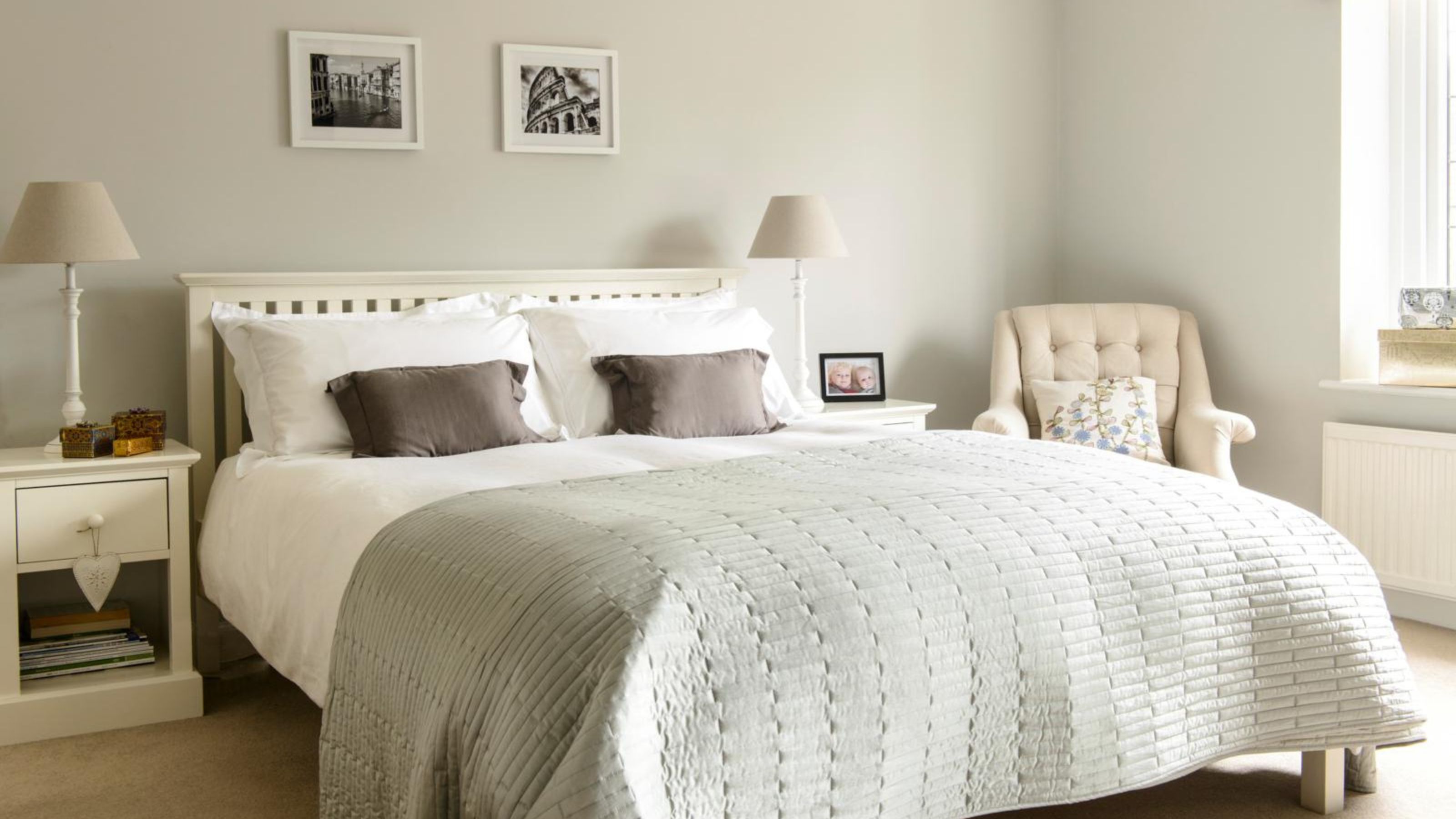
15 bedroom design tips for better sleep – wake fresh for the day
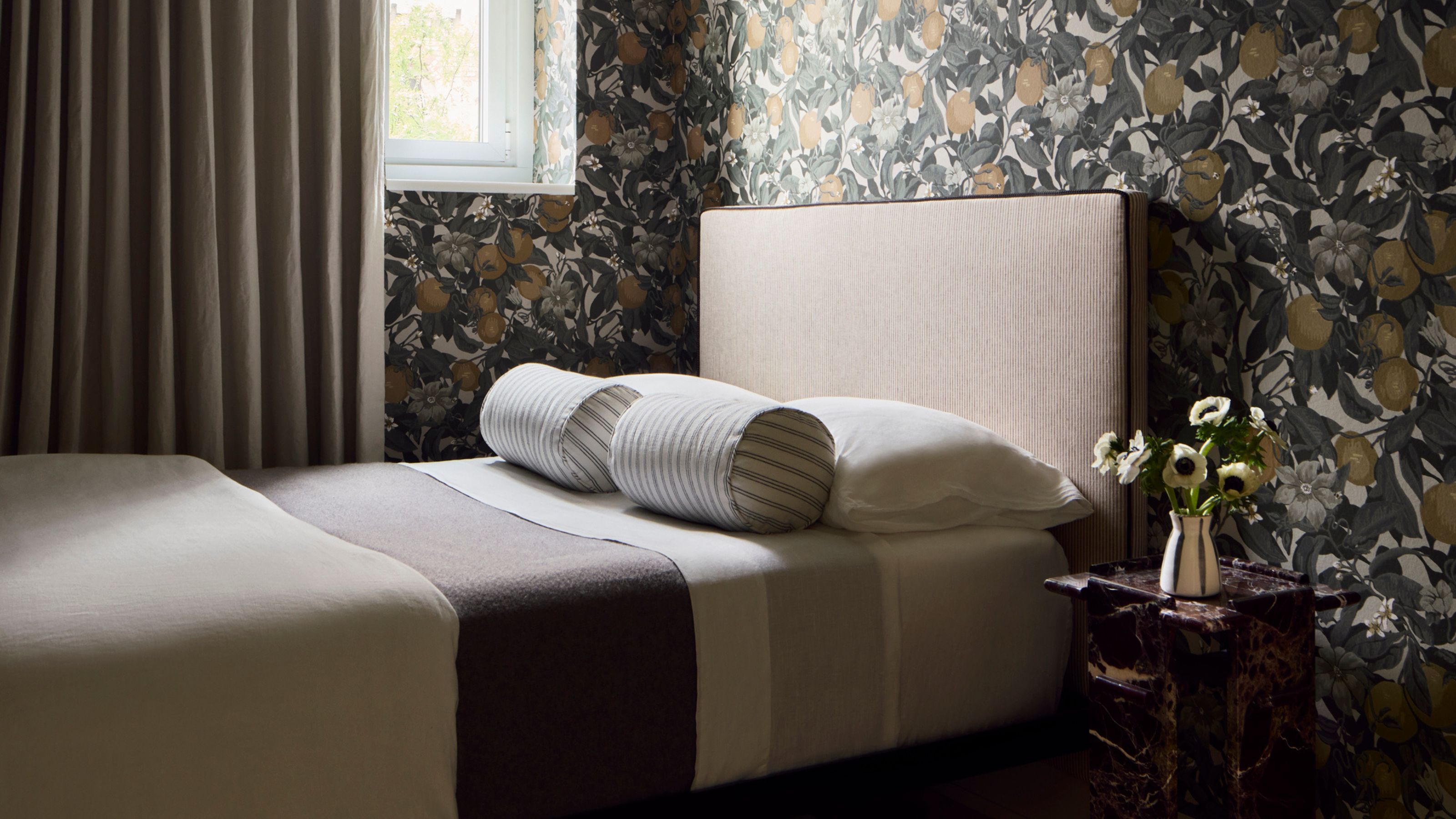
The 12 Essential Modern Bedroom Ideas for Those Who Want Good Slumber With a Side of Style

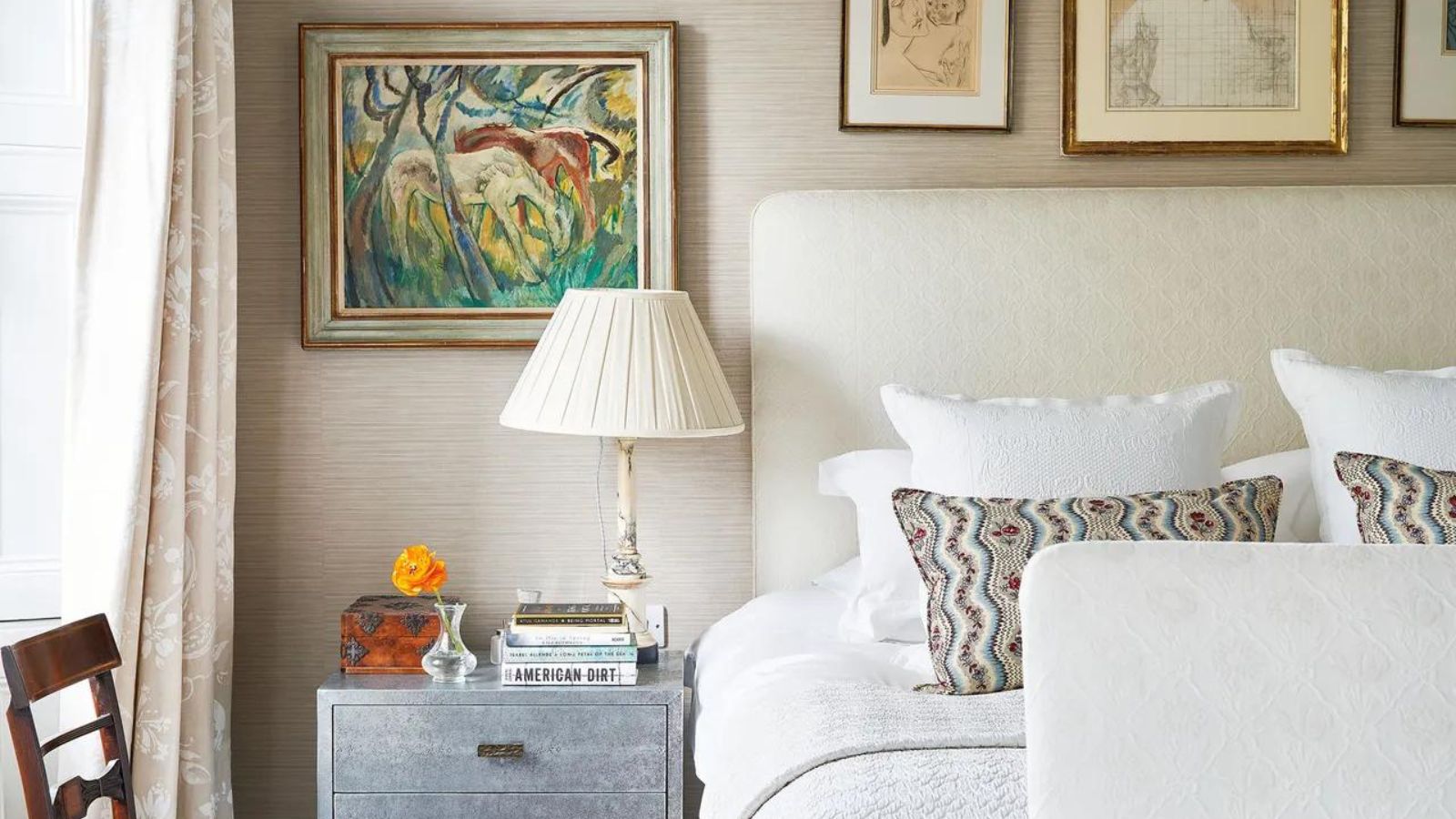
6 interior design mistakes that could be affecting your sleep
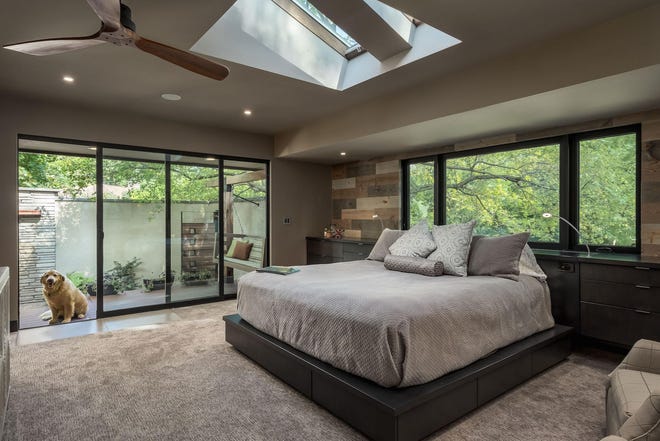
Bedroom design should emphasize stress-reducing, sleep-inducing features

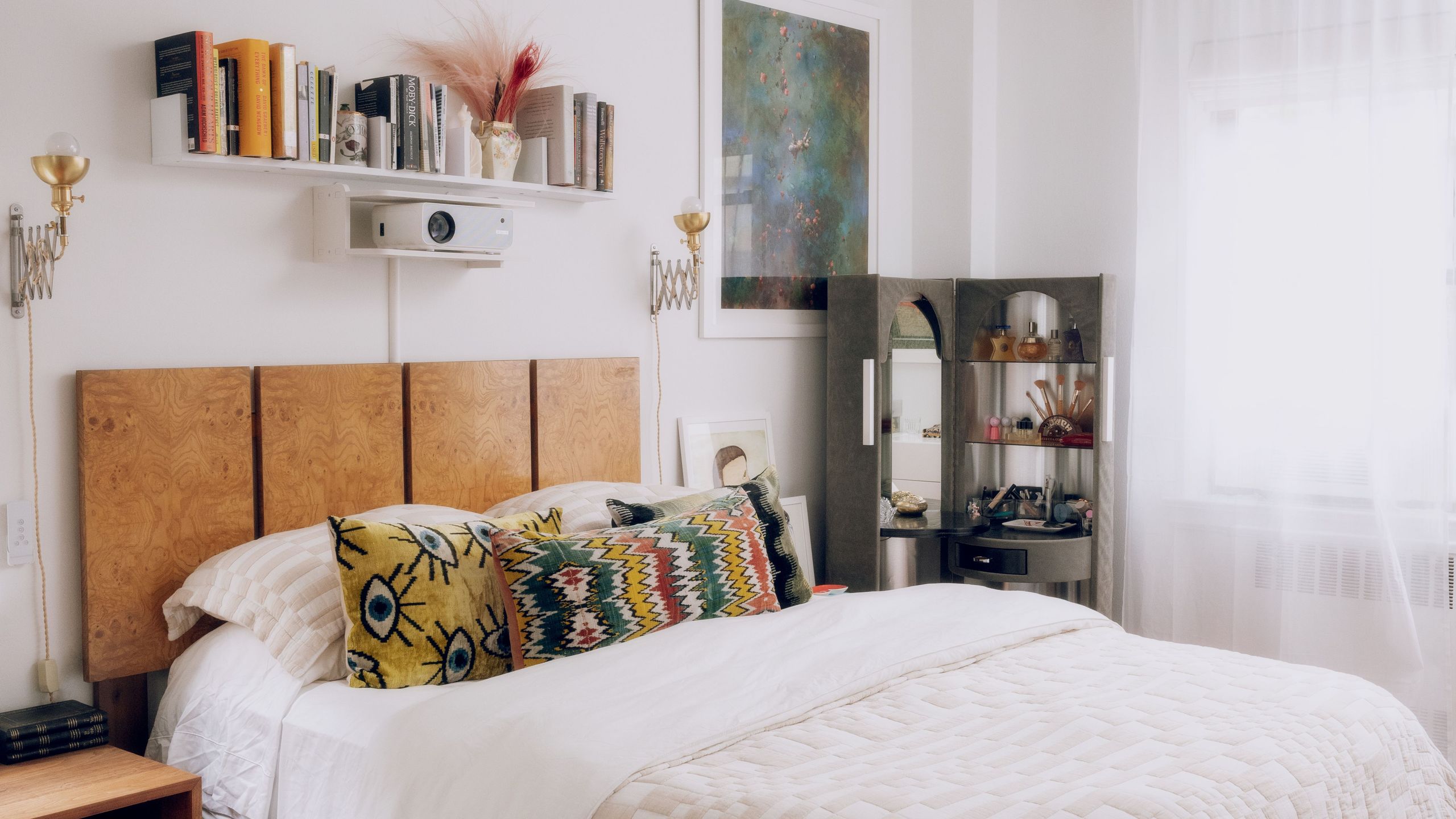
Bedroom Organization Ideas That’ll Help You Sleep Easy

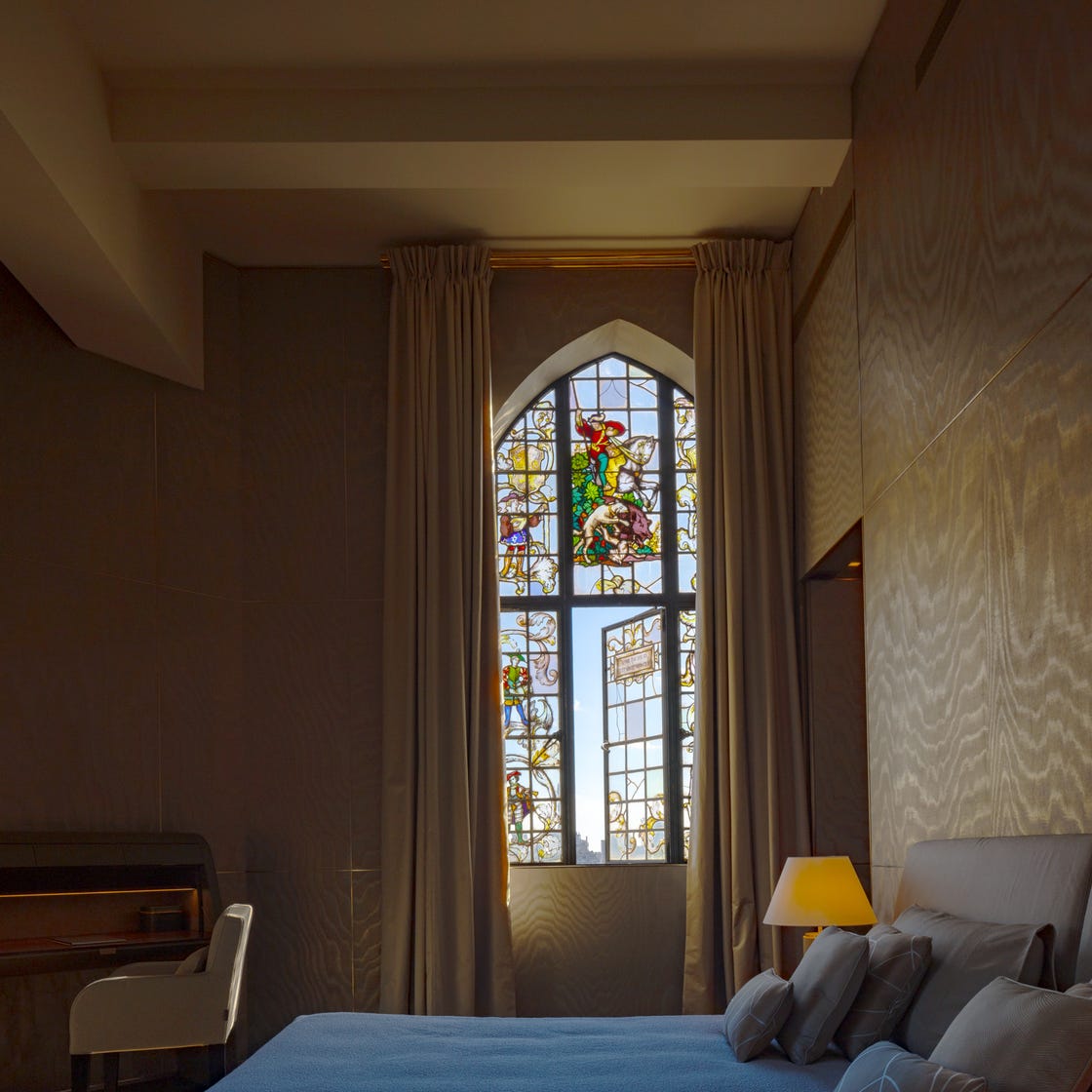
The Best Bedroom Colors to Help You Sleep (And Wake Up Happy)

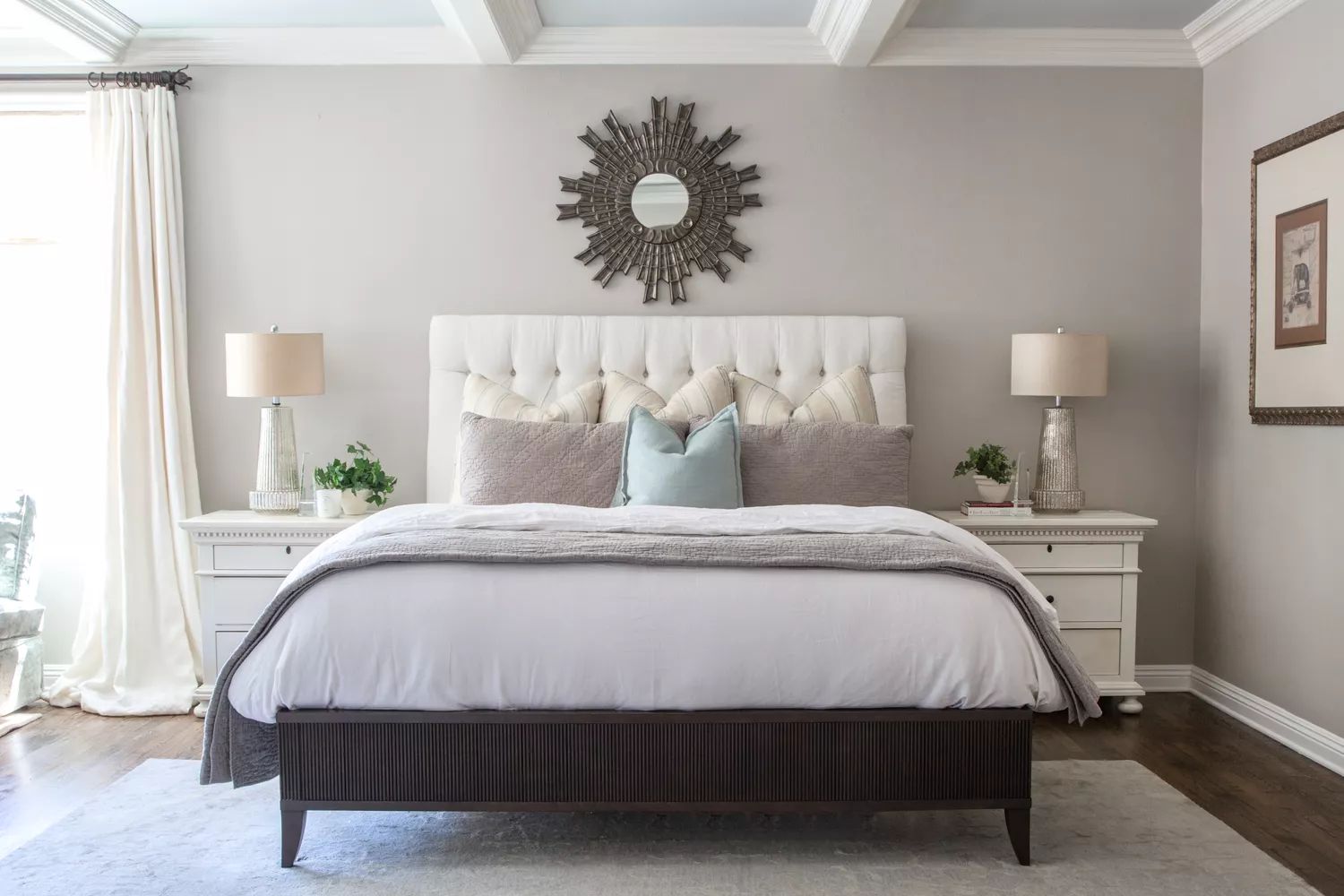
How to Turn Your Bedroom Into a Sanctuary for Sleep
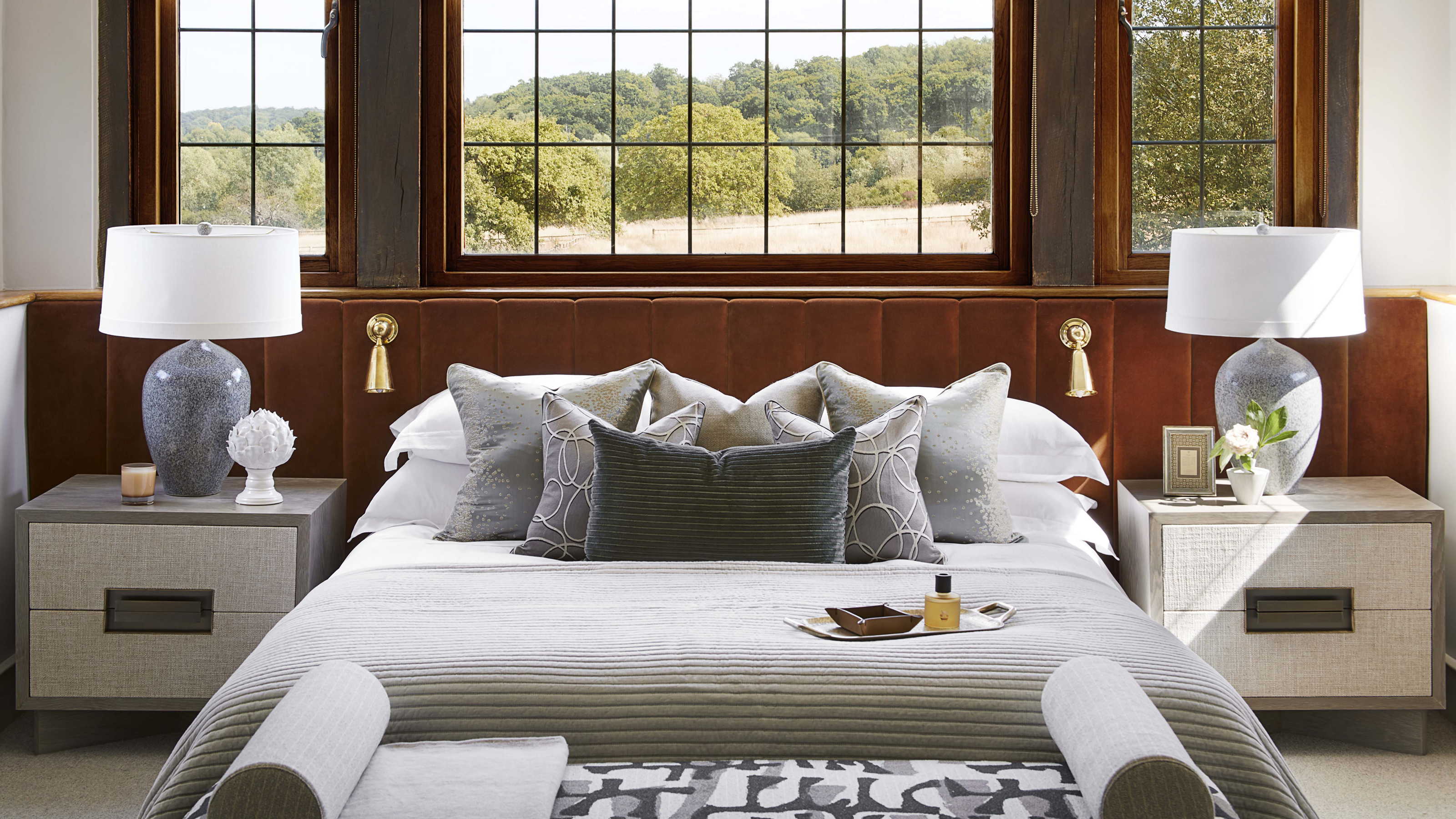
Bedroom furniture ideas – 10 tips for designing your sleep space

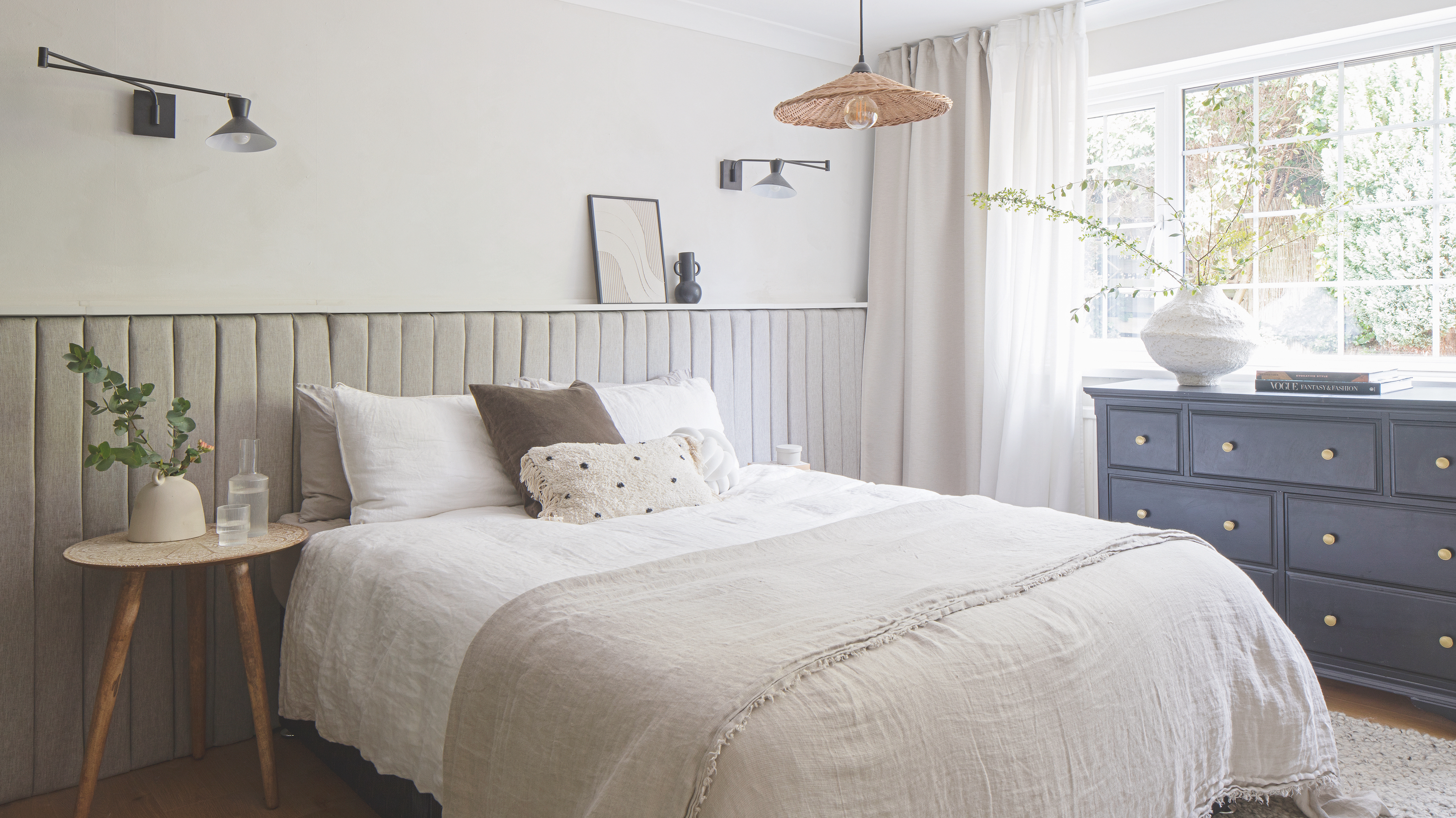
5 bedroom design tricks to help you become a morning person
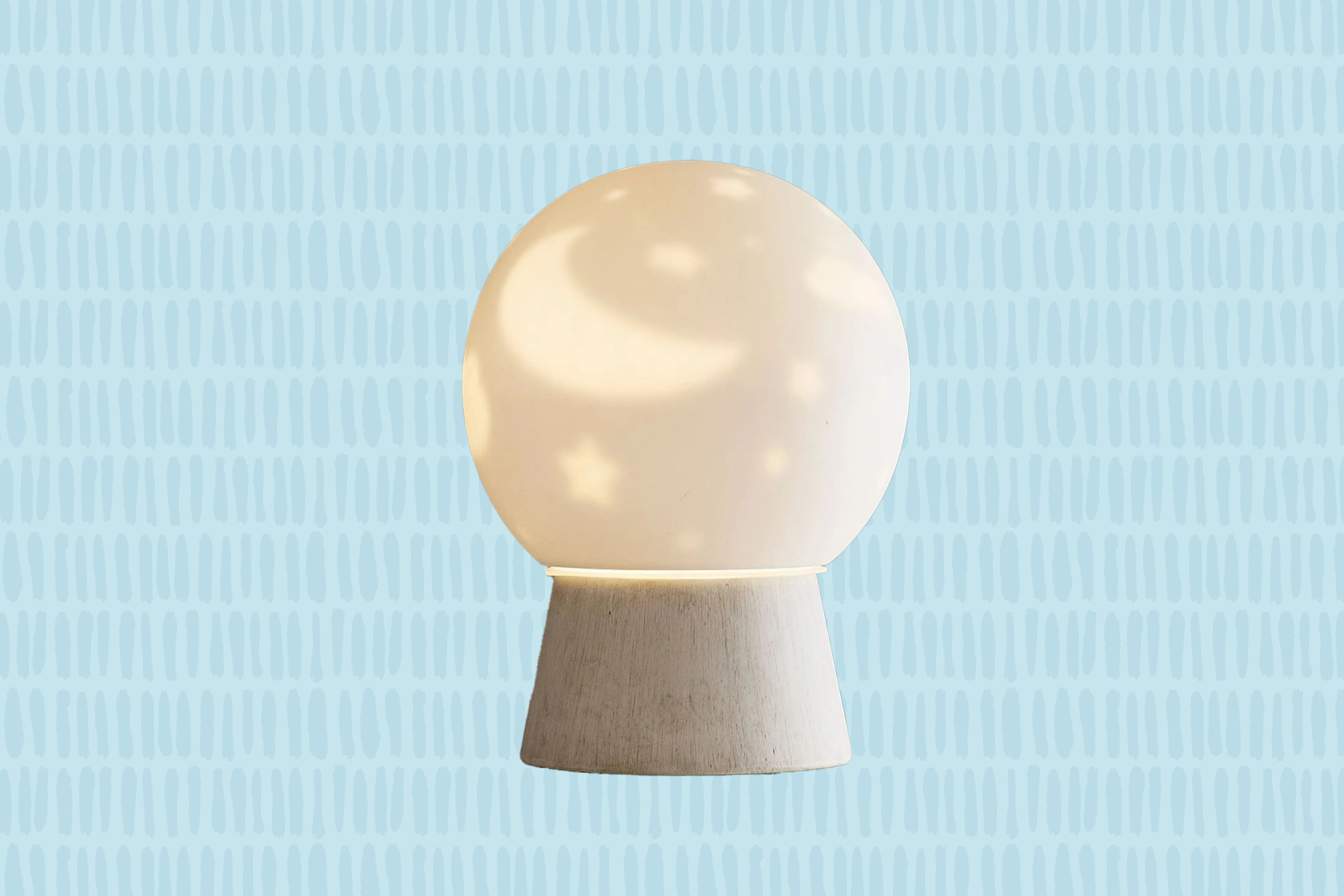
Snooze Soundly with the 5 Best Night Lights, According to Sleep Experts

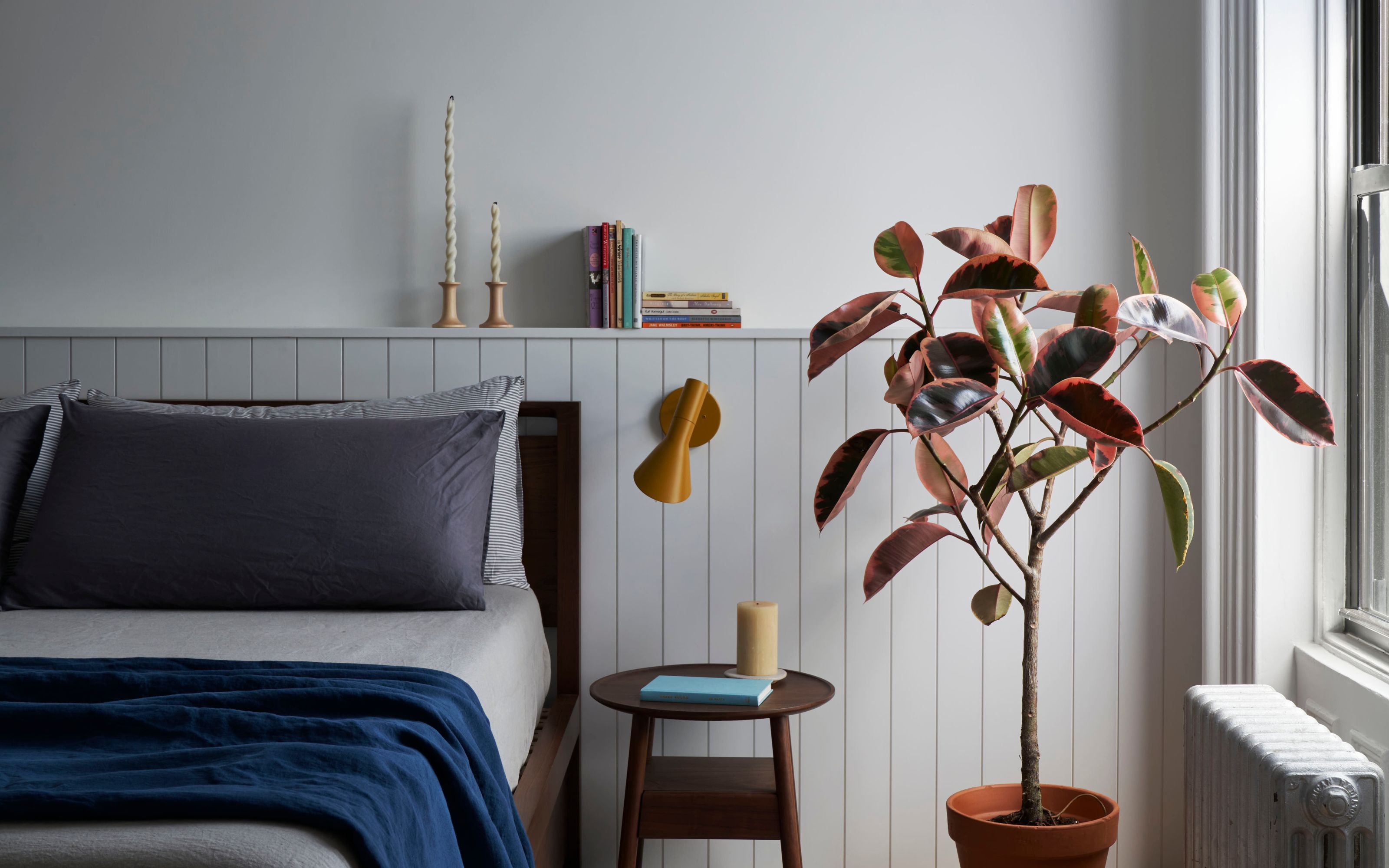
How can I make my bedroom lighting feel cozier? 8 tricks designers use that make for dreamy sleep spaces
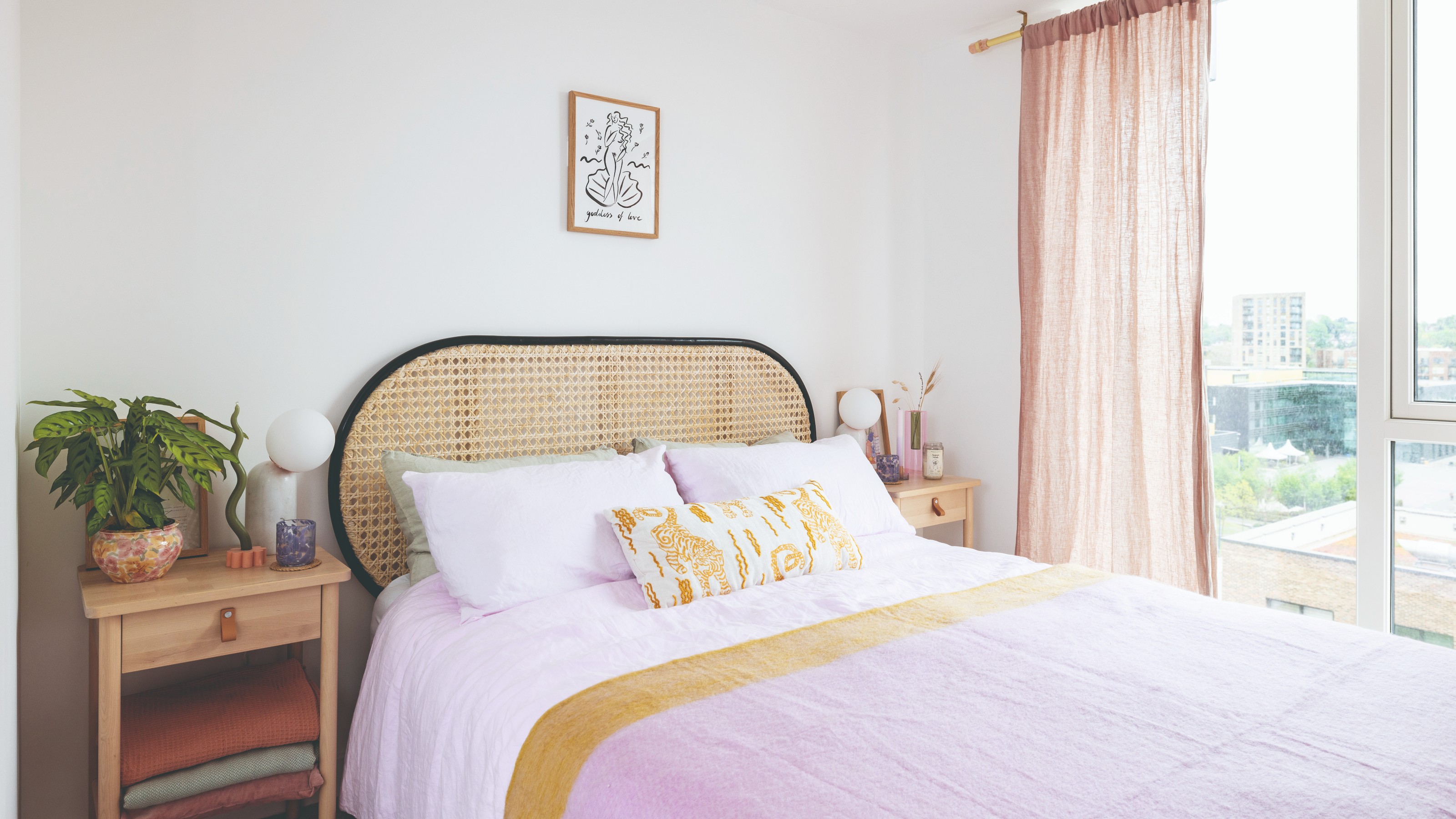
Do you sleep facing north? According to sleep experts you really should be
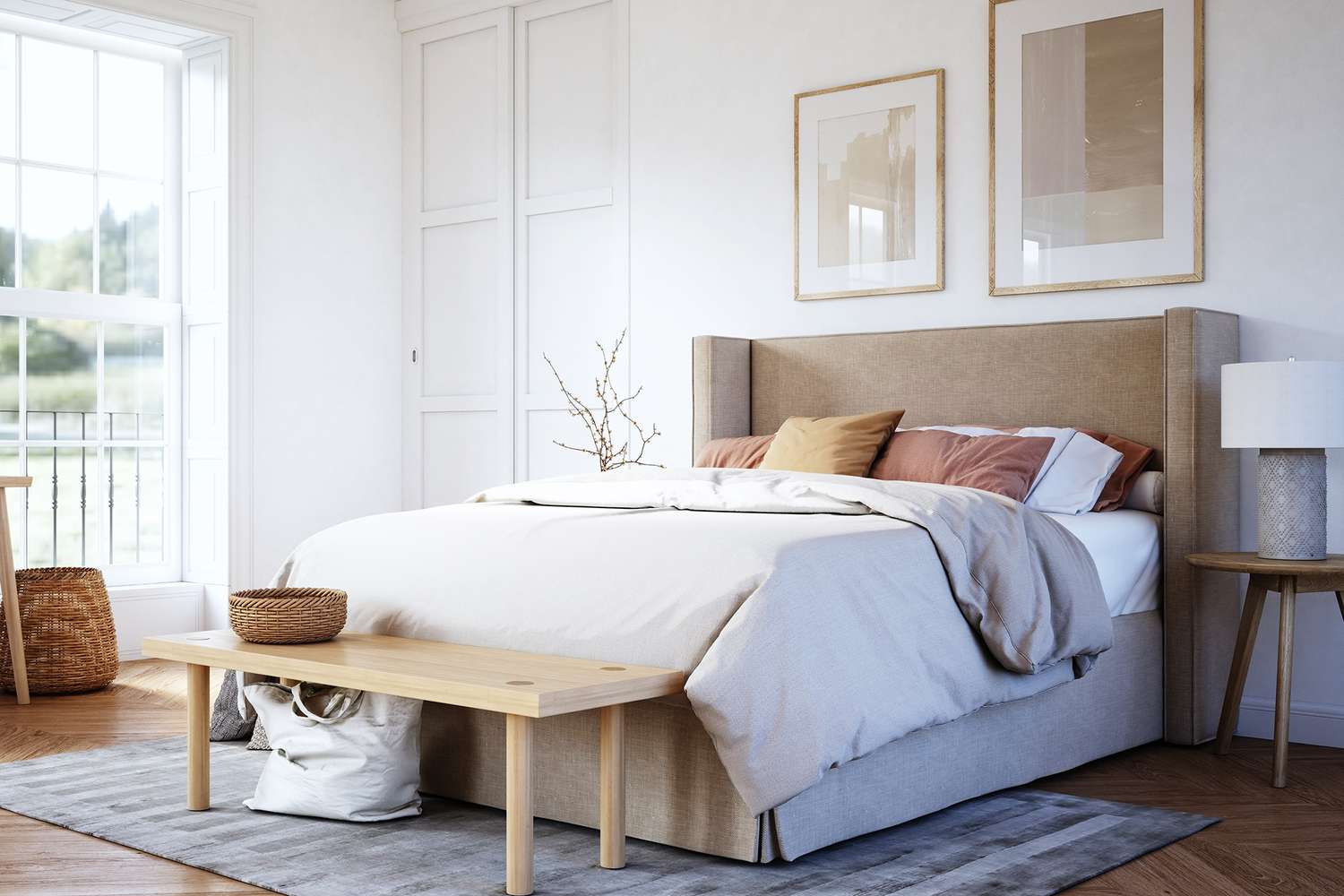
7 Bedroom Design Tips for Better Sleep, According to Experts
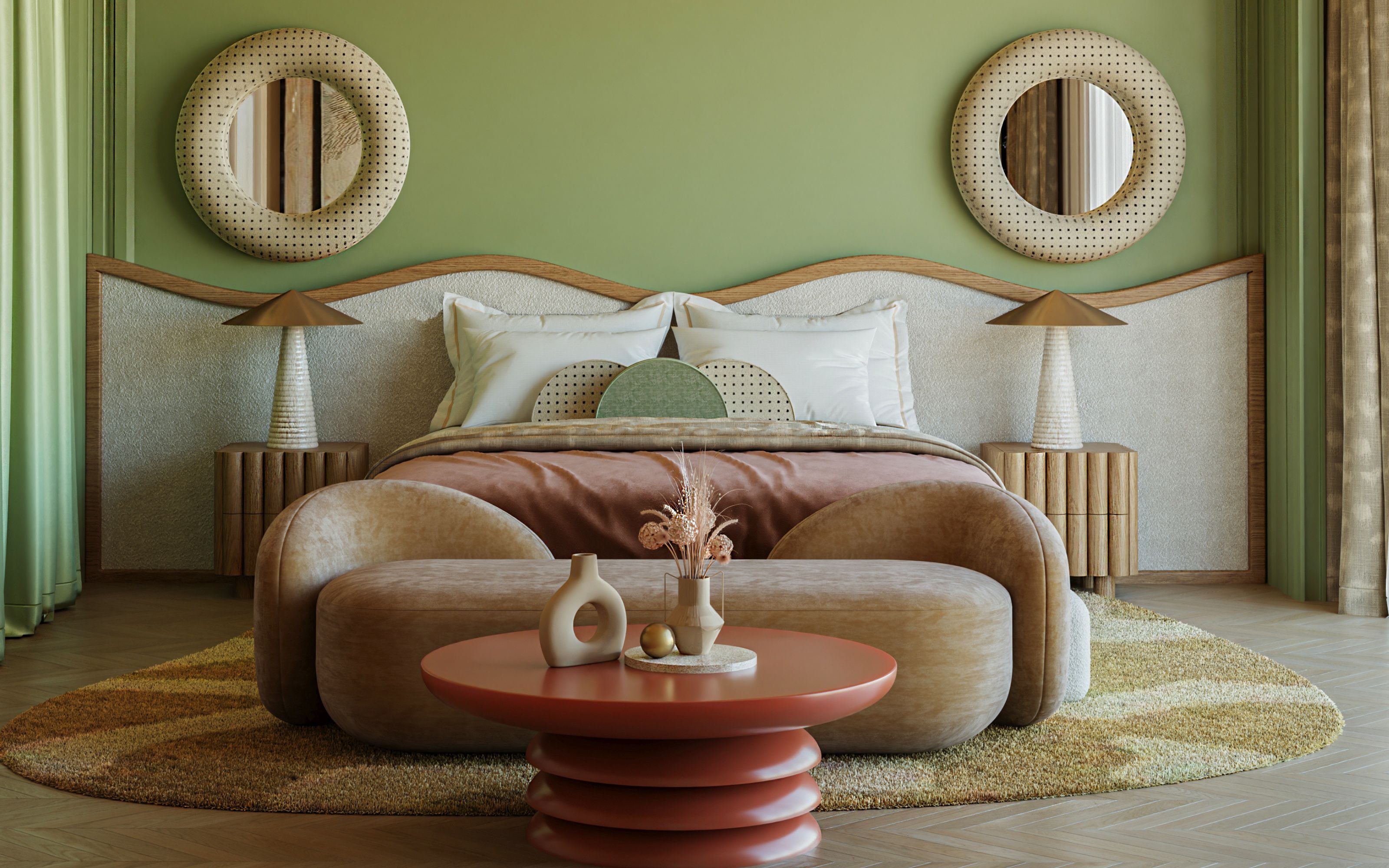
The smallest tweak to your bedroom makes the biggest difference - 5 designer secrets for creating restful schemes
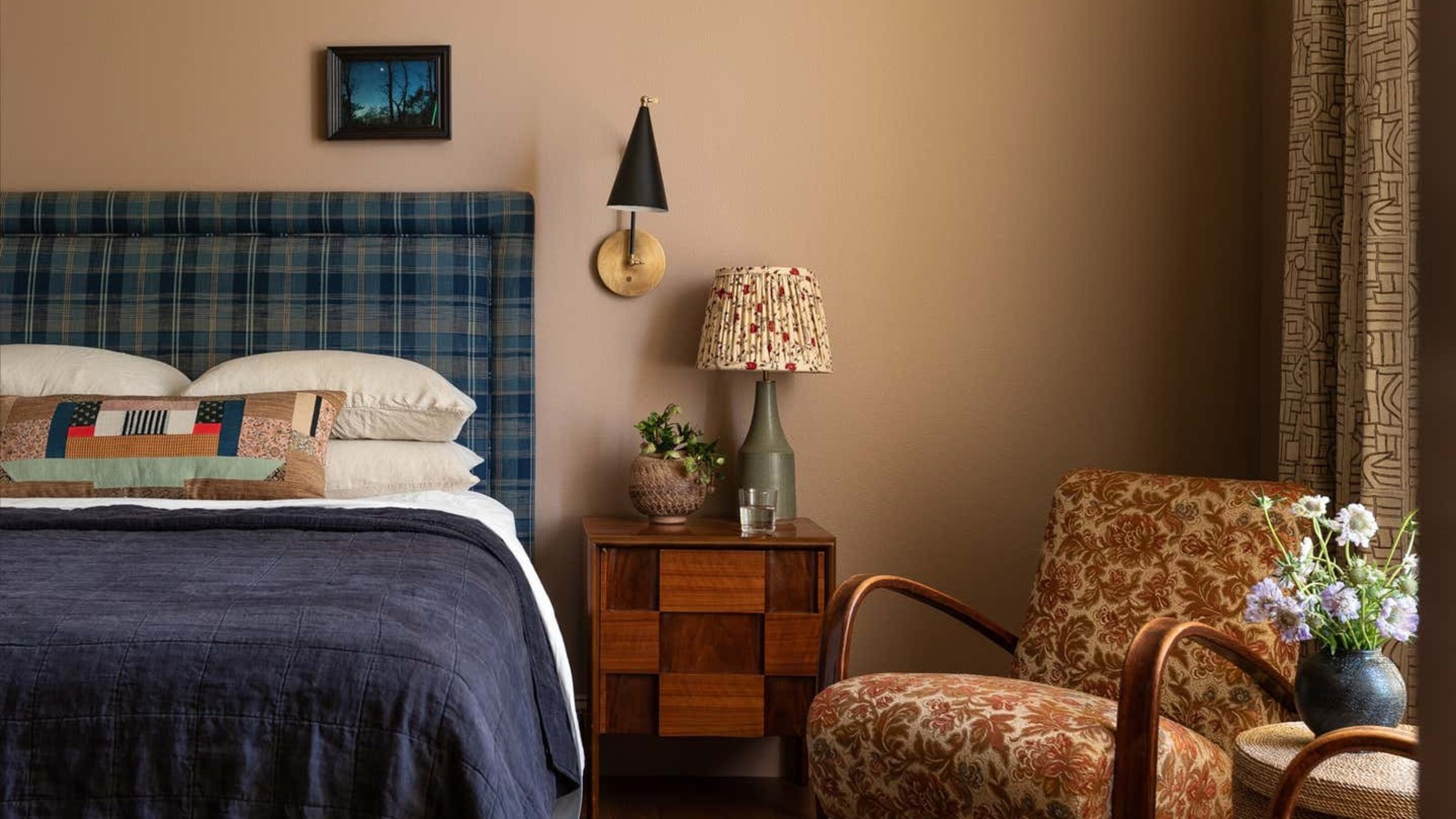
17 bedroom lighting ideas that make for a soothing nighttime sanctuary
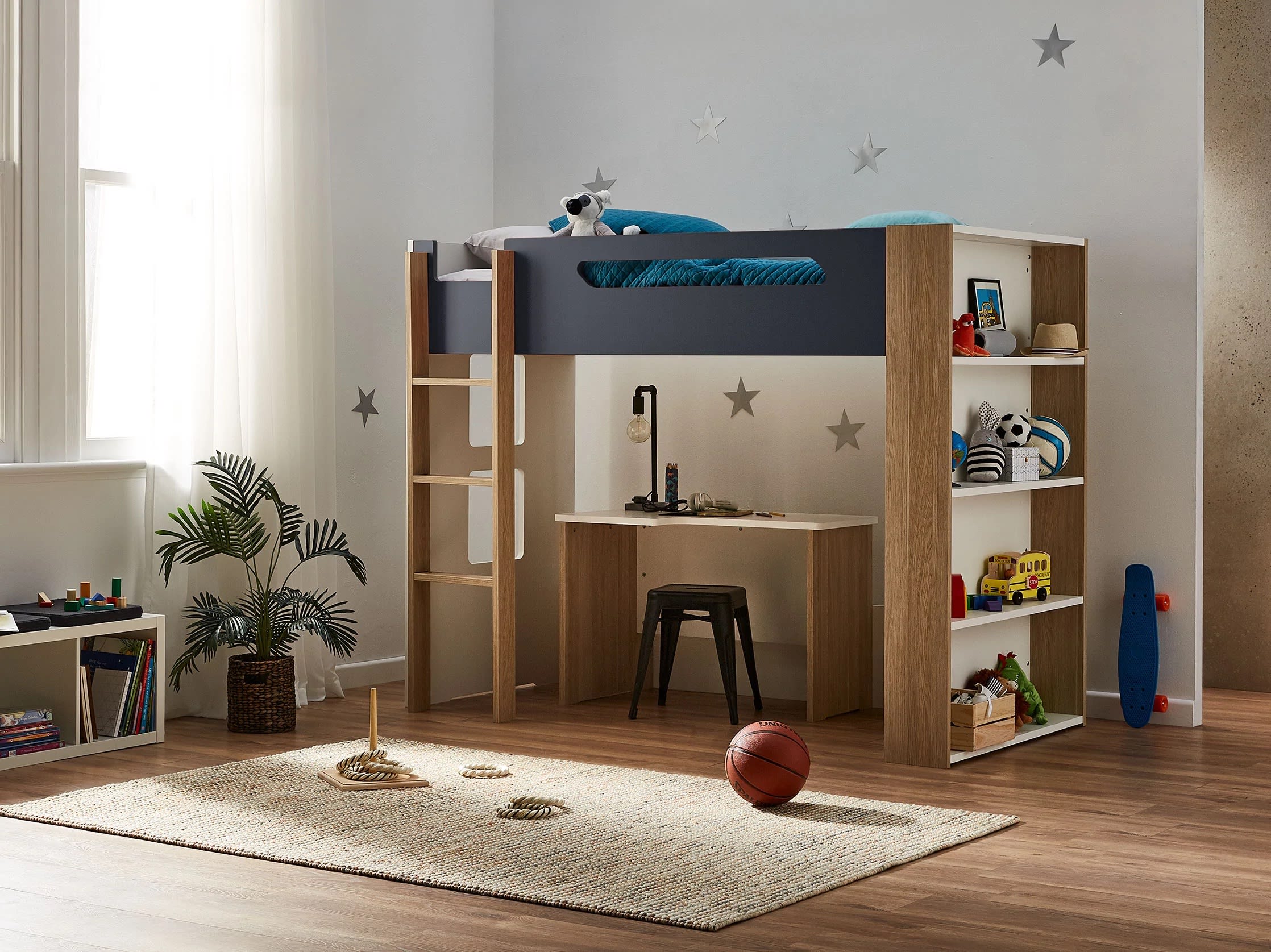
5 Transformative Bedroom Ideas That Make the Most of Your Space

10 Bedroom Decor Mistakes Keeping You From Your Best Sleep Ever

5 Paint Colors That Will Help You Sleep Better if You Use Them in Your Bedroom
5 Ideas for Fall Bedrooms That Are Understated, but Undeniably Cozy
8 Ways to Create a Stress-Free Bedroom for Better Sleep