1/12
8 low-maintenance gravel garden ideas
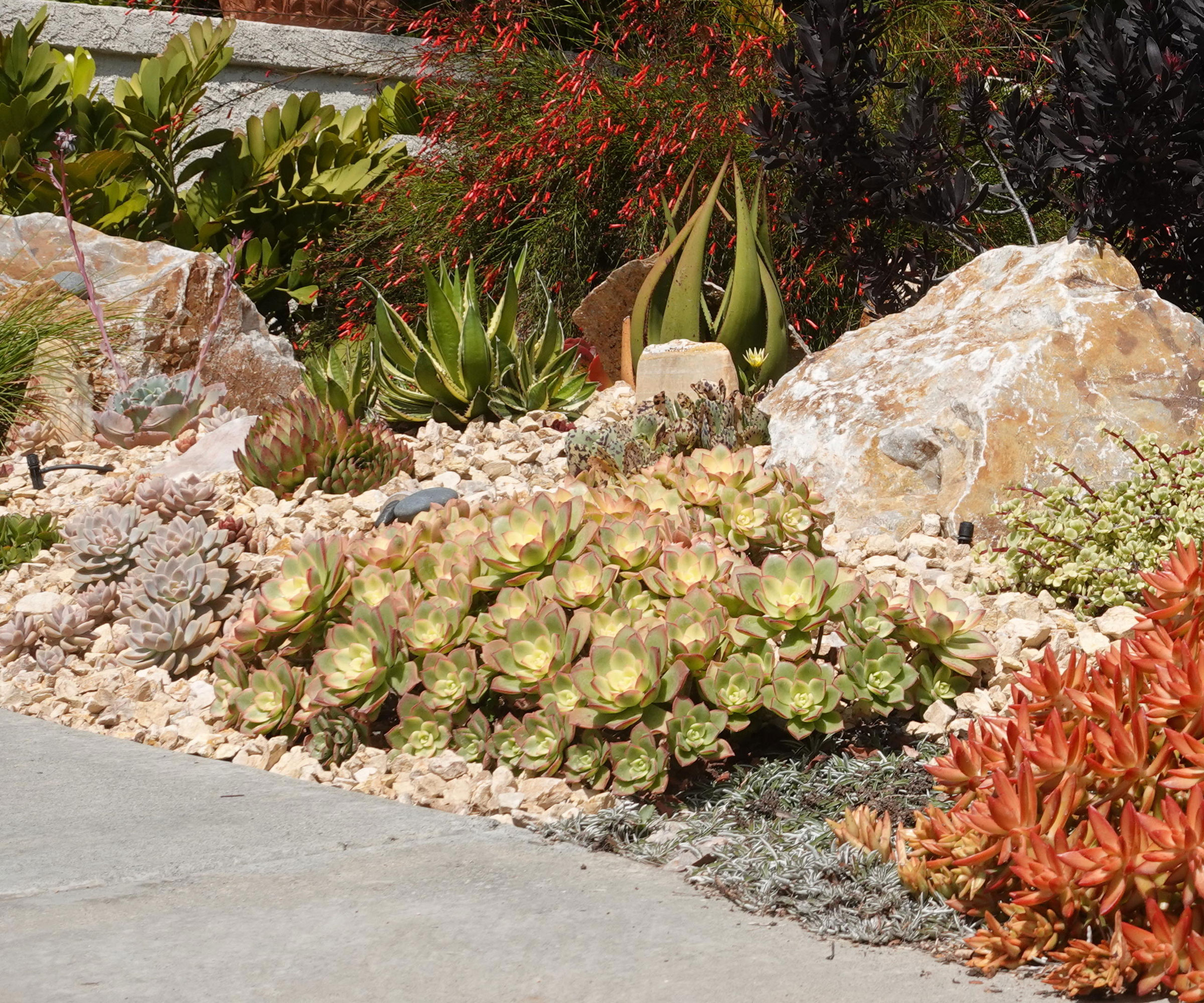
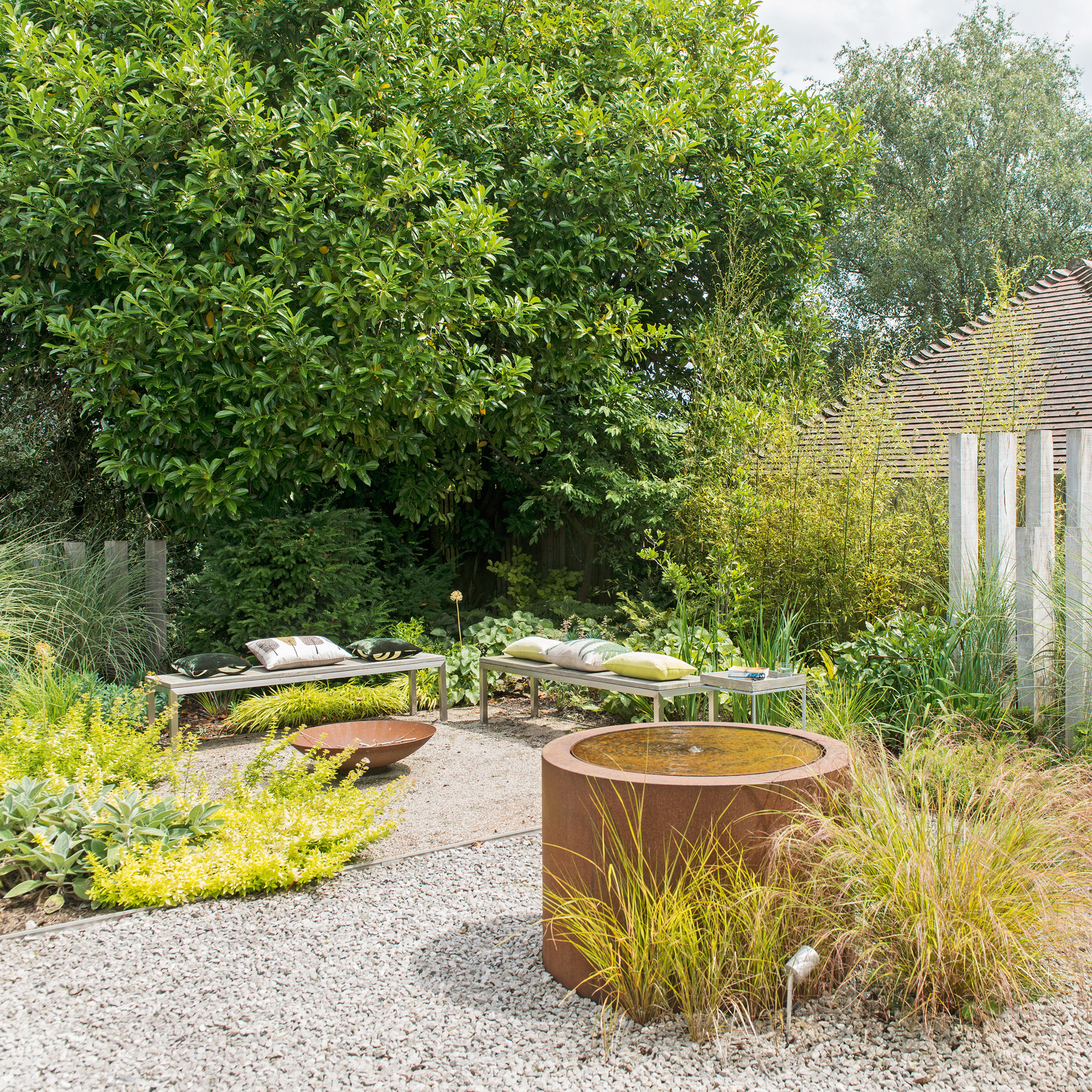
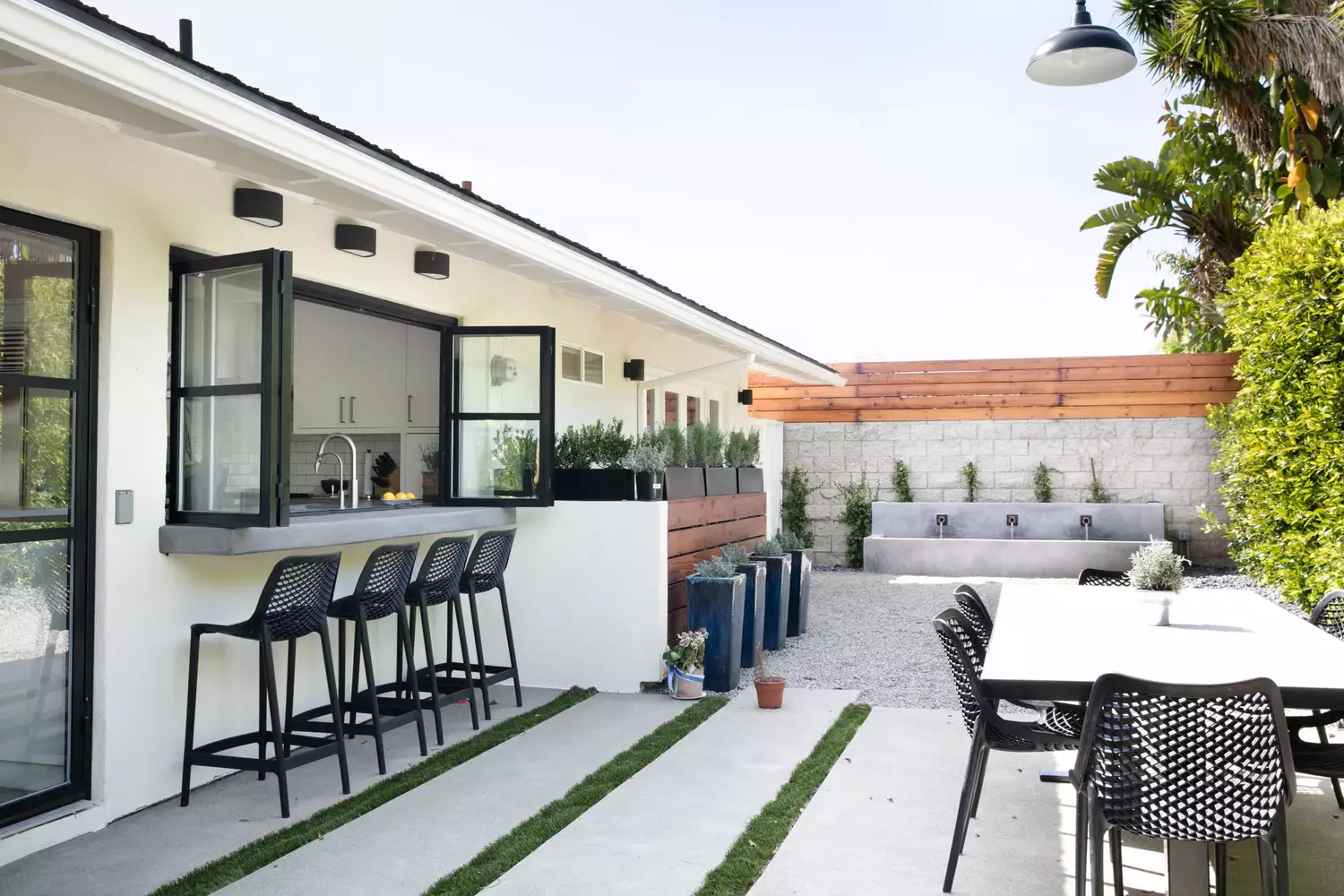
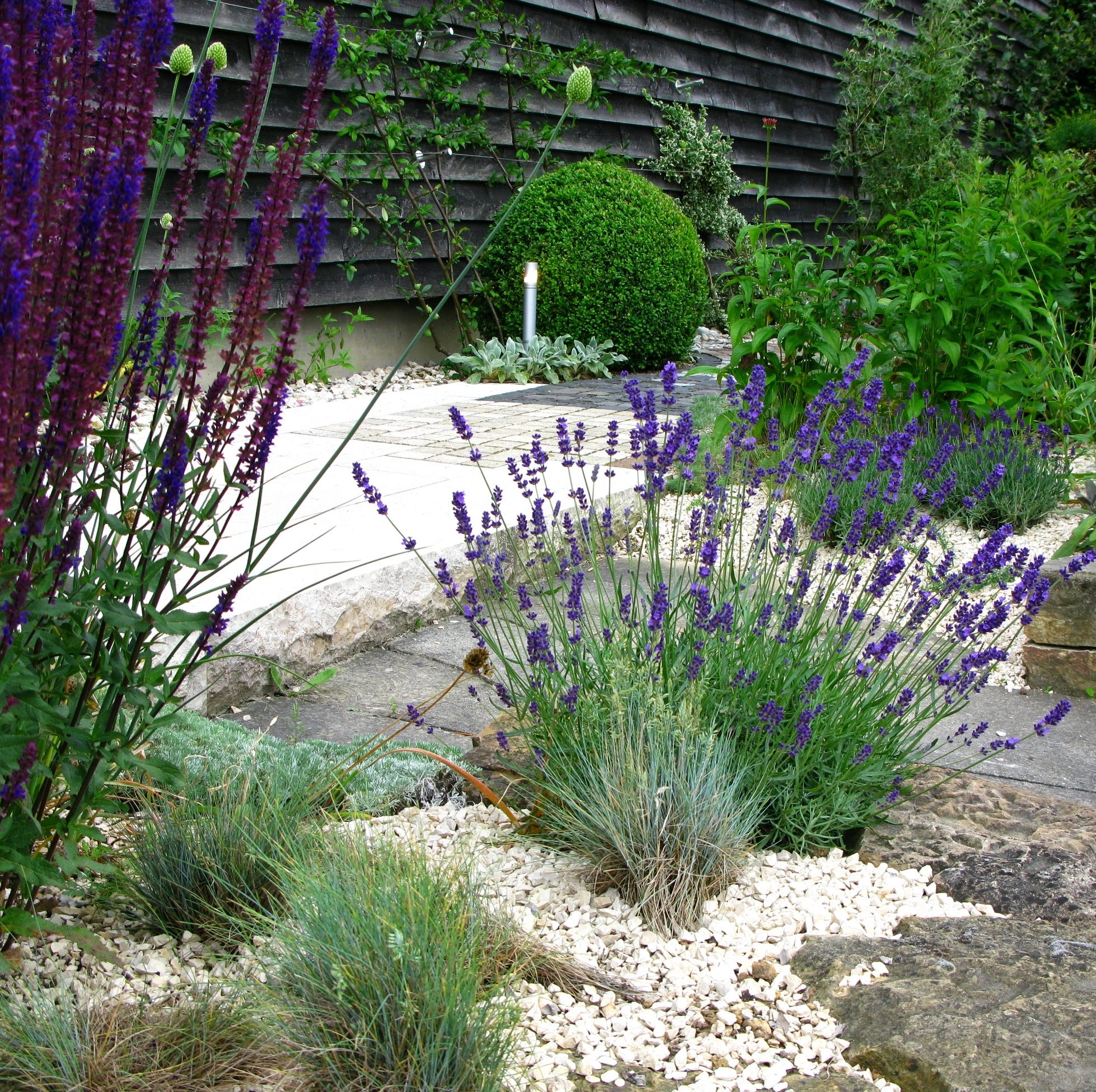
Gravel gardens offer a low-maintenance and aesthetically pleasing solution for gardeners, particularly in the face of increasingly common droughts and hosepipe bans. This type of garden is resilient and can be exceptionally beautiful when covered with drought-tolerant plants such as alpines and sedums. It is well-suited for sunny areas, allowing for the creation of a Mediterranean-style space, but can also be adapted for shaded environments. The growing interest in gravel gardens is evidenced by a significant increase in online searches for 'gravel garden ideas,' signaling its potential as a major gardening trend.
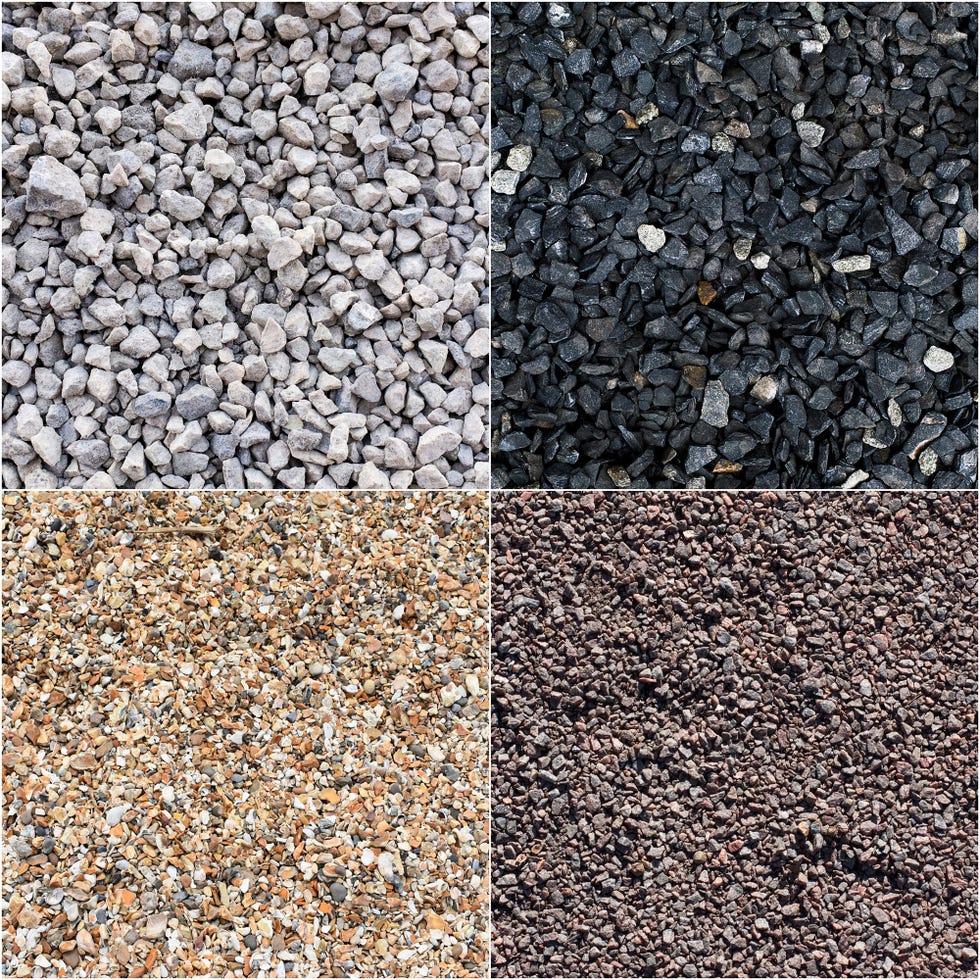
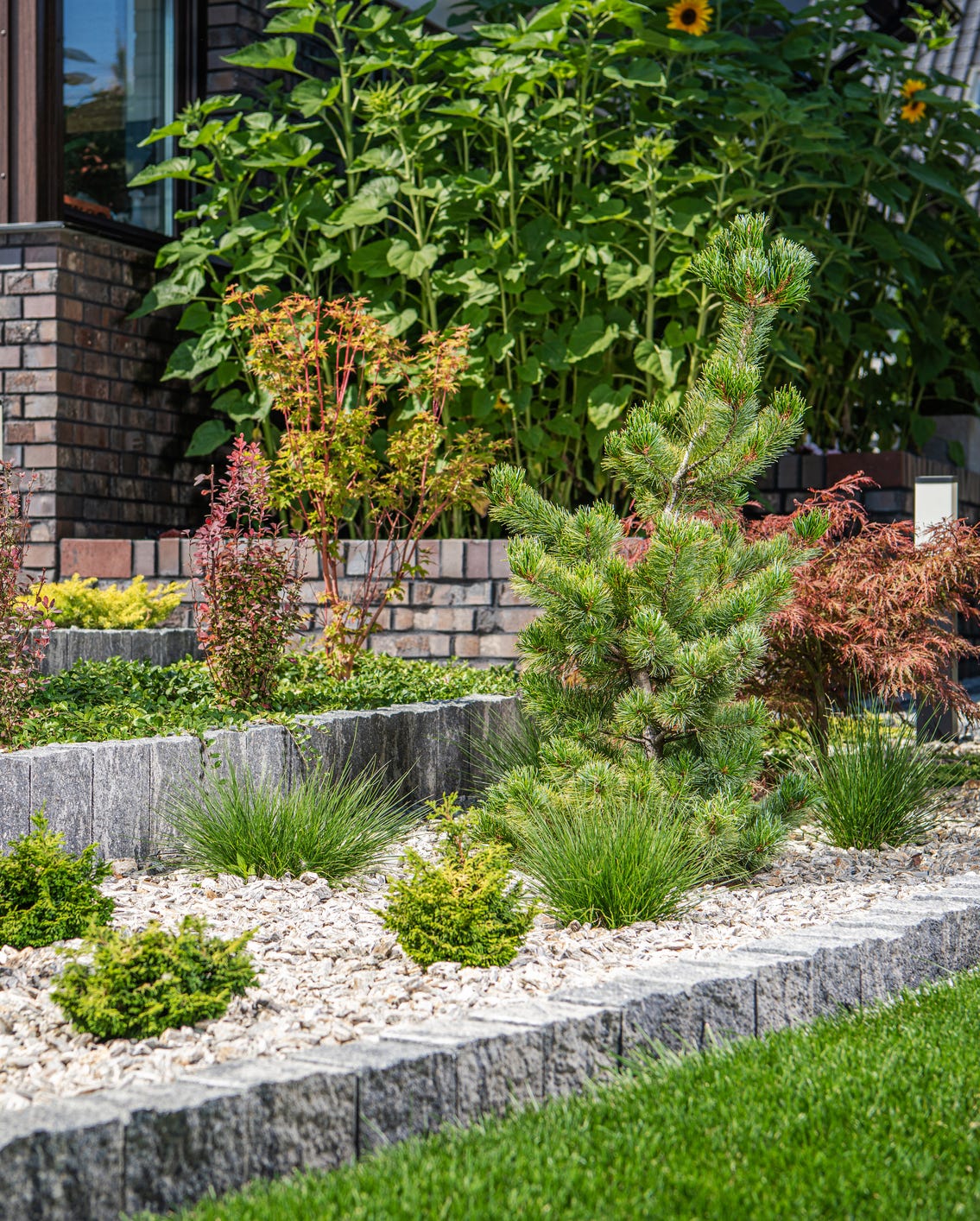
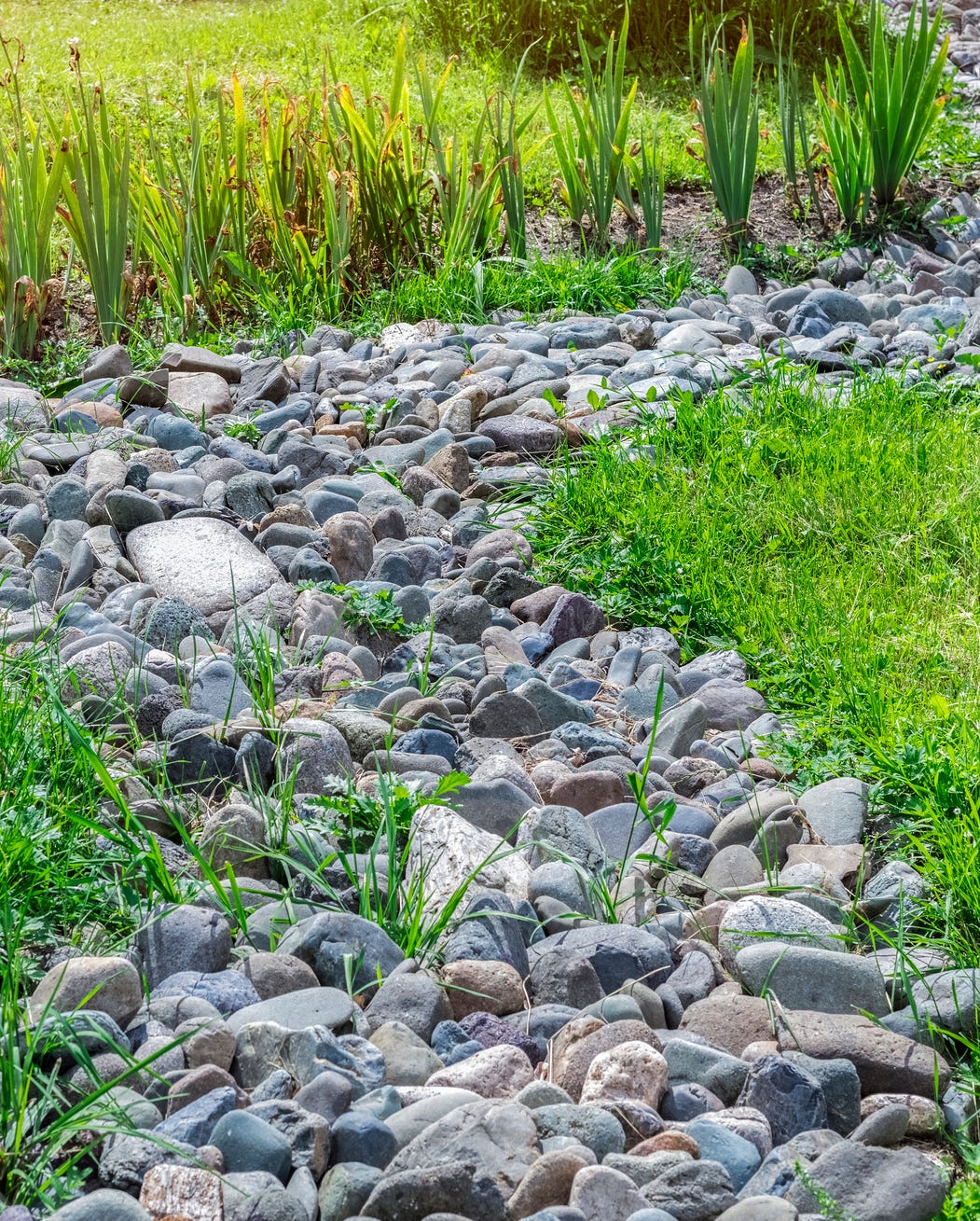
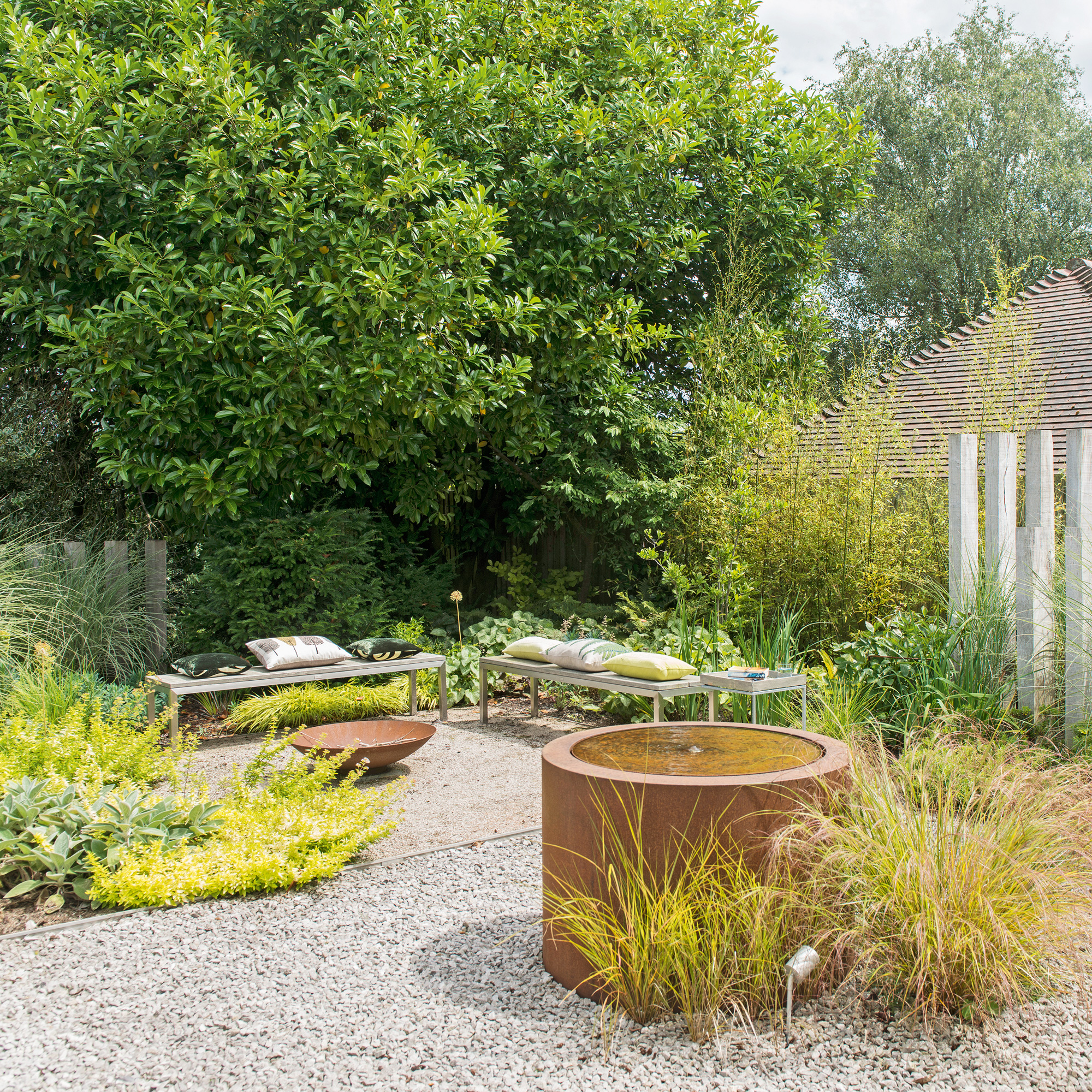
One of the primary advantages of a gravel garden is its ability to conserve water and thrive in dry conditions, unlike traditional lawns that may turn yellow and parch. Gravel reflects sunlight and moderates soil temperature, contributing to plant health. Once established, gravel gardens require less effort for weeding and pest control, freeing up more time for enjoyment of the outdoor space. Furthermore, permeable gravel aggregates help to slow erosion, reduce runoff, and improve drainage and water retention during wet weather, thereby mitigating flood risks. To create a gravel garden, selecting the appropriate gravel is crucial; a maximum size of 10mm is recommended, with deeper layers (around four inches) to suppress weeds and maintain soil moisture. Edging can be used to contain finer gravel, and a general rule of thumb is one tonne of gravel for every 12 square meters. Pea gravel is a softer option, making it suitable for spaces frequented by children and pets.
The sustainability of gravel is a consideration. While it generally outperforms paving or concrete by not exacerbating flooding or contributing to the urban heat island effect, and is better for wildlife than artificial turf, the environmental impact of its excavation should be considered. Utilizing suppliers certified with the Ethical Stone Register and choosing local sources can ensure eco-friendly practices. Recycled varieties, made from repurposed construction materials like crushed concrete and brick, offer a more sustainable alternative to newly quarried or dredged gravel.
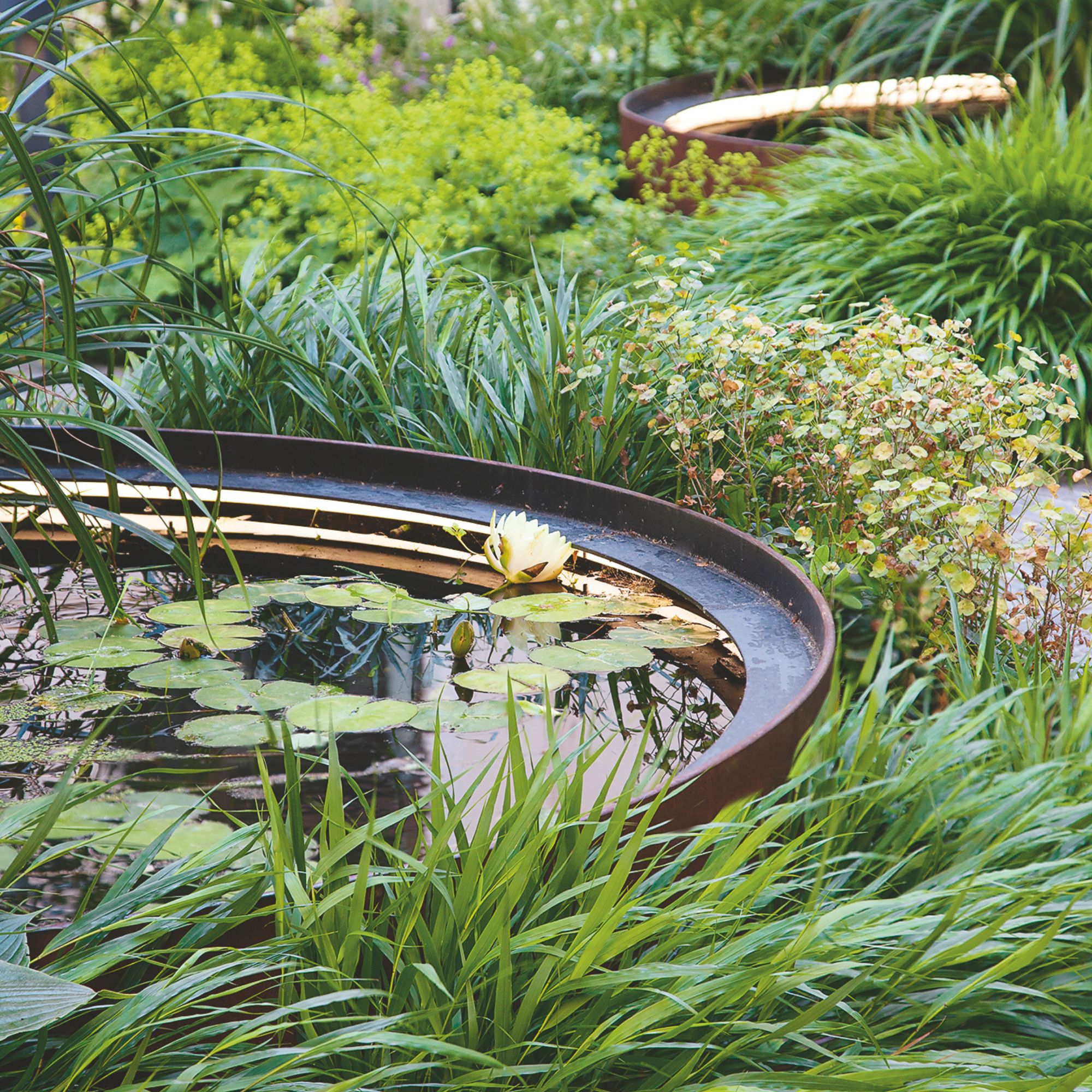
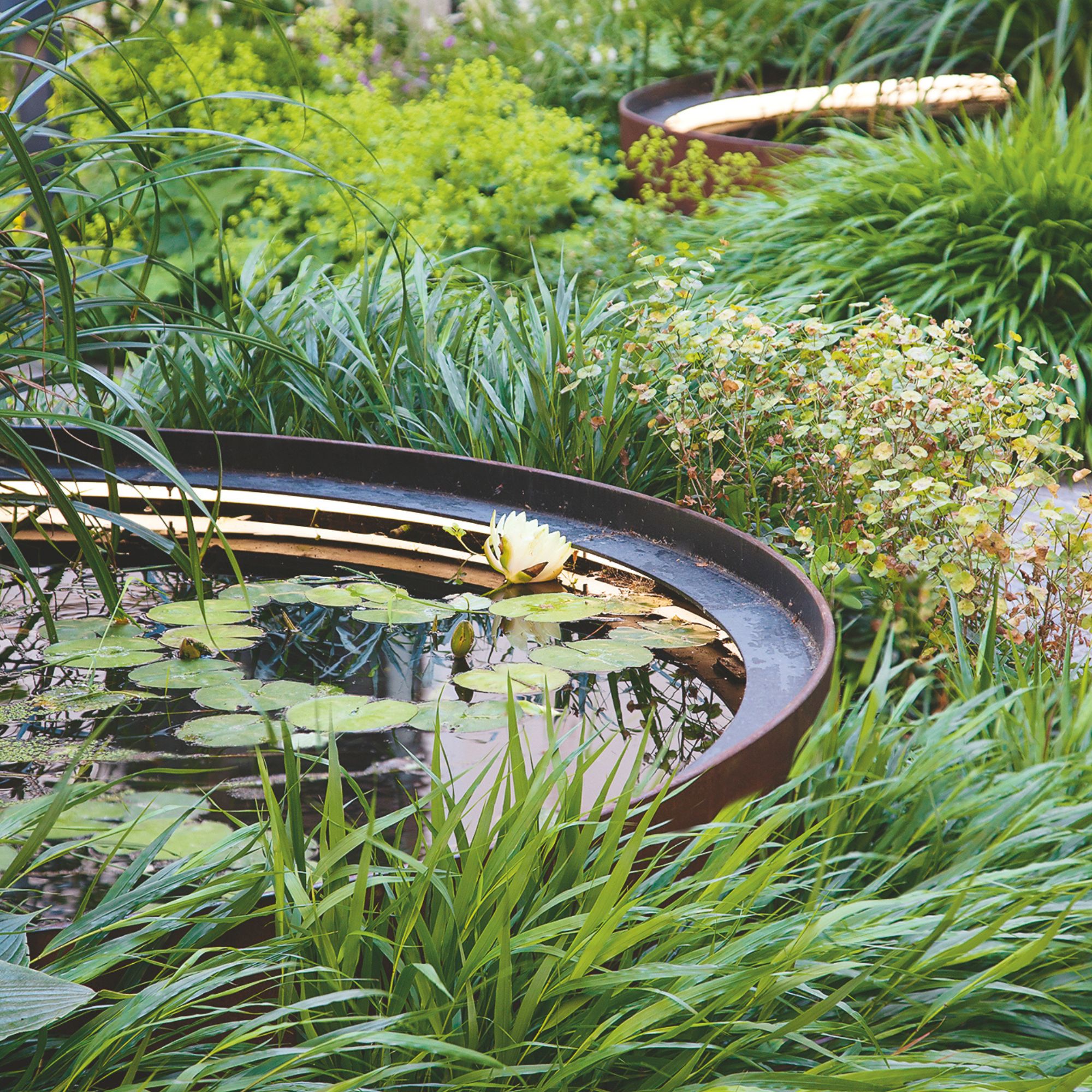
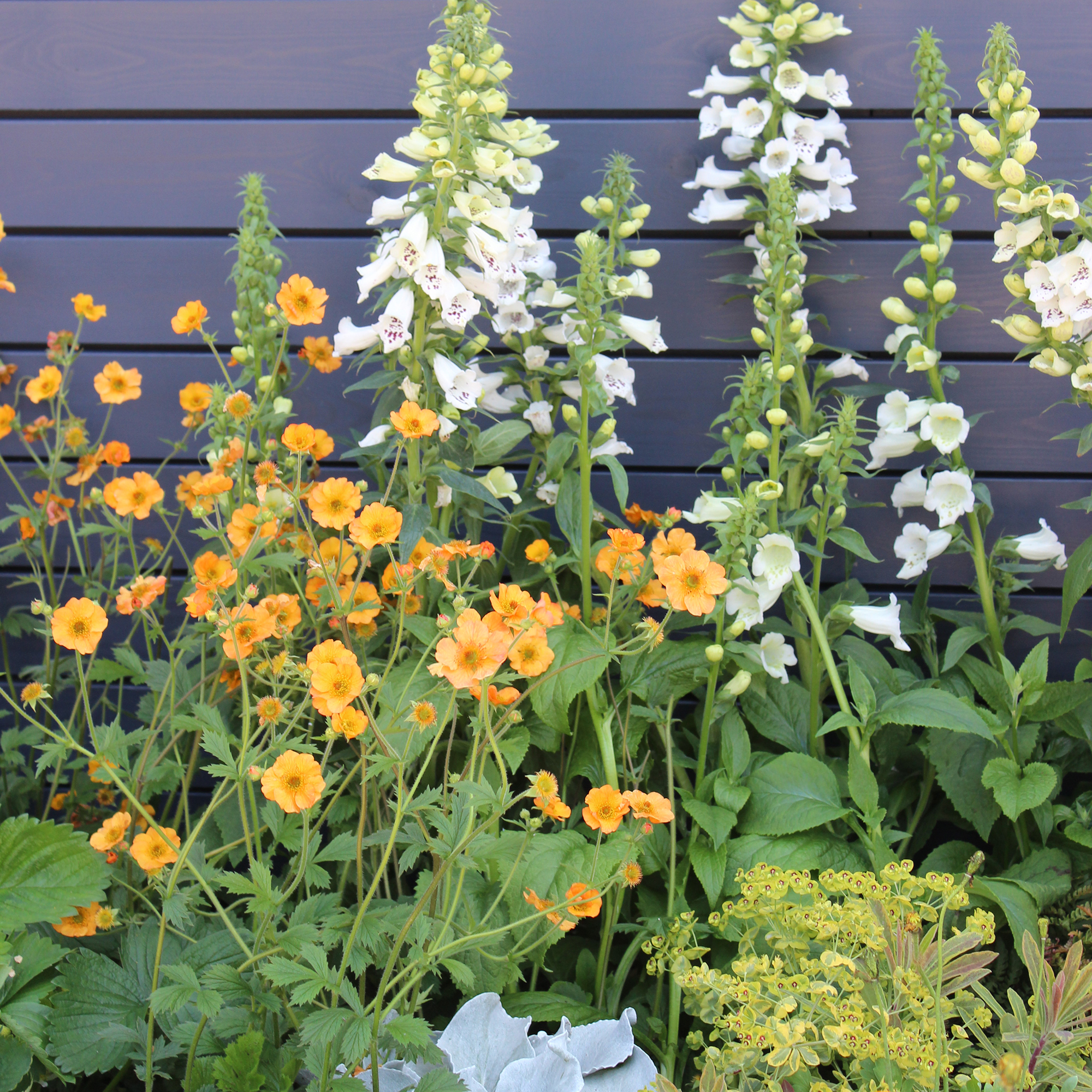
For beginners, creating a gravel garden involves four key steps: selecting a sunny spot, defining the garden's shape and planting areas with ample space for plant growth, considering a gravel pool to attract wildlife, and then planting drought-tolerant, Mediterranean-style plants such as lavender, rock rose, and phlomis, which provide nectar for insects. While weed-resistant membranes are often suggested, evidence from gardens like Highfield Farm indicates that forgoing them can lead to more vigorous plant growth, suggesting that investment might be better placed on plants.
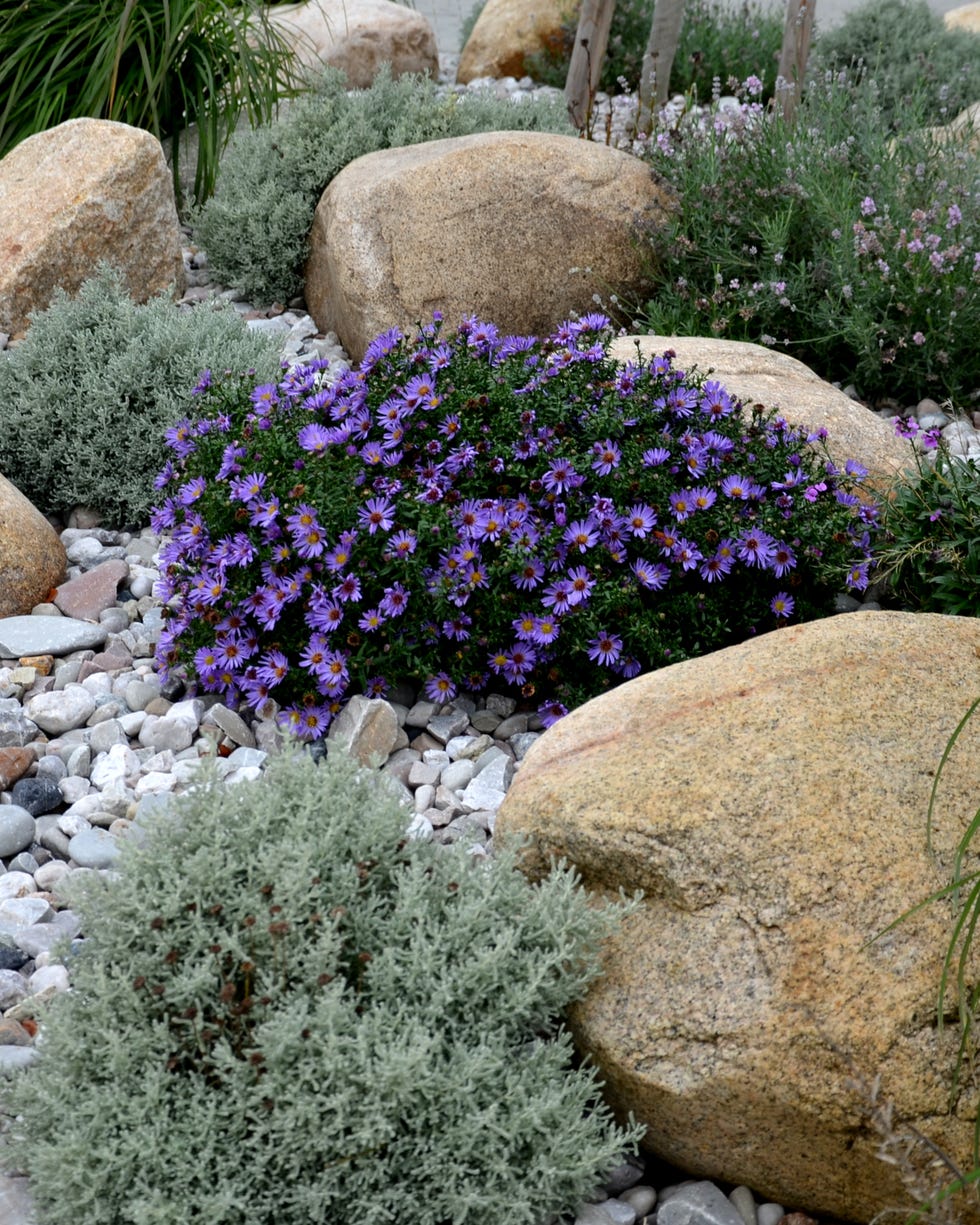
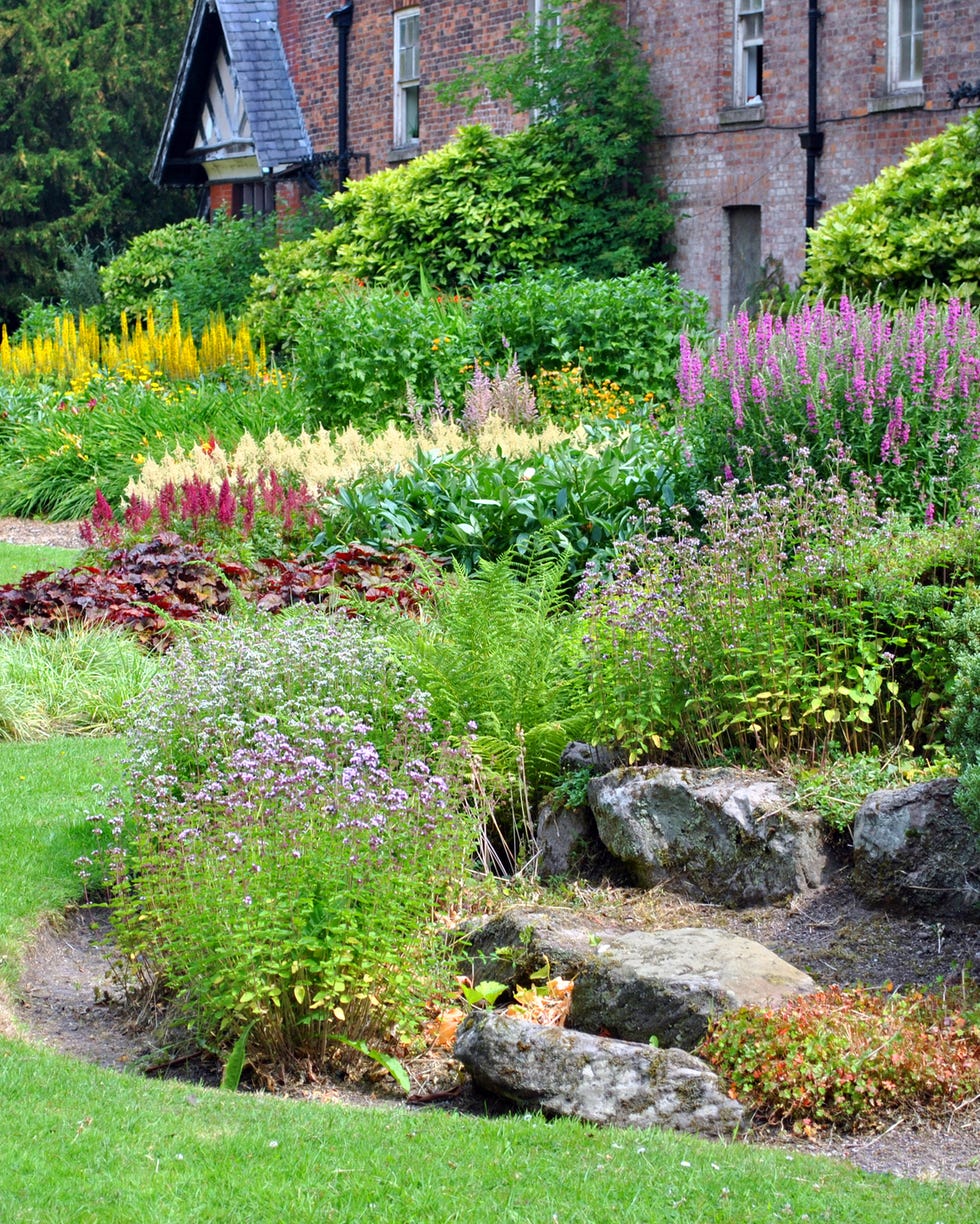
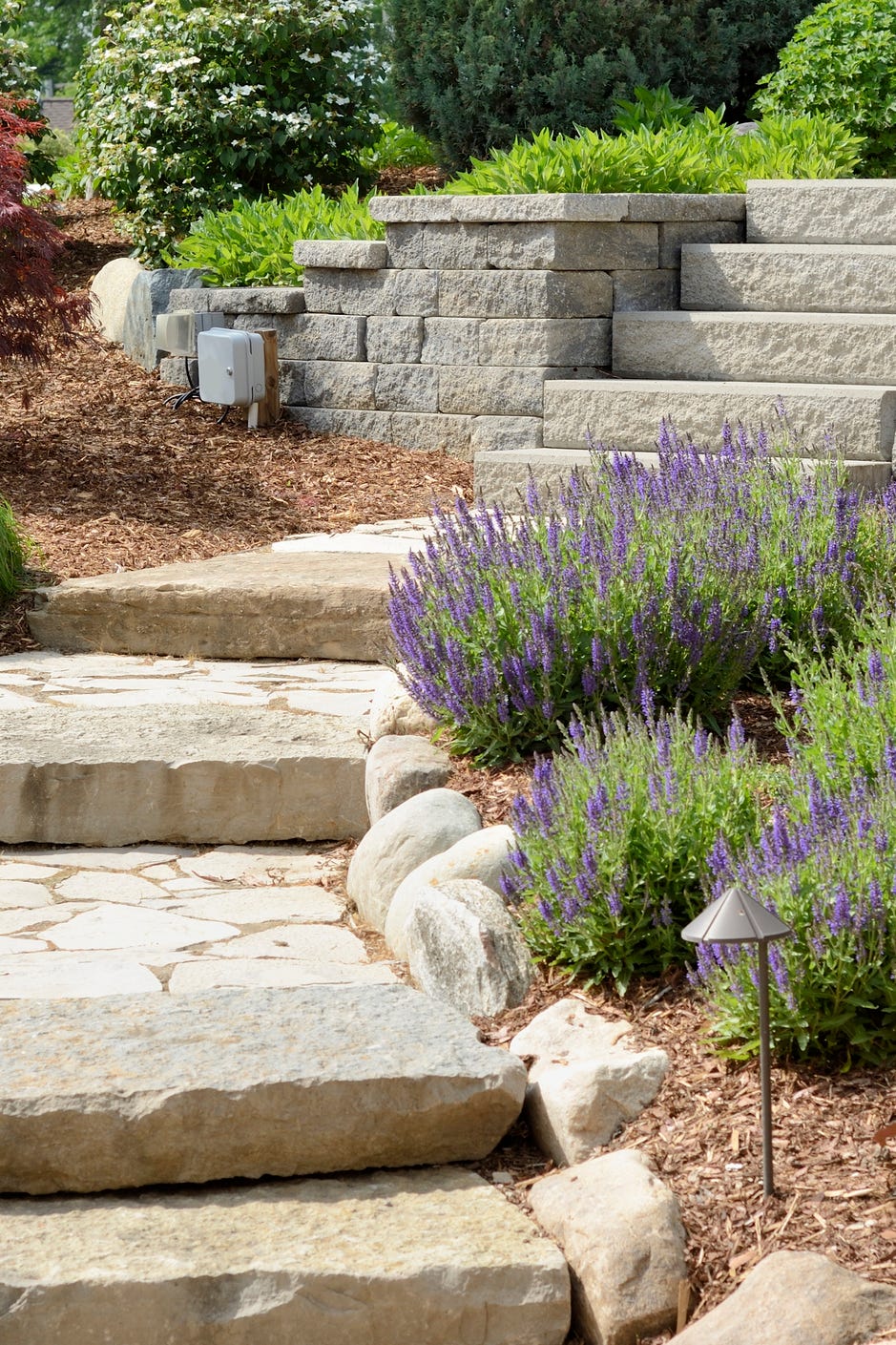
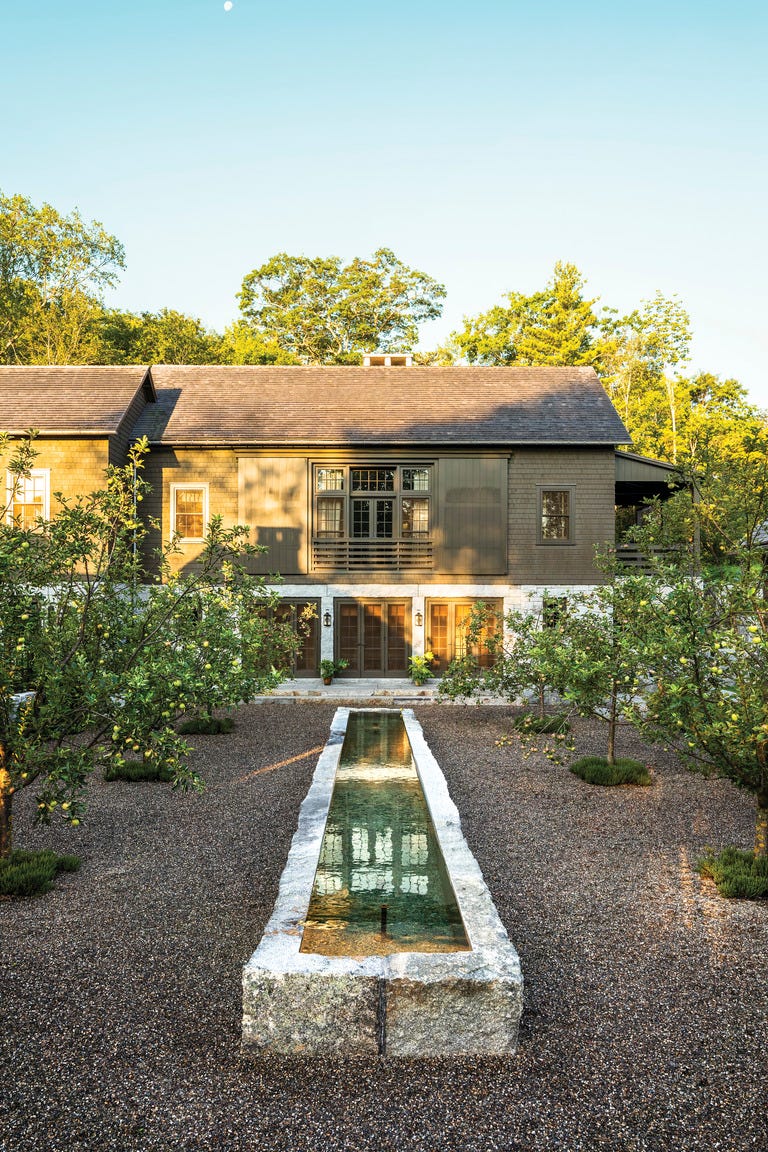
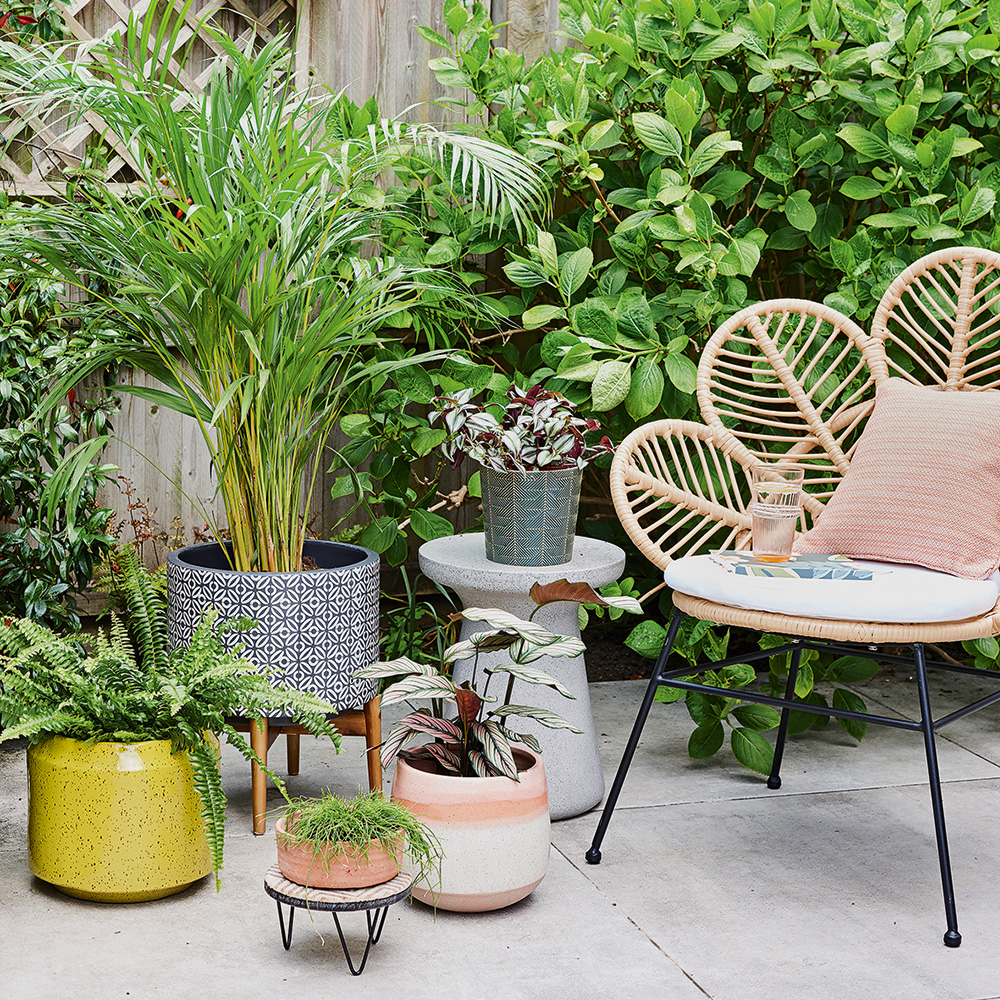
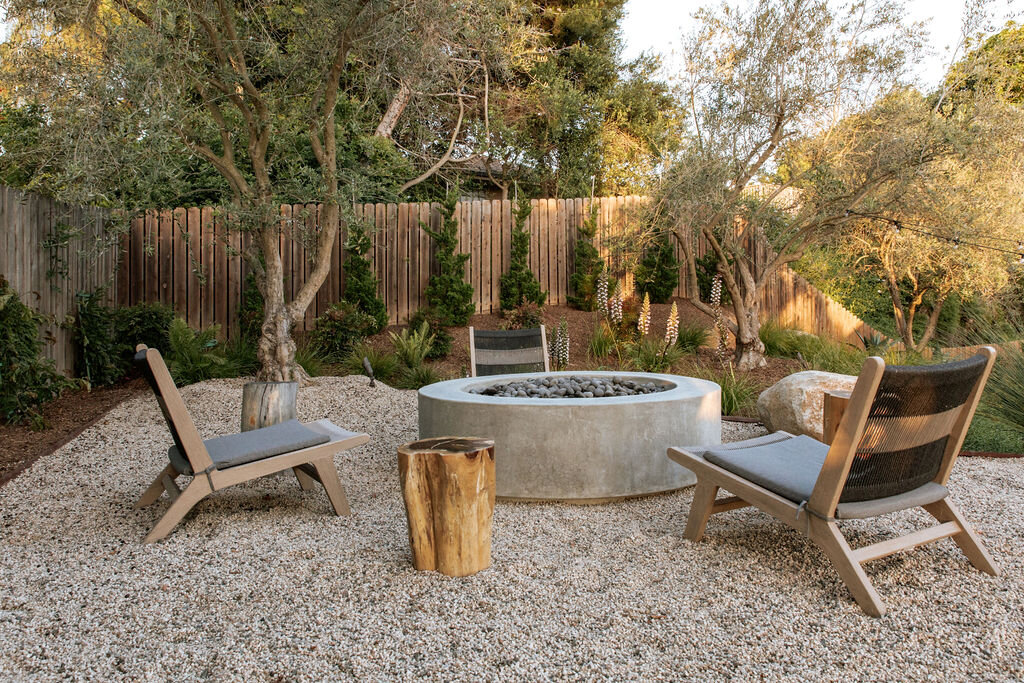
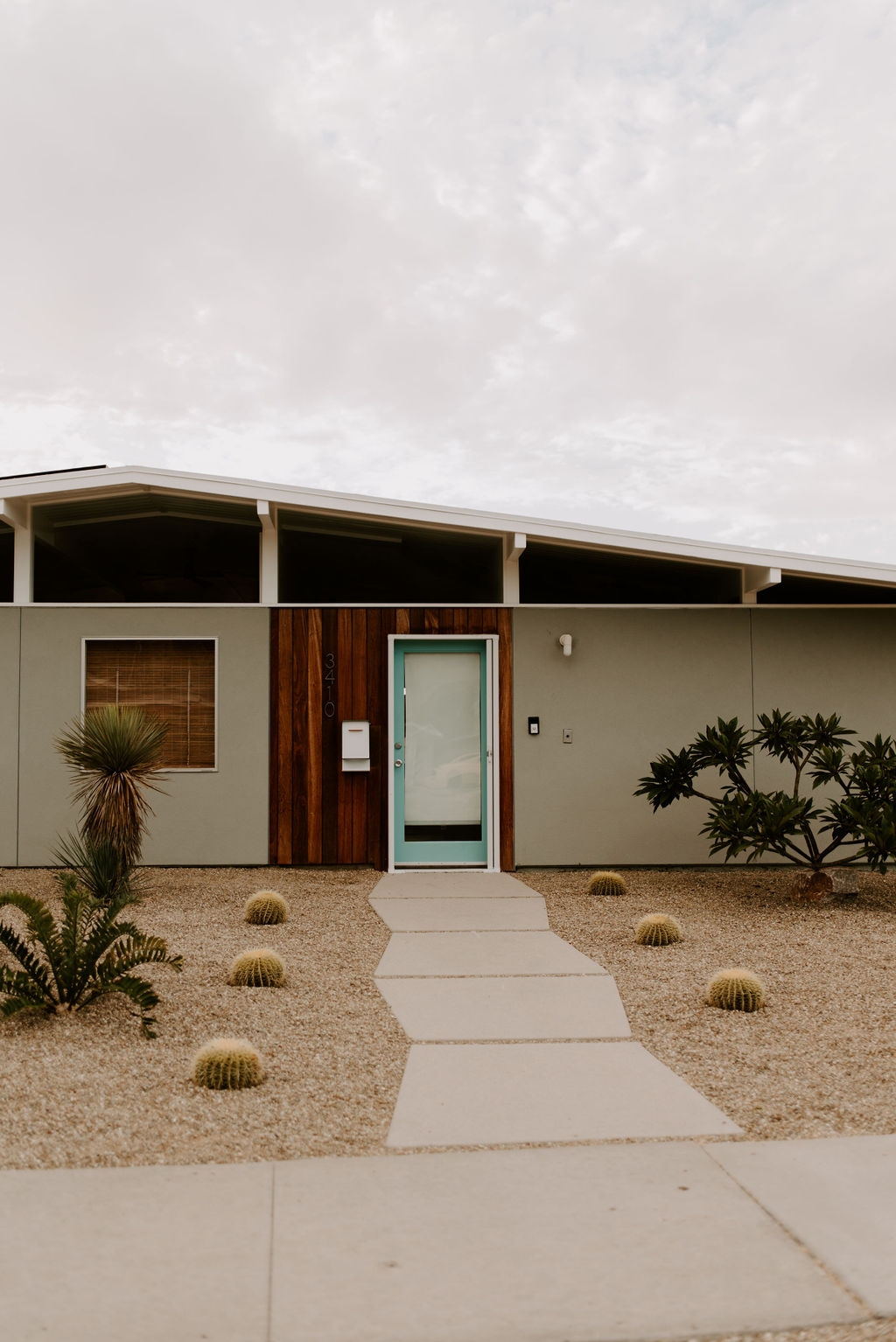
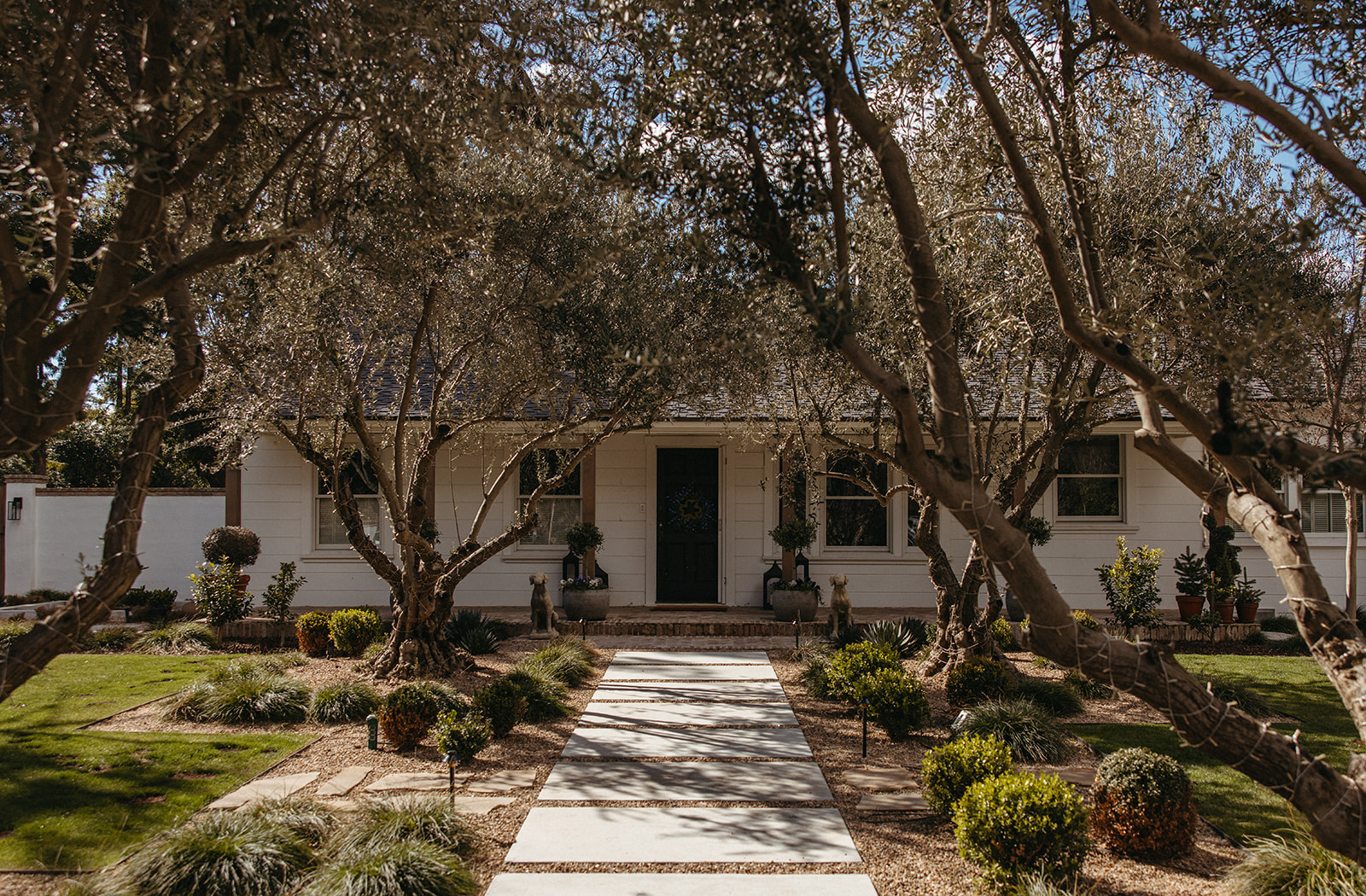
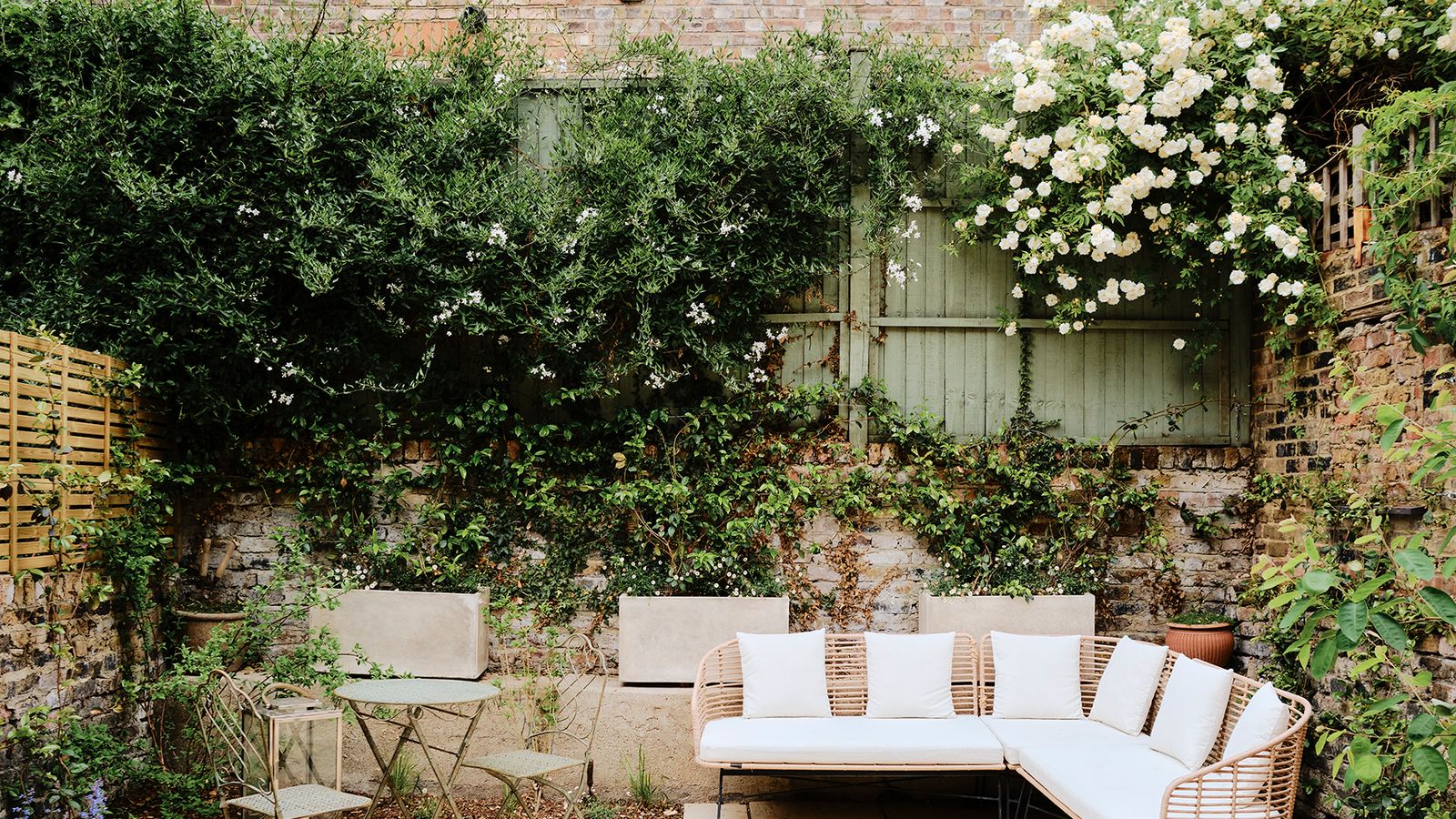
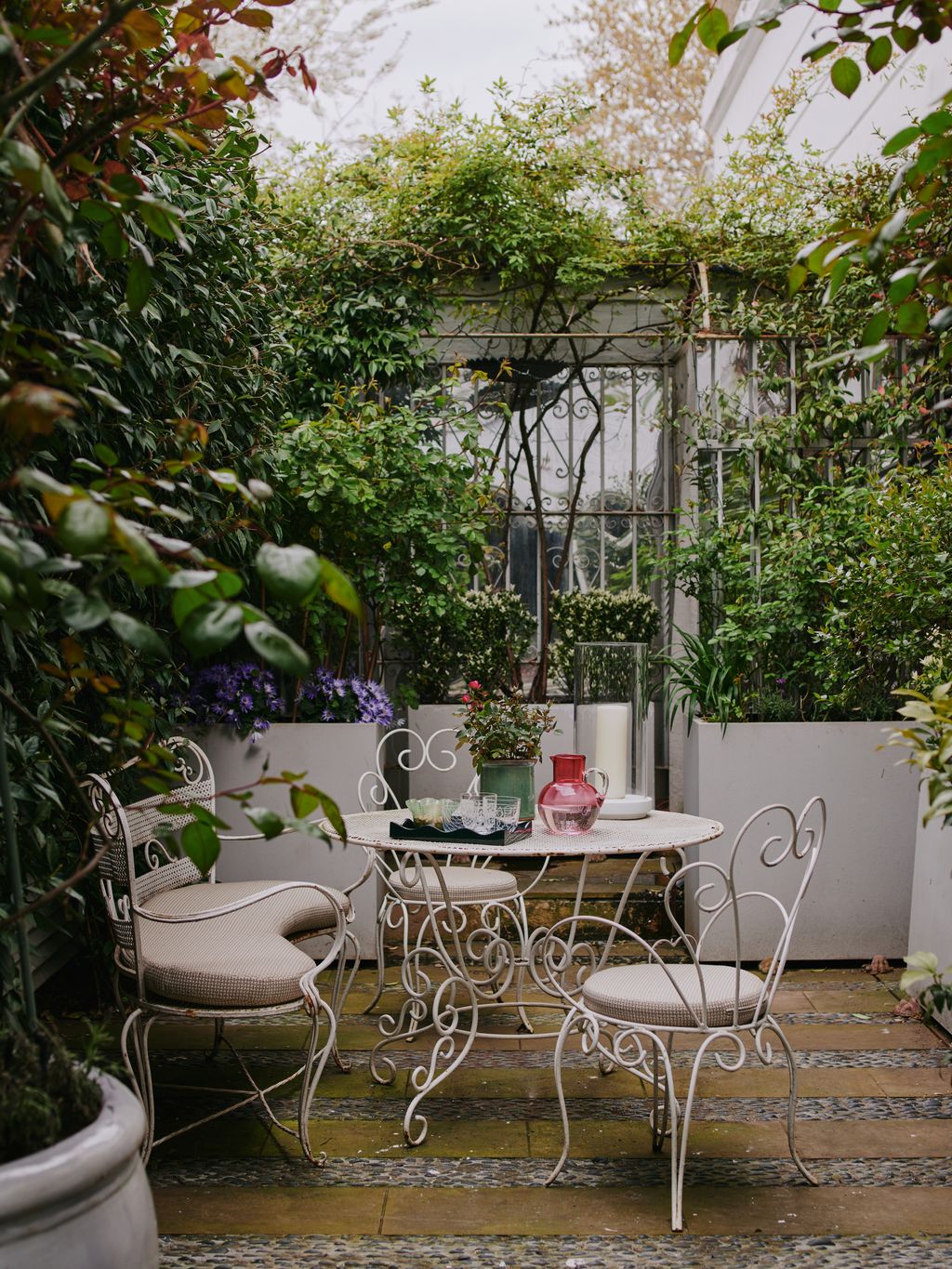
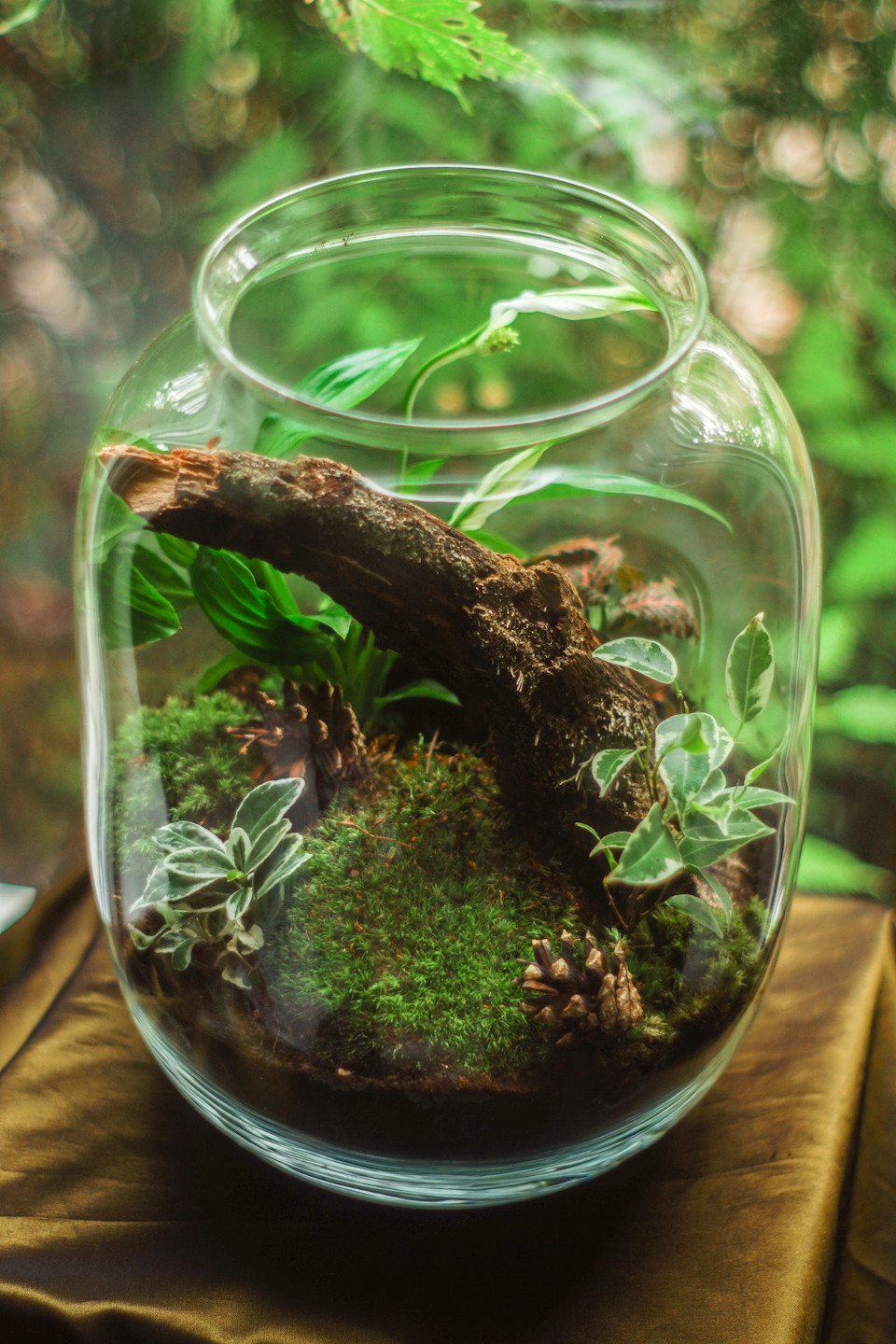
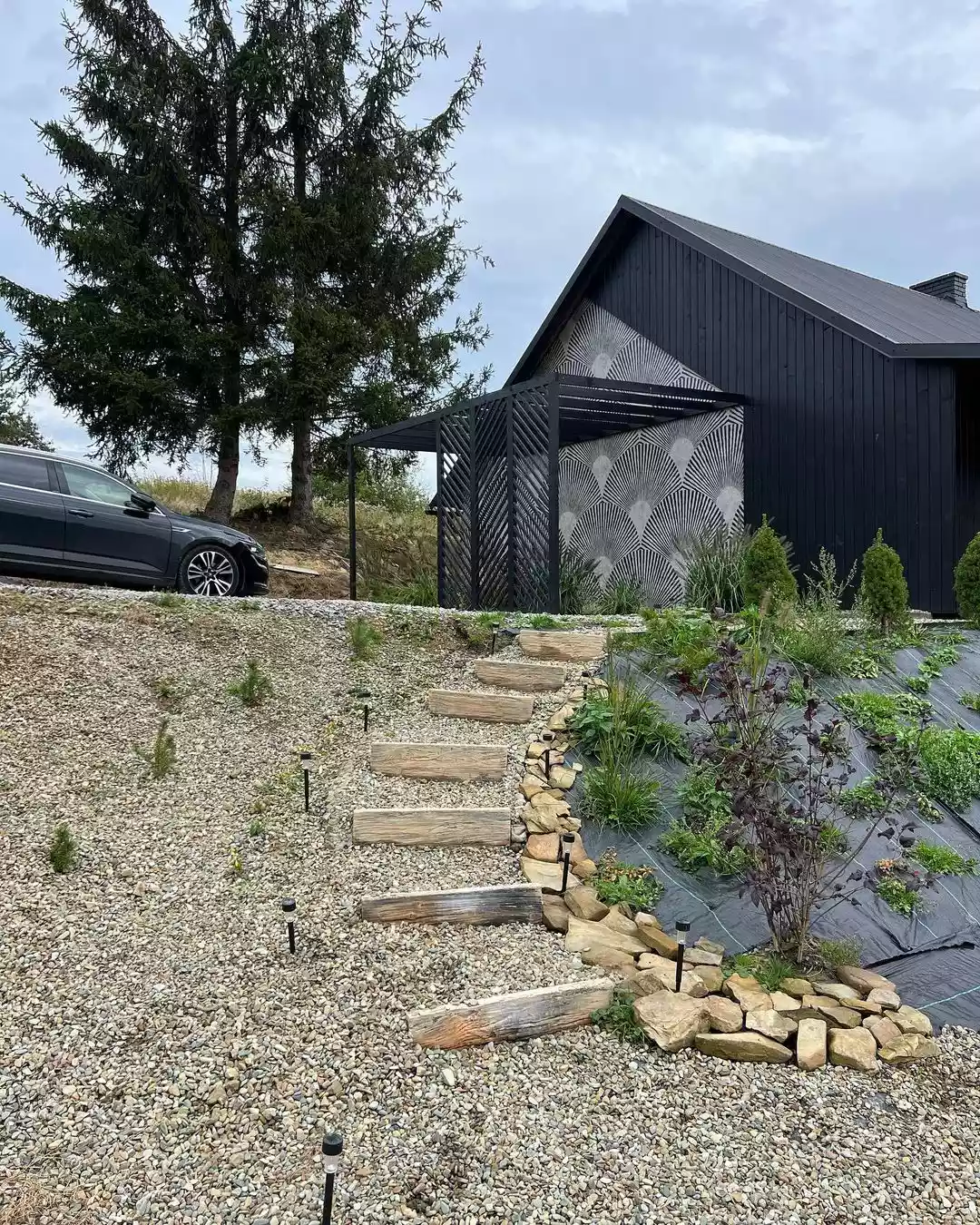
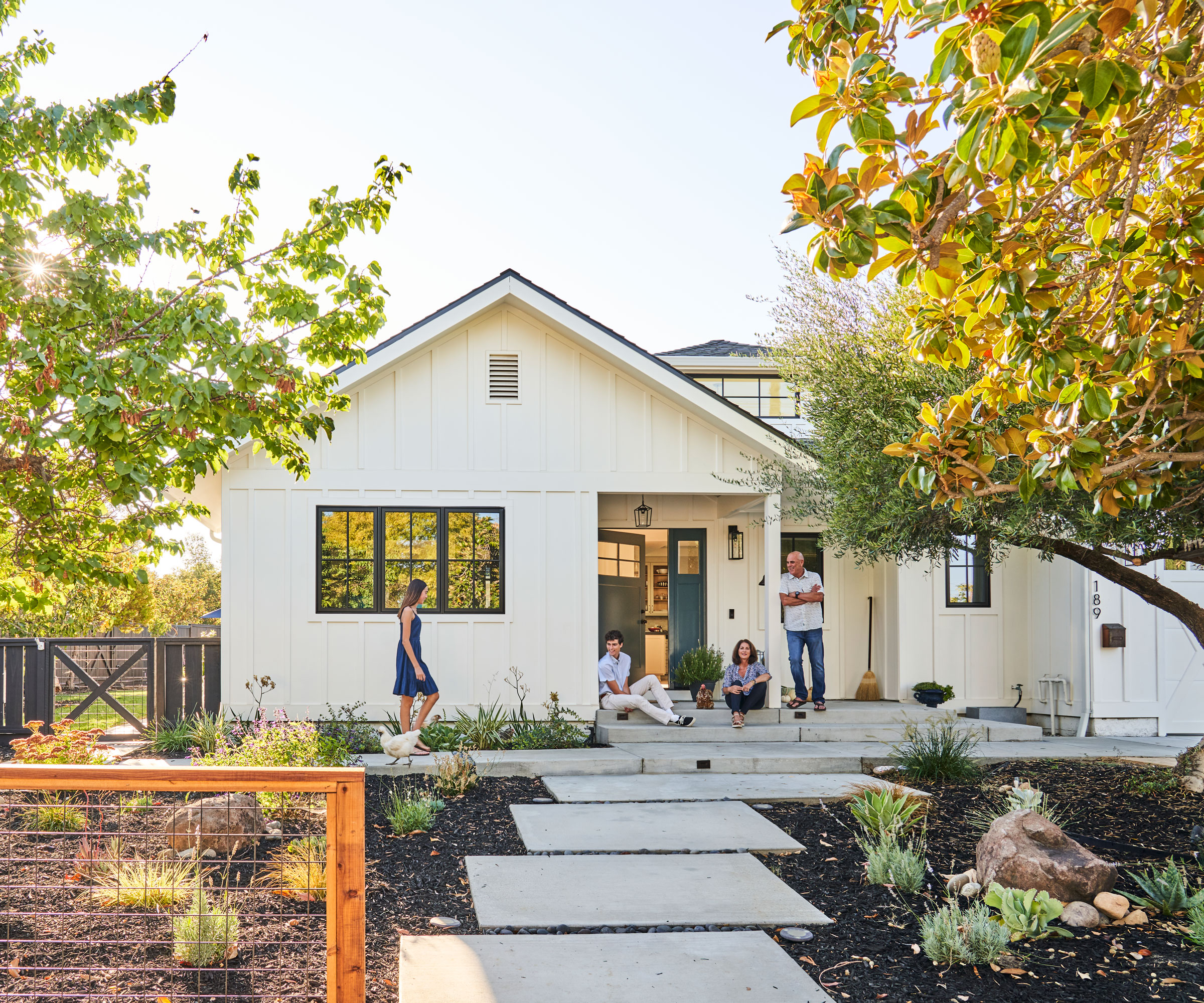
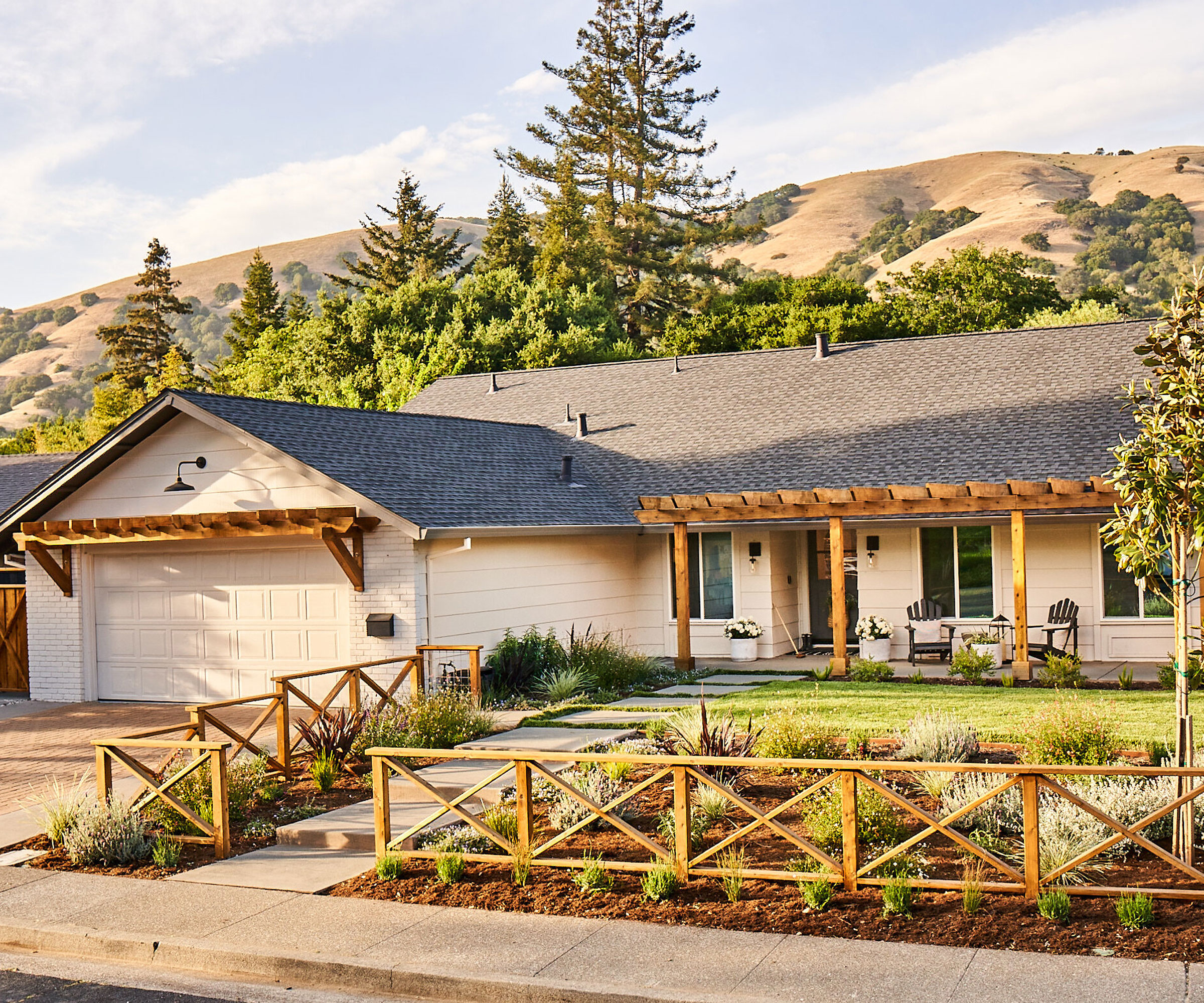
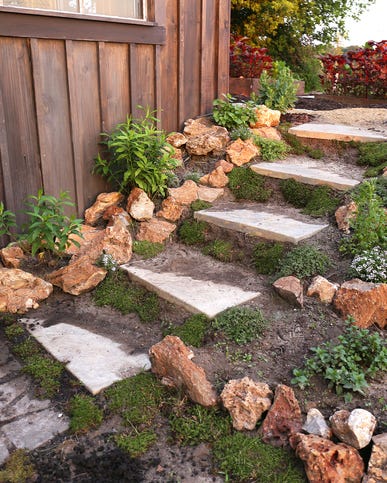
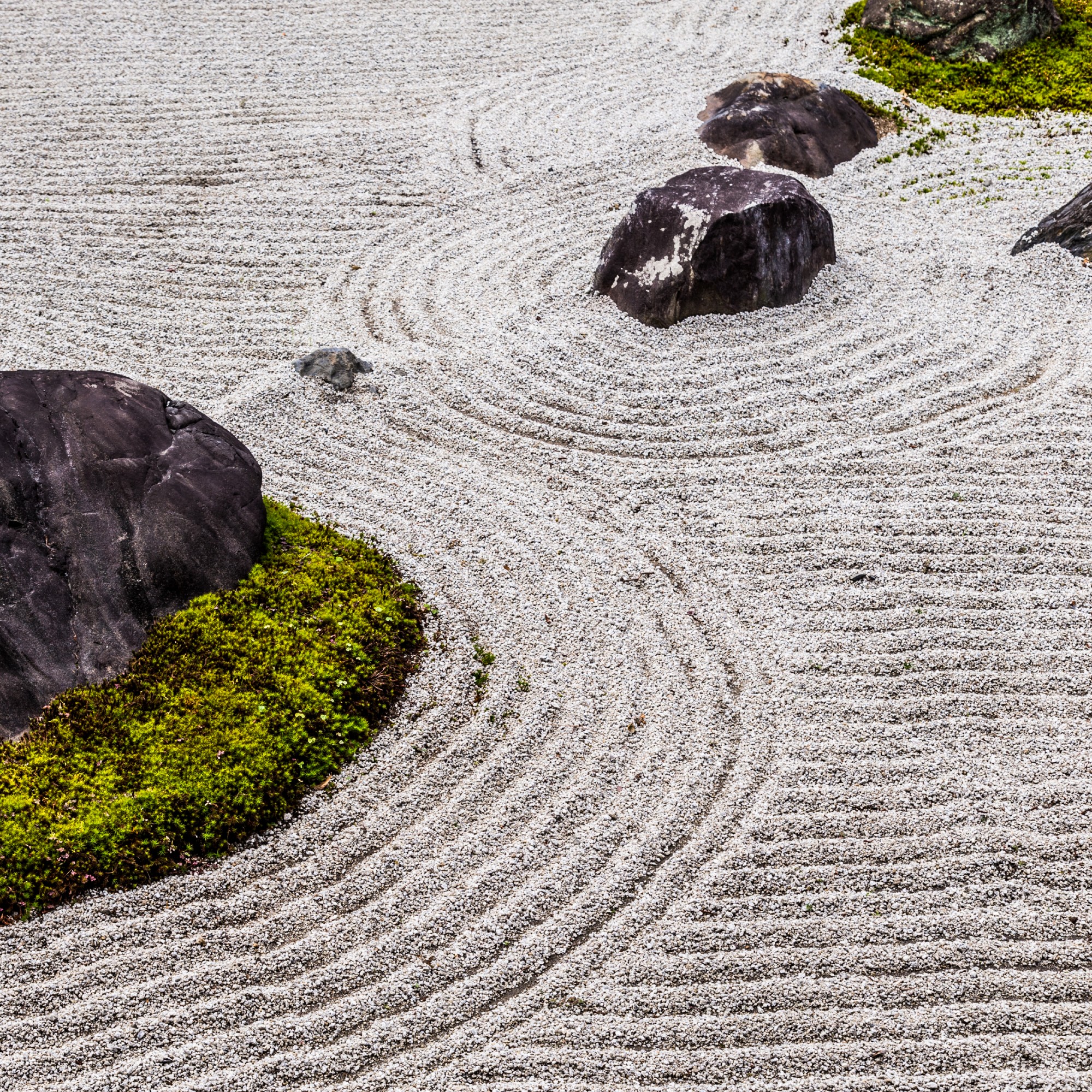
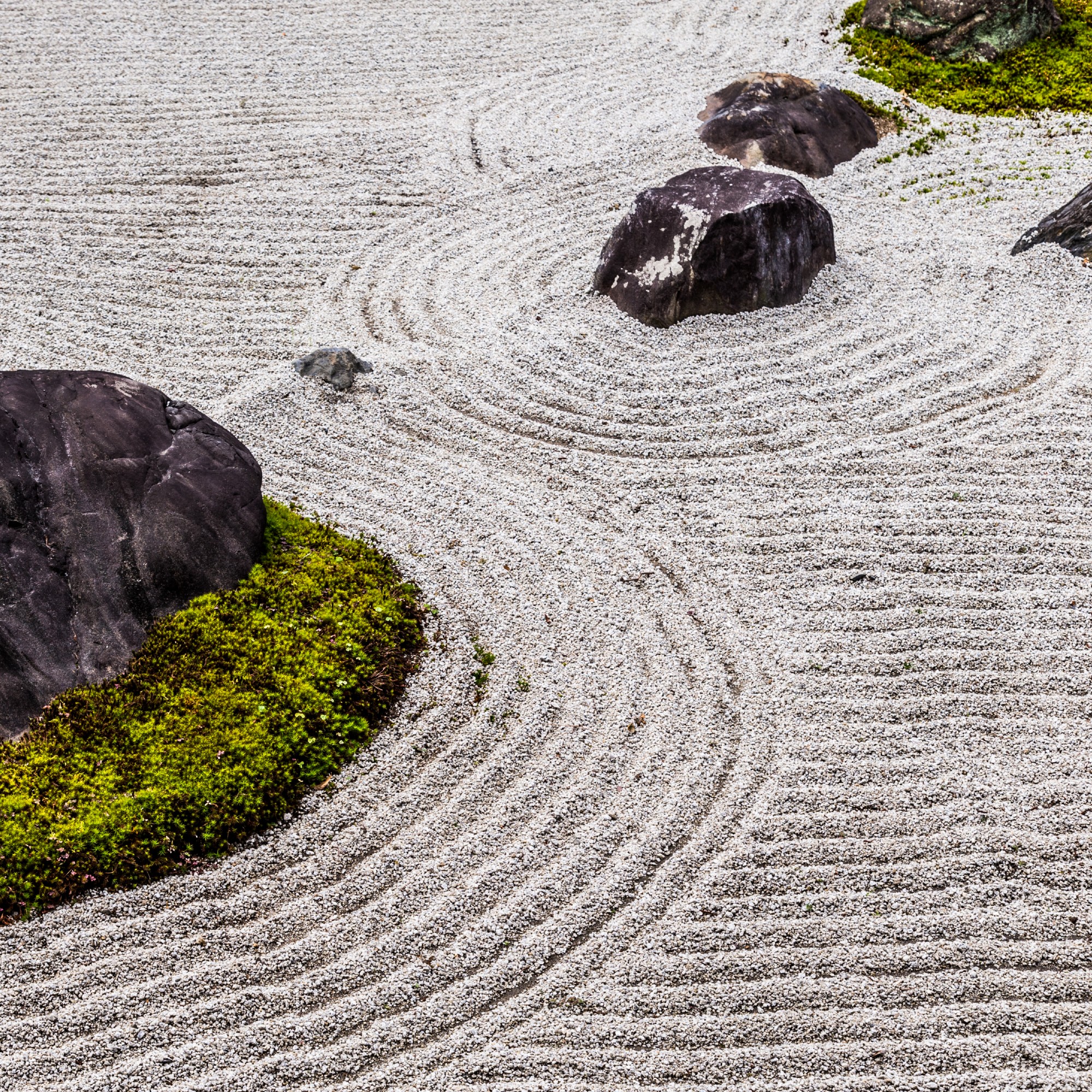
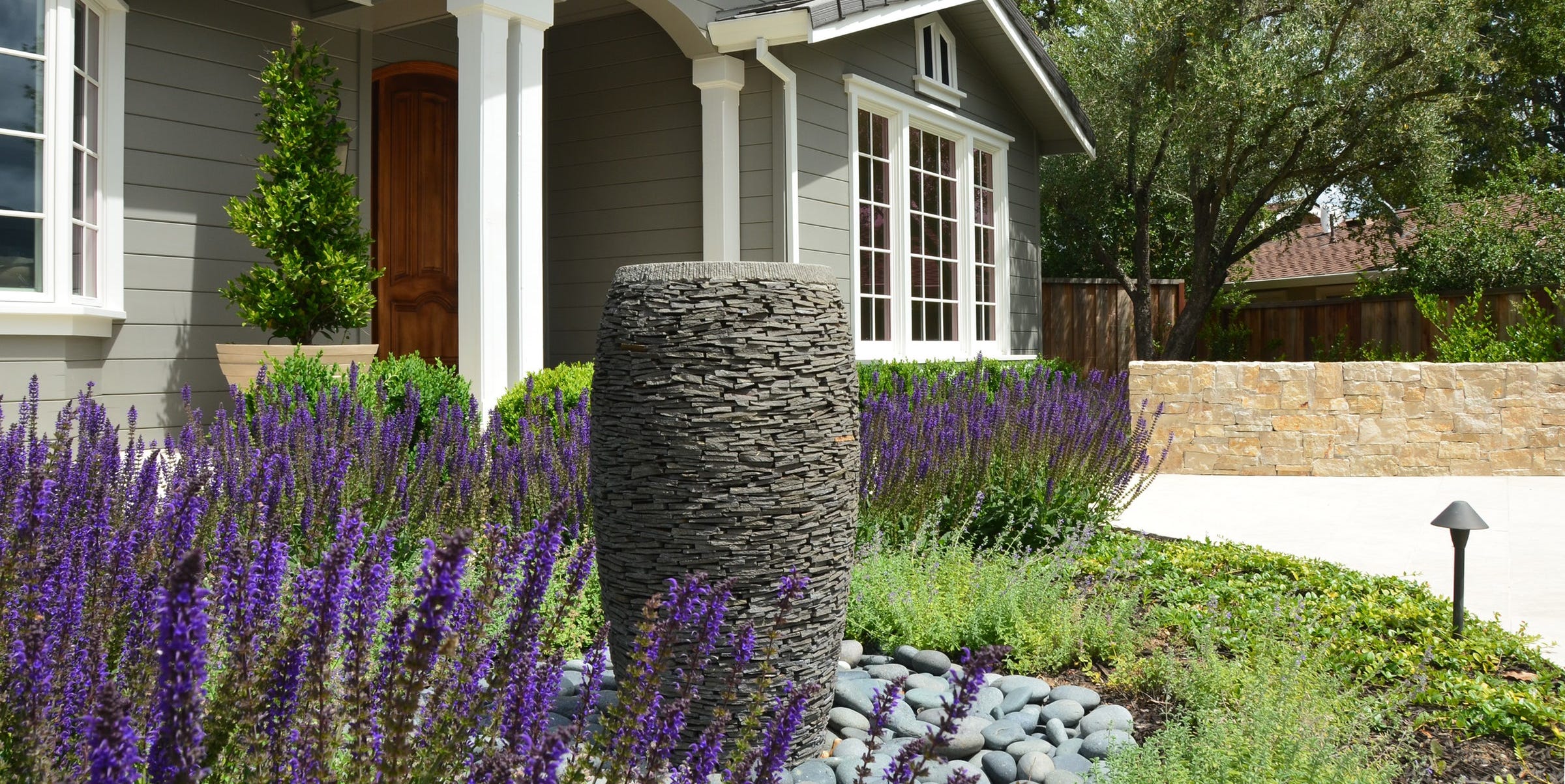
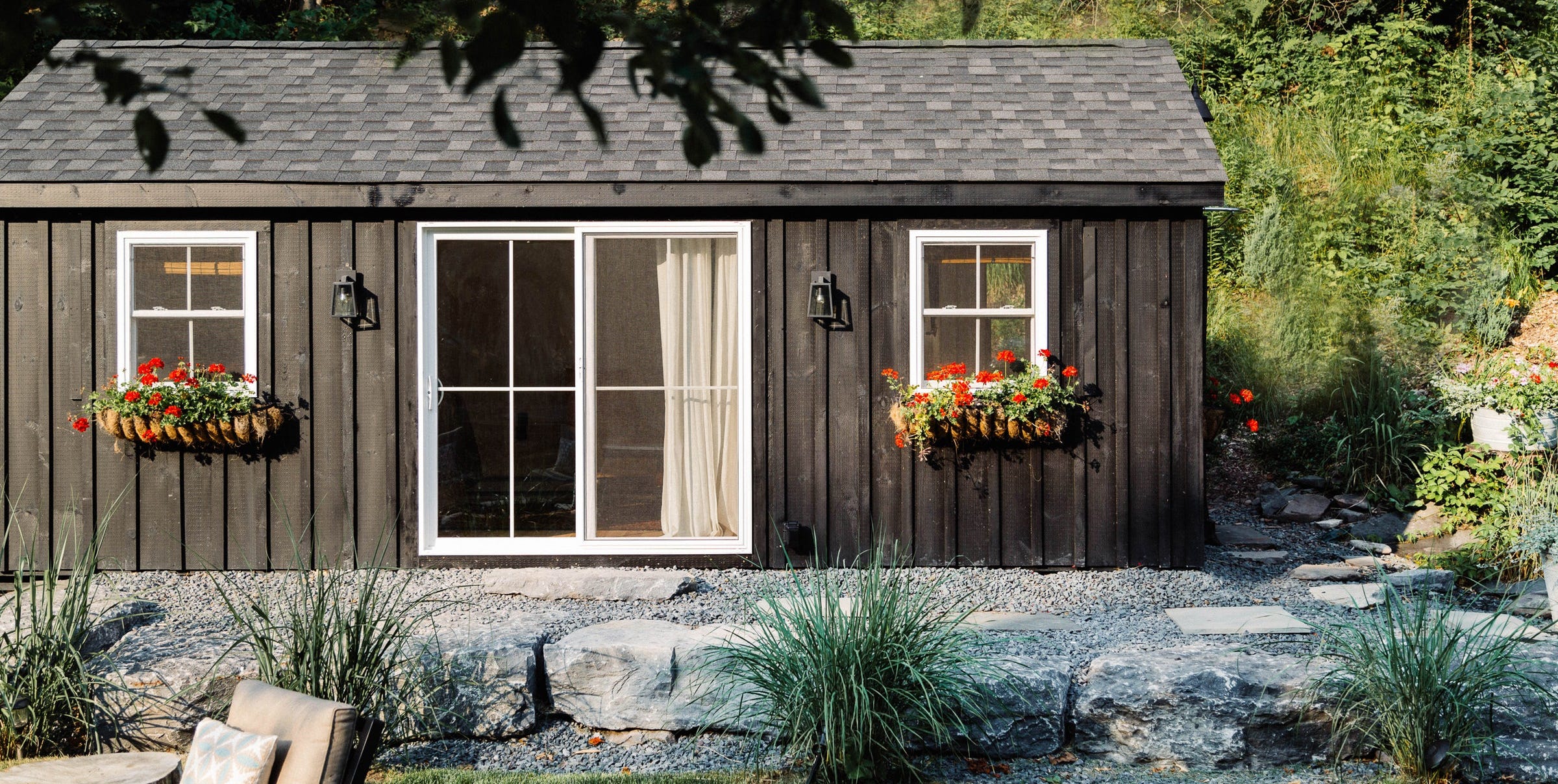
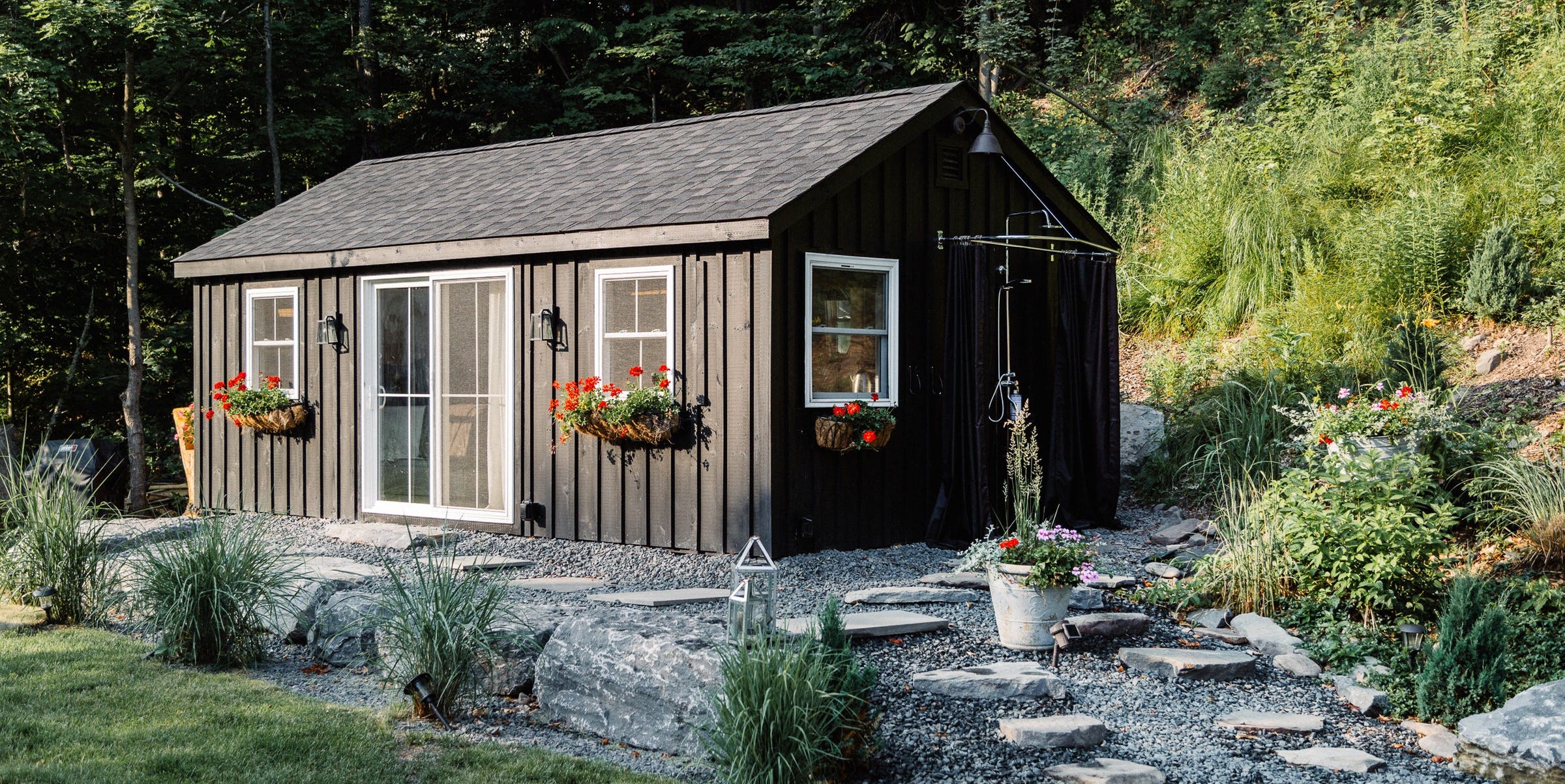
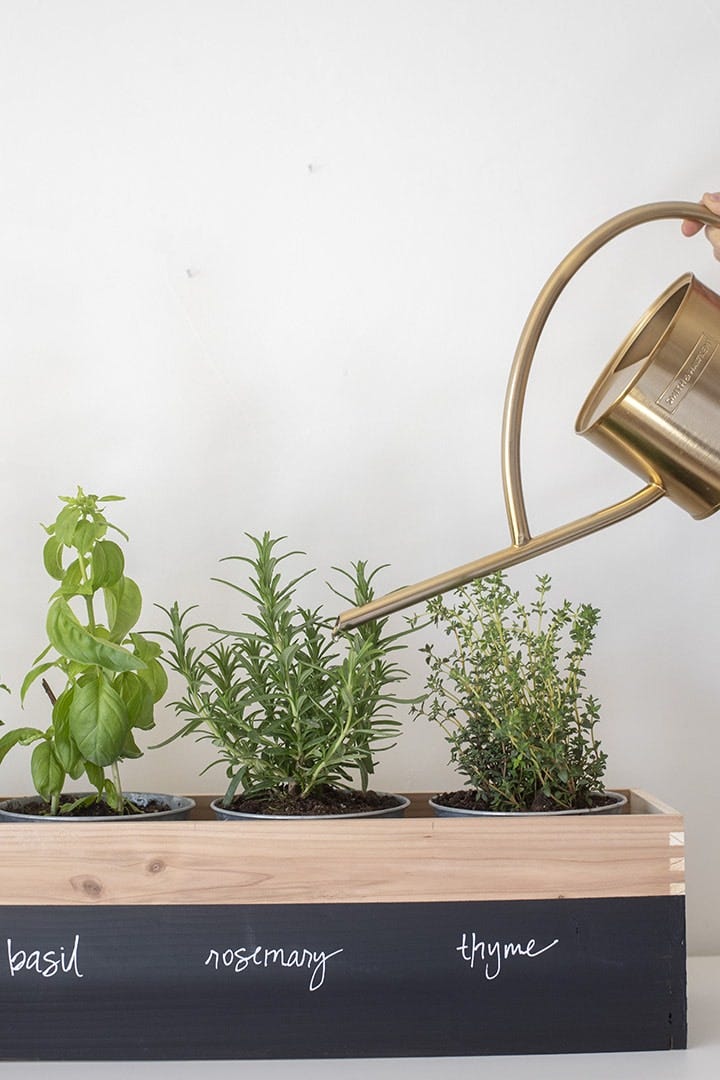
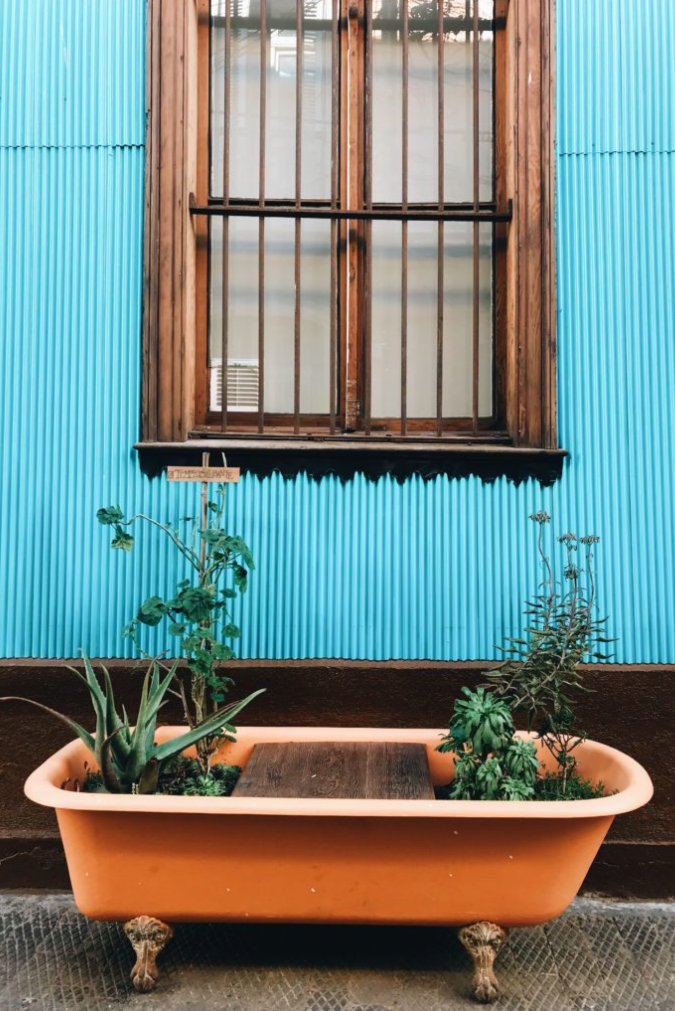
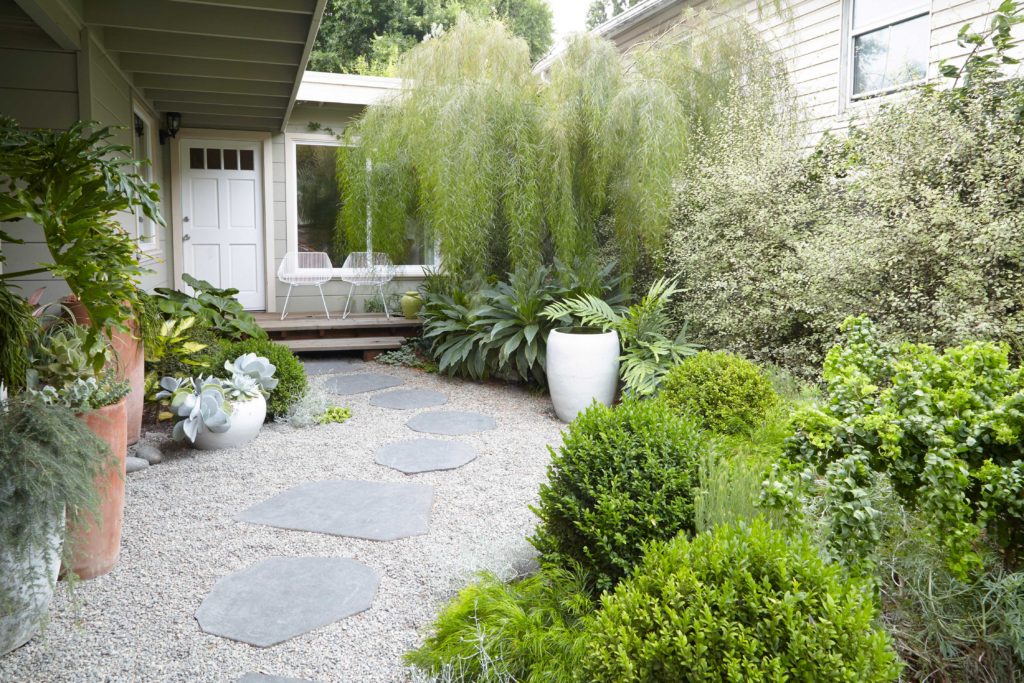
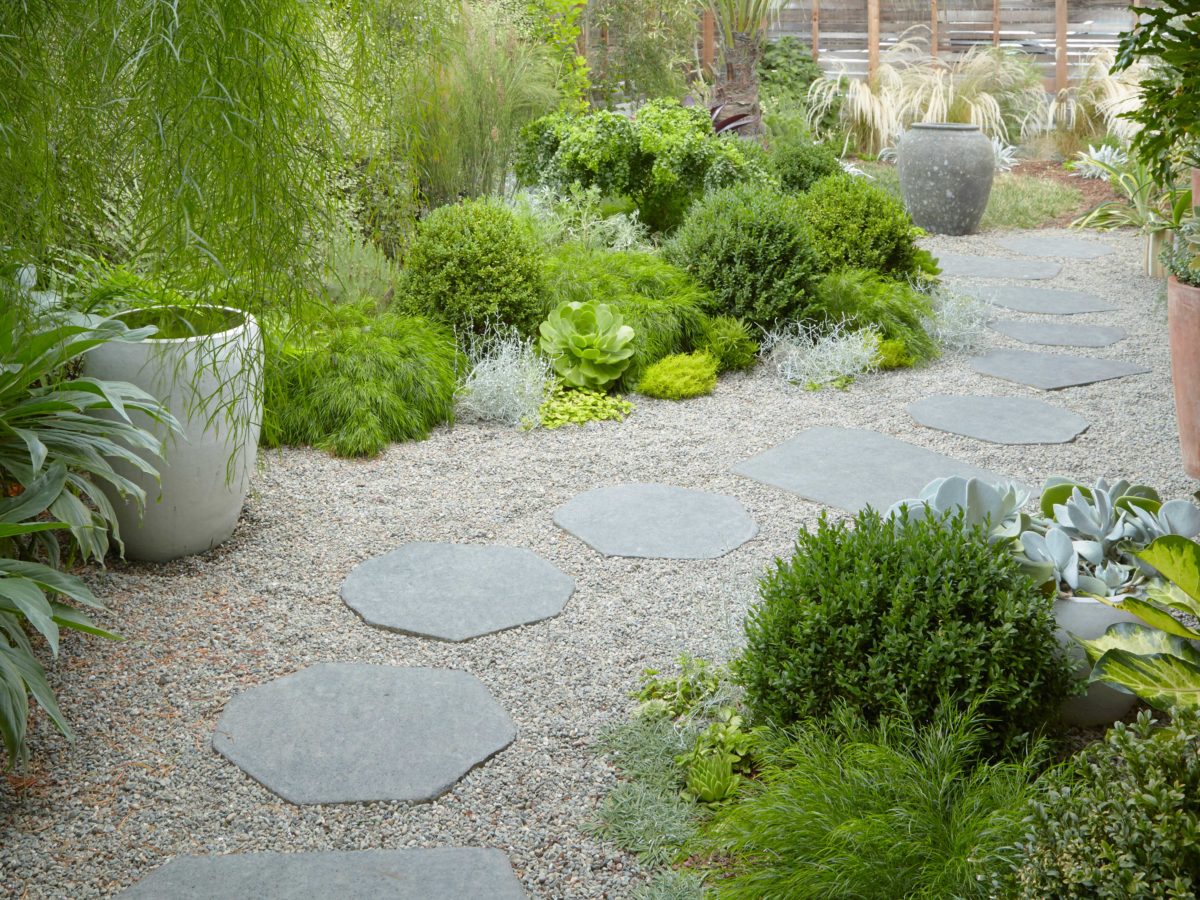
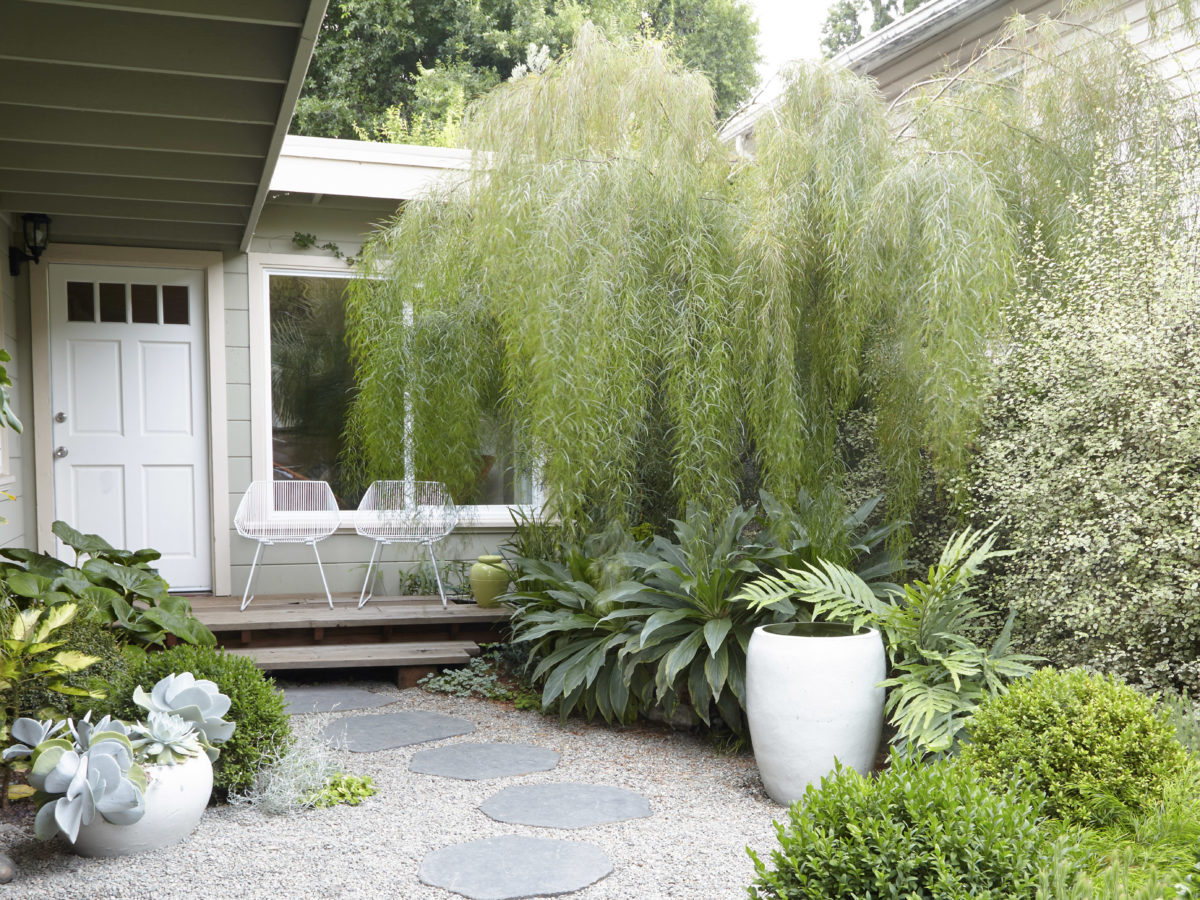
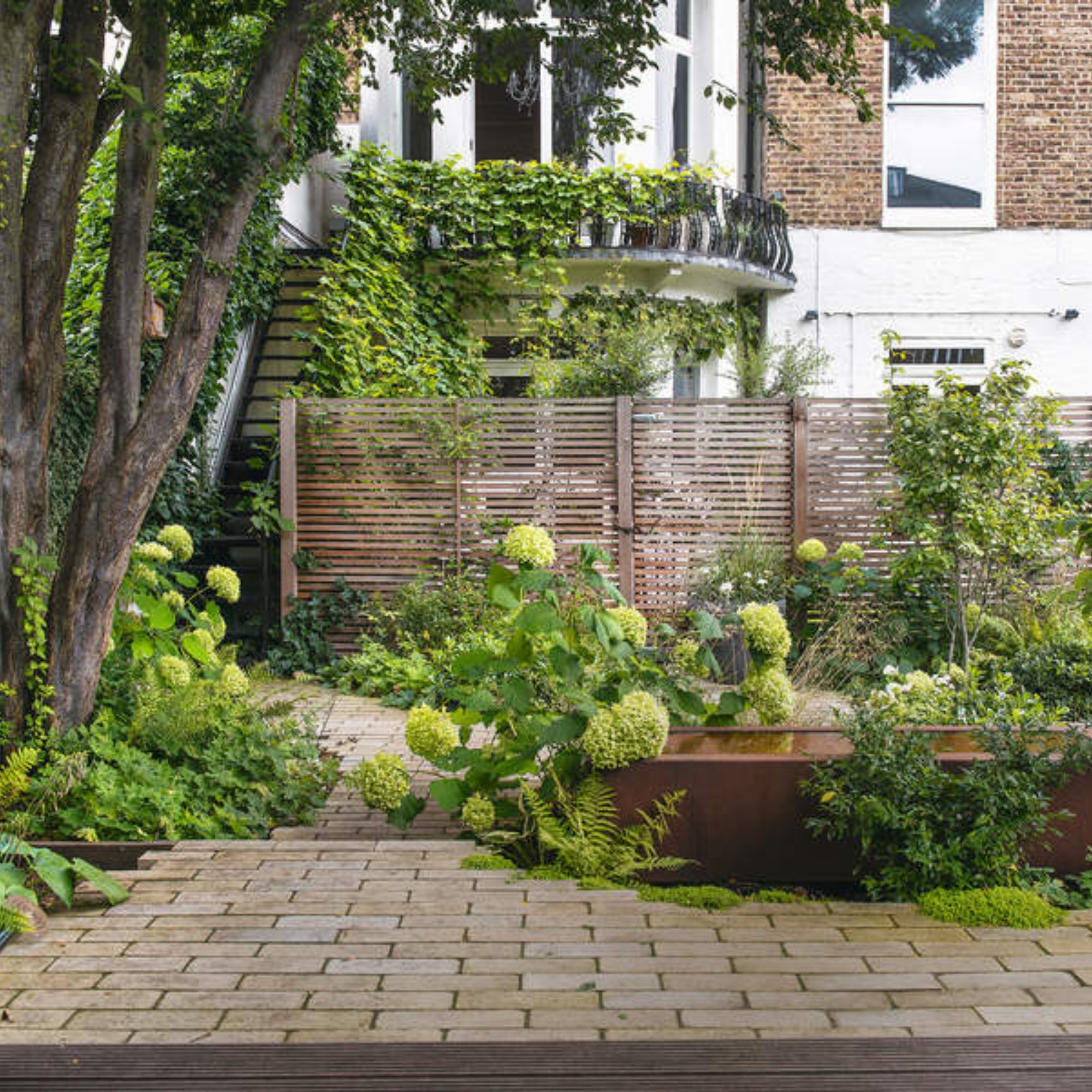
The article presents various design concepts for gravel gardens. A Mediterranean-inspired herb garden can be created with golden gravel, terracotta decor, whitewashed walls, and herbs like thyme and rosemary. For a calming retreat, a Zen garden can feature fine, pale gravel, strategically placed boulders, minimalist planting, and a water feature. Rockeries, with their Alpine aesthetic, incorporate larger boulders and alpine plants such as smaller bulbs and primulas. Gravel paths offer an inviting way to navigate the garden, with options for clay stepping stones or mixed gravels. For courtyards, gravel can define seating areas, with plants like alliums and lavenders flourishing in light soils. Even front gardens can be transformed into gravel spaces, using specific gravel sizes (e.g., 20mm for driveways) and hardy, low-lying plants. Finally, container gravel gardens provide a solution for smaller spaces or challenging soil types, using raised beds, pots, and horticultural grit to create miniature mountainous terrains for alpines and succulents.
#GravelGarden #GardenDesign #DroughtTolerantPlants #LowMaintenanceGardening #SustainableGardening #OutdoorLiving #MediterraneanGarden #Xeriscaping #GravelGarden #GardenDesign #DroughtTolerantPlants #LowMaintenanceGardening #SustainableGardening #OutdoorLiving #MediterraneanGarden #Xeriscaping
Toplam 0 yorum
 Henüz yorum yok
Bu da beğenebilirsiniz
8 low-maintenance gravel garden ideas
19 simple garden ideas for every style, size and budget
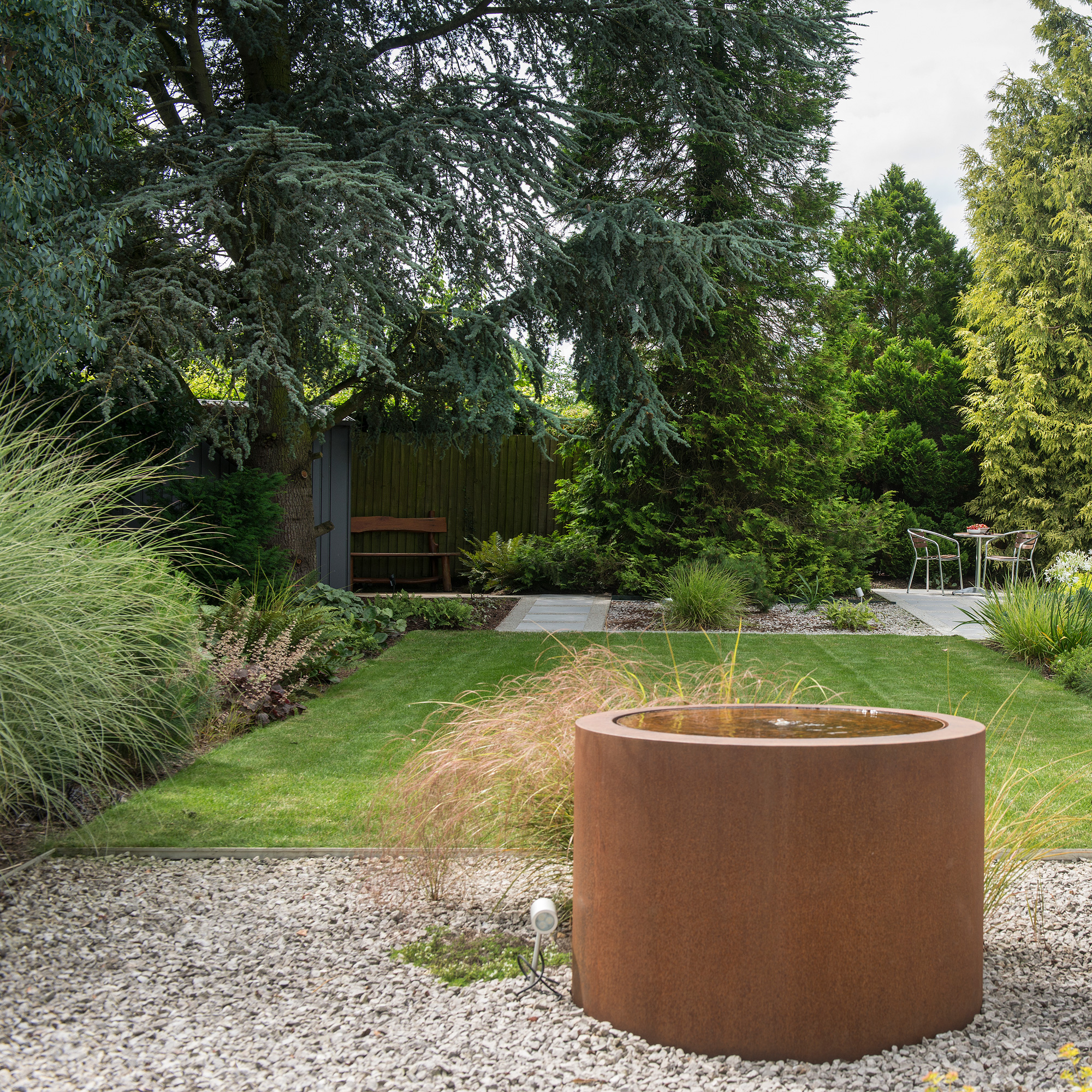
Zen garden ideas on a budget – 5 simple ways to introduce the minimalist concept to your outdoor space

20 No-Grass Backyard Ideas That Are Still Lush

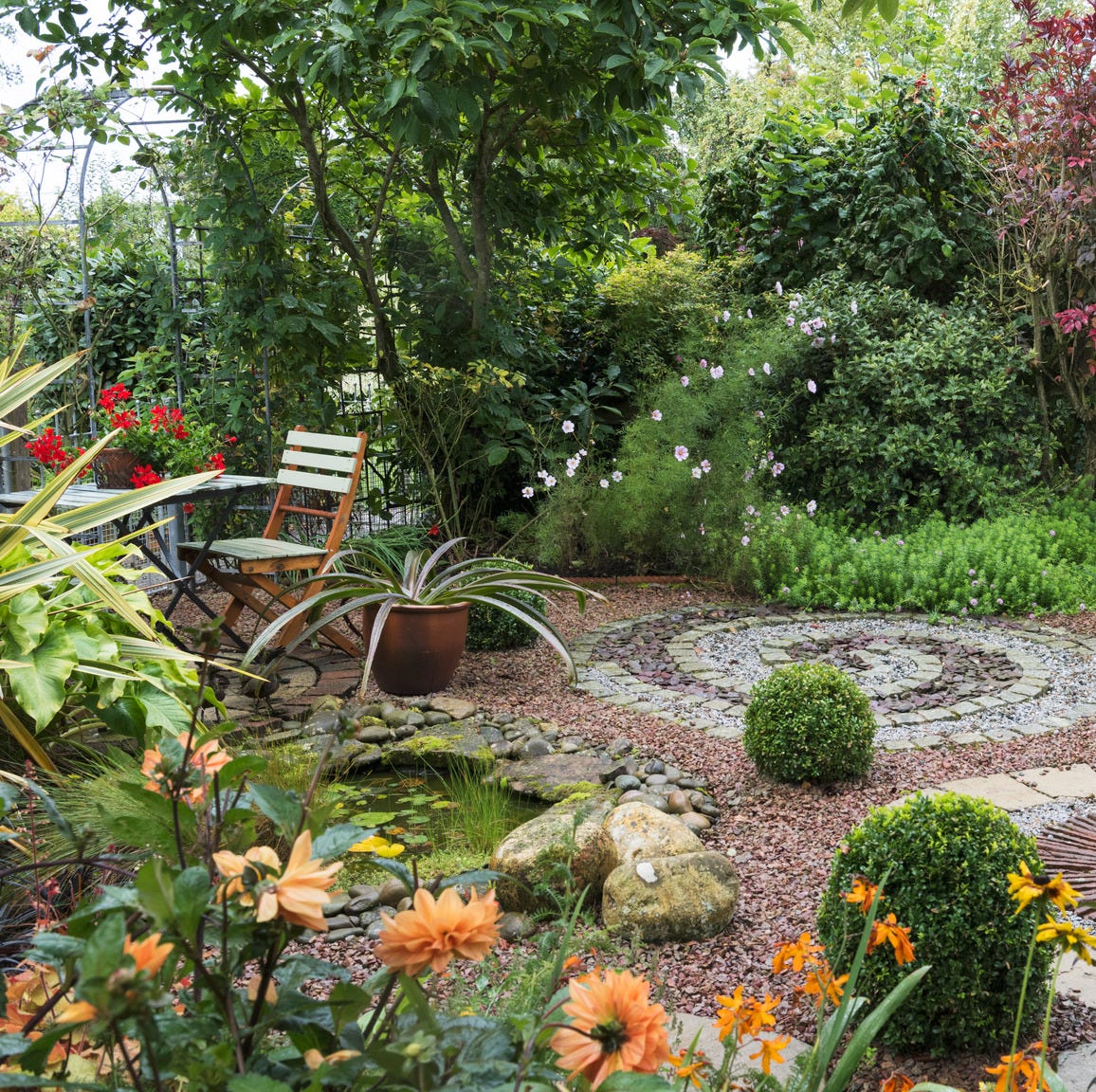
Rock Gardens Are the Ultimate Hack for a Low-Maintenance Lawn
8 Incredible Indoor Garden Ideas

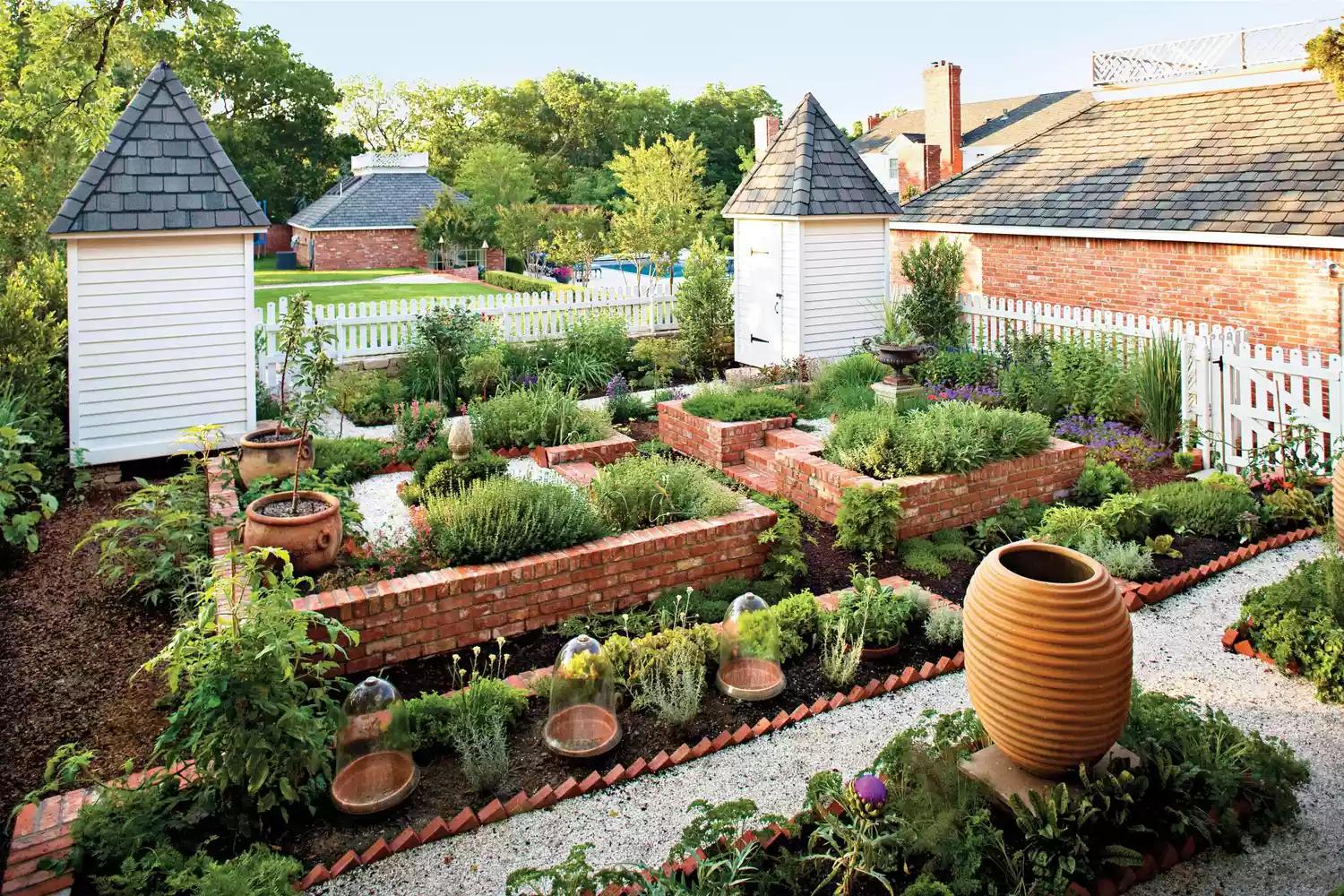
10 No-Grass Backyard Ideas For Easy Maintenance In Any Season
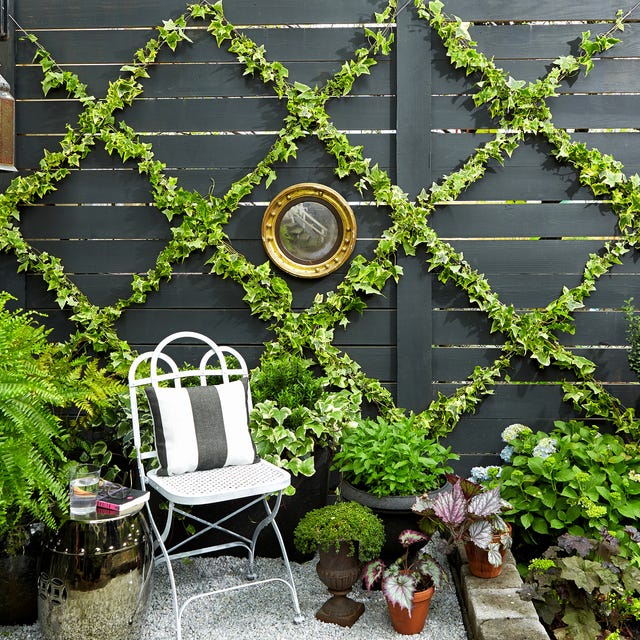
Budget-Friendly Ways to Transform Your Small Garden Into a Dreamy Oasis

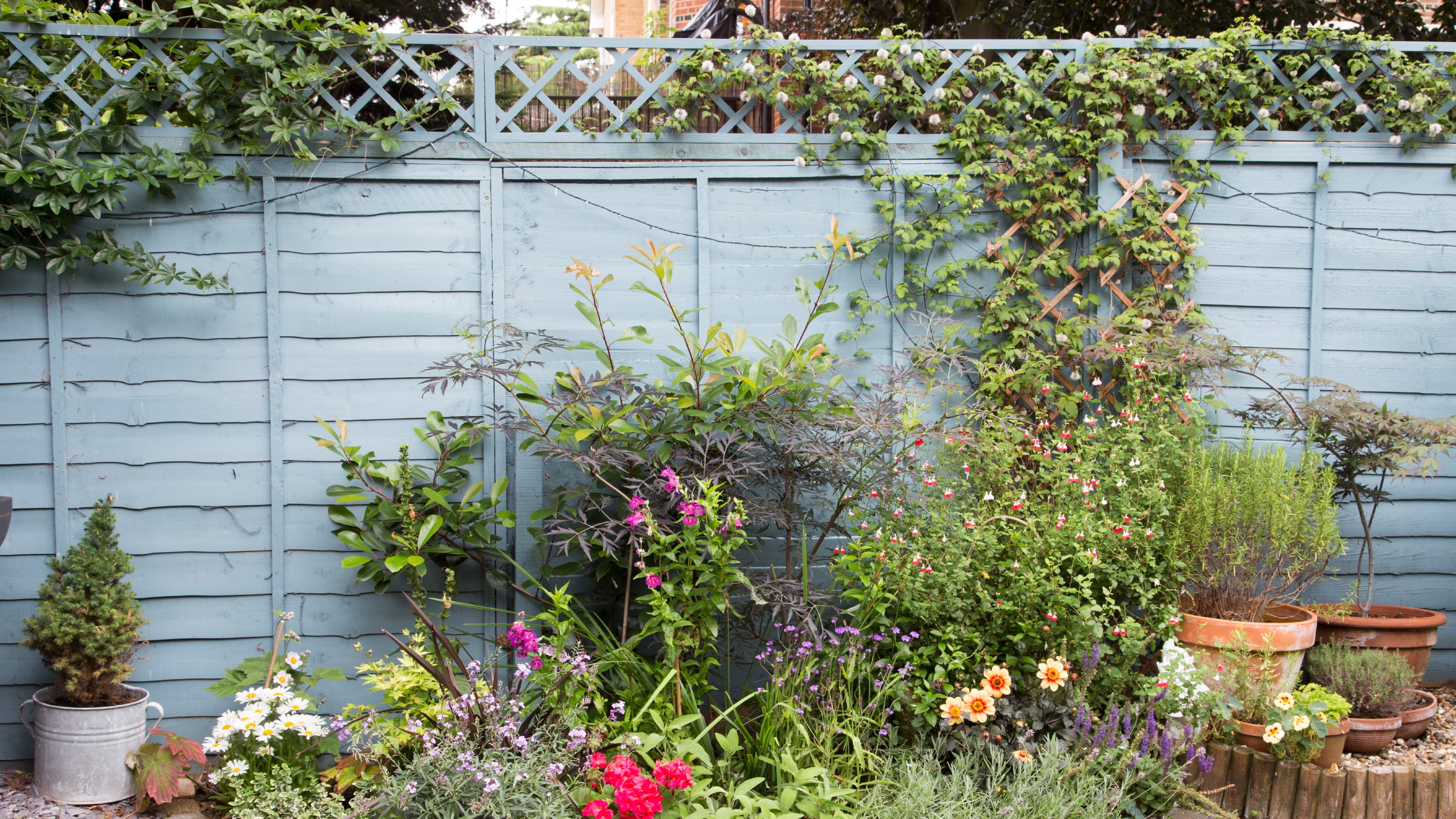
Easy garden ideas – 34 low-maintenance ways to enhance your outdoor space
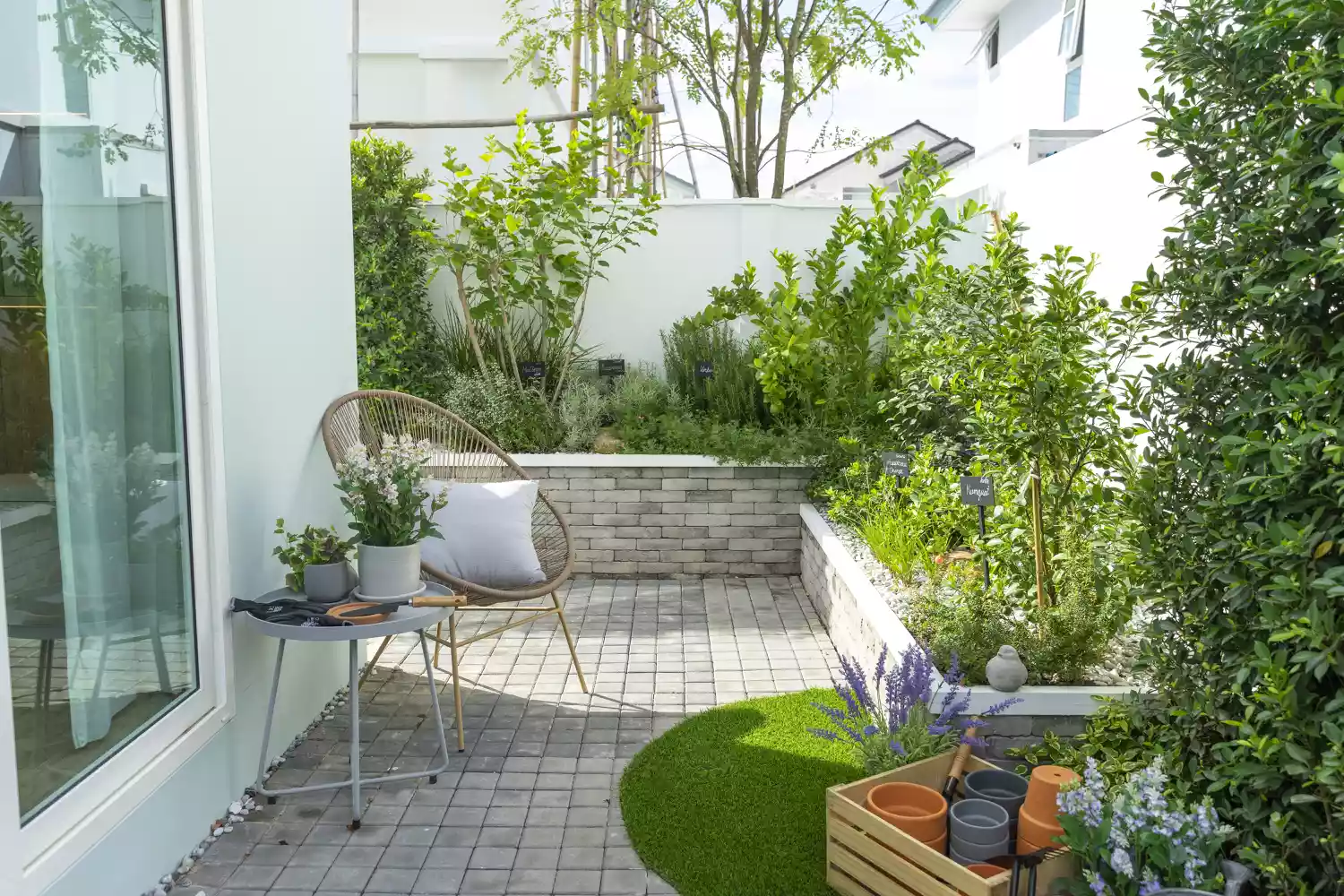
20 Affordable Backyard Lawn Ideas That Skip the Grass (and the Upkeep)
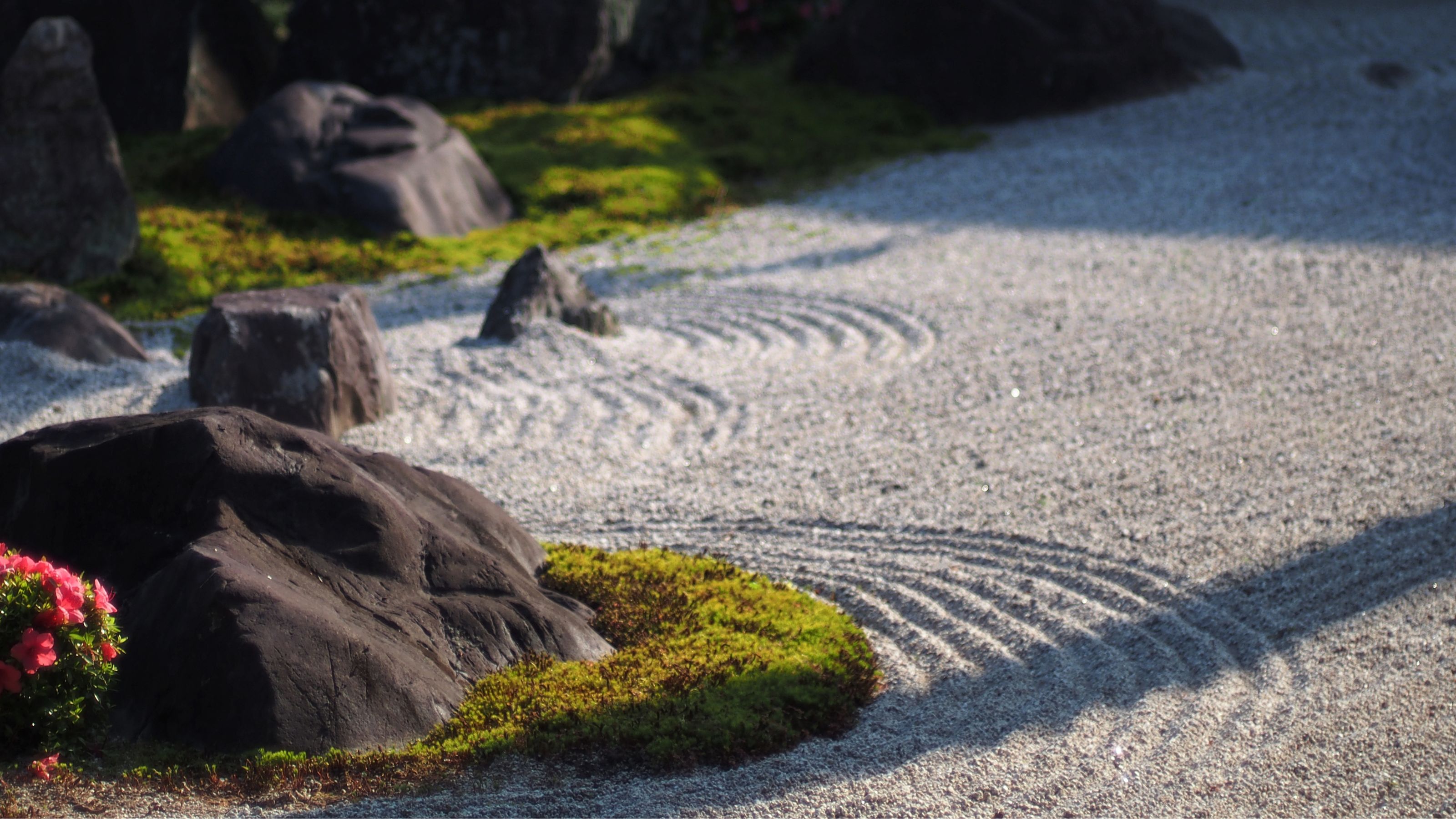
Zen garden ideas on a budget – 5 simple ways to introduce the minimalist concept to your outdoor space

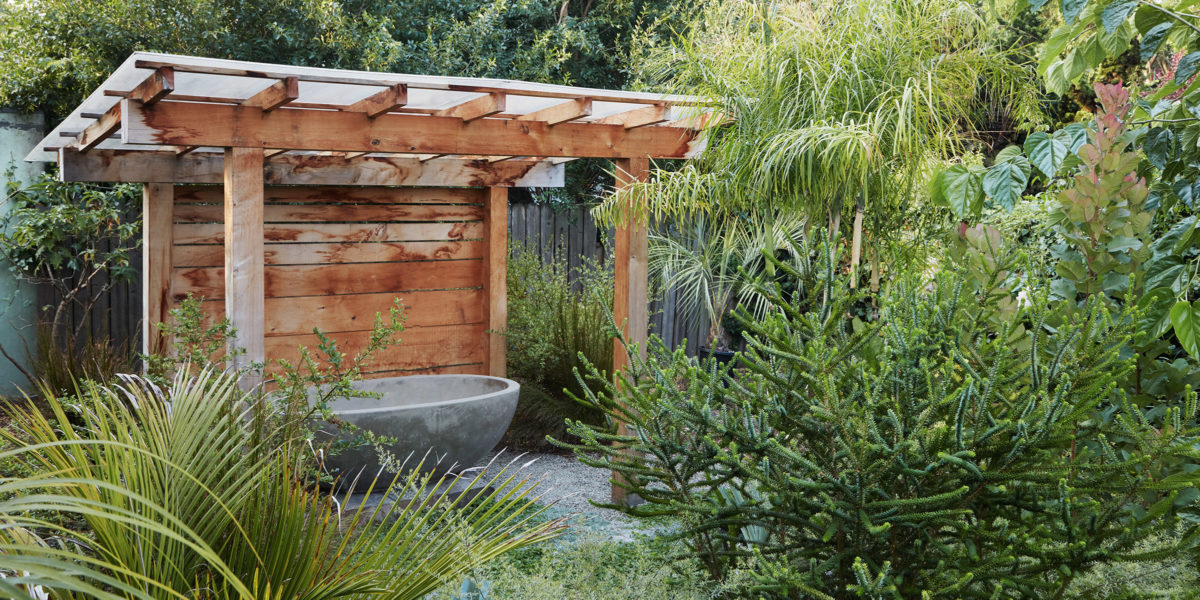
Wait, How Is This Green-on-Green Garden Low Water?

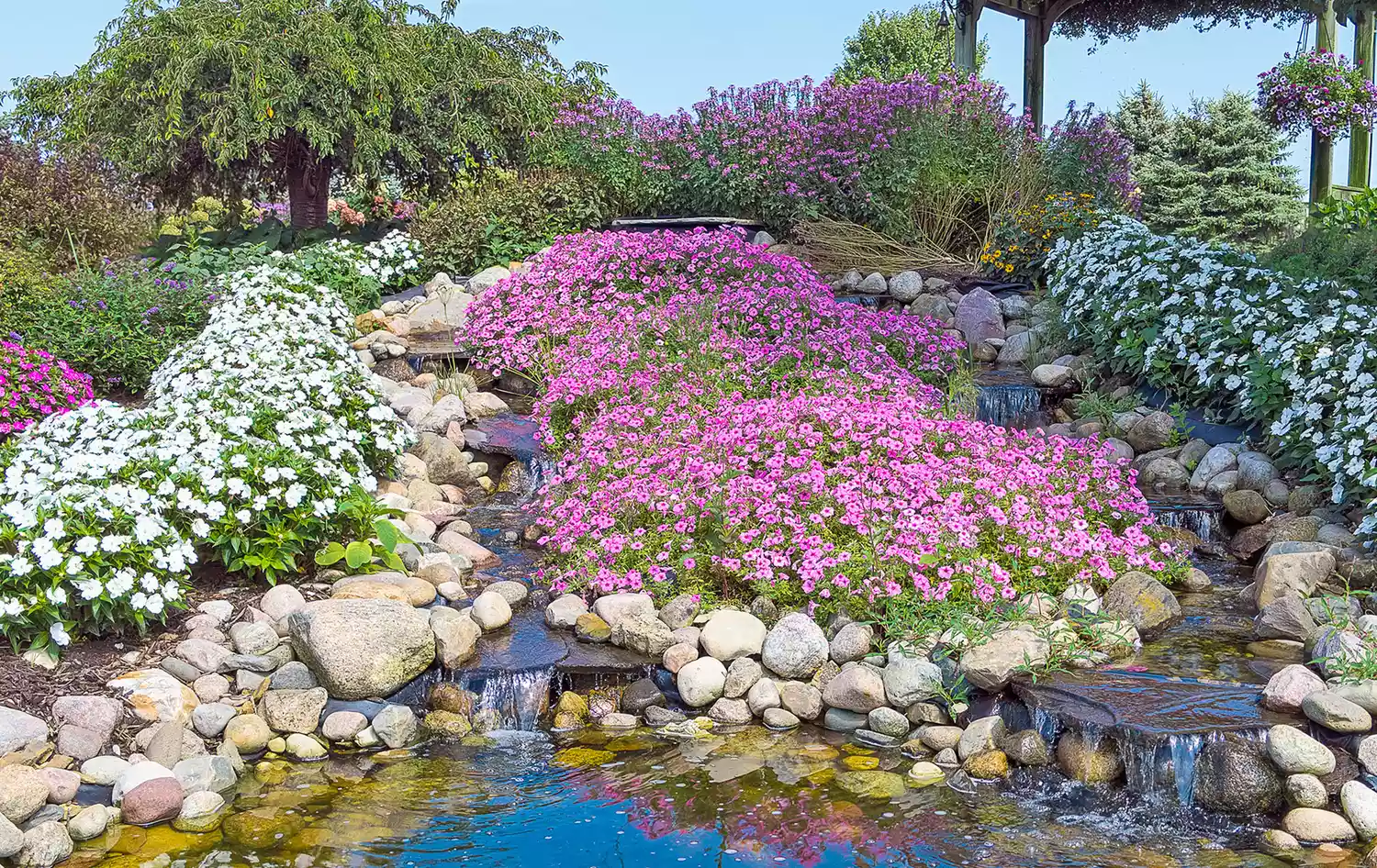
16 Rock Garden Ideas for a Beautiful, Low-Maintenance Landscape

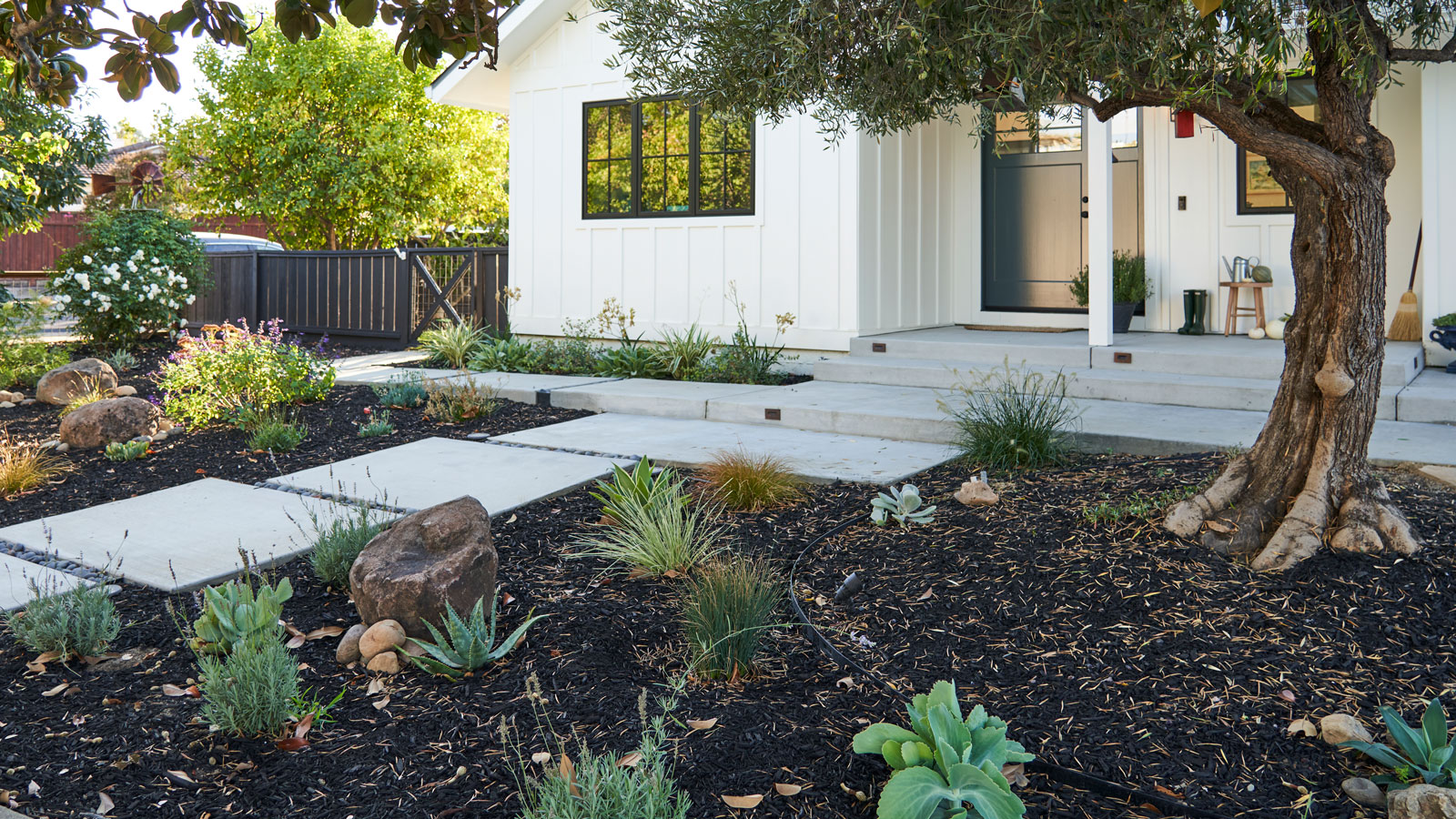
Front yard landscaping with rocks and mulch: 8 expert ideas

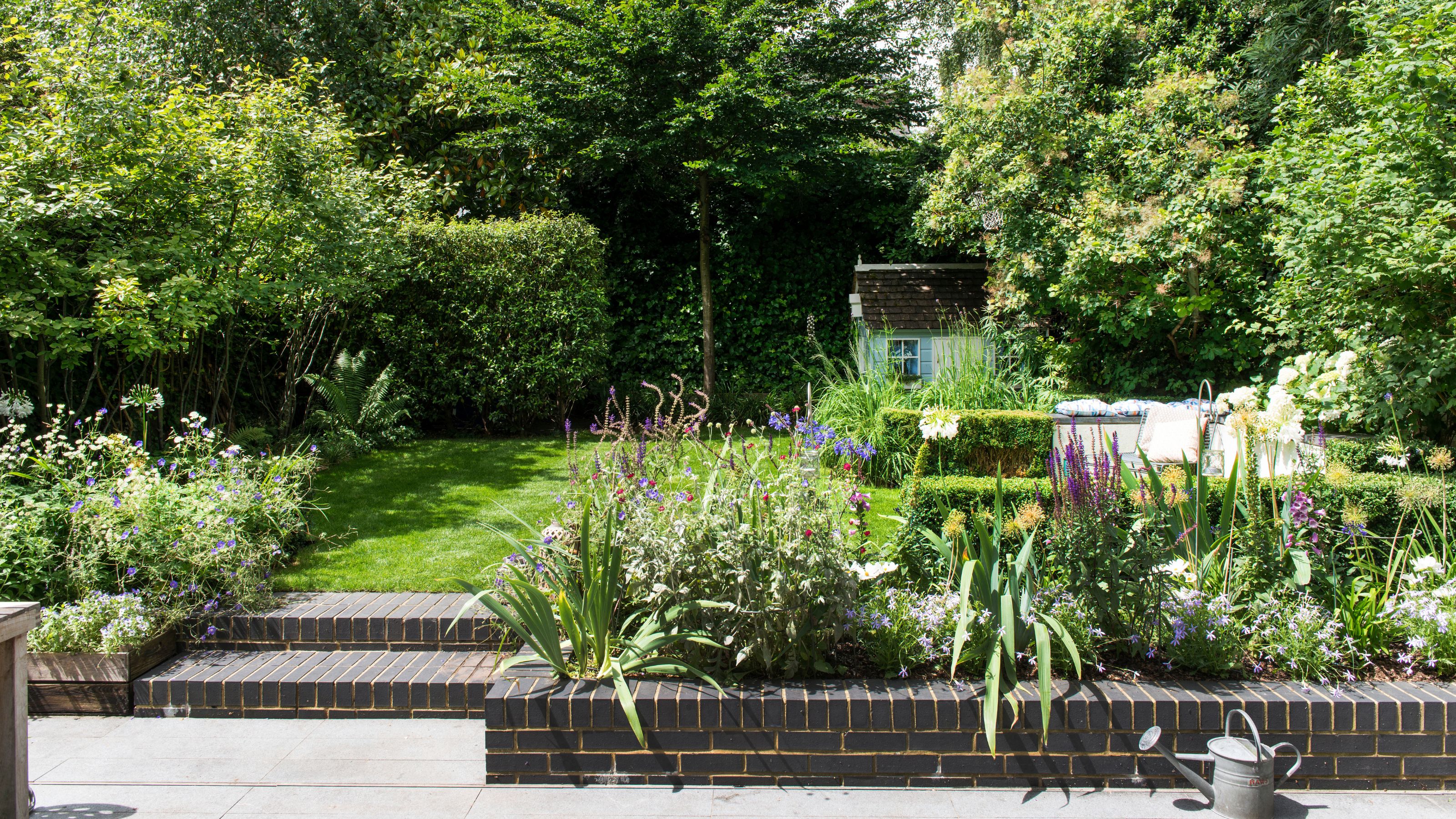
Budget garden ideas – 32 ways to create your dream space without breaking the bank
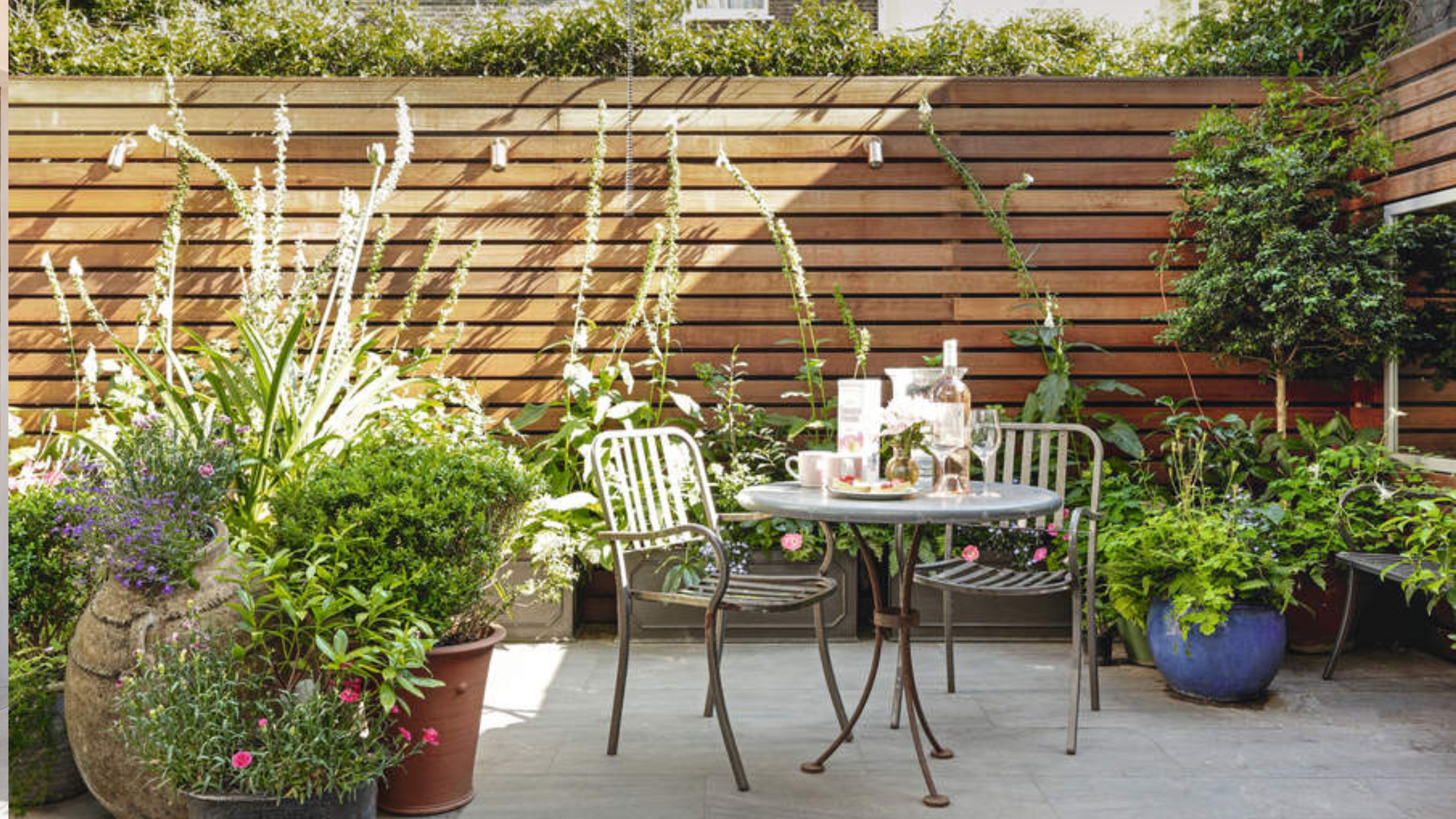
Rented garden ideas – 35 genius ways to revamp on a budget without upsetting your landlord
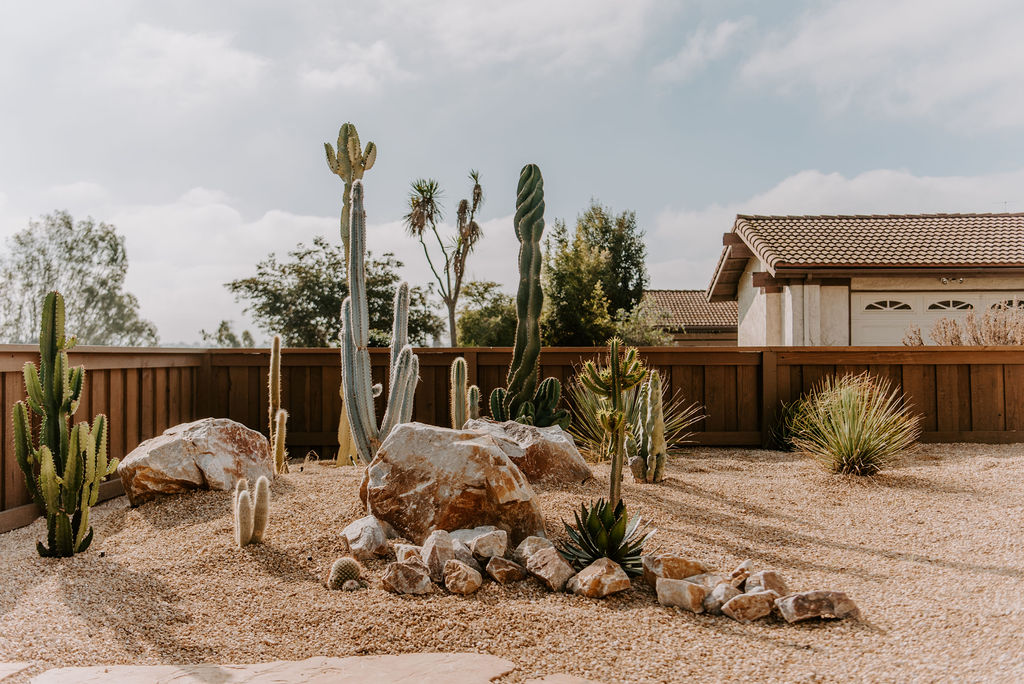
10 gravel landscaping ideas that have me convinced this is the lawn alternative to elevate modern backyards

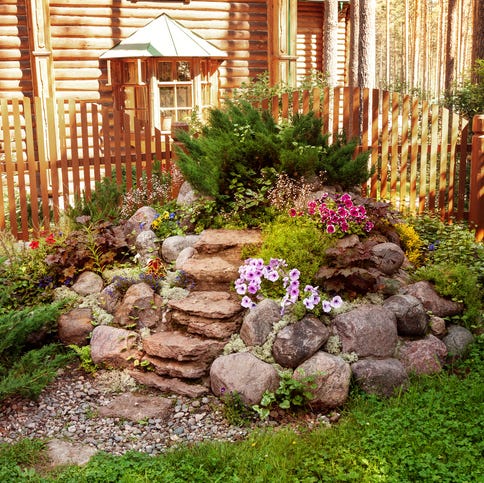
Upgrade Your Backyard with These Creative Rock Garden Ideas

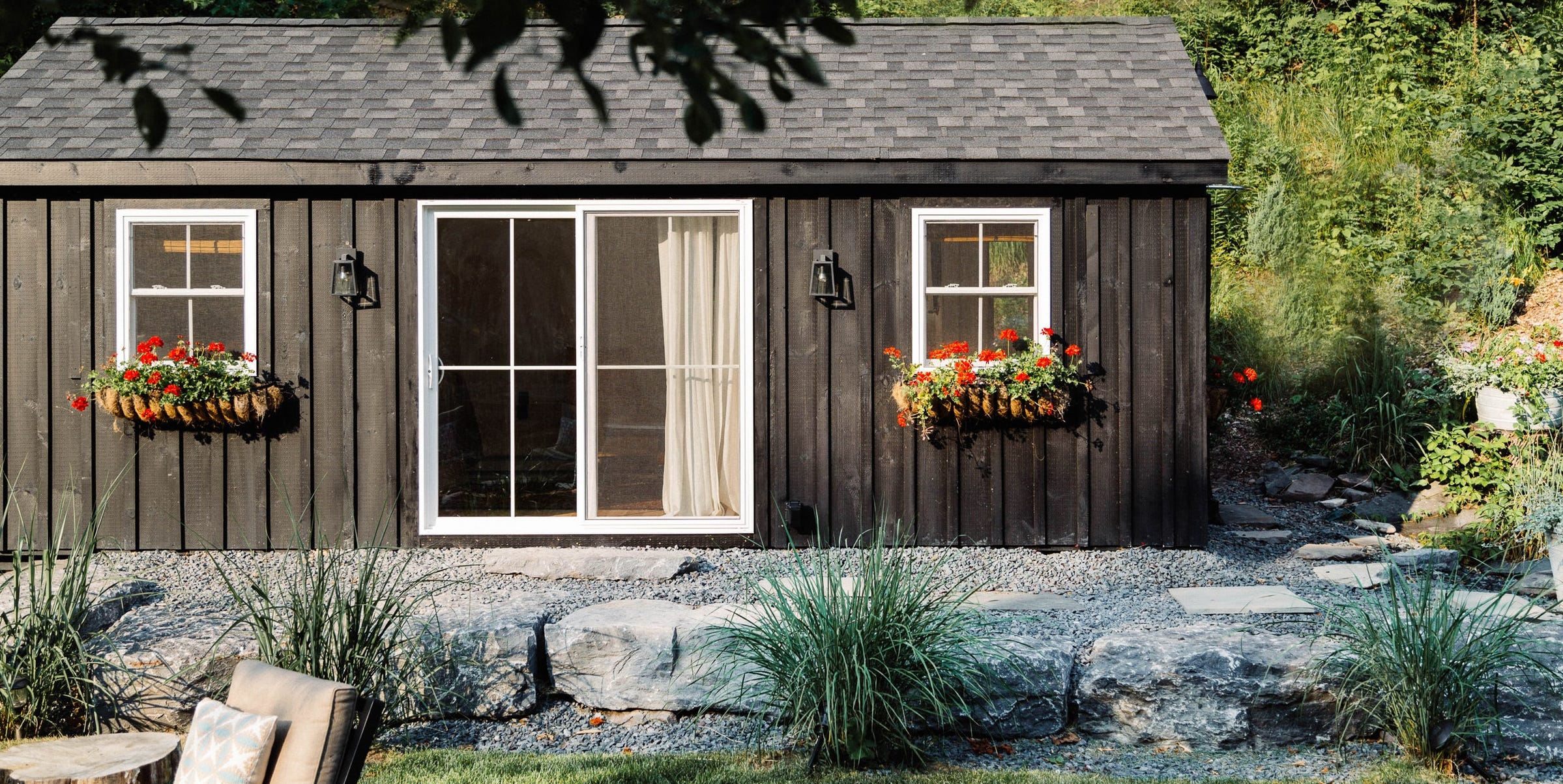
You Have to See These Rock Garden Ideas for Every Type of Landscape
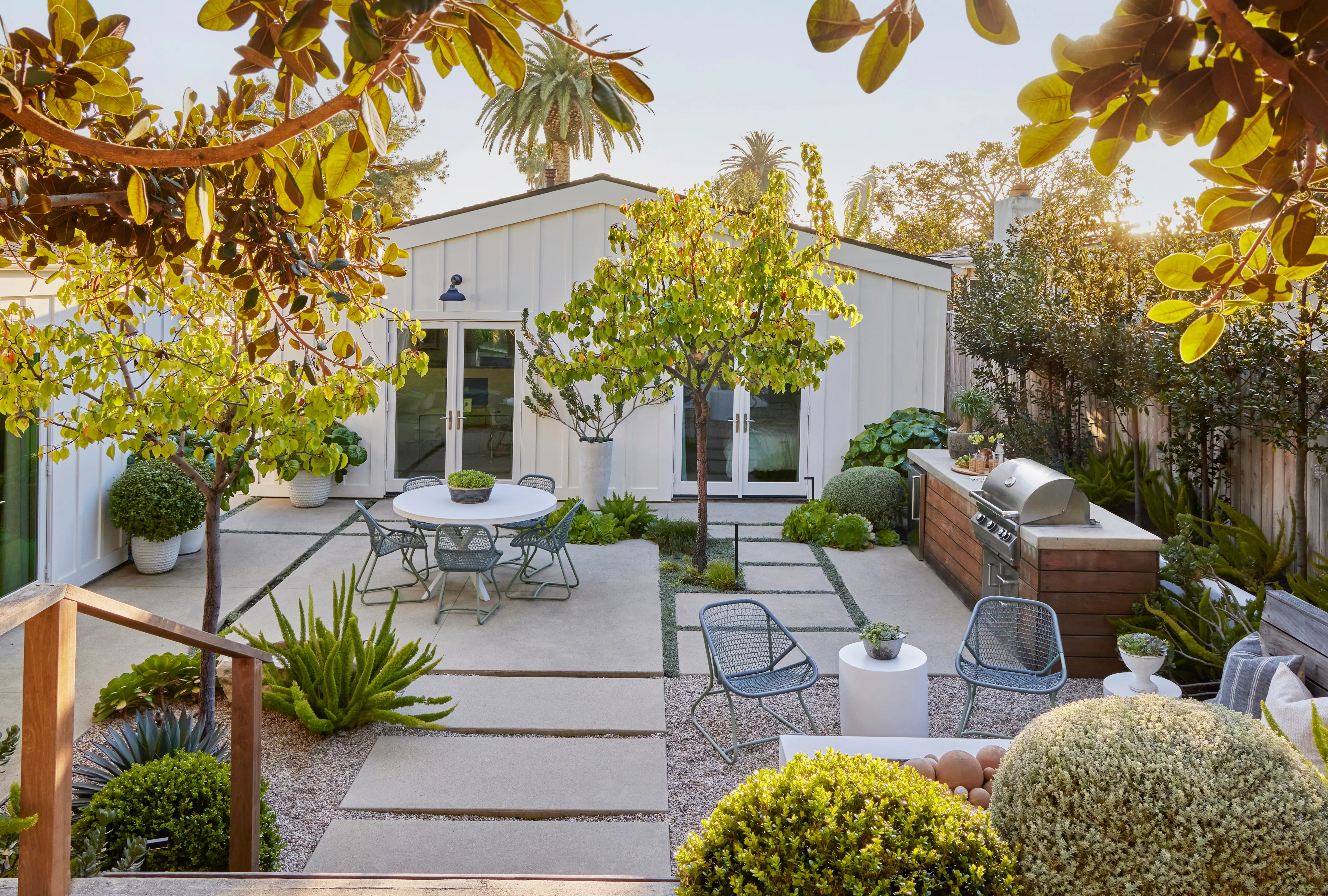
7 Backyard Ideas to Steal from This Stylish, Low-Maintenance Beach House