1/9
Need Reliable and Portable Power? Experts Say These Are Your Best Options.
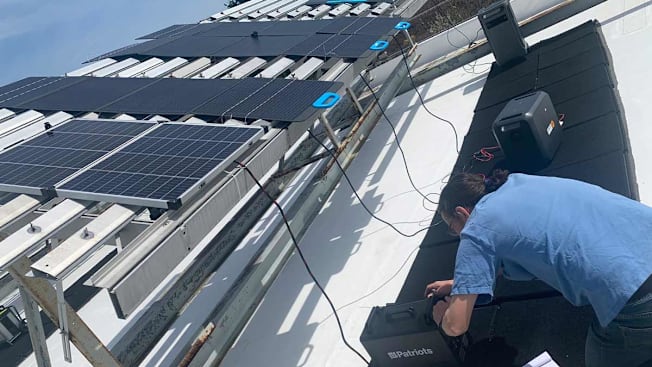
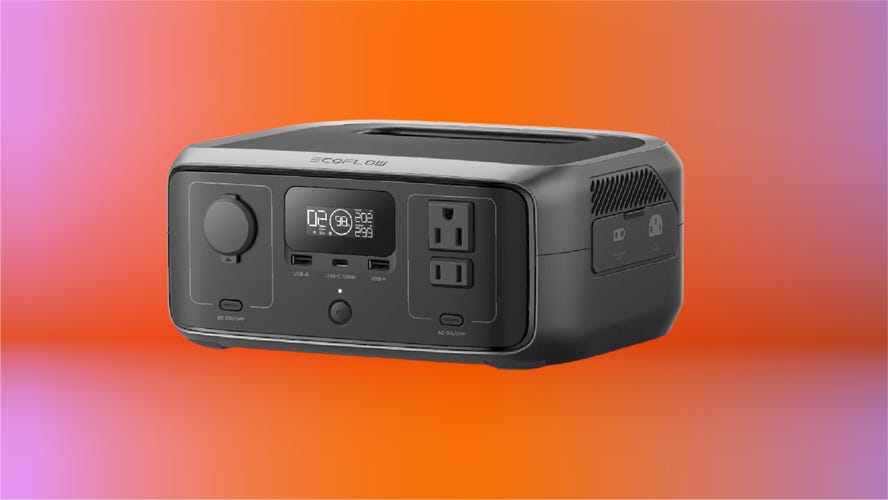
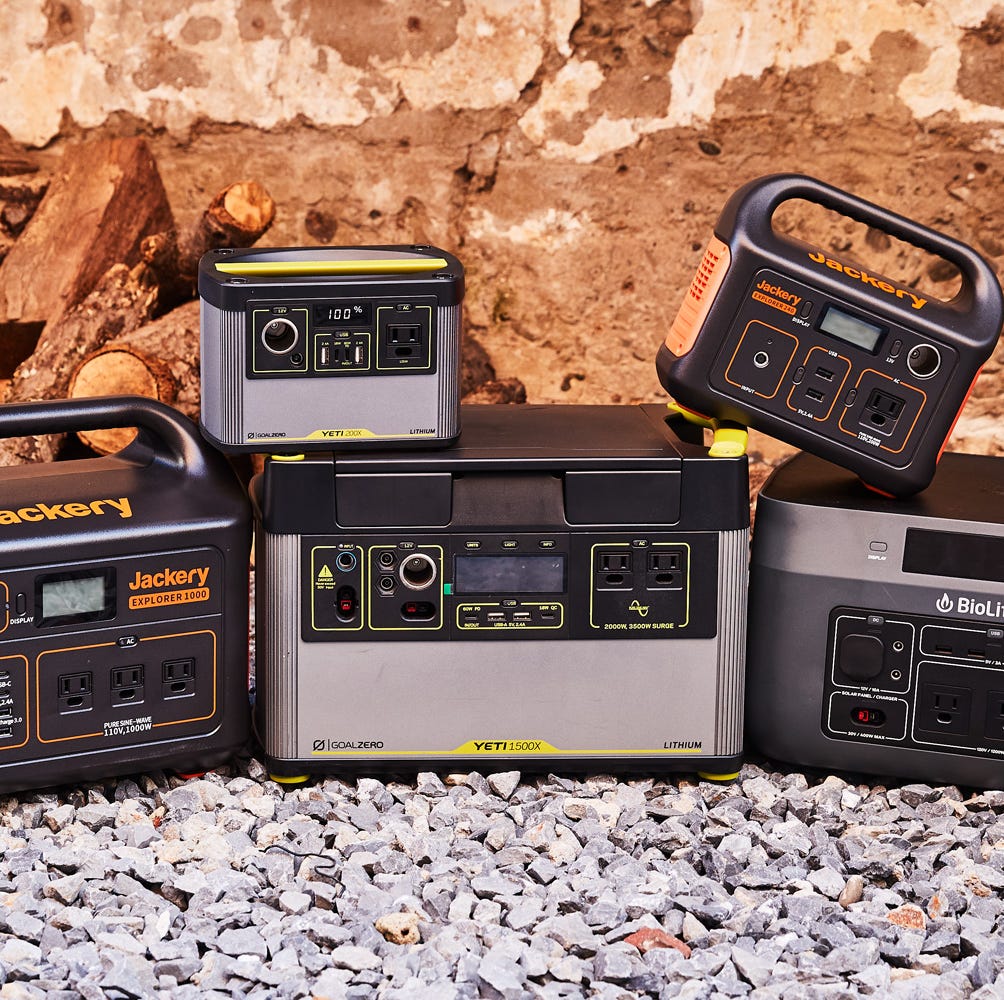
Portable power stations offer a versatile solution for ensuring electricity supply during unexpected power failures, providing off-grid power for recreational vehicles and outdoor activities, or enabling remote work by charging personal electronic devices. These units are essentially large rechargeable lithium-ion battery packs that serve as a quiet, exhaust-free alternative to traditional gas-powered portable generators. They are available in various sizes, ranging from compact models suitable for charging a few devices to high-capacity units designed to maintain lighting and essential appliances during prolonged blackouts. Many models also support recharging via solar panels, enhancing their utility in diverse scenarios.
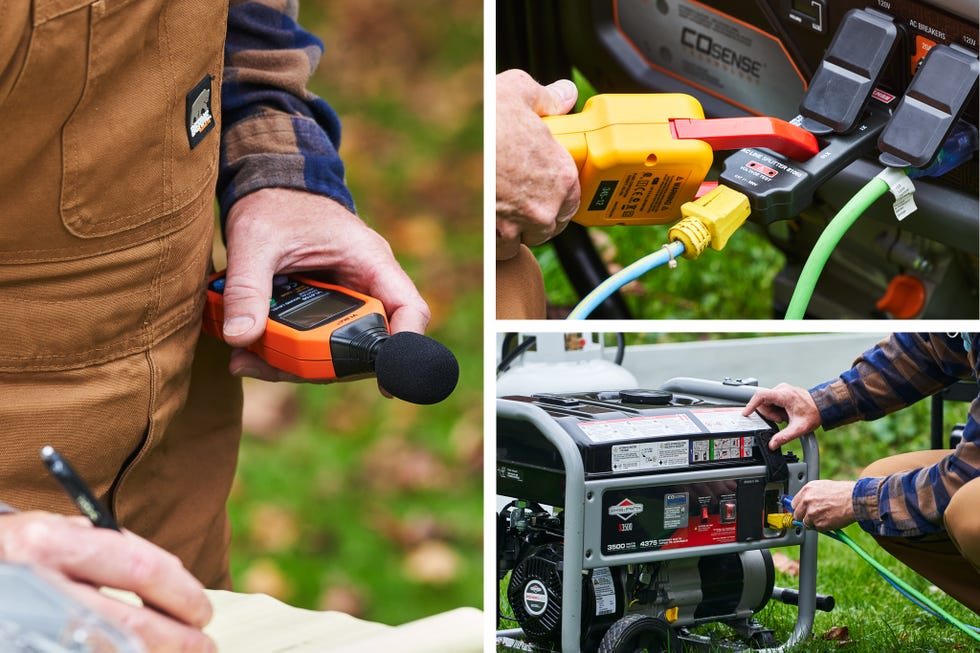
This article provides an in-depth evaluation of seven portable power stations, focusing on key performance metrics such as maximum output, energy capacity, charging time, and portability. The evaluation process involved rigorous testing: maximum output was assessed by connecting multiple electronics and appliances to each station to meet or slightly exceed its listed output, observing its performance under peak load. Capacity was measured using an electricity usage monitor to record total watt-hours produced under a consistent load until depletion. Charging times were meticulously tracked from 0% to 80% and 100% capacity using AC adapters. Portability was evaluated through practical attempts to carry or roll each unit. Additional considerations included the number and power output of input/output ports and available charging options.
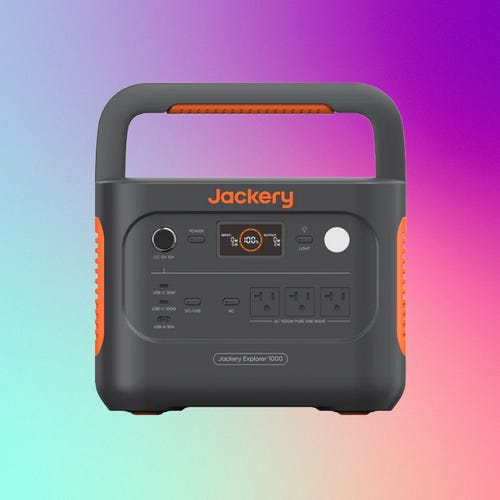
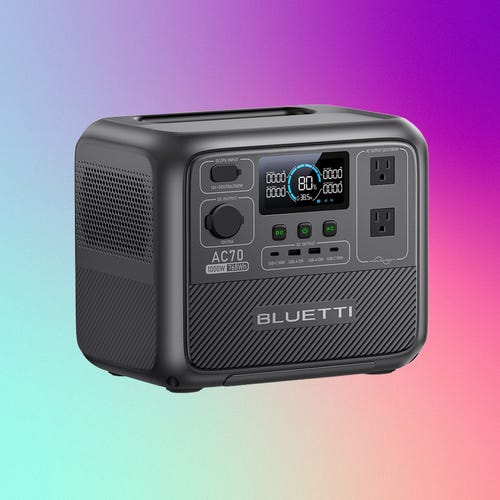
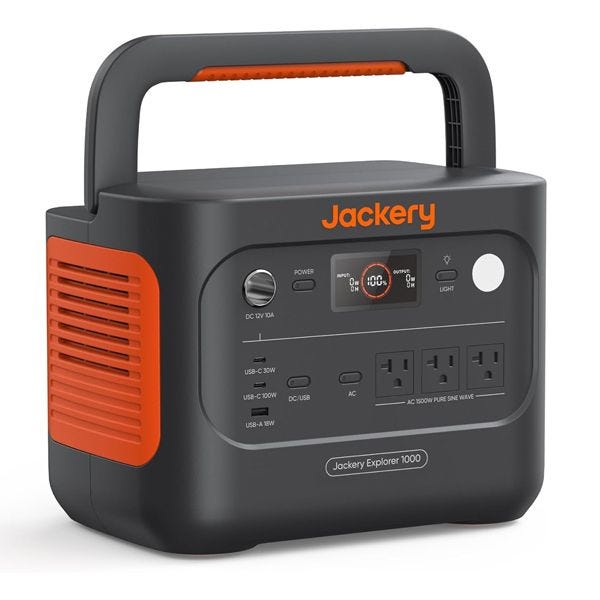
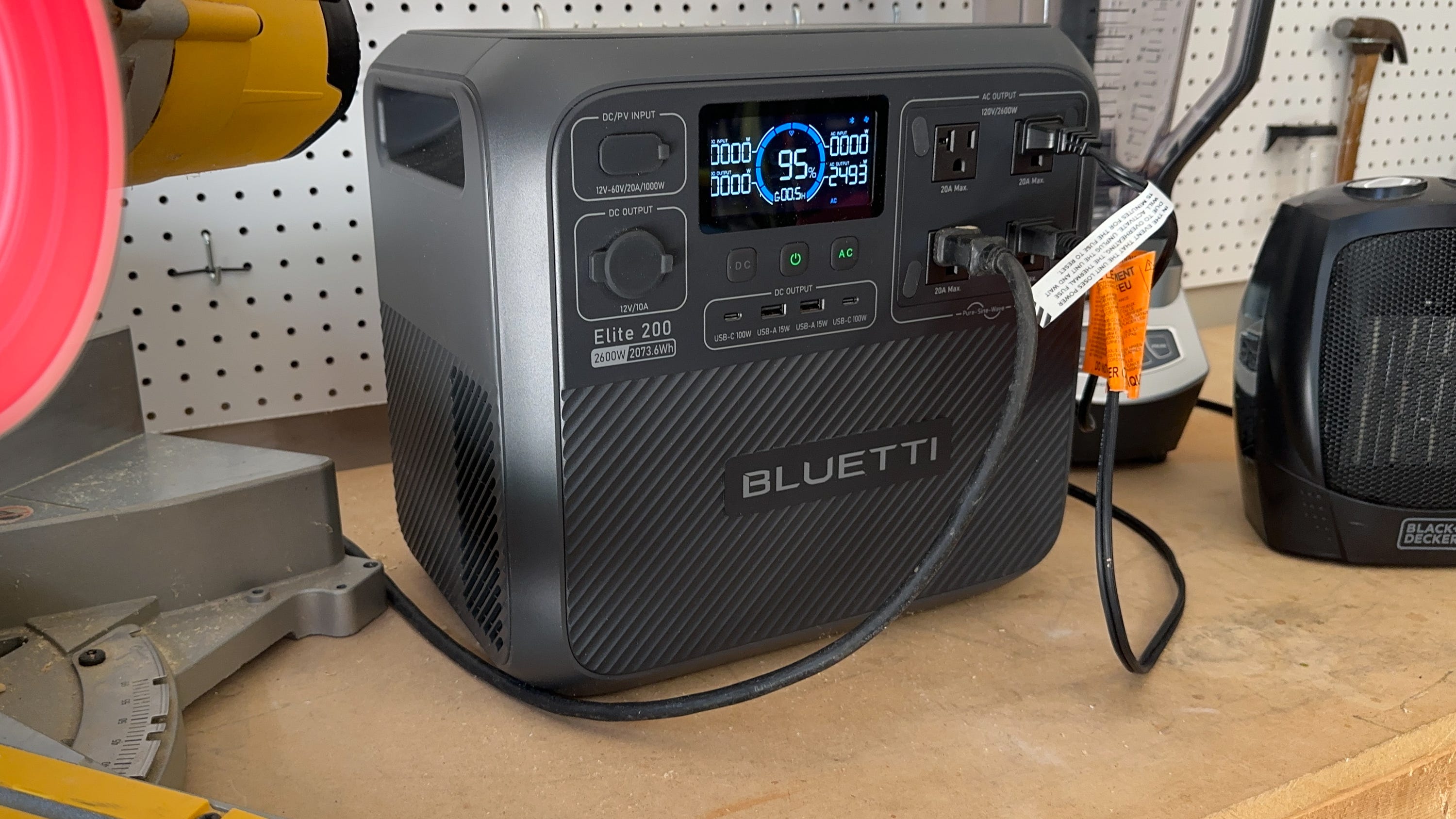
The review highlights several top-performing models across different categories. The Bluetti Elite 200 V2 is recognized as the "Best Overall" for its high capacity (2,073.6 Wh) and impressive 2,600-watt output in a compact, manageable 53-pound design, delivering 92% of its rated watt-hour capacity and boasting a rapid recharge time and a durable LiFePO4 battery with 6,000 life cycles. The Jackery Explorer 300 Plus is designated as the "Best Value" for its balance of power and portability, weighing just over 8 pounds with a 288 Wh capacity and 300-watt output, ideal for camping or remote work, and also featuring a long-lasting LiFePO4 battery.
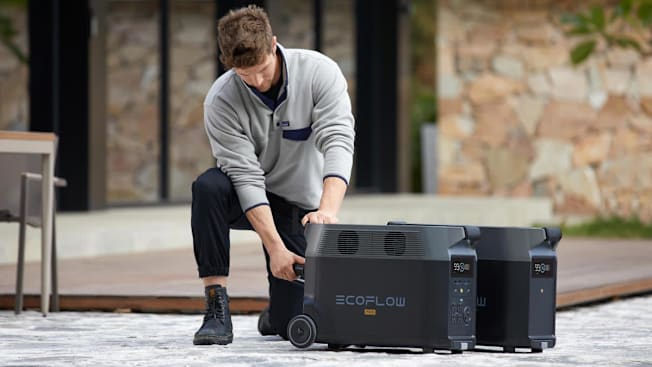
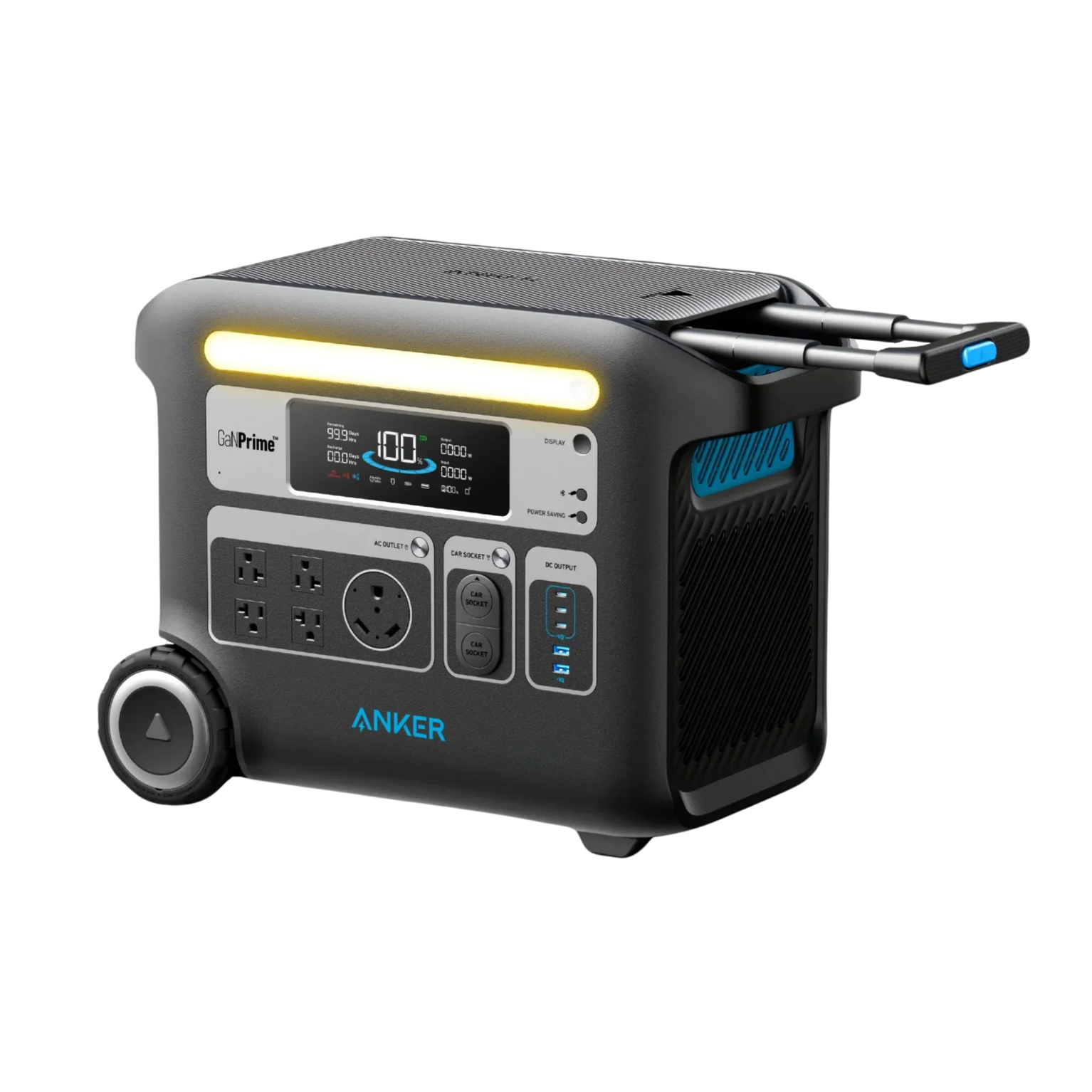
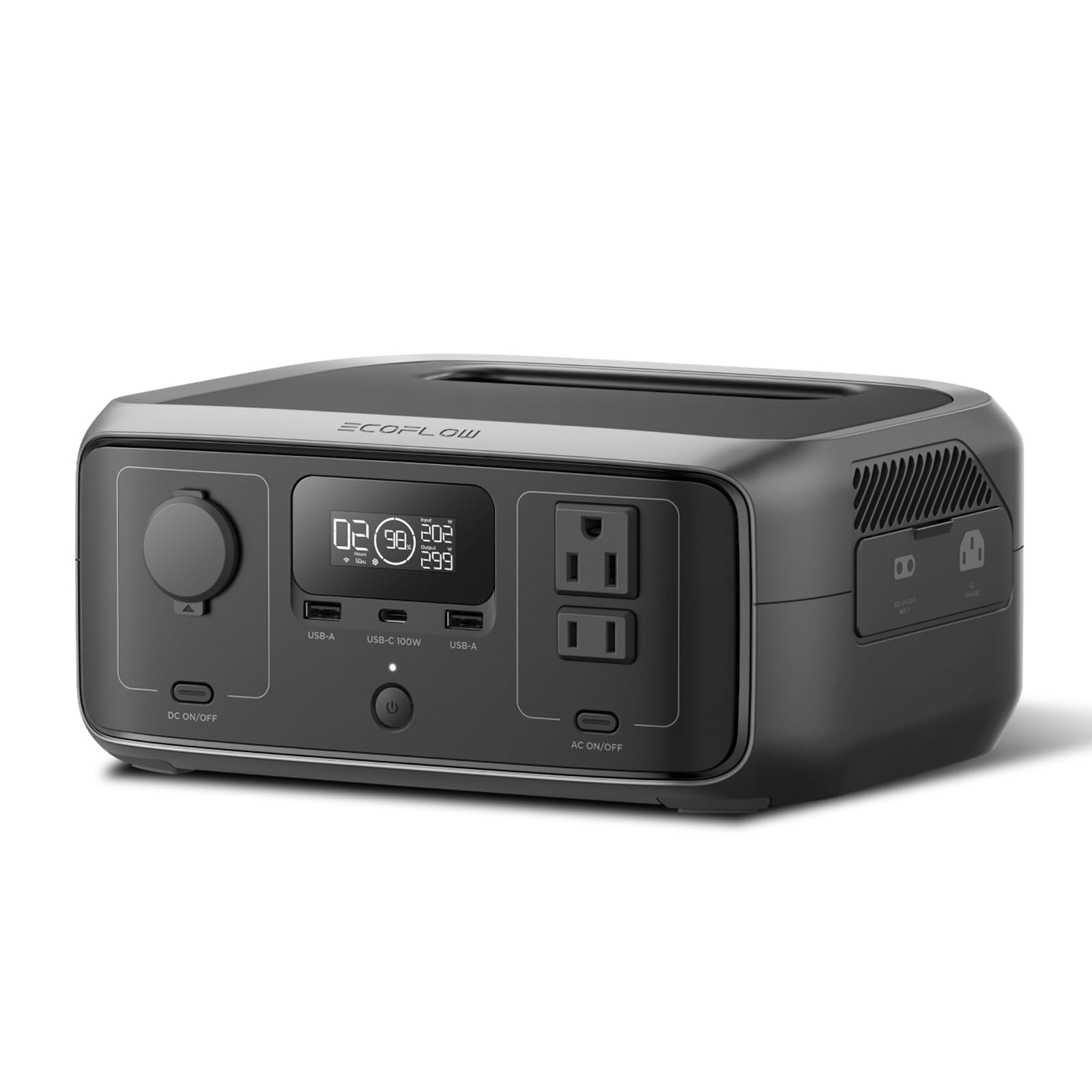
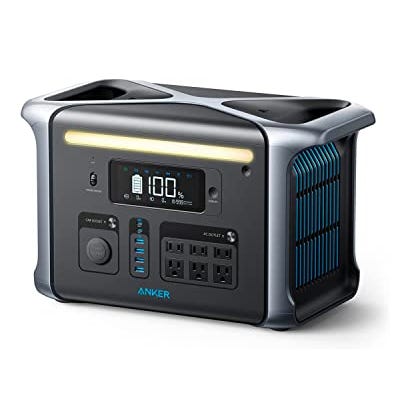
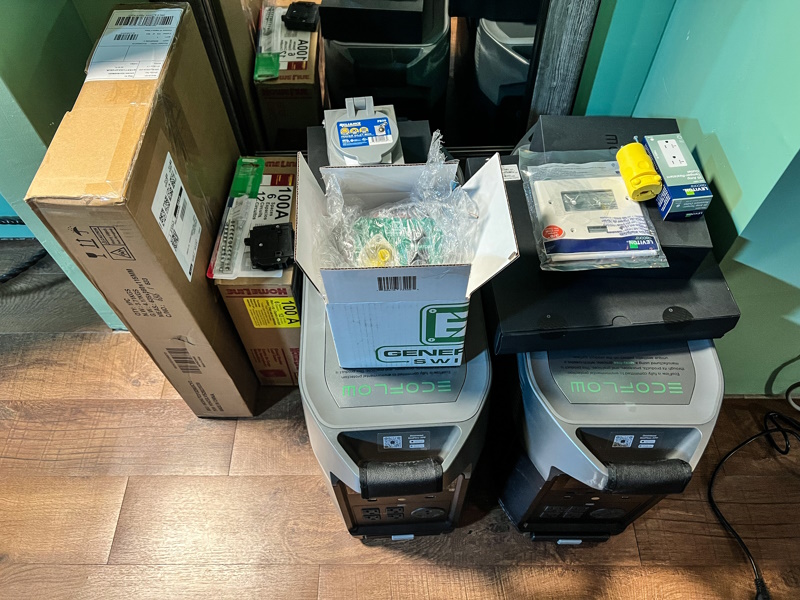
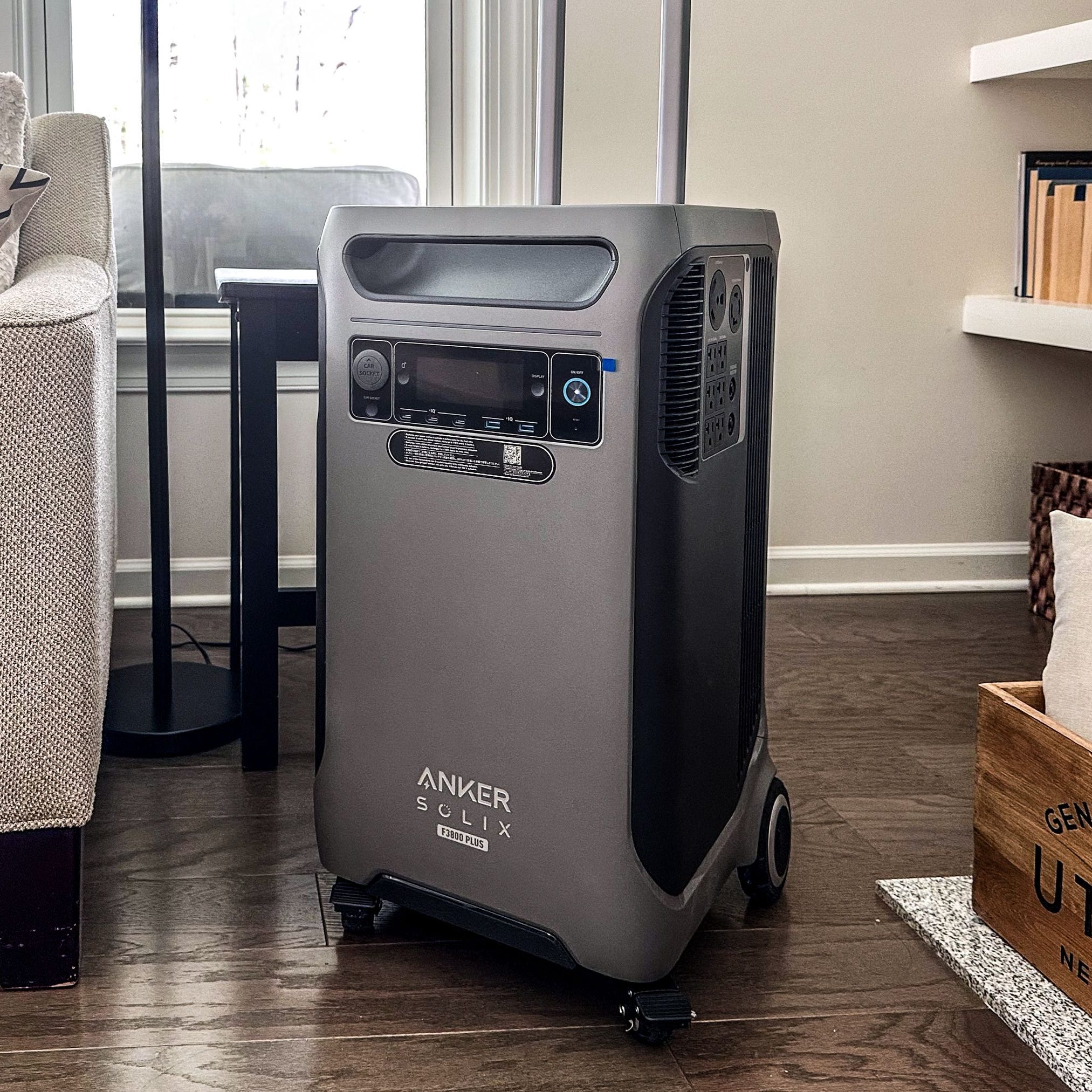
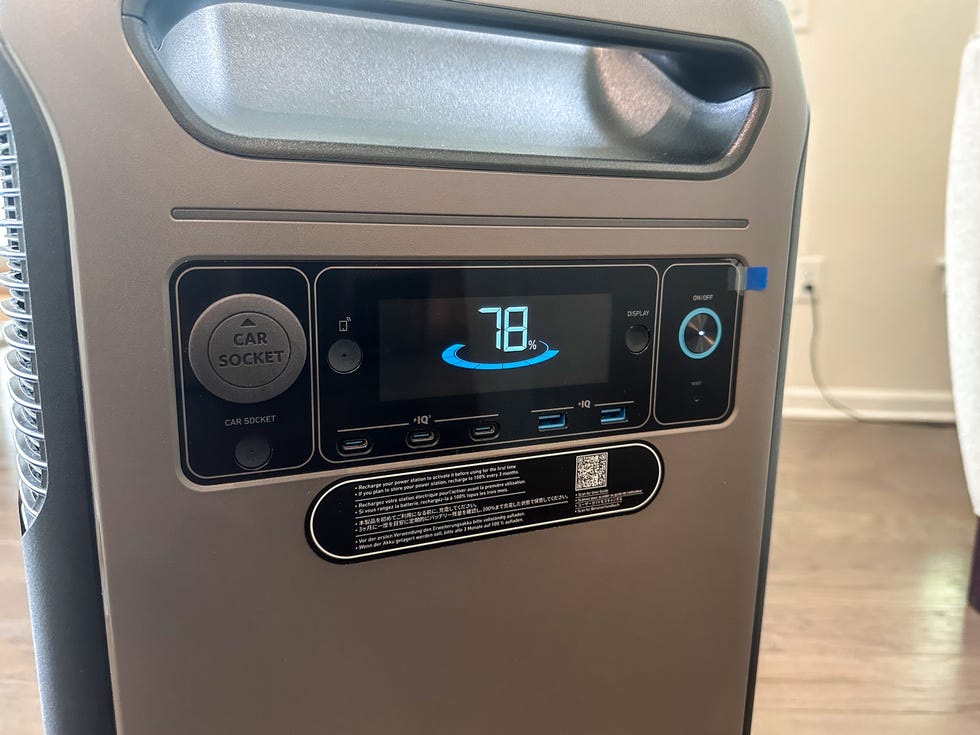
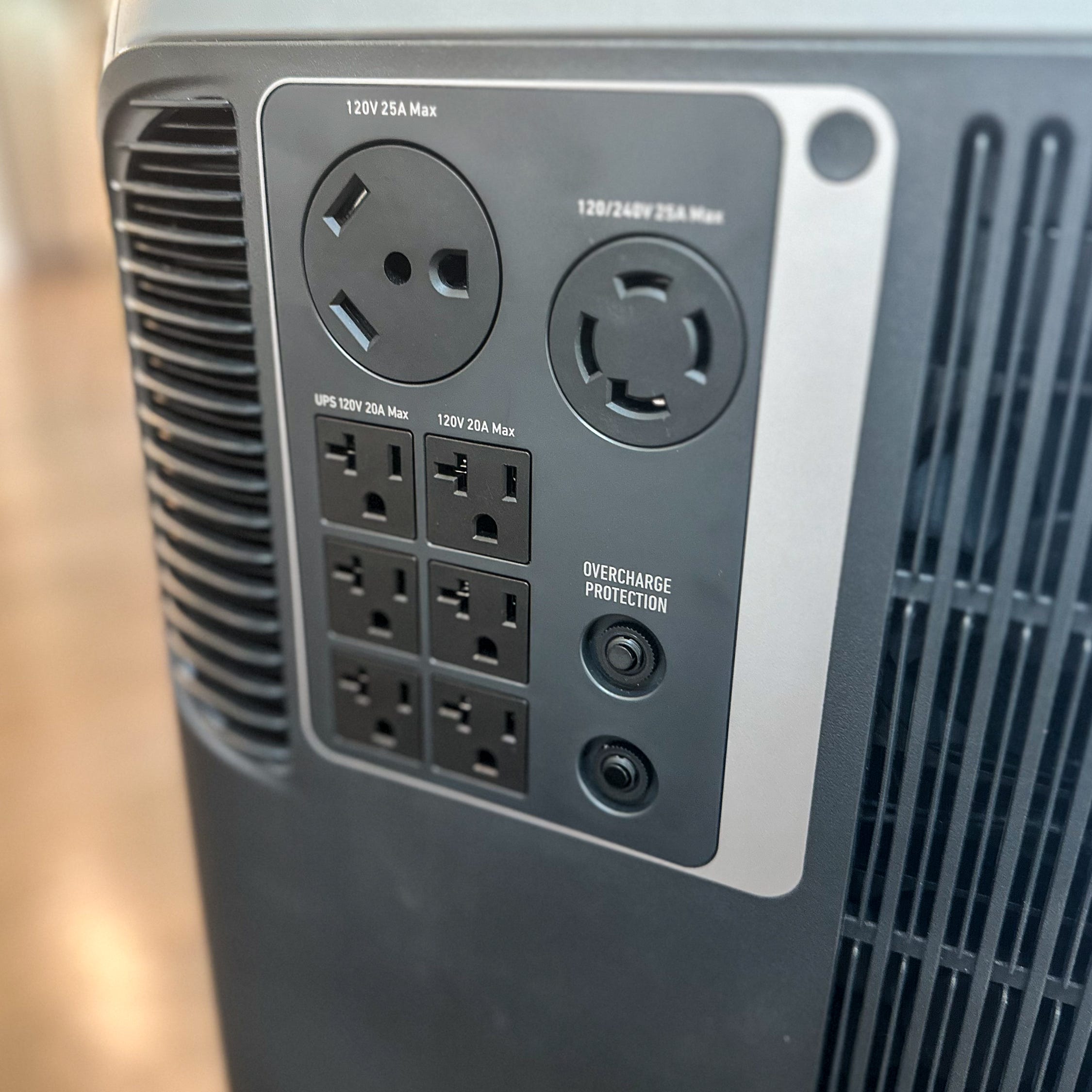
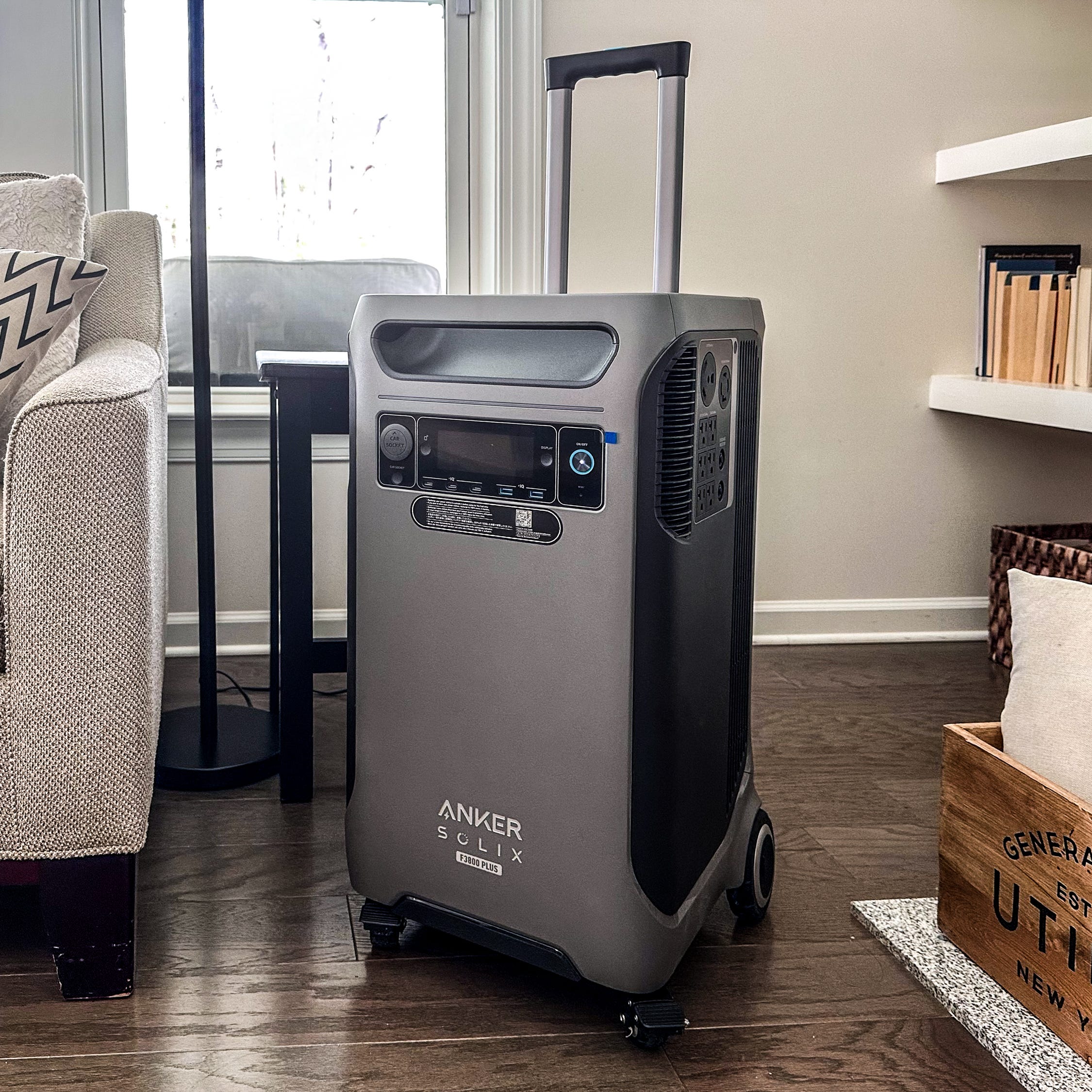
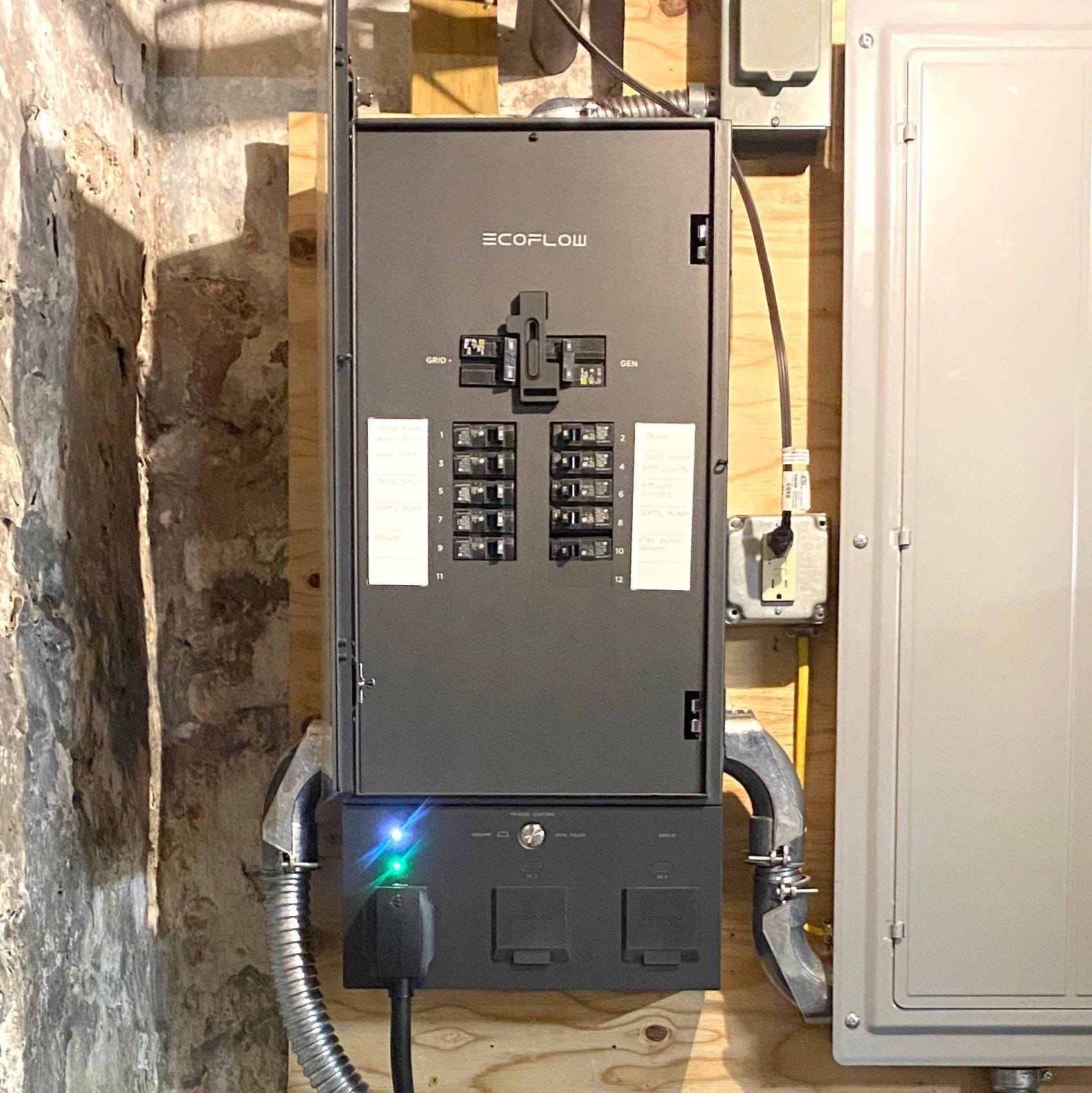
For mid-size needs, the Anker F3800 Plus stands out with a 6,000-watt maximum output and 3,840 Wh capacity, capable of serving as a whole-home backup. Despite its 135-pound weight, its upright wheeled design enhances mobility, and it offers extensive expandability and multiple charging options, including EV charging stations and high-voltage solar panel inputs. The EcoFlow Delta Pro 3 is lauded as the "Best Whole-Home Backup" solution, offering a massive 8,096 Wh capacity (with expansion) and 4,000-watt output (6,000 watts with X-Boost), proving highly efficient at 97% power output and featuring a modular, expandable design. Although heavy at 113 pounds, its wheels and handle aid in relocation, making it suitable for larger backup needs.
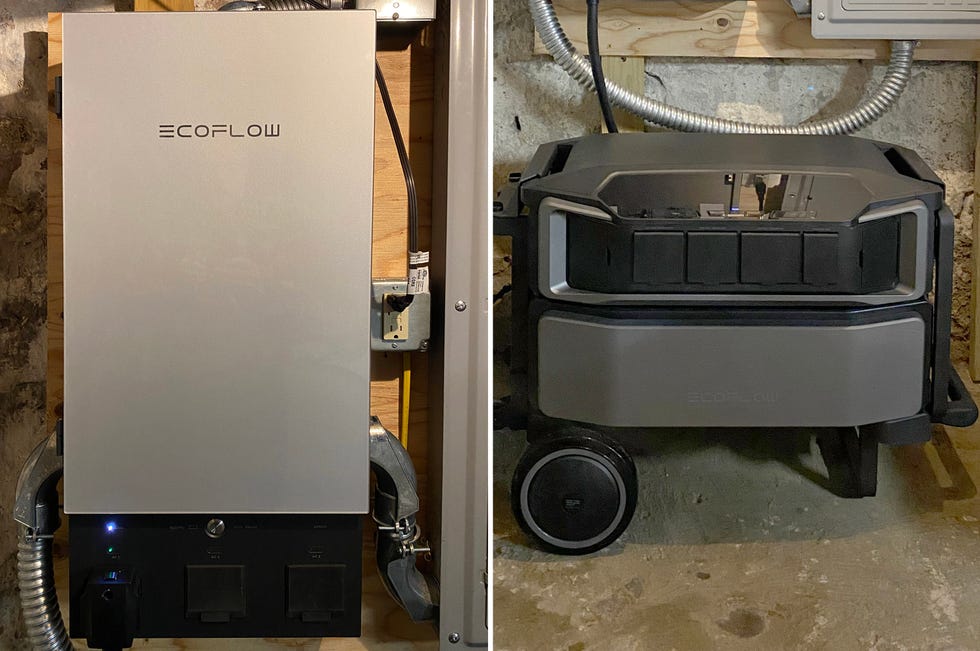
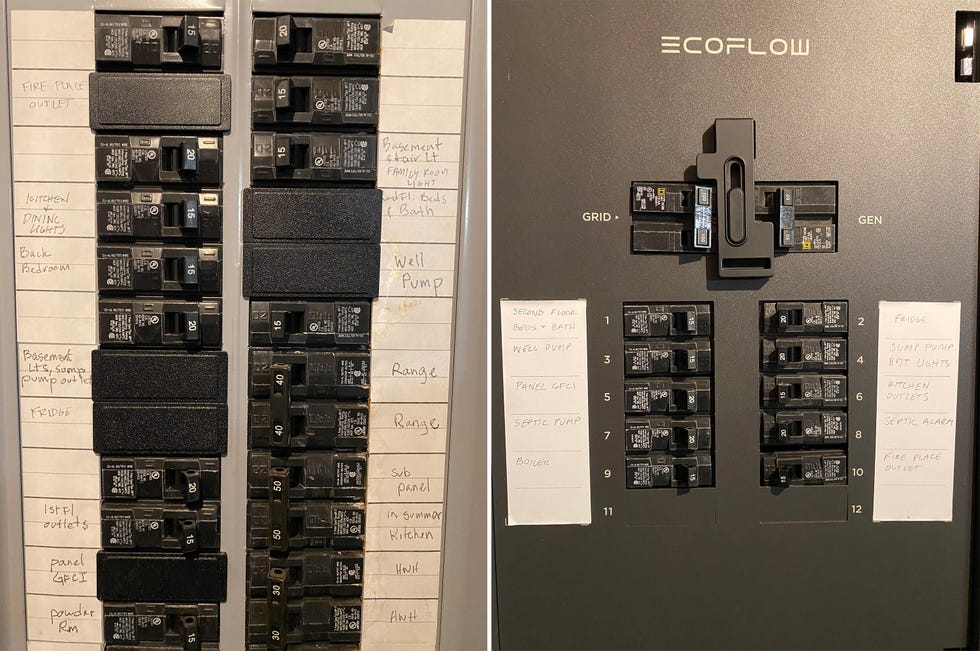
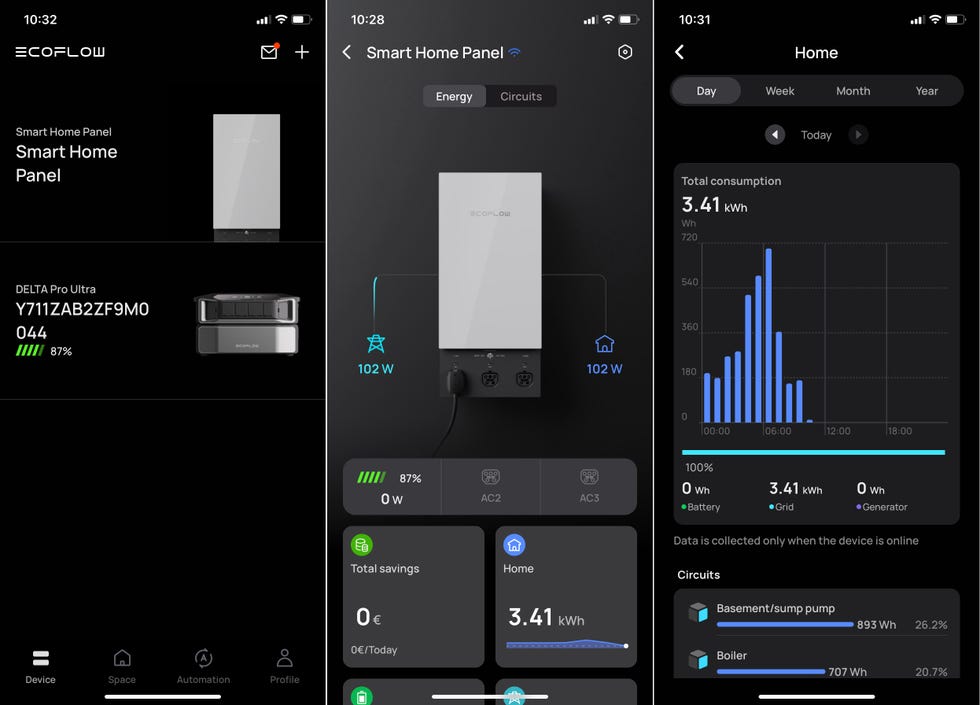
The Anker Solix C300 DC Portable Power Station is recommended as the "Best for Remote Work" due to its compact size, lightweight design (6.2 lbs), and excellent 300-watt output with 288 Wh capacity, featuring high-wattage USB-C ports for fast charging laptops and smartphones, despite lacking AC output. Lastly, the EcoFlow Delta Pro (original) is recognized as the "Best Large Portable" unit, offering substantial power (3,600 watts/4,500 with X-Boost) and 3,600 Wh capacity, capable of running nearly any appliance and featuring multiple recharging options and a comprehensive mobile app for monitoring and control. This model, despite its 99-pound weight, provides significant value, especially when used in a whole-home backup kit setup, demonstrating prolonged charge retention and safe indoor operation compared to gas generators.
Key considerations when choosing a portable power station include maximum output (to match appliance wattage), capacity (measured in watt-hours for runtime), battery type (LiFePO4 for longevity), portability (varying with capacity), types of output ports (USB, AC, RV), smart features (app control, UPS functionality), and noise levels from cooling fans. The article also addresses common FAQs, discussing the lifespan of LiFePO4 batteries (3,000+ cycles or 10 years), solar recharging times (dependent on capacity, panel wattage, and weather), and weather resistance (checking for IP ratings).
#PortablePowerStations #PowerOutageBackup #OffGridLiving #EmergencyPreparedness #RemoteWorkSolutions #SolarCharging #LiFePO4Battery #HomeBackup #ProductReview #PortablePowerStations #PowerOutageBackup #OffGridLiving #EmergencyPreparedness #RemoteWorkSolutions #SolarCharging #LiFePO4Battery #HomeBackup #ProductReview
0 comment in total
 No comments yet
You may also like

Best Portable Power Stations
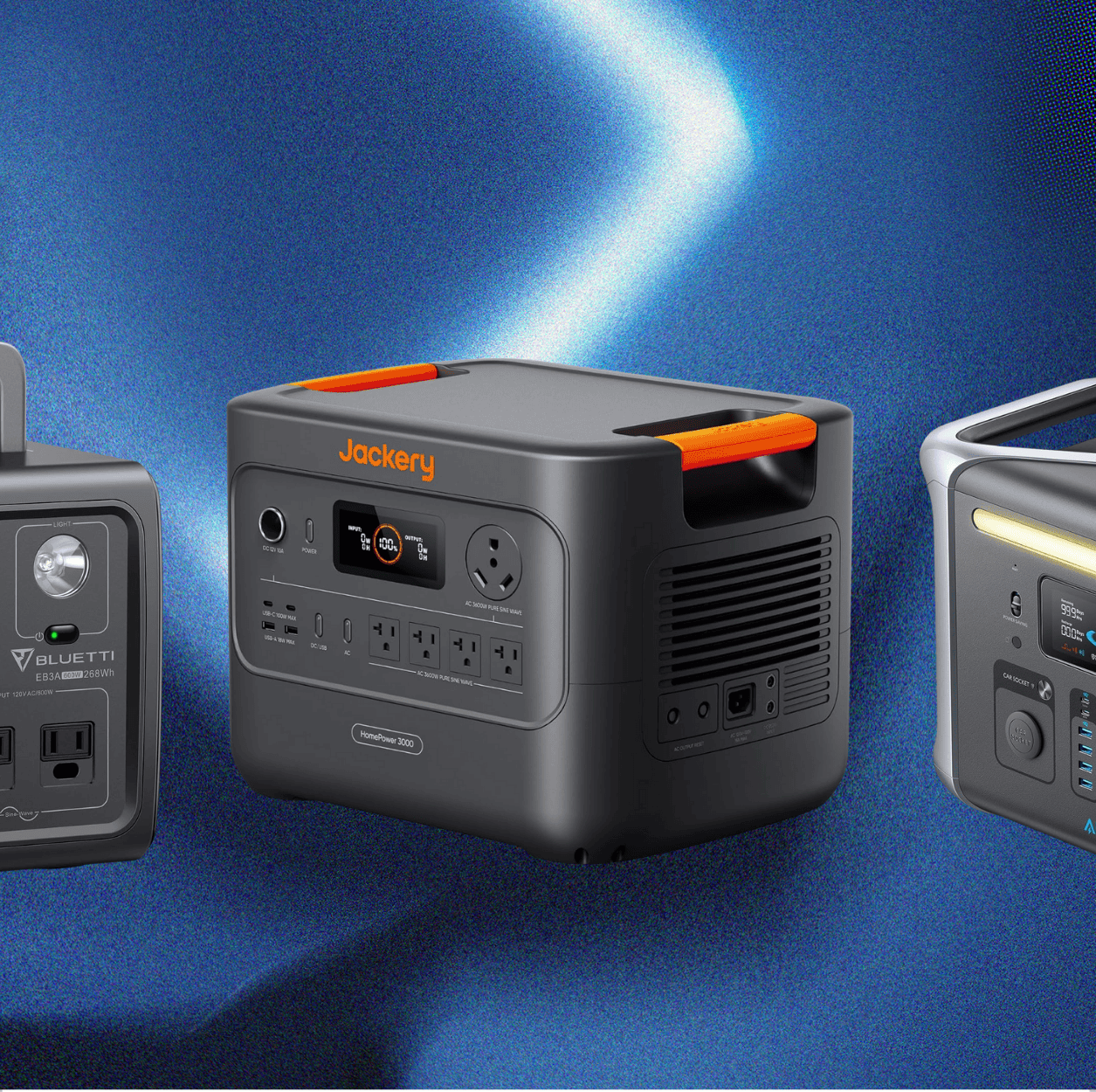
The Best Solar-Powered Generators We've Tested for Storm Prep and Beyond


The 4 Best Wall Outlets With USB Charging Ports of 2025 | Reviews by Wirecutter
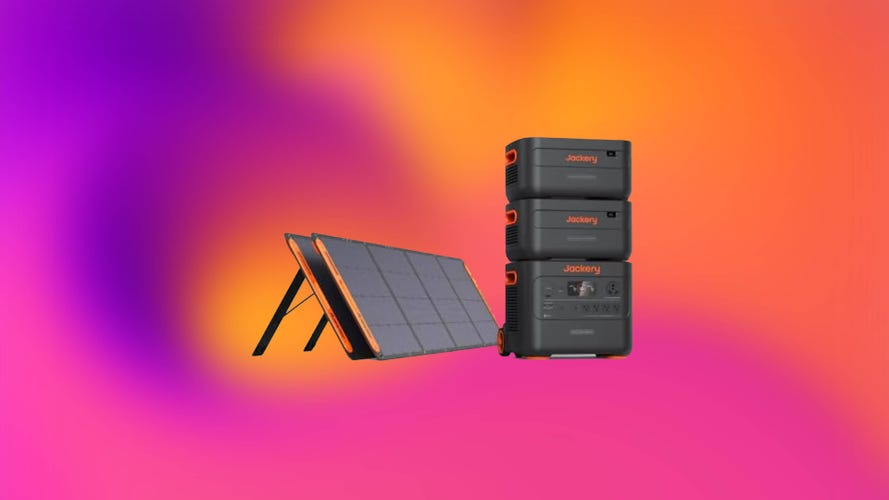
Best Tested Portable Power Stations in 2025: These Portable Power Stations Can Charge Almost Anything

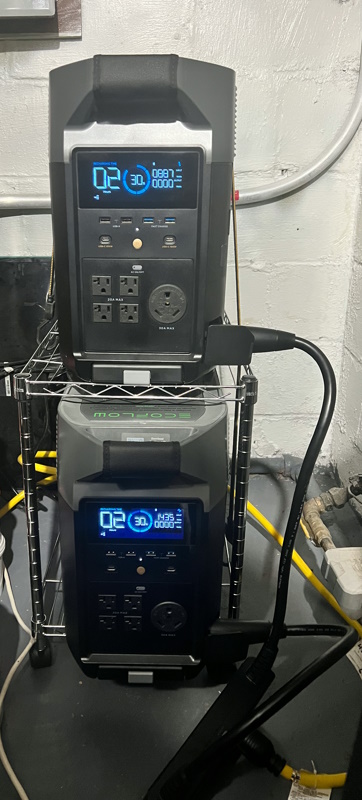
EcoFlow Whole Home Backup Power Solution review – The ultimate off-grid solution


Best Whole-House Generators
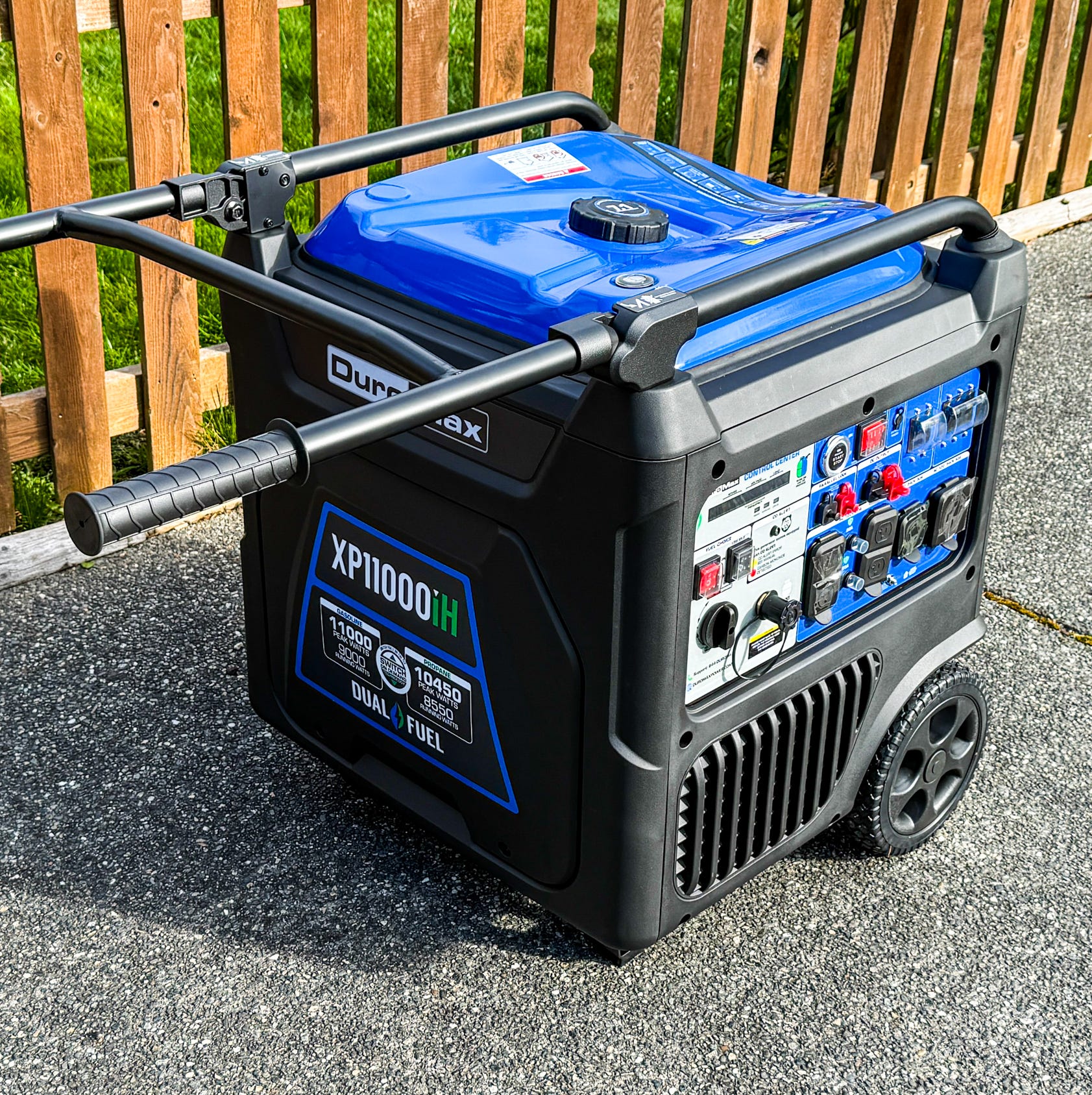
The Best Home Generators Are a Big Investment. These Models Deliver Reliable Power During an Outage.
Winter Power Backup Guide: How to Choose the Best Home Battery System for Your Family Size
Franklin Home Power Battery Review: Not the Cheapest, but It Gets the Job Done
RoyPow All-in-One Residential Energy Storage System
Anker Solix F3800 Plus Power Station Review: Finally, an Electric Home Backup Solution We Love

Top 4 Best Solar Batteries (2025 Costs & Reviews)

These Reliable Solar Generators Got Your Back(up) During Outages or Off-Grid Adventures
Be Prepared for an Electrical Outage by Installing a Power Station