1/8
Sleep tight: A curious history of beds through the centuries
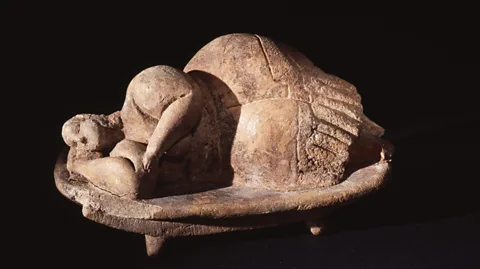
The article traces the historical evolution of beds, highlighting their diverse forms and functions across various cultures and eras. It begins by examining some of the earliest known bed structures, such as those found in Skara Brae, Orkney, dating back approximately 4,500 years. These prehistoric beds, made from stone slabs, reveal a foundational human need for designated sleeping spaces, even featuring basic elements like headboards and raised sides. The article notes that early sleeping arrangements likely involved carefully layered foliage before the advent of framed beds, which emerged around 5,000 years ago, coinciding with other significant technological advancements like writing. These initial bed frames often carried symbolic meanings, sometimes linked to the afterlife, as evidenced by a clay figurine from Malta depicting a woman slumbering on a raised platform.
The narrative then shifts to Ancient Egypt, where beds for elites, including those found in Tutankhamun's tomb, consisted of wooden frames with woven bases. Instead of soft pillows, ancient Egyptians often used rigid headrests, a practice that likely improved air circulation in hot climates and protected elaborate hairstyles. This design also served a practical purpose by minimizing infestations from lice or fleas, which were common in soft bedding.
Moving to Ancient Rome, the article illustrates how bed types varied significantly with social status. While slaves might have slept on mats or the bare ground, affluent Romans enjoyed a wide array of specialized beds. These included the *lectus lucubratorius* for studying, the *lectus genialis* for newlyweds, the *lectus tricliniaris* for communal dining, and the *lectus cubicularis* for sleeping. Roman beds were typically raised platforms, often made of metal, topped with thin mattresses.
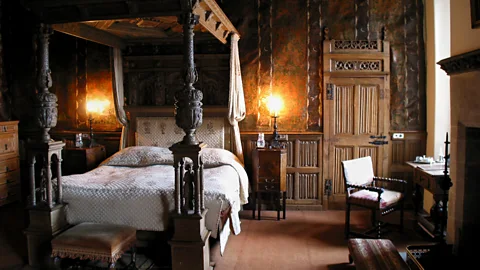
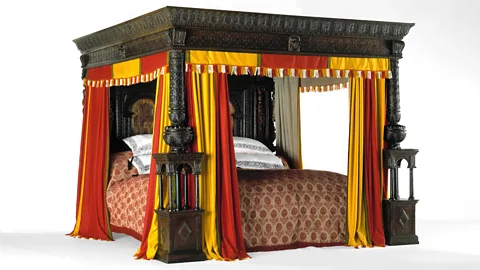
By the 17th century, European beds had diversified further, encompassing box beds, rope-strung beds (which may have inspired the idiom "sleep tight"), and grand four-poster beds. A key development was the "tick mattress," large sacks filled with materials like feathers or straw. The quality of these mattresses varied greatly depending on their filling, as noted by historical accounts of discomfort from leaf-stuffed beds. Despite regular airing, these mattresses were prone to infestations, a problem exacerbated by the common practice of communal sleeping.
The 19th century in Victorian England brought further innovations and stark contrasts in sleeping conditions due to growing social inequality. For the homeless, charities offered rudimentary solutions like "coffin houses"—coffin-shaped boxes for rent—and the "two-penny hangover," where individuals could sleep leaning on a rope, which was cut in the morning. Conversely, for the wealthier, sleep quality improved significantly with the invention of the coil-sprung mattress in the late 1800s. The article concludes by acknowledging the vast array of bed options available today, from foam and water beds to futons and bunk beds, highlighting the continuous evolution of this fundamental piece of furniture in the human quest for a good night's rest.
#BedHistory #AncientSleep #HomeDesignEvolution #CulturalPractices #VictorianEra #AncientEgypt #AncientRome #SleepTechnology #FurnitureHistory #BedHistory #AncientSleep #HomeDesignEvolution #CulturalPractices #VictorianEra #AncientEgypt #AncientRome #SleepTechnology #FurnitureHistory
0 ความคิดเห็นรวม
 ยังไม่มีความคิดเห็น
คุณอาจจะชอบอีกด้วย
The evolution of the modern bedroom

We Spoke To Interior Designers To Find The 8 Best Upholstered Beds

This 1980s Bedding Trend Is Coming Back—Here’s How to Make It Feel Modern

Move Over, Canopy Beds—This New Trend Will Give Your Space A Dreamy Edge
Our Complete Guide to Every Type of Bed

40 Latest Bed Designs With Stunning Pictures In 2024
How Bedroom Design Is Evolving for Healthier, Deeper Rest

Velvet beds that guarantee a good night


The Best Upholstered Beds Bring Softness to Your Sleep Environment

What Is a Bed Cupboard? This Cozy, Old-World Trend Is Popping Up Everywhere

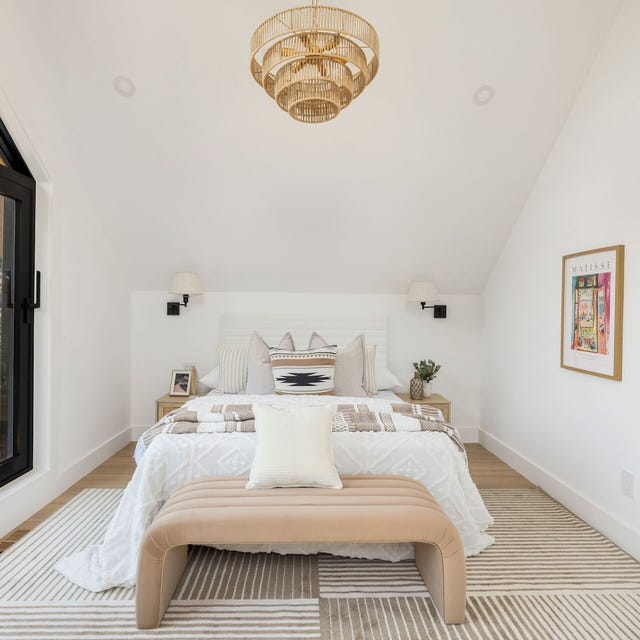
We Finally Cracked the Code on the Perfect Bed Height

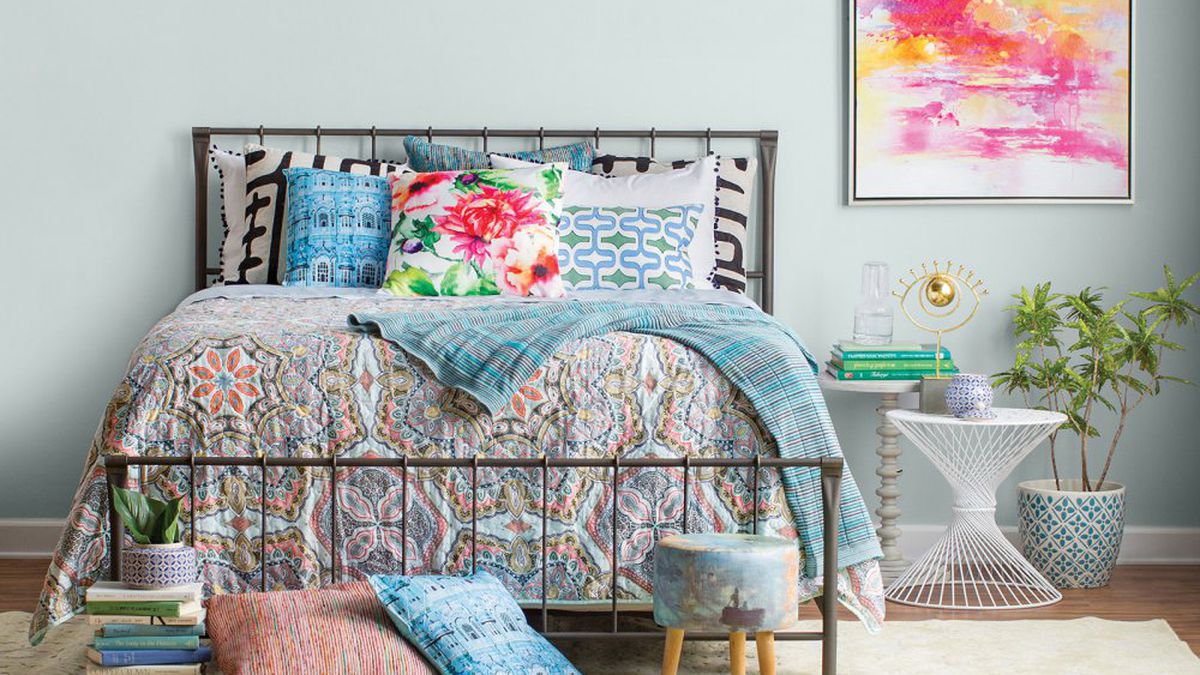
9 best beds under $1,000
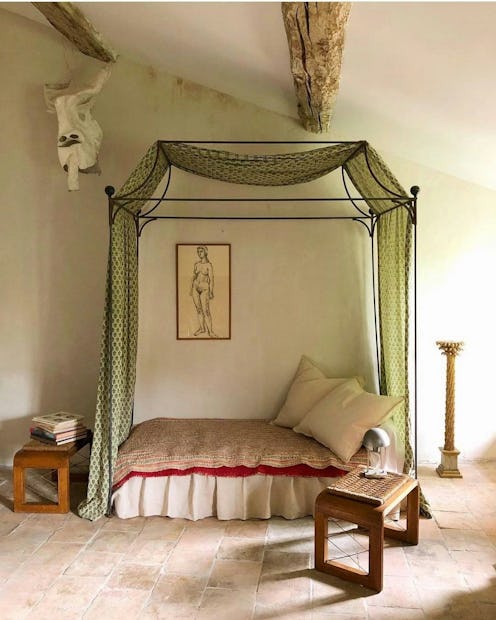
This Medieval Bed Is Trending Hard Right Now
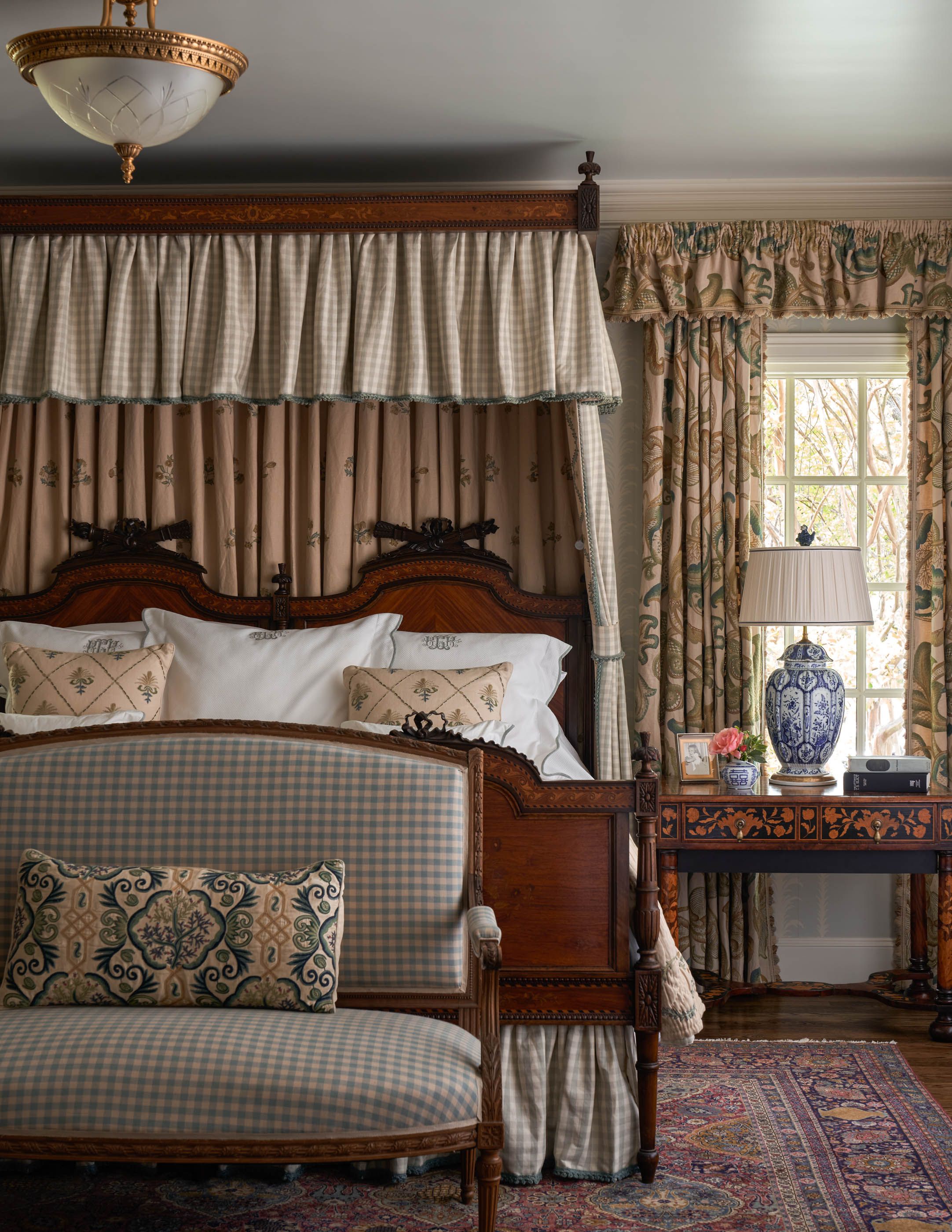
This Old-School Bed Is Having a Major Revival
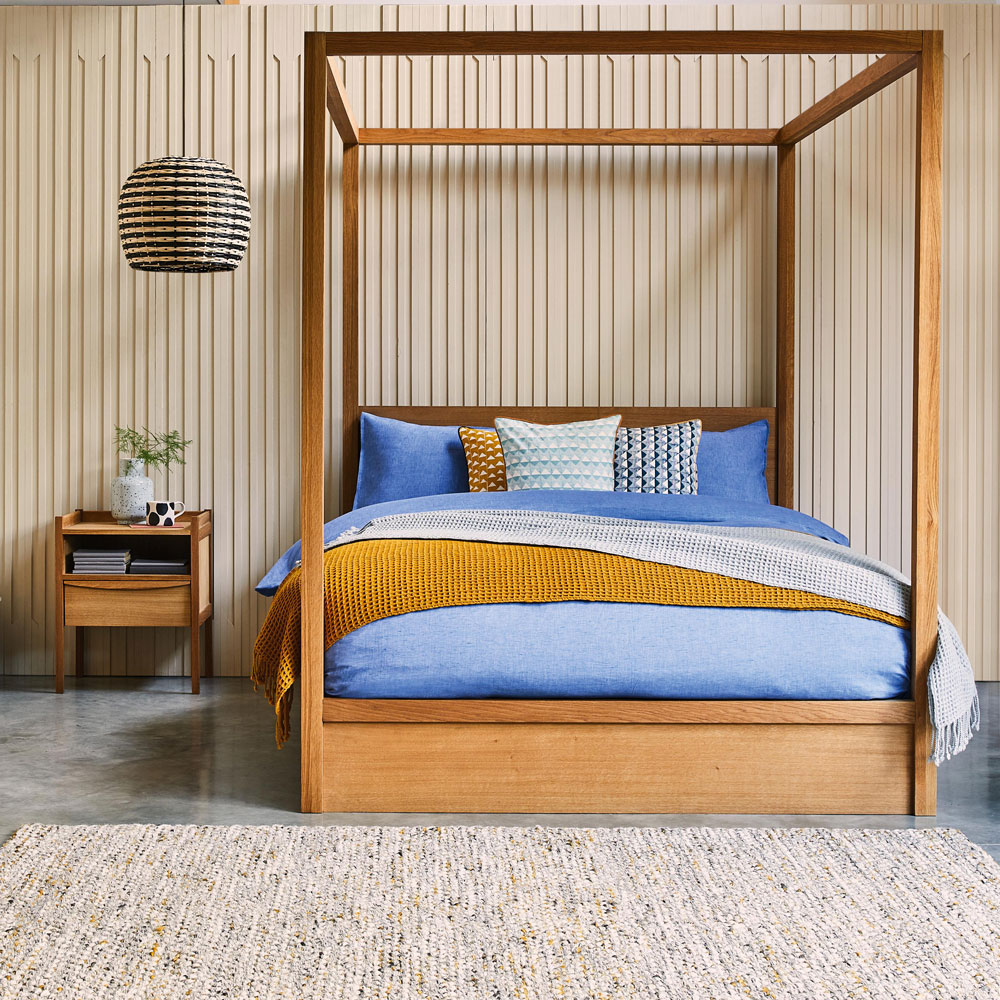
Shopping edit – best beds, from captivating four posters to smart storage designs

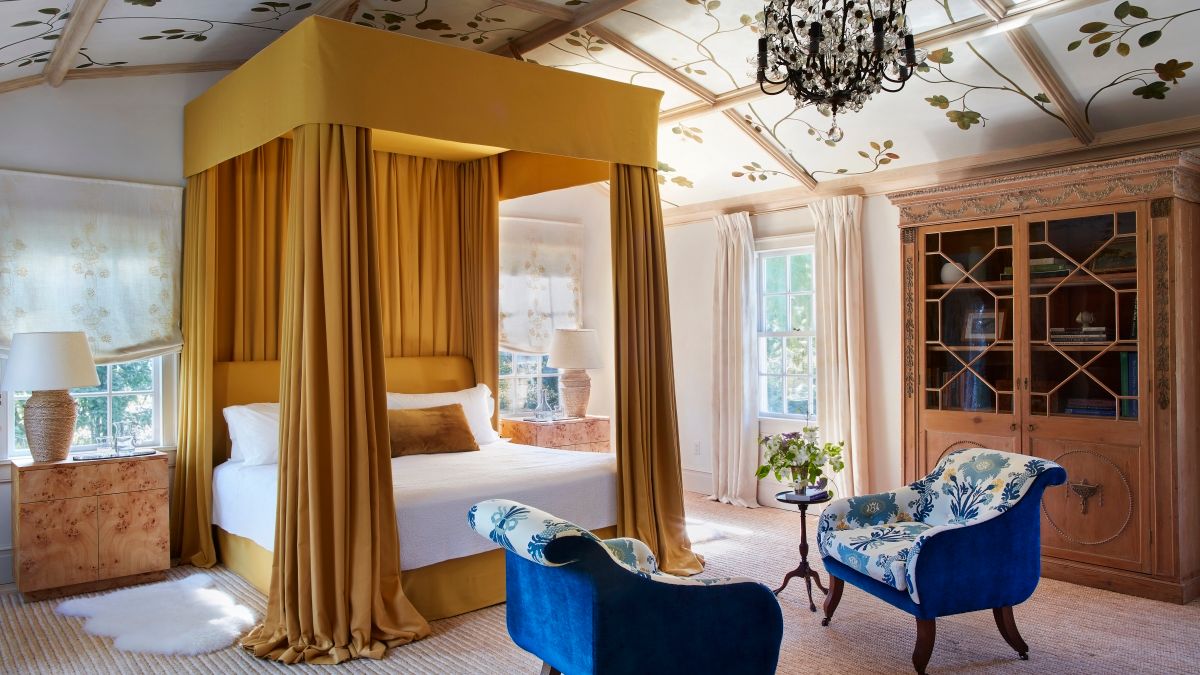
The Best Canopy Beds Put a Romantic Spin on Beauty Sleep
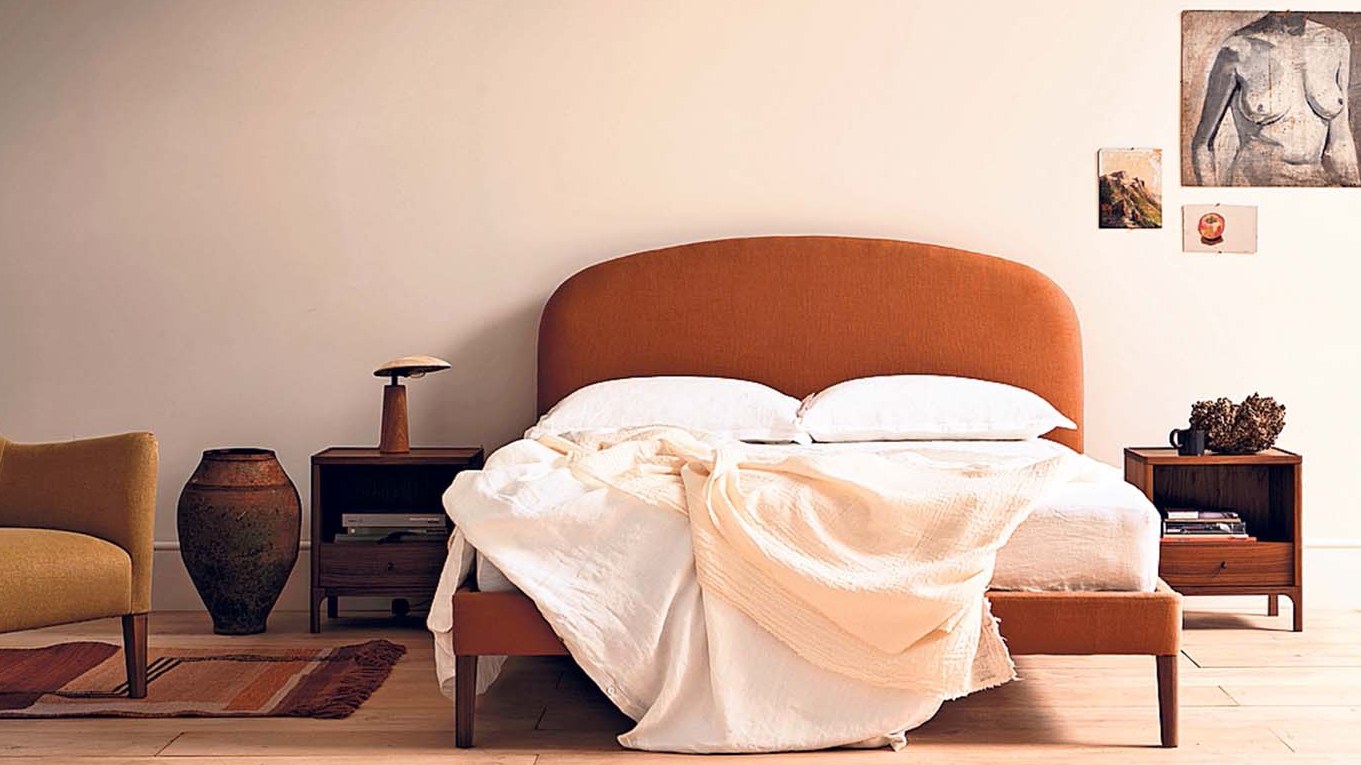
Are you ‘sleep divorced’? Here’s why single beds are back
Best Bedding Brands of 2025

10 Bedroom Decor Mistakes Keeping You From Your Best Sleep Ever


Martha Shows Us How We Should Be Making Our Beds Every Morning