1/3
Should You Install a Water Heater Yourself? We Asked the Experts
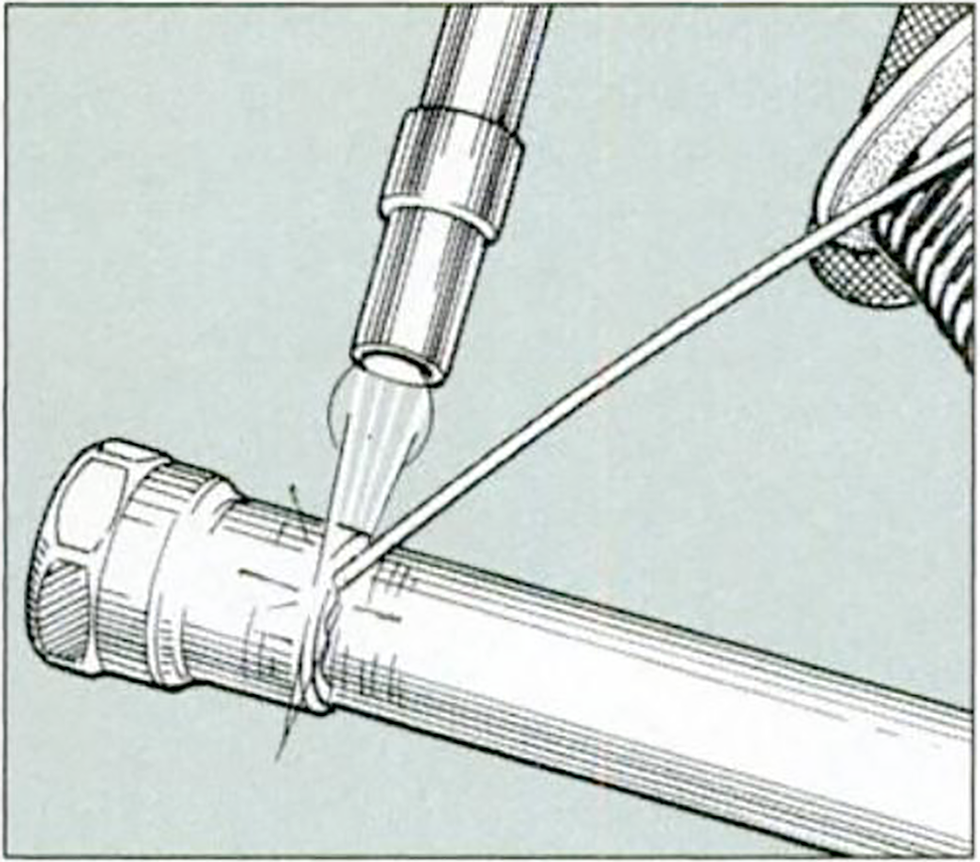
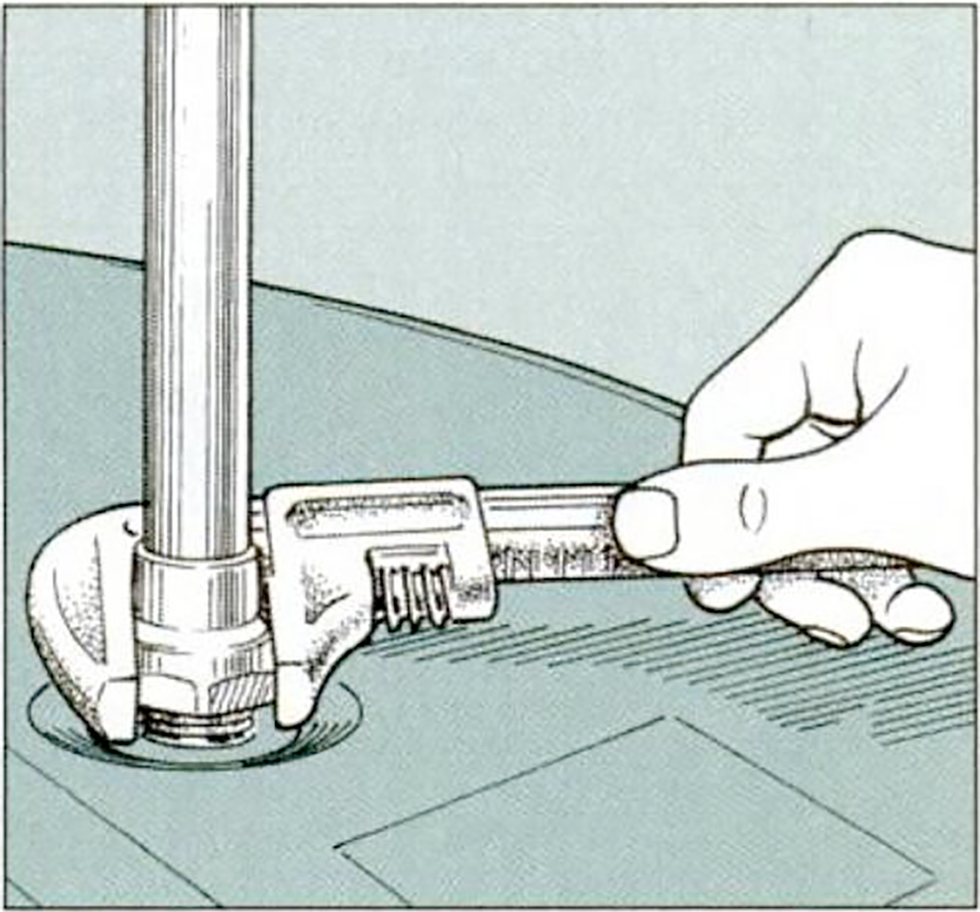
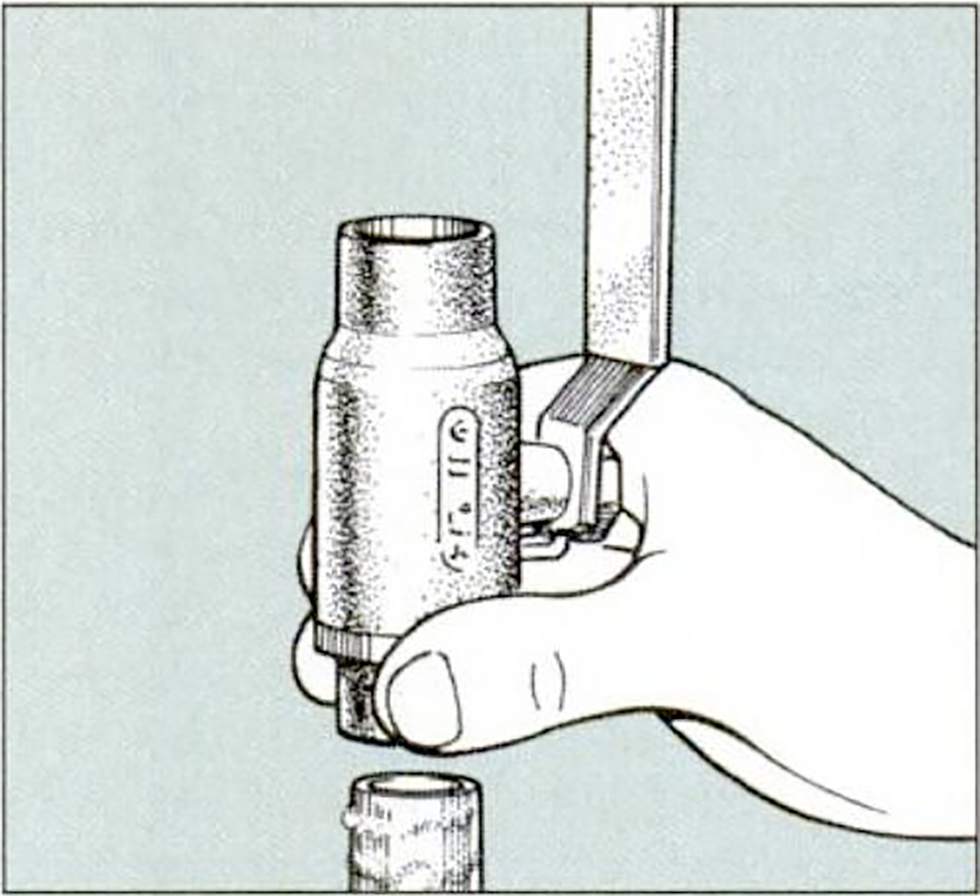
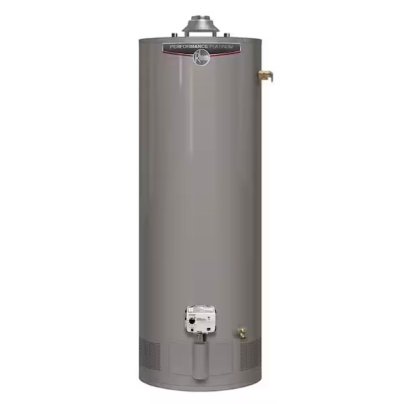
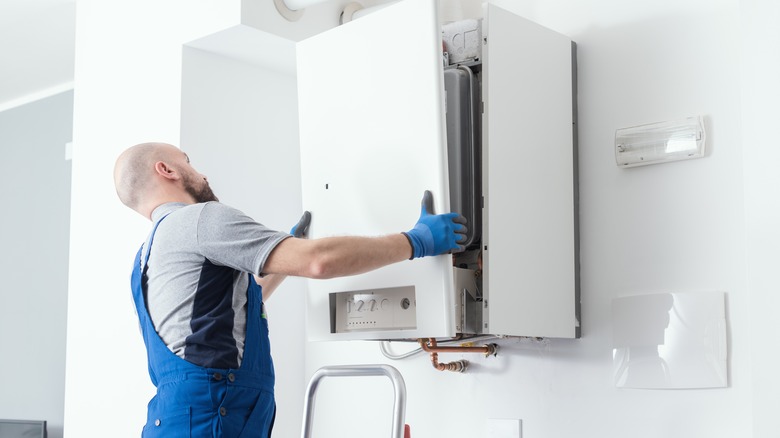
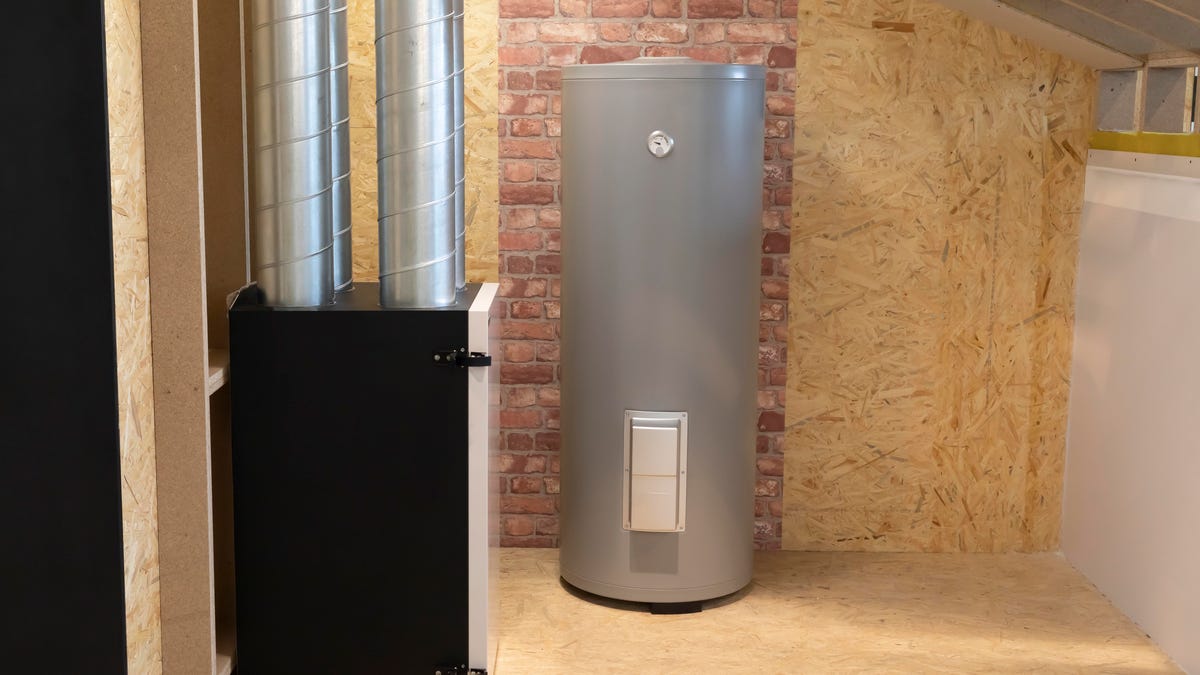
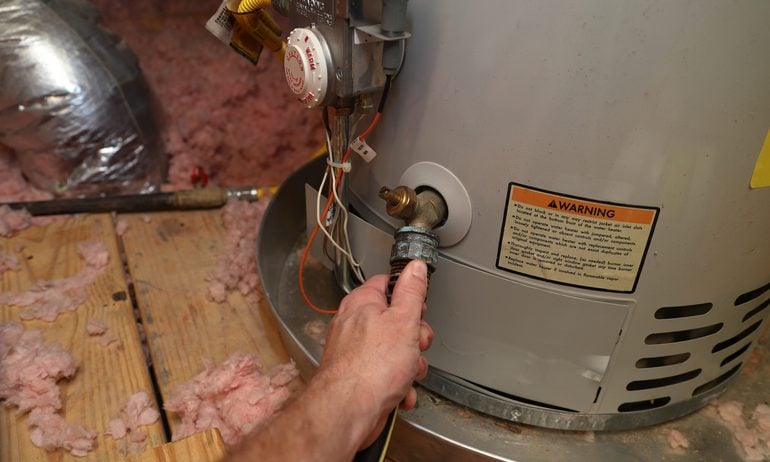
Installing a new water heater can seem like a cost-saving DIY project, but experts strongly recommend against it due to the significant risks and complexities involved. While it is technically possible for a homeowner to install a water heater, particularly if they are experienced with plumbing, wiring, and gas, the inherent dangers and regulatory requirements make professional installation the preferred option. The primary motivation for a DIY installation is often to save money on labor costs, which can range from $880 to $1,800 for a professional. However, these savings can quickly be negated or exceeded by potential issues arising from improper installation.
One major concern is the need for specialized knowledge across multiple disciplines. Water heaters involve plumbing connections, electrical wiring, and, in the case of gas models, gas lines. Incorrectly handling any of these can lead to serious hazards such as gas leaks, water damage, or electrical malfunctions. For instance, Brandon Thompson, owner of Circle T Handyman in Chicago, emphasizes that DIY is only advisable for those who are "pretty handy" due to the risks associated with plumbing and gas connections. Moreover, replacing an existing water heater with a different type (e.g., gas to electric or hybrid) necessitates ensuring the home's infrastructure, including wiring and venting, can support the new unit, adding another layer of complexity.
Physical demands are also a factor, as old water heaters can be difficult to move and new ones are heavy and cumbersome to position correctly, especially in confined spaces like basements or closets. Thompson notes that what might seem like a straightforward task can quickly become a "can of worms" for homeowners lacking the necessary tools and expertise. Beyond the practical challenges, regulatory and insurance considerations further complicate DIY efforts. Many jurisdictions require permits for water heater replacement, particularly for gas models, to ensure safety standards are met. Failing to obtain these permits or pass inspections can result in fines and costly rework. Homeowners' insurance policies often mandate that major appliance installations, such as water heaters, be performed by licensed professionals. This requirement protects both the homeowner and the insurer from liability in case of an accident or property damage caused by a faulty installation. If a DIY installation leads to an incident, the insurance claim might be denied.
Professional plumbers offer several advantages: they are licensed, bonded, and possess the specific knowledge and tools required for safe and compliant installation. They can handle the removal of old units, the proper installation of new ones, and are familiar with local codes and permit processes, often managing these aspects for the homeowner. While professional installation incurs labor costs, it provides peace of mind and ensures the job is done correctly, potentially preventing more expensive repairs or hazardous situations down the line. The costs for professional installation can vary based on the type of water heater, geographical location, and specific site challenges, but typically fall between $880 and $1,800. These costs may also include necessary alterations to the home to accommodate the new unit, such as cutting walls or sanding railings, as experienced by Thompson. Despite the allure of saving money through DIY, the consensus from experts is to entrust water heater installation to qualified professionals to avoid potential safety risks, legal issues, and financial burdens.
#WaterHeaters #HomeEnergy #HomeImprovement #DIY #Plumbing #HomeSafety #ApplianceInstallation #ExpertAdvice #HomeownerTips #WaterHeaters #HomeEnergy #HomeImprovement #DIY #Plumbing #HomeSafety #ApplianceInstallation #ExpertAdvice #HomeownerTips
0 ความคิดเห็นรวม
 ยังไม่มีความคิดเห็น
คุณอาจจะชอบอีกด้วย
How To Install An Electric Water Heater
We Vetted The 8 Best Electric Tankless Water Heaters to Save Space and Cut Costs

How to install an outdoor hot water tap for cleaning your patio, washing the dog, or filling the paddling pool
Hydronic Baseboard Heater Buyers Guide: How to Choose, Costs and Installation, Safety Considerations

The 9 Best Water Heaters for Efficiency and Performance

‘Worst water heater I ever installed as a plumber for 32 years.’ – A Home Repair Expert Sounded Off Against Rheem Brand Of Water Heaters


K L Contractor Plumbing Inc Offers Expert Insights on Common Water Heater Issues in Latest Blog Post
Hydronic radiant wall heating, still the greatest trade secret in the U.S.

Is a Heat Pump Right for Your Home? Here's What You Need to Know.

Why You Should Be Flushing Your Water Heater
The Most Reliable Water Heaters You Can Buy, According to Testing


Hot water taps are the best way to level up your kitchen island in 2025 - these kitchen experts explain why you need one
Water Heater Cost in 2025: DIY or Professional Installation?

Today's Water Heaters Aren't Built Like They Once Were—They're Better

The 6 Best Propane Tankless Water Heaters for Low-Waste On-Demand Warmth
You Might Be Able to Install a Heat Pump Yourself. You Probably Shouldn't
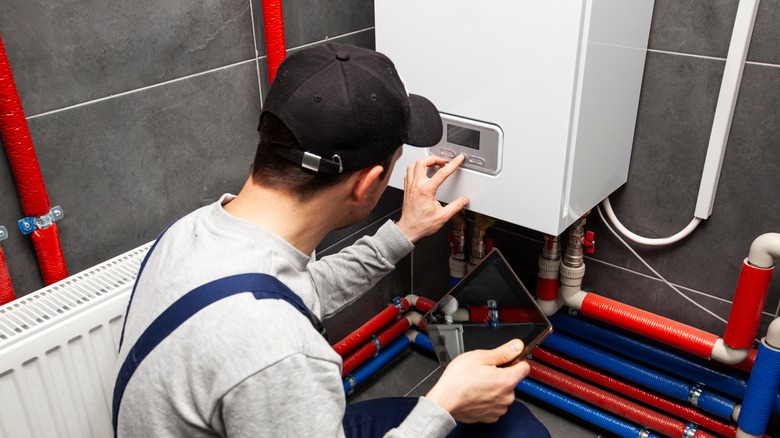
How Much Should You Spend On A New Electric Water Heater?


A Heat Pump Might Be Right for Your Home—Here’s What to Know | Reviews by Wirecutter

The Best Heat Pumps for Cold Climates
Installing The Rheem® Hybrid Water Heater