
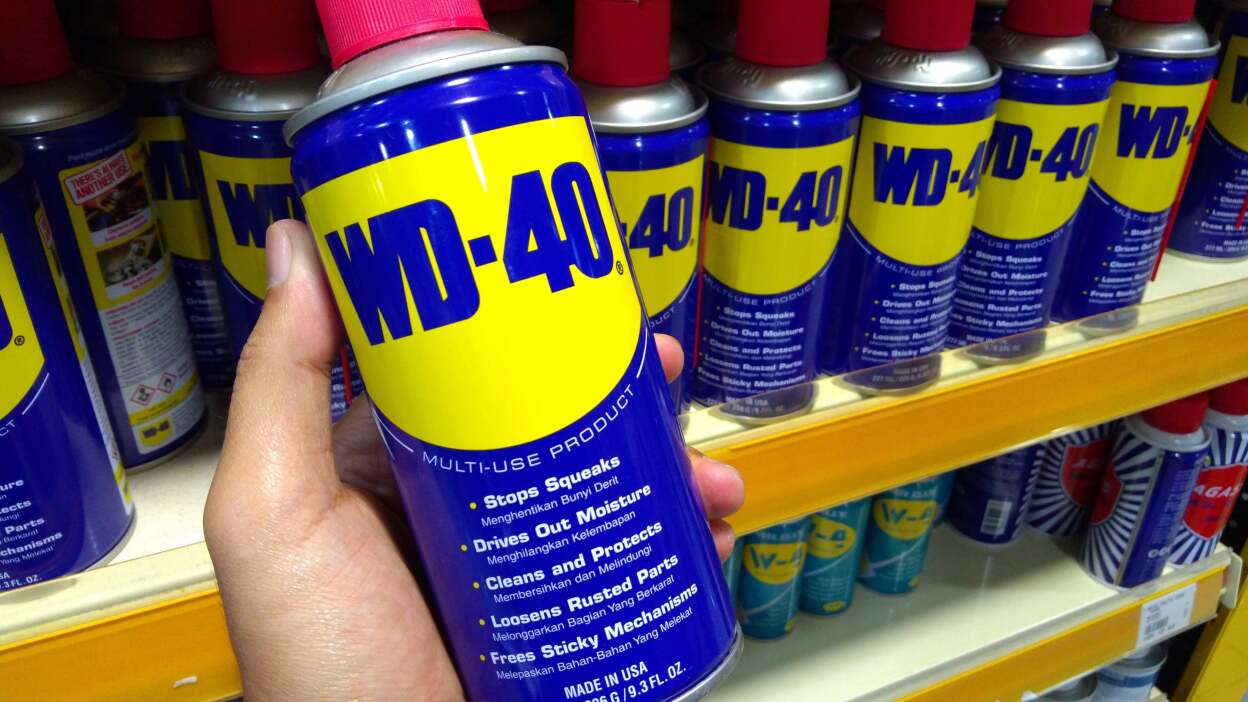
Seven Places You Should Never Use WD-40
WD-40 is widely recognized for its utility in displacing water, preventing rust, and as a general lubricant and solvent. However, its chemical composition and viscosity differ significantly from traditional greases and oils, making it unsuitable for certain applications. Misusing WD-40 can lead to material damage or create unintended problems.
Specifically, WD-40 should be avoided on clear plastic surfaces, polystyrene (labeled #6, found in toys, disposable cups, and some appliances), and polycarbonate plastics (labeled #7, used in kitchen appliances, clear packaging, and safety gear). The chemicals in WD-40 can degrade these plastics, causing damage to items like plastic lenses. When in doubt about a plastic item, it is advisable to err on the side of caution and avoid using WD-40.
For wood surfaces, WD-40 is problematic because it can dissolve wax finishes. This is particularly an issue for waxed wooden floors and furniture, where the wax provides a crucial water-resistant barrier. Furthermore, WD-40 can penetrate the grain of unfinished wood, making it generally unsuitable for any wood application.
Natural stone surfaces, including tiles and countertops, are porous. Applying WD-40 to them can lead to staining as the product soaks into the material. Additionally, like wood, many natural stone surfaces are treated with wax polishes, which WD-40 can dissolve, compromising their protective layer and appearance.
Despite some recommendations for using WD-40 to clean stainless steel, it must never be applied to surfaces that come into contact with food. While it may offer a streak-free shine, WD-40 is not intended for consumption, and its presence on food preparation areas, even if incidental contact is minimal, is unsafe. Surfaces with frequent or prolonged food contact should be cleaned with food-safe products.
Electronics are another category where WD-40 should not be used. It can react adversely with certain plastics found in electronic devices and has a tendency to attract dust and other particulate matter. Applying it to smartphones or laptops risks damaging screens, buttons, or internal components. Specialized electronic cleaners are the appropriate choice for these devices.
For bicycle chains, WD-40 is not an ideal lubricant. Its viscosity is not suitable for chain lubrication, and over time, it can cause dirt and fibers to adhere to the chain. While it can be used for cleaning a bike chain, it is essential to reapply a proper bike-specific lubricant afterward.
Finally, and perhaps most crucially, WD-40 should never be used as a treatment for arthritis pain or stiff joints. Despite persistent anecdotal claims, WD-40 offers no medical benefit for human physiological conditions. Applying industrial lubricants to the body is dangerous and medically unadvised, as human biological systems require different types of lubrication than mechanical parts.
#WD40 #HomeMaintenance #LubricantMisuse #CleaningTips #HouseholdHacks #DIYSafety #MaterialCompatibility #WD40 #HomeMaintenance #LubricantMisuse #CleaningTips #HouseholdHacks #DIYSafety #MaterialCompatibility
 ยังไม่มีความคิดเห็น
13 Things You Should Never Clean with Windex


Why you should avoid the WD-40 stain removal hack

6 Things You Should Never Clean With All-Purpose Cleaner
6 Things You Should Never Clean With All-Purpose Cleaner


5 Places You Should Never Use Peel and Stick Tile—And Where to Put It Instead