1/10
Once-Trending Bathroom Designs That Are Being Replaced In 2025
The landscape of home design, particularly in bathrooms, is constantly evolving, with certain trends quickly phasing out to make way for new, more functional, and aesthetically pleasing options. By 2025, several once-popular bathroom design elements are being replaced, moving towards classic, personalized, and practical solutions, as identified through exclusive interviews with interior designers, home sellers, and material suppliers.
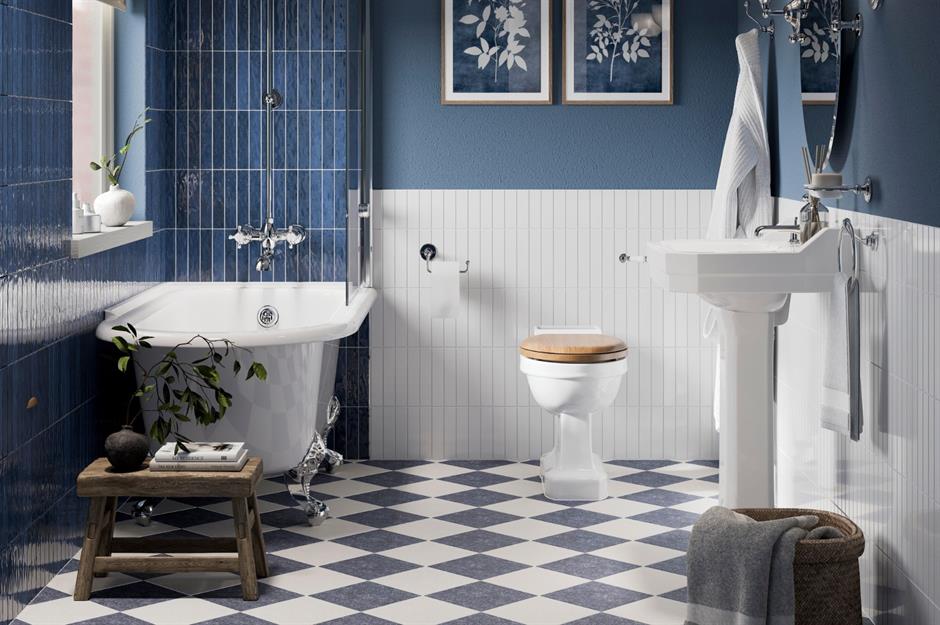
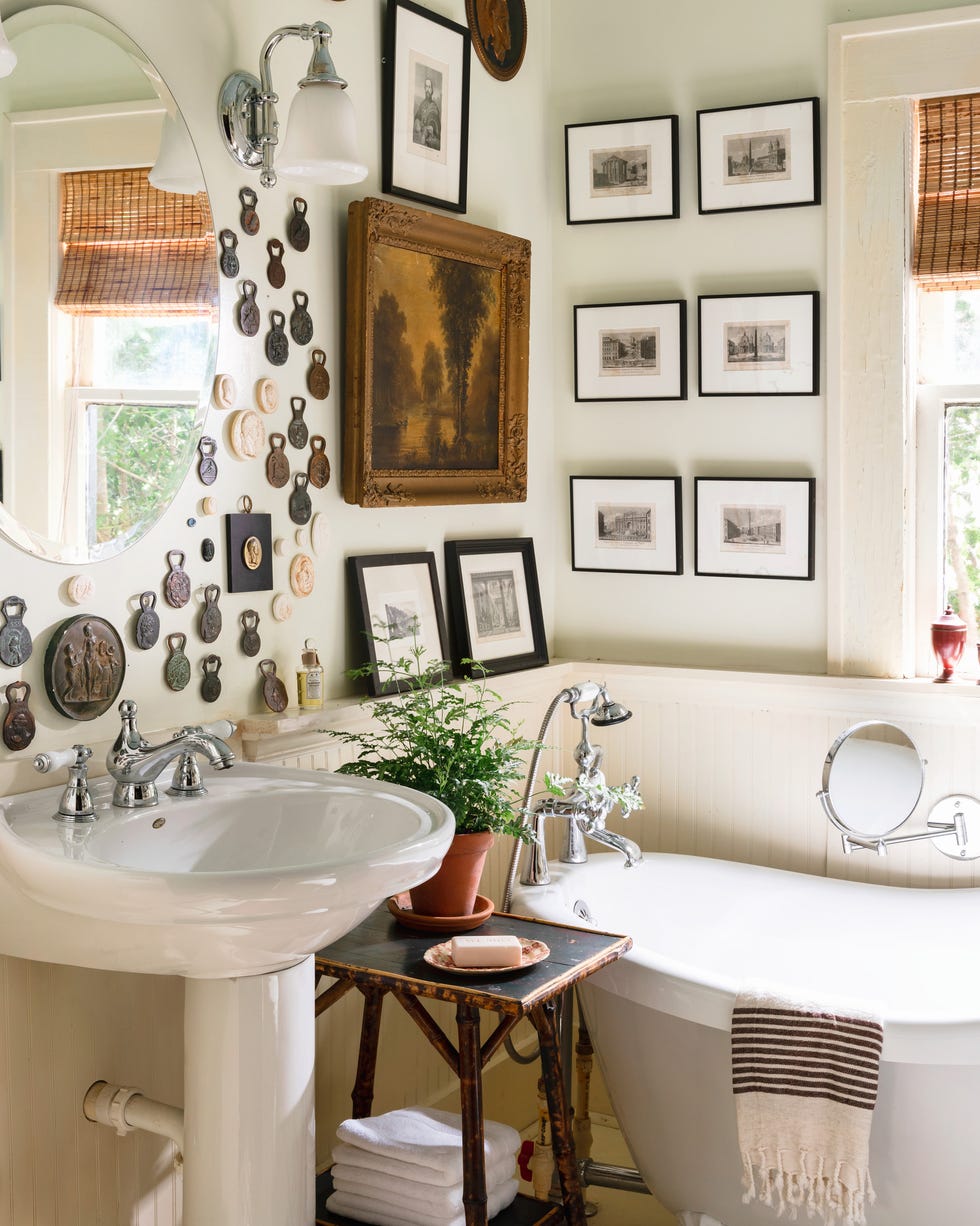
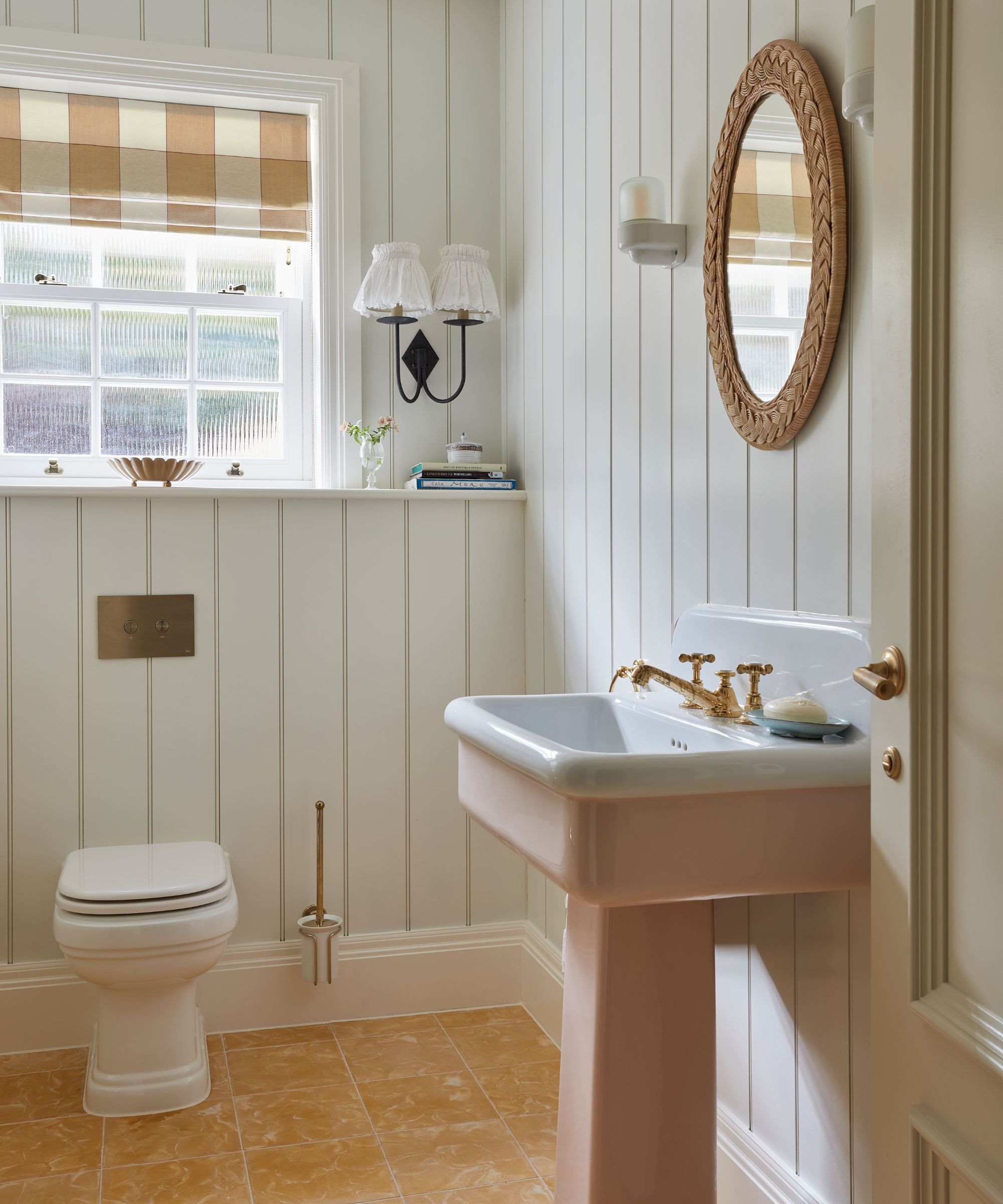
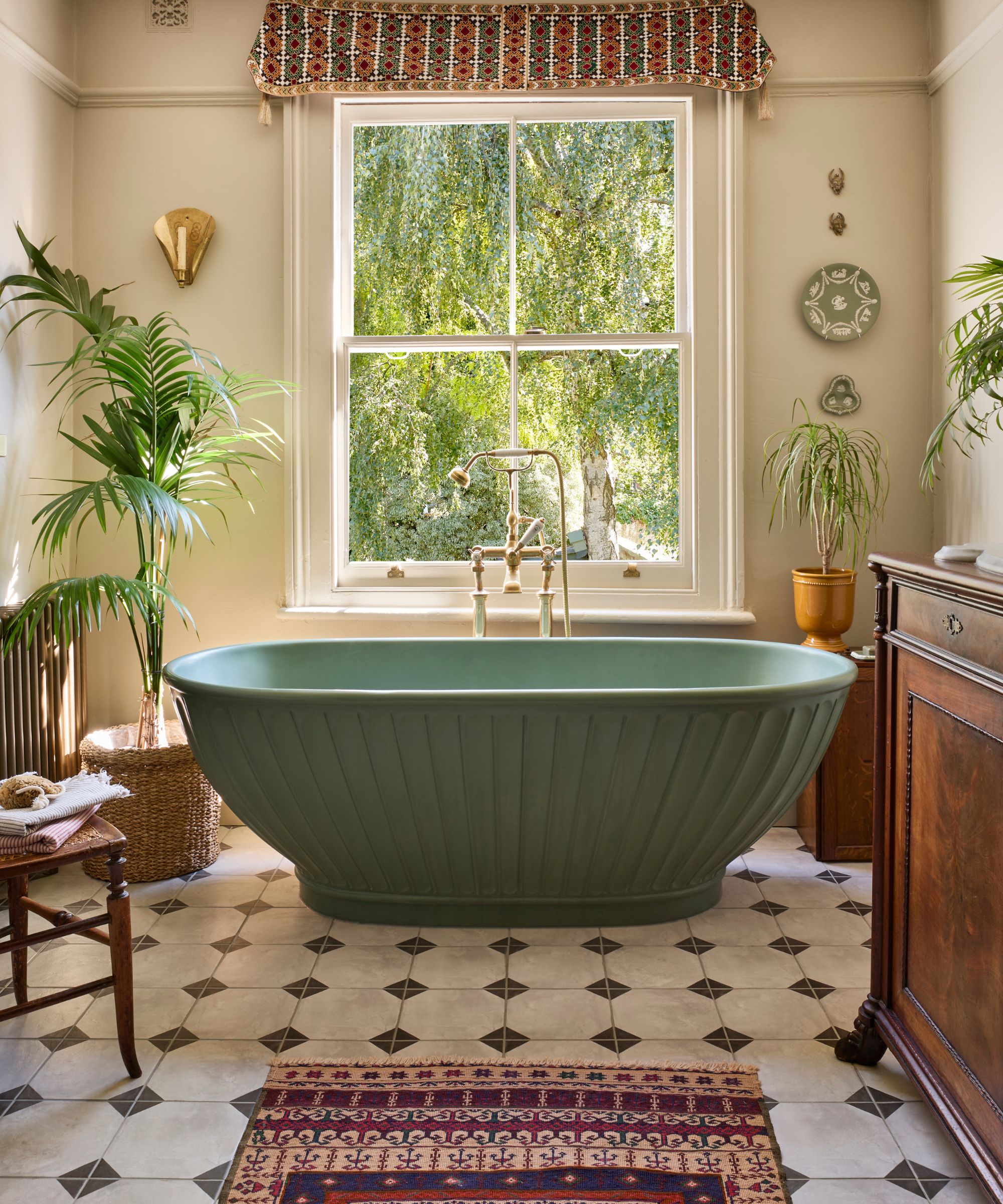
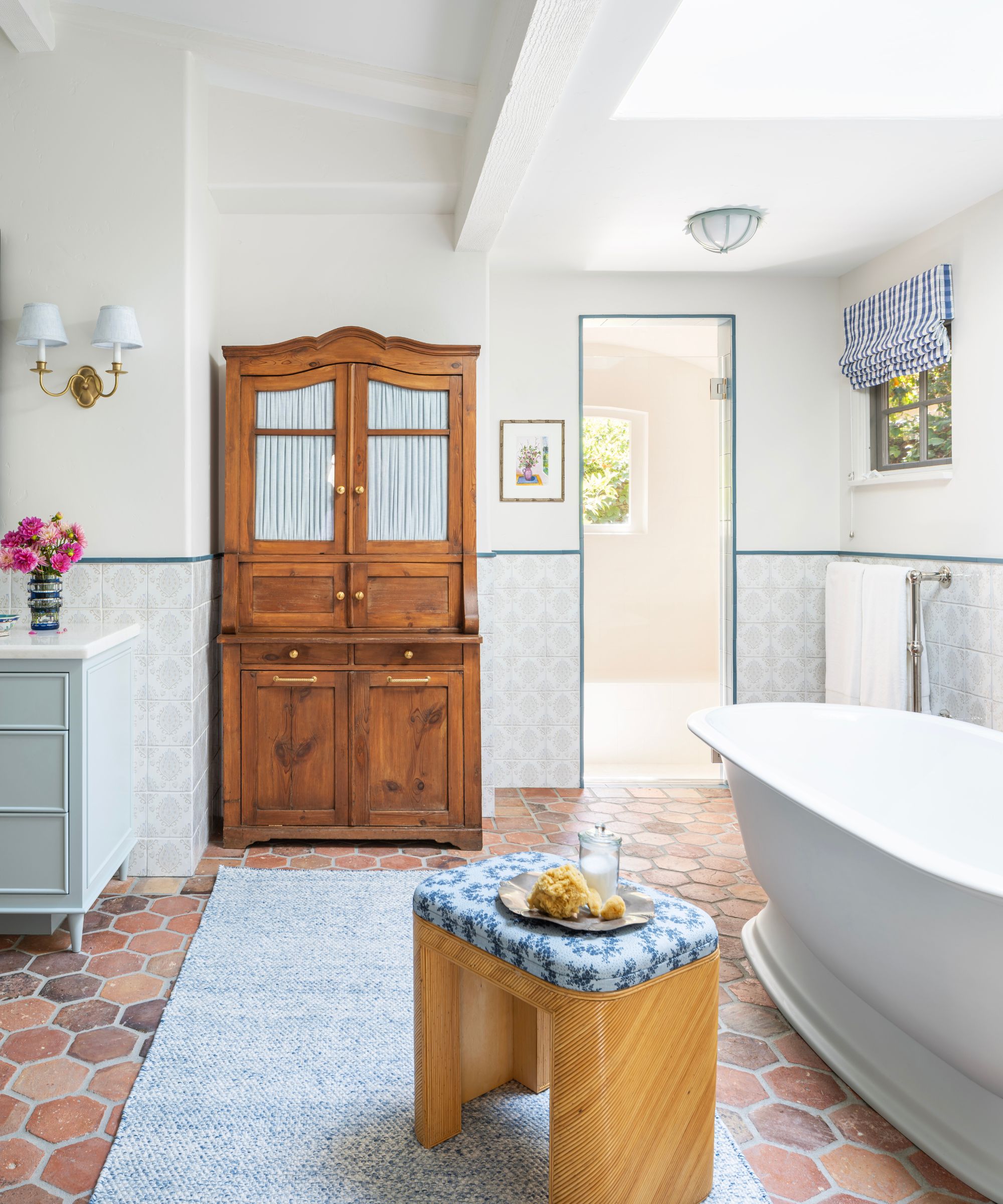
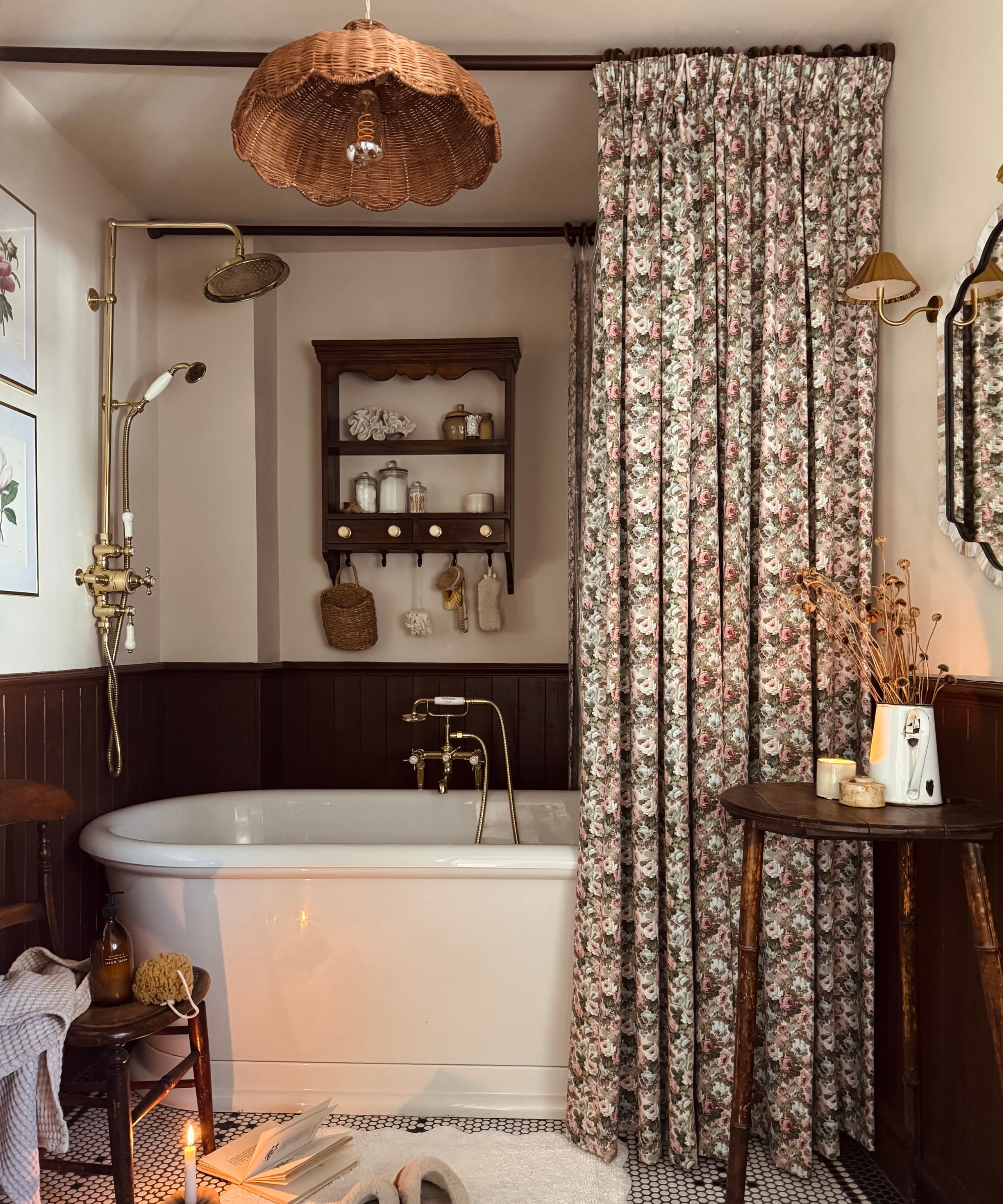
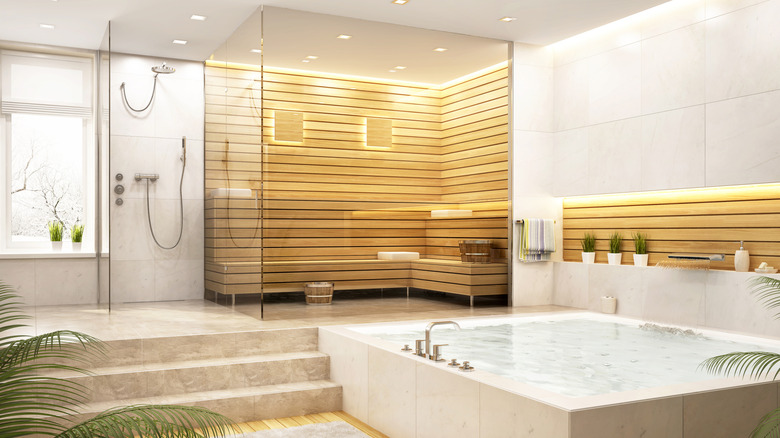
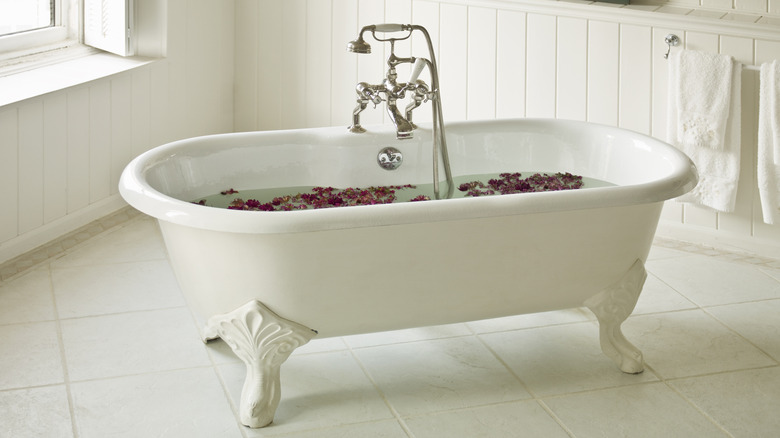
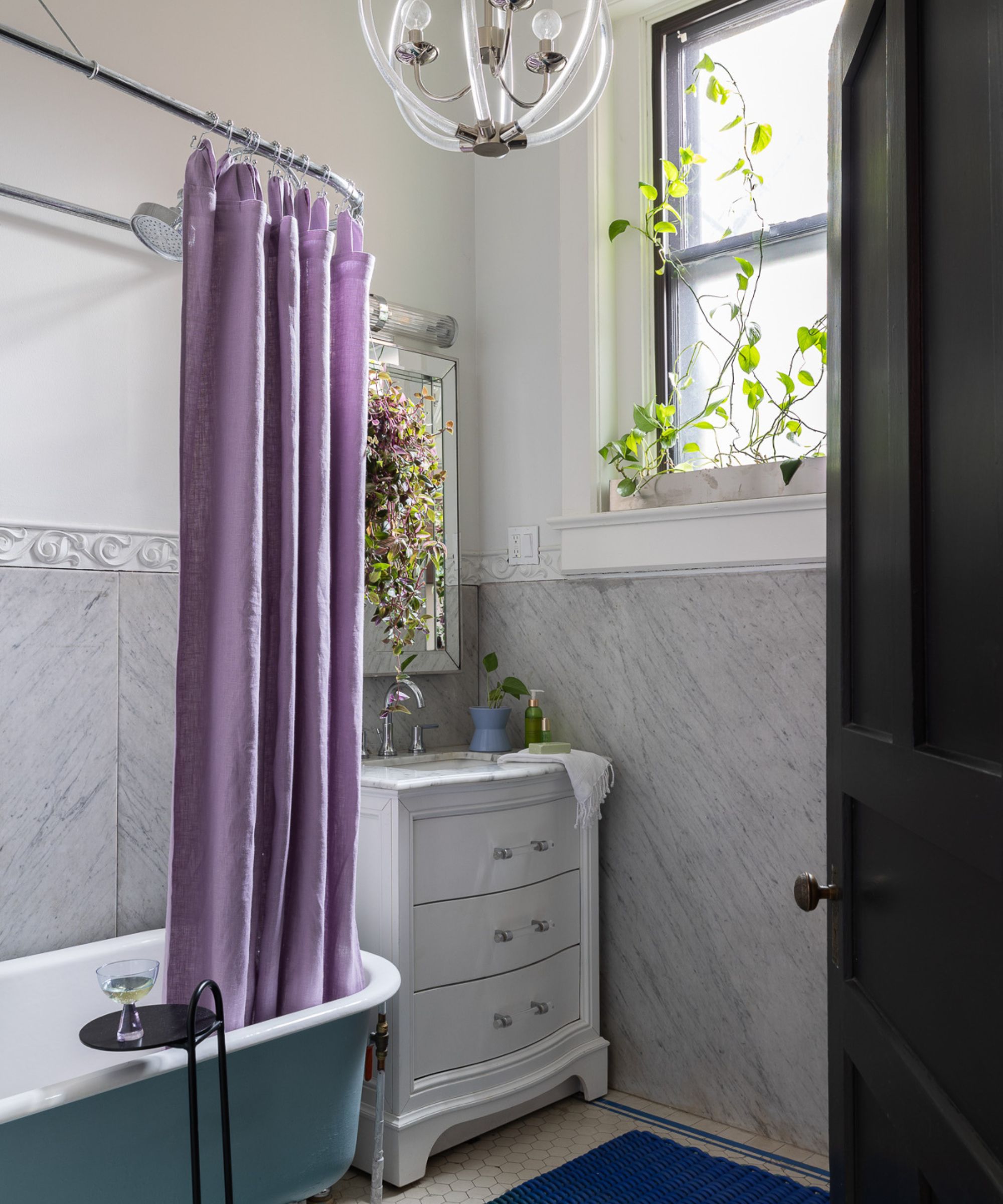
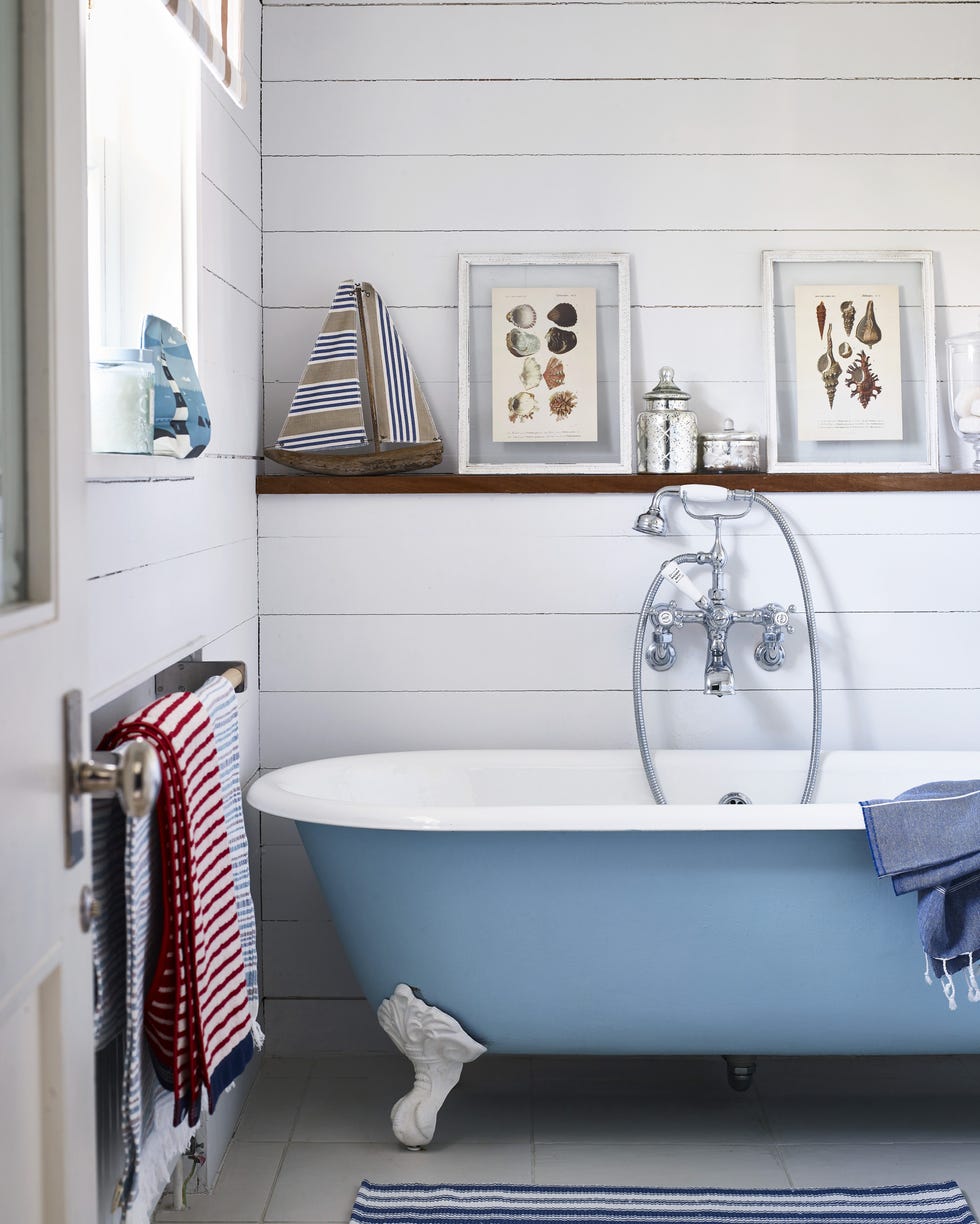
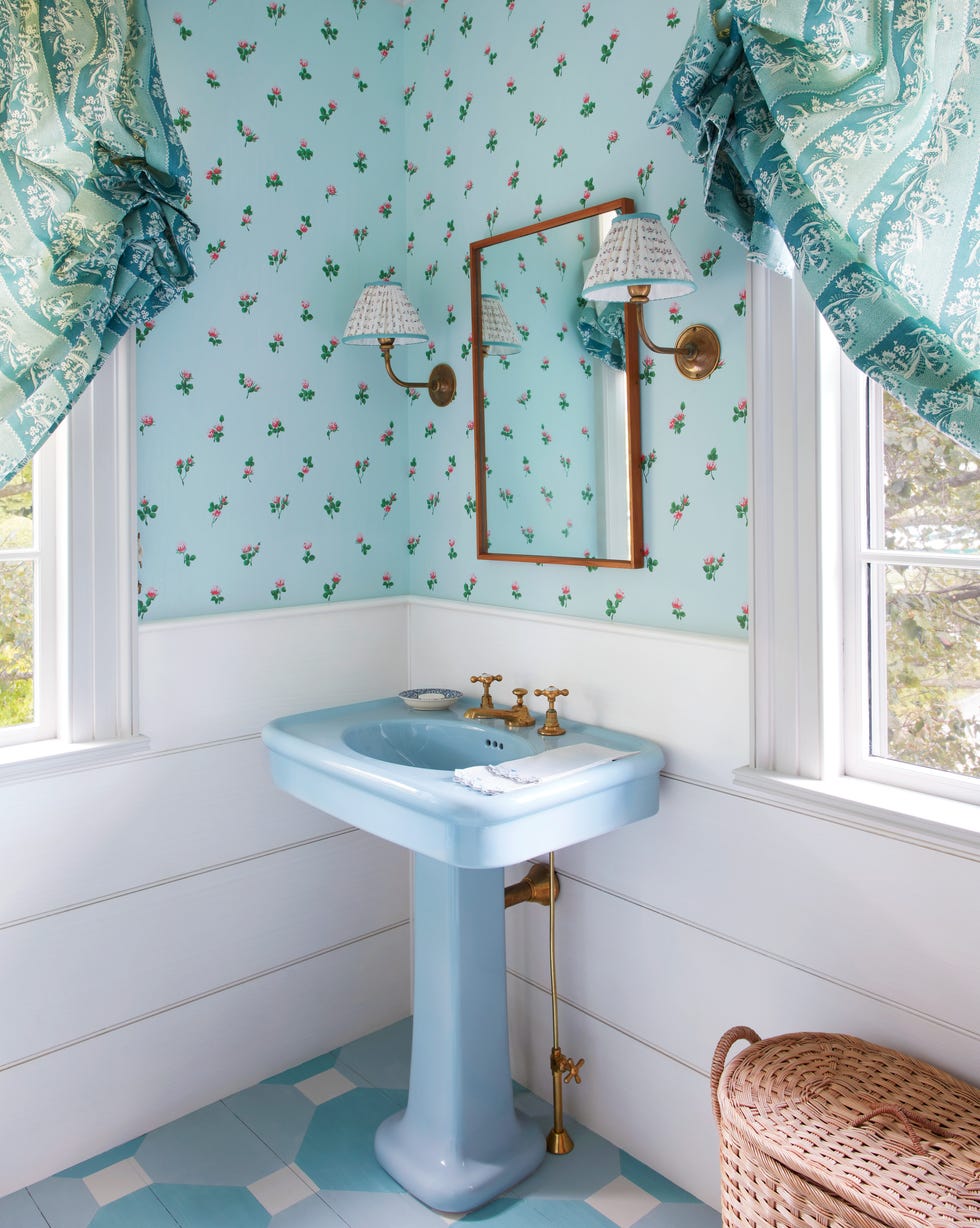
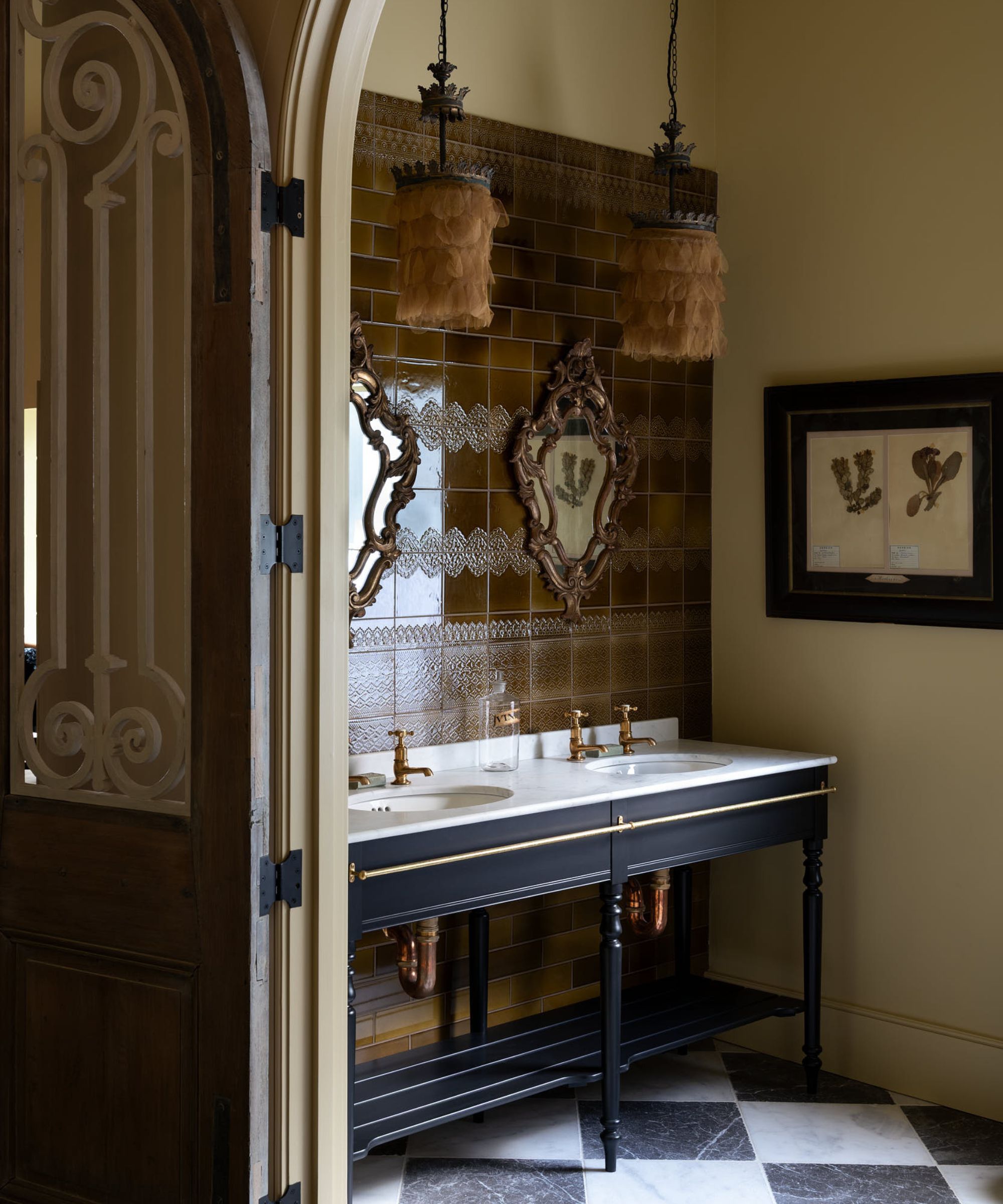
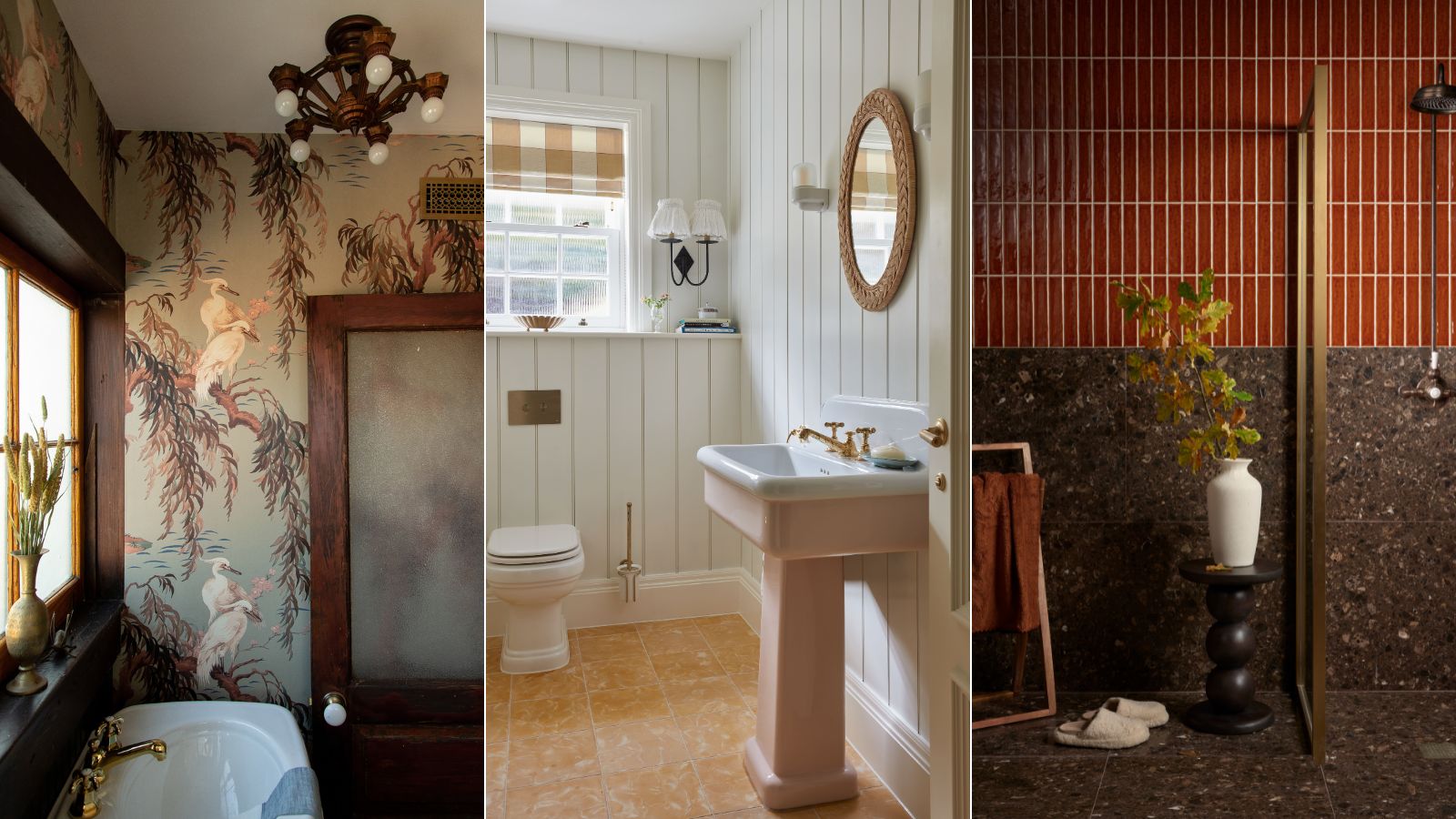
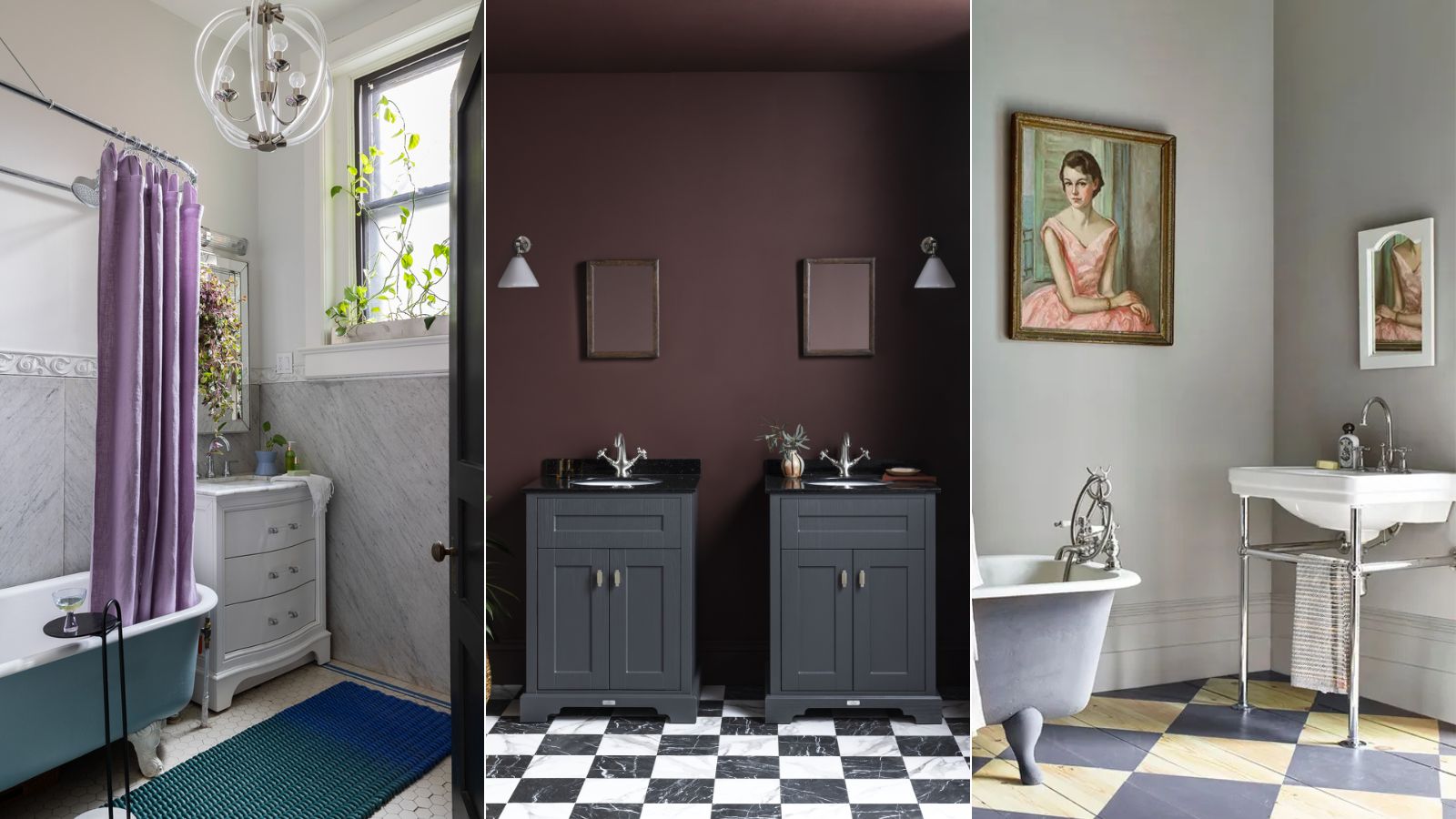
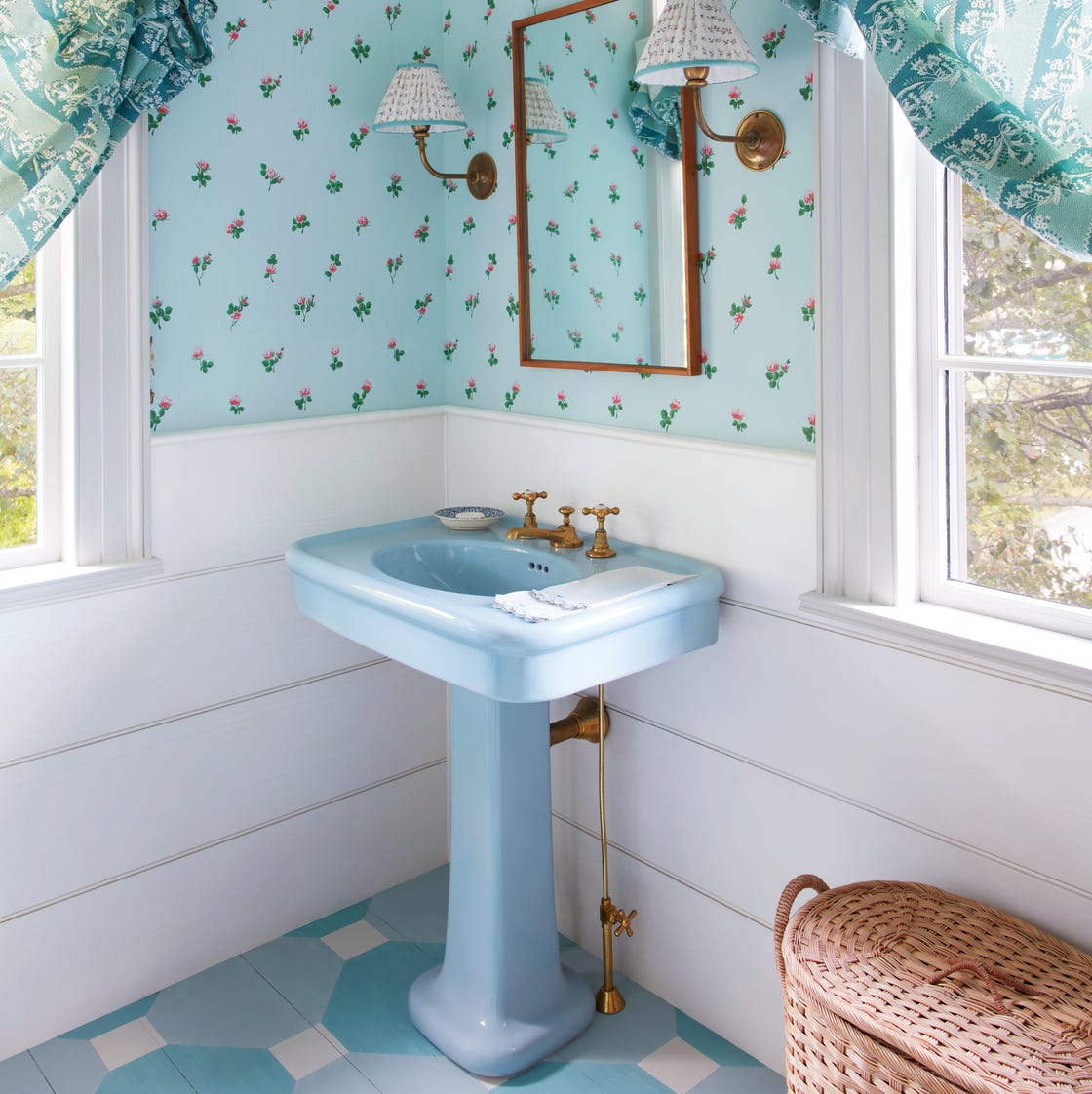
One significant shift is the departure from overly modern and futuristic bathroom styles. These minimalist designs, often characterized by confusing controls and sterile finishes, are giving way to vintage-inspired elements. Interior design specialist Nicole Saunders notes a resurgence of classic tiling patterns like hexagons, retro fixtures, and colors reminiscent of the 1920s or 1970s. This shift aims to infuse charm and character without compromising functionality. The new approach encourages blending old and new, such as pairing vintage hardware with modern finishes or integrating antique mirrors into contemporary designs, allowing for significant flexibility in achieving a personalized look.
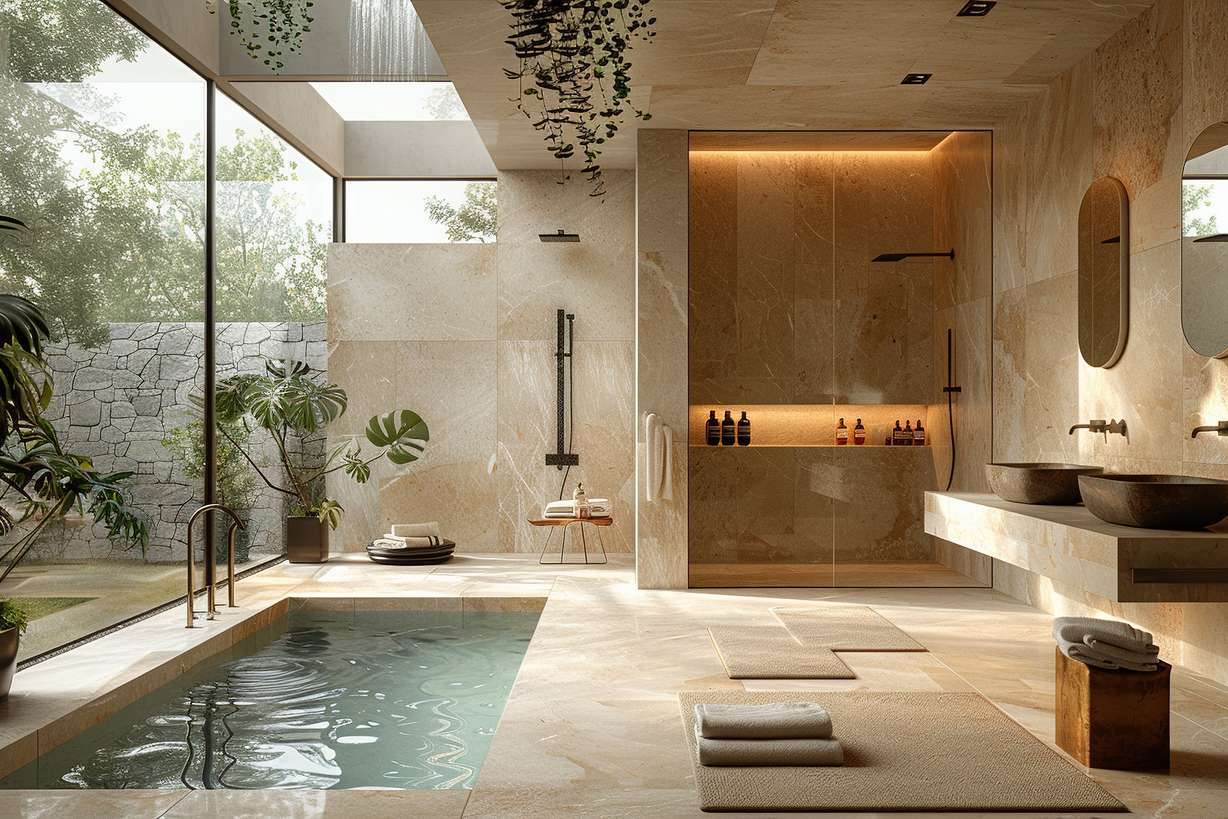
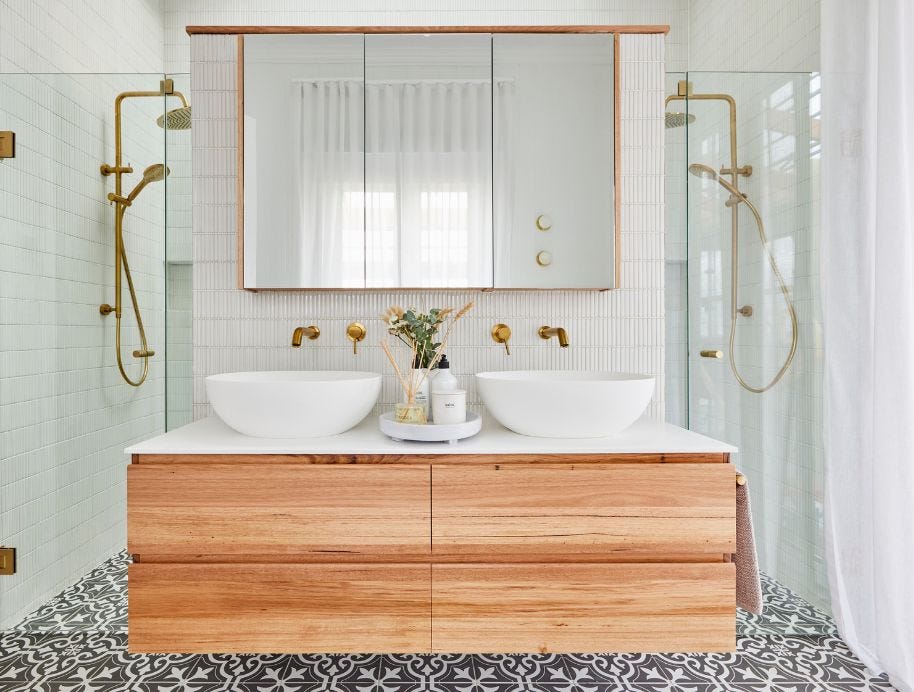
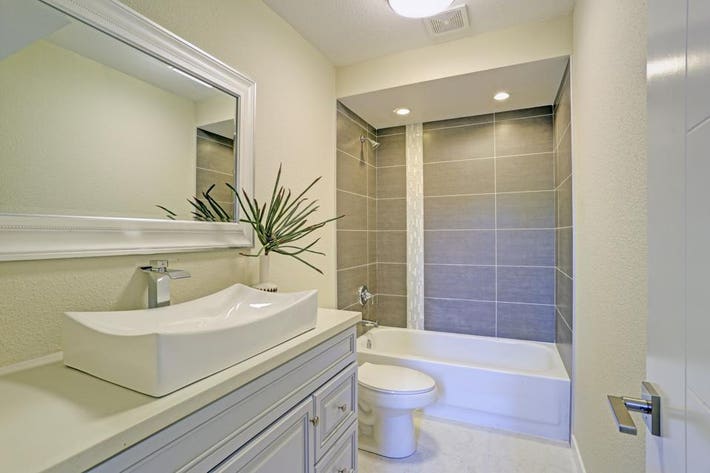
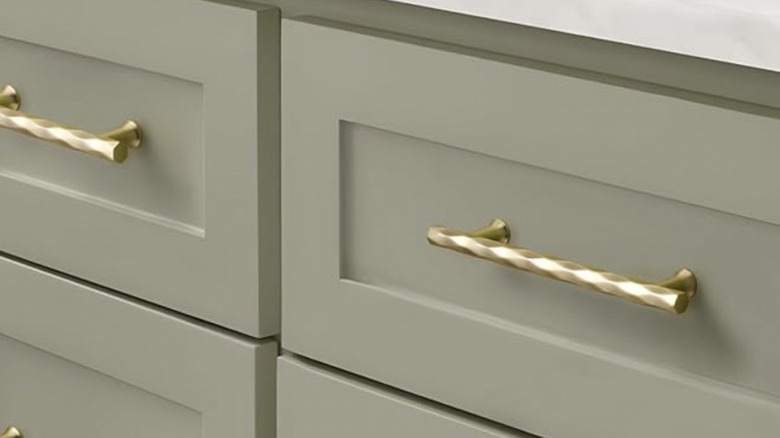
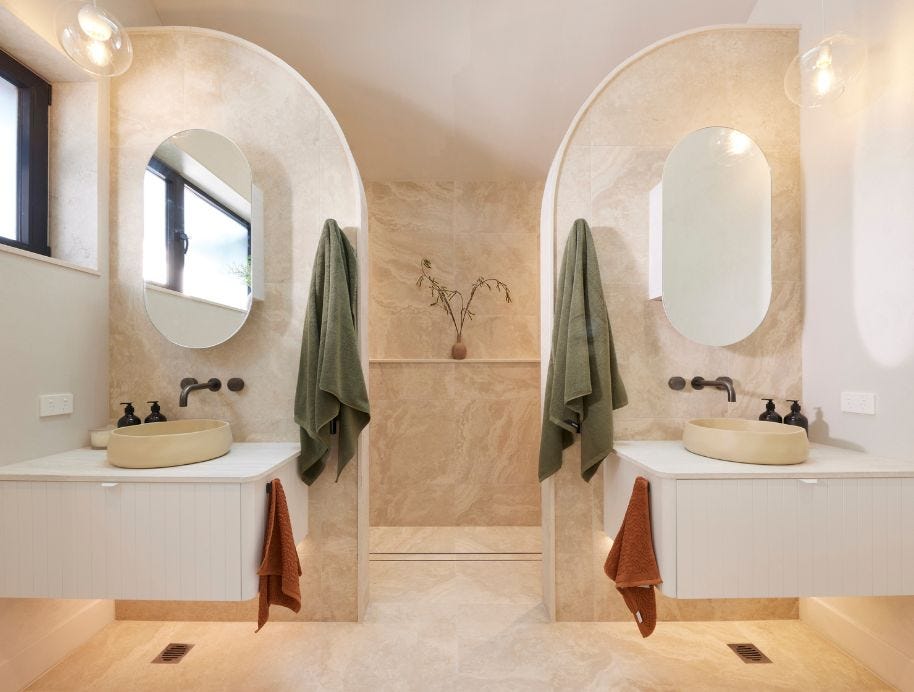
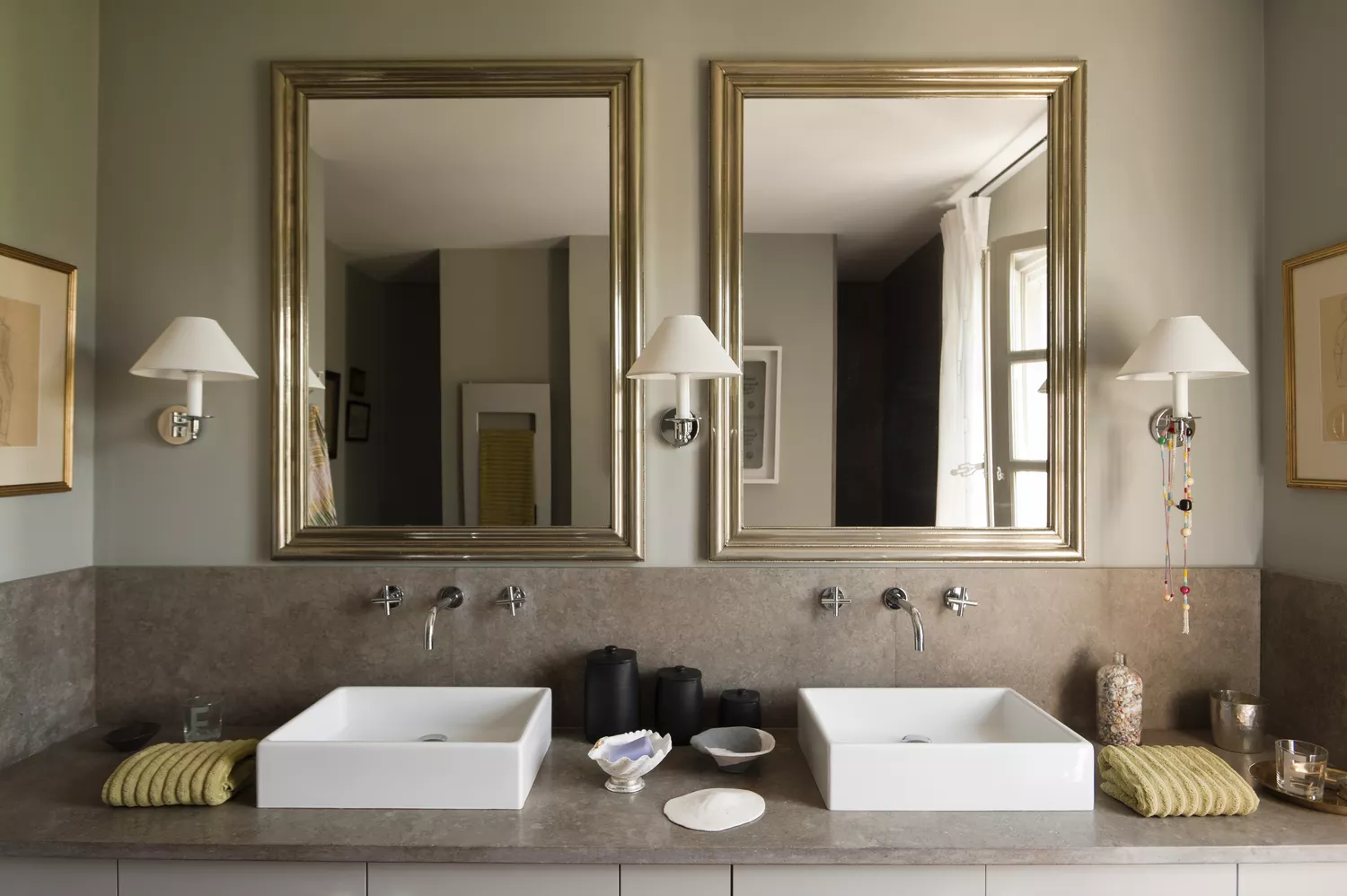
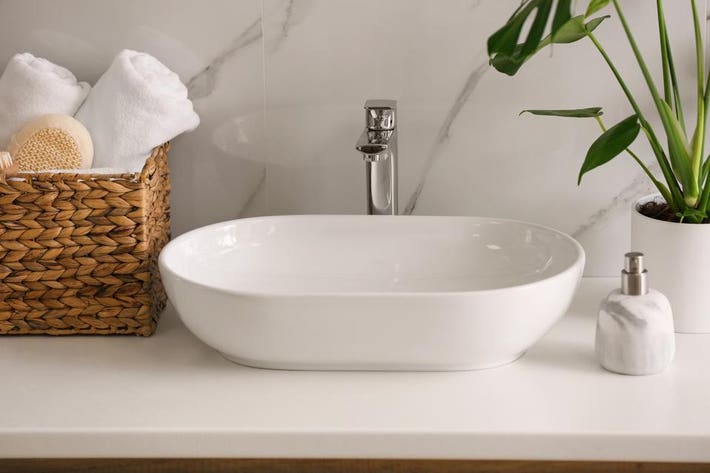
Vessel sinks, which have enjoyed a period of popularity for their unique appearance, are also seeing their decline. Adam Hamilton, CEO of REI Hub, points out that while vessel sinks are visually interesting, their impracticality has become a major drawback. They consume valuable counter space, are prone to creating messes, and are difficult to clean. The trend is moving back to more traditional recessed basin designs, which offer increased counter space and a less cluttered appearance. To maintain style and personality, homeowners are encouraged to use bold cabinet colors or distinctive drawer pulls.
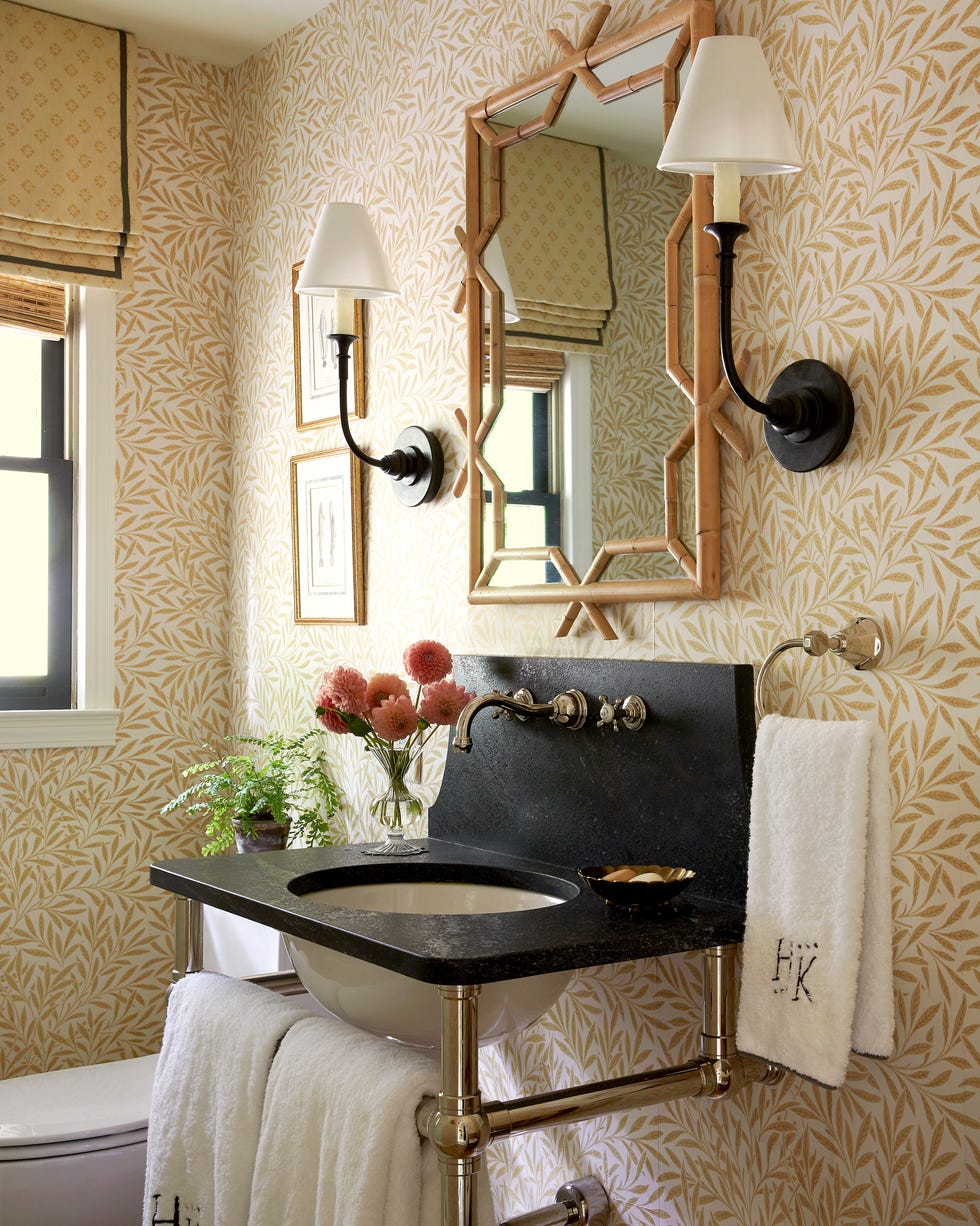
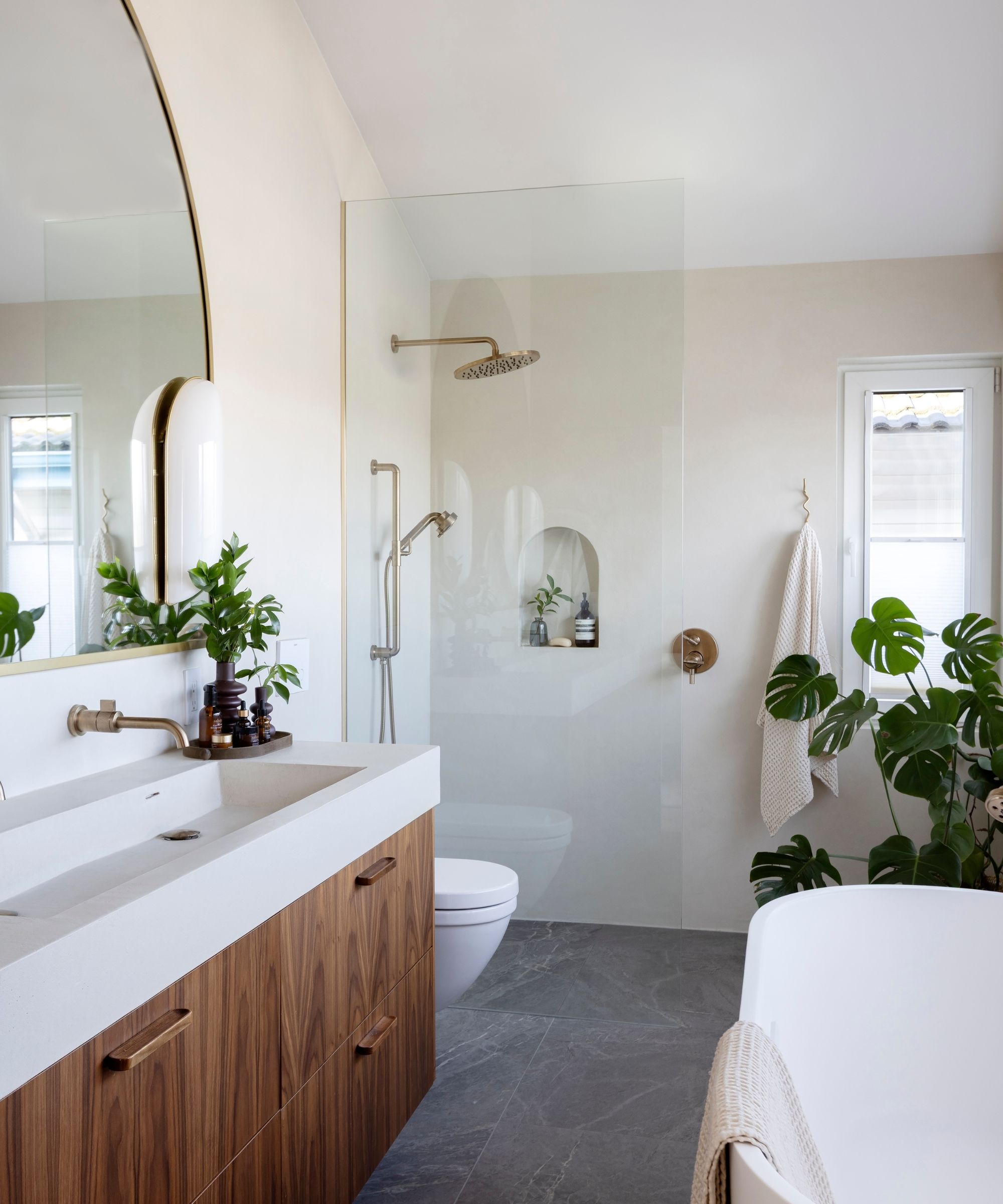
Heavy, veiny marble vanities, despite marble's timeless appeal, are being phased out, according to Saunders. The overpowering patterns of traditional marble are being replaced by sleeker, more understated materials like smooth quartz and honed concrete. Quartz offers a wide range of colors and can be easily customized, providing a pop of personality without the visual intensity of marble. Similarly, stained and properly sealed concrete offers a versatile and modern alternative.
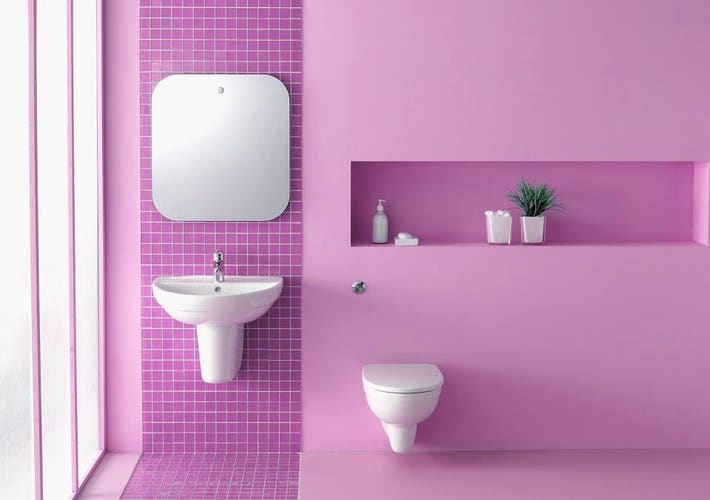
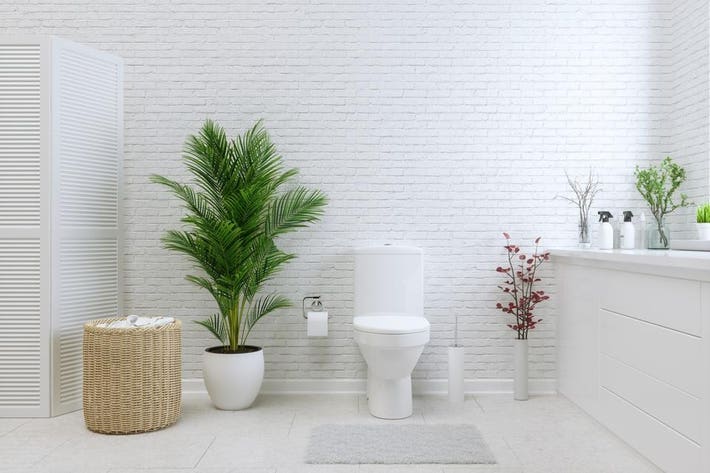
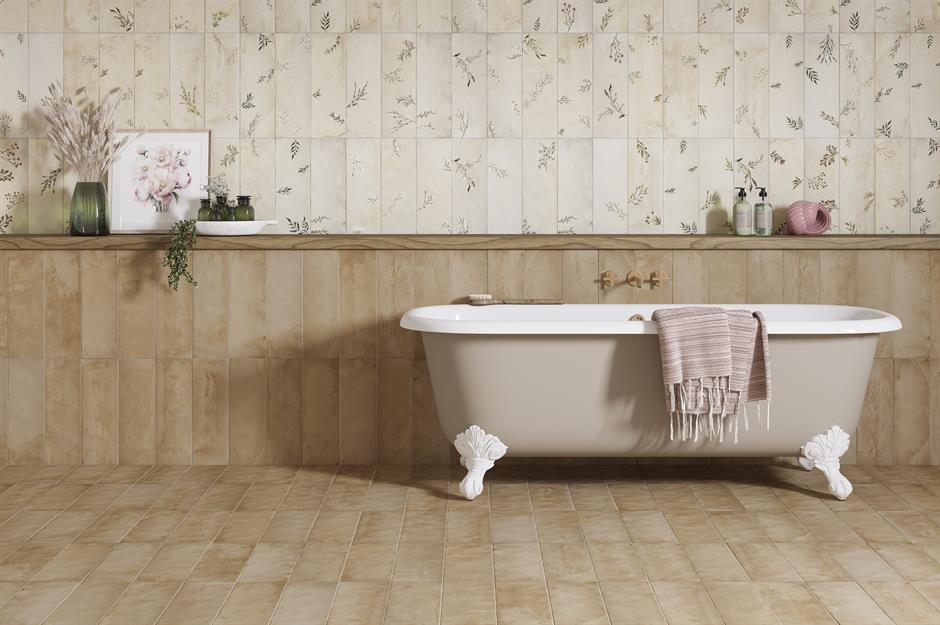
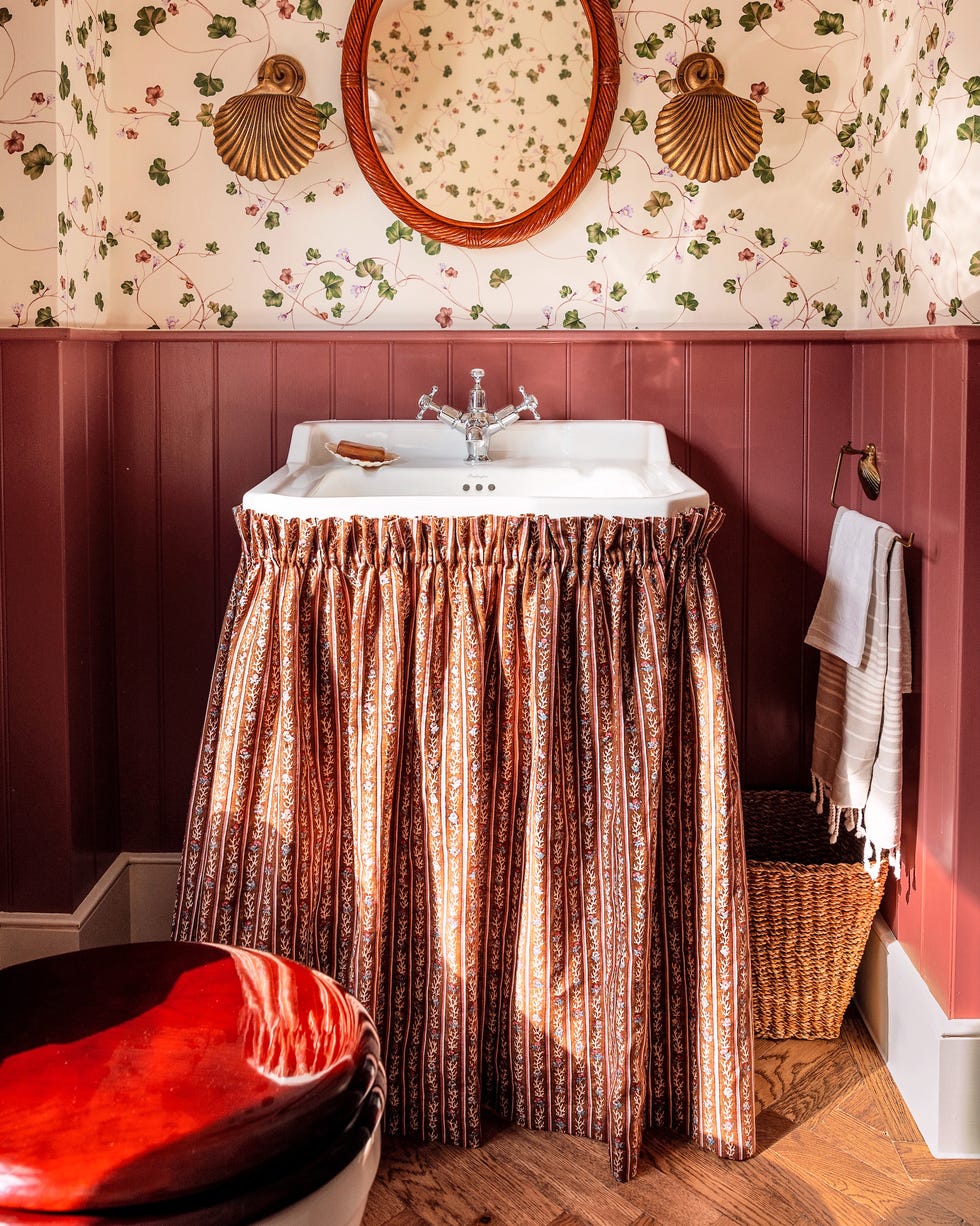
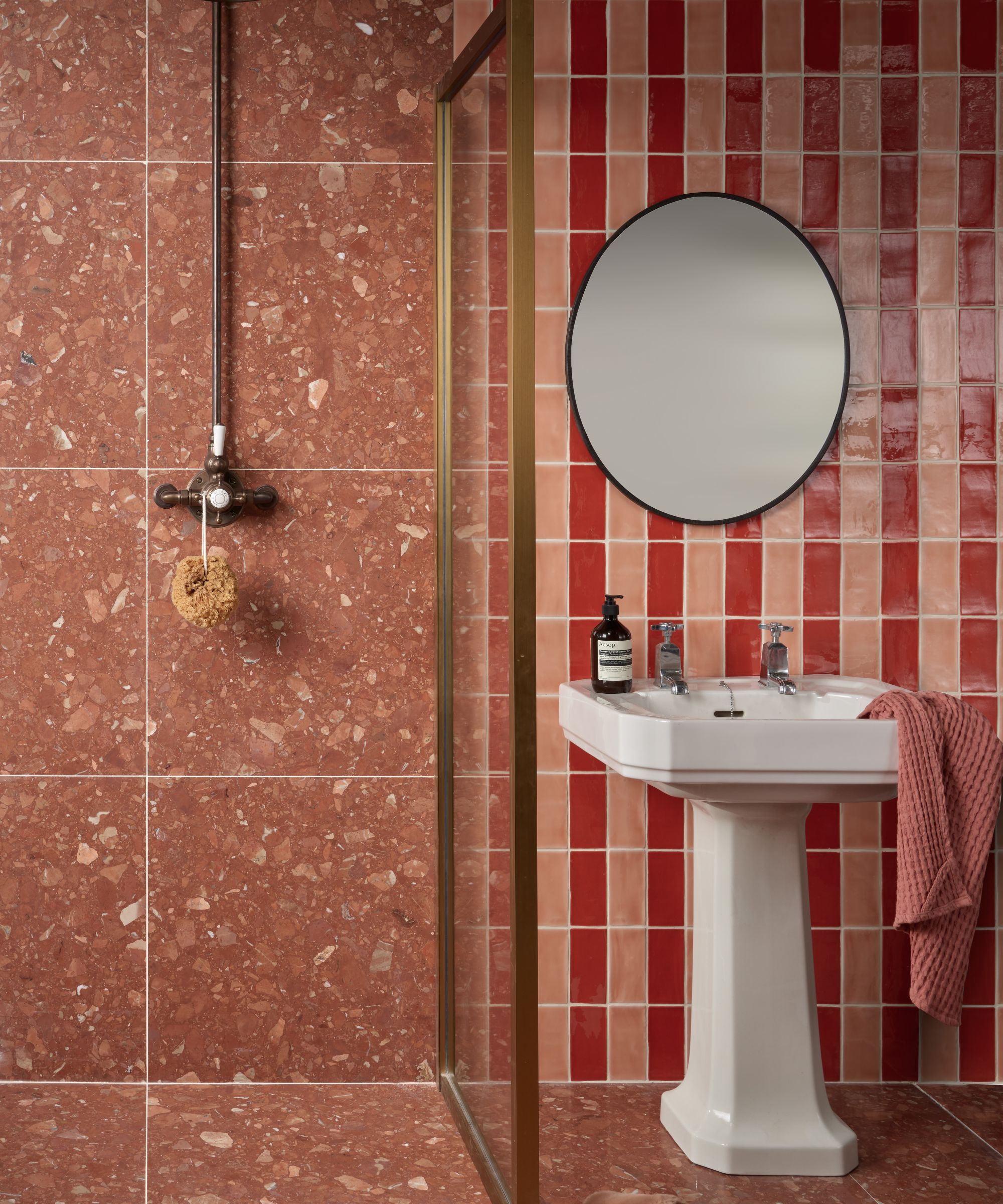
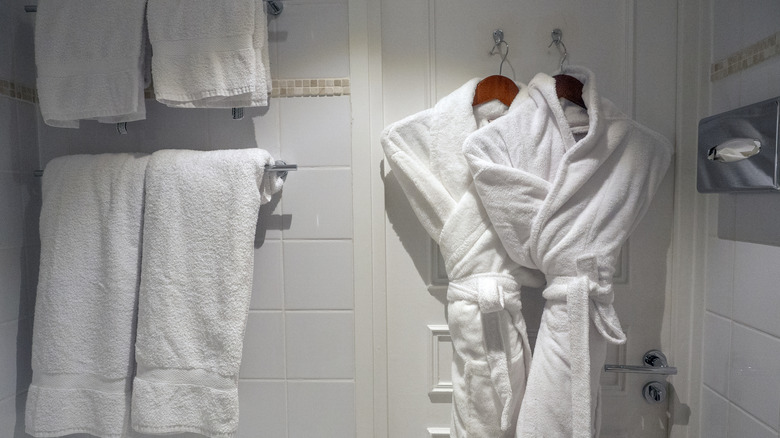
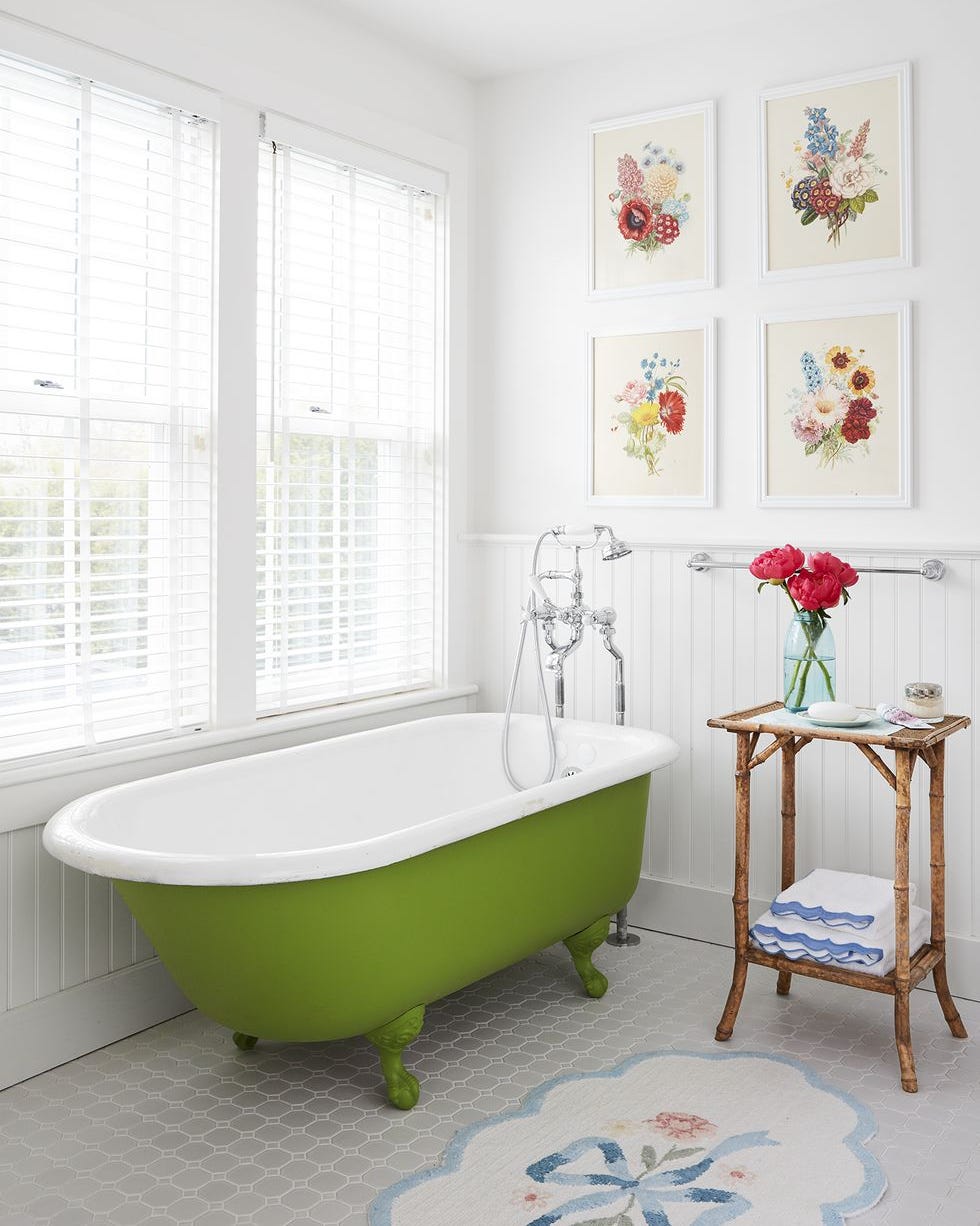
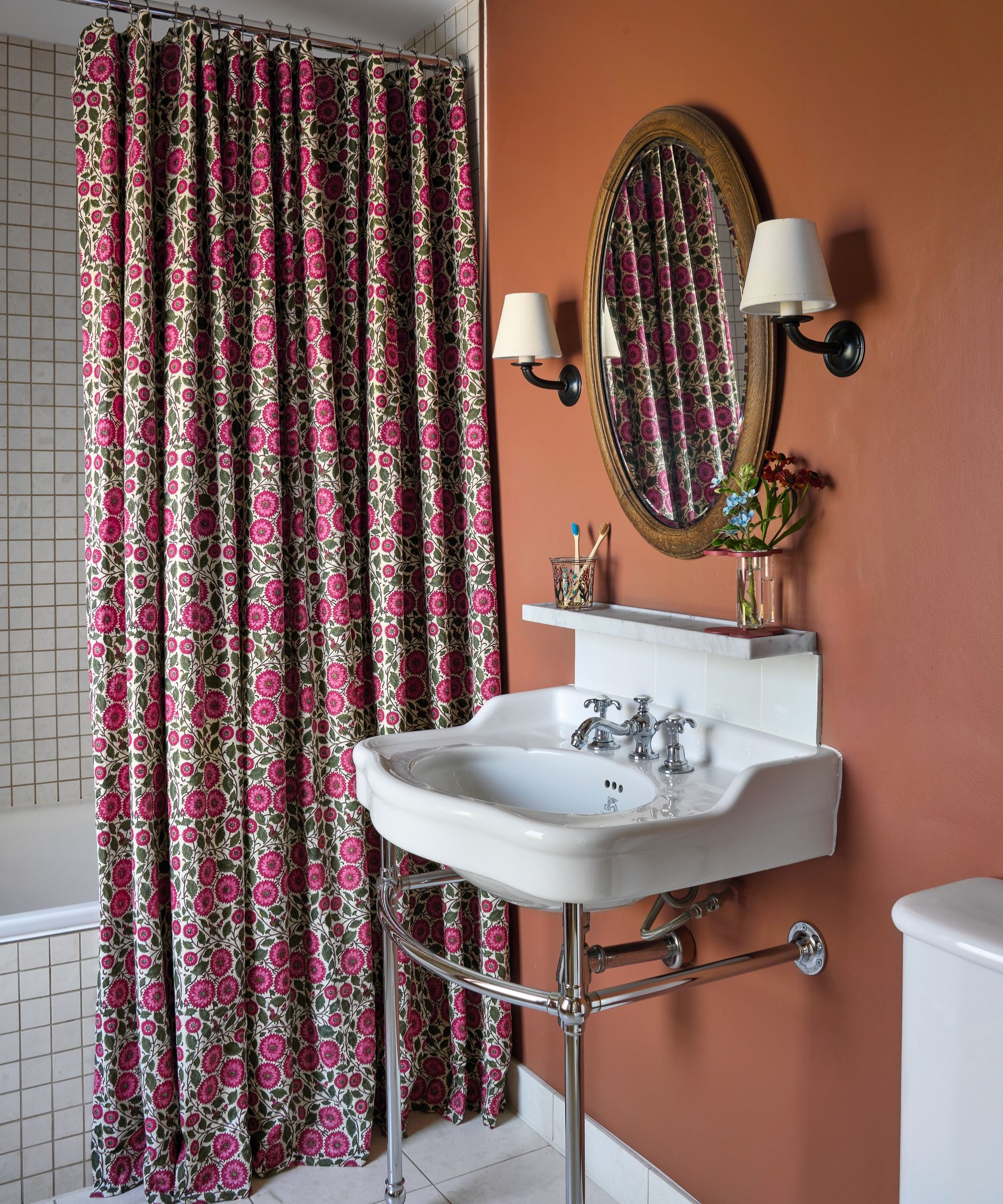
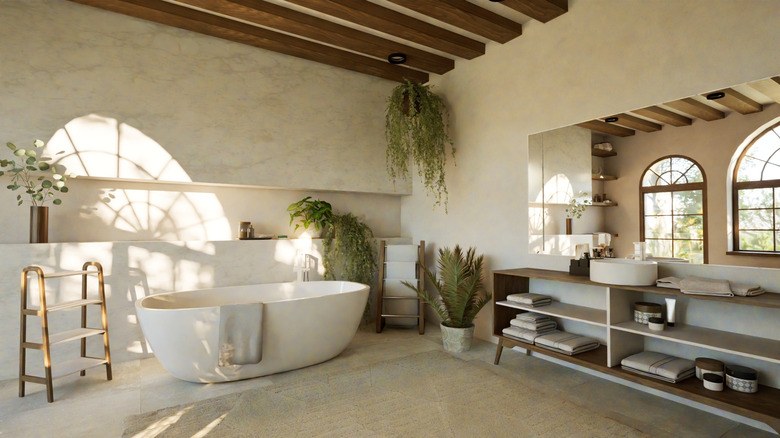
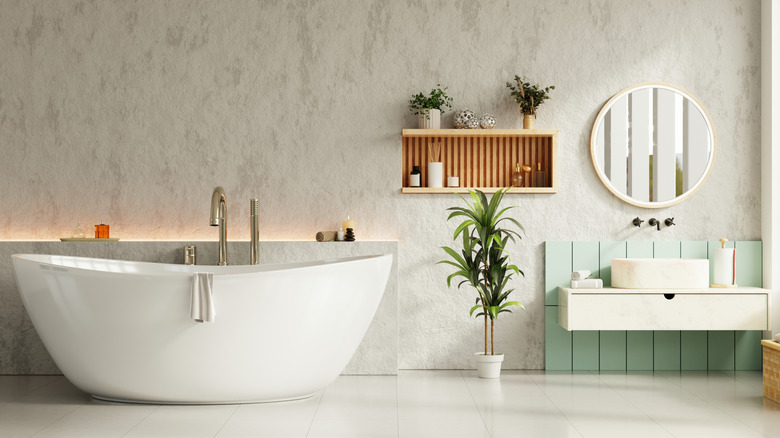
The starkness of all-white bathrooms is also becoming a thing of the past. Interior designer Shiva Samiei explains that the once-popular monochromatic and sterile aesthetic is being replaced by more personalized, textured spaces that tell a story. Homeowners are moving away from clinical-looking bathrooms towards warmth and personality, incorporating earth tones like deep browns, warm reds, and moody greens for countertops, tiles, and cabinetry. Simple decor changes like swapping towel sets or adding plants can also introduce warmth.
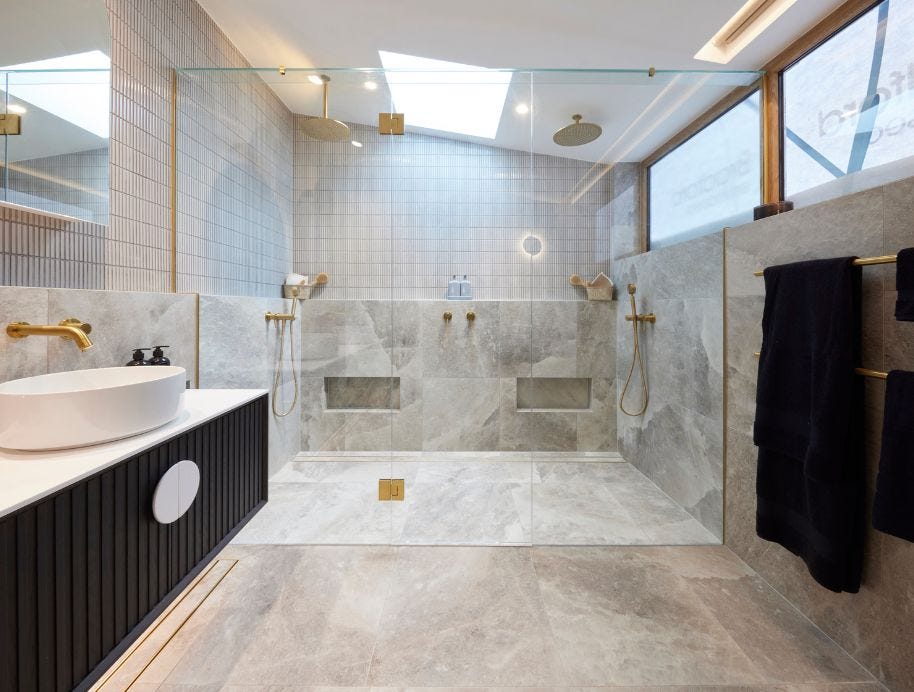
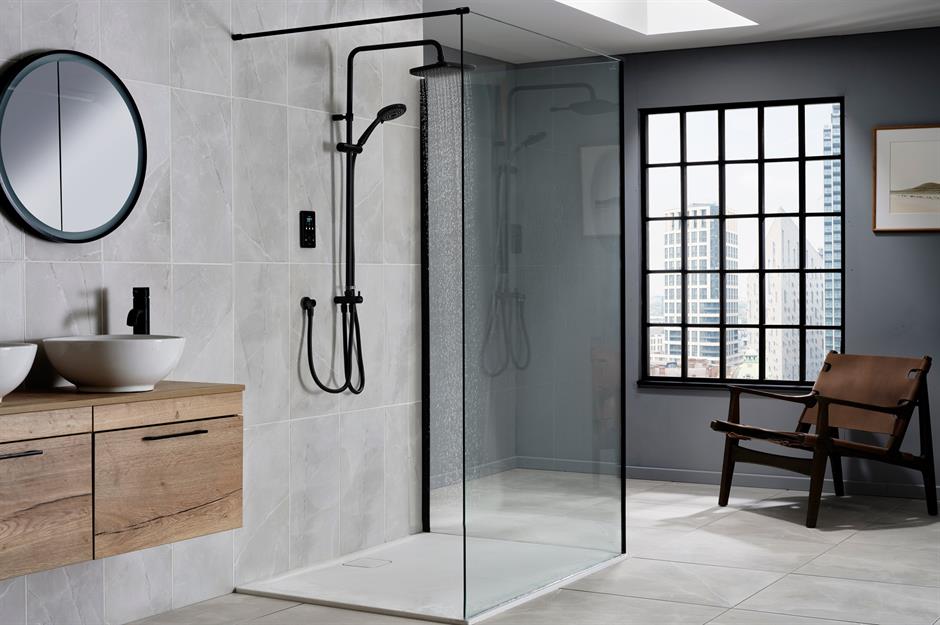
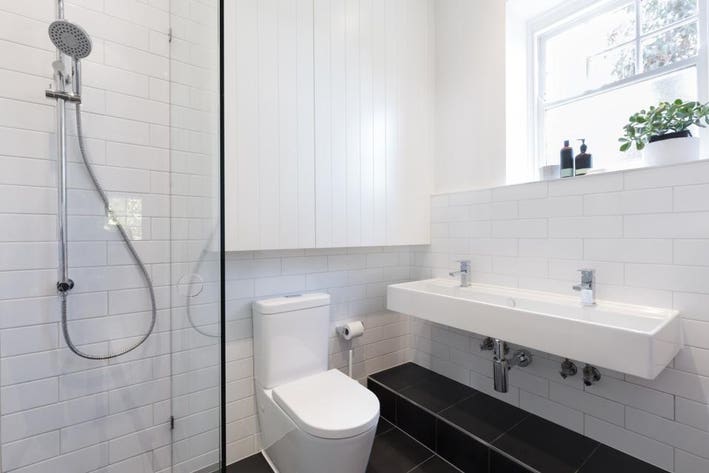
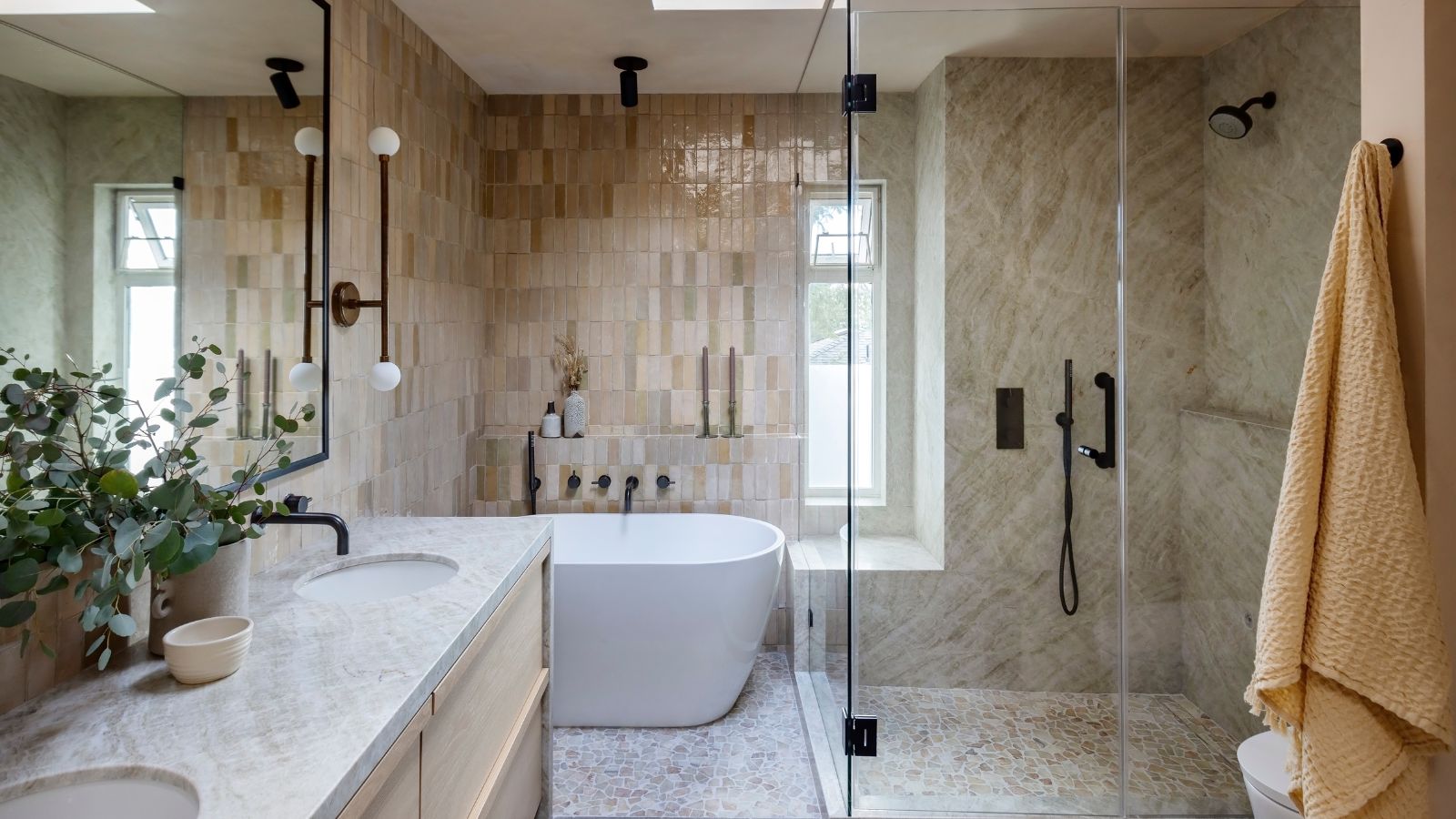
Frameless shower designs, characterized by large glass panels held by discreet metal clips, are being abandoned in favor of more structured looks. Samiei observes that while frameless showers initially appeared sleek, homeowners now prefer defined shower spaces with statement frames, often in matte black or bronze finishes. These frames add architectural drama and personality to the bathroom, with options ranging from large arched entryways to grid shower doors that break up the glass into smaller, more interesting panes.
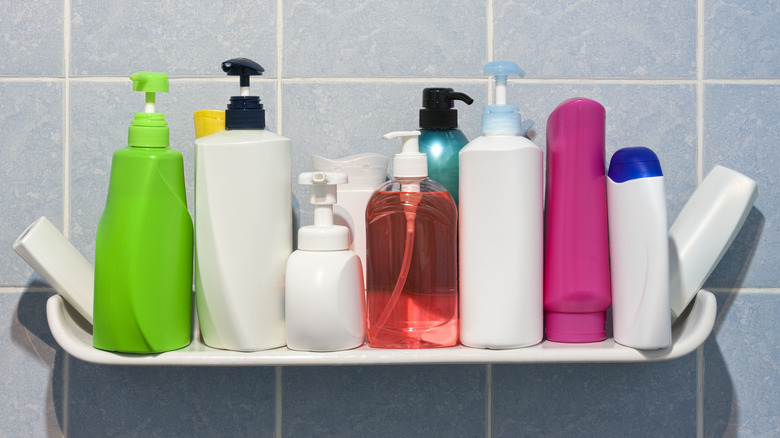
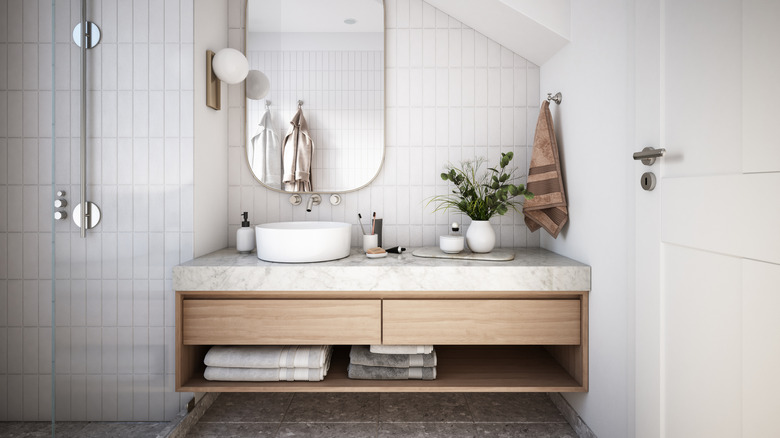
Wall-mounted vanities are losing favor due to their limited storage capacity. Josh Qian, COO of BestOnlineCabinets, predicts a return to classic, freestanding vanities that provide ample storage and greater flexibility in layout. For those with existing wall-mounted vanities, increasing storage can be achieved through shelving units, caddies, or other creative solutions.
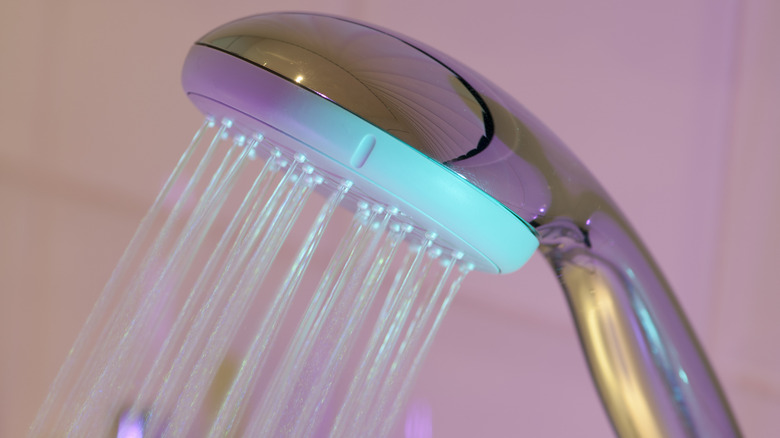
Finally, while LED lights are useful for specific tasks, their excessive use throughout the bathroom is being reconsidered. Nitya Seth, CEO of Nityanamya, suggests that cooler, less intense "mood lighting" will prevail to create a warmer ambiance. The trend moves away from overly lit spaces, favoring traditional options like recessed lights, pendant lights, chandeliers, or lamp-like sconces. Decorative elements such as candles are also suggested for achieving a soft, flickering effect.
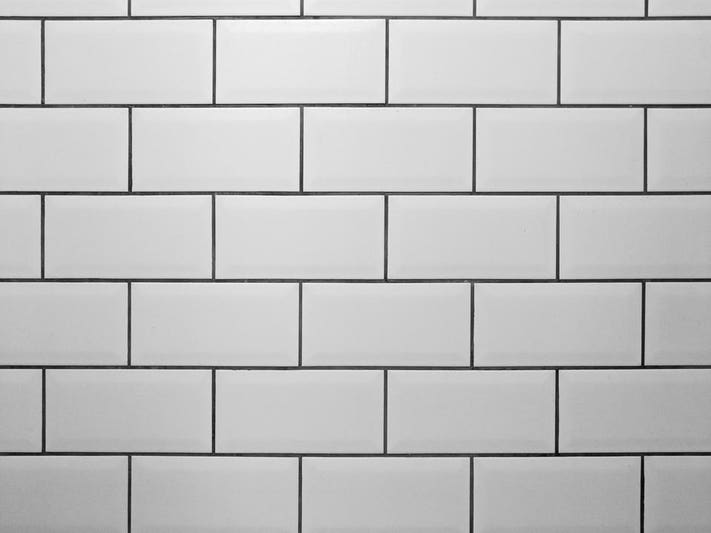
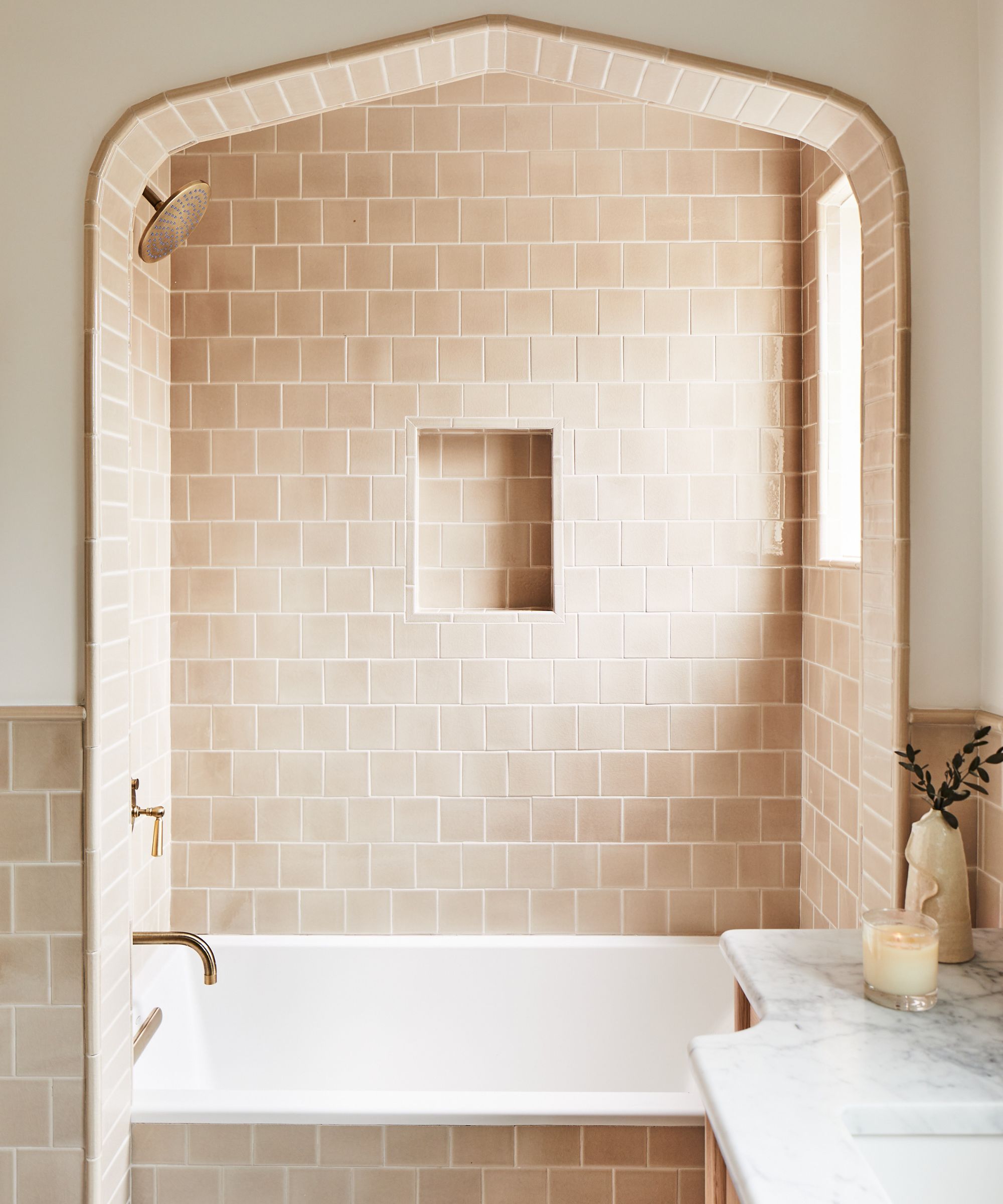
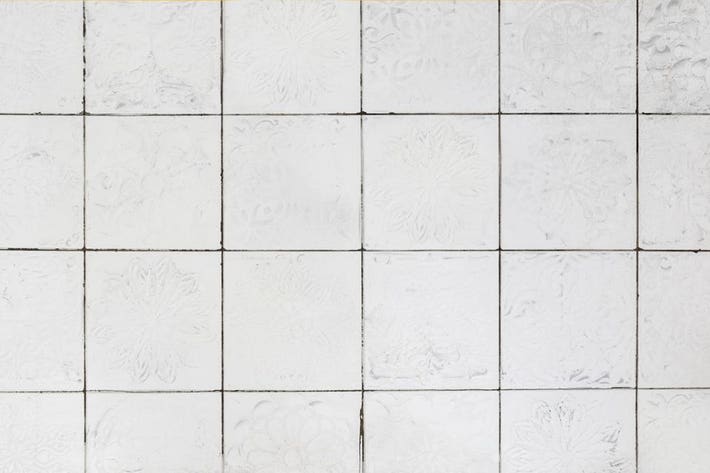
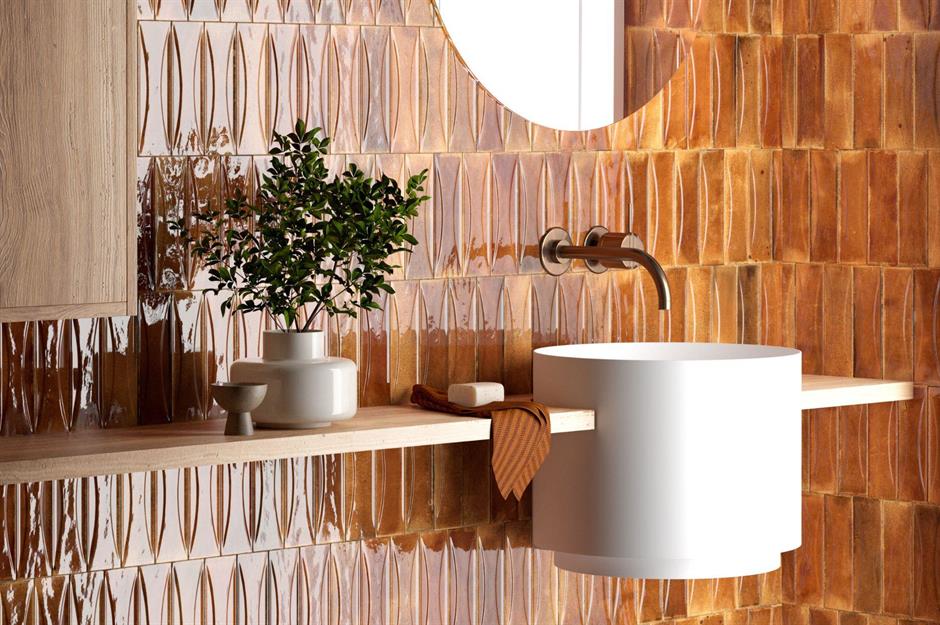
Large format tiles, a staple of the 2020s, are giving way to smaller, more dynamic tile patterns. Samiei notes a preference for handmade ceramic tiles, mixed geometric shapes, and artisanal designs that introduce visual complexity and craftsmanship. These statement tiles can add significant personality to a bathroom, drawing inspiration from styles like Art Deco, which emphasize shapes and patterns.
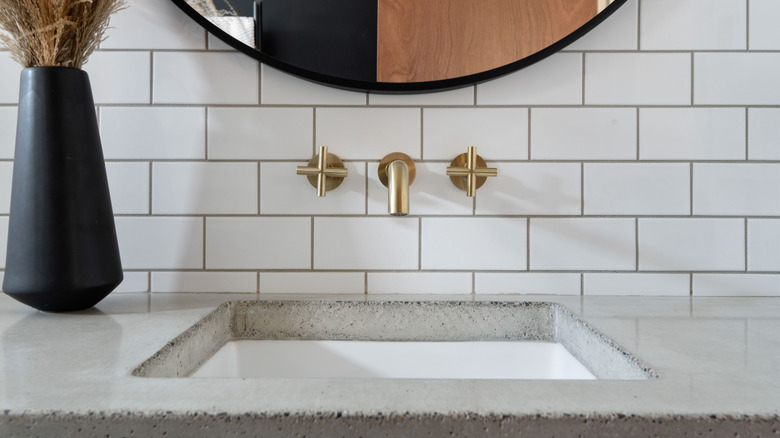
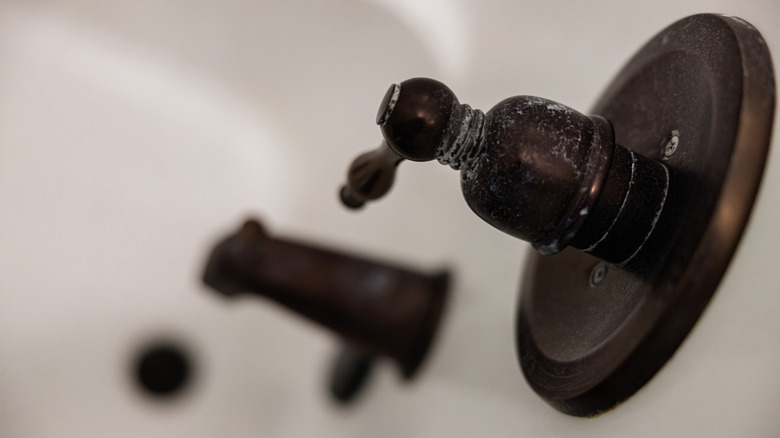
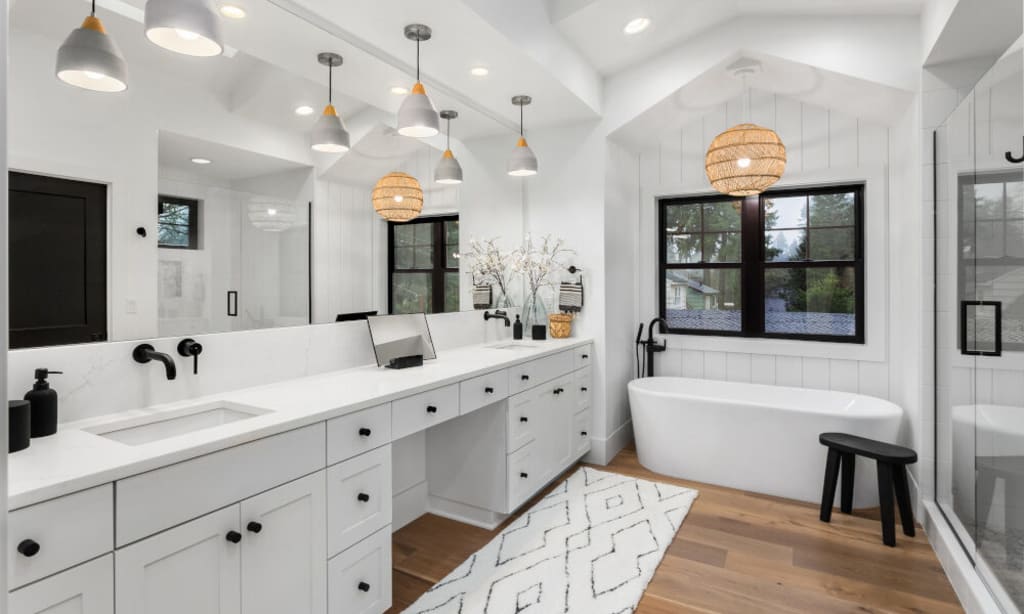
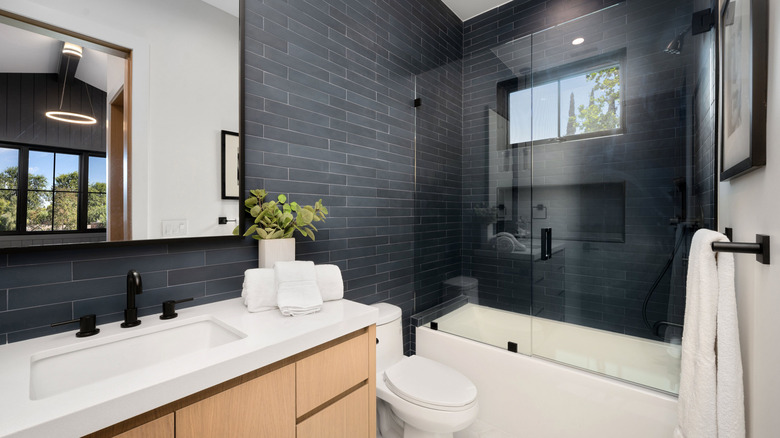
The overuse of matte black fixtures, once a dominant feature in modern bathrooms, is also declining. Jack Lorge, founder of Rolli Shades, observes a shift towards softer metallics such as brushed nickel, polished brass, and mixed metals. This move aims to create a warmer, more versatile aesthetic, with an emphasis on subtle elegance and timelessness rather than stark contrast. When mixing metals, adhering to rules such as selecting only two metals and maintaining consistent finishes within sets of fixtures helps achieve a cohesive design. These emerging trends reflect a broader desire for bathrooms that are not only functional but also deeply personal, comfortable, and enduring in style.
#BathroomDesignTrends #HomeRenovation #InteriorDesign #VintageInspired #FunctionalSpaces #StorageSolutions #LightingDesign #TilePatterns #FixtureFinishes #BathroomDesignTrends #HomeRenovation #InteriorDesign #VintageInspired #FunctionalSpaces #StorageSolutions #LightingDesign #TilePatterns #FixtureFinishes
0 ความคิดเห็นรวม
 ยังไม่มีความคิดเห็น
คุณอาจจะชอบอีกด้วย
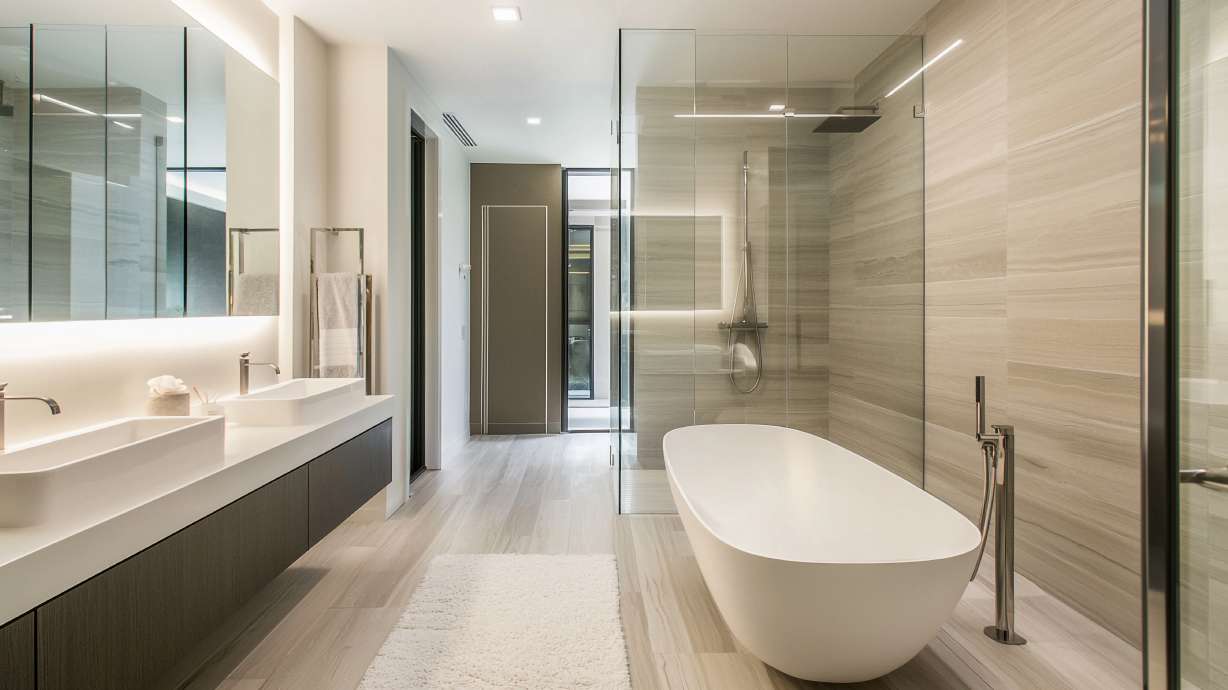
Top bathroom design trends in 2025
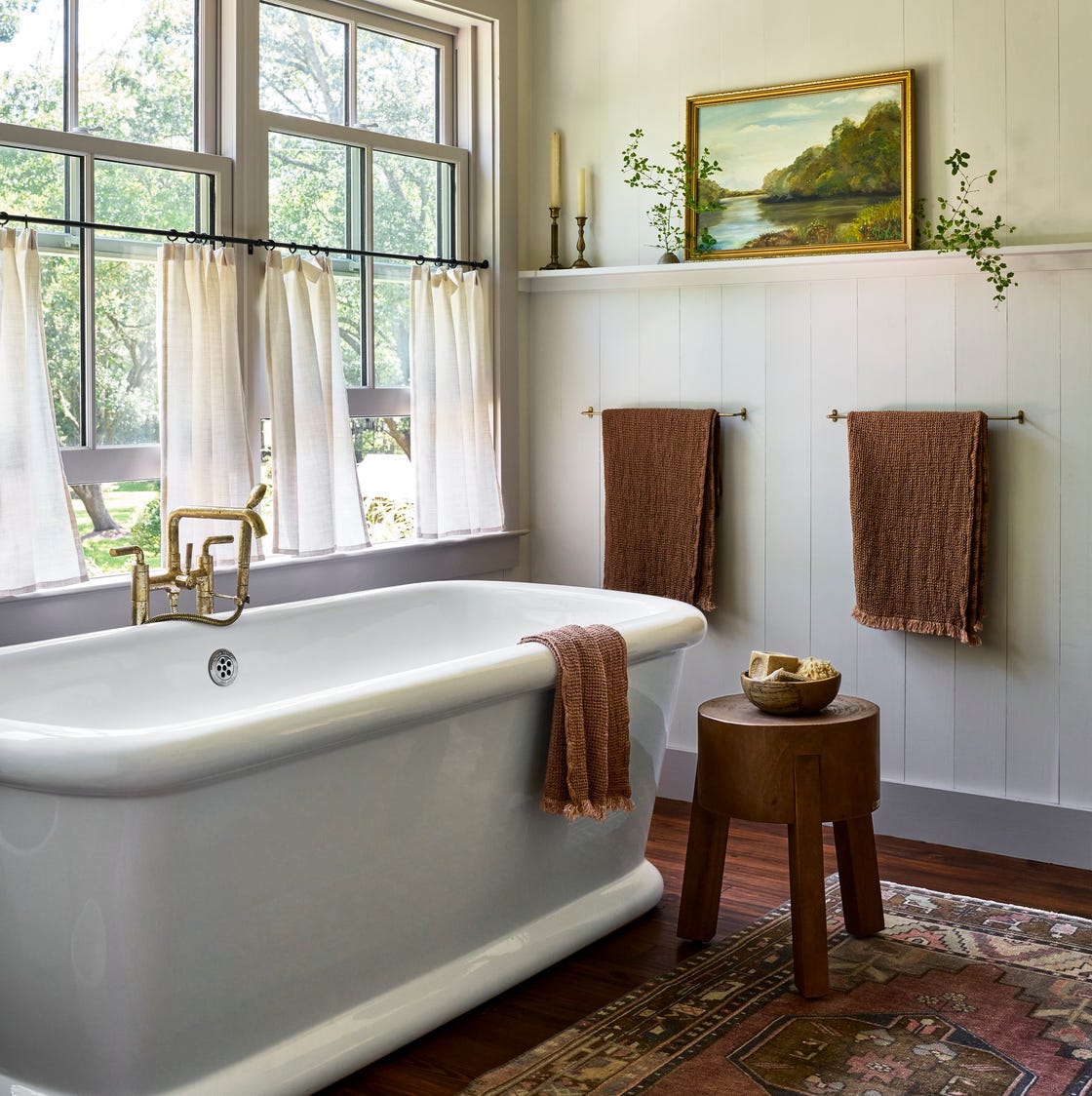
5 Bathroom Design Trends Already Taking Over in 2026
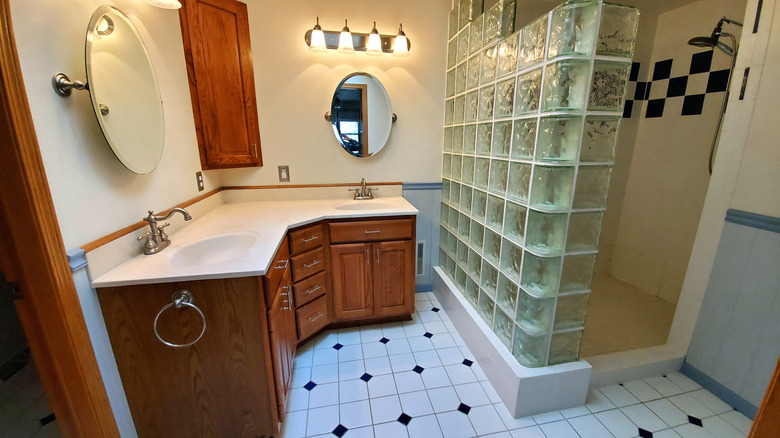
Bathroom Decor Items That Will Look Severely Outdated In 2025
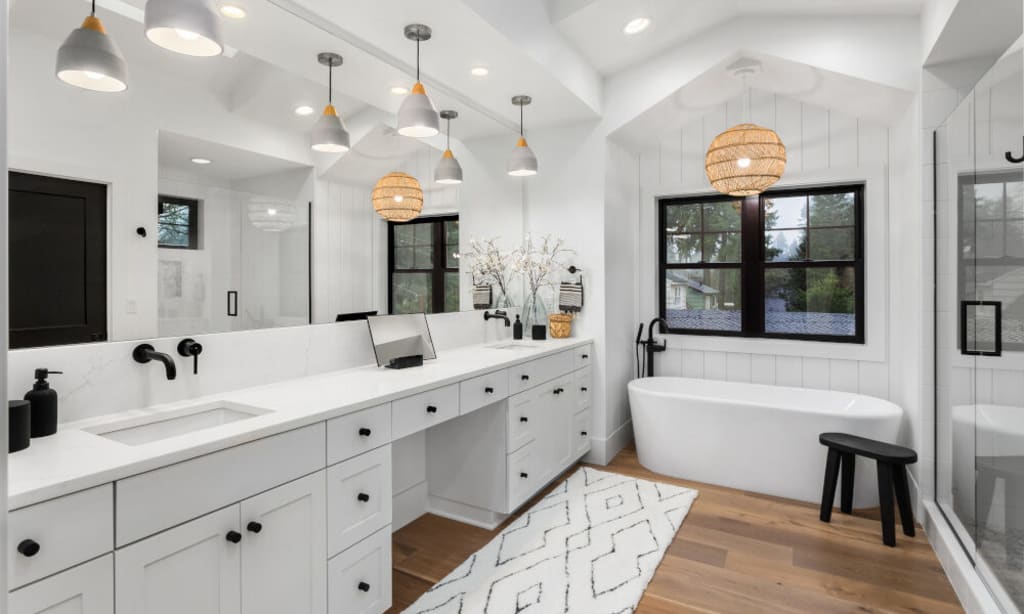
Top Bathroom Design Trends for 2025
2025 Best Bathroom Trends
5 once-dated bathroom styles designers say are making a comeback in 2024

Top Bathroom Design Trends for 2025

Updating your bathroom in 2025? Designers say these 5 swaps will completely transform your space
12 Bathroom Design Trends Going Out Of Style In 2025

These Are the Bathroom Trends That Will Take Over in 2025, According to Designers

According to interior designers, these are the most coveted bathroom trends for 2026 and beyond
This “Dated” 1950s Bathroom Design Trend Is Making a Major Comeback in 2025
These Will Be The Biggest Bathroom Trends in 2025, According to Designers
12 “Outdated” Bathroom Trends That Need To Go In 2025

Bathroom Hardware Trends Set To Dominate In 2025
5 Traditional Bathroom Features Making a Comeback – and How Designers are Making Them Work in 2026
Beautiful new bathroom trends for 2025 | loveproperty.com
10 Bathroom Design Trends Going Away In 2024
All The Bathroom Trends That Will Be Taking Over In 2026
Major Bathroom Design Changes Are Coming: This Popular Trend Is Ending In 2026